NSW Pre-Budget Submission
2026/27
2026/27
Increased investment in affordable housing, including $10 million matched funding for the design, planning and construction of affordable housing on Council-owned land.
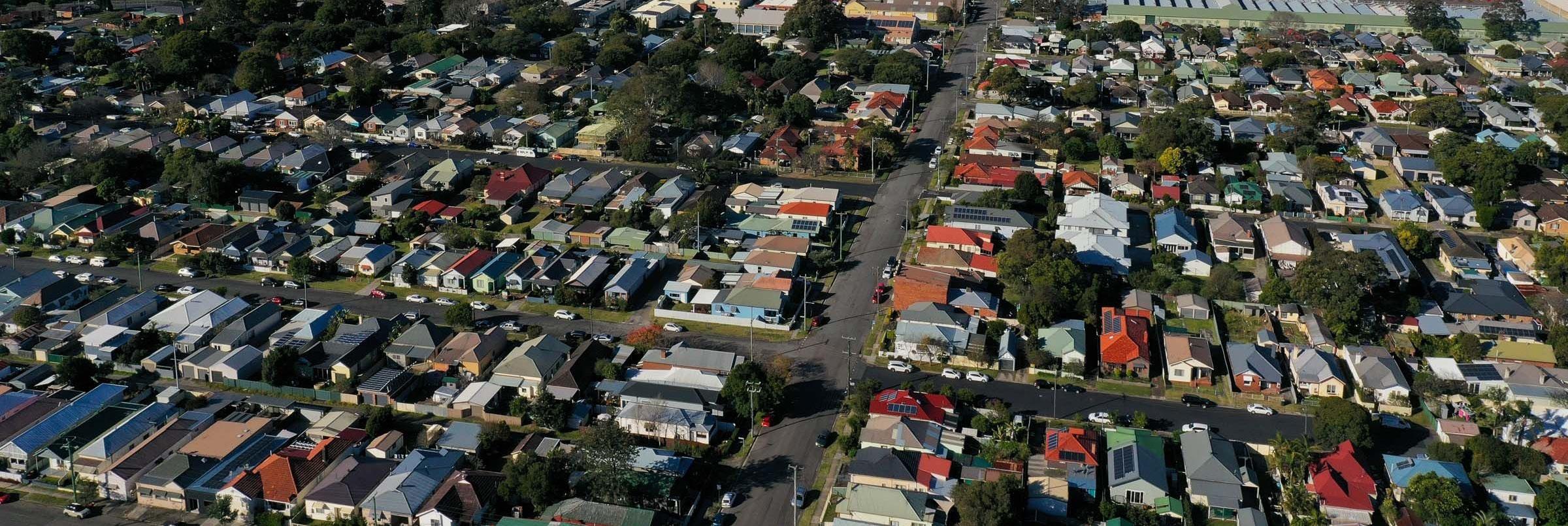
City of Newcastle is progressing an affordable housing program on Council-owned land to increase the supply of secure, long-term affordable rental housing for low to moderate income households.
Using public land enables Council to directly shape location, design quality, and affordability outcomes, while delivering lasting public value. Projects are intended to be delivered in partnership with a registered community provider, leveraging their expertise in tenant management, access to funding, and long-term stewardship to ensure homes remain affordable over time.
Council has identified a pipeline of 14 mixed use redevelopment sites across the LGA with existing community uses, suited for development of affordable housing projects.
Reduced whole-of-government costs through lower demand on homelessness services, emergency accommodation, health, and justice systems.
• Economic stimulus and job creation through increased housing construction, upgrades, and associated supply chains.
• Optimised use of government-owned land, delivering long-term public value and mixed-income communities aligned with NSW planning objectives.
• Reduced housing stress for low- and moderate-income households, young people, seniors, and key workers.
• Greater local economic resilience, with housing affordability supporting labour mobility, small business viability, and population growth.
• Improved community stability and liveability, reducing displacement, overcrowding, and social fragmentation.
Commit to the staged delivery of the Broadmeadow Place Strategy, commencing with a capital investment of $15 million to progress a new Newcastle Entertainment and Conference Centre in partnership with Venues NSW.
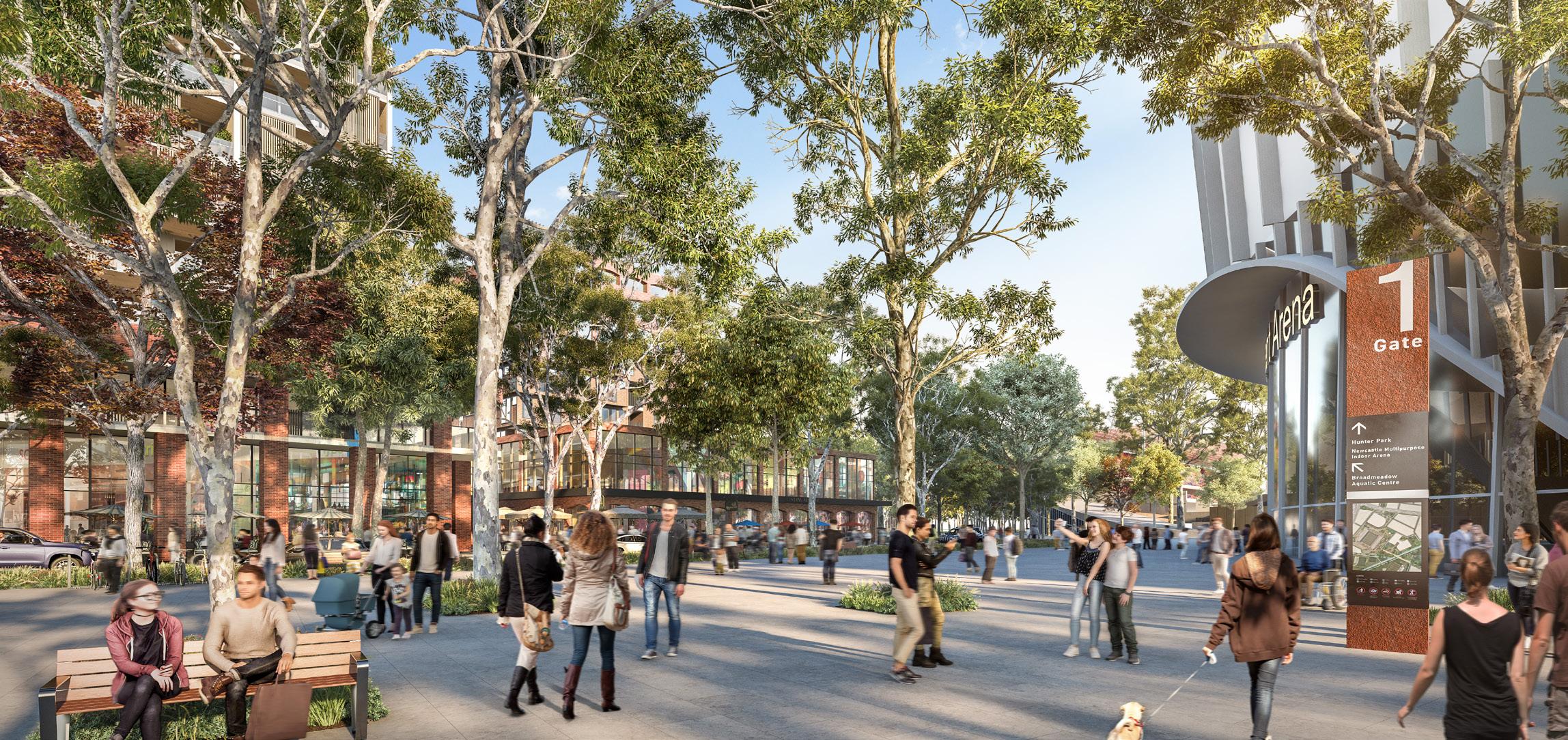
The Newcastle Entertainment and Conference Centre is a priority project for the Broadmeadow Place Strategy and a catalyst for staged delivery of the Hunter Park Precinct.
Newcastle currently lacks a contemporary, regionally significant entertainment and conference facility capable of hosting national-scale events, major sporting and cultural attractions, and large business and community expos. This capacity constraint limits visitor economy growth and the activation of strategically located government-owned land at Broadmeadow.
The Entertainment and Conference Centre is intended as Stage 1 of the Broadmeadow Place Strategy, anchoring Hunter Park and enabling subsequent stages including housing, sport and aquatic facilities, public domain upgrades, and supporting infrastructure. Together, these investments will transform Broadmeadow into a nationally significant sport, entertainment, and mixed-use precinct supported by strong transport connectivity and alignment with state and regional growth priorities.
Delivers a regionally significant Entertainment and Conference Centre that expands NSW’s major events and business tourism capacity beyond Sydney, directly supporting the NSW Visitor Economy and Major Events strategies while strengthening statewide economic resilience.
Drives immediate construction employment and long-term jobs across tourism, hospitality, creative industries, and event services, while maximising the value, utilisation, and financial sustainability of Venues NSW land through a contemporary, high-activation asset.
Enables staged delivery of the Broadmeadow Place Strategy, unlocking housing supply (including affordable housing), productivity-focused urban renewal, and efficient use of existing transport infrastructure in NSW’s second-largest city.
• Positions Newcastle as a leading regional destination for major events, conferences, and entertainment, generating sustained visitation, higher local spend, and flow-on benefits for accommodation, hospitality, transport, and local businesses.
• Anchors Hunter Park with a high-impact civic facility that drives private investment, improves land-use outcomes, and accelerates delivery of housing, sport, aquatic, and community infrastructure across the Broadmeadow Precinct.
• One complete, the precinct will support long-term employment growth, improved liveability, and delivery of diverse and affordable housing in a highly connected location minutes from the CBD, strengthening Newcastle’s role as a thriving regional city.
• NSW Visitor Economy Strategy
• NSW Major Events Strategy
• Hunter Regional Plan 2041
• Greater Newcastle Metropolitan Plan 2036
• Housing 2041 – NSW Housing Strategy
• State Infrastructure Strategy 2018–2038
• NSW Government Property Framework
• Rezoning Pathways Program
• Broadmeadow Place Strategy
Provide funding of $15 million and delivery partnership to progress the Lambton Indoor Pool project as a pilot indoor aquatic facility, delivering year-round, climate-resilient access to swimming and community programs while demonstrating a scalable, modular model for renewing ageing public pool infrastructure across NSW.
An indoor aquatic facility at Lambton would deliver year-round access to safe, inclusive swimming and community programs for Newcastle’s inland suburbs, addressing needs identified in Council’s Inland Pool Strategy. Developed using the proposed pattern-book approach with Royal Life Saving NSW, the project would demonstrate a modern, modular model for replacing ageing public pools with infrastructure that is more reliable, efficient, and responsive to community demand.
The facility would support preventative health, learn-to-swim, rehabilitation, and all-weather outcomes while reducing long-term operational risk through energy-efficient systems and climate-resilient design.
As a pilot project, Lambton would provide a scalable proof-of-concept for future aquatic facility renewal across NSW, positioning the project as both a critical local investment and a model for broader infrastructure reform.
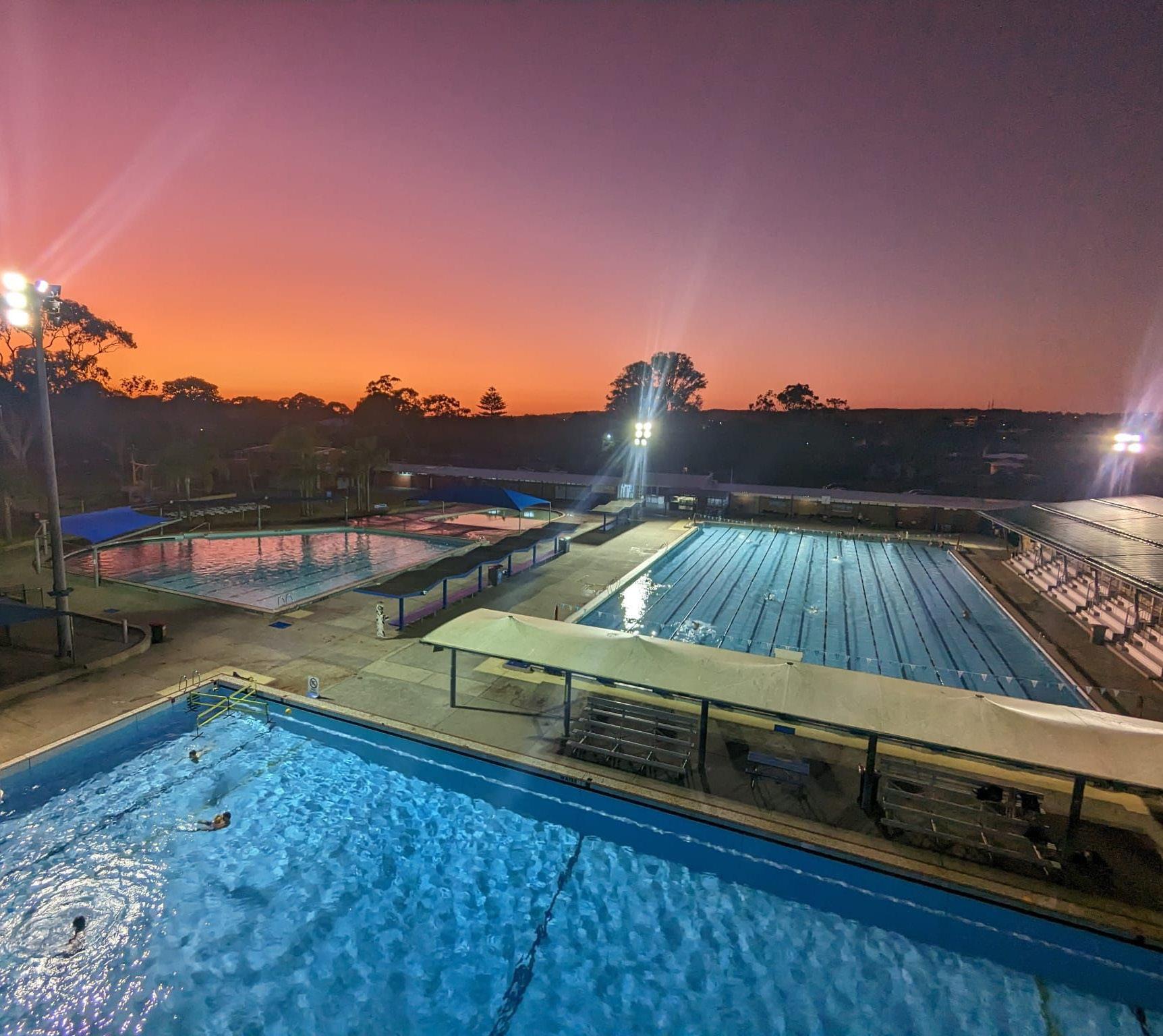
Year-round indoor aquatic facilities directly supports NSW priorities around water safety, learn-to-swim participation, and public health, aligning with the NSW Government’s work with Royal Life Saving NSW, Office of Sport objectives, and concerns about declining swimming competency and ageing aquatic assets.
• Year-round indoor aquatic facilities support preventative health outcomes by enabling consistent access to physical activity, rehabilitation, and therapeutic programs, aligning with NSW health priorities focused on reducing long-term demand on hospitals and acute care services.
• Using a pattern-book, modular approach aligns with NSW Government priorities to improve capital efficiency, reduce delivery risk, and create scalable, repeatable infrastructure models, supporting Treasury, Infrastructure NSW, and State Infrastructure Strategy objectives for smarter infrastructure investment.
• A modern, modular facility improves energy efficiency, asset reliability, and lifecycle performance, lowering exposure to escalating maintenance costs, unplanned closures, and future replacement risk.
• An indoor facility guarantees reliable, year-round delivery of learn-to-swim, rehabilitation, school and community programs, improving access to safe and affordable aquatic opportunities for residents of Newcastle’s inland suburbs and supporting physical activity, water safety, social inclusion, and community wellbeing close to where people live.
• NSW State Infrastructure Strategy 2024–2044
• NSW Office of Sport – Strategic Directions & Facility Planning Framework
• NSW Health – Preventative Health Strategy
• NSW Water Safety Framework / Royal Life Saving NSW Partnership Priorities
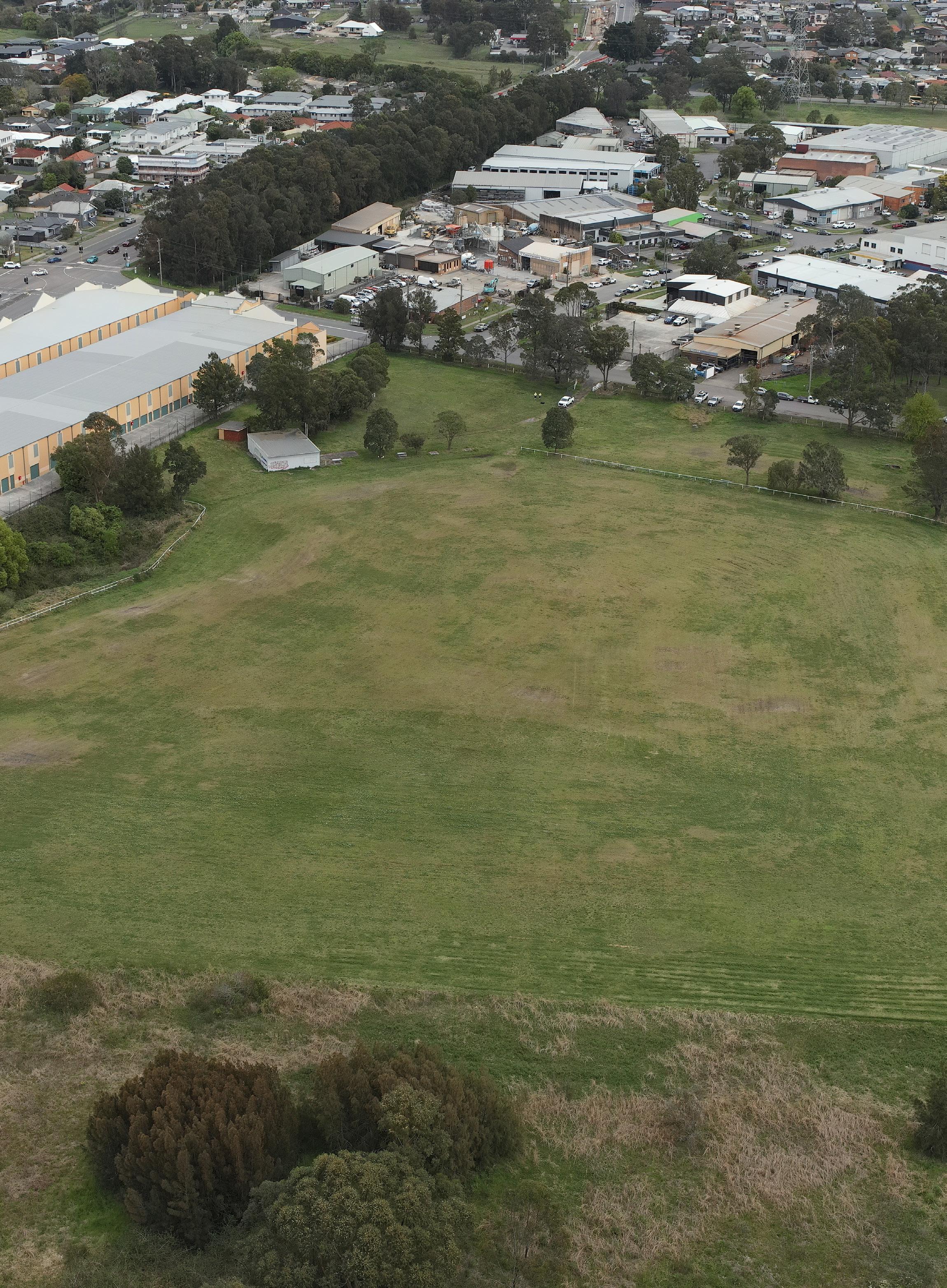
Providing funding of $25 million to deliver the Creek Road Regional Sports Complex, a key project to meet growing demand for high-quality, all-weather sporting facilities in the city’s western suburbs.
The Creek Road District Sports Complex will deliver a critical new sporting hub for Newcastle’s growing western suburbs, addressing identified gaps in local sports infrastructure. Recognised as a priority in City of Newcastle’s Strategic Sports Plan and the Western Corridor Local Infrastructure Contributions Plan, the project responds to increasing demand driven by population growth.
All-weather playing fields will reduce the chance of match cancellations caused by extreme weather, which in 2025 resulted in Newcastle Football postponing 2,543 fixtures across 14 weekends - roughly 180 games per weekend. Across Newcastle’s 160 sporting fields, there were 102 days in the winter of 2025, where fields were closed due to rain events.
Supported by stakeholders including Wallsend FC, Northern NSW Football, and the Newcastle Jets, the complex will enhance participation, strengthen talent pathways, and deliver long-term health and wellbeing benefits for the local community.
• Delivers resilient, high-impact community infrastructure aligned with NSW Office of Sport priorities.
• Advances state objectives for health, inclusion, and gender equity by supporting multi-code facilities, female-friendly amenities, and accessible design.
• Maximises return on state investment by funding a regional sports hub that serves multiple LGAs, strengthens talent pathways, and supports workforce participation and community wellbeing.
• Addresses critical infrastructure shortfalls in the western suburbs, meeting growing demand driven by rapid population growth and increasing sports participation.
• Significantly reduces match cancellations and scheduling pressure, improving reliability for local clubs.
• Creates a district-level sporting hub that boosts participation.
• NSW Active Living Strategy
• NSW Sport Infrastructure Strategy
• NSW Health and Wellbeing priorities / Preventative Health Strategy
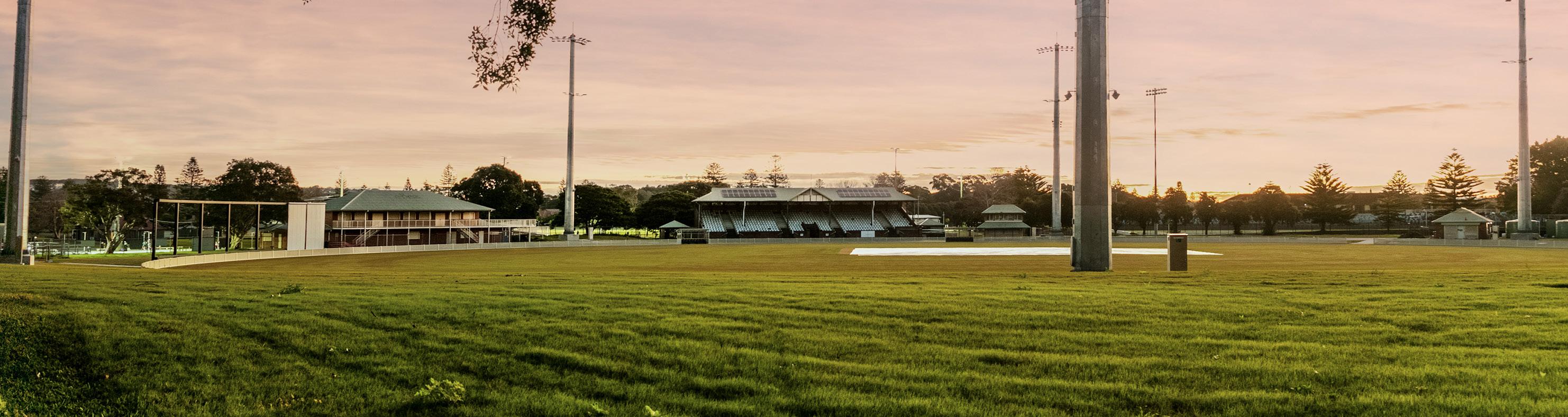
Provide funding of $15 million to deliver critical upgrades at Newcastle No.1 Sportsground including player and official facilities, accessible spectator amenities, and broadcast-standard lighting and media infrastructure to enable the venue to meet first-class sporting standards and restore elite men’s and women’s competition to the Hunter region.
Newcastle No.1 Sportsground is one of the city’s most important and historic multi-sport venues, playing a central role in elite, representative, and community sport across the Hunter region. The venue plays a pivotal role in the wider Hunter sporting community, hosting cricket, rugby league, rugby union, football (soccer), athletics, and major sporting events.
Stage 1 upgrade works were funded by City of Newcastle in 2024 at a cost of $10 million.
As NSW’s second-largest city, Newcastle relies on No.1 Sportsground as a flagship venue that provides equitable access to elite sport, supports women’s and junior competitions, and underpins the region’s sporting economy. Ageing facilities now constrain the venue’s ability to meet contemporary standards for athletes, officials, spectators, and broadcast, limiting its capacity to host major events. Targeted investment is essential to protect and enhance No.1 Sportsground’s role as a premier regional sporting asset and ensure Newcastle continues to deliver strong participation, talent development, and economic outcomes through sport.
Investment in Newcastle No.1 Sportsground restores access to elite men’s and women’s competition in NSW’s second-largest city, addressing regional equity and supporting state priorities for participation, talent pathways, and gender balance beyond Greater Sydney.
Upgrading the venue enables Newcastle to host first-class sporting events, driving visitation, overnight stays, and local expenditure while strengthening the Hunter’s contribution to the NSW visitor and events economy.
• Targeted upgrades protect and future-proof a high-profile multi-sport venue, improving safety, accessibility, and broadcast capability while extending asset life and reducing long-term maintenance and replacement costs for NSW.
Upgrades to No.1 Sportsground restore regular access to elite men’s and women’s competition, allowing local communities to experience first-class sport close to home while strengthening regional pride and visibility.
• Major sporting events drive increased visitation, accommodation demand, hospitality spending, and event-related employment, delivering tangible economic benefits to Newcastle and surrounding Hunter communities.
• Improved facilities support junior, women’s, and community sport across multiple codes, strengthening talent pathways, inclusion, and health outcomes while ensuring the venue continues to serve as a high-quality, accessible community asset for the region.
• NSW Sport Infrastructure Strategy
• NSW Office of Sport – Strategic Plan
• NSW Major Events Strategy
Hunter Regional Plan 2041

Matched funding of $5 million to deliver the Newcastle section of the Richmond Vale Rail Trail, enabling a shovel-ready anchor stage of a 32km regional walking and cycling corridor that supports active transport, tourism growth, and cross-LGA connectivity.
As a key segment of a 32km regional walking and cycling corridor linking Newcastle, Lake Macquarie, and Cessnock, the trail aligns with the Greater Newcastle Metropolitan Plan and offers significant recreational, tourism, environmental, and economic benefits. Funding this stage will unlock region-wide advantages including improved access to natural areas, safer active transport infrastructure, and increased visitation, while supporting inter-LGA collaboration on future trail delivery.
• High-value infrastructure investment delivering a proven cost–benefit ratio of 2.4, maximising return on state funding.
• Accelerates Greater Newcastle Metropolitan Plan delivery by advancing a priority regional active transport and recreation corridor.
• Supports the NSW Active Transport Strategy by providing a safe, off-road walking and cycling alternative that increases participation and reduces car dependency.
• Delivers a shovel-ready project with development approval secured for a 15km priority section (Shortland–Minmi–Pambalong).
• Improves local active transport safety by providing a high-quality off-road route for commuters, families, and recreational users.
• Enhances access to natural assets including Pambalong Nature Reserve and surrounding bushland, supporting community wellbeing.
• Unlocks future funding and delivery stages by establishing a completed anchor section within the approval timeframe.
• Greater Newcastle Metropolitan Plan 2036
NSW Active Transport Strategy
• NSW Open Space and Greener Places Policy
• NSW Visitor Economy Strategy 2030
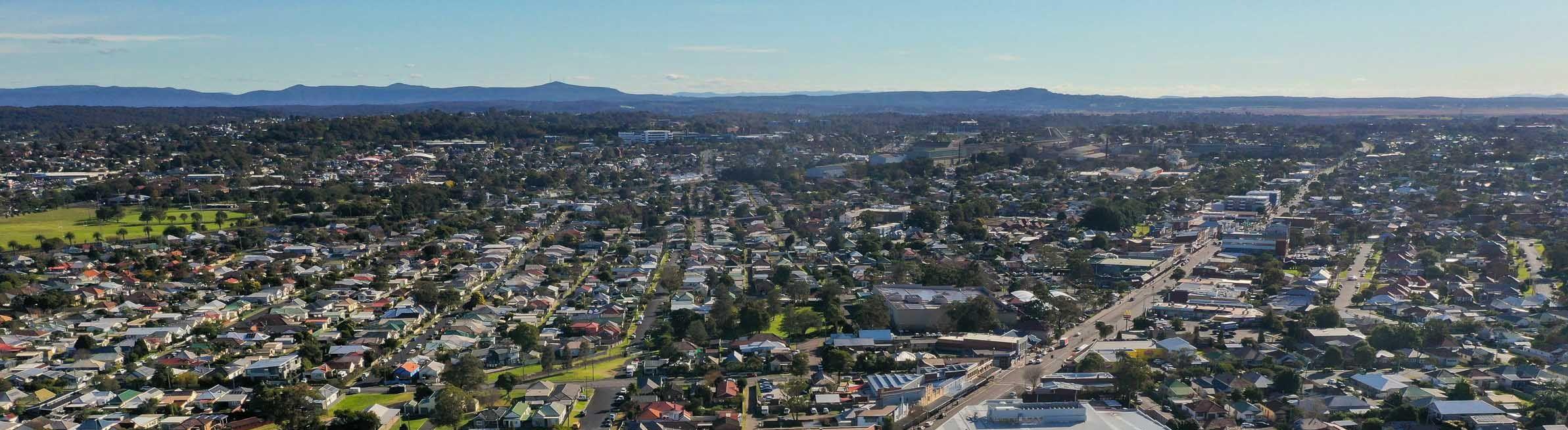
Provision of $10 million for a Mine's Grouting Fund to reduce development risk and cost uncertainty associated with mine grouting, enable higher-density development, and support housing supply and urban renewal objectives.
The Newcastle Mines Grouting Fund is a proven enabling mechanism designed to support high-density development in the Newcastle CBD by reducing cost uncertainty associated with mine grouting, a constraint unique to developed areas of the Hunter region. Established in 2015, the fund played a critical role in unlocking more than $3 billion in private investment and delivering over 2,000 new apartments, despite only a small proportion of the initial $17 million allocation being drawn down.
While the fund was discontinued in 2023, mine grouting uncertainty continue to present a significant barrier to new projects across the broader LGA. Reinstating the Newcastle Mines Grouting Fund would restore investor confidence, reduce financing risk, and directly support State Government housing supply and urban renewal objectives.
• Accelerates delivery of State housing supply and urban renewal targets by reducing cost uncertainty and development risk associated with mine grouting, enabling higher-density residential development in the Newcastle CBD in line with NSW housing and planning priorities.
• Improves development feasibility and private investment certainty by providing a targeted, place-based enabling mechanism that lowers financing risk, shortens project timelines, and unlocks capital in complex urban renewal environments.
• Strengthens policy credibility and equity in planning reform by addressing a region-specific constraint unique to the Hunter, aligning with the Hunter Regional Plan 2041 and supporting the intent of NSW Government policies to promote infill development, housing diversity, and efficient use of serviced land.
• Unlocks higher-density housing delivery in the Newcastle CBD by reducing cost uncertainty and development risk associated with mine grouting, enabling viable infill development and increased housing supply in well-serviced locations.
• Stimulates private investment and local economic activity by restoring investor confidence, improving project feasibility, and accelerating development timelines, supporting jobs growth across construction and related industries.
• Maximises the use of existing infrastructure and serviced land by overcoming a site-specific constraint unique to Newcastle, supporting efficient urban renewal, compact city outcomes, and long-term place-based growth.
NSW Housing Strategy and planning reform agenda
• NSW Planning System Acceleration Program
• NSW Infrastructure Strategy
• Hunter Regional Plan 2041
Investment of $1 million to fund detailed precinct design and planning, enabling the project to reach shovel-ready status and accelerate delivery of this state-significant freight and jobs initiative.
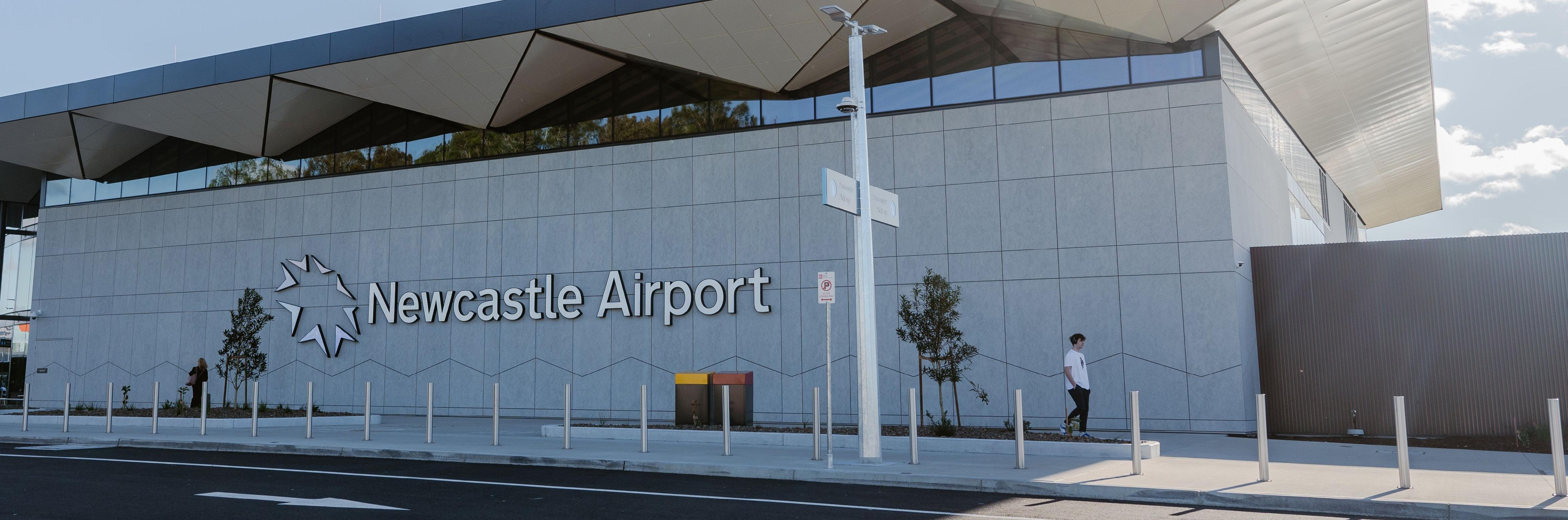
Freight represents a significant long-term economic opportunity arising from the growth and expansion of Newcastle Airport, with the Airport’s business case identifying a $6.5 billion uplift in gross regional product over 20 years through the development of an international air freight capability. To unlock this opportunity, Newcastle Airport is progressing the Hunter International Air Freight Precinct, including development of a dedicated air cargo facility to support advanced manufacturing, defence, agribusiness, and time-critical exports across the Hunter and regional NSW. A feasibility study for the cargo facility and supporting infrastructure has been completed, with delivery costed at $49 million.
• Investment in the Hunter International Air Freight Precinct unlocks a high-value freight and export gateway outside Sydney, supporting advanced manufacturing, defence, and time-critical exports while delivering a projected $6.5 billion uplift in gross regional product over 20 years.
• Accelerating the project to shovel-ready status enables earlier delivery of construction jobs and longterm employment across logistics, manufacturing, defence supply chains, and export-oriented industries, strengthening regional economic resilience and productivity.
• Developing international air freight capability at Newcastle Airport diversifies NSW’s freight network, reduces reliance on Sydney Airport, improves supply-chain resilience, and strengthens the State’s ability to respond to future trade, defence, and biosecurity demands.
• The Hunter International Air Freight Precinct will generate long-term, high-value jobs in logistics, advanced manufacturing, defence supply chains, and export industries, creating new employment opportunities for Port Stephens residents and strengthening the Hunter’s economic base.
An international air freight facility enables local producers and manufacturers to access global markets faster and more reliably, supporting agribusiness, defence, and time-critical exports while attracting new investment to the region.
• Investment in precinct planning accelerates delivery of state-significant infrastructure at Newcastle Airport, diversifies the State’s freight network, and reinforces the Hunter’s role as a key economic and logistics hub for regional NSW.
• NSW Industry Policy
NSW Regional Development Framework
• Hunter Regional Plan 2041
• NSW Infrastructure Strategy
• NSW Export Strategy
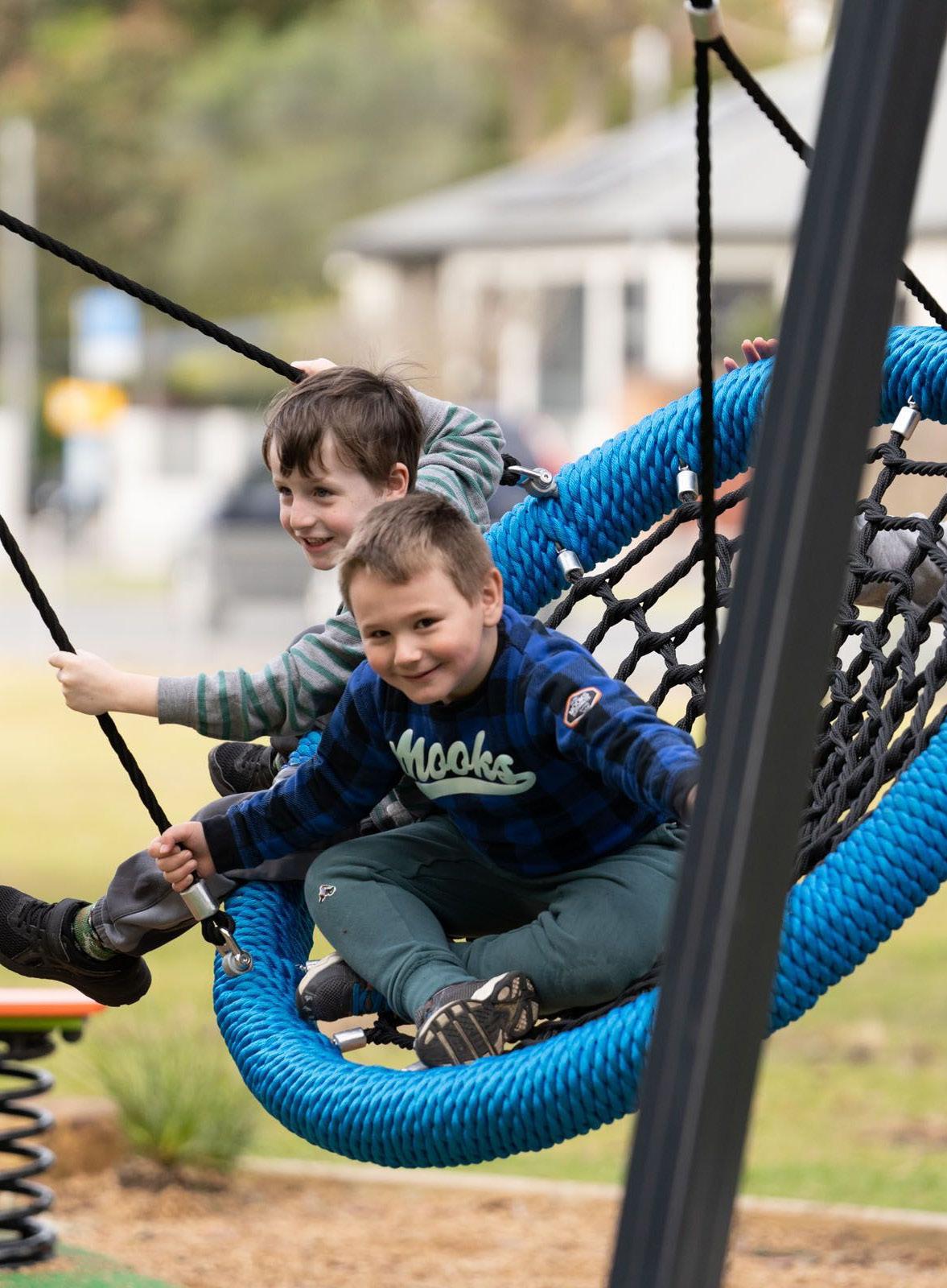
Matched funding of $5 million to progress priority active transport, parks, and playground upgrades that address safety risks, remove network gaps, and deliver accessible, all-ages recreational infrastructure across the LGA.
These projects deliver a coordinated suite of parks, playground, and active transport upgrades across Newcastle, focused on improving safety, accessibility, and network connectivity. The works address critical gaps in walking and cycling infrastructure, enhance key recreational corridors, renew ageing parks and sportsgrounds, and ensure inclusive, universally accessible open spaces. Collectively, they support increased participation in active transport and recreation, responds to population growth, and strengthens Newcastle’s liveability, health, and place outcomes.
a. City Centre to Merewether Cycleway, Stage 2. Completing critical east–west active transport links across key population and employment zones.
b. Newcastle West Bi-directional Cycleway West End Stage 2. Phase – Enhancing safe, separated cycle infrastructure in the city centre.
c. Cycleway Connections with Link Road Upgrade and Maitland Road Rail Crossings Upgrades to eliminate safety and connectivity barriers in active transport routes.
d. Active Transport Infrastructure Program City-wide expansion of shared paths, footpaths, and cycleways to encourage walking and cycling.
e. Parks and Sportsground Masterplans and staged upgrades of Gregson Park, Stevenson Park, Jefferson Park, Waratah Park, Creek Road, and National Park.
newcastle.nsw.gov.au