City of Newcastle (CN) acknowledges the Traditional Custodians of the Local Government Area (LGA). We acknowledge that Country for Aboriginal peoples is an interconnected set of ancient relationships. We acknowledge the custodianship of the Traditional Custodians of this land and the care and stewardship they have performed in this place since time immemorial.
Always was, always will be Aboriginal land.

The United Nations (UN) has declared this decade ‘the decade of action’ for achieving the Sustainability Development Goals; in response to the global, triple planetary crisis of climate change, nature loss and pollution. Our actions must be bold, decisive and transformative, with the UN warning that the window to secure a liveable climate is rapidly closing.
Newcastle is already experiencing the impacts of climate change, with more frequent and severe storm events, flooding, bushfires and heatwaves, and the erosion of our coastline and cliff line instability, affecting public and private assets, our environment and our health, wellbeing and economy.
City of Newcastle (CN) has a long history of action on climate change, from formally declaring a climate emergency and committing to the goals of the Paris Agreement, to pursuing efforts to limit the temperature increase to 1.5°C above pre-industrial levels, recognising that this would significantly reduce the risks and impacts of climate change.
The criticality of urgent action has never been clearer. Today, the world is not on track to meet the goals of the Paris Agreement. In 2024, it was the first year in which global temperatures exceeded 1.5°C for an entire year and was the warmest year on record. Current projections suggest the world is on track for 2.6°C to 3.1°C of warming by 2100 if countries do not significantly increase their emission reduction commitments.
Building on the significant achievements of the Newcastle Climate Action Plan 2021-2025, the Newcastle Climate Action Plan 2026-2030 sets out the actions CN will take over the next five years to achieve net zero emissions from our operations by 2030, and to support a Newcastle-wide transition to net zero emissions by 2040, in keeping with our commitment to the goals of the Paris Agreement.
CN also has a responsibility to show leadership in contributing to global and regional efforts to ensure a safe climate for us all and for future generations.
Globally, CN is a long-standing member of Local Governments for Sustainability (ICLEI) and the Global Covenant of Mayors for Climate and Energy, an
international alliance of cities with a shared long-term vision of promoting voluntary action to combat climate change and the transition to resilient, low-emission societies.
We have pledged support for The Malmö Commitment, focusing on strategies towards a climate-neutral future, resilient and healthy communities, equitable and inclusive communities, and sustainable finance and innovation.
CN is also a member of the Kaohsiung-ICLEI Climate Neutral and Smart Cities Community of Practice, a platform for capacity building and peer learning for governments in East Asia and Asia-Pacific committed to achieving climate neutrality and pursuing innovation and smart city strategies for sustainable transformation by 2050.
Closer to home, CN will continue to harness advocacy and partnership opportunities associated with a rapid transition away from fossil fuel-based industries and towards a net zero Hunter region, including large-scale renewable energy and associated industries.
It is also imperative that everyone in our community can access affordable, reliable, renewable energy, and that we support workers and communities affected by the shift away from emissions-intensive industries to a net-zero economy, through a just transition.
I’d like to thank our community for their dedication and passion in delivering decades of local climate action and I look forward to partnering with government, industry and all Novocastrians in delivering the CAP 2030, and a safe climate future.
Cr Charlotte McCabe Deputy Lord Mayor
At the time of finalising our Climate Action Plan, Dr Ross Kerridge had stepped down from his role as Lord Mayor to receive medical treatment. We hope to welcome him back in early 2026.
Cities are at the forefront of the climate challenge. They host more than half the global population and are responsible for an estimated 75% of global energyrelated carbon dioxide emissions but also hold the greatest opportunity for tackling climate change through innovation and solutions.
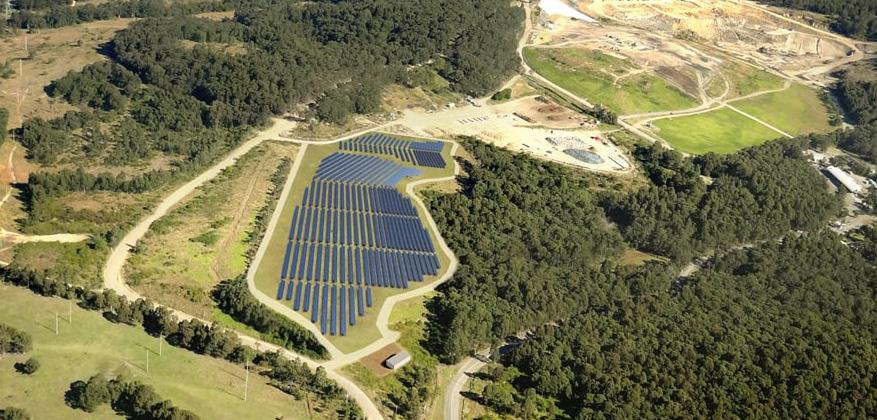
Over the past three decades, City of Newcastle (CN) has championed local climate action. We were the first council in NSW to be powered by 100% renewable electricity, achieved through the construction of a 5 MW solar farm at the Summerhill Waste Management Centre and a 10-year renewable energy Power Purchase Agreement (PPA) with Sapphire Wind Farm, and complemented by 818 kW of solar and 326 kWh of batteries across 13 facilities, an accelerated upgrade of 13,400 streetlights to LEDs, and energy efficiency upgrades. We have also installed 50 electric vehicle charging ports across 15 locations in the Newcastle Local Government Area, accelerating sustainable transport in the city.
We also plant around 2,000 street and park trees per year, to cool our suburbs, and deliver coastal, flood and bushfire management programs to address the impacts of climate change that Newcastle is already experiencing.
However, our work is far from done. The latest science tells us that our climate system could be irreversibly affected in the event of a 1.5°C degree increase in global temperature. Yet, the world is not on track to limit average global temperature increases to 1.5°C above pre-industrial levels, in accordance with the goals of the Paris Agreement, with current global efforts.
Which brings me to our Newcastle Climate Action Plan 2026-2030: Mission Possible (CAP 2030).
Delivered under the Newcastle Environment Strategy, our 10-year roadmap to achieving a sustainable Newcastle, and in conjunction with other strategies, the CAP 2030 outlines our bold and ambitious pathway over the next 5 years to achieve net zero emissions from our operations by 2030 and to support a Newcastlewide transition to net zero emissions by 2040, in alignment with the goals of the Paris Agreement.
Developed through extensive community consultation, economic modelling, best-practice research and cost–benefit analysis, the CAP 2030 provides a clear, evidence-based pathway for climate action that is strategic, impactful and measurable. The CAP 2030 takes a holistic approach, embedding climate action across every area of our operations and service delivery, with a defined and achievable funding model.
Through the CAP 2030 we will continue to maintain a 100% renewable electricity supply, transition our fleet, plant and equipment to electric or low emission alternatives, transition away from gas, and implement a framework to measure, monitor and report on our Scope 3 emissions, as well as reduce Scope 3 emissions through a sustainable procurement program. A significant opportunity for CN exists in the development of a Community Energy Precinct at our former landfill site at Astra Street in Sandgate, to meet CN’s growing renewable electricity needs and to progress community energy equity.
Reducing landfill gas emissions is also a key focus area of the CAP 2030. We will introduce a FOGO collection service, expand the bioenergy facility at Summerhill Waste Management Centre and investigate ways to expediate capping to further reduce landfill gas emissions, as well as expand gas collection and flaring at the Astra Street landfill site, as we strive to deliver on our commitment to achieve net zero emissions from landfill gas by 2040.
We will also expand our Empowering Newcastle program; encouraging residents, businesses, schools, and community groups to switch to renewable energy, electrify, and create a net zero future.
The stakes could not be higher, and our success depends on advocacy and partnerships with the community, businesses, industry and all levels of government, so that Newcastle and the Hunter region can adapt to a changing climate. Through the CAP 2030, I look forward to shaping a city and region that is liveable, sustainable and inclusive on a global scale.
Jeremy Bath Chief Executive Officer
1.1 Enriched neighbourhoods and places
Supporting residents to access affordable renewable energy and to live in healthy, comfortable and sustainable homes; and delivering public spaces that support a net zero transition.
1.2 Safe, active and linked movement across the city
Prioritising active and public transport while supporting an accelerated transition to electric and low-emission vehicles. Electrifying City of Newcastle's fleet and providing operational and public electric vehicle charging infrastructure.
2.1 Action on climate change
Delivering large-scale renewable solar and battery projects, reducing energy demand through energy efficiency, transitioning from gas and supporting the net zero transition in the Hunter region.
2.2 Nature-based solutions
Enhancing Newcastle’s blue and green spaces and delivering nature-based solutions to sequester carbon and provide climate adaptation and biodiversity outcomes.
2.3 Circular economy
Reducing landfill gas emissions, increasing resource recovery, advancing sustainable procurement initiatives and delivering community programs to drive a circular economy.
3.1 Vibrant and creative city
Engaging the community through climate-focused art and culture, sustainable events, low-emission tourism and creative climate action.
3.2 Opportunities in jobs, learning and innovation
Building skills and jobs for a just transition and supporting small to medium businesses to transition to net zero.
3.3 Celebrating culture
Improving energy equity, exploring community energy models and supporting community-led climate action.
3.4 City-shaping partnerships
Building partnerships to achieve a net zero Newcastle and encouraging large-scale developments, urban renewal and master-planned precincts to achieve net-zero or carbon-positive outcomes.
4.1 Inclusive and integrated planning
Maintaining a renewable electricity supply for City of Newcastle operations and designing and delivering a carbon insets and offsets program.
4.2 Trust and transparency
Utilising best-practice climate change monitoring and reporting frameworks to communicate our performance and promote knowledge exchange locally and globally.
4.3 Collaborative and innovative approach
Collaborating with stakeholders and the community to innovate, share knowledge, and co-design solutions that accelerate Newcastle’s transition to net zero.
The climate emergency is intensifying, and this decade is humanity's best opportunity to enact bold, transformational change to limit further global average temperature increases and to reduce the risks and impacts of climate change.
We have the solutions to reduce greenhouse gas emissions, adapt to the current and future impacts of climate change, regenerate our natural systems, and transition our economy and society . While a monumental challenge, climate change presents an opportunity for us to reimagine our communities and create a more equitable, healthy and resilient future, for everyone.
The Newcastle Climate Action Plan 2026-2030: Mission Possible (CAP 2030) integrates holistic climate action across all areas of City of Newcastle’s (CN) operations and service delivery, presenting 77 actions across the four themes of Newcastle 2040, our Community Strategic Plan, namely Liveable, Sustainable, Creative and Achieving Together.
Delivered in partnership with our community, all levels of government, business and industry, these actions will address the root causes of climate change and drive systemic and lasting change.
Climate change is one of the most significant challenges to human wellbeing and the health of our planet. Global temperatures are rising at an unprecedented rate, and together with biodiversity loss and pollution, this forms a triple planetary crises.
This has coincided with an increasing trend in the magnitude, intensity and frequency of climate and weather extremes, from heatwaves and droughts to floods, storms and bushfires, in every region across the globe, with extensive economic, environmental and social costs for local communities2
Climate projections indicate the world faces large-scale collapse and loss of entire ecosystems; severe impacts to human health, from stronger heatwaves, lower air quality, and extreme loss of food and water; an increased extent of extreme weather and climate events; increased damage to critical infrastructure; and severe economic losses due to aggregated and compounding impacts3
It is imperative that we limit global average temperatures to 1.5°C above pre-industrial levels, in accordance with the Paris Agreement if we are to significantly reduce the risks and impacts of climate change. However, 2024 was the first year in which global temperatures exceeded 1.5°C for an entire year and was the warmest year on record4
Annual global mean temperature anomalies from 1850 to 2024 relative to a pre-industrial (1850–1900) baseline, with data from six datasets (World Meteorological Organisation 2024)
Berkeley Earth (1850–2024.12)
ERA5 (1940–2024.12)
GISTEMP (1880–2024.12)
HadCRUT5 (1850–2024.12)
JRA-3Q (1947–2024.12)
NOAAGIobalTemp v6 (1850–2024.12)
Australia’s climate has warmed by an average of 1.51˚C since national records began in 19105. In Australia, eight out of the nine warmest years on record have occurred since 20136
By 2050 maximum temperatures in the Hunter are projected to rise by 1.9°C and continue to rise by 3.6°C by 20907
The Hunter is projected to experience an average of 11 more days above 35°C per year by 2050 and 24 more days above 35°C per year by 20908
Sea level for the Hunter is projected to rise by 18-31cm by 2050, 55-96cm by 2100, and 90-174cm by 215013. These projections do not factor in contributions from ice-sheet instability, which have high uncertainty. In the longer term, the Intergovernmental Panel on Climate Change (IPCC) indicates sea levels will rise for centuries to millennia14. If global warming is limited to 1.5°C, average sea level will rise by about 2-3m worldwide15. For 2°C warming, sea level rise of 2-6m is expected16.
Rising sea levels and more frequent and intense storms as a result of climate change are already leading to severe erosion, coastal inundation and shoreline retreat for many of our beaches17. By 2090, coastal erosion events may occur around 10 times more often than now18.
By 2090, on average, annual rainfall is projected to decrease across the Hunter and average winter rainfall9 could decrease by 25–30%10. The intensity of short-duration extreme rainfall events has increased by around 10% or more in recent decades11. Climate change may also affect the drivers of, and processes involved in, multi-day rainfall extremes12 Heavy rainfall is one of the major drivers of flood risk; flooding affects up to one third of all properties in Newcastle.
Extratropical storms (including east coast lows) are projected to become less frequent; however, they may have greater impacts when they do occur. Changes in rainfall intensity and sea levels mean a higher chance of coastal flooding from future extratropical storms19. Convective storms producing large hail may increase in the east20.
By 2050 severe fire weather is projected to increase across the Hunter in spring21 and summer, with the largest increase in spring. An even greater increase is projected by 209022.
Future climate change is projected to increase the severity of impacts across natural and human systems, and will increase regional differences. Risks are increasing with every increment of warming23.
In September 2025, the Federal Government released Australia’s first National Climate Risk Assessment, which provides an assessment of risk across eight key systems and 11 regions, prioritising key risks both within each system and across systems. Key findings from the assessment relevant to the Newcastle LGA are provided below24.
Key risks from the National Climate Risk Assessment relevant to Newcastle LGA
Social
Increasing heatrelated illnesses
Exacerbations of chronic health conditions, including respiratory and cardiovascular disease Rising mental ill health Higher risk of communicable diseases, including vector-borne diseases Exacerbation of health inequalities
Achieving deep and lasting emission reductions while securing a liveable, sustainable future requires rapid, transformative change across all sectors and systems. This means scaling up a diverse range of mitigation and adaptation solutions to drive system changes25.
To complement CAP 2030, we are developing a Climate Risk and Resilience Action Plan, which will outline our management response to addressing local climate risks and increasing the resilience of our community as well as our urban and natural areas, under a shared responsibility framework.
Governments at all levels, business, industry and the community each play distinct yet interconnected roles in mitigating and adapting to the impacts of climate change.
CN has a responsibility to provide regional leadership in shaping our city and responding to the climate emergency at a local government level, and to take meaningful action to mitigate against climate change impacts.
Mitigation: Preventing or reducing the emission of greenhouse gases into the atmosphere. Examples include energy e ciency measures and using renewable energy rather than fossil fuels for transport and electricity.
Adaptation: Actions to prevent or minimise the adverse e ects of climate change. Examples include shading to reduce heat, planning controls in flood-prone areas and tidal gates in low-lying suburbs.
While CN has a custodial role in delivering CAP 2030, it is not solely responsible for its implementation. Many of the climate-related issues facing Newcastle, as well as the solutions to addressing these issues, are complex and beyond the direct control and influence of local government. In delivering CAP 2030, CN will work with various stakeholders and partners, including other levels of government and their affiliated agencies, local businesses and industry, educational institutions, community groups, and other service providers.
Disaster preparedness: Advising on the e ects of climate change to better inform our planning and emergency response to extreme weather events. Examples include improving flood warning systems, supporting the community to ‘beat the heat’ and encouraging the use of bushfire plans.
The best actions are those that positively a ect all areas, for example, increasing the urban forest absorbs carbon from the atmosphere, reduces the heat island e ect and can reduce the impacts of flooding through water infiltration.
CN delivers a wide range of programs and services including community education, asset management, strategic and statutory planning or onground works.
There are areas in which CN has partial or shared responsibility or influence. CN builds strategic partnerships with federal and state government agencies, the private sector, and a range of other stakeholders whose work will contribute to delivering our long-term priorities.
A wide range of issues important to the community its outside CN’s control. CN gives a voice to the needs and aspirations of the community by advocating for changes in policy and action at relevant levels of government and industry.
Our community told us they want a sustainable Newcastle, where we value our natural environment and respond to challenges such as climate change, biodiversity loss and the overuse of resources.
CAP 2030 is built on feedback from our community, local environmental experts and CN staff, obtained through the development of the Newcastle Environment Strategy:
Approximately 4,500 pieces of feedback were gathered from community surveys and other engagement activities.
Approximately 200 environmental practitioners from the private sector, neighbouring local councils, state government bodies and non-government organisations, as well as educators and researchers, gave us their feedback.
Approximately 150 staff and subject matter experts across CN gave us their feedback.
This feedback found strong community support for transitioning CN operations to net zero emissions and supporting our city towards a net zero future.
Support for strategic priorities and deliverables in the Newcastle Environment Strategy 2023
Percentage of online survey respondents who are supportive/very supportive
CN has a long history of climate action, delivering innovative projects and programs and forging powerful partnerships to achieve nationally recognised sustainability outcomes.
On World Environment Day, on 5 June 1997, Newcastle hosted the Pathways to Sustainability International Conference. The conference was the result of advocacy from former Councillor Paul Scobie. Here prominent organisations signed the “Newcastle Declaration”:
"We declare our commitment, as local governments and communities, to enhancing global sustainability, by developing processes that will enable communities to progress toward sustainability by sharing and learning from each other."
The Declaration made its way around the world, being presented to the United Nations at the 1997 Rio+5 Conference in New York.
Through the delivery of our ‘Greenhouse Action in Newcastle (GAIN) Plan 2001-2008', we reduced operational carbon emissions by 13.5% below 1995 levels, at the same time as adding significant facilities and services to our operations.
We launched Climate Cam, a community engagement program that displayed daily greenhouse gas emissions and other environmental data online and on a billboard in Wheeler Place in the Newcastle CBD and included a popular schools’ program on energy efficiency.
We worked in collaboration with the Hunter Business Chamber and Hunter TAFE to deliver the Energy Hunter program to over 350 businesses across the Hunter region, providing real-time electricity monitoring, energy audits, workshops and assistance in developing energy efficiency projects, and helping businesses reduce electricity use by 5.6GWh and save over $1.1M each year.
From 2013 to 2015, we delivered the Smart Buildings Smart Workforce program, where seven major CN sites were upgraded with air conditioning, lighting and thermal performance improvements, resulting in reduced electricity use of 1.45 GWh and savings of over $245,000 each year.
We adopted the Newcastle 2020 Carbon and Water Management Action Plan.
We installed our first rooftop solar PV system at our works depot. Since 2012, we have installed 818 kW of solar and 326 kWh of batteries across 13 facilities.
In 2019, we constructed a 5 MW solar farm on a closed landfill site at Summerhill Waste Management Centre, the biggest councilowned solar farm in NSW.
We began an accelerated upgrade of 13,400 streetlights to LEDs.
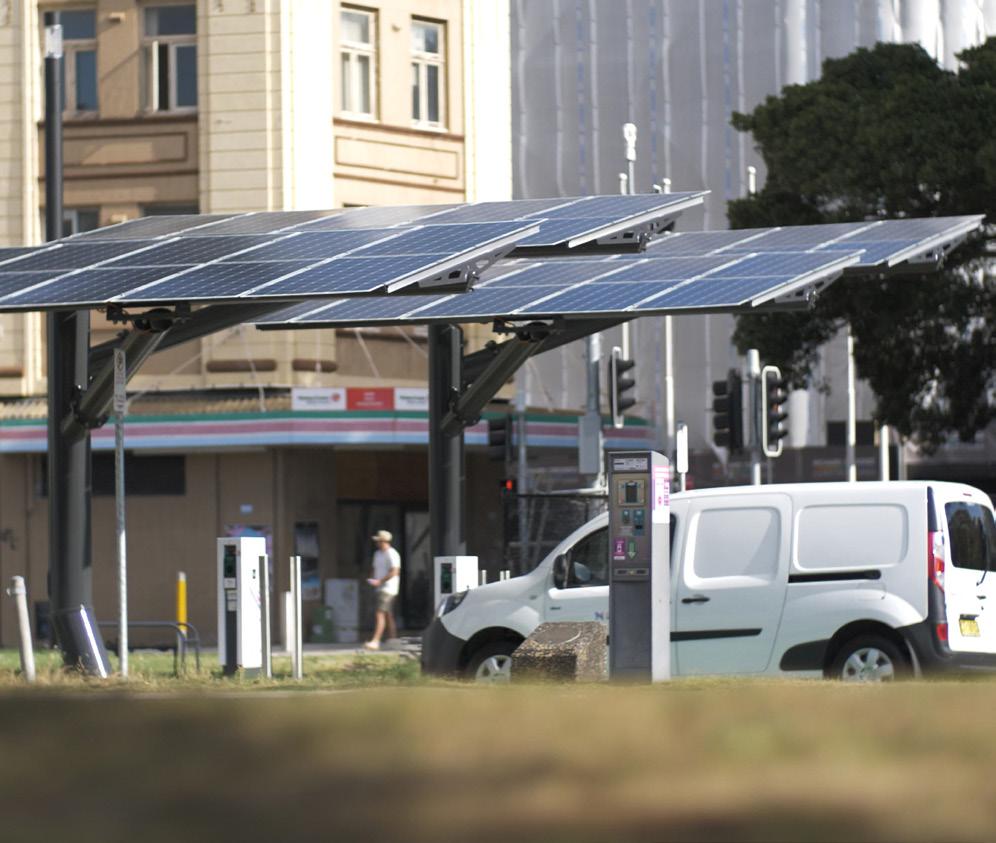
We built our first public electric vehicle (EV) charging bays at Wharf Road and No.2 Sportsground, which also had solar carpark covers and battery storage.
We began electrifying our own vehicles, plant and equipment, including purchasing two electric vans and two electric cars, and retrofitting a small truck.
In 2019, we declared a climate emergency, acknowledging the global climate crisis and committing to urgent action and a just transition.
We launched our Empowering Newcastle program, to support residents, businesses, schools, and community groups to switch to renewable energy, electrify, and create a net zero future. Over 1,500 people attended our launch event series featuring electrification advocate Dr Saul Griffith and NSW Minister for Climate Change, Energy, Environment and Heritage, the Hon. Penny Sharpe.
We created go electric action plans, newsletters and home energy kits to help households lower energy costs and create healthier, more comfortable homes.
We formally committed to the Paris Agreement and adopted our second Climate Action Plan 2021–2025.
We become the first council in NSW to be powered by 100% renewable electricity, achieved through a 10-year Power Purchase Agreement (PPA) with Sapphire Wind Farm and our 5 MW solar farm.
We tripled our EV charging network, by installing an additional 34 EV charging ports at 11 locations and increasing our EV charging network to 50 charging ports at 15 locations across the Newcastle LGA.
Our libraries ran a wide range of circular economy initiatives including the Library of Useful Things, repair cafés and seed libraries.
We funded over $200,000 in youth-led local climate action projects, with support from Bloomberg Philanthropies’ Youth Climate Action Fund, as well as over $260,000 for sustainability initiatives through our annual community grants program.
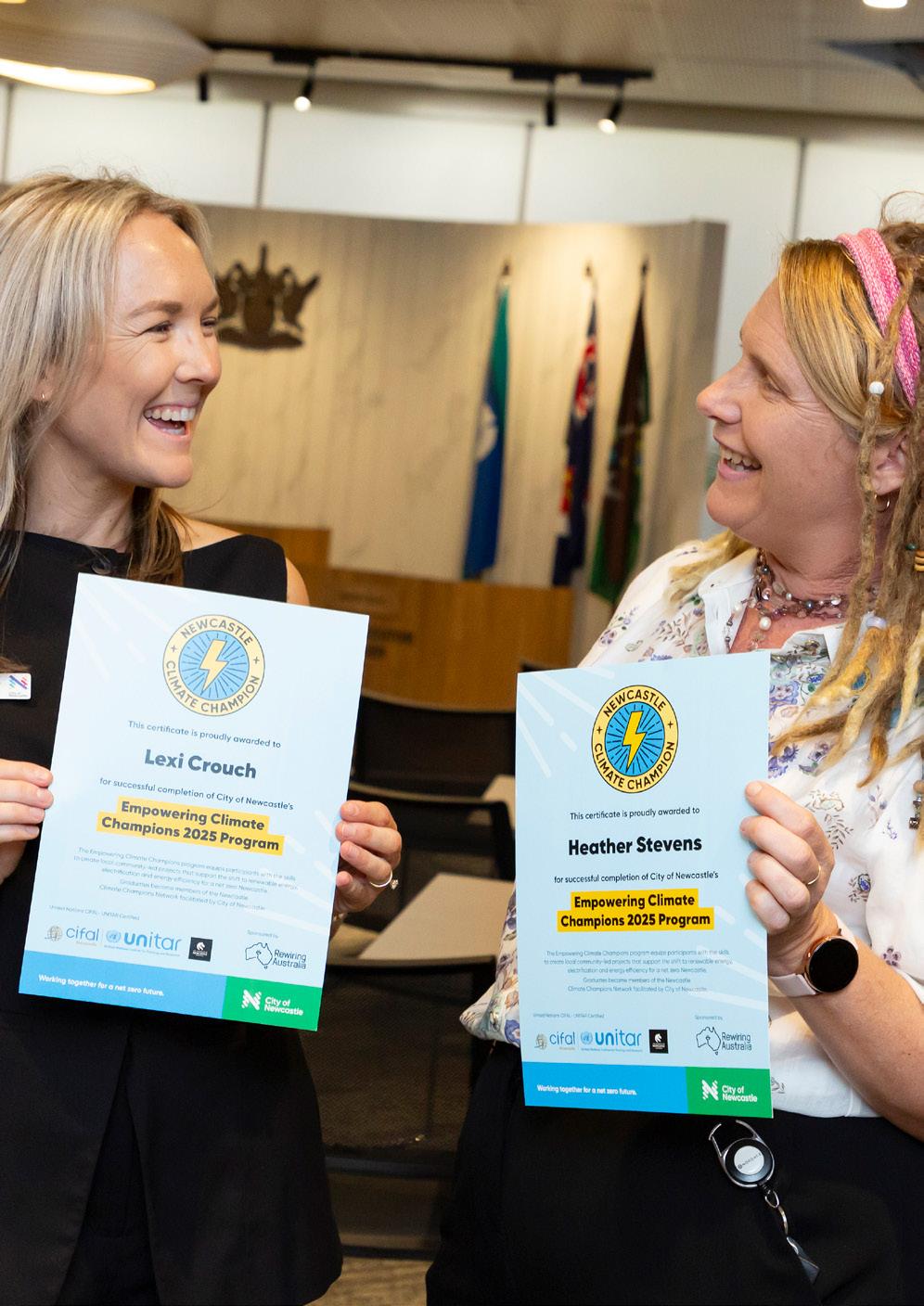
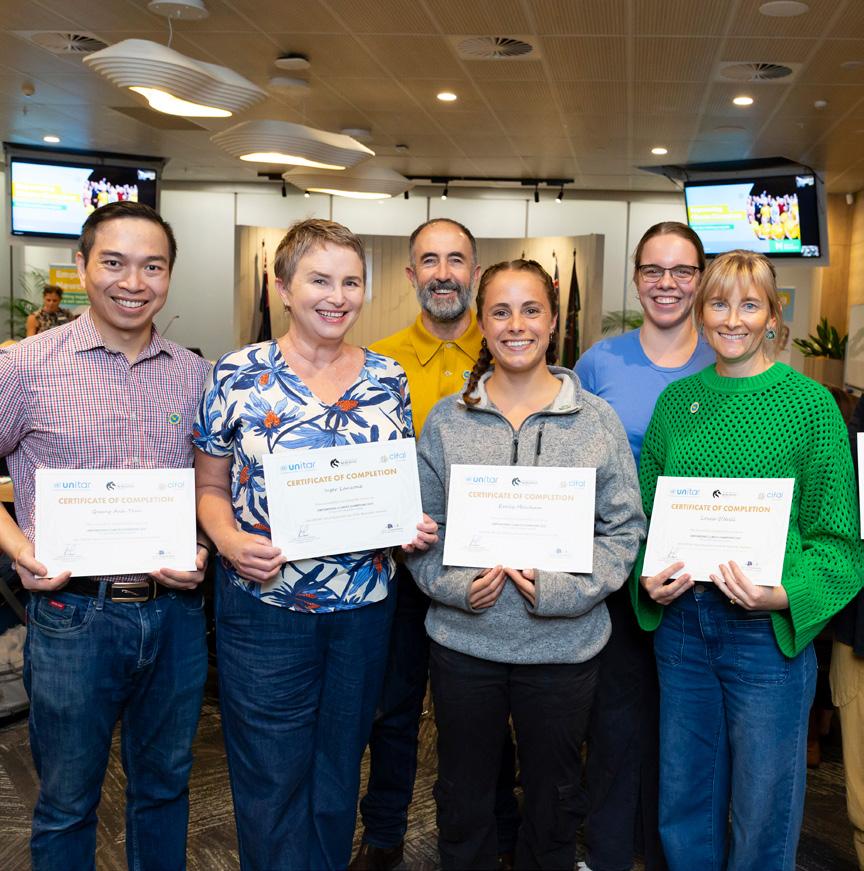
We ran our first, United Nations CIFAL/UNITARcertified, community net zero training program, Empowering Climate Champions, equipping over 50 residents with the skills, knowledge and confidence to lead local climate action projects that support the shift to renewable energy, electrification and energy efficiency.
We launched Solar Neighbourhoods, our first cross-council community solar and battery bulk buy program, to increase solar and battery uptake in the community. This year, a total of 170 households have purchased solar and batteries as part of the program, which is equivalent to investing $4.2 million in renewable energy.
CAP 2030 aligns with climate change strategies and plans at a global, national, state, regional and local level.
CN recognises there is a global climate emergency and that we require a rapid transition away from fossil fuel–based industries towards a low-carbon economy, if we are to meet the global Paris Agreement commitment to ‘hold the increase in the global average temperatures to well below 2°C above pre-industrial levels and pursue efforts to limit the temperature increase to 1.5°C above pre-industrial levels, recognising that this would significantly reduce the risks and impacts of climate change’.
CN is a long-standing member of Local Governments for Sustainability (ICLEI). We have pledged support for The Malmö Commitment, focusing on strategies towards a climateneutral future, resilient and healthy communities, equitable and inclusive communities, and sustainable finance and innovation.
CN is a member of the Global Covenant of Mayors for Climate and Energy, an international alliance of cities with a shared long-term vision of promoting voluntary action to combat climate change and the transition to resilient, lowemission societies.
We have declared our support for, and intention to Deliver the United Nations Sustainable Development Goals (SDGs). These goals provide a global roadmap for all countries to work towards a better world for current and future generations. Addressing climate change is essential for achieving the SDGs.
CN is a member of the Kaohsiung-ICLEI Climate Neutral and Smart Cities Community of Practice a platform for capacity building and peer learning for cities, towns, provinces, subnational states and regions in East Asia and the AsiaPacific who are committed to achieving climate neutrality and pursuing innovation and smart city strategies for sustainable transformation by 2050.
The Australian Government has set a legislated target to reduce greenhouse gas emissions to net zero by 2050, and a target to reduce emissions to 62–70% below 2005 levels by 2035, as well as targeting 82% renewable energy in our electricity grids by 2030.
The Net Zero Plan sets out how Australia will achieve a fair, orderly and efficient transition to net zero. It provides a framework for action that builds on Australia’s natural strengths to ensure all Australians benefit. The Net Zero Plan identifies five priorities to guide the transition to net zero:
1. Clean electricity across the economy
2. Lowering emissions by electrification and efficiency
3. Expanding clean fuel use
4. Accelerating new technologies
5. Net carbon removals scaled up.
CAP 2030 supports the Net Zero Plan, as well as the:
• Powering Australia Plan
• Future Made in Australia Agenda
• First Nations Clean Energy Strategy
In 2023, the NSW Government passed the Climate Change (Net Zero Future) Act 2023, legislating the following emissions reduction targets for NSW:
• 50% reduction on 2005 levels by 2030
• 70% reduction on 2005 levels by 2035
• Net zero by 2050.
CAP 2030 supports the following NSW Government strategies and plans:
• Net Zero Plan Stage 1: 2020–2030 to fast-track emissions reduction over the next decade and prepare NSW to take further action in the decades to follow
• NSW Electric Vehicle Strategy, to drive uptake and reduce barriers for EV purchases, to increase EV sales to 52% by 2030–2031 and to help NSW achieve net zero emissions by 2050
• NSW Consumer Energy Strategy to help households and small businesses benefit from our transition to a renewable energy future
• Waste and Sustainable Materials Strategy to reduce waste by transitioning to a circular economy.
CN is a member of the Hunter Joint Organisation (Hunter JO), a collaborative body bringing together the 10 councils in the region to provide a united and local voice.
The Hunter JO Strategic Plan 2035 sets out a vision for the region and provides an overview of the strategic actions required to deliver it, including climate change mitigation, adaptation and disaster resilience actions, and circular materials and waste management actions.
CN is part of the Hunter JO Net Zero Accelerator, an initiative of the NSW Government to support Hunter JO member councils to transition to net zero.
The NSW Local Government Act 1993 details the guiding principles for council decision-making, specifying that councils should consider the long-term and cumulative effects of actions on future generations, as well as the principles of ecologically sustainable development.
CAP 2030 supports the delivery of CN’s Newcastle Environment Strategy, our 10-year roadmap for achieving a sustainable Newcastle. It will also be delivered in conjunction with the complementary CN strategies and plans:
• Newcastle Transport Strategy
• Newcastle Cycling Plan 2021–2030
• Walking and Mobility Plan 2034
• Local Strategic Planning Statement Development Control Plan
• Sustainable Waste Strategy 2023–2033
• Economic Development Strategy
• Social Strategy 2030
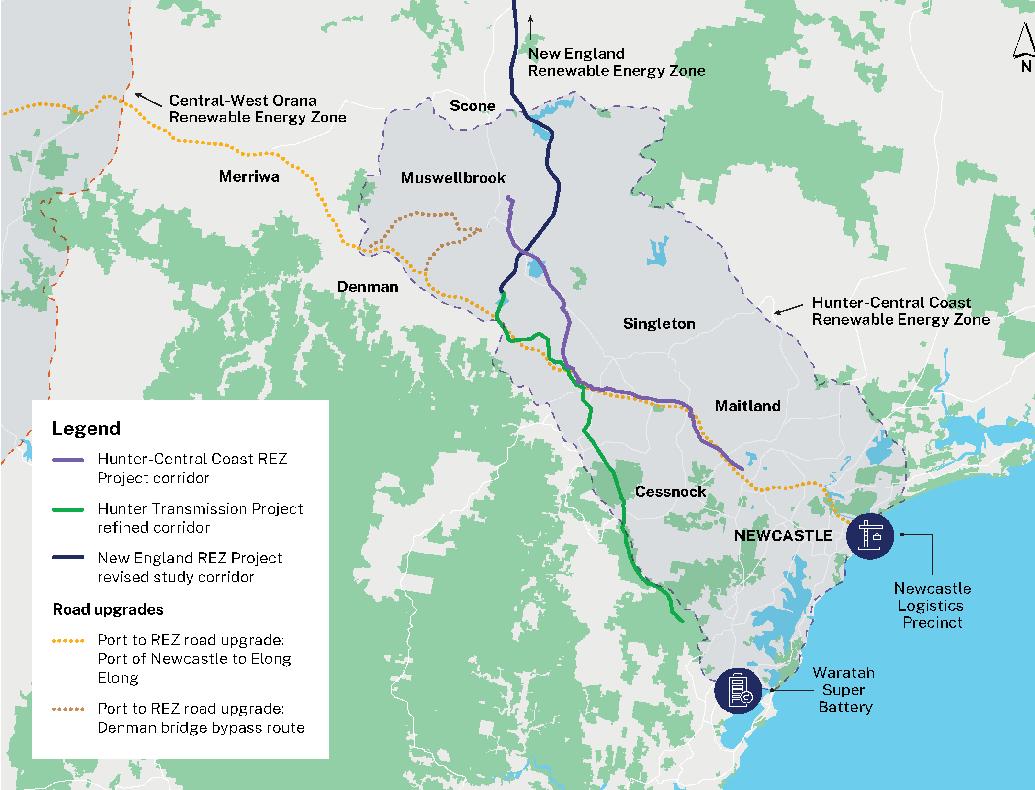
Spanning over 50,000km2 the Hunter is Australia’s largest regional economy and has long been the engine that powers the nation, with a thriving community of more than one million residents. It has a strong and diverse economy across agriculture, energy, defence and manufacturing.
Over the past five years, the Australian and NSW Governments have signalled their support for an accelerated net zero transition in the Hunter through legislation and policy frameworks and infrastructure investments, including:
• The 2022 NSW Government declaration of the Hunter-Central Coast Renewable Energy Zone with an intended network capacity of 1 GW of clean energy generation26.
• The 2023 Australian Government declaration of an area in the Pacific Ocean off the Hunter as suitable for offshore renewable energy, including offshore wind27. This was given effect by the Offshore Electricity Infrastructure (Declared Area OEI-01-2023) Declaration 2023 The declared area covers 1,854km2 and extends from offshore at Norah Head in the south to Port Stephens in the north.
• Planning approval in 2024 for the $207.6 million Hunter Valley Hydrogen Hub, supported by a $502 million investment from the Australian Government and $45 million in support from the NSW Government28.
• $100 million in support from the Australian Government for the Port of Newcastle’s Clean Energy Precinct, expected to support 5,800 jobs during construction29.
• The transformation of the Liddell and Bayswater coal-fired power stations into the Hunter Energy Hub, acting as an incubator for advanced green manufacturing and circular economy industries, and deployment of grid-scale batteries and renewable energy generation30.
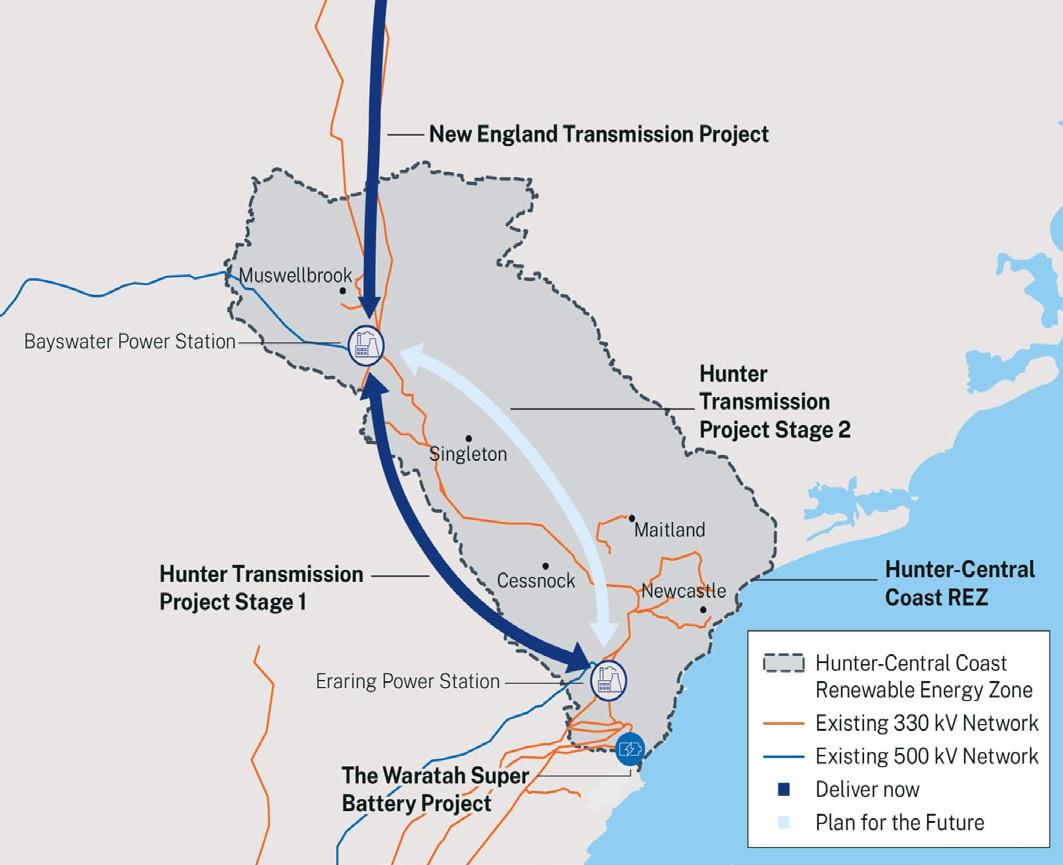
• The NSW Government’s Hunter Transmission Project, one of the state’s most critical energy infrastructure projects, creating the backbone of the state’s future electricity grid31.
This transition will require significant capital investment and an adaptation of local jobs, skills, infrastructure and services.
A workforce transition is being supported by the Australian and NSW Governments through:
• Jointly investing over $60 million to establish the Hunter Net Zero Manufacturing Centre of Excellence at TAFE NSW’s Tighes Hill campus32.
• Plans to establish a National Renewable Energy Microskills Marketplace, enabling TAFEs across Australia to share and access renewable industry-related digital nonaccredited courses33.
• A $20.7 million investment by the Australian Government to develop a Future Industries Facility at the University of Newcastle’s Callaghan campus, an industrial-scale research translation and demonstration space designed to test and scale up new technology and upskill workers in Australia’s energy, resources and manufacturing sectors for the net zero economy34
The Hunter region is pivotal to securing the nation’s net zero future, and it requires a just transition that ensures an equitable distribution of benefits so that the region can be more prosperous and resilient into the future.
The Hunter region is undergoing a significant and rapid energy and economic transformation, moving from a reliance on coal-fired power to renewable energy sources, generating new industries, jobs and opportunities.
Climate action often only addresses the ‘tip of the iceberg’ by reducing carbon emissions through technology and policy. However, beneath the surface lies a much larger system of patterns, structures and mental models that shape how we live, consume and share resources.
CAP 2030 adopts a holistic approach to climate action, aligned with Mission Innovation’s Flourishing Lives 4 All (FL4ALL)35 initiative, whereby climate action focuses on a positive vision for the future and what we need more of, rather than focusing on what we need less of; a vision where people live flourishing lives on a flourishing planet.
A holistic approach means addressing these deeper layers: shifting social norms, redesigning economic systems, and embedding equity and wellbeing into climate solutions. By tackling root causes, not just symptoms, we create systemic change that delivers environmental, social and economic benefits, ensuring a resilient and thriving future for all.
More specifically, the characteristics of FL4ALL are:
• Beyond reducing emissions. Moves beyond simply focusing on reducing emissions from existing systems and sectors.
System solutions. Emphasises the need for system solutions, not just products or materialbased innovations.
• Understanding the root cause. Identifies the deeper, often hidden factors that contribute to climate challenges, such as power structures, social norms and underlying beliefs that shape our current system.
• Human need perspective. Prioritises human needs and wellbeing as a driver for innovation, rather than solely focusing on technological fixes. This means considering how solutions impact people’s lives and ensuring they are equitable and just.
• Expanded innovation agenda. Views stakeholders not just as sources of emissions but as solution providers, considering the many roles we all play, from policymakers to businesses to neighbours.
CAP 2030 has combined the FL4ALL framework with our Newcastle 2040 themes to create a collective and integrated approach that combines global imperative with local action.
Leads to narrow climate innovation agenda: just looks at events and patterns and everything below remains unquestioned

Expanded climate innovation agenda: questions and changes in every level, starting with mental models around innovation and well-being
Solar Neighbourhoods is a three-year community renewables program designed and delivered by CN, Lake Macquarie City Council, Maitland City Council and 1KOMMA5° to make solar and batteries simple and affordable for homeowners, rental providers and small businesses.
The program tackles the three big barriers to solar and battery uptake: high upfront costs, confusing product choices and not knowing who to trust. Through the program, residents can access quality solar, batteries and EV chargers with exclusive savings, installed by trusted local electricians and backed by strong warranties and post-install checks. By making the process simple and trusted, the council-backed program aims to help our communities lower energy bills and emissions, improve resilience during blackouts and increase renewable energy in our local electricity grid.
Solar Neighbourhoods has drawn on the FL4ALL methodology to address patterns, systems and mental models to demonstrate that climate action is as much about people and communities as it is about kilowatts and carbon.
Rather than treating households as isolated units, the program looks at neighbourhoodlevel dynamics – how people share information, influence each other and make decisions about energy. By promoting collective action, Solar Neighbourhoods shows that energy transition is not just a technical solution but a social one, changing patterns of what is the ‘norm’ in a neighbourhood.
Solar Neighbourhoods exposes some of the systems that stop the uptake of renewables, such as the complexity of navigating products, installers and finance, and accessing trusted information. Promoting just one tested and trusted program partner alongside a limited range of quality products and finance through a simple council-branded website changed the ‘system’ of getting solar and batteries from complex to simple.
Fundamentally, Solar Neighbourhoods challenges mental models. It reframes climate action from an individual burden to a shared opportunity for households. It changes the idea that renewables are ‘too hard’ and too expensive, making them easy and affordable. The neighbourhood effect means that when one person changes their beliefs, others around them follow.
Each year, CN measures its annual greenhouse gas emissions from our operations, utilising the Greenhouse Gas Protocol, in alignment with the Australian National Greenhouse and Energy Reporting guidelines, to track progress against our net zero target. CN utilises the Climate Snapshot to determine annual greenhouse gas emissions for the Newcastle LGA.
CO2e (carbon dioxide equivalent) is a standard unit for measuring greenhouse gases, expressing the impact of different gases in terms of the amount of CO2 that would have the same global warming effect.
Greenhouse gas emissions can be either Scope 1, Scope 2 or Scope 3 emissions:
emissions are direct greenhouse gas emissions from sources owned or controlled. A community example is fuel burned in a personal vehicle. A council example is gas burned in our commercial kitchens or gas from waste decomposing in our landfill.
emissions are indirect emissions from the generation of purchased electricity, steam, heating or cooling. A community and council example is any non-renewable electricity purchased for streetlights or our buildings.
emissions are all other indirect emissions that occur in the supply chain, including those from business travel, waste disposal, purchased goods and product use. A community example is emissions from the production and transport of goods purchased, air travel and waste disposal services. Council examples are employee travel and materials we use and dispose of in infrastructure projects.
The Australian Accounting Standards Board (AASB) has implemented mandatory climate-related financial disclosures (AASB S2)36 for eligible Australian entities for financial years beginning on or after 1 January 2025. These disclosures, which must be included in a Sustainability Report, require companies to assess and report on their climate-related risks and opportunities, including physical and transition risks, and their potential financial impacts. While this is not yet mandatory for local government, it is expected that this will become so during the life of CAP 2030.
Net zero emissions are defined by the IPCC as ‘when anthropogenic emissions of greenhouse gases to the atmosphere are balanced by anthropogenic removals over a specified period37. This means that human-caused emissions (from sources like energy, transport and industry) are reduced as much as possible, and any remaining emissions are counterbalanced by removing an equivalent amount of greenhouse gases through methods such as carbon sequestration in forests and soils, or technological solutions.
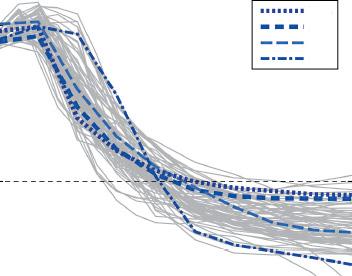
All global modelled pathways that limit warming to 1.5°C (>50%) with no or limited overshoot involve rapid, deep and, in most cases, immediate greenhouse gas emissions reductions, in all sectors, this decade38.
The IPCC Special Report on Global Warming of 1.5˚C (2018) shows global net CO2e emissions in below1.5°C, 1.5°C-low-overshoot (OS), and 1.5°C-high-OS pathways to reaching net zero. Ranges at the bottom of the top-left panel show the 10th–90th percentile range (thin line) and interquartile range (thick line) of the time that global CO2e emissions reach net zero per pathway class, and for all pathways classes combined.
The majority of pathways modelled that offer a 50–66% chance of limiting warming to 1.5°C with no overshoot indicate that annual global CO2 emissions will need to reach zero just prior to, or within a few years of, 204039.
Below-1.5°C, 1.5°C-low-overshoot (OS), and 1.5°C-high-OS pathways for global CO2 emissions to reaching net zero. (IPCC, 2018, Figure 2.5, p113)
All 1.5°C-consistent pathways
Below-1.5°C
1.5°C-low-OS
1.5°C-high-OS
2020 2040 2060
The 1.5°C pathways modelled with no or limited overshoot also include a rapid decline in the carbon intensity of electricity, and an increase in electrification of energy end use40, with a reduction in the carbon intensity of electricity of about 90% between 2020 and 203041
Adverse impacts that occur during a period of 1.5°C overshoot and cause additional warming via feedback mechanisms, such as increased wildfires, mass mortality of trees, drying of peatlands and permafrost thawing, weaken natural land carbon sinks and increase releases of greenhouse gas emissions that would make the return more challenging. The higher the magnitude and the longer the duration of overshoot, the more ecosystems and societies are exposed to greater and more widespread changes in climatic impact-drivers, increasing risks for many natural and human systems42.
38 IPCC, 2023, p20
39 IPCC, 2018, Figure 2.5, p113
40 IPCC, 2018, p97
41 IPCC, 2018, Figure 2.14, p130
42 IPCC, 2023, p23
In 2023/2024, emissions in the Newcastle LGA totalled 2.98 million tCO2-e43. The largest source of emissions was from non-renewable electricity (58%), followed by industrial processes and product use (IPPU) (16%) and transport (15%). When considering emissions by sector (2022/2023), industry was the largest emitter (59%), followed by the residential sector (23%) and the commercial sector (18%).
Between 2018/2019 and 2023/2024, Newcastle LGA emissions have decreased on average 2.6% a year, driven by a 20% reduction in emissions from electricity generation, a 15% decrease in emissions from gas and an 8% decrease in emissions from waste. Fugitive emissions, the gases that are unintentionally released during the storage and transport of fossil fuels, doubled over the same period.
Emissions, however, only decreased by 0.2% from 2022/2023 to 2023/2024, with gas and waste continuing to reduce (by 11% and 8% respectively) and other emissions remaining constant.
LGA emissions (2018/2019 and 2023/2024)
Newcastle LGA emissions by source (2023/2024)
LGA emissions by sector (2022/2023)
Commercial emissions in the Newcastle LGA in 2022/2023 were 545,295t CO2e, representing 18% of total emissions, primarily from electricity (77%). The largest contributors to emissions were healthcare and social assistance (22%), retail trade (22%), education and training (15%) and public administration and safety (15%).
Industrial emissions in the Newcastle LGA in 2022/2023 were 1,732,834 tCO2-e, representing 59% of total emissions, primarily from electricity (60%) and IPPU (24%). The largest contributors to emissions were the manufacturing (81%) and transport (11%) sectors.
Empowering Newcastle is CN’s flagship community program to progress a net zero Newcastle by 2040. It will continue to use the Flourishing Lives 4 All approach to climate action that shifts conversations beyond just addressing greenhouse gas emissions to challenging the patterns, systems and mental models that shape the choices we make.
Our expanded Empowering Newcastle program will focus on:
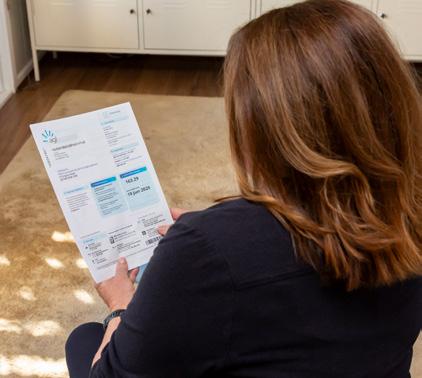
While many households now benefit from clean, affordable solar energy, others, such as people who rent, apartment residents and low-income households, are being left behind.
As more homes electrify, these same groups also risk facing higher gas costs. Empowering Newcastle will expand to include education, programs and advocacy to help more residents benefit from renewable energy and to improve energy equity across Newcastle.
Our community is rich in passionate and committed people who want to take meaningful action on climate change. Research shows that 88% of people trust recommendations from people they know over all other forms of advertising45 so upskilling community members can drive positive behaviour change across the city.
Empowering Newcastle will expand to empower residents, youth and community groups to deliver community-led projects, by continuing to deliver the Empowering Climate Champions training program, as well as offering annual grants to invest in community-led climate action projects.
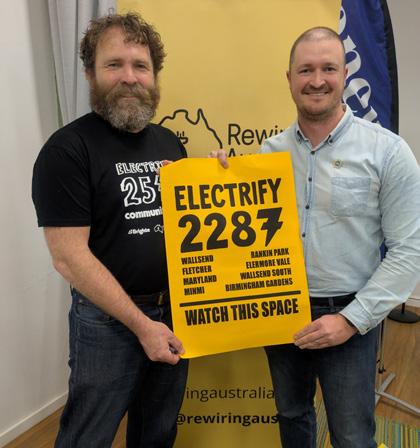
Empowering Newcastle will expand to support businesses to access renewable energy, transition to cleaner transport and industrial processes, adopt electric and low-emission technologies, and embrace circular economy practices.
CN will also advocate for investment in our city to support and accelerate industrial decarbonisation, including workforce training and skills, renewable energy infrastructure, such as offshore wind and hydrogen, and circular economy models.
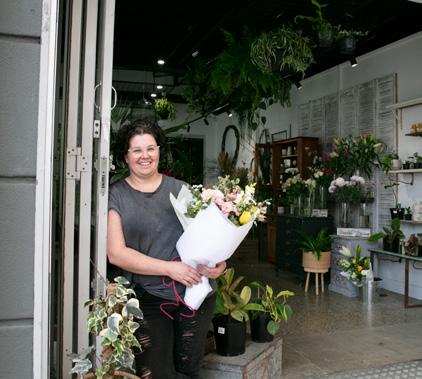
Supporting businesses to adopt circular economy practices represents a significant opportunity for reducing landfill gas emissions, as well as Scope 3 emissions.
CN is soon to introduce a Food Organics and Garden Organics (FOGO) collection service to divert food waste from landfill and cut methane emissions. Combined with the expansion of our bioenergy facility at SWMC, including flaring and electricity generation, this will substantially reduce community waste emissions.
We can also design new circular economy programs that keep waste out of landfill. Areas that can have a big impact include construction and demolition, hospitality and fast fashion waste diversion, which will help keep more food, singleuse items, plastics and textiles out of landfill.
Supporting our community to prioritise choosing active transport (walking, rolling and cycling), followed by public transport, and then private vehicles is one of the most effective ways to reduce emissions in the Newcastle LGA.
Aligning with this hierarchy, CN’s focus is to make active and public transport the easiest and most attractive choices for everyday travel, by improving infrastructure and enabling safe, accessible movement across the city. CN will also support the shift to electric vehicles by expanding public EV charging options and ensuring new developments are EV-ready.
We’ll also work with our business community to improve EV charging access, support the EV transition in priority sectors, such as taxis, freight and delivery, and share knowledge on emerging technologies like vehicle-to-grid. We will also encourage our own employees to choose active, public and electric transport options
Transport hierarchy, adapted from the Transport for NSW Road User Space Allocation Policy
Blue assets (such as wetlands, mangroves and waterways) and green assets (such as vegetation and soils) capture and store carbon from the atmosphere, reducing greenhouse gas concentrations and mitigating climate change. This carbon can be released if blue or green assets are disturbed or cleared.
There are improved methods to account for this carbon sequestration. We can start to measure and report on our carbon sequestration, using that information for decision-making as well as insetting those emissions against hard-to-abate emissions.
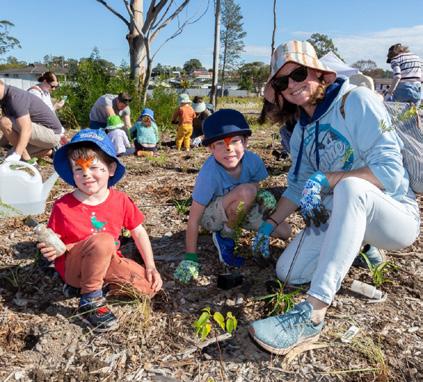
For our community, the Natural Connection program will continue to improve our city’s natural assets by delivering tree planting events, and through native plant giveaways.

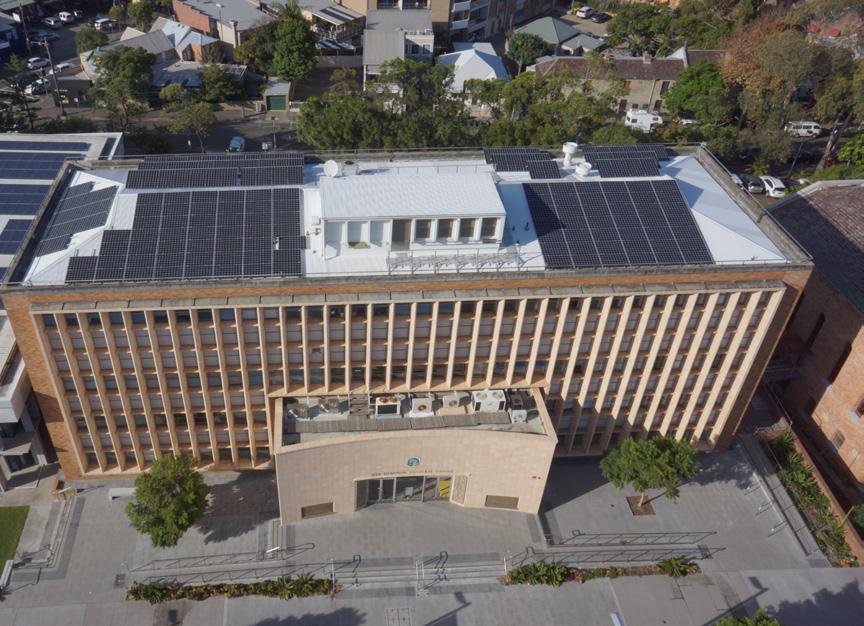
Total emissions from CN’s operations in 2024/2025 (from gas and LPG, water and wastewater, and office paper) was 6,500 tCO2-e, with diesel the largest source of emissions (84%), followed by emissions from water and wastewater (11%).
CN operational emissions by source (2024/2025)
Excludes emissions from landfill gas and Scope 3 emissions.
In 2008/2009, our baseline year, CN’s operational emissions were 22,589 tCO2-e, with 42% of our emissions from grid electricity, 36% from street lighting, 14% from diesel and 6% from petrol.
In 2019/2020, our emissions decreased dramatically to 5,098 tCO2-e through the removal of electricity as an emissions source, by switching to 100% renewable electricity. Emissions decreased again in 2021/2022, likely due to the COVID shutdown and reduced service delivery. In 2024/2025, emissions were at 6,500 tCO2-e, an increase of 7% on the year prior and an increase of 27.5% since 2019/2020. This increase is largely from liquid fuels, likely attributable to our growing demand in services as our population increases.
CN operational emissions (2008/2009 to 2023/2024)
Excludes emissions from landfill gas and Scope 3 emissions.
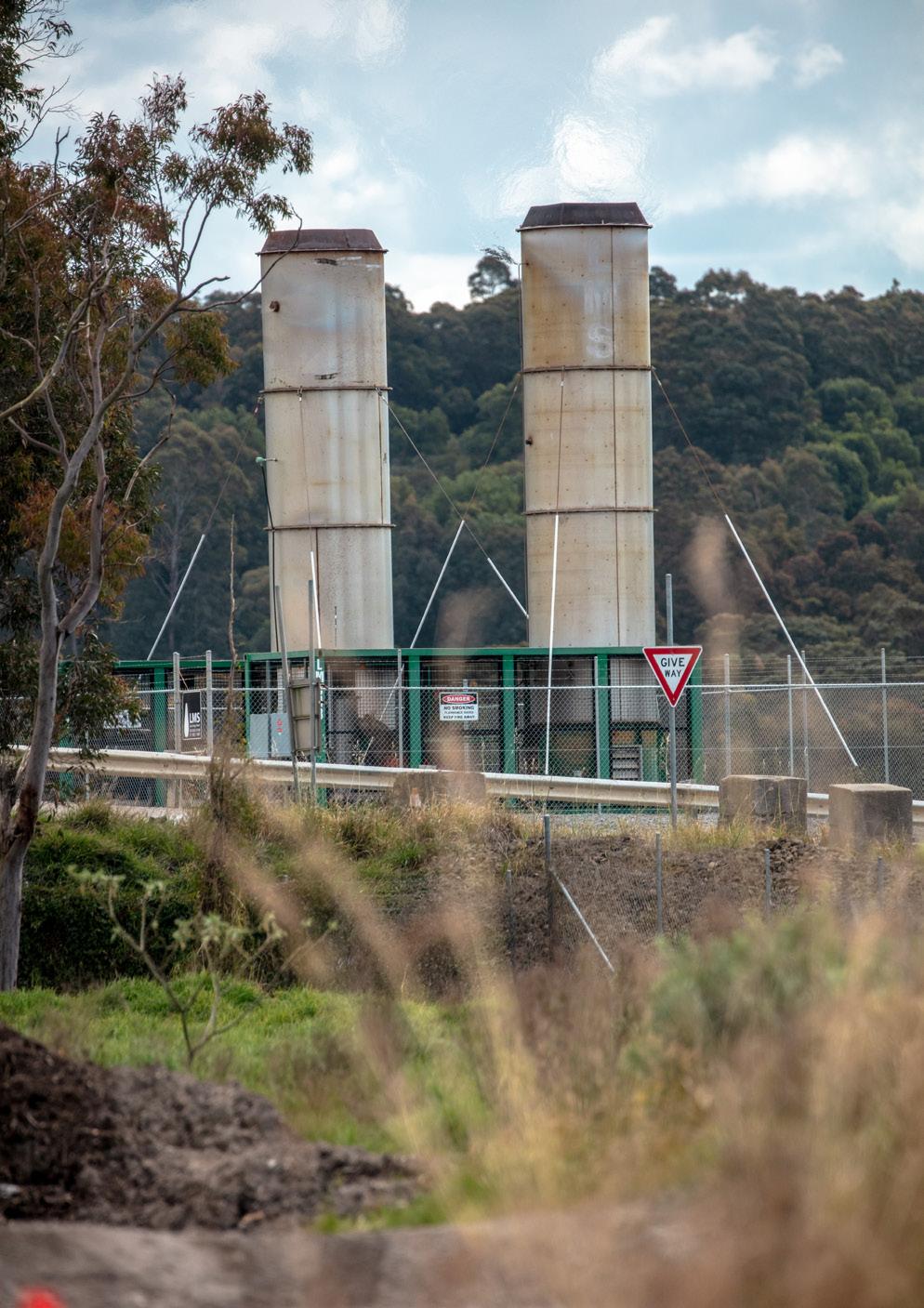
CN operates the Summerhill Waste Management Centre (SWMC), a landfill and resource recovery facility in Wallsend that processes, recycles and disposes of a wide range of domestic and commercial waste from Newcastle and the broader Hunter region. CN also owns an inactive and capped landfill site on Astra Street, Sandgate.
As waste decomposes in landfill, greenhouse gases (primarily methane) are emitted, which is a significant contribution to climate change because it traps heat in the atmosphere far more effectively than CO2
Residual landfill gas emissions from SWMC and the Astra Street landfill site are CN-owned Scope 1 emissions. Residual landfill gas emissions from SWMC and Astra Street are currently not included in CN’s operational net zero target.
SWMC has a biogas facility that captures methane and converts it to the less potent CO2 It can then use the CO2 to generate electricity. In 2025, this reduced our landfill emissions by 77%, from 269,678 to 62,233 tCO2-e.
The Astra Street landfill site also has a biogas facility that captures methane from the capped landfill and converts it to CO2. CN is paid Australian Carbon Credit Units for these emissions reductions and hence retain these emissions as Scope 1. When adding together the residual emissions from SWMC as well as the emissions from Astra Street, our total landfill gas emissions in 2024/2025 was 77,087 tCO2-e.
Landfill gas emissions from the Astra Street Landfill site, as well as residual emissions from SWMC compared to CN’s operational emissions from other sources (2024/2025).
Landfill gas emissions 77, 087
SWMC residual 62, 233
Astra Street 14, 854
Six key strategic opportunities exist for CN to accelerate its emissions abatement program and achieve net zero emissions by 2030.
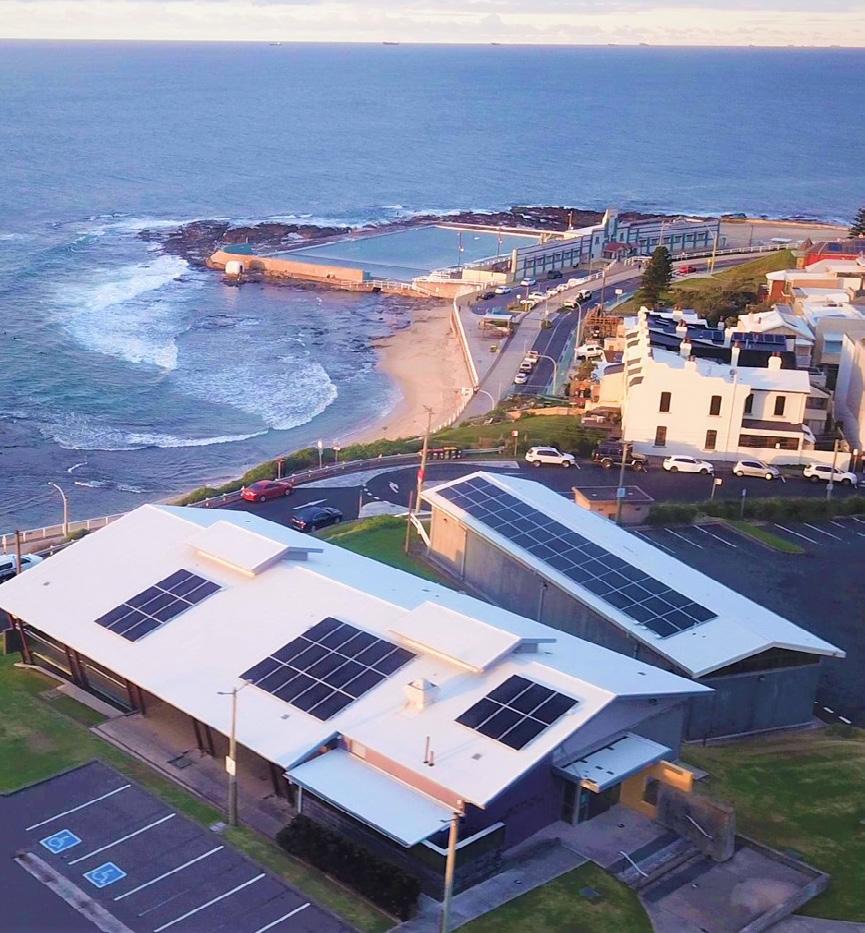
To accelerate emissions abatement we will focus on:
A key strategy for CN will be to maintain its 100% renewable electricity supply in a costeffective way.
CN’s electricity consumption was approximately 11,000 MWh in 2024/2025. Electricity demand is forecast to rise to 17,000 MWh by 2030, driven by service delivery growth and electrification initiatives. The projected price for renewable electricity in 2030, when CN’s current Power Purchase Agreement (PPA) expires, is expected to dramatically increase as demand for renewable electricity grows.
Our priority will be to progress energy efficiency projects, as well as generating new renewable electricity through large- and small-scale solar and battery storage. We will also need to broker a new PPA from 2030.
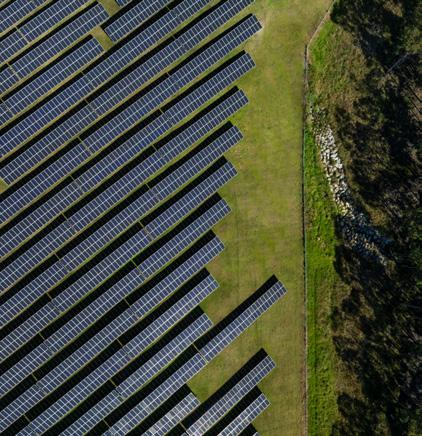
In 2024/2025, liquid fuels represented 88% of CN’s operational emissions (after removing emissions from electricity). There are many uses for liquid fuels across our organisation, the largest being for our garbage trucks that service our bins, and the compactor vehicles that compress waste at the SWMC.
CN also operates a fleet of over 300 trucks, utes, vans and cars. We currently have a tipper truck, two small vans and several pool cars which are 100% electric, with many of our utes and other light vehicles being more fuel-efficient hybrids.
Transitioning our fleet to electric or low/zeroemissions alternatives powered by renewable electricity, and utilising renewable diesel or alternative fuel sources like hydrogen until the full transition can occur, is another key strategy for CN.
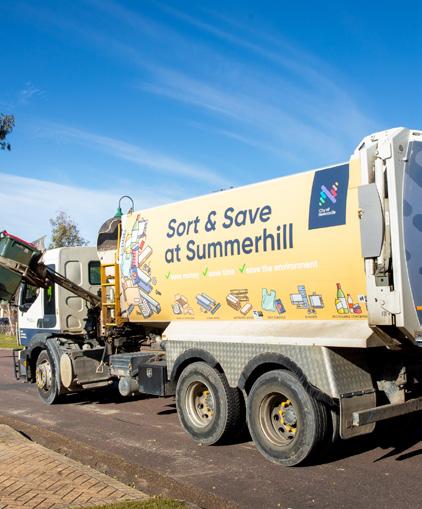
Gas contributes 2% of CN’s operational emissions. The greatest use of gas in CN operations is for cooking and heating, both of which have tried and tested electric alternatives. There are also gas uses within CN’s operations that are harder to electrify, such as the gas used at our works depot for gas welding or metal cutting.
CN will not install gas for cooking and heating in any new CN buildings and will develop and deliver a gas and LPG transition plan to reduce gas-and LPG-related emissions for CN’s current buildings and assets.
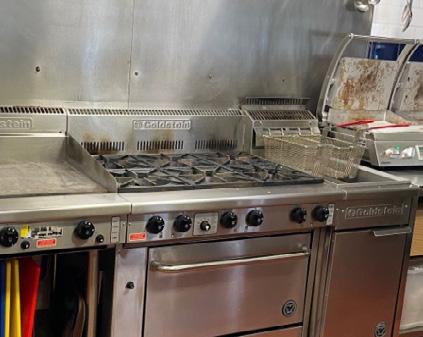
SWMC is projected to grow over the coming years as we expand the facility to service a wider geographical area. CN will work with the NSW Government Environment Protection Authority (EPA)’s Landfill Emissions Abatement Program, which provides targeted assistance for abating greenhouse gas emissions from landfills, including emissions modelling, knowledge sharing, procurement and innovation.
We will introduce a FOGO collection service to separate compostable materials, such as food scraps, garden clippings and other organic waste, from general waste so they can be processed into compost instead of producing emissions in landfill. CN will also expand the bioenergy facility at SWMC and investigate ways to expediate capping to further reduce landfill gas emissions. We will also expand gas collection and flaring at the Astra Street landfill site, further generating carbon credits.
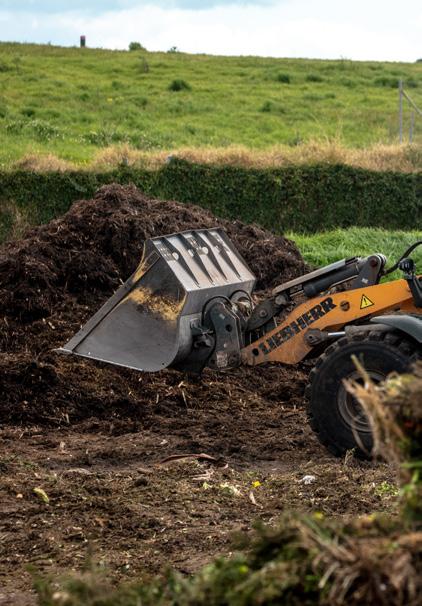
Scope 3 emissions often represent the largest share of a council’s emissions profile, because they are generated through upstream and downstream activities in the supply chain linked to procurement, the delivery of infrastructure projects and service delivery.
CN will focus on increasing the utilisation of recovered materials and sustainable product alternatives in our operations and construction works, including green concrete and other low-emission building materials, recycled glass, recycled aggregate and recycled plastics. We will also develop and implement a framework to measure, monitor and report on our Scope 3 emissions, and develop and implement a sustainable procurement program based on the largest abatement potential to reduce Scope 3 emissions.
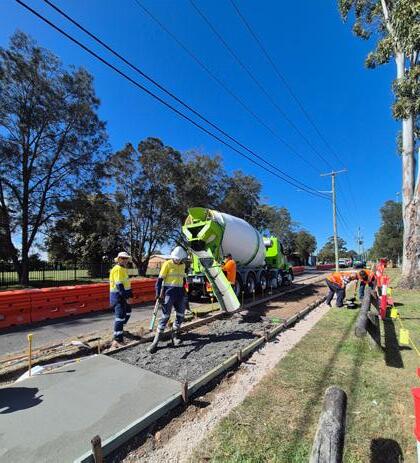
Moving beyond net zero, a climate-positive approach means we not only offset all remaining emissions but actively remove more carbon from the atmosphere than is produced.
This involves leveraging nature-based solutions, such as urban greening, tree planting and the restoration of ecosystems, to sequester carbon.
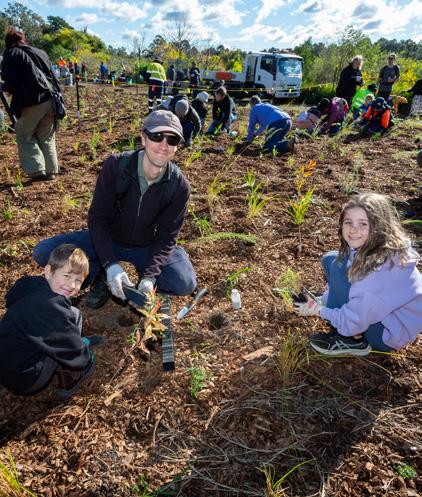
CAP 2030 sets out the actions CN will take over the next five years to achieve net zero emissions from our operations by 2030 and to support a Newcastle-wide transition to net zero emissions by 2040.
Developed through extensive community consultation, economic modelling, best-practice research and cost–benefit analysis, CAP 2030 provides a clear, evidence-based pathway for climate action and ensures efforts are strategic, impactful and measurable.
As climate change affects all aspects of our lives, CAP 2030 takes a holistic approach, embedding climate action across every area of our operations and service delivery.
CAP 2030 targets align with the IPCC net zero pathways that offer a 50–66% chance of limiting warming to 1.5°C with no overshoot (indicating that annual global CO2 emissions will need to reach zero just prior to or within a few years of 2040), and 1.5°C pathways with no or limited overshoot that include a reduction in the carbon intensity of electricity of about 90% between 2020–2030.
• Net zero emissions by 2040
• 100% reduction in city-wide greenhouse gas emissions from electricity by 2030
• Net zero emissions from CN operations by 2030 (from electricity, liquid fuels, fossil-based gas and LPG, water and wastewater, and office paper)
Net zero emissions from landfill gas by 2040
• Reduction in operational Scope 3 emissions by 2030
• Move beyond net zero emissions to become climate positive post 2040
Our commitments
These commitments inform the actions we take, the choices we make, the behaviours we demonstrate and the interactions we have.
• Aboriginal and Torres Strait Islander peoples and culture
• Working together
• Resilience
• A regenerative future
•
• Adaptive management
CN is exploring an opportunity to develop a large-scale solar farm and Battery Energy Storage System (BESS) and a heavy EV charging facility on the capped landfill site at Astra Street, Sandgate.
The proposed Astra Street Community Energy Precinct has the potential to meet CN’s growing renewable electricity needs and support CN achieving its operational net zero target by 2030. The site could also provide a strategic location for heavy EV charging, servicing both CN’s vehicles and local commercial operators. Beyond renewable energy generation, the project presents opportunities to advance community energy equity and deliver nature-positive outcomes.
"It’s an example of a holistic approach to climate action – creating meaningful outcomes for our organisation, our community and nature."
1.Liveable
4 . A
2 . Sustainable 3.Creative
Supporting residents to access affordable renewable energy and to live in healthy, comfortable and sustainable homes; and delivering public spaces that support a net zero transition.
Expand the Empowering Newcastle program to accelerate residential and business energy efficiency, electrification, renewable energy uptake and sustainable buildings.
Advocate for and promote low-interest finance, incentives and grants for residents and businesses to accelerate residential energy efficiency, electrification and renewable energy uptake.
Continue to strengthen planning controls and policies to facilitate sustainable building design and accelerate energy efficiency, electrification and renewable energy uptake.
Advocate for improvements in federal and state planning and building controls (for example, SEPPs, BASIX, NatHERS, Complying and Exempt Development) for better sustainability outcomes in new and existing developments, including strata and rentals.
Develop a sustainable design guideline to ensure all new and existing CN assets are built, renewed and maintained in alignment with sustainability benchmarks.
Design and deliver public spaces that support a net zero transition through lowcarbon materials and construction methods, renewable energy, improved blue-green infrastructure and low-carbon mobility.
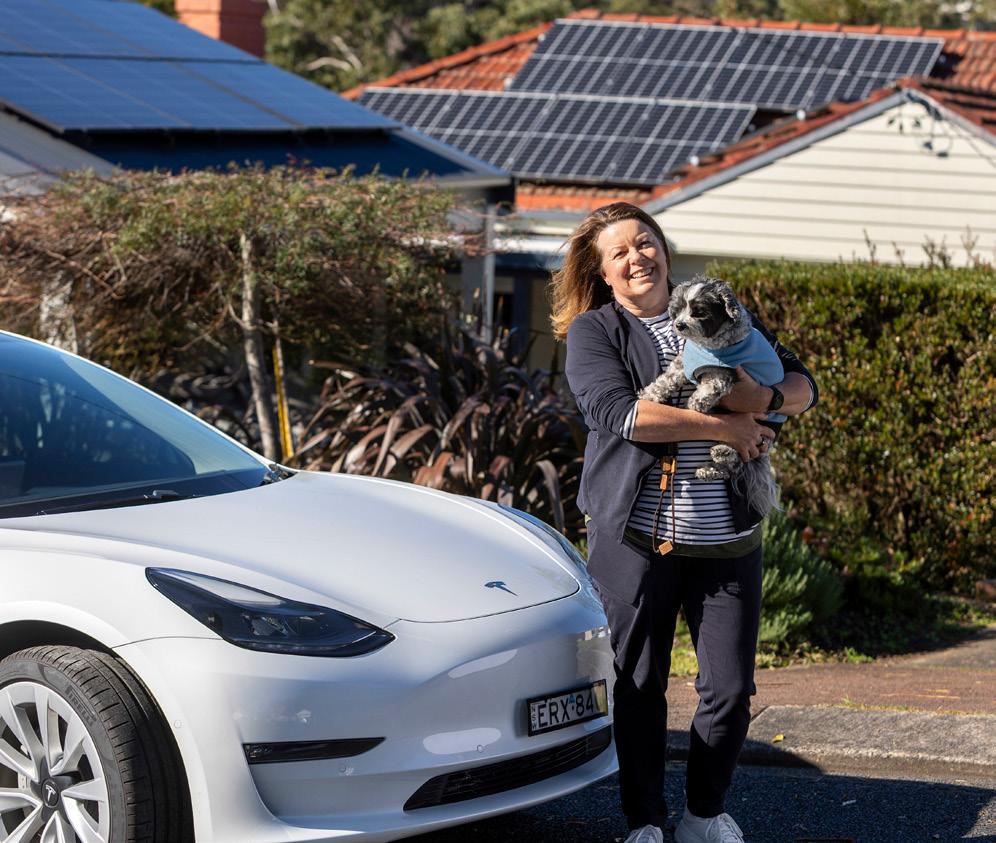
Household electrification and switching to renewable energy could reduce Newcastle’s emissions by over 20%, while creating healthier, comfortable and more efficient homes that cost less to run.
Research shows that electrification requires households to find and process a huge amount of information about products and installers, and the multiple decision points are time-consuming and sometimes overwhelming – emotionally, cognitively and financially46. To alleviate this barrier, households need independent advice and guidance.
The expanded Empowering Newcastle program will include a ‘go electric’ program that offers free, independent electrification advice for households, apartment buildings and businesses. This includes personalised advice on heat pump hot water systems, reverse cycle air conditioning, induction and electric cooktops, solar, batteries, EV home chargers, insulation, draught-proofing, and switching to a cheaper and greener electricity plan. The program will also offer support to connect people with trusted and vetted local installers.
Prioritising active and public transport while supporting an accelerated transition to electric and low-emission vehicles.
Electrifying CN’s fleet and providing operational and public electric vehicle charging infrastructure.
Conduct a fleet analysis, incorporating fleet composition, usage patterns and operational needs, and identify opportunities to optimise fleet size and improve efficiency.
Develop and implement a whole-of-life cost analysis framework to inform decisionmaking that compares electric or low-emission vehicle alternatives with standard vehicles across the life of the asset (including maintenance, fuel vs electricity costs, resale value and emissions offsets).
Develop and deliver a fleet transition plan that outlines timeframes and costs for transitioning CN’s fleet to electric or low/zero-emission alternatives.
Install electric vehicle charging infrastructure at CN assets, including at Summerhill Waste Management Centre, the Depot and Civic Theatre, to service CN’s fleet transition.
Deliver
Deliver
Deliver
Deliver
Trial using renewable diesel, hydrogen or other innovations for CN’s vehicles, plant and equipment that can’t yet electrify. Deliver
Strengthen the integration of, and accelerated transition to, electric vehicle and lowemission transport across the region, including taxis/rideshare, delivery/freight, and medium and heavy vehicles, through community, business, industry and government collaborations and partnerships.
Continue to install CN owned and operated public electric vehicle charging infrastructure and/or facilitate an expanded electric vehicle charging infrastructure network through public/private partnerships.
Investigate and share knowledge on emerging trends and technologies, such as vehicle-to-grid, to support our community to be future-ready.
Facilitate an accelerated transition to electric vehicles and low-emission transport for residents and businesses through the Empowering Newcastle program.
Support CN employees to use more public and active transport and transition to electric vehicles.
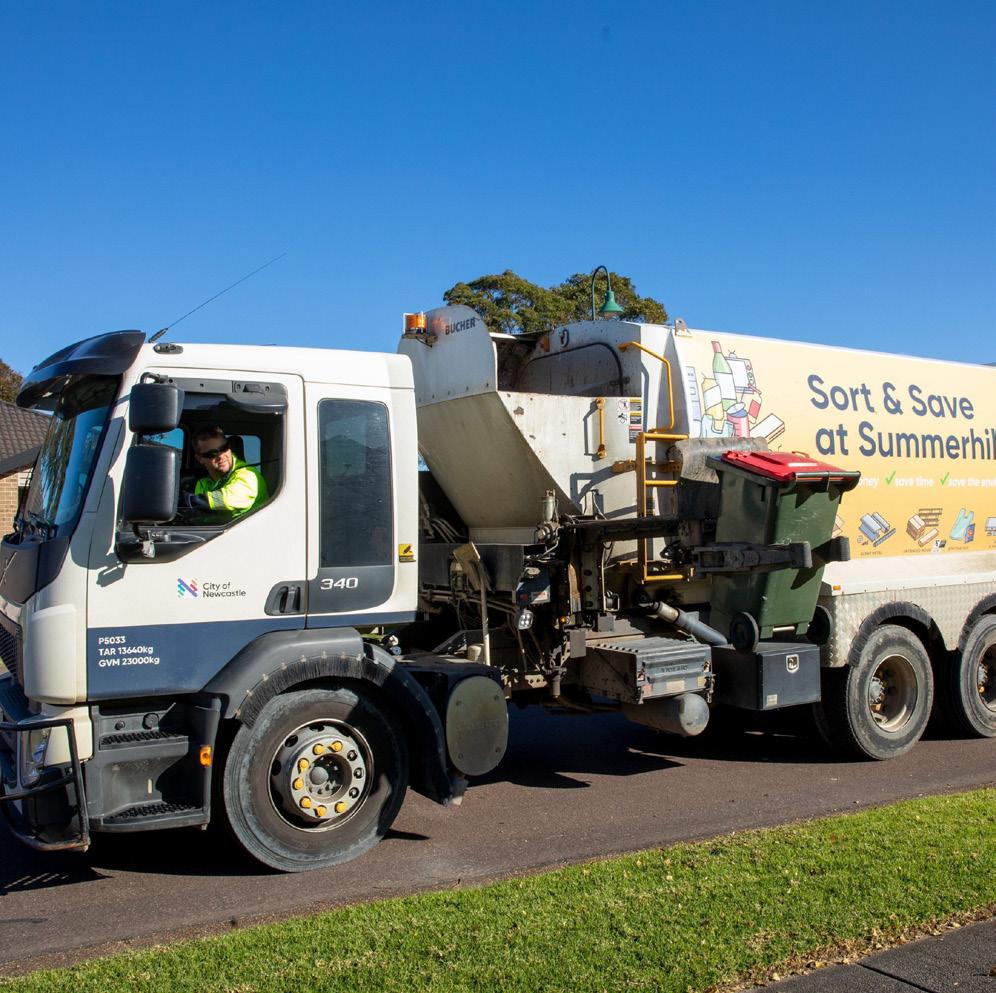
Our waste service trucks are the main user of liquid fuel, and therefore electrifying these vehicles represents a significant opportunity as we progress our 2030 operational net zero target.
That’s why we’re transitioning two of our diesel-powered medium-rigid rear-loading collection vehicles to electric. We’re also installing charging infrastructure to ensure they are operating on 100% renewable electricity.
Switching to electric garbage trucks will reduce emissions, improve air quality and make our city quieter.
Delivering large-scale renewable solar and battery projects, reducing energy demand through energy efficiency, transitioning from gas and supporting the net zero transition in the Hunter region.
2.1.1 Deliver energy efficiency, electrification and renewable energy initiatives
Conduct a feasibility assessment and develop a business case for the Astra Street Community Energy Precinct, and deliver the project if viable, incorporating large-scale solar generation, battery storage and heavy electric vehicle charging infrastructure.
Reduce energy demand through energy efficiency upgrades and rooftop solar, focusing on high energy use sites including:
• Cultural sites: Museum, City Hall, Civic Theatre and Art Gallery
• Swimming pools
• Sports field lighting.
Continue to deploy Battery Energy Storage System (BESS) and smart energy management across our facilities, including:
• Installing a grid-scale (10 MWh) BESS at SWMC solar farm
• Installing 12 commercial-scale BESS (totalling 3.8 MWh) at high energy demand sites.
Pilot innovative solutions to accelerate community emissions reductions, such as local energy sharing, community revolving energy funds, virtual power plants and virtual energy networks.
2.1.2
Develop and adopt a no gas policy for cooking and heating for new CN buildings. Deliver
Develop and deliver a gas and LPG transition plan to reduce gas and LPG-related emissions in CN’s buildings and assets.
Promote and advocate for large-scale renewable energy generation (such as solar parks and offshore wind), green hydrogen and ammonia export hubs, green metal and minerals processing, and other low-emission technologies, to facilitate the net zero transition in the Hunter region and promote the co-benefits for the community.
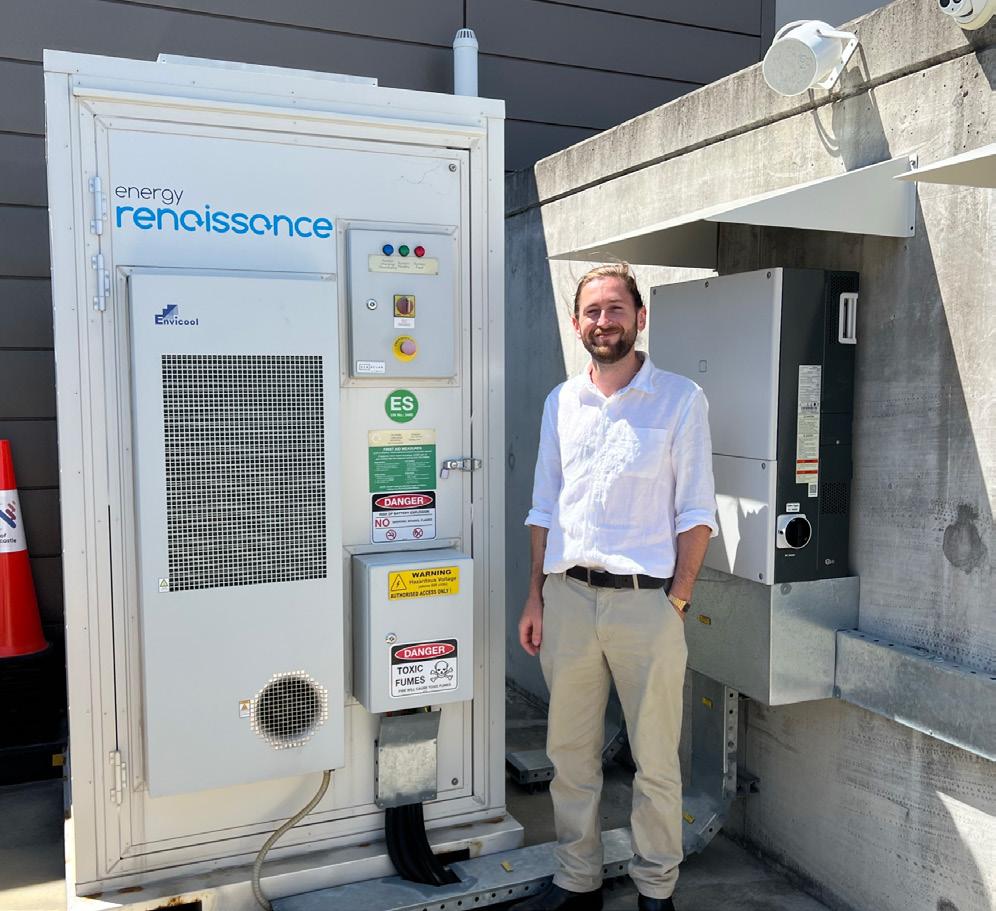
We are proud of the amount of solar electricity that we as a council and our community have installed. There is now a need to store excess renewable energy generated during the day to use during our peak evening periods, and to create a stable electricity grid and better energy prices for all.
We’re planning on installing 13 batteries totalling 14 MWh of capacity across a range of facilities. This includes a 10 MWh battery at our existing 5 MW solar farm as well as batteries at our large energy consuming sites that have solar (such as the depot, Newcastle Art Gallery and libraries) and those where solar isn’t feasible (such as swimming pools and some heritage listed buildings).
The batteries will result in cheaper, locally generated 100% renewable electricity for us to buy, use and sell when required. We’re also going to share our learnings with other councils and organisations to promote a wider renewable energy transition.
Enhancing Newcastle’s blue and green spaces and delivering nature-based solutions to sequester carbon and provide climate adaptation and biodiversity outcomes.
Investigate and report on carbon sequestration benefits from CN projects to inform project design and in setting potential.
Investigate and promote the carbon sequestration outcomes from large-scale developments, as well as urban renewal and master-planned precincts.
Integrate carbon sequestration outcomes from relevant CN projects into CN’s operational annual emissions profile.
Deliver blue (such as wetlands and waterways) and green (such as parks and bushland reserves) projects and nature-based solutions that deliver climate mitigation, measurable climate sequestration outcomes and co-benefits, including climate adaptation and biodiversity outcomes.
Support community-led projects that deliver measurable climate sequestration outcomes, including through the Landcare volunteer and Natural Connection programs.

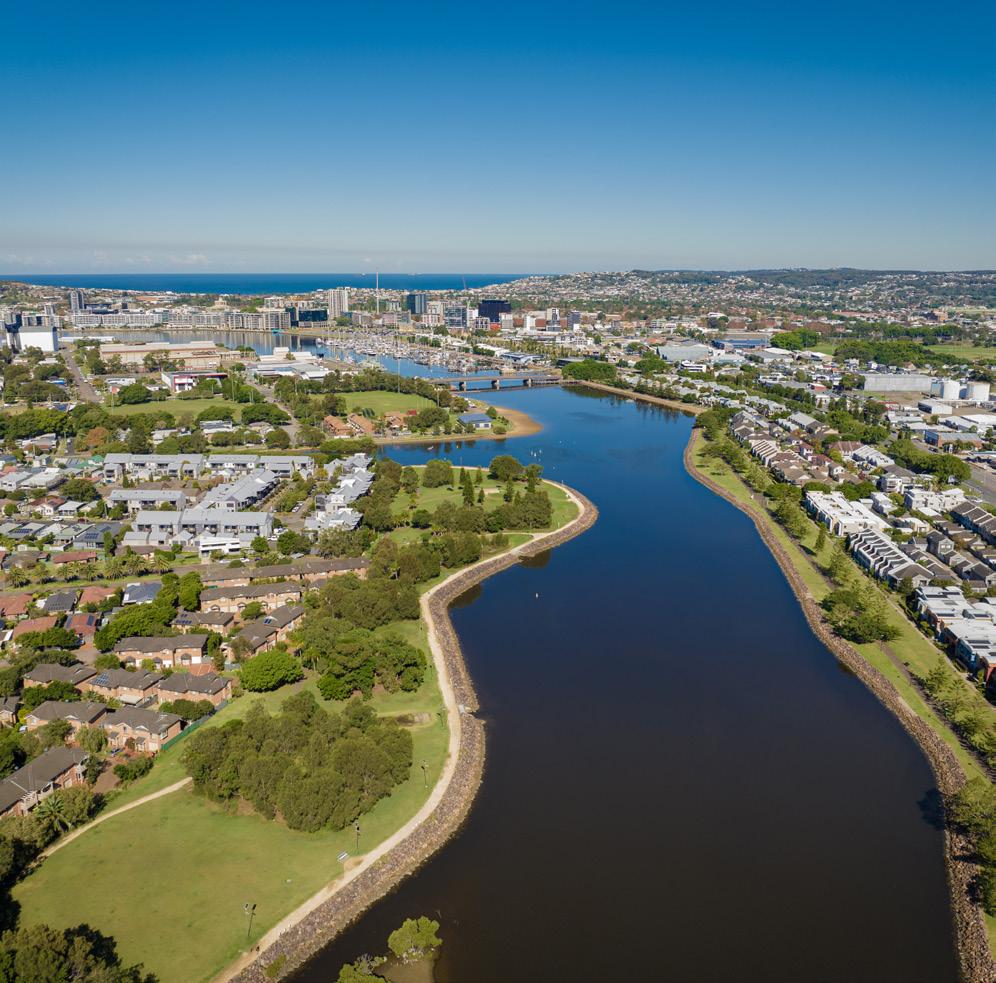
'Blue’ (like wetlands and waterways), and ‘green’ (like soil, shrubs and trees) projects, sequester carbon by absorbing CO2 during photosynthesis and storing it in biomass and sediments. This reduces atmospheric greenhouse gases. Conversely, when they die or are disturbed or removed, the carbon may be released back into the atmosphere.
Each year we measure and report on greenhouse gas emissions from our operations. Going forward, we will integrate carbon sequestration outcomes from relevant CN projects into our operational annual emissions profile and abatement program.
Reducing landfill gas emissions, increasing resource recovery, advancing sustainable procurement initiatives and delivering community programs to drive a circular economy.
2.3.1 Deliver landfill gas emission reduction initiatives at SWMC
Continue to model, monitor and report on landfill gas emissions and emission forecasts to inform landfill gas abatement investment and activities.
Deliver
Implement Food Organics and Garden Organics (FOGO) collection service. Deliver
Expand bioenergy facility for landfill gas collection, flare and electricity generation. Deliver Partner
Expediate capping to minimise the release of greenhouse gases and enhance landfill gas collection efficiency.
2.3.2 Expand landfill gas collection at Astra Street landfill site
Expand landfill gas collection and flaring and investigate energy generation infrastructure.
2.3.3 Deliver sustainable procurement program
Develop and implement a framework to measure, monitor and report on CN’s procurement impact, including its Scope 3 emissions.
Increase the utilisation of recovered materials and sustainable product alternatives in CN operations and construction works, including green concrete and other lowemissions building materials, recycled glass, recycled aggregate, and recycled plastics.
Implement a sustainable procurement program based on the largest impact abatement potential for mitigating Scope 3 emissions.
Investigate further opportunities for operational resource recovery from infrastructure works (such as cut and fill material, topsoil, clay, tree mulch, quarry rock and sand).
2.3.4
Advocate for an LGA-wide Scope 3 emissions analysis to inform Scope 3 emission reduction opportunities.
Improve circular economy behaviour by residents and businesses by delivering programs that align with the waste hierarchy (avoid and reduce waste, reuse waste, recycle waste, recover energy, treat waste and dispose of waste).
Design and deliver targeted initiatives to reduce emissions from food waste, textiles, hard plastics, usable household items, nappies, solar panels, batteries and construction materials.
Expand circular economy programs at our libraries, Newcastle Museum and Newcastle Art Gallery.
Deliver
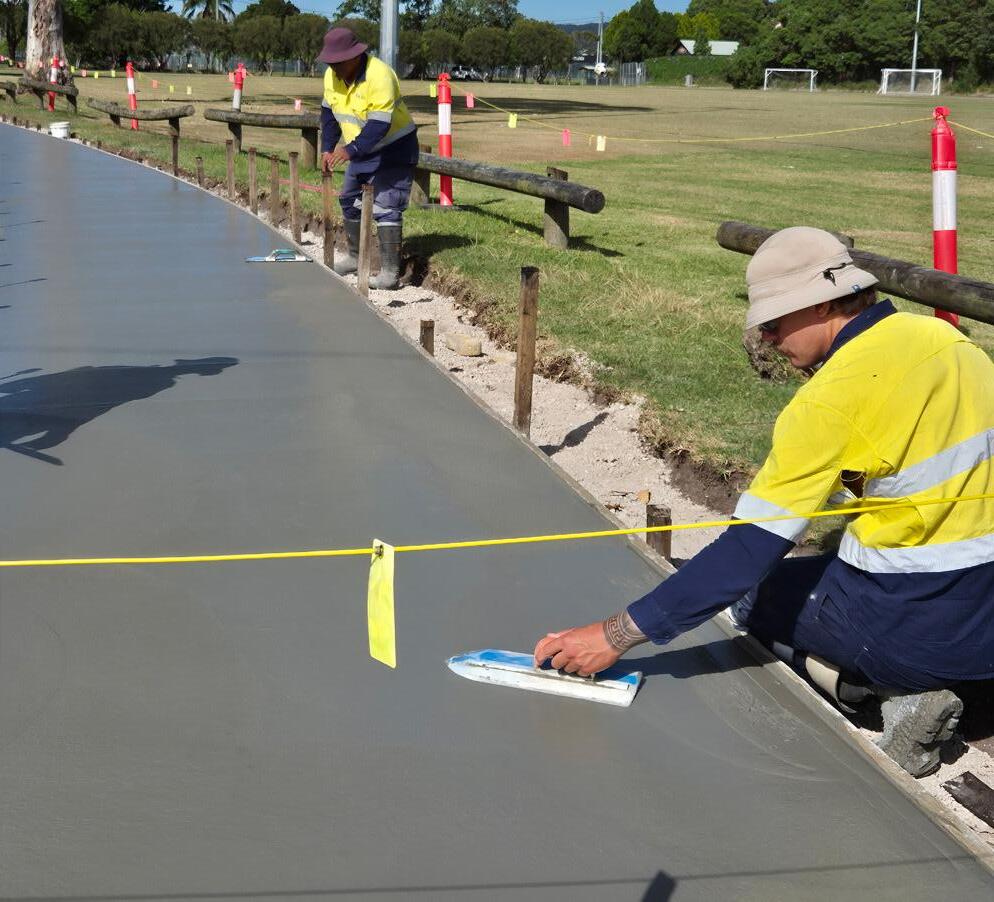
Concrete is one of the most carbon-intensive materials used globally, with cement production responsible for around 8% of global CO2 emissions. To address this, we’re increasing the use of low-carbon concrete that substitutes a portion of the cement with supplementary cementitious materials such as fly ash and slag. This significantly reduces the embodied carbon within concrete.
We’ve already installed a 330m footpath at Curly Road, Broadmeadow as a pilot site, which demonstrated the success of the low carbon concrete for handling, placement, curing and performance.
Alongside low-carbon concrete, we’re piloting the use of recycled plastic formwork as an alternative to treated timber. Recycled plastic helps divert waste from landfill and offers added benefits like increased durability and flexibility, especially when working with curves and unique designs.
Engaging the community through climate-focused art and culture, sustainable events, low-emission tourism and creative climate action.
3.1.1 Engage on climate change through arts and culture
Support and deliver operational sustainability or climate-related initiatives at the Newcastle Art Gallery, Newcastle Museum and Newcastle libraries. Deliver Partner
Support artists and contributors to produce and present creative expressions of climate action through art, exhibitions and local creative projects.
Encourage and support audiences to engage with climate-related initiatives. Deliver Partner
Maintain and improve sustainability practices for our arts and cultural buildings, exhibitions and events (such as continuing to adhere to the principles of the Bizot Green Protocol).
3.1.2 Facilitate sustainable tourism and events
Develop a Sustainable Events Policy that embeds sustainability principles across all CN-hosted, promoted and supported events.
Promote local sustainable tourism and sustainable accommodation options, highlighting Newcastle’s natural assets and cultural locations and experiences.
Engage high-impact tourism sectors in emissions reduction initiatives and work with operators to explore low-emission technologies and practices.

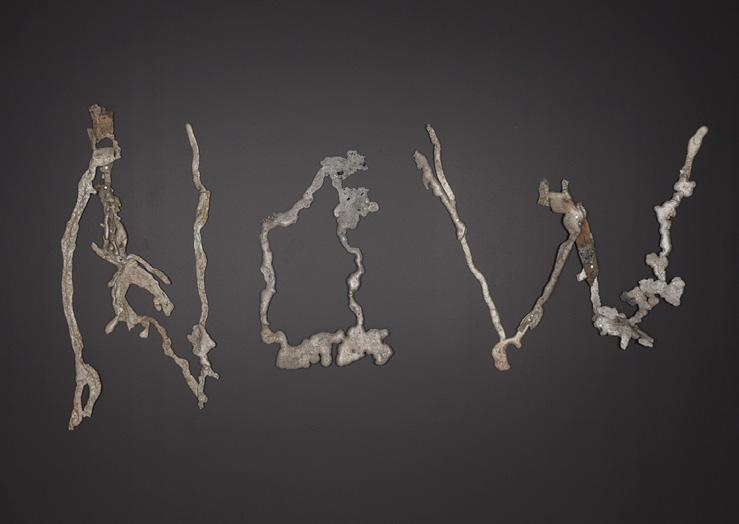
Fiona Lee is an artist and Black Summer bushfire survivor who lost her home near Bobin in 2019. After her loss, Fiona undertook a 12-month bushfire affected artist residency at The Creator Incubator in Newcastle. It was there that Fiona shaped unapologetic, political, and provocative works from her home’s scorched remnants that spoke to both her personal loss and the impact of climate change on us all. The piece was then displayed at Newcastle Art Gallery as part of The Art of Protest, that explored how artists use their work to highlight injustices and challenge perceptions.
By approaching climate change from different angles, we can open up alternative pathways to interpretation and reveal the incredible power of art to provoke thought and hold multiple possible meanings at the same time.
Building skills and jobs for a just transition and supporting small to medium businesses to transition to net zero.
3.2.1 Develop skills and jobs in net zero industries and support a just transition
Strengthen partnerships with the University of Newcastle, TAFE NSW, Business Hunter and industry bodies to align education, training pathways and skills development with net zero industries.
Connect students, graduates and job seekers with careers in sustainability and net zero industries through initiatives such as internships, graduate programs, research programs, career days and mentoring opportunities
Attract investment for the net zero transition through developing an Investment Attraction Prospectus to showcase the opportunities, benefits and advantages of investing in Newcastle.
Advocate for retraining, employment pathways and social support for workers affected directly or indirectly by the shift away from carbon-intensive industries.
3.2.2 Support our business community to embrace sustainable business practices
Design and deliver an Empowering Newcastle business program that supports small to medium businesses to transition to net zero.
Advocate for high-emitting industries to adopt low-carbon technologies and to the NSW and Federal Government for incentives and regulatory frameworks that accelerate industrial and commercial decarbonisation.
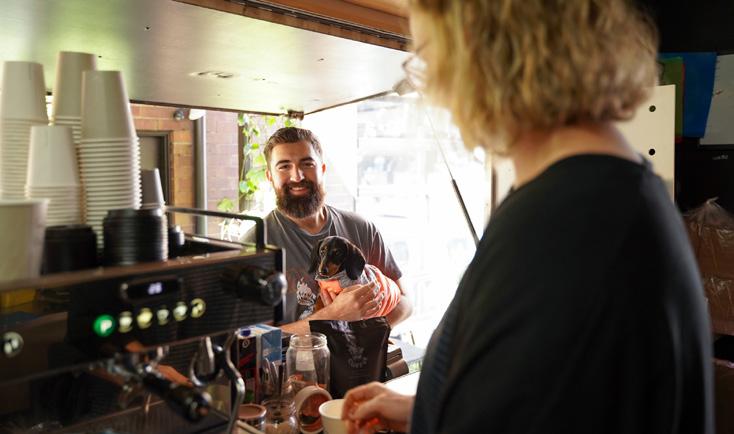

CN will support Newcastle’s business community to participate in the clean energy transition while reducing emissions, improving resilience and gaining competitive advantage. The Empowering Newcastle business program will provide practical guidance and tools to help businesses adopt sustainable practices and technologies.
The program will focus on energy audits, carbon accounting and reporting, Power Purchase Agreement buyers’ groups, solar and batteries uptake, electric vehicle transition and circular economy programs.
Delivery of this program will include workshops, tailored advisory services, the provision of case studies and collaboration with local industry groups, energy providers and sustainability experts.
Improving energy equity, exploring community energy models and supporting community-led climate action.
3.3.1 Community energy equity
Deliver initiatives for renters, apartment dwellers, culturally and linguistically diverse (CALD) communities, low-income households, young people, older adults and community members facing energy vulnerability or hardship, through the Empowering Newcastle program, to improve energy equity and reduce energy hardship.
Pilot renewable energy solutions for households locked out of rooftop solar to enable renters, apartment residents and low-income households to access affordable, renewable energy, such as community solar gardens, virtual energy networks, virtual power plants or community batteries.
Explore, and if feasible, develop a community benefit sharing model for the Astra Street Community Energy Precinct.
Advocate to the NSW and Federal Government for policies, programs and incentives that improve energy efficiency, electrification and renewable energy uptake for rental properties, such as minimum energy efficiency performance standards for rental housing, and disclosure of home energy performance ratings at the point of sale or lease.
3.3.2
Develop and deliver programs that address climate-anxiety and climate-related mental health challenges, through partnerships with local health professionals, schools and community groups.
Create opportunities for the community to shape decisions and champion local climate solutions, through funding and resources for community-led initiatives.
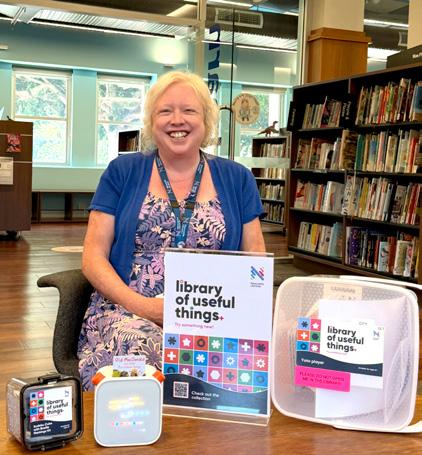
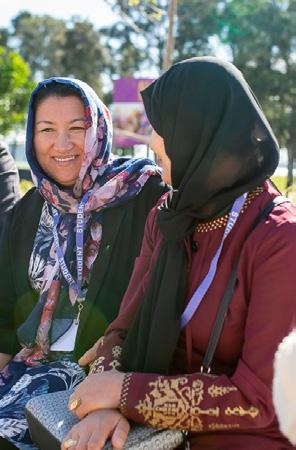
As our region transitions to clean energy, it’s vital that everyone in our community can access affordable, reliable, renewable energy.
Our Energy for All program will empower culturally and linguistically diverse (CALD) communities and renters in Newcastle to lower their energy bills and improve comfort and wellbeing through guidance on how to improve household thermal comfort, personalised energy bill checks, and support to access rebates. The program will also work with CALD communities through the translation of program materials and interpretation services.
Energy for All will drive education, programs and advocacy to support energy equity and inclusion, ensuring more Novocastrians share in the benefits of a renewable energy economy.
Building partnerships to achieve a net zero Newcastle and encouraging large-scale developments, urban renewal and master-planned precincts to achieve net-zero or carbon-positive outcomes.
3.4.1 Build city shaping partnerships for climate action
Investigate opportunities and broker feasible public–private partnerships that drive investment in net zero projects in our city and region.
Collaborate with Ausgrid and NSW EnergyCo to assess the feasibility for an Urban Renewable Energy Zone in Newcastle – a coordinated local energy network of solar, storage and grid integration.
Support Newcastle Airport to reduce their Scope 3 emissions through sustainable aviation fuels, the electrification of their plant and equipment and the provision of electric vehicle hire options.
Encourage large-scale developments, urban renewal and master-planned precincts to achieve net-zero or carbon-positive outcomes, including the Broadmeadow precinct.

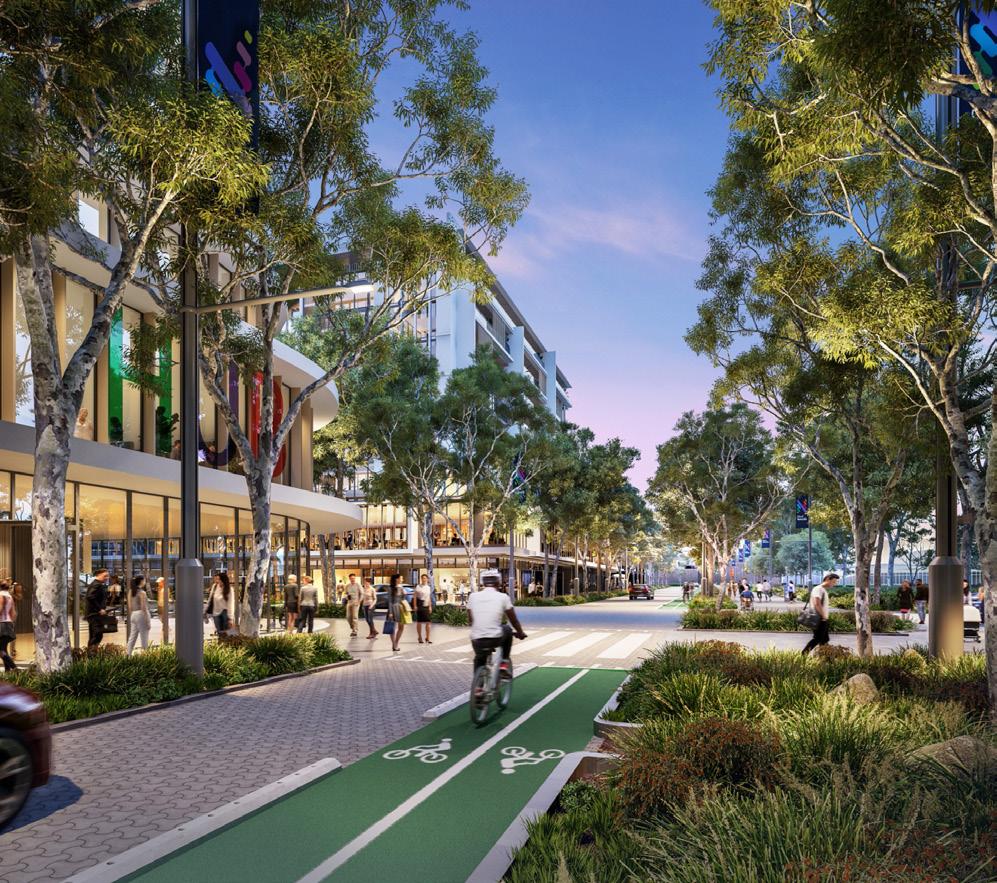
The Broadmeadow precinct is Newcastle’s most significant urban renewal project. Spanning over 300 hectares, the redevelopment offers a major opportunity to embed climate mitigation from the very start. With thousands of new homes, public spaces, and a world-class sports and entertainment hub planned, climate mitigation can be a guiding principle for every stage of design and delivery.
We will prioritise integrated active transport corridors and improved public transport, as well as innovative renewable energy generation and sharing systems. Building design and materials will prioritise low-carbon outcomes and green infrastructure that will sequester carbon for decades to come.
A climate-positive Broadmeadow requires collaboration with government, industry and our community, so that this urban renewal project delivers housing, jobs and lifestyle, while also advancing Newcastle’s net zero future.
Maintaining a renewable electricity supply for CN operations and designing and delivering a carbon insets and offsets program.
4.1.1 100% renewable electricity for CN operations
Re-contract a renewable electricity Power Purchasing Agreement in 2029 to accommodate our growing electricity demand to 2040. Deliver
Seek out and apply for grant opportunities, incentives and funding sources to support the implementation of CAP 2030.
4.1.2 Use carbon economics for cost-effective climate action
Develop and implement a methodology to assess and compare the costs and benefits of initiatives to manage greenhouse gas emissions, including businessas-usual versus abatement and offsets.
Develop an internal carbon price to apply in cost–benefit analyses and to guide decision-making.
Investigate funding mechanisms to offset landfill gas emissions from SWMC.
Develop a carbon offset purchasing guideline, to ensure all offsets or insets are of high-quality, credible and verifiable.
Explore and develop projects that generate carbon credits to inset or offset hard-to-abate emissions.
Preference net zero options in investments and promote superannuation account options that are divested from fossil fuels.
Investigate and implement, if feasible, a revolving energy fund to reinvest savings and revenue from net zero projects into future net zero programs.
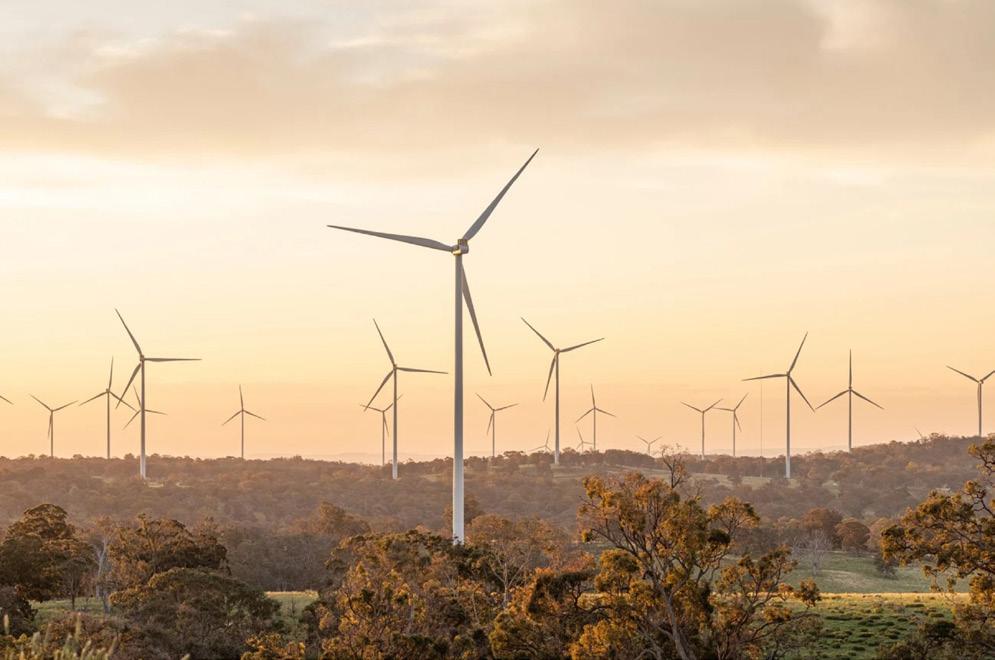
In 2019, CN entered into a 10-year Power Purchase Agreement (PPA) with Sapphire Wind Farm, located in the Hunter New England region. Under this agreement, CN secured 100% renewable electricity for its operations and a stable, highly competitive price for our renewable electricity.
The existing PPA is scheduled to conclude in 2029. By that time, CN anticipates increased electricity demand for its operations driven by fleet electrification and ongoing growth in service delivery. Given that PPAs typically span a decade, future agreements must account for projected electricity growth over that period. CN also expects the cost of renewable electricity under a new PPA to be significantly higher than the rates secured in 2019.
Over the next five years we will implement a range of measures to ensure an efficient and resilient electricity portfolio, including:
Energy efficiency initiatives to reduce overall demand
• Battery storage solutions to manage peak loads and improve grid stability
• Expansion of solar generation, through both small-scale installations, and large-scale projects such as the Astra Street Community Energy Precinct.
Once these initiatives are in place, we will seek to broker a new PPA. Our priority will be to support a renewable energy project within the Hunter Renewable Energy Zone (REZ), aligning our commitment to renewable energy with local job creation and regional investment.
Utilising best-practice climate change monitoring and reporting frameworks to communicate our performance and promote knowledge exchange locally and globally.
Use best-practice climate-related reporting mechanisms to inform decisionmaking and communicate our performance.
Amplify action by sharing our knowledge and learnings and collaborating with other councils, the Newcastle Climate Action Collaborative, the Hunter Joint Organisation, community organisations and other relevant groups.
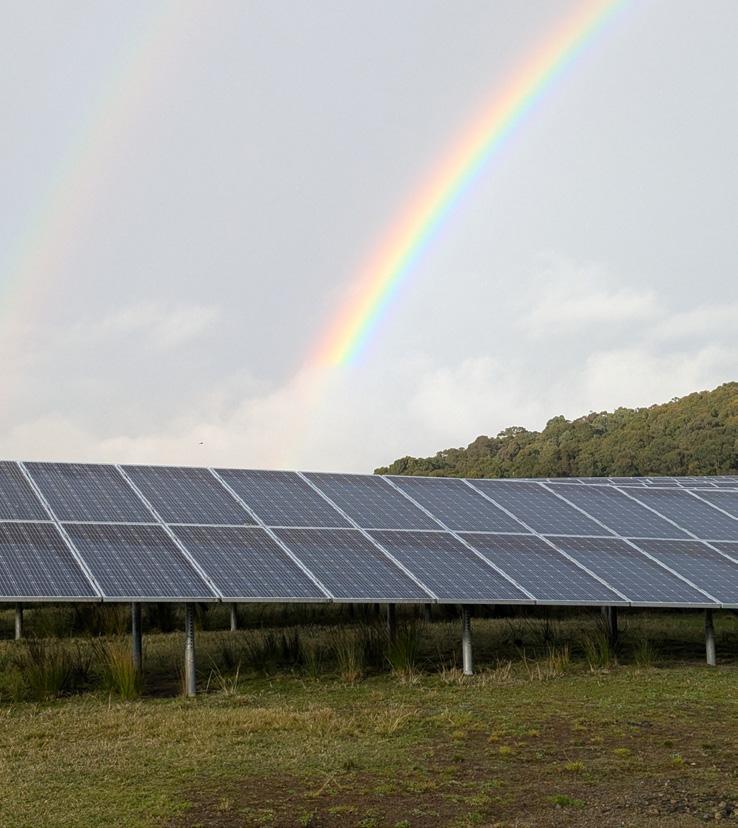
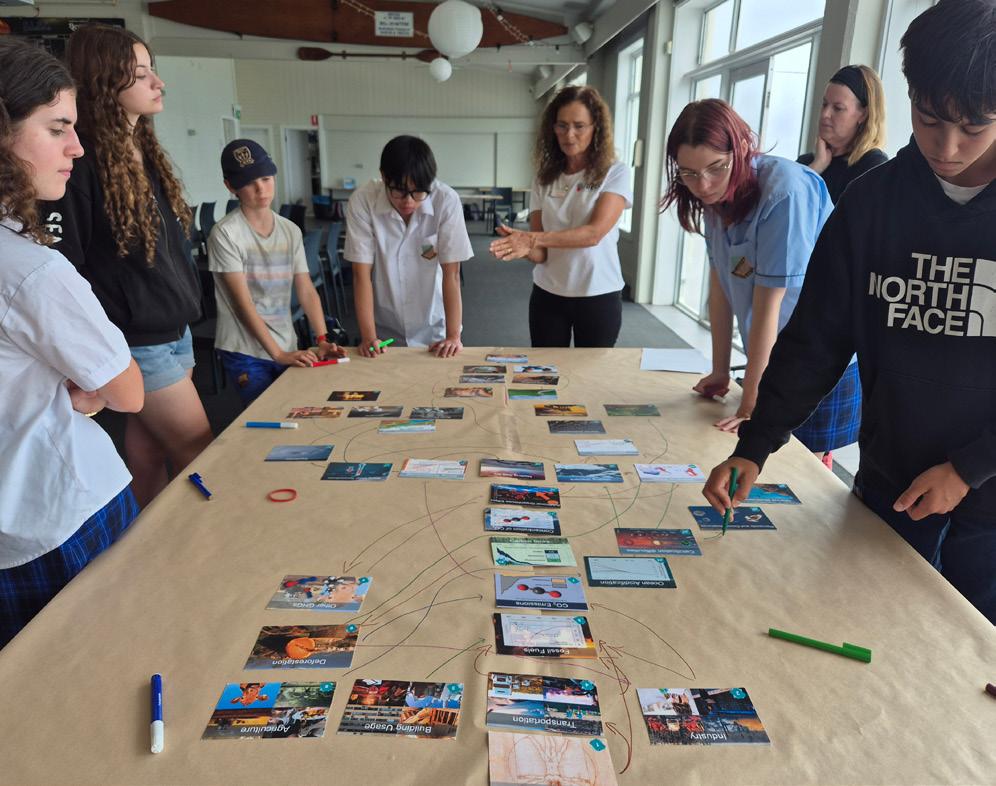
Publicly reporting our greenhouse gas emissions creates transparency, accountability and community trust. Accurate measuring and tracking ensures we’re on track towards our net zero targets. We will continually improve the way in which we report on our greenhouse gas emissions, including:
• Improving the accuracy of our Scope 3 emissions monitoring and reporting to align with the Greenhouse Gas Protocol, and through better integration with our procurement and data management systems.
• Aligning our monitoring and reporting to the climate-related financial disclosure standards.
• Working with the NSW Environment Protection Authority on their Climate Change Licensee Requirements, including submitting an annual climate change report on emissions and a triennial Climate Change Mitigation and Adaptation Plan (CCMAP), from 2027.
Collaborating with stakeholders and the community to innovate, share knowledge, and co-design solutions that accelerate Newcastle’s transition to net zero.
4.3.1 Driving innovation and collaboration for climate action
Host the Newcastle Climate Action Collaborative, bringing together large emitters and key stakeholders within the Newcastle LGA to collaborate and innovate and progress a net zero Newcastle by 2040.
Encourage innovation and collaboration on climate action by creating internal cross-council working groups and community partnerships to share knowledge, pilot new solutions, and co-design initiatives that accelerate emissions reductions and climate resilience.
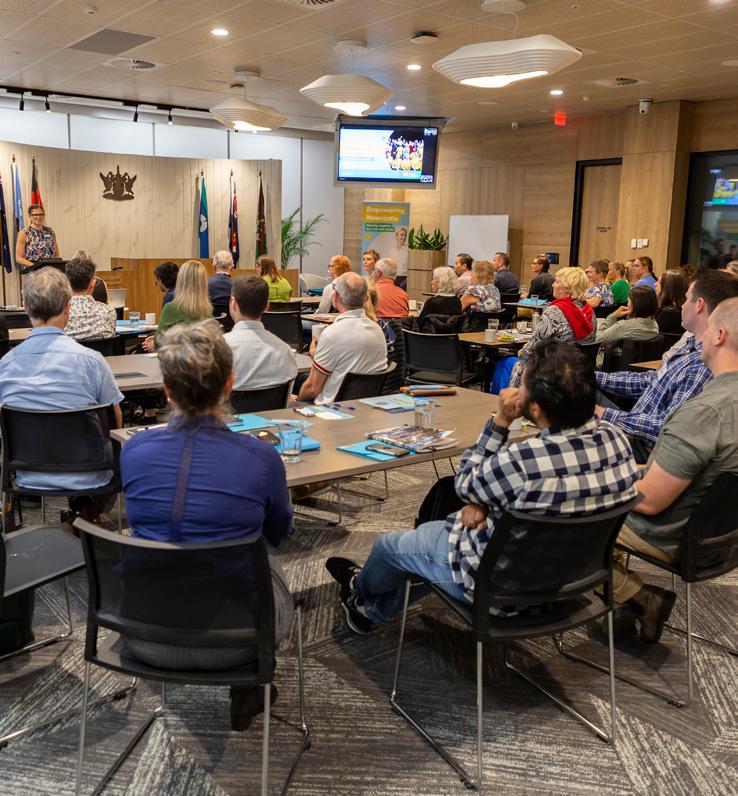
The Newcastle Climate Action Collaborative will bring together a broader range of stakeholders and community groups to work together to accelerate progress towards a net zero Newcastle by 2040. The collaborative will share resources, promote knowledge sharing and peer learning, and form partnerships, to deliver on our shared net zero ambitions for Newcastle and the broader Hunter region.
The actions in CAP 2030 have been designed to establish a realistic and achievable pathway for CN to achieve net zero emissions from its operations by 2030 and to effectively support the transition of the Newcastle LGA to net zero emissions by 2040.
For the Newcastle LGA to achieve net zero emissions by 2040, emissions will need to decrease, on average, by 6% per year, while balancing a growing population and economy.
Having achieved meaningful reductions between 2010 and 2020, progress has slowed as the transition to renewable electricity generation is offset by an increase in transport-related emissions.
With the average annual emissions reductions currently trending at 2.5% (83,000t CO2e), a more than doubling of the rate of reductions, to 6%, or 175,000t CO2e per annum, is required to achieve net zero emissions in the Newcastle LGA by 2040. At this time, less than 10% of the LGA’s 2019 baseline emissions will need to be offset (approximately 180,000 t CO2e per year), to achieve the ‘net’ in net zero.
An operational emissions reduction pathway for the implementation of CAP 2030 has been modelled and is presented below:
Pathway to net zero emissions from CN operations by 2030
With the implementation of CAP 2030, it is forecasted that, by 2030, less than 10% of CN’s 2009 baseline emissions will remain (approximately 2,500 t CO2e per year), which will need to be addressed through offsetting or in setting. In addition, we will need to purchase renewable diesel until our fleet, plant and equipment transition plan is fully implemented.
CN currently delivers an annual $2 million capital works and operational climate action program, which funds small scale solar and battery deployment, energy efficiency upgrades, initiatives to transition away from gas and the Empowering Newcastle program.
Delivering CAP 2030 will require an additional capital investment of approximately $42 million over five years, of which CN aims to source 50% matched funding through grants and commercial partnerships. This investment will deliver:
• The Astra Street Community Energy Precinct
• The continued deployment of solar and Battery Energy Storage System (BESS) systems across our facilities
• Transitioning CN’s vehicle’s, plant and equipment to electric or low-emission alternatives, assuming a 20% reduction in emissions by 2030, and a 15% uplift in asset replacement costs.
CN has submitted an Expression of Interest to the Australian Renewable Energy Agency (ARENA) that has progressed to a formal grant application for $5 million to deliver a battery deployment program, including a 10MWh battery at the Summerhill solar farm, and another 3.8MWh in 12 batteries across CN facilities (with a total project cost of $12 million).
This $42 million investment is expected to provide a combined annual financial benefit of between $3.5 - $4 million from 2030. The annual recurring costs from 2030 to maintain net zero emissions from CN operations (through the purchase of renewable diesel and in setting and offsetting) are forecasted to be between $2.5 - $3 million per annum.
Forecasted return on investment from 2030
Astra St Community Energy Precinct income Savings from BESS deployment
$3.5-4m
Fuel savings from fleet transition Savings from gas to electric + energy e ciency
$2.5-3m
Forecasted annual expenses to maintain net zero emissions from 2030
Additional cost to use
Cost for insets or o set
As show above, the income and savings generated from the $42 million investment will exceed the costs associated with maintaining net zero emissions from CN operations from 2030, through the purchase of renewable diesel and in setting and offsetting. As we progressively transition our vehicles, plant and equipment to electric or zero emission alternatives, our reliance on the purchase of renewable diesel to maintain net zero emissions from CN operations will decrease.
In addition to grants and partnership opportunities, low-cost green finance, where a project demonstrates a positive net present value and is appropriate to the investment category, will be sought, to fund the delivery of CAP 2030.
Overall quality of life in Newcastle Trending up
Travel patterns on an average weekday for residents Trending down (Vehicle use)
Cycle-friendly and walkable city Trending up
• 75% of residents rate their quality of life in Newcastle as very good or excellent (2021)
• 32% of residents stated that their quality of life has improved over the past three years (2021) CN – Liveability and Wellbeing Survey
• Walk/cycle/other – 21.3% Transport for NSW – Household Travel Survey
• 59% agree/strongly agree that Newcastle is a cycle-friendly city (strongly agree – 24%, agree – 35%)
71% agree/strongly agree that Newcastle is a walkable city (strongly agree – 36%, agree – 35%) CN – Liveability and Wellbeing Survey
Abatement Reduction of greenhouse gas emissions through efficiency, fuel switching or offsets.
Active transport Using non-motorised travel like walking or cycling to reduce emissions.
Adaptation Adjusting natural or human systems to minimise harm from climate impacts.
Baseline year The reference year used to measure emission reductions over time.
Battery storage Technology that stores excess electrical energy for later use or grid support.
Biogas Gas from organic material breakdown, mainly methane and carbon dioxide, used for energy generation.
Blue green grid An interconnected network of vegetation and waterways that improves biodiversity and urban liveability.
Carbon inset The funding of a organisations carbon reduction projects, typically within their own supply chain.
Carbon neutral State achieved when emissions produced are balanced by equivalent offsets, after all feasible emission reductions have been made.
Carbon offset An investment representing a verified reduction, removal or avoidance of CO2-e achieved outside an organisation’s boundary and used to compensate for its emissions.
Carbon sequestration Capturing and storing atmospheric carbon in plants, soil or geological formations.
Circular economy A system where materials never become waste, and products and materials are kept in circulation through processes like maintenance, reuse, refurbishment, remanufacture, recycling and composting.
Clean energy Energy generated from renewable sources such as wind or solar.
Climate mitigation Actions that reduce or prevent greenhouse gas emissions.
Climate positive Beyond carbon neutrality – removing more carbon than emitted.
Climate resilience The capacity of our built environment, communities, environment and economy to cope with climate impacts while maintaining their essential functions and structure.
CO2 equivalent (CO2-e)
Standard unit expressing all greenhouse gases as equivalent to CO2’s warming effect.
Decarbonisation The process of reducing or eliminating carbon dioxide and other greenhouse gases from human activities.
Electric vehicle (EV) Vehicle powered by one or more electric motors using stored electrical energy in a battery.
Electrification Replacing fossil fuel–based appliances, including gas hot water, heating and internal combustion engines, with efficient electric alternatives, including hot water heat pumps, reverse cycle air conditioning and electric vehicles.
Energy efficiency Using less energy to deliver the same service or output.
Energy transition Shift from fossil fuels, such as coal, oil and gas, to renewable energy sources, such as wind, solar and hydro.
Food Organics and Garden Organics (FOGO)
Fossil fuels
Waste collection system separating organic material, such as food and plant matter, for composting.
Energy sources including coal, oil and gas formed from ancient organic matter.
Greenhouse gas Gas that traps heat in the atmosphere, contributing to the greenhouse effect.
Greenhouse Gas Protocol
Just transition
Kilowatt (kW)
Kilowatt-hour (kWh)
Global standard for accounting and reporting greenhouse gas emissions.
Moving towards a climate-neutral economy in a way that is fair, inclusive and equitable for workers and communities.
Unit of power equal to 1,000 watts, measuring the rate of energy transfer.
Amount of energy used when a 1,000-watt (one kilowatt) appliance runs for one hour.
Landfill gas A mixture of gases, primarily methane, that is produced by the decomposition of organic waste in landfills.
Landfill gas capture Capturing the methane from decomposing waste that can be used as a renewable energy resource.
Life cycle analysis
Megawatt (MW)
An assessment methodology that allows the evaluation of environmental impacts from a product’s creation to its disposal.
Unit equal to one million watts, used for large-scale power generation capacity.
Natural gas Fossil fuel primarily composed of methane used for heating and power generation.
Net zero A goal of balancing the greenhouse gases entering the atmosphere from human activities with the amount absorbed by natural processes. Aiming for net zero involves reducing emissions as much as possible first, before relying on offsets for residual (leftover) emissions.
Photovoltaic (PV)
Power Purchase Agreement (PPA)
Renewable energy
Renewable energy zone
Technology converting sunlight directly into electricity using solar cells.
Contract for buying electricity from a renewable energy provider.
Energy derived from natural sources that are replenished at a higher rate than they are consumed, such as solar, wind, hydropower and biomass.
Area designated for coordinated development of renewable generation and storage.
Retrofit Upgrading existing buildings or systems to improve energy efficiency or reduce emissions.
Scope 1 emissions
Scope 2 emissions
Scope 3 emissions
Direct emissions from owned or controlled sources (e.g. fuel combustion, gas or landfill emissions).
Indirect emissions from purchased electricity (e.g. streetlighting or grid electricity usage).
Indirect emissions from an organisation’s value chain, including suppliers, contractors, transport, waste and product use.
Solar farm Large-scale installation converting sunlight into electricity using solar panels.
Tonne of CO2 (tCO2) Metric tonne equivalent to 1,000kg used to quantify carbon dioxide emissions.
Virtual power plant
Network of decentralised power sources coordinated via digital systems.
Waste diversion Redirecting waste from landfill through recycling, reuse or composting.