2025 Year End Report
City of Manhattan, Kansas
We put the well-being of people at the heart of everything we do.
City
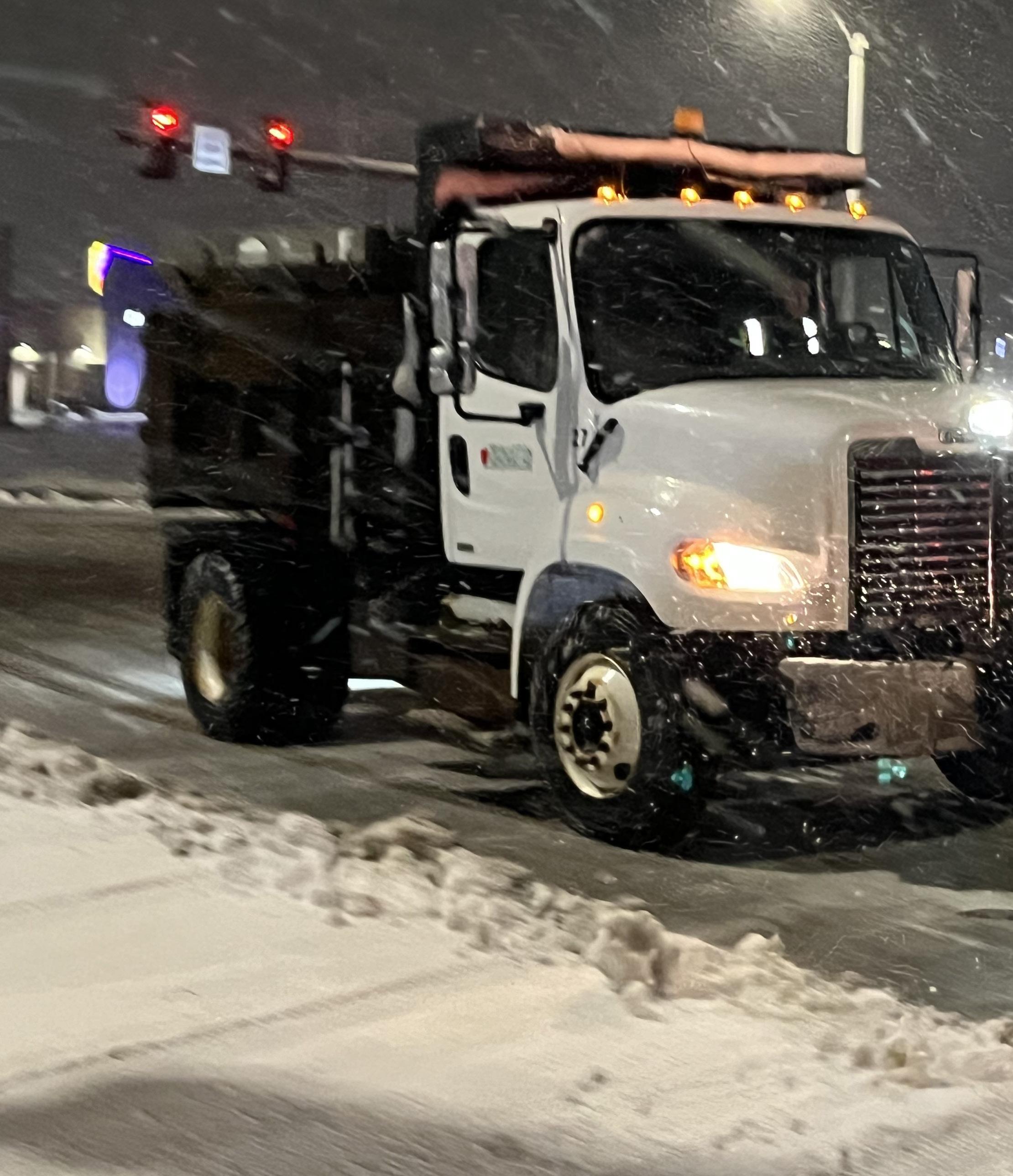
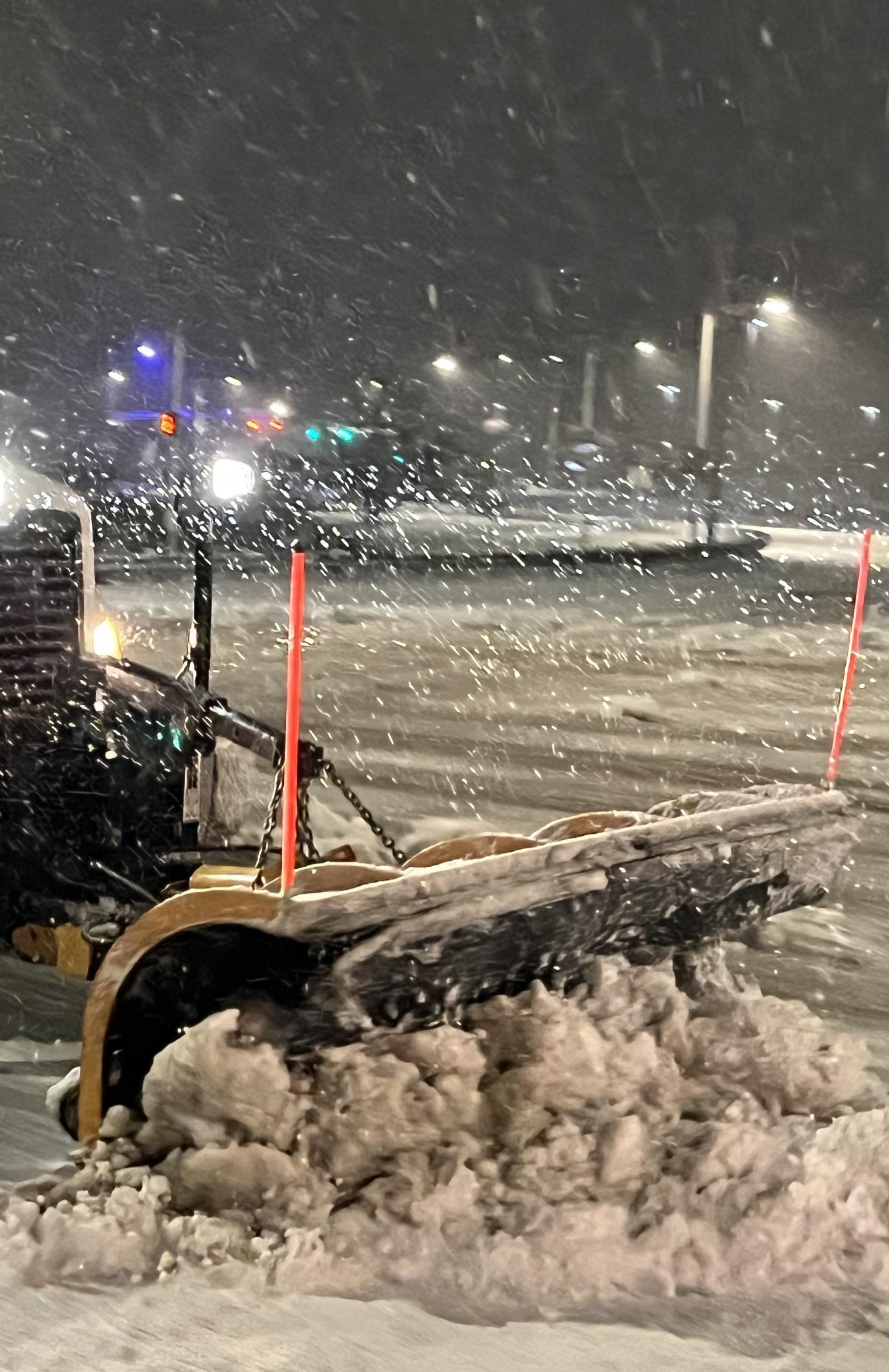
January 4, 2025 Winter
Storm Blair brought 14.8 inches of snow.
Most snowfall in 125 years!
City of Manhattan, Kansas
We put the well-being of people at the heart of everything we do.
January 4, 2025 Winter
Storm Blair brought 14.8 inches of snow.
Most snowfall in 125 years!
Last year saw lots of progress toward priorities focusing on establishing financial stability, facilitating economic growth, telling our story, and improving quality of life.

To the Manhattan Community— As we close out 2025, I want to thank our residents and neighbors, local businesses, regional partners, volunteers, and —especially—the City Commission and our City employees. Every day, they work both behind the scenes and in the field to provide reliable services that keep Manhattan safe, functioning, and moving forward.

This year was a clear reminder of the value of those public services— especially when conditions are at their most challenging. When Winter Storm Blair brought 14.8 inches of snow, the largest snowfall Manhattan has experienced in 125 years, City teams responded quickly and professionally to keep streets passable, utilities running, and essential services available. It was a visible example of how community investments support preparation, equipment, and skilled people who are ready when Manhattan needs them most.
Throughout the year, the City Commission and staff remained focused on being good stewards of public resources while continuing to deliver the services our community expects. From budgeting and long-range planning to everyday operations, our work centered on stability, transparency, and thoughtful investments that provide lasting value.
You saw that commitment through major investments in streets and utilities, including the reconstruction of Anderson Avenue. By replacing aging utilities and rebuilding this critical corridor, we are addressing today’s needs while planning responsibly for the future. We advanced the East Manhattan Gateway Vision—a community-driven planning effort focused on positioning the U.S. Highway 24 corridor to attract private investment, expand employment opportunities, and grow
the city’s tax base. Over time, this approach strengthens the City’s financial foundation, helps sustain high-quality public services, and reduces pressure on future budgets, while ensuring development reflects community values. Continued reinvestment in areas such as Aggieville and the Edge District further strengthened walkability, access, and economic vitality—benefiting both residents and local businesses.
Behind the scenes, 2025 was also a year of modernization. The successful launch of a new citywide financial and administrative system—completed on time and under budget—improved oversight and provides better real-time information to support accountability and sound decision-making. We also continued building on this progress with new systems designed to make services like permitting and utility billing more efficient and customer-friendly.
Quality of life remained a priority as well. Continued progress on major park improvements at CICO Park, the opening of Schultz Park, and a strengthened recreation scholarship program helped more families access programs and opportunities that build connection and community.
Manhattan’s progress is built on a shared commitment—a community that cares and a City organization dedicated to serving responsibly and well. Thank you for your engagement, your trust, and your partnership. I look forward to continuing this work together in 2026.
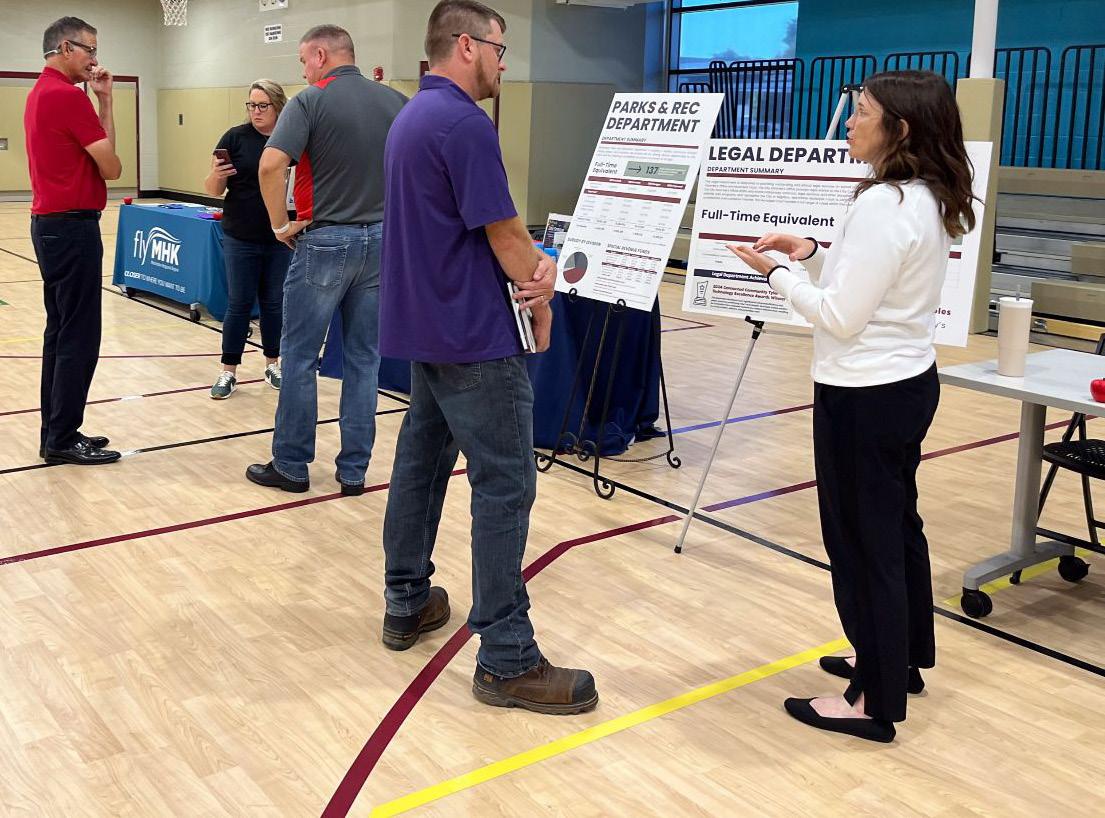
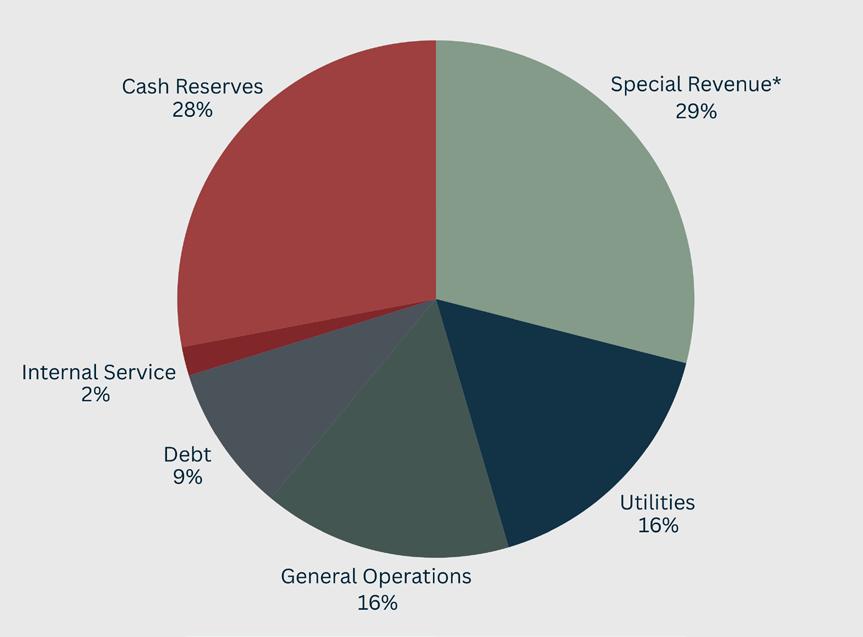
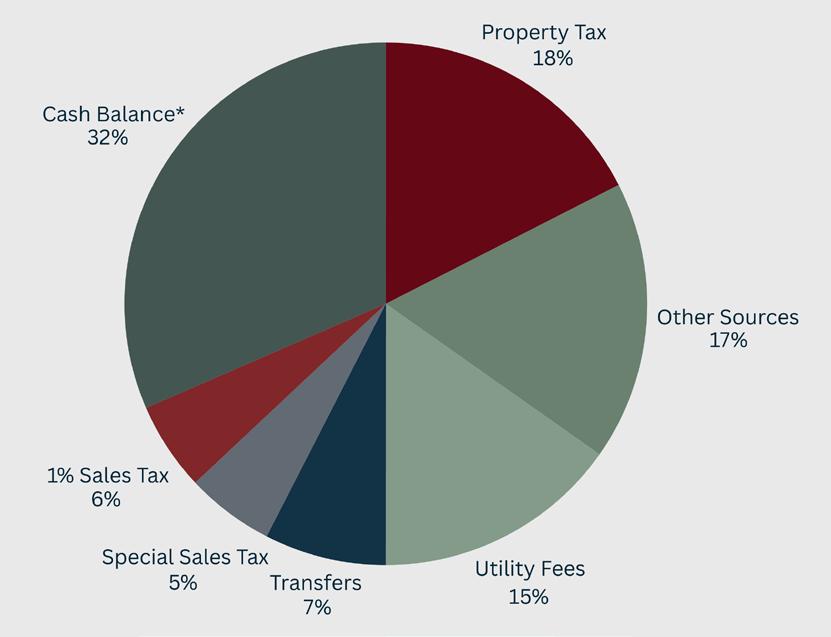
After months of planning, City Commission work sessions, two open houses, and a public hearing, the City Commission adopted the 2026 City budget on September 16, 2025. The budget reflects a balance between fiscal responsibility and community priorities including maintaining steady services, supporting public safety, and investing in the City employees who deliver services every day.
COMMISSION PRIORITIES & STAFF NEEDS
In January 2025, the City Commission met with the City Manager to review goals and set strategic priorities for staff to accomplish and plan for 2026. Staff provided input on community and organizational needs.
DRAFT BUDGET & COMMISSION REVIEW
City staff worked with the City Manager and Finance team to develop a draft budget. Commissioners reviewed the budget over the course of the summer in public meetings, recommended changes, and gave final input on areas like capital improvements.
PUBLIC FEEDBACK & COMMISSION APPROVAL
Feedback was received via Budget Open House events, and public comment in meetings and work sessions. By state law, the City Commission must pass a budget by September 30 of each year.
WORK & CONTINUAL EVALUATION PROCEEDS
The City budget is the annual plan for funding the services City staff provide. Management and the City Commission monitor spending against the adopted budget throughout the year (January 1–December 31) and make budget amendments as needed.
The adopted budget maintains City services at current levels while funding a 2.4% cost-of-living adjustment (COLA) for City employees. This adjustment helps the City to remain competitive as an employer and recognizes the dedication of the staff who serve our community.
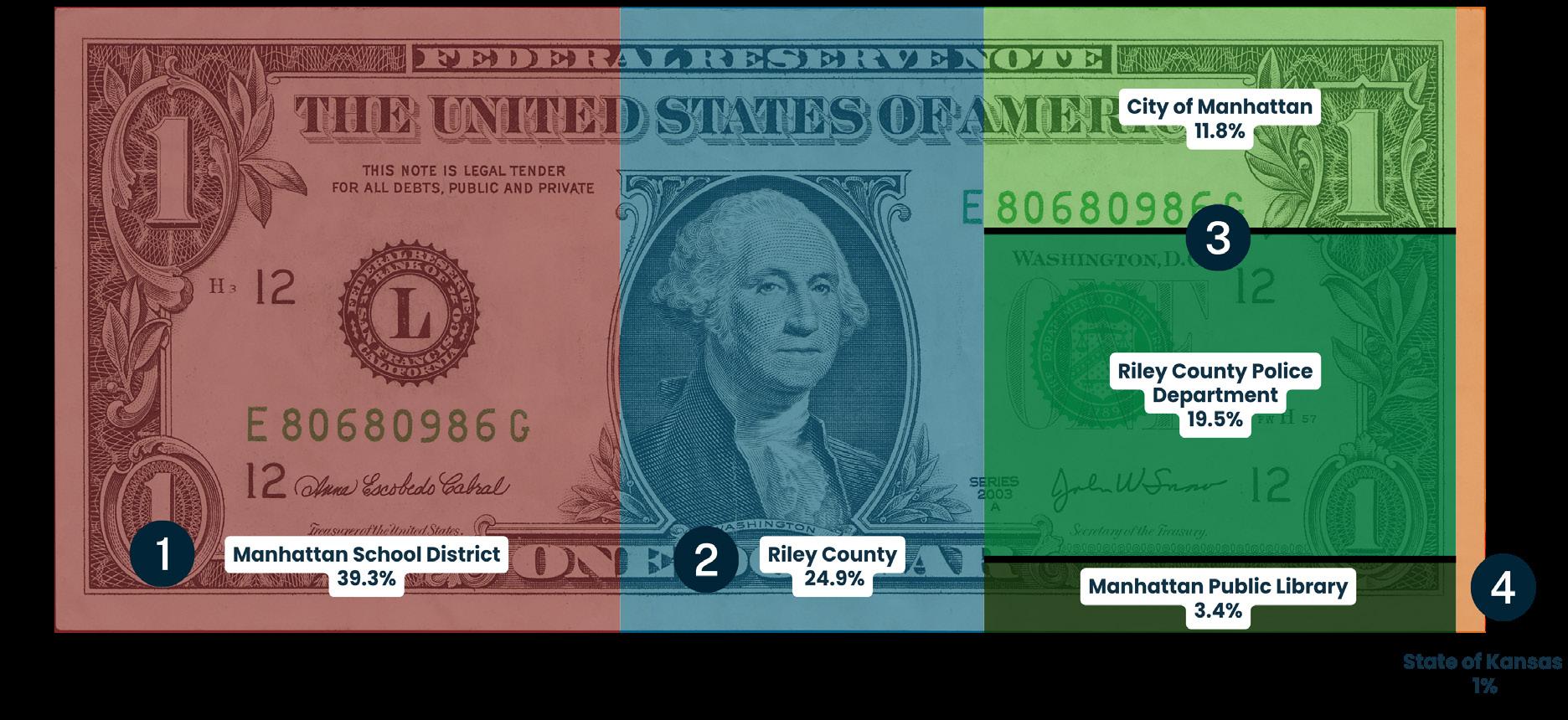
The 2026 budget will generate about $2.45 million in additional property tax revenue, which includes a 1.397 increase to the mill levy. Approximately $1.8 million is directed to the Riley County Police Department (1.115 mills) and Manhattan Public Library (0.051 mill). The remaining $650,000 (0.231 mill) will support City operations.
Overall, the 2026 budget positions the City of Manhattan to continue providing high-quality public services, investing in its workforce, and strengthening its financial stability moving forward. Thank you to all who participated in the process.
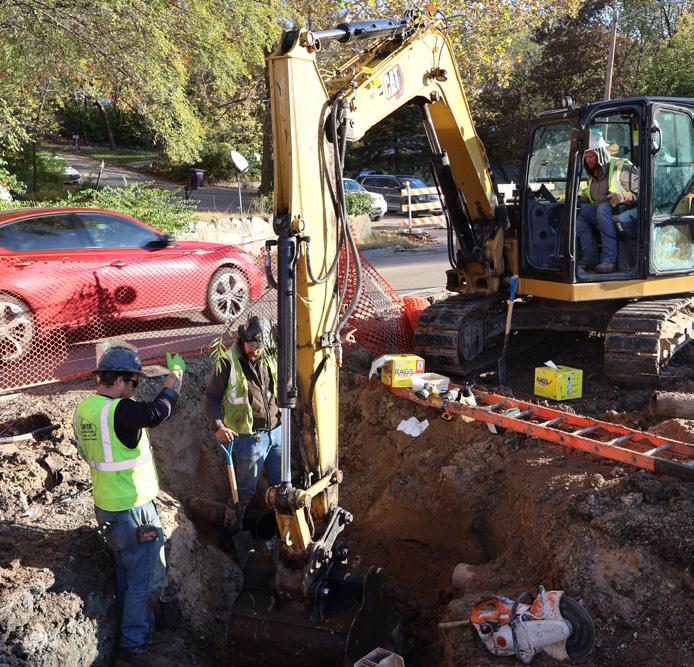
A major utility infrastructure project is now under way along Anderson Avenue between Harris and Connecticut Avenues. This stretch of roadway sees approximately 17,000 vehicles per day. Over time, both the pavement and underground utilities in this corridor have deteriorated significantly.
The project includes:
• Full replacement of aging water lines
• Repairs to storm sewer infrastructure
• Construction of concrete pavement
• Coordinated improvements to side streets
Construction began June 2025, with crews first boring in new water service lines beneath live traffic. Demolition on Anderson Avenue between Connecticut Avenue and Timberlane Drive, started shortly thereafter. The entire Phase 1 is expected to last roughly 10 months, including water line installation over the next 12 weeks.
Additional work on adjacent streets, including Connecticut Avenue, Timberland Drive, Michael Road, and Karla Lane, will take place as crews move through the project area.
Total Budget: $10.1 million
• $2 million Water Revenue
• $4.7 million Special Street & Highway Revenue
• $455,000 Stormwater Revenue
• $268,000 Debt Financing
Federal Grant: $2.7M from American Rescue Plan Act (ARPA)
Timeline: June 2025 start; June 2027 estimated completion
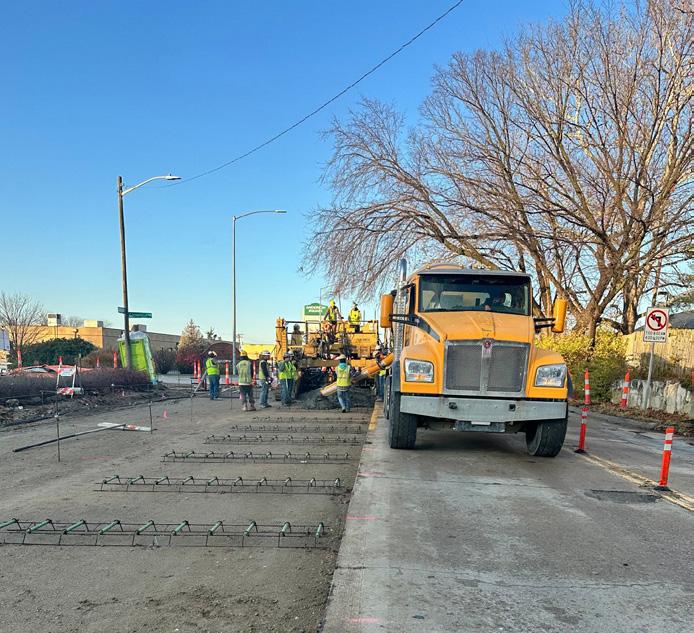
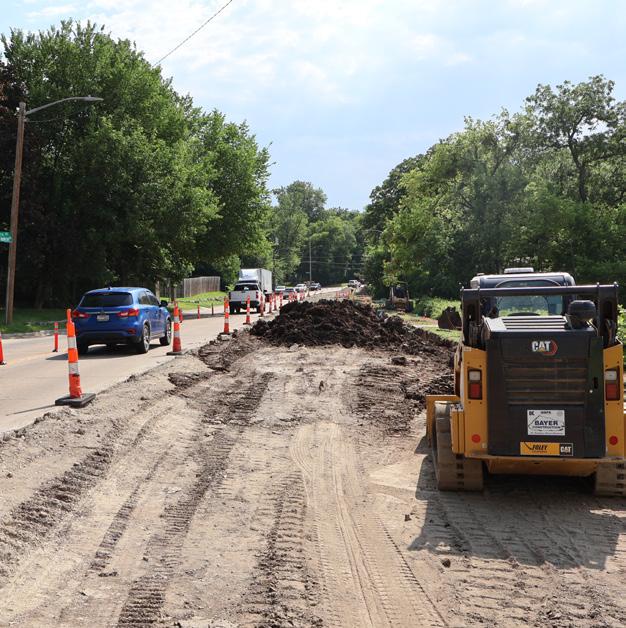

184 tons in construction projects $7.25 m
funded by our Special Street Maintenance Sales Tax of concrete poured cubic yards of asphalt placed 1,148
15,259
The City reached substantial completion of the north phase of 12th Street from Moro Street to the alley in late 2025. Work replaced aging utilities and delivered a pedestrian friendly streetscape with improved lighting, shade and outdoor dining space that support both everyday access and special events. The $5.44 million project is funded with revenues generated from the Aggieville Tax Increment Financing (TIF) District and the voter-approved 2023 0.5% Economic Recovery & Relief sales tax.
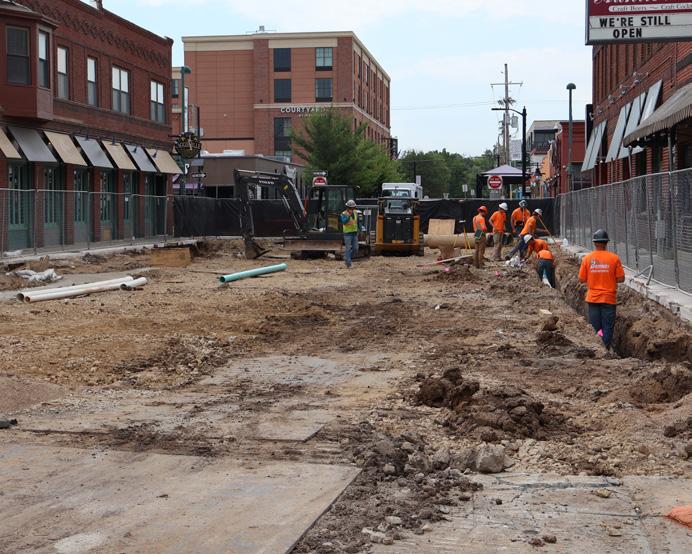
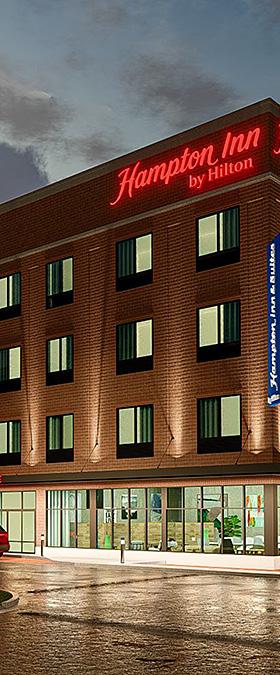
Construction of a hotel advanced on the City’s former surface parking lot that was competitively offered through a City-issued request for proposals in 2021. The 105-room Hampton Inn with a 100-stall guest parking garage is anticipated to be open in fall 2026 and is expected to generate significant TIF revenue over time, strengthening the district’s capacity to reinvest in public improvements. To streamline impacts, the next 12th Street phase (south of the alley to Laramie) is planned to begin in conjunction with hotel completion, consolidating construction staging and preserving customer access.
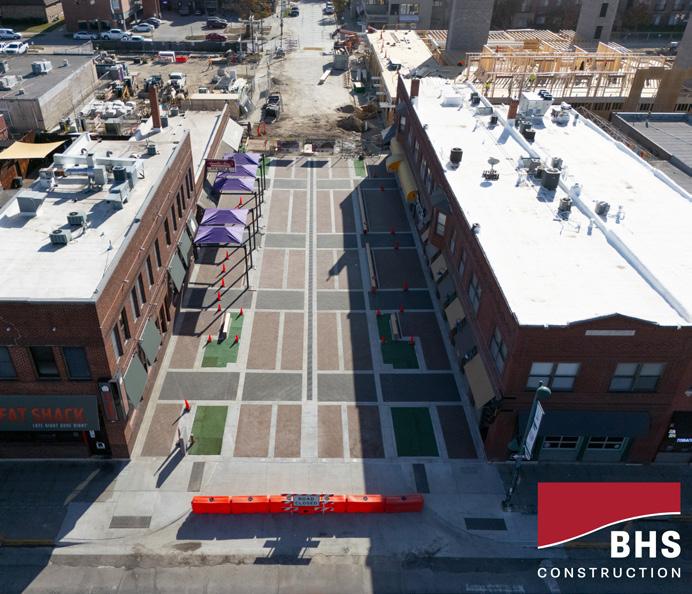
Looking to 2026, the City will initiate design and construction on Moro Street—the district’s main corridor—extending modern utilities and pedestrian-oriented design through the heart of Aggieville. Together, these efforts honor the community’s vision, sustain momentum, and reinforce Aggieville as a vibrant, walkable, and business friendly district.


invested in public infrastructure
throughout the North Campus Corridor over the past 10 years
$3 Million from K-State Athletics
$7 Million from the Kansas Department of Transporation
$10 million from the City-University Fund
$25 million from the 0.5% Economic Recovery and Relief Sales Tax
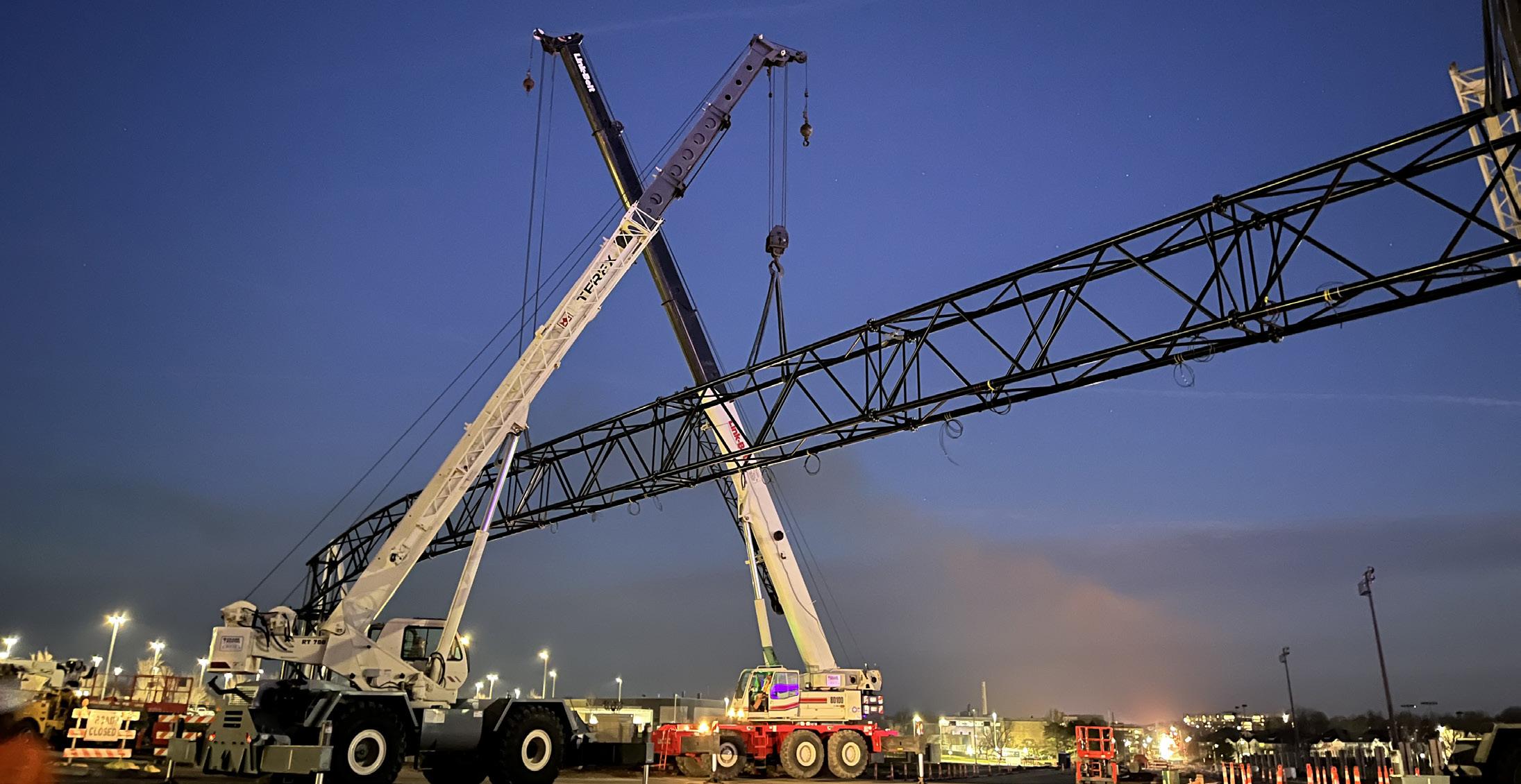
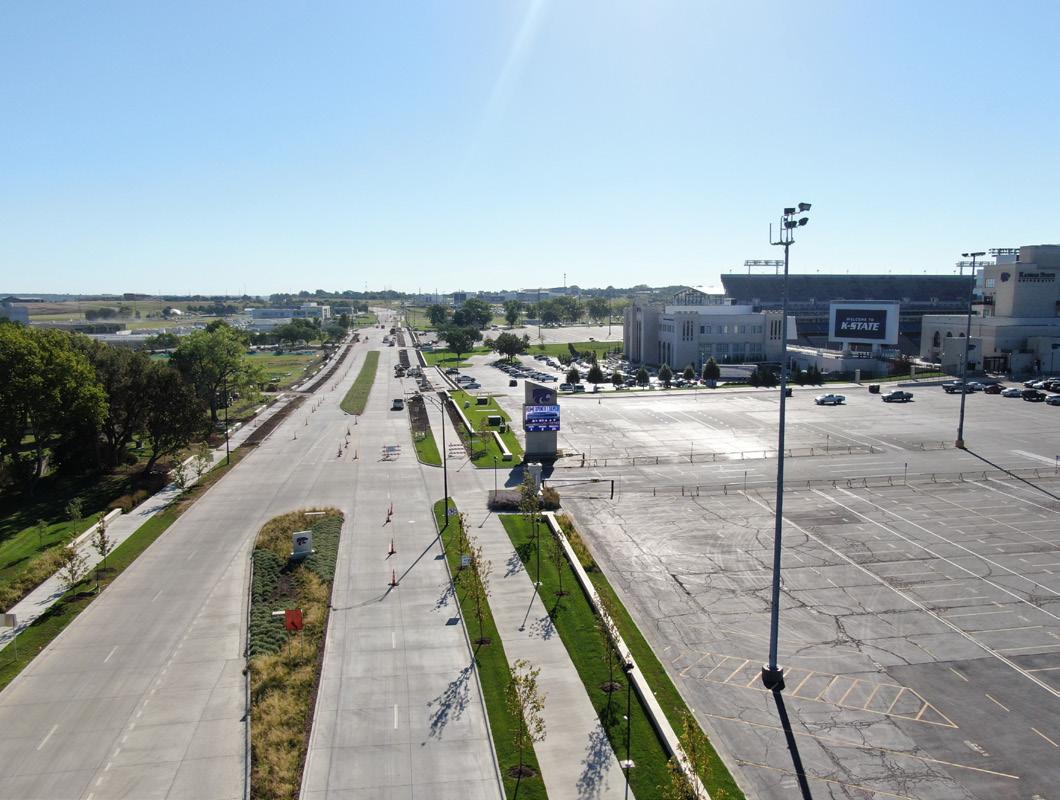
The North Campus Corridor (NCC), now known as the Edge District, is the culmination of a long-range infrastructure improvement plan that began in 2015. The final phase, completed in fall 2025, focuses on the intersection of Kimball Avenue and Denison Avenue, a key access point identified early in the National Bio and Agro-Defense Facility (NBAF) planning process as a priority for improvement.
The phase (at a total cost of $15.75 million) included: construction of new concrete streets, upgraded stormwater systems, sidewalks, lighting, landscaping, and hardscaping, new signalization and intersection geometry, as well as utility and water line relocations.
This project represents the final major investment on Kimball Avenue, creating a fully reconstructed corridor from North Manhattan Avenue to College Avenue, along with significant upgrades to Denison Avenue from Kerr Drive to the north of the City limits and Marlatt Avenue roadway.
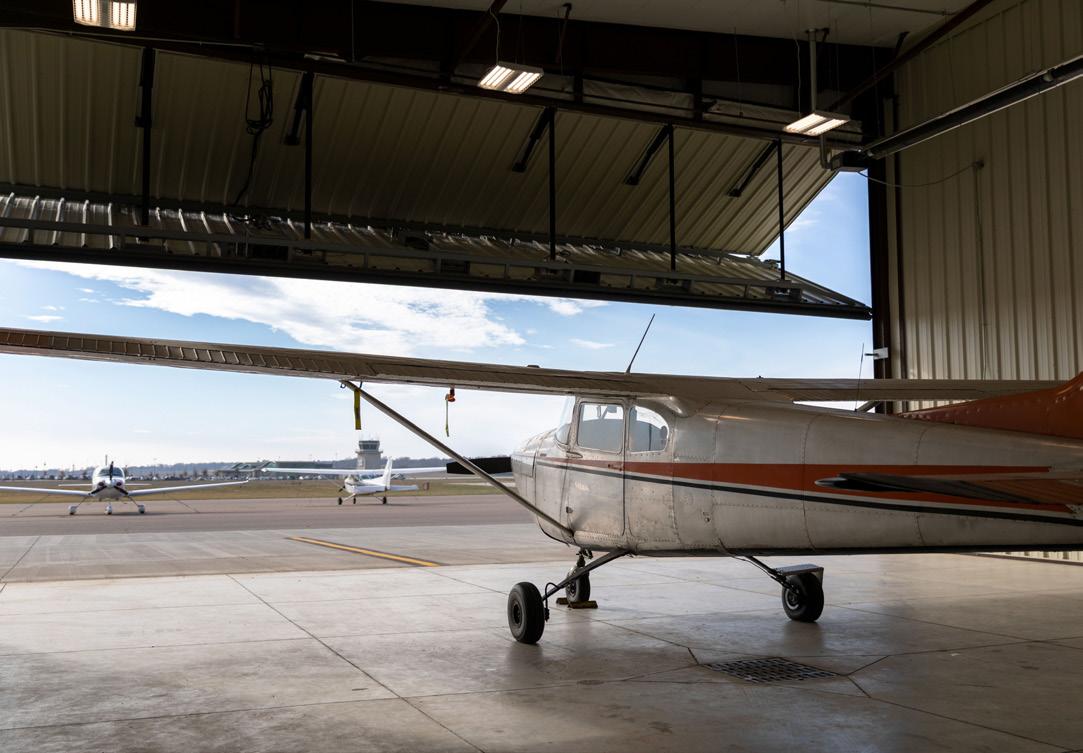
At the beginning of 2025, Manhattan Regional Airport (MHK) opened eight new general aviation hangars, which strengthened the airport’s general aviation activity by increasing the number of based aircraft, boosting hangar rental revenue, and increasing fuel sales. The project, MHK’s first new hangars in more than two decades, received strong support from the local community and surrounding regions. Its successful completion was made possible through a Federal Aviation Administration grant and the Build Kansas Fund, which together provided 100% of project funding.
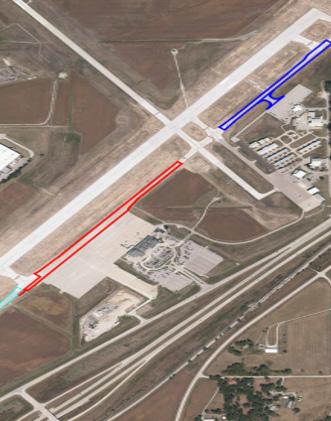
In 2025, Manhattan Regional Airport initiated the design for the reconstruction of its primary taxiway, Taxiway Alpha. Taxiway Alpha is a critical piece of infrastructure and serves as the main taxiway for aircraft accessing the primary runway. The taxiway is divided into three sections, with pavement sections constructed between 1982 and 2002. Design is scheduled to be completed by the end of April 2026, after which the airport will seek bids from qualified construction companies and apply for a grant through the Federal Aviation Administration (FAA). The grant will provide 95 percent of the total project funding, including both design and construction costs. Construction is anticipated to begin in late 2026 and continue into 2027. The work will be completed in phases to avoid disruptions to flight operations during construction. This project is essential to maintaining safe, efficient airfield operations and supporting the airport’s long term operational and infrastructure reliability.
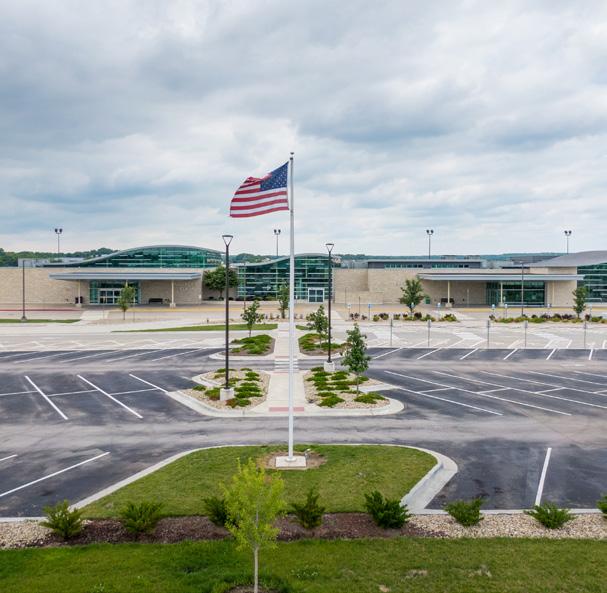
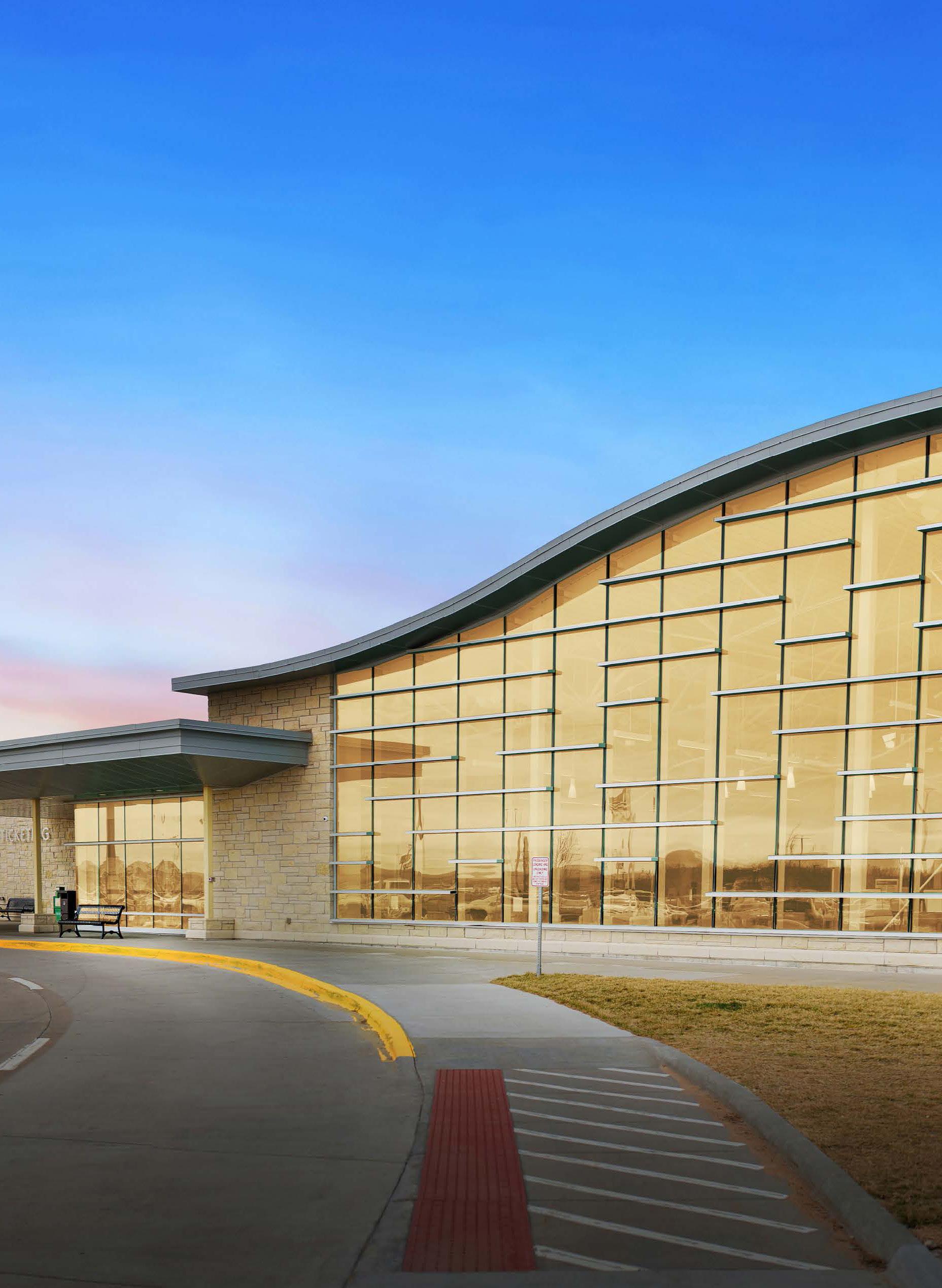
In May 2025, flyMHK saw 8,360 enplanements, the all-time monthly record and first time in history the airport had over 8,000 passengers board a flight for a particular month.
In addition, 2025 saw 30,568 aircraft operations come through Manhattan, along with 119 military and athletic charter flights.

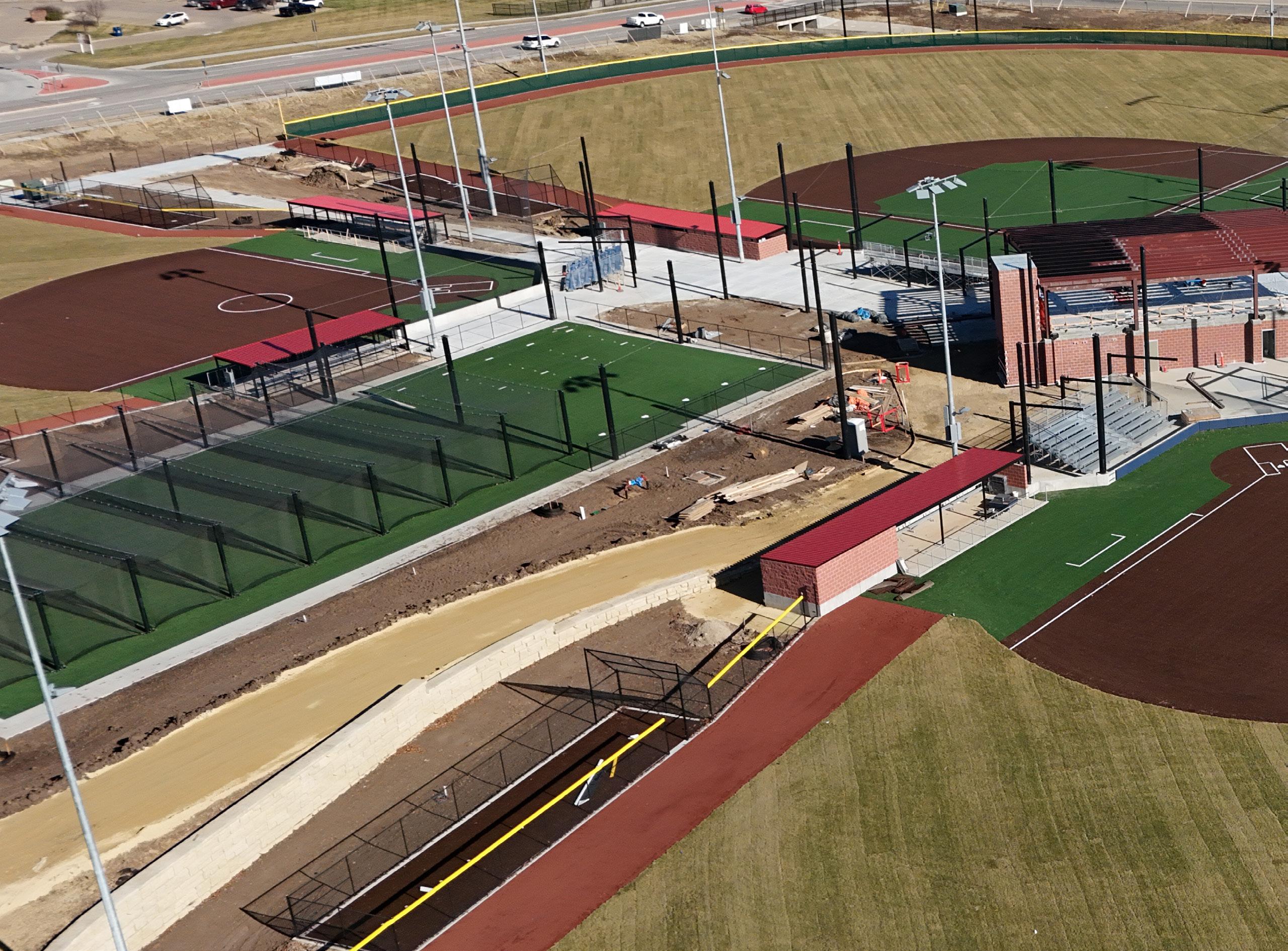
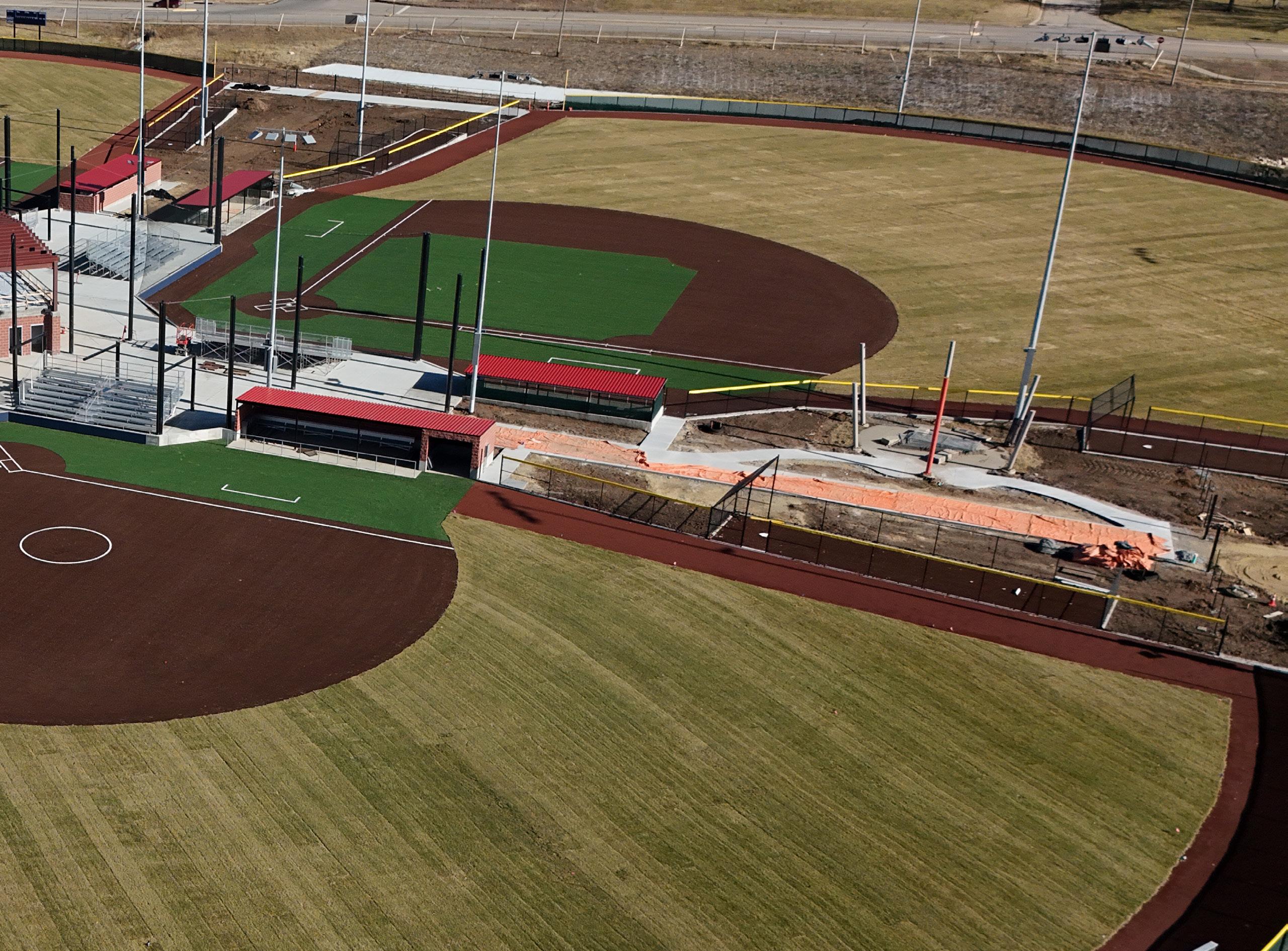
In 2025, CiCo Park moved from heavy construction to near-ready for play. Crews finished demolition and major utilities early in the year, then shaped and drained the fields to perform well over time. By late year, dugouts, backstops, turf and sod, lighting, and scoreboards were in place, with safety netting and irrigation supporting reliable, family-friendly use.
The new center structure—the hub for concessions, restrooms, storage, shaded gathering, and an elevated viewing deck—advanced substantially, with core systems and structural work completed. Across the site, commons concrete, sidewalks, parking lot preparation, and improved entrances tied the complex together and set the stage for final surfacing and landscaping.
On December 16, 2025, the City Commission authorized playground procurement through a cooperative purchasing process, ensuring a key family amenity is delivered without delaying opening or remobilizing contractors.
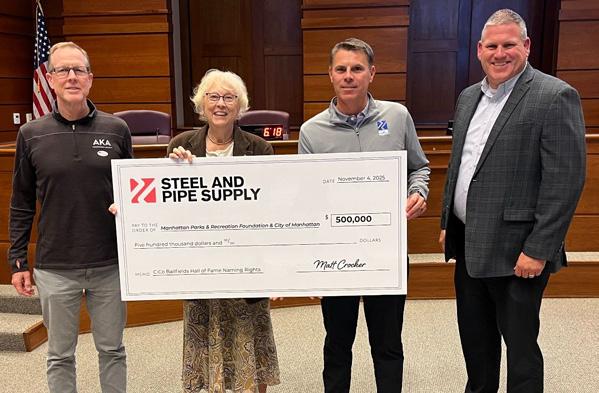
Funding is anchored by the voter-approved 2017 Quality of Life Sales Tax, with targeted support from the Recreation & Trails Sales Tax and supplemental grants that relieved local costs. The project remains within approved financial parameters.
As we enter 2026, the fields, center structure, and circulation networks are largely in place. When complete, the complex will:
• host tournaments and daily league play
• provide inclusive, family-focused recreation aligned with Move MHK priorities
The City anticipates the Steel and Pipe Ballpark will host its first games in April of 2026, and first matches at the new 8-court tennis facility in the fall of 2026.
Today, the City’s 10-year, 0.25% Quality of Life Sales Tax generates approximately $4.2 million annually and expires on March 31, 2028.
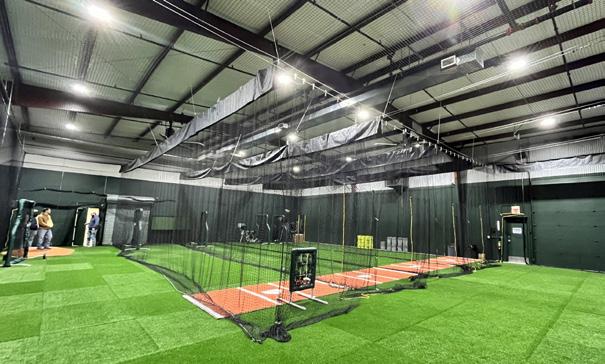
Manhattan Parks and Recreation repurposed the city-owned building formerly occupied by the Flint Hills Breadbasket into a flexible indoor recreation space. With turf and netting installed, indoor batting cages opened in December, and the facility now supports programming such as soccer, golf, and other skillsbased activities, expanding yearround recreation opportunities for the community.
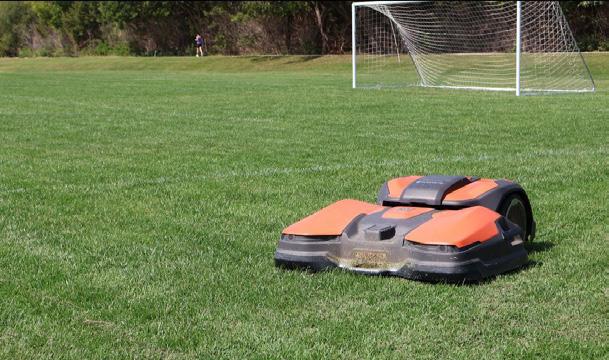
Parks and Recreation improved efficiency by adding 23 autonomous mowers through an Energy and Conservation Block Grant, expanding the fleet to 34. The mowers reduce fuel use and costs, improve turf consistency, and lessen labor demands, allowing staff to focus on higherlevel maintenance. Several are already operating, with plans to fully automate mowing at the Steel and Pipe Supply Ballpark.
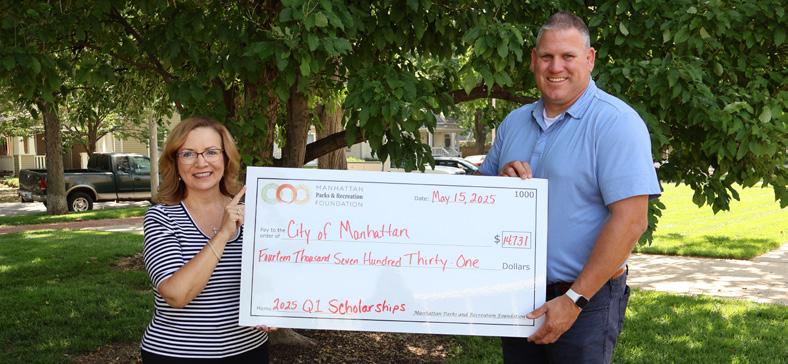
By the end of 2025, the redesigned scholarship program delivered $83,205 in financial assistance, supporting 924 registrations across 54 Parks and Recreation programs. On average, scholarships covered 79 percent of registration costs for recipients—more than double the 36 percent average in 2024. Assistance reached nearly every area of the department, including:
• Waterpark Season Passes - $22,080
• Little Apple Day Camp - $15,300
• Fall School Safari Camps - $5,255
• FHDC Memberships - $4,097
• Recreation Center Memberships - $4,461
• Ice Rink Passes - $4,052



GUESTS VISITED SUNSET ZOO IN 2025 82,875
Sunset Zoo celebrated an important milestone with the renewal of its accreditation through the Association of Zoos and Aquariums. This rigorous process evaluates everything from animal care and veterinary services to education programs, conservation efforts, operations, and guest experience. Fewer than 10% of zoos worldwide hold this distinction, placing Sunset Zoo among an elite group committed to the highest professional standards. The achievement reflects years of work by dedicated staff, strong leadership, and sustained community support. Accreditation reaffirms that Sunset Zoo is not only a local treasure, but also a respected partner in national and global wildlife conservation efforts.
This year, Sunset Zoo reflected on the life and legacy of Susie, the Western chimpanzee who spent decades as a beloved part of the community. At 71, she was one of the oldest chimpanzees in human care, and her presence brought curiosity, laughter, and connection to generations of visitors. Susie’s life was a meaningful reminder of the zoo’s mission and the impact that thoughtful, compassionate animal care can have over time. Staff, volunteers, and guests alike took pride in having shared so many years with her and expressed gratitude for the memories she helped create across our community.
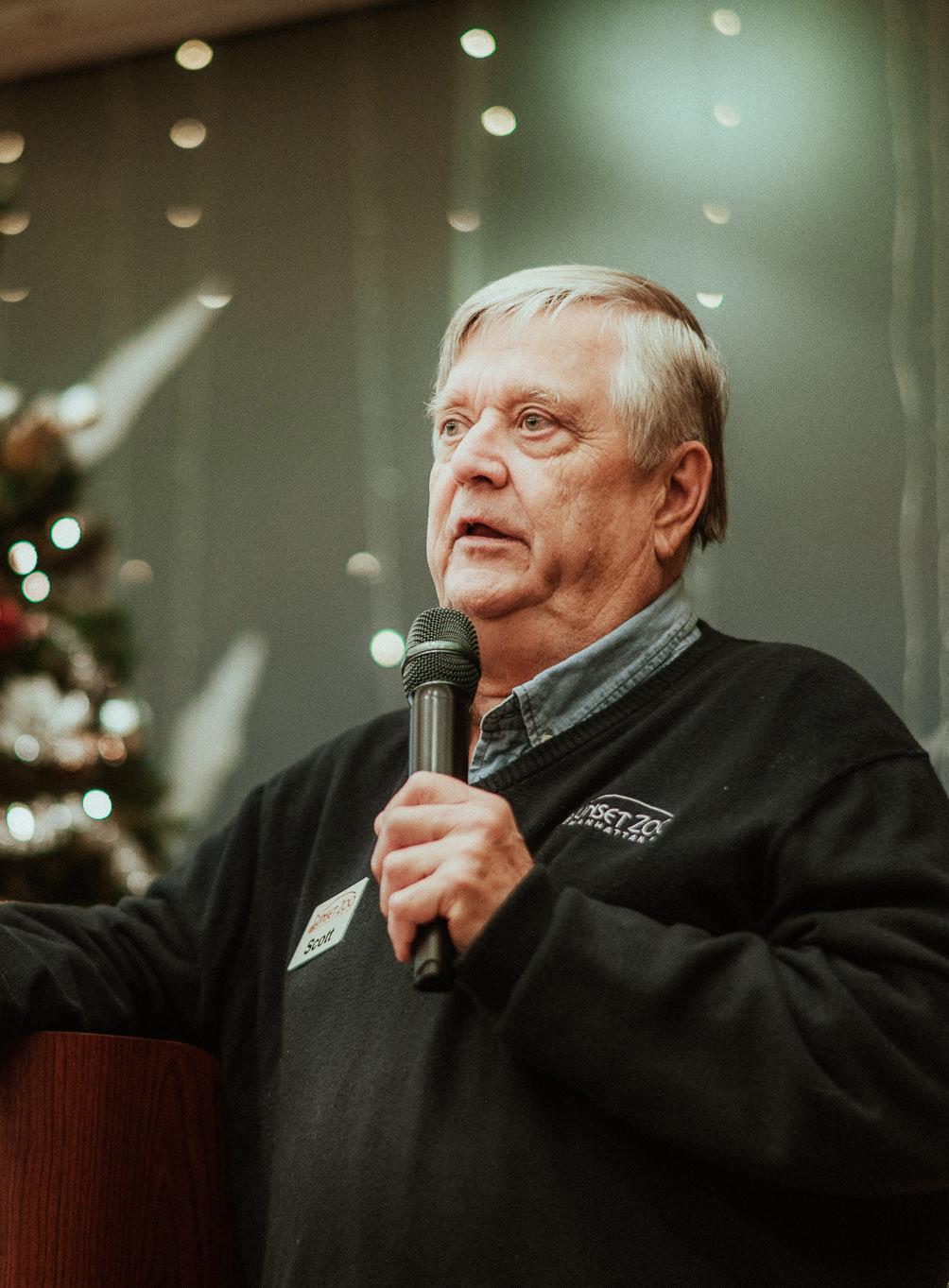
After 29 years of leadership, Sunset Zoo Director Scott Shoemaker retired in 2025, concluding nearly three decades of service that transformed the Zoo into a valued community asset and leader in animal care and conservation.
During his tenure, Shoemaker oversaw major projects and milestones, including the African Forest Trail, Chimpanzees of Tanganyika, and otter habitats; the Nature Exploration Center and arrival of gibbons; Expedition Asia; and flamingo and maned wolf habitats. He guided the births of critically endangered species, including Malayan tiger cubs and the arrival of an okapi. Shoemaker also hosted conservationists such as Jane Goodall, Joel Sartore, and Jack Hanna, and maintained the Zoo’s AZA accreditation through 2030.
Shoemaker’s leadership strengthened Zoo operations, mentorship of staff, and community connections, leaving a lasting legacy. Under his guidance, Sunset Zoo completed significant facility expansions, hosted key conservation programs, and positioned the Zoo for continued growth and success for generations to come.


86,015
GUESTS VISITED THE FLINT HILLS DISCOVERY CENTER IN 2025
The FHDC Outdoor Classroom Renovation Project represents a new approach to educating the public about the Flint Hills. It will feature an all-weather shade structure, boardwalk across the bioswale, and various landscape improvements. Fully funded by the FHDC Foundation, this project will advance the educational program at the Discovery Center, allowing more visitors on more days to experience the Flint Hills in a beautiful setting.
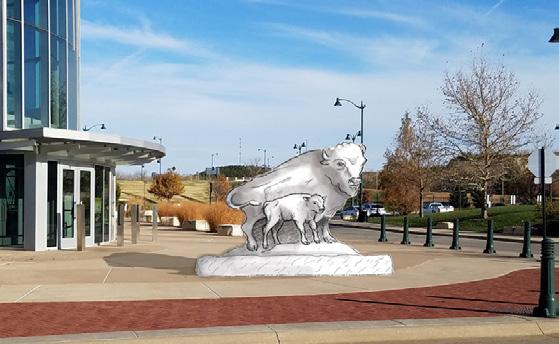
The Vigilance bison sculpture will be the next great symbol of Manhattan and the Flint Hills! Sculptor Alan Tollakson is currently carving the cow calf pair from a single massive piece of flint hills limestone at his workshop in Cottonwood Falls. Set to grace the entrance to the Discovery Center, Vigilance is being fully funded by a private donor through the FHDC Foundation.
Stephen Bridenstine was named Director of the Flint Hills Discovery Center (FHDC). Bridenstine has over 11 years of experience at the discovery center and leads four senior managers, three of whom have more than a decade of experience, highlighting the stability and depth of expertise at the FHDC. He joined the center in 2014 as the first fulltime Curator of Education, establishing programs such as Meet the Makers, Breakfast with Santa, and Family New Year’s Eve. Promoted in 2021 to Assistant Director and Development Officer, he led marketing, communications, and fundraising initiatives, securing funding for the NASA Community Anchor program and Kansas Tourism TASK Grant and directly supported the FHDC Foundation in securing $1.3 million for the Prairie Playscape renovation.
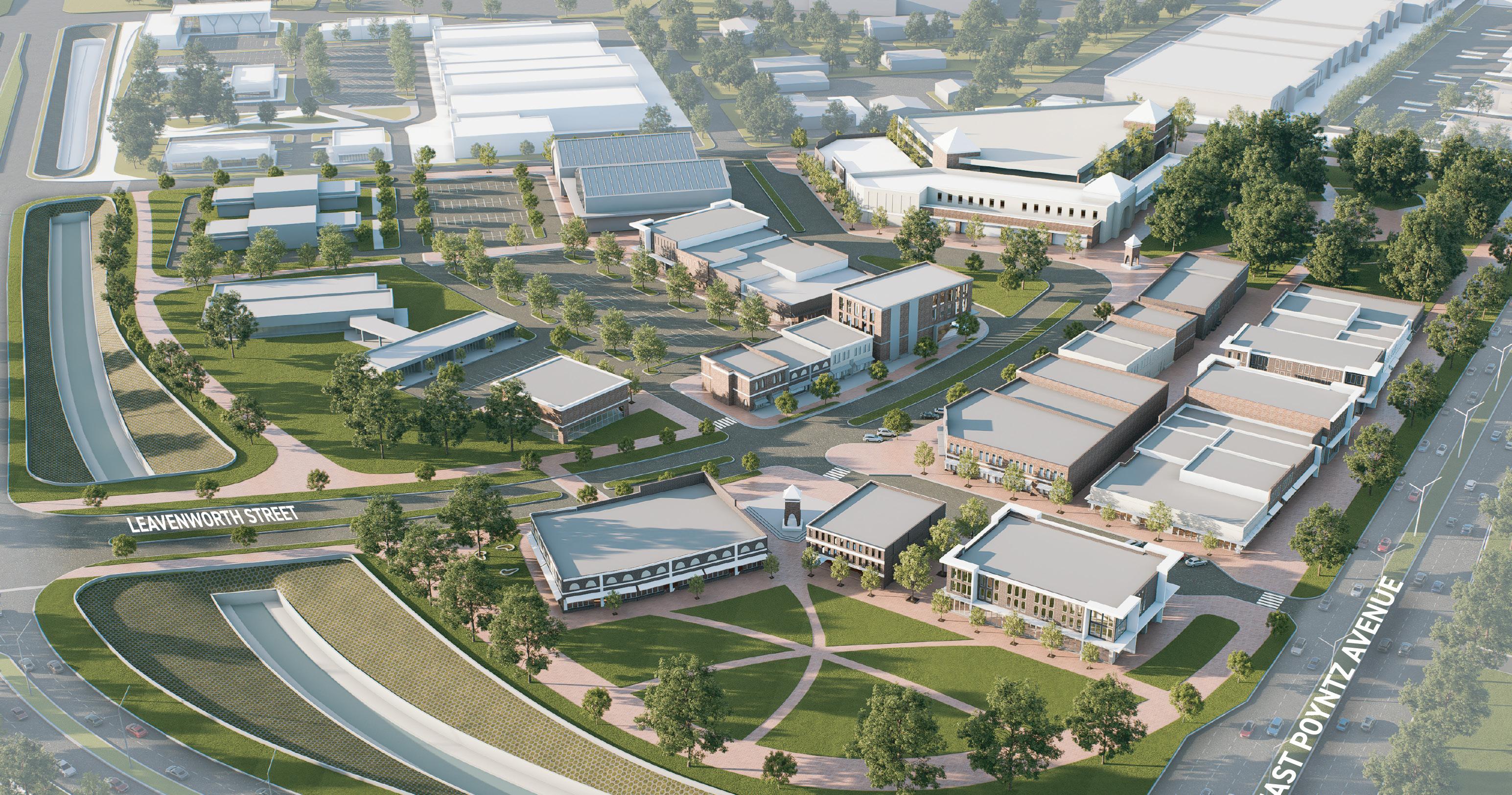
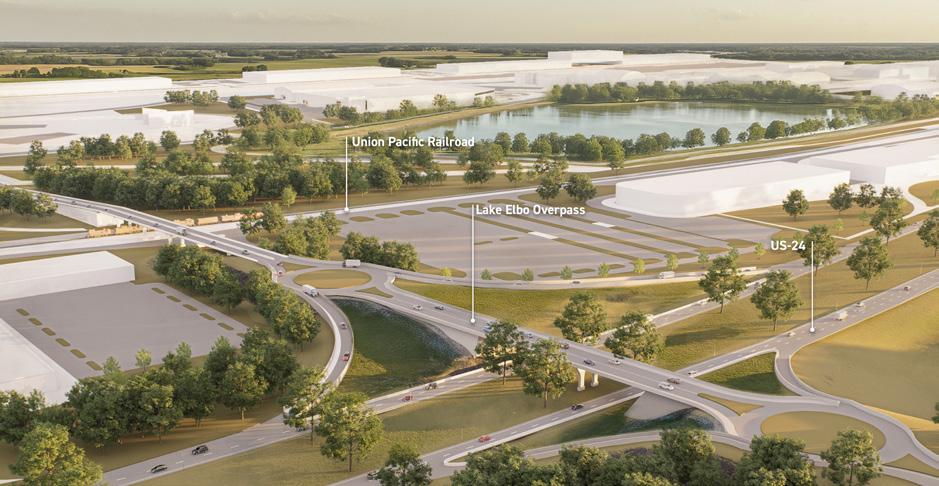
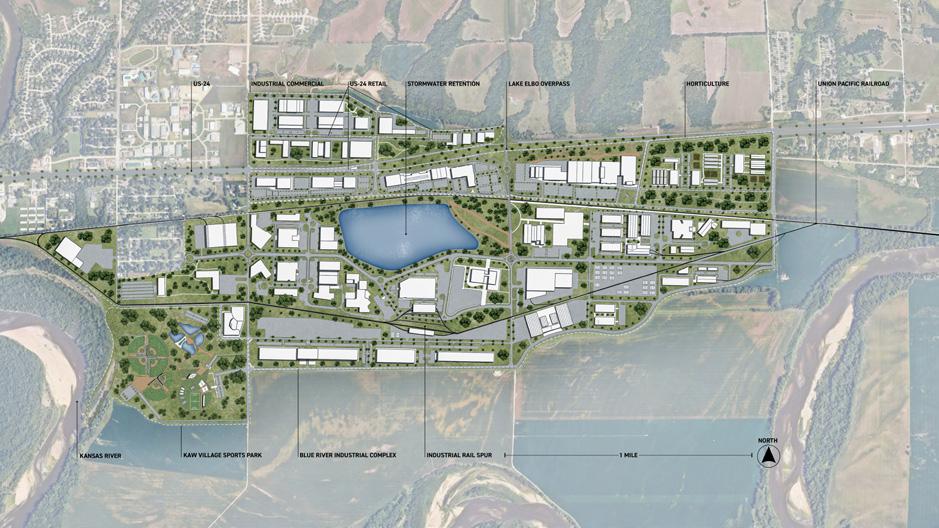
One of the City’s most important planning efforts right now is the East Manhattan Gateway Vision, a blueprint for managing future growth along one of the community’s most dynamic corridors.
This study area includes the U.S. Highway 24 corridor, stretching from the entrance of the Manhattan Town Center Mall to Hopkins Creek Road in Pottawatomie County. It also encompasses two key development zones:
• The “McCall Triangle” near East Poyntz Avenue
• Surrounding undeveloped “greenfields,” near the growing Green Valley neighborhood
These areas are already experiencing residential growth. The Gateway Vision gives us a chance to think intentionally about what comes next, including how we can align development with infrastructure, transportation, and public services in a way that reflects community values and long-term priorities. The vision will guide how the City and Pottawatomie County work together to support responsible development, protect resources, and build neighborhoods that work for everyone. Planning ahead in this way allows the City to anticipate infrastructure needs, coordinate across jurisdictions, and focus investment where it will have lasting impact.
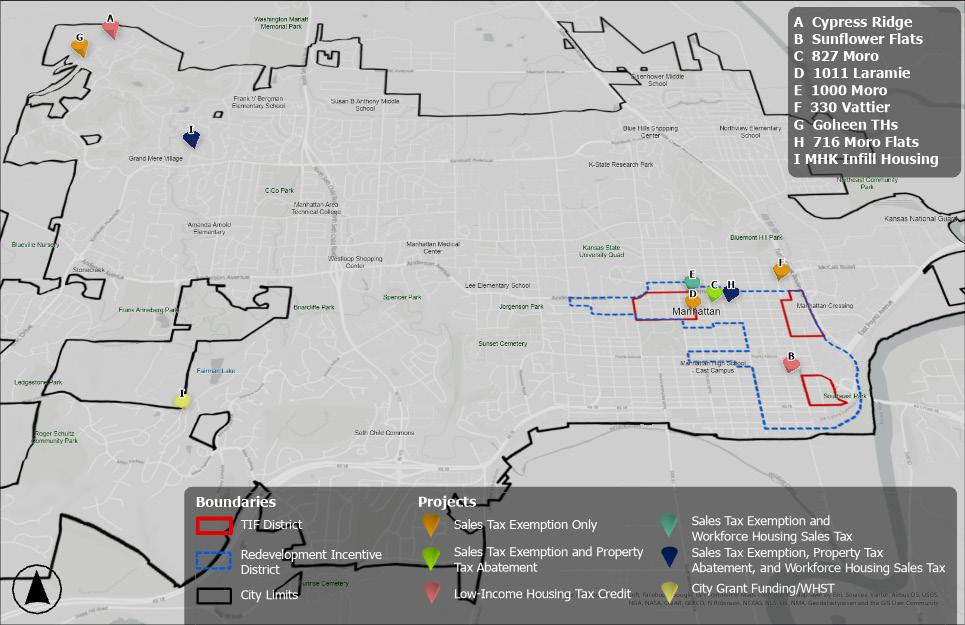
Manhattan voters approved a dedicated Workforce Housing Sales Tax in 2020 to help address local housing needs and expand opportunities for residents.
The City Commission adopted four new housing incentive policies in August 2024, nine projects have been approved—representing a total investment of $50 million and the creation of 184 new housing units. These projects demonstrate growing momentum in the local housing market and the City’s ability to leverage partnerships that deliver meaningful results.
The Workforce Housing Sales Tax is projected to generate $9 million over the life of the tax. As of December 2025, it had generated $2.3 million, with $2.74 million already committed to approved projects and roughly $6.3 million remaining to allocate in future rounds. The next round of applications will open April 2026, offering additional opportunities for developers to participate in this community-driven initiative.
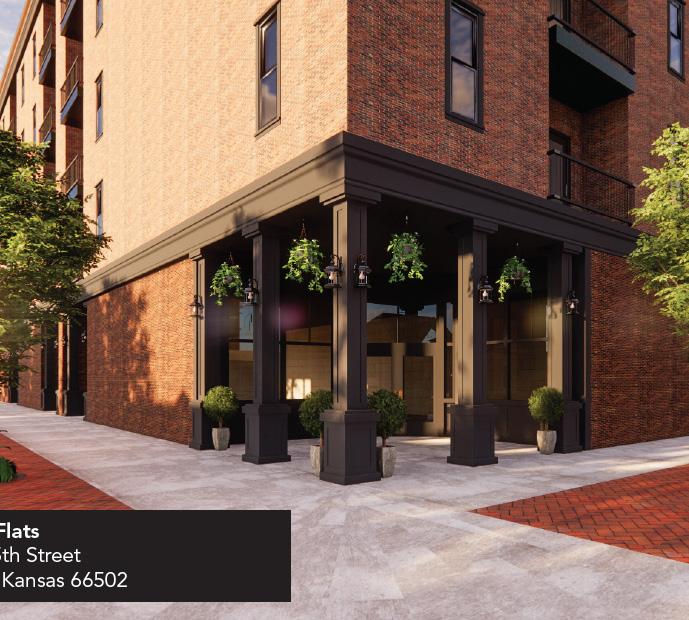
Sunflower Flats is a 62-unit affordable senior housing project at 5th & Pierre by MHA and a private developer, financed with Low-Income Housing Tax Credit (LIHTC) and Kansas Housing Resources Corporation (KHRC) bonds under a City land-transfer and development deal. The project will rebuild the alley and return 50 public parking spaces. It includes a $310,000 Workforce Housing Sales Tax grant for solar panels.
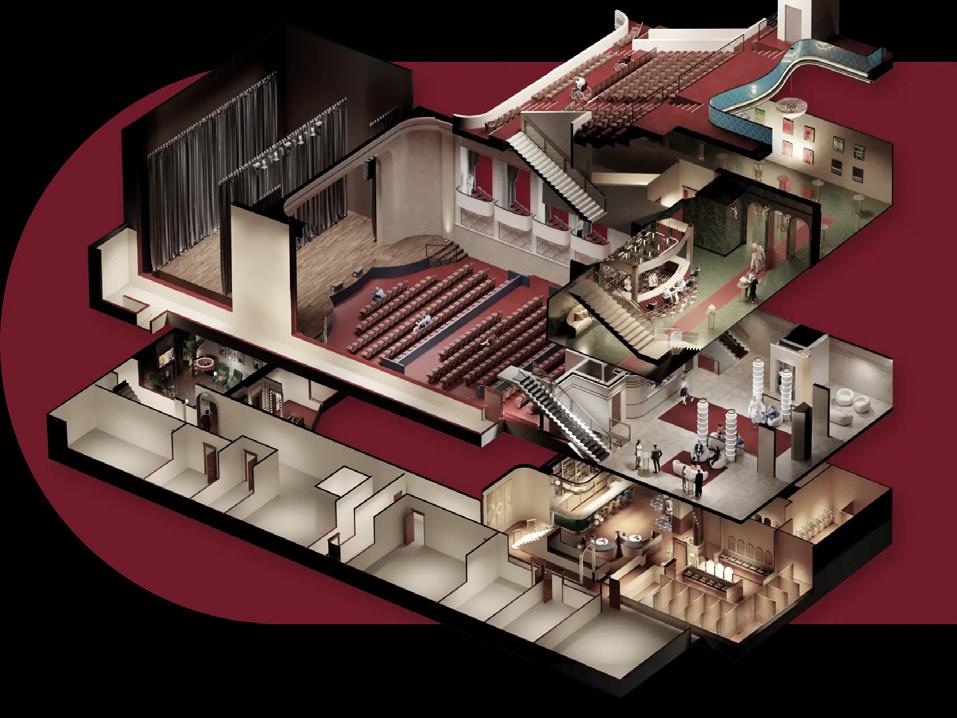
Manhattan will see a $40M privately funded rehabilitation of the historic Wareham Opera House into a fully accessible, tech- equipped performing arts and event venue, targeting reopening in late 2027. City support for the project included a sales tax exemption on construction with a 10 -year, 100% property tax abatement and a $350,000 reimbursement for adjacent public infrastructure along Poyntz in front of the building.
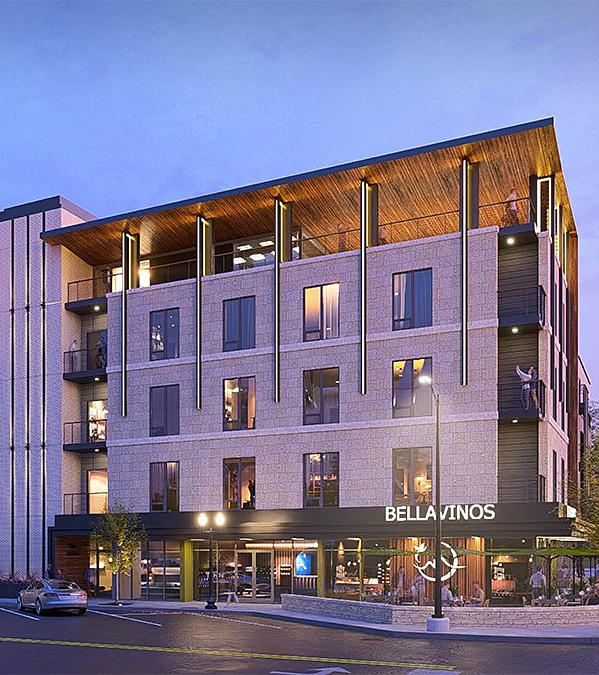
The Hartford Project is a mixed-use redevelopment at 700 Poyntz (at the former Commerce Bank building), adding 19,000 sq ft of ground-floor retail and 54 apartments with streetscape upgrades to strengthen a walkable downtown. The City is working with the developer on a performance -based property tax abatement with a Payment in Lieu of Taxes (PILOT) and a cost-share for eligible public improvements (streetscape, sidewalks, on-street parking).
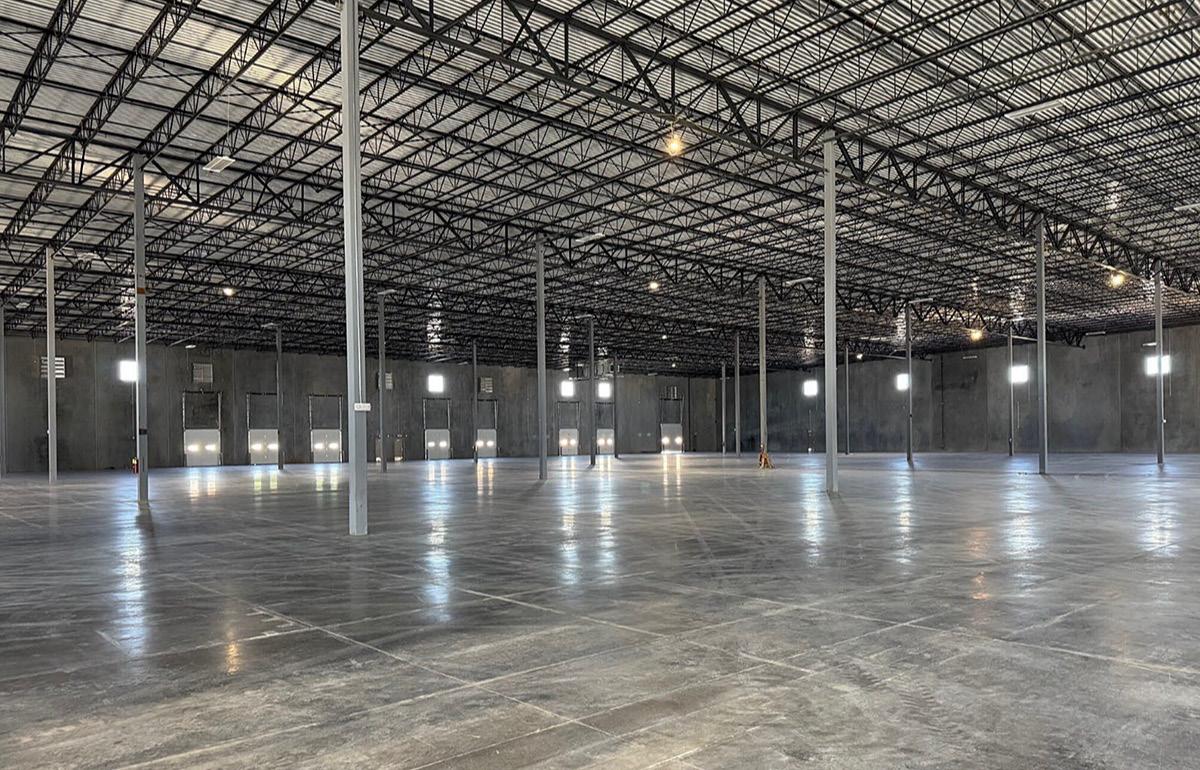
PTMW, a Topeka-based metal fabrication firm, will lease the speculative industrial building at 1105 Kretschmer Dr. developed by Flint Hills Ventures under the City’s Speculative Industrial Revenue Bond (IRB) program, with a 100% property tax abatement for 10 years. The proposed incentives include a performance-based Jobs Grant up to $760,000 for 146 new FTEs (capped at $76,000/year) and a $250,000 Equipment Investment Grant tied to $11M in machinery, funded from the 2023 Economic Development Recovery and Relief Sales Tax Fund.
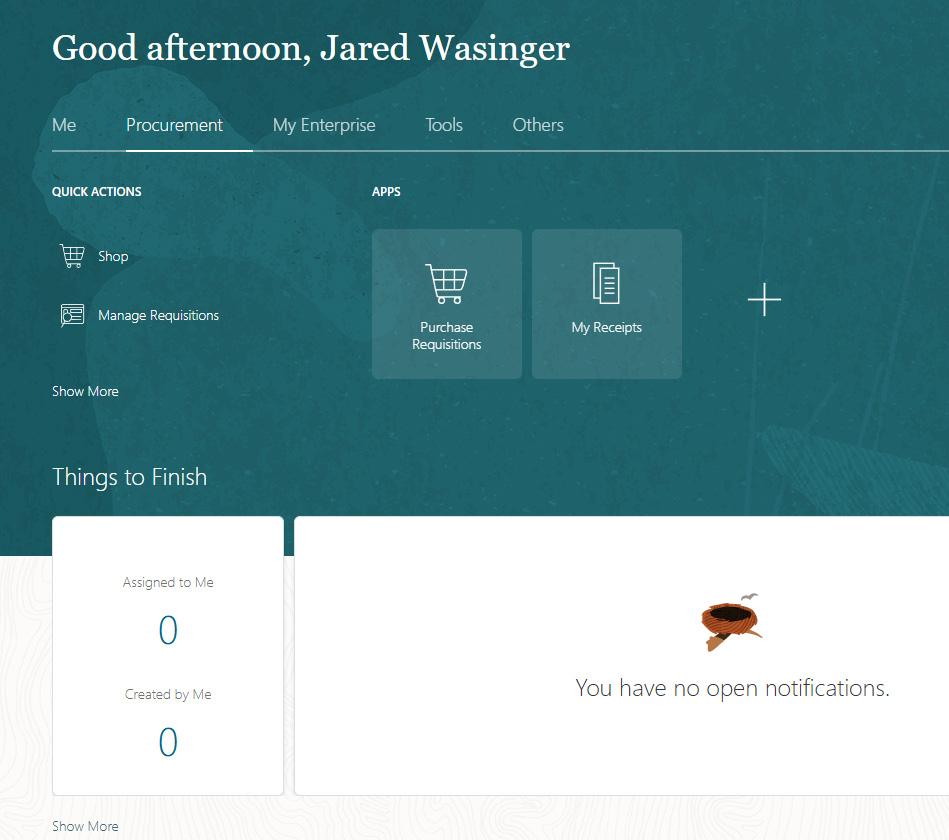
Over a 13-month effort, the City of Manhattan replaced its nearly 30-year-old financial software with Oracle Fusion’s Enterprise Resource Planning (ERP) system. This upgrade modernized how the City tracks and reports financial activity—budgeting, paying bills, purchasing, and financial reporting. A cross-department team of more than 25 employees set up the system, moved historical records, tested key processes, and trained staff while continuing day-today work. The system launched on July 3, 2025, on time and under budget. The result is more consistent processes, stronger financial safeguards, and timelier information to support service delivery, accountability, and decision-making.
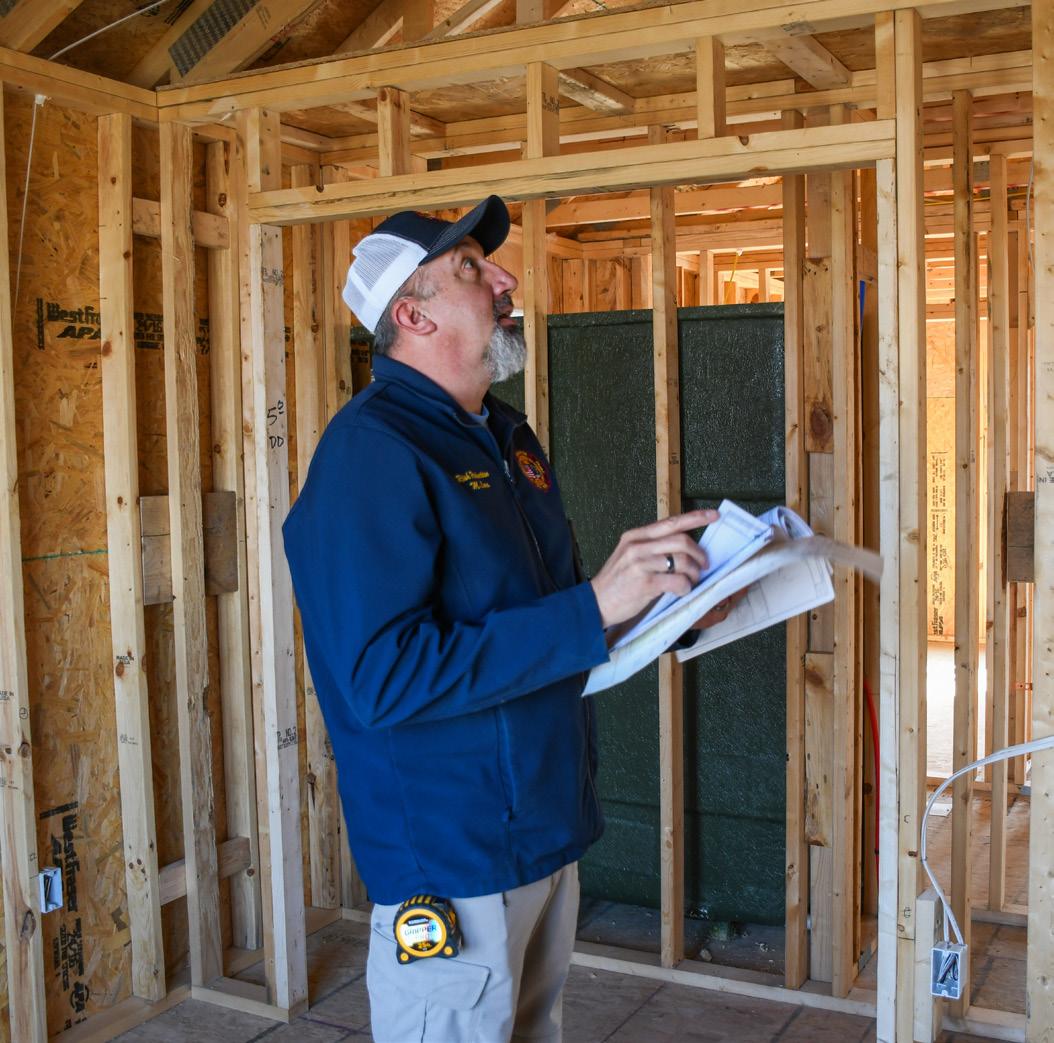
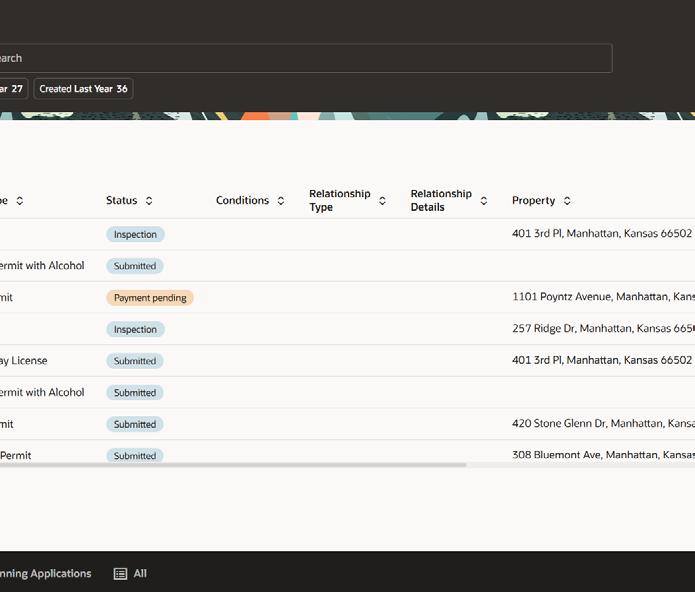
Starting in May 2025, Manhattan began implementing Oracle Permitting and Licensing (OPAL) to make permitting and licensing easier for residents, contractors, and businesses—and to better support local growth. OPAL will add an online portal where customers can apply, submit documents, track progress, and receive updates from early review phases through final approval. Behind the scenes, it will help City teams coordinate reviews across planning, permitting, inspections, licensing, and code enforcement so work moves more consistently and transparently. A cross-department team is designing and testing the system with a planned go-live in June 2026.
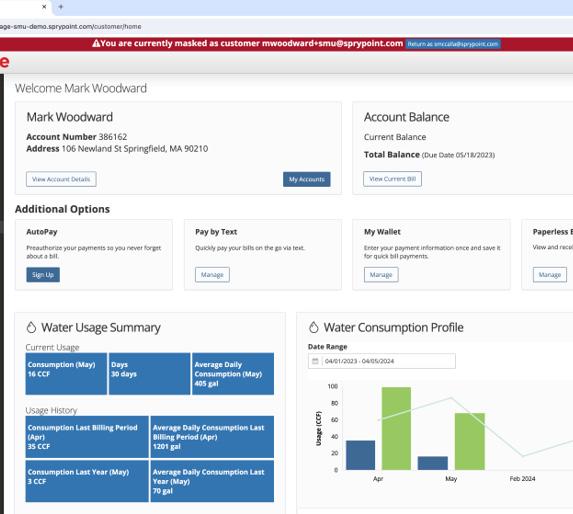
In November 2025, the City of Manhattan began implementing SpryPoint to modernize how we manage and bill for water, wastewater, and stormwater services. The new system will replace older software with one coordinated platform, making it easier to maintain accurate customer accounts and provide clearer billing. Customers will be able to access their account online, use more self-service options, and receive helpful notifications. For City staff, the system will streamline daily work and improve reporting and visibility into utility operations. As part of the City’s broader modernization efforts alongside ERP and OPAL, SpryPoint is targeted to go live in early 2027.


Effective October 2025, the City of Manhattan combined the Information Technology (IT), Communications and Marketing, and Geographic Information Systems (GIS) divisions into the newly formed Department of Technology and Communications. The department is funded through the City’s IT Fund, established in 2023 to support shared technology services across the organization—including dayto-day operations, software and system upgrades, and equipment replacement. Departments share these costs based on the services they use, which improves cost visibility and helps the City plan ahead.
This reorganization brings the City’s technology, data, and communications work together to improve service delivery, strengthen cybersecurity and data practices, and support clear, communityfocused communication. By unifying IT, GIS, and Communications and Marketing, the City is better positioned to modernize infrastructure,
expand citywide software and data efforts, and improve public engagement and access to information.

Jared Wasinger was appointed Director of Technology and Communications / Chief Information Officer (CIO) in October 2025. In this role, he sets direction and leads major initiatives across IT, GIS, and Communications and Marketing; manages the IT Fund; helps ensure City systems are secure and reliable; and advances citywide improvements to software, data, and communications.
Jared has been with the City of Manhattan for 10 years, most previously serving as Assistant City Manager (2021–2025).
750 community members
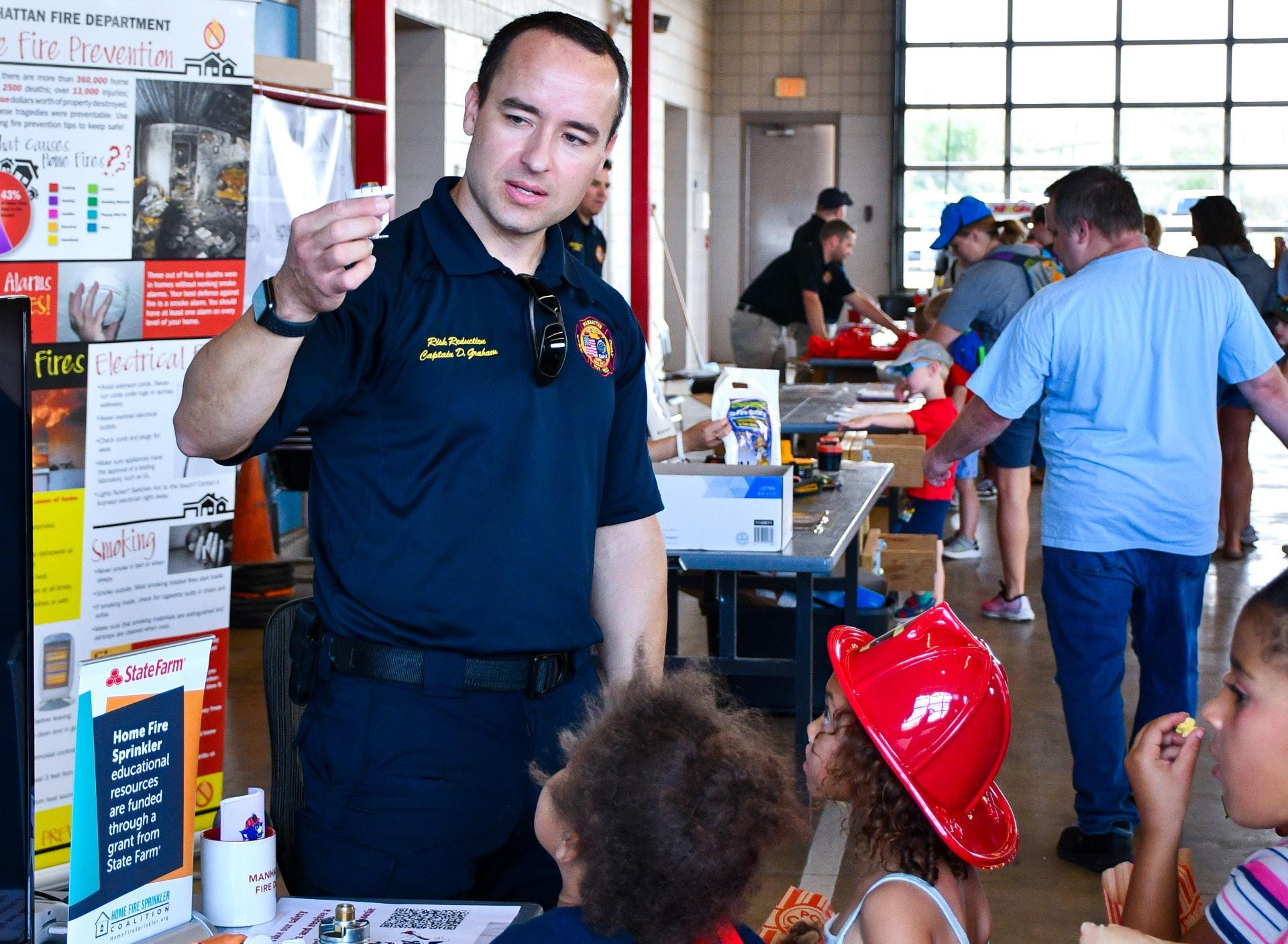
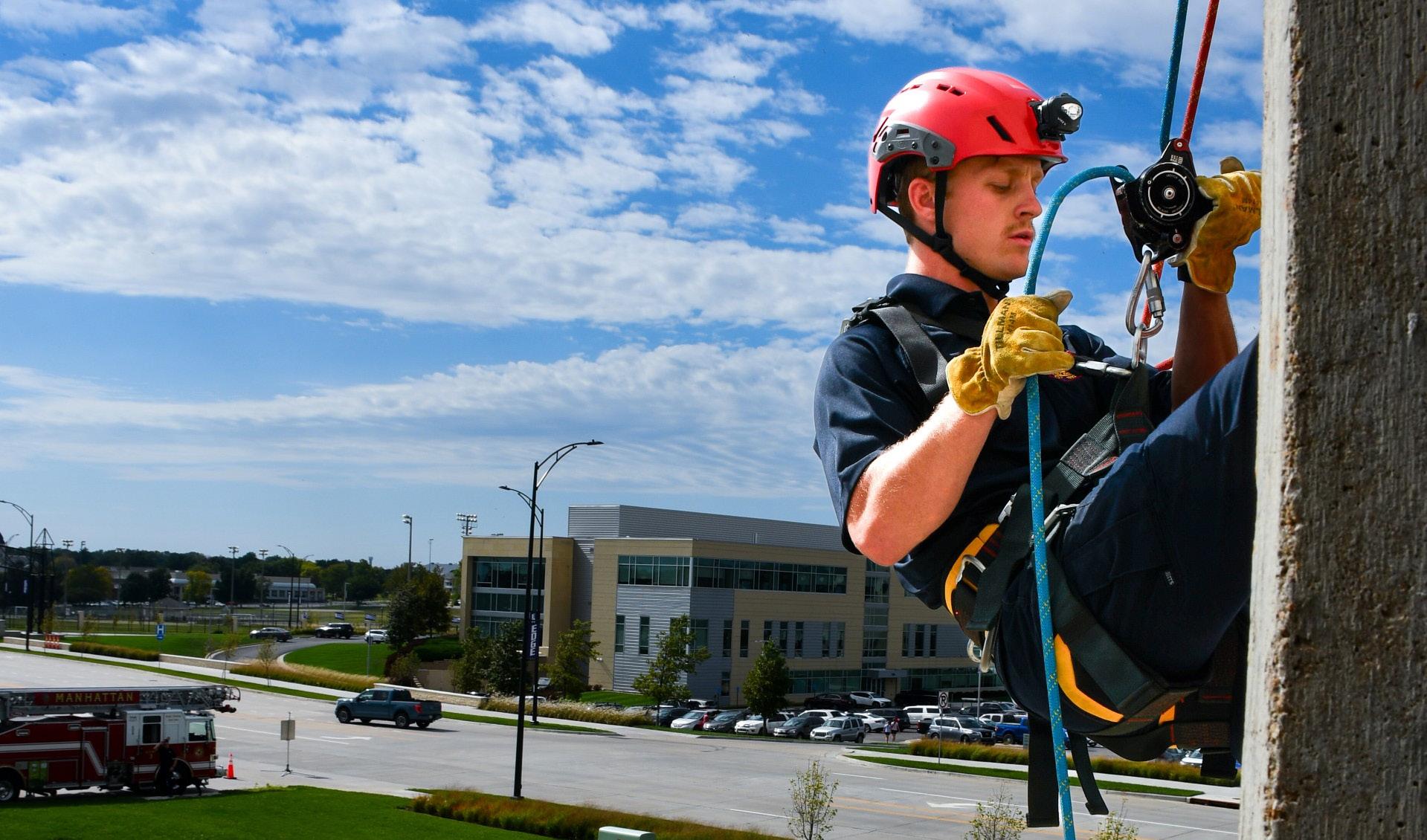
In 2025, the Fire Department engaged WSKF to develop a master plan for a new training ground on Amherst Avenue behind Firehouse 3, in preparation for vacating the current training site by December 31, 2028 as part of the new 50-year lease for Fire Headquarters at 2000 Denison Avenue.
3,313
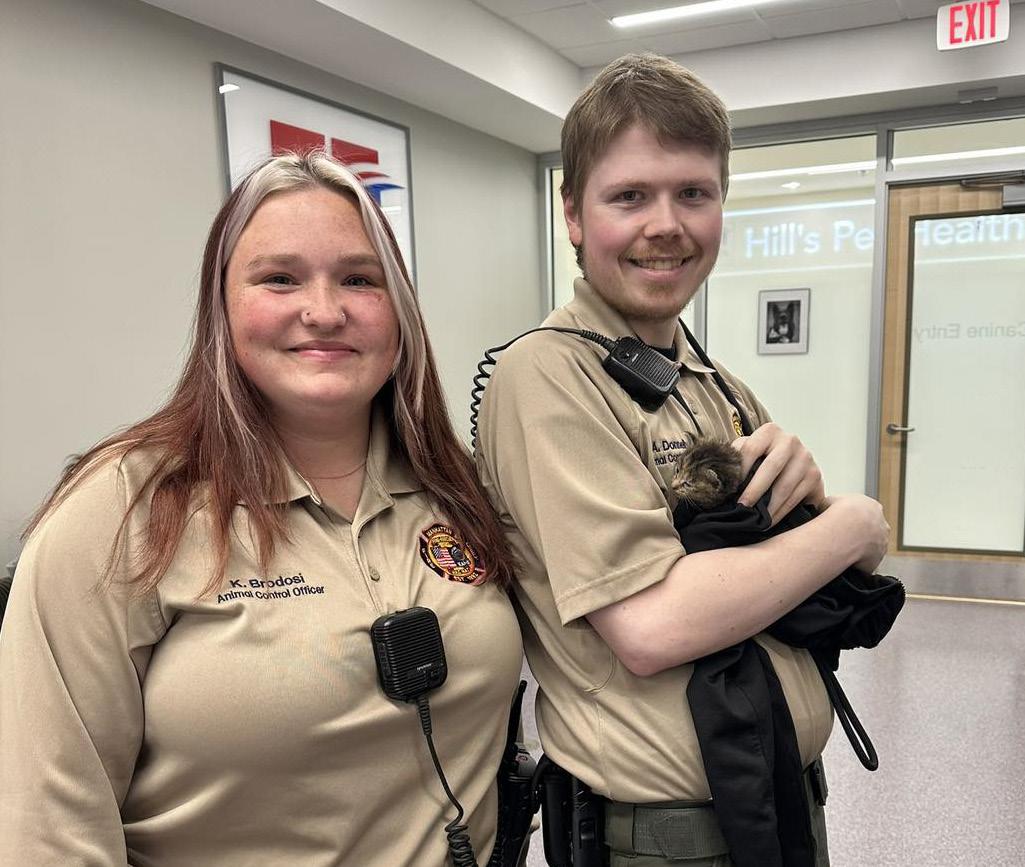
We bid farewell to our amazing animal control officers - but they are not going far! As of January 2026, the Riley County Police Department (RCPD) has taken over responsibility for animal control services and enforcement in Manhattan, taking over from the city after a new contract for services was
approved in 2025. Residents needing animal control services should contact RCPD for ordinance enforcement. The city still owns the T. Russell Reitz Animal Shelter and the shelter, which is leased and managed by Prairie Paws who handles lost and found animals and adoptions. up 82 incidents from 2024
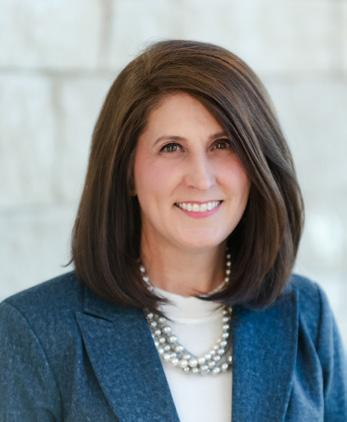
Deann Tiede began serving as Director of Human Resources for the City of Manhattan in 2025, bringing over 20 years of leadership experience in human resources across state and local government. She leads organizational development, employee relations, compliance, and strategic HR planning, ensuring the City maintains a skilled, engaged, and well-supported workforce.
Since joining the City in 2023 as Assistant Human Resources Director, Tiede prioritized employee relations and compliance with employment laws
and regulations. Her prior experience includes serving as Human Resource Director for two state agencies, including the Kansas Attorney General’s Office and the Kansas Insurance Department, where she led HR operations and supported regulatory, legal, and law enforcement.
Tiede is a certified HR professional through the Society for Human Resource Management (SHRM) and the HR Certification Institute (HRCI). She holds a Bachelor of Science in Organizational Management from Friends University and has been actively involved in professional and civic organizations throughout her career. Since moving to Manhattan, she has joined the Little Apple Pilot Club to contribute to the community through volunteer and service initiatives.
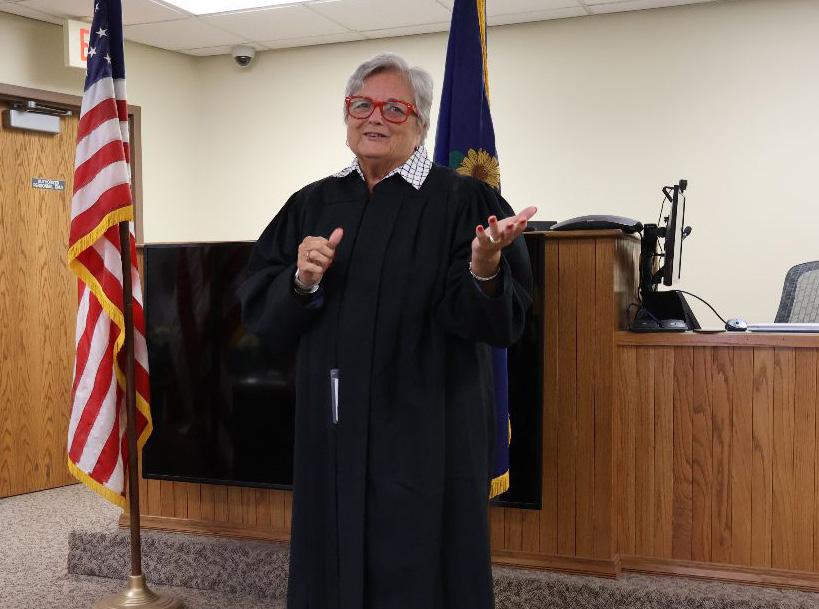
On July 1, 2025, Sarah SmithBarr was sworn in as Manhattan’s new Municipal Judge, bringing with her more than two decades of legal experience and a strong commitment to public service.
Judge Barr retired from Kansas State University after 23 years as a student legal services attorney, where she built a reputation for fairness, compassion, and professionalism in helping students navigate complex legal matters.
Taking the bench carries special meaning for Judge Barr—she follows in the footsteps of both her father and grandfather, continuing a family legacy of judicial service. A graduate of Fort Hays State University and Washburn University School of Law, she brings a thoughtful, community-centered perspective to the Municipal Court.
Like many courts across the region, Manhattan’s Municipal Court has
faced challenges in recruiting qualified court-appointed defense attorneys and pro tem judges amid a broader attorney shortage. In response, Judge Barr and her team have developed a proactive outreach plan that includes direct engagement with local attorneys to better understand barriers and identify ways to encourage participation.
This collaborative approach reflects the department’s ongoing commitment to maintaining access to justice and ensuring the court continues to operate efficiently and fairly for all residents.
City Workforce by the Numbers | 2025
TOTAL EMPLOYEES
371 Full Time
17 Part Time
200-400 Seasonal
Total employees 5% from 2024 new hires in 2025 52 9.2 Years
Legal Department by the Numbers | 2025
14,381
municipal court cases
1,100
For more than a decade, Randy DeWitt, P.E., has served as the Assistant Director of Public Works/Utilities, overseeing the daily operation and long-term management of Manhattan’s water and wastewater systems. His leadership ensures the reliable delivery of essential services that residents depend on every day— from water supply and treatment to environmental compliance and infrastructure maintenance.
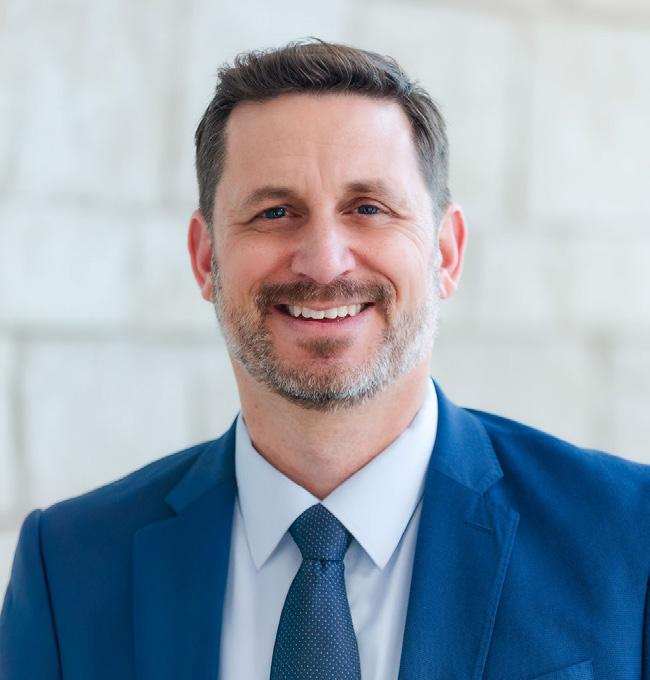
Randy joined the City of Manhattan in 2013 after serving as Public Works Director for the City of Phillipsburg and spending nine years in private consulting with Landplan Engineering, where he worked in multiple Kansas communities. His broad experience gives him a deep understanding of both municipal operations and infrastructure planning.
A graduate of the University of Kansas with a Bachelor of Science in Civil Engineering, Randy is currently pursuing a Master’s degree in Public Administration. He is an active member of the Water Environment Federation, American Water Works Association, and Kansas Society of Professional Engineers, and is also a proud alumnus of the Leadership Manhattan program.
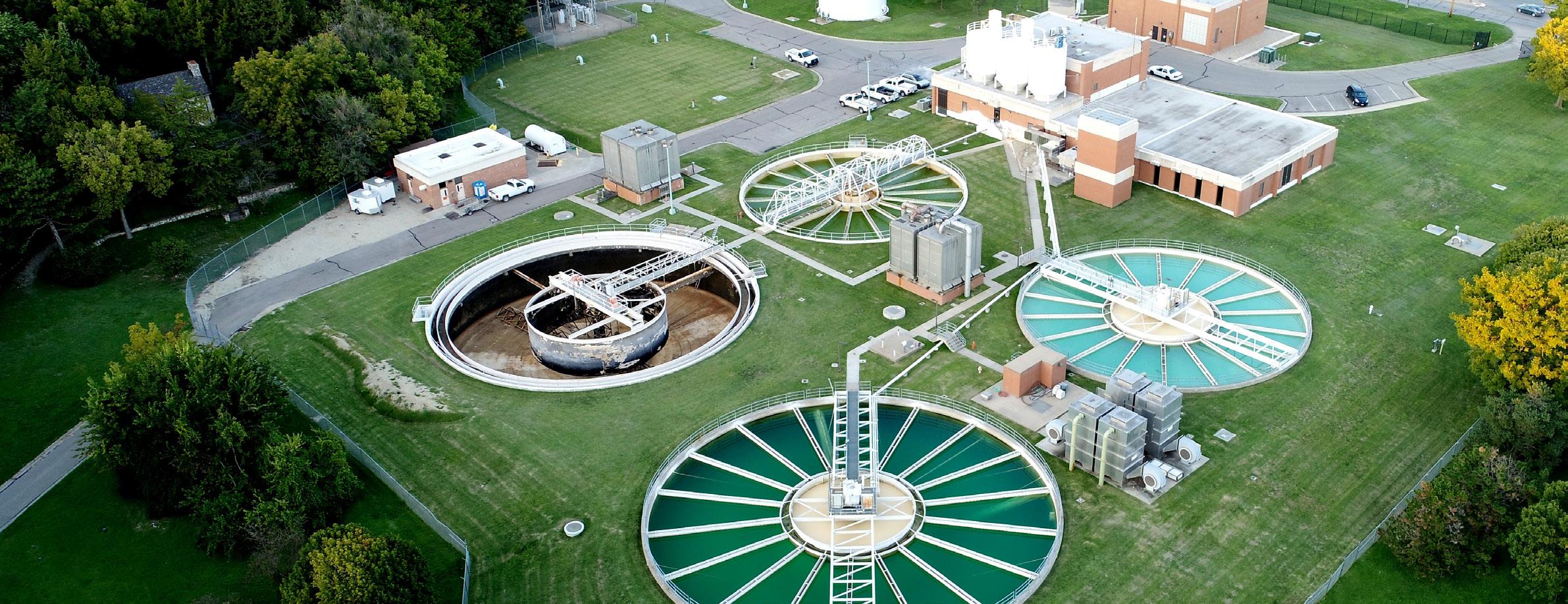
His dedication, professionalism, and forward-thinking leadership continue to play a vital role in supporting Manhattan’s growth and sustainability. The Director of Public Utilities is responsible for leading, planning, and managing all activities and operations of the department and its six divisions, and oversees a team of 73 full-time employees. Public Utilities manages on average 7 million gallons of water and 5 million gallons of wastewater per day, 5,400 manholes, 280 miles of water mains, 260 miles of sanitary sewer lines, 26 lift stations, 20 underground wells, six water towers, and six booster stations.
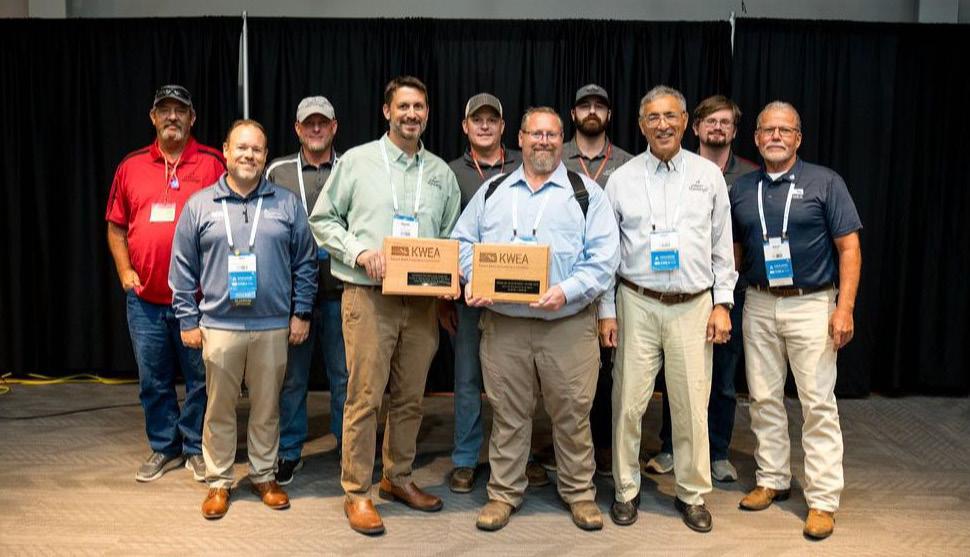
Public Utilities Recognized for Excellence in Wastewater Treatment
The City of Manhattan’s Department of Public Utilities earned state and national recognition in 2025 for excellence in wastewater treatment. Manhattan received two awards from the Kansas Water Environment Association: the Class 5 Wastewater Treatment Plant Award, recognizing facilities processing more than three million gallons per day, and the Outstanding Biosolids Management Program award. The City has been repeatedly honored for biosolids management (2010, 2011, 2015, 2021, 2022, 2024) and for Class 5 plant performance (2001, 2002, 2015, 2024).
The Wastewater Treatment Plant was also recognized by the National Association of Clean Water Agencies with the Peak Performance Platinum Award for achieving 100% compliance with its National Pollutant Discharge Elimination System permit over seven consecutive years (2018–2024). This marks the third consecutive year the plant received national recognition and the second year earning all three major awards.
These accomplishments reflect the expertise and dedication of Public Utilities staff, as well as the City’s commitment to safeguarding water quality, protecting public health, and operating reliable, environmentally responsible infrastructure.
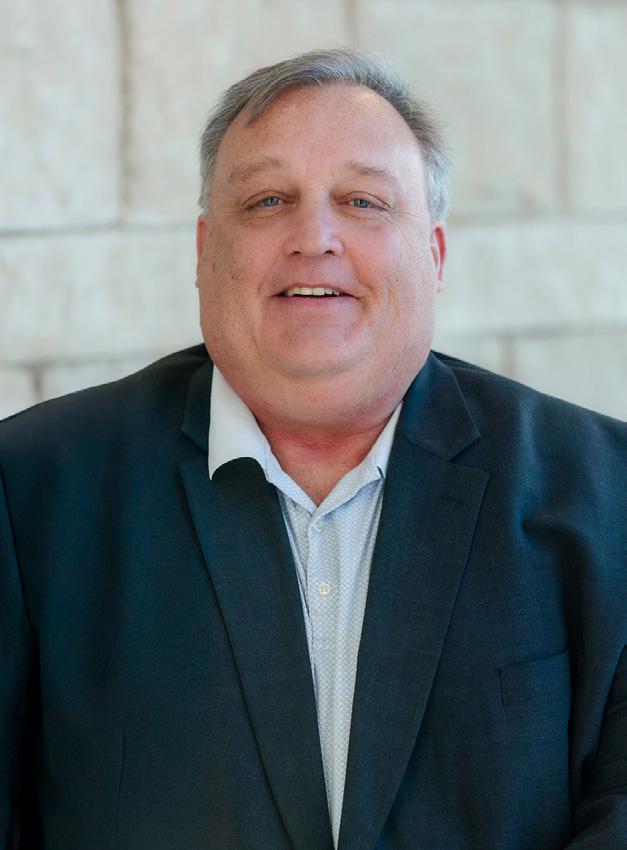
Brian Johnson, P.E., was named Director of Public Works. Johnson previously served as Assistant Public Works Director and City Engineer and brought more than two decades of municipal engineering and public works experience to the position.
Public Works provides essential services that support community safety and quality of life, including streets, traffic control systems, storm drainage, flood protection, and fleet and infrastructure maintenance.
Johnson oversees three divisions, approximately 75 full-time employees, and an operating budget of nearly $50 million.
Since joining the City in 2008 as Principal Civil Engineer, Johnson contributed to major projects such as downtown redevelopment, levee certification, utility coordination for the National Bio and AgroDefense Facility, and state transportation grant programs. Promoted to City Engineer in 2014, he oversaw engineering operations, capital improvement planning, design and construction contracts, and longrange infrastructure planning.
His leadership supports continued emphasis on reliable operations, responsible infrastructure investment, and high-quality service for the community. Johnson is a licensed professional engineer in Kansas, a graduate of the University of Nebraska–Lincoln, and active in professional engineering organizations.
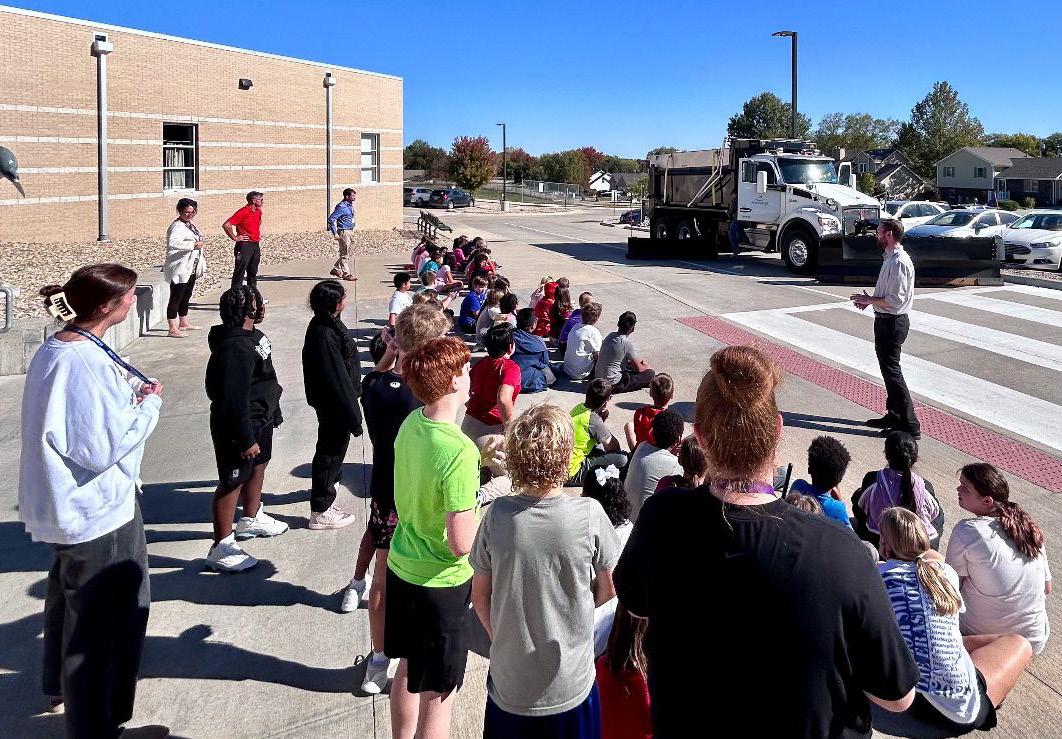
This winter, the City invited the community to help name the fleet of snowplows — and the response was incredible. More than 400 creative name ideas were submitted and over 900 votes were cast to select the finalists. Half of the plows were named through public submissions and voting, while the other half were named by students from Manhattan-Ogden USD 383 and Manhattan Catholic Schools.
Scoop Dogg
Plowercat
Darth Blader
Ctrl+Salt+Delete
Edward Blizzardhands
Accumulus Removeus
NoMoSnow
Better Call Salt
Mr. Snowy
Mad Dog
Luke Snow-Walker
Baby Snowda
The Blizzard of Oz Snow Be Gone 3000
Snowflake
The Collector
PARKS AND REC SNOW EQUIPMENT
Snowtorious B.I.G
Frosty the Plowman
I’d Rather Be Mowing I Plowed 6 or 7 Streets Already
MANHATTAN FIRE DEPARTMENT
Weewoo Plowthrough
Not a Fire Truck
MANHATTAN REGIONAL AIRPORT
Snow Force One
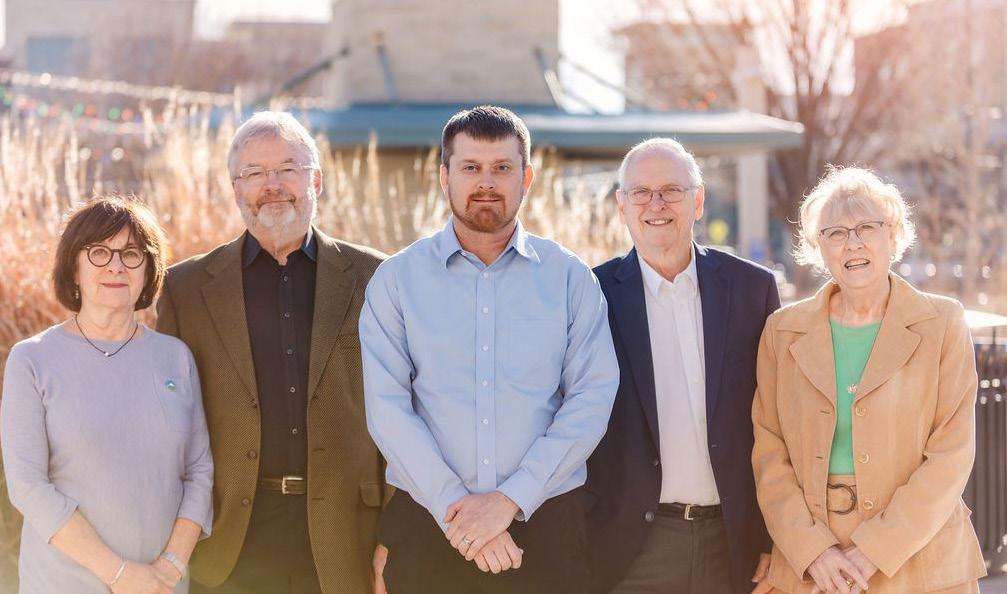
Three new City Commissioners were sworn into office as a result of the 2025 November local election: Larry Fox, Jim Morrison, and Andrew Von Lintel.
The governing and legislative body of the City of Manhattan is the City Commission, composed of five commissioners who are elected at-large on a non-partisan basis. The commission determines all matters of policy and approves all City ordinances and resolutions, as well as adopts the annual City budget.
Each year, the commission elects one of its members to serve as mayor. Susan Adamchak was elected to serve as mayor for 2026, with Karen McCulloh voted to serve as mayor pro tem (vice mayor). The mayor presides over commission meetings and has full voting rights, as do all five commissioners, but has no veto power.
Elections are held every other year in odd-numbered years. Three City Commission positions are chosen at each election. The two highest vote recipients receive four-year terms (Larry Fox and Jim Morrison), while the third highest vote recipient receives a two-year term (Andrew Von Lintel). Mayor Adamchak and Commissioner McCulloh have two years remaining on their fouryear term.


Sign up for Newsletters and Get email and/or text messages about city events and news.

Use the online portal to notify city staff of an issue with city property, streets, code compliance and other concerns.