FOUR-YEAR DELIVERY PLAN
2026/27 to 2029/30
ACKNOWLEDGEMENT OF COUNTRY
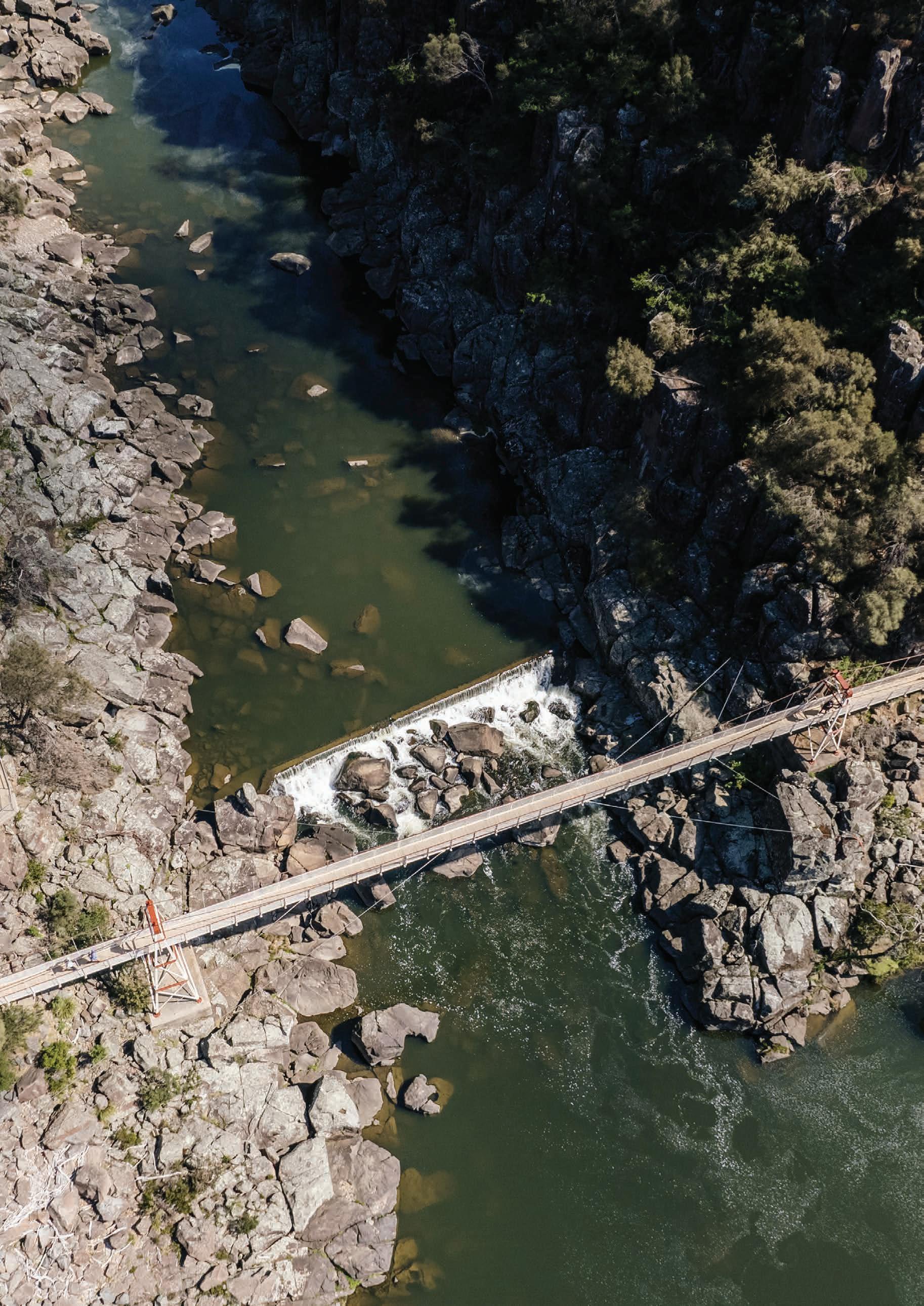
We acknowledge Tasmanian Aboriginal People as traditional custodians of this land. We pay respect to Elders past, present and future, as they hold the memories, traditions, culture and hope for future generations to come.
We recognise and value Aboriginal histories, knowledge and lived experiences and commit to being culturally inclusive and respectful in our working relationships with Aboriginal People.
A MESSAGE FROM THE MAYOR
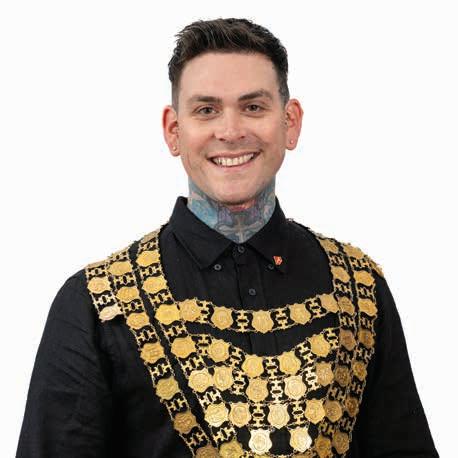
Launceston’s community has set a clear and ambitious vision for the decade ahead, and this FourYear Delivery Plan represents our commitment to turning that vision into action. It provides a practical roadmap that moves us from aspiration to delivery, outlining the priorities that will guide Council’s work while remaining flexible enough to respond to changing needs and opportunities. Above all, it is a plan for Launceston’s future; a future shaped by growth, confidence, resilience and shared purpose.
Our city continues to strengthen its position as Northern Tasmania’s economic, cultural and lifestyle capital. This plan supports that momentum by investing in economic development, innovation, tourism, housing growth and job creation, while ensuring infrastructure keeps pace with the needs of a growing community. It also supports the continued evolution of our city heart as a vibrant destination for residents, businesses and visitors, while ensuring we retain the qualities that make Launceston unique.
At the same time, responsible stewardship remains essential. Council manages more than $3 billion in community assets, including roads, footpaths, drainage networks, parks, recreation facilities, buildings and public spaces that our community relies upon every day. This plan balances investment in new opportunities with the ongoing delivery of the services, maintenance and infrastructure that support our community and contribute to our quality of life.
The Delivery Plan is structured around Prosperity, Place and People, supporting local businesses, planning for sustainable growth, enabling housing and employment opportunities, and fostering healthy, connected and inclusive communities. It also reinforces our commitment to liveability through investment in public spaces, cultural opportunities, recreation and sporting facilities, community infrastructure, and the natural and built environment.
We continue to celebrate what makes Launceston special, including our identity as a UNESCO Creative City of Gastronomy and our rich heritage and environmental values. Transparency and accountability underpin this plan, supported by ongoing community engagement, including our recent Community Satisfaction Survey and upcoming work on citywide liveability.
As the regional capital of Northern Tasmania, Launceston plays a leading role in attracting investment, supporting employment, delivering essential services and creating opportunities that benefit not only our municipality but the broader region. Achieving our shared vision requires partnership. By working together, residents, businesses, community groups, government and industry, we will continue to build a thriving, resilient and welcoming Launceston for the future.
— Mayor Matthew Garwood
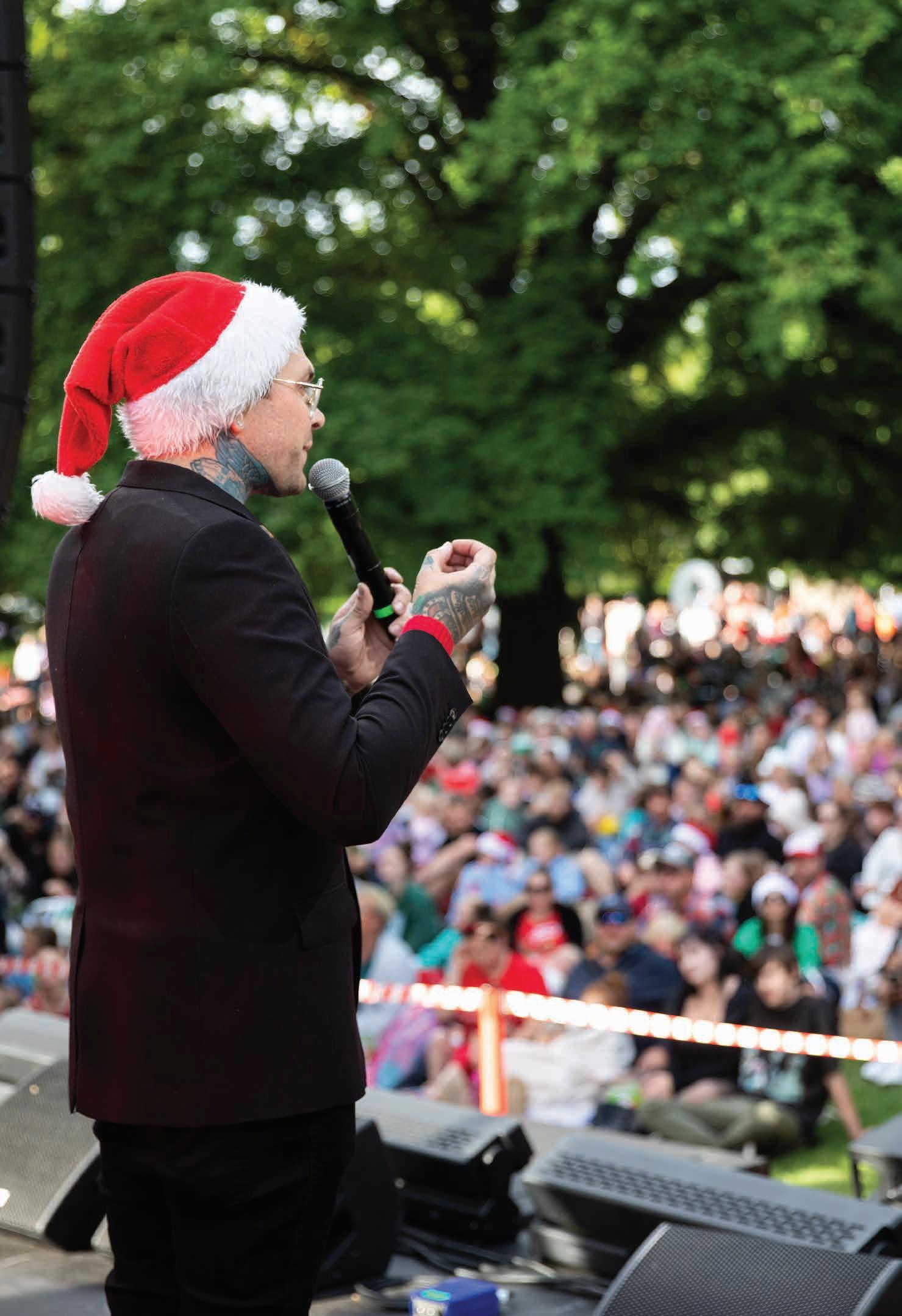
INTRODUCTION
The City of Launceston’s Four-Year Delivery Plan (Delivery Plan) is a key element of the Council’s Integrated Planning and Reporting Framework. By outlining priority strategic and key service actions for the next four financial years, the Delivery Plan provides a road map for the Council to work towards delivering on the Community Vision and 10-year strategic goals as outlined in the Shaping Futures: Strategic Plan 2025-2035, while maintaining high quality day-to-day services for our community.
The scope of the Delivery Plan covers a four-year period and will be reviewed annually to monitor delivery and ensure that it remains relevant and agile in response to changing circumstances and community needs. A major review will occur every four years in line with the statutory review of the Strategic Plan. It should be noted that proposed actions are included in the Delivery Plan for outlying years beyond the current financial year, however, these actions will be subject to final approval by our elected Councillors as part of the annual planning and budgeting process for those financial years.
As the largest Council in Tasmania, the City of Launceston is a diverse organisation. We provide a wide range of services that are essential to the Launceston community’s quality of life. As a result, we are responsible for the acquisition, operation, maintenance and renewal of an extensive range of assets with a total replacement value of over $3.1 billion. We operate Australia’s largest regional museum and art gallery, the Queen Victoria Museum and Art Gallery (QVMAG), and many major regional
facilities such as the Launceston Leisure and Aquatic Centre, Carr Villa Memorial Park, Churchill Park, and Cataract Gorge to name just a few.
In developing this plan, the Council must consider and balance the competing needs of maintaining facilities and services, driving strategic initiatives, and supporting ongoing economic development and social inclusion programs.
The timeframes identified in this plan are a guide that provides you with information on what the Council will be working to achieve. For further information on our annual program of works, we encourage you to refer to our Annual Plan and Budget, which is available on the City of Launceston website for each financial year. You can also access other supporting planning documents such as our Long-Term Financial Plan and Strategic Asset Management Plan.
Where to get a copy
The City of Launceston’s Four-Year Delivery Plan, along with all strategic planning documents, can be downloaded via the City of Launceston website (www.launceston.tas.gov.au/Council/Reports-Plansand-Strategies)
In line with the City of Launceston’s ongoing commitment to sustainability, a limited number of hard copies of this Plan are produced. These can be viewed at Town Hall, 18-28 St John Street Launceston, or a copy can be requested by contacting the Customer Service Centre on (03) 6323 3000 or at contactus@launceston.tas.gov.au
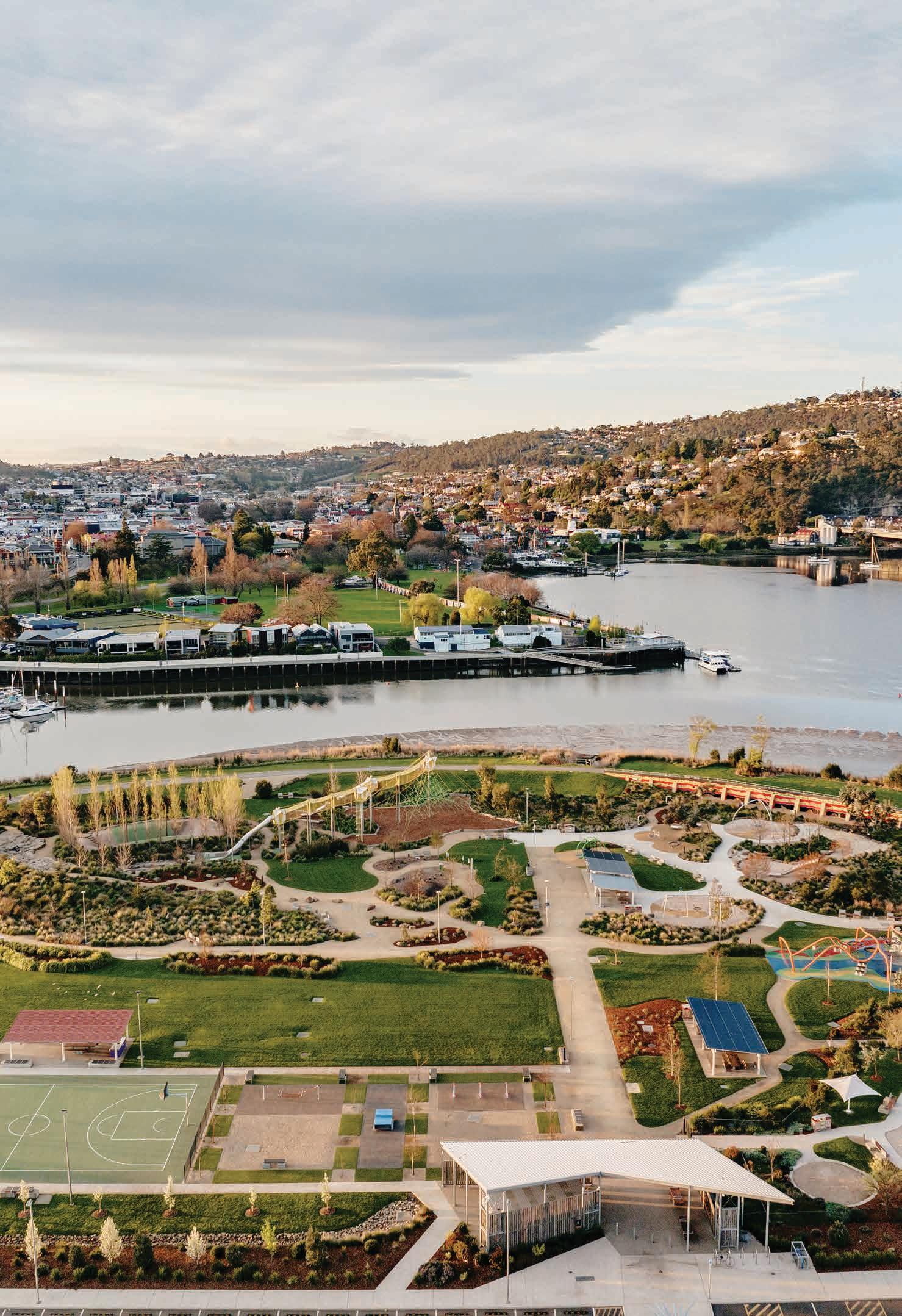
Our Area
The City of Launceston local government area (LGA) includes the suburbs and localities of:
Bangor
Blessington (part*)
Bridport (part*)
Burns Creek
Dilston
East Launceston
Golconda (part*)
Invermay
Karoola
Kings Meadows
Lalla
Launceston
Lebrina
Lilydale (part*)
Lower Turners Marsh (part*)
Mayfield
Mount Direction (part*)
Mowbray
Myrtle Bank (part*)
Newnham
Newstead
North Lilydale (part*)
Norwood
Nunamara
Patersonia
Pipers Brook (part*)
Pipers River (part*)
Prospect
Punchbowl
Ravenswood
Relbia (part*)
Retreat (part*)
Rocherlea
South Launceston
*These suburbs are not wholly covered under the City of Launceston LGA, they are shared with our neighbouring Councils.
Springfield (part*)
St Leonards
Summerhill
Swan Bay
Targa
Tayene (part*)
Trevallyn (part*)
Tunnel
Turners Marsh
Underwood
Upper Blessington (part*)
Waverley
West Launceston
White Hills (part*)
Windermere
Wyena (part*)
Youngtown
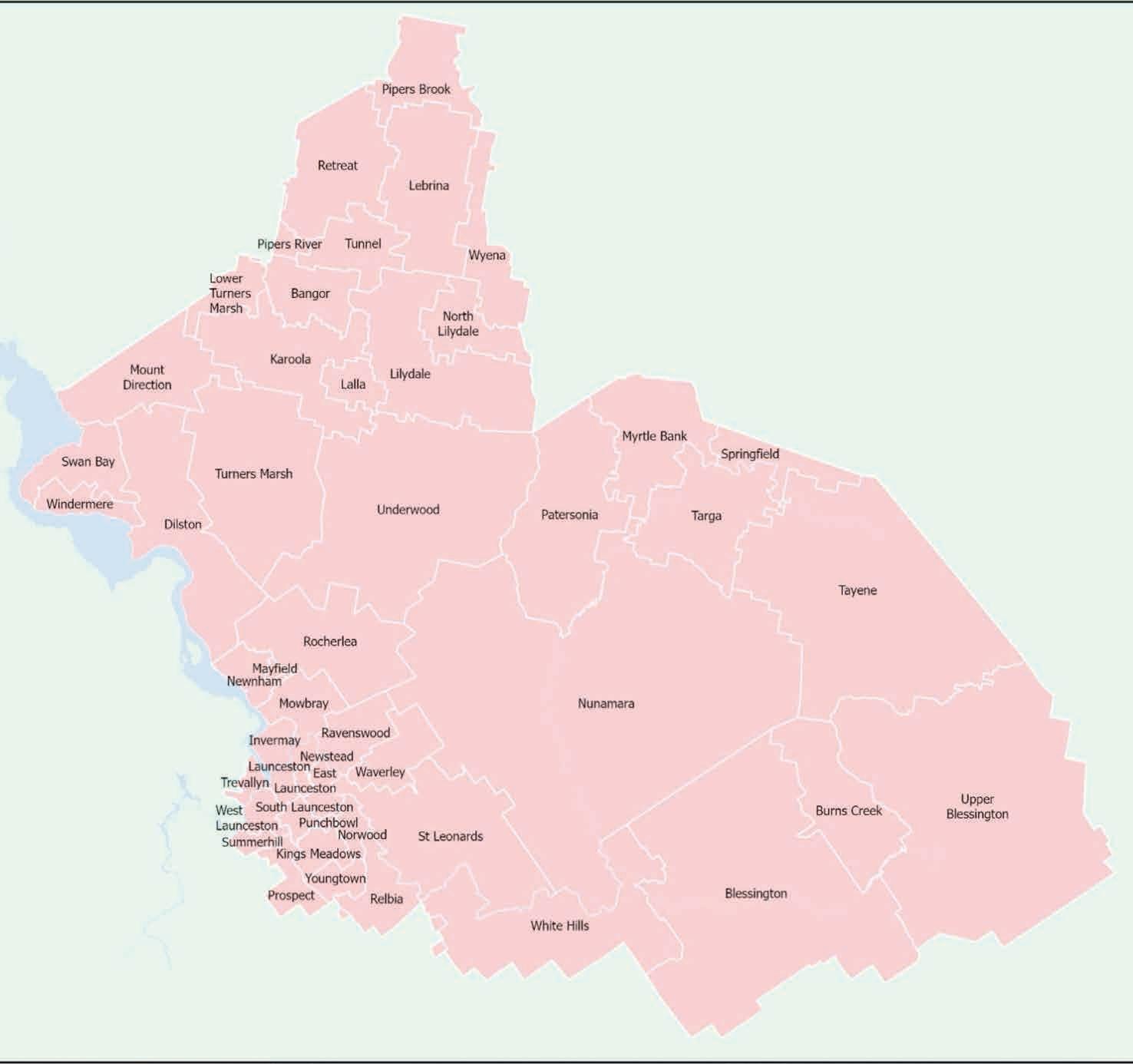
Figure 1. City of Launceston municipality map
Our Council
Council Members are elected by the community for four-year terms. Council members represent their community and are responsible for reviewing, debating and making decisions about topics that are brought before the Council.
Local government elections play a critical role in renewing Council’s leadership and ensuring that the representation of our community remains strong and responsive. The last election was held in October 2022 with upcoming elections due in October 2026, and October 2030.
To learn more about our current Council Members, please visit the Meet Us section of our website.
The role of Council
Council (elected) is responsible for setting the strategic direction, informed by the community’s aspirations, which the city’s administration and operational teams implement. It plans for the City’s future by overseeing its finances and resources, determining our policies, and ensuring that our statutory and community responsibilities are carried out in an effective and efficient manner.
The Council meets in the Council Chambers located within the Launceston Town Hall. In accordance with the Local Government Act 1993 (Tas) (the Act) an agenda is made available publicly at least four days in advance of an ordinary Council Meeting. Council Meetings are open to the public, but members of the public may be asked to leave the chamber at times if Council needs to discuss confidential items.
All Council and committee meetings are conducted per the Act. Meeting dates, times, agendas and minutes are published on the City of Launceston’s website along with further details on the role of Council.
Committees
Council is responsible for such an extensive range of activities and functions that it sometimes establishes statutory and advisory committees to provide expertise in specific areas. Our Council Committees are currently under review. For further details of Council Committees, Special Committees and external committee memberships, please refer to the ‘Committees’ section on our website.
Our Organisation
Our Executive Team consists of our Chief Executive Officer (CEO) and four Executive Leaders who lead our four networks of teams, as demonstrated in the image below.
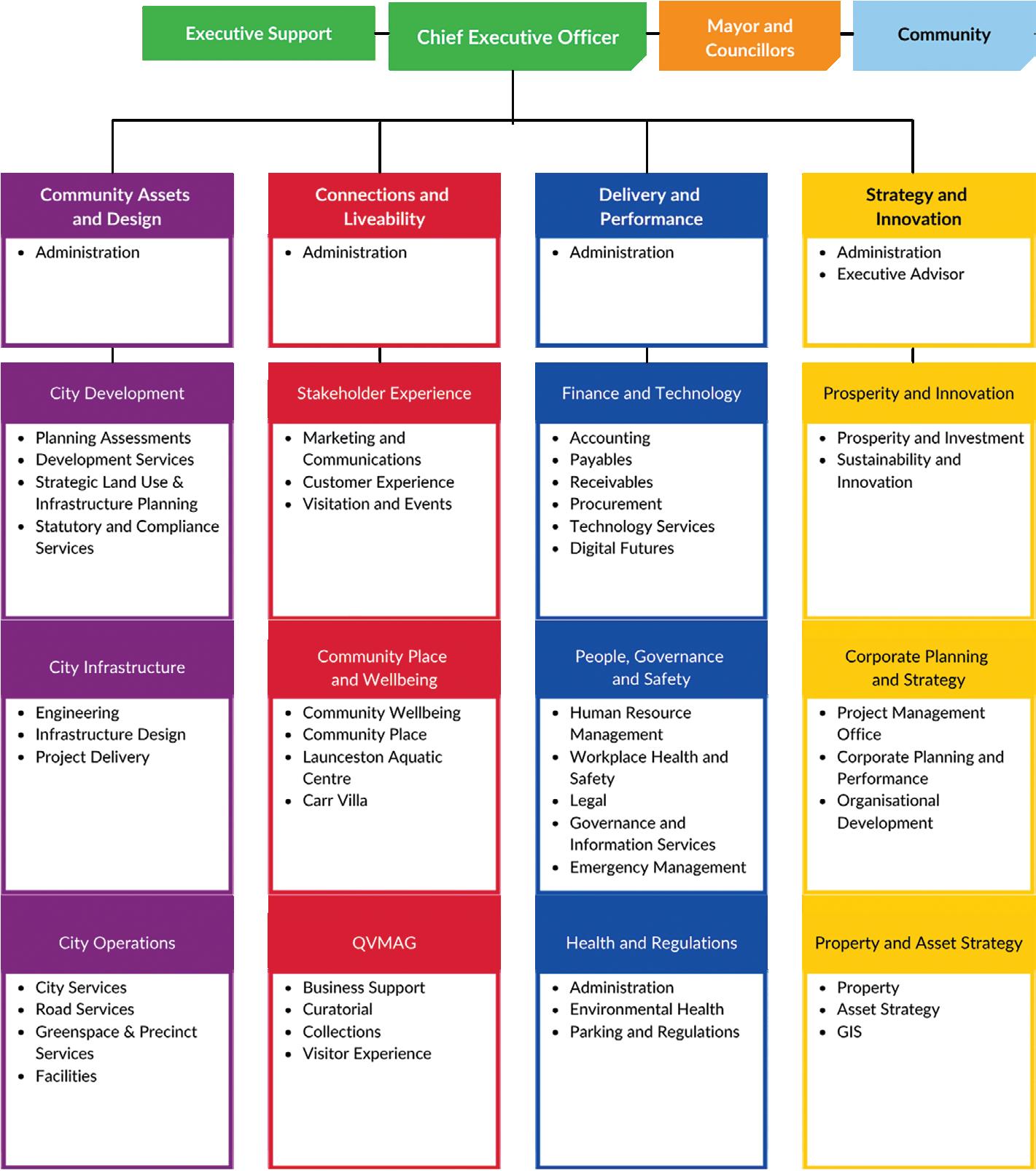
Figure 2. City of Launceston organisational structure.
PLANNING, REPORTING AND MONITORING
The City of Launceston uses an integrated approach to planning to help achieve our strategic vision and ensure the services we provide to our community meet level of service quality standards. This is described in the following section on our Integrated Planning and Reporting Framework.
The Integrated Planning and Reporting Framework
Guided by requirements stated in the Act, our Integrated Planning and Reporting Framework has been developed with the understanding that our plans and policies should not exist in isolation. Our strategic direction and day-to-day planning are guided by this framework, with the elements reviewed and adopted by the elected Council.
STRATEGIC PLAN
The central document within our framework is our Strategic Plan which covers a period of 10-years. Council develops and maintains this plan on behalf of, and with input from, the community. Reviewed every four years in accordance with the Act, it defines our vision for the future and identifies our strategic goals and objectives.
The goals identified in this plan are presented under our three strategic pillars - Prosperity, Place, People. Adopted in June 2025, our current Strategic Plan is the driver to shaping our future.
SERVICE MANAGEMENT PRINCIPLES
Our Service Management Principles (currently under development) guide the delivery of high quality, sustainable services for our community. They outline the Council’s commitment to aligning services with strategic
goals, achieving value for the community, and enabling effective performance measurement and risk management. These Principles provide a consistent framework for planning, reviewing, and improving services, ensuring they meet community needs and support long term financial sustainability.
Our Service Catalogue will define the cost of each service and outline expected service levels, including quality, quantity, and standards.
Service Planning will form an integral part of our planning processes and the Integrated Planning and Reporting Framework.
FOUR-YEAR DELIVERY PLAN
The Delivery Plan (this document) guides our operational planning and Annual Plan processes.
To create the Delivery Plan, we draw on our current Strategic Plan and our resourcing plans
to understand what we aim to deliver over the next four years. This includes progress on each strategic goal as well as the ongoing delivery of high quality, day-to-day services that support our community.
The Delivery Plan is reviewed annually to ensure our long-term planning is responsive to change and remains consistent with current and future community needs.
LONG-TERM FINANCIAL PLAN
The Long-Term Financial Plan (LTFP) sets out the Council’s objectives, goals and operating requirements in financial terms. It is a strategic planning document covering a period of 10-years (reviewed in full every four years, in line with the Strategic Asset Management Plan but updated annually based on other key financial assumptions) that is informed by a series of financial models, strategies and
performance indicators. Aligned with the current Strategic Plan, the LTFP demonstrates the Council’s obligation and commitment to sound financial planning to ensure the future prosperity of the City.
STRATEGIC ASSET MANAGEMENT PLAN
The Strategic Asset Management Plan (SAMP) outlines the quantity and quality of the assets owned and managed by the Council, and forecasts the funding required to maintain, renew and re-invest in this portfolio. The SAMP is a strategic planning document covering a period of 20-years.
The intent of the SAMP is to translate the priorities contained in Council’s Strategic Plan to a set of asset management objectives. Working in partnership with both our Workforce Management Plan and LTFP, these documents represent the principal resource and capacity planning tools used to inform Council’s future planning and decision-making processes.
The SAMP is reviewed in full every four years, alongside the LTFP, and is updated annually to reflect any other changes.
WORKFORCE MANAGEMENT PLAN
Our Workforce Management Plan is to be developed to ensure alignment with our current organisational structure and needs. Once finalised, it will provide a framework to shape our organisation and guide peoplerelated decision making, priorities and investment. The priorities in the Workforce Management Plan will ensure we develop the capacity and the capability of our staff to achieve the Council’s strategic goals and objectives.
ANNUAL PLAN AND BUDGET
The Council’s Annual Plan and Budget are released yearly in July for the new financial year. As our key operational plan, this document outlines the actions we will take during the year to achieve our strategic goals and objectives, along with how these actions are funded. It is developed as part of our annual review of the Four-Year Delivery Plan and informed by our operational budget processes. The Annual Plan also identifies the team responsible for delivering each action, with progress reported quarterly to the elected Council.
Updates to the Budget, including any amendments made during the financial year, are approved separately by the elected Council.
COUNCIL OPERATIONAL FRAMEWORKS AND PLANS
Operational Frameworks and Plans support the implementation of Council’s strategic direction by providing detailed guidance on specific service areas, functions, or operational priorities. These documents are typically longrange in nature and are not usually time-bound or directly aligned to funding allocations. Instead, they operate as internal planning tools that outline potential initiatives, improvements, and approaches that may advance Council’s strategic objectives over time.
Actions identified within these frameworks are not automatically committed to delivery. Rather, they inform future planning and decision-making. As priorities emerge, staff may draw on these documents to identify initiatives that support Council’s strategic direction. Where appropriate, these initiatives are then considered through Council’s planning and resourcing
processes and, if endorsed, incorporated into the Four-Year Delivery Plan and subsequently the Annual Plan and Budget.
COMMUNITY ENGAGEMENT
Community engagement, and the feedback our community members provide, influences all aspects of what we do. We seek community input on the plans that form our Integrated Planning and Reporting Framework, as well as individual projects and initiatives.
Our engagement approach may vary depending on the need and impact of the project; however, we are committed to providing best practice engagement. The City of Launceston’s approach to community engagement is based on the Engagement Institute (formerly International Association of Public Participation - IAP2) Spectrum of Engagement and its core values.
MONITORING AND REPORTING
The Strategic Plan is reviewed every four years in line with the Act. This Delivery Plan and our Annual Plan are monitored throughout the year and reviewed annually as part of the Annual Report and the preparation of the new Annual Plan.
Local governments in Tasmania are required under The Act to provide an Annual Report following the conclusion of each financial year, providing a recap of the activities and performance carried out throughout the previous year.
A monitoring and evaluation system is in place to help us track progress against our overarching Strategic Plan. Measures of success have been captured in this delivery plan to assist with progress tracking. These measures
are being developed and will be refined over time. Scheduled service reviews and recurring community liveability and services satisfaction surveys form an integral part of our ongoing evaluation and monitoring portion of our Integrated Planning and Reporting Framework.
At the end of each Council term, our elected Councillors are provided with an End of Term
report acknowledging the progress against the strategic goals and objectives achieved during their term. This provides an additional reflection point to assess our progress and set the strategic scene for our incoming Councillors.
The progress towards our Annual Plan action items is reported four times throughout the year. These progress reports align with the financial year quarters and are
provided to the elected Council at an ordinary council meeting. Additionally, updates on our Budget are provided through monthly reports submitted to our Council also at ordinary council meetings.
All elements of our Integrated Planning and Reporting Framework, including progress reporting, are publicly available at City of Launceston website.
The diagram below shows the Integrated Planning and Reporting Framework, demonstrating the connections between these elements:
Stakeholder Plans and Regulations
Figure 3. City of Launceston Integrated Planning and Reporting Framework.
OUR VISION
Launceston: A city of history, innovation and opportunity.
Launceston is deeply connected to our history and natural beauty, and will thrive as Northern Tasmania’s economic, cultural, and culinary heart. With a commitment to diverse housing, sustainability, economic growth and innovation, we’re building a city where people feel connected, businesses succeed, and the environment flourishes. Launceston is a place to live, work, play, visit and belong.
PILLAR 1
PROSPERITY
Goal 1.1. Launceston is a premier visitor destination, celebrated for its natural beauty, creative and historic city centre, welcoming community, and rich food culture.
OUR OBJECTIVES ARE:
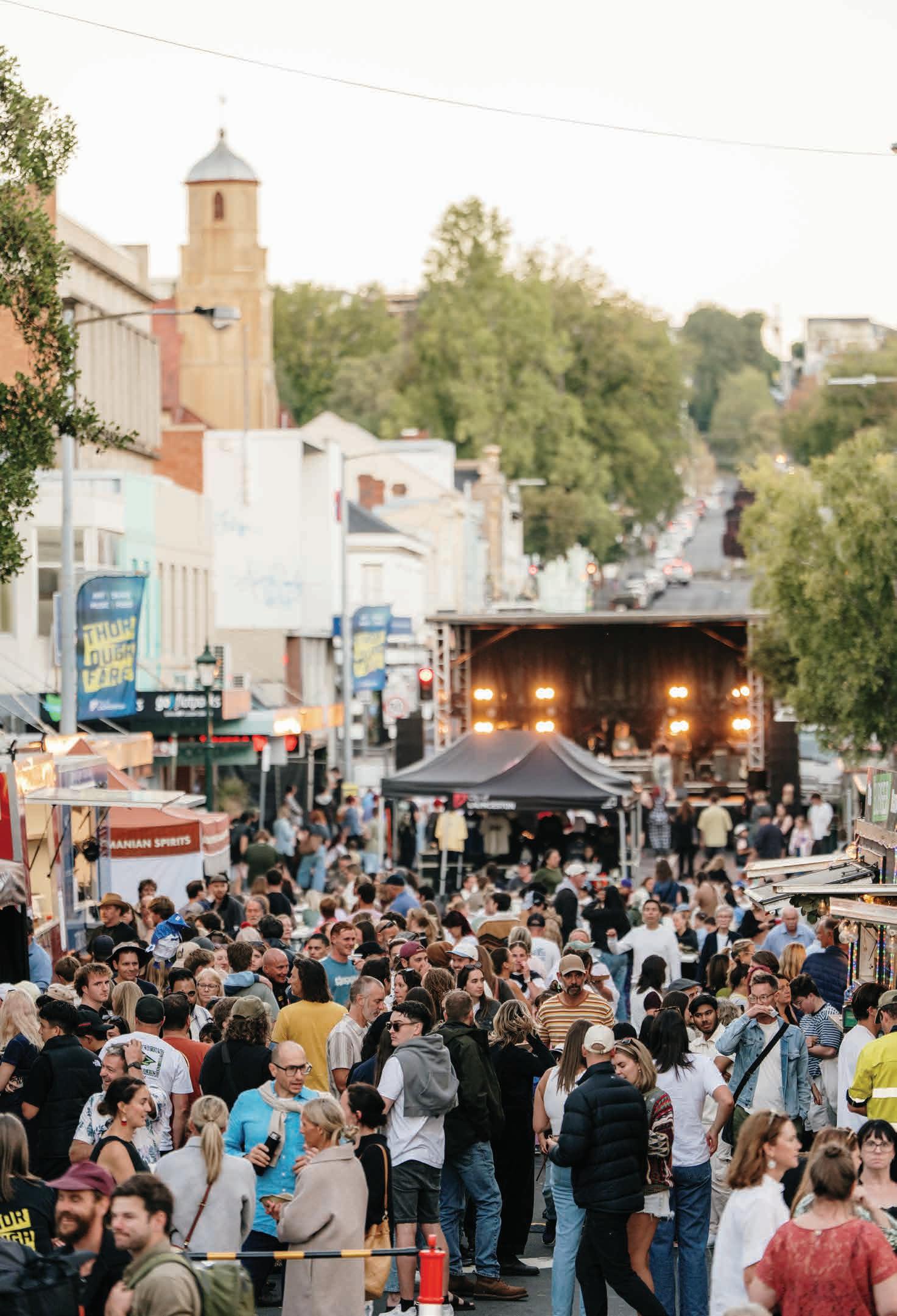
Objective 1.1(a) Grow and celebrate our identity as a UNESCO Creative City of Gastronomy.
Objective 1.1(b) Enhance Launceston’s reputation nationally and internationally as a leading host city for events and festivals, while leveraging our history and natural beauty to encourage extended and expanded stays.
Objective 1.1(c) Expand Launceston’s position as an arts and cultural hub by providing an environment for creative industries to thrive.
Goal 1.2: Launceston’s economy is resilient and sustainable, with significant growth in its gross regional product (GRP) through a diverse economic base supported by a skilled workforce, enabling business environment, and facilitation of investment opportunities.
OUR OBJECTIVES ARE:
Objective 1.2(a) Capitalise on our competitive advantages by focusing on key sectors including food and agricultural innovation, research & development, advanced manufacturing, healthcare and circular economy initiatives.
Objective 1.2(b) Position Launceston as a business-friendly city that attracts & nurtures entrepreneurs, startups, and microbusinesses.
Objective 1.2(c) Advocate and collaborate with the State Government, education institutions, industry partners and non-profits to support improvements in adult literacy (including digital literacy) and to support skills development in key sectors.
Goal 1.3: Launceston’s attractive employment opportunities, enviable lifestyle and our reputation as a forward-thinking city make it the destination of choice for professionals, entrepreneurs and innovators.
OUR OBJECTIVES ARE:
Objective 1.3(a) Position Launceston as a national testbed for urban innovation (e.g., pilot smart city projects, future mobility solutions, and climate-adaptive urbanism).
Objective 1.3(b) Attract and retain young professionals (25–34 year-olds) to Launceston.
Objective 1.3(c) Establish Launceston as a national leader in sustainability through our achievements in circular economy innovation and reducing greenhouse gas emissions.
PLACE
Goal 2.1: Plan for current and medium-term housing and infrastructure needs while maintaining a focus on a longer-term growth projection of 100,000 residents.
OUR OBJECTIVES ARE:
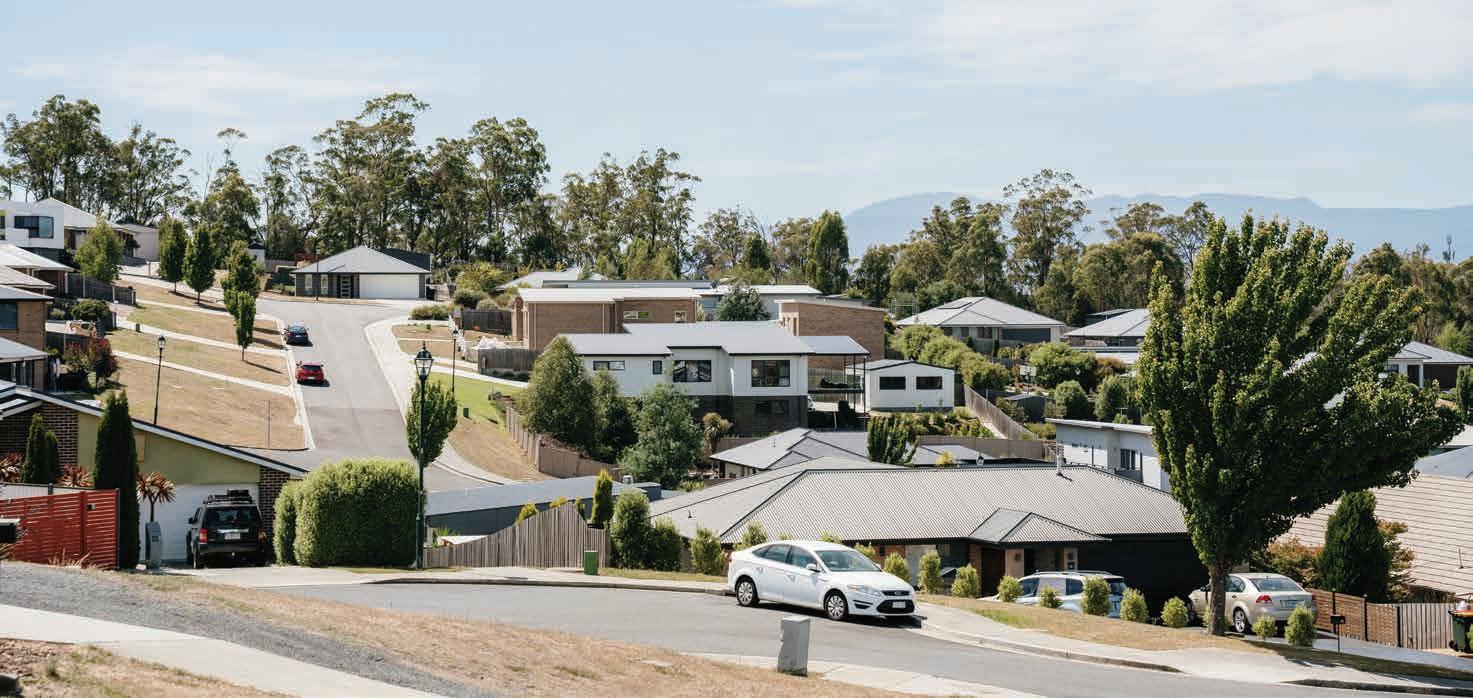
Objective 2.1(a) Facilitate an increase in housing supply to meet current demand and align with planned growth, aiming and planning for 4,300 new homes in priority development and infill areas by 2035.
Objective 2.1(b) Enable and encourage delivery of medium density houses in and around activity centres and transport corridors, and more diverse, sustainable and energy efficient housing.
Objective 2.1(c) Proactively address affordability, homelessness and housing insecurity.
Goal 2.2: Launceston’s transport system connects communities, reduces car dependency in activity centres and corridors, and promotes active transport options.
OUR OBJECTIVES ARE:
Objective 2.2(a) Partner with the state government and local councils to expand access to reliable and frequent public transport services in and around Launceston.
Objective 2.2(b) Work with partners to enable convenient daily travel by supporting public transport and investing in key road infrastructure between Launceston and rural and regional communities and surrounding facilities (e.g. Launceston Airport, Bell Bay).
Objective 2.2(c) Develop a safe, pleasant and connected walking and active transportation network that is integrated with the transport system, across Launceston’s urban footprint.
Goal 2.3: Launceston’s community is connected to our Aboriginal and built heritage, while growing a city of the future.
OUR OBJECTIVES ARE:
Objective 2.3(a) Encourage and facilitate recognition of Aboriginal cultural heritage as a means of retaining a sense of place and connection to Country.
Objective 2.3(b) Ensure that significant heritage elements are respected while addressing the future housing, commerce and recreational needs of the community.
Objective 2.3(c) Implement planning guidelines (particularly within the CBD) to encourage adaptive reuse of heritage buildings, and infill development that promotes our city’s builtheritage character.
Goal 3.1: Community members have access to green, diverse, and inclusive open spaces and facilities enabling them to lead active lives, enjoy nature, and connect with others.
OUR OBJECTIVES ARE:
Objective 3.1(a) Enhance community members’ access to climate-change resilient leafy, well-maintained, inclusive public open spaces, prioritising areas with low wellbeing measures.
Objective 3.1(b) Leverage Launceston’s network of waterways by rehabilitating and connecting riparian corridors, connecting them with the public open spaces network and supporting improvements to the Kanamaluka/Tamar Estuary and surrounding precinct.
Objective 3.1(c) Ensure neighbourhoods are well-served through community activity hubs that are accessible and inclusive, provide a range of amenities, create opportunities for a diverse range of community activities and support Launceston’s diverse cultural, economic, and age groups.
Goal 3.2: Participation in cultural and recreational activities is widespread across the community and promotes health and wellbeing at all ages while bridging social, cultural and geographical gaps.
OUR OBJECTIVES ARE:
Objective 3.2(a) Achieve an improvement in health and wellbeing through addressing barriers to inclusion and promotion of physical and social activity such as community arts, sports and recreation.
Objective 3.2(b) Broaden and increase participation in arts, cultural, and community events to foster community identity, leadership and capacity building, resilience, pride & a sense of belonging.
Objective 3.2(c) Leverage the City of Gastronomy designation to foster a sense of shared identity, enhance understanding of cultural diversity, promote grassroots food culture, and enhance food security.
Goal 3.3: As northern Tasmania’s cultural and commercial centre, Launceston’s historic city heart is buzzing with activity throughout the day and into the night.
OUR OBJECTIVES ARE:
Objective 3.3(a) Intensify baseline activity in the city centre by facilitating an increase in inner-city living and working.
Objective 3.3(b) Implement bold initiatives that increase nighttime activity, optimise dwell time, maximise appeal to locals and visitors, and add to the City’s vibrancy and safety.
Objective 3.3(c) Create a walkable centre and optimise the use of public space by reducing car dominance and expanding opportunities for greening and alternative forms of transport.
ENGAGEMENT PROCESS
Fundamental to Council’s operations is engagement with our community. It informs decision-making through the collection of the perspectives and priorities of the individuals, businesses and groups impacted by those decisions. It involves our community in our processes, enabling us to not only continually improve our services and guide our projects, but it also enables the community to understand and share ownership of our strategic direction as a city.
Committed to best practice engagement, the City of Launceston adopted the Community Engagement Strategy in 2022 and launched our awardwinning Tomorrow Together
program. Applying the principles outlined in our strategy and framework, engagement with the community occurs on varying levels for projects and initiatives.
Our Strategic Plan, for example, was developed based on results of extensive engagement carried out over several years leading to its adoption in 2025. Our Annual Plan and Budget along with this delivery plan undergo a period of public consultation, open for four weeks, to gather the communities’ thoughts and ideas prior to their adoption by our Council.
The level of engagement carried out when developing operational plans and projects may vary, but our teams utilise
engagement methods including drop in Q&A sessions, interactive documentation review, information sessions, surveys including mail, phone and online, and facilitated workshops.
Community engagement does not replace the final decision-making power of the Council, the Chief Executive Officer (CEO) or staff, but enhances their capacity to make decisions that are well informed, acceptable and sustainable.
Visit our website to read more about our Engagement Strategy and Framework and view the current projects and initiatives open for community engagement. We welcome you to provide your input to help shape our future.
DELIVERY PROGRAM
2026/27
TO 2029/30
How to read this program
This section details the actions Council aims to undertake over the next four financial years. These are organised into two categories of works - Key Service Actions and Strategic Actions.
What do these categories mean?
Strategic Actions:
These are projects and actions that deliver on our long-term strategic goals as set out in our current Strategic Plan. These activities are transformational in nature with a focus on growth, innovation and emerging challenges. These are organised under the three Pillars - Prosperity, Place, People - that underpin our Strategic Plan. Each action or project in this category is linked to a strategic goal, objective and intended outcome.
Key Service Actions:
These are projects and actions that deliver key services and have a defined term. They relate to operational activities such as asset maintenance, community services, legislated requirements of local government, and the internal processes required to carry out these activities. Council also undertakes many ongoing business-as-usual activities to service our community which are not included in this Delivery Plan.
Disclaimer:
It should be noted that the lists of projects, actions and measures of success included in this delivery plan are current as at the time of adoption and publication and may be subject to change.
Strategic Actions
On the following pages you will find a list of our planned Strategic Actions over the Delivery Plan period. Use the information on this page to assist in reading our Strategic Actions list.
1. PROSPERITY
Goal 1.1 Launceston is a premier visitor destination, celebrated for its natural beauty, creative and historic city centre, welcoming community, and rich food culture.
Goal 1.1 Launceston is a premier visitor destination, celebrated for its natural beauty, creative and historic city centre, welcoming community, and rich food culture.
OBJECTIVE 1.1(A) Grow and celebrate our identity as a UNESCO Creative City of Gastronomy.
OBJECTIVE 1.1(A) Grow and celebrate our identity as a UNESCO Creative City of Gastronomy.
Outcome 1.1(a)-1 Launceston’s reputation as a global culinary destination has been established.
Outcome 1.1(a)-1 Launceston’s reputation as a global culinary destination has been established.
Measures of Success
Measures of Success
25
1. PILLARS
• Growth in food-related visitation and spend.
• Growth in food-related visitation and spend.
• Increased participation by local producers, venues and chefs in Council supported food initiatives.
• Increased participation by local producers, venues and chefs in Council supported food initiatives.
• Recognition of Launceston’s food culture in regional or national media, awards or industry platforms.
• Recognition of Launceston’s food culture in regional or national media, awards or industry platforms.
• Community and visitor satisfaction with food offerings, variety and quality (survey based).
• Community and visitor satisfaction with food offerings, variety and quality (survey based).
We will achieve this outcome by undertaking the following actions:
We will achieve this outcome by undertaking the following actions:
ACTIONS 26/27 27/28 28/29 29/30
ACTIONS 26/27 27/28 28/29 29/30
1 Deliver activities and events that contribute to the UNESCO Creative City of Gastronomy designation including marketing, events, food innovation, sustainability and security.
1 Deliver activities and events that contribute to the UNESCO Creative City of Gastronomy designation including marketing, events, food innovation, sustainability and security.
2 Create a new home for the Harvest Market in the heritage heart of Launceston.
2 Create a new home for the Harvest Market in the heritage heart of Launceston.
Outcome Lead: Outcome Partners: Stakeholder Experience.
Outcome Lead: Outcome Partners: Stakeholder Experience.
Community Place and Wellbeing, Prosperity and Innovation, Health and Regulations, City Infrastructure, Corporate Planning and Strategy, industry, and education partners.
Community Place and Wellbeing, Prosperity and Innovation, Health and Regulations, City Infrastructure, Corporate Planning and Strategy, industry, and education partners.
4. OUTCOMES
These are the three focus areas of the City of Launceston’s overarching Strategic Plan. They describe the key themes of the strategy.
2. GOALS
Sitting under each Pillar there are three goals. These goals represent the long-term, big picture aspirations of the city.
3. OBJECTIVE
Each strategic goal has three linked objectives. Together they describe what we aim to achieve in the next 10-years. This often requires working together with other partners, such as state agencies and community groups.
These represent what we aim to achieve in the next four years, providing a mid-term check point to assess how we are progressing against our 10-year strategic goals.
5. MEASURES OF SUCCESS
Indicate how we will assess our progress of achieving our outcomes and overarching strategic goals.
These measures are being developed and will be refined over time.
6. ACTIONS
7.
YEAR ALLOCATION
This section indicates the financial year that Council proposes to carry out the activities. This schedule will be reviewed each year as part of the process to develop our Annual Plan.
8. OUTCOME LEAD AND PARTNERS
This section shows the internal Council team that will oversee delivery of the action/s, working with other Council teams, Councillors and external stakeholders as required to complete them.
These are the actions that we plan to deliver over the 2026/2027 - 2029/2030 financial years. Each action will progress our city towards one of our long-term, strategic goals.
*Refer to definition of a Strategic Action on page 22.
1. PROSPERITY
Goal 1.1 Launceston is a premier visitor destination, celebrated for its natural beauty, creative and historic city centre, welcoming community, and rich food culture.
OBJECTIVE 1.1(A) Grow and celebrate our identity as a UNESCO Creative City of Gastronomy.
Outcome 1.1(a)-1 Launceston’s reputation as a global culinary destination has been established.
Measures of Success
• Growth in food-related visitation and spend.
• Increased participation by local producers, venues and chefs in Council supported food initiatives.
• Recognition of Launceston’s food culture in regional or national media, awards or industry platforms.
• Community and visitor satisfaction with food offerings, variety and quality (survey based).
We will achieve this outcome by undertaking the following actions:
ACTIONS
1 Deliver activities and events that contribute to the UNESCO Creative City of Gastronomy designation including marketing, events, food innovation, sustainability and security.
2 Create a new home for the Harvest Market in the heritage heart of Launceston.
Outcome Lead:
Outcome Partners: Stakeholder Experience.
Community Place and Wellbeing, Prosperity and Innovation, Health and Regulations, City Infrastructure, Corporate Planning and Strategy, industry, and education partners.
OBJECTIVE 1.1(B) Enhance Launceston’s reputation nationally and internationally as a leading host city for events and festivals, while leveraging our history and natural beauty to encourage extended and expanded stays.
Outcome 1.1(b)-1 A clear and consistent events brand in market, promoted regionally and nationally, showcasing Launceston’s strengths and value-add opportunities for event organisers and delegates.
Measures of Success
• Existence of an adopted and actively used events brand and value proposition.
• Increase in the number of regional, national and multi-day events attracted to Launceston.
• Event organiser satisfaction with Council’s facilitation and support.
• Increased availability of skilled event workforce locally (technical, production and operational roles).
We will achieve this outcome by undertaking the following actions:
1 Coordinate and deliver a curated program of city-led events.
2 Administer Events funding in line with priorities and ambitions of the City of Launceston Events Framework.
3 Develop a new destination website, aimed at attracting visitation, investment and talent, promoting creative storytelling and highlighting our city's gastronomy, heritage and environmental assets.
Outcome Lead:
Outcome Partners: Stakeholder Experience. Prosperity and Innovation, Health and Regulations, QVMAG, and industry.
Outcome 1.1(b)-2 Launceston’s capacity to host events is increased with improved infrastructure and facilities.
Measures of Success
• Completion of a prioritised, costed event infrastructure plan supported by stakeholders.
• Improved suitability, accessibility or capacity of priority event venues and spaces.
• Increased utilisation of upgraded spaces for events and cultural activity.
• Positive feedback from event organisers and audiences regarding facilities.
• Adoption of new Event Precinct Policy.
We will achieve this outcome by undertaking the following actions:
1 Upgrade the Princess Theatre, Earl Arts Theatre and adjacent streetscapes to enhance its function as a vibrant, contemporary performing arts venue integrated with its surroundings.
2 Sequence upgrades at existing venues and implementation planning for targeted event facilities and infrastructure.
3 Complete an events infrastructure audit (open space and built form) and develop a prioritised, costed upgrade pipeline.
4 Develop an Event Precinct Policy to guide event planning that balances inner-city residential amenity and suburban development with urban activation, ensuring legislative compliance while supporting a vibrant and active city.
Outcome Lead:
Outcome Partners: Stakeholder Experience. City Development, City Infrastructure, Community Place and Wellbeing, Property and Asset Strategy, Health and Regulations, Finance and Technology, People, Governance and Safety, key investors, industry, non-council asset owners, and State and Australian Government representatives.
OBJECTIVE 1.1(C) Expand Launceston’s position as an arts and cultural hub by providing an environment for creative industries to thrive.
Outcome 1.1(c)-1 Launceston supports its primary arts and cultural precinct.
Measures of Success
• Endorsement and implementation of an arts and cultural precinct roadmap.
• Increased concentration of arts, cultural activity and creative industries in defined precincts area.
• Strengthened partnerships with cultural organisations and creative practitioners.
We will achieve this outcome by undertaking the following actions:
1 Develop a feasibility and concept plan for Launceston Arts & Creative Communities Hub (LACCH), supporting local makers, creators, performers, community arts and heritage groups.
Outcome Lead: Outcome Partners: Community Place and Wellbeing. QVMAG, Health and Regulations, and creative industry partners.
Goal 1.2 Launceston’s economy is resilient and sustainable, with significant growth in its gross regional product (GRP) through a diverse economic base supported by a skilled workforce, enabling business environment, and facilitation of investment opportunities.
OBJECTIVE 1.2(A) Capitalise on our competitive advantages by focusing on key sectors including food and agricultural innovation, research & development, advanced manufacturing, healthcare and circular economy initiatives.
Outcome 1.2(a)-1 We have identified the barriers to business growth and establishment in Launceston and are implementing a plan to address them.
Measures of Success
• Employment Lands Plan adopted and implementation commenced.
• Sufficient zoned land supply of at least 15 years to meet identified requirements.
• Economic Development Plan adopted and implementation commenced.
• Growth in Gross Regional Product.
• Stakeholder confidence in Launceston as a place to invest (survey/engagement).
We will achieve this outcome by undertaking the following actions:
1 Undertake a comprehensive, evidence-based Employment Lands Plan that identifies current and future employment land needs in Launceston. This will inform strategic land use planning and guide policy for industrial, commercial, and mixed-use employment zones as well as inform the city’s updated Economic Development Plan.
2 Prepare an evidence-based Economic Development Plan that identifies and addresses the barriers to business growth and establishment in Launceston, guiding policy development and investment attraction with consideration of the Employment Lands Plan.
Outcome Lead:
Outcome Partners: Prosperity and Innovation. City Development, Property and Asset Strategy, Health and Regulations, and industry.
OBJECTIVE 1.2(B) Position Launceston as a business-friendly city that attracts & nurtures entrepreneurs, startups, and microbusinesses.
Outcome 1.2(b)-1 Launceston has a reputation as a knowledge city that provides opportunities to showcase research and development.
Measures of Success
• Number and strength of active innovation partnerships.
• Growth in pilots/demonstrations and research–industry collaborations hosted in Launceston.
• Increased participation of students and startups in programs.
• Positive perception of Launceston as a “knowledge city” (external feedback/media).
We will achieve this outcome by undertaking the following actions:
1 Foster strategic relationships with Launceston’s innovative technology and education sectors through direct engagement and targeted collaboration, promoting Launceston as a thriving technology location, understanding industry challenges, and supporting solutions that enable business growth and community focused smart city outcomes.
2 Pilot opportunities for undergraduates to work on Council innovation and technology projects to enhance skills and experience to support a pathway to the workforce.
3 Work with the outcome partners to develop an Innovation and Technology Roadmap that identifies and addresses ecosystem roles and addresses gaps in industry support programs (e.g., testbeds, mentoring, procurement pathways for startups), and an action plan with implementation beginning in 2028/29.
4 Develop the Invest Launceston Program to identify different types of business investment attractions from start-ups through to emerging technologies, provide a resource for pathways, identify barriers to investment and define the Council's role.
5 Launch student–industry programs and a rolling research and development showcase calendar.
Outcome Lead:
Outcome Partners: Prosperity and Innovation.
Stakeholder Experience, QVMAG, People, Governance and Safety , education sector, and industry.
Outcome 1.2(b)-2 The Tasmanian Aboriginal business sector is strong and growing.
Measures of Success
• Increased number of Aboriginal suppliers registered.
• Growth in spend with Tasmanian Aboriginal businesses.
• Improved supplier experience and access to opportunities (feedback).
• Partner institutions adopt/align complementary procurement pathways.
We will achieve this outcome by undertaking the following actions:
1 Engage with the Tasmanian Aboriginal Business Community and understand the current landscape and opportunities for Tasmanian Aboriginal businesses.
2 Co-design and embed an Aboriginal procurement policy in council, supported by a database of Tasmanian Aboriginal businesses and targeted support to enable participation.
3 Engage with key stakeholders to promote Tasmanian Aboriginal business procurement opportunities, and Council's policy and processes.
Outcome Lead:
Outcome Partners: Prosperity and Innovation.
Community Place and Wellbeing, Stakeholder Experience, Finance and Technology, and key external stakeholders.
OBJECTIVE 1.2(C) Advocate and collaborate with State Government, education institutions, industry partners, and non-profits to support improvements in adult literacy (including digital literacy) and to support skills development in key sectors.
Outcome 1.2(c)-1 Literacy (including digital literacy) is improved, and more people have the skills required for key sectors.
Measures of Success
• Increased participation in digital inclusion and skills programs.
• Demonstrable lift in digital confidence/competency in target cohorts.
• Clear education-to-employment pathways established and used.
• Employer feedback evidence’s improved workforce readiness (survey).
We will achieve this outcome by undertaking the following actions:
1 Collaborate with external stakeholders to drive improvements in literacy in all its forms and facilitate targeted skill development initiatives that strengthen communities and workforce.
2 Develop and deliver place-based initiatives in Launceston’s Northern Suburbs that remove participation barriers and create culturally safe, low cost, and community led pathways that support social connection, capacity building and wellbeing.
Outcome Lead:
Outcome Partners: Community Place and Wellbeing. Prosperity and Innovation, People, Governance and Safety, members of the Digital Inclusion Working Group, QVMAG, education partners, and industry.
Goal 1.3 Launceston’s attractive employment opportunities, enviable lifestyle and our reputation as a forward-thinking city make it the destination of choice for professionals, entrepreneurs and innovators.
OBJECTIVE 1.3(A) Position Launceston as a national testbed for urban innovation (e.g. pilot smart city projects, future mobility solutions and climate adaptive urbanism).
Outcome 1.3(a)-1 There is increased awareness amongst target sectors of Launceston’s strengths as an urban test bed with high-speed internet connectivity.
Measures of Success
• Increase in pilots and demonstrations hosted locally.
• Recognition of Launceston as a preferred test location (partner feedback/media).
• Growth in professional network participation and engagement.
• Positive awareness among target professional audiences (survey/PR metrics).
• Recognition of the significant QVMAG natural sciences collection through formal research requests and publications.
We will achieve this outcome by undertaking the following actions:
1 Establish a multi-partner testbed coalition with all levels of government, industry, organisations, and individuals to curate pilot opportunities and develop professional networks to enhance highvalue job creation.
2 Partner with industry to define target audiences and piloting a Testbed Brand & Communications Plan including communication tools, branding strategies, and key messaging to showcase case studies, and innovative in-market activity.
3 Deliver an annual pipeline of pilot calls and demonstrations with published impact summaries and promote Launceston's urban innovation opportunities.
Outcome Lead:
Outcome Partners: Prosperity and Innovation.
Stakeholder Experience, Community Place and Wellbeing, Finance and Technology, local, state and federal governments, and industry.
OBJECTIVE 1.3(B) Attract and retain young professionals (25 - 34 year olds) to Launceston.
Outcome 1.3(b)-1 We are attracting and retaining young people (25 - 34 year olds) through effective partnerships and opportunities.
Measures of Success
• Stabilisation or growth of the 25–34 cohort in Launceston.
• Growth of the cohort (Australian Bureau of Statistics).
• Increased participation in professional/cultural networks.
• Improved graduate and early-career retention rates.
• City of Launceston Workforce Management Plan endorsed.
• Improved satisfaction with liveability and career opportunities among young professionals.
We will achieve this outcome by undertaking the following actions:
1 Complete a joint 'come, stay, leave' study with tertiary academic and identified stakeholders and communities to identify drivers and barriers to attraction and retention of young professionals in Launceston.
2 Publish and deliver an Attract and Stay Plan (housing typologies, activation, mobility, nightlife, professional networks) with implementation beginning in 2027/28.
3 Identify workforce opportunities for young people at the City of Launceston as an employer of choice through the development of a Workforce Management Plan.
4 Support local and emerging artists through the biennial RISE exhibition (scheduled in years 2027/28 and 2029/30) and related public programs.
5 Work with UTAS to identify co-branding opportunities.
Outcome Lead:
Outcome Partners: Prosperity and Innovation. CEO’s Office, Corporate Planning and Strategy, Stakeholder Experience, People, Governance and Safety, Community Place and Wellbeing, City Development, and industry.
OBJECTIVE 1.3(C)
Establish Launceston as a national leader in sustainability through our achievements in circular economy innovation and reducing greenhouse gas emissions.
Outcome 1.3(c)-1 The community has an increased knowledge and capability to reduce greenhouse gas emissions.
Measures of Success
• Measured reduction in community greenhouse gas (GHG) emissions vs. baseline.
• Measured reduction in council GHG emissions vs. 2021 emissions.
• Priority programs delivered with strong participation.
• Public, transparent reporting on progress to medium/long-term Community Emissions Action Plan 2025-2035 (CEAP) target.
• Increased adoption of emissions-reducing behaviours/technologies.
• Wood smoke incentive and regulatory reduction measures are finalised, with implementation scheduled.
We will achieve this outcome by undertaking the following actions:
1 In alignment with the endorsed Community Emissions Action Plan, identify and adapt proven community emissions reduction programs to the Launceston context and develop costed project plans to reduce community greenhouse gas emissions.
2 Prepare an environmentally sustainable design policy and guidelines to support the design, construction and major refurbishments of City of Launceston owned buildings.
3 Support the private sector to increase electric vehicle (EV) charging infrastructure.
4 Plan and implement small scale internal and external food organics and garden organics (FOGO) collections from businesses with a dedicated vehicle to increase organics diversion away from landfill.
5 Increase residential FOGO collections through education and promotion.
6 Investigate and develop an action plan for incentives and regulatory approaches in alignment with the Wood Smoke Plan.
Outcome Lead:
Outcome Partners: Prosperity and Innovation. Health and Regulations, Stakeholder Experience, City Operations, and industry.
Outcome 1.3(c)-2 We have made significant progress in developing capacity to handle material flows for the Circular Economy.
Measures of Success
• Increased landfill diversion rates.
• Number of associations and agreements with National Stewardship programs.
We will achieve this outcome by undertaking the following actions:
1 Plan for and establish a construction and demolition waste sorting facility at Launceston Waste Centre to improve diversion from landfill.
2 Regional collaboration via membership with Circular North to explore pathways and markets for recovered materials.
Outcome Lead:
Outcome Partners: Prosperity and Innovation.
Community Place and Wellbeing, City Operations, and external stakeholders.

2. PLACE
Goal 2.1 Plan for current and medium-term housing and infrastructure needs while maintaining a focus on a longer-term growth projection of 100,000 residents.
Outcome 2.1(a)-1 Launceston is committed to sustainable development, vibrant places and liveable communities supported by coordinated planning and investment in infrastructure identified in neighbourhood plans.
Measures of Success
• Neighbourhood Plans and Infrastructure Funding Frameworks adopted by Council with clear sequencing.
• External funding secured for priority infrastructure projects.
• Dwelling approvals increasing in targeted growth areas.
• Improved alignment of infrastructure delivery with neighbourhood planning.
We will achieve this outcome by undertaking the following actions:
OBJECTIVE 2.1(A) Facilitate an increase in housing supply to meet current demand and align with planned growth, aiming and planning for 4,300 new homes in priority development and infill areas by 2035. ACTIONS
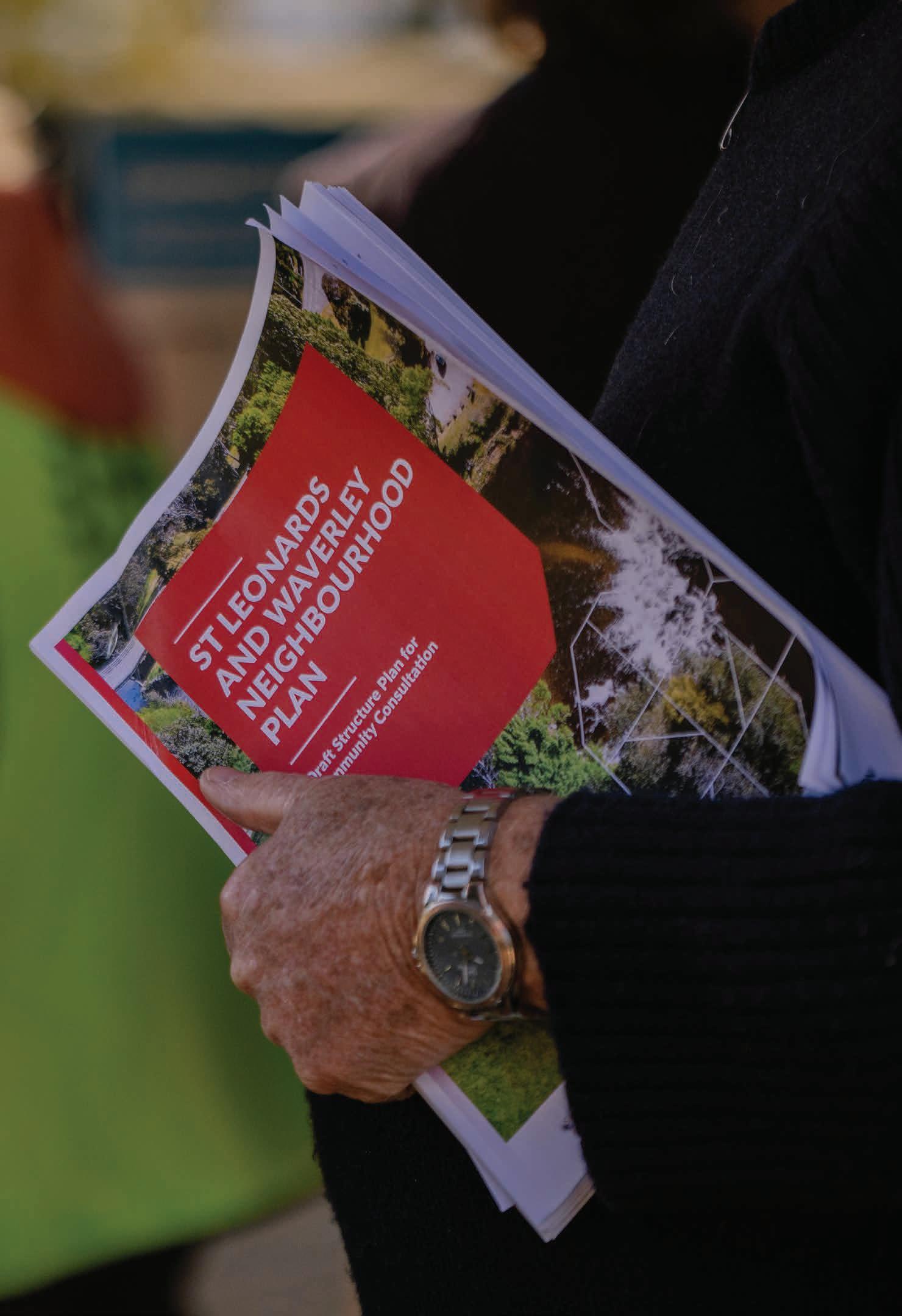
1 Implement the St Leonards and Waverley Neighbourhood Plan including a Planning Scheme amendment, developing place design guidance and marketing, and funding the Council's shared infrastructure contributions.
2 Prepare and implement the Alanvale Neighbourhood Plan and Infrastructure Funding Framework, and associated Planning Scheme Amendment to enable effective delivery of the adopted Neighbourhood Plan and provide the statutory and funding mechanisms needed to realise its agreed directions.
3 Prepare and implement the South Prospect Neighbourhood Plan and Infrastructure Funding Framework, and associated Planning Scheme Amendment to enable effective delivery of the adopted Neighbourhood Plan and provide the statutory and funding mechanisms needed to realise its agreed directions.
4 Prepare a neighbourhood plan for Ravenswood, starting with investigations to understand the social and community infrastructure needs and scoping the neighbourhood plan project.
5 Progress the Henry to Hoblers Link Road to facilitate housing growth and support sustainable development.
Outcome Lead:
Outcome Partners: City Development.
City Infrastructure, Community Place and Wellbeing, Stakeholder Experience, and Health and Regulations.
OBJECTIVE 2.1(B) Enable and encourage delivery of medium density houses in and around activity centres and transport corridors, and more diverse, sustainable and energy efficient housing.
Outcome 2.1(b)-1 Opportunities have been created to increase medium density housing in and around activity centres and transportation corridors.
Measures of Success
• Increase in housing diversity in the long-term.
• Development Applications received reflect uses desired in precincts.
We will achieve this outcome by undertaking the following actions:
ACTIONS
1 Undertake the Medium Density Investigation to assess the capacity of areas surrounding the CBD and key activity centres to accommodate higher-density housing and implement outcomes through Planning Scheme Amendments where required.
2 Implement Precinct Plans to guide increased density in suitable locations considering infrastructure requirements, improved accessibility, and high quality community outcomes beginning with Margaret Street in 2026/27 financial year.
Outcome Lead:
Outcome Partners: City Development. City Infrastructure, Community Place and Wellbeing, Stakeholder Experience, Health and Regulations, and Property and Asset Strategy.
Outcome 2.1(b)-2 Residents of existing housing are making changes to increase the energy efficiency of their houses.
Measures of Success
• Uptake of audits/retrofits/loans by households (especially priority cohorts).
• Reduced household energy burden in targeted areas.
• Update in the wood heater removal program is measured and reported.
• Home energy efficiency incentives are identified and Council’s role in delivery and advocacy is defined.
We will achieve this outcome by undertaking the following actions:
1 Develop and implement actions from the Wood Smoke Plan, including investigate incentives to support the program through improvements in the energy performance of existing homes, supporting healthier homes.
2 Develop the Cosy Homes Launceston Program with costed, prioritised actions and baseline data captured to inform case studies and further implementation.
Outcome Lead: Outcome Partners: Prosperity and Innovation. Stakeholder Experience, Community Place and Wellbeing, and Health and Regulations.
OBJECTIVE 2.1(C) Proactively address affordability, homelessness and housing insecurity.
Outcome 2.1(c)-1 Actions to reduce homelessness and increase affordable housing opportunities are being implemented by Council and other levels of government.
Measures of Success
• Established partnerships active with service providers and State agencies.
• Increase in availability of affordable housing.
• Australian Bureau of Statistics for homelessness.
• Key sites for affordable housing identified on Council land.
We will achieve this outcome by undertaking the following actions:
1 Prepare and implement an Affordable Housing Plan (as set out in the Launceston Housing Plan 2025-2040).
2 Develop partnerships and review the design and financial feasibility of developing affordable housing in activity centres and transport corridors, including on Council owned land with site selection informed by multiple factors, including the outcomes of the Strategic Land and Property Review.
Outcome Lead:
Outcome Partners: City Development. Community Place and Wellbeing, City Infrastructure, Health and Regulations, Stakeholder Experience, and Property and Asset Strategy.
Goal 2.2 Launceston’s transport system connects communities, reduces car dependency in activity centres and corridors, and promotes active transportation options.
OBJECTIVE 2.2(A) Partner with the state government and local councils to expand access to reliable and frequent public transport services in and around Launceston.
Outcome 2.2(a)-1 We have a strong plan for transport in our City that encourages alternatives to car use.
Measures of Success • Complete trial study and framework.
We will achieve this outcome by undertaking the following actions:
ACTIONS
1 Develop scoping documentation, feasibility study and framework on an on-demand shared transport trial targeted at key users (e.g., hospital, Council staff, major city-based employers).
2 Pilot and evaluate the on-demand shared transport framework in conjunction with the Department of State Growth and public transport operators.
Outcome Lead:
Outcome Partners: City Infrastructure. Health and Regulations, Stakeholder Experience, Community Place and Wellbeing, People, Governance and Safety, and City Development.
OBJECTIVE 2.2(B) Work with partners to enable convenient daily travel by supporting public transport and investing in key road infrastructure between Launceston and rural and regional communities and surrounding facilities (e.g. Launceston Airport, Bell Bay).
Outcome 2.2(b)-1
Measures of Success
We have a multi-modal key road/corridor implementation plan developed collaboratively with other Councils and State Government.
• Adoption of updated Transport Plan.
• Funding secured for priority actions requiring investment.
• Coordinated delivery across jurisdictions and modes.
• Measurable improvements in corridor movement and safety.
We will achieve this outcome by undertaking the following actions:
ACTIONS
1 Review and update the Launceston Transport Plan to adopt modern, safety-first principles for all users, and support alternative modes to reduce reliance on costly, car-centric solutions, adopting a clear public transport advocacy position.
2 Develop a forward works program for sequencing of priority actions aligned with the Transport Plan.
Outcome Lead:
Outcome Partners: City Infrastructure.
Stakeholder Experience, Community Place and Wellbeing, Prosperity and Innovation, City Development, City Operations, Health and Regulations, neighbouring Councils, and Department of State Growth.
OBJECTIVE 2.2(C) Develop a safe, pleasant and connected walking and active transportation network that is integrated with the transport system, across Launceston’s urban footprint.
Outcome 2.2(c)-1 There is strong community and political buy-in supporting active transport.
Measures of Success
• Increased active transport mode share in targeted corridors/centres.
• Community and stakeholder support for program direction (survey).
• Increase in Council staff uptake of active transportation options.
• Barriers reduced (e.g., by law or policy changes enacted).
• Visibility and usage of active transport infrastructure and programs.
We will achieve this outcome by undertaking the following actions:
ACTIONS
1 Identify ways to boost active transportation by addressing barriers, trials, governance fixes, incentives, and campaigns, along with prioritised actions and their costs.
2 Develop and implement a coordinated active transportation program by publishing an Active Transportation Promotion Plan, piloting staff active transport incentives and delivering a community e-bike library trial to increase awareness, uptake, and participation in active mobility across Launceston.
3 Develop and implement trial programs that raise community awareness of active transportation options through the implementation of an e-bike library program.
4 Provide more high-quality active transport links, beginning with construction of a separated bidirectional bike lane on Margaret Street between Paterson and Frankland streets and the Kings Meadows connector.
Outcome Lead:
Outcome Partners: Prosperity and Innovation.
City Infrastructure, Stakeholder Experience, Community Place and Wellbeing, People, Governance, and Safety, and Finance and Technology.
Outcome 2.2(c)-2 We have construction and shovel-ready projects for priority active transport infrastructure.
Measures of Success
• Increased delivery of active transport infrastructure. Community use and uptake post-delivery.
• Increase in grants received for active transport.
We will achieve this outcome by undertaking the following actions:
1 Undertake and deliver the Safe Transport Assessment beginning in 2026/27 with Stage One: Safe School Crossings and Connections to identify and prioritise interventions to improve the safety of vulnerable road users in the first year.
2 Implement a communications campaign to make residents aware of the active transport opportunities available to them in their neighbourhood and broader municipality.
Outcome Lead:
Outcome Partners: City Infrastructure.
Community Place and Wellbeing, Prosperity and Innovation, City Development, Stakeholder Experience, City Operations, Property and Asset Strategy, and Health and Regulations.
Goal 2.3 Launceston’s community is connected to our Aboriginal and built heritage, while growing a city of the future.
OBJECTIVE 2.3(A) Encourage and facilitate recognition of Aboriginal cultural heritage as a means of retaining a sense of place and connection to Country.
Outcome 2.3(a)-1 Council is a culturally safe organisation that recognises and values Tasmanian Aboriginal culture.
Measures of Success
• Co-designed actions implemented across multiple service areas.
• Increased Aboriginal participation in decision-making and placemaking.
• Positive feedback from Aboriginal partner organisations and individuals.
We will achieve this outcome by undertaking the following actions:
ACTIONS
1 Co-design and implement a Tasmanian Aboriginal Engagement Framework that ensures aboriginal voice is considered in Councilled place-based projects.
Outcome Lead:
Outcome Partners: Community Place and Wellbeing. QVMAG, Stakeholder Experience, Aboriginal people and organisations.
OBJECTIVE 2.3(B) Ensure that significant heritage elements are respected while addressing the future housing, commerce and recreational needs of the community.
Outcome 2.3(b)-1 Launceston’s community values and engages with heritage and place.
Measures of Success
• Increased participation in heritage experiences/activations.
• Positive place attachment and heritage value indicators (survey).
• Number of interpretation assets delivered and maintained.
• External funding/support secured for program growth.
• Expansion of local heritage register listings.
We will achieve this outcome by undertaking the following actions:
ACTIONS
1 Seek to strengthen heritage protections by progressing the inclusion of additional properties on the Local Heritage Register.
2 Develop a Heritage Interpretation Plan in alignment with the Heritage Interpretation Framework.
3 Seek funding for implementing priority projects, reviewing annually and aligning future priorities with related initiatives (e.g., gastronomy trail).
Outcome Lead:
Outcome Partners: Community Place and Wellbeing. Corporate Planning and Strategy, Stakeholder Experience, QVMAG and City Development.
OBJECTIVE 2.3(C) Implement planning guidelines (particularly in the CBD) to encourage adaptive reuse of heritage buildings, and infill development that promotes our city’s built-heritage character.
Outcome 2.3(c)-1 Builders are applying adaptive reuse.
Measures of Success
• Adoption of the City Skyline Specific Area Plan and Design Guide.
• Increased approvals of adaptive reuse projects.
We will achieve this outcome by undertaking the following actions:
ACTIONS
1 Implement built-form design guidance for Launceston’s city centre by publishing the City Skyline Guidelines and progressing a Planning Scheme Amendment to establish the City Skyline Specific Area Plan.
2 Implement improved heritage advice through internal Council resources to support applicants seeking to undertake adaptive reuse.
3 Incorporate messaging at housing forums to promote the importance of heritage in design and promote the development of heritage buildings and share insights into best practice adaptive reuse.
Outcome Lead:
Outcome Partners: City Development. Community Place and Wellbeing, Corporate Planning and Strategy, Stakeholder Experience, Prosperity and Innovation, and Health and Regulations.
3. PEOPLE
Goal 3.1 Community members have access to green, diverse, and inclusive open spaces and facilities enabling them to lead active lives, enjoy nature, and connect with others.
OBJECTIVE 3.1(A) Enhance community members’ access to climate-change resilient leafy, well-maintained, inclusive public open spaces, prioritising areas with low wellbeing measures.
Outcome 3.1(a)-1
Measures of Success
Equitable access to facilities in parks and open spaces that are valued by the local community.
• Recreation and Open Space Plan implementation milestones achieved on time/budget.
• Improved access/amenity in priority locations.
• Increased community participation in open space programs.
• Satisfaction with parks/open spaces (survey).
We will achieve this outcome by undertaking the following actions:
ACTIONS
1 Develop business cases and preparing capital bids for priority projects identified in the Recreation and Open Space Plan and initiate implementation in 2027/28.
2 Design the upgrade of Waverley Lake Park to enhance accessibility, usability, and community activation through targeted infrastructure and public space improvements as part of the St Leonards and Waverley Neighbourhood Plan.
3 Develop the St Leonards Sports Complex Master Plan to establish a long-term strategic framework that guides future development, identifies staged capital investment priorities, enhances functionality, and strengthens future grant funding opportunities for Council and tenant clubs.
Outcome Lead:
Outcome Partners: Community Place and Wellbeing. City Infrastructure, City Development, Property and Asset Strategy, and Finance and Technology.
Outcome 3.1(a)-2 Launceston has increased its canopy cover in the urban footprint from 19% up to 23.5% as described in the Urban Greening Plan.
Measures of Success
• Urban Greening Plan priority milestones achieved on time/budget.
• Net increase in canopy cover overall and in priority precincts.
• Participation in private land planting and stewardship programs.
• Reduction in the urban heat index.
We will achieve this outcome by undertaking the following actions:
1 Develop a comprehensive and accurate dataset for all street trees in Launceston to enable evidence-based decision-making for the management and expansion of the urban forest.
2 Implement greening projects including planting of street trees, increasing vegetation in open space and through community giveaways in the Mayfield and Newnham Precinct Plans.
3 Develop seven precinct plans and business cases for Mowbray, Invermay, Ravenswood, Waverly, Summerhill, Kings Meadows and Youngtown with costed actions and delivery model that may include plantings on private land through community engagement (i.e., plant giveaways) and programs to improve community perception of trees; open space and street tree plantings, and creek rehabilitation projects, with implementation beginning 2027/28.
4 Complete a five-year assessment of urban canopy cover to measure overall performance of urban greening implementation actions and adaptively manage ongoing activities.
Outcome Lead:
Outcome Partners: Community Place and Wellbeing. City Development, Property and Asset Strategy, City Infrastructure, and City Operations.
OBJECTIVE 3.1(B) Leverage Launceston’s network of waterways by rehabilitating and connecting riparian corridors, connecting them with the public open space network and supporting improvements to the Kanamaluka / Tamar Estuary and surrounding precinct.
Outcome 3.1(b)-1
Measures of Success
The health of Launceston’s waterways and their connectivity to open spaces have improved.
• One urban catchment management plan developed per year.
• Increase in the number of council projects that incorporate Water Sensitive Urban Design.
• Measured improvements in waterway health indicators.
• Increase in community satisfaction with the Kanamaluka / Tamar Estuary foreshore amenities.
• Attendance at TEMT meetings.
We will achieve this outcome by undertaking the following actions:
ACTIONS
1 Provide in-kind support to the Tamar Estuary Management Taskforce (TEMT) for the implementation of the Trial Wetlands Restoration Project and Foreshore Trial Revegetation Project on the North Esk River through advocacy, technical advice, data provision, and access to waste management services at the Remount Road Waste Management Centre.
2 Provide support to the Tamar Estuary Management Taskforce (TEMT) for the implementation of the Infrastructure and Amenities Master Plan for the provision of community amenity around the foreshore of the Tamar Estuary and lower North Esk River through advocacy, technical advice, data provision, and joint project delivery (subject to funding).
3 Develop one urban catchment management plan each year for priority catchments at Newnham Creek, Kings Meadow Rivulet, and Jinglers Creek as outlined in the Urban Waterway Health Management Program.
4 Deliver actions from the Youngtown Regional Reserve Waterway Master Plan beginning with the Jinglers Creek Waterway rehabilitation project in 2026/27.
5 Develop Water Sensitive Urban Design policy to inform the inclusion of water sensitive urban design principles into council projects and developments.
Outcome Lead:
Outcome Partners: City Infrastructure. CEO’s Office, Prosperity and Innovation, City Operations, City Development, Community Place and Wellbeing, Property and Asset Strategy and Tamar Estuary Management Taskforce.
OBJECTIVE 3.1(C) Ensure neighbourhoods are well-served through community activity hubs that are accessible and inclusive, provide a range of amenities, create opportunities for a diverse range of community activities and support Launceston’s diverse cultural, economic and age groups.
Outcome 3.1(c)-1 Council understands and has prioritised the development of new facilities required as community hubs.
Measures of Success
• Social Infrastructure Plan endorsed.
• Increased mutli-purpose utilisation of facilities.
• Positive community satisfaction with facilities provision.
We will achieve this outcome by undertaking the following actions:
ACTIONS
1 Complete a community needs assessment (demographics, space types, desired outcomes) outlining what Council can provide and what our growing population needs are that incorporate neighbourhood plans and leverage the land and property review.
2 Prepare a prioritised Social Infrastructure Plan for delivering places and spaces that can facilitate a range of community activities and support diverse cultural, socio-economic, and age groups and increase multi-purpose use of council facilities.
3 Develop business cases and seeking funding to implement the Social Infrastructure Plan.
Outcome Lead:
Outcome Partners: Community Place and Wellbeing. City Development, Property and Asset Strategy, City Operations, Stakeholder Experience, People, Governance and Safety, and Finance and Technology.
Goal 3.2 Participation in cultural and recreational activities is widespread across the community and promotes health and wellbeing at all ages while bridging social, cultural and geographical gaps.
OBJECTIVE 3.2(A) Achieve an improvement in health and wellbeing through addressing barriers to inclusion and promotion of physical and social activity such as community arts, sports and recreation.
Outcome 3.2(a)-1 Participation in sports and recreational activities is increased in targeted communities and cohorts.
Measures of Success
• Increased participation rates in targeted cohorts/locations.
• Number of barriers addressed (e.g., access, cost, transport).
• Partner-delivered programs established and sustained.
• Wellbeing indicators trend positively for target groups.
We will achieve this outcome by undertaking the following actions:
ACTIONS
1 Prepare a costed Sports and Recreation Participation Plan that identifies the needs of user groups (barriers, opportunities, partnerships, solutions) and prioritises program delivery.
2 Develop business cases, securing funding, and delivering priority actions for new initiatives and strengthening delivery partnerships to support implementation.
3 Progress the North Tasmania Cricket Association (NTCA) Sports Complex Redevelopment project.
Outcome Lead:
Outcome Partners: Community Place and Wellbeing. Prosperity and Innovation, City Infrastructure, Stakeholder Experience, City Operations, Property and Asset Strategy, City Development, and Finance and Technology.
OBJECTIVE 3.2(B) Broaden and increase participation in arts, cultural, and community events to foster community identity, leadership and capacity building, resilience, pride & a sense of belonging.
Outcome 3.2(b)-1 Launceston has increased the visibility and inclusion of its diverse communities and strengthened leadership capability within these communities.
Measures of Success
• An Equity and Inclusion Plan prepared.
• Staff capability uplift in inclusive practice (training/feedback).
• Increased participation of diverse communities in leadership roles.
• Visibility of diverse stories in public realm and media.
• Participation of under represented communities in events/programs.
• Community perception of inclusion and belonging improves (survey).
• Sustained partnerships with community leaders and groups.
We will achieve this outcome by undertaking the following actions:
ACTIONS
1 Prepare a costed Equity and Inclusion Plan.
2 Implement priority actions in the Equity and Inclusion Plan, reviewing progress annually, and adjusting actions (as needed) to focus on outcome delivery.
3
Establish Communities of Practice with leaders from multicultural, aboriginal, disability, youth and LGBTQAI+ communities to map and mobilise community strengths and embed initiatives in council's community development practice.
4 Embed resident-led micro-projects with seed funding through community development grants that empower locals to design and deliver small-scale, place-based initiatives responding directly to identified challenges, while strengthening community ownership, skills, and long-term sustainability.
Outcome Lead: Outcome Partners: Community Place and Wellbeing. Property and Asset Strategy, Stakeholder Experience, People, Governance and Safety and QVMAG.
OBJECTIVE 3.2(C) Leverage the City of Gastronomy designation to foster a sense of shared identity, enhance understanding of cultural diversity, promote grassroots food culture and enhance food security.
Outcome 3.2(c)-1
Measures of Success
We have made significant progress in filling gaps in access to healthy and affordable food.
• Reduced reported food insecurity in targeted cohorts and areas.
• Increased participation in community food initiatives.
• Improved access to affordable healthy food options.
• Partner network growth and sustained co-delivery.
We will achieve this outcome by undertaking the following actions:
ACTIONS
1 Implement priority actions, review and evaluate program outcomes and refine priorities from the Food Security Plan.
Outcome Lead:
Outcome Partners: Stakeholder Experience. Health and Regulations, Prosperity and Innovation, and Community Place and Wellbeing.
Goal 3.3 As northern Tasmania’s cultural and commercial centre, Launceston’s historic city heart is buzzing with activity throughout the day and into the night.
OBJECTIVE 3.3(A) Intensify baseline activity in the city centre by facilitating an increase in inner-city living and working.
Outcome 3.3(a)-1 The property sector is choosing to create diverse projects in Launceston’s City Heart that revitalise the inner city and meet the needs of residents, workers and businesses.
Measures of Success
• Increased private investment in the City Heart.
• Reduced commercial tenancy vacancies in CBD.
• Growth in mixed use/adaptive projects and activated spaces.
• Positive trader/resident sentiment about city centre vibrancy (survey).
• Grant and facilitation programs fully subscribed and effective.
We will achieve this outcome by undertaking the following actions:
1 Promote a clear, shared city-centre vision through a creative program of interactive activities and provide opportunities to engage with and leverage government investment.
2 Facilitate redevelopment of the Birchalls building to include provision for office, residential and food and beverage uses as well as retail space.
Outcome Lead:
Outcome Partners: Corporate Planning and Strategy. City Development, Stakeholder Experience, Community Place and Wellbeing, Prosperity and Innovation, Property and Asset Strategy, City Infrastructure, QVMAG, and City Operations.
OBJECTIVE 3.3(B) Implement bold initiatives that increase nighttime activity, optimise dwell time, maximise appeal to locals and visitors, and add to the City’s vibrancy and safety.
Outcome 3.3(b)-1 Businesses in the city centre are thriving with demand for services across day-time, night-time and weekends.
Measures of Success
• Extended trading hours and increased night/weekend visitation.
• Reduced vacancy and improved dwell time/spend.
• Business satisfaction with Council support and the trading environment.
• Safer, more welcoming night time experience (perception/incident data).
We will achieve this outcome by undertaking the following actions:
ACTIONS
1 Partner with businesses to identify the opportunities to better maximise earning opportunities based on shopper activity and spending patterns.
2 Construct a new play space in the Brisbane Street Mall.
Outcome Lead:
Outcome Partners: Corporate Planning and Strategy.
Community Place and Wellbeing, Prosperity and Innovation, City Infrastructure, Stakeholder Experience, City Development, Health and Regulations, Finance and Technology, Launceston Central.
OBJECTIVE 3.3(C) Create a walkable centre and optimise use of public space by reducing car dominance and expanding opportunities for greening and alternative forms of transport.
Outcome 3.3(c)-1 We have improved amenity through a walkable, attractive city centre.
Measures of Success
• Delivery of priority street transformations.
• Completion of road asset renewals with improved amenity for pedestrians and cyclists.
• Increased active transport mode share in the city centre.
We will achieve this outcome by undertaking the following actions:
ACTIONS
1 Develop and implement a plan for intuitive wayfinding, including lighting, across the City Heart and linking to surrounding attractions (e.g, Seaport and Cataract Gorge).
2 Develop and implement a new plan for off-street parking and onstreet parking in the City Heart.
3 Deliver an upgraded bus interchange to provide modern public transport facilities and reconstruct St John Street to meet asset renewal requirements and improve the streetscape.
4 Prepare for the conversion of Paterson Street, Charles Street and part of George Street to two-way operation.
5 Develop the Cameron Street Master Plan with internal stakeholders to enhance amenity, accessibility and connectivity, establishing it as a key active transport and activity corridor.
Outcome Lead:
Outcome Partners: Corporate Planning and Strategy.
Community Place and Wellbeing, Prosperity and Innovation, City Infrastructure, Stakeholder Experience, City Development, Health and Regulations, Property and Asset Strategy, and QVMAG.
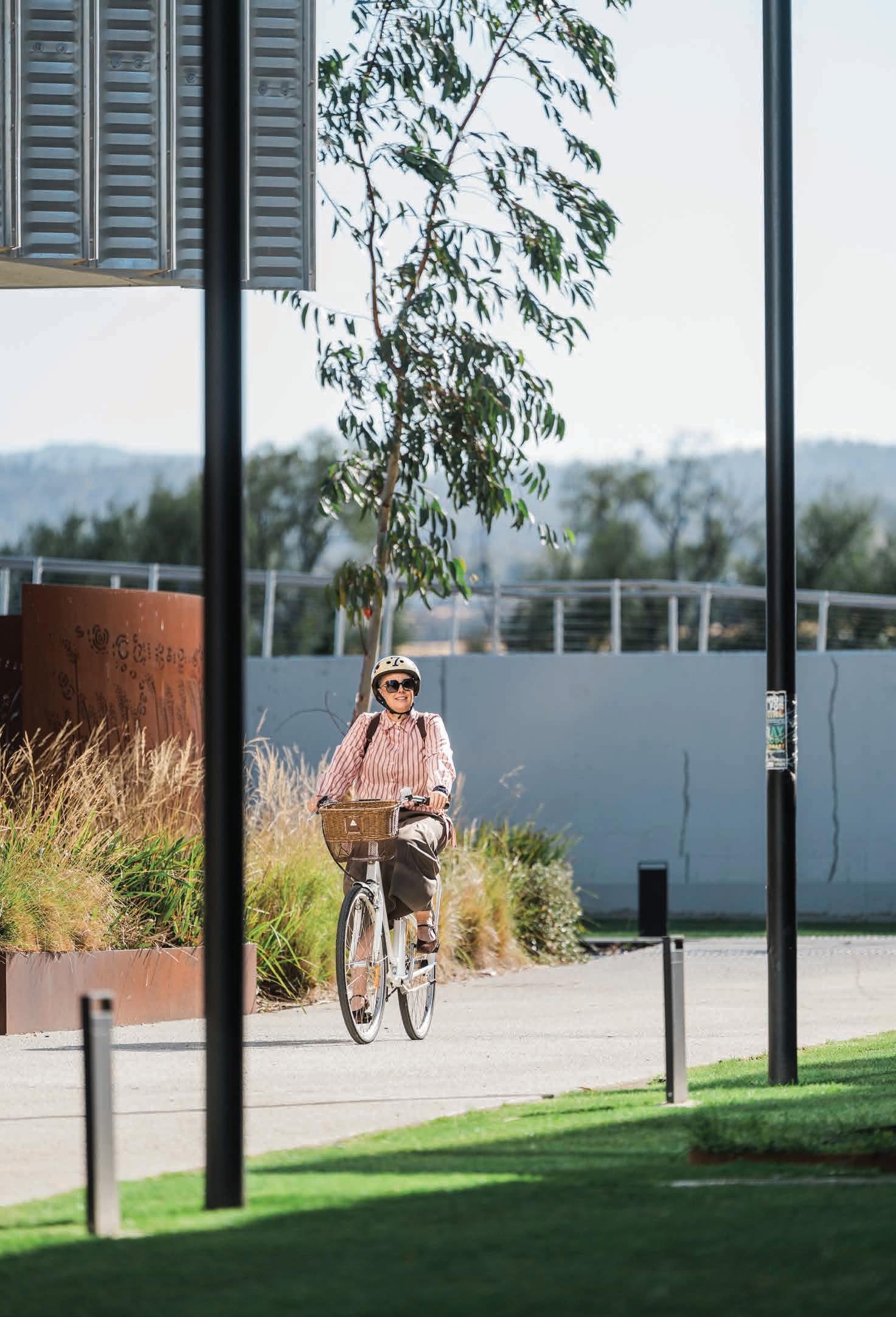
KEY SERVICE ACTIONS
On the following pages you will find a list of our planned Key Service based projects and actions for delivery over the Delivery Plan period. Use the information on this page to assist in reading our Key Service Actions* list.
4YKSP-1 Launceston Aquatic Centre - changeroom upgrades.
4YKSP-2 Footpath Upgrade Program 2026/27.
4YKSP-3 Kings Meadows Connector Shared Path.
1. KEY SERVICE ACTION REFERENCE
ID reference number to identify the action.
2. ACTIONS
This is the project or action description. In this table only the activity title is shown, however in each Annual Plan the project entries are expanded to include specific tasks to be completed.
*Refer to definition of a Key Service Action on page 22.
3. ACTION ALLOCATION
This section indicates the financial year that Council proposes to carry out the activity. This schedule will be reviewed each year as part of the process to develop our Annual Plan.
KEY SERVICE ACTION REFERENCE ACTIONS
4YKSP-1 Upgrade of Launceston Aquatic Centre changerooms.
4YKSP-2 Footpath Upgrade Program 2026/27.
4YKSP-3 Kings Meadows Connector Shared Path.
4YKSP-4 Innes St Reconstruction and Footpath.
4YKSP-5 Visitation - RV Rest Stop 2026/27.
4YKSP-6 Teams Telephony and Contact Centre Solution.
4YKSP-7 Project Ignite.
4YKSP-8 Geographical Information Services (GIS) Reset Program.
4YKSP-9 Artificial Intelligence (AI) Foundations and Enablement Program.
4YKSP-10 Flood Mitigation Planning Project.
4YKSP-11 Establish and Embed Service Management Program.
4YKSP-12 Develop Project Management Framework and project management tools.
4YKSP-13 Climate Controlled Collections Facility (Planning and Design Stage One).
4YKSP-14 Continue delivery of the Launceston Flood Recovery focused emergency management planning project, including governance, engagement and development of a recovery framework.
4YKSP-15 Bio-condition Assessment of City of Launceston's Key Reserves.
FOUR-YEAR BUDGET POSITION
The City of Launceston enters the next four years with a stable financial foundation; however, the organisation faces increasing fiscal pressures that mirror broader challenges across the local government sector. Constrained rate increases, rising employee costs, and inflationary pressures on materials and construction continue to narrow the operating margin and limit Council’s capacity to absorb new or escalating cost pressures.
At the same time, Council is progressing an ambitious capital program aimed at renewing critical assets, addressing compliance requirements, and supporting the city’s long term growth. While this investment is essential, it comes at a time when the organisation is also confronting a significant renewal backlog across key asset classes. The backlog reflects ageing infrastructure, increased service expectations, and escalating renewal costs outpacing available funding.
Given the scale of required investment, and the limitations of own source revenue growth, it is likely that Council will need to utilise borrowings over the coming years to responsibly fund priority
works. Borrowing strategically—within a clear and sustainable financial framework—will allow Council to address essential renewals in a timely manner, avoid compounding asset degradation, and support intergenerational equity by aligning repayment with asset life.
To manage these pressures, Council will continue to strengthen its financial discipline through robust asset management, service planning, workforce planning, and ongoing efficiency improvements. Capital investment will be tightly prioritised toward high risk renewals and projects delivering the greatest community value. Grant funding and external partnerships will also remain critical in reducing reliance on rates and debt.
Despite the challenges, the City of Launceston remains well positioned to maintain long term financial sustainability. Through prudent planning, transparent financial management, and considered sequencing of capital delivery, Council can continue to meet community expectations and safeguard the city’s infrastructure for future generations.
PERFORMANCE
Measuring our progress
This Delivery Plan will be monitored throughout the year and reviewed annually as part of the Annual Report and the preparation of the new Annual Plan.
Projects within this Plan are delivered through their associated actions. Each year, as part of the Annual Plan process, we report on our progress in implementing these actions during the relevant financial year. Internal progress reporting and monitoring will occur throughout the year to ensure we remain on track to achieve our long-term strategic goals.
In addition to reporting on the status and progress of actions (what we did), we will also assess the effectiveness of our projects and initiatives by measuring outcomes (what we achieved). Each year, we will use targeted engagement, and the Community Liveability and Services Satisfaction Surveys, to evaluate our performance against the measures set out in this Delivery Plan and to assess how well we are meeting community levels of service.
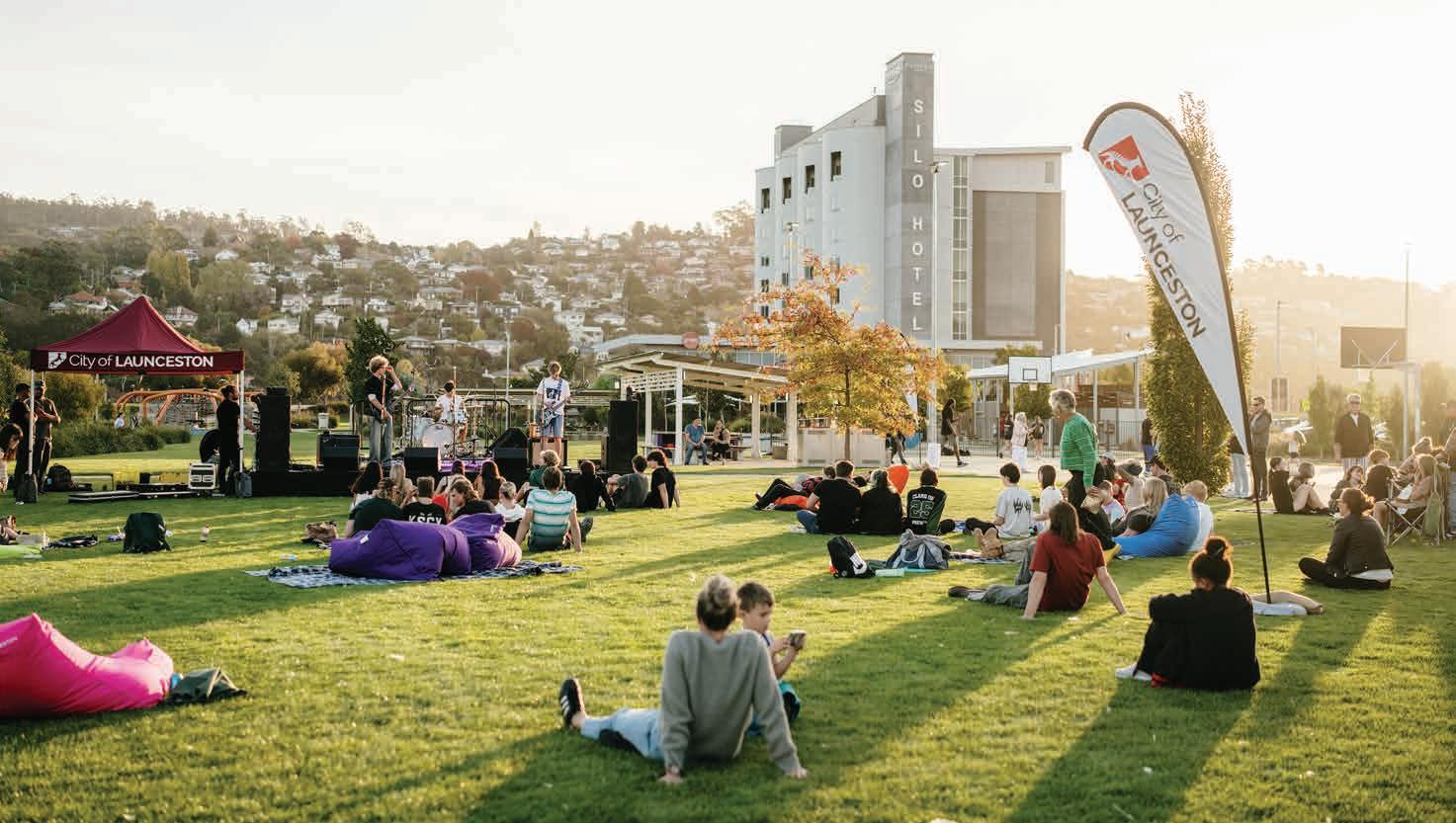


List of Photography
• Page 2
Cataract Gorge
Credit: Nick Hanson
• Page 5
Mayor Garwood at Carols in the Park 2024
Credit: Melanie Kate
• Page 7
Riverbend Park aerial
Credit: Nick Hanson
• Page 10
Town Hall
Credit: Nick Hanson
• Page 15
Albert Hall
Credit: Nick Hanson
• Page 20
Community engagement
Credit: Moon Cheese Studio
• Page 21
Community engagement
Credit: Moon Cheese Studio
• Page 28
Artist Maggie Jeffries
Credit: Nick Hanson
• Page 36
Repair Café
Credit: Nick Hanson
• Page 37
Thoroughfare
Credit: Nick Hanson
• Page 41
Houses
Credit: Nick Hanson
• Page 61
Transport
Credit: S Group
• Page 65
Riverbend Rock event
Credit: Nick Hanson
• Page 66
Waverley Lake
Credit: S Group