A Community Emissions Action Plan
PRODUCED BY
Acknowledgement of Country
We acknowledge the people of the Kanamaluka (‘Tamar River’) the traditional owners of the Land upon which we work, and we pay our respect to Aboriginal Elders; past and present. We respect all Tasmanian Aboriginal people, their culture and their rights as the first peoples of this Land. We recognise and value Aboriginal histories, knowledge and lived experiences and commit to being culturally inclusive and respectful in our working relationships with all Aboriginal people.
The City of Launceston is proud to produce the Local Action for Global Impact: A Community Emissions Action Plan developed in collaboration with our residents, local businesses and subject matter experts, including Ironbark Sustainability. This Plan presents our shared vision for
reduction for the future of our community and reflects our values and goals towards climate action.
This Plan is developed for the community, by the community, and its success depends on the continued involvement and support of every member of our community. This Plan sets out our emissions reduction pathway (i.e. climate mitigation). Climate adaptation - how we will adapt to the impacts of climate change - will be addressed separate to this Plan.
What’s in the Plan
Achieving the change required to minimise the impacts of climate change is going to take all of us. Every individual, every household, every business and every organisation must commit to reducing greenhouse gas emissions.
The City of Launceston (Council) understands the profound impact climate change will have on our City and is committed to helping our community to take effective action to reduce emissions across the municipality.
The Launceston community has been loud and clear about wanting to see greater action on climate change throughout all segments of the community and across all levels of government. This Community Emissions Action Plan (the Plan) is a resource for our community and businesses to understand what they can do to reduce emissions and also outlines what Council will do to support the process throughout the community.
Members of the Launceston community have been heavily involved in the development of this Plan through the Low Carbon Launceston campaign; Engage for Change community talk series; community, business and youth surveys; community and business focus group sessions; and providing feedback on the draft Plan. Through this process, the message was clear that the Launceston community are extremely concerned about climate change and want to see - and be part of - urgent and ambitious action. A key output of community engagement was the development of a decision-making framework for prioritising emissions reduction actions, including setting ambitious targets.
Launceston’s 2020/21 emissions were 666,000 tonnes (t) CO2-e, almost a tenth of Tasmania’s emissions. To help prevent global average temperatures from increasing by more than 2°C, a science derived target of net zero emissions by 2050 has been set and an interim target of 50% by 20351
Commercial and industrial sectors make up over half of Launceston’s emissions across all emissions sources – electricity, gas, transport, industrial processes and product use (IPPU), fugitive emissions and agriculture. Reaching Launceston’s net zero target cannot be achieved without significant shifts in these sectors. Recognising this, Council completed a project to identify key greenhouse gas emitting organisations and sectors in the municipality. Council intends to collaborate with these organisations and support their decarbonisation.
The Emissions Climate Action Plan aims to make the best use of resources to leverage strengths and key areas of influence to achieve the greatest emissions reduction. Actions are presented across four themes (Sustainable Transport, Zero Carbon Energy, Natural Resources and Circular Economy), and distinguished between actions that are community-led and Council-led. Key advocacy opportunities have also been identified across these themes.
Refer to the Appendix for further information on the Plan's background, government policy context, and the City of Launceston's climate action journey to date.
While the City of Launceston takes wood heater smoke seriously, the air quality issue is categorised as a public health concern rather than a driver of climate change. The City of Launceston will address wood heater smoke in a separate plan.
Make the pledge now!
Whether you’re a Launceston community member, employee, business owner or student, make the climate action pledge today at the City of Launceston's Low carbon Launceston and find out how we can all work together to reduce emissions and reach net zero by 2050.
Together, the City of Launceston and the community will work towards the following outcomes over the next five years:
Sustainable
Transport
6 Reduce reliance on cars in Launceston by increasing public and active transport capabilities, aiming to increase the proportion of distance travelled by these modes to 15% by 2040
6 Support a shift towards a more compact and well connected city with housing located in well serviced and accessible areas
6 Reduce barriers to electric vehicle (EV) uptake
Zero Carbon Energy
6 Get off gas: in particular, opting for electric alternatives to gas water and space heating, and gas use in industrial manufacturing
6 Improve energy performance and efficiency of buildings
6 Purchase and generate renewable energy
Natural Resources
6 Engage with primary producers to promote sustainable land management
6 Increase land restoration and revegetation
6 Increase urban forest canopy to 40% cover by 2040
6 Increase protection of vegetation in the municipality
Circular Economy
6 Reduce waste to landfill and waste emissions
6 Empower the Launceston community to transition towards a circular economy
Key Greenhouse Gas Emitters
6 Form long-term collaborations with key emitting organisations in Launceston
6 Provide support to organisations to set ambitious emissions targets and achieve those targets
6 Support commercial and industrial subsectors to work together to tackle common emissions source and emissions reduction barriers
6 Improve visibility and participation of the business sector in community climate action
What the Launceston Community Says
Council led an engagement process in 2023-2025 to ensure the actions described in this Plan were driven by community input. This included:
The Low Carbon Launceston campaign – awareness raising and promotion
Engage for Change - a series of climate change talks delivered by experts in their relevant fields
Online surveys for business/industry, community and youth
Follow-up community and business focus group sessions
Final round of engagement on draft Action Plan - feedback reflected throughout final version
A key output of this community engagement was the development of a decision-making framework for prioritising Council action. This framework identified the criteria against each possible opportunity for emissions reduction was assessed. The criteria selected through this process were:
Through this process, Council also gained a better understanding of how the community feels about climate change and how they would like us to contribute to helping reduce community emissions:
Most respondents were extremely concerned about climate change and want to see - and be part of - urgent and ambitious action to reduce emissions
People believe more incentives, financial support and supportive government policies will help them take further action
There is great scope to further engage and collaborate with the commercial and industrial sectors to achieve community targets
A clear priority identified in this engagement was to focus on emissions reduction, including setting ambitious targets.
1
2
3
Actions that use Council’s levers of influence and those that will best use available resources
Actions that are measurable and trackable
Actions selected and prioritised based on these criteria:
1. Emissions reduction potential
2. Co-benefits e.g. cost savings, health benefits and improved liveability
3. Equity: who will benefit, who requires support and at what level, including the potential reach of the action
Actions presented in the Plan have been identified and prioritised based on this decision-making framework.
Climate Change Projections
Climate change is already significantly affecting our climate, and it will continue to do so. Average annual temperatures in Tasmania have increased by 1.1°C since 1910, rainfall has decreased and the number of days with dangerous fire weather has increased2. In 2022, the University of Tasmania's Climate Futures Research Program with the support of the City of Launceston, undertook detailed modelling into the climate change impacts expected in Launceston and surrounds3 (Table 1).
1. Climate projections for the City of Launceston municipality 4
Variable
Mean annual rainfall 1,010 mm 923 mm (-87 mm) 888 mm (-122 mm)
Very high fire danger 6.2 days 8.4 days (+2.2 days) 13.8 days (+7.6 days)
Frost risk days
days
Sea level rise - +0.22 m
Extreme weather events
Some of the impacts of these changes include:
6 An increasingly unpredictable climate, with changes to flooding patterns
6 Impacts on farmers, particularly through the decrease in the number of frost days and reduced rainfall
6 A reduction in the ability to carry out hazard reduction burns, which further increases fire risk
6 Impacts on the region’s flora and fauna
m
Projected to increase
The impacts in other parts of Australia and the world are expected to be even more extreme5 and this may put pressure on Tasmania, including flow-on economic impacts and through migration to our cooler climate.
These changes to our climate are being fuelled largely by greenhouse gas emissions6 and rapid reductions in emissions are needed to reduce the impacts.7 This Plan outlines how we can work together to act at the scale needed to respond to the climate crisis.
Projected changes in Launceston by 2100
A significant change in rainfall patterns from season to season and varying between regions
rise in annual temperatures by up to
by 2100
hot summer days and more heat waves experienced than in the past
reduced incidence of frost More frequent storms which are likely to result in increased riparian erosion and inundation
Sea level rise of between 0.22 & 0.82m by 2090, although under certain circumstances sea level rises higher than these may occur Longer fire seasons and more days at the highest range of fire danger
2 https://www.climatechangeinaustralia.gov.au/en/changing-climate/state-climate-statements/tasmania/
3 https://www.launceston.tas.gov.au/files/assets/public/v/1/waste-and-environment/launceston-climate-profile-climate-change-information-for-decision-making.pdf; https://www.launceston.tas.gov.au/files/assets/public/waste-and-environment/climate-summary-2022.pdf
4 Changes given in brackets are relative to baseline of 1997 – 2017. Sea level data is based on Average subregions of: https://www.launceston.tas.gov.au/files/assets/public/ waste-and-environment/climate-summary-2022.pdf; remaining variables from: https://www.launceston.tas.gov.au/files/assets/public/v/1/waste-and-environment/ launceston-climate-profile-climate-change-information-for-decision-making.pdf;
5 https://www.launceston.tas.gov.au/files/assets/public/waste-and-environment/climate-summary-2022.pdf
6 Land use change such as deforestation is another important (though lesser) reason
7 https://www.un.org/sustainabledevelopment/climate-change/
Table
Launceston Community Emissions Profile
666,000 tCO 2-e
In 2021/22, Based on data supplied by the Southern Tasmanian Council Authority, the City of Launceston’s municipality-wide emissions were approximately 666,000 tonnes (t) CO2-e8 in 2021/22 (Figure 1). The inventory was developed based on the Global Protocol for Community-Scale Greenhouse Gas Inventories (GPC protocol). Community emissions include all Scope 1 and Scope 2 emissions produced within the Local Government boundary including from Council, residential, commercial, and industrial activities. Data is drawn from electricity distributors data and Australian Energy Statistics, as well as data from waste facilities.
A large proportion of the community’s emissions come from energy9 (34%), transport (33%), and industrial and commercial processes10 (24%). Council’s corporate emissions make up 4% of the community’s total emissions, predominantly from emissions associated with managing the Launceston landfill.
8
What we heard
“Understanding your current emissions and your major energy consumers will enable business to take action. This will help them understand where to begin and what their early wins / big ticket items are. Reducing emissions also requires both a technological and behavioural approach.”
Low Carbon Launceston participant
Figure 1. Launceston’s community emissions for 2021/22 broken down by sector.
Emissions Target
Setting targets is an important step in reducing emissions as it creates essential context for the required scale of action and aligns with the global emissions reduction requirements. Within a municipality, councils typically only have direct control of around 1 to 2% of total municipal emissions through their corporate activities (4% in the case of Launceston because of the landfill Council owns and operates), with most emissions-producing activities being carried out by other community stakeholders. This means Council only has a small degree of direct control when it comes to reducing community-wide emissions.
To work with this challenge, the City has established two targets for the municipality: the overall, net zero Science-Derived Target (SDT) for the community (including an interim target); and a target indicating Council’s contribution to the overall target.
7,510,000
What we heard
“A community united towards these goals is obviously a huge factor in achieving them - we need a sportsteam-like feel to get everyone working towards the same goal!”
Low Carbon Launceston participant
Community ScienceDerived Target
A community SDT defines how much and how quickly a community must reduce emissions in line with the Paris Agreement goals (of limiting global warming by 1.5°C or 2°C). The target is based on a scaled carbon budget from the Nationally Determined Contribution (NDC) for Australia. This is the target needed to be achieved through the combined actions of all stakeholders across the community (local, State, and Federal governments, businesses, households and other community groups).
In 2023/24, the Launceston municipality had a total of ~7.5 million tonnes CO2-e left to emit before the allocated carbon budget would be exhausted. If Launceston can achieve an average emissions reduction of 4.2% per year, we will stay under the carbon budget and hit net zero emissions by 2050.
To help keep Launceston on track in the shorter-term, an interim target has also been proposed in line with the SDT method.
TARGETS:
Target for City of Launceston's Contribution to Community Emissions Reduction
Within the context of achieving net zero emissions in Launceston by 2050, a second target presents what the City of Launceston is specifically trying to achieve. This target is based on modelling best practice of Council-led efforts to reduce emissions.
Extensive work across the Local Government sector indicates that councils are typically able to achieve impacts of 5-8% community emissions reduction from targeted intervention programs, with larger impacts associated with municipalities that have larger commercial and industrial emissions (as these sectors are easier to mobilise at scale). Additionally, a further 3-6% reduction may be possible based on direct engagement with larger stakeholders in Launceston, with the City of Launceston playing the role of steward/facilitator of action. Based on these figures, the City of Launceston deems it ambitious but reasonable to set a target of reducing 10% of total emissions within the municipality by 2035 based on the City of Launceston's community mitigation programs. This includes landfill emissions, but excludes all other emissions from Council operations, which is tackled in a separate plan.
City of Launceston's Towards Zero Emissions Action Plan 2021-2025 (corporate plan)
Since 2021, the City of Launceston has been working hard to reduce corporate emissions across our diverse portfolio of assets, services and operations. Some key achievements include:
6 Electrifying the Launceston Aquatic Centre's heating system (e.g. getting off fossil fuel gas) reducing annual emissions by approximately 1,600 tCO2-e and annual cost savings of $650,000
6 Expanding the landfill gas flaring capacity at the Launceston Waste Centre reducing annual emissions by approximately 80,000 tCO2-e and generating over 9,000 MWh of renewable energy annually (equivalent to powering 1,000 homes)
6 Continuing the electrification of our vehicle fleet, major and minor plant, and equipment; introducing an e-bike and e-scooter to our fleet; and promoting the efficient use of fleet vehicles through our Sustainable Fleet Guide
6 Expanding the food organics and garden organics (FOGO) collection service and Organics Processing Facility at the Launceston Waste Centre reducing approximately 26,000 tCO2-e annually
6 Installing roof top solar photovoltaic (PV) cells at 14 Council owned sites generating approximately 950 MWh annually and reducing approximately 123 tCO2-e annually.
Baseline year
10% City of Launceston’s contribution budget reduction of community emissions by 2021/22
Roles and Responsibilities
The climate emergency requires urgent action to reduce emissions by individuals, households, businesses, industry and all levels of government. The roles and actions for each stakeholder to undertake depends on their decision-making responsibility and the influence they have within the community. For example, households and businesses can choose to transition off gas or add roof top solar PV cells to their homes or offices but have little influence
over the amount of renewable energy supplying the grid. Similarly, while Local Governments have direct control over their operations and assets, they do not have control over decisions made by residents and businesses within their municipality or actions taken at the State or Federal level.
Achieving net zero emissions will only be possible if everyone contributes by undertaking action across their spheres of control, influence and concern.
Sphere of Concern
Sphere of Influence
Advocate to Council and State and Federal members of parliament
Advocate on behalf of the community
Share opportunities with friends, family, and colleagues
Participate in community groups
Vote in elections
and grants
Advocate on federal or international level
Sector-level engagement
Incentives, grants, and loan schemes
Participate in national or international agreements
Sphere of Control
responsibilities
What we
“Open their eyes, minds, and heart to the truth that each individual can actually do something and every effort big or small matters.”
Figure 3. Roles and
Community Emissions Action Plan
Plan Introduction
The scale of the emissions reduction required to avoid the worst impacts of climate change means that action from all parts of the community is needed including businesses, residents, schools, community groups and government. A range of talented people from all walks of life make up the Launceston community and we need
What we heard
“I think a lot of actions aimed at reducing emissions are not only good for the environment, but they are good for people’s health and can save money.”
Low Carbon Launceston participant
everyone to take action as we leap towards a clean and prosperous future.
This Community Emissions Action Plan has been divided into four action areas:
1 2 3 4
The Plan includes both community-led and Councilled actions. Community-led actions highlight changes that members of the community can make to directly contribute to reducing Launceston’s emissions by 40% by 2035. Council-led actions are those that the City of Launceston have committed to lead and facilitate that will contribute to a further 10% reduction in emissions by 2035.
In addition, the municipality's key emitters have been identified which presents significant opportunity for Council to support the increase in emissions reduction from the commercial and industrial sectors.
Community-led Actions
There are many things community members can do to help reduce emissions, whether it be small changes in your home, advocating for change, participating in existing projects or leading a new project.
The Plan presents high-impact actions that community members and businesses can take to help reduce Launceston’s emissions. They are drawn both from engagement with the Launceston community and the experiences of other communities across Australia and the world. These actions go hand-in-hand with Council actions so that Council and community can work together to achieve significant decarbonisation.
Community advocacy is critical for driving action and is the single biggest way individuals can have an impact on climate change. This can include advocating to governments, for example through contacting elected representatives and providing submissions to government plans and consultations. It can also involve petitioning businesses and other organisations like schools and universities to reduce their emissions or take positive climate action. Advocacy can be carried out by individuals, businesses and community groups: the more voices the greater the impact.
Advocacy is the deliberate support and promotion of a cause or issue, aimed at influencing public opinion or policy. Through actions like lobbying, awareness-raising, and campaigning, advocates work to create change and protect the rights or interests of others.
Sustainable Transport Zero Carbon Energy Natural Resources Circular Economy
Local Community Groups
Community groups can be strong drivers behind government actions and ambitions, and play an important role in rallying the wider community to take action. There are many community groups and organisations already driving climate action in and around Launceston. Refer to the City of Launceston website for further information on groups with a local presence in Launceston.
Council regularly engages with community groups and seeks to collaborate with local organisations on climate action. Actions community groups can take include:
6 Lead and/or participate in an EV bulk buying initiative for more affordable second hand EVs
6 Explore opportunities to set up a Virtual Power Plant (VPP) or energy share arrangement between residents/businesses to enable those with extra roof space (like big warehouses) to max out solar PV on their roof tops while selling cheaper, greener electricity to nearby properties like apartment blocks
6 Mobilise their community to reduce consumption and waste
6 Lead community planting events to revegetate and restore key pockets of land in the community
City of Launceston-led Actions
As the closest level of government to the community, Council is in a unique position to leverage change and support community emissions reduction. Council has committed to lead and facilitate actions that will contribute 10% of the total emissions reduction required (refer to page 10 for more information on Council's target).
The Plan sets out actions for Council to begin implementing over the next five years. Whilst some programs will be completed within this timeframe, the majority will continue to roll out beyond 2030 as a continuous process to reduce emissions. The Plan
The City of Launceston's Engagement Platform, Low Carbon Launceston , provides further information on what you can do to take climate action and pledge your commitment to help reduce community emissions and reach net zero by 2050.
Make the pledge now!
will be reviewed, renewed and adjusted in response to international, national and local changes over the coming decades as we transition into a low carbon economy.
Under each broad action, potential interventions have been identified. In line with the decision making criteria developed from the Low Carbon Launceston community focus sessions, each action also documents the decision making criteria/considerations such as relative emissions impact, reach, timeframe, cost and co-benefits and considerations. A proposed metric to measure the success of each action and a proposed output-based target has also been developed.13
As we continue to strive to be leaders in climate action and drive regional climate action as founding partner in the Northern Tasmanian Alliance for Resilient Councils (NTARC)14, an overarching advocacy focus of the City of Launceston's is advocating for more support by the State Government in understanding our role as Local Government in community emissions reduction, accounting and reporting at a municipality scale. Additionally, we are collaborating through NTARC to enable scaling of our efforts across the north-east regions to strengthen and coordinate emissions reduction. This includes the opportunity for the state-wide emissions reporting to be accessible at a municipal scale across key sectors and an accounting methodology to be standardised across all municipalities.
Refer to the Appendix for further information on the four distinct groups that make up Council-led actions.
Reporting our Progress to 2035
The City of Launceston will monitor progress on the Plan's targets and actions through our corporate reporting framework. Summary tracking and reporting to Council and the community will occur in 2030 and 2035. Additional updates will be provided to the community through news articles, newsletters, website updates, and the Low Carbon Launceston Engagement Platform.
1. Sustainable Transport
On-road transport contributes 33% to Launceston’s emissions, about 220,000 t CO2-e per year, and almost all of this is from on-road freight and other vehicles. Reducing transport emissions is therefore a key priority to decarbonise Launceston. Indeed, when considering emissions abatement potential, economic feasibility and technological readiness, transitioning the transport sector comes out as the lowest hanging fruit.15
The geography, climate and transport infrastructure of Launceston have contributed to a largely car-based transport culture (Figure 4). The City of Launceston has ~77,000 people and about 85,000 cars, so there is more than one car for each person – even children and others without a license. 1.4 million kilometres are travelled by petrol and diesel vehicles per day in Launceston – that’s 174,000 car trips every day! While EV uptake will play a critical role in reducing transport emissions, a significant mode-shift away from cars toward active and public transport will be essential.
Introducing dedicated walking and cycling infrastructure and traffic calming measures lowers
Did you know?
The City of Launceston uses data from the Strava Metro app to help understand active transport travel patterns, improve safety, and evaluate local infrastructure improvement projects. More Strava users means better-informed active transport projects.
barriers to using active transport and improves safety. New developments also present opportunities to shift from prioritising cars to promoting sustainable transport options.
Data shows that Launceston’s modes of transport have not changed much over the past 18 years.16
Cars continue to dominate with 89% of people travelling to work by car, with only 5-6% walking, 1% cycling and 2% commuting by bus.16 The percentage of distance travelled by public and active transport was only 2.5%, compared to 8.9% for Hobart (Figure 5).
The City of Launceston, together with key stakeholder groups, developed a clear vision for the future of transport locally: “Our community will have access to diverse transport choices that connect them to our places. Our focus on partnerships and innovation will promote our community’s wellbeing and improve Launceston’s liveability”.17
4. The percentage of total distance (in kilometers) travelled by transport mode in Launceston in 2023 (Source: Google Environmental Insights Explorer data).
15 Driving Net-Zero: Options for reducing Tasmania’s transport emissions Technical Policy Paper, pg 10: https://www.utas.edu.au/__data/assets/pdf_file/0012/1667577/Transport-technical-policy-report_final-28072023.pdf
16 https://www.abs.gov.au/census/find-census-data/quickstats/2021/LGA64010
17 Health by stealth: Transport for an Active Tasmania: https://static1.squarespace.com/static/623a545e8b98e16a852629af/t/62959e1b3f26b1712 ca41304/1653972511440/Transport+for+an+Active+Tasmania.pdf
Figure
Sustainable Transport Outcomes
6 Reduce reliance on cars in Launceston by increasing public and active transport capabilities, aiming to increase the proportion of distance travelled by these modes to 15% by 2040
6 Support a shift towards a more compact and well-connected city with housing located in well serviced and accessible areas
6 Reduce barriers to EV uptake
The Benefits of Investing
Reducing car ownership and embracing alternative modes of transport is a crucial longer-term transport goal that requires significant planning and investment but will lead to a more liveable, less congested, safe, healthy and connected city.
Active transport also offers economic advantages by boosting foot and cyclist traffic to local businesses, along with the economic, mental, and physical health
benefits that come from higher levels of physical activity. Steps taken to encourage active transport, like traffic calming measures, can also make our roads safer and reduce wildlife fatalities. Public transport users are 3.5 x more likely to be classified as ‘sufficiently active’ compared with car users due to the increased activity associated with getting to and from public transport stops and stations.17
Improving access to alternative modes of transport is particularly advantageous for young people, the elderly and those who cannot afford to own a car, who are often among the more vulnerable members of the community.
Transitioning to EVs is also a vital step that will not only reduce transport emissions immediately but also improve air quality and reduce vehicle running costs for residents. Promoting a greener city with higher living densities will also improve amenity and connectivity.
Figure 5. Percentage of total distance (in kilometres) travelled in 2023 by public transport, active transport (walking and cycling including e-bikes and e-scooters), and EVs in Launceston and Hobart (Source: Google Environmental Insights Explorer data).
Community-led Actions for Sustainable Transport
What can you do?
Actions you and your network can take to reduce transport emissions are outlined below. Take the pledge! Head to Low carbon Launceston to join your community in taking climate action.
Table 2. Community-led actions and advocacy focus to reduce transport emissions.
Direct community-led actions
Commit to minimise driving and instead choose to walk, cycle, or catch public transport where possible
Go electric for your next vehicle purchase. Whether its new or second-hand, an EV will not only cut your emissions but also reduce costs associated with car ownership e.g. servicing fees
Provide incentives for commuting via active and public transport
Advocacy focus actions - how your voice can make a difference
Increase the financial incentives for zero emission vehicles similar to other states e.g. discounts on vehicle registration and stamp duty for EVs until price parity is reached
Set a zero emissions public transport target in line with other states
Increase the use of rail freight instead of road haulage, and transition rail to zero emissions technology
Introduce a state-wide zero emission bus fleet
Install bike racks on buses servicing key bus routes
Amend the planning scheme to remove minimum car park requirements in areas with sufficient new or existing transport services
Schools
and Federal
and Federal
City of Launceston-led Actions for Sustainable Transport
What will the City of Launceston do?
Actions (and possible interventions) Council will take to support the community in reducing transport emissions are outlined below.
Table 3. City of Launceston-led actions to reduce emissions from transport
Actions and Interventions Co-benefits
Leveraging the City of Launceston's strengths/established roles
Facilitate the required infrastructure to support zero-emissions vehicle uptake in Launceston
For example, support new installation of EV chargers through facilitation with EV charger companies and landowners to allow for easier and more targeted installations; and liaise with TasNetworks to map out preferred installation locations
Ensure adequate infrastructure is in place for pedestrians, cyclists, bus passengers, drivers and micromobility users
For example, in line with the Launceston Transports Strategy 2020-2040, maintain and expand cycle paths and supporting infrastructure on priority routes to support active transport choices; and develop an Active Transport Network Plan and delivery schedule. In the next Launceston Transports Strategy Implementation Plan, provide specific targets to inform success and align implementation actions to these targets e.g. achieve 15% alternative transport (active or public transport) by 2040
Increase traffic calming measures to encourage more active transport and improve safety
For example, progress changes to the transport network guided by the Network Operating Plan and 'movement and place' framework; aim to reduce speed limits in activity centres to 40 km/h; and continue to pursue the City Heart vision for the CBD
Encourage the adoption of shared-mobility models including car sharing, coordinated carpooling, bike sharing, demand-response transport or ride sharing
For example, partner with Dept of State Growth and UTAS to trial an electric demand-response transport (DRT) service in Launceston
Promote development that encourages active and public transport (urban layout, zoning)
For example, develop design standards and neighbourhood plans which integrate provision for active and public transport modes into new development
Short-medium term, high emissions impact, low investment cost
Decreased living costs for residents due to lower refuelling costs
Long term, high emissions reduction, high investment cost
Very high co-benefits and equity – increased connectivity, road safety, health and wellbeing, and less air pollution
Short term, high emissions impact, low investment cost
High co-benefits - increased road safety and accessibility for everyone, reduced wildlife fatalities
Initial push-back anticipated
Medium term, medium emissions impact, medium investment cost
High co-benefits and equity - increased road safety, reduced congestion, and reduced transport user costs
Medium-long term, medium emissions reduction, medium cost investment
High co-benefits and equityimproved amenity, increased health and wellbeing, connectivity
C-T-1
C-T-2
C-T-4
C-T-5
Create green networks that provide linkages between key destinations
For example, align green network to the walking and cycling corridors (as identified in the City of Launceston Transport Strategy 2020-2040) to encourage the use of active and public transport
City of Launceston-led programs
Develop a transport community mode shift program
For example, develop a collaborative active transport program that encourages commuters to commit to a car free time period, participate in trialling preferred bike routes, and informing council of priority active transport infrastructure works; and collaborate with institutions associated with life changes such as rental agencies, schools, universities/TAFEs etc to target engagement on transport mode shifts
Medium-long term, medium emissions impact, high investment cost
High co-benefits and equityimproved amenity, increased health and wellbeing, connectivity
Long term, high emissions impact, high investment cost
Co-benefits – increased health and wellbeing
C-T-6
P-T-1
2. Zero Carbon Energy
Electricity makes up 26% of the Launceston’s emissions across residential, commercial and industrial sectors, and gas makes up a further 8% (mostly from the industrial sector). Tasmania has access to large amounts of hydroelectricity, which makes the Tasmanian electricity grid greener than most. However, Tasmania also purchases some fossil fuel-sourced electricity from Victoria. Gas is a fossil fuel and as the electricity grid gets greener, substituting gas for electric alternatives will reduce emissions. Green hydrogen is likely to be a key part of the transition away from fossil fuels for some energy intensive industries like steel manufacturing and heavy freight transport.
ENERGY CONSUMPTION
New homes in the Launceston area are estimated to have an average NatHERS rating of 6.3-6.6 Stars, which is below the minimum rating of 7 Stars set by the National Construction Code (NCC). Existing, older houses are expected to have far lower energy performance, as low as 1.5 Star. Improving energy performance of new and existing buildings will not only reduce electricity and gas emissions, but will make dwellings more comfortable and affordable to heat and cool.
GAS
Gas (also known as natural gas) was introduced to Tasmania relatively recently and its limited reticulation network infrastructure means only about 6% of households are connected to the natural gas network. All other houses using gas use LPG bottled gas. All gas is imported into Tasmania, either through an undersea reticulation network (natural gas) or shipped (LPG), which means the cost of gas is relatively expensive. This situation presents a great opportunity for Tasmanian households to avoid gas in the first place, or get off gas, save on costs and take advantage of the predominantly green electricity grid.
Most of Launceston’s gas emissions are coming from the industrial sector. Gas makes up 14% of Launceston’s industrial emissions (13% from natural gas and 1% from LPG). Across Tasmania, over 1,000 commercial and industrial customers are connected to natural gas, with new connections increasing each year. Some of these industries are more difficult to electrify with current technology, but with limited infrastructure and expensive gas, Launceston’s industrial businesses could be innovation leaders in transitioning away from gas.
RENEWABLE ENERGY
Tasmanian houses have the lowest uptake of solar PV of any other state (21% of houses, compared with 29% on Victoria and over 50% in Queensland and South Australia). Twenty percent of dwellings in the City of Launceston have solar PV, which is slightly lower than neighbouring municipalities (e.g. West Tamar is 29%). Despite the reduced solar energy in Tasmania and the greener electricity grid, installing solar still stacks up both from an emissions point of view and financially, representing a good opportunity for emissions reduction in Launceston.
Zero Carbon Energy Outcomes
6 Get off gas: in particular, opting for electric alternatives to gas water and space heating, and gas use in industrial manufacturing
6 Improve energy performance and efficiency of buildings
6 Purchase and generate renewable energy
The Benefits of Investing
Reducing energy consumption, going all-electric and powering our buildings with renewable electricity will not only reduce emissions, but it will also reduce air pollution and improve health, reduce utility and maintenance costs, improve building comfort and improve energy security.
Transitioning Launceston’s stationary energy away from fossil fuels, will reduce our electricity, gas and industrial processes emissions.19
Launceston will also benefit from increased rooftop solar PV uptake as electricity requirements increase to accommodate the charging of more electric vehicles.
While the overall emissions impact of solar PV for Tasmania is substantially lower than for other states due to lower solar energy levels and greener electricity, this action can still represent significant emissions reducing potential for the following reasons:
6 The rental sector has very low existing uptake
6 The financial barriers to solar installs are addressing split incentives, not the underlying value, which means that increasing uptake will not be dependent on cash injections
6 Overall, the potential for emissions reduction targeting the household rental sector for Launceston would be around 18,000t CO2-e/year
Figure 6. Solar PV by system size and number of installations18
Solar PV by kW
Solar PV by number of Installations
Community-led Actions for Zero Carbon Energy
What can you do?
Actions you and your network can take to reduce building energy emissions are outlined below.
Table 4. Community-led actions and advocacy focus to reduce energy emissions
Direct community-led actions
Assess your home and workplace for energy efficiency improvements
Architects, designers and builders to commit to designing and building only high energy performance buildings, including upskilling their teams and communicating with property owners the importance of energy efficiency
Businesses in the construction, development, or trade industries to commit to promoting all-electric buildings and/or encourage property owners to opt for all-electric homes
Plumbers and installation companies to encourage hot water system replacements to be efficient electric heat pumps instead of gas or inefficient electric systems
Property owners planning new construction to select all-electric buildings. Those with existing properties to transition away from gas by replacing gas appliances with efficient electric alternatives (e.g. hot water, space heating and stove tops)
Property owners to retrofit their buildings to maximise energy performance through e.g. maximising insulation and draught proofing
Participate in or lead a joint renewable energy Power Purchase Agreement (PPA). Residents and businesses advocate for and seek opportunities to participate in a Virtual Power Plant (VPP), Virtual Energy Network (VEN), or microgrid program
Landowners maximise the amount of solar PV on their roof or land and where feasible, explore opportunities to purchase batteries
Advocacy focus actions - how your voice can make a difference
Remove the Tasmanian 7-star NatHERS exemption to align with the rest of Australia (A-E-1)
Introduce new minimum energy performance and thermal comfort standards for rental properties through minimum NatHERS rating or energy efficiency features e.g. insulation (A-E-2)
Ban gas in all new dwellings (A-E-2)
Take the pledge!
Head to Low carbon Launceston to join your community in taking climate action.
Businesses
Businesses
Businesses
Businesses
and
City of Launceston-led Actions for Zero Carbon Energy
What will the City of Launceston do?
Actions (and possible interventions) Council will take to support the community in reducing building energy emissions are outlined below.
Actions and Interventions
Co-benefits and criteria
Leveraging the City of Launceston's strengths/established roles
Raise Environmentally Sustainable Design (ESD) standards for buildings
For example, advocate for the State Government to include ESD in the State Planning Provisions of the Tasmanian Planning Scheme; develop guidance documentation for applying ESD principles in the planning and design of buildings; and incentivise sustainable building practices via development incentives
Reduce number of buildings reliant on gas
For example, phase out the installation of gas equipment in new building construction and upgrades by advocating to the State Government for changes to the State Planning Provisions in the Tasmanian Planning Scheme
City of Launceston-led programs
Degasification/electrification of commercial and residential buildings
For example, facilitate a program to encourage all-electric new buildings and replacement of old gas appliances with efficient electric alternatives in existing buildings
Increase installation of energy efficient appliances
For example, facilitate a program in line with best practice opportunities based on the findings of the Local Government Energy Upgrade Programs Review
Increase solar uptake for rental properties
For example, facilitate a program that addresses the barrier for solar uptake on rental properties
Did you know?
Updated Home Energy Audit Toolkits (HEAT) are available from the City of Launceston free of charge to conduct a simple home audit to help make your home more energy efficient and reduce household energy costs and emissions.
Long term, medium-low emissions impact, low cost investment
Large reach
High co-benefits and equity: increased climate adaptation capacity and thermal comfort, reduced utility bills
Long term, high emissions impact, low investment cost
Large reach
High co-benefits - increased health and wellbeing, reduced utility bills
Medium-long term, medium emissions impact, low investment cost
Large reach - commercial and residential sectors
High co-benefits - increased health and wellbeing, reduced utility bills
Medium term, medium emissions impact, medium investment cost
High co-benefits and equityincreased health and wellbeing, reduced utility bills
Long term, medium-low emissions impact, low cost investment
Three solar uptake programs may have some scaling benefits if rolled out together or in succession
Equity: improved access to renewable energy, reduced power bills for renters
P-E-3
Table 5. City of Launceston actions to reduce energy emissions
P-E-1
P-E-2
Actions and Interventions
Increase solar uptake for commercial leases
For example, facilitate a program that addresses the barrier for solar uptake on commercial properties
Co-benefits and criteria Number
Long term, medium-low emissions impact, low cost investment
Three solar uptake programs may have some scaling benefits if rolled out together or in succession
Equity: improved access to renewable energy, reduced power bills for leasees
Increase solar uptake for buildings with a heritage overlay (P-E-5) e.g. facilitate a program that promotes allowances for solar on buildings that have a heritage overlay
Long term, medium-low emissions impact, low cost investment
Three solar uptake programs may have some scaling benefits if rolled out together or in succession
Equity: improved access to renewable energy, reduced power bills
P-E-5
3. Natural Resources
Tasmania is one of the few places in the world that has a net positive emissions footprint because we emit less greenhouse gases than our forests and soils are removing.20 This along with the high proportion of renewables in the electricity grid has allowed the State Government to set a new target of net zero emissions or lower from 2030 for all of Tasmania.
AGRICULTURE AND FORESTRY
Agriculture and forestry make up 6% of Launceston’s total emissions (Figure 1), most of which is coming from beef and dairy cattle and sheep. Agriculture is considered one of the hard-to-abate industries and it will take a longer time to decarbonise. As energy and transport sectors continue to decarbonise however, tackling emissions from agriculture will become a stronger focus.
Local Government and regional bodies like natural resource management organisations (NRMs), play a critical role in helping producers reduce emissions through the delivery of services and programs. Launceston is fortunate to have both NRM North and Tamar NRM running programs to help primary producers improve soil health, address weeds and other pests, and promote sustainable agricultural practices.
Tasmania's native forests are internationally recognised for their unique species conservation value, and they are among the most carbon-dense forests in the world. Plantation forests make up around 9% of Tasmania’s forests,21 and if not displacing native forests, they can act as a carbon sink while growing. Reducing old growth native harvesting presents an opportunity to protect biodiversity while sinking carbon. State Forest management measures like the decommissioning of wood chipping and paper pulp exports have also contributed significantly to Tasmania's sequestration capacity. The City of Launceston municipality has 142,030 ha of forest,
including state reserves, plantation forests and private land.22 Working with State Government to protect the remaining native forest in Launceston while supporting sustainable plantation forestry can help to reduce forestry emissions.
To reach Launceston’s emissions targets, primary industry sectors, with government support, will need to adopt new measures to transition their industry. Overcoming challenges in reducing agricultural and forestry emissions also requires advocacy and support from consumers. For example, Ashgrove Dairy in nearby Elizabethtown has released a world first low emissions milk, Ecomilk, but it costs 12.5 c/L more than the non-eco version. Customers have an opportunity to get behind this product before it scales and becomes cheaper.
20 University of Tasmania Driving Net-Zero: Options for Reducing Tasmania’s Transport Emissions: https://www.utas.edu.au/__data/assets/pdf_file/0004/1667578/Transport-emissions-discussion-paper-28072023-final.pdf
21 https://www.stategrowth.tas.gov.au/__data/assets/pdf_file/0007/525445/Forestry_Fact_Sheet_2022-23.pdf
22 LIST TASVEG 4 layer
Did you know?
The City of Launceston's Tree Explorer App enables you to discover and learn about the trees located in the parks and streets of Launceston. Jump on the City of Launceston website and simply click on your preferred tree to access detailed information, or use the search and query tools to map various tree species.
REVEGETATION
Revegetation of urban environments and farmland can help to sequester carbon, with a single tree absorbing around 20 kg CO2 per year.23 The City of Launceston is known for our leafy parks and significant trees, and the urban forest (trees on private and public land), covers around 20% of the urban area.24 Council has a target of increasing this to 40% by 2040, which will reduce the CO2 in the atmosphere while also providing a number of other community benefits.
Natural Resources Outcomes
6 Engage with primary producers to promote sustainable land management
6 Increase land restoration and revegetation
6 Increase urban forest canopy to 40% cover by 2040
6 Increase protection of vegetation in the municipality
The Benefits of Investing
Sustainable and regenerative farming practices have benefits that reach far beyond emissions reduction. They can involve using livestock to regenerate instead of damage the land, reducing nitrogen fertilisers and other chemical inputs, and revegetation. These practices can also improve the quality of farm products, improve yields and reduce farm costs.
Increased vegetation enhances carbon sequestration and may also directly reduce emissions through reduced air conditioning usage. It has many co-benefits:
6 Reduced urban heat island effect in a warming climate
6 Improved visible aesthetic of the streetscapes
6 Increased uptake of active transport, which increases safety, health and wellbeing
6 Benefits to biodiversity
Community-led Actions for Natural Resources
What can you do?
Actions you and your network can take to reduce natural resource related emissions and/or increase sequestration capacity are outlined below.
Take the pledge!
Head to Low carbon Launceston to join your community in taking climate action.
Table 6. Community-led actions and advocacy focus to reduce natural resources emissions or increase sequestration
Direct community-led actions
Keep and plant more trees in your garden or property
Supermarkets, grocery stores and other food outlets to shift towards locally produced, and low carbon and regeneratively farmed meat and dairy products
Businesses
Consume less meat and more fruits, vegetables, legumes, and nuts, especially from local and sustainable producers Residents, Businesses
23 https://www.usda.gov/media/blog/2015/03/17/power-one-tree-very-air-we-breathe
24 https://www.launceston.tas.gov.au/Parks-Gardens-Active-Recreation/The-Urban-Forest/Growing-our-Urban-Forest
Primary producers to explore options for agrivoltaics where permitted (dual-use land for solar power and agriculture) on their land
Residents and businesses to apply sustainable land management practices such as reducing/eliminating chemical use, conserving soil health and vegetation, and the planting of local species, with support from government and community groups
Advocacy focus actions - how your voice can make a difference
City of Launceston-led Actions for Natural Resources
What will the City of Launceston do?
Actions (and possible interventions) Council will take to support the community in reducing natural resource related emissions and increase sequestration capacity are outlined below.
Table 7. City of Launceston-led actions to reduce natural resources emissions or increase sequestration
Action and Interventions
Co-benefits and criteria Number
Leveraging the City of Launceston's strengths/established roles
Support the transition to low emissions farming and regenerative practices
For example, promote soil health initiatives; provide native plant giveaways or subsidies; facilitate access to carbon farming schemes; and collaborate with stakeholders to determine locally-relevant primary producer targets to reduce emissions and how each group can best contribute
Strengthen tree protection measures on both public and private land
For example, strengthen planning and development controls; improve public land tree management; increase community engagement on tree protection; and align tree protection with broader strategies
Increase urban forest
For example, conduct an annual tree giveaway for Launceston residents; advocate for increased protection of trees on private land; and create and protect natural habitat corridors between reserves, open and green space
Increase native forest cover in non-urban Launceston (across residential and public land including reserves and parks)
For example, revegetation of suitable Council-owned land; incorporate and support cultural burning practices; create habitat corridors along waterways and transport corridors by linking existing bushland; and create buffer plantings around remnant vegetation to expand forest cover
Short-medium term, medium emissions impact, low investment cost
Co-benefits - supporting food security and increased climate adaptation capacity (e.g. topsoil erosion)
Medium-long term, low emissions impact, low investment cost
High co-benefits and equityincreased climate adaptation capacity, health and wellbeing, biodiversity outcomes, knowledge sharing
Long term, low emissions impact, low to medium investment cost
Very high co-benefits and equity - increased climate adaptation capacity
Long term, high-medium emissions impact, medium investment cost
Very high co-benefits and equity - increased climate adaptation capacity, health and wellbeing, biodiversity outcomes, knowledge sharing, potential economic benefits to relevant sectors
C-N-1
C-N-2
C-N-3
C-N-4
4. Circular Economy
Waste emissions contribute 3% to the community’s emissions (Figure 1), largely from decomposing waste at the Launceston landfill followed by wastewater treatment. This doesn’t include the embodied emissions of products before they become waste. Aside from the methane emissions produced from landfill organic waste, increased modern consumption habits have led to an accumulation of items that don't last long and is destined for landfill, being too hard to recover or recycle. Striving towards a circular economy goes further than reducing waste by designing it out in the first place (Figure 7). It helps ensure that valuable resources, stay in circulation and don’t end up as waste.
The City of Launceston owns and operates the region’s landfill site (the Launceston Waste Centre) and are committed to reducing waste emissions.
For instance, Council captures much of its landfill gas and converts it into electricity, powering the equivalent of 2,500 Launceston homes, which halves waste emissions at the landfill. The City of Launceston also has a voluntary kerbside FOGO service, which has almost 50% uptake and very low contamination rates of 0.5%. FOGO is also being extended to businesses that produce a lot of organic waste such as the Launceston General Hospital and hotels and restaurants.
Tasmanians produce an average of almost one tonne of landfill waste per year. From Council’s kerbside bin audits, 67% of this could have been recovered and diverted from landfill. This includes food, garden and other organics, paper and cardboard, and comingled recycling.
Did you know?
The City of Launceston's Repair Café is a free, monthly, community event aiming to divert items from landfill, pass on valuable repairing knowledge and connect community. Bring along your broken household item to the Launceston Repair Cafe and learn how to fix it with the help of an expert repairer. Toss it away?
No way!
6 Reduce waste to landfill and waste emissions
6 Empower the Launceston community to transition towards a circular economy
The Benefits Of Investing
A circular economy fundamentally rethinks how we design, produce and consume products. By prioritising processes like maintenance, reuse, refurbishment, remanufacture, recycling, and composting, it ensures that materials remain in circulation rather than becoming waste.26 27 As well as reducing waste and waste emissions, a circular economy promotes resource conservation and biodiversity protection, while also reducing costs and supporting a more efficient and innovative supply chain.
Community-led Actions for a Circular Economy
What can you do?
Actions you and your network can take to embrace the circular economy and reduce waste related emissions are outlined below.
Table 8. Community-led actions and advocacy focus to reduce waste emissions Actions
Direct
Learn about circular economy principles, product stewardship, and the environmental impact of products to make more informed purchasing decisions
Educate students and the community on circular economy principles
Choose quality and second-hand items whenever possible and supporting product designs that are recyclable and repairable
Take the pledge!
Head to Low carbon Launceston to join your community in taking climate action.
Businesses, Schools
Businesses
Businesses, Schools
Ensure unwanted goods are passed on after use (through rehoming, repurposing, or recycling) to maximise resource use and minimise waste Residents, Businesses, Schools
Advocacy focus actions - how your voice can make a difference
Increase product stewardship to minimise waste generation from product and packaging manufacturing
Increase resource optimisation and recovery and circular economy opportunities including the introduction of a container refund scheme; circular economy principles in Government purchasing policies; mandating a product packaging and labelling scheme to promote the use of recycled materials and product recyclability; and prioritising a response and solution to the national recycling crisis
City of Launceston-led Actions for a Circular Economy
What will the City of Launceston do?
Actions (and possible interventions) Council will take to support the community to embrace the circular economy and reduce waste related emissions are outlined below.
Table 9. City of Launceston-led actions to reduce emissions from waste
Actions and Interventions
Co-benefits and criteria Number
Leveraging the City of Launceston's strengths/established roles
Promote adaptive reuse of existing buildings
For example, promote the continued use or reuse of existing buildings; and encourage salvage strategies for essential demolition to reduce landfill waste
Medium-long term, medium emissions impact, low investment cost
High co-benefitsconservation of heritage buildings, cost savings
City of Launceston-led programs
Expand FOGO program
For example, promote FOGO uptake for facilities generating large volumes of organic waste such as supermarkets, hospitals, hotels, retirement homes, schools, airport etc.
Identify waste diversion and circular economy opportunities
For example, through identification of large waste streams in landfill waste and collaboration with industry and community groups, determine high impact landfill diversion and circular economy opportunities
Medium term, high emissions impact, high investment cost
Large reach
High co-benefits and equity - educational opportunities, circular economy and recource recovery benefits
Medium-long term, potentially high emissions impact (project dependent), low-medium investment cost
Large reach
High co-benefits - educational opportunities, circular economy and recource recovery benefits
P-CE-1
Key Greenhouse Gas Emitters
As with most municipalities, Launceston has a number of key organisations that play an influential role in the economy of the local community. These organisations also typically have larger emissions impacts, and therefore can be effective partners to the City of Launceston in reaching emissions mitigation targets. There are no comprehensive registries of carbon emissions associated with individual organisations, however Launceston is building up knowledge of where emissions are occurring.
Commercial and industrial sectors make up over half of Launceston’s emissions and across all emissions sources – electricity, gas, transport, IPPU, fugitive emissions and agriculture. Reaching Launceston’s net zero target cannot be achieved without significant shifts in these sectors. Recognising this, Council completed a project to identify key greenhouse gas emitting organisations in the municipality.28
Within the City of Launceston, 3,168 facilities across 2,865 organisations were identified (with some organisations having multiple facilities).
Approximately 17% of total emissions in Launceston have been attributed to these businesses and organisations.
Roughly half of the organisations within the Launceston commercial sector were identified.
Figure 8 presents how emissions are split between commercial business subsectors. Retail trade comprises the largest share of emissions (including entities such as supermarkets, car retailers, hardware and department stores, clothing retailers, pharmacies and electrical and appliance stores), followed by health care and social assistance and education and training. Each of these subsectors tend to share similarities in emissions sources which presents collaboration opportunities for emissions reduction.
About a third of organisations within Launceston’s industrial sector were identified. Of those, 41% comes from manufacturing, 19% from agriculture, forestry and fishing, 17% from transport and 15% from utilities.
Businesses and other organisations are under increasing obligation to report on and reduce emissions and some are leading the way with ambitious emissions targets and plans. It is crucial that all businesses and organisations, particularly key emitting ones, act decisively to reduce their share of community emissions.
Through the findings from the key emitters project, Council intends to engage and form strong collaborations with key emitting entities to reduce emissions.
Information Media Real Estate
Administrative Support
Financial and Insurance
Arts and Recreation
Professional
Accommodation and Food
Wholesale Trade
Other Services
Public Administration and Safety
Education and Training
Healthcare and Social Assistance
Figure 8. Key identified commercial subsectors in Launceston indicating emissions contribution.
Manufacturing
Construction Mining Utilities Transport Agriculture, Forestry and Fishing
Take the pledge!
Head to Low carbon Launceston to join your community in taking climate action.
Key Emitter Outcomes
6 Form long-term collaborations with key emitting organisations in Launceston
6 Provide support to organisations to set ambitious emissions targets and achieve those targets
6 Support commercial and industrial subsectors to work to together to tackle common emissions source and emissions reduction barriers
6 Improved visibility and participation of the business sector in community climate action
Benefits of Investing
Identifying key greenhouse gas emitting organisations in the municipality will improve community understanding of where business emissions originate and how they are being addressed. This deeper insight fosters celebration and strong community support for local businesses and industries that are taking strong action on climate change. Additionally, the information can provide a more streamlined approach to enable businesses to effectively tackle the challenge of reducing their emissions.
Figure 9. Key identified industrial subsectors for Launceston, indicating emissions contribution.
City of Launceston-led Actions for a Key Emitters
What will th e City of Launceston do?
Actions (and possible interventions) Council will take to work with key emitters are outlined below.
Table 10. City of Launceston actions to work with key emitters
Actions and Interventions
Leveraging the City of Launceston's strengths/established roles
Direct engagement with large GHG emitters
For example, through use of Snapshot Pro data, engage with key emitting organisations or businesses
• Reach out to establish points of engagement by encouraging businesses to:
– Verify emissions
– Share their progress to meeting emissions targets
– Commit to targets, and improve targets where appropriate
– Participate in programs (local or State)
– Participate in local working groups
– Participate in direct advocacy
• Form collaborations/partnerships with key emitting organisations
• Provide support to organisations as required
• Promote climate action taken by organisations to community
KEY EMITTER TARGETS
Many of the leading organisations within the municipality are already strongly committed to achieving emissions reduction, and collectively they are having an enormous impact on the future trajectory of the community. Through investigations into the current landscape of practice, 17 key organisations with existing emissions targets or other commitments have been identified. Collectively, these organisations form approximately 11% of the total emissions for the municipality.
Emissions reduction commitments vary in ambition, with net zero targets ranging from 2030 to 2050. Some organisations have interim targets, for example 55% reduction by 2030. For several organisations in Launceston, the relevant commitments have been made by parent organisations.
Co-benefits and criteria Number
Short-term, very high emissions impact, low cost
Co-benefits: Improved council relationship and understanding of local industries and businesses, more transparency for community, communicable, measurable
Future Trends
When examining what the impact of these commitments are, a future projection of the municipality can be used. This future projection takes into account macro trends in population, economic activity, and key technology shifts like the adoption of EVs. Over this projection, two trends can be applied:
6 The reduction required to achieve an emissions target (like a science-derived target)
6 The collective impacts of commitments by key organisations.
Additionally, Launceston can identify locations where these commitments can be increased so as to more confidently reach emissions reduction targets. These increases can form a central part of Council’s engagement with the business community.
P-K-1
For Launceston, the projections for the municipality, taking into account commitments by key emitters, is shown in Figure 10. This graph shows that key emitters are already making an enormous contribution to the reduction of emissions for the municipality. Through their actions and commitments alone, the community is on track to approach the 2035 interim target. This buys the community of Launceston time to be able to address emissions from other sectors, ideally further accelerating the reduction to net zero.
Engaging Business
A significant opportunity remains for Council to support the increase in emissions reduction from the commercial and industrial sectors. Council can engage with businesses who have not yet established emissions reduction targets, businesses who have targets but could be more ambitious, and continue to gather more information about businesses who have not yet been identified.
From this information, Council will progress in directing businesses to take more ambitious action. These strategies can include:
Directly contacting the organisation: to discuss their emissions and reduction targets. Many businesses, being busy and focused on their operations, have simply not taken the time to consider how they might approach this issue. Because emissions reduction actions frequently have attractive business cases, many organisations will financially benefit from considering taking action, in addition to the role they can play within their communities.
Establish working groups: Some businesses have thought about targets, but potentially don’t understand how they can realistically set them, or they see that there are insurmountable barriers to taking these kinds of actions. Council could facilitate working groups, connecting organisations that have make strong commitments to those who are still exploring their options, with the intention of facilitating direct peer-to-peer learning about how to progress.
Advocacy: In some instances, businesses face challenging, structural obstacles to taking action. In these instances, speaking to the organisations, learning about their challenges, and then establishing an advocacy platform to the appropriate entity (be it State/Federal government, or some administrative or regulatory body). Local Government could assist with raising awareness of issues, consolidating a clear message, and creating local context to drive change.
Figure 10: Emissions trend for Launceston showing commitments from key emitters
Appendix Additional Information
Further Background to the Plan
There is an urgent need to decarbonise by 2050 to avoid the worst impacts of climate change. Engagement with the Launceston community indicated an extreme level of concern about climate change, and in 2019 the City of Launceston declared a climate emergency, recognising the need for urgent action. We have since presented our position statement for climate change and sustainability in our Sustainability Strategy, developed the Sustainability Action Plan 2022-2030 aligned with the United Nations (UN) Sustainable Development Goals (SDGs), and developed the Towards Zero Emissions Action
1
Respond to the wants of the community
2
Plan 2021-2025, which outlines what Council will do to reduce emissions from our own operations. This Community Emissions Action Plan focuses on what the Launceston community need to do to decarbonise and the role Council will play over the next five years to contribute. Beyond 2030, Council’s programs will continue to evolve in response to the community’s needs for support and emerging technological capabilities.
The main outcome of this work has been to develop a robust plan that:
Empowers and mobilises industry, businesses and the wider community in the City of Launceston to take strong and meaningful action to reduce emissions
Government Policy Context
Action on climate change is a focus of government policy at an international, federal and regional level. The Paris Agreement stands as a legally binding international treaty on climate change, with a primary objective to curb global warming. In this agreement, 196 countries committed to limiting temperature increase to below 2°C and as close to 1.5°C as possible above pre industrial levels29. The UN SDGs are used by institutions and organisations across the world to guide efforts for improving health and education, reducing inequality, addressing climate change and preserving the natural environment.
3
Achieves significant reduction in community emissions.
Australia’s Climate Change Act 2022 legislates a 43% reduction in greenhouse gas emissions by 2030, and the country must reach net zero target by 2050. The Federal Government is in the process of developing a series of plans to achieve this net zero target across key economic sectors. The Tasmanian Government’s own Climate Change Act has a target for the state to achieve net zero emissions by 2030.
Table 11. Summary of international, federal and state climate strategies, plans and commitments relevant to this Plan.
Document
UN Sustainable Development Goals (SDGs)
Jurisdiction
Description
International The 2030 Agenda for Sustainable Development, adopted by all United Nations Member States in 2015, provides a shared blueprint for peace and prosperity. At its heart are the 17 SDGs, which recognise that ending poverty and other deprivations must go hand-in-hand with strategies that improve health and education, reduce inequality, and spur economic growth – all while tackling climate change and working to preserve our oceans and forests.
Relevance
These goals are used as internationally recognised guiding principles by many local governments. SDGs 6, 7, 11, 12, 13, 14 and 15 were identified as being most relevant to Launceston.
Paris Agreement 2015
Climate Change Act (2022)
International
Federal Government Net Zero Plan (in development)
Federal Government sectoral plans (in development)
The Paris Agreement, adopted in December 2015, represented a historic turning point in the global fight against climate change. It sets a target to limit the increase in global average temperature to below 2˚C and as close to 1.5˚C as possible.
Federal The Act legislates a 2030 target of 43% below 2005 levels, and reach net zero by 2050.
Federal The Federal Government is developing a Net Zero Plan to lay out and extend Australia’s action on climate change. It will include setting a 2035 emissions reduction target.
Federal The Federal Government is developing sectoral plans for reaching net zero for the following sectors:
– Electricity and energy
– Agriculture and land
– Transport and infrastructure
– Resources
– Industry
– Built environment
The work will be underpinned by the recently completed Sector Pathways Review
Australia is a signatory to the Agreement. For the first time, cities were recognised as critical players in reducing carbon emissions.
Meeting these targets will require action across Australia, including all levels of government and society as a whole.
The Plan will outline the actions the Federal government is taking, which will assist the City of Launceston in reducing emissions.
The pathways review provides sector-based data and guidance on reaching net zero emissions. It outlines mature technologies that the City of Launceston can access, such as solar and pumped hydro renewable energy, EVs and diversion of organic waste from landfill. It also outlines emerging technologies such as hydrogen production. It also sets out six key barriers to emissions reduction, some of which the City of Launceston can target.
Document
Climate Change (State Action) Act 2008
State The Act, last amended in 2022, sets a new target of net zero emissions or lower from 2030 for all of Tasmania. It requires the government to:
– Work with industry and business to develop sector-based emissions reduction and resilience plans, to be updated every five years
– Prepare a climate change action plan every five years
– Prepare a statewide climate change risk assessment, which considers the risks associated with energy transition (including social and economic impacts) to be updated every five years
– Prepare and publish an annual greenhouse gas emissions report and an annual climate change activity statement.
Meeting these targets will require action across Tasmania. The City of Launceston is uniquely placed to assist our community to reach these targets. The targets will also put a downward pressure on emissions in the state, which will assist the City of Launceston in meeting our own internal targets.
Climate Change Action Plan
2023-25
Emissions Reduction and Resilience Plans
State Outlines the Tasmanian Government’s plans for action on climate change until 2025. It includes three priority areas:
– Information and knowledge about Tasmania’s emissions, future climate and emissions reduction, sequestration and adaptation opportunities
– Transition and innovation
– Adaptation and resilience
State The State Government is in the process of developing emissions reduction and resilience plans which will outline priority areas and future opportunities for the below sectors:
– Transport (draft available)
– Waste (draft available)
– Energy (draft available)
– Industrial processes and product use (draft available)
– Agriculture (in development)
– Land use, land use change and forestry (in development)
The Climate Change Action Plan aims to support communities and businesses in Tasmania to reduce their emissions. This will assist the City of Launceston to reach the outcomes outlined here. For example, the action plan includes community climate change action grants to support community-level action to reduce emissions.
The sectoral plans provide data and guidance for Tasmania’s sectors to reach net zero, which will assist the City of Launceston reduce emissions. They also outline opportunities that the City of Launceston can leverage.
Document
Tasmanian Renewable Energy Action Plan, Renewable Hydrogen Action Plan, and Renewable Energy Coordination Framework
Jurisdiction Description
State In November 2020, the Government legislated a Tasmania Renewable Energy Target.
The goal is to increase the State’s renewable energy output by 200 per cent based on 2022’s renewable energy figures. In 2040, Tasmania aims to produce twice as much clean power as in 2022. The Tasmanian Renewable Energy Action Plan, Renewable Hydrogen Action Plan, and Renewable Energy Coordination Framework documents set out the actions that will be taken to achieve this goal.
Relevance
Reaching this target will assist the City of Launceston in reducing emissions. The actions outlined in the plans also indicate strong interest in green hydrogen, including State and Federal commitment to developing a Green Hydrogen Hub located at Bell Bay, ~50 km from the centre of Launceston.
Tasmanian Future Gas Strategy
Tasmanian Waste and Resource Recovery Strategy 20232026
Tasmanian Urban Passenger Transport Framework
State The Tasmanian Future Gas Strategy outlines the Tasmanian Government’s vision for the future of gas in Tasmania. The Strategy sets out four alternatives: electrification, bioenergy, renewable hydrogen and other synthetic renewable gases.
State The Strategy sets out a framework to reduce the generation of waste, boost recycling and resource recovery, and to position Tasmania to move towards a circular economy.
State The Framework’s vision is to provide a safe and responsive passenger transport system that supports improved accessibility, liveability and health outcomes for our communities. It includes the Greater Launceston Metropolitan Passenger Transport Plan.
Gas currently contributes around 7% of the City of Launceston’s community emissions.
Waste contributes around 3% of the City of Launceston’s community emissions and the City of Launceston manages a landfill.
Transport contributes around 33% of the City of Launceston’s community emissions.
Tasmanian Energy Saver Loan Scheme
Tasmanian Government EV Support
State
Interest free loans of up to $10,000 are available to help Tasmanian households, non-profits and small businesses access a range of energy efficient products including:
– Solar PV and battery storage systems
– Reverse cycle air conditioning
– Hot water systems
– Induction and ceramic stove tops
– Energy efficient white goods
– Double glazing
– Insulation.
State The Tasmanian government has several programs to support the uptake of EVs including no-interest loans for residents and the Electric Vehicle Working Group.
These loans can help City of Launceston residents reduce their emissions.
Council and residents can take advantage of these programs to accelerate the transition to EVs.
Launceston’s Climate Action Journey So Far
Reflecting on our climate action journey so far can help us understand the path forward. The City of Launceston has taken many steps to support the community’s response to climate change over the years. Implemented activities to support the reduction of specific emissions sources have been identified in relevant sections of the Plan in Section 4.
2009
2014
2019
Climate emergency declared, acknowledging the urgent action required to address climate change Committed to the Cities Power Partnership, making pledges related to community emissions including encouraging sustainable transport use such as public transport, walking and cycling through the Council transport planning and design; supporting cycling through provision of adequate cycle lanes, bike parking and end-of-ride facilities; and lobbying State and Federal Government to increase sustainable transport options.
2019 2020
2009
Launceston Residential Strategy 2009 – 2029 launched, acknowledging the increasing need to positively respond to the challenges associated with climate change.
2014
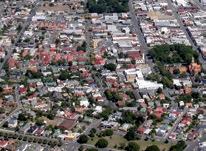





Greater Launceston Plan 2014 – 2034 released to coordinate the long-term planning and development of the Greater Launceston sub-region. This sub-region includes the City of Launceston, George Town Council, Meander Valley Council, Northern Midlands Council and West Tamar Council. The Plan calls for sustainable prosperity for the region, including maintaining exceptional environmental and liveability qualities.
2019 continued...
Sustainability Strategy endorsed seeking positive solutions for climate change mitigation and adaption and to work towards greater community resilience and a more sustainable future. The Strategy also set out to develop a Towards Zero Emissions Action Plan (released in 2021) and a Sustainability Action Plan (released in 2022).


Sustainable Cities award won by The City of Launceston.
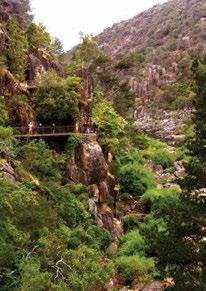
2020





2021



Annual emissions audits for City of Launceston corporate emissions commenced and Vaseline established (2018/19).
Annual emissions audits for community emissions commenced Towards Zero Emissions Action Plan 2021-2025 released, setting out how the City will achieve the (then) target of being carbon neutral for Council operations by 2025. This included an action to work with business, industry, residents and other key stakeholders to further develop the draft actions on reducing community emissions as well as improving waste avoidance and recovery and investigating carbon sequestration.
2021 2022
2023
City Innovation Strategy launched to develop Launceston as a sustainable and climate conscious city through increasing the uptake of sustainable mobility options; enhancing waste management procedures; and new/innovative sustainability projects.
Low Carbon Launceston community engagement, including surveys, focus groups and community talk sessions.
2023 2024
2022
City of Launceston Climate
Summary released, providing a future climate outlook for the Launceston region (funded by Northern Tasmanian councils).
Sustainability Action Plan 20222030 released, including mitigation and adaptation actions, striving to be leaders in sustainability.
2024
Preparation of the City of Launceston Housing Strategy 20252035 commenced.
City of Launceston Community Zero Emissions Plan commenced (this document).




Types of City of Launceston-led Actions
Council has committed to lead and facilitate actions that will contribute 10% of the total emissions reduction required (see page 9).
There are four distinct groups that make up Council led actions. These include:
Council business-as-usual (BAU) actions: these actions are part of Council’s established roles already. Existing actions (or adjustments or additions on existing council actions), have been identified as having a high emissions reduction impact.
New council-led programs: These are discrete programs run by Council in a space Council would not otherwise be working in (not BAU). If executed successfully, they have been identified to lead to significant emissions reduction.
Advocacy: Advocacy can play a powerful roll in amplifying Council’s impact. The City of Launceston undertakes advocacy to both champion advocacy topics themselves, and support the community to advocate to State and Federal governments and other sectors, to assist in achieving emissions reduction outcomes.
Under each broad action, specific potential interventions have been identified, along with a proposed metric to measure the success of that action, and a proposed output-based target for each action. In line with the decision making criteria developed from the Low Carbon Launceston community focus sessions, each action documents the decision making criteria/considerations such as relative emissions impact, reach, timeframe, cost and co-benefits and considerations.
Actions will require a range of administrative steps and communications and marketing support and will be carried out in conjunction with the relevant interventions. 1 2 3 4
Actions for key emitting organisations: Through Council’s analysis of the municipality’s key greenhouse gas emitters, 17 businesses/ organisations have been identified, which contribute to 11% of the total emissions for Launceston. This is a single action to engage with these businesses and covers multiple emissions sources (See page 32).
Understanding Launceston’s Future Climate
Rainfall
Projected Mean Annual Rainfall
8.5EHF 2041-2060 5.5EHF 1997-2017
8 . 2 EHF 2081-2100
Extreme Heat
Projected mean excess heat factor (EHF*)
*The intensity of heatwaves as experienced by humans
Temperature
Projected mean annual temperature
Fire Danger
Projected
Extreme Cold
Projected mean annual frost risk days
44.5 days 2041-2060 65.4 days 1997-2017 24.1 days 2081-2100
Aridity
Projected mean annual aridity* index