ANNUAL PLAN AND BUDGET
2026/2027
ACKNOWLEDGEMENT OF COUNTRY
We acknowledge Tasmanian Aboriginal People as traditional custodians of this land. We pay respect to Elders past, present and future, as they hold the memories, traditions, culture and hope for future generations to come.
We recognise and value Aboriginal histories, knowledge and lived experiences and commit to being culturally inclusive and respectful in our working relationships with Aboriginal People.
ABOUT THE ANNUAL PLAN
The Annual Plan is required pursuant to Section 71 of the Local Government Act 1993 (Tas).
The City of Launceston, in consultation with the community, must prepare a Strategic Plan for a period of 10 years that will be reviewed at least every four years, and then prepare an Annual Plan that is consistent with the Strategic Plan.
Additionally, our Annual Plan must state the manner in which we will meet the goals and objectives of our overarching Strategic Plan, include estimates of the City of Launceston’s revenue and expenditure for the financial year, along with a summary of the major strategies to be used in relation to the City of Launceston’s public health goals and objectives.
Assisting us to align with this strategic direction, is our Four-Year Delivery Plan (Delivery Plan). Reviewed annually, the Delivery Plan provides the roadmap of mid-term action delivery to ensure we are on the correct trajectory to delivering on our long-term strategic goals and objectives.
The City of Launceston Annual Plan 2026/2027 sets out the high-level project-based actions for the City of Launceston for the financial year ahead. It is aligned to achieve the goals from our Shaping Futures: Strategic Plan 2025-2035 (Strategic Plan).
These 62 high-level project-based actions will be of most interest to the community and our stakeholders.
To better understand how these annual actions contribute to achieving our 10-year goals and key services, please refer to our Four-Year Delivery Plan which provides a proposed program of works over the next four financial years, connecting our Strategic Plan to our annual priorities.
In addition to our project-based works reflected in this plan, the City of Launceston also undertakes various ongoing key services which support the community, including such things as roads and parks maintenance, regulating Launceston’s food businesses to make sure they are handling food safely, processing and issuing permits, waste collection, emergency event response and much more.
An explanation of our public health goals and objectives are presented at the conclusion of this document, along with our Summary of Estimates which can be found within the Budget 2026/2027 section.
Delivery of the actions captured in this Annual Plan will be monitored through quarterly progress reports to Council following the conclusion of each financial year quarter. A summarised progress report for the full financial year will then be made available in the City of Launceston’s 2026/2027 Annual Report once published.
How to read the Annual Plan
The foundational pillars of Prosperity, Place and People that form our Strategic Plan are reflected within this Annual Plan. Under these pillars sit our strategic goals and objectives. The Annual Plan Actions for the financial year are then grouped under the associated goals that they contribute to achieving ensuring alignment with our strategic direction.
The Actions detailed in this Annual Plan focus on our strategic and key service project-based works. These Actions link to 14 of the 27 objectives outlined in the Strategic Plan. However, all objectives will be addressed over the life of the Strategic Plan.
Where to get a copy
The City of Launceston’s Annual Plan can be downloaded via the City of Launceston website (www.launceston.tas.gov.au/Council/Reports-Plansand-Strategies)
In line with the City of Launceston’s ongoing commitment to sustainability, a limited number of hard copies of this Annual Plan are produced. These can be viewed at Town Hall, 18-28 St John Street Launceston, or a copy can be requested by contacting the Customer Service Centre on (03) 6323 3000 or contactus@launceston.tas.gov.au
MAYOR’S EXECUTIVE SUMMARY
The 2026/27 Annual Plan and Budget marks a year of delivery, investment and community benefit for Launceston. It represents the next step in turning our community’s long-term vision into visible outcomes; the projects, services and improvements that residents, businesses and visitors will experience across the coming year.
This plan is focused on results, ensuring that the work we do continues to strengthen our city’s liveability, resilience and economic confidence.
Our investment priorities reflect the things that matter most to our community: economic development, wellbeing, infrastructure, cultural vitality and environmental sustainability. Alongside major initiatives, we continue to deliver the essential day to day services that keep our city running, while investing in the renewal and maintenance of the roads, footpaths, parks, public spaces and community assets that residents rely on every day. This year also sees the introduction of Council’s first Service Catalogue, providing greater clarity about the services we deliver and supporting informed, long term decision making.
Supporting local jobs and economic growth remains central to our approach. Initiatives such as the UNESCO Creative City of Gastronomy program, Invest Launceston, innovation partnerships and employment lands planning help attract new industries, strengthen local businesses and position Launceston as a leader in regional innovation. Supporting housing growth and enabling new
residential development also remains an important priority as we plan for a growing population and future workforce needs. At the same time, we continue to enhance the city’s reputation through events, cultural investment, city heart activation initiatives and improved visitor experiences.
We are also progressing transformational projects that will benefit future generations, while investing in neighbourhoods, recreation facilities, inclusion and community wellbeing to ensure growth is shared across the municipality. Significant projects across the city are moving from planning into delivery, helping to create jobs, improve community infrastructure and strengthen confidence in Launceston’s future.
Responsible financial management underpins every decision in this plan. We remain committed to delivering value for ratepayers, maintaining our existing assets and infrastructure, and ensuring the long-term sustainability of Council services and finances.
As the regional capital of Northern Tasmania, Launceston continues to play a leading role in driving economic activity, attracting investment and delivering opportunities that benefit the broader region. Launceston is well positioned for continued success, and this Annual Plan reflects our confidence in the future and our commitment to delivering for our community.
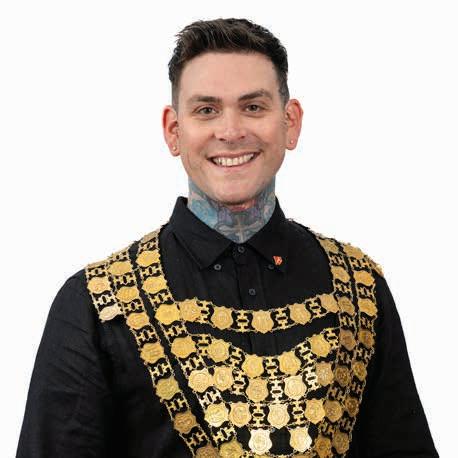
— Mayor Matthew Garwood
How we plan for the future
The City of Launceston applies an integrated planning and reporting framework which allows for a holistic planning approach that is informed by our community and stakeholders.
Our framework helps us develop our people and resources to identify and meet community needs. It ensures monitoring and reporting of our performance to provide us with the information we need to adapt and respond to our changing operating environment.
The framework guides Council and aligns short-and-medium term goals (Four-Year Delivery Plan) with our long-term goals (Strategic Plan). Additionally, it ensures that the Strategic Asset Management Plan (SAMP) and Long Term Financial Plan (LTFP) are put into action through the City’s Annual Plan and Annual Budget each financial year.
The below diagram demonstrates our framework, including the strategic planning cycle, hierarchy and how our strategic documents connect. As demonstrated, our strategic direction is set out in our overarching Strategic Plan which is informed by our community through direct engagement campaigns and periodic satisfaction surveys.
Plans and Regulations
Figure 1: This diagram demonstrates our Integrated Planning and

ACTION ITEMS
2026/2027
Our guiding vision
Launceston: A city of history, innovation and opportunity
Launceston is deeply connected to our history and natural beauty, and will thrive as Northern Tasmania’s economic, cultural, and culinary heart. With a commitment to diverse housing, sustainability,
economic growth and innovation, we’re building a city where people feel connected, businesses succeed, and the environment flourishes. Launceston is a place to live, work, play, visit and belong.
How to read the plan
The Action Items for the 2026/2027 plan are presented in two categories of works:
1. Strategic Action Items:
These are projects and actions that deliver on our long-term strategic goals as set out in our current Strategic Plan. These activities are transformational in nature with a focus on growth, innovation and emerging challenges. These are organised under the three PillarsProsperity, Place, People - that underpin our Strategic Plan. Each action or project in this category is linked to a strategic goal, objective and intended outcome.
It should be noted that not all objectives will have actions against them each financial year, however, all will be addressed over the 10-year lifespan of the Strategic Plan.
In the following list strategic action ID numbers are noted as ‘S#’.
Disclaimer:
2. Key Service Action Items:
These are projects and actions that deliver key services and have a defined term. They relate to operational activities such as asset maintenance, community services, legislated requirements of local government, and the internal processes required to carry out these activities. Council also undertakes many ongoing business-as-usual activities to service our community which are not included in this Delivery Plan.
In the following list key service action ID numbers are noted as ‘K#’.
It should be noted that the lists of actions and outputs included in this plan are current as at the time of adoption and publication and may be subject to change.
Key for Roles
For each Action Item listed in our Annual Plan, a role will be assigned to show the City of Launceston’s level of involvement in delivery. The following key show the roles City of Launceston may hold.
• Leader
Council will take a leadership role in an issue, service or project through decision making, providing vision, and pursuing goals that benefit the Community.
• Advocate Council will advocate on behalf of the Community by making representations and seeking support from others who are able to influence an issue, or funding/ investment/ resources for a service or project.
• Initiator / Facilitator
Council will connect stakeholders and assist in commencing and pursuing shared matters of interest, including services.
• Service Provider Regulatory
Council provides the service as required by legislation.
• Service Provider Direct
Council provides and is responsible for most of the resources for a service.
• Information Provider / Promoter
Council provides information and promotes opportunities relating to services, events, people, and places.
• Service Provider Part
Council contributes part of the resourcing to the service, for which others also contribute and/or have responsibility for.
1. PROSPERITY
Goal 1.1: Launceston is a premier visitor destination, celebrated for its natural beauty, creative and historic city centre, welcoming community, and rich food culture.
Our Visitation Objectives are:
Objective 1.1(a) Grow and celebrate our identity as a UNESCO Creative City of Gastronomy.
Objective 1.1(b) Enhance Launceston’s reputation nationally and internationally as a leading host city for events and festivals, while leveraging our history and natural beauty to encourage extended and expanded stays.
Objective 1.1(c) Expand Launceston’s position as an arts and cultural hub by providing an environment for creative industries to thrive.
Our Visitation 2026/27 Strategic Action Items* are:
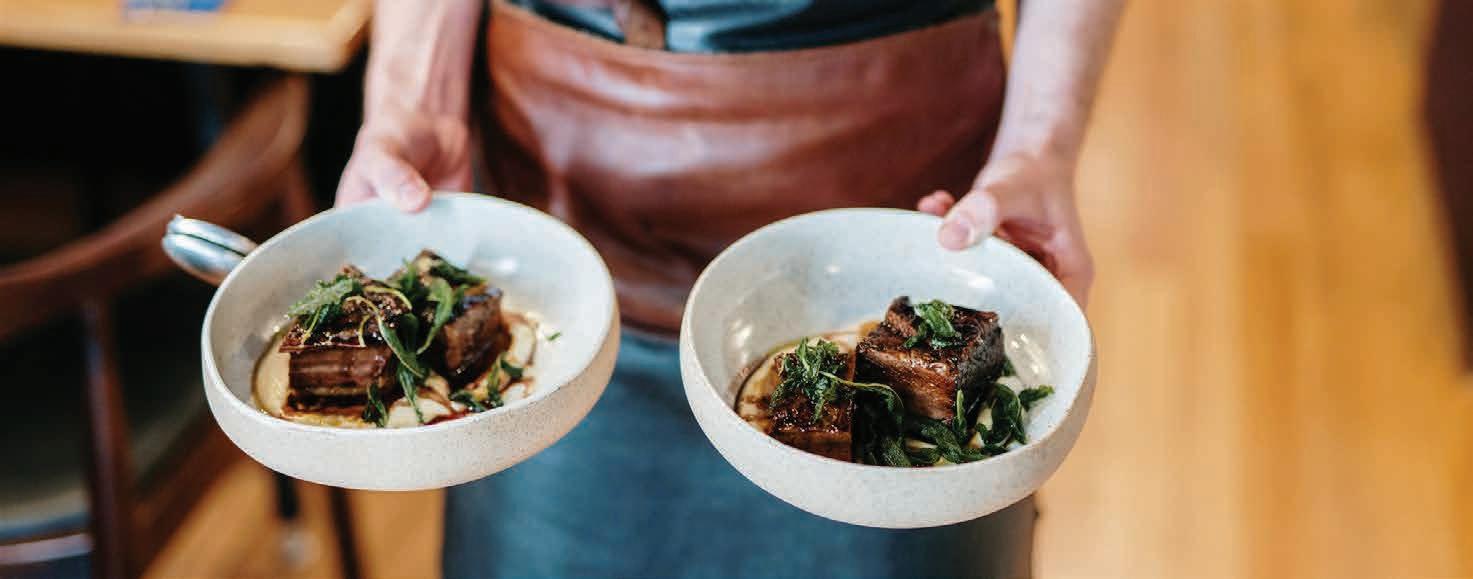
S1: Deliver activities and events that contribute to the UNESCO Creative City of Gastronomy designation including marketing, events, food innovation, sustainability and security.
• Develop a Gastronomy Framework to guide strategic direction and align food and cultural priorities.
• Plan, produce and deliver the inaugural Little Food Festival as a key community and visitor activation.
• Undertake Community Food System Mapping, including stakeholder mapping, workshops, interviews, and development of a food system snapshot.
• Develop and deliver the Food Systems Framework including biannual action planning for implementation and clear measures of success.
S2: Coordinate and deliver a curated program of cityled events.
• Identify key partners and establish a coordinated program of City led and partner events.
• Program outline developed and agreed.
• Coordinate and deliver events scheduled for the first half of the year.
• Delivery of mid-year events achieved.
• Plan, coordinate and deliver events scheduled for the second half of the year.
• Planned events successfully delivered.
• Prepare an Events Impact Report for Council covering City led and partner events, including outcomes, participation, and economic and community value.
*Refer to definition of a Strategic Action Item on page 12
S3: Administer Events funding in line with priorities and ambitions of the City of Launceston Events Framework.
1.1(b)-1 Community Place and Wellbeing Leader Outputs by Quarter Quarter 1 Quarter 2 Quarter 3 Quarter 4
• Open funding rounds and promote opportunities to event organisers - Round dates and guidelines released.
• Assess applications and allocate fundingFunding allocations completed.
• Monitor funded event delivery and compliance - Midyear funding review completed.
• Progress Stage One website build and content structureStage One build milestone met.
• Complete Stage One build and conduct testingStage One website launched.
• Commence Stage Two development and content creation - Stage Two build underway.
• Evaluate funded events and refine guidelines for next year - Annual funding outcomes report completed.
S4: Develop a new destination website, aimed at attracting visitation, investment and talent, promoting creative storytelling and highlighting our city’s gastronomy, heritage and environmental assets. 1.1(b)-1 Stakeholder Experience Leader
• Finalise Stage Two build for launchStage Two website launch completed.
S5: Upgrade the Princess Theatre, Earl Arts Theatre and adjacent streetscapes to enhance its function as a vibrant, contemporary performing arts venue integrated with its surroundings.
• Demolition component of project completed, and structural elements of the build are well progressed.
S6: Develop a feasibility and concept plan for Launceston Arts & Creative Communities Hub (LACCH), supporting local makers, creators, performers, community arts and heritage groups. 1.1(c)-1
• Establish a community working group and undertake targeted stakeholder engagement across the arts, creative and heritage sectors to inform project scope and priorities.
• Construction activities continue. Public realm design is completed.
• Construction activities continue.
• Construction activities are nearing completion. Public realm works are tendered.
• Undertake analysis of operational model options and prepare a report for the Cultural Advisory Committee to support informed decision-making.
• Undertake Investment Logic Mapping and develop a concept brief for the Launceston Arts & Creative Communities Hub (LACCH) and identify potential funding opportunities, including external grants and partnership options.
• Support the community working group to develop an implementation pathway plan.
Goal 1.2: Launceston’s economy is resilient and sustainable, with significant growth in its gross regional product (GRP) through a diverse economic base supported by a skilled workforce, enabling business environment, and facilitation of investment opportunities.
Our Economic Development Objectives are:
Objective 1.2(a) Capitalise on our competitive advantages by focusing on key sectors including food and agricultural innovation, research & development, advanced manufacturing, healthcare and circular economy initiatives.
Objective 1.2(b) Position Launceston as a business-friendly city that attracts & nurtures entrepreneurs, startups, and microbusinesses.
Objective 1.2(c) Advocate and collaborate with State Government, education institutions, industry partners, and non-profits to support improvements in adult literacy (including digital literacy) and to support skills development in key sectors.
Our Economic Development 2026/27 Strategic Action Items* are:
S7: Undertake a comprehensive, evidence-based Employment Lands Plan that identifies current and future employment land needs in Launceston. This will inform strategic land use planning and guide policy for industrial, commercial, and mixed-use employment zones as well as inform the city’s updated Economic Development Plan.
• Engagement of consultant and preliminary investigations and scoping.
2
• Data analysis and mapping with initial key stakeholder consultation.
• Development of draft plans and report, and stakeholder engagement.
• Finalise plans and report.
*Refer to definition of a Strategic Action Item on page 12
1.2(a)-1
City Development Leader
Outputs by Quarter
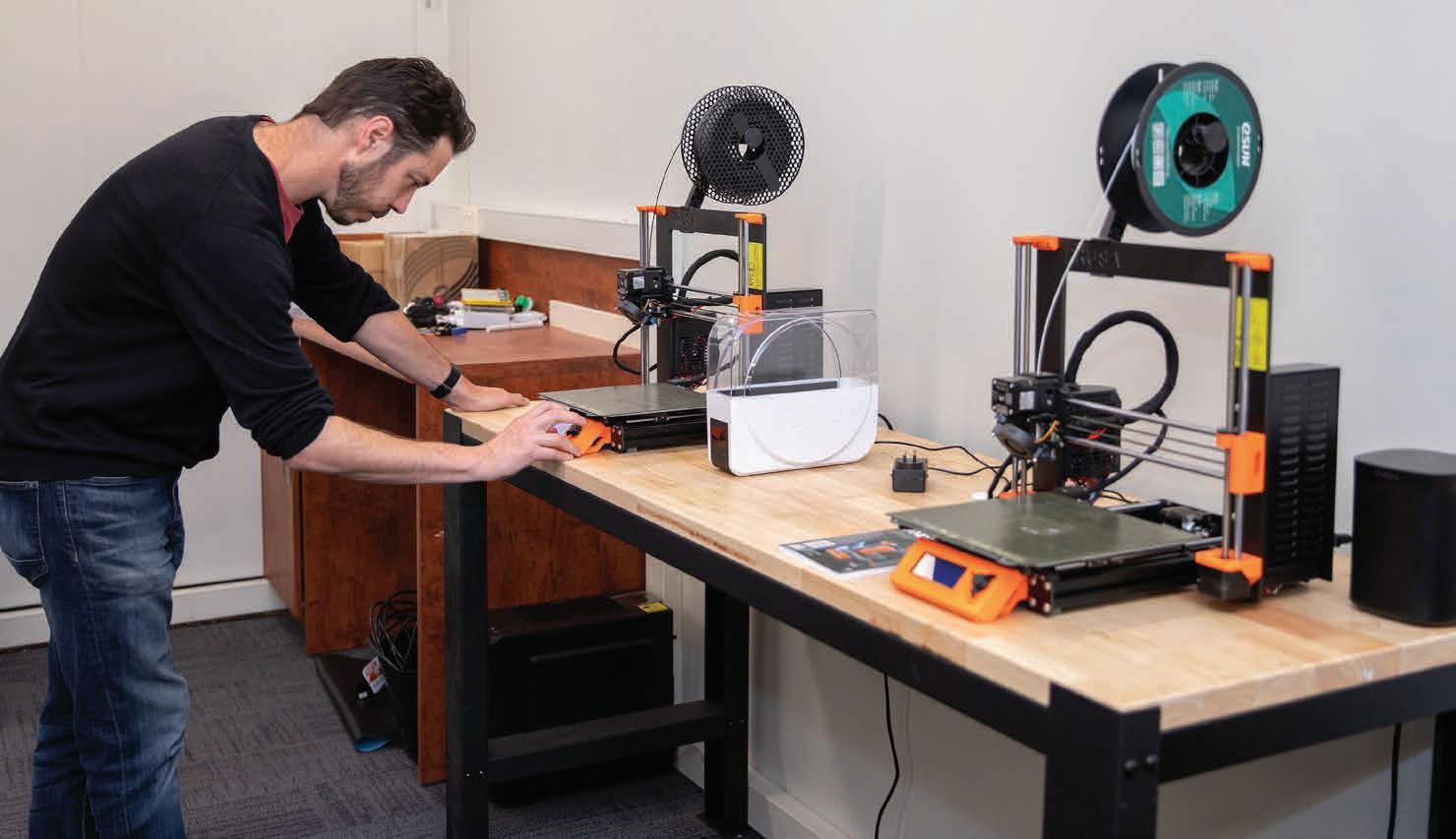
S8: Foster strategic relationships with Launceston’s innovative technology and education sectors through direct engagement and targeted collaboration, promoting Launceston as a thriving technology location, understanding industry challenges, and supporting solutions that enable business growth and community focused smart city outcomes.
Prosperity and Innovation Leader
Outputs by Quarter
Quarter 1 Quarter 2
• Core partners identified.
• Initial engagement undertaken to understand sector priorities, barriers, and growth challenges.
• Key themes, challenges, and collaboration opportunities documented to inform targeted promotion or support activities.
Quarter 3
• Case study or promotional content developed showcasing local tech activity and collaboration outcomes.
• Promotional material shared with the community and education providers to support pathways into tech careers and promote Launceston as a place to grow technology businesses.
Quarter 4
• Priority challenges and collaboration opportunities progressed.
S9: Pilot opportunities for undergraduates to work on Council innovation and technology projects to enhance skills and experience to support a pathway to the workforce.
1.2(b)-1
Quarter 1
• Establish initial engagement with UTAS to explore collaboration opportunities in the smart city and innovation space – Introductory meetings held and key contacts identified.
• Identify Council’s potential value propositions for UTAS collaboration
– High-level list of opportunities endorsed internally.
Prosperity and Innovation Leader
Outputs by Quarter
Quarter 2
• Co-design potential partnership models with UTAS based on shared priorities and capabilities –Shortlist of feasible collaboration options developed (e.g. placements, project-based learning, workshops, challenge programs).
• Define governance, resourcing, and risk considerations for preferred collaboration options – Agreed principles and implementation considerations documented.
Quarter 3
• Confirm and initiate an agreed pilot collaboration with UTAS –Pilot scope, participants, roles, and timeframes agreed.
• Commence pilot activities aligned to Council innovation and technology priorities –Pilot activities underway (e.g. student projects, placements, workshops or challenges).
Quarter 4
• Evaluate pilot outcomes for Council, UTAS, and participating students –Evaluation completed covering learning outcomes, value delivered, and organisational benefit.
S10: Develop the Invest Launceston Program to identify different types of business investment attractions from startups through to emerging technologies, provide a resource for pathways, identify barriers to investment and define the Council’s role. 1.2(b)-1
• Research and conduct benchmarking of regional investment attraction programs.
• Identify and map key business sectors.
Prosperity and Innovation Leader
• Undertake consultation with industry and key stakeholders to identify investment barriers and opportunities.
• Define Council’s potential role in investment attraction and business readiness.
• Develop Invest Launceston Program structure (pathways, levers, referral links).
• Prepare resource content for the Invest Launceston website.
• Finalise the Invest Launceston Program with costed implementation plan and clarity of Council’s role.
• Live date confirmed to publish website.
S11: Engage with the Tasmanian Aboriginal Business Community and understand the current landscape and opportunities for Tasmanian Aboriginal businesses.
• Nil outputs to report this quarter. Work will commence in quarter three.
• Nil outputs to report this quarter. Work will commence in quarter three.
• Engage with internal and external stakeholders to identify and profile Tasmanian Aboriginal businesses across the region.
• Undertake targeted engagement to understand barriers and co-identify opportunities for Council to support growth and prosperity.
S12: Collaborate with external stakeholders to drive improvements in literacy in all its forms and facilitate targeted skill development initiatives that strengthen communities and workforce.
• Partner with external stakeholders to develop a report profiling the current state of literacy in Launceston.
• Identify key stakeholders, services and programs supporting literacy and publish accessible information on Council’s website.
• Identify and prioritise opportunities to deliver collaborative literacy initiatives that improve access, participation and skill development.
• Implement targeted literacy initiatives and monitor, evaluate and report on outcomes and community impact.
S13: Develop and deliver placebased initiatives in Launceston’s Northern Suburbs that remove participation barriers and create culturally safe, low cost, and community led pathways that support social connection, capacity building and wellbeing.
• Work with local communities and stakeholders in Launceston’s Northern Suburbs to identify participation barriers, community priorities and culturally safe approaches.
• Co-design placebased initiatives with community members and partners that are low cost, inclusive and support social connection and wellbeing.
• Deliver pilot community-led programs and activities that build capacity, strengthen connections and increase participation.
• Evaluate outcomes with community and stakeholders and refine, expand or embed successful initiatives to maximise impact.
Goal 1.3: Launceston’s attractive employment opportunities, enviable lifestyle and our reputation as a forward-thinking city make it the destination of choice for professionals, entrepreneurs and innovators.
Our Population Objectives are:
Objective 1.3(a) Position Launceston as a national testbed for urban innovation (e.g., pilot smart city projects, future mobility solutions and climate adaptive urbanism.
Objective 1.3(b) Attract and retain young professionals (25 - 34 year-olds) to Launceston.
Objective 1.3(c) Establish Launceston as a national leader in sustainability through our achievements in circular economy innovation and reducing greenhouse gas emissions.
Our Population 2026/27 Strategic Action Items* are:
Action Item Aligned Four-Year Delivery Plan outcome Lead Team Our Role
S14: Complete a joint ‘Come, Stay, Leave’ study with tertiary academic provider and identified stakeholders and communities to identify drivers and barriers to attraction and retention of young professionals in Launceston.
• Initial engagement with identified stakeholders and establish project team or working group.
• Agreed objective, scope and brief developed for Study, including insights required for allied projects.
Prosperity and Innovation Leader
• Planning and governance for research and engagement is complete.
*Refer to definition of a Strategic Action Item on page 12
• Engagement undertaken for data collection for the “Come, Stay, Leave” (consideration to academic terms and semesters).
• Analyse initial findings and identify key drivers and barriers to attraction and retention.
1.3(b)-1
S15: Identify workforce opportunities for young people at the City of Launceston as an employer of choice through the development of a Workforce Management Plan.
1.3(b)-1
• Establish project scope and governance framework.
• Undertake review of best practice Plans within the sector Nationally.
People, Governance and Safety Leader
• Project scope and governance framework endorsed by Council leadership teams.
• Confirm resourcing, delivery and implementation model.
• Establish data metrics required for baseline analysis of current state to commence.
S16: In alignment with the endorsed Community Emissions Action Plan, identify and adapt proven community emissions reduction programs to the Launceston context and develop costed project plans to reduce community greenhouse gas emissions.
1.3(c)-1
• Produce project plan. Investigate proven community carbon emissions reduction programs nationally.
• Organise meetings with identified national leaders to gain understanding of carbon reducing programs.
• Estimate costs and resources associated with proven programs with a focus on Launceston.
• Adapt two proven community carbon emissions programs.
S17: Support the private sector to increase electric vehicle (EV) charging infrastructure.
1.3(c)-1
Quarter 1 Quarter 2
• Implement set of remediation tasks for existing EV charging infrastructure to ensure the current public charging network continues to operate reliably for the community, while laying the groundwork for a future transition toward private sector enablement.
• Identify an appropriate installer through an approved quotation process to remediate current EV chargers.
• Determine how Council can best support the installation of new charging infrastructure in the private sector.
Quarter 3
• Coordinate the remediation/ upgrade of existing EV chargers.
• Gather information from organisations that have had incentive programs.
• Identify potential sites and landowners for EV charging in key areas and assess possible barriers.
Quarter 4
• Promote to the community the improved City of Launceston EV charging infrastructure to increase awareness and utilisation. Noting that this is an interim measure until further development occurs in the private sector.
S18: Plan and implement small scale internal and external food organics and garden organics (FOGO) collections from businesses with a dedicated vehicle to increase organics diversion away from landfill.
• Develop project plan.
• Secure ongoing operational cost, including resourcing and annual fleet costs.
• Purchase rear compactor truck.
• Wrap truck with promotional design.
• Promote organics service to internal users.
• Purchase organics bins.
• Promote and open registrations for businesses.
• Design collection schedule.
• Commence commercial collections.
• Review the City of Launceston dedicated organics service.
Prosperity and Innovation Leader Outputs by Quarter
1.3(c)-1
Prosperity and Innovation Leader Outputs by Quarter
S19: Increase residential FOGO collections through education and promotion. 1.3(c)-1 Prosperity and Innovation Leader Outputs by Quarter Quarter 1
• Develop project plan and collateral.
2
• Promote via City of Launceston media and attend associated events to promote in person.
S20: Investigate and develop an action plan for incentives and regulatory approaches in alignment with the Wood Smoke Plan.
S21: Regional collaboration via membership with Circular North to explore pathways and markets for recovered materials.
• Recruit required new positions to implement the Wood Smoke Plan.
• Develop project scope and submit capital budget bids for community education programs and air monitoring initiatives.
• Promote via community competitions.
3
• Identified regulatory measures in alignment with the Wood Smoke Plan.
• Evaluate new voluntary FOGO kerbside service numbers.
• Attend quarterly meetings and collaborate on regional market development.
• Attend quarterly meetings and collaborate on regional market development.
• Review annual report.
• Attend quarterly meetings and collaborate on regional market development.
• Provide input into Circular North Annual Plan.
• Commence implementation of regulatory measures in alignment with the Wood Smoke Plan.
• Attend quarterly meetings and collaborate on regional market development.
2. PLACE
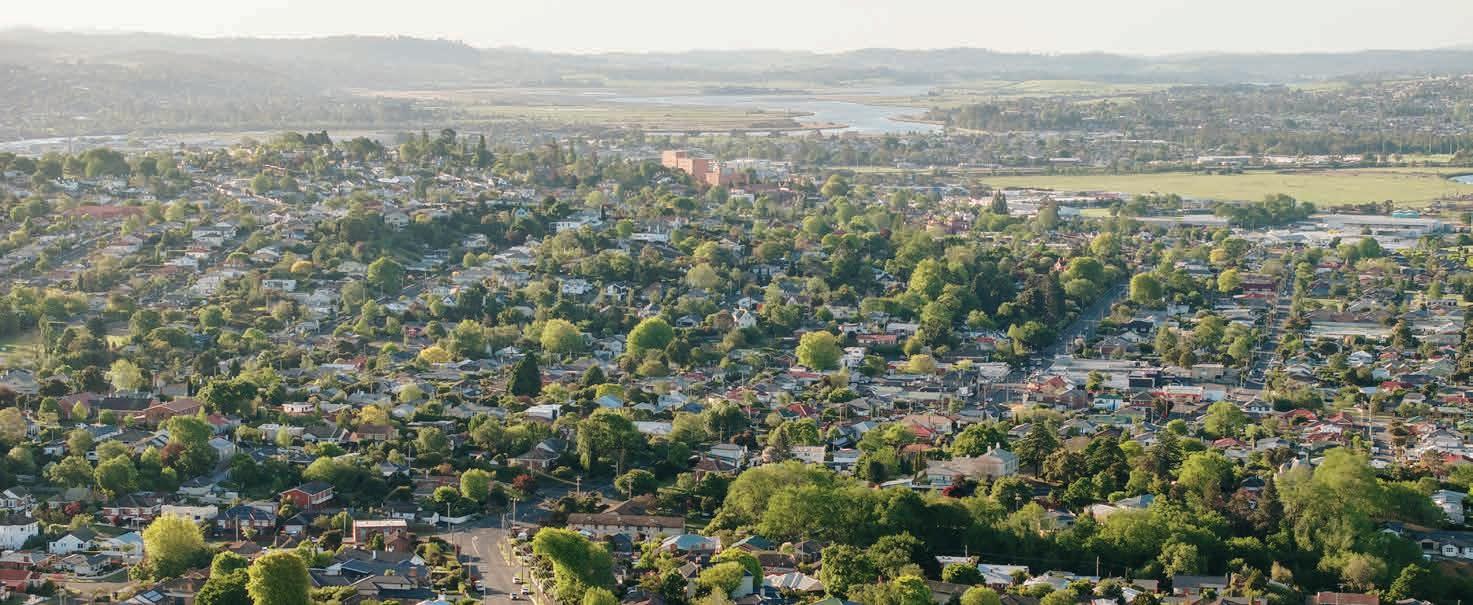
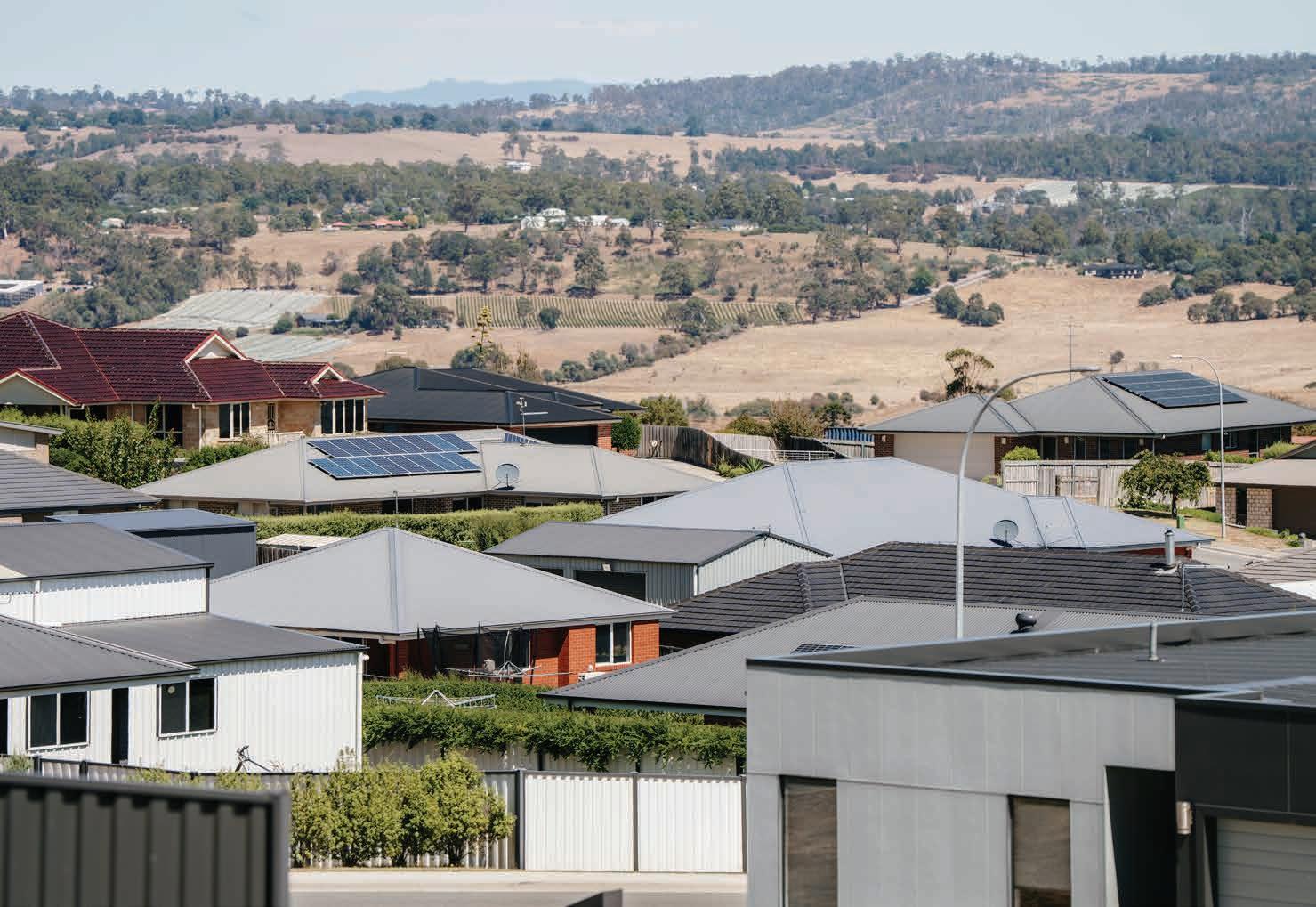
Goal 2.1: Plan for current and medium-term housing and infrastructure needs while maintaining a focus on a longer-term growth projection of 100,000 residents.
Our Housing Objectives are:
Objective 2.1(a) Facilitate an increase in housing supply to meet current demand and align with planned growth, aiming and planning for 4,300 new homes in priority development and infill areas by 2035.
Objective 2.1(b) Enable and encourage delivery of medium density houses in and around activity centres and transport corridors, and more diverse, sustainable and energy efficient housing.
Objective 2.1(c) Proactively address affordability, homelessness and housing insecurity.
Our Housing 2026/27 Strategic Action Items* are: Action Item
S22: Implement the St Leonards and Waverley Neighbourhood Plan including a Planning Scheme amendment, developing place design guidance and marketing, and funding the Council’s shared infrastructure contributions.
• Initiation of Planning Scheme Amendment.
S23: Prepare and implement the Alanvale Neighbourhood Plan and Infrastructure Funding Framework, and associated Planning Scheme Amendment to enable effective delivery of the adopted Neighbourhood Plan and provide the statutory and funding mechanisms needed to realise its agreed directions. 2.1(a)-1
• Preparation of supporting planning provisions and Planning Scheme Amendment.
• Engagement of consultant to prepare the Infrastructure Funding Framework.
• Participation and advocacy through Tasmanian Planning Commission hearing process.
• Participation and advocacy through Tasmanian Planning Commission hearing process.
• Anticipated decision of Tasmanian Planning Commission.
• Preparation of supporting planning provisions and Planning Scheme Amendment.
• Preparation the Infrastructure Funding Framework.
*Refer to definition of a Strategic Action Item on page 12
• Initiation of Planning Scheme Amendment.
• Preparation the Infrastructure Funding Framework.
• Delivery of final Infrastructure Funding Framework.
• Anticipated decision of Tasmanian Planning Commission.
S24: Prepare and implement the South Prospect Neighbourhood Plan and Infrastructure Funding Framework, and associated Planning Scheme Amendment to enable effective delivery of the adopted Neighbourhood Plan and provide the statutory and funding mechanisms needed to realise its agreed directions.
2.1(a)-1
• Preparation of project plan.
• Ongoing activities occurring as per the Project Plan.
• Ongoing activities occurring as per the Project Plan.
• Ongoing activities occurring as per the Project Plan.
S25: Prepare a neighbourhood plan for Ravenswood, starting with investigations to understand the social and community infrastructure needs and scoping the neighbourhood plan project.
2.1(a)-1
• Preparation of project plan.
• Ongoing activities occurring as per the Project Plan.
• Ongoing activities occurring as per the Project Plan.
• Ongoing activities occurring as per the Project Plan.
S26: Progress the Henry to Hoblers Link Road to facilitate housing growth and support sustainable development.
2.1(a)-1
City Infrastructure Leader Outputs by Quarter
Quarter 1 Quarter 2 Quarter 3 Quarter 4
• Finalise procurement for Stage Two: Investigations and Studies.
S27: Develop and implement actions from the Wood Smoke Plan, including investigate incentives to support the program through improvements in the energy performance of existing homes, supporting healthier homes.
2.1(b)-2
• Investigations and studies commenced.
• Investigations and studies 30% completed.
• Investigations and studies 60% completed.
Health and Regulations Leader Outputs by Quarter
Quarter 1 Quarter 2 Quarter 3 Quarter 4
• Nil - works commence in quarter two.
• Identify incentive opportunities in alignment with the Wood Smoke Plan and prepare operational budget bids.
• Nil - no scheduled work on this action for this quarter.
• Prepare for implementation of Wood Smoke Plan actions, pending budget approval.
S28: Develop the Cosy Homes Launceston Program with costed, prioritised actions and baseline data captured to inform case studies and further implementation.
2.1(b)-2
Quarter 1
• Develop research brief for case studies.
• Obtain commitment from research provider.
• Develop program of work.
• Identify and engage project partners and stakeholders (data sharing, case study candidates).
Property and Innovation Leader
Outputs by Quarter
Quarter 2
• Progress with project planning and research governance.
Quarter 3
• Progress with project plan to secure candidates and vendors for quarter four.
Quarter 4
• Capture baseline data from case study properties.
• Prepare for installations in case study properties during quarter one of financial year 2027/28.
Goal 2.2: Launceston’s transport system connects communities, reduces car dependency in activity centres and corridors, and promotes active transportation options.
Our Transport Objectives are:
Objective 2.2(a) Partner with the state government and local councils to expand access to reliable and frequent public transport services in and around Launceston.
Objective 2.2(b) Work with partners to enable convenient daily travel by supporting public transport and investing in key road infrastructure between Launceston and rural and regional communities and surrounding facilities (e.g. Launceston airport, Bell Bay).
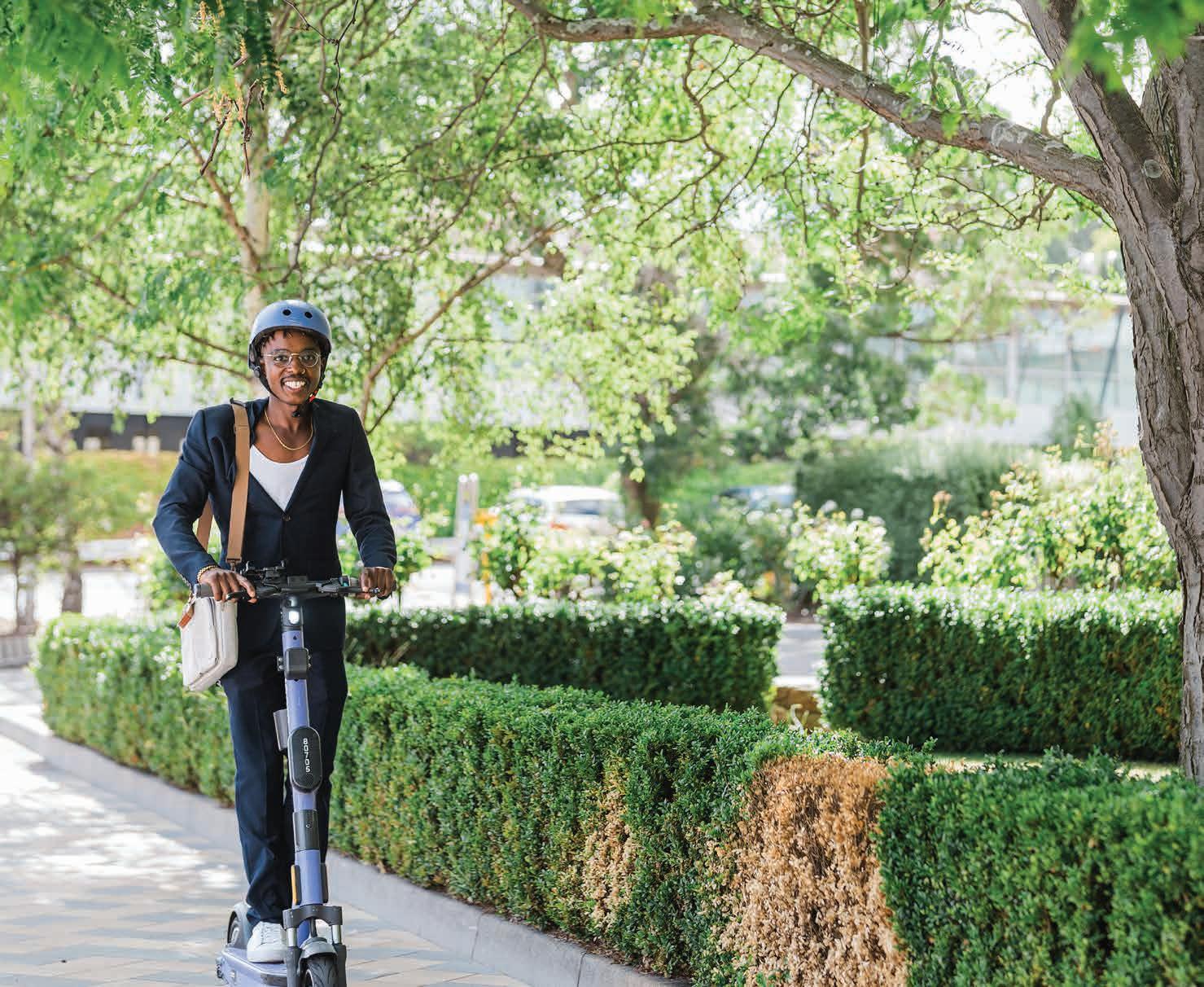
Objective 2.2(c) Develop a safe, pleasant and connected walking and active transportation network that is integrated with the transport system, across Launceston’s urban footprint.
Our Transport 2026/27 Strategic Action Items* are:
S29: Review and update the Launceston Transport Plan to adopt modern, safetyfirst principles for all users, and support alternative modes to reduce reliance on costly, car-centric solutions, adopting a clear public transport advocacy position.
• Preparation of a project plan including baseline assessment and data gathering.
• Internal and external stakeholder engagement to shape priorities and key themes.
• Engagement of consultants and traffic modelling.
*Refer to definition of a Strategic Action Item on page 12
• Development of draft Transport Plan update identifying focus areas and priorities.
• Undertake refinements, engagement, rationalisation of redundant plans and strategies and seek Council adoption.
2.2(b)-1
S30: Undertake and deliver the Safe Transport Assessment beginning in 2026/27 with Stage One: Safe School Crossings and Connections to identify and prioritise interventions to improve the safety of vulnerable road users in the first year.
Quarter 1
• Prepare brief and engage consultant to undertake assessment.
City Infrastructure Leader Outputs by Quarter
Quarter 2
• Data collection and analysis by consultant.
Quarter 3
• Review report and build prioritisation for sites.
Quarter 4
• Financial bid preparation for implementation in future financial years.

Goal 2.3: Launceston’s community is connected to our Aboriginal and built heritage, while growing a city of the future.
Our Heritage Objectives are:
Objective 2.3(a) Encourage and facilitate recognition of Aboriginal cultural heritage as a means of retaining a sense of place and connection to Country.
Objective 2.3(b) Ensure that significant heritage elements are respected while addressing the future housing, commerce and recreational needs of the community.
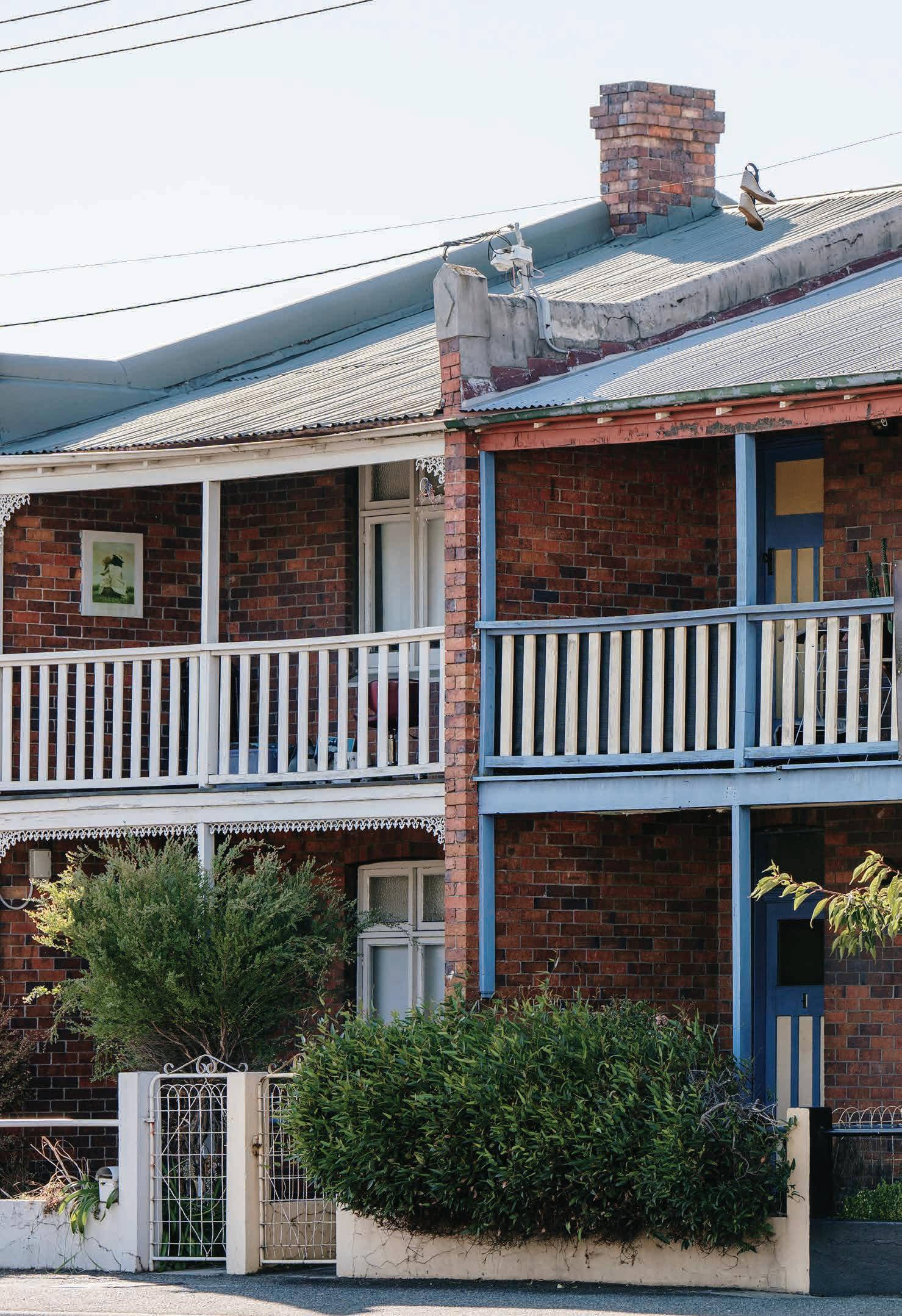
Objective 2.3(c) Implement planning guidelines (particularly in the CBD) to encourage adaptive reuse of heritage buildings, and infill development that promotes our city’s builtheritage character.
Our Heritage 2026/27 Strategic Action Items* are:
S31: Co-design and implement a Tasmanian Aboriginal Engagement Framework that ensures aboriginal voice is considered in Council-led place-based projects.
• Engage with Tasmanian Aboriginal communities, organisations and leaders to understand priorities, expectations and best practice approaches to engagement.
• Engage with Tasmanian Aboriginal communities, organisations and leaders to understand priorities, expectations and best practice approaches to engagement.
*Refer to definition of a Strategic Action Item on page 12
• Co-design a Tasmanian Aboriginal Engagement Framework that embeds culturally appropriate processes and ensures Aboriginal voices inform Councilled place-based projects.
• Implement the framework across selected initiatives, supporting staff and partners to apply consistent and respectful engagement practices.
2.3(a)-1
S32: Seek to strengthen heritage protections by progressing the inclusion of additional properties on the Local Heritage Register.
2.3(b)-1 City Development Leader
Outputs by Quarter Quarter 1
• Initiate planning scheme amendment to add 25 properties to the local heritage register.
S33: Develop a Heritage Interpretation Plan in alignment with the Heritage Interpretation Framework.
• Develop an engagement plan and engage key stakeholders to identify priorities, themes and opportunities for local heritage storytelling.
• Finalise planning scheme amendment process initiated in quarter one.
• Initiate planning scheme amendment to add 25 properties to the local heritage register.
• Finalise planning scheme amendment process initiated in quarter three.
2
• Engage key stakeholders to identify priorities, themes and opportunities for local heritage storytelling.
• Develop a draft Heritage Interpretation Plan aligned to the framework, incorporating community input and place-based narratives.
• Finalise and cost the Heritage Interpretation Plan and develop a project plan for implementation.
S34: Incorporate messaging at housing forums to promote the importance of heritage in design and promote the development of heritage buildings and share insights into best practice adaptive reuse.
2.3(c)-1
Outputs by Quarter Quarter 1
• Consideration of agenda items and presenters.
• Preparation of agenda items and presenters.
• Undertake annual Housing Forum (November) and actively engage with industry, state agencies, housing providers, etc.
• Promote ongoing Housing Forum annually.
Place
Wellbeing Leader
3. PEOPLE

Goal 3.1: Community members have access to green, diverse, and inclusive open spaces and facilities enabling them to lead active lives, enjoy nature, and connect with others.
Our Open Space and Community Hubs Objectives are:
Objective 3.1(a) Enhance community members’ access to climate-change resilient leafy, well-maintained, inclusive public open spaces, prioritising areas with low wellbeing measures.
Objective 3.1(b) Leverage Launceston’s network of waterways by rehabilitating and connecting riparian corridors, connecting them with the public open space network and supporting improvements to the Kanamaluka / Tamar Estuary and surrounding precinct.
Objective 3.1(c) Ensure neighbourhoods are well-served through community activity hubs that are accessible and inclusive, provide a range of amenities, create opportunities for a diverse range of community activities and support Launceston’s diverse cultural, economic and age groups.
S35: Design the upgrade of Waverley Lake Park to enhance accessibility, usability, and community activation through targeted infrastructure and public space improvements as part of the St Leonards and Waverley Neighbourhood Plan.
• Release tender documentation and award tender.
• Concept design commences.
• Design development.
• Detailed design complete.
S36: Develop the St Leonards Sports Complex Master Plan to establish a longterm strategic framework that guides future development, identifies staged capital investment priorities, enhances functionality, and strengthens future grant funding opportunities for Council and tenant clubs.
• Develop a comprehensive project brief for the Master Plan in consultation with key stakeholders, outlining scope, objectives and desired outcomes.
• Procure and appoint a consultant and undertake Investment Logic Mapping and required technical investigations to inform planning.
*Refer to definition of a Strategic Action Item on page 12
• Prepare a draft Master Plan that establishes a long-term vision, concept designs and identifies priority infrastructure and staged investment opportunities.
• Undertake stakeholder consultation to refine the Master Plan and progress finalisation and endorsement.
3.1(a)-1
Community Place and Wellbeing Leader
3.1(a)-1
City Development Leader
Outputs by Quarter
S37: Implement greening projects including planting of street trees, increasing vegetation in open space and through community giveaways in the Mayfield and Newnham Precinct Plans.
3.1(a)-2 Community Place and Wellbeing Leader
• Award tender.
• Project planning and commence tree install for precinct priority zones.
• Nil - no work scheduled for this quarter.
• Final Project.
S38: Provide in-kind support to the Tamar Estuary Management Taskforce (TEMT) for the implementation of the Trial Wetlands Restoration Project and Foreshore Trial Revegetation Project on the North Esk River through advocacy, technical advice, data provision, and access to waste management services at the Remount Road Waste Management Centre.
• Agreement with TEMT on works delivery schedule.
• Receival of waste materials at Remount Road.
• Receival of waste materials at Remount Road.
• Conduct project review and reconciliation of waste materials delivered to Remount Roadprepare final report.
S39: Deliver actions from the Youngtown Regional Reserve Waterway Master Plan beginning with the Jinglers Creek Waterway rehabilitation project in 2026/27.
3.1(b)-1
Quarter 1
• Project planning and prioritisation of options from master plan around delivery of rehabilitation projects at Jinglers Creek.
City Infrastructure Leader
Outputs by Quarter
Quarter 2
• Finalise details regarding delivery of the project and commence removal of invasive species if required.
Quarter 3
• Invasive species management and undertake preliminary works to prepare the site.
Quarter 4
• Complete works on site including revegetation.
Goal 3.2: Participation in cultural and recreational activities is widespread across the community and promotes health and wellbeing at all ages while bridging social, cultural and geographical gaps.
Our Participation Objectives are:
Objective 3.2(a) Achieve an improvement in health and wellbeing through addressing barriers to inclusion and promotion of physical and social activity such as community arts, sports and recreation.
Objective 3.2(b) Broaden and increase participation in arts, cultural, and community events to foster community identity, leadership and capacity building, resilience, pride & a sense of belonging.
Objective 3.2(c) Leverage the City of Gastronomy designation to foster a sense of shared identity, enhance understanding of cultural diversity, promote grassroots food culture, and enhance food security.
Our Participation 2026/27 Strategic Action Items* are:
S40: Progress the North Tasmania Cricket Association (NTCA) Sports Complex Redevelopment project.
• Complete detailed design for Stages One, Two and C and continue advocacy efforts.
Continue advocacy efforts.
Continue advocacy efforts.
Continue advocacy efforts.
*Refer to definition of a Strategic Action Item on page 12
S41: Embed resident-led micro-projects with seed funding through community development grants that empower locals to design and deliver small scale, place based initiatives responding directly to identified challenges, while strengthening community ownership, skills, and long term sustainability.
Community Place and Wellbeing Leader
Outputs by Quarter Quarter 1
• Review and update Community Development Grants guidelines to better support resident-led micro-projects, including clearer pathways for seed funding, accessibility and place-based outcomes.
• Support residents to apply for grants through an information and capacity building event and process successful applications.
• Nil activity or outputs to report on this quarter.
• Evaluate project outcomes and community impact, capturing learnings and success stories to inform future grant rounds.

3.2(b)-1
Goal 3.3: As northern Tasmania’s cultural and commercial centre, Launceston’s historic city heart is buzzing with activity throughout the day and into the night.
Our City Heart Objectives are:
Objective 3.3(a) Intensify baseline activity in the city centre by facilitating an increase in inner-city living and working.
Objective 3.3(b) Implement bold initiatives that increase nighttime activity, optimise dwell time, maximise appeal to locals and visitors, and add to the City’s vibrancy and safety.
Objective 3.3(c) Create a walkable centre and optimise use of public space by reducing car dominance and expanding opportunities for greening and alternative forms of transport.
Our City Heart 2026/27 Strategic Action Items* are:
Action Item Aligned Four-Year Delivery Plan outcome Lead Team Our Role
S42: Promote a clear, shared city-centre vision through a creative program of interactive activities and provide opportunities to engage with and leverage government investment.
3.3(a)-1
• Finalise delivery framework and internal coordination processes.
• Develop foundational communication materials to support program rollout.
Corporate Planning and Strategy Leader
• Deliver first wave of engagement and communications activities.
• Conduct stakeholder check-in to refine collaboration and workflow processes.
• Deliver second wave of engagement and communications activities.
• Conduct annual benefits evaluation for the Strategic Engagement and Communications Program – Annual evaluation completed.
• Review and refine the program approach for the next annual cycle – Updated approach endorsed.
*Refer to definition of a Strategic Action Item on page 12
S43: Facilitate redevelopment of the Birchalls building to include provision for office, residential and food and beverage uses as well as retail space.
• Prepare all documents for financial close.
• Complete financial close with conditions completed (contract, funding, and building permit approvals).
• Complete property transfer and vacant possession of property.
• Demolition of existing nonheritage building completed by developer.
• Site mobilisation and substantial commencement achieved by the developer.
• Ongoing monitoring by Council of construction activities by developer.
S44: Construct a new play space in the Brisbane Street Mall.
• Permits, approvals and equipment required for construction of play space have been secured by the developer.
• Play space construction completed by the developer.
• Play space opened for public use and handed over to Council, including launch event.
• Post-occupancy evaluation report completed.
• Project completed.
• No outputs for this quarter as project was completed in quarter three.
S45: Develop and implement a plan for intuitive wayfinding, including lighting, across the City Heart and linking to surrounding attractions (e.g, Seaport and Cataract Gorge). 3.3(c)-1
• Consultant engagement completed and a clear project scope, methodology and evidence base established to guide the wayfinding plan.
Outputs by Quarter
• Comprehensive analysis and concept development undertaken, identifying key movement patterns, destinations and opportunities for intuitive wayfinding improvements.
• A draft City Heart Wayfinding Plan developed, including design principles, accessibility improvements and connections to surrounding attractions.
• Wayfinding Plan finalised and costed with a staged implementation plan.
S46: Develop and implement a new plan for off-street parking and onstreet parking in the City Heart. 3.3(c)-1 City Infrastructure Leader
Outputs by Quarter Quarter 1
• Commence scoping of review including data and gap analysis.
• Engagement with key stakeholders and other Local Government Strategic Transport Planners.
• Development of draft plan.
• Update draft plan for endorsement.
Community Place and Wellbeing Leader
S47: Deliver an upgraded bus interchange to provide modern public transport facilities and reconstruct St John Street to meet asset renewal requirements and improve the streetscape.
3.3(c)-1
• Confirm preferred bus interchange location options for concept design.
S48: Develop the Cameron Street Master Plan with internal stakeholders to enhance amenity, accessibility and connectivity, establishing it as a key active transport and activity corridor. 3.3(c)-1
• Develop a comprehensive design brief and procure specialist consultants to lead the development of the Cameron Street active transport master plan.
• Seek concept designs for endorsed bus interchange location options.
• Finalise preferred bus interchange location.
• Progress bus interchange and road reconstruction design development.
• Nil outputs to report this quarter.
• Nil outputs to report this quarter.
• Complete and present the Cameron Street master plan for Council endorsement, establishing a clear vision and framework to guide future investment.
KEY SERVICE ACTION ITEMS
Our Key Service* Action Items for 2026/27 are:
K1: Upgrade of Launceston Aquatic Centre changerooms. 4YKSP-1 City Operations Leader Outputs by Quarter Quarter 1
• Preferred concept selected and detailed design commences.
• Design complete and preparation of tender for construction.
*Refer to definition of a Key Service Action Item on page 12
• Tender released for construction of new changerooms and subsequently awarded.
• Construction commences.
K2: Footpath Upgrade Program 2026/27.
• 5% of scheduled footpaths from the Upgrade Program for 2026/27 have been completed.
• 50% of scheduled footpaths from the Upgrade Program for 2026/27 have been completed.
• 80% of scheduled footpaths from the Upgrade Program for 2026/27 have been completed.
• 2% of scheduled works to the shared path have been completed.
• 40% of scheduled works to the shared path have been completed.
• 80% of scheduled works to the shared path have been completed.
• 100% of scheduled footpaths from the Upgrade Program for 2026/27 have been completed.
• 2% of scheduled works have been completed.
• 40% of scheduled works have been completed.
• 80% of scheduled works have been completed.
• 100% of scheduled works to the shared path have been completed.
• 100% of scheduled works have been completed.
K3: Kings Meadows Connector Shared Path.
K4: Innes Street Reconstruction and Footpath. 4YKSP-4
K5: VisitationRV Rest Stop 2026/27.
4YKSP-5
Stakeholder Experience Leader
Outputs by Quarter
Quarter 1 Quarter 2
• Undertake planning scheme amendment investigation relating to the Northern Inveresk car park site.
• Develop concept design options and undertake stakeholder and community engagement to inform the proposal.
• Complete detailed feasibility assessment for the Northern Inveresk car park site.
• Prepare and lodge planning scheme amendment submission.
Quarter 3
• Finalise concept design, including refined scope and cost estimates to support delivery readiness.
Quarter 4
• Prepare all required approvals documentation and undertake procurement planning to enable project delivery and implementation.
K6: Teams Telephony and Contact Centre Solution.
4YKSP-6
Quarter 1
• Discovery and solution design:
– Customer service engagement and demonstrations.
– Determine telephony connectivity model.
– Scoping requirements.
– Complete request for quote and go to market.
– Work with successful vendor to plan migration strategy.
Finance and Technology Leader
Outputs by Quarter
Quarter 2
• Configuration:
– Configuration of Teams Telephony environment.
– Set up voice routing policies, calls queues, auto attendants etc.
– Number migration staging to be confirmed in plan.
– Contact Centre user acceptance testing.
Quarter 3
• Delivery:
– Number porting.
– User training.
– Contact Centre migration and go-live.
– End-user number migration staging and golive.
Quarter 4
• Delivery, decommission and optimisation:
– End-user number migration staging and golive part two.
– Decommission legacy solution.
– Cancellation of telephony services no longer required.
– MS Teams telephony optimisation.
K7: Project Ignite.
4YKSP-7
Quarter 1
• Complete Plan Stage:
– Environment setup.
– Solution verification (stage one).
– Design documentation finalisation.
– Migration training.
– Integration training.
– Approved project schedule and plan.
Finance and Technology Leader
Outputs by Quarter
Quarter 2
• Deliver Stage:
– Reference data framework.
– Configuration.
– Configuration testing.
– Key user training.
– Data cleansing and mapping.
– Integration development.
– Organisational change planning.
– Acceptance test plans.
– End user training plans.
Quarter 3
• Deliver and Test Stages:
– User acceptance testing.
– Business readiness planning.
– Trial data migration and remediation.
– Integration testing.
– Testing acceptance.
Quarter 4
• Deploy:
– Technical go-live preparation.
– Go-live sign off.
– Final data migration.
– Integration deployment.
– Go-live.
– Post Go live support transition.
– End user training.
K8: Geographical Information Service (GIS) Reset Program.
4YKSP-8
Quarter 1
• System architecture, internal mapping and data cleansing approach finalised and implementation commenced.
• Establishment of a cross-Council working group.
• GIS service model, service charter and governance framework established, with ongoing service arrangements documented.
Property and Asset Strategy Leader
Outputs by Quarter
Quarter 2
• System updates commenced, including integration with Project Ignite (Phase One) in the test environment to support whole of Council digital transformation.
• Training and user acceptance testing approach documented and approved for new mapping products.
Quarter 3
• GIS successfully integrated with the Project Ignite system in the production environment to support whole of Council digital transformation.
• Data cleansing completed for priority integrated datasets, establishing a trusted single source of truth for Council decisionmaking.
• User acceptance testing and training delivered for new mapping products.
Quarter 4
• Data cleansing activities completed to improve the accuracy, consistency and reliability of datasets.
• All GIS system, service and data processes fully documented.
K9: Artificial Intelligence (AI) Foundations and Enablement Program.
4YKSP-9 Prosperity and Innovation Leader Outputs by Quarter
Quarter 1
• Gather information by assessing AI opportunities using staff survey insights, e Learning feedback, and business area needs.
• Identify where AI will deliver the most value and what tools, training, and coaching are required.
K10: Flood Mitigation Planning Project.
Quarter 2
• Develop a rollout plan outlining which teams take part when, supported by communications, governance and capabilitybuilding plans.
Quarter 3
• Begin Implementing the rollout by training staff, introducing tools, supporting early adopters and refining resources based on feedback.
Quarter 4
• Continue implementing across the organisation whilst reviewing outcomes, share successful use cases, update policy and scale AI adoption into business as usual.
4YKSP-10 City Infrastructure Leader Outputs by Quarter
Quarter 1
• Establish Flood Mitigation Program governance and confirm the investigation framework and baseline evidence base required for catchment-wide flood mitigation planning.
Quarter 2
• Commence technical investigations to strengthen understanding of flood behaviour across the Esk–Tamar catchment and Launceston floodplain.
Quarter 3
• Continue system investigations and stakeholder engagement to support identification and testing of potential flood mitigation approaches.
Quarter 4
• Prepare initial investigation findings to support development of the Flood Mitigation Plan and inform future feasibility and investment decisions.
K11: Establish and Embed Service Management Program.
4YKSP-11
Outputs by Quarter Quarter 1
• Analysis of Community Satisfaction Survey results and integration into service planning.
• Commence Service Planning Foundational Activities to enable service review program:
– Pilot team Levels of Service baseline identification and setting of target Levels of Service.
– Socialise Service Management Accountabilities internally.
2 Quarter 3 Quarter 4
• Build on Service Planning Foundational Activities to enable service review program:
– Organisational Levels of Service baseline identified and Target Levels of Service set.
– Pilot team performance reporting against target Levels of Service.
• Finalise Service Planning Foundational Activities to enable service review program:
– Organisational performance reporting against target Levels of Service achieved.
– Service cost reporting achieved.
• Draft 26/27 version of the Service Catalogue populated.
• Finalise 26/27 version of the Service Catalogue.
• Prioritise external 27/28 service reviews.
• Complete Terms of Reference for 27/28 Service Reviews.
K12: Develop Project Management Framework and project management tools.
• Initiate development of Project Management Framework.
• Initiate development of Change Management Framework.
• Final draft of Project Management Framework.
• Final draft of Change Management Framework.
• Adopt Project Management Framework.
• Initiate design of project management tools.
• Complete design of project management tools.
K13: Climate Controlled Collections Facility (Planning and Design Stage One).
4YKSP-13
• Scope and design brief.
• Engage architect to develop concept plan and cost estimate.
• Complete geotechnical and topographic surveys.
K14: Continue delivery of the Launceston Flood Recovery focused emergency management planning project, including governance, engagement and development of a recovery framework. 4YKSP-14
• Development of the Launceston Flood Recovery Planning project including the engagement plan.
• Ongoing liaison with the Launceston Flood Recovery Steering Committee.
• Establishment of the Launceston Flood Recovery Community Advisory Group.
City Operations Leader
Outputs by Quarter
Quarter 3
• Scope and design brief.
• Engage architect to develop concept plan and cost estimate.
• Complete geotechnical and topographic surveys.
• Test and refine design and storage solutions with QVMAG team.
• Develop Information Lifecycle Management and funding prospectus.
Quarter 4
• Test and refine design and storage solutions with QVMAG team.
• Develop Information Lifecycle Management and funding prospectus.
• Ongoing liaison with the Launceston Flood Recovery Steering Committee.
• Establishment of the Launceston Flood Recovery Community Advisory Group.
• Development of the Draft Launceston Flood Recovery Framework.
• Ongoing liaison with the Launceston Flood Recovery Steering Committee.
• Establishment of the Launceston Flood Recovery Community Advisory Group.
• Development of the Draft Launceston Flood Recovery Framework.
• Ongoing liaison with the Launceston Flood Recovery Steering Committee.
• Development of the Draft Launceston Flood Recovery Framework.
Public Health Statement
The City of Launceston is committed to creating and maintaining a healthy and sustainable environment for our community through the promotion and protection of public and environmental health.
Guided by our statutory responsibilities under the Public Health Act 1997 (Tas), Environmental Management and Pollution Control Act 1994 (Tas), Food Act 2003 (Tas), Food Regulations Act 2022, Dog Control Act 2000 (Tas) and Local Government Act 1993 (Tas), we will deliver key services that aim to:
• Protect public health by regulating Launceston’s food businesses to make sure they are handling food safely. As part of this we will inspect and educate food businesses and our community on best practice food handling and food safety.
• Reduce the incidence of preventable illnesses by:
• providing immunisations to our community in accordance with Council’s Public Health Immunisations program,
• investigating cases of notifiable diseases, and
• licencing, inspecting, and educating our public health risk businesses such as tattooists and body piercers.
• Advise the community on the water quality of our recreational waterways, including the Cataract Gorge, and undertake regular monitoring of water quality of both private water suppliers and public pools and spas.
• Provide planning and building conditions on developments within the city that ensure they meet compliance requirements, maintain and improve the local amenity for residents and enhance our environment and public health.
• Guide our community in responsible management of smoke and the related health impacts, including helping our residents reduce their wood smoke impacts by providing information on correct wood heater operation, and education on our smoke-free areas.
• Assist our community and businesses build resilience to emergency events and provide services to protect and improve public and environmental health outcomes in the recovery journey.
• Ensure event organisers provide safe events for our community by implementing public health and environmental management requirements.
• Support and educate our community and businesses and regulate their activities to ensure compliance with their environmental duties, including preventing pollution and managing noise, odour, lighting, glare, and other potential environmental nuisances.
• Support community health and safety through effective animal management, including minimising injury, preventing disease transmission and maintaining safe, clean public spaces.
Capital Works Highlights
This year’s Capital Works Program, totaling $53.9 million, covers a wide range of projects. A small number of these projects are highlighted here. To view our full, detailed Capital Works Program please refer to our Annual Budget for 2026/27.
Growth and Transformation
• $500,000 investment in Newnham urban greening in alignment with the Newnham Precinct Plan.
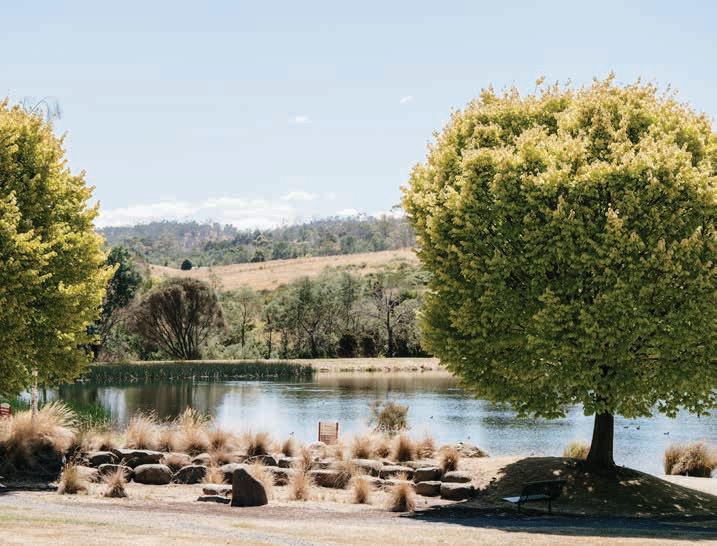
• $300,000 commitment to the design and upgrade of Waverley Lake.
• Approximately $9 million committed to the improvement of Margaret Street including the construction of a separated bidirectional bike lane, providing more high-quality active transport links.
• $2.4 million for the continuation of the Launceston City Heart Design, a transformational project for the City of Launceston.
Roads and Footpaths
• An extensive program of road resealing, resheeting and reconstruction totaling just over $16 million to ensure our road network remains maintained, including the $3.3 million allocated to the Second River Road reconstruction.
• $900,000 allocated to our footpath upgrade program for a continued commitment to making Launceston more accessible for all.
• The full list of the roads and footpaths scheduled for work under the 2026/27 program can be found within the Annual Budget’s Capital Funding section.
Community Facilities
• $530,000 to construct a destination playspace in Brisbane Street Mall as part of the Birchalls Redevelopment, to deliver an inclusive play experience and promote engagement with the mall and surrounding businesses.
• Continued upgrades of the Princess Theatre and Earl Arts Centre, a once-in-a-generation project with $21.5 million allocated.
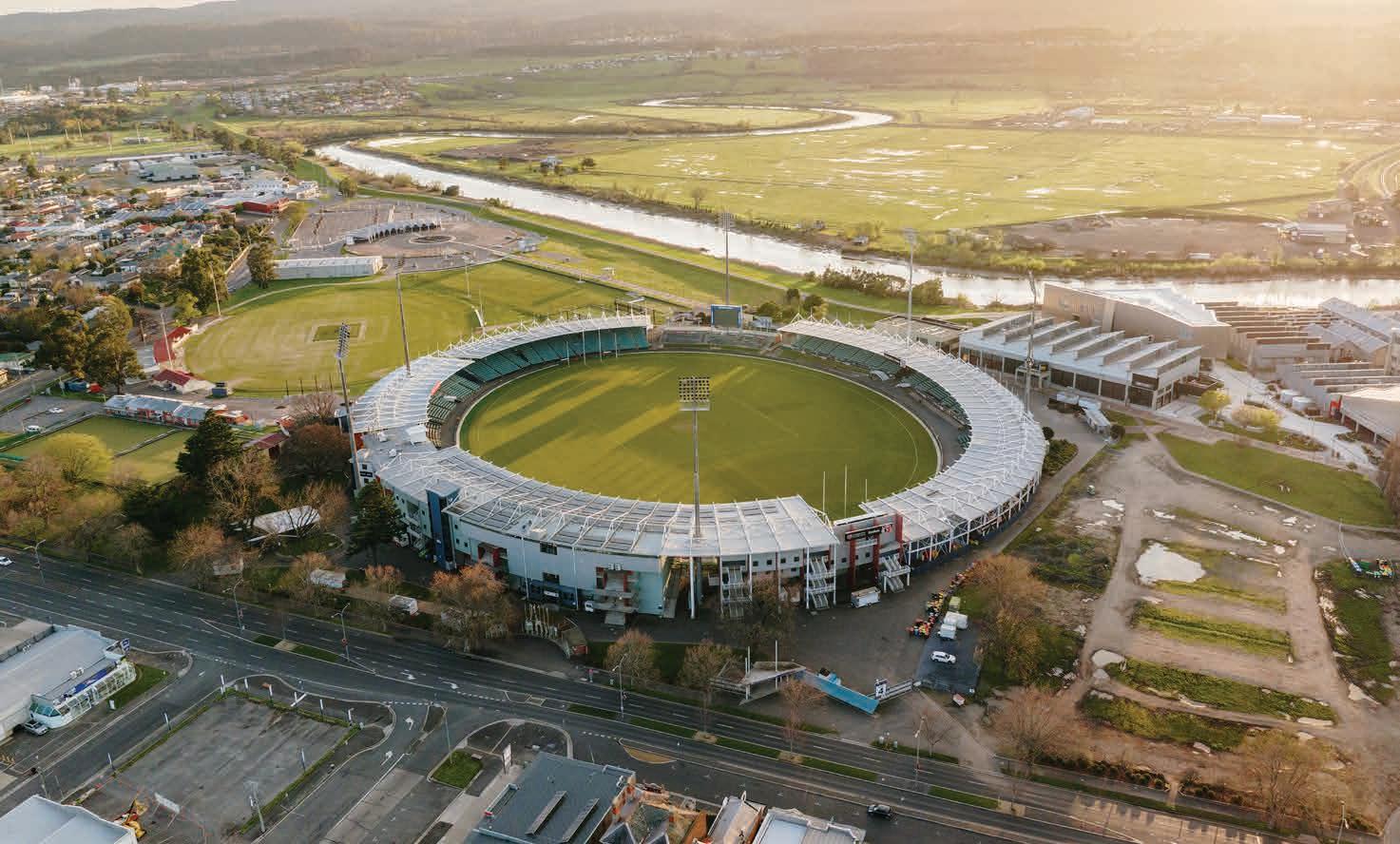
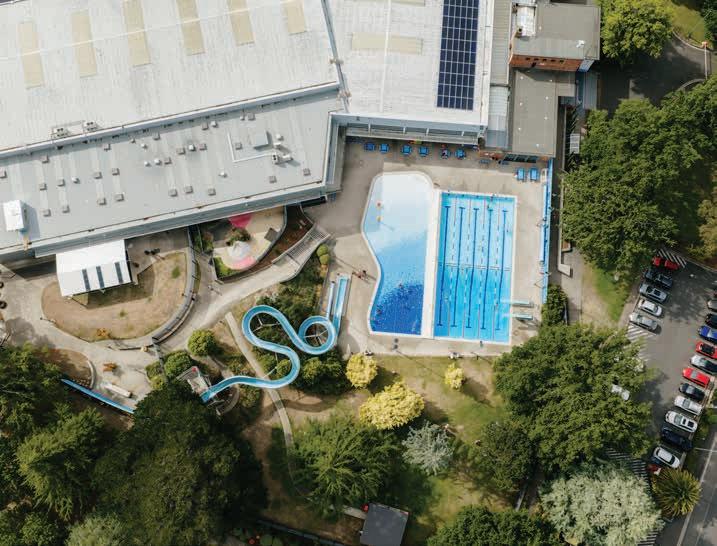
• $1.1 million for upgrades to the Launceston Aquatic Centre including the renewal of the changeroom facilities.
• Northern Tasmania Cricket Association (NTCA) precinct upgrades continuing for expanded community use.
• $600,000 towards Hoblers Bridge Netball Court Remediation for roof renewal.
ANNUAL BUDGET
2026/2027
INTRODUCTION
The City of Launceston is a large and dynamic organisation that provides a wide array of services to the municipality. The Council is dedicated to delivering high-quality services that meet the expectations of both residents and visitors, while also navigating the rising costs of service delivery.
The Statutory Estimates for 2026/2027 forecast an underlying deficit of $2,238,000 and an operating surplus of $10,570,000. Despite this, the city’s strong financial position, built on years of responsible fiscal management, allows for short-term deficits to be effectively managed while continuing to invest in key initiatives that will drive growth and improve the liveability of Launceston.
Enhancements this year include the following range of projects;
• $700,000 for Project Ignite (technology transformation project)
• $689,000 for the Princess Theatre Redevelopment Project - facade works
• $694,500 for the Albert Hall Management Agreement
• $80,000 for the Lilydale Falls Reserve Masterplan
• $65,000 for the Harvest Market Relocation Project
A full listing of Major Operational Projects is included alongside the Statutory Estimates.
Included to fund these and other projects, along with rising costs, is a budgeted general rates increase of 4.9% and an additional 1.75% for growth in the municipal rating base. This increase signals that Council is prepared to invest in its future and the long term prospects for the municipality.
Part of this investment includes a large capital works program for 2026/2027 of $66.8 million dollars for a range of projects. Significant projects include;
• $31.0 million for Princess Theatre & Earl Arts Centre Upgrade
• $11.4 million for Margaret Street Reconstruction
• $3.3 million for Road Reseal Program
• $3.3 million for Second River Road Reconstruction
• $1.8 million for Launceston City Heart Two Way Streets
• $1.2 million for Kings Meadows Connector Shared Path
• $1.0 million for Launceston Aquatic Change Rooms Renewal
A full list of Capital Projects is included alongside the Statutory Estimates.
STATEMENTS AND SCHEDULES
Minor difference to Funds (Cash) Statement arise from rounding. Comparative figures are taken from the previous statutory budget and are not updated to reflect budget changes made during the year.
Rates and Charges
Council has budgeted for an overall rates budget increase of 4.9% along with 1.75% growth in the rating base. The effect on individual properties will vary depending on the Assessed Annual Value.
Fire Service Levy
The Fire Service Levy is collected by Council on behalf of the State Fire Commission. The total contribution to be collected is advised annually by the Tasmanian Fire Service.
Statutory Fees and Fines
Fees and Charges have generally increased by 5% and details are provided in the list of Fees and Charges for 2026/2027.
User Fees
User Fees have generally increased by 5% and details are provided in the list of Fees and Charges for 2026/2027.
Fees for the Tasmanian Government Landfill Levy are budgeted in this line item.
Grants and Contributions
Operational Grants and Contributions are received for a variety of programs across Council. Most grants and contributions received will have a corresponding budget for expenditure in the same financial year.
Interest Earnings
Interest revenue is based on the expected Official Cash Rate and resultant investment returns. Council continually monitors investment returns on offer, and will also utilise Green Deposits for a percentage of Council's cash holdings within the parameters of Council's Investment Policy & Strategy.
Investments
A full TasWater dividend has been budgeted for 2026/2027.
Bequests and Donations
Bequests received by the Queen Victoria Museum and Art Gallery.
Other Income
Other income includes items such as Rent, Sponsorship and Recycling Revenue and other miscellaneous items.
Labour
Council has an ongoing commitment to workplace health and safety, employee training and professional development which are all included in the overall labour cost. Workers Compensation Insurance is included in labour costs, and has increased in line with industry trends.
An increase of 5.0% has been budgeted for staff salaries under the new Enterprise Agreement.
Materials and Services
These costs relate to the operation and maintenance of the Council's facilities; they include consumables such as fuel and utilities, support and contributions for community events and regional bodies, plant, contractors and materials.
Council has seen significant cost escalations with regards to many of these costs when preparing the 2026/2027 budget and has sought to minimise the impact on ratepayers where possible.
Depreciation
Depreciation is a significant non-cash expense and will continue to be affected by revaluation changes, revised estimates of the asset useful lives and the creation of new Council assets, or externally funded projects that create new assets. Given the Council's substantial asset portfolio, depreciation continues to be a significant cost in each operational budget.
As the price of Council assets increase in line with inflationary pressures and an annual revaluation cycle, depreciation is expected to increase in line with these factors.
General Administration includes a range of expenses including committee costs, bank fees, security services and safety services, etc.
have been budgeted based on agreement with TasWater.
Electricity and Gas costs are budgeted based on historical levels of usage and pricing based on Council's energy supply contracts.
Contributions and Regional Cooperation funding is based on the individual various agreements Council has with its regional partners and bodies.
Water, Rent and Land Tax is budgeted based on historic data of usage as well as future planned acquisitions or disposals.
Council policies determine the eligibility for remissions and abatements of rates, fees and other revenues. A number of properties are eligible for rates remissions on charitable grounds, with the revenue and remission both budgeted.
Fire Commission Levy
The Fire Service Levy is collected by Council on behalf of the State Fire Commission. The total contribution to be collected is advised annually by the Tasmanian Fire Service.
State Government Waste Levy
Under the State Government Waste and Resource Recovery Act 2022 (Tas) a levy of
$70.56 per tonne (includes annual indexation) must be paid by Council for any waste disposed to Council operated landfill facilities.
Interest Expense
No loan interest is budgeted as no borrowings are forecast.
Asset Disposal Loss
Non-cash expense relating to existing Council assets. Budgets are based on historical costs and Council's Strategic Asset Management Plan.
Garbage Disposal and Parking concessions have increased with the increase in charges at the Launceston Waste Centre and Parking fees. The Council provides a range of other concessions through its fee structures.
Debt Levels
$6.000 million was borrowed with a five year repayment term in the 2019/2020 financial year for a property purchase under the Accelerated Loan Program. This loan was repaid in 2024/2025.
While no new borrowings are budgeted for in 2026/2027, it is expected that any new borrowings that are not fully subsidised would be used to fund projects that produce an economic return and/or generate sufficient revenue to service any loan interest charges.
Capital Works Program
The following table provides an extract from the Capital Works Program. Council has budgeted $53.97 million for Council funded Capital projects in 2026/2027. Council seeks to prioritise the renewal and upgrade of existing assets based on asset data and in line with the Strategic Asset Management Plan. 96% of Capital funding has been allocated to the renewal and upgrade of existing assets.
The Detailed Capital Works program for 2026/2027 can be found on Council's website.
Non-Cash Expenses - Depreciation and Asset Disposal Losses)
Minor differences to Funds (Cash) Statement are a result of rounding. Comparative figures are taken from the previous statutory budget and not updated to reflect budget changes made during the year.
The Assessed Annual Value (AAV) upon which the Estimates are calculated:
As of the 2016/2017 year the 85 litre bin is no longer available
The Council is required under legislation to collect the fire levy on behalf of the State Fire Commission.
MAJOR OPERATIONAL PROJECTS 2026/2027
CAPITAL PROJECTS 2026/2027
List of Photography
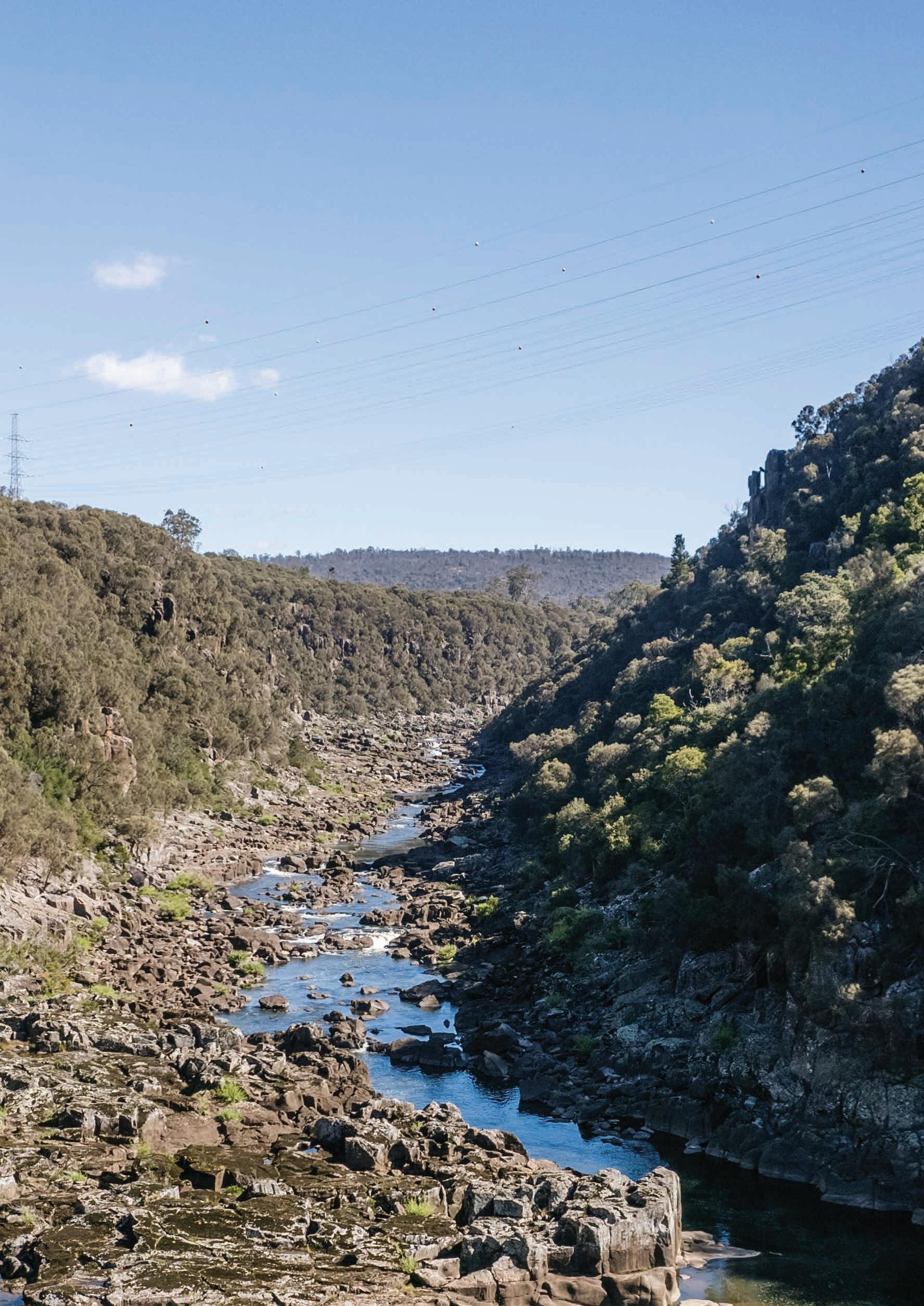
• Page 2
Cataract Gorge
Credit: Nick Hanson
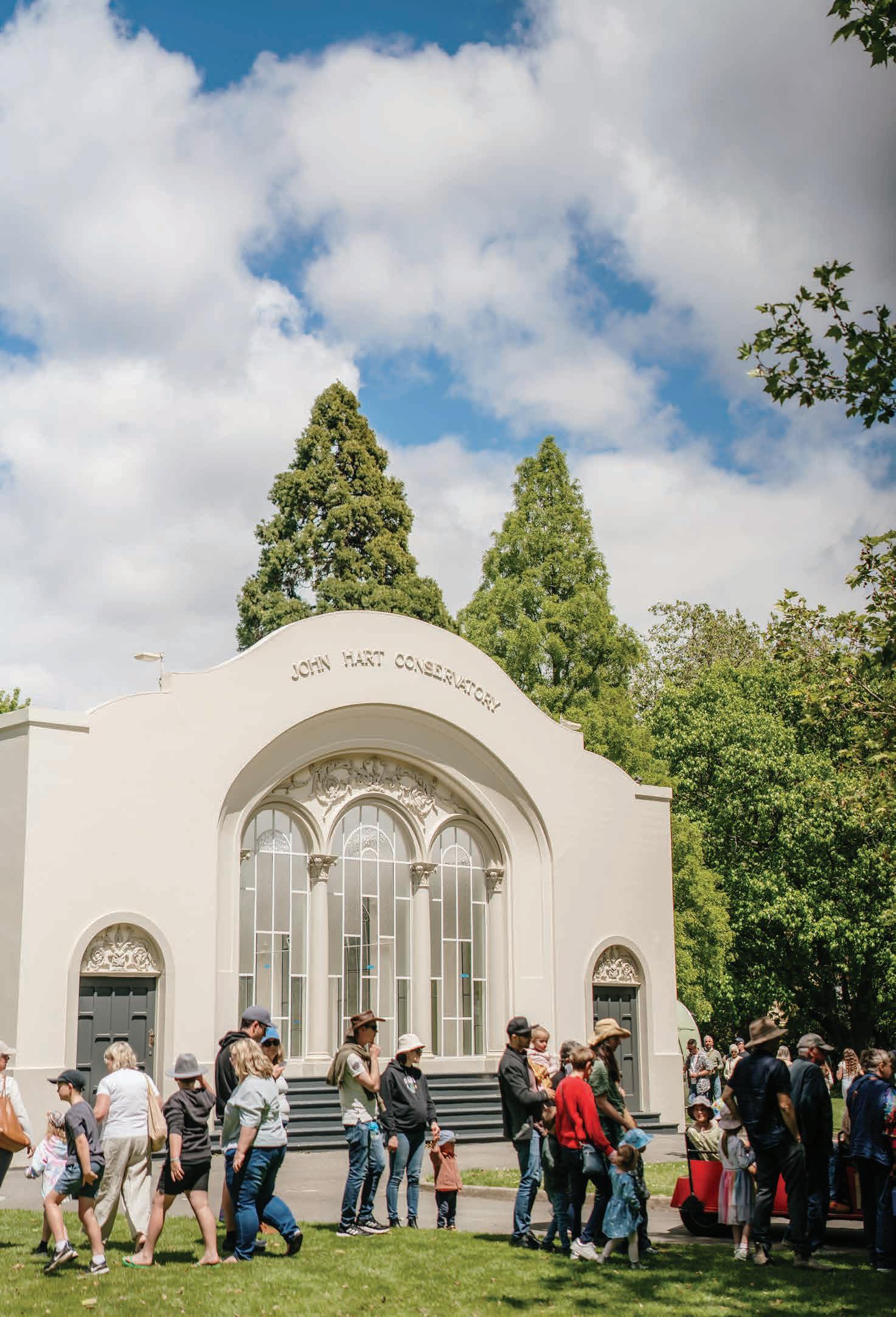
• Page 4
John Hart Conservatory
Credit: Nick Hanson
• Page 6
Mayor Garwood
Credit: Rob Burnett
• Page 7
Thoroughfare
Credit: Nick Hanson
• Page 9
Harvest Market
Credit: Cameron Jones
• Page 11
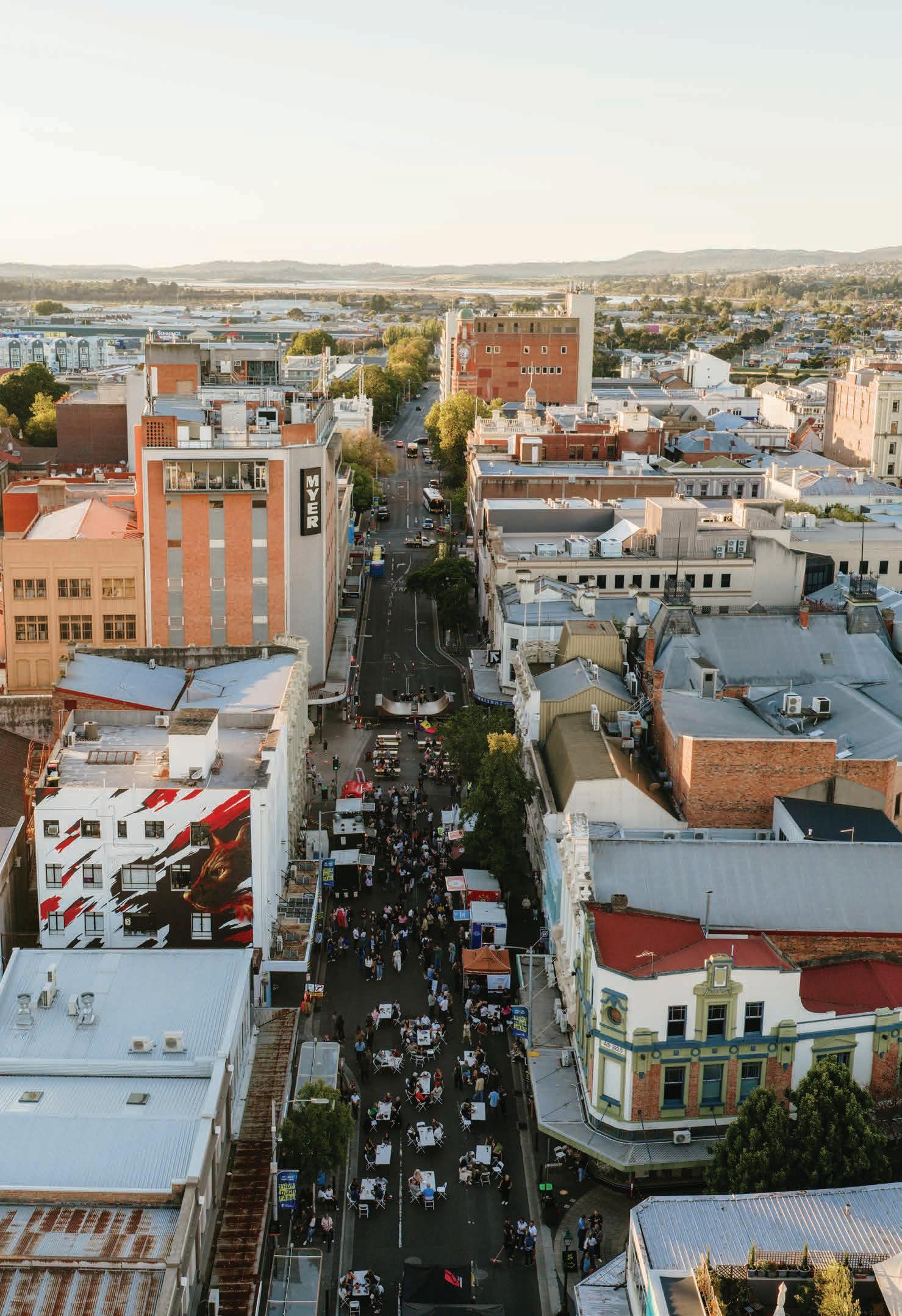
City Aerial
Credit: Nick Hanson
• Page 13
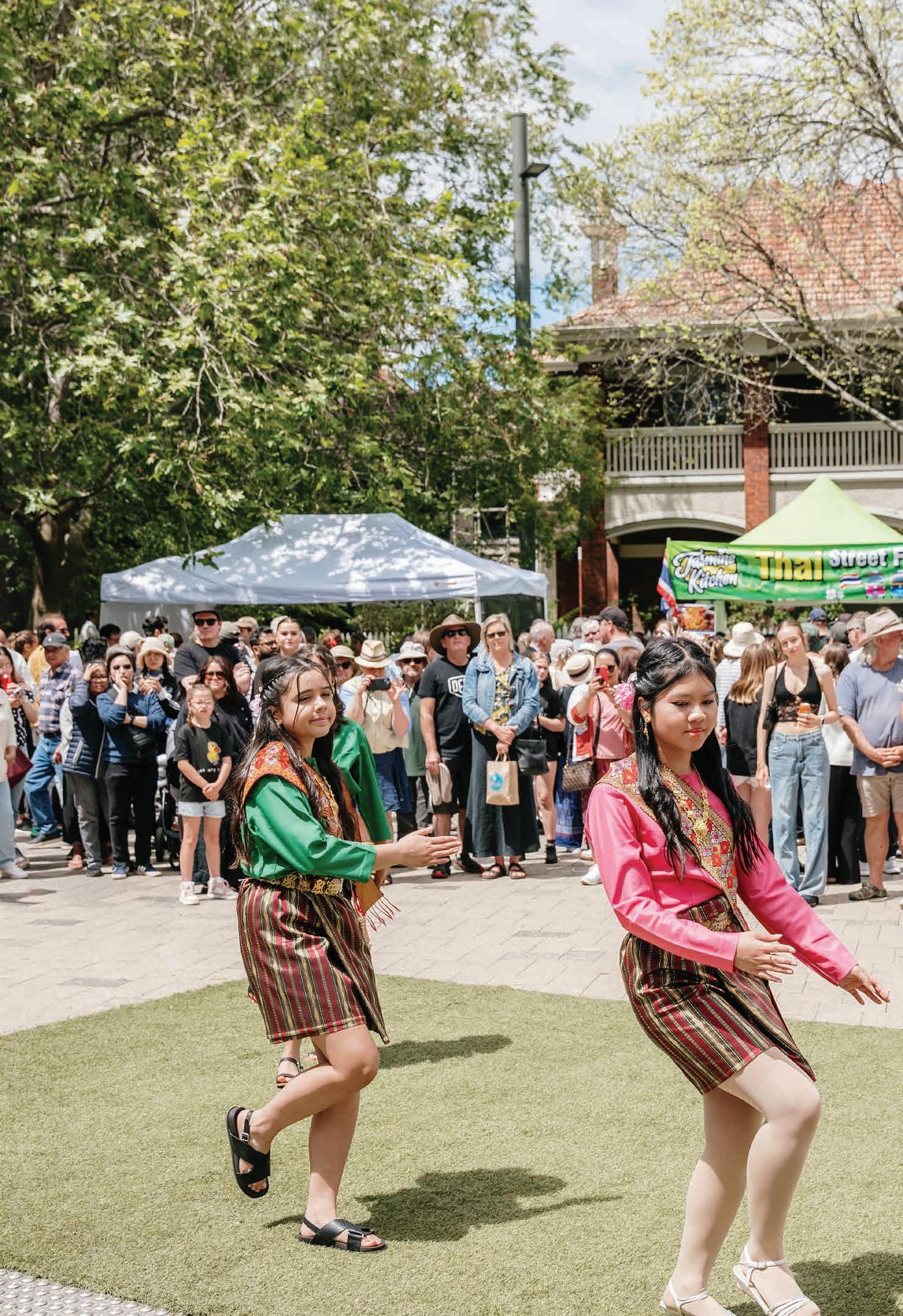
Thai Food & Cultural Festival
Credit: Nick Hanson
• Page 14
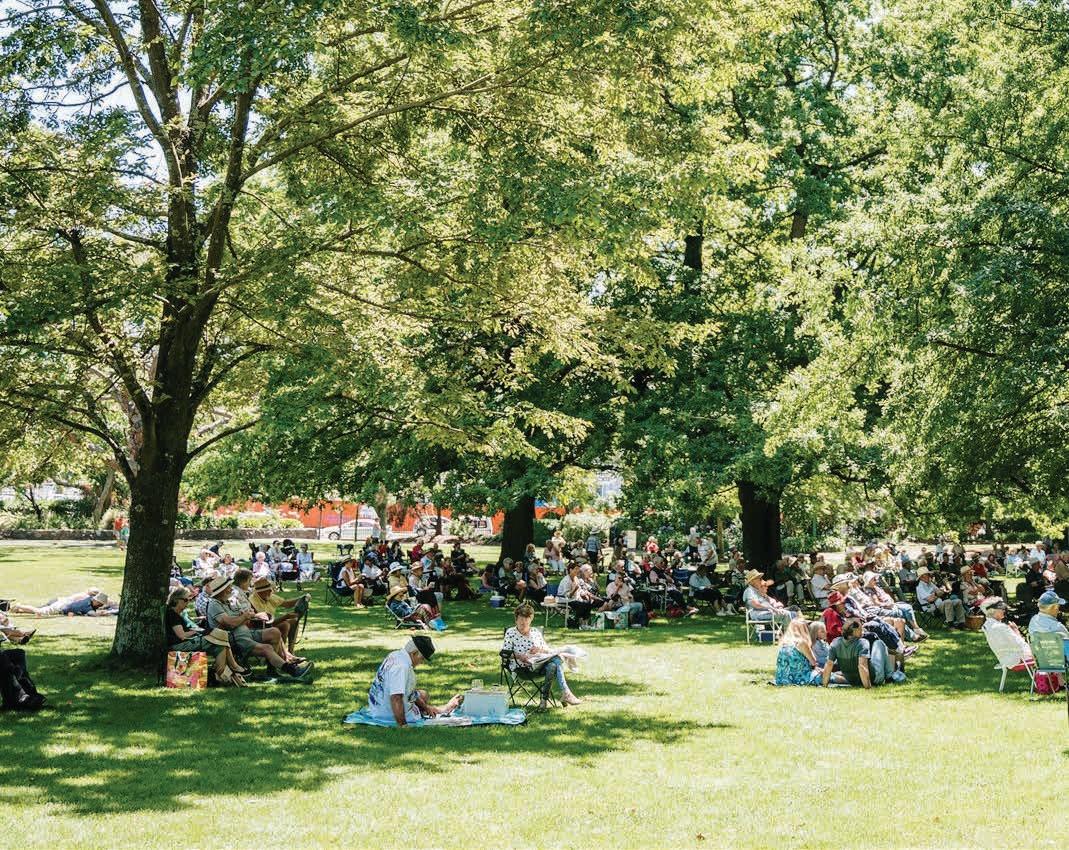
Music in the Park
Credit: Nick Hanson
• Page 16
Gastronomy
Credit: Nick Hanson
• Page 19
3D Printer
Credit: Melanie Kate
• Page 23
St Leonards aerial
Credit: Nick Hanson
• Page 28
North Esk River aerial
Credit: Nick Hanson
• Page 31
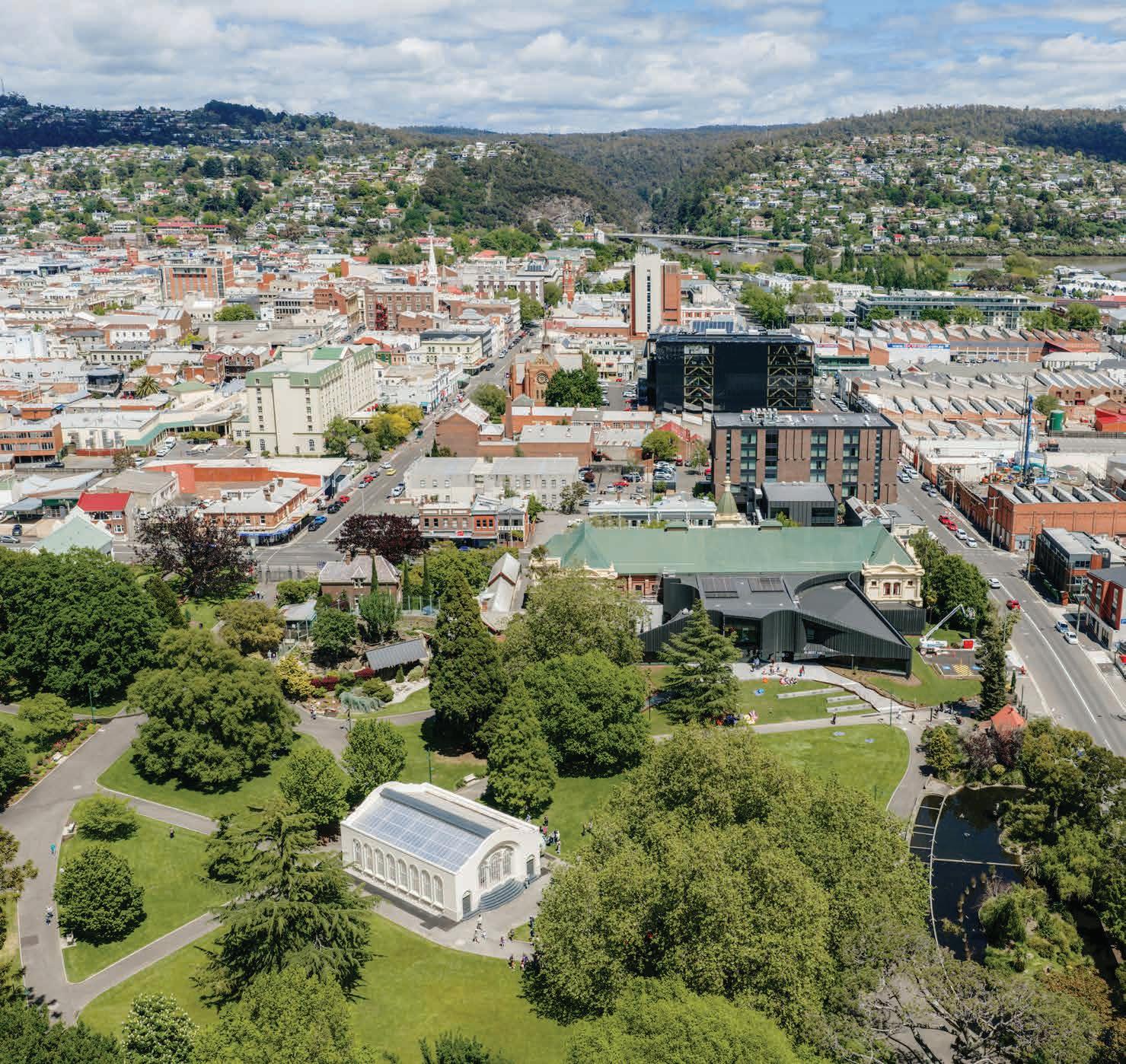
Launceston aerial
Credit: Nick Hanson
• Page 32
Launceston houses
Credit: Nick Hanson
• Page 34
Bus passengers
Credit: S. Group
• Page 37
Heritage buildings in Launceston
Credit: Nick Hanson
• Page 38
Basketball at Inveresk
Credit: Nick Hanson
• Page 41
Escooter
Credit: S Group
• Page 43
Repair Café
Credit: Nick Hanson
• Page 51
Inveresk Precinct
Credit: Nick Hanson
• Page 52
Royal Park aerial
Credit: Nick Hanson
• Page 57
Waverley Lake
Credit: Nick Hanson
• Page 57
Launceston Leisure & Aquatic Centre
Credit: Nick Hanson