MESSAGE FROM THE CHIEF EXECUTIVE OFFICER
Our Disability Access and Inclusion Plan 2026–2030 demonstrates our commitment to create a City where everyone belongs.
With 130,000 people living in our community, we’re ensuring our services, buildings, and public spaces provide for everyone, including people with disability. This plan sets out how we will progress this over the next four years.
We heard from almost 400 people to form this plan, including people with disability, families, and carers who shared what matters most. These ideas shaped the 57 actions in this plan, underpinned by a commitment to 7 principles:
→ Listening, learning and co-designing
→ Leading by example
→ Building accessible communities
→ Connecting people to services and opportunities
→ Communicating accessibly
→ Supporting community inclusion
→ Recognising overlapping barriers
We are committed to making our buildings and public spaces more welcoming and easier to use. We’re creating programs and services that include everyone, providing information that is accessible to all, and training our staff so we better understand and connect with people living with disability. This input has and will continue to be invaluable as part of this process.
This plan connects to the State Disability Inclusion Plan 2025–2029 and our Community Vision 2040.
Together, we can create a City where everyone is welcome and included.
Paul Sutton Chief Executive Officer
MESSAGE FROM THE MAYOR
I’m pleased to share our Disability Access and Inclusion Plan 2026–2030. This plan shows our promise to make Charles Sturt a community where everyone is valued and included.
More than 27,000 people in Charles Sturt live with disability. They are our neighbours, friends, and family. Making our City inclusive is everyone’s responsibility.
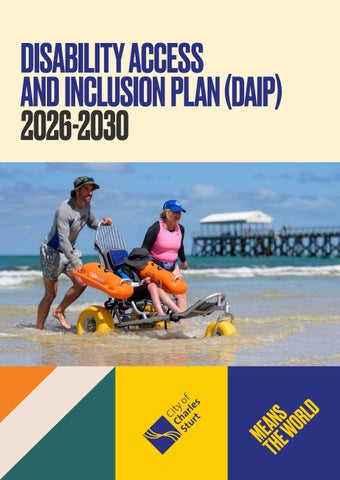
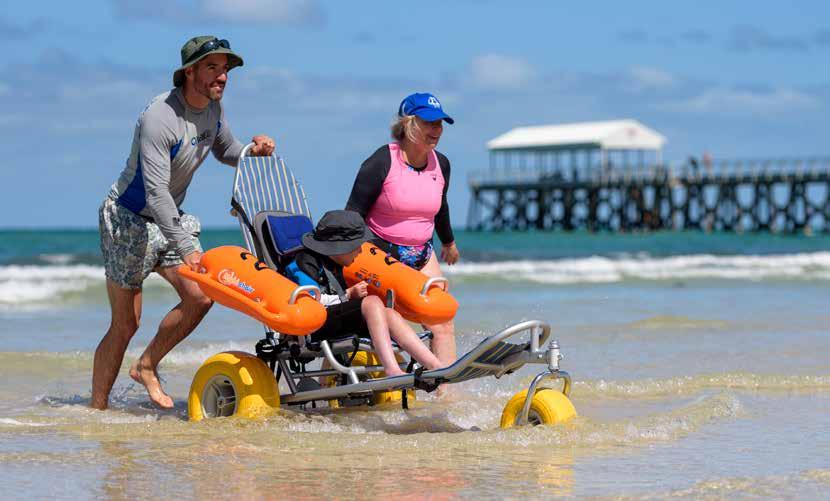
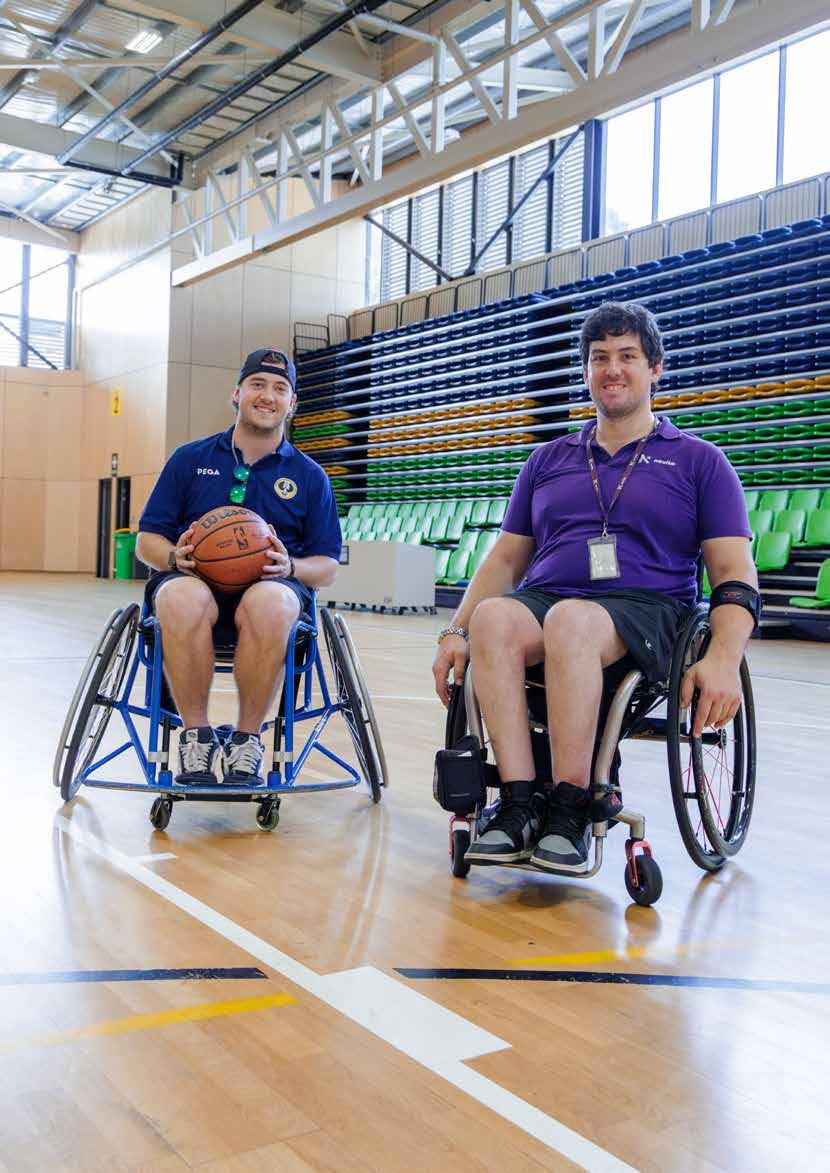
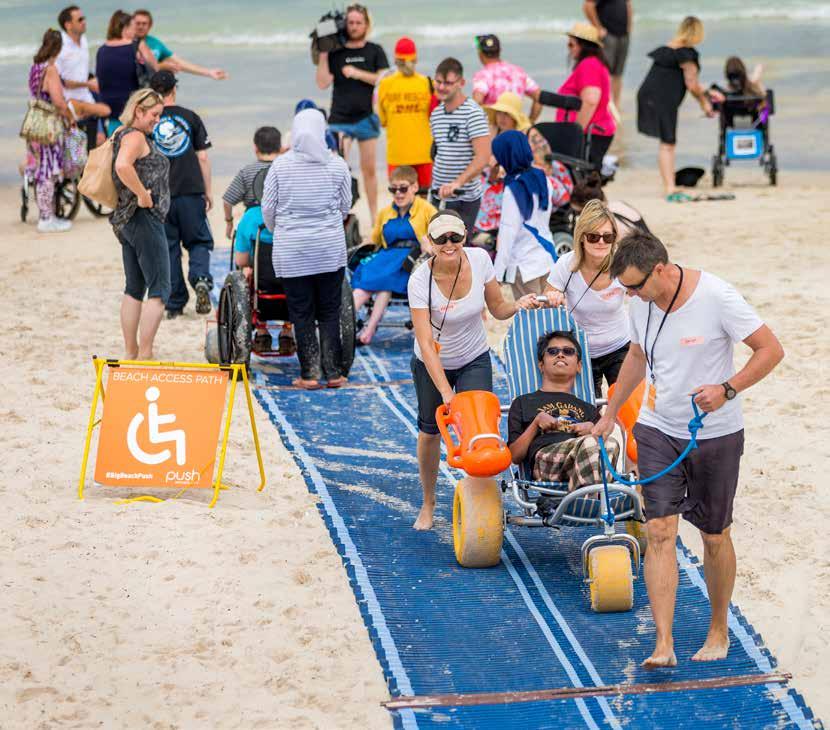
Here, we’ve created South Australia’s first accessible beach at Henley Beach and built important inclusive social and community infrastructure including our brand new Ngutungka community hubs. These achievements show what we can achieve when we work together.
We listened to people with disability, families, and carers during consultation. You told us you want more accessible spaces, better facilities, inclusive programs, and a stronger voice in decisions, and we have reflected these in a set of commitments that we are proud to stand behind.
We understand that disability affects different groups in different ways, and we’re addressing these barriers together to help create genuinely inclusive community.
True inclusion takes ongoing work. I invite you to join us in ensuring the City of Charles Sturt is a place where belonging is a reality.
Angela Evans Mayor
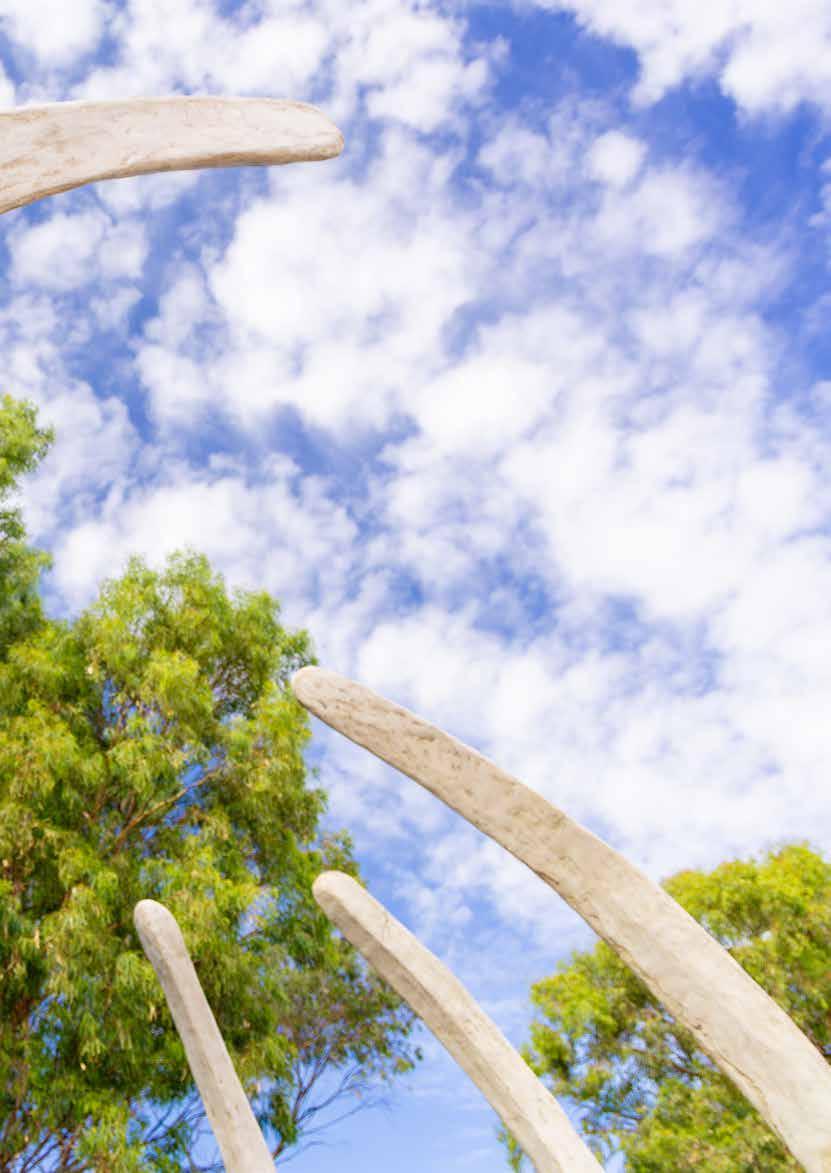
ACKNOWLEDGEMENT OF COUNTRY
Ngadlu Mikawamangka yuwanthi, Kaurna yartangka. Kumartarna, Yaitya-Miyurna purrutyi ngadlurlu tampinthi
We are standing on Mikawama, on Kaurna land. We acknowledge all Aboriginal people.
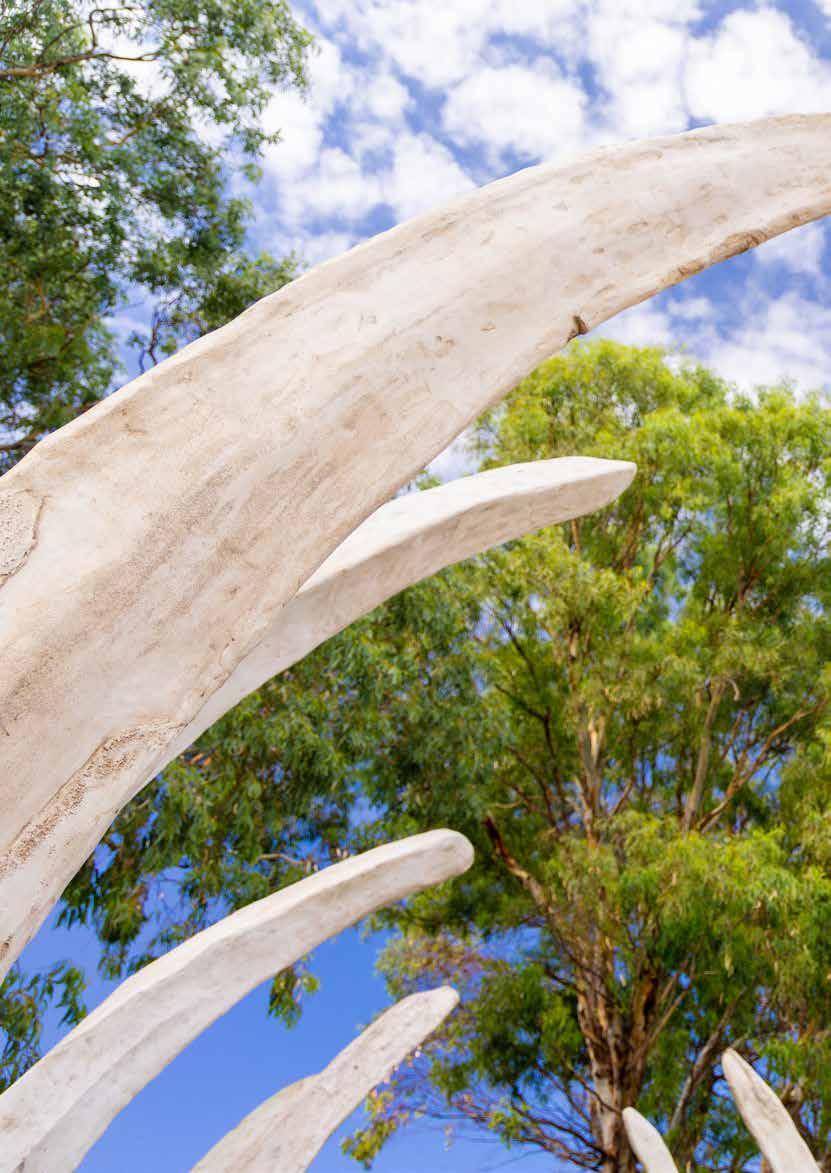
Artist: Allen Sumner, Kaurna Kuntuli Wardli Bone Shelter
OUR CITY
The City of Charles Sturt is home to around 130,000 people from over 105 cultures and backgrounds. We celebrate unity in diversity.
Our council is west of the Central Business District of Adelaide, South Australia, located between the city and the sea.
You’ll find people from all parts of the globe around every corner. It is this richness which makes Charles Sturt such a vibrant place to live, work and play. It is a place to call home, a place where everyone belongs.
Our community is vibrant, diverse, and growing:
→ 27% were born overseas
→ 1 in 5 speak a language other than English at home
→ 1.6% are Aboriginal and/or Torres Strait Islander
→ About 3.5% are same-sex attracted
We welcome an average of 34 new residents each week into our City and community. Hundreds of people become Australian citizens here every year.
UNDERSTANDING DISABILITY IN OUR COMMUNITY
Disability affects people of all ages, backgrounds, and cultures. It includes physical, sensory, cognitive, intellectual, psychosocial, and invisible disabilities.
Every person with disability has different experiences and needs. People with disability often face multiple disadvantages at once, because of their gender, sexuality, age, cultural background, or income. When these factors combine, accessing services and feeling included becomes even harder.
We recognise that:
→ First Nations Australians are 1.9 times more likely to have a disability
→ Women with disability are twice as likely to experience sexual violence
→ LGBTIQA+ people with disability face much higher rates of harassment, assault, and suicide attempts
→ Nearly twice as many South Australians with disability are unemployed, compared to those without disability
→ Disability discrimination makes up 46% of complaints to the Australian Human Rights Commission— more than any other type
→ People from culturally diverse backgrounds are three times less likely to access the National Disability Insurance Scheme (NDIS)
→ People with disability experience much higher rates of poverty and financial hardship
Our community’s diversity means we must understand how these factors can overlap when we plan for access and inclusion.
OVER 50% of Australians aged over 64 have a disability – that’s 12,000 local residents.
27,300
Charles Sturt residents live with a disability, and 7,400 need help from others with daily activities.
12% of young people under 25 live with a disability - 3,900 young people in Charles Sturt.
12,000+
carers provide unpaid support to Charles Sturt residents with disability, long term illness or age-related needs.
There are many misconceptions and misunderstandings in the community about what it means to have a disability. This is why the use of accurate and respectful language is so important. We acknowledge that language is a personal preference, and that different language and terminology preferences exist within the disability and neurodivergent community.
4,900 working age residents receive a Disability Support Pension.
36% of households include someone with a disability.
9-12% are neurodivergent, living with conditions including Autism, ADHD and Dyslexia.
Based on feedback during consultations, and based on Inclusive SA’s guidelines, we have adopted ‘person-first’ language (i.e. person with disability) in this DAIP, rather than identityfirst language (i.e. disabled person). However, it is important to ask the person with disability how they would like to be referred to and represented, and to respect their wishes.
OUR WORKPLACE
The City of Charles Sturt is committed to being an inclusive employer that leads by example.
We support employees with caring responsibilities and those with disability through workplace adjustments, flexible leave, and employee assistance programs. Our flexible working arrangements help remove barriers for people with disability.
OUR COMMITMENT
We train staff on disability awareness and inclusion so they can better support our community. An inclusive workplace helps us represent our whole community and deliver better services.
Our Community Vision was released in 2024. It shows what our community wants for a connected and inclusive future. It includes five main themes and four foundations that guide all our work as a council.
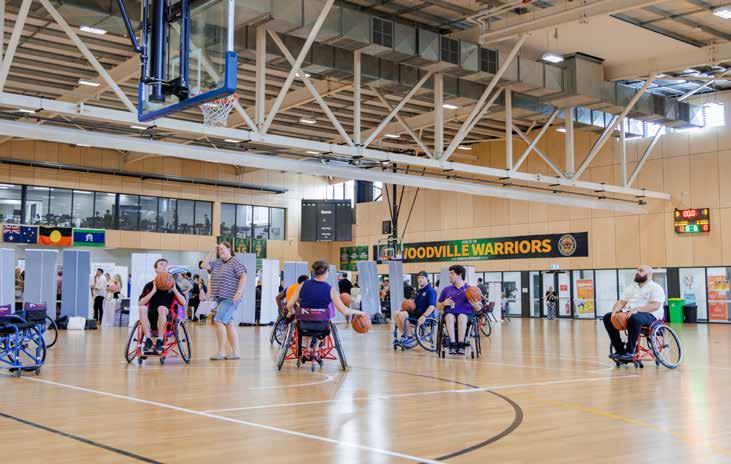
A PLACE TO CALL HOME, A PLACE WHERE WE BELONG
CONNECTING THEMES
→ Local Neighbourhoods – Valuing our local places where people can connect, access services and feel part of their community
→ Valuing Nature – Protecting our environment and creating cool, green spaces that everyone can enjoy
→ Vibrant Places – Creating unique, interesting spaces and events that bring people together
→ Connecting and Belonging – Ensuring everyone feels valued, respected and able to participate
→ Our Transforming City – Responding to change while respecting our heritage and supporting our evolving community
Equity means making sure that everyone has the same access to opportunities. This an important focus in our Community Vision. We’re committed to fair outcomes and helping our entire community have a voice and participate.
This DAIP aligns closely with our Community Vision. It shows the specific ways accessibility and social inclusion for people with disability fit within this overall picture.
A SOCIAL MODEL OF DISABILITY
In this DAIP we use a broad understanding of disability that includes different experiences. We recognise that people aren’t disabled by their condition alone, but by the barriers created by society and their surroundings. This is called the ‘social model of disability’.
For example, a wheelchair user isn’t disabled by their mobility impairment, but by having a set of stairs in front of them instead of a ramp. A Deaf person isn’t disabled by their lack of hearing, but by the lack of an Auslan interpreter to communicate with.
YOUR VOICE, OUR COMMITMENT
Creating a truly inclusive City is an ongoing journey that requires commitment, resources, and collaboration. This DAIP is our roadmap for this journey. It builds on our previous plan and the advocacy of people with disability, their families, and carers.
When we remove barriers, people with disability can participate fully in community life. This shifts the focus from the individual to creating an inclusive society for everyone.
Designing inclusively from the start creates spaces and services that work better for everyone, not just people with disability. This is known as ‘universal design’, and it’s a principle we will try to embed in everything we do.
The DAIP Action Table at the end lists the actions we’ll work on over the next five years. These actions are guided by important principles that apply to all our council’s work.
7 PRINCIPLES:
Listening, learning and co-designing: Involving people with disability in decisions that affect their lives 1
Leading by example: Building a positive culture of disability access and inclusion in our organisation and community 2
Building accessible communities: Creating public spaces, buildings, and infrastructure that everyone can access and enjoy 3
Connecting people to services and opportunities: Breaking down barriers to community life, employment, and volunteering 4
Communicating accessibly: Making sure everyone can access information in ways they understand 5
Supporting community inclusion: Helping local businesses and community groups create welcoming and accessible experiences 6
Recognising overlapping barriers: Responding to the diverse and intersectional experiences, needs, and identities of our community 7
STRATEGIC CONTEXT
The City of Charles Sturt DAIP aligns with and supports state, national, and international legislation and strategies.
NATIONAL
STATE DISABILITY INCLUSION PLAN 2025-2029: A SOUTH AUSTRALIA WHERE NO ONE IS LEFT BEHIND STATE
INTERNATIONAL
Disability Inclusion Act 2018
State Disability Inclusion Plan 2025-2029
SA Autism Strategy 2024-2029
Australia’s Disability Strategy 2021-2031
National Autism Strategy 2025-2031
Disability Royal Commission
National Disability Insurance Scheme (NDIS)
NDIS Review
Disability Discrimination Act 1992
National Agreement on Closing the Gap
United Nations Convention on the Rights of Persons with Disabilities
DISABILITY ACCESS AND INCLUSION PLAN (DAIP)
The State Plan is very important. It is the main framework for disability access and inclusion across South Australia. It guides our DAIP priorities and sets out outcomes for state authorities, including local governments, to achieve. These are organised into 27 priority areas across 5 domains:
→ Domain 1: Inclusive environments and communities
→ Domain 2: Education and employment
→ Domain 3: Personal and community support
→ Domain 4: Health and wellbeing
→ Domain 5: Safety, rights and justice
Many of our own DAIP actions link directly to the State Plan’s measures. We will report on these annually to the Department of Human Services.
The State Plan also identifies several ‘priority groups’, whose disability can overlap with other experiences to put them at greater disadvantage. These groups are:
→ Aboriginal people with disability
→ People with disability from culturally and linguistically diverse backgrounds
→ Women with disability
→ Children with disability
→ People with disability who identify as LGBTIQA+
→ People with significant intellectual disability or who have high levels of vulnerability due to disability
→ Older people with disability
You can download the State Plan from inclusive.sa.gov.au
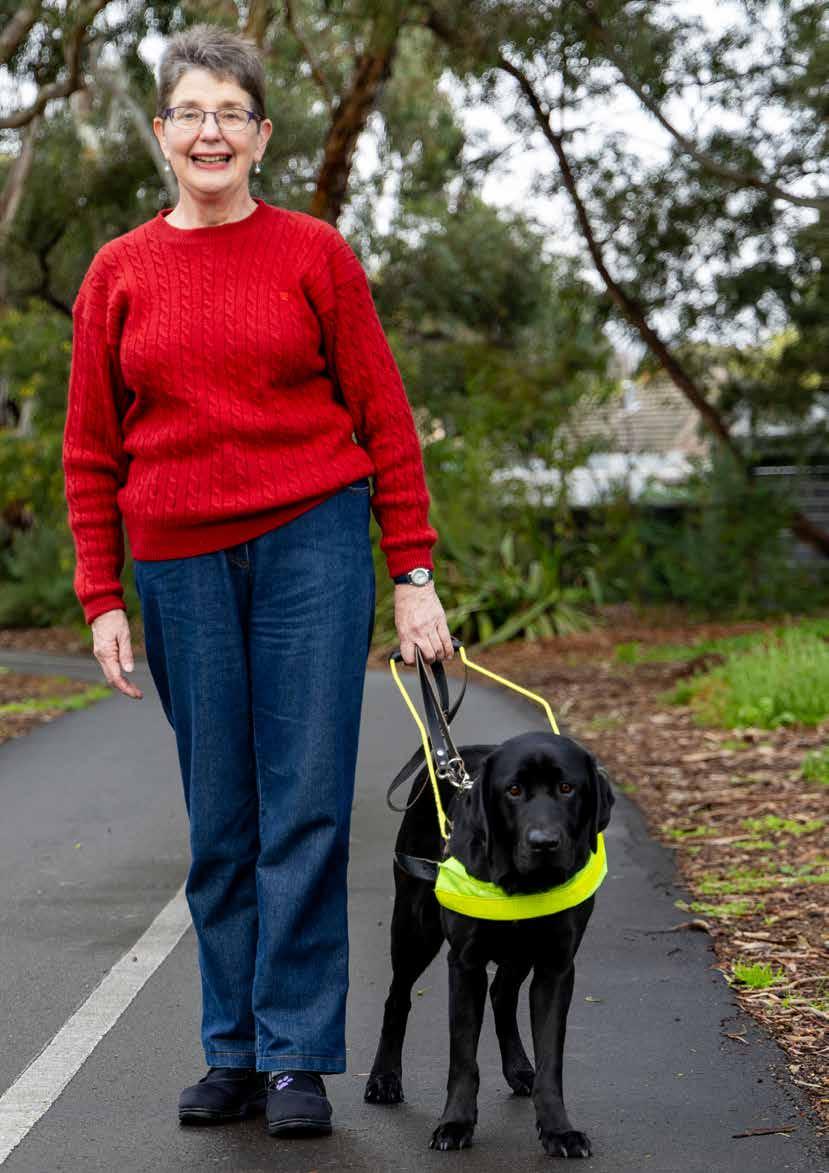
A socially inclusive community is one where all people feel valued, their differences are respected, and their basic needs are met. It is a community where people can live in dignity and participate as they choose to in line with their rights as a full and equal member of society, free from discrimination and disadvantage. Most importantly, a socially inclusive community is one where all citizens feel like they belong.
- City of Charles Sturt Social Inclusion Policy
RELATIONSHIP TO OTHER CHARLES STURT PLANNING AND POLICY
This DAIP is an important part of the City of Charles Sturt’s broader strategic planning. It aligns with the many policies, strategies, and plans that guide our work. As we update these documents, we’ll make sure they reflect our DAIP commitments and embrace access and inclusion principles. They include:
COMMUNITY VISION 2040
Our overarching vision: “A Place to Call Home, A Place Where We Belong”
ORGANISATIONAL PLAN 2025-2030
Translating the Community Vision into organisational priorities and actions. Many of these relate closely with DAIP priorities
ANNUAL BUSINESS PLAN AND BUDGET
Allocating money and resources to deliver programs
OPEN SPACE STRATEGY
Guiding the planning, improvement, and management of open spaces
TRANSPORT PLAN
Providing direction for initiatives that help people get around
PUBLIC HEALTH PLAN
Helping promote health and wellbeing across our community
AGEING IN CHARLES STURT POLICY
Supporting the diverse needs of our ageing community
SOCIAL INCLUSION POLICY
Ensuring participation, equity, dignity, and respect for all
This alignment helps embed disability access and inclusion in everything we do. From planning and policy to service delivery and infrastructure, every council decision reflects our commitment to creating an accessible and inclusive city for all.
DAIP DEVELOPMENT
Under our previous Disability Access and Inclusion Plan 2021-2025 we committed to 47 actions. These have now been completed or embedded in our ongoing work. Our proudest achievements from the last plan include:
→ Opening Ngutungka hubs at West Lakes and Henley as inclusive and accessible community facilities
→ New Changing Places facilities at 2 locations and accessibility upgrades to other public toilets
→ Inclusive streetscapes, buildings, playgrounds, and public space upgrades across our city
→ Improvements to Henley Beach, South Australia’s first accessible beach, including free beach wheelchair and beach walker hire
CONSULTATION
→ Awareness campaigns like the ‘Disability Visibility’ video series
→ Communication Access accreditation, ensuring our customer service staff are trained in using non-verbal communication tools
This progress provides a strong foundation for us to build on in our new DAIP.
Between July 2025 and January 2026, we consulted widely with our community about what matters most to them. In total, we heard from 382 people from across every part of our city.
All the ‘priority groups’ highlighted in the State Disability Inclusion Plan (see page 11-12) were represented.
Consultation took place across two stages. In the first stage, between July and September 2025, we gathered broad community views about what our priorities should be. We heard from you in a range of ways, including through the Your Say Charles Sturt site, online and paper surveys, and 23 face-to-face events. These events included pop-up consultations at community centres,
libraries and public spaces, and workshops and focus groups with disability sector organisations and diverse community advocate groups
A draft DAIP document was developed out of stage 1 feedback and presented to the community during a second stage of consultation, from December 2025 to January 2026. The final DAIP reflects this feedback.
WHAT WE HEARD
During consultation, we heard great ideas including creating more sensory-friendly spaces, improving accessibility in community facilities and playgrounds, developing more flexible and inclusive programs, and proactively supporting local businesses and organisations to improve accessibility.
Community members emphasised the importance of co-design and giving voice to people with disability, their families, and carers. They called on council to lead by example, by providing staff awareness training and improving employment opportunities for people with disability. They highlighted the need for intersectional approaches - recognising that
LGBTIQA+ people, First Nations people, culturally and linguistically diverse people, and those experiencing poverty can experience disability in different and sometimes overlapping ways.
Feedback also revealed some ongoing barriers to inclusion. These included communication access issues, physical obstacles in public spaces and buildings, limited accessible infrastructure and amenities, limited representation in decisionmaking, and social isolation of people with disability.
The feedback and suggestions provided across the entire consultation process has directly informed the principles and actions in this DAIP.
Everyone in our organisation is responsible for disability access and inclusion.
We’ll work together across all council divisions to implement our DAIP, and will develop a clear plan of action that will guide our teams’ specific tasks and responsibilities. We will report on our progress to the Department of Human Services every year.
This approach makes sure disability inclusion becomes part of everything we do, from our strategic plans to our policy reviews to staff training. Community members will be able to provide ongoing input to our processes (action 14), helping us remain focused on our commitments.
IMPLEMENTATION ACKNOWLEDGMENTS
We’ll promote the DAIP widely through our website, Your Say Charles Sturt platform, social media, eNewsletters, and Kaleidoscope magazine.
Paper copies will be available at our libraries, community centres, Civic Centre, and other places across the City.
We will also publish it in accessible formats so everyone can read it.
The City of Charles Sturt gratefully acknowledges everyone who contributed to developing this Disability Access and Inclusion Plan.
We acknowledge the guidance and support from the Department of Human Services and the Local Government Access and Inclusion Network.
We thank the many City of Charles Sturt employees who participated in consultation, sharing their professional insights and commitment to creating an inclusive organisation.
Most importantly, we thank the hundreds of community members who generously shared their time, experiences, and insights through
surveys, workshops, and consultations. Your voices shaped this plan and ensured it reflects the real needs and aspirations of people with disability in our community.
This DAIP commits us to ongoing collaboration and partnership, keeping people with disability at the centre of our work towards a truly accessible and inclusive City of Charles Sturt.
DISABILITY ACCESS AND INCLUSION PLAN ACTIONS 2026-2030
The 57 actions below are organised according to the themes and outcomes of our Community Vision.
LOCAL NEIGHBOURHOODS
Local centres, infrastructure and streetscapes are accessible and inclusive, enabling people with disability to participate fully in their neighbourhoods and local community activities.
Our families, friends and neighbours create memories together
1. Ensure programs are accessible and inclusive to meet the diverse and intersectional needs of our community, including the priority groups specified in the State Disability Inclusion Plan
2. Offer sensory-friendly times at libraries
3. Partner with community groups and sporting clubs to create accessible participation opportunities, including in school holiday programming
Our local businesses know your name
4. Improve grant programs to fund inclusion and accessibility for businesses, non-profits and community organisations
5. Support disability access and inclusion training for local businesses, community organisations and groups
6. Showcase successful inclusive businesses in council communications
Our neighbourhoods enable us to walk, ride or wheel to get what we need
7. Prioritise accessibility and safety in footpath, kerb ramp and pedestrian crossing renewals
8. Increase accessible car parking and safe passenger and delivery drop-off zones
We create local connection within and between neighbourhoods
9. Prioritise accessibility for all in precinct and neighbourhood planning
10. Create and maintain a map showing key accessibility infrastructure across the city
CONNECTING AND BELONGING
Delivering equitable services, removing barriers to participation, and fostering inclusive communities where people with disability have a voice, feel valued, safe, and connected.
Our communities have a voice and feel respected and valued
11. Include accessibility questions in annual community survey
12. Actively seek input from people with disability in public consultations, including site audits before major projects
13. Integrate co-design processes across key council projects
14. Establish and maintain a mechanism for ongoing community engagement and input from people with lived experience of disability, such as an advisory group or network.
15. Ensure access and inclusion considerations and DAIP alignment are built into planning, policy and strategy development as appropriate
Our community has access to spaces, services and support when needed
16. Improve outreach programs to connect people with services and reduce social isolation (e.g. home support, library outreach, pop-up events)
17. Ensure accessibility for emergency response resources and systems
18. Create and maintain accessible pre-visit information for key council buildings and community spaces
19. Ensure accessible communication tools and staff trained in their use are present at service points
20. Create sensory-friendly spaces in council buildings, libraries and community centres (e.g. quiet rooms, better lighting, less clutter)
21. Ensure accessibility information is provided in a central and easy-to-find website location
22. Ensure council websites meet contemporary accessibility standards and improve other digital platforms
23. Audit all council public toilets and include accessibility upgrades in renewal program
24. Build a new Changing Places facility at Point Malcolm Reserve
We create opportunities for communities to collaborate, engage and connect
25. Build partnerships and information-sharing relationships with disability organisations, advocacy groups and service providers
26. Participate in cross-organisational forums and networks (e.g. Local Government Access and Inclusion Network and Inclusive SA Community of Practice meetings)
27. Improve volunteering pathways for people with disability
28. Share important information on accessible events and programs via Kaleidoscope, eNewsletter and social media
29. Create Easy Read and/or other accessible versions of key council documents
30. Improve accessibility of visual content for key information and events (e.g. Auslan translation, closed captioning, image description)
31. Ensure key documents and information are available in hard-copy formats
We support and value diversity
32. Provide regular disability and neurodiversity awareness training for staff, with specialised training as appropriate to work area
33. Survey staff annually on diversity, equity, inclusion and accessibility
34. Make workplace accommodations readily available (e.g. adjustable desks, assistive technology, parking permits)
35. Enable inclusive support networks and peer support for staff and volunteers with disability
36. Engage with First Nations people with disability to co-design culturally safe and appropriate initiatives
37. Ensure our Closing the Gap commitments inform ongoing access and inclusion work
38. Acknowledge and consider intersections of disability with other experiences of diversity in our community engagement, including the priority groups specified in the State Disability Inclusion Plan
39. Provide multilingual materials for diverse communities, as appropriate
40. Improve recruitment to remove barriers and create diverse employment opportunities
41. Run community awareness campaigns about disability and neurodivergence, including initiatives aligned with key awareness dates
VIBRANT PLACES
Creating accessible community facilities and cultural venues that welcome and accommodate people with disability, ensuring everyone can participate in diverse activities and celebrations.
Our spaces are unique, creative, interesting and engaging
42. Create a flagship inclusive playground
43. Improve playground accessibility equipment during renewals (e.g. wheelchair swings, sensory equipment, communication boards, fencing)
44. Improve accessibility infrastructure at playgrounds, beaches and parks (e.g. paths and ramps, water fountains, shade, showers)
OUR TRANSFORMING CITY
45. Make community gardens more accessible (e.g. paths, accessible garden beds)
Our city is recognised as a centre for sport, events and for bringing people together
46. Design our arts, culture and music programs to be accessible and welcoming
47. Run council events using best practice accessibility guidelines
48. Help community organisations run events with best-practice accessibility
Embedding accessibility and universal design into city planning and service delivery to ensure people with disability benefit from innovation and development as our city evolves.
We respect our heritage as we transform
49. Add accessibility upgrades in council building renovations (e.g. automatic doors, accessible counters and toilets, charging ports for mobility scooters, wayfinding elements)
We support diverse housing and infrastructure for our evolving communities
50. Develop new Urban Design and Infrastructure Guidelines, incorporating universal design principles
51. Apply universal design principles to council building and infrastructure projects
52. Explore strategic opportunities to improve transport and mobility services
53. Improve connections with public transport and advocate for accessibility and service improvements
54. Improve wayfinding for accessible facilities (e.g. signage, maps, digital tools)
VALUING NATURE
Providing access to nature, so people with disability can connect with and enjoy the environmental benefits of our green and blue spaces.
Our beaches, open spaces and waterways invite reflection and wellbeing
55. Extend beach and waterway infrastructure at access points (e.g. ramps, handrails)
56. Advocate for accessibility upgrades to non-council assets
57. Improve beach equipment accessibility (e.g. beach wheelchairs, walkers, matting)
This Disability Access and Inclusion Plan (DAIP) is available on the City of Charles Sturt website at charlessturt.sa.gov.au/accessibility. If you require a copy in an alternative format, please contact the Coordinator Diversity, Equity and Inclusion at daip@charlessturt.sa.gov.au or (08) 8408 1111.