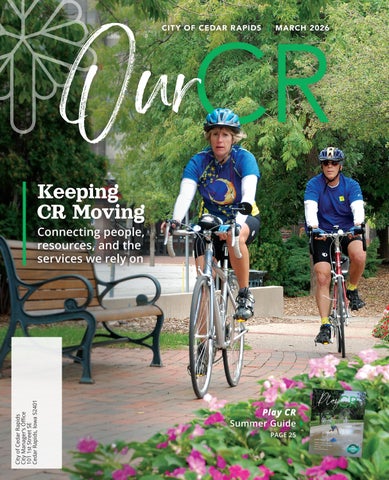
Connecting people, resources, and the services we rely on Keeping CR Moving
MARCH 2026
FROM THE CITY MANAGER • 2
KEEPING YOU MOBILE • 4
PLANNING & GROWTH • 12
JOURNEY WITH US • 16
NEWS YOU NEED TO KNOW • 22
PLAY CR SUMMER GUIDE • 25
Connecting people, resources, and the services we rely on Keeping CR Moving
FROM THE CITY MANAGER • 2
KEEPING YOU MOBILE • 4
PLANNING & GROWTH • 12
JOURNEY WITH US • 16
NEWS YOU NEED TO KNOW • 22
PLAY CR SUMMER GUIDE • 25
Cedar Rapids is a city in motion.
Every day, you rely on systems that help you get where you need to go, keep your home running, and support your neighborhood. Much of this work happens behind the scenes, carried out by dedicated City employees who show up with care, professionalism, and pride in serving our community.

Interested in advertising with us? Contact communications@cedar-rapids.org
As our city grows, we are planning thoughtfully — studying data, investing strategically, and making decisions designed to support safe neighborhoods, strong infrastructure, and long-term stability. All of this work revolves around serving you, our community members.
This work is not done in isolation. Your questions, feedback, and ideas matter. I encourage you to learn more about City Departments and projects by visiting our website at Cedar-Rapids.org. If you ever have questions about how we are planning for growth, maintaining infrastructure, or improving how people move around our community, please feel free to contact us at citymanager@cedar-rapids.org or 319-286-5080. The City Team and I are always willing to listen and help connect you with the right information.
Cedar Rapids moves forward because of the people who live and work here. Thank you for being part of our momentum.
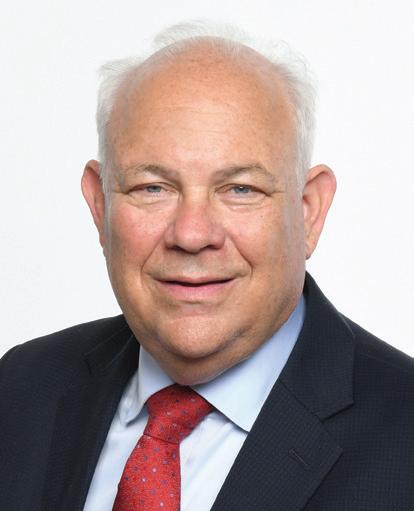
Jeffrey Pomeranz Cedar Rapids City Manager citymanager@cedar-rapids.org
This issue takes you inside the systems that keep Cedar Rapids moving — from your morning commute to the water flowing from your tap.
Across Cedar Rapids, travel choices are expanding. New bike lanes and trails link neighborhoods; transit and shared scooters offer flexible ways to get around. Redesigned streets and improved corridors are reducing crashes and easing congestion.
Beyond what you see on the road, a vast network quietly runs in the background: public safety teams stand ready, water and wastewater systems operate around the clock, and garbage, recycling, and compost services keep homes, businesses, and new development running smoothly.
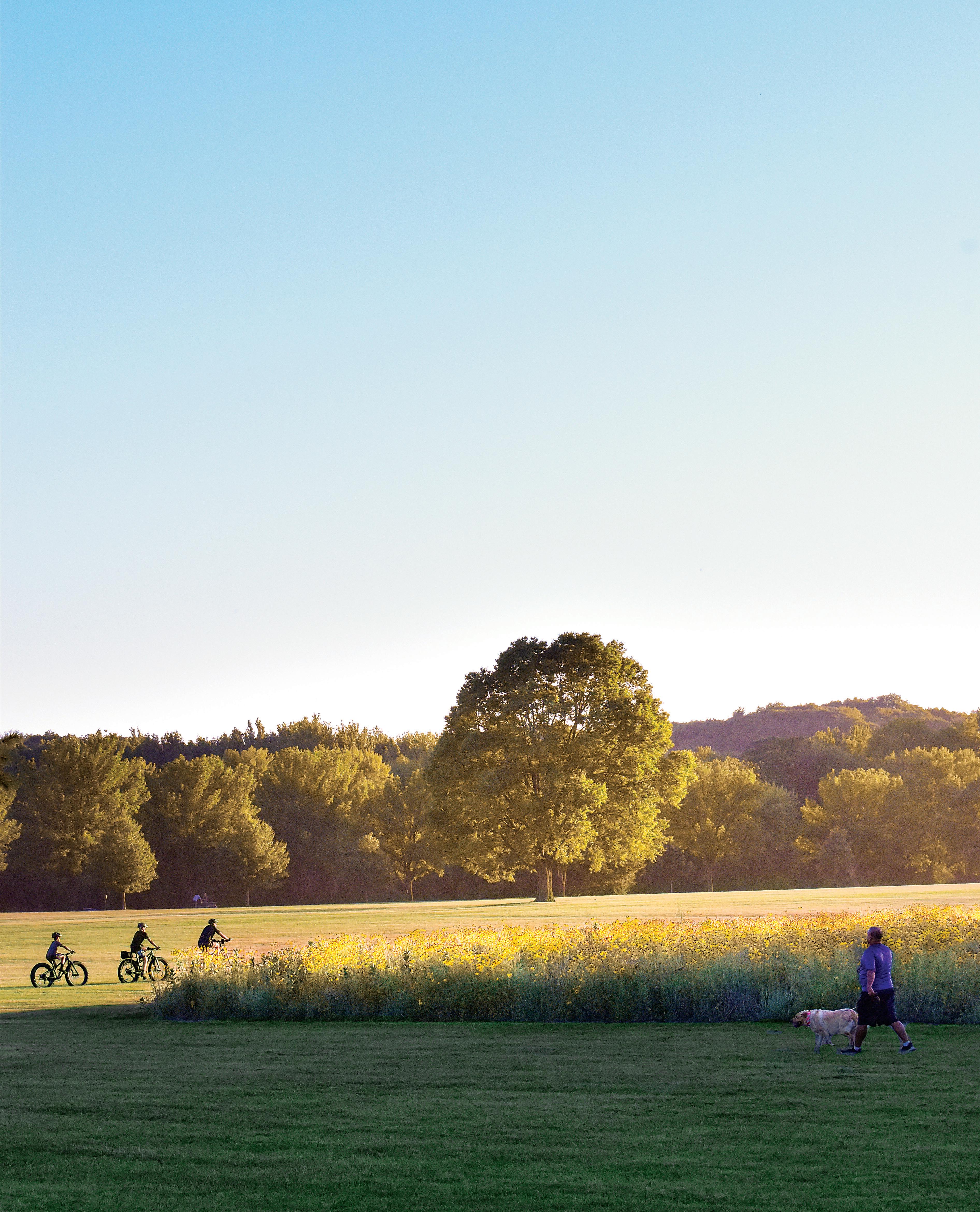
Maintaining and upgrading this essential infrastructure is an ongoing effort — one that ensures Cedar Rapids can meet today’s needs and tomorrow’s growth. Every project is planned with access in mind, making it easier for people of all ages and abilities to move safely and confidently.
Together, these investments tell a bigger story: a City Government that is thoughtfully building the connections, services, and momentum that keep our community strong and moving forward.
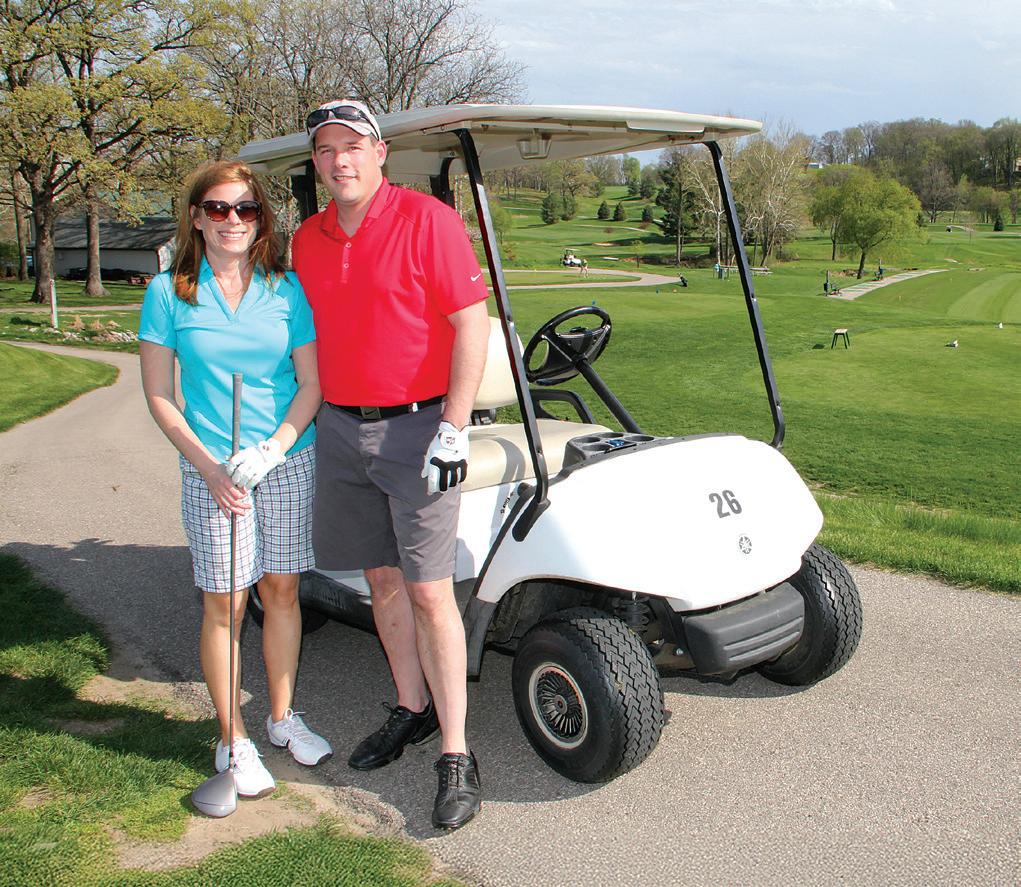
Every day in Cedar Rapids, wheels are moving across the city in all kinds of ways. Some belong to City vehicles doing essential work. Others belong to partners and service providers who help keep the community running, and to residents heading to school, work, or the park. Wheels can symbolize movement, connection, and the shared purpose that keeps our community rolling.
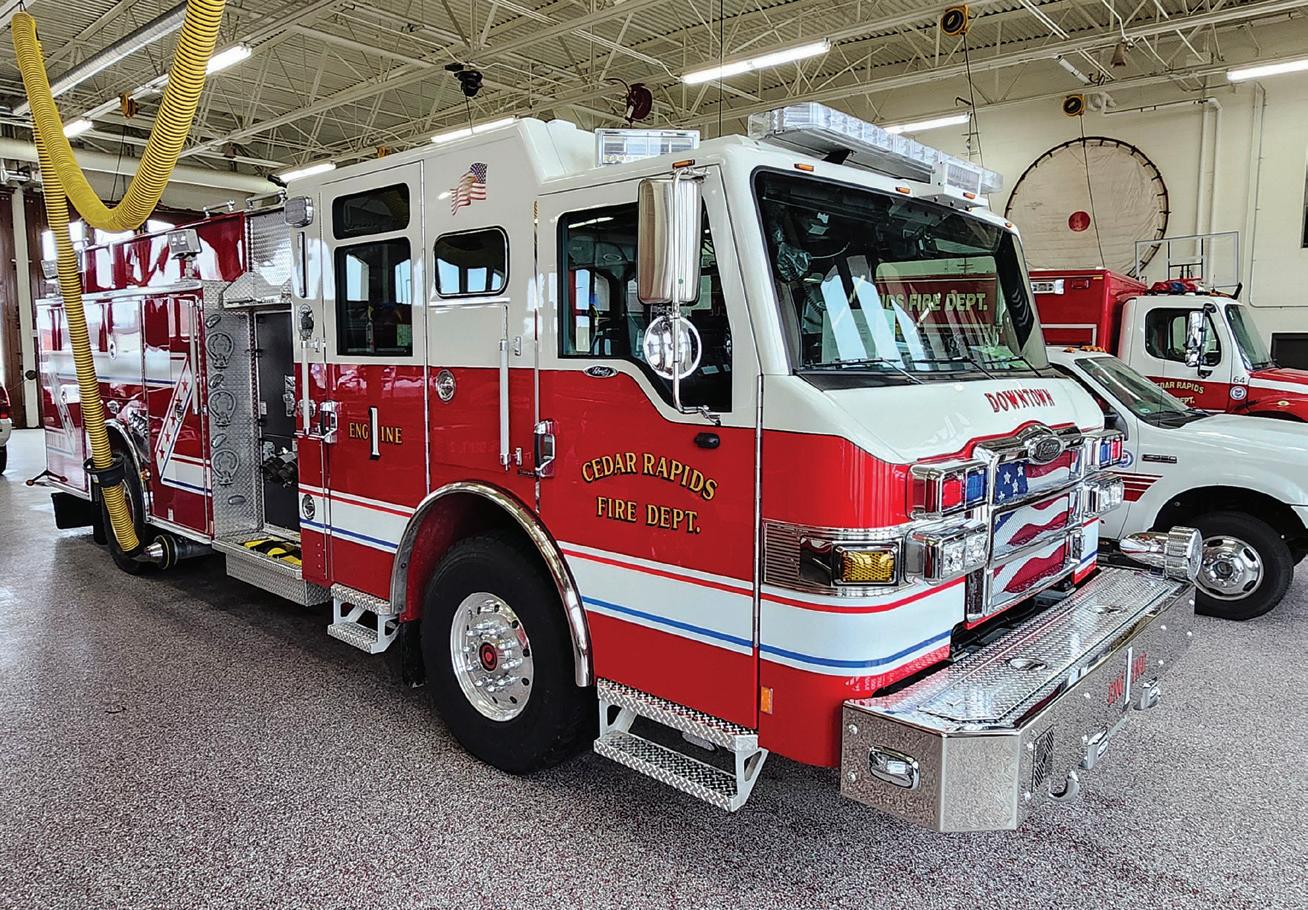
When you think of all the different types of wheels driven by the City of Cedar Rapids, you might think about City buses, which travel their routes to connect people with jobs, school, medical care, and community spaces. Maybe you see police vehicles and fire engines responding when people need help quickly. Large trucks — such as garbage, recycling, yard-waste, and street- and infrastructure-maintenance vehicles — keep neighborhoods clean and healthy, ensure streets are maintained, and keep water flowing.
Many working wheels operate behind the scenes. Snowplows clear streets after winter storms. Street sweepers and pavement-marking vehicles move through neighborhoods early in the morning. Mowers, utility vehicles, and small equipment maintain parks, trails, and public spaces. At City golf courses, carts enable people of all ages and abilities to move across the grounds.
Other working wheels support Cedar Rapids every day. Delivery trucks and semi-trucks bring food, supplies, and goods to homes and businesses. Maintenance and service vehicles travel our streets to keep our homes warm, our lights on, and award-winning water coming from our taps At the airport, service vehicles and luggage carts support travel and connection beyond our city.
Together, these working wheels rely on safe, well-designed streets that allow large vehicles, small equipment, and emergency responders to move efficiently while supporting our community
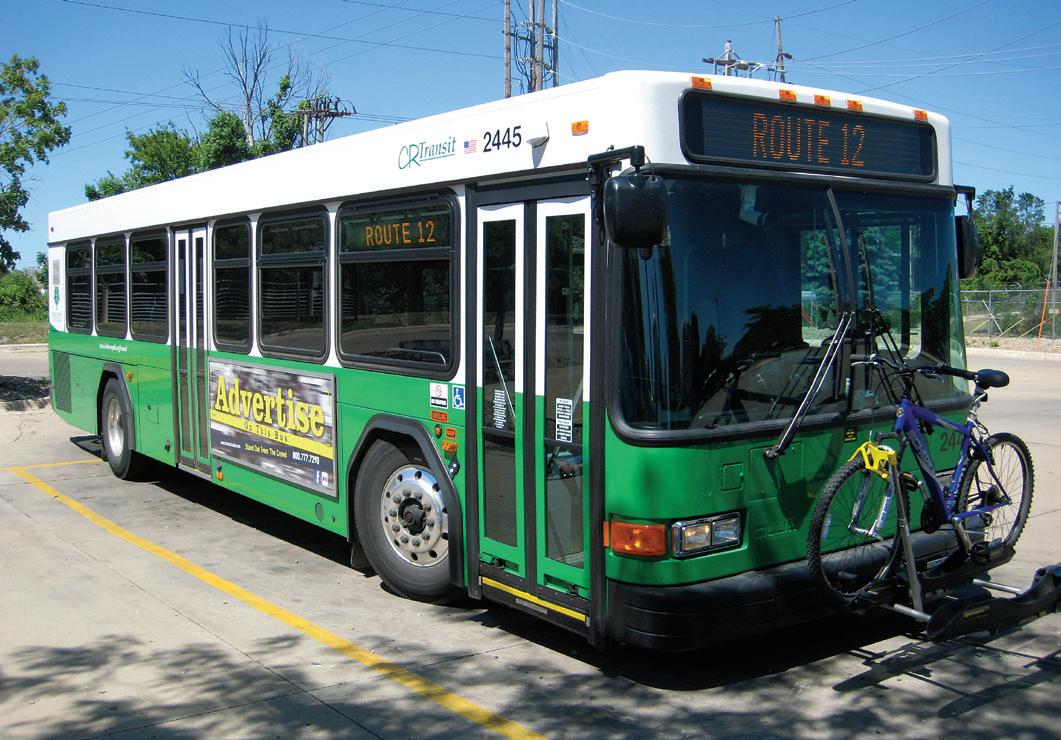
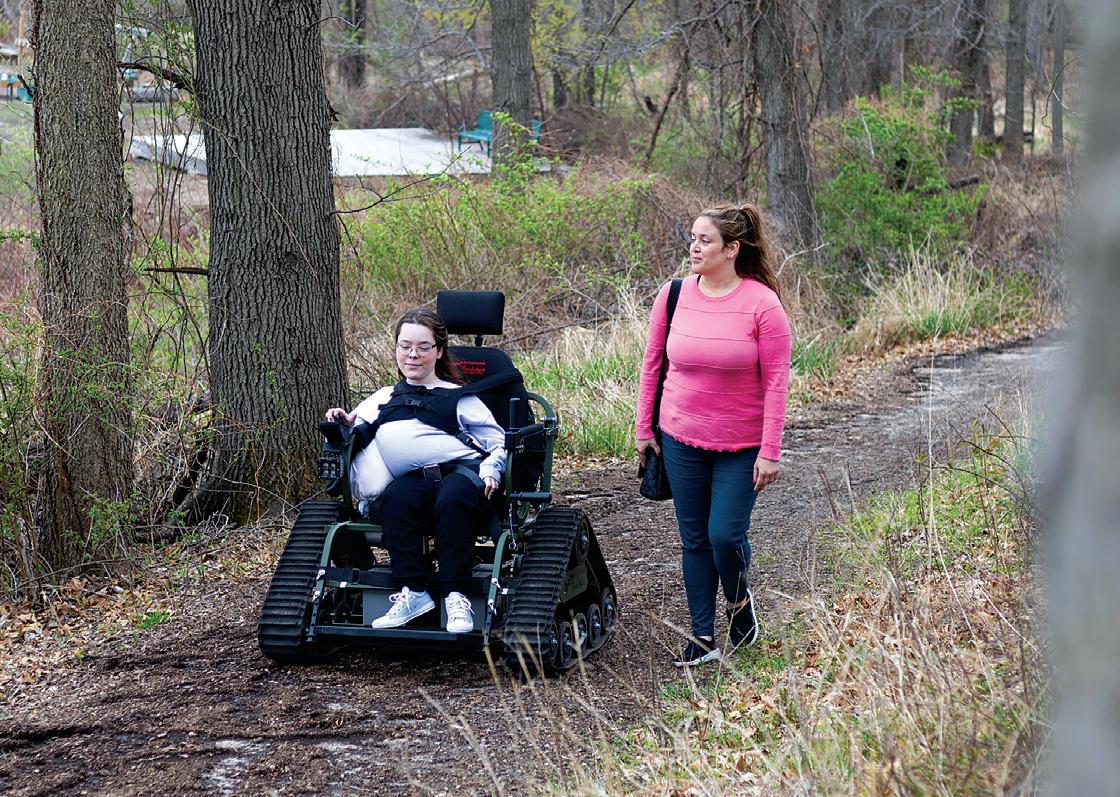
The story of our wheels does not stop at City services. Residents add their own motion to the mix. Bikes roll along trails and bike lanes, skateboards and scooters move through parks and downtown, and strollers follow sidewalks as families head out for a walk. Wheelchairs on ADA-accessible sidewalks and trails highlight our commitment to mobility for all, as we continue investing in infrastructure that makes the Fifth Season accessible to everyone. At the airport, luggage wheels trace the start of trips that begin in Cedar Rapids.
Together, these everyday movements show how Cedar Rapids functions from one hour to the next. Big vehicles, small rides, planned routes, and spontaneous trips all share the same streets and paths, carrying people where they need to go.
On foot, wheels, or by another method, we all like to have choices for getting from Point A to Point B. In 2014, Cedar Rapids became the first city in Iowa to adopt a “Complete Streets Policy.” The policy creates streets built to balance different ways people like to move around our community. The policy also ensures our engineers incorporate best practices for street design, prioritizing the right options for transportation based on a roadway’s users: cars, buses, wheelchairs, bicycles, feet, scooters, paws, and more! We automatically consider the needs of all travelers, and corresponding design elements, whenever we plan a new street or major street-rehabilitation project.
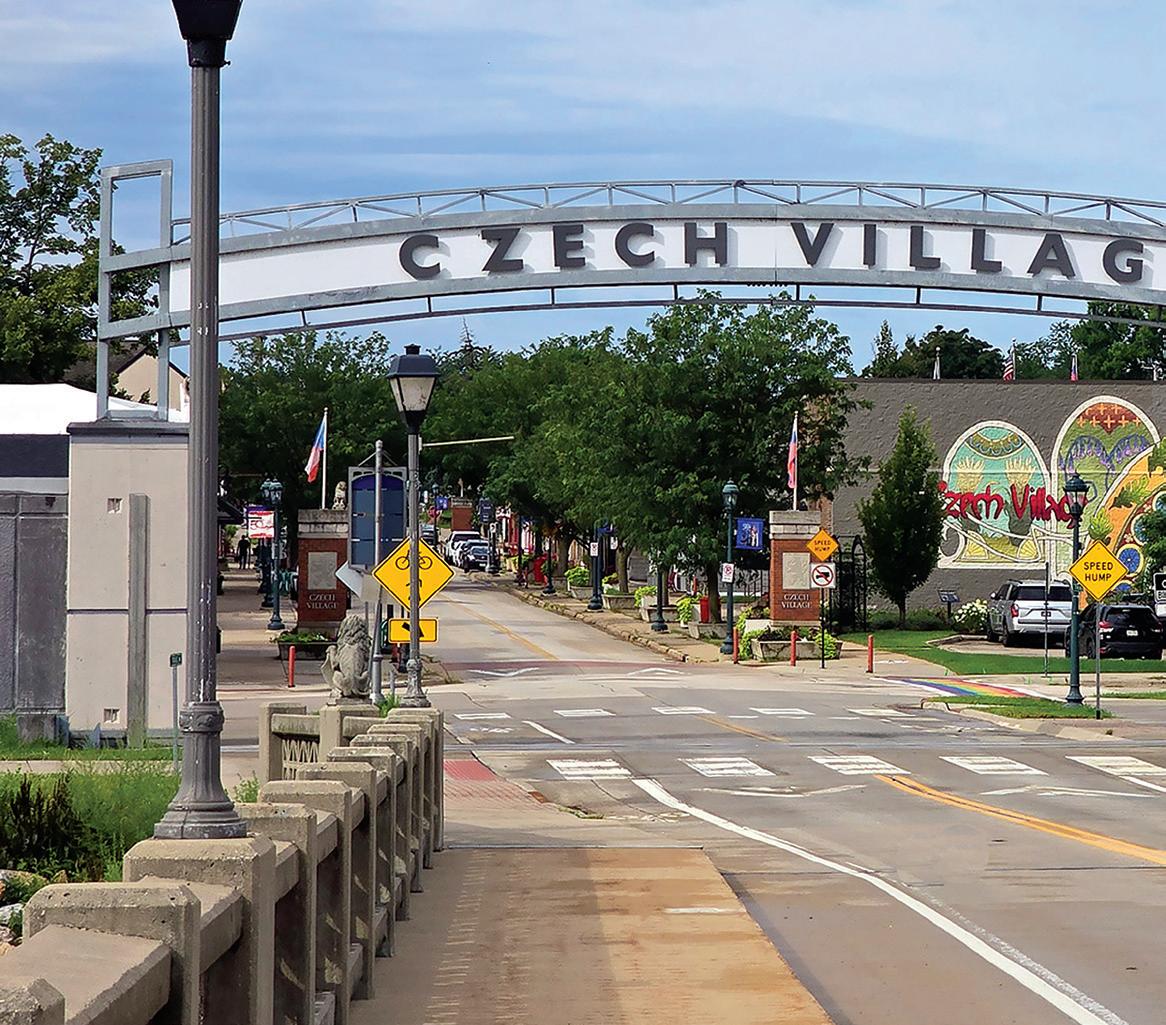
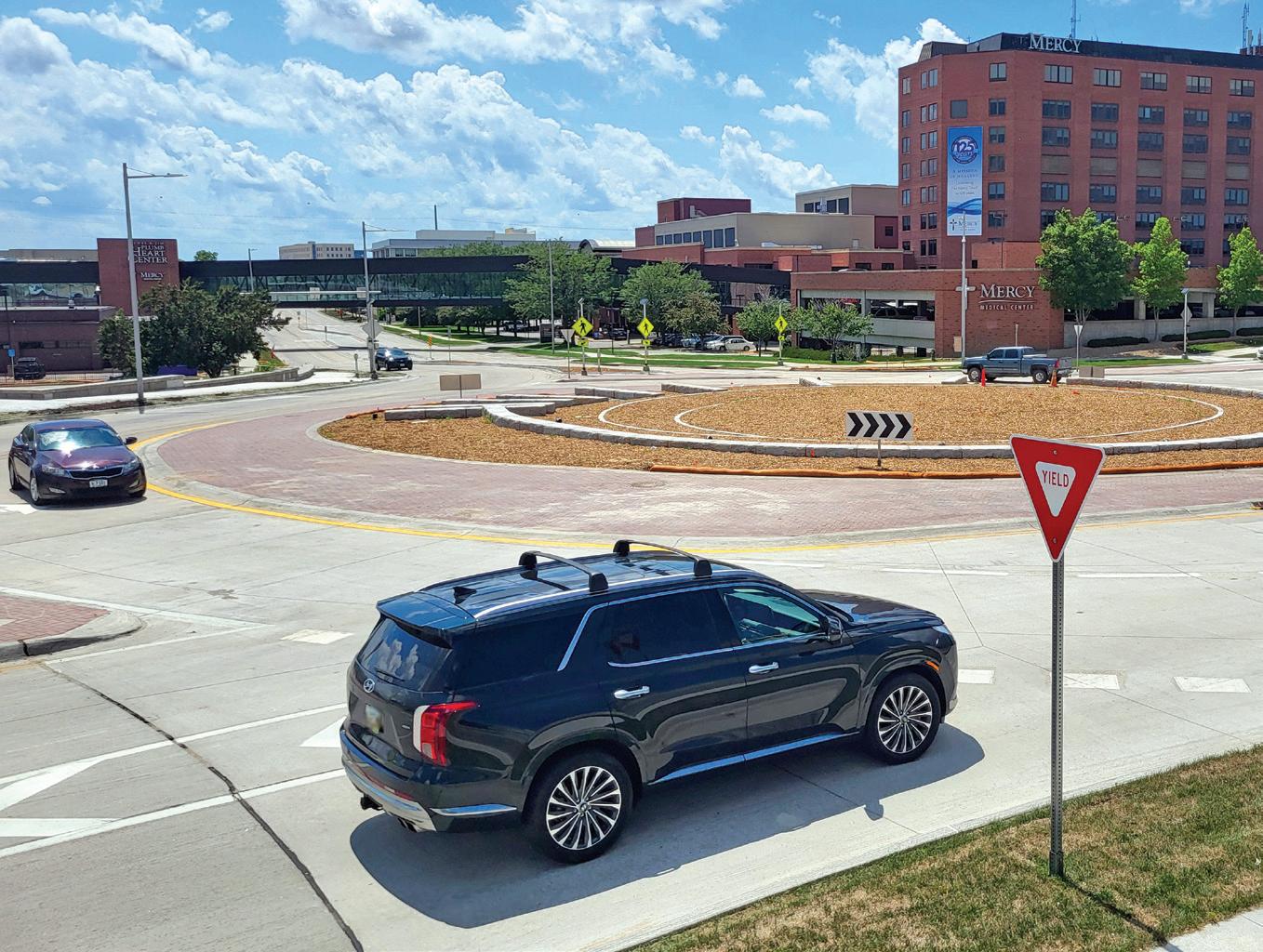
"Complete Streets" Give You More Options
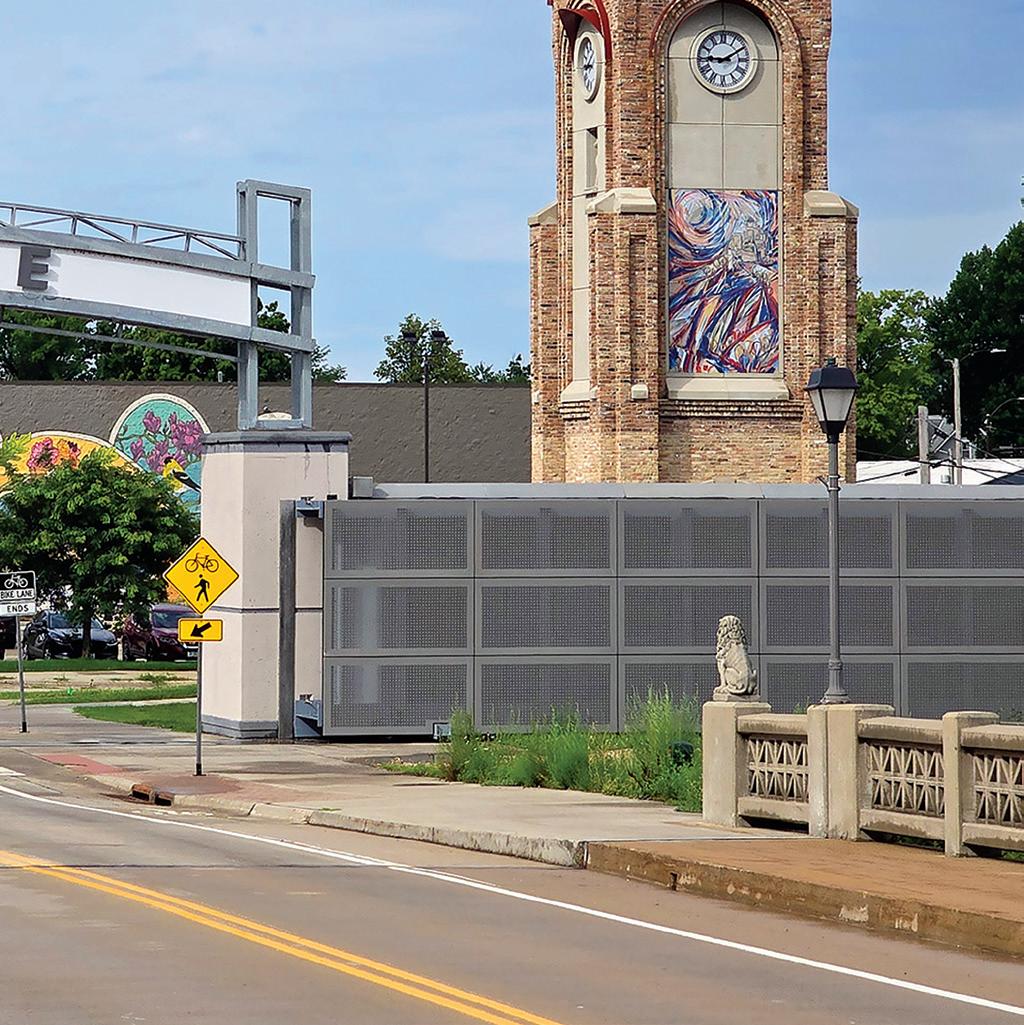
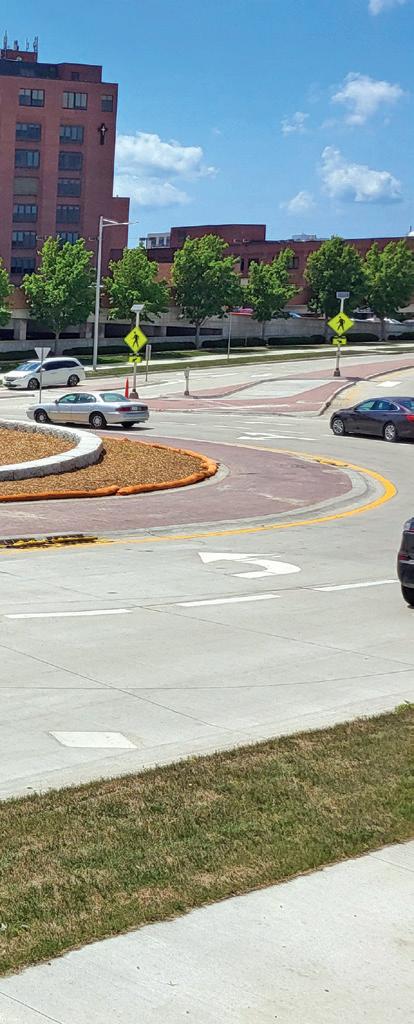
Traffic engineers follow the process below, grounded in data, safety, and community needs when designing or updating roadways. They balance the needs of all users, necessary safety improvements, and maintain smooth traffic flow based on current volumes and anticipated future use.
1 — STUDY CURRENT CONDITIONS
Traffic engineers collect detailed data on vehicle and pedestrian volumes, speeds, and locations of crashes or near-misses. Major roadway updates often occur decades after data used for the original design was collected, so the mix of users — from pedestrians to heavy trucks — may have changed. Streets may be reconfigured as part of a project to meet current needs and plan for future use.
2 — ANALYZE SAFETY & EFFICIENCY
Traffic engineers consider which solutions may best reduce crashes and improve traffic flow. For example, if a crosswalk near a school experiences many close calls, we may prioritize special safety devices, like Rectangular Rapid Flashing Beacons, to better alert drivers in those areas.
3 — DESIGN WITH COMMUNITY IN MIND
Traffic engineers develop potential solutions tailored to the unique needs of each neighborhood. For example, a road that was previously one-way may be changed to two-way (such as the upcoming conversion of 1st Street NE near Cedar River Tower), or have bike lanes added.
4 — COLLABORATING ACROSS TEAMS
Transportation engineers work closely with City planners, public safety officials, and neighborhood residents to ensure solutions fit the broader vision for our community’s transportation network.
5 — TESTING & FEEDBACK
Once a new device or design is implemented, traffic engineers monitor its performance and gather community feedback.
Scan to learn more about construction project progress, street closures, and more. CityofCR.com/Streets
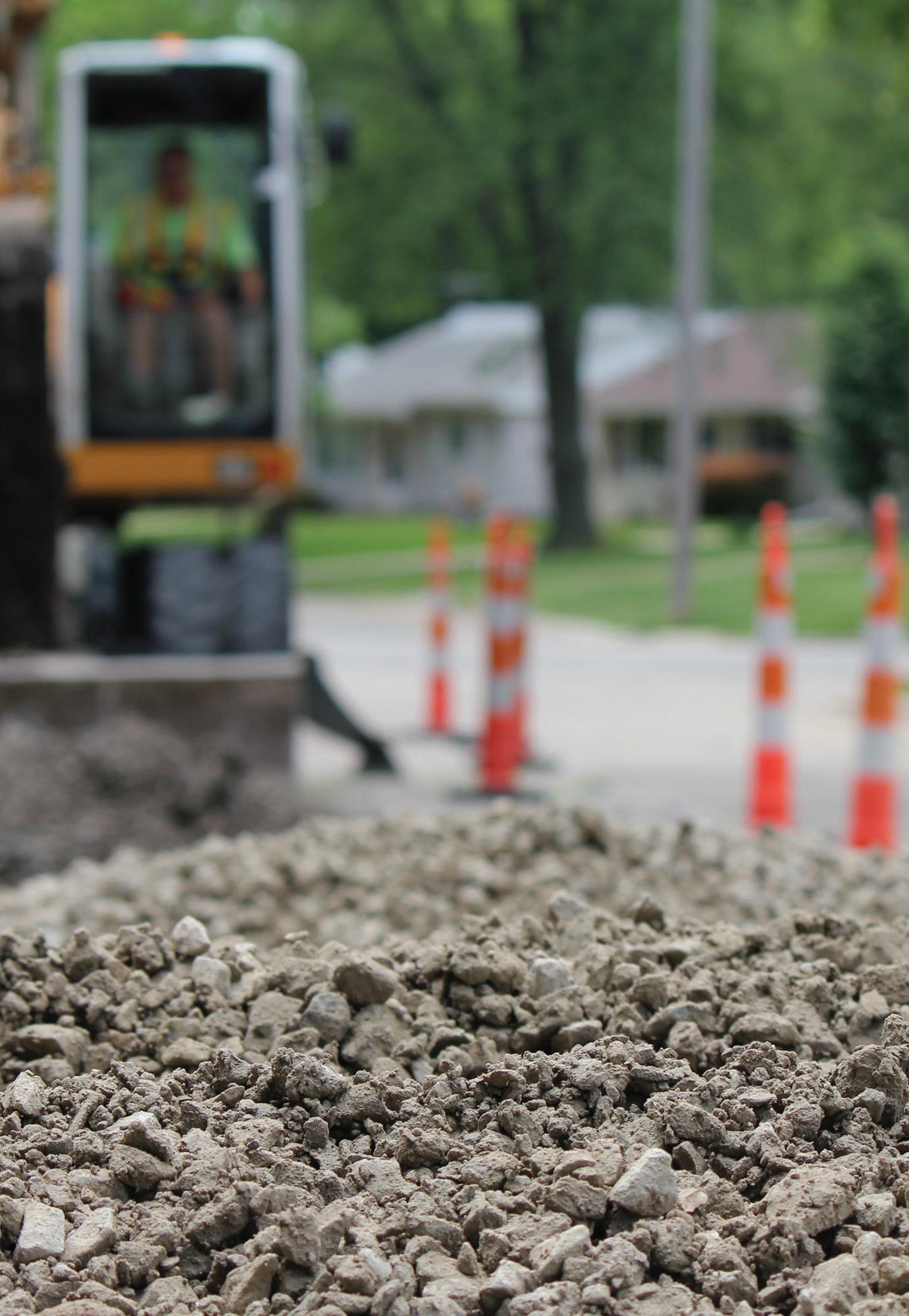
Beyond adopting a “Complete Streets” design mindset, the City is also committed to maintaining our roadways. Our Streets Team oversees maintenance across more than 1,400 miles of streets — sealing more than 110 miles of cracks and repairing the equivalent of 1.5 lane miles of concrete across small point-repair locations every year. The same team also removes snow during the winter. When Iowa winters do their worst, our Streets crews use more than 90 pieces of heavy equipment to clear streets and keep drivers safe.
Even with these efforts, keeping City streets in good repair requires additional investment. That is where the City’s Paving for Progress program comes in. Launched in 2014 through a one-percent local-option sales tax, the program is one of Cedar Rapids’ largest-ever infrastructure initiatives.
Following a data-driven approach for determining street prioritization and repair type, the program delivers smoother, safer roads, while updating access for all users. Every two years, a specialized vehicle scans every road in Cedar Rapids to assess pavement quality. This data shapes a 10-year plan that balances full reconstruction with preventive maintenance, allowing City teams to act early, avoiding higher future costs.
More than a decade in, Paving for Progress has improved more than 130 miles of City streets, with a focus on residential areas. In 2021, voters extended the program through 2034, demonstrating its value.
Extends road life by 20+ years with treatments applied to the road’s surface, saving money long-term by avoiding costly repairs later.
` Benefits: Less costly, less disruptive, faster, no utility replacement.
` Cost savings: $1 spent earlier saves $6–$10 in future replacement costs.
Used when roads are too damaged for maintenance, involving full street and utility replacement.
` Impact: More costly and disruptive, but necessary for severely deteriorated streets.
Discover Cedar Rapids’ healthy — and growing — network
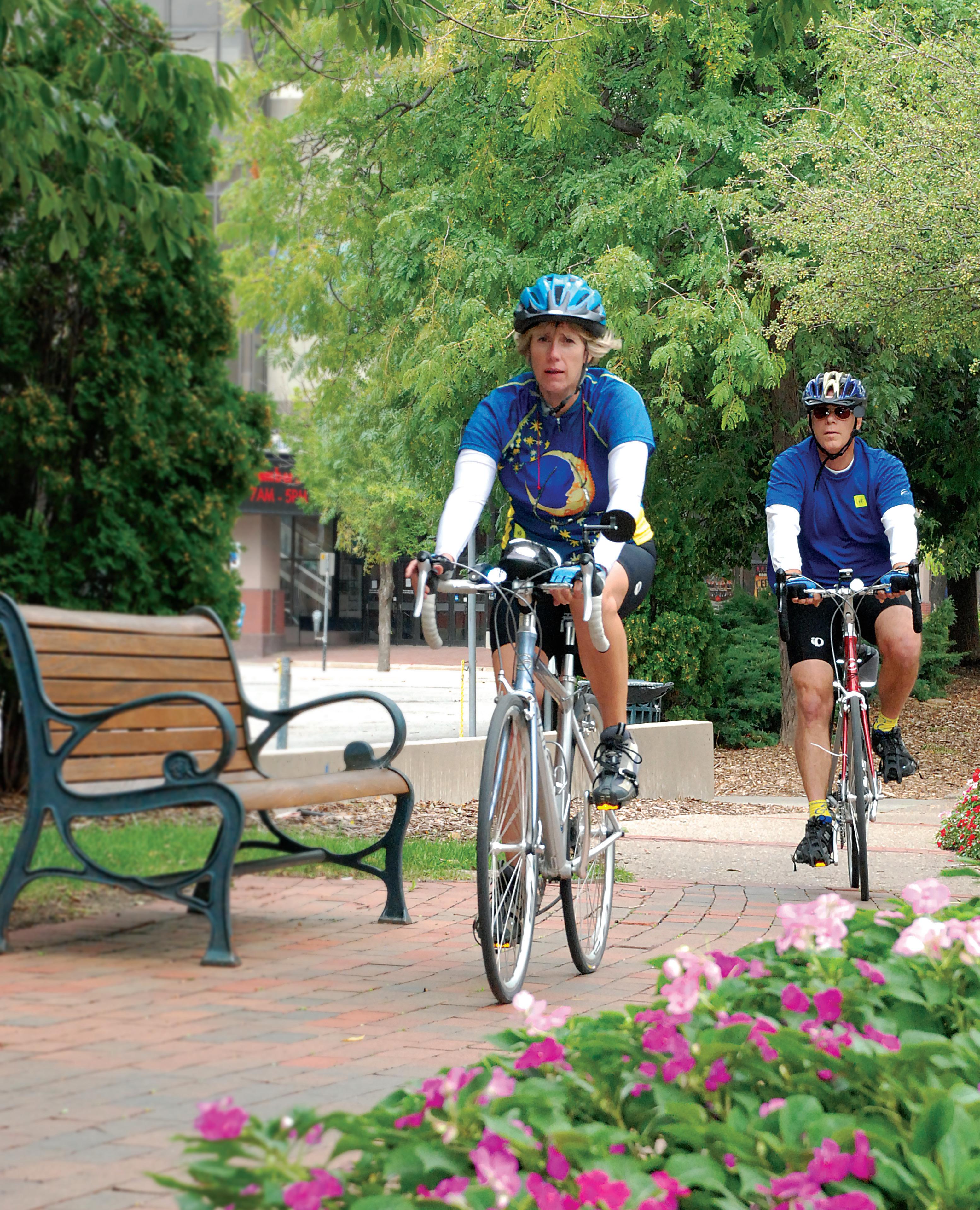
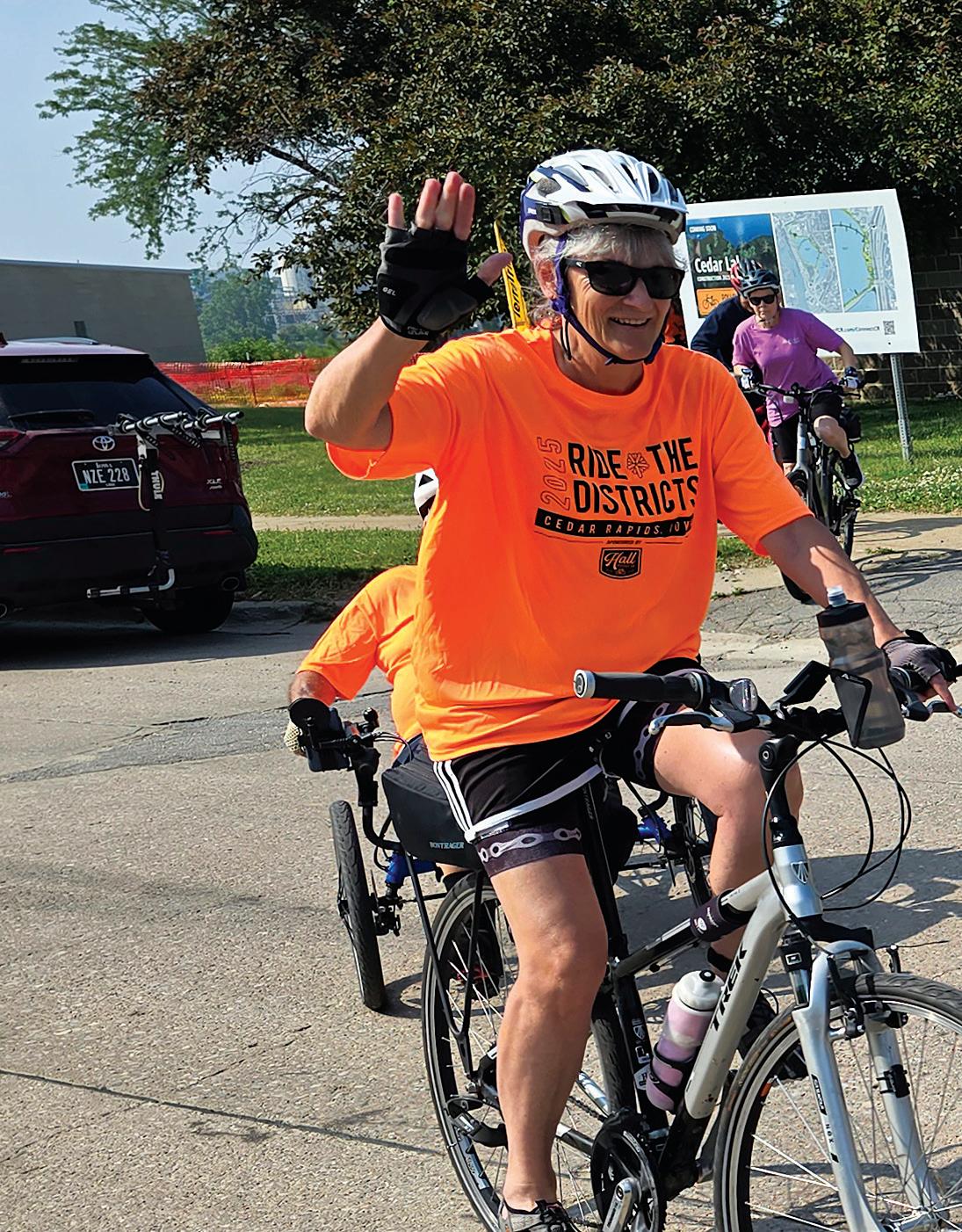
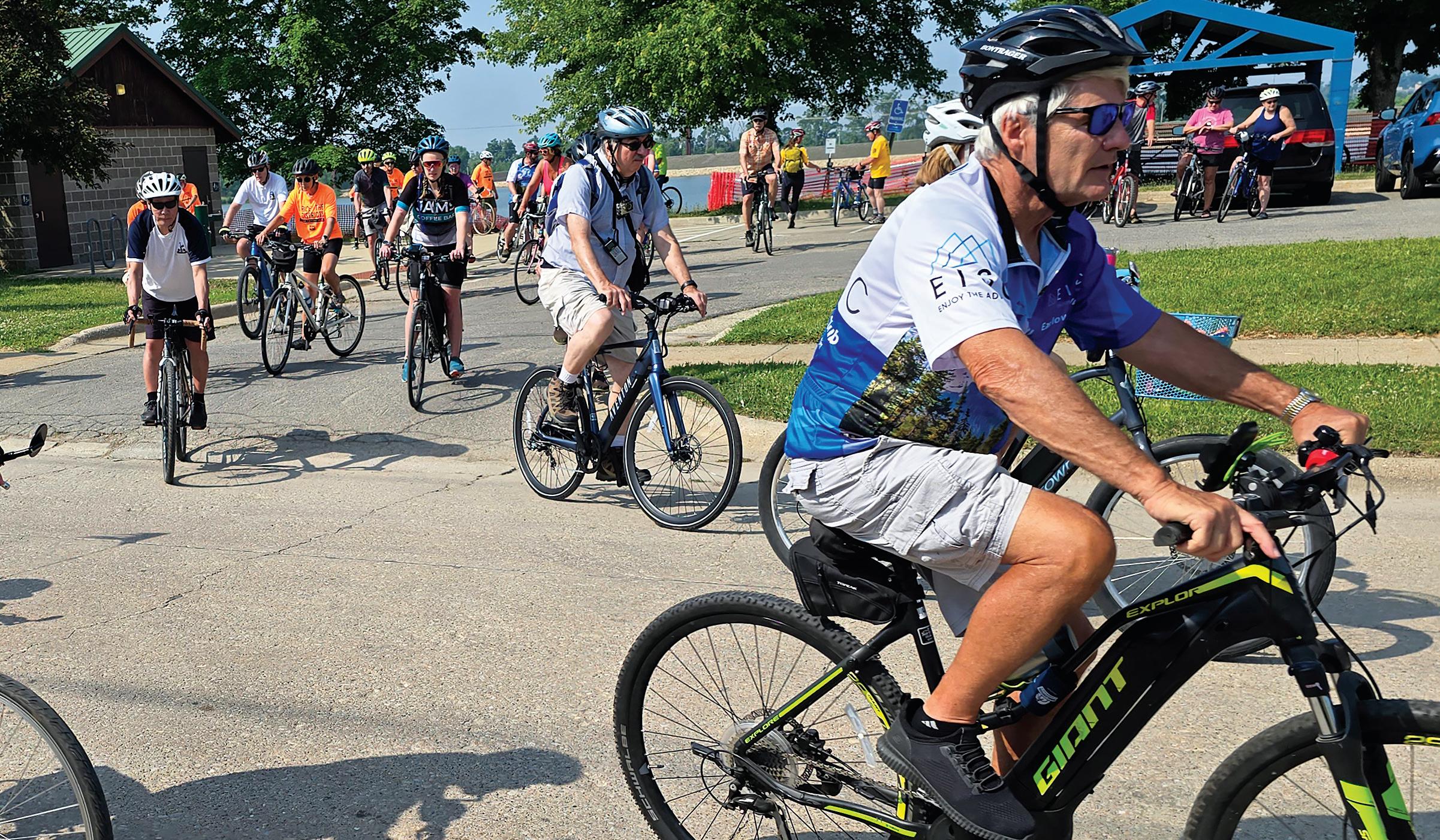
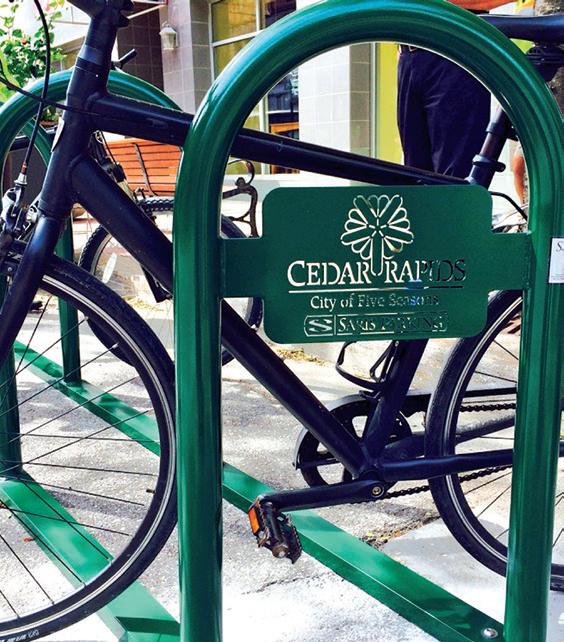
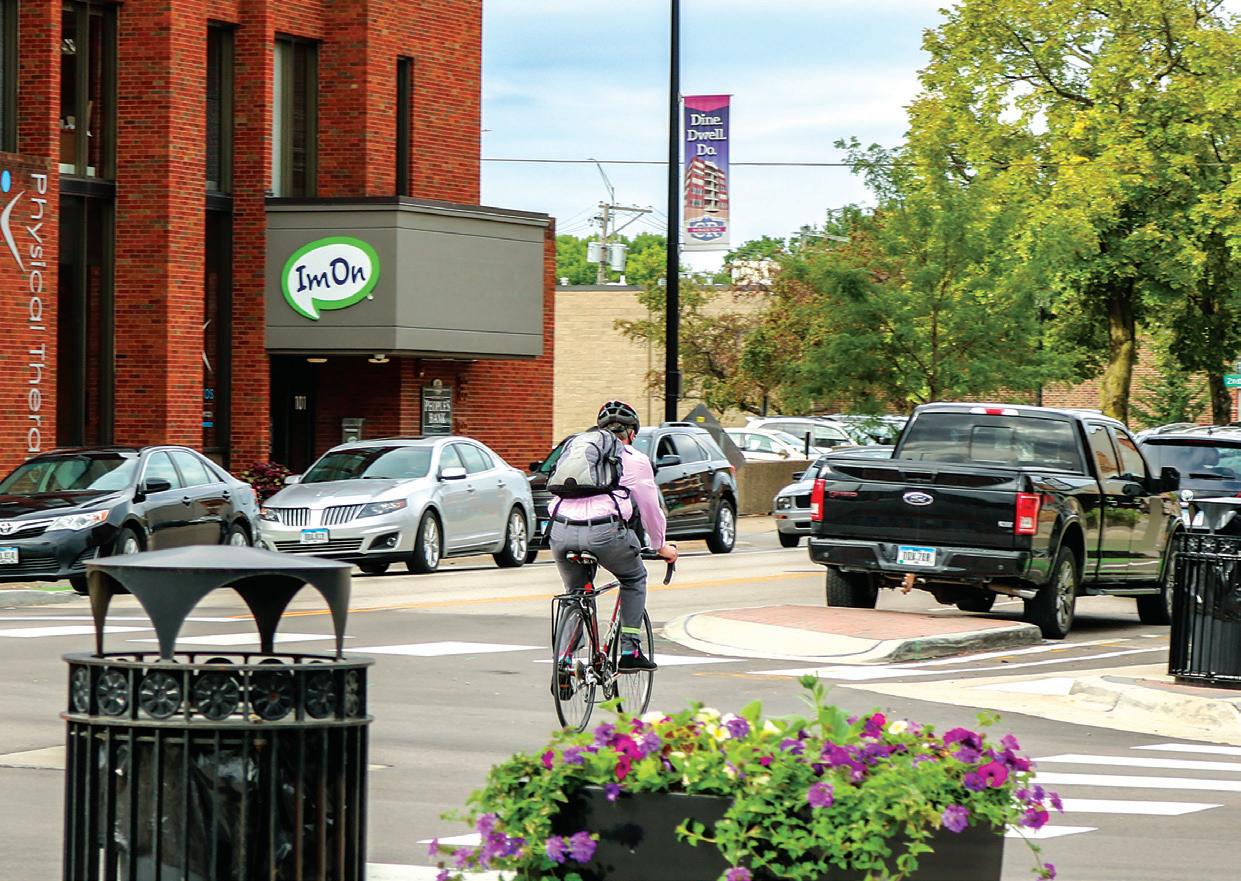
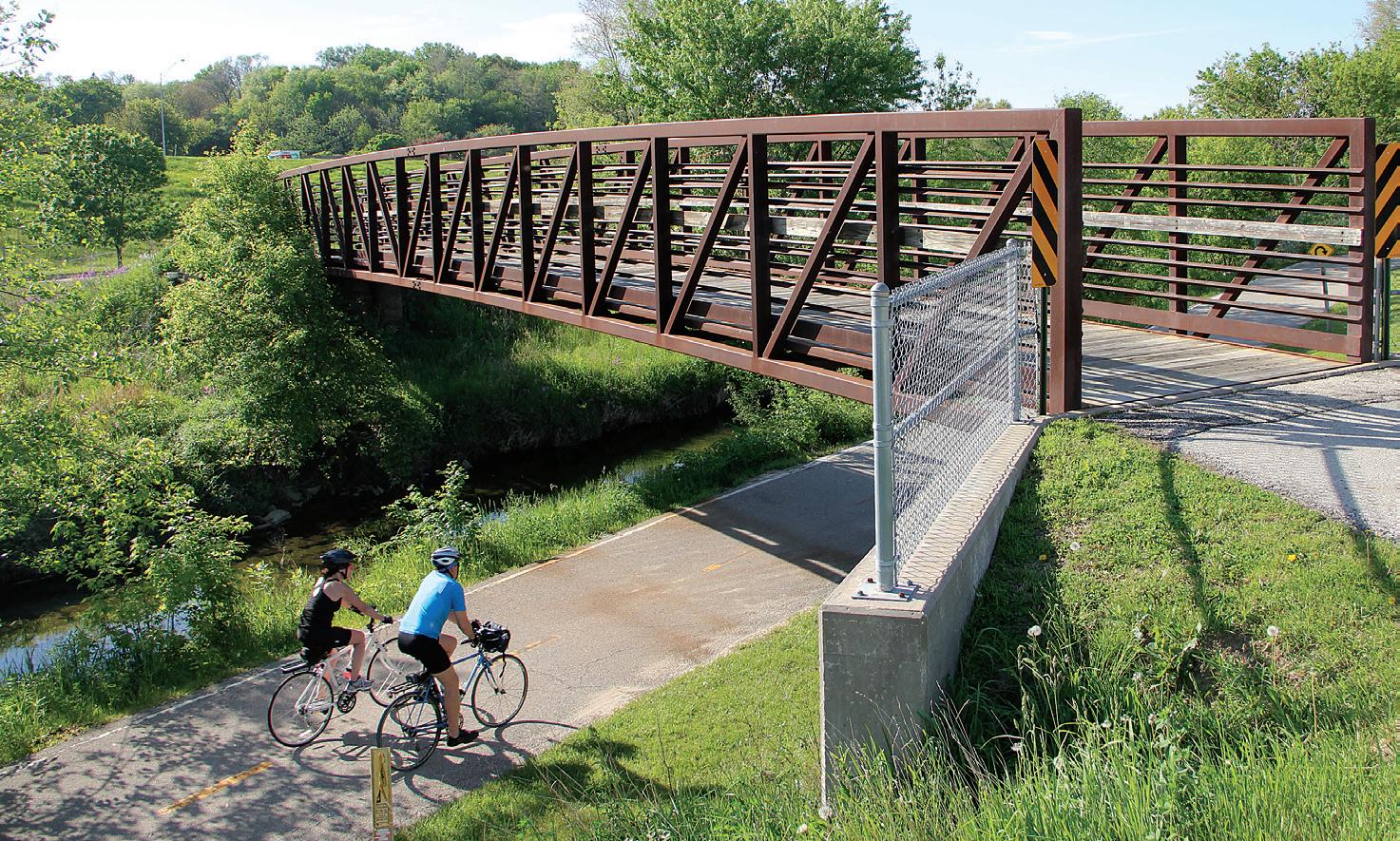
If you want to get around the City without using a motor vehicle, you are in luck. Cedar Rapids has more than 130 miles of safe pathways for cyclists to travel, allowing residents to see a different side of the community! Cycling is another key aspect of our “Complete Streets” approach. We have carefully built up our bikeways network — a system that includes on-street and separated bicycle lanes and off-street trails — over the years to keep cyclists safe and make the city more accessible to all roadway users.
In 2025, the City adopted a joint Trails and Bikeways Plan with Linn County. The plan looks to more than double the amount of trails and bikeways in Cedar Rapids and enhance connectivity within the city and with other communities. Public input collected while developing the plan taught us that many local cyclists find motor vehicle traffic a major source of stress, safety concerns, and discomfort. For that reason, we have increased our efforts to provide separation between cyclists and motor vehicle traffic whenever possible.
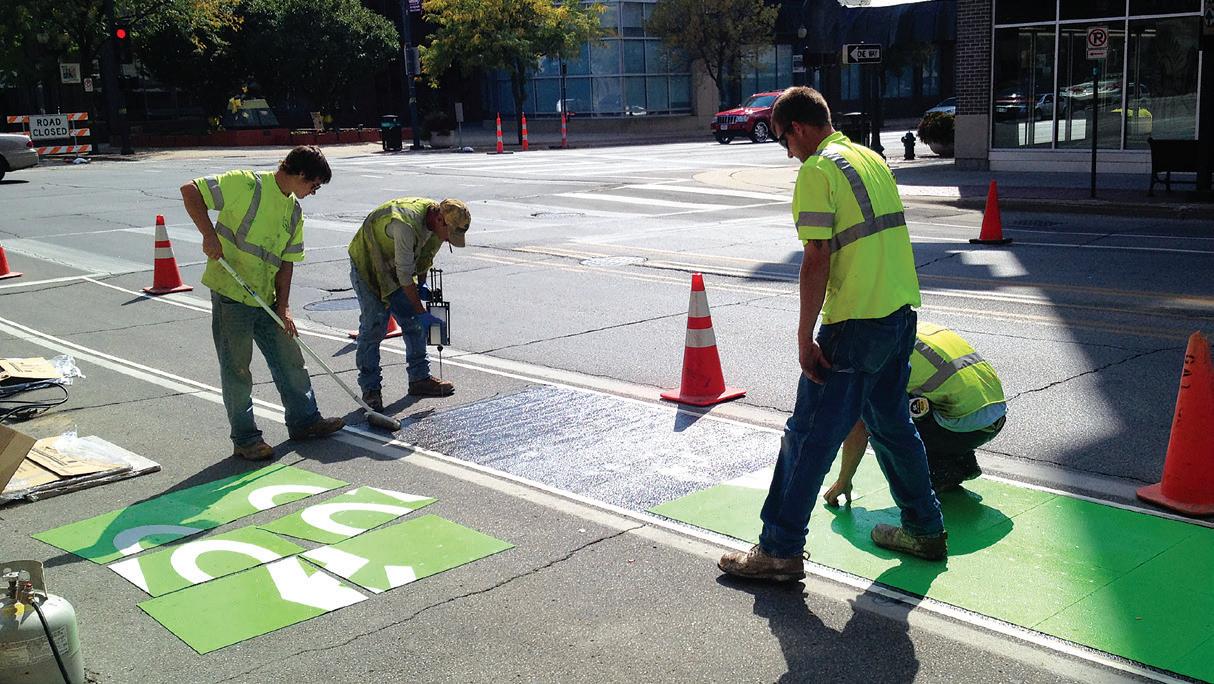
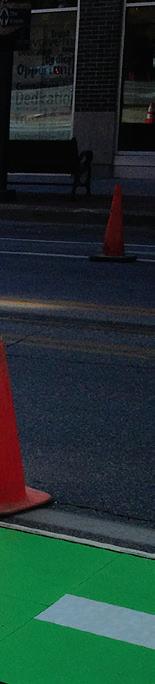
Cedar Rapids was the first city in Iowa to install protected bike lanes — dedicated lanes that physically separate bicyclists from motor vehicle traffic through features like parked cars and raised curbs or islands to prevent vehicle intrusion. We were also the first community to use green pavement markings to highlight areas where cyclists are more likely to interact with turning vehicles at intersections. These design elements improve safety on roads with higher potential conflicts between bicycles and vehicles.
In 2026, Cedar Rapids achieved Silver-level Bicycle-Friendly Community status from the League of American Bicyclists. The League has recognized the City for being bicycle-friendly since 2009, building on milestones including Honorable Mention level that year, and Bronze certification since 2012.
Even with safety features in place along our bike lane network, some cyclists avoid biking on streets altogether. Thanks to our extensive trails system, there are plenty of opportunities to move around the city.
One major trail is the Cedar Valley Nature Trail, a multi-use, paved trail that stretches almost 70 miles. Traveling north, the trail connects users to Waterloo/Cedar Falls; heading south, it extends all the way to Ely, where the Hoover Nature Trail picks up into Solon. Other trails and bikeways connect to the Cedar Valley Nature Trail, allowing easy exploration of local parks, access to shopping and dining, or simply a relaxing afternoon hike, run, or bicycle ride.
Most trails have a hard surface of asphalt or concrete, while others use soft, crushed limestone. Like roadways, trails serve commuters traveling to work or running errands year round.
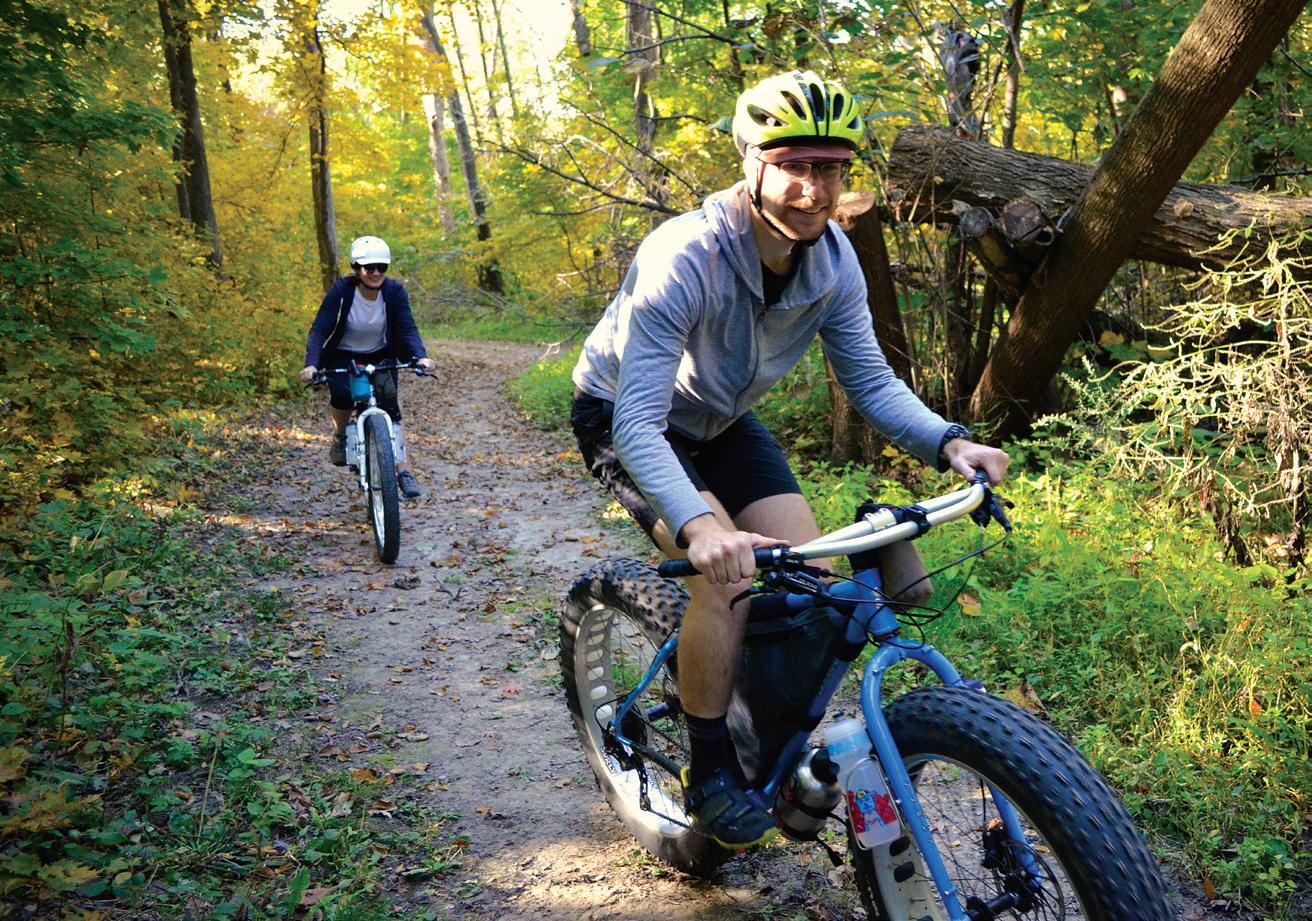
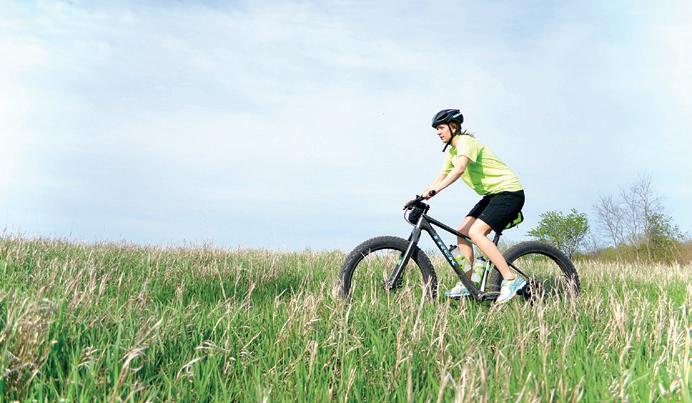
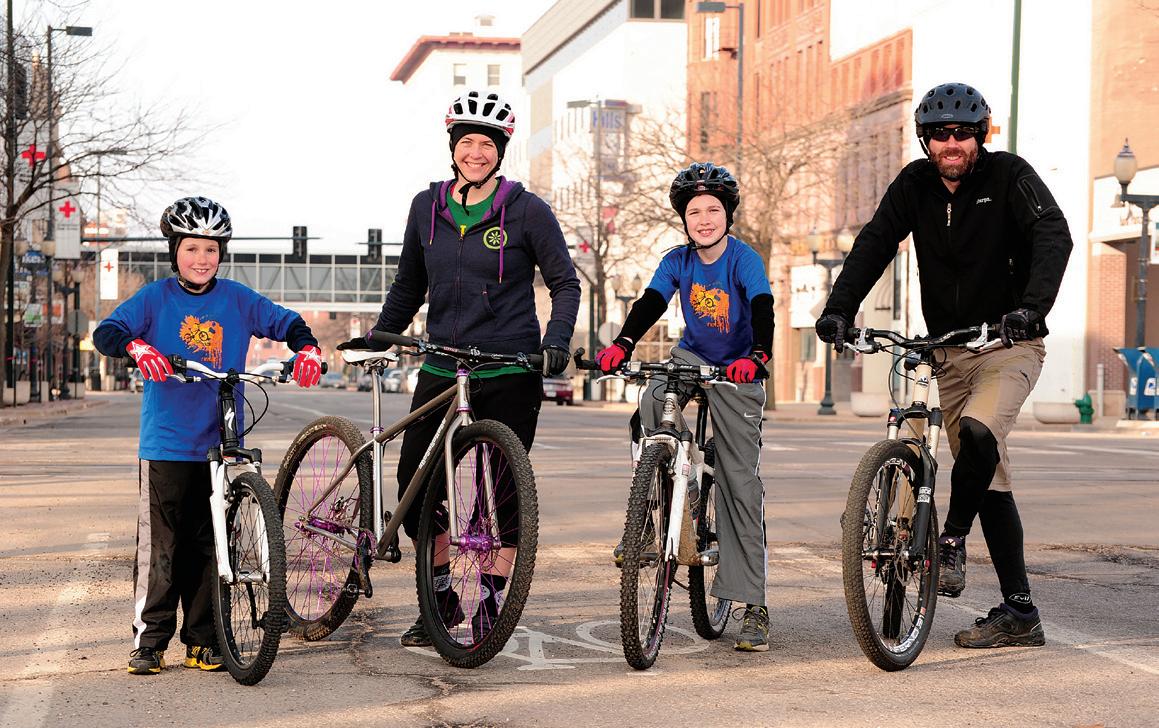
The City partners with Linn Area Mountain Bike Association (LAMBA) to develop and maintain an extensive mountain bike system within our parks, including Beverly Park; Sac and Fox; and Wanatee Park. Future locations are planned for Seminole Valley Park and Van Vechten Park. We also have one of three sanctioned BMX tracks in Iowa, located in Cheyenne Park.
We continue to upgrade our trails system with projects like ConnectCR, which includes the newly-paved Cedar Lake Loop Trail. The Alliant Energy LightLine™ is also part of that project and will add a pedestrian and bicycle bridge, making it easier for trail-goers to cross the Cedar River. Other upcoming bike lane and trail projects this year include:
` 42nd Street NE (Bike Lanes)
` 34th Street SE (Trail)
` 1st Street SW (Bike Lanes)
` Coe Rd NE / 12th Street NE (Bike Lanes)
` Grant Wood Trail
` Cedar Valley Nature Trail
` Cherokee Trail
` Edgewood Trail Extension
` 4th Street Trail
` CeMar Connector (at Mt Calvary Cemetery)
Several other trail projects are in the design phase for construction in 2027 and beyond.
Do you want to get around the City without using a car, bike, or bus? There is another option: Rent a scooter with our micromobility program!
Veo devices are a fun way to commute, run errands, or just enjoy a quick ride. They are also good for the environment. Choosing Veo rather than a motorized vehicle reduces parking and congestion, cuts down on traffic noise, and lowers harmful emissions.
The program is easy to use. Residents can locate an e-bike or scooter on the Veo app, unlock in the app, and be on their way. Scooters are available in stand-up or sit-down options, and all devices are electric-powered. You must be 18 or older to ride, provide a valid ID, and wear a helmet.
If you have not used a Veo device before, they offer a training mode that limits the maximum speed of your ride to 8 mph, allowing you to get comfortable with the controls. During training trips, you have time to adjust to the feel of the scooter or e-bike and build your riding skills.
112k
The City’s micromobility program is about more than just offering fun rentals — it is about making our city accessible in new ways. An annual survey of local riders showed that 39 percent do not own or have access to a car, and 43 percent used the program to connect to public transit. The micromobility program creates options for these individuals to get around.
In 2025, the City's Micromobility Program featured a 15 percent increase in ridership from 2024. The program provided over 112,000 rides that covered more than 230,000 miles. We are excited to see how the Veo program continues to help to make Cedar Rapids more connected in 2026.
Cedar Rapids continues its work to ensure every resident can move safely, independently, and with dignity. This commitment guides how the City plans streets, parks, and public buildings — following the principles of the Americans with Disabilities Act (ADA).
In 2015, Cedar Rapids partnered with the U.S. Department of Justice (DOJ) through Project Civic Access. The agreement evaluated accessibility across City facilities, pedestrian networks, and public programs — setting the stage for years of intentional planning and improvements.
Since then, the City upgraded thousands of curb ramps, sidewalks, and public facility locations to meet ADA standards, giving everyone more opportunities to experience civic life together. Libraries, City-owned entertainment arenas, parks, and community spaces have all transformed. Accessible entrances, restrooms, pathways, and amenities ensure people of all abilities can participate fully in programs, services, and recreation.
While the DOJ formally closed the agreement in 2019, Cedar Rapids continues to embed ADA standards into every project it designs. Accessibility is part of the process from the start, ensuring as Cedar Rapids grows, everyone feels welcome and a sense of belonging.
Learn more about our progress at CityofCR.com/ADA
INVESTED IN ADA IMPROVEMENTS ACROSS THE CITY $48.8+ MILLION
THOUSANDS OF CURB RAMPS UPGRADED TO ADA STANDARDS
HIGH-USE BUS STOPS
25+
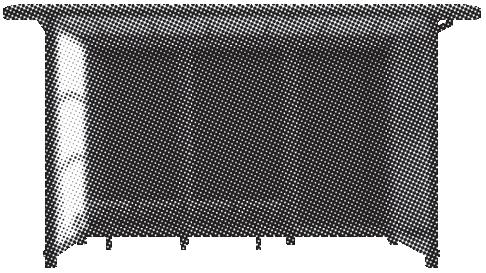
upgraded with safer boarding and improved curb access on key routes, including #2, 3, 5, 6, 7, 8, 10, 11, 12, and 30
ONGOING PROJECTS AT PARKS & PUBLIC FACILITIES IDENTIFIED THROUGH
2031+
COMPLIANCE WITH ALL 2,150 ITEMS IDENTIFIED IN THE 2015 DOJ AGREEMENT 100%
Municipal buildings, parks, and recreation facilities
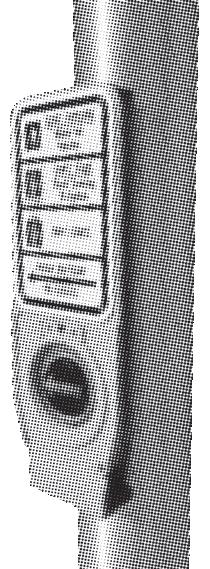
installed citywide at intersections during upgrades
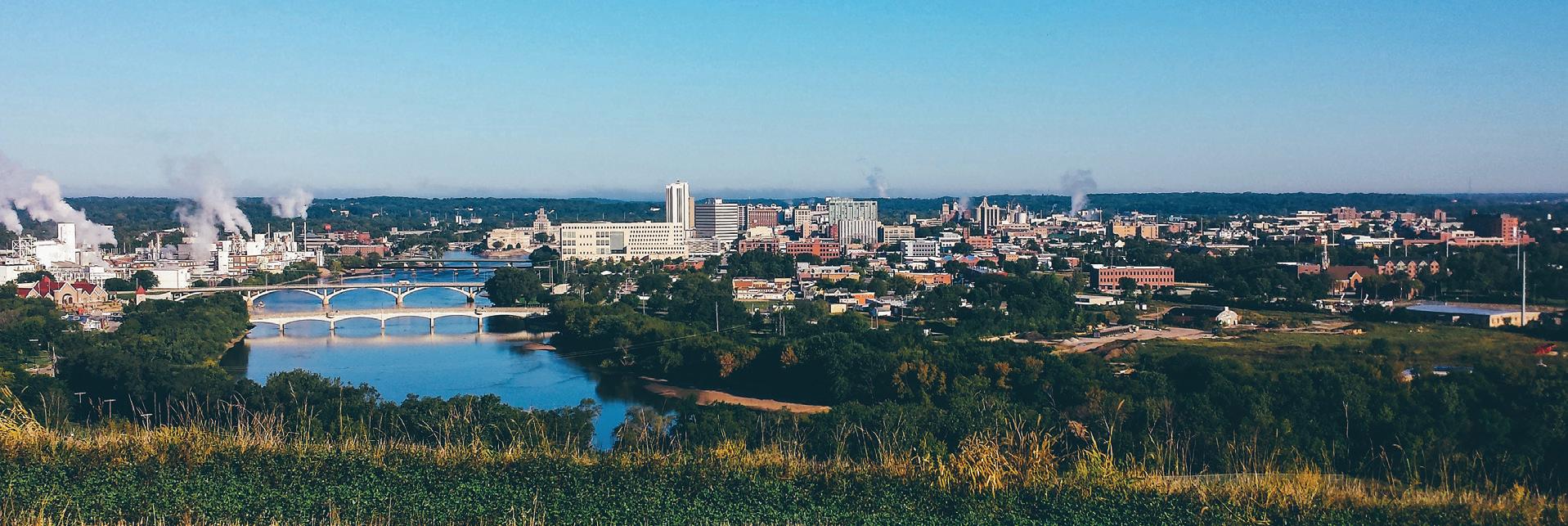
Every new street, utility line, and housing investment in Cedar Rapids is part of a plan designed to keep people and neighborhoods connected, safe, and thriving. In many ways, investment and growth are the result of the City’s measured, planned approach — an approach that keeps the community’s needs in mind every step of the way.
The City completed a Growth Area Planning Study in 2024, examining opportunities as our community expands. The study, in part, identified priority areas — especially to our south and southwest — where new development is likely to generate more revenue than the cost of providing City services. This is important because growth that pays for itself helps sustain essential services like street maintenance, police and fire protection, snow removal, parks, and utilities. This type of planning helps the City understand development trade-offs. Identifying strategic growth areas today ensures ongoing development decisions support stable tax rates, reliable services, and reinvestment across the entire community.
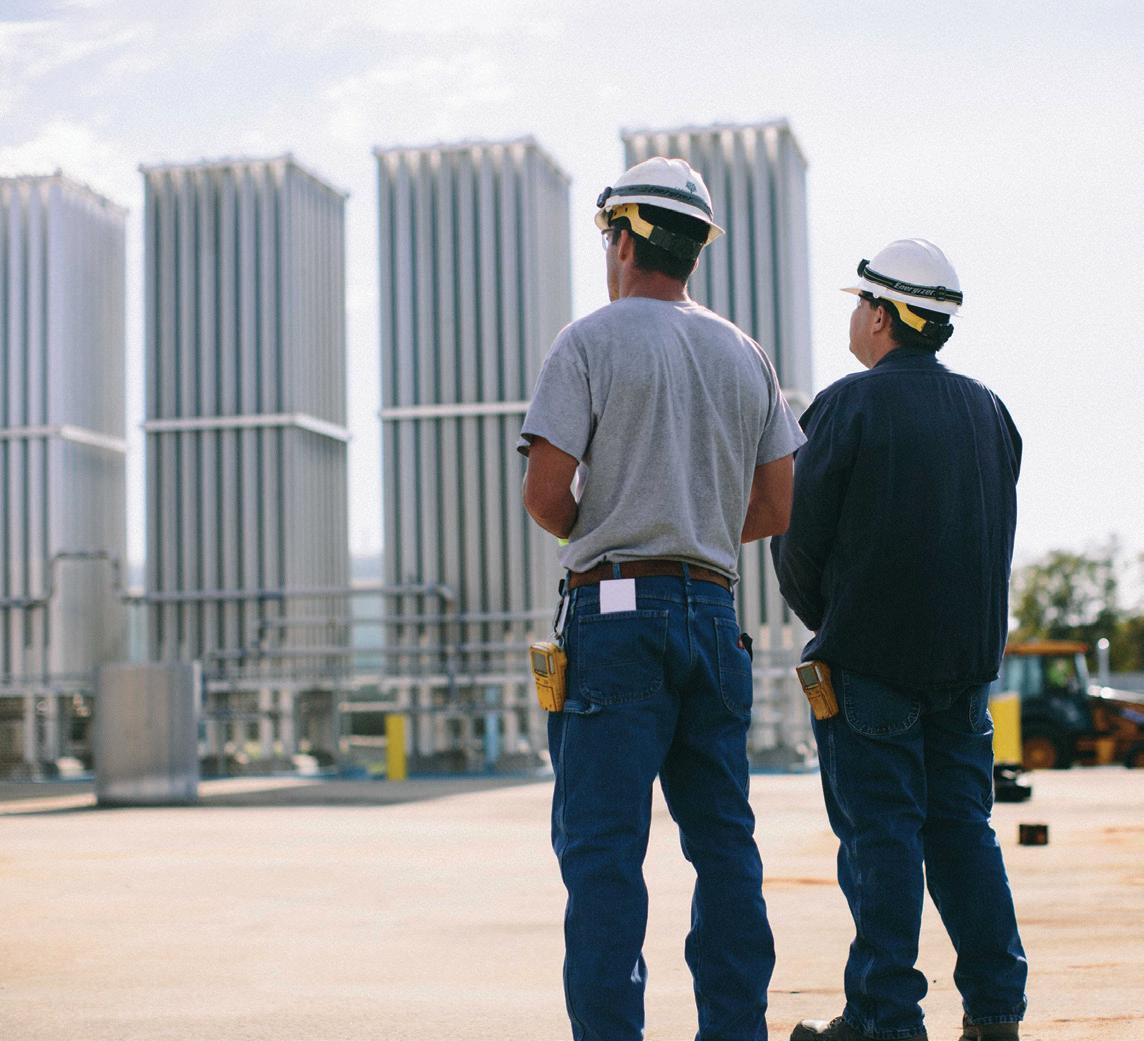
Proactive planning also ensures Cedar Rapids’ resources keep pace with growth. The City provides high-quality drinking water to more than 140,000 residents and industrial users, drawing from wells along the Cedar River in the alluvial aquifer. Unlike neighboring communities relying on deeper aquifers, Cedar Rapids can meet growing demand from these riverrecharged wells, without tapping sources that impact other cities’ water supplies.
Decades of scientific study, river monitoring, system modeling, and understanding customer needs guide decisions about new wells, storage tanks, and pipe upgrades. This foresight ensures water remains safe, abundant, and reliable during dry periods or high-demand days.
Even with this strong foundation, and with data showing the current system is wellprepared to serve upcoming, large projects, the Utilities Department is commissioning a study to better understand potential water-use impacts and help plan for the decades ahead. Large industrial water
users play an important role in maintaining affordable water and wastewater rates. These ratepayers use significant volumes year-round, helping spread fixed system costs across a broader customer base and keeping water and sewer fees from higher increases for residents and small businesses. Maintaining excess treatment and distribution capacity is also a key economic-development tool, allowing the City to accommodate new employers and major expansions without delay.
Investments in treatment plants, distribution networks, and redundancy measures allow the City to respond to immediate needs and long-term growth. In short, our infrastructure is designed to grow with the community — not behind it.
Careful planning allows Cedar Rapids to grow and accommodate new neighborhoods, businesses, and large facilities without straining resources. This work is part of EnvisionCR, the City’s comprehensive plan shaped by residents and approved by the City Council. It guides growth so that both development and community can progress together.
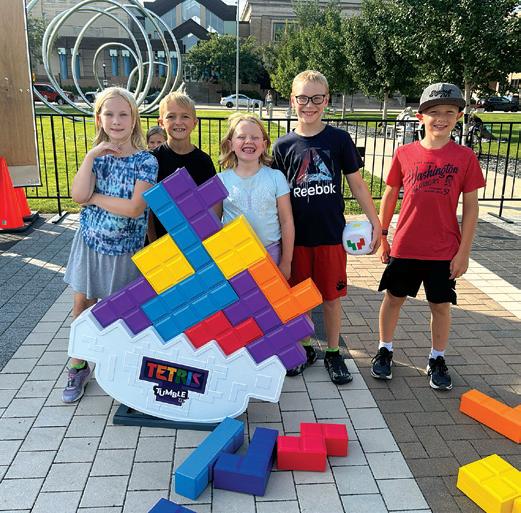
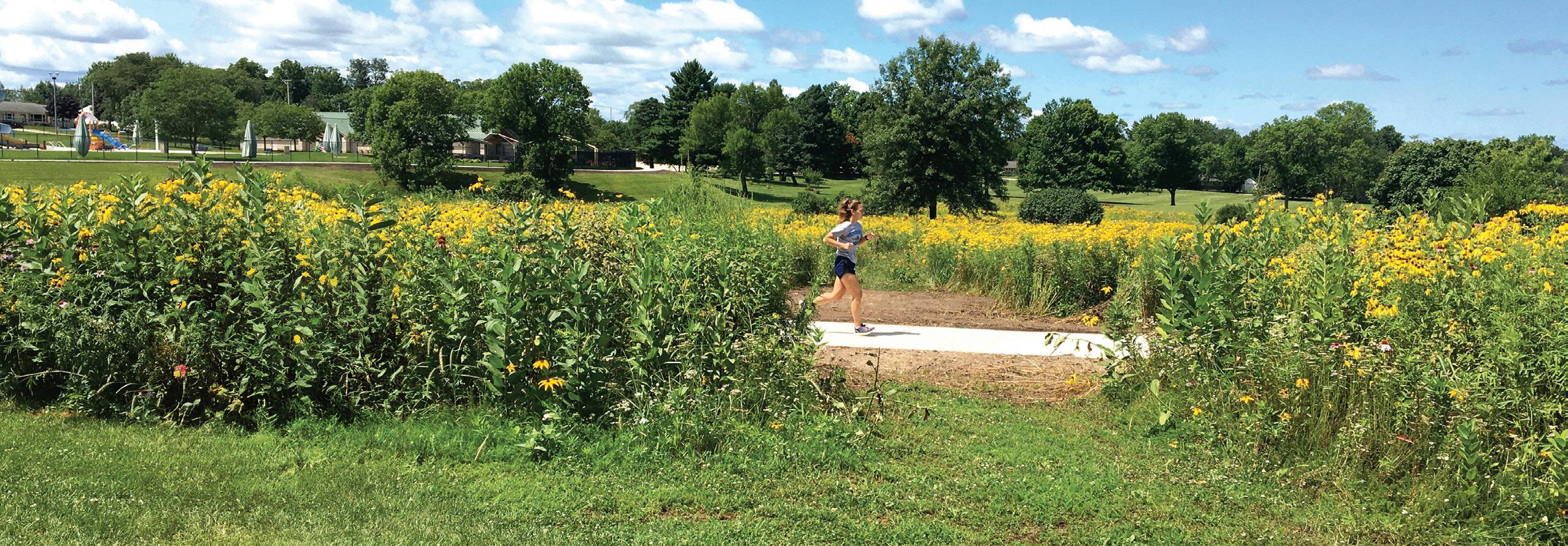
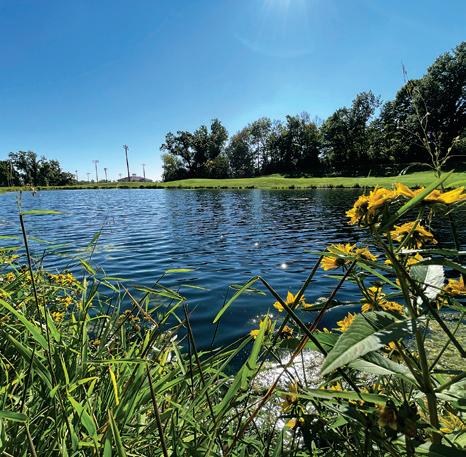
Parks help guide how our city moves, connects, and comes together. They link neighborhoods, create places to walk, bike, play, and gather, and shape how our city grows over time.
Whether it is a riverfront greenway or a neighborhood playground, every park is part of a connected system planned with the same care that goes into streets, trails, and transit. These spaces make it easier for people to move throughout the city while staying connected to nature and to one another.
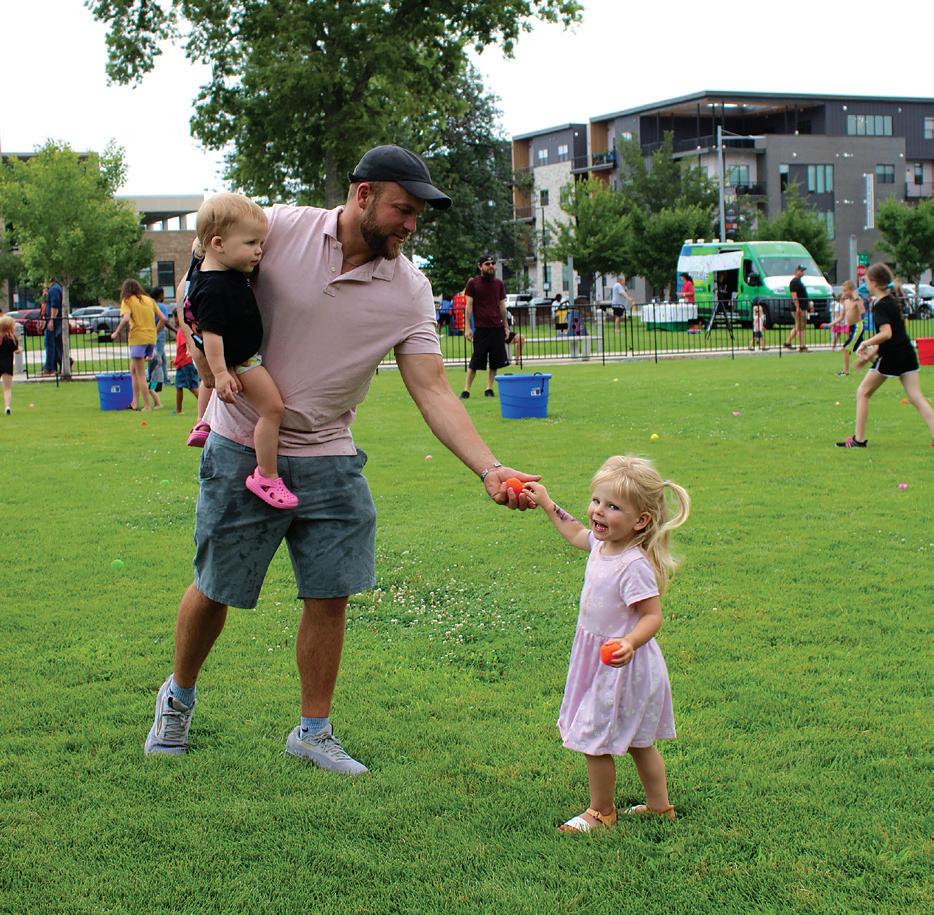
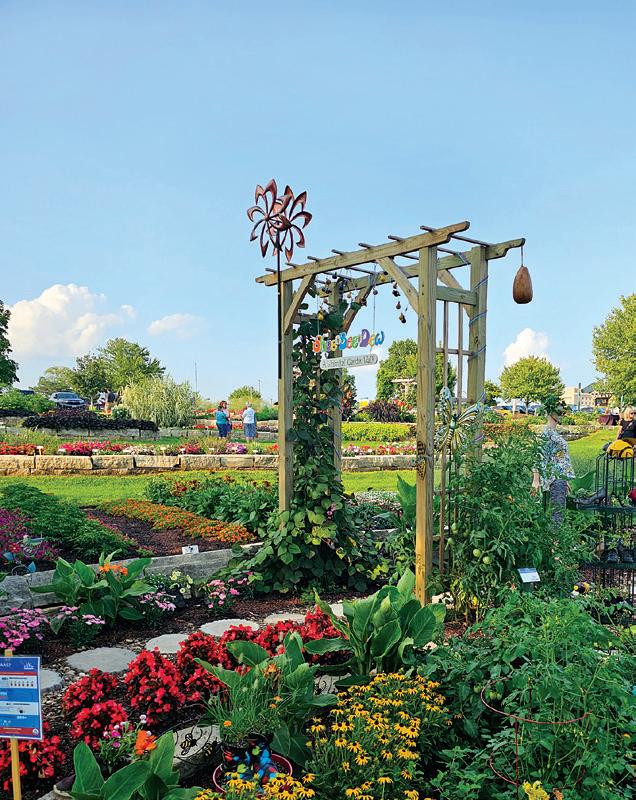
Deciding where parks belong is an ongoing, citywide effort. It begins with understanding where people live, how they travel, and what spaces already serve the community. River and floodplain areas offer room for large greenways that protect the city during high water while also creating places to walk, relax, and explore. In neighborhoods, smaller parks bring everyday recreation closer to home, giving families places to meet, children space to play, and residents a simple way to enjoy the outdoors.
This work is entering a new chapter. The City is beginning work on a new Parks & Recreation Plan to guide decisions about parks, recreation facilities, and services for the next fifteen years. The plan will look at what Cedar Rapids has today, where gaps exist, and how access can improve across the community. Opportunities for public input will be available as part of this process, giving residents a chance to help shape future priorities.
Not every park is designed to do the same job. Neighborhood parks are meant to be close, welcoming, and easy to reach. Larger destination parks — like Cherry Hill, Bever, Jones, and Noelridge — serve the entire city. These sites have the space, access, and demand to support features like pools, large playgrounds, and major events.
A park’s size is meant to reflect the number of people using it, not the surrounding neighborhood’s income. Parks are meant for everyone — in every quadrant!
As we plan for the future, our parks will continue to grow alongside the community. We are building a system that reflects our community’s values and supports the city we want to become. By planning thoughtfully today, we ensure our parks remain vibrant, welcoming spaces for generations to come.
As planning continues, residents will have opportunities to learn more and share their ideas. Updates on the Parks & Recreation Plan, including engagement opportunities and progress, will be available at CityofCR.com/PlanParksRec

Public transportation is another area the City focuses its planning to grow and support daily life and a strong economy. Transportation helps people reach jobs, keeps businesses staffed, and ensures commercial areas stay accessible. The important connections that make it all work are the result of steady, intentional planning that keeps people, places, and opportunities moving.
Cedar Rapids Transit plays a central role in keeping the community connected by continually adapting its network to meet the needs of riders and a growing community. Over time, routes have adjusted to improve frequency and coverage, bringing more accessible service to schools, workplaces, shopping centers, and community hubs. On the busiest routes, buses that once arrived every 30 to 90 minutes now run every 15 to 60 minutes. These improvements help employers reach a broader workforce and give residents dependable access to jobs, services, and commercial centers.
terminal and airfield improvements help travelers and cargo move safely, efficiently, and comfortably. These projects are funded by airport revenue — not local taxes.
Airport investments have returned results. In 2025, more than 1.6 million passengers traveled through CID — setting a record — with every month reaching a new high. This growth reflects both business and leisure travel and reinforces CID as a key regional hub. CID also plays a vital role in moving goods. As one of Iowa’s largest air-cargo hubs, the airport supports local employers and regional supply chains.
“When the region flies CID, the airlines notice; when the airlines notice, they invest in the market.”
M arty Lenss, Airport Director
The City is also committed to maintaining a modern, efficient, and environmentally responsible bus fleet. Our current vehicles already meet clean-diesel standards. The upcoming introduction of our first hybrid, diesel-electric buses will further reduce emissions, lower fuel costs, and support long-term sustainability goals. Combined with careful planning, these upgrades ensure transit remains reliable, efficient, and ready for Iowa’s changing weather.
The same planning extends to regional and national connections at the Eastern Iowa Airport (CID). Expanded nonstop service and
“When the region flies CID, the airlines notice; when the airlines notice, they invest in the market,” said Airport Director Marty Lenss. That investment is already taking shape. The five airlines serving CID increased seat capacity in early 2026, with January up 12 percent, February up 13 percent, and March showing a 14 percent increase compared to last year.

Cedar Rapids is building a transportation system that works for everyone. Careful planning keeps travel reliable, supports employers, and connects people to jobs, services, and markets — keeping our local economy strong.

At Physicians’ Clinic of Iowa, we’re proud to offer expert, compassionate care for children of all ages. Whether it’s a routine check-up or a more complex health issue, our board-certified pediatricians are here to ensure your child’s needs are met with care and attention.
We offer a full range of pediatric services, including routine check-ups, immunizations, well-child visits, and chronic condition management, working with specialists to provide comprehensive care.
We’re accepting new patients!
Schedule online or call (319) 247-3820 today!
The Cedar Rapids Police Department’s Bicycle Patrol is a dynamic, communityfocused team that brings officers closer to residents and business owners across the city.
From busy downtown streets to scenic trails and large public events like the farmers market and Fourth of July fireworks, the bike patrol plays a vital role in public safety. Their mobility allows officers to navigate areas inaccessible to squad cars, making them especially effective in parks, alleyways, and crowded gatherings.
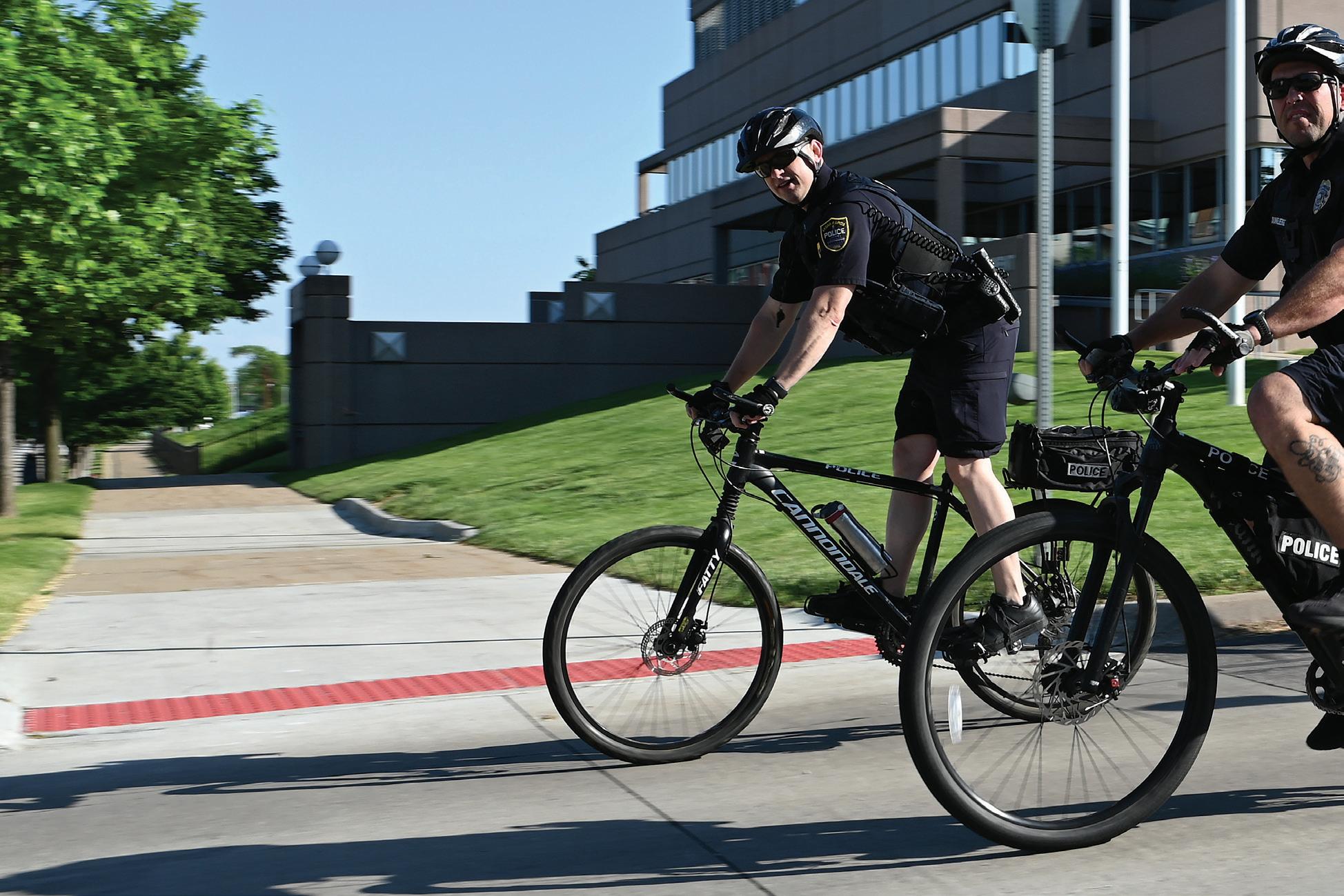
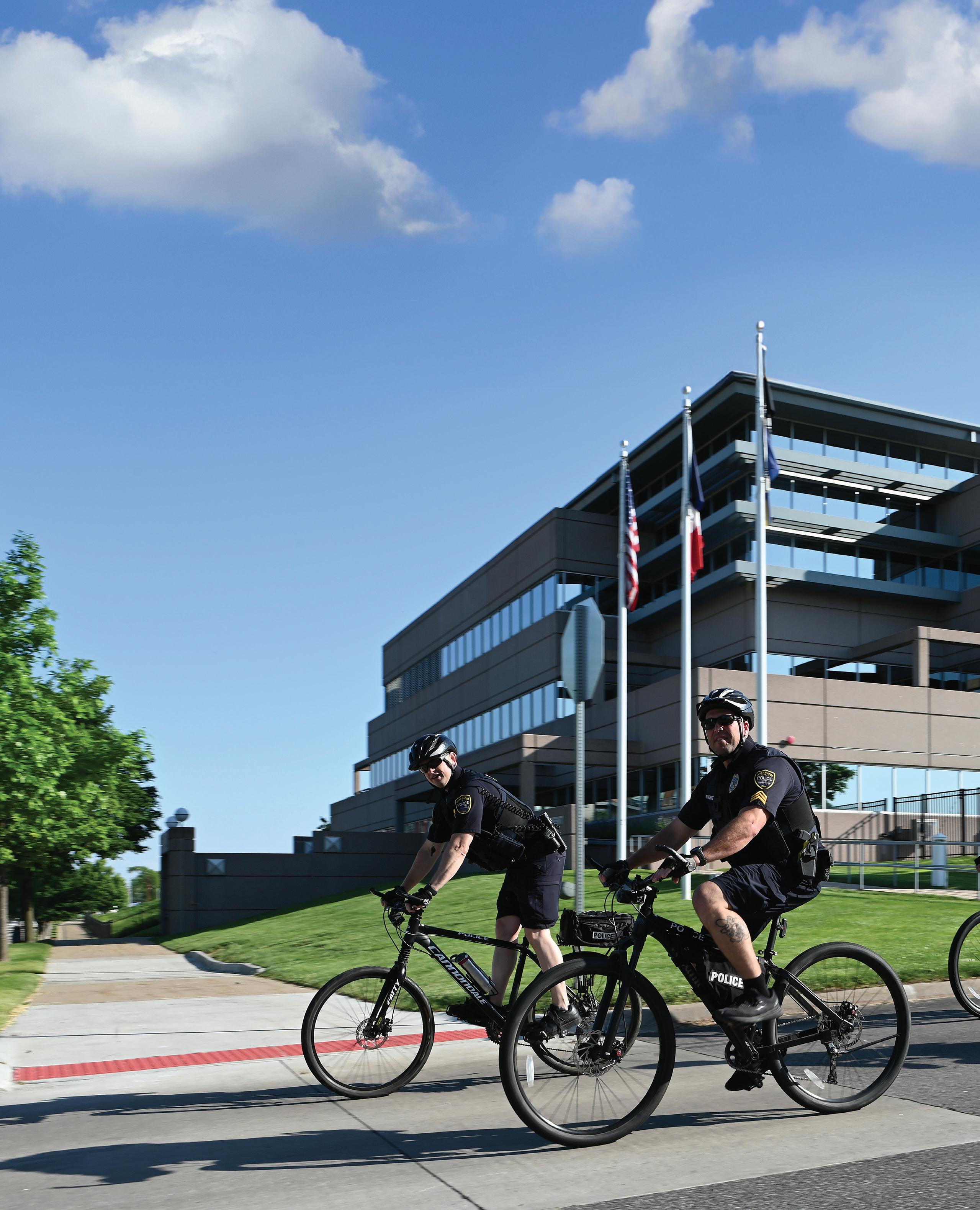
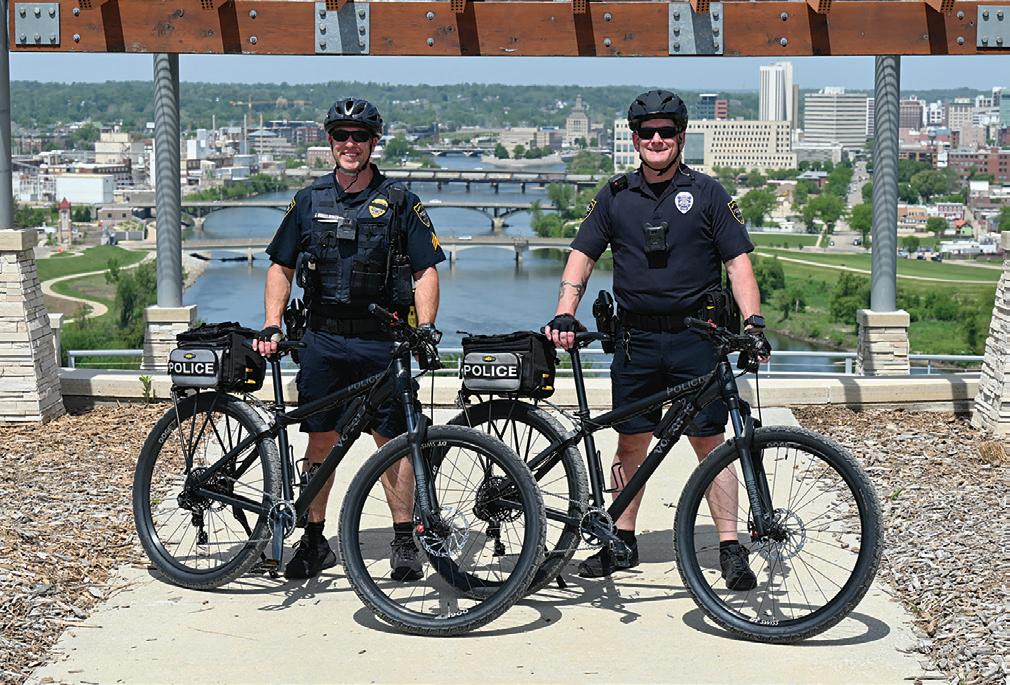
Led by Sergeant John Dunkelberger, 58 CRPD officers are currently Iowa Law Enforcement Agency-qualified to serve on bike patrol. These officers are trained in specialized skills and strategic deployment to provide effective coverage in neighborhoods, downtown, and along local trails.
“Bike patrols give us the ability to be a presence in unexpected places,” explained Dunkelberger. “Last year, bike officers were able to break up a large disturbance in a park faster than squad-based officers. Officers also love the chance to see the city from a different perspective. It’s great exercise and saves on fuel costs.”
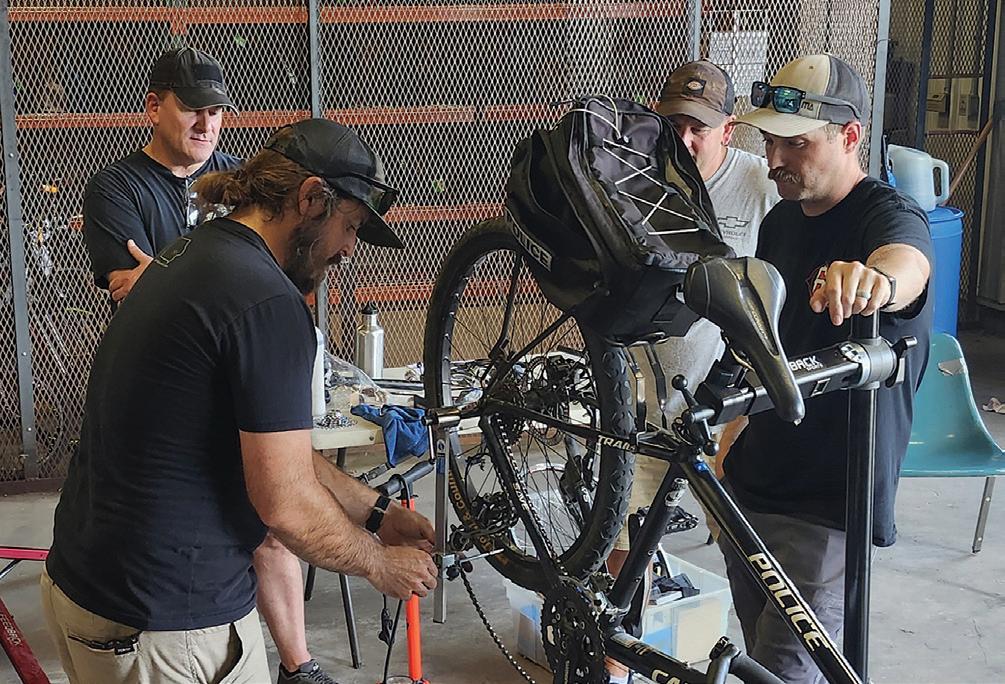
Officer Austin Willets, a certified bicycle mechanic and 11-year member of the bike patrol, is trained to keep CRPD's fleet of 20 mountain bikes ready for action, whether for a routine ride or rapid response. This in-house maintenance capability is a key asset, allowing the team to operate without delay. He said a normal shift in the saddle will
last around four hours and officers might ride 20 miles. The Bicycle Patrol’s presence is especially useful during community events, where their visibility and approachability enhance public trust. Whether assisting with crowd control or simply chatting with residents, these officers embody the department’s commitment to proactive, community-oriented policing.
Officer Claire Baranski, new to the unit in 2025, highlights the patrol’s unique advantages. “The bikes are a very useful tool for patrolling areas where squad cars can’t go,” said Baranski. “They also help foster greater community engagement. People are more likely to approach us when we’re on bikes, and that opens the door for meaningful conversations.”
As Cedar Rapids continues to grow and evolve, CRPD’s Bicycle Patrol remains a vital part of the City’s public safety strategy — and in creating a welcoming environment for all.
“Bike patrols give us the ability to be a presence in unexpected places. Last year, bike officers were able to break up a large disturbance in a park faster than squad-based officers. Officers also love the chance to see the city from a different perspective. It’s great exercise and saves on fuel costs.”
Sergeant John Dunkelberger
Ride Safe. Know the Law. Use the Signs.
Bicycling is a great way to get around and see the city. Be sure you follow the rules of the road and know how to communicate with other riders and drivers around you.
Imagine one drop of water: a raindrop falls on a field in southern Minnesota. That drop may help nourish crops that are later harvested and brought to Cedar Rapids, contributing to our local food system and economy. Or the drop may travel more than 250 miles, joining a creek that flows into the Cedar River and eventually reaches Cedar Rapids.
In Cedar Rapids, the drop may pass through sand and gravel along the riverbank, naturally filtering out impurities. The City draws its water from deep riverbank wells and sends it to treatment plants for further cleaning — making sure every drop is safe and ready for homes, businesses, and daily life.
At our treatment plants, air is bubbled through water to remove gases and improve taste. Minerals that cause hard water are reduced. Small particles are removed to clarify the water. Disinfection processes remove contaminants, with filters and ultraviolet light adding extra protection. Small amounts of natural additives help protect pipes and support residents’ health.
Our drop then takes its next adventure: powerful pumps inside the plant move water uphill and through the city. Treated water flows to storage tanks and through hundreds of miles of pipes, keeping steady pressure to your tap for drinking, cooking, bathing, and daily use.
Behind the scenes, this journey happens every day for over three trillion drops of water — millions of gallons — supported by constant water quality monitoring, ensuring the water delivered is safe and reliable.
Every drop of water eventually completes a full cycle. After you use it at home — whether for drinking, cooking, or bathing — it doesn’t disappear. The unmistakable gurgle of an emptying drain is just the beginning of an amazing process!
When water leaves your home through a sink, shower, or toilet, it flows down drains and toilets, entering Cedar Rapids’ sewer network. This vast system contains more than 700 miles of pipes, hidden beneath our streets. Gravity moves the flow toward the wastewater treatment plant, where water begins its careful journey back to the river. At the plant, large debris is removed though a screen the size of a delivery truck — keeping rags and trash (and A LOT of “flushable” wipes) from harming our treatment equipment.
Next, the wastewater moves through a series of steps that allow solids to settle out, oils and greases to be skimmed, and waste to be broken down with the help of natural microorganisms. Aeration — and time — help clean the water further, while odors are carefully controlled throughout the process, reducing impacts on nearby neighborhoods.
Before water leaves the plant, it is disinfected to remove harmful bacteria. The disinfectant is then neutralized to keep fish and wildlife safe. Finally, clean water returns to the Cedar River, where it continues its journey downstream.
Every step of this process protects public health and the environment. When residents choose wisely what goes down the drain, they help keep this journey smooth for every drop.
From the River to Your Tap — and Back Again
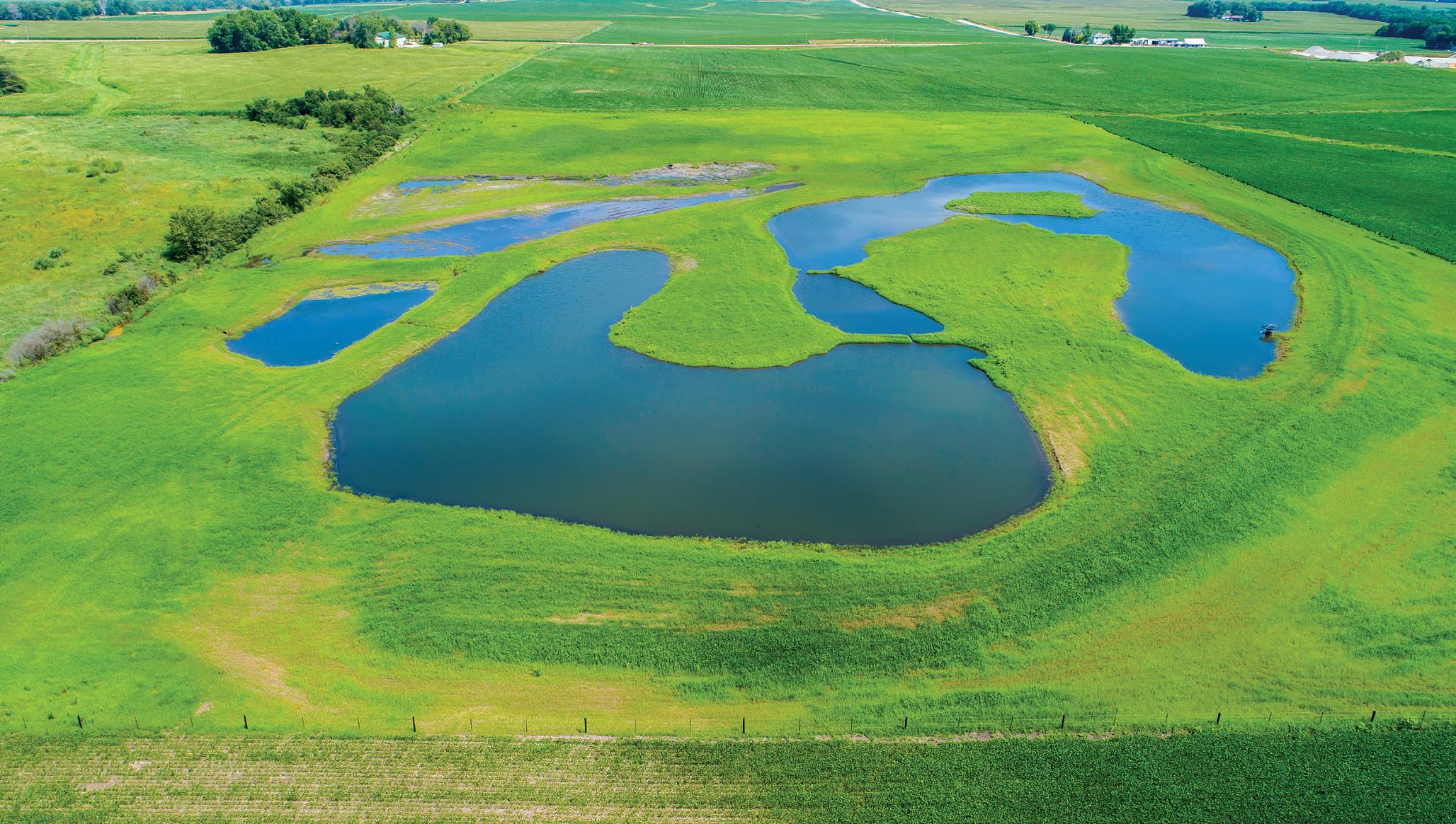
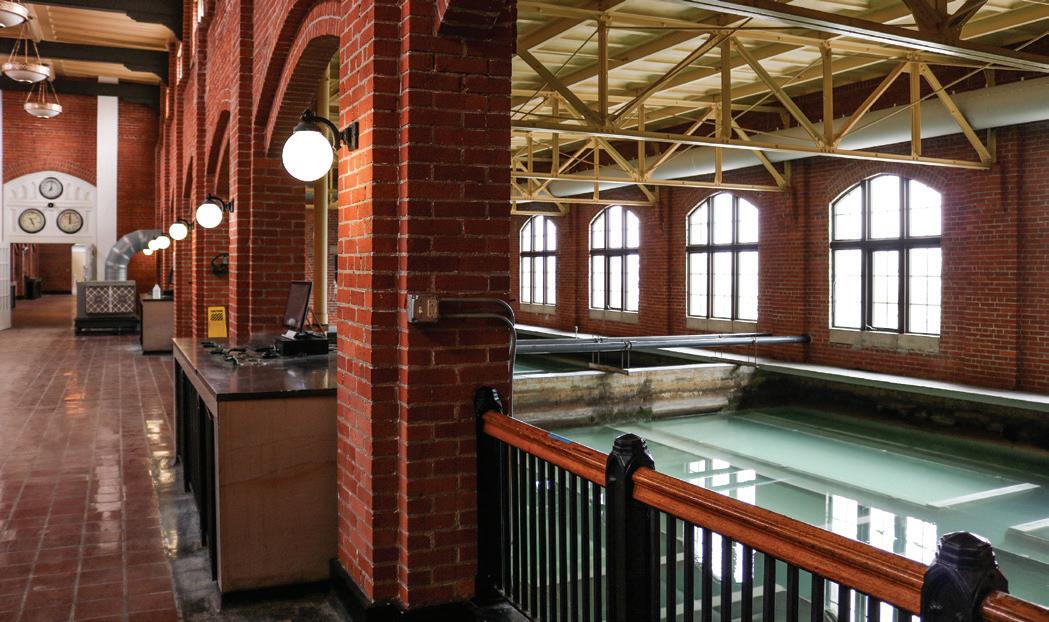
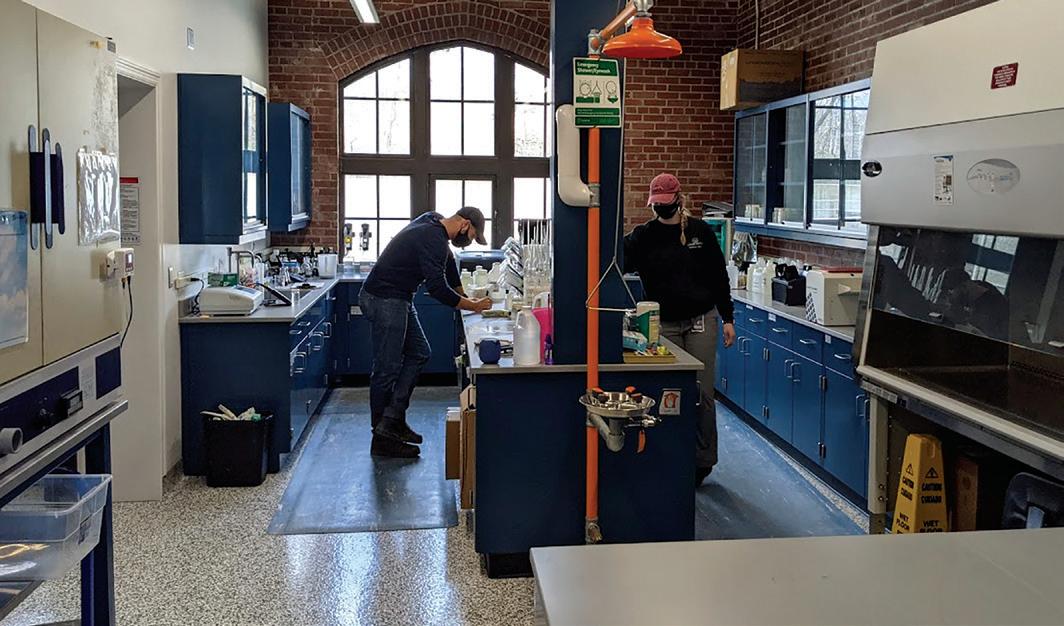
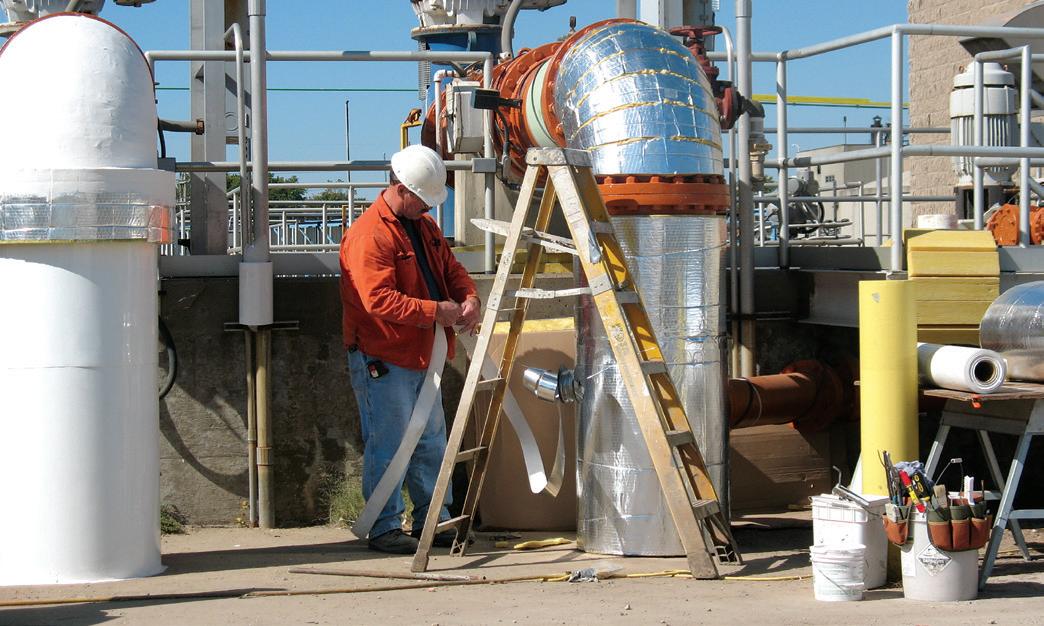
Our original drop has traveled far and wide: from a field in southern Minnesota, through rivers and treatment plants, into homes and lives across Cedar Rapids, and finally back into the Cedar River to continue downstream. Along the way, it has nourished gardens, supported families, flowed through schools, fueled local businesses, and sustained the natural world.
This journey is a shared story of connection and stewardship — protecting rivers, using water carefully, and cooperating across neighborhoods. Every farmer tending crops, every industry using water, and every resident cooking, washing, or drinking contributes to the system.
A single drop may be small, but it traces a network of people, communities, and natural systems. Each step matters, and together they keep water moving safely and predictably.
To learn more about our commitment to water quality, the treatment process, and more, visit CityofCR.com/Water.
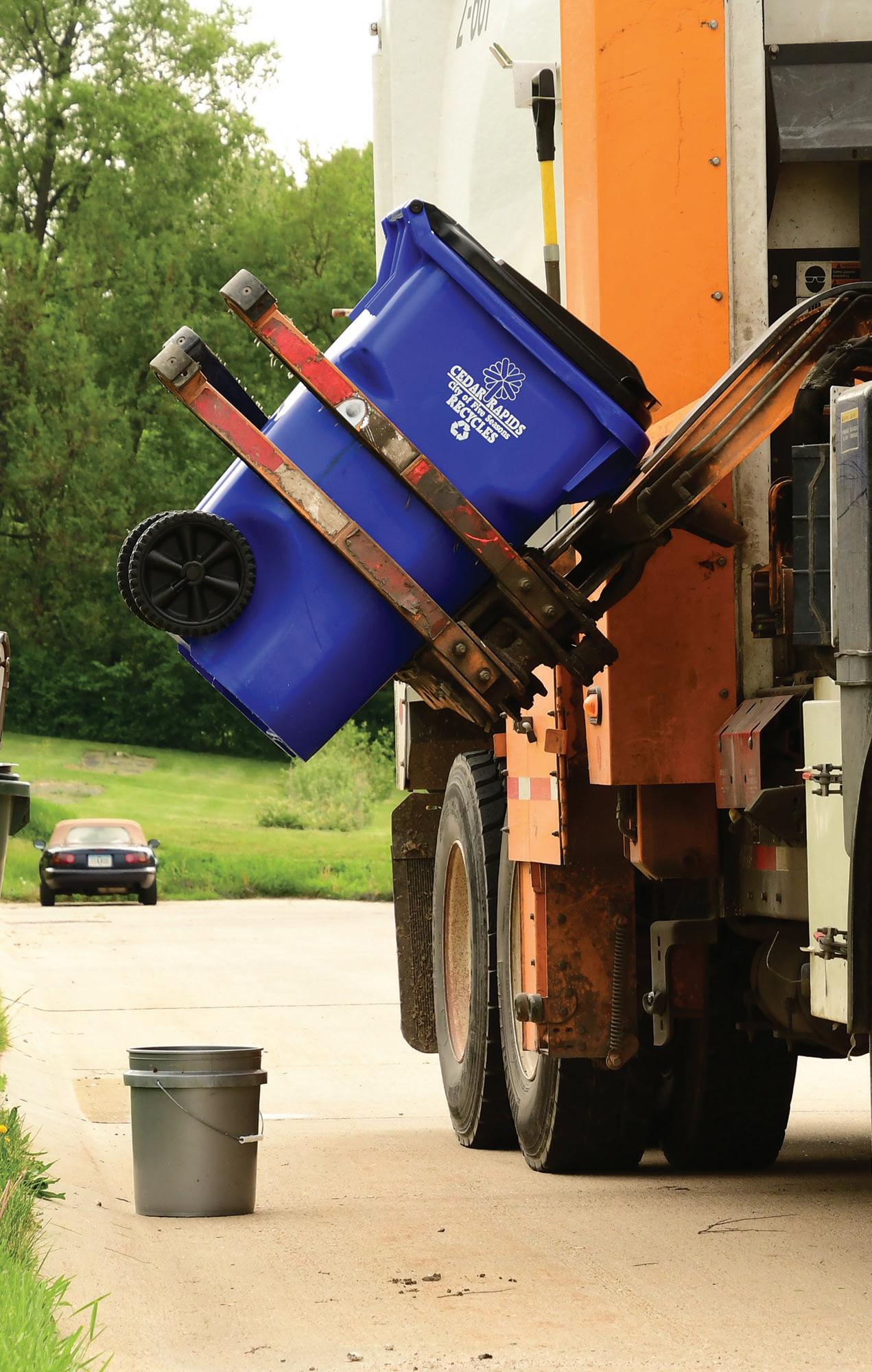
On collection day in Cedar Rapids, three carts line up along the curb at thousands of homes across the city: GARBY holds trash, CURBY carries recycling, and YARDY collects yard waste. Together, they begin a journey that connects neighborhoods, City crews, and regional partners.
Each cart has its own collection truck and route. Every week, crews make three separate stops at roughly 44,000 households. Trained drivers use automated arms to lift, empty, and return carts safely and efficiently. What looks simple from the sidewalk is part of a carefully designed system that serves the community and protects City workers.
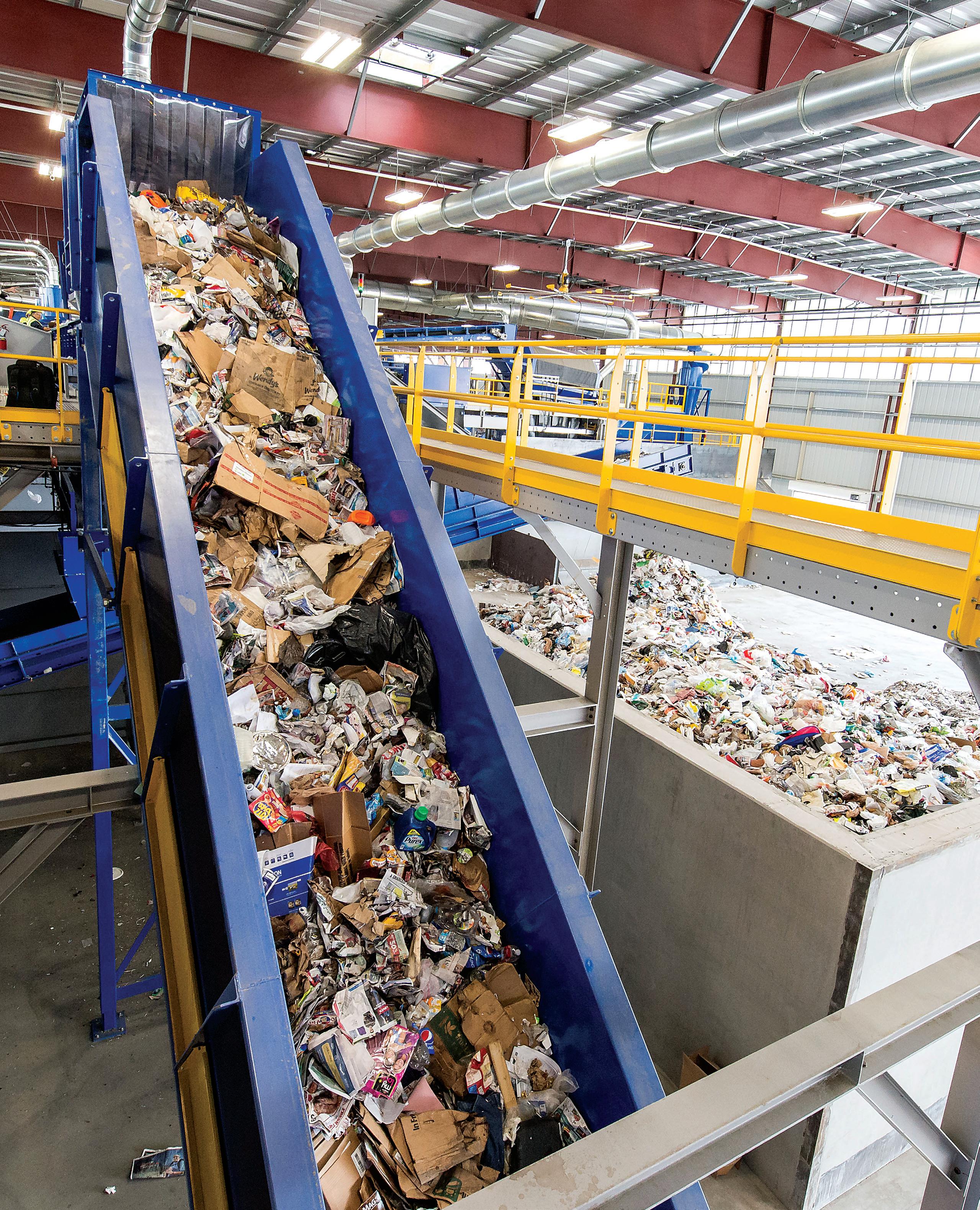
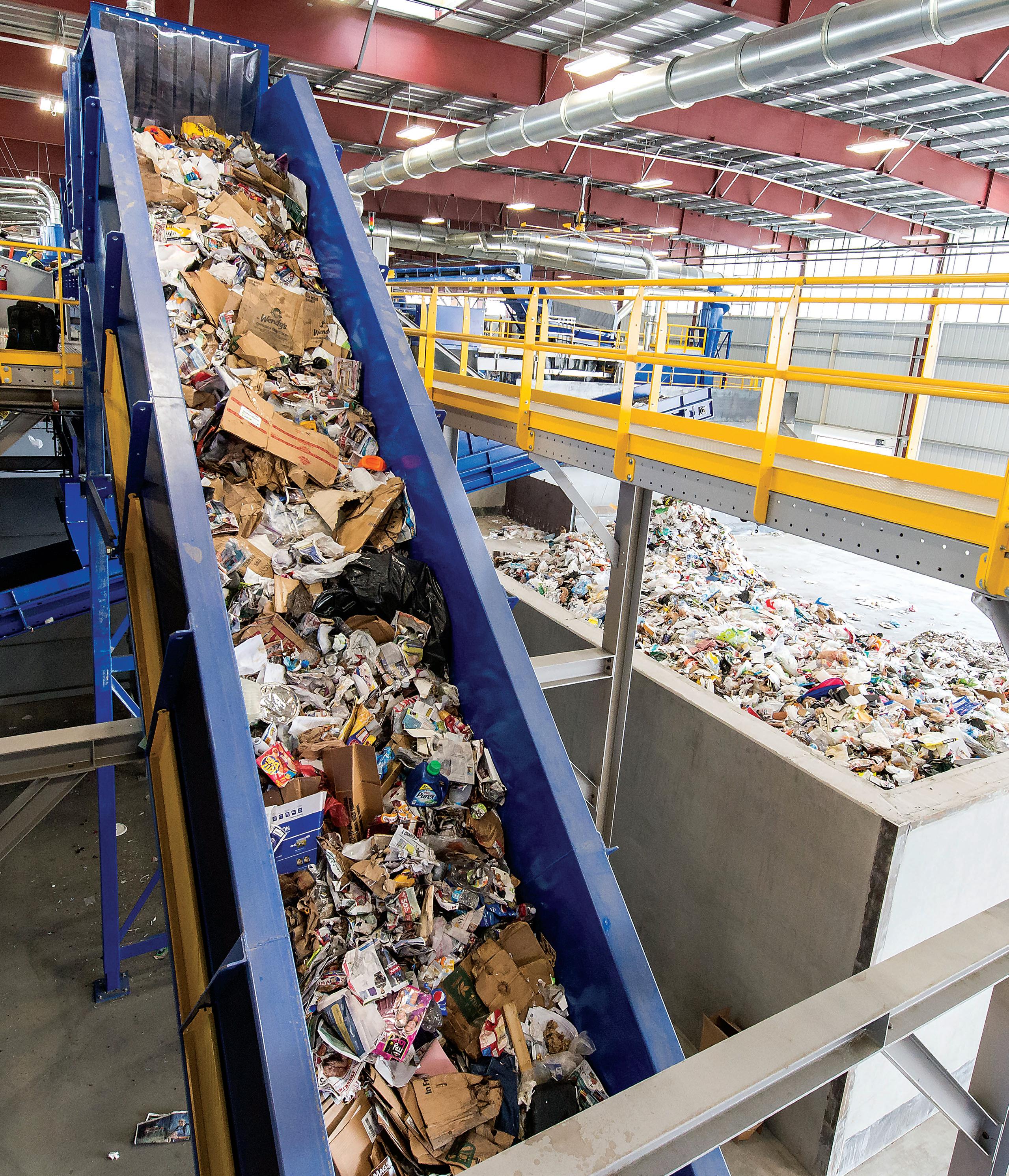
After your GARBY is emptied, the collection truck continues through neighborhoods before heading to the Cedar Rapids/Linn County Solid Waste Agency. There, trash is managed to protect the environment, while staff work to make the landfill last as long as possible. The City offers different cart sizes so residents can choose what works best for their household, while also encouraging everyone to reduce waste when they can.
CURBY’s contents take a different path. Clean, empty, and dry plastic bottles, metal cans, cardboard, and paper travel to Republic Services. This facility employs many people who monitor large equipment that sorts and processes these used materials so they can be given new life instead of taking up space in the landfill. Keeping non-recyclable items out of CURBY helps ensure the journey stays on track.
Sorting your refuse correctly can make this journey smoother. Common recycling mistakes — like plastic bags, food scraps, and greasy pizza boxes — can contaminate an entire cart full of otherwise acceptable recyclables. Composting at home — using vegetable scraps, coffee grounds, and yard trimmings — can reduce what goes into GARBY and create useful soil for plants.
From your curb to the final destination, your waste collection depends on teamwork at every step. When residents sort carefully and crews handle thousands of carts each day, the system works better for everyone. Together, we can keep Cedar Rapids clean, green, and moving forward — one collection at a time.
` Place carts at the curb the night before collection, or by 7 a.m. on collection day.
` Leave room for Lucy — our three-foot-long basset hound mascot — between carts.
` Keep carts clear of snowbanks and obstacles.
` Avoid overfilled carts, loose and overflowing bags, and oversized items to reduce raccoons and vermin in your neighborhoods.
Grass clippings, leaves, and branches in YARDY make their way to the Cedar Rapids/Linn County Solid Waste Agency’s compost facility. There, natural materials break down into nutrient-rich compost residents can use in gardens and landscaping. Yard waste that stays out of the trash helps reduce landfill use and supports healthier soil across the community.
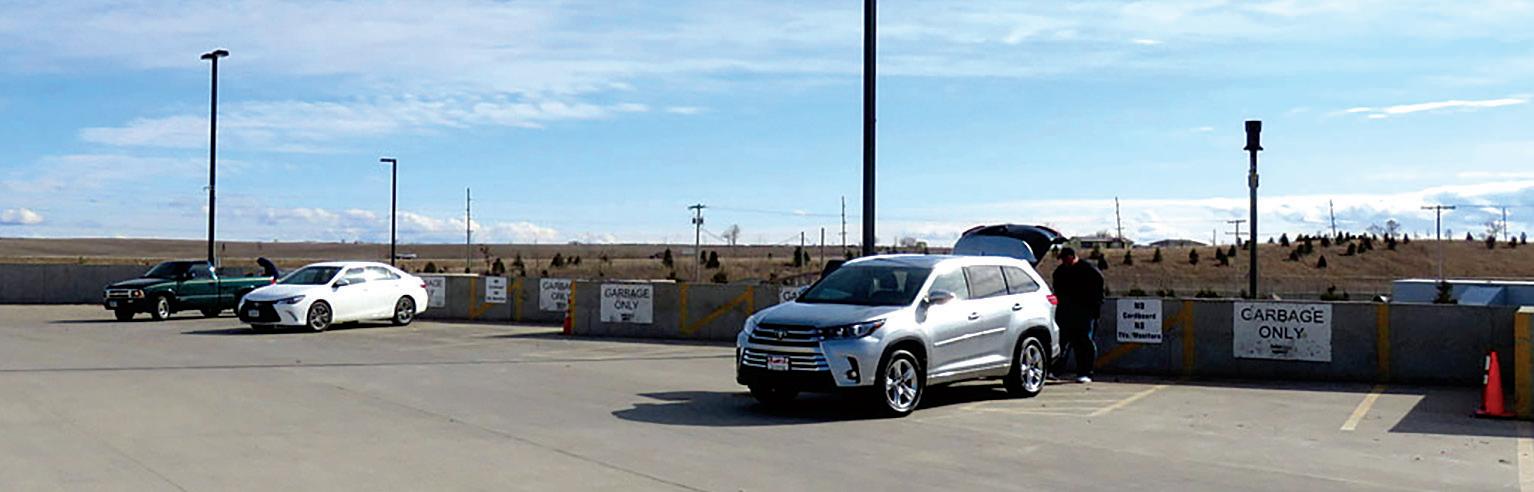
The Cedar Rapids/Linn County Solid Waste Agency landfill is projected to reach capacity earlier than originally planned — around 2036–37 instead of 2044. Population growth and events like natural disasters, including major floods and the 2020 Derecho, have increased waste volumes over time.
The Agency is planning ahead, through its Forward 2044 initiative, focused on reducing waste and identifying long-term disposal options. This may include transitioning the current landfill site into a transfer station, where waste can be re-routed to landfills in other counties or states after ours is full. These changes would increase costs — meaning waste reduction and proper sorting today is more important than ever!
` When in doubt about what can be recycled, visit RecyclingSimplified.com to prevent contamination. Scan to learn more about how the Cedar Rapids/Linn County Solid Waste Agency is preparing for the future. CityofCR.com/Forward2044
Recycling is easy once you learn the basics. Need help determining how to dispose of something? Call us at 319-286-5897 or visit CityofCR.com/Garbage
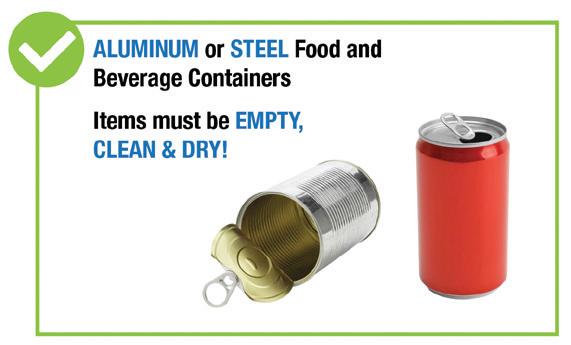
METALS ACCEPTED
Aluminum cans (deposit and nondeposit items), steel cans including fruit, vegetable and soup cans
METALS NOT ACCEPTED
Any container with food residue, aluminum foil and pans including pie plates, wire hangers, silverware
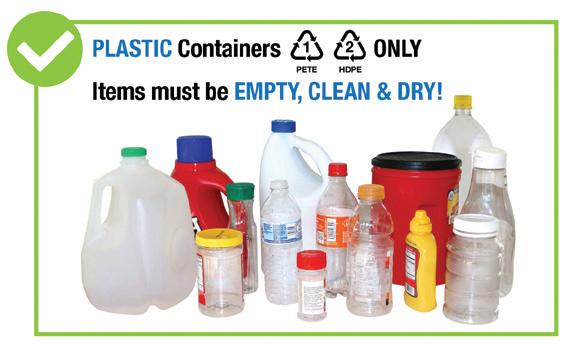
PLASTICS ACCEPTED
#1 and #2 PETE containers including deposit and non-deposit items, milk and juice jugs
PLASTICS NOT ACCEPTED
#3, #4, #5, #7 containers, styrofoam (#6), plastic bags/film, trash bags, grocery bags, plastic wrap, pet food bags, rigid plastics such as buckets, garbage cans, laundry baskets, flower pots, toys, hangers, used automotive oil containers
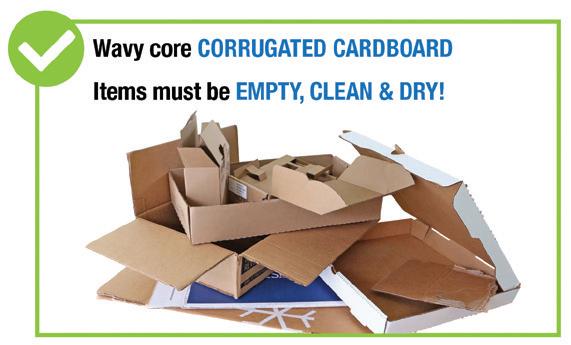
CARDBOARD NOT ACCEPTED
Cardboard with Styrofoam or bubble wrap attached, pizza boxes with food or greasy residue, cardboard that is stained or soaked with liquids, cardboard with wax-coatings

GLASS ACCEPTED
Beverage bottles, jars, containers
GLASS NOT ACCEPTED
Window and sheet glass, such as fish tanks, mirrors, bulbs of any type, dishes, pottery, cookware, ceramics

PAPER ACCEPTED
Newspaper, office paper, mail, magazines, cereal boxes, brown paper bags, milk and juice containers, frozen food packaging
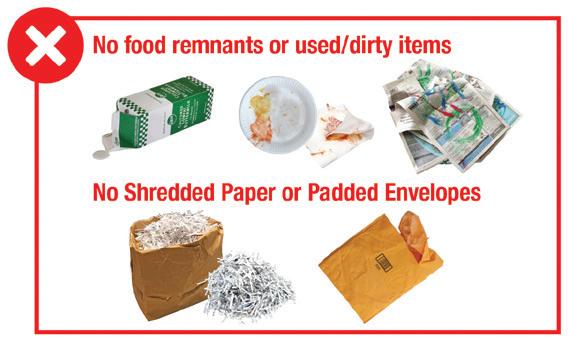
PAPER NOT ACCEPTED
Shredded, wrapping and tissue paper, paper with food, paint, or oily residue, napkins, tissues, wax paper, paper towels, coffee filters, cups, photographs


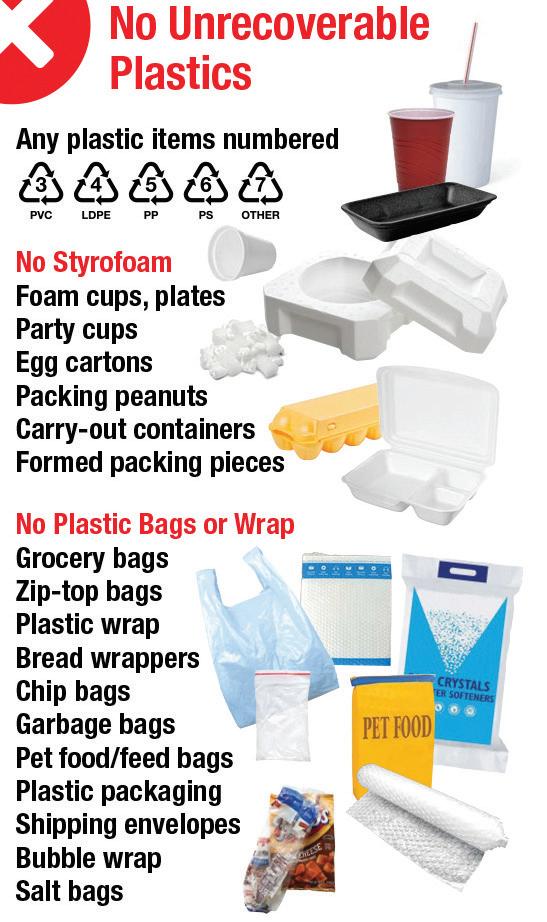
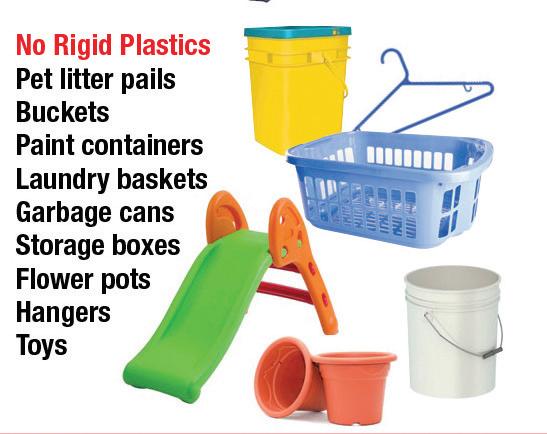
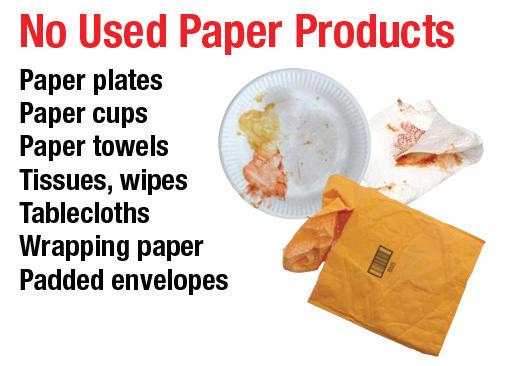

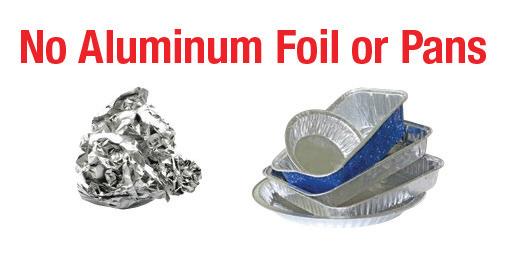
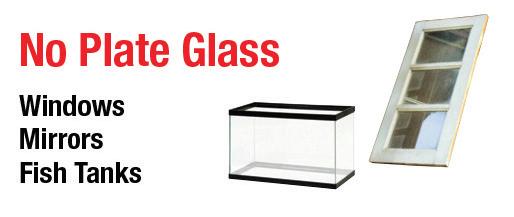

Cut out this page and post it near your recycling container for a handy reference!
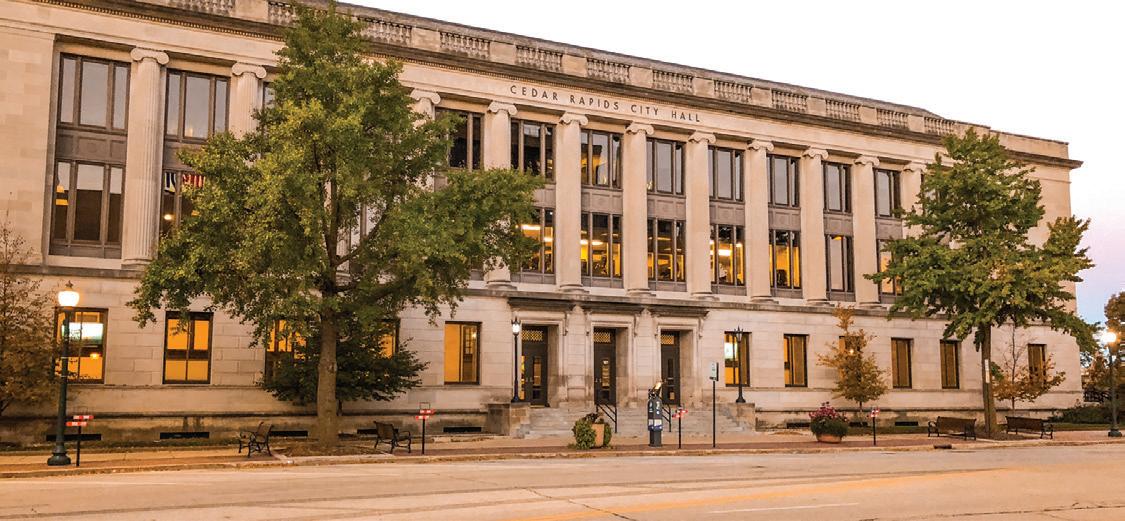
Another great way to have a voice in Cedar Rapids’ future is by serving on one of many City boards, commissions, or advisory committees. We welcome applicants from all backgrounds to represent our community’s many perspectives.
Any person who anticipates needing modifications for any part of the application process, or for general questions, contact the City Clerk’s Office: 319-286-5060 or city-clerk@cedar-rapids.org .
Learn more and apply today: CityofCR.com/BoardsAndCommissions
APPLICATIONS DUE APRIL 30, 2026




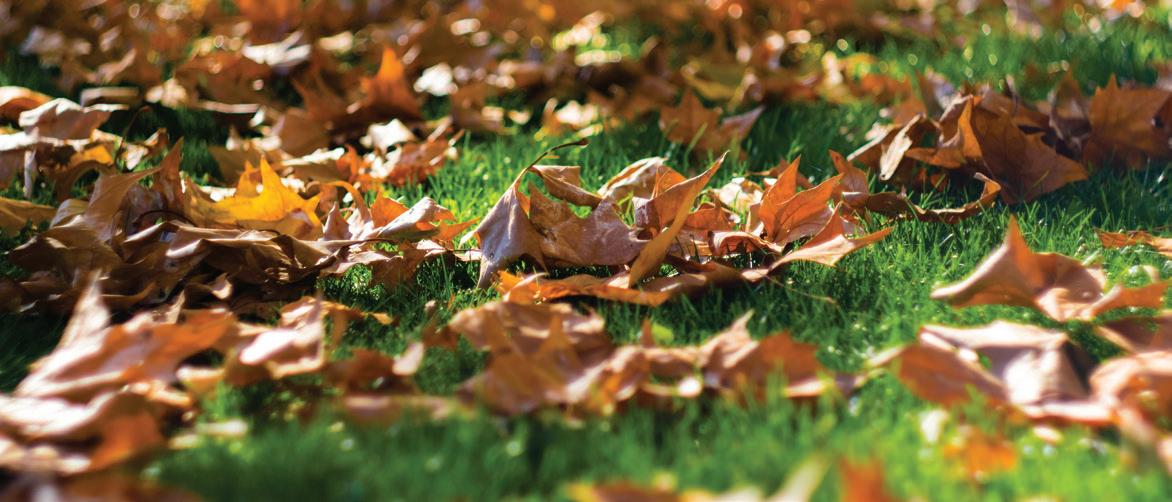
APRIL 6 – 24
All homes will have their loose leaves collected bi-weekly unless the trucks are slowed by weather or volume.
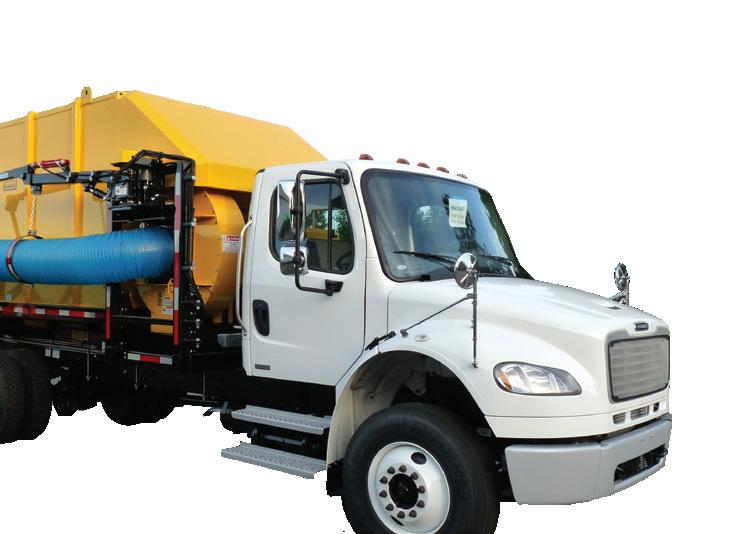
CityofCR.com/Leaf
CITY SERVICE LOCATION PHONE EMAIL ADDRESS
Animals 7241 Washington View Parkway SW 319-286-5993 AnimalControlMgmt@Cedar-Rapids.org
Assessor City Services Center, 500 15th Avenue SW 319-286-5888 CRAssessor@Cedar-Rapids.org
Bid Opportunities
City Hall, 101 1st Street SE 319-286-5021 Bid-Purchasing@Cedar-Rapids.org
Building and Housing Codes City Services Center, 500 15th Avenue SW 319-286-5831 Building@Cedar-Rapids.org
Buses
Ground Transportation Center, 450 1st Street SE 319-286-5573 CRTransit@Cedar-Rapids.org
Fire Safety Inspections 713 1st Avenue SE 319-286-5166 CRFire@Cedar-Rapids.org
Garbage, Recycling, and Yard Waste Collection City Services Center, 500 15th Avenue SW 319-286-5897 Solid-Waste-Recycling@Cedar-Rapids.org
Housing Assistance Programs City Hall, 101 1st Street SE 319-286-5872 HSG-Admin@Cedar-Rapids.org
Land Development City Services Center, 500 15th Avenue SW 319-286-5822 DevelopmentServices@Cedar-Rapids.org
Park Pavilion & Shelter Rentals City Services Center, 500 15th Avenue SW 319-286-5566 Parks@Cedar-Rapids.org
Police — Non-Emergency 319-286-5491
Potholes and Street Maintenance City Services Center, 500 15th Avenue SW 319-286-5826 Street@Cedar-Rapids.org
Recreation Programs
Northwest Recreation Center, 1340 11th Street NW 319-286-5566 Recreation@Cedar-Rapids.org
Sewer Backup or Problems City Services Center, 500 15th Avenue SW 319-286-5815 Sewer@Cedar-Rapids.org
Traffic Signals, Signs, and Markings City Services Center, 500 15th Avenue SW 319-286-5176 Traffic@Cedar-Rapids.org
Utility Billing City Hall, 101 1st Street SE 319-286-5900 WaterMail@Cedar-Rapids.org
For more information about the City of Cedar Rapids and its services, call 319-286-5080 or visit CityofCR.com

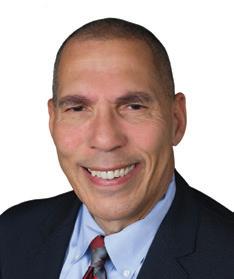

MAYOR
To leave a message for a City Council member, call 319-286-5051. Find your district at LinnCountyElections.org.
Tiffany O’Donnell t.odonnell@cedar-rapids.org
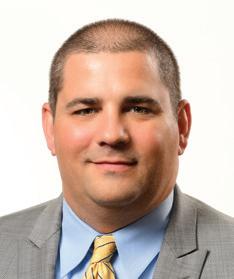
DISTRICT 1
Martin Hoeger m.hoeger@cedar-rapids.org

DISTRICT 2
Scott Overland s.overland@cedar-rapids.org
DISTRICT 3
Dale Todd d.todd@cedar-rapids.org
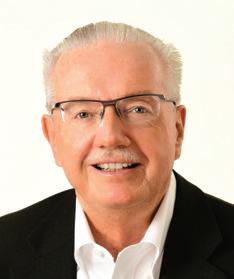
DISTRICT 4
Scott Olson scott.olson@cedar-rapids.org

DISTRICT 5
Ashley Vanorny a.vanorny@cedar-rapids.org
AT LARGE
David Maier d.maier@cedar-rapids.org

AT LARGE
Tyler Olson t.olson@cedar-rapids.org

AT LARGE
Ann Poe
ann.poe@cedar-rapids.org