Cut the spin, we’re smoking less
MICHAEL MOORE
The cool, calm and collected coffeeshop
WENDY JOHNSON
Of winter scents …and spuds
JACKIE WARBURTON

Cut the spin, we’re smoking less
MICHAEL MOORE
The cool, calm and collected coffeeshop
WENDY JOHNSON
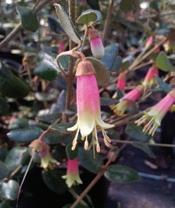
Of winter scents …and spuds
JACKIE WARBURTON
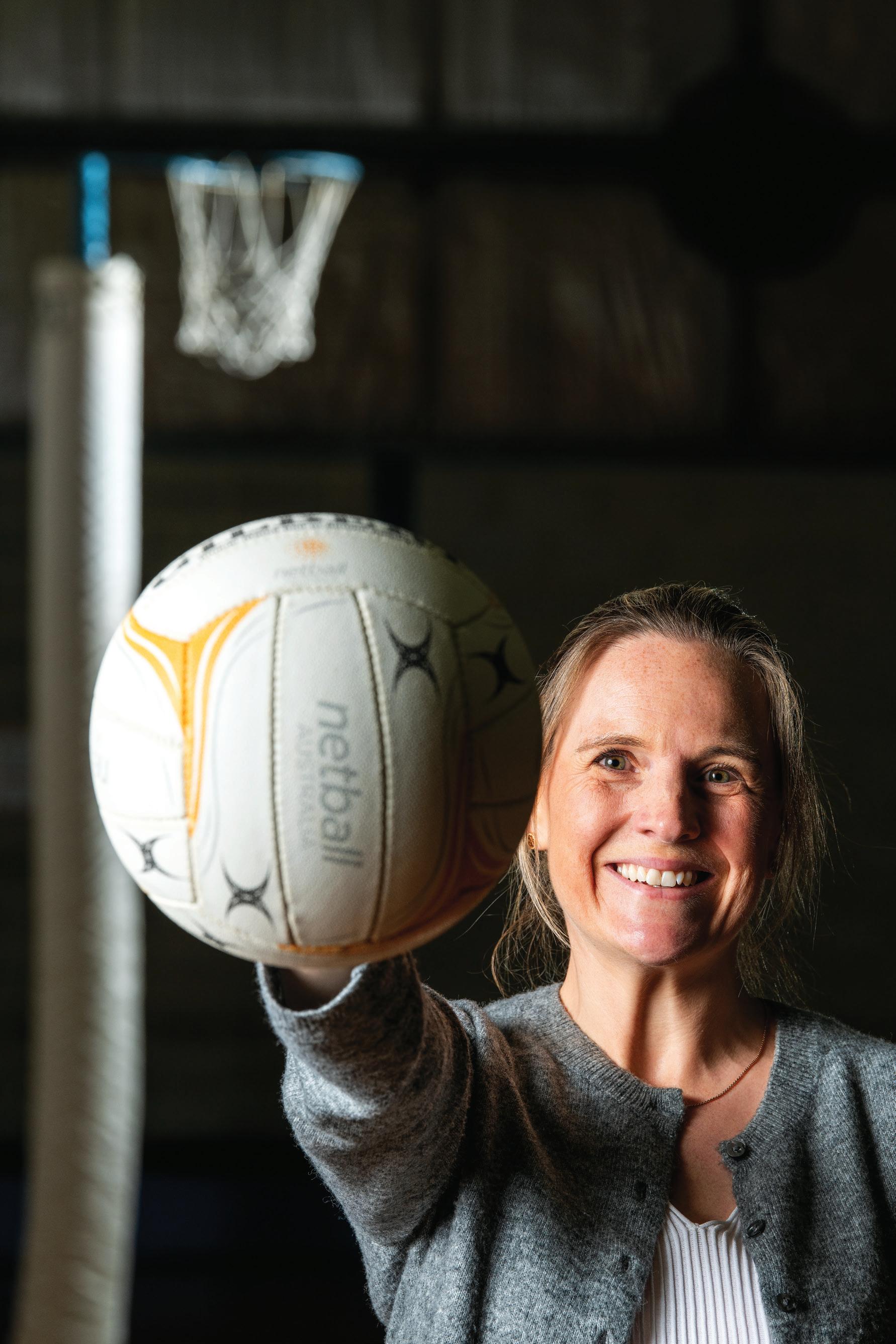
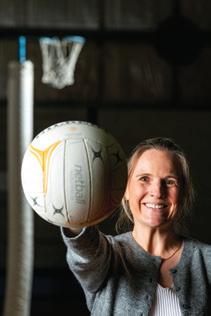
Netball ACT’s chief KATRINA ROFF is aiming for big goals








A mentor-led program is helping parents tackle barriers, access services and take practical steps toward their goals, but many families are missing out, reports DHWANI PATHAK
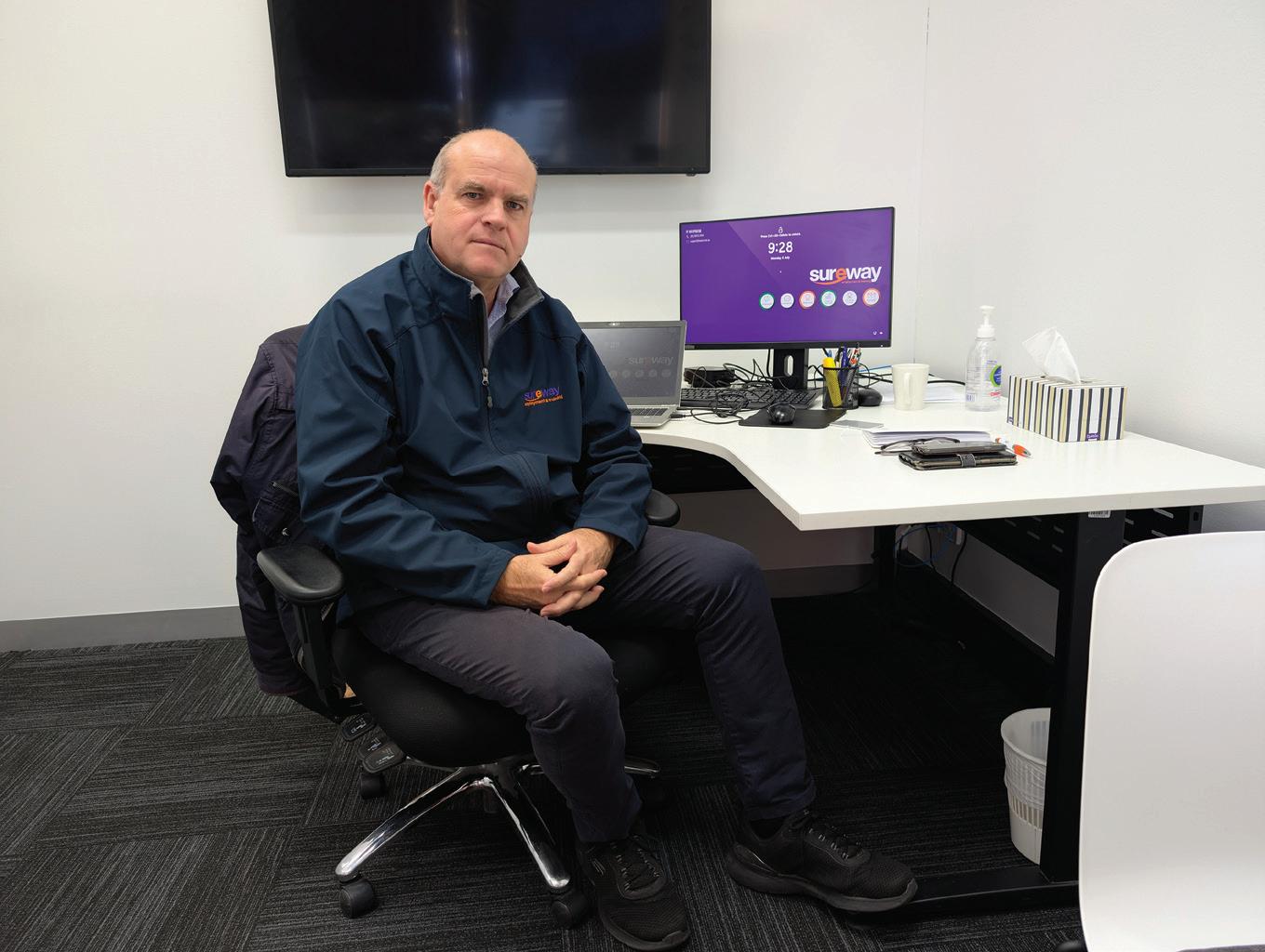
A conversation is often where the work begins for mentors in the Parent Pathways program. For mentor Andrew Kazar those conversations are the core of the service.
“Every meeting you have is personal because people are sharing information about them, their lives and themselves,” he says. “Getting an insight into their lives makes every encounter personal.”
Parent Pathways is a free, volun tary Australian Government service designed to support eligible parents of children under six as they consider their next steps.
“This is an excellent program,” Kazar says, but awareness remains a challenge, with many parents missing out simply because they don’t know the program is available.
“It’d be great if more people knew about this service.”
With the help of a qualified mentor such as Kazar, parents and carers can receive flexible, personalised support to assist with future goals.
Arts
Crossword & Sudoku
Dining &
Gardening
Letters 10-11
Politics 6, 9
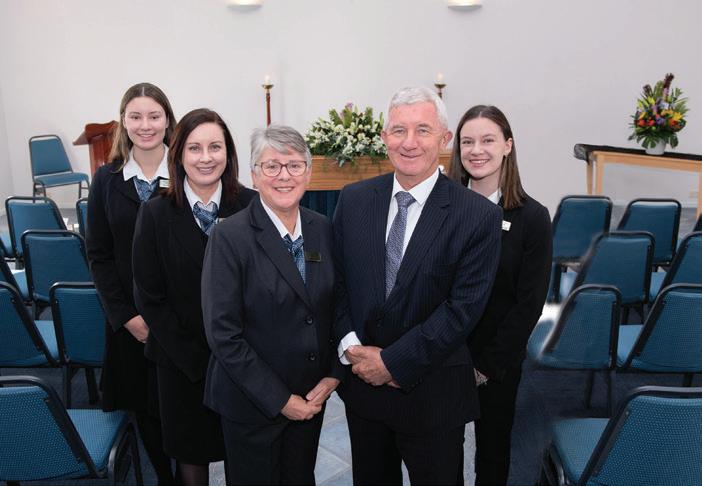
Lisa Clarke, 0413 590811
Editor: Ian Meikle, editor@citynews.com.au
Arts editor: Helen Musa, helen@citynews.com.au
Production manager: Janet Ewen
Graphic designer: Mona Ismail
Distribution manager: Penny McCarroll




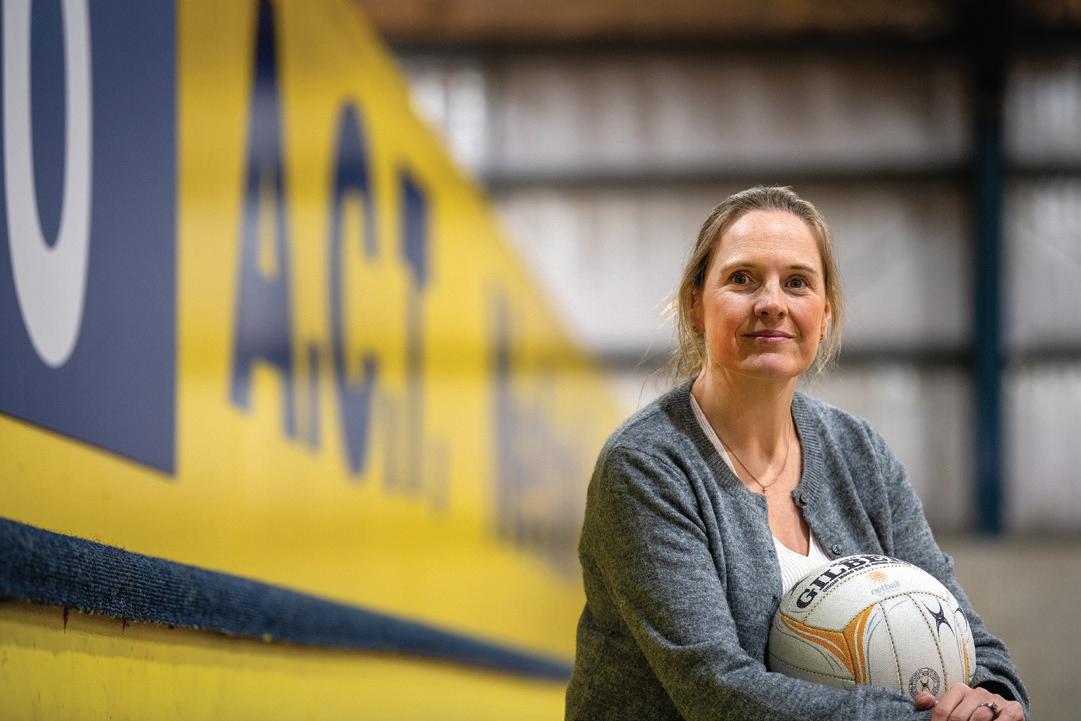
world for most of her life, thanks to it being “part of [her] DNA”.
“My mum had played at a pretty high level and my older sister was heading that way, and I was just the younger sister who wanted to tag along,” Katrina says.
“So, I joined a club with my older sister and my mum and she quickly became a member of the committee… I was the youngest in the team by a good four or five years, but they just let me train and then I was hooked,” she says.
“It’s been a part of my life for a very long time. I’ve played county netball, which is the representative equivalent back in the UK, … it’s supported me in lots of different chapters of my life,” she says.
“I’ve got lifelong friends through all the different places I’ve played netball. They are, without exception, my closest people wherever I’ve been.”
Now that she’s here, Katrina is keen to move netball off the sidelines.
“I think we’ve got an opportunity to look at really modified versions of the game so that there’s a place for everyone. There’s always going to be people who want to play competitively and at a high level, but there’s also people who just want to rock up for a run around and a throw,” Katrina says.
“I think there’s some initiatives looking at what we offer, but also how people access it, and then going out to different areas of the community where, culturally, netball may not be something that was offered in school.”
Katrina is hopeful that she can make a significant impact on netball’s presence in Canberra.
“I would love this facility to be a real hub that fosters netball and hosts elite netball,” Katrina says.
“I’d love for us to be competitive on a national level and that would be an outcome that demonstrates we had raised the standard of the game, and that we had invested in our athletes, coaches, and umpires.”
international sponsorships with global brands at events including the Australian Open, the Hong Kong 7’s Rugby Union, the London 2012 Olympics, and the Paralympic World Cup.
Her career has taken her through London, Hong Kong and Sydney, giving her a broad understanding of how sport connects communities across cultures.

For the past seven years, Katrina has been CEO of ANU Sport, where
she oversaw sport, recreation and wellbeing initiatives for the university community.
Originally from Kent in the UK, Katrina has been part of the netball
“I think we need to have a stronger voice. It’s a really interesting time for the sport – there’s a netball world cup in Sydney next year and there is a big bid to get netball in the 2032 Olympics,” Katrina says.
The team at Netball ACT are keen to get more people interested in the sport, on both an entertainment and participation front.
More locally, Katrina is keen to see the numbers increase no matter what form of netball is being played.
“More people out there, being fit and healthy, getting involved with walking netball, social netball or pickup netball – whatever the format may be, just getting people into the game, enjoying it and socialising, that would be fantastic.”




“Cigarette smoking in Australia has been on the decline for more than 30 years. This drives Big Tobacco apoplectic, and they constantly look for new ways to influence government policy,” writes political
columnist MICHAEL
MOORE .
Big Tobacco is writhing in pain as Australia leads the world in reducing smoking. Don’t believe a word they say!
Big Tobacco would have you believe smoking is on the rise because of black-market tobacco. In fact, Australians are smoking less.
The most recent report on Australia’s smoking rates by the Australian Institute of Health and Welfare (AIHW) demonstrates Australian policy settings for tobacco control are working well. Smoking rates continue to decline.
Australia can now report that daily smoking rates for all people over the age of 14 years has dropped from 25 per cent in 1996 to just 5.6 per cent this year. What an achievement! Governments of all colours in Australia across federal, states and territories have played a key role in this achievement.
The Australian Institute of Health and Welfare (AIHW) conducted its triennial National Drug Strategy Household Survey (NDSHS) with more than 17,500 people participating during the last six months of 2025. The reduction to 5.6 per cent in daily smoking is remarkable, particularly considering that in 2001 there were 19.5 per cent of Australians over 14 years who were daily smokers.
According to Malcolm Baalman, the Policy and Advocacy manager of the Public Health Association of Australia: “The real heroes behind these statistics are the millions who have quit smoking
and the teenagers who have not commenced.”
Cigarette smoking in Australia has been on the decline for more than 30 years. It is largely driven by people resisting taking up smoking, and by the increase in people quitting smoking.
This drives Big Tobacco apoplectic, and they constantly look for new ways to influence govern ment policy. Even more infuriating for their future business is that 14 to 17-year-old smoking has reduced from 15 per cent in 2001 to just 1.8 per cent in 2025.
Big Tobacco have been the masters of spin and lies. Only a few decades ago Big Tobacco leaders appeared before the US Congress Committees and denied the health impact of smoking. Now Big Tobacco, and their front organisations, seek a reduction in excise to make their products competitive.

Big Tobacco jumped on “experimental estimates based on ‘nicotine metabolite concentrations’ detected in wastewater samples” that suggested 80 per cent of tobacco and e-cigarette products are sourced illicitly.
The evidence from the National Drug Strategy Household Survey (NDSHS) indicates an increase in use of illicit tobacco from 10 per cent in 2019 to 34 per cent last year. Illicit tobacco does need to be addressed, even though it is used by just 1.6 per cent of Australians. Illicit tobacco needs to be addressed as a criminal rather than a health issue.
AIHW spokesperson Louise Gates pointed

Daily smoking rates for all people over the age of 14 years has dropped from 25 per cent in 1996 to just 5.6 per cent this year. Photo:
a decline in overall nicotine use, pointing to sustained progress in reducing tobacco use across the population”.
Contrary to those in Big Tobacco who argue increased use of tobacco is caused by the illicit market, the reality is that government policies across all jurisdictions are having an appropriate impact in reducing smoking.
Malcolm Baalman reiterated the importance of resisting the influence of Big Tobacco: “The International Framework Convention on Tobacco Control, developed by the World Health Organization and adopted almost universally, prevents governments from negotiating policy with Big Tobacco. Australia’s success includes
the right to a healthy environment
AN ACT HUMAN RIGHTS COMMISSION LIVECAST, TUES 28 JULY 6 –7:30PM
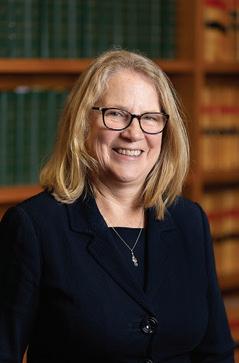


Speakers: Dr Pene Mathew, ACT Human Rights Commission, Prof Sotiris Vardoulakis and Dr Nigel Goodman, University of Canberra

maintaining this approach.”
The success of tobacco policies is not just a single intervention. Advertising was initially a key factor. In 1990, tobacco advertising was banned from print media and this was followed by a full ban on advertising in 1993. Governments could apply the lessons to the harm associated with gambling.
By 2003 all of Australia had smoke-free dining, although this was achieved much earlier in the ACT. Smokefree areas, and increases in taxation were accompanied by extremely graphic health warnings on tobacco packs. Eventually, Australia’s world-leading legislation on plain packaging of tobacco followed.
Through this time the tobacco excise continued to rise. Each time there was in the order of a 10 per cent increase in excise, there was a significant increase in people quitting smoking. This reduction cannot be attributed to the introduction of e-cigarettes in Australia.
According to the NDSHS report: “Daily e-cigarette use remained relatively stable at 3.6 per cent in 2025, compared with 3.5 per cent in 2022-23. However, fewer people are using e-cigarettes weekly or monthly, contributing to an overall decline in the proportion of people using e-cigarettes”.
There is a simple message. Australia’s longstanding approaches to tobacco and the strict regulation of e-cigarettes are working.
Michael Moore is a Past President of the World Federation of Public Health Associations, a former member of the ACT Legislative Assembly, and an independent minister for health. He has been a political columnist with “CityNews” since 2006.





Pharmacists and researchers JACK JANETZKI and LAUREN CORTIS explain why cold and flu tablets don’t work for nasal congestion as well manufacturers claim.
You’ve got the sniffles and your nose is running like a tap. The tissues feel like sandpaper.
Many Australians reach for cold and flu tablets, expecting them to “clear the sinuses” and get them through a cold. They often promise fast relief.
But the evidence is clear: for nasal congestion, these medicines do not work as well as they claim. So why are they still being sold?
What’s actually in cold and flu tablets?
Most over-the-counter cold and flu tablets contain a mix of ingredients. Some packs contain different tablets for day and night.
“Day” products often include paracetamol or ibuprofen to ease aches and pains, along with a decongestant for a runny or blocked nose. “Night” products typically have an extra ingredient – an antihistamine to make you drowsy and help with sleep.
In Australia, the most common oral decongestant used in these products is phenylephrine. It works by narrowing blood vessels in the nose, reducing swelling and making
it easier to breathe.
You can also buy phenylephrine as a nose spray, although it’s less common. If you spray phenylephrine into your nose it works well as a decongestant. But a large body of research has established it has almost no effect when swallowed in a tablet.
So, why is phenylephrine still widely sold?

Recent
Some important context
In the early 2000s, the main decongestant in cold and flu tablets was pseudoephedrine. Phenylephrine was rare as an oral medicine, though it had been available as a nose spray since the 1990s.
But between 1996 and 2005 there was a significant spike in illicit drug manufacture in Australia.
Pseudoephedrine – available over the counter – was one of the chemicals being used to make amphetamines including “ice” and “speed”. So pharmacies were increasingly targeted in break-ins, ram raids and armed hold-ups.
This led to tightened restrictions on the sale of pseudoephedrine products, including their reclassification in 2006 as “pharmacist only”. This meant they could be bought without a prescription, but “behind the counter” – a pharmacist had to be involved in the sale.
Pseudoephedrine became much harder to obtain, whether the intention was to use it legitimately, or not.
Phenylephrine replaced pseudoephedrine as the main decongestant in oral products, not because it was a better medicine but because there was less risk of it being misused.
Early studies and reviews suggested phenylephrine was an effective alternative.

Over time, better research has begun to tell a different story, particularly about phenylephrine taken orally.
Recent studies have shown oral phenylephrine performs no better than a placebo for relieving nasal congestion.
Overall evidence on oral phenylephrine is now consistent: it does not meaningfully relieve nasal congestion when taken by mouth.
This is because, when taken orally, only a very small amount of phenylephrine can get into the bloodstream and reach the nose.
In contrast, a nasal spray delivers the drug directly to the nasal passages, where it can act on the blood vessels.
Why are these medicines still on shelves?
In 2023, an independent advisory committee to the US Food and Drug Administration (FDA) reviewed the evidence and concluded oral phenylephrine is not effective for nasal congestion when given at standard doses.
In November 2024, the FDA proposed removing oral phenylephrine from over-the-counter cold and flu tablets.
In Australia, the Therapeutic Goods Administration (TGA) is responsible for regulating these medicines.
A spokesperson for the TGA told
The Conversation the regulator is aware of the FDA’s proposal to remove oral phenylephrine from overthe-counter sale, “based on efficacy concerns not safety concerns”.
The spokesperson said: “At this time, while the TGA does not have current plans to conduct a review of the effectiveness of oral phenylephrine, we will continue to monitor the outcomes of the FDA review and consultation.”
The FDA has not yet announced the outcome of the proposal.
So, are cold and flu tablets safe?
While the evidence supporting oral phenylephrine as an effective decongestant has changed, the main concern is not that it causes harm. It’s that consumers will pay more for a medicine that provides little relief for nasal congestion.
If people do feel better after taking cold and flu tablets, it’s likely because of other ingredients, such as ibuprofen or paracetamol.
In Australia, products containing phenylephrine must be clearly labelled, allowing consumers to make an informed choice.
Jack Janetzki, lecturer in pharmacy and pharmacology; Lauren Cortis, senior lecturer in pharmacy practice, Adelaide University. Republished from The Conversation.





Mid-term winters are always a time for reassessment in politics.
Communication and brand strategy is one area always given a good hard look before the slow wind up to election fest in 2028.
We are also seeing how our system is changing with a third party competing for poll leadership in a new era where the primary vote numbers of the two voting blocks in Australia will no longer guarantee either majority.
New strategies and methods are being live tested, important when refining messaging for when the campaign proper starts. Leaders, faced with increasingly negative attitudes to themselves and their parties, are finding it harder to get us to engage and are pushing boundaries in the attention race.
We, as spectators, are in the front row watching this dynamic change happen in our democracy.
So, what has been the most interesting on a comms front?

Nearly 97 per cent of us spend most of that on a mobile device.
We aren’t busy, we are just time poor and our devices are the number one reason why.
Digital and social media dominate
Some background here. According to digital marketing research firm Meltwater, we spend close to 20 hours a week on social media. Nearly 97 per cent of us spend most of that on a mobile device. Check your time use on your devices.
How we spend time online is also changing. While Google is still the most visited site by far, we also spend less and less time on it thanks to AI, which so many of us now depend on for reliable and valid information in seconds. One big open door right there for the darker operators. YouTube, Facebook, Instagram and Reddit make up the top five sites. The top Australian account on YouTube, actually based here, has more than 35 million subscribers. That top account also belongs to the biggest adult demographic group (14.9 per cent) in Australia, the 30-39 year olds.
The volume and speed at which we consume content, what that content is, and where we find it, is changing political strategy in ways that is both fascinating and scary to observe.
Facts aside what this means for political communication is a tough but fluid market.
Example? None of our top three leaders in the polls are under 59, with Angus Taylor closing in on 60. That makes age resonance harder from the start, let alone engagement on issues such as housing and cost of living. Parties and leaders have few options but to chase engagement in experimental and colourful ways, primarily via influencer content, such as podcasts, which are popular with those between 30 and 49. The battlers. It is high-risk, high-reward because it is social media. So much less control than a traditional ad on TV. The plus? Less control = more authentic and more honest content,

The unprovoked and purely gratuitous bashing of a compliant, naked, handcuffed Aboriginal man in an ACT police cell is surely the last straw, says JULIE TONGS
Another day and another alleged unprovoked bashing by ACT police of a defenceless Aboriginal man.
The victim of this cowardly assault is referred to in media reports as “Shane”.
The report, earlier this month, of the unprovoked and purely gratuitous bashing of a compliant, naked, handcuffed Aboriginal man in an ACT police cell is surely the last straw.
If proven, which in light of the fact that the vicious assault was apparently filmed, seems highly likely, then the ACT Government surely has no option to not only ensure that the four officers involved in this grave and cowardly attack face the full force of the law, but that a detailed and forensic inquiry into ACT Policing is instigated as a priority.
The following excerpts from the ABC report on the alleged vicious assault speak for themselves.
At 8.35am Shane is handcuffed and pushed face down into the carpet of a hotel hallway in Canberra by three police officers. Shane repeatedly asks the police officers: “Why are you hurting me?” The police do not reply. The documents
further allege that later that day Shane was badly beaten by police while naked and handcuffed and then charged with resisting arrest.

At 8.43am Shane is in a caged section of a police van. He is sprayed in the face with capsicum spray, while handcuffed and is then taken to the police watchhouse.
At 9.18am he is taken before the watchhouse custody sergeant.
At 9.21am he is escorted to the watchhouse cell by three male officers and a female officer. He is ordered to stand against a wall and is stripped naked. Notably under the ACT Crimes Act, strip searches must only occur with officers of the same sex in the room. It is not yet known whether the four officers involved in this illegal strip search are to be charged. Notably, ACT Policing admitted when the matter was brought before the court that the strip search was illegal.
It is alleged by Shane’s lawyer that, following the illegal strip search, Shane was deliberately kneed by a police officer in the buttocks. It is further claimed that following the strip search Shane’s arms, which were handcuffed in front, were yanked over his head
so great to listen to or watch. The negative? It can be perceived in ways you can’t control and which can very, very, quickly move sideways on you. Just ask Anthony Albanese and that interview on what may very well become one of the worst public moments of any PM this century.
Policy explainers
If you can’t be perceived as communicating effectively then it’s likely you won’t be perceived as governing effectively. Correlation can be causation.
Example? Labor had no worries on dropping $20 million on fuel saving tip ads, which most of us do anyway, but then did little to communicate how the big three tax changes in the Budget would apply tangibly. It was inconsistent in strategy and narrative.
They weren’t helped either by lack of impactful content from friendly influencers. By contrast their opponents were very game on. Influencers and creators from the small business and start-up sector used the simplicity, speed, and virality of witty content on social media to change policy.
Labor’s strategy to try and slow down the impact through measured
responses ultimately made it look sluggish and dated.
That one example shows the sheer speed and power of effective messaging in modern politics in Australia. A point all should have learnt after the comms disaster that was the Voice Yes campaign, and the Opposition’s failed shop-a-docket campaign in election 2025.
These are signs too of just what a fragmented media landscape is doing to political messaging in 2026.
The volume and speed at which we consume content, what that content is, and where we find it, is changing political strategy in ways that is both fascinating and scary to observe.
We can only hope though it stays more fascinating, and less scary, because the darkness growing in some areas of digital and social media right now is becoming the biggest threat to our democracy.
Dr Andrew Hughes lectures at the ANU Research School of Management, where he special ises in political marketing.



option but to ensure that the four officers face the full force of the law.
and behind his body resulting in him screaming out in severe pain.
He was then kneed a further four times, three times in his chest and once in the back before being pinned, while still naked, to the floor where he is again kneed in the thigh and his head is slammed down while he is “lying prone on the concrete”.
Shane is left lying on the concrete and is charged with resisting arrest and refused bail. Notably when the matter came to court the presiding Supreme Court justice hearing the matter described the conduct of the officers as “extreme and unnecessary”.
To the surprise of no one, all charges against Shane were subsequently thrown out of court. It is regrettably also quite clear to the entire Aboriginal community of Canberra that Shane’s only crime was that he is black.
Julie Tongs is CEO of the Winnunga Nimmityjah Aboriginal Health and Community Services.






The proposed relocation of the Arcadia House drug and alcohol service from Bruce to green space in Cook is inconsistent with other ACT Government policies and initiatives.
For example, the ACT Government’s City Plan, November 2023, identifies a substantial area around the Jamison Group Centre for urban intensification.
If the number of dwellings and popula tion in this area is to be increased, then there is a clear need to protect and enhance existing green spaces for community recreation.
There are already some community facilities on the site previously occupied by the Cook Primary School. Some of the green space in the adjacent suburb of Aranda has recently been taken over to accommodate a fire and ambulance station. Access to open space on public school sites has also been reduced by fencing these school sites.
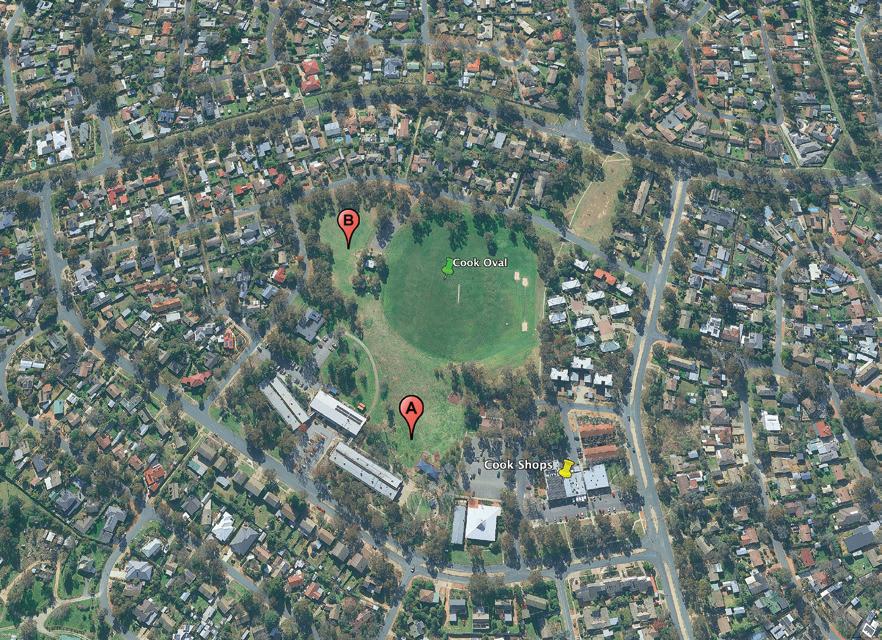
Public transport access to Cook is particularly poor at the weekends, with bus services reduced to one every two hours on Sundays since 2019.
Arcadia House should be relocated to an area that is less contentious and served by a Rapid Bus route. One option would be to build a new facility on some of the community facility space currently used for CIT Bruce car parking.
E Wal, Aranda
While there have been a series of high-profile closures in Australia’s theatre industry, smaller independent venues are killing it with the Mill Theatre’s Cocktail Cabaret show at Ambrosia Lounge selling so fast in June and July, it’s back for August.
When high-profile shows with big budgets aren’t attracting enough people to keep them going, maybe it’s the smaller, local, more immediate and engaging shows that can get us through this.
Lexi Sekuless, director, Mill Theatre
regarding Minister Marisa Paterson’s negative response to her question on the decision by the ACT Government to not revisit the changing of the territory plan for a 50-metre pool in Woden to a 25-metre one, despite the ACT Integrity Commission reporting due process had not been followed.
This is yet another example of the minister caving into the Labor Party machine since she was made a minister. Not only had she sought to justify the purchase of electric fire engines that have spent most
of their time off the road, are disliked by brigade officers themselves, cost twice as much as the normal fire engines and are so heavy that they have to carry less water and cannot be used on rough fire trails, but she has done nothing about the increasing prevalence of gambling advertising on TV, radio and print despite her doctorate being about gambling issues. Gambling advertising is aimed at our vulnerable youth, results in suicide, family breakdown, violence against women, debt and homelessness.
Do we really want more of this?
If ACT voters do not wish to vote for a Labor Party party machine person, then they should vote independent rather for Ms Paterson or any of Andrew Barr’s ministers.
Ric Hingee, Duffy
I spend my working weeks alongside older Canberrans and lately I keep noticing the same quiet thing.
Walk through any of our suburban shopping centres mid-morning – Jamison, Cooleman Court, the Hawker shops – and you’ll see them; older people sitting alone over a cup of tea they’ve made last an hour.
It’s not because they’re waiting for anyone, but because a café is somewhere to be around other human beings.
We talk a great deal in these pages about hospitals, aged care and health budgets. We talk far less about loneliness, which the
research now tells us is as damaging to an older person’s health as smoking. It doesn’t show up on a waiting list. It shows up as a slow fade.
What I see, again and again, is how little it takes to turn that around. A genuine ‘hello’. Ten unhurried minutes. Someone who asks a question and actually waits for the answer. The change in a person’s face is immediate. We can’t outsource all of this to services and government. Notice the older neighbour on your street this week and have a real conversation with them for five minutes. It matters more than you think.
Kimberley Creech, director, Golden Days ACT
The Hawker Men’s Shed hosted their winter repair cafe and market recently with a record number of attendees.
Our wonderful volunteer repairers reached an impressive target of more than 2000 household items repaired and saved from landfill since the event’s inception. This success is hugely attributed to the support we receive from our local media outlets with special mention to CityNews and both 2CC and ABC radio stations. Our next repair cafe and market is on Sunday, September 20.
Jon Wells, co-ordinator, Hawker Community Repair Cafe & Made Local Market

Congratulations to Clive Williams on his excellent column (“How the obsession with growth holds us back”, CN July 9), which argued for a more sophisticated discussion about economic growth.
Growth in GDP does not necessarily lead to better lives for Australians. This is particularly so if the spoils disproportionately accrue to the wealthy.
Importantly, ongoing GDP growth leads to increased use of resources and creation of wastes. Green growth is a myth. In 1972, the landmark report, Limits to Growth, pointed out that humanity (particularly in western countries) is in ecological overshoot.
That is, we are collectively extracting resources and polluting more quickly than nature can remediate. Indeed, much of our current consumption depends on degradation of our planet.
We are seeing the fruits of this not only in climate change and rapid species loss, but also in increasing global water shortages and pandemics.
The national state of the environment noted that environment degradation was “a threat to humanity, which could bring about societal collapse with long-lasting and severe consequences”.
Unbounded growth on a finite planet is impossible. We need to live within the capacities of Earth’s natural systems, which are already starting to crumble.
Jonathan
Miller, Curtin

As the ACT approaches the next election cycle, perhaps it is time for ratepayers and taxpayers to ask a fundamental question: has self-government delivered on its promise?
When self-government was introduced in 1989, it was intended to provide local decision-making while improving accountability and efficiency.
No one’s saying how little Safa
As an advocate for coronial reform, I am sharing the unsatisfactory response of ACT police and the ACT Coroner’s office to the death of two-year-old Safa.
Safa arrived from Sudan with her family as refugees in 2017, making Canberra their home.
She died on April 30, 2018, just hours after speaking to her father on the phone. He had moved to regional Victoria for work, after separating from her mother.
A post-mortem revealed Safa had died of internal bleeding caused by blunt-force trauma.
A criminal investigation was commenced, however, eight years later, there have been no charges laid or a coronial hearing conducted. That’s eight years, not eight months. Why is this?
Safa’s father recently asked whether the public conversation would have been different if this tragedy had affected a family with greater resources, stronger networks or a better understanding of the legal system.
When a journalist from The Guardian asked our local authorities for an update, he was advised it was a matter for the coroner. The coroner’s office did not respond to his questions. Why not?
Safa, her father and our justice system have been cheated in this case.
Perhaps the AFP, the coroner and others with the authority within the ACT government will take steps now to put it right. But, will they?
Janine Haskins, Alliance for Coronial Reform
There are locations around the world where one can relocate and draw an Australian pension while living comfortably in a low-cost environment.
Why the government doesn’t stipulate future payments of this nature come with the condition that one must be domiciled here and actively contributing in our society has always been a mystery.
Coming to this country and hanging in to meet the residency qualification for overseas pension reward is a
manipulation of generosity.
Nearly four decades later, many residents would argue that the opposite has occurred. The ACT Government now carries responsibilities that, for a relatively small jurisdiction, have become increasingly expensive to administer. Rising rates, taxes and charges have left many households questioning whether they are receiving value for money.
Unlike Australia’s states, the ACT has a comparatively small population and revenue base, yet it is expected to fund and manage many of the same services. As the cost of
What then is the value of pension payments made worldwide because it is this sum that’s being taken from the Australian economy (never to return?). And this outpouring grinds on year after year.
John Lawrence via email
Paul Temby mistakenly likens the capacity of Pauline Hanson to former PM Sir Robert Menzies (Letters, CN July 9). And Vili Kemenes thinks one sentence uttered by Hanson somehow negates the others.
Speaking on immigration and nation-building in the 1960s, Menzies expressed the aspiration that Australia should become “a nation made up of the old Australians, the new Australians, and the Aboriginal Australians, all working together as one people”.
In contrast, Hanson said there are no “good Muslims” and called for a “monoculture”.
When introducing the States Grants (Research) Bill in 1965, Menzies said government support for research should advance “science and scientific knowledge in Australia”. Hanson, on the other hand, called climate change a “hoax” and pledged to abolish the federal climate change department, end net zero policies, and withdraw from the Paris Agreement.
Menzies’ legacy was a bigger Australia built on immigration, education and science – not a smaller one like Hanson’s defined by fear and ideology.
Ray Peck, Hawthorn, Victoria
Why does the NSW government want to shoot those magnificent wild brumbies?
People like Geri Black and others are saving as many as they can. Please stop this killing. It is cruel enough what is happening to our kangaroos also.
Ruth Benson via email
infrastructure, health, education and public administration continues to rise, the financial burden on residents has become increasingly difficult to justify.
One option deserving serious public debate is whether the ACT should return to direct Commonwealth administration. Before self-government, the federal government managed the territory, recognising Canberra’s unique role as the nation’s capital.
Reverting to that model could reduce duplication between territory and Commonwealth functions, simplify administration and potentially deliver more efficient use of public funds.
The years leading up to 2028 provide an opportunity for a mature public discussion about whether ACT self-government remains the best model for Canberra’s future. Ratepayers deserve an honest assessment of the costs, benefits and long-term sustainability of the current system, alongside consideration of whether returning administration to the Commonwealth could provide a more effective and affordable alternative.
Public policy should always be judged by outcomes, not tradition. If a different model would better serve the people of the ACT, then it deserves careful consideration.
Errol Good, Macgregor

Go see the tram rails buckling in the heat
May I suggest that our chief minister visits Western Europe next?
The ticket and hotels might be a bit on the pricey side, but seeing tram and train rails buckle and overhead wires sagging in the heat might lead to the understanding that our tram should not be extended any further and save us and future generations billions.
Prof Beatrice Bodart-Bailey, via email
I experienced a wry emotion when I read that, with a petition signed by 2000 citizens, the Conservation Council expects to achieve “informed and considered decisionmaking (about the ACT’s western edge) and consultation with the community”.
A petition with about that many signatures opposing, on ecological grounds, a large housing development on Crown land leased to the Federal Golf Club wasn’t even given the courtesy of a public hearing by Jo Clay’s Planning Committee of the Legislative Assembly.
In matters of planning and development, the ways of the ACT administration are, for want of a stronger word, top-down.
John Griffin, via email

Whether you are preparing for sale, renovations, or making your home safe our expert packing specialists can pack and clear rooms or whole houses quickly and efficiently.
We can organise and provide all packing materials to complete these clearing tasks for those who are busy and unable to complete these tasks in a short time frame. house-to-home.com.au info@house-to-home.com.au

As Director of the Sleep and Lifestyle Clinic, Grant has dedicated his career to assessing and treating sleep disorders, particularly obstructive and central sleep apnoea, combining extensive clinical experience with leading research to deliver outstanding patient outcomes.
A registered physiotherapist with a PhD in Medicine from the University of Sydney, Grant spent much of his career at the renowned Centre for Respiratory Failure and Sleep Disorders at Sydney’s Royal Prince Alfred Hospital. Today, he leads a team providing homebased sleep studies, CPAP therapy, ongoing treatment support and expert advice, making quality sleep care more accessible and convenient for patients.
“Working with clients has always been central to my work, and transforming the lives of real people is what motivates me every day,” Grant says. His philosophy is reflected throughout the clinic, where every treatment
medical evidence so people can make informed decisions about their health.”
“One area of our specialisation is to adapt clients to CPAP who may have failed at another provider or who are struggling after setup at a retail store”.
Sleep and Lifestyle Clinic offers expert diagnosis and treatment for sleep disorders, including home sleep studies, sleep apnoea assessment, CPAP therapy and ongoing patient support.
Their commitment to compassionate, evidence based care has made the Sleep and Lifestyle Clinic one of Canberra’s most trusted providers of sleep health services.
Sleep and Lifestyle Clinic
61 Dundas Court Phillip, ACT Call 02 6162 1802 or visit sleepandlifestyle.com.au
The power of multidisciplinary health care – The Walking Clinic and Canberra Physio Clinic combining!
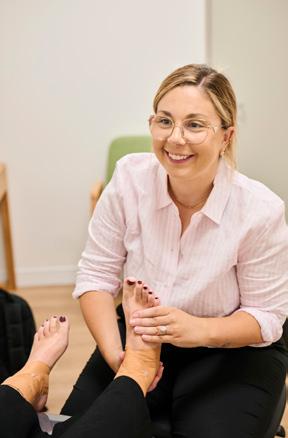
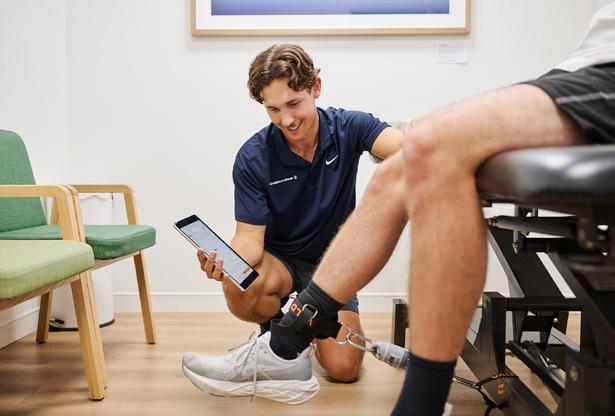
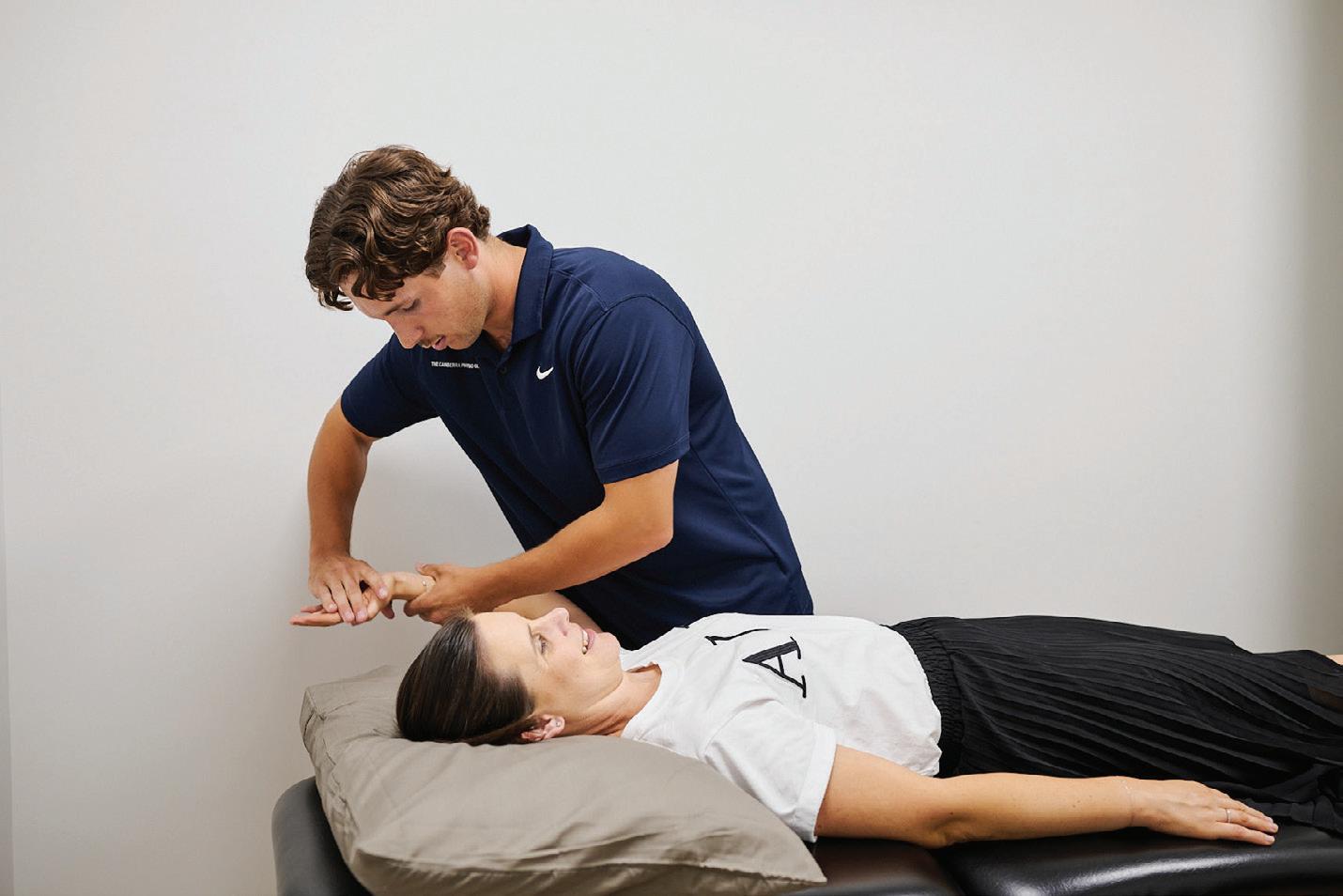
When it comes to achieving the best possible health outcomes, collaboration matters. At The Walking Clinic Podiatrists and The Canberra Physio Clinic, patient care is built around a multidisciplinary approach that brings together podiatrists, physiotherapists, exercise physiologists and remedial massage therapists under one roof.
Rather than treating a single symptom in isolation, our multidisciplinary team works to understand the whole person and the factors contributing to their pain, injury or mobility concerns. This collaborative model allows our clinicians to share insights, develop coordinated treatment plans and ensure patients receive the most appropriate care at every stage of their recovery.
A runner experiencing knee pain may benefit from a podiatry assessment to address foot mechanics, physiotherapy to improve strength and movement patterns, exercise physiology to support a progres sive rehabilitation program, and remedial massage to relieve muscle tension and improve recovery. By working together, each practitioner contributes their unique expertise towards a common goal.
The benefits extend beyond sporting injuries. Patients managing chronic conditions, arthritis, workplace injuries, balance issues or age-related mobility concerns achieve better outcomes when multiple health professionals coordinate their care.
Our multidisciplinary approach also improves communication, reduces unnecessary duplication of services and provides patients with a clear and consistent pathway to recovery. This can lead to faster results, improved function and greater confidence in managing long-term health.
At The Walking Clinic and The Canberra Physio Clinic, the focus is on delivering patient-centred care
that is collaborative, evidence-based and tailored to individual needs. By bringing together our team of allied health professionals, the clinics help patients move better, recover stronger and maintain healthier, more active lives.
Our multidisciplinary clinics are at Belconnen and Manuka.
The Walking Clinic walkingclinic.com.au for podiatry. canberraphysioclinic.com.au for physiotherapy, massage therapy and exercise physiology.


For many people, a trip to the dentist brings on real anxiety – whether it’s the sound of the drill, a sensitive gag reflex, or the thought of a more involved proce dure like a wisdom tooth extraction or dental implant. At Deakin Dental Care, we understand these fears, and we’ve built our practice around helping patients feel calm, comfortable, and cared for.
That’s why we offer a full range of sedation options: IV sedation, oral sedation, and inhalation sedation. IV sedation provides the deepest level of relaxation, ideal for more complex procedures or highly anxious patients – many describe it as “waking up and it was already over.” Oral sedation is a simple tablet taken before your appointment, while inhalation sedation, often known as “laughing gas,” offers a lighter, fast-acting option for a quick sense of calm. Whatever your level of anxiety, our team will help you choose the option that suits you best.
These sedation methods are especially effective for patients with a strong gag reflex, as well as those needing wisdom teeth removed or dental implants placed – procedures that can otherwise feel daunting.
Above all, your safety is our priority. Deakin Dental Care is a fully accredited practice, strictly following safe sedation protocols, backed by a combined 35 years of clinical experience.
If dental anxiety has been holding you back, it’s time for a different experience. Book your consultation with Deakin Dental Care today and discover a calmer way to care for your smile.
Deakin Dental Care
Unit 1 / 8 Phipps Close, Deakin. Call 02 5114 3388 or visit deakindentalcare.com.au

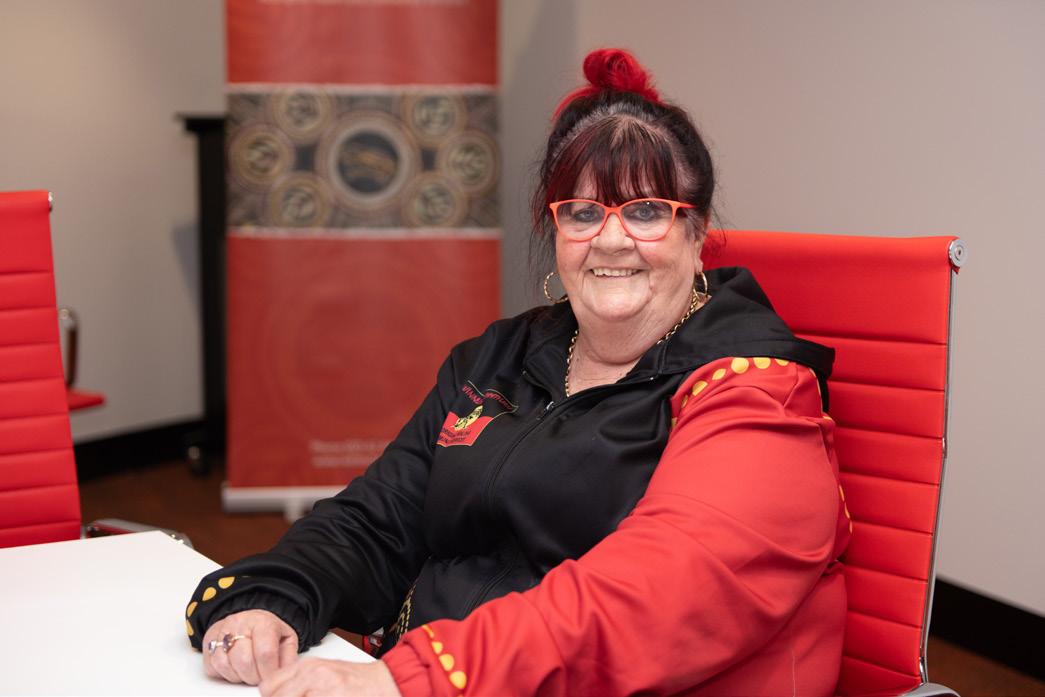
Call 02 6284 6222 or visit winnunga.org.au





Winnunga Nimmityjah Aboriginal Health and Community Services is a community-controlled health service in Narrabundah, providing holistic, culturally safe care to Aboriginal and Torres Strait Islander people across the ACT and surrounding regions.
•
•
•
and
Pregnancy, Parenting and Family Support
• Healthy Pregnancy Group & Childbirth Classes
• Mums and Bubs Clinic
Quit Smoking Support
• Free nicotine replacement therapy, personalised quit plans, and culturally safe support through the Tackling Indigenous Smoking program.
• Counselling and mental health support
• Drug and alcohol programs
• NDIS, court and justice support Community and Justice Programs
• Men’s and women’s groups
• Yarning circles, nutrition and healing programs
• Support for people in custody and post-release


Twenty-one years after her own breast cancer diagnosis, Sue Owen OAM continues to turn a personal experience into comfort, confidence and support for others.
Sue lost her hair during chemotherapy in 2005 and remembers how difficult it was to find headwear that felt attractive, comfortable and natural. That experience inspired what would become HeadsUp Kippax, a volunteer-led charity offering wigs, scarves, turbans, hats and compassionate guidance to people experiencing hair loss.
Since the service began at Calvary Hospital in 2010, Sue and her dedicated team of trained volunteers have helped thousands of people regain their dignity and confidence. Today, clients visit the Kippax shop for personalised wig fittings, adjustments and advice in a private, understanding environment.
The service supports people experiencing hair loss for many reasons, including chemotherapy, radiation treatment, surgery and alopecia. Every person is treated with patience and sensitivity, with the team taking time to find a style, colour and fit that feels right.
For Sue, HeadsUp has never been simply about selling wigs. It is about listening, offering reassurance and helping people feel more like themselves during an uncertain and emotional time.
More than two decades after her diagnosis, Sue remains closely involved, supported by volunteers who understand the importance of empathy. Together, they have created more than a shop: they have built a safe, trusted community.
Open Tuesday to Friday: 10.00am-4.00pm.
HeadsUp Kippax Inc.
Shop 2, 12–16 Hardwick Crescent, Holt. Call 02 6254 4403 or visit headsup.net.au


HeadsUp has a wonderful range of stylish headwear, as well as wigs and accessories for women with hair loss
We are a charity run by trained volunteers who provide expertise and empathy in an attractive environment



Canberra Family Health Centre’s founder, Associate Professor Dr Maryse Badawy, is the principal practitioner at her Deakin clinic, where she manages the clinical responsibilities of a practitioner and oversees the day-to-day operations of the practice.
“There is no small amount of joy to be had from daily interactions with patients,” she says.
“I’ve had the privilege of rejoicing with my patients whilst sharing their happiness and successes, and crying with them when sharing their sadnesses and crises.”
A Fellow of the Royal Australian College of General Practitioners and of the Hong Kong Academy of Medicine in the Discipline of Family Medicine, Dr Badawy also holds a Master in Family Medicine and a Graduate Diploma in Family Medicine to complement her Bachelor Medicine/Bachelor Surgery degree.
She is also a Member of the Australasian Menopause Society.
Dr Badawy says she is committed to providing a patient-centred approach by taking the time to listen to her patients, understanding their concerns to develop personalised treatment plans with one-hour appoint ments.
“I believe in being thorough and taking the time to get to know my patients and their needs,” she says.
“Trust is a key foundation and it is a privilege knowing you’re trusted and that patients can come to you.
“At Canberra Family Health Centre, we treat the whole person and cater to their entire needs.”
Canberra Family Health Centre is accepting new patients.
Canberra Family Health Centre Peter Yorke Building, Suite 6, Level 3, 173 Strickland Crescent, Deakin. Call 5133 7112 or visit cfhc.com.au
Located in the heart of Canberra’s medical precinct in Deakin
At Canberra Family Health Centre, we are dedicated to providing comprehensive, patient-focused healthcare for individuals and families. Located centrally in Deakin, our centre offers a wide range of medical services designed to meet your health needs at every stage of life.


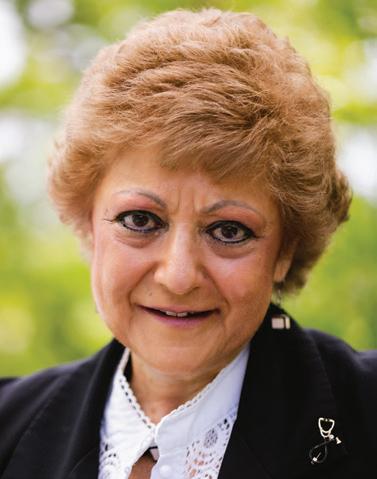
Associate Professor Maryse Badawy
MB/ BS Degree, FRACGP, FHKAM (Family Medicine), Grad Dip Fam Med, Master Family Medicine, Member Australasian Menopause Society
National and International Family Medicine and Academic experience.

By Helen MUSA

Liam Budge is one of Canberra’s busiest crossdisciplinary artists.

Born Liam Creswick Sydney Pepper Budge, he now goes by the stage name Creswick, under which he will present and perform his newest production, Channels: Artists On Aging Creatively, at Tuggeranong Arts Centre in early August.
With a major production behind him, the Australian Dance Party’s Sphere, performed in May, for which Creswick created a 365° surround video landscape, he’s also working on his first production with Quantum Leap, Mettle, for which he will create another videoscape.
One of Canberra’s top jazz vocalists, Creswick took off in 2014 for Manhattan, where for six years he sang and played with musicians including Chad Lefkowitz-Brown, Kris Bowers and Brad Williams, while also studying with jazz vocalist Kurt Elling.
But when their son Julian arrived, he and his wife Abby figured Canberra might be a more congenial place than Brooklyn to bring up a child and run their photography and video business, Creswick Collective.
Back home, he immediately became involved with The Street Theatre, performing in Sandra France’s song cycle Flight Memory, and then in his own show, In His Words – Voices of Fatherhood, based on video interviews with nine fathers, for which he won a Canberra Critics’ Circle Award.
Channels follows on from that, for at the age of 36 Creswick feels he is facing middle age.
Just as he did with his fatherhood show, Creswick has been out interviewing people, this time a carefully selected group of senior artists.
A no-brainer was his old vocal teacher from the ANU School of Music, Vince Jones, reluctant to step in front of a camera but a natural once he did. At 72, he’s the youngest of the interviewees.
Much more familiar with the spotlight is dance pioneer Elizabeth Cameron Dalman, now 92 and still go ing strong. Composer Judith Clingan, the architect of many music groups in Canberra and now 81, is still creating, as are Tharwa ceramicist Malcolm Cook and his partner, Brazilian-born artist Marily Cintra.
Creswick says Channels is a hybrid live documentary with a live music score performed by himself on vocals, guitar and piano, along with Lachlan Coventry on guitar, Nick McBride on drums, Damien Slingsby on keyboards and Chris Pound on bass, an all-Canberra quintet.
The music moves from jazz to folk to rock to cinematic, “a real range,” he says.
“As our quintet plays, it must enrich what you’ll see on screen.
“I want it to be sensitive, not loud rock music over Elizabeth dancing, for instance.
“But when I perform as a singer I can be a bit more musically adventur ous.”
It’s been a monumental task. With no funding, having just missed out on one grant round, he embarked on shooting in January. Fortunately, Tuggeranong Arts Centre came to the rescue with a guaranteed fee for the band and he hopes to secure funding for the future.
Choosing the artists was not as hard as you might think, as Creswick explains.
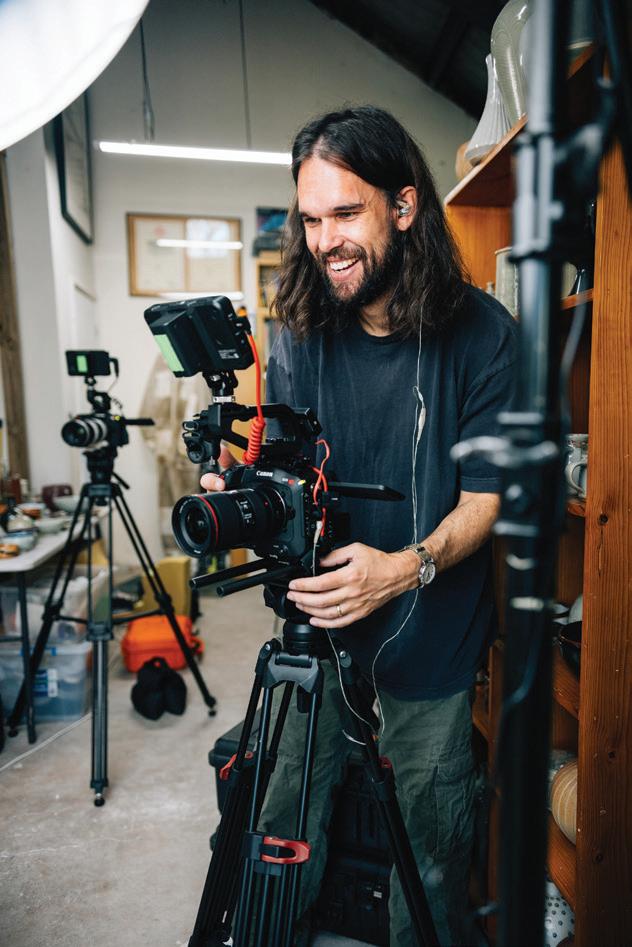
“Judith was my wife’s music teacher, Vince was my teacher. I met Malcolm and Marily at an open studio Malcolm held, and I met Elizabeth a year ago through the Australian Dance Party.
One of Australia’s most fearless comedians, Anthony Locascio, pictured, brings his new stand-up show The Divine Comedy to Canberra, recounting how a disastrous year and a 10-day Vipassana meditation retreat inspired an unexpect edly funny journey through heartbreak, silence and self discovery. Fresh from a sold-out Enmore Theatre season, Locascio is at Canberra Theatre, August 1.
Canberra’s newest exhibition space, The Gallery Next Door, opens in Duffy shops on August 1 under the direction of local artist Jennifer Baird. Housed behind a distinctive bright red door that nods to the building’s former life as a Chinese restaurant, the gallery will showcase contemporary work by Canberra and regional artists and artisans.

The Canberra Symphony Orchestra’s popular Art of the Score returns to explore the film music of Hans Zimmer, from Gladiator and The Lion King to Inception and The Dark Knight. Hosts Andrew Pogson and Dan Golding reveal the stories behind the scores while conductor Nicholas Buc leads the orchestra in three performances at Llewellyn Hall, ANU, July 31-August 1.
Long time Ainslie artist Neil Lade presents a solo exhibition of surreal, whimsical and often comical works developed from ink sketches and enriched with pen and acrylic colour. After balancing journalism, family life and art for decades, the now retired artist is devoting himself fully to painting and drawing. The Q Gallery, Ainslie shops, until August 6.
Oriana Chorale joins forces with Apeiron Baroque for Guerrieri et Amorosi, celebrating selections from Baroque master Claudio Monteverdi’s celebrated Eighth Book of Madrigals alongside other works for voices and period instruments. Wesley Uniting Church, July 26.
After a hiatus following the COVID19 pandemic, Ausdance has resumed the Peggy van Praagh and Keith Bain fellowships, inviting emerging and mid-career choreographers from all dance genres to apply for one of two $10,000 awards. The fellowships honour founding Australian Ballet artistic director Dame Peggy van Praagh and former Bodenwieser dancer and NIDA movement director Keith Bain. Applications close July 31.


Dates: 8 August, 2026
“To me, this show is a celebration of ageing, about how people can use art there’s a balance of male and female voices.
Vince Jones demonstrates his power by still achieving high, sustained notes, while Clingan talks about the vocal chord problems familiar to many post-menopausal women but snatches of her music
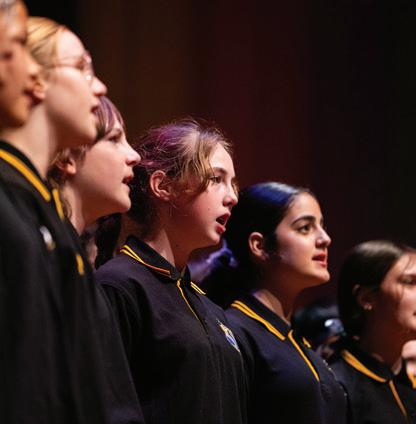
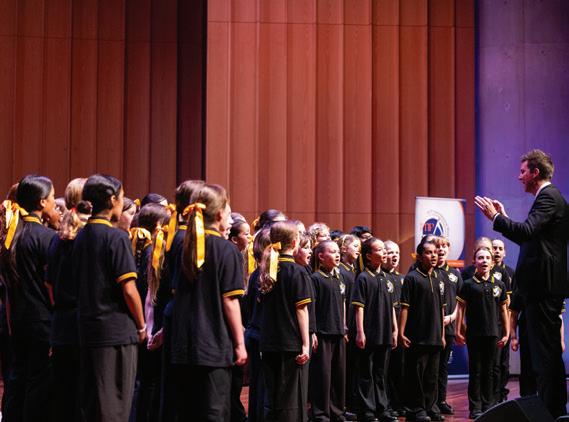
The Choirs event offers a diverse range of categories for Primary and Secondary Schools, as well as Community choirs, including contemporary, sacred, cultural choirs, and vocal ensembles.
“But I have a lot of power in the edit,” Creswick says. “I’ve deliberately avoided personal bios and kept it more philosophical and focused on creativity.”
Channels: Artists On Aging Creatively, Tuggeranong Arts Centre, August 6-8.
The internationally acclaimed Sitkovetsky Trio, praised by The Strad as “magnificent” and winners of a BBC Music Magazine Award, make their Canberra debut at the Snow Concert Hall, August 2.

Close to 40 television shows have scooped up nominations for this year’s Emmy Awards.
That number is more than a tad daunting and time-consuming for a watch list so what’s really worth the time?
It depends on your taste, but here’s a few worth the hype.
The Pitt (on HBO Max) leads the pack with 25 nominations including for best drama series, and for good reason.
This medical thriller plays out in real-time, following a group of emergency department workers throughout the day trying to hold their hospital up from falling into crisis.
Each episode actually plays out over the one hour audiences watch. The first is titled 7AM, the next 8AM and so forth.
Three seasons in it continues to be as tense as ever. Those who like TV to put them on the edge of their seat will get enough here to almost make them fall off.

If the tension in Disney Plus’ The Bear (nominated for best comedy) is the sort of pace that appeals, consider The Pitt one to put on top of the list.
Want something a little slower and easier to enjoy though?
Well running in second place this year is Hacks, which in its final season secured itself 24 nominations.
This show streaming on Stan tells the story of a fading stand-up comedian who takes on a young, entitled TV sitcom writer as an unlikely apprentice.
Initially clashing over their generational
differences, the two women come to form a partnership that may just ignite the careers they’ve always dreamed of.
At first glance it doesn’t seem like a premise that could make it to five seasons but pithy writing has kept the show fresh right until its very end and deserving of some Emmy gongs for its grand finale.
In terms of who’s doing down under proud, the pickings are a bit more slim this year.
Adelaide actress Sarah Snook leads the charge though.
The star of HBO’s hit series Succession
has scored a best actress in a limited series nomination for her work in All Her Fault.
This one streaming on Binge tells a tale of every parent’s worst nightmare.
The plot gets going when Marissa (played by Snook) goes to pick up her young son from a play date, only to be told by the woman who answers the door that her son was never there.
What follows is a family’s desperate search for answers amidst a mystery that threatens to tear them apart.
Snook is undoubtedly the emotional

anchor point of this excellent series and, with perhaps a little bias, is the standout choice in her category.
Nichole Kidman has also secured a nomination for producing on Margot’s Got Money Troubles.
This comedy series on Amazon Prime Video tells the tale of a 20-year-old college
dropout (played by Elle Fanning) whose life is turned upside down when she falls pregnant to her English professor.
With nowhere else to turn as the bills pile up, she starts an OnlyFans account, creating adult content online that she turns into a breakout business.
Walking the line between comedy and drama it’s another one worthy of its award nods this year.
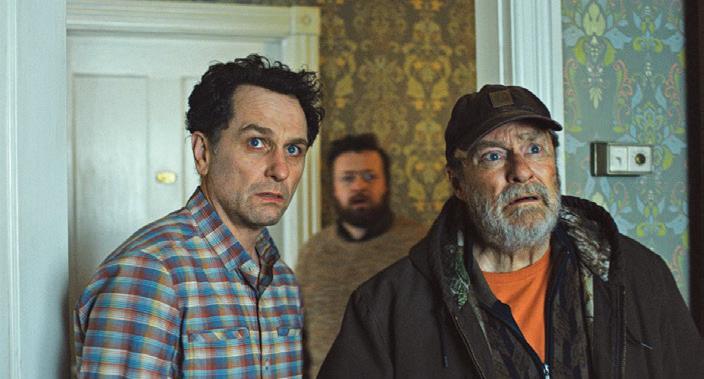
The big surprise though, and arguably the dark horse of this year’s nominations, is Widow’s Bay, a sci-fi comedy series on Apple TV Plus that has truly broken the mould.
It tells the tale of a mayor of a small island town desperately trying to inject some much needed tourism into the local economy.
The only problem is the place might just be cursed. Literally.
The small community’s leader not only has to deal with cranky ratepayers but also supernatural forces that threaten the locale.
It’s difficult for more genre heavy shows to get the attention of the award panels but Widow’s Bay has managed 19 nominations including best comedy and best actor in a comedy for leading man Matthew Rhys.
This is my personal favourite to take out an Emmys sweep.


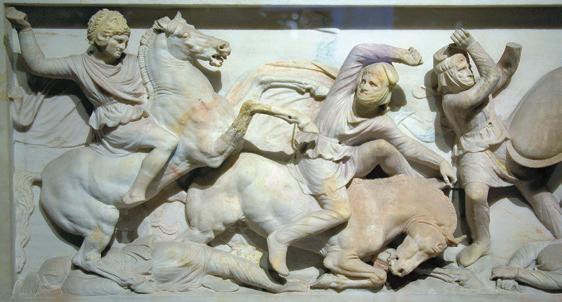
Leading her latest column of new books, ANNA CREER reviews a biography of Alexander the Great, a man its author says, “spent his whole life unsure of who he really was”.
To the ancient Greeks, Alexander the Great was “thaumastos”.
That is, “something which provoked astonishment, then fascination, then confusion, then sadness, something you will never fully understand”.
Alexander continues to fascinate, reflected in the multitude of biographies and articles offering different perspectives of his life.

He’s been described as a second Achilles, a philosopher king who longed to unite the world and the last of the Great Kings.
For others, he was a genocidal psychopath or a megalomaniac schoolboy.
In a new biography, Alexander, God, King, Man (Bloomsbury), Edmund Richardson, professor of classics at Durham University, reveals newly unearthed evidence
from the ruins of Alexander’s cities and the translation of accounts in 12 ancient languages, including Aramaic, Greek, Babylonian and Sanskrit, claiming that “for the first time, instead of the legend, we can meet Alexander the man”.
Richardson follows the ancient sources closely, while occasionally adding a literary context, which although familiar to ancient readers is less so today.
The result is a vivid retelling of Alexander’s military campaigns into Persia, Egypt, eventually reaching India. Alexander emerges as a brilliant if bloodthirsty strategist and a charismatic leader of a dedicated, loyal army, willing to follow him to the end of the known world.
“Alexander told his men stories of empire and everlasting glory and of who they truly were, and they followed him further than any Greeks had gone before and loved him, and destroyed themselves for him”.
Richardson eventually concludes: “There will never be a definitive Alexander. He himself – a man who could be a pharaoh over breakfast and a Greek before lunch, who could share a lover with Darius and send
an elephant to Aristotle, who could enslave Greeks while fighting for Greek freedom – spent his whole life unsure of who he really was”. Richardson’s achievement is to make such a scholarly work accessible to all readers. It’s an absorbing glimpse into a world that we can only imagine.
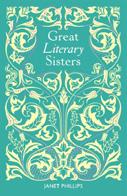
IN Great Literary Sisters (Bodleian Library Publishing), Janet Phillips explores sisterly relationships in literature from Pride and Prejudice to The Hunger Games, revealing sisters as best friends or mother figures, as rivals or heroes, as sounding boards or partners in crime.
Phillips analyses the role of sisters in 20 novels from writers as diverse as Charles Dickens, EM Forster, JD Salinger, Toni Morrison and Chimamanda Ngozi Adichie, grouping the novels into five categories, which reflect themes of “sibling rivalries and ambition in childhood; sisters who show redoubtable courage and perseverance in the domestic sphere; sisters who support and sometimes betray each other in affairs of the heart; those whose
By Helen Musa
Henry Lawson’s The Drover’s Wife, written in 1892, may be Australia’s most famous short story, but in recent years it has taken on a new life through the imagination of theatre artist Leah Purcell.
What began as Lawson’s tale of an unnamed bushwoman defending her children from danger has become a play, a novel, a film and now, in collaboration with composer George Palmer, an opera.
Palmer first suggested the operatic adaptation and has composed a melodic score, while he and Purcell have written a libretto sung in English, with surtitles.
Co-commissioned by Opera Australia and the Queensland Performing Arts Centre, in association with Oombarra Productions and The Balnaves Foundation, The Drover’s Wife premiered in Brisbane earlier this year and soon arrives at Sydney Opera House.
Purcell’s adaptation radically reimagines Lawson’s story. In the original, Aboriginal characters are viewed through the colonial attitudes of the time. Purcell instead reveals the drover’s wife herself to be an indigenous woman, Molly Johnson, and introduces the escaped Aboriginal fugitive Yadaka, who becomes not a threat but an honourable man who helps Molly discover her own heritage.

performers as they prepared for the Sydney season.

I caught up with the opera’s two leading
For soprano Nina Korbe, Purcell’s niece, the role of Molly builds on an already remarkable career. Trained at the Queensland Conservatorium Griffith University
and the Royal Academy of Music in London, where she became the first Aboriginal Australian woman admitted, she made her Opera Australia debut as Maria in West Side Story in 2024, sang Musetta in La Bohème for Opera Queensland last year and has recently
routs
relationship is coloured by issues of mental health; and those who fiercely protect each other”.
Despite extensive notes and a comprehensive index, Great Literary Sisters, is not a challenging read, rather a gentle way of getting acquainted with old favourites such as Austen’s Jane and Elizabeth Bennet and George Eliot’s Dorothea and Celia Brooke, while being introduced to less familiar sisters like Cassandra and Julia Corbett from The Game by A S Byatt. It’s a beautiful little book for cosy reading on cold winter days.
CHRISTINA Hardyment, a “literary geographer” in Novel Crime
Scenes – Twenty Deadly Landscapes (Bodleian Library Publishing), admits she’s indulging her “enduring interest in where fictions are set” by revisiting, in detail, the settings of 20 British crime novels, where “writers have enjoyed enhancing horror by setting it in atmospheric landscapes”.
To prove her theory, Hardyment spent two years travelling Britain to explore the landscapes
appeared in Victorian Opera’s The Pirates of
Preparing for Molly meant tracing the character back through every incarnation.
“I did go back to the original Henry Lawson as well as to all the previous lives of this story as told through Aunty, although perhaps the most for me was Aunty’s novel.
“I [also] drew from the women in my life who live on the land, their pragmatic strength and tender loyalty.”
However, as rehearsals progressed something unexpected happened.
“I started feeling Molly come through in
“I’ve never had such an overwhelming sense of a character coming to life almost outside of my control. She is strong, with jagged edges sharpened by years of needing to protect her family, worn down by the weight of the world around her and deeply loving and protective of her children.”
Because Molly has not yet discovered her Ngambri Walgalu ancestry, she never sings in language, but, she says: “It is incredibly moving to hear my First Nations cast members singing and speaking in language... George Palmer has done an exceptional job, sensitively weaving together western classical traditions and First Nations cultural traditions.”
Marcus Corowa has arrived at opera by a very different route. Raised in gospel music through his Aboriginal and Islander family, he established himself as a singer-songwriter before performing with artists including Vika and Linda, Christine Anu and Marcia Hines,
and appearing in shows such as Beautiful: The Carole King Musical, Bran Nue Dae, and Barbara and the Camp Dogs.
His first taste of opera came with Kate Miller-Heidke’s The Rabbits for Opera Australia in 2015, followed by productions for Opera Queensland including You Lonesome Tonight, Wonder and Do We Need Another Hero, and Victorian Opera’s The Visitors.
Most of Yadaka’s role is sung in English, but some passages are in Guugu Yimithirr, the language of Far North Queensland appropriate to the character’s origins.
“It was very important that we got permission to sing in this language,” Corowa says.
When Purcell, whom he had known through Brisbane’s Aboriginal Centre for the Performing Arts two decades ago, invited him to create Yadaka, he asked for singing lessons to develop a more open operatic sound.
“I’m glad I did,” he says. “I hadn’t experienced much grand opera and I knew I’d be singing with a full orchestra.”
“It tells a massive story and, yes, as you’d expect with opera, it still feels pretty grand.”
One of his favourite aspects of the work is the gentle relationship that develops between Yadaka and Molly’s son, Danny.
“When he first meets Molly, he’s on the run from the police, but he’s a good guy at the end of the day,” Corowa says.
“They form a friendship and find some love.”
The Drover’s Wife, Joan Sutherland Theatre, Sydney Opera House, from August 7.
featured in Twenty Deadly Landscapes and realised that “many writers used their own heartlands, places they had known since childhood or had fallen in love with later in life”.
Hardyment takes a chronological approach, beginning with Dartmoor in Conan Doyle’s Hound of the Baskervilles (1902) and ending in London’s East End with Ajay Chowdhury’s The Waiter (2021), via John Buchan’s Galloway Hills, Ellis Peter’s Shropshire, Margery Allingham’s Essex and Colin Dexter’s Oxford.
There are some surprising inclusions with landscapes associated with little known authors such as ECR Lorac’s Lunesdale in Lancashire and Gwen Moffat’s Sandwood Bay in northwest Scotland, while Anne Cleves’ Shetland and Elly Griffiths’ Norfolk are notably excluded. Some authors, for instance Peter May and Marin Edwards, “have made real places such an essential backdrop to their novels that their books can almost be used as guides” and therefore visiting these places “enhances the experience of reading the book”.
So, do consider packing Twenty Deadly Landscapes for your next trip to the UK.



The words on the front window say it all. “Coffee? Good thing”.
Nichi in old Kingston is a calm, cool and collected coffee and tea shop, designed around a Kyoto aesthetic.
It’s minimalist by design, with clean lines and everything in its place.
Nichi exists to provide a tranquil spot to relax, take a deep breath and enjoy a genuine break.
I’ve visited Nichi on multiple occasions, sometimes sitting on the small stools outside and sometimes inside near the large window at the front or at the larger communal table in the middle of the shop.
The coffee is amazing and the coffee art super sweet. Coffee is served at the right temperature and is bold in flavour but never bitter (even the decaf, as a friend told me).

For a special touch, Nichi serves its coffees on small, square, cloth napkins. White coffees are $6 (regular) and black $5.80 (regular). Mini coffees are available (less 60 cents) and so is cold brew ($7.80).
Hand-whisked matcha is super popular and my iced matcha latte was sublime ($9). This refreshing chilled beverage with finely ground Japanese green tea leaves poured over ice is visually enticing with a vibrant green colour. The milk component at Niche is beautifully balanced and not too sweet. Niche also specialises in Hojicha (toasted matcha) lattes, with a smooth and intriguing profile ($9).
Nichi, which means sun or day in Japanese, only serves a small selection of








sweet and savoury artisan pastries from well-known Sonoma Bakery, but that’s perfect. When daily pastries are sold out, they’re sold out.
On my last visit, our two coffees and a mini chocolate croissant, with layers and layers of flaky pastry, was $16.90. On previous visits, I’ve enjoyed a savory croissant with cheese and a healthy Jalapeño kick ($8.50). If on the menu, don’t hesitate to indulge in the blueberry lemon cookie (not too sweet, but sweet enough; $6).
Nichi also offers special items for sale, including a mediumroast Haru Kochi blend of roasted coffee from Kyoto – think washed and natural beans from

Colombia, Rwanda and Ethiopia, featuring a taste of red apple, Delaware grape, grapefruits, cashnuts and caramel ($45).
Kurasu drip coffee bags, also from Kyoto, are $5.50 each and matcha lovers can pick up a Kurasu, original ceremonial grade blend of matcha powder, which promises a deep, natural flavour and rich aroma ($75 a bag).
Items from Market Lane Coffee, roasted in Melbourne (sourced from ethical, sustainable farms and co-operatives; $24
I’ve tried a few wines since my return from an overseas holiday and the one that has so far stood out is a nebbiolo, a Benevelli Piero Langhe Nebbiolo 2023 that costs $40.
This is a good price for a wine that comes from the Piemonte re gion of Italy. It also compares with a local nebbiolo, the Ravensworth Hilltops Nebbiolo 2023, which is $43 a bottle. I’d tried a glass of the prior vintage Ravensworth at the Symposium wine bar and found it more-than-acceptable, with layered floral characteristics that seemed to make a perfect duet with full-flavoured fish, but especially with roasted meat.
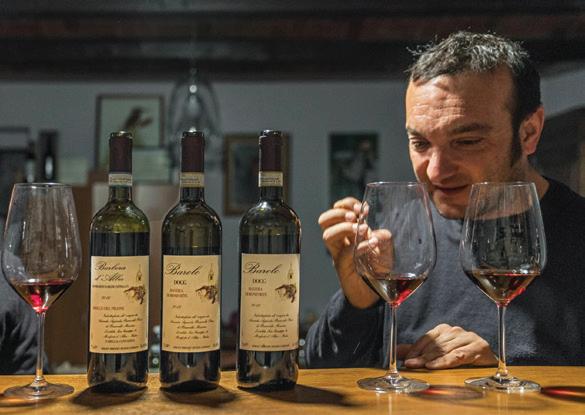
I called John Ings, of Canberra Wine and Spirit Merchants, to ask if he knew of any other local makers of this varietal. He tentatively mentioned one maker but was only certain about Brian Martin’s Ravensworth.

He said: “This grape needs some
age to be really good and I have some of Brian’s from 2018 for around $60.” I said I’d make the trip into Civic to buy at least one bottle.
A website told me that the name nebbiolo derives from nebbia, the Italian word for “fog”. This is likely from one of two factors related to this difficult-to-grow grape: the white, powder-like natural bloom
on the grapes that appears during harvest season or from the fact that the best nebbiolo sites are located above the fog that collects in the valleys below where the grapes are grown. The latter idea sounds more romantic.
My spreadsheet shows that in 2022 I tried an Italian nebbiolo vintage 2019 for again $40

but found it to be astringent and the tannins harsh, so it was good to be reintroduced to this varietal and to taste an Italian wine that, while young and reasonably priced, did not belt the palate with a bitter tannic (steeped tea) aftertaste.
The wine I tried is a far cry from some of the barolo or barbaresco wines made from nebbiolo but marketed by their locale, with this varietal being very terroir sensitive.
The barolo wines in particular are quite expensive. In 2020 I waxed lyrical about a 2012 Trediberri Barolo that, at the time, cost me $160 a bottle: it was a celebration of the lifting of one element of the covid lockdown and the madness of the times was reflected in me throwing my money at this superb but expensive wine.
In any event, with a nudge to the high tannins in nebbiolo, barolo requires wines to be stored for three years before release, with barbaresco needing two.
This period of holding before release obviously adds to the costs to winemakers, but also translates to higher quality, reinforcing John Ings’ comment about this varietal needing age to be truly on form: I’ll definitely get on the bus to pick up that 2018 Ravensworth he mentioned.
“I told my wife a man is like wine, he gets better with age. She locked me in the cellar.” –Rodney Dangerfield

By Joanne Madeline Moore
July 27-August 2, 2026
ARIES (Mar 21 – Apr 20)
Are you procrastinating? An unengaged Ram is a recipe for trouble. With the midweek Full Moon in your hopes-and-wishes zone, it’s time to follow your dreams. However – with Saturn in your sign and Mars squaring Venus – you may lack confidence or feel hamstrung in some way. Patience, persistence and self-belief will get you where you want to go. Inspiration comes from fellow Aries, actress Reese Witherspoon: “Confidence is everything.”
TAURUS (Apr 21 – May 21)
Mars squares Venus (your patron planet) on Wednesday, when a financial matter takes an unexpected turn or a family member could hit you with some surprising news. Talking things through with a sympathetic friend may be the healing balm you need. And the mid-week Full Moon is a wonderful time to bring a professional project to a satisfying conclusion, declutter your living space, entertain at home or clear up a family problem.
GEMINI (May 22 – June 21)
Many Geminis have a wandering gypsy gene. And it is boosted this week, as Mars and Uranus race through your sign and the Full Moon activates your travel-andadventure zone. So, you’ll feel restless, energised, activated and ready to go! But be extra careful with a family member or housemate on Wednesday, when an impulsive remark or a sudden action could be taken the wrong way. When in doubt, just zip your lips and say nothing!
CANCER (June 22 – July 23)
You’ve been talking about saving for something big (like a car, holiday, house deposit or home renovation) for a while. With the Sun and generous Jupiter visiting your finance zone, resist the urge to be extravagant with cash and careless with credit. In an uncertain economic climate, aim to be a canny Crab who is cautious with money. Plus, do an inventory on your inner wealth, as you nurture your self-esteem and consolidate your core values.
LEO (July 24 – Aug 23)
With the Sun (your ruler) linking up with indulgent, fun-loving Jupiter in your sign, you’ll go to extremes as the planets press your ‘Let’s overdo everything’ button. So, your motto is from music icon Mick Jagger (who has four planets in Leo): “Anything worth doing is worth overdoing.” And resist the temptation to be a bossy-boots – especially when you don’t get your way. Rather than being pushy, try being charmingly persuasive instead!
VIRGO (Aug 24 – Sept 23)
The Full Moon falls in your health-and-wellbeing zone, so mid-week is a good time to eat well and boost your energy levels with some vigorous exercise in the great outdoors. However, take extra care of your delicate nervous system, Virgo. If you overdo things then you could end up with a headache or an upset stomach. On Wednesday, spend some quality time on your own so you can meditate, contemplate, relax and ruminate.
LIBRA (Sept 24 – Oct 23)
Love planet Venus (your ruler) squares Mars, and the Sun opposes Pluto in your romance zone. If you are attached, the two of you may be under increased stress due to illness, money problems or career pressures. Aim to work on the relationship in a patient and productive way. If you are single, don’t expect much from the dating scene this week. If you do connect with someone special, there’ll be some roadblocks before the romance takes off.
SCORPIO (Oct 24 – Nov 22)
Expect professional problems or domestic dramas, as the Sun/Pluto opposition and Full Moon stir up grievances. Use your diplomatic talents to help find solutions. If you just sit back and let others make decisions, you’ll feel powerless. So, strive to be more self-sufficient, especially at home and work. Getting the ratio right between your public and private lives is challenging, but if anyone can juggle conflicting commitments, it’s a strategic Scorpio!
SAGITTARIUS (Nov 23 – Dec 21)
Are you feeling restless, Sagittarius? This week the Sun, Jupiter and Full Moon fire up your gypsy gene and find you dreaming of airplane tickets, greener pastures and foreign adventures. You’re also longing for closer connections with your international friends. But Wednesday looks tricky, as the Venus/Mars square stirs up a problem with a loved one or work colleague. Try to be tactful. Being too blunt could just land you in more trouble!
CAPRICORN (Dec 22 – Jan 20)
The Full Moon focus is firmly on money matters. Capricorns have a good business brain so make sure you’re using it. If you can get the balance right between being canny with cash and entrepreneurial with ideas, then you could really go places. But there’s also a Sun/Pluto opposition in your money zones, so make sure you double-check all financial transactions carefully. Wednesday favours big ideas and ambitious projects.
AQUARIUS (Jan 21 – Feb 19)
This week there’s a freedom-loving Sun/Uranus link and a Full Moon in Aquarius, so you’ll be charmingly quirky, reliably unpredictable and consistently inconsistent! One half of you wants to snuggle up close with someone special – while the other half longs to be footloose and fancy-free. Try to find the sweet spot between cosy companionship and invigorating independence and resist the urge to be deliberately controversial.
PISCES (Feb 20 – Mar 20)
Monday’s Sun/Neptune trine is terrific for creative projects, spiritual pursuits and helping others. There could be some friction with a loved one, housemate or family member on Wednesday though, so pace yourself and think things through before you react – or overreact! The best way to handle this week’s Full Moon dramas? Slow down… relax… imagine… daydream… meditate… contemplate… ruminate… and escape!
Joanne Madeline Moore
1 Which term means threefold? (6)
8 What is an error in naming a person or thing? (8)
9 To ride at full speed, is to do what? (6)
10 To be tainted, is to be what? (8)
11 Which metallic element has the symbol Ag? (6)
12 Which term means otherwise? (4)
13 What is a saloon car also known as? (5)
16 What term means to move with the feet or body rhythmically? (5)
19 What is a term meaning to entreat or exhort earnestly? (4)
21 Name one of the assassins of Julius Caesar. (6)
22 What is an incendiary explosive device? (8)
23 In which printing type do the letters slope to the right? (6)
24 What is a compound found in many animal and plant tissues such as egg yolk? (8)
25 Which political group aims to protect the environment (6)
2 To understand clearly, is to do what? (7)
3 Sucre is the judicial capital of which South American republic? (7)
4 What is an aggregate of nations? (6)
5 To have given displeasure, is to have done what? (7)
6 What is a feeling of excitement? (7)
7 To be learned or scholarly, is to be what? (7)
13 What is a light baked dish? (7)
14 Which device is used for lifting and moving heavy weights? (7)
15 What is another name for banded anteaters? (7)
17 What term means improper use of words or grammar (7)
18 What is wariness? (7)
20 To be flowing backwards, is to be doing what? (6)
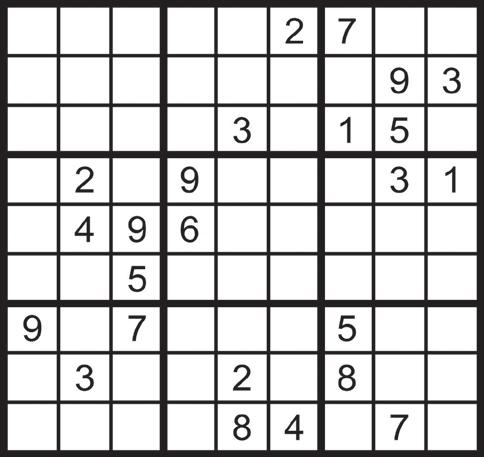
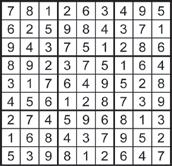


•
•
•
•
•
•
•
•

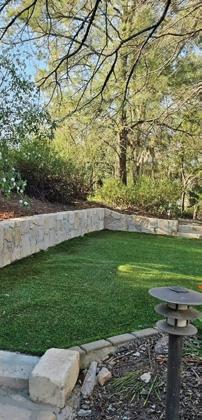
By Jackie WARBURTON

While in the winter garden there is less flowering, this is when aromatic plants come into their own.
Herbs such as rose-scented geranium, ornamental curry and mint are all old-fashioned favourites.
Rose-scented geranium (Pelargonium graveolens) is not a geranium as the common name suggests. These plants are tough and, while the foliage can change to shades of red over winter under stress, the leaves return to a lush green when the weather warms.
The flowers are a pretty twotoned pink, making this a no-fuss plant once established.
Curry plants and mint should also be planted close to a path so they release their fragrance when brushed against. Ornamental curry is a short-lived perennial with the most amazing spicy scent and is a must-have where there is foot traffic. Mint should only be planted in a pot, never in the garden, and in summer remember to remove the






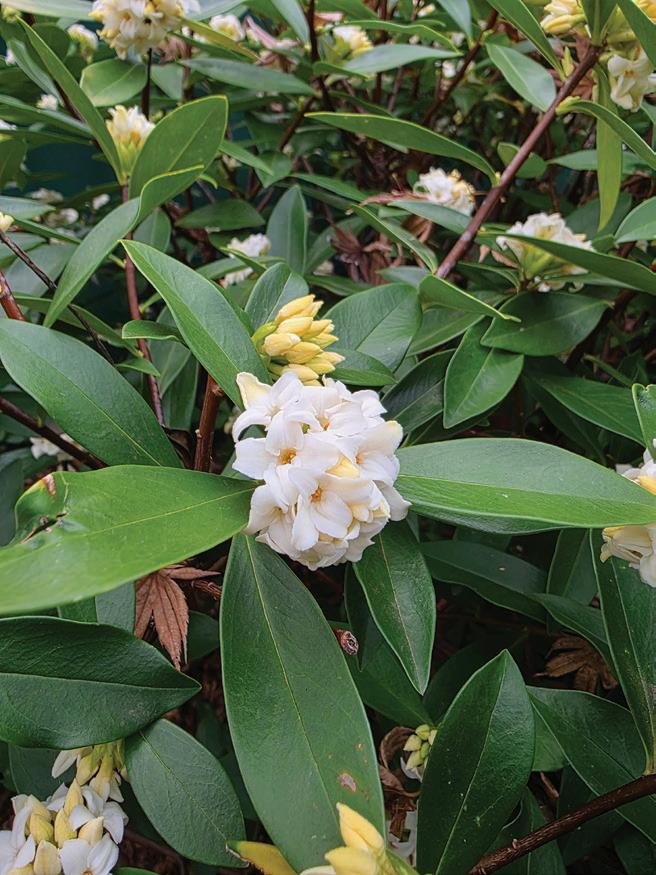
Indeterminate potatoes such as Desiree and Dutch Cream require hilling to produce multiple layers of tubers. If there is room in the garden to grow both types, you will increase your yield because determinate potatoes are fast growers while indeterminate potatoes
IN the middle of the coldest months of the year is when Daphne comes into flower. Its amazing tropical scent makes it a must-have in any garden or in a pot by the front door to welcome visitors.
They need good drainage and can be long-lived shrubs given the right conditions. Trim them after flowering to keep them compact and in shape. The cuttings can be placed into a pot of propagation mix and may strike. Keep them in the shade, give them very little water, and you could have a few new plants in no time.
Daphnes come in a range of flower colours including yellows, purples, pinks and whites. While many of the unusual varieties such as Edgeworthia grow well here, the old-fashioned Daphne odora is my
a knockout scent, but also much larger flowers and are less fickle overall.
KEEP leaves off paths, hedges and plants. Mow large leaves to help them break down more quickly. Continue composting through the colder months by turning the pile to aerate the decomposing green waste.
Add Dynamic Lifter or manure to speed up the process, give it a good soak with the hose, then cover it with a lid or hessian and let the microbial activity begin turning the green waste into compost for spring.
jackwar@home.netspeed.com.au
• Plant calendula spring-floweringunder fruit trees.
• Pick snow peas when small.
• Prune hydrangeas and take cuttings.
• Fertilise garlic with high nitrogen liquid feed.





By Jackie Warburton
Now we are on the short end of winter, the wattles and groundcovers, such as alpine phlox (Phlox subulata) starting to bloom.
Alpine phlox can fill rockeries and hard areas where very little can grow. If planted when young, they can grow up to a metre wide and its spectacular flowering lasts for many weeks from the end of winter through to spring.
The colour range varies from white to purple and every shade of pink in between. Planted en masse spectacular sight.
While drought hardy once established, it can look a bit average in the warmer months as an evergreen plant, but worthy of growing in our climate.
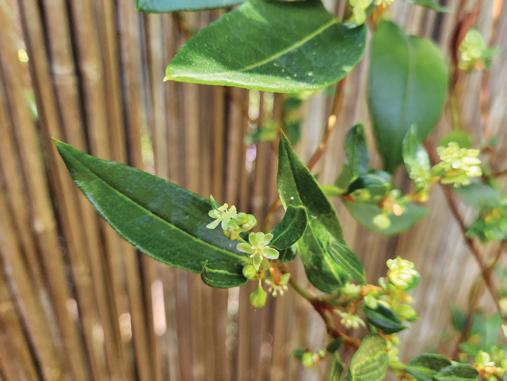
clear skies and little cloud.
Also in the phlox family are other perennials that grow well including the ground cover tall phlox (Phlox paniculata) It has self-supporting stems that grow to about 30 centimetres tall. Its flowers come as long-lived clusters of heads in spring and summer. They’re also terrific as cut flowers for a vase.
GERANIUMS can do well in our winters if they are in a protected spot.
The pictured geranium is tucked under the eaves to the entrance of the house and
watered once a week. It flowers all year round and is a good example of a spot for a good plant.
Frost damage will be noticeable on some plants but, for now, leave this burnt material until all frosts have passed and do a big garden clean up in early spring.
Frost and cold air flows to the lowest point in the garden and can cause frost pockets that don’t move until morning.
Frosts will be more severe where there are open areas with no trees on nights with


IF there’s a small area in the garden for a gentle, scrambling climber that likes a little shade, then the evergreen and native Macquarie vine is a terrific choice.
This vine (Muehlenbeckia gunnii) looks delicate, but is tough enough to grow and flower well with very little care.
The growth can be fast. It is a self-supporting twining plant that will climb over shrubs if it is allowed to, but training it to a screen will produce an evergreen wall, at least three metres long, in no time.
The flowers, which keep coming for months, are sweet smelling and appear in small clusters in spring.
ALL winter pruning of deciduous trees and shrubs such as crepe myrtles, smoke bush and deciduous hibiscus should be done now. Any spring-flowering shrubs such as forsythias, mock orange or viburnums should not be pruned until after flowering.
KEEP watering citrus trees and spray with a horticultural oil on the bark and leaves for eggs of the bronze orange bug. They are a pest, prolific in summer, that can damage the fruit and leaves. Spraying now will go a long way to combating the problem as they start to hatch late winter. Remove any damaged fruit from the tree
and try not to do any citrus pruning in the cold months. Wait until spring.
DECIDUOUS trees, shrubs and vines can be planted from now and next month.
Deciding where the new plant will go and preparing for it is helpful before bringing a plant home.
Dig the hole twice the size of the pot and plant the plant to the same soil level as the potted plant was. Most importantly, water in with seaweed solution.
ASPARAGUS crowns will be available to buy this month and can be a long-lived perennial in the garden. Crowns can take three to four years to develop to maturity. They don’t like root disturbance, so choose a permanent spot where they won’t need to be moved.
Asparagus likes a pH of 6.5-7 and a sprinkle of dolomite lime a few weeks before planting will sweeten the soil. There are male and female plants. The male makes better eating and the females produce berries in the autumn. These berries can be picked and sown, but will take a few years to mature.
Soak the crowns overnight in a weak solution of seaweed solution and then plant the asparagus crown on a mound about 40 centimetres apart at the bottom of a trench. Water in and wait to see spears in early spring. Keep mulched and weed free. The first eating spears should take at least three years.