
Well written, well read
The ACT government giveth… and taketh away
MICHAEL MOORE
Dogs can think and so do cats, but what about?
CLIVE WILLIAMS
Dancing meme sets off a social media storm
NICK OVERALL

Well written, well read
The ACT government giveth… and taketh away
MICHAEL MOORE
Dogs can think and so do cats, but what about?
CLIVE WILLIAMS
Dancing meme sets off a social media storm
NICK OVERALL
Jerusha McDowell’s photographs are like a work of alchemy, poetry that combines history, legend and myth, says DAVID TURNBULL


FREE kids activities plus your chance to win a wild family adventure!


Get hands-on with nature: 7-11 April and 14-18 April


A woman came into my clinic for a consultation about her hearing aids, telling me her hearing aids were 4 years old and she had never found them to be of much help. She said the salesperson quoted her $14,000 for a pair of hearing aids, however, the monthly special of 20% discount meant they cost her $11,200. So, she ‘only’ paid $11,200 for hearing aids that did not help her. Sadly, I hear this all too often.
Here are some things to do to avoid this type of problem:
1. Visit your GP. If you or someone you know has a problem with their hearing, visiting your GP to check for wax in the ears, and to get advice is a starting point.
2. Qualifications. Always check the qualifications of the person you are dealing with. A person without professional qualifications has no business advising you about your hearing. They need to belong to a professional association with a Code of Conduct, so you know they are acting in your best interests, not their own.
years. If you are not sure about their advice, then seek a second opinion. The wrong hearing aids can be an expensive waste and could lead you to stop wearing them. You should always have a trial of hearing aids to ensure that they are right for you.
6 Pensioners and eligible DVA card holders often have entitlement to free services. If you are covered by a government concession, then let the clinician know (even though your clinician should ask). Eligible clients may obtain free hearing tests, consultations, and free hearing aids (referred to as fully subsidized hearing aids).
“A person without professional qualifications has no business advising you about your hearing. They need to belong to a professional association with a Code of Conduct, so you know they are acting in your best interests, not their own.”
– Dr Vass
These hearing aids are appropriate for many people, however if you have great difficulty hearing in background noise (for example a restaurant), then you may want to consider partially subsidized hearing aids. This is when the government pays a certain amount, and you pay for additional features and benefits. Your decision should be based on the following:
you are dealing with a qualified clinician, then they belong to a professional association. The best contact is an independent complaints body referred to as Ethics Review Committee. You can email ethics@auderc.org.au and view the website www.auderc.org.au. You can make an anonymous complaint and your complaint will be handled in a confidential and professional manner. If you are in the ACT, contact the ACT Human Rights Commission email human rights@act.gov au and the website www.hrc.act.gov.au
3. Independent advice. You should get independent, professional advice.
4. There are a wide range of hearing aids out there. Finding the right hearing aids for your communication needs can be challenging. Hearing aids vary in price and performance. Bluetooth® connectivity and rechargeable hearing aids are available on most hearing aids, along with apps that allow you to control your hearing aids from your mobile device. Be aware that just because a hearing aid is more expensive, that doesn’t mean they are the best hearing aid for you.
5. Just as hearing aids vary in performance, clinicians may also vary in performance due to training, experience, and skills. Make sure that you are comfortable and confident in their advice. You are likely to be with this clinician for the life of your new hearing aids, typically 4 to 5
(a) Can you afford the more expensive hearing aids? Don’t go into financial stress if you can’t afford them. (b) Are you clear on the free vs partially subsidized features & benefits? Never believe someone who tells you the free hearings are not good or of poor performance, this is simply not true. (c) If you try the partially subsidized hearing aids and are not happy, then return them. Do not keep hearing aids because you think the failure is yours or that you will improve over time. If the hearing aids are not working for you in the trial period, then they will not work for you in a year or two.
7. If you have a complaint, then seek help. Your clinician should be able to help you through most of your needs. Sometimes, a problem may be beyond the expertise of even the best clinician. However, if you have a complaint there are things you can do. If


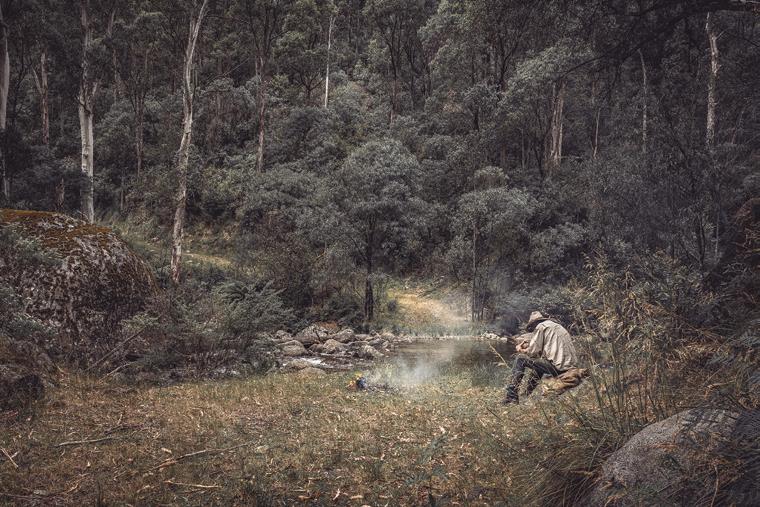
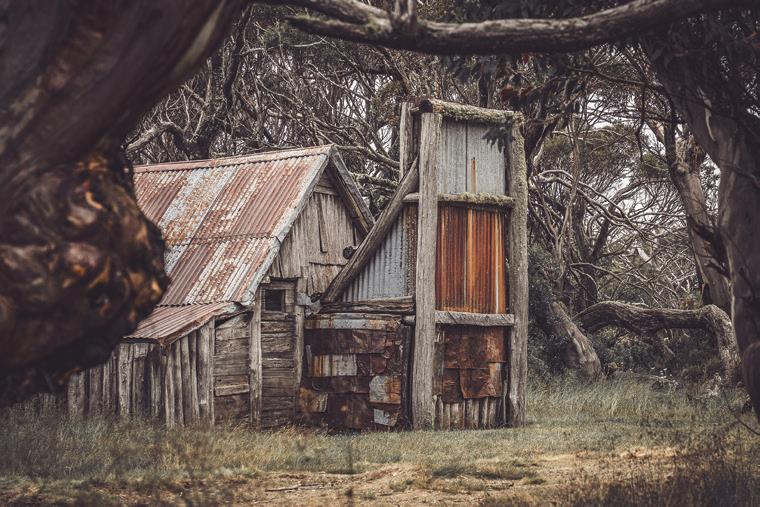
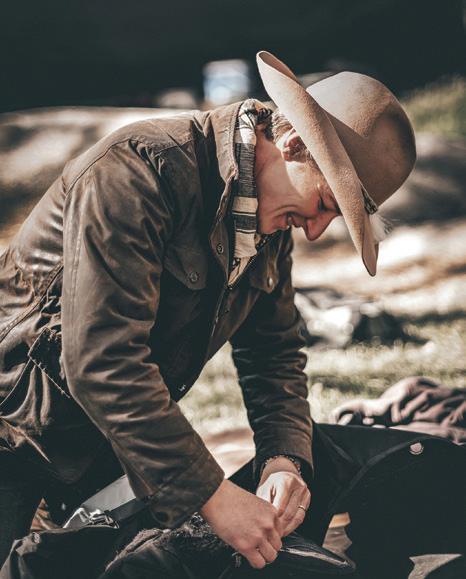
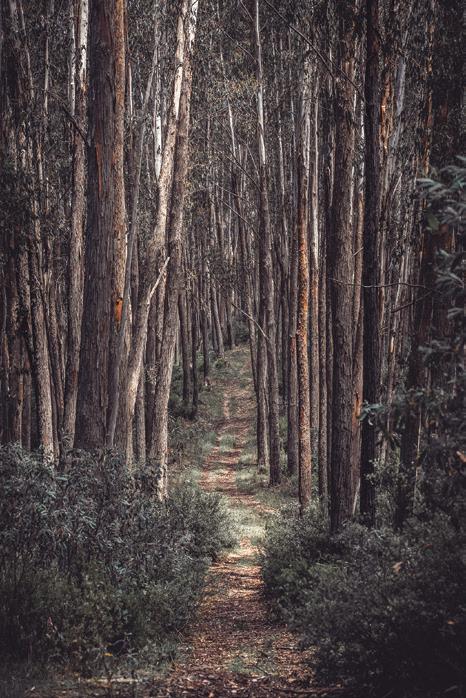
“My earliest memories are of the bush, the smell of horses, eucalyptus, kerosene and woodsmoke,” Jerusha McDowell tells DAVID TURNBULL , who says her photographs are like a work of alchemy, poetry that combines history, legend and myth.
When Jerusha McDowell looks through the eyepiece of her Sony a7rV camera she does not just see a man on a horse in the high country.
She sees – more accurately feels – a lot more than that.
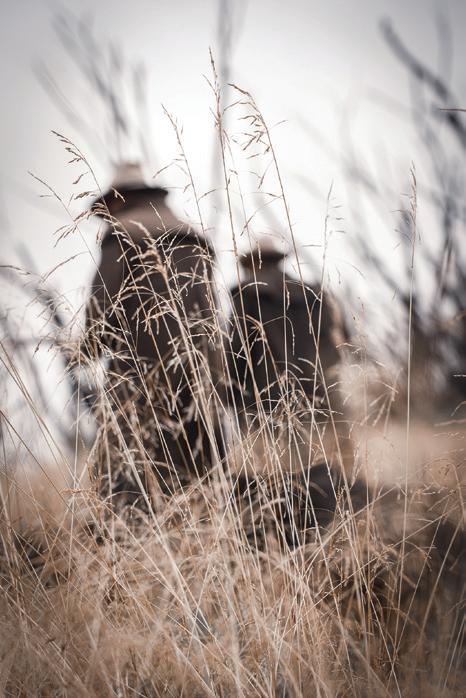
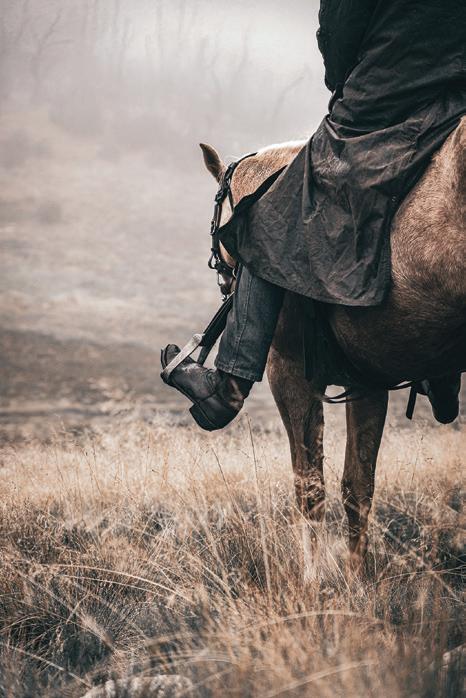
The photographs she takes are like a work of alchemy, poetry that combines history, legend and myth. Her stills of horses in isolation seem to capture the very spirit of the animal.
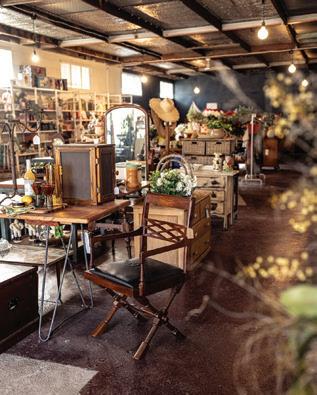
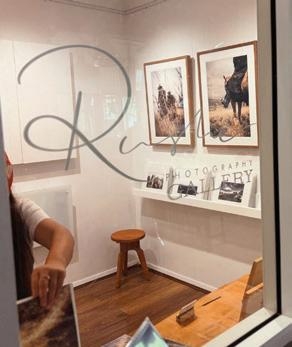
And stepping into her gallery at The Malbon in Bungendore takes you back in time… the pounding of hooves as horsemen dodge the tussocks on the high plains in pursuit of stray cattle or brumbies.
“I grew up in a remote and rugged part of the New England gorge country,” Jerusha says.
“I’ve always had a strong connection to horses, and the wildness. It’s just in my blood, I guess.”
Before Jerusha was born her mother and father joined two friends to purchase a few hundred hectares
of remote, wild country in the New England gorges.
It was the mid/late ‘70s, but the two couples weren’t really caught up in the hippy thing; they just had a love of nature, and a passion to live as self-sufficiently as possible. And if that sounds tough, it was.
No power, no refrigeration, kero lanterns for lighting, clothes and people washed in the stream, and drinking water from the tank measured out carefully.
The two couples built their house with blood, sweat and tears, and that was the wild, free world Jerusha was born into in 1979 and the imprint it left on her is as clear today as the water in a mountain stream.
“Even then we had horses,” Jerusha says. “There’s family snaps of me as a baby near the horses as my dad was saddling up.
“My earliest memories are of the bush, the smell of horses, eucalyptus, kerosene and woodsmoke. I was at a very special place.”
Jerusha lived in that wild, free world until she was six when family

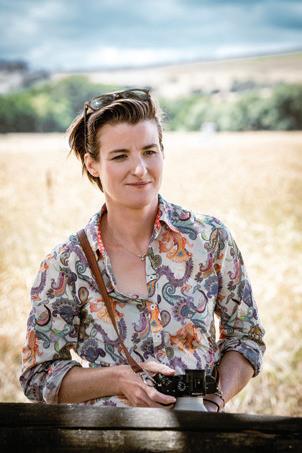
Jerusha McDowell… “Horses, music, art and photography. I realised I needed those things in my life to be the best version of myself.”
breakdown brought this chapter to an abrupt end.
“I was pretty young when my dad left, and mum decided to go to my grandparents’ home in Sydney,” she says.
Jerusha’s mother supported the young family from that time on, moving around to balance the demands of work and schooling for Jerusha and her brother. They lived in Sydney, the Blue Mountains, the NSW north coast and Newcastle.
General manager: Tracey Avery, tracey@citynews.com.au
Sales & marketing executives: Damien Klemke, 0439 139001
Ashika Nambiar, 0425 149860
Lisa Clarke, 0413 590811
Editor: Ian Meikle, editor@citynews.com.au
Arts editor: Helen Musa, helen@citynews.com.au
Production manager: Janet Ewen
Graphic designer: Mona Ismail
Distribution manager: Penny McCarroll
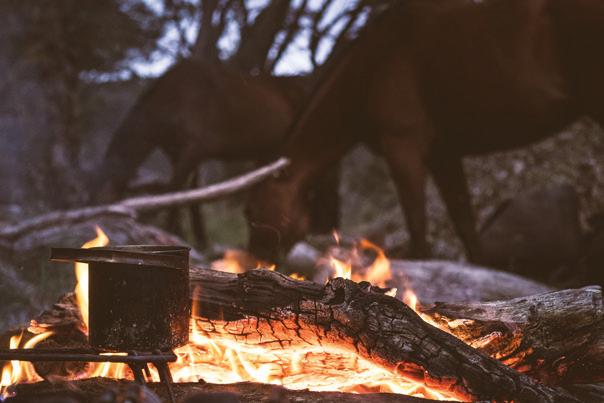
“We moved around a lot when I was a kid, but the love of horses and the bush remained.”
Jerusha had ponies and rode whenever she could, but nothing was constant.
Attending a number of schools over the years, including a Steiner school in the Blue Mountains, Jerusha finished high school at Newcastle Grammar School.
“In my final years of school I was obsessed with music; that was going to be my future,” she says.
“I worked at this underage nightclub called the Boiler Shop that gave kids a chance to help with ‘live’
out on small gigs, and eventually for performers such as John Farnham, James Reyne and Kylie Minogue.
“As an 18, 19-year-old girl it was amazing to be involved in tours and shows like that,” she says.
“But when I got interested in music videos I knew I would need specific skills, so I enrolled for a communications and digital media degree at UNSW.”
Continued Page 4…
•
•
•
•
•
With


Evans


Continued from Page 3…
Jerusha studied film and photography at university, but was just finding herself, and soon expanded her studies to include history, philosophy and politics. By her last year, she found herself courted by government agencies and a very different career in national security began.
Jerusha worked in defence and intelligence for over a decade, including overseas, and while she staunchly refuses to reveal the details the timeline makes Iraq and Afghanistan a reasonable guess.
Over the course of her career, Jerusha worked in counter terrorism and strategic policy roles as well as in parliament as an adviser to the shadow minister for defence personnel.
“I loved my work, and the people I worked with, but I was starting to get tired, a bit burned out,” she says.
Jerusha married Darren, an English carpenter, in 2014 and moved to Bungendore, where they still live, work and homeschool their two daughters.
“I had horses again, I began to reconnect with the things I had put aside… horses, music, art and photography. I realised I needed those things in my life to be the best version of myself,” she says.
In 2022 she resigned from Defence, and a year later opened her gallery – a venture that gave her the chance to exhibit and sell her work in a way that sat comfortably with a happy home life.
Jerusha’s current project is a unique collaboration with high country horseman and friend
Mark Swan tracing the old stock and bridal tracks in the NSW and Victorian high country. It’s part documentary, part art, celebrating the legacy of mountain horsemanship.
And Jerusha does it very much her own way.
She has one simple rule: never fake it.
She refuses to set shots up, getting the rider and horse positioned in a particular way. She lets the composition unfold naturally.
And it doesn’t always happen easily.
“Sometimes I come home from a trip with hardly any photos I’m in love with,” she says. “But other times, it just happens.
“I’ve learnt that some of what I do comes from slowing down enough to blend in with the environment, to hear and feel what is around me.
“What do I see? I don’t know.
“It’s a combination of things. The harmony between horse and rider and landscape are central, I guess. The history, the isolation, the space, the struggle.
“It’s all wrapped up together and I often don’t become fully aware of it until I see the print.
“As an artist I’m attracted to stories that help me understand my own.”
www.rushephotography.com
Journalist David Turnbull is writing a series of profiles about interesting Canberrans. Do you know someone who deserves a shot in the spotlight? Share the name and a number in an email to David via editor@citynews.com.au
Australian governments pay lip service to dealing with the cost of living with variable responses between jurisdictions. In the case of the ACT, the focus is on Canberrans with low incomes.
The headlines are on the fuel crisis resulting from the Israeli-US war under Netanyahu and Trump. Shortly after the attacks on Iran by these warmongers, the impact on international fuel and fertiliser prices soared.
Some action on supply and distribution was taken by the Australian government in the early stages to mitigate against the problems. However, blatant price gouging in the petrol and diesel sectors has undermined these efforts to some extent.
When the price of oil on the international market climbed in Australia and internationally after Iran responded to those attacks by closing the Straits of Hormuz. Even though the first impact of the global price of oil was on wholesale prices, the petrol stations were putting their prices up almost immediately.
The announcement by the government to eliminate the 26 cents a litre excise on fuel for three months is intended to help with the cost of living. Some economists worry about the inflationary impact. However, the government is right in moving to


Action on fuel supply and distribution was taken quickly by the Australian government, but blatant price gouging has undermined these efforts to some extent.
provide some relief for such a rapidly increasing cost. At the same time, some states moved to providing free public transport.
Ironically, the price drop came on April Fools Day. How appropriate – no savings that day! The explanation offered was that the excise was on wholesale fuel and customers would need to wait until the local service stations had emptied their fuel containers and received the cheaper wholesale delivery. Ironic when you consider how quickly the prices went up!
Thanks to the previous federal government, the ACCC apparently did not have the power to act on price


We were told we’d need to wait until the local service stations had emptied their fuel containers and received the cheaper wholesale delivery. Ironic when you consider how quickly the prices went up!
gouging when these increases first occurred. Fuel wholesalers put prices up quickly, but someone is ripping consumers off being so slow to pass on the excise cut.
The ACT government is also playing its part in dealing with cost of living. It is focused on low-income families and starts with a Permanent $800 Electricity, Gas and Water Rebate. Additionally, there is the $150 Energy Bill Relief Fund. Eligibility for this sort of support does have strict criteria as they are aimed at helping families on low income.
The ACT government does have a Cost of Living Support website that
provides a clear understanding of entitlements. It covers support for parents, households, older Canberrans and students.
The 2024-25 ACT Budget contained a Cost of Living Statement. Even before the fuel crisis, it was clear that governments had to address the cost of living.
The introduction to this statement says: “Many people [are] enjoying among the highest living standards in the country. However, some in our community on low and fixed incomes need assistance with cost-of-living pressures”.
Exacerbating the current fuel crisis is the ACT budget’s ongoing increases in “car-related fees, including driver licence fees, registration fees, and the road rescue fee will increase by four per cent, in line with the previous year’s Wage Price Index”. And then, there are the increases in rates!
Although many of the ACT programs have, at least in part, been on the government’s agenda for several years, they are important for people who are struggling with increasing costs while there is little or no increase in their salaries.
According to the Australian
Financial Review the “top 10 richest (Australian) individuals now hold a combined wealth (of $202 billion) equal to over 11 per cent of the country’s annual economic output”. Governments in Australia continue to subsidise large parts of the mining industry. It comes as little surprise to most of us that, of the top 10 richest people in Australia, at least four have accumulated their wealth through mining.
It is no wonder that ACT senator David Pocock has been successful in finding so much support for appropriate taxation of our gas resources. The loss of the Rudd Super Mining Profits Tax was a disaster for Australians and still has an impact on cost of living today.
Michael Moore is a former member of the ACT Legislative Assembly and an independent minister for health. He has been a political columnist with CityNews since 2006.
Australians are being urged to switch to E10 fuel as the US-Iran conflict continues to put pressure on diesel and petrol supplies, writes ZACHARY AMAN.
Fuel has become a precious, and increasingly expensive, commodity.
In Australia, the country’s leading motoring organisation has been urging drivers to fill up with E10 fuel in an effort to conserve our national fuel supplies.
So what exactly is E10? And could it help ease the current fuel crisis?
E10 is a type of fuel made from a mixture of regular unleaded petrol and ethanol. Ethanol is a highly flammable liquid produced when sugars from plants, such as corn or sugarcane, are fermented into ethyl alcohol or ethanol.
To make a batch of E10, you combine nine parts petrol with one part ethanol. So the “E” stands for ethanol and the “10” indicates how much of it is in the blend. Given ethanol costs less than regular petrol, E10 is generally cheaper than other fuel types. E10 fuel contains 3% less energy than other low-grade petrols. This means if you swap regular unleaded for E10, you’d need about 3% more E10 to travel the same distance. So while E10 is often cheaper at the bowser, it’s likely any savings will be balanced
out by the need to fill up more often.
Both ethanol and regular unleaded petrol can be ignited. So blending these two liquids to make E10 produces a fuel that is compatible with modern combustion engines.
However, the inclusion of ethanol increases the octane rating of the fuel.
The octane rating is based on how quickly a fuel ignites in a standard combustion engine. So the higher the octane rating, the more stable the fuel and the less likely it is to damage engine cylinders and rods.
But if you have an older car, it may be best to avoid using E10. This is because engines built before 2000 are generally incompatible with this type of fuel.
Ethanol can degrade older seals and fuel lines, which are often made of plastic and rubber not designed for exposure to ethanol. Importantly, E10 is not suitable for use in petrol carburettors. These devices, which pump a mixture of fuel and air into combustion engines, are only found in older cars.
So the idea that E10 damages cars likely comes from its effect on older vehicles. But for cars with engines made after 2000, E10 is generally safe to use.

Over the past 14 years, demand for E10 fuel has declined by about 44%. But this trend could turn around, as the prolonged closure of the Strait of Hormuz forces governments around the world to consider alternatives to diesel and regular petrol.
For countries which import most of their crude oil and refined petroleum products, encouraging the production and use of E10 may slightly reduce the strain on domestic fuel supplies. This
is because adding up to 10% ethanol increases how much regular petrol is available. However, this assumes residents have engines that are compatible with lower-grade fuels. And it would only be useful if countries can produce their own ethanol, instead of relying on imported ethanol.
In Australia, we import the vast majority of our diesel. This makes us extremely vulnerable to fuel shocks, including the crisis we’re currently

Do you want to:
• feel warm in winter and cool in summer?
• lower your energy bills?
• reduce outside noise?
• improve security and the value of your property?
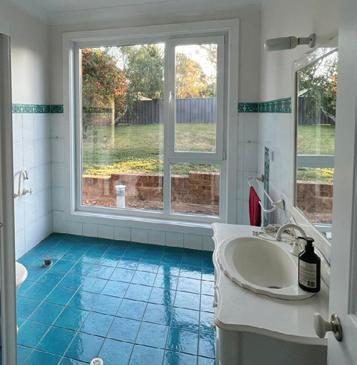
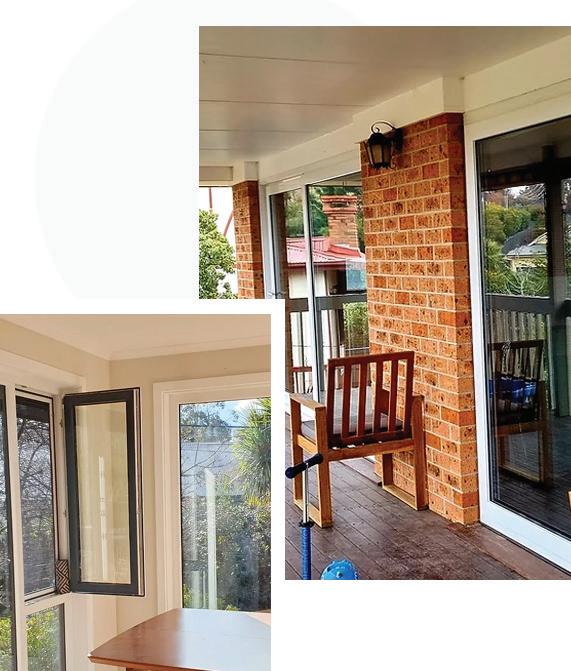
These are just some of the many benefits that home and business owners can achieve with our uPVC double and triple glazed windows and doors.
Windotek Australia is a leading provider of double and triple glazed uPVC window and door systems for the Canberra region. We help you achieve a higher EER rating, with 100% customised solutions that meet your needs and complement the style of your home.

experiencing. We meet about 20% of our national fuel demand with domestic supplies. However, only a portion of that fuel is produced in the form of unleaded petrol which is suitable for E10 blending.
Australia produces nearly all of the ethanol we consume domestically, in any given year. This includes ethanol used in E10 fuel. Increasing our domestic ethanol production, involving both our agricultural and manufacturing sectors, could help conserve a small percentage of our national petrol supplies. This is because the E10 blending process must happen at the point of refining, so we can only add ethanol to the petrol we produce in Australia.
If every Australian switched to using E10, this would save roughly 2% of the 20% of petrol we produce domestically. Every saving matters in a global fuel crisis. However, our current reliance on fossil fuels such as coal and gas limits the potential benefits of switching to E10.
So if you do switch from diesel or petrol to E10, you may see a slight reduction in your fuel costs and emissions. However, this decision is unlikely to take much pressure off our limited fuel supplies.
Zachary Aman, professor of chemical engineering, The University of WA. Republished from The Conversation.



The
In today’s

The cyberthreat landscape has evolved rapidly over the
few years, becoming more complex and sophisticated. This means that businesses need to stay ahead of potential threats to protect their sensitive information and systems from cyberattacks. Investing in robust security measures is not just a precautionary step; it’s a necessity to safeguard against ever-evolving cyber threats.
At BluePackets, we understand the importance of proactive security measures. We’ve observed a phenomenon we call the “Security Dividend,” where clients who invest in security experience fewer issues and require less reactive support. By prioritising security, our clients not only save money in the long run but also avoid costly outages caused by security vulnerabilities. Plus, the cost of implementing security measures with us is often lower than what competitors charge for reactive servicing alone, providing a win-win situation for our clients. Investing in security with us means investing in long-term savings and peace of mind.
Located in the heart of Canberra’s medical precinct in Deakin
At Canberra Family Health Centre, we are dedicated to providing comprehensive, patient-focused healthcare for individuals and families. Located centrally in Deakin, our centre offers a wide range of medical services designed to meet your health needs at every stage of life.


Associate Professor Maryse Badawy MB/ BS Degree, FRACGP, FHKAM (Family Medicine), Grad Dip Fam Med, Master Family Medicine, Member Australasian Menopause Society
National and International Family Medicine and Academic experience.

I have been travelling with Murray’s coaches for many years; I hold a loyalty membership and, until recently, I was very satisfied. Sadly, it is no longer the case.
Following a recent overseas trip, three of us booked “flexible” fare tickets from Sydney to Canberra, having done this numerous times previously. On several occasions, my international flights have arrived early and the option of using my flexible fare option (at an additional cost) was incredibly helpful in getting home earlier.
I am cognisant that “flexible” fare options are subject to availability of seats on
the buses, however I also thought “flexible” meant exactly that.
Unfortunately, we were delayed in Singapore for more than six hours due to an issue with the aircraft, stranded on the tarmac.
By the time we got to Sydney, we had clearly missed our bus.
My friend phoned Murrays and was told that she had not left enough of a “buffer” for a delay in flights when booking the bus from Sydney to Canberra. She was further advised she would need to buy a new ticket (for a bus several hours later), with no refund for the original bus.
When I phoned Murrays, following my friend’s call, I was advised of the same, except they got us on a much earlier bus. This makes no sense.

My friend ended up catching a Flixbus, a relatively new competitor in the business of buses, which left at about the same time as the two of us on the Murray’s bus, and we were able to rendezvous in Canberra.

I admit to not reading the fine print of Murray’s flexible fare policy, but I was confident that “flexible” provided the flexibility to transfer tickets to alternative scheduled buses, pending seat availability.
I note this is not the first negative review of “flexible” fare options with Murray’s; just check out Tripadvisor!
My advice is to try out Flixbus – it’s a breath of fresh air compared to tired old Murrays.
Janine
Haskins, Cook
While John Minns’ article (“Does dawn of the far-right bring a new dark age”, CN March 19) is fairly factual, he needs to replace far right with centre right. It just shows how far we have shifted to the left when he is calling many of the general population “far right”. Not one mention of the “far left” in his article but plenty of “far right” terminology. It is even evident from the media and


politicians in Australia to label anyone who considers family values, secure borders, punishment for crime and patriotic “far right”.
Why is the “far left” never mentioned? The current Labor government under Albanese is one of the most left-wing governments in recent history. Albanese has always been a far-left activist as shown in footage of him campaigning for Palestine and anti-Australia Day rallies.
His government was the first to claim Jerusalem as part of Palestine and is constantly pandering to minorities. His most recent
venture to a mosque in Lakemba where he was berated by the Muslim cleric, while he sat idle on the floor like a good little boy, was disgraceful and not becoming a prime minister of Australia.
We need a prime minister who leads and looks after his country, not one that wants to be popular and loved. He has constantly shown to be lacking in any gumption and his recent handling of the fuel crisis proves this.
Ian Pilsner, Weston
Richard Johnson’s opinion piece (“Secret tram plan that makes no economic sense”, CN March 26) questions the economic sense of the Barr government’s decision and its business case for light rail Stage 2B, concluding that the economics around this project is disastrous.
The author points out that any benefits/ costs rating below 1.00 is a clear warning that such projects should not be undertaken because it destroys value.
The published rating is only 0.42, which is well below standard. Many competent economists would agree with Richard’s assessment.
Why then does the Barr government stubbornly charge ahead with this jaw-dropping money loser, impoverishing the ratepayer? Vanity has no place in politics.
John Lawrence, via email
Wood smoke has no place in suburbs
More than two decades ago, Dr Melita Keywood, of the CSIRO, identified Launceston as the most polluted residential area in Australia, with wood heaters the primary source.
Canberra’s Tuggeranong Valley ranked second for the same reason.
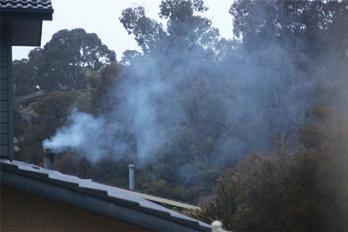
In response, the federal government spent millions on buyback and education programs in Launceston, while communities such as Tuggeranong were largely overlooked.
Now, Launceston City Council is once again seeking public input on how to address the health impacts of wood-heater pollution. This alone demonstrates that buyback and education programs have failed to deliver a lasting solution.
If we are serious about protecting public health and the environment, the answer is clear: a phased ban on wood heaters in residential areas.
We no longer accept tobacco smoke in shared public spaces because of the harm it causes to others. Wood heater smoke is no different. It has no place in our suburbs.
Darryl Johnston, Tuggeranong
Bruna Krstulovic discussed the ethics of eating animals and wondered why Australia is behind some other countries (“Caring equally for people, animals and the planet”, CN March 26).
But some progress has been made. Although there are differences between states, Australia has moved toward recognising animals as sentient and expanding duty of care and prevention-based laws.
Although Australia remains a high per-capita meat consumer, dietary habits are shifting.
Most now know that consumption of greater than 100/120g per day of red meat, which is around double the recommended amount, is associated with an increased risk of colorectal cancer and renal cancer.
They also know that beef has the largest environmental footprint of all meats.
The number of people following vegetarian or mostly vegetarian diets has risen by about 50 per cent over the past decade, and nearly one in five Australians is actively reducing meat consumption. Health concerns, environmental impacts, animal welfare, and the growing availability of plant-based options are key drivers.
But the average quantities of fruit and vegetables eaten each day still fall well below national dietary guidelines – two servings of fruit and five servings of vegetables each day.
While Australia is late to the table – the menu is changing.
Ray Peck, Hawthorn, Victoria
Donald Trump is fulfilling Iran’s taunt that America is the Great Satan.
Iran did not pose any imminent risk to the US and does not have nuclear weapons.
Is he spreading lies to cover up his strategic failure?
He is a reckless, narcissistic and ignorant fool. America, it’s time for a regime change.
Mike Quirk, Garran
“The Emperor’s New Clothes” is being re-enacted in our public service with solemn kow-towing to “cultural safety” issues.
There is no escape from this political black hole but the complete removal of woke spectacles.
Fair enough that some citizens have animist beliefs, but why are these beliefs exerting power in public administration? If animism trumps general etiquette, then why not anything else?
The secular state should remain actively secular. Peter Robinson, Ainslie
“Dogs come when they are called. Cats take a message and get back to you.” – Mary Bly
It’s said that dogs have owners, but cats have staff. Anyone who has owned both species knows they’re very different in their attitudes and behaviour, and that each individual has its own distinct personality.
Dogs clearly like to please their owners with approved behaviour. Cats are seemingly aloof and indifferent to their owner’s wishes.

Dogs and cats are often described in anthropomorphic terms by their owners – meaning that their owners attribute to them human characteristics, emotions or intentions.
Modern empirical research provides a clearer picture of their mental processes.
Evidence from neuroscience, ethology (the scientific study of animal behaviour) and comparative psychology shows that both species engage in forms of thought, including memory, problem-solving, anticipation and social cognition. Their mental lives differ in focus, reflecting their distinct evolutionary histories: dogs as co-operative pack animals and cats as solitary hunters.
Domestication has profoundly shaped canine cognition. Dogs’
brains share structural similarities with humans, particularly in areas associated with emotion and social processing.
MRI studies indicate that dogs process human voices in dedicated brain regions, suggesting they interpret not only human sounds but also feelings and emotions.
Memory research also supports the presence of episodic-like thinking. Fugazza et al showed that dogs could recall actions they had observed after delays, even without explicit training. This indicates dogs can mentally represent past experiences and apply them to current contexts.
Dogs also demonstrate advanced
Evidence from neuroscience, ethology and comparative psychology shows that both species engage in forms of thought, including memory, problemsolving, anticipation and social cognition.
social cognition. Experiments reveal that they outperform even great apes in interpreting human behaviour. This suggests dogs think about human attention and intention, forming mental models of approved co-operative interactions.
Cats have been less extensively studied but also demonstrate sophisticated cognition. Spatial memory is a notable strength: Macrì et al found cats could remember the location of hidden objects, supporting the idea that they form internal spatial maps.
Cats too are capable of social recognition. In controlled experiments, cats reliably distinguished their owner’s voice from strangers, despite often appearing indifferent. Selective auditory recognition suggests cats mentally acknowledge familiar humans.
Cats also display causal reason-

ing. Mendes et al demonstrated that cats could infer the presence of hidden food based on sound cues, indicating mental inference rather than simple reflex. Moreover, research suggests that cats think about their owners as sources of safety and comfort.
How do they handle being left alone by an owner going to work?
Dogs are descended from wolves, which are pack animals and naturally social. Many find it stressful to be left alone for long periods. Some dogs bark, howl, chew furniture, scratch doors or even soil the house when anxious about being left. Puppies are affected after only one to two hours.
Adult dogs can manage four to six hours, sometimes up to eight with training, exercise and enrichment. Long walks before/after absences, interactive toys, puzzle feeders or leaving the radio/TV on for background noise can help.
Cats are descended from solitary hunters, so they’re generally more independent. Adult cats often do fine being left for eight to twelve hours, and many cope with their owners being away overnight if
food, water, and a clean litter tray are provided.
Neither dogs nor cats should be left outside when no one is home – dogs because they bark and disturb the neighbours; cats because they hunt and kill small creatures up to several hundred metres from their home.
On a lighter note: Townsfolk are leaving Dodge because they hear Bad Bart is coming. Bad Bart has a reputation for property damage and shooting people he dislikes.
Soon, in a cloud of dust a hardlooking cowboy rides into town on a bear and hitches it up outside the saloon. He shoots down the hotel sign, strides into the saloon and decks the largest cowboy he can see. He then sweeps the barstoolers aside with one arm and orders neat whisky. He drinks for an hour, then kicks a hole in the wall to get out to the hitching rail.
The barman follows him out saying nervously: “Are yuh leaving town already, sir?”
“Sure am,” the cowboy replies. “I hear Bad Bart’s coming t’town.”



Region Heritage Festival which starts this Saturday!
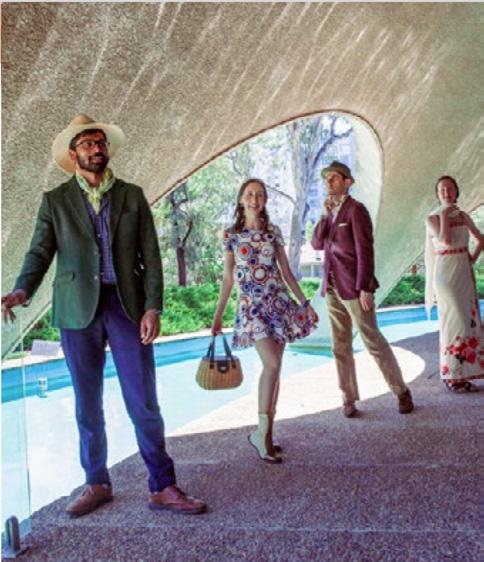
The theme is ‘Mid-Century – innovation, change and optimism’ and many of our events have a distinctively ‘mid-century modern’ focus.
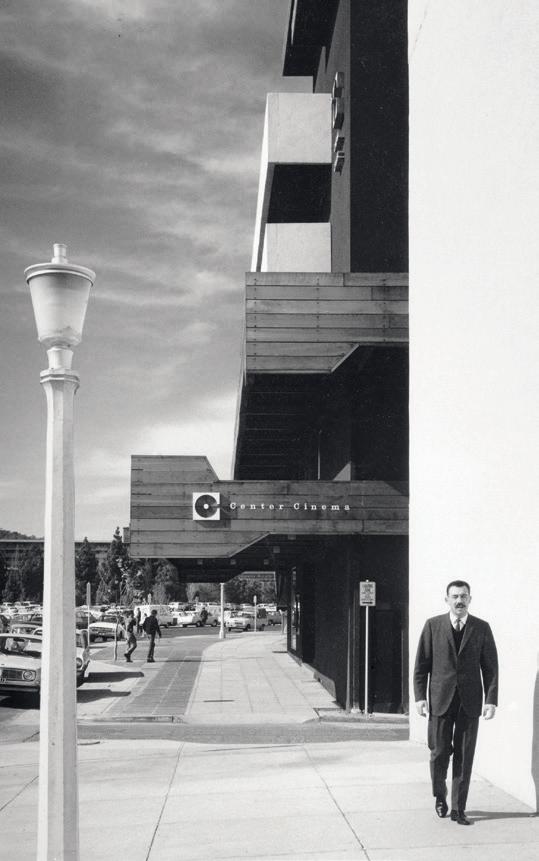
The annual ACT Heritage Oration will be presented by Tim Ross, an architecture and design enthusiast who will talk about the mid-century design legacy of Canberra, the national importance of our modernist capital and threats our residential icons now face. Several suburbs from the mid-century period of Canberra’s development will feature – Kambah, Hackett , Campbell, Hughes and
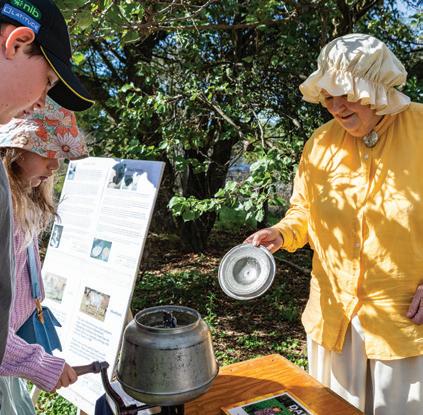
But we are not ignoring other important heritage places and ideas! Our Open Day at Gungahlin Homestead in Crace, features one of the early pioneering properties in the ACT where you can enjoy guided tours, entertainment, displays and demonstrations, children’s activities and more.
The Heritage Polaris is a must for keen cyclists to challenge themselves and learn about Canberra’s heritage at the same time. There’s Griffins’ vision of Canberra plus more.
Full details of all events are at environment.act.gov.au/heritage/heritage-festival
The iconic, heritage-listed Shine Dome will open its doors as part of the 2026 Canberra and Region Heritage Festival.
The Shine Dome has been a much-loved feature of the Canberra landscape since its award-winning construction in 1959. Its mid-century modern fittings and furnishings are timeless and elegant, and its spaces airy and retro-futuristic. It reflects some of the more adventurous architectural ideas of its time, and remains one of the most unusual buildings in Australia. Make the most of this rare chance to explore the home of Australian science, the Shine Dome, with a behind-the-scenes tour. Fellows and staff of the Australian Academy of Science will conduct guided tours revealing intriguing stories and hidden details preserved within the walls of this unique building, from its construction to the present day.
If you’re interested in architecture, Australian science, or simply curious to know what lies beyond and below the moat, this tour is for you.
Limited onsite parking is available in the Academy car park, accessible from Gordon Street between the Shine Dome and Marcus Clarke Street.
The Shine Dome is a short walk from the New Acton precinct, hotels, the Australian National University, and within comfortable walking distances of local tourist attractions, cafés and city shops. Registrations are now open. Bookings are essential.


This Saturday 11 April 10am - 2.30pm
80 Bellenden Road, Crace (Crace Business Park)
Gold coin entry
Homestead tours every 15 minutes
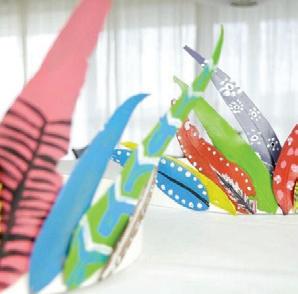
NEW Kids Zone - storytelling, craft and balloon workshops, chill zone
Performances: Aboriginal, bush and swing dancing, choir and bush poets
Yesteryear skills separating & butter churning, spinning & weaving
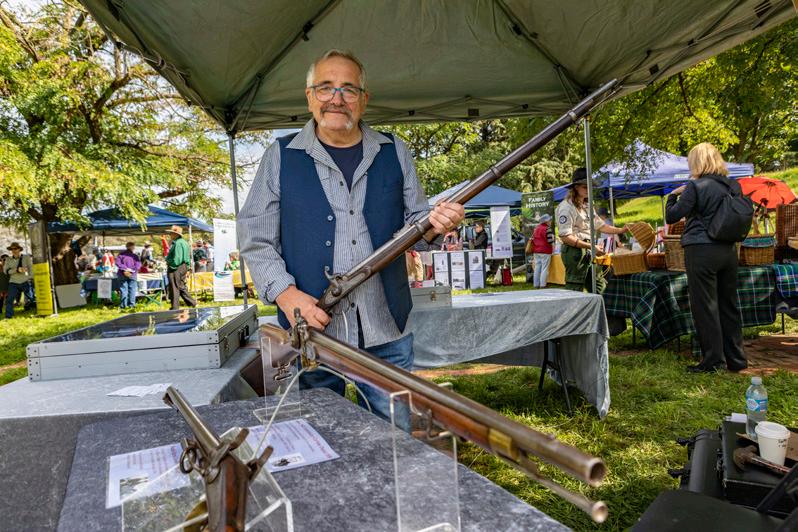
Classic cars and colonial gun display Book sale
Coffee van, BBQ & refreshments
Event details
Date: Friday 17 April 2026
Time: Tours will run every half an hour from 10.00am to 4.30pm. Allow up to 40 minutes for your tour.
Venue: The Shine Dome, 15 Gordon Street, Acton, ACT Cost: $15 for adults, $10 for concession/student, $7.50 for children 6–12 years (5 and under free)
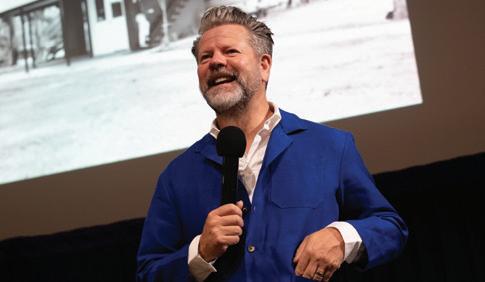
TIM ROSS PRESENTS NT ORATION
Tuesday 28 April 6-8pm $20
Join Tim to hear about mid-century design legacy of Canberra, the national importance of our modernist capital and threats our residential design icons now face. Bargain at $20 Trybooking.com/DHSUT
CANBERRA’S EMERALD TOWER – MLC TOWER
Sunday 12 April 10-11am $15
Join Rohan Goyne to learn more about this 1950s landmark, our first multistorey building. Trybooking.com/DHSES
Supported by:




Travel Clinic expands its commitment to the Canberra community. Known for its specialised expertise in travel medicine, the clinic has officially extended its operating hours and now welcomes patients from 8 am to 6 pm, seven days a week.
In a city where finding a weekend appointment can often feel like a marathon, this shift provides a muchneeded reprieve for busy families and professionals. Conveniently located on Northbourne Avenue, the clinic offers seamless services for the whole family. While the practice remains a cornerstone for general health, offering everything from skin checks to pediatrics, it is their specially trained travel educators and doctors that are consistently updated with health and travel news and recommendations that sets the clinic apart. Travel health consultations can be tailored to
With world travel back in full swing, their GPs provide individualised and comprehensive pre and post travel medical advice, ensuring locals are protected before they take flight.
The team emphasizes a patient-first approach that balances traditional family medicine with modern accessibility.
Whether it’s a Sunday morning check-up or a last-minute script before an international departure, Medical and Travel Dickson’s expanded presence ensures that quality healthcare is always within reach.
Dickson Medical and Travel Clinic Unit 29/484 Northbourne Avenue, Dickson. Call 6257 3853 or book online dicksonmedical.com.au

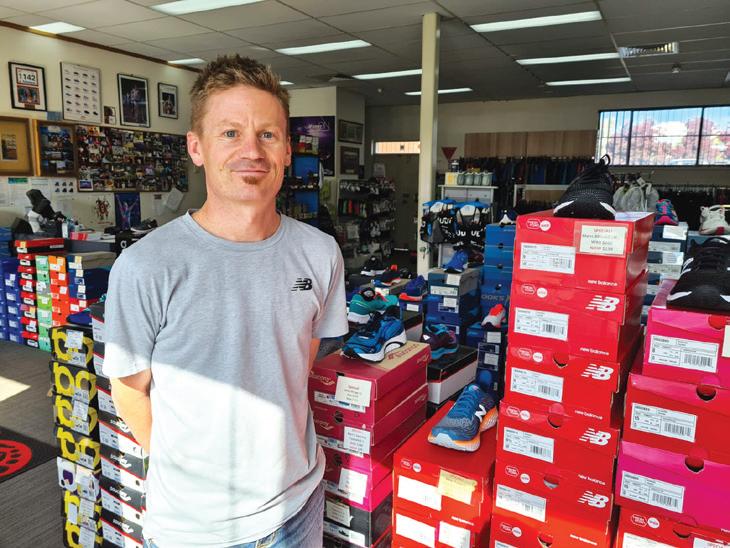
surprising for people taking up running for the first time,” says Nick.
“Through running, we can reduce our levels of stress and anxiety, which in turn leads to improved sleep and an improved overall sense of wellbeing.”
According to Nick, having a well-cushioned pair of running shoes is essential for helping with shock absorption.
“When we run, a force roughly equivalent to four times our body weight impacts our feet, arches, knees and lower back,” he says.
“Running shoes are also designed to flex in a way that works to help with the runner’s repetitive

next most important item of equipment is a good pair
and provide comfort, Nick says running socks have been specifically designed to reduce the risk of blisters from sweating and friction.
“At The Runners Shop, we love hearing the stories of people’s enjoyment of and love for running,” he says.
“Finding a suitable, comfortable pair of shoes is where the team gets to be involved in your running story!”
The Runners Shop 76 Dundas Court, Phillip. Call 6285 3508 or visit therunnersshop.com.au

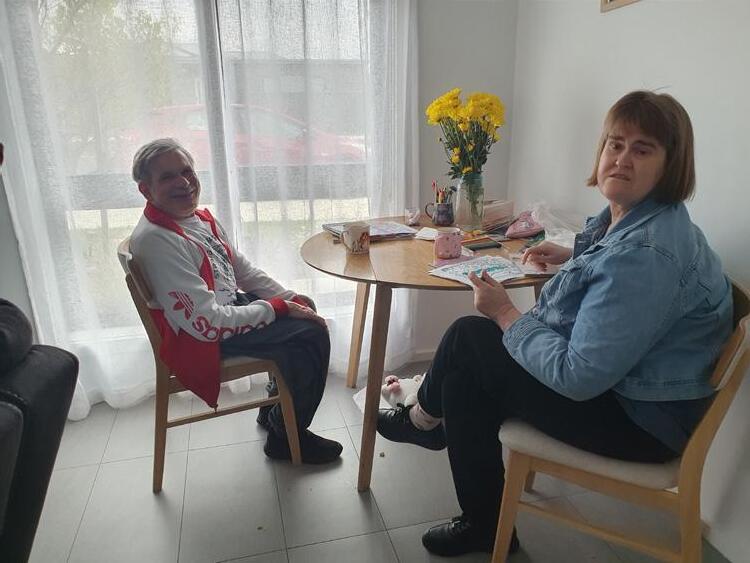
For more than 60 years, Hartley Lifecare has delivered trusted disability support across the ACT. As an NDIS registered provider since the scheme began, Hartley combines experience with a strong focus on quality, safety and person centred support.
Supported Independent Living is about more than accommodation. It is about creating a stable home where a person with disability can live as independently as possible, with the right supports in place. Hartley works closely with each person and their family to understand what matters most, building support around individual goals, daily living skills and connection to community.
Hartley currently has vacancies in a small number
hour support from professional, compassionate staff. Every enquiry is assessed individually to ensure the right fit for both the person and the household.
Families want confidence that their loved one is supported by a secure, well governed and values led organisation. Hartley’s long standing presence in the ACT provides that reassurance.
For adults with disability seeking long term accommodation with tailored support, Hartley offers a safe and supportive place to call home.
Hartley Lifecare Call 02 6282 4411 or visit hartley.org.au
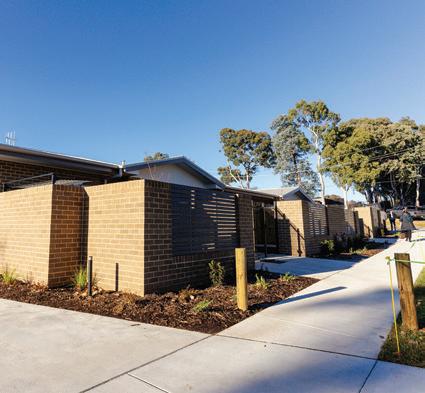
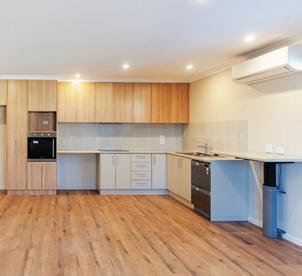
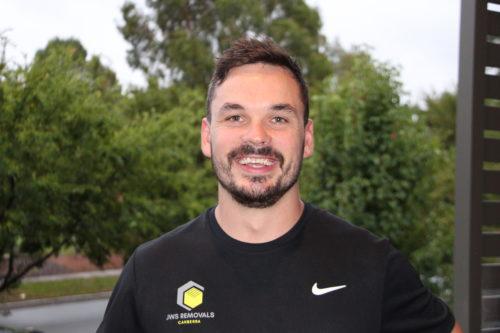
With a focus on care, professionalism, reliability and efficiency, JWS Removals is Canberra’s removalist of choice, says owner Jack Stafford.
Jack, who’s been specialising in furniture removals, logistics, as well as fine arts and antique relocations, for more than 10 years, established JWS Removals to fill a gap in the industry, offering a more personalised removalist service.
Being a small, privately-owned and operated business, Jack says he works with clients personally, from the quote all the way through to the unload.
“We pride ourselves on our professionalism and that’s why we don’t use labour hire, only quality, experienced removalists who know how to get the job done right,” Jack says.
“We leave nothing to risk, using specialised furniture blankets, boxes, plastic furniture protective covers, trolleys, carpeted truck floors, felt pads for in-home floor protection and much more to ensure a risk and stress-free move.”
And, so there’s no hidden costs, JWS Removals offers in-person, no-obligation, free quotes. This also allows Jack to see the furniture and valuables in advance so he knows exactly what protective materials are needed to make the move as quick and safe as possible, he says.
JWS Removals
Call 0448 401 604 or visit jwsremovals.com.au
Are you or someone you support looking for a safe, welcoming, and empowering long‑term home?
Hartley has been an NDIS-registered provider in the ACT since the scheme began, building on more than 60 years’ experience in disability support.
We work with each person and their family to understand what matters to them and provide support that builds skills, confidence and connection to community.
Hartley Lifecare currently has openings in a selection of our Supported Independent Living (SIL) homes. These vacancies may be suitable for adults with disability seeking a supportive shared living environment with 24-hour support.
Each enquiry is considered individually to ensure the right fit for the person and the household.
Enquiries and expressions of interest: Kathy Le Mesurier, Senior Manager – NDIS and
Dean.
surrounding region.
Specialising in traditional fibrous plaster, often referred to as horsehair plaster, the team produces custom cornices, ceiling roses, and architectural features, all made to order. Their work spans both modern homes and heritage properties, with a strong focus on restoration and accurately matching existing decorative elements.
The new premises will include a dedicated showroom space, which will be completed progressively following the move. In the meantime, a selection of samples will be available on site, with additional profiles able to be prepared on demand to assist with project planning and matching requirements.
owner-operated approach that ensures consistency and attention to detail.
As the move approaches, homeowners, builders, and renovators planning upcoming works are encouraged to get in touch early, particularly where matching existing profiles or heritage detailing is required. Further updates on the showroom and opening progress will be shared in the coming weeks.
Penash Plaster Products Servicing Canberra & surrounding regions. (Moving May – check website for address details). Call 0455 961 885 or visit penashplasterproducts.com.au



contact@jwsremovals.com.au
•
•
•
•
•
•

The School for Self Knowledge presents a nine week introductory course in Advaita Vedanta, for those seeking deeper understanding of life and a level of Self Awareness beyond transient world appearances.
Self Knowledge, being the highest form of knowledge, offers profound answers to fundamental questions of life. It integrates our inner and outer worlds, revealing Truth within, and the Unity of Existence underlying diversity. This practical course gives guidance for clear thought, mindful and effective action in life, through direct personal experience.
Canberra City Suite 9, 1st Floor, 131 London Circuit (Bailey’s Corner)
Starts: Wednesday, 29 April 2026 – 6.30 pm FIRST NIGHT FREE
Course fee is $190, payable by cash or EFT.


Finding mindfulness, fulfillment, self-awareness and contentment in every day life can be a difficult task, which is where the School for Self Knowledge can help.
Operating since 1987 in Canberra, the School for Self Knowledge is run by a group of dedicated volunteer tutors, drawing from the works of Shakespeare all the way to some of history’s greatest philosophers.
Tutor John Connors started his own journey at the school in 1996 as a student, and says it was the greatest thing he’s ever done.
“It has made a positive effect on my life,” he says.
“I am given more purpose and am able to live a more authentic life.”
Providing nine-week courses, four times a year, John says the weekly sessions cover different wisdom traditions and cultures.
Not-for-profit and non-religious, material for the courses are drawn from “a broad range of related literary, artistic and scientific sources, the world’s greatest religious traditions.”
Open to all, John says no prior study is necessary, with many former students benefiting from the material so greatly they have returned to teach to the next group of students.
“It’s a practical way to think about yourself and your life,” he says.
“It’s really an opportunity to look within, and it’s something to use on a daily basis.”
School for Self Knowledge
Bailey’s Corner, Suite 9, Level 1, 143 London Circuit. Call 0412 623 879 or visit schoolforselfknowledge.org
e W ith an abundance of op en sp ace, you’l l f ind plent y of r o om to spr ead out, br eathe de eply, and tr uly enjoy the s er enit y of your sur r oundings Immer s e your s elf in the s eamle s s f usion of ar t and natur e w ith our l ar ge pr i v ate s cul ptur e col le c tion , featur ing over 3 0 s tr ik ing w or k s that enr ich the l ands c ap e and elev ate the ex p er ience
Dis cover the b e s t of the S outh C o a s t, w ith pr is tine b eache s jus t moment s aw ay, s cenic co a s t al w al k
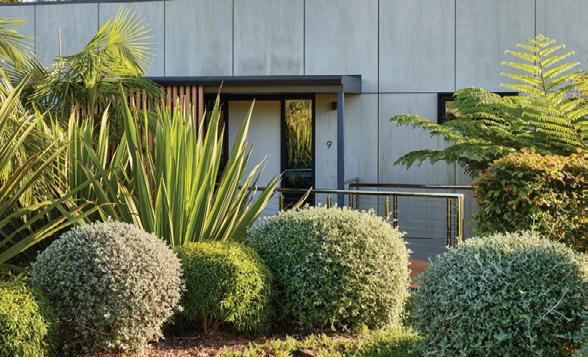
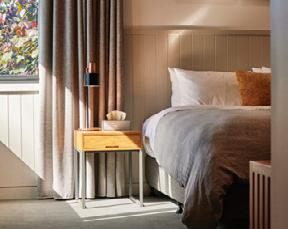

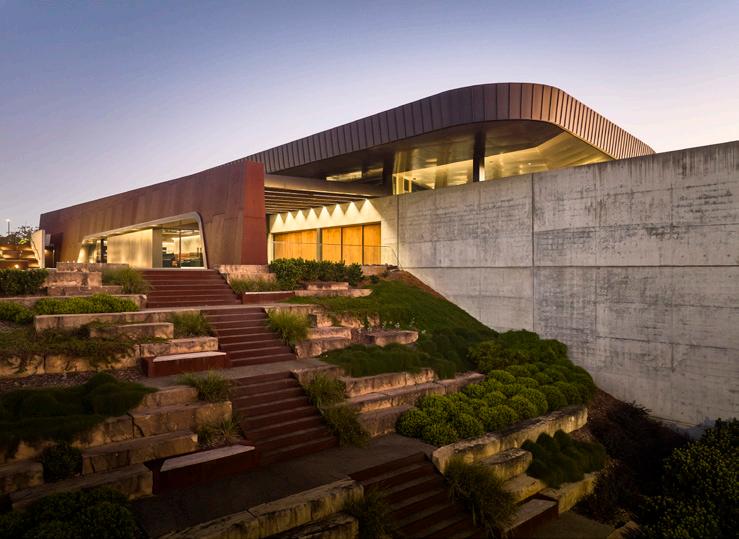
rounds of Bawley Point, it has earned a reputation as a premier destination for conferences and events, defined by a Conference Centre celebrated for its award-winning architecture and state-of-the-art facilities.
Host your next corporate conference or executive retreat in refined style, with bespoke event spaces, gourmet catering and luxurious accommodation framed by sweeping natural views.
At its heart lies the striking 350sqm Conference Room, bathed in natural light and equipped with advanced AV technology. Designed for versatility, the space transitions effortlessly from board-level strategy sessions and leadership forums to gala dinners and large-scale exhibitions.
Complementing the main Conference Room, the elegant Boardroom and Stables Restaurant provide
delegates feel recharged, focused and inspired throughout their stay.
Experience the perfect balance of business and leisure. Between sessions, wander through tranquil gardens showcasing more than 30 large-scale sculptures, thoughtfully positioned to harmonise art, architecture and the surrounding landscape.
Whether hosting a corporate conference, milestone celebration or executive retreat, every detail at Willinga Park is designed to elevate the experience, inspire bold outcomes.
Willinga Park
Please visit www.willingapark.com.au for details. Call 02 4405 5666. Email conferences@willinga.com.au
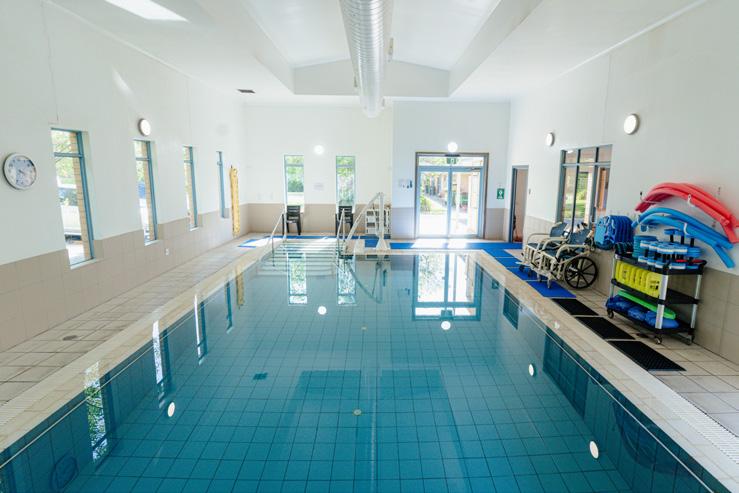
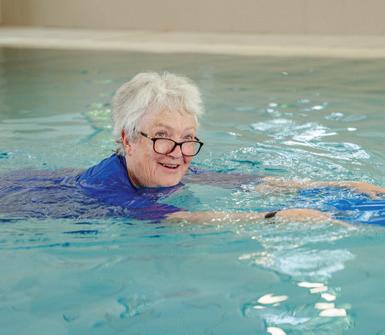
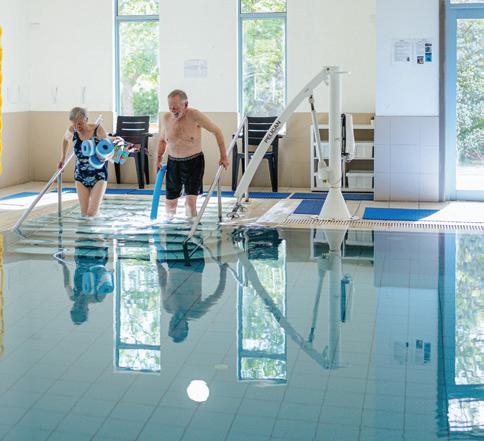
Owned and operated by Hartley Lifecare, the Hartley Hydrotherapy Pool is one of the few dedicated hydrotherapy facilities in Canberra that is both fully accessible and open to the wider community.
Based in Hughes, the pool provides a consistent 34 degree environment designed to support rehabilitation, pain management and improved mobility. For people recovering from injury, living with disability, managing arthritis or other chronic conditions, water based therapy can enable movement that is difficult on land.
What sets this facility apart is its accessibility and flexibility. It can be booked for self managed sessions or exclusive use, making it suitable for individuals, allied health professionals and small groups. The setting is practical and community focused rather than
commercial or high traffic.
Importantly, community based hydrotherapy expands access beyond acute care settings and short term treatment plans. It gives people a local, reliable option to continue therapy at their own pace. They also create opportunities for preventative health, particularly for older Canberrans seeking low impact exercise. As demand grows for inclusive health infrastructure, facilities that are affordable, accessible, and centrally located play a critical role. The Hartley Hydrotherapy Pool is a straightforward example of community focused design meeting real need.
Hartley Hydrotherapy Pool
Call 02 6185 1653 or visit www.hartley.org.au/hartley-hydrotherapy
Counselling







We specialise in local species as well as hardy, cold and frost tolerant natives, carrying a large range of native plant varieties, ranging in size from tubestock to 200mm, plus a growing range of advanced stock.
Come out and see us at Pialligo and we will show you a range of plants that will be suitable for your garden soil type, to grow and enjoy an abundance of Australian Native plants!





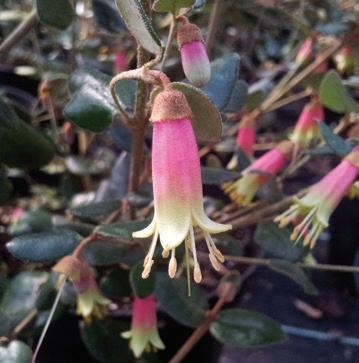

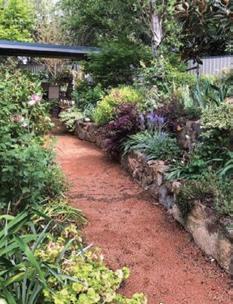








By Jackie WARBURTON

The days are getting shorter, and autumnflowering plants are beginning to shine as the heat of summer fades.
Old-fashioned asters are making a welcome comeback, bringing fresh colour to the garden.
There is the tall Tatarian aster, which can reach up to two metres, or the compact Little Carlow, growing to about 50 centimetres, with many forms in between.
Asters are easy to grow in our climate. One of the most common is the New York aster, with the rather unfortunate botanical name Sym -
phytrichum novi-belgii. It produces striking blue to mauve flowers from late March, carried on smooth stems well into winter, making it a dependable, no-fuss addition.
Flower colours are predominantly violet, though white and pink varieties are also available. Plants are vigorous and benefit from lifting and dividing every few years to keep them under control.
They are also excellent for attracting butterflies, bees and other pollinators, and once established, are drought tolerant. As herbaceous perennials, asters can be cut back to ground level after flowering, then mulched in preparation for spring growth.
IN the wider garden, autumn trees are putting on a show. A standout is Viburnum opulus Compactum, a newer, smaller form that grows to

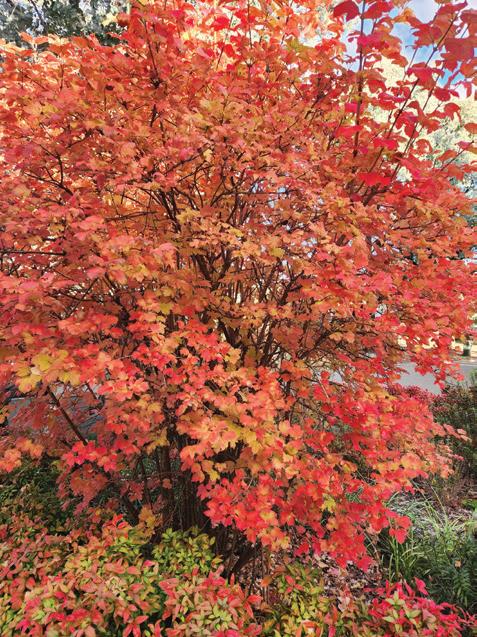
around two metres with a neat, rounded habit – ideal for smaller spaces.
Unlike the larger snowball tree, which can reach four metres, this compact variety offers particularly good autumn colour, along with flattened, lacecap-style flowers in spring.
Viburnums are tough, reliable shrubs that perform well in our region. Other varieties worth exploring include V. sargentii, with unusual flowers and finely textured foliage that develops brilliant autumn colour, and V. japonicum, an evergreen type with glossy leaves and fragrant spring blooms.
Autumn is also the time to think about propagation. Deciduous viburnums are suited to hardwood cuttings in winter, once stems are dormant, while evergreen types are best taken in late summer.
Use healthy one-year-old wood, cutting stems 15-20cm long just below a node. Insert into a moist propagation mix or a sandy potting blend, ensuring at least two nodes sit below the surface.
Water lightly, keep in a cool, sheltered position, and avoid overwatering. By spring, new growth should appear.
This method also works for
hydrangeas, roses and wisteria.
FINALLY, keep on top of fallen leaves on hedges and lawns to prevent spoilage. Smaller leaves break down more quickly, while larger ones can be run over with a mower before adding to the compost.
Build compost in layers with green material such as lawn clippings, spent flowers and perennial cuttings, then add a small amount of blood and bone to speed decomposition.
Turn the pile monthly and water when dry. Compost is ready when it is dark, crumbly and sweetsmelling, and can be used around seedlings and small plants as a light mulch.
jackwar@home.netspeed.com.au
• Prune grape vines after harvesting fruit.
• Compost as many leaves as possible.
• Plant snow peas in the vegetable patch.
• Feed roses for late blooms.



By Helen MUSA

There’s a distinct feeling of homecoming surrounding the production of Nick Payne’s 2012 play Constellations, to be staged by Kelly Somes in mid-April.
The two protagonists, Marianne and Roland, will be played respectively by Lucy Goleby and James O’Connell, no strangers to the Canberra theatre scene.
Briefly, the play follows Marianne, a theoretical physicist, and Roland, a beekeeper, who meet at a barbecue and become romantically involved, break up, then run into each other again at a ballroom dancing class and eventually marry. But Marianne begins to forget words and has trouble typing. She is told by her doctor that she has a tumour in her frontal lobe.
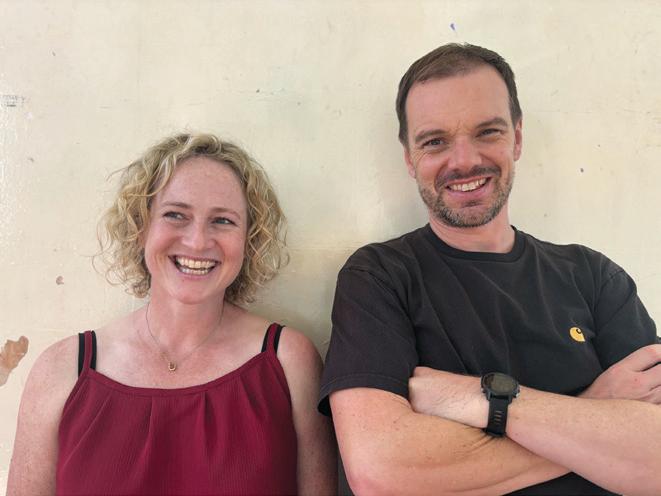
Constellations joins Michael Frayn’s Copenhagen, Churchill’s A Number and David Auburn’s Proof as plays that explore life through maths and science. Though demanding, it is grist to the mill for this trio, who first met at ANU.
Somes, the founder of Soulart Productions in Melbourne and a former ANU drama tutor who went on to study directing at the Victorian College of the Arts. Goleby, born at Canberra Hospital, was a familiar face on Canberra’s stages before gaining a place at NIDA, while O’Connell studied at ANU from 2003 to 2009 before going on to the VCA. The pair appeared in many productions together, not least Joe Orton’s farce Loot at ANU.
than coincidental that she is staging a play in which one of the central characters is a beekeeper, given that she previously created Lloyd Beckmann, Beekeeper – and is married to the son of a beekeeper.
O’Connell adds that the last play he appeared in, about Julian Assange, also featured a beekeeper before the character moved into computing. Somes jokes that directing a play with a beekeeper was bound to happen, but says it wasn’t beekeeping that attracted her so much as the uniqueness of Constellations, which she describes as “very intricate”.
Somes, Goleby and O’Connell had been searching for some time for a suitable play to stage in Canberra, and Payne’s 2012 work kept resurfacing. It had previously been seen at Melbourne Theatre Company with Canberra actor Leon Ford in the male role.
“When Constellations was suggested, it just felt right for us,” O’Connell says. “It’s a show about two people who talk to each other – about how people sit in that space.”
They have crossed paths many times since, most notably when both secured roles in Harry Potter and the Cursed Child, guaranteeing them long-term employment in Melbourne.
Somes, a prolific director who took time out to raise children, now works with young people in the performing arts. It seems more
He adds that what’s remarkable is how different the two characters are, yet how similar, and how their attraction lies in what they can learn from each other.
Somes says she was drawn to both the grace and the grit of the play. It may be about people grappling with life, she believes, but it’s also about the sky versus the earth. Marianne, with her head in the universe, talks about cosmology while

Roland has his feet firmly planted on the ground.”
It is, they all agree, a sad play, and Somes expects audiences to respond emotionally.
“When Marianne is diagnosed with a brain tumour and we see her life taken away in increments, it’s all the more affecting because she has been such a lively person of the mind,” she says.
The play also explores the loss of language for someone whose life has been defined by it, raising questions such as: what am I prepared to live with? What can I and can’t I be? Payne researched real-life cases, Somes believes, and this is reflected in Roland’s experience of watching Marianne’s decline.
Logistically, rehearsing Constellations has been complex. O’Connell is based in Sydney with his partner, who is six months pregnant, and has been travelling back and forth to Melbourne. Somes says they began with online sessions, working through the script and discussing ideas before coming together in person – O’Connell flying in, Goleby driving from Geelong, and Somes travelling from the Dandenongs, for intensive rehearsals in a Temperance hall.
But the show must go on, and they will be in Canberra by early April for the final countdown.
Constellations, Free-Rain Theatre Company, ACT Hub, Kingston, April 16-25.
Your Friends and Neighbours is a series that epitomises how one simple meme can become a publicity powerhouse in the digital age.
Anyone with Tik Tok, Instagram or Facebook is likely to have encountered it in the last few months.
Jon Hamm on a neon-blue dancefloor, eyes closed, in absolute bliss listening to an obscure electronic dance song, Turn The Lights Off by a Danish DJ named Kato. It sounds simple but this 20-second clip exploded in popularity, becoming a viral, humorous representation of overconfidence and passion that’s been shared by millions.

It catapulted Kato’s 15-year-old song to glory. The song entered Spotify’s top 50 and has been on the global mainstream radio rotation for weeks now.
What a lot of people didn’t realise though is that the clip of Hamm dancing itself came from the show Your Friends and Neighbours, an underrated drama-comedy series on Apple TV Plus.
Hamm stars as Andrew Cooper or “Coop” as he’s known in the cashed-up, New York suburb he inhabits.
Coop has it all. He’s a successful hedge fund manager with a slick sports car, an adoring family and a house with a dollar figure that can make eyes water.
That is, until one day where everything that can go wrong, does.
After Coop is unexpectedly fired from his
job it sets off a chain of events that brings his wealthy existence crashing down.
All of a sudden he’s left on his own, broke and without any of the luxurious comforts he’s so accustomed to.
Trying to find some new spark in life, Coop begins stealing from his wealthy friends to keep up with appearances and his bills.
His thievery starts small, but as the series goes on his suburban conquests only become more ambitious, spiralling into a case of kleptomania that ends in disaster.
I named it one of the best shows of last year and Apple TV Plus has not delayed in getting another instalment of episodes out there right on the back of the meme that has now given it major mainstream attention.


The second season is now streaming.
OVER decades Nicole Kidman has stayed in the cultural spotlight both in a more antiquated Hollywood age as well as the newer streaming one.
Her impressive resume in recent years includes the HBO hit Big Little Lies as well as Nine Perfect Strangers, Expats, The Perfect Couple, Roar and perhaps her strongest TV performance to date in The Undoing, alongside Hugh Grant.
All that in just under 10 years and the Aussie leading lady is back yet again with another drama series now streaming on Prime Video. It’s called Scarpetta and it stars Kidman as a forensic pathologist who blends her

especially to her.
That gives it a darker tone that mixes in with its more classic detective tropes. Think Sherlock Holmes meets House. Does the blend work?
Sometimes.
The show has a cracking premise with all the ingredients to cement it as a streaming hit, but tries a little too hard to be a little too
Too many subplots entangling with one another in an attempt to add depth leave the story disjointed and frustrating.
The central concept is great. Why not run
It’s a shame because Kidman brings a magnetic aura to the role that’s easily the best part of it.
passion for science and intuitive eye to investigate strange deaths.
If it sounds a bit familiar that’s because it is. Scarpetta is based on a popular book series by Patricia Corwell that wears its genre influences on its sleeve.
What makes this murder mystery a little more interesting is the focus on the medical side.
Scarpetta is first and foremost an expert medical examiner, often gaining most of her clues from the bizarre autopsies assigned
Those who are intrigued by the plot can give the first two episodes a go. If it sticks, great. If you don’t like it by that point, give the rest a miss.
The plan is for Scarpetta to have more seasons, so hopefully it can tighten some screws.
With the help of Kidman it has all the elements to crack the case.


By Helen Musa
What is a rhinoceros? a large, thick-skinned, herbivorous odd-toed, one or two-horned ungulate, the dictionary says, but to Romanian-French playwright Eugene Ionesco, the animal was something far more worrying.
“There is no more significant work of theatre for 2026 than Ionesco’s Rhinoceros,” says director Joe Woodward.
“It’s challenging, it’s comic, it’s devastat ing – but don’t let that deter you. It’s the play for our time.”
First performed in 1960, is usually grouped under the banner of the Theatre of the Absurd, a label Ionesco himself resisted. Rather than being absurd, he saw his work as revealing a world out of balance, where the familiar becomes strange.
That strangeness is central to Rhinoceros. In a dull French town, people begin transforming into rhinoceroses, which for Ionesco possibly represented the spread of totalitarian thinking, a force that is both horrifying and disturbingly seductive.
But Woodward doubts the play is about totalitarianism. Rather, he says, “It’s about how people see things,” pointing to some obvious parallel in contemporary Australian and world politics.
“What begins as shocking becomes
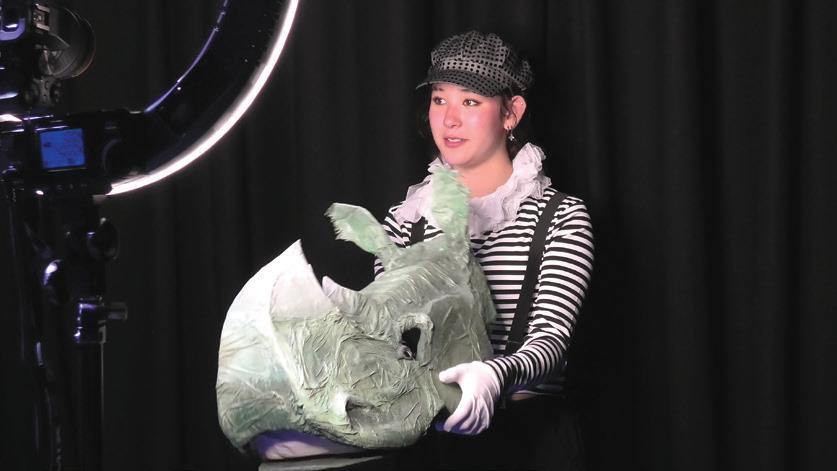
Evie Nicholls as Daisy, with a rhino head… Bérenger’s love interest, who chooses to join the herd.
accepted, then admired.”
At first it’s considered nothing much by the bystanders.
“Oh, a rhinoceros” and “Well, of all things” people exclaim over and over again as they watch the pachyderms invade the street, but as the play proceeds, the parade of rhinoceroses becomes a universal conga line.
Woodward, who is staging the play with students in the Daramalan Theatre
Archie Edwards as Bérenger, an ordinary, apathetic office worker.
Company, has been thinking about directing it for over a decade.
“At first I considered writing a play about people putting on Rhinoceros, using actors like Christopher Carroll,” he says, “but eventually I realised the original still says everything.”
Turning humans into rhinoceroses on stage led to early experiments with puppetry and eventually to the use of masks,
With its famous assertion that “hell is other people”, Jean-Paul Sartre’s No Exit sees Garcin, Inez and Estelle trapped with a sinister waiter in a room from which escape is impossible, and where the real torture is each other. Directed by Céline Oudin for Mockingbird Too, this emblem of modern drama is billed as both a dark comedy and a moral mirror. Studio, Belco Arts, April 15-18.
Will Eno’s solo play Thom Pain (Based on Nothing) returns to Canberra for the first time since Neil Pigot’s 2008 performance at The Street Theatre. A new production at The Mill Theatre launches a co-production model inviting external producers to collaborate, with Joey Minogue taking on the rambling role under the guidance of Madeleine and Mark Lee. The Mill Theatre, April 16-25.
Damon Baudin has won the Outstanding Performer, Indie Theatre Award at the Green Room Awards for his role in Smokescreen. The production, by Christopher Carroll’s Bare Witness Theatre Company, originated through the Q The Locals program in Queanbeyan.
Canberra writer and editor Emma Pei Yin has claimed the Debut Fiction prize at the Indie Book Awards 2026 for her novel When Sleeping Women Wake, published by Hachette Australia and voted on by independent booksellers across the country.
Author Paul Easther has been presented with the Across Generations Award at the COTA Ageing ACT Short Film and Video Competition 2026, delivered in partnership with Screen Australia. Best known for writing more than 40 children’s books, Easther turned to filmmaking for the competition, submitting two videos and winning with both.
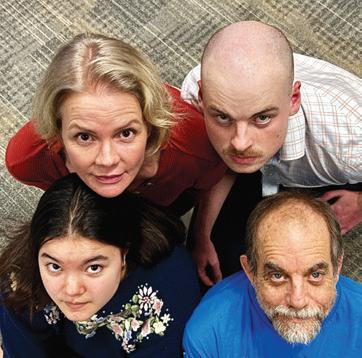
Oriana Chorale launches its 2026 concert season with Uprisings, a concert exploring the music of Shostakovich, Tallis, Shara Nova, Hugo Distler and Amanda Feery, as well as 2026 composer-in-residence Sebastian Allen, with texts by Odgeroo Noonuccal, Andrea Ferro and Leonid Radin. Duntroon Chapel, April 12.
A free interdisciplinary craft symposium brings together contemporary craft and innovation, with keynote speaker Norwood Viviano exploring the integration of digital 3D modelling and printing with traditional glassblowing and casting. The event honours the legacy of the late head of the Glass Workshop at ANU, Stephen Procter, and Christine Procter Nicholson. ANU School of Art & Design, April 17.

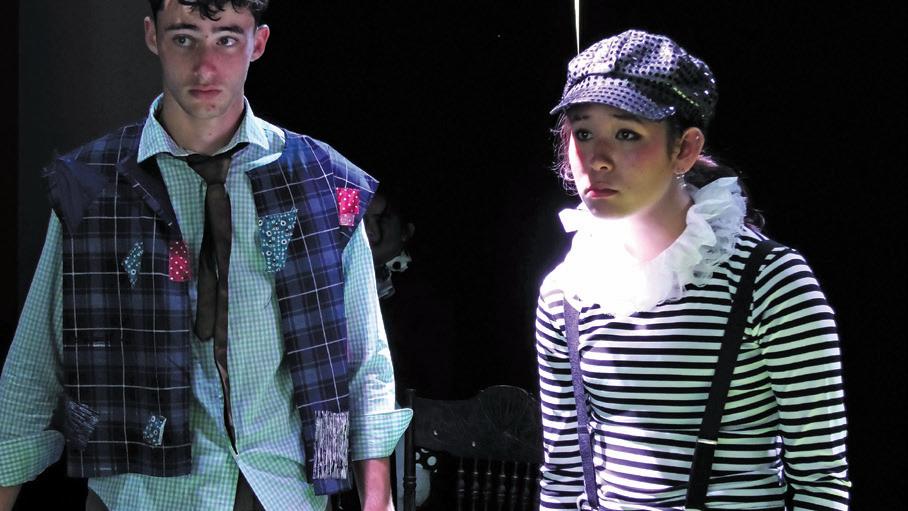
inspired by those in Free-Rain Theatre’s recent production of Equus.
To be sure, the demanding, highly verbal script filled with Ionesco’s lacerating satire of French intellectuals is top-heavy with polemic that needed tightening.
But even after that, it has demanded rapid-fire dialogue delivered trippingly off the tongue, as Hamlet prescribed, almost like a stylised film noir speech pattern, he says.
Cast members have recently been to join the herd.
Ironically, it is his very tendency to question and complain that becomes his greatest strength.
“I’m the last man left and I’m staying that way until the end,” Bérenger pleads for humanity as the play ends.
Rhinoceros, Joe Woodward Theatre, Daramalan College, April 18-25.


WE
-
-
-
-
-
-
-
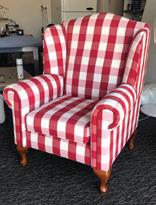
TWINSTITCHUPHOLSTERY.COM.AU

Surrounded by tranquil bushland, open pastures and serene views of the Deua Mountain Range, The Oaks Ranch offers a boutique hotel experience.

twinstitch.upholstery Like us on
Call or email us today! 0422 073 665 61813511 toni@twinstitchupholstery.com.au


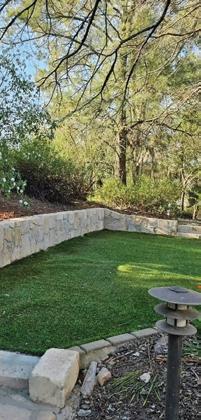
• Complete yard makeovers
• Decking and pergolas
• Landscaping
• Lawn installation and garden beds
• Paving, edging and concreting
• Retaining
•



On more than 130 hectares, it also features a nine-hole golf course, a magnesium swimming pool and – the reason we were there – the award-winning Arlo Restaurant.
To find Arlo Restaurant, simply follow Old Mossy Point Road to the end. Greet the resident roos on arrival, and then sit back and relax around a gourmet dining experience.
We were driving back to Canberra after lunch and so opted for mocktails, which we sipped while soaking in the views and dining al fresco on the poolside patio.
chicken, 9+ wagyu sirloin, and a one-kilogram T-bone steak (dishes range from $46 to $98).
The baked scallops with wakame butter were luscious yet firm, and the seaweed added a rich, bold umami flavour that impressed (two scallops for $22).
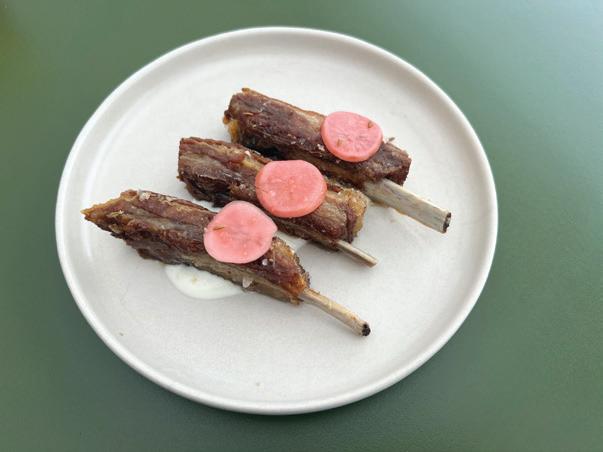
Our knowledgeable, efficient waiter recommended sharing the lamb ribs (23 pieces for $21). The lamb fell off the bone and celebrated one of my favourite spices, cumin. The touch of honey was fun, and the ribs were lovingly plated on top of creamy yoghurt. We’d return just for this dish.
Three pastas were on the menu, as were large share dishes, including
After much studying and angst over what to order, we both selected a pasta dish.
I couldn’t fault the pappardelle alla vodka ($40). All pastas are made on site, and the difference is noticeable. The sauce was vibrant and well-balanced, and the generous serving of plump prawns hit the spot. And who can go wrong with a fresh sprig of basil?
My friend applauded the ink tagliatelle. The jet-black pasta had a dramatic, dark appearance and truly made a statement. The
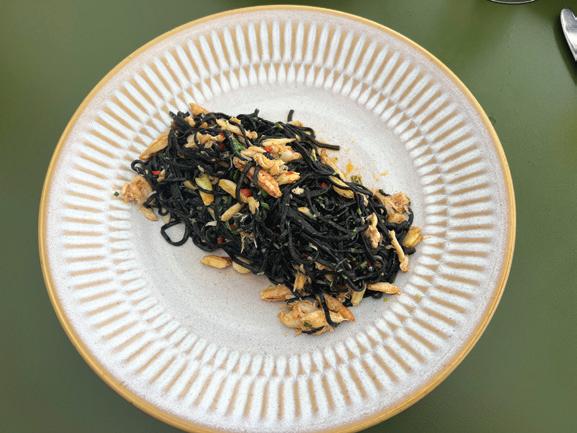
sweet, and the dish had just the right amount of chilli and lemon ($42).
Well executed was the butter lettuce and radish salad with a perky citrus vinaigrette ($14), a shining example of how a simple salad can hit the spot.
On another recommendation from our waiter, we ordered a special dessert of the day (complementing the three options on the main menu for $17 or $18).
Our peach tart, with a beautifully crumbly base and a zippy plum sorbet, was a memorable ending.
Those who prefer can order 12-month aged Manchego cheese with quince and lavosh ($14). The ambience at Arlo is great, and the music playlist perfect for the restaurant’s personality. Arlo is open to the public and in-house guests. Bookings of eight guests or more must dine on a set share menu. Be sure to reserve because the restaurant caters to large special events and can be packed out.
Sometimes life is full of strange synchronicities.
The audiobook I was listening to in the car, A Traitor to His Blood by MP Wright, had the protagonist and his gangster cousin visit a club that offered facilities that involved seedy parties in private rooms as well as food and drink.
The club’s grub was not described other than to say that the two cousins ordered fillet steak with potatoes and “expensive French claret”.
That is just as we described some French wine in New Zealand in the 1970s.
The term was widely used in Britain for Bordeaux wines throughout the 19th and 20th centuries, and it still appears today as a marketing term, though much less commonly.

The weird link was that I had reached that part of the book at the same time as I parked the car in order to attend a wine tasting at a club (without the seediness) featuring Bordeaux wines.
Such synchronicities are often dismissed as merely a mental phenomenon.
This is a phenomenon in which people interpret two separate but seemingly unrelated experiences as being meaningfully intertwined, even though there is no evidence that one led to the other or that the two events are linked in any causal way.

The psychological
explanation lies in confirmation bias: obviously I seek out information that confirms my interest in wine. It seems it was pure coincidence that mention of Bordeaux wine arose contemporaneously in the context of the ways I spend my time. Or is it just like when three conspiracy theorists walked into a bar? Don’t tell me that’s a coincidence.
But back to claret: the internet tells me that the word derives from the medieval French “clairet”, meaning a pale or clear red wine. English drinkers began using the term when Bordeaux was closely tied to England after the marriage of Eleanor of Aquitaine and Henry II in 1152, which stimulated large exports of Bordeaux wine to England. Over time, the meaning shifted from the original pale wine to any dry red Bordeaux wine. There were 12 Bordeaux wines to taste on the
night, with merlot being the principal grape variety used, with occasional blending of small amounts of cabernet sauvignon and cabernet franc.
The main impression that I got from tasting a small quantity of each of the wines from three different appellations was that they were especially suited to accompanying food, particularly those wines with more tannin than I cared for.

But generally these wines are a better expression of the merlot grape than I had encountered when drinking some Australian produced merlots.
Unfortunately, Australian wineries have sometimes struggled to produce consistently good merlot because the grape’s ripening requirements, climate issues, and vineyard economics do not always suit the regions where it has been planted.
For example, the Australian Wine Research Institute notes that merlot needs careful vineyard management to avoid herbaceous flavours caused by methoxypyrazines. These are chemicals that impart aromas and flavours such as leafy herbs that may be pleasant in small amounts, but when in higher concentrations can make the wine taste “green” and unpleasant.
But back to the pleasant Bordeaux wines: my favourite of the night was the Chateau Saint Sauveur Duplessis 2020.
This is a wine that seems to be at the top of its mark at six years old, given wines of this style. By that I mean an accessible, relatively inexpensive (circa $33 retail), fruit-forward wine.
This one was supple and had good balance. I can certainly see myself drinking this claret with fillet steak and potatoes, even though I don’t have a cousin who is a gangster.

By Joanne Madeline Moore
ARIES (Mar 21 – Apr 20)
Calling all red-hot Rams! This week, no less than six planets are transiting through your sign – the Sun, Moon, Mercury, Mars, Saturn and Neptune. So, you’ll be at your fiery, passionate, courageous best… and your feisty, impatient, combative worst. If you can sometimes morph from a raging ram into a gentle lamb, then life will be less bumpy. Friday’s New Moon in Aries signals a fresh approach to love, relationships, friendships, life – everything!
TAURUS (Apr 21 – May 21)
On Monday, a lucky opportunity could come your way, as Jupiter links up with Venus (your patron planet). Six planets are transiting through your spirituality zone, so this week is all about spending quiet time on your own, listening to your inner voice and following your intuition. Your motto for the moment is from actress and feminist Emma Watson (who turns 36 on Wednesday): “All I can do is follow my instincts, because I’ll never please everyone.”
GEMINI (May 22 – June 21)
With six planets (including the New Moon) transiting through your hopes-andwishes zone, it’s time to dream big dreams and take adventurous steps to make them come true. No sitting on the sidelines! Your motto is from Victoria Beckham (who turns 52 on Friday): “If you can get your head around your dream, it means your dream isn’t big enough.” On Friday, your ruler Mercury pairs up with Neptune, so think compassionately and speak kindly.
CANCER (June 22 – July 23)
The Sun, Moon, Mercury, Mars, Saturn and Neptune are all in Aries, charging through your career zone. So, it’s time for cautious Crabs to be bold and brave. Which will give you the confidence and courage to be the authentic you, showcase your professional strengths, and pursue your wildest dreams. Your motto is from birthday great, actress and activist Emma Watson: “I don’t want other people to decide who I am. I want to decide that for myself.”
LEO (July 24 – Aug 23)
Lions are feeling frisky, and Cats are feeling courageous as no less than six planets transit though fellow fire sign, Aries. So, you’re full of feisty, restless energy that needs a positive outlet, via vigorous physical activity or a challenging creative project. And with Friday’s New Moon activating your adventure and travel zones, you’re also in the mood to organise a weekend getaway or an overdue holiday –somewhere flamboyant, indulgent and fun!
VIRGO (Aug 24 – Sept 23)
Six planets are transiting through your intrigue, research and partnership zones. So, it’s a good week to investigate something thoroughly (with your Virgo X-ray vision), read a detective story, uncover a secret, solve a puzzling problem or get to the bottom of an intriguing mystery. But the more you try to control others, the more they are likely to resist. So, if you want to avoid ongoing power struggles, learn to diplomatically let go and move on.
LIBRA (Sept 24 – Oct 23)
Monday is the luckiest day of the week, especially involving professional matters and/or joint finances. Don’t waste energy worrying, especially at work. It’s a good week to re-connect with loved ones, tell them what’s on your mind and keep them up to date with your plans. The New Moon encourages you to look at a troubled relationship in a perceptive and diplomatic new light as you reset boundaries and road test some creative new strategies.
SCORPIO (Oct 24 – Nov 22)
It’s time to cool down and calm down, Scorpio! Aim to do plenty of physical activity this week, as you channel your intense energy in pleasant and productive ways. But being overly proprietorial about a person or situation will only lead to a fraction too much friction. So, strive to be less stubborn about relationships, possessions and work. Friday’s fiery New Moon signals a fresh start involving a health matter, your daily routine or a professional project.
SAGITTARIUS (Nov 23 – Dec 21)
Six planets light up your good fortune zone, and there’s a fabulous link between the two lucky planets Venus and Jupiter (your ruler). So, a combination of selfbelief, sudden opportunities and good timing could set you on a prosperous new path. Inspiration for the week comes from birthday great, fashion designer Victoria Beckham: “I think the sexiest thing about a woman is confidence, but confidence in a humble way, not in an arrogant way.”
CAPRICORN (Dec 22 – Jan 20)
No less than eight planets fire up your family, friendship and neighbourhood zones as you express more love, compassion and understanding towards loved ones. Family and friends are the ones who really matter. As Michelle Obama (a fellow Capricorn) wisely observes: “Surround yourself with people who will make you better.” Friday’s fiery New Moon signals changes involving domestic matters and/ or living arrangements over the next few weeks.
AQUARIUS (Jan 21 – Feb 19)
This week is all about communication, education and travel – especially within your immediate environment. Perhaps you’ll do some volunteer work at a school, pair up with a neighbour and go on an adventure or become involved in a local community project. Your motto for the moment is from birthday great, actor and writer Emma Thompson: “Any problem, big or small, always seems to start with bad communication. Someone isn’t listening.”
PISCES (Feb 20 – Mar 20)
On Monday, a friend or acquaintance in your local community could send a lucky opportunity your way, so make the most of it. For the rest of the week, the focus is on inner and outer security, involving financial matters and self-esteem. Don’t sacrifice your core values and beliefs in the pursuit of something (or someone) that is shallow and lacking in substance. And don’t settle for second best. Make sure you set your sights and standards high.
Copyright Joanne Madeline Moore 2026
a
What
Which dog has drooping ears? (7)
What might a hobo carry on his back? (7)
(8)
To be of superior value, is to be what? (6)
1 Name another term for daybreak. (4)
2 To come into sight, is to do what? (6)
3 Which mineral is valued as a gem? (4)
4 To move stealthily, is to do what? (5)
5 Which term describes swimming or floating? (6)
6 What is a fireplace? (5)
9 Which term describes optimistic or cheerful? (6)
10 What are small tracts of land completely surrounded by water? (7)
12 To be joined, is to be what? (6)
14 What do we call a conceited, boastful person? (6)
16 In which place do rabbits breed. (6)
18 To be by oneself, is to be what? (5)
19 To be keen or ardent in desire, is to be what? (5)
21 What is skill in dealing with delicate situations? (4)
22 In the ancient Roman calendar, what is the 15th day of March? (4)
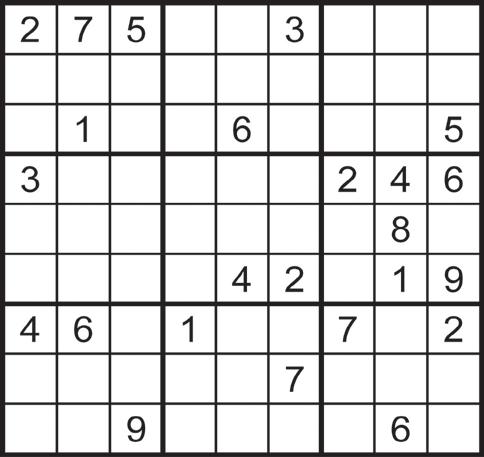
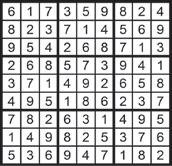

Anya’s small business recently got a little smaller, so her turnover has not reached $75,000 for the last six months and it is not expected to increase in the future.
As a result, she decided to deregister from GST so that she didn’t have to pay it going forward.
I told her deregistering from GST was relatively simple; there was a form to complete.
"If, as in your case, you have been registered for more than 12 months, the ATO must cancel your registration,"I said.
"However, in the case of anyone who has been registered for less than 12 months, the ATO may cancel the registration at its discretion."
I advised her there were some other things she needed to do that were a little more complex.
"Firstly, you need to lodge your final BAS within 21 days of the cancellation date and there may be some GST adjustments you need to make to that BAS," I said.
"You also need to make sure that that BAS is paid before your deregistration is finalised.
“The biggest change is in the invoices you send out. You cannot issue a tax invoice, you have to issue an invoice and, on that invoice, it has to say GST $0.00 just to make it clear to all concerned that you are not registered for GST and that they have no GST claim against the amount that has been paid to you.
“There is a further adjustment required in your final BAS for plant and equipment you bought within the last five years and that you claimed an input tax credit for.
"Some of that refund you received may have to be repaid if you are still using the equipment. We can calculate for you the amount of this adjustment to go into your final BAS. I note you bought some new computer equipment recently, which I assume you are still using.”
Anya confirmed this, saying: "What happens if my turnover starts to increase and I decide to expand the business?”
I said: “You are required to register for GST when you predict that your turnover in the next 12 months is going to exceed the threshold of $75,000.
"This may happen next month or in six months' time. Either way, you are required to register at that point. Registering is as simple as it was to deregister. You can complete a form or even ring the ATO. "The fact that you are registered or not, will appear on your Australian Business Register record and can be easily checked.
"Many businesses register and deregister from GST on multiple occasions. When you re-register you will have to start using tax invoices again and you need to show the amount of GST charged on every invoice.
"The ATO has a summary sheet on registering for GST and how to prepare invoices which you can easily obtain from the tax office site.
“As you can see, registering or deregistering from GST is a fairly simple process. However, it is the invoicing requirements and the disposal of assets on deregistering that are the likely sticking points.”
Anya asked us to help deregister her from GST, and said she would send me the proposed invoice layout to ensure she was satisfying all the criteria.
If you need any information on GST, small business, or any tax related matter contact the expert team at Gail Freeman & Co Pty Ltd on 02 6295 2844.
Gail Freeman & Co Pty Ltd 02 6295 2844 Unit 9, 71 Leichhardt Street, Kingston ABN 57 008 653 683


Winnunga Nimmityjah Aboriginal Health and Community Services is a community-controlled health service
in Narrabundah, providing holistic, culturally safe care to Aboriginal and Torres Strait Islander people across the ACT and surrounding regions.
WINNUNGA OFFERS A WIDE RANGE OF SERVICES, INCLUDING:
Health and Medical Care
• GP and specialist clinics
• Aboriginal Health Workers
• Chronic disease support, pathology, immunisations, dental, optometry, and more
Pregnancy, Parenting and Family Support
• AFPP: Free support for young, first-time Aboriginal mums from pregnancy to bub’s second birthday
• Healthy Pregnancy Group & Childbirth Classes
• Mums and Bubs Clinic
Quit Smoking Support
• Free nicotine replacement therapy, personalised quit plans, and culturally safe support through the Tackling Indigenous Smoking program.
Social and Emotional Wellbeing
• Counselling and mental health support
• Drug and alcohol programs
• NDIS, court and justice support
Community and Justice Programs
• Men’s and women’s groups
• Yarning circles, nutrition and healing programs
• Support for people in custody and post-release