Perils of using internet symptoms to self-diagnose
HEART HEALTH
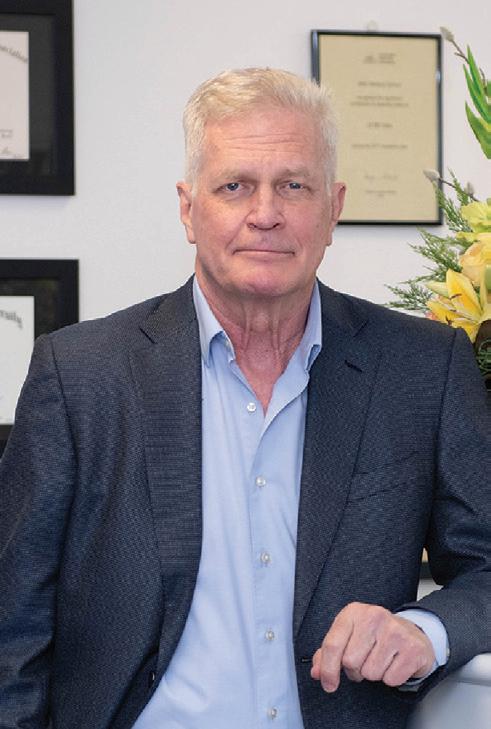
Why men need twice the exercise
SUNSCREENS
Here’s how to choose a safe one
STRESS
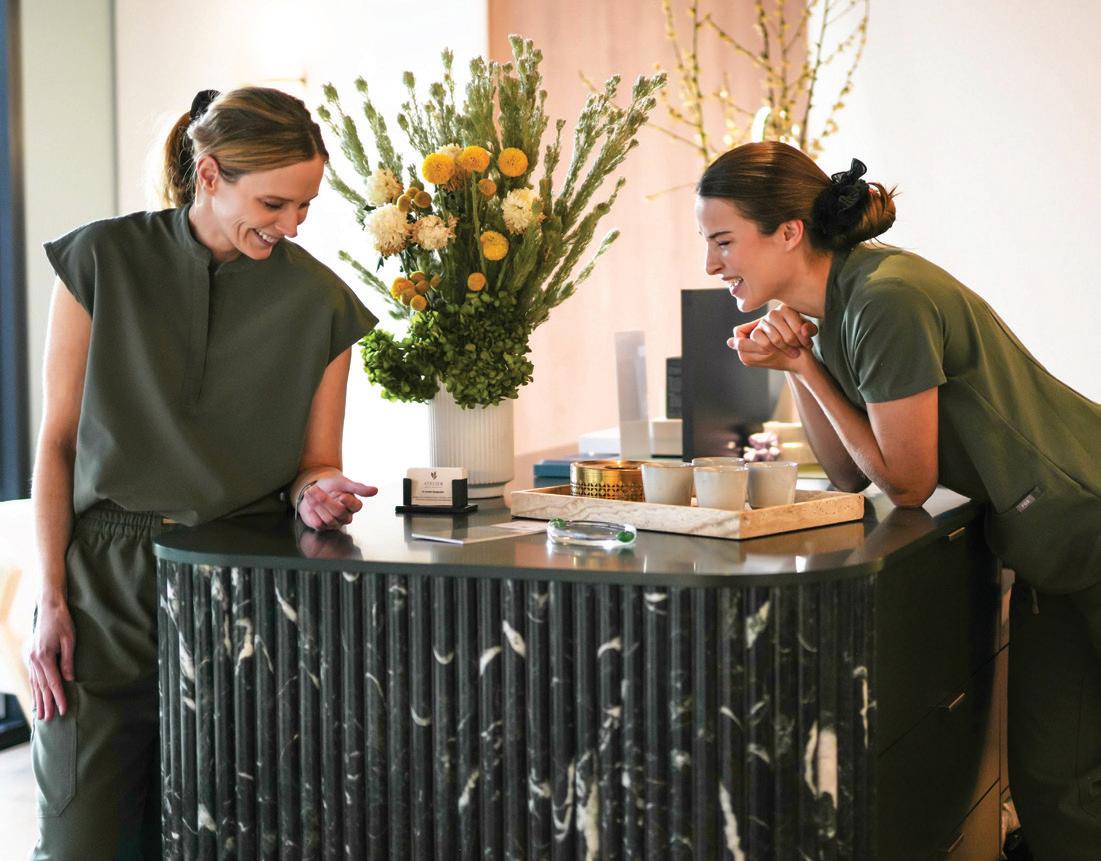
Let go and have a good laugh
HEALTH & WELLBEING / psychology
Hugh Mackay loves to listen to people, just saying
By Rod HENSHAW
Canberra-based Hugh Mackay is one of this country’s best known and acclaimed social psychologists and academics, not to mention the author of 25 best-selling books on all sorts of subjects, his latest being Just Saying.
It’s just that – a collection of famous sayings, but more about that later.
The thought of spending time in conversation with Hugh Mackay can be slightly daunting, because, in simple terms, he knows a lot of stuff that you don’t.
But in a lengthy interview, his gentle manner of explaining things – including about himself – is a pleasurable listening experience. Like having a conversation with a friend you haven’t seen for years over a few drinks. He has been described as the man who explains us to ourselves; a description he’s comfortable with.
“Several people have said that. Someone once introduced me at a conference saying that. And I thought that actually is quite nice,” he said.
“If that was on my headstone on my grave, I’d be quite happy. I think that
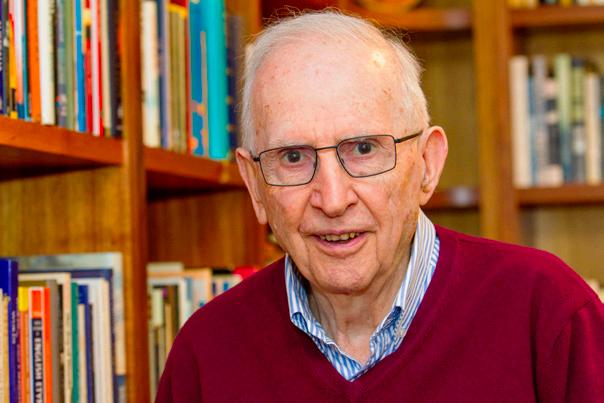
Hugh Mackay
“I
was kind of what my role has been.”
That role has evolved through several iterations since he left school at the age of 16 and had no idea what he wanted to do.
His father soon played a pivotal role in pointing the young Hugh in the right direction.
“My parents explained to me that I would have to go to work and contribute board to the household. If I wanted to go to university – no-one in my family had – it would be as an evening student. So I had no idea what I might do,” he said.
“My father, who was in advertis -
ing, had heard of this new little industry that was just developing called market research and he made an appointment for me to go to a job interview. He attended, too, in the way it happened in 1955.
“I got a job at McNair, which was one of three research companies operating in Australia. So, at the age of 16, I rolled up and started a career which absolutely consumed me, it engrossed me.
“Very early on, I realised that even if you’re doing commercial market research, you’re studying human behaviour.
Since 1993: Volume 32, Number: 2
General manager: Tracey Avery, tracey@citynews.com.au
With decades of experience, Linda will help you create a Will and Estate plan stipulating all your wishes and concerns.
Linda assists with:
• Wills and Testamentary Wills
• Power of Attorney
• Self-managed super funds
• Advice on potential claims against estates
• Advice for blended families
“Why do people choose brand A or brand B and why do people watch that television program and not this one?
All the ‘why’ questions that intrigued me about people. That turned out to be what my job was.”
And that, essentially is what his job has remained for decades – social psychologist and researcher. Except for a year, when he decided to branch out to become a teacher at a regional boarding school in Queensland. He describes that year as an experiment.
“I was teaching five subjects. I was a resident house master. I was the school librarian, choirmaster, officer of cadets, rugby coach. It nearly killed me”, he said, only half-jokingly.
Hugh willingly abandoned his teaching aspirations and went straight back to marketing at the ABC, in the audio research department.
“It was a thrill to get back into research at a very exciting time.
Television was still a very new medium and the ABC audience research department was led by an imaginative, creative bloke who really transformed my thinking about research and my subsequent career,” he said.
After three years at Auntie, he decided to branch out into his own business, but research and all aspects of it have remained at the core of his motivation.
Hugh says he considers himself introverted by nature, but he is
fascinated by people. He loves listening to them and admits he can’t resist psychoanalysing them.
“I find social situations quite challenging. I think my father must have intuitively known this when he suggested this as a career. I’ve always been a bit on the outside watching,” he said.
“I used to sit up in a tree in the street where I grew up in Sydney watching people pass by and loving that feeling of being the observer of what people were doing and saying.
“I had plenty of friends and I wasn’t an outsider. But I was, by nature, an observer. It really suited my natural curiosity.”
It was this curiosity behind his 25 books, including his latest tome Just Saying, drawn from 25 famous utterances from a vast range of famous people.
“The publisher suggested 50 and I said, no. I’m too old and too tired to do 50. I could easily have done 50, as it turned out,” he said.
“But I think 25 is digestible for the reader. And, of course, it was enormous fun. A thousand words on each (person). It’s 25 five or six-minute reads.
“It’s the easiest read anyone would have got from me”, he chuckled.
Just Saying is published by Allen & Unwin.
at home in Canberra…
used to sit up in a tree in the street where I grew up in Sydney watching people pass by and loving that feeling of being the observer,”
Photo: Rod Henshaw
Fibre, the next big food fad. Story Page 6.
HEALTH & WELLBEING / healthy communities
Governments get you so far, then it’s up to you…
We all know someone who lives a healthy lifestyle – exercises regularly, eats well, maintains a healthy weight, drinks in moderation, is appropriately vaccinated and regularly visits his or her doctor. At times we strive to be like this.
It is appropriate for individual adults to take responsibility for their own health. However, the framework in which that responsibility is exercised fits into a range of “determinants of health”. These determinants are the factors that influence everyone’s health and wellbeing.
The reason for examining determinants of health is to be able to influence governments to make better decisions to improve the health of the populations. Such determinants of health include social, economic, commercial and educational.
On a statistical basis, as an example of economic determinants, the life expectancy for people living in an upper middle-class suburb in a city can be very different from that of a person living in a lower-class suburb.
The school that is attended reflects a similar story. Educational attainment is statistically aligned to health.
Prof Neil Davies, in the British Medical Journal wrote: “Education is a key
These are statistically based social determinants. There are, of course, individuals who rise above the challenges and grow beyond those statistical limits, and who often serve as role models.
Public’s Health. The charter identifies the core services for structural reform that will improve community health and expectation of longer lives.
component of social inequality and, in higher-income countries, higher attainment is strongly linked to lower mortality risk”.
The public education system in Australia has played a key role as a determinant of health.
However, in Canberra, the public education system seems to be falling further behind the private education system. As enrolments increase in the private-education system, they are decreasing in the public system.
The social determinants of health may also include upbringing as an Aboriginal or Torres Strait Islander person, or someone from a refugee or migrant background.
Another aspect of economics are the commercial determinants of health. Consider the food that is available near to where a person lives. The price of fruit and vegetables compared to junk food offerings and fizzy soft drinks in outer suburbs of big cities and in remote settings.
Individuals are not only called on to make difficult decisions for their families, but healthy choices are also much more complicated for some through a range of decisions by manufacturers and advertisers.
The impact of gambling on health is well documented. However, Australian governments seem largely hogtied when it comes to the simple structural reform of banning advertising. This worked well with regard to tobacco and could also apply to gambling.
The World Federation of Public Health Associations has distilled these issues in the Global Charter for the
Protection – safeguarding health through a One-Health approach includes regulating health practices, reducing hazards, preparing for emergencies, and securing essential health conditions.
Prevention – preventing diseases and injuries through accessible health services, vaccination, emergency preparedness and early intervention in emerging public health issues.
Promotion – promoting well-being by addressing health determinants and encouraging community involvement in health-related decisions
For governments, The Charter also emphasises how to achieve these three core services. They are:
Good Governance – establishing effective public health systems through policy development, multi-sectoral collaboration, and ethical frameworks.
Effective Advocacy – leading public health initiatives through community engagement, informed policy-making and communication strategies that build trust and promote healthy behaviours.
Capability Building – developing a skilled and diverse public health workforce, ensuring adequate resources, and creating sustainable career pathways.
Accurate Information – Delivering evidence-based public health data and research, utilising emerging technologies and maintaining robust data management systems.
Concentrating on improving individual health has an important place. However, as Johns Hopkins School of Public Health frames population health, it is about “saving lives – a million at time”.
Governments can play a key role in establishing a healthy environment and healthy determinants. However, the responsibility of the individual remains the single most pertinent determinant of health.
Michael Moore, former member of the ACT Legislative Assembly and an independent minister for health, is a past president of the World Fed eration of Public Health Associa tions.
a healthy environment, but the responsibility of the individual remains the single most pertinent determinant of health. Photo: Kampus Productions
Our team of physiotherapists can support you with:
• GLA:D® Program for hip and knee osteoarthritis
• Education on self-management and joint health
• Supervised group sessions to build strength and confidence
• Pain management and strategies to reduce medication use
• Tailored support to prepare for or avoid joint replacement surgery
• Ongoing care with our exercise physiologists and exercise scientists
Our physiotherapists work closely with our exercise physiologists and exercise scientists, so if you need hydrotherapy or other exercise support, you can keep your care in the hands of one practice.
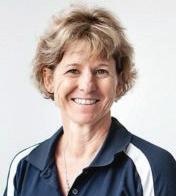
Jacqui Couldrick Physiotherapist
Jacqui Couldrick is a physiotherapist with over 20 years’ experience in sports injuries and musculoskeletal conditions, including work with the Australian Defence Force. She has a PhD on exercise therapy for knee osteoarthritis and delivers programs such as GLA:D® and PEAK at Arthritis ACT. Jacqui is passionate about non-surgical, evidence-based interventions and teaches the GLA:D® course nationally.
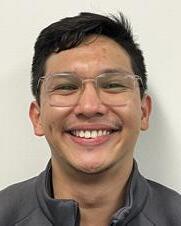
Emil Terbio Physiotherapist
Emil has come to Arthritis ACT highly recommended by clients he has worked with previously. With experience in the hospital system and private practice, Emil has interests in neurology, chronic pain and sports injury management and prevention. Emil is a soccer fan and assists local clubs in his spare time on weekends.
our services;
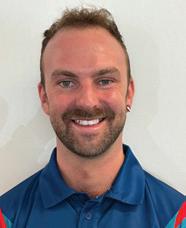
Nick van Diemen
Physiotherapist
Nick (they/them, he/him) has returned to Canberra after completing a Master’s in Physiotherapy at the University of Queensland. Their passion comes from a love of science and helping people. With eight years in disability support, Nick brings broad experience and enjoys working with clients across a wide range of needs.
Breaking down fibre, it’s
The next big Western world food fad is fibre, but how much do you need? DEE-ANN DURBIN dangers of fibremaxxing.
Consumers who have had their fill of finding protein added to everything from cereal to ice cream are about to meet the next big food fad: fibre.
Americans have been boosting their protein intake for years, but the number of new products promoted with high or added fibre saw a big uptick in the US last year, according to market research team Mintel. Hundreds of videos on social media celebrate the benefits of dietary fibre and share recipes to help viewers get more of it.
There’s even a term for trying to meet or exceed the recommended daily fibre intake: fibremaxxing.
potatoes.
“I think fibre will be the next protein,” PepsiCo CEO Ramon Laguarta said during a recent conference call with investors. “Consumers are starting to understand that fibre is the benefit that they need.”
Unlike muscle-building protein, fibre isn’t sexy. It’s a carbohydrate found in plants that your body can’t break down. It helps feed gut bacteria and move food through the digestive system.
Studies have shown that fibre lowers cholesterol levels, regulates blood sugar and promotes weight loss, since high-fibre foods tend to make eaters feel more full. It may also protect against heart disease, diabetes, diverticulitis and colon cancer, according to the American Heart Association.
How much fibre do we need?
Most people in Western countries could use more fibre because their diets are low in vegetables, fruits and
whole grains, said Sander Kersten, director of the Division of Nutritional Sciences at Cornell University.
Under the US Department of Agriculture’s guidelines, adults should aim for 14 grams of fibre for every 1000 calories they consume. That’s about 25 grams of fibre for women and 38 grams for men each day. Petitpain said Americans generally only get about two-thirds of that amount. For reference, 1 cup of raspberries
next big food fad
contains 8 grams of fibre, while a banana contains 3.2 grams, according to the USDA. One-half cup of avocado contains 5 grams of fibre and 1 cup of lima beans contains 13.2 grams. fibre
One, a bran cereal, packs 18 grams of fibre into a 2/3-cup serving.
Good ways to increase fibre
Kersten said long-term studies about the benefits of fibre have looked at the consumption of whole foods and not packaged products with added fibre.
An apple contains 4.8 grams of fibre as well as water, vitamins and minerals, for example.
Here are some recommendations from the Mayo Clinic for adding fibre to your diet:
• Choose a breakfast cereal with 5 grams or more of fibre a serving. Top it with a sliced banana or berries.
• Choose breads with at least 2 grams of fibre per serving and try other grains like brown rice, whole-wheat pasta and quinoa.
• When baking, substitute whole-grain flour for white flour. Add wheat bran to muffins and cookies.
• Try to eat five or more servings of fruit and vegetables daily. If you eat canned fruit, make sure it’s canned in fruit juice and not syrup, and make sure canned vegetables are low in sodium.
Think twice about fibremaxxing
There is no defined upper limit for fibre intake, Kersten said. But increasing fibre can cause painful gas and bloating, especially if it’s done quickly.
Debbie Petitpain, a registered dietitian and a spokeswoman for the Academy of Nutrition and Dietetics said people should increase their fibre intake gradually and drink plenty of water.
“You’re feeding gut bacteria a food, and you can’t break it down. You rely on them, and if you give them second, third and fourth servings, there’s not enough of them to handle the extra load,” Petitpain said.
Certain populations should also be extra careful about their fibre intake, Petitpain said. People who are sensitive to gluten or allergic to foods such as soy, shellfish or psyllium husk should read labels carefully since some foods with added fibre contain those ingredients.
More broadly, Kersten questions the trend of focusing on one nutrient, whether it’s protein or fibre.
“We don’t need nutrients, we need foods. Ultimately, what you want to be striving for is a healthy diet, and you should choose foods that are considered to be an important part of a healthy diet,” he said.
–Associated Press
Choose a breakfast cereal with five grams or more of fibre a serving. Top it with a sliced banana or berries.
Photo: Nathan Cowley
A second opinion on hearing loss – you need professional advice, not a sales pitch
A woman came into my clinic for a consultation about her hearing aids, telling me her hearing aids were 4 years old and she had never found them to be of much help. She said the salesperson quoted her $14,000 for a pair of hearing aids, however, the monthly special of 20% discount meant they cost her $11,200. So, she ‘only’ paid $11,200 for hearing aids that did not help her. Sadly, I hear this all too often.
Here are some things to do to avoid this type of problem:
1. Visit your GP. If you or someone you know has a problem with their hearing, visiting your GP to check for wax in the ears, and to get advice is a starting point.
2. Qualifications. Always check the qualifications of the person you are dealing with. A person without professional qualifications has no business advising you about your hearing. They need to belong to a professional association with a Code of Conduct, so you know they are acting in your best interests, not their own.
years. If you are not sure about their advice, then seek a second opinion. The wrong hearing aids can be an expensive waste and could lead you to stop wearing them. You should always have a trial of hearing aids to ensure that they are right for you.
6 Pensioners and eligible DVA card holders often have entitlement to free services. If you are covered by a government concession, then let the clinician know (even though your clinician should ask). Eligible clients may obtain free hearing tests, consultations, and free hearing aids (referred to as fully subsidized hearing aids).
“A person without professional qualifications has no business advising you about your hearing. They need to belong to a professional association with a Code of Conduct, so you know they are acting in your best interests, not their own.”
– Dr Vass
These hearing aids are appropriate for many people, however if you have great difficulty hearing in background noise (for example a restaurant), then you may want to consider partially subsidized hearing aids. This is when the government pays a certain amount, and you pay for additional features and benefits. Your decision should be based on the following:
you are dealing with a qualified clinician, then they belong to a professional association. The best contact is an independent complaints body referred to as Ethics Review Committee. You can email ethics@auderc.org.au and view the website www.auderc.org.au. You can make an anonymous complaint and your complaint will be handled in a confidential and professional manner. If you are in the ACT, contact the ACT Human Rights Commission email human rights@act.gov au and the website www.hrc.act.gov.au
3. Independent advice. You should get independent, professional advice.
4. There are a wide range of hearing aids out there. Finding the right hearing aids for your communication needs can be challenging. Hearing aids vary in price and performance. Bluetooth® connectivity and rechargeable hearing aids are available on most hearing aids, along with apps that allow you to control your hearing aids from your mobile device. Be aware that just because a hearing aid is more expensive, that doesn’t mean they are the best hearing aid for you.
5. Just as hearing aids vary in performance, clinicians may also vary in performance due to training, experience, and skills. Make sure that you are comfortable and confident in their advice. You are likely to be with this clinician for the life of your new hearing aids, typically 4 to 5
(a) Can you afford the more expensive hearing aids? Don’t go into financial stress if you can’t afford them. (b) Are you clear on the free vs partially subsidized features & benefits? Never believe someone who tells you the free hearings are not good or of poor performance, this is simply not true. (c) If you try the partially subsidized hearing aids and are not happy, then return them. Do not keep hearing aids because you think the failure is yours or that you will improve over time. If the hearing aids are not working for you in the trial period, then they will not work for you in a year or two.
7. If you have a complaint, then seek help. Your clinician should be able to help you through most of your needs. Sometimes, a problem may be beyond the expertise of even the best clinician. However, if you have a complaint there are things you can do. If
Worried about 60? That’s
Worried about turning 60? GILES GIGNAC’s got the science that shows that’s when many of us actually peak.
As your youth fades further into the past, you may start to fear growing older.
But research my colleague and I have recently published in the journal Intelligence shows there’s also very good reason to be excited: for many of us, overall psychological functioning actually peaks between ages 55 and 60.
And knowing this highlights why people in this age range may be at their best for complex problem-solving and leadership in the workforce.
There’s plenty of research showing humans reach their physical peak in their mid-twenties to early thirties.
A large body of research also shows that people’s raw intellectual abilities – that is, their capacity to reason, remember and process information quickly – typically starts to decline from the mid-twenties onwards.
This pattern is reflected in the real world. Athletes tend to reach their career peak before 30. Mathematicians often make their most significant contributions by their mid-thirties.
Chess champions are rarely at the top of their game after 40.
Yet when we look beyond raw processing power, a different picture emerges.
In our study, we focused on
well-established psychological traits beyond reasoning ability that can be measured accurately, represent enduring characteristics rather than temporary states, have well-documented age trajectories, and are known to predict real-world performance.
Our search identified 16 psycho logical dimensions that met these criteria.
These included core cognitive abilities such as reasoning, memory span, processing speed, knowledge and emotional intelligence. They also included the so-called “big five” personality traits – extraversion, emotional stability, conscientious ness, openness to experience, and agreeableness.
We compiled existing large-scale studies examining the 16 dimensions we identified. By standardising these studies to a common scale, we were able to make direct comparisons and map how each trait evolves across the lifespan.
Several of the traits we measured reach their peak much later in life.
For example, conscientiousness peaked around age 65. Emotional stability peaked around age 75.
Less commonly discussed dimensions, such as moral reasoning, also
adults show declines in reasoning speed and memory, others also maintain these abilities well into later life.
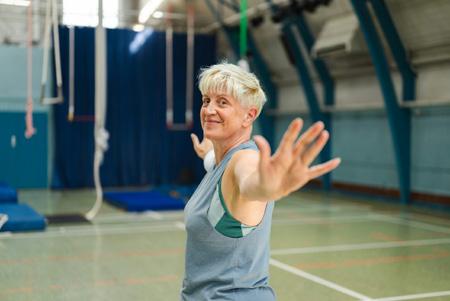
Photo: Unsplash/Centre for Ageing Better
appear to peak in older adulthood. And the capacity to resist cognitive biases – mental shortcuts that can lead us to make irrational or less accurate decisions – may continue improving well into the 70s and even 80s.
When we combined the age-related trajectories of all 16 dimensions into a theoretically and empirically informed weighted index, a striking pattern emerged. Overall mental functioning peaked
people peak
between ages 55 and 60, before beginning to decline from around 65. That decline became more pronounced after age 75, suggesting that later-life reductions in functioning can acceler-
Our findings may help explain why many of the most demanding leadership roles in business, politics, and public life are often held by people in their fifties and early sixties. So while several abilities decline with age, they’re balanced by growth in other important traits. Combined, these strengths support better judgment and more measured decision-making – qualities that are crucial at the top.
Despite our findings, older workers face greater challenges re-entering the workforce after job losses. To some degree, structural factors may shape hiring decisions. For example, employers may see hiring someone in their mid-fifties as a short-term investment if retirement at 60 is likely.
In other cases, some roles have mandatory retirement ages. For example, the International Civil Aviation Organisation sets a global retirement age of 65 for international airline pilots. Many countries also require air traffic controllers to retire between 56 and 60. Because these jobs demand high levels of memory and attention, such age limits are often considered justifiable.
However, people’s experiences vary.
Research has found that while some adults show declines in reasoning speed and memory, others also maintain these abilities well into later life. Age alone, then, doesn’t determine overall cognitive functioning. So evaluations and assessments should focus on individuals’ actual abilities and traits rather than age-based assumptions.
Taken together, these findings highlight the need for more age-inclusive hiring and retention practices, recognising that many people bring valuable strengths to their work in midlife.
Charles Darwin published On the Origin of Species at 50. Ludwig van Beethoven, at 53 and profoundly deaf, premiered his Ninth Symphony. In more recent times, Lisa Su, now 55, led computer company Advanced Micro Devices through one of the most dramatic technical turnarounds in the industry.
History is full of people who reached their greatest breakthroughs well past what society often labels as “peak age”. Perhaps it’s time we stopped treating midlife as a countdown and started recognising it as a peak.
Gilles E. Gignac, associate professor of psychology, The University of Western Australia. Republished from The Conversation.
Fore Group is a specialist fitout, refurbishment and new-build company that has the skills, technical capability and most importantly, the right people to deliver your project.
At Fore, our people are our difference.
West Block Refurbishment
MED, Hospitality Fitout
HEALTH & WELLBEING / laughter
Stressed? Let go and give yourself a good laugh
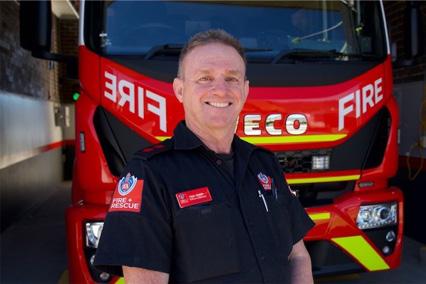
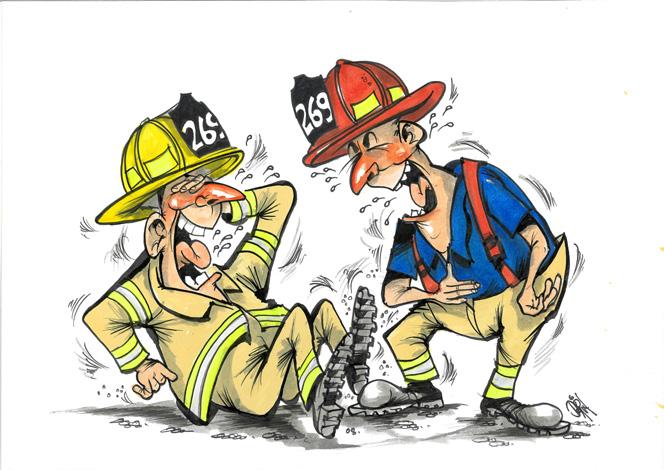
CityNews cartoonist PAUL DORIN gets his laughs from the usual suspects, but in his serious role as a senior first responder some of his favourite moments are back at the fire station, “where shared laughter creates an environment where team members feel comfortable expressing their emotions, vulnerabilities and their best (and worst) jokes.”
People say laughter is the best medicine. I think I have what I’d call a “quirky” sense of humour, probably not surprising for a cartoonist.
My brain is a crowded apartment filled with over-caffeinated doodles, each one desperate to be the next punch line. My goal is to make others laugh or at least chuckle.
I love clever comedy, and I’ve come to realise that humour is different for everyone. What I find funny may not be your cup of tea – and vice versa.
Sometimes there’s that great “aha” moment when a reader instantly gets the cartoon, and it clicks perfectly. But I also know that not everyone who reads my cartoons is going to find them funny, and that’s okay. Comedy is wonderfully subjective, and that’s part of what makes creating it so interesting.
So how do I get my dose of laughter medicine?
I get my laughter the same way I
give it: by noticing the silly, the un expected, the wonderfully ridiculous moments hiding in the corners of everyday life. My Uncle John had the gift too and always made me laugh. I love shows such as Have You Been Paying Attention? and The Cheap Seats. They deliver news in a funny, light-hearted way and sometimes even spark ideas for new cartoons. Kath & Kim is another favourite. The humour was a unique blend of brilliant comedy and hilariously clever television. Observational and situational comedy works every time for me, and that show nailed it. It’s
famous for its sharp satire of suburbia, capturing everyday moments and would never fail to crack me up.
And then there’s Seinfeld, a show about nothing, mostly the things no one would consider important but that’s exactly what makes it hilarious, even decades later. Thanks to reruns, Seinfeld is still hilariously funny today and great for a laugh.
Cartoonists who’ve given me a laugh over the years and who I personally think are genuinely funny: include several editorial greats such as Paul Zanetti, Alan Moir, Warren
Brown, Bill Leak (1956-2017), and Frank Benier (1919-1998).
I’ve also always enjoyed classic comic strips such as Swamp by Gary Clark, Footrot Flats by Murray Ball (1939-2017), and Snake Tales by Allan Salisbury. Their styles, characters, and wit have all played a part in shaping my own sense of humour. You can always count on comedians for a good laugh, and the ones who never fail to crack me up are Carl Barron, Dave Hughes, Glenn Robbins and Nazeem Hussain. Each has a style that hits me in just the right way.
Watching them is like stepping into a world where everyday situations become hilariously relatable, and they never fail to lift my spirits.
Being a first responder has shown me just how powerful humour can be in managing stress. Humour acts as a release valve for the pressure that builds during traumatic events. For many first responders, the ability to laugh isn’t about ignoring what we face; it’s about processing our experiences and maintaining emotional resilience.
Some of my favourite moments happen back at the fire station, where shared laughter creates an environment where team members feel comfortable expressing their emotions, vulnerabilities, and, of course, their best (and worst) jokes.
My station is full of jokers and fun characters, and humour is one of the most effective ways we strengthen bonds and build camaraderie. I have had so many belly laughs.
A new recruit mentioned to me recently that he’d noticed something interesting: the way firefighters can be laughing one minute, then turn completely serious the moment the bells go off. It’s true our ability to switch modes so quickly is part of the job. The laughter helps us breathe, and the seriousness helps us serve.
Life is always better when you’re laughing!
Sweat tests to detect stress
Wearable sweat sensors could soon detect stress, glucose and other biomarkers in real time, with researchers developing patches for non-invasive monitoring, writes KATELYN CATANZARITI.
A humble bead of sweat can be telling, exposing first-date nerves, or an unexpected run for the bus.
But it has the power to reveal much more.
Testing sweat can detect key biomarkers linked to stress, diabetes and other health conditions, and researchers say wearable sensors could soon turn perspiration into a powerful, real-time diagnostic tool.
A team at the University of Technology Sydney is studying how next-generation patches, combined with artificial-intelligence analysis, could continuously collect and analyse sweat to track changes in the body throughout the day.
Analytical chemist Dayanne Bordin said sweat had long been used in fields such as drug monitoring, but advances in microfluidics and electronics were rapidly expanding what it could reveal.
“It’s a matrix that has been around for quite some time actually,” Dr Bordin said, referring to a biological fluid or material that can be analysed in the laboratory to detect substances of interest.
But a commercial rollout of patches is still some way off.
Further still will be incorporating the technology into pre-existing, wearable health monitors, although that possibility is also in the researchers’ sights.
Before sweat can be used widely for health monitoring, researchers need a better understanding of how people perspire and
what different bodies release.
Gender, age and physical fitness all influence sweat rates.
“So there are a few factors that need to be explored in order to be able to use the sweat for health monitoring,” Dr Bordin said.
Before wearable patches emerged, samples were collected using simple absorbent pads that collected the sweat but that water couldn’t penetrate.
With modern sensors, sweat could instead be channelled through tiny circuits that detect biomarkers such as levels of glucose or the stress hormone cortisol.
“There is a technological opportunity and also we know there are a lot of biomarkers that can be released into the sweat,” Dr Bordin said.
The fast-developing field of AI is expected to play a central role in interpreting the streams of data produced.
“AI can help you compile a compilation to better understand what’s happening on your health in the long-term,” Dr Bordin said.
Real-time glucose monitoring for diabetes and non-invasive tracking of stress levels are among the most promising applications. –AAP
CityNews cartoonist and fireman extraordinaire, Capt Paul Dorin AFSM.
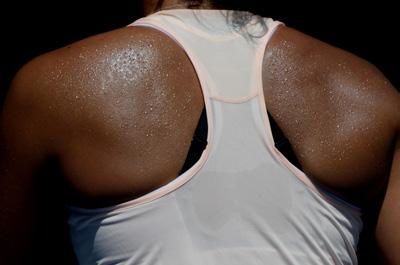
Testing sweat can detect key biomarkers linked to stress, diabetes and other health conditions.
Photo: Tracey Nearmy/AAP
STRONG HEALTH, STRONG CULTURE, STRONG COMMUNITY
Winnunga Nimmityjah Aboriginal Health and Community Services is a community-controlled health service
in Narrabundah, providing holistic, culturally safe care to Aboriginal and Torres Strait Islander people across the ACT and surrounding regions.
WINNUNGA OFFERS A WIDE RANGE OF SERVICES, INCLUDING:
Health and Medical Care
• GP and specialist clinics
• Aboriginal Health Workers
• Chronic disease support, pathology, immunisations, dental, optometry, and more
Pregnancy, Parenting and Family Support
• AFPP: Free support for young, first-time Aboriginal mums from pregnancy to bub’s second birthday
• Healthy Pregnancy Group & Childbirth Classes
• Mums and Bubs Clinic
Quit Smoking Support
• Free nicotine replacement therapy, personalised quit plans, and culturally safe support through the Tackling Indigenous Smoking program.
Social and Emotional Wellbeing
• Counselling and mental health support
• Drug and alcohol programs
• NDIS, court and justice support
Community and Justice Programs
• Men’s and women’s groups
• Yarning circles, nutrition and healing programs
• Support for people in custody and post-release
WELLBEING / exercise
For heart health, men need twice the exercise HEALTH &
Eye-opening: men need more exercise than women to see the same heart benefits, says JACK McNAMARA explains why.
Exercise is like medicine for the heart, and just like with medication, you need the right “dose” for it to be effective. But a recent study suggests that the dose might not be the same for everyone.
Researchers found that men need roughly twice as much exercise as women to see the same reduction in their heart disease risk.
This recent study asked over 85,000 UK adults aged 37-73 to wear an accelerometer (a device that measures body movement and activity levels) on their wrist for seven days. They then tracked each participant’s health outcomes for just under eight years.
The results are eye-opening.
Women who did roughly four hours of moderate-to-vigorous physical activity per week – activities, such as brisk walking, jogging, cycling or dancing, which raise your breathing and heart rate – had around a 30% lower risk of coronary heart disease. Men needed to do roughly nine hours of the same types of physical activity to see a similar reduction.
This was also true for people already living with heart disease. The paper estimated that women diagnosed with coronary heart disease needed to do around 51 minutes of physical activity each week to reduce their risk of death from any cause by 30% – while men needed to do around 85 minutes of exercise.
Although these findings might sound shocking
to the average person, they confirm something that exercise scientists have suspected for years. There is also a clear biological reason that can partly help explain why women and men see such different results from physical activity.
Biological differences
Women typically have higher oestrogen levels than men. This hormone has important effects on how the body responds to exercise.
Oestrogen can help the body burn more fat for fuel during endurance exercise and helps keep the blood vessels healthy – partly by supporting their energy-producing mitochondria (the tiny powerhouses inside cells that generate energy for vital functions).
Women also tend to have more slow-twitch muscle fibres, which are efficient and fatigueresistant. These muscles suit the kinds of steady, sustained physical activity most exercise guidelines recommend.
So the gap in “minutes needed” for similar heart benefits between women and men isn’t as shocking as the findings might suggest.
Since the study used device-measured activity, instead of asking people to recall from memory the amount of activity they did, this means the data on physical activity was accurate.
It’s also important to note the study still showed a graded benefit. More total weekly activity was linked to lower risk of coronary heart disease in both women and men. Everyone gains from moving more. The difference is just
9 Victoria Street Hall ACT 2618
Canberra’s own multidisciplinary sports medicine practice spearheaded by Sports Doctor Wilson Lo. We will help you reach your goals in life by managing your injuries - whether you are wanting to play in a grandfinal or play with your grandkids.
In 2026 Bruce Sports Medicine is offering a comprehensive weight management program.
Prescription and monitoring of weight loss medication
Expert individual dietary advice
Exercise programs and injury management
Counselling and motivational sessions
For a full list of services, please head to www.brucesportsmedicine.com.au or give us a call on 02 6253 5386
in how much activity buys the same reduction in risk.
The study does not claim that women should do less exercise – nor that men can’t reach similar benefits. It only shows that men may need more weekly activity to get there.
But there are limits to keep in mind. Activity was measured for only one week – then people were followed for about eight years.
And, as it’s an observational study, other factors that could have partly influenced the results were not taken into account – such as menopausal status (when oestrogen levels drop significantly) or whether a woman was using hormone replacement therapy (which can restore some oestrogen levels). These factors could influence how women’s bodies responded to exercise.
It’s also worth noting that the volunteers came from the UK Biobank study. These volunteers tend to be healthier and less deprived than the general population – factors which can affect baseline heart health, access to safe places to exercise and time available for physical activity. This can affect how widely the results apply to everyone.
For men, the message isn’t ‘double your gym time’. It’s to keep building activity in ways that fit your week – with more total minutes bringing even greater heart health benefits.
Still, these results make an important point about current exercise recommendations and whether they need to be revised.
Exercise recommendations
Medication can make a big difference but needs to be used in conjunction with an individualised exercise and dietary program.
Current exercise guidelines from the World Health Organization, the American Heart Association and the NHS are sex-neutral. But this new study challenges these recommendations – showing they might not apply equally to everyone.
For decades, most exercise research was done predominantly in men and results were often assumed to apply equally to women. As better device-based data arrives, we’re learning that women and men may get different returns for
the same number of active minutes. This matters because women and men experience heart disease differently – from symptoms to outcomes. If the amount of exercise needed to reach the same benefit also differs, our advice should reflect that while still keeping things simple and practical. This isn’t about telling women to exercise less. The 150-minute baseline remains a useful target – and many people don’t yet meet it. What these findings suggest is that women who meet current targets may see more heart health benefits per minute of exercise. That’s encouraging news for anyone who struggles to find time for longer workouts. For men, the message isn’t “double your gym time”. It’s to keep building activity in ways that fit your week – with more total minutes bringing even greater heart health benefits. Whether different types or intensities of exercise might be more efficient for men remains a question for future research. Both men and women clearly benefit from regular physical activity. That’s not in question. But what does need to be recognised is the clear biological differences that influence the returns men and women see from the same types of exercise.
Cardiac rehabilitation and exercise referral schemes often set identical targets for men and women. This new research suggests we may want to rethink schemes and tailor goals to each person’s starting point. But until cardiac rehabilitation becomes more personalised, the core message for now is: move more, sit less. Aim for the baseline 150 minutes of exercise each week if you can. More helps if you’re able to.
Jack McNamara, Senior Lecturer in Clinical Exercise Physiology, University of East London Republished from The Conversation.
Women typically have higher oestrogen levels than men. This hormone has important effects on how the body responds to exercise.
Photo: Kampus Production
Wondered what’s going on behind that chest wall?
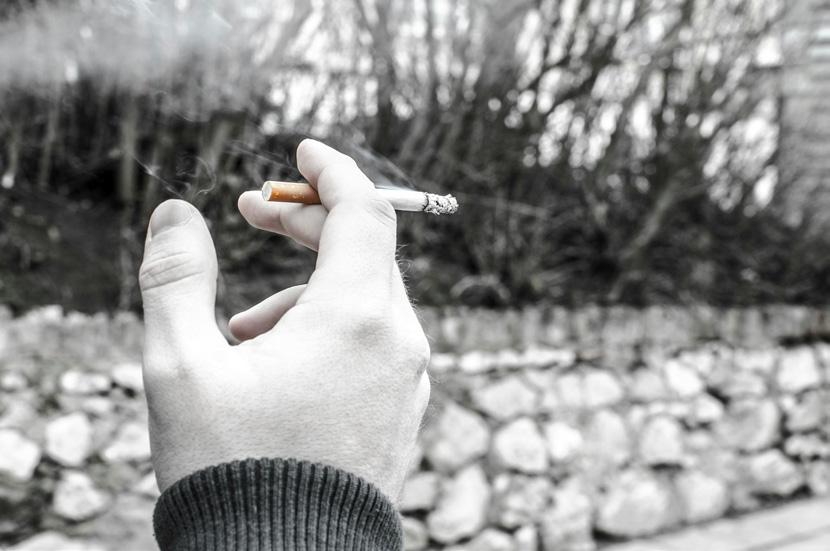
“People are so rude to smokers. You’d think they’d try to be nicer to people who are dying.”
What happens to our lungs as we age, and how do they compare from their peak performance – at ages 20-25 in women and 25-30 in men – with how they perform at ages 70-80?
Well, as we age, the lung tissue becomes less stretchy, so it doesn’t expand and contract as easily. This makes it harder to take deep breaths and fully empty the lungs. We have weaker respiratory muscles meaning that the dia phragm and chest wall muscles lose strength, reducing the power of inhalation and exhalation.
There are also changes in the chest wall. The rib cage stiffens with age due to calcification of cartilage. This limits chest expansion. There is less efficient gas exchange. The number of functioning air sacs gradually decreases, and their walls may thin or lose surface area. This reduces how much oxygen can pass into the blood.
of their youthful lung capacity. What does this mean for us in daily life?
The decline is most noticeable during exertion (climbing stairs, swimming, running) because reduced reserve capacity makes breathing harder.
The clearance systems are in decline. Mucus and pollutants aren’t cleared as quickly. This contributes to increased risk of lung infections in older adults.
Exposure to pollutants, smoking, and chronic diseases can accelerate the decline. Regular exercise, staying active and avoiding pollutants helps preserve lung function.
The main health threat for the
natural ageing of the lungs, often by decades, and damage can be extensive depending on how long and how heavily someone smokes.
Early evidence is that while vaping carries a lower cancer risk than smoking it carries increased risks of respiratory and cardiovascular problems.
By age 65 a healthy non-smoker may still have 80 per cent of peak lung capacity. A lifelong smoker may have only 40–60 per cent, often with disabling breathlessness.
On a positive note, after quitting smoking: Within weeks: airways become better at clearing mucus. Within months: coughing and shortness of breath improve as inflammation eases. Within years: the decline in lung function slows to near that of a non-smoker. Some capacity will be regained, but structural damage is permanent.
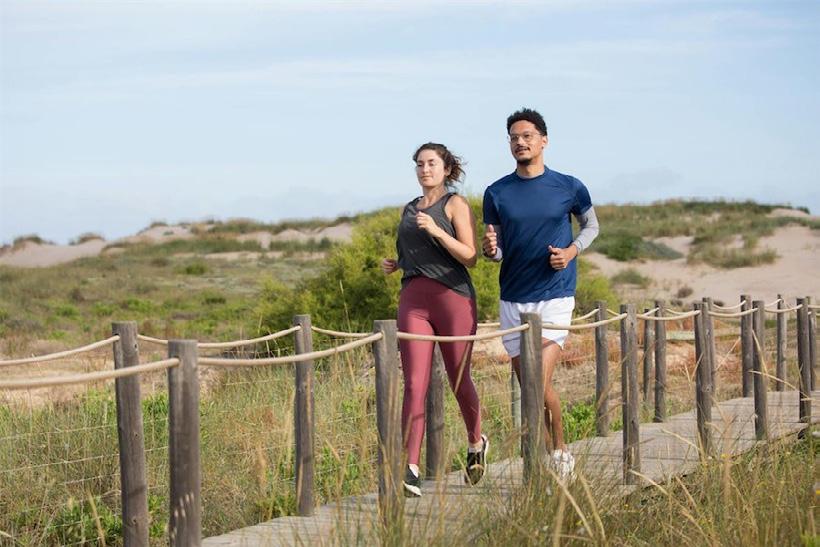
While exercise is invariably beneficial, jogging along busy roads can be bad for your lungs. Busy roads have high levels of nitrogen dioxide, particulate matter and other exhaust pollutants.
Long-term exposure can lead to reduced lung function, higher risk of asthma, bronchitis and other respiratory issues, and increased risk of heart disease and stroke.
The bottom line is look after your lungs if you don’t want to be gasping for breath in old age.
On a lighter note: After dying in a car crash, three friends attend an orientation session in Heaven. They are all asked the same question: “When you were in your casket and family and friends were mourning over you, what would you have liked to hear them say about you?”
The first guy responds: “I’d have liked to hear them say I was one of the greatest doctors of my time and a great family man”.
The second guy says: “I’d have liked to hear that I was a wonderful husband and a schoolteacher who made a huge difference to the children of tomorrow”.
The third guy thinks for a while and then replies: “I guess I’d have liked to hear them say, “Quick - call triple 0 – he’s moving.”
And Peter hops into the local theatrical agency. “What’s your act?” says the agent. “I’m Peter the parrot and I imitate a parrot,” says Peter.
“Oh, please” says the agent, “I get at least one offer like that a week. Forget it – and get the hell out of here.”
Peter screeches in disappointment and flies out the window.
Clive Williams is a Canberra columnist.
The fellowship that changed my life, Barry’s too
“If you stay close to this movement, son,
you’ll be alright.” ROSS FITZGERALD takes us on an intimate and painful journey through his dark days of destructive drinking to how Alcoholics Anonymous saved his life – and that of a famous friend.
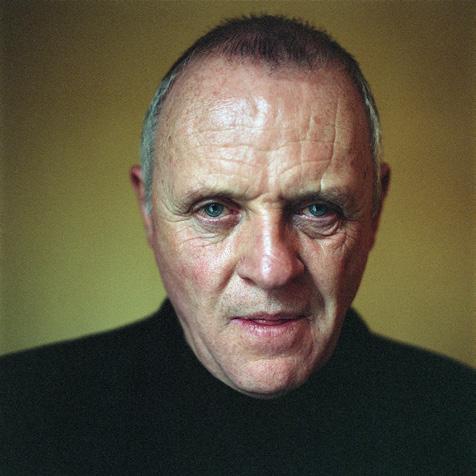
The late Barry Humphries, the legendary actor Anthony Hopkins, and I share two things in common.
The three of us achieved long-term sobriety due to the fellowship of Alcoholics Anonymous, and all of us have spoken and written widely about the AA movement. This has helped many people to join AA and stop drinking.
Until he died in 2023, Barry Humphries and I were friends for 61 years. We drank together, got sober together and worked together. We also wrote memoirs that detailed our destructive drinking and how important AA was to our lives and our careers.
In his two-part autobiography More Please (1992) and My Life as Me (2002), Humphries wrote candidly about what he used to be like as a drinker and what he was like as a sober alcoholic.
The same applies to Anthony Hopkins who was 50 years sober on December 29.
In his brilliantly revealing memoir, We Did OK, Kid (2025), Hopkins gives a warts-and-all account of his life as an extremely destructive drinker and then for decades as a productive sober person.
December 29, 1975, when, after driving his car through the night from Arizona to California while drunk, in a “blackout”, he realised that he was an alcoholic who could have killed himself, which he then didn’t care about, or much more importantly, somebody else.
As Hopkins puts it: “I came to my senses and said to an ex-agent of mine at this party in Beverly Hills, ‘I need help’. It was 11 o’clock precisely – I looked at my watch – and this is the spooky part: some deep powerful thought or voice spoke to me from inside and said: “It’s all over. Now you can start living. And it has all been for a purpose, so don’t forget one moment of it.”
Hopkins confides that this voice came from deep inside him: “But it was vocal, male, reasonable, like a radio voice. The craving to drink was taken from me or left.”
In fact, Hopkins still regularly attends AA meetings, not just in Los Angeles but wherever else in the world he is living or working.
Unlike Hopkins and Humphries, had I not started drinking at 14 I may well have taken my own life by the age of 17.
Three of my own books deal with being sober in Alcoholics Anonymous –two memoirs My Name is Ross: An Alcoholic’s Journey (2010) and Fifty Years Sober (2020), plus My Last Drink (2022) a co-edited collection of 32 stories of recovering alcoholics.
In October 1982 Quadrant had published my article, “Inside Alcoholics Anonymous”. This was the first detailed piece published in Australia about this topic.
The turning point in the life of Anthony Hopkins occurred on
When I joined Alcoholics Anonymous, I was at the end of the road. The stark reality is that, if I hadn’t stopped drinking and drugging at 25 years of age, I wouldn’t have made 26.
Unlike Hopkins and Humphries, had I not started drinking at 14 I may well have taken my own life by the age of 17. This is because, as a child I felt like a garbage-tip, and alcohol enabled me to hold down those dreadful feelings, but only for a while.
Then the progressive nature of the illness of alcoholism began to thoroughly take hold. This was until, through the agency of Alcoholics Anonymous, and particularly through attending AA meetings, on Australia Day 1970 I was able to stop drinking and using other mood-changing drugs
we were due to be discharged from Delmont, we were taken to an AA meeting at the Malvern Town Hall.
After the meeting I came up in tears to an inspirational AA member, “Antique Harry”, and asked: “Do you ever think I’ll get this thing?”
Instead of saying: “No hope unless you get off the tablets,” which is true but not particularly helpful, Harry said to me, with great gentleness: “If you stay close to this movement, son, you’ll be alright.”
Those words, which Barry overheard, changed our lives. With the assistance of “Antique Harry”, “Broken Hill Jack”, “Breathless Beryl” and other longtime members of AA, we both became free of alcohol and other drugs in 1970 and stayed that way.
Barry Humphries and I first met in 1963 at the Notting Hill Hotel near Monash University where I often stumbled around as a drunken student.
Six years later, after my return from Cleveland, Ohio, where I had been hospitalised many times for alcoholism and drug addiction, Barry and I were both admitted to a Melbourne hospital called Delmont.
The lead psychiatrist there, Dr John Moon, was a strong supporter of Alcoholics Anonymous.
The night before
Our years of alcoholic drinking had serious effects on our families. Our fathers, although very different – Barry’s a well-to-do, very conservative builder from Camberwell and mine a fitter and turner who captained Collingwood Football Club Seconds and only read the Saturday night edition of the pink-coloured Sporting Globe –became close in mutual concern for us both.
When we were both two years sober, I played a cameo role in the raucous Australian comedy, The Adventures of Barry McKenzie in 1972.
A year later I was with Barry at his first appearance as Les Patterson. Barry asked would I come with him to the Rooty Hill RSL Club in Sydney’s outer suburbs.
Shortly after we sat down in the auditorium, Barry got up and said: “I’ll be back soon.”
A little while later, a nondescript bloke in a crumpled suit stumbled on stage and said: “Gidday. Name’s Leslie Colin Patterson. Manager, Rooty Hill.”
When we were both two years sober, I played a cameo role in the raucous Australian comedy, The Adventures of Barry McKenzie in 1972.
BShortly before we got off the booze, Eric Humphries said to my father, Bill Fitzgerald: “I was so worried about Barry, I couldn’t play golf on Tuesday.” These poignant words remind me so much of Barry’s most endearing character, Sandy Stone.
My mother’s name was Edna.
Years later, when Barry invited her to a performance in Melbourne, Dame Edna Everage pointed to my mum and said: “There’s a real Edna here tonight. She’s going to be so cross I mentioned her!”
He then delivered a meandering monologue on the theme “Time Waits for No Man”. It took me a couple of minutes to realise it was Barry!
This was before he converted Les into Australia’s dribbling, randy, dipsomaniacal Minister for the Yartz.
arry often told me that Les Patterson was the character he enjoyed playing the most.
This was because, as a long-time sober person, he could channel all of his many negativities into the dreadful drunkard, Sir Les.
It was Barry Humphries who, on Guy Fawkes Day, 1974, introduced me to my future wife and friend of 45 years, the model and actor Lyndal Moor, who was then living with one of Australia’s richest men, Clyde Packer. At the time he was Barry’s manager. Lyndal and I met at a very large AA meeting at St Vincent’s Hospital in Darlinghurst, near Sydney’s Kings Cross, after which Lyndal never drank alcohol again.
My first words to her on November 5 were: “If you only knew what could happen to you if you stay close to
Alcoholics Anonymous.” Little did she know that, a year to the day, we would become lovers and that, on Guy Fawkes Day 1976, we would be married in the courtyard and garden of Lyndal’s little terrace house in Paddington.
When she ditched Clyde Packer (who fled to America never to return) to team up with me, Barry quipped: “Lyndal went from diamonds to boiled lollies!” Barry attended our wedding. His present was The Complete Oxford Dictionary, compressed into two large volumes, accompanied by a magnifying glass to enable us to read the small print. In the front, Barry wrote: “For darling Lyndal and Ross. In case you ever have ‘words’.”
Lyndal was 45 years sober when she died on January 22, 2020. I miss her more and more each day.
For decades, Barry and I attended Alcoholics Anonymous in Australia and also in England and the US.
These days, the only meeting that I can walk to is my Saturday 2pm home group, South Sydney, held at Kepos Street in Redfern.
If I can get a lift, I still try to attend two or three meetings a week. This is because it is only at AA that I feel truly useful.
As I sometimes say: “You don’t have to like me, but I am a remarkable example of what AA can achieve with someone so damaged – not just by alcohol and other drugs but also by lodes of ECT (“electro-convulsive therapy”) which in the 1960s I was given without anaesthesia.
Ross Fitzgerald AM is emeritus professor of history and politics at Griffith University. His recent books, all published by Hybrid, include a memoir, Fifty Years Sober: An Alcoholic’s Journey; the final Grafton Everest Adventure, Pandemonium, and Chalk and Cheese: A Fabrication, co-authored with Ian McFadyen.
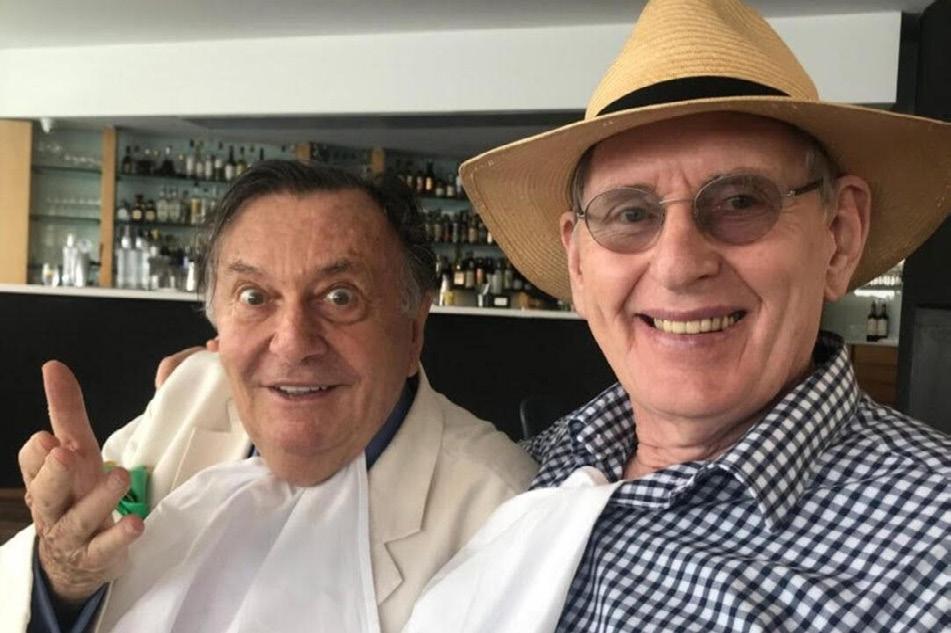
Barry Humphries, left, with Ross Fitzgerald at Catalina restaurant Sydney in 2019.
Australians are drinking less; alcohol consumption is decreasing. This is especially the case with young people, writes wine columnist RICHARD CALVER .
There is clear evidence that Australians are drinking less; alcohol consumption is decreasing.
Data from Australian Institute of Health and Welfare and the National Drug Strategy Household Survey that gives age-group breakdowns of selfreported abstinence or “no alcohol” over time (or close proxies) shows a marked decline.
This is especially the case with young people. One report says the proportion of 18-29 year olds abstaining more than doubled from 2001 to 2019. That reminds me, I once threw an abstinence party and no one came.
After peaking in the mid-1970s (around 13.1 litres per person per year), per capita alcohol availability (a macro indicator for consumption trends) fell markedly into the early 1990s, then hovered around 10-11 litres for a couple of decades, rose modestly in the 2000s, and since then has generally trended downward.
In the most recent data, per capita availability dropped to 9.8 litres per person in 2023-24.
Wine remains the largest single contributor to alcohol availability in recent years; for example, in 2023-24
wine accounted for circa 42 per cent of total pure alcohol avail ability. Over the most recent years, the absolute volume of pure alcohol from wine per capita has declined.
Wine Australia says that the latest global consumption data re veals that in 2024, wine consump tion volumes declined by 3 per cent, while total value increased by 1 per cent. Looking ahead, both volume and value are forecast to soften slightly, declining by 1 per cent per year through to 2029.
The question arises: are those cutting back drinking more zero or low-alcohol wines?
The answer is “yes”. According to a 2025 market update by Wine Australia, among regular wine drinkers in Australia up to 20 per cent report reducing alcohol by choosing lower-alcohol options, and 14 per cent sometimes opt for non-alcoholic drinks.
The same report noted that among regular wine drinkers, the younger generations (Gen Z and Millennials, that is 18-39 years old combined) are most likely to report actively reducing the amount of
alcohol they drink. They are also more likely than older age groups to do this by choosing lower-alcohol options. Not surprisingly, then, Gen Z and Millen-
nials make up 52 per cent of buyers of lower-alcohol wines, compared with making up 40 per cent of all regular wine drinkers. In line with this trend, some
winemakers are opting to produce low
Brown Brothers sent me three of their new wines in this range to taste. Released in November were the Sauvignon Blanc Zero, Pinot Grigio
I asked my ex wife to taste the Sauvignon Blanc Zero with me, as this has been her drink of choice for decades. What did she think of this
“It tastes a lot like another nonalcoholic sav blanc I’ve tasted,” she
“Like the local brand I tasted, this one has a dominant lime flavour. It’s citrus, lime/lemony, very drinkable. But it is not my preference. I like a flinty, gutsy New Zealand sav blanc like my regular quaffing drink of a
“I can get that for between $15 to $20. I know it would be better for my health to regularly drink loweralcohol wines but it wouldn’t be as
That sentiment reminds me of a bloke who walked into a bar.
“I saw my doctor today,” he tells the bartender. “He told me I have to quit drinking.”
“That’s awful, mate”, the bartender says.
“Yeah, it’s going to be a big change for me,” the bloke says. “I’ve been with that doctor for 15 years.”
Photo: George Frewat
Exercising in later life can reduce dementia risk HEALTH & WELLBEING / dementia
The suggestion that midlife activity benefits some individuals differently depending on their genetic risk, while late-life activity benefits nearly everyone, may also add a new layer to public health messaging, says A/Prof JOYCE SIETTE .
For years, scientists have known that moving our bodies can sharpen our minds. Physical activity boosts blood flow to the brain, enhances neuroplasticity and reduces chronic inflammation.
These processes are believed to protect against cognitive decline, including dementia.
Yet despite decades of research, major questions have remained unresolved.
Does exercising at any age help reduce your risk of dementia? Or only when you’re young? And what if you have a higher genetic risk – can exercising still make a difference?
New research from the long-running Framingham Heart Study in the US offers some of the clearest answers to date. Their findings support what many clinicians already tell patients: exercise helps.
But the study also offers new insight into the potentially protective effect of staying active at the age of 45 and over – even for those with a certain genetic predisposition to dementia.
EXPERIENCED FEMALE GP IN CANBERRA
ACCEPTING NEW PATIENTS
Located in the heart of Canberra’s medical precinct in Deakin
At Canberra Family Health Centre, we are dedicated to providing comprehensive, patient-focused healthcare for individuals and families. Located centrally in Deakin, our centre offers a wide range of medical services designed to meet your health needs at every stage of life.
The new research draws on data from 4290 participants enrolled in the Framingham Heart Study Offspring cohort. This study began in 1948, when researchers recruited more than 5000 adults aged 30 and over from the town of Framingham, Massachusetts, to investigate long-term risk factors for cardiovascular disease.
In 1971, a second generation (more than 5000 adult children of the original cohort, and their spouses) were enrolled, forming the Offspring cohort. This generation then had regular health and medical assessments every four to eight years.
In the new study, participants self-reported their physical activity. This included incidental activity such as climbing stairs as well as vigorous exercise.
Participants first reported these activities in 1971, and then again over several decades. Based on the age at which each participant was first evaluated, they were grouped into three categories:
• young adulthood (26–44 years): assessed in the late 1970s
Photo: Centre for Ageing Better/Unsplash
• midlife (45–64 years): assessed during the late 1980s and 1990s
• older adulthood (65 years and over): assessed in the late 1990s and early 2000s.
To examine how physical activity influences dementia risk, the researchers looked at how many people developed dementia in each age group and at what age they were diagnosed.
Then they considered physical activity patterns within age groups (low, moderate, high) to see if there was any link between how much exercise people did and whether they developed dementia.
They also looked at who had a known genetic risk factor for Alzheimer’s disease, the APOE 4 allele.
Associate Professor Maryse Badawy
MB/ BS Degree, FRACGP, FHKAM (Family Medicine), Grad Dip Fam Med, Master Family Medicine, Member Australasian Menopause Society
National and International Family Medicine and Academic experience.
Over the follow-up period, 13.2 per cent (567) of the 4290 participants developed dementia, mostly in the older age group.
This is quite high compared with other long-term longitudinal dementia studies and with Australian rates (one in 12 or 8.3 per cent Australians over 65 currently have dementia).
When researchers examined physical activity levels, the pattern was striking. Those with the highest levels of activity in midlife and later life were 41-45 per cent less likely to develop dementia than those who had the lowest levels of activity.
This was the case even after adjusting for demographic factors that increase dementia risk (such as age and education) and other chronic health factors (such as high blood pressure and diabetes).
Interestingly, being physically active during early adulthood did not influence dementia risk.
A key innovation of this study was its examination of the genetic risk factor, the APOE 4 allele. This analysis suggests something new:
• in midlife, higher physical activity lowered dementia risk only in people who didn’t carry this genetic predisposition
• but in later life, higher physical activity lowered dementia risk in both carriers and non-carriers.
This means for people genetically
predisposed to dementia, staying active later in life may still offer meaningful protection.
The findings largely reinforce what scientists already know: exercise is good for the brain.
What sets this study apart is its large sample, multi-decade follow-up, and its genetic analysis across different life periods.
The suggestion that midlife activity benefits some individuals differently depending on their genetic risk, while late-life activity benefits nearly everyone, may also add a new layer to public health messaging.
Dementia cases in the youngest age group were rather rare too, so the small sample limits how definitively we can make conclusions about early adulthood.
The cohort is also predominantly of European ancestry and share environmental factors as they come from the same town, so this limits how much we can generalise the findings to more diverse populations.
The takeaway is refreshingly simple though: move more, at any age. At this stage we know there are more benefits than harm.
Joyce Siette, deputy director, The MARCS Institute for Brain, Behaviour and Development, Western Sydney University. Republished from The Conversation.
Salt swap can help save lives
New research says a simple swap from regular salt, which is high in sodium, to potassiumenriched salt can reduce the risk of high blood pressure (hypertension) – the leading cause of preventable death in Australia.
A new paper by Australia’s National Hypertension Taskforce says the switch can significantly reduce high blood pressure and the risk of stroke and heart attacks, particularly for people already living with hypertension.
National Hypertension Taskforce member and Stroke Foundation CEO Dr Lisa Murphy, says this small change can make a big difference.
“Your traditional Sunday roast or summer barbecue will still taste the same but will be better for your health.
“Research shows us that high sodium consumption is linked to hypertension so replacing sodium with potassium, an important mineral found in fruit and vegetables, is a simple but effective way to reduce your risk. And to make life easier, you can find potassium-enriched salt at your local supermarket.”
A recent global modelling study on the health effects of
Switching salt can significantly reduce high blood pressure and the risk of stroke and heart attacks.
switching from regular salt to potassium-enriched salt by The George Institute of Global Health found replacing regular salt with potassiumenriched salt in Australia alone could prevent about 500 stroke deaths and 2000 stroke events each year.
“This recommendation aligns with the latest international guidance from the World Health Organization, the European Society of Cardiology, and the American Heart Association, and has the potential to save thousands of Australian lives,” Dr Murphy said.
High blood pressure affects around one in three Australian adults and remains the
leading cause of preventable death and disability nationwide. Excess sodium and insufficient potassium intake are key dietary drivers.
Despite the strong evidence supporting the benefits of potassium-enriched salt, it is inconsistently recommended by clinicians and rarely used by patients.
“This is due mostly to clinicians and patients being unaware of the availability, effectiveness and acceptability of potassium-enriched salt and we want to change that,” Dr Murphy said.
The taskforce’s paper is published in the National Journal of Hypertension.
The study offers new insight into the potentially protective effect of staying active at the age of 45 and over.
Photo: RDNE Stock
HEALTH & WELLBEING / mental health
Perils of using internet symptoms to self-diagnose
Armchair psychologists are self-diagnosing mental conditions and sometimes self-treating instead of seeking professional guidance, reports KATELYN CATANZARITI
Australians are increasingly diagnosing themselves with complex mental health conditions after scrolling through social media or chatting with artificial intelligence.
Experts say this risks misdiagnosis, delayed treatment and worsening symptoms.
Clinical psychologist Professor Jill Newby, from UNSW Sydney, says the rise in people diagnosing themselves with conditions such as ADHD or OCD after seeing relatable online content is becoming a serious concern.
“When you’re looking at information online or watching videos, you might not even be searching for that information,” she says.
“But it’s relatable – you can empathise with that person or see similarities in your own experience – and that can lead you down a rabbit hole of self-diagnosis.”
Prof Newby says the language of diagnosis has crept into everyday conversation, and while it’s something that can reduce stigma, it also blurs the line between normal human expe -
rience and mental illness.
“OCD is a particularly interesting one because the symptoms are actually quite common,” she says.
“Intrusive thoughts are very normal – around 90 per cent of people have them. The difference between that and OCD is the severity and impact of those experiences.”
She says many Australians are now convinced they have a disorder simply because they recognise themselves in symptoms described online.
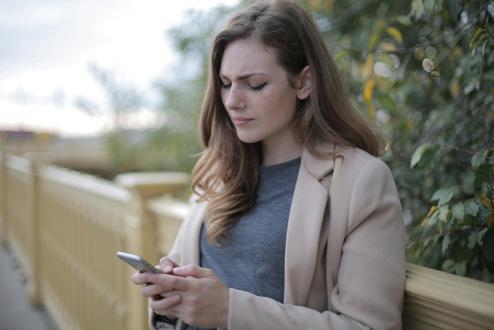
“Many Australians are now convinced they have a disorder simply because they recognise themselves in symptoms described online.”
Photo: Andrea Piacquadio
you’re right.”
“We run a risk of pathologising what are quite normal human emotions and normal human experiences,” she says.
That tendency is being magnified by algorithms that serve up more of the same content, reinforcing people’s beliefs.
“Access to social media increases risk because information gets sent to you that reinforces what you’re worrying about.
“If you believe you have OCD, you’ll be fed information that convinces you
It’s a phenomenon that has also caught the attention of the Australian Medical Association, which is confronting a different but related digital danger – fake medical professionals appearing across social media.
AI-generated images are being used to front Facebook pages for fictitious doctors claiming to offer advice for issues including men’s health, dermatology, weight loss and sex therapy.
AMA president Dr Danielle McMullen says the rise of fabricated “health professionals” is eroding public trust in genuine clinicians.
“Profiles like this are really dangerous because the community doesn’t know what they can or can’t trust online when things are purporting to be from a health professional but they really aren’t,” she says.
“These aren’t doctors behind these profiles – they’re bad actors out there to either instil fear in communities, make a profit or just pure scammers.”
Some of the pages have even been caught spruiking medicines falsely claimed to be approved by Australian regulators, while others collect personal data under the guise of offering health advice.
For Prof Newby, the spread of this kind of misinformation underscores how blurred the digital health landscape has become.
“People are being fed content that looks authoritative, often dressed up to sound medical, but it’s not always factual or balanced,” she says.
“We’re seeing people arrive to therapy having already diagnosed themselves – and sometimes they argue with their doctor, saying ‘Well, this is what the internet told me’. That impacts the trust people have in health professional advice,” she says.
Her concern isn’t about people seeking help online but about what happens next: “I’d love to see it the other way around – people notice symptoms, then access health professional support. But I suspect a lot are
LIVE WELL WITH DIABETES.
With Diabetes Australia’s telehealth clinic, you can speak to a credentialled diabetes educator or dietitian from the comfort of your own home.
We offer:
M Blood glucose monitoring and management
M Medication reviews
M Guidance on accessing and using technology and tools
M Diet and nutrition guidance for optimal health
M Sustainable lifestyle change strategies
M Understanding and preventing complications
Book your telehealth appointment today.
self-diagnosing and leaving it at that.
“If they’re waiting a long time before accessing help because of whatever they’ve seen on the internet, that could make their symptoms a lot worse and harder to treat.”
Prof Newby believes there’s a solution: using technology not to reinforce fears but to balance them.
“Wouldn’t it be amazing if someone searching for OCD got fed evidencebased information from ‘OCD Australia’, if such a place existed?” she says.
“If they were looking at eating disorders, there could be a requirement that trusted, factual information is shown alongside it.”
She wants social media platforms to allow users to reset their algorithms, breaking the feedback loop.
“If you’re really worrying about OCD, you (should be able to) reset your algorithm to start again – so it’s not just continually feeding that information to you,” she suggests.
Prof Newby says digital tools can still play a positive role if users are taught how to critically assess what they’re consuming.
“There’s a role for everyone to be mental-health literate.
“To ask: is this accurate, is it factual, are there other perspectives I should read in addition to this?”
–AAP Lifeline 13 11 14, beyondblue 1300 22 4636.
HEALTH & WELLBEING / nervous about sunscreens?
Sunscreens? Here’s how to choose a safe one
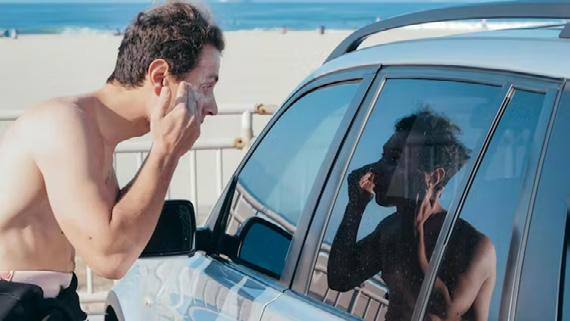
Most of us know sunscreen is a key way to protect areas of our skin not easily covered by clothes from excessive ultraviolet (UV) radiation. But it’s been a rough year for sunscreens, says KATIE LEE .
In June, sunscreen testing by Choice identified 16 products on Australian shelves that don’t provide the SPF protection they claimed.
In July, the Therapeutic Goods Administration (TGA) released a review recommending the amount of certain chemical ingredients allowed in sunscreens should be lowered.
Since then, several other sunscreens have been recalled or are under review, either due to manufacturing defects or concerns about poor SPF cover.
All this has left many of us feeling confused about which sunscreens are safe, effective and do what they say on the label.
There’s very little evidence sunscreens cause cancer and plenty of evidence they prevent skin cancer.
In Australia, the TGA regulates how SPF is assessed in sunscreens, but doesn’t do the testing itself. Instead, companies perform or outsource the testing, which must be done on human skin, and provide the TGA with their results.
But when Choice independently tested 20 Australian sunscreens, it found 16 did not meet the SPF factor on the label.
An ABC investigation pinpointed two potential sources of the problems: a poor quality base ingredient manufactured by Wild Child Laboratories, and suspicious SPF testing data from Princeton Consumer Research, which many of the brands relied on.
Sunscreen works best when you apply it 20 minutes before you go into the sun, and reapply every two hours and after swimming, sport or towel drying.
The TGA has since recommended that people stop using 21 products that contain the Wild Child base.
To be sold in Australia, sunscreens must use active ingredients from a specific list, limited at maximum concentrations.
July’s safety review found evidence that two permitted ingredients – homosalate and oxybenzone – can cause hormone disruptions in some animals exposed to high doses for a long time. These doses were far higher than someone would be exposed to from
IT Infrastructure Support and Cloud Services
Photo: Kindel Media/Pexels
sunscreen – even at the maximum usage – thanks to the TGA’s ingredient limits.
Still, chemical risks are managed strictly. The amount absorbed during consistent, high-dose sunscreen use, year-round, must be less than 1 per cent of the dose known to cause problems in animals.
The new results suggest that absorption could go over this “margin of safety”. So the TGA has recommended the amount allowed be reduced.
Homosalate and oxybenzone are not being banned, and you don’t need
to throw out sunscreens containing these ingredients.
But if the idea of using them makes you nervous, you can check ingredient lists and buy sunscreens without
What should I look for in a
When buying a sunscreen there are four non-negotiables. It must have: 30+ or 50+ SPF.
Broad spectrum UV protection (filters both UVB and UVA rays).
Water-resistant (for staying power in Australia’s sweaty climate).
TGA approval mark on the packaging (“AUST L” followed by a number).
Sunscreen only works if you use it, so choose a sunscreen you like enough to actually wear.
There are milks, gels and creams, unscented, matte, tinted and many other varieties. Since faces are often the most sensitive, many people use a specialty sunscreen for the face and a cheaper, general one for the rest of the body.
Spray-on sunscreen is not recommended, however, because it’s too hard to apply enough.
Sunscreen works best when you apply it 20 minutes before you go into the sun, and reapply every two hours and after swimming, sport or towel drying.
SECURE YOUR SUCCESS
The Importance of Servicing and Security in IT Solutions
In today’s digital world, security is crucial for all businesses, big or small. Without proper security measures, organisations face various risks like regulatory penalties, potential lawsuits from clients due to data breaches, and significant downtime or loss of valuable data. These risks can lead to financial losses and damage to the reputation of your company.
The cyberthreat landscape has evolved rapidly over the past few years, becoming more complex and sophisticated. This means that businesses need to stay ahead of potential threats to protect their sensitive information and systems from cyberattacks. Investing in robust security measures is not just a precautionary step; it’s a necessity to safeguard against ever-evolving cyber threats.
At BluePackets, we understand the importance of proactive security measures. We’ve observed a phenomenon we call the “Security Dividend,” where clients who invest in security experience fewer issues and require less reactive support. By prioritising security, our clients not only save money in the long run but also avoid costly outages caused by security vulnerabilities. Plus, the cost of implementing security measures with us is often lower than what competitors charge for reactive servicing alone, providing a win-win situation for our clients. Investing in security with us means investing in long-term savings and peace of mind.
How you apply it affects how well it works. You need about one teaspoon each for your:
• face and neck,
• back, • chest and abdomen,
• each arm and leg.
It’s also common to miss your ears, hands, feet and back of the neck –don’t forget these, either.
Sunscreen usually lasts two to three years stored below 30°C, so keep an eye on the use-by date and follow any instructions about shaking before use.
If the sunscreen seems to have separated into thinner and thicker layers even after shaking, the ingredients providing SPF may not be mixed evenly throughout and might not work properly.
Sunscreen isn’t a suit of armour. If you’re planning to be out in the sun for more than a few minutes at a time, slip on sun-protective clothing and slap on a hat.
Use sunscreen to protect the areas you can’t easily cover.
Slide on sunnies and seek shade where possible to complete your sunprotection practice for a burn-free summer.
Katie Lee, postdoctoral researcher, Dermatology Research Centre, The University of Queensland. Republished from The Conversation.
Health chief warns of heat risks
“Summer in Canberra can bring sudden spikes in temperature, and even moderate heat can affect your health if you’re not prepared,” says ACT Chief Health Officer Dr Kerryn Coleman.
“Heat-related illness develops quickly and can even be life threatening. While it can affect anyone, young children, pregnant people, older adults, and those with chronic health conditions are especially vulnerable.
“Early signs like dizziness, headaches or nausea mean it’s time to rest, hydrate and cool off.”
Dr Coleman says there are a few simple steps everyone can take to stay safe and prevent heat-related illness, such as staying indoors during the hottest parts of the day, drinking plenty of water to stay hydrated, and always wearing a hat and sunscreen (SPF 30 or higher) when outdoors.
“Be on the lookout for signs of heat-related illness, and take actions to cool down and hydrate. If you or someone in your care becomes very unwell from heat-related illness, seek medical attention,” Dr Coleman says.
Summer also means more outdoor dining and barbecues,
which can increase the risk of food poisoning.
Victor Martin, from the ACT Health Protection Service, says bacteria multiply faster in warm conditions, so safe food handling is essential in the summer months.
“Simple steps like washing your hands, cooking meats thoroughly, and keeping hot foods hot and cold foods cold, can make all the difference in preventing illness,” he says.
Follow these food safety steps every time you prepare a meal:
• Wash your hands before preparing food and between handling raw and ready-toeat foods.
• Keep hot foods hot (above 60°C) and cold foods cold (below 5°C) until serving.
• Thaw foods in the fridge or microwave – never on the bench.
• Refrigerate leftovers as soon as possible.
• Don’t prepare food for others if you’re unwell.
Mr Martin says common symptoms of food-borne illness include nausea, vomiting, diarrhoea and abdominal cramps. Most cases can be managed at home with hydration, but seek medical advice if symptoms are severe.
• Cook high-risk meats (like chicken, sausages, and mince) thoroughly to 75°C or until juices run clear.
‘Priceless’ benefits of gardening
By Jackie WARBURTON
The health and wellbeing benefits of a growing home garden is priceless, apart from giving you a welcome break from everyday life.
The best times to be out in a mid-summer Canberra garden are early in the morning or later in the evening, avoiding the midday heat.
Planting and growing organic fruit and vegetables in your own backyard not only has the benefits of the yield there at your doorstep, but it is the journey to water and nurture a garden.
There’s nothing more satisfying than growing something from seed and eventually eating it. Apart from the health benefits of garden-fresh food, there’s the bonus of exercise in gardening.
Wellbeing is found in the satisfaction of seeing and smelling plants and flowers that we’ve grown. Our senses in the garden focus on sight, sound, smell, touch and taste.
With a little creativity, a sensory garden can be planted anywhere in our home, on a balcony, window sill
or in the garden.
Failing that, there’s always the local bushwalking tracks, bike paths and parks that can be explored in an afternoon or a walk around the neighbourhood to see what plants grow locally.
A quick daily walk and healthy home-grown produce to eat, who could ask for more than that?
THERAPEUTIC Horticulture
Australia is a groundbreaking organisation that supports horticulturally based therapies for a broad range of people for their health and wellbeing.
Seasonally, there are meet ups in our region and if you need further details, please contact me and I’ll forward your details to the right person.
AMONG the herbs I like to grow that make me happy are coriander, basil, tarragon and dill. These are the herbs I use in the kitchen to add to meals and are easy to grow in our climate.
I purposely plant curry plant (Helichrysum italicum) in my seating area so when I brush past it emits an aroma.
Underfoot planting such as sage, lemon balm and thyme are all medicinal herbs that are good
for the mind.
Oils can be used from most herbs and the most popular are lavender rosemary and chamomile.
DILL and basil need hot summers and a frost-free climate to grow well. I grow them in abundance and always pot them up to grow indoors and in my glasshouse (on a heat bed) over winter. These plants will be planted in the ground come spring.
Common basil (Ocimum basilicum) is an annual in our climate. Perennial basil is from the same family but different to common basil. Its flavour is woodier and has a spicy clove aroma.
Growing basil from seed is easy and can be done when the temperature is around 23C for germination. If sowing this time of year, sow in small trays with a
seed-raising mix and keep moist. Plant out when there are four sets of leaves.
I have been successful with dill in the garden and have it self-seeding in a small patch that has winter protection. The striking flowers are a magnet for pollinators as well. jackwar@home.netspeed.com.au
Jottings…
• Prune summer growth off grapevines.
• Order spring-flowering bulbs for planting in autumn.
• Do not deadhead hydran- geas, let them be antique!
• Pinch outside shoots on pumpkins to promote female flowers.
Common basil… growing from seed is easy. Photos: Jackie Warburton Dill… its flowers are a magnet for pollinators.
CHARTERED ACCOUNTANT
Couple looks to boost super after working overseas
Sasha and Emma spent the past four years travelling and working in Europe, but have returned to low superannuation balances.
"Now we’ve returned to the Australian workforce, we feel that our super balances are significantly lower than they should be,” said Sasha.
"What can we do to boost our retirement savings in a taxeffective way?”
There was some good news, I told them.
"There are provisions in the Superannuation Industry Act that you can use to boost your retirement savings and claim a tax deduction, now that you’ve both returned to Australia,” I said.
“Carry-forward (or ‘catch-up’) concessional contributions allow you to use any unused amounts from your concessional cap from the previous five years, rather than being limited to the standard annual cap of $30,000 for the 2026 financial year.”
“However, you must both meet certain eligibility criteria before you can use your unused concessional cap amounts from the four years when you were living in Europe."
I told them that to access the carry-forward provisions, their superannuation balances must each be less than $500,000 as at June 30 of the previous financial year (in their case 2025).
"In addition, you must genuinely have unused concessional cap amounts from one or more of the previous financial years, a condition that you both fortunately satisfy given your casual hospitality work before departing Australia," I said.
"As you both have savings from overseas employment and are now employed full time in Australia, it would be prudent to map out a strategy to contribute to your individual superannuation funds, in a lower tax environment and claim a significant tax deduction in the year you make the contribution.”
While they were thrilled to hear this, I cautioned them that the previous years had different concessional caps and I'd need to assist in calculating the eligible amounts to contribute and the appropriate documents they needed to provide to their superannuation funds to claim the tax deductions.
“This is a very common situation for Australian expats working overseas," I said.
"I have had clients in the same scenario who did not realise they were able to make a one-off large contribution who lost out on their concessional contribution caps as they expire after a fiveyear period or their super balances exceeded $500,000 on the relevant June 30.
"This can have a material impact on long-term retirement outcomes, and it is therefore important to review eligibility and act promptly to maximise your retirement savings.”
Accountant Chetan Chopra contributed to this column.
If you need guidance on how concessional carry-forward rules work or any other Superannuation or tax matters, contact the experts at Gail Freeman & Co Pty Ltd on 02 6295 2844.
Disclaimer
HEALTH & WELLBEING /
Be warned, covid has not gone
Covid rarely rates a mention in the news these days, yet it hasn’t gone away.
SARS-CoV-2, the virus that causes covid, is still with us. It continues to infect thousands of Australians each month, still puts vulnerable people into hospital, sadly still causes deaths and leaves a steady stream of people living with disability from long covid.
As the virus continues to evolve, booster vaccines have been updated to better match the version of the virus currently circulating.
At the moment, Australia is seeing a mixture of the subvariants NB.1.8.1, PQ.17, PE.1.4, RE.1.1, and an increasingly common arrival, LP.8.1.
The World Health Organization classifies LP.8.1 as a “variant under monitoring”. That’s because of its rapid growth and its strong ability to evade existing immunity.
Each subvariant is simply a virus that has picked up a slightly different set of mutations as it continues to evolve. All of the above sub-variants belong to the broader Omicron family and are descendants of JN.1. They share many core mutations that help them partially escape immunity, but each has added its own small tweaks.
Because they are so closely related genetically, they tend to cause similar illness and respond similarly to vaccines and prior infection.
In other words, these are not new strains, but rather a swarm of closely related offshoots jockeying for position.
Given this ongoing evolution, our vaccines need occasional updating. For instance, in 2024,
the Therapeutic Goods Administration (TGA) approved a new booster based on the JN.1 subvariant – the best available match at the time. Since then, however, the viral family tree has continued to branch.
Now, in 2025, the TGA has registered Pfizer’s LP.8.1 vaccine, designed specifically to target the spike protein of LP.8.1. This vaccine should now be becoming available across Australia. It uses the same mRNA platform as earlier versions but updates the immune profile to better reflect the sub-variants currently circulating.
Because the vaccine is so new, we do not have long-term safety data on it. However, a statement from the manufacturer Pfizer says the safety profile should be similar to their previous mRNA-based vaccines.
According to the vaccine surveillance system AusVaxSafety, 24 per cent of people had a mild and short-lived reaction after being vaccinated with Pfizer’s earlier JN.1 vaccine. This included pain, redness and swelling at the injection site, fatigue, headache or muscle and joint pain. Fewer than 1 per cent reported seeing a doctor or going to the emergency department after vaccination.
Why vaccination still matters Covid has become less disruptive, but it has not disappeared. A single infection can still result in days or weeks of illness, missed work, and, for some people, long-term complications.
Vaccination remains one of the simplest ways to reduce the risk of severe outcomes, especially
for people who have not had a booster in more than a year.
Elderly people are one of the highest risk groups for severe covid, yet only 32 per cent of Australians over 75 are up to date with their booster shot.
Updating our vaccines to match the virus gives our immune system the best chance to recognise new sub-variants quickly. That, ultimately, keeps more Australians out of hospital. With summer holidays, it’s easy for a covid booster to fall off our to-do list. But with many pharmacies accepting vaccination walk-ins, it’s never been easier to protect yourself and your family, and help keep community transmission low. You can also check your eligibility online. And you can find the closest place to get vaccinated by searching for a “COVID-19 vaccine clinic”.
Adrian Esterman, professor of Biostatistics and Epidemiology, University of South Australia. Republished from The Conversation.
1 Name those who
Gail Freeman & Co Pty Ltd 02 6295 2844 Unit 9, 71 Leichhardt Street, Kingston ABN
ARTS & ENTERTAINMENT Beyond the books, the library shares its treasures
By Helen MUSA
I must have looked like an eager-beaver pilgrim when Guy Hansen, director of exhibitions at the National Library of Australia, let me in 10 minutes early for the reopening of its refreshed Treasures.
To Hansen, the much-lauded gallery would indeed become a destination of pilgrimage for all Australians on holidays and weekends.
The space, first launched in 2011 after the celebrated Treasures from the World’s Great Libraries exhibition drew huge crowds in 2001, now different yet familiar, with fresh carpets, paintwork, and new digital screens designed to answer the questions visitors always ask: Where are the books? What does the library collect? And why?
Behind-the-scenes videos now take audiences deep into the stacks and conservation areas, reinforcing that the library is far more than shelves of books.
Alongside its millions of volumes, the collection spans maps, manuscripts, photographs, artworks, ephemera, and digital material – part of what they’re calling the “Digital Library of Australia”.
First up on my self-guided tour, was a page from The Merchant of Venice taken from the First Folio of 1623, printed by Isaac Jaggard and Ed Blount.
Nearby, what appears to be an artist’s book is actually The Sixteen Arhats of the Sakyamuni Buddha, drawn on leaves and later mounted on paper and silk, with text in Sanskrit and classical Chinese.
Nineteenth-century Japanese woodblock books sit beside modern Australian items, a reminder that the library’s collection grows by 2.5 linear kilometres every year, thanks to legal deposit requirements under the Copyright Act 1968
Treasures range from Ethel Turner’s Seven Little Australians in an early Penguin edition to Melway’s Greater Perth Street Directory from 2010; a selection of self-published zines; a display of The Wiggles’ websites; and even a Holden V8 Series service manual.
Ephemera is given pride of place, including a cedar bookcase carved by poet Dorothea Mackellar around 1900.
A considerable part of the show looks at Australian life through photography and posters – including the unmistakable Condoman safe-sex campaign poster created by Aboriginal health workers in Townsville.
The library is plainly eager to showcase its rich Pacific, Indonesian and Chinese collections, tracing their origins back to the library’s early efforts under its inaugural national librarian, Harold White. A standout piece is a 1970s gunungan (mountain) – the symbolic
digital” resources such as e-books, all accessible through Trove, which now indexes around 14 billion digital items.
The library is far more than just books, so pride of place is also given to the manuscript collection – personal papers, diaries and letters, including a lengthy typed letter from journalist Keith Murdoch to Prime Minister Andrew Fisher in 1915 concerning the Gallipoli campaign.
One section deals with political history – Documentary Democracy – and close-by is the Mabo v Queensland (No. 2) display curated by Eddie Koiki Mabo’s daughter Gail. There’s even a reproduction of a 1980 self-portrait by
Mabo. Who knew that he had joined the Townsville arts scene in the 1960s?
We should give the last word to curator Grace Blakeley-Carroll, who had seen the newly opened gallery as a teenager during 2011.
Describing the revamped Treasures Gallery as “a much lighter and brighter space,” she says, “The Treasures Gallery turns the focus on to what’s actually in the library.”
The refreshed, permanent Treasures Gallery, National Library of Australia.
The Condoman safe-sex campaign poster created by Aboriginal health workers in Townsville.
A page from The Merchant of Venice taken from the First Folio of 1623.
Melway’s Greater Perth Street Directory from 2010.
A 1970s Javanese gunungan (mountain) crafted from painted buffalo hide with a horn handle.
A 1980 self-portrait by Eddie Koiki Mabo, who had joined the Townsville arts scene in the 1960s.
A cedar bookcase carved by poet Dorothea Mackellar around 1900.
‘Teacher’ Nick’s select ‘show-and-tell’ session
By Helen Musa
In a recent show-and-tell, National Gallery of Australia director Nick Mitzevich took a select group of journalists on a preview tour of the gallery’s plans for 2026.
Mitzevich reminded the group that his background is in art education. “I’m a teacher by trade,” he said, “and I’m addicted to galleries.”
Nothing delighted him more than promoting the program and reaffirming the gallery’s purpose which, over its 58 years of collecting, has been “elevating perspectives and helping Australians get a sense of identity”.
Frequently pausing in front of sculptures and works on paper or canvas, he explained that several of the upcoming exhibitions aim to elevate women artists under the Know My Name project, while others grapple with the ever-present questions surrounding First Nations art and the ongoing need to reinterpret Australian art history.
While the fifth national triennial, After the Rain, would continue into the early months of the year, the 2026 program would offer a heady mix of exhibitions.
Jumping well ahead, the 2026-27 summer season will open with Full Throttle – a pop-culture study of the car in Australian life curated by Mitzevich himself, his first such project since joining the gallery in 2018.
Trent Parke, Untitled #4 1998, from the series Mount Pandemonium, Bathurst, NSW… next summer’s season will open with Full Throttle, a pop-culture study of the car in Australian life.
Featuring contemporary artists who interrogate the myths built around cars, the exhibition ranges from post-apocalyptic imagery to suburban realism, exploring the car as connector and divider, saviour, destroyer and muse.
A major highlight for Canberrans will be a never-before-exhibited suite of 20 Arthur Boyd tapestries, part of his Life of St Francis series. Created in Portugal at the Manufactura
National Gallery of Australia director Nick Mitzevich… “I’m a teacher by trade,” he said, “and I’m addicted to galleries.”
ARTS IN THE CITY
Kids take on a musical challenge
Kids aged 8-13 will have the chance to build an original musical from scratch, writing lyrics, shaping the story, composing music and creating props during a week of sessions with theatre veterans Mr Tim and Ms Nat. The program champions child-led ideas, teamwork and confidence, with the show presented to the public later in the year. Tuggeranong Arts Centre, January 19-23
Canberra author Aiden Novinc celebrates the Amazon release of his debut children’s book, Something Strange. The story follows a child learning to confront the strange and scary monsters he believes are lurking around his home, offering a nostalgic reminder of what it was like to be a kid.
The 31st CAT Awards Presentation Gala will be held at the Queanbeyan Performing Arts Centre on January 31. In a departure from convention, the school and youth awards will be presented after lunchtime, with the open categories presentation beginning in the late afternoon.
Opera Australia presents Hansel and Gretel, the 19th century opera by Engelbert Humperdinck, featuring Margaret Plummer and Stacey Alleaume as the bold siblings and Jane Ede as the wicked witch. Sydney Opera House, January 27-February 28.
It was good to see Canberra playwright Dylan Van Den Berg’s play The Chosen Vessel, based on the story by Barbara Bayton, up the top of Currency Press’s list of New Plays to Inspire You. Next on the list is the anthology Long Way Home, featuring former Canberran Tasnim Hossain’s play The Village, which explores connections found in unexpected places.
Luminescence Chamber Singers, in collaboration with Roland Peelman,
Ms Nat and Mr Tim… Tuggeranong Arts Centre, January 19-23.
has released its debut album, Of the Body, on the ABC Classics label. Made up of 17 songs, the collection offers new perspectives on parts of the human body that we often take for granted.
Harpist Alice Giles and pianist Arnan Wiesel will once again present the Harmonic Curves Series in 2026, featuring four concerts: harp and piano with cellist David Pereira; harp with guitarist Timothy Kain; a poetry-and-music collaboration with performance poet Moran Wiesel, and a recital by Arnan Wiesel performing works by Martin Wesley-Smith, Carl Vine, and others.
Photo: Helen Musa
MUSIC / National Folk Festival
Festival promises peace, harmony and fun
By Helen Musa
It may be four months until Easter, but the National Folk Festival team is already in full swing preparing for its 60th celebration of culture at EPIC.
Peace is firmly on the minds of co-artistic directors Michael Sollis, Holly Downes and Chris Stone.
Specifically, Songs of Peace, curated by singer-songwriter and former CityNews Artist of the Year Fred Smith, will feature songs that give voice to the global longing for peace and an end to violence.
“The National Folk Festival began 60 years ago as a university student-run gathering,” Sollis says. “Since then, it has carried a strong tradition of advocating for peace by celebrating folk traditions from around the world and inviting audiences to dance and sing alongside one another.”
Daringly, then, they’ve invited performers from Palestinian, Jewish and Ukrainian heritage traditions to contribute to the festival’s
By Helen Musa
Artist Michael Winters, a kind of “wandering Greek” who surfaces in various parts of the globe with his exhibitions, has written to us about his latest Greek adventure on Leros.
He is certainly the only Canberra artist who can claim honorary citizenship of the island where he spent many of his formative years as an artist – living, working and even raising his children there for a time.
Although he is justly famous for his confronting Cretan works, exhibited at the Australian War
Memorial some years ago, the peripatetic artist is especially associated with the Greek island of Leros in the Dodecanese Archipelago. He has been a citizen there since 1995, when the Leros Municipal Council conferred the honour on him.
He writes: “This visit has been like no other –creative interactions, donating 29 of my linocuts of Leros to the island’s council to remain as some sort of creative legacy of my many years spent on the island.”
Much of his time, he reports, has been spent interacting with the island’s kids through the visual arts program of the local cultural group, Artemis.
The group’s organiser used photos of a mural he painted on Leros in 1984 as a starting point for
Asian folk stories inspired by her Singaporean-Tamil roots, using hand puppets, while Pico’s Puppet Palace will use puppetry, live music and storytelling, to follow Pico in her yellow bi-plane, introducing ecological themes through encounters with distinctive
Elsewhere, professional storyteller Kiran Shah will tell traditional folktales and especially love stories from her Indian heritage, in a big group circle.
Among the more participatory events will be Maypole with Molly, a daily workshop series for ages 8-18 led by tutors from the Bush Music Club, and the chance to join in the Family Marimba Band with MarimbaTaters, senior primary students from Tate Street Primary in East Geelong who bring African-inspired marimba music to life.
Keith Preston, Uma Preston and Deborah Baldassi will bring history to life through song, puppetry and storytelling in their show Railway Bob, which follows the true tale of a shaggy dog who rode the trains in South Australia.
Karen Lee Andrews, formerly known as Ms Murphy, will perform a mix of Oceanic blues and soul.
The Spanish-US duo San Miguel Fraser will present a Castilian-Celtic blend of vocals and strings, while Italy’s Riccardo Tesi and Giua bring Retablos, where voice meets accordion.
Peace and harmony are all very well, but to pepper up the program, Songs of Protest, hosted by Folk the System, will bring artists together to perform union and social-justice anthems as well as new songs addressing today’s calls for change.
After all, as co-ordinator Aawa White puts it: “Our folk community has radical roots.”
The 60th National Folk Festival, Exhibition Park, April 2-6.
the children to produce drawings in response.
At the local primary school, Winters brought in 10 of his linocuts of Leros and placed them in a semicircle so that each class could interact with the works.
Questions from the children included, “How did you get to Leros?”, “What is a linocut?” and “Have you ever drawn a cat or a dog?” – “a wonderful moment,” he says.
The climax, he reports, was an exhibition of his Leros linocuts made over many years.
“A large crowd turned up and this was a highlight of my many years spent on the island.”
Winters will be back in Canberra soon to resume his busy life as an artist and mentor to ACT artists.
Songs of Protest, hosted by Folk the System, will bring artists together to perform union and social-justice anthems.
Italy’s Riccardo Tesi and Giua bring Retablos… where voice meets accordion.