









By Danielle NOHRA

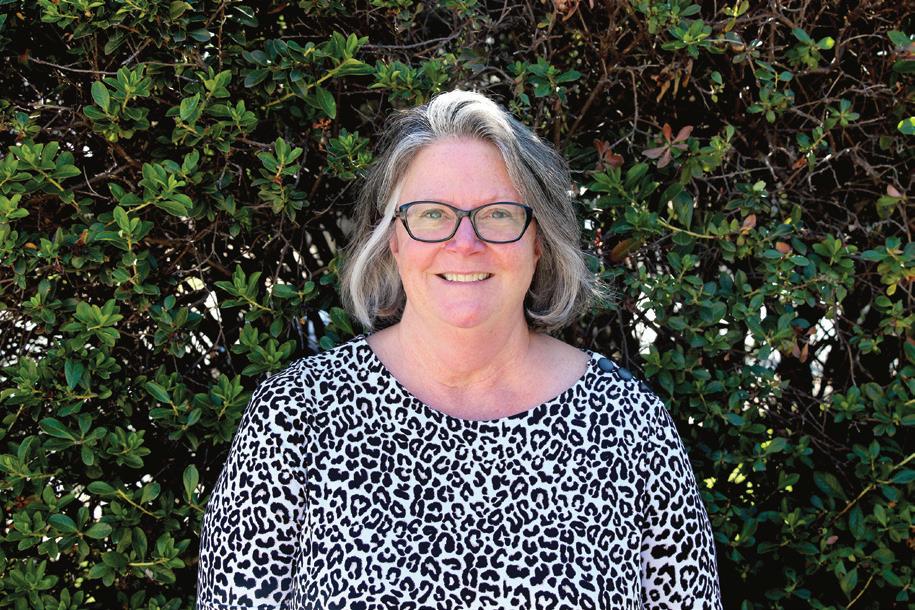
EVERYONE has relationships go sour from time to time, says Relationships Australia’s new Canberra and Region CEO Alison Brook.
“You might have a dispute with a supervisor at work or there might be conflict within a team,” she says.
“There might be conflict because things are pretty tricky at home.”
Whatever it is, Alison, 57, of Weetangera, wants Relationships Australia to be seen as the “go-to” place for relationships.
When her predecessor Mary Pekin, resigned after 20 years in the job, Alison thought: “That’s what I want to do next.”
But Alison’s relationship with Relationships Australia goes back about 10 years.
She was working as the head of operations support at the NSW Crime Commission and, out of interest and in her own time, did a two-year counselling program with Relationships Australia.
It was extra work, but it was her parents’ missionary work overseas that had embedded in her an interest
to help people, too.
“A little while after that I decided to leave the Crime Commission,” she says.
Unsure about what she’d apply for, she saw a newspaper advertisement for an executive officer at Relation ships Australia.
“Moving here in 2010, I got to lead the fantastic national team doing policy and advocacy work and then represent ing it to government,” she says.
“It was such a privilege to serve in that role.”
Now, eight years on and in a differ ent role, she’d like to see Relationships Australia be known, even better than it currently is, as the “go-to” place for relationships.
“Whether that’s for couples or parents, whether it’s for siblings or neighbours or in a business context,”
she says.
“Whenever anything is causing strain on a relationship, I’d like us to be the ‘go-to’ organisation.”
Relationships Australia offers services around the country that include counselling, family dispute resolution (mediation) and a range of family and community support and education programs.
as amicably as they can.
“We have counselling and various types of support workers,” she says.
“We have a range of mediation services to help people going through separation in a relationship, separate
Alison says this might involve factors such as children or assets.
“We have a large staff of mediators and mental-health workers,” she says.
Relationships Australia was established as the Marriage Guidance
Since 1993: Volume 25, Number 6
Arts & Entertainment 18-20
Canberra Matters 6
Cinema 20
Crossword 21
Dining 19
Garden 22-23
Horoscopes 21
Letters 11
News 3-14
Politics 12
Social 15
Managing Director: James Anderson, 0404 077605, james@citynews.com.au
Director: Kate Meikle, kate@citynews.com.au
Senior advertising account executive: David Cusack, 0435 380656
Advertising account executives: Daniel Clayton, 0451 232129; Damien Klemke, 0439 139001
Editor: Ian Meikle, editor@citynews.com.au
Assistant editor: Danielle Nohra, danielle@citynews.com.au
Journalist: Kathryn Vukovljak, kathryn@citynews.com.au
Ph 02 6189 0777 Fax 02 6189 0778 9b/189 Flemington Rd, Mitchell 2911
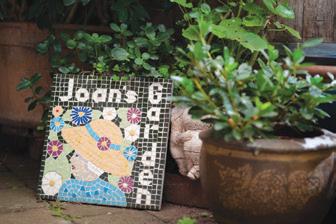
Meikle, 9b/189 Flemington Road, Mitchell. Joan’s opening her Fadden garden. Story Page 22.
Arts editor: Helen Musa, 0400 043764, helen@citynews.com.au
Production manager / graphic design: Janet Ewen
Graphic designer: Karl Speller
Proof reader: Glenda Anderson
Accounts manager: Bethany Freeman-Chandler accounts@citynews.com.au
Council about 70 years ago.
“At the time servicemen were coming back from World War II and [home] wasn’t what they remembered,” she says.
“A lot of them came home with post-traumatic stress from the war.




The women lost their jobs and had to relinquish them to the men, and a lot of marriages were falling apart.”
Initially Alison says the organisation’s goal was to keep marriages together but now it’s about separating
“It focused on coupled relationships for decades and then it started being interested with parenting issues and relationships with older members,”
As a not-for-profit, Relationships Australia gets government funding, which allows it to offer some free services such as for people affected by institutionalised sexual abuse and most family services.
No matter the relationship, Alison says the best way to enter a relationship, is on an equal footing, right from
“When you have a power imbalance, it can lead to abuse and domestic violence, for an example,” she says.
“Not all relationships are power equal, but ideally you’d have equal power in all relationships.”
Work relationships are slightly different but Alison says there’s no reason not to enter a work relationship with mutual respect.
“Empathy, kindness, compassion and mutual respect should be part of all relationships,” she says. relationships.org.au
CHIEF MINISTER’S CONCERT
TueSday 19 March, 11am and 1pm
Join the Band of the Royal Military College for an unforgettable show.
Albert Hall, Commonwealth Ave, Yarralumla.
ENTRY BY GOLD COIN DONATION
Bookings via www. cmc19.eventbrite.com.au or 6282 3777
ACT SENIORS WEEK EXPO
ThursDAY 21 March,10am-3pm
One big day – entertainment and info on retirement, aged care, community and government services, legal, finance, travel and more!




Exhibition Park in Canberra.
ENTRY BY GOLD COIN DONATION
Positive Ageing Awards
Friday 22 March, 2:30pm
Recognise and celebrate the groups and individuals that contribute to the older Canberra community.
Weston Ck Labor Club, Teesdale Cl, Stirling. Bookings required - call 6282 3777
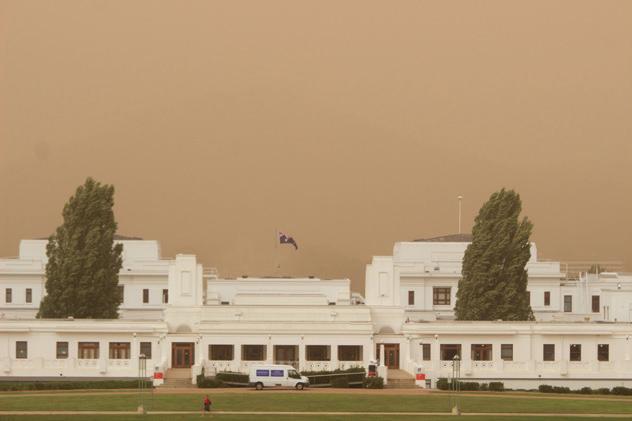
LAST week’s dust storm of biblical proportions blanketing Canberra, bringing down power lines and shrouding our iconic sites, inspired many to become apocalyptic and opportunistically link it to climate change.
Journalist Quentin Dempster tweeted: “Apocalypse now… Canberra’s communications tower invisible in dust storm. MPs share the community’s grief at recent unprecedented floods/fires. But there is no plan to confront greater frequency of those extreme weather events.”
CANBERRANS may vaguely remember the hellfire-and-brimstone preacher Pastor Danny Nalliah from Catch the Fire Ministry. But those with sharper recollections have resurrected the reverend in the wake of blood being wiped on Pauline Hanson’s office door and its vague biblical implications. “The Australian’s” Strewth column recalls October 2009 when Pastor Danny discovered a “black mass altar” on Mt Ainslie blaming the devil for casting a black spell on the Federal parliament below.
VALENTINE’S Day may have left ACT Liberal senator Zed Seselja feeling unloved. A double page print advertisement – authorised by Unions
ACT – boldly informed the senator: “You’re dumped, Zed”. The ad, urging voters to “Let Zed know it’s over”, features solemn black and white head shots of Seselja, Tony Abbott and Peter Dutton and suggests the former ACT Liberals’ leader “was too close to Peter and Tony” and didn’t “stand for important issues like climate change or marriage equality”.
The campaign comes amid rumblings from local Libs that Zed has lost traditional support and will struggle to gain financial and on-the-ground assistance during the campaign. It’s also understood polling for Assistant Minister for Treasury and Finance is concerning. There is talk that a
“progressive liberal-leaning candidate” will be announced soon to run against him.
CANBERRA author Ginger Gorman was forced to seek psychological help after completing a book about the dark and damaging practice of internet trolling. In “Troll Hunting” she takes on some of the nastiest trolls of the internet and reveals the frightening impact on society of the hateful and damaging comments swirling freely around cyberspace.
The former ABC journalist told a sold-out audience at the National Library the book came at a high emotional cost that had her often “crying, drinking and shouting at my
children”. Gorman remains committed to forcing sites such as Facebook and Twitter to be more accountable for what is posted and for wider-ranging and stronger legislation covering what can be published.
I LIKE to think I live in a civilised city. A city through which our local political leaders are free to roam without harassment and the need for security. I recall Jon Stanhope sitting alone in the food hall at Belconnen Westfield on Saturday mornings ready for a chat. I’ve seen Katy Gallagher, when CM, taking her kids to the movies again without muscle. I recently followed (at a discreet and non-stalking distance) current CM Andrew Barr through Civic. Accompanied by just one flunky, Barr was totally unmolested by anyone and did not exchange greetings with or acknowledge anyone during the five or so minutes of my research. Is it possible Barr is unapproachable, unrecognised or are we just a more couth, respectful and reserved mob?
O Week traditionally reboots Canberra back into full production and it wouldn’t be O Week without a few wacky, student pranks. While not a stunt of legendary proportions, a small car wrapped in plastic attracted plenty of double takes at UC. Third-year student Kirralee Delahunty from Wagga Wagga returned to her red

O Week jolly jape… student’s car
Suzuki to see it tightly trussed in 600 metres of dollar-shop, clear plastic.
THE civilised city has lost two of its citizens. Deb and Milo, both retired public servants, were featured on the new ABC program “Escape from the City”. Dissatisfied with the local climate, the pair was intent on escaping as far from the capital as possible – the Margaret River region of WA. The program offers experts to smooth the path for people who’ve made the brave “life-changing decision to escape the city”.





Our team of highly qualified and dedicated practitioners work with you to get the best health outcome. Whether you want to run a marathon, cope with chronic pain on a daily basis or are nurturing new life, we will match the treatment to your individual needs.
NEW! Therapist CARM Therapies is happy to welcome Stephan Skerra to our team, Stephan is qualified Traditional Chinese Medicine Practitioner with a keen interest in treating musculoskeletal issues of sports related conditions. He will be available for treatments from March.
Special introductory rate only $80*

Bookings Essential. Contact CARM Therapies via phone or email. (*Conditions apply)




THE ACT’s muddle-headed bureaucrats keep coming up with planning brochures laden down with alternate facts and marketing spin.
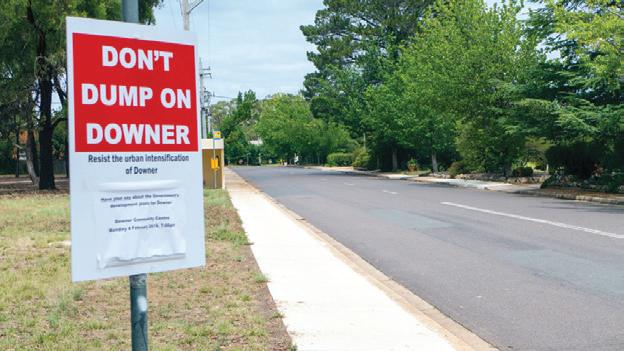
Ministers then blindly sign letters to residents based on the bureaucrats’ gobbledygook and then wonder why people get upset. The latest in this citywide bad treatment of residents is happening in Downer.
Residents had generously given up time to work with the government in the hope of improving the development outcomes on Northbourne Avenue along the suburb’s western edge. The results of their efforts appeared in the jargon-filled “The City and Gateway Urban Design Framework” released days before Christmas. What changed as a result of all those time-consuming consultations?
Very little.
About the same time the planning minister proudly released his Christmas gift being the latest version of the “ACT Planning Strategy”. He obviously knew that this would be enthusiastically read and

It might come as a surprise to the heartless ones who dream up such vague terms as “Urban Intensification Areas” that residents take this stuff very personally. People are losing sleep wondering what the hell is going on!
shared among families at Christmas. Of course, not many bothered. But a few did and what a surprise they got. Soon the word spread that the strategy included a new classification (gift wrapped in purple) that meant that most of Dickson, Downer and a chunk of Watson were classified as an Urban Intensification Area. And the same applies to a major slice of Woden suburbs.
This little Christmas surprise was a shocker. No one was consulted. No explanation was given as to what it meant. This generic and threatening new classification seems to be an extra to the totally confusing zone system that everyone already struggles with. Remember the promise to make things simpler?
We can only speculate that the chief planner and his mischievous elves (it was Christmas) came up with this knowing that the minister would not
notice it and once it was out there –bad luck, pesky residents.
Downer lost its school over a decade ago. The area is now having a dramatic increase in families with children; visit the wonderful Gang-Gang Café and make your own observations. Children are everywhere in this suburb – and the school site is about to become 300 apartments. More people, more children.
Across the suburb the streets are narrow, the block sizes are not big, many streets do not have footpaths, there are no bike paths and generally not much has been spent on infrastructure. With all the new proposed developments, no funds have been allocated for major upgrades and overdue community facilities.
There’s more, but you get the message. The Downer residents would gladly have real conversations about well-designed developments, about fitting in with the suburb’s ambience and delivering architecture, green infrastructure and more trees to address environment changes and be energy efficient. This Labor/Greens
government does not do well on these measures so it is easy to see why people are worried.
As with so many other suburbs, the residents are being treated badly and with no respect. These people live here. So it might come as a surprise to the heartless ones who dream up such vague terms as “Urban Intensification Areas” that residents take this stuff very personally. People are losing sleep wondering what the hell is going on!
All this came to a head when the Downer Community Association called a meeting for the evening of Wednesday, February 4 – and more than 150 people turned up and tried to fit (unsuccessfully) into their meeting room. They were not happy.
Full marks to Downer Community Association for keeping people up to
Provided by the Boorer Foundation this generous scholarship commences for a Year 7 student in 2020. This opportunity is for a student who demonstrates outstanding achievement and community or sporting involvement, but whose circumstances prevent them from enrolling at Radford


date and for dealing with the constant stream of wondrous alternate facts coming from ministers’ offices and their bureaucrats.
There are warnings here for anyone who previously thought that this would not happen to their suburb. Have you checked the 2018 Planning Strategy to see if your suburb is in the new purple zone?
While the minister has recently tried to explain the changes, as “they did not mean that”, the real crime is that this lot display no comprehension of how badly their actions upset residents.
Paul Costigan is an independent commentator and consultant on the visual arts, photography, urban design, environmental issues and everyday matters.


I THINK we’re supposed to be grateful to the Morrison government for initiating the Royal Commission into the aged-care system. The trouble is, if they were actually governing competently, we wouldn’t need a long, expensive inquiry into the horror stories that are now surfacing. They’ve occupied the Treasury benches – with carte blanche to investigate and reform the system – for more than five years. In fact, I well recall Aged Care Minister Bronwyn Bishop being taken to task in the case of a terminally-ill patient being given a kerosene bath. That happened in March, 2000!
Looking back over the recent Royal Commissions, it almost seems as though our political leaders have withdrawn from the business of government and passed the buck to the judiciary. When commissioners deliver their reports, the government invariably promises “action” on their many recommendations. This sounds great at the time, but once the spotlight moves to the next scandal, somehow it’s back to business as usual.
The jury is still out on the banking commission; a few multi-million-dollar bankers and insurance company executives might have been forced into early, luxurious
Looking back over the recent Royal Commissions, it almost seems as though our political leaders have withdrawn from the business of government and passed the buck to the judiciary.
retirement. But one can’t help but feel that both banks and insurance companies will recoup their massive fines by raising charges on their customers… us!
However, it must be said that even if government responses leave much to be desired, Royal Commissions can raise community awareness of hidden wrongdoing. While the institutions that housed the paedophiles remain laughingly tax free, the revelations of the worldwide paedophile collusion among priests of the Catholic Church has put every parent on guard, and empowered potential young victims who might otherwise have remained silent and shamed. The same benefits should flow to those seeking care for their ageing relatives. We can but hope that the new government – from whatever side of politics – remodels that industry with the same sense of urgency and com -
mitment the Turnbull government brought to the new $90 billion naval ship building industry. It’s an investment that might well bring even better returns to the community than the submarines and surface ships defending our shores.
Of course, it’s not just the conservative governments who have adopted the take-no-responsibility philosophy. It’s been spreading its net for decades. These days, whenever a policy throws up an issue that looks controversial, the public service has a tried-andtrue formula: they call in outside consultants. And not just any old consultants, but preferably the most expensive money can buy from that magical place we call “Overseas”.
Often their local reps are retired, high-ranking military
men or former departmental mandarins. And freed from the quest for promotion, they just might give frank and fearless advice. But like the ubiquitous ministerial adviser, they become a shield to deflect the blame from the politician when things go pear-shaped.
Is no politician truly responsible anymore? And spare me the orotund “apology” from the miscreant who says: “I take full responsibility” and carries on as usual. When we say ours is a system of “responsible democracy”, we used to be fair dinkum. Ministers actually resigned when their departments – or even their offices – stuffed up.
Today that feels like a distant memory.
robert@robertmacklin.com

CHILDREN and adults are invited to join the ACT Branch of the Australia China Friendship Society’s free lantern festival to mark the formal end of the Chinese New Year celebrations at the Beijing Garden (part of Lennox Gardens), Flynn Place, Yarralumla, 6pm-8.30pm on Saturday, February 23. There will also be performances of music, folk dancing, lion dance and martial arts ending with the lantern parade along the shores of Lake Burley Griffin. Bring your own lantern (there is a contest for the best handmade lantern), or buy one at the festival.
GEOFFREY Dabb will talk about “Fish and their Confusing Names” at the next lunch meeting of the Weston Creek VIEW Club at the Southern Cross Club, Woden, on Tuesday, March 5. Interested ladies welcome. Cost is $28 and enquiries to 6288 7625 by 5pm, Thursday, February 28.
HEALTH and wellbeing expert Anna-Louise Bouvier will be in Canberra to speak to over-55s about the benefits of coastal living. She will be at the Grove, Ngunnawal, noon2pm, Thursday, February 28 and at East Hotel, Kingston, noon-2pm, on Friday, March 1. Lendlease team members will be on hand to discuss resort-style living options. A light lunch will be provided. RSVP to 4442 1400.
THE authorisation for the double-page advertisement on Pages 2-3 in last week’s edition (“CityNews”, February 14) was not apparent after being printed. The authorising advertiser is Alex White, UnionsACT, 11 London Circuit, Canberra.








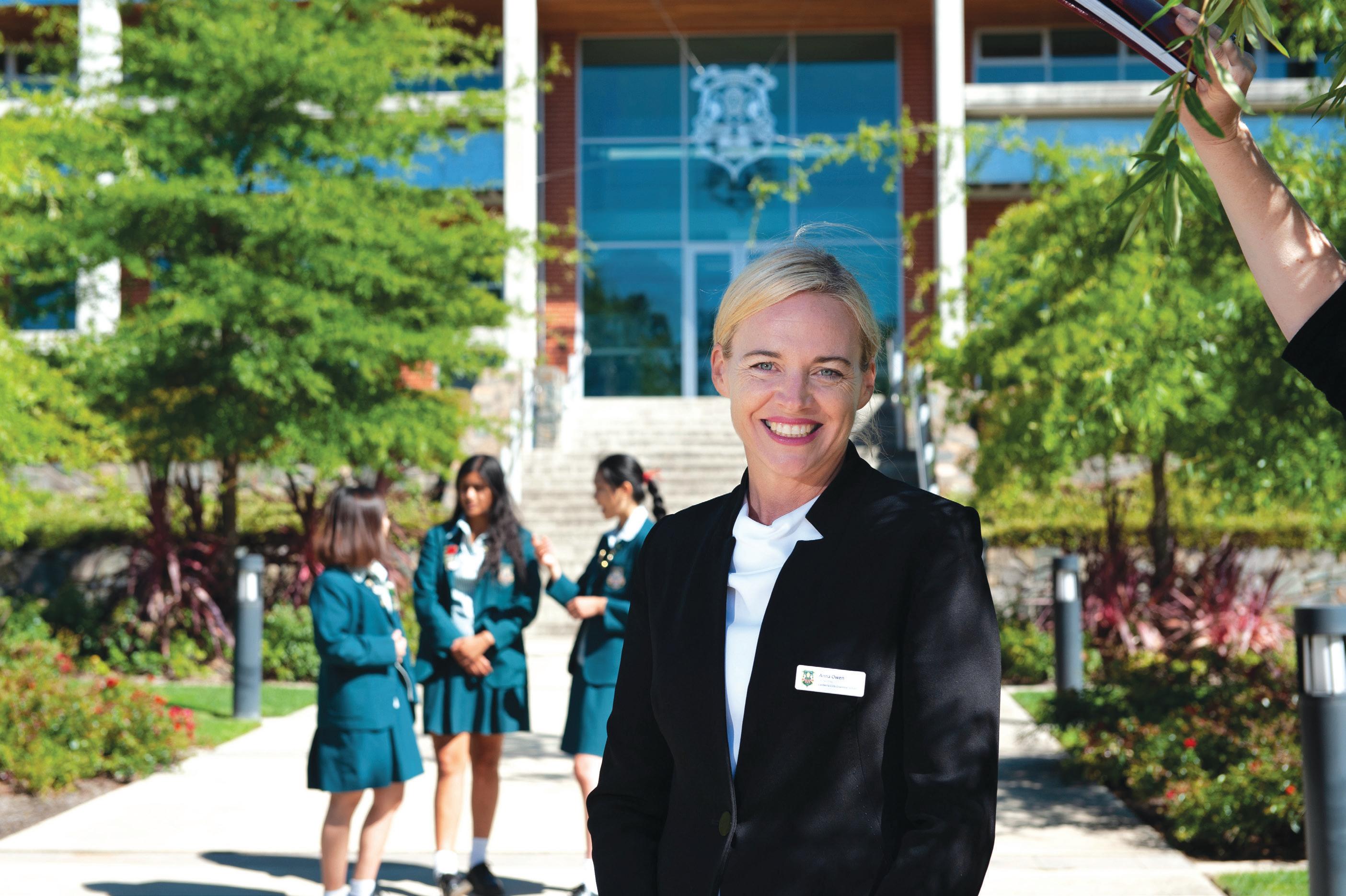
KATE MEIKLE is called to the principal’s office to meet the new head of Canberra Girls Grammar School to discuss gender politics, sport, phones and all things girls

NEW principal Anna Owen has implemented a “no phones” policy during school hours for girls in years 7-10 at Canberra Girls Grammar put ting the school at odds with the ACT Education Minister.
Minister Yvette Berry won’t be banning phones in public schools.
“Banning phones in schools may not be the best way to support the development of children and young people,” she says.
“It’s important that children and young people are taught how to live alongside devices appropriately because this is a big part of our life now.”

But Ms Owen, 49, the former deputy principal at Brisbane Girls Grammar School, says that overwhelmingly the research tells her that mobile phones are a big distraction for young people in school.
“Young people have many pressures and girls have special challenges. In a girls’ school we can teach them how to respond to these challenges and how to face them, and that can be very empowering. They can practice and build confidence,” she says.
One example of the many challenges facing
young people is the online environment, says Anna.
Her approach is to firstly educate the students about the safe use of personal information and how to manage it, with the understanding that whatever is posted is forever online.
Anna says she and her staff are passionate about the advancement of girls and young women in their care.

“The advancement of women is important to the welfare of society,” she says, emphasising the importance of young women having the pathways to be the ones in society to make the decisions, not to have them made about them.
Although Anna admits the complexity of the issue, she believes it is a privilege to be educating girls at this unique time in history.
“We [CGGS] have always been a voice and advocate for young women and we will remain to do so into the 21st century. We have a commitment to creating the next iteration of young women. It’s an exciting time.”
With a history spanning almost 100 years, Anna says the school is a unique proposition in the community, offering a broad liberal education to its 1400 students from early learning to year 12. With the exception of the younger years, CGGS is a single-sex Anglican school.
is for them to have the confidence, skills and education to have pathways into positions of power in society.
“Our intent is to develop young women who are able to articulate what it is to be well-educated, who understand the great responsibility of receiving a great education and who insist on living ethically and purposefully,” she says.
“A great deal of progress has been made with regard to gender equity in Australia, but the work is not finished.
“I only need to look across to Parliament House here in our nation’s capital where slightly more than 30 per cent of our elected representatives are women, to see how much work still needs to be done, placing more women in positions of power.”
Growing up in western Queensland, Anna understands first-hand what it is like to be a CGGS student, having been educated in an Anglican girls’ boarding school.
She began her career as a science teacher and has experienced a wide range of educational environments and roles. Moving her family from Queensland has been a positive one, she says, with her daughter starting in year 10 at the school as well.
She says she started her role at CGGS by looking back at the history, reading about past principals and school magazines.
“It is a fine school… CGGS has influenced the educational landscape locally and nationally,” she says.
In regard to any changes Anna intends to make, she outlines her plans as “gentle and careful corrections”, citing that she would like to continue to add to the special programs offered to all students that help develop traits such as team work, leadership, confidence, curiosity, problem solving and a passion for lifelong learning.
Young people have many pressures and girls have special challenges. In a girls’ school we can teach them how to respond to these challenges and how to face them.
Anna says that there are many benefits to providing a single-sex environment for girls’ education.
“We can tailor every moment to the special needs of girls. They will face biases in the world as they leave the school environment. But a girls’ school allows girls to just be girls and enjoy the joy, humour and play of childhood.”
Anna says she is a strong believer in girls’ education and actively working to create a world where anything is possible for young women.
Her vision for the girls under her care
TueSDAY 19 March, 11am and 1pm
Join the Band of the Royal Military College for an unforgettable show.
Albert Hall, Commonwealth Ave, Yarralumla.
Entry by gold coin donation Bookings via www. cmc19.eventbrite.com.au or 6282 3777
“These skills will help the girls grow in all areas and allow them to make informed decisions in the future,” she says.
The extracurricular activities on offer at CGGS Anna says are special, such as the music academy program, with a component offered to the wider community that has proved popular within and outside the school.
Anna has been enjoying early morning jogs around Lake Burley Griffin and admits to being an enthusiastic sportswoman, with her personal passion for sport influencing aspects of her leadership style. She says that sports are designed to test skills and improve self management, which is important for students.
“Team sports offer girls many benefits such as self discipline, mental and physical precision and that can feed into their sense of self belonging. And young people need that.” she says.
THE deterioration in housing affordability and access to housing that meets the needs and preferences of the Canberra community is a continuing concern, says UC professorial fellow and former chief minister Jon Stanhope. He joins geographer, planner and social economist Prof Peter Phibbs, director of the Henry Halloran Trust at the University of Sydney, to discuss the ACT government’s new housing-affordability strategy in
the latest in the series of “Canberra Conversations”.
In releasing its long-awaited “Affordable Housing Strategy” in October, the housing minister said: “There’s no doubt there are people on low incomes and facing disadvantage who remain left behind in the current housing market. These are the people this strategy is designed for.”
The free public seminar will discuss the underlying causes of the
“market failure” identified by the minister and the potential efficacy of the new strategy in meeting the housing needs of the Canberra community.
“ACT’s new housing affordability strategy – token response or will it work?”, Theo Notaras Multicultural Centre, 180 London Circuit, Civic, 12.30pm-1.30pm, Thursday, March 7. Free but registrations to eventbrite.com.au

I FEEL compelled to respond to Kate Meikle’s “Calling out bad ‘good blokes’” column (CN, February 14).
If we’re going to generalise about the woes of one half of the population, then let’s be a little balanced here.
This morning while shopping, my family was verbally abused by a lady who was obviously having a bad day. She had to own her poor public performance, regardless of whether she was male or female.
I could list a long narrative of atrocities committed by women against men and their families, but that doesn’t attract the same sort of unbalanced and continued attack as we see on decent, law-abiding family men.
Let’s take a fresh look at the problem here and call out bad behaviour when we see it, whether it’s from men or women.
Continually alienating the “good blokes” out there by constantly tarring them all with the same brush isn’t helping women to get the respect they deserve. It has an opposite effect by reducing the numbers of “good blokes” who champion the cause for women.
Kate’s article is also mildly offensive as it generalises men having boys’ weekends away, collectively branding men as emotionally and responsibly absent husbands and fathers. This could equally be said about deadbeat mothers who don’t care for their families.
Steve Elms, good bloke and responsible family man
I’VE just read Paul Costigan’s article on trees (“The shame of our mistreated trees”, CN, February 14). There were three outstandingly beautiful and unusual tall, old gum trees near the old Jamison Inn site that had foot-long leaves. They were butchered to make way for bland townhouses.
A proper planning process would have kept the trees intact for the benefit of the community rather than destroying them to squeeze two or three more units into a 100-townhouse development.
Jose Robertson, via email
Cans in a box?
IF “Grumpy” columnist Bjorn Moore (“What next, bin ransackers in the night?” CN, January 17) doesn’t like people going through his bin for bottles and cans, why not leave them in a box so they don’t have to. If he can’t be bothered to take them to a depot for just 10 cents, there are those who are willing.
Either way, the cans etcetera are being recycled. Everyone wins.
Sheila Hawkes, via email
THE easiest way to lower petrol prices is to offer six blocks of land (one in each of the six districts in the ACT) free to independent service stations with the proviso that the maximum price of fuel sold by them is no higher than the average Sydney daily price at the pump. Simple and effective.
Our existing ACT rates, fees, charges, levies, permits, licences, fines, registrations etcetera should be enough to pay for these parcels of land to assist our local economy. Peter Gately, Flynn
I OFTEN wonder if the masses crying foul about fuel prices in the ACT are amongst the people who pick up a 375ml bottle of water at $3.50 while at the servo.
Michael Attwell, Dunlop
IT is difficult to understand why music festivals are still being allowed, albeit that extra medical services are being provided.
Everyone knows that many in the community are risk-takers, but our society has deemed it essential to reduce the level of risk and has used science to do so. One is the speed camera to detect speeding. Another, the breathalyser. What is common to both is that they must be calibrated to government-approved standards, otherwise they deliver false, and therefore, illegal readings.
So how can anyone, including governments, allow pill-testing equipment, which senior toxicologists have declared faulty (infrared spectroscopy), to be used at music festivals that, as on our roads, are life and death situations?
Colliss Parrett, Drug Watch International, Barton

John Schumann + Shane Howard and The Red Rockin’ Dirt Band
Irish Mythen (CAN) • Bob Fox (UK)
Darol Anger And The Republic Of Strings (USA)
Nancy Kerr & James Fagan (UK) • John John Festival (JAP)
Mànran (Scot) • April Verch Band (USA)
Fanny Lumsden • Lloyd Spiegel • Freya Josephine Hollick
JigJam (IRE) • Mouldy Lovers
19-Twenty • Melisand [Electrotrad] (CAN) • The Once (CAN) & many more!
Write to us
Let loose to: editor@citynews.com.au or write to the editor at: 9b / 189 Flemington Road, Mitchell 2911




I REGULARLY have the opportunity to talk to would-be politicians. In discussion I ask: “What three things would you do to make a better world?”
They might take time, but any budding politician ought to be able to answer this question.
Expanding on these ideas might not be easy. Fortunately, for anyone considering politics, there is a blueprint for a better world that can help answer and help elaborate on this basic idea.
Some candidates in the upcoming NSW and Federal elections are struggling to offer a coherent set of policies for a better world. Independents are challenging Tony Abbott and a series of other conservative members on climate change and other policies.
However, setting priorities for an election can be pretty daunting. The major parties have time-honoured processes. It is not hard to understand why other candidates might struggle. How fortunate are they then that there is a blueprint that could just prove an electoral bonus. And it comes from the UN, which has established 17 goals for a better world. One

Some candidates in the upcoming NSW and Federal elections are struggling to offer a coherent set of policies for a better world.
hundred and ninety three countries have now committed to the Sustainable Development Goals (SDGs).
Not just independent candidates – anyone considering politics should consider the goals basic reading.
For example, take climate change; how does an independent candidate work out a coherent policy? Goal
13 “Climate Action” provides a series of targets that include at 13.1: “Strengthen resilience and adaptive capacity to climate-related hazards and natural disasters” and at 13.2: “Integrate climate change measures into national policies, strategies and planning”. For each of these goals are a series of indicators providing even more detail for would-be politicians. Take a new candidate attempting, say, to handle the Financial Services Royal Commission. Examining SDGs Goal 8 “Decent work and economic


growth” would be a good start. By checking the “targets” they could have been guided by target 8.10 which states: “Strengthen the capacity of domestic financial institutions to encourage and expand access to banking, insurance and financial services for all”. The goal is “for all”, not just for the shareholders and for the top executives. An interesting part about this work by the UN is that it is so positive. All members of parliaments, along with the bankers and financial industry that has now been exposed, would also have done well to have read Goal 16 “Peace, justice and strong institu-

tions”. Target 16.5 applies: “Substantially reduce corruption and bribery in all their forms”. However, the SDGs do not stop there and 16.6 is telling: “Develop effective, accountable and transparent institutions at all levels”. Take equity as another issue. How should a politician handle this one? Equity is fundamental for any potential politician seeking to make a better world. Guidance could come from Goal 1 “No Poverty”, Goal 2 “No Hunger”, Goal 5 “Gender Equality” and Goal 10 “Reduced Inequalities”. Each of these goals has a series of targets. In fact there are 17 goals and 169 targets that make up the Sustain-
able Development Goals.
Take the importance of business in the political world. Being guided by these SDGs can hardly be conceived as “lefty” politics. The goals have been adopted across almost all countries globally. In addition to Goal 8 “Decent work and economic growth” is Goal 9 “Industry, Innovation and Infrastructure”, which has the subheading: “Build resilient infrastructure, promote inclusive and sustainable industrialisation and foster innovation”.
The targets provide much more detail on building businesses for a better world. Target 9.5 provides for governments to “enhance scientific research, upgrade the technological capabilities of industrial sectors in all countries”. And a budding politician would do well to apply to the banking sector Target 9.3: “Increase the access of small-scale industrial and other enterprises… to financial services, including affordable credit, and their integration into value chains and markets”.
Building a coherent approach across a range of political challenges can be really daunting. However, there is now a way for our budding politicians. And it just might help build better politics, better politicians and a better world.
Michael Moore is a former member of the ACT Legislative Assembly and an independent minister for health.

























BluePackets offer a range of support services and tailor our support agreements to suit your business. The broad skill set of our team means we can provide you with a total IT solution or complement your existing IT resources.

I WAS very pleased for my Norfolk Island friends when the recently appointed Federal Minister for Territories, Ms Sussan Ley, did the unexpected, for a politician that is, and admitted that the Federal government had made a mistake, apologised and undertook to remedy the error.
The apology followed the release by her department, under the FOI Act, of the briefing notes that had been prepared by the department for the Minister’s first visit to Norfolk Island before Christmas.
A clear majority of the residents of Norfolk Island continue to vehemently oppose the decision of the Federal Parliament in 2015 to abolish selfgovernment and disband the Norfolk Island Legislative Assembly. To facilitate the abolition of self-government, swathes of the Norfolk Island Act were expunged as the residents lost their parliament and the right to have any say in the delivery of state-type services in their community.
While the abolition of self-government was cause enough for great anger on Norfolk Island, the Commonwealth government rubbed salt in the wound by removing from the preamble to the Norfolk Island Act, without explanation, a statement about the special relationship of Pitcairn Island descendants with Norfolk Island and the imperative of preserving their traditions and culture.
The decision to remove the
I am at a loss to understand what motivated the Liberal, Labor and Greens Parties to take such a gratuitously nasty and insulting step.
preamble from the Norfolk Island Act was passed unanimously by both houses of the Federal parliament with Labor and the Greens extending their full and unquestioning support to the government for its deletion.

I, and indeed all of my colleagues and friends on Norfolk Island, have for the last four years been at a loss to understand what motivated the Liberal, Labor and Greens Parties to take such a gratuitously nasty and insulting step.
The decision was seen by residents as a form of cultural genocide. I would be surprised if there were not some who also worried it was racist. Its repeal was certainly relevant to the case which QC Geoffrey Robertson has made to the UN seeking its intervention in support of the democratic and civil rights of Norfolk Islanders.
The briefing notes prepared by the Department of Infrastructure, Regional Development and Cities for Minister Ley have now confirmed the worst fears of residents of Norfolk
Island, particularly those of Pitcairn descent. The department summarised the reason that the Liberal, Labor and Greens Parties repealed the preamble as follows:
“The preamble was repealed from the NI Act in 2015 as it was considered to be a necessary step for cultural inclusion, and disengagement of the Pitcairn stronghold and cultural exclusion that had previously occurred.
“Any revised preamble must be succinct, historically accurate and inclusive to reflect the multicultural nature of the community of Norfolk Island today.”
This statement is a long hand, if sanitised, way of explaining that the decision to repeal the Norfolk Island Act was to delegitimise and demean the history of Pitcairn settlement and occupation of the island, to assert the



supremacy of recent non-Pitcairn culture and history and thereby quash any suggestion that Norfolk Island has a status or identity distinct from Australia.
The publication on Norfolk Island of the briefing notes asserting, as they do, the Commonwealth’s real motivation in repealing the Norfolk Island Act, resulted in Minister Ley issuing a stunning rebuff.
The minister disowned and comprehensively rejected the rationale provided by the department for repealing the preamble. In disowning her own department’s explanation she said not only did it not reflect her views, it was also not consistent with those of the government. In recognising how offensive the position articulated by the department is, she apologised to the people of Norfolk Island for the hurt they had suffered, and committed to the restoration of a preamble to the Norfolk Island Act
I am sure the minister’s response was genuine and heartfelt and had nothing to do with the fact that Geoffrey Robertson has been successful in convincing the UN to formally list the grievance lodged by him on behalf of the residents of Norfolk Island or indeed that the actions of the
Australian government in abolishing self-government on Norfolk Island are making the presence and activities of the Chinese government in the Pacific appear, by comparison, benign and innocent.
The test now is whether the Labor Party and the Greens are prepared to show the maturity and sensitivity displayed by Minister Ley and to similarly apologise for their actions in repealing the preamble and to take the next logical step and admit that they were duped into trashing the democratic rights of the people of Norfolk Island and promise a full review of the rationale and basis for taking the vote off this small Australian community and to restore to them the democratic rights taken as a given by all Australians.
Jon Stanhope was chief minister from 2001 to 2011 and represented Ginninderra for the Labor Party from 1998. He is the only chief minister to have governed with a majority in the Assembly.




WORDS Emma Macdonald PHOTOGRAPHY Martin Ollman
The number of women going to jail for crimes both minor and major is on the rise in the ACT and across Australia.
We speak to one former inmate about the choices she made that led to her living behind bars—and how she wants her life to be different now she is free.
In the criminology field, stories such as Kristie’s are achingly common. Twelve-year-old girl gets in with the wrong crowd at school. She starts experimenting with drugs, stops talking to her parents and finds solace in avoiding classes.
Dad is not interested and mum’s got her hands full with four younger brothers. Home is never a refuge for Kristie. She’s pregnant by 17 and she moves into adulthood dealing drugs to support herself. The first bloke has left the scene but there’s a new relationship. Two more children follow and she has a seriouslyentrenched marijuana habit.
Kristie tries to look after her three kids on her own, and dabbles in some hospitality work in her twenties. But her social circle is dealing and she’s so caught up in it she can’t really see a way out. She justifies her choices to herself by saying she’s providing a nice life for her kids.
But someone with Kristie’s background is at acute risk of finding themselves on the wrong side of the law, and by the time she is 25, Kristie’s crimes catch up with her. The police raid her home for cannabis cultivation in 2013 and she is placed on a good behaviour. She is raided again in 2015, but doesn’t realise she has been placed on bail.
Her children and mum, meanwhile, think she runs a cleaning business.
It’s not until her third raid in 2017 that her world comes to an absolute screeching halt. Just like the Monopoly game—Kristie goes straight to jail.
“I honestly never saw it coming, even though I’d been raided before I thought I’d get off again—I didn’t think for a minute I wouldn’t get to go home and that I’d actually get a prison sentence. I didn’t know I was on bail from the previous raid.”
Now 30, released and off drugs for more than 18 months, Kristie still physically recoils when she speaks of the day she left her kids in family day care, drove to do a deal for 10 acid tabs, was intercepted by police, arrested, and immediately locked in the city watch-house. “I was in shock, I was crying, I was panicking because I needed to pick up my kids.”
She managed a call to her mum, but she would not get to see her
children again as a free woman.
Kristie was charged with nine offences, including possession of cocaine and MDMA (Ecstasy) and was sentenced to three years. She was taken straight to the Alexander Maconochie Centre (AMC), given a standard maroon uniform to wear, and denied of most of the personal liberties we take for granted each day. She also joined an increasing number of women who are receiving jail sentences in the ACT.
Natalie Veenstra is the AMC’s Women and Children’s Services Coordinator. Prior to this, she was a correctional officer. She is the first point of contact for women going to jail in Canberra and she has seen the full gamut of emotions when a woman is separated from her children, her family and her life.
“Every detainee, male or female goes through an induction, medical checks, mental health assessments, and security risk assessments as we try.
“We try to address anything they might need immediately, such as phone calls, and work with family services to ensure the immediate welfare of children. Distress levels can run pretty high and it can be a shock if people aren’t expecting to go to prison. And, of course, many don’t. We have to ensure their safety as a priority.”
There are currently 50 women at the AMC.
This contrasts with 445 men.
Prisoner numbers across the country are rising rapidly—up by four per cent this year on last, according to the latest analysis from the Australian Bureau of Statistics. The ACT tops the states and territories on its prisoner number growth—increased by five per cent last year.
According to Natalie, there are a number of well-worn pathways to crime. Most women will present with a trauma history—including exposure to drugs, alcohol, violence and abuse. Mental health issues sometimes play a role.
While the bulk of academic research on gender differences in offences finds women firmly at the less serious, and certainly less violent, end of the crime spectrum, Natalie is watching that change. “We are seeing women commit more aggravated robberies and violent crime—much of it attributed to drugs.”
The crimes of the women she manages each day range from white collar crime to murder—their sentences, from weeks to life.
Natalie’s work is complex—she and her team must work with women who have been exposed to intergenerational crime, women whose husbands are serving time in the same jail, women who have been in jail for much of their adult lives, and women.
Adding to this complexity is the ACT’s increasing rates of recidivism—where some women return to the AMC repeatedly—

despite the best efforts of staff to rehabilitate them.
“We have pledged to reduce our recidivism rate by 25 per cent in 2025 and we are looking very closely at ways we can achieve this. Some faces come back time and time again, and we are looking at all the barriers to them reintegrating into the community successfully.
“It’s really sad to say, but for some women, life on the inside is nicer than life on the outside. This shouldn’t be the case.”
According to Natalie, the biggest issues facing detainees as they transition out of jail are stable housing and employment. It’s hard to get a job without a house and it is hard to get a house without a job. And sometimes it can be a really vicious cycle from which they cannot break.
WORDS Eleanor Armstrong
With the release of her recent Netflix documentary, Marie Kondo and her ruthless approach to decluttering are inspiring many to tidy their space and downsize their possessions.
Whilst doing a belongings cull can be cathartic and have many flow-on lifestyle benefits, ultimately it can create a lot of waste. Instead, here’s a list of alternatives to simply throwing out everything that does not ‘spark joy’ (besides donating belongings to already oversaturated op-shop and overfilled charity bins).
While Australian infrastructure may not be as extensive as some Nordic countries, rest assured you can recycle more than you realise. Old electronics are a key example, with many of the metals inside mobile phones and computers being very expensive to reproduce. Items like paint, reusable drink bottles, most hard plastics and paper products (think unwanted stationery) can be dropped off to plants or placed in the curbside bin. Make sure to check with your local council for accurate regulations and information.
Just because a gift has not had money spent on it does not make it any less valid. Whilst there is some age-old stigma surrounding passing on unwanted gifts, there is no point in holding onto something unwanted while spending unnecessary money for pride’s sake.
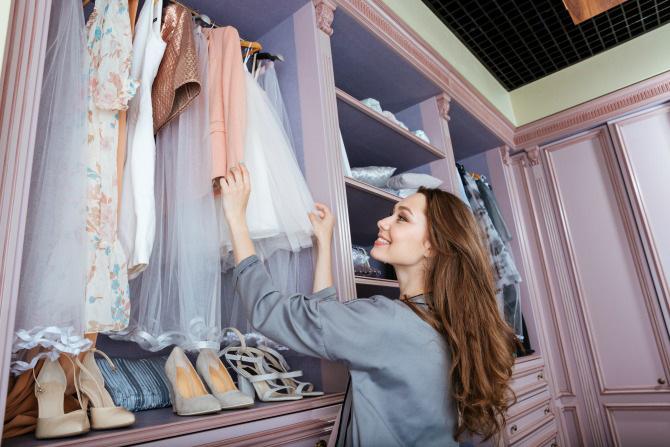
If packaging is unopened and items are not damaged, the gift is in good-as-new condition. If we want to reduce our consumer impact, we can start with rewriting ideas around regifting, especially if it would be well appreciated by the receiver.
Chances are there is someone in your local community who could need something on the cusp of being thrown out. Ask around in the family, especially amongst those who are moving into a new place or are younger. That second rice cooker could find a very happy new home!
To broaden the pool of recipients, make sure to check out your local ‘Buy Nothing’ Facebook group, where values of community sharing and slow giving are central. You could also choose to re-sell your goods at places like the Canberra Fashion Market or Canberra Kids Market and make some pocket money while you’re at it.
Gone are the days of sewing together tears and patching up holes where instead we opt for buying something new (and cheap)! If an item is only slightly out of working order, there is likely an easy way to fix it.
With the plethora of video tutorials and step-by-step guides available on the Internet, it can often be simple to get that item back into business. Better yet, keep an eye out for nearby ‘Repair Café’ events and sites, or just ask a family member!
At the end of the day, reducing waste comes down to reducing consumption, so it really is important to think through purchases before they are made. If not sure about the choice, sleep on it and evaluate the criteria being used to justify the definition of something as either a ‘need’ or ‘want’ item. If opting for a cheap option that will shortly be unusable, look at better quality options that may be more cost-effective in the long term.
WORDS Beatrice Smith
With ABC’s women-focused money podcast The Pineapple Project making a big splash last year, is now finally the time we start talking more openly about money?
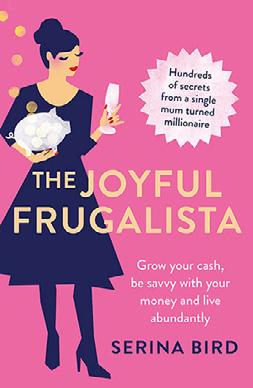
Serina Bird, Canberra-based blogger and author of upcoming book The Joyful Frugalista , hopes so. Her blog of the same name has been serving up bite-sized inspiration for living a frugal-yet-full life for four years now, and Serina’s debut book promises to inspire and educate in equal measure.
We caught up with Serina ahead of The Joyful Frugalista’s release on 4 February to chat savings, shoes and the sharing economy.
WHAT INSPIRED YOU TO CREATE THE JOYFUL FRUGALISTA?
I’ve always been a bit on the frugal spectrum. Even at an early age, I hated seeing things go to waste. I used to work at the discount supermarket, Franklins, as a teenager and then later at a cashier at a Harris Farm Markets fruit and vegetable grocer. Through these experiences, I became really fascinated with how much food cost –and how to eat cheaply and to reduce waste. For years my ex-husband and I enjoyed a seemingly normal life in Western Belco – the only difference being that while my other friends went out for TGIF drinks or dinners, I would go home to cook for homestay students. We hosted students from around the world for six years, and this enabled us to buy a house in the suburbs while it was still relatively affordable to do so. At that time, it definitely wasn’t cool to be a frugalista so I kept my frugal habits a secret. I remember being new to a team, and the ladies comparing their shoes – which had all been purchased in Italy. They were very stylish! Meanwhile, most of my clothing was from an op shop or free. But I had the security of knowing that we were paying down our mortgage – while also gradually buying other investment properties.But I really had to delve into my frugal nature when I became suddenly single in 2014. Within six months, we went from living overseas on a posting to struggling to find money to pay for mortgages, child care, legal bills and living expenses. It was a tough time, but I knew I was creating a better future for my two boys, and I knew that because I was frugal, that I could tough it out until the property consent orders were sorted out. And I did.
women have the financial ability to get out of bad relationships – or to pursue their dreams. I started my frugal blog (then called Ms Frugal Ears) to celebrate financial resilience and frugal living. I won a competition the year before with YWCA Canberra to create a meal that cost $5 or less and I started blogging about low-cost food recipes on my blog. With time, it also grew to include my views on other financial issues as well.
The vague idea of wanting to be a writer started to form around a decade ago. My first ‘book’ was a 21-day seasonal cookbook that sort to reduce food waste by menu planning. I look at it now that I have kids and realise how ambitious it is! While it was never published, it marked a decision to embark on a path of being a writer. When I returned to Canberra in 2014, I applied for and joined Visit Canberra’s 101 Local Humans campaign. It was amazing to learn more about Canberra, and I also enjoyed meeting other bloggers, writers and social media influencers.
I was writing a book about my confinement experiences, and I submitted it an application for the ACT Writers Centre’s 2015 HARDCOPY program for developing non-fiction writers – and I was accepted! This was a big leap for me, taking a hobby to the next level and mixing with real writers, publishers and literary agents. Many of my classmates have had books published and gone on to win awards – they were the best of the best from throughout Australia and being part of their cohort was a little daunting. Yes, right here in Canberra the ACT Writers Centre has one of the best professional development courses for writers in Australia.
As I was going through separation, it occurred to me that not all
It is so important for women to talk about money. We don’t talk enough about money in Australia – we see it sometimes as almost impolite to do so. Women in particular don’t feel empowered to talk about money – despite many studies showing that women tend to make more informed and rational decisions about saving and investment than men.
By Helen MUSA
IRISH actor Christopher Samuel Carroll, now living in the ACT, is one of the busiest artists in town.
I spoke to him by phone to Perth, where he’d been performing his newest production “Icarus” at the Fringe World Festival and he was just about to get on a flight back to rehearsals for “Twelfth Night” in Canberra.
Carroll is playing the plum role of Malvolio for “Shakespeare by the Lakes”.
“It’s a great part, which I’ve always wanted to play; I’m looking forward to digging my teeth in,” he says in the lilt that has endeared him to Canberra audiences and critics in one-man shows such as his adaptation of “Paradise Lost” and “Early Grave, Fashionably Late”, his homage to the Victorian world.
“I’ve been doing a lot of rehearsals over the last few weeks and I’m not unduly stressed. Somehow, he’ll fit in a four-night season of “Icarus” in Canberra at The Street Theatre, too.
The story is having been warned by his father Daedalus not to fly too close to the sun on his waxen wings, Icarus falls to his doom. Sure, Carroll says, it is in part a cautionary tale about the need for temper ance, but much more enticingly he believes, “we all relate to the notion of aspiration, free flight and abandon – we can all imagine the lure of flying close to the sun, I don’t think anyone would judge Icarus too harshly.”

The image of flight, he says is one that has recurred in his work, along with that of the fallen angel Lucifer, another symbol of excessive striving.
“But it’s really just a reference point rather
man and every man whose life is thrown into turmoil and he looks for a means of escape.”
Sounds like the tale of a refugee. In fact it is based on the true story of a refugee who stowed away in the landing gear of a plane before falling to his death on a street

part of The Street Theatre’s “First Seen” dramaturgical initiative, it was pitched to The Street’s Caroline Stacey as a play with no words but lots of ideas.
“I had a clear idea of the story and ‘First Seen’ gave me an opportunity to
Vennonen and lighting design with Jed Buchanan,” he says.
“It’s just me on the stage, but then on the other hand Kimmo’s soundscape acts to set the atmosphere and the mood of the character.”

“I still deal with language because I’m in ‘Twelfth Night’, using language quite intensively, but everything I do must be physically and bodily alive,” he says.
“I trained classically in Dublin and was very fixed on text, but later I trained at Ecole Jacques Lecoq in Paris and learnt the force of the body, although I’ve never done a piece like this where I’ve stripped
The character is universal, relatable to real people, and he uses mime to flesh things out, simple movements show him at home, playing video games, feeding his cat and going to the supermarket, then getting mixed up in a civil war and being forced to leave
The character goes on an epic journey, you can see him in the back of the van, can hear Vennonen’s soundscape of clucking chickens, footsteps and clanking at the border checkpoints. Later, he’s travelling by boat, crammed in with countless other people suffocating.
“The empty stage offers the freedom to go anywhere at any moment, with dynamic scene changes… I might be in a storm bailing out water from a boat, and there are no costumes, either – it’s complete
He is keen to assure us that “Icarus” is often funny, saying: “I know it sounds heavy, but it’s very comic and light. “I want to change the way people think about people labelled as refugees. “To me the use of slapstick is important in humanising this character, and remember, humour comes out of the most extreme circumstances.”
“Icarus”, The Street Theatre, February 27-March 3. Book at thestreet.org.au or 6247 1223.




WHEN I first heard a new restaurant at Narrabundah shops opened at 9pm and closed at 9am, I scratched my head. I eat later than many, but heading to a restaurant that late? I’d fall asleep in my soup.
Now that I’ve been to Kita, it all makes sense.
Kita’s logo features a night owl. The owners took a punt that shift workers, late-night partiers, some travellers and those who just love life most when the sun goes down would love a restaurant with radically different “night owl” hours.
The bet has paid off with Kita coming alive throughout the night with diners wanting more than fast food.
I’m not a night owl and so visited for brekkie. We were hankering for the Indonesian food Kita is famous for.
The martabak omelette ($15.50) was intriguing. It was stuffed with spicy minced beef, potato and shallots and was piping hot.
I road tested the nasi goreng, which Kita labels the “Breakfast for Champions” ($19.50). The bowl was packed – and I mean packed –with fried rice and topped with a fried egg. A generous piece of chicken came on the side as did a bowl of spicy pickles and a super delicious corn fritter. I gave it my all, but didn’t win the champion title. While I only finished half, I can see how starving shift workers would savour that size of a breakfast dish.
I road
tested the nasi goreng, which Kita labels the
“Breakfast for Champions”. While I only finished half, I can see how starving shift workers would savour that size of a breakfast dish.
My friend, even though it was hot outside, ordered the Kita Bowl ($15.50). We all had a taste and gave it a big thumbs up – it was our fave dish. A big serve of rice porridge sat in piping-hot, flavoursome chicken broth. The dish came to life with shallots (crunchy), fried onions, a poached egg and soya sauce for that salty sensation. OMG!
Don’t sweat it if Indonesian food isn’t your thing. You can also enjoy dishes such as a good old, classic, bacon-and-egg roll ($10.50) or plain toast ($6.50) or eggs benedict ($18.50).
Kita is pretty chilled. The staff are friendly and efficient but not pushy. They’ll do whatever they can to make you happy.
The décor is also relaxed, and we loved the floor. Kita was an Indian restaurant for many, many moons and when the old carpet


was ripped up black and orange tiles were discovered underneath. Even though they weren’t all in good shape, they were pretty cool and so Kita staff treated them. They now form a major feature.
Kita’s decor also features wonderful photos of Indonesian people and places, each full of character.
Kita’s not licensed and there’s no BYO. Open Wednesday to Thursday, 9pm-9am; Friday to Sunday, 9pm to noon, at 59 Boolimba Crescent, Narrabundah. Call 6295 1898.
By Helen Musa
ALAN Paul has been singing with The Manhattan Transfer from the start – almost.
“CityNews” caught up with Paul by phone to Los Angeles as he prepared to join fellow artists Cheryl Bentyne, Trist Curless and Janis Siegel in a tour of Australia, including Canberra on March 1, where they’ll be performing hits such as “Birdland”, “Route 66” and “The Boy From New York City”.
He’s been with the sophisticated, multi-Grammy-winning ensemble for 46 years, but as he explains, he wasn’t exactly there first.
“Back in 1968, Tim Hauser had another group called The Manhattan Transfer,” he says. “They were together for four years and put out an album on Capitol and then broke up.”
By 1972 Paul and fellow singers, Siegel and Laurel Masse, were approached by Hauser with an idea for “a different kind of harmony”. It wouldn’t be quite what the earlier group had been doing but, “there was some history with the name, so we went for that”.
When they first got together, Paul says “the sound was definitely close harmony, which means parts written in exact parallel to the melody, as close as possible, chord for chord… that was the sound everyone was used to from the big bands.”
“But as we progressed, we found ways of opening up so that term ‘close harmony’ was no longer really applicable. Sometimes, for instance, we might record four-part harmony but then add extras to make it five or six parts, and sometimes we’d take the best of the chords and give those to the lead singer.”
Paul came to the group after having enjoyed a charmed life in the theatre.
He’d played one of Fagin’s street boys in “Oliver!” then graduated to a part in the first Broadway production of “Grease”. He plainly relishes the theatrical side of what The Manhattan Transfer does when it has fun with the audience, as in the old 1938 number, “That Cat is High”. Even the video clip of its most famous hit, “Chanson d’Amour”, is full of mischief. committed – that’s what we are.”
Would you like to watch those old family videos once again, or listen to your





By Dougal MACDONALD

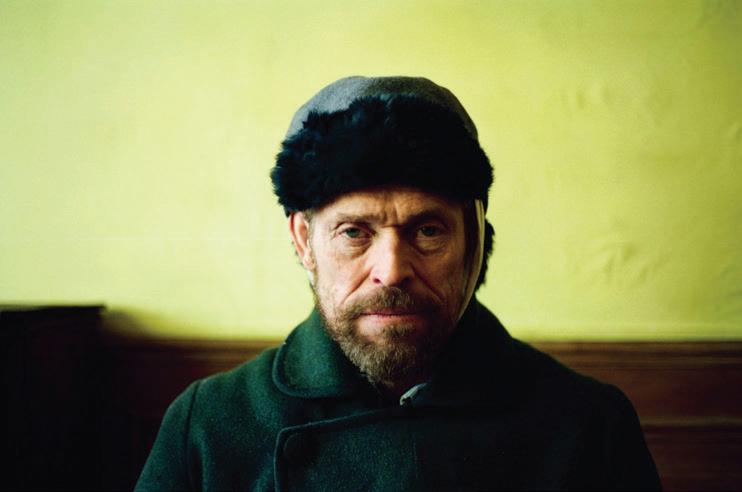
WRITER/director Julian Schnabel’s film, concentrating on a brief but important period in Vincent van Gogh’s life, examines the man more closely, and perhaps more reliably, than any of the surprisingly few previous attempts to tell about him in moving images.
And it does so with sympathy and a strong implication of credibility based on best available research.
The film mainly deals with the artist’s period living and painting in Arles, southern France. It attempts, tolerably effectively, to explain how he saw what he was painting before he began work. Every painting begins with the line. Only the artist knows where it will take him, what space it will define. Colour and texture follow. The film provides wonderful object lessons demonstrating these basics. Vincent takes off his battered boots in the inn where he is living in Arles. And we see how lines and spaces, followed by colour, grow the painting. It’s but one of the film’s wonderful experiences.
ticularly where her live-in gay male factotum Brandon (Josh Brener) is concerned. She lives in an apartment along the corridor from a handsome widower with a cute five-year-old son. Where these fundamental components are taking the film becomes abundantly clear very early on in its boring nearly two hours.
I don’t know about you, but I believe that women’s rights about vocabulary are no different from men’s. In the matter of coarse jokes, I enjoy clever more than unclean. The jokes in “What Men Want” are neither. Tina Gordon’s screenplay is over-loaded with that word that I’m not allowed to say in print.
If this low-grade rubbish is what turns you on, you may find “What Men Want” satisfying. But it’s not funny, it’s not exciting, it’s not sexy, it’s not delivering any sort of message, its conflicts are low grade and its tensions are, well, pretty slack.
I watched it because it was my job. That’s my explanation. You don’t have that excuse.
a surprise. Yup, she’s pregnant and proud of it. And the family is delighted. They invite Fonny’s family for a celebratory drink. The event is a disaster but not because Fonny is not with them. Fonny’s mom and two sisters are holy rollers and Tish’s mother Sharon isn’t having her beloved daughter maligned by blinkered religious attitudes.
So begins a lovely film that combines family strength with the love and the loyalty that Tish and Fonny are determined to sustain. That’s not easy, because Fonny has been framed by a racist white cop. The charge is rape. The victim is a mentally-unstable Puerto Rican woman. And Fonny is in prison while preparations for trial are not hurrying.
Playing Vincent, Willem Dafoe delivers an Oscar-nominated performance. Rupert Friend plays his loving brother Theo. Oscar Isaac plays Paul Gauguin whose friendship was important in Vincent’s development.
Vincent painted seven portraits of
Seigner plays her in the film. But apart from the portraits, her significance to the story provides the film with a special coda. During conversation, in which he tried to explain to her why he paints, she gave him (so the film says) a book with blank pages, which he used as a sketchbook. Nobody else knew of its existence until 2016, when it was found – where is not important, but the provenance of its 65 hitherto unseen sketches is undeniable. Where are they now? And when will the world get a look at them?
At Dendy and Palace Electric
IN 2000, in “What Women Want”, Mel Gibson played a chauvinist male who recovered from an accident to discover that he could understand what was going through the minds of the women he was with. It was moderately amusing. Adam Shankman’s variation on that theme, with the roles of the sexes reversed, is not. I watched it among an audience among whom I saw only one other male. And I heard only two females giggle occasionally, at jokes that sometimes were a tad coarse.
Ali (Taraji P. Henson) is a sports agent who wants a seat on the board of the company that employs her. Her private life is bossy, par-
At Dendy, Capitol 6, Hoyts and Limelight
“If Beale Street Could Talk” (MA)
In 1974, James Baldwin published his fifth novel. Four and a half decades later, Afro-American writer/director Barry Jenkins has brought it to the screen. The wait has been worthwhile.
In 1972 Harlem, the Afro-American Rivers family is cultured, moderately well-off. Their elder daughter Tish has been seeing Alonzo (nicknamed “Fonny”). Tish has brought home
This is a film for people of goodwill and compassion to savour and enjoy. While it ends somewhat short of happily, it collects its issues into a neat parcel that a wonderful cast plays with visible affection. Playing the young lovers, Kiki Layne and Stephan James are close to faultless. As Sharon, Regina King gives a sustained performance of Oscarnomination quality. Colman Domingo as Tish’s father and Michael Beach as Fonnny’s dad give the story steady support. As Fonny’s mother, Aunjanue Ellis provides a brief but important appearance flavoured with pepper, lemon and chilli. Watching Sharon dealing with her is an early high point in the film.
“If Beale Street Could Talk” delivers a mixture of dramatic elements that deserve to be seen. It made my day.
At Capitol 6, Palace Electric and Dendy


By Helen Musa
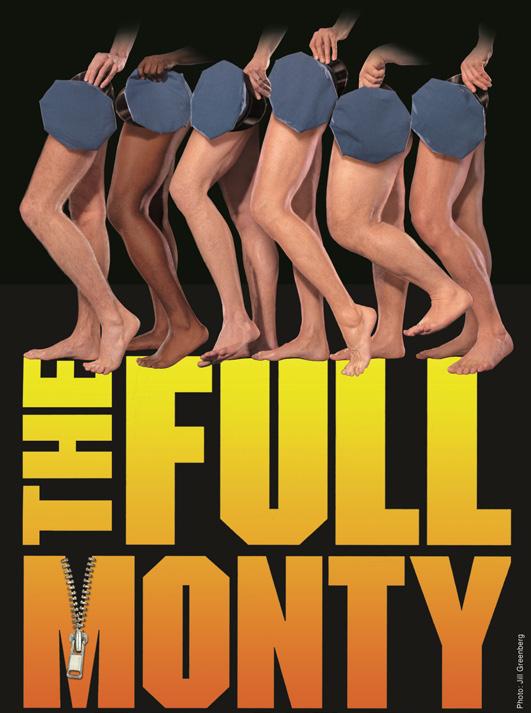
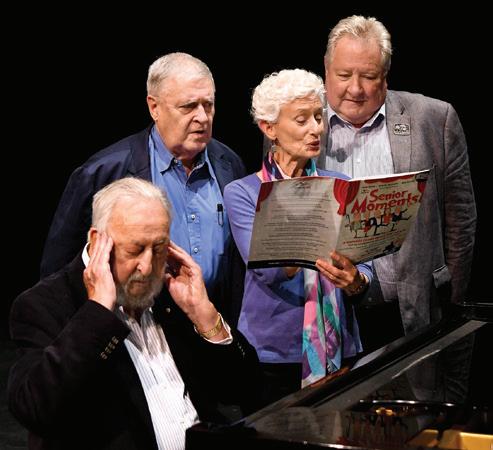
THE comedy revue, “Senior Moments” by and about performers who are old enough to know better, is enjoying a reprise tour, with a cast headed up by “seniors” John Wood, Max Gillies, Benita Collings, with Geoff Harvey at the piano. At The Playhouse, March 8-9. Book at canberratheatrecentre.com.au
THE Australian String Quartet will perform works inspired by Joseph Haydn’s pet parrot – Haydn’s own string quartet op 33 no 3, “The Bird” and Swiss composer Helena Winkelman’s quartet, “Papa Haydn’s Parrot,” along with Sibelius’ “Intimate Voices” at Gandel Hall, NGA, 2pm, Sunday, February 24. Book at asq.com.au
After six, action-packed years of excitement working for the Canberra Centenary, Canberra Glassworks and the NGA, arts identity Bev Growden is off to Sydney next month to become the new executive director of Shaun Parker and Company. Growden originally comes out of the theatre, so it will be familiar territory.
“DEAD Cat Bounce” is the latest zany comedy by Canberra-raised playwright Mary Rachel Brown. This year’s first main season play for Griffin Theatre, it depicts a “ménage-àquatre” centring on writer Gabe, his younger girlfriend, his ex-girlfriend
FOR three nights (March 1-3), Haig Park will be transformed into a giant outdoor cinema for the inaugural Haig Park Pickture Festival, directed by Yanni Pounartzis and Alice Taylor. Billed as “more fun than highbrow”, it will have three cinema screens showing “retro-fun classics” such as Woody Allen’s “Purple Rose of Cairo”, Baz Luhrmann’s “Romeo + Juliet” and Tim Burton’s “Edward Scissorhands”. Book at eventbrite.com.au
The Song Company presents “Treble Helix Unlocked” featuring the original musical notation of the
Wesley Uniting Church, 7.30pm, Friday,
THE popular sculpture exhibition held annually at Rookwood Cemetery where many Canberrans have exhibited, has a new name, “HIDDEN Rookwood Sculptures”. Now in its 11th year, it has a new curator, Kath Fries, and new categories, including film. Submissions to hiddeninrookwood.com.au before March 25.
PIANIST Kathryn Selby has moved her Selby & Friends’ concerts “to a new home in Canberra – the beautiful Llewellyn Hall in chamber music mode.” They’ll be there, Thursday, February 28. Book at selbyandfriends.com.au
Joanne Madeline Moore

ARIES (Mar 21 – Apr 20)
This week’s spontaneous stars increase your restless side and your independent streak. Travel and communication are particularly favoured, as you connect with friends from close to home and far away. Smart Rams will resist the urge to be bossy and fiery on Friday. You’re in the mood to take a professional risk or go on a grand adventure but avoid saying the first thing that pops into your head. Sometimes silence is golden and some things are best left unsaid.
TAURUS (Apr 21 – May 21)
Dynamic Mars charges up your motivation and boosts your Bullish bravado but you could also feel rushed or unsettled this week. Cool down and calm down! Plus aim to do plenty of physical activity, so you can channel your restless energy in pleasant and productive ways. But being overly proprietorial about a person or possession will only lead to a fraction too much friction on Friday. So strive to be less obsessive about what you own and whom you love.
GEMINI (May 22 – June 21)
Geminis are clever communicators but are you confident enough for big time success? With the planets activating your career and aspirations zones, a wonderful opportunity is waiting in the wings but you must grab it when it appears or it will pass you by. So stop over-thinking and instead, start doing! Plus take a good long look at your hopes and wishes for the future. Do they need a radical shake-up? Make sure your dreams are creative, innovative, flexible and fun.
CANCER (June 22 – July 23)
Relationships – at home or work – look rather unsettled this week as Uranus upsets the apple cart and throws some messy surprises into the mix. Someone could say or do something that rattles your sense of security. Or a colleague, client or customer could throw you a curved ball. Whatever happens, avoid the temptation to brood and fall into a slump. As birthday great Elizabeth Taylor declared: “Pour yourself a drink, put on some lipstick and pull yourself together!”
LEO (July 24 – Aug 23)
Have you been feeling like a listless Leo? This week – with action-planet Mars activating the Sun – you’ll feel your mojo, motivation and Lion’s roar returning! So find a challenging project that you can direct your energy into. Despite differences of opinion, Venus encourages you to be much more diplomatic with a work colleague or a family member. A sunny smile and an encouraging comment will get you a lot further than feisty fireworks and theatrical foot-stamping!
VIRGO (Aug 24 – Sept 23)
Attached Virgos – take the time to talk through problems with your sweetheart. Singles – look beyond the exterior package that a potential partner presents. Killer curves or bulging biceps may seem enticing but – if the two of you can’t communicate well – then it’s just not going to last. And don’t be too set in the way you think the weekend should develop. With Uranus shaking things up, expect last-minute cancellations, delays or disruptions that will keep you on your toes!
LIBRA (Sept 24 – Oct 23)
When it comes to relationships, Librans can become rather lazy. This week Uranus shakes up your cosy comfort zone. If you’re attached, it’s time to inject some spontaneity into a somewhat stale relationship. Unhappily single? Don’t play it too safe. Look for someone surprising who is not your usual type. So your mantra for the moment is from movie star (and birthday great) Elizabeth Taylor: “There are so many doors to be opened, and I’m not afraid to look behind them.”
SCORPIO (Oct 24 – Nov 22)
It’s a wonderful week to entertain at home with a special meal, as the planets stimulate your family and friendship zones. Convivial conversation is a bonus. Being of service to others (with kindness, compassion and style) also brings much joy and satisfaction. Plus take the time to savour and enjoy the simple things in your everyday life… like a kiss from a child or a walk in the park. But avoid making a rash comment (in person or online) that you later regret.
SAGITTARIUS (Nov 23 – Dec 21)
Are you ready for a wild ride? This week you’re prone to fiery pronouncements and extravagant exuberance as you overpromise, overspend or overextend. Enthusiasm is high but don’t jump to hasty conclusions and pass on incorrect information. Get the facts straight, otherwise embarrassing mix-ups are likely (especially involving finances or friends). So do your best to divert excess energy into a challenging project that is ambitious and adventurous but also realistic.
CAPRICORN (Dec 22 – Jan 20)
The planetary patterns encourage you to adjust your home/work ratio so it’s much more balanced and family-friendly. But loved ones won’t behave in predictable ways this week, so don’t even try to anticipate what they will do next. And avoid butting in, being a bossy Goat, and offering (well-intentioned) advice. Friends, colleagues and relatives need to make their own mistakes and follow their own dreams. So astute Capricorns will back off, calm down and recalibrate.
AQUARIUS (Jan 21 – Feb 19)
This week you’ll feel rather reckless and your controversial comments and unpredictable antics could upset some sensitive people, in person or online. But that’s life when you’re a free-wheeling Aquarius! So your motto for the week is from birthday great, ‘Cat in the Hat’ writer Dr Seuss: “Why fit in when you were born to stand out?” For extra creative inspiration, look to avant-garde Aquarian role-models like Mozart, James Dean, Bob Marley and Yoko Ono.
PISCES (Feb 20 – Mar 20)
Mercury encourages you to build bridges with a child or teenager, initiate a fabulous new friendship, start a romance or take up a hobby you’ve always been interested in. But has an old relationship finally run out of steam? Or is a fairweather friend questioning your behaviour and holding you back? Uranus urges you to review your partnerships and peer group; discard negative influences; and surround yourself with positive people who support your Piscean dreams.
Copyright Joanne Madeline Moore 2018
Across
1 Name an instrument for use in combat, warfare, etc. (6)
7 What was the given name of Scrooge, in "A Christmas Carol"? (8)
8 Name an inflammatory disease of the skin. (6)
9 Which NSW city is the site of the National Country Music Festival, each January? (8)
10 Name another term for a wig. (6)
11 In which parts of dirigibles are passengers carried? (8)
14 What do we call scurrilous or offensive speech? (8)
18 Who was also known as Saul of Tarsus, the Apostle to the Gentiles? (2,4)
19 Which NCO is ranked next above a corporal? (8)
21 What, in astronomy, is the point in the orbit of a satellite, most distant from the earth? (6)
22 What type of a blonde is a bald person colloquially called? (8)
23 Which mythological woodland deities are part human and part goat? (6)
Down
1 Prior to becoming the US President, Abe Lincoln was a professional what? (8)
2 Name the US male swimmer who won 8 gold medals in the 2008 Beijing Olympics, Michael... (6)
3 To have tidied something up, is to have done what to it? (8)
4 Name the wheel by which the rudder of a vessel is controlled (4)
5 To spring back in alarm, is to do what? (6)
6 Which instrument is used to grind substances in a mortar? (6)
12 What are clear, transparent minerals, resembling ice? (8)
13 Which persons resell tickets at exorbitant prices? (8)
15 What is a time of widespread glaciation? (3,3)
16 What is a large merchant ship, especially one with a rich cargo? (6)
17 What is the shoot of a plant known as? (6)
20 Which non-human anthropoids have no tail? (4)
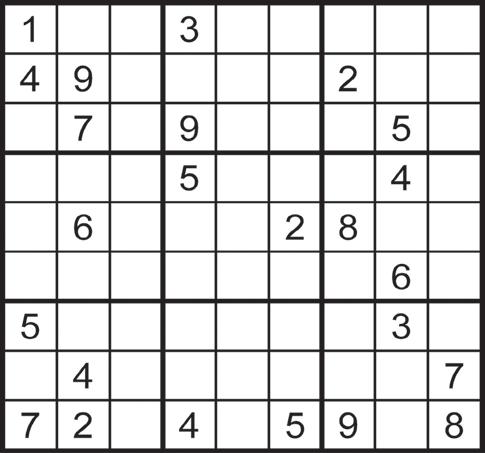



TUCKED away in Belconnen’s Oatley Court is a dining gem, a classic Canberran restaurant that has been serving authentic southern-Indian cuisine since 1994.
Chatting with owners, husband and wife Radhika Reddy and Raj Karingula, they radiate passion for Ruchi, its food and their customers.
The couple took over ownership of the restaurant 21 years ago when they were studying their masters at university and working casually at the restaurant.
“We are still here and still love what we do – most importantly, the interactions with our customers,” says Radhika.
“We work hard to ensure that everyone goes home happy, having enjoyed very good quality, home-cooked, southern-Indian food.
“When we came on to the scene, it wasn’t so much about competition with other Indian restaurants, it was about introducing good food to Canberra and educating Canberrans about Indian cuisine, that it’s more than butter chicken!”
Radhika says the standards they set for their food are influenced by her mother’s home cooking.
“We use the highest-quality ingredients as you would at home. My mum told us from the beginning that we must only use ghee when we make our dosa bread, like we would at home,” she says.
What flavours stand southern Indian food apart? It is mainly based on rice, that is also used to make crepe-like bread called dosa, explains Radhika.
“Our cuisine uses a lot of coconut, but it’s not a heavy use of cream. Our food has a short lifespan, much of it isn’t able to be made ahead of time so we prep everyday and cook dishes as they are ordered,” she says.
Radhika and Raj just love celebrating special occasions with their regular customers.
“We have young people having their 21st birthday dinners at Ruchi, these young people were babies when we first started at the restaurant!” says Radhika.
Ruchi has clearly stood the test of time for a reason: great quality food where you are welcomed as part of Radhika and Raj’s family. I admire their passion and commitment. Is this hidden gem worth a try? Absolutely! Ruchi Southern Indian Cuisine, Unit 4/17-23, Oatley Court, Belconnen. To order delivery online visit ruchisouthindian.com.au
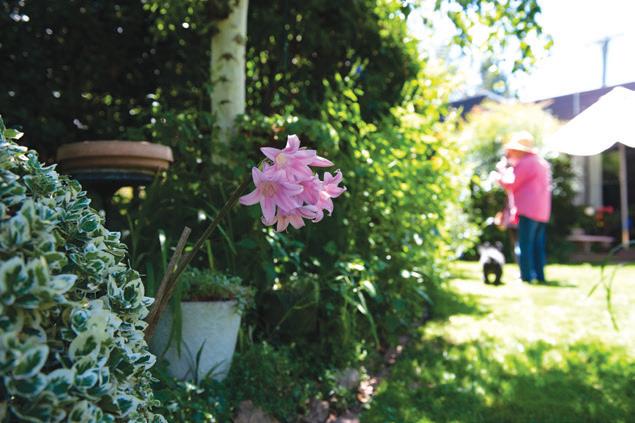





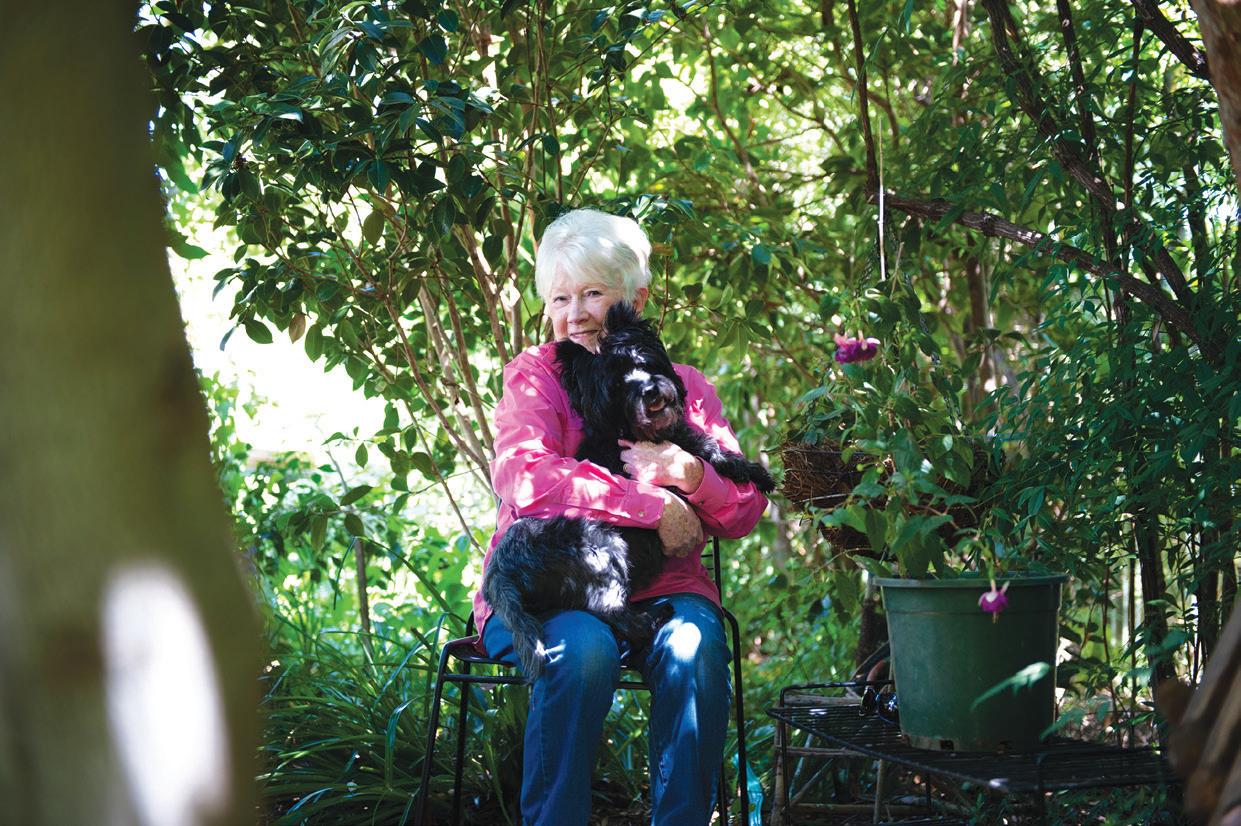
Words: Kathryn Vukovljak
Photos: Holly Treadaway
pea straw that form a compost enclosure.
“The garden is what it is thanks to pruning and composting,” she says.
“I think the plants look so lovely after a prune. I do the garden myself and I love being outside, there’s always something to do.”
Around the side of the house is a fern garden and a small pond, shaded by creepers and trees creating a haven of shade, which Joan says is one of her favourite spots because it’s so small and intimate.
Pot plants and hanging baskets surround the house, filled with gardenias, begonias, orchids, fuchsia and citrus, and Joan says she’ll happily salvage any seedlings that grow in cracks between the pavers.
“It’s not a designed garden and I very much go with the flow,” she says.
“I’ve edged the beds in brick so I can easily change their shape if I want to. It’s not an ordered garden by any means, and I’m not the tidiest!
“It’s what your heart tells you to do. It just turns out as it turns out.”
51 Dash Crescent, Fadden, open 10am-4pm, Saturday, March 2, and Sunday, March 3. Admission $8; free to under-18s and Open Gardens Canberra members. Funds raised will go to the St Vincent de Paul Society. It costs $25 to join Open Gardens Canberra and gain free entry to all open gardens until August 31. More information at opengardenscanberra.org.au/members
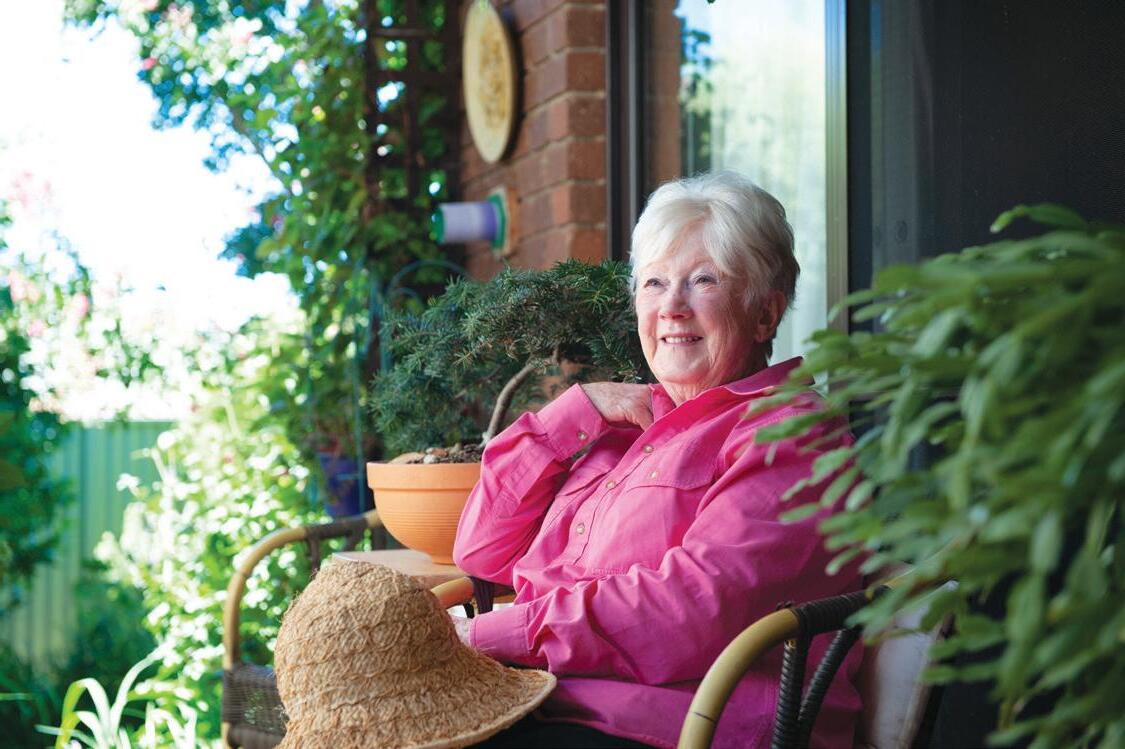

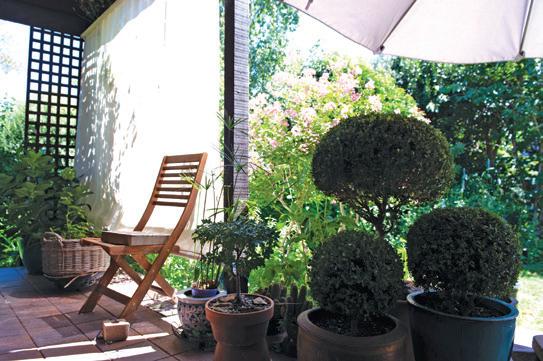
By Cedric BRYANT

MORE than 60 million Dutch elm trees have died over the past century, but in Australia we are fortunate to not have the disease here.
It was first identified by a Dutch botanist and spread by a beetle. While we do have the beetle that spreads the disease, we don’t have the disease itself.
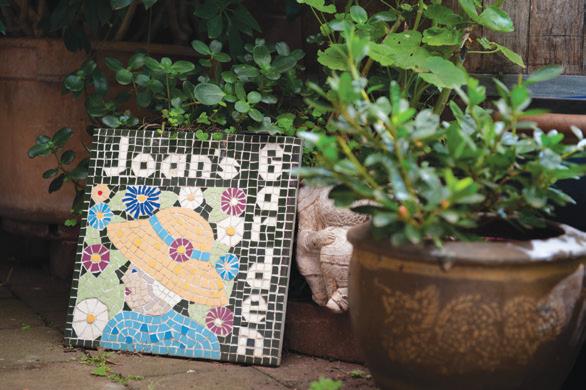
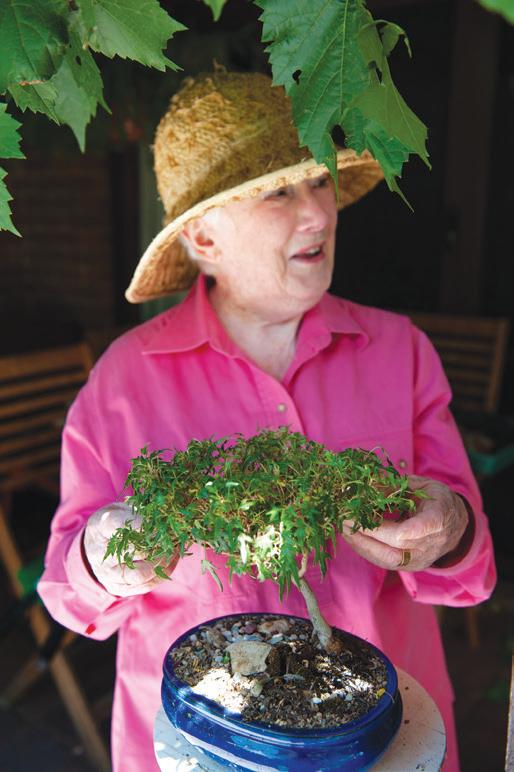
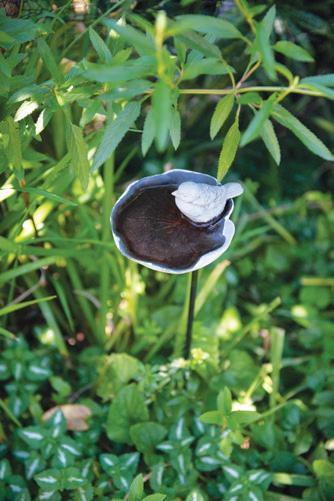

Elm trees, which in Canberra can be completely defoliated in mid-summer by this beetle, can be protected by an injection of insecticide.
In the case of elm trees in Britain, some trees in isolated areas appear immune to the disease and experiments are underway to clone healthy trees.
But now there’s a threat for ash trees (Fraxinus excelsior) in Britain, this time caused by Chalara fraxinea, a fungus found in the wild.
The first ash trees found to be dying were identified in Europe in the ‘90s spreading to Britain as recently as 2012. The educated guess of tree experts is that 80 per cent of Britain’s 80 million ash trees will die in the next 20 years!
We just hope that this problem doesn’t arrive here as many of our street trees are Fraxinus excelsior The fungi can be found even in sawn timber, so it is vital for our quarantine and border protection services to be eternally vigilant at our ports and airports.
VISITING a friend in Yass, I was taken by this border of Coreopsis grandiflora, the most common variety of this colourful perennial. Coreopsis originates in the US although it is popularly grown in China. A member of the sunflower family, it spreads readily from seed, so much so that in areas of Sydney it’s considered a weed along railway tracks. It grows usually with a single set of petals, however newer hybrid double varieties are now available including Sunray, which is vegetative propagated and so doesn’t set seed.
INTENDING visitors to Britain during the northern spring and summer frequently ask me for suggestions on gardens to visit. A good start is the four gardens of the Royal Horticultural Society located in various parts of the country. I have been a member of the RHS for decades and have visited all these gardens, some many times.
One is the Rosemoor garden at Great Torrington in Devon. The Rosemoor Rose Festival, from the first week in June to the end of
July, is not to be missed with 2000 roses in bloom showing 200 varie ties. This is just one of Rosemoor’s many display gardens, which cover 24 hectares (65 acres). All are full of ideas for the home gardener. rhs.org.uk/rosemoorwhatson
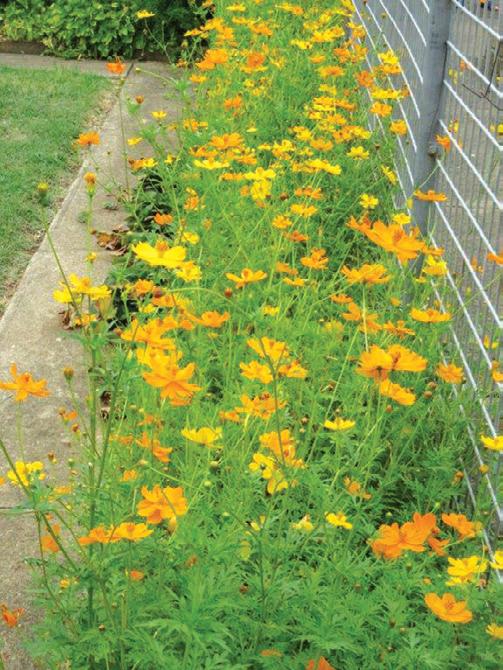
• When harvesting pumpkins, pour paraffin wax in the soft end so they keep longer.