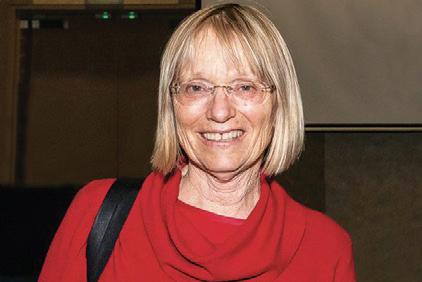
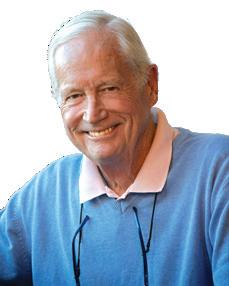
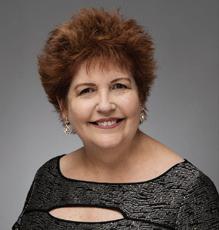
Our days as second-rate citizens may be numbered MICHAEL MOORE
Halfback full on to take Raiders place again SIMON ANDERSON
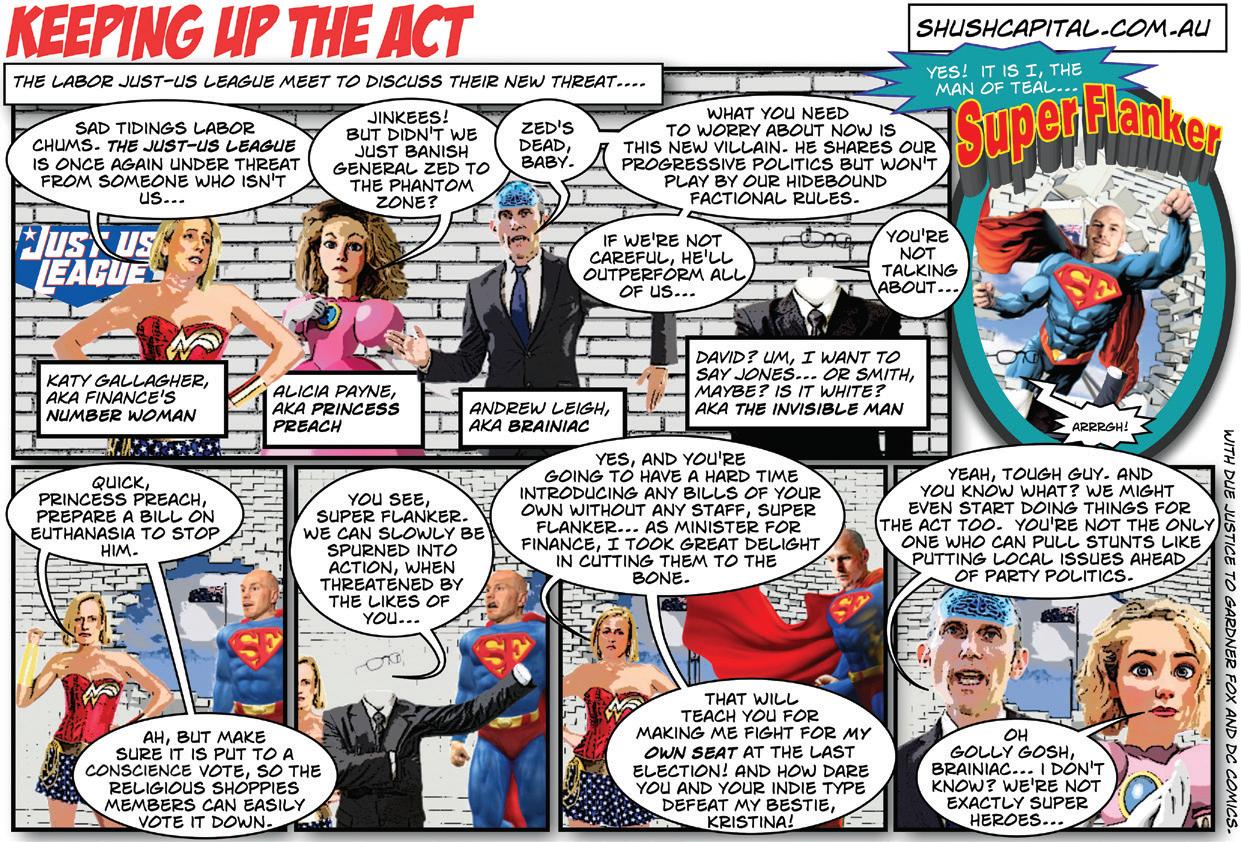
KEEPING UP THE ACT
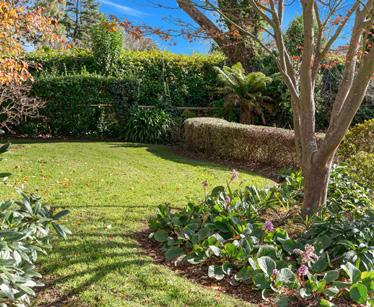
GARDENING
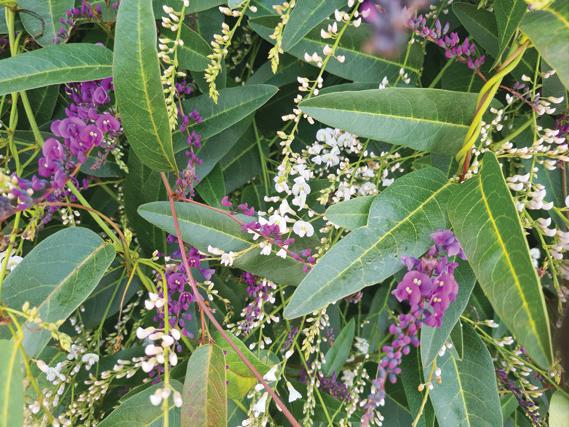
winter shrubs put on a show
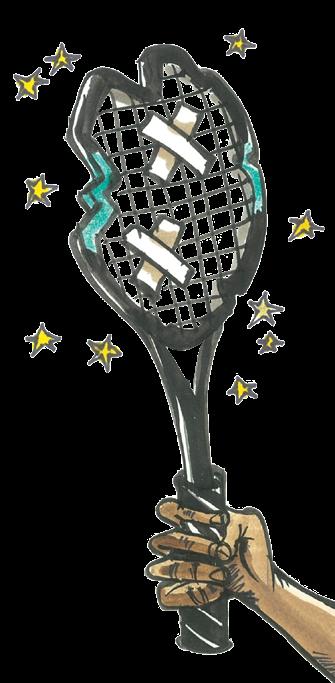
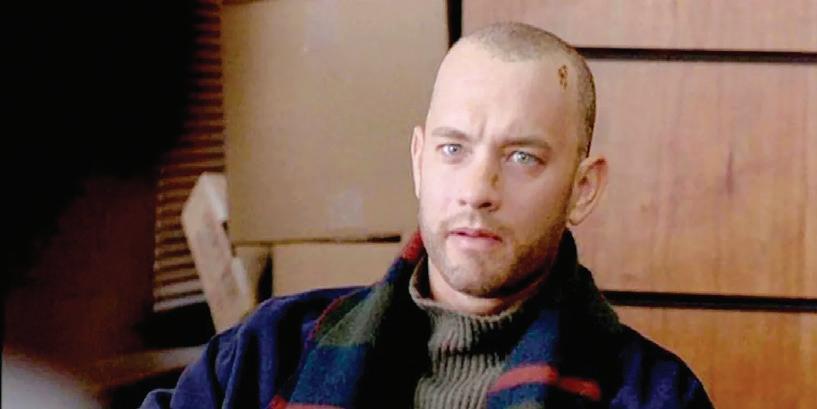
Gay or straight, it’s only acting, Tom NICK OVERALL What next for Canberra’s bad boy of tennis, asks BELINDA STRAHORN
Just Us v The Man of Teal
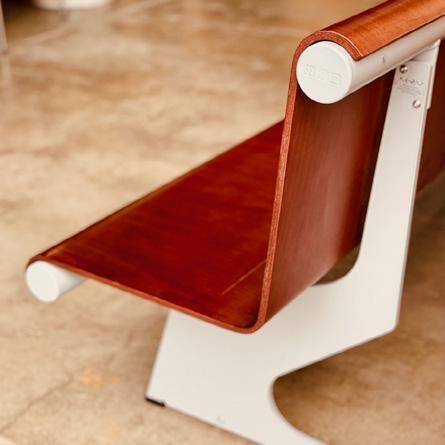
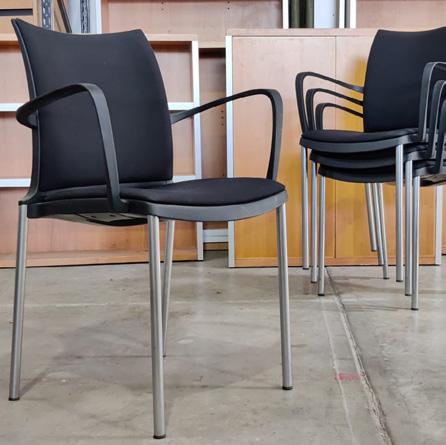
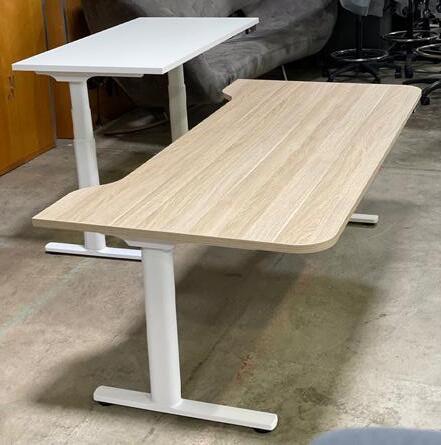
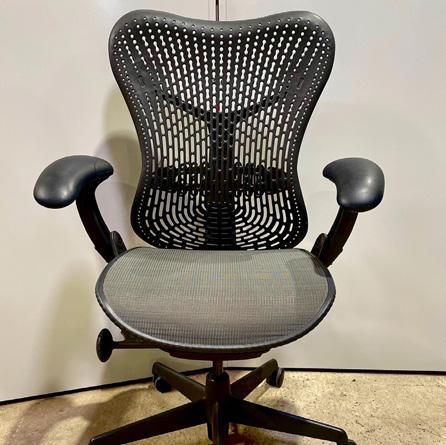
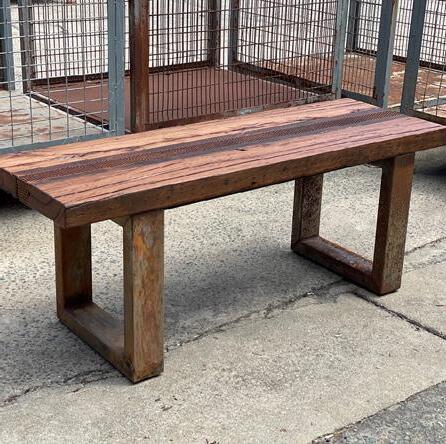
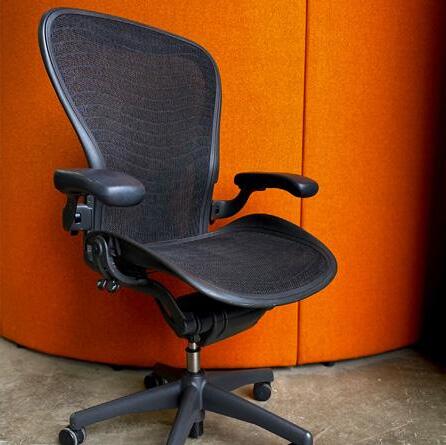
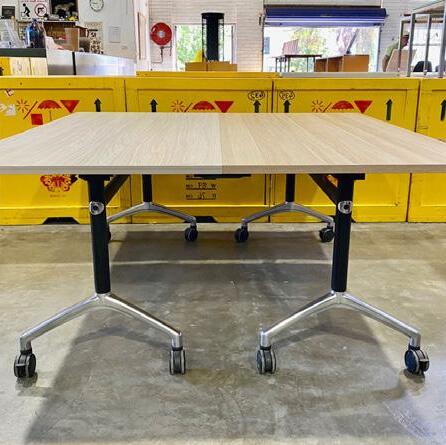
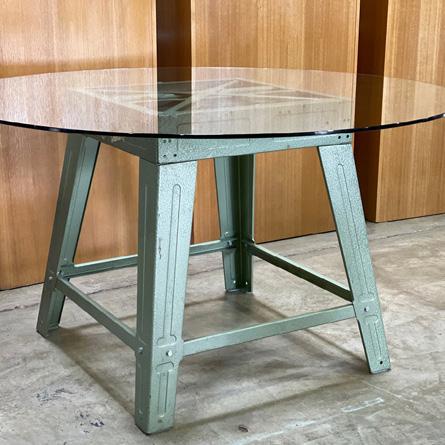
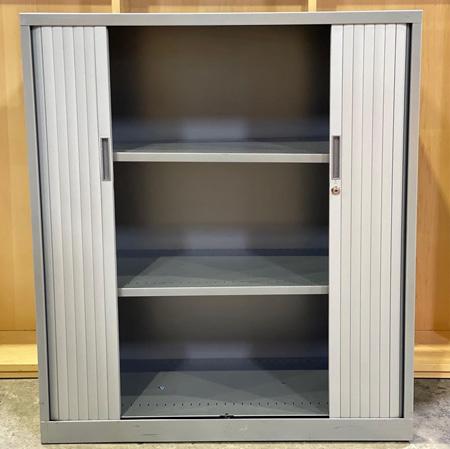
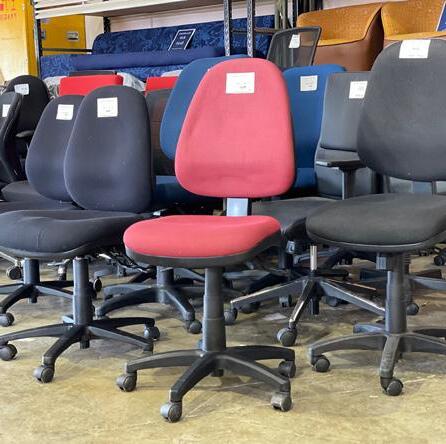
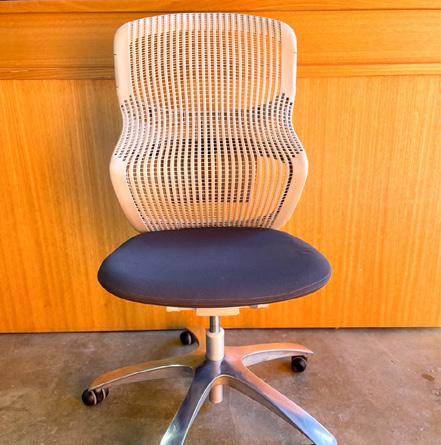
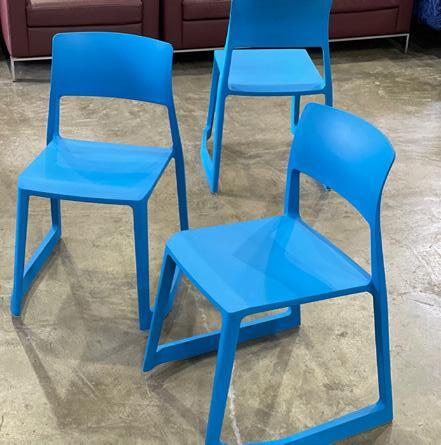
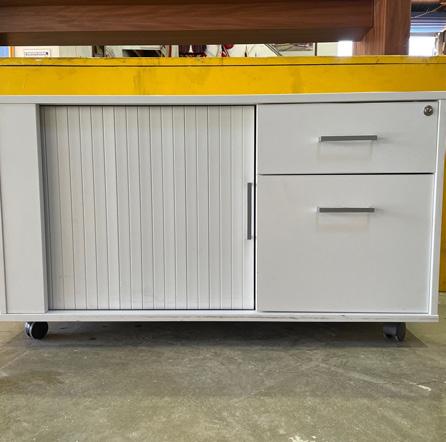
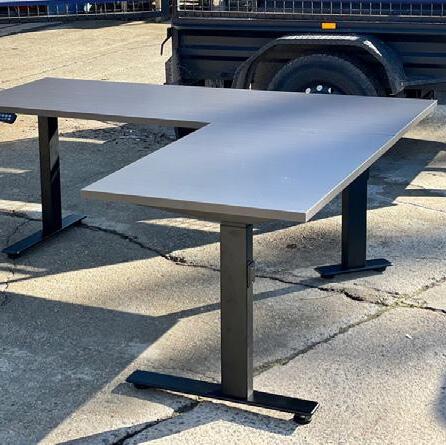
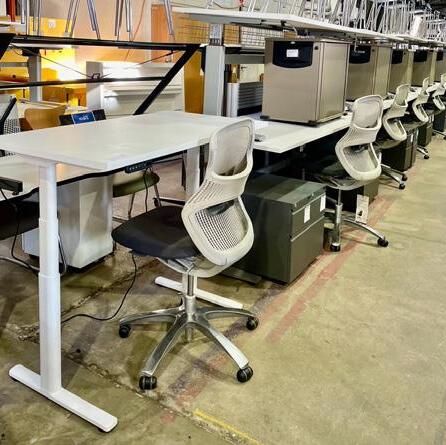
GOVERNMENT FURNITURE
ADVERTISEMENT
THE KILLING MUST STOP
The ACT Government’s disastrous miscalculations
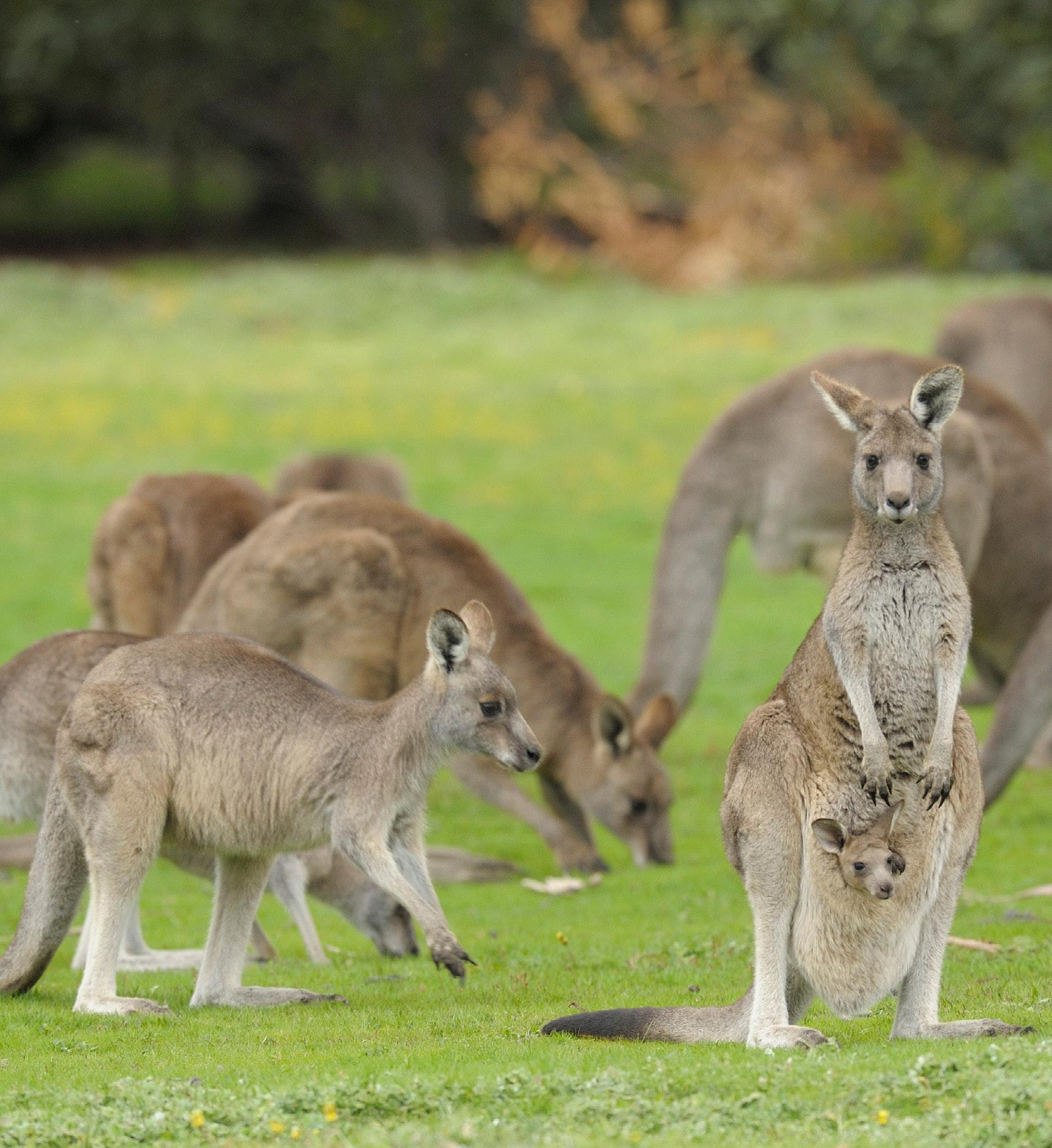
The ACT Government is wrong about its kangaroo population statistics in Canberra Nature Park reserves targeted for ‘culling’ in 2022.
The ACT Conservator has publicly stated that to count kangaroos in Canberra nature reserves, “rangers walked a line through multiple sites in multiple reserves. The number (of kangaroos) observed during the site walk was extrapolated to the rest of the park.”
Experienced observers of kangaroos know that they are never found evenly spread across a landscape. One mob may be the only mob in an entire reserve.
This is the counting method that resulted in a gross inflation of the number of kangaroos at Farrer Ridge in 2021, which then resulted in a gross over-calculation of the number of kangaroos the Directorate considered should be killed. Despite hours on-ground, searchers have found only 32 kangaroos surviving on Farrer Ridge, while the ACT Government claims there should be 143 (although ACT Environment Directorate officials now cannot find them).
What has happened at Red Hill in 2022?
Residents of suburbs around Red Hill, who love the Reserve and its natural environment, have been appalled by the conduct of the kangaroo cull this year. The killing of the small kangaroo mobs on Red Hill appears to have amounted to yet another massacre.
This is the result of another extreme miscalculation of the resident kangaroo population by the ACT Government. Government officials have ignored the advice of independent scientists and highly informed citizens and have insisted on using counting methods that have repeatedly been proven to be incorrect, along with an arbitrary notion about the ideal numbers of kangaroos per hectare, which has also been revealed to be incorrect.
This method, called ‘walked line transect’ resulted in a population estimate at Red Hill of 1300 kangaroos, which regular walkers on Red Hill dispute. The Directorate claims 500 should be killed. The shooters have been at Red Hill night after night. A high wounding rate was to be expected given the high wind conditions that have prevailed, but that did not stop the shooters for a minute.
Residents report finding blood trails (indicating kangaroos did not die instantly), pools of blood on rocks where joeys have been killed, and bodies of both adults and joeys. Yet the ACT Minister for the Environment preposterously claims that ‘Canberrans should feel proud of having the most humane kangaroo management program in the country.’
Well-established science shows that a wild-living kangaroo population cannot grow at a rate exceeding 10-12% and yet the ACT Environment Directorate frequently estimates population growth rates considerably higher than this. Combined with inflated population data, this is leading to disastrous outcomes for kangaroos.
We are yet to learn how many kangaroos have been slaughtered on Red Hill and the other eight nature reserves that have been closed for shooting in 2022. We call on the ACT Government to hold an independent review of kangaroo culling in Canberra Nature Park.
Canberra’s so-called ‘conservation cull’ permits shooting of female kangaroos with joeys in-pouch and the bludgeoning to death of those joeys. Hundreds every year. If you believe we are better than this, please email:
• Your local MLA
• Minister for the Environment, Rebecca Vassarotti – Vassarotti@act.gov.au
• The ACT Chief Minister, Andrew Barr Barr@act.gov.au
For more information go to Facebook #SaveCanberrasKangaroos Or email: canberrakangaroos@optusnet.com.au
PROTEST
196 London Circuit Canberra ACT NEW DATE
Wed 20 July 12noon-1pm
ACT Legislative Assembly
COVER STORY / Kyrgios at a crossroad
Weary Nick ducks promise to return to top tennis
By Belinda STRAHORN
FANS would be asking what’s next for Canberra’s bad boy of tennis Nick Kyrgios.
After winning the first set in the men’s Wimbledon final on Sunday (July 10), Kyrgios lost in four sets to defending champion Novak Djokovic.
While the 27-year-old’s performance on court was the best of his career, he also made headlines during the tournament for all the wrong reasons – picking fights with umpires and line judges, falling out with his opponents, berating his own player box and spitting towards the crowd.
Following his four set loss to Djokovic, when asked if he was hungry for further big-match tennis, Kyrgios replied: “Absolutely not, I’m so tired, honestly.
“I’m just really happy with this result, it’s the best in my career – so hopefully I can be here again, but I don’t know about that.”
Tennis fans could be forgiven for wondering if this was a one-off performance from Kyrgios, or will we see him feature in future grand slam finals?
Canberra clinical psychologist Jason McCrae has analysed Kyrgios’ performances and drawn the conclu- month at that high level.”
McCrae – who previously worked as
a sports psychologist at the ACT Academy of Sport – points out that while we idolise sporting heroes, they dont always present as ideal role models.
They are just as personally “flawed’’ as the rest of us, McCrae says.
“As Australians we have perceptions that a sports person should be a role model, be really good at life, exude calmness and humbleness, and show positive values, but really that’s a flawed expectation,” he says.
“When someone like Nick comes along who is clearly good at tennis but perhaps exhibits some behaviours that people don’t like, it can be quite jarring, and it doesn’t meet the expectations we have.
“Just because someone hits a tennis ball well and can serve fast, why should that mean they are a humble or calm person, or that their personal characteristics are desirable?”
Alberto Filgueiras Goncalves, a visiting professor at the School of Sport and Exercise Science at the University of Canberra, identifies Kyrgios’ aggressive behaviour as a fundamental approach to his game.
Goncalves, who served as a sports psychologist for the Brazilian beach volleyball team during the Rio Olympics, says what helps to motivate Kyrgios could also be destructive on him personally and how he’s perceived in the game.
“It becomes a problem when the ag-
gressiveness is misplaced,” Goncalves says. “If there’s too much aggressiveness placed on the game or on other things like the crowd or the umpire then it can become a problem.”
While Kyrgios has a long way to go before he’s regarded as Canberra’s favourite son, the capital does have a warm spot for those who perform well on the world stage.
“When he is yelling at the umpire and throwing a racquet perhaps we don’t like the way he’s representing our town, but when he is playing great tennis and getting close to winning Wimbledon we like the way he represents us,” says McCrae.
Following Kyrgios’ Wimbledon performance, in which he pocketed more than $1.8 million as runner-up, Canberrans wasted no time congratulating him on his efforts.
“It wasn’t to be for Canberra’s Nick Kyrgios, but what a great achievement to make it to the finals. Let’s go one better next year,” tweeted ACT Opposition leader Elizabeth Lee in a 3am post-match tweet.
“Congratulations to Nick, it was a gripping match, but success was not to be,” said the Daramalan College alumni.
Neither ACT Chief Minister Andrew Barr nor Sport Minister Yvette Berry have offered any obvious congratulation to the world-renowned Canberran.
Arts & Entertainment 27-29
Matters 10 Crosswords & Sudoku 31
29
31
19
News 3-20 Politics 14, 18
13 Cover: Nick Kyrgios caricature Paul Dorin.
Since 1993: Volume 28, Number: 28
Managing director: Kate Meikle, kate@citynews.com.au
Sales director: Tracey Avery, 0477 939999
Senior advertising account executive: David Cusack, 0435 380656
Journalists: Belinda Strahorn, belinda@citynews.com.au; Nick Overall, nick@citynews.com.au; Lily Pass, lily@citynews.com.au
Arts editor: Helen Musa, helen@citynews.com.au
Production manager: Janet Ewen
Graphic Designer: Susanne Boag
Proof reader: Glenda Anderson
Mitchell.
Distribution manager: penny@citynews.com.au
Runner-up Nick Kyrgios… “Hopefully I can be here again, but I don’t know about that,” he told the Wimbledon crowd.
Stop crying in the chardonnay, kill weeds not roos
MY black sense of humour is always piqued at this time of the year watching the environment minister of the day squirm their way through weeks of public pillorying over the annual kangaroo massacre, sorry, cull.
It’s not the brickbats especially, it’s just the bleak imagined image of Chief Minister Andrew Barr laughing his head off as another Greens environment minister gets walloped for what we all know in their hearts must be ideologically killing them, never mind the kangaroos.
In a strange comment, current minister Rebecca Vassarotti told the ABC at the start of this year’s cull: “Canberrans should be proud of having the most humane kangaroo management program in Australia.”
Yes, let’s proudly hold our heads up high as professional shooters nightly traverse the ridges and reserves, dispatching another 1650 kangaroos and joeys over the two months to July 31.
I’ve been looking through news reports of successive culls since 2009, when fellow Greens MLA Shane Rattenbury pragmatically tried to explain it away every year until Labor’s impervious Mick Gentleman took the environment portfolio in 2016 to pass it to Vassarotti after the 2020 election.
Paul Costigan, he of the “Canberra Matters” columns, often despairs at the hypocrisy rather than hope the six Greens
MLAs have brought to the current Assembly.
He accuses the Greens of looking the other way when the ideological going gets tough, captives he thinks of the perks of parlia mentary life (by way of illustration, Minister Vassarotti is left to cry in her chardonnay on an annual salary of $291,592).
But hypocrisy doesn’t come any better than the battle reader Julie Lindler, of Farrer, has been quietly raging for 17 years.
Hers is a war on weeds.
She has fruitlessly written to every environment minister since 2005 (that’s Jon Stanhope, Simon Corbell, Gentleman and Vassarotti) and concludes that the ACT government is “dysfunctional and disingenuous”.
“On one hand they allocate $800,000 to continue slaughtering Eastern Grey kangaroos but do virtually nothing about weed control,” she says.
“If the ACT government was genuine about saving endangered flora and fauna of ACT’s remnant grassy woodlands and
threat to these grasslands but have failed to provide any scientific-based, meaningful data to substantiate it.
“The spread of invasive weeds poses a great threat to the biodiversity of grassy woodlands and reserves by severely impacting on the endangered plants, reptiles, insects and bird life.
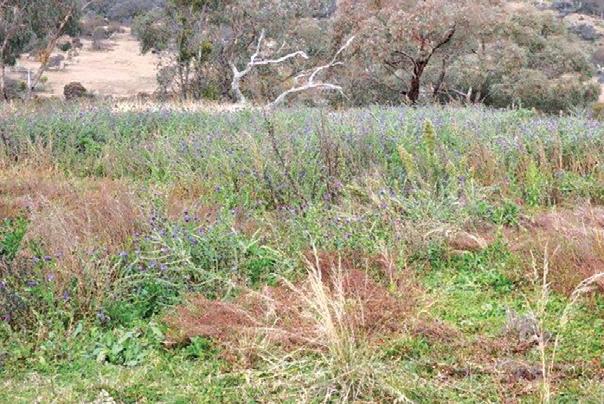
“For years many invasive weeds such as St John’s Wort, Paterson’s Curse, African Love Grass, Serrated Tussock, Chilean Needle Grass and many more exotic grasses and forbs have been allowed to spread unchecked though most of the ACT’s southside reserves.
“There is a Pest Plants and Animals Act 2005 where certain plants ‘Must be suppressed’, ‘Must be contained’, ‘Prohibited’, but not much effort goes into taking any action and very little in funding is set aside to tackle weeds.
This Changes Everything
Queanbeyan Performing Arts Centre
How can you change the world if you ' ve taken yourself out of it?
“Reserve managers fail to see the importance of looking at the whole ecosystem to ensure a healthy landscape. Instead they choose a one-dimensional approach and blame an abundance of kangaroos for the degradation and loss of species.
“Kangaroos do not harm their environment. Their soft feet do not compact the shallow soils our region is known for. They provide essential nutrients to sustain the plants and trees. They assist in keeping the tall grasses low in the fire season. They allow renewal of life by stimulating plant growth each spring thus increasing biodiversity.
“What is the justification for culling another 1650 kangaroos when there is an abundance of vegetation due to well-above-average rainfall in 2020, 2021 and so far in 2022?
“The spread of these weeds and the destruction of local flora and fauna is a direct result of this government’s complete neglect of their responsibility as land managers”.
Same again next year, lads?
READER Geoff Rushmer, of Macquarie, emailed Labor’s Chris Steel just before the squillion-dollar contracts’ schmozzle blew up in the skills minister’s face, questioning the CIT’s core business – training.
He was inspired to write after seeing an ABC TV news report about the redevelopment of the new CIT campus at Woden
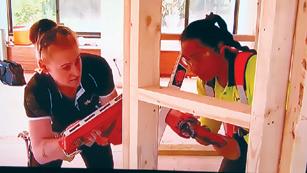
Nail guns to the ready… a grab from the ABC’s Woden CIT report.
involving Steel.
“Some of the video was celebrating training girls in trades and showed two using nail guns to nail an internal wall frame – the problem was that one was about to fire a nail into the frame with her gun pointing directly at the face of the other less than 300 millimetres away,” he wrote.
“Unbelievable and deadly. Obviously CIT shouldn’t expand until they get some decent work safe-aware trainers!”
Needless to say, he’s heard nothing from the minister.
Ian Meikle is the editor of “CityNews” and can be heard on the “CityNews Sunday Roast” news and interview program, 2CC, 9am-noon.
22-30
From up on Farrer Ridge… fleabane and thistles (left) and Paterson’s Curse and St John’s Wort.
Photo: Julie Lindler
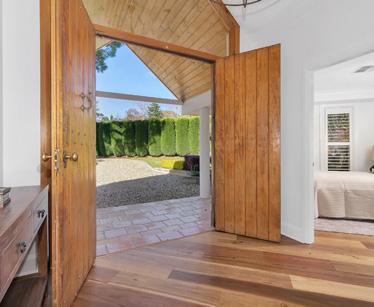
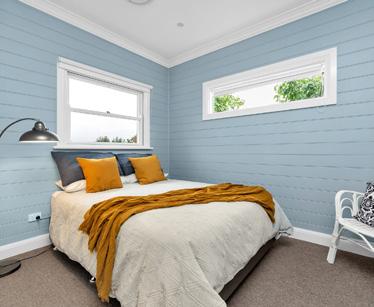
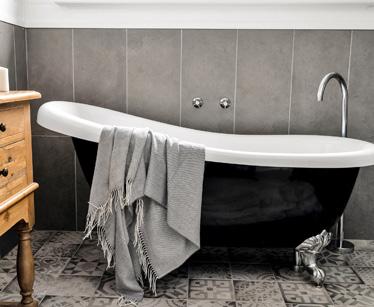
Stay in comfort,
in the tranquil surrounds of the Southern Highlands
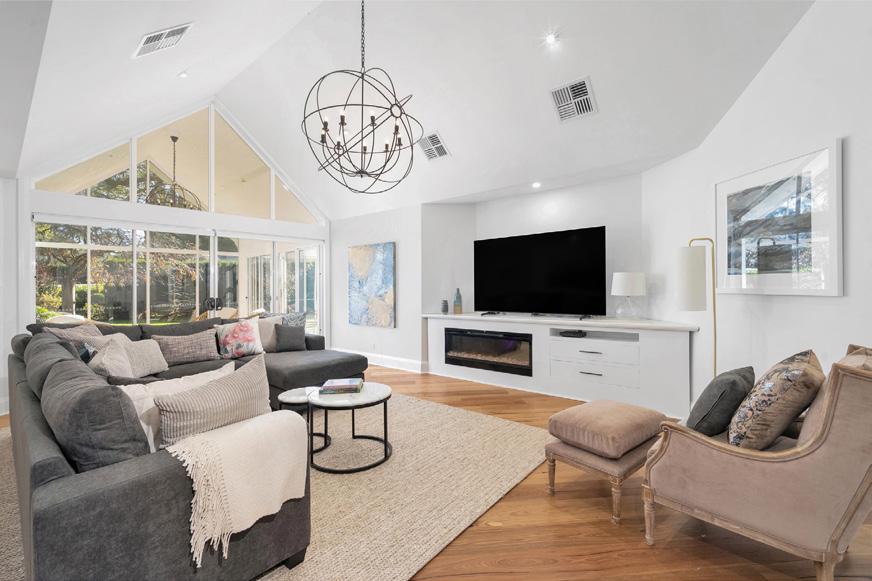
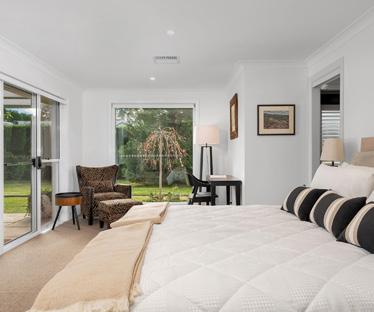
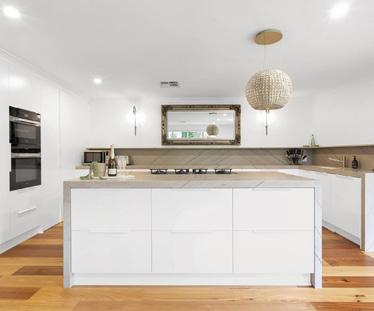
‘Hollydale’
• Stately home on a large private block in Burradoo
• Central location close to Bowral and Mossvale
• 4 bedrooms, 2 bathrooms, 1 powder room
• Sleek contemporary kitchen with stylish artworks and furnishings throughout
• Sitting amongst one acre of established leafy gardens
Is fighting wars work for interfering politicians?
By Nick OVERALL
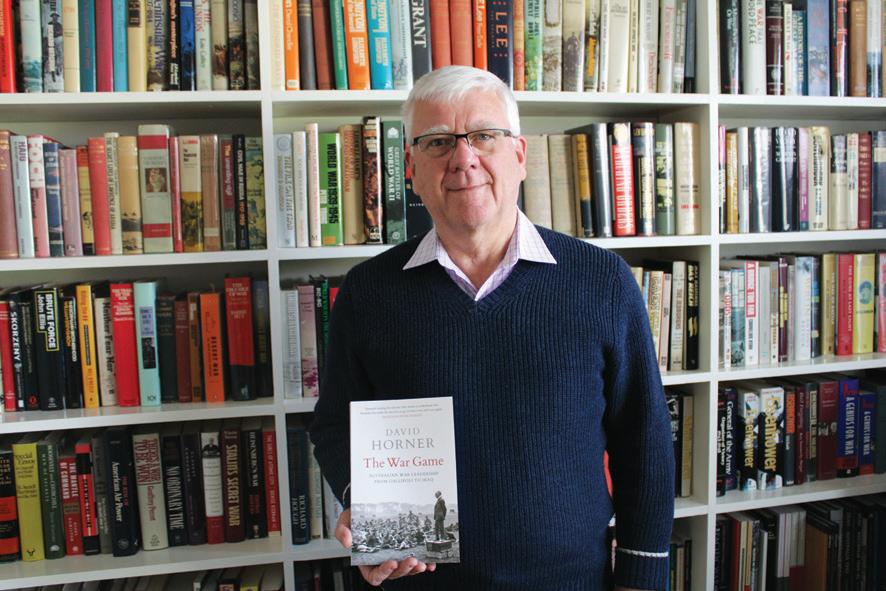
THE gravest decision a leader can make is to send their nation to war, says ANU professor of Australian defence history David Horner.
Considered the country’s preeminent military historian, he would be the first to tell you the bravery of Australian soldiers in battles such as Gallipoli or on the Kokoda Trail should be deeply respected.
But in his newest work, “The War Game”, he raises what he believes to be an even more important point: should they have been there in the first place?
Prof Horner, who himself served in Vietnam, has investigated the nine times that Australian leaders have sent the nation to war over the last century and the political mechanisms by which those decisions were made.
From Prime Minister Joseph Cook’s committing Australia to World War I, to John Howard’s call to intervene in Iraq, Horner’s book asks the questions of why these decisions were made, how informed they were and what can be learnt from them today.
“These decisions result in the death of Australians, they result in the grief
on the Australian reputation and the treasury,” he says.
“These are issues that we’ve been dealing with for 100 years and these issues are enduring. The situations are different but the broad lessons are there.
“With the war in Ukraine and the concern about China, the sorts of issues I’m talking about in the book are more important than they’ve been for
In the book’s introduction, Prof Horner uses a letter written by US President Abraham Lincoln to Union Army Gen Ulysses Grant as a springboard to examine what he calls the “political military interface”.
Lincoln wrote to Grant during the American Civil War: “The particulars of your plans I neither know nor seek to know. You are vigilant and self-reliant, and pleased with this I wish not to
intrude any constraints or restraints upon you. If there is anything wanting which is in my power to give, do not fail to let me know it.”
Prof Horner says: “The question comes, how far down should the government get involved with the actual conduct of the military operations?”
“Some would argue that Mr Lincoln’s model is not good enough, that he should interfere more than that it would seem to suggest.
“Others would ask: why should the leader or minister for defence interfere, and if they do, how low down should their decisions go?”
While the US Civil War may have taken place more than 150 years ago and an ocean away, Prof Horner says those same questions around the interplay between politics and military remain for Australia today.
“We’ve never had a prime minister who has a particular expertise in international strategic affairs at the time they were elected, but the effects of their decisions go on for years,” he says.
“We see now with the decision to go to Afghanistan and the way the war was conducted has resulted in continuing problems with PTSD, Australia’s reputation and so on.
“We have to ask the question, if we’ve got prime ministers who are making these decisions, how capable are they to make them?”
In his book, Prof Horner points to a quote by former UK Prime Minister David Lloyd George who raised similar questions more than a century ago:
“In all trades and professions the man who aims at taking the lead knows that he must first learn the business he proposes to follow, only in the business of war – the most difficult of all – is no special training or study demanded from those charged with, and paid for, its management.”
In light of such issues, Prof Horner posits that the country’s top military officials should have greater responsibility in military decision making.
“The failure of the US in Iraq should lead to at least two vital conclusions: that the US process for going to war was deeply flawed and Australia would be wise to treat any US plan for war with deep suspicion,” he says.
He says that despite the situations of war changing over the course of 100 years, the broad lessons from history remain just as, if not more, important for Australia’s leadership today.
“Just as a game has rules, there are rules for effectively playing the warleadership game.
“And if we’re getting ourselves involved in another war, let’s stop and think: are we making a mistake?”
“The War Game: Australian War Leadership from Gallipoli to Iraq” is available at bookstores and online.
Prof David Horner… “If we’re getting ourselves involved in another war, let’s stop and think: are we making a mistake?” Photo: Nick Overall
Time to rethink how we feel about diabetes
DIABETES has an image problem and a stigma problem, and Diabetes Australia Group CEO Justine Cain is calling on the community to help rethink diabetes.
She says that around 80 per cent of peo ple with diabetes say they’ve been blamed or shamed for having the condition.
Some common examples include people with diabetes being blamed for causing their diabetes or its complications as well as being judged when eating certain foods.
“National Diabetes Week, July 10-16, is an opportunity to raise awareness about all types of diabetes and to encourage greater support for people living with the condition,” she says.
“This year is the third year of Diabetes Australia’s ‘Heads Up on Diabetes’ campaign focusing on the mental and emotional health impacts of living with diabetes.”
negatively impacting their mental health,” she says.
Ms Cain says there are more than 450,000 Australians with diabetes who need to use insulin every day to stay healthy, yet many are being shamed for using insulin or checking their glucose levels in public.
“More than 25 per cent of people living with diabetes say other people’s attitudes and stereotypes about diabetes are
“This stigma can have major implications for how people manage their condition. It can cause people to delay or skip medications, which can increase their risk of serious diabetes-related complications. It also affects their willingness to seek help and support from others, including from health professionals.
“It’s important that people remember that what might seem like a harmless
joke or comment, can actually add to the burden of stigma that people with diabetes experience every day – and this can all contribute to poorer mental and emotional health outcomes.
“People can visit com.au to find out how to access mental and emotional health support.
“If you are living with, or caring for, someone with diabetes, it’s important to be aware of the mental and emotional health impacts and to ask them if there is
Ms Cain says there are currently around 500,000 Australians living with silent, undiagnosed type 2 diabetes. Many of these people live with the condition for up to seven years before being diagnosed. In that time diabetes-related complica -
“The earlier people are diagnosed, the earlier they can get the treatments that help them reduce their risk of complications.”
Visit diabetesaustralia.com.au/riskcalculator to do a free diabetes risk check.
Think people cause their diabetes? NOBODY CHOOSES DIABETES
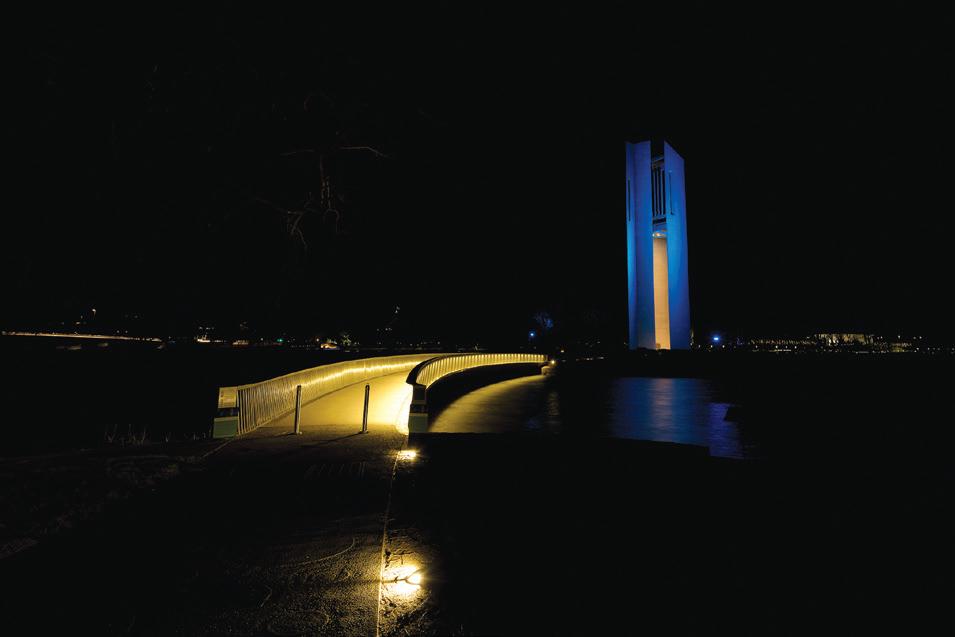
Diabetes Australia Group CEO Justine Cain… “ There are so many myths and misconceptions about diabetes, and if we all rethink diabetes, we could make it a little bit easier for people to live well with diabetes.” Right: The National Carillon lit in blue to mark National Diabetes Week.
CANBERRA MATTERS
Greens just a branch of Barr’s neoliberal Labor
MORE than a decade ago the ACT Greens had priority on issues such as climate, the environment, and equity. How things have changed.
The accepted view in 2022 is that ACT Greens politically cherry pick the values they once represented. To stay in good with their political partners, crucial issues are sidelined, ignored or worse still dealt with patronising spin written by communi cations advisers.
The electorate accepts that the ACT Greens will say and do anything, or just look away, whatever it takes to keep their comfortable jobs, perks and status.
There’s a long list of failures by this Greens-enabled ACT government, including planning, urban development, heritage, housing affordability, social housing and the most shameful – how the ACT Greens collectively went into denial over the Housing ACT evictions.
The “Greenslabor” coalition agreement has allowed for cruelty towards ageing tenants, most being women, by the two coalition eviction queens, Ministers Rebecca Vassarotti and Yvette Berry.
When challenged, the ACT Greens rattle on about what they stand for as if no-one is noticing the nasty stuff they are doing.
This situation is the new normal view of the ACT Greens. There is also, on the public record, an insightful insider’s view of the ACT Greens. I refer to the former ACT Greens MLA Caroline Le Couteur’s final Assembly speech in August, 2020, and an online piece in April this year.
Caroline says the usual stuff about thanking people and signing off on achievements. But there are polite criticisms that match the common perception of what has happened to the ACT Greens. My comments and opinions below are paraphrasing rather than quoting her words.
She acknowledges that the ACT Greens, under Shane Rattenbury’s leadership, have moved too close to ACT Labor – being now captured by Labor (that would be Andrew Barr).
While Canberra voters have rejected the ACT Liberals, they vote for the Greenslabor coalition, thus maintaining the status quo. They no longer vote for change. This is possibly because of the lack of viable alternative progressive candidates.
When it comes to Caroline’s commitment to address the city’s massive planning issues, she put in the hours. The Planning Select Committee that Caroline chaired heard from a wide spectrum of people and organisations. The result was a set of 66 recommendations and a set of planning amendments. The result even shocked Caroline. The executive (Barr and Rattenbury) preferred the advice of the planning chief (with lobbying from the developer industry) over the recommendations based on the
The electorate accepts that the ACT Greens will say and do anything, or just look away, whatever it takes to keep their comfortable jobs, perks and status.
aspirations of the people of Canberra.
The planning committee’s work and the submissions and hearings were a complete waste of time and energy.
Caroline’s comments provide clear proof of who influences the planning and development. It isn’t the backbenchers and it isn’t the residents of Canberra.
The sad truth was to read an insider validate the frustrations felt by residents who deal with the ongoing planning mess created by the planning directorate and mindlessly defended by its ministers.
Residents will be pleased to hear that Caroline asked questions about the travel time for the proposed tram going south (is it to be faster than the express buses). She sought details on the costs. The result? Nothing. This confirms the ideological and condescending manner of these im-
portant infrastructure and transport decisions. It would be easy to imagine Barr and Rattenbury responding to Caroline with an equivalent – don’t you worry about that, girlie! Caroline was constantly on the case of the welfare of tenants. One wonders whether she would be opposed to the eviction queens’ nasty campaign to evict Housing ACT tenants from their homes. The ACT Greens politicians looked away as these ministers stumbled their way through this mess of their own making. Would Caroline have spoken up?
Caroline Le Couteur is very committed to the values that the ACT Greens once stood for. Unfortunately for her and former Greens voters, that party has moved away from those values and now operates as a political faction within Andrew Barr’s neoliberal Labor Party. Unless there are significant changes in its leadership, the 2024 ACT elections could be time up for the ACT Greens.
Paul Costigan is a commentator on cultural and urban matters.
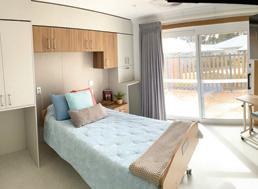
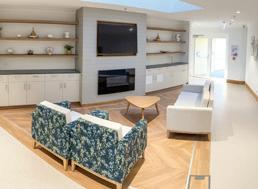
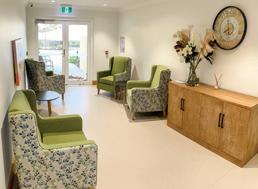
Set amongst landscaped grounds, Adria Care in Stirling is a warm and welcoming community of people from all around the world. We pride ourselves on cultural diversity and celebration, and offer a wide range of activities to cater for all interests. We provide care for Croatian and all other nationalities.
Adria Care fosters individuality and independence, providing support and assistance to enable residents to live in a comfortable and secure environment. It offers residential care for 42 residents, incorporating 2 respite rooms and special care. All rooms are single rooms with ensuite.
The village also contains 36 independent living villas. All villas have 2 bedrooms, a courtyard and a garden, and residents enjoy a peaceful and welcoming community lifestyle.
Our aim is to provide a caring, safe, home-like atmosphere, reflecting your rights to dignity, respect, privacy, safety and the best quality of life.
Contact our friendly staff today to arrange a personal tour.
Caroline Le Couteur… committed to the values that the ACT Greens once stood for.
The new normal? The Greens just look away. Photo: Paul Costigan
Walks to the top of Black Mountain
THE Friends of Black Mountain is hosting two walks up the north-eastern slopes to the summit on Saturday, July 23. The 2.5hour Black Mountain Summit Rambles will start at 9.30am and 1.30pm from the clock near the entry bridge of the Botanic Gardens. There will be guides from the gardens and a local plant ecologist. The cost is a gold-coin donation and walkers are asked to wear sturdy shoes and hats. Book by emailing a name and phone number to friendsofblackmountain@ gmail.com or call 6251 8972.
Bushfire recovery talk
DAMIAN Wrigley, the national coordinator of the Australian Seed Bank Partnership, will give the weekly “Thursday Talk” for the Friends of the Botanic Gardens on the challenges of post bushfire recovery across the country at the gardens’ theatrette at the visitor centre, 12.30pm on July 21.
Bandannas on the job
THE Bold Bandannas are fundraising for cancer research at the Piazza section of the Belconnen Fruit and Vegetable Market, 8am-5pm, on Saturday, July 23. The Relay for Life Team will be selling its signature homemade jams, pickles, chutney, lemon butter, sugar-reduced preserves and marmalades. There’ll also be a range of hand-made items, including knitted and crocheted rugs, beanies and scarves.
“Your
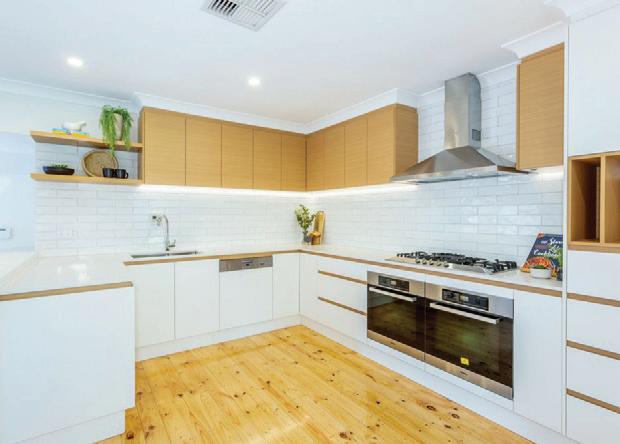
AUSTRALIAN HOME RENOVATIONS
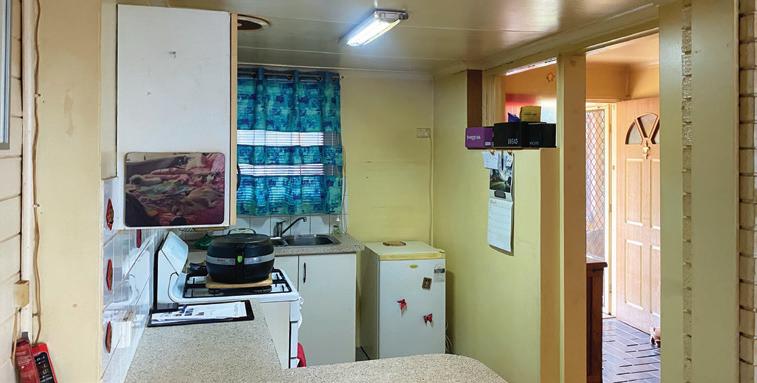
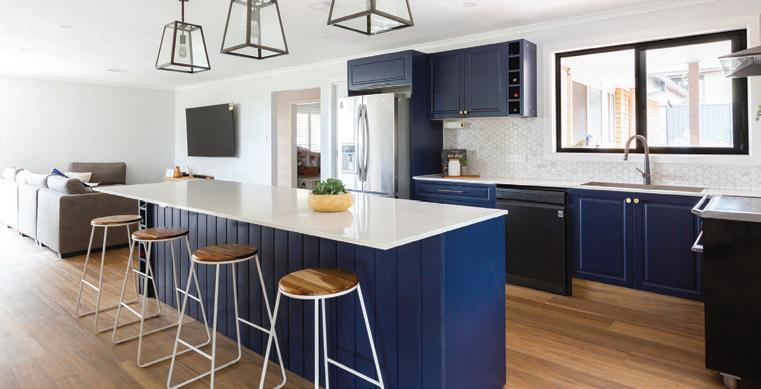
Your Property Profits offers a self funding system. We pay all costs up front, manage all work and you only pay us out of the profits from your sale. We have years of experience in helping people achieve stunning home renovations in ACT, NSW and TAS with minimal stress and time. If you want to maximise the sale value of your property and sell it fast, without outlaying a cent. We’re the experts you should call.
Eddie’s ‘office’ has the best view in Queanbeyan
By Belinda STRAHORN
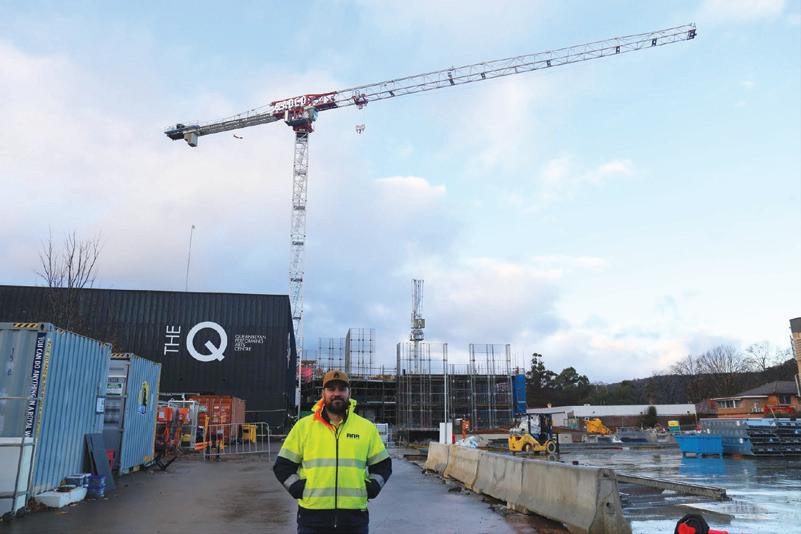
IT’S the office with the best view in Queanbeyan and it belongs to crane driver Eddie Burgess.
Working in the clouds above the city, the 36-year-old operates the tower crane helping to construct Queanbeyan-Palerang Regional Council’s (QPRC) $74 million civic and cultural precinct development.
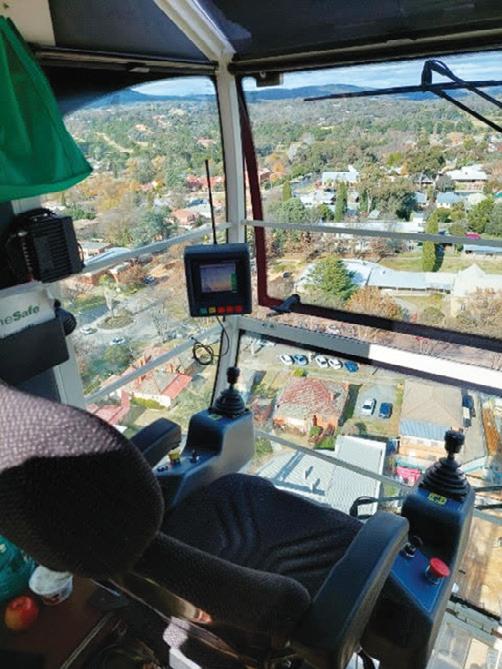
Sitting 60 metres above the ground, with a 360-degree panorama of the city, Burgess has a rare view of Queanbeyan and the surrounding region.
“The view is amazing,” said Burgess upon de scending from his nine-storey office.
“Especially with the snow on the hills at the mo ment over the Brindabellas, it’s just sensational.”
On some of the best viewing days, the father-ofthree takes a snap of the view to share with his son.
“Sometimes I FaceTime him or send him pic tures so he can see the view,” Burgess said.
The experienced crane driver spends solitary work days in his heated cabin suspended high above the ground. To reach it, he climbs several ladders for seven minutes to the top of the tower.
“I climb up at 6.30am, check that everything is safe, then the boys come out, we put the chains on, and get to work,” said Burgess.
For a job that involves working at great heights, it’s surprising to discover that even an experienced crane driver gets nervous.
Inside the small cab there’s a swivel chair, an air-conditioning unit, a heater, a fridge and a radio.
“When I first started driving the towers I wasn’t comfortable with heights, but now that I’m up there every day, you do get used to it,” said Burgess.
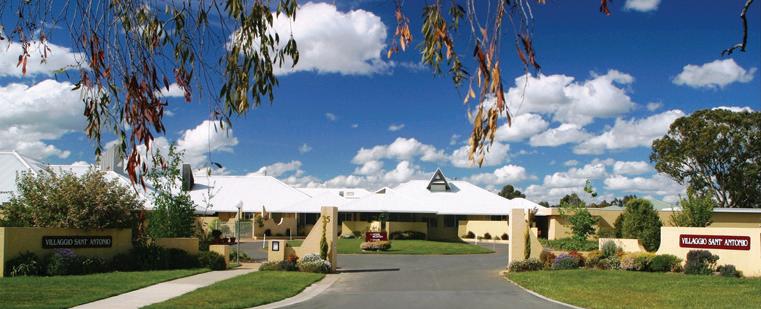
Villaggio Sant’ Antonio Independent Living and Aged Care Hostel
Our Hostel will enable you to enjoy a relaxed and caring community environment with 24hr care. Located within a beautiful garden setting in Page, Villaggio Sant’Antonio offers safe and secure living in both our Aged Care Facility and our Independent Living Retirement Villas.
From his cushioned seat – and with his cabin joysticks – Burgess directs the pace of the project, lifting timbers, scaffolding, reo, steel and precast panels, getting a nine-storey building off the ground.
“The heaviest panel we’ve moved here was close to 11 tonnes,” he said.
It is essential work, Burgess said, that is sometimes dangerous and requires skill and expertise.
“Any load can potentially kill someone, that’s why you have to take the job seriously, make sure everything is hooked up correctly and ensure that you are not overloading the crane,” Burgess said.
“You can’t do anything reckless, because there’s a lot of potential things that could go wrong.
“When it’s windy it rocks you around and it pushes the boom.
“Sometimes you get wobbly legs… it’s challenging in the wind, but it makes it interesting.”
There are no such things as comfort stops for crane drivers.
He spends 10 straight hours in the cabin, and the closest Burgess comes to a toilet is a bottle.
“There’s no toilet facilities up there, you have to pee in the bottle, and hold on for the other
Although Burgess has had a long association with the construction industry working on various sites around Canberra, he only took to crane driving four years ago.
“I started out on the ground like the other boys, and wasn’t interested in driving the cranes at first,” he said.
“But then I got the opportunity to try it. It’s a great job and it’s satisfying seeing a project develop from start to finish.”
Only six months into the role, trainee crane driver Anthony Pidcock, 33, is thoroughly enjoying the job, too.
“I was petrified to start with, but you do get over it,” Anthony said.
“The views are great, and the job comes with a lot of responsibility.
“You have to factor in the wind, and be mindful of the boys on the ground in order to keep everyone safe…it’s a difficult job.”
Born and raised in Queanbeyan, Anthony takes great pleasure from pointing out and identifying the local landmarks from the cabin while at work.
“You can see the suspension bridge, all the schools, the hospital, and my mum’s house,” said Anthony.
For all enquires please contact us on 62551794 or reception@villaggio.com.au www.villaggio.com.au
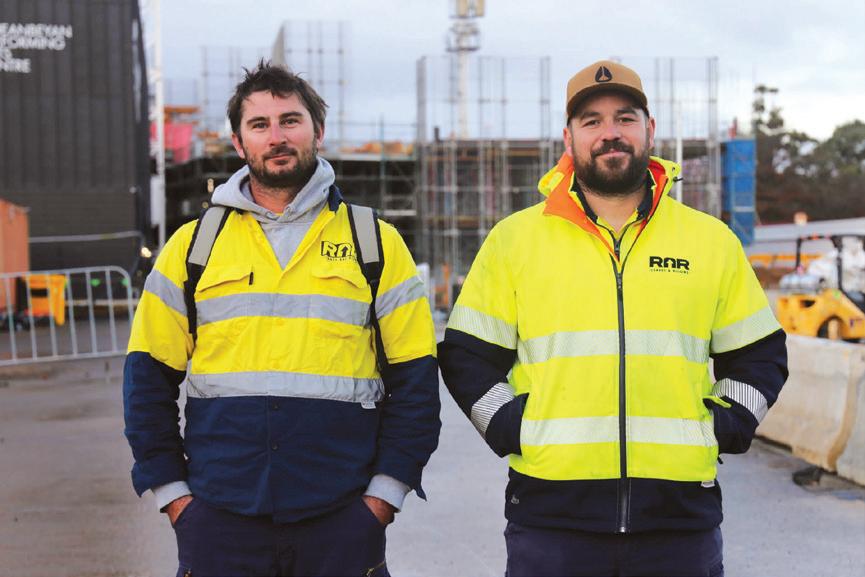
Crane drivers Anthony Pidcock, left, and Eddie Burgess… “It’s satisfying seeing a project develop from start to finish,” says Eddie. Photo: Belinda Strahorn
Room with a view… the driver’s cabin atop the crane.
Photo: Eddie Burgess
The 60-metre high crane to construct Queanbeyan-Palerang Regional Council’s $74 million civic and cultural precinct development. Photo: Belinda Strahorn
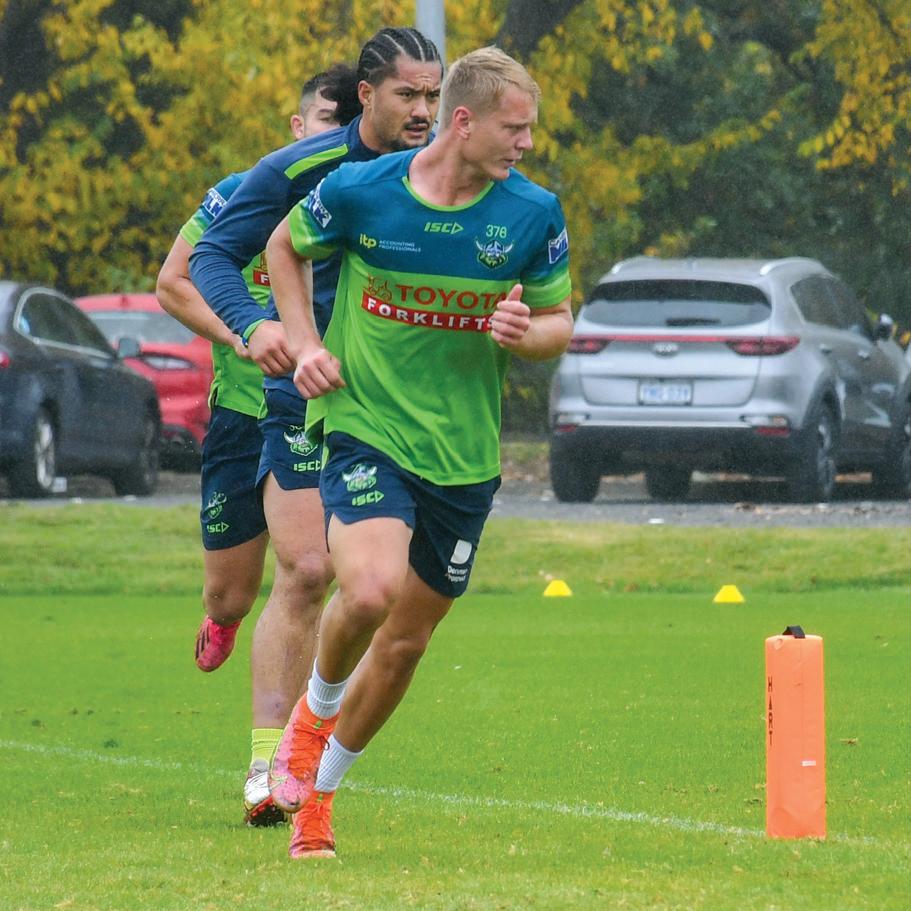
Halfback Brad full on to take Raiders place again
AS the 2022 NRL season approached, the Canberra Raiders’ situation in the halves was as strong as it had been for a few seasons.
Newly signed Jamal Fogarty had arrived to partner Jack Wighton, forming part of one of the most impressive playmaking combinations in the club’s recent history.
Brad Schneider was viewed as a depth piece to the Raiders’ puzzle. He made his NRL debut last season, com ing off the bench in a Round 11 loss to the Melbourne Storm. The young gun had realistic expectations for the 2022 season, knowing how settled the Raiders were in the halves.
Schneider was looking forward to working with the experienced duo of Wighton and Fogarty this year, taking advantage of their experience and learning how they approach the game while leading the Raiders’ team around the park in the NSW Cup.
However, when Fogarty went down with a knee injury in pre-season training, Schneider was named as halfback over more experienced teammates Matt Frawley and Sam Williams, and handed the keys to the Raiders’ attack for the club’s season opener.
“I didn’t expect to play in round one, but to get the gig and to play a few
the start of the year that he’d be in the side as soon as possible,” said
“Jamal has been great for my development; he has helped me a lot along the way. He was giving me pointers, helping me be a dominant half while letting Jack do his thing and using my voice to control the side.”
Being in such a vital role in the team, and calling the shots could have been a daunting prospect, but Schneider took the opportunity with
“That is the expectation if you are a half: you come in and that is your
“Gaining confidence was the main thing, being confident in myself and knowing the boys were backing me definitely helped, as a young half coming in to control a team like that.”
Schneider has credited working with coach Ricky Stuart as one of the keys to his successes this season.
Being able to pick the brains of one of the greatest players ever to pull on the Raiders’ number 7 jersey was a big help for Schneider before he donned
“Stick [Stuart] and I have got a very good relationship. He has taken me in
and done a lot with me, and continues to now,” said Schneider.
“He wants me to keep growing and improving and as a halfback himself, he knows what it is all about.
“I have grown so much since being here, and part of that comes down to learning from someone like Stick.
Schneider’s experience in the top grade has him playing with confidence now he has returned to the reserves. The Raiders are undefeated since his return, and he knows he needs to keep performing and be ready should he be needed in first grade again.
“At the moment I know my role is to keep performing in the NSW Cup and practice a few things,” said Schneider.
“Hopefully, I will get a couple more games this year towards the back end of the season. You can’t really plan too far ahead nowadays when it comes to injuries and covid things can
Halfback Brad Schneider… “At the moment I know my role is to keep performing in the NSW Cup and practice a few things.”
Days as second-rate citizens may be numbered
CREATING second-rate citizens was the consequence of the “Andrews’ Bill” that stripped the territories of the right to self-determination regarding assisted dying.
Reinstating that right has been the aim of a range of independents who have campaigned at the federal election.
Now there are two bills being prepared. Labor MP Alicia Payne, from the seat of Canberra, and Senator David Pocock are looking to be the first to introduce legislation to ensure Canberrans and people from the NT have the same rights as citizens of all of the other states.
Pocock made this an issue from the very early stages of his campaign. As important as the issue is, it certainly appears as though Payne has taken a cynical approach to undermine the status of the local independent. Considering the cynicism of the Labor Party in cutting the staff of independent MPs – this ought not be surprising.
The Assembly has not had the power to legislate for the ultimate end of life choice – voluntary active euthanasia or physician-assisted dying since 1997. Attempts to overturn the changes to the Self-Government Act are also not new. However,
Scott Morrison saw this as a vote on an issue that confronted their own moral framework. A moral framework, incidentally, that was out of step with about 80 per cent of Australians who believe that people with a terminal illness and in great pain ought to be able to make their own decision regarding how they die. It is a vote on territory rights.
Attempts to overturn the changes to the Self-Government Act are not new. However, considering the election was a slap in the face for conservative members of the parliament, there’s a real chance for this legislation to be successful.
Ironically, in 1993 the ACT Legislative Assembly became Australia’s first jurisdiction to have a voluntary active euthanasia bill tabled. The NT followed suit. Within a few years the power to pass such legislation was taken away from both jurisdictions. The federal parliament voted to remove the power in 1997 when the legislation was being used in the NT and was being debated in the ACT. The decision to remove this right from the elected representative body was especially painful for me as the MLA responsible for introducing the first such legislation in Australia. With all the states now passing voluntary assisted dying legislation, it is clear that the ACT was simply
Commercial and Residential Conveyancing for ACT & NSW
ahead of its time.
A report of the ACT Legislative Assembly Select Committee that examined the original legislation considered the matter a “vexed question of compassion and personal freedom”. It remains so.
However, “active euthanasia takes the prime decision-making process out of the hands of the doctor and returns it to where it rightly belongs – to the individual” was a point I made in June 1993 when introducing the Voluntary and Natural Death Bill. My view has not changed.
However, it also remains a matter of a right to self-determination for territories. The amendment to the Australian Capital Territory (Self-Government) Act 1988 by the insertion of Section 23 (1A) and (1B), and similarly in the NT, was a simple case of federal MPs deciding that they knew better than local elected members of territory parliaments.
Kristy McBain is both Territories’ Minister and the member representing Eden-Monaro, the electorate surrounding Canberra. She promised that this issue of territories’ rights to self-determination would be brought to the House or Representatives for
debate as soon as possible. NT MP Luke Gosling has indicated he will co-sponsor the amending legislation with Payne.
This is not the first attempt to restore territory rights. Then Greens Senator Bob Brown made a number of valiant attempts but was not able to secure the support he needed. There was a more recent attempt in the most recent parliamentary period. Whether the bill put forward by Payne and Gosling or that proposed by Pocock is successful does have some political significance. However, the most significant issue will be the equitable rights of territorians compared to those who live in the states.
Michael Moore is a former member of the ACT Legislative Assembly and an independent minister for health. He has been a political columnist with “CityNews” since 2006.
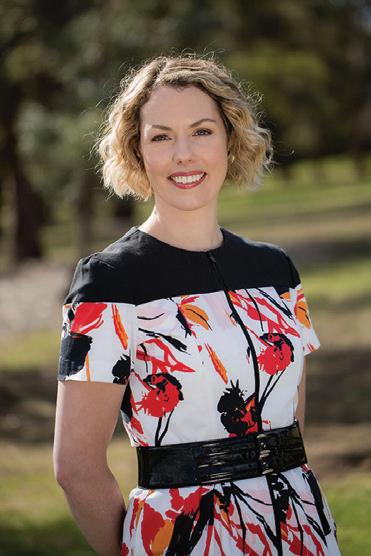
Canberra MP Alicia Payne… Bill to ensure ACT citizens have the same rights as those of other states.
THE GADFLY
Forgotten Thomson’s fight for Aboriginal people
THE declaration by the prime minister-elect at the start of his victory speech: “I commit to the ‘Uluru Statement from the Heart’ in full”, was electrifying to many Australians.
It certainly sent a bolt of lightning through your columnist, in the midst of writing the biography of the scientist, journalist, adventurer and war hero, Donald Thomson who fought like no other of his era for the Aboriginal cause.
Born in 1901, he was our first home-grown anthropologist after graduating B.Sc. from Melbourne University and collecting the diploma of anthropology from the new department at Sydney Uni in 1927. By then, the 1788 Aboriginal population of about 800,000 had been halved and halved again.
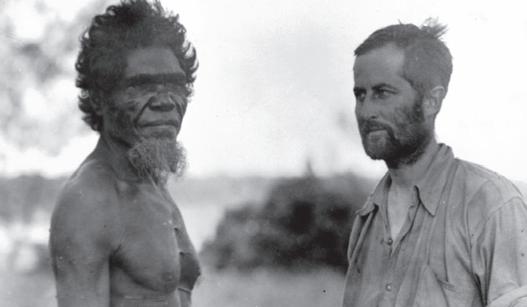
Donald Thomson… fought like no other of his era for the Aboriginal cause.
Anthropologist Donald Thomson, right, with Aboriginal elder and clan leader Wonggu in the TV documentary “Thomson of Arnhem Land”.
It is Thomson, a whitefella whom the Aboriginal people said, ‘thought black’, who suffered from his own people the blows of hatred and prejudice that they knew so well.
he died in 1970, as I have discovered in three years of research, he filled that life to the brim with more positive achievements than a dozen of his critics and antagonists… and to a triumphant climax.
of life’s covid limitations. This was especially so under a government that scoffed at the simple reality that only by incorporating our unique Aboriginal past will we make Australia whole.
Only a percentage of those in the far north of Australia still lived the traditional life, but over the next 40 years he spent much of his time living with them in far-north Queensland, Arnhem Land and the central deserts. In doing so, he was able to appreciate like no other the engaging humanity and cultural sophistication of a truly remarkable people.
Invited to address the cabinet of the Lyons government of 1938, he bared his soul. “I am speaking not
from hearsay, nor from any personal motive,” he told the 17 ministers around the table, “but from the hard experience of living with these people. And not just among them, but as no white man is ever known to have lived… in their camps, travelling with them, hunting with them, eating their food, attending their ceremonies, talking their language.
“I say this only to give force to my plea – to impress upon this government that I am speaking not so much as a white man, but rather as a friend and advocate of these people for whom I have great regard… and an infinite pity.”
In the great movement we are now embarked upon to embrace and honour the First Nations who had occupied the continent for at least 65,000 years, Thomson’s role has been largely overlooked.
Yet it was he who contributed in so many ways to the foundation from which the delegates to Uluru produced their historic “Statement from the Heart”.
It is Thomson, a whitefella whom the Aboriginal people said, “thought black”, who suffered from his own people the blows of hatred and prejudice that they knew so well. And while
Thomson’s insights and his tireless advocacy won him extraordinary international recognition, and all the glittering academic prizes of his profession. As recently as November 2021, the Federal Court returned more than 2000 square kilometres to the Aboriginal people based on his work on Queensland’s Cape York.
Indeed, 50 years before Eddie Mabo took his case to the High Court, Thomson was pleading with the government to recognise the Aboriginal people’s land rights.
The pandemic has been tough on those of us who write Australian history and other non-fiction works. Readers and publishers have turned to escapist fiction to ease the stress
It is said that biographers must take care not to “fall in love” with their subjects. But when Anthony Albanese finished that stunning commitment, I must admit, while outwardly I was nodding sagely, inside I was shedding a shower of tears.
robert@robertmacklin.com
FEATURE / shoes
Why it’s best to leave your shoes at the door
Wearing shoes in the house is just plain gross; that’s the verdict from MARK PATRICK TAYLOR and GABRIEL FILIPPELLI scientists who study indoor contaminants.
YOU probably clean your shoes if you step in something muddy or disgusting (please pick up after your dog!). But when you get home, do you always de-shoe at the door?
Plenty of Australians don’t. For many, what you drag in on the bottom of your shoes is the last thing on the mind as one gets home.
We are environmental chemists who have spent a decade examining the indoor environment and the contaminants people are exposed to in their own homes. Although our examination of the indoor environment, via our DustSafe program, is far from complete, on the question of whether to shoe or de-shoe in the home, the science leans toward the latter.
It is best to leave your filth outside the door.
Contaminants in your home
People spend up to 90 per cent of their time indoors, so the question of whether or not to wear shoes in the house is not a trivial one.
The policy focus is typically on the outdoor environment for soil, air quality and environmental public health risks. However, there is growing regulatory interest in the question of
indoor air quality.
The matter building up inside your home includes not just dust and dirt from people and pets shedding hair and skin.
About a third of it is from outside, either blown in or tramped in on those offensive shoe bottoms.
Some of the micro-organisms present on shoes and floors are drug-resistant pathogens, including hospital-associated infectious agents (germs) that are very difficult to treat.
Add in cancer-causing toxins from asphalt road residue and endocrinedisrupting lawn chemicals, and you might view the filth on your shoes in a new light.
A roll-call of indoor nasties
Our work has involved the measurement and assessment of exposure to a range of harmful substances found inside homes including:
• antibiotic-resistant genes (genes that make bacteria resistant to antibiotics),
• disinfectant chemicals in the home environment,
• microplastics,
• the perfluorinated chemicals (also known as PFAS or “forever chemicals” because of their tendency to remain in the body and not break down) used ubiquitously in a multitude of industrial, domestic and food packaging products,
• radioactive elements.
A strong focus of our work has involved assessing levels of potentially toxic metals (such as arsenic, cadmium and lead) inside homes across 35 nations (including Australia).
These contaminants – and most importantly the dangerous neurotoxin lead – are odourless and colourless. So there is no way of knowing whether the dangers of lead exposure are only in your soils or your water pipes, or if they are also on your living room floor.
The science suggests a very strong connection between the lead inside your home and that in your yard soil.
The most likely reason for this con-
nection is dirt blown in from your yard or trodden in on your shoes, and on the furry paws of your adorable pets.
This connection speaks to the priority of making sure matter from your outdoor environment stays exactly there (we have tips here).
A recent “Wall Street Journal” article argued shoes in the home aren’t so bad. The author made the point that E. coli – dangerous bacteria that develop in the intestines of many mammals, including humans – is so widely distributed that it’s pretty much everywhere. So it should be no surprise it can be swabbed on shoe bottoms (96 per cent of shoe bottoms, as the article pointed out).
But let’s be clear. Although it’s nice to be scientific and stick with the term E. coli, this stuff is, put more simply, the bacteria associated with poo.
Whether it is ours or Fido’s, it has the potential to make us very sick if we are exposed at high levels. And let’s face it – it is just plain gross.
Why walk it around inside your house if you have a very simple alternative – to take your shoes off at the door?
On balance, shoeless wins
So are there disadvantages to having a shoe-free household?
Beyond the occasional stubbed toe, from an environmental health standpoint there aren’t many downsides to
having a shoe-free house. Leaving your shoes at the entry mat also leaves potentially harmful pathogens there as well.
We all know prevention is far better than treatment and taking shoes off at the door is a basic and easy prevention activity for many of us.
Need shoes for foot support? Easy – just have some “indoor shoes” that never get worn outside.
There remains the issue of the “sterile-house syndrome”, which refers to increased rates of allergies among children. Some argue it’s related to overly sterile households.
Indeed, some dirt is probably beneficial as studies have indicated it helps develop your immune system and reduce allergy risk.
But there are better and less gross ways to do that than walking around inside with your filthy shoes on. Get outside, go for a bushwalk, enjoy the great outdoors.
Just don’t bring the muckier parts of it inside to build up and contaminate our homes.
Mark Patrick Taylor, Chief Environmental Scientist, EPA Victoria; Honorary Professor, Macquarie University and Gabriel Filippelli, Chancellor’s Professor of Earth Sciences and Executive Director, Indiana University Environmental Resilience Institute, IUPUI. This article is republished from The Conversation (the conversation.com).
SIZE S f ro m 3 X S to 10 X L
C US T O M TAI L ORIN G
P R E M I U M
G EN U IN E
L E A TH E R from $99 jackets - coats - bags
W O O L
C A S HM E R E from $99 jackets & coats
CHARTERED ACCOUNTANT
TIPS TO HELP YOUR TAX RETURN SAIL THROUGH
The 2022 tax season has started and, from interviews with some of her clients, chartered accountant GAIL FREEMAN has noticed consistent errors. Here she offers hints to ensure your tax return doesn’t get held up at the Australian Taxation Office.
Everyone, it seems, wants to claim 80 cents an hour for working at home this year. However, there are a few requirements to making this claim.
Firstly, 80 cents an hour is all that can be claimed; no phone, no internet, no equipment. So it's pointless providing receipts for other items if claiming the 80 cents an hour for working from home. The most important thing is producing a record of hours worked. We recommend providing a diary showing the hours worked from home for the period you worked from home allowing for holidays and public holidays.
Anyone preferring to claim for other costs, such as the phone, can do that, but the hourly rate drops to 52 cents an hour for home-office costs. In many cases, having this additional expenditure might mean a bigger claim, but the calculations need to be done to confirm which gives the better result. To make a phone claim you'll need to produce a log showing all calls and identifying those that are business related so that a percentage can be arrived at for one month of the year. This can then be extrapolated for a full year. If you are unable to do this, your claim is limited to $50 for the year.
Likewise for data, you'll need to keep a log of usage for one month that can also be extrapolated over the full year. If you can't do this then any claim is limited to $50 for the year. You also have to have the diary for the period from July 1, 2021, to June 30, 2022; records from a previous or subsequent year cannot be used.
If you bundle phone and data then any claim will have to be based on the percentage that the phone would be of the bundled cost. These can be quite messy calculations.
I am noticing that on MyGov taxpayers who are provided with a novated leased car may have a message that says: “As an employee you are unable to claim a deduction for car expenses relating to vehicles under a novated lease.” You can claim for car expenses you incur if you use your family car.
The ATO has advised that all information is unlikely to be loaded on to MyGov until mid to late July so there is no point lodging returns early. The ATO has also requested that we not lodge returns until the end of July to ensure that all data has been processed correctly.
Lastly, I still get calls from clients telling me that they can’t get their payment summaries or their health fund details directly. These days these items are electronic and I can obtain them from the ATO website for tax agents. I cannot access your MyGov account.
Good luck with preparing your tax returns and if you need any help contact the friendly team at Gail Freeman & Co Pty Ltd on 6295 2844.
Disclaimer
This column contains general advice, please do not rely on it. If you require specific advice on this topic please contact Gail Freeman or your professional adviser.
It is misleading and delusional to think that the ACT government’s debt problem will solve itself.
Government debt deepens as spending exceeds income
Treasurer Andrew Barr argues that, as the economy grows over time, the value of debt relative to the size of the economy will decline. JON STANHOPE and KHALID AHMED believe that view has no merit. Here they explain why…
OVER recent weeks, we have compared the key debt metrics and the operating budget trends in successive ACT budgets over the past two decades and the medium-term outlook in the ACT government’s budget forecasts.
Following our review of these trends we concluded that if the ACT government doesn’t refrain from further debt accumulation, a rating downgrade is inevitable.
A rating downgrade is a clear signal to potential lenders that the risk of lending to the subject entity has increased and, accordingly, the lenders will almost certainly charge a risk premium through a higher interest rate. It is also an unambiguous signal to the entity to address its debt servicing and repayment capacity problems.
The institutional arrangements at a government level in Australia are underpinned by major financial transfers from the Commonwealth to the states and territories. This provides significant confidence to lenders.
be a major factor in electors voting a government out of office. It is, therefore, not surprising that most state and territory governments facing major budget pressures and financial decline, respond with both urgency and determination.
For example, over the last decade there have been Commissions of Audit in NSW and Queensland (2012 and 2013 respectively), an Independent Review of the State Finances in Victoria (2011), and a Budget Repair Plan in the NT (2019).
The ACT’s Strategic and Functional Review (2007) was different with its rationale being to focus on expenditure growth for priority services. The ACT had no “debt problem” at that time. However, a desire for greater discipline in expenditure, efficiency improvements and a focus on core government functions were themes that the Functional Review had in common with other reviews.
The basis of the ACT government’s escalating debt problem is its failure to control expenditure growth below revenue growth, but nevertheless continuing to fund capital expenditure through borrowings.
For the ACT, the fact that the Commonwealth Public Service is headquartered in the territory and employs almost half of our workforce is an added advantage.
However, those arrangements are unlikely to come to the rescue of a jurisdiction if it (say) faces a credit-rating downgrade but chooses to not change its financial management policies.
Being placed on negative watch by rating agencies, or to suffer a rating downgrade are not uncommon for sub-national governments in Australia.
However, it is also not uncommon for the poor state of a jurisdiction’s finances to
“A
child in primary school in Canberra today will be paying for this government’s budget management until they retire.”
ment were honoured.
It is surprising to us that the deterioration in the ACT operating budget and the degradation of debt sustainability, as the two are inextricably linked, has been allowed to persist for a decade.
The ACT government appears to hold a view that either the problem will disappear over time or that no one in Canberra really cares.
The argument proffered by Treasurer Andrew Barr, in his media comments on the issue, is that as the economy grows over time, the value of debt relative to the size of the economy will decline. We believe, with respect, that that view has no merit.
appropriate time frame. It is misleading to suggest, and delusional to think, that the ACT government’s debt problem will solve itself. It is a consequence of persistent structural budget deficits and a flawed fiscal strategy. These problems will not fix themselves. It will require some easy, but mostly hard decisions to return the budget to surplus and to focus on essential infrastructure spending with high benefit to cost ratios, such as public health, education and social housing.
The basis of the ACT government’s escalating debt problem is its failure to control expenditure growth below revenue growth, but nevertheless continuing to fund capital expenditure through borrowings.
A key plank of the fiscal strategy in the decade to 2011, and indeed under the Carnell Liberal government from 1995 to 2001, was “no new borrowings”, a strategy reflected in successive annual budgets. This was underpinned by a policy to (a) achieve a budget surplus, and (b) limit capital spending to capacity provided within the cash surplus in the budget. This approach was also adopted to ensure that provisions of the Financial Management Act relating to Prudential Financial Manage -
It is a question of simple arithmetic that if the debt is growing at a rate greater than the economic growth rate, which it currently is, then debt as a proportion of the Gross State Product (GSP) will continue to rise. Indeed, the government’s own Budget Review forecasts indicate that the gross debt to GSP ratio will rise from 18 per cent in 2020-21 to 24 per cent in 2024-25.
Arguments are made from time to time that the General Government Sector should not carry any debt, but should aim for balanced budgets, and that any infrastructure projects being financed through borrowings have a revenue stream sufficient to repay the debt.
We acknowledge that there are occasions when borrowings may be required to manage external shocks or to fund significant infrastructure projects. However, in such cases there should be a plan to repay the debt over an
The government’s failure to address its structural budget problem has also created a disturbing ethical issue – the consequences of the transfer of the tremendous burden of our expansive borrowings to future generations of Canberrans. A child in primary school in Canberra today will be paying for this government’s budget management until they retire. If the ACT government does not act now to bring its spending under control, it is highly likely that their children will be similarly saddled with repaying our debts.
It is ironic that the Greens, whose raison d’être is to avoid the intergenerational transfer of costs, have been not just complicit but active participants in placing this massive burden on future generations of Canberrans.
Why is Mick avoiding me, asks grieving mother
IT has been more than two years since I commenced contacting Minister Mick Gentleman, following the tragic death of my daughter, Brontë.
While our family has struggled with the loss of Brontë, Minister Gentle man has not been “available” to address our concerns and unanswered questions, within his portfolio of being the minister for ACT Policing and ACT Corrections.
Initially, Minister Gentleman used the “covid card” as a reason not to meet with me (despite other ministers using audio visual links to facilitate meetings).
Following that, it was abundantly clear that Minister Gentleman had no interest or inclination to meet with me. This was evidenced by several emails received from his various staff members, essentially fobbing me off.
Minister Gentleman’s latest excuse is that he can’t meet me due to the “ongoing inquest into Brontë’s death”.
I had contacted him seeking an explanation of how evidence is stored during a coronial inquest. Nope, Mick’s not going provide me with information that should be publicly available.
So, why is Mick avoiding me and many others? I believe that, as a rate and taxpayer, our politicians are employed to represent the community, and some of them are simply not meeting the expectations of the community.
Janine Haskins, via email
Vassarotti may be ‘proud’, but I’m ashamed
ON May 23, on ABC Canberra News, just before the annual kangaroo “cull” began, Minister Rebecca Vassarotti claimed: “Canberrans should be proud of having the most humane kangaroo management program in Australia.”
Ms Vassarotti might be proud of this policy, but could she say which aspect of it she is proud of? Is it:
• Deliberately targetting kangaroos on Red
Hill and allowing repeated massacres to occur?
• The trails of blood left behind after injured kangaroos have dragged themselves as far from the shooters as possible?
• Pools of blood on rocks where joeys’ heads have been smashed in?
The trauma inflicted on these innocent native animals night after night?
Perhaps she is proud of the “cleverness” of being part of “the most progressive government in Australia” with its sentient animal legislation, while at the same time imposing abject cruelty on just one species – the eastern grey kangaroo?
The minister, and every member of the Legislative Assembly, will quickly tell you it’s about the “science” and protecting our biodiversity to ensure the survival of some of our threatened species.
The kangaroo “cull” is now in its 13th year. The Red Hill kangaroos have hitherto gone almost unnoticed it would seem, but this year, suddenly they have become an existential threat to a tiny colony of perunga grasshoppers and a colony of pink-tailed worm lizards on Red Hill reserve, creatures that have evolved alongside kangaroos for millions of years.
Many Canberrans are deeply ashamed and horrified by this ACT government policy which reeks of 19th century colonialism. While this policy is in place, the government’s claims to being progressive, enlightened, whatever, are meaningless.
Come on, fellow Canberrans, we must voice our disgust for this barbaric cruel practice for the sake of these harmless, humble animals.
Who gave certain people the right to kill our roos? We weren’t consulted or given a choice. I don’t know a single person who supports this senseless killing do you?
Let’s put it to the vote to prove once and for all that the majority of Canberrans do not agree with the killing of kangaroos!
As if surviving a Canberra winter doesn’t leave us depressed enough, the grief I feel every July for these animals becomes overwhelming at times, along with the fact that I’m no longer a proud Canberran and can never get that back!
Lisa Pye, Kambah
What does ‘ACT’ stand for?
DURING this cold weather, a Pacific Islands visitor to Canberra was heard asking if “ACT” stood for “Antarctica”.
John Milne, Chapman
Time for an independent study
THERE is an urgent need for a recount as well as an independent study (not one of the usuals, please) for it’s evident that the numbers of kangaroos in the ACT have dramatically declined. Anyone still on the doubtful side, please go for a walk on one of the cull sites.
Alex Kuch, via email
Restore Norfolk’s rights, too
I DO hope, especially now that the non-selfgoverning territory of Norfolk Island has been dumped into the ACT for the purposes of federal elections, that Canberra MP Alicia Payne’s Bill to “restore territory rights” will extend to Norfolk Island, Christmas Island and the Cocos (Keeling) Islands. Heaven forbid that the Bill restores the rights of only some territories. How hypocritical that would be.
Senator Pocock and David Smith, as elected representatives of the people of Norfolk Island, could surely not stand for that.
Jon Stanhope, via citynews.com.au
Suspend the tram, look at options
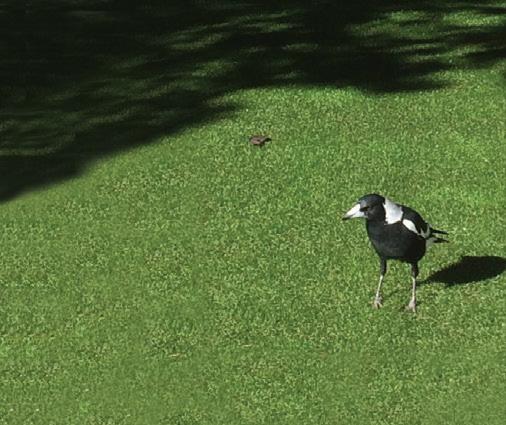
Why not shoot all the magpies during breeding season, too? They actually attack us as a warning to keep away from their nests. Let’s murder ‘em all!
TIM Walshaw’s letter (“Electric trolley buses would be cheaper”, CN June 30) on the unsuitability of Commonwealth Avenue Bridge to be a conduit for the ACT government’s not so “lite” rail fantasy, reincarnated from 19th century technologies, has merit. Meanwhile, our own National Capital Authority charged with developing a
planned capital, which all Australians may be proud of, now announces plans to widen the pedestrian pathways of the heritage-listed bridge and upgrade its load capacity, at great expense.
Such conflicting initiatives demonstrate the failure to understand the importance of planning for engineering infrastructure.
The future of the bridge and the Steelshod tram to Woden must be suspended until 21st century options, such as trackless buses, are evaluated by the forensic realworld logic of long-term value.
A visit to the ”bomb” site that is Woden Interchange, should make the simplification to a single transport medium an urgent priority to review, before a further dud is added to this government’s record.
Ken Murtagh, Hughes
How about a recycling bin at the shops?
ARE we at a reasonable point in human civilisation yet that we could also expect to have a recycling bin alongside the rubbish bins at Canberra’s local shops?
It should be low hanging fruit for a LaborGreens government, shouldn’t it?
Danny Corvini, Deakin
Emissions are not the full story
LEON Arundell’s letter (“Public transport emissions a ‘myth’”, CN June 23) is probably right with his emissions comparisons between buses and cars, but CO2-e emissions are not the full story.
Mr Arundell does not mention NEE’s in his article. These are non-exhaust emissions and include particulate matter released by rubber tyres, brake linings and road-surface wear.
These emissions are also known as the “Oslo Effect”, named after the city in Norway where early research into the problem took place.
How much more of these would be produced if buses did not carry the number of passengers they do?
Do away with public transport to save CO2-e and where will all the extra cars park in Civic and other town and shopping centres?
No buses in 2014-15 would have required up to 44,000 extra car trips per day.
Traffic would have certainly been slower and journeys taken longer as peak bus usage is the same time as peak car use.
Many people cannot use cars for their
journeys. School children, young people working who are not old enough to have a licence, people with disabilities and people who cannot afford a car, as well as one-car families where one partner needs the car for work. The list continues.
If all the 13.4 million journeys in 2014-15 were to use cars, what effect would that have had on our roads and congestion? How would the comparison change?
Traffic pollution is a problem, but all aspects regarding “public transport versus car use” need to be taken into account.
CO2-e, NEE, congestion, land use for car parks vs other uses, resources needed to produce enough cars to do away with buses, fuel usage, balance of trade on importing cars against partially making buses within Australia and the list goes on.
It is a complex issue and only talking about one aspect does not achieve much.
Barry Peffer, Nicholls
Incompetents cannot remain in government
THANK you for the brilliant article from Jon Stanhope and Khalid Ahmed (“Why Canberra can’t repay its borrowed billions”, CN June 30). This paints the Barr government, opposition and members of the Legislative Assembly incompetent and the suffering citizens of the Territory the “walking wounded”.
Incompetent individuals cannot remain in government. They must leave and make way for refreshing, educated replacements with a track record of achievement, success and some measure of common sense – something that seems to be in short supply.
John Lawrence via email
Royal commission into ABC better value
RIC Hingee (Letters, CN June 30 ) believes that a royal commission into Robodebt would not be a waste of time and money, as it may prevent a Robodebt repeat. If he genuinely believes that, he is living in the dreamtime! Royal commissions into the manner in which the ABC is mismanaging $1.1 billion of taxpayers’ money and into the apparent underhanded way in which the Victorian and Queensland governments are conducting themselves would be much more productive and better value for money.
Mario Stivala, Belconnen
Luke Clews
Haskins… The minister won’t meet her mum.
By Bec Cody
AS a community, we’ve learnt a lot from COVID-19; we’ve discovered that working from home is a possibility in more roles than we imagined (whether we enjoy it or not).
We’ve become familiar with acronyms such as TGA, CMO and mRNA. We’ve come to ac cept that it’s not a real Zoom meeting until someone has to say: “You’re on mute”.
But the biggest lesson from the pandemic, to me, is how essential community is to our mental health.
Over the last two years, many Canberrans have expe rienced a massive hit to their mental wellbeing and resil ience. Trying to work while schooling children at home, losing independence, work hours or employment alto gether, and the constant stress of seeing those we care about fall sick and hoping it isn’t us have taken their toll.
Unsurprisingly, the number of people in the ACT experiencing mental health conditions skyrocketed.
we needed it. At a time that could have broken our communities apart, we instead pulled closer together. The shared experience of
of mental health, reduce the stigma and discrimination associated with mental health conditions, and promote positive mental health and wellbeing.
It’s a time to learn how we can each maintain and boost our mental wellbeing and reach out to support others in need. It’s a reminder to celebrate community solidarity and develop our networks, so we have people to call on when we need it. Because through all we are enduring, every Canberran deserves to be happy and healthy.
With a wide range of community-run events across the ACT in October, Mental Health Month ACT 2022 will include opportunities for every Canberran to engage in the topic of mental health.
If you have an idea for a great community event that promotes positive mental health, applications are open for reimbursement grants of up to $5000 to help run your event. These grants are available to organisations, community groups, schools, universities and faithbased groups in the ACT.
Find out more at mentalhealthmonthact.org
Bec Cody is a former MLA and CEO of the Mental Health Community Coalition ACT, the peak body for community-managed mental health in the ACT.
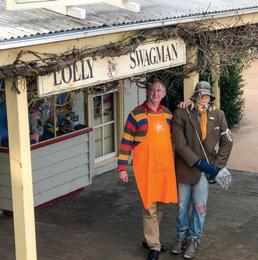
When the community stepped up LOLLY SWAGMAN
Life satisfaction drops most for young people
YOUNG Australians have suffered the greatest drop in life satisfaction during the first two years of the COVID-19 pandemic, according to new analysis from the ANU.
The findings come from the COVID-19 Impact Monitoring Survey, which has asked more than 3500 Australians how the pandemic has affected their lives since COVID-19 was first recorded in the country.
“Young Australians are still at the highest risk of suffering the worst mental and wellbeing effects of COVID-19,” study co-author Prof Nicholas Biddle said. Men and women have experienced similar drops in life satisfaction during the pandemic, while Australians aged 55 and older were less likely to suffer a drop compared to those younger than 55.
“Between April 2020 and April 2022 if anything, life satisfaction was slightly higher for those aged 75 years and over than prior to the pandemic,” Professor Biddle said.
According to the latest wave of the survey, Australians aged 18 to 24 saw a drop of 0.5 points in life satisfaction from 6.8 in January 2020 to an average of 6.3 on a scale of 0 to 10 between April 2020 and April 2022. Life satisfaction for young adults reached a low of 6 out of 10 in April 2020 and October 2020, and in April 2022 was still well below the January 2020 value.
PROSTATE CANCER Merry cancer, stage bloody 3!
Annual prostate examinations look like having saved this (shy) Canberra guy from having his retirement short lived…
HERE I am, newly retired (for real this time), ready to enjoy the next chapter. However, something got in the road.
Towards the end of last year, I had my annual prostate examinations, a Prostate Specific Antigen (PSA) blood test and the “digital examination” to check the physical condition of said organ.
The tests were done. My PSA has always been 3.1 or less. In my early 60s now, I thought I should be okay.
Well, no.
The PSA came back at 4.8. Given my family history, my late mum and all my siblings have either had or (in the case of mum and one of those five siblings) died of “The Dancer”, I was referred to a specialist.
The specialist ordered more blood tests, an MRI scan (geez, they’re noisy!) and another PSA test.
In just a month between tests, the PSA had risen from 4.8 to 5.7.
The MRI scan showed little, but oh, that family history…
So it was time for a biopsy and cystoscopy.
Those results came back just before ho-hoho time.
Merry Christmas – cancer, Stage bloody 3! Surgery likely, but hang on.
The biopsy revealed most of “the action”, to coin a phrase, was inside the gland, good. However, there appeared to be some action outside the gland, bad.
Ugh.
So a bone scan was ordered, to see how far
the rotten thing had spread.
The bone scan came back showing a fair bit of arthritis, otherwise clear except for one lymph node, down near a hip.
The decision? No surgery, the recommendation made by my specialist to his colleagues to consider me for radiotherapy in the known areas of disease and medication to reduce testosterone and help locate any more “rogue cells”.
The meds are underway to reduce “the ‘rone”, with radiotherapy to follow after that.
My annual check up (which I have been having for seven years now) had found the bad news. However, the good news is I did have those check-ups and, as a result, will hopefully be around for a good while yet, as it looks like I have got it early enough, albeit that a little of the “dancer” has leaked, so to speak.
My advice?
If you or someone you know and love has been slack in not pursuing enough, or any, checkups for prostate cancer, give ‘em a nudge. In fact, give ‘em a bloody good bent ear! It may well save his life.
“In just a month between tests, the PSA had risen from 4.8 to 5.7.”
Bec Cody… “At a time that could have broken our communities apart, we instead pulled closer together”.
Prof Nicholas Biddle… “Young Australians are still at the highest risk of suffering the worst mental and wellbeing effects of COVID-19.”
ADVENTURES IN WINE
Get a taste of the region’s best wine experiences
THERE’S a sweeping range of delicious and diverse tastes to be found throughout the Canberra region. From rolling vineyards to beautiful wineries, to dedicated wine retailers, the ACT and surrounds is home to many a hidden winetasting gem, and this week “CityNews” sought out some of the best.
More than a bottle shop
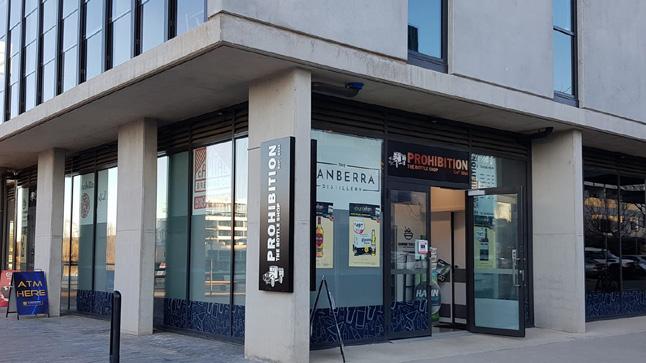
“PROHIBITION Bottle Shops in Curtin and Kingston Foreshore proudly fly the Urban Cellars’ banner – “more than a bottle shop” – and that is just what you can expect when you walk in the door at either store,” says owner Paul Cains.
“Both stores boast an extensive range of products from our Canberra-region winemakers, brewers, and distillers,” he says.
“On Mondays you will get 15 per cent off Canberra wines that are not already on special.”
Paul says that most days customers will be greeted by himself at Curtin or Jack at Kingston and benefit from their friendly and knowledgeable service.
“The Curtin store reopened in October 2021, just before Canberra’s lockdowns ended,” says Paul.
“It’s located in the rejuvenated section of the Curtin shops precinct, and it features an exclusive tasting room that regularly hosts “masterclass” events for local and national brands of beers, wines and spirits.
“In coming weeks the ‘Waffler’s Loft’ is looking forward to a focus on a series of masterclasses with local wine-making luminaries including Hamish, from Mada Wine; Nick O’Leary, of his self-titled endeavour, and Nathan from Linear Wines.
“Bookings for these and other exciting events can be made in store.”
DIRECTOR of Shaw Wines Tanya Olinder says the family-owned and operated business wanted to change the way wine tasting is done.
“We wanted to turn it into an experience. That’s when we decided to build the cellar door and make it all-seated tasting,” says Tanya.
“It’s nice and private, you’ve got your own spot for however long you wish to take so there’s no rush and we come to you instead of you coming to the bar.”
With a 28-hectare vineyard that has more than 53,000 vines, Tanya says it’s the biggest in the region and is used to produce a selection of wines that have been recognised with multiple awards.
“We also do bracket tasting, which is a little bit different,” says Tanya.
two you can go back and forth and you can pick differences better.”
While they’re always welcoming people on weekends, Tanya says they also offer a number of special weekday experiences.
“One is a wine and chocolate tasting where we have a few different chocolates we pair with wines to see how they match,” she says.
“We also have our Vintage Wine Flight, which includes a tasting of two varietal wine flights, ranging from our current vintage to a 15-year-old riesling.
“Here you will gain a better understanding of how a wine ages and discover for yourself whether a wine does in fact get better over time.”
Prohibition Bottle Shop at Kingston Foreshore.
Shaw Wines wine tasting.
ADVENTURES IN WINE
Capturing the best of the cool-climate region
THE mission of Michael and Jill Bynon, of Corang Estate, is to capture the very best of the southern NSW cool-climate wine region.
Jill says sourcing fruit from key vineyards in Tumbarumba, Hilltops, Canberra District and, of course, their own Corang Estate vineyard, gives them the diversity and flexibility to capture the essence of “this special place”.
“The winemaking takes place in Murrumbateman, the heartland of fine southern tablelands wine,” says Jill.
“Corang Estate vineyard is located approximately halfway between Canberra and the coast, close to Nerriga.”
Michael and Jill are hands-on in the business,
Generations of wine knowledge
HIGHLAND Heritage is one of the oldest vineyards in Orange, and the home of award-winning cool climate wines, says third-generation owner Rex D’Aquino.
Rex says it all started with his grandfather in a tin shed in 1946.
“The founder of D’Aquino Bros, Carmelo D’Aquino produced six barrels of wine and became the first winemaking family in the Orange district,” he says. “It seemed natural to continue this winemaking tradition and heritage.
Rex has continued to expand the business, which now incorporates wholesale, retail and contact bottling
while still remaining heavily involved in the winemaking, and he wants to share “the fruits of our labour”.
“A warm welcome awaits you. Come and enjoy the experience,” he says.
“Our knowledgeable and friendly staff offer tastings of our many award-winning dessert wines.”
And, the family tradition is set to continue as Rex’s daughter Nikki has recently become the fourth generation member to look after the business
A warm welcome awaits you at Highland Heritage, located at the gateway of Orange NSW Vineyards. Our knowledgeable and friendly staff in the Cellar Door offer tastings of our Orange NSW wine, at one of the oldest vineyards in Orange. We look forward welcoming you at Highland Heritage to share the fruits of our labour.
CELLAR DOOR OPEN: Thurs to Mon – 10am to 5pm 4968 Mitchell Highway, Orange NSW 2800
BOOKINGS ESSENTIAL: 02 6363 5602
EMAIL: cellar.door@highlandheritage.com.au
WEBSITE: highlandheritage.com.au
The wines have won a raft of awards and medals across the range, most recently winning five medals at the Canberra Wine Show and also Hilltops Wine of the Year 2021 for their Hilltops Shiraz.
“Our newly opened, off-site cellar door in the village of Tarago is an hour’s drive east of Canberra, an easy additional stop when visiting the wineries of Bungendore or Lake George, and is a shared space with an arts and crafts store,” says Jill.
“Visitors can discover the wines of Corang Estate in a guided wine tasting with us, shop the beautiful local handicrafts in store or simply enjoy a glass of wine and a mezze platter.
“Wine tasting costs $10 and there’s a 10 per cent discount when you purchase a case of 12 wines.”
Discover a new destination on your wine trail! Come and enjoy a guided tasting of our award winning wines, browse locally made arts and crafts in our shared space with "Our Creative Collection" or simply enjoy a glass of wine with a delicious mezze platter.
Highland Heritage third-generation owner Rex D’Aquino.
Michael and Jill Bynon, of Corang Estate.
and put in a commercial kitchen.
“I had a vision of expanding it and making the Yazzbar a destination – to make Yass a destination – for Canberrans or customers driving from Sydney to Melbourne. “We have great tapas food, we have live music
two fires, lights and candles, “which creates a nice ambience”.
Join us in Murrumbateman, the heart of Canberra’s wine district — Shaw Wines offers a relaxing escape amongst the vines. At Shaw Wines we offer new levels of wine tastings. Enjoy a seated tasting at your own table where our friendly and knowledgeable staff will guide you through the range. Guests can also relax in a comfy armchair with a glass of wine and a vineyard platter or head out to our dog friendly covered terrace to enjoy the outdoors in comfort. We also offer premium tasting experiences, visit our website for details.
THE YAZZBAR
Matt Dennett & The Belco Jazz Band Events A night of whiskey with Dennis Christmas in July at Yazzbar
Pinot and Picasso at Yazzbar
The movers and shakers when it comes to dance COME DANCING
WHETHER it’s folk, ballroom, belly dancing, hip hop, contemporary or something else, Canberra has no shortage of talent when it comes to dancing.
On top of the fun and great exercise dance classes offer, they can also be a great way to meet new people or an opportunity for people to develop specialised techniques.
This week “CityNews” meets the movers and shakers in the diverse Canberra dance scene.
Dale offers a fun way to get fit, socialise and compete
TEACHING a range of classic dance styles,
Dale’s Ballroom Dancing offers a fun way to get fit, socialise and compete in a friendly environment, says owner Dale Harris.
With medal classes recommencing on July 21, Dale says she’s excited to welcome anyone to come learn regardless of age or experience.
“We have kids coming in for the classes, but we also have a woman past 50 who loves to come join in,” she says.
“One of the great things about it is the fitness. You don’t realise how much exercise you’re doing, you’re constantly on the move.”
Dale is an expert in the 10 traditional ballroom dances: waltz, tango, foxtrot, quickstep, Viennese waltz, cha cha, samba, jive, rumba and paso doble.
Backed by more than 20 years’ experience teaching dance, she started dancing even earlier, at the age of six, when she developed an interest in ballroom dancing.
She’s since received many qualifications in ballroom dancing and is also a championship adjudicator who travels interstate to judge ballroom competitions.
She says her adult social classes will also be returning from July 27, which will be run on Wednesday nights over seven weeks.
“Anyone can join. You can just rock up on the night and we can get you caught up in the class,” she says.
OWNER of Atlas Sports and Dance Physiotherapy Roz Penfold says their team is passionate about working with Canberra’s wonderfully diverse and creative population of dancers, creatives and movement artists.
“Whilst dance teachers ought to always be at the forefront of the development of dancers, dance physiotherapists can contribute to their individual condition ing, preparation and recovery,” says Roz.
“Like all athletes they can benefit from guidance as to how to be at their best, and therefore how to lessen the likelihood of being injured.
“The upside to getting all this just right is ultimately more time dancing!”
Roz has worked with dancers for more than 20 years, including with the Australian Ballet, Bangarra and Sydney Dance Company, in addition to many national and international touring dance companies.
She says one of her greatest joys is using her knowledge and skills to support local dancers and companies
“Atlas assessments look at the dancer as a whole and collaborate with them to support their dance goals,” she says.
“We investigate where their strengths lay, how to maintain these areas, and where they can focus to access an even more diverse
“As well as private physiotherapy consultations we conduct pre-pointe assessments, dance musculoskeletal screenings, pre-tertiary assessments, in addition to Pilates equipment private and semi-private sessions.
“Our physios are committed to working with a range of dancers, from developmental to youth to mature, across all genres of dance.”
Atlas Sports and Dance Physiotherapy, 30 Lonsdale Street, Braddon. Call 6248 5505 or visit atlasphysio.com.au
Physio Roz Penfold, left, with dancer Pat Hayes Cavanagh from the Australian Dance Party.
A social class in full swing at Dale’s Ballroom Dancing.
Classes that challenge dancers in a fun environment
CANBERRA Dance Theatre (CDT) offers a place to dance in an inclusive environment, says artistic director Jacqui Simmonds.
“We offer dance classes in a range of styles, membership of a strong and respectful community, and opportunities for all to participate in performances,” she says.
“Our teachers are highly experienced dance artists and educators who are passionate about dance and about providing classes that challenge the participants in a fun environment.”
Having worked in dance for more than four decades, Jacqui says she appreciates the CDT for its commitment to the philosophy of community dance practice – that anyone and everyone can dance, and that participating in dance has huge benefits for people’s health and wellbeing.
“It brings people together in a physical and creative way that can simply be for self-satisfaction or for the thrill of making and presenting work to an audience,” she says.
“CDT is a community-owned not-for-profit arts organisation – dancers can join as members to receive generous discounts on class prices and other benefits.”
CDT offers regular classes that are targeted at people 16 years and older, as well as GOLD classes for people 55 and older, and CDTribe for 12 and older.
“GOLD classes are offered twice weekly, and the group has lots of opportunities to perform. CDTribe is an inclusive group which meets for a weekly class throughout school terms and has performed around Canberra,” says Jacqui.
www.atlasphysio.com.au First floor, 30 Lonsdale Street, Braddon
Canberra Dance Theatre offers a variety of dance classes, workshops and performance opportunities for everybody over 16.
• Classes for all levels of dancers, from absolute beginner to advanced.
• Styles include Contemporary Dance, Classical Ballet, Hilal and K-Pop.
• Join classes at any time – no contracts or term fees, just pay by the class.
CDT also is the home of GOLD classes for people over 55 and CDTribe, a group for young adults with extra needs.
Canberra Dance Theatre… “We offer dance classes in a range of styles, membership of a strong and respectful community, and opportunities for all to participate in performances”. Photo: Art Atelier
Physiotherapist
Dominique Wood-Ward.
of mobility, skill or age.
The strength to dance without injury
DANCE requires high levels of strength, flexibility, balance and control, but overuse can be dangerous, says Higher Function physiotherapist Dominique
“Studies observing dancers have shown overuse injuries to be the most common form of injury,” she says.
Dominique, who is also a classical ballet dancer, says the most common overuse injuries generally affect lowerlimb joints and the lower back, including hips, knees, ankles, feet and shins.
“In order to reduce risk of injury it is
Seated & standing options. No partner or previous experience needed. ZESTDWB@gmail.com | zestdwb.blogspot.com | 0417 417 182
Professional, fun tuition in Ballroom Dancing
important for dancers to crosstrain,” she says.
“This means including exercises outside of class that strengthen core muscles and legs, training in both external rotation and parallel.”
And, she says, you don’t have to be injured to see a physiotherapist.
“If you are struggling with a particular element within your dance training, a physiotherapist can do an assessment and provide you with a tailored program to help you improve your skills.”
Dominique also runs the Barre class
Dance for people aged 50+
JACQUI Simmonds says she is one of four teaching artists who, as a collective, offer ZEST Dance for Wellbeing classes.
“ZEST Dance for Wellbeing offers movement classes for adults who want to keep their body and brain active and healthy, regardless of their mobility, skill or age,” she says.
“We start class sitting on chairs, with options to stand and travel in the second part of the class. No previous dance experience is necessary, and you don’t need a partner.
“Classes are enjoyable, social and communal, emphasising expression and creativity. We encourage laughter and support people to move in a way that works for how they are on that particular day.”
Jacqui says some groups even meet regularly for coffee after their class, and most participants are between 50 and 90 years old.
“Our teaching artists create movement sequences inspired by a wide range of styles of dance and an
at Higher Function, on Thursdays at 5:30pm.
“Barre class is for you if you have had a big break from dance, or have never danced but would like to try a dance inspired workout,” she says.
“Barre class is a ballet and pilatesinspired workout that targets your aerobic fitness, strength, endurance, balance, flexibility and co-ordination.”
Higher Function Physio & Pilates, Suite 4, Level 1/23 Petrie Plaza. Call 6262 9664 or visit higherfunction.com.au
eclectic selection of music – anything from Beethoven to Elvis, plus music from other cultures, and from musicals and movies,” says Jacqui.
“Classes are currently held at various locations around the ACT including Belconnen and Tuggeranong Arts Centres, the COTA Hall and three retirement villages. We also offer classes in some residential aged care facilities.”
ZEST Dance for Wellbeing, call 0417 417182, or visit zestdwb.blogpost.com
Wednesdays from
ZEST dancers performing at the National Portrait Gallery for I-Day 2021.
Photo: Art Atelier
ARTS & ENTERTAINMENT
Dancers unravel the plot of Romeo and Juliet
By Helen MUSA
WHEN dance educator-choreographers
Bonnie Neate and Suzy Piani burst on to the mainstage scene last year with their contemporary take on “Giselle”, many people were unprepared for the breathtaking quality of the production, which instantly won a Canberra Critics’ Circle Award.
Neate and Piani, co-directors of The Training Ground, based in Phillip, had years of highly disciplined classical dance teaching and were determined to make their mark with a production offering serious roles for seriously ambitious young Canberra dancers wishing to extend their skills, and thereby keep them in the ACT.
Their focus is on technique and graduates of their training program have found places in major dance schools such as NZ School of Dance, Sydney Dance Company’s pre-professional year and the Victorian College of the Arts as a result.
Last year’s “Giselle” production, “Unveiled”, was a strong female-driven story with a strong female protagonist, which makes sense in the world of ballet.
But when I catch up with them, I find the focus in
and Juliet.
That word dual is very important because one of the highest attainments for a classically-trained dancer is in the “pas de deux” (a dance for two), a key part of their training.
“But more than that, we wanted to depict the relationship and to make it about two families, two people and two sides,” Neate says.
And telling that story will involve slow, tender moments and fierce battles involving the entire cast.
“We like our dance to be accessible to audiences,”
Piani says. “And with the story of Romeo and Juliet, it’s easy to work on character.
“The story has been danced over years… even Nureyev played Romeo and Graeme Murphy did it with the Australian Ballet.”
But they want to present it and expose it in a different way to a modern audience – “to jazz things up a bit”.
That’s where the title “Unravel” comes in. In fact, the metaphor of an unwinding thread is very common when describing drama and audiences will see the unravelling as the plot moves along.
“We are pulling apart the story bit by bit and that culminates in the ultimate tragedy,” Neate says. It is traditional in “Romeo and Juliet” that the payoff is reconciliation between the two families, even in “West Side Story”, but at this point Neate and Piani chorus: “We can’t tell you that, we will leave that for the actual performance.”
Apart from pulling the story apart, they’ve been having fun making the drama visually comprehensible,
they see as more down to earth and playful, in deep burgundy.
“Unravel” is bound to be very different from the production of Shakespeare’s “Romeo and Juliet,” coming to Rep later in the month.
For instance, some of the main male characters, such as Tybalt and Mercutio, are gone. With the predominance of female dancers, the focus turns on Mrs Capulet, Mrs Montague, the nurse and an invented character, Juliet’s best friend.
The most exciting part to Neate and Piani is their reimagination of the pairing between the young lov ers. They were lucky enough to get Josh Walsh, back from the NZ School of Dance, to play the technically demanding part of Romeo.
Walsh had proved to be the perfect partner to Juliet, danced by Ali Mayes, a Year 12 Canberra College student who has been with Neate and Piani for some years.
Pairing is not as easy as you’d think, Piani says. The dancers work at very close quarters to achieve the lifts that are a part of the art form, with close attention paid to handgrips and emotional contact.
The pair emphasise that theirs is a skills-based program rather than a choreographic one.
“Our main focus is to train skills through a lot of floor work, a lot of upper-body strength and core strength and a lot of training,” they say.
As for the music, while a recent showcase suggested a hint of Carl Orff’s “Carmina Burana”, they’ve sourced music from far and wide, with some classical, some rock, some piano and a little bit of hip-hop influence.
ARTS IN THE CITY
Here come the quirky Twits!
By Helen Musa
BRISBANE’S shake & stir theatre co, whose quirky productions of “Jane Eyre”, “Animal Farm” and “Fantastic Mr Fox” have wowed Canberra audiences, is back with Roald Dahl’s “The Twits”. Canberra Theatre, July 21- 23.
“STEP Change” is the final work in a collaborative series by Alexander Boynes, the late Mandy Martin and Tristen Parr. A large-scale painting, video and sound work that uses the site of the Kwinana Industrial Area located alongside Derbal Nara (Cockburn Sound) in WA. Belconnen Arts Centre until July 21.
ART Song Canberra is hosting “Romantic Classics”, a feast of European art song with pianist John Martin and tenor Andrew Goodwin. Wesley Music Centre, Forrest, 3pm, Sunday, July 24.
BANGARRA Dance Theatre’s “Terrain”, choreographed by incoming artistic director Frances Rings, is a 65-minute exploration of Kati Thanda, Lake Eyre, in nine parts. Featuring the music of the late David Page, the work reflects the rise and fall of the waters. Canberra Theatre, July 28–30.
IN-demand young Canberra pianist Sam Row will perform Ravel’s Gaspard de la Nuit and Chopin’s Nocturne in F minor at Wesley Music Centre, 12.401.20pm, Wednesday, July 20.
“THE Guilty Feminist” is a show made up of part comedy, part deep dive discussion and part activism. It’s hosted by London comedian, Deborah FrancesWhite, and has previously toured Australia and NZ to sold-out houses. The Playhouse, July 17.
“Unravel”, Erindale Theatre, July 22-23.
The Twits… Canberra Theatre, July 21-23.
Photo: David Fell
Restorations - Repairs - Remakes - Re-Setting Ring Re-sizing - 48hr Service Custom Design - for something Special Pearl and Bead Re-Threading and Knotting
Advance Jewellers
A Family Business: 55 years experience Southlands Shopping Centre – Mawson (about 50 metres South of the Post Office) 0408 310 063
Your Precious ‘Old’ Jewellery - well it used to be... now maybe... It’s just old - and a bit worn out, or costs too much to fix... probably never be worn again... You keep the memories - perhaps, we could buy the goods?
CONVERSION SERVICE
Would you like to watch those old family videos once again, or listen to your favourite records on CD? We can take your vinyl records or cassette tapes and put them onto CD and we transfer VHS tapes onto DVD.
STREAMING
Gay or straight, it’s only acting
TOM Hanks’ performance as a gay man in the 1993 film “Philadelphia” is one that he says wouldn’t, and shouldn’t, exist today.
month, the legendary actor declared that many audiences in this day and age would no longer accept a heterosexual playing a homosexual.
that movie is that I was playing a gay man.
people would accept the inauthenticity of a straight guy playing a gay guy.”
comments, especially those ensconced in the halls of the rigidly woke Twitter echo chambers.
note that Hanks is not a toy cowboy that comes to life when people aren’t looking, yet he did a pretty bang-up job acting as one.
He’s also not a DaVinci Code solving symbolist and, as far as I can recall, he’s never been stranded on a deserted island for years after a plane crash. What about the “authenticity” there?
The role of an actor is to create authenticity and suspend the audience’s disbelief and Hanks is undeniably one of the best there is at it.
He’s proven his incredible ability to do it yet again in Baz Luhrmann’s epic “Elvis” biopic that’s currently in cinemas.
In it, he plays the King of Rock’s cunning, manipulative and downright financially abusive manager. I don’t know about you, but Hanks doesn’t strike me as that type of person either.
It’s almost as if those in the entertainment industry are trying to barricade themselves in virtue signalling before the insatiable, politically correct mob can hunt them down.
Take a look at Marta Kauffman, a co-creator of “Friends”, who recently apologised that her iconic show did not feature any black actors in its main cast.
CINEMA
One of the most crushingly ironic things about Hanks’ comments is that the Academy, which continues to lose viewership by the year due to its overt political correctness, saw his performance of the gay man as fit for the best-actor Oscar in 1994.
He deserved the acclaim, and so did “Philadelphia”. It was one of the first major Hollywood films to confront the AIDS crisis head-on and do it well.
For those who haven’t seen it, the movie is loosely based on the true story of a gay man who hired an intrepid lawyer (played by Denzel Washington) to fight back against a corporate law firm that fires him after finding out he has HIV.
An actor as talented and prolific as Hanks putting his name to such a story represented
a breakthrough for the discourse of such an
What then do his comments, and the praise for them, mean for films such as “Moonlight”, as
Many will know “Moonlight” (on Stan) as a visually mesmerising examination of the life of a gay black man in America, which was the winner
And yet one of its leads, Mahershala Ali, who also won an Oscar for his performance as the homosexual man, is married to a woman.
Despite that, “Moonlight” is widely considered as one of the most important LGBTQI+ films to
There’s also last year’s miniseries hit “It’s a Sin” (on Stan), a British five-parter that follows a group of teens in the ‘80s who live through the height of the UK HIV crisis.
A look at the cast will show some of the gay characters are played by gay actors, but at the same time, just as many are straight. Would those unfamiliar with the personal lives of the cast be able to tell the difference?
Let’s also not forget the reverse situation. Many gay actors today play an abundance of straight roles, and do so just fine. A particularly comical example that comes to mind is Neil Patrick Harris, a proudly gay man who is famous for playing a womaniser on “How I Met Your Mother” (Disney Plus).
If actors, or indeed other artists, are to section their talents into work that exists purely in tandem with their identity, we are only going to see the exploration of important topics stifled, rather than embraced.
“Philadelphia” can be streamed on Binge. Rightly so.
Living the dream down in Acapulco
By Dougal MACDONALD
“Sundown” (MA)
TO get the full impact of Mexican writer/director Michel Franco’s simple, little (82 minutes) movie about a man who just wants his life to go the way he wants it rather than how his family wants it to be, you need to get inside his head while you watch him from outside it.
When his wealthy family holidaying in Acapulco hears that grandma’s passed away, Neil (Tim Roth) tells his adult sister that he’s misplaced his passport so isn’t able to fly home to mourn her.
No sooner has Neil shoved his tear-stained sister Alice (Charlotte Gainsbourg) and her kids through the departure gate than he’s away in a cab, bound for downtown Acapulco to hole up at a rackety hotel, not taking calls, just living the dream.
When Alice returns a fortnight later, she finds him drinking beer on the beach with a new girlfriend.
Yes. Behind a veil of family grief, “Sundown” is a comedy. Not conventional comedy but comedy that demands the application of the filmgoer’s brain power to figure out what’s going on inside Neil’s head. It’s a bravura performance from Tim Roth, a gentle portrayal of the impermanence of human existence and advice to play it as well as
you can while you can because you can’t take it with you. Mordant? Yup. Worth a look? I think so.
At Palace Electric and Dendy
“Compartment No.6” (MA)
COVID-19 may have complicated the antecedents of this Finnish drama and its production, but when it gets down to what appears on Australian cinema screens, I reckon it does well enough.
Since childhood, I have loved trains – the longer, both train and journey, the better. Most of writer/director Juho Kuosmanen’s film “Compartment No.6” takes place on a train between Moscow (about latitude 56 degrees north) and Murmansk (about 2.5 degrees of latitude north of the Arctic Circle at latitude 69 degrees north). It’s winter. You think Canberra’s winter is cold?
Laura (Seidi Haarla) lives with her lover Irina who has planned a visit to the Murmansk petroglyphs (neolithic rock carvings depicting the life of wandering hunters). At the last minute, Irina is unable to go, leaving Laura to travel into the northern cold alone.
On the train, Laura finds somebody already in her two-person sleeping compartment. Ljoha (Yuriy Borisov) is a companion with whom a young woman doesn’t want to spend several days of confinement – slobbish, drunken, rude, at times sexually menacing, whose detritus (smoke,
unpalatable food, bottles of liquor) has already marked out Compartment No.6 as his territory. The boot-faced attendant takes a malicious pleasure in Laura’s situation.
Trying to bed down in the crammed corridor makes Laura accept that she has to find a way to co-exist with Ljoha. In exasperation, she takes him to the dining car where an unlikely relationship begins to take root in this pair who have only youth and humanity in common. He is off to a mine near Murmansk. Increasingly dismissive phone calls with Irina signal that maybe Laura will have little reason to return to the Moscow flat.
In Murmansk, the museum is closed for the season and conducting trips to visit the petroglyphs are off. Ljoha and his workmates organise a small boat trip across icy seas to take Laura to them. They’re almost obscured by ice, and the camera doesn’t investigate either them or Laura’s reaction.
This is what she has come for, but maybe they aren’t so significant after all, and it’s the journey that counts – for Laura, Ljoha and us sitting in the cinema watching the story and journey unfold.
My main regret about “Compartment No.6” is director Kuosmanen’s decision not to show the loco in the train shots. He had his reasons. Half a world and more away, who am I to quibble?
At Palace Electric and Dendy
Tom Hanks in ”Philadelphia” (1993).
DINING / Ondine, Deakin
Blessed with easy access to the French classics
DEAKIN is blessed to have Ondine European Brasserie as a local, providing easy access to French classics. Ondine invites you to settle in – no rushing customers out the door.
The banquet menu is $79 per person for six dishes. The regular menu is divided into snacks and bites (to tantalise the tastebuds), entrées, mains, dishes to share between two, and luxurious desserts.
The roasted half-shell scallop was sensational, and we loved the crispy crunch of the potato crumble and the zing of the pickled fennel ($8). Another snack was the unique hazelnut éclair filled with a creamy chicken liver paté ($6).
We are big on sharing, so ordered several entrées, each delicious. The escargots were gorgeous with café Paris butter – rich and triumphant ($19 for six and $35 for 12). Ter rine lovers will adore Ondine’s duck, port and pistachio version, a wonderful texture ($22) and served with a perky endive salad.
While not everyone can handle liver, I rec
OPERA / Shaun Rennie
beef from the “shared between two” section. We shared between four, which was perfect
The impressive 600 grams of Black Angus beef (marble 4 score) was melt-in-the-mouth
both Béarnaise and more decadent café Paris butter. It was well worth the $105. Six desserts are on the menu. We shared three and appreciated that none were sickly sweet, as some desserts can be. The chocolate
The first flush of a new love
By Helen Musa
WHEN Shaun Rennie arrived in Canberra to play Bert in Free Rain Theatre’s 2015 production of “Mary Poppins” few would have predicted that he was on his way to becoming a director of grand opera.
But so it was, and now the NIDA and RADA graduate is assistant director to the legendary Italian director Davide Livermore on a new production of Verdi’s “Il Trovatore”, the first time Opera Australia will perform it in almost 10 years.
Canberra had a part to play in Rennie’s trajectory from stage performer to operatic director, as he returned to Free Rain in 2016 to direct the musical “Wicked”, going on in the same year to direct the musical “Rent” at the Hayes Theatre in Sydney, which won the Broadway World Award for Best Direction.
always going to find another challenge at the top of the mountain, but if you were to sacrifice something vocal for the physical, you’d feel disappointed.
When I catch up with Rennie by phone during his lunch break at the Opera House, I find a man in the first flush of a new love – for opera.
For as he explains, after directing the 25th anniversary production of “Rent” at the Opera House, he got to meet OA’s artistic director Lyndon Terracini, then the offers to move into the vast realm of opera came thick and fast.
He has since been learning the ropes as assistant director on “Aida”, revival director of “La Bohème” and assistant director on the “Phantom of the Opera” on Sydney Harbour.
“It’s exciting at this point in my career, ‘’ Rennie says.
“The more you dive into opera, the more you come to appreciate the immense level of skill. Opera is such an impossible, huge,
“Opera singers have such an awareness of their instrument. I didn’t quite appreciate this until I started working with them. Each opera is a marathon.”
And nowhere so much as in “Il Trovatore”, of which, he reminds me, Enrico Caruso once said: “It’s easy, all you have to do is have four good singers.”
They have those, in international stars Yonghoon Lee, Leah Crocetto, Elena Gabouri and Maxim Aniskin. Despite the over-the-top plot set in 15th-century Spain, in which a gypsy woman throws the wrong baby into a fire and unleashes a cycle of revenge, the essence of this popular opera is in the big roles and arias, as well as the incredibly famous “Anvil Chorus,” parodied in “The Pirates of Penzance” and turned
a rare chance to work with artists who really understand Verdi.
Livermore has re-set “Il Trovatore’s” gypsies in the world of circus freaks, nomadic characters navigating what it means to curse and be cursed, in keeping with the dark motifs of jealousy and revenge in the opera.
“Gypsies are people who live outside conventional norms and so are circus people,” Rennie says,
Famously the backdrops in Livermore’s productions have been all-digital, but this time there will be strong set elements from Giò Forma, integrated with the moving digital canvas by D-Wok and Italian costumes by Italian designer Gianluca Falaschi, who is having a field day capturing the eccentric characters.
“It’s not set realistically, it’s less time and place and more poetic and exotic,” Rennie says.
mousse ($17) was creamy and light, and we dug deep into super tasty maple ice cream. The brandy snap was a nice touch.
Another winner was the coherent poached pear, caramel praline custard and hazelnut dacquoise ($18), a dessert that made us smile. And last, but not least, was a lovely Ile Flottante, fig and Grand Marnier custard ($18) another dish celebrating the talent of the kitchen team.
Ondine’s wine list gets top marks, including several magnum wines and regional labels. We shared the dry Rameau D’Or rosé from Cotes de Provence ($115), followed by a Debussy Reverie Grenache ($62).
Staff are knowledgeable and professional, keeping an eye on our table but never interfering.
Ondine’s sophisticated décor features a long wooden bar, a rich blue colour scheme and soft, flow ing curtains.
Talking to the names making news. Sundays, 9am-noon.
SUNDAY ROAST
“Il Trovatore” at Sydney Opera House until July 30.
Shaun Rennie talks to stage manager Phillip Serjeant, left, and associate director Carlo Sciaccaluga. Photo: Rhiannon Hopley
By Jackie WARBURTON
THERE are quite a few winter-flowering shrubs that put on a show this time of year.
Among my favourites is Witch Hazel (Hamamelis virginiana), with flowers that resemble yellow spiders on bare branches. They can grow into a large shrub or a small tree and are suitable for larger gardens where there’s room to put on a winter show.
There are several types of Witch Hazel to choose from. The plant likes full sun to part shade.
Another favourite is Wintersweet (Chimonanthus praecox), a multi-stemmed deciduous shrub with glossy oval leaves. In winter it produces pendulous yellow flowers
distance.
The flowers will last on the stem for at least three weeks and can be brought indoors to fill the house with that gorgeous aroma.
They grow three metres by three metres, make a great hedge and are suitable for growing under powerlines. Once established, Wintersweet is a really tough plant that copes with dry conditions in summer.
ATTRACTING bees to the garden in winter can be a challenge as there are fewer flowering plants around, but a native to try is Happy Wanderer (Hardenbergia violacea), which is relatively easy to grow.
It’s an evergreen climber or ground cover and, in the right spot, can flower for many months through winter. The endemic variety is purple, but now there are white flowering varieties available.
A mix of the two colours flowers well and, importantly, a great way to attract bees.
SPINACH, silver beet, and broad beans can be added to the vegetable garden this time of year. Get them growing quickly and only in a protected spot or in pots on a warm window sill.
Peas such as sugar snap and snow peas can be sown directly into the garden and covered with a little mulch. Add a little lime if it is needed.
They will be slow to sprout because of the cold, but will need a trellis and a shielding from frost with a cloche for a few weeks to get them growing.
Apples, pears and pome fruits can be pruned now. Spray them with copper for apple scab and a horticultural oil for overwintering insects in the bark of the branches.
I’M hoping for a few good frosts over the next 10 weeks or so to take care of the small insects that have multiplied from the spring and summer wet-weather conditions.
Fruit fly looks to be more of a problem earlier in the seasons now in Canberra due to a few mild winters that have enabled pests such as these to cause damage
earlier in the season than normal.
To reduce fruit fly overwintering, ensure all mummified and rotted fruit has been disposed of into the green bin and not composted. Set fruit fly traps in late winter and early spring to help break the breeding cycle.
WISTERIA can be pruned as hard as you like in winter. Summer pruning controls growth and winter pruning is to encourage more flowers.
Cut hard current season’s growth to a minimum of 3-4 nodes and remove any unwanted growth and long shoots, making sure there’s space between the branches. They take a long time to prune properly but are well worth the rewards. Wisterias can take up to seven years to flower so they need a little patience.
There are a few different Wisterias to choose from such as Chinese, Japanese and also American. The American wisteria (Wisteria frutescens) has short, rounded, cone-shaped flowers, whereas Asian wisteria flowers are elongated and elegant.
The scent from all three varieties is lovely around an outdoor arbour in spring.
jackwar@home.netspeed.com.au
•
Witch Hazel… flowers resemble yellow spiders on bare branches. Happy Wanderer… a winter bee magnet. Photos: Jackie Warburton
WEEKLY HOROSCOPE PUZZLES
By Joanne Madeline Moore
ARIES (Mar 21 – Apr 20)
Pluto opposes the Sun and Mercury, so your bossy side is likely to take over (especially at home or work). If you sweat the small stuff, then you’ll end up feeling tired and emotional by the end of the week. Perhaps it’s time to de-stress, as you meditate, contemplate and chill out. You might just enjoy it! Plus, pay close attention to the messages in your nightly dreams. Are they trying to tell you something? The weekend is wonderful for luck and learning.
TAURUS (Apr 21 – May 21)
The intensity levels ratchet up, as Pluto opposes the Sun and Mercury. Issues involving relatives, neighbours, travel, education or social media could be particularly fraught. Jealous thoughts and possessive behaviour are also a danger. If you’re not careful, you could find yourself embroiled in a fiery argument or a frustrating power struggle. Smart Bulls will step back and gain some much-needed perspective. On Saturday, make a wish and follow your dreams.
GEMINI (May 22 – June 21)
It will be difficult to balance head and heart this week. That doesn’t mean you shouldn’t try! Loved ones or work colleagues will attempt to throw you off balance, scramble your sense of certainty, or press your emotional buttons. But it’s up to you to deflect their efforts with plenty of Gemini grace and good humour. Your motto for the moment is from birthday great Nelson Mandela: “A good head and a good heart are always a formidable combination.”
CANCER (June 22 – July 23)
With the Sun, Mercury and Venus all transiting through your sign you’ve got energy to burn, so make sure you channel it into productive pursuits. Mental activities and communication are favoured, and you’ll pick up information with lightning speed. But don’t allow a loved one to manipulate you or try to persuade you to do something against your better judgment. Have the emotional strength (and common sense) to stand your ground and say no.
LEO (July 24 – Aug 23)
The tempestuous Pluto transits (from Monday through until Wednesday) highlight your inclination to jealous, possessive, bossy or overbearing behaviour. So do your best to loosen your intense grip on a loved one, Leo, otherwise you’ll just drive them away with your dramatic pronouncements and demanding Diva-like antics. Then the fiery Sun shifts into your sign on Friday night (London time) so the weekend is the time to sparkle, shimmy and shine!
VIRGO (Aug 24 – Sept 23)
Relations with a child, teenager or friend could be strained and the more you try to organise them, the worse things will be. Avoid getting drawn into pointless power-plays. The best way you can help loved ones is to support them in practical ways, as they pursue their ambitions and follow their dreams. Criticism is out and encouragement is in! With Mercury and the Sun shifting into your spiritual and solitude zone, it’s time to meditate, contemplate and recalibrate.
LIBRA (Sept 24 – Oct 23)
This week looks stressful at home or work. Your ambitious aspirations still have a good chance of manifesting, but you must be proactive, patient and persistent. So your motto for the moment is from birthday great, Nelson Mandela: “It always seems impossible until it’s done.” You could also become unsettled about a situation involving money matters or trust issues. So avoid making long-term decisions until you can view the situation from a more objective perspective.
SCORPIO (Oct 24 – Nov 22)
The stars boost your personal magnetism – and your manipulative side. Pluto gives you an energy surge that increases your desire to be in charge. But, if you want to avoid unnecessary power struggles and unpleasant dramas, stop trying to control others. You can be powerful and passionate – or compulsive and controlling. If you’re a smart Scorpio, then you’ll choose the path of least resistance as you channel your energy in positive and proactive ways.
SAGITTARIUS (Nov 23 – Dec 21)
Restless Sagittarius, ‘Keep moving forward and don’t look back’ is your current motto. You’re keen to call the shots, but bossy behaviour will only lead to dramas and confrontation. So slip on your humility hat instead. Attached Archers, listen (carefully) to what your partner is saying. Being impatient and jumping to conclusions is not recommended. Looking for your soulmate? The weekend is wonderful for friendship, travel and adventure.
CAPRICORN (Dec 22 – Jan 20)
This week (courtesy of transformative Pluto) an obstacle could be placed in your path or you could be drawn into a power struggle with a relative, friend or work colleague. Don’t stress and obsess! Sometimes hurdles help you slow down and see the path ahead more clearly. Then you can adjust your compass and tweak your plans. So keep going, Capricorn. Your motto is from birthday great Nelson Mandela: “A winner is a dreamer who never gives up.”
AQUARIUS (Jan 21 – Feb 19)
Avoid being disruptive and getting drawn into pointless disputes with family, friends or colleagues. This week will work best if you keep your nose out of other people’s business and concentrate on pursuing personal projects. Mercury and Jupiter encourage fiery bursts of inspiration. However – with Saturn still sauntering through your sign – good ideas on their own won’t get you far. You must combine creativity with hard work and practical productivity.
PISCES (Feb 20 – Mar 20)
If you’re involved with a class, group, club or organisation, then expect power plays or personality clashes. There could also be a problem involving a hope or wish that you have for the future. Don’t give up on your dreams! Keep moving towards your goals with gusto and perseverance. So your mantra is from birthday great Nelson Mandela: “There is no passion to be found playing small… in settling for a life that is less than the one you are capable of living.”
Copyright Joanne Madeline Moore 2022
1 What do we call one who trades in drugs or other illicit goods? (7)
2 Coober Pedy is renowned for its what? (5)
9 What is monkshood known as? (7)
10 Which cetacean is commonly called a porpoise? (7)
11 What are habitual practices? (7)
12 The tough stems of which climbing palm are used for wickerwork? (6)
14 Which small keyboard instrument resembles the harpsichord? (6)
18 Name a system of writing or printing for the blind. (7)
21 What is a more familiar name for a wollomai? (7)
22 What are underhand plots called? (7)
23 Which Shakespearean character was known as the Moor of Venice? (7)
24 What is a feeling of vexation and disappointment? (7)
3 Name a division of the internal ear. (7)
4 What is the position or bearing of the body while standing? (6)
5 Name the chess pieces shaped like castles. (5)
6 Which mythological animal has a single long horn? (7)
7 What are clairvoyants also known as? (5)
13 Name another term for the windpipe. (7)
15 Which small South American fish is noted for its voracious habits? (7)
16 Name a well-known type of flask. (7)
17 What is something to be learnt or studied? (6)
18 Which term describes that which is fundamental? (5)
19 Name a small arboreal mammal, allied to the monkey. (5)
20 What is a period of rest? (5)
There are so many real estate agents to choose from – my business philosophy is very different to any other. My time in social policy in overseas aid and refugee/humanitarian sectors solidified my core way of life.
After the honour of being appointed on the Deputy Chief Minister’s Consultative Group for Affordable Housing and Homelessness, and the Housing Summit in October 2017, I knew I could contribute more.
I had an idea of incorporating the ethos of social enterprises and community organisations and adapting these principles to a pre-existing sector.
With huge thanks to Cindy Mitchell at The MillHouse, she helped define my business idea as a “social impact model”. Those who are successful should give back as we all know the gap between the “haves” and the “have nots” is expanding.
I am guided by Diane Kargas Bray and Peter Gordon at Hands Across Canberra as they know where the money is most needed with their 250+ community organisations.
My raison d’être is affordable housing –helping those facing homelessness. The United Nations has decreed that having a roof over your head is a basic human right.
My Investors Can Help project with the Migrant and Refugee Settlement Services shows Canberra has a big heart. The last two years, I was the top female fundraiser for Vinnies CEO Sleepout raising over $20,000 each year.
Next time you’re looking to sell, contact me on 0405 135 009 for a very different selling experience, and make a difference.
In the meantime, look up my RateMyAgent reviews to see what others say.