


By Danielle NOHRA
WHEN nine-year-old Ashton Stanhope decided to bake scones to raise money to help children have fun in hospital, he never thought he would raise more than $3000 in just over a week.
His goal was to raise $250 for the Starlight Foundation but, more than 500 scones on, he says he’ll keep bak ing and fundraising until September.
Ashton, who’s been in and out of hospital since he was one because of chronic renal failure and blindness in one eye, wants other kids to have fun while they’re in hospital.
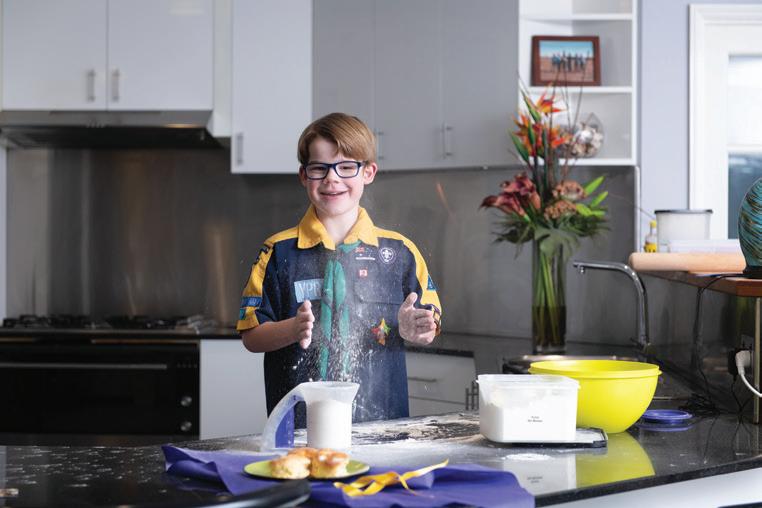
“Just because you’re sick doesn’t mean you stop being a kid, and it shouldn’t mean missing out on all the fun,” says the year four Holy Spirit Primary student.
“I have had to visit hospital so many times and the only thing that I look forward to is seeing Starlight.
“I’m fundraising for Starlight because of how much they have done for me and do for other sick kids.
“They’ve helped me so much and it will help other kids as well. You get to do something fun in hospital other than just being bored and sad.”
Arts & Entertainment 23-25
Canberra Matters 6
Crossword 26
Dining 25
Gardening 27
Horoscopes 26
Letters 13
News 3-13
Politics 10
Seven Days 4

The idea to raise money came to Ashton after his cub scout group learnt how to bake scones during an online scout activity.
He said he would bake 50 scones to raise money to earn a “special inter est” badge from the club, but the scouts encouraged him to do more than that, and said: “How about 100?”
So 100 was the initial goal and, for Ashton, who’s been lucky enough to not be in hospital much this year, the Starlight Foundation was his top and only choice to give the money to.
Ashton’s mum, Allison, says he
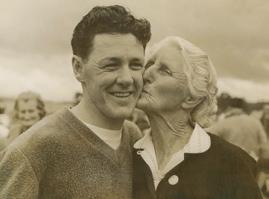
‘Mighty Merv’, king of the scooters. Story Page 12.

Since 1993: Volume 26, Number 29
Managing Director: James Anderson, 0404 077605, james@citynews.com.au
Director: Kate Meikle, kate@citynews.com.au
Senior advertising account executive: David Cusack, 0435 380656
Advertising account executive: Damien Klemke, 0439 139001 Tim Rutherford, 0412 933150
Editor: Ian Meikle, editor@citynews.com.au
Assistant editor: Danielle Nohra, danielle@citynews.com.au
Journalist: Kathryn Vukovljak, kathryn@citynews.com.au;
Arts editor: Helen Musa, 0400 043764, helen@citynews.com.au
Production manager/graphic design: Janet Ewen
Graphic designer: Karl Speller
Proof reader: Glenda Anderson
Accounts: accounts@citynews.com.au
In over 40 years of legal practice, Bill has worked across most areas of law but now focuses on:
Conveyancing & Property Law
Commercial Transactions
Local Government Law
Wills & Estates
Please phone us for an appointment




EXTENDING the Australian War Memorial is based on a flawed notion that a bigger display of historic military aircraft and vehicles would help veterans heal from their experience.
That’s what Dr Peter Stanley, who worked at the memorial for 27 years as its principal historian, told the federal parliament’s Public Works Committee.
“It has no medical or clinical or academic basis. I describe it as snake oil,” he said.
“There is no demonstrable therapeutic value in traumatised veterans visiting the display of their former weapons, vehicles or aircraft.
“I called it the hydroxychloroquine of the museum world.”
He wasn’t alone. Academics, architects, public servants and family of people killed in war lined up to take a pot shot at the AWM over its half-a-billion expansion, lambasting the plans as “wasteful” and “arrogant”.

The parliamentary committee is examining the controversial plans, which include the
demolition of Anzac Hall.
ANU historian Dr David Stephens , on behalf of the Heritage Guardians, said: “This has been a slipshod and arrogant exercise in public administration, a deeply flawed process.”
“The extensions will destroy the memorial’s character, affect its heritage status and entail the demolition of Anzac Hall – opened in 2001 and winner of the 2005 Sir Zelman Cowen Award for outstanding public architecture,” the Guardians’ submission read.
Even the Australian Institute of Architects has weighed in to defend Anzac Hall from demolition in the refurbishment, urging the committee to reconsider plans to demolish the hall after an “overwhelming majority” of people opposed these plans in an inquiry.
AWM director Matthew Anderson said they’d “engaged in national consultations” with stakeholders and the community.
“We’ve visited 42 different cities to talk about what it is we want to achieve through the redevelopment,” he said.
“Currently, only two per cent of our floor or gallery space is devoted to contemporary operations or conflicts, and we want to improve that.”
He trotted out the old economic benefits argument saying: “We estimate that it’s going to create 300 construction jobs, 400 additional jobs after the project is completed.”
Former memorial director Maj-Gen Steve Gower said he was disappointed with Mr Stokes’ comments.
“This is more surprising given he was an important media proprietor of print and television organisations while he was [in Canberra]; perhaps this is what he thought of his audience.” Ouch!
The parliamentary committee will now assess the project.
DESPITE Canberra sensibly stalled at stage 2.2 of coronavirus restrictions, ACT Health curiously offered up some small, new easing of restrictions with full contact sporting
and there’s no longer a limit on the number of swimmers per lane.
IN the latest “Winnunga News”, CEO of the Narrabundah-based Aboriginal health centre, Julie Tongs, says that while pleased to see the issue of Black Deaths in Custody get some recent community attention, she “was bemused, however, that the protests in the ACT were held in the forecourt of Parliament House.”
She writes: “It was not the Commonwealth government that generated an increase of 279 per cent in the number of Aboriginal people imprisoned in the AMC, including

what may also be the greatest increase in the proportion of Aboriginal women imprisoned in Australia.
“It was not the Commonwealth government that has tolerated an Aboriginal recidivism rate of 90 per cent.
“It was, of course, the ACT government.”
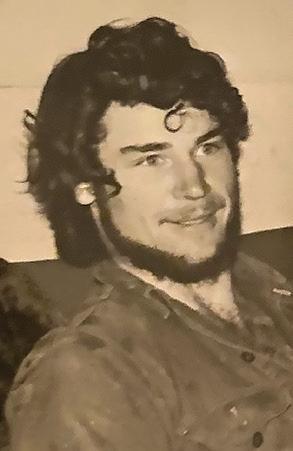
FURTHER on in the newsletter there is a regular staff profile. Senior adviser to the CEO and board is this edition’s focus and includes a photograph, though one fancies only wife Robyn would recognise a youthful Jon Stanhope through the curly long hair and beard.
The former kid from Gundagai, chief minister and “CityNews” columnist reveals some personal insights, creasing methinks under the pressure of questions such as:
Who is your favourite singer/band?
“My favourite singers are Tony Poncet* and Adele. My favourite bands are Queen and Cold Chisel.”
What is your favourite song?
“My favourite song changes every couple of weeks but I have asked my family to play the Dire Straits song ‘Going Home’ at my funeral,” reassuringly adding: “Not that I am planning to pop off any time soon.”
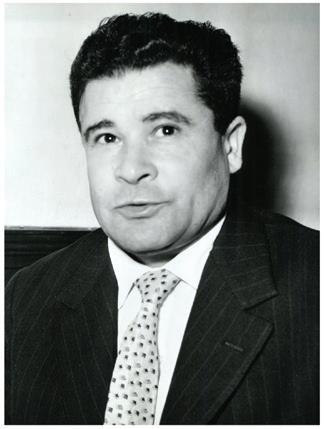
*Tony Poncet? Me neither. I had to look him up. He was a Spanish-born, French-raised opera tenor at his peak around 1956-1966. He died of lung cancer, aged 60, in 1979.
Ian Meikle is the “CityNews” editor. He can be heard on the “CityNews Sunday Roast” news and current affairs program, 10am-noon on 2CC.






ON World Environment Day, June 5, the Canberra Liberals committed to planting one million trees over the next decade if they form government following the October 17 ACT election.
On July 9 they followed up with an election commitment that all Canberra children will receive a tree on their first day of kindergarten. The first announcement definitely caught out the Labor Party, gauging by the response from the Minister for Something Chris Steel, who came out with something silly about the Liberals’ promise not being costed (probably partly true).
Canberra’s green infrastructure has declined under the watch of this Labor/Greens government. Steel’s vacuous point scoring with nothing positive to add is a clear signal that he is happy with business as usual, that is, to continue to do very little.

When it comes to each kinder child being handed a tree, did anyone in the Liberals’ think tank imagine the scene within the apartment
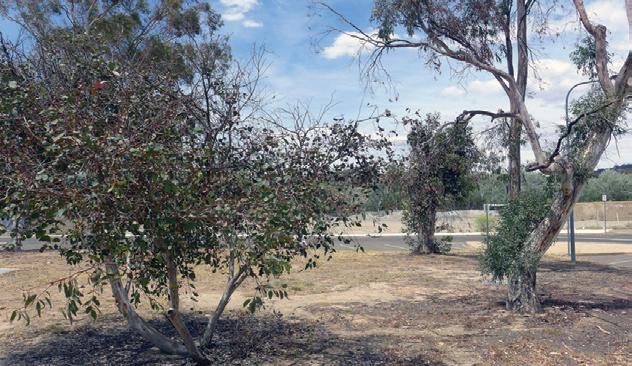
Canberra’s old and new suburbs have dead and dying trees and shrubbery. Along with new plantings, a future government must commit to immediately replacing the many sick and dead street trees.
living families or those in the new suburban stand-alone house that have little or no space for gardens?
Imagine the parents’ reactions when the little darling walks through the door with a potted eucalyptus. That second announcement was definitely a “worthy” sounding thought bubble that will come back to haunt the Liberals.
The Canberra Liberals will have to be far more serious about addressing the complexities of green infrastructure – not just look for opportunistic political points and headlines.
A million trees over 10 years is not a lot. Worse still is Labor’s new “Urban Forest Strategy” of planting 450,000 trees over 25 years – that’s aiming for a 30 per cent canopy cover by 2045.
Canberra’s old and new suburbs have dead and dying trees and shrubbery. Along with new plantings, a future government must commit to immediately replacing the many sick
and dead street trees.
Many of the city’s open spaces are not maintained, making them targets for housing proposals from developers and Minister Yvette Berry’s dreaded social housing section (we plonk them anywhere).
If candidates want to be serious, commitments need to be made to fixing and maintaining the enormous number of run-down green spaces.
The zoning system continues to allow for developments with not enough spacing for planting trees and shrubs – resulting in a reduction of greenery across the established suburbs.
New suburban planning is a joke when considering the huge benefits of tree canopies and biodiversity.
Then there are town centres, such as Woden and Gungahlin, where high-rise developments have been unstoppable and the opportunities for green spaces reduced through the application of inadequate planning legislation and ad-hoc planning decisions.
I could go on for pages on so many elements of Canberra’s green infrastructure and biodiversity that
have been neglected.
People wish for an ACT government that takes the urban environments seriously. We do not need flaky policy documents on greenery and sustainability such as those that appeared in 2019. They are an insult to the intelligence of the electorate and will achieve what they were always meant to do – very little!
It is good the Canberra Liberals are discovering the importance of trees and parks. However, voters don’t appreciate such matters being used to point score.
Time is running out for candidates

www.annabelsbridal.com.au
going into the October election. It may be too late already, but all candidates need to demonstrate real commitments to green infrastructure, urban forests, parks and open spaces (including hands off West Basin) and the many other related greenery and biodiversity issues.
In Canberra of all places, it should not be so hard to vote for greenery.
Paul Costigan is an independent commentator and consultant on the visual arts, photography, urban design, environmental issues and everyday matters.



An elderly woman with hearing loss came to my clinic for a second opinion, after she had recently been to a hearing aid sales person. I found the cause of her hearing loss was simply the fact that she had build-up of wax in her ears, the salesperson had failed to inspect them. You might be surprised how often this happens!
Here are some things to do to avoid getting ripped off:
1. A visit to the GP may save you from being ‘sold’ something when your only problem is wax in your ears.
Recently I was told by two different patients that they were quoted $16,000 for a pair of hearing aids. This seems a ridiculous amount of money to pay and is most likely not appropriate for the majority of people (or possibly anyone).
5. If you are a pensioner or partpensioner, or a DVA gold or white card holder, you should carefully consider if you want to use the free-to-client government hearing aids or if you’d like to top-up to a different hearing aid.
“In an unregulated market there is a lot of opportunity to take advantage of people. Yes you have read correctly, there is no licensing of people who sell hearing aids.”
2. Look for someone who is independent and can offer you unbiased advice, not just give you a sales pitch.
– Dr Vass
3. There are a range of hearing aid prices. Finding the right hearing aid might save you money and it will also give you the best chance of success.
4. Hearing aids can be expensive.
The free-to-client hearing aids are appropriate for many people, however if you have great difficulty hearing background noise (for example in restaurants) then you might trial the top-up hearing aids, but only if you can afford them. There are a range of top up options and prices, if you are disappointed after a trial, you should return them and trial the free-toclient hearing aids.
If you get the feeling the person you’re dealing with is just trying to sell you something, then take a step back and get a second opinion.
Seven years on and there are still asylum seekers taken by Australia to Manus Island and Nauru. KIRRILY JORDAN looks at how Australia turned compassion for refugees into another year of torture.
WHEN Aran* landed on Christmas Island in August 2013 he dreamt of a life of freedom in Australia, playing sport far away from the political regime that had threatened his survival.
He’d never heard of Kevin Rudd’s “19 July law” that would send all asylum seekers arriving by boat to offshore imprisonment in Manus Island or Nauru – and condemn him to indefinite detention until this day.
In a strange twist of fate it was exactly six years later, in August 2019, that he arrived in Australia for a second time. On Manus Island he had seen two of his closest friends die and sustained a serious injury that was causing chronic pain and flashbacks of trauma.
But he was now filled with hope. Under the “medevac” legislation that had come into force in May he was assessed as needing urgent medical care. Arriving back in Australia he imagined receiving the proper treatment that had never been available in PNG.
When it passed through parliament, medevac was widely celebrated as a win for compassion and decency.
But today, as the remaining 600 people who were sent offshore enter their eighth year of detention, Aran looks back on that promise as a cruel joke. For almost 12 months he has been locked up inside the Mantra Hotel in Melbourne with around 70 other people sent from PNG and Nauru. Another 130 are held in hotels and detention centres elsewhere.
For Aran this is a new, cruel torture worse than Manus. “Manus was so hard and brings back hard memories, but at least we had fresh air. Now they sent us here. For the first four months we couldn’t even open the windows… Sometimes I just stay in my room three or four days with the curtains closed. We need to be able to go outside, talk to people. I feel like a hostage.”
Like many others who came under medevac, Aran claims that the medical care has been minimal.
“If you want to see a psychologist you can put in a request form. But all they do is give you pills for sleeping and pills for calming down,” he says.
“We are so sick of that, the same as Manus. I didn’t want to use that
medication but I have no choice.”
It’s a similar story in other locations around Australia where medevac transferees are being detained.
In another city, Nico* has been held for more than 12 months in an immigration detention centre.
As soon as he arrived under medevac he requested an MRI and psychiatric appointment.
“I was told I had to wait like all Australians,” he said.
“When I said I’ve already been waiting six years the doctor laughed and said: ‘It’s not my problem’. After seven months I was able to get an MRI and they said its arthritis.”
Nico was able to see a physiotherapist, but those appointments have ceased during COVID-19. His neck feels no better, and he says his request for a pillow that does not cause more pain has been ignored for seven months.
Nico’s biggest problem, though, has been the worsening of his mental health. On his telling, he had to submit a complaint form before he was able to access a phone counsellor.
“But he says he can’t help me. He just says ‘Sorry, that’s a hard situation you’re in’,” said Nico. Worse still is the way Nico says he is treated by guards.
“We get treated like criminals.
For example, some of us asked to go to church. First they had to search us, the security guard touched our private parts and over our whole bodies, while another one was laughing. We were so upset,” he said.
“And then four security guards came with each person – one security holding our right arm, one holding our left arm, one a metre in front and one a metre behind. They stood there holding us the whole time… And then they searched us again on the way back in.”
The same treatment was given to Nico when he got his MRI.
“Going into the hospital all the people were looking and thinking: ‘Oh, he must be a criminal’. You don’t know what that feels like inside,” he said.
The prospects for people like Aran and Nico show no signs of improving. Acting Immigration Minister Alan Tudge has suggested that, for many of them, it was now time to return to continued detention in PNG and Nauru.
Having attempted suicide a few weeks ago, Nico is now holding on for his wife and young son back home.
Aran sees little hope: “I think if we get free we can get better step by step. But when I think about myself I think I will never be free. My only fault was that I came by boat. It’s like a mark on my forehead until I die.”
Aran, Nico and many others like them are buoyed by the knowledge that there are Australians who care. But as they enter their eighth year of detention their hopes for a compassionate Australia must seem like mirages – turning to dust as soon as they draw near.
*Names have been changed. Dr Kirrily Jordan is a political economist, visual artist and research fellow at the ANU. She has worked closely with refugees on Manus Island for several years and maintains contact with many of those still detained in Australia and PNG.








Having
DEATHS from the coronavirus pandemic pale into insignificance compared to the worldwide deaths from tobacco. At least for the moment.
While there have been just over half a million COVID-19 deaths so far, the World Health Organization identifies that annually eight million people die prematurely through tobacco use. While the world scrambles to find solutions to the coronavirus, Big Tobacco continues to sell its lethal product largely unhindered in many countries. Free marketing, minimal taxation and widespread use of tobacco are still common, especially in middle and low-income countries. Not so in Australia. The recent “National Drug Strategy Household Survey” by the Australian Institute of Health and Welfare (AIHW) reveals just how well our nation is managing. Smoking has reduced from 24 per cent in 1991 to 12.2 per cent in 2016 and was 11 per cent in 2019. According to the Australian Council on Smoking and Health (ACOSH) “that means literally tens

In the US, Canada and the UK, electronic cigarette use is unregulated and widespread. They are extensively glamourised through social media resulting in an epidemic of young people using them.
of thousands of deaths prevented”.
Public health advocacy success frightens Big Tobacco. Actions by Australian and other governments threaten to reduce its profits. The greatest threat to tobacco companies is young people eschewing tobacco with uptake by 14-19-year-olds “dropping by 80 per cent since 2001”.
Hence there’s another strategy to maintain profits; the number of young people taking up electronic cigarettes has quadrupled in six years.
Big Tobacco will do almost anything to protect its profits.
Remember the denials about the harm of tobacco, the arguments about doctors favouring a particular brand and “just filter it”.
Benjamin Disraeli’s insight still holds true: “There are three kinds of lies: lies, damned lies and statistics”.
We know from millions of papers legally “discovered” in the US, the industry will dissemble, divert atten-
tion and lie about their lethal product.
One of the favourite tactics is to pay researchers to question statistics and epidemiological studies while concur rently funding their own research into questions that distract from the lethal nature of nicotine and tobacco.
The dissembling and lobbying of the tobacco industry internationally has given it access to governments that is unprecedented for decades. This time they are not using “just filter it”, but rather arguing for a switch to electronic cigarettes.
Tobacco companies have the lion’s share of this industry and sell them alongside tobacco.
The Australian government, in a bipartisan approach with leadership by Health Minister Greg Hunt and thenshadow minister Catherine King, has allowed electronic cigarettes in a very restricted manner.
Compared to many other countries, Australia is doing remarkably well in reducing tobacco use while avoiding a plague of electronic cigarettes.
As the Therapeutic Goods Administration and the National Health and Medical Research Council have
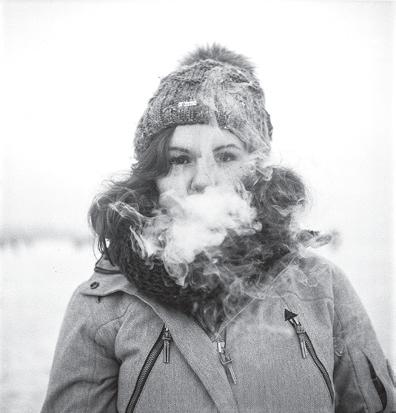
Vaping… the number of young people taking up electronic cigarettes has quadrupled in six years.
noted “there is insufficient evidence on the safety and efficacy of electronic cigarettes to make them more freely available”.
Greg Hunt has not been duped into accepting the Big Tobacco argument that these electronic devices should be unregulated as “harm reduction” approaches.
He has applied a full harm minimisation approach encompassing “supply reduction, demand reduction and harm reduction”. Cherry picking a convenient element would never deliver the least harm.
In the US, Canada and the UK, electronic cigarette use is unregulated and widespread. They are extensively
glamourised through social media resulting in an epidemic of young people using them. This is why media reports of young people in Australia buying and using these devices are of such great concern.
The most effective drug policies are not based on prohibition. A regulated market reduces use and reduces harm.
Minister Hunt is to be congratulated on adopting a “controlled availability” approach in allowing only the import of nicotine with a doctor’s prescription from January 1, 2021.
True to form, Big Tobacco and the electronic cigarette apologists will scream their objections and argue that the advent of electronic cigarettes is the reason for the reduction.
Not true! Public health advocates such as Prof Mike Daube refer to the “scream test”. The louder the tobacco companies scream – the more effective the policy approach.
The AIHW report counters any such propaganda explaining “the decrease in daily smoking appears to be mainly driven by fewer people aged 14-39 taking up smoking”.
Michael Moore is a former member of the ACT Legislative Assembly and an independent minister for health. He has been a political columnist with “CityNews” since 2006. He is a past president of the World Federation of Public Health Associations.

every weekday






I WILL never live down the embarrassment of my husband telling other parents at a kids’ party recently that we are a “naked house”.
My cheeks are burning as I write this!
Not that there’s anything wrong with that… but it’s just not the vibe I want to portray to others, especially new acquaintances who know very little else about us. Especially when I really doubt that we even qualify for living in a naked house!
“Oh look, there’s the Andersons… the ‘naked house’ family,” I imagine would be the whispers at school drop off.
What you might ask, prompted my husband to declare our house a naked one?
Our newly minted four-year-old daughter is very interested in human anatomy and bodily functions. Toilet talk is oh-so-funny!
We modern parents have been told by the experts to name all body parts correctly from day dot, answer truthfully and age-appropriately any questions

We have tried to name all body parts correctly and seriously with the children but my daughter still thinks that ‘willies’ are hilarious.
the children might have and instill in them body autonomy and positivity.
Big stuff for us parents to get right, but very important for children to have a clear sense that their body is their own, especially for protection reasons.
Heaven forbid, but it’s a big concern.
We have tried to name all body parts correctly and seriously with the children but my daughter still thinks that “willies” are hilarious.
Recently, she met a boy called William at holiday school.

party caused a strange and uncomfortable moment for my husband.
a particularly attractive image, especially in winter!
THE Canberra Seniors Centre, at 10 Watson Street, Turner, has reopened and is inviting the over-50s to explore options to keep their minds and bodies active via the many and varied activities available. The centre is practising social distancing and all government requirements are being strictly observed. Everyone is welcome but bookings are required. More from 6248 9509 or at canberraseniors.org
NOMINATIONS are open for the Fred Hollows Humanity Award, which recognises year 6 students who demonstrate compassion, integrity and kindness towards others. Parents, teachers, principals and community members can nominate a child in Year 6 who has made a difference at www.hollows.org/fredhollowshumanityaward before 11.59pm on September 11.
“His name is William, mummy. You know, like ‘Willy-am’!” she precociously tittered and giggled.
Oh dear, chalk it up to another parent fail, as I stifled a giggle myself. Perhaps I am just as bad as my fouryear-old!
And so, the mere mention from my daughter of a “willy” in front of everyone at a preschool friend’s birthday
“Oh, no, what did you say?” I asked him when he told me afterwards, aghast that her toilet talk went public and in front of parents I am just beginning to get to know and build friendships with.
“I said: ‘We don’t like toilet talk here at the party’ to her. And then I said to the parents: ‘Well, we are a naked house, so she’s very aware of body parts”.
I laughed so hard, imagining what a naked house would look like… I started picturing us as older hippieversions of ourselves, walking around our house all day without clothes on! Washing up, watching TV, doing the laundry all in the nude… It wasn’t
“I meant by that we have the door open when we shower and get changed in front of the kids if they happen to be in the room,” clarified my husband. This is true, we do have an “open-door” policy in our house, only because the kids keep opening them whenever I need some privacy!
I only wish he had explained what his definition of a “naked house” was with the other parents! And another disclaimer, I really love the name William and apologise in advance to all future Williams that my daughter will meet, that is until her toilet talk phase is over!
THE Canberra Railway Museum at Kingston is again open to the public. “We have our ‘COVID Safe’ plan in place and are now open again to the public each Sunday” said museum director John Cheeseman. “Like most rail heritage museums, we are currently unable to run our trains, but we have increased the range of our exhibits and introduced some added attractions during the enforced shutdown”. The museum, at 7 Geijera Place, Kingston, is open 10am-3pm on Sundays. More at canberrarail.org.au


Reporter BELINDA STRAHORN
IT was 1pm on a sunny October afternoon in Canberra 1958, and a gruelling 15-kilometre slog lay ahead.
Between Merv McDonald and the finish line in Queanbeyan were twists, turns and uphill slogs – a feat of endurance – most would balk at today.
The interstate scooter race from Canberra to Queanbeyan was the gnarliest of races, starting from Canberra’s Olympic Swimming Pool, down Constitution Avenue and finishing at the Queanbeyan Post Office.
Thousands of spectators lined Constitution Avenue and on Fyshwick Hill –halfway to Queanbeyan – eager to watch grown men race motorless scooters.
McDonald, a talented Queanbeyan sportsman and champion cyclist, was 26 years old when he lined up for his first scooter race in 1958.
The race was billed a “tough ride”. It’s not hard to see why. In the ‘50s scooters were oversized versions of the common child’s toy, with hard rubber tyres fitted to 12-inch metal wheels. Handbrakes were not fitted nor did riders wear helmets.
“You wouldn’t read about it now,” McDonald chuckled.
“Most people had never seen a scooter before…let alone raced one.
“Your foot would hit the axle of the back wheel and it would take a fair bit of bark off, you had to get used to changing your feet every 50 metres or so, so you could maintain a rhythm.”
The first cross-border scooter race started as a challenge between friends in 1957 and later fashioned as a charity event, with local businesses sponsoring a rider for ten pounds ($20).
McDonald, now 85 years old and a great grandfather, can still recall the race as if it was yesterday.
“At the time I was teaching ballroom dancing at the Mal Strahan Dance Studio in Civic and jokingly suggested the studio enter me in the race,” he said.
“To my surprise they paid up and provided the scooter and I thought, what have I got myself into.”
Determined to make a go of it, McDonald covered 300 kilometres in training.
“The week before the race, my wife Gwen would drive me to Narrabundah and drop me off for a quick sprint on my scooter into Queanbeyan, this was all done before breakfast and then I’d head to work.”
When race day finally arrived, 32 competitors took part. Beside McDonald at the starting line was Ian Rudd, a local rugby player, his family owned a petrol depot in Fyshwick.
On the other side was Bob Warren,
interstate scooter race.
Warren covered the 15-kilometre course in 35 minutes and 27 seconds and was eager to defend his crown.
Member for the ACT, Jim Fraser, fired the starting gun.
“In the first race, Peter Quodling, from Quodling Buses, ended up in hospital when he swerved to avoid a car, rolled his scooter and broke his ankle,” says McDonald.
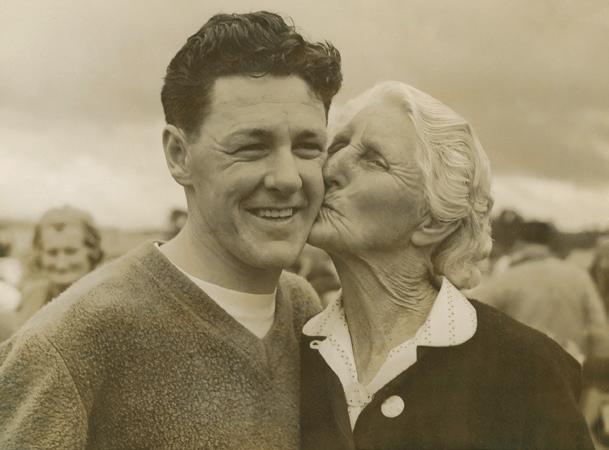
History enthusiast and Queanbeyan local Phil Hawke says 1958 was the start of “Mighty Merv’s” dominance

Dubbed the “human scooter”, Hawke says McDonald covered the 15-kilome tre course in 30 minutes and 22 seconds averaging 30km/h and beating the 1957 time by five minutes and three seconds.
Hawke, a retired economics teacher, stumbled across details of the “much loved” yet “forgotten event” while cataloguing old photos of Queanbeyan.
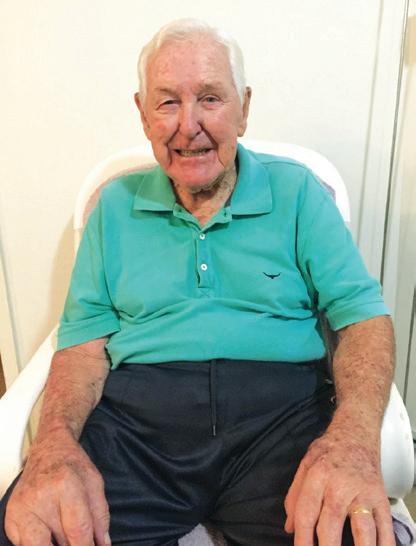
“It would have been quite the spectacle,” Hawke said.
McDonald went on to win two more scooter races, winning three out of the four events he entered.
The race was canned in 1961, four years after it started. Police and officials had trouble controlling the
“During the race McDonald and Rudd jumped the main bunch and by the top of the Fyshwick Hill were lead[about 10 metres] with inaugural winner Warren placing third.”
huge crowds and long lines of traffic, McDonald said.
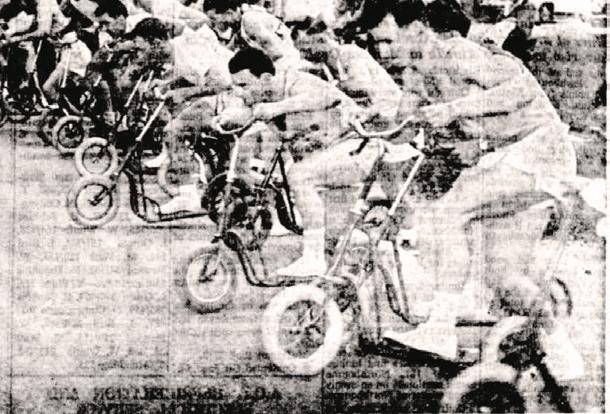
“Everyone wanted to watch it,” said McDonald. “As I was coming into the finishing line, I couldn’t get through because there were so many people lining the streets, like in the Tour de France.”
Hawke says the race was such a big thing, but many people have forgotten it existed.
McDonald went on to enjoy a 39-yearlong stint in the public service and a notable career in cycling as a rider, coach and official. He was awarded an OAM for his services to the sport in 1989.
These days McDonald lives on the Sunshine Coast and needs a walking frame to get about after suffering from a stroke.
He says the cross-border race is a vivid reminder of the human spirit that existed in a “golden era”.
“Those were the years,” McDonald said. “I’ve had a wonderful life.”
THE Chief Minister says that Geocon’s Kingston plan does not fit with the inner-south suburb’s character (“Barr bags out Geocon’s Kingston tower”, citynews.com.au, July 13).
What has woken Andrew Barr from his long slumber and made him aware of what the developers are trying to get away with in Canberra? Could it be that he read the excellent article by Paul Costigan (“Opposition to eight-storeys in Kingston”, CN, July 9), or is it because there is an election looming?
It’s a pity Andrew Barr did not voice his disapproval at many other ugly multi-storey buildings that have gone up around Canberra and deface our beautiful bush capital.
Ann Cooper, Wanniassa
THE Chief Minister’s welcome epiphany about the plans for a large, inappropriate building on yet another tight suburban site (“Barr bags out Geocon’s Kingston tower”, citynews.com.au, July 13) illustrates well what weary residents’ groups across Canberra have known for a long time – that the current planning system for urban renewal remains badly broken.
Foisting such a proposal into the public arena for multi-layered “community consultation” is a damning indictment not only of a developer’s rapaciousness but also of planning structures that should be ensuring high-quality design and planning for all Canberra suburbs.
Hopefully, Mr Barr and the NCA can ar-
range an independent and expert review of their lofty-sounding yet inadequate National Capital Design Review Panel, which has considered the Kingston block plans not once but twice.
The resulting proposal does not engender confidence in the panel’s role of providing design advice or as a public-interest gatekeeper.
The Kingston complex also reinforces the widespread perception that the ACT planning processes still aid and abet developers’ “plan-and-run” approaches to urban renewal. The planning minister, chief planner and his directorate also fail as gatekeepers when any building complex is clearly not part of a far more holistic, balanced and sympathetic approach to local renewal and the simultaneous provision of improved and welcoming public spaces.
Developers are left to smother us in spin. Individuals and community groups should not have to volunteer so much time and energy on documenting worrying planning deficiencies and impacts that promise to blight the liveability and appearance of our suburban environments for decades to come.
Major multi-agency reform, underpinned by strong political will and oversight, is desperately needed to influence and deliver much improved national capital design and planning. Canberra deserves nothing less.
Sue Dyer, Downer
CEDRIC Bryant has every right to be grumpy about the state of public toilets in Canberra’s suburbs (“The public disgrace of public toilets”, CN, July 9).
I remember being outside the Chapman Shopping Centre on one occasion when a man approached me and, with a sense of urgency, asked: “Where are the public toilets?” I said, “There are none”. And then told him his best bet would be to use one inside the doctor’s surgery, which he did.
John Milne, Chapman
OVER the last 10 years, city planning in the ACT has been abysmal. It is time for a complete change of policy. I would make the following recommendations for after the October election: Infill in Canberra is highly desired because of consolidation of transport infrastructure and generally to accommodate the growing population. The solution the present government has chosen is high-rise future slums. The alternative is to do what the government did when it divided large blocks that were bought during the asbestos crisis.
The removal of the ban that only blocks within a certain distance of the shops can be subdivided is ridiculous. Any block that is over 850sqm should be allowed to be redeveloped into a twin dwelling with separate titles.

After a plan is approved, and the betterment tax is calculated, the agreed sum would be paid at the sale of the completed building. Should the time exceed 12 months, interest would accrue. After 30 months, the sum would be liable to be paid.
2. Since a lot of the construction would be double storey, and preference would be to keep people in their own accommodation with home help rather than shift them into retirement units, a 15 per cent rebate on the betterment tax would apply if an elevator is installed on final inspection.
3. Should the original owner occupy one of the cottages, the amount of back betterment tax would be reduced by 50 per cent to be paid within a month after occupancy certificate is issued.
Ben Girshon, Curtin
WHAT the response from Stephen Bartos (CN, letters, July 16), representing Common Ground, demonstrates is how hard it has been for residents to deal with the consistent and annoying alternate facts and misinformation about what the government and others are planning for Section 72 Dickson. The political processes of plonking Common Ground on to this community site continues the unfortunate attitude by those involved towards the aspirations of inner-north residents for community and cultural amenities to be available to the nearby suburbs.
As for the comments by Stephen Bartos that: “There is no Common Ground management” – if true, one wonders about the organisation’s governance and how they handle government funding.
Paul Costigan, Dickson


27-August 2
FROM July 27 to August 2, Chronic Pain Australia is highlighting what it argues is the world’s fastest growing medical condition – chronic pain.
Chronic pain is pain that doesn’t go away after the injury or illness has resolved and lasts at least three months, and through the National Pain Week campaign, the organisation will be encouraging all Australians to learn about pain and how to manage it.
More than 3.2 million Australians, of all ages, live with this invisible illness and this year, the week aims to put a face to these people through the theme, “Faces of Pain”.
“We chose this theme because our community often speaks of the stigma associated with chronic pain and the challenges they face because others can’t relate or understand what life is like with persistent pain,” says Chronic Pain
Australia president Jarrod McMaugh.
“We hope by showing what it’s like to live with pain, people will also learn what they can do to manage pain if they ever develop it in the future.”
More information at nationalpainweek.org.au
‘Not good’: Allan reveals amputation statistics
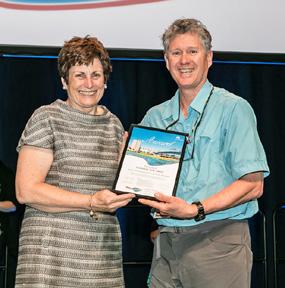
he says the most significant risk in a person with type 1 or 2 diabetes is the lack of pain, or loss of feeling in their feet.
“People with diabetes who have a loss of sensation and circulation in their feet are considered to be at high risk of developing ulceration, leading to amputation,” says Allan.
“As a result, if their feet sustain an injury they will not feel it and the resultant wound can rapidly proceed to an ulcer and very commonly amputation.
“The statistics for diabetic foot ulceration and amputation in
Australia are not good. Twentyseven Australians die each week as a result of more complex problems associated with diabetic foot disease.”
Allan says his team, which includes podiatrists Kevin Pham-Le and Bunny Upathumpa, offer a broad range of general podiatry services but also have the specific expertise to manage diabetic foot wounds. They are now offering the first private high-risk foot service in their region.
With 42 years’ experience in podiatry, Allan is passionate about the health of diabetics and significantly lowering the number of lower limb amputations. His work in developing an off-loading device to significantly reduce wound healing time won him the inaugural Innovation Tank Award at the Wounds Australia national conference in Adelaide in 2018.
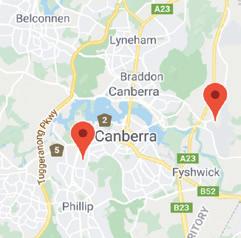
Qcity Podiatry and Healthcare, Cassidy’s Arcade, 74 Monaro Street, Queanbeyan. Call 6147 1616 or visit qcitypodiatry.com.au
Empowering patients to recovery
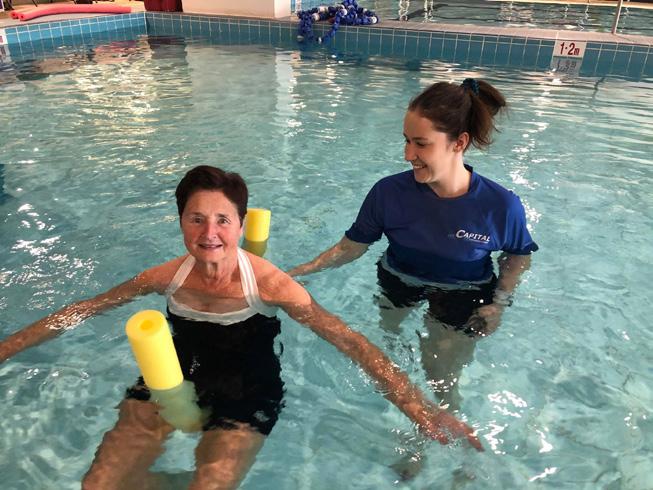
function, says team leader and exercise physiologist, Nina Semenov.
“We do this by looking after our patients. One of our core values is to go above and beyond with all our patients,” says Nina.
“We want them to have an amazing experience from the initial consultation and right throughout their exercise rehabilitation journey with us.”
Based in Majura and Deakin, Capital Hydrotherapy specialises in a full range of water-based therapeutic treatments including hydrotherapy, aquatic physiotherapy, water-based injury rehabilitation, strength and conditioning training,
physiotherapists and are always keen to offer the best exercise and lifestyle-related recommendations that are suitable to each individual’s needs and goals.
“Capital Hydrotherapy also prides itself on being patient-centred – we aim to empower patients to improve their current condition by working with our clients and helping them be a part of the decision-making process in their own rehabilitation,” she says.
Capital Hydrotherapy is located at Majura Park and Deakin. Visit capitalhydrotherapy.com.au or call 6156 2223.
PODIATRISTS Allan Donnelly Kevin Pham-Le NURSE PRACTITIONER Bunny Upathumpa • Ingrown Toenails • Orthotics • Richie Brace • Infants/Children/Adolescents • Sports Injuries and Assessment


1) DAILY GRADED MOVEMENT THERAPY
Movement is medicine. Supervised and graded exercise/movement therapy is important in order to increase activity levels and improve fitness. At Capital Hydrotherapy we focus on hydrotherapy treatment, as the water is taking 70% of the load off the joints (depending on depth), which allows for quicker recovery and increased tolerance.
2) SCHEDULED PACING
Understanding pacing techniques encourages behavioural change. The aim of pacing is to gradually increase over time the level of routine functioning. If you can function within your individual limits you may then try to gradually increase your activity levels while maintaining pacing methods.
Here are 5 suggestions you can apply today: HOW DO YOU MANAGE YOUR CHRONIC PAIN?
A Doing Diary may help you - which allows you to take control of your daily routines and start a management strategy plan. Set manageable daily activities and exercise goals and balance the activity with rest, to avoid a possible flare-up.
3) COMMUNICATION AND EDUCATION
If you understand the complexity of your condition, recovery is much more likely. Communication involves having the diagnosis and causes explained to you by a professional, and education about selfmanagement strategies.
4) SLEEP HYGIENE
Sleep and full relaxation allows your internal system to recover. Your muscles repair, your nerves, tendons, and ligaments ease, and your organs restore. Restoration is essential.

5) STRESS MANAGEMENT, MEDITATION AND MINDFULNESS
Having a daily scheduled 10-15 minute meditation or mindfulness practice (or visualisation) has helped many of our chronicpain patients.



USING a multidisciplinary approach that puts patients first, Junic Specialist Centre empowers women suffering with chronic pelvic pain, says Dr Uche Menakaya.
Focusing on endometriosis and women’s health, Dr Mena kaya says they’ve been continuously improving their model of care since the centre was established four years ago.
“[We’re continually] improving our model of care when it comes to the management of pelvic pain, to help reduce the frustrations women feel when it comes to the health options available to them,” says Dr Menakaya.
Dr Menakaya says their patient-centred approach begins with the non-invasive diagnosis of endometriosis through ultrasound.
“If a patient requires surgery, we are able to offer them the best treatment,” he says.
“Should it be required, a bowel surgeon and urologist can also be involved. Patients have access to counselling, a pain specialist, our onsite physiotherapist and a psychologist.”
Dr Uche Menakaya, who is an obstetrician, gynaecolo gist, sonologist and laparoscopic surgeon, has been work ing with people with endometriosis for about 10 years and is part of a global leadership team researching non-invasive techniques to diagnose this condition, which affects one in 10 women in Canberra.
“When women walk through our doors, they are always listened to,” he says.
With endometriosis contributing to 40 per cent of pelvic pain in women, Dr Menakaya and his experienced clinical partner, Adjunct Associate Prof Elissa O’Keefe, say they are leaders in the field, pioneering best practice for endome triosis diagnosis and treatment in Canberra.
JUNIC Specialist Centre, 110 Woodberry Avenue, Coombs. Call 6178 0470, email info@junicimaging.com.au or visit junicimaging.com.au

THE “gold standard” for pain management involves weight loss, nutrition and exercise, says Arthritis ACT CEO Rebecca Davey, which is why the non-profit organisation offers services in each area.
From exercise classes to occupational therapy, Rebecca says Arthritis ACT can help Canberrans manage their chronic pain and improve their health and wellbeing.
“We also know that people who live with pain can also live with mental health issues such as depression and anxiety. They can carry the weight of the world on their shoulders,” she says.
“We can help people deal with the mental stress which can be just as painful as the physical pain they experience.”
Throughout National Pain Week, Arthritis ACT will hold live and recorded online sessions about various aspects of pain, and Rebecca encourages people to contact the office to get information on how to join them.

“We are offering our sessions online at present, which has been working well, [and include] a men’s support group.”
“We also run a peer mentoring program with peer mentors, also living with pain, supporting people who are new to chronic pain,” she says.
Arthritis ACT, Building 18, 170 Haydon Drive, Bruce. Call 1800 011041, email info@arthritisact. org.au or visit arthritisact.org.au


• Community based specialist women’s health centre
• Pioneering the ‘one stop’ model of care for quality women’s health services
• Global leadership in the pre surgical diagnosis of endometriosis using ultrasound
• Advanced laparoscopic surgery • Bulk billed Colposcopy services
• Early pregnancy assessment centre • Laser therapy for vulvovaginal indications
• Women’s health physiotherapy

YOUR ONE TO ONE
NDIS Applications – We will co-ordinate the reports you need as well as providing you with a detailed impact report to support your application.
Disability Support Pension Applications – We provide a detailed report outlining the impact of your disability on your daily life.
Home Modifications – We can assist you in the design of necessary modifications for your home to assist you to achieve your life goals; coordinating with builders and other building experts to ensure your home meets your needs.
Equipment Prescriptions – We can assist you to source the correct equipment to improve your life.

PAIN from musculoskeletal problems can be significantly improved or eliminated by a combination of surgical or non-surgical means, says Orthopaedics ACT executive director Dr Phil Aubin.
“Advances in surgery have led to significant improvement in people with pain and mobility issues,” says Dr Aubin, who is urging people suffering with arthritis and musculoskeletal pain to seek help and discuss their pain with the GP.
Orthopaedics ACT, located in Woden, is the largest single practice in the region, according to Dr Aubin, and offers surgical or non-surgical intervention as well as sport and exercise medicine.
care for issues relating to the spine, upper extremities,
lower extremities and pelvis, says Dr Aubin.
“We cover the whole musculoskeletal system, head to toe and we also have a sport and exercise physician on staff offering consultations,” he says.
“We now also offer paediatric orthopaedic services under Prof David Little and Dr Samya Lakis.”
Dr Aubin says patients and their referring GPs can expect a professional approach from reception right through.
“We always take input from our patients to achieve a positive outcome,” he says.
Orthopaedics ACT, Woden Specialist Medical Centre,

Winnunga Nimmityjah Aboriginal Health & Community Services CEO Julie Tongs.
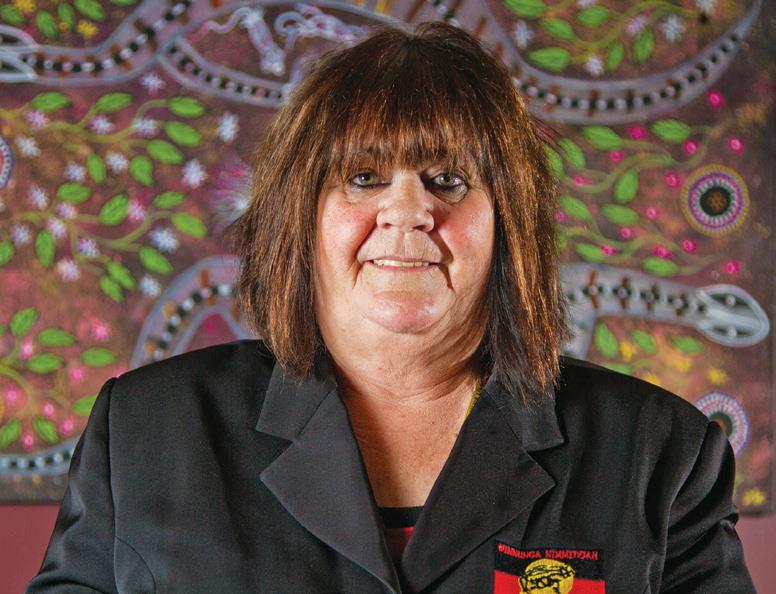
an Aboriginal community controlled primary health care service, says its aim is to help its clients achieve strong health.
Operated by the Aboriginal and Torres Strait Islander community of the ACT, the health and community service provides a culturally safe, holistic health care service for the Aboriginal and Torres Strait Islander people of the ACT and its surrounding regions.
Winnunga Nimmityjah AHCS provides, not only medical care, but a range of programs to promote good health and healthy lifestyles, as well as services such as GP and nurs-
nutrition services and psychiatrist services.
Winnunga Nimmityjah AHCS says it’s been at the forefront of setting a national agenda for quality improvement in Aboriginal community-controlled health and continues to advocate locally and nationally for best practice standards in all operational and governance areas of all Aboriginal health services.
Winnunga Nimmityjah Aboriginal Health and Community Services, 63 Boolimba Crescent, Narrabundah. Call 6284 6222 or call free on 1800 110290.
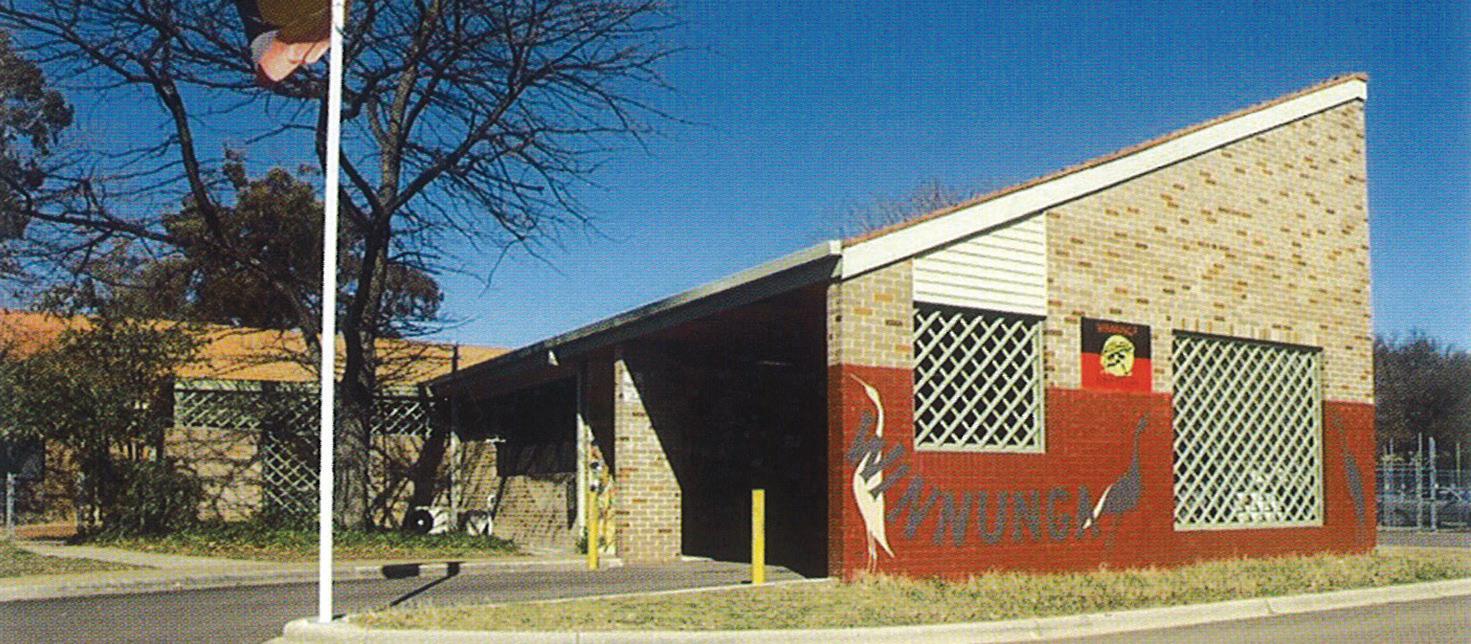
Winnunga Nimmityjah AHCS is an Aboriginal community controlled primary health care service operated by the Aboriginal community of the ACT.
In Wiradjuri language, Winnunga Nimmityjah means Strong Health.
The service logo is the Corroboree Frog which is significant to Aboriginal people in the ACT.
Our aim is to provide a culturally safe, holistic health care service for the Aboriginal and Torres Strait Islander people of the ACT and surrounding regions. The holistic health care provided by Winnunga AHCS includes not only medical care, but a range of programs to promote good health and healthy lifestyles. Our services include:
• GP and Nursing
• Midwifery
• Immunisations
• Health Checks
• Men’s & Women’s Health
• Hearing Health
• Dental
• Physiotherapy
• Podiatry
• Dietician (Nutrition)
• Counselling
• Diabetes Clinic
• Quit Smoking Services / No More Boondah
• Needle Syringe Program
• Mental Health Support
• Healthy Weight Program
• Healthy Cooking Group
• Mums and Bubs Group / Child Health
• Optometry Service
• Psychology and Psychiatrist
• Community Events
• Groups
Winnunga AHCS is a national leader in accreditation, was one of the first Aboriginal community controlled health services to achieve dual accreditation under RACGP and QIC standards. Winnunga AHCS has been at the forefront of setting a national agenda for quality improvement in Aboriginal community controlled health and continues to advocate locally and nationally for best practice standards in operational and governance areas of Aboriginal health services.

HOURS | MONDAY TO FRIDAY 9am-5pm

LAUNCHED as Canberra’s fourth “town” in 1991, Gungahlin, which is an Aboriginal word meaning “little rocky hill”, continues to grow. At the time, the population was 389 people, but almost 30 years on, the region is home to about 80,000 residents, according to the Australian Bureau of Statistics.
The Gungahlin region offers natural beauty, plenty of open space and new-style houses as well as thriving business precincts and shopping areas.
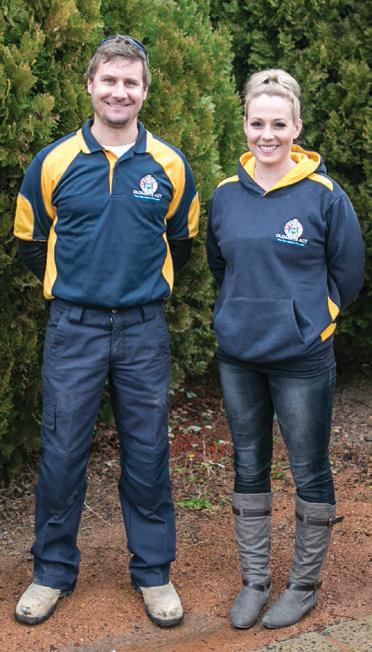
AFTER providing the Canberra region with quality and reliable electrical services for about three years, Clark Electrical and Air Conditioning has expanded, and now offers plumbing services too.
Owner Aaron Clark, who has been an electrician for almost 30 years, says the business is now a “one-stopshop”.
Aaron, and his team of nine experienced tradespeople, service the whole Canberra region, helping with problems such as toilets, drains, gutter work, LED lighting, or switchboard upgrades.
“Our airconditioning department can meet all your heating and cooling needs, especially if you are looking to upgrade your gas system to electric, which is cheaper to run and can incorporate with solar,” says Aaron.

He says the showroom in Mitchell is open for people to visit and see products on display such as wifi airconditioning systems, which allow users to operate them remotely.
“It’s a great feature for people
wanting to turn on their airconditioning before they get home, or switch it off if they forget to,” says Aaron.
Clark Electrical and Air Conditioning, 5/12 Sandford Street, Mitchell. Call 1300 230462 or visit clarkelectricalservices.com.au
SAVING people’s time and money, Oldmate ACT provides a range of services such as plumbing, refrigeration, gas fitting, electrical, cooling and
It’s a “one-stop-shop” says director Tim Drage, who has more than 15 years’ experience in the
“When people have various issues within their household, they can just come to the one company,” he says.
“We can help them out with a majority of their appliances and different fixtures within the
And that also goes for businesses, as Oldmate ACT works commercially, too.
As for the quality of work, Tim says it’s the highest because they work hard to get it right so they’re only at a job once.
“Our qualified staff are always on hand to answer any questions and give the best possible advice and will always provide you with quality service at a competitive price,” he says.
“We also have a quick turnaround and offer an emergency service as well.
“It’s 24 hours, so if someone has a burst water pipe flooding the house, we can come fix it.”
Oldmate ACT. Call 6254 6576, email office@ oldmateact.com.au or visit oldmateact.com.au
So much more than an
Safety First: We never compromise on safety
Up Front Affordable Pricing: Tailored solutions to your needs.
Professional: Clean, tidy, respectful technicians
Excellence Guarantee: Polite & friendly customer service
Reliable: On time, all the time.
Qualified: Qualified & experienced

We call ourselves electricians, but we are so much more, handling a wide variety of jobs & tasks each and every day!






SINCE the ‘80s, the family-owned Mitchell business, Therma Quilts, has been keeping Canberrans warm and comfortable.
Specialising in making and servicing feather and down products such as quilts, pillows and cushions, the seamstresses at Therma Quilts say they use quality textiles and hand-make every item suited to the customer’s needs.
And, they provide a top-up service when quilts and pillows show signs of wear or loss of warmth and fluffiness, with same-day services available with a prior booking.
“Servicing of feather and down products is essential for keeping them in optimal condition for comfort,” says a Therma Quilts spokeswoman.

Eco-friendly cleaning and rejuvenation of:
• All feather & down products
• Woollen, silk, polyester and cotton blankets and underlays
“With time and usage, body proteins and lipids (natural oils and perspiration) are absorbed onto quilt casings and into the feather and down inside.
“Over time, this build-up dampens the down, which causes it to lose its thermal resistance.
“However, regular servicing of your quilts would ensure that your down is fresh, fluffy and keeps you nice and warm during winter.
“Whether you’re wanting to rejuvenate your quilt, customise it or buy a new custom-made one, we can look after you.”
Therma Quilts, Unit 9, 10-12 Kemble Court, Mitchell. Call 6241 6859, email shop@thermaquilts.com.au or visit thermaquilts.com.au


• repairing, resizing and re-casing services
• add extra feather and down to your quilts, pillows or sleeping bags

WHEN locals need reliable and affordable legal help they turn to the qualified and experienced team at WMG Legal, says its director and solicitor Chris Malfone.
“We pride ourselves on giving good value legal representation,” says Chris, who, along with fellow director and principal solicitor Wayne Warton, have been working together to bring Canberrans valuable legal solutions since 2015.
Together they offer a range of legal services such as property conveyancing, transactions, commercial matters, wills and estates, work and motor vehicle accident injuries, litigation and dispute resolution, and loan agreements.

“We are more accessible to clients as they are dealing with the owners of the business directly,” Chris says.
“Affordability is an important aspect of what we provide as well.
“Our team recognises that sound legal advice should not cost the earth.
“We are pleased to offer a free, no-obligation initial chat to understand your legal problem and how we can help you.”
WMG Legal, Suite 4, 75 Gozzard Street, Gungahlin. Call 6253 9766, email office@wmglegal.com.au or visit wmglegal.com.au




With the impact of covid, Canberra composer Sally Greenaway has lost 99 per cent of her commissioned work and even a casual job at a music retailer. “Lockdown has been very hard,” she tells arts editor HELEN MUSA
NORMALLY when we catch up with busy Canberra composer Sally Greenaway she’s on the up and up, and with good reason.
For instance, in 2017 her choral love song “Stay Awhile” came in at number 56 on the ABC Classic FM Top 100 “Love” countdown. In the same year her theatre work “7 Great Inventions of the Modern Industrial Age”, the result of the inaugural Merlyn Myer Composing Women’s Commission, played at The Street.
In 2018, a kids’ play about women in the time of Leonardo da Vinci, written as a commission for Musica Viva, toured the country.
A year ago she visited the Czech Republic to record a piece with the Brno Philharmonic and, even now, has recordings on the boil of her original compositions with soloists such as Matt Withers and Barbara Jane Gilby.
But when we meet this time round, it’s a sadder, wiser Greenaway than the ebullient artist we’re used to. Like so many other musicians, COVID-19 has taken the wind from her sails.
Perhaps not entirely. When Canberratrained pianist Andrew Rumsey began plan -
ning a tour to help assist and fundraise for bushfire-affected communities, Greenaway wrote a new piano work for him.
Then after her great-uncle died, she wrote a solo cello piece in his memory, “Rainwashed Streets”, and completed a new choral work, “If I Could”, for Oriana Chorale.
And one project has even been fully funded, a recording of her three-movement work for flute, cello, piano, “The Strawberry Thief”.
“Lockdown has been very hard,” she says.
“There are bank account fees, rates and direct debit… when you feel like you don’t have a proper job, it’s really hard.”
As we talk, she remembers she has to contact her health insurance provider to delay. And, as a person who lives mostly on commissions, the idea of living on superannuation is “just laughable… it feels like the end of days”.
Trained in jazz at the ANU School of Music and the Royal College of Music, Greenaway is an accomplished pianist and composer who, if she needed to pay the bills, would in happier times have simply knocked up a film

Composer Sally Greenaway… “I tried to be a good person and I tried to have a day job, but it all took so much out of me.”
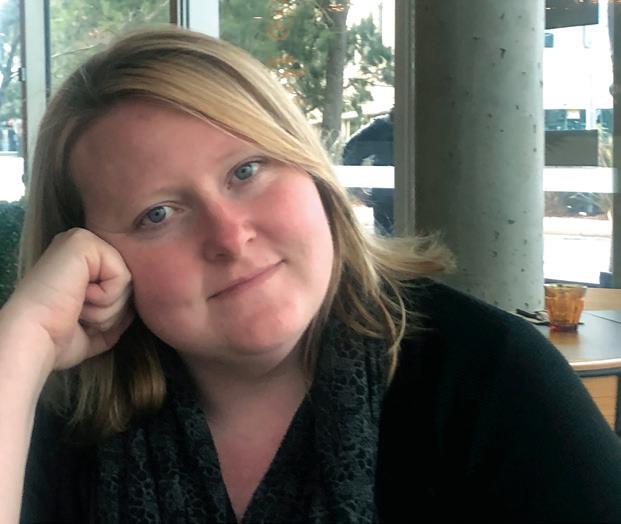
score or a jingle like the one she did a while ago for the government’s end-of-taxationyear commercial.
But with the impact of covid, she’s lost 99 per cent of her commissioned work and even a casual job at a music retailer, which ended with a covid-related incident. Sadly, that was the one thing that made her feel she had what people outside the arts always call a “real” job.
have a day job,” she says, “but it all took so much out of me.”
Given her pessimistic view that “the economic bean counters rule everything”, she decided to put figures out to readers of her newsletter so they could get an idea of what the costs of recording were and in doing so found she was in the same boat as many other people – “in that sense, covid is
helping,” she jokes.
Months delaying bank interest and household bills mounting while fruitlessly submitting grant applications in an overwhelmed funding situation led to severe depression, so she considered her options.
A practical person as well as a deep thinker, Greenaway set about building an insulated cold frame for her seedlings and drawing up a plan of action that would include seeking assistance through Armchair Philanthropy (armchairphilanthropy.com), to which she alerted her readers, also suggesting they phone ABC Classic FM asking them to play her music.
She acknowledges that she is blessed in some ways, with the full support from her husband.
“I’m lucky. I have my husband,” she says –that’s Peter, who works in IT by day and as a jazz trumpeter by night – “and I’m practising with my veggie garden and sewing a cover for my grand piano”.
And, although Greenaway has been in a very dark place of late, she’s composing again.
“I thought that these things were robbing me of my artistic fire, but in fact it has stoked it and I have renewed direction with my composing,” she says.
Sally Greenway’s compositions, recordings and sheet music may be accessed at sallygreenaway.com

“Where’d You Go, Bernadette?” (M)
THE whimsical title of writer/director Richard Linklater’s latest film (if you overlook the three he has in the pipeline) stems from a novel by screenwriter and producer of American TV series, Maria Semple.
The name Bernadette has a place in both real and cinema history, harking back to 1858 when a young French peasant girl claimed to have had a vision of the Virgin Mary.
In 1943, Darryl F Zanuck told the story Hollywood-style in a 158-minute movie starring Jennifer Jones. That running time in that wartime era was, to say the least, uncommon.
Ms Semple acknowledges the story, more than does the movie which lasts only 109 minutes including a very long list of credits, not greatly surprising considering its second half was filmed in Greenland and half a world away in Antartica.
It’s about a 21st century Bernadette living in Seattle and working as an architect. Without them, we’d probably still be living in mud huts.
This Bernadette has a husband Elgie (Billy Crudup) and a daughter Bee (Emma Nelson) in her early teens. The family home looks a bit run down after a useful life, quite a contrast with the houses that have brought Bernadette high acclaim among her professional peer group.
Bernadette has what some might call a problem. The norms of either of her lives, professional and private, are restricting. She
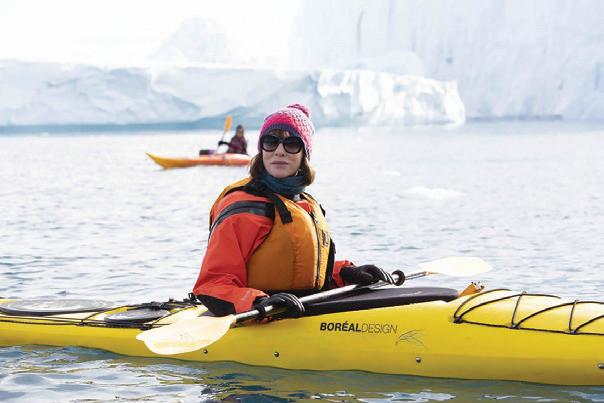
needs a sea change. She’s planning a family voyage to Antartica.
Husband, colleagues and friends want her to spend time in a psychiatric care unit. But while Elgie has big IT smarts and is working with Microsoft on some far-out hardware (let’s all hope that at least one of them never becomes more than a figment of an author’s wildest fantasy), Bernadette’s smarts are bigger. Soon we see her paddling a kayak past an iceberg!
Linklater’s quite enjoyable film drives me to deliver two observations. Writing a novel is less limiting than making a movie based on one. As Bernadette, Cate Blanchett, as we have come to expect, is on top of her


Stay in touch with the names making news on Sundays from 10am as 2CC and “CityNews” present Canberra’s only local weekend news and current affairs program.
It’s a revolving panel show that brings to the microphone great “CityNews” commentators and 2CC personalities.
Be part of the conversation call 6255 1206 between 10am and noon

form in all respects. As a brunette (and what her natural hair colour is, it’s not easy to be certain) I have only one word to describe her – lambently lovely. And to purists, of which I am one in the matter of words, I make no apology for the word “Antartica”. That’s how all the actors pronounce “Antarctica”. And who am I to disagree?
At Dendy and Palace Electric
“The King of Staten Island” (MA)
THINK of filmmaker Judd Apatow, think of Hollywood-flavour comedy.
Think of Pete Davidson, if you can – of the 29 credits against his name listing all his film and TV credits so far released, only eight are feature movies and, except in this case, his name doesn’t appear higher in the closing credits than fourth.
Apatow and Davidson are co-conspirators in writing this rather overlong (136 minutes including credits) examination of life in the bumpy lane in the New York borough of which repute says little favourable.
Davidson plays 24-year-old Scott, unemployed, living with his mother Margie (Marisa Tomei) widowed when her firefighter husband died on 9/11, and his younger sister Claire (Maude Apatow).
I’m happy to go along with wiser heads than I who suggest that this film is Davidson’s potted biography.
Watching it as a whole and Scott in particular, I surprised myself by enjoying how it weaves clever, quick, intellectually undemanding one or two-line gags with uncomfortable relationship drama to deliver a story that comes close to credible.
It’s family. It’s friendship. It’s life among the social bottom feeders of that heck of a town.
It’s petty crime. It’s transient love between Scott and Kelsey (Bel Powley) who need to find solutions to burgeoning grownupness beyond merely counting orgasms.
The love that Margie and firefighter Ray (Bill Burr) find, lose and find again may look like a cliché but has to endure some tough barriers in the middle.
“The King of Staten Island” asks its audience to be patient. Its people battle with uncompromising reality on the way to a hopeful outcome. Mrs Grundy might walk away from every character, male, female, young, old, peppering their conversations with that word that you’re unlikely ever to see on this newspaper’s pages (I take some pride in having been the first person to use it in “The Canberra Times”).
It’s as if America, in deploying its foremost cultural export, is revelling in a new-found freedom to use that punchy little word, with its myriad of grammatical opportunities. It’s juvenile, unnecessary but intellectually harmless, even socially comforting. And why not?
At Palace Electric and Dendy

IN the same month that in the real world we’re seeing three missions to Mars in search of evidence of life, another adaptation of “The War of the Worlds”, perhaps the most famous Martian invasion tale ever, just touched down on Planet Streaming.
Now available on SBS On Demand, this eight-part series based on the well-known story is looking to bring it to a contemporary audience, set in modern Europe.
The original book, written by HG Wells in 1897, is one of my personal favourites, and I’ve got quite the interest in its slew of adaptations and their attempt to capture its frightening and relevant premise.

Perhaps the most famous of these is Orson Welles’ notorious radio broadcast of 1938. It’s widely believed to have sparked panic across America in the belief that the alien invasion of the fictional broadcast was actually happening.
Although now a little more contested how much hysteria it truly did whip up (there were even suggestions of suicides), the controversy certainly pushed the story to the fore of popular culture.
Interestingly though, “The War of the Worlds” continues to capture the imagination with contemporary versions maintaining a significant presence in the world of streaming.
Let’s list ‘em off:
• Apple TV+ has a documentary investigating the production and impact of Orson Welles’ radio broadcast.
• On Netflix, Steven Spielberg’s 2005 blockbuster version with Tom Cruise is available for viewing.
• Last year, the BBC had a crack at the story with a three-part period mini-series which can be streamed on Foxtel Binge.
• Now, this newest series produced by Fox and Studio Canal is on SBS On Demand, and for me at least: ding ding ding we have the winner.
In terms of character and story, this latest production only very loosely follows the original plot of the novel, however where it steps above the rest is how it captures the all-important tone of the terrifying tale penned 123 years ago.
An alien species, with technology far beyond our own, frightened audiences of the late 19th century by showing them things they hadn’t yet imagined. The iconic sci fi “heat ray” that Wells created has been done time and again since its inception, in both adaptations of his story and across science fiction more widely. This new series though, spins a brilliant, modern twist I won’t go anywhere near spoiling.
If it sounds of interest, SBS On Demand is releasing two episodes a week on Thursday nights. The series has also cleverly borrowed bits and pieces of other hit streaming sci-fi, such as “Black Mirror” to deliver a cleverly subversive, yet still faithful retelling of the original.
If you don’t know about “Black Mirror” think of it as “The Twilight Zone” for the modern age. It’s a British anthology series that features a new story in each episode about our relationship with technology, and the dangers of where it could take us. Nobody is doing anything like what is being
To give an example of how much of the fourth wall this show is breaking, in 2018 an episode called “Bandersnatch” was the first to let its audience interact with the plot. You, the viewer, get to make the decisions of the character by using your remote, and the episode will subsequently follow the actions chosen as you want them to happen.
All five seasons of “Black Mirror” are available on Netflix to watch in any order you like, and season six is already confirmed and on its way. Strap yourself in though, this show doesn’t pull any punches. It is fascinating how much of modern science fiction continues to be preoccupied with fear of technology that far surpasses what we currently have. Oh, the horror then, to imagine how many streaming services Martians may well be overwhelmed with in choosing where they put their space bucks.

OTTOMAN restaurant is a Canberra culinary institution. There’s no doubt about that.
Owner Şerif Kaya has been preparing gourmet Turkish cuisine for 28 years and I’ll never forget my first visit when the restaurant was in Manuka. Ottoman is now housed in a gorgeous, glass, art-deco pavilion in Barton, surrounded by water features and gardens. It’s worth visiting for the surroundings alone.
Ottoman’s menu is a mix of classic Turkish dishes and ones inspired by modern-day cooking with specials celebrating seasonal produce.
On the specials were lamb’s brains, which Ottoman has always mastered. The brains were lightly fried but creamy on the inside and accompanied by a bright salad with an intriguing dressing. I never hesitate to order them when they are on the menu at Ottoman.
Another winning special was the kingfish and yellowfin tuna carpaccio, elegantly presented on the plate, with the flavours delicately balanced.
The zucchini flowers are another expertly created dish. Three crispy flowers filled with goat’s feta and haloumi cheese ($21) with a perky side salad.
Another of our party ordered the pan-fried haloumi salad as a starter. The haloumi was salty and squeaked on the teeth when chewed, although some pieces were a tad overdone ($19). The salad of green beans, rocket and walnuts was tossed in a pomegranate dressing.
Ottoman has always created delicious spatchcock and duck dishes. The deboned spatchcock was marinated with fresh thyme and lemon zest and chargrilled which adds to the

The final main celebrated Queensland king prawns, which were sautéed and cooked to perfection ($36). We found the saffron and pomegranate sauce overpowering for our liking, especially on the saffron side.
We topped off the evening sharing a gorgeous plate of baklava.
If you’re not in the mood to select individual dishes, Ottoman offers a degustation menu ($85 per person or $125 with matching wines) and a
knowledgeable service after that. Ottoman was packed (with social distancing rules in place, of course, starting with signing in on entry and using hand sanitiser) and it was lovely to see Şerif wander through the restaurant connecting with guests towards the end of the evening.
By Helen Musa
“A WHOLE lot of people crammed into the one house – it couldn’t be more relevant,” director Karen Vickery says of “Brighton Beach Memoirs”, the feel-good play she is about to stage.
Neil Simon’s family comedy, originally scheduled for perfor mance in April and May, fell victim to the coronavirus, forcing the Canberra Rep to rejig dates and drop at least one play, so July 31 for its first live opening isn’t too bad.
“The decision to present the play as part of Canberra Rep’s subscription season was made long before COVID-19 was identified,” Vickery says. “And it’s perfect for Rep, where you really need good, strong writing, something to develop.”
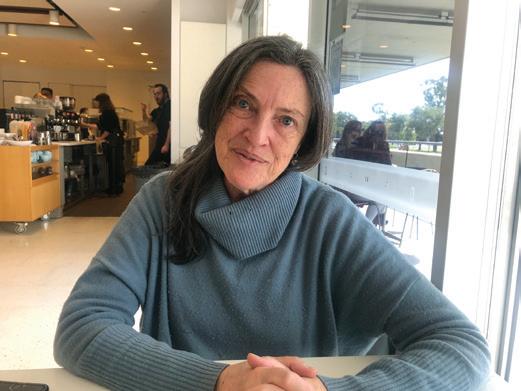
winner Anna Senior to design the costumes, and says: “Anna can make nothing look like something
Veteran director and designer Chris Baldock has come on board to design the set and they’ve been talking about Vickery’s idea to make it seem only partially realistic or half-finished, as if it were a memory.
Casting young people never seems to be a problem for Rep. Year 12 chemistry whizkid Jamie Boyd, who played alongside Vickery in Baldock’s production of “The Grapes of Wrath” in February, plays Eugene and Ella Buckley plays Eugene’s teen cousin, Laurie.


By Helen Musa
CANBERRA playwright and actor, Dylan Van Den Berg has won the $10,000 Griffin Award for his play “Way Back When”. The work, chosen out of 130 entries, revolves around four Aboriginal women across the generations and, like his play “Milk”, to be shown as a work-in-progress online by The Street Theatre on August 7, refers back to Van Den Berg’s ancestors in post-colonial Tasmania. Former Canberran David Finnigan was also on the short list for his play, “44 Sex Acts in One Week.”
AARWUN Gallery is holding a party for its 20-year history and the 40th practising year of landscape artist Ken Knight, whose paintings (including works from his recent trip to Antarctica) will be on show in a huge solo exhibition running at Shop 11, Federation Square, O’Hanlon Place, Nicholls, from August 1-23. The black-tie celebratory dinner will be at the Abbey, Gold Greek, July 31. Book at aarwuncanberra@bigpond.com or 6230 2055.
THOMAS Rann, founding cellist of the Australian Piano Quartet, joins Canberra pianist Edward “Teddy” Neeman in a program celebrating the life of 19th-century cello virtuoso
Count Matvei Wielhorski through works by Mendelssohn, Rubenstein, Davydov and Borodin. At Wesley Music Centre, 2pm and 3.30pm, August 2. Book at trybooking.com
JACQUI Malins’ Mother Tongue Poetry has French singer Julia Baldy and Serbian-Australian poet Vesna Cvjeticanin as featured performers in next week’s Zoom session, 7pm, Monday, July 27. At 6pm on the day, Malins will post the Zoom link on the Mother Tongue Facebook page. To share a short poem in a language other than English, email mothertonguemic@gmail.com
THE Royal Military College Band woodwinds will perform works by Piazzolla, Simaku and Uruguayan composer Beatriz Lockhart in a lunchtime concert at Wesley Music Centre, Forrest, 12.40pm-1.20pm, July 29. Book at trybooking.com or 6232 7248.
THE National Film and Sound Archive will re-open on August 1 with a new public space called “Hive” centred on a new interactive display called “Storywall” featuring a life-size projection of six NFSA experts “waiting” for visitors to interact with them using their mobile devices.



Set in 1937 in the Depression-era leading up to World War II, the semi-autobiographical play is part of a trilogy of works by Simon, who died in late 2018, centred on 13-year-old Eugene Jerome. The other plays are “Biloxi Blues” and “Broadway Bound”.
In Vickery’s view, “Brighton Beach Memoirs” could be regarded as “historical” if it weren’t so timeless and relevant.
The action is narrated directly
to the audience by Eugene, who dreams of baseball and girls while coping with the humdrum existence of Jewish-American family life in Brighton Beach, a suburb of Brooklyn that was to become famous through this play.
They’re all there – the intimidating mother, the downtrodden and overworked father, his uncle Stanley, widowed Aunt Blanche and her two young rapidly maturing daughters, his cousins. With historical attention to detail in mind, she secured Academy Award nominee and AFI
Vickery has directed prizewinning productions with Everyman and Pigeonhole theatres and performed five acting roles with Canberra Rep, but this is her Rep debut as a director.
“This is the perfect play for the moment,” she says. “It’s warm and loving and heartfelt, but at the same time a powerful family drama, a coming-of-age play where the younger generation is finding its way against more traditional views of parents needing to come to terms with children about to fly the coop.”
“Brighton Beach Memoirs”, Canberra Rep Theatre, Acton, July 30 (preview) to August 15. Limited seating. Book at canberrarep.org.au or 6257 1950.










Joanne Madeline Moore

ARIES (Mar 21 – Apr 20)
Rams are feeling restless and you’re keen to kick up your heels/hooves. But resist the temptation to be rash with cash and careless with relationships. You’ve also got a lot of extra responsibilities, particularly at home or work. So do your best to be (uncharacteristically) patient, as you look for crucial information that is hidden beneath the surface. Then you’ll understand current complexities better, and the path ahead will be much clearer.
TAURUS (Apr 21 – May 21)
Pursuing your dreams won’t be a direct journey: there’ll be plenty of interesting twists and turns along the way! And with Jupiter and Neptune also stimulating your travel zone, adventure beckons in 2021. So take the time to plan (and save for) an exciting escapade in the future. Thursday is the best day to draw up a wish list of your hopes and aspirations for the next 12 months. But tread carefully with an unpredictable family member on the weekend.
GEMINI (May 22 – June 21)
This week rash words and impulsive actions could land you in hot water. Plus expect some annoying disruptions involving community events, communication, education or local travel. With Mercury, Jupiter and Neptune all stimulating your money zones, the more creatively and generously you share financial ideas and collaborate with others, the more successful you’ll be. It will take plenty of patience, time and Gemini ingenuity though!
CANCER (June 22 – July 23)
Attached Crabs: show extra compassion and generosity towards your partner. Singles – use your intuition to help you find your soul mate. Uranus is disrupting your aspirations but that gives you more time to reflect on what it is you really want. Times are tough and you have to work with what you’ve got. So your motto is from Nelson Mandela (a fellow Cancer): “It is what we make of what we have –not what we are given – that separates one person from another.”
LEO (July 24 – Aug 23)
This week a personal project or a professional partnership could veer off in an unpredictable direction. Or a work colleague could surprise you by making a decision you just didn’t expect. And are you being a lazy Leo? Neptune and Jupiter highlight your wellbeing and regeneration zones, so strive to be the fittest and healthiest Lion you can be. No lame excuses or empty promises. Get motivated and get your body moving ASAP!
VIRGO (Aug 24 – Sept 23)
Strive to get the balance right between maintaining the status quo and changing things. The trick is to keep what’s working and change what isn’t. Jupiter and Neptune also place relationship issues under the microscope. But don’t waste too much time weighing up the pros and cons of a given situation. The planetary patterns encourage you to stop pondering and postulating. Instead, start turning your thoughts and ideas into productive projects.
LIBRA (Sept 24 – Oct 23)
Jupiter and Neptune promise there is much love and happiness to be found from improved relationships within your family. With a kind heart and a generous spirit you can make the world a better place, starting in your own backyard! But don’t let other people (or the media) set your individual agenda and confuse your personal style. So your motto for the moment is from birthday great Yves Saint Laurent: “Fashions fade, style is eternal.”
SCORPIO (Oct 24 – Nov 22)
On Monday, both Jupiter and Neptune inspire you to contribute your numerous talents to a joint venture or a worthy cause within your local community. Then positive projects and satisfying connections will follow. But when it comes to a romantic relationship or a platonic friendship, are you wearing rose-coloured glasses and seeing what you want to see? Pluto cautions you to investigate thoroughly and dig deeply before you make a major decision.
SAGITTARIUS (Nov 23 – Dec 21)
Inspiration planet Neptune and prosperity planet Jupiter (your patron planet) fire up your money and joint finances zones. So find creative ways to increase income and boost cash flow. If you love what you do, then inner and outer riches will eventually follow. Uranus urges a more alternative approach to your physical, mental and emotional wellbeing. But expect travel disruptions, local lockdowns or domestic confusion that will test your limited patience.
CAPRICORN (Dec 22 – Jan 20)


Positivity planet Jupiter is visiting your sign until December 19. So make sure you capitalise on fortuitous opportunities, which could come from unlikely people and inspirational places in your local community. When dealing with a child, teenager, lover or friend, hold onto your seat and prepare for a rollercoaster ride (especially on the weekend). You’ll find the less open you are to change, the more dramatic these disruptions will be.
AQUARIUS (Jan 21 – Feb 19)
Are you hoping for a brilliant light-bulb moment sometime soon? If you’re struggling for ideas and direction, then look within for some divine inspiration. Which will take time as Saturn tests your patience and your stamina. Contemplation, meditation and rumination are favoured. As birthday great Carl Jung observed: “Those who look outside dream; those who look inside awaken.” From Wednesday onwards a creative partnership could really kick-start your creativity.
PISCES (Feb 20 – Mar 20)
Prepare for a welcome burst of creativity, energy and enthusiasm. However (with Neptune squaring Venus) relationships will be confusing, things won’t go according to plan and plenty of patience is required. So slow down and try to keep a sense of perspective. Then Jupiter and Neptune rev up your networking zone. So lucky opportunities could magically manifest through making personal connections within your peer group and extended social circle.
Copyright Joanne Madeline Moore 2020
Dobell was a renowned what? (6)
25 How many lines are there in a sonnet? (8)
26 Name some game fishes, introduced into Australia. (6)
4 Name the levers, worked by the
to machines. (8)
5 Which war took place 1899-1902? (4)
6 Name the pollen-bearing organ of a flower. (6)
7 To have pressed something, is to have done what? (6)
12 Which loose soil is composed of clay and sand? (4)
14 What do we call one who buys and sells commodities for profit? (8)
15 What is the line about which a rotating body turns? (4)
17 Who was the Shakespearean king of the fairies? (6)
18 Which word is an alteration of a swearword? (6)
20 What is the quotient of two numbers? (5)
21 Which term implies a beginning, or a start? (5)
23 What is the summit of anything? (4)
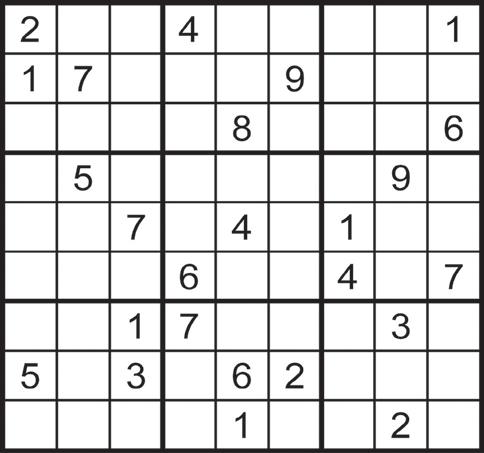


CIRCLES have played a part in history since the Druids and Stonehenge, often associated with religious ceremonies.
They’ve been seen in garden design since the monastic gardens of the 12th and 13th centuries. More often than not, these were used for growing herbs, often based on a wagon-wheel design with the divisions using bricks or pavers to represent the spokes of the wheel.
From these basic circles the labyrinth came into being, such as in the Chartres Cathedral in France where its labyrinth became a destination for pilgrims. Some of the earliest evidence of labyrinths were stamped on coins excavated at Knossos in Greece dating from 400BC.

The labyrinth became an ancient symbol relating to wholeness, combining circles and spirals into a meaningful path. Following the path, walking slowly and quietly, it represents the journey to our own
centre and on return back out to the real world.
In a labyrinth the plantings are always low, not to be confused with a maze with high hedges.
The paths can be paved or gravel. When I laid out a labyrinth in the gardens at the Gathering Place in Dickson, I used compacted decomposed granite, which is the cheapest option. I placed a large square rock in the centre to sit for a few moments of contemplation before the return journey.
Mondo grass, a low plant that requires virtually no maintenance, or dwarf box work well for a formal labyrinth. Mondo is good if using a paved path with reflected heat in summer, as it’s extremely drought and heat resistant. For fragrance, try dwarf lavender although it does need to be cut back after flowering and will need to be replanted every few years. Dwarf domestica nana is used in the Gathering Place garden. ‘Nana’ in the name of any plant indicates a dwarf variety. Two other suggestions include Correa “Dusky Bells” or Escallonia “Pink Pixie”.
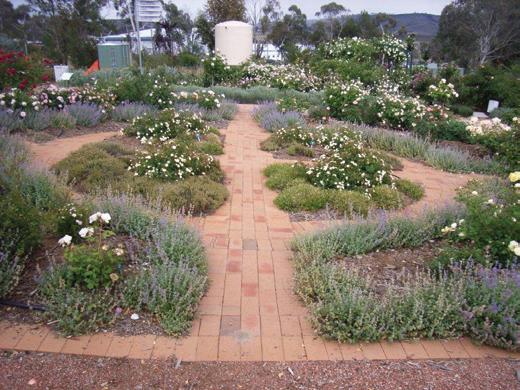
If using miniature or dwarf roses, keep in mind the beds need to be sufficiently wide. A circular garden could be used for veggies as well.
The LIBERALS have proposed that if elected they will plant one million trees over 10 years.


Even if the target falls short, we desperately need more tree cover and green spaces. In the UK, the banks are joining with the government to plant trees. The Woodland Trust has created the “MOREwoods’’ scheme for those who have space to plant a minimum of 500 trees. The Trust will help design and supply a mix of trees and tree protection, and cover 75 per cent of the cost. This is funded by the Department of the Environment, Lloyds Bank and the Bank of Scotland. A scheme like this would be perfect for smallholdings in the ACT.