


In 1996, the incoming Howard Government sacked 30,000 public servants. Canberra MP Gai Brodtmann was one of them. She tells her story to LAURA EDWARDS
IN April 1996, barely three months into a three-year posting in India for the Department of Foreign Affairs and Trade, Gai Brodtmann received a “devastating” phone call.
The Department told her she was one of 30,000 public servants made redundant by the newly elected Howard Government and that she was to come home by the end of the year.
“It was a devastating blow, and a real shock,” the now Federal Labor Member for Canberra says.
“I had geared my life up for this three-year posting, packed up everything, let our house and I was really excited about it.”
The news was a double blow as Gai’s husband, journalist Chris Uhlmann, had resigned from his position at “The Canberra Times” for the couple’s move to India.
“It took Chris a long time to get another full-time job again as, by then, ‘The Canberra Times’ weren’t hiring anyone since it was such an uncertain time...[the cuts] really affected all of Canberra,” Gai says.
“As a couple, Chris and I really had to support each other to get through it, it was a very tough time for us both.”
Gai was one of eight workers at
the Department to be offered another position later that year, but when she returned to the office in 1997 to start her new job, the mood was sombre.
“It was just awful, there were bulk farewells being held for those who got sacked, men and women in tears... in a way people were quite stunned about what was happening,” Gai says.
“To see those farewells... well it was a very different kind of farewell. It was just soul shattering.”
Gai went on to work for the Attorney General’s Office and later ran her own PR Consultancy business for 10 years before making the move to politics in 2010.
She believes the mass sacking has made her a “fiercer” politician.
“It made me want to fight for Canberra, to stand up for Canberra, and try to communicate to people what could be,” she says.
“It was a tragic time for this city, we went into an economic downturn, house prices plummeted, the local shops were closing down, businesses went under...it not only affected these workers but their families as well. The whole region suffered.”
Despite her own party’s attrition of the public service over recent years,
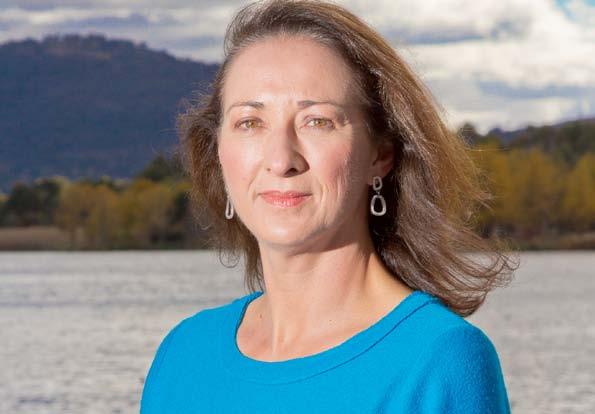
Gai Brodtmann... “As a couple, Chris and I really had to support each other to get through it, it was a very tough time for us both.”
Gai says she fears if the Coalition reign in September, there will be an “eerily similar” outcome to that of 1996.
“People are scared at the moment, so I’m saying to them don’t let it happen again,” she says.
“I know the devastation, I know how it felt. Canberra is a growing city, look how much is going on, I don’t want that to stop.”

Gai still keeps in touch with many of her colleagues who were sacked, and says they “vividly remember” that time.
“They can’t forget something like that,” she says.
“But I think they are happy I am speaking out about what happened, many people want to know more about it... I won’t give up fighting for Canberra.”
FOREST campaigner Miranda Gibson, who recently spent 449 days at the top of a tree defending Tasmania’s ancient forests, will be the guest speaker at the ACT Conservation Council’s World Environment Day Dinner at Merici College, Wise Street, Braddon, Saturday, June 1. Tickets are $100 ($80 for members) and the evening features a four-course gourmet sustainable set menu, music and an auction. Bookings to worldenvironmentdayact.eventbrite. com.au/ or call 6229 3200.
THE Queen Elizabeth II Family Centre is celebrating its 50 years with a gala, nostalgia dress-up dinner at the Hellenic Club Woden on Saturday, May 25. Guests are encouraged to dress to a decade (1960s-2000s). Raffles and a silent auction will be held to raise funds to refurbish the children’s play area at the centre. Tickets at $100 are available from 6281 0899.
THE Quota Club of Canberra, which has been active for more than 50 years in support of projects for disadvantaged women and children, and the hearing impaired, invites women interested in its work to the next meeting at the Southern Cross Club Jamison, 6.30pm, on May 28. More information from 0407 264899.

By Stephen Easton
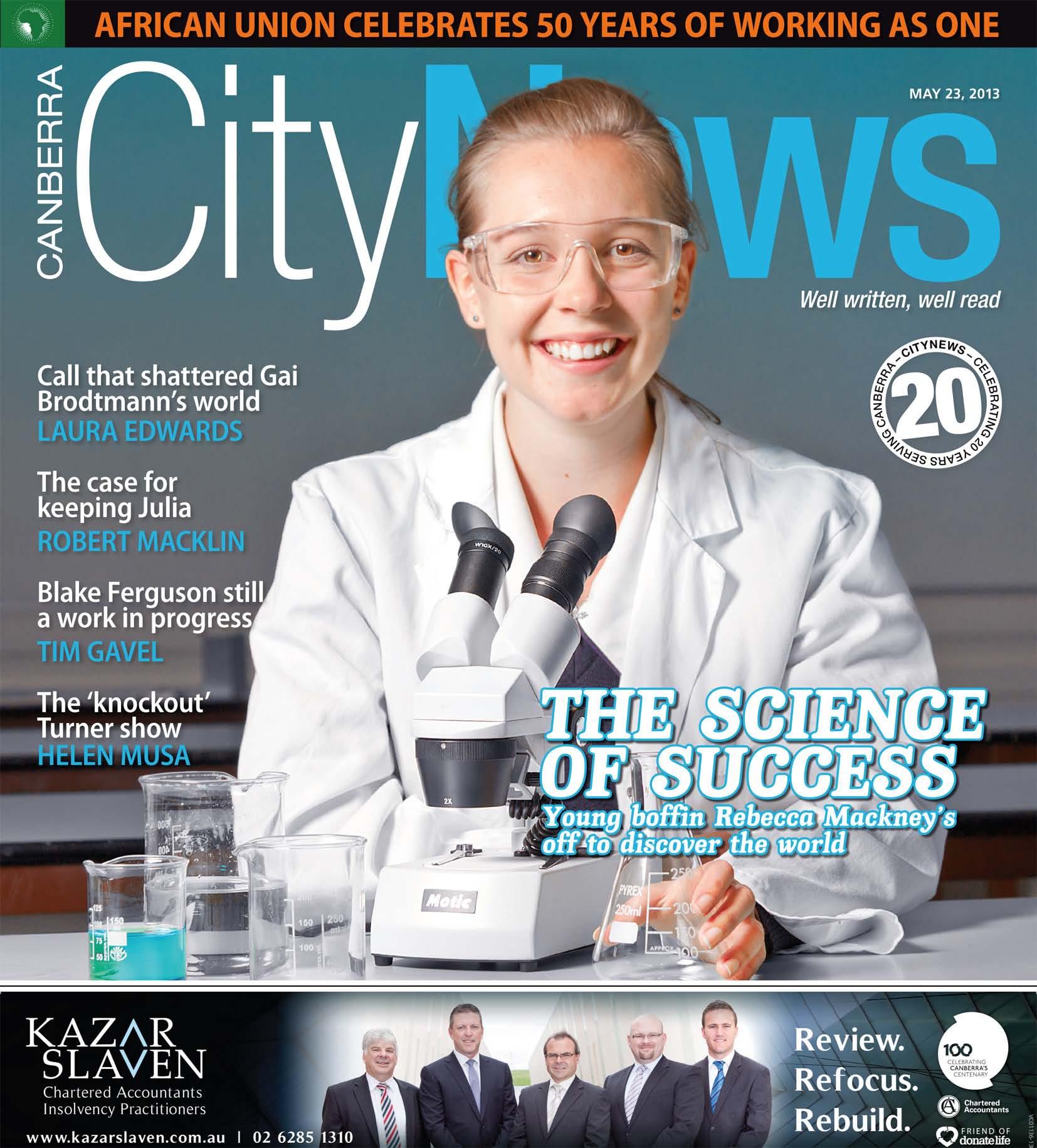
YEAR 12 student Rebecca Mackney
is dreaming of London, Paris and Geneva, but it’s not a gap year she’s looking forward to.
In London in late July, she’ll be visiting some of the UK’s top scientific research institutes through the International Youth Science Forum, which she was selected to attend along with students from 50 other countries.
“Then there’s an extra program when the London program finishes, where we go
through Paris to Geneva to visit CERN, which is a scientific institution there that houses the Large Hadron Collider, which is a pretty famous piece of equipment,” she says.
No kidding. The LHC is the world’s biggest atom smasher and recently, produced evidence for the existence of the theoretical Higgs Boson, something so important to our understanding of the universe that it earned the nickname, “the God particle”.
To science-mad Rebecca, going to see it is a pretty big deal.
“I’ll get to see what the rest of the world is doing in science and bring those ideas back


to share with the youth science community in Australia, and to learn things that I could bring back to help in my community that maybe we don’t do so much here,” she says.
After Year 12, the Trinity Christian School student has a clearer idea than most of what she’ll do next.
“I’m definitely looking at the field of health sciences, and I think I’d really like to work somewhere in rehabilitation,” she says. “So that could be working with the elderly, but also people who’ve had accidents or strokes and are recovering from things like that.”
It was her love of science, and later human
biology, that first led her to think of working in healthcare. It also led her to the National Youth Science Forum in Perth at the start of this year. She was among 31 students accepted by the international program, out of more than 400 who attended the NYSF this year.
The only slight problem is the trip costs more than $10,000, but the hard-working student is not fazed. She’s already asked 95 companies and organisations for assistance, including Rotary clubs, the Academy of Science and the CSIRO, on top of fundraising within her school community, and applying for a student grant offered by the ACT Government.

IT seems I’m the only columnist left in Australia who thinks Julia Gillard and her excellent government have a reasonable chance of winning the September 14 election.
Call me quixotic if you like, but I just can’t believe that my fellow Australians would toss out a government that has done us such sterling service for an opposition led by Tony Abbott who threatens to undo so much of what we’ve achieved these last five years; and who wants to set us on a path to “austerity” that has done such appalling damage in Europe and the US.
Consider the Government’s achievements: it acted swiftly to save us from recession during the world’s financial and economic meltdown. But just as important, it resisted cutting the Budget to shreds when revenue fell, despite the immense political pressure to do so.
It transformed our schools and our schooling, thus setting us up for the future and giving our children the best possible start in life. It invested massively in tertiary education, including trades, to meet the needs of a growing and changing economy.

ROBERT MACKLIN turns True Believer and explains why the Gillard Government is in with a chance at this year’s next election
It created the National Disability Insurance Scheme from nothing. It raised the pension to a decent level. It introduced paid parental leave. It invested in roads, ports and other infrastructure that was holding us back because Howard ignored it. It improved relations with China while maintaining a strong US commitment. Indeed, in foreign affairs it didn’t put a foot wrong.
It fixed the Murray-Darling river system. It put a price on carbon that will lead to a transformation of our energy generation. It is building the NBN that will transform for the better the way we live and work.
And it did all this as a minority government in the face of obdurate resistance and schoolyard bullying from Tony Abbott. It tried desperately to stem the flow of boat people, but was blocked at every turn by an Opposition that revelled in the political mileage gained from it.
So why am I the last columnist to give them a fighting chance? Well, Julia Gillard has never been given a fair go.
People still resent the way she made it to The Lodge after his party rejected Kevin Rudd. Had she been a man, it would have been a political coup and that’s that, but a woman couldn’t be forgiven.
The Murdoch press, and the miners, have vilified Labor for their own vested interests. Sadly, their campaign has set the tone for other media outlets. But that could only be effective in a political landscape where something fundamental has changed in the communication business.
That’s summed up this week in a memorable phrase from “New York Times” columnist Frank Bruni: “The sideshow swallows the substance”.
Policies are ignored. Instead, the “news” is all about fripperies, trivia and the seven-second grab. If you doubt it, aside from the gold-plated parental leave scheme – and slashing at least 12,000 public servant jobs – try to think of a single Abbott plan for Australia.
Oh, that’s right: “Stop the boats”. robertmacklin.com
IF Blake Ferguson was an American footballer they probably would have made a movie about him by now.
When it comes to sportspeople losing their way and then finding their way back, Ferguson, (right) is from Central Casting!

In Canberra though, we have good reason to be cautious. Talented Josh Dugan and Todd Carney are just two who have tested our faith in anybody who plays for the Raiders.
Time and time again our support was thrown back in our collective faces. Having dealt on a professional level with all three many times over the years, they couldn’t have been more different to the rap sheets accumulated for multiple,
off-field indiscretions. They promised never to do it again and appeared remorseful, until the next time.
There is only so much goodwill to go around and in the case of Carney and Dugan, it ran out. Ferguson would be well aware of how close he is to expiring his share at the Raiders. As such, he has made an effort to turn his life around after the “pineapple Breezer on the roof affair”. He placed himself on a six-week alcohol ban and worked hard to win back the support of his teammates.
I turned up early to training a couple of weeks ago; Ferguson cut a lone figure as he practised his goal kicking. It was a sight that indicated to me that he was on the road back.
Selection in the NSW State of Origin side would prove that he is on the right track, but as most at the Raiders would acknowledge, he remains a work in progress.
I HAVE been to many education programs put on by sports organisations to inform athletes about the dangers of using performance-enhancing drugs.
It is obvious that some participants have a limited attention span and tune out after a couple of minutes. Therefore, it comes as no surprise to see athletes still getting caught for using banned drugs, then claiming they didn’t know it was prohibited. What else can sports do to warn of the dangers?
The positive to come out of the current drugs investigation is that it may provide a wake-up call to athletes to check whether supplements or the like are on the banned list.

CRYBABIES! Is complaining all that has been learnt in the last 100 years? And when have we had it so good!
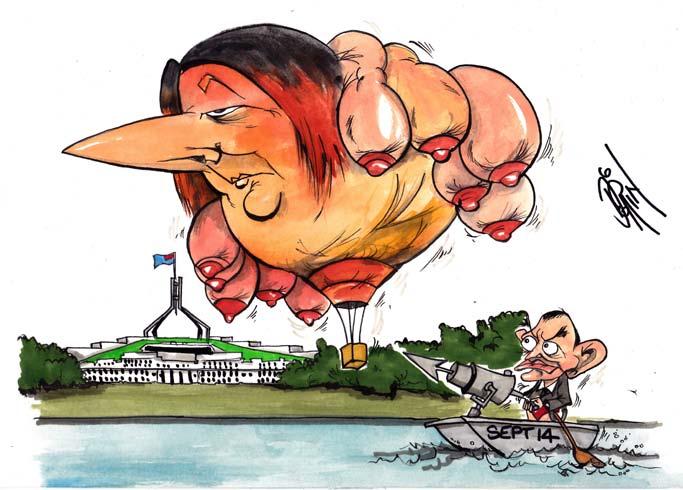
The latest example is the Centenary “Skywhale”. How come Canberrans don’t revel in joy at the innumerable, pendulous breasts and puny little eyes of the leviathan? Why is it that they argue “a whale has no place in the skies over an inland city”?
Where is the appreciation? Where do I start? Perhaps with politics! Others have already commented on the art in terms of “Patricia Piccinini’s traditional themes of empathy between humans and animals, genetic modification and threatened extinction”.
Our Greens Minister, Shane Rattenbury, was surely part of the inspiration. It is not so long ago that he was out in the freezing Antarctic challenging huge rapacious Japanese whaling ships with their overpowering mechanical harpoons in a tiny outboard driven zodiac. The minister’s heroic feats no doubt not only saved many whales from those voracious Japanese ships, but provided a springboard to accelerate Shane’s political career. He has been elected and re-elected to the Assembly.
Are you blind, Canberrans? So many of you loved Shane saving the whales! Surely you have a reason to love one of these delightful goliaths floating in your skies.
But there is always politics within politics.

What a mob of whingers we Canberrans are, says MICHAEL MOORE
Chief Minister Katy Gallagher is not silly. Being keen to keep Shane on side and knowing how much he loves those giants of the ocean, what’s $300,000 to keep the one person with the balance of power on side? Cheap! Very cheap! And she can call it art.
Ah! The politics of art! Don Dunstan, SA Premier and Labor hero, built the Adelaide Festival Theatre in the early 1970s breathing life into the Adelaide Festival of Arts as well as achieving many other creative things.
Former Chief Minister Jon Stanhope tried to emulate the South Australian with his public art everywhere.
Now is the opportunity for the current government to outdo its art-loving former leader. What about a huge whale that actually hangs over Canberra? So much more talked about than Jon’s efforts.
Who better to deliver the art project than former Adelaide Arts Festival Director, Robyn Archer?
“The balloon is a cheap piece of public art,” says Archer. “Almost every piece of public art in Canberra costs more. Public art is often controversial, and people have differing and strong opinions about it. Debate is good –much better than indifference...”

Reviewer JUDITH CRISPIN
has the final word on the Canberra International Music Festival
SOME may have found director Christopher Latham naïve when he emphasised that music can be a healing force in the world, but I applauded him.
And his point was reinforced by packed concert halls, standing ovations, the teary expressions on people at interval.
This was not the music of elevators and shopping malls, the background drone of the entertainment industry – the music of this festival was the careful offspring of artists, music for the soul, to make life worth living.
From David Pereira’s exquisite cello works to the gritty and industrial music by Paul Dresher, improvised on his invented “Quadrachord”, this festival spanned a huge range of styles and tastes.
It was commendable that so many works by Australian composers were performed –some highlights included Larry Sitsky’s “Sonata for Solo Flute”, Kate Moore’s “Uisce” and Andrew Ford’s “Australian Aphorisms”. Martin Bresnick’s elegant piece “Ishi’s Song”, based on a recording made by the last Yahi Indian, reminded me of the fragility of our own indigenous people.
The festival had obviously made an effort to include Aboriginal musicians – William Barton played didjeridu in the opening gala and again in “Lifting the Spirit” – but Aboriginal people were, on the whole, missing from the stage and audience.
When Canberrans are arguing over a piece of art they are paying no attention to what is going on in the Assembly or all of the other things about which they would normally whinge.
No letters to the editors about building developments, or rubbish, or potholes in the road, nor the health system, nor much else for that matter. Just the Skywhale!
You are 100 years old, Canberrans. Time to start appreciating art and what is going on around you.
Michael Moore was an independent member of the ACT Legislative Assembly (1989 to 2001) and was minister for health.
Hosting a festival of this magnitude is not cheap. Even with the impressive list of sponsors it would be miraculous if the festival breaks even.
Concert tickets, $60 on average, were not exorbitant. One might have attended all concerts for around $1500. It should come as no surprise, then, that the audience was mostly from the white middle classes – and why not? They have championed classical music in good times and bad, and supported this festival from its origins.
But Canberrans from all backgrounds deserve to hear music that can make their lives worth living. So, I offer a challenge – if music is truly a healing force in the world, let’s work together and open the concert doors in 2014 to those who need it most.
Judith Crispin is a composer, writer and artist, and the director of Manning Clark House.


KATHRYN VUKOVLJAK continues her series of articles looking at the challenges of securing childcare in the ACT. This week she looks at the myth of the waiting list
ACCESSING childcare, it’s just a matter of being on a waiting list, isn’t it?
“The minute you find out you’re pregnant is the time to put your name down on the waiting list,” says Christine Legg, CEO of KU Childcare Services.
And yet, of three mothers “CityNews” spoke to, not one of them had succeeded in securing a childcare spot by waiting for a call.
IT contractor Joanna Murray says she put her eldest child Sophie’s name down on one list but never heard anything again.
“I was told if I went in every week to check the waiting list I would have more of a chance,” she says.
“Lucky for me, a childcare centre opened up at Gold Creek Country Club and Sophie and Sam were one of the first ones to go there.
“I was only told by someone who worked in the childcare industry it was opening up.”
Public servant Carly Barron, mum to three boys, says she put her eldest son Ethan down on several waiting lists when he was two months old, with the intention of returning to work when he was nearly one.
“The only placements we’ve ever got in centres, the two that Ethan went to, was because we knew people that worked there,” she says. “We never got a position off a waiting list. We were very lucky with family day care and found someone advertised on allclassifieds who looked after the boys for about a year.”
Journalist Libby Hill says she had her elder daughter Lily on waiting lists at a number of centres, “but every time I called to enquire about her position on the list, I received a range of reactions that left me disappointed.
“Two centres even refused to put me on a wait list, laughed at me and advised me to call back in three years,” she says.
While she was initially able to find care for Lily quite easily, it was at a centre that wasn’t her first choice.
“I soon discovered why there was an opening at that particular centre – it was was poorly managed and understaffed, and some of the staff who were there didn’t have the appropriate training to work in childcare,” she says.
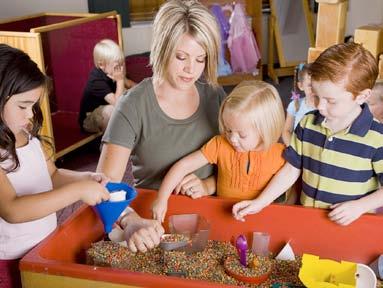
“At one point a staff member at the centre posted pictures of my child on Facebook and I was desperate to get her out of there.”
Christine Legg says getting that much-coveted first spot in a childcare centre requires precision planning, being the earliest of early birds and a certain amount of delicate badgering.
Parents should also list at more than one centre and look at centres that are along the route to work, not just close to home.
“Of course, as so many people are doing the same thing, all directors know their waiting lists can be unreliable,” she says. “This is why we encourage people to stay in touch. I’m not suggesting you badger the centre, but the occasional phone call to let them know you’re still keen for your child to attend the centre will ensure the director knows you’re genuine.
“If you’re offered a spot, take it,” says Christine – even if it’s not the days you were hoping for.
“Mondays and Fridays aren’t as popular, so it’s a good idea to take these if they’re offered, then you’re more likely to get more days as they become available,” she says.
And finally, her advice is to always have a backup plan: “If you have a flexible employer who will allow you to work one day from home, or parents who can help you out – it will tide you over until a place becomes available.”
Next week: Big on passion, low on pay

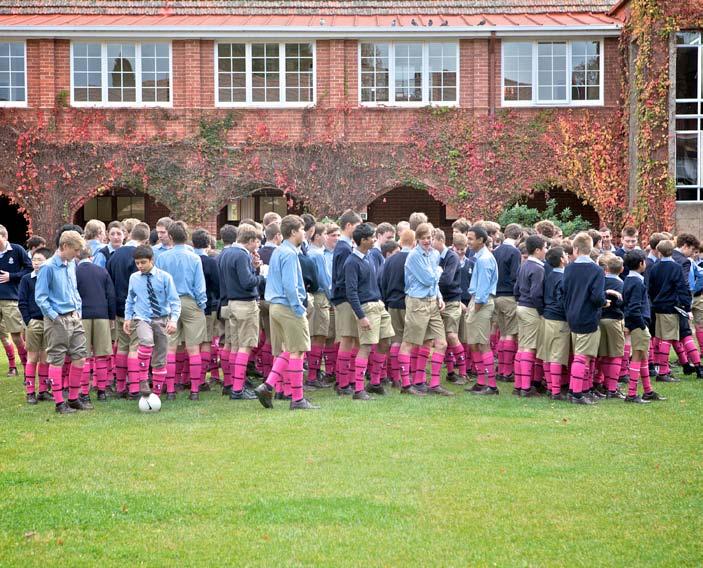
SO successful is the ongoing breast cancer campaign that the sight of 2028 bright pink legs standing, running, walking and playing handball during lunch at Canberra Grammar School triggers an immediate sense of recognition.
Last week the CGS senior school held a Pink Socks Day, mobilising 954 students – very nearly the entire school – and their teachers, to purchase 1014 pairs of bright pink rugby socks from the McGrath Foundation at $10 each.
There was no sense that these high school boys were just doing as they were told, either. Most seemed to enjoy the fun of something out of the ordinary, proudly showing off their funny-looking footy socks, despite the fact this required them to wear summer uniforms in May.
Year 12 student and Burgess house captain Tobias Speck points out that breast cancer indirectly affects a lot of people in the school community and the wider community, including himself through his extended family.
“There was one family in particular within our community who has suffered quite a traumatic experience with the whole journey with cancer, and had become quite involved with the McGrath Foundation, so that was how the idea really came to fruition,” says Tobias.
He’s referring to Alison Pike, a committed breast cancer campaigner, whose son Harrison joined the senior school this year and is a member of Burgess, a house for Year 7 students with mentors from Year 12.
“It’s through our house that it went through the communication channels up to the principal,” says Tobias.

Harrison’s mother has previously got his soccer team into the McGrath Foundation’s socks, and the Girls’ Grammar under-11 hockey team, but the Grammar boys are by far the largest group yet she has encouraged to pull them on.
According to the Burgess housemaster, science teacher Jennie Holbrook, the idea started on a smaller scale.
“At first I suggested we do it with Burgess, which is a whole house of 80 kids,” she says. “But then I said, ‘No, let’s think bigger. Let’s see if we can talk the whole school into doing it.’ And do you know what? Out of 960 kids, only six came and said they didn’t want any.” From the sights and sounds of nearly 1000 boys in their pink socks having a great time, playing and mucking around in front of the camera, it was apparent the day was a success on several levels.
“They love it – we’re a pretty serious school here, and it’s fantastic that they’ve all got on board – there’s a real fun, light-heartedness to it,” says Jennie.
Tobias agrees it is fun to wear the funnylooking socks, but says it definitely helps to have safety in numbers.
“I think the sea of pink goes well actually; obviously we have a very neutrally coloured uniform which makes the socks really stand out, especially if the boys are out around Canberra,” he says.
“But it’s not just about raising awareness. It’s also about supporting the McGrath Foundation, in being able to support nurses and doctors who treat cancer around Australia. I think it’s like an added bonus to be able to have that visibility in society with these socks.”


FIFTY years ago, the Leaders of 32 African countries met in Addis Ababa and decided to establish the Organization of African Unity.
Recently liberated from the shackles of colonialism, the new States, meeting in the Ethiopian capital, saw the unity of the continent as a means of restoring Africa’s dignity and pride, after many centuries of colonial domination and exploitation.
The African peoples solemnly proclaimed, through the voice of their leaders, their unalienable right to selfdetermination and freedom.
Five decades later, the mission of the founding heroines and heroes, to rid the continent of colonialism and apartheid, has largely been fulfilled. This was possible because of the Pan Africanist values of unity and solidarity.
As we celebrate the 50th anniversary of the OAU and AU, we are inspired by their example, and pledge to work
together in solidarity for an integrated, people-centred and prosperous Africa, at peace with itself.
We call on all Africans and the African Diaspora to help define the mission for the next 50 years, towards Agenda 2063.
Dr. Nkosazana Dlamini Zuma Chairperson, African Union Commission May, 2013
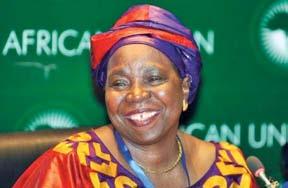
Dr. Nkosazana Dlamini Zuma... mission of the founding heroines and heroes has largely been fulfilled.
THE African Union, a geopolitical entity almost covering the entirety of the African continent.
It was established on May 25, 2001 in Addis Ababa, and launched on July 9 in South Africa to replace the Organization of African Unity.
The AU consists of 54 African states plus Morocco.
Its origins are the Union of African States, an early confederation that was established by Kwame Nkrumah in the 1960s, as well as subsequent attempts to unite Africa, including the Organization of African Unity, which was established on May 25, 1963, and the African Economic Community in 1981.
The idea of creating the AU was revived in the mid-1990s when the heads of state and government of the OAU issued the Sirte Declaration (named after Sirte, in Libya) on September 9, 1999 calling for the establishment of an African Union. The Declaration was followed by summits at Lomé in 2000, when the Constitutive Act of the African Union was adopted, and at Lusaka in 2001, when the plan for the implementation of the African Union was adopted.
The most important decisions of the AU are made by the Assembly of the African Union, a semi-annual meeting of the heads of state and government of its member states.
The AU’s secretariat, the African Union Commission, is based in Addis Ababa, Ethiopia.
The Assembly is chaired by Hailemariam Desalegn, Prime Minister of Ethiopia, elected at the 20th ordinary meeting of the Assembly in January this year.
The AU also has a representative body, the Pan African Parliament, which consists of 265 members elected by the national parliaments of the AU member states. Its president is Bethel
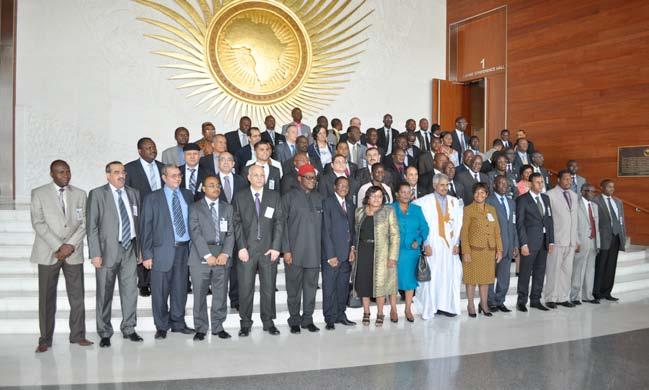
Nnaemeka Amadi.
Other political institutions of the AU include
• the Executive Council, made up of foreign ministers, which prepares decisions for the Assembly;
• the Permanent Representatives Committee, made up of the ambassadors to Addis Ababa of AU member states; and
• the Economic, Social, and Cultural Council (ECOSOCC), a civil society consultative body.
The AU Commission, the secretariat to the political structures, is chaired by Nkosazana Dlamini-Zuma, of South Africa. On July 15, Ms. Dlamini-Zuma won a tightly contested vote to become the first female head of the African Union Commission, replacing Jean Ping, of Gabon.
The AU’s future goals include the creation of a
free trade area, a customs union, a single market, a central bank, and a common currency, thereby establishing economic and monetary union. The current plan is to establish an African Economic Community with a single currency by 2023.
THE individual member states of the African Union co-ordinate foreign policy through this agency, in addition to conducting their own international relations on a state-by-state basis.
The AU represents the interests of African peoples at large in intergovernmental Organizations; for instance, it is a permanent observer at the UN General Assembly. Both the AU and the UN work in tandem to address issues of common concerns in various areas.
Continued Page 16
AUSTRALIA joins with the people and governments of Africa, as well as the African diaspora in Australia, in celebrating 50 years of African co-operation through the African Union.
Australia is optimistic about Africa and its prospects. We see immense opportunities on the continent.
The African economy is growing fast – at an average annual rate of 5.7 per cent over the past decade. The African population is young, with a
median age of 20 years – compared to 30 in Asia and 40 in Europe. It is urbanising and has a growing middle class. And Africa is rich in arable land, mineral reserves, and energy – with 30 per cent of the world’s mineral resources and 10 per cent of its oil.
Australia and Africa have a great deal to offer one another – we’ve knowledge and experience to share. Australia has secured its economic prosperity through industries that are very familiar to Africa such as mining, agriculture, fisheries and forestry. Like Africa, we understand the opportunities and risks of natural resource endowment.
In many ways we are natural partners. And in the spirit of cooperation, and in our own national economic interest, Australia is committed to developing a long-term partnership with Africa. One that helps African countries realise their economic potential and promotes self-reliance.
The African Union will continue to play a key role in developing a dynamic and integrated Africa.
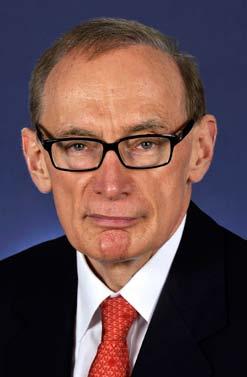
We congratulate the AU on its vital role in building a dynamic, fastgrowing and more peaceful Africa and look forward to another 50 years of productive relations between the peoples of Africa and Australia. Senator Bob Carr Australian Foreign Minister

Algeria
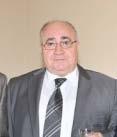
‘THE founding of the Organisation of African Unity is a memorable date that marks one of the most important events of contemporary history. It is a significant moment of glory and pride for African Nations.’
Brouri, Ambassador, People’s Democratic Republic of Algeria

Angola
Benin
Botswana
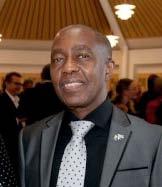
‘ON the occasion of the 50th anniversary of the establishment of the Organization of African Unity, we renew our commitment to the spirit of the Charter, as envisioned by the Founding Fathers and dedicate ourselves to promote its Purposes and Principles, as an enduring legacy bequeathed to all Africans.’
Molosiwa Selepeng High Commissioner, Botswana

Burkina Faso
Burundi
Cameroon
Cape Verde
Chad
Comoros
Democratic Republic of the Congo Republic of the Congo
Ivory Coast
Djibouti
Egypt
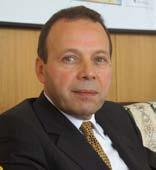
‘ON this, the 50th Anniversary of the Founding of the Organization for African Unity, I extend my deepest congratulations to the AU for its work in strengthening unity and co-operation between African states, and for the recognition of Africa within the international community.
The work of the AU is bringing forward the aspirations of the peoples of Africa, in good governance, the rule of law and sustainable development into the future.’
Dr Hassan El-Laithy Ambassador, The Arab Republic of Egypt

Equatorial Guinea
Eritrea
Ethiopia
Gabon
Gambia
Ghana Guinea
‘AS Kenya joins the world in marking the 50th Anniversary of the establishment of the OAU, it does so with pride and hope for the future of Africa.
This is a time to look ahead with great courage and optimism, knowing that if we can work hand in hand, we can achieve peace, democracy, development and unity for our great continent and, reiterate the shared resolve of member States for the realisation of Africa’s renaissance.
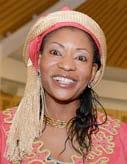
On behalf of the President of Kenya, H. E. the Hon Uhuru Kenyatta, and the people of Kenya, we wish Africans all over the world and all friends of Africa all the best as we celebrate this great occasion. It is indeed a great time to be African.’
Yvonne Wamalwa Acting High Commissioner, Kenya

‘THE unity and solidarity of the African continent, en visioned by the Founding Fathers of the Organization of African Unity 50 years ago still remains a work a progress.
However, thankfully the vision has not dimmed and still remains the beacon of the African Union, successor to the OAU.
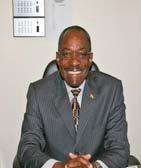
As we celebrate the Golden Jubilee of the founding of the OAU, the Ghana High Commission in Canberra joins all Africans everywhere, and friends of Africa, in saluting the vision of the founders of the past and the tireless efforts of the leaders of the present to advance the realisation of the AU’s objectives of promoting greater unity and solidarity among African countries and people.
Long live the African Union and the ideal of African unity. ’
Paul Yaw Essel, High Commissioner, Ghana

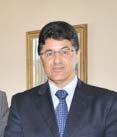
‘ON the occasion of the 50th anniversary of the Organization of African Unity, it gives me great pleasure to congratulate all Africans and salute the great Founding Fathers of the organisation, whom we should all remember with due respect and pride.
Happy birthday, Africa.’
Musbah A Allafi, Ambassador, Libya

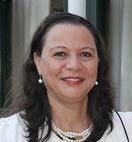
‘DEAR brothers and sisters, my sincere congratulations on the 50th Anniversary of the founding of the Organization of African unity. It is 50 years that we have been striving together to promote unity and solidarity of the African States, as well as intense co-operation between African States, in order to achieve a better life for our people. More than ever we have to stand united for the well-being of all our nations. May God bless Africa.’
Mirella Chauvin, High Commissioner, Mauritius

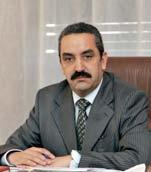
‘THE Kingdom of Morocco, a Founding Member of the Organisation of African Unity and a host of its first draft Charter in 1961, celebrates the 50th Anniversary of the establishment of this organisation, designed to promote the unity and solidarity of the African States and achieve a better life of the people of Africa.
Morocco, under the guidance of His Majesty King Mohammed VI, is proud of his African identity and belonging, and remains loyal to the spirit of the Founding Fathers among whom was Late King Hassan II who once used this inspiring metaphor saying that: “Morocco is like a tree deeply rooted in Africa but whose branches spread all over the world”. The Embassy of the Kingdom of Morocco, accredited in Australia, seizes this opportunity to express her wishes to all Africans for a better life and prosperity.’
Mohamed Mael-Ainin Ambassador, the Kingdom of Morocco
*Morocco, though not currently a member, has a special status within the AU.

Mozambique
Namibia
Niger
Nigeria

‘WE wish the African Diplomatic Community and the entire African Community all the best as Africa celebrates 50 years of unity and as we look forward to a glorious future for the African continent and its people.’
Ayoola L. Olukanni
High Commissioner, Nigeria

Rwanda
Sahrawi Arab Democratic Republic
São Tomé and Príncipe
Senegal
Seychelles
Sierra Leone
Somalia
South Africa
‘FIVE decades after the forma tion of the AU, Africa is on the rise – politically, economically, culturally, socially and in terms of its demographics. This is a good reassurance and an opportunity for solidarity of Africans worldwide. Solidarity will enable self-reliance, allowing the continent’s potential to independently provide for its people to be fulfilled.

Crucially, an all-African unity will empower Africans both on the continent and in the Diaspora, who share not merely a common history, but a common destiny.
Africa let us unite and promote the African Agenda.’
Koleka Mqulwana High Commissioner, South Africa

South Sudan
Sudan
Swaziland
Tanzania
Togo
Tunisia

‘AFRICA Day is an opportunity to celebrate, on one hand, the liberation of all African people from the colonialism and, on the other, the beginning of the collaboration between all the new and autonomous states.
The African continent is named after the ancient Greek name of Tunisia ‘’Ifricia’’ and The Republic of Tunisia truly hopes that the 50th anniversary of the African Union, successor to the Organization of African Unity, will help launch a new and genuine partnership between the African States.’
Nabil Lakhal, Ambassador, The Republic of Tunisia

Uganda
Zimbabwe
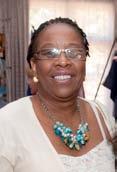
‘I CONGRATULATE the African Union (formerly the Organization of African Unity) on attaining its 50th anniversary of its founding. This occasion is significant in that it coincides with the African Women’s Decade declared by the African Union that seeks to promote women’s rights and women’s empowerment across the continent.
I welcome the Australian nation and the rest of the world in joining the African people in celebrating their achievement and to continue to partner our continent in future economic and cultural development activities.
Congratulations, Amhlope, Makorokoto!’ Jacqueline Nomhle Zwambila Ambassador, Republic of Zimbabwe

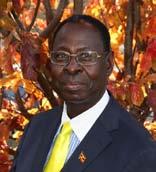
‘THE Uganda High Commissioner in Canberra, in conjunction with the Ugandan Community in Australia, extend warm congratulations to the Chairperson of the African Union on the historical occasion of the 50th Anniversary and look forward to continued strengthening of the bonds of friendship and co-operation uniting all African Countries.’
Enoch Nkuruho High Commissioner, Republic of Uganda

Zambia
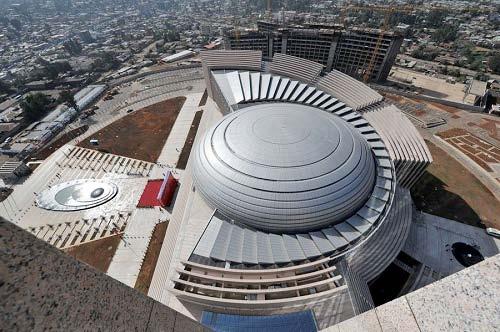
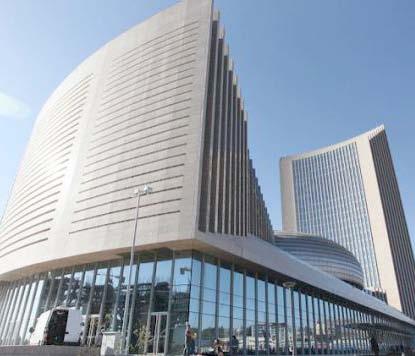

MEMBER states of the African Union cover almost the entirety of continental Africa and several offshore islands.
Consequently, the geography of the African Union is wildly diverse, including the world’s largest hot desert (the Sahara), huge jungles and savannas, and the world’s longest river (the Nile).
The AU has an area of 29,922,059 square kilometres with 24,165 kilometres of coastline. The vast majority of this area is on continental Africa.
The emblem of the AU consists of a gold ribbon bearing small interlocking red rings, from which palm leaves shoot up around an outer gold circle and an inner green circle, within which is a gold representation of Africa.
The red interlinked rings stand for African solidarity and the blood shed for the liberation of Africa; the palm leaves for peace; the gold, for Africa’s wealth and bright future; the green, for African hopes and aspirations.
To symbolise African unity, the silhouette of Africa is drawn
without internal borders.
The African Union adopted its new flag at its 14th Ordinary Session of the Assembly of Heads of State and Government taking place in Addis Ababa 2010.
During the 8th African Union Summit which took place in Addis Ababa in January 2007, the Heads of State and Government decided to launch a competition for the selection of a new flag for the Union. They prescribed a green background for the flag symbolising hope of Africa and stars to represent Member States.
The African Union Commission then organised a competition for the selection of a new flag for the AU. The AUC received a total of 106 entries proposed by citizens of 19 African countries and two from the Diaspora.
The AU has adopted a new anthem, “Let Us All Unite and Celebrate Together”, and has the chorus;
“O sons and daughters of Africa, flesh of the sun and flesh of the sky, Let us make Africa the tree of life.”

THIS is the Golden Jubilee for the Organization of the African Union founded in 1963 – transformed into the African Union in 2002.
The 50 years’ anniversary commemorations are anchored by the Theme “Pan Africanism and the African Renaissance”. This significant anniversary gives Africa and Africans an opportunity to take stock of the achievements and challenges as well as the prospects and aspirations of the continental organisation.
While the celebrations are ongoing in various parts of the world, there will be a series of events including, but not limited to, ceremonial programs, sports, intellectual debates and public information campaigns taking place in Canberra and in all the States in Australia.
Our appreciation goes to the Crawford School of Public Policy, the Australian National University, the ANU African Students Association, Australia Africa Business Council (ACT Chapter), AusAID, the Australian Council for International Development and all other role players across Australia who committed resources and shared their intellectual wealth to the

Dean of the African heads of Mission, Botswana High Commissioner MOLOSIWA SELEPENG says there will be a series of celebratory events in Australia
series of the 50-year anniversary commemorations.
The planned activities are in line with the AU’s Assembly’s message that as part of the Golden Jubilee Observance, member states and regional economic communities are encouraged to organise various events in order to enhance the awareness of a new generation of Africans about the ideas of Pan Africanism and African Renaissance.
Pan Africanism reflects the long history of African civilisations as the cradle of humankind, and is at the heart of the formation and existence of the OAU and now the African Union.
It informed African responses to slavery and colonialism, the struggles for independence and self-expression and the post-independence processes of nation-building. In a similar vein, the yearning for an African Renaissance was inspired by these same challenges, an acknowledgement that throwing off the yoke of slavery and
colonialism must free the continent to rediscover its identity and chart its own cause, in all areas of human endeavour.
Five decades after the formation of the OAU, Africa is on the rise – politically, economically, culturally, socially and in terms of its demographics. At the same time, the continent is aware of the challenges it faces, and of the need to use this opportunity to rejuvenate its mission, through Pan Africanism and the African renaissance.
This commemoration must symbolise the collective desire to reverse Africa’s current stories of despair into real stories of opportunities and potentials. And should therefore make it possible for Africans and the Diaspora to celebrate their African identity here in Australia and elsewhere, characterised by unity in diversity and their diverse contributions to humanity’s endeavours, past and present.
From Page 13
THE AU Mission at the UN aspires to serve as a bridge between the two organisations. Membership of the AU overlaps with other IGOs and occasionally these third-party organisations and the AU will co-ordinate matters of public policy. The AU maintains special diplomatic representation with the US and the European Union.
The objectives of the AU are:
• To achieve greater unity and solidarity between the African countries and the people of Africa;
• To defend the sovereignty, territorial integrity and independence of its Member States;
• To accelerate the political and socio-economic integration of the continent;
• To promote and defend African common positions on issues of interest to the continent and its peoples;
• To encourage international co-operation, taking due account of the Charter of the United Nations and the Universal Declaration of Human Rights;
• To promote peace, security, and stability on the continent;
• To promote democratic principles and institutions, popular participation and good governance;
• To promote and protect human and peoples’ rights in accordance with the African Charter on Human and Peoples’ Rights and other relevant human rights instruments;
• To establish the necessary conditions which enable the continent to play its rightful role
in the global economy and in international negotiations;
• To promote sustainable development at the economic, social and cultural levels as well as the integration of African economies;
• To promote co-operation in all fields of human activity to raise the living standards of African peoples;
• To co-ordinate and harmonise the policies between the existing and future Regional Economic Communities for the gradual attainment of the objectives of the Union;
• To advance the development of the continent by promoting research in all fields, in particular in science and technology;
• To work with relevant international partners in the eradication of preventable diseases and the promotion of good health on the continent.

IF YOU’RE FACING A CRIMIMAL MATTER, ENSURE YOU HAVE THE RIGHT REPRESENTATION.

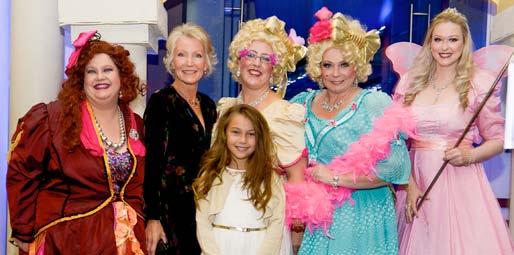
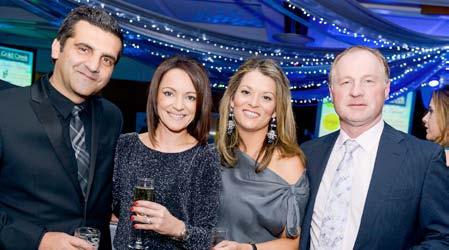
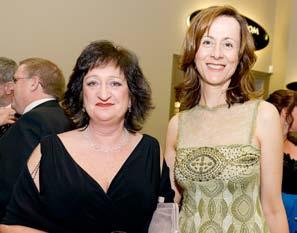
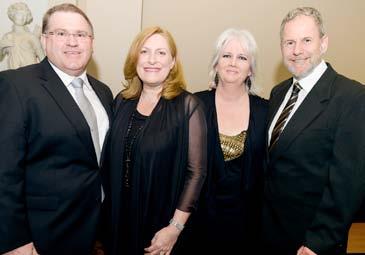
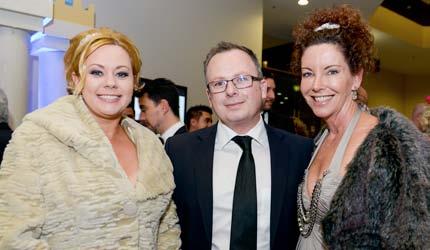
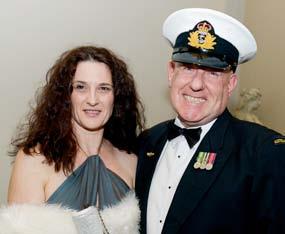

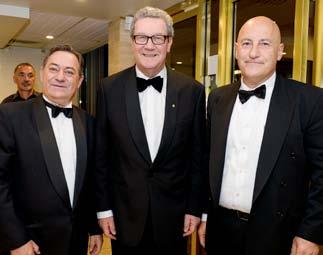
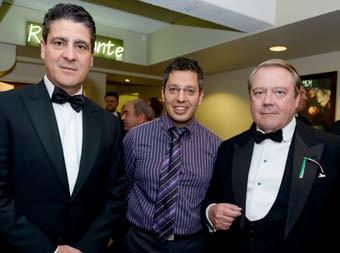
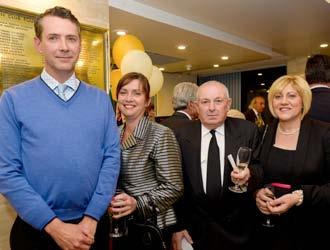
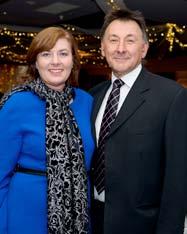
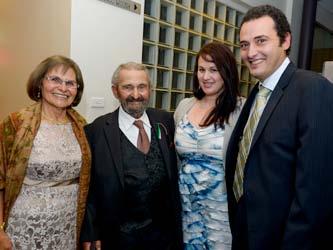
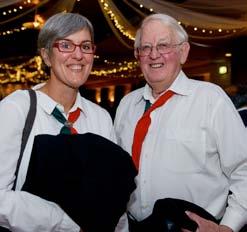
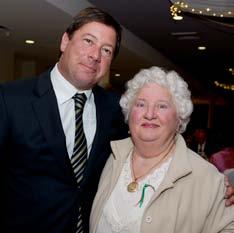

The Centenary martini – the Centini, National Press Club, Barton ‘Digest’ exhibition, Canberra
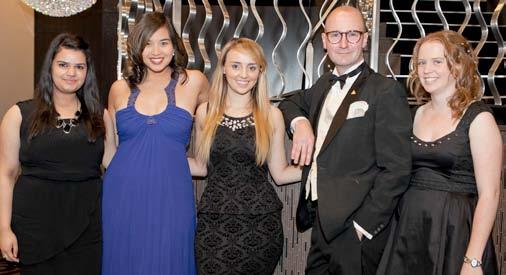
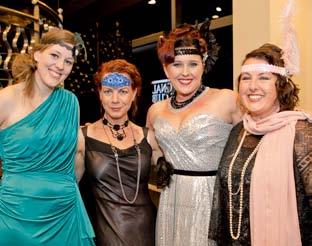
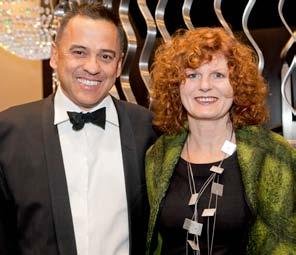
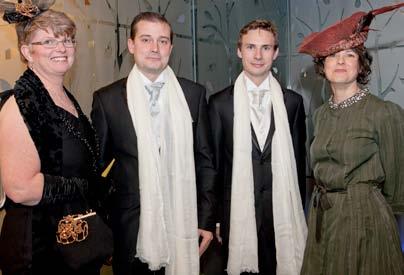
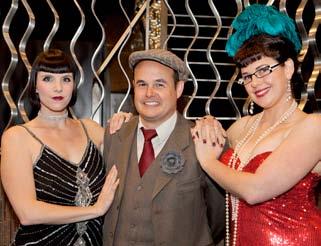
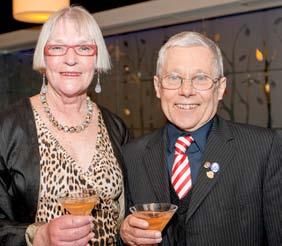
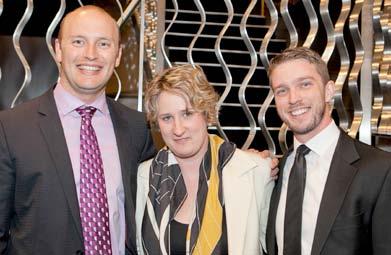
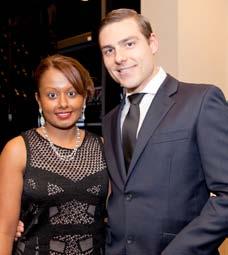
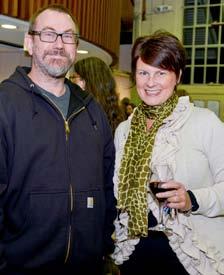
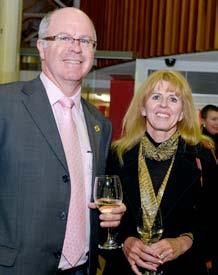
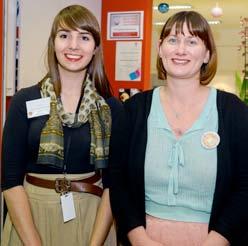
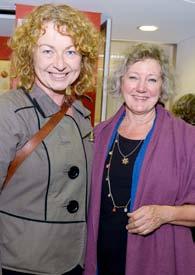
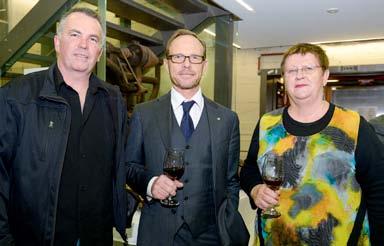
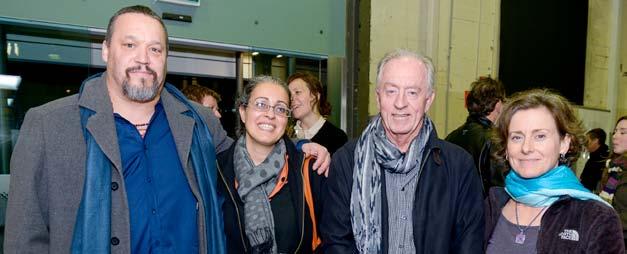

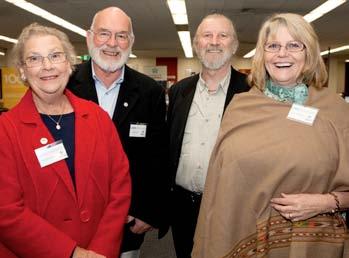
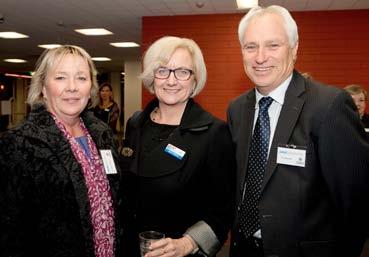
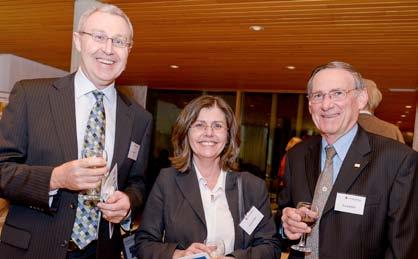
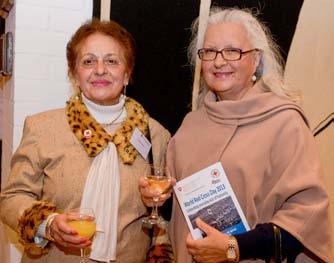
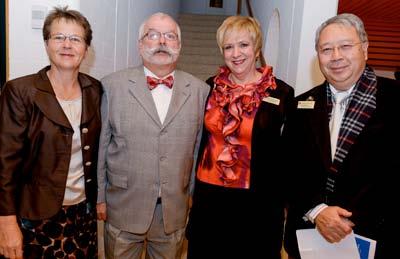
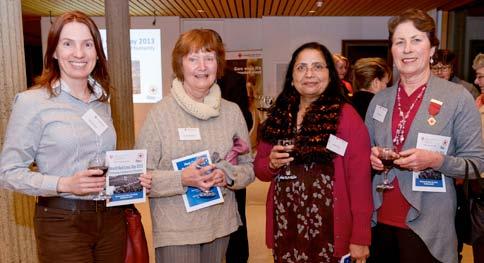
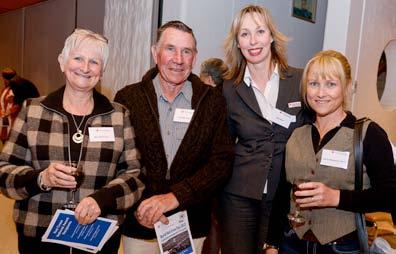
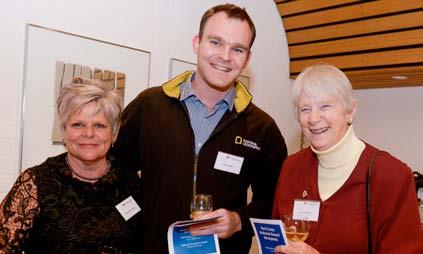

THE Southern Cross Club Woden was named the ACT’s Large Club of the Year in front of 450 industry peers at an ‘80s-themed awards night earlier this month.
The 2013 ClubsACT Awards for Excellence, held at the Hellenic Club Woden on May 10, confirmed that three of Canberra’s biggest clubs, including the Southern Cross Club and the Hellenic Club, are still setting a high standard.
With its five venues, the Southern Cross Club took out seven of the accolades, its Woden location not only winning the main award, but also those for Best Conference and Event Centre, Member Services and Community Assistance.
“We’re absolutely delighted that our Woden venue has taken out the prestigious Large Club of the Year Award,” says Canberra Southern Cross Club president John Lewis.
“These seven industry awards are testament to the hard work and professional standards of our staff and the fantastic on-going support of our 85,000 members who visit our five clubs throughout the year.”
The ClubsACT Young Achiever of the Year was Ryan Spiteri, an employee of the Southern Cross Club Tuggeranong.
“The Canberra Southern Cross Club is so proud of the achievements of Ryan Spiteri, who won the Young Achiever of the Year Award,” Mr Lewis says. “Ryan is a shining example of the career heights that can be achieved by young people within the club industry.”
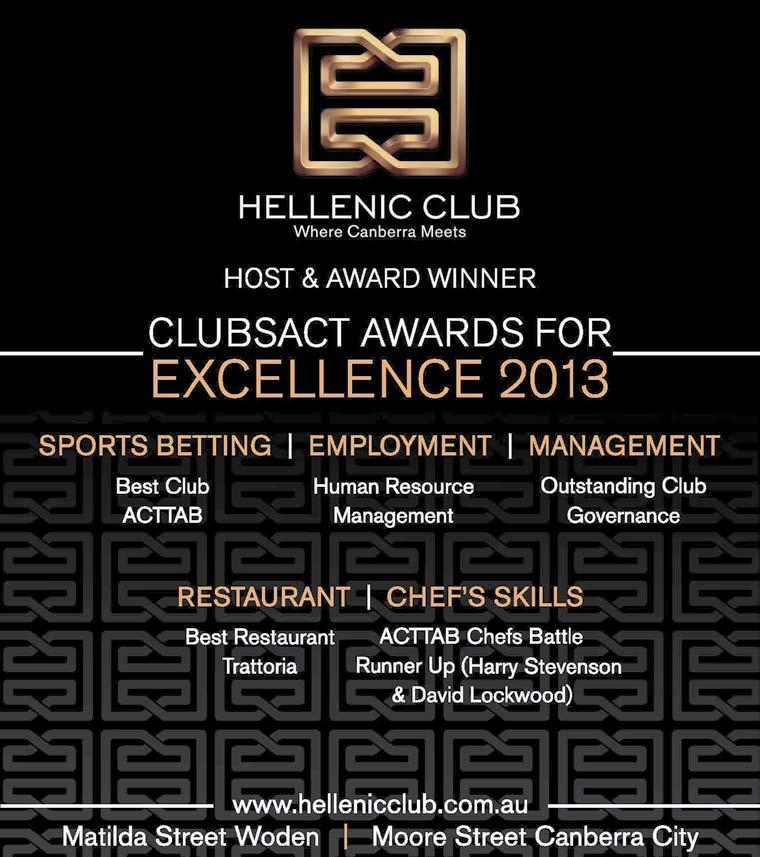
The Hellenic Club also did very well with five awards, including Best Restaurant and Best Club ACTTAB, as well as Outstanding Club Governance and Human Resource Management, both in the large club category.
The Hellenic Club’s chefs Harry Stevenson and David Lockwood were runners up in the first “Chefs Battle”.
ClubsACT chief executive Jeff House congratulated all 24 award winners, particularly those that had success in multiple categories like the Hellenic Club, the Southern Cross Club and the Vikings Club, which won six.
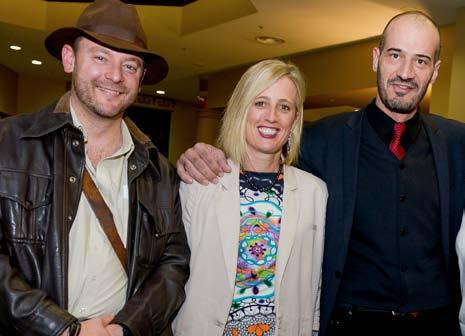
“Punters new and old won’t be disappointed by impressive renovations to the sports bar and TAB at the Hellenic Club Woden,” Mr House said. “Aiming to maximise landmark events and providing a comfortable modern sports bar experience, the club easily secured the Best Club ACTTAB award.”
National Press Club CEO Maurice Reilly was awarded the prestigious Chief Minister’s Commendation for his outstanding service to the club industry over a long period.
“Maurice has been a leading figure in the Canberra club industry for many years, having served as board member of ClubsACT for five years and as Chief Executive of the Press Club since 2004,” said Mr House. “He is a worthy recipient of the Chief Minister’s commendation.”
Award Category / Name Winner
Community Assistance, Large, Southern Cross Club Woden
Community Assistance, Medium, Vikings Town Centre
Promotion of Sport, Large, Vikings Erindale
Promotion of Sport, Medium, Vikings Town Centre
Responsible Gaming & Gaming Facility, Southern Cross Club Tuggeranong
Responsible Gaming & Gaming Facility, Vikings Town Centre
Member Services, Large, Southern Cross Club Woden
Member Services, Medium, Gungahlin Lakes
Best Club ACTTAB, Hellenic Club of Canberra
Human Resource Management, Large, Hellenic Club of Canberra
Human Resource Management, Medium, Gungahlin Lakes
Outstanding Club Governance, Large, Hellenic Club of Canberra
Outstanding Club Governance, Medium, Southern Cross Club Jamison
Best Casual Dining, Kutas Bistro, Vikings Erindale
Best Restaurant, Hellenic Trattoria
ACTTAB Chefs Battle, Josh McCulloch / Martin White, Vikings Town Centre
ACTTAB Chefs Battle (Runners up), Harry Stevenson / David Lockwood, Hellenic Club of Canberra
Best Conference & Event Centre, Southern Cross Club Woden
Outstanding Service Award, David Paull, Vikings Group
Young Achiever of the Year, Ryan Spiteri, Southern Cross Club Tuggeranong
Apprentice Chef, Martin Wood, National Press Club of Australia
Club of the Year, Small, National Press Club of Australia
Club of the Year, Medium, Vikings Town Centre
Club of the Year, Large, Southern Cross Club Woden

IS the taxpayers’ wonderful, newly opened National Arboretum losing the plot on pricing?
It is fast developing a reputation for being costly beyond Katy Gallagher ’s penny-pinching parking meters.
Recently CC heard about a longstanding advisory board member who had to abandon staging a charity evening there because of the cost.
Then in the past week, “CityNews” wanted to pass through this public space and do a photoshoot in the Village Centre. Sure can, says licensee Ginger Catering’s operations and events manager Nichole Stringer, that’ll be $1800 venue hire, thank you. Like we’re getting married.
Clearly well used to the sound of dropping jaws, she added: “Alternatively, you can do an outdoor shoot, however there are fees involved.” We didn’t ask.
PICK me... Slater and Gordon lawyer Gerard Rees sent us an opportunistic piece of nausea in the guise of
a “letter to the editor” in which he recites the legal principle that an eatery owes a duty to its patrons to provide a product fit for human consumption, blah, blah... then urges anyone affected in the recent Mother’s Day salmonella outburst to seek legal advice. Sigh.

DESPITE the sense of foreboding as winter closes in, autumn in Canberra is always a time of joyous colour. A reader spotted this artistic assembly of autumn leaves on a damp pavement and thought them quite lovely. So do we.
A SHELF piled with dozens of loaves of white bread isn’t something you usually find in a doctor’s office, but that’s just what journalist
Laura Edwards and snapper Brent McDonald stumbled across when entering the West Belconnen Health Co-op in Charnwood. It seems friendly, local grocers donate the bread to the medical centre for clients to take home with them, free of charge.
THE “Skywhale” gets a workout in the Sydney “Telegraph”. Writer Tim Blair describes it as “the perfect symbol of our capital city – a bloated, gaseous, multi-breasted monster feeding those who dwell in its poisonous shadow while leeching off the rest of us.”
EDUCATION Minister Joy Burch trumpets that those horrid, community excluding black fences around 56 public schools have reduced vandalism-related property damage from $606,668 to $282,684.
That’s a saving of $323,984 over three years or, when divided by 156 weeks and 56 schools, equals a mighty saving of $37.08 a week each. And the costs of the fences and ongoing maintenance is less? We don’t think so.
Know something? / confidential@citynews.com.au
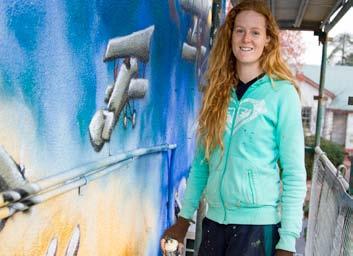
WHEN “CityNews” stumbled across artist Georgia Goodnow, she was spray-painting a wall at her local shops in Ainslie. But don’t call the cops; she was commissioned to get creative out the back of eatery Pulp Kitchen, after a friend slipped her name to the owners.
Georgia enjoyed a lot of artistic freedom with the mural, she says, although the owners had a few stipulations.
“They wanted to have planes in it somewhere, because they like planes,” she says. “And jasmine vines, and they also wanted their logo in there, but that was all.”
The 18-year-old painter started using spray cans just two years ago.
“It’s so unlike other painting mediums because it allows you to do such big, public things,” she says.
Despite a steady flow of commissions and gigs doing live painting, such big, public things don’t pay all the bills, so Georgia also paints with kids at her job in a childcare centre.
WELCOME to the Royal Australian Mint, a beloved destination of visitors to Canberra where, laughingly, the cafe is closed on Saturday and Sunday.
MOOBLE, the eco-clothing store in Bailey’s Arcade, has blackboards outside heralding its “summer sale”.
ACT Opposition Leader Jeremy Hanson’s post-Federal Budget commentary has him railing against “attacks on public service job cuts”. Think about it.
LOCAL cafe’s “closed” sign: “Shut happens”.
FORMER Foreign Minister Alexander Downer was in town as special guest for the 50th anniversary gala dinner of the Italo-Australian Club. His father, Alec , as Immigration Minister, opened the Forrest club in 1963.
DROLL reader’s note: “Wouldn’t it have been great if the $340,000 for the Skywhale could have been put aside to run the hand-to-mouth Australian National Eisteddfod more professionally for the next 10-15 years?”
THE subject line says: “jhvjhb” and the summary reads: “hgv jhvg jhv jhv jhvg
v gh v”. Okay, so we click... to a press release about a solar cycle challenge. Didn’t see that coming. Trash.


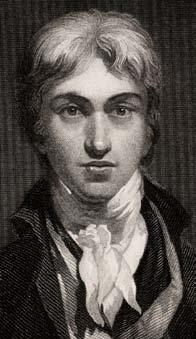
“IT’S a knockout show, really,” the curator of international painting and sculpture at the NGA, Lucina Ward, says of “Turner from the Tate: The Making of a Master”.
She’s overseeing the installation of this unique show in Canberra.
“There are intimate sketches – three sketchbooks, that show us the way Turner built his visual notation,” Ward tells “CityNews”. Originating from London’s Tate Gallery, it will feature 40 oils and 70 works on paper, all a part of J M W Turner’s gift to the British nation.
As well, there are several paintings 3½ metres long showing the grandeur and scale of his work and there are many medium-sized seascapes, cityscapes and atmospheric landscapes showing the public and the private Turner.
What an astonishing individual he was, Ward says.
The son of a humble barber, Turner entered the Royal Academy’s school at age 14.
Compared to some of the European Masters he was, during his lifetime, “extraordinarily successful”, fetching high prices for his paintings and print versions of them. If he heard one of his paintings was coming back on the market, he would snaffle it up then bide his time until the prices went up.
Ward says Turner began as a workaday landscape and topographic artist, but then made a tour of northern England, of which it was said that he left
Helen Musa reports

as a draughtsman and returned as a painter. Up there, he came to appreciate the sublime qualities in the British landscape.
For Turner, landscape was central to painting and he even contemplated setting aside money to establish a home for elderly landscape painters.
Born into an era when grand historical paintings were most prized, he insisted that landscape could be taken just as seriously, turning his paintings into epics of grandeur.
“His shipwrecks give disaster a human face,” says Ward.
As for experimentation, as a young artist in 1805 he shocked his contemporaries by starting to paint on a white background when “important” paintings were expected to be dark and mysterious. “He brought to these paintings a quality almost like watercolour, heavily thinning his work paint with turpentine,” Ward says.
“The luminosity of his palette was extraordinary, with yellows and blues increasingly dominating his canvases.”
Born in 1775 into the Georgian period, he died in 1851 in the Victorian period, in the same year as London’s Great Exhibition. He experienced the impact of the Industrial Revolution and the Napoleonic wars, the latter ensuring that most of his career was spent in Britain.
Through this work we can see the behind-thescenes Turner – paintings he abandoned and paintings that he very likely intended to finish at the Academy in the bravado performances that impressed his contemporaries.
So, what’s Ward’s personal favourite? She opts for the 1810 painting of the avalanche in Grison (Graubünden, Switzerland) where a cabin is spiked by falling rocks. There is no evidence that Turner ever saw an avalanche, she says, but he did read newspaper reports of such a catastrophe.
To her, Turner was showing us how we should be aware of the might and power of nature.
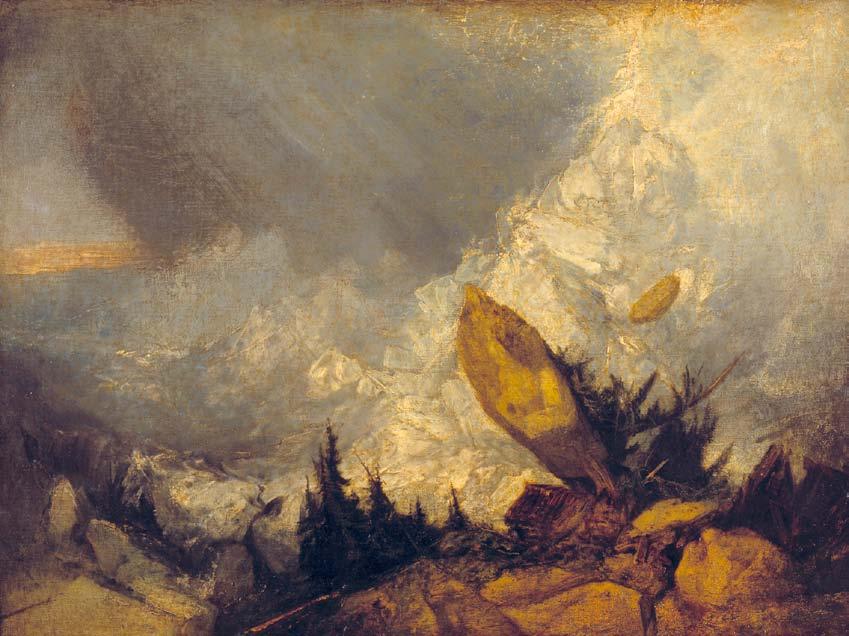
Turner’s “The Fall of an Avalanche in the Grisons”... no evidence the artist ever saw an avalanche.
“Turner from the Tate: The Making of a Master”, National Gallery of Australia, June 1-September 8, 10am to 5pm daily, bookings to 132849, 1300 795012 or at the NGA front desk.

WHAT brings the famous star of shows such as “Chicago” and “Anything Goes”, Geraldine Turner, to The Street Theatre?
Well, her new script “Drama Queen” will be read on May 27 as part of First Seen, a showcase of nine new performance works in-progress.
It’s a typical showbiz story. The Street’s director and “CityNews” Artist of the Year, Caroline Stacey, had directed Turner in “The Vagina Monologues” and before that the opera “Lakme” for her conductor husband, Brian Castles Onion, at the Canterbury Opera in NZ.
“When Caroline came to The Street, she hired me for ‘Jacques Brel Is Alive and Well and Living in Paris’ and later we worked on Alana Valentine’s play ‘MP’,” Turner tells “CityNews”.
She soon confessed that she had long wanted to write a play but had “been too scared”.
“Caroline called me and said, ‘you should join our writing program called the Hive,’ she says. The play is based on Turner’s fraught relationship to her own mother. “I’m not going to run away from that... it’s not Gypsy Rose Lee’s Mama Rose… it’s a mother and daughter in a showbiz framework.”
Turner contacted the young lyricist (“lyrist” is the correct term, she asserts) James Millar, whose song cycle “LoveBites” she had admired. Turner educates me about the importance of the lyricist, singing a snatch of Irving Berlin’s “What’ll I Do” as certain proof that “if you say it, it’s banal; if you sing it, it’s beautiful”.

Millar brought in David King, the head of music at WAPA and they had a reading at The Street a year ago. Knowing that I was there, Turner cuts in, “I can tell you the script has moved on since then, and so has the score.”
“I wouldn’t dare call myself a writer yet, so I do take on board everything people say – sometimes it seems ridiculous, but if more than one person says the same thing, you really have to think about that.”
So how has it been, mingling with local writers?
“Some people do seem to be intimidated by me, but it’s usually before they’ve worked with me,” she says.
“I guess I present as someone who’s pretty formidable, but in fact I’m a marshmallow.”
The plan is that this “second seen” version will blossom into a full production, but she and Stacey are looking for a production partner and, of course, a band in order to give “Drama Queen” legs.
She feels “lucky” to have started in Canberra. “I’m a bit of a ring-in, but because I come from the country [Moss Vale] I can be counted as an ACT person… I’ve made friends here and it’s got a fantastic vibrant arts scene.”
First Seen at The Street Theatre, until May 31, “Drama Queen”, by Geraldine Turner, 8pm, May 27. Bookings to thestreet.org.au/ or call 6247 1223.




“A
Place For Me”
JOSH Boone made his writing and directing debut in 2012 with this family drama which, albeit with a flaw or two in its plot structure, offers maturity, frankness, awareness of theme and gentle humour.
Successful novelist William (Greg Kinnear) divorced from Erika (Jennifer Connolly) enjoys recreational sex with married Tricia during her morning beach run. William and Erika’s children Samantha (Lily Collins) and Stephen King fan Rusty (Nat Wolff) both aspire to publish fiction.
Sam, independent, adventurous and promiscuous, picks up guys in bars for one-night stands. Will she get published without William’s mentoring before sending her MS to a publisher? Will she see the light while Lou (Logan Lerman)
waits? Her loathing of re-married Erika is not negotiable, for reasons that seem valid when revealed.
Rusty lives with William and writes short stories. Still a virgin, he’s fallen for Kate (Liana Liberato) who’s not. Kate has substance abuse issues.
The film looks handsome. The cast does a fine job. The women rather dominate the plot, which Boone has arranged to avoid clichés of the chick-flick genre. So what about those flaws? Have you ever tried to write a novel? Or tried to get a novel published? Boone’s screenplay doesn’t probe those complications. He’s busy directing his characters toward a credible denouement.
At Capitol 6 and Palace Electric
FOR director Rufus Norris’ cinema debut, Mark O’Rowe has adapted Daniel Clay’s first novel, a modernisation of “To Kill A Mockingbird”. Its title describes young lives, families and the hearts of almost every character as three families living in a North London cul de sac confront major issues.
In one house lives widowed solicitor Archie (Tim Roth) with a new partner and Archie’s diabetic daughter Skunk, of questioning mind and generous spirit.
In the middle house live the middle-class Buckleys, whose late-adolescent son Rick suffers a mild intellectual disability.
Beside the Buckleys lives the family from hell, the Oswalds, father Bob (Rory Kinnear) not coping well with single parenting three foul-mouthed, vicious, violent and undisciplined red-headed daughters. Will Rick be charged with
impregnating the middle Oswald girl? Will Skunk overcome her reticence to tell of seeing her having sex with a lad of whom Skunk was platonically fond? Will Skunk’s teacher (Cillian Murphy) with an unfulfilled crush on Archie’s partner be charged with assaulting one of the Osmond girls when he intervenes as the three of them beat up Skunk?
My main quibble about “Broken” is the coda going inside Skunk’s head as she lies in a coma. Immediately before that, an epiphany in Bob Oswald provides a logical ending point for a tough film that pulls no punches, takes no prisoners yet is agreeably disturbing because of its fresh style. Such a modest quibble is at naught in the light of Eloise Laurence’s brilliant rendition of Skunk.
At Palace Electric
BRAD Anderson’s cop thriller is a PR coup for the Los Angeles Police Department. The anchor for Richard D’Ovidio’s screenplay is its 911 call centre, where Jordan (Halle Berry) loses a battle of smarts with the kidnapper of a teenager. Six months later, while training new staff, Jordan supports, then takes over from, a less-experienced colleague having difficulty with a similar case.
The kidnapped teenager Casey (Abigail Breslin) spends much of the film talking with Jordan from the boot of a car driven by the kidnapper (Michael Ecklund). Casey’s a middle-class featherhead whom Jordan has first to persuade to get over her hysterics and
become a fighter.
There’ve been powerful serial killer movies in the past, such as “Silence of the Lambs” and “Girl with the Dragon Tattoo”. Like those, “The Call” builds good tensions while the screenplay’s compresses its duration to less than a day despite using the familiar elements of happenstance, close shaves, mistakes and misfortunes.
Familiarity is no major defect because the pace is unrelenting, the characters are economically-drawn and the principal performances are sound. And the denouement is a cracker, definitely not familiar, worth waiting for despite its essential predictability. At Dendy, Hoyts and Limelight
By Helen Musa
SEX. It’s not often that you get to start a story with that word, or that you read a press release to the effect that a play has “its roots quite literally in Fyshwick.”
But so it has been with Version 1:0 company’s “The Major Minor Party”, commissioned by the Canberra Theatre Centre and dealing in the company’s unique “verbatim theatre” manner with the Australian Sex Party and the industry that lies behind it.
Exactly what is verbatim theatre? I’ve come to the right person when I chat to actor Jane Phegan,
since 2005 a member of the company that is Australia’s leading expert in the genre. Its latest production, she tells “CityNews”, is peculiarly suited to Canberra, and with good reason. It may be inspired by sex, but as Phegan explains: “It reaches much further than that… it’s really about who makes decisions about what I can and can’t do in the privacy of my home – who’s making those legislative decisions”.
In other words, this play is about civil liberties.
In creating a stage work, key sources have been the Australian Sex Party and other civil liberties groups, as well as their antagonists such as Family First.
Much of the material on which to create their verbatim theatre has come from the co-founder of the Sex Party, Robbie Swan.
“When they started researching the subject we found a growing conservatism”, says Phegan. “But we start investigating something, and by the time our shows come to fruition, some of the things we’re investigating are in the news – gay marriage, voluntary euthanasia, sex education and sex abuse in the church.”
According to Phegan, the verbatim material won’t be put together in a conventional narrative form. The scenes will address the question of how legislation impacts upon our choices for our own bodies, so while it’s not circusy or acrobatic, “it’s about bodies in space and music”.
“The Major Minor Party,” at The Playhouse. May 29-June 1. Bookings to 6275 2700 or canberratheatrecentre.com.au
IT doesn’t take long when in the Philippines to get that Filipinos love to chow down on meat – large quantities of meat.
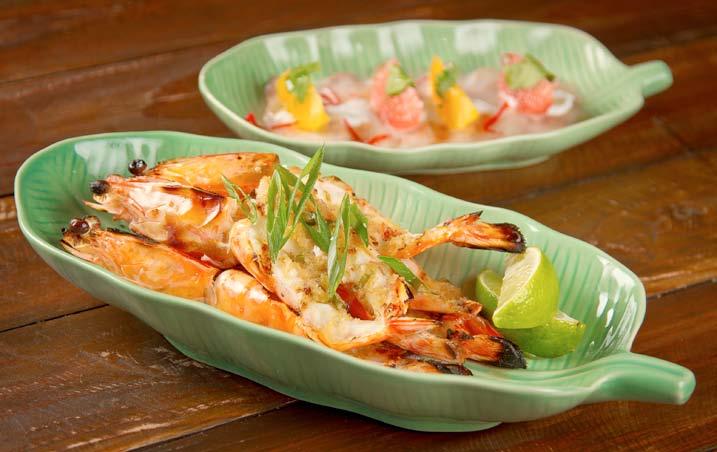
So when at Kusina, Canberra’s only Filipino restaurant, I wasn’t surprised to see heaps of meat being offered, including braised beef ribs, sizzling beef osso bucco, crispy pork belly, beef sirloin, chicken, and garlic sausage (made “fresh by mama”).
If this doesn’t tickle your fancy, don’t fret; Kusina also has a few fish and seafood dishes. Vegetarian and gluten-free options are also available on request.
Kusina means ‘kitchen’ and this is truly a family affair, with siblings John Ora and Leilani Fox (both from the Hyatt) creating home-style dishes, some based on traditional family recipes taught to them by their mother and grandmother. Sharing is how Filipinos love to dine so rather than entrees, you order smaller dishes to complement your mains.
Food from the Philippines is strongly influenced by the Chinese and Malay inhabitants of the islands and is truly multicultural. Marinating and slow braising are key. And you’ll see uniquely Filipino elements on the menu such as banana ketchup mayo, served with crispy chicken wings.
We started with Lumplang Sariwa, stir-fried vegetables you wrap in crepes that end up looking like super-sized spring rolls ($8 for two pieces). Nice and crunchy and heaps of veggies.
From the chef’s specials we ordered Bicol Express, braised pork (beautifully tender) in a light, but spicy
dining

coconut cream ($18.50). Some of the fat could have been removed, I felt, although it certainly adds to the flavour. And the Chicken Inasal – grilled with lemon grass, garlic, ginger and soy sauce ($20) – was super tasty and juicy, although a bit too pink towards the bone.
Kusina has the best deal going for kids eight years of age or under. They eat free Tuesday to Saturday (5pm to 7pm) and that includes a meal, drink and ice cream.
The large dessert display includes the bright (and I mean bright) purple yam cake so popular in-country. Other Filipino favourites include the famous creamy leche flan and, on the drinks side, coconut juice and sweetened cumquat juice.
Kusina is relaxed and friendly. Indeed, staff were very accommodating and happy to shift outdoor tables around for a nice possie in the sun.
The interior isn’t fancy, but it’s warm and inviting, featuring decorations from the Philippines on the walls and sweet family photos on the menus. And we loved the mini cupcakes we were offered as a treat at the end of our meal.
Open for lunch and dinner Tuesday to Saturday. Breakfast/lunch Saturday and Sunday. Call 6288 8461. BYO wine and beer only. Cooleman Court shopping precinct. Indoor and outdoor dining.
“Word Play”
By Michael Bailey and Jack Lloyd, directed by Marisa Martin
At CSIRO Discovery Centre, until June 1
Reviewed by Joe Woodward
BRING your smart phone to interact with the characters in this challenging and entertaining mix of science, art and philosophy in Boho Interactive’s “Word Play”.
A virus pandemic is spread by the use of words and more than 80 per cent of the world has succumbed.
It is up to three scientists – with the help of the audience – to thwart the spread of the virus.
“Word Play” weds two themes, ie. language reductionism and medical interventions in a fight against diseases, in a way that is accurate and entertaining.
The use of cinematic devices, live video and very adept acting made for a unique piece of theatre that challenges the very notion of theatre in the 21st century.
The actors, Euan Bowen, Raoul Craemer and Cathy Petocz displayed just the right amount of self-awareness and character intensity to carry off the absurdist situation while being true to this hybrid form.
The audience had to make real-time choices communicated via phones to the performers. This was fun and engaging.
IN the mail last week was a small felt “pot” decorated with tiny pearls. A subsequent email linked this to “Rapt in Felt”, the Canberra Region Feltmakers annual exhibition and bazaar, at The Q Exhibition Space, Queanbeyan, until June 8.

CHOREOGRAPHER Liz Lea’s next production, “InFlight”, is to be based on the National Library’s E A Crome Collection of Australian aviation history. Four dancers plan to “take to the air as aviatrixes and birds against a backdrop of archival imagery”. It’s a great way of honouring Charles Ulm and Charles Kingsford Smith’s Transpacific flight, but wouldn’t a theatre have been better? At the NLA, 7pm, May 31 and 3pm and 7pm on June 1, bookings to nla.gov.au/bookings or 6262 1271.
SOUTH coast artist Margaret Dimoff is taking over the old Solander Gallery building as a temporary pop-up venue for an exhibition. Sadly, Dimoff tells us, the Canberra landmark is soon to go under the wrecker’s hammer to make way for apartments.
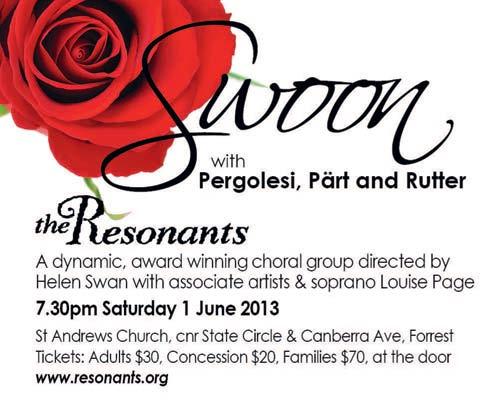
THE Resonants are busy preparing for a concert at 7.30pm on June 1 in St Andrew’s Church, Forrest, where the choir will perform “Swoon”, a program of sacred choral music featuring Pergolesi’s “Stabat Mater”, “Like a Shepherd” by Carl J. Nygard and “Vieni nel mio cuore” by Jonny Priano, as well as several movements of the “Missa Luba”. After interval, they will perform the “Magnificat” by Arvo Pärt and the Requiem by John Rutter, with soprano Louise Page. Tickets at the door or resonants.org
THE 29th annual art show at Radford College will feature more than 800 works by Canberra and regional artists. The champagne opening by Australian painter Margaret Ackland will be held in the school’s T B Millar Hall at 7.30pm on Friday, May 31, and the exhibition continues, 10am-4pm, on June 1-2. More information at radfordartshow.com.au
THE Wesley Music Scholars’ autumn concert of works for voice, violin, cello, flute, bassoon, guitar and harp will be held at 3pm on Sunday, May 26, in the Wesley Music Centre. Tickets at the door.
ENTRIES to Tuggeranong Rotary Youth Art Award, for artists between 15 and 25, are due by May 28. The exhibition opens on June 1 at the Tuggeranong Arts Centre (former Nolan) Gallery, Lanyon, Tharwa and, this year only, the Rotary Club of Tuggeranong will offer $2000 for a Centenary of Canberra themed work. more information from 6176 1643 or narelle.phillips@tuggeranongarts.com
–Helen Musa



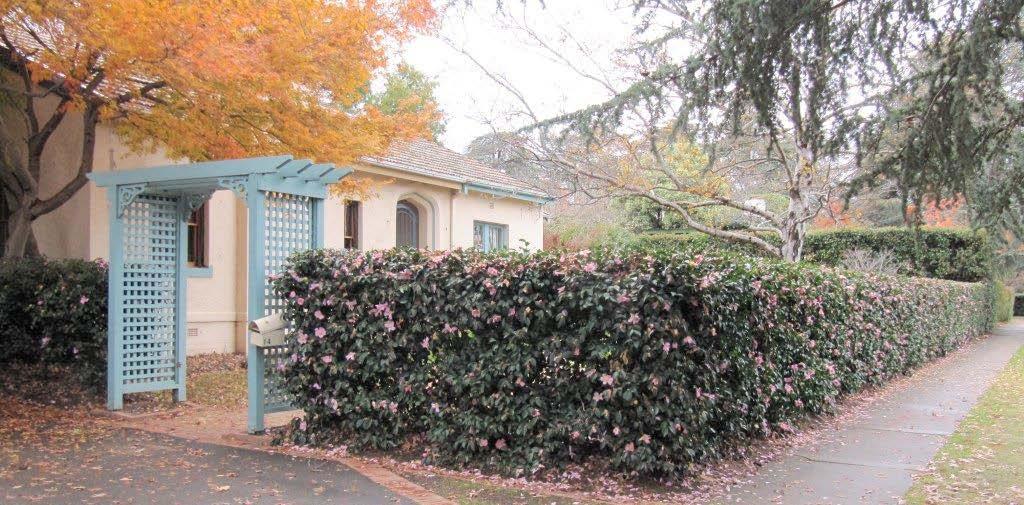
THIS time of the year produces some of autumn’s showiest flowers, especially sasanqua camellias.
As these extremely hardy, drought-resistant plants come into flower, one hears the funny squawk of the honeyeaters, which love the nectar. This demonstrates that it’s not only Aussie plants that attract native birds. Camellias have been cultivated in China for a couple of thousand years with the most important camellia being the tea camellia, Camellia sinensis , for its leaves, which grows well here with its small, white, fragrant flowers.
It was introduced into Western gardens in 1740.
The Chinese introduced us to drinking tea – remember the old phrase “a cup of cha”? In Peter Valder’s “Garden Plants of China” I discovered this is a Chinese word and it was in the 6th and 7th centuries that tea drinking there was adopted by the population

at large.
I have used Camellia sasanqua “Hiryu”, with its single to semi-double crimson flowers, for hedges in many of my clients’ gardens. And, indeed, along the rear fence of our own garden. I find this a particularly strong grower for this purpose, although equally so is C.s. “Plantation Pink” with a profusion of pale pink flowers. Although C. sasanqua was introduced to the West in 1896, Valder notes that despite frequent visits to China, he rarely sees sasanquas growing there as opposed to the larger family of Camellia japonicas. These are distinguished with larger leaves and flower later in September/October. Another delightful sasanqua is C.s “Mini no yuki” with petite white paeony form flowers.
Winter-flowering, white camellias can brown quickly with frost. To prevent this, I grow ours under the protection of other plants.


Now is the time to visit a local garden centre to choose from the hundreds of varieties of sasanqua camellias as they come into flower.
These camellias will tolerate full sun but, like most plants, require a well-drained soil. They will not tolerate heavy clay soils.
IN the ‘70s, I lived up the road from one of Canberra’s great gardeners, the late Jim Macfarlane and his amazing Griffith garden in Barrallier Street. One spring, I was having trouble with yellowing leaves in gardenias. It is natural
that some yellow leaves fall from the lower part of the stems as the new growth appears, but not when all the leaves turn yellow.
“Give them a dose of Epsom salts, it is a magnesium deficiency,” advised Jim, at the same time filling an old jam tin for me from a large bag of Epsom salts [magnesium sulphate].
Jim said he gave every plant in his garden Epsom Salts each spring and autumn. This is one of the major elements for plant growth and I will return to this subject next week.
• Divide bearded irises. Check the rhizomes to ensure they are healthy, cutting off any bad bits. When replanting always leave the top of the rhizome exposed to the full sun. Do not cover with mulch as the top needs to bake in the hot sun. This is important for flower production.
• Plant herbs in beds around the garden rather than in one specific herb garden. This aids in companion planting and combats insect attacks on nearby plants.
• Grow plants that snails won’t touch. These include Geraniums, Heuchera (Coral Bells), Sedum, Cyclamen, wallflowers, Antirrhinums (Snapdragons), foxgloves, Japanese anemones, crocus and penstemons to name a few.
ARIES (Mar 21 – Apr 20)

your week in the stars / May 27 – June 2 Across
4 Name one of the most influential figures in Australian popular music, Johnny...
Mighty Mars (your ruling planet) moves through Gemini from May 31 until July 13. It also joins the Sun, Jupiter and Venus in your communication zone, so the next six weeks is the ideal time to converse and socialise, mix and mingle, text and tweet up a storm. The more you get involved in local community projects, the more contacts and friendships you’ll make.
TAURUS (Apr 21 – May 20)
Business-minded Bulls – a creative approach clears away the cobwebs, especially when it comes to money matters. With Mars moving through your money zone (from May 31- July 13), the more proactive you are about increasing your cash flow, the more your financial situation will improve. But avoid being too black and white about a complicated relationship issue.
GEMINI (May 21 – June 21)
With four planets in your sign, you’re feeling flirtatious. As birthday great Kylie Minogue (who has her Sun, Moon, Mercury, Venus and Mars in Gemini) says: “I’m just a natural flirt.” Mars dashes into your sign on Friday (until July 13) so it’s time to approach life with extra energy and enthusiasm. Confidence is the rocket fuel that will take you where you want to go!
CANCER (June 22 – July 22)
Life’s confusing for many Crabs at the moment but don’t complicate matters by becoming dependent on the counsel of others. Asking for advice is fine, but it’s up to you to make the final decision. Flashes of intuition will lead you in the right direction. With Mercury moving into your sign on Friday, it’s time to express your feelings and say exactly what’s on your mind.
LEO (July 23 – Aug 22)
Cats – are you confused about your direction in life? Four planets are powering through your hopes and wishes zone, so you need to be passionately proactive about your goals for the future. Don’t just dream about it... get out there and do it! Friendships are also favoured, as you nurture your contacts and network in style. But be extra patient with a fractious family member.
VIRGO (Aug 23 – Sept 22)
Virgos are versatile and multi-talented, but you’re not good at blowing your own trumpet. This week, with the Sun, Venus, Mars and Jupiter all revving up your reputation zone, you’re in the public spotlight... so make sure you’re putting on a spectacular show. As birthday great Marilyn Monroe said: “Everyone is a star and deserves the right to twinkle.”
LIBRA (Sept 23 – Oct 23)
You love your creature comforts and Libran luxuries but avoid getting stuck in a complacent rut. With the Sun, Mercury, Venus, Mars and Jupiter all activating your adventure zone, it’s time to travel overseas, take an interstate trip, or rough it in the great outdoors closer to home. If you stretch yourself beyond your comfort zone, you’ll feel more energised and alive!
SCORPIO (Oct 24 – Nov 21)
Don your detective cap Scorpio! With Mars moving into your intrigue zone (from May 31 through until July 13), you’re set to uncover a surprising secret over the next few weeks. Sexual shenanigans may also be revealed –involving yourself or someone close to you. And, with Mercury shifting into your study zone, you’re in the mood to read, write and research.
SAGITTARIUS (Nov 22 – Dec 21)
When it comes to close personal relationships, slow down Sagittarius. If you jump to half-baked conclusions about a loved one, you could end up with scrambled egg on your face! Attached Archers – take the time to really listen to what your partner is trying to tell you. Singles – love and travel are linked, so start planning your itinerary (and saving) ASAP.
CAPRICORN (Dec 22 – Jan 19)
With Uranus in your home zone, it’s time to move house, shake up your domestic routine, clear the clutter, or extend your living space. You need plenty of room to move at the moment. Saturn boosts productivity on Friday, and helps you socialise and circulate with an influential new crowd. If you want to get ahead at work, you’ll have to do some serious networking!
AQUARIUS (Jan 20 – Feb 18)
Many Aquarians will feel like rocking the relationship boat and causing controversy. Be careful who you stir up though, as they may have a few surprise moves of their own! Make the most of your unique talents on Wednesday and Thursday, when the Moon moves through your sign. Look to avant-garde Aquarian role models (like Bob Marley and Yoko Ono) for inspiration.
PISCES (Feb 19 – Mar 20)
You’ve got the power! With Mercury moving into your charm zone, use your Piscean powers of persuasion to help get others onside. And keep the lines of communication open – especially with children, teenagers and friends. Friday, Saturday and Sunday are fabulous for all sorts of artistic pursuits, as you express yourself as creatively and colourfully as possible.
Daily astrology updates at www.twitter.com/JoMadelineMoore
7 What are shell fragments known as?
8 What is a hot spring which intermittently sends up jets of water and steam into the air?
9 What is a private family blood feud?
11 Name those people who accompany others for protection, guidance, etc
13 Which term relates to far back in time?
15 Name the aromatic gum that produces a sweet smell when burnt
17 That which costs the most is considered to be the what?
20 Which term refers to a liking for something?
23 To which animal family does the cow belong?
24 What, in 1936, did King Edward VIII do?
25 What is an official who examines books, films, etc, in order to suppress objectionable matter? Down
1 Name an external covering for the
human foot
2 What describes someone who deliberately damages property, works of art, etc?
3 What is a unit of nautical speed?
4 Kata Tjuta, in the Northern Territory, is also known as the what?
5 What is a primary linguistic form, from which derivatives are formed?
6 Which term is descriptive of the navy?
9 That which was watched on TV was what?
10 Name another word for the white ant
12 Who was the chief justice of NSW 1974-88, Sir Laurence...?
14 Which other term is applicable to bears?
16 What is an overall emphasis on moral matters?
18 To cause to appear, is to do what?
19 Name a weapon for thrusting or throwing
21 When one makes slight inclinations of the head, one does what?
22 What is a brief record of something?