The

Dear Reader,
What a semester it has been. I quite frankly was terri ed to step into this role. I know how special e Yard is to its writers, photographers, models, readers, and the College of Charleston community. It has held a special place in my heart the last two years, and I wanted to show it the care and dedication it deserves. I hope I managed to do that. I put my blood ( gurative), sweat (literal), and tears (very literal) into this issue.
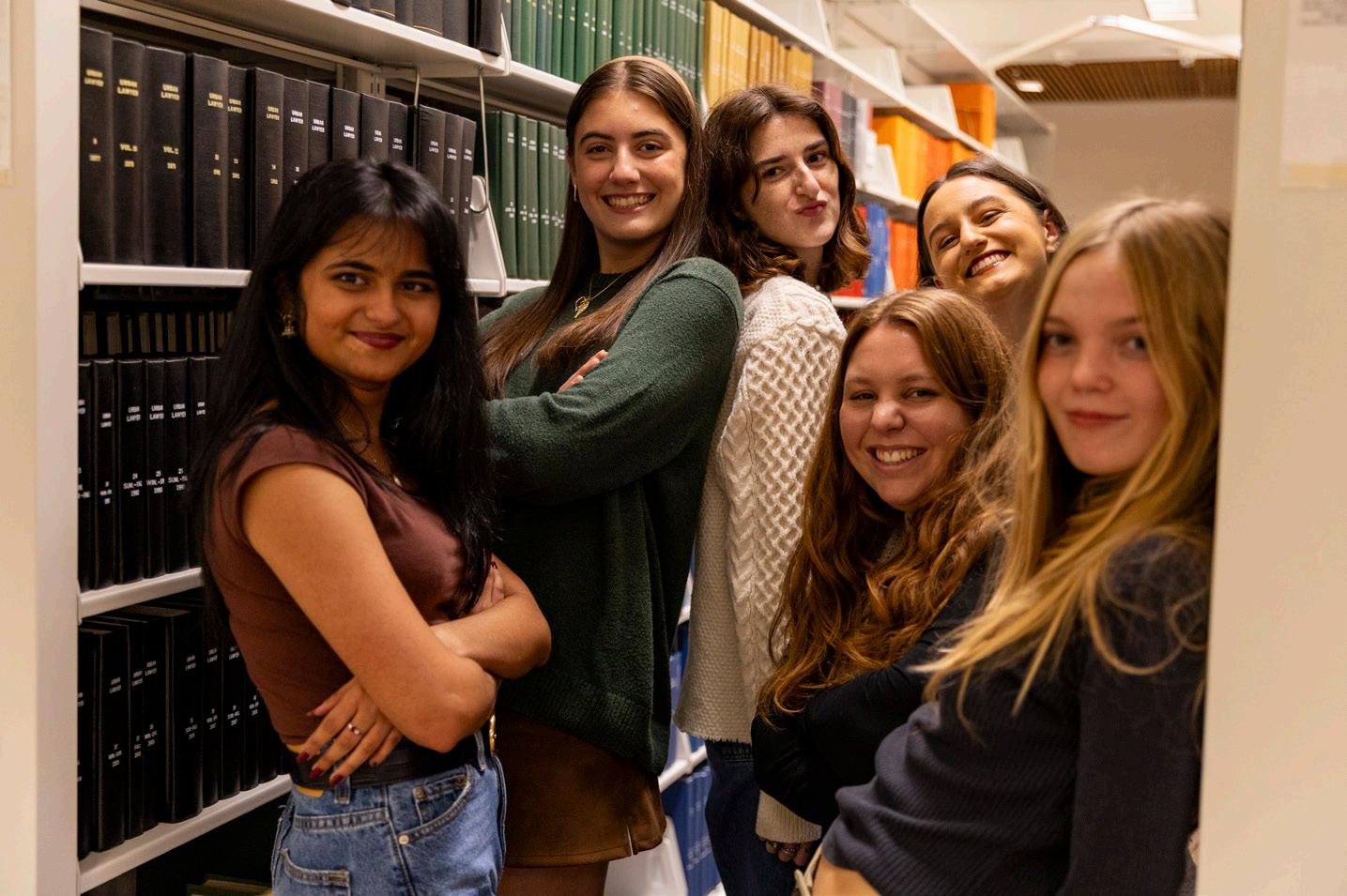
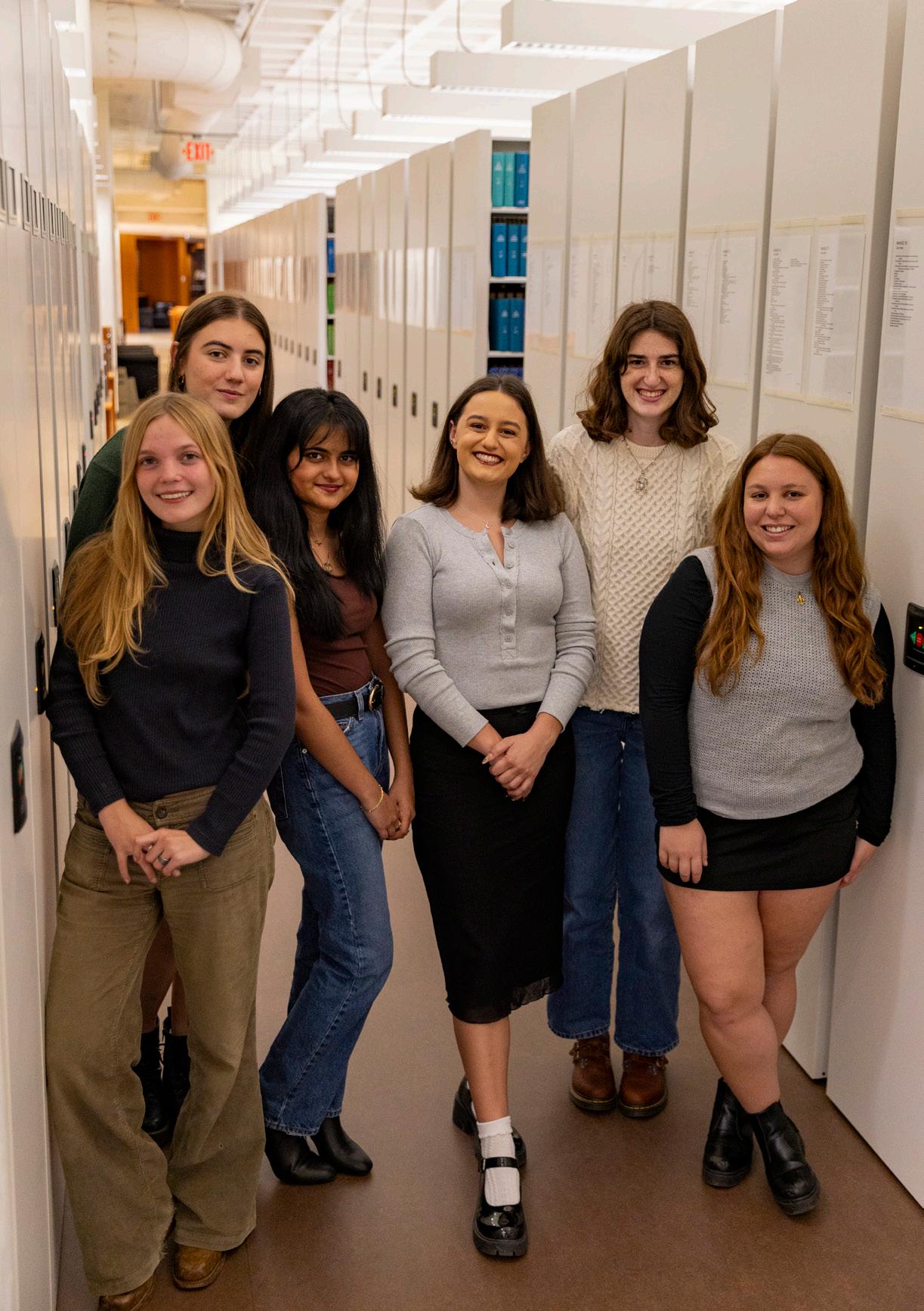
ank you to my amazing sta who have spent hours working on this issue and supporting me. I had three new sta members join this year and what a joy it has been to get to know them and be able to call them my friends. Olivia, Audrey, and Sia, thank you for the excitement and love for e Yard you brought to the team this semester. I am overjoyed I get to do it again next semester with y’all. Julia, it is an honor to be able to work on another issue with you. I cannot wait for our fourth one in the spring. Finally, Charlotte. ank you for being a constant person to lean on and to calm me down. I love watching you work because your capacity for creativity inspires me.
ank you Melissa, Zina, Ethan, Slade, and Addison for being the best Cistern Yard Media team ever. Mila, thank you for being someone I can go to for advice with this role. I hope I do the same for you.

ank you to my family for supporting me through this tough semester. ank you to my mother who has sat on more FaceTime calls than I can count, and my dad who never doubted me since learning I would be stepping into this role. ank you to my friends who probably feel like they are making e Yard with me for how much I talk about it. ank you Addi, Mitzie, and Cameryn. ank you to my boyfriend for listening to me anxiously babble on for hours as I attempt to put my thoughts together. ank you to all the volunteers who showed up week after week and brought so many ideas each time. I deeply appreciate your trust in my team and I with your work.

Finally, thank you to whoever picks up this issue. I take deep pride in that I am involved in something that values creativity and individuality. As college students, we can often get caught up in homework, essays, and exams. It might even be tied into your identity and how you see yourself. It is imperative we take a step back every once in a while. For what is life without art? I hope I can o er you an outlet for imagination and pleasure while you take that much needed break.

ank you for reading and I hope you enjoy!

Contributors

Writers
Julia Bianchi

Laura Darby

So a Edwards

Josie Elia

Aidan Hylen

Emilie Lynch

Lauren Martin


Jack Mazur
Ava Jack

Ava Nightingale

Photographers
Eliza Bell
Bree Ellis
Olivia Lytle
Jack Mazur
Rebekah Neussl
Charlotte Ottaiano

Audrey Palmadessa
Sia Sharma

Jack Simon

Models
Ellis Dillard
Niamh Nixon


Layout Designers
So a Edwards
Caz Kopf
Olivia Lytle


Caroline Callahan


Charlotte Ottaiano
Audrey Palmadessa
Sia Sharma
JP Zeeh
Ci ern Yard Magazine






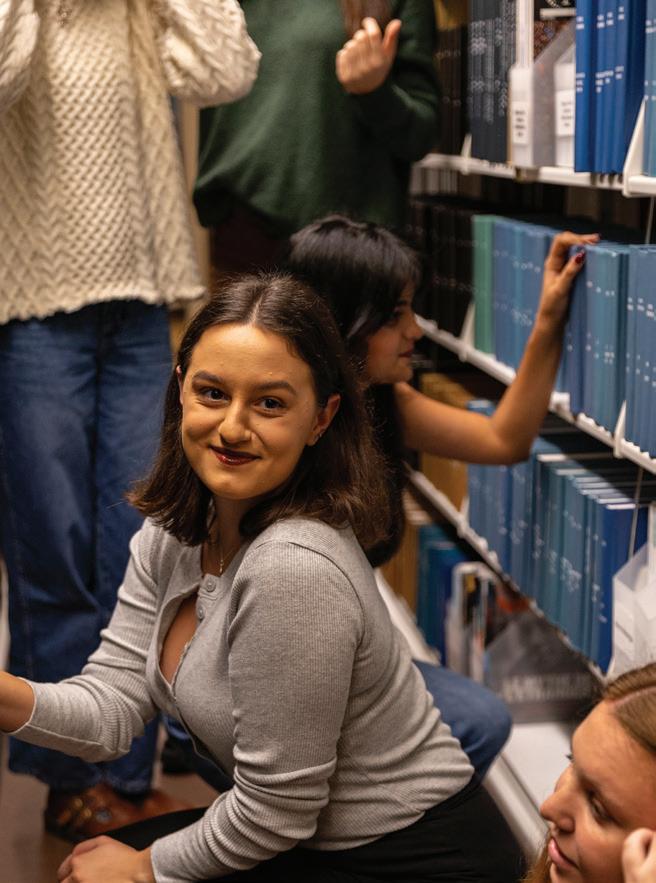




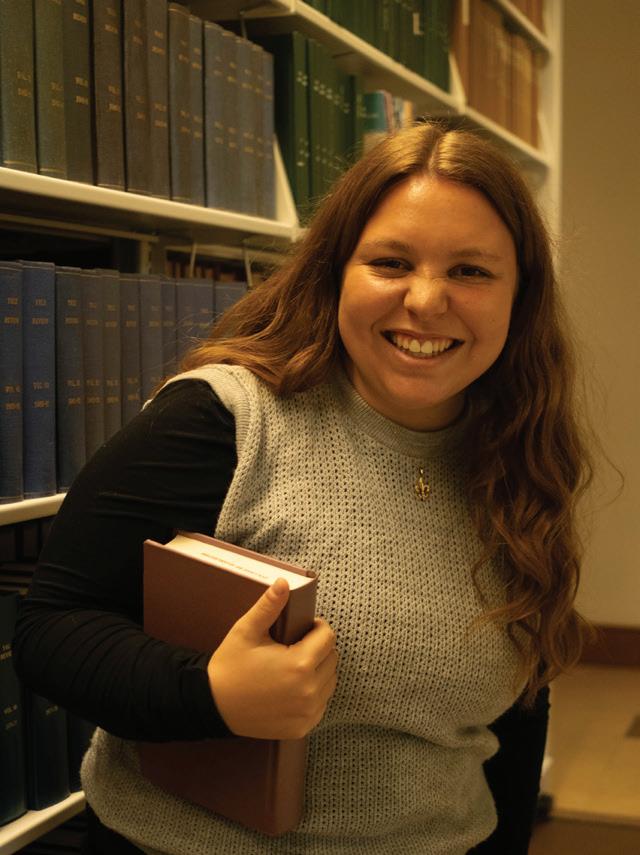

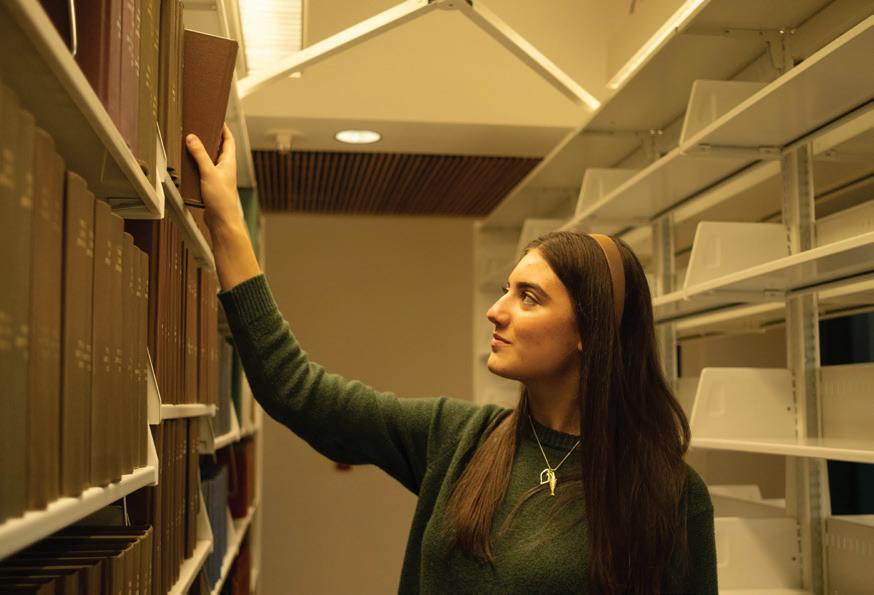






Caz Kopf Editor in Chief
Julia Bianchini Managing Editor
Charlotte Ottaiano Creative Director
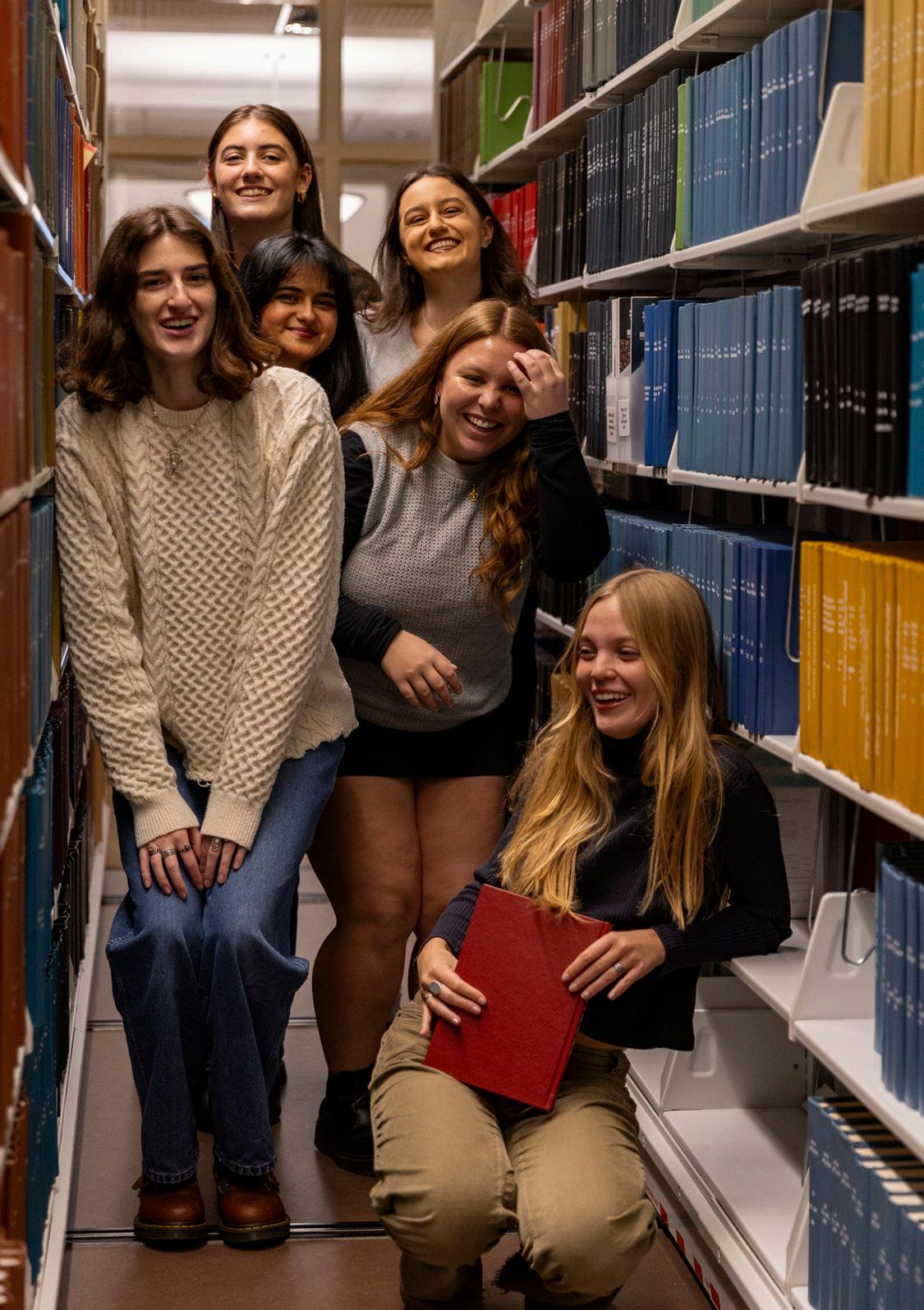
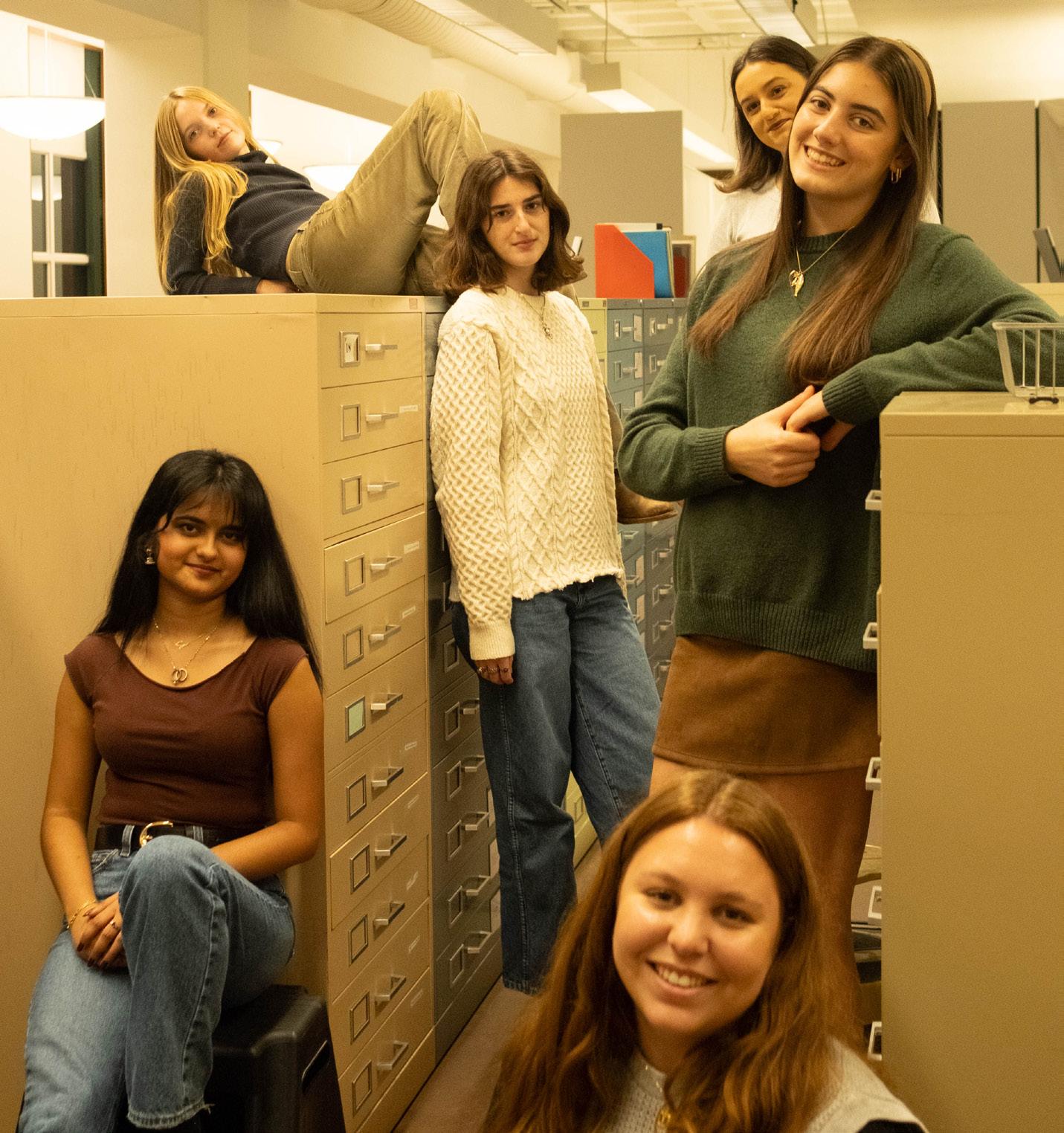
Meet The Staff



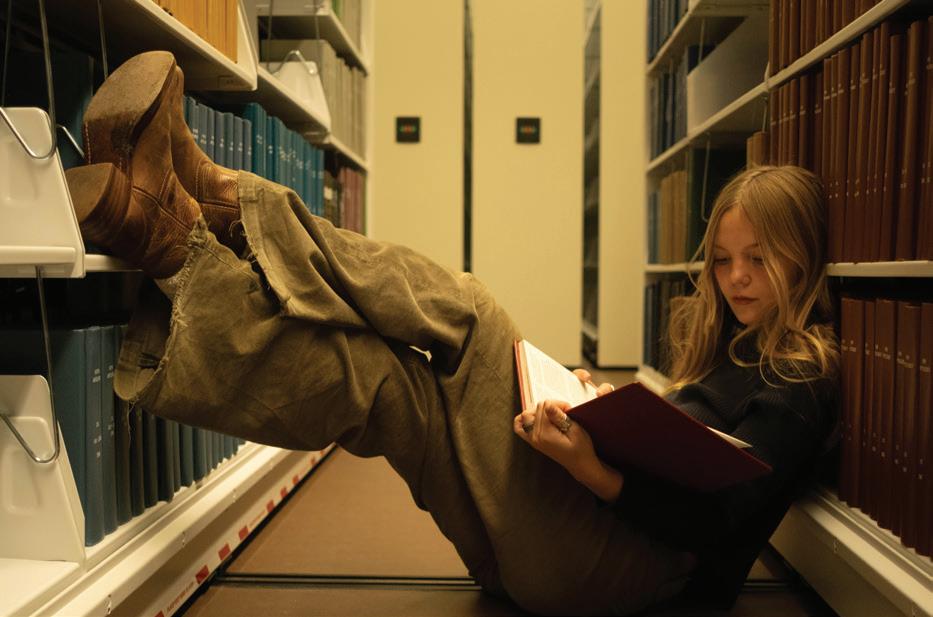




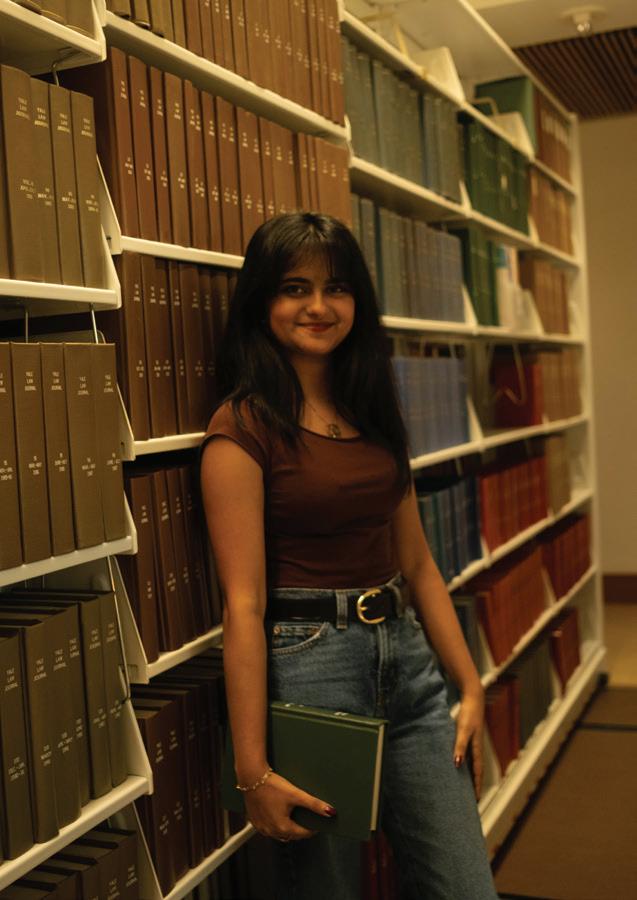





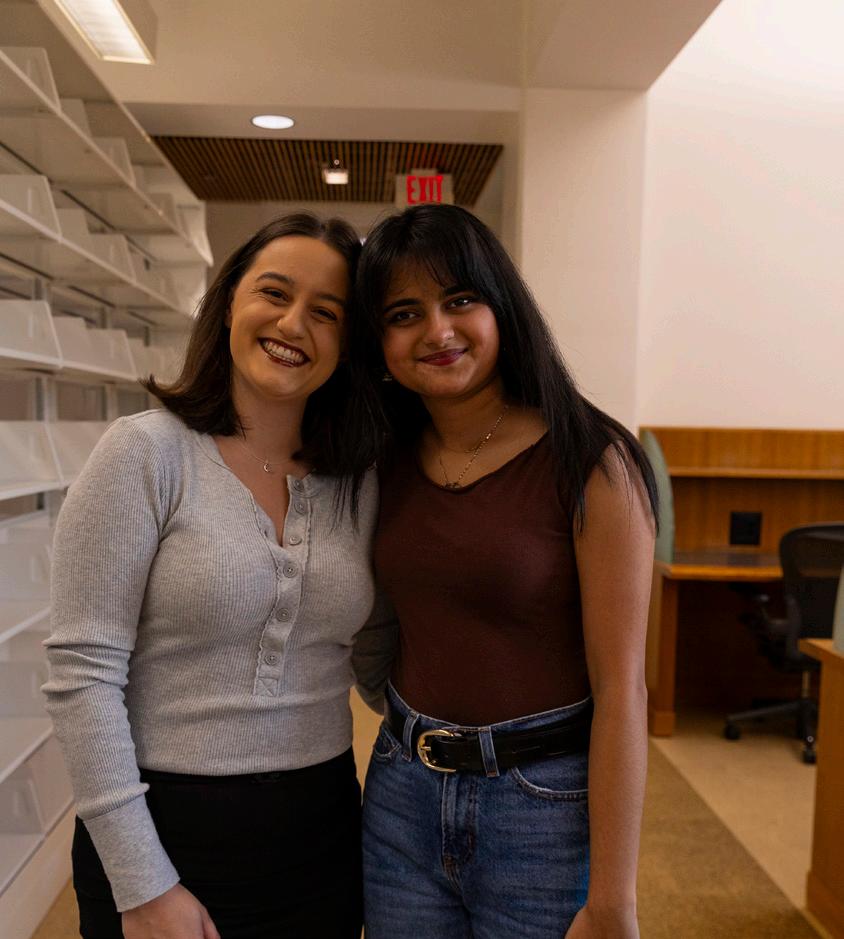
Olivia Lytle Head of Photography
Sia Sharma Opinions Editor
Audrey Palmadessa City and Campus Editor


Fa Things to do in a Beach T n
By: Laura Darby


Many think living in a coastal beachy town will leave you without the cozy and spooky aspect of the fall season. I am here to say they are far from the truth. While Charleston can be seen as a year-round beach town, I see it as a city with many hidden gems. From the homey co ee shops to the white picket fenced town houses, Charleston brings a type of fall spirit that all enjoy.
Speaking of co ee shops, Kudu, e Rise, and Island Provisions - to name a few – bring the fall avor right to Charleston. Whether it be a pumpkin spice latte from Island Provisions or a “maple latte” from e Rise, they all bring the ‘fall feel’ one needs to thoroughly enjoy the autumn season. While you are enjoying that cup of joe, you can go ahead and nd a seat outside to enjoy the nice coastal breeze. Here in South Carolina the average temperature gets around 80 degrees in October, which is the perfect temperature to enjoy while not getting too hot or too cold.
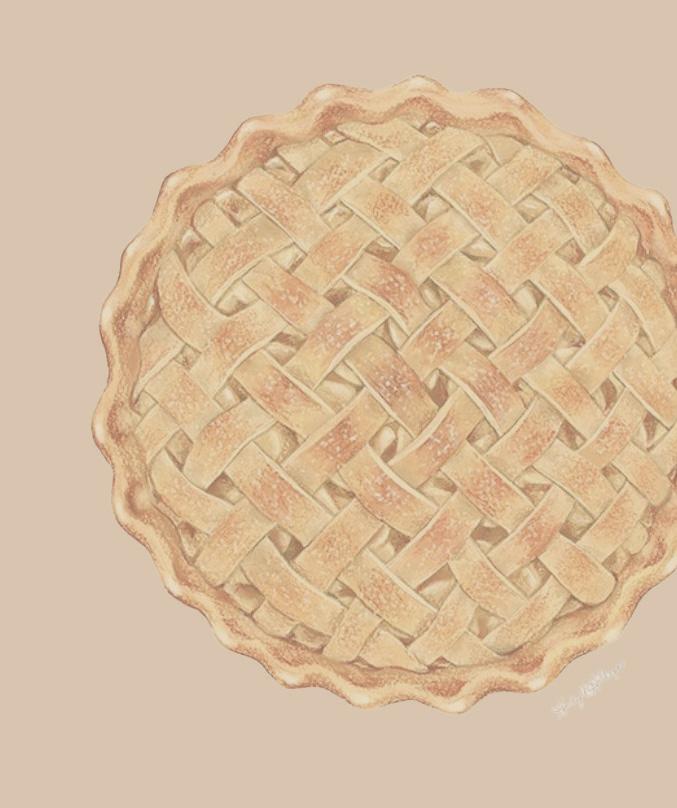
One thing the holidays bring is lots and lots of baking. Baking supplies and ingredients can be found at any local grocery store. If you aren’t up for the challenge that baking usually entails, there are plenty of bakery’s around the area that make some delicious fall treats. Sugar Bakeshop Charleston is a bakery located on Cannon Street. eir fall menu includes a smore cake made of graham crackers, toasted marshmallow topping, and chocolate in between the layers. ey are best known for their homemade cupcakes. ey even have an apple spice cupcake for the fall season, which is an apple cupcake with warm spices, pecans if you choose, iced with caramel or cream cheese frosting, and nally topped with caramel crumble around the sides. ey’ve also recently been experimenting with cake pops.

e best thing about a beach town in fall is that you don’t have to wear layers to go out and enjoy those fall activities. Dreaming Farms Pumpkin Patch and Christmas Trees is located in Charleston about 4 miles from the college campus. eir motto, ‘Charleston’s Countryside Escape’, says it all. You can buy pumpkins big and small for your home, and they even sell porch decor such as corn stalks and bales of hay. ey o er free parking along with free admission and are open every day of the week. When Christmas rolls around, they’ve got you covered as well.



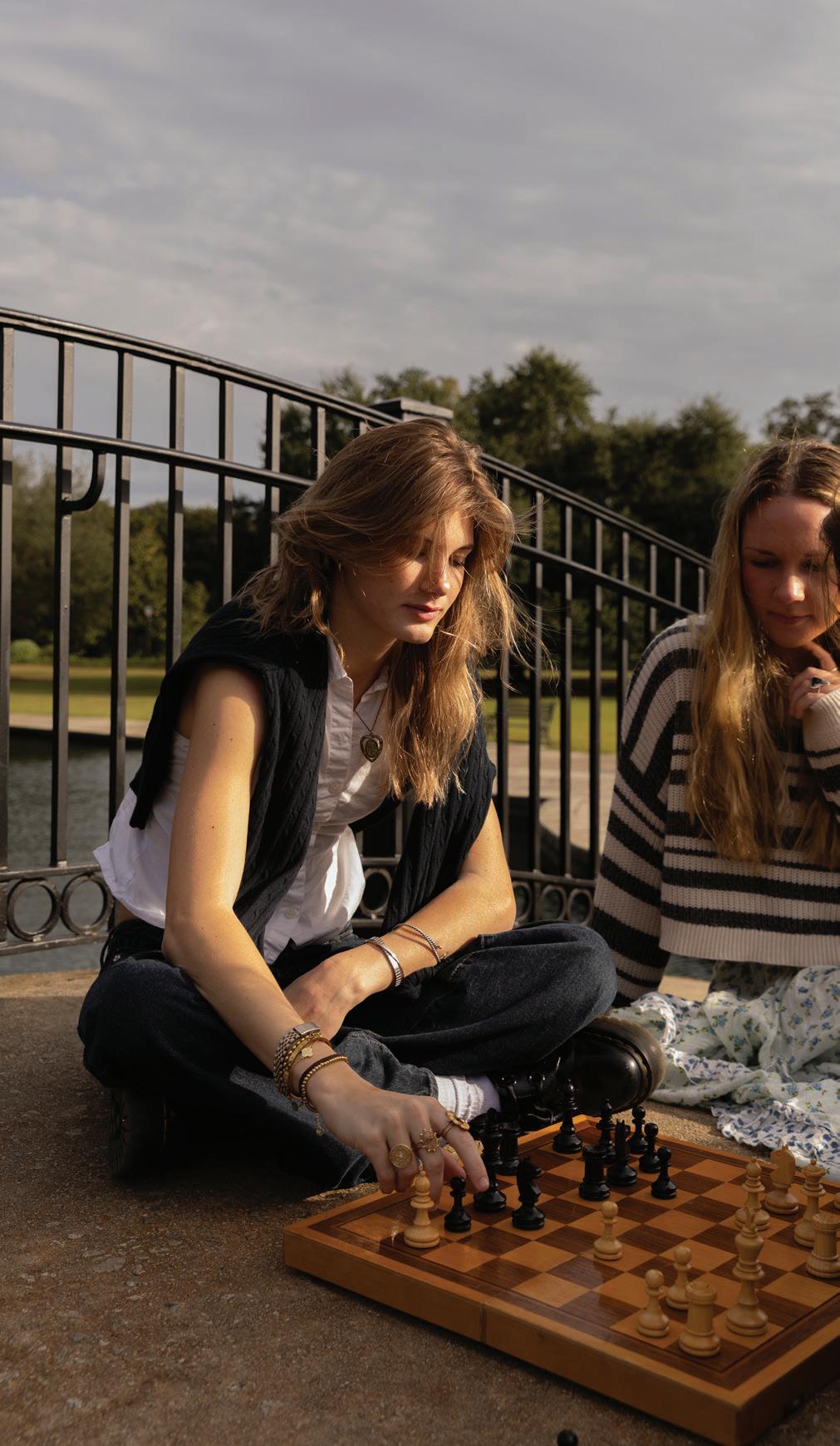
Charleston is most known for how expensive living here can be. So, it is important to nd free things to do around the wonderful city. Walking around and observing the fall and Halloween decorations costs nothing. e streets around Colonial lake and the houses along the battery are always top notch. e white picket fences will be draped with spider webs and steps will feature pumpkins of di erent shapes and sizes. Some even go all out with blown up creatures and di erent colored lights. Walking around Charleston at dusk is best for this activity. It is cool and the at city of Charleston makes it easy to get around. Some think when the weather gets colder, the beaches get empty. is is not the case with Charleston. Grab a towel or blanket and head to the coast. You may need a jacket or a pair of sweatpants because of the windy conditions. You can play a game of cards or a board game, or even cozy up with a nice book as you watch the sun set on the horizon. To make it feel even more like fall, you can always turn on a Halloween or autumn feeling movie on some sort of device. is way you have both the beachy and fall aspects of the city and season. When Harry Met Sally is a fall favorite if you’re looking for a romcom, while Hocus Pocus follows more of a whimsical theme.




https://www.sugarbakeshopchs.com/ https://dreamingfarms.com/ https://www.facebook.com/kuducharleston/



Autumn in a Cup: The Search f the Be Fa La e


Kudu C fee and Craft Beer
By: So a Edwards
Rating:


Kudu’s spin on a classic pumpkin spice latte ranks highest in this list due to its delicate and natural pumpkin and cinnamon blended taste. My personal favorite - Kudu is a very short walk and perfect for your autumn co ee craving. ey have multiple fall avors ranging from a classic pumpkin spice to a compelling apple crisp. I constantly nd myself back in Kudu’s outdoor garden with a pumpkin spice latte. (Pro tip- Adding oat milk to their PSL makes the drink all that more fall avorful!)
The Rise Rating:
e Rise features 3 fall specialties: maple cinnamon latte, brown sugar chai, and the classic PSL. eir pumpkin spice latte didn’t WOW me, but still solid. It had more a subtle pumpkin avor even when adding an underpowering almond milk. is spot also features a perfect outdoor seating area to enjoy fall foliage (big plus!).
Carmea’s Cafe and Dessert Bar
Rating:
Carmella’s had by far the most intruiging specialty latte; a buttered bark latte, which consists of 2oz espresso, pistachio milk, and praline syrup. While it may sound daunting, this latte was extremely high quality and reminded me so much of autumn avors. De nitely give Carmella’s a visit if you are feeling like taking a break from the traditional fall lattes.
The Nook Tiny Cafe
Rating:
e Nook is new to the Charleston area and really made a name for themselves with their fall menu. I got an oat-milk pumpkin spice latte, and while it was a solid latte, it did not compare to their apple cider donut. e fall avors at the Nook make them worth the wait, but I don’t recommend choosing it unless you are gonna pick up a hot and delicious donut!

The Bitter Side of the Coffee Industry
By: Aidan Hylen
ere’s no better feeling than taking that rst sip of your morning co ee. After a late night spent cramming for an exam or partying with friends, it provides a much-needed boost of energy to begin your day. For some, it’s more about the routine than the ca eine itself. For others, co ee shops serve as a place to study or gather with others. ere’s one thing that’s certain though – we are addicted to co ee. Globally, an estimated 2.25 billion cups of co ee are consumed every day. In America alone that number is 400 million, with 66% of Americans drinking at least one cup a day. is year, the co ee industry has already generated $486 billion dollars, with industry giants like Starbucks and Dunkin’ selling millions of cups every day.



It’s clear that we love drinking co ee. But have you ever thought about the process that brings the co ee to your cup? Can you say where your co ee was grown, and if the workers who harvested it were paid a fair wage? e co ee industry today is plagued with many ethical concerns. From using pesticides harmful to the environment to child slavery, there are many abhorrent practices behind the scenes that help the billion-dollar industry function. In what follows, I will highlight issues in both the environmental and labor ethics of the growing and harvesting of co ee and explain how we as consumers can avoid supporting these unethical practices while still enjoying our daily dose of ca eine.
Environmental Issues
Co ee is an extremely di cult crop to grow. It requires nutrient-rich soil, warm temperatures year-round, at least 3 feet of yearly rainfall, and the right balance of sun and shade. Because of these precise conditions, 70% of the world’s co ee is grown in a region known as the co ee belt, which falls between 23.5 degrees north and south of the equator. Most of the world’s rainforests lie in this region, and their nutrient rich soil and tropical climates provide the perfect environment for growing co ee. However, in order to maximize production to keep up with demand, farmers clear these rainforests to make way for co ee plantations. is makes co ee a huge contributor to global deforestation, an estimated 5% of which can be attributed to co ee production alone. While that may not seem like a lot, that’s tens of millions of acres of rainforest gone! And this deforestation is just the beginning of the co ee growing process.




Many co ee plantations use a technique called monoculture, which means that co ee is the only crop they’re growing. While this seems like a natural choice if you’re looking to grow as much co ee as possible, monoculture heavily degrades the soil quality of an area. Over just a few short years, the land won’t be able to produce the same yields. Eventually, it can become completely infertile. Another issue with co ee monocultures is that pests like Co ee Borers and

and Mealybugs can easily wipe out an entire crop. To counter this, farmers spray pesticides and other chemicals. But (you guessed it!) these chemicals pose their own threats to the environment and human health. Pesticides can runo during heavy rainfalls, contaminating the surrounding soil and leaching into groundwater sources. is e ectively renders the land unusable for growing co ee. Additionally, the workers who are constantly exposed to these pesticides can develop neurological disorders such as Alzheimer’s and brain cancer.

Not only do these unsustainable farming practices directly a ect your ability to consume co ee, they a ect your health too. e more land is rendered unusable by co ee monocultures, the less co ee is able to be grown. is means that the price of your morning latte may increase dramatically in the near future. What’s more, the pesticides and chemicals aren’t simply removed from co ee plants once they’re done growing. Studies show that traces may still exist in commercial co ee even after it’s done being processed. In other words, you may be unknowingly putting yourself at a higher risk of developing neurological diseases.
ere’s one more huge environmental problem with co ee, and it doesn’t have to do with its production but the way we consume it. If you haven’t guessed, I’m talking about K-Cups. ese plastic pods are designed to be used once, usually only making a single cup of co ee, then thrown in the trash. ey’re neither biodegradable nor recyclable, which means they pile up in land lls by the billions. is hits close to home for many of us college students (myself included) who drink co ee everyday but don’t need to make an entire pot. K-Cups


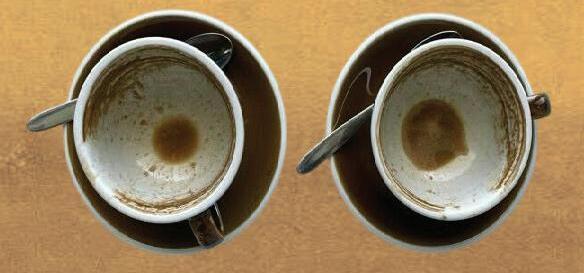
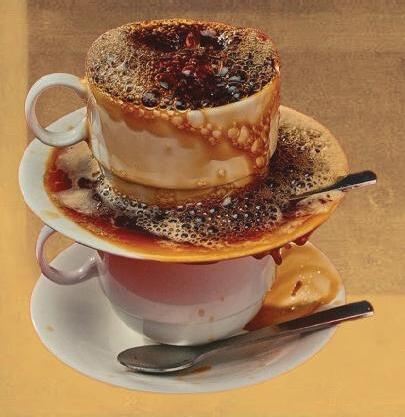
o er a quick and easy way to get our co ee during our morning rush without wasting water and co ee, which is a good thing. So, what alternatives exist to curb our plastic waste without wasting co ee? Keep this question in mind for later. For now, let’s move on to the labor issues in the production of co ee.
Labor Violations
Environmental issues aren’t the only ethical concerns raised by the co ee industry. ere are also many well-documented cases of human rights violations that raise alarms.

Besides requiring extremely speci c growing conditions, cultivating co ee also requires intensive labor. Many farms force laborers to pick co ee by hand for up to 14 hours a day in extreme heat. Additionally, since co ee is only harvested for a few months out of every year, jobs tend to be seasonal. A lot of this labor is done by undocumented workers who travel across borders just to support their families. is results in little job security for these people, forcing them to accept worse conditions without any bargaining power. Many co ee laborers get paid a miniscule wage of $3 US per day for their backbreaking work. Employers may even withhold wages from workers altogether.

Poor wages and horrible work conditions aren’t the only problems workers in the co ee industry faces. Child labor is also an extremely common practice in many large-scale growing operations. According to a 2012 study published by the US Department of Labor, there were 34,131 children at work on co ee plantations in Vietnam alone, of which over 12,000 were under the age of 15. at’s roughly equal to the entire population of the Charleston peninsula. is issue isn’t limited to Vietnam either. Brazil, Colombia, Costa Rica, Guatemala, and the Dominican Republic are just a few others among the 17 countries that have been documented to use child labor in co ee production.


Modern-day slavery is commonplace on co ee plantations too. is can manifest through multiple ways. In some cases, employers bring workers to remote farms and take their documentation, stranding them. In others, workers are given money up front but told they have to work to pay o what they owe. rough a combination of low wages and high interest rates, paying o these loans becomes impossible.
Gender inequality is yet another issue in the co ee industry. An astonishing 70% of labor in co ee production is done by women. Yet, in many of the largest producing countries, these women don’t have access to the same resources as men that are integral to co ee production. Women are more likely to own smaller farms, have a harder time accessing government subsidies and loans, and obtain education on the best practices for coffee growing. is translates into less money earned at the market, making it harder to support the household. While this gender gap may not be a violation of any labor laws, it is unfair to women who are the backbone of the global co ee industry.
All of these labor violations and unethical practices are regularly uncovered by inspectors. Yet huge companies such as Nestle, Dunkin Donuts, Starbucks, and McDonalds continue to ignore these issues in their supply chain. Why? Because addressing it would cause them to lose pro t. is should be cause for outrage in us co ee drinkers. Is there really no way to have our daily cup of co ee without indirectly supporting child labor? Fortunately for all of us, there is a way to continue getting our ca eine without compromising your morals.
certain labels that can help identify these brands. Probably the most well-known of these is the “Fair Trade” label. is is granted to companies a er third-party organizations conduct supply chain audits, ensuring that farmers are being paid a fair price for their co ee. Fair trade certi ers also look for companies that treat their laborers and the environment well. Another label to look out for is the “USDA Organic” seal. Similar to Fair Trade, this means that the producers adhere to strict environmental and labor standards. For example, chemical pesticides are not used in the growing of USDA Organic co ee, making it better for both the environment and your health.
How to Practice Ethical Co ee Consumption
It’s unlikely that any of you reading this can change co ee growing practices worldwide. But we CAN choose who we give our money to. e rst way we can practice ethical consumption is by not supporting companies like the ones I mentioned above. As di cult as it can be to give up our daily Starbucks or Dunkin, there are many alternative brands that taste just as good without relying on child labor and deforestation. Luckily for us, there are
Besides looking for these labels, you can also support local co ee roasters. Besides providing co ee that is fresher than what any chain o ers, they are o en committed to sustainability. ese shops are o en committed to ensuring that they co ee the provide is ethically sourced. It is not uncommon for them to form relationships with small farmers directly, bringing you elegant tastes from around the world while allowing you to support a good cause. In Charleston, shops such as Second State, King Bean, and Mudhouse all roast their co ee locally and are committed to sourcing co ee from small farms with sustainable practices.
ere’s one more way that we can be mindful as consumers of co ee. Remember those pesky K-Cups that I mentioned earlier? ey act as a major source of plastic pollution. e good news for us college students is that there are alternatives that allow us to make just one cup of co ee without wasting plastic. e rst is reusable K-Cups, which you can buy and re ll with your own co ee grounds every time you go to make a cup. e second way is buying compostable K-Cups, which are biodegradable in soil. You should be able to nd both of these options at any supermarket near you.
One thing to be wary of when looking for ethically sourced co ee is greenwashing. is happens when companies intentionally mislead customers to think
that their product has positive social and environmental impacts when in reality this is false. A prominent example of this is Starbucks commitment in 2018 to eliminate plastic straws from all of their stores, favoring strawless lids instead. In reality, the new lids use more plastic than straws did in the rst place, doing nothing to cut down on pollution. To easily avoid this, I recommend doing some quick research on the company you are planning to buy from to check if they’re really
I know that all of this information can seem overwhelming. Of course, we as consumers can only do so much to prevent unethical practices in the co ee industry. e bulk of the responsibility lies with corporations, but that doesn’t mean that we can’t put pressure on them. It may require being a bit more mindful when shopping for your co ee, but you receive the peace of mind knowing that you’re making a positive change through small actions. Happy brewing! committed to sustainability like they claim.

the Cure to
Romanticizing Boredom is Our Social Media Addiction
By: Emilie Lynch
Is anyone ever truly bored anymore? When we were kids, we cured our boredom with our overactive imaginations that made up obscure games on a eld trip school bus and inspired us to play in the dirt with worms and bugs. Hundreds of years ago, philosophers, artists, and authors alike had so much time on their hands that they discovered gravity and painted the Mona Lisa. ey had nothing else to do but sit deep in their thoughts and create something no one had ever seen or thought of before.
Nowadays, there’s always a podcast to listen to, a TV show to binge watch, a million reels to scroll through, and even more tiktok trends to keep up with. Every noti cation is a dopamine rush, and social media is designed to keep you hooked onto the algorithm, providing you with loads of content that might semi-appeal to your interests. In a 2021 interview with Stanford Medicine, psychiatrist Dr. Anna Lembke explains that the internet and social media have become the society’s addictive substance of choice. Lembke outlines that using social media – like any drug – a ects our brain’s reward pathways, making us vulnerable to compulsive over-consumption and the craving to take in new information at all times (exhibit A: doomscrolling). We literally get a dopamine rush at the sight of potential new content; each noti cation is a gateway into a cycle of frying our brains for the hope of feeling a rush of excitement. As if it couldn’t get any worse, Lembke also explains that the constant comparison we are exposed to, whether that be the vacation your acquaintance went on for spring break or that party you weren’t invited to, sinks us into a deep depression and learned-helplessness. Basically, we become so overstimulated that we don’t know how to stop seeking more dopamine- lled information, and therefore stay hooked to the depths of the internet with no escape.
We also just don’t have time to be bored anymore. As Harvard Professor Arthur C. Brooks points out, we don’t know what to do anymore except pull our phones out of our pockets when we have 15 seconds to ourselves at a red light or waiting for a slow elevator. We’ve eliminated the concept of free time by keeping our brains constantly busy, and we never have moments alone to ourselves anymore.
Many people truly do have healthy relationships with social media and their phones (I envy them). But for me, and many people I know, feeling overstimulated, stuck, and constantly compared to others is the new normal. I had nally had enough of this and decided to do the unthinkable: quit Instagram and TikTok for a week.
I’m not going to act all high and mighty for doing this; I could’ve deleted every single social media app on my phone or simply thrown my phone into the ocean. Dr. Lembke even highlights that an entire month is needed to fully reset our dopamine pathways from our source of addiction, whether than be heroin or the internet. But, this was a rst step. And for the rst time in probably years, I actually felt bored.
e rst morning I woke up without a list of noti cations on my phone, I sat in silence. It was strange to be completely alone with my thoughts. But for that one week I didn’t have limitless access to social media, my perspective on how I should be spending my time changed. And that perspective shift is something I call romanticizing boredom.
I journaled, read the book that’s been collecting dust on my nightstand, and found myself literally having nothing to do. I actually sought out activities to do instead of accepting the truckload of information thrown at me via TikTok. I went on walks, made some crafts, and got all of my tasks and homework done in a reasonable amount of time with minimal feelings of stress.
When I have limitless access to social media, each of these things I just mentioned usually take me hours, days, and even weeks to get done. It gets to a point where brushing my teeth or going to class feels like a task to check o on the to do list, when these things should just be part of my daily routine. I feel accomplished when I watch a movie in full instead of scrolling through reels for 3 hours. And this feeling never makes me feel good about myself. But when I had enough of that cycle, put limits on myself, and romanticized boredom, I felt productive, self-assured, and less anxious. During my social media-free week, I would still sometimes nd myself picking up my phone and trying to scroll or get some sort of information from something (because my brain is wired to do this now). I would scroll though LinkedIn and Youtube as if they were the apps I deleted, to feel some sort of rush of taking in novel information. But this happened less and less throughout the week, as I got more and more used to not opening my phone every other minute. I realize now that I felt more in control of my own actions and thoughts than I had in a very, very long time.
Boredom brings back creativity, motivation, and arguably high self-esteem. When you’re bored, you’re forced to ask yourself what you really enjoy and what is getting in the way of your own productivity. You learn more things about yourself and therefore know yourself better. You try new things, make mistakes, and fail, which leads to growth as a person. Sitting alone with your thoughts for just 10 minutes can provide breakthroughs and realizations about your life that are prevented, suppressed, and numbed by the overstimulation of our phones and social media. We are so trained to be correct and rely on the internet to provide us with the right answers to basic situations and problems we encounter in everyday life. But when you’re bored, you’re more inclined to think outside of the box, create your own solutions, and produce original ideas.
Boredom is arguably the foundation for human connection. Without the barrier of technology, you strike up conversation with new and old friends and learn about di erent worldly perspectives. You laugh more, cry more, are confused more. You experience humanity when you are bored. Whether you realize it or not, boredom helps you create meaning in your life, instead of hiding away from it.
Now, some may point out that sitting alone with your thoughts for too long could cause isolation and worsening feelings of depression, or that a substantial percent of our society nds community through online interaction when they may not feel safe to do so in person. While it is true that no one should spend 100% of their time ruminating in their room alone, some introspection and boredom can be good for guring out how to better make use of your time that doesn’t include picking up your phone. Additionally, forming online communities is different from scrolling, since it creates senses of belonging and engagement that does not numb the mind with information overload. Whether online or in person, connecting with other people is still a healthy cure to boredom AND isolation. ink back to the very beginning of the COVID pandemic. Before society became even more phone-addicted, people were throwing socially distanced birthday parties, doing drive-by high school graduations, and hosting weekly Zoom game nights with friends and distant relatives. We piggybacked o of our boredom and used our creativity and craving for company to cope with a terrifying and unknown time in our lives. is is why we need boredom, and why we need to romanticize it.
e next time you nd yourself having nothing to do, whether that be waiting for a class to start or in line at a co ee shop, I implore you to strike up a conversation with the person sitting next to you. Try getting your roommates together for a “family” dinner and put all of your phones in the corner and make it a goal to have an interesting conversation. Sleep with your phone in a di erent room. Start a scrapbook or write a poem. Do something you’ve never done before. Make the time for it. It’s worth it – we owe it to our childhood selves and philosophers from 500 years ago.



1770 Records
By: Olivia Lytle
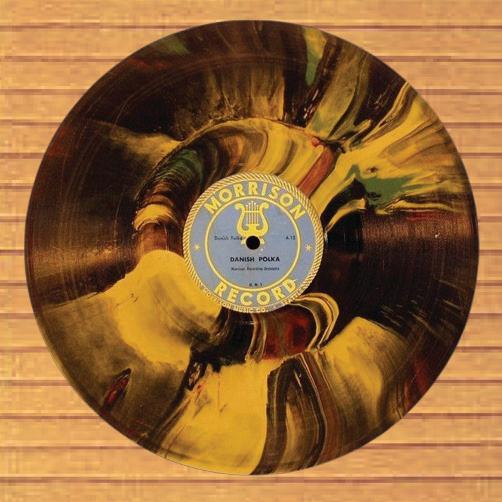
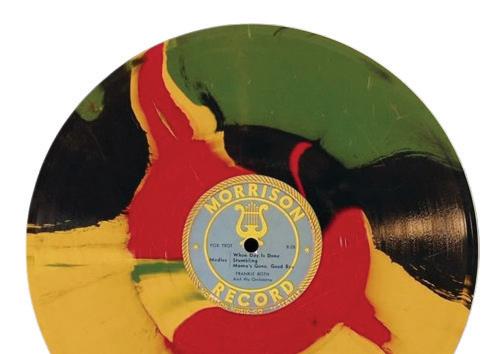
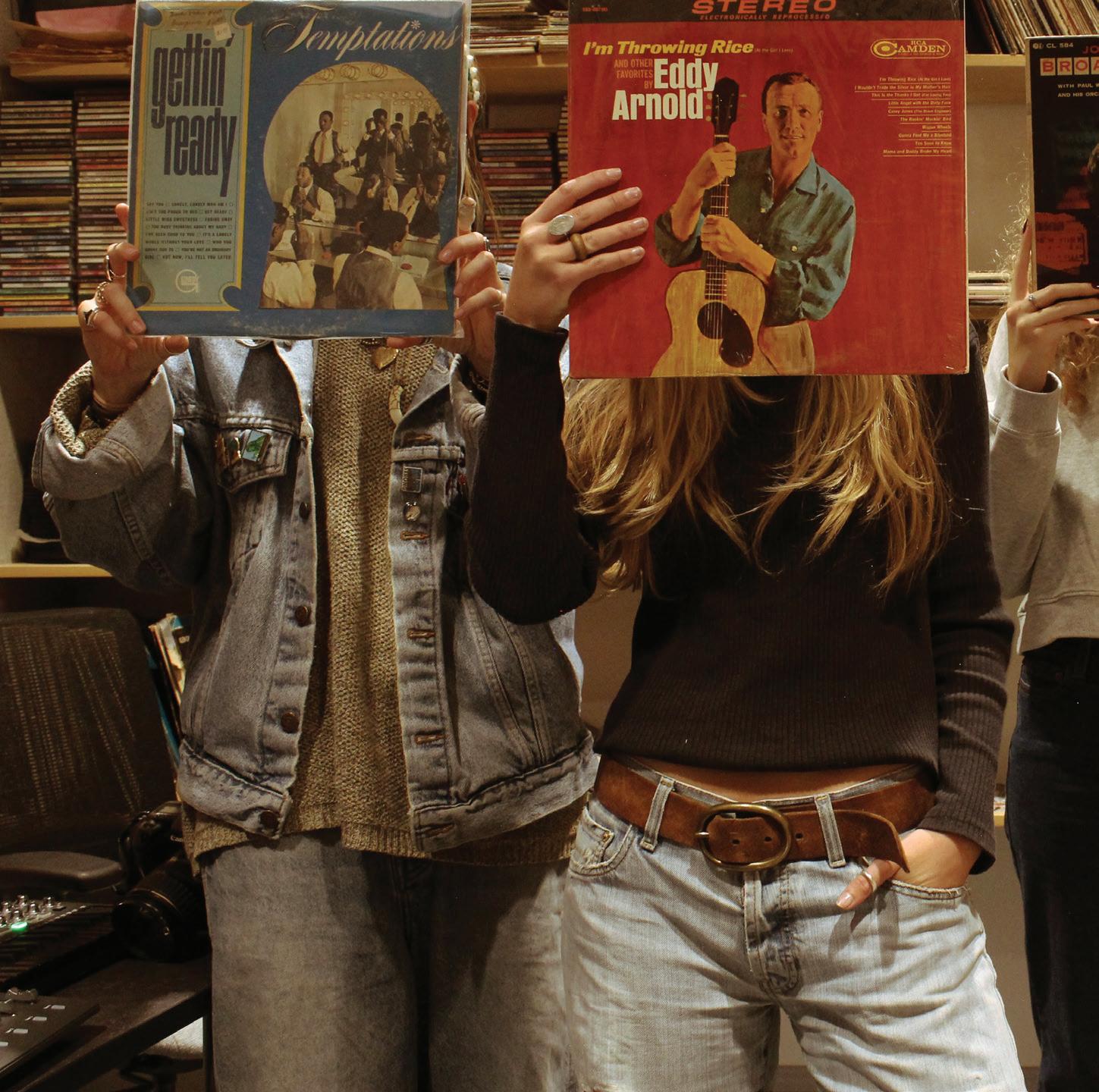
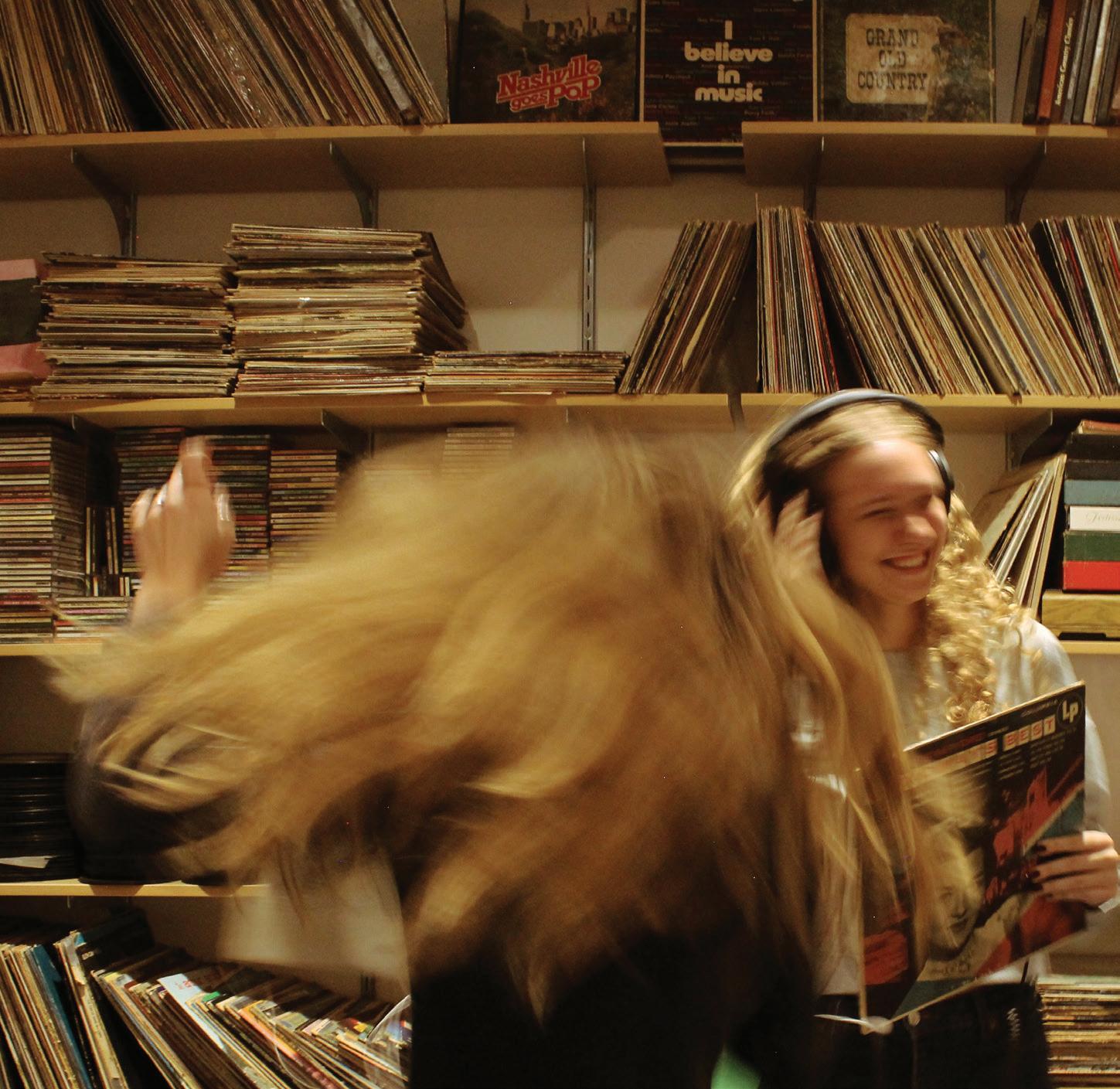
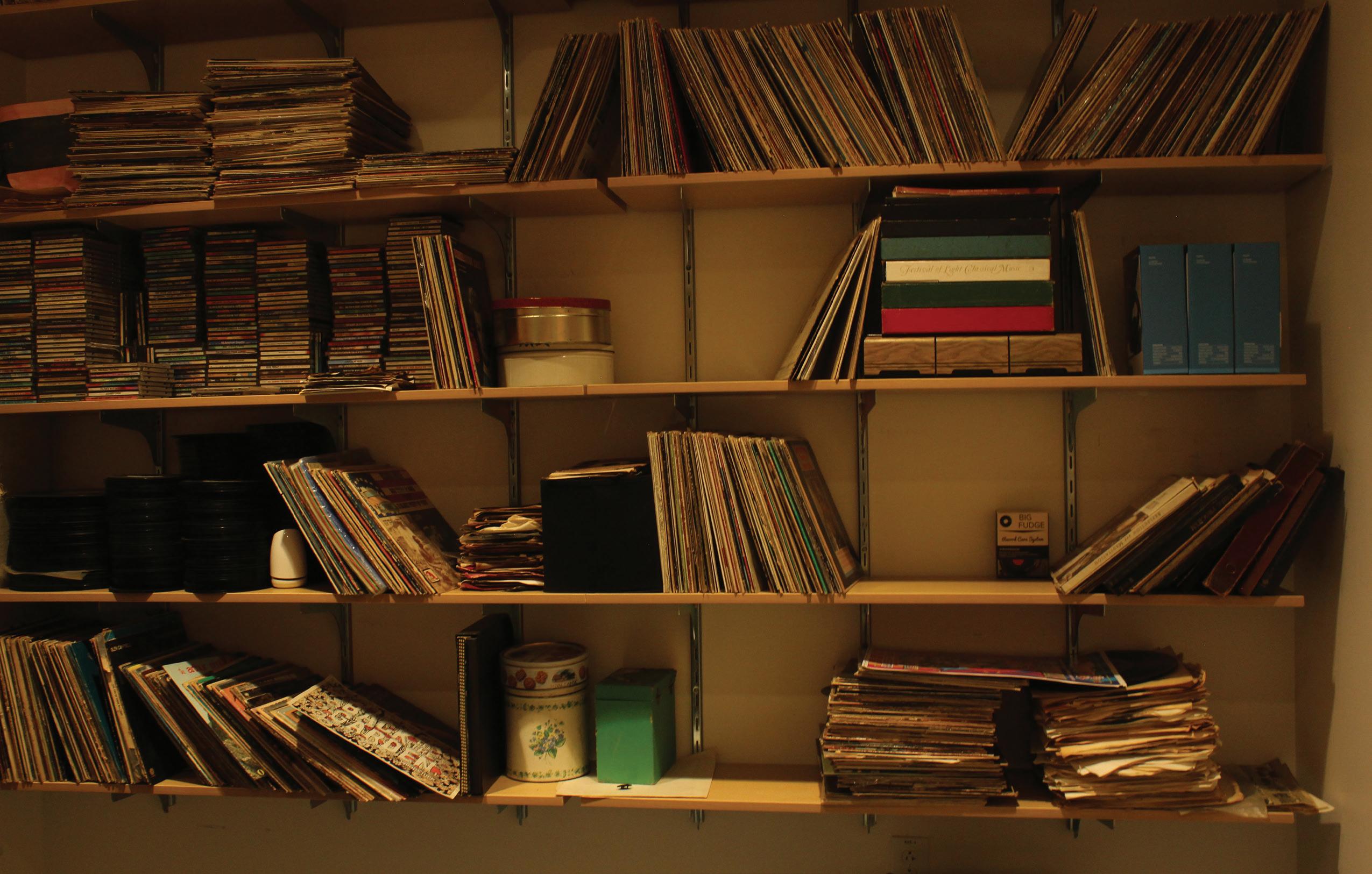
1770 Records is an independent record label operated by the students of the College of Charleston. Its mission is to nd and release quality music from a variety of artists while educating its student members in the ethical and e ective operation of a record label. Students collaborate directly with Charleston’s local artists to create oppurtunities for them to share their music to a wider audience. is includes promoting emerging artists, supporting the production of new music, and hosting events such as 1770 Records’ annual Boat Show. By providing students with hands-on experience in a city so deeply devoted to the arts, the College of Charleston’s 1770 Records empowers the next generation of industry professionals and strengthens the College’s creative community.
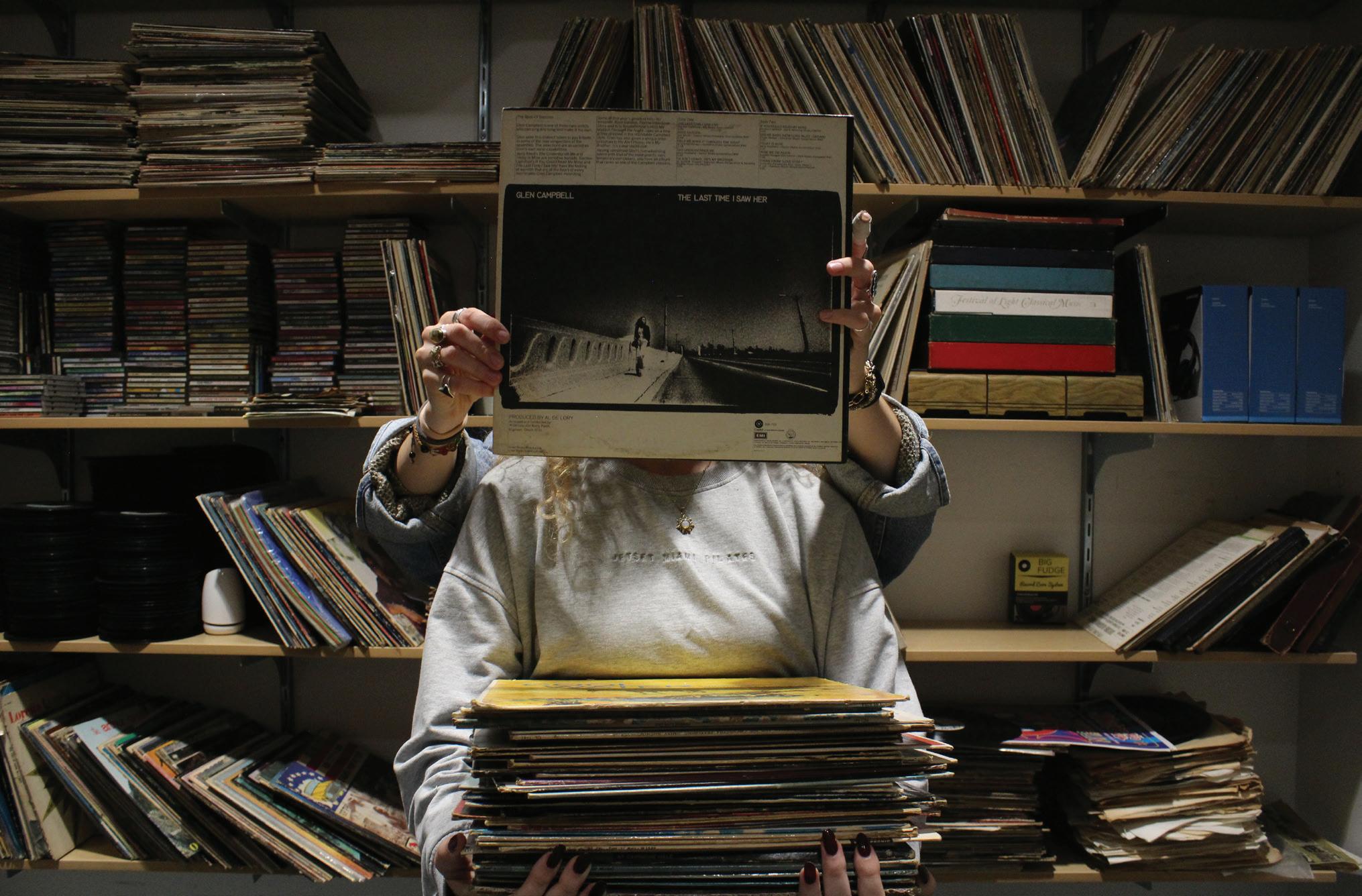
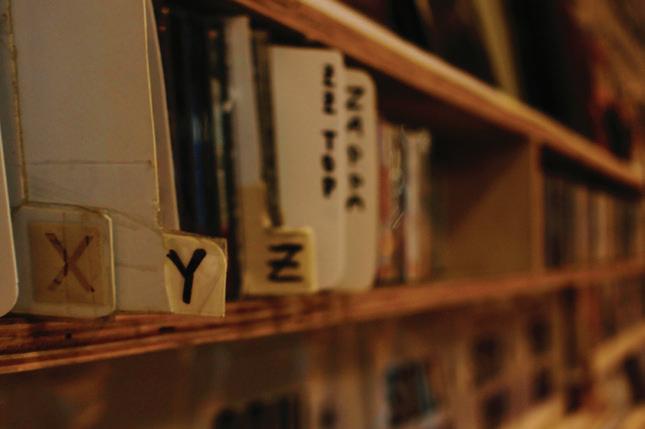
“1770 Records is a community of ambitious music lovers who are passionate about the Charleston music scene. We are entirely student-run and focus on giving rising artists the recognition they deserve while helping aspiring music industry professionals get an early foot in the door.” - Katie Horton, 1770 Records Publicist


Lost in the Shuffle
By: Jack Simon
“ e sense of community is the most essential element in building a better world“- Kenya Utalii College
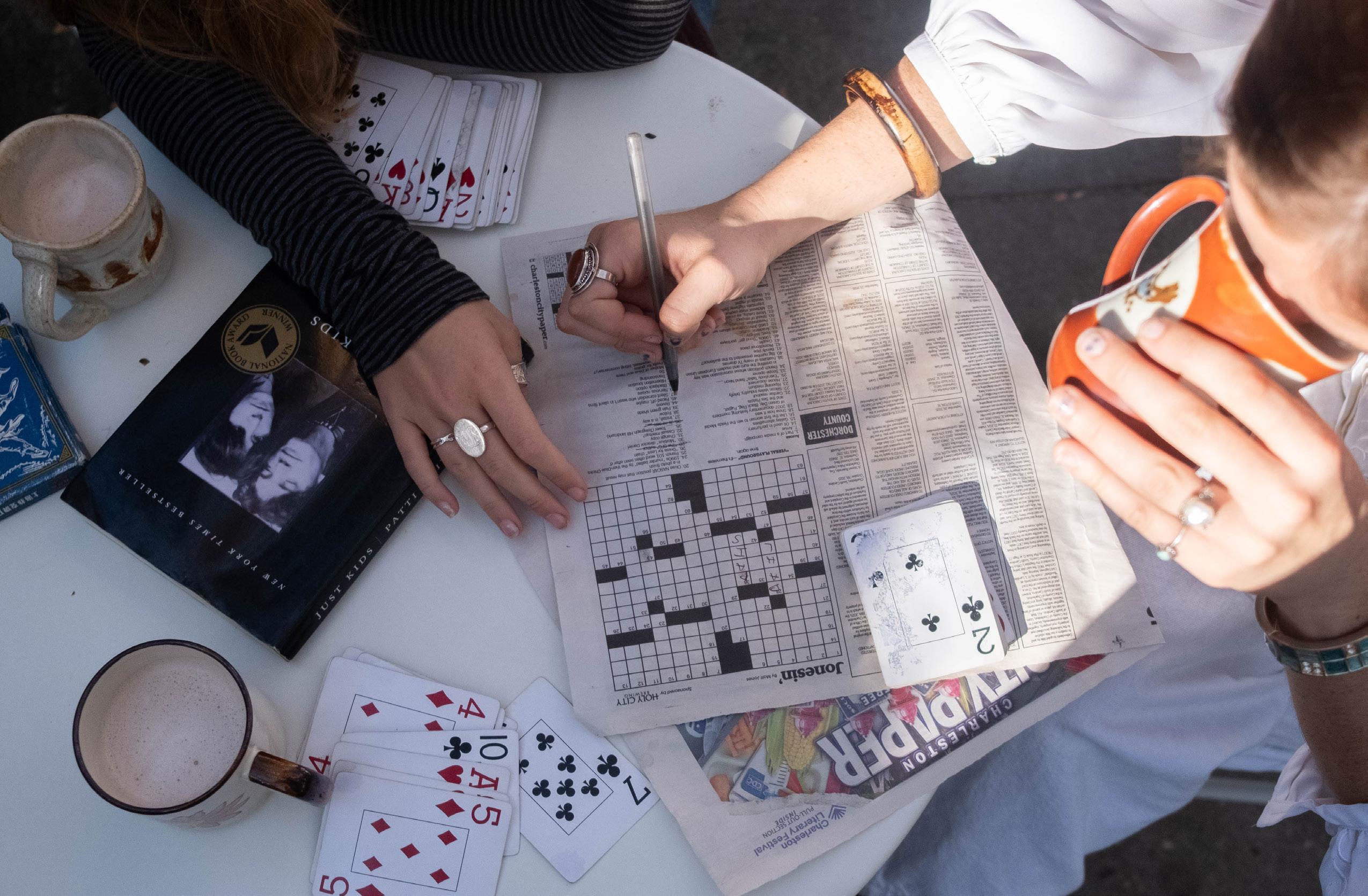
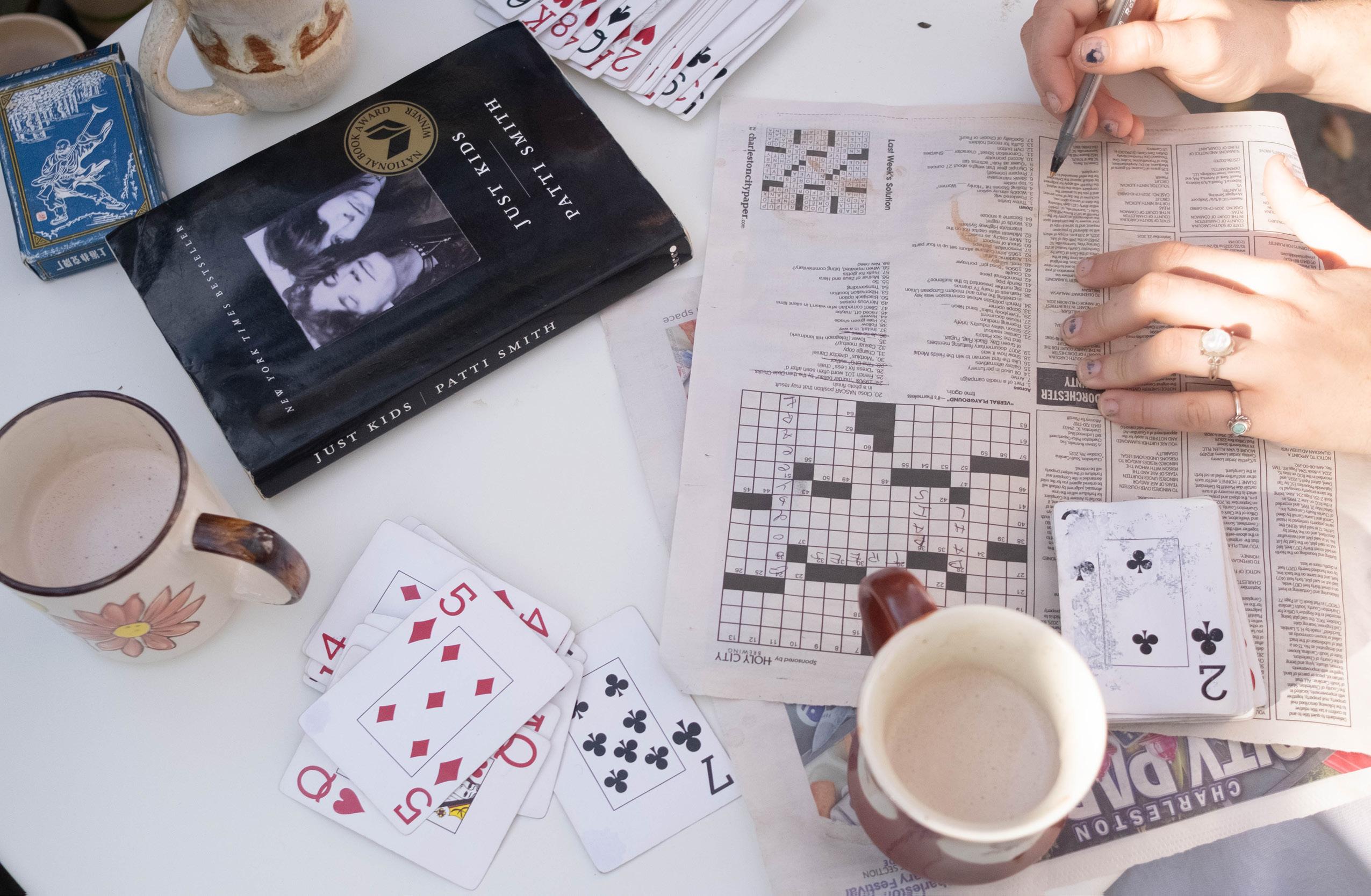
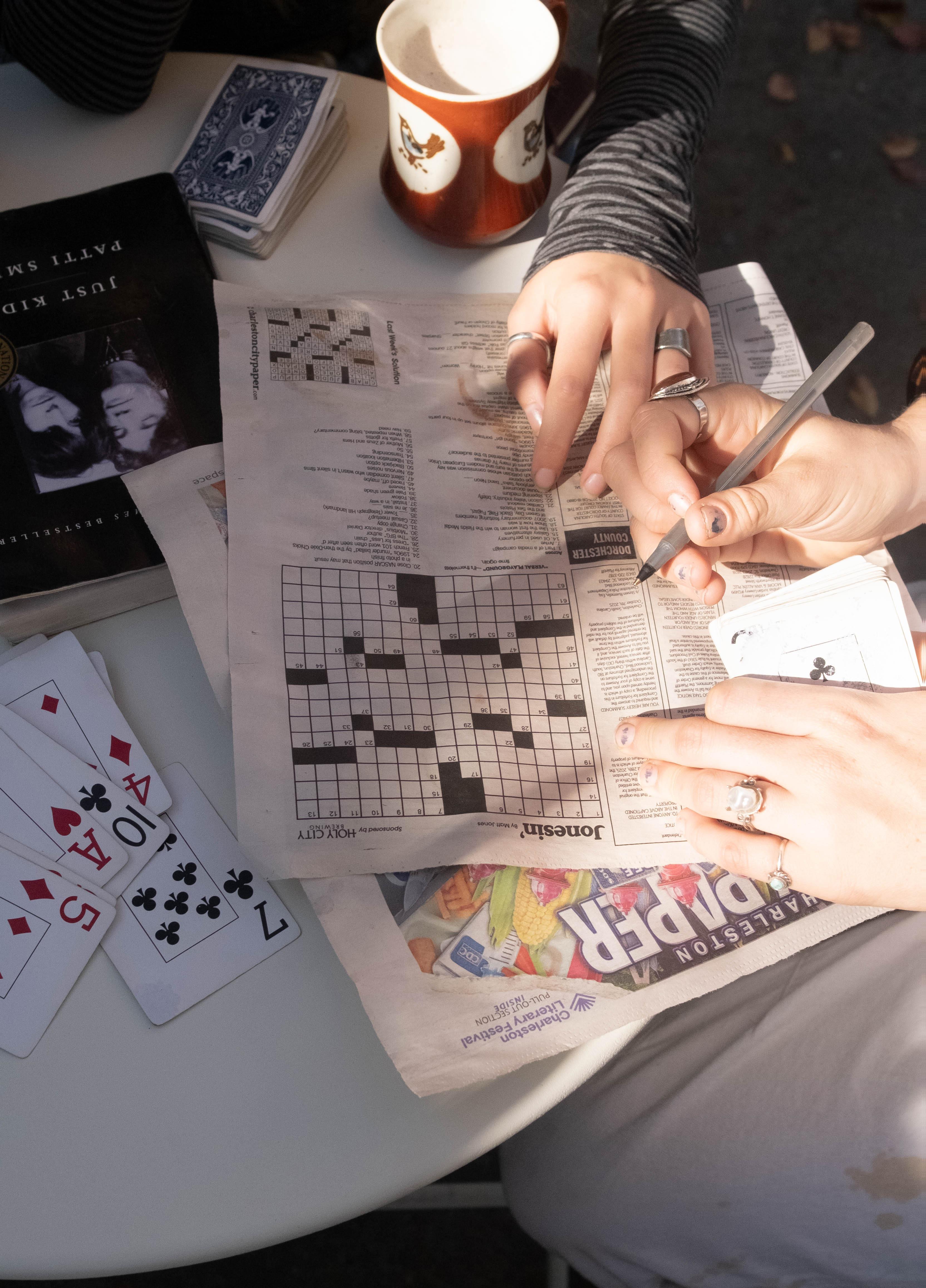
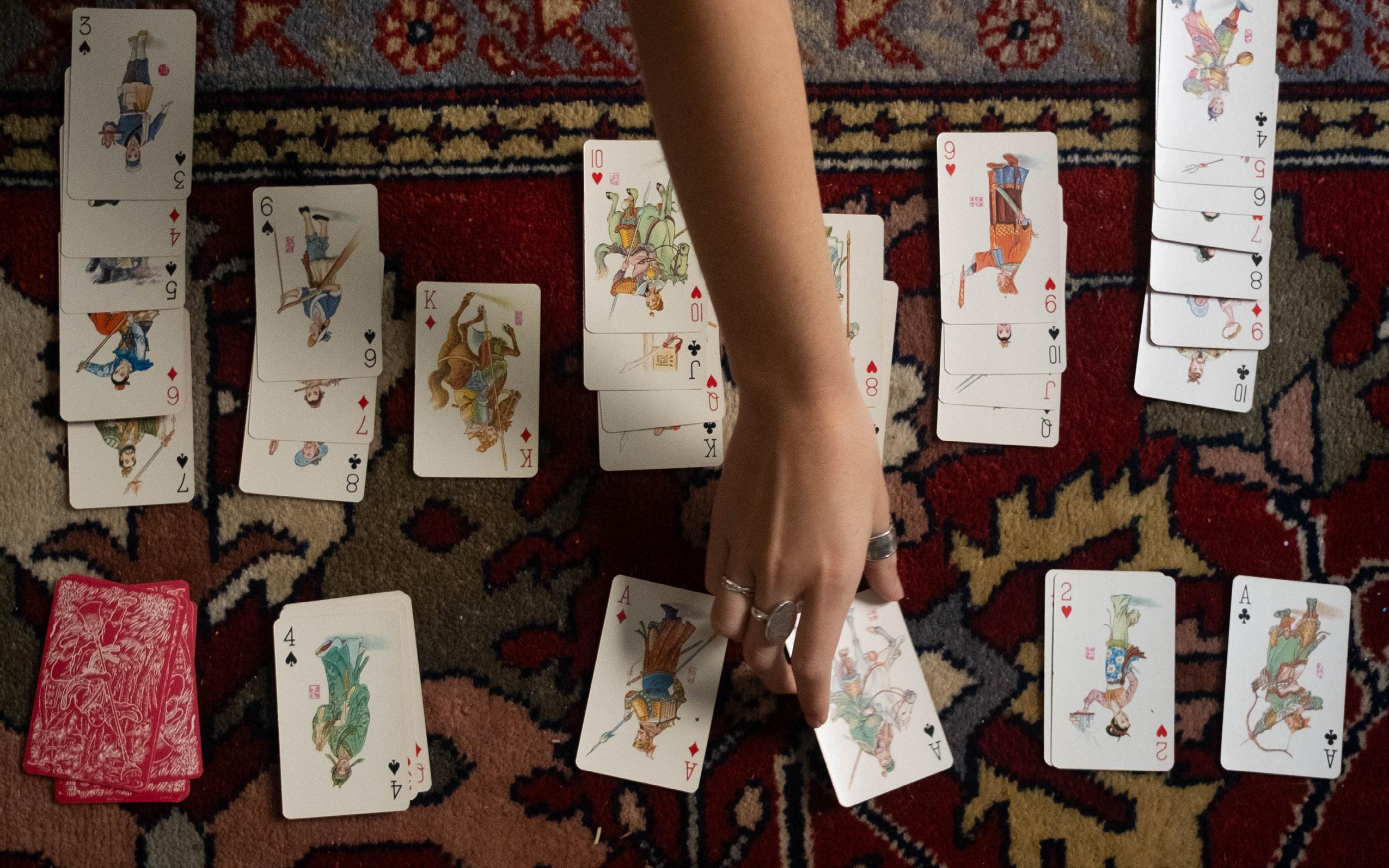
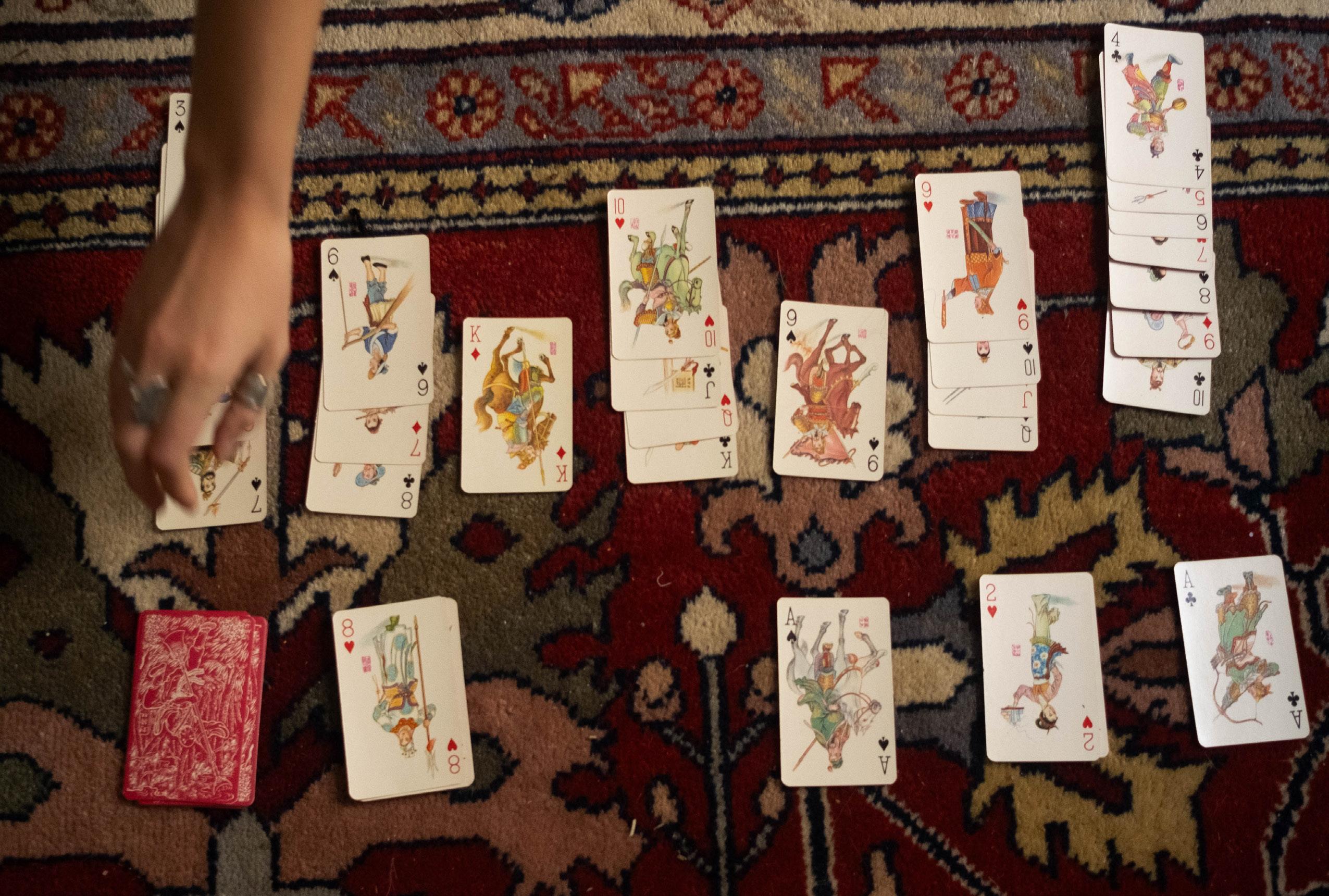
I think it would be fair to assume that you reading this know how to play Go Fish. Maybe you can’t recall the exact rules right now, but if someone were to explain them to you, you could pick up a deck of cards and play immediately. Maybe it’s not Go Fish; Maybe it’s Crazy Eights, or War, or a personal favorite, Spoons. Card games are an essential aspect of classic American childhood. Not only does playing card games as children aid in gaining cognitive development, motor skills, and memory, but it allows children to engage in a social environment with an aspect of friendly competition. At places like summer camp, play dates, and family holidays, card games are an all encompassing activity for everyone to get involved in. From your siblings letting you win, to your uncle unsuccessfully trying to teach you poker, card games seemed to be everywhere.
Over time, the presence of card games seemed to diminish in our daily lives. Instead, social activities seemed to consist of going to the
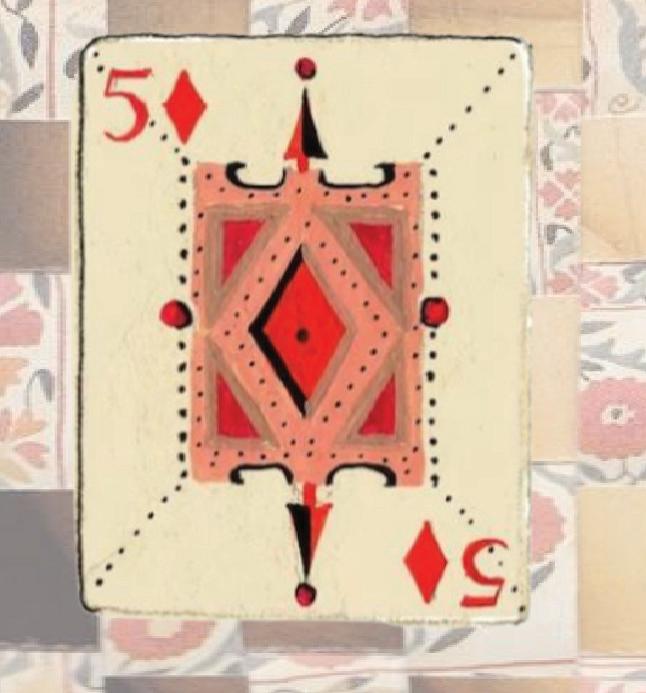

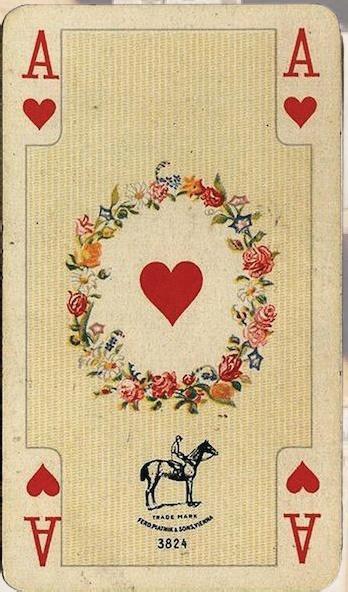

movies, shopping at the mall with your weekly allowance, and sitting in friends’ basements playing games on everyone’s own respective cellphones. As kids grow up, their interests change, and so does their outlook on how they want to spend their time. With the technological advancements in the last decade or two, friends are able to spend time with each other for hours on end, despite not being in the same space. With things like multi-player video games, FaceTime and Zoom meetings, and the ability to share online media with one another so quickly, we are able to feel a connection to others without even getting out of bed. e friendly tension that came from your friend putting on a “Draw 4” card became full blown arguments through headphones because you were killed in a video game. Contention spawned from who had the most characters in Call of Duty, putting barriers between friends based on how much they could a ord in the game. Hanging out with friends consisted of “Oohs’s” “Ahh’s” and “Ugh’s”, with necks tilted down and eyes glued to their phones.
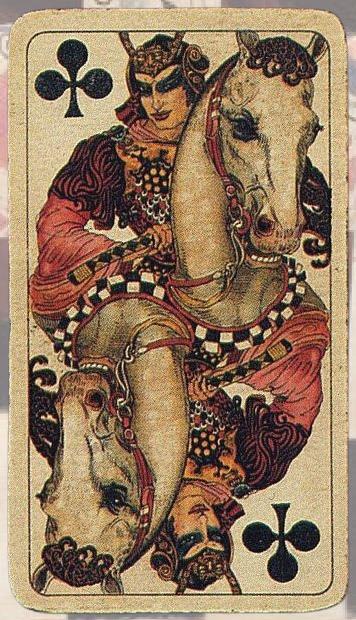

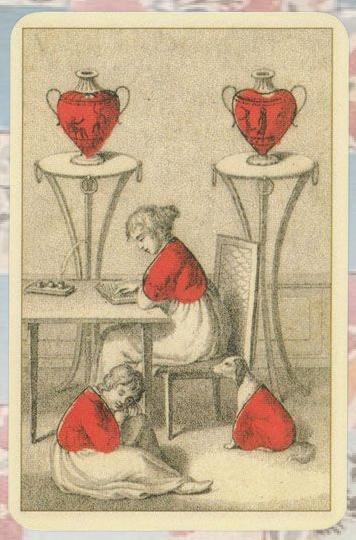

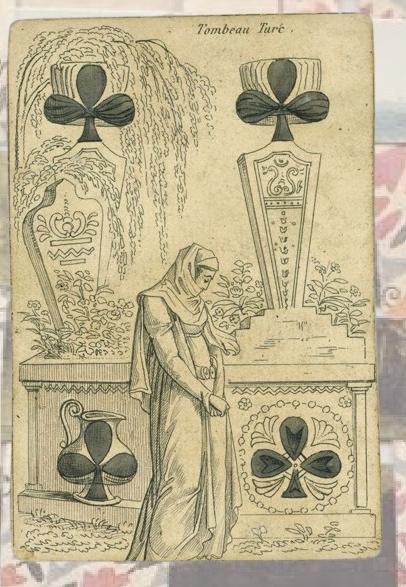
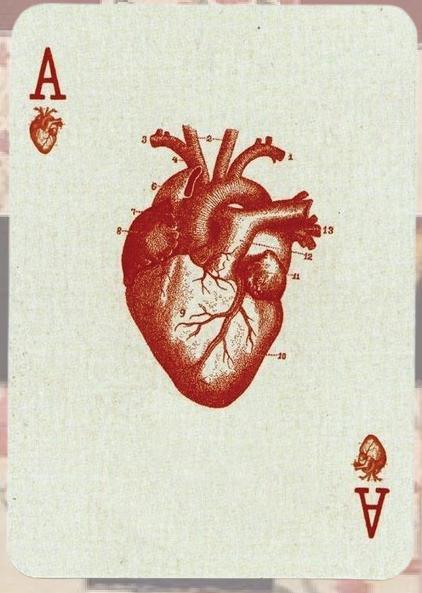

Gradually, however, people began to grow tired of these means of pleasure. All the characters and the weapons were bought. e levels were passed. e money was spent. People wanted intimacy. ey wanted connection and eye contact and laughter. Over the past few years, I have noticed a heavy uptick in card game culture. Whether it be at a co ee shop where I hear the whoosh of a card being ipped, or when I’m out with my friends and one of us pulls out a deck of cards and everyone goes quiet and nds somewhere to sit. In a world so engulfed in rivalries, competition, and opposition that is oftentimes so toxic and ubiquitous, people crave friendly strife that is exciting, yet civil. Competitiveness is natural and necessary, but to an extent, and what a perfect way to insight contest without sorrow.
is revival is no coincidence. Everyday, it seems, there is a new divisiveness and contention to topics in our daily life. Feuds in comment sections, harsh words and controversial statements in political debates, and unpredictable clapbacks seem to be around every corner you turn on and every post you engage with.
cards and becoming entranced by the rules of the game and the incomparable high of picking up just the card you needed. Not to mention, a deck of cards is usually less than $5, which is incomparable to the pricing of many video game characters, powerups, and upgrades. Talk about a recession indicator!
When leaving the house, people often bring three things: eir phone, their keys, and their wallet. May I suggest one more? A deck of cards. Or maybe those aren’t your thing. Maybe it’s a board game. Or maybe it’s a dice. Or maybe it’s that game your friends love to play that doesn’t require any materials at all besides your words and your thoughts. Whichever one oats your boat, I recommend partaking in this kind of competition. Not one of beliefs and morals, but instead, one of good natured contest and playful feuding.
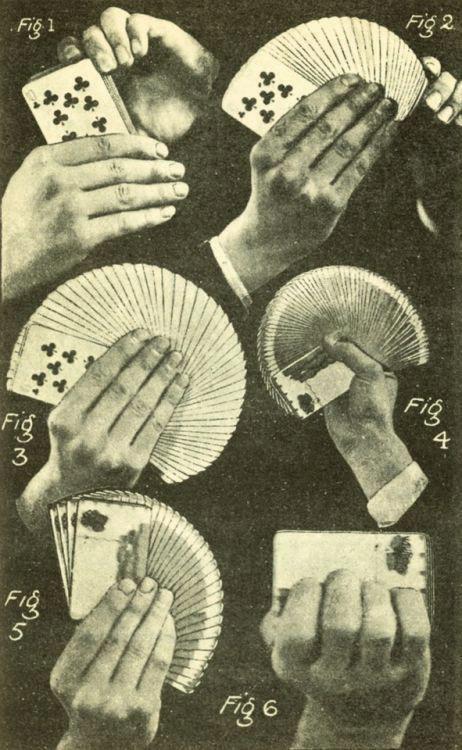
While disagreements have been a critical aspect of human development over the past hundreds of thousands of years, it feels as if the world we live in is a constant back and forth between people who don’t see alike, and are convinced that they are the only correct opinion, and people are sick of it. We need ways of competing that don’t result in unfriending someone or feeling threatened by them. And what better way to do that than by pulling out a deck of
Blood Hercules and the D nfa Modern Literature
By: Lauren Martin
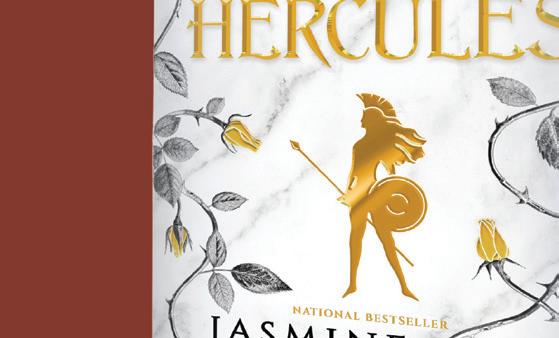
Blood of Hercules is a romantic fantasy (re: romantasy) novel published in 2024, written by Jasmine Mas. e synopsis brags about being a “sarcastically funny, dark fantasy romance retelling of Hercules.” However, the book relies on immature humor and writing and lacks the romantic aspect it so boasts.
Blood of Hercules follows Alexis, a girl born into a life of abuse and forced to raise her brother when they become homeless following their foster parents’ deaths. In this world, the traditional Greek gods are actually Spartans, immortal beings that live in Sparta. To become a Spartan, one must be born into a line of Spartans and go through trials called the Crucible. ere are two types of Spartans: the typical “good” ones, with helpful powers, and the Chthonics, whose powers cause harm and whose numbers are fewer. Chthonics are tasked with ghting Titans, deformed monsters that roam the Earth, leaving chaos and destruction in their wake.
Alexis takes the Spartan test and discovers that she is actually a lost Spartan. She is then whisked away to Sparta where she is forced to endure the grueling crucible. roughout the story thus far, Alexis has employed “edgy” humor to cope with her situation. is humor would’ve been a hit on sites like Wattpad, or even just ten years ago. However, now, in a modern book, it feels tacky and over-the-top. Multiple times, the author Jasmine Mas, employs the typical format of “I heard a scream and realized it was mine,” a trope that was often mocked following the YA dystopian craze of the 2010’s. In the rst chapter, Alexis says, “[ e Titans’] existence was unfortunate, if you wanted to live (I didn’t)” (Mas, 13). Sarcastic interjections like this lack humor and trivialize serious matters, such as abuse and suicidal thoughts. And the book is full of these, all throughout, making it di cult to read without cringing away.
e romance, as the book advertises, is also lackluster and downright toxic. Alexis has four love interests in the book: her mentors Patro and Achilles, her teacher Augustus, and an evaluator, Kharon. Each of these four men have situational power over Alexis, as well as actual fantastical power over her–that they do use on her multiple times throughout the book. ey are not caring or sweet or sympathetic to what she is going through; many times they berate her for being an embarrassment and doing poorly in the crucible. Augustus and Kharon team up to trick Alexis into a marriage, which they do by sending her the remains of two of her male friends. Nothing screams “romance” more than disembodied limbs, right? Alexis states that she does not want to marry the men. How is it



romantic to marry someone against their will and horrify them by killing their friends and showing the unwilling bride their remains? is book is an extreme example of trends of modern literature, more speci cally in romance and fantasy. Books like Haunting Adeline and its sequel HuntingAdeline by H. D. Carlton show abuse in a romantic light, thereby teaching their audience (which is often young and impressionable) that it’s okay for a partner to treat you the way Zade treats Adeline. Which, by the way, it isn’t. He’s a fucking psycho and should not be within ten feet of any woman–or any person, for that matter.
is genre of book is also becoming increasingly predictable as more and more works are published. Powerless by Lauren Roberts has been accused of copying eRedQueen by Victoria Aveyard and eHungerGames by Suzanne Collins, books that some consider to be classics among the young adult age group. Books are being sold by their tropes (“enemies-to-lovers;” “fated mates;” “touch her and die;” “only one bed”) rather than what the actual substance of the book is. Capitalism is more powerful than ever in the book industry, and with this commercialization comes a hegemony of tropes, trends, and traditional gender roles. Authors and publishers are pumping out books at a rapid rate to make money. e problem is, writing books takes time, so in absence of this excess of time, authors rely on well-loved tropes to write a book they know will sell.
As someone who read 201 books last year and hundreds before, it is becoming glaringly obvious that popular literature is becoming less original, more poorly written, and more derivative than we have ever seen before.
Enemies to L ers Only One Bed Grumpy/Sunshine Fake Dating Sl Burn L e Triangle
Man’s Best Friend: Empowerment or Exploitation?








By: Josie Elia





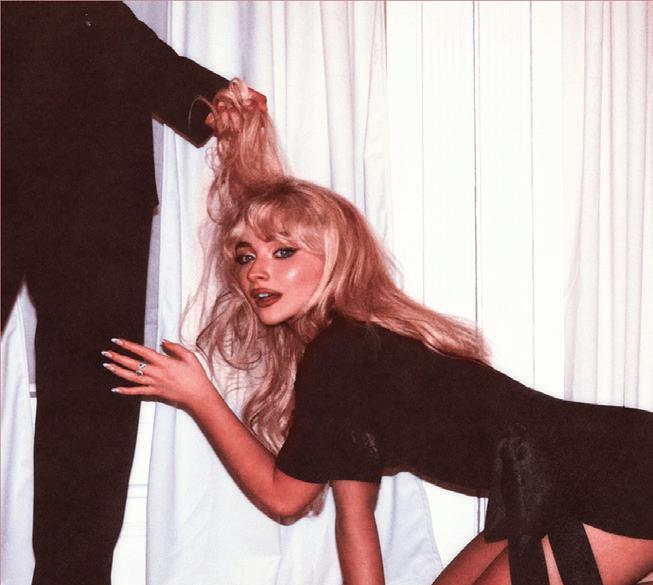
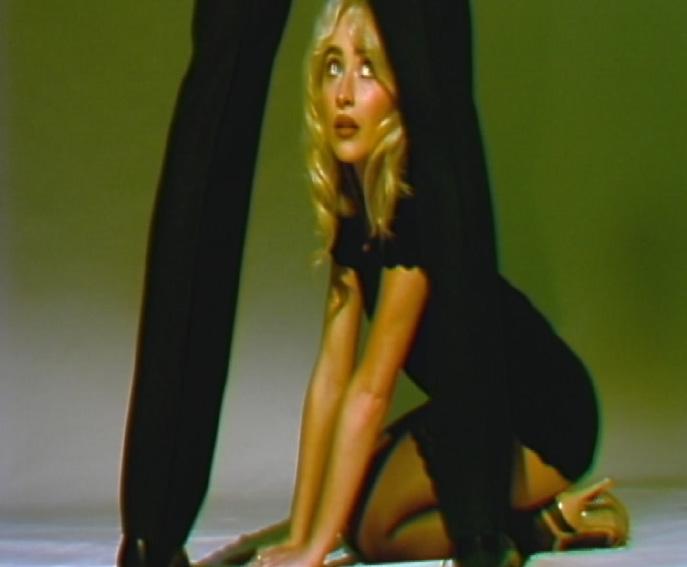
In Sabrina’s recent interview with CBS Morning she describes her album cover as an unserious image that perfectly encapsulates the themes of her album. When asked about her reaction to the critical response to her album she replied ippantly: “Yall need to get out more.” Disregarding any of the serious concerns that women have over her problematic cover. Sabrina continues to explain the message behind the image and her album as about being in control of the lack of control you hold in a relationship and being able to make mistakes knowingly and not taking them or the consequences too seriously. is theme is supported by the album cover where Sabrina stares playfully into the camera while she’s on her hands and knees with her hand held up toward the man above her. Along with his hand in her hair, like a leash, paints the picture of a dog begging its owner for scraps. A resounding question that a lot of women and I have is: does knowing about the lack of control mean that you are in control? And, if so, what does this mean for all the women who have su ered from this kind of relationship instead of enjoying it as Sabrina seems to?
Multiple concerns have been raised about Sabrina’s album cover, one being, the animalistic aspects. Firstly, the title itself - Man’s Best Friend which is mainly used to describe dogs and their eternally forgiving nature toward their owners. Using this saying to refer to women paints a dehumanizing image, where women are expected to continuously excuse men’s actions.
Sabrina’s perspective is that this image is a satire, representing the way she’s often treated by men and a way to poke fun at herself and those relationships. at the way people view the cover is a “re ection of their own lives”. For women who enjoy the push and pull of this kind of dynamic, they see the victorious look in Sabrina’s eye as she stares into the camera and interpret it as an empowering image. But putting this kind of image out there also can make women feel degraded, as if all they are to men are dogs - begging for scraps. For anyone, but especially women, who have gone through emotionally and physically abusive relationships this image is not only a satire but a reality they have su ered through themselves. So, from their perspective it feels as if they’re experience is being invalidated and turned into a joke.
About two weeks after the outrage her cover caused, she released an alternative cover. is one is a recreation of an image of Marilyn Monroe and Arthur Miller, it’s a black and white image with her clutching onto a man’s arm with a similarly playful expression. Marilyn Monroe was one of the most popular actresses of the 1950s and continues to be known as a sex symbol 75 years later.
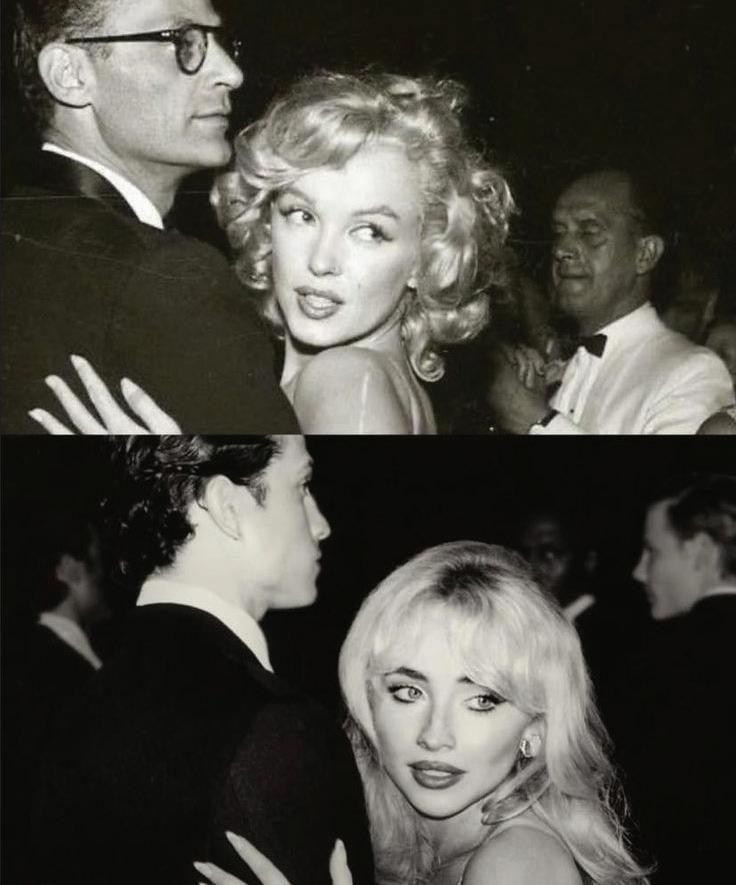
Sabrina Carpenter’s recent rebrand has been clearly inspired by Marilyn, her big blonde hair, her silhouettes, even the coy black and white clip that introduces her in concert. By recreating an image of Marilyn Monroe, Sabrina essentially tells her audience that she knows that she’s been reduced down to a dumb, hot blonde and so what? It ties Marilyn’s well loved but promiscuous persona to Sabrina’s and reclaims the sex jokes and slut shaming into an empowering image doing what her first album cover did not.
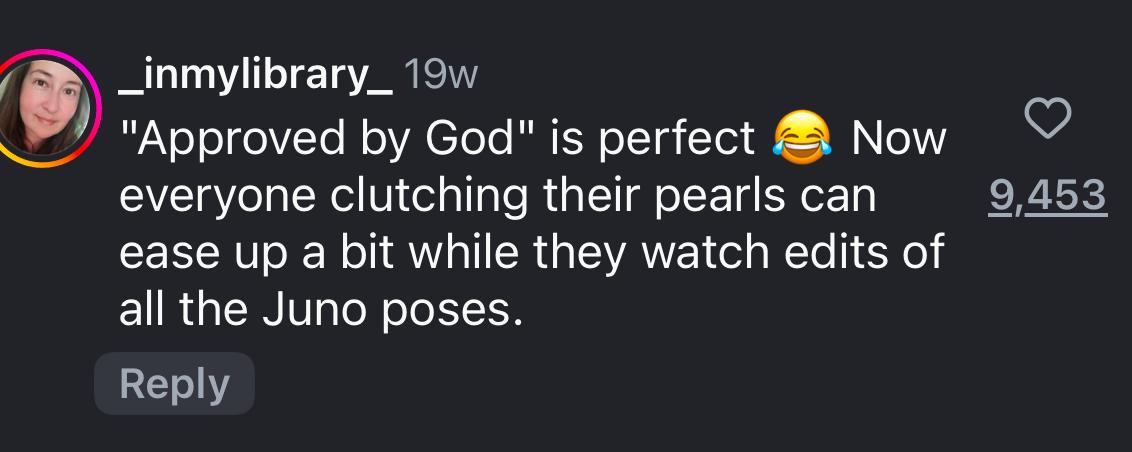
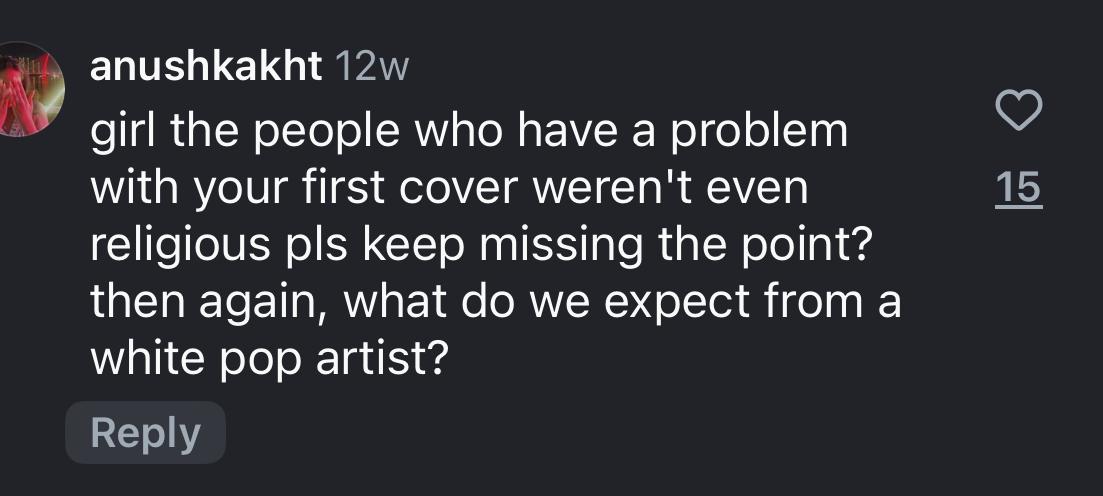
Another concern involves not only the content of the cover but Sabrina’s reaction to the backlash. What has people talking is the caption: “& here is a new alternative cover approved by God available now on my website.” The comments are largely polarized between fans and friends laughing at her comment and fans expressing their dislike. To fans who already felt hurt by her cover, this did not resolve the problem and only felt more disregarded by her sarcastic dig. Saying things like “What do you expect from a white pop artist?” and that the cover “romanticizes patriarchy and misogyny.” Fans feel as if Sabrina is taking the backslash too lightly and not thinking enough about the harmful implications. But similarly fans who liked the cover only loved it and her attitude more after this post. To quote a comment that I feel summarizes the sentiment:
“‘Approved by God’ is perfect. Now everyone clutching their pearls can ease up a bit while they watch edits of all the Juno poses.” The fans that agree with this idea justify their opinions by watering the album down to one big joke and encourage fans who disagree to learn how to “take a joke” or grow up. I think this reflects Sabrina’s earlier quote that this cover is a “reflection of their own lives”. This debate showcases the changing internet landscape and the recent rise in purity culture and will unfortunately be a neverending disagreement between the two sides of the internet.

The Imp tance Sh ing Up
By: Jack Mazur
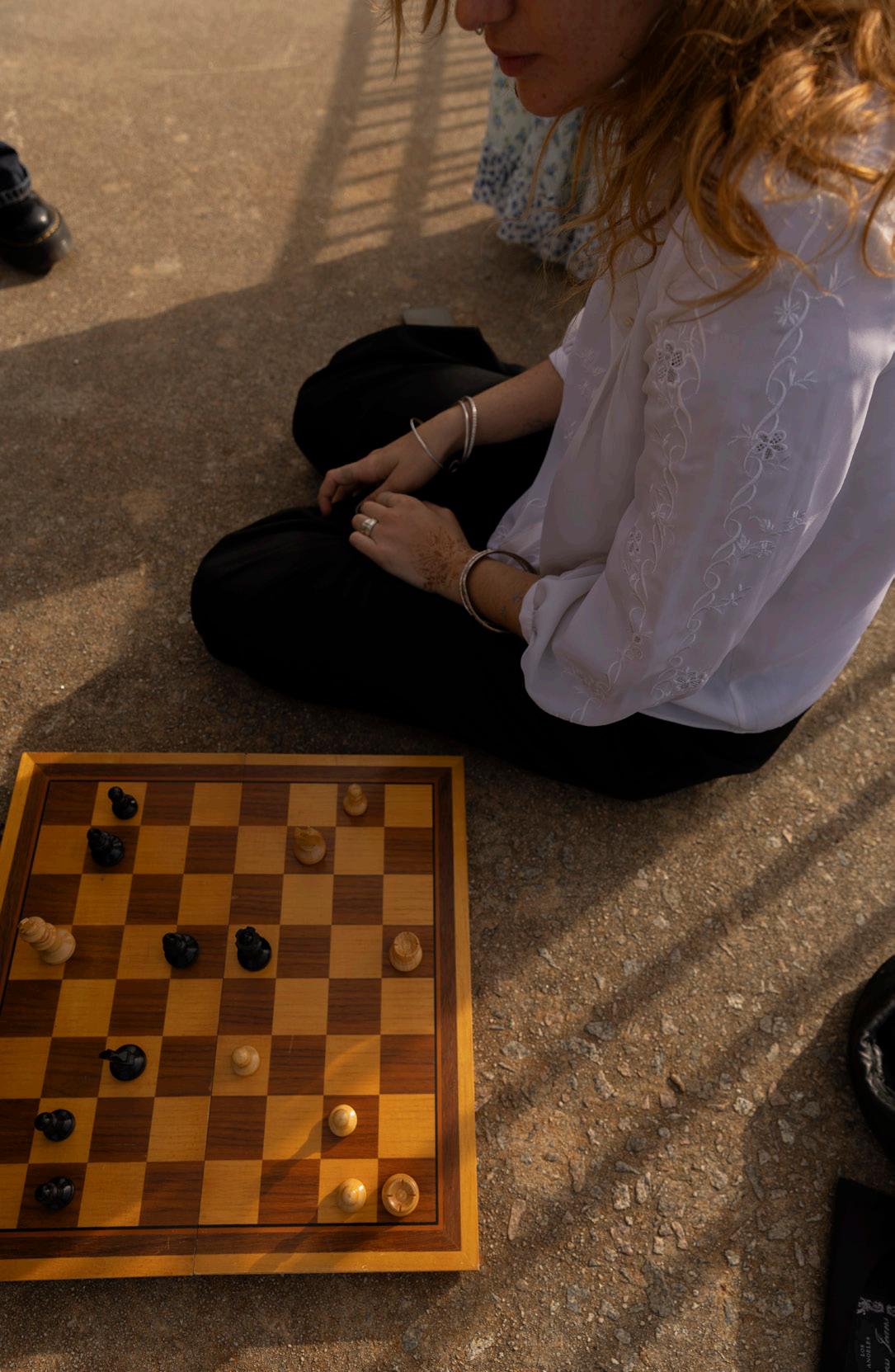
“Oh my god the UV is seven today, you should totally skip your 12:00 and join me in Marion Square!” said my friend to me on a random Monday of spring semester, to which I replied, “I’m alright, thanks.” I had skipped the previous two classes to do the same thing, and was now paying the price for it.
At our school, skipping class seems to be a right of passage for most students. We live in a place where it is very easy to say “I’m skipping class to go to the beach,” or “I’m skipping class to get an earlier start on my weekend,”, however many don’t seem to realize that this simple, thoughtless action can cause more harm than good. Personally, I have done this many times my freshman year, and I think about all the missed opportunities to learn and make connections with my classmates. Ditching class (or anything in your life) without a valid reason is the actual worst thing you can do for yourself.
e overarching lesson I have learned and still continue to learn in college is that showing up is truly the best thing you can do. Whether that be showing up to class, attending club meetings to meet new people, or just being present in the moment, the best thing you can do is show up, be there. Be in the moment. e action of showing up and being present can do you many favors later down the road. I apply this logic to a lot of things throughout my life, primarily within school. I would be lying to you if I said I was always on time or early to all of my classes, because that’s just not the reality. I try to get to class on time for the most part, however life happens sometimes. ere have been times where I have literally showed up to class with ten to een minutes remaining, but I was always glad to be there. What I’ve found, through showing up late vs not at all, is that my professors noticed and connected with students that are there and present, no matter the time they arrive to class. You’re doing yourself a favor by going in the rst place, so

even if you show up late, you’re still showing up. And if you participate? Even better. Personally, I try to build relationships with all of my professors so that when I inevitably have something to come in the way (or tries to), I’m still motivated to show up. With that, those relationships with professors allow me the exibility if I were to be late, so I’d still get credit for attendance. is is why I believe that showing up to class speci cally can be so bene cial for your academic career. Just being there shows the teacher your dedication to the class, even if you are one of the only people to show up. ere were times my freshman year where I would show up to my Friday classes, and half the students would be missing because of the weather that day. However, it was the students that chose to show up on those Fridays where others would skip that ended up getting some of the best grades in the class. Even if you’re not as good at that particular topic as you’d like, the mere act of attending class can potentially provide exibility in grading depending on the teacher. ere have been classes where
I don’t have a clue what was going on, but got near perfect grades because attendance and participation ended up being equally as important as the subject matter. Even in my classes with optional attendance, I still chose to show up most of the time, because it really did make a di erence. e other thing I also think about, is how every time I skip a class, it’s practically throwing money down the drain. Each of my classes is about a few thousand dollars, so every time I skipped I essentially threw hundreds of dollars down the drain. At the end of the day, we are here for an education and to network, so why let that go to waste?
You could argue, “he’s just a loser that doesn’t have fun,” but that is quite the opposite from reality. I still make time to do fun things within my busy schedule, so that I am both
on track to meet my academic and personal goals. is might be controversial (it really shouldn’t be), but I’d rather miss out on ve perfect beach days than ve lectures and be behind in the long run. Catching up is hard, especially the further into your major that you get. You don’t want to be the student always wondering what’s going on in the class, just because you didn’t feel like bothering to show up. If you genuinely cannot understand the subject, a professor is more willing to work with you versus if you just missed the notes and are clueless about their lectures. Many of my professors seem to prefer a student that consistently shows up and tries over a student that comes every once in a while or just for a test and does well half the time.
Using this same viewpoint, you can argue that the more you’re involved, and present, in and outside of the classroom can greatly improve your life. I’m not writing this to tell you to never skip a class, or to never do that fun event instead of a club meeting. However, I am sharing what has worked (and continues to work) for me in every facet of my life. Whether that be class, going to the gym, joining new clubs and activities (and actually going), or even showing up and truly being present with my friends, this simple concept really seems to have a deeper meaning within my life. When I show up, something good always comes out of it. e term ‘showing up’ implies a consistent action, and we are always told consistency is key, thus showing up is the best thing you can do to succeed in life. e repeated process of showing up time and time again will gradually improve your life, and you don’t have to do anything insanely hard to get there. So, you could sit here and think, why wouldn’t I just enjoy this
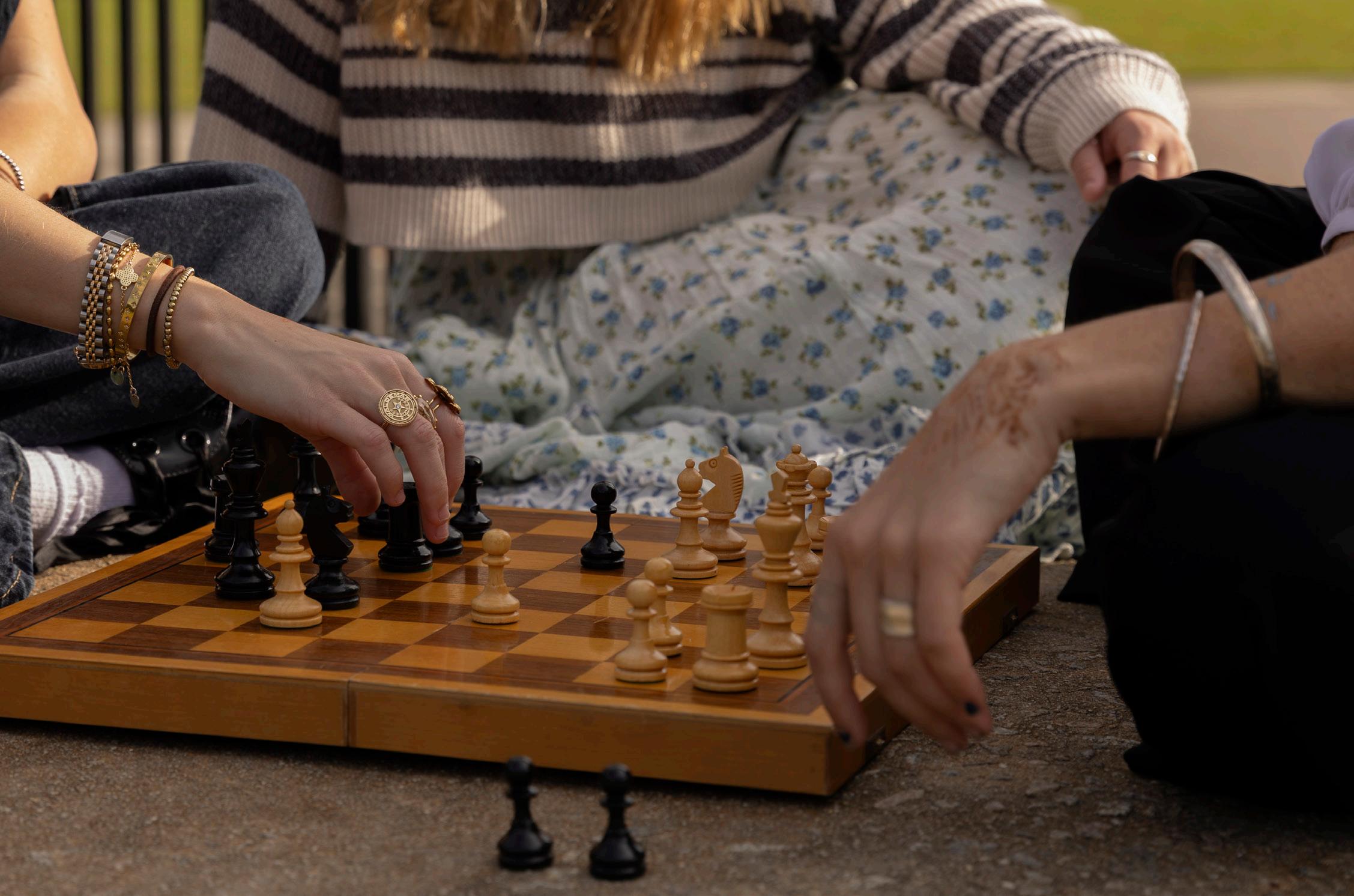
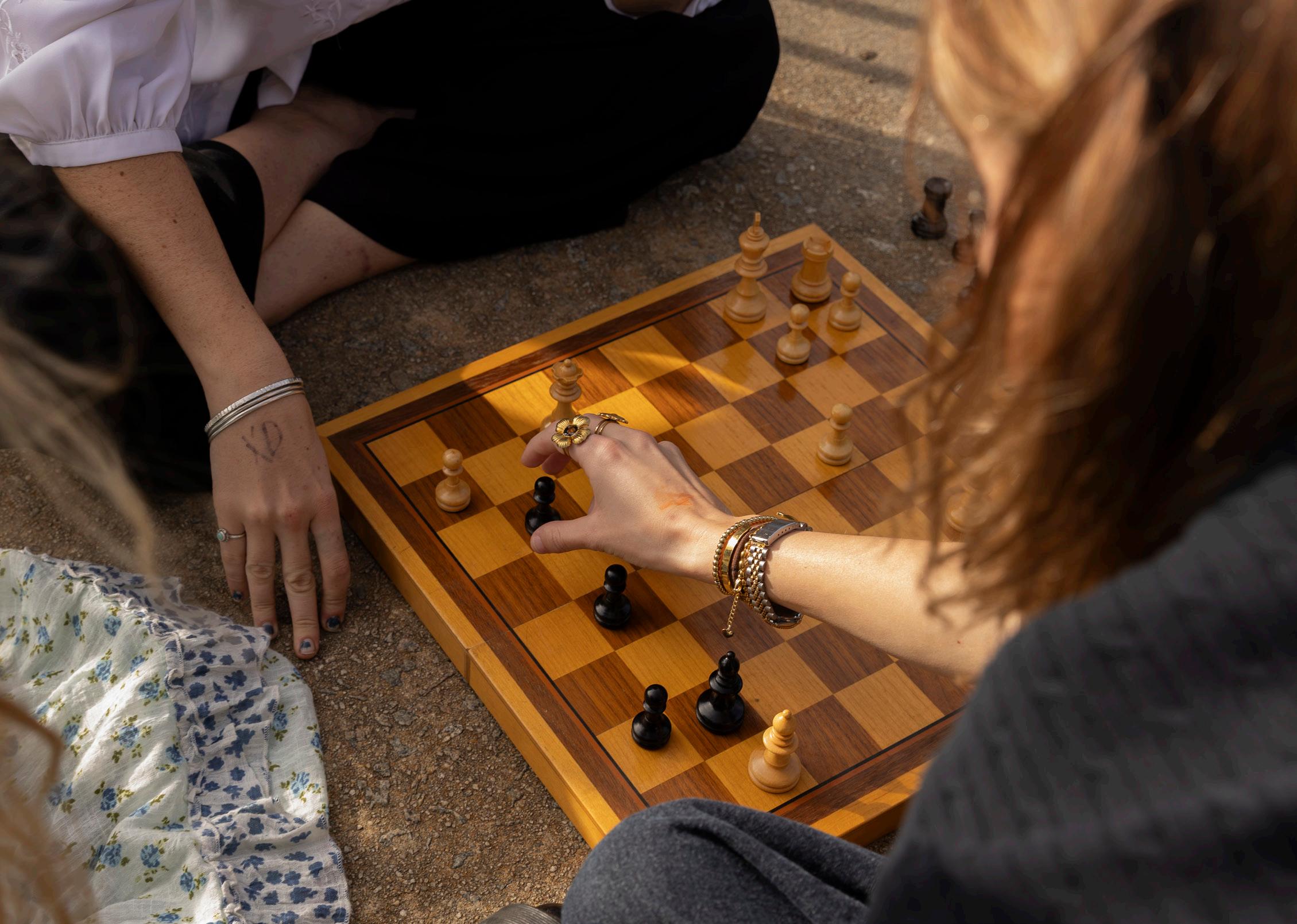
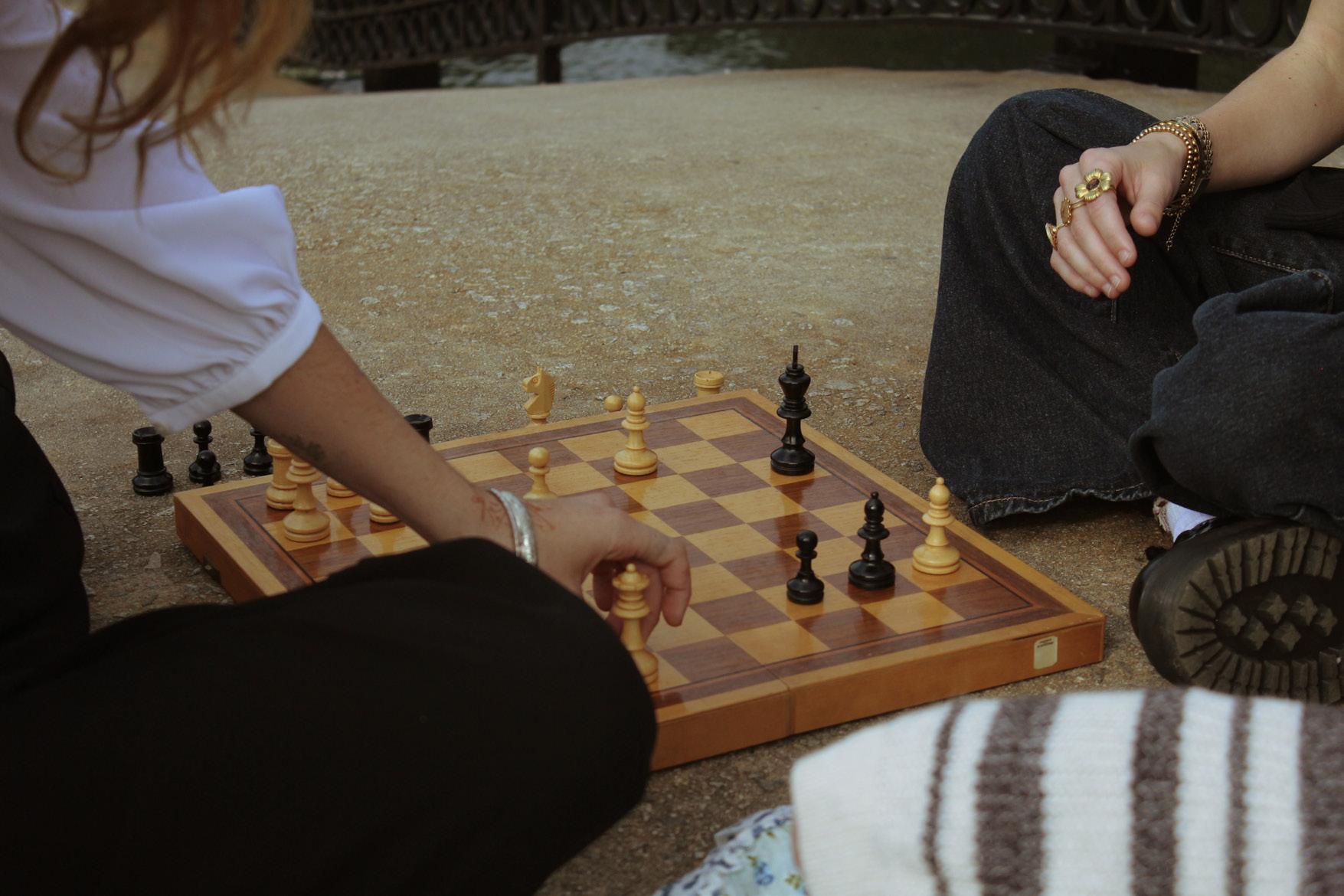
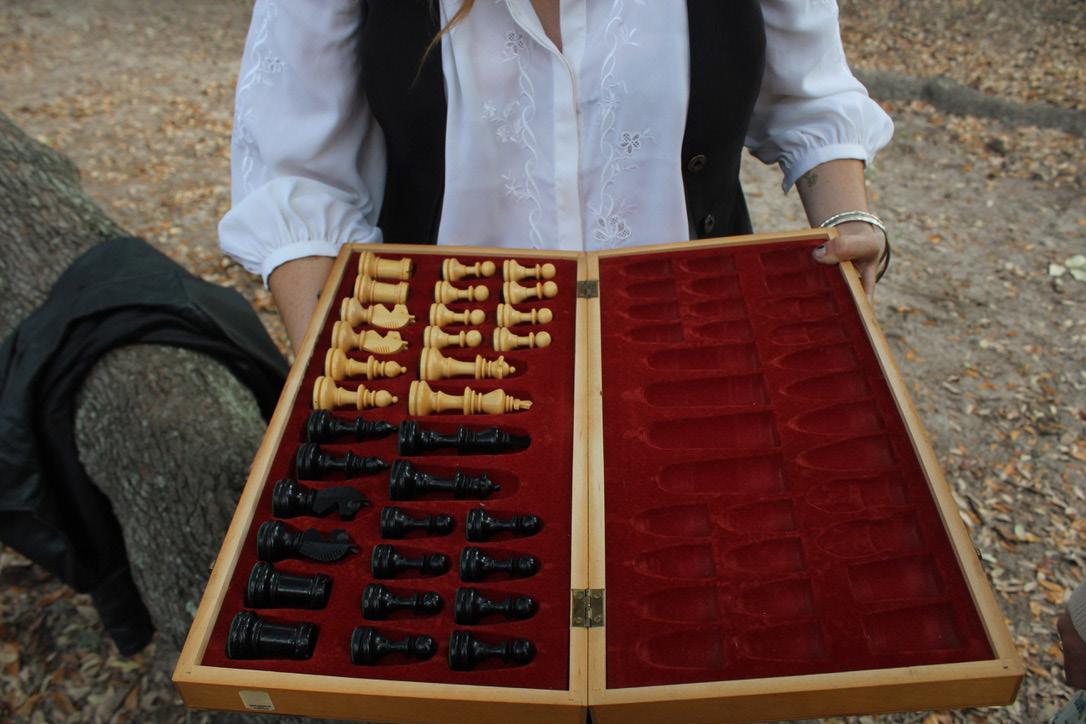
perfect eighty degree beach day, and if that’s what you want to get out of your college experience, that’s totally ne, but if you’re truly looking for the key to success at e College of Charleston, I’d de nitely say it starts by walking into class and taking every opportunity that comes your way. While it may get overwhelming at times, you are doing so much more than others by simply showing up. For me, this looks like going to all of my classes even if I am a little late, trying to do at least one thing every day in the gym, and being intentional with my interactions and how to choose my time. is concept may look di erent depending on the person, but the overall purpose is the same: gradually improving your life day by day, interaction by interaction. Everyone always says to me how the more you put into your college experience, the more you will get out of it — and this cannot be more true. e more you show up and truly put yourself out there, the more rewarding this amazing school can be for you. Your community doesn’t just come on its own, you need to make it. Being present allows students like myself to develop meaningful connections with other students and faculty while developing professionally and academically at the same time. While I’ll admit, this can be hard for me at times, it is truly a rewarding feeling realizing the cumulative benets of small things that I do every day and usually don’t even give a second thought about. A collection of smaller victories can beat several large victories any day in my mind. I would rather see my grades, or ability to do certain exercises increase gradually over time versus drastic highs and lows of giving my “all or nothing”. By showing up, we are automatically setting up for success daily, whether we realize it or not.



























Saving the World
By: Lauren Martin
Warning: this deeply analytical and supremely intelligent article contains spoilers for Harry Potter, Percy Jackson and the Olympians, and Vampire Academy. Please don’t get mad at me; I will cry.
Being a student is hard. First of all, you’re stuck for hours in an arti cially-lit room in uncomfortable chairs listening to some academic-type ramble on and on about acute angles, synecdoches, or how the mitochondria is the powerhouse of the cell. ere’s homework, of course, because class time is never enough. ere are tests and quizzes, and then studying for those tests and quizzes. All of that on top of maintaining a social life, maybe having a job, and dealing with general teenage angst. Add magic, prophecies, and general peril on top of that and you’ve got a sure re way to fail your classes. Whether you’re ghting the titan lord, the undead, or some noseless freak, there’s a good chance you won’t have time to write your essay for

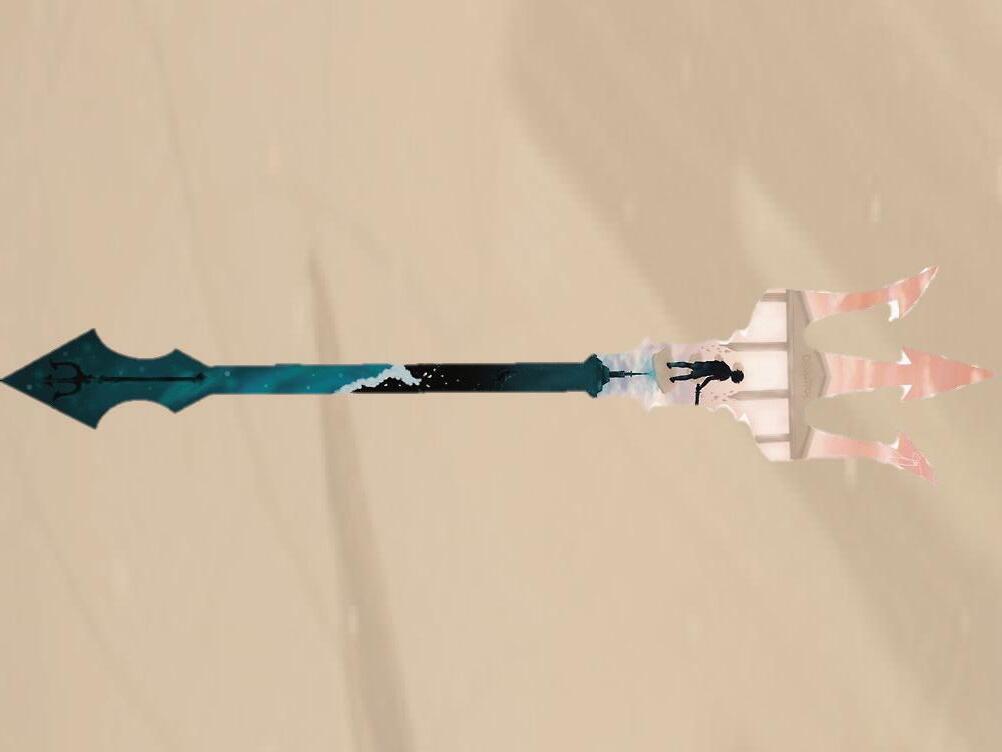
Jackson, for example, from Rick Riordan’s bestselling series Percy Jackson and the Olympians. Growing up, Percy was never normal. He saw things others didn’t, and struggled in school due to his ADHD and dyslexia. In the rst book of the series, e Lightning ief, he describes himself as “a dyslexic, hyperactive boy with a D+ report card, kicked out of school for the sixth time in six years.” en, when a terrifying creature called a fury attacks him on a school eld trip, he nds out why he has these a ictions. He’s a demigod. at ADHD? Latent battle re exes. e dyslexia? His brain is designed to read Ancient Greek, not English.
After his tussle with the fury, Percy is whisked away from his studies and to Camp Half-Blood, a safe haven for people like him. roughout the series, Percy’s interactions with magic and mythological creatures continue to interrupt his schoolwork. When he’s attacked by two vampire-esque creatures, empousai, in the fourth book of the series, and they burn down the school, he is blamed for it and sent on the run again. e guy just can’t catch a break–or stay enrolled in a school for more than a year. Trouble follows him everywhere, and when he is able to go to school, he can’t focus due to his demigod re exes and Greek-wired brain.
In additional books in the series, Percy is kidnapped by the goddess Hera and has his memory wiped. Not only does he lose his memory, but he loses valuable time at school o on another magical adventure. “I was stumbling down the hallway on my rst morning of classes at a new high school–again–after losing my entire junior year because of magical amnesia,” Percy says. Being involved in this magical world has set him behind in many ways, and he has to struggle to keep up. Additionally, by constantly being distracted by heroism and danger, Percy misses out on fundamental teenage experiences like thinking you don’t need to study for a test and then getting a C- on it or awkwardly standing by the refreshments table at a school dance.
Percy Jackson isn’t the only hero to miss school due to magical adventures. Harry Potter is a wizard from J.K. Rowling’s hit series called, you guessed it, Harry Potter. roughout the series, Harry battles with a dark wizard named Voldemort, a pale guy whose skin is way too smooth and whose nose is virtually non-existent. While magical interference disrupts his schooling and gets him in trouble many times, his main setback is when he’s forced on the run from Voldy in Harry Potter in the Deathly Hallows, the nal book on the series. He misses around 9 months of school, essentially an entire year, and were he not awarded an honorary diploma, would’ve been greatly behind.
English class.
Rose Hathaway, in the book series Vampire Academy by Richelle Mead, comes back from a two-year break from school after running away to protect her best friend (and heir to the Dragomir family) Lissa. When she returns to classes, she’s, like, really behind. Before leaving, Rose was the top of her class in her training to become a vampire bodyguard. As a dhampir, a half-human-half-vampire hybrid, she is uniquely suited for the role. However, her time away has made her lose instruction time, and her combat skills. She has to work twice as hard to keep up, all while continuing to protect Lissa from threats to her life. Magic and danger has, once again, pulled a hero away from their education. Not only that, but it’s separated her from something she loves: beating people up. Sure, the lectures were boring, and the homework was tiresome, but when Rose was on that training eld, she was having fun and enjoying herself. She felt she was working towards a greater purpose–the protection of her vampire b –and being a functioning member of vampire society. She would do anything for Lissa, even at the detriment of her happiness and her education.
Say no.


(and Failing Your Classes)
So what can one do when danger comes knocking at their door and they hear the call to save the world? Two words:
Just say no. Some other wizard, or demigod, or dhampir can save the day. Why does it have to be you? Sure, there are prophecies, and you might be the chosen one, and the Great Evil may be threatening those you love, but school should always come rst. A Titan is attacking the Empire State Building? Sorry, you have a math test to study for. Evil strigoi killing all your vampire friends? You have an essay on ancient religions due tomorrow.
You might be thinking “Hey, I can’t focus while my friends are dying or saving the world and evil beings beyond my wildest imagination are threatening everything I love and hold dear,” but entertain that thought no more. I have the perfect study and focus techniques to help you lock in on that article annotation.
My rst tip? Noise-cancelling headphones. e sounds of gryphons roaring and swords clashing don’t stand a chance against some white noise and noise-cancelling headphones. Slap those babies on, pull out your computer, or tome, or beat-up notebook, and get to work.
ere’s this thing called the Feynman Technique, where you learn by teaching others. Harry, grad Ron; Percy, sh Grover out of the Labyrinth; Rose, call Lissa from her throne (yeah, spoilers, she becomes the queen in Last Sacri ce). Sit them down and just yap at them about whatever the hell you’re supposed to be learning. It doesn’t matter if they understand, so long as you do.
So, once you’ve eliminated all distractions (no more saving the world before your homework’s done!) and caught up on the classes you missed while you were trekking through the Alaskan wilderness in search of the god of Death (Son of Neptune, anyone?), you’re good to go! No more missing classes, no more getting detention for cursing your classmates. Easy peasy.



From Text Boxes to TikToks: How Influencers are Taking Over Journalism
By: Jack Simon
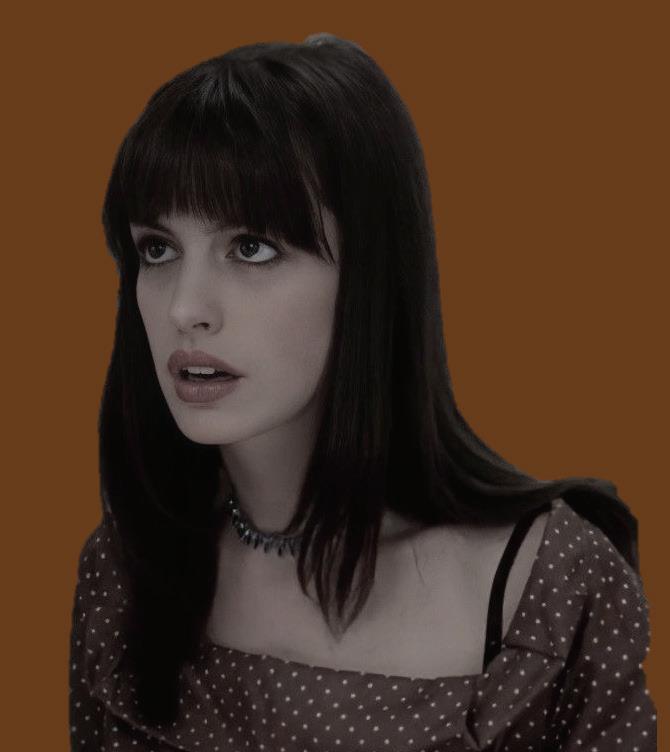
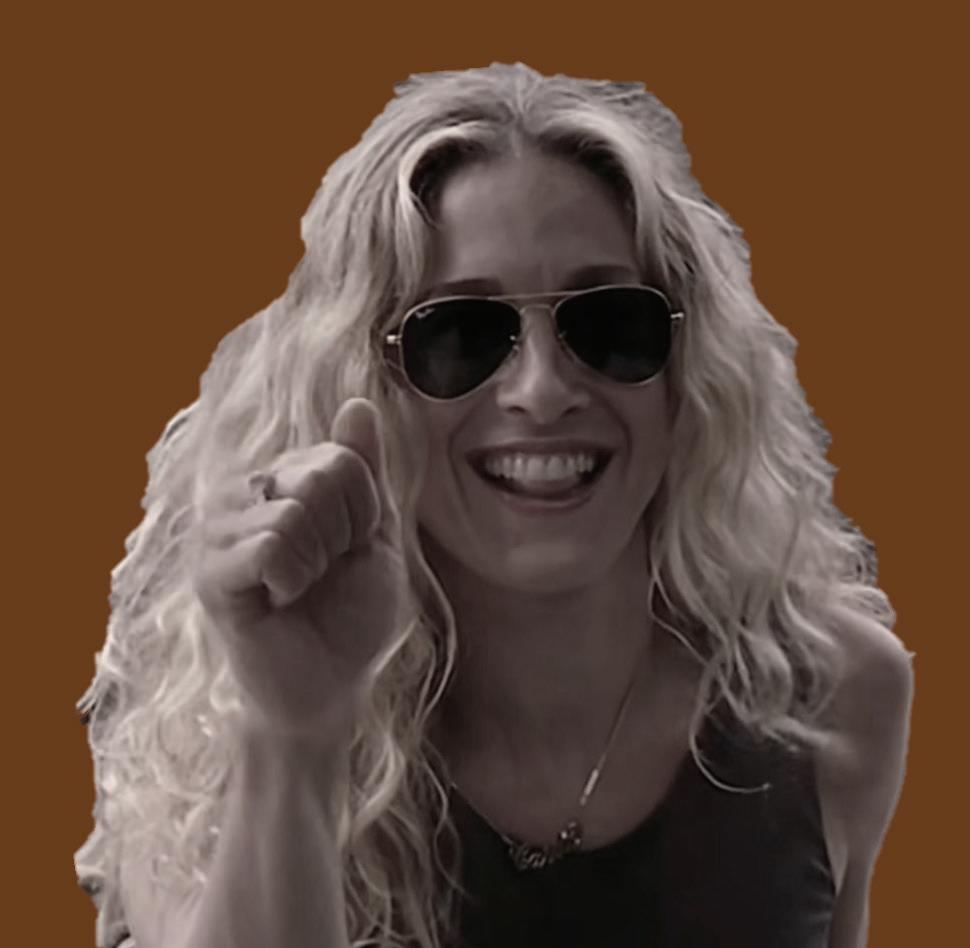
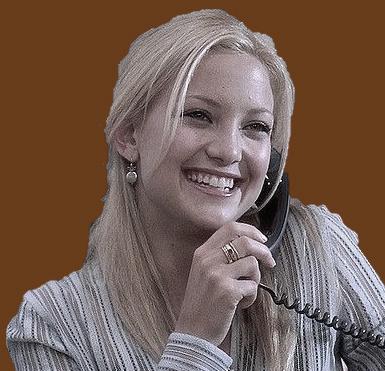
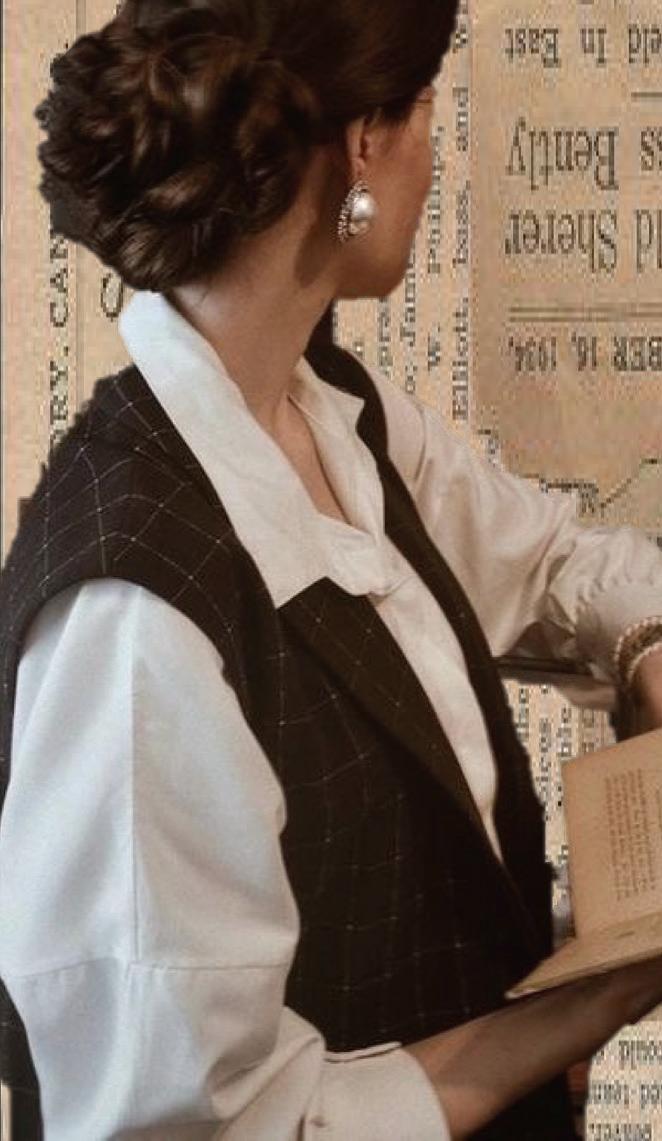
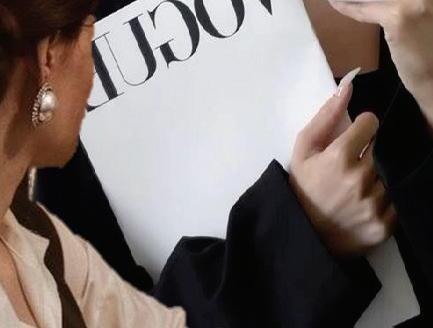
Journalism was THE job of the late 90’s and early 2000’s. Andrea Sachs, Andie Anderson, and of course, the one of one, Carrie Bradshaw. e media at the time depicted the profession as con dent, smart, fashionable young women walking the streets of New York, co ee in one hand and a laptop case in the other, getting paid to gossip with their friends and write it on paper after. It seemed like the dream life for women in their 20’s and 30’s. I mean, how could you not want to be them?
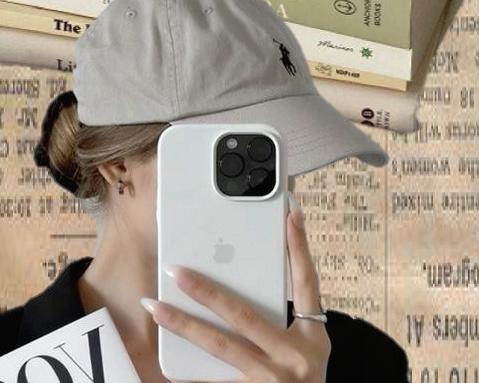
A decade or so later, what we today call “in uencers” show up on the scene. With the rise of social media, people are reading less magazines and newspapers, and instead following the most popular social media stars from New York to Los Angeles. ese in uencers show o their lives, but usually just the highlights, making their lives seem utopian, yet attainable. at is, if you are able to quit your job and rely on your social media savviness to get you through life and rent payments. With the rise of social media, people don’t really care about what journalists have to say. Who has time to read a 3 page article, single spaced, font size 11 anyways? We’d rather just watch a 2 minute video of our favorite in uencers going to their workouts, eat their $23 salads and attend product launch parties.
is transition of who we were meant to idolize begs the question; what happened, and how did it happen so fast?
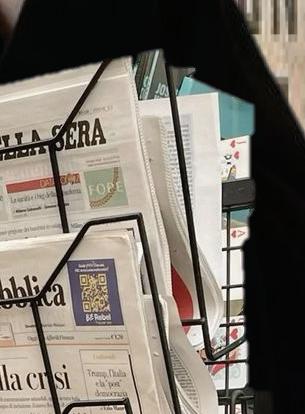
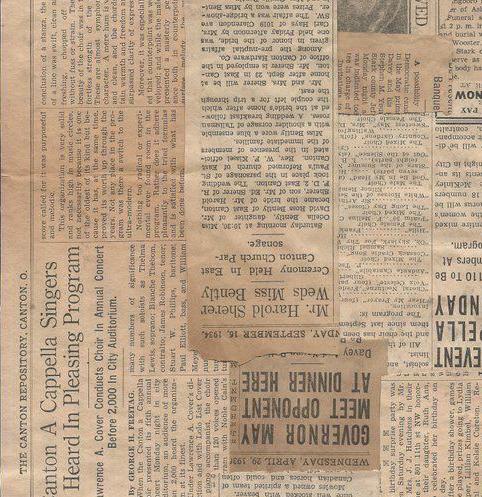
In the year 1997, 50% of people said that they got their news from the previous day from magazines, according to pew research.org. Less than 15 years later in 2012, that number had decreased to 29%, while online/mobile news skyrocketed going from 24% in 2006, to 39% in 2012, and this number is only growing. In the past decade and a half, social media apps and websites have taken over the eld of news and entertainment, with new apps like TikTok and Instagram seemingly popping up every week and a new famous in uencer to go along with it. In a research study done by PEW Research Center in November of 2024, it was discovered that around 21% of U.S adults rely on news in uencers for information, and around 54% say that they get some of their








news from social media.












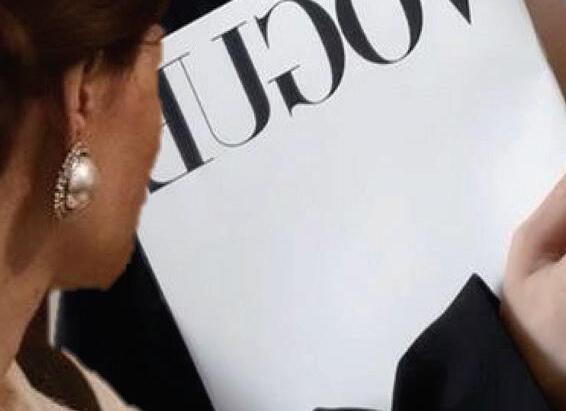
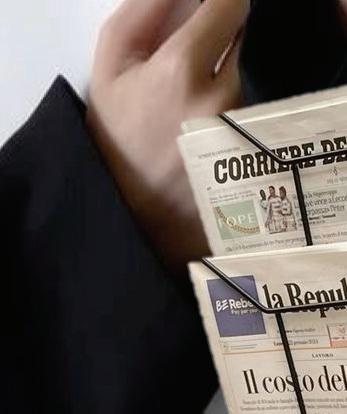


With in uence in the name, in uencers are expected to promote products, share their life experience, dress fashionably, and be a personality for the masses to follow and fall in love with. But isn’t that exactly what was depicted when we’d watch these trendy journalists on screen?

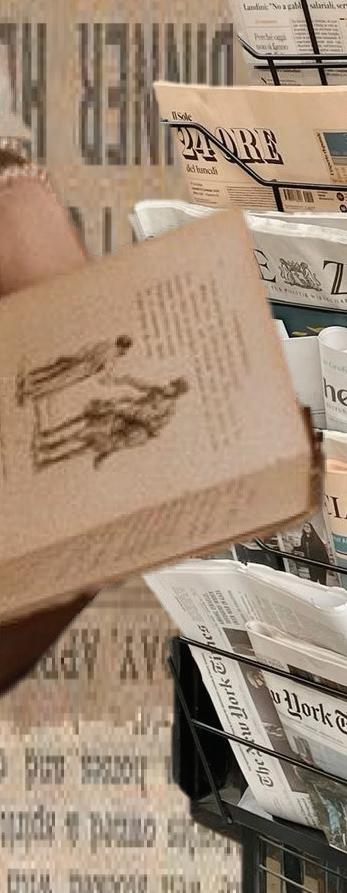
















With the recent rise in in uencer culture and promotion, modern day journalists are combating the di culties that come with the competing industries. In uencers are seemingly doing exactly what these journalists from the early 2000’s were doing, but instead of having consumers read newspapers and magazines, this content is being presented through social media, allowing for more access to their output. Magazines can be expensive, but in uencer content is free.
























topics like this. ey are able to really recommend what


I interviewed Maddie Barber, a writer for popular online magazine “Brides.com” a couple of weeks ago and talked to her brie y about how people in her industry are combating these modern day in uencers, and making their writing di erent and more engaging that what we see on our little phone screens everyday. When asked how she is able to di erentiate herself from the in uencers promoting products and things like that, she said “authenticity is the number 1 thing. Especially these days, people can sni out if you’re not being genuine”. She went on to discuss how oftentimes, brands can send things to in uencers in order to promote their product, and get a good review from an in uential opinion leader. Journalists, however, have more wiggle room when it comes to topics like this. ey are able to really recommend what they love, and speak on experiences that they themselves have encountered, not just rave about the gifts they’ve been given.
As time goes on, people change, and technology advances. It always has and always will. is new technology allows for so much greatness to occur, news to spread, and personalities to go viral. Despite these positive bene ts, technology is still discarding the art form that is journalistic writing, and making journalists strive to differentiate themselves. Carrie Bradshaw would have been a whole lot di erent if she had a phone, wouldn’t she? ing products and things like that, she said “authenticity

Leave your LinkedIn Legacy


By: Julia Bianchini



Somewhere along the way, LinkedIn lost its purpose. What was once used to nd jobs and make professional connections with your peers, has now turned into the uno cial social media site for college business students. In the College of Charleston School of Business, the students’ LinkedIn usage is representative of this new wave of users, who are still enjoying the joys of college, but networks like their lives and futures are at risk. If the Instagram pro les of these students are where you go to nd vacation pictures and photo dumps, LinkedIn is where you go to see what college students are actually up to in the professional and academic world, and don’t worry, these students display their accomplishments very proudly so it’s never hard to know.
is obsession is instilled in the College’s business students as soon as they make their way to the bricks. Before they know what major or career path they want to pursue, the linkedin accounts of these freshmen are updated to proudly display their new a liation with the College of Charleston.


e push to get equated with the platform introduces a new stress to the college experience tting in online while also worrying about tting in in-person. While in a new environment with new people, it’s normal for freshman students to feel the need to t in with their peers and try to make an identity for themselves. However, linkedIn introduces the stress of having to perform well in the professional and college academic worlds, two areas that may be unfamiliar territory for rst year students. Students now have to worry about falling behind in a public competition for internships, connections, and impressive titles. When the focus of the platform shi s from learning and development to maintaining an impressive online persona, professional exploration risks becoming a constant comparison game.

Instagram follower count has been used as an uno cial indicator of social status since the app gained popularity, but the connections feature on LinkedIn is bringing that social construct to the professional world. At the top of each LinkedIn pro le, the number of connections a user has is proudly displayed and the actual connections themselves can be revealed with a click of a button. is number means more than just the amount of people a person knows, it reveals what kind of crowds you hang out in professionally and what companies have already put you on their radar. Students o en send connection requests broadly and indiscriminately, hoping to reach the magic “500+” mark that signals in uence and popularity. In a world of “it’s not what you know, but who you know”, these connections are currency and the richest people have the biggest modern day rolodex.



In this digital world, the use of LinkedIn is essential for modern career readiness. e platform lets students research companies, reach out to professionals, and form connections that will be valuable in the daunting task that is nding a post grad job. However, there is a noticeable social dynamic that goes along with the indented professional purposes. Many students, including myself, have admitted to “LinkedIn stalking”, or using the platform to nd out information on fellow students. is LinkedIn stalking can have various purposes, from nding where your class crush went to high school to seeing what previous experience your competition has in an interview. e platform encourages users to broadcast their achievements, creating an environment where self-promotion sometimes appears more important than actual career development. As humorous as Linkedin stalking sounds, its main goals are that of most other social media platforms- self comparison. Students want to stay ahead and the only way to know if you are ahead, is to see where your competition stands , which is possible thanks to LinkedIn.
Of course outside of all these humorous unintended uses and negatives of the platform, LinkedIn is truly bene cial for students in the modern workforce. Many students build con dence as they learn how to network and communicate their goals while being able to gain priceless exposure to employers. ey can discover potential mentors and gain access to opportunities that might not have been available without the platform. LinkedIn is working to eliminate the di culties of students who want to enter a eld that their family has no connection to and even the playing eld of nepotism bene ts.
With all of these bene ts and disadvantages of the platform, LinkedIn is probably here to stay for the foreseeable future. In the digital age, no matter how harmful or helpful LinkedIn is for college students, knowing how to use and navigate the app is an essential part of being prepared for the professional world a er graduation. At the end of the day, LinkedIn can empower young professionals, and it can also amplify insecurities. Striking a balance will help the College of Charleston’s business students foster ambition without turning professional achievement into a popularity contest.

Exploitation vs. Entertainment: The Ethics of True Crime
From podcasts to books, television shows to movies, documentaries to daily news, making true crime content is a sure- re way to make a name for yourself in modern pop culture. is universal, age-old fascination with true crime emerged for a variety of reasons: the mystery of an unsolved case, the innate desire to understand the human mind, the exploration of fear without any real danger, the demand for justice, the Holmesian urge to decipher clues that not even the police could crack, and, of course, just plain morbid curiosity. Because of its intrigue and pervasiveness in pop culture, it’s incredibly easy to jump down the true crime rabbit hole if you’re just looking for something to keep you entertained or something to put on in the background while you do other tasks. Despite how common both of those methods of consumption are, they do pose certain questions about the ethics of true crime content creation and consumption. It’s not that you’re necessarily evil for enjoying such content–especially since it’s the only form of entertainment many content creators, network executives, and producers seem to care about these days–it’s just that, when real people are at the center of these tragedies, we can’t a ord to ignore the ethics of true crime content for the sake of our own entertainment. So, in this article, I’ll be examining whether the true crime genre is inherently unethical in its entirety or if there is a way to ethically consume such content. My hope is that, by reading this article, you’ll begin to think more critically about the content you consume, or even possibly the content you create. is article is obviously focused on true crime, but I think this basic principle of ethical creation and consumption can be applied to nearly every genre out there. ere has always been a thin line between entertainment and exploitation, so I hope you’ll take the
By: Sia Sharma
time to consider where that line should be drawn in order to avoid repeatedly harming real people for the sake of temporary entertainment.
e best–and, simultaneously, worst–part of true crime content is that it’s easy to nd and is thus easy to investigate. Just Net ix alone has hundreds of TV shows, movies, limited series, and documentaries about various aspects of true crime, from serial killers to cults and bank heists to cold cases.
ough the range of crime-related topics is wide, there is a noticeable–and quite frankly, disturbing–focus on violent and sexual crimes, which is obviously concerning because these kinds of brutal crimes often harm victims more severely than others.
e John Wayne Gacy Tapes. My Friend Dahmer. American Murder: Gabby Petito. All of this content focuses on some of the worst, most gruesome crimes you could think of, yet they somehow completely ignore how much the victims su ered. Ideally, “good” true crime content focused on violent and sexual crimes should center the victims, only discussing their su ering to emphasize the victims’ strength, resilience, and bravery and to express sympathy for victims and loved ones of victims. Instead, what we tend to see in the true crime genre is the near complete romanticization of the perpetrators of these crimes. Despite committing horrific acts, the genre likes to sensationalize their crimes by focusing on every aspect of the perpetrator and neglecting the victim almost entirely. is kind of content will focus on every detail of the perpetrator’s life, from early childhood to the exact moment they were caught to their time in prison, while only mentioning the victim when convenient, using them as something akin to a
prop, a way to usher the story along. What is also disturbingly common in visual true crime media is the glamorization of the perpetrator’s physical appearance to better t Hollywood’s unattainable standards of beauty. Many visual forms of media cast attractive actors in the roles of truly heinous people. e problem is not that terrible people can’t be conventionally attractive. In fact, one of the tools Je rey Dahmer, one of the most notorious American serial killers, reportedly leveraged to lure women to him was his own appearance. So, it’d be one thing if this true crime content focused on how appearances can be deceiving, or how perceived attractiveness or unattractiveness can distort people’s views on certain people or actions. But Hollywood typically isn’t trying to make that kind of social commentary by casting models as murderers. It’s done mostly because sex sells. If you cast a hot enough person in any role, you’re basically guaranteeing an audience. While this is a great tactic for things like rom-coms or dramas, when the story you’re telling is based on real people, casting a popular, hot actor to portray an actual murderer just so the audience can thirst over him and score you a couple more views leads to the increased romanticization and even fetishization of violent criminals.
prop, a way to usher the story along. What is also disturbingly common in visual true crime media is the glamorization of the perpetrator’s physical appearance to better t Hollywood’s unattainable standards of beauty. Many visual forms of media cast attractive actors in the roles of truly heinous people. e problem is not that terrible people can’t be conventionally attractive. In fact, one of the tools Je rey Dahmer, one of the most notorious American serial killers, reportedly leveraged to lure women to him was his own appearance. So, it’d be one thing if this true crime content focused on how appearances can be deceiving, or how perceived attractiveness or unattractiveness can distort people’s views on certain people or actions. But Hollywood typically isn’t trying to make that kind of social commentary by casting models as murderers. It’s done mostly because sex sells. If you cast a hot enough person in any role, you’re basically guaranteeing an audience. While this is a great tactic for things like rom-coms or dramas, when the story you’re telling is based on real people, casting a popular, hot actor to portray an actual murderer just so the audience can thirst over him and score you a couple more views leads to the increased romanticization and even fetishization of violent criminals.
are public knowledge, then any information obtained
e enormous invasion of privacy that is seemingly required to create this kind of content is another reason it is often unethical. A lot of creators of true crime content do not obtain the consent of the people directly a ected by these crimes before putting their pain and su ering on the big screen for the whole world to see. You could make the argument that if the crimes are public knowledge, then any information obtained through public records or news is fair game, but it’s still highly insensitive to use someone’s tragedy for your own personal pro t. Publicly broadcasting, sensationalizing, and Hollywoodizing the worst day of someone’s entire life and likely the worst day of their loved ones’ lives is about the cruelest thing you could do to someone.
are exceptions to this, of course, but think of a couple
Another critique of the true crime genre is that it often centers white women as victims, creating a skewed public perception of what a victim looks like. ere are exceptions to this, of course, but think of a couple true crime cases you know, and there’s a high likelihood that the victims were white women. It’s not that we shouldn’t acknowledge and grieve the deaths of white women, but neglecting every other demographic of victims can lend itself to the reinforcement of the ‘perfect
victim’ belief, the very noticeable distinction between who we support and mourn and who we blame and demonize for the same actions, for the same death.
ere is also the possibility that the popularity of the true crime genre is slowly desensitizing us all to these horri c acts. If all we’re watching or reading or listening to and about is brutal murders, unimaginably violent sex crimes, and just immense su ering in general, then we’re all inevitably going to become accustomed to these types of acts. at doesn’t mean they won’t still be terrible tragedies, and it de nitely doesn’t mean that we’ll start accepting them as normal, but we likely won’t be as horri ed by them as we should be, which means we won’t treat the victims with the respect and sensitivity they deserve. We’ll start seeing them as characters on screen instead of real people who lost their lives, which, unfortunately, many true crime enjoyers
solved case, but when it turns into a full-blown amateur investigation in which you’re pointing ngers at every single very real person the victim ever came into contact with as if they’re just made-up characters in a story, we start losing grasp of the fact that what we’re hearing about isn’t a ctional TV show plot but rather
to these types of acts. at doesn’t mean they won’t they already do. I get that it’s fun to try to solve an unevery single very real person the victim ever came into a very real tragedy.
don’t ask for permission from grieving family members,
laborate with pro t o the content at all, or donate pro ts to the people.
So where does that leave us? Is true crime unethical? e short answer: maybe? e long answer is a little more nuanced. In general, I don’t think that true crime as a genre is strictly ethical or unethical. ere’s obviously the content we know is unethical. e ones that don’t ask for permission from grieving family members, the ones who take all the pro t for themselves as they cover the cases in the most insensitive way possible, the ones who sexualize killers and demonize victims. en there’s the more ethical content. e ones that not only ask permission but actually collaborate with the people a ected. e ones that don’t pro t o the content at all, or donate pro ts to the right people. e ones that actually focus on remembering the victim and telling their story. But between the black and white, between the strictly ethical and strictly unethical, I think there’s a bit of a grey area in which the ethics are muddy or unclear. Maybe it’s ethical in some ways and not in others. Maybe it’s genuinely trying to center the victim at rst but inevitably spirals into unethical content creation due to the genre itself. I actually think most of the content that falls in
between strictly unethical, I think there’s a bit of a grey area and content


this category is simply a victim to the genre. If true crime content itself is inherently unethical because it exploits people’s tragedies, then no matter how ethical every other part of the content is, the genre itself prevents it from being completely ethical. But that unsatisfying answer swings us right back around to the core question that hangs above all true crime content like a dark cloud: is it really entertainment or is it just exploitation? Personally, I think all true crime content–unless it’s created by the victim (if they survived) or the loved ones of the victim themselves (though this can also get a little dicey)–is exploitative just based on the basic principle itself. It’s taking someone else’s story and using it for your own pro t, whether that pro t be monetary or celebrity or whatever it may be. It’s taking something that is undoubtedly a tragedy and manipulating it to ll a niche or put it in the spotlight for all to see.


























Unfortunately, that brings us to the next issue, which is that the fascination with true crime is almost a historical pattern, so it’s probably not going away any time soon, especially when there’s such a large audience for it in modern pop culture. From Elizabethan-era plays based on real murders to tabloid journalism and its sensationalized articles to radio shows covering dramatized versions of FBI cases, true crime content has been a popular genre for far longer than you might realize. When it’s been used as entertainment for so long, the concept of true crime as a real event with real consequences and the concept of true crime as a spectacle created purely for enjoyment become hard to separate, and it can begin to look like ethical content simply on the basis of long-standing “tradition”. If we’ve, historically, been interested in true crime for this long, surely it can’t be that unethical. (It, of course, can be. Many facets and pastimes of the past were, to say the least, unethical, even back then.) us, the argument that true crime content is a necessity of life and leisure because it has seemingly always existed falls apart. ere’s always the opportunity for change, and even things that were widely accepted for hundreds of years can be changed for the better, we just have to be willing to put in the e ort to do so.
able in capitalist societies because virtually everything is unethical in some way. But there’s de nitely a di erence between the unethical consumption of necessities like food and the unethical consumption of content that we consume solely for entertainment and not for sustenance. If you take anything from this article, I ask that you think about how your choices a ect others, even if you don’t notice it at rst, even if the e ects seem miniscule or unimportant. is isn’t an attempt to play morality police, but I do think it’s important to be critical of actions deserving of criticism. We wouldn’t be asking this question about the ethics of true crime if there was no basis for the argument against it, which is why it’s important to truly consider why we think our own enjoyment outweighs the brutal
su ering of others.





explƣtati entertainment ???



become hard to separate, and it can begin to look like




For these reasons, I would encourage all of you readers to really think about the content you’re consuming and the reasons you’re consuming it. Unethical consumption is something we all partake in. It’s inescap-








If you are going to consume true crime content, I urge you to question it rst. Who is pro ting o of it?
Where are they getting their facts? If the victim was someone you loved, is this how you would want them to be remembered? What we consume as entertainment goes much deeper than you might have initially thought, so please just be aware of what you’re reading, watching, and listening to. At the end of the day, if all true crime content was wiped o the face of the Earth tomorrow, none of us would be negatively impacted in any real way. Maybe we’d all be a little bit more bored, and all the network execs and in uencers might have a little less money in their pockets, but we’d nd new ways to entertain ourselves, and the network execs and in uencers would (unfortunately) nd someone or something else to exploit for content, and the world would keep spinning.


The Portrayal of Dark Academia in Literature
By: Audrey Palmadessa
Dark academia is heavily romanticized in modern literature. Instead of long, dragging monologues about how characters need to cram for exams, or dra a research paper, you get descriptions of dark, moody libraries containing deep secrets, o en at an Ivy League. Anyone who is experiencing the realm of academia would see through these descriptions for their fallacies, however, that does not make this subgenre any less interesting. Nobody really wants to read about how an imaginary student does mundane, everyday tasks that practically everyone does. We are compelled by the mystery and the moodiness of it. ere are countless examples of dark academia in literature, but I am choosing to focus on just a few: e Atlas Six by Olivie Blake, Babel by R.F. Kuang, and If We Were Villains by M. L. Rio.
e Atlas Six is a novel about six students with exceptional (magical) abilities, all of whom were recruited to the exclusive Alexandrian Society. Essentially, the Alexandrian Society is a sort of imagined Library of Alexandria if it hadn’t burned down all those years ago. is Society is so secretive because they were forced to go underground in order to save and preserve the precious historical artifacts they hold. e underground vibe, along with the magical abilities the students have, contribute to the overall “dark” mood established in the book. Membership in this society is a great honor; its members are that of the highest ranks in society.

e Alexandrian Society inducts ve new caretakers every decade, and there is an intense initiation process to see who out of the six gets cut and will not be able to join the Society. e Alexandrian Society in this novel is just about as rigorous and exclusive as you can get, which is what makes this novel t so perfectly in the dark academia genre.
Similarly, Babel is about a prestigious program within academia, but in this case, it’s the Royal Institute of Translation, at Oxford University. e name “Babel” is a nickname for the institute. is novel takes place in the 19th century, at the height of the British Empire. e main character, Robin, is fascinated by Oxford and its academic prestige, but working within the Royal Institute of Translation begs a moral question for Robin. During this time, England was waging war against China, and language was being weaponized by the British. Robin has to choose whether to keep working with the Institute, or ght back against Imperial Britain by joining the Hermes Society, which is dedicated to stopping colonial expansion. Babel’s themes about morals and academia are very interesting, especially within the context of when it takes place. Robin has to decide whether it’s worth engaging with unethical work in order to pursue higher learning at Oxford. As the book goes on, there is a rising tension between Babel and the Hermes Society, emphasizing this theme. is book, as opposed to others in the genre, takes the idea of academia and applies real-life ethical questions to it, emphasizing the importance of academia while discussing how it has been used and weaponized in the past.
If We Were Villains has a slightly di erent approach to dark academia, with a mystery. e gist of the book is this: 7 students at a prestigious Shakespearean conservatory experience their roles starting to overlap with their lives, ending up in the death of


e story is told from the perspective of Oliver Marks, who was imprisoned for the murder and is telling the story in retrospect, years a er the events. is novel relies heavily on the aesthetics of academia, rather than emphasizing academia as a plot device. is book has friendship, rivalries, obsession, and, of course, drama. is book is good for those who strictly enjoy the dark academia vibe rather than the academic aspects themselves. ese books represent a larger theme within the dark academia subgenre. Academia is o en portrayed as highly prestigious and exclusive, which is seen in all of these novels. Not only do these stories take place at high pro le institutions, but they also include even more exclusive, secret societies. As a result, there is a stereotype regarding academia and academics being emphasized. Academia has never been an inclusive space. ere are always groups of people being systematically restricted when it comes to accessing education. In reality, there are few sectors of the academic world where only a few singular people can accomplish a major goal, but this aspect of academia in literature is shining a light on the social issues that academia has created. In order to overcome these assumptions and stereotypes, higher education needs to become more accessible for more people. Dark academia may seem like a silly little aesthetic you see on the internet, but the underlying tones connect to a much deeper issue.






The Algorithm Won’t Show You This?
By: Jack Mazur
When you open TikTok and search up e College of Charleston, you’re instantly led to videos of people who look like they’re living the dream — going to the beach on a Tuesday, hanging out with a large group of friends, and scenes that appear to be straight out of a movie. Students and in uencers alike will post short-form videos of their perfect “day in the life”, which all include these things, but almost always seem to be missing one thing: the actual school part. is can make it easy to get lost in the narrative around college that social media portrays. It’s hard not to feel like you’re missing something when your feed is full of people who seem to be having the perfect college experience. Our social media algorithms are designed to only intensify these feelings, as they show us a romanticized version of the truth.

A typical “day in the life” at CofC will typically look like this: wake up, go to your one class, spend the day at the beach, grab dinner downtown, then hit a party at night. It’s a fun story to watch— but it’s not the full one. Social media doesn’t show you the realities of college. is reality includes homework, studying, parttime jobs, and the constant mental to-do list of just trying to keep up, something these in uencers leave out of their content purposely. Yet when you see a group of people skipping class to head to Folly “just because it’s nice out,” it’s easy to start questioning your own priorities. We pay for our classes — literally — and not everyone can just throw that money away just because the UV index is high. But when everyone around you seems to be doing it, it can start to feel like you’re doing college wrong for taking it seriously. Students will often compare their lives to those of what they see on social media, and this can cause serious FOMO, to the


introvert and the extrovert alike. It’s not easy to have a perfect balance of fun and work your freshman year of college, and social media de nitely doesn’t help students foster this balance. Instead, it leaves students constantly comparing themselves to the person who is constantly skipping class, prioritizing quantity over the quality of their friends, and seeming to be in college for everything but the school part. What social media doesn’t show you is the reality behind those photos and videos. For every beach day, there’s a late night in the library. For every dinner with friends, there’s a meal eaten alone. e truth is, that “college aesthetic” we see online isn’t everyone’s everyday life — and that’s okay.
Another thing you rarely see online? Students talking about the reality of their rst year at college. Nobody really talks about how drastic a change freshman year is. You move to a new city, live with strangers, and suddenly you’re supposed to build a whole new life from scratch. It’s exciting, but it can also feel isolating - especially here at CofC, where so much of the social scene is built around groups. Some students nd community through Greek life, while others join clubs and intramural sports leagues. However, it can be intimidating for rst-year students to put themselves out there in the rst place. e simple act of showing up to a club meeting can be intimidating if you’re in an unfamiliar environment, and this feeling alone can be isolating. If you don’t have a car, if your budget is tight, or if you just haven’t found your people yet, it’s easy to feel like “there’s nothing to do.” You scroll through your feed and see everyone out, while you’re sitting in your dorm, wondering if you’re the only one not having fun. And honestly? You’re not. A lot of freshmen are in the exact




same place — it’s just that no one’s posting about it. e movies and TV shows we were raised on about college don’t help either. Films like Pitch Perfect paint college as a nonstop adventure lled with instant friendships and constant excitement. Even shows like Gossip Girl or Gilmore Girls give viewers the idea that everything falls perfectly into place once they get to school. is genre of media shows big friend groups, wild parties, and people who instantly “ nd themselves” the second they step on campus. It’s enjoyable to watch, but it sets the expectation that college should look a certain way. Regardless, the reality lies in the smaller, behind-the-scenes moments. ere’s laundry to do, essays to write, and nights where you just don’t feel like going out, and that’s okay. Personally, I have had some of my best nights in college chilling on the couch with my friends, and others where I go out and live the supposed college “dream” day, and still don’t feel ful lled. To me, college is about those small, mundane moments that really de ne the American college experience. From walking to class through the cistern yard, to studying outside Addlestone, to even going to the dining hall for a meal, there is always a way for me to romanticize my experience as a student, especially at a school like ours. College isn’t meant to be one long montage of perfect Instagram-worthy moments; it’s a process of guring things out at your own pace.
At some point, you have to let go of what college should be and start looking at what it can be. Charleston and this school have so much to o er if you go looking for it. Walk the Battery at sunset, check out that new co ee shop, and join a random club even if you don’t know anyone there. ere are so many free events and activities happening all the time; it’s just a
matter of saying yes to them, even if you’re ying solo. Some of my favorite moments have been the quiet ones — exploring downtown alone, sitting by the water, people-watching in Marion Square. You don’t need a big friend group or a crazy plan to make the most of this city. ere were times during my freshman year when I was sitting in my dorm “without” something to do, then by simply stepping outside, I would always dramatically improve my day. I have literally met some of my best friends by walking around campus or by just grabbing a spot under the sun on those warm fall days. At the end of the day, you’re de nitely not the only person doing nothing. Chances are, there will always be someone else looking for a new friend or a fun adventure to go on. Sometimes you nd your people (and yourself) when you least expect it.
When I rst got here, I spent too much time comparing my experience to what I saw online. I thought I wasn’t doing enough, or that everyone else had it gured out. I had actually even wanted to transfer, but I am so, so glad I decided to stay. Over time, I realized that most people feel the same way — they just don’t say it out loud. College isn’t a competition or a checklist of moments to post. It’s about building a life that feels real, not perfect. e more I let go of those expectations, the more I found myself building real, genuine connections with not only myself but other people I met — by going to that club, walking out on King street by myself, by saying yes.
College of Charleston is one of the most beautiful schools in the country, but what makes it special isn’t what’s on your feed. It’s the in-between moments that no one captures: the late-night walks, the conversations that turn into friendships, the small ways you start to
Fr Average to Academic Weap

By: Ava Nightingale
What is an academic weapon?
Approaching an academically rigorous week sometimes feels like suiting up for battle. Dreaded deadlines and endless essays quickly pile up. It’s now a running joke that students fall into two categories: academic victims or academic weapons.
Academic weapons embody strong study methods, productive planning, and a focused demeanor. e trend gained traction on TikTok in 2024, and still holds in uence today. Some students post their academic weapon studying tips. Or they admire characters like Rory Gilmore, Dr. Spencer Reid, and Elle Woods.
Yet, like most aspects of social media, the reality is harder to achieve than how it’s perceived. Four realistic ways to adapt this lifestyle include: romanticize studying, set realistic goals, study smartly, and avoid burnout.
However, what works for one student might not work for another. Everyone learns di erently and should study accordingly. ese ve methods are only basic guidelines to achieve one’s academic aspirations.
Romanticizing studying:
Studying always seems more inspirational in movies. Like the montage in Legally Blonde where Elle e ortlessly balances studying, reads on the treadmill, and always looks awless; which leads to her graduating valedictorian of Harvard Law School. Easier said than done.
In reality it’s often stressful, so students push it o , creating more stress in the long-run. But by romanticizing studying it seems less daunting. Not to mention, it becomes more rewarding.
A main factor of this is one’s study spots. Sometimes studying in the dorm creates too many distractions, so the library is a better option. A bene cial aspect of Addlestone Library is how each oor has designated volume levels with the rst level being more collaborative and the third being the quietest. It’s also easy to book a study
room on the college’s website at https://libcal.charleston. edu/reserve/studyrooms.
Studying outside is another alternative. Research shows time outside boosts your concentration, according to the National Library of Medicine. Luckily, College of Charleston o ers many outside study spots. Rivergreen has many outside tables with quick access to Starbucks. And the tables by Cougar Mall o er a quiet space with beautiful views of the historic homes and mossy trees.
After nding your perfect study spot, incorporate other ways to romanticize studying. One example is music. ere’s a reason why you can’t walk around campus without seeing at least a dozen students using earbuds or headphones. Music regulates your mood and relieves stress. It’s also proven to “enhance task-focused attention states” and minimizes internal distractions like mind-wandering, according to the National Library of Medicine. Music streamers like Spotify have dozens of studying playlists. Or utilize the playlist composed by Blank on Page Blank.
Romanticizing studying doesn’t require extensive time or money. It’s the little things that add up and are important. Finding a study spot you feel comfortable in, and listening to music that makes you hyped goes a long way. College is stressful, so turning studying into an enjoyable activity makes a di erence.
Set realistic goals:
College students juggle a multitude of responsibilities— including schoolwork, extracurriculars, jobs, family obligations, etc. It’s also a time where many students learn how to manage their lives on their own for the rst time. Which is why setting goals not only helps them stay on track in the short-term, but lays the foundation for success in the long-run.
Daily planners are an easy tool to utilize. Target, Walgreens, and other stores sell them for around ten to twenty dollars. Or Google Calendar is a free alternative.
Google Calendar lets you add events that you can color code based on your classes or other activities. You can also add tasks, such as homework, that you can cross o once complete.
We’ve all forgotten a due date at one point or another. Using a planner or calendar lets you see your schedule, sometimes even months in advance, and reminds you of your responsibilities. And it lets you evaluate all of your tasks and then decide which ones should be prioritized rst; since sometimes there really is too much to do in too little time. According to harvard.edu, completing simpler tasks rst alleviates stress from getting discouraged by spending more time on complicated tasks rst.
Planners also help create a routine t for each student. By utilizing a calendar it’s easier to block o time for study sessions. It’s also helpful to proactively block o recurring time for assignments or quizzes with repeating due dates. For example if you have a quiz every Friday, then block o an hour to study every ursday. By creating this schedule, it reduces decision fatigue and makes overwhelming tasks more managebale.
Around 80 percent of college students procrastinate and they face more stress later in the semester, according to the American Psychology Association. Which is why it’s important to build time management habits earlier on.
Resources:
However, sometimes an extra helping hand is needed, which is why the Center for Student Learning o ers a multitude of resources to help students succeed. ese include: academic coaching, study resources, accountability groups, study skills workshops, and personalized resource plans.
Students can utilize academic coaches either on demand or by appointment. Coaching on demand happens Mondays, Tuesdays, and Wednesdays during set hours. Here students receive help with time management, organization, study strategies, test prep, note-taking tips, reading skills, and more.
e study skills workshops are another easily accessible resource. ey talk about proven study techniques or prep help for nal exams. e schedule is posted on the college’s website, but spring dates are currently pending. Accountability groups are a similar resource, but there
students meet in small groups and talk through their plans for the week. And research shows you are 95% more likely to achieve your goals if you share them with others and meet regularly to discuss them, according to the American Society for Training and Development.
And if all of the mentioned methods sound too overwhelming or you’re not sure where to start, you can request a personalized resource plan from the Center for Student Learning. All you need to do is ll out a form on their website, list your classes, and include which ones you nd most challenging.
But at the end of the day, the most important part of succeeding is your own motivation and belief in yourself.
“Beliefs in one’s own ability to succeed, or self-e cacy, play a part in the motivational process by encouraging people to put up their best e ort, which in turn increases their level of commitment, persistence, and tenacity,” according to the National Library of Medicine.
Avoid burnout:
While the traits and characteristics of academic weapons are admirable, they also often have perfectionistic tendencies and a desire to “be the best.” is places extra pressure on yourself and creates burnout.
Burnout not only hurts your academics, but it impairs your mental health. It a ects your sleep, emotional state, blood pressure, and likeliness to get sick, according to Mayo Clinic.
It’s crucial to take breaks, and remind yourself that your 100% won’t always earn the same results. Meaning, sometimes you can give it your all and get the A, or you might study for hours and still get a C.
Burnout is a gradual process that can be prevented by romanticizing studying, setting goals, using your resources, and practicing mindfulness. Chasing an aesthetic on social media where everyone exerts themselves, won’t make you reach your academic aspirations any easier or quicker. Instead, embody the positive characteristics of “academic weapons” like organization, curiosity, and drive while still prioritizing your mental health. Ultimately, being an “academic weapon” isn’t about working harder, it’s about working smarter.
What Your Doc Martens Say About You
By: Audrey Palmadessa
PSA: this is not to be taken seriously at all. This is silly goofy fun. However, if you were wondering, my qualifications are: I got my first pair of Docs in 9th grade and I have acquired nine pairs since then. Enjoy.
You appreciate the classics and you understand the significance of the combat boot circa 2014 (I’m looking at you, Tumblr). Also definitely your first pair of Docs (they were my first). I think you listen to a lot of ‘90s rock like Nirvana, Pearl Jam, etc. and you’re not annoying about it.
This is the boot your evil situationship wore while gaslighting you. Probably wears Dickies (in a performative way), definitely has a patchwork sleeve, and a heavy nicotine addiction. Bonus points if all their oversized t-shirts are slightly cropped. Definitely a big fan of playing Sparks by Coldplay at their prospects.

You would have won the Performative Male Contest ™. Heavy tea connoisseur, loves reading (only in public), and definitely had a phase where you only wore your jeans cuffed. You listen to a lot of Clairo and Lana Del Rey, maybe a concerning amount (yes this is an intervention).
1460 Lace-Up
2976 Chelsea Boot
1461 Oxford Shoe
Jadon Boot
You are so Jade from Victorious coded in spirit and vibe. Definitely had a bright hair color at some point (or really yearned for it). However, you are not a real punk rocker (hence the Jade comparison). You did probably have an intense Artic Monkeys and/or The Neighborhood phase (didn’t we all).
When I see this sandal, I think of a super witchy and cool fairy princess personified. You definitely own way too many long, flowy skirts and I would bet money on the fact that you listen to Hozier (I do fall under this category).

Zebzag
You wanted Birkenstock clogs, but wanted to be different more, so you got these. I do not own these, but from the outside these look hellishly uncomfortable, but I understand the want to be even quirkier than people who love Birkenstock Bostons more than anything in this world. I also think you listen to a lot of Caamp or Mt. Joy.
Blaire Sandal




Mystery Wipers
Hobo’s


Adult Diversion
I Must Not Think Bad Thoughts
Chocolate Town Autumn Leaves
Teen Age Riot (Album Version)
Reel Around the Fountain - 2011 Remaster e Geuss who X Ween Chet Baker Sonic Youth e Smiths



Thank you...

for reading