


Follow Us
www.linkedin.com/company/cioviews
www.instagram.com/cioviewsmag
www.twitter.com/cioviews www.facebook.com/cioviews Follow
Throughout history, there have been a number of leaders who have redefinedthebusinessworldbasedontheircourageandexecutionof ideas.Whatdifferentiatestheseleadersfromothersisnotnecessarily their business acumen, but rather their ability to instill confidence, especially when faced with uncertainty. They foster an environment where people are encouraged to take risks, where everyone is responsible for the outcome, and where innovation is not a one-off eventbutratherawayoflife.Theseleadersaredefinedbytheirclarity of purpose and yet have the flexibility to adapt and change when circumstances dictate. They focus on laying foundations rather than following market trends and raising the potential of those around them. The impact of these leaders is far-reaching and goes beyond mere financial metrics. As the world continues to change at a rapid pace, leaders of this caliber remind us of the need for courage and convictionandthatitisthosewhodefinethefuturewhoownit.
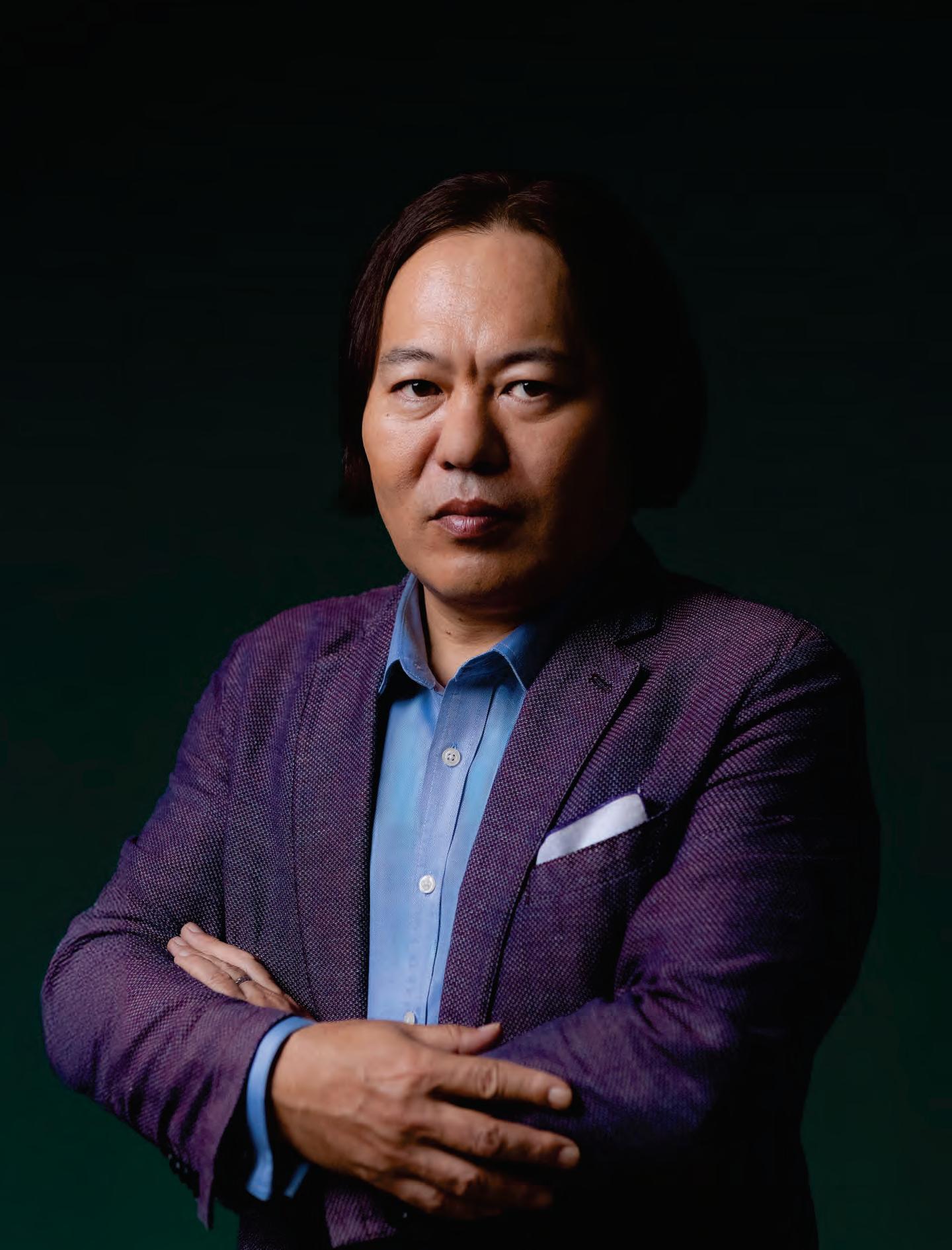
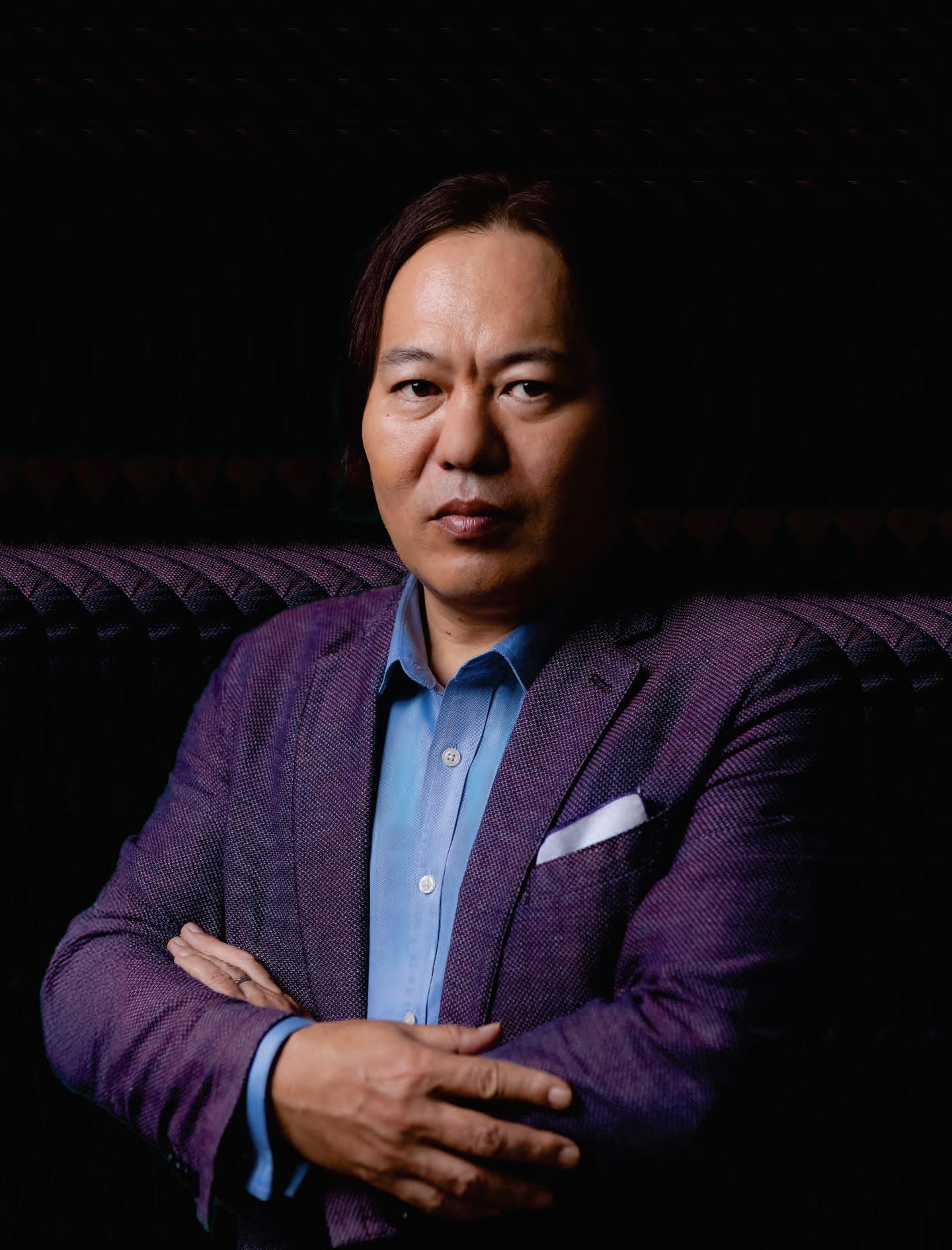
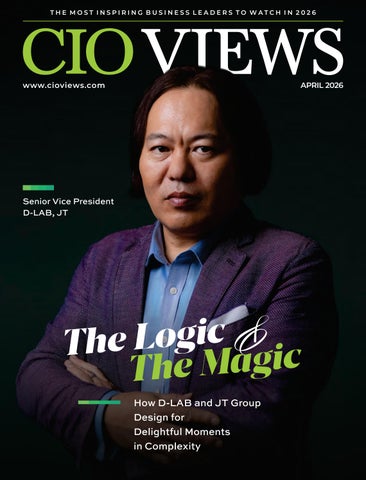
AtCIOViews,wehonortheseempoweringleadersbydedicatingthis issue titled “The Most Inspiring Business Leaders to Watch in 2026” to them. Featuring as the cover story, we have covered the successful & motivating journey of Yuki Otaki, Senior Vice PresidentatD-LAB,JT.Wehavealsoincludedtheinspiringstories of Dave Dietz, President and CEO of Educational & Institutional InsuranceAdministrators (EIIA); Sasha Strauss, CEO & Founder of Innovation Protocol; Charles Freund, Chief Financial Officer at Fullsteam;DariaDubinina,Co-Founder&CEOofCrassula;Mitsuru Ota, Director & Executive Officer at VE-TRI; Federico Baldi, Chief Revenue Officer at Citrefine International Limited; and Sammy Hamoudi,CEOofMicroAnalytics.
HappyReading! Mousmi N. Mousmi For any editorial queries, write to us at: editor@cioviews.com For any other queries, write to us at: info@cioviews.com
CIO Views is a business magazine that mainly focuses on business leaders,theirjourney,viewsoncurrenteconomicstates,andallother relevant subjects that refer to the business world. Our goal is to be a leadingsourceofinformationdedicatedtoprovidingourreaderswith detailed perspectives and views of successful business leaders who aretransformingthebusinessoutlookandredefiningtheirgoals.With exclusive editions on various industries like software, education, healthcare, technology, real estate, and many more, CIO Views is driventopromoteexcellenceintheworldofbusiness.
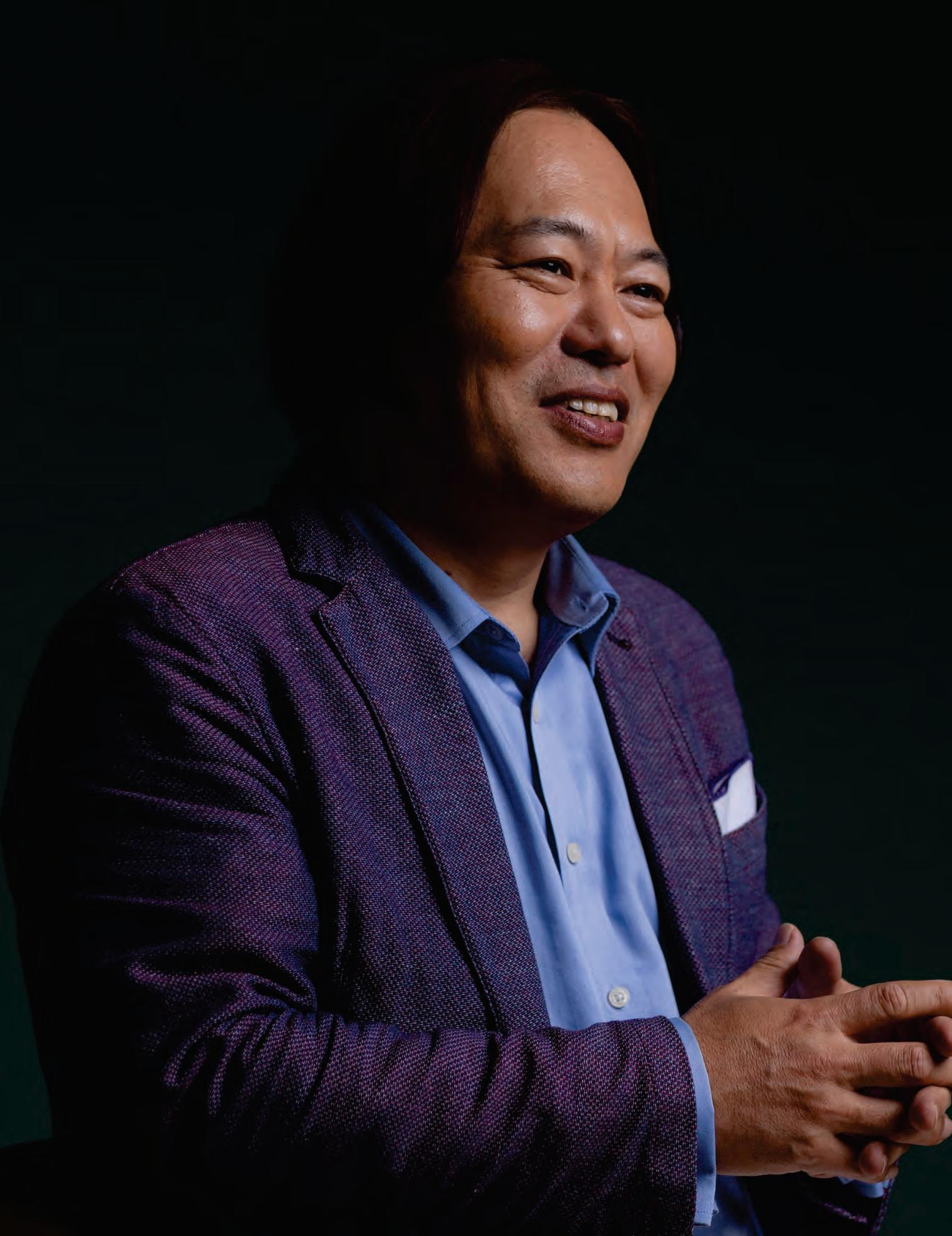
Yuki Otaki








Headquartered in Tokyo, the JT Group operates globally across tobacco and processed food businesses with products reaching more than 130 markets. Within this vast ecosystem sits D-LAB, the Group's corporate research and development organization.
D-LAB functions as an internal laboratory dedicated to zero-to-one ideation and oneto-ten incubation. While the broader group manages established global operations, DLAB is positioned to look toward the longterm vision for society and the future. It


operates with a distinct culture of exploring the why behind every innovation rather than focusing solely on technical implementation.
This mission is realized through an openecosystem approach. By prioritizing global collaboration over exclusive in-house development, D-LAB integrates external expertise with internal research. This allows the organization to move beyond simply acquiring ready-made solutions, focusing instead on co-creating new forms of value that complement the Group's foundational strengths.

What is JT Group, JT Group Purpose, and “Delightful Moments”
The Group is guided by its longstanding management principle, the 4S Model, which seeks to create balanced value for consumers, shareholders, employees, and society. This foundation supports the overarching purpose of delivering Delightful Moments under the JT Group Purpose: Fulfilling Moments, Enriching Life. The Delightful Moments concept grows from the Group's deep-rooted heritage in sensory experiences and moments of pause.
D-LAB carries this legacy forward by translating these values into the modern pursuit of well-being. By partnering with external innovators and scouting global technologies, the organization reimagines traditional business strengths to explore the deeper essence of mental enrichment.
This collaborative lens ensures that the pursuit of "Delightful Moments" remains grounded in human-centric value and emotional resonance, rather than just technical output.
ResearchActivities and the 3C Hypothesis
D-LAB research activities include extensive collaborations with universities and creative partners to better understand the nature of mental enrichment and human experience. This work is grounded in a specific hypothesis, the 3C framework, which defines a Delightful Moment across three distinct dimensions.
The first C is Change, reflecting shifts between psychological or physiological states, such as moving from the ordinary to the extraordinary
or from the rational to the intuitive. The second is Choice, centered on intentional, self-led decisions rooted in one's “Authentic Taste.” Here, individuals proactively choose experiences based on their own internal values, rather than external trends.
The third is Coherence. It speaks to meaningful connections among people, products, and shared emotions.
Together, this framework allows the team to imagine how future products might spark deeper, more fulfilling experiences, ones that truly resonate with the essence of human wellbeing.

The organization translates its insights into reality through a combination of internal business development and global investment. Business creation activities are split between self-led projects driven by internal teams and partner-led initiatives carried out through external startup studios.
Alongside these efforts sits the investment arm. Over time, it has built a strong global presence as an early-stage venture capital fund.
By backing more than 200 companies across the United States, Europe and Japan, D-LAB identifies emerging technologies and business seeds that align with the Delightful Moments concept.
These investments open the door to new capabilities.At the same time, these efforts create a comprehensive portfolio of lifestyle and wellness innovations.
Five primary global initiatives demonstrate the practical application of these concepts in the real world.
The first is fufuly, a breathing guided robot cushion designed to improve the quality of rest through rhythmic movement.
The second initiative is Delightex, which researches natural substances to create mood snacks such as the hue.
The third is SCENTMATIC, a service that utilizes the KAORIUM system to visualize fragrance impressions and flavors through descriptive words.
The fourth case study is MENTAGRAPH, a mental battery service for the workplace that uses biometric data to visualize employee fatigue and promote sustainable work styles. It uses devices such as the Mentoring 2 smart ring and the Relaxonic Cover to monitor and improve restorative rest.
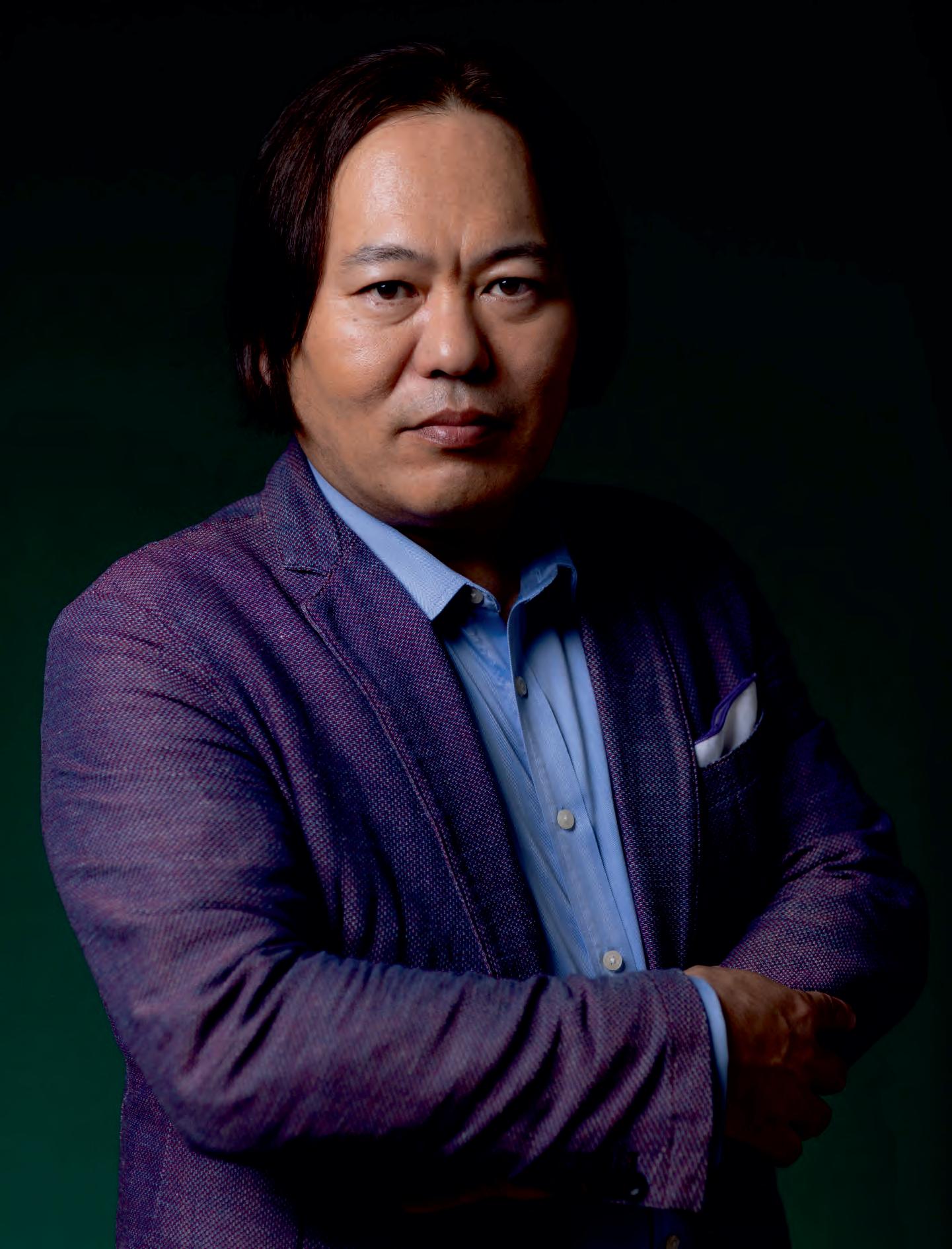
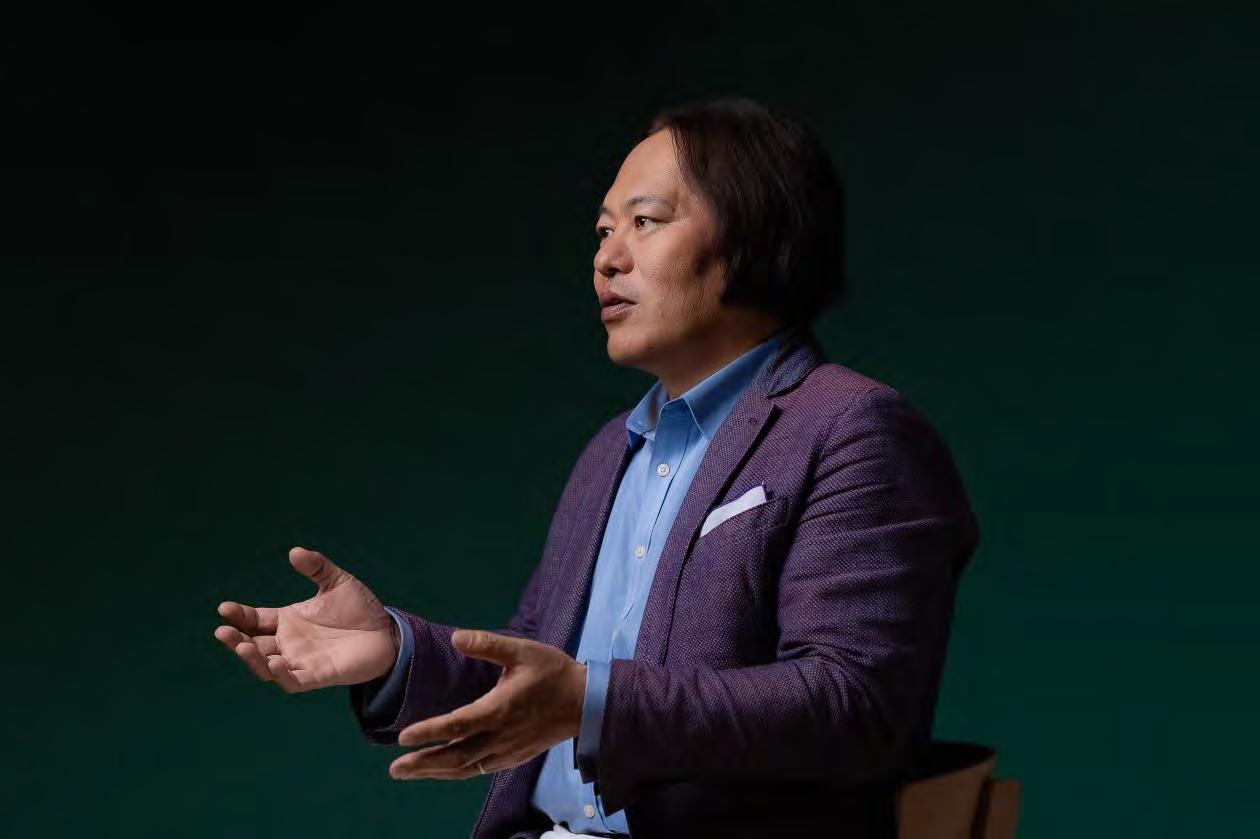
Yuki Otaki, SVP of D-LAB at Japan Tobacco (JT), has led corporate R&D and venturing since 2013, exploring new growth alongside core businesses; MBA (Hult), BA (Keio)
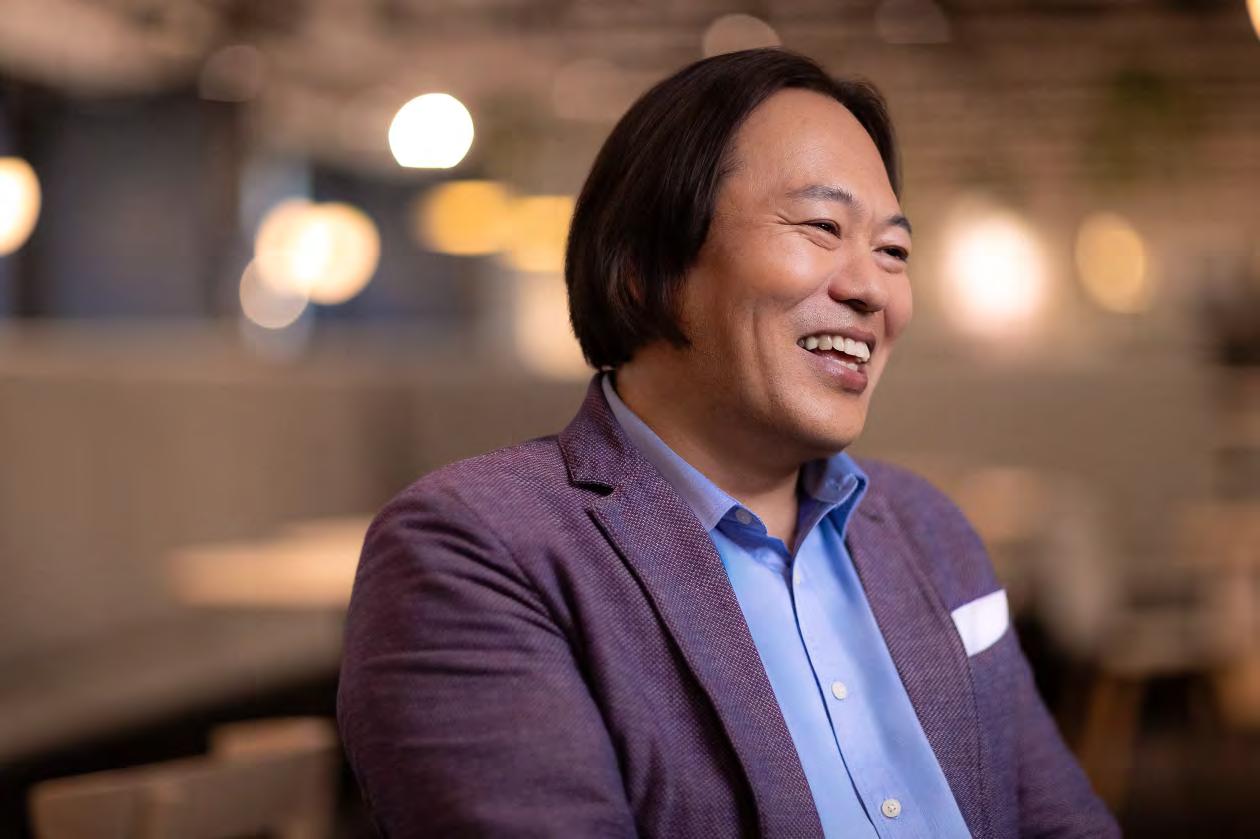
Yuki Otaki's Story, The Navigator Who Won't Pin the Map:AStudy in "Unfixed" Leadership
Yuki Otaki, SVP of D-LAB at Japan Tobacco (JT), has led corporate R&D and venturing since 2013, exploring new growth alongside core businesses. With an MBAfrom Hult and a BAfrom Keio University, his leadership style is defined by a focus on navigating complexity rather than rushing toward binary resolutions.
Despite his role, he remains grounded in the idea that leadership is an ongoing practice rather than a destination. “I am sincerely grateful for this recognition.At the same time, neither our organization nor I
feel that we have 'arrived.' What we are doing is continuing the work of shaping the future. In that sense, we place great value on the awareness that we are still very much in the middle of that journey,” he reflects.
The foundation of Yuki's leadership philosophy was laid during his MBA studies in 2006. He felt a growing discomfort with the idea that the messy, organic reality of human societies and business systems could be neatly tucked into reductionist frames. To him, the standard theoretical tools seemed insufficient to capture how people and strategies
actually evolve. By the time he graduated, he had synthesized this tension into a personal framework he calls 'Logic & Magic.' He decided that the goal was not to choose between opposing values or treat them as contradictions to be fixed; instead, he became focused on how to hold them together and harmonize them. This balance remains the central question of his career.
The Map is Not the Territory
This experienced executive believes that global experience isn't about the stamps in a passport or the number of time zones crossed. It is something much more internal.
While based in Japan, Yuki works closely with people whose values and logic differ from what might be considered “typically Japanese.” This led to a solid realization. The real friction in strategy isn't caused by national borders, but by the invisible assumptions we carry. He has learned to see his own way of thinking as just one perspective among many. "For me, global experience is not about crossing borders, but about learning to relativize my own assumptions in decision-making," Yuki notes. By designing decisions that incorporate multiple premises, he builds a more stable foundation for long-term growth.
Designing a Space for the "Unfixed" Future
Yuki regards his role at JT Group as something akin to a navigator who refuses to pin a single point on the map. His daily work involves providing direction while ensuring the environment is flexible enough to allow decisions to evolve as they go. He calls this 'ambidextrous decisionmaking.' Aconstant balancing act between getting things done today and exploring what might happen tomorrow.
To him, vision isn't a static image of the future. It is a state in which the quality of decision-making continues to improve as circumstances change. Therefore, instead of providing fixed answers in advance, he focuses on the context behind every choice. The intent is to ensure that different viewpoints can be shared without fear.
TheArt of the Unfinished Decision
In the high-pressure environment of executive management, there is a constant, almost gravitational pull
toward finding the "correct" answer. Yuki has navigated many such moments where time is short, and interests are deeply conflicted. He realized early on that simply handing down a conclusion often misses the point. The real challenge and the real growth come from learning how to keep moving when no perfect path exists.
He has shifted his focus away from being a traditional problem-solver toward becoming an architect of process. For Yuki, “leadership is not about providing the right answers, but about creating structures that allow decisions to move forward even when assumptions differ.” By articulating the invisible premises at play rather than just the final result, he ensures the organization doesn't just reach a destination, but understands the journey it took to get there.
When managing fast-moving priorities across diverse international teams, Yuki practices a specific kind of mental discipline. He refuses to judge everything at the same speed. It is easy to feel that every problem requires an immediate resolution, but he consciously separates the "now" from the "not yet." He intentionally holds onto certain open questions, allowing them to breathe rather than forcing a premature consensus.
In his view, a leader's job is to sit comfortably with ambiguity. He feels, “clarity is not about narrowing options, but about continuing to work with multiple possibilities at the same time.” This approach enables his teams to stay agile. They aren't locked into a single rigid path. They are instead prepared for several possible futures. It's a way of
maintaining focus without losing the peripheral vision necessary for longterm survival.
To Yuki, staying effective means maintaining a neutral mind rather than ritualizing productivity hacks. He is keenly aware of how easily judgment can become biased under pressure. That's why he treats self-reflection as a core discipline.
He spends time organizing his thoughts and questioning his own motives. He also makes space for learning, whether through books, meeting new people, or spending time with his family. These moments help him shed his corporate skin and step away from constant evaluation.
When it comes to leadership, Yuki avoids the traditional "top-down" approach to talent management. He doesn't see people as assets to be molded, but as individuals who thrive under the right circumstances. “My guiding principle is not to develop people, but to create the conditions in which people can grow,” he explains.
Instead of demanding total transparency, which can often feel forced, he focuses on building a foundation of psychological safety. He aligns the team on a few essential things: the company's purpose and their shared values. This minimal shared ground creates enough stability for people to voice their different opinions without it becoming a confrontation. For Yuki, the goal is to let unspoken intentions surface naturally so the team's collective intelligence can take over.

Meaningful Milestone
If you ask Yuki about his proudest achievement, he won't point to a specific deal or a successful product launch. For him, the real milestone is more subtle and much more lasting. It is the moment his way of thinking, by embracing complexity and inherent tensions, stopped being just "Yuki's method" and became the way the organization itself speaks.
He finds deep meaning in seeing these decision-making frameworks take root as a shared language within JT Group. This collective foundation for sustained value creation, in his eyes, is the most significant achievement of his career.
Strategy as a Signal, not a Crystal Ball
Yuki doesn't spend his time trying to predict the future with perfect accuracy. To him, the market isn't a
puzzle to be "solved" or a race to be won by being first. Instead, he sees every shift in consumer behavior and every new trend as a signal.Ahint that helps him decide which strategic options to prepare in advance.
He manages the business by staying "ambidextrous." On one hand, he addresses the market's needs today; on the other, he quietly builds the tools for tomorrow. By moving between consumer insights, technology, and social structures, he ensures the company isn't just reacting to change, but is already standing where the change is headed. It's a way of co-creating the future rather than just waiting for it to arrive.
When asked for advice for the next generation of global leaders, Yuki is refreshingly honest. He doesn't believe in universal formulas for success. His own practice is less
about being right and more about being flexible.
He focuses on avoiding "fixed" decisions. The kind that leaves no room for new information. By clarifying assumptions early and resisting the urge to rush to a finish line, he ensures his choices remain effective across cultures and contexts. His message to young professionals is subtle yet powerful. He urges them not to worry about making a wrong decision as much as making one they can't update.
This industry veteran sees a clear distinction between managing the day-to-day and leading a transformation, though he values both. Operational leadership is about stability, reliability, and making sure the machine runs well within its current rules. But, in his view, true leadership quality emerges when a
person can step back and ask "why."
It is about sensing where the "center of gravity" needs to be at any given moment, balancing the excellence of today's operations with the long-term transformation of the entire organization.

If Yuki has his way, his legacy won't be a specific project or a business result. His gaze is set on the long horizon. He envisions an organization that can continually revisit its own questions and update its judgments as the world changes. For Yuki, the ultimate success is seeing the quality of dialogue and thinking he has championed become so deeply embedded in the JT Group that it continues to evolve through the next generation. That ongoing cycle of renewal is the mark he truly hopestoleave.



President & CEO, EIIA, Inc.
Expertise in the Insurance Industry Coupled with a collaborative leadership style and an innovative mindset
Dave DietzPresident, , and CEOEIIA of , has over 30 years of insurance business expertise, including underwriting, sales, marketing, and representing religious and non-profit institutions.
When Dave began as a commercial lines underwriter with Sentry Insurance. Fresh out of college at the time, he knew nothing about insurance. He was captivated by all of the different risks and coverages as well as the sales process between the insured and the broker.As he progressed in his career, he served in positions such as Underwriting Manager, Branch Vice President and Senior Vice President of Sales. His volunteer efforts have included youth sports coaching, Junior Achievement, and a variety of teaching and leadership roles via his church. Dietz graduated from the University of Wisconsin-Eau Claire
with a Bachelor of Business Administration in Economics.
Dave was most recently Senior Vice President of GuideoOne Insurance Company, which provides insurance to nonprofit and religious organizations. He previously worked for StateAuto Insurance Companies for 15 years, where he led the Workers' Compensation Division and was Vice President of Commercial Lines, directing the organization's sales and underwriting field operations.
Dave values the faith that his leaders and mentors have shown in him throughout the course of his career, which has included everything from start-up initiatives to turnarounds. He has learned valuable lessons from each leader he has worked for and feels that he is an aggregation of all of his prior
experiences and relationships.
The Inception Story of EIIA
There is no other organization quite like EIIAin the insurance market. It is unparalleled in handling the insurance and risk management needs of private, faith-inspired schools, colleges, universities, and seminaries.
At the close of the Civil War, historically black colleges selected education as one of their most pressing needs. Former slaves were taught to read and write at schools founded by the Methodist Church.
EIIAwas created in the 1960s with the purpose of providing insurance and risk management services to historically black Methodist institutions and universities. These organizations struggled to obtain

appropriate insurance capacity during a period of social, racial, and political turmoil. EIIAhas expanded its offerings to all faith-inspired institutions of higher learning and serves approximately 150 member institutions today. Dave states, "Together we pool our experience to build proprietary insurance and risk management programs."
Dave sees his role at EIIAas that of a facilitator who leads the group in setting a strategic course, clearly defines expectations and desired outcomes, provides the team with the tools they need to accomplish given objectives, provides feedback
and encouragement along the way, makes adjustments as needed, learns from mistakes, and celebrates victories.
He defines success as, "Achieving an outcome that provides a "win" for all stakeholders."
EIIAis a non-profit, member-driven organization that provides insurance and risk management services to its member institutions of higher learning. EIIAunderstands the challenges that its members face.
Enrollment trends, especially in traditional liberal arts programs, are under pressure. Retaining and
finding staff in the era of the “great resignation” is difficult. Regulatory and compliance issues have grown more complex. Tending to the needs of students – from educational experience to campus safety to mental health – is an evolving issue along with the trending social and economic challenges institutions face.
On top of that, there are additional insurance and risk management headwinds across the industry –climate change and the resulting weather and storm patterns, social inflation reflected in jury awards and claim outcomes, cyber-attacks that grow exponentially in frequency and scope and an
insurance marketplace that has seen rates rise over the past three years. Because of its unique heritage, EIIA has vast expertise and experience in providing innovative services that fit its members' insurance and risk management needs.
According to Dave, he was attracted to the position at EIIAbecause of its mission and also the highly skilled and specialized staff. He shares, "They're here because they believe so strongly in what we do and the members that we serve. It is an incredibly powerful platform to build on."
While facing challenges, Dave focuses on what he can control. He says, "I can't control whether the market is hard or soft, but I can control the relationships I build with partners to work through what the market brings." He further adds, "Let your people know what you expect, give them the resources and support they need, and get out of their way."
He also believes that challenges do several things:
1. Test your perseverance; anyone can succeed with a strong tailwind, but overcoming obstacles shows perseverance and resiliency that not everyone has
2. Test your creativity; how do you pivot when planAdoesn't work?
3. Builds confidence; once successfully navigating a challenge, instills confidence
the next time (and the next times after…)
4. Builds team camaraderie; there's nothing better than winning when you've beaten long odds or proven naysayers wrong.
Work/life balance is something that Dave didn't appropriately value until later in his career. He recalls, "I remember working on an RFP at Disney years ago while waiting for my family to finish a ride." He further adds, "We all need to mentally "turn off" work mode when we're on vacation or engaged in family activities." He believes that the previous few years have made all of us re-evaluate our genuine priorities.
Serving the members of the college institutions is enough motivation for Dave and the entire EIIAteam. He views them as the cause for EIIA's existence, and they are dealing with a wide range of societal and economic challenges. He admires the EIIAteam's enthusiasm for its clients and their achievements.
EIIAis a member-driven consortium of private, faith-inspired colleges, universities, and seminaries dedicated to upholding the promise of higher education by providing its members with innovative insurance and risk management solutions. Dave has a clear strategic vision for EIIA, which includes building stronger
relationships with everyone who serves EIIAmembers.
The future plans concentrate on the members of the EIIA:
•Keeping insurance premiums affordable
•Protecting them against the risks and exposure they face in the course of educating their students
•Innovating new solutions and ways to become even easier to do business with
•Creating opportunities for associates to grow and develop
AMessage from Leader to Future Leaders
Dave believes he has accomplished more than he could have imagined, not just by becoming a CEO, but also by the wealth of experiences he has had, things he has learned, people he has encountered, and lifetime relationships he has created.
As a seasoned company leader, his advice to aspiring leaders is to seek out mentors and role models to learn from and to resist the need to constantly follow the crowd. He encourages people to be inquisitive and not hesitant to ask questions. He believes that a job in the insurance sector is more appealing than one may expect.

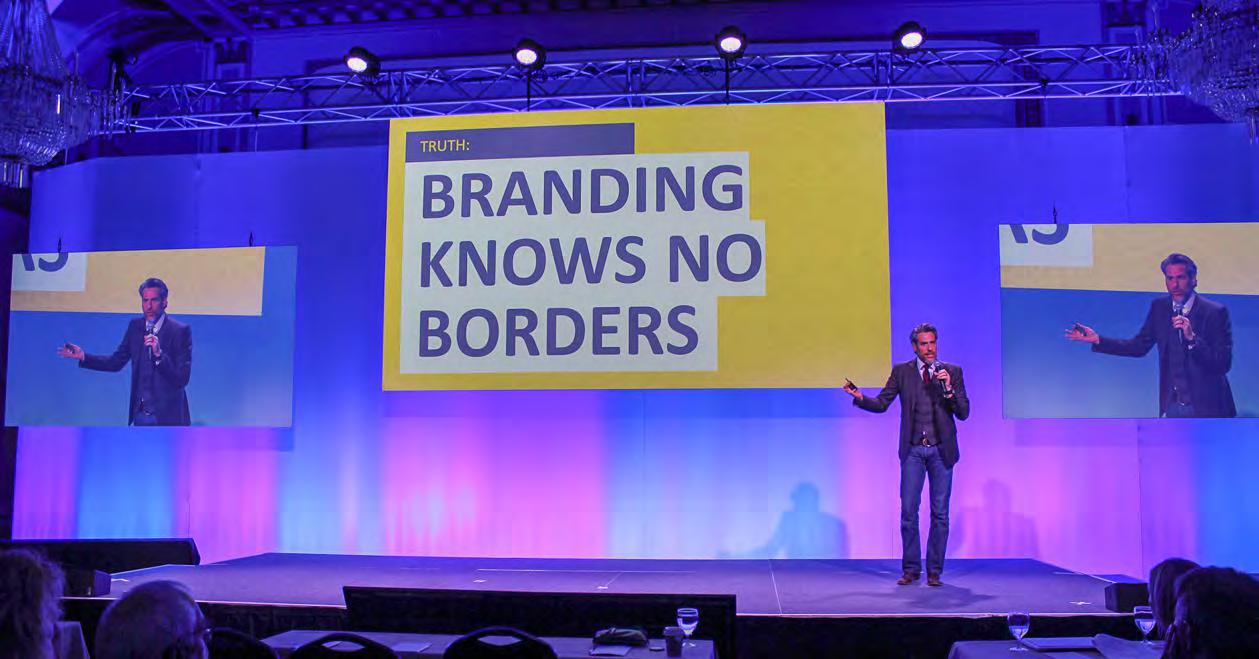
Sasha Strauss is the Founder and CEO of Innovation Protocol, an award-winning brand strategy consultancy headquartered out of LosAngeles. He is a brand strategy professor, preacher (speaker), and firm principal with a penchant for brand non-profit work. He teaches as a graduate school professor and is concurrently faculty at the top three business schools in Southern California.As an acclaimed international keynoter, Sasha travels weekly to deliver original speeches to over 500 professional organizations and companies, from 30 industries, in 20 countries.
Drivers of Success for Sasha Strauss
Sasha grew up watching his parents love their work. Theyd get calls on their home phone at ' midnight for his Dad to come into the hospital to handle an emergency patient, or for his Mom to fill medications at the community pharmacy. Theyd then pack up and go with ' them without skipping a beat. Wed tuck “' under a desk and do our homework and get what sleep we could while our parents
worked away.And no matter how many times we got those calls, my parents never grunted or growled — they leaped (and still do) at the chance to do the work they love,” he says.
His parents have been the benchmark for his belief in work and success. His Dad did and does the low-paying surgeries because other doctors wont, and hes thrilled by the '' problem-solving required to save a persons ' limb riddled with problematic wounds. On the other hand, his Mom filled medicine bottles for community patients because she was proud of her profession and was intellectually stimulated by the individual pharmaceutical concoctions prescribed per each unique patients condition. '
“Never seeing your parents resent a day of work, and pride themselves on that very work teaches you a unique definition of success that cant be measured monetarily. I feel ' successful because I too love my work. Im ' proud of what I have built because I created my career from scratch without any leg up or handout. To both originate your

career and enjoy your profession feels like a prideworthy achievement,” he states.
For his TEDx talk From Branding, “ with Love” Sasha was coerced by the producers to share his childhood developmental disabilities and how they plagued his education until he was 19 years old. Being constantly thrown “ out of classes forAttention Deficit Disorder issues to the degree that you become an expert at building art with the trash outside the classroom (instead of getting good at math inside of it) meant graduating wasnt easy,” he says. '
Having all of his applications for both college and graduate school declined multiple times before getting probationally accepted taught him the most about persistence. “Considering that Im now a professor at all three of ' the universities that denied my admittance, and have been teaching graduate school for 16 straight years, the lesson is clear: measure yourself on your own terms, persistently pursue opportunity, and teach what you learn along the way” Despite explains Sasha. sour grades, he volunteered relentlessly, carried himself as an Eagle Scout, and showed up to every single job like a champion. When he finally got into graduate school, it was because seven individual CEOs wrote personal letters to the administration celebrating his abilities and contributions. Now Im the CEO “' writing those letters of recommendation,” he proudly exclaims.
Innovation Protocol Redefining the Brand Strategy Space
Brand Strategy was virtually unknown 25 years ago when Sasha got into the
category. Today, you cant watch a pop ' culture true story drama without brand being the underlying topic. From ' ' ' WeCrash' toInventingAnna' toThe Dropout, the conversation today is all ' about brand building. From employer branding to shareholder engagement, leaders know branding is the key to organizational durability and appeal. The status quo was very different back when Innovation Protocol started in 2006. Then, each prospective client pitch had to start with brand 101” just “ to level set what they were there to potentially do. They sold via teaching, and it worked.
Now Innovation Protocol is a renowned brand consultancy that serves the market-leading public and private corporations, outstanding universities, religious movements large and small, and local and international non-profits. Theyve grown from an ' entrepreneurial start-up to a worldclass firm through a commitment to the careers of their coworkers and clients. Although their “customers” are the organizations that hire them, Sasha says that they know that the individuals stewarding the brands are their responsibility to empower and propel. By making sure their work stimulates and elevates them every day, they champion their answers and in turn drive Innovation s growth. Protocol'
“'Im a sensitive soul that sympathizes to a dangerous level – often taking on the suffering of others as my own,” claims Sasha. This issue” made for a “ fairly uncomfortable youth as it also made him very susceptible to the influence of well-played marketing messages.At 18 years old, while on probation as an undergraduate in a basic writing course, he was assigned a writing assignment – describe your “ ideal career.” While perusing career
books, he came upon a job he didnt ' know existed: Public Relations “ Consultant.” “I was baffled. I saw why I was so convinced by so many organizations to care. I had been professionally swayed!” he exclaims.
The ” he was hearing from, and “brands being influenced by, knew exactly what they were doing. They intentionally handpicked their words, tone, packaging, images, identity, etc. to impact the choices of people just like Sasha. He was simultaneously deeply offended and existentially compelled. He thought, Could there be a job ' where you do help people make choices that are relevant and authentic instead of manipulative and misleading?He then wrote a ' handwritten note to his grandparents stating his intentions to pursue this elusive career and see what he could make of it.
That was 1994, and this January will mark his 28th year in the field. “'Ive enjoyed my work and am proud of what Ive created. Im probably most '' delighted by the recognition Ive ' received though as a professor teaching my profession.Although there's no “ ' award” to reference, Im constantly humbled by the number of students packing my class waiting list to the hilt, ultimately capping out the spaces and creating a competition for the 77 spots. Thats a prize I never imagined ' Id win,” ' he states.
Sasha describes himself as a curious, considerate, contemplative, collaborative, and communicative person. He states that professionally, he is a brand strategy consultant at Innovation Protocol, and it remains the bulk of his day-to-day work –consulting with key clients and
advising them on their organizational identities for the long term. For 15 of their 16 years, he only ever called himself Managing Director” to imply “ that he is first and foremost a client partner, not a business operator. He hired their COO and President 10 years ago to play that key role, so he could remain focused on the clients and their coworkers. Only this year did they change his title to CEO, as they truly have achieved a scale and form where his modesty was misrepresenting the role he plays in driving their company.
Before Innovation Protocol, he worked for some of the most well-known names in brand communications, from Rogers & Cowen in public relations, and Chiat/Day in advertising, to Siegel+Gale in brand strategy.
“Although I also did a five-year stint in promotional brand marketing in the late 90s, where my team represented brands like Pepsi and Microsoft at some of the biggest consumer events of the time (like the ESPN X-Games or
the Vans Warped Tour), I was always focused on the strategic definition of a brand and its long-term relationship with its Even my charitable customers. work focused on being the brand thought partner to the more than 50 non-profits I have served,” states Sasha.
Innovation Protocol has many opportunities, from strategic M&Ato holding its growth trajectory steady through economically uncertain times. “'Well continue to expand our Brand Activation services (web and video solutions) as we keep deepening our bench of top brand strategists with kind hearts and strong minds. European expansion is likely on the horizon, as well as returning to Central and South America to service the requests we just havent had the time to pursue due to ' our NorthAmerican client demands,” says Sasha.
After having keynoted some of the largest business summits in the world, he states that its about time they take ' those opportunities seriously. Most of their competitors pay heavily simply to attend and host a booth at such conferences, whereas Sasha is often the main speaker featured - humbly accepting the pay and opportunity without thinking too much about it. Now its time to see those venues and ' those audiences as high-value assets that warrant nurturing.
Loving your work is a gift and a curse, but one thing that has kept Sashas ' professional and personal life nicely in harmony is that everyone in his personal life is super intrigued by his professional work. Whats also “' interesting about being a brand strategist is that eventually everyone in your personal life has a brand question in time… whether its related to their '

personal brand or an entrepreneurial adventure, time and time again you get that text, call or email asking for that “quick” brand counsel,” he explains.
He says that staying motivated at work means focusing squarely on handling the digital distance brought on by covid-catalyzed transformations to the way the world now works. Before COVID, Innovation Protocol would constantly rally their coworkers via coffee runs, bowling nights, birthday festivities, and jet-setter adventures to client meetings anywhere in the world they were asked to go. Now that clients prefer the efficiencies of Zoom, and after two years of recruiting remote talent, they have full-time employees
in eight U.S. states that all work together via Microsoft Teams. “Today, we keep our coworkers motivated in entirely new ways. From shipping surprise care packages that we open simultaneously on-screen together, to teaming talent up in purely social “Squads” to share non-work topics in small groups, we've pulled out all the stops to set the standard for keeping our workforce motivated despite the distance,” says Sasha.
Because of his troubled academic childhood, “career dreams” were limited to keeping a job. Running a successful company for 16 years with a highly engaged workforce of 25+ that Sasha knows personally, and is
committed to inspiring professionally, far exceeds any dreams of accomplishment he had as a youth. Impacting hundreds of brands across categories and the world also bests anything he ever imagined he would achieve. The cherry on top is teaching incessantly at top graduate schools in LosAngeles and internationally.
Sasha's message to aspiring leaders is: Seek truth & wisdom and maintain against the grain – all else will fall into place.


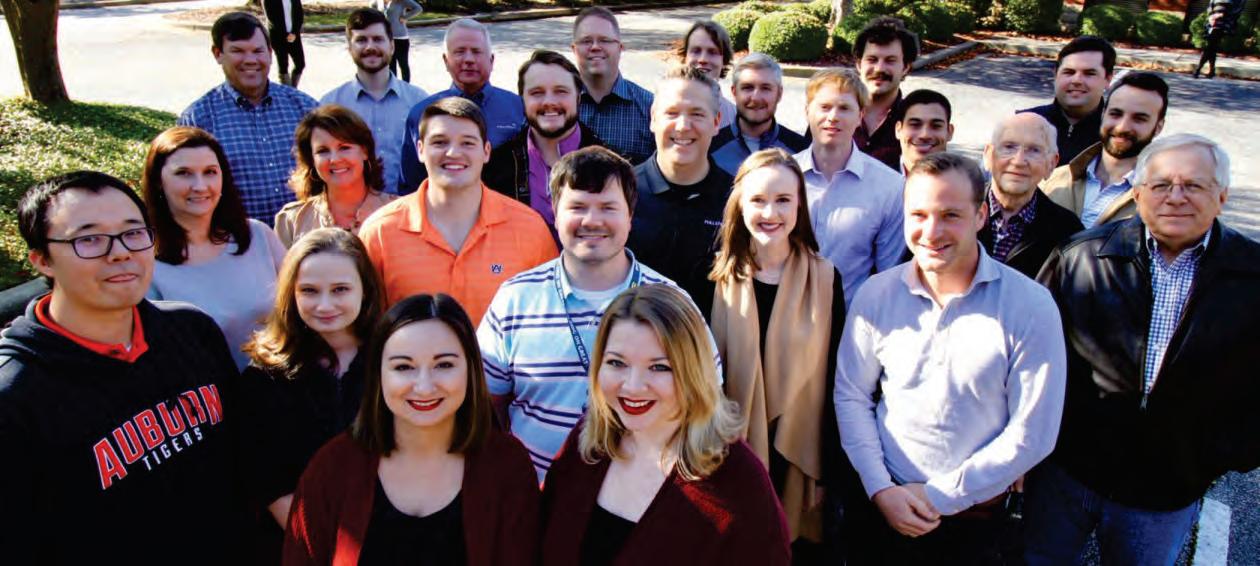
Founded in 2018 and headquartered inAuburn, Alabama, Fullsteam is a holding company that acquires and operates vertical-specific business management software and provides payment processing services across a range of vertical markets. To date, they've acquired over 70 software companies, mostly in the U.S. and Canada, which serve over 50,000 small-to- midsized businesses (SMB) in verticals such as retail, hospitality, recreation, automotive, healthcare, field services and more.
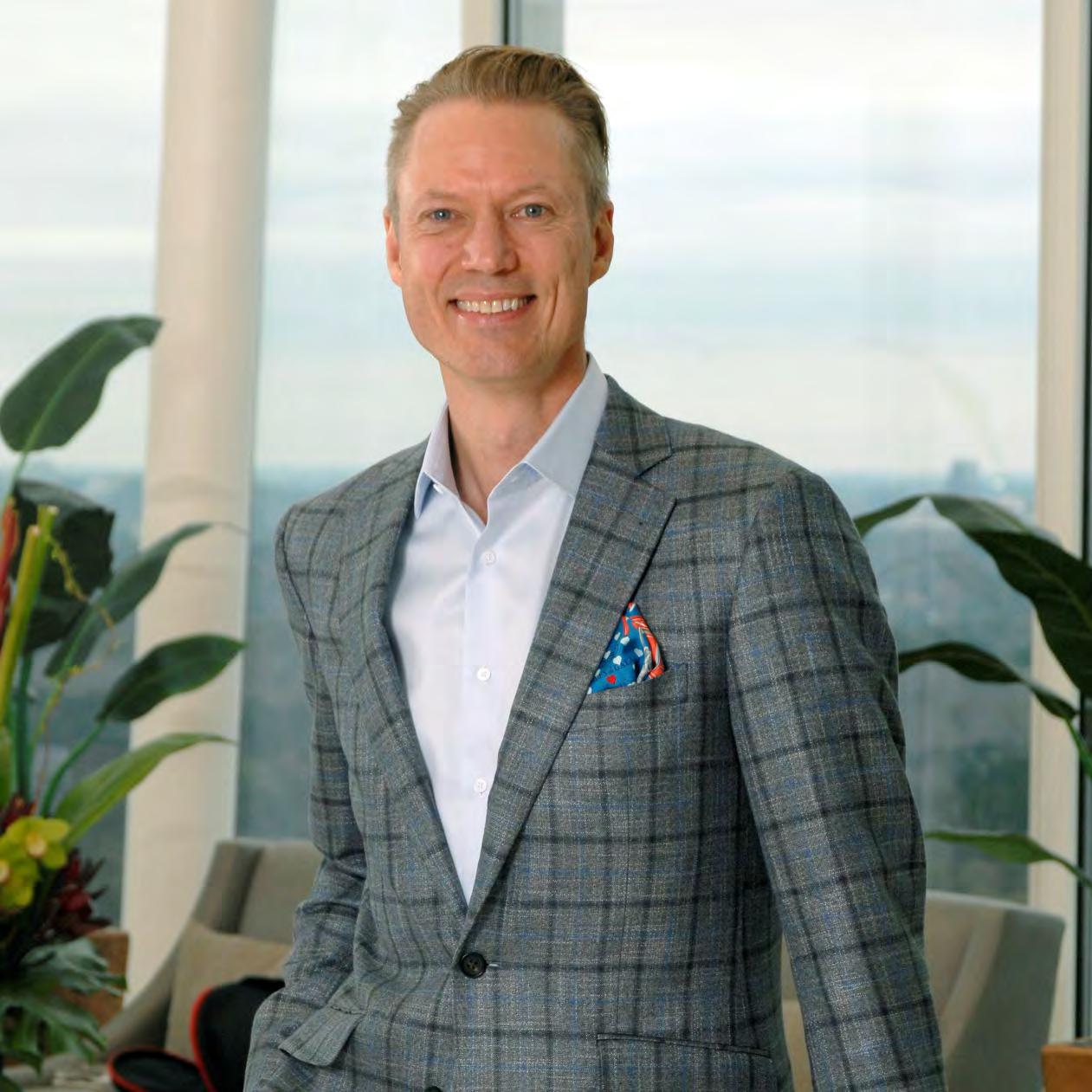
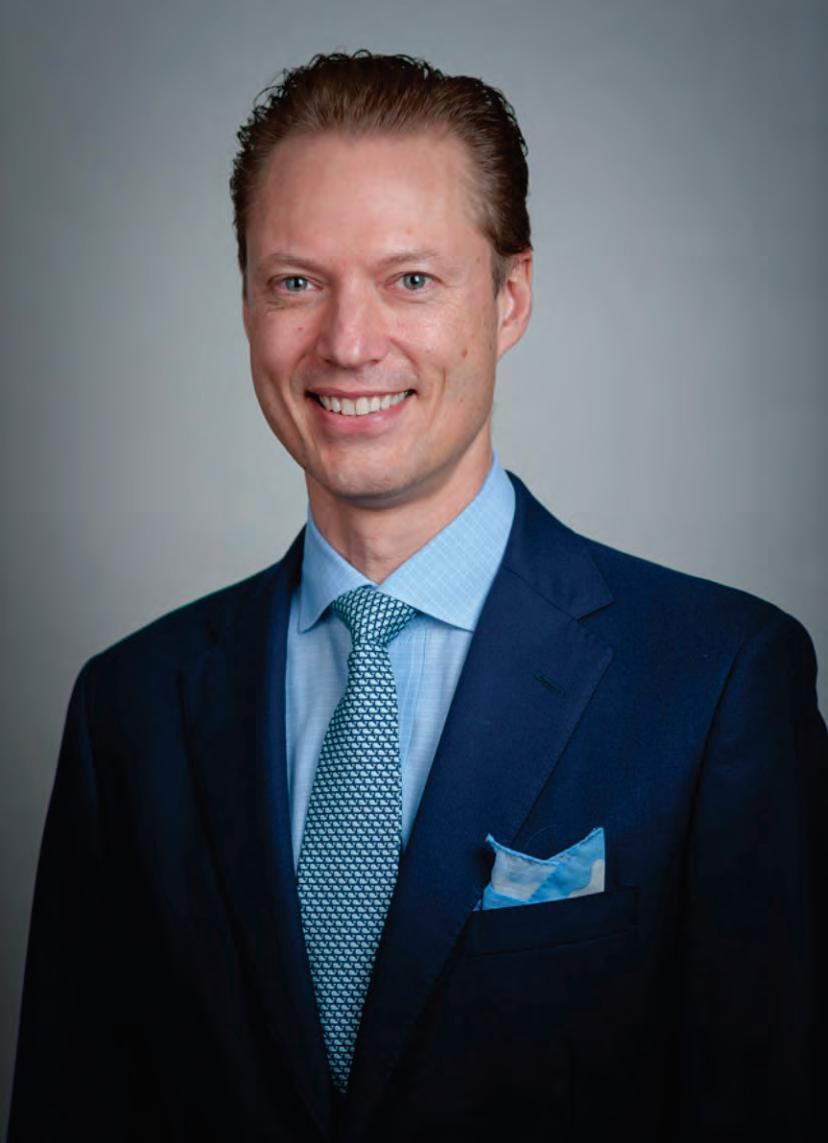
As Fullsteam's CFO, Charles Freund claims to have the good fortune of leading an incredibly talented team of 63 professionals in the following functional areas: Financial Planning &Analysis,Accounting, Revenue Management,Accounts Payable, Treasury, Tax, Financial Integrations & Systems, and Human Resources.
Charles' background and life before Fullsteam
Born and raised in New Jersey, Charles grew up in a suburban middle-class family. His parents were loving and supportive, with a very strong religious mindset.As such, Charles was instilled with a strong sense of humility, respect for elders, and fairly traditional values. While he appreciates the positive elements of
such, career aspirations were not the top priority in his youth.
As Charles matured and broadened his views of the world and the many possibilities it presents, he found himself enamored with the idea of international business. The opportunity to travel the world, experience different cultures, and develop relationships across borders held incredible allure, especially given his somewhat sheltered upbringing.
After graduating from Rutgers, the State University of New Jersey, in 1995, Charles started his professional career as a management consultant with Sibson & Company, a boutique Human Resources consulting firm that specialized in designing compensation programs, organizational structures, and performance management systems. Consulting was a great launching point as it imparted strong foundational skills such as research, analytics, situation assessment, problem solving, communication, professional writing, public speaking, project management, change management, etc. It also gave Charles early exposure to lots of different industries, companies and management teams, and that diversity of experiences helped shape his lens of perspective.
Charles then joined FLEETCOR (NYSE: FLT), a global leader in business payments based inAtlanta, Georgia, where he held numerous roles over his 21-year tenure, culminating with an approximate twoyear stint as CFO.
Charles was the first FLT employee to relocate overseas, spending two years in the UK acquiring, consolidating, and running FLT operations there. He returned to the US in 2009 to help run the IPO process alongside the CEO and CFO.After overseeing multiple business operations outside of the US and Europe, expanding the company's footprint to Mexico, Brazil,Australia and New Zealand for a few years, Charles was brought back into a strategy role working closely with the CEO on a variety of key initiatives including rate management, product development, sales channel development, IT organization design, etc.
In September 2020, Charles was appointed CFO, with responsibility for finance, accounting, treasury, tax, legal, investor relations, human resources, sales reporting, and more.
“For 2022, FLT reported $3.4 billion in revenue, and the company's shares trade around $210 per share. So, I like to think that I played a small part in creating a global payments juggernaut,” states Charles.
The definition of success is personal
Charles defines success as finding a state of contentment with oneself that cannot be fundamentally undermined by external forces. For him, this requires being comfortable with, and true to, his own feelings regardless of what others may think or how they may react.
“By living life in this manner, you reduce internal conflict and exist more peacefully. Of course, this is easier said than done. We are trained early on in life to measure up to other people's expectations, to perform out of duty or obligation, and to feel guilty if we disappoint people,” he explains.
Charles strongly believes success comes from shedding these external pressures and impositions and holding oneself accountable for one's own personal standards. By behaving and performing our personal best, whatever that may be on any given day, we can be content with the knowledge that we've given it all we've got.
At several times in his career, Charles was inspired by Sir Richard Branson who said “If somebody offers you an amazing opportunity but you are not sure you can do it, say yes – then learn how to do it later!”
This was applicable when Charles first moved abroad and assumed the role of Managing Director in a foreign country, having never formally managed a team before. It applied again when he helped FLT acquire, integrate and operate businesses around the world.And it applied when he took the helm as CFO without a formal accounting/finance background and without a CPAor MBAcertification. Taking on these challenges required leaps of faith in himself and, more importantly, in his teams, without whom Charles says he couldn't have succeeded.
Fullsteam and its operations under Charles' successful leadership
Fullsteam integrates its cutting-edge payment processing platform into the various core business management software solutions it provides to over 50,000 small business clients. Vertical specialization allows Fullsteam to compete effectively against generic software solutions, and integration with their payments platform provides a comprehensive offering to their SMB clients with unique industryspecific features, robust reporting and automated reconciliation between recorded sales and received payments.
Fullsteam's software solutions are mission critical to their clients' operations and serve as the source of record for their businesses. Each solution is built-for-purpose for the given vertical, with processes, features and integrations tailored specifically to the given industry.
After Fullsteam acquires a software company, they quickly integrate their proprietary, cutting-edge payments
platform into the business management software, creating an embedded payments experience for their clients and their customers. They continue to integrate acquired companies at a rapid pace given their high velocity M&A, and expect to finish 2023 with approximately $20 billion in annual payment volume on their platform.
Charles joined Fullsteam after a circa 21-year career at FLEETCOR (NYSE: FLT). While responsible for various functions as CFO, his personal responsibilities are focused on capital raising, cash flow management, and investor and lender relationships. With Charles' experience as a public company CFO, he was brought onboard to help Fullsteam continue its rapid growth trajectory while preparing the company for its logical next phase.
“I inherited a fantastic team at Fullsteam, and have recruited a handful of stellar additions as we continue to scale the back office. I have instilled my mantra of “simplify, standardize and automate” within all of my functional areas, and my teams are implementing market-leading tools across the enterprise to create operational efficiencies and support Fullsteam's continued growth,” says Charles.
Being nominated for the award of CFO of Year by theAtlanta Business Chronicle in 2022 was a recognition highlight for Charles, especially given his non-traditional path to the CFO role. But the best recognition he states he received, both as a CFO and leader, was the outpouring of well wishes and thanks from his team members at FLEETCOR at the time of his departure.
“It was bittersweet to say goodbye to such a terrific group of people, and they could've handled it quite differently. But their genuine happiness for me was remarkable, and it reaffirmed my belief that culture in an organization can create a valuable and lasting impact,” he further states.
At Fullsteam, they plan to continue to acquire business management software companies and integrate their payments platform. It's an outstanding model which they continue to execute quite well, and they're tracking thousands of acquisition opportunities. In addition, they will seek to create additional revenue streams by offering ancillary

services such as capital advances, marketing services, data monetization, insurance, payroll, etc. to their 50,000+ SMB clients.
“By serving as their trusted provider of core business management software and payments, we have the inside track to providing these other solutions,” says Charles.
Ensuring a culture of integrity and innovation at work
Fullsteam operates with a Culture of Trust, which is instilled through its core values of:
· Listen First
· Talk Straight
· Demonstrate Respect
· Right Wrongs
· Show Loyalty
· Keep Commitments
· Deliver Results
Charles admires Fullsteam's leadership for recognizing that “to err is human,” but also expecting team members to take responsibility and “right wrongs.”
“In my short tenure with the company, I'm thrilled to have witnessed our culture of trust in action. Fullsteam leadership walks the talk. Believe me, we're not perfect, but we genuinely try our best to live these values and serve as examples for our colleagues,” he says.
At Fullsteam they reiterate and reinforce their core values while recruiting, training, and communicating with their 1,400+ team members at recurring townhall meetings. By attracting people who share and believe in these values, they strengthen their culture with every new hire they onboard.
Charles adds, “By creating a culture of trust, which incorporates humility, respect, accountability, personal responsibility and loyalty, we enable really good people to do really great work.”
Early in his professional journey, Charles stretched himself too thin across numerous obligations and reached a point of burnout which led to bouts of depression. “Mental health is a serious issue which I've experienced firsthand and with friends and family. So, I understand how important it is to monitor one's mental wellbeing, and take measures to maintain such,” he says.
Finding a better work-life balance was critical for Charles and has helped him avoid a recurrence of clinical depression. He also learned that there is no shame when dealing with matters of mental health, that seeking assistance in the first instance is incredibly important, and that help is more readily available than you may realize.
Charles is a passionate golfer, playing approximately 100 rounds per year, but he is otherwise available for work and family affairs. He subscribes to the “work hard, play hard” philosophy, and is happy to work long
hours provided his efforts are appreciated and he is treated with respect. Flexibility is also important to him, so those long work hours may be at odd times such that he can spend time with his loving wife,Aimee, and amazing daughter, Colette. Charles is always focused more on the quality of time with family over the quantity of time.
Charles' work motivation stems from an innate sense of responsibility to provide for his family. Of course, he personally enjoys the finer things in life that his efforts have afforded him. But the fundamental need to ensure thatAimee and Colette are, and will always remain, financially secure continues to drive him.And as a family, they have set a vision for what their future retirement will look like, and Charles has got more work to do to achieve it.
For his team, Charles tries to ensure that they are clear on their personal priorities, understand how those priorities contribute to Fullsteam's success, are acknowledged for their personal contributions, are plugged into what's happening throughout his organization and around the company, and know that he “has their backs.”
“I'm a firm believer in the servantleader philosophy, and strive to provide thoughtful, empathic leadership to everyone on my team. I've found that creating a safe, supportive environment allows smart, capable people to thrive and contribute while also enjoying the process. Work can be fun in the right setting and with the right leadership!” Charles states.
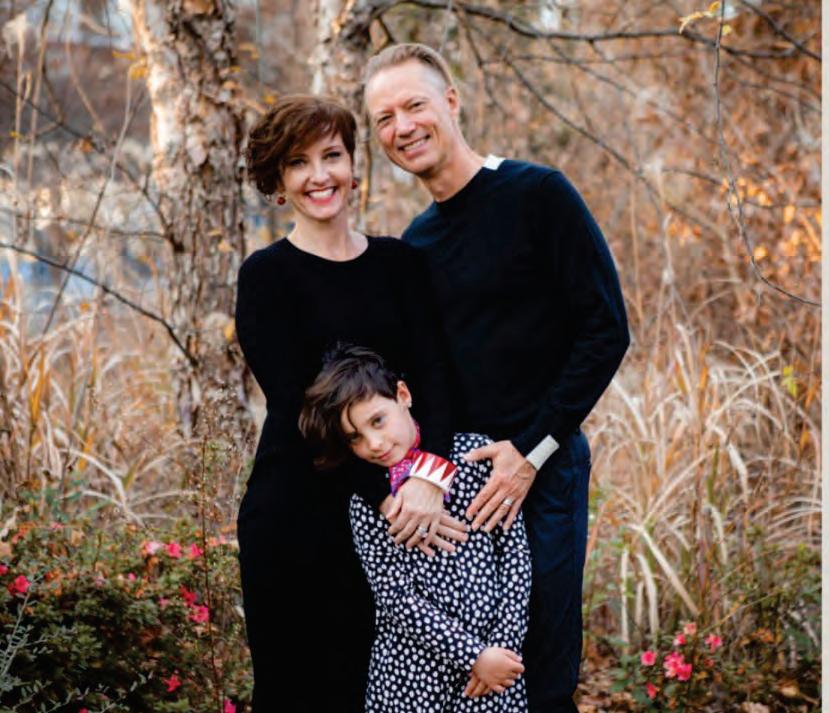
At the age of 24, Charles created a list of things he wanted to accomplish. His list covered the gamut, including income, wealth, travel, homes, family, etc. He has checked off everything on his list except one: to retire by the age of 50. In October 2022, Charles reached that milestone.
Although he's now technically “over the hill,” he has taken to heart what people say: “today's 50 is yesteryear's 40.”
“In truth, I have plenty of energy, lots to still contribute and am having way too much fun to stop working,” he exclaims.
That's also why Charles volunteers as Chair of FinTechAtlanta (FTA), a coalition of companies working to advanceAtlanta as the recognized
global capital of financial technology. Working closely with other seasoned industry executives, FTAadministers various programs and initiatives to drive fintech industry growth, talent expansion, innovation acceleration, and public policy influence inAtlanta and across the state of Georgia. It's been a terrific way for him to leverage his skills for the greater good of the local ecosystem and community.
Charles is always looking to the future, thinking of new things to experience, while continuing to dream big.And while he has accomplished a lot, he believes that there's always more to enjoy in life.



Co-founder & CEO, Crassula
For some successful leaders,
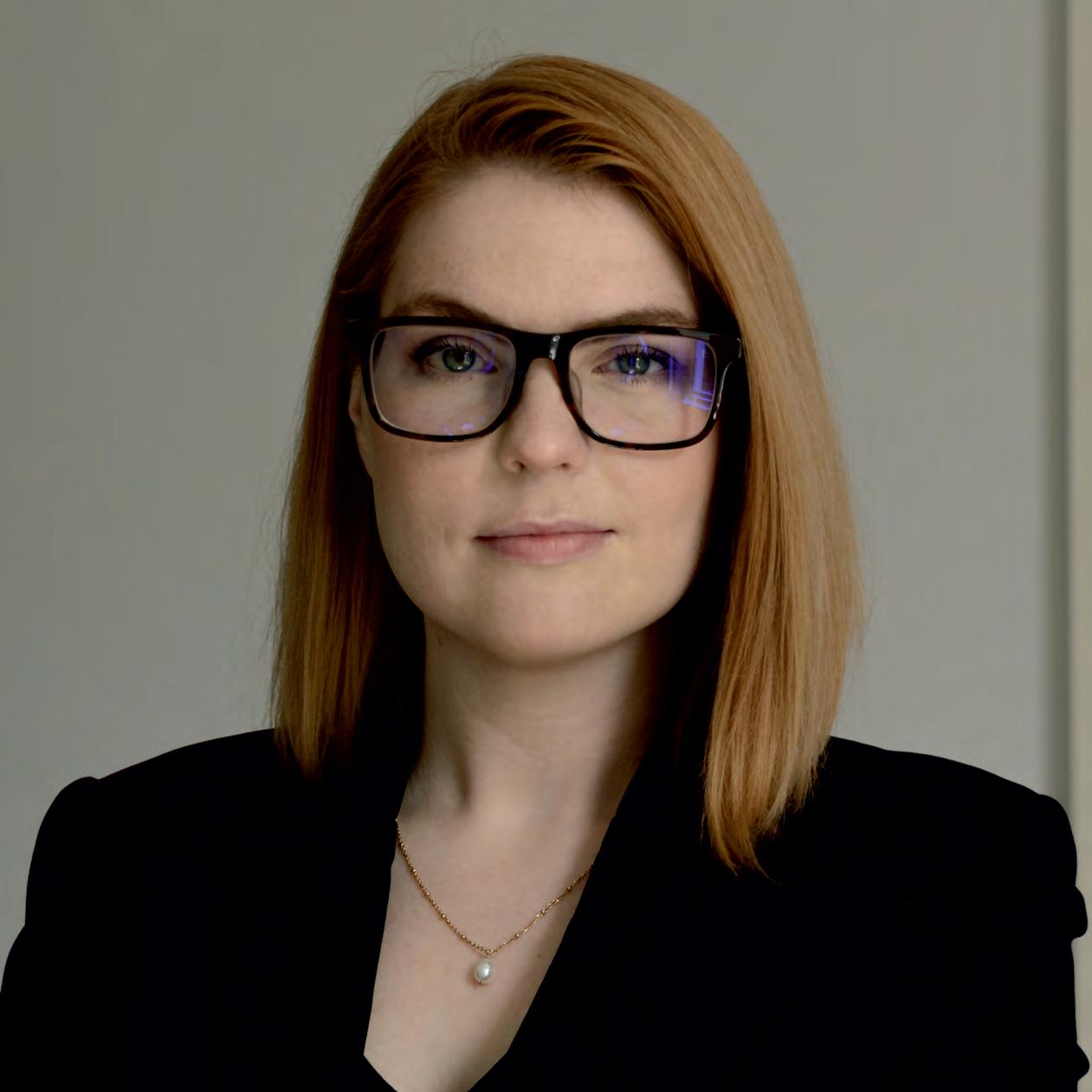
their success lies in fulfilling the needs of different stakeholders. It means if customers require a new product or the team needs the company around, or the industry calls for new transforming innovation taking place and the leader can manage all this then, that makes all the difference. One such dedicated leader is CEO and Co-founder of Crassula, Daria Dubinina. For her, one is successful when he can confidently answer the vital question, “Why do we do what we do?”.
Inspired by Ben Horowitz's book, “The Hard ThingAbout Hard Things,” she knows, “there's no such thing as the universal, ultimate best CEO.” No doubt, she feels pride in getting recognized by an external organization or media edition. However, she states, “The real recognition occurs when your opinion matters, you are inspiring others, you can make a difference, lead people and grow the company.”
Stepping Stones to building Crassula
Daria experienced her first entrepreneurial experience at the age of 20. Then, after completing her Master's degree in FEAmanagement, she began working from the lowest position at an international payment system where she learned about FinTech, and over the years, she has grown professionally; in 2014, she and her fellow employees started building their own ventures.
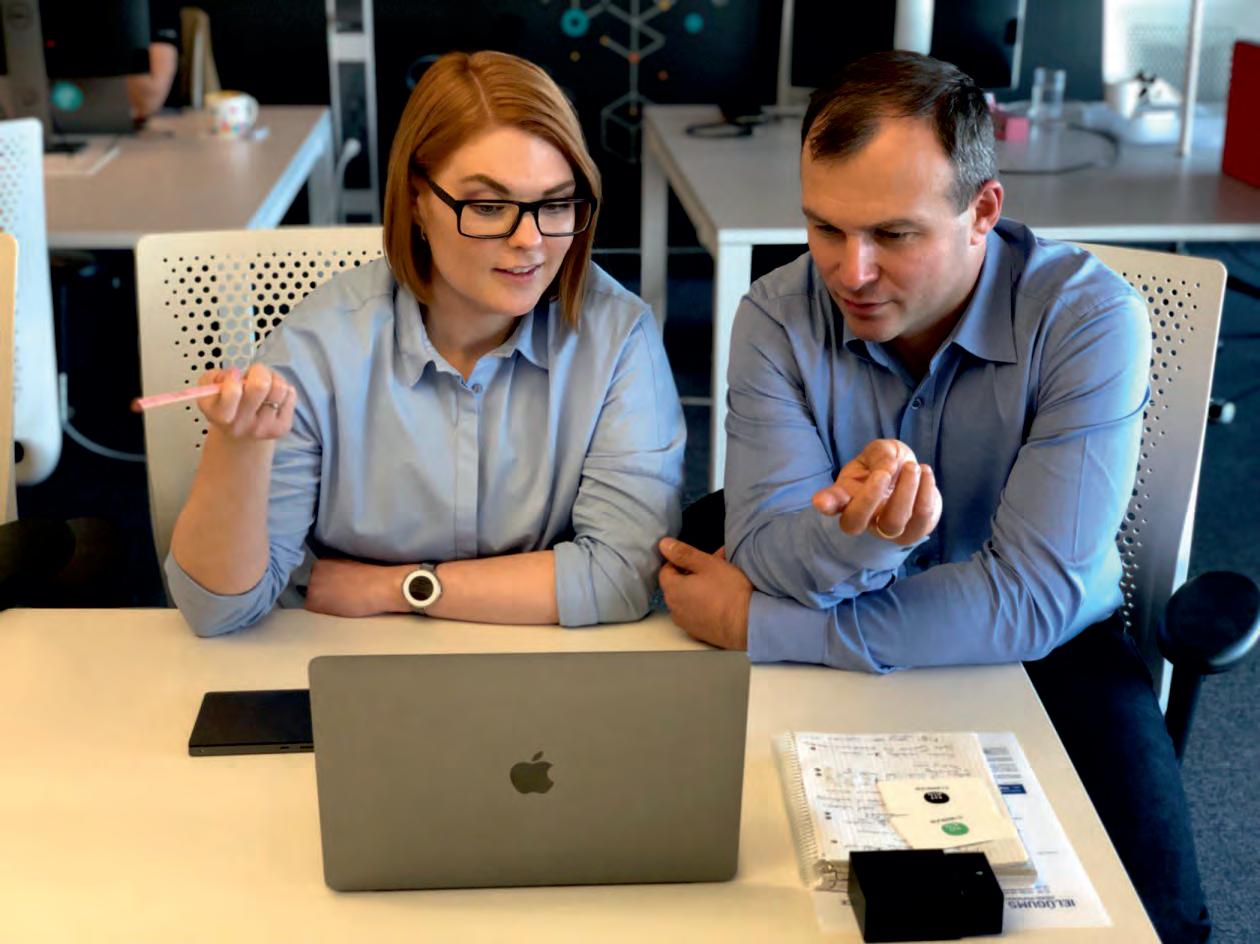
In 2017, Crassula was the result of the team effort of Daria and her cofoundersAlex Novozhenov and Vlad Nikolayev. The trio shared the same vision and strived hard to demonstrate their unique skills in building strategy and technology. They had their designerAndrew Ponochovnyi created an attractive look and feel of the product.
She shares, “Together we created a unique skillset in which everyone
played their part bringing the concept to life and giving each other confidence in what we were doing, inspiration for creating something new, and supporting each other during the bad times.”
While building a company from scratch, there were new challenges every day which the small team needed to solve and make smart decisions. Many times, the decisions were right; however, sometimes they were wrong that could hamper the company's growth and take them behind for months.
Initially, their main roadblock was getting the right investors for funding the company growth. The team spent many months in this process, which resulted in high frustration and no gains. Then, Daria shares, “We started focusing on business,staying bootstrapped, and that was the best decision that we could make because it taught us to survive difficult times,
do big and beautiful things with very limited resources, and actually earn money.”
Brief about Crassula's Remarkable Services
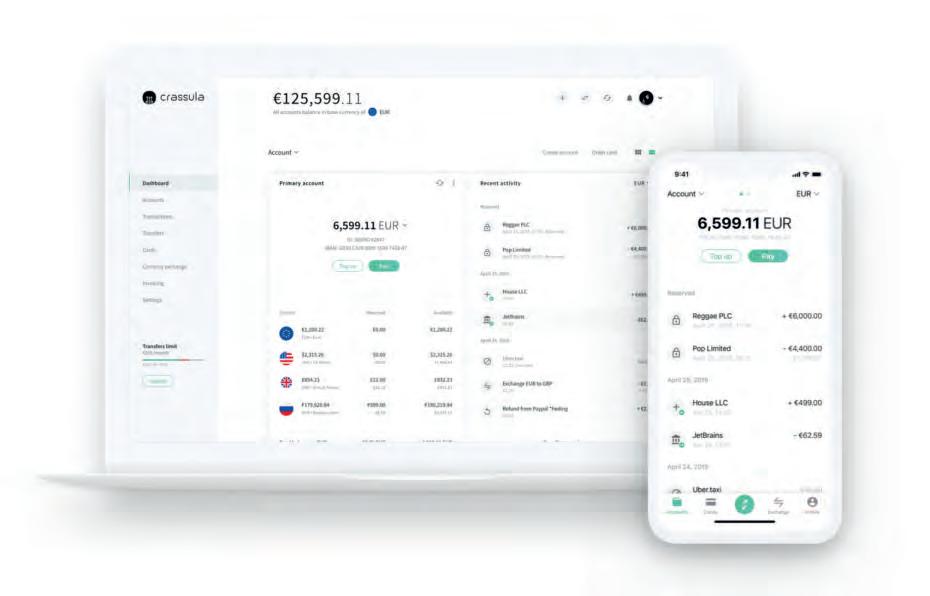
Crasula specializes in developing White Label core banking products, PSP services, FX services, wallets, crypto banking, and crypto exchange solutions. It offers an all-in-one software platform that facilitates the launch of products within a few days and with a low budget. Its products are cloud-based and provide backend with its core banking system, admin panel for managing the business, and
frontend with client web interfaces, iOS, andAndroid mobile apps. Crassula's systems are provided with dedicated openAPIs which enable a myriad of FinTech services and assist most innovative business ideas.
Crassula embodies a unique culture of freedom and responsibility that fosters prudence, communicability, proactivity, striving for development, creativity, decisiveness. Daria says, “We embrace these qualities and develop them by providing constant education opportunities, helping each other in day-to-day work, and always trying something new by developing new products, trying to implement
new solutions, and always doing something that we have never done before.”
For Crassula, their people have always been the main backbone of the firm. The industrious team always keeps developing and ameliorating their products to empower the customers with world-class solutions. She adds, “We value the elegance of solutions and everything related to their quality. This combination helps us to make new people want to join the company, reach new clients and partners, engage them and make them want to stay with us.”
Daria's efforts in redefining the fintech industry
She shares, “The FinTech industry is very fragmented, but each element is connected to another. On one side we have large and mature financial institutions - they have history, trust, reliability.At the same time, they have legacy, bureaucracy and low speed of innovation. On the other side, we have young companies which are able to disrupt the industry, brilliant ideas, but don't have time and money. On the third side, we have a totally parallel world of crypto with its technology, dynamic, risks and transformation. These are only 3 of so many, but supporting such fusion solutions helps to move the whole industry forward”.
As a visionary, she looks ahead to bring a huge metamorphosis in the financial industry where all the banks and financial institutions will amalgamate into platform solutions. She aims to make the ultimate FinTech platform and proffer a comprehensive range of tech-enabled financial services for companies around the world to take the industry forward.
Being CEO of Crassula, she ensures that the company keeps growing. For that, she formulates a strategy and stays involved in the daily activities connected to IT development, product development, sales, partner relations. She handles about 2-5 work meetings daily, with different departments and external parties and is usually involved in making smart business decisions or resolving complex issues.
Her secret in maintaining a perfect work-life balance is thoughtful
planning. Even though it is hard to take ample rest while working from home, she always adds an outdoor walk or workout on the calendar. Also, she keeps her weekends free for outdoor rejuvenation.
She feels staying positive and supportive in all situations is her key motivator. To explain it further, she says, “When something goes wrong, I prefer not to waste time on finding out whose fault it is, but rather fix the problem and analyze how to avoid repeating the situation. This approach helps to reach the highest result, and the result is the most powerful progress mover.”
Crassula aims high and has many prime goals for the future, such as entering new markets, speaking new languages, adopting more technologies, transforming the platform into a no-code product builder so that anyone can design and launch FinTech products without any
hassle.All-in-all, the entire team desires to make complex and deep technologies incredibly easy-toimplement, highly accessible, and attractive for their customers.
Personally, Daria wishes to grow the company by 5x while maintaining excellent performance and effectiveness as a company.
Sharing her advice for budding entrepreneurs, she says, “Never be afraid to start, experiment, and keep moving, improving and delivering even if things are not so shiny right now.”

Global
In a world where digital technology
is reshaping every industry, VE-TRI is emerging as a new kind of global innovation company—one that bridges Japan and India, blends engineering with international business, and is committed to building a better future through IT,AI technologies, and robotics automation. Founded on the belief that “technology should improve life and empower people,” VE-TRI has developed a unique identity: a company where individuals grow through challenge, cultures fuse naturally, and technology becomes a lifeline for businesses around the world.
For Director & Executive Officer Mitsuru Ota, whose career spans more than two decades of corporate IT leadership, joining VE-TRI was a strategic and deeply meaningful decision. It was, in his own words, an opportunity to contribute to a company whose mission is not only to innovate but to connect the world.

Why I Joined VE-TRI —APlace Where Technology Connects the World
“The reason I decided to join VE-TRI,” Ota explains, “was the strong appeal of an environment where IT—and nowAI and robotics—connects people, organizations, and countries beyond borders. VE-TRI is a company where technology creates real, concrete value, and I wanted to be part of a team shaping the future.”
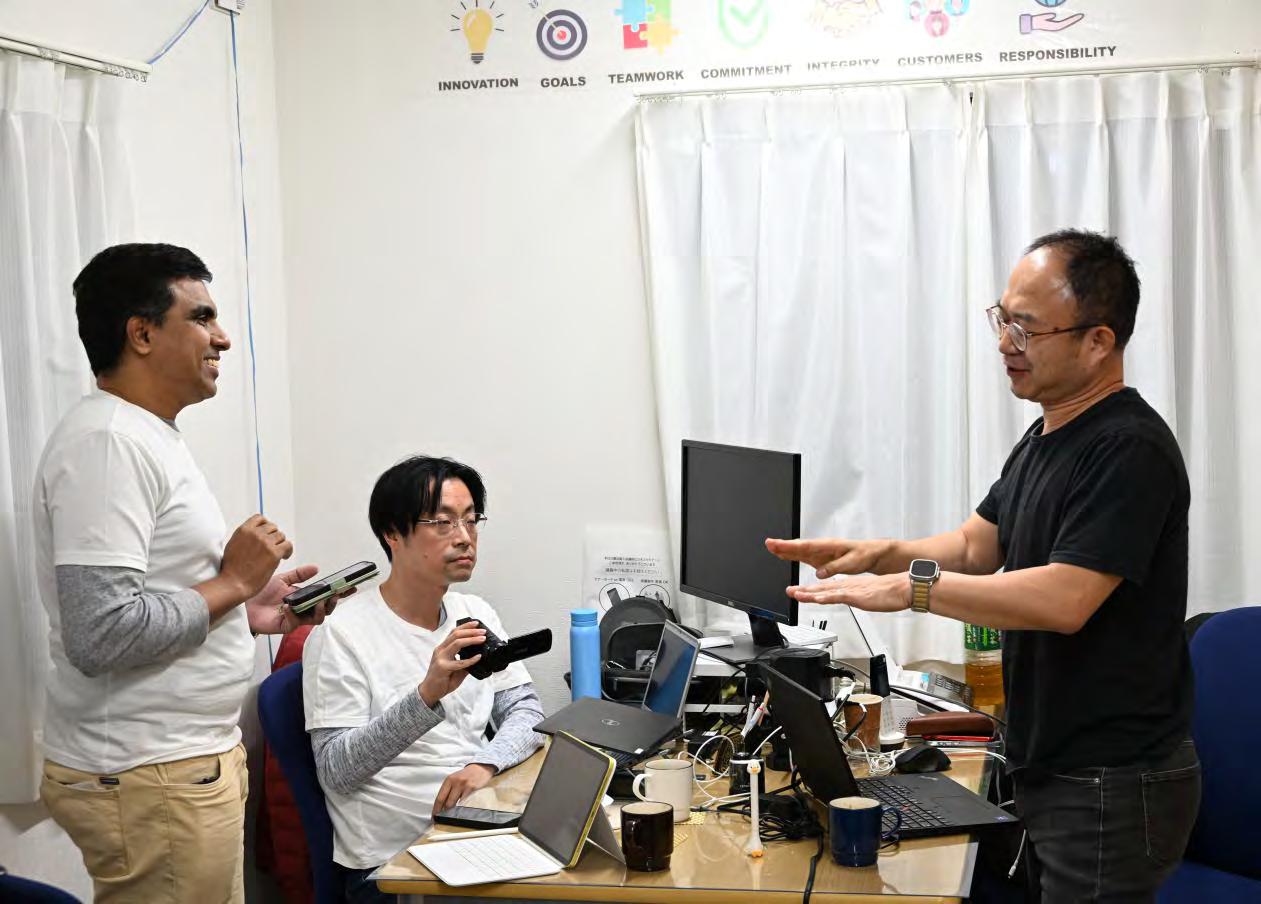
Today, business success depends on far more than delivering products or services. Companies must be able to innovate continuously, operate sustainably, and make contributiondriven decisions. VE-TRI embodies this reality. It is a company that moves quickly, embraces global talent, and provides an environment where employees are encouraged to explore, challenge themselves, and grow beyond traditional boundaries.
VE-TRI emphasizes:
•Quality × Speed
•Amultinational, collaborative work culture
•Opportunities to work across IT, trade,AI, global business, and ecommerce
•Acompany where “We Try & Ve-Tri = Victory”
VE-TRI is not simply hiring employees—it is building a global team capable of creating future
value
IT,AI Technologies, and Robotics as the Foundation of Competitiveness
For Ota, technology is the engine of corporate transformation.
Cloud,Analytics,AI, and robotics drive new business models, customer experiences, and global opportunities and VE-TRI integrates these technologies across all business lines:
IT Consulting & System Development
Providing digital modernization, enterprise solutions, and automationdriven improvements.
AI Technologies
Using machine learning, predictive analytics, and intelligent automation to boost decision-making and operational efficiency.
Transforming routine or laborintensive processes into automated, scalable workflows—particularly relevant for manufacturing, logistics, and e-commerce.
ApplyingAI-powered forecasting, supply chain visibility tools, and robotics-backed warehouse support.
By combining intelligence technologies with deep operational understanding, VE-TRI delivers solutions that:
•Cope with decreasing population
•Strengthen business resilience
•Enable global expansion
This fusion of technology and business is central to VE-TRI's identity.
Building Trust Through Meaningful Communication
In global business, technology alone is not enough. Trust—and the ability to build it—is paramount.
Ota explains: “Communication isn't simply exchanging information. It's understanding the client, respecting cultural differences, and building a relationship that lasts.”
With teams in Japan and India and plans for further international expansion such asAfrica and other countries, VE-TRI has cultivated a culture of:
•Respectful dialogue
•Transparency
•Cross-cultural understanding
•Long-term business thinking
AI-powered communication tools and
data analysis also help VE-TRI anticipate client needs, offering personalized, strategic proposals based on real insights.
This combination of human understanding andAI-driven intelligence is one of VE-TRI's competitive advantages.
Global Trade Challenges Through IT and Intelligent Automation
VE-TRI is unique—it does not only advise companies on global trade. It is actively engaged in trade itself, importing products such as T-shirts and accessories from India and preparing for the launch of its ecommerce platform in Japan in 2026.
This hands-on experience allows VETRI to directly confront industry challenges such as logistics delays, inventory fluctuations, international regulations, cost volatility, and evolving customer expectations.
To address these challenges, VE-TRI aims to use:
• AI forecasting for demand and inventory
• Robotics automation for operational efficiency
• Real-time data intelligence to track global supply chain performance
• Predictive analytics for risk management
This dual identity—both IT consultancy and global commerce operator—gives VE-TRI rare insight that translates into highly practical, results-driven solutions for clients.
VE-TRI believes that people grow when they step beyond conventional limits. This is reflected strongly in the company's recruitment philosophy.
Employees at VE-TRI are encouraged to explore across multiple domains:
· IT engineering
· AI solution development
· Robotic process automation
· SNS marketing
· Trade and global business
· Creative and design roles
· E-commerce operations
Several employees have successfully transformed their careers—including an engineer who became a social media consultant and another who transitioned into acting and EC product modeling.
VE-TRI's message to candidates is clear:
“Your potential is bigger than your job title.”
This is what makes the company attractive to global talent.
VE-TRI's long-term vision is to become a global innovation hub—beginning in Japan and India but expanding into new regions through partnerships, technology, and talent.
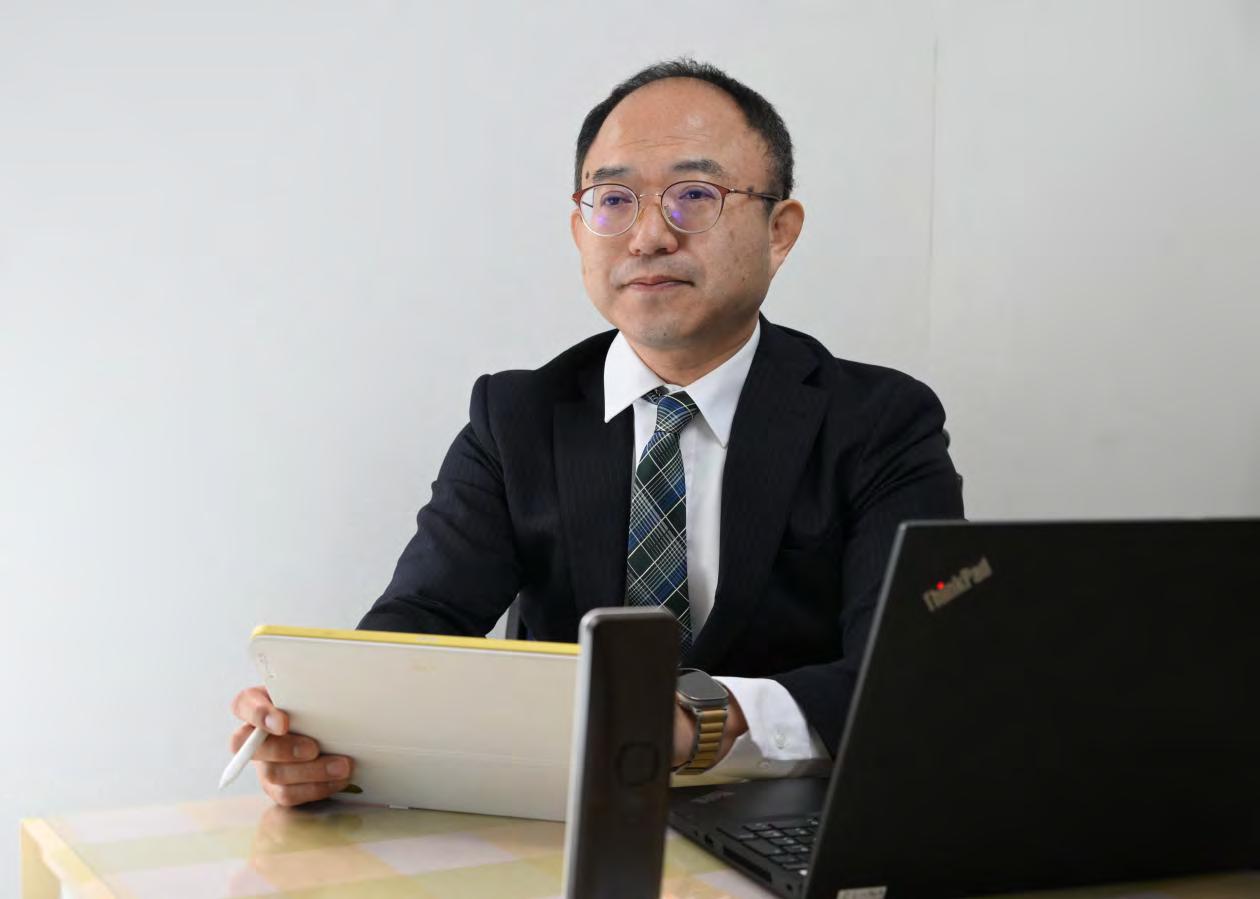
Ota states:
“I am excited to collaborate with engineers worldwide. When diverse perspectives meet intelligent technologies likeAI and robotics, innovation accelerates.”
In 2025, Ota joined HISSYO Private Limited in India as an executive, working alongside Shinichiro Kawakatsu—recognized internationally for leadership excellence. Together, they are shaping a future where VE-TRI becomes a global connector of industries and cultures.
“Revenue and profit are outcomes—not the mission,” Ota emphasizes.
“Our purpose is to create a better world through IT,AI, robotics, and global business.”
VE-TRI's challenge is also its promise:
•Connecting the world through IT andAI
•Creating new value through robotics and trade
•Empowering people through opportunity
•Building a future shaped by technology and collaboration
This is the vision that drives VETRI—and the message it shares with every new candidate who joins its journey.



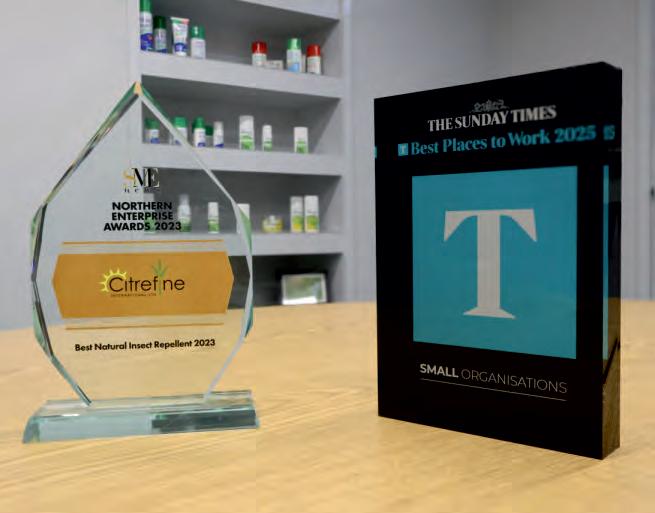
Today, demand for plant-based ingredients is accelerating across nearly every consumer and industrial category. In the insect repellent sector, this trend is amplified by the rising prevalence of vector-borne diseases, greater consumer interest in natural health and wellness, and heightened scrutiny on synthetic repellents.Against this backdrop, Citrefine is exceptionally wellpositioned to reinforce its leadership by expanding both its category penetration within repellency applications and its geographic presence across diverse regions.
In fact, Citrefine International has long been recognized as the global leader in the production and supply of Citriodiol®, a highly effective active ingredient extracted from Oil of Lemon Eucalyptus (OLE). Citriodiol® combines high performance with natural origin and strong safety credentials.
As the natural repellent sector expands, the company is positioned to highlight Citriodiol®'s proven performance, global authorities' approval,
sustainability commitments, and technical leadership.
This article outlines Citrefine's strategic direction for global growth by leveraging its regulatory credibility, supply chain strength, technical expertise, and commitment to sustainability.
Citrefine's Unique Position in the Global Market
Citriodiol® occupies a distinctive place within the global repellency landscape as a renewable and sustainably sourced active ingredient that meets rigorous regulatory standards. Its approval by the EPAin the United States, alongside recognition from leading EU authorities, positions it among a limited group of botanical actives officially validated for effectiveness. Scientific evidence confirms Citriodiol® as a credible alternative to widely used synthetic repellents such as DEET, Picaridin or Ir3535.
Beyond efficacy, the ingredient offers exceptional versatility, supporting a

broad range of applications from personal-care products to household repellents. Its strong global compliance profile also allows manufacturers operating in multiple regions to maintain consistent formulations while remaining fully aligned with local regulations.
These combined strengths give Citrefine a clear competitive advantage as natural solutions increasingly move from consumer preference to regulatory expectation. At the same time, the growing incidence of mosquito- and tickborne diseases—including malaria, dengue, Zika, and Lyme disease—together with climatedriven expansion of insect
populations, has intensified demand for safe, effective, and environmentally responsible repellents.
Citrefine's strategy for category growth focuses on increasing adoption of Citriodiol® throughout the global insect repellent market through innovation, education, and close collaboration.
Acore element of this approach is expanding formulation opportunities. Citriodiol® serves as a central active across a wide spectrum of product
types, including topical sprays and lotions for adults, children, and sensitive skin; outdoor and indoor solutions as candles and diffusers; and pet care products. Through technical guidance, formulation support, and product-development expertise, Citrefine enables manufacturers to bring effective Citriodiol®-based products to market with confidence and speed.
Education and scientific advocacy are equally important. Despite broad regulatory approval, awareness of Citriodiol® among buyers and brand owners remains uneven compared to long-established synthetics. Citrefine actively addresses this by sharing scientific data, regulatory
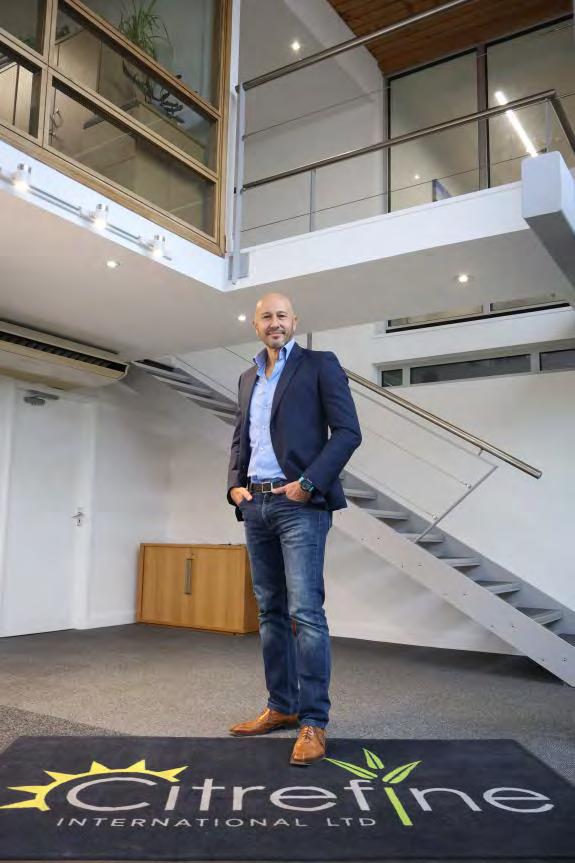
Federico Baldi Chief Revenue Officer

Citrefine International Limited
documentation, formulation guidance, and sustainability credentials, while participating in international forums and producing educational materials. These efforts reinforce Citriodiol®'s position as a high-performance natural active supported by robust science.
Another pillar of this strategy is deeper integration across the value chain. Citrefine works closely with contract manufacturers, R&D teams, regulatory experts, retailers, and public-health organizations. These partnerships help establish long-term demand and expand Citriodiol®'s reach into the vector control category.
Geographic Penetration: Expanding Citrefine's Global Footprint
Although Citrefine already operates across five continents, substantial growth opportunities remain, particularly in regions influenced by population growth, climate change, and evolving consumer expectations. Geographic expansion is guided by disease prevalence, regulatory readiness, and economic conditions.
High-potential regions include SoutheastAsia, where dengue rates are high and demand for natural health products is rising; SubSaharanAfrica, where malaria continues to drive the need for safe repellents; LatinAmerica, which is investing in Zika and dengue
prevention; NorthAmerica, supported by EPAapproval and strong natural-product markets; and Europe, where strict regulations favor proven, sustainable ingredients. Citrefine's regulatory and technical expertise allows the company to navigate complex compliance requirements across these diverse markets.
Localization is central to this expansion. Citrefine aligns documentation with regional frameworks, supports customer dossiers, adapts formulations to local climates and preferences, and tailors messaging to resonate with consumers. Strong partnerships and distribution networks further accelerate market entry. Drawing on more than three decades of export
experience, Citrefine ensures dependable logistics and customer support while collaborating with distributors, manufacturers, retailers, and government bodies.
The company also prioritizes sustainability and supply-chain resilience through responsible botanical sourcing, rigorous quality standards, and expanded logistics capacity supported by effective risk management.
New PR and Marketing Investment to Support Customers and Educate Consumers
To reinforce both category and geographic growth, Citrefine is increasing investment in PR and marketing initiatives. These include localized campaigns, co-marketing with brand partners, and targeted educational content emphasizing the value of an approved, scientifically validated natural active. By helping consumers understand the combined benefits of efficacy and natural origin—and by equipping partners
with strong marketing tools—Citrefine aims to elevate plant-based repellents globally and strengthen trust in Citriodiol®.
Conclusion:A Strategic Pathway for Long-Term Global Leadership
Citrefine International is well placed within a rapidly evolving market where demand for safe, natural, and effective repellents continues to rise.
Supported by Citriodiol®'s regulatory standing, validated efficacy, and environmental advantages, the company is driving growth across mature and emerging markets alike. Through category expansion, strategic partnerships and enhanced supply-chain capabilities, Citrefine is helping shape the future of natural vector control.
The substantial growth in volume and market reach achieved over the past six years reflects both the success of this strategy and the broader shift toward sustainability and health protection.
Positioning Citriodiol® as both a premium natural choice and a globally credible technology strengthens loyalty among manufacturers, retailers, and consumers.
With a clear forward vision, Citrefine is positioned for continued leadership in global natural repellency.

The Mobile Financial Ecosystem Model Reshaping Finance in Africa
AcrossAfrica, a new financial architecture has emerged. Mobile Financial Ecosystems (MFEs) — strategic partnerships between telecom operators and financial services firms — are now delivering comprehensive digital financial platforms to mobile subscribers at scale, expanding inclusion while intelligently managing risk.
According to the latest GSMAState of the Industry data, mobile money platforms now process approximately $1 trillion in annual transaction value globally, with close to $500 billion generated in Sub-SaharanAfrica alone. Collectively, leading ecosystems serve well over 250 million active users, positioning them among the most powerful financial distribution infrastructures in the world.
For industry leaders, this shift reflects
structural changes in mobile penetration, wallet adoption, cloud infrastructure,API ecosystems, and regulatory modernization. The question is no longer whether MFEs will succeed — but why this model works, why it scales, and why its acceleration is structural.
According to Sammy Hamoudi, CEO of MicroAnalytics, the rise of these ecosystems is rooted in three powerful drivers: connectivity at scale, alternative data visibility, and decision intelligence.
Africa's telecom operators have built the continent's most extensive and trusted digital networks, embedding financial services directly into consumers' daily mobile usage.
Market leaders illustrate the scale

achieved through telecom-driven distribution.
Safaricom reported 57 million active users in FY2025, with M-PESA revenue increasing by 15% to KShs 161 billion (approximately $1 billion), while total service revenue rose 11% to KShs 371 billion (~$2.4 billion). The platform processes approximately 4,500 transactions per second — highlighting the depth and frequency of wallet usage.
(Source: Safaricom FY2025 performance update – TechAfrica News, January 2026)
Similarly, MTN reported 63.2 million monthly active MoMo users as of H1 2025, with fintech revenues growing approximately 25% year-on-year. Total fintech transaction volumes exceeded 11 billion transactions over the six-month period.
(Source: MTN Interim Results Overview 2025)
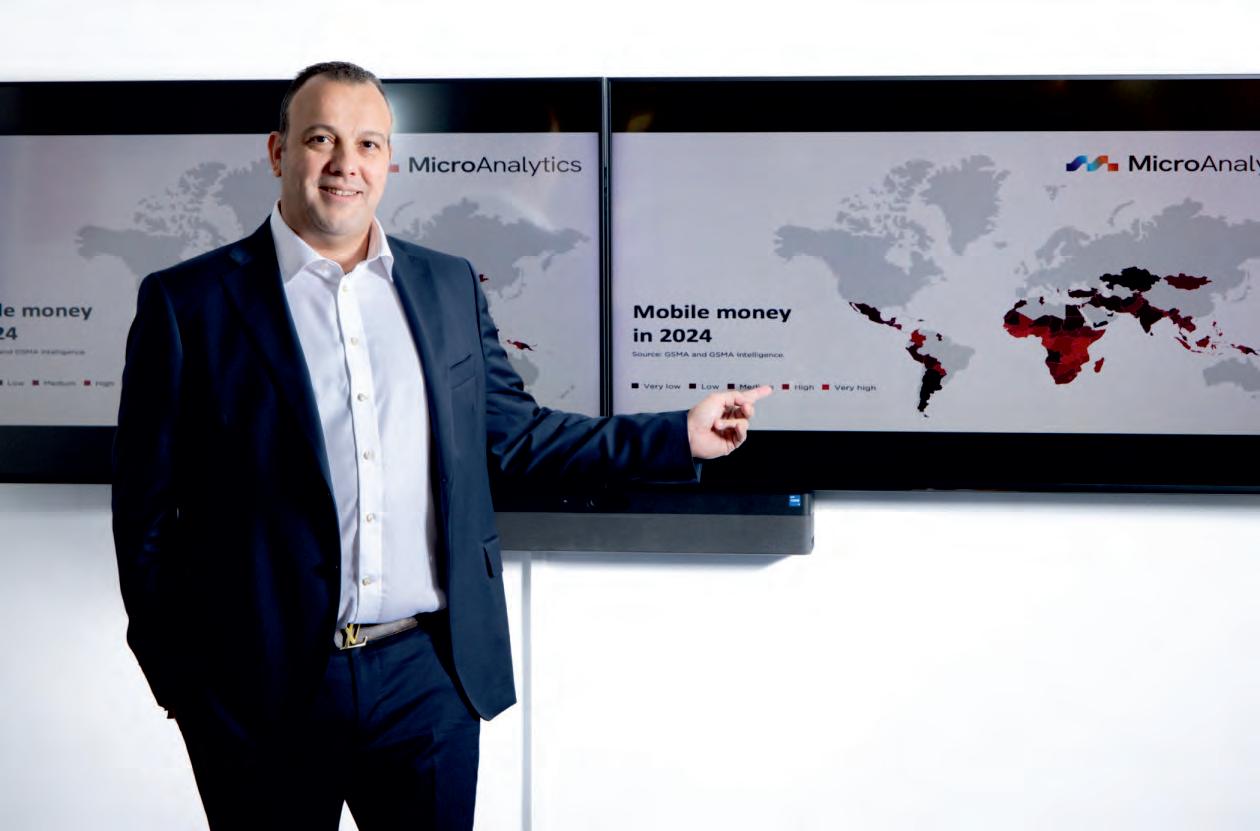
Sammy Hamoudi Chief Executive Officer MicroAnalytics
These figures demonstrate that telecom-based financial platforms are no longer peripheral services — they are central growth engines forAfrica's largest operators.
For CIOs, this represents a distribution architecture that is assetlight, digital-native, and immediately scalable.
The real breakthrough, however, lies in data. Call detail records, airtime top-ups, mobile wallet transactions, merchant payments, and behavioral usage patterns create a dynamic financial footprint.
“These data assets changed everything,” Sammy Hamoudi explains.
As wallet usage deepens and transaction frequency increases, Mobile Financial Ecosystems gain continuous visibility into behavioral patterns. Unlike traditional lending models that rely on static historical data, these platforms operate on realtime behavioral streams.
Real-time data processing and lowlatency decision engines allow credit risk to be assessed instantly — transforming lending from periodic approvals into continuous intelligence cycles.
In markets where formal credit bureau penetration remains limited, this visibility is transformative. Digital micro-loans are now disbursed at scale across leading ecosystems, supported by constantly updated risk models.
For technology leaders, the implication is clear: scalable inclusion requires infrastructure capable of ingesting high-volume data flows and translating them into explainable, automated credit decisions.
Using Decision Intelligence to Expand Inclusion while Managing Risk
Access to credit without intelligent
risk calibration can create overindebtedness and portfolio stress — particularly in emerging markets where formal credit histories are limited.
One of the core strengths of the MFE model is its ability to embed decision intelligence directly into lending workflows.
Advanced analytics and machine learning models analyze real-time behavioral signals to calibrate loan amounts, dynamically adjust limits, refine eligibility criteria, and continuously optimize portfolios.
“Better data does not simply increase approvals,” Sammy Hamoudi notes. “It improves sustainability. It protects consumers from excessive exposure while ensuring long-term portfolio performance.”
The financial outcomes support this model. Both Safaricom and MTN report strong fintech revenue growth, with mobile financial services contributing significantly to profitability — demonstrating that inclusion and commercial performance are not mutually exclusive.
Platforms That Enable Speed and Scalability
The acceleration of Mobile Financial Ecosystems has been enabled through enterprise-scale technology innovations.
Cloud-native environments reduce capital investments and speed deployment timelines.API-first architectures enable seamless interoperability between telecom operators, banks, fintechs, and thirdparty providers. Real-time processing
engines ensure instant decisioning at scale.
At the same time, regulatory frameworks acrossAfrica are modernizing to support digital financial services.
Nigeria's Instant Payment Infrastructure (NIP) has become the dominant rail for electronic transactions, reflecting how regulatory modernization accelerates ecosystem-wide digital adoption.
This convergence — wallet growth, cloud scalability,API maturity, realtime analytics, and regulatory evolution — explains why the Mobile Financial Ecosystem model is scaling faster today than at any point in the past decade.
It is not merely a business trend. It is a structural shift in financial architecture.
Credit Intelligence as the Hidden Driver of Sustainable Growth
Behind every high-performing MFE lies a less visible layer: credit intelligence platforms that transform raw telecom data into real-time, explainable decisions.
“Algorithms matter, but governance matters just as much,” Sammy Hamoudi explains.
Model validation, portfolio optimization, regulatory compliance, and cybersecurity frameworks determine whether rapid growth translates into sustainable growth.
As transaction volumes approach trillion-dollar scale and user bases exceed hundreds of millions of consumers, the robustness of decision
engines becomes the defining success factor.
This invisible intelligence layer ultimately determines whether an ecosystem can scale responsibly while maintaining profitability.
Why the Model Works — and Why It Matters Now
The effectiveness of the Mobile Financial Ecosystem model ultimately stems from multi-layered, seamless structural alignment:
•Distribution is embedded in daily mobile behavior
•Data visibility replaces traditional information blind spots
•Decision intelligence mitigates credit risk
•Cloud infrastructure accelerates innovation and resilience
•Partnerships ensure capital strength and governance
Industry projections suggest that mobile-driven financial transaction volumes will grow significantly by 2030, as wallet penetration continues to expand and advanced financial services scale across the continent.
The future of finance will not be defined by isolated institutions — but by integrated platforms combining connectivity, intelligence, and collaboration.
InAfrica, that transformation is already well underway.