


www.linkedin.com/company/cioviews
www.twitter.com/cioviews
For any editorial queries, write to us at: editor@cioviews.com For any other queries, write to us at: info@cioviews.com Follow
Across Europe, there is a new breed of leaders who have an unprecedented clarity of vision, conviction in their cause, and creativity in their approach to tackle an ever-complex global economy.Their reach is far beyond the confines of the boardroom as they redefine what progress, responsibility, and innovation mean in modern business. These leaders are combining tradition with transformation as they build businesses that are not only competitive but also highly attuned to sustainability, technology, and societal needs. What sets them apart is their ability to sense change before it becomes obvious and act on it with precision and purpose.They win hearts by basing their actions on long-term vision rather than shortterm expediency. Their leadership is indicative of a Europe that is agile,collaborative,andreadytoforgeitsowndestinyintheworld.In an unprecedented pace of change in industries, these are the minds shaping the next chapter of European business, with an impact that willreverberatefarbeyondthenextdecade.
www.instagram.com/cioviewsmag
www.facebook.com/cioviews
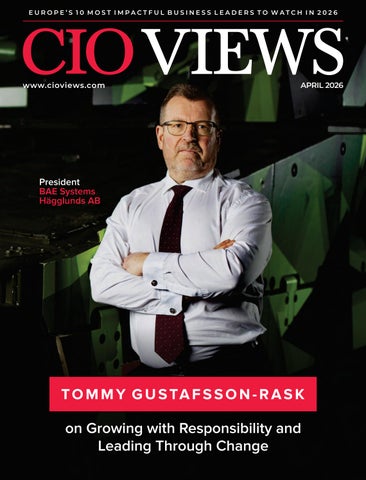
AtCIOViews,wehonortheseempoweringleadersbydedicatingthis issue titled “Europe's 10 Most Impactful Business Leaders to Watch in 2026” to them. Featuring as the cover story, we have coveredthesuccessful&motivatingjourneyofTommyGustafssonRask, President of BAE Systems Hägglunds AB. We have also included the inspiring stories of Mandy Janzen-Westerburgen, Managing Director of Envoy Global; Jeff Johnson, President of Summit Point Training Facility; Silke Fehr, Managing Director of Top Glory Marine Service GmbH; Aiden Keegan, CEO of Esquires Coffee; Lars Gunnar Fledsberg, Founder and CEO of Wittario; Belton Flournoy, Managing Director of Protiviti; Fernanda Platero, Legal Director of Honda Brasil; Marcel Velica, Senior Security Program Manager at Eventbrite; and Jane Stevensen, Founding DirectorofJSGlobal.
CIO Views is a business magazine that mainly focuses on business leaders,theirjourney,viewsoncurrenteconomicstates,andallother relevant subjects that refer to the business world. Our goal is to be a leadingsourceofinformationdedicatedtoprovidingourreaderswith detailed perspectives and views of successful business leaders who aretransformingthebusinessoutlookandredefiningtheirgoals.With exclusive editions on various industries like software, education, healthcare, technology, real estate, and many more, CIO Views is driventopromoteexcellenceintheworldofbusiness.
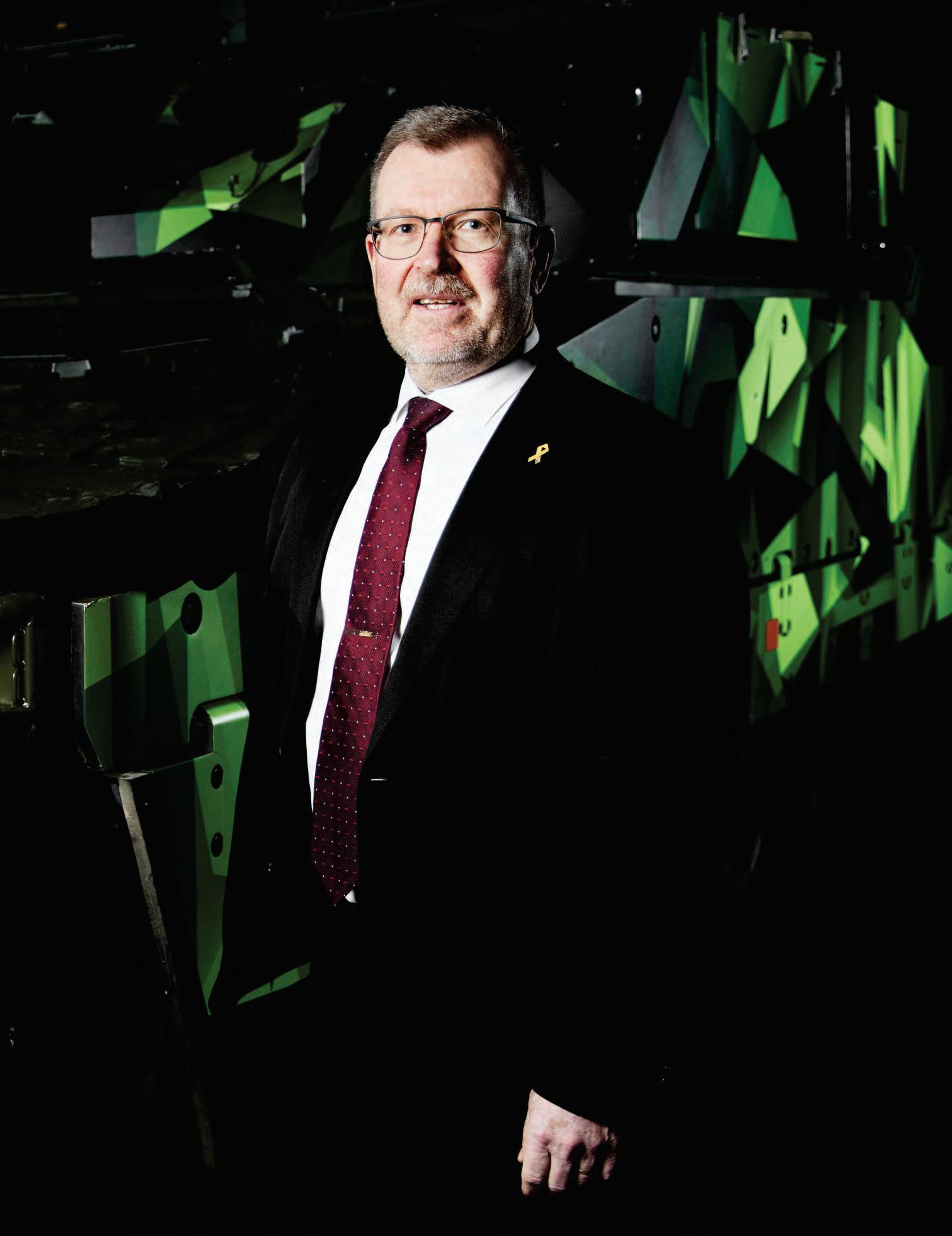


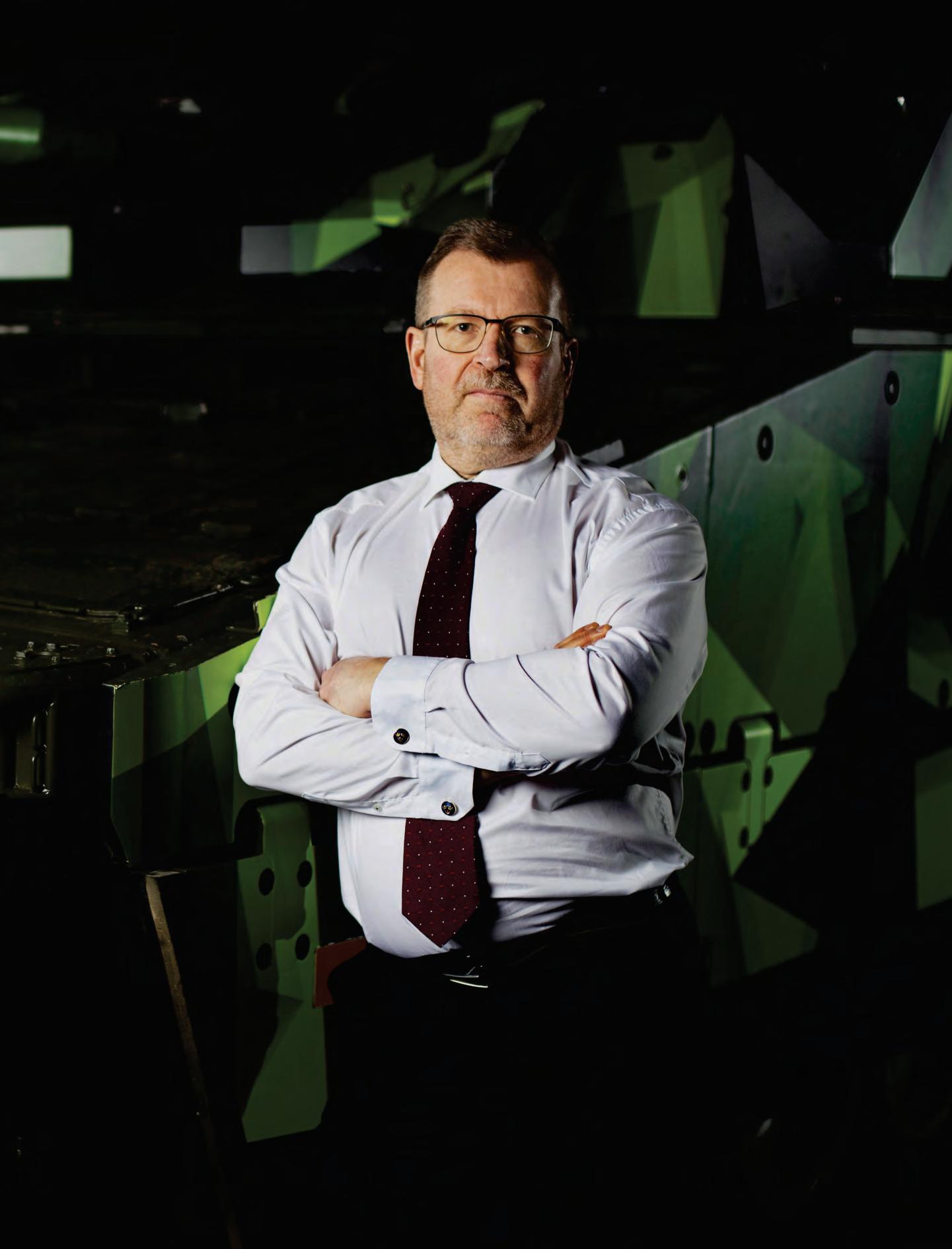
When you speak with Tommy Gustafsson-Rask, President of BAE Systems HägglundsAB, the conversation does not begin with numbers, titles, or scale. It begins with people.After more than three decades in the defense industry, Tommy defines success in a way that feels grounded and personal. “Success for me is to serve our customers, deliver on what we promise to our owners, and build a workforce that is motivated and proud of what they do,” he said. It is this balance of responsibility, trust, and human connection that has shaped his professional journey and continues to guide his leadership today.
Tommy's view of success has evolved over time, but one element has remained constant: service. Early in his career, serving customers was the primary focus. Over the years, his definition expanded to include clarity, communication, and shared purpose across the organization. He believes people perform better when they understand where the company is heading and why their work matters.
Each year, Tommy meets with employees in long, open sessions where he shares the company's strategy and future direction. These conversations look several years ahead, offering context rather than short-term targets. “I often describe our work as a big jigsaw puzzle,” he explains. “The strategy is the picture, but every individual piece matters. People need to see how their part fits into the whole.”
This belief has shaped how he leads. For Tommy, transparency and direction are not optional. They are necessary conditions for trust and performance.
Understanding the Business and Its Purpose
BAE Systems HägglundsAB operates in the military vehicle sector, with products designed to support and protect those in service. The company produces infantry fighting vehicles and all-terrain vehicles that carry both people and critical supplies in extreme conditions. While technology is advanced, Tommy speaks about the business in practical terms, focusing on function, reliability, and responsibility.
The defense industry has changed significantly over the years. Following periods of reduced investment after the Cold War, demand has risen sharply due to growing security concerns in Europe. “What we are seeing now is an extreme level of growth,” he said. Order volumes have increased dramatically, and the workforce has expanded from hundreds to thousands in just a few years.
With this growth came new challenges. Recruiting talent at speed was one hurdle. Keeping supply chains aligned with demand became another. “We invested heavily in our own capacity,” Tommy explains, “but the real challenge is ensuring the entire ecosystem grows with us.”
Asked whether this field was always his passion, Tommy answers without hesitation. “I have the best job in the world,” he said. His career combines three interests that have stayed with him from the beginning: military service, technology, and people.
Starting as an army officer, he
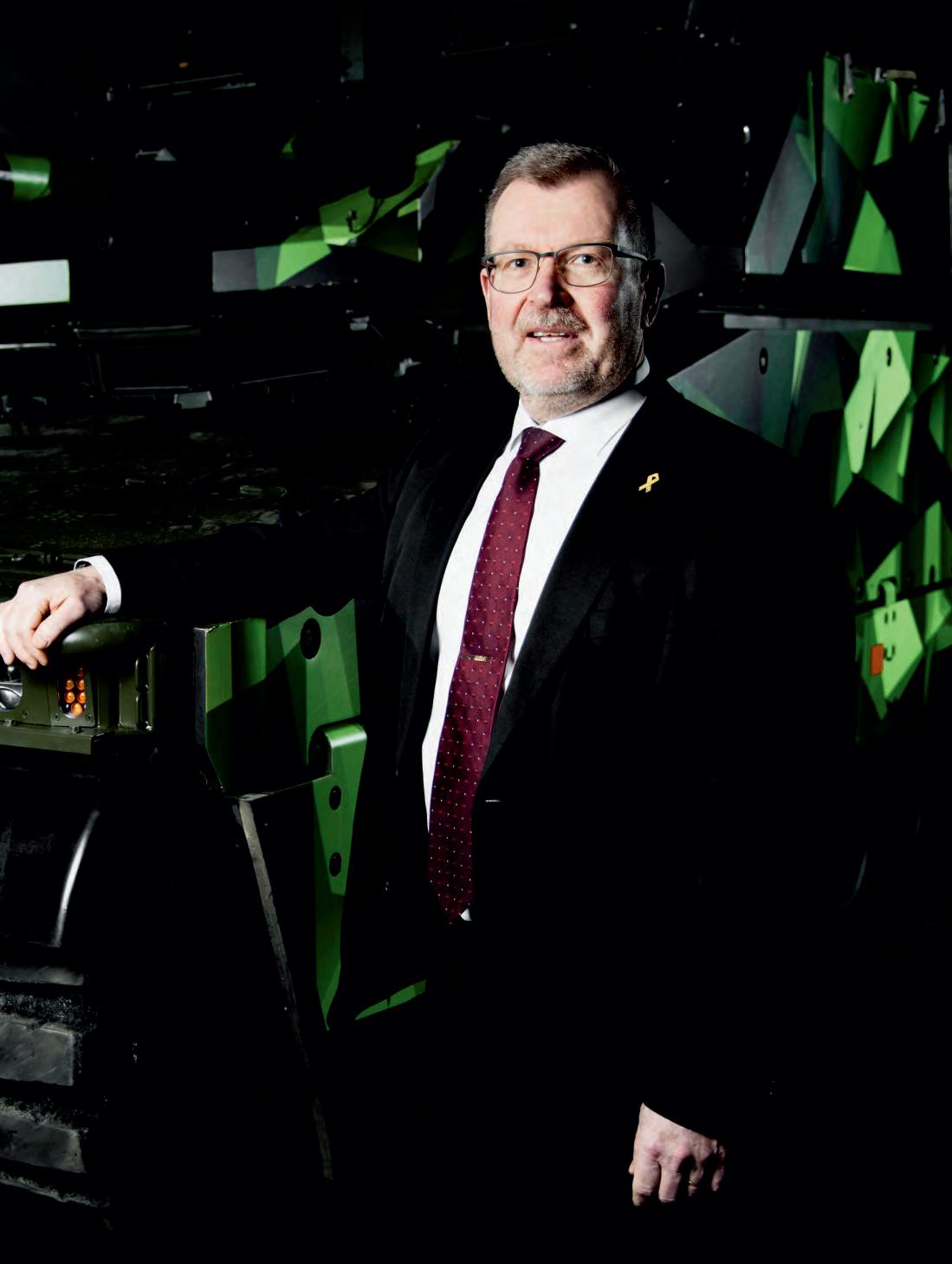
President | BAE Systems Hägglunds AB
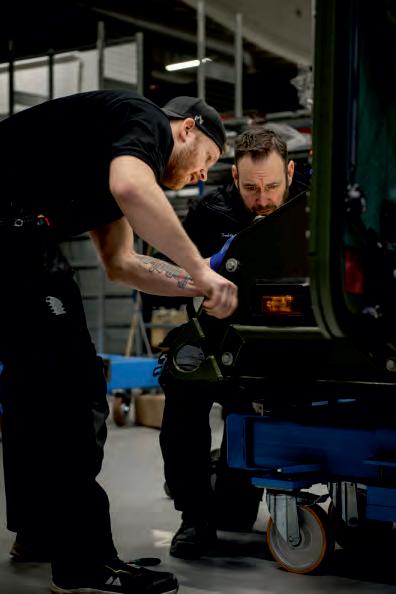
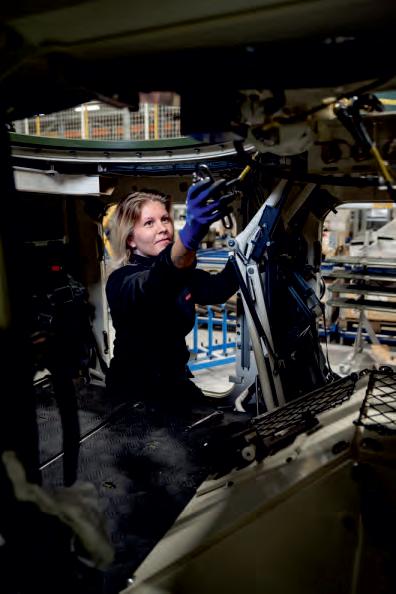
developed a deep understanding of defense from the ground up. His interest in technology and complex systems naturally followed, as did his appreciation for business and negotiation. Over time, what tied it all together was working with people. Customers, colleagues, and teams became central to how he experienced leadership.
This combination helped him navigate a career marked by volatility. Defense is not a steady industry. There were years of growth and years of sharp decline. Through it all, Tommy learned to plan for the long term while staying flexible in the present.
Over the past 14 years in a senior leadership role, Tommy has guided the company through significant transformation. The business grew in scale, complexity, and technical
depth. Vehicles that were once largely mechanical are now driven by software, with faster development cycles and higher expectations.
Internally, growth required a shift in how the organization worked. “When we were smaller, you relied on people knowing each other,” he explains. “Now, we need clear processes, strong systems, and tools that support both operations and innovation.”
Technology plays a central role, but not at the expense of people. Engineers make up a large portion of the workforce, driven by a shared desire to improve and refine. Continuous learning is part of the culture, as is the willingness to adapt.
Three values define the company's culture: trust, innovation, and boldness. Trust begins with delivering on commitments, both to customers
and to one another. Innovation extends beyond products to how work is done, including the careful adoption of new tools such asAI. Boldness means challenging old ways of working and being willing to lean forward when it matters.
“These values are not slogans,” Tommy said. “They show up in decisions, in how we treat each other, and in how we approach our responsibilities.”
For him, values are lived daily. They shape how leaders communicate, how teams collaborate, and how risks are managed.
One of the most defining moments in Tommy's career came during a period of crisis. With limited orders and financial pressure, the company faced difficult choices.Asignificant reduction in workforce was unavoidable. “It was one of the hardest things we had to do,” he recalls.
What followed was a careful rebuilding phase. The leadership team focused on preserving key skills, managing costs responsibly, and creating a strategy for future growth. “We had to be realistic, but also hopeful,” Tommy explains. The experience reinforced the importance of honesty, balance, and long-term thinking.
Looking back, he sees this period as a critical test of leadership. It required difficult conversations, clear direction, and shared belief in the future.

Today, Tommy divides his time across three main areas. One part is dedicated to working within the wider BAE Systems group, ensuring alignment and accountability.Another focuses on customers, where relationships are built over time through trust and consistency. The final part is spent internally, working with leadership teams and employees.
Despite the demands of the role, he makes a conscious effort to model balance. He values structure in the workday and respects personal time, both his own and that of others. “You should be able to perform within reasonable hours,” he said, noting the importance of rest and perspective.
Time spent outdoors, with family, and away from constant communication helps him recharge. These habits, while simple, reflect his belief that sustainable leadership begins with personal discipline.
What truly motivates Tommy and his team is the knowledge that their work has real impact. He recalls meeting leaders whose lives and missions have been directly affected by the vehicles produced. “When someone tells you that what you build is saving lives, it stays with you,” he said.
That sense of purpose extends throughout the organization. Employees understand that their work supports values larger than the business itself. This shared understanding creates pride and commitment that no incentive alone could replace.
Tommy sees himself as a leader who leads by being present and accountable. He believes in clear expectations, open discussion of challenges, and learning from mistakes. Failure, in his view, is acceptable if it leads to growth and shared learning.
“People want to do good,” he asserts. “If you give them trust, the right tools, and a clear purpose, they will grow.”
Delegation, trust, and decisionmaking at the right level are central to his approach. Leadership is not about control, but about creating the conditions for others to succeed.
As Tommy Gustafsson-Rask reflects on his journey, one theme stands out: leadership is built over time through responsibility, trust, and consistency. From navigating uncertainty to guiding large-scale growth, his career shows that progress does not come from bold statements, but from steady action and shared purpose. Today, as President of BAE Systems Hägglunds AB, Tommy continues to lead with clarity and care, focused not only on where the organization is going, but on the people who make that journey possible.


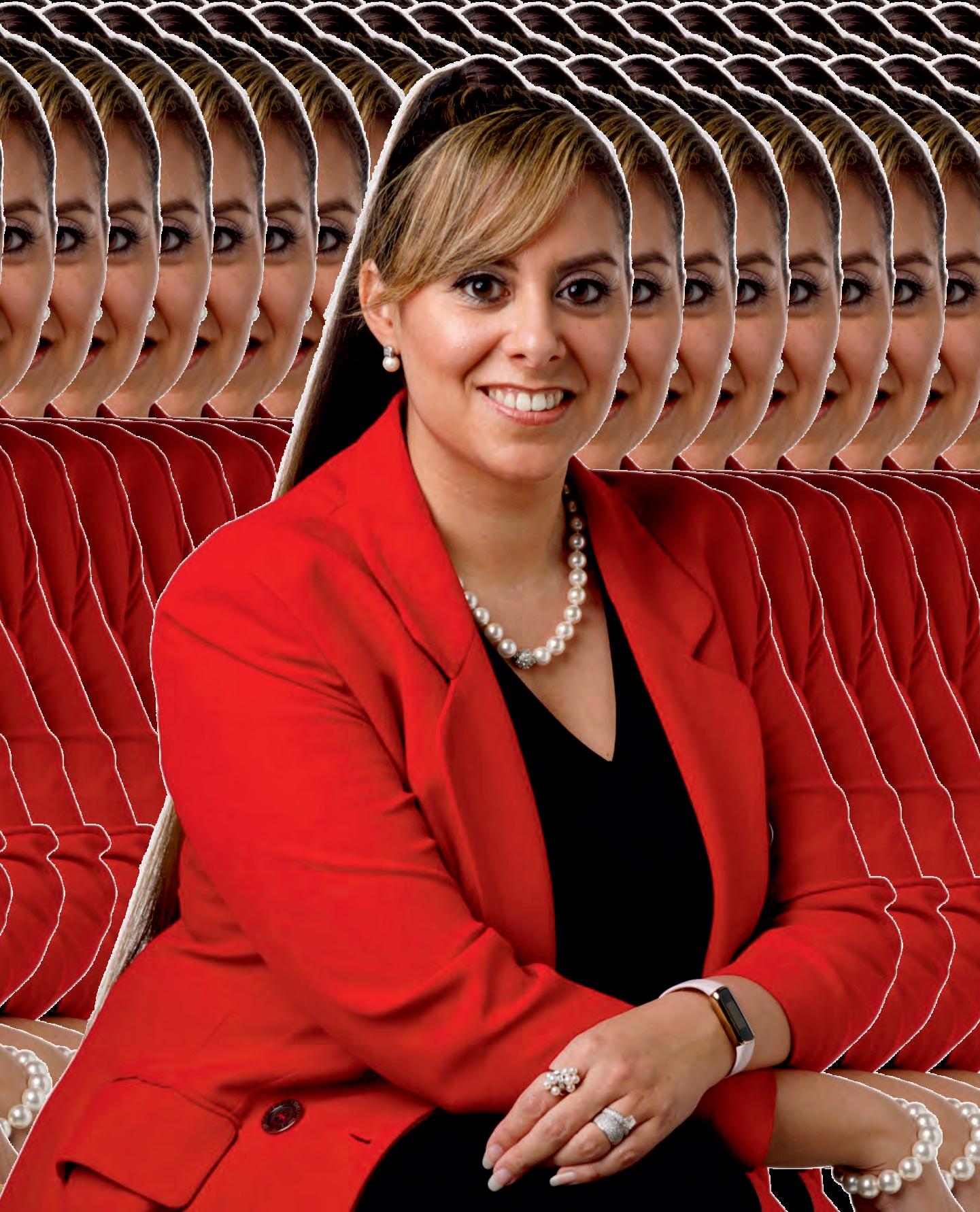

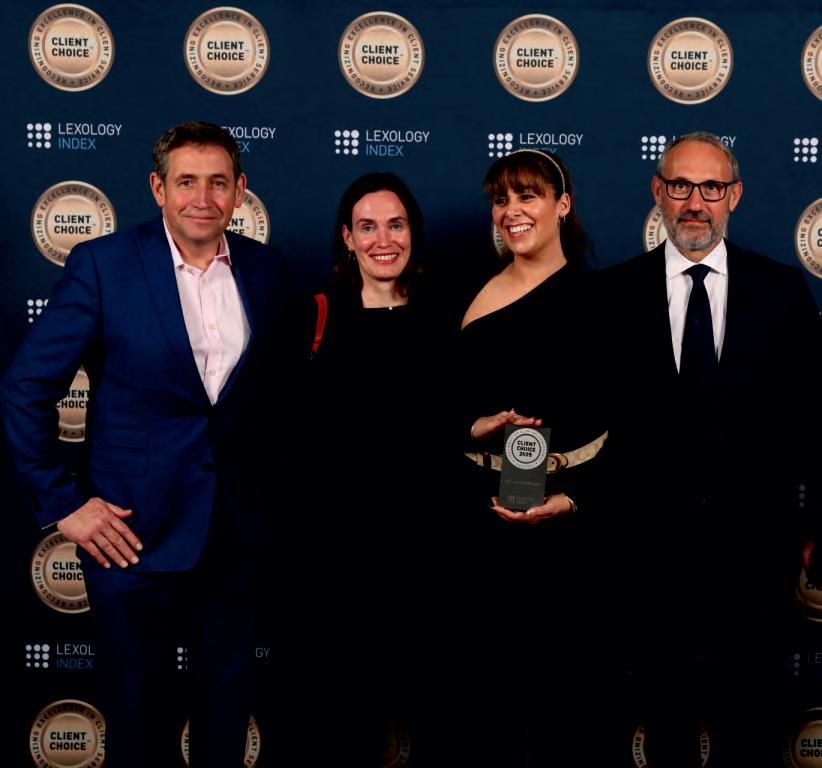
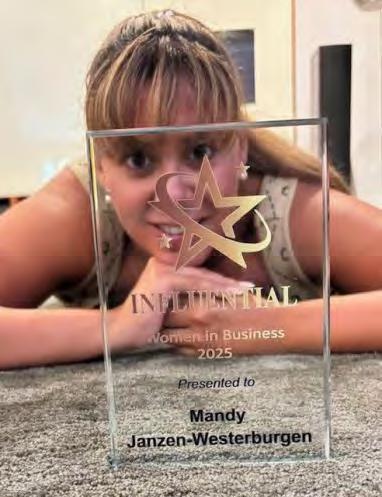
As Managing Director of Envoy Global in the Netherlands, Mandy Janzen-Westerburgen helps companies manage global immigration with smarter, more transparent solutions. An expert in international labour and immigration law, she builds practical, compliant strategies for businesses and their global talent. Known for her collaborative approach, she's been recognized by Lexology Index (formerly known as: Who's Who Legal) as Highly Recommended and multiple client-choice awards in Dutch corporate immigration and other awards for leadership and advisory.
How Relationships Shape Practical Immigration
Mandy realized early on that immigration law in the Netherlands is easier when you build strong relationships with authorities through an established network, show genuine interest in people, and have a consistent approach rooted in kindness, understanding, and trust. “That moves cases forward faster than pressure ever will,” she explains.
She recalls a legally impossible case in
which she lobbied both the Immigration and Naturalisation Service (IND) and the relevant Ministries to create a path forward as the situation according to her clearly aligned with the purpose and intent of the applicable laws and regulations, even though if it was strictly speaking, not an option. That experience taught her how to navigate the subtle space between what is legally codified and what is practically achievable.
“Do not judge me by my success; judge me by how many times I fell down and got back up again.”
–
Nelson Mandela
Another example, involving a family whose legal status depended on reconciling conflicting rules between IND procedures and municipal requirements, deepened that understanding. It showed her that with patience, precision, and diplomacy, even contradictions in the system can be resolved. “There's a difference between legal truth and practical truth, and learning to walk that thin line with patience and
diplomacy makes solutions possible,” she reflects.
As Managing Director, Mandy balances strategic leadership with the complexities of immigration work by staying close enough to the operational side to understand the real challenges her team faces, but not so involved that she becomes a bottleneck.
Her balance comes from clear priorities, empowering specialists to own their expertise, so she can focus on strategy. “When priorities are clear, and specialists are trusted to lead in their fields, the right structure keeps strategy on track without losing sight of what clients need every day,” she notes.
Mandy's personal discipline is simple: prepare early if possible, stay curious, keep relationships well-maintained,
“Perfection is the enemy of progress.”
- Winston Churchill
and take time for people. She never assumes she already knows the answer, recognizing that immigration is too dynamic for fixed thinking. “Curiosity keeps you sharp, adaptable, and humble, and helps me consistently excel,” she reflects.
“Perfection is the enemy of progress.” - Winston Churchill. Mandy often relates this quote to Florent Frapolli, President, Visas & Consular at Envoy Global, who showed her firsthand that this principle truly holds true.
Mandy believes in doing what's right, even when it's inconvenient. She leads by example, valuing transparency over shortcuts and consistency over quick wins - building trust and giving teams the confidence to do their best work. “In uncertain situations, people need steady decisions and honest communication so they can move forward with confidence,” she notes.
Mandy explains complex issues in a way that even a smart first-time listener can follow - no jargon, just clear reasoning, warmth, and language tailored to each client's
culture. “When clients feel heard and well guided, work becomes smoother and more productive; clear, considerate communication makes collaboration easier and more effective,” she observes.
“Leadership is about making others better as a result of your presence and making sure that impact lasts in your absence.” - Sheryl Sandberg.
At Envoy Global, recent app updates have focused on elevating the user experience for both clients and employees. Enhancements include improved date formatting to support regional presentation standards, as well as more intuitive country selection when initiating visa
requests. Updated workflows make visa submission forms easier to navigate, while strengthened reporting capabilities enable HR teams to track live cases and application milestones with greater clarity. “Every update is designed to make the process more intuitive for HR and employees,” Mandy explains.
The introduction of advanced document-scanning technology further improves accuracy by identifying inconsistencies in uploaded supporting materials. Continuous innovation is driven by Envoy's annual hackathons, which prioritise practical, high-impact improvements. “We're never satisfied with the status quo; a better way is in our DNA,” Mandy affirms.
Mandy stays ahead of fast-changing immigration rules by monitoring new developments, maintaining a strong global network of specialists, and engaging directly with ministries and immigration authorities through her established relations and roundtables on regulatory changes. She also contributes to Dutch policy development by participating in research conducted on the effectiveness of immigration laws and potential legislative improvements. “Staying connected with experts, authorities, and policymakers allows me to anticipate shifts long before they affect our clients,” she explains.
Mandy focuses on patterns and political signals, understanding the direction of policy to help guide clients proactively instead of reactively. She looks beyond immigration law to include other legal fields that may affect it, along with economic trends, social change,
political sensitivities, and relations between countries and leaders. “When you understand the direction of policy and the wider context around it, you can guide clients with confidence before issues arise,” she observes.
Immigration never sleeps, but Mandy knows she's more effective when she does. She admits that working in immigration can be chaotic and is
comfortable when her to-do list is not finished at the end of the day. “I trust my team, accept the chaos of the field, and give myself the same understanding I offer my clients so I can keep going with energy and focus,” she reflects.
“A good leader takes a little more than their share of the blame, a little less than their share of the credit.”Arnold H. Glasow.
Mandy expectsAI-driven decision-making to play a major role in immigration processes by 2026,
helping speed up case handling and reduce backlogs. However, she stresses that this must be balanced with strong human expertise, which is increasingly essential for managing atypical cases that don't align neatly with policy guidelines. “AI may speed up decisions, but without nuance it risks overlooking complex human realities that don't fit neatly into policy frameworks,” she cautions.
Mandy also observes a global shift toward stricter rules, more streamlined pathways, increased digital processing, and ideally a closer alignment between immigration policy and economic needs to help address labour shortages. “Mobility should become less about paperwork and more about aligning immigration policy with workforce needs,” she emphasizes.
With Envoy Global expanding through the acquisition of Smith Stone Walters, IBN and Offer & Mastmann, Mandy sees an opportunity to reinforce the company's role as a trusted mobility partner. By leveraging deeper global expertise, Envoy can broaden its reach into complex jurisdictions and better support organisations scaling across Europe, the Middle East, and Africa. “They allow us to support clients in more jurisdictions with deeper expertise and a stronger global network,” she reflects.
Advocacy Rooted in Insight and Empowerment
Mandy uses her platform as a thought leader to offer constructive, practical recommendations while understanding political needs and sensitivities. She believes policymakers need clear operational
insights rather than criticism, shares real-world case patterns, advocates for transparency, and highlights the business impact of immigration policy for employers and talent. “Policymakers need practical insight from people who see the real impact of legislation, and that's where I focus my voice,” she explains.
Mandy's advice to women building careers in immigration is to own their expertise and use their voice early, aiming it at people willing to listen. “If no one listens, remember you cannot change the people around you, but you can change the people around you,” she quotes. It took her time to grasp its meaning, but she now firmly believes this: if you are surrounded by people who limit your growth, seek out those who want to see you thrive.
She encourages women not to wait for permission to take space, not to minimize achievements, and to be proud of who they are, even if they do not fit expectations. “Own your expertise, use your voice early, surround yourself with mentors who challenge and believe in you, allies who champion you, and teams who inspire you, and stay human and kind so you can look in the mirror each day with pride,” Mandy urges.
Conclusion

Mandy Janzen-Westerburgen blends legal expertise, practical insight, and empathy to guide companies and global talent through complex immigration challenges. Her legacy is shaped by curiosity, kindness, and a commitment to creating lasting value for both people and businesses.

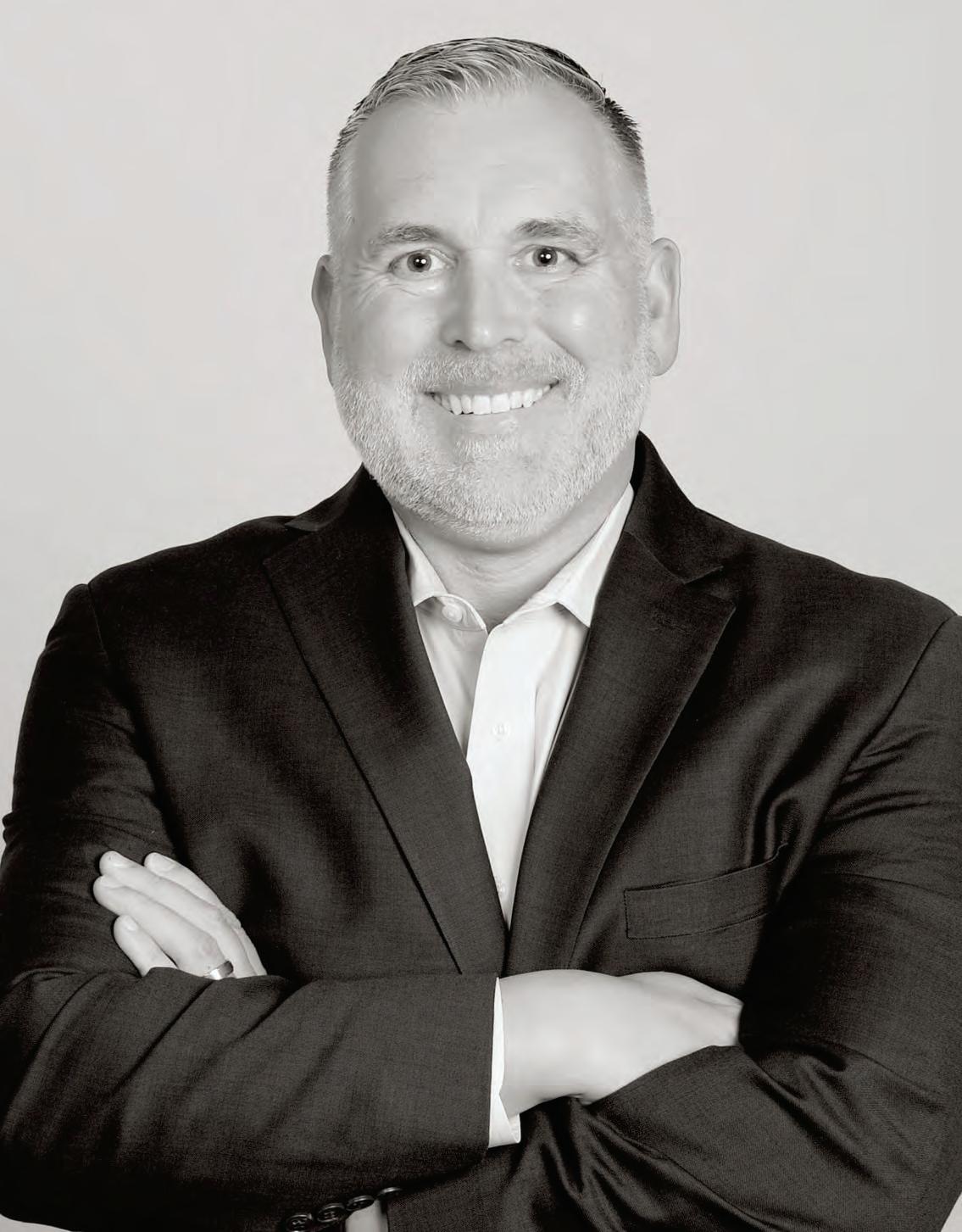
President, Summit Point Training Facility
At Summit Point, the roar of engines has always carried a deeper resonance. What began as a European-style racetrack carved into West Virginia soil has evolved into something far more consequential: a hub where national security, cutting-edge technology, and next-generation training intersect.At the center of that transformation is Jeff Johnson, President of Summit Point Training Facility and Summit Solutions Group.
Johnson leads with a compass set on faith, family, and the freedom to build. For him, leadership isn't about titles—it's about impact. “The measure of success is simple,” he says. “Did we create jobs? Did we grow careers? Did we help our clients succeed in ways that matter?”
Johnson's story begins at 17, when he enlisted in the U.S. Marine Corps and entered the elite ranks of Force Reconnaissance. Nearly twelve years in the Corps' special operations community shaped him with hard lessons and
extraordinary mentors.After leaving the military, he pivoted boldly into the biotech sector—learning business from veteran executives who taught him to translate battlefield leadership into boardroom strategy.
When 9/11 reshaped the world, Johnson answered the call again—supporting security missions inAfghanistan and Iraq, splitting time between combat zones and classrooms as he completed his degree. Later came rotations at the Pentagon, an MBAearned at night, and senior leadership roles in government contracting where he managed multibillion-dollar portfolios and scaled organizations through periods of explosive growth.
But when he first walked the grounds of Summit Point in 2019, something clicked. “It was a launchpad!” Johnson recalls. “The place had history, credibility, and enormous untapped potential. I saw what it could become.”
Reinventing a Legacy
Summit Point's roots trace back to Bill
Scott, the champion racer who, in 1969, built a circuit dedicated to precision, safety, and innovation. Under Johnson's leadership, that legacy has been reimagined for a new era.
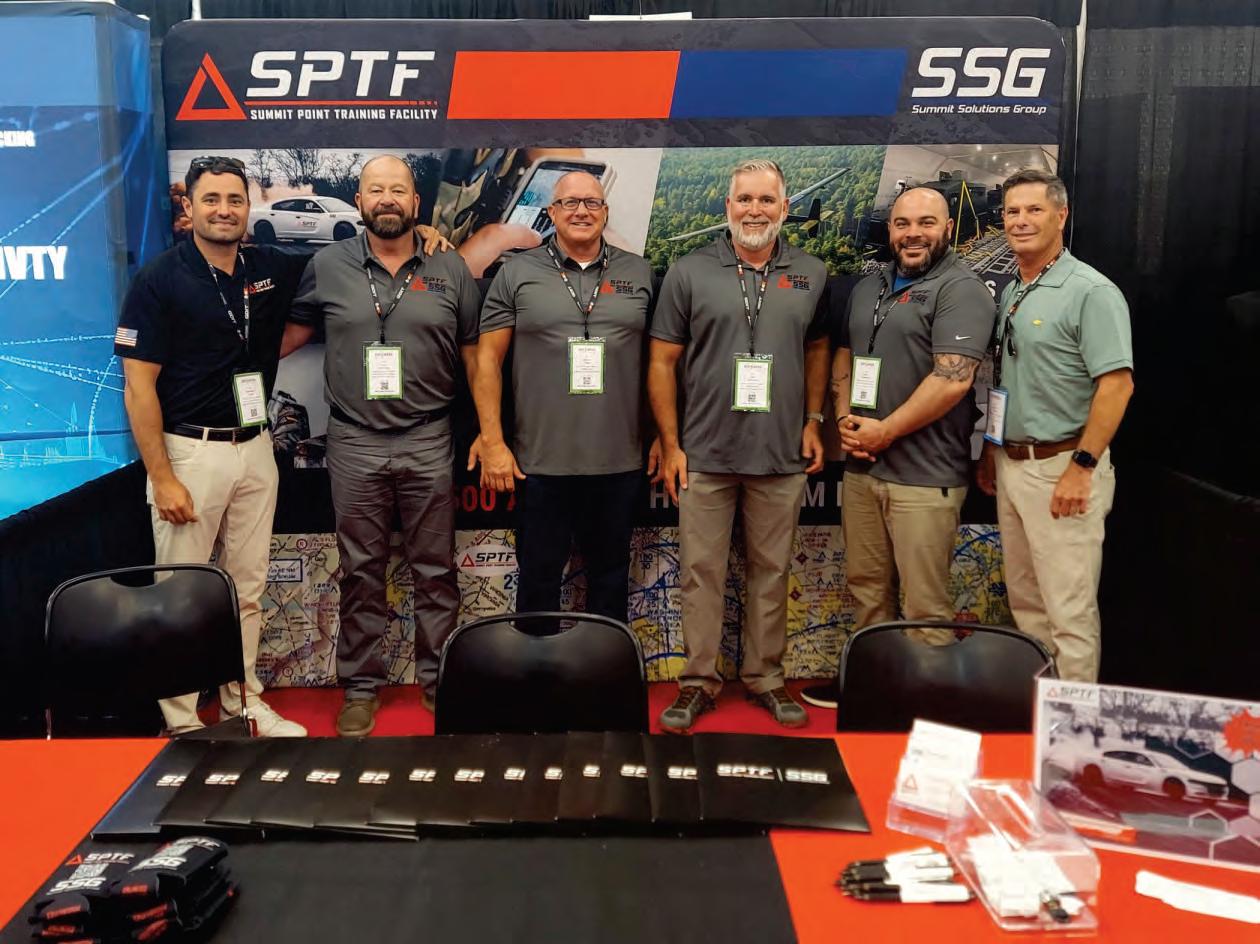
He automated systems, restructured operations, and professionalized partnerships with federal and commercial clients. What was once primarily a motorsports venue is now a three-part enterprise: Summit Point Training Facility, Summit Solutions Group, and Summit Point Motorsports Park. Together, they
form an integrated platform for mission-critical training, RDT&E, and operational support.
The credo that drives it all is unapologetically bold: One Summit Point—Find a Way to Yes for the Customer.
Johnson is candid about failure—it isn't something to hide, it's something to harness. “Failure isn't the end of the road. It's part of the
road,” he says. His leadership philosophy centers on stamina, accountability, and the courage to innovate.
He rejects bureaucracies that choke talent and insists on creating an environment where teams are trusted to act and empowered to deliver. “Great organizations give their people a clear mission, the right tools, and the freedom to execute. That's when innovation happens.”
Johnson sees one of his most important responsibilities as unlocking the potential of the next generation. Too often, he argues, businesses underestimate young professionals because they're tied to outdated models.
At Summit Point, talent isn't measured by age but by capability. Rising leaders are given early responsibility, strong mentorship, and a clear runway to grow. “Our job is to recognize potential, give opportunities, and let people prove what they can do. That's how you build the future.”
For Johnson, Summit Point is more than an organization—it's an engine of economic development for West Virginia and beyond. He envisions it as the nation's gold standard for training and innovation, integrating emerging technologies at speed and setting new benchmarks in agility, trust, and performance.
But his legacy won't be measured only in facilities or contracts. “I hope people remember that I invested in them,” Johnson says. “That through hard work, an open mind, and supporting others, they can do great things. That's the legacy I want to leave.”
And while his résumé is already formidable, Johnson insists the most important chapters are ahead. “I'm blessed with where I am,” he says with a smile. “But the best is yet to come.”

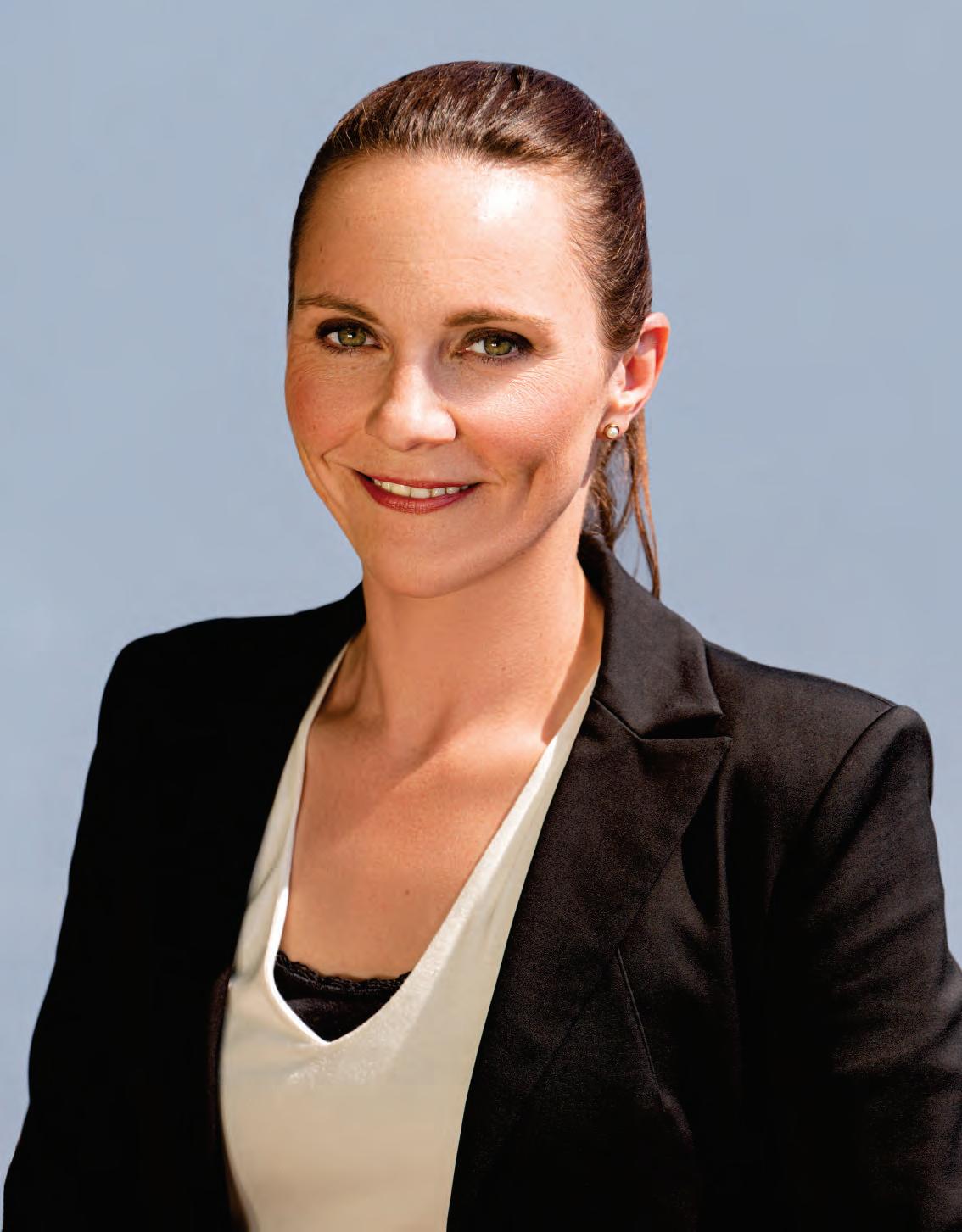
Silke Fehr, Managing Director of Top Glory Marine Service GmbH & Co. KG, brings vision, conviction, and a deep respect for nature to the maritime services industry. Her career reflects a thoughtful mix of strategy and accountability that allows her to lead with both insight and compassion. As an entrepreneur and mother, she offers a leadership style that is unique in a field rooted in tradition yet constantly evolving.
From her earliest memories of life at sea to her current role guiding Top Glory, Silke's approach has remained consistent. For her, leadership is more than making decisions. “Leadership means taking responsibility for people, processes, and our planet,” she explains, a principle that shapes every step of her journey.
ALifetime Bond with the Sea
Growing up as a captain's daughter,
Silke was surrounded by the rhythm of the ocean. The experience instilled discipline, strength, and a natural sense of teamwork, even though her professional path began on land.
She began her career in the sales department of a medium-sized waste management company, gaining important knowledge about sustainable operations and customer needs. “My path started outside the industry, learning about sustainable processes and customer needs,” she recalls.These early experiences formed the foundation for her later success as an entrepreneur in the maritime sector.
In 2013, she founded her own company to lighten the workload of ship managers, shipowners, and captains through practical and proactive support. “I wanted to create solutions that were not just efficient but also proactive,” she says. This step combined her love for the maritime world with her
commitment to sustainability and forward thinking.
Leading with Collaboration and Clarity
Silke describes her leadership as cooperative, solution-oriented, and value-driven. She believes every team member should have the chance to contribute and grow. “There is real strength in working together, especially when many elements must align,” she affirms.
Her experience in complex maritime operations sharpened her ability to prioritize, stay calm under pressure, and adapt quickly. “I have learned to prioritize more clearly, stay flexible, and remain composed when dealing with complex situations,” she explains. This steady approach builds trust and transparency, enabling her team to create innovative and eco-friendly solutions for customers and the environment.

Each day, Silke balances strategic planning, customer interaction, and team development with an eye on purpose as well as efficiency. “It's not about efficiency; it's about identifying meaningful solutions that ease the burden on our partners,” she says.
She focuses on actions that bring concrete results operationally, personally, and environmentally.
“Environmental pollution scares me deeply,” she shares. Motherhood has heightened her sense of responsibility. “I feel more strongly
now than ever before that it is absolutely vital to be responsible, not just for my business, but for our planet too,” she reflects.
Maintaining balance in a fastmoving industry is an ongoing challenge. Silke believes integration comes from many small, intentional choices. “There are no defined boundaries; it's the sum of small decisions that bring about balance,” she notes.
Thoughtful planning and clear priorities shape her days, while
flexibility remains essential. Her young son keeps her focused on what truly matters. “My son reminds me daily what truly matters,” she says. This perspective helps her lead with empathy and clarity, ensuring humanity stays central to the company culture.
For Silke, a strong team is the heart of success. “Aresilient, highperforming team isn't created by accident; it takes trust, open communication, and shared values,” she declares.
She is committed to building an environment where openness is valued, performance is recognized, and everyone understands the shared goal.At the same time, she accepts that difficult decisions are sometimes necessary. “Clarity and consistency are every bit as important as empathy,” she says. Through mutual support and common values, her team can face challenges with confidence and unity.
The maritime sector often faces sudden changes and new regulations. Silke approaches these moments with calm focus and structured thinking. “At times of uncertainty, it's essential to keep a calm head and to develop a wide perspective,” she explains.
Her method blends reliable information, open communication, and a willingness to question established processes. She also trusts her instincts when exploring new opportunities. “Uncertainty is never comfortable, but it provides the chance to reconsider and act boldly,” she adds, turning potential obstacles into opportunities.
Amajor turning point in Silke's career came with the realization that lasting success depends on teamwork. “We can only make a real difference for our customers, the company, and our shared vision when everyone pulls together,” she explains.
This insight deepened her focus on cooperation and transparent

communication.As a result, her team grew more efficient and resilient, a change reflected in their work quality and in customer satisfaction.
Looking ahead, Silke envisions a maritime world defined by digital innovation, sustainability, and responsibility. “Smart, data-based solutions will not only optimize processes but also create
transparency and accountability,” she predicts.
With Top Glory Marine Service GmbH & Co. KG, her goal is to become a leading partner for ESG data in the maritime sector, ensuring customers can manage waste efficiently and responsibly. “We position ourselves as a service provider and co-creator of a more sustainable, digital, and responsible industry,” she says, blending

technology with environmental care to benefit both business and planet.
Silke encourages future professionals to remain curious, adaptable, and ready to accept responsibility. “It is crucial to have specialist knowledge, but also to be able to motivate people, handle difficult problems and look at things
holistically,” she advises.
To her, leadership is less about having all the answers than about asking the right questions and making thoughtful choices. “Success never comes alone. If you want to be a leader, you need to comprehend how precious a good team is and have the courage to make tough choices for the overall good,” she counsels.
Silke hopes her career shows that leadership can be both effective and personal. “I want future generations to see that leadership isn't about remoteness, it's about closeness,” she says. That means taking ownership, making decisions, and being ready to join the work when needed.
“In a changing industry, we need leaders who listen, understand, and help shape the future,” she adds. By modeling openness and accountability, she aims to inspire leaders who will continue to guide the maritime industry forward.
Silke Fehr's journey with Top Glory Marine Service GmbH & Co. KG blends maritime tradition with innovation and a deep commitment to the planet. From her childhood as a captain's daughter to her role as Managing Director, she proves that true leadership is built on teamwork and responsibility.
Guided by sustainability in every decision and a strong emphasis on team cohesion, Silke is advancing a more responsible and forwardlooking maritime industry. “One can be a good leader and still be human,” she asserts, offering a message of hope and purpose that travels well beyond the horizon.




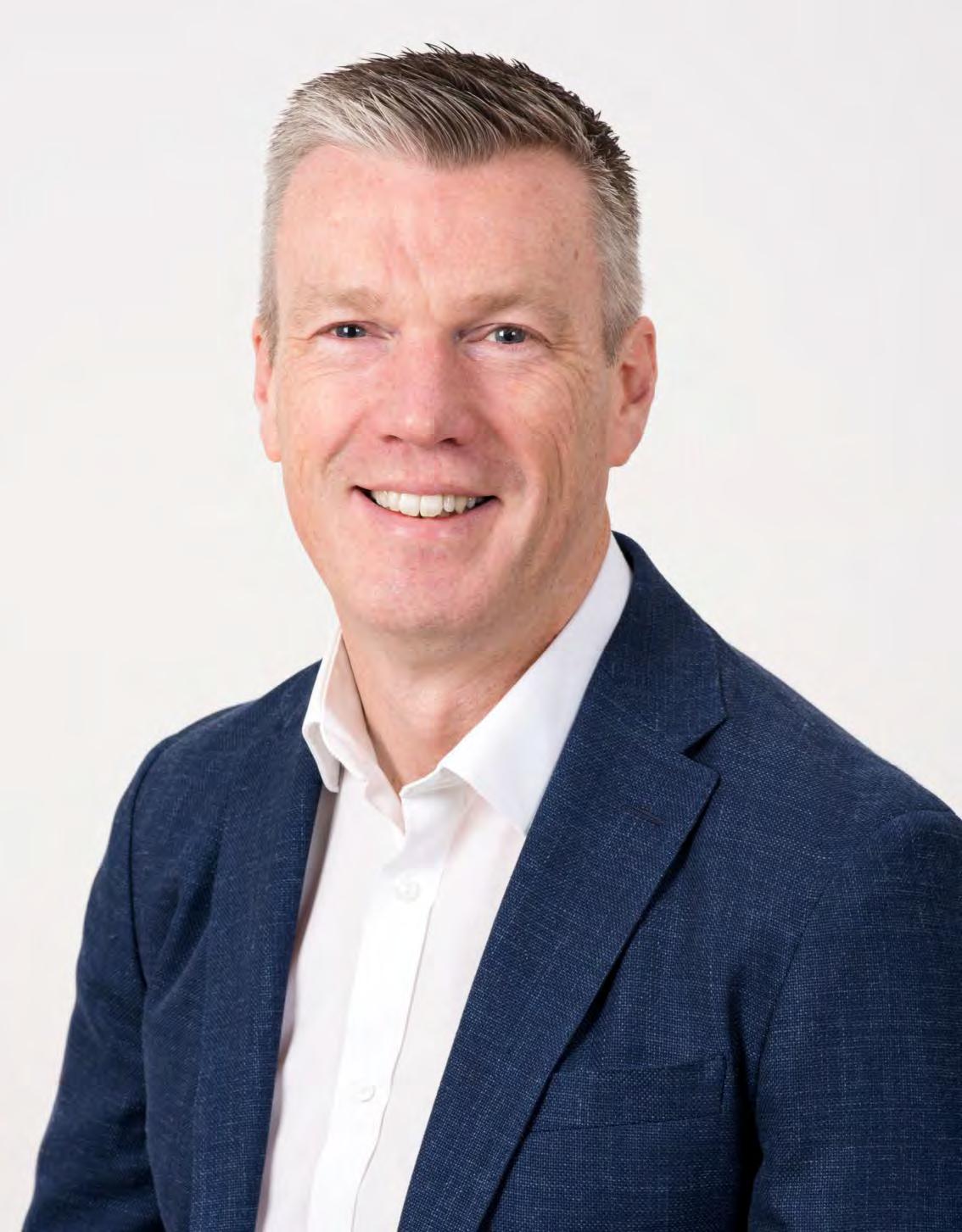
Coffee is the most popular beverage consumed in the world. Statistics say that more than 400 billion cups are consumed each year. The aroma, the essence and relief it offers in a cup, is mesmerizing, making it an important part of peoples' day to day life. Doug Williamson, a 24-year-old young Canadian man realized that people needed a place to congregate outside of the local pub. With love for coffee and the people, Doug and his close friend set out on a daunting venture of exploring this flavorsome industry. They started Esquires in 1993, in a small “strip mall” that has grown to be the leading coffee brand in Canada and New Zealand today.As young, amateurs who had nothing but passion with the power to think out of the box, Doug and his team have an inspiring tale to tell.
Starting their first coffee shop in in a small “strip mall”, as we refer to them in Canada, Doug refers to this opportunity as his first lucky break. The small but charming center, comprised of about 30 or so retail businesses, had come under tough times and was in receivership, which

worked in favor of Doug's business plan. He grabbed the opportunity embarking a new career path without any experience. Evidently, the first obstacle that would befall them was sustainability in the market without a name. They needed to work doubly hard to stay put in the competitive field. With the presence of the big brands around, Doug and his team worked tirelessly to earn a position and acceptance within the community.
They needed to listen to the customers and evolve to serve them and customize their design according to the taste and choice of the local community. Hard work and dedication saw them through, and they gained the trust of and respect of people living in North Delta.
By the 90s they had established Esquires as a leading specialty retail coffee brand in western Canada.

Name and fame followed as the team kept working relentlessly year after year. More doors of opportunities started opening every year. There was all sorts of pressure, as happens in business, to grow and expand, but they had worked really hard building the chain and did not feel a great deal of urgency to expand for expansion's sake. However, fate had something different in store. In 1999, a lovely
couple who were franchise experts in UK happened to visit the Vancouver Island store and cite their experience as “We fell immediately and madly in love with their energy, environment, and friendliness. We knew Brits would just adore this brand!” Well, another lucky break in the book of Esquires wrote a new chapter of success and the following years just Saw Doug travelling across UK
opening Esquires franchise outlets throughout the country. Today, they have more than100 stores, but Doug is very proud to say that Esquires Coffee evolved from that one small store in a small suburb of Vancouver; by showing people that they valued their business more than the big brands.
Essence of Remarkable Services
Today, Esquires is a fast charging coffee brand in the U.K. and Ireland with market leading innovation around food and beverage. Today's coffee shop plays a unique role in their social interaction evoking different emotions in people. The Esquires coffee shops offer many other services apart from their refreshing coffee. They are places to meet friends, places to find peace; they are places where business is performed in an ever-increasing manner, they are places to unwind after the stresses of a busy day. They function as an extension of homes and businesses, as well as a place to escape them. Whatever the reason for visiting Esquires, every customer enjoys being in a comforting and peaceful environment where they can rely upon exceptional service and delicious food and coffee. Esquires draws on that need by providing a warm and welcoming experience while offering Organic Fair-Trade coffee, along with a range of quality teas and the latest in health focused cold drinks as well as delicious food freshly made in store. This clearly differentiates Esquires and has created a distinct goodwill with our customers who have become enduring and loyal devotees of the brand.
From moving into new markets to developing new products, franchising has given the company different avenues of growth. More specifically,
it has helped the company grow by allowing them to utilize the talents and local knowledge of their franchise owners whilst they can focus on building the brand, the supplier network, generating value and improving their systems.Additionally, having franchise owners that challenge them daily to refine their systems for maximum efficiency is a powerful way of growing, which they would not have otherwise. Indeed, franchising has its challenges as well. Assembling a team of like-minded individuals is incredibly important, as is finding qualified franchise owners that share our vision and values. However, franchising has fostered the growth of the company largely with over 100 successful stores today.
Over the last number of years store growth has been steady and indeed continues to be so and in the more recent past they have also been marrying store growth to in house improvement in profitability through improved food programs and focus on procurement. While the latter does not necessarily bring about growth as such it does drive profitability in store for the people at the coal face, their franchisees.
Doug started Esquires at the age of 24 along with his friend while they were still in search of a promising career path. Without any experience to begin an entrepreneurial journey was a challenging task however the suburb of Vancouver known as North Delta, is a land brimming with working professionals, students, and families of all ages, which could have been one of the factors that boosted Doug to take an unnerving step of risk. Taking calculated risks and standing strong despite the challenges has brought Esquires in the lead position today.
Aiden Keegan took over from Doug in 2018 and has played a vital role in
the strategic growth of the company and having been a major contributor in the growth of the business.
“Having been with Esquires, albeit in the Irish and GCC sides of the business since 2004 it sometimes seems to me that I have done little else! However, I did also spend some years in Ireland's biggest indigenous coffee chain before joining Esquires and before that in various roles across hospitality.” Says,Aiden.
Aiden's roles and responsibilities as the CEO of Esquires are quite varied and cover everything from operational improvements to procurement to franchisee development as well as looking after the balance sheet. In terms of the emotions around this, it is mainly pride in the job being done by the great team,Aiden finds himself lucky to have a skilled team around him and the 'product' they deliver to their customers, the franchisees.
The team is passionate about ensuring their customers enjoy their experience at Esquires. They focus on building an emotional connection with the customers, paired with a functional solution to achieve a unique brand attachment and loyalty. Some of their key means of ensuring an exceptional experience in their coffee shops are:
•Acommitment to third wave coffee excellence and the desire to pioneer new innovative espresso beverages that are helping to shape the future of our coffee such as our recent Black & Tonic.
•Freshly roasted Organic Fairtrade coffee, teas and chocolate served alongside a selection of carefully chosen healthy and freshly prepared in store food.
•Individually designed and immediately recognizable cafes, exhibiting our sustainability commitments, independent
character and proudly located in premium locations.
•Comfortable seating and readily accessible internet connections, supported by great music and magazines
•Staff are extensively trained to ensure they value all customers and practice a personal service
•Constant innovation to stay ahead of our competitors and strengthen our reputation of always being “the place to be”
Esquires already operates in numerous countries around the globe including Ireland, Canada, China, Pakistan, UAE, SaudiArabia, Bahrain, Kuwait, Jordan and Portugal. Franchising at its core, is essentially the leveraging of a good idea or a suite of good ideas and sharing that IP and adapting it for the market you are entering, however, for it to work one key factor must be at the heart of the business, the Franchisee. Without the Franchisee there is no franchising so their wellbeing in the business is the keystone to building any successful franchise. However franchising may change in the future, this tenet ought to remain true and adhered to. Esquires plan is to continue this expansion but in a sustainable way with strategic partners on the ground in these and new locations.
Esquires started with soul, passion and love.and today, 25 years later it has made a remarkable impression on the coffee industry. With over 100 successful stores, Esquires has taken the lead in the market as one of the best coffee brands with the best service. The skilled leadership and knowledgeable team continues to work hard to stay in the lead.

Aserial entrepreneur with a vast 23-years managerial experience in the ICT industry, Lars Gunnar Fledsberg, Founder and CEO of WittarioAS, is developing a new way to outdoor learning games by harnessing the power of digital technologies. Wittario is a digital platform for outdoor-game based learning.
He adds, “Schools and businesses increase learning engagement and outcomes by using our gaming platform. We focus on creating fun and efficient experiences through outdoor physical activity and inspirational technology. Inspired by PokemonGo, Wittario moves audiences off their office chairs and school desks out onto a fun and effective hunt for knowledge. The best part is that anyone can create learning games for all.”
Walking the path of revolutionizing outdoor learning games
In his long career, Lars held “safe” corporate management positions until I was 42 years old. His first job was as a product manager in Telenor, a
leading telecommunications company across the Nordics andAsia with 187 million customers and annual sales of around USD 14 billion.
However, at the back of his mind, he always wanted to own a company as he enjoyed the freedom to learn and progress further. So, taking the leap of faith, he cofounded his first company, Skooler, together with the founder Tor Ove Henriksen. Skooler is an EdTech company with customers in over 100 countries worldwide.After his journey with Skooler, Lars has co founded five other companies. Four of them are successful. The most succesful company is Wittario, a company which has occupied 100% of his time the last two years.
All his adult life, Lars has been inspired to see how much school children are engaged in learning when the teacher takes the children outside of the classroom for some outdoor learning. To fill true colors in this concept, he marked the advent of Wittario, a company that delivers an EdTech solution for outdoor-game based learning.
He believes that a person is successful in business when the company manages to reach its business goals and at the same time has satisfied customers, employees, and shareholders. Working on the same notion, he drives the wheel of WittarioAS in the right direction.
Learning valuable lessons on his path
Lars states, “If you only enjoy success without meeting any roadblocks, you will most likely struggle harder to handle the situation when you meet the first heavy roadblock compared to a person who has handled multiple roadblocks on the way.”
While fueling the growth of his first company, Skooler, Lars realized the true value of the quote, “a CEO of a startup should always be fundraising.”
Amalgamating latest technologies at Wittario to create a unique solution
Wittario, an EdTech company which Lars and his colleague Tor Ove Henriksen founded in 2019, has
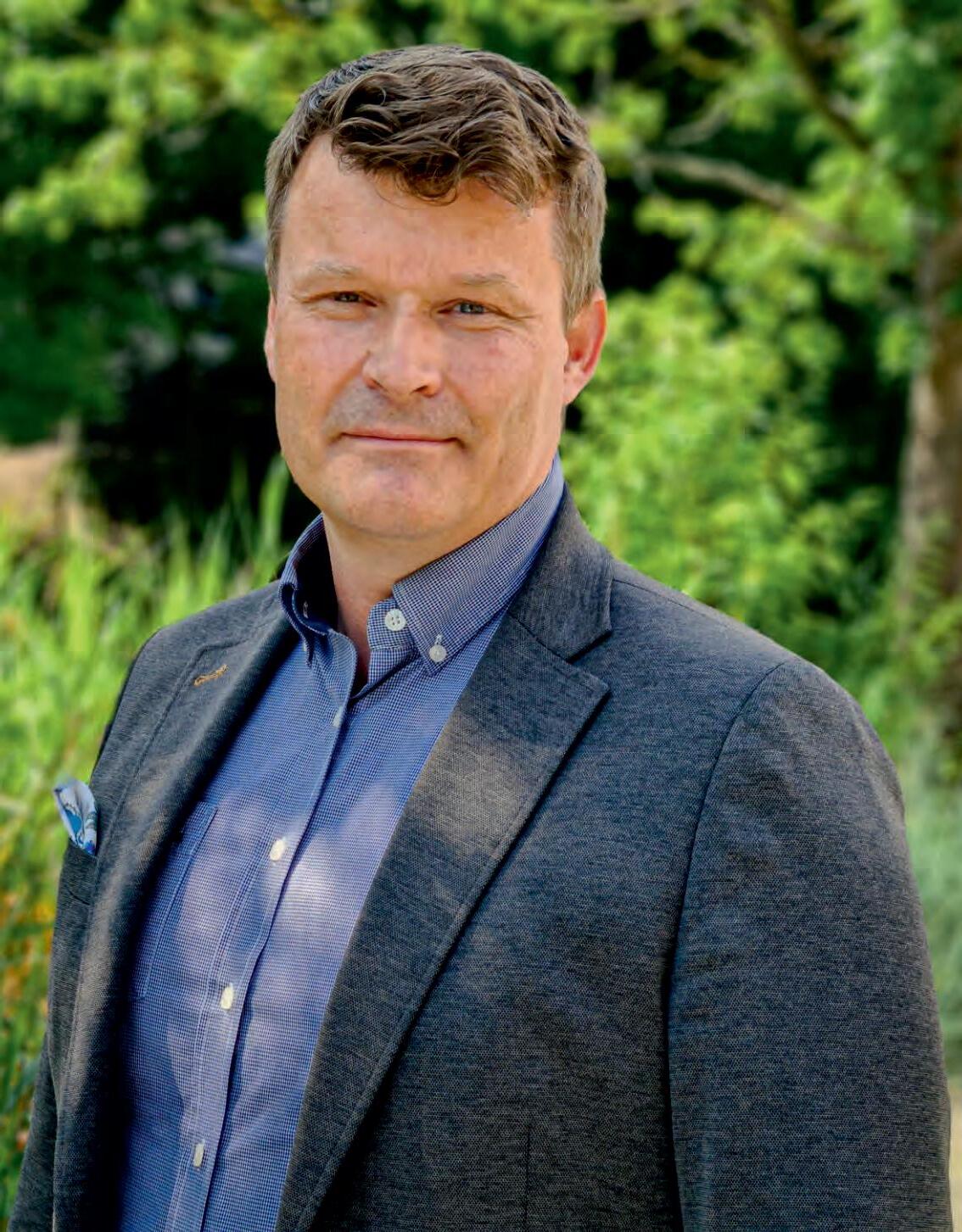
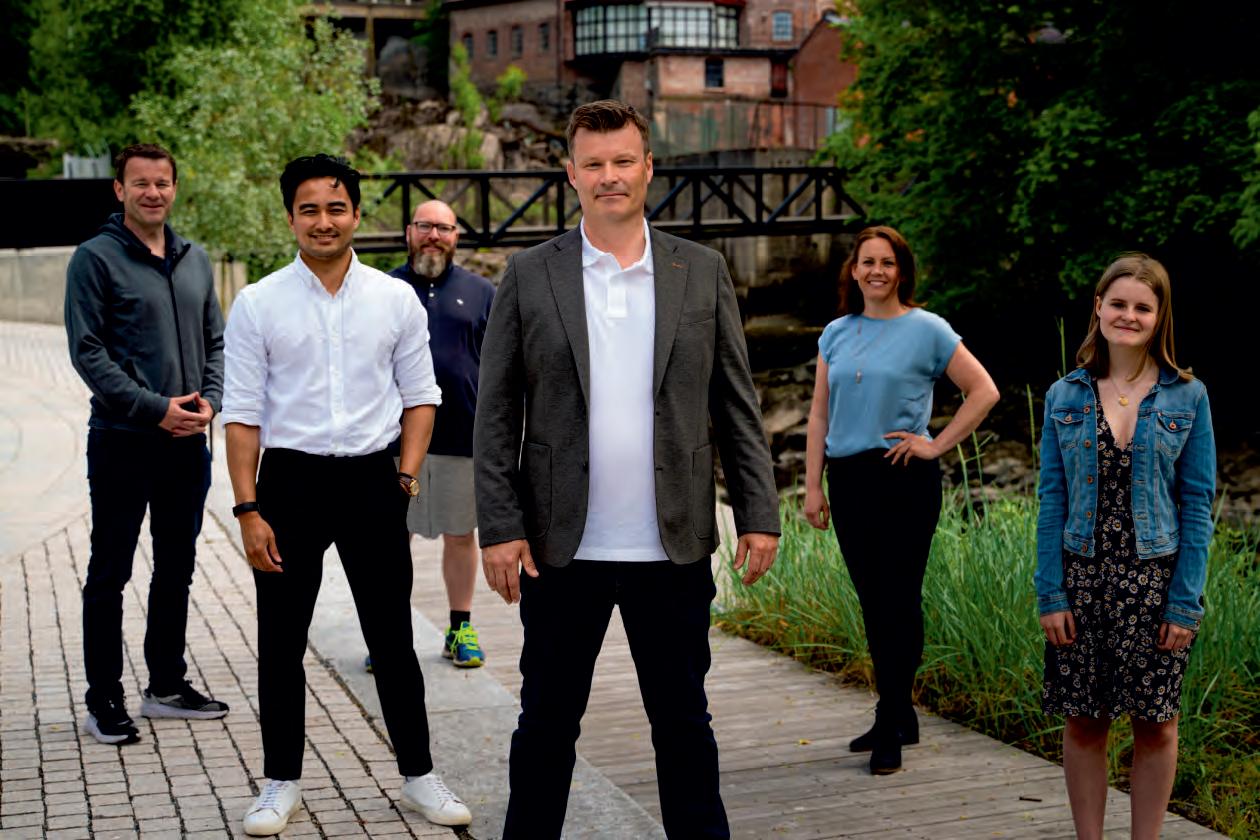
developed a game-based mobile application that will promote learning through outdoor movement using augmented reality (AR) and GPS. The app combines reality with virtual elements to create fun and effective learning experiences for schools and companies and was rolled out to a wide audience in March 2021.
Boasting its clear vision, “learning through games and physical activity,” the team wants to change the way of learning. Lars states, “We boldly want to change a 1000-year-old proven tradition of learning by reading and listening, by improving it using education technology.
Wittario was founded on the principles of leveraging outdoor
game-based learning and how we can create a platform that accommodates for more engaging, active, and relevant learning experiences.”
As the CEO of Wittario, Lars has numerous hats to wear. From handling the overall responsibilities of sales, marketing, finance to product development, delivery, and support, his typical day commences at around 8AM in the office where he goes through his emails, creates a schedule for his days, and manages everyone by walking around and conversing with his employees.
After that, he meets with his staff, customers, suppliers, and external stakeholders and then leaves work to have dinner with his family at 5 PM. Later, he again works from home from around 8 PM.
Being a goal-oriented leader, he is super proud of his accomplishments. He states, “The best recognition that I have received as a business leader was when the Wittario product were launched four months ago, and quickly got users in six countries. Another great recognition is being interviewed as one of the 10 Most Successful CEOs Making a Difference in 2021 by CIO Views magazine, which is a true honor.”
Lars is well aware of when he is working and when he is off work.
With such designated work and rest hours, he is able to experience more peace and happiness in his life. It has even elevated his productivity.
With proper time analysis and allocation, Lars is able to stay on top of his schedule. Not just this, he stays aware of the schedules of people surrounding him as well and never lets his personal and professional life meddle with each other. His peace of mind comes with regular exercising and meditation.
“Motivation is the electrical power that activates the engine of success.”
Motivation is the key to keep the team dedicated to the company's long-term goals. Keeping his team's work engaging is his way of keeping his employees engaged in work. He adds, “The most powerful way to do this is to give employees the opportunity to experiment and solve problems that really matter. I frequently ask them questions such as: Where can we deliver amazing service to our customers? What's broken in our product that our team can fix? How can we optimize our customer journeys even more?”
In this way, he is able to find the flaws and fix them easily. He also spends his time and money on different social activities and personal development training.Appreciating the employees' hard work and seeking their feedback are other ways to keep the motivation flowing.
For him, motivation comes from attaining the overall company goals, receiving excellent feedback from satisfied customers, and watching a broad smile on his employees' faces.
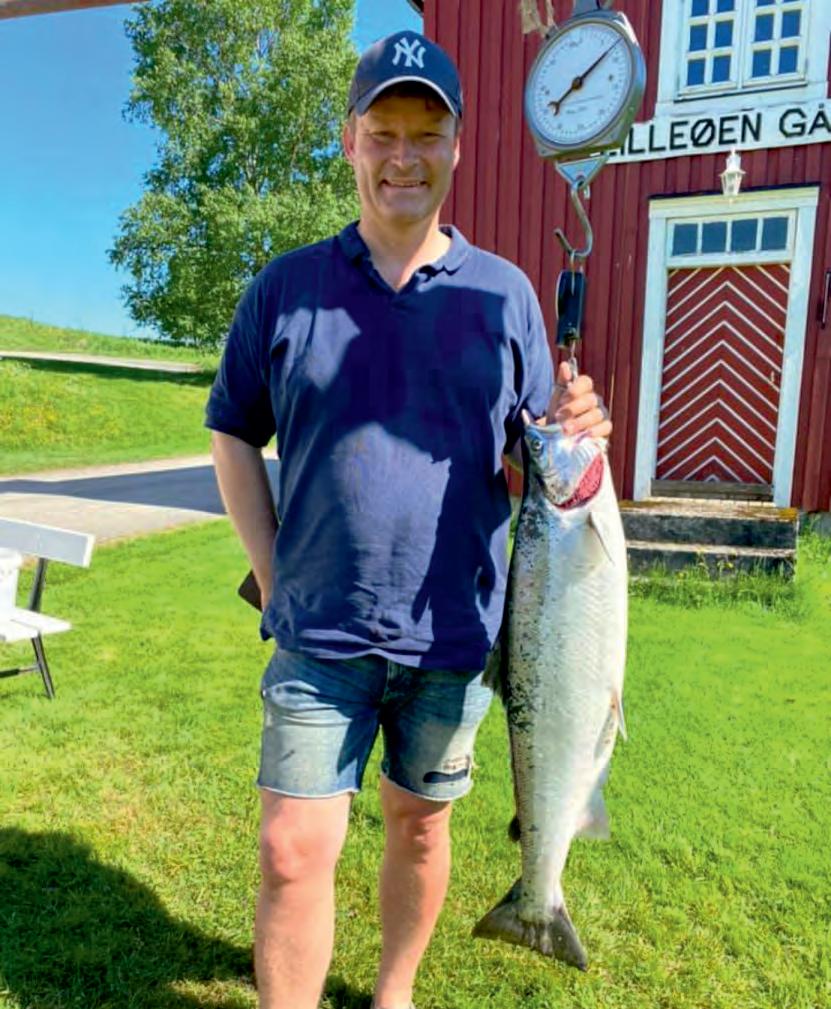
Lars shares, “My long-term goal for Wittario is to build the world's leading digital platform for outdoor gamebased learning.”
Personally, he shares the same goal as his business goal. He states, “In order to achieve this, my team and I need to further develop our product so that it goes viral in both the business, education, and home markets. Our strategy is executed by a world-class team which results in satisfied
customers, employees, and shareholders.”
Lars knows that learning is life-long and can enhance the understanding of the world and improve the quality of life with better opportunities. With the amazing Wittario platform, he is trying to playfully impart more access to education to everyone.

Goal setting is important, it inspires and motivates you.
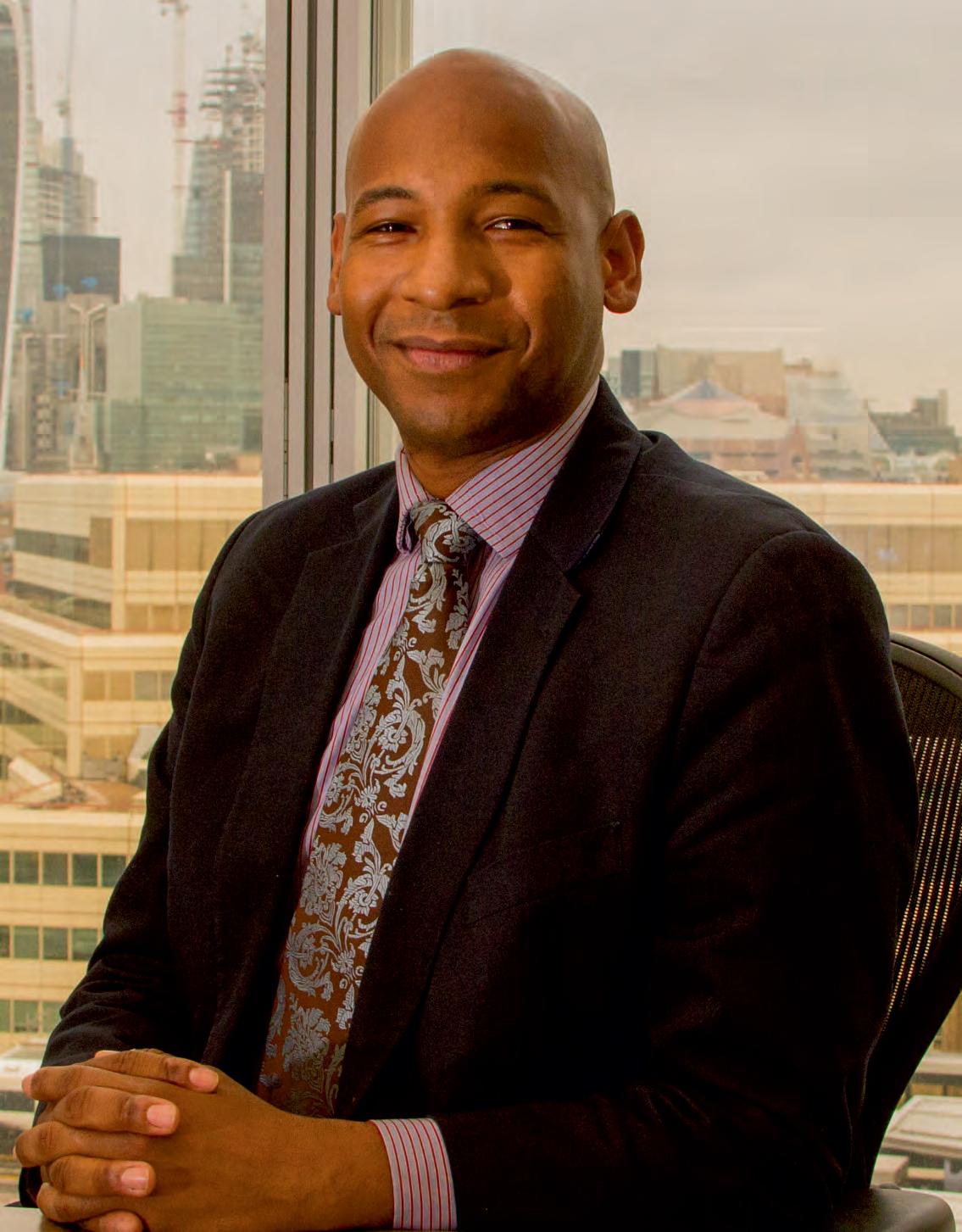
People with goals succeed because they know where they're going. Belton Flournoy, a director with Protiviti - a global consulting firm, knew he wanted Information Technology to be his second major right from his first IT class and he credits his professor at the time, Dr MonikaAyda, for the same. Belton realised that he rarely saw people who looked like him in business and he then told himself that he wanted to be the first openly gay, Black CEO of a Fortune 500 company.
“To be honest, I don't think anyone knows where they 'want to be.' If you asked me 20 years ago, I knew I wanted to be actively driving change, but was unsure of what that looked like,” he says. Now, as a director with Protiviti, he states that he truly enjoys helping his clients to solve their complex problems—especially the ones that leverage the newest concepts and technologies.
Self-BeliefAnd Hard Work Will Always Earn You Success
Belton remembers wanting to work at Protiviti after seeing it in BusinessWeek's '50 Best Places to Launch a Career,' combined with the
travel opportunities offered by a consulting career. “With Protiviti, I have been able to work in Milwaukee, Seattle, Chicago and now London, as well as having travelled to over 19 countries, including Brazil,Australia, Hong Kong, Singapore and Tokyo. I also found myself at Protiviti,” he exclaims.
As an adult, he struggled with his identity, even going back into the closet when he relocated to the U.K. Over the past 10 years, he has been able to find his authentic self, and that is thanks in large part to Protiviti, which has a great culture that exists no matter where in the world you work.
“Success is not important at all—finding a passion that drives you is,” states Belton. One quote that has stood out for him his entire life was said by Booker T. Washington: “Success is to be measured not so much by the position that one has reached in life as by the obstacles which he has overcome while trying to succeed.” Belton says that he loves this because it helps him to always look at a challenge as the next rung to achieve success, rather than something to drag him down.
ASet-Back Is Not The End, It Is
Failure has been the single biggest driving force behind Belton's professional journey. “I ended up having to take time away from university due to finances, which was the first time in my life I felt lost. I returned a few years later with a fiery passion to succeed, which led me to get almost allA's after my return and receive offers from three top global organisations upon my graduation,” he explains. That passion has continued well into his professional career.
Belton agrees setbacks should be viewed as a learning opportunity. He has been doing improv for several years now and he never envisaged the impact it would have on his public speaking ability. “The course taught us to stop focusing on what you cannot control (failures/setbacks) and focus on what you can, which is your ability to do better the next time,” he further adds. Even a personal setback, if viewed in the right way, can make a stronger person.
“I've had my fair share of challenges,” he says. But only one stands out and relates to him personally. Belton had just completed a project at a global financial services
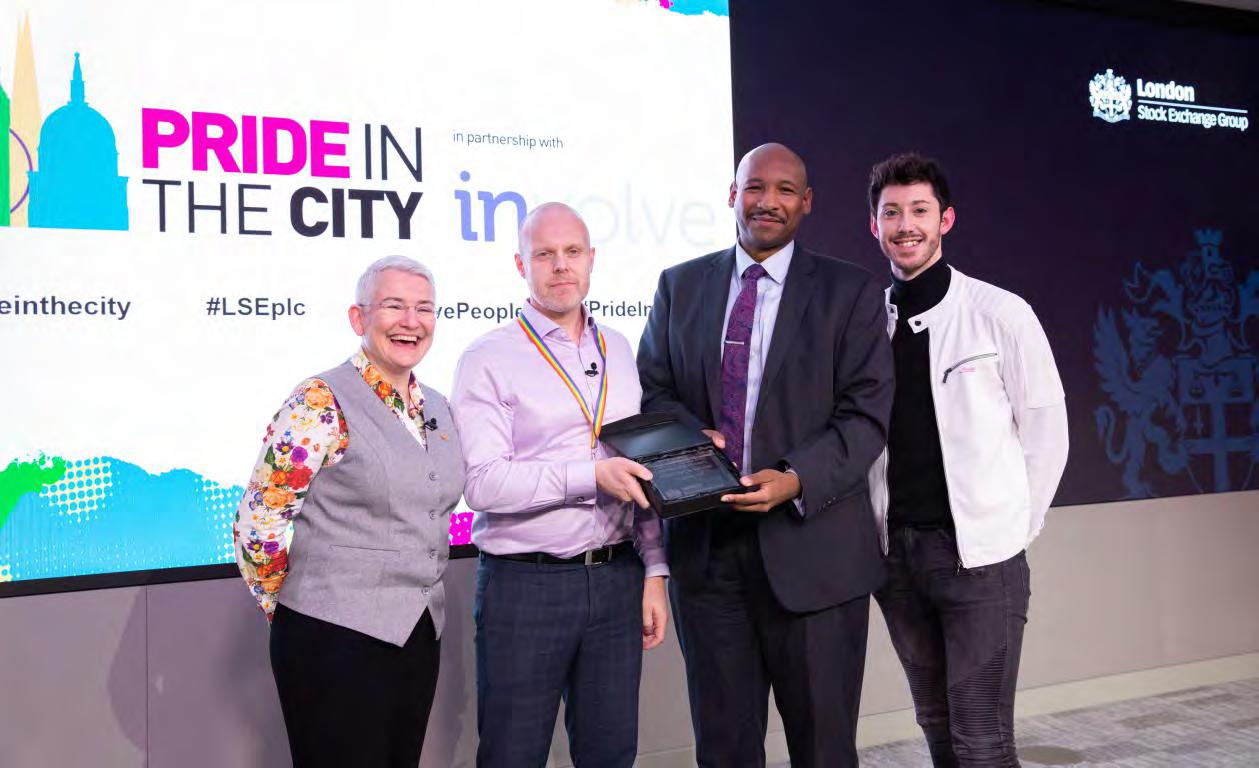
company and was invited to meet with their head of change. Right before he walked into the room his client told him, “Don't let him know you are gay.” Belton responded with “I will not, as that has nothing to do with my delivery.” He soon realised that his sexuality is just as important as the colour of his skin, or the fact that he is from Texas. “Hiding it does not make me stronger, it eats away at my ability to be my authentic self at work… I recognise the value and importance of developing an inclusive workforce, and of being a leader who makes people feel empowered and able to be themselves in the workplace, which leads to greater productivity,” he explains.
Protiviti is a global consulting firm
that delivers strategic insights to help business leaders confidently face the future. Protiviti provides clients with consulting and managed solutions in finance, technology, operations, data, analytics, governance, risk and internal audit through its network of more than 85 offices in over 25 countries.
Right now, it is facing what it likes to call the 'perform storm' of external and internal drivers that can act as both challenges and opportunities for businesses. These factors include globalisation, digitalisation, evolving regulation, increased cyber-security requirements and ever-changing business models. Protiviti works by balancing risk with opportunity to provide business solutions that enable its clients to realise the potential inherent in their business.
Protiviti's culture makes it different from its competitors. Their CEO, Joe Tarantino, is a strong leader who empowers everyone in Protiviti to work together to serve clients in exceptional ways. “Our culture is a strong asset and competitive differentiator that shapes our daily activities. We focus on building strong and lasting relationships with our clients and we are proud that so many have become long-time trusted partners,” says Belton.
Protiviti believes in finding innovative ways of providing value to its clients and has trained all its global staff on design thinking concepts. This allows them to work alongside their clients, embedding innovative concepts into their capabilities to
deliver lasting change and value. One example is VISION by Protiviti, which is an exciting new global content resource exploring big, transformational topics that will alter business over the next decade and beyond. Through VISION, Protiviti aims to spark new conversations in boardrooms and the C-suite and provide a platform for innovative ideas to surface.
Organisations are also continually looking to improve their business models, improve the experiences of their customers and automate their business processes. To achieve these goals, firms are now looking for partners who think outside the box to provide tailored ways to solve the challenges. Based on their deep expertise, innovative approaches and wide experience across industries and geographies, Protiviti sees itself becoming a trusted partner for many of them.
They are also excited by many of the latest technology developments, including process mining, identity analytics and quantum computing, and plan to help their clients become more effective and efficient through the adoption of these new technologies.
Belton says that in his day job, he is a director with a global management risk consultancy. He focuses on identity & access management and cyber security and leads a team of security experts who provide their clients with strategic technology solutions.
“Atypical day starts with a team meeting where we cover any critical issues and discuss the state of our business. We then discuss specific client strategies, ranging from how to define and implement a structured digital identity programme, to more targeted discussions related to defining segregation of duties framework or automating processes in a user access lifecycle,” Belton explains.
Besides his client work, Belton is a very active participant in Protiviti's grassroots-driven employee network groups, including its proPride LGBT+ and proCulture ethnic minority groups. He's also a leader for Technology Community 4 Racial Equality (TC4RE), a group of leading U.K. technology organisations dedicated to building a more diverse and inclusive workplace, of which Protiviti is a founding member. Belton is extremely happy to have helped develop the 'Protiviti culture' during his time in the office.
The pandemic presented Protiviti with numerous challenges, and Belton exclaims that he is pleased to say they've been able to give their people the support and care they needed, including providing additional benefits and work schedule flexibility. Together, their culture of putting their people first and making sure they're empowered to achieve their goals has meant that as a firm they've stayed strong and focused. “Protiviti also supports my diversity, equity and inclusion efforts outside the firm, such as my work with The Inclusion Initiative (TII) at the London School of Economics where I am an Advisory Board Member and with TLC lions where I act as an inclusion advocate, frequently speaking with
organisations about the need to maintain focus on ethnic growth at all levels and providing transparency into some of the challenges faced by people of colour,” he says.
The work-life balance culture is one of the best things about Protiviti. Belton loves telling people to go to LinkedIn and search their hashtag #livingprotiviti for an independent view into their inclusive and supportive culture.
Protiviti's leaders and managers work to ensure their people know they are valued and respected, and if they do ever feel overwhelmed, Protiviti offers a variety of programs and benefits to help, including flexible working, part-time working, sabbaticals and other mental health services. “We've been listed seven years in a row as one of Fortune's '100 Best Companies to Work For' and there's a variety of reasons why we continue to receive this and many similar accolades, including our work/life balance,” he further explains.
Amessage Belton has for his younger self is: Don't stress yourself out about every failure—instead, focus on what went wrong and realise it will only make you stronger.
And his message for aspiring leaders is “when you start doubting your abilities—stop and let your boss do that. The imposter syndrome will only drag you down. Oh, and we all suffer from it.”



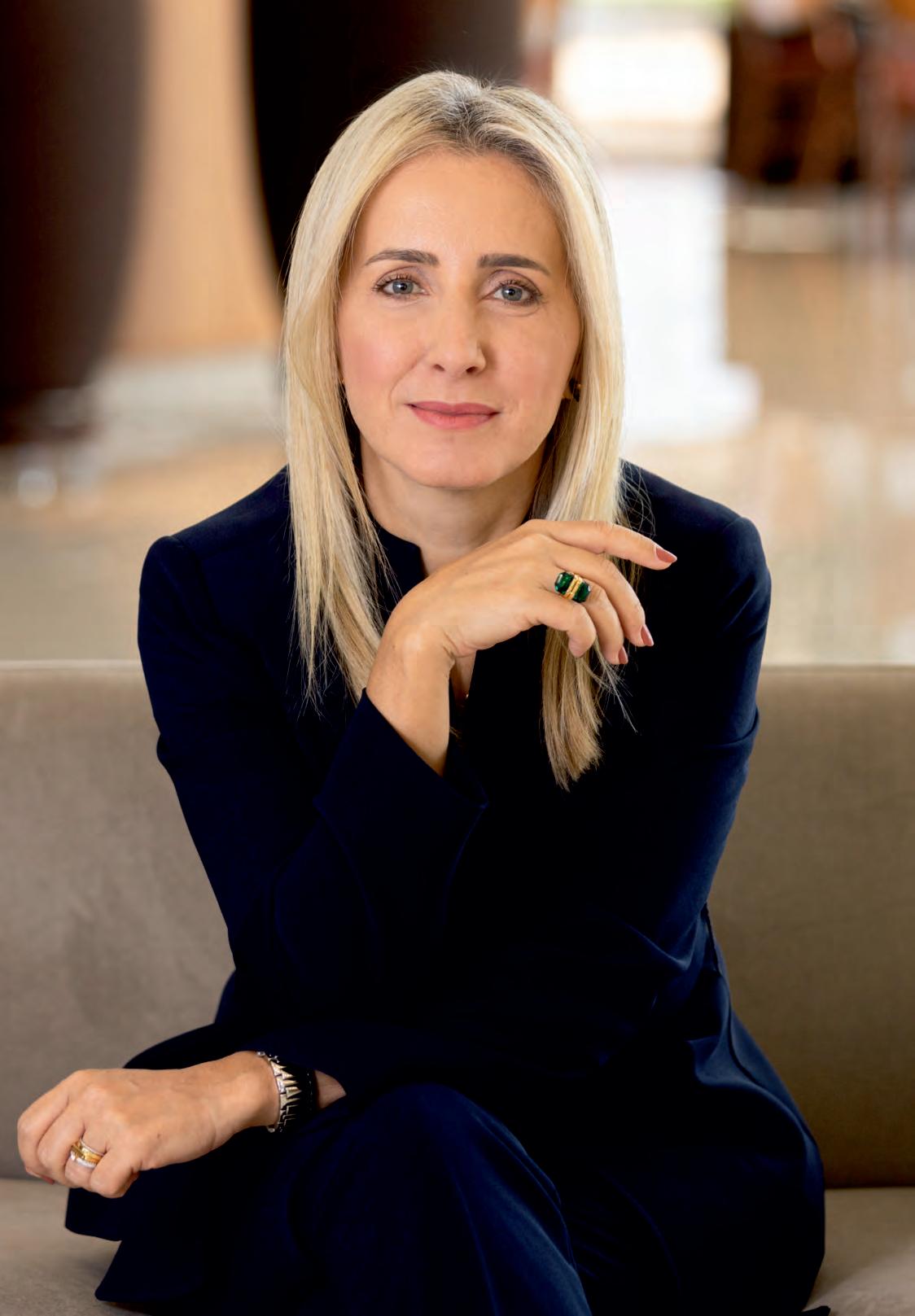
In the dynamic world of legal services, few individuals stand out as prominently as Fernanda Platero, the Legal Director at Honda Brasil. With over 25 years of experience across various industries, Fernanda's journey is a testament to resilience, innovation, and a relentless pursuit of justice. Her story is not just about professional achievements but also about personal growth and the impact of legal services on society.
This article delves into her inspiring journey, her role at Honda Brasil, and her vision for the future of legal services.
From Early Beginnings to Legal Leadership
Fernanda Platero's career in legal services began over two decades ago, spanning diverse sectors such as banking, the medical industry, agribusiness, and the automotive industry. "I started working very young, still a teenager, and even before starting my law degree," she recalls. Her early experiences as a legal assistant at a major Brazilian bank provided her with invaluable
insights and opportunities that shaped her future career.
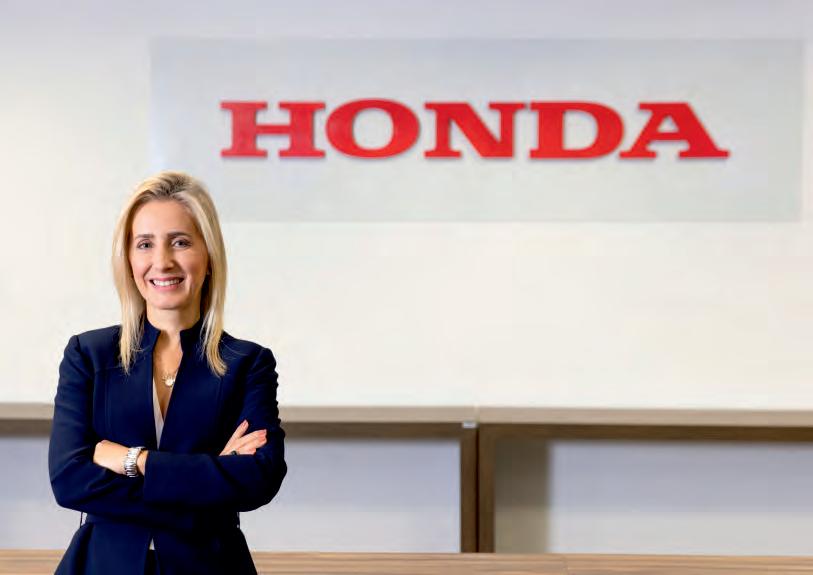
In 2003, Fernanda joined Honda Brasil as a mid-level lawyer. Over the years, she worked across various divisions within the company, including motorcycles, banking, consortium, and automobiles. Her dedication and innovative approach led to her promotion as the General Manager of the Legal Department in 2018. By 2022, she had become the first female director at Honda Brasil, overseeing all legal aspects of the company's operations in the country.
Fernanda's passion for legal services is driven by a deep-seated desire to correct injustices. "The inspiration has always been and continues to be to correct injustices, whatever they may be," she asserts. This commitment to justice and fairness has been a guiding principle throughout her career, motivating her to ensure the fulfillment of rights and duties in every role she undertakes.
One of the significant challenges Fernanda faced was transforming Honda Brasil's internal legal department. When she joined in 2003, the department had a more consultative role with limited resources. Today, it boasts a team of nearly 50 people and over 25 law firms.
“We implemented a legal system for process, contract, and opinion control, and we created a BI that demonstrates the department's results," she highlights. These innovations have significantly improved efficiency and risk management, making the legal department an integral part of Honda's business operations.
Legal Services in theAutomotive Industry: Impactful Projects and Initiatives
Fernanda believes that the legal department plays a fundamental role in any industry, particularly in the automotive sector. "The only sustainable way to expand, create, and innovate safely is to involve the Legal department from the beginning," she asserts.As the automotive industry



undergoes profound changes, a strong and active legal department is essential to enable new products and business expansion.
One of the most impactful projects
Fernanda led at Honda Brasil was the investment in a floating hospital. "It was an intense two years of negotiation and adjustments until we finally made a significant investment in a 'Hospital Boat,'” she recalls. This initiative brought healthcare to underprivileged populations in the North of Brazil, fulfilling her role as an executive, lawyer, and citizen. The project exemplifies her commitment to social justice and community welfare.
To stay abreast of the latest legal trends, Fernanda relies on various sources of information, including associations, committees, and benchmarking with market colleagues. "Aligning the vision with the team is essential so that everyone understands where to look, seek information, and focus," she explains. This proactive approach ensures that her team is always informed and prepared for new challenges.Additionally, she encourages continuous learning and professional development within her team, fostering an environment where knowledge is constantly updated. By staying proactive and engaged with industry developments, Fernanda ensures that her legal strategies remain cutting-edge and effective.
Fernanda places great emphasis on mentoring and supporting her team at Honda Brasil. She promotes annual performance evaluations and individual development plans, along with regular alignment and listening meetings. "Generating training so that each person
can take on new positions and challenges is fundamental," she says. Her belief in good daily relationships and creating challenges for her team fosters a culture of continuous improvement and satisfaction.
For those aspiring to make a significant impact in their legal careers, Fernanda advises investing in both technical knowledge and selfawareness. "Hard and soft skills go hand in hand.Always do more than your job description," she recommends. Understanding the business context and staying willing to learn and progress is key to overcoming challenges and achieving success.
Balancing a demanding role at Honda Brasil with personal life is a constant challenge for Fernanda. She emphasizes the importance of selfobservation and investing in what is
possible at any given moment. "Work consumes a large part of my time; however, I seek alternatives to be with my family, and friends, study, travel, take care of my spirituality, physical and mental health," she explains. Her disciplined approach to time management allows her to excel in both her professional and personal endeavors.
Fernanda's workdays are intense and varied, reflecting the diverse responsibilities she holds at Honda Brasil. "There is no fixed routine, and wherever there is demand, I will be there," she says. Her role involves internal and external meetings, business area projects, board support, hearings, events, and interactions with public agencies. This dynamic environment keeps her engaged and constantly learning.
Legacy of Curiosity and Innovation
Fernanda's curiosity and restless spirit have driven her to explore various
facets of the legal profession. "I am a lawyer and feel like an entrepreneur in every project I participate in," she exclaims.
Her contributions to the legal field and her innovative approach serve as an inspiration for future generations of legal professionals. She encourages aspiring lawyers to seek more, learn more, and use their technical knowledge to open new doors to a better world.
Fernanda believes that legal professionals can significantly impact their fields by embracing continuous learning and adaptability. Her journey exemplifies how curiosity and innovation can lead to groundbreaking achievements and lasting legacies.
Fernanda Platero's journey is a remarkable example of how dedication, innovation, and commitment to justice can lead to a successful and impactful career in legal services.
Her role at Honda Brasil and her contributions to the legal field highlight the importance of a proactive and dynamic legal department in driving business success and social impact.As she continues to lead and inspire, Fernanda's story serves as a beacon for aspiring legal professionals and a testament to the power of perseverance and vision.

In this age of global digitalization, cybersecurity is the cornerstone of trust, and it requires leaders who balance protection and progress.As Eventbrite's Senior Security Program Manager, Marcel Velica's perspectives on purpose-driven security, responsible innovation, and humanity-first leadership, with a focus on safeguarding digital assets for a secure future are worth exploring.
For most of the business world, success is clearly defined and quantified in terms of tangible figures, easily measurable milestones, and celebrity awards. But for a select few forward-thinking leaders, there is an infinitely more subtle and important definition of success that has absolutely nothing to do with the external world. Marcel
Velica explains this alternative way of thinking stating, "To me, success isn't just about metrics or milestones, it's about meaningful impact."
In a professional environment, cybersecurity is consistent with trust, which Marcel finds most important. He asks a simple question that encapsulates this key principle: "Can people rely on your systems, your leadership, your judgment?".
These moments, as much as often go unseen and unnoticed by the outside world, are the greatest indicator of success for a cybersecurity leader, with the serious responsibility and impact placed upon their work.
Marcel is articulating a compelling motivation that transcends the reach of personal ambition, one grounded in a sense of purpose and service.
"What drives my passion," he says, "is the understanding that each decision I make is adding to something greater than myself, protecting ideas, innovation, and lives." This abiding sense of duty, he says, "is a privilege I never take for granted."
The Cyber Leader behind the armor
Though technical competence and a good professional reputation to be an achiever are the minimum requirements for success within the cybersecurity arena, true leadership happens through the capacity to build strong rapport with individuals and to create a team culture that fosters imagination and development.
Marcel upholds this philosophy and offers a glimpse into his professional identity by stating, "My strategic leadership demands clarity:
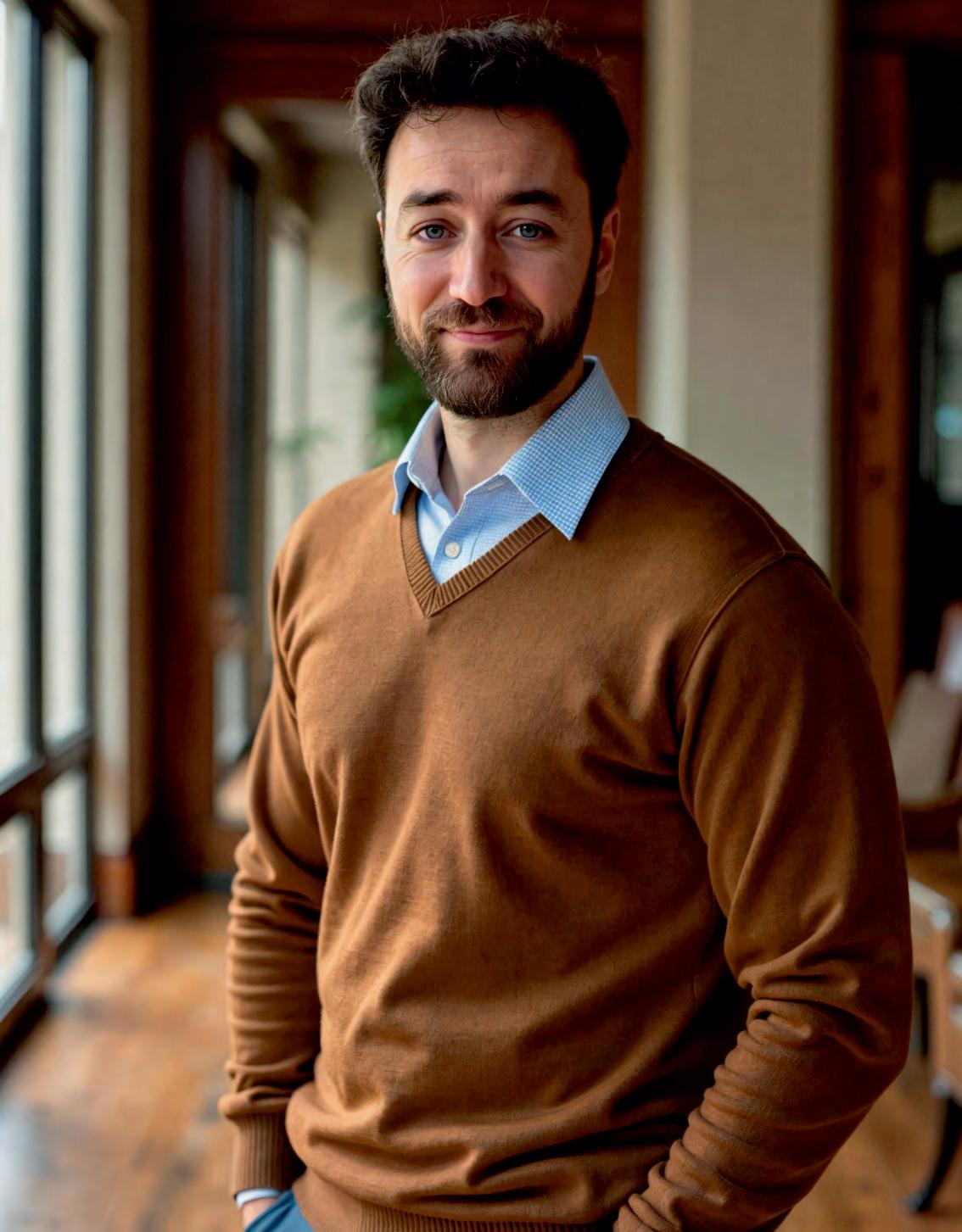
Senior Security Program Manager
balancing today's operational risks with tomorrow's innovation goals.”
Job of a Connector
Marcel's beliefs go way beyond the parameters of accolades and designation. He states that he considers himself to be a connector. This focus on the connector skill is a key part of what makes great leadership, especially when applied to the challenging and frequently siloed universe of cybersecurity: the ability to "bridge technical depth with executive clarity.” In navigating the complex universe of cybersecurity, this bridge function is of vital importance, facilitating clean and effective communication between technically deep groups and business stakeholders who may not be equally technically capable. Moreover, Marcel considers himself an independent force for empowerment, a far-reaching source that 'empowers others while creating lasting structures.'
Lastly, Marcel defines his underlying objective and guiding principle: "My purpose is to elevate security from a reactive necessity to a strategic differentiator."
Within the environment of a transforming & innovative company like Eventbrite, cybersecurity holds an essential significance that ensures the platform is secure and reliable. Marcel's leadership at Eventbrite is simply the application in practice of his principles. He outlines that Eventbrite's cybersecurity program has focused on various core areas: "strategic compliance readiness (PCI
DSS 4.0, SOC 3), innovation in security automation, cloud architecture hardening, and modern incident response capabilities."
These are strategic initiatives where Marcel emphasizes balancing agility and accountability, citing efforts like 'ShadowAI detection, BYOD policy improvement, and MDM rollout.' He describes that "these aren't technical enhancements; they're business enablers that instill trust, offer scalability, and protect user confidence as the company grows in global markets."
The leadership journey is seldom smooth; it is defined by challenges. Marcel observes that, "Every leader faces their crucible moments. Managing resource limitations, driving cross-functional alignment under duress, and building trust in skeptical environments defined my resilience."
Marcel Velica describes a strong philosophy: "Vision without execution is hallucination, but execution without vision is survival mode." He keeps his focus "through quarterly strategic roadmaps, integrated risk frameworks, and continuous stakeholder alignment." Mindset is the key: "Tools are important, but mindset is what keeps resilience going." The obstacles polished his 'emotional intelligence, polished my communication,' and showed 'vulnerability earns more respect than perfection.’
Marcel's method is a high-intensity
daily routine paired with a general philosophy of moral stewardship. His goal-driven days concentrate on stakeholder syncs and architectural security reviews, paired with strategic planning and safe product releases. It is a belief in the importance of action, wherein his leadership is defined by "empathy, clarity, and empowerment," creating "psychological safety and structured collaboration" to achieve maximum focus and productivity.
Marcel puts energy over hours, integrating habits such as walks to reset perspective and digital detox windows to uphold balance. He believes in exceptional work as a result of alignment and well-being, preaching for a sustainable process in both life and work. This systems thinking is aligned with Marcel's career ambitions. He trains the next generation of leaders, provides thought leadership, and enables responsible technology. He constructs "risk-based security programs" to facilitate innovation, defining "security" as "a catalyst for better outcomes."
Underpinning this is a basic question: "Are we building not just securely, but responsibly?", evidencing a commitment to incorporating ethical perspectives into his work.
To the Next Generation: Lead Boldly, Lead Kindly
Marcel cautions leaders to "Be bold in your ideas but kind in your execution," prioritizing technical brilliance and championing empathy and teamwork. He demands less gatekeeping and more mentorship and empowers upcoming leaders:
The virtual world is in a state of continuous flux, with new threats and technologies arising. Marcel's vision is "adaptive resilience, security that scales with innovation, not against it." Technologies like "AI, quantum, and decentralized identity” reshape our threat landscape, and ourstrategiesmustevolveintandem.
His long-term vision is to lead "global security programs that fuse automation with human insight, leverage AI ethically, and develop inclusive leadership pipelines", shifting from "control" to "enabling secure innovation at everylevel."
Marcel discusses "machine learning" and "AI" for threat detection, though with a focus on "wisdom, not hype" and applying these technologies to "amplify" rather than replace human intelligence. Marcel sees the life-changing capabilityofthesetechnologies,butholdsthemtoalevelof responsibledeployment,governanceiskey!
"Remember: you don't need permission to lead, you need vision, courage.to take that first imperfect step." This promotes a nurturing and inclusive culture.
Conclusion
Marcel Velica's vision, shaped by his
work in cybersecurity, emphasizes purpose, ethics, and humancentricity. He promotes trust, cooperation, and ongoing learning to safeguard the digital world and create a safe future. His statement, "True leadership in cybersecurity is not about control, it's about creating clarity in chaos, trust in uncertainty,
and momentum where others see resistance," motivates cybersecurity professionals as builders, protectors, and storytellers who connect systems, inspire people, and navigate complexity with courage. That is the call that he hopes others will answer!
Success is different for everyone. Whether it's achieving accomplishments in building a thriving business, academic prowess, public recognition, financial gain, bringing up a family, playing a musical instrument, cooking something delicious, whatever form it takes, for Jane Stevensen, Founding Director of JS GlobalAdvisory, success comes from following a passion and striving to make a difference – and not just for her individually but for the people and the issues that matter to her.
LeadingA Company To Success Is Not An Easy Road To Take
Jane's career has taken her from the world of international oil & gas exploration to advising global organisations on environmental risk and opportunity, governance, climate strategy, and engagement across the whole spectrum of
ESG. Jane's working environment has ranged from the oil rigs of the North Sea, the rare Jarrah Forest of Western Australia, the rainforest of Papua New Guinea, to theApennine Mountain home of the European Brown bear. Many of these places comprise fragile ecosystems with enormous environmental challenges, which led her ultimately to set up her own business.
Working in such beautiful and extraordinary locations, and with her underlying love of the natural world, a passion since Jane was a small child, led her to a clear understanding that the planet is a stakeholder in all operational activity, and through the amazing people she met and the teams she led, developed her belief that business has the potential to be a real force for good. “My journey has taken me through a route encompassing international business, commerce, academia, and the third sector.
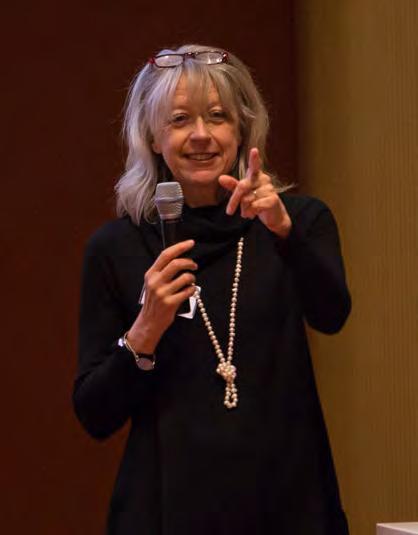
I have gained insight and experience from the oil & gas industry, academic institutions, management consultancy, financial services, and influential climate NGOs, eventually leading me to set up JS GlobalAdvisory in 2018”. After a long career in the commercial world, Jane grasped the opportunity to spend time in the NGO sector for four years leading up to that point in 2018.
Jane was able to draw on over 20 years of experience in senior roles with leading organisations, building on expertise in creating global engagement programs and developing sustainability-driven strategies. She gained extensive international speaking experience as chair, moderator, and panellist at global events including the UN Climate Conferences most recently at COP 26 in Glasgow in November 2021, at the annual World Economic Forum meetings, the UNCTAD World Investment Forum meetings, the UN Environment Programme, New York Climate Week, and the Global Sustainable Innovation Forum events. Jane is also an advisor to a global consortium on planetary re-greening and re-balancing the carbon budget. This group is comprised of senior business leaders, high net worth individuals, academics, and policy experts, working towards developing a new framework for understanding climate change, and addressing six action areas for implementation.
When Jane started her career in the Oil industry, there were very few women in the professional world she was inhabiting, and being the lone woman was something she became very used to. There were many occasions when that could have been difficult, but she states she has a definite “glass-halffull” approach to life and has always
loved a challenge. “My years in the Oil industry provided me with the opportunity to build real resilience and strength – when working on location there's no HR department to ask questions of, and no time to ask them anyway – you have to deal with the situation as it arises. I believe that, as a woman in those situations, the combination of professionalism and clear understanding of the requirements of the working environment, together with a strong degree of empathy and understanding creates a powerful recipe for success,” she explains.
Jane's decision to move from the commercial world to the non-profit third sector could be viewed in some ways as a roadblocking moment in a successful corporate career, but she would call it a major milestone, and a decision that in many ways was a leap of faith. She viewed this as an unprecedented opportunity to work with people whose passion for the planet resonated with her own, without the pressure of shareholder returns, and by doing so she was able to effectively contribute towards achieving the critical changes the world needs in addressing climate change.
JS GlobalAdvisory works across sectors and brings particular knowledge, insight, expertise, and understanding of the natural resources and energy industries – often called the “hard-to-abate” sectors. Their approach to sustainability consulting and climate change strategy and engagement is built on a unique understanding of the diverse perspectives that influence the way governments, businesses and financial market participants address
the mega-trends affecting our planet and society.
The key areas of focus for clients consist of:
Engagement programs, sustainability strategy, TCFD advisory –implementing the recommendations of the Taskforce for Climate-related Financial Disclosures, and ESG services – providing a full service Environmental, Social, and Governance advisory capability.
The JS Global clientele ranges from global FTSE 250 companies to small independents. Climate change and the need for a sustainable business strategy affect every business and everyone in it. From the initial launch of JS Global, Jane has built strong relationships with other major advisory organisations, and they now have working partnerships with several firms including one of the WPP Group of communications agencies, one of the world's top-ranking global energy, research and data firms, and a highly respected and influential London and New York-based financial communications and reputation management consultancy.
The vision of JS Global in the next five years is to be able to provide the toolkit for businesses, regardless of sector or size, to address both the risks and opportunities of climate change and be part of the global solution. Moreover, they want to be able to inspire organizations to believe they really can do it and radically increase ambition to achieve much greater targets than they thought possible.
Influencing ChangeAs A Woman In Leadership
“Part of being successful for me is being able to contribute to a wider community and give time, insight, and support to younger people. Mentoring, supporting and listening, passing on knowledge and understanding is an essential part of how I live my life,” says Jane. She is a mentor for two fantastic initiatives supporting young women – 'INSEAD IW50' and 'Inspiring the Future'. She completed her MBAat INSEAD, the international business school headquartered in Fontainebleau, France, and jumped at the chance to be a mentor on their IW50 program, established in 2017 on the 50th anniversary of women joining the MBAprogram. Inspiring the Future is an incredible UK-based charity that matches volunteer mentors with schools, to give the students opportunities to hear from people from across the professional world and boost their motivation, attainment and prospects. The programme is particularly targeted on working with schools in underprivileged communities to inspire the future generation.
Jane's Life Before JS Global Advisory
Before establishing the JS Global Advisory business, Jane was combining the challenges of working life with family life. She was building her career, and became a Director of a major Environmental Management Consultancy when she was expecting her first child, and continued to worksometimes part-time - as her family grew. She took some time out from the business world when her three sons were small, went into academia for a while as a Course Director for the University of Cambridge, becoming involved in the development of CISL, the Cambridge Institute for Sustainability Leadership. Throughout
all of this, her family has been the most important part of the equation. “To be able to do this requires a huge amount of planning and prioritisation, a lot of help and back-up, and right at the top of the list, it's vital to keep hold of your sense of humour!”
The start of Jane's career was dominated by travel and adventure. Joining the international oil industry opened up a world of new and exciting environments, and a need to be selfsufficient and able to think on your feet. Plus the occasional frisson of danger and no idea how things were going to turn out. She declares that she wouldn't have wanted it any other way.
Jane states, “Since establishing JS GlobalAdvisory, it is enormously gratifying - and rather humbling - to find myself regularly invited to speak and participate at major world events, most recently for example at COP26, and recognised as a voice to be listened to, addressing the climate-changerelated challenges the world faces,” She has spent almost all of her working life focused on this. “To see so much engagement now with these complex issues from business, industry, governments and institutions alike –although we have an enormous challenge ahead of us to address global warming – is incredible,” she adds.
As Founding Director, Jane, who defines herself as an Optimist, says that the business reflects her style and approach. She is collaborative, she likes to listen to all viewpoints, and determine the facts, but also the nuances and opinions of all the parties involved. The business is now a partnership, and her co-directors are involved in all the key decisions and
client engagement.
As the world is beginning to emerge from the Covid-19 pandemic, our ways of working are starting to go through another period of change as we begin to get back into offices and public spaces. Jane is an early riser, a lark not an owl. The morning is spent checking the emails, working on client pitches, and responding to requests. She has a daily morning Zoom call with her senior business partner where they touch base on what's needed for the day, review new opportunities, discuss the current projects, and generally catch up. She takes a break and if she can she gets out into the fresh air and takes her dog for a walk. Then back to her desk for the afternoon, often with client calls and reviews. Jane enjoys cooking, and dinner is usually around her kitchen table with whoever is at home from her family. She is looking forward to getting back to the theatre and opera which she loves, and supporting the arts again.
Work-life balance is always a real challenge, and although the pandemic has been devastating for the world in many ways, Jane thinks it has shown us new ways to work and create a more realistic and healthier approach to managing our time. Spending unnecessary hours travelling is something we should be avoiding – for our health and well-being, and it reduces our carbon footprint so it's good for the planet too. Jane claims to be a perfectionist, and second-best simply doesn't cut it for her.