


www.linkedin.com/company/cioviews www.twitter.com/cioviews www.facebook.com/cioviews
www.instagram.com/cioviewsmag
For any editorial queries, write to us at: editor@cioviews.com For any other queries, write to us at: info@cioviews.com Follow Us
Throughout history, there has been a small group of leaders who appearinbusinessandbegintorewritethedefinitionofsuccess.They are not simply taking advantage of a market, they are very literally rewriting the possibilities of engagement and growth, and defining resilience. Their influence doesn't end at the balance sheet. These leaders shape culture, industries, and societal expectations. Their differentiator is their near supernatural ability to see change before it arrives, and opportunity lives within the ambiguity of uncertain times. These leaders are clear thinkers and innate implementers, bringing together vision and execution when it matters most. They are not only capable of enabling innovation but also of developing trust, two currencies that are more valuable than ever in today's interdependent world. Their stories remind us that leadership is not about position or title, but rather the willingness to act, when others shyaway.Astheglobaleconomytransitionstowardthenextchapter, these leaders are already drawing the plans for what we want to accomplishtomorrow.
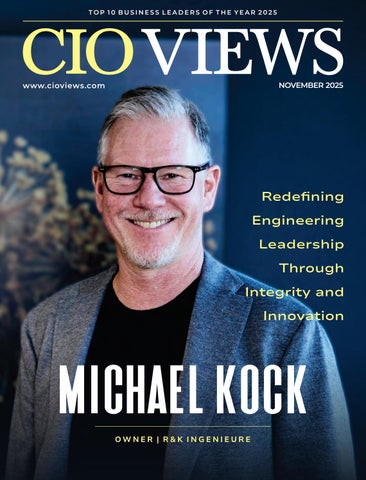
AtCIOViews,wehonortheseempoweringleadersbydedicatingthis issue titled “Top 10 Business Leaders of the Year 2025” to them. Featuring as the cover story, we have covered the successful & motivating journey of Michael Kock, Owner of R&K Ingenieure. WehavealsoincludedtheinspiringstoriesofCharlesFreund,CFOat Fullsteam;Amanda Brock, CEO of OpenUK;Agapol Na Songkhla, Chief People Officer at Thai Beverage PLC; Dennis Lundquist, Managing Director & Partner at Qap Legal; Sarah Neill, Founder & CEO of Mys Tyler talks; Lcid Crescent Fernandez, CEO of Prometheus;ElieSarkis,Co-Founder&ManagingPartnerofIntoact International; Dr. Catharine Young, Executive Director of SHEPHERD Foundation; and Kevin Loman, CEO of iQ InternationalAG.
CIO Views is a business magazine that mainly focuses on business leaders,theirjourney,viewsoncurrenteconomicstates,andallother relevant subjects that refer to the business world. Our goal is to be a leadingsourceofinformationdedicatedtoprovidingourreaderswith detailed perspectives and views of successful business leaders who aretransformingthebusinessoutlookandredefiningtheirgoals.With exclusive editions on various industries like software, education, healthcare, technology, real estate, and many more, CIO Views is driventopromoteexcellenceintheworldofbusiness.




Redefining Engineering Leadership Through Integrity and Innovation
OWNER | R&K INGENIEURE
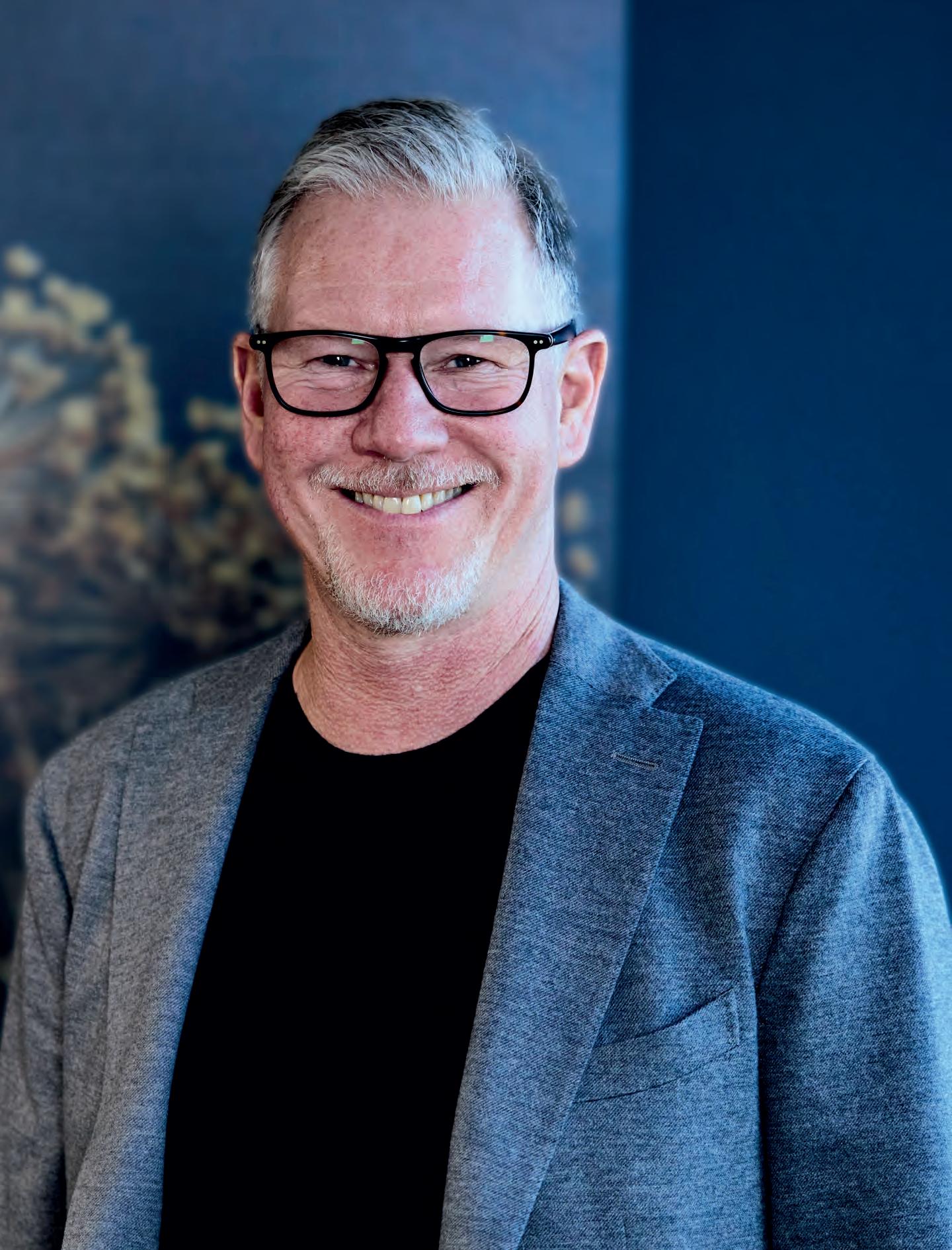
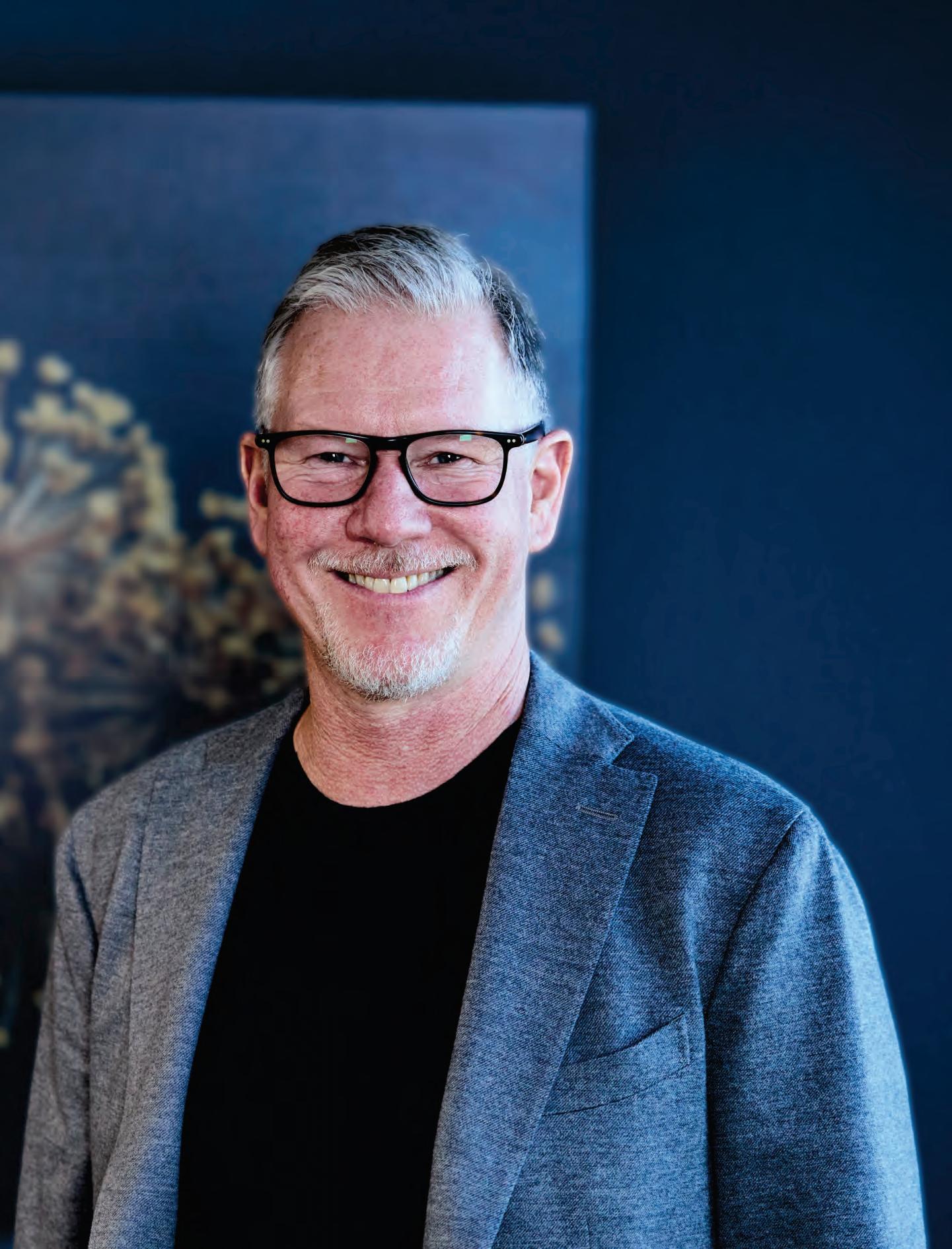
Michael Kock founded R&K Ingenieure, he set out to do things differently in the realm of managing large-scale infrastructure projects, particularly in the tunneling and railway sectors.
While leading engineering consortia as an authorized officer at ZETCON Ingenieure GmbH, he observed a recurring issue: engineering firms often lacked sufficient on-site expertise. Too few specialists with real construction experience were assigned to the projects, which often led to inefficiencies and missed opportunities for added value.
This was the spark that led to him founding R&K Ingenieure, which aims to bring highly experienced professionals - engineers with strong backgrounds in construction companies, work preparation, and the execution of major projects - directly into the projects, to create tangible added value for the client and ensure the highest quality of project execution..
Starting with a focus on identifying and recruiting toplevel engineers, his vision has evolved into a clear positioning: R&K Ingenieure stands for technical excellence on site, practical expertise, and a collaborative approach that bridges the gap between planning and execution. This mindset continues to shape its growth and role in complex infrastructure projects.

Forged in Challenge, Grounded in Integrity
In the early years of his career, Michael saw that engineers often faced a challenging environment. They had to prove their value under difficult economic conditions and learn how to operate successfully, even when circumstances were far from ideal. “These experiences taught us resilience, adaptability, and the importance of maintaining a clear focus on results, even under pressure,” Michael reflects.
They also had a profound impact on his leadership style. Having encountered both positive and negative examples of leadership, he learned the value of integrity, support, and collaborative teamwork from the good role models, and understood which behaviors to avoid - such as envy, resentment, or a lack of trust - from the negative ones. When building his company, Michael consciously embraced the positive aspects and left the negative ones behind.
“We focused on creating a cooperative culture that values partnership, mutual respect, and a family-like working



atmosphere. This philosophy has become a cornerstone of how we lead, how we work together, and ultimately how we deliver value to our clients,” he affirms.
Earlier in his career, Michael was often told that success came from being associated with a big company name. “But in reality, it is the individual who drives the business. Success in our field is truly a people's business, and recognizing that every single team member contributes directly to the outcome has been a
pivotal insight for us,” he reflects.
This understanding shaped the way he built R&K Ingenieure - from the company culture to its management approach - and it was this holistic development of the firm, grounded in the contributions of each person, that he is most proud of. “It has made us stronger as a company and has reinforced the value of empowering individuals within the industry,” he observes.
For Michael, innovation is essentialalmost existential - in the context of engineering and business leadership. It represents progress and
development in the right direction, both in technical engineering solutions and in how he leads and manages organizations.
“The engineering industry is constantly evolving, and so must the way we think, work, and structure our companies,” he notes, adding that innovation is not limited to technology; it also applies to management, processes, and organizational culture. Over time, leadership approaches have evolved significantly, and embracing new methods has allowed the company to become more agile and forwardthinking.
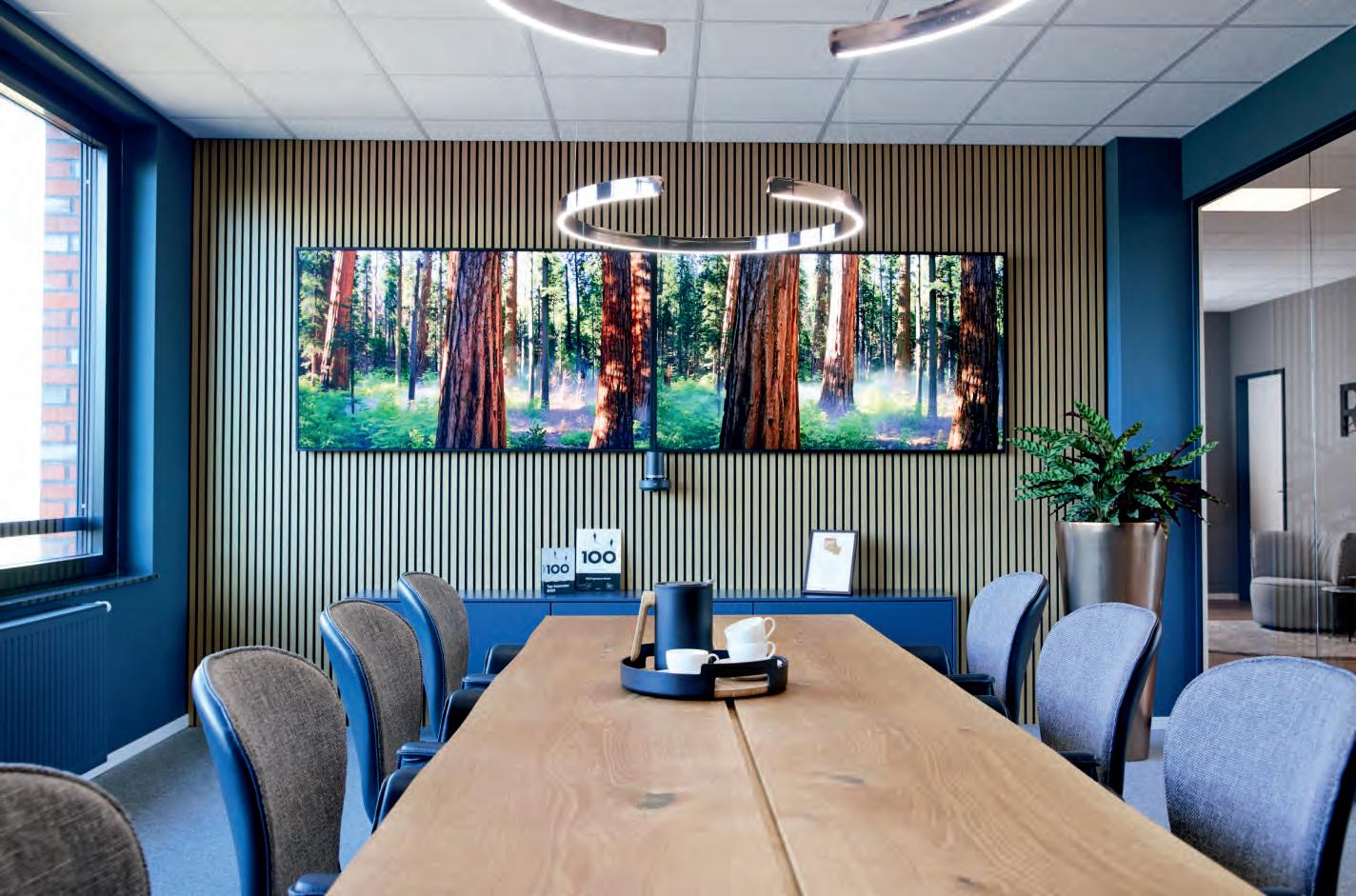
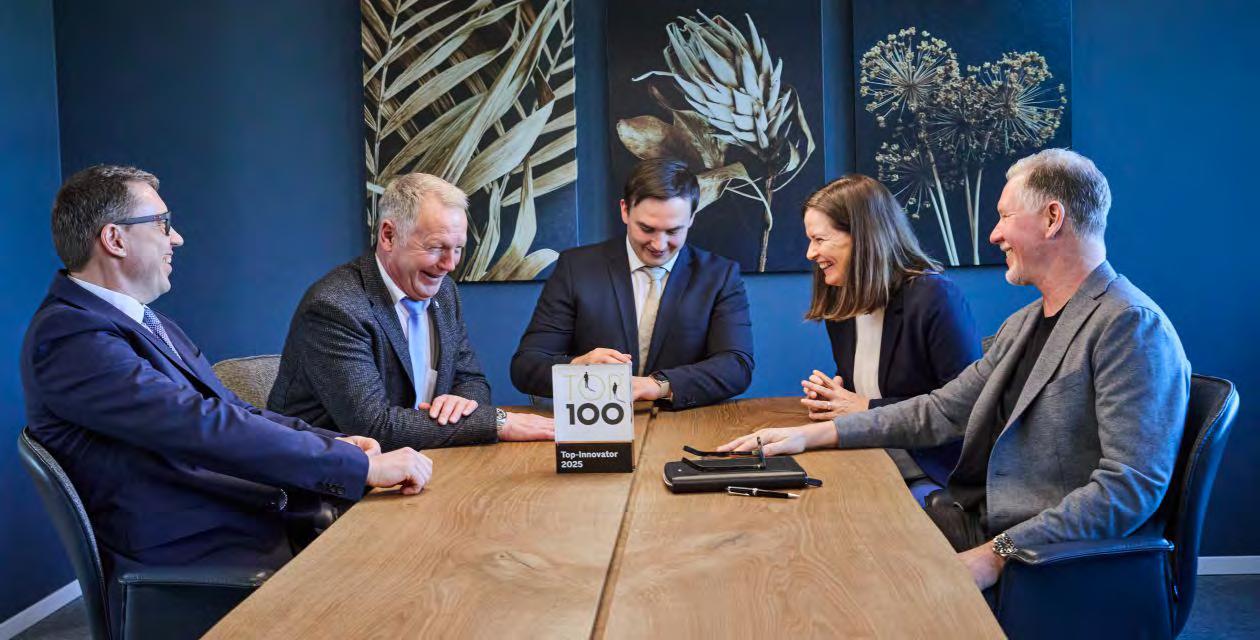
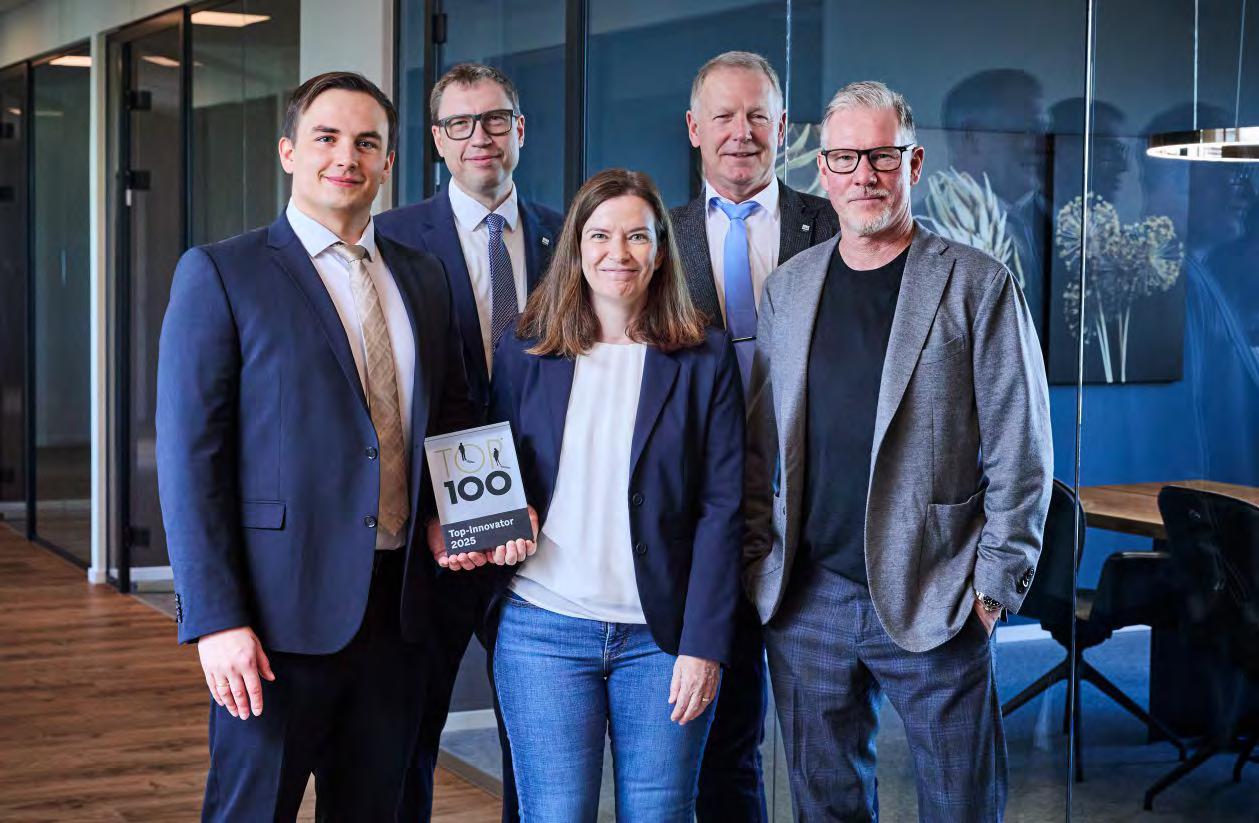
“We are proud that our commitment to innovation has been recognized externally as well,” Michael shares. “Winning the Top 100 Innovation Award was a major milestone for us. It confirmed that our efforts to continuously improve and think ahead are being noticed and appreciatednot just internally, but across the industry. Innovation is deeply embedded in our DNAand remains a driving force behind everything we do.”
In addition, sustainability and social responsibility principles are deeply embedded in the company's culture and come from within - not something imposed by European regulations or external mandates. “We believe that acting responsibly toward society and the environment is a natural part of doing business. This mindset guides our decisions and practices every day, shaping the way we interact with clients, partners, and employees, and ensuring that our growth is both ethical and sustainable,” Michael elaborates.
Trust, Ownership, and Collective
One of the key elements of R&K Ingenieure's company culture is trust through reliability. Over the years, they noticed that many employees had previously experienced disappointment in other companies, often because promises were made but not kept.
“We took this insight very seriously,” Michael recalls. “For us, a person's word carries real weight.Aclear commitment and a sense of obligation are essential to building lasting trust within the team. That's why our guiding principle is simple: we keep our word, no matter what. Or, as we like to say: We keep our word, even if it costs us our front teeth.”
R&K Ingenieure's employees truly value this uncompromising approach to reliability, which has shaped a culture of mutual respect, honesty, and accountability, and has become one of its defining characteristics.
Another thing that Michael strongly believes in is cultivating an

entrepreneurial mindset within every leader in the organization. “True motivation comes when business itself becomes a bit addictive - when people genuinely enjoy what they're building and take ownership of it,” he points out.
R&K Ingenieure encourages this by giving its managers real responsibility and a tangible stake in the company's success. They're not just executors; they're allowed and expected to acquire their own projects and see them through from start to finish. When they experience the direct impact of their efforts and see the fruits of their work, it creates a powerful sense of achievement and drives long-term commitment.
The next aspect of R&K Ingenieure's company culture is always being open to offering its management team the opportunity to participate in the company. This shared ownership further strengthens motivation and ensures that personal success is closely aligned with the company's long-term goals.

Another aspect of the company culture is how the team approaches decisionmaking when faced with complex technical or strategic challenges.
“In our company, we go to great lengths to make well-founded decisions, and open communication plays a central role in this process. We believe that the best solutions emerge through dialogue. When facing complex technical or strategic challenges, decisions are made collectively,” Michael explains.
He notes that, within the management team, discussions can sometimes become quite intense, but this is precisely what drives the quality of its decision-making. Every opinion is heard and taken seriously, regardless of hierarchy. By considering different perspectives and engaging in honest, sometimes passionate debates, they can reach decisions that are both well thought-out and broadly supported.
“This collaborative approach strengthens not only the quality of our solutions but also the trust and cohesion within the leadership team,” Michael affirms.
Michael reveals that one of the most transformative moments in his career occurred in 2015, when he was dismissed from his position as an authorized officer, despite having significantly contributed to the company's success. The dismissal was the result of a personal conflict with the main shareholder, and it had serious consequences for his professional reputation, whichwassignificantlydamagedafterward.
Rebuildinghisreputationfromthegroundupwas a challenging but formative experience. “It taught me resilience, humility, and the importance of standing by my principles even in difficult times,” he reflects. Equally transformative was meeting his current business partner,AlfredRüssel.
“Our partnership has been built on trust, mutual respect, and a shared vision, and it has proven to be exceptionally successful. Looking back, these two pivotal moments - the setback and the new beginning-shapedmycareermorethananything else. They taught me that true strength often emerges in times of adversity, and that the right partnership can open the door to entirely new opportunities,”Michaelshares.

Recharge, Reflect, and Lead with Perspective
Not a big fan of the term 'work-life balance,' Michael does place great importance on his personal time. “I believe that having a strong sense of self and personal goals is one of the best ways to protect yourself from burnout. It's essential to have activities and ambitions outside of work that give you energy and perspective,” he observes. For him, that means spending time sailing and hiking in the mountains - two activities that allow him to fully disconnect and recharge.
“My former passion was football, but unfortunately, my bones no longer cooperate with that. Whatever I do in my free time, I commit to it wholeheartedly,” Michael shares. “Sports, in particular, have taught me how to handle setbacks. Learning how to lose was a valuable lesson,
and this mindset helps me in business as well - because things don't always go smoothly there either.”
Rebuilding Infrastructure, Inspiring the Next Generation
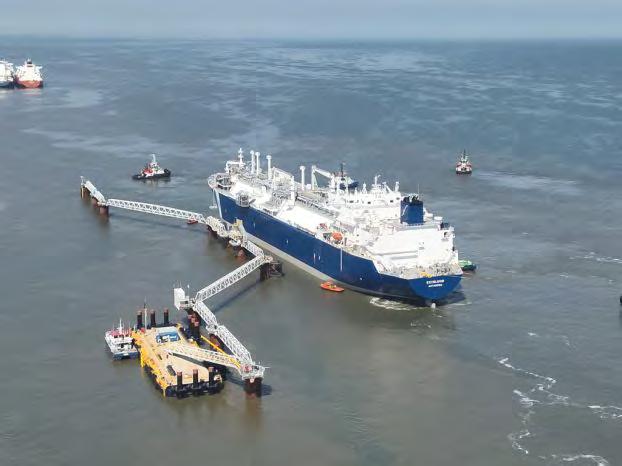
Highlighting the alarming current state of European infrastructure, particularly in rail and road networks, Michael notes that part of R&K Ingenieure's work is focused on rebuilding and modernizing these critical systems.At the same time, climate change presents new challenges, such as extreme weather events and flooding, which directly affect its construction projects. “For example, we now need to raise dikes and improve flood protection, and harbor and coastal construction will become increasingly important,” he shares.
Another key development is the growing role of BIM - Building
Information Modeling.As construction costs continue to rise, there is a need to visualize planning more extensively to prevent errors and optimize project execution. This requires more skilled capacity in digital planning and simulation, which will become an integral part of modern infrastructure projects.
“On a positive note, we see a growing trend of young people seeking meaningful work, and infrastructure development - especially related to energy and climate challenges - offers exactly that sense of purpose,” Michael observes. “I am confident this renewed interest will attract more students to engineering programs, ultimately strengthening the talent pool and improving the state of the profession across Europe. This gives us reason to be optimistic about the future of engineering and the next generation of professionals shaping it.”
Lead Through Experience, Empathy, and Real-World Insight
Michael's strongest advice to inspiring entrepreneurs or engineers looking to lead their own ventures is to gain practical, hands-on experience. He adds: “These lessons cannot be learned in school or at university - they come from being on the construction site, facing the real conditions of the work. You need to feel what it's like to work in cold rain, maybe at three degrees, pouring concrete or overseeing a complex task - not just observing it from a blueprint.
Michael recalls how, early in his career, he was sometimes treated
poorly at previous companies. That experience taught him a crucial lesson: understanding how not to treat people gives you the insight to lead in a way that empowers your team and fosters shared success. Later, once you've completed projects and built a solid network, you are ready to start your own company and pass on your knowledge. Only by having lived and felt the challenges firsthand - and by learning how to treat people with respect - can you truly guide others and create a venture that delivers real value.
As a leader and entrepreneur, Michael Kock's most important guiding
principle is actively showing appreciation in the workplace to help every person feel valued. He balances this with positive criticism, always delivered with tact and sensitivity. His leadership style of balancing recognition and constructive feedback builds trust, motivates the team, and fosters continuous growth, both for individuals and for the company as a whole. Michael's journey proves that visionary leadership, grounded in integrity and collaboration, drives lasting impact.



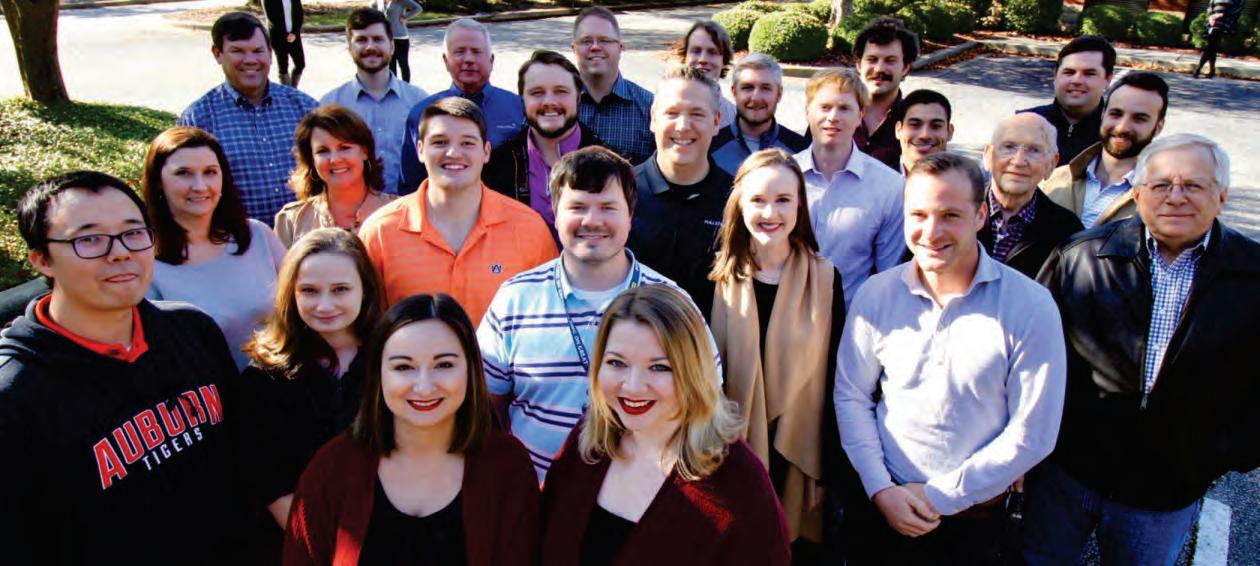
Founded in 2018 and headquartered inAuburn, Alabama, Fullsteam is a holding company that acquires and operates vertical-specific business management software and provides payment processing services across a range of vertical markets. To date, they've acquired over 70 software companies, mostly in the U.S. and Canada, which serve over 50,000 small-to- midsized businesses (SMB) in verticals such as retail, hospitality, recreation, automotive, healthcare, field services and more.
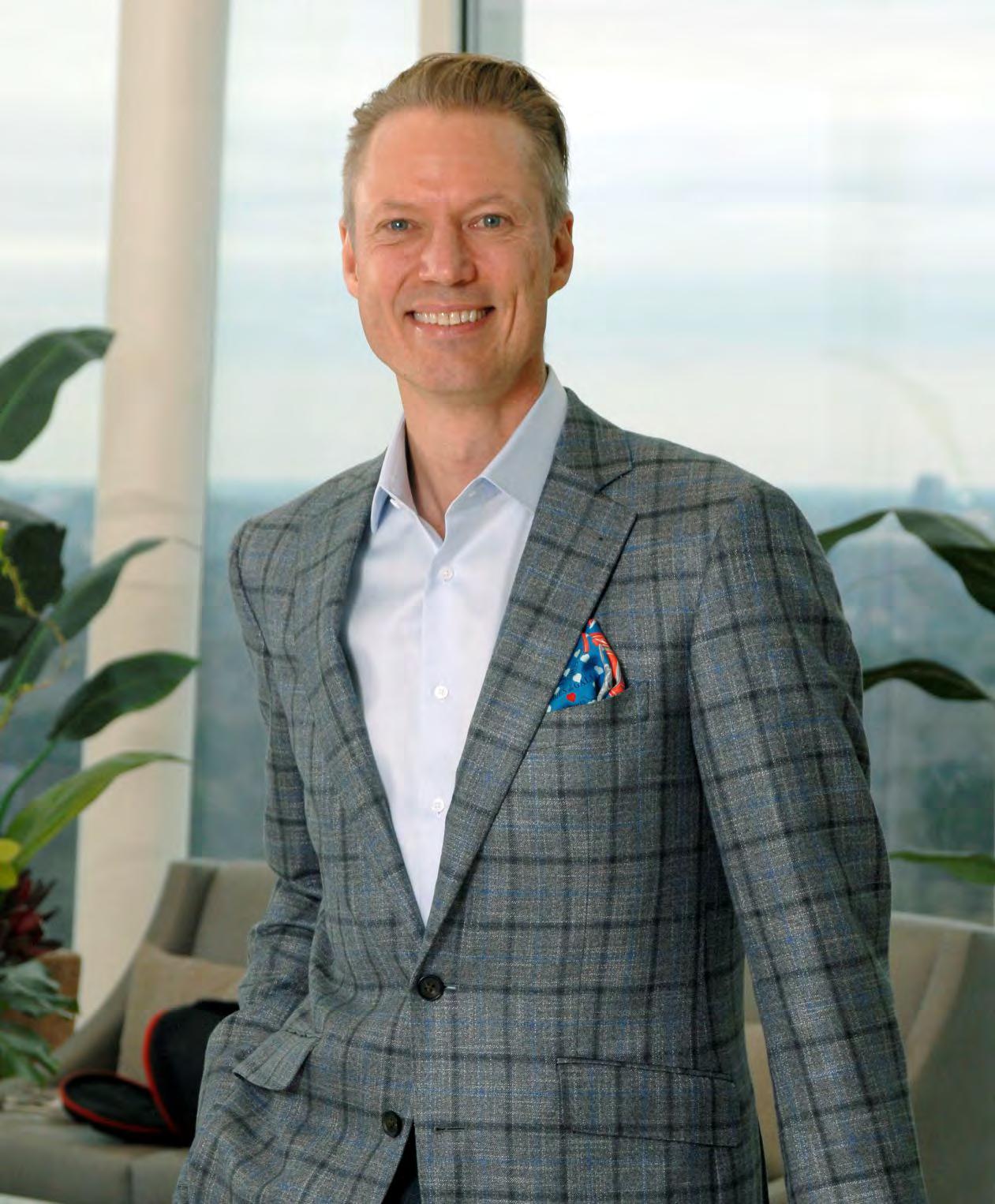
As Fullsteam's CFO, Charles Freund claims to have the good fortune of leading an incredibly talented team of 63 professionals in the following functional areas: Financial Planning &Analysis,Accounting, Revenue Management,Accounts Payable, Treasury, Tax, Financial Integrations & Systems, and Human Resources.
Charles' background and life before Fullsteam
Born and raised in New Jersey, Charles grew up in a suburban middle-class family. His parents were loving and supportive, with a very strong religious mindset.As such, Charles was instilled with a strong sense of humility, respect for elders, and fairly traditional values. While he appreciates the positive elements of
such, career aspirations were not the top priority in his youth.
As Charles matured and broadened his views of the world and the many possibilities it presents, he found himself enamored with the idea of international business. The opportunity to travel the world, experience different cultures, and develop relationships across borders held incredible allure, especially given his somewhat sheltered upbringing.
After graduating from Rutgers, the State University of New Jersey, in 1995, Charles started his professional career as a management consultant with Sibson & Company, a boutique Human Resources consulting firm that specialized in designing compensation programs, organizational structures, and performance management systems. Consulting was a great launching point as it imparted strong foundational skills such as research, analytics, situation assessment, problem solving, communication, professional writing, public speaking, project management, change management, etc. It also gave Charles early exposure to lots of different industries, companies and management teams, and that diversity of experiences helped shape his lens of perspective.
Charles then joined FLEETCOR (NYSE: FLT), a global leader in business payments based inAtlanta, Georgia, where he held numerous roles over his 21-year tenure, culminating with an approximate twoyear stint as CFO.
Charles was the first FLT employee to relocate overseas, spending two years in the UK acquiring, consolidating, and running FLT operations there. He returned to the US in 2009 to help run the IPO process alongside the CEO and CFO.After overseeing multiple business operations outside of the US and Europe, expanding the company's footprint to Mexico, Brazil,Australia and New Zealand for a few years, Charles was brought back into a strategy role working closely with the CEO on a variety of key initiatives including rate management, product development, sales channel development, IT organization design, etc.
In September 2020, Charles was appointed CFO, with responsibility for finance, accounting, treasury, tax, legal, investor relations, human resources, sales reporting, and more.
“For 2022, FLT reported $3.4 billion in revenue, and the company's shares trade around $210 per share. So, I like to think that I played a small part in creating a global payments juggernaut,” states Charles.
The definition of success is personal
Charles defines success as finding a state of contentment with oneself that cannot be fundamentally undermined by external forces. For him, this requires being comfortable with, and true to, his own feelings regardless of what others may think or how they may react.
“By living life in this manner, you reduce internal conflict and exist more peacefully. Of course, this is easier said than done. We are trained early on in life to measure up to other people's expectations, to perform out of duty or obligation, and to feel guilty if we disappoint people,” he explains.
Charles strongly believes success comes from shedding these external pressures and impositions and holding oneself accountable for one's own personal standards. By behaving and performing our personal best, whatever that may be on any given day, we can be content with the knowledge that we've given it all we've got.
At several times in his career, Charles was inspired by Sir Richard Branson who said “If somebody offers you an amazing opportunity but you are not sure you can do it, say yes – then learn how to do it later!”
This was applicable when Charles first moved abroad and assumed the role of Managing Director in a foreign country, having never formally managed a team before. It applied again when he helped FLT acquire, integrate and operate businesses around the world.And it applied when he took the helm as CFO without a formal accounting/finance background and without a CPAor MBAcertification. Taking on these challenges required leaps of faith in himself and, more importantly, in his teams, without whom Charles says he couldn't have succeeded.
Fullsteam and its operations under Charles' successful leadership
Fullsteam integrates its cutting-edge payment processing platform into the various core business management software solutions it provides to over 50,000 small business clients. Vertical specialization allows Fullsteam to compete effectively against generic software solutions, and integration with their payments platform provides a comprehensive offering to their SMB clients with unique industryspecific features, robust reporting and automated reconciliation between recorded sales and received payments.
Fullsteam's software solutions are mission critical to their clients' operations and serve as the source of record for their businesses. Each solution is built-for-purpose for the given vertical, with processes, features and integrations tailored specifically to the given industry.
After Fullsteam acquires a software company, they quickly integrate their proprietary, cutting-edge payments
platform into the business management software, creating an embedded payments experience for their clients and their customers. They continue to integrate acquired companies at a rapid pace given their high velocity M&A, and expect to finish 2023 with approximately $20 billion in annual payment volume on their platform.
Charles joined Fullsteam after a circa 21-year career at FLEETCOR (NYSE: FLT). While responsible for various functions as CFO, his personal responsibilities are focused on capital raising, cash flow management, and investor and lender relationships. With Charles' experience as a public company CFO, he was brought onboard to help Fullsteam continue its rapid growth trajectory while preparing the company for its logical next phase.
“I inherited a fantastic team at Fullsteam, and have recruited a handful of stellar additions as we continue to scale the back office. I have instilled my mantra of “simplify, standardize and automate” within all of my functional areas, and my teams are implementing market-leading tools across the enterprise to create operational efficiencies and support Fullsteam's continued growth,” says Charles.
Being nominated for the award of CFO of Year by theAtlanta Business Chronicle in 2022 was a recognition highlight for Charles, especially given his non-traditional path to the CFO role. But the best recognition he states he received, both as a CFO and leader, was the outpouring of well wishes and thanks from his team members at FLEETCOR at the time of his departure.
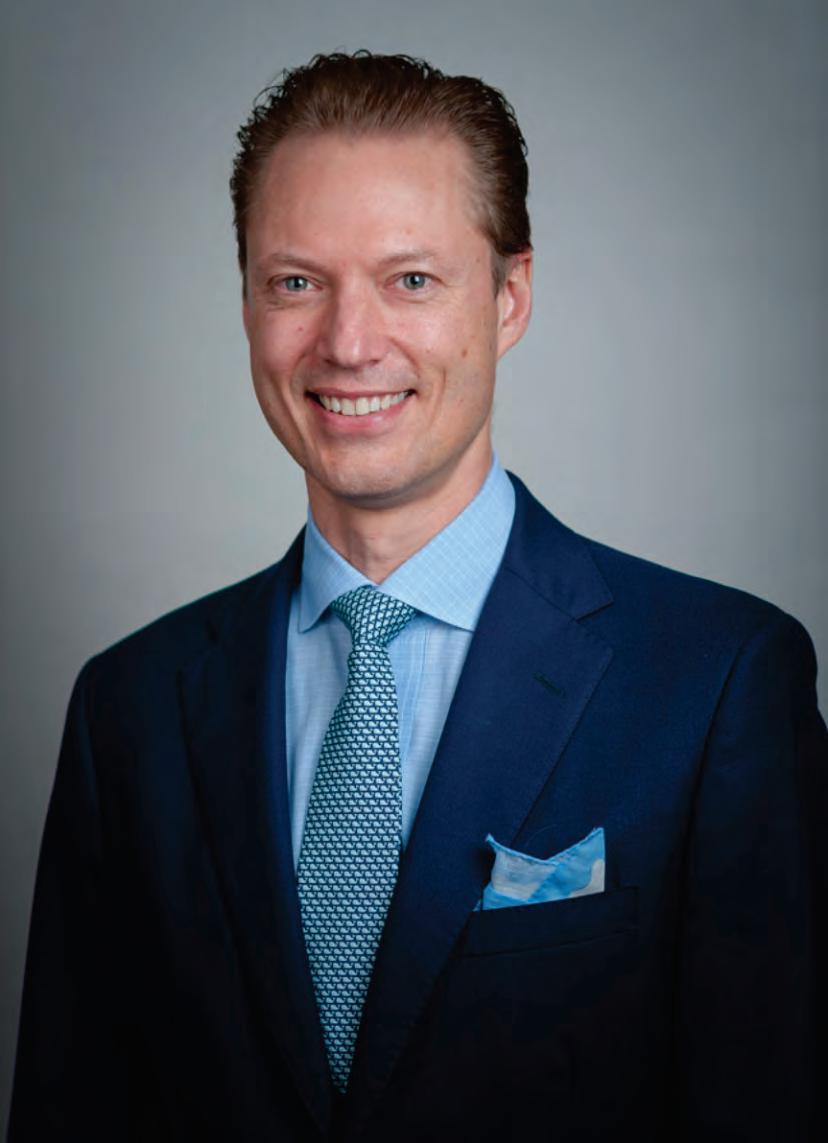
“It was bittersweet to say goodbye to such a terrific group of people, and they could've handled it quite differently. But their genuine happiness for me was remarkable, and it reaffirmed my belief that culture in an organization can create a valuable and lasting impact,” he further states.
At Fullsteam, they plan to continue to acquire business management software companies and integrate their payments platform. It's an outstanding model which they continue to execute quite well, and they're tracking thousands of acquisition opportunities. In addition, they will seek to create additional revenue streams by offering ancillary

services such as capital advances, marketing services, data monetization, insurance, payroll, etc. to their 50,000+ SMB clients.
“By serving as their trusted provider of core business management software and payments, we have the inside track to providing these other solutions,” says Charles.
Ensuring a culture of integrity and innovation at work
Fullsteam operates with a Culture of Trust, which is instilled through its core values of:
· Listen First
· Talk Straight
· Demonstrate Respect
· Right Wrongs
· Show Loyalty
· Keep Commitments
· Deliver Results
Charles admires Fullsteam's leadership for recognizing that “to err is human,” but also expecting team members to take responsibility and “right wrongs.”
“In my short tenure with the company, I'm thrilled to have witnessed our culture of trust in action. Fullsteam leadership walks the talk. Believe me, we're not perfect, but we genuinely try our best to live these values and serve as examples for our colleagues,” he says.
At Fullsteam they reiterate and reinforce their core values while recruiting, training, and communicating with their 1,400+ team members at recurring townhall meetings. By attracting people who share and believe in these values, they strengthen their culture with every new hire they onboard.
Charles adds, “By creating a culture of trust, which incorporates humility, respect, accountability, personal responsibility and loyalty, we enable really good people to do really great work.”
Early in his professional journey, Charles stretched himself too thin across numerous obligations and reached a point of burnout which led to bouts of depression. “Mental health is a serious issue which I've experienced firsthand and with friends and family. So, I understand how important it is to monitor one's mental wellbeing, and take measures to maintain such,” he says.
Finding a better work-life balance was critical for Charles and has helped him avoid a recurrence of clinical depression. He also learned that there is no shame when dealing with matters of mental health, that seeking assistance in the first instance is incredibly important, and that help is more readily available than you may realize.
Charles is a passionate golfer, playing approximately 100 rounds per year, but he is otherwise available for work and family affairs. He subscribes to the “work hard, play hard” philosophy, and is happy to work long
hours provided his efforts are appreciated and he is treated with respect. Flexibility is also important to him, so those long work hours may be at odd times such that he can spend time with his loving wife,Aimee, and amazing daughter, Colette. Charles is always focused more on the quality of time with family over the quantity of time.
Charles' work motivation stems from an innate sense of responsibility to provide for his family. Of course, he personally enjoys the finer things in life that his efforts have afforded him. But the fundamental need to ensure thatAimee and Colette are, and will always remain, financially secure continues to drive him.And as a family, they have set a vision for what their future retirement will look like, and Charles has got more work to do to achieve it.
For his team, Charles tries to ensure that they are clear on their personal priorities, understand how those priorities contribute to Fullsteam's success, are acknowledged for their personal contributions, are plugged into what's happening throughout his organization and around the company, and know that he “has their backs.”
“I'm a firm believer in the servantleader philosophy, and strive to provide thoughtful, empathic leadership to everyone on my team. I've found that creating a safe, supportive environment allows smart, capable people to thrive and contribute while also enjoying the process. Work can be fun in the right setting and with the right leadership!” Charles states.
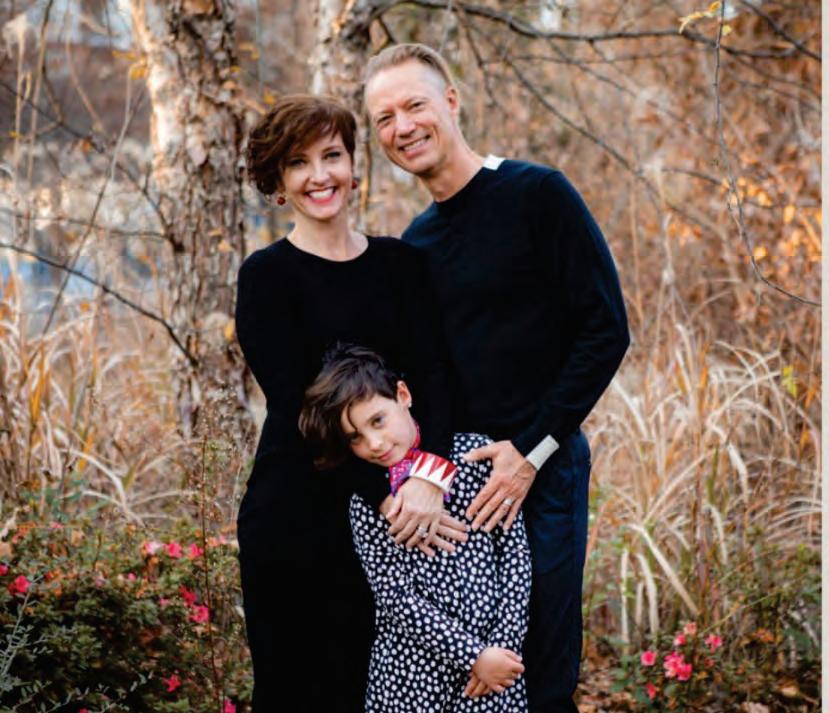
At the age of 24, Charles created a list of things he wanted to accomplish. His list covered the gamut, including income, wealth, travel, homes, family, etc. He has checked off everything on his list except one: to retire by the age of 50. In October 2022, Charles reached that milestone.
Although he's now technically “over the hill,” he has taken to heart what people say: “today's 50 is yesteryear's 40.”
“In truth, I have plenty of energy, lots to still contribute and am having way too much fun to stop working,” he exclaims.
That's also why Charles volunteers as Chair of FinTechAtlanta (FTA), a coalition of companies working to advanceAtlanta as the recognized
global capital of financial technology. Working closely with other seasoned industry executives, FTAadministers various programs and initiatives to drive fintech industry growth, talent expansion, innovation acceleration, and public policy influence inAtlanta and across the state of Georgia. It's been a terrific way for him to leverage his skills for the greater good of the local ecosystem and community.
Charles is always looking to the future, thinking of new things to experience, while continuing to dream big.And while he has accomplished a lot, he believes that there's always more to enjoy in life.

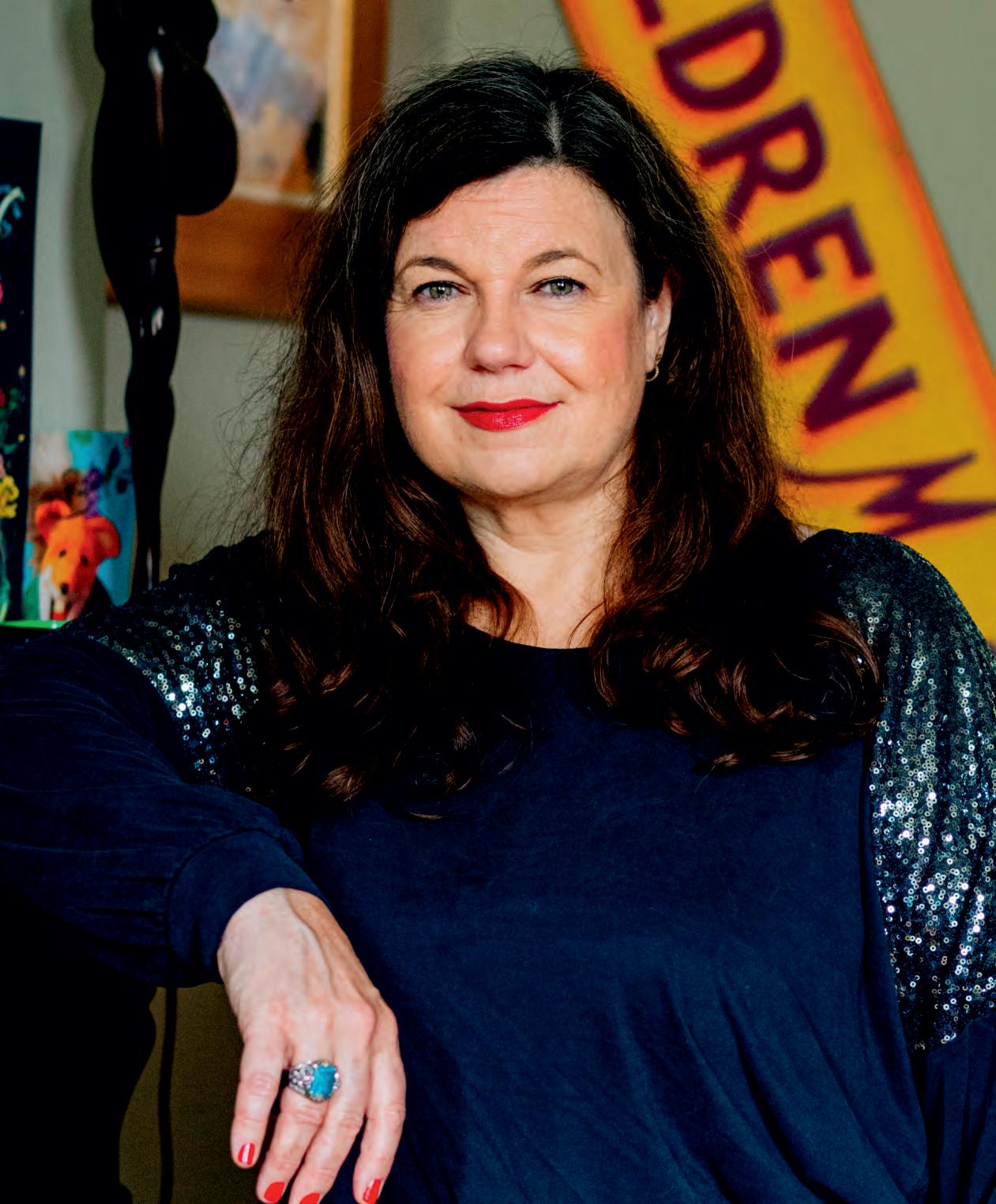
Amanda Brock worked as a lawyer for 25 years, 20 of them in-house in corporations, until 2018, when she decided to make a career change and went on to join OpenUK as CEO at the end of 2019.Amanda also serves on a variety of advisory boards in the private, governmental, and non-profit sectors. She says, "That breadth is something that I really enjoy."
In 2008,Amanda started working at Canonical, which is probably Europe's top open-source based business. She was the first lawyer at both the ISP Freeserve where sho worked from 1999 and then in Canonical. She believes that experience was a fantastic way to immerse herself in the company and learn. The experience as GC at Canonical for 5 years, and with Dixons/ Freeserve in the setup and build of an early-stage ISP, then in the digital transformation team, internationalizing the electrical retail business, are really what embedded
Amanda into technology as a lawyer, and allowed her to develop her strategy skills. She asserts, "Legal is one of the most interesting areas you can be in within a company as you touch on all aspects of the business."
Amanda attempted to learn programing in high school. It was the 1980's, and code was taught in binary. Her code never ran, and she was recommended to stay away from computers which she did until the mid-1990s when she joined a law firm, to become an IP lawyer. However, the firm needed an IT lawyer, soAmanda took a Masters in IP and IT law at Queen Mary University, which she completed parttime between 1996 and 1998. She recalls, "Professor Ian Walden taught me internet law on the first internet law course in the UK. That led to my joining the ISP, Freeserve, owned by the Dixons retail group, which went on to be the first big IPO in Europe in
2000. After the IPO, in 2000, I moved into what was effectively a digital transformation team co-led by Accenture "
AProfession that is itself a Challenge
Being a lead lawyer in an organisation inevitably involves being in a position of conflict, andAmanda realized quite late that this wasn't something she really enjoyed. She asserts, "I like to build and create new things, which I got to be part of by being a lawyer, but ultimately I am happier in a strategic commercial role."
Amanda comments, "Going into law in 1993 was tough. Sexism was endemic in the legal profession and, despite a high volume of women at entry-level, few stayed the course. That was largely because the profession, in the UK at least, was one of the last to evolve away from endemic sexism. “

OpenUK is an industry organization representing the business of Open Technology, which is open-source software, open hardware, and open data. It brings together all those working in these areas, whether they are in pureplay open or IT companies, whether they are in IT or business companies, whether they are UK
companies or international, and is a place for the voice of those collective communities to be heard, through community, legal and policy, and education. That means the team at OpenUK does a lot of advocacy work and research.Amanda shares, "We will share the third part of our State of Open: The UK in 2021 Report, in October at openuk.uk/stateofopen." It has been groundbreaking and shown
the UK's position as a centre of excellence in open-source software.
According toAmanda, OpenUK not only brought UK specific data and research together, but in the spirit of its purpose, "Develop UK Leadership and global collaboration in Open Technology", it is also organizing quarterly workshops bringing together others across the globe who are also
working on reports and research in this area enabling them to share their learning and where possible, to look at how OpenUK can support standardising research and collaboration.
OpenUK is working on educational tools, including a second Kids Camp and a digital glove giveaway to take place in September. The course is based on the open-source definition and teaches at the Key Stage 3 curriculum level. It also hopes to launch a Knowledge Module for apprenticeship schemes in the Spring, openuk.uk/open kids camp, and is talking to a number of universities about their curriculum, including more open in technology, legal and business courses.
In January, the company will be running a training program, mentorship scheme, etc. to support Future Founders in Open Technologies.Amanda opines, "This is really exciting as it's led by our Entrepreneur in Residence, Matt Barker of JetStack and Founders Forum."
Amanda's work responsibilities at the company are very dynamic. She is versatile in many facets of her job at OpenUK, allowing her to handle everything from editing children's magazines to assisting with strategic reports, planning events, and presenting to its Board of Directors or international conferences. She enjoys the role's diversity. Thanks to the generous support of Federated Hermes and Red Hat, the team will be organizing a Sustainability in Open Technology Day in the Hermes
Skypark Fringe during the United Nations; COP26 event in Glasgow this autumn.
"We will see a big push in Security. All businesses and Governments are acutely aware of the importance of security in all software, whether open or proprietary. There has never been a time when this has been more important as a consequence of digital transformation and the rise of bad actors on an international basis," saysAmanda. She believes that open and collaborative responses from open technology are actually the best way to ensure security.
Amanda wants to influence a generation by catching them young, which is why the company has put a huge amount of energy and finance behind the Kids Course and Camp.
Amanda admits that during the pandemic she has struggled to strike a balance between her professional and personal lives. She makes an effort to take proper vacations and participates in both emotional and spiritual work during such times. She feels that this isn't always incorporated into people's lives, but that this personal growth work is just as necessary as physical activity and education in order to develop and to be at peace with oneself and life.
Amanda returns to work in September with some firm promises to herself in terms of personal time and making time for yoga, Pilates, and continuous personal growth. Amanda is a big fan of the arts and spends a lot of time at concerts, the theatre, and the movies. "It's been so great to be able to attend
this summer here in the UK," she says.
Amanda tells us that defining success is something that can be quite difficult. On a personal level, she has never measured success through economics or financial gain, but through achievement, being part of interesting activities, and, increasingly, through presence. That last one is something that for her takes work. She says, "The more present one is, the more one feels one's purpose as part of the collective and the more one can contribute."
On a business metrics level, for OpenUK, firstly within the UK, success will be measured by the UK government's policies on Open Technology, an increase in its homegrown businesses in this space scaling in the UK, and in the country's education system teaching Open Technology. She opines, " if I have my way, every child in the UK will be able to explain what open-source software is."
According toAmanda, globally, OpenUK's success will be measured by its international collaboration. That will start to be more measurable later this year when the company builds a program of international Ambassadors, and currently can be seen through its memberships, partnerships, and participation in international Open Technology organizations.
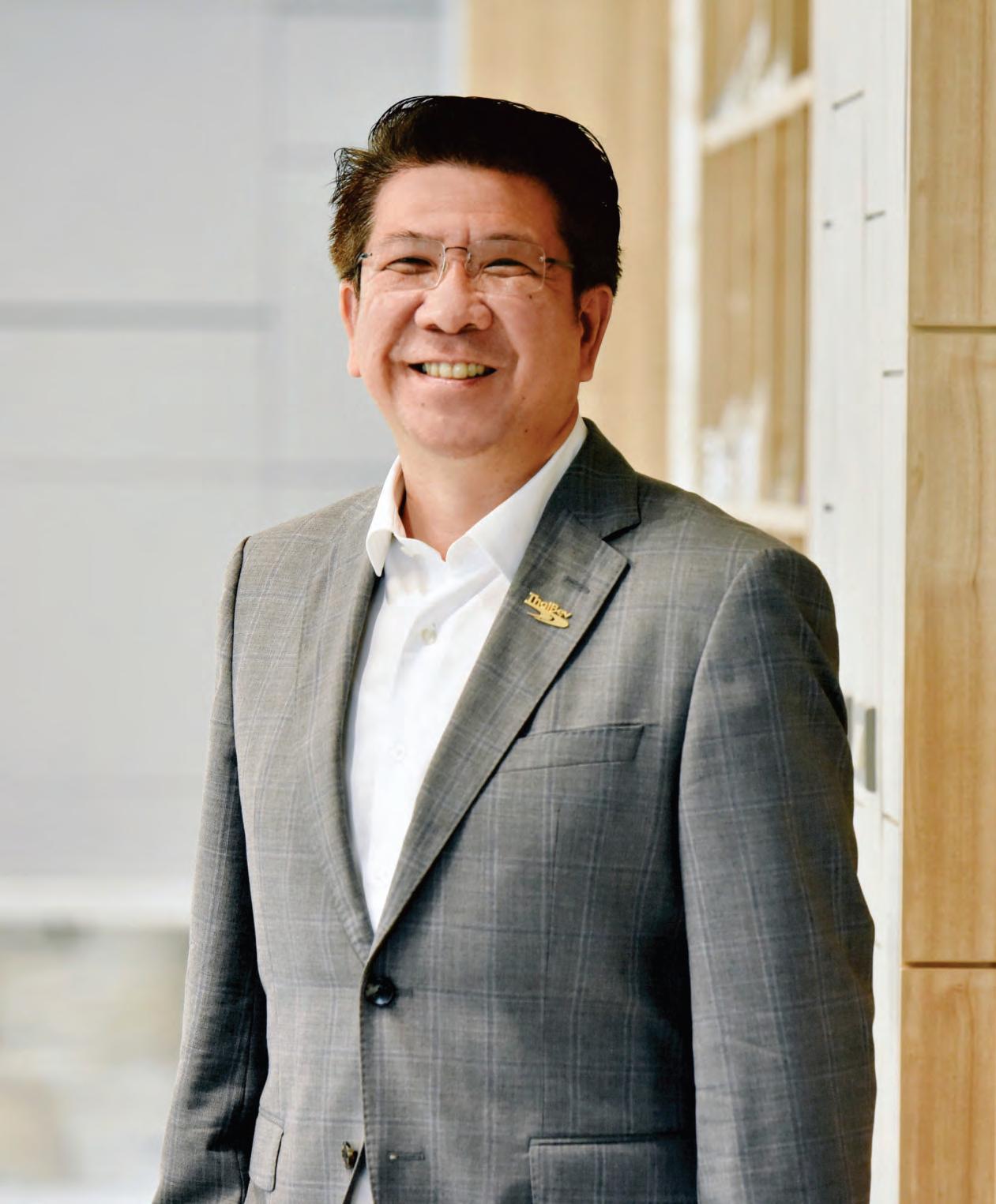
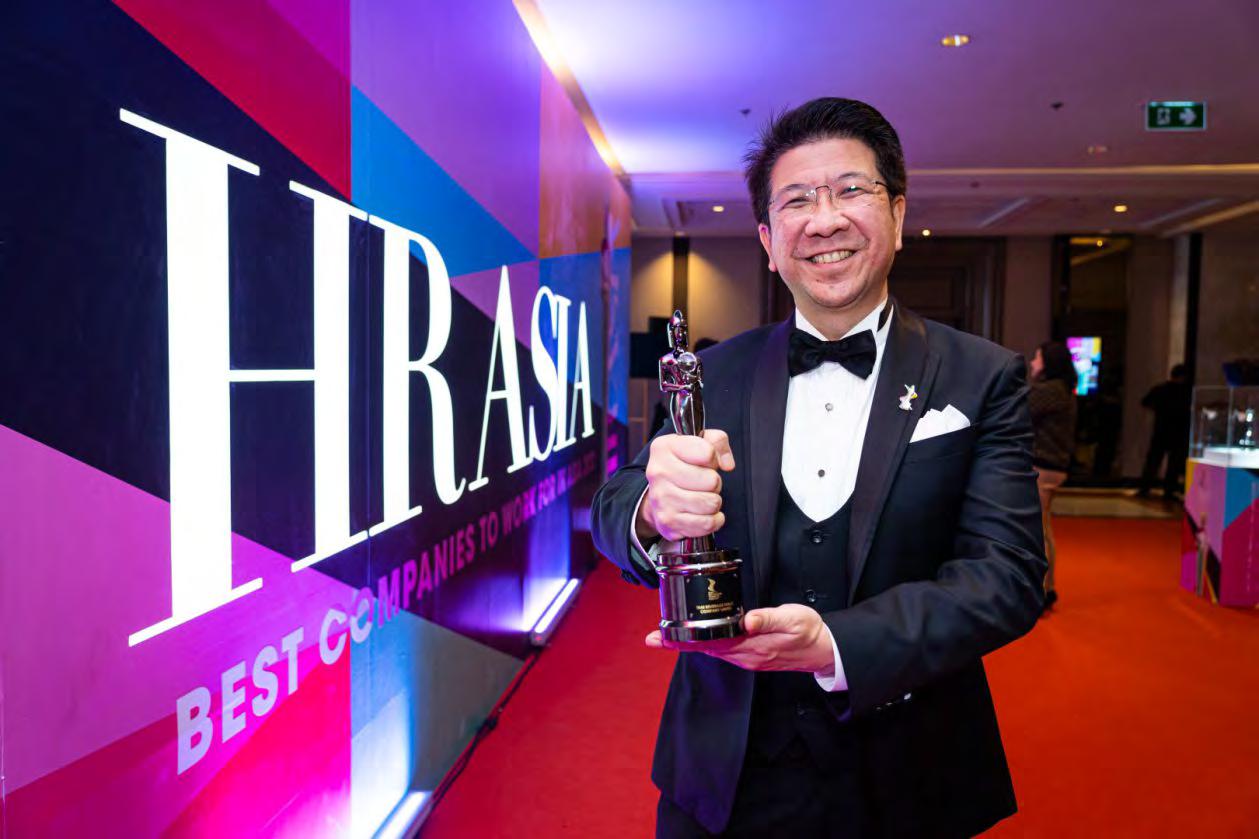
Agapol Na Songkhla is one of the most recognized HR leaders in SoutheastAsia with a career journey that resonates with big following from millennials to baby boomers. He currently serves as the Chief People Officer of Thai Beverage, with frequent contributions to the people development community inASEAN. He is wellversed in three languages—Thai, Japanese, and English—and has excelled in various fields such as broadcasting, management consulting, and banking before transitioning to HR.As the Chief People Officer of Thai Beverage, Agapol is responsible for managing a workforce of 60,000 employees, with about 40,000 based in Thailand. The rest are employed across Southeast Asian countries, working for renowned food and beverage brands like F&N and Sabeco. He has also been royally appointed to serve on the Civil Service Commission of
Thailand. Despite the challenges of overseeing such a vast and diverse workforce,Agapol views strategic planning for business growth as both challenging and exciting.
According toAgapol, Thai Beverage has evolved from being a national champion to a global player, with no signs of slowing down. He emphasizes the company's efforts to create regional capabilities and establish trust in new markets.
Before his tenure at ThaiBev,Agapol held a position as the Head of Strategy and Transformation at TMB Bank, where he served in several high-level strategic functions for eight years. He also worked as a principal and project lead at the Boston Consulting Group, where he gained valuable business experience that he now brings to ThaiBev. Currently, Agapol is working closely with his team at ThaiBev to take their
transformation efforts to the next level, recognizing that transformation is a never-ending process.
One ofAgapol's current priorities is to embrace the multi-generational workforce, which includes not only digital millennials but also baby boomers approaching or already in retirement age. He believes that people are at the center of everything they do at ThaiBev and that the potential of people is what drives their success. He takes pride in being part of a team that helps people realize their full potential and believes that HR can transform people's lives.
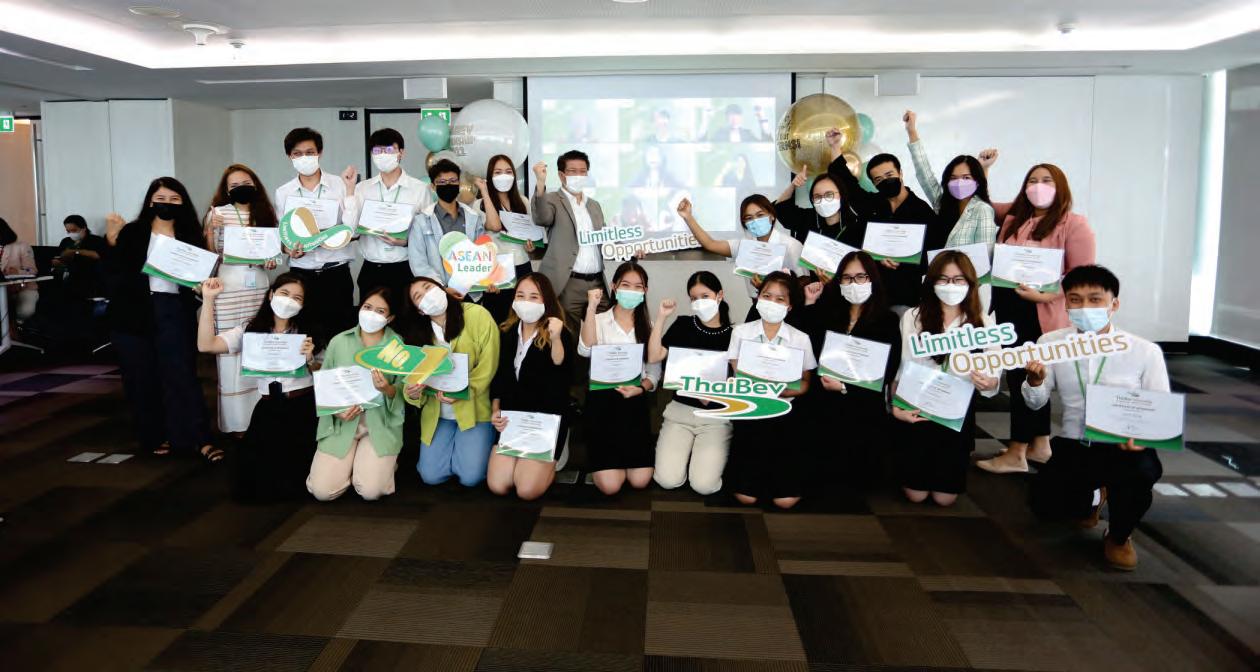
Agapol's career-defining moment was transforming their HR practice into a Human Capital mission in 2015, which had a significant impact on ThaiBev's growth and success, as well as inspiring a significant number of peers across industries. He is admired by the younger generation for his
coaching and mentoring practices to university students as well has developing the uniqueASEAN internship programs. ThaiBev is a role model organization in recognizing talent potentials of all generations.
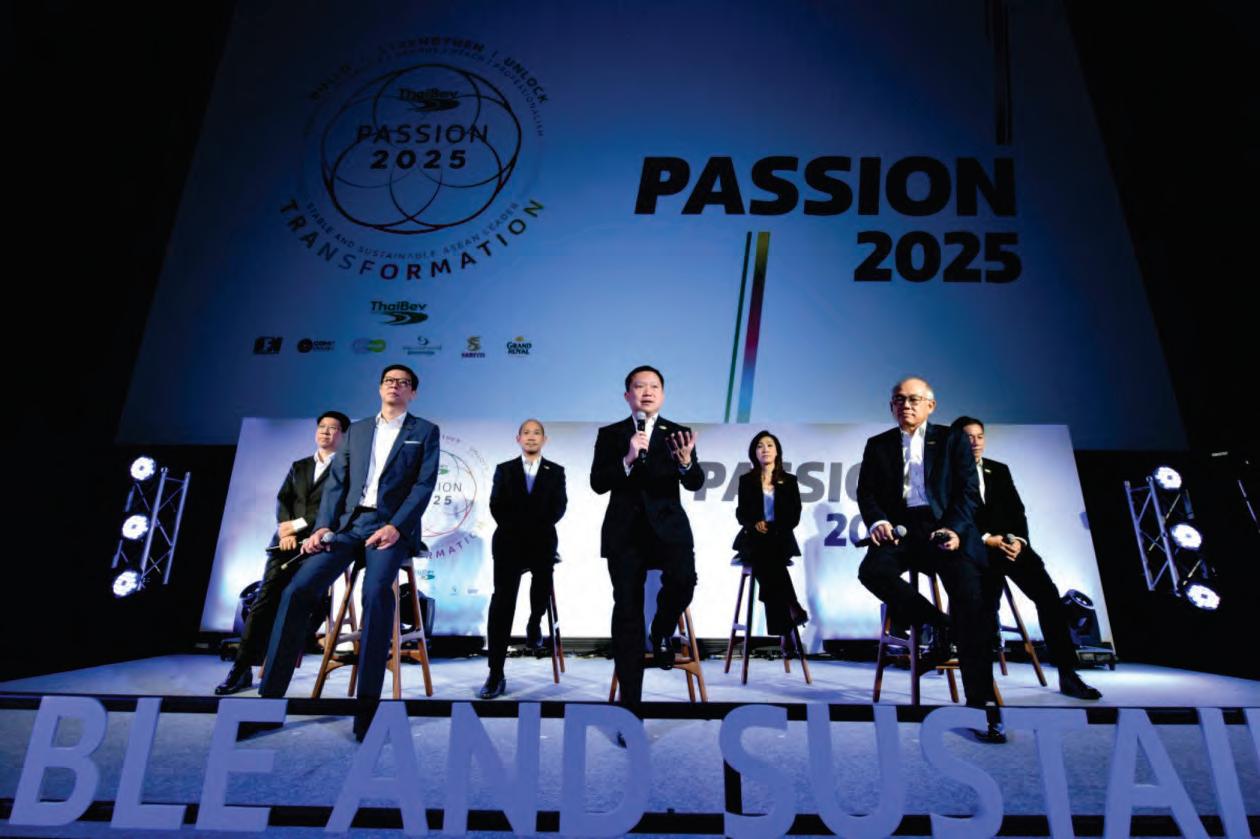
Thai Beverage aims to become a sustainable and stable leader in the beverage and food industry in the ASEAN region. The company was established in Thailand by its chairman, Mr. Charoen Sirivadhanabhakdi, who consolidated various spirits businesses before expanding into the beer sector with its iconic Chang beer. Later, under
“Resilience is key to success.”
leadership of the Group CEO Mr.Thapana Sirivadhanabhakdi, Thai Beverage added a third leg of nonalcoholic beverages, including dairy products, thereby becoming a comprehensive beverage company. To better connect with end consumers and adapt to the changing behavior brought about by changes such as the COVID pandemic, the company added a fourth leg of the food business.
Today, Thai Beverage holds leading positions in fiveASEAN countries,
namely Thailand, Malaysia, Singapore, Myanmar, and Vietnam. As anASEAN company, Thai Beverage has a deep-rooted mission to create and share value through growth. The company is committed to investing in and developing local markets, unlocking sustainable growth potentials ofASEAN countries.
After spending several years working in transformation,Agapol transitioned into the HR industry with a desire to make a significant impact by inspiring people. He believes it is crucial to differentiate between human capital and human resources.As perAgapol's
philosophy, resources are typically utilized and depleted, whereas capital is intended to be grown. Therefore, he and his team focus on growing their people to serve the business, rather than merely utilizing them, in line with their mission as human capital.
However, implementing this philosophy has been challenging in the face of competitive pressure, with many business leaders still viewing their employees as resources with a short-term focus on utilization and headcount expenses. Despite this, with the firm support of their Group CEO,Agapol's team has consistently pursued their human capital philosophy, with a focus on holistic people development and a long-term view of each person's unique life pace and journey.
Agapol acknowledges that they are still early in their journey and cannot claim success yet. However, he has learned two valuable lessons so far. Firstly, it is crucial to have employees be self-motivated about their own development, allowing the company to focus on nudging them. Secondly, it's vital to be consistent in what the company can afford to offer, avoiding unsustainable practices such as what is recently seen in the tech sector. Agapol advocates for a sustainable approach to employee development,
“The secret of success is consistency of purpose.”
combining a push for individual motivation with a realistic and sustained commitment from the organization.
Agapol emphasizes the importance of a strong and consistent tone from top management in shaping the culture of an organization.At Thai Beverage, the chairman, vice chairman, and Group CEO have provided such a tone and launched the company's mission statement, which centers around creating and sharing the value of growth and is supported by the three values of collaboration, creating value, and caring for stakeholders. These values were defined and refined

by the company's top 400 leaders and are now ingrained in the company's culture.
The company prioritizes sustainability and encourages integrity and innovation. It has been recognized as a world leader for sustainable development in the Beverage industry in the Dow Jones Sustainability Index for the past five years. Thai Beverage conducts mandatory annual training for employees to promote integrity, and it also has a WOW program that encourages process improvement and innovation ideas from employees at all levels. The company has allocated 10% of each employee's KPI to process improvement and people development initiatives, resulting in many cross-team initiatives and inclusive platforms for employees to share their ideas.
Agapol advocates for three principles
“Opportunities often come in disguise. Grab them and grow!”
that can be applied by human capital teams. The first principle is having faith in the immense potential of people.Agapol believes that every individual has the ability to achieve great things, and it is essential to trust in oneself and in each other.
The second principle is the belief that significant challenges will help individuals become stronger.Agapol encourages individuals to embrace challenges and use them as opportunities to learn and grow. When team members approach their leaders with complaints about the difficulty of their work, applying this principle involves assigning them even more
challenging tasks. This approach can make their previous work seem easier in comparison.
Lastly,Agapol believes that by developing others, individuals can also grow themselves. Leaders and team members have a responsibility to support and mentor those around them. It is important to communicate to the team that when faced with a large challenge, opting to confront it will lead to personal growth. On the other hand, walking away from the challenge will result in shrinking one's abilities. Therefore, it is crucial to encourage and empower employees to confront challenges and continue to grow.
Agapol's career started at the Boston Consulting Group in 1997. He spent eight years at BCG, where he learned
about the potential to achieve significant impact through the power of ideas and working with a diverse range of decision-makers through effective communication.As a leader in a large organization like ThaiBev, Agapol feels that his best recognition comes from his contribution to inspiring the diverse workforce towards sustained self-development and the company's vision. Through the Dream Big programs, ThaiBev has helped thousands of employees rekindle their personal dreams and find relevance to their work, creating a culture where employees of all ages can strive for their entire long career.
Agapol takes pride in the belief that there are limitless opportunities
“Believe in human potentials for greatness. Believe in unbounded potentials.”
within ThaiBev and within each individual and the culture that they have built to support this belief. Agapol believes that success is defined by the impact one has on others. He strongly believes that by helping others grow, one can also grow themselves. Therefore, he finds it empowering and rewarding to help others succeed, even if it means not being in the limelight. This is a context in which he lives both in his professional and personal life.


As a forward-thinking
business lawyer, Dennis Lundquist has a pragmatic approach to all things business and is a strong believer in the need for change and progress within the legal industry. Dennis has a background in legal tech giving him experience in the challenges (and importance) of trying to implement legal methods and workflows to technology- and/or sales-driven companies.
Dennis Lundquist is Managing Director and Partner at Qap Legal, a boutique law firm for the movers and shakers, the dealmakers, and the entrepreneurs of Stockholm's startup and
scaleup scene, a business which Dennis very proud of. Qap Legal has established a clear M&A focus and has managed to grow its public M&Aengagement substantially.
The greater the obstacle, the more glory in overcoming it
Success is achieving jointly established goals together. Dennis believes that success is continuing growth and evolvement under the theory that 1,00^365 still just equals 1,00 whilst 1,01^365 equals 31,18. Progress in its purest form. He says that success itself is not the end game, but rather a result of living by the above standards.
Dennis also strongly believes that challenges do make you stronger. Without failure, there can be no success and each mistake and setback provide an opportunity for growth. Personally, he experienced challenges in pushing through barriers of age, hierarchy, and tradition in the legal industry, but it taught him that people who fear change and development and put themselves first often end up on the losing side.
The beginning and the successful journey of Dennis' career in the legal industry
Dennis' career took off when his current partner Niklas Bergman
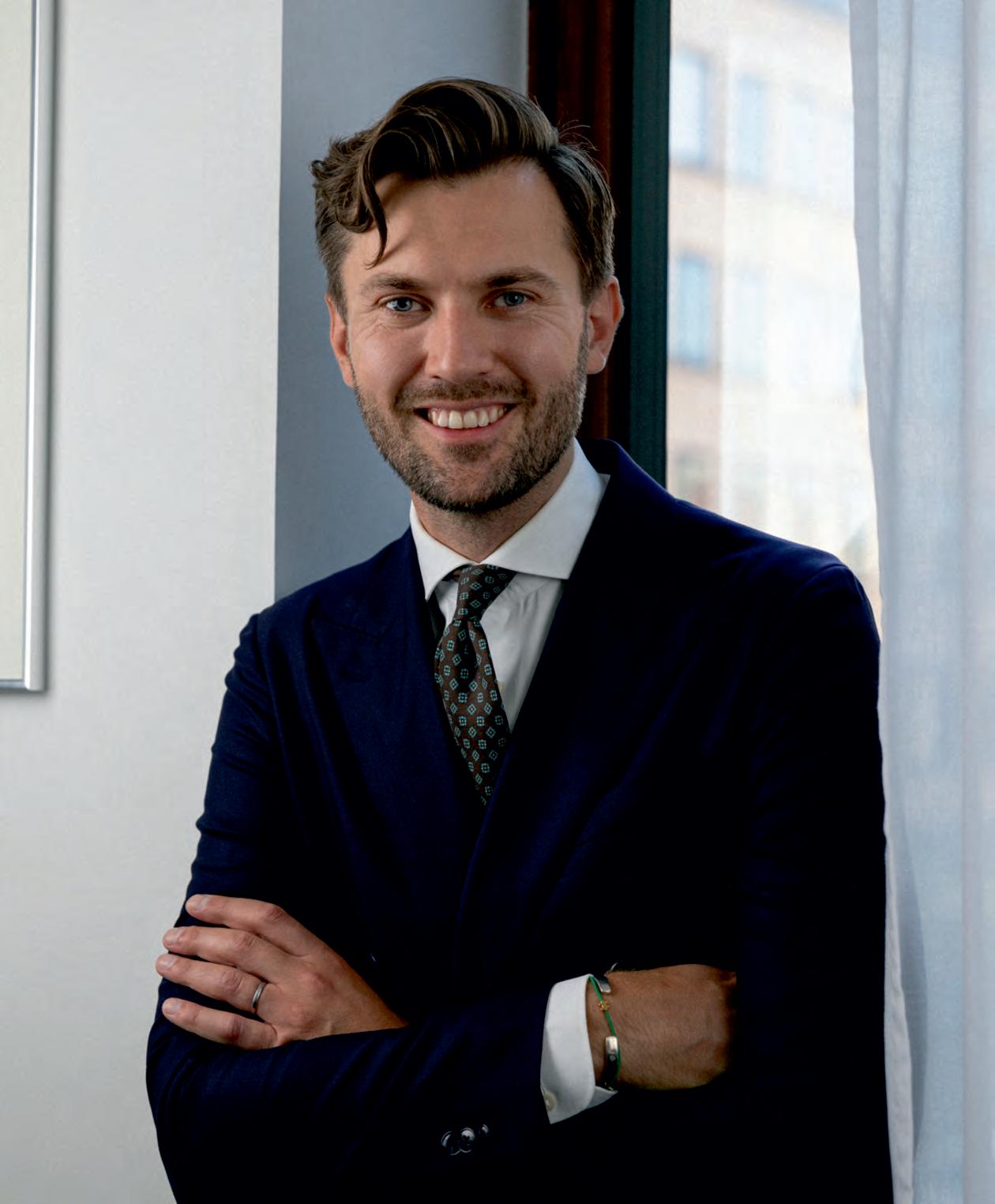

took him in as a junior associate straight out of university and showed him that there is an alternative to the stiffness and sluggishness of the traditional, legal industry. Today, he has grown professionally and holds the
position of Managing Director and Partner.
As a leader, Dennis tries to focus 30-40% of his time on operations, business development, public relations, sales, and knowledge management. The remaining 60-
70% of his time is spent on their clients and coaching their associates in client-related matters. He always tries to go beyond the legal side of things and understand what the clients at Qap Legal do and why.
“My life pre-Qap Legal was mainly spent in an international M&Aand corporate group at Eversheds Sutherland, which, granted, gave me a lot of legal and professional experience that I benefit from even today, but at the same time reduced me to a small cog in a piece of large machinery and gave me a poor work-life balance,” states Dennis.
Dennis notes that the best recognition he has received as a leader cannot be pinned down to a single moment but in the constant development and growth of the associates and other employees at Qap Legal telling him that they are doing something right.
The plan for Qap Legal is to keep disrupting a traditional legal industry and become the go-to M&Afirm in Sweden for startups and scaleups. Dennis' goal is to build Qap Legal into an autonomous body that lives its own life and thrives on the growth of its employees.
“I rarely reflect on the past and when I do it's to take a moment and appreciate all that we as a firm have accomplished. Instead, I focus on the future and what we have yet to achieve. Dreams need to be forward-looking, otherwise, what's the point?” explains Dennis.
Personally, he is looking to improve and develop in his role as an advisor by constantly increasing his knowledge, improving his work methods, and providing more and more value to the one on the receiving end of such advice. He is especially interested in elevanting his experience in corporate governance by taking on board assignments and being part of advisory boards in early-stage companies.
Trying a maintain a work-life balance as a legal professional
“I always try to look up from time to time to see the bigger picture and maintain my focus on what's important,” says Dennis who now have a 4-year-old and a 2-year-old at home that help him keep that focus in the best possible way. He also has a fiancée who is very supportive of what they are trying to achieve with Qap Legal.
“Family is the best way to keep yourself grounded and focused. For professional support, I regularly see a professional business coach to help me improve my leadership skills and work efficiency,” he states.
According to Dennis, employees that develop and grow remain motivated. He also believes that motivated leaders create motivated employees. “Growth comes from throwing them out in the deep end but letting them know that there is a lifeline if they need it. Having a relaxed and fun workspace also helps!” he exclaims.

Dennis' message to aspiring lawyers is:
(a) to look beyond the traditional routes and hierarchies of the legal industry and understand that clients are looking for lawyers that understand their business.
(b) focus on mastering the transition from theory to practice.
(c) start building your network from day one.
(d) don't pick a job, pick a boss.

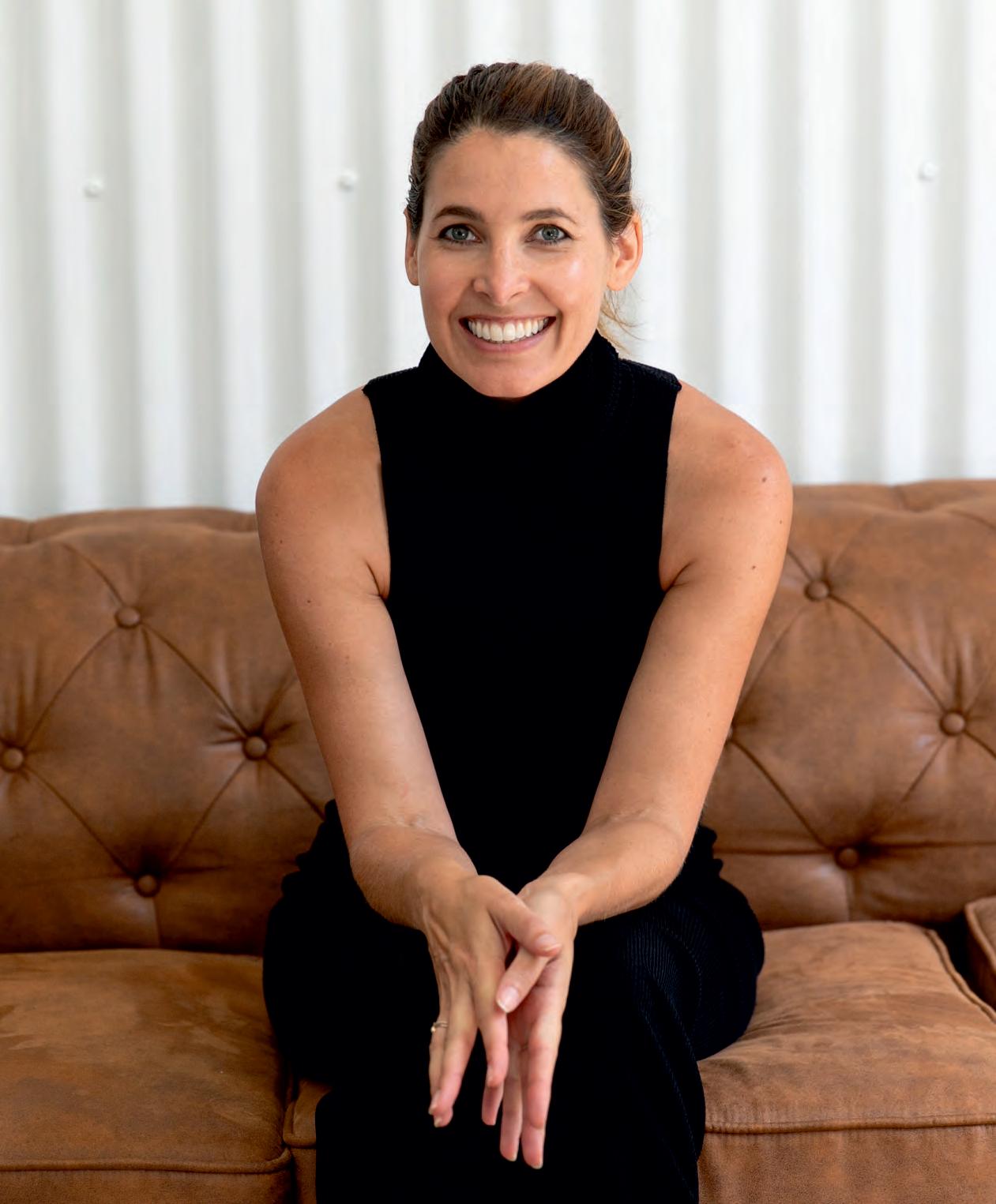
Founder & CEO - Mys Tyler talks
Sarah Neill, the CEO and
Founder of Mys Tyler talks about personal and professional success. For her, personal success is happiness - being healthy and feeling optimistic about the future, feeling connected with her friends and family members, and contributing to the world in a positive way. Business success on the other hand is about creating opportunities for others, solving a real problem, and providing a return on investment to stakeholders.
The path to entrepreneurship:
Sarah describes her journey to entrepreneurship starting with her career in marketing and advertising where she would dive into insights of the target audience to understand how the thought, what they felt and what problems they were looking to solve. Back then, this allowed her to best communicate to this audience the relevancy of the product or service. As the years shifted, and she better understood problems out there, she
describes shifting into more intrapreneurial roles, and eventually encountered an opportunity to create her own business, Doodad while living in New York. This dates back to 2012 and after 12 months of building a business, she was forced to shut down the business with 2 weeks' notice. She moved back into corporate life but, and joined the fastest growing private company in America, but during this time developed the concept for Mys Tyler, and spent the next few years developing the idea until 12 months ago when she packed her bags, leaving her corporate role, salary and America to return toAustralia to build Mys Tyler.
Constraints bread creativity:
Sarah mentions that majority of the companies she worked with were “Challenger” brands, the companies have relatively smaller teams, smaller budgets and less awareness to work with.As a result, they have to punch above their weight to get traction. In
these environments, you can't throw money at a problem, you have to get creative and work smarter. “They say constraints bread creativity, and I completely agree. Some of the best ideas have come from not having the conventional (or any) resources!” Says Sarah. Take Mys Tyler for example, the app which helps women see clothing on similar looking women (height, size & shape), requires a diversity of fashion influencers, Mys Tyler calls them “Contributors” to be successful. Without resources to “buy” this side of the market, they got scrappy and scrapped the body data of nearly 400 fashionable celebrities so they could launch a product faster, get traction, and then have something to pitch to stylish women to bring them on board organically.
Iterate and improve over perfection:
With the strong belief that “done is better than perfect” the common question the Mys Tyler team asks

themselves when making decisions is “Is it better than it was yesterday?” Sarah describes herself as the furthest thing from a perfectionist. Having said that, she and the team have ambitious goals and are committed to constantly work at getting closer to those. Her vision for Mys Tyler is to create a space where all women feel represented, and can be inspired with fashion content relevant to their body, budget, and style. Sarah believes that the clothes we wear can make us feel confident, they can be the difference between trying to blend in and feeling able to step up and say yes to opportunities. We want fashion to be more accessible and enjoyable for all women, at the core of Mys Tyler is body-positivity and community.And if women find better fitting clothes through Mys Tyler, than they can also
significantly contributor to reducing return rates and reducing the huge cost to the industry and more importantly the environmental.
The startup journey is not easy, doing things that are new requires storytelling and education. There are constant hiccups and distractions, so it's a clear vision and unwavering resolve required to forge through to bring a startup to life. If you look back, you can easily find dozens of failures that each entrepreneur encounters. The successful entrepreneurs can trade in these failures into learnings and find a positive way to move forward.As quoted by an anonymous philosopher, “Life won't always go my way, but I will always find a way,” similarly Sarah
understands the hard journey ahead - “it's hard work, it's terrible pay, it's a high risk, high stress, and highly personal - but I wouldn't want to be doing anything else”. Her advice for aspiring entrepreneurs “Just start. If you have an idea, start building, start collecting data, just move it forward, and you'll learn things, or opportunities will open up as you go that will guide you for the next step”. Women have a tendency to think “I know I can doABC, and I think I can do XYZ, so I'll stay doingABC as I don't want to overpromise and under-deliver - I'm telling you, you can do XYZ better than anyone, so get out there and do it”


“The struggle to get from where you are to where you want to be is what makes the journey beautiful.”
In the rapidly changing world of marketing and media, few stories are as compelling as that of Lcid Crescent Fernandez, CEO of Prometheus. Born the son of a journalist and a public school teacher, his diverse upbringing and early exposure to storytelling have laid the foundations for a career defined by innovation and visionary leadership. From a small 3-person team working out of his bedroom, Lcid now leads a group of companies that are modernizing industries and cities in the countryside.
“I grew up surrounded by stories,” he reflects.
Lcid's path to Prometheus began with his father's intelligence and drive, and his mother's loving openness and creativity.Adeep appreciation for artistic narrative and mindful improvement stemmed from these early lifechanging experiences.
"I fell asleep to the sound of a printing press," he remembers. "My father would be working late into the night encapsulating the stories of the day."
"My mother's work and studies took us to Japan, the USA, andAustralia. These places broadened my understanding of the world and the role of disruption in innovation."
These early influences were crucial in sparking the creativity that would later inspire the creation of Prometheus, and later, The Prominent.
Merit-based Leadership, Openness, and the Cultivation of Creativity
Humbling work experiences spanning media, government service, public relations, and entrepreneurship all came together to form his earliest ideas for how a leader should be. He fondly remembers those days, full of mundane tasks like making coffee for his supervisors and photocopying paperwork.
"I look back on those experiences with gratitude," he said. He believes those experiences have helped him empathize with others, and measures their contributions regardless of titles or names.
These moments in his life shaped his view of how creativity should be nurtured in the workplace.As a leader, one must be relentless in their pursuit of improvement.
“When you're starting out, be hard on yourself. Be impatient with your own development, and figure out how you can create value today, not tomorrow,” he advises. "Believe that you can contribute right now because it is that consistent effort that nurtures, and pushes your boundaries."
This impatience for continuous selfimprovement is contrasted in his approach to leading his team, where patience and support are key to fostering growth and creativity.
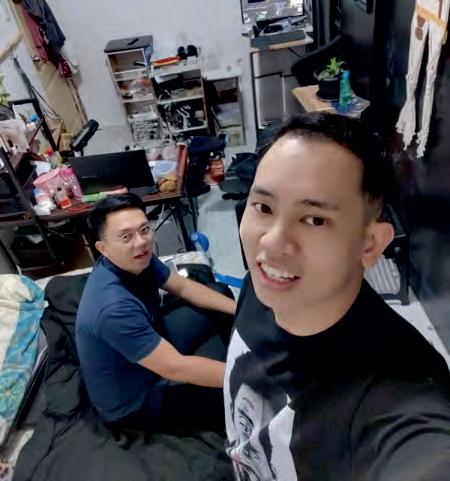
“We started with just three people putting in late nights in a small bedroom/office,” he explains. “We know what it's like to make mistakes early on, and learn on the fly.” It's in these humble beginnings that Prometheus was forged. “We
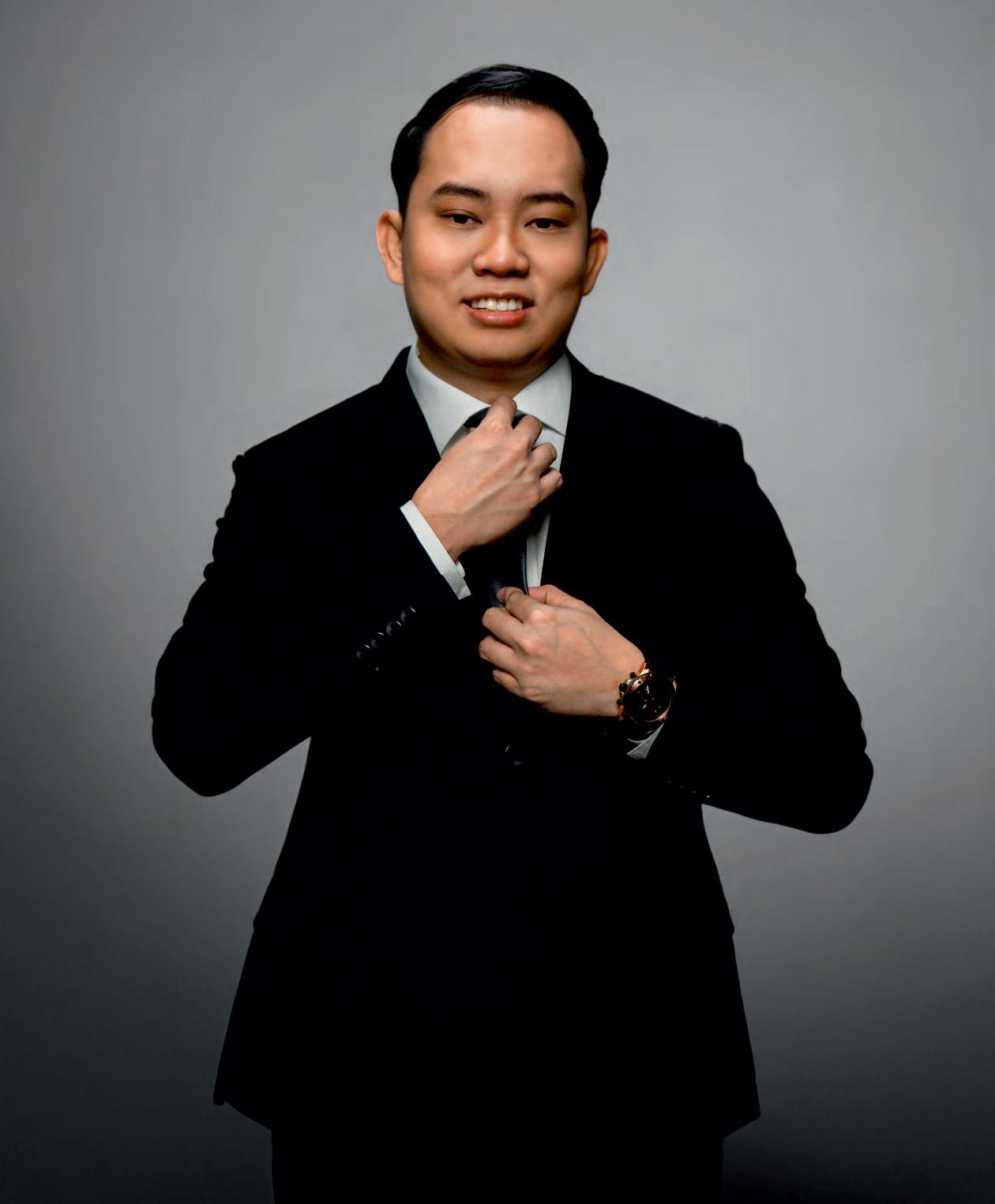
made ZERO profit in our first year and it has been an arduous climb to get to where we are now,” he said. This humility almost betrays the thousand-fold growth in revenue and team members.
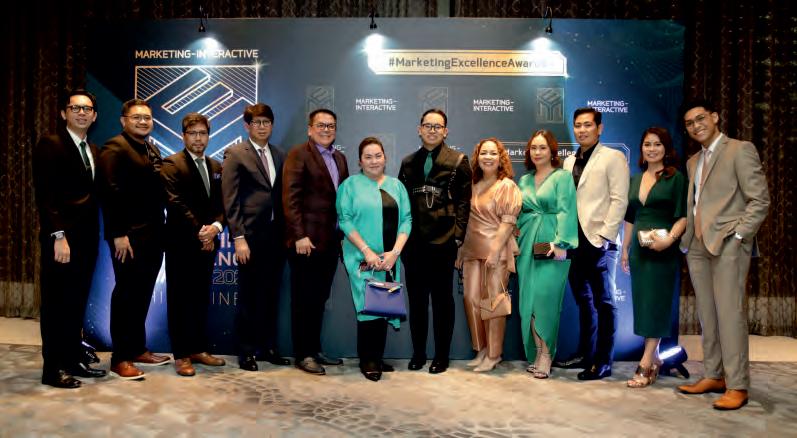
Today, Prometheus is the largest marketing agency and public relations firm in the region. It is also the only nationally-awarded agency in their region, having recently bagged two silver awards for Excellence in Marketing in the Marketing ExcellenceAwards (MEA) Philippines.And they did this working with local SMEs with limited budgets against multinational corporations.
Lcid himself is the first Ilonggo to ever win the Marketing Leader of the YearAward in MEA's history. He also was recently chosen to be part of the Asia CEOAwards' Young Leader of the Year Circle of Excellence.
But that's not what drives him.
“I am responsible for everyone under my employ,” he asserts. "Every person within Prometheus trusts me and I must not betray that trust."
This profound sense of duty guides
every choice he makes, ensuring that both the well-being of his employees and the success of the company remain paramount. He leads everything by example.
Lcid's leadership philosophy rejects rigid hierarchies and titles, and promotes a more meritocratic approach. Everyone's voice is just as loud as the CEO's.
Strategy
At Prometheus, excellence and creativity are core principles to be balanced. “Creativity is a muscle to
be trained,” he says. "Ideas don't come to you. You have to go out and find them."
Lcid credits his talented team with helping to navigate this balance. “Our team of empowered professionals shares my vision and beliefs,” he says. The PrometheusAcademy, a continuous training program, exemplifies this commitment to continuous learning and development. By fostering cross-departmental skills and encouraging innovation, Prometheus cultivates a workforce that is both creative and strategic. “We are always looking to expand and explore new opportunities from wherever they may come,” Lcid notes.
Innovation and Technology at the Helm of Success
Prometheus' rise as the leading marketing agency in Western Visayas can be attributed to its innovative systems and strategic partnerships.
Lcid highlights the importance of technological advancements in maintaining a competitive edge. “Our technological partnerships for data gathering and analysis have set us
apart,” he says. The integration of advanced systems and expert knowledge has enabled Prometheus to deliver exceptional results and maintain its leadership position.
Lcid's vision extends beyond marketing, aiming to create an ecosystem of support through Prometheus's various subsidiaries. This holistic approach not only ensures operational efficiency but also positions Prometheus for future growth and impact.
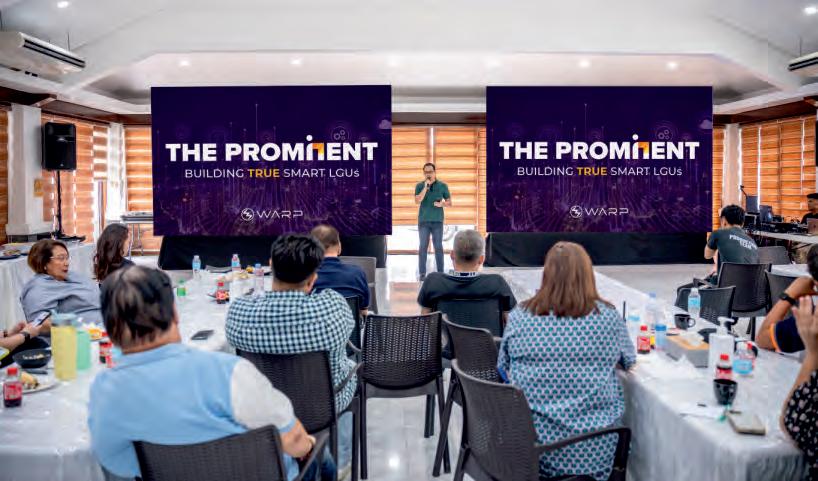
This is best exemplified by The Prominent. The newest product of Prometheus's software subsidiary, WARP, Inc., is creating smart cities through a modular system that consolidates organizational needs into one cloud-based platform. With The Prominent, Local Government Units (LGUs) and private businesses can streamline every function from Human Resources toAccounting, to Inventory, and more through one seamless system.
Technology helps maintain Prometheus's competitive edge. “We focus on automating and integrating our internal systems to improve efficiency and effectiveness,” he says.
This technological infrastructure supports Prometheus's ambitious goals and enables the company to deliver superior results for its clients.
Innovation is at the heart of Prometheus's strategy for staying ahead in the marketing and media industries.
“Always think about how things can be done better,” he advises. This mindset drives Prometheus's approach to innovation, where breaking down concepts to their fundamental elements and rebuilding them leads to new and improved solutions.
The future of marketing and media in the Philippines is one of exciting possibilities, and Prometheus is poised to play a leading role.
“Prometheus will continue to push boundaries and innovate,” he says, reflecting his commitment to maintaining the company's leadership position and contributing to the industry's evolution.
Vision and Legacy: Lcid's Commitment to Impact and Excellence
Looking toward the future, Lcid envisions Prometheus achieving global prominence. “We aim to support disruptive start-ups and create innovative solutions that transform communities,” he says. This forwardthinking vision is the reason why each business unit is led by a multiawarded industry expert. While Prometheus provides the infrastructural and organizational support, the experts can remain focused on what they do best.
Lcid's legacy is characterized by relentless effort and an unwavering resolve to transcend limitations. “I want my life and my work to symbolize a constant struggle to overcome challenges and achieve greatness,” he states. His contributions are motivated by a desire to make a meaningful impact and inspire others to chase their aspirations with passion and determination. Lcid's legacy will be marked by bold creativity and steadfast dedication, setting a powerful example for future generations of leaders.


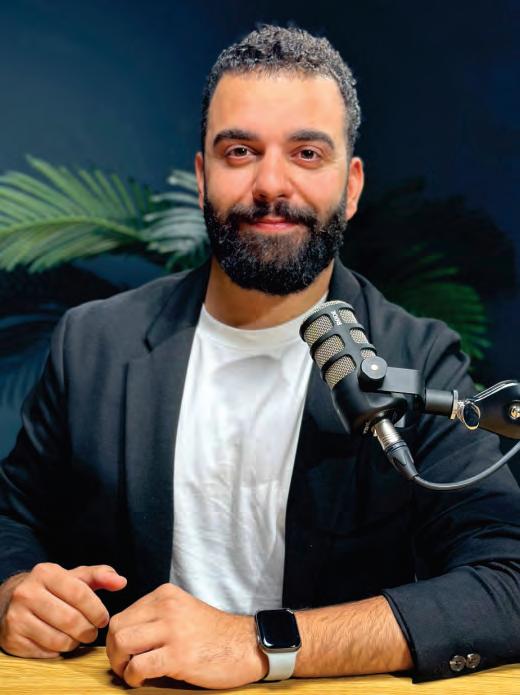
In an era where digital transformation shapes the business landscape, leaders who harness the power of digital marketing stand out. One such luminary is Elie Sarkis, the CoFounder and Managing Partner of Intoact International.
Recognized as one of the "Middle East's 10 Most Influential Business Leaders, 2024," Sarkis shares insights into his professional journey, vision, and the innovative strides his company is making in digital marketing education and consultancy. His leadership exemplifies how strategic foresight and dedication to continuous learning can drive significant industry advancements.
Elie Sarkis's journey in digital marketing has been characterized by continuous learning and adaptation. Reflecting on his professional
background, he remarks, "From the beginning, I quickly realized the vast potential of digital strategies in transforming businesses. However, there was a significant gap in practical learning when it came to digital marketing." Through years of trial and error, Sarkis honed his skills in various aspects of digital marketing, including online strategy, social media marketing (SMM), search engine optimization (SEO), ecommerce, and more.
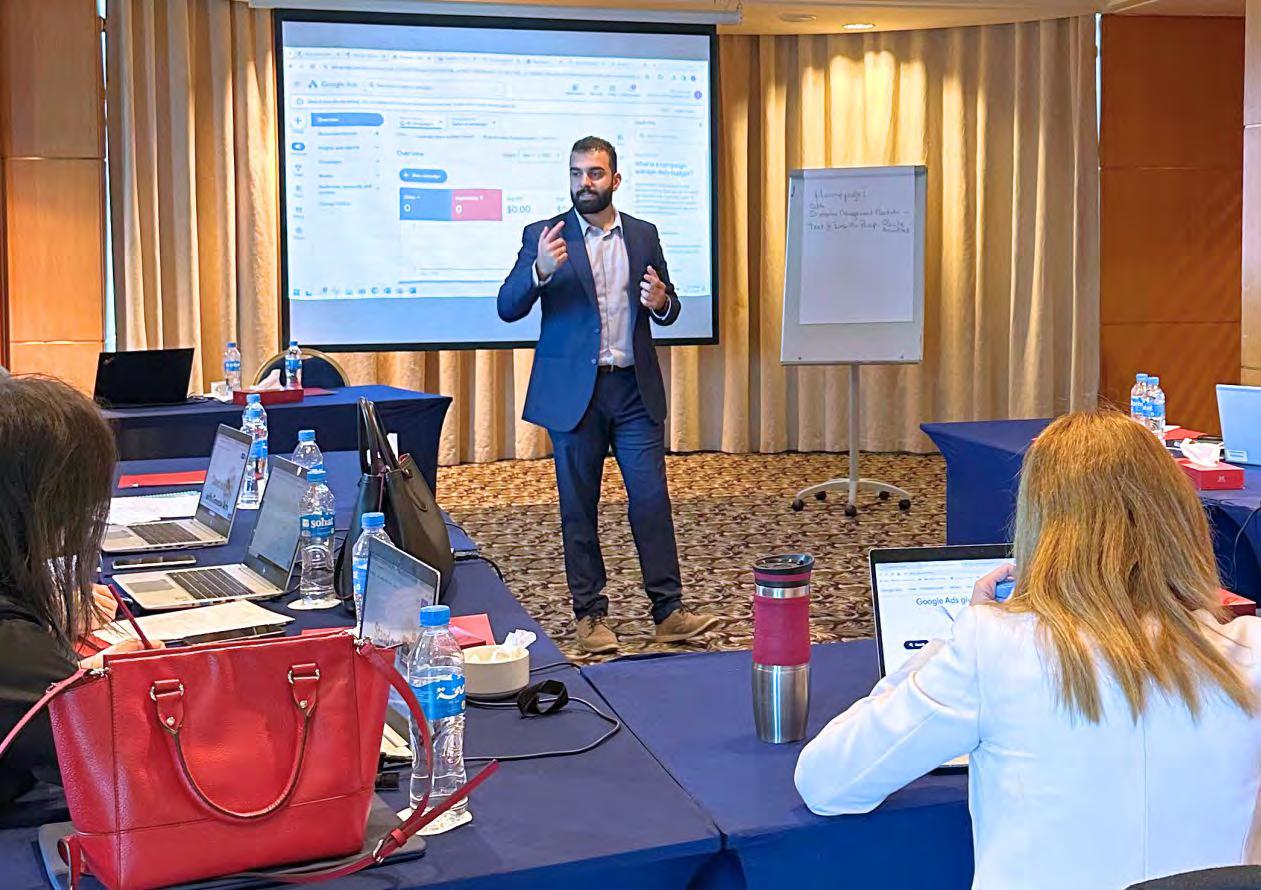
Apivotal milestone in his career was the co-founding of Intoact International, a digital marketing training and consultancy company. Sarkis emphasizes, "Our mission is to equip the marketers of tomorrow with the necessary skills to make a significant impact in the digital marketing landscape."As the Managing Partner, he has focused on delivering practical and applied training programs that generate awareness, engagement, leads, and sales.
Sarkis's vision for Intoact International is ambitious yet grounded in a deep understanding of the market needs. "My vision for Intoact International is to become the foremost authority on digital marketing education and consulting in the Middle East and beyond," he explains. To achieve this, the company is expanding its course offerings to cover emerging trends and technologies, increasing its online presence, and forming strategic partnerships with industry leaders.
"Our goal is not just to educate but to inspire and empower a new generation of digital marketers," Sarkis asserts. By fostering a culture of continuous learning and adaptation, Intoact International aims to drive positive change and make a lasting impact on the region's digital landscape. The company is also committed to expanding its strategic partnerships with companies looking to upskill their teams in digital

Dr. Catharine Young was born in SouthAfrica during the height of "apartheid" and witnessed its abolishment with the election of Nelson Mandela - a historic moment that deeply impacted her outlook on life and ultimately shaped the type of work she would undertake in the future. Compelled to build a career that, at its core creates a positive impact on inequitable systems, Catharine currently serves as the Executive Director of the SHEPHERD Foundation, a non-profit organization whose mission is to transform the rare cancer system.
Catharine began her career as a trained scientist because she felt that conducting biomedical research had the potential to contribute something impactful, both to the world and the people who reside in it. However, soon after completing her postdoctoral studies, she realized that she wanted to be able to apply the skills learned through her scientific training to global solutions, outside of the four
walls of a lab, and so entered into the field of science policy. First as an AmericanAssociation for the Advancement of Science (AAAS) fellow placed at the Department of Defense Chemical Biological and Nuclear Warfare division where she was a part of the DoD's response to the Ebola outbreak. Followed by serving as the Senior Science and InnovationAdvisor for the British Embassy and then as the Senior Director of Science Policy at the Biden Cancer Initiative. Ultimately, Catharine found a home at the SHEPHERD Foundation, which serves to challenge the barriers in the healthcare system and accelerate treatments forward for all patients - a position that has been the culmination of both her career aspirations and personal life lessons so far.
Catharine considers success to be more than attaining a specific objective, although discrete goals
serve as benchmarks for her work. To her, success is determined by how challenges and barriers have been approached and the lessons learned in the process. "It is about whether or not I did everything in my power to provide what I needed for my team, was flexible and open-minded enough when challenges were faced to pivot quickly, course corrected as needed, and learned from the failures that were experienced." She continues, "Ultimately, what I have learned is that success can be expressed in many different forms, not just in the pinnacle of achieving of something tangible, and most often, the best lessons learned come from failures, not successes."
Catharine considers herself incredibly fortunate to have had such a varied and rewarding career thus far. Although she never set out with the intention to head an organization; her diverse career experiences ultimately

Executive Director - SHEPHERD Foundation
prepared her for this role. She explains that each professional opportunity provided a wealth of essential lessons and skillsets, including those centered around leadership, and that as a result, she has been able to seize new opportunities as they have arisen. She adds, "Oftentimes I feel like we allow fear to hold us back. We second guess whether or not we are ready for a new challenge or a new career move. But if we are able to quell those fears enough to accept a new path, while understanding that there will be a steep learning curve, that mistakes will be made, and lessons will be learned, then we can allow ourselves the space to grow into leaders and fulfill our potential."
Through her career journey, Catharine has learned that obstacles are an unavoidable part of every path, whether personal or professional. She says, "It's how we view them and respond to them that really makes the difference. Do we view them as an opportunity to learn and grow, or do we see them as something to hold us back? Challenges are often experiences that expose the weak points of a strategy or raise questions that have never been considered before. They are an integral part of driving a sustainable solution forward or growing as a person.”
The SHEPHERD Foundation is dedicated to working towards creating an equitable healthcare system, one that serves all patients equally. This is especially important when one considers that 380 of the 400 known forms of cancer are considered rare,

and yet these patients are often left without the treatments, resources, and the support they deserve.
The SHEPHERD Foundation is working to build a global grassroots effort that is united and organized, and to ensure that all patients are equipped with the resources, tools, and funds necessary. Catharine emphasizes, "We are also working to provide all patients with equal access to accurate information, support and treatment options that are tailored to their unique disease and experience." The foundation aims to unite those that suffer from rare cancers as one chorus of voices demanding a better system that works for all cancer patients and their families, so that all patients may live.
"What I love about my job is that no one day is ever the same," says Catharine. She enjoys being part of a lean but motivated and driven team. She finds herself involved in the decision making of almost every
aspect of the organization, from branding, operations, strategy, writing, and fundraising, and it is always exhilarating. She thinks one of the most important aspects of her job is relationship building, both with the major stakeholders within the oncology space and also within the patient community. Ultimately, advocacy work and the ability to push for change relies on the ability to build coalitions and form allies from all sectors, including philanthropy, government, industry, and academia, because one cannot operate without the other.
Maintaining a work-life balance in the advocacy field, where one's job is driven by a great sense of urgency for patients - is challenging. However, with time and growth, Catharine has realized how important it is to establish boundaries between her personal and professional life.As a leader, it's critical to lead by example and create a culture that values rest
and rejuvenation. She asserts, "You cannot build great things if you are running on fumes. Your team will ultimately take cues from you and so it is of the upmost importance that you set the standard of self-care and mental and physical wellbeing yourself and that means setting boundaries between your two worlds and sticking to them, regardless of how hard that may be”
According to Catharine, although we are in the year 2021, women still face many challenges as leaders, ranging from overcoming misconceptions and biases to being devalued as a team member. However, she notes that, "I have found that building a strong network of supporters for yourself and your work is critical—those who can serve to not only keep you grounded on your path as you move forward, but also serve as a source of strength when challenges arise."
The SHEPHERD Foundation recently announced the introduction of a landmark bipartisan federal bill that mandates insurance coverage of molecular diagnostics for all cancer patients at the time of diagnosis. These tests compare a patients cancer DNAto their healthy DNA, uncovering their unique genetic drivers and mutations. 'What is the significance of this?' Catharine explains that receiving molecular diagnostics at the time of diagnosis can lead to a more accurate diagnosis and to improved treatment options, especially for cancers that lack specific treatment guidelines. Not only that, but the data obtained from these tests will aide researchers in

understanding the underlying biology of all cancers, which could eventually lead to the creation of new and novel treatments. She says, "Most importantly, it will equalize access to the highest standards of care for patients treated in hospitals that are unable to pay for diagnostics out of pocket."
The foundation is also set to launch the SHEPHERD Justice Lab, an initiative that seeks to extend the foundation's mission to serve the most neglected among the neglected—the incarcerated, refugees, immigrants, and underrepresented minorities. To do so, it has created a fellowship programme to gain insights from those who have experienced these unjust systems first-hand, while, at the
same time, offering fellows the opportunity to expand their own breadth of knowledge and networks by working on research, advocacy, policy, and storytelling so that when they leave the programme they become even greater advocates for themselves and others. Catharine says, "Our goal is to learn from those who understand the system, the inequities that are faced, and are equipped with the ideas on how best to make effective, long-lasting, systemic changes to these broken systems so that all patients may live."
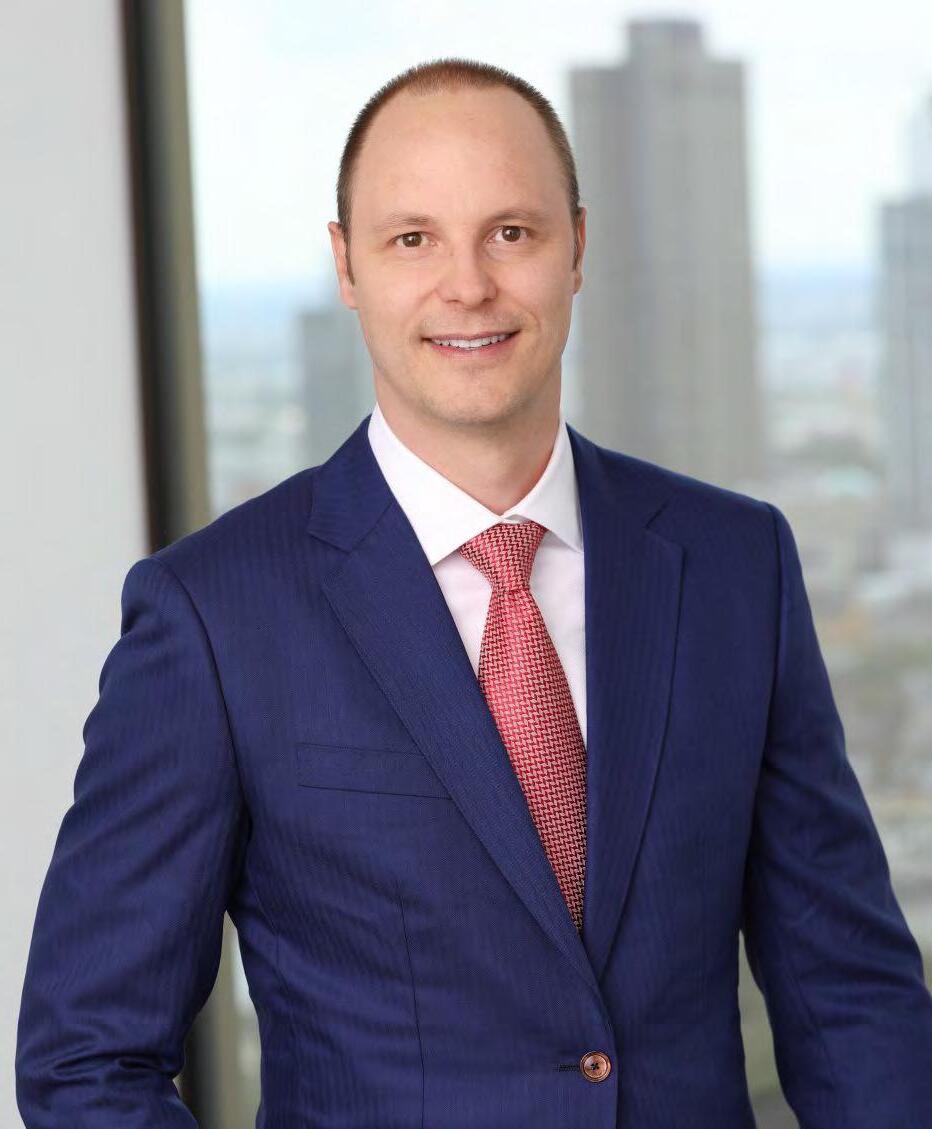
Advancement has upgraded the human race with high-tech devices, and the world is now depending on them entirely. Imagine you have to click a photo, make a phone call, schedule a ride or access your funds and there is not enough power to do that.As the power consumption has reached its peak, highly efficient batteries are the requirement of the present time. But producing highly efficient batteries is not the only challenge as these batteries have to be eco-friendly too; exhausting energy sources will bring scarcity as well. With the urge to bring a solution to the current energy challenges, Kevin T. Loman, CEO of iQ InternationalAG, is combining advancements and innovative techniques to engineering highly efficient and ecofriendly leadacid batteries.
Kevin sees waste as a resource and he is disturbed by how the modern generation consumes excessively and then buries waste while it could all be managed in a circular manner. “My personal goals as a business leader center around earning a voice that is impactful enough to effect genuine change in the way we consume energy and manage our waste,” says Kevin.
Energy Efficient Solutions and Products
Today's vehicles are highly electrified with constantly increasing comfort and safety features. Vehicles with Start-Stop functionality require batteries with around 5-6 times the cycle life of a flooded battery used in conventional ICE vehicles. As emissions reduction targets continue to accelerate, so will the demand
being placed on vehicle batteries. To address this, iQ has solved issues like acid stratification that have plagued the lead-acid battery for decades. The company and its partners have also addressed inefficiencies in the manufacturing and recycling processes that were adopted by the industry during times when the batteries were good enough so improving them only meant reducing sales.
iQ has developed plans for an Advanced Battery Factory that deploys new equipment and IP around grid making, pasting, curing, formation, and oxide regeneration. It enhances the ability to produce batteries in around 1/3rd the time by using up to 90% less water and 25% less electricity, and to reduce waste and emissions in the incumbent
recycling process by up to 90% and 85% respectively.All while increasing performance, reducing cost, and potentially improving the energy density of the lead-acid battery by as much as 40%.
Kevin opines, “The challenges we face make us stronger, the failures we have and mistakes we make teach us, and ultimately this leads to our success.” He also believes that one truly gets to know someone (and yourself) during times of challenge, not when it's smooth sailing. He feels the last decade has been nothing but obstacles, so it was a constant learning lesson. Sharing the challenges of his journey, Kevin explains that shortly after he became CEO and a couple of months after listing the company on the Regulated Market of the Frankfurt Stock exchange COVID hit. Because of the global shutdown, the factory generating 99% of the company's revenues was forced to close.At the same time, the organization lost its institutional equity funding in Europe because of COVID and the company's largest receivable of almost €3 million failed to pay when it came due. However, the management team at iQ InternationalAG did a great job navigating the pandemic and successfully received funding agreements from a Hong Kong-based institutional fund.
Kevin recalled the moments when weeks before the company's expected closing the CEO and sole signatory of the fund passed away. It was a challenging time for the team and the company. Kevin states, “Before we even took over the project we had to put money in every month just to keep it out of bankruptcy, then we had to manage COVID, followed by the death of our funder; all in less than 2

years.” Through facing these challenges, Kevin learned the importance of resilience and never giving up.
Heading towards a Global LeadAcid Supply Platform
Kevin's vision is to establish iQ InternationalAG with a global leadacid supply platform primarily through the acquisition of small brownfield factories. It will retrofit those factories with the company's technologies to both expand capacity within the existing footprint and enhance profitability. The technologies iQ InternationalAG is using allow the team to rethink the conventional supply chain for leadacid batteries. The team envisions using that ability to reduce inefficiencies and the carbon footprint across the sector.
Kevin wishes to influence changes in the energy and waste industries through leveraging the global leadacid battery infrastructure that is not
currently leveraged. Doing this will diversify the company into manufacturing and recycling other battery chemistries and providing a systemic solution for other products at end of life; including lithium batteries, electronics and tires.
Ensures Everyone Engages at Same Pace
As a CEO, Kevin ensures the business and people are in a state of readiness so that the team can hit the ground running the moment a funding partner closes. He explains, “This is not an easy task in a turnaround because you are always short of resources and capital, so you need to make everything stretch as far as possible.”
Kevin believes the word that defines him is resilient, and his work at the company isAltruistic. He opines, “When you genuinely put the interests of your colleagues first you attract the best quality of person. I've seen how this practice weeds out the people that don't have the same selfless
character as the team. This in turn creates the environment where those sincere colleagues are comfortable standing beside you and supporting your vision as a CEO through the inevitable challenging situations you will face in business.”
Kevin believes that the definition of success for him has certainly changed over time. In his 20's it was largely focused towards achieving financial success. Kevin was raised by a single mom taking care of his sister and him, and seeing her struggle financially rooted a motivation in Kevin to achieve financial security for the family. Kevin is of the opinion that financial success makes people more of who they are. He opines, “If you are a good person, you will use your financial success to make the world around you better, and the opposite is also true. As I get older and grow through life's various stages, success has become about the importance of family and having the freedom to spend time cultivating bonds that will last a lifetime.”
He further adds, “Reflecting today after almost 12 years of marriage and having 3 wonderful daughters, success is seeing our girls grow up to be kind, strong, healthy and happy, and having an unbreakable bond between them as sisters. Something my grandfather used to say that I glazed over at the time, but which has deep and genuine meaning today is 'as long as you have your health and family, you have everything you need'.”
“I feel extremely fortunate being surrounded by the caliber of people

that I am,” says Kevin.According to him, it has taken many years in business developing relationships, many of which have grown into personal friendships, to get to where he is today.At iQ InternationalAG, Kevin is working with people who are not only excellent in their skill sets but who are also exemplary human beings that share a common goal to make this world a better place now and for future generations. He asserts, “When you are dedicated to a cause bigger than any one person, and the people on the team are humble professionals, staying motivated becomes an inherent quality.”
Kevin considers achieving a work-life balance to be one of the hardest accomplishments to attain for people that are drivenand determined to make an impact. He considers himself lucky to have a wonderful family, and he's made it a precedence to choose family over profession. COVID has created a situation where he could assess the importance of meetings, opportunities and travel with more clarity, and the result for Kevin has been recognizing the significance of saying no a lot more often and narrowing his projects and focus. He says this dedication to family is something that everyone in his extended family has, for which he
thanks his grandfather and grandmother.
He states, “They set such an amazing example that it is genuinely ingrained in us and will be in our next generation if we are capable of emulating it”. an Also, Kevin is active member of YPO, and one of the great things about the organization is the way it promotes work-life balance.
Kevin's message to aspiring business leaders, “There will be no success without being resilient so, don't give up to early. If you are passionate about something and altruistic, your motivation should drive you relentlessly towards your goal. Focus on the triple bottom line; it is the surest way to sustained success.”