Ericka Essington

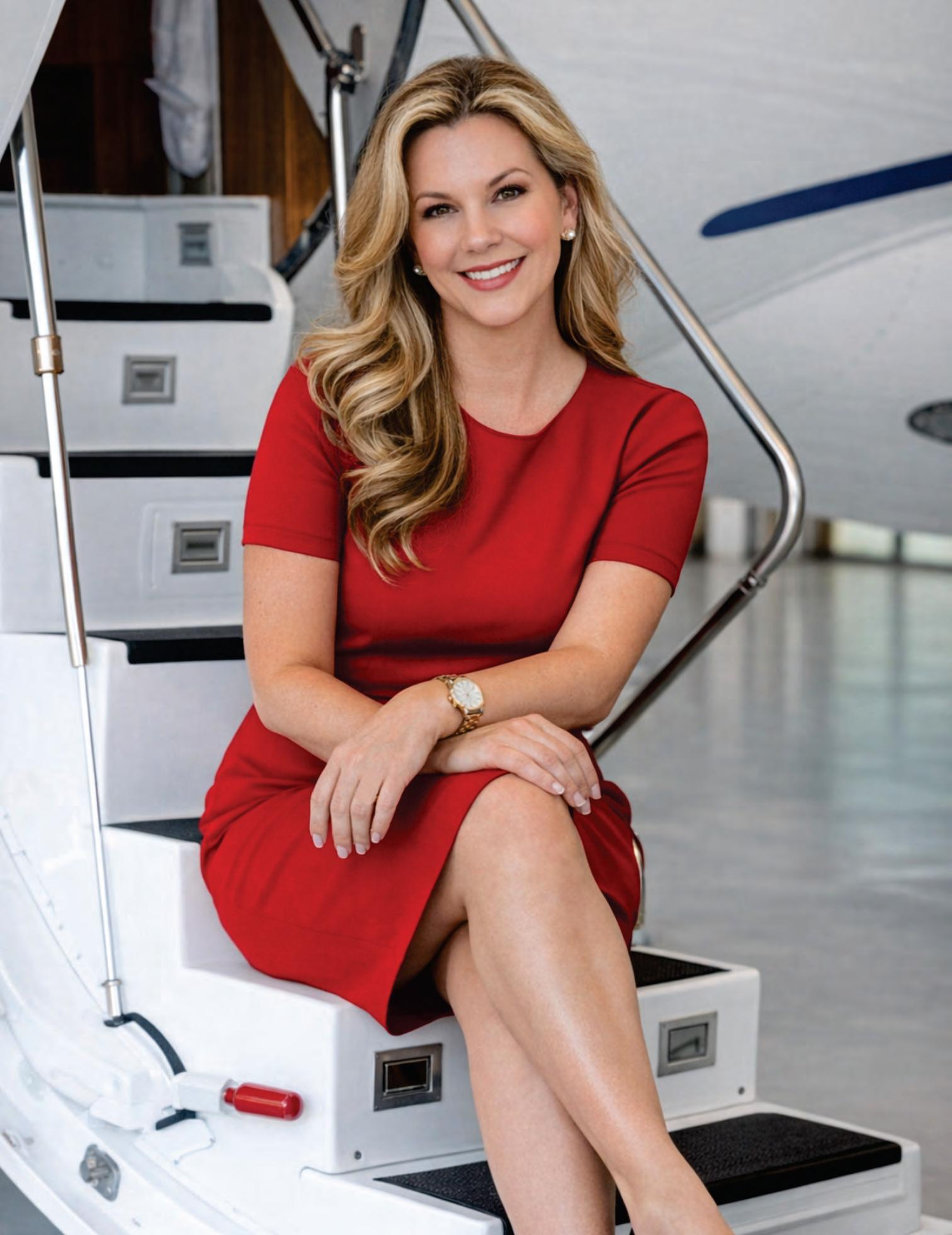
10. Ericka Essington

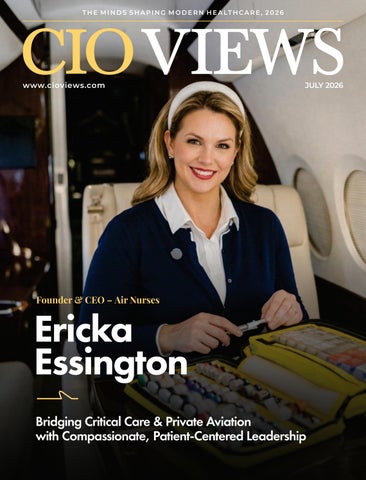
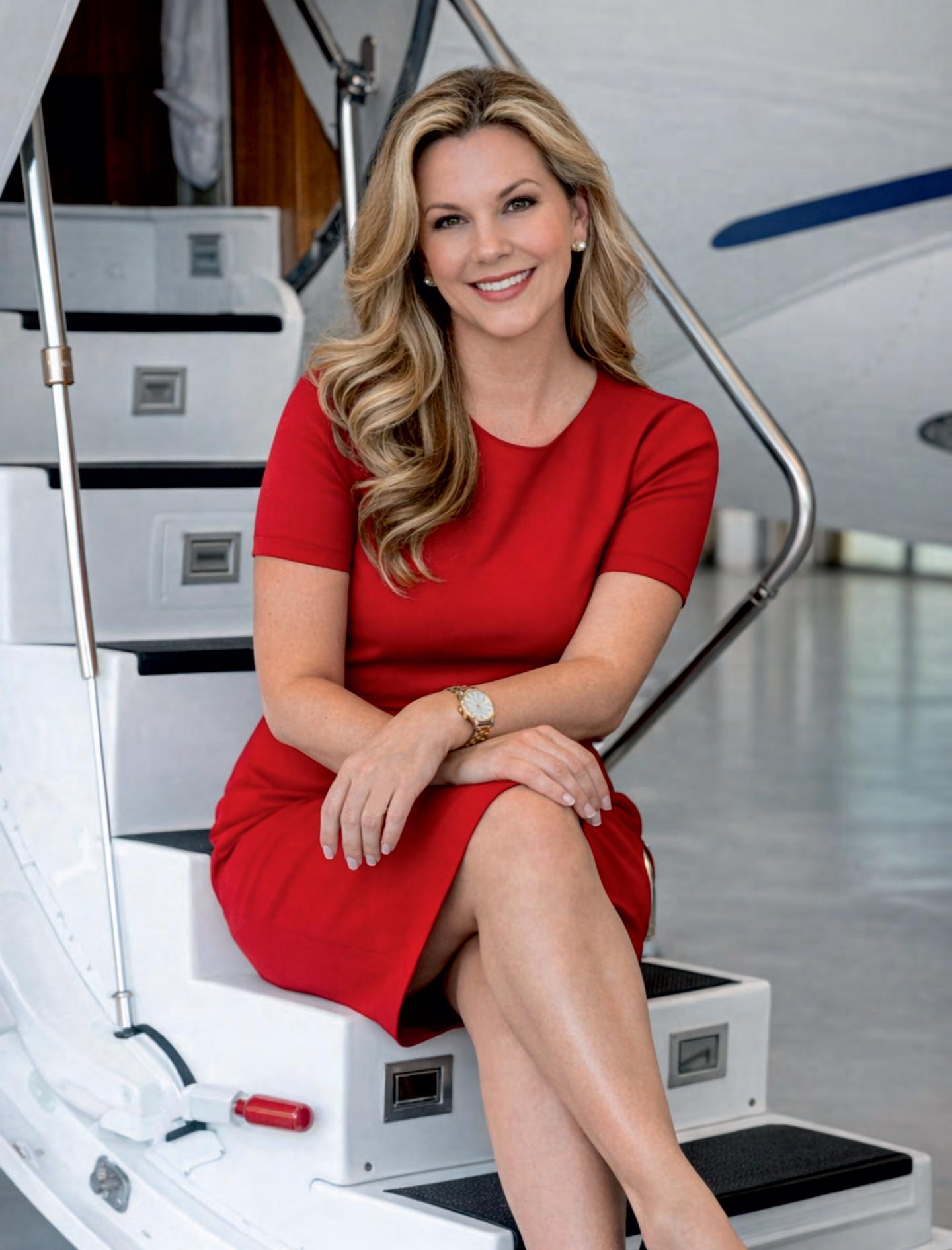
Ericka's career has always lived at the intersection of medicine, transportation, and logistics. “For over fifteen years, I worked in critical care transport and air medical services - as both a flight nurse and a healthcare executivewitnessing how difficult it can be to safely move people when health concerns arise,” she shares.
Air Nurses was born from a deeply personal experience. When her grandmother needed air travel support, Ericka was shocked that no service offered the professional medical oversight required - only a commercial medical escort or a full air ambulance. Nothing existed for medically stable individuals who still needed expert care and monitoring throughout their journey.
“Because of my background, I recognized an unmet need. Not everyone needs an air ambulance, but many travelers and families require more support, flexibility, and clinical expertise than standard commercial options offer. I knew we could do better,” she says.
So Ericka envisioned a service that adapts to each traveler, not a take-it-or-leave-it model. Whether recovering from surgery, managing a chronic condition, facing mobility or age-related challenges, or simply wanting a clinician's reassurance, she imagined flexible, personalized care built around the individual, not a predetermined mold.
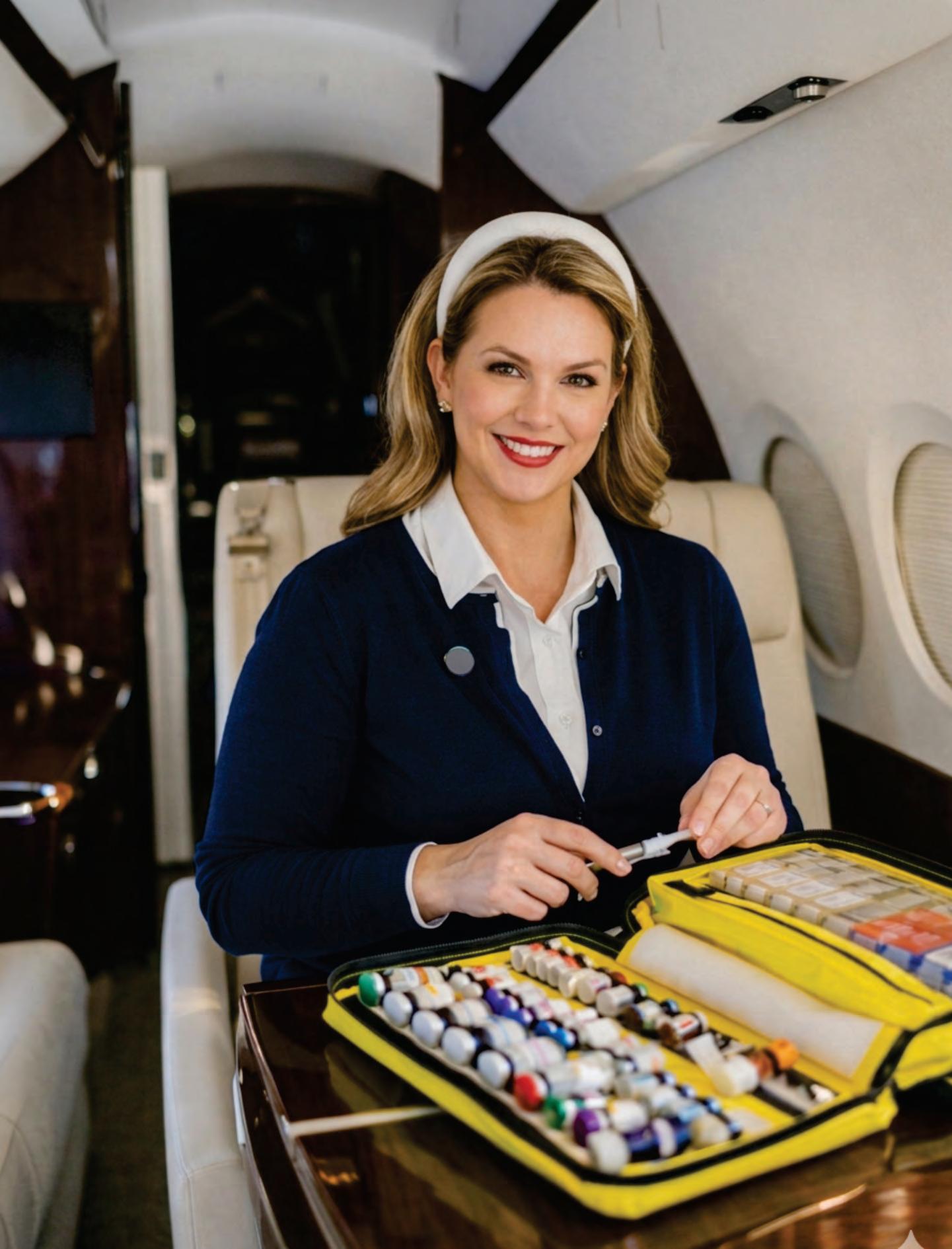
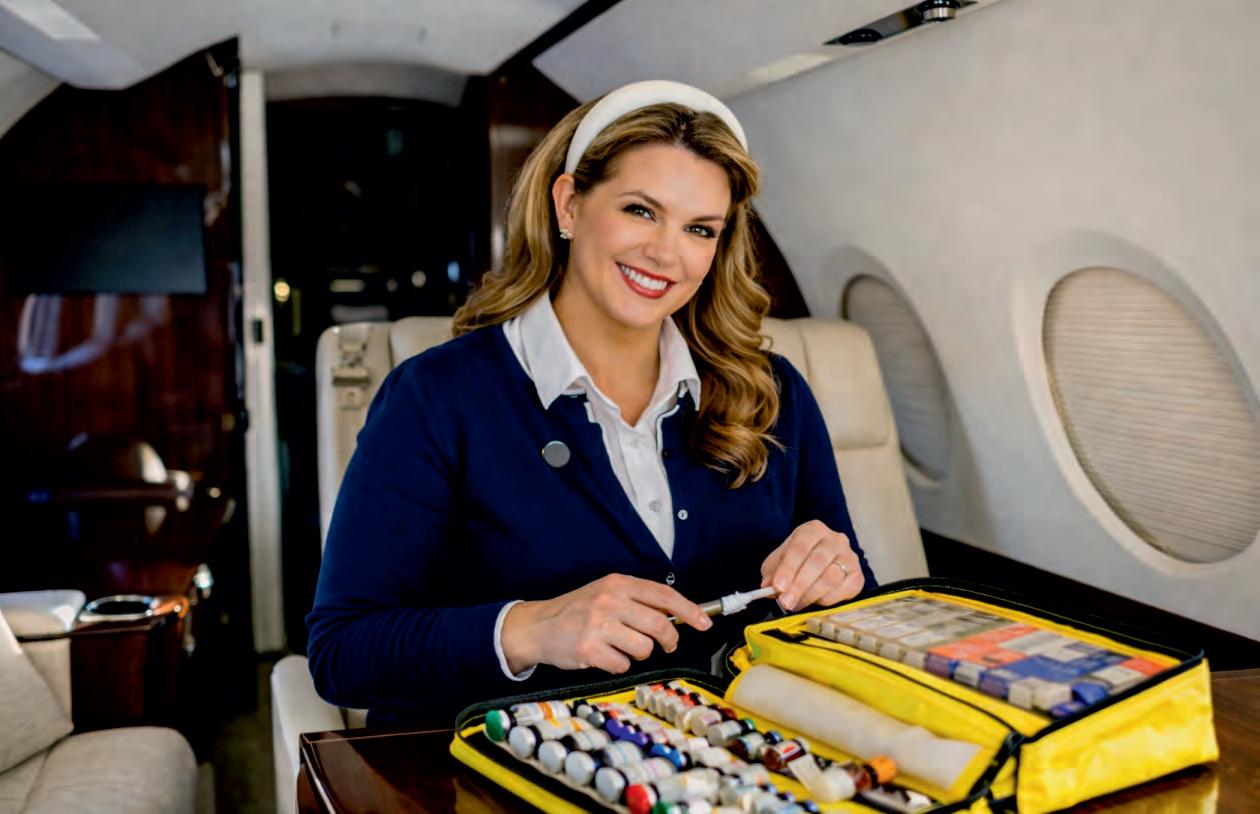
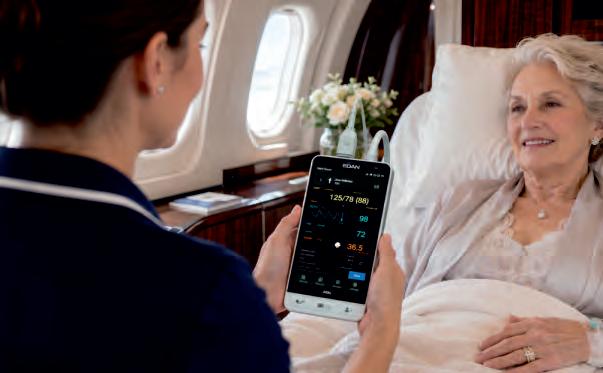
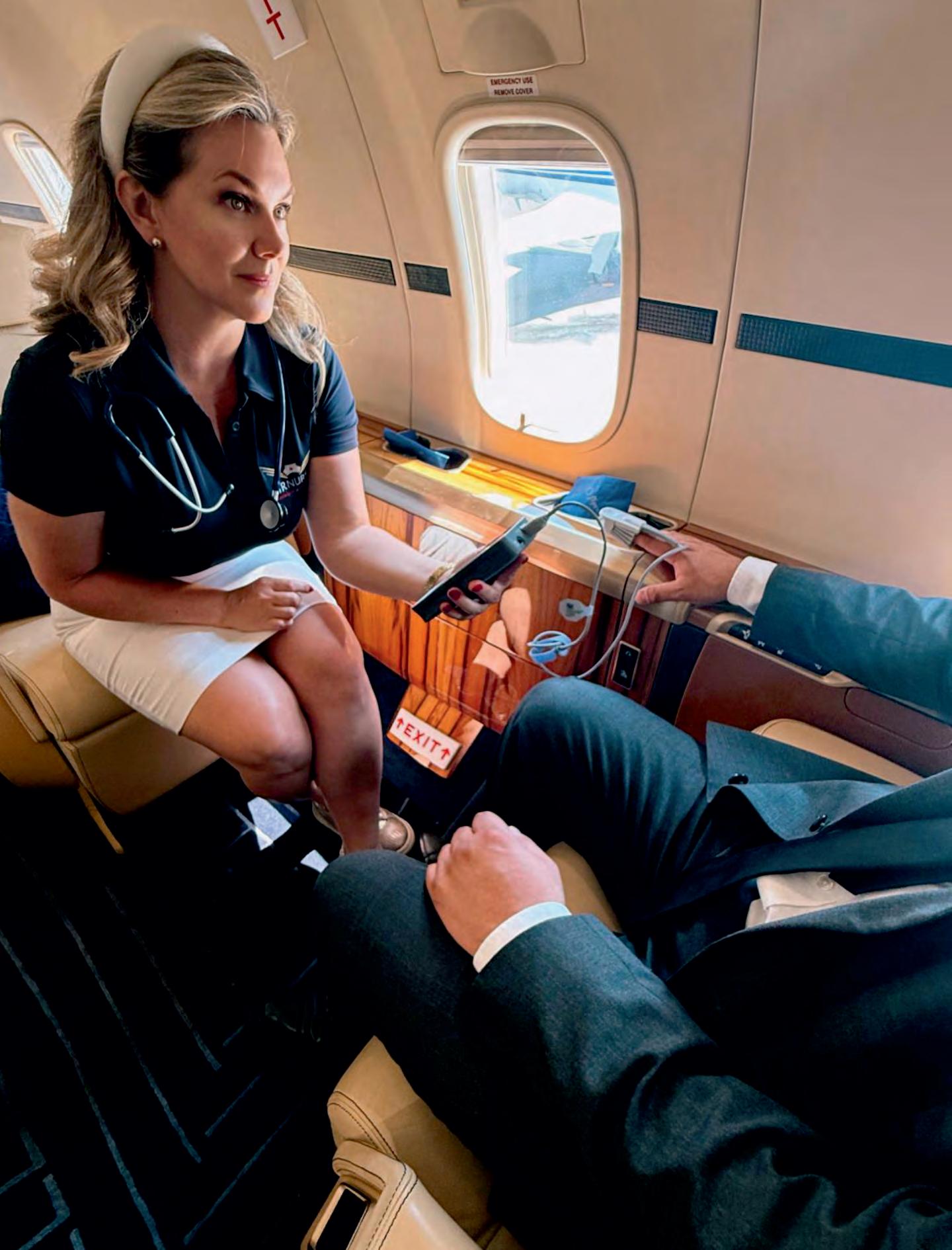
Air Nurses bridges the gap by combining the clinical expertise of board-certified flight nurses with the comfort, privacy, and flexibility of private aviation. Ericka's model provides clients with highly experienced medical professionals in a tailored environment, allowing them to travel safely and comfortably on their own terms. “Air Nurses represents my belief that healthcare should adapt to patients, not force patients to adapt to healthcare,” she explains.
Ericka's leadership philosophy was shaped at home and throughout her career. “Watching my mother - a nurse who became a Chief Nursing Officer - taught me that leadership is not about titles or authority. It's about serving others, building trust, and doing the right thing, even when no one's watching,” she affirms.
Working as a flight nurse taught her that leadership reveals itself in uncertainty. “In critical care transport, there's no time for ego, only quick decisions, clear communication, and essential trust. Those experiences taught me to remain calm under pressure and focus on solutions,” Ericka explains.
As a healthcare executive, she learned that a culture built on trust, accountability, and shared excellence drives outcomes, while leadership means fostering support and
empowerment. Disaster response, including Hurricane Harvey, reinforced the value of servant leadership. “People don't need perfect leaders in a crisis. They need leaders who are present, decisive, and willing to stand beside them,” she insists.
At her core, Ericka simply cares about people, and caring for others, whether patient, family, colleague, or organization, brings her the deepest fulfillment. “It makes me happy, and is simply the right thing to do. Today, I lead with transparency, humility, accountability, and a willingness to work alongside my team. Healthcare is ultimately about people, and I never want to lose sight of that,” she declares.
When Ericka first envisionedAir Nurses, no category existed for advanced nursing care integrated into private travel. Building a new model was both challenging and rewarding. People understood air ambulances and private aviation, but few saw this need. The first challenge was validating the problem. The second was helping others recognize the opportunity.
Drawing on her background in healthcare leadership, operations, and air medical transport, Ericka built a clinically sound, scalable model aligned with modern travelers' expectations.After speaking with patients,

families, aviation professionals, and healthcare partners, she discovered that people want personalized, accessible, integrated care - not fragmentation. They want continuity.
“Air Nurses was built on that principle. Every step of our growth has been guided by the belief that healthcare should travel with the patient, not end when they leave a facility,” Ericka states. “More importantly, innovation is rarely about creating something new, but seeing an unmet need clearly enough to build a better solution.”
Ericka is constantly balancing immediate needs with longterm vision. Her instinct is to focus on those they serve, which drew her to nursing. But as CEO, she also thinks strategically about the future. “Some days I speak with families navigating complex travel situations; other days I
spend on partnerships, operations, business development, or growth planning,” she shares. “The key is knowing when to work in the business versus on the business.”
Ericka has learned to build a strong team and trust those around her. “No meaningful organization is built by one person. Success comes from surrounding yourself with talented people who share your values and empowering them to lead. Growth is not the goal itself, but what allows us to help more people,” she reflects, a perspective that keeps her focused on what matters most.
Ericka's biggest challenge was building awareness for a service that didn't exist. People knew air ambulances, private aviation, and medical escorts, but few considered advanced nursing care integrated into private travel. She
spent much of her time educating others that many travelers need more support than standard options, without an air ambulance.
She overcame this through relationship-building and a commitment to elevating care options.As more people experienced the service, awareness grew. What kept her moving forward was remembering why she startedAir Nurses - as a service she wished had existed for her own grandmother. “If we focus on exceptional care, treating people with dignity, and supporting families as we would want our own supported, the rest tends to fall into place,” she says.
Ericka's most rewarding milestone was seeingAir Nurses become a reality and make a meaningful difference in
people's lives. She believed there was a better way to support medical travelers, even with the uncertainty of building something entirely new. “Seeing families place their trust in us during stressful, vulnerable times validated everything we worked to create,” she says.
What makes her most proud is not a business achievement, but helping people travel safely, comfortably, and with dignity. “Every time a client or family member saysAir Nurses gave them peace of mind or a journey they otherwise wouldn't have taken, it reinforces why the company exists. That will always be my most meaningful measure of success,” she insists.
For Ericka, work-life balance ebbs and flows. Sometimes the business requires more attention; other times, she

focuses on herself, family, and the people around her. “The key is recognizing what's needed in that moment and being intentional with my time and energy,” she says.
Healthcare is a people business - caring for clients, families, teams, and oneself. Some days that means working hard; other days, stepping away to recharge.Air Nurses never truly shuts down, so Ericka has learned that to care for others, you must first care for yourself.
“It's not about achieving perfect balance, but making sure the people who depend on me - at home, within my team, or among our clients - know they're valued and supported,” she insists.
Ericka hopesAir Nurses brings personalized, compassionate care and peace of mind to patients and families navigating major life transitions, medical challenges, or travel needs. “Travel is stressful enough without health concerns. If we can help people travel safely, comfortably, and with dignity, while giving families confidence that they're supported, we're making a meaningful impact,” she remarks.
Air Nurses aims to demonstrate that healthcare need not fit traditional models. “Every patient is different, and the best care plans adapt to the individual - not the other way around,” Ericka says. “At its core,Air Nurses was built on a simple belief - people deserve options. I hope to continue expanding those options and helping more people access the care and support they need, wherever life takes them.”
Ericka predicts healthcare will become more personalized, accessible, and focused on individual needs. While systems and facilities matter, patients now want flexibility, better communication, and care that fits their lives - not the other way around.Air Nurses has shown that healthcare can be highly personalized, adaptable, and centered on the individual.
“Not everyone needs the same solution. Patients deserve options that reflect their unique circumstances. If I can inspire future leaders to think differently, challenge traditional models, and focus first on what patients truly need, I'll feel I've made a meaningful contribution to the next generation,” she says.
Ericka's advice to aspiring healthcare leaders is to never lose sight of the fact that healthcare is about people. “Complexity makes it easy to become focused on processes, metrics, technology, and systems. But every decision ultimately impacts a person, a family, or a community. The patient must remain at the center of everything we do,” she insists.
Ericka notes that innovation is never a solo effort. The strongest organizations are built by teams with shared purpose and commitment to serving others. Disagreements will happen, but shared values keep everyone moving in the same direction. “Don't fear challenging the status quo. The greatest opportunities often lie in problems accepted as 'the way things are.' Stay focused on improving lives and care for your team. Meaningful innovation will follow,” she recommends.
Ericka predicts the biggest shifts will be toward personalized care and wellness prevention.As patients become more engaged, they'll need trusted professionals to help them stay healthy, identify issues early, and create tailored care plans - no more one-size-fits-all. Healthcare will also become more accessible and integrated into everyday life.
Patients want services that are convenient, flexible, and designed around their lifestyles, not traditional models. Technology will play an important role, but the biggest change is a shift in mindset. “The future of healthcare is not just about treating illness. It's about helping people live
healthier lives, preventing problems before they occur, and creating personalized experiences across the entire continuum of care,” she observes.
Ericka's primary focus is not on her legacy, but on helping people - families who need support, patients who deserve options, and healthcare professionals who dedicate their lives to caring for others. “If I leave anything behind, it's that healthcare should never lose its humanity. We can innovate, embrace new technologies, and build better systems, but at the end of the day, healthcare is still people caring for people,” she states.
Ericka's hope is forAir Nurses to demonstrate the value of treating every person as an individual and creating solutions that meet them where they are. “If future leaders build more compassionate, personalized systems focused on the needs of those they serve, I'll consider that a meaningful contribution,” she says. “More than anything, I hope I'm remembered as someone who genuinely cared and worked to make things a little better for the people who needed help and those who care for them.”
Conclusion
Legacy is not about growth or metrics for Ericka Essington. It's about whether a patient felt safer, a family felt supported, or someone received the care they needed when they needed it most. It means building a model where healthcare never loses its humanity - where she and her team never have to say “No” when someone needs them. That's the mark she hopes to leave - people caring for people, one journey at a time.




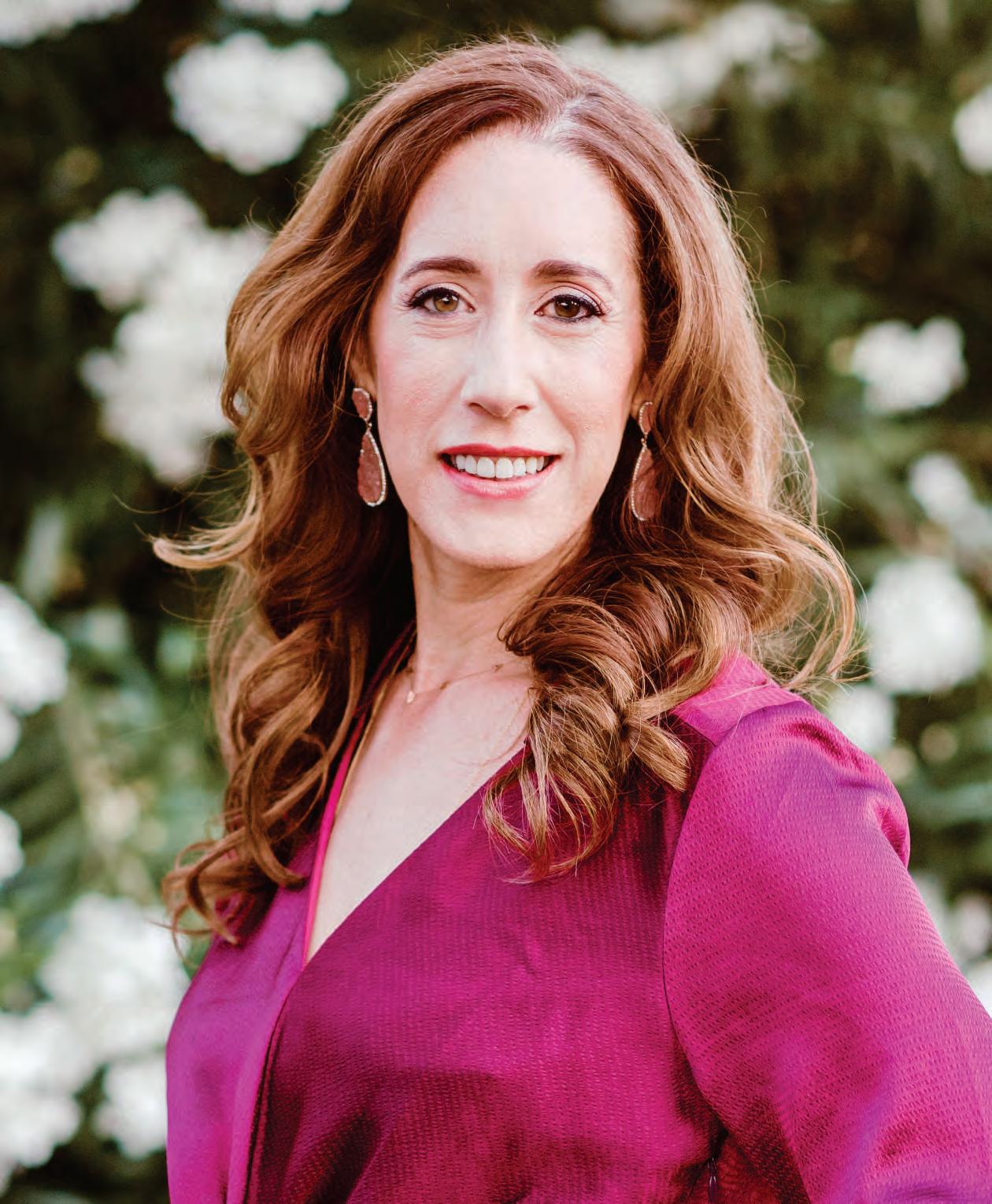
Chanie Gluck, the CEO of 4D Global is a growthoriented entrepreneur and healthcare leader who comes from a family of entrepreneurs and considers herself to be blessed for the same. She comes from a family of entrepeners and has been watching her family members grow their businesses since she was a child. Her father entered entrepreneurship at a later point in his life when Chanie was a teenager.
“I was able to observe the difference between entrepeners that own a job and those that create a scaleable business. I decided to create a scalable organization,” Chanie states. She had the idea to start her billing company at age 18. She entered the healthcare industry as her first job by joining a medical practice in Brooklyn, NY as a medical billing specialist directly after high school.At the age of 24, she started her own healthcare billing and coding business.
Abrief about 4D Global and Chanie's leadership
4D Global is an Indian-based medical billing staffing company servicing U.S. medical billing companies, healthcare software companies, hospitals and medical centers. They help Healthcare Companies scale their business easily and increase profitability by leveraging a global workforce. They apply their medical billing expertise and exceed clients' expectations in delivery, performance, and accuracy. Chanie launched 4D in 2015 and since then the business has grown tremendously. Today, she has over 400 full-time employees.
“I vowed to treat her staff with respect, we would focus on company culture and make it a happy and enjoyable place to work. We would celebrate birthdays, weddings, births, and holidays,” she notes. Chanie aims for 4D Global to be the place where Indians will want to work; the good ones will
stay and advance within the company, and they provide great opportunities for growth and advancement. Chanie proudly states that they have been able to do all of that and more.
Roadblocks help you learn valuable lessons to grow and become successful
Chanie's definition of success is having the confidence, freedom, and capability to make decisions independent of what others are saying and doing. Her success and the success of her team are determined by her ability to trust herself and empower her team to make the best decisions that are rooted in the company's core values.
She also believes that it is not the challenge itself that makes you stronger. “I've learned that my response to those challenges - how clearly I think, how composed I am when I respond and being able to see the glass half full - is what is




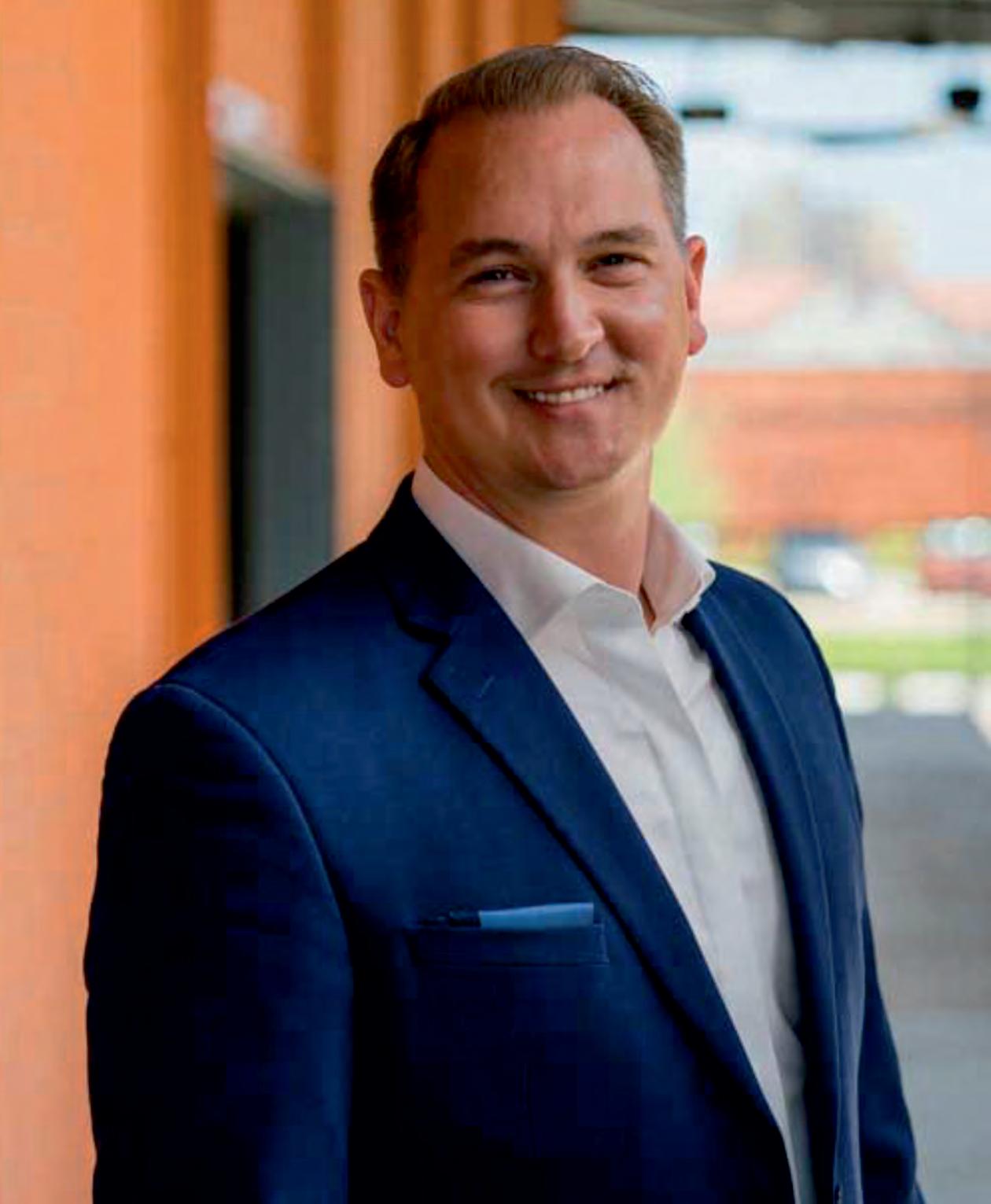
Medical error is the third leading cause of patient death, and in 1997, at the tender age of 13, Russell J. Unrath's young life was abruptly, and tragically, impacted by that statistic, when his mother passed away from a series of complications that could have, and should have, been prevented.
For Russell, his personal tragedy became the driving force to become part of a Health Care Organization that that was willing to take risks, be on the cutting edge of technology, and disrupt the future of medical simulation in a positive way.
The crucial importance of medical simulation in training medical professionals
Russell started his career at Genzyme Genetics, a pharmaceutical company involved in cancer research, where he watched researchers and developers create products, sparking his interest in lifelong learning.
His journey to health care was not a straight path, and before he joined MedCognition, his biggest achievement was helping create efficiencies in a hospital system network, where he managed to help the hospital go from the verge of bankruptcy to thriving expansion.
As the CEO of MedCognition, Inc., his aim is to create change in healthcare by lowering the barriers of access to medical simulation through leveraging cutting-edge technology. Medical simulation is a highly valuable tool for preparing healthcare professionals and first responders in dealing with low frequency, high stakes life-threatening medical conditions.
Realism, cost, and portability are the three most common barriers to greater use of simulation, and MedCognition's aim is to transform medical simulation training by creating an intuitive clinical experience.
MedCognition's PerSim® holographic patient simulation system is the brainchild of a physician and 101stAirborne surgeon, Kevin King, a brigade surgeon in the field in Iraq, who had to use plastic mannequins that were not training his students the right way.
PerSim® was created by leveraging the experience of seasoned clinicians, educators, and computer scientists. “I absolutely believe that MedCognition's training product, PerSim®, will shape the future of outof-hospital professionals,” states Russell.
Since the COVID crisis, the use of medical simulation has grown as a tool to help bridge the gap in workforce preparedness, and Augmented Reality will be key to solving the problem of medical training.
“The more immersive we can become, the more engaged in an augmented world, where it's safe to train, yet safe but hurts to fail, is the
way we've been able to use this disruptive technology,” says Russell. “There are a lot of organizations that offer virtual reality, which is very static. So we're looking at advancement, and augmented reality is still cutting edge.”
PerSim® allows medical professionals the experience of seeing a sim patient experiencing real-world problems and pain in real-time, by simulating these clinical states as they happen and change dynamically.
Delivering dynamic realism in medical simulation with an immersive experience
Russell confirms that the risk of stepping into a disruptive industry like medical simulation training is definitely a balancing act, because MedCognition is fighting battles on several fronts, when it comes to traditional simulation training.
He admits that the risk and the challenge is really about how to position PerSim® to be seen as a standard and common training practice.
“MedCognition is butting up against larger organizations that have been in the simulation industry for decades, and everyone knows who they are. So our big risk is, nobody really knows who we are, despite having 72 customers across the U.S., and doubling our customer base in 2021,” notes Russell. “We're just the underdog at this point, and we'd like to flip the script in that story.”
Russell points out that MedCognition's product truly creates decision-makers, and that when medical practitioners see a product that can help them train in an immersive environment, that allows their mind to understand the logistics and mechanics of what's happening, and helps them become decisionmakers, not box checkers, they get
really excited about it. He explains that while a plastic mannequin is not going to show you what a sick patient looks like, an augmented reality hologram absolutely shows you what a sick patient looks like, and it allows for that cognitive pathway to be opened up to see, for example, that a patient is having a respiratory issue.
“Now the instructor and the student can go on these Choose Your Own Adventure multiple paths to determine the best course of treatment, and that again, creates a decision-maker, not a box checker, and that's really been disrupting the industry so much that the instructors who see our tool say, 'Wow, PerSim® creates the ability to be immersed in a scenario!,” explains Russell.
While MedCognition's target customers are hospital professionals, they're also seeing a great wake of enthusiasm from community colleges with paramedical and nursing programs, and Municipal EMS organizations that see the value of immersive training.
“We have the ability to manipulate the system based on the complexity of the educator involved, building the scenarios to make this apply for inhospital professionals,” notes Russell.
For medical schools, MedCognition is developing remote instructor capabilities. They also have projects with the government, and hope to go from 75 to over 500 customers, and build Global Partnerships, in the next two to five years.
Russell firmly believes that in the near future, MedCognition will be the standard in frontline medical training. “You can absolutely mark my words on that as well. We're going to completely disrupt mannequin simulation,” he affirms.
Eclipsing the competition with a grassroots approach to outreach
Russell points out that MedCognition is slowly starting to eclipse their competition, with a grassroots approach to reaching out to customers. They've given all their customers an opportunity to receive education and external grants, to provide them better access to simulation training.
They also ran a series of trade shows, webinars, and courses in SanAntonio, where they provide deep dive training to help their customers understand the benefits of simulation, versus the traditional methods they're used to.
Russell explains that, in order to reduce that sunken cost bias, they need people to reach out and touch and play with their product. So they provide free trainings, such as demoin-a-box software, and ship units out to customers who are very used to plastic mannequins.
“Our product can be used in tandem with high-fidelity mannequins, and extend the capital or operating expense budget of small EMS institution, or a large one for that matter,” says Russell, explaining that they offer to create a high-fidelity mannequin for their customers, that will save them money over time, even while spending money with their system.
He notes that when medical professionals see a patient is really struggling, and then get that hologram, and see them go from a position of struggle, to a position of recovery, it helps them overcome some of the competition, and disrupt the industry as well.
“What really motivates us is providing an experience that our educators and students can't get anywhere else aside from a sim, and we do share that common vision and common goal,” says Russell.
Adapting to an evolving vision of leadership
Russell explains that in the early stages of his career, he believed that leadership was about always having a confident answer, telling people what they needed to know, what they needed to do, and when and how to do it.
However, of late, it has become a collaborative engagement of finding ways to support his employees, and asking questions like: What else can I help you with? How can we get you educated? What tools can I provide for you? What can I learn as a leader, so that I'm enabling and empowering my team to produce the best possible work?
“So it's definitely evolved over the years, especially since joining MedCognition. We've shifted our culture to make sure that our employees have the appropriate worklife balance, and that their mental health is well cared for,” notes Russell.
He explains that they have programs that help them produce good work, and interact and engage with their customers, who absolutely need advocates and cheerleaders and friends, not just a company that's providing a service for them.
“When I joined as CEO, I knew that the company needed a fresh perspective, not from a medical perspective, but a business executive who could look strategically, and say, here are the things we need to change, and here's the order we should change them in. Now almost two years later, we're functioning as a well-oiled machine,” he observes.
Russell admits that employee mental health and wellness has always been very personal for him, as he believes that having an appropriate personal life balance creates a good working

individual.As a result, the company implemented more flexible policies during the pandemic, but kept the static work location.
Under his leadership, MedCognition also implemented 401K investment programs, wellness programs, and tools for the team to reach out to mental health and wellness counselors, and stay connected in a remote environment.
“I think our team talks more now, when we're in scattered across five different states, than we did when our team was based in SanAntonio,” notes Russell. He points out that they have a very light atmosphere which is hard to maintain with remote employees. They do weekly events over Zoom or Teams that keep the team motivated by allowing them to feel like they're all in this shared journey, and that, at the end of the day, work is not everything.
Russell points out that leadership is simply about being willing to learn on a daily basis, and that his goal is about what new information he can learn each day that will benefit his employees and customers, and as a byproduct, benefit him as well. For him, success is building up the individuals in his immediate circles,
creating sincere connections with those around him, and enabling others to succeed.
Russell believes that taking an organization like MedCognition from where it is to where he wants it to be, requires sacrifice, and he considers himself fortunate to have a wife who understands his driving passion, and supports him unwaveringly.
“Without her, I would not be in the position I'm in. I think our organization wouldn't even be in the position we're in right now, because I have a pillar of support, who also works full-time, by the way, but takes the burden with our ten year old twins, and our two year old Golden Retriever, so that I can pour myself into my work, to be the best for my employees, customers, board of directors, and create new road maps, new visions, a new subset of products, new line of questioning, so that we can truly continue to learn each day,” he concludes.
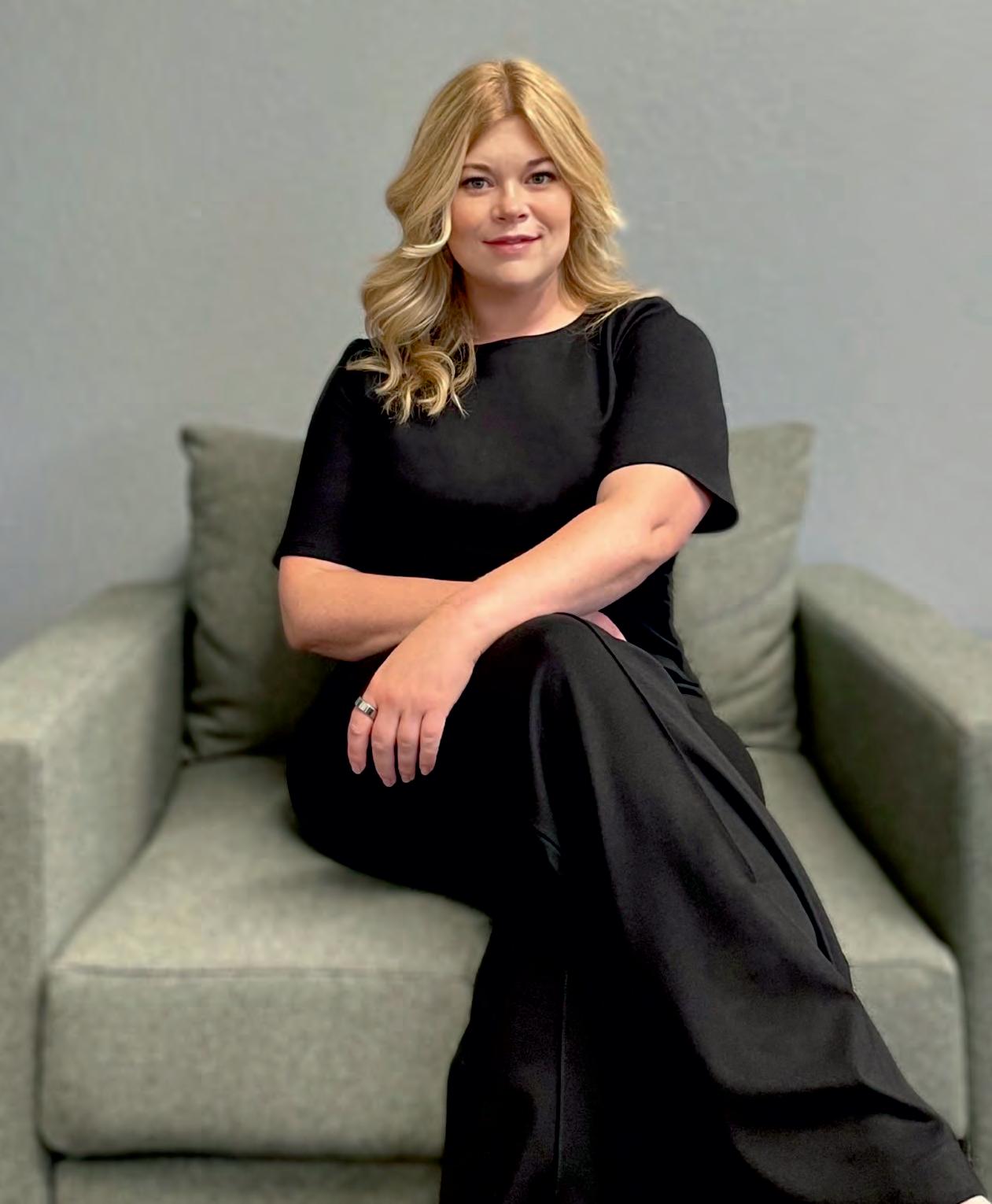
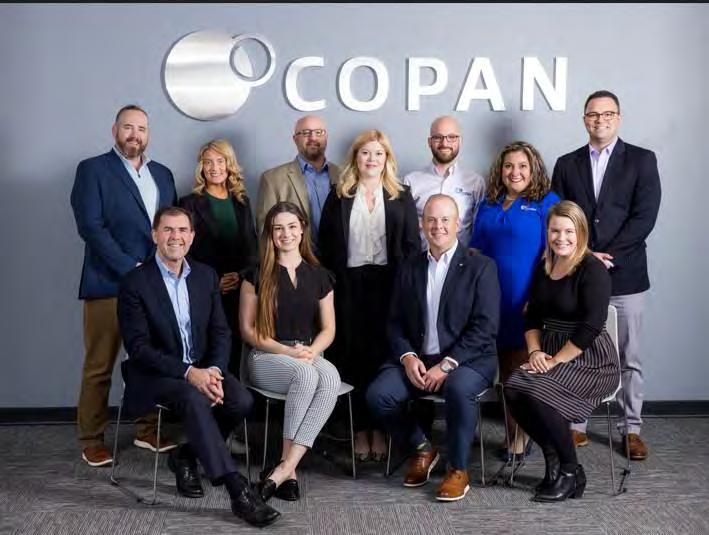
With a demonstrated history of success in the medical device industry Jaimie Augustine serves as Vice President of Sales at COPAN Diagnostics a leading manufacturer of Microbiology and Virology sample collection and transport systems.
Currently, Jaimie leads a group of six sales managers who manage business development of COPAN's sample collection and transport as well as laboratory automation in the hospital sector.Additionally, she oversees commercial relationships for COPAN's distributors and assay producers. Solution development and visits with end users who require assistance traversing the portfolio to locate the right product for their application are among Jaimie's everyday activities.
Jaimie enjoys her job since every day is unique. One day she may be participating in the development of a new sample collection kit to address
the market's shifting expectations, the next she is in Europe meeting with business partners to discuss collaboration and strategy.
Jaimie enjoys her job since every day is unique. One day she may be participating in the development of a new sample collection kit to address the market's shifting expectations, the next she is in Europe meeting with business partners to discuss collaboration and strategy.
Jaimie's career consists of two phases. Prior to joining COPAN Diagnostics, Jaimie earned her BAfrom Point Loma Nazarene University with a specialty in premedical studies and philosophy. She went on to spend nearly six years managing a clinical research program for a neuroendocrine clinic. The second portion of her career began when she
entered industry 11 years ago, and this is where she believes she will stay.
Early in 2020, in response to the COVID-19 pandemic, technology giantApple announced that it was awarding COPAN Diagnostics $10 million from itsAdvanced Manufacturing Fund. The funds and partnership withApple would support the rapid acceleration of manufacturing of sample collection kits for hospitals across the United States.
The relationship withApple helped COPAN to open a new facility, supply the market with needed supplies and open new jobs in Southern California.
Since 2021, Jaimie has also been working with assay manufacturers supporting home-based diagnostic testing for common ailments. She believes the future of diagnostics will continue to move more into the hands of the patient, and says it is exciting





Read some awesome inspiring insights from the experts of the business worlds!
JOURNEY OF