

Visionaries in education today, like leaders before them, have an innovative approach to achieve
greater possibilities. Visionaries work outside the classroom walls to impact the economy, industry and society as a whole. Visionaries prepare students for future experiences and build pathways to the future experience by using innovation as their vehicle of delivery. Visionaries understand that education does not exist in a static environment; rather it is in a living environment that evolves with technology,culturalchangesandworldwideneeds.Visionariesusetheirabilitytobuildresilience,develop creativity and instill a strong sense of character to positively impact the world as an educational leader. Visionaries identify ways to align their purpose and progress so that the educational experience remains transformative and relevant.Visionaries are the architects of opportunity and build bridges of action using knowledge.Indoingso,VisionaryLeadersdemonstratetrueeducationalleadershipcanbemeasuredbythe institutional accomplishments and the number of generations of individuals who were inspired to change theworld.
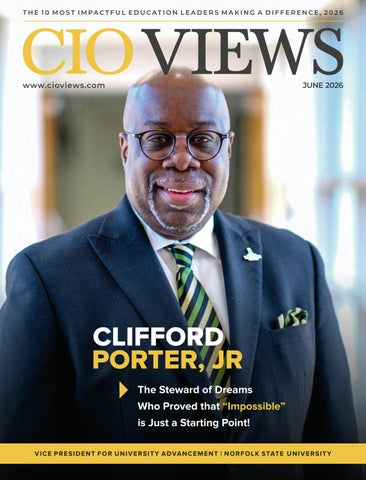
AtCIOViews,wehonortheseempoweringleadersbydedicatingthisissuetitled“The10MostImpactful Education Leaders Making a Difference, 2026” to them. Featuring as the cover story, we have covered thesuccessful&motivatingjourneyCliffordPorter,Jr.,VicePresidentforUniversityAdvancementat Norfolk State University. We have also included the inspiring stories of Kala Philip, CEO of BSI Learning; Dr. Jaimis Rebecca Ulrich, Associate Director of Professional Development at International Institute of Municipal Clerks; Cathy Peng, CEO of ROCS Global; Dr. Mary Landon Darden, Founder and PresidentofHigherEducationInnovationLLC;AndrewEunson,DeputyCEOofKing'sCollege;Dr.Barry Ryan, President ofWoodbury University; Ross Romano, Founder and CEO of September Strategies LLC; Hakim J. Lucas, President and CEO of Virginia Union University; and Peter Goetz, Founder and CEO of WesternAtlanticUniversitySchoolofMedicine.
CIOViews is a business magazine that mainly focuses on business leaders, their journey, views on current economic states, and all other relevant subjects that refer to the business world. Our goal is to be a leading sourceofinformationdedicatedtoprovidingourreaderswithdetailedperspectivesandviewsofsuccessful business leaders who are transforming the business outlook and redefining their goals. With exclusive editionsonvariousindustrieslikesoftware,education,healthcare,technology,realestate,andmanymore, CIOViewsisdriventopromoteexcellenceintheworldofbusiness.
Happy Reading!
EDITORIAL QUERIES
editor@cioviews.com
Send comments and suggestions to info@cioviews.com
JOIN THE COMMUNITY
/cioviews
PHOTOCOPY POLICY
No written permission is necessary to make up to 25 photocopies of one CIO Views article as long as they are for local organizational use only. At the end of each article or item, add the words: Originally published in (volume/year) issue of CIO Views, copyright 2026 CIO Views. Reprinted/Used with permission. If you would like to reproduce more than what’s described above or if your copies aren’t for local organization use, send your request to info@cioviews.com.

“THE
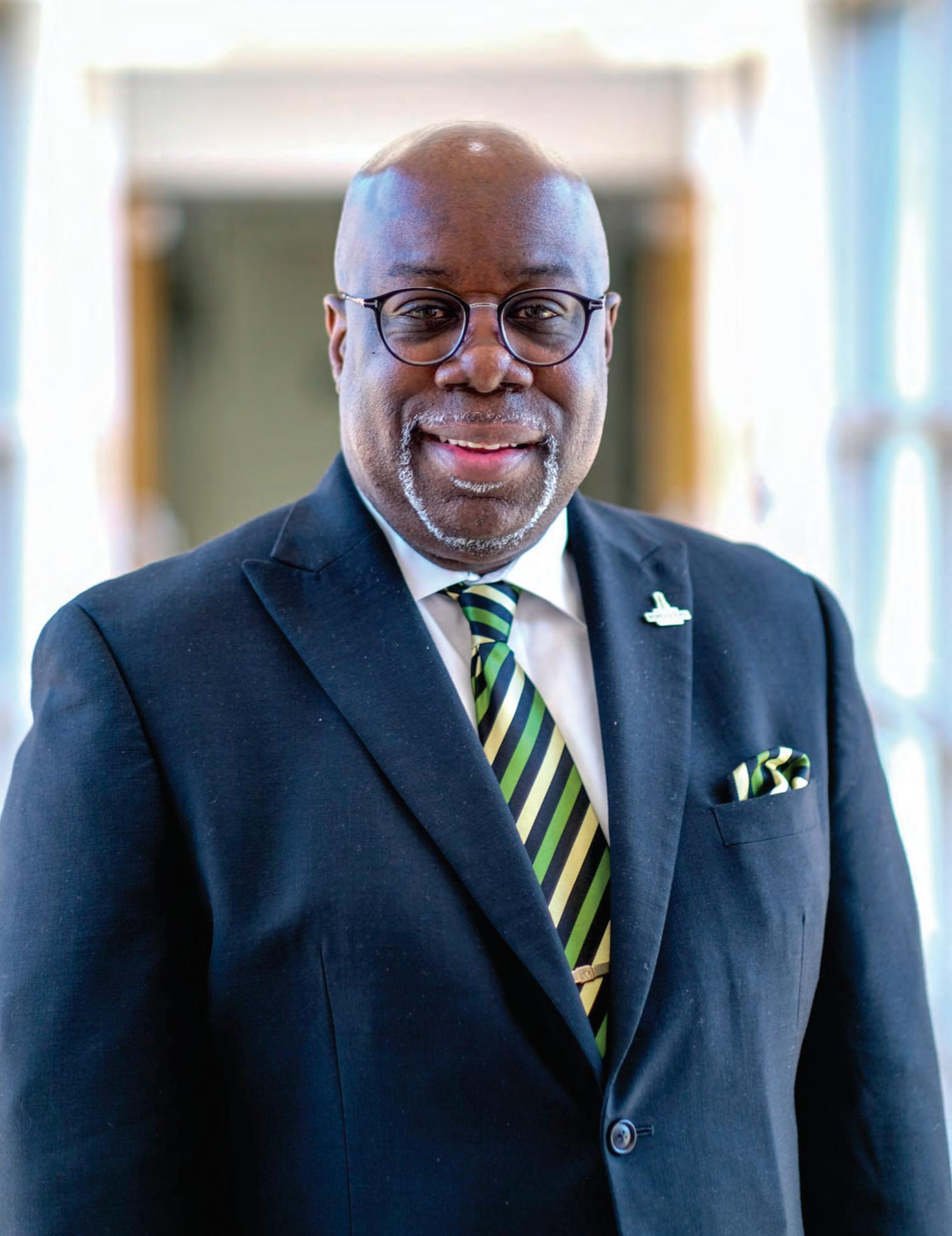
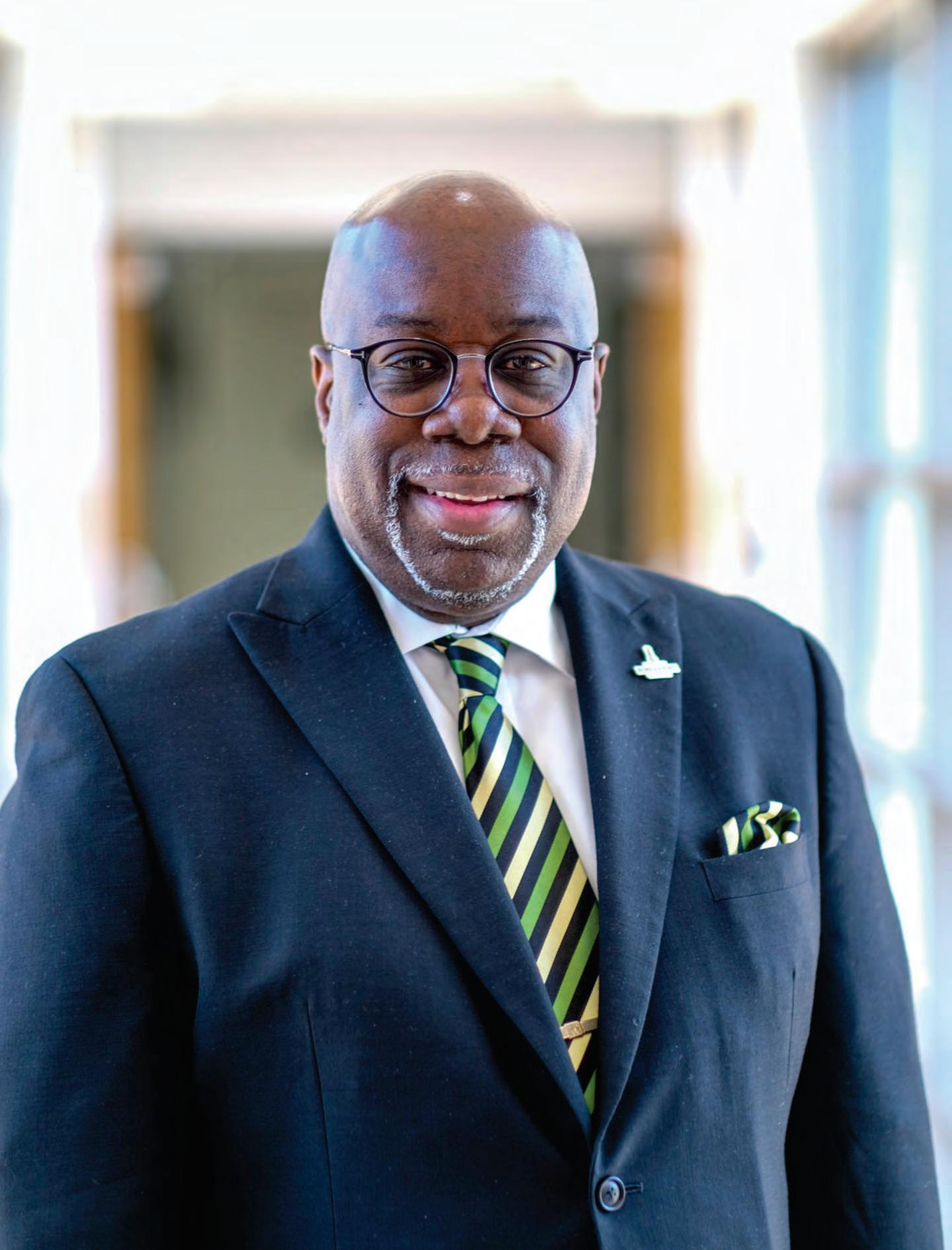
10. Clifford Porter, Jr.


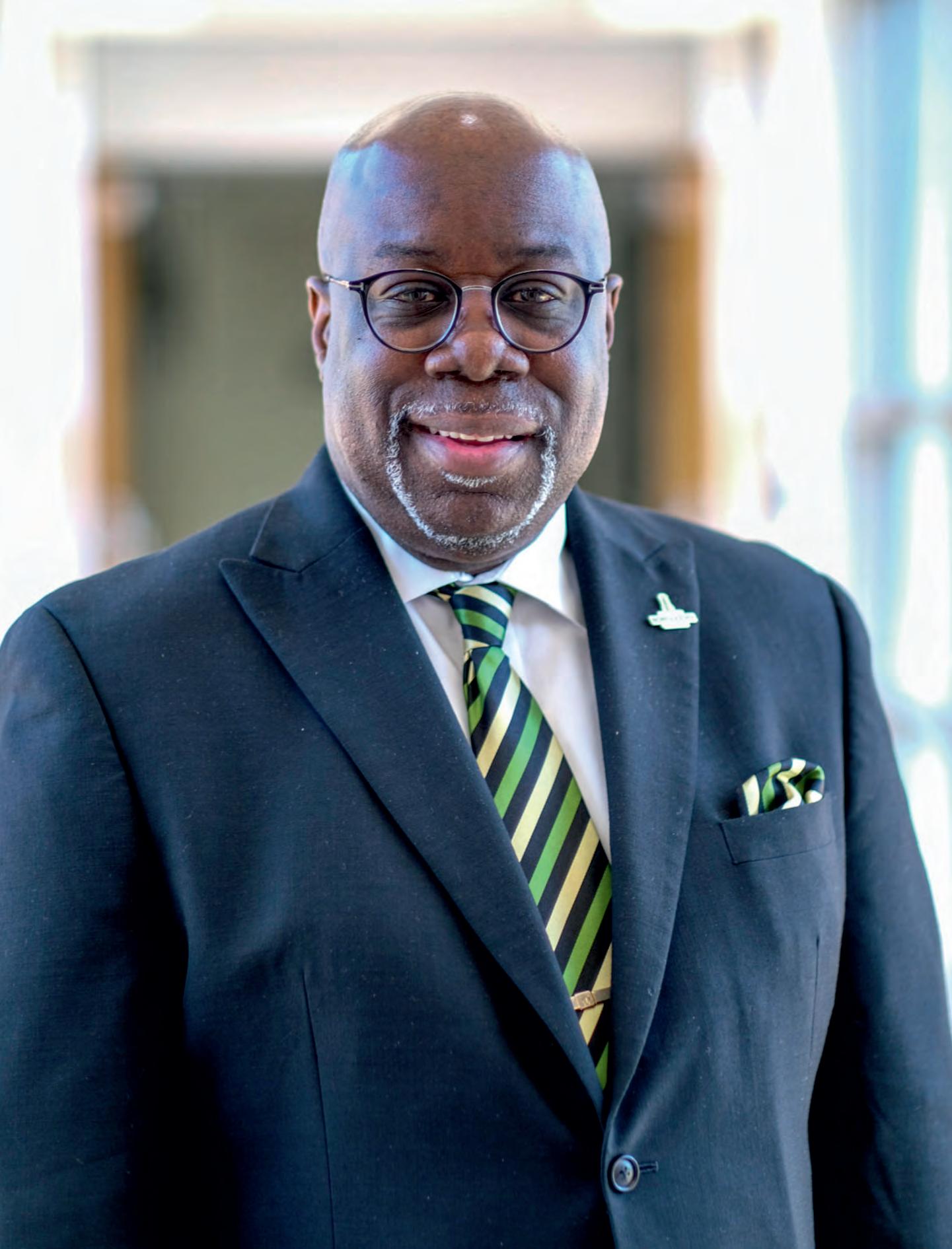

Who Proved that “Impossible” is Just a Starting Point!
EDUCATION AS THE FAMILY’S “TRUE NORTH”
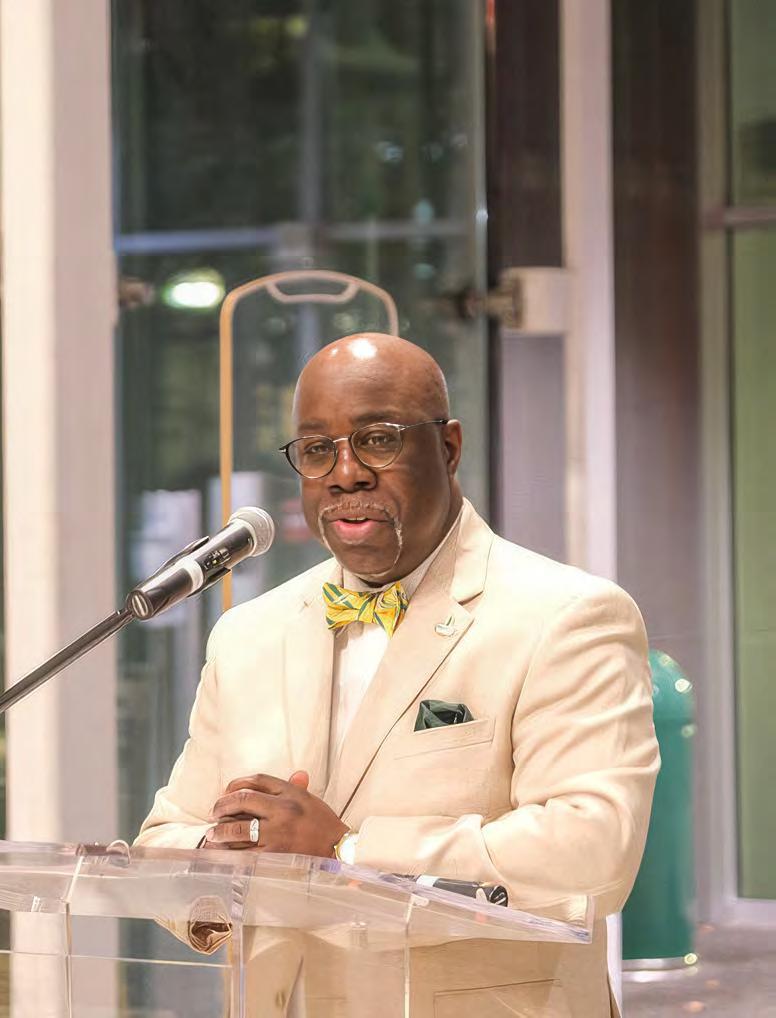
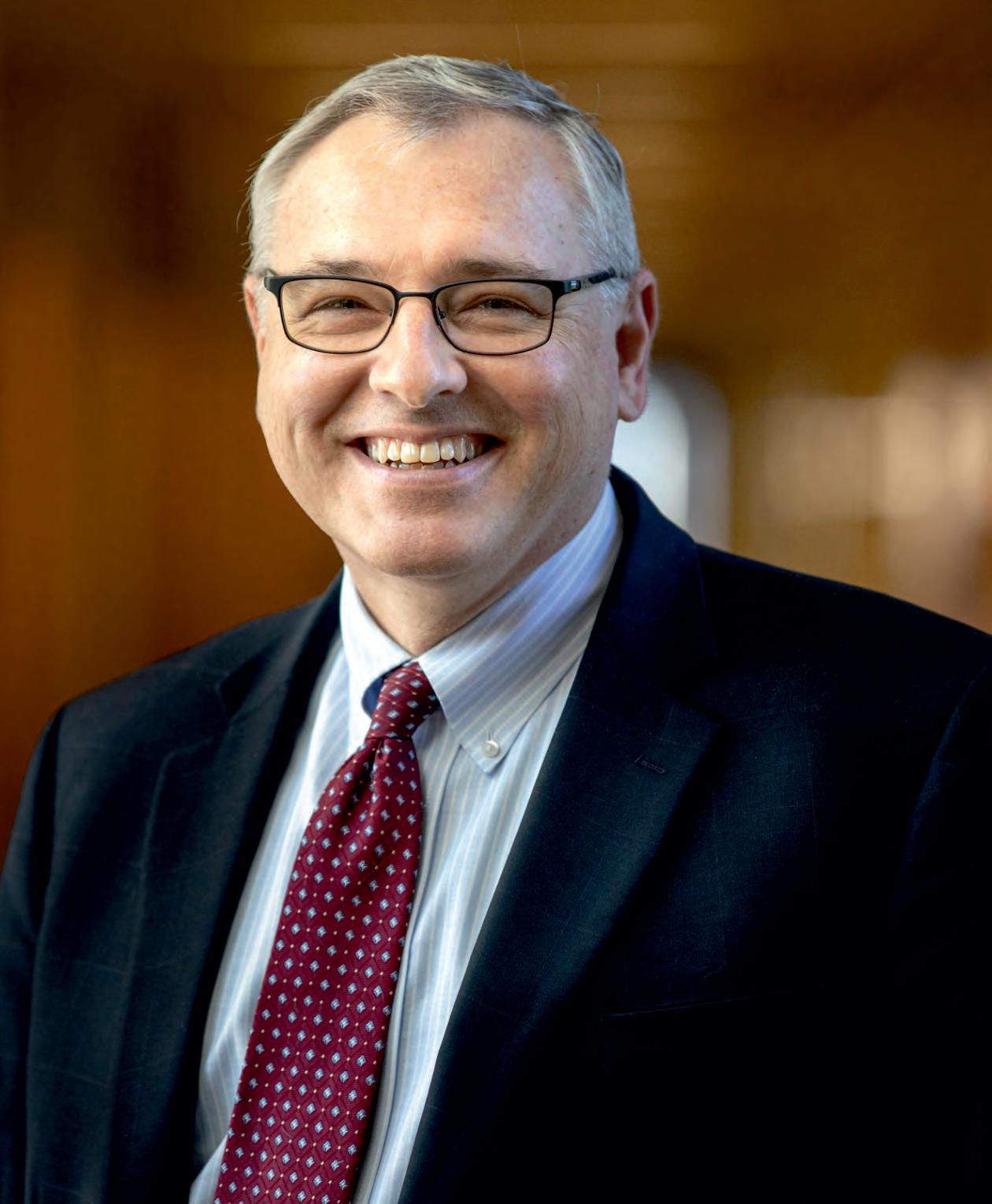
Throughout his advancement career, Clifford has secured over $200 million by mastering alumni engagement, legislative activity, and community support. He builds the critical external partnerships and internal systems necessary for institutional advancement. His background spans foundation management, coaching, and program development. He excels in solicitation, presentation delivery, and team leadership while overseeing complex institutional development and orientation initiatives. Since July 2020, Clifford has served as the Vice President for UniversityAdvancement at Norfolk State University (NSU).
THE
He doesn't work within precedent. He creates it.
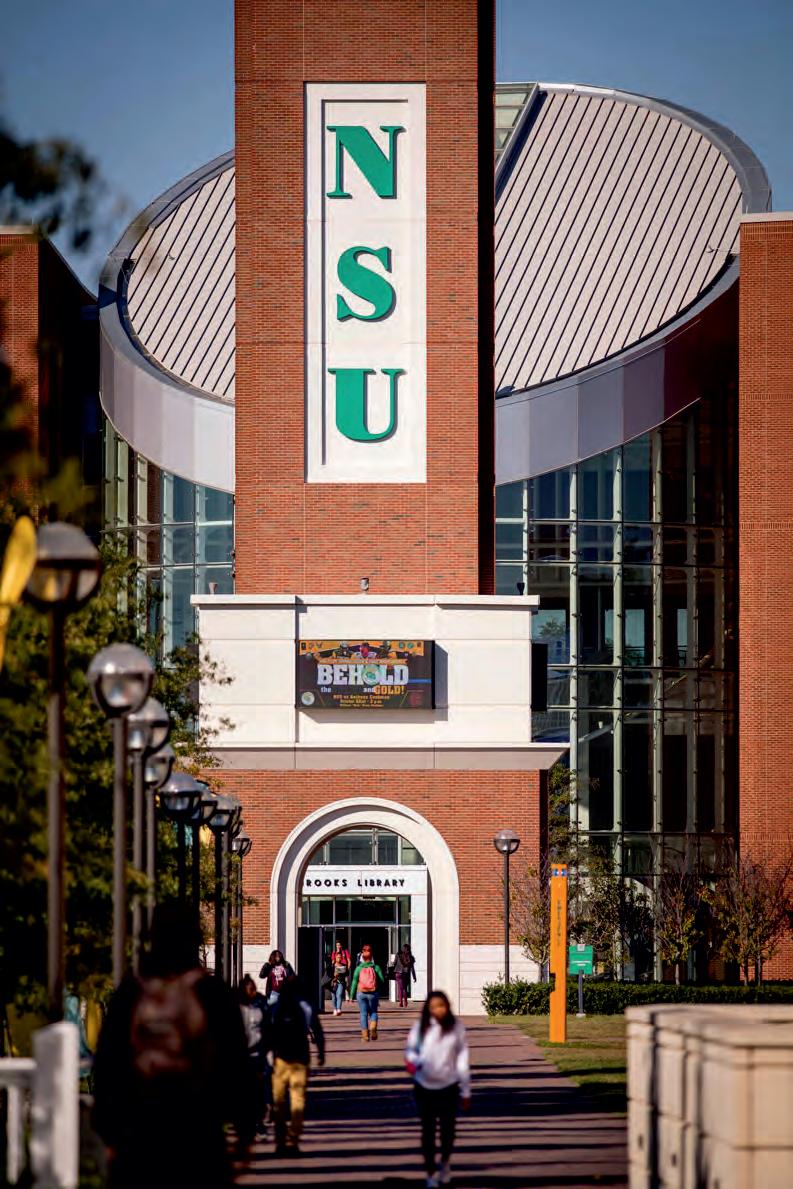
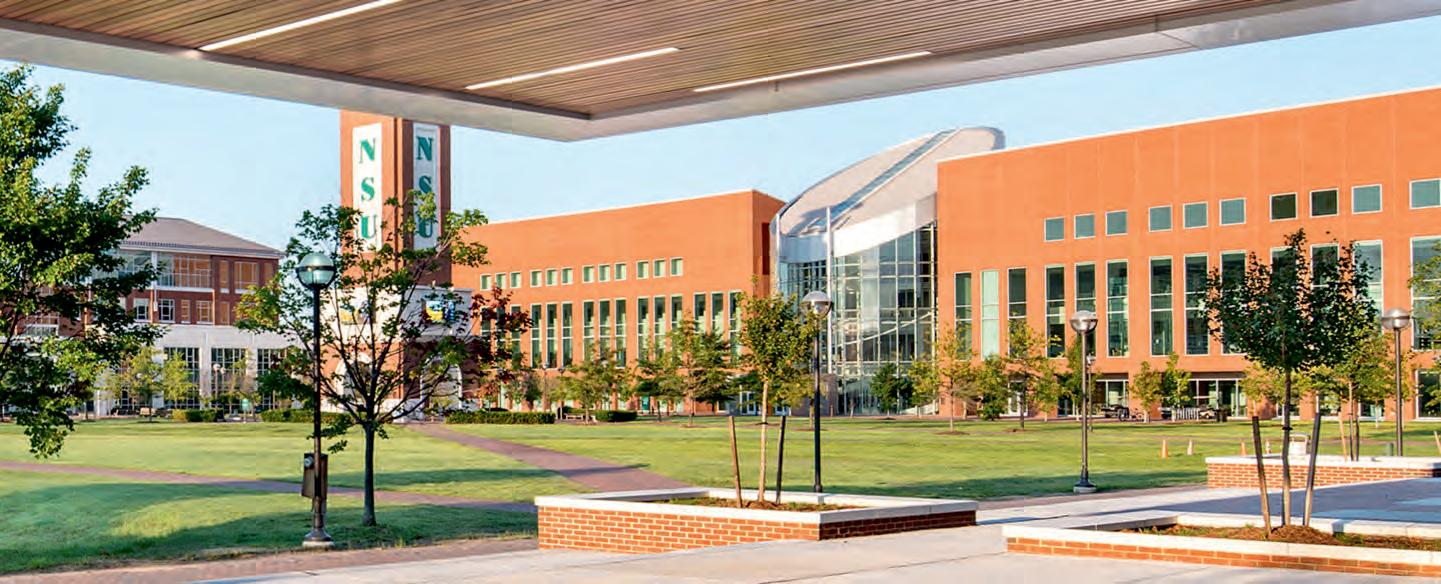
Norfolk State University:ABrief Overview
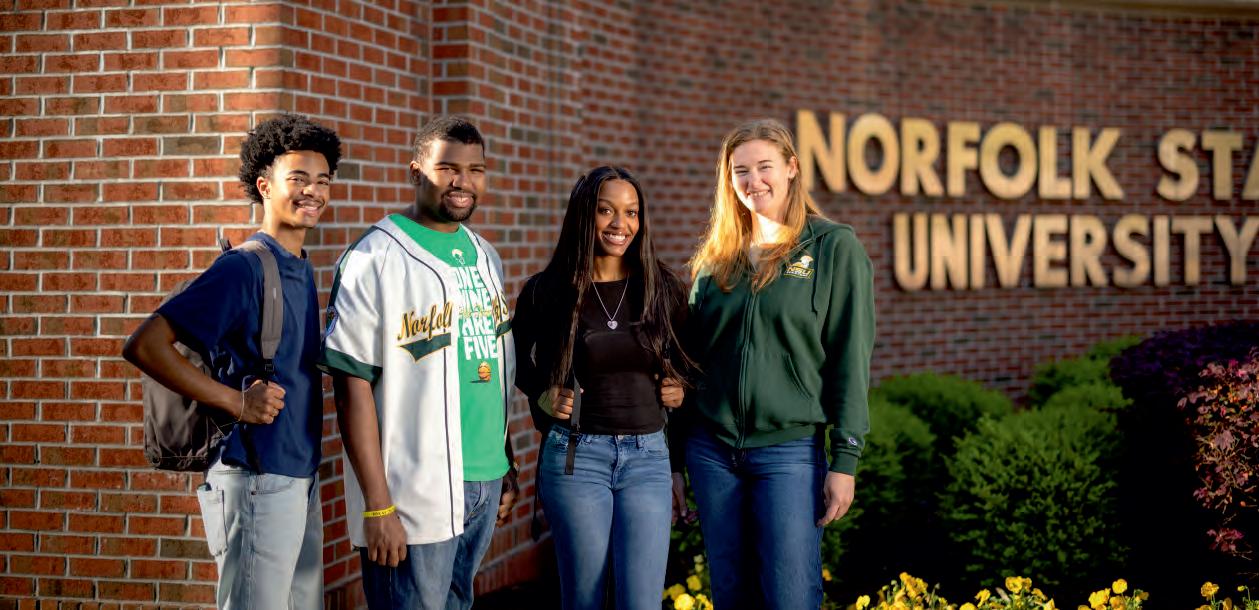
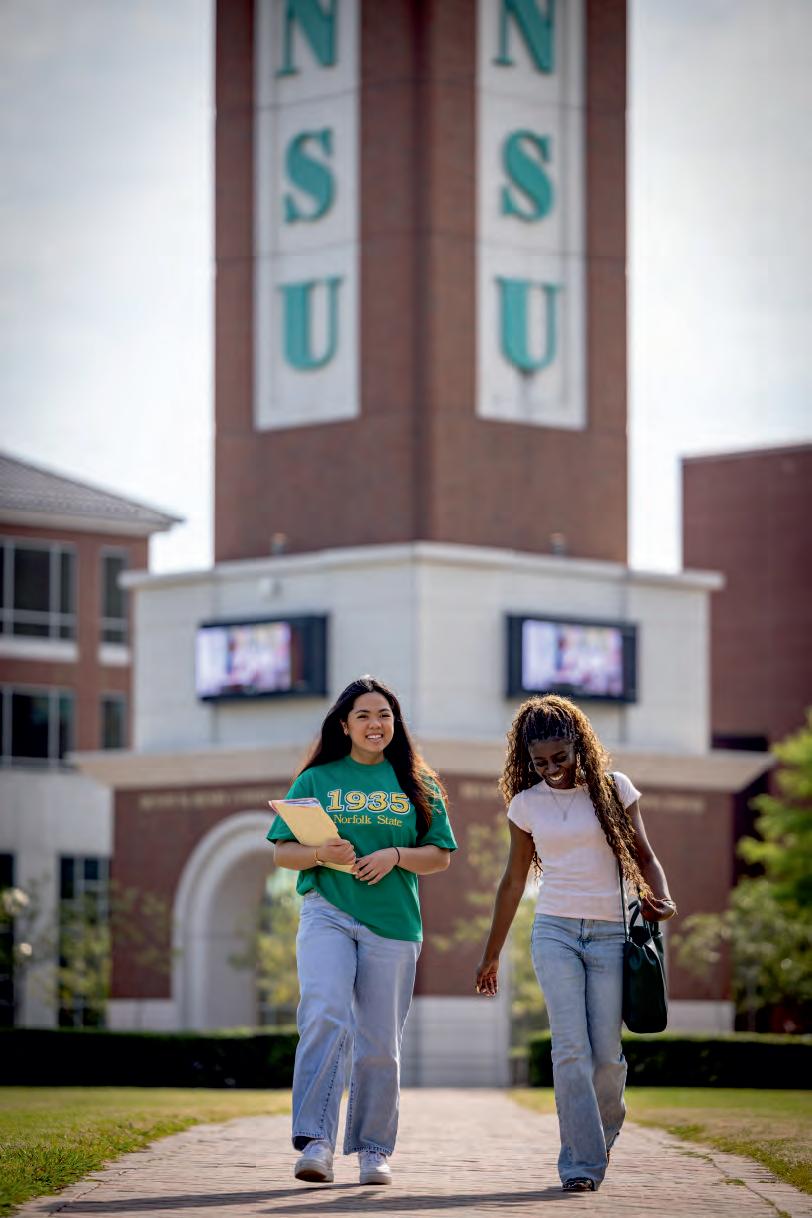
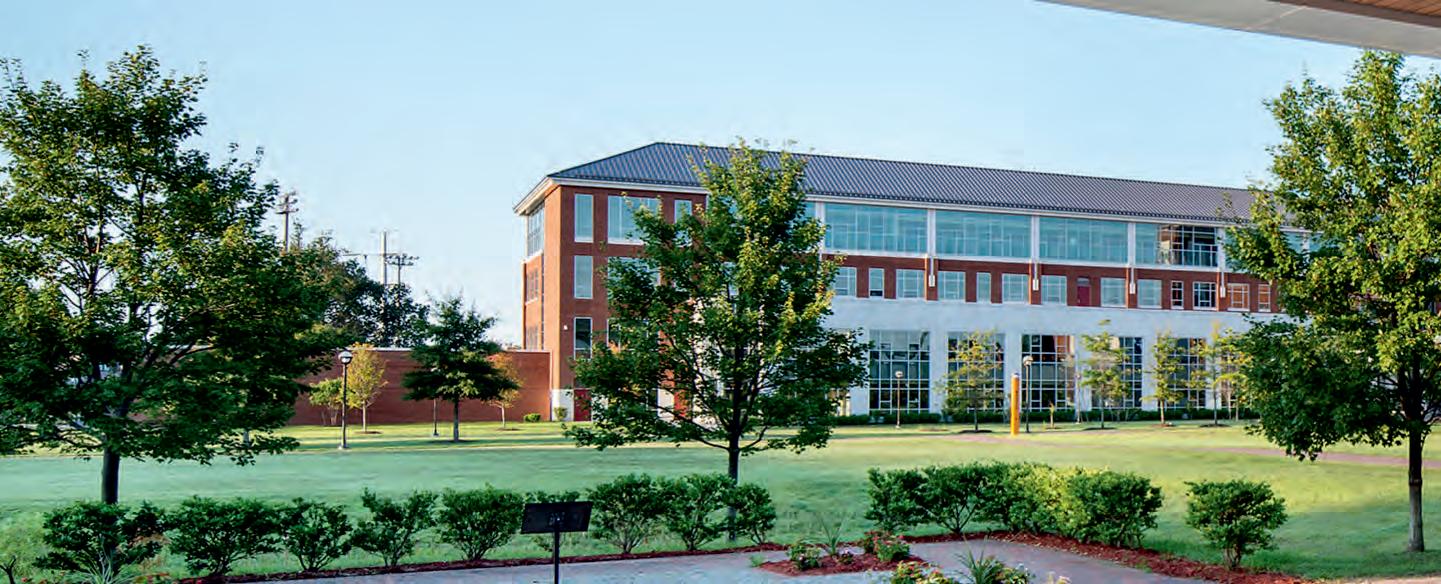
NSU is a comprehensive public Historically Black University (HBCU) located in Norfolk, Virginia, serving as a vital center of academic excellence and social mobility. Founded in 1935 during the Great Depression, the university has grown into a major urban research hub, offering a wide array of undergraduate and graduate degrees across disciplines such as cybersecurity, nanotechnology,
optical engineering, nursing, social work, entrepreneurship, mass communications, and more. The campus is well known for its vibrant culture and the world-class Spartan Legion marching band, which reflects a deep-seated pride in the school's heritage and its motto of seeing the future in every student.
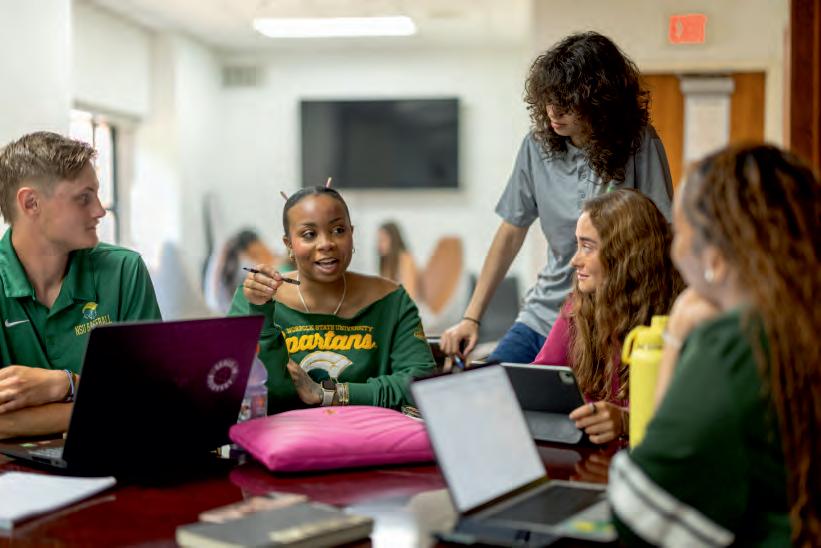
Through its commitment to innovative research and community engagement, Norfolk State University empowers a diverse student body to transform their professional aspirations into reality while preparing them for leadership roles in the 21st century.
Education wasn't just a topic at the Porter dinner table. Rather, it was the family's true north. Clifford's parents framed every lesson around the belief that a degree is the most reliable bridge to a better future for each of them. He carries that legacy forward, considering each academic milestone as a deliberate step toward advancing the next generation of their family.
This industry veteran believes that transformative university advancement is the art of bridge-building. He regards the corporate sector, civic leaders, and alumni not just as networks, but also as communities. They are the vital partners who must be tethered to the mission. By aligning these constituencies with a clear vision, he turns passive interest into a powerful investment of time, talent, and treasure.
Named one of "The 10 Most Impactful Education Leaders Making a Difference, 2026," Clifford rejects the idea of leadership as a static title. He treats it as a continuous discipline sharpened by reflection and founded on human connection. To him, growth is not something confined to structured development plans. Instead, it often happens in moments of discomfort or disruption.
The COVID-19 pandemic provided the ultimate stress test for this philosophy. Tasked with maintaining advancement momentum during total uncertainty, Clifford had to reinvent the advancement team's signature "personal touch." As traditional face-to-face visits vanished, he and his team shifted to digital platforms like Zoom and Teams. What
initially felt impersonal soon became a game-changing transition. By replacing hours spent in a car or on a plane with virtual engagement, he scaled his reach, connecting with more donors than ever before without sacrificing the mission's sincerity.
High-pressure roles usually invite chaos, but Clifford counters that with a surprisingly simple filter. He doesn't
“Higher education is the ultimate engine of socioeconomic mobility.”
believe in working to check off lists. However, he uses them as a tool for intent rather than a survival tactic. He treats his task sheet with a level of discipline that borders on a craft. Writing it down, ranking it by priority. The goal? Not finishing the roster abruptly. It's to finish the right
things. That perspective has shifted as his career progressed, moving from a solo exercise in prioritization to a collaborative one. By shaping the "master list" with his team, Clifford has turned a basic management habit into a way to scan the horizon together for both pitfalls and
possibilities. "It's a formula," he remarks, "that has worked well.”
Making Room for the Whole Life
"Success or failure,Attitude makes the difference," Clifford says. Such a disposition is honed, not handed
down. He has never been a proponent of balance that meant a rigid split between work and life. Instead, he opts for a seamless alignment between his professional output and personal identity.
He hits high-intensity tasks when his focus is sharpest. But balances that drive with reflection and faith. He finds joy in simple things in life, like a good laugh, the calm of a waterside stroll, or the easy rhythm of a jazz track. Cliff laughingly calls his wife
Bonisha Townsend-Porter the Director of food, beverage and entertainment for the Porter household. She loves planning vacations and activities and I'm happy to go along for the ride. Our motto is: She picks, I pay.
When his energy dips, Clifford doesn't just grind through it. He recalibrates, treating rest as a necessary part of the work rather than an afterthought. This is encouraged by the Culture of Care philosophy promoted by NSU President Dr. JavauneAdams-Gaston. Everything stays aligned because his work and his values occupy the same space. This practice makes focus feel less like an effort and more like a natural result of being in the right place.
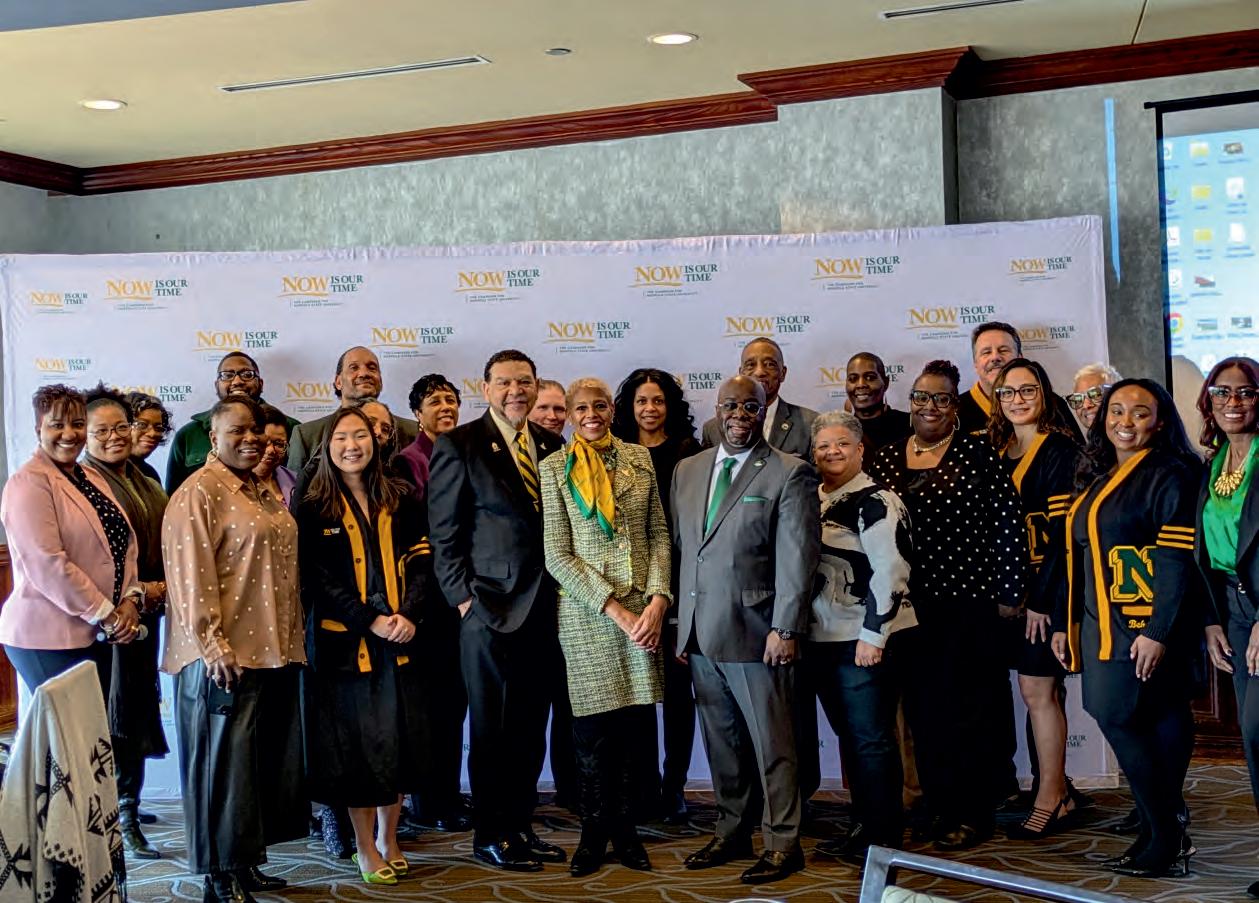
In 2025, their Now Is Our Time Comprehensive Campaign was a landmark milestone. The recordbreaking fundraising initiative for Norfolk State University redefined the institution's financial future. The accolade carried weight. Clifford shares that, originally launched with a $60 million goal, the campaign created a "snowball effect." Its momentum forced Dr.Adams-Gaston and the Board of Visitors to increase the target three times as donor engagement surged. By its end on December 31, 2025, the campaign had raised over $147 million, more than doubling its initial expectations. It was an earned validation of years spent building something principled, consistent, and distinctly human.
Keeping Fundraising, Community Engagement, and Institutional Strategy in Line
Advancement goals must be directly tied to the university's strategic plan
and ancillary goals. Without that nexus, advancement goals become "renegades"- efforts that may look productive but eventually fail to move the university forward. Clifford explains, "Raising dollars for the sake of raising dollars is not practical." It is a drain on time, resources, and money that could be directed to achieve clear objectives.
Innovation is the bridge that turns a standard partnership into a strategic one. Many of the corporate investors Norfolk State University works with aren't just looking for a presence on campus. They're seeking smarter ways to sharpen their operations and grow their bottom line. Clifford emphasizes the key lies in a "quality first" approach to talent. By bringing the right people into the room and leveraging the university's cuttingedge teaching and research, partners can unlock levels of productivity that a typical hiring spree simply can't match.
At the heart of any successful partnership is a shared sense of belonging. Clifford believes that, to truly inspire teams, donors, and stakeholders, the university's vision must be made personal. When an individual or company can "see" their own thumbprints on the university's future, they not only stay informed but also take action. They get invested. By showing them the direct line between their participation and its impact, the vision stops being a concept on paper and becomes a shared achievement.

“IT’S THAT A FORMULA HAS WORKED WELL.”
“HE LEFT IT BETTER THAN HE FOUND IT.”
As a seasoned executive, Clifford hopes his journey serves as a living example of how a big enough dream can ripple through generations. He has built a career on chasing what others might call "the impossible," guided by Nelson Mandela's belief, "It always seems impossible until it's done."
That drive, in Clifford's case, is always tempered by a genuine heart for people and a commitment to ethical leadership. Ultimately, he wants his legacy to be one of precision and character. He notes, "I would love for my professional journey to be categorized by doing the right things at the right time, the right way."
To aspiring leaders entering the field of university advancement, this experienced professional's message is rooted in a bit of "then and now." He recalls a time 25 years ago when advancement was a manual, uphill climb. Nevertheless, today, Clifford sees a domain transformed by
innovation. He's particularly vocal aboutAI's power to level the playing field.At Norfolk State University, it's happening through Lyman and Brooks, their two 100%AI-powered engagement officers who turned a tech investment into an over $100k win in just months.
It is a living testament to his personal mantra, "Never let resources dictate your dreams. Dream Big." For modern leaders, Clifford stresses that small technical investments can yield extraordinary dividends. In this age, success is defined not by effort alone but by how intelligently one leverages the tools at one's disposal.
When asked about the footprint he wishes to leave at Norfolk State University and across the wider academic world, Clifford's answer is based on a timeless standard.
“He left it better than he found it." These are the syllables he hopes will echo when his tenure at the university is eventually chronicled. This era has been a season of tremendous growth for the university, and he finds
fulfillment in having contributed to that collective achievement.
Regarding his broader influence on higher education, he is just as hopeful that his professional path illustrates a lifelong dedication to cultivating connections within every community he has served. He has always operated by the craftsman's code to "measure twice and cut once," ensuring that every process is deliberate and every partnership is built to last.
In various traditions, one's name is synonymous with one's occupation. It is deeply intertwined with their identity. The name Porter belongs to a steward who assists travelers on their way to a new destination. It is Clifford's utmost wish that whenever his name is spoken in scholarly circles, he is remembered as a humble helper who helped others reach where they were meant to be.


The 2008 Great Recession forced students to look harder at what they were gaining from their investment in a university education. Now, the Covid19 pandemic has once again underscored the importance of jobs for students' post-graduation. That is why Dr. Bradford L. Sims is focusing on careers. The President of Capitol Technology University is known for helping organizations achieve greater success through vision, insight, and strategy. He is also an educator, administrator and construction project manager, and has extensive experience in academia as well as industry.
Started by a former US Navy Radioman in 1927, Capitol Technology University has a long history of teaching students how to build radios. It has been offering only STEM or STEM Management
degrees since then, helping students obtain degrees that are in demand. In May of 2017, Dr. Sims started a limited number of on-campus bachelor's degrees, several online master's degrees in a synchronous format, and two doctoral degrees. Since then, “we have added numerous degree programs at all levels that are based on industry needs,” he says “Our online programs are now available in an asynchronous format, and our large number of online doctoral degrees have students from around the world. We have a new, onground, apartment-style student living facility, and the existing facilities have been upgraded, as well.”
Before Joining Capitol Technology University
Prior to his appointment as Capitol's president, Dr. Sims was interim chancellor and chief academic officer
at Embry-RiddleAeronautical University's worldwide campus, based in Daytona Beach, FL.As chancellor, Dr. Sims had the responsibility of administrative and fiscal oversight of a complex, global academic institution that serves 22,000 students annually in 130 locations across the world.
As chief academic officer, Dr. Sims had the primary responsibility of ensuring the academic performance of the worldwide campus. He led and managed academic affairs at the campus, spearheaded scholarly and research activities, and led the expansion of over 20 new degree programs.
Before moving to Embry-Riddle, Dr. Sims was a dean and professor at Indiana State University.As the dean of the College of Technology, he was responsible for oversight of degree programs, human and fiscal resources,
President - Capitol Technology University
strategic planning, external funding and faculty programs. He helped boost enrollment at the College of Technology by 75% and increased the number of international students. He also raised alumni participation and built a social media presence for the college, establishing its first Facebook and LinkedIn pages.
From 2002 to 2009, Dr. Sims was professor and department head at Western Carolina University, where he founded the construction management program. Under his direction, the undergraduate degree program grew from zero to 400 majors over a fiveyear span, and an online master's program in the field was successfully established in collaboration with the College of Business.
Dr. Sims began his academic career as an assistant professor at the University of Florida, serving also as a consultant in the lean construction industry. Prior to his transition to academia, Dr. Sims built a successful career in the industrial construction industry. He was a project controls supervisor for Cherne Contracting in California, and a cost engineer for Badger Engineers, a subsidiary of Raytheon Engineering, in Massachusetts. He started his career as a project control engineer with the Westinghouse Savannah River Corporation in South Carolina.
Dr. Sims earned a Ph.D. in curriculum and instruction in 1999 from Purdue University, which is also his undergraduate alma mater; he received his B.S. in building construction management from there
in 1990. He also holds a master's of science degree in building construction from the University of Florida. He is a member of the Sigma Lambda Chi International Construction Honor Society, the Military Cyber Professionals Association, InfraGard, Royal Aeronautical Society, the Maryland Center for Construction Education and Innovation, Inc., and received Purdue University's Distinguished TechnologyAlumniAward for Building Construction Management –2019.
Finding a way through every new Challenge
Dr. Sims left his full-time position in the construction industry because he felt that obtaining a master's degree would help him move from project management to a VP of operations position where he could support projects across the entire company from a high-level point of view. By deciding to continue and complete his doctorate, he delayed returning to an industry position. Upon graduation, Dr. Sims found it difficult to make recruiters, who were coming to campus, understand that he wanted to find a position in operations. He says, "Since many universities liked that I had both industry experience and a doctorate, there were plentiful offers to start a new career as an assistant professor. I decided that I would try being an assistant professor full-time and accepted a position at the University of Florida." For Dr. Sims, it was a great start, and he learned a lot about the requirements of the position. But, he still desired a more operational point of view, and
therefore he moved onto Western Carolina University, where he was offered a position to build a new bachelor's degree in construction management. He asserts, "This was a great opportunity where I was in charge of every aspect of building and marketing this program which quickly grew to the university's third largest program in five years and became its own department. Along the way, I built one of the first completely online master's degrees in construction management before online degrees were as numerous as they are today. With this success, I decided to try and replicate a VP of operations position by accepting a position as Dean of the College of Technology at Indiana State University, then the Chief Academic Officer for Embry-Riddle Aeronautical University's worldwide campus, and finally the President of Capitol Technology University."
Leading during the pandemic
The pandemic has pushed many in higher education outside of their comfort zone, forcing them to use technology they may have never used in the past. Capitol Technology University has been using online synchronous and asynchronous technology for several years now, so when in March 2020, campus had to shut down face-to-face operations, it was easy to pivot and continue on with online instruction. When in the fall of 2020 undergraduate students were allowed back on the campus, Dr. Sims says that they offered both hybrid and online courses. Since their Masters and Doctoral students have always been online, there was not
much impact on their mode of instruction. Most of the Masters and Doctoral students are parttime or fully employed individuals, and they were simultaneously adapting, in many cases, to working remotely for their employers; so continuing their education in a similar format was not a difficult change.
Dr. Sims adds, "While we already had the capitol commitment where if an undergraduate did not have a job in their area of study within 90 days of graduation, that they could complete a certificate for free. During the pandemic, we added more guarantees for our on-campus undergraduate students in 2021 with a minimum 50K salary upon graduation or their student loan payments would be repaid every quarter."
One word that defines Dr. Sims is "inspired". Being in the position of President of Capitol Technology University, Dr. Sims is responsible for the overall strategic success of the university. His day is usually filled with meetings -- marketing and partnership meetings, and strategy efforts -- that provide communications across functional areas so that the whole staff can work to support the university efforts as one big team.
"My spouse and I have two daughters in high school and several pets. While I am accessible seven days a week as needed for work, I spend time every day with my family and frequently travel to see my parents or meet
friends and enjoy some downtime," says Dr. Sims.
Dr. Sims emphasizes that he leads a university that provides great careers for students and their families. It is his passion to provide support for these students so that they can become successful industry leaders. He enjoys the job as it fits with what he believes is important to society.
According to Dr. Sims, the university will continue to expand its on-campus undergraduate degree programs and online bachelors, masters, and doctoral degree programs to support the needs of the industry. The university wants to keep producing and advancing what is needed from employers of the future. The university is very industry friendly, and employers are welcome to contact the university if there is need for a degree offering specialization in a particular area, and the university will work with them to build something if there is a gap. Dr. Sims states, "We can move quickly being a private nonprofit, and we use industry experienced instructors to keep the course content as current as possible."
"My personal goals for the university are to keep expanding the awareness that Capitol Tech provides affordable, great, industry in-demand degrees so more and more employers look to partner with the university and to continue to expand our global reach with our online doctoral programs that do not require any physical visit
on campus. We do hope all students from any online program come to campus for graduation. It's always the best time of the year,” says Dr. Sims.
Dr. Sims sees success as a selfinternalized assessment. He opines that it has a different definition for each person. He states, "I didn't know where my career would go starting off as a graduate with a bachelor's degree in construction management and working around the United States in industrial construction." He learned a lot not only from a great career, but also from living in different cities across the United States and also in the Netherlands. Although he was pursuing a bachelor's degree at Purdue University to obtain a job at the insistence of his parents, he never looked back as it was a great start to his career. He also recommends to all new graduates the experience of living in multiple locations as he believes it is another valuable life experience. He recalls, "Not knowing what the future would hold, I then, accidentally, ended up in higher education and have been here for 25 years, starting many successful industry in-demand degrees along the way. I feel my success has been providing students great wellpaying careers where they can take care of themselves and their families for life."


Associate Director of Professional Development
International Institute of Municipal Clerks
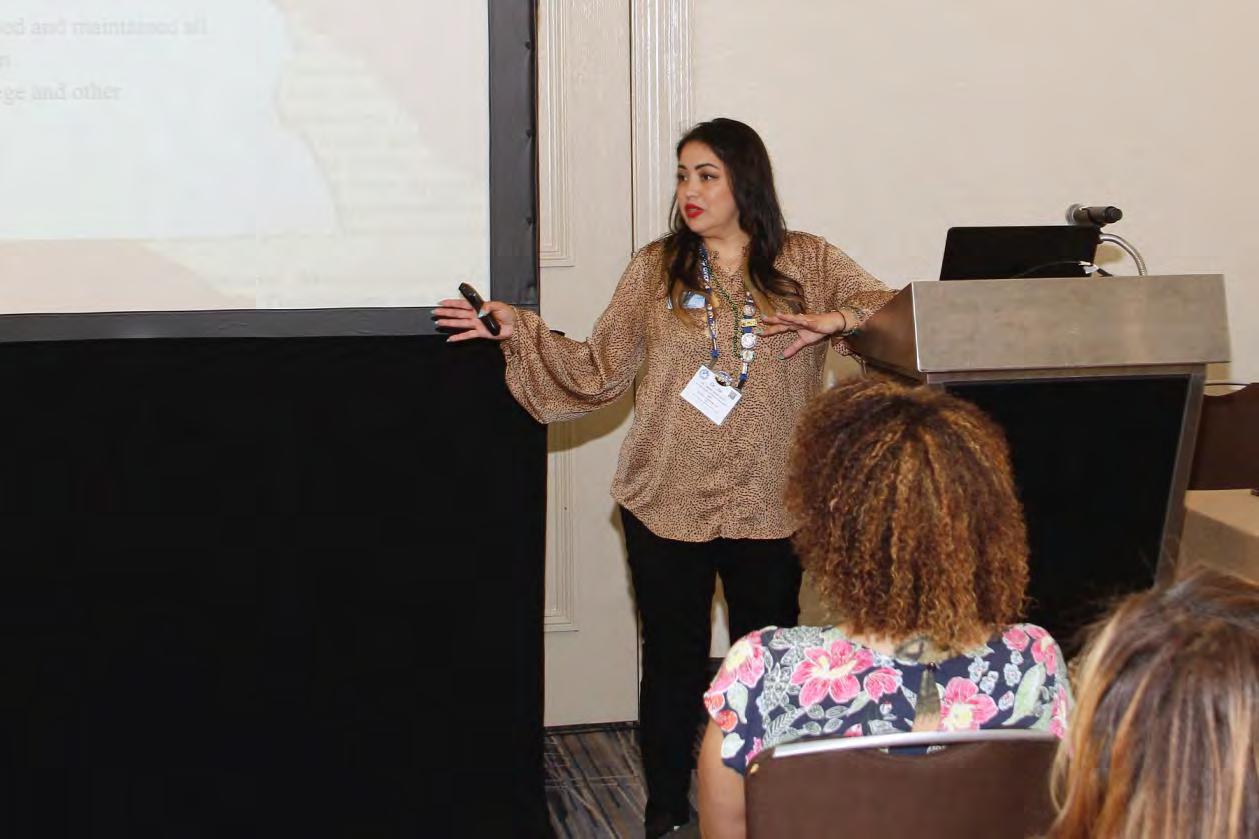
professional development, success is frequently measured in terms of numbers, certifications, and performance indicators. But for Jaimis Rebecca Ulrich, Ed.D., success is a much more individualized concept. It is about transformation, healing, and assisting others to reclaim their value.As an empowerment coach, trauma-informed hypnotherapist, and education strategist, Jaimis combines a strong sense of empathy with innovative solutions. Her leadership is transforming the delivery and experience of education to be more inclusive, empathetic, and effective.
For Jaimis, triumph is not a matter of checking boxes and quotas. It is about witnessing actual transformation in human beings. "Success is when a Municipal Clerk who at one point questioned
their value leaves with feeling heard, capable, and empowered," she explained. What gets her excited is assisting individuals in overcoming imposter syndrome and assuming leadership roles with clarity and confidence.
Her background in hypnotherapy has taught her that growth begins from within. "We can build the most efficient systems, but if the people we're serving don't believe they belong, we've missed the mark," she explained. Her mission is to guide professionals from surviving to thriving, both in their roles and in their personal development.
Jaimis is the owner of Pathway to Empowerment with Jai, LLC, and a proud Woman of Color. She operates from a trauma-informed perspective in all that she does.
Currently serving asAssociate Director of Professional Development, she is the overseer of global certification programs that serve thousands of local government professionals.
"My style is grounded in equity, healing, and transformation," she explained. She feels that education must respect the lived experiences of people and provide room for all to develop. Her leadership style is one of inclusiveness and empowerment, in which each individual feels respected and empowered.
The International Institute of Municipal Clerks (IIMC) is a worldwide professional organization serving more than 15,000 municipal clerks and local government officials. With a large

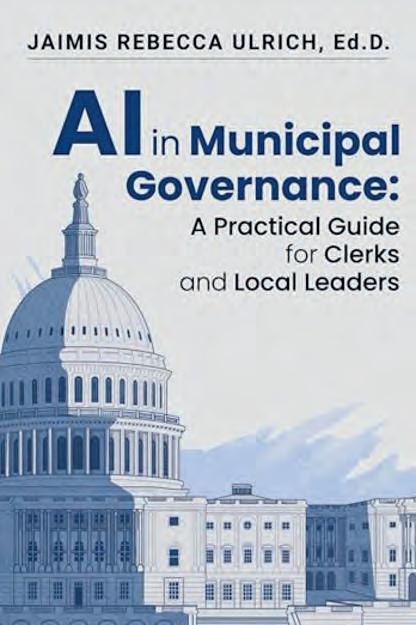
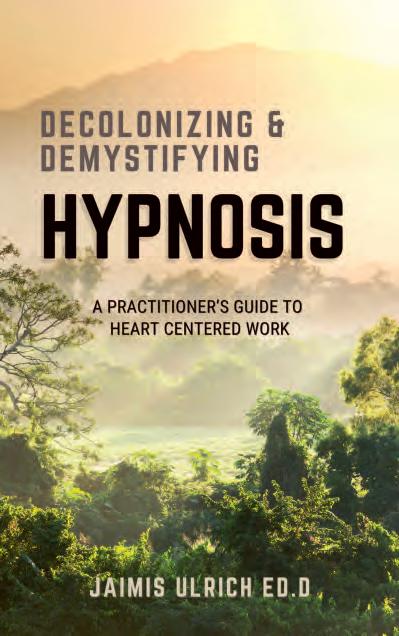

scope, the organization has only a small staff of 11 members. Within the Education Department, Jaimis works collaboratively alongside the Director and the Education Coordinator, sharing equal oversight responsibilities in a uniquely structured and cooperative team dynamic.
There's no such thing as 'that's not my job,'" she said. Her leadership made a dramatic improvement in the certification process. When she first became involved, the five- or sixweek processing time of applications was the norm. Today, most applicants are hearing back within one to five business days. "That evolution wasn't simply about technology. It was about clearing out unnecessary obstacles and providing members with support at every turn," she said.
She also leads the development of annual conference education tracks
and oversees curriculum for the Certified Municipal Clerk (CMC) and Master Municipal Clerk (MMC) designations. Her work involves close collaboration with state and provincial associations to ensure regional training aligns with IIMC's standards while reflecting local needs. "Our success comes from this blend of structure and heart. We're building educational opportunities that help people grow into the leaders their communities deserve," she said.
Jaimis's leadership is informed by her own experiences of having been underestimated. "I know what it feels like to be underestimated because of my gender, my heritage, my neurodivergence," she explained. They have made her a leader who listens deeply and leads with empathy.
“As a trauma-informed practitioner, I know that many of us are bringing unspoken wounds into professional settings," she stated. Her leadership style is about building spaces where individuals can be whole, not merely productive. "Leadership, to me, is about creating environments where people don't have to fragment themselves to belong," she continued.
Looking to the future, Jaimis sees a day when education becomes a liberatory, healing process. "The future of education needs to live in multiple histories, challenge old hierarchies, and be grounded in healing, rather than performance," she declared. Her vision weaves together trauma-informed practices, somatic knowing, and new technologies to create learning experiences that are innovative and empathetic.
"To remain in the forefront," she described. By putting the voices of those most affected by school systems at the forefront, she keeps professional development relevant and transformative. She aspires to build not only competency but also confidence, community, and compassion.
ADay in the Life of a ChangeMaker
No two days are ever the same for Jaimis. Her days start off with connectivity, reading emails from city clerks from all over the world, and providing guidance and support. The rest of her time is spent designing conference sessions, processing
For those who want to make a genuine difference in education, Jaimis provides sincere guidance. "Begin with integrity. Identify your 'why,' and let that inform every decision," she advised. She also stresses the value of inner work, healing wounds, breaking down biases, and building wholeness.
"We can't lead where we don't go ourselves," she said. She makes no mistake about it. Leadership starts from the inside out. She also urges would-be leaders to be bold and assertive. "Don't wait for the invitation. Set the table, pull out your folding chair, or turn the entire room over if you need to," she said. "There is a place for you, and if there is not, create it.”
certification applications, meeting with associations, and doing coaching or hypnotherapy sessions on occasion in the evening.
When requested to define herself in one word, she responded with "empowering." "Regardless of whether I am reading through resumes or helping heal, my intent is always the same. I want to make others see themselves as strong and worthy," she reported.
Balancing work and life is not something Jaimis goes at with intention. "I once pursued balance as if it were something to be done perfectly, but now I celebrate rhythm over rigidity," she said. She understands that seasons demand different energies. Some demand deep work, while others demand deep rest.
As a hypnotherapist, she has practice what she preaches. She checks her nervous system, creates boundaries with love and gives space for joy, nature, prayer, and family. "Rest is not a reward. It's a right, and it makes the work more sustainable, more ethical, and more creative," she explained.
Jaimis's professional and personal aspirations are strongly rooted in her dedication to equity and transformation. "My aspiration is to humanize professional development, making it more inclusive, equitable, and transformative for all," she stated. She seeks to connect ancient wisdom with contemporary systems, center historically marginalized voices, and develop leadership pipelines that
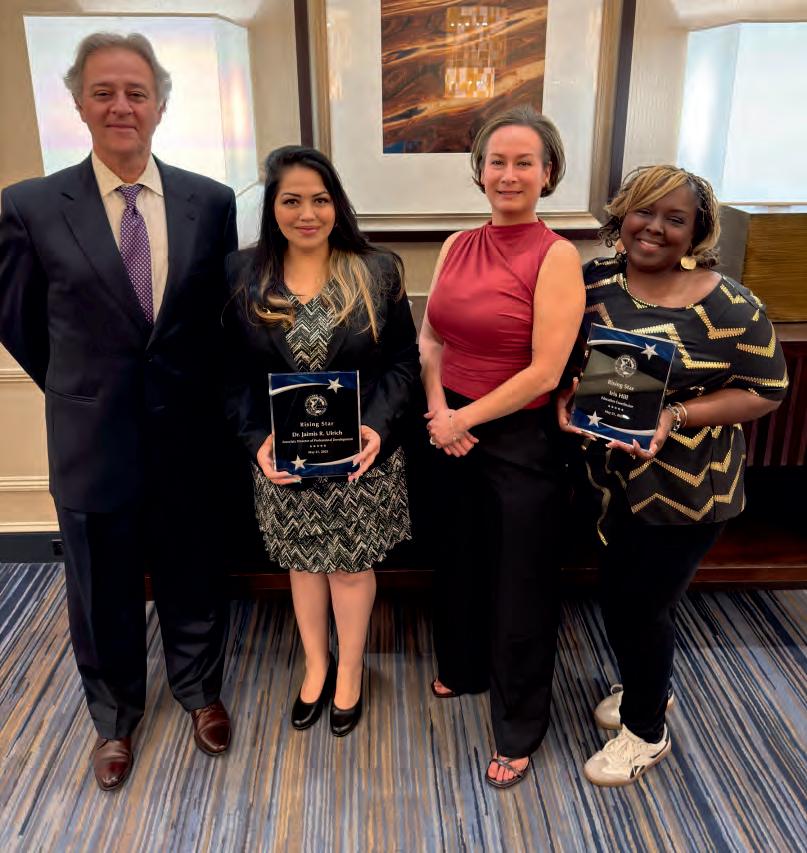
mirror the communities they are serving.
These objectives are completely in line with IIMC's purpose of educating, inspiring, and empowering local government officials. "When we invest in our Clerks, we build democracy from the ground up," she added.
Jaimis Rebecca Ulrich's path is a strong reminder that education is not merely about knowing. It is about changing. Her work reshapes success, interrupts typical models of leadership, and builds environments
in which people may flourish. With her imaginative leadership, she continues to craft a future that has education as inclusive, healing, and profoundly human. In a performanceover-people world, Jaimis reminds us that real impact starts with connection, compassion, and the courage to lead from the heart.

Every leader has a series of challenges, opportunities, and decision points that define their journey. But only a few manage to take those experiences and drive impact that sounds far greater than their individual accomplishments.
Cathy Peng is one of them. Her life has crossed continents, industries, and fields, but it has one guiding principle at its heart: success is not about fame or prestige; it is about creating a positive impact on people's lives.
AChinese naturalizedAmerican citizen, Cathy's life is one of courage, purpose, and resilience. She has headed multinational corporations, founded innovative businesses, and undertakings that touch and make a difference in communities. To her, leadership is not about climbing ladders to serve self-interest but building bridges so others can climb.
"Success to me is defined by the number of lives enhanced through my
actions," she says. "Nothing is as great as helping someone to become their best self."
From Engineering Beginnings to Worldwide Leadership
Cathy started her professional life with an engineering degree from one of China's best universities. The technical training she received gave her precision and problem-solving capabilities that became the core of her leadership style. She joined the high-technology sector as a sales leader, initially in China, but soon expanded into the United States and Europe, where she quickly demonstrated her capability to cross cultures and industries.
Her will to lead at the strategic level encouraged her to pursue an Executive MBAfrom the University of Chicago, enhancing her acumen in leadership, strategy, and organizational development. This
technical and business acumen prepared her for top executive positions atAsian,American, and European companies, where she established a reputation for vision, execution, and people-driven leadership.
The Entrepreneurial Leap: Building Businesses with Purpose
Following a successful and lengthy corporate career, Cathy turned to entrepreneurship to integrate her work and personal life and facilitate flexibility, integrity, and empowerment. In doing so, she gave birth to ROCS Global, a consultancy that focuses on international talent deployment and cross-cultural integration.
What started as technology consulting quickly grew. Cathy saw that her team's technical expertise and trusted networks
Skills come from challenges. Welcome challenges, and pursue challenges, the fuel for growth. “ “
positioned them to assess talent more accurately than typical recruiters. The companies enjoyed the specificity, and the candidates appreciated the real conversations that went beyond resumes. This created a new opportunity. Most candidates were not only seeking employment but also seeking mentoring. Seeing this gap, Cathy launched MyT.coach, a platform that provides clients with pre-screened coaches for one-on-one sessions, group coaching, and skill development. The platform aims at making coaching more intimate, more convenient, and more effective.
"Our expansion has been driven by carefully hearing what individuals
actually require," Cathy clarifies. "Hiring was the starting point, but then coaching was the obvious next step because individuals placed importance on direction as much as possibility."
Leading Through Wellness:A Nonprofit that Inspires
Cathy's passion for development goes beyond the business world. In 2020, she started Cathy's Fun Fitness, a nonprofit organization that unites instructors, volunteers, and participants from around the world through online fitness classes. What started as a small concept expanded quickly into a successful program that
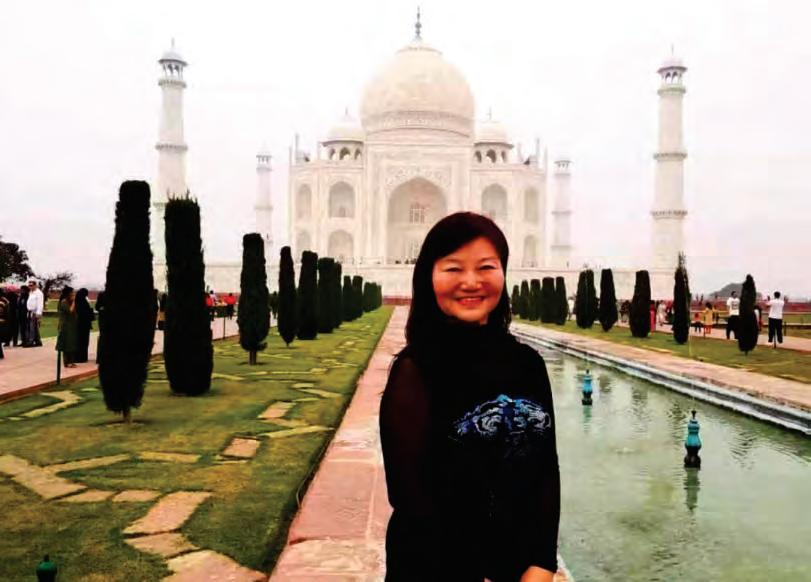
fosters health, bonding, and happiness across borders.
This venture is an expression of Cathy's conviction that wellness cannot be divorced from leadership. She demonstrates balance in her life, operating businesses, raising three children, and living personal passions such as traveling, athletics, and community activities. "Balance is not a luxury; it is necessary," she maintains. By establishing systems enabling others to flourish comprehensively, she is a leader with a philosophy that is based on both accomplishment and wellness.
Cathy's path has also been characterized by resilience. Throughout her corporate life, she was usually the sole woman in the room and most often the soleAsian voice at the table. Rather than let it restrain her, she flipped those obstacles into sources of strength. Being on what amounted to the visiting team instilled toughness in me," she remembers. "I had to keep growing by watching, speaking thoughtfully, and coming up with improved ways to navigate obstacles.
These experiences honed her skill in self-advocacy, to stand strong in her beliefs and make decisions with integrity. They also learned her the value of teamwork and

acknowledgement since she always put effort into establishing trust in various teams. This principle still drives her leadership to this day: lead from the front, raise others, and inspire people to unlock their potential.
The Future of Education: Skills, Curiosity, andAI
Being a learning and developmentoriented leader, Cathy envisions a
future for education that is courageous. She thinks that the actual purpose of education is not just to impart knowledge but to prepare learners to continue learning in a changing world.
The education of the future will be teaching individuals how to think, how to question, and how to learn indefinitely," she illustrates. She considers artificial intelligence a revolutionary tool, but asserts that it
should be utilized as an amplifier for learning, not as a shortcut. Her schools proactively investigate new technologies, incorporating tools that maximize curiosity, critical thinking, and flexibility. For Cathy, getting learners future-ready is about developing resilience and technological savvy, so they can succeed in jobs that have not yet been invented.
As CEO and leadership coach, Cathy gets to balance strategy, execution, and inspiration daily. Her mornings start with aligning the team on priorities, setting the pace for progress, and making sure everyone is going in the same direction. She spends most of her day fostering partnerships, meeting with clients, and playing the role of chief ambassador for her businesses.
She models energy too, heading out at the end of her day to participate in her own nonprofit's fitness programs, demonstrating to her team and community that being a leader means energy, resilience, and presence. When asked to state herself in one word, she promptly responds: empowered. It is a description not just of how she leads, but of what she aims to instill in others.
Cathy's guidance to up-and-coming leaders is straightforward but deep: be grateful for feedback. She finds feedback to be one of the greatest tools for change, even if it's painful.
"The best leaders are lifelong learners," she says. "Impact is not built on certainty but on curiosity, humility, and continuous
Success begins with a mindset. A growth mindset combined with accepting feedback are a formula for resilient success. “ “
improvement. She challenges leaders to listen deeply, remain curious, and not forget that leadership is about serving. To Cathy, the most impactful leaders are those who integrate authenticity with purpose and constantly invest in others' growth.
Conclusion
The journey of Cathy Peng is one of service, vision, and courage. From her engineering background in China to leadership positions all over the world and now being an entrepreneur, coach, and nonprofit founder, she has always shown that leadership is not about recognition but about impact. Through ROCS Global, MyT.coach, and Cathy's Fun Fitness, she has developed ecosystems that empower individuals in their professional lives, their personal development, and wellbeing. Her story is a reminder that resilience can redirect adversity into strength, that balance is a foundation of lasting leadership, and that education and empowerment go hand in hand.
Cathy Peng remains a shining example of what leadership with vision, courage, and compassion looks like. Her lifetime contribution is proof that success is actually measured in the lives that are touched and enriched along the journey.
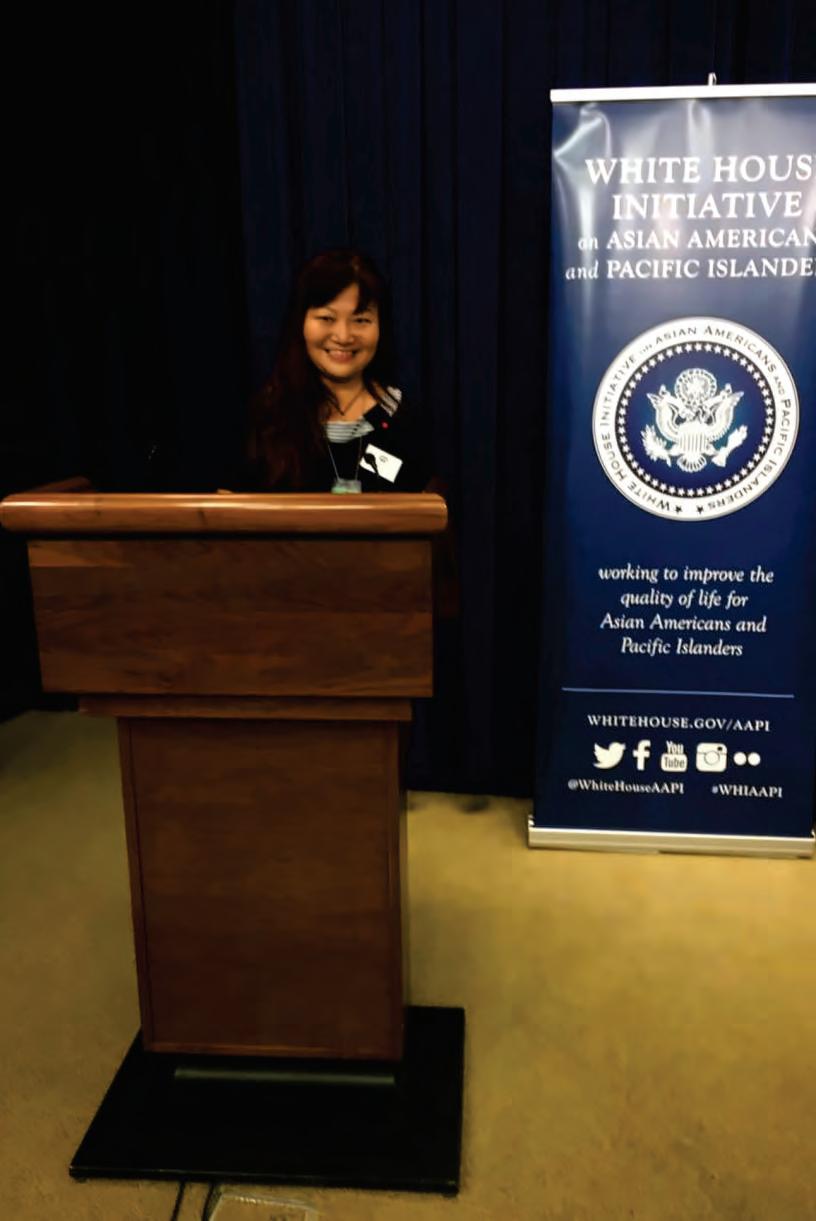



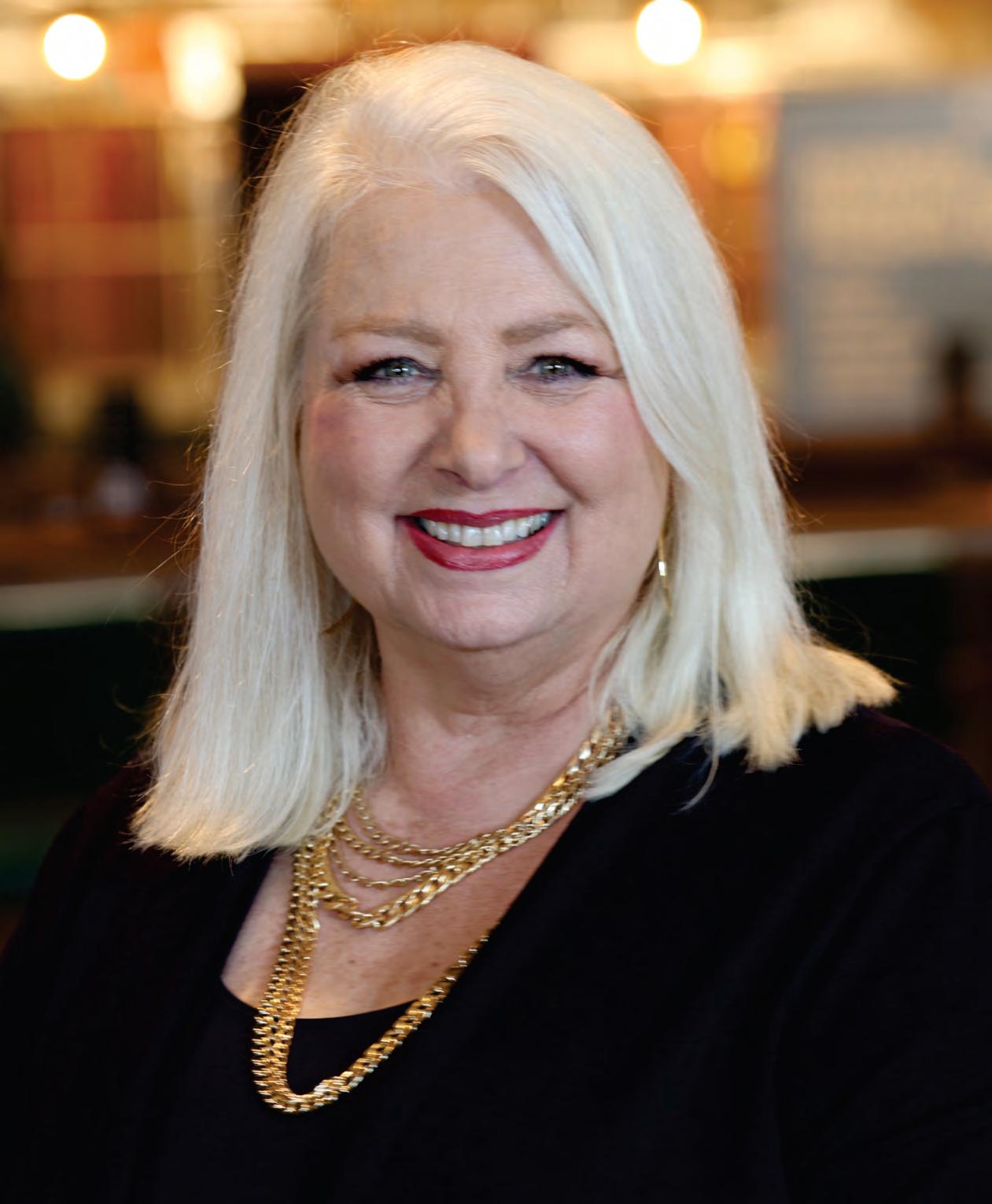
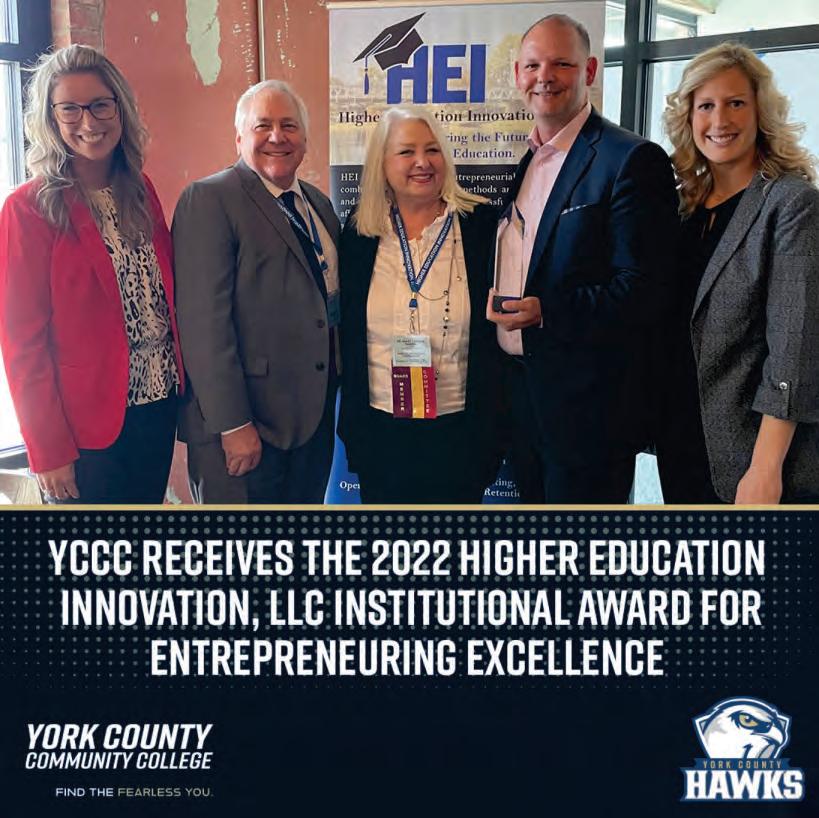
Dr. Mary Landon Darden, a renowned higher education futurist, author, and leadership expert, is the Founder and President of Higher Education Innovation LLC, established in 2015. With the mission to "transform higher education," HEI has been at the forefront of innovative initiatives.
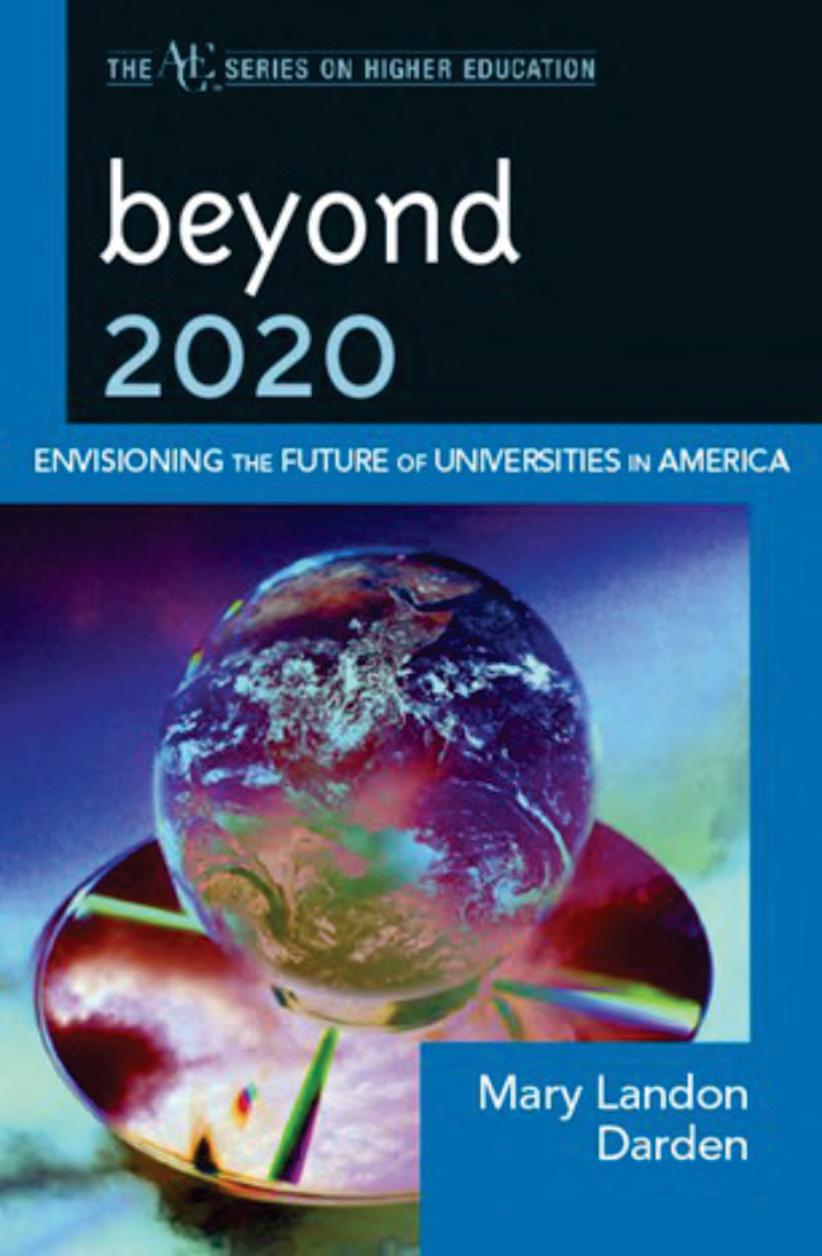
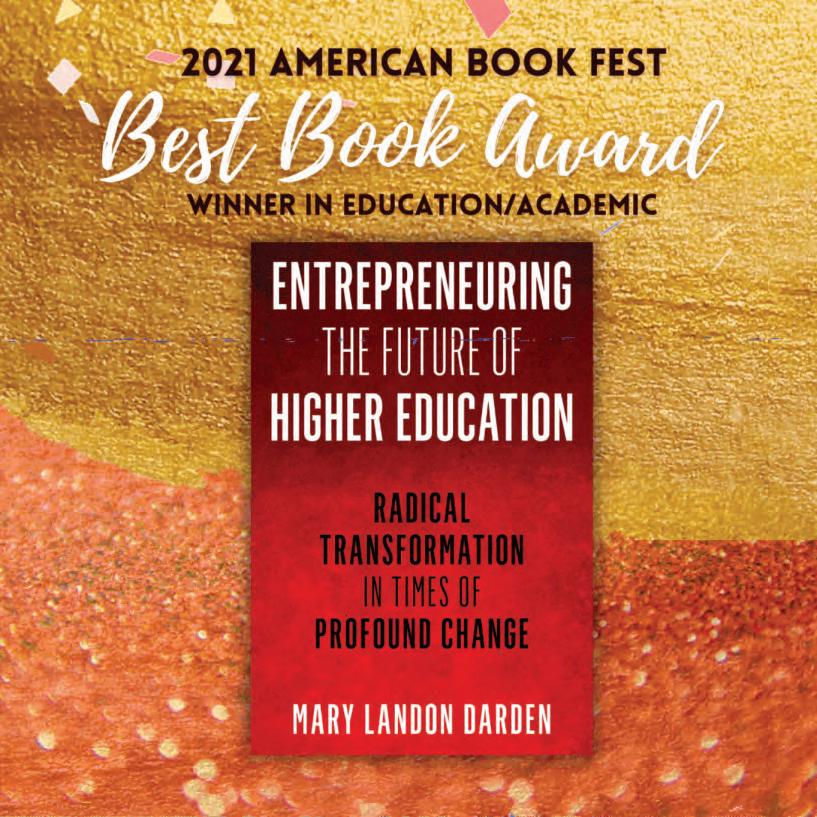
With a keen focus on entrepreneurship and revenue stream development, she has been instrumental in guiding colleges and universities towards transformative change. Dr. Darden's expertise is widely recognized, evident in her two books, Beyond 2020: Envisioning the Future of Higher Education in America (2009) and Entrepreneuring the Future of Higher Education: Radical Transformation in Times of Profound Change (2021) – Winner of the 2021American Bookfest
Award (education/scholarly). Both books are co-published with the prestigiousAmerican Council on Education and Rowman and Littlefield.
Beyond her impressive professional accomplishments, Dr. Darden is also an advocate for social justice. Her outstanding efforts in mobilizing churches in Central Texas to address the aftermath of Hurricane Katrina garnered national recognition.As she continues to lead an executive coaching team at HEI, Dr. Darden remains at the forefront of shaping the future of higher education, inspiring others to embrace innovation and drive positive change.
Dr. Darden recalls that her career truly commenced at the age of three
when she would independently ride the Chicago city bus to and from nursery school. One memorable day, she arrived home with a note pinned to her shirt from the principal, stating, "Mary is doing very well in school, but you need to explain to her that she cannot run the school." This anecdote never fails to elicit uproarious laughter from those who know her. It seems that even at a very young age, she not only embraced leadership roles but perhaps even commandeered them. Over time, she learned to temper her assertiveness and complement it with humility.
As her father's job involved frequent transfers, Dr. Darden experienced numerous relocations throughout her lifetime. Eventually, her father settled into work in New York City, and she spent her formative years growing up in the Connecticut suburbs. She received an
exceptional education attending public schools in New Canaan, followed by Sweet Briar College, The University of Texas, Permian Basin, and ultimately earning her master's and doctorate degrees from Baylor University.At one point, she ventured into running her own business before eventually finding her way to the academic world in 1993 when she accepted a coordinator position at McLennan County Community College. During her tenure there, she achieved several remarkable successes.
HEI's mission is centered around the transformation of higher education.
The company initiates this transformation by collaborating with college and university presidents, as well as their leadership teams. Through extensive research and practical experience, HEI has discovered that maintaining the status quo in higher education will result in the failure of numerousAmerican institutions. Clayton Christensen, formerly of Harvard, once predicted that approximately half of all colleges inAmerica would face closure within a 15-year timeframe. While this statement has been adjusted to some extent, the underlying concern about the precarious state of many institutions remains valid.
HEI offers tailored services to assist each institution in fostering innovation, cultivating unique niches,
enhancing student recruitment and retention, ensuring program relevancy in light of emerging job markets, and meeting the hiring demands of businesses, industries, and government. These services take the form of assessments, training programs, coaching, collaborative innovation processes, and relationship building.
Dr. Darden dedicated a significant portion of her adult life to higher education administration. Despite being an entrepreneur and visionary, which might seem more aligned with business ventures, she firmly believes that higher education holds the greatest potential for changing the world. She sees it as a vital tool for addressing and resolving issues such as poverty, hunger, war, disease, and more.After spending 25 years working within the system and striving to bring about transformation from within (culminating in her role as a university campus dean), she was compelled to establish HEI. This organization's purpose is to conduct crucial research, develop solutions, and provide training methods for today's leaders, particularly presidents and administrators, enabling them to transform their institutions into what is most needed in contemporary times.
Dr. Darden often finds inspiration in a quote from Friedrich Nietzsche: "That which does not kill me, makes me stronger." She has faced moments where she felt she was teetering on the edge of collapse. Starting a company is undoubtedly one of the most formidable challenges one can
undertake. During the initial three years, the company faced multiple instances where it was on the verge of failure due to insufficient funding. Thankfully, several individuals, both financially and in terms of expertise, emerged as angels. Without their support, the company would not have survived. While these challenges undeniably made the company stronger, they also imparted wisdom and improvement. From this experience, Dr. Darden learned that journeys are not meant to be traversed alone. Other people can serve as mentors and guides, and if one focuses on a great mission and wholeheartedly strives to achieve that goal for the betterment of all, the right people and opportunities will manifest themselves.
Launching a venture like HEI necessitated possessing foundational expertise and credibility as a scholar in the field of higher education, holding a terminal degree, and having accumulated years of successful administrative experience. However, it also demanded the mindset of a visionary entrepreneur, someone willing to take risks and deviate from conventional norms within academia to forge new paths towards success. Fortunately, Dr. Darden possessed the required credentials and felt a deep sense of calling towards the mission, which motivated her to embrace the risk. Undertaking such an endeavor is not for the faint-hearted.
To foster a culture of integrity and innovation within the team, HEI actively seeks out individuals who exhibit both innovative thinking and a lengthy track record of successful practice, while maintaining the highest levels of integrity. It is
paramount that every action and decision align with the most rigorous standards of integrity. Dr. Darden recalls one of her beloved mentors, Robert C. Cloud, who used to emphasize that being merely "clean" is insufficient; one must strive to be impeccably clean, or "squeaky clean."
Dr. Darden admits to struggling with maintaining a healthy harmony between her personal and professional life. Throughout her career, she consistently dedicated excessive
hours to work, believing it necessary to achieve goals and advance missions. While she acknowledges that she may never truly know if such intensity was essential, she does not recommend this level of overwork to others.Although she always made time for her children and grandchildren, she realizes that she likely somewhat neglected her husband and herself. Balancing personal and professional aspects can feel like a daunting feat, particularly when overseeing a campus around the clock.
On the other hand, the team at HEI finds it relatively easier to stay motivated and deliver their best. Continuous research efforts keep them engaged and enthusiastic about what is possible. Moreover, they
recognize that the success and, at times, even the survival of an institution rest on their shoulders. This knowledge serves as a powerful motivation to stay dedicated and focused on their work.
Dr. Darden cherishes the awards and recognition she has received, but what truly brings her the greatest joy is when a student or staff member tells her that she made a difference in their life or helped them achieve their dreams. It is these moments that hold the utmost significance to her, surpassing any other form of acknowledgment. Such heartfelt
expressions bring her immeasurable satisfaction and fulfillment.
Today, Dr. Darden gauges success based on the impact she makes on individuals, institutions, and the world. Her ability to facilitate transformation and growth in colleges and universities, empower people to pursue their dreams, assist her community in meeting their needs, and support her children and grandchildren in finding their passions are all criteria she uses to measure success.
Dr. Darden's personal goals include transitioning into semi-retirement, passing on the leadership of HEI, engaging in part-time consulting, embracing travel, nurturing relationships with family and friends, and making meaningful contributions to her communities.
Aspiring higher education leaders can draw inspiration from her message, which emphasizes the pursuit of passion, the acquisition of credentials, the pursuit of excellence, active listening, the embodiment of high values, kindness, proactivity, courage in innovation, mentorship, work-life balance, self-care, and lifelong learning. By incorporating these principles, aspiring leaders can chart a fulfilling and impactful path within the realm of higher education.

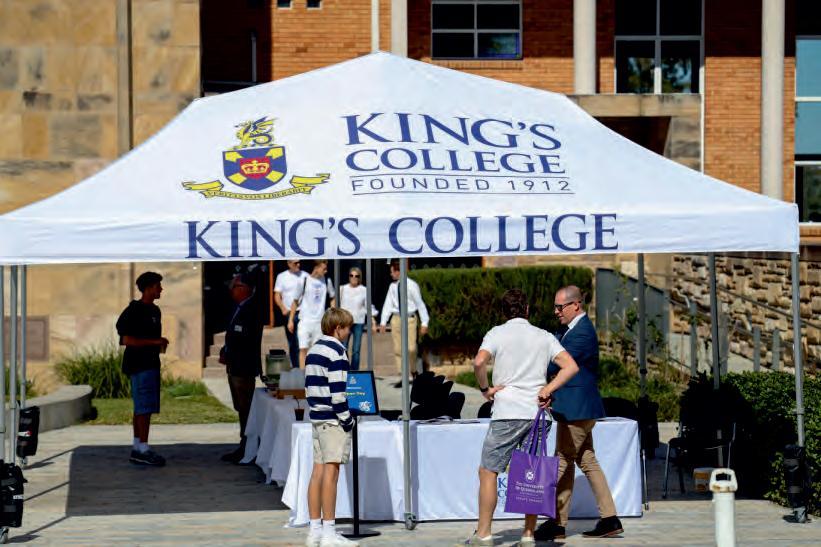
From the Classroom to Campus: Andrew Eunson’s Evolution in Educational Leadership
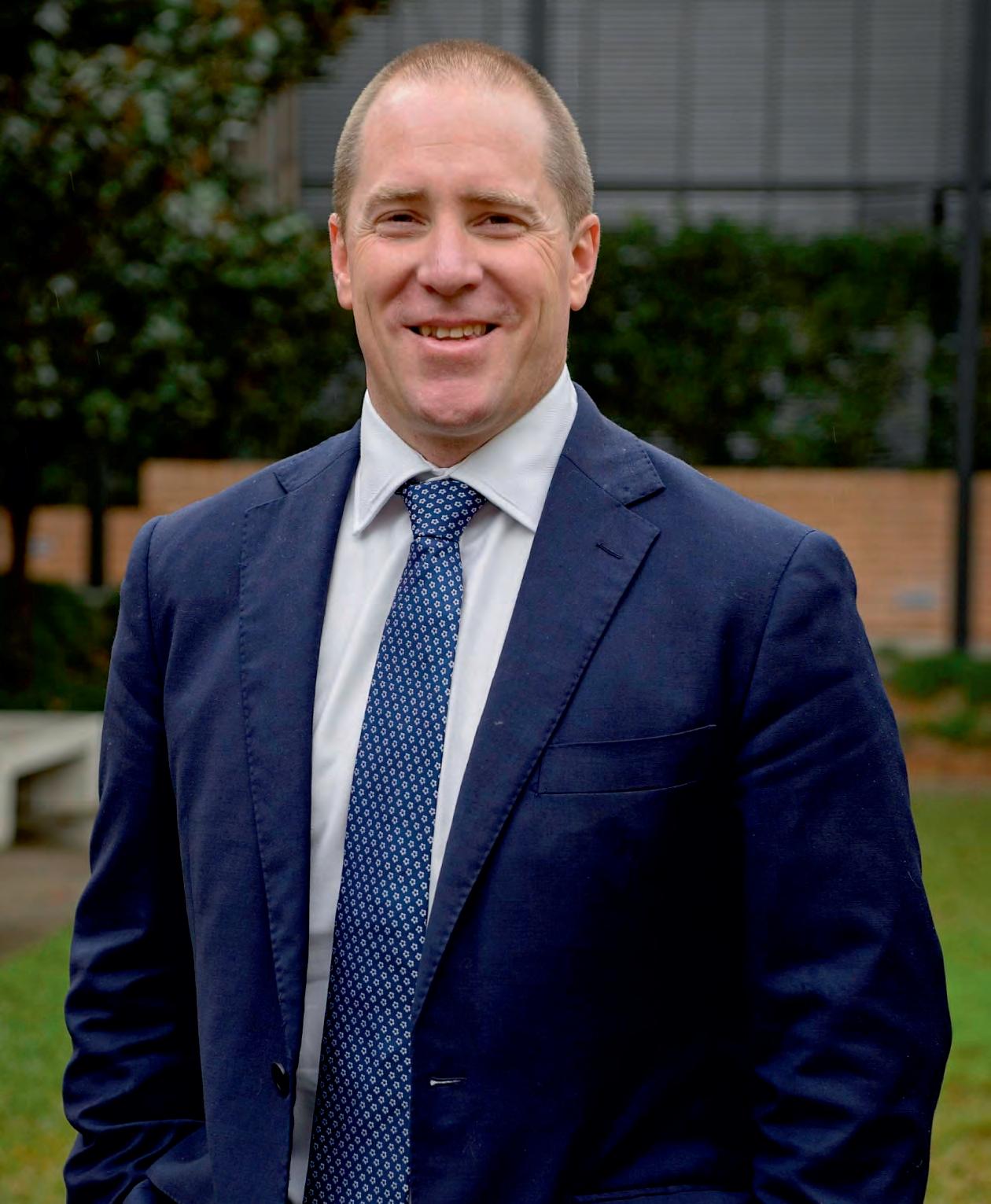
Deputy CEO - King’s College
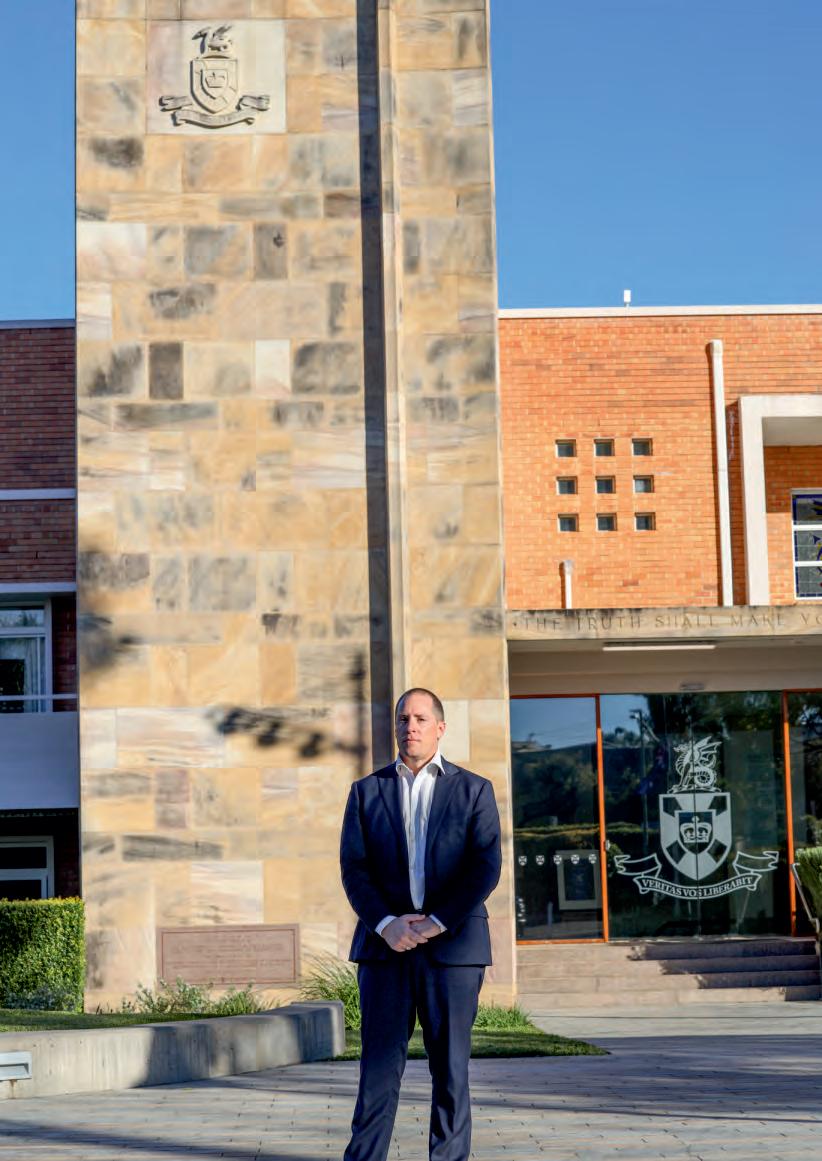
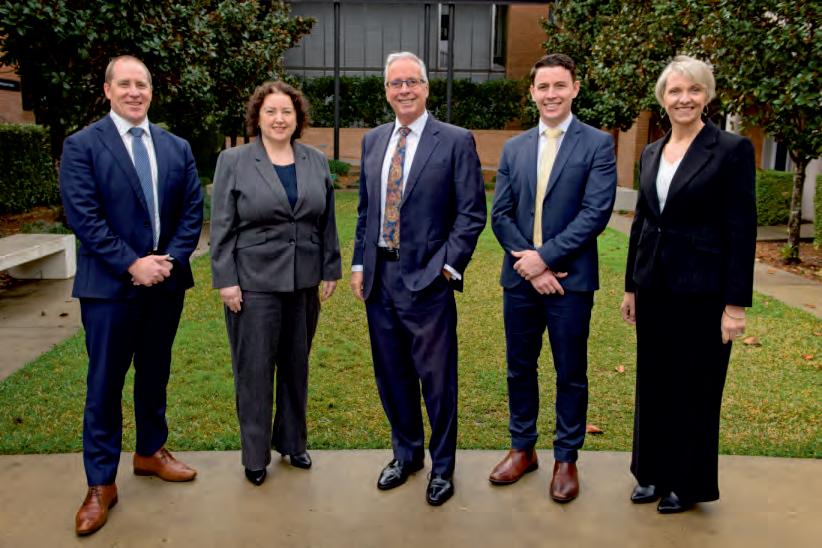
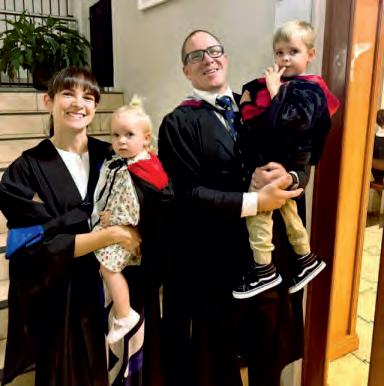
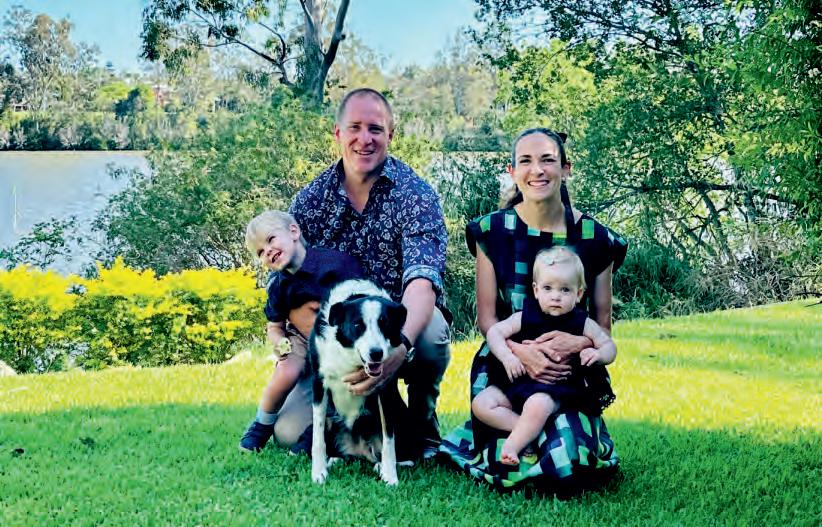

With an extensive and distinguished career in university leadership, Dr. Barry Ryan, President of Burbank, California-based Woodbury University, has served as a tenured faculty member, department chair, dean, vice president, provost, and president at several institutions — in addition to being elected twice to the WASC (WSCUC)Accreditation Commission, serving the maximum six years.
Dr. Ryan earned his Ph.D. in History from UC Santa Barbara and a J.D. from UC Berkeley. He holds a postgraduate diploma in global business from Oxford University. He has been a visiting doctoral scholar at Oxford University and the University of London. Beyond academia, Dr. Ryan has a long history of volunteer service and
leadership in charitable organizations.
Dr. Ryan is not only an accomplished educator, but he also has an extensive legal and government background. Dr. Ryan served as the U.S. Supreme Court Fellow in the chambers of Chief Justice William H. Rehnquist and is a member of the Supreme Court bar, as well as multiple federal and state bars.
It seems to be a challenging yet exciting time for leaders in the education industry. Leading change, especially the attempt to shift a learning institution is a huge task for leaders in higher education. We recently sat down with Dr. Ryan to discuss what he sees as the major forces shaping the education industry today, particularly for smaller-sized universities like Woodbury, with an enrollment of approximately 1,000 students.
Being resourceful & building a foundation for growth
Due of his vast experience in the industry, Dr. Ryan has been able to see firsthand that large state and private institutions have the resources available to their administrators, leaders, and board members that small institutions simply don't.
“Asmall institution has to be really careful because they can drain the resources that they're trying to keep available for the education of their students,” he explains.
On the other hand, he says small institutions have a greater ability to be nimbler. When there are changes in the marketplace, when demand rises for new areas of study, concentrations, or degree programs, it is much easier in a smaller institution to adapt programming to meet those needs. For a larger
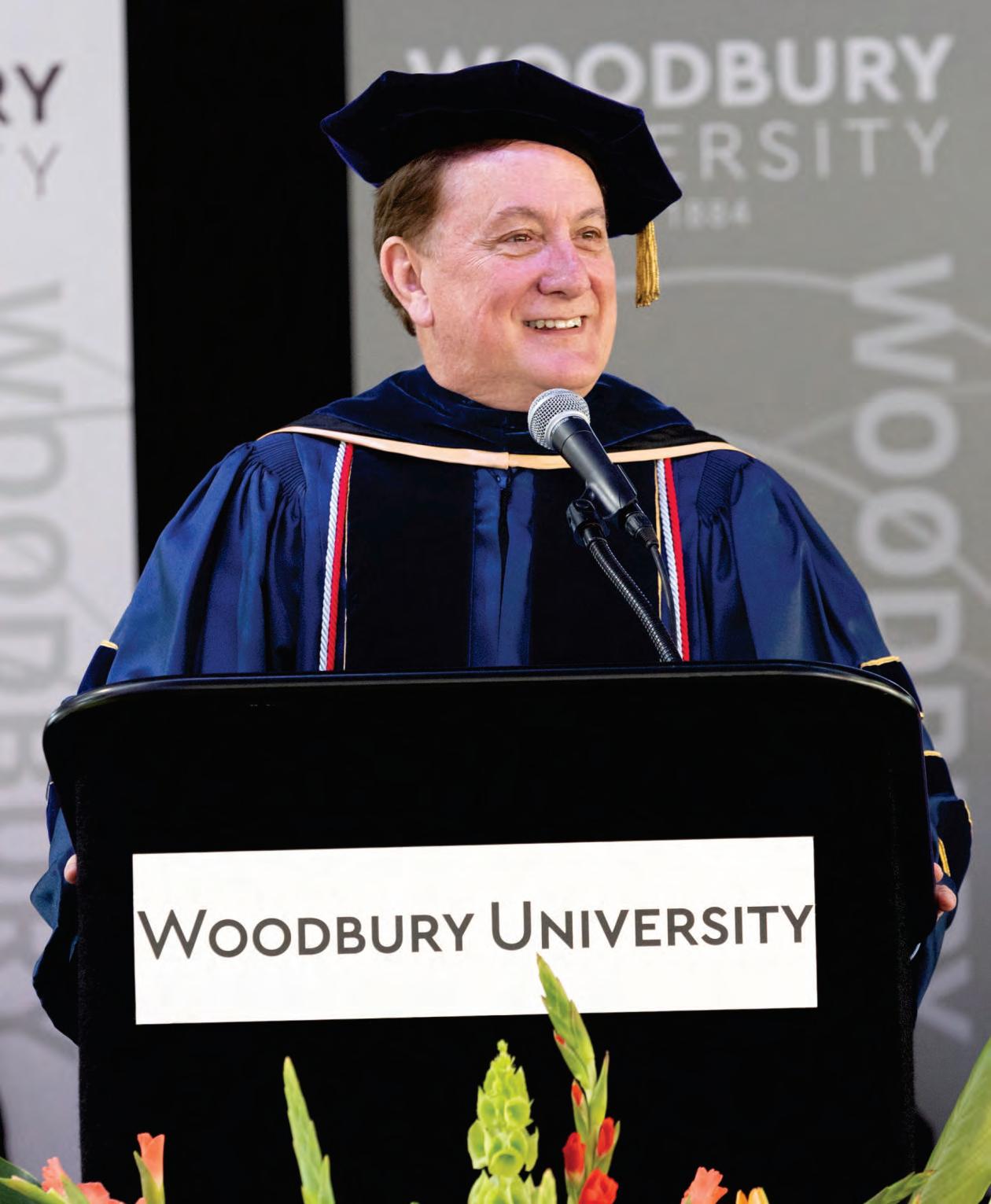
President - Woodbury University

institution, that's hard to do. It takes some time, and understandably there's a structure that goes with that, but it can become very difficult to react quickly to changes. Smaller institutions also have the ability to do it on a more granular level with smaller class sizes and the ability to actually know your students.
“There are advantages and disadvantages to both types of organizations, but we actually need each other. We need every type of institution in higher education. My hope is that we can all work together for the good of our students and for society, as a whole,” Dr. Ryan states.
Effectively Tackling the Diminishing Enrollment Statistics
Dr. Ryan notes that California's higher education has seen a huge drop-off in enrollment numbers, particularly in
community colleges — which he says has dropped 28% in recent years.
“Those are remarkable numbers,” Dr. Ryan exclaims.
“We talk about the demographic cliff in the United States in terms of firsttime freshmen and what's going to happen to that population. If colleges just keep doing what they're doing, small colleges that are on the edge are not going to be successful,” Dr. Ryan explains. These colleges really have to adapt, and that takes a couple of forms. The need to internationalize should to be recognized. Part of that involves bringing more students from abroad, and part of it involves sending more students abroad. There are many facets to it, but the population is growing in many parts of the world, and the need for education is growing, as well.
Dr. Ryan advises small university leaders to think beyond the 18-to-22-
year-old demographic and consider the educational needs of adult learners. He believes that we need to be able to adapt and offer not just degree programs, but different modalities like certificate programs and seminars that appeal to working adults. He also says, “We also need to focus on continuing education for our own alumni because the needs or education requirements of many of their jobs have changed. We should be the place that they go to for help to make those adaptations and grow professionally.”
Dr. Ryan offers some reassuring news: The need for education hasn't changed. “In fact, it's growing,” he says. That particular younger demographic is shrinking, so there is a need to find ways to adjust and meet those needs in other demographics. The opportunity is there for institutions that are agile, nimble, market-aware, and committed to their mission. “We have to find how to
execute that mission in different settings and with different people,” he states.
An increase in higher education mergers and closures has been well documented in recent years — a development Dr. Ryan says that, if not done carefully, can be devastating for students, their families, and the future generations that are affected when their current college or university shuts its doors. Relationships with other institutions can help smooth the way for students affected by such changes.
COVID obviously had a tremendous effect on colleges — and disproportionately so for small institutions with limited resources and budgets. That's one of the reasons why Dr. Ryan would like to see more support provided to smaller colleges and universities since they fill a unique higher ed niche that otherwise would be vacant.
“We are able to reach different kinds of students who have different goals than those who are in a large state university,” he says. “You know the old adage 'it takes a village'? I think the same is true in higher education — it takes everybody working together to help advance the cause of education in our country.”
On the plus side, Dr. Ryan believes that COVID helped Woodbury rethink its approach to remote learning and to listening to what their students need to be successful.
“I think there have been some good experiments in the last couple of years,” he recalls. “There have been
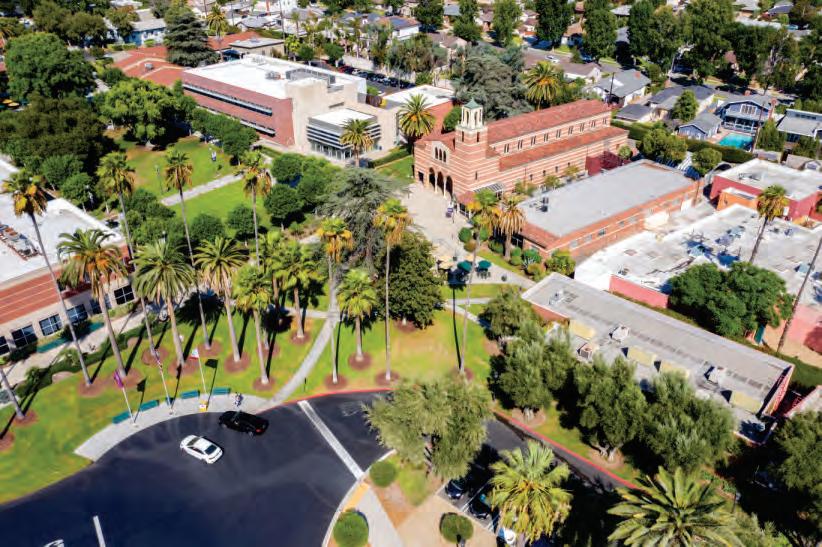
some failures, but we learned from them, too. One thing we've learned is it's not just about flipping on a camera and having the faculty member talk to the students. That's not online education — that's a Zoom meeting,” he asserts.
Dr. Ryan is of the opinion that there is a growing student demand for accessibility to modalities that fit individual student schedules and learning styles. There will always be a percentage of students that are looking for a traditional residential, broad-based four-year bachelor's program. But the pandemic helped a lot of students realize that they need flexibility in their education.
“To meet those needs, we have to be pretty smart. We have to be marketsensitive. It definitely keeps us on our toes,” states Dr. Ryan.
Looking back at his professional accomplishments, Dr. Ryan feels extremely grateful.
Dr. Ryan is a first-generation college
student and claims to be very privileged because of that. His parents knew how important education was — even though they hadn't experienced it — so they enabled him to have a college education.
“I still remember my first class on my first day and what the professor talked about. It was an exchange of ideas and thoughts and perspectives. I thought, 'This is the most exciting thing I've ever experienced.'As I went on, I was just in love with the atmosphere of learning,” he recalls.
What's been the key to Dr. Ryan's success?
“You have to know in your heart of hearts what's right and be willing to stand for that,” he says. He further states that at the end of the day, if you can go home, look in the mirror, and say, 'Yes, I was true to my values,' you can get through almost anything.



Business moves quickly ― and without strong leadership, that movement is chaotic. Ross Romano, an entrepreneur, coach, and longtime organizational leader has learned from both the good and bad of leadership, in startups and legacy businesses alike. He's using those insights to help others go from chaos to control.
Companies and nonprofits in the education space (think edtech, publishers, events, and more) bring on Romano and his team at September Strategies as a fractional Chief Marketing and Communications Officer (CMO/CCO), an operations consultant, or a strategic advisor depending on needs, but across situations the pain points are relatively consistent. In particular,
founders and leaders want to figure out how they can succeed according to their ambitions while operating in a specific, challenging, and mission-driven market. To support these goals, Romano leverages his expertise in messaging and thought leadership strategy, team and talent evaluation, and sales enablement through content development and distribution, as well as his role as a strategic connector bringing together bright minds and big ideas.
Romano has furthered his support of ambitious professionals as a performance coach, working directly with founders, leaders, and “seekers” ― which he defines as high-performing, high-potential individuals looking to achieve that elusive 'something more' in career
and life. “I'm consistently amazed at how quickly we can surface major insights through the coaching process,” he says. “Just being part of the transformation people go through, the clarity of vision they achieve…that really means the world.”
“I knew it was time for a change,” says Romano when asked about the founding of September Strategies. “That there was something better, more impactful, more 'me,' in a sense. Realistically, I 'knew' even before I knew [that it was time to start a new endeavor], then I knew but didn't know what it would be, and then eventually I had a plan.”
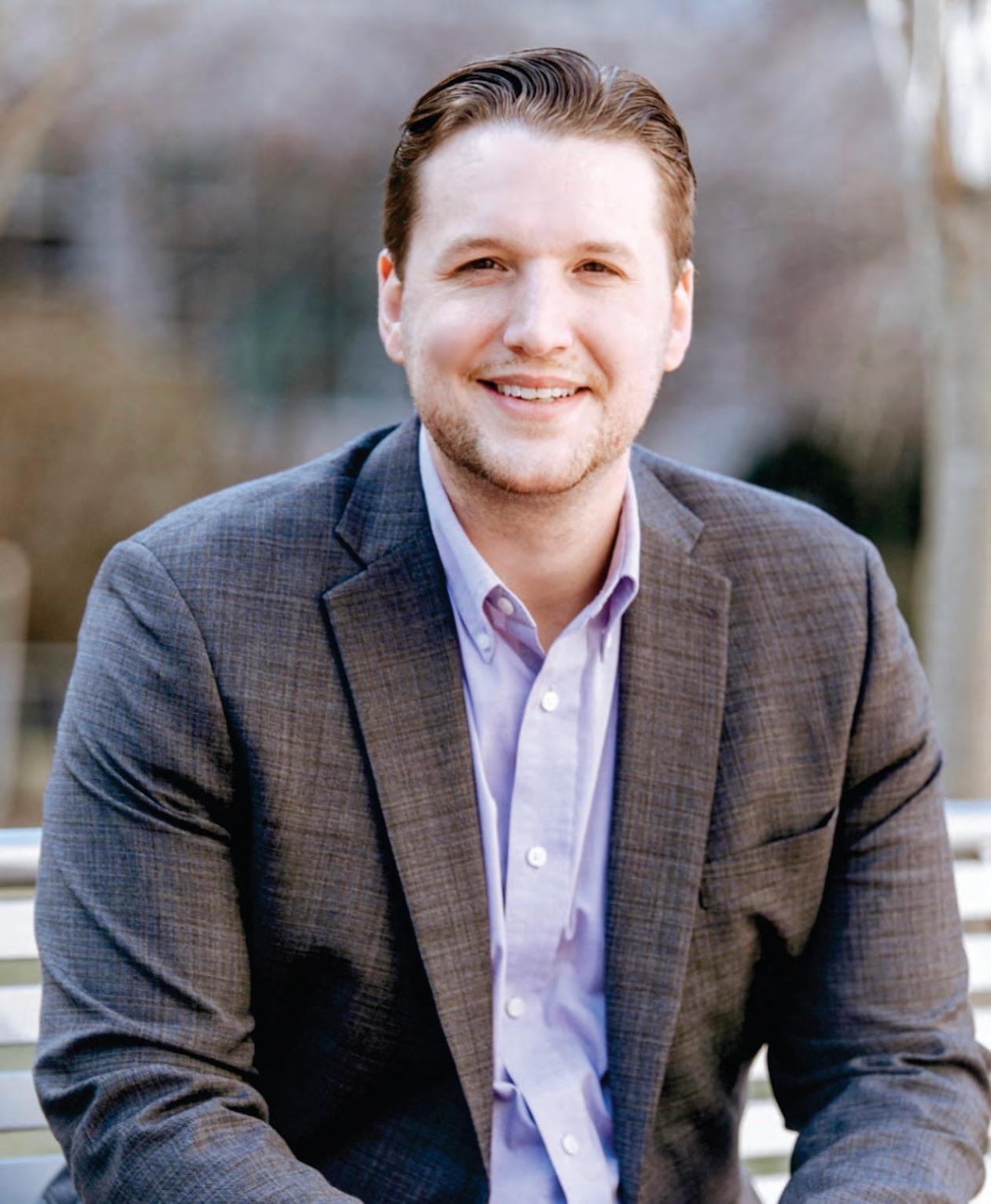
Having worked in various roles and organizations, Romano had the privilege of acquiring extensive knowledge and experience. Through consulting alone, he had worked with nearly 100 companies, collaborated with diverse colleagues, and learned from a trusted network of experts in a variety of fields. Through conversations with others, plus ample time looking inward, it became clear that starting something fresh ― built on his personal vision and values ― was the right thing to do.
Equity and opportunity are the driving forces in all of Romano's work with September Strategies. It's what draws him to the K-12 education sector, supporting the various stakeholders who create a pathway to success for students. It's also what motivates him to introduce the opportunity for leadership development and performance coaching to professionals who've never felt it was within reach.
“When I started September Strategies, I described our work as 'guiding leaders and organizations on the journey from vision to decision,'” says Romano. “What I mean by that is identifying, articulating, and gaining buy-in for one's firmly held values and ambitious vision for success, and then constantly and consistently referencing those as the foundation for all decision-making moving forward.”
Acore characteristic of Romano's, evident in the way he approaches each of his projects, is that he's consistently “on mission.” “I honestly can't get myself motivated to do work that's not purposedriven,” he explains. “And how can I expect that of anyone else?”
He's also an advocate for the essential role of communication at all levels of organizations. Internal and external, from leadership engaging the staff to organizations engaging their communities, he believes a failure to effectively, proactively communicate is the factor that most often undermines even the best efforts. This is especially so in the education world, he says, in which there's so much misunderstanding of the intentions and excellence of educators and schools.
“Don't let other people tell your story for you and don't make it look like there's something to hide,” he says. “There's so much great work, and critical work, happening across the education landscape. We need to get out there and own that.”
The basic service offerings ― marketing and communications strategy, sales enablement support, ghostwriting, design services, content marketing, and thought leadership ― will sound familiar to many industry leaders, but Romano believes it's these core principles and approach that differentiate September Strategies.
Romano is also the co-founder,
along with award-winning former principal and longtime top-ranking podcast host Jethro Jones, of the Be Podcast Network. With more than 25 shows (and growing) covering various aspects of education including K-12, higher education, corporate learning and development, and parenting, the network's mission is to foster a collaborative community of voices that amplify each other's impact. The network collaborates with both individual creators and companies, assisting them in generating the reach, relationships, and engagement to make a meaningful difference in the field.
Jones shared his insights on the strength of the partnership that's enabled such rapid growth of the network: “Ross has an uncanny grasp of the challenges educators face on a regular basis. He's very good at seeing into their problems and finding a way to make them work out for the better. In our partnership building this network, we've worked together to leverage those insights for the benefit of individuals and organizations.”
How do you know when you're succeeding? What acknowledgements do you care about?
Especially for someone involved in as many endeavors as Romano is, these seemed like fitting questions. Turns out, it's the little things that he cares about. He mentions receiving unexpected referrals from marketing colleagues as a particularly
meaningful gesture, as well as times when a potential client will comment on the thoroughness and fairness of a proposal. “Integrity and excellence are guiding values here. And those things tell me we're doing it right,” he says.
“Ross knows how to see value in things that most people don't see much value in,” adds his podcast network co-founder, Jethro Jones.
Romano believes this perspective has been invaluable in his coaching work, which he describes as his real passion. Professionals at all stages, from early career to chief executive, come to him looking for transformation. They're seeking answers to big, complex, ambiguous questions they may have struggled with for years or even a lifetime ― and trying to find those answers fast. When he's able to identify strengths and potential in people they haven't recognized in themselves, it creates the possibility to actually find those answers.
“What I see in people is one thing. But more importantly, it's what I will get them to see in themselves,” he notes. “Transformation is a big word. I only use it because I've seen it.And where it comes from is inside the individual; it's really amazing what people can accomplish.”
Romano views success as subjective. It's personal, he says. One's ambitions and goals must be unique and shouldn't be compared to others. That's a common, dangerous
trap. This is true of both individuals and organizations, he adds.
“As individuals, the idea of comparing ourselves to others is easy to grasp. Whether we're feeling like imposters or that we fail to measure up, or we're feeling superior, it's bad either way,”
Romano says. “For organizations, same phenomenon. Companies that spend all their time just one-upping each other get sucked into an endless cycle. Meanwhile someone else out there is thinking big picture and five-upping whatever you're doing. You've lost the game.”
That doesn't mean being ignorant to the competition, he cautions. In his estimation, too many companies consider themselves “unique” only because they've failed to do the

basic market research.And that type of mentality undermines the potential for innovation. “Real innovation requires an understanding of the market, what it demands, and what solutions have or haven't shown potential.
Combining existing ideas in a novel way to solve a real problem ― that's often the most effective way to innovate,” he says.
Romano's advice to any professional is to discover your driving purpose and fully engage with it.
“I say find what animates you ― what genuinely brings you life,” he says. “Intrinsic motivation is powerful. Don't try to fool yourself with outside incentives. Tap into what authentically drives you.”


With more than two decades of experience in higher education, Hakim J. Lucas 13th President and CEO of Virginia Union University, is an expert in fundraising, strategic planning, and the engagement and retention of students in challenging educational experiences.
At VUU, Dr. Lucas advocates for student-driven policies and the inclusiveness of students and faculty in developing and implementing the university's strategic plan. He is also a strong believer in the importance and significance of Historically Black Colleges and Universities (HBCU) and works to ensure their viable sustainability.
Dr. Lucas holds a bachelor's degree from Morehouse College, a master's degree in teaching (History) from Tufts University, an Executive MBA from Stetson University, and a Master of Divinity (Church History) from
Columbia University's Union Theological Seminary. Fordham University awarded him his doctorate in education. He is a transcendent leader who has decided to advocate for social justice via education.As a result, he participates in a number of advisory councils and organisations, includingAlpha PhiAlpha Fraternity, Inc., Prince Hall Free Masonry, and 100 Black Men.
Dr. Lucas is the editor-in-chief of a series of publications on HBCUs for InformationAge Publishing, where he is a leader in the field of HBCU research. He also works with the Southern Education Foundation as a senior research fellow. His most recent work, Not for OurselvesAlone: Legacies of Two Pioneers of Black Higher Education in the United States, was released in 2019.
Virginia Union University is a top liberal arts urban institution of higher
education and a centre of excellence for the training of students and the development of leaders for the world of tomorrow. VUU was established in 1865 as a Historically Black University (HBCU) to provide newly liberated slaves with a chance for education and progress. Virginia Union University has five academic schools and 33 degree programmes to offer a diverse variety of educational possibilities. The academic programmes promote liberal arts and STEM education, teaching, research, continuing education, civic engagement, and international experiences through liberal arts and STEM education, teaching, research, continuing education, civic engagement, and international experiences.
Dr. Lucas's role at Virginia Union University is push the strategic goals set forth by the Board of Trustees, to envision the future of the university, and to help build
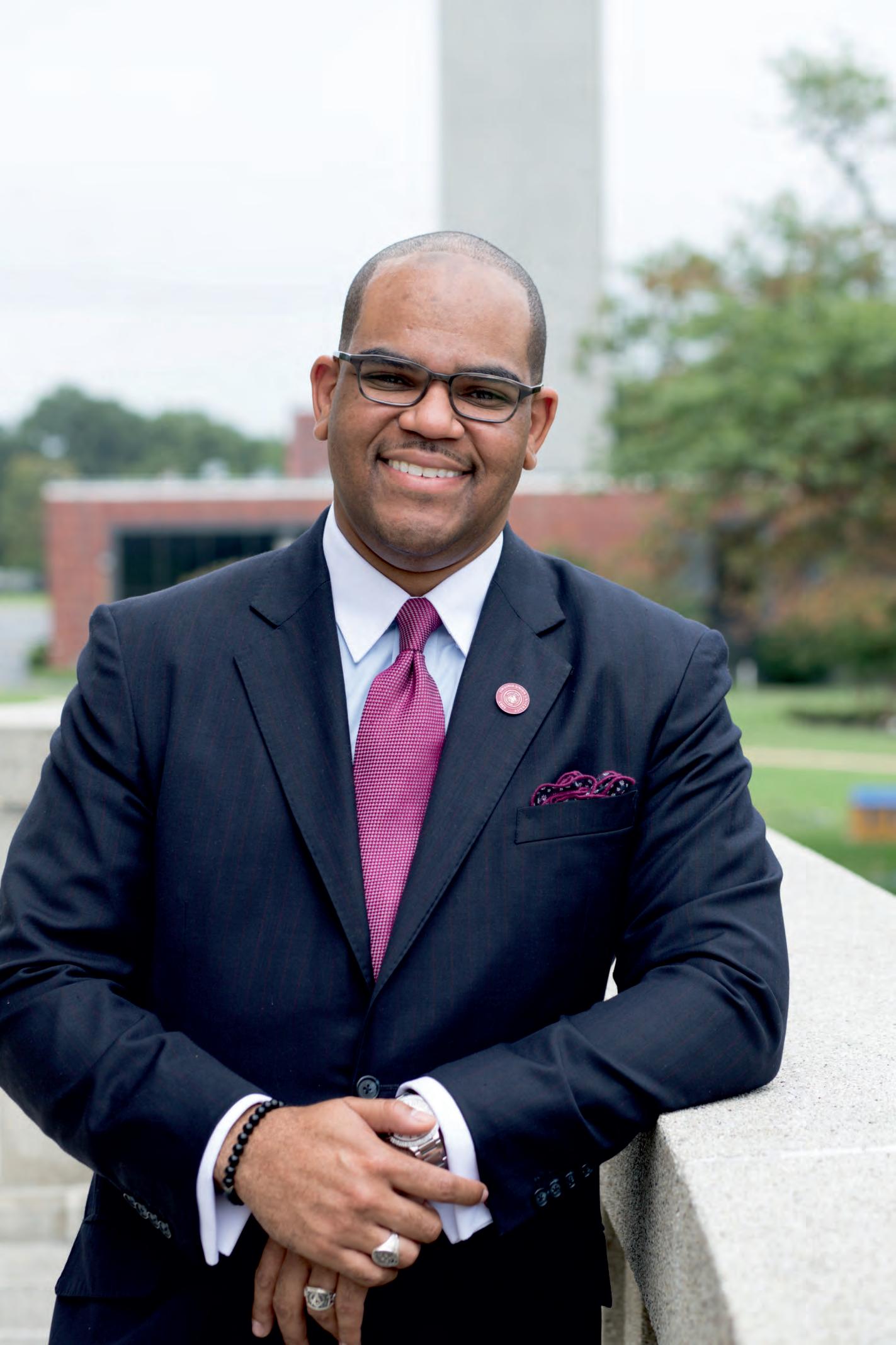
President & CEO - Virginia Union University
recognition with donors. He says, "Customer service is our first priority. We must offer the best service, communications, and academic opportunities for our constituencies. We also measure success through benchmarks."
Like any other business sector, the global health pandemic has forced a change in the business model for higher education.According to Dr. Lucas, students in the twenty-first century want greater freedom in acquiring their higher education degree in a way that fits their lifestyle. Some students, he says, choose to go the traditional path of living on campus and attending in-person classes. Others want to study from wherever they are and take online programmes.Additionally, some students want to work while they study and get their degree.
While educators at VUU continue to work on a semester plan, they currently provide seven terms with varied student linkages. Students can now choose whether to enrol in their courses for a four-, six-, eight-, or sixteen-week term with the help of their adviser. This gives students the freedom to study not just where they choose, but also how quickly they want to get their degree. This allows kids to study more effectively for their lives, at their own pace, while also working toward workforce training and ultimate generational riches.
The notion of success is, for many
leaders, the intersection or marriage between preparation and opportunity. And if the table of success is supported by the legs of opportunity and preparation, then one has to dive deep into what opportunity and preparation means. Dr. Lucas says, "How do you understand the notion in the context of this nebulous subjective perception and the perceptive qualitative adjective called success. Oftentimes, we want to make success a noun. It can also be a verb by saying: I want to get to the place of success. I want to be successful."
When individuals talk about success, according to Dr. Lucas, they're talking about their hearts and mind sets. He claims that a heart set is "the object of one's passion, the thing for which one yearns and craves sincerely." On the other hand, he defines Mind-set as the mental state, habits, lessons, and perspectives that determine one's viewpoint. He goes on to say that a mind-set is a proven static method of addressing anything; it is the state of one's mind, as well as all of the assumptions that have established a specific viewpoint, behaviour, and the manner in which we do what we do through time. He asserts, "Heart sets are those things that I'm passionate about, those things that drive me, those things that emerge from within in my silence, or in my sound begin to reverberate through me as an energy that moves me closer to this. It is who and what I want to be. What I want to achieve and I want to feel drives the heart. A good heart and a good head are the perfect combination. "
Dr. Lucas opines, "Our goal is to help everyone in the organisation to feel and experience success, whether that is the outcome of a group mission, or
whether it is the realisation of an individualised mission. Every organisation is trying to fulfil the group mission while also feeling its individual mission. "
Dr. Lucas also finds that success is trying to achieve individual and group goals. It is trying to acquire a sense of various benchmarks. Whether it's a mission, whether it's a benchmark, whether it's a target, whether it's a goal, whether it's an objective, all of the language of understanding the progress of an organisation is defined by being interested in having our hearts and our minds set on success. He says, "We all want to be successful. It mandates our drive and what we bring to our jobs. It's a feeling. It's described by wealth. It is described by what you have done, and so we have this whole notion of success. It is not just a feeling of success. It is not just a corporate identity and an individual identity. However, success can be used to extract and exchange personal and corporate value in a tangible and measurable way.So, we want to be the best as a comparative to success and a tangible way of accumulating certain goods, services, medals, accolades, accomplishments, and a series of things over time, to distinguish ourselves from others so that we can accrue and grow our own professional, personal, individual, or group value. For success to be real and tangible, and not just be a feeling and not just be a part of our identity, it must be consistent and it must have a certain mass."

Founder & CEO - Western Atlantic University School of Medicine
In the United States today, there are only 150 medical schools that confer the medical doctor degree, with about 53,000 students applying to those schools for only about 22,000 available seats. What this boils down to is that 30,000 applicants annually + are denied entry to medical school in the US because they lack the not qualifications, but simply because there are not enough available seats.
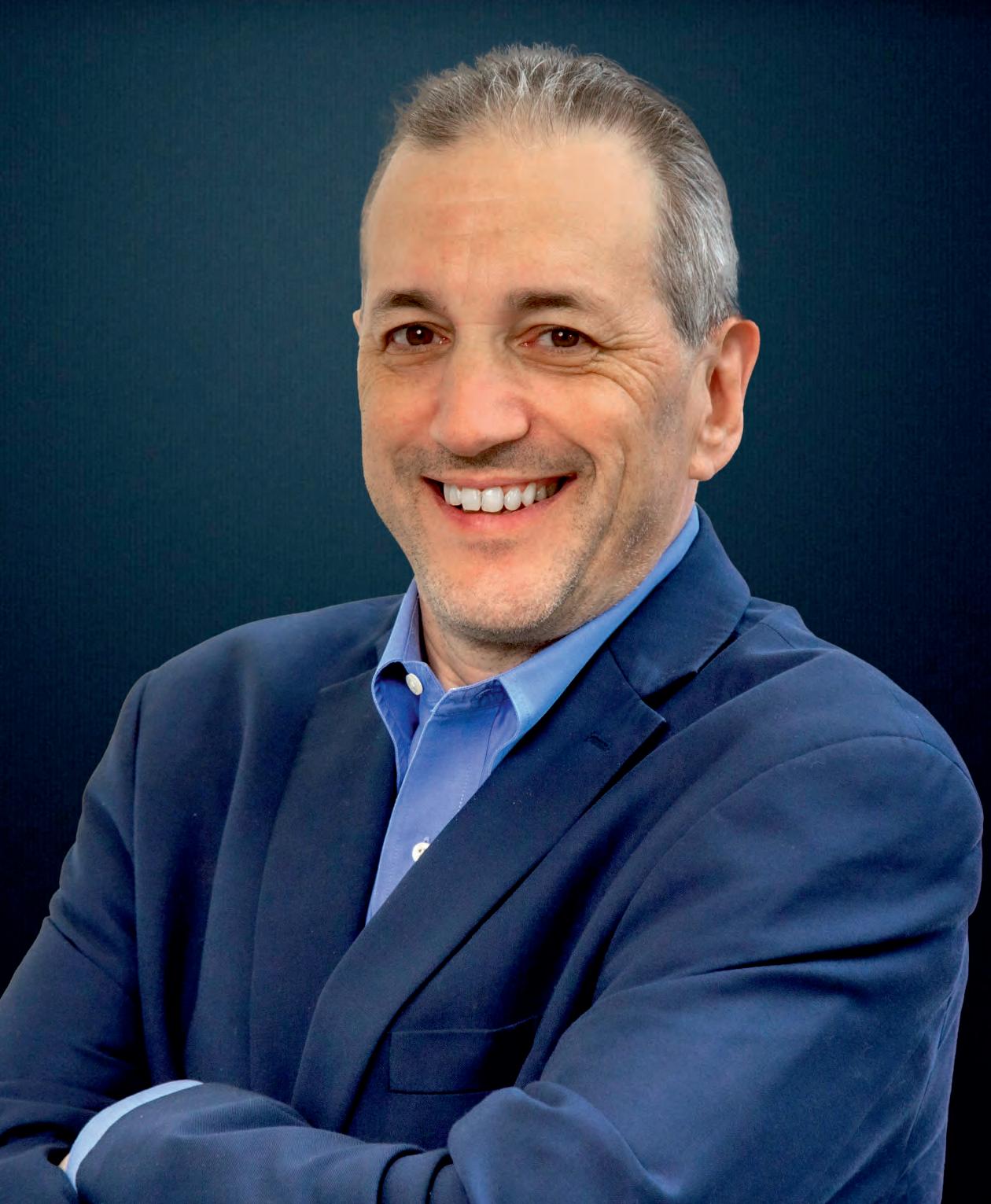
Peter Goetz, founder of Western Atlantic University School of Medicine (WAUSM), is a big making difference in the sector. He established WAUSM to provide both deserving students with the opportunity to attend medical school, and help alleviate the impending physician shortage. There is a current US shortage of 30,000 physicians that is projected to grow up to 000 by 124, 2034.
WAUSM is located in the Western Atlantic , hence its name. The Ocean University's tagline, "A medical education above," is a double entendre: its ideal location is well north of the Caribbean region where the school's competition is located, and it boasts an outstanding
leadership team that delivers a worldclasseducation We . The team states, " constantly strive to elevate ourselves above the competition."
Peter's career focus has always been within higher education. He began his career as an admissions counselor at Ramapo College of New Jersey when he was 21 years old and worked his way up there for 17 years, receiving promotions roughly every three years. He opines, "I've always enjoyed showing young professionals my resume because when you look at it you see the progression that occurs from hard work, not immediate gratification. After several promotions, I was elevated to the roles of dean and then vice provost for enrollment management.”
Following that post, he applied to Ross University where he worked for 11 years and enjoyed tremendous team success before concluding that he had done as much as he could helping to lead one of the world's largest medical schools. He decided it was time to try something new, which is when the idea of establishing a
medical school really took root.
He finds himself fortunate that he has had many great moments as a leader, but among them, the fondest occurred when he first began thinking about launching WAUSM. He recalls, "When I first talked with Dr. Flaherty [Joseph Flaherty, MD, president of WAUSM and dean emeritus at both the University of Illinois College of Medicine and Ross University School of Medicine], I expected him to say something supportive to me, but also to be straightforward by saying something like, "Are you crazy? Do you want to take this on?" But really this wasn't the case at all as he immediately said, "I'm in." I received nearly the same response from others with whom I spoke. This made me proud because there was this collective, singular belief that what we are creating at WAUSM will be nothing short of extraordinary an success."
The CEO of WAUSM
Peter is an extremely competitive person. He enjoys winning, but dislikes losing
much more, and he notes, there is a distinction. It's a mindset, and he feels it's what motivates him: the will to achieve and not give up until he finds a way to accomplish the task(s) at hand, even when difficult, and even near impossible hurdles, stand in his way.
He says, "As a leader, you're being watched all the time, so you have to keep yourself razor-sharp, focused on the big picture, and ensure your team (or if not them, then you) are handling the most minute details as well."
Peter notes that at the helm of WAUSM is an established team that has worked successfully together for an extended period at previous medical institutions, which is why WAUSM so strong. He says, is "Everyone is willing to check their egos at the door and truly trust one another. From here, the equation is rather simple: Talent + Trust = Greatness."
Challenges that Push Toward the Betterment
According to Peter, WAUSM should be in its second year of operations, were it not for two major hurdles. The first was in 2019 when Hurricane Dorian devastated Freeport, Grand Bahama, the home of WAUSM's preclerkship campus. Many organizations might have looked for a new location after such an event, but WAUSM felt even more attached to Freeport for this very reason. He says, "We believed it was important to not cut and run, but instead to be a part of the 'renaissance' that is occurring in Freeport by being the first major business, or university in our case, to be established on Grand Bahama Island post-Dorian."
And then, of course, once WAUSM
got past the hurricane, the pandemic hit, so that cost it another year, mostly because of the travel restrictions in place that meant the management team couldn't be there physically to build out its campus.
"But what these hurdles did was put things into perspective. We were able to swiftly navigate past minor other, everyday hurdles that we otherwise would have thought were significant had we not now known better. These setbacks also made us even more resolute to press forward," says Peter.
Several years ago, Peter learned an important lesson regarding work-life balance. When one of his direct reports approached him about another matter, the conversation turned to personal time off and, more specifically, the example Peter was setting when he took time off. He recalls, "This person told me that my team would do anything for me, but that it was hard for them to truly
disconnect from work when they were on vacation because, even though I told them to do just that, I wasn't doing it myself."
In other words, Peter was talking the talk, but not walking the walk. This incident taught him that one does need to create work-life balance because it is critically important to recharge batteries, and that he your had to show others that it could be done. Peter did just that, and continues to carve out time when he can not only for his family and closest friends, but also for things that he enjoys, such as sports and reading.
Peter wants to excel WAUSM's place as a newcomer in international/Caribbean medical education to a leader in the field; the medical school closest to the US (just 60 miles from Florida) and the category's star. He asserts, "Our short-term vision is to very quickly be thought of as equal to the schools that
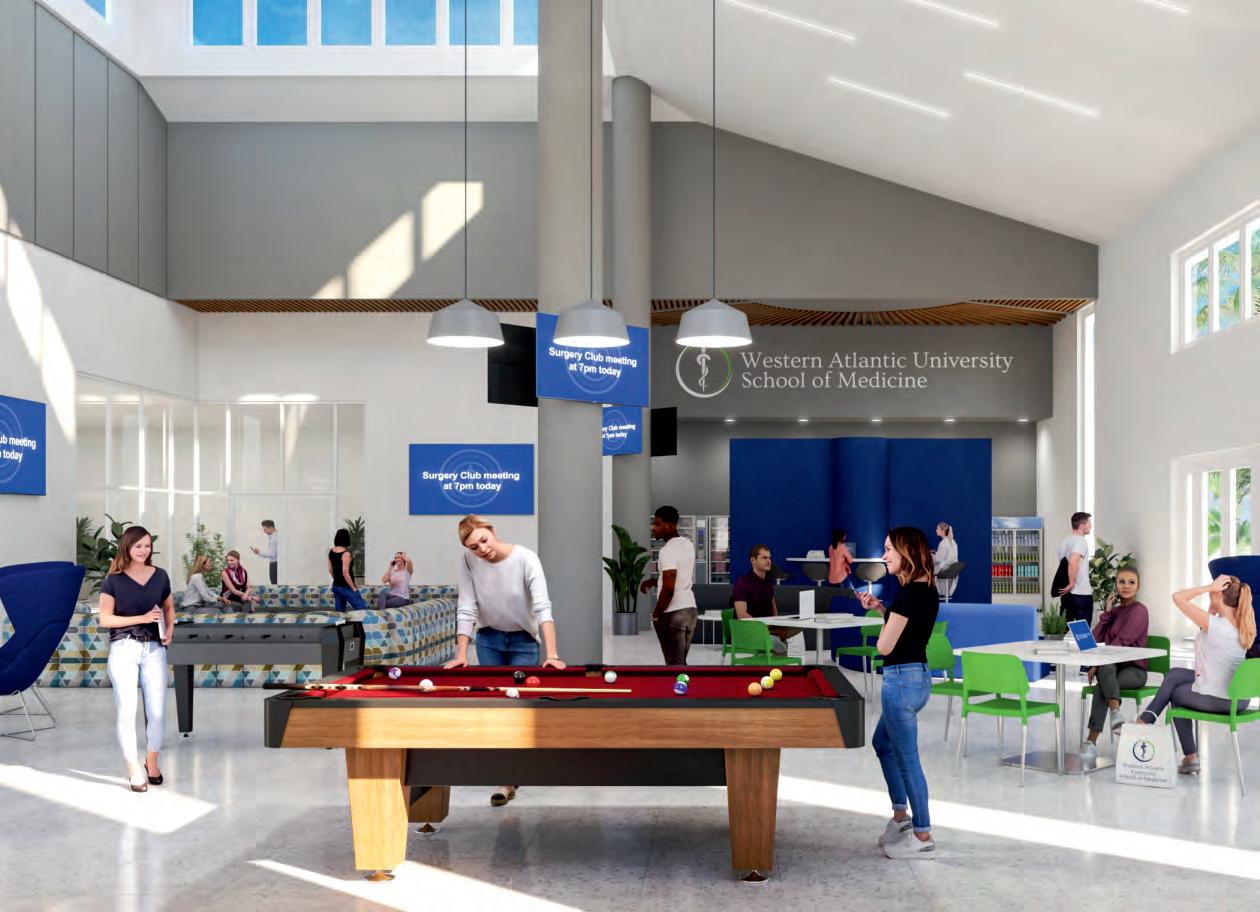
have been established for 40+ years; the longer-term vision is to be seen as the No. 1 medical school in our space."
As per Peter, there are so many things the school can do to make itself not just the best educational, institution but the best medical education provider by being open and compassionate to all students.
Peter is also passionate about growing the school in a responsible way; not growing for growth's sake, but doing so properly by ensuring that all necessary resources are in place. He says, "The overriding goal is to be a
best-in-class medical school and do our part to help fill the significant projected US physician shortfall."
Peter's definion of success is not about individual achievement, it is collecve; team all the way. He opines, "Too many mes, people feel a need to and at mes micromanage, while I may do so, I make a conscious effort to avoid doing this as much as possible. Outstanding leaders hire great people, the best in their respecve fields. Theḁy are there to support them,then get out of and
their way.” Successful leaders aren't afraid to hire people who are dissimilar to themselves or have skills different from their own; in fact, they embrace this concept.According to Peter, "You should hire people who will complement, counterbalance, and help you and your organization in ways that will make the enterprise stronger. It's important to feel secure in your skin and hire a diverse own workforce of people to build, or create, winning teams and extraordinary organizations."




Read some awesome inspiring insights from the experts of the business worlds!
JOURNEY OF