Building Intelligence That Powers the Real World
Building the Future When Hope Feels Distant
CREATING GLOBAL IMPACT, and Infrastructure






Building Intelligence That Powers the Real World
Building the Future When Hope Feels Distant
CREATING GLOBAL IMPACT, and Infrastructure



Innovation has always defined progress. But in 2026, innovation is not just about creating something new it is about building systems that sustain the world. Artificial Intelligence and Infrastructure have become the twin engines powering global transformation. Together, they are reshaping industries, strengthening economies, and redefining how societies function.
In this special edition, CIO Business World proudly presents “The Most Influential Innovators in AI and Infrastructure Creating Global Impact, 2026.” This feature celebrates leaders who are not merely participating in the AI revolution they are engineering its very foundation.
Artificial Intelligence may capture headlines with breakthroughs in automation, predictive analytics, and generative technologies. Yet behind every intelligent system lies robust infrastructure data centers, cloud ecosystems, semiconductor networks, connectivity frameworks, and sustainable energy solutions. These innovators understand that intelligence without infrastructure cannot scale, and infrastructure without intelligence cannot evolve.
The individuals highlighted in this edition represent resilience as much as brilliance. They operate in environments defined by rapid change, regulatory complexity, cybersecurity risks, and global competition. Markets fluctuate. Technologies evolve overnight. Expectations intensify. And yet, they continue to build.
Because true innovators know that even when disruption challenges stability, progress is never truly lost you can always find it again.
In moments of uncertainty, these leaders choose adaptation over hesitation. When supply chains are strained, they innovate alternative pathways. When data governance raises new concerns, they strengthen transparency and ethics. When sustainability becomes imperative, they integrate green technologies into digital growth strategies. Their impact extends far beyond quarterly performance metrics. They are building intelligent cities that optimize energy consumption, healthcare systems that enhance diagnostics, financial infrastructures that improve inclusion, and connectivity networks that bridge global divides. Through their vision, AI becomes more than automation it becomes empowerment.
At CIO Business World, we recognize that influence in 2026 is not defined solely by market valuation or technological scale. It is defined by responsibility. The innovators featured here demonstrate that leadership in AI and infrastructure demands long-term thinking, interdisciplinary collaboration, and unwavering commitment to ethical innovation.
They understand that setbacks are not endpoints. They are recalibration points. And in the dynamic world of AI and infrastructure, recalibration is often the pathway to reinvention.
As readers explore this edition, we invite you to reflect not only on technological advancement but on the human determination behind it. These innovators prove that in a world of complexity and rapid disruption, resilience remains the greatest competitive advantage.
The global digital economy is evolving faster than ever before. Yet its future depends on those who continue building especially when conditions are uncertain.
Because in innovation, as in leadership, even if direction feels momentarily unclear, you can always find it again. And it is this unwavering pursuit of progress that defines the most influential innovators of 2025.




















Building Intelligence That Powers the
World Building Intelligence That Powers the Real World




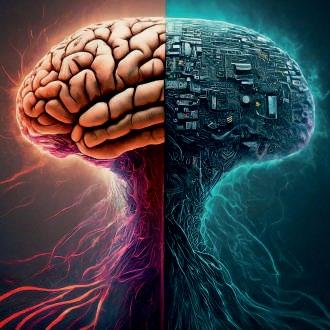




rtificial Intelligence (AI) stands at the forefront of both cybersecurity risks and defenses, embodying a dual role that shapes digital landscape. This article delves into contributing to increased cybersecurity risks simultaneously bolstering defense mechanisms, the complex interplay between and vulnerability in today's cyber realm.
proliferation in cyber introduces novel risks and ganizations must navigate. include:
Sophisticated Cyberattacks: AI-driven tools can the sophistication and e ciency of cyberattacks. Malicious actors utilize AI to automate tasks like reconnaissance, phishing, and deployment, making attacks and more targeted and di cult to detect.
Engineering: AI can also make social engineering harder to detect. Phishing emails can tailored and contain fewer errors and Even video and audio can be faked with one incident, an attacker used AI to make deep fakes to impersonate top executives on calls, thereby tricking an employee into

improperly transferring $25M to an account controlled by the attacker
• Adversarial AI: Researchers have demonstrated the potential for AI algorithms to be manipulated or deceived, leading to adversarial attacks. These attacks exploit vulnerabilities in AI systems, causing them to misclassify data or make incorrect decisions, undermining the reliability of AI-based cybersecurity defenses.
• Privacy Concerns: AI-powered surveillance and data analysis tools raise concerns about privacy infringement. The collection and analysis of vast amounts of personal data can lead to unauthorized access, data breaches, and regulatory noncompliance, posing significant risks to individuals and organizations alike.
Conversely, AI-driven technologies are instrumental in strengthening cybersecurity defenses, o ering proactive measures to mitigate evolving threats:
• Threat Detection and Analysis: AI excels in detecting patterns and anomalies within vast datasets, enabling quicker identification of potential threats. Machine Learning algorithms
can analyze network tra c, user behavior, and system logs in real-time, alerting security teams to suspicious activities promptly.
• Automated Response and Mitigation: AI automates incident response processes, allowing for rapid containment and mitigation of cyber threats. Automated systems can isolate compromised systems, update security configurations, and deploy patches to vulnerable software, reducing the window of opportunity for attackers.
• Predictive Capabilities: AI's predictive analytics forecast potential cyber threats based on historical data and current trends. This proactive approach enables organizations to preemptively strengthen defenses, allocate resources e ectively, and prioritize security measures based on identified risks.
While AI presents significant opportunities for cybersecurity, several challenges and ethical considerations must be addressed:
• Bias and Fairness: AI algorithms can inadvertently perpetuate biases present in training data, leading to discriminatory outcomes in cybersecurity decisions. Ensuring fairness and transparency in AI models is crucial to mitigating these risks.
• Regulatory Compliance: The deployment of AI in cybersecurity must adhere to regulatory frameworks governing data privacy, security standards, and ethical guidelines. Compliance ensures that AI technologies operate within legal boundaries and uphold user trust.
• Intellectual Property: Use of AI raises di cult intellectual property problems. For example, if AI generates cybersecurity code, procedures, policies, or other documents in part, on another person's copyrighted works, does it violate their copyright? These questions have yet to be fully
addressed by courts and it may be a while before we have reliably answers.
• Skill Gap: E ective implementation of AIpowered cybersecurity requires skilled professionals capable of managing, interpreting, and refining AI systems. Bridging the skill gap through training and education is essential to maximizing the potential of AI in cybersecurity defenses.
Looking ahead, the evolution of AI in cybersecurity will continue to shape the landscape of digital resilience and vulnerability. Innovations in AI-driven threat detection, behavioral analytics, and automated response systems will redefine cybersecurity strategies, empowering organizations to combat emerging threats e ectively
Striking a balance between leveraging AI's capabilities to fortify defenses while mitigating inherent risks remains paramount. Embracing collaborative e orts among cybersecurity professionals, researchers, and policymakers will drive advancements in AI technologies that safeguard digital assets and uphold cybersecurity resilience.
In conclusion, Artificial Intelligence represents a pivotal force in the dual narrative of cybersecurity, both augmenting risks and fortifying defenses in today's interconnected digital ecosystem. Organizations must navigate this complex landscape with a nuanced understanding of AI's potential vulnerabilities and transformative capabilities. By harnessing AI-driven technologies responsibly, organizations can proactively defend against evolving cyber threats, uphold data integrity, and foster a resilient cybersecurity posture. Embracing ethical considerations, regulatory compliance, and continuous innovation will enable AI to fulfill its promise as a cornerstone of modern cybersecurity defenses, safeguarding businesses and individuals against the ever-evolving threat landscape.






ow is AI really affecting organizational culture?
ow is AI really affecting organizational culture?
Gen AI vendors claim that AI is going to save organisations thousands of labor hours. Unions say AI will cost thousands of jobs. So what is the truth, or is it both?
How AI Is Changing Day-to-Day Collaboration
Gen AI vendors claim that AI is going to save organisations thousands of labor hours. Unions say AI will cost thousands of jobs. So what is the truth, or is it both?
The middle line between these two points suggests that AI is already changing cultures as automation becomes king. How it will rule its people depends on how leaders carefully advise it with strategic inputs and prompts and how they strategically deploy it.
How AI Is Changing Day-to-Day Collaboration
AI now sits inside daily communication flows. It summarizes meetings, drafts messages, and reshapes documents before humans even see them. Collaboration still happens, but it feels different.
The middle line between these two points suggests that AI is already changing cultures as automation becomes king. How it will rule its people depends on how leaders carefully advise it with strategic inputs and prompts and how they strategically deploy it.
The way AI is affecting the culture of your organization is subtle, and it can be impossible to change when it has occurred, so it’s essential to make the right decisions and be mindful of how these decisions will affect the organization before rolling out thousands of AI agents across your company.
AI now sits inside daily communication flows. summarizes meetings, drafts messages, and reshapes documents before humans even see them. Collaboration still happens, but it feels different.
Teams increasingly rely on AI-generated context instead of direct explanation. That saves time. It also removes nuance. A summary cannot always capture hesitation, disagreement, or emerging ideas that have not fully formed.
The way AI is affecting the culture of your organization is subtle, and it can be impossible to change when it has occurred, so it’s essential to make the right decisions and be mindful of how these decisions will affect the organization before rolling out thousands of AI agents across your company.
This article explores the hidden influence on organizational culture and work dynamics of AI and how leaders can use AI to influence culture positively
Teams increasingly rely on AI-generated context direct explanation. That saves time. It also removes A summary cannot always capture hesitation, or emerging ideas that have not fully formed.
Asynchronous work becomes the default. AI fills the gaps left by fewer live conversations. This works well for distributed teams, but informal knowledge sharing suffers. New employees may struggle to absorb cultural norms when much of the dialogue is filtered.
This article explores the hidden influence on organizational culture and work dynamics of AI and how leaders can use AI to influence culture positively
Asynchronous work becomes the default. AI fills left by fewer live conversations. This works well distributed teams, but informal knowledge sharing New employees may struggle to absorb cultural when much of the dialogue is filtered.
Collaboration becomes broader but thinner. People work across more projects, with less depth in each interaction, allowing AI to enable scaling, but it also changes how trust forms between coworkers.
Collaboration becomes broader but thinner. People across more projects, with less depth in each interaction, allowing AI to enable scaling, but it also changes forms between coworkers.
AI’s Influence on Management Styles and Decision-Making
AI’s Influence on Management Styles and Decision-Making
AI reshapes how managers lead, sometimes without them noticing. Data is always available, allowing recommendations to appear instantly, which changes behavior
AI reshapes how managers lead, sometimes without noticing. Data is always available, allowing recommendations to appear instantly, which changes behavior
Performance Oversight
Performance Oversight Managers now rely on AI insights to assess productivity and progress. This creates consistency, but it can also flatten context, and numbers do not explain personal constraints or creative effort.
Managers now rely on AI insights to assess productivity and progress. This creates consistency, but it can context, and numbers do not explain personal creative effort.
Decision Velocity
elocity decisions. Faster planning cycles feel at first. Over time, leaders may feel pressure to fully reflecting, trusting the model instead of
AI accelerates decisions. Faster planning cycles feel empowering at first. Over time, leaders may feel pressure to act before fully reflecting, trusting the model instead of debate.
Autonomy
Control and Autonomy
monitoring tools can drift into micromanagement. Even leaders may overcheck dashboards because and employees notice this shift quickly.
The cultural impact shows up in small moments. Faster reimbursements build trust. Clear rules reduce frustration. Poor automation does the opposite.
The cultural impact shows up in small moments. Faster reimbursements build trust. Clear rules reduce frustration. Poor automation does the opposite.
AI monitoring tools can drift into micromanagement. Even well-meaning leaders may overcheck dashboards because they exist, and employees notice this shift quickly.
Skill Shifts
manager's role moves away from directing tasks. It interpreting signals, asking better questions, boundaries around AI usage. Judgment becomes important, not less.
This is where platforms like Navan enter the conversation. In discussions around travel expense management, teams increasingly reference what Navan's customers say about smoother workflows, clearer controls, and reduced manual effort. These experiences affect how employees perceive operational competence and care.
This is where platforms like Navan enter the conversation. In discussions around travel expense management, teams increasingly reference what Navan's customers say about smoother workflows, clearer controls, and reduced manual effort. These experiences affect how employees perceive operational competence and care.
Expense tools may seem minor, but they influence daily morale. AI that respects time and transparency reinforces a culture of efficiency without resentment.
The manager's role moves away from directing tasks. It leans toward interpreting signals, asking better questions, and setting boundaries around AI usage. Judgment becomes more important, not less.
Knowledge Worker Roles at Scale work no longer looks the same when AI handles analysis, and first passes. Roles stretch in unexpected
Expense tools may seem minor, but they influence daily morale. AI that respects time and transparency reinforces a culture of efficiency without resentment.
Redefining Knowledge Worker Roles at Scale
Knowledge work no longer looks the same when AI handles drafts, analysis, and first passes. Roles stretch in unexpected directions.
spend less time creating from scratch. They refine, and validate. This sounds easier than it is. output requires deep understanding and
The long view matters. AI can strengthen or weaken culture depending on how it is introduced and governed.
To clarify the stakes, consider these key dynamics:
The long view matters. AI can strengthen or weaken culture depending on how it is introduced and governed. To clarify the stakes, consider these key dynamics:
● Over-reliance on AI can erode institutional knowledge over time.
Employees spend less time creating from scratch. They review, refine, and validate. This sounds easier than it is. Evaluating AI output requires deep understanding and attention.
descriptions blur A marketer now edits AI copy A analyst questions model assumptions. A product becomes part ethicist, part editor
● Over-reliance on AI can erode institutional knowledge over time.
● Lack of transparency around AI decisions can damage trust.
● Lack of transparency around AI decisions can damage trust.
● Thoughtful AI use can improve fairness and consistency
● Thoughtful AI use can improve fairness and consistency
● Clear boundaries help employees feel protected, not monitored.
Job descriptions blur A marketer now edits AI copy A finance analyst questions model assumptions. A product manager becomes part ethicist, part editor
emotional friction. Some workers feel whilst others feel empowered. Often both at ganizations that ignore this tension risk disengagement that no productivity metric will catch. stops being optional. Employees must learn how AI, not just use it, and this process includes when to ignore it.
● Clear boundaries help employees feel protected, not monitored.
Organizations that treat AI as neutral infrastructure often miss these signals. Culture responds to behavior, not intention.
There is also emotional friction. Some workers feel displaced, whilst others feel empowered. Often both at once. Organizations that ignore this tension risk disengagement that no productivity metric will catch. Upskilling stops being optional. Employees must learn how to work with AI, not just use it, and this process includes knowing when to ignore it.
Employee Expenses and AI-Driven
Organizations that treat AI as neutral infrastructure often miss these signals. Culture responds to behavior, not intention.
The opportunity lies in alignment. When AI supports stated values, collaboration improves. When it contradicts them, even subtly, friction grows.
Enterprise Employee Expenses and AI-Driven Workflows
influences one of the most everyday employee Expenses. Travel. Approvals. These processes supported people feel.
The opportunity lies in alignment. When AI supports stated values, collaboration improves. When it contradicts them, even subtly, friction grows.
AI does more than automate tasks. It reshapes how people interact, lead, and understand their place at work. These changes unfold quietly, through meetings shortened, decisions sped up, and workflows smoothed or strained.
AI quietly influences one of the most everyday employee experiences. Expenses. Travel. Approvals. These processes shape how supported people feel.
enterprises, AI now automates travel booking, categorization, and policy checks. This reduces saves time. Employees spend fewer hours receipts or approvals.
In many enterprises, AI now automates travel booking, expense categorization, and policy checks. This reduces friction and saves time. Employees spend fewer hours chasing receipts or approvals.
AI does more than automate tasks. It reshapes how people interact, lead, and understand their place at work. These changes unfold quietly, through meetings shortened, decisions sped up, and workflows smoothed or strained.
Enterprises that focus only on output will miss the deeper transformation underway. Those who pay attention to culture, work dynamics, and everyday employee experiences will adapt more sustainably
Enterprises that focus only on output will miss the deeper transformation underway. Those who pay attention to culture, work dynamics, and everyday employee experiences will adapt more sustainably
The number one takeaway is this: AI is not just a tool. It is becoming part of how organizations think and how cultures function and evolve.
The number one takeaway is this: AI is not just a tool. It is becoming part of how organizations think and how cultures function and evolve.