







patients during treatment received little recognition or assistance from healthcare institutions.
The geographic imbalance of medical infrastructure further compounded these challenges. Advanced oncology facilities were heavily concentrated in metropolitan cities. Patients living outside those areas faced significant barriers to receiving timely treatment.
These realities formed the backdrop against which Sridhar Peddireddy began developing a long-term vision for systemic change.
every shift, and every interaction between healthcare professionals and patients.
During this time, he also developed a broader understanding of what the future of oncology required. Specialization alone would not be enough. Cancer care demanded a holistic ecosystem where multiple disciplines worked together.
Sridhar’s administrative journey in oncology began at Basavatarakam Hospital, where he served as Chief Operating Officer and played an important role in its transformation into a 500-plus bed multi-specialty tertiary care institution. This experience provided him with deep insight into the complexities of hospital management, infrastructure development, and patient-centered care.
In 2010, he took on a new challenge as the Chief Executive Officer of Omega Hospitals. At the time, Omega was a nascent oncology institution that required strong leadership to establish itself as a significant player in cancer care.
Over the following decade, Sridhar guided Omega Hospitals through a period of rapid growth. The institution evolved into one of the fastest-growing cancer hospital networks in the region.
Those who worked with him during this period observed a leadership style that combined rigorous operational discipline with an unwavering commitment to patient welfare. Inefficiency was addressed directly and systematically, yet the ultimate goal of every process improvement remained patient-centered.
For Sridhar, a hospital was never simply a collection of buildings and equipment. It represented a promise made to individuals facing serious illness. That promise had to be honored consistently through every department,
Surgical oncologists, medical oncologists, radiation oncologists, pathologists, and palliative care specialists needed to collaborate closely to design integrated treatment plans. Diagnostic precision, technological integration, and multidisciplinary teamwork were essential for improving patient outcomes.
Equally important was the need to distribute these capabilities geographically rather than concentrating them in a small number of urban hospitals.
By the later years of his tenure at Omega Hospitals, Sridhar had begun shaping a new vision that existing institutions could not fully accommodate. This vision eventually materialized in the creation of Renova Hospitals in 2019.
Renova was founded with a clear and purposeful philosophy. The goal was to build technologically advanced healthcare institutions that remained affordable and accessible. Rather than focusing exclusively on metropolitan markets, Renova aimed to expand into Tier 2 and Tier 3 cities where the demand for quality medical infrastructure was growing rapidly.
The name Renova reflected ideas of renewal, restoration, and transformation. It symbolized the organization’s commitment to rebuilding healthcare systems in ways that better served patients.
The early stages of Renova’s journey coincided with one of the most disruptive periods in modern healthcare history. In 2020, the year the network launched its first 100-bed multispecialty hospital, the COVID-19 pandemic reshaped global medical systems.
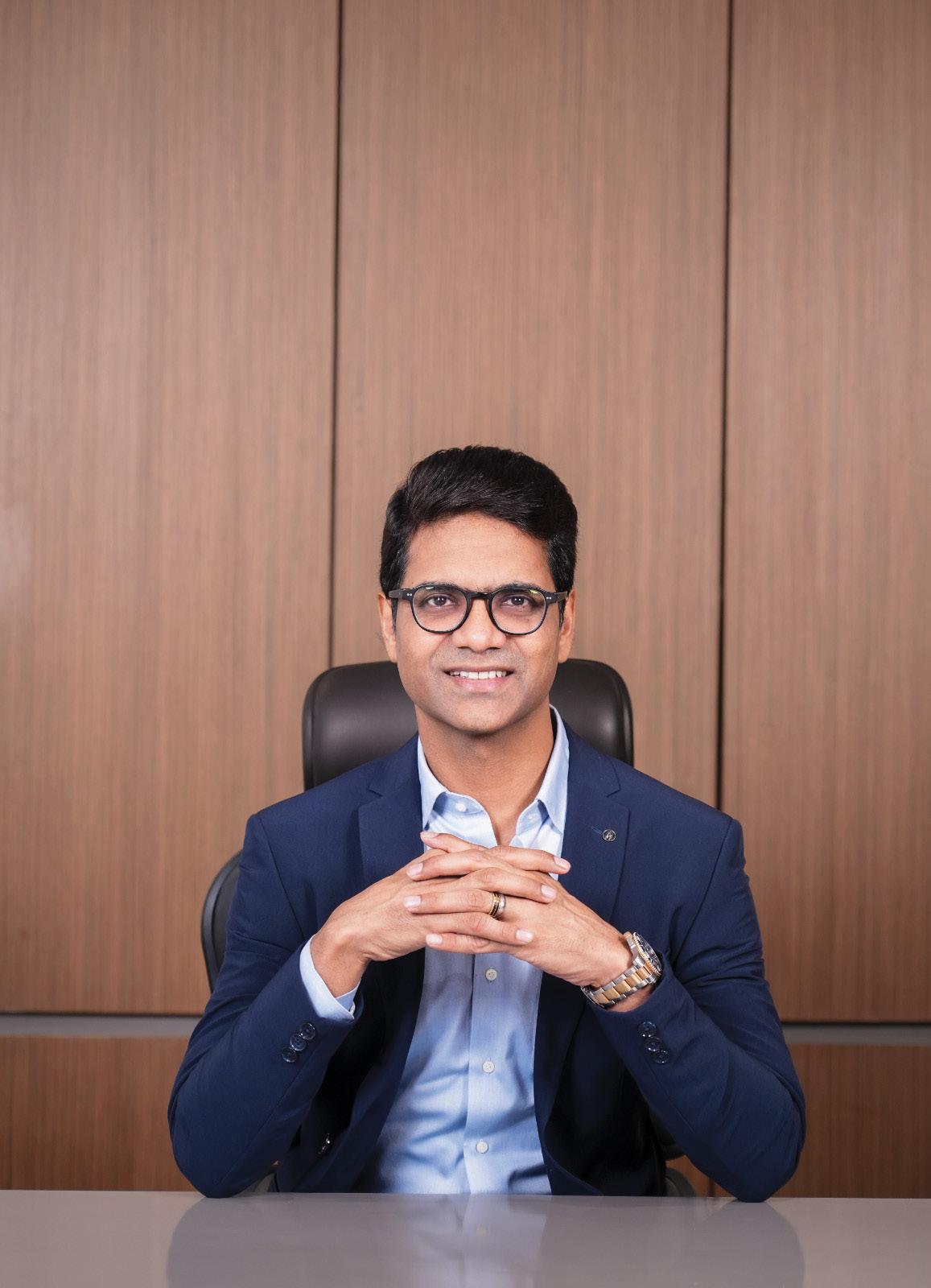
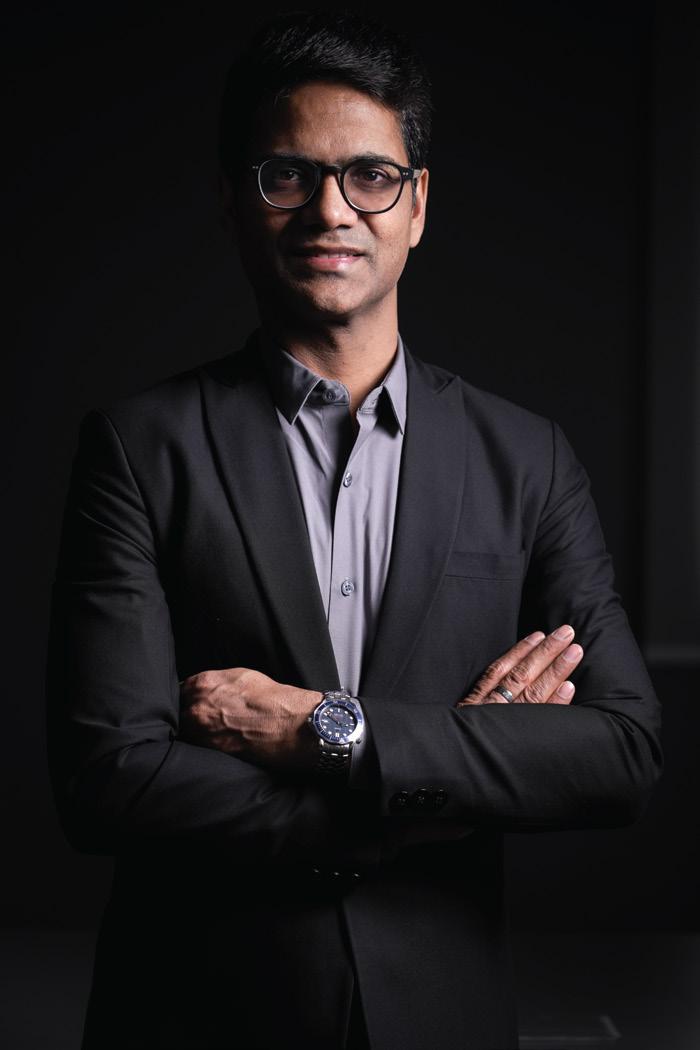
ridhar Peddireddy has spent more than two decades standing at one of the most critical frontiers in healthcare: the fight against cancer and the systems that determine who receives care and who does not. As a healthcare leader and institution builder, he has witnessed firsthand how the diagnosis of cancer can reshape lives not only medically but socially, financially, and emotionally. Over the years, his work has been driven by a clear and persistent question: how can advanced cancer care reach patients who live far from metropolitan centres where most medical infrastructure traditionally exists?
His journey through India’s oncology landscape reflects a deep commitment to addressing that gap. From his early administrative leadership roles in major hospitals to founding Renova Hospitals, his work has focused on expanding access to modern cancer treatment in Tier 2 and Tier 3 cities. This cover story explores the systems he helped build, the philosophy that guides his work, the transformation of cancer care in India over the past twenty years, and his vision for a future where the geography of a patient’s home no longer determines the quality of care they receive.
To understand Sridhar Peddireddy’s impact on Indian healthcare, it is necessary to revisit the reality of cancer treatment in the early 2000s. At that time, a cancer diagnosis carried two devastating messages for many families living outside metropolitan areas. The first was the diagnosis itself. The second was the realization that treatment would likely require leaving home.

networks, and livelihoods at the very moment they needed stability the most. For many families, cancer was not only a medical crisis but the beginning of a prolonged struggle involving uncertainty, displacement, and economic pressure.
It was into this environment that Sridhar Peddireddy entered the healthcare industry with a determination to address systemic shortcomings. Rather than accepting the situation as inevitable, he approached it with the mindset of someone who believed that broken systems could be repaired through thoughtful leadership and persistent effort.
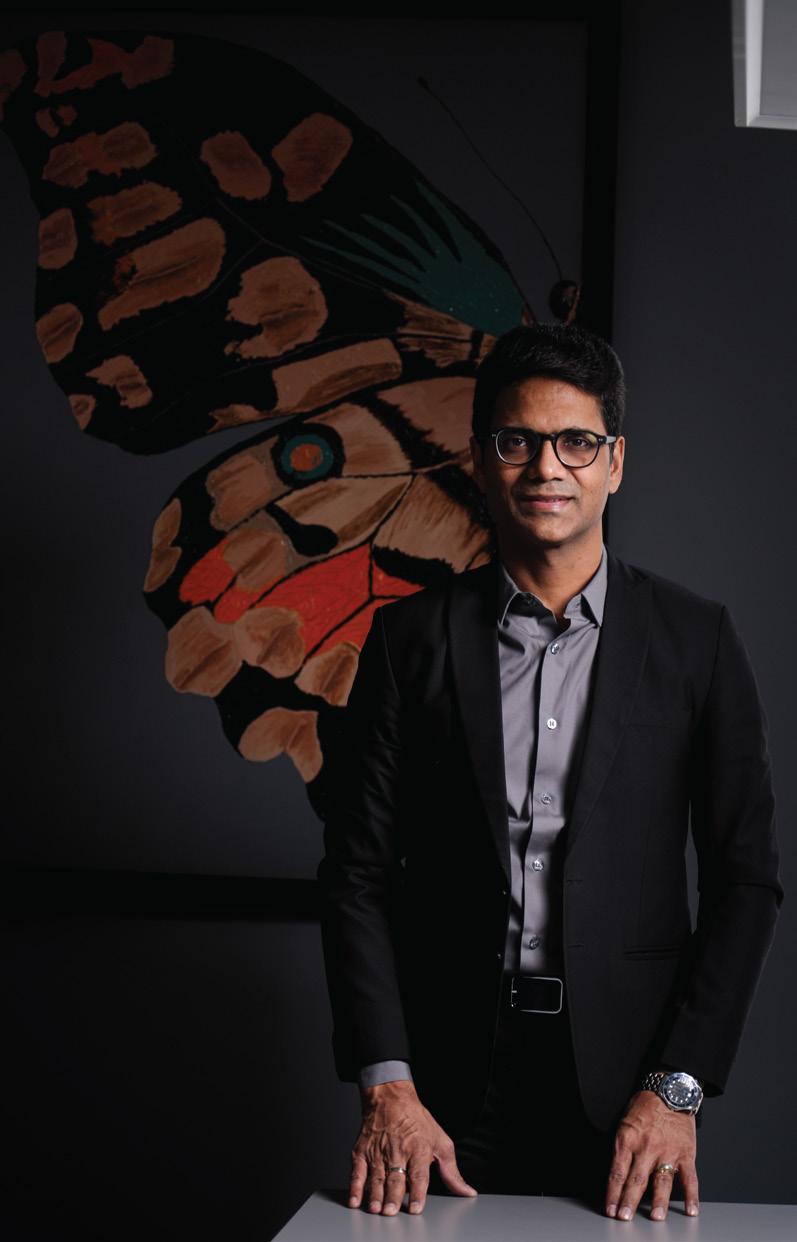
In 2004, Sridhar Peddireddy took on the role of Chief Operating Officer at the Indo-American Cancer Institute and Research Centre in Hyderabad. At the time, the hospital was a modest 100-bed facility attempting to serve a rapidly growing number of cancer patients in a healthcare environment that was not fully prepared for the scale of the disease.
The challenges were significant. Cancer incidence was increasing, yet specialized infrastructure remained limited. Patients frequently arrived at advanced stages of the disease, having received late diagnoses due to insufficient awareness and lack of screening facilities in
Under Sridhar’s operational leadership, the institution embarked on a period of transformation. Over the next five years, the hospital expanded dramatically, growing

The mission remains unchanged: to be a lifelong partner in good health. “
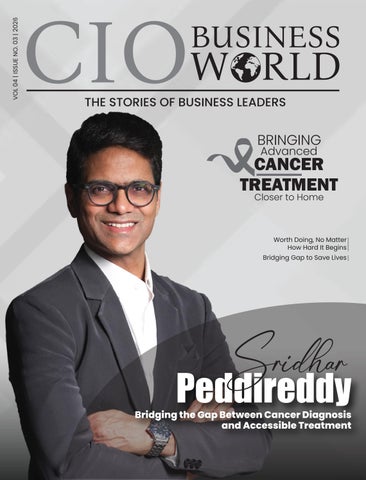
In a sector often defined by complexity and constraint, leaders who challenge conventional thinking stand apart. Dr. Sridhar Peddireddy is one such voice transforming what was once dismissed as an oversimplified ambition into a structured, actionable mission: bridging the gap between cancer diagnosis and accessible treatment.
What was previously critiqued as a “bad idea” rooted in oversimplification is now being redefined through execution. The notion of a singular “gap” is no longer treated as a limitation, but as a strategic focal point a way to align fragmented efforts across diagnostics, treatment, and patient access into a cohesive framework. Rather than ignoring complexity, this approach organizes it. At the heart of this transformation lies a pragmatic understanding: innovation alone is not the solution, but it can be the enabler Under Dr. Sridhar’s vision, technology is not positioned as a silver bullet but as a connector linking early detection tools with treatment pathways, and integrating data-driven insights with on-ground healthcare delivery. This balance between digital advancement and practical implementation marks a significant shift from theory to impact.
Equally important is the emphasis on accessibility as a system-wide responsibility. The effort is not confined to building better diagnostic tools or expanding treatment options in isolation. Instead, it focuses on creating continuity ensuring that once a patient is diagnosed, they are not lost in the transition to care. This includes addressing affordability, strengthening referral networks, and enabling decentralized healthcare models that reach underserved populations.
Critics have often pointed to scalability and sustainability as key challenges in such initiatives. However, what distinguishes this approach is its layered execution model. By combining public-private collaboration, localized healthcare interventions, and scalable technological infrastructure, the initiative demonstrates that sustainability is not an afterthought it is built into the design. Each layer reinforces the other, creating a system that is both resilient and adaptable.
Perhaps the most compelling aspect of this work is its human-centric foundation. Beyond systems and strategies, there is a clear recognition that cancer care is deeply personal. Efforts are being directed not just toward improving outcomes, but toward improving experiences reducing the uncertainty, delays, and financial strain that patients often endure. In doing so, the initiative bridges not just a clinical gap, but an emotional and social one as well.
The evolution of this idea from being perceived as overly simplistic to becoming a model of integrated healthcare delivery offers an important lesson. Innovation does not always begin with perfect clarity. Sometimes, it starts with a bold, even flawed, premise that gains strength through iteration, collaboration, and execution.
As Dr. Sridhar Peddireddy continues to advance this mission, the narrative shifts from questioning the idea to recognizing its potential. What once seemed reductive is now revealing itself as focused. What once appeared aspirational is becoming operational.
In the broader context of global healthcare, this journey underscores a powerful truth: meaningful change is not about avoiding criticism, but about transforming it into direction. Bridging the gap between cancer diagnosis and accessible treatment is no longer just a concept it is an evolving reality, shaped by intent, refined by challenge, and driven by execution.
And in that transformation lies the true measure of leadership.

patients during treatment received little recognition or
patients during treatment received little recognition or
C o v e r S t o r y
The geographic imbalance of medical infrastructure further compounded these challenges. Advanced oncology facilities were heavily concentrated in metropolitan cities. Patients living outside those areas faced significant barriers to receiving timely treatment.
The geographic imbalance of medical infrastructure further compounded these challenges. Advanced oncology facilities were heavily concentrated in metropolitan cities. Patients living outside those areas faced significant barriers to receiving timely treatment.
These realities formed the backdrop against which Sridhar Peddireddy began developing a long-term
These realities formed the backdrop against which Sridhar Peddireddy began developing a long-term
Sridhar’s administrative journey in oncology began at Basavatarakam Hospital, where he served as Chief Operating Officer and played an important role in its transformation into a 500-plus bed multi-specialty tertiary care institution. This experience provided him with deep insight into the complexities of hospital management, infrastructure development, and
Sridhar’s administrative journey in oncology began at Basavatarakam Hospital, where he served as Chief Operating Officer and played an important role in its transformation into a 500-plus bed multi-specialty tertiary care institution. This experience provided him with deep insight into the complexities of hospital management, infrastructure development, and
In 2010, he took on a new challenge as the Chief Executive Officer of Omega Hospitals. At the time, Omega was a nascent oncology institution that required strong leadership to establish itself as a significant
In 2010, he took on a new challenge as the Chief Executive Officer of Omega Hospitals. At the time, Omega was a nascent oncology institution that required strong leadership to establish itself as a significant
Bridging the
Over the following decade, Sridhar guided Omega Hospitals through a period of rapid growth. The institution evolved into one of the fastest-growing
Over the following decade, Sridhar guided Omega Hospitals through a period of rapid growth. The institution evolved into one of the fastest-growing
every shift, and every interaction between healthcare professionals and patients.
every shift, and every interaction between healthcare professionals and patients.
During this time, he also developed a broader understanding of what the future of oncology required. Specialization alone would not be enough. Cancer care demanded a holistic ecosystem where multiple disciplines worked together.
During this time, he also developed a broader understanding of what the future of oncology required. Specialization alone would not be enough. Cancer care demanded a holistic ecosystem where multiple disciplines worked together.
Surgical oncologists, medical oncologists, radiation oncologists, pathologists, and palliative care specialists needed to collaborate closely to design integrated treatment plans. Diagnostic precision, technological integration, and multidisciplinary teamwork were essential for improving patient outcomes.
Surgical oncologists, medical oncologists, radiation oncologists, pathologists, and palliative care specialists needed to collaborate closely to design integrated treatment plans. Diagnostic precision, technological integration, and multidisciplinary teamwork were essential for improving patient outcomes.
Equally important was the need to distribute these capabilities geographically rather than concentrating them in a small number of urban hospitals.
Equally important was the need to distribute these capabilities geographically rather than concentrating them in a small number of urban hospitals.
By the later years of his tenure at Omega Hospitals, Sridhar had begun shaping a new vision that existing institutions could not fully accommodate. This vision eventually materialized in the creation of Renova Hospitals in 2019.
By the later years of his tenure at Omega Hospitals, Sridhar had begun shaping a new vision that existing institutions could not fully accommodate. This vision eventually materialized in the creation of Renova Hospitals in 2019.
Those who worked with him during this period observed a leadership style that combined rigorous operational discipline with an unwavering commitment to patient welfare. Inefficiency was addressed directly and systematically, yet the ultimate goal of every process improvement remained patient-centered.
Those who worked with him during this period observed a leadership style that combined rigorous operational discipline with an unwavering commitment to patient welfare. Inefficiency was addressed directly and systematically, yet the ultimate goal of every process improvement remained patient-centered.
For Sridhar, a hospital was never simply a collection of buildings and equipment. It represented a promise made to individuals facing serious illness. That promise had to be honored consistently through every department,
For Sridhar, a hospital was never simply a collection of buildings and equipment. It represented a promise made to individuals facing serious illness. That promise had to be honored consistently through every department,
C o v e r S t o r y It is not enough to build the future of cancer care. You have to build it in the right places. “ ”
Renova was founded with a clear and purposeful philosophy. The goal was to build technologically advanced healthcare institutions that remained affordable and accessible. Rather than focusing exclusively on metropolitan markets, Renova aimed to expand into Tier 2 and Tier 3 cities where the demand for quality medical infrastructure was growing rapidly.
Renova was founded with a clear and purposeful philosophy. The goal was to build technologically advanced healthcare institutions that remained affordable and accessible. Rather than focusing exclusively on metropolitan markets, Renova aimed to expand into Tier 2 and Tier 3 cities where the demand for quality medical infrastructure was growing rapidly.
It is not enough to build the future of cancer care. You have to build it in the right places. “ ”
The name Renova reflected ideas of renewal, restoration, and transformation. It symbolized the organization’s commitment to rebuilding healthcare systems in ways that better served patients.
The name Renova reflected ideas of renewal, restoration, and transformation. It symbolized the organization’s commitment to rebuilding healthcare systems in ways that better served patients.
The early stages of Renova’s journey coincided with one of the most disruptive periods in modern healthcare history. In 2020, the year the network launched its first 100-bed multispecialty hospital, the COVID-19 pandemic reshaped global medical systems.
The early stages of Renova’s journey coincided with one of the most disruptive periods in modern healthcare history. In 2020, the year the network launched its first 100-bed multispecialty hospital, the COVID-19 pandemic reshaped global medical systems.
For many hospital networks, the pandemic created unprecedented operational challenges. Patient flows changed dramatically, resources were strained, and uncertainty dominated decision-making across the healthcare sector.
At Renova, the crisis became an opportunity to test the resilience of the organization’s foundational model. Sridhar responded by accelerating technological adoption and strengthening infrastructure rather than slowing expansion.
ridhar Peddireddy has spent more than two decades standing at one of the most critical frontiers in healthcare: the fight against cancer and the systems that determine who receives care and who does not. As a healthcare leader and institution builder, he has witnessed firsthand how the diagnosis of cancer can reshape lives not only medically but socially, financially, and emotionally. Over the years, his work has been driven by a clear and persistent question: how can advanced cancer care reach patients who live far from metropolitan centres where most medical infrastructure traditionally exists?
Telemedicine capabilities were rapidly implemented to enable patients to consult specialists without travelling long distances. Intensive care units were expanded and strengthened to handle rising demand. Digital medical record systems reduced administrative delays and minimized the potential for errors.
ridhar Peddireddy has spent more than two decades standing at one of the most critical frontiers in healthcare: the fight against cancer and the systems that determine who receives care and who does not. As a healthcare leader and institution builder, he has witnessed firsthand how the diagnosis of cancer can reshape lives not only medically but socially, financially, and emotionally. Over the years, his work has been driven by a clear and persistent question: how can advanced cancer care reach patients who live far from metropolitan centres where most medical infrastructure traditionally exists?
His journey through India’s oncology landscape reflects a deep commitment to addressing that gap. From his early administrative leadership roles in major hospitals to founding Renova Hospitals, his work has focused on expanding access to modern cancer treatment in Tier 2 and Tier 3 cities. This cover story explores the systems he helped build, the philosophy that guides his work, the transformation of cancer care in India over the past twenty years, and his vision for a future where the geography of a patient’s home no longer determines the quality of care they receive.
His journey through India’s oncology landscape reflects a deep commitment to addressing that gap. From his early administrative leadership roles in major hospitals to founding Renova Hospitals, his work has focused on expanding access to modern cancer treatment in Tier 2 and Tier 3 cities. This cover story explores the systems he helped build, the philosophy that guides his work, the transformation of cancer care in India over the past twenty years, and his vision for a future where the geography of a patient’s home no longer determines the quality of care they receive.
The expansion plans for 2026 are even more ambitious. Renova intends to establish new cancer centres in Bhubaneswar, Pune with two units, Ranchi, Alwar, Prayagraj, Moradabad, Saharanpur, Raipur, and Khammam.
networks, and livelihoods at the very moment they needed stability the most. For many families, cancer was not only a medical crisis but the beginning of a prolonged struggle involving uncertainty, displacement, and economic pressure.
At the same time, the organization’s strategic growth includes acquiring a 51 percent stake in the International Oncology Cancer Institute. This partnership will extend Renova’s oncology expertise to centres in Noida, Mumbai, Aurangabad, Agartala, Indore, Kanpur, Moradabad, and Raipur.
The localized care model proved particularly effective in the post-pandemic environment. Patients increasingly preferred receiving advanced treatment within their own regions rather than travelling to distant metropolitan hospitals. Renova’s strategy of building healthcare infrastructure closer to patients aligned directly with this shift in patient expectations.
Following its initial launch, Renova continued expanding its presence across multiple regions. In 2021, the network established a dedicated oncology hospital. The following year marked expansion into North India. By 2024, a new superspeciality hospital was added to the network.
To understand Sridhar Peddireddy’s impact on Indian healthcare, it is necessary to revisit the reality of cancer treatment in the early 2000s. At that time, a cancer diagnosis carried two devastating messages for many families living outside metropolitan areas. The first was the diagnosis itself. The second was the realization that treatment would likely require leaving home.
To understand Sridhar Peddireddy’s impact on Indian healthcare, it is necessary to revisit the reality of cancer treatment in the early 2000s. At that time, a cancer diagnosis carried two devastating messages for many families living outside metropolitan areas. The first was the diagnosis itself. The second was the realization that treatment would likely require leaving home.
Patients from Tier 2 and Tier 3 cities often had to travel hundreds of kilometres to access specialized oncology hospitals located in metropolitan centres. The journey demanded financial sacrifices that many families were unprepared to bear. Travel costs, temporary housing, extended stays in unfamiliar cities, and the cost of treatment combined into a burden that frequently pushed households into severe financial distress.
In September 2025, Renova opened a new branch in Warangal and acquired an established oncology brand, further strengthening its capabilities in cancer treatment.
Patients from Tier 2 and Tier 3 cities often had to travel hundreds of kilometres to access specialized oncology hospitals located in metropolitan centres. The journey demanded financial sacrifices that many families were unprepared to bear. Travel costs, temporary housing, extended stays in unfamiliar cities, and the cost of treatment combined into a burden that frequently pushed households into severe financial distress.
Today, the Renova Hospitals network includes 18 branches comprising both dedicated cancer hospitals and multispeciality hospitals. Each facility reflects the organization’s commitment to delivering advanced healthcare services closer to the communities that need them.
The emotional toll was equally significant. Patients were separated from their familiar surroundings, support
The emotional toll was equally significant. Patients were separated from their familiar surroundings, support
networks, and livelihoods at the very moment they needed stability the most. For many families, cancer was not only a medical crisis but the beginning of a prolonged struggle involving uncertainty, displacement, and economic pressure.
It was this environment that Sridhar Peddireddy entered the healthcare industry with a determination to address systemic shortcomings. Rather than accepting the situation as inevitable, he approached it with the mindset of someone who believed that broken systems could be repaired through thoughtful leadership and persistent effort.
Together, these initiatives represent a systematic effort to close the geographic gaps in cancer care that Sridhar first identified decades earlier.
It was into this environment that Sridhar Peddireddy entered the healthcare industry with a determination to address systemic shortcomings. Rather than accepting the situation as inevitable, he approached it with the mindset of someone who believed that broken systems could be repaired through thoughtful leadership and persistent effort.
When Sridhar speaks about the future of oncology, his perspective is shaped by twenty years of observing medical innovation unfold.
In 2004, Sridhar Peddireddy took on the role of Chief Operating Officer at the Indo-American Cancer Institute and Research Centre in Hyderabad. At the time, the hospital was a modest 100-bed facility attempting to serve a rapidly growing number of cancer patients in a healthcare environment that was not fully prepared for the scale of the disease.
He believes that by 2045, cancer treatment will look dramatically different from what doctors practiced in the early 2000s. Advances in artificial intelligence and molecular diagnostics will allow diseases to be detected much earlier, sometimes before symptoms appear.
The challenges were significant. Cancer incidence was increasing, yet specialized infrastructure remained limited. Patients frequently arrived at advanced stages of the disease, having received late diagnoses due to insufficient awareness and lack of screening facilities in smaller towns.
Adaptive intelligence systems may identify malignancies at their earliest molecular stages, allowing physicians to intervene before tumors fully develop.
Surgical technologies will also continue evolving. Robotic surgery systems are expected to deliver levels of precision that surpass even the most skilled human hands. Immunotherapy protocols will harness the body’s immune system to fight cancer with increasing sophistication.
The central question of the future will no longer be whether cancer can be treated but how quickly and precisely treatment can begin.
Under Sridhar’s operational leadership, the institution embarked on a period of transformation. Over the next five years, the hospital expanded dramatically, growing from a 100-bed facility into a 450-bed comprehensive cancer centre. The expansion represented more than physical growth. It meant that more patients could access treatment, fewer families were turned away due to capacity constraints, and the institution could offer a broader range of oncology services.
In 2004, Sridhar Peddireddy took on the role of Chief Operating Officer at the Indo-American Cancer Institute and Research Centre in Hyderabad. At the time, the hospital was a modest 100-bed facility attempting to serve a rapidly growing number of cancer patients in a healthcare environment that was not fully prepared for the scale of the disease.
The challenges were significant. Cancer incidence was increasing, yet specialized infrastructure remained limited. Patients frequently arrived at advanced stages of the disease, having received late diagnoses due to insufficient awareness and lack of screening facilities in smaller towns.
However, Sridhar consistently returns to the same concern that motivated his career from the beginning. Technological progress alone does not guarantee
For Sridhar, the numbers themselves were never the ultimate measure of success. What mattered more was the human impact behind those figures. Every additional bed, every new diagnostic system, and every
Under Sridhar’s operational leadership, the institution embarked on a period of transformation. Over the next five years, the hospital expanded dramatically, growing from a 100-bed facility into a 450-bed comprehensive cancer centre. The expansion represented more than physical growth. It meant that more patients could access treatment, fewer families were turned away due to capacity constraints, and the institution could offer a broader range of oncology services.
For Sridhar, the numbers themselves were never the ultimate measure of success. What mattered more was the human impact behind those figures. Every additional bed, every new diagnostic system, and every
The mission remains unchanged: to be a lifelong partner in good health. “
The mission remains unchanged: to be a lifelong partner in good health. “
expanded treatment department represented another patient who had a chance to fight the disease rather than being denied care.
The broader landscape of cancer care in India during the early 2000s presented numerous challenges. Public awareness of cancer symptoms was limited, and early detection programs were largely absent outside major cities. As a result, many patients were diagnosed in Stage 3 or Stage 4, significantly reducing their chances of successful treatment.
Medical infrastructure also lagged behind global standards in several areas. Radiation therapy machines were scarce and concentrated in a few institutions. Chemotherapy protocols were still evolving and often struggled to keep pace with international advancements. Surgical oncology required highly specialized training, which was available only to a limited number of practitioners.
Another major gap existed in the area of palliative care. The concept of managing pain and maintaining quality of life for patients with advanced disease was not yet widely integrated into hospital systems. Patients were often told that little could be done once curative treatment options were exhausted.
Psychological support was also largely absent. Patients facing life-threatening diagnoses often navigated the experience without counseling, support groups, or structured mental health resources. Caregivers who sacrificed their own responsibilities to accompany
patients during treatment received little recognition or assistance from healthcare institutions.
The geographic imbalance of medical infrastructure further compounded these challenges. Advanced oncology facilities were heavily concentrated in metropolitan cities. Patients living outside those areas faced significant barriers to receiving timely treatment.
These realities formed the backdrop against which Sridhar Peddireddy began developing a long-term vision for systemic change.
Sridhar’s administrative journey in oncology began at Basavatarakam Hospital, where he served as Chief Operating Officer and played an important role in its transformation into a 500-plus bed multi-specialty tertiary care institution. This experience provided him with deep insight into the complexities of hospital management, infrastructure development, and patient-centered care.
In 2010, he took on a new challenge as the Chief Executive Officer of Omega Hospitals. At the time, Omega was a nascent oncology institution that required strong leadership to establish itself as a significant player in cancer care.
Over the following decade, Sridhar guided Omega Hospitals through a period of rapid growth. The institution evolved into one of the fastest-growing cancer hospital networks in the region.
Those who worked with him during this period observed a leadership style that combined rigorous operational discipline with an unwavering commitment to patient welfare. Inefficiency was addressed directly and systematically, yet the ultimate goal of every process improvement remained patient-centered.
For Sridhar, a hospital was never simply a collection of buildings and equipment. It represented a promise made to individuals facing serious illness. That promise had to be honored consistently through every department,
every shift, and every interaction between healthcare professionals and patients.
During this time, he also developed a broader understanding of what the future of oncology required. Specialization alone would not be enough. Cancer care demanded a holistic ecosystem where multiple disciplines worked together.
Surgical oncologists, medical oncologists, radiation oncologists, pathologists, and palliative care specialists needed to collaborate closely to design integrated treatment plans. Diagnostic precision, technological integration, and multidisciplinary teamwork were essential for improving patient outcomes.
Equally important was the need to distribute these capabilities geographically rather than concentrating them in a small number of urban hospitals.
By the later years of his tenure at Omega Hospitals, Sridhar had begun shaping a new vision that existing institutions could not fully accommodate. This vision eventually materialized in the creation of Renova Hospitals in 2019.
Renova was founded with a clear and purposeful philosophy. The goal was to build technologically advanced healthcare institutions that remained affordable and accessible. Rather than focusing exclusively on metropolitan markets, Renova aimed to expand into Tier 2 and Tier 3 cities where the demand for quality medical infrastructure was growing rapidly.
The name Renova reflected ideas of renewal, restoration, and transformation. It symbolized the organization’s commitment to rebuilding healthcare systems in ways that better served patients.
The early stages of Renova’s journey coincided with one of the most disruptive periods in modern healthcare history. In 2020, the year the network launched its first 100-bed multispecialty hospital, the COVID-19 pandemic reshaped global medical systems.
For many hospital networks, the pandemic created unprecedented operational challenges. Patient flows changed dramatically, resources were strained, and uncertainty dominated decision-making across the healthcare sector.
For many hospital networks, the pandemic created unprecedented operational challenges. Patient flows changed dramatically, resources were strained, and uncertainty dominated decision-making across the healthcare sector.
Bhubaneswar, Pune with two units, Ranchi, Alwar, Prayagraj, Moradabad, Saharanpur, Raipur, and Khammam.
Bhubaneswar, Pune with two units, Ranchi, Alwar, Prayagraj, Moradabad, Saharanpur, Raipur, and Khammam.
At Renova, the crisis became an opportunity to test the resilience of the organization’s foundational model. Sridhar responded by accelerating technological adoption and strengthening infrastructure rather than slowing expansion.
At Renova, the crisis became an opportunity to test the resilience of the organization’s foundational model. Sridhar responded by accelerating technological adoption and strengthening infrastructure rather than slowing expansion.
Telemedicine capabilities were rapidly implemented to enable patients to consult specialists without travelling long distances. Intensive care units were expanded and strengthened to handle rising demand. Digital medical record systems reduced administrative delays and minimized the potential for errors.
Telemedicine capabilities were rapidly implemented to enable patients to consult specialists without travelling long distances. Intensive care units were expanded and strengthened to handle rising demand. Digital medical record systems reduced administrative delays and minimized the potential for errors.
The localized care model proved particularly effective in the post-pandemic environment. Patients increasingly preferred receiving advanced treatment within their own regions rather than travelling to distant metropolitan hospitals. Renova’s strategy of building healthcare infrastructure closer to patients aligned directly with this shift in patient expectations.
The localized care model proved particularly effective in the post-pandemic environment. Patients increasingly preferred receiving advanced treatment within their own regions rather than travelling to distant metropolitan hospitals. Renova’s strategy of building healthcare infrastructure closer to patients aligned directly with this shift in patient expectations.
Following its initial launch, Renova continued expanding its presence across multiple regions. In 2021, the network established a dedicated oncology hospital. The following year marked expansion into North India. By 2024, a new superspeciality hospital was added to the network.
Following its initial launch, Renova continued expanding its presence across multiple regions. In 2021, the network established a dedicated oncology hospital. The following year marked expansion into North India. By 2024, a new superspeciality hospital was added to the network.
In September 2025, Renova opened a new branch in Warangal and acquired an established oncology brand, further strengthening its capabilities in cancer treatment.
In September 2025, Renova opened a new branch in Warangal and acquired an established oncology brand, further strengthening its capabilities in cancer treatment.
Today, the Renova Hospitals network includes 18 branches comprising both dedicated cancer hospitals and multispeciality hospitals. Each facility reflects the organization’s commitment to delivering advanced healthcare services closer to the communities that need them.
Today, the Renova Hospitals network includes 18 branches comprising both dedicated cancer hospitals and multispeciality hospitals. Each facility reflects the organization’s commitment to delivering advanced healthcare services closer to the communities that need them.
At the same time, the organization’s strategic growth includes acquiring a 51 percent stake in the International Oncology Cancer Institute. This partnership will extend Renova’s oncology expertise to centres in Noida, Mumbai, Aurangabad, Agartala, Indore, Kanpur, Moradabad, and Raipur.
At the same time, the organization’s strategic growth includes acquiring a 51 percent stake in the International Oncology Cancer Institute. This partnership will extend Renova’s oncology expertise to centres in Noida, Mumbai, Aurangabad, Agartala, Indore, Kanpur, Moradabad, and Raipur.
Together, these initiatives represent a systematic effort to close the geographic gaps in cancer care that Sridhar first identified decades earlier.
Together, these initiatives represent a systematic effort to close the geographic gaps in cancer care that Sridhar first identified decades earlier.
When Sridhar speaks about the future of oncology, his perspective is shaped by twenty years of observing medical innovation unfold.
When Sridhar speaks about the future of oncology, his perspective is shaped by twenty years of observing medical innovation unfold.
He believes that by 2045, cancer treatment will look dramatically different from what doctors practiced in the early 2000s. Advances in artificial intelligence and molecular diagnostics will allow diseases to be detected much earlier, sometimes before symptoms appear.
He believes that by 2045, cancer treatment will look dramatically different from what doctors practiced in the early 2000s. Advances in artificial intelligence and molecular diagnostics will allow diseases to be detected much earlier, sometimes before symptoms appear.
Adaptive intelligence systems may identify malignancies at their earliest molecular stages, allowing physicians to intervene before tumors fully develop.
Adaptive intelligence systems may identify malignancies at their earliest molecular stages, allowing physicians to intervene before tumors fully develop.
Surgical technologies will also continue evolving. Robotic surgery systems are expected to deliver levels of precision that surpass even the most skilled human hands. Immunotherapy protocols will harness the body’s immune system to fight cancer with increasing sophistication.
Surgical technologies will also continue evolving. Robotic surgery systems are expected to deliver levels of precision that surpass even the most skilled human hands. Immunotherapy protocols will harness the body’s immune system to fight cancer with increasing sophistication.
The central question of the future will no longer be whether cancer can be treated but how quickly and precisely treatment can begin.
The central question of the future will no longer be whether cancer can be treated but how quickly and precisely treatment can begin.
However, Sridhar consistently returns to the same concern that motivated his career from the beginning. Technological progress alone does not guarantee
However, Sridhar consistently returns to the same concern that motivated his career from the beginning. Technological progress alone does not guarantee
equitable access. The challenge is ensuring that these advances reach patients in cities such as Warangal, Karimnagar, and countless other towns that historically lacked advanced medical infrastructure.
Sridhar’s vision of healthcare extends beyond oncology. He co-founded ZIVA Fertility Centres to bring advanced reproductive medicine to India through partnerships with leading embryology experts.
His work also includes preventive health initiatives such as Nivhans Fitness and the Core Fitness Station chain of premium gyms. These initiatives reflect a broader belief that disease prevention should begin long before patients require hospital treatment.
Another important part of his work is the Sri Dharani Foundation, which he established in 2019. The nonprofit organization focuses on supporting underprivileged communities through healthcare programs, education initiatives, food distribution, and environmental projects.
The foundation works in areas including rural empowerment, senior citizen support, women’s empowerment, and improving access to essential resources. His advocacy for girl child education and environmental sustainability reflects a belief that strong communities ultimately create healthier societies.
Sridhar Peddireddy’s work has received significant recognition both nationally and internationally. In 2026, he received international recognition at the International Peace Conclave held at the United Nations Headquarters for his contributions to healthcare.
His leadership has also been featured in prominent publications including Forbes India, Fortune India, and Business Standard. Additional recognition includes the
Dadasaheb Phalke International Award and the APJ Abdul Kalam Award.
expanded treatment department represented another patient who had a chance to fight the disease rather than being denied care.
In 2019, he was honored with the Pride of the Nation Award by the Government of India. In 2021, he was named Asia’s Most Trusted CEO.
The Reality of Cancer Care in Early 2000s India
The Reality of Cancer Care in Early 2000s India
Further honors in cities including Dubai, Istanbul, London, and Malaysia reflect the growing global recognition of his efforts to expand access to cancer treatment.
The broader landscape of cancer care in India during the early 2000s presented numerous challenges. Public awareness of cancer symptoms was limited, and early detection programs were largely absent outside major cities. As a result, many patients were diagnosed in Stage 3 or Stage 4, significantly reducing their chances of successful treatment.
The story of Sridhar Peddireddy’s career is not defined by a single moment of transformation but by the steady accumulation of change over two decades.
The broader landscape of cancer care in India during the early 2000s presented numerous challenges. Public awareness of cancer symptoms was limited, and early detection programs were largely absent outside major cities. As a result, many patients were diagnosed in Stage 3 or Stage 4, significantly reducing their chances of successful treatment.
The early 2000s represented a period when cancer care in India was defined by scarcity, geographic imbalance, and limited awareness. Many patients faced significant barriers to receiving timely treatment.
Today, that story is gradually being rewritten. Advances in technology, improved awareness, and expanding healthcare networks are improving survival rates and treatment experiences.
Medical infrastructure also lagged behind global standards in several areas. Radiation therapy machines were scarce and concentrated in a few institutions. Chemotherapy protocols were still evolving and often struggled to keep pace with international advancements. Surgical oncology required highly specialized training, which was available only to a limited number of practitioners.
Sridhar’s work continues to focus on ensuring that these improvements reach patients regardless of where they live.
Medical infrastructure also lagged behind global standards in several areas. Radiation therapy machines were scarce and concentrated in a few institutions. Chemotherapy protocols were still evolving and often struggled to keep pace with international advancements. Surgical oncology required highly specialized training, which was available only to a limited number of practitioners.
Another major gap existed in the area of palliative care. The concept of managing pain and maintaining quality of life for patients with advanced disease was not yet widely integrated into hospital systems. Patients were often told that little could be done once curative treatment options were exhausted.
His mission remains rooted in a simple yet powerful idea: healthcare progress must be distributed equitably. Hospitals must exist not only in wealthy cities but in the communities where patients actually live.
Through Renova Hospitals and his broader initiatives, he continues building a future where cancer care is accessible, advanced, and close to home.
Another major gap existed in the area of palliative care. The concept of managing pain and maintaining quality of life for patients with advanced disease was not yet widely integrated into hospital systems. Patients were often told that little could be done once curative treatment options were exhausted.
The distance between patients and the care they deserve is shrinking. And Sridhar Peddireddy remains committed to ensuring that it continues to do so.
Psychological support was also largely absent. Patients facing life-threatening diagnoses often navigated the experience without counseling, support groups, or structured mental health resources. Caregivers who sacrificed their own responsibilities to accompany expanded treatment department represented another patient who had a chance to fight the disease rather than being denied care.
Psychological support was also largely absent. Patients facing life-threatening diagnoses often navigated the experience without counseling, support groups, or structured mental health resources. Caregivers who sacrificed their own responsibilities to accompany


For many hospital networks, the pandemic created unprecedented operational challenges. Patient flows changed dramatically, resources were strained, and uncertainty dominated decision-making across the healthcare sector.
At Renova, the crisis became an opportunity to test the resilience of the organization’s foundational model. Sridhar responded by accelerating technological adoption and strengthening infrastructure rather than slowing expansion.
Telemedicine capabilities were rapidly implemented to enable patients to consult specialists without travelling long distances. Intensive care units were expanded and strengthened to handle rising demand. Digital medical record systems reduced administrative delays and minimized the potential for errors.
The localized care model proved particularly effective in the post-pandemic environment. Patients increasingly preferred receiving advanced treatment within their own regions rather than travelling to distant metropolitan hospitals. Renova’s strategy of building healthcare infrastructure closer to patients aligned directly with this shift in patient expectations.
Following its initial launch, Renova continued expanding its presence across multiple regions. In 2021, the network established a dedicated oncology hospital. The following year marked expansion into North India. By 2024, a new superspeciality hospital was added to the network.
In September 2025, Renova opened a new branch in Warangal and acquired an established oncology brand, further strengthening its capabilities in cancer treatment.
Today, the Renova Hospitals network includes 18 branches comprising both dedicated cancer hospitals and multispeciality hospitals. Each facility reflects the organization’s commitment to delivering advanced healthcare services closer to the communities that need them.
The expansion plans for 2026 are even more ambitious. Renova intends to establish new cancer centres in Bhubaneswar, Pune with two units, Ranchi, Alwar, Prayagraj, Moradabad, Saharanpur, Raipur, and Khammam.
At the same time, the organization’s strategic growth includes acquiring a 51 percent stake in the International Oncology Cancer Institute. This partnership will extend Renova’s oncology expertise to centres in Noida, Mumbai, Aurangabad, Agartala, Indore, Kanpur, Moradabad, and Raipur.
Together, these initiatives represent a systematic effort to close the geographic gaps in cancer care that Sridhar first identified decades earlier.
When Sridhar speaks about the future of oncology, his perspective is shaped by twenty years of observing medical innovation unfold.
He believes that by 2045, cancer treatment will look dramatically different from what doctors practiced in the early 2000s. Advances in artificial intelligence and molecular diagnostics will allow diseases to be detected much earlier, sometimes before symptoms appear.
Adaptive intelligence systems may identify malignancies at their earliest molecular stages, allowing physicians to intervene before tumors fully develop.
Surgical technologies will also continue evolving. Robotic surgery systems are expected to deliver levels of precision that surpass even the most skilled human hands. Immunotherapy protocols will harness the body’s immune system to fight cancer with increasing sophistication.
The central question of the future will no longer be whether cancer can be treated but how quickly and precisely treatment can begin.
However, Sridhar consistently returns to the same concern that motivated his career from the beginning. Technological progress alone does not guarantee
nything worth doing always starts as a belief often quiet, sometimes uncertain, but powerful enough to ignite change. In the world of healthcare, few challenges demand this kind of belief more urgently than the gap between cancer diagnosis and accessible treatment. While medical science has made remarkable progress in detecting and understanding cancer, access to timely, affordable, and effective treatment remains uneven. Bridging this gap is not just a medical challenge it is a human, social, and systemic responsibility.
The journey of a cancer patient often begins with diagnosis, a moment that brings clarity but also immense fear. Early detection technologies, advanced imaging, and screening programs have improved significantly over the years. However, diagnosis alone does not save lives treatment does. And for many patients, especially in low-resource settings, the path from diagnosis to treatment is filled with delays, financial barriers, and logistical challenges. This disconnect is where the real problem lies.
One of the key issues is accessibility. Specialized cancer treatment centers are often concentrated in urban areas, leaving rural populations underserved. Patients must travel long distances, incur additional expenses, and navigate unfamiliar systems all while dealing with the emotional and physical toll of the disease. For many, this results in delayed treatment or, worse, abandonment of care altogether. Bridging this gap requires decentralizing care bringing treatment closer to patients through regional centers, telemedicine, and mobile health units.
Affordability is another critical barrier. Cancer treatment can be prohibitively expensive, involving diagnostics, surgery, chemotherapy, radiation, and long-term follow-up. Even in countries with developing healthcare systems,
equitable access. The challenge is ensuring that these advances reach patients in cities such as Warangal, Karimnagar, and countless other towns that historically lacked advanced medical infrastructure.
equitable access. The challenge is ensuring that these advances reach patients in cities such as Warangal, Karimnagar, and countless other towns that historically lacked advanced medical infrastructure.
out-of-pocket expenses can push families into financial distress. Addressing this requires a multi-layered approach: policy interventions, insurance coverage, public-private partnerships, and innovative financing models. When treatment becomes financially accessible, outcomes improve not just medically, but socially and economically.
Sridhar’s vision of healthcare extends beyond oncology. He co-founded ZIVA Fertility Centres to bring advanced reproductive medicine to India through partnerships with leading embryology experts.
Equally important is awareness and education. Many patients are diagnosed at advanced stages simply because of a lack of awareness about symptoms or fear of seeking medical help. Cultural stigma, misinformation, and limited health literacy further widen the gap. Community-based awareness programs, early screening initiatives, and patient education can play a transformative role. When people understand the importance of early detection and available treatment options, they are more likely to seek timely care.
Sridhar’s vision of healthcare extends beyond oncology. He co-founded ZIVA Fertility Centres to bring advanced reproductive medicine to India through partnerships with leading embryology experts.
His work also includes preventive health initiatives such as Nivhans Fitness and the Core Fitness Station chain of premium gyms. These initiatives reflect a broader belief that disease prevention should begin long before patients require hospital treatment.
His work also includes preventive health initiatives such as Nivhans Fitness and the Core Fitness Station chain of premium gyms. These initiatives reflect a broader belief that disease prevention should begin long before patients require hospital treatment.
Technology also has a significant role to play in bridging this divide. Digital health platforms, AI-driven diagnostics, and data-driven decision-making can streamline the continuum of care. For instance, tele-oncology can connect patients in remote areas with specialists in urban centers, enabling consultations without the need for travel. Electronic health records and integrated systems can ensure continuity of care, reducing delays and errors. However, technology must be implemented thoughtfully, ensuring it complements human care rather than replacing it.
Another important part of his work is the Sri Dharani Foundation, which he established in 2019. The nonprofit organization focuses on supporting underprivileged communities through healthcare programs, education initiatives, food distribution, and environmental projects.
Another important part of his work is the Sri Dharani Foundation, which he established in 2019. The nonprofit organization focuses on supporting underprivileged communities through healthcare programs, education initiatives, food distribution, and environmental projects.
The foundation works in areas including rural empowerment, senior citizen support, women’s empowerment, and improving access to essential resources. His advocacy for girl child education and environmental sustainability reflects a belief that strong communities ultimately create healthier societies.
The foundation works in areas including rural empowerment, senior citizen support, women’s empowerment, and improving access to essential resources. His advocacy for girl child education and environmental sustainability reflects a belief that strong communities ultimately create healthier societies.
Another crucial aspect is the healthcare workforce. Skilled oncologists, nurses, technicians, and support staff are essential for delivering quality care. Yet, there is often a shortage of trained professionals, particularly in underserved regions. Investing in training programs, continuous education, and capacity building can help address this gap. When healthcare providers are empowered, the entire system becomes more resilient and responsive.
Sridhar Peddireddy’s work has received significant recognition both nationally and internationally. In 2026, he received international recognition at the International Peace Conclave held at the United Nations Headquarters for his contributions to healthcare.
Collaboration is at the heart of meaningful progress. Governments, healthcare institutions, non-profits, and industry players must work together to create integrated solutions. No single entity can solve this challenge alone. Partnerships can enable resource sharing, innovation, and
Sridhar Peddireddy’s work has received significant recognition both nationally and internationally. In 2026, he received international recognition at the International Peace Conclave held at the United Nations Headquarters for his contributions to healthcare.
His leadership has also been featured in prominent publications including Forbes India, Fortune India, and Business Standard. Additional recognition includes the
His leadership has also been featured in prominent publications including Forbes India, Fortune India, and Business Standard. Additional recognition includes the
Dadasaheb Phalke International Award and the APJ Abdul Kalam Award.
scalability. Whether it is through shared research, joint programs, or coordinated care models, collaboration ensures that efforts are not fragmented but aligned toward a common goal.
Dadasaheb Phalke International Award and the APJ Abdul Kalam Award.
In 2019, he was honored with the Pride of the Nation Award by the Government of India. In 2021, he was named Asia’s Most Trusted CEO.
In 2019, he was honored with the Pride of the Nation Award by the Government of India. In 2021, he was named Asia’s Most Trusted CEO.
At its core, bridging the gap between cancer diagnosis and treatment is about equity. It is about ensuring that where a person lives or what they earn does not determine their chances of survival. It is about building systems that are inclusive, efficient, and patient-centered. And it is about recognizing that every delay, every barrier, and every missed opportunity has a human cost.
Further honors in cities including Dubai, Istanbul, London, and Malaysia reflect the growing global recognition of his efforts to expand access to cancer treatment.
Further honors in cities including Dubai, Istanbul, London, and Malaysia reflect the growing global recognition of his efforts to expand access to cancer treatment.
The story of Sridhar Peddireddy’s career is not defined by a single moment of transformation but by the steady accumulation of change over two decades.
This is where the idea that “anything worth doing always starts as a belief” becomes deeply relevant. Transforming cancer care requires more than infrastructure and funding it requires a shift in mindset. It begins with the belief that access to treatment is a right, not a privilege. It grows through consistent effort, innovation, and accountability. And it succeeds when that belief is translated into action at every level from policymakers to healthcare providers to communities.
The story of Sridhar Peddireddy’s career is not defined by a single moment of transformation but by the steady accumulation of change over two decades.
The early 2000s represented a period when cancer care in India was defined by scarcity, geographic imbalance, and limited awareness. Many patients faced significant barriers to receiving timely treatment.
The early 2000s represented a period when cancer care in India was defined by scarcity, geographic imbalance, and limited awareness. Many patients faced significant barriers to receiving timely treatment.
The path forward is not simple, but it is achievable. By focusing on accessibility, affordability, awareness, technology, workforce development, and collaboration, we can create a system where diagnosis leads seamlessly to treatment. A system where patients are supported, not burdened. A system where hope is not limited by circumstance.
Today, that story is gradually being rewritten. Advances in technology, improved awareness, and expanding healthcare networks are improving survival rates and treatment experiences.
Today, that story is gradually being rewritten. Advances in technology, improved awareness, and expanding healthcare networks are improving survival rates and treatment experiences.
Sridhar’s work continues to focus on ensuring that these improvements reach patients regardless of where they live.
Sridhar’s work continues to focus on ensuring that these improvements reach patients regardless of where they live.
In the end, bridging this gap is not just about curing disease it is about restoring dignity, enabling resilience, and saving lives. And like all meaningful change, it begins with a simple but powerful step: the decision to act on what truly matters.
His mission remains rooted in a simple yet powerful idea: healthcare progress must be distributed equitably. Hospitals must exist not only in wealthy cities but in the communities where patients actually live.
His mission remains rooted in a simple yet powerful idea: healthcare progress must be distributed equitably. Hospitals must exist not only in wealthy cities but in the communities where patients actually live.
Through Renova Hospitals and his broader initiatives, he continues building a future where cancer care is accessible, advanced, and close to home.
Through Renova Hospitals and his broader initiatives, he continues building a future where cancer care is accessible, advanced, and close to home.
The distance between patients and the care they deserve is shrinking. And Sridhar Peddireddy remains committed to ensuring that it continues to do so.
The distance between patients and the care they deserve is shrinking. And Sridhar Peddireddy remains committed to ensuring that it continues to do so.

For many hospital networks, the pandemic created unprecedented operational challenges. Patient flows changed dramatically, resources were strained, and uncertainty dominated decision-making across the healthcare sector.
For many hospital networks, the pandemic created unprecedented operational challenges. Patient flows changed dramatically, resources were strained, and uncertainty dominated decision-making across the healthcare sector.
At Renova, the crisis became an opportunity to test the resilience of the organization’s foundational model. Sridhar responded by accelerating technological adoption and strengthening infrastructure rather than slowing expansion.
At Renova, the crisis became an opportunity to test the resilience of the organization’s foundational model. Sridhar responded by accelerating technological adoption and strengthening infrastructure rather than slowing expansion.
Telemedicine capabilities were rapidly implemented to enable patients to consult specialists without travelling long distances. Intensive care units were expanded and strengthened to handle rising demand. Digital medical record systems reduced administrative delays and minimized the potential for errors.
Telemedicine capabilities were rapidly implemented to enable patients to consult specialists without travelling long distances. Intensive care units were expanded and strengthened to handle rising demand. Digital medical record systems reduced administrative delays and minimized the potential for errors.
The localized care model proved particularly effective in the post-pandemic environment. Patients increasingly preferred receiving advanced treatment within their own regions rather than travelling to distant metropolitan hospitals. Renova’s strategy of building healthcare infrastructure closer to patients aligned directly with this shift in patient expectations.
The localized care model proved particularly effective in the post-pandemic environment. Patients increasingly preferred receiving advanced treatment within their own regions rather than travelling to distant metropolitan hospitals. Renova’s strategy of building healthcare infrastructure closer to patients aligned directly with this shift in patient expectations.
Following its initial launch, Renova continued expanding its presence across multiple regions. In 2021, the network established a dedicated oncology hospital. The following year marked expansion into North India. By 2024, a new superspeciality hospital was added to the network.
Following its initial launch, Renova continued expanding its presence across multiple regions. In 2021, the network established a dedicated oncology hospital. The following year marked expansion into North India. By 2024, a new superspeciality hospital was added to the network.
In September 2025, Renova opened a new branch in Warangal and acquired an established oncology brand, further strengthening its capabilities in cancer treatment.
In September 2025, Renova opened a new branch in Warangal and acquired an established oncology brand, further strengthening its capabilities in cancer treatment.
Today, the Renova Hospitals network includes 18 branches comprising both dedicated cancer hospitals and multispeciality hospitals. Each facility reflects the organization’s commitment to delivering advanced healthcare services closer to the communities that need them.
The expansion plans for 2026 are even more ambitious. Renova intends to establish new cancer centres in Bhubaneswar, Pune with two units, Ranchi, Alwar, Prayagraj, Moradabad, Saharanpur, Raipur, and Khammam.
Today, the Renova Hospitals network includes 18 branches comprising both dedicated cancer hospitals and multispeciality hospitals. Each facility reflects the organization’s commitment to delivering advanced healthcare services closer to the communities that need them.
The expansion plans for 2026 are even more ambitious. Renova intends to establish new cancer centres in Bhubaneswar, Pune with two units, Ranchi, Alwar, Prayagraj, Moradabad, Saharanpur, Raipur, and Khammam.
At the same time, the organization’s strategic growth includes acquiring a 51 percent stake in the International Oncology Cancer Institute. This partnership will extend Renova’s oncology expertise to centres in Noida, Mumbai, Aurangabad, Agartala, Indore, Kanpur, Moradabad, and Raipur.
At the same time, the organization’s strategic growth includes acquiring a 51 percent stake in the International Oncology Cancer Institute. This partnership will extend Renova’s oncology expertise to centres in Noida, Mumbai, Aurangabad, Agartala, Indore, Kanpur, Moradabad, and Raipur.
Together, these initiatives represent a systematic effort to close the geographic gaps in cancer care that Sridhar first identified decades earlier.
Together, these initiatives represent a systematic effort to close the geographic gaps in cancer care that Sridhar first identified decades earlier.
When Sridhar speaks about the future of oncology, his perspective is shaped by twenty years of observing medical innovation unfold.
When Sridhar speaks about the future of oncology, his perspective is shaped by twenty years of observing medical innovation unfold.
He believes that by 2045, cancer treatment will look dramatically different from what doctors practiced in the early 2000s. Advances in artificial intelligence and molecular diagnostics will allow diseases to be detected much earlier, sometimes before symptoms appear.
Adaptive intelligence systems may identify malignancies at their earliest molecular stages, allowing physicians to intervene before tumors fully develop.
He believes that by 2045, cancer treatment will look dramatically different from what doctors practiced in the early 2000s. Advances in artificial intelligence and molecular diagnostics will allow diseases to be detected much earlier, sometimes before symptoms appear.
Adaptive intelligence systems may identify malignancies at their earliest molecular stages, allowing physicians to intervene before tumors fully develop.
Surgical technologies will also continue evolving. Robotic surgery systems are expected to deliver levels of precision that surpass even the most skilled human hands. Immunotherapy protocols will harness the body’s immune system to fight cancer with increasing sophistication.
Surgical technologies will also continue evolving. Robotic surgery systems are expected to deliver levels of precision that surpass even the most skilled human hands. Immunotherapy protocols will harness the body’s immune system to fight cancer with increasing sophistication.
The central question of the future will no longer be whether cancer can be treated but how quickly and precisely treatment can begin.
The central question of the future will no longer be whether cancer can be treated but how quickly and precisely treatment can begin.
However, Sridhar consistently returns to the same concern that motivated his career from the beginning. Technological progress alone does not guarantee
However, Sridhar consistently returns to the same concern that motivated his career from the beginning. Technological progress alone does not guarantee

ermany’s healthcare system is one of the most advanced and efficient in the world, built on a foundation of innovation, accessibility, and high-quality medical care. However, as healthcare evolves with new technologies, policy changes, and increasing patient demands, expert guidance is essential to maintain and enhance its standards. This is where healthcare consulting leaders step in. These professionals dedicate themselves to optimizing hospital operations, improving patient care, and ensuring that medical institutions align with regulatory frameworks. Their unwavering commitment to Germany’s healthcare sector is evident in their efforts to integrate digital health solutions, streamline administrative processes, and enhance financial sustainability. By combining strategic foresight with medical expertise, they drive transformation that benefits both patients and healthcare providers alike.
ermany’s healthcare system is one of the most advanced and efficient in the world, built on a foundation of innovation, accessibility, and high-quality medical care. However, as healthcare evolves with new technologies, policy changes, and increasing patient demands, expert guidance is essential to maintain and enhance its standards. This is where healthcare consulting leaders step in. These professionals dedicate themselves to optimizing hospital operations, improving patient care, and ensuring that medical institutions align with regulatory frameworks. Their unwavering commitment to Germany’s healthcare sector is evident in their efforts to integrate digital health solutions, streamline administrative processes, and enhance financial sustainability. By combining strategic foresight with medical expertise, they drive transformation that benefits both patients and healthcare providers alike.
Healthcare consulting in Germany extends beyond simple advisory services; it is a mission-driven profession that ensures hospitals, clinics, and insurance companies operate at peak efficiency while prioritizing patient well-being. Consultants work closely with public and private healthcare institutions to implement strategic initiatives that improve service delivery and cost-effectiveness. They focus on reducing administrative burdens, helping hospitals transition to digital record-keeping, and ensuring compliance with Germany’s complex healthcare regulations. Their work also includes financial planning, helping institutions allocate resources effectively and cut unnecessary expenses without compromising quality. With Germany’s aging population and rising healthcare demands, these consultants play a vital role in developing sustainable models that keep the system both affordable and highly functional.
Healthcare consulting in Germany extends beyond simple advisory services; it is a mission-driven profession that ensures hospitals, clinics, and insurance companies operate at peak efficiency while prioritizing patient well-being. Consultants work closely with public and private healthcare institutions to implement strategic initiatives that improve service delivery and cost-effectiveness. They focus on reducing administrative burdens, helping hospitals transition to digital record-keeping, and ensuring compliance with Germany’s complex healthcare regulations. Their work also includes financial planning, helping institutions allocate resources effectively and cut unnecessary expenses without compromising quality. With Germany’s aging population and rising healthcare demands, these consultants play a vital role in developing sustainable models that keep the system both affordable and highly functional.
Several consulting firms are at the forefront of Germany’s healthcare transformation, each contributing in unique ways. Firms like Roland Berger, PwC Germany, and McKinsey & Company have established themselves as key players in
Several consulting firms are at the forefront of Germany’s healthcare transformation, each contributing in unique ways. Firms like Roland Berger, PwC Germany, and McKinsey & Company have established themselves as key players in
commitment to finding innovative solutions ensures that Germany remains at the forefront of medical excellence.
out-of-pocket expenses can push families into financial distress. Addressing this requires a multi-layered approach: policy interventions, insurance coverage, public-private partnerships, and innovative financing models. When treatment becomes financially accessible, outcomes improve not just medically, but socially and economically.
optimizing healthcare services. Roland Berger focuses on digital health solutions and hospital restructuring, while PwC Germany provides expertise in compliance, cybersecurity, and financial sustainability. McKinsey & Company works extensively on efficiency improvement and AI-driven healthcare innovations. Additionally, specialized local firms and independent consultants are making significant contributions by offering tailored solutions that address Germany’s specific healthcare challenges. These consulting leaders are deeply invested in the country’s medical landscape, ensuring that hospitals, insurers, and pharmaceutical companies operate seamlessly within an ever-evolving industry.
equitable access. The challenge is ensuring that these advances reach patients in cities such as Warangal, Karimnagar, and countless other towns that historically lacked advanced medical infrastructure.
Equally important is awareness and education. Many patients are diagnosed at advanced stages simply because of a lack of awareness about symptoms or fear of seeking medical help. Cultural stigma, misinformation, and limited health literacy further widen the gap. Community-based awareness programs, early screening initiatives, and patient education can play a transformative role. When people understand the importance of early detection and available treatment options, they are more likely to seek timely care.
Sridhar’s vision of healthcare extends beyond oncology. He co-founded ZIVA Fertility Centres to bring advanced reproductive medicine to India through partnerships with leading embryology experts.
His work also includes preventive health initiatives such as Nivhans Fitness and the Core Fitness Station chain of premium gyms. These initiatives reflect a broader belief that disease prevention should begin long before patients require hospital treatment.
Dadasaheb Phalke International Award and the APJ Abdul Kalam Award.
scalability. Whether it is through shared research, joint programs, or coordinated care models, collaboration ensures that efforts are not fragmented but aligned toward a common goal.
In 2019, he was honored with the Pride of the Nation Award by the Government of India. In 2021, he was named Asia’s Most Trusted CEO.
What sets Germany’s healthcare consulting leaders apart is their deep-rooted dedication to improving patient care while maintaining the system’s efficiency and financial health. Their work goes beyond numbers and statistics—it is driven by the fundamental goal of enhancing the quality of life for millions of people. Whether they are assisting hospitals in adopting state-of-the-art medical technologies, optimizing patient care pathways, or ensuring seamless insurance reimbursement processes, their focus remains on delivering the best healthcare outcomes. They work tirelessly to bridge the gap between medical advancements and practical implementation, ensuring that patients benefit from the latest treatments and innovations without excessive financial strain on healthcare providers.
Technology also has a significant role to play in bridging this divide. Digital health platforms, AI-driven diagnostics, and data-driven decision-making can streamline the continuum of care. For instance, tele-oncology can connect patients in remote areas with specialists in urban centers, enabling consultations without the need for travel. Electronic health records and integrated systems can ensure continuity of care, reducing delays and errors. However, technology must be implemented thoughtfully, ensuring it complements human care rather than replacing it.
Another important part of his work is the Sri Dharani Foundation, which he established in 2019. The nonprofit organization focuses on supporting underprivileged communities through healthcare programs, education initiatives, food distribution, and environmental projects.
The foundation works in areas including rural empowerment, senior citizen support, women’s empowerment, and improving access to essential resources. His advocacy for girl child education and environmental sustainability reflects a belief that strong communities ultimately create healthier societies.
Another crucial aspect is the healthcare workforce. Skilled oncologists, nurses, technicians, and support staff are essential for delivering quality care. Yet, there is often a shortage of trained professionals, particularly in underserved regions. Investing in training programs, continuous education, and capacity building can help address this gap. When healthcare providers are empowered, the entire system becomes more resilient and responsive.
Sridhar Peddireddy’s work has received significant recognition both nationally and internationally. In 2026, he received international recognition at the International Peace Conclave held at the United Nations Headquarters for his contributions to healthcare.
Germany’s healthcare consulting landscape is rapidly evolving, with digitalization and personalized medicine taking center stage. The adoption of electronic health records (EHRs), telemedicine, and artificial intelligence in diagnostics is reshaping how medical services are delivered. Consulting leaders are spearheading these advancements, ensuring smooth transitions and integration into existing frameworks. Additionally, with increasing emphasis on preventive care and value-based healthcare models, consultants are actively guiding institutions towards more sustainable and patient-centric approaches. The role of healthcare consultants in Germany will only become more crucial as the industry navigates challenges such as an aging population, rising costs, and global health crises. Their relentless
Collaboration is at the heart of meaningful progress. Governments, healthcare institutions, non-profits, and industry players must work together to create integrated solutions. No single entity can solve this challenge alone. Partnerships can enable resource sharing, innovation, and
His leadership has also been featured in prominent publications including Forbes India, Fortune India, and Business Standard. Additional recognition includes the
At its core, bridging the gap between cancer diagnosis and treatment is about equity. It is about ensuring that where a person lives or what they earn does not determine their chances of survival. It is about building systems that are inclusive, efficient, and patient-centered. And it is about recognizing that every delay, every barrier, and every missed opportunity has a human cost.
Healthcare consulting leaders in Germany are more than just advisors—they are passionate innovators dedicated to shaping a healthcare system that remains world-class. Their expertise in financial management, digital transformation, and regulatory compliance allows medical institutions to thrive while keeping patient care at the core of their mission. As the healthcare landscape continues to shift, their unwavering dedication to advancing Germany’s medical sector will be instrumental in driving sustainable improvements, ensuring that quality healthcare remains accessible to all. Through their tireless efforts, these professionals are not just transforming hospitals and clinics—they are shaping the future of healthcare itself.
Further honors in cities including Dubai, Istanbul, London, and Malaysia reflect the growing global recognition of his efforts to expand access to cancer treatment.
This is where the idea that “anything worth doing always starts as a belief” becomes deeply relevant. Transforming cancer care requires more than infrastructure and funding it requires a shift in mindset. It begins with the belief that access to treatment is a right, not a privilege. It grows through consistent effort, innovation, and accountability. And it succeeds when that belief is translated into action at every level from policymakers to healthcare providers to communities.
The story of Sridhar Peddireddy’s career is not defined by a single moment of transformation but by the steady accumulation of change over two decades.
The early 2000s represented a period when cancer care in India was defined by scarcity, geographic imbalance, and limited awareness. Many patients faced significant barriers to receiving timely treatment.
The path forward is not simple, but it is achievable. By focusing on accessibility, affordability, awareness, technology, workforce development, and collaboration, we can create a system where diagnosis leads seamlessly to treatment. A system where patients are supported, not burdened. A system where hope is not limited by circumstance.
Today, that story is gradually being rewritten. Advances in technology, improved awareness, and expanding healthcare networks are improving survival rates and treatment experiences.
Sridhar’s work continues to focus on ensuring that these improvements reach patients regardless of where they live.
In the end, bridging this gap is not just about curing disease it is about restoring dignity, enabling resilience, and saving lives. And like all meaningful change, it begins with a simple but powerful step: the decision to act on what truly matters.
His mission remains rooted in a simple yet powerful idea: healthcare progress must be distributed equitably. Hospitals must exist not only in wealthy cities but in the communities where patients actually live.
Through Renova Hospitals and his broader initiatives, he continues building a future where cancer care is accessible, advanced, and close to home.
The distance between patients and the care they deserve is shrinking. And Sridhar Peddireddy remains committed to ensuring that it continues to do so.


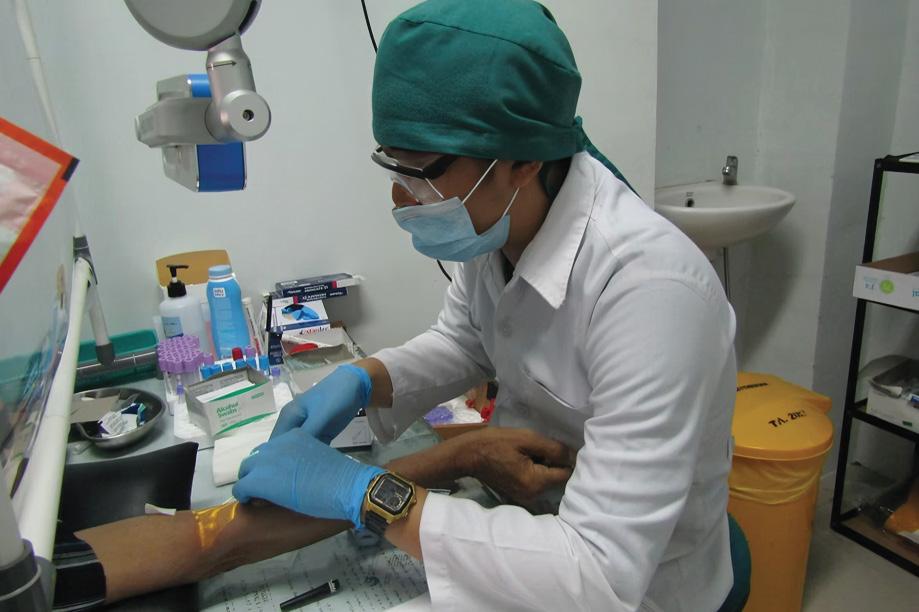

hinking about your health often happens only when something feels wrong. Most people wait for a physical symptom before they call a doctor. Staying ahead of potential issues is a much better way to manage your long-term well-being. Annual health reviews give you a clear picture of where you stand today. They help you build a map for the future. Taking this step once a year can change the way you age and live your daily life.
hinking about your health often happens only when something feels wrong. Most people wait for a physical symptom before they call a doctor. Staying ahead of potential issues is a much better way to manage your long-term well-being. Annual health reviews give you a clear picture of where you stand today. They help you build a map for the future. Taking this step once a year can change the way you age and live your daily life.
ealthcare systems around the world are undergoing significant transformation. Among the most notable developments is the growing influence of women in leadership roles. Their contributions are particularly evident in advancing patient-centered healthcare, a model that prioritizes the needs, preferences, and values of patients as the foundation of medical decision-making. This shift marks a departure from traditional, institution-driven approaches and highlights how diverse leadership strengthens the sector as a whole.
Setting aside time for a yearly exam is about more than just a quick chat with a professional. It creates a baseline for your body that helps track changes over several years. One medical group explained that these interventions aim to delay or prevent the start of chronic diseases. Keeping a consistent schedule makes it easier to spot tiny shifts in your health.
Setting aside time for a yearly exam is about more than just a quick chat with a professional. It creates a baseline for your body that helps track changes over several years. One medical group explained that these interventions aim to delay or prevent the start of chronic diseases. Keeping a consistent schedule makes it easier to spot tiny shifts in your health.
Patient-centered healthcare emphasizes respect for patient autonomy, personalized care, and active engagement in
These checkups act as a safety net for your physical and mental state. You get to discuss lifestyle habits that might lead to trouble later. A provider can suggest small changes now that prevent big problems in 5 or 10 years. This simple habit keeps your body running smoothly as you get older.
These checkups act as a safety net for your physical and mental state. You get to discuss lifestyle habits that might lead to trouble later. A provider can suggest small changes now that prevent big problems in 5 or 10 years. This simple habit keeps your body running smoothly as you get older.
treatment decisions. Rather than focusing solely on clinical outcomes, it takes into account patient experiences, emotional well-being, and accessibility. This framework requires leaders who can integrate organizational efficiency with empathy-driven practices—qualities that research has consistently linked to inclusive and collaborative leadership styles.
Prevention helps keep your long-term medical bills much lower than they would be otherwise. Choosing to get Qscan MRI scans during a checkup helps doctors see what is happening beneath the surface. This proactive approach prevents small issues from turning into major financial burdens later.
Prevention helps keep your long-term medical bills much lower they would be otherwise. Choosing to get Qscan MRI scans during a checkup helps doctors see what is happening beneath the surface. This proactive approach prevents small issues from turning into major financial burdens later.
Historically, healthcare leadership has been dominated by men, despite women constituting the majority of the workforce. Today, this imbalance is gradually changing. Increasing numbers of women serve as hospital executives, policymakers, researchers, and heads of global health initiatives. This expansion of representation
Spending money on a routine visit today saves thousands on emergency treatments in the future. Recent data
Spending money on a routine visit today saves thousands on emergency treatments in the future. Recent data
suggests that having a dedicated primary care provider can drop your yearly costs by over 40 percent. This happens by catching health concerns before they escalate. Another study mentioned that providing these services at no cost makes people much more likely to seek medical help.
suggests that having a dedicated primary care provider can drop your yearly costs by over 40 percent. This happens by catching health concerns before they escalate. Another study mentioned that providing these services at no cost makes people much more likely to seek medical help.
Speed is everything when it comes to treating serious illnesses. Catching a condition in its earliest stages leads to a much better outcome for the patient. A university news update pointed out that survival rates reach about 99% when certain issues are found early. This is why a simple annual meeting is such a powerful tool for your future.
Speed is everything when it comes to treating serious illnesses. Catching a condition in its earliest stages leads to a much better outcome for the patient. A university news update pointed out that survival rates reach about 99% when certain issues are found early. This is why a simple annual meeting is such a powerful tool for your future.
information empowers you to make better choices every single day.
information empowers you to make better choices every single day.
Waiting for pain to appear often means a disease has already progressed. Early detection gives you more options for treatment and recovery. You can manage your health with less invasive methods when you act quickly. Regular reviews make this fast response possible for everyone.
Waiting for pain to appear often means a disease has already progressed. Early detection gives you more options for treatment and recovery. You can manage your health with less invasive methods when you act quickly. Regular reviews make this fast response possible for everyone.
Your body provides signals through various metrics like blood pressure and heart rate. These numbers tell a story about how your heart and lungs are performing under stress. Keeping a record of these stats helps you see patterns over time.
Your body provides signals through various metrics like blood pressure and heart rate. These numbers tell a story about how your heart and lungs are performing under stress. Keeping a record of these stats helps you see patterns over time.
Specialized tests are a cornerstone of any thorough health review. These screenings look for signs of illness that are not visible to the naked eye. A leading health agency stated that regular screening tests help find colon or breast cancers when treatment works best. Missing these appointments means losing the chance to act during a critical window.
Specialized tests are a cornerstone of any thorough health review. These screenings look for signs of illness that are not visible to the naked eye. A leading health agency stated that regular screening tests help find colon or breast cancers when treatment works best. Missing these appointments means losing the chance to act during a critical window.
Most people do not notice the early signs of these conditions on their own. Tests provide a level of detail that a physical exam cannot reach. Following a screening schedule based on your age and history is a smart move. It provides peace for many, knowing that you are staying on top of your internal health.
Most people do not notice the early signs of these conditions on their own. Tests provide a level of detail that a physical exam cannot reach. Following a screening schedule based on your age and history is a smart move. It provides peace for many, knowing that you are staying on top of your internal health.
More people around the world are starting to see the value in preventive care every year. Large organizations are tracking how these habits improve the lives of millions. An international report from early 2025 highlighted that 1.4 billion more people were living healthier lives by the end of 2024. This growth shows that prioritizing wellness is a global movement that works.
More people around the world are starting to see the value in preventive care every year. Large organizations are tracking how these habits improve the lives of millions. An international report from early 2025 highlighted that 1.4 billion more people were living healthier lives by the end of 2024. This growth shows that prioritizing wellness is a global movement that works.
● Regular monitoring of your blood pressure levels helps prevent heart disease.
has created leadership structures that more accurately reflect the demographics of both patients and providers.
● Regular monitoring of your blood pressure levels helps prevent heart disease.
● Checking cholesterol levels manages the health of your arteries.
● Checking cholesterol levels manages the health of your arteries.
● Tracking weight changes prevents metabolic issues from starting.
● Tracking weight changes prevents metabolic issues from starting.
● Reviewing blood sugar levels reduces the risk of developing diabetes.
● Reviewing blood sugar levels reduces the risk of developing diabetes.
Women leaders bring varied perspectives that often align naturally with patient-centered care. Studies suggest that leadership diversity improves decision-making, enhances innovation, and creates systems more responsive to patient needs. As healthcare challenges grow in complexity, representation is no longer simply an equity issue it is a structural necessity.
A healthcare blog noted that yearly exams let providers check vital signs and look for risk factors before symptoms show up. It gives you a chance to adjust your lifestyle based on real data. You can see exactly how your diet and exercise habits affect your internal numbers. This
In public health policy, women leaders have been instrumental in embedding patient-centered principles into national and global strategies. Their initiatives
A healthcare blog noted that yearly exams let providers check vital signs and look for risk factors before symptoms show up. It gives you a chance to adjust your lifestyle based on real data. You can see exactly how your diet and exercise habits affect your internal numbers. This
frequently focus on integrating community voices into program design, strengthening preventive care, and improving equity of access. By prioritizing underrepresented populations, these policies contribute to health systems that are not only more inclusive but also more sustainable.
Governments are shifting their focus toward keeping people healthy rather than just treating the sick. This shift requires a significant amount of funding and planning from local leaders. One economic report showed that prevention spending in places like Canada and the United Kingdom reached 6 to 7 percent of total health costs recently. Statistics from Europe also show that these programs now make up a measurable portion of the regional gross domestic product.
Governments are shifting their focus toward keeping people healthy rather than just treating the sick. This shift requires a significant amount of funding and planning from local leaders. One economic report showed that prevention spending in places like Canada and the United Kingdom reached 6 to 7 percent of total health costs recently. Statistics from Europe also show that these programs now make up a measurable portion of the regional gross domestic product.
For example, reforms led by women in senior policy roles often emphasize integrated care pathways, ensuring continuity for patients across primary, secondary, and tertiary services. This contrasts with earlier models where patients were passive recipients, moving through fragmented systems with little input.
Taking charge of your health is a choice you make for your future self. It involves more than just eating well or exercising once in a while. This habit builds a foundation of strength and security that lasts for many years. It is the smartest investment you can make in your own life.
Taking charge of your health is a choice you make for your future self. It involves more than just eating well or exercising once in a while. This habit builds a foundation of strength and security that lasts for many years. It is the smartest investment you can make in your own life.


ealthcare systems around the world are undergoing significant transformation. Among the most notable developments is the growing influence of women in leadership roles. Their contributions are particularly evident in advancing patient-centered healthcare, a model that prioritizes the needs, preferences, and values of patients as the foundation of medical decision-making. This shift marks a departure from traditional, institution-driven approaches and highlights how diverse leadership strengthens the sector as a whole.
Patient-centered healthcare emphasizes respect for patient autonomy, personalized care, and active engagement in
treatment decisions. Rather than focusing solely on clinical outcomes, it takes into account patient experiences, emotional well-being, and accessibility. This framework requires leaders who can integrate organizational efficiency with empathy-driven practices—qualities that research has consistently linked to inclusive and collaborative leadership styles.
Historically, healthcare leadership has been dominated by men, despite women constituting the majority of the workforce. Today, this imbalance is gradually changing. Increasing numbers of women serve as hospital executives, policymakers, researchers, and heads of global health initiatives. This expansion of representation
has created leadership structures that more accurately reflect the demographics of both patients and providers.
Women leaders bring varied perspectives that often align naturally with patient-centered care. Studies suggest that leadership diversity improves decision-making, enhances innovation, and creates systems more responsive to patient needs. As healthcare challenges grow in complexity, representation is no longer simply an equity issue it is a structural necessity.
In public health policy, women leaders have been instrumental in embedding patient-centered principles into national and global strategies. Their initiatives
frequently focus on integrating community voices into program design, strengthening preventive care, and improving equity of access. By prioritizing underrepresented populations, these policies contribute to health systems that are not only more inclusive but also more sustainable.
For example, reforms led by women in senior policy roles often emphasize integrated care pathways, ensuring continuity for patients across primary, secondary, and tertiary services. This contrasts with earlier models where patients were passive recipients, moving through fragmented systems with little input.
At the institutional level, women executives in hospitals and clinics are reshaping operational frameworks to prioritize patient experience alongside clinical outcomes. Under their leadership, organizations have adopted patient advisory councils, transparency measures, and data-driven approaches to track satisfaction and engagement. These initiatives provide a measurable link between patient-centered practices and improved health outcomes, such as higher adherence to treatment plans and reduced hospital readmission rates.
Furthermore, women leaders often promote interprofessional collaboration. By creating environments where physicians, nurses, technicians, and support staff contribute equally to patient care strategies, they ensure that treatment decisions are informed by a wide range of expertise. This collaborative model aligns directly with the principles of patient-centered healthcare.
Innovation is another domain where women leaders are shaping patient-focused transformation. Their contributions to digital health, telemedicine, and data analytics have expanded the reach of healthcare services and improved accessibility. Patient-centered technology platforms—such as virtual consultations, personalized health apps, and integrated electronic health records—allow individuals to take an active role in managing their health.
These innovations are not simply technological upgrades; they are structural tools that reinforce the centrality of patients in their own care. Women-led initiatives in digital health frequently emphasize inclusivity, ensuring that marginalized or rural populations are not excluded from technological progress.
On the international stage, women leaders are advancing global agendas that reinforce patient-centered principles. By addressing social determinants of health such as education, income, and environmental conditions they are
widening the scope of patient care to include the broader contexts that affect well-being. These strategies ensure that healthcare systems focus not only on immediate treatment but also on long-term quality of life.
Organizations led or influenced by women are also prioritizing equity, promoting models that account for gender-specific health needs and closing gaps in access. This approach strengthens global commitments to universal health coverage and aligns healthcare systems with the Sustainable Development Goals.
Evidence increasingly supports the effectiveness of patient-centered systems shaped by diverse leadership. Hospitals adopting these models report improved patient satisfaction scores, reduced litigation risks, and better workforce retention. In research contexts, patient involvement in study design leads to findings that are more relevant and applicable.
The role of women leaders in this shift is measurable: institutions with higher female representation in leadership often demonstrate stronger performance in quality metrics. These outcomes underline the correlation between leadership diversity and effective healthcare delivery.
The reshaping of healthcare into a patient-centered model is one of the most significant transformations of the modern era, and women leaders are central to its advancement. By influencing policy, redesigning organizational frameworks, fostering collaboration, and driving innovation, they are ensuring that healthcare systems evolve to meet the real needs of the populations they serve.
This is not a matter of individual achievement but of systemic progress. As women continue to expand their influence across leadership positions, patient-centered care will increasingly define healthcare globally making systems more equitable, efficient, and responsive.


ancer remains one of the most daunting health challenges of our time. Early diagnosis can dramatically improve survival rates, yet millions of people still lack access to timely screening and affordable treatment. The gap between detection and care is not just a medical issue it is a societal one. It reflects disparities in infrastructure, awareness, and affordability.
At first glance, solving this problem seems overwhelming. The scale is vast, the systems are complex, and the resources required appear enormous. But every meaningful solution begins with acknowledging that even the most difficult challenges are worth addressing. Progress in cancer care has always started with small, determined steps taken by individuals and institutions who refused to accept limitations as permanent.
To make cancer diagnosis and treatment accessible, it is important to understand the barriers that exist. In many regions, especially in developing areas, diagnostic facilities are scarce. Even when available, they may be expensive or located far from rural populations.
Another major issue is awareness. Many individuals do not recognize early symptoms or delay seeking medical help due to fear, stigma, or lack of knowledge. By the time they reach a healthcare provider, the disease may have progressed to advanced stages.
Treatment accessibility adds another layer of complexity. High costs, limited insurance coverage, and inadequate healthcare infrastructure make it difficult for patients to continue treatment. These challenges often discourage individuals from even attempting to seek care.
Despite these challenges, innovation has begun to reshape the landscape of cancer care. Advances in medical technology, artificial intelligence, and telemedicine are making diagnosis faster and more accurate. Portable diagnostic tools and mobile screening units are bringing healthcare closer to underserved communities.
These innovations may seem like small steps in isolation, but collectively they represent a powerful shift. They demonstrate that progress does not require perfection at the outset. It requires persistence and a willingness to experiment, improve, and expand.
Accessible cancer care is not solely dependent on technology; it also requires strong community engagement. Awareness campaigns, local health workers, and educational initiatives play a crucial role in encouraging early detection.
When communities are informed, they become active participants in their own healthcare journey. Simple actions such as regular screenings, lifestyle changes, and early consultations can significantly reduce the burden of cancer.
At the institutional level, women executives in hospitals and clinics are reshaping operational frameworks to prioritize patient experience alongside clinical outcomes. Under their leadership, organizations have adopted patient advisory councils, transparency measures, and data-driven approaches to track satisfaction and engagement. These initiatives provide a measurable link between patient-centered practices and improved health outcomes, such as higher adherence to treatment plans and reduced hospital readmission rates.
The impact of these efforts grows over time. What begins as a small awareness drive can evolve into a widespread movement that saves countless lives.
Furthermore, women leaders often promote interprofessional collaboration. By creating environments where physicians, nurses, technicians, and support staff contribute equally to patient care strategies, they ensure that treatment decisions are informed by a wide range of expertise. This collaborative model aligns directly with the principles of patient-centered healthcare.
Affordability remains one of the biggest obstacles in cancer treatment. However, various approaches are being explored to address this issue. Government programs, public-private partnerships, and non-profit organizations are working to subsidize treatment costs and expand healthcare coverage.
Additionally, the development of cost-effective treatment methods and generic medications has made care more accessible to a broader population. While financial challenges persist, these initiatives highlight an important truth: meaningful change often begins with incremental improvements rather than immediate solutions.
Innovation is another domain where women leaders are shaping patient-focused transformation. Their contributions to digital health, telemedicine, and data analytics have expanded the reach of healthcare services and improved accessibility. Patient-centered technology platforms—such as virtual consultations, personalized health apps, and integrated electronic health records—allow individuals to take an active role in managing their health.
No single entity can solve the challenge of accessible cancer care alone. Collaboration between healthcare providers, researchers, policymakers, and technology innovators is essential.
These innovations are not simply technological upgrades; they are structural tools that reinforce the centrality of patients in their own care. Women-led initiatives in digital health frequently emphasize inclusivity, ensuring that marginalized or rural populations are not excluded from technological progress.
Hospitals and research institutions contribute medical expertise, while technology companies develop tools that enhance diagnosis and treatment. Governments create policies that support healthcare accessibility, and non-profit organizations ensure that vulnerable populations are not left behind.
On the international stage, women leaders are advancing global agendas that reinforce patient-centered principles. By addressing social determinants of health such as education, income, and environmental conditions they are
This collective effort demonstrates that complex problems require shared responsibility. Each contribution, no matter how small, plays a role in building a more inclusive healthcare system.
widening the scope of patient care to include the broader contexts that affect well-being. These strategies ensure that healthcare systems focus not only on immediate treatment but also on long-term quality of life.
Across the world, there are numerous examples of initiatives that have successfully improved cancer diagnosis and treatment accessibility. Mobile screening camps in rural areas, tele-oncology services connecting patients with specialists, and community-based support programs have all made a tangible difference.
These stories serve as reminders that progress is possible. They show that even in resource-constrained environments, determined efforts can lead to meaningful outcomes.
Organizations led or influenced by women are also prioritizing equity, promoting models that account for gender-specific health needs and closing gaps in access. This approach strengthens global commitments to universal health coverage and aligns healthcare systems with the Sustainable Development Goals.
Importantly, these successes did not emerge overnight. They were the result of sustained effort, continuous learning, and a belief that the goal was worth pursuing.
Evidence increasingly supports the effectiveness of patient-centered systems shaped by diverse leadership. Hospitals adopting these models report improved patient satisfaction scores, reduced litigation risks, and better workforce retention. In research contexts, patient involvement in study design leads to findings that are more relevant and applicable.
While significant progress has been made, there is still a long way to go. Challenges such as infrastructure gaps, workforce shortages, and evolving disease patterns continue to pose obstacles.
The role of women leaders in this shift is measurable: institutions with higher female representation in leadership often demonstrate stronger performance in quality metrics. These outcomes underline the correlation between leadership diversity and effective healthcare delivery.
However, the journey toward accessible cancer care is not defined by how quickly solutions are achieved, but by the commitment to keep moving forward. Each step taken—whether it is a new screening program, a technological breakthrough, or a policy reform—brings us closer to a future where cancer care is accessible to all.
Improving cancer diagnosis and making treatment accessible is undeniably difficult. It requires time, resources, and unwavering dedication. Yet, it is precisely because of these challenges that the effort is worthwhile.
The reshaping of healthcare into a patient-centered model is one of the most significant transformations of the modern era, and women leaders are central to its advancement. By influencing policy, redesigning organizational frameworks, fostering collaboration, and driving innovation, they are ensuring that healthcare systems evolve to meet the real needs of the populations they serve.
Every life saved, every patient supported, and every barrier reduced reinforces the value of this mission. What may begin as a small initiative has the potential to transform entire healthcare systems and communities.
This is not a matter of individual achievement but of systemic progress. As women continue to expand their influence across leadership positions, patient-centered care will increasingly define healthcare globally making systems more equitable, efficient, and responsive.
In the end, the journey toward accessible cancer care embodies a powerful principle: anything truly worth doing rarely starts easy. It begins with a single step, driven by purpose and sustained by perseverance. And with each step forward, the vision of equitable healthcare becomes not just an aspiration, but an achievable reality.











Accessible cancer care is not solely dependent on technology; it also requires strong community engagement. Awareness campaigns, local health workers, and educational initiatives play a crucial role in encouraging early detection.
Accessible cancer care is not solely dependent on technology; it also requires strong community engagement. Awareness campaigns, local health workers, and educational initiatives play a crucial role in encouraging early detection.
When communities are informed, they become active participants in their own healthcare journey. Simple actions such as regular screenings, lifestyle changes, and early consultations can significantly reduce the burden of cancer.
When communities are informed, they become active participants in their own healthcare journey. Simple actions such as regular screenings, lifestyle changes, and early consultations can significantly reduce the burden of cancer.
The impact of these efforts grows over time. What begins as a small awareness drive can evolve into a widespread movement that saves countless lives.
The impact of these efforts grows over time. What begins as a small awareness drive can evolve into a widespread movement that saves countless lives.
Affordability remains one of the biggest obstacles in cancer treatment. However, various approaches are being explored to address this issue. Government programs, public-private partnerships, and non-profit organizations are working to subsidize treatment costs and expand healthcare coverage.
Affordability remains one of the biggest obstacles in cancer treatment. However, various approaches are being explored to address this issue. Government programs, public-private partnerships, and non-profit organizations are working to subsidize treatment costs and expand healthcare coverage.
Additionally, the development of cost-effective treatment methods and generic medications has made care more accessible to a broader population. While financial challenges persist, these initiatives highlight an important truth: meaningful change often begins with incremental improvements rather than immediate solutions.
Additionally, the development of cost-effective treatment methods and generic medications has made care more accessible to a broader population. While financial challenges persist, these initiatives highlight an important truth: meaningful change often begins with incremental improvements rather than immediate solutions.
No single entity can solve the challenge of accessible cancer care alone. Collaboration between healthcare providers, researchers, policymakers, and technology innovators is essential.
No single entity can solve the challenge of accessible cancer care alone. Collaboration between healthcare providers, researchers, policymakers, and technology innovators is essential.
Hospitals and research institutions contribute medical expertise, while technology companies develop tools that enhance diagnosis and treatment. Governments create policies that support healthcare accessibility, and non-profit organizations ensure that vulnerable populations are not left behind.
Hospitals and research institutions contribute medical expertise, while technology companies develop tools that enhance diagnosis and treatment. Governments create policies that support healthcare accessibility, and non-profit organizations ensure that vulnerable populations are not left behind.
This collective effort demonstrates that complex problems require shared responsibility. Each contribution, no matter how small, plays a role in building a more inclusive healthcare system.
This collective effort demonstrates that complex problems require shared responsibility. Each contribution, no matter how small, plays a role in building a more inclusive healthcare system.
Across the world, there are numerous examples of initiatives that have successfully improved cancer diagnosis and treatment accessibility. Mobile screening camps in rural areas, tele-oncology services connecting patients with specialists, and community-based support programs have all made a tangible difference.
Across the world, there are numerous examples of initiatives that have successfully improved cancer diagnosis and treatment accessibility. Mobile screening camps in rural areas, tele-oncology services connecting patients with specialists, and community-based support programs have all made a tangible difference.
These stories serve as reminders that progress is possible. They show that even in resource-constrained environments, determined efforts can lead to meaningful outcomes.
These stories serve as reminders that progress is possible. They show that even in resource-constrained environments, determined efforts can lead to meaningful outcomes.
Importantly, these successes did not emerge overnight. They were the result of sustained effort, continuous learning, and a belief that the goal was worth pursuing.
Importantly, these successes did not emerge overnight. They were the result of sustained effort, continuous learning, and a belief that the goal was worth pursuing.
While significant progress has been made, there is still a long way to go. Challenges such as infrastructure gaps, workforce shortages, and evolving disease patterns continue to pose obstacles.
While significant progress has been made, there is still a long way to go. Challenges such as infrastructure gaps, workforce shortages, and evolving disease patterns continue to pose obstacles.
However, the journey toward accessible cancer care is not defined by how quickly solutions are achieved, but by the commitment to keep moving forward. Each step taken—whether it is a new screening program, a technological breakthrough, or a policy reform—brings us closer to a future where cancer care is accessible to all.

However, the journey toward accessible cancer care is not defined by how quickly solutions are achieved, but by the commitment to keep moving forward. Each step taken—whether it is a new screening program, a technological breakthrough, or a policy reform—brings us closer to a future where cancer care is accessible to all.
Improving cancer diagnosis and making treatment accessible is undeniably difficult. It requires time, resources, and unwavering dedication. Yet, it is precisely because of these challenges that the effort is worthwhile.
Improving cancer diagnosis and making treatment accessible is undeniably difficult. It requires time, resources, and unwavering dedication. Yet, it is precisely because of these challenges that the effort is worthwhile.
Every life saved, every patient supported, and every barrier reduced reinforces the value of this mission. What may begin as a small initiative has the potential to transform entire healthcare systems and communities.
Every life saved, every patient supported, and every barrier reduced reinforces the value of this mission. What may begin as a small initiative has the potential to transform entire healthcare systems and communities.
In the end, the journey toward accessible cancer care embodies a powerful principle: anything truly worth doing rarely starts easy. It begins with a single step, driven by purpose and sustained by perseverance. And with each step forward, the vision of equitable healthcare becomes not just an aspiration, but an achievable reality.
In the end, the journey toward accessible cancer care embodies a powerful principle: anything truly worth doing rarely starts easy. It begins with a single step, driven by purpose and sustained by perseverance. And with each step forward, the vision of equitable healthcare becomes not just an aspiration, but an achievable reality.