


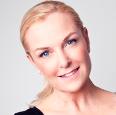
ANNA-CARI GUND, PRESIDENT OF CIDESCO INTERNATIONAL
Since our last LINK Magazine, quite a lot has happened and I would like to keep you in the loop of our ongoing developments and matters of interest. We have had our first Skype Board Meeting which proved to be very easy and successful. By doing so, we are able to reduce costs considerably and are still able to be constructive. This was unheard of some years ago but now with modern techniques, we follow the trend!
We hope you are all happy with the digital format of the LINK Magazine. Sections can email the LINK to their Members and Schools can print out for their students. It would be good to have a few copies at your front desk for visitors.
Our last LINK featured the CIDESCO Congress in Wuhan and very soon we are going to meet up again in Greece. A lot has happened since Wuhan and as promised I am happy to inform you of the following:
We have signed a contract with “The Spa PR Company” based in Great Britain who will be in charge of all PR activities, together with Sandy Roy PR Board Member and Gerard Gordon from Head Office. They have formulated a Marketing Calendar together and you will soon be introduced to their plans. A first step is already in the pipeline, the Website. We will continue with our corporate identity and make
it more user friendly. All literature and documentation will follow the same pattern. Our Aim is to take CIDESCO forward and be the “Best” in our industry.
The School Rules which were ratified in Wuhan are up our Knowledgebase and can be downloaded when needed. Please always refer to these Rules when in doubt as it is very important that they are followed closely at all times.
We have also updated some of the Examination Documents and Examiners are asked to download from the Knowledgebase. These documents are compulsory to use as of June 1st this year, please therefore take a look and print out for your next Assignment.
Based on research done by CIDESCO, we found it necessary to help our Members by introducing new Diplomas;
The Spa Therapy Diploma: This industry is steadily growing and Schools can offer this Training to candidates, both women and men without having done the Beauty Therapy training. The Syllabus is more in depth and includes Anatomy and Physiology and the training hours is somewhat increased to 600 with a 200 hours of work experience.
The Beauty and Spa Management Diploma is a ”must” as the labour market is asking more and more for Therapists with this qualification. It
is a short course of 300 hours and can be done as a Post Graduate course. It is also an asset for Therapists wishing to open their own businesses or to work in the Management Sector of a Spa.
The Media Make-up Diploma is now available for all Schools. This is a course of 800 hours, 600 contact hours and 200 in work experience. The Syllabus covers all aspects in the field thus allowing a candidate to work in feature films, television, videos, fashion etc. This is a step forward for the creative young who would like to work in an unconventional and artistic environment.
We have a number of Testimonials which will be uploaded soon, this is a good PR product for selling the CIDESCO diplomas. Schools and Sections can benefit quite a lot by using them.
I have been in regular contact with Sections exchanging ideas and helping with growth. We have asked for a SWOT analysis to assist us in finding possibilities where we could be of help. For those of you who have not yet sent in your analysis, please do so soon.
Greece, the land of culture and beauty so close and extremely reasonable - this should be a “must”. Please note the dates for the CIDESCO Congress from 22nd to 26th October 2014 in your Agenda. The Section is planning a programme filled with interesting topics and of course a lot of exciting social events. As you know, the Greeks love to celebrate and have a good time. We look forward to welcoming a large number of Members, not only for serious discussions but also to have a good time and relax. There will be very interesting excursions organised by the Section and you can combine your visit to the Congress with a holiday at the beautiful seaside resorts, so easy to get to from Athens.
I wish you a lovely summer and look forward to seeing you in Greece!

LOU MOSKY was a pioneer in the Beauty Therapy Industry and a name to remember in the history of CIDESCO International.


Born in Cairo, Egypt and immigrated to Athens in the mid ‘50s, she devoted her knowledge to the Beauty Therapy profession. Lou established the first School of Aesthetics in Athens in 1957. Soon after, she founded the first Association for Beauty Therapists called “Hellas”. In 1958 “Hellas” was accepted as a CIDESCO Section and Lou Mosky was named President of the Association. One of her many talents was languages. Speaking 5 languages fluently, for an International Organization like CIDESCO was a great asset.
In 1961 and 1975, Lou organized the CIDESCO World Congresses and Exhibition in Athens which were a huge success.
In 1983, Lou Mosky became the President of CIDESCO International; some very important names like Kristina Peltomaa, Kenneth Morris, Isle Vogel, Joan Thornycroft, Ursula van Deelen, Wim van der Straten, Hans Schuster, and Hedy Dettwiler served on the Board with her.
Lou was very involved in the reunification of CIDESCO. With the help of her husband who was a lawyer; she was able to make a successful agreement with the Milan Group. Her fluent Italian was an

asset in the negotiations as this was the spoken language of the Milan Association. Some of you might remember names like Christine Valmy USA, Gertrud Kratky New Zealand, Eileen Lazaar Australia, Nina Haas Germany, who all played important roles during this time.
Lou was awarded Honorary President of CIDESCO Greece and CIDESCO International. She continued to be a very active Member of CIDESCO Greece and always attended the National Congresses; her last appearance at a public function was in 2011 when she sat with the Egyptian Ambassador, as photographed here.

Lou spent the last few years at her family home in Athens. She was often visited by her good friend Iro Koronéou when they reminisced about the good times they had had with CIDESCO.

As with many of our CIDESCO past Board Members, when Lou received her Honorary President award she said: ”CIDESCO is always in my heart and I will carry the name CIDESCO and my prestigious Award with pride and watch CIDESCO grow from strength to strength.”
We honour you and will miss you deeply - Lou Mosky.
Anne Maestrini
CIDESCO Head Office
In the loving memory of Lou Mosky
With great sadness, we inform you that our Honorary President, Lou Mosky passed away on Wednesday 9th of April 2014 in Athens.


Many people attended her funeral and specially beauty therapists. Iro Koroneou, the President of CIDESCO Section Hellas was asked by her two daughters, Rea and Marina, as well as by her grandchildren to say a few words during the funeral about her. So she had the task to say the last goodbye on behalf of CIDESCO Section Hellas and CIDESCO International.
In the last conversation Iro had with Lou over the phone, she asked her to not stop her activities in CIDESCO and she was very happy that we will host in Athens, Greece the 62nd CIDESCO World Congress this year.
We join Iro in saying that Lou will be alive in our memories for ever. Lou will be deeply mourned by her family, friends, old students and colleagues of Greece and many others from the CIDESCO family.

NEW SPA THERAPY DIPLOMA, BEAUTY & SPA MANAGEMENT DIPLOMA, MEDIA MAKE-UP DIPLOMA
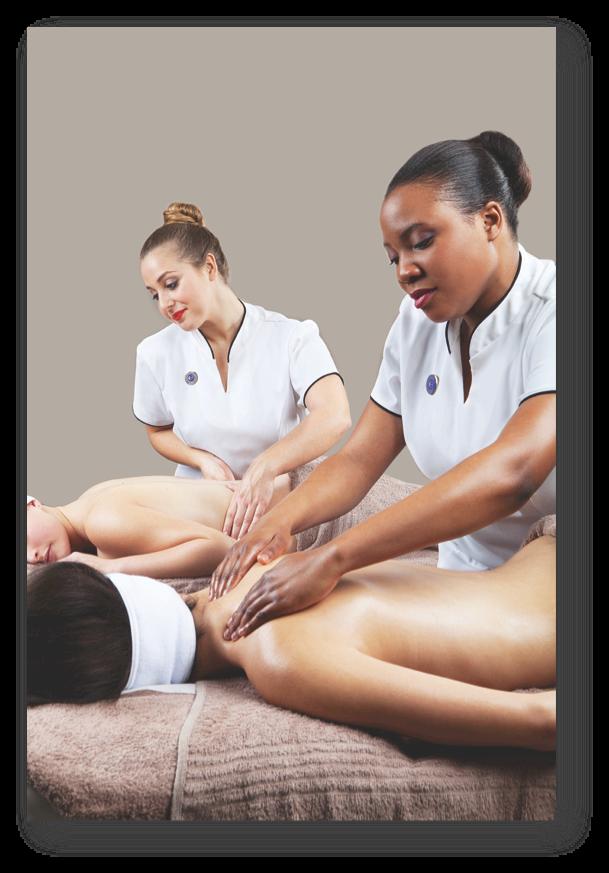
CIDESCO announces the launch of three exciting new Diplomas which will appeal to a growing number of students keen to enter or develop and progress into this dynamic and expanding industry.
CIDESCO has developed the three new Diplomas in response to the dynamic growth and development in the Beauty and Spa Industry. The new Diplomas offer the highest standards of professional qualifications and will provide students with the means to equip themselves with the skills to succeed.
Any student obtaining a CIDESCO qualification can be assured that the qualification will be recognised and respected worldwide and will enable them to ‘stand out’ in an increasingly competitive skills market.
The three new qualifications include: Spa Therapy Diploma – this qualification gives candidates the opportunity to obtain a Diploma in ‘Spa Therapy’ without the prerequisite of a qualification in Beauty Therapy. CIDESCO recognised the need for a ‘stand alone’ qualification which is now
This comprises 600 hours of training followed by a theory exam and practical exam comprising four treatments. A minimum of 200 hours of spa therapy work experience is also required after passing the examination to obtain the Diploma.
Beauty & Spa Management Diploma – the new CIDESCO Beauty & Spa Management Diploma has been developed to give graduates a real competitive ‘edge’ in the labour market. The course includes a greater emphasis on the range of activities required to manage an organisation or business such as human resources planning and customer service. This Post Graduate Diploma is available to
Beauty Therapy and/or Spa Therapy and will equip any student with the necessary skills to undertake a management role.
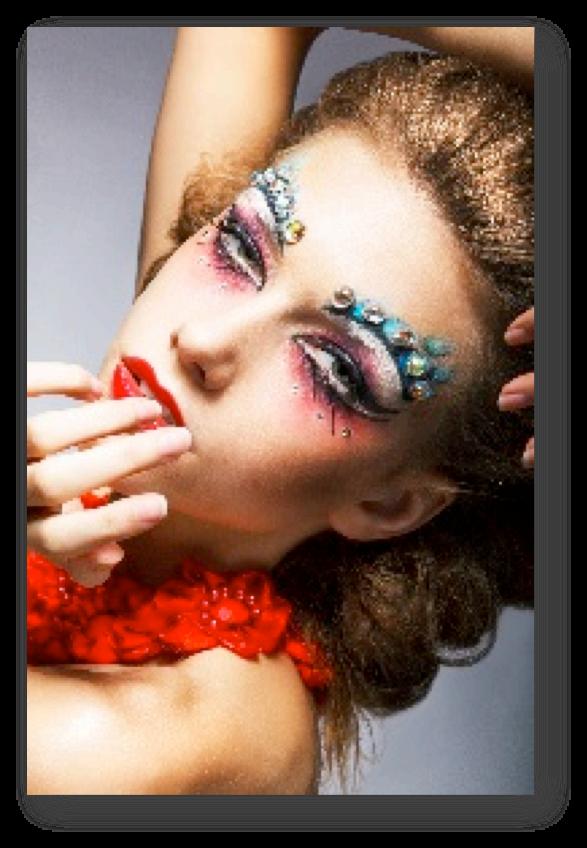
Media Make–up Diploma – open to candidates who have a passion for creative make-up to enable them to be employed in media, theatre, TV and fashion. The CIDESCO Media Make-up course teaches students how to apply make-up for television, film, catwalk and fashion industry magazines and theatre as well as prosthetics and other areas which require special effects make-up.








To register interest in the new Diplomas or to find out more please contact info@cidesco.com or visit www.cidesco.com
As part of our new style upgrades we are pleased to announce the production of a new CIDESCO brochure. The new brochure gives an overview of CIDESCO, our position as a world-class association and details on the Diplomas available. It also comes in an easy-to-read format which can be easily downloaded and printed by Schools and Colleges. The brochure makes a useful student recruitment tool which can be handed out at your events and included on your own business websites. We hope you find it useful and your feedback is greatly welcomed.
1
2
3
4
5
BY MARTHA BAUMANN
For 26 years, I have run a beauty salon in a small town in central Switzerland. Most clients come from within a 30km perimeter. In my opinion the loyalty of the clients depends on how the customer is cared for and treated. These are my tips for good customer care and returning clients.
On the client card, all important data, references and special features of the customer are written down. When the customer next visits, I already have a good start into a conversation which the client really appreciates and is always amazed. She feels understood and taken seriously and knows that someone is listening.
While the customer gets prepped in the treatment room, we discuss the goal of the current treatment and the time frame. It is important for the customer to know that the time frame is adhered to, so she can relax. This in turn will benefit the treatment and is reflected in the appearance of the customer.
At the beginning of the treatment, I analyze the facial skin through the magnifying glass and inform the customer about possible changes and ask questions if necessary. This gives the customer confidence. During the treatment, I talk through each step of the treatment and inform her of the benefits of each one. If a massage is done, I urge to let go and enjoy. In support there is calming music and feel-good oils. At the end of treatment I offer a small make-up by presenting the products and then offer these for sale. I ask about the well-being and give her a mirror to confirm she is happy with the results.
After the treatment there is fresh water and a healthy snack ready for the client which is greatly appreciated. At the same time it offers the important opportunity to offer products for purchase, in a relaxed atmosphere, for the appropriate season as well as additional products and again to draw attention to the make-up products used in the previous treatment.
If the customer tries something new or if she had a treatment for the first time, she will be called after three days. I ask about her wellbeing and the satisfaction with the new products. This offers the customer another opportunity to ask any questions. This call is greatly appreciated as feedbacks testify. The customer has the feeling that they are valued, unique and appreciated, especially in today’s hectic and commercial-oriented times.

Mobile apps are today part of every conceivable business enabling the share and engagement of information quickly and efficiently.
We are pleased to announce that the CIDESCO App is now available to download FREE from the IPhone or Android App Stores or via the CIDESCO website.
Board member, Sandy Roy of CIDESCO South Africa, has worked hard to help produce this and we consider this a great achievement for CIDESCO and its future.
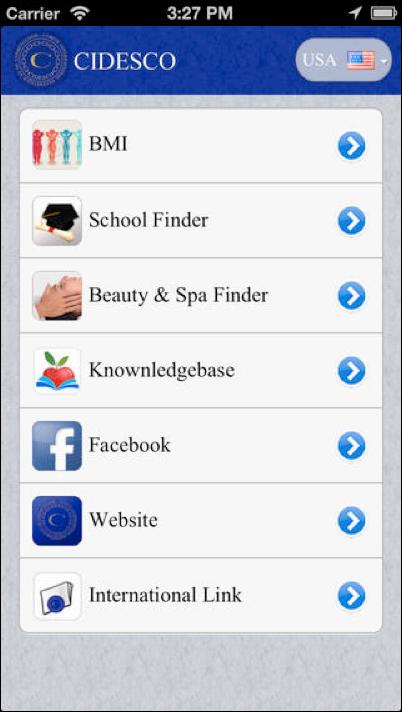
The CIDESCO App enables members to access educational information from the CIDESCO website including a search for schools, beauty salons and spas, as well as the Knowledgebase. It also provides access to the latest issue of LINK and CIDESCO’s social media channels. Students will love the diagrams with and without labels, and BMI for their learning.
We hope that as many members as possible will join us on the CIDESCO App.
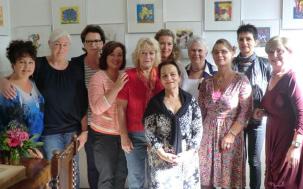
In September last year, Claire Mettrop, past president and owner of a CIDESCO institute in the Netherlands, organized a traditional day for CIDESCO members in our country. 15 owners of CIDESCO institutes attended and by 10am everybody was drinking coffee with pastries in the beautiful, 100 year old house of Claire and Embèrt Mettrop. . Claire’s institute is located on the first floor of the house with 4 cabins and a beauty corner shop and waiting room. The aim of the meeting was to share information and experiences with each other.
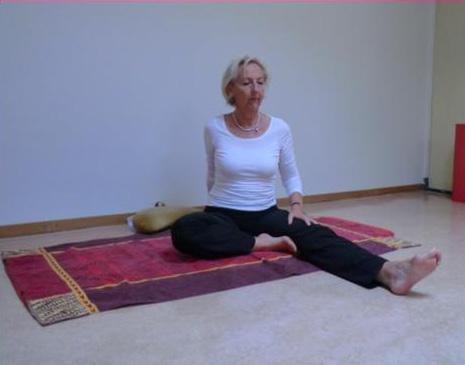
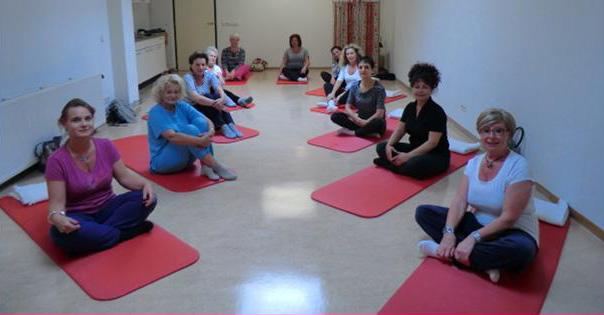
The day started with a YOGA workshop, demonstrated by Marian Mascini, international teacher of Yoga. During the workshop the theme WATER was in harmony with our subject “Love the sea more”. Marian showed us what we could do with our bodies to balance body and mind. Thanks to her professional advice we were able to follow her movements and at the end felt totally relaxed.
An Italian lunch “Antipasta” was served in our private part of the house with a good glass of wine. Discussion
about the morning program, stories, experiences and more; everybody felt well. After lunch we walked into the city of Haarlem to one of the oldest museums called “Teylers Museum”. The Exhibition “The Mermaid” was a good supplement to our program. The private guide gave us a lot of information about the origin of the mermaids, paintings, posters, statues of mermaids and told a lot of stories.
The source of the ‘half women half fish’ is a fable, but we all know the Mermaid of Denmark and in the world of the fishermen they still believe that the mermaids protect them.
At the end of the day, with a glass of Prosecco in hand, we felt wonderful and very satisfied, so much so that we have decided to organize another meeting next year at a different location in our country. It was a pleasure to organize such a day and now we are waiting to see who will be the next host.
Claire Mettrop

The start of 2014 has been a busy time for CIDESCO Nippon with their regional meeting and members events.
On 7th March the Fukuoka Members Event took place which was attended by over 50 members and held at Deux Marie, CIDESCO International Accredited Beauty Salon and CIDESCO International School. The event included a demonstration of Indian Face Lift massage by Pamela Adkins and a lecture on How to Save Your Hands by Josephine Wackett. Ms Wackett explained the importance of therapists protecting their hands and wrists from overuse, so that they might have a long, pain free career.
She went through many options for treatment modalities and equipment that could help.
Ms Wackett then demonstrated Lomi Lomi massage, which uses mainly the forearms and elbows for the treatment. Then she introduced G5 treatment, using dry spray on oils. The G5 has for many years been a great alternative to manual massage. Often used with powder, it can be drying for the skin. By utilising dry oil, we achieve glide without too much slide. Various oils can be used according to the clients concerns. These vegetable based oils will also nourish the skin.
After the demonstrations, refreshments were served allowing opportunities for members to mingle, take photos and catch up with each other.
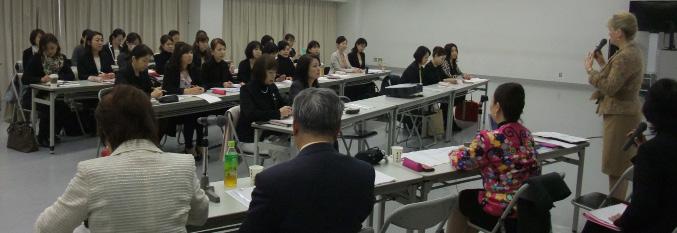
On 20th March in Tokyo, 16 Japanese schools attended the CIDESCO Regional Meeting held at Kokusai Bunka, CIDESCO School.
CIDESCO Education Committee
Member Pamela Adkins held the meeting with CIDESCO International Examiner, Jeannie Sim. Updates of CIDESCO’s new diplomas were given and schools were given new information from the meetings held in Wuhan.
In addition, schools had a chance to give feedback on their exams which have recently been completed.
After the meeting coffee and cakes were served so that teachers had a good chance to talk to each other and exchange information.
On 21st March another successful Members Event took place, this time in Tokyo at Takara Hall, well attended by around 70 members.
Jeannie Sim gave a lecture and demonstration of Bamboo Massage. Bamboo has been used in Japan for thousands of years, yet this use was a new concept. The Bamboo had been compressed into long and short compact, smooth, implements which can be placed in a special moist heat pad to be warmed prior to use.
The Bamboo is used to give a deep, relaxing massage. The warmth from the Bamboo helps relax muscles and increase blood circulation, thus enhancing the massage effect. The treatment proved very interesting to members.
Afterwards, refreshments were served allowing members to catch up with each other.
CIDESCO Editor
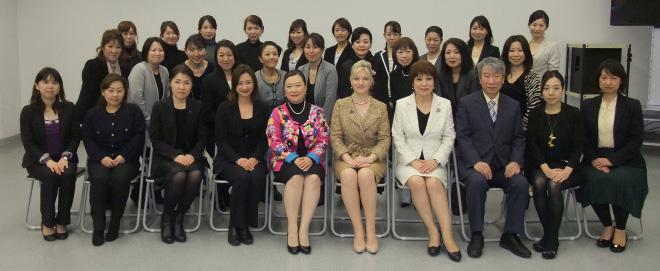
Anna-Cari advised that they are currently working on a Candidates Knowledgebase and all schools will be notified when it is up and running

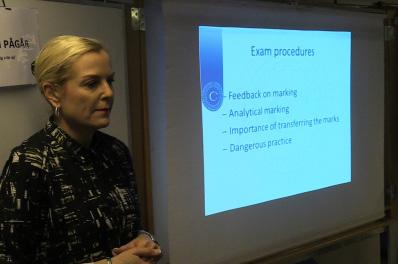
Discussion was held on the three new diplomas, which were developed after analyzing the Surveys. It was agreed that any make-up school can apply to become a Media Make-up school for which there is an annual school fee. All those accredited CIDESCO Schools that would like to offer the spa or stand-alone spa qualification need to apply to become a spa school before offering the spa diploma. The practical spa training can be outsourced if the school has no on-site spa. Any accredited CIDESCO School can offer the Beauty & Spa Management course with the pre-requisite that participants have successfully passed the CIDESCO Beauty Therapy or PG or Spa therapy Diploma before entering the course.
Online training in Moodle, the learning management system, will be introduced initially for Examiners and then for the Schools.
The Schools Rules Part 1 and 2 have been separated according to the General Assembly’s decision in Wuhan. School Rules Part 1 is now called School Rules; School Rules Part 2 have become Examinations Procedures. There is a General Examination Procedures and there are separate procedures for each discipline.
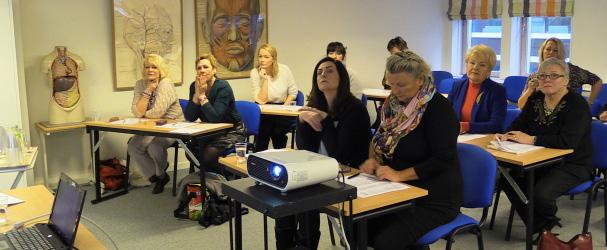
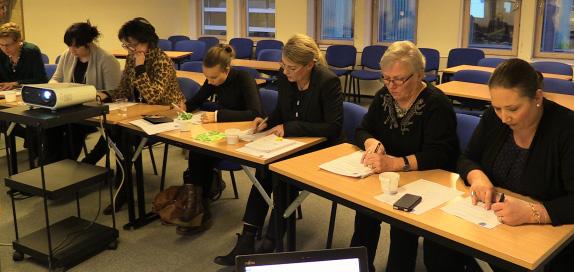
The MCQ papers follow the beauty therapy syllabus breakdown but it was recommended that the questions could be fine-tuned to correlate more with the different parts of the syllabus. It was agreed that one representative from each School such as the School Examiner, is entitled to see the MCQ paper for 15 minutes after the MCQ examination but before the correction is made together with the CIDESCO Examiner. A procedure for translation issues was discussed and it was recommended that Schools and Sections in each country appoint one to two members who would help with the translations.
Please email Timea at edu.tv@ cidesco.com with contact details of the appointed members.
Exam Procedures and improvements were discussed with examiners. A special mention was made on Trade Mark Rules as candidates get an excerpt of those which apply to them. Examiners were also asked to allocate enough time for the exit meeting after the examination to ensure schools received full feedback covering both positive issues and those which needed more improvement or attention.
The issue of dangerous practice was raised and examiners were reminded that they must intervene if this occurs and move the candidate onto the next step.
Anna-Cari advised that they are currently working on a Candidates Knowledgebase and all schools will be notified when it is up and running.
Online training for examiners is also underway and when available later this year, all examiners will be required to log on and complete the courses and tests.
An extensive discussion on cultural differences and experiences was also shared enabling the examiners to reference this when visiting each country.
The EXAMINER’S SPEECH can be downloaded from the Knowledgebase.
“I started the CIDESCO full time Beauty Therapy course in September 2013 and strongly believe that it’s the best decision I’ve ever made in my life. All the staff in the college are so friendly and approachable and we have all built such good relationships with one another. Sharon really cares about her students and wants the best for us all! I would highly recommend this course and college as it is simply the best! Not only will I be doing something I love as my career but I’ve made friends for life! Couldn’t recommend this college enough”
January 2014

“Eeeekkkkk...... Almost finished my CIDESCO full time beauty therapy course, only 11 weeks to the big exam. Honestly has being a great experience. I’ve met some of the most inspiring people in Sharon Leavy’s college of hair and beauty. Towers of strength, and motivation. In times of stress a little word to any of the tutors and they calm you down right away and reassure you that everything will be ok. To anyone thinking of doing this course, stop thinking of it and just do it. It will be the best decision you’ll ever make. I’m so happy I made the decision and went with it. No regrets :) X
Samantha Kelly, Co Offaly Ireland February 2014
A big thank you for Sharon for sending these to us. If you have student testimonials you would like to share with other CIDESCO members please email them to info@cidesco.com.

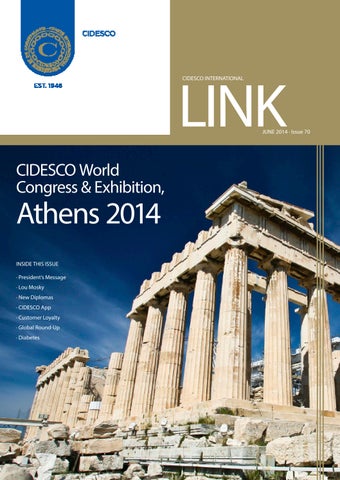
This year we are delighted to announce that the CIDESCO World Congress and Exhibition will take place at the Royal Olympic Hotel in Athens from 22nd to 26th October 2014, hosted by CIDESCO Section Greece.
Our annual Congress and Exhibition, now in its 62nd year, regularly attracts members from around the world including industry professionals and associate members. This prestigious event offers Beauty and Spa Therapists the opportunity to come together to discuss the industry’s most important issues, learn new skills and network with each other.
Delegates attending the 2014 CIDESCO World Congress will also be able to attend informative lectures given by renowned international speakers, attend the CIDESCO Beauty Exhibition where local and International beauty suppliers showcase their products in a forum dedicated to educational excellence.
During the 5 day event we will be holding a series of workshops for members including:
22nd October: CIDESCO Examiners’ Workshop
The Examiners’ Workshop is open to CIDESCO International Examiners and will be hosted by Education Board member Narelle Blinman from Australia. During this workshop CIDESCO Examiners will discuss new techniques and skills within the industry and how they affect CIDESCO’s processes.
23rd October: CIDESCO Accredited Schools’ Meeting
The Schools’ Meeting is open to all CIDESCO Schools, International Examiners and National CIDESCO Sections. This meeting will be hosted by Narelle Blinman from Australia with the assistance of her fellow Board Members. During this meeting CIDESCO will discuss new techniques, skills and adaptations within CIDESCO.
24th October: CIDESCO General Assembly
The CIDESCO General Assembly is a meeting open only to CIDESCO National Section representatives. The General Assembly is the official meeting of all the International Section representatives who meet once a year to discuss the direction of CIDESCO and its future development within the Industry. The CIDESCO General Assembly is the most important event of the year for CIDESCO and is chaired by CIDESCO International President Anna-Cari Gund from Sweden with the help of her Board Colleagues.
On the last day, professionals and students will compete in the annual CIDESCO Make-up and Body Art Competition. The theme this year will be “Historical Ancients” which promises to allow the participants the opportunity to let their imagination run wild and expose their creative side.
Delegates who attend the 62nd CIDESCO World Congress and Exhibition will enjoy the very best of Greek hospitality and culture. They will have the opportunity to attend the CIDESCO Gala Dinner, which is a formal gathering of all who attend the CIDESCO Congress. This night is open to those who wish to enjoy the finest cuisine Greece has to offer along with a fun night of dancing and celebration.
For those who wish to experience the Greek culture in a more casual atmosphere there is the Greek Cultural Night. The Cultural night is hosted by the Greek Section which is a casual evening filled with opportunities to catch up with old friends and make new ones in an environment filled with the best of Greek music and entertainment.
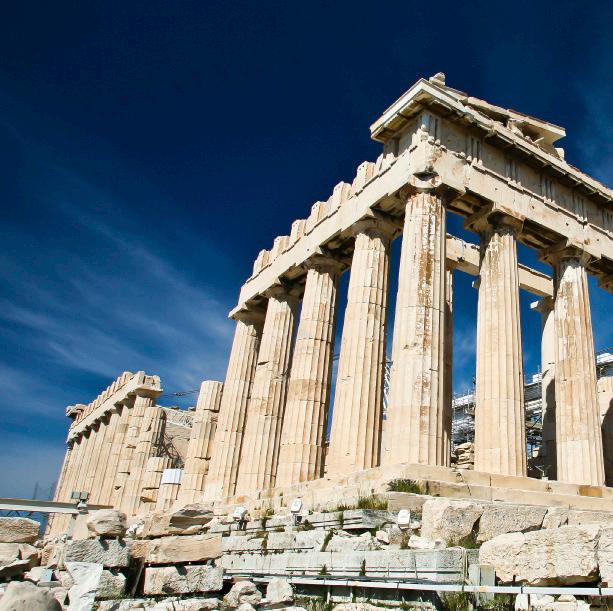
During the Congress there will be some free time for guests to enjoy the splendours of Greece’s capital city which is rich in heritage and works of art including the Parthenon dedicated to the Greek goddess Athena. We recommend guests take advantage of this spectacular event and extend their stay in Greece for a few extra days so that they can truly immerse themselves in the Greek way of life.
CIDESCO’s President, Anna-Cari Gund says:
“Athens has a heritage as one of the world’s greatest cities for art, learning and philosophy. It therefore seems most fitting that it should be the location for our 2014 annual Congress which will address the importance of continued education and creativity in the industry. We are grateful to our CIDESCO Section Hellas for kindly hosting this year’s CIDESCO Congress and Exhibition. We are looking forward to seeing a large number of our members at the Congress as we take CIDESCO further forward for the benefit of our members and the industry.”
To register for the CIDESCO World Congress & Exhibition in Greece please visit www.cidescocongress2014.com

IRO KORONEOU PRESIDENT, CIDESCO SECTION GREECE
CIDESCO Section Hellas was founded in 1958 by Lou Mosky and immediately became the first beauty Association in Greece and a very active one. During the years that Lou was the President, she organised two World Congresses in Athens in 1961 and 1975.
When Lou Mosky was elected President of CIDESCO International, Iro Koroneou became her successor at CIDESCO Section Hellas. Iro then went on to organise World Congresses in 1989 in Athens, in 1992 in Cyprus and with the help of CIDESCO International, added a new section – Cyprus.
In 1998 and 2006, Iro organized two other congresses in Athens, one of which was CIDESCO’s 60th Anniversary celebrations in 2006. This involved over 600 participants who were invited to attend a very special party.
In October 2014 CIDESCO Section Hellas will be ready again to host the CIDESCO World Congress. Iro along with her enthusiastic board members and with the help of the secretary of the congress organiser FREE SPIRIT will be working hard to make the event a great success.
Lectures, Sponsors and Tea Parties
Since 1993, CIDESCO Section Hellas has had its own hall where members can meet and enjoy complimentary coffee, tea and refreshments from the bar and participate in seminars and courses held every month. Every two months the Section hosts lectures for the public to promote the work of members’ beauty salons and spas. Wherever possible, they also find industry suppliers to sponsor these
events. This enables the Section to self fund many of the activities. Having their own space for about 120 people also means that Section Hellas can host regular tea parties and dance nights with music, along with a seasonal make-up demonstration and fashion show.
Every year they host a National congress and Exhibition focused on the subjects of beauty and health. Collaborations with other businesses and individuals have been important. By making many doctors and shop owners honorary members of their section, in exchange they have given their CIDESCO members discounts when they visit them. They have also arranged collaboration with AKMI SCHOOL OF BEAUTY, which is a CIDESCO school. All students that sit the exams; become members of CIDESCO with a discounted and low member fee.
Every Thursday there is a lecture or a DVD on a beauty or health subject with free entrance for members. To promote their congresses, CIDESCO Section Hellas visits as many schools as possible, presenting a DVD with the highlights of previous congresses and exhibitions, specifically of the congress and exhibition of 2010. They also try to help those members who unfortunately had to close their businesses during the recession, inviting them to the events and supporting in every way that they can.
CIDESCO Section Hellas has some wonderful experience which we can all benefit from and we’re looking forward to enjoying a wonderful CIDESCO World Congress with them later this year.

BY LYDIA SARFATI, CHAIRMAN, CIDESCO SECTION USA
Bathing is a tradition with a rich history throughout the world. Seen as a means of healing, a path to improved health and even viewed as increasing longevity, bathing on a daily basis is a part of cultures worldwide. In the US, however, bathing is in most cases, a lost art. Is it a coincidence then, that we are the most stressed out, over-worked society?
In early Roman history, bathing was done every nine days and was not seen as a priority. During the 2nd century BC, the Greek custom of regular bathing reached Rome, gradually becoming a daily practice for Roman citizens of all financial standing. Small, privately owned bathhouses called balneae opened up throughout the empire. Later came the majestic and renowned cityowned thermae, which sometimes spanned across several blocks. On the contrary, in Abano, Italy, luxurious spas were built to cater to members of the high society, including visitors like Mozart. Whether exclusive or public, throughout history, bathing has served as a means of social organization, a center of the town and a place for unwinding.
In Japan, the history of bathing dates back to some of the earliest recorded documents, described as a means of cleansing and purifying of the soul in ancient rituals, including funerals. Since then, it has evolved into something more. Public baths

still serve as a means to interact socially and baths at home serve similar purposes in some cases. In his book, Japan, a View from the Bath, author Scott Clark wrote, “…I shared a bath with my Japanese landlord and his family. The landlord’s wife prepared our daily bath.” Today, 80% of Japanese people are reported to prefer bathing over showering.
In Japanese culture, the tub is not drained in between baths—the entire family will share one tub full per day—so bathing involves first cleansing with soap outside of the tub, then soaking. In fact, most Japanese bathrooms feature drains outside of the tub, right in the middle of bathroom floor, to drain the water used for washing.
Budapest is the only city in the world with more than 100 active thermal springs and fountains. The public bathing houses, built as far back as 2,000 years ago, are still elaborate structures where visitors can expect to move between saunas and steam rooms, and relax in mud baths. In Turkey, over 1,000 thermal springs, believed to aid in the healing of diseases including arthritis, are found in cities across the country.
Bathing in sea water is one of the deepest rooted bathing traditions. For thousands of years, people have sought out the therapeutic benefits of thalassotherapy by soaking in mineral springs and communal sea water baths around the world. Thalassotherapy, stemming from the Greek word for sea, thalassos, is a term coined to describe the usage of sea water for therapeutic purposes and preventative measures based on the belief that immersion in sea water revitalizes, heals and cleanses the system. Today, recreation of these benefits in a spa or home setting have become possible with seaweed based treatments and baths.
Other types of bathing, less linked to the traditional view of bathing can be seen around the world. Cultural celebrations have incorporated baths for specific events like the Tomato Bath during world famous Tomato Week in Colombia. In Japan, baths including red wine and soil baths are believed to create beautiful skin and aid in sweat discharge respectively. Actually, bathing in alcohol isn’t limited specifically to red wine; bathing in beer and sake as well. Whether there are recordable benefits in these outlandish bathing practices, the deep exploration into the world of bathing speaks for itself.
A milestone in the evolution of bathing came in 1970, when Roy Jacuzzi unveiled the Whirlpool Spa. Since that time, the idea of the “spa” at home has seen the opportunity for a niche market of companies recreating the feel, the benefits and the aesthetic of a traditional spa on a smaller scale.
Bathing has a demonstrated influence on societies worldwide, whether fulfilling the simple need of relaxation or potentially increasing life expectancy. Average life expectancy in Japan currently stands at 82 years, according to the United Nations, and falling 37 places behind Japan is the United States with life expectancy of 78. Though four years is not a lifetime, could bathing nightly be the factor that is giving Japan these extra four years? Could it be as simple as bathing? After all, the makeup of the earth is similar to the makeup of our own bodies, as both are over 70% water. Maybe it is a coincidence, or maybe it isn’t that embracing water and bathing could be the key to a longer, healthier and happier life.
I personally grew up with the European tradition of going to a spa, which meant a place to “take in the waters.” Bathing was a part of my heritage and culture. Today, I still take a nightly bath for 10-15 minutes. I bring in the rich traditions of Thalassotherapy by utilizing a seaweed bath. I believe it is important to steal these 15 minutes a day to soak in a bath. If for no other reason than to close the door and decompress from your daily stresses. I know it makes me feel better. So, next time try taking a bath instead of a shower.
Further to our President, Anna-Cari’s notification that we have appointed The Spa PR Company, I have pleasure in introducing you to their team.
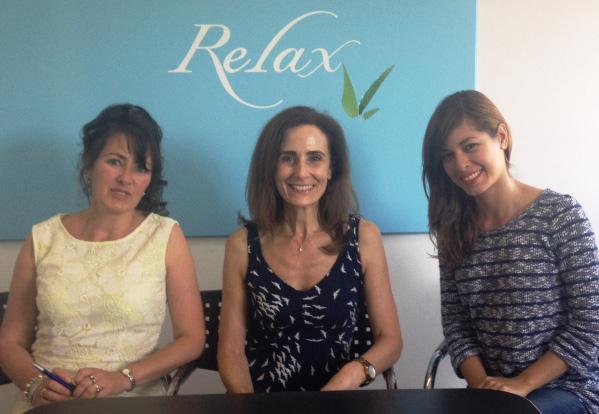
Account Director – Jo Murphy
Managing Director - Tracey Stapleton
Account Executive – Dalila Salgueiro
As part of their service, The Spa PR Company has created a PR & Marketing package for our schools and colleges which we hope will be useful. This includes:
1. An introduction to the new style guidelines for CIDESCO to give us a more modern image.
2. A general background introduction to CIDESCO.
3. A PR Calendar for the second half of 2014.
4. Template for press releases for your own news stories.
5. Some essential PR & Marketing Tips.
6. The launch of the CIDESCO PR & Marketing Email Helpline CIDESCO@thespaprcompany.com
Other activities include:
1. The development of the new CIDESCO website which will be easy to navigate and provide a more modern, professional image for the association.
2. A monthly press release announcing news for you to share with your members.
3. A monthly email newsletter to keep you informed of industry events and activities which might be useful to you in your own marketing activity.
4. The development of the new brochure for use in your various businesses.
5. Further activity via various social network arenas.
6. Launching the new APP onto the website for all members to download and use effectively. A shortcut to our website as well as candidate information for study purposes.
7. Launch and press releases of the new CIDESCO diplomas.
8. Interviews with role players within the CIDESCO family for inclusion on websites, magazines, articles and media applications.
All documentation will be translatable into your own languages within the varying Sections.
The NEW CIDESCO PR & Marketing help email address is to help you with your PR and marketing queries so please feel free to contact the PR team at any time.
As part of their PR activity, they will be issuing regular news releases to their database of global media so please do keep them informed of your own newsworthy activities, exhibitions and events as they would very much like to include these.
We welcome Tracey, Jo and Dalila to our team and look forward to working with The Spa PR Company during 2014, to make it a successful one for us all.
Sandy Roy PR Board Member for
CIDESCO International
SEBORRHEIC KERATOSIS
BY PAT LAM, CIDESCO INTERNATIONAL EXAMINER
FRECKLES… we think of a splattering of light brown spots sprinkled over the nose and cheeks of a child – so cute! AGE SPOTS… not so cute any more as the image of larger spots on the face, hands and arms of an aging wrinkled skin comes to mind. We either love or hate them!
Liver spots, sun spots, lentigines, solar lentigines, macules, senile actinic keratosis, solar keratosis, sebhorreic keratosis. What do all these words mean exactly? They are all pigmented spots that appear in aging. As beauty therapists, we should acquire a clearer knowledge of the varying terminology so we can explain what they mean to our clients especially if they are concerned about them. And if they want to get rid of them, what treatments are available? The following article will help to clarify these terms.
As the aging population continue to explode globally, there is a marked increase to retain our youthful appearance and remove any signs of aging from our faces and bodies, Aging spots are one of the most visible signs and they can be esthetically displeasing to most people.
All these terms refer to flat, brown spots found especially on the face, The term “liver spots” has been incorrectly given to these aging
spots because they were originally thought to be caused from liver dysfunction. Found mainly on the shoulders, arms and back of the hands previously exposed to previous chronic sun exposure, they can also be hereditary.
Aging spots usually appear in middle age and while most of them are flat, some can be raised and darker pigmented and called seborrheic keratosis. They increase in aging and with irregular shapes, distinct borders varying in size from 0.2 to 2 cm. The word “senile” refers to “getting old”, “actinic” refers to sun while “keratosis” is in reference to the proliferation of keratinized cells of the epidermis leading to a raised lesion on the skin’s surface which is of a darker pigment than the typical aging spots. A macule is a small flat pigment that does not change in color or texture.
While most of these aging spots are most likely to be benign, “actinic keratosis” occur mainly among fair-skinned individuals, Fitzpatrick Skin Type 1. They are distinct from other aging spots since they can be “pre-cancerous” and can be distinguished from other keratosis by its reddish, scaly appearance and mostly found on the cheeks, bridge of nose, tip of ears, scalp, back of hands and forearms. Actinic keratosis on the tip of the ears are more likely to occur among men rather than women whose hair tend to protect them from the sun’s damaging rays. Clients must be informed to keep a close eye on these lesions if they change in color to the reddish color and rough skin texture. They should be referred to a physician.
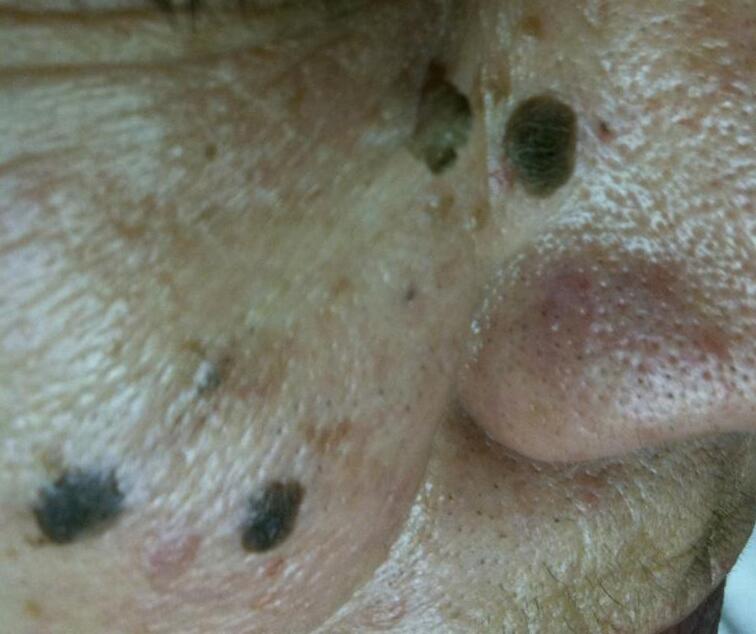
Sebhorreic keratosis are raised pigmented lesions a.k.a. barnacles of aging. They are benign tumors arising from keratinocytes, appearing to be a dirty yellowish brown warty lesions on the face and trunk of the body. They increase in number as one gets older. They can be of larger sizes and are very unsightly when they are found on the eyelids and cheeks. Removing them can take years off one’s physical appearance.
What are the treatment options for aging spots?
Treatments include chemical peels such as retinoic acids, hydroquinone (2% over the counter, 4% by prescription). They may cause side effects such as skin sensitivity. Products marketed as skin lighteners may contain a variety of ingredients such as Vitamin C, licorice, kojic acid and niacinamide. Home remedies include rubbing lemon juice, aloe vera and castor oil. Again these may cause skin allergies and sensitivity.
Professional treatments by cryotherapy (N2O) and electrodessication are quite quick, effective and inexpensive in comparison to laser therapy which tends to affect the surrounding tissues as well. These treatments are given by medical practitioners or trained beauty therapists. After care and home care advice are very important to follow after the treatment.
Can aging spots be prevented?
It is possible to prevent most of these aging spots if you take precautions in your early years by:
· using broad spectrum sunscreen products especially on the typical areas where they appear
· wear hats and sunglasses in the sun
· avoid indoor tanning booths
· use moisturizing face and body lotions everyday
While you may enjoy the sun’s exposure in your youth, just remember that those ugly aging spots can arise from this behavior and perhaps you may take better precautions then.
BY JOHNNETTE DU RAND, CO-FOUNDER OF GREET THE DAY AND INSTITUTE OF INTEGRATIVE ONCOLOGY
Oncology is another word for cancer and cancer prevalence statistics being what they are, it is virtually impossible for a professional skin care or massage therapist to not already be working with an oncology clientele.
The most common misconceptions about working with oncology clients is that cancer as a disease process is the primary reason why skin care and massage modifications are required, that therapist modifications are only required during the cancer treatment phase, and that a doctor’s note will make the service safe. None of these are true.
Cancer as contra-indication
Cancer is appropriately taught as a contraindication during preparatory training. Oncology skin care is an advanced field of study and therapists need working experience with a non medically sensitive client population, and post graduate oncology skin care training to prepare them to understand and safely work with the unique and changing needs of oncology clients.
Who is an oncology client?
Whenever we talk about therapist working guidelines for oncology clients there are always three distinctively separate conversations we are having. To start the conversation you need to identify whether you are working with a client in active cancer treatment or recent recovery, someone in long term survivorship, or whether your client is in a place where cure is not the objective, but quality of life the goal.
All three of these client categories accurately represent the definition of an oncology client, and oncology training prepares the therapist to provide safe and appropriate skin care regardless of which these conversations we are having.
Benefits of oncology skin care and massage
Skin care treatments can calm and sooth, hydrate and replenish, repair and strengthen the skin. Clinical research also shows that massage reduces pain and anxiety during cancer treatment, and client feedback supports the use of massage in also reducing fatigue, insomnia, and nausea. All this and it feels good too which, at a time when touch is frequently a painful or uncomfortable experience, can be very nurturing for the recipient.
Cancer treatment, recovery, and long-term survivorship
With appropriate training therapists can safely work with clients who are in active cancer treatment. Although skin care treatment and massage modifications are clearly required for the person in active cancer treatment and recent recovery, it is the longterm side effects that are most often overlooked and underestimated and
it is imperative that the attending therapist understands these vital considerations too.
The effects of cancer treatment are often more acutely felt than the effects of cancer itself and frequently it is the side effects of cancer treatments that create more treatment guidelines and working boundaries for the therapist, both in the short- and long-term, than the actual effects of the disease.
Many years after completion of cancer treatment clients may still experience or be vulnerable to the late effects of their medical care. Long term medications, bone integrity, vital organ involvement, effects on skin and tissue from surgery or radiation, and considerations pertaining to lymph nodes affected during cancer treatment should always be forefront in the therapists mind.
In particular, many oncology clients have had lymph nodes compromised during diagnostic procedures such as biopsies, or during treatment such as surgery or radiation. The client with or at risk for lymphedema will forever require therapist modifications, during facial treatments.
Lymphedema is the accumulation of a protein rich fluid in a particular area of the body. Though common with breast cancer treatment lymphedema can also occur after liposuction, prophylactic mastectomy, surgery unrelated to cancer, and diagnostic procedures such as Sentinel Lymph Node biopsy.
Safe, skilled, and comfortorientated skin care treatments can provide significant positive effect for people living with cancer.
Lymphedema is a long-term side effect of many cancer treatments and can trigger during, immediately after, or even decades after treatment is complete. It is uncomfortable and inconvenient, expensive to treat, cannot be cured, and once triggered can at best be managed and monitored.
Treatment of other cancers with lymph node involvement such as melanoma, ovarian, prostate, and head, neck and thyroid cancer also place clients at risk for lymphedema. The risk of lymphedema exists regardless of whether or not the lymph node(s) tested were positive or negative for cancer. The fact that the lymph node function has been compromised is the pertinent point.
What does oncology training involve?
At minimum, preparatory training for skin care and massage therapists working with oncology clients should include an understanding of how cancer starts and spreads, primary clinical considerations and their required modifications, cancer treatments and their side effects, and product considerations. Additionally, supervised experience working with oncology clients and/or an internship for extended hands-on experience would provide a valuable learning
opportunity and significantly broaden the therapists’ knowledge base.
Primary clinical considerations in providing skin care treatments and massage for people in or with a history of cancer include but are not limited to compromised blood cell counts, blood clots, bone metastasis, compromised lymph nodes, medical devices, vital organ involvement, medications, and the clients experience of nausea, neuropathy, fatigue, skin changes and pain.
A doctor’s note does not make the therapist safe
Although it is recommend that the therapist request a physicians release or doctors note, it is vital to recognize that a doctor’s note does not make the therapist safe nor abdicate the therapists responsibility of client care in any way. A well-grounded education is what makes the therapist safe.
A doctor’s note is considered good practice and helps ensure open communication between clinical staff, patient and therapist. Ultimately, we want health care providers to know that their patients are receiving skin care treatments and massage, and we also want them to know where they can safely refer other patients to for such services.
Encouraging dialogue between patient and physician can only but serve the greater good and with so many other things on the agenda for patents and doctors to discuss, the requirement of a doctors note at least ensures that this topic too will make it to the patient/doctor talk list.
It is vital you recognize that a doctor’s note does not make the therapist or skin treatment safe.
Education makes the therapist safe.
Legal compliance
Therapists should ensure that they have the appropriate education, and are working within their licensed scope of practice. Additionally, ensure compliance with any local, city, state/county or federal laws, that your professional liability insurance is current, and that you complete a thorough intake consultation at every client visit. Requesting a doctors’ order or physicians release to keep on file is good practice that serves the best interest of all parties.
What sort of training should therapists look for?
Therapists should look for nationally accredited training through reputable organizations such as ISOE, International Society for Oncology Estheticians, and S4OM, Society for Oncology Massage.
Greet The Day, a 501(c)(3) nonprofit organization started in 2003, has provided thousands of hours of oncology skin care, massage, and supportive holistic health practices for people facing the challenges of cancer. GTD partners include a multi-disciplinary team of oncology massage and skin care therapists, nail technicians, yoga teachers, physicians, nurses and social workers. The Institute of Integrative Oncology, iiO, is the educational division of Greet The Day.
Johnnette du Rand, licensed esthetician, CMT, NCTMB, MLD, works in close collaboration with numerous cancer centers including two teaching hospitals and has been trainer and supervisor for their integrative touch oncology programs since 2003. Johnnette, a Greet The Day and Institute of Integrative Oncology co-founder, received the Humanitarian Award from the Women’s Cancer Research Foundation for her work in the clinical center setting. She has worked in hospital, hospice and spa settings since 1999.

BY DR. ROCHY LEIBOWITZ, CIDESCO INTERNATIONAL EXAMINER
There is a medical tsunami heading for our international shores, and we are awaiting its arrival with a mixture of passive tolerance and complacency. By 2030 it is predicted, by the World Health Organization, to be the seventh leading cause of death in the world.
It is called Diabetes – a disease of multiple forms and names – all with the underlying pathology of insulin malfunction.
Insulin is a hormone produced in the Islets of Langerhans, in the pancreas. Its best known effect is the transport of blood glucose into the cells, where it is stored, until it is required for energy use. The main storage form of glucose is called glycogen, and it is stored mainly in muscle fibres, and in the liver. This process is called glycogen synthesis.
Insulin also significantly affects fat metabolism. Insulin stimulates the storage of fat and inhibits fat breakdown. It also influences protein breakdown, and the production of glucose from non-sugar substrates in the liver.
As with the rest of the endocrine system, it is complex, and its interactions are far reaching and difficult to isolate. It affects potassium, arterial muscle tone, and kidney function. It influences body functions such as cognitive brain functions and fertility, affects acid production in the stomach, and influences growth hormone.
In its simplest and broadest terms, Diabetes is a disease due to insulin malfunction.
There are two forms of diabetes. This article is essentially about Type 2 Diabetes.
Type 2 Diabetes is also called adult-onset or maturity-onset disease, or non-insulin dependent diabetes mellitus (NIDDM). Although Type 2 diabetes usually
In its simplest and broadest terms, Diabetes is a disease due to insulin malfunction.
occurs in adults, it can occur in children and adolescents in certain circumstances. This is a disease where insulin is produced, but it is ineffectively used by the body.
It is considered a disease of insulin resistance, where the body resists the normal function of insulin. Assessing what is causing the insulin resistance, and how to best manage it, is the focus of Type 2 diabetes investigation and management in the medical and scientific communities worldwide at the moment.
The symptoms of Type 2 Diabetes come on slowly, and insidiously, so it is often not recognized or diagnosed until several years after onset. Only when complications from the disease have occurred and demand attention, is the diagnosis of the underlying Type 2 Diabetes made.
Type 2 Diabetes is usually, but not always, associated with overweight and lack of exercise, lifestyle factors which, if modified, can help prevent or retard, its onset.
It is frequently part of the metabolic syndrome, a collection of conditions that often occur together:
· Central (abdominal) obesity –excess fat in and around the abdomen
· Raised blood pressure (hypertension)
· High blood triglycerides
· Low levels of high density lipoproteins (HDL) – the ‘good’ cholesterol
· Impaired fasting glucose (IFG) or diabetes
So we see that Type 2 Diabetes is a silent epidemic, quietly evolving to be a major killer, but currently travelling under-recognised and under-diagnosed.
To be honest, many of us are aware of its potential risk, but, as with other lifestyle diseases, the great majority of people choose to ignore it, adding it to the “I can and should do something about this component of my life, but not now” basket, together with weight reduction, increased exercise and cessation of smoking.
We call this behaviour complacency, and we urgently need to challenge it, before we are engulfed and swamped by this disease.
Type 2 Diabetes results in disability and early death.
In 2004 the WHO estimated 3.4 million people died from the consequences of diabetes. Perhaps more importantly, it is a major contributor to significant ill health and pain and suffering:
· It increases the risk of heart disease and stroke.
· It causes nerve damage and reduced blood flow to the feet, resulting in foot ulcers, infection, and gangrene leading to limb amputation.
· It is an important cause of blindness.
· It is the leading cause of kidney failure.
· It doubles the risk of dying at an early age.
We need to take it seriously, and we need to do everything in our power to get it under control – in the world, in our country, in our neighbourhood and in our own families, and finally, in ourselves.
Type 2 Diabetes is preventable – or at least, the onset can be delayed by undertaking lifestyle measures which include:
· Achieving and maintaining a healthy weight - eating sensible, healthy, minimally processed whole
Type 1 Diabetes
foods in the right proportions for optimal nutrition.
· Increasing physical activity –participation in social sport, exercise programs and using every opportunity to increase incidental movement – getting up off the couch and moving.
· Avoiding tobacco.
In addition, we need to diagnose Type 2 Diabetes, or at least be aware of individual potential to develop it, much earlier.
Pregnant women are at an advantage, since routine antenatal screening looks for abnormal capacity to deal with glucose. If the blood levels exceeds a threshold, the woman is diagnosed as having gestational diabetes, and the condition is very carefully managed during the pregnancy for the best outcome to the mother and baby. The blood glucose usually returns to normal after the pregnancy, but the woman knows she has a high risk of developing diabetes in later life, and can, and should, act accordingly. Forewarned is forearmed. The rest of the population don’t have a similar screening opportunity, unless they specifically ask for it.
There is no simple, specific test to assess insulin resistance, but there are tests to assess the levels of blood glucose at baseline (FBG – fasting blood glucose) and after a glucose load, to see the body’s ability to handle glucose (GTT – glucose tolerance test). Another test, called
Type 1 Diabetes is also called Juvenile onset diabetes or insulin dependent diabetes mellitus (IDDM). It is a form of Diabetes that normally affects children or young adults, in which the Islets of Langerhans stop producing insulin altogether. There is thus an absolute insulin deficiency. The cause is not fully understood, but it is partly believed to be an auto-immune disease which targets the insulin–producing cells of the pancreas. It is NOT a lifestyle disease. This type of diabetes is not preventable at this point in time, and treatment involves injecting insulin in one form or another. Without this treatment, the disease is fatal. The symptoms at the time of onset are sudden and severe, and include hunger, weight loss, fatigue, excessive thirst and excessive urination.
Type 1 Diabetes accounts for less than 10% of Diabetes worldwide.
HbA1C indicates the baseline blood glucose level over a prolonged time frame – usually three to six months. So there are ways to assess glucose handling by the body. Abnormal levels of any or all three, should highlight the potential risk for the individual, and increase the urgency for lifestyle changes, or lead to initiation of medication to control the condition if appropriate.
The scientific and medical communities are making inroads – they are developing tests and treatments and trying to establish cause and effects for insulin resistance – but that is not enough. To seriously address this problem, we need much more intervention.
We need government involvement, community strategies and industry support – and that is where we, as therapists, can help.
We are in a unique position where clients seek our advice about lifestyle issues, in an attempt to improve aesthetics. We can use this opportunity to become advocates for sensible living to enhance the twin goals of beauty and prevention of Diabetes. We can arm ourselves with facts and become allied to established channels that are working to minimise Diabetes, making our industry active participants in shaking the apathy, enhancing awareness, and playing our part in preventing the impending epidemic.
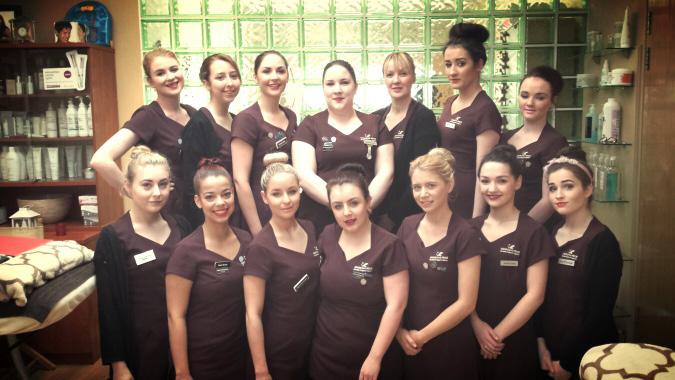
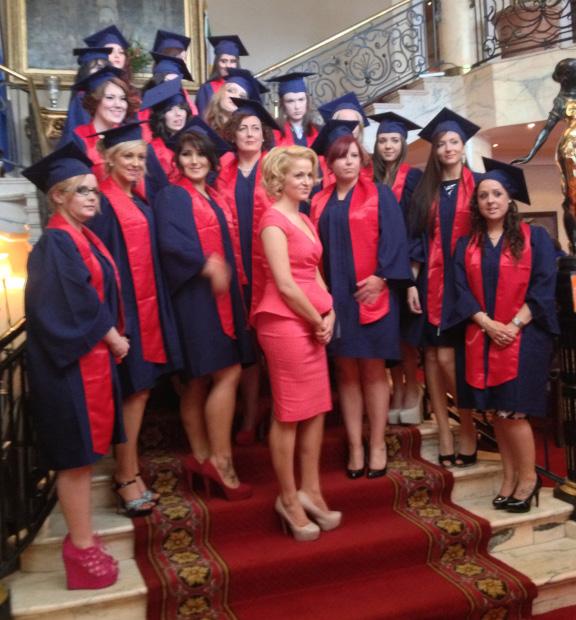
Students of the Georgina Price College of Beauty Therapy, Galway, Ireland getting ready for their CIDESCO examinations.

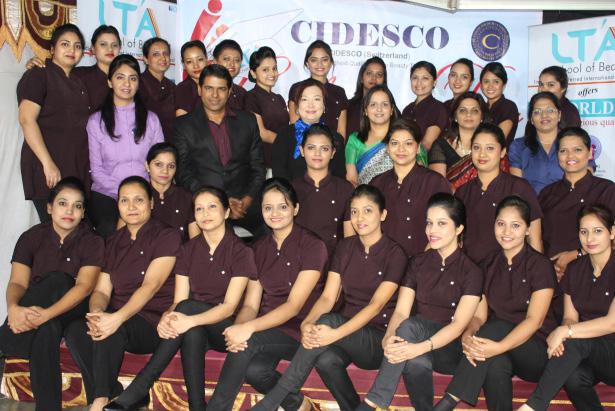
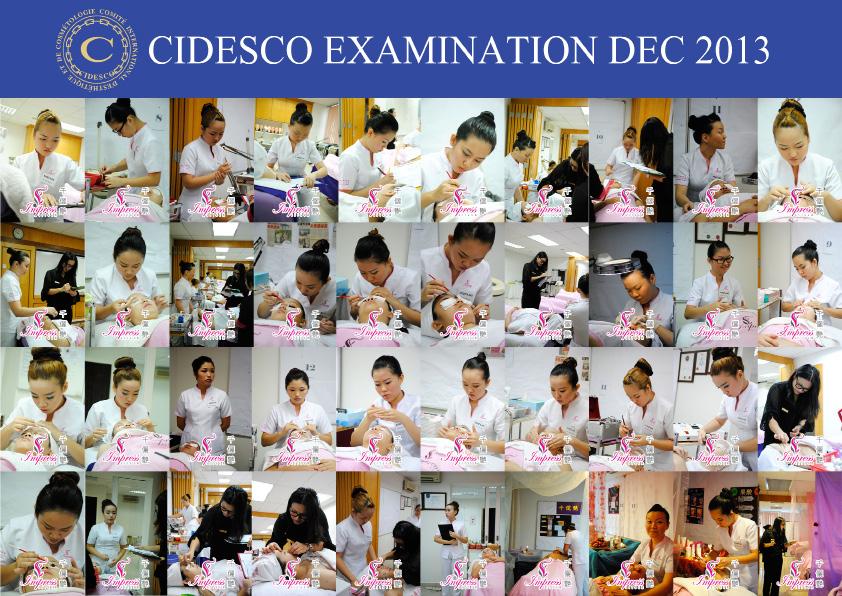
Examination in December.