As we near the close of the chapter on 2025, I am proud to reflect on a year defined by resilience, innovation and global collaboration. Together, we have advanced CIDESCO’s mission with purpose and unity, setting the stage for a transformative future.
This year we marked a historic milestone with the establishment of a Joint Venture with two partners in China, Mr. Liu and Mr. Xiao. This not only expands our international footprint but deepens our commitment to excellence in Beauty, Spa and Wellness education across Asia.
We have seen a marked increase in school applications, a clear signal that CIDESCO’s standards continue to inspire trust and aspiration worldwide. Our successful Global education meeting brought together educators, examiners and school partners to align on the future of professional learning, an event that reaffirmed our shared values and strategic direction.
In response to industry needs we launched a training program for oncology
educators and examiners, ensuring that our professional graduates are equipped to deliver safe, compassionate care in sensitive contexts.
This initiative reflects our dedication to human centred practice. We will be announcing the availability of our Oncology book before the year end. We are also nearing the signing of a pivotal contract for NFQ recognition, which will elevate our regulatory standing and open new pathways for accredited learning. Alongside this, the creation of modular learning systems marks a bold step towards flexible, scalable education that meets the evolving needs of our global community.
In March 2026, Skin Games USA partners with CIDESCO in Dallas Texas to host a CIDESCO Facial Certificate Exam.
We are also looking forward to the CIDESCO World Congress 2026 in Nadi Fiji from 29-31August 2026 hosted by Nama Fiji and Spa Academy Fiji. The programme of events and exhibition brings together world class beauty, wellness and spa professionals.
We have lots more exciting developments planned for CIDESCO for 2026 and will keep all our members informed.
I Thank each of our contributors to our Link Magazine for their insightful and valued content that has been both informative and educational. I Thank our Associate members for their continued support and for the webinars they provide for our members. Another area where we are seeing a surge in attendance numbers.
I Thank each of you, our Sections, Schools, Members, Graduates, Associate members and business partners for your contributions and your belief in CIDESCO’s vison.
As we look ahead to 2026 and celebrating our 80th anniversary, let us carry forward this momentum with confidence and clarity. Together we are shaping the future of Beauty, Spa, Aesthetics and Wellness education and I am honoured and privileged to lead this journey with you along with our Board of Directors and Executive team.
Warm Regards
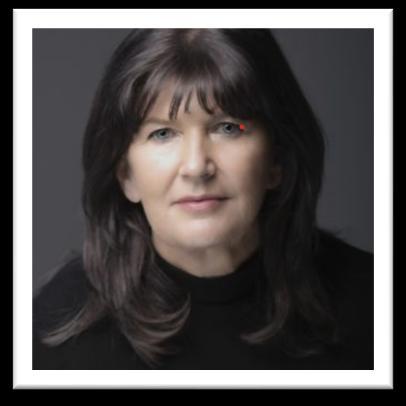
Mary O’Donoghue President
CIDESCO International
2026 is a very special year for CIDESCO International as we celebrate our 80th anniversary.
Started in 1946 in Brussels, the Comite International d'Esthetique et de Cosmetologie (CIDESCO) was founded. The first sections included Belgium, Austria, The Netherlands & Switzerland.

Aswe gathertocelebrate80yearsofexcellenceinthefieldof estheticsandbeautytherapy,attendeescanlookforwardto:
• InspirationalKeynoteSpeakers:Engagewithindustry leadersandpioneerswhowillsharetheirinsightsand experiences.
• InteractiveWorkshops:Participateinhands-onsessions designedtoenhanceyourskillsandknowledge.
• NetworkingOpportunities:Connectwith professionalsfrom aroundtheworldtoexchangeideasandforgenew partnerships.
• CulturalExperiences:ImmerseyourselfinFijianculturewith traditionalperformancesandlocalcuisine.
Tocelebratethismomentous occasion,inAugust2026,our annualCIDESCOWorld Congresswillbetakingplace onthebeautifulislandofFiji.
Knownforitsbreathtaking landscapes,vibrantculture, andwarmhospitality,Fiji offerstheperfectbackdropfor thissignificantmilestonein ourhistory
Whetheryou'reaseasoned professionalornewtothe field,thiscongressisan invaluableopportunityto learn,grow, andcelebrate oursharedpassionfor beautyandwellness together.
Markyourcalendarsand preparetojoinusinFijifor anunforgettableexperience.
Staytunedformoredetails onregistrationandevent scheduling.Welookforward tocelebratingthishistoric eventwithyou.
If youwouldliketosponsor anyoftheevents,please emailinfo@cidesco.com



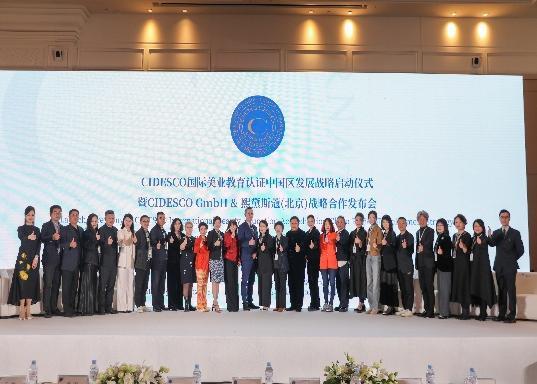
1st picture (top left) - The CIDESCO GmbH official Joint venture company in China has been officially established in Wuhan. ShengDiSiGe Wuhan International Consulting Co.,Ltd. Gerard Gordon, Executive Director of CIDESCO GmbH presented in Wuhan, carried out the Official Company Registration and Partnership Signing Ceremony. Mr. Xiao Qingshan appointed as the Strategy Partner for CIDESCO China Mainland Business Development.
2nd and 4th picture : Congratulations on the official signing and establishment of CIDESCO Beijing International Consulting Co., Ltd, a joint collaboration between CIDESCO GmbH and XiDaiSiKou International (Beijing) Co.,Ltd. This marks a new era for the internationalized accreditation and empowerment of China’s beauty industry.
3rd - Dalian Vice Mayor Zhao Dong met with delegates from CIDESCO, including President Mary O'Donoghue and CIDESCO China Partner Mr. Liu Xiaoyang on 17-Oct 2025 at Dalian City Government Building.
The visit successfully strengthened CIDESCO's partnerships across China and demonstrated growing governmental and industry support for CIDESCO's educational standards in the region. We are looking forward to growing in the region and hosting exhibitions and educational workshops. Beauty International Fair.
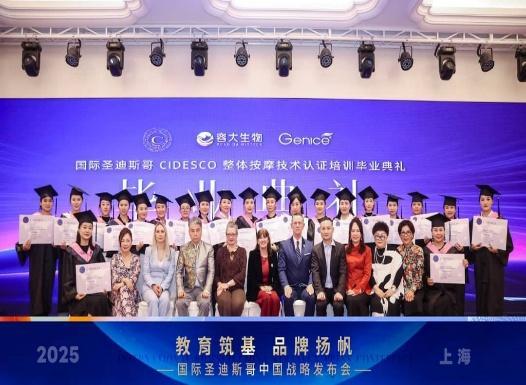
5th - The CIDESCO delegation travelled to Shanghai in October 2025 to celebrate graduates at the Holistic Massage Graduation Ceremony organized by CN762 Shanghai Maomei Vocational Skills Training Company School.
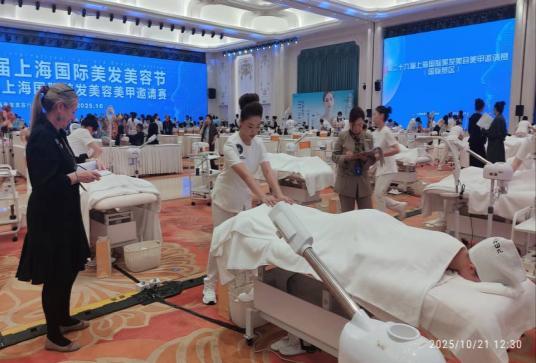
6th - With support of Mr. Tang, Chairman of China Hair & Beauty Association, ShengDiSiGe Wuhan hosted the 3rd CIDESCO Beauty Elite Competition in conjunction with the 24th Shanghai Hair & Beauty International Fair.


A warmwelcometo our new CIDESCO accredited schools and Spas.
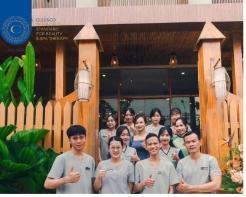
1 - Vietnam: HYGGE SPA, which offers relaxation and wellness services in a Nordic-inspired space to embrace a ‘happy in the little things’ philosophy.
6 - Ecuador: Instituto Superior Tecnológico Sudamericano QuitoEstética Integral. 1 2 3 4 5 6
CIDESCO has partnered exclusively with The Skin Games to bring the coveted RPL-Facial Certificate examination to the United States in March 2026.
This is open to qualified aestheticians with over two years of experience.
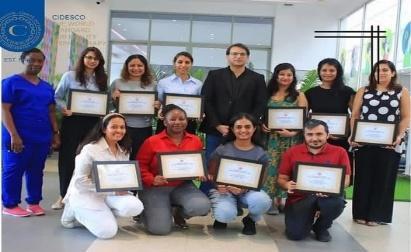


2 - India: the inauguration of the new CIDESCO School, Femina Flaunt Academy, in collaboration with NSDC International.
3 - Kenya: Clinifine Training Institute, a TVETA-approved college - the first stand-alone CIDESCO Training school to offer our specialised Oncology Wellness Diploma.
Registration has attracted many applicants and we wish them all the best next year.
While registration is now closed, interested applicants can still join the Waitlist. For further details visit: www.theskingames.com/ci desco
4 - Vietnam: Seoul Academy International Aesthetic Training System.
5 - Romania: Spa Edu offering our fully online Beauty and Spa Management Diploma.

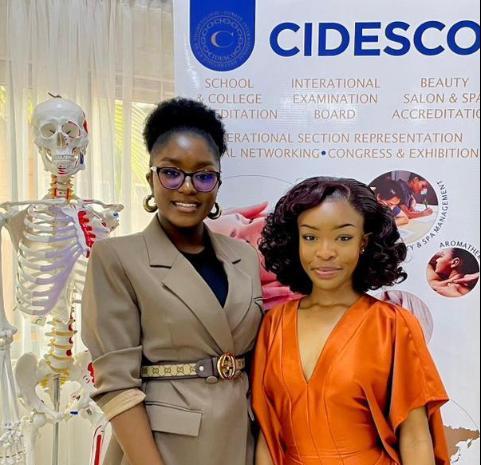
This year, the Elite Skin & Wellness Conference in Zimbabwe brought together CIDESCO professionals to explore diverse aspects of skin and wellness practices. The event featured six specialised presentations from experienced therapists. The programme balanced scientific innovation with holistic wellness approaches. Presentations ranged from natural treatments forHyperpigmentation to evidence-based skincare
science, demonstrating how therapists are bridging traditional knowledge with contemporary research.
The conference also addressed specialised client care, with dedicated sessions on athletic recovery treatments and therapeutic interventions for hormonal conditions such as PCOS.

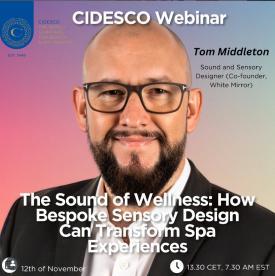
CIDESCO International’s webinar series this year brought together a host of industry leaders to explore innovation across skincare, wellness design, and professional wellbeing.
In October, Lydia Sarfati, CEO and Founder of Repechage and CIDESCO Section USA President, unveiled the Triple Action Lift Peptide Cryofacial alongside cutting-edge innovations in professional skincare.
November features Sound and Sensory Designer Tom Middleton (Co-founder, White Mirror), who will introduce a groundbreaking approach to generative soundscapes designed to enhance the wellness experience.
In December we have a celebration of Party make-up with UKIBS School, India.
In January CIDESCO associate Member, Bioline Jato, will be introducing the new Bioline Jatò Serum Layering System to unlock cellular potential
Also in January, in celebration of CIDESCO’s 80th anniversary, we will be starting a new series of Live online interviews with CIDESCO alumni. Titled ‘Confession of a CIDESCO Graduate’, the first Live event will star Alison Bladh
Please contact info@cidesco.com for details of future webinars.
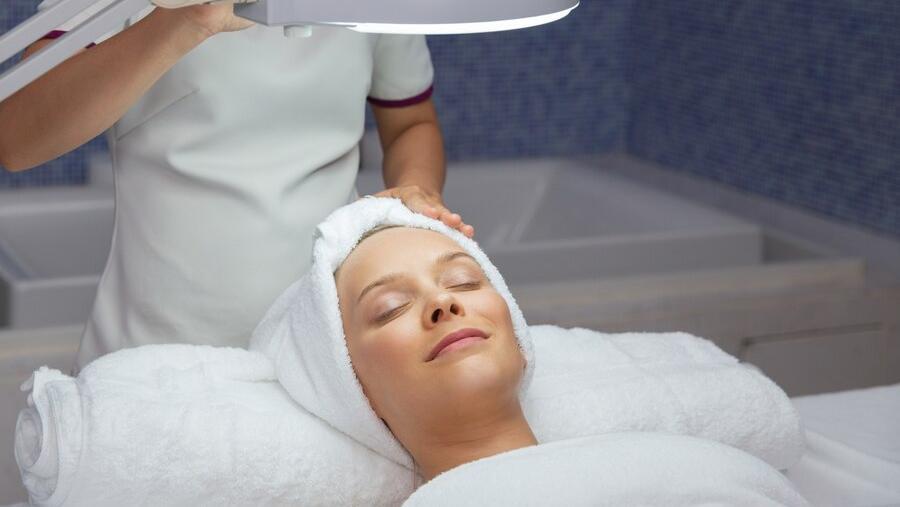

In today’s beauty, spa and wellness industry, excellence is more than just skill, it’s a standard. For students passionate about building a global career in beauty therapy, aesthetics, or spa and wellness, CIDESCO International Qualifications represent the gold standard of education and professional recognition worldwide.
The CIDESCO Diploma is the world’s prestigious qualification for Aesthetics and Beauty Therapy which has set international standards since 1957.
The portfolio of Diplomas includes:
• Beauty Therapy
• Spa Therapy
• Skincare
• Beauty & Spa Management (fully online)
• Holistic Massage
• Body Therapy
• Professional Nail Services
• Make-up Artistry
• Media Make-up
• Aromatherapy
• Electrical Epilation
• Aesthetics
• Advanced Asthetics
• Oncology Wellness
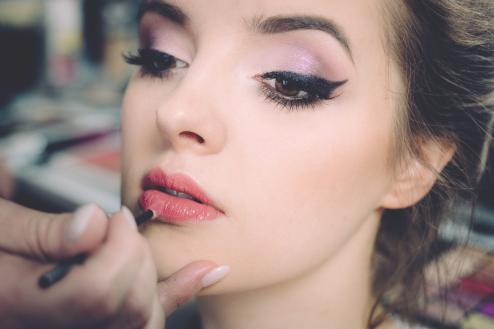
CIDESCO introduced the Certificate Programme in response to the changes and needs within the Beauty and Spa Industry globally. This includes:
• Skincare
• Anatomy & Physiology (fully online)
• Manicure & Pedicure
• Manual Facial
• Microneedling
• Microdermabrasion
• Teacher Training (fully online)
• Facial
• Skin Peeling
• Facial Electricals
• IPL & Laser Treatments For Skin Rejuvenation
• IPL & Laser Treatments for Hair Reduction
• Natural Nail Services
If you are a school or college interested in expanding your student courses please contact info@cidesco.com.
Individuals should contact their local CIDESCO School.
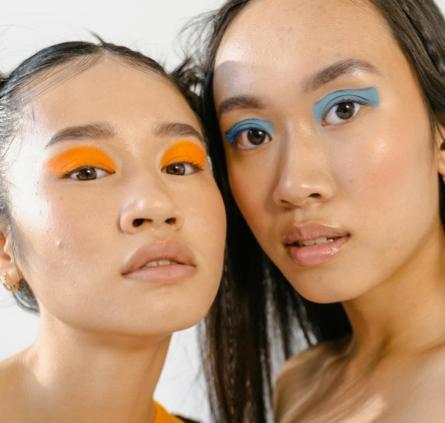
The European Union has banned a key ingredient in many gel nail polishes. The banned ingredient is Trimethylbenzoyl diphenylphosphine oxide (TPO), used as a photoinitiator in gel/LED-cure nail polishes. The ban took effect from 1 September 2025.

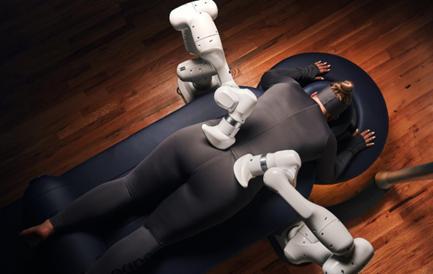
The Ritz-Carlton Bacara in Santa Barbara has become one of the first luxury spas globally to offer fully automated robot massages.
Spa Business magazine provides an in-depth look at this treatment experience and its implications for the future of spa services. Find out more here
New York Fashion Week revealed key beauty trends for Spring/Summer 2026: pastel eye colours, statement nail art with polka dots and charms, colourful faux lashes, "blurry berry" diffused makeup, and more.
Read the full article here.
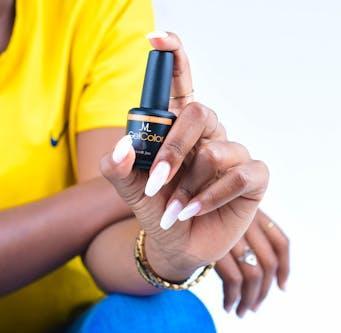
Ingredient in Gel nail polish ingredient banned in Europe
The American Massage Therapy Association (AMTA) is spotlighting new research that reinforces the vital role of massage therapy in supporting recovery for individuals with breast cancer.
Analyzing 26 studies with 1,522 participants, researchers found that massage techniques including manual lymphatic drainage, myofascial release, classical massage, foot massage, and the Cyriax technique significantly improved both physical and emotional well-being.

Lighting in treatment rooms has become increasingly sophisticated as operators recognize the importance of offering clients an experience that engages all of the senses.
Research now shows that light does far more than help us see, it influences alertness, mood, and even the body’s internal clock. In other words, the lighting in your room can actively help clients relax while keeping therapists alert and precise during treatments.
This article from PBL magazine explains more.
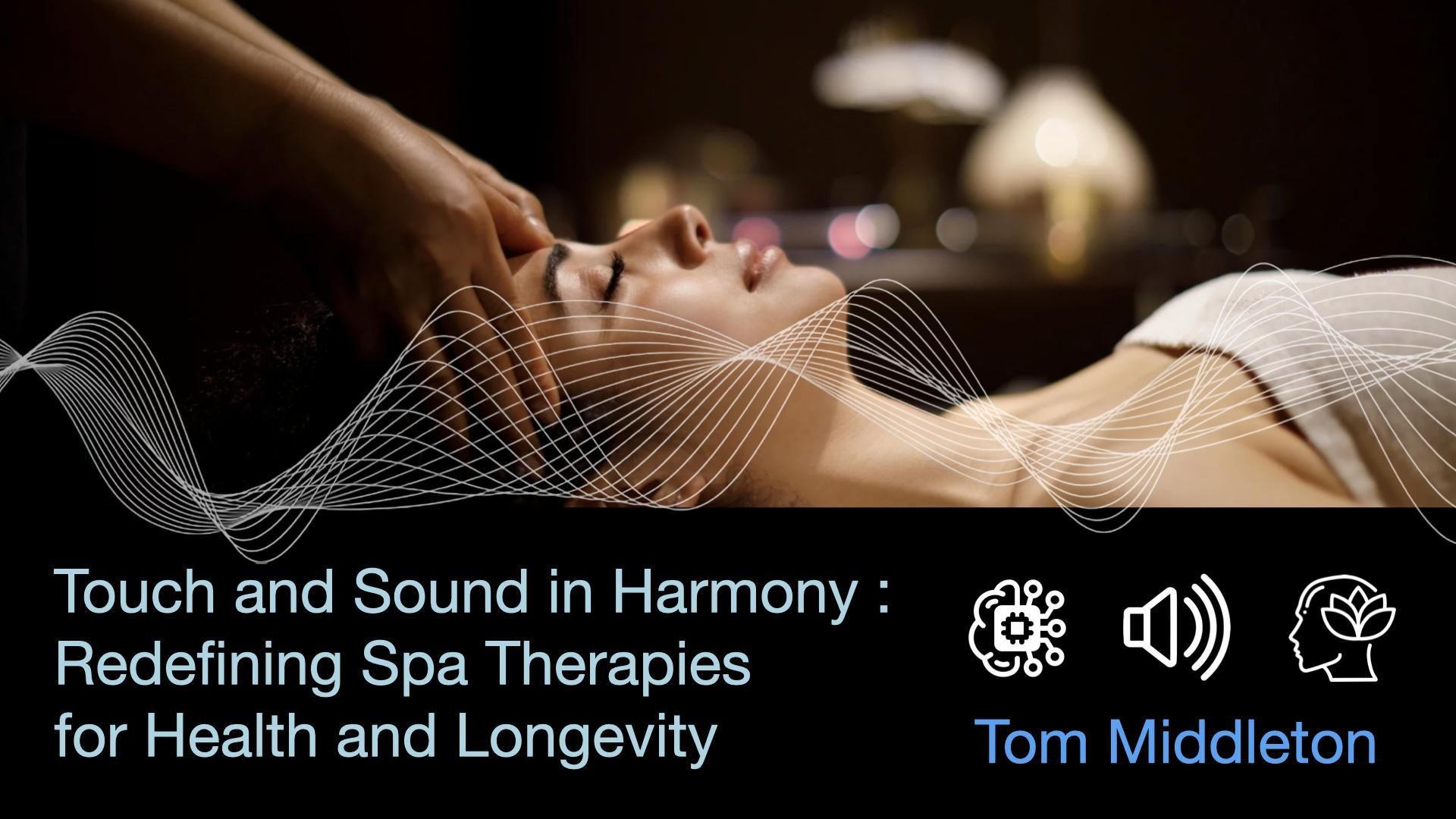
Across the global spa and wellness industry, from the tranquil hot springs of Japan to the coastal retreats of Ecuador, one element unites us: the pursuit of creating spaces that restore, renew, and inspire. Yet while treatment protocols, touch therapies, and product innovations have advanced dramatically, one of the most powerful tools for influencing the client experience is often overlooked; the sensory environment.
Music, sound, light, and scent are not just decorative details. They are powerful regulators of the nervous system, capable of influencing mood, energy levels, emotional safety, and even perceived treatment outcomes.
Yet many treatment rooms still rely on predictable, looping background tracks or generic spa playlists. While familiar, these can quickly become repetitive for staff, emotionally disengaging for clients, and in some cases, counterproductive to the treatment’s intended effect.
As a sound and sensory designer, I work alongside the talented team at White Mirror at the intersection of neuroscience, psychoacoustics, and spa design to create functional soundscapes and multisensory environments that actively support therapeutic goals. Central to this is the world’s first dynamic, generative soundscape technology, created in collaboration with human composers and delivered using AI.

Tom Middleton
Tom Middleton is a multi-awardwinning composer, former international touring artist and Dj, and Sound and Sensory Designer (Co-founder, White Mirror). He has collaborated with leading brands including Maybourne Hotel Group, Equinox Hotels, Yotel, Apple Music, Jaguar Land Rover, and Calm, bringing evidence-based sensory design into hospitality, wellness, healthcare, and luxury environments.
His mission is to transform the way the world feels and functions through intentional, sciencebacked humanity-centered sensory experiences.
This approach has already been brought to life in high-profile projects such as the awardwinning Surrenne Spa at The Emory, Maybourne’s flagship London property, where we designed a quadraphonic audio system to envelop guests in an evolving soundscape that shifts with each stage of their journey.
These soundscapes are designed in partnership with treatment directors and massage therapists, mapped carefully to the treatment journey, intention, mood, energy, and desired outcome state. This ensures the sound environment not only enhances the treatment but works in harmony with the therapist’s practice.
Generative soundscapes can also be paired with advanced spatial audio and vibroacoustic technology, transmitting restorative frequencies directly through the massage table for deeper physical and emotional impact. When harmonised with lighting, scent, and environmental acoustics, the treatment room becomes a carefully choreographed sensory journey. A calming massage might begin with grounding low tones to quiet the mind, evolve into warm harmonic textures that deepen relaxation, and close with gently uplifting melodies to restore alertness, all tailored to the client’s needs and the therapist’s touch.

CIDESCO
I believe this is the next frontier in spa innovation: evidencebased, sensory-first design that elevates the quality of care and enhances wellbeing outcomes. That is why I’m delighted to be collaborating with CIDESCO to co-develop a forthcoming course for spa directors, therapists, and wellness professionals.
The programme will introduce best practices for creating optimal treatment environments, drawing on global expertise and practical tools that can be implemented in any setting, from luxury resorts to boutique day spas. It will cover areas such as sensory mapping and
sequencing, spatial audio and acoustic optimisation, integration of dynamic generative soundscapes, vibroacoustic therapy, lighting and scent design, therapist–client interaction, and the role of mental and emotional awareness in enhancing overall treatment outcomes.
As the wellness industry grows and diversifies, the opportunity and responsibility to create spaces that are as emotionally supportive as they are physically restorative has never been greater. By understanding and applying the science of the senses, we can help create environments where clients, therapists, and staff all leave feeling restored in body, calm in mind.

“Inclusive dermatology requires understanding specific pigmentation pathways and inflammatory responses in melanin-dense skin”
Melanin-rich skin protocols remain significantly underrepresented in dermatological and esthetic research, despite people of color comprising the global majority of the world’s population. This clinical gap creates substantial challenges for practitioners treating diverse skin types. Standard dermatological approaches often fail to address the unique biological characteristics of skin types IV-VI, particularly when managing hormonal skin conditions that manifest differently across the spectrum of skin tones. Furthermore, inclusive dermatology requires understanding specific pigmentation pathways and inflammatory responses in melanin-dense skin. Conditions like melasma, acanthosis nigricans, and post-inflammatory hyperpigmentation present distinct challenges in darker skin tones.
Consequently, practitioners need evidence-based treatment strategies tailored specifically for global majority dermatology concerns.
This study examines the biological underpinnings of melanin-rich skin, explores the relationship between hormonal factors and pigmentation disorders, and presents clinically validated protocols that minimize adverse effects while maximizing efficacy. Additionally, we provide practical guidance for adapting assessment tools and treatment modalities to serve diverse patient populations effectively.
The structural composition of global majority skin types offers unique biological advantages along with distinct clinical considerations for dermatological treatments.
Melanosome Density and Distribution in Skin Types IV–VI
The foundation of melanin-rich skin protocols begins with understanding melanosome characteristics. Melanosomes organelles where melanin is synthesized display notable variations across skin types. In darker skin tones, melanosomes are significantly larger (1.44 ± 0.67 µm² × 10 ²) compared to those in white skin (0.94 ± 0.48 µm² × 10 ²) [1]. Moreover, their distribution pattern differs markedly; melanosomes in Black skin are predominantly distributed individually (88.9%), whereas in lighter skin they form membrane-bound clusters (84.5%) [2]. Asian skin represents an intermediate pattern with 62.6% individual and 37.4% clustered melanosomes [1].
Black skin contains approximately 3-6 times more melanin than white skin, providing enhanced photoprotection [3]. After transfer from melanocytes, melanosomes position around keratinocyte nuclei, forming a protective “microparasol” [4].
Barrier Function and Inflammatory Response
Variability
Darker skin types demonstrate superior permeability barrier function due to structural adaptations [5]. This enhanced barrier stems from a lower stratum corneum pH that increases the activity of ceramide-generating enzymes (β-glucocerebrosidase and acidic sphingomyelinase) [5].
The pH-lowering effect results from melanin persistence/extrusion and increased expression of secretory phospholipase A2f [6].
Unlike lighter skin where inflammation presents as redness, melanin-rich skin typically responds with post-inflammatory hyperpigmentation [7].
Additionally, barrier damage in darker complexions often manifests as dullness or ashiness rather than obvious flaking [7].
Hormonal Skin Conditions in Melanin-Rich Populations
Hormonal influences play a pivotal role in dermatological conditions among melanin-rich populations, with distinct manifestations requiring specialized clinical approaches.
Melasma and Estrogen/Progesterone Receptor Expression
Melasma demonstrates a notable connection to sex hormones, with studies revealing increased expression of estrogen receptor-β (ER-β) and progesterone receptor (PR) in affected skin. Indeed, median nuclear epithelial expression for ER-β and PR is substantially higher in lesioned skin (HSCORE 157 and 58) compared to healthy perilesional skin (HSCORE 97 and 19) [8].
Estrogen stimulates melanogenesis by inducing synthesis of melanogenic enzymes such as tyrosinase and Tyrp 1 and 2, essentially triggering hyperpigmentation [9].
Resistance Correlation
Acanthosis nigricans (AN) characterized by velvety thickening and hyperpigmentation serves as a clinical marker for insulin resistance. According to research, adolescents with AN exhibited higher levels of insulin (d=0.56) and HOMA-IR (d=0.55) [10]. AN occurs primarily in individuals with obesity, as 65% of obese subjects presented with this condition [11]. In fact, the presence of AN alone predicted hyperinsulinemia and insulin resistance in 7.3% and 7.1% of adolescents, respectively [10].
Post-Inflammatory
Hyperpigmentation from Hormonal Acne
Hormonal fluctuations trigger increased oil production, leading to acne that subsequently results in post-inflammatory hyperpigmentation (PIH). Initially, this appears as flat discoloration ranging from pink to black depending on skin tone and pigment depth [12]. Although PIH is not true scarring, it persists significantly longer in melanin-rich skin, often requiring 3-24 months to fade completely [12]. Research confirms that darker skin tones have greater susceptibility to PIH following acne inflammation.
Inclusive, Evidence-Based Treatment Protocols
Evidence-based approaches offer targeted solutions for melanin-rich skin conditions, addressing both efficacy and safety concerns.
Recent studies found that oral glutathione (500 mg/day) and topical 2.0% oxidized glutathione can brighten skin in sun-exposed areas [13]. However, limited research with small sample sizes hinders widespread recommendation for melasma treatment [14]. In contrast, polyhydroxy acids (PHAs) demonstrate exfoliation benefits without the irritation associated with traditional AHAs, making them suitable for melanin-rich skin [15]. Above all, PHAs enhance barrier function while providing humectant properties crucial for maintaining skin integrity.
Randomized controlled trials demonstrate that oral tranexamic acid (250 mg twice daily) significantly reduces MASI scores (SMD 1.61 at 8 weeks, 2.39 at 12 weeks) compared to other treatments [16]. In addition, oral TXA proves more cost-effective than topical formulations (¥944 vs. ¥4359) [17]. Nevertheless, caution remains necessary for patients with thrombotic history or pregnancy [14].
Cysteamine 5% cream shows comparable efficacy to hydroquinone 4% (no significant difference, p=0.42) [18] with a favorable safety profile, making it valuable for triple-combination-therapyresistant cases [14]. Common side effects remain mild: transient dryness, burning, and odor.
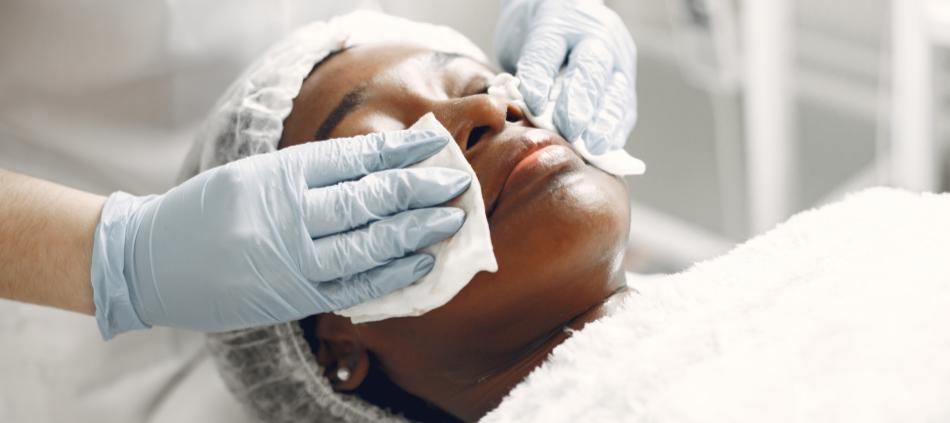
Tinted sunscreens containing iron oxide demonstrate superior protection against visible light, with MASI score reductions 15% greater than UV-only formulations [14]. These formulations effectively block blue light wavelengths implicated in melanogenesis [19].
Effective management of global majority skin requires adaptation of traditional assessment tools and treatment modalities for optimal outcomes.
MASI Scoring Adaptations for Diverse Skin Tones
Traditional Melasma Area and Severity Index (MASI) calculations were initially developed for lighter skin tones, showing limited validity for darker complexions [20]. The modified MASI excludes homogeneity as a scoring factor while maintaining reliability [21]. Notably, advanced measurement tools like skin hyperpigmentation index (SHI) offer standardized assessment regardless of skin type, eliminating biases from inconsistent lighting conditions [22].
Risk Mitigation in Chemical Peels and Laser Therapies
Darker skin types face higher risks of post-inflammatory
hyperpigmentation (PIH) during chemical peels, with approximately 4% of African American patients experiencing unwanted side effects [23]. Superficial peels using glycolic acid (20-50%) or salicylic acid (20-30%) generally remain safest for melanin-rich skin [24].
For laser treatments, longer wavelengths like 1064 nm Nd:YAG demonstrate superior safety profiles by minimizing epidermal melanin absorption [25]. Critically, pre-treatment with hydroquinone for 2-3 weeks reduces PIH risk [24].
Alternative modalities for Corneotherapist
Corneotherapy benefits melaninrich skin types that often experience heightened adverse reactions to conventional clinical approaches [26]. This approach strengthens barrier function while minimizing inflammation-triggered hyperpigmentation.
Understanding melanogenesis fundamentally improves treatment outcomes. Eumelanin (darker, less soluble) and pheomelanin (lighter, more soluble) respond differently to topical agents [27]. Each melanocyte delivers melanosomes to approximately 36 keratinocytes, creating unique challenges when treating pigmentary disorders [27].
Dermatological research has historically underrepresented melanin-rich skin types despite their global prevalence. This study bridges critical knowledge gaps through examination of biological characteristics specific to global majority skin. Melanosomes in darker skin types demonstrate unique distribution patterns and density, providing enhanced photoprotection while necessitating specialized treatment approaches. Additionally, the superior barrier function and distinctive inflammatory responses in melanin-rich skin require tailored clinical interventions.
Hormonal influences manifest distinctively across the spectrum of skin tones. Melasma shows significant correlation with estrogen and progesterone receptor expression, while acanthosis nigricans serves as a reliable marker for insulin resistance. Furthermore, post-inflammatory hyperpigmentation from hormonal acne persists substantially longer in melaninrich skin, often requiring months or years to resolve completely.
Evidence-based protocols offer promising solutions for these conditions. Glutathione and polyhydroxy acids provide gentler alternatives for hyperpigmentation treatment. Similarly, tranexamic acid demonstrates remarkable efficacy for melasma, though practitioners must balance benefits against potential risks. Cysteamine 5% cream offers an effective option for resistant cases, while iron oxide sunscreens provide crucial visible light protection beyond traditional UV blocking.
Clinical adaptations remain essential for effective management of global majority skin concerns. Traditional assessment tools like MASI scoring require modification for darker skin tones, and practitioners must exercise caution with aggressive treatments. Above all, understanding specific pigment pathways enables more precise intervention strategies.
The clinical significance of these findings extends beyond individual treatment outcomes. Proper recognition and management of melanin-rich skin conditions address longstanding healthcare disparities. Consequently, practitioners equipped with knowledge of these biological differences and evidence-based protocols can provide more equitable care. This research ultimately contributes to a more inclusive dermatological framework that acknowledges and addresses the unique needs of the global majority population.
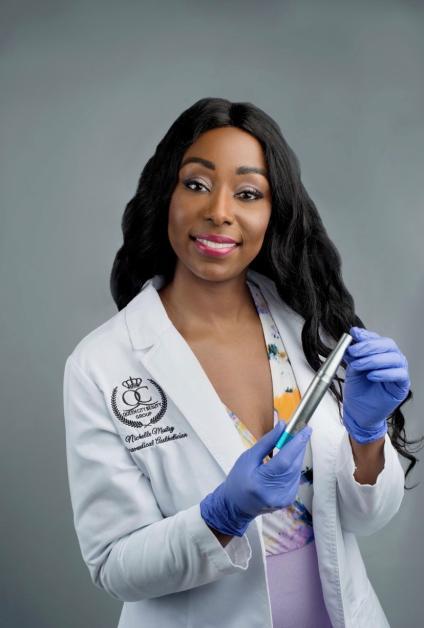
Nichelle Mosley is an award-winning esthetician, corneotherapy specialist, and certified social-emotional learning and somatic facilitator.
As founder of The Skin Barrier Academy, she empowers educators, solopreneurs, and communities to enhance well-being through advanced skin science and holistic wellness. A published author and contributor to Dermascope and O! Magazine, Nichelle has helped create culturally inclusive esthetics curricula and specializes in medical aesthetics treatments like CoolSculpting, microneedling, and laser therapy. Committed to sustainability, inclusivity, and empowerment, she serves on the Education Commission of the International Association of Applied Corneotherapy, shaping the future of skin health education.
References
[1] - https://pubmed.ncbi.nlm.nih.gov/14510981/ [2] - https://academic.oup.com/bjd/article/149/3/498/6635291 [3] - https://www.nature.com/articles/s43856-024-00550-7 [4] - https://www.sciencedirect.com/science/article/pii/S0022202X17330622 [5] - https://pmc.ncbi.nlm.nih.gov/articles/PMC4134407/ [6] - https://pubmed.ncbi.nlm.nih.gov/24732399/ [7] - https://www.essence.com/beauty/barrier-repair-melanin-rich-skin/ [8] - https://pubmed.ncbi.nlm.nih.gov/25439299/ [9] - https://www.dovepress.com/new-mechanistic-insights-of-melasma-peer-reviewed-fulltext-article[10] - https://pmc.ncbi.nlm.nih.gov/articles/PMC6603613/ [11] - https://journals.plos.org/plosone/article?id=10.1371/journal.pone.0240467 [12] - https://www.verywellhealth.com/post-inflammatory-hyperpigmentation-15606 [13] - https://pubmed.ncbi.nlm.nih.gov/30895708/ [14] - https://pmc.ncbi.nlm.nih.gov/articles/PMC9165630/ [15] - https://pubmed.ncbi.nlm.nih.gov/15002656/ [16] - https://pmc.ncbi.nlm.nih.gov/articles/PMC10810386/ [17] - https://pubmed.ncbi.nlm.nih.gov/29738877/ [18] - https://pubmed.ncbi.nlm.nih.gov/39673630/ [19] - https://pmc.ncbi.nlm.nih.gov/articles/PMC7894303/ [20] - https://www.jaad.org/article/S0190-9622(09)02302-0/fulltext [21]- https://academic.oup.com/bjd/article/172/6/1476/6615942 [22] - https://onlinelibrary.wiley.com/doi/10.1111/jocd.15866 [23] - https://www.eternaldermatology.com/chemical-peels-for-dark-skin-which-is-best/ [24] - https://cosmediclasermd.com/chemical-peels-for-darker-complexions-a-dermatologists-guide/ [25] - https://jcadonline.com/cosmetic-procedures-skin-of-color/ [26] - https://skinharmonics.com/corneotherapy-and-skin-care/ [27] - https://treatingmelaninrichskin.com/

Did you know that globally, nearly one billion people live with a mental health disorder; And from this figure depression and anxiety are the most prevalent [WHO, 2019]. Depression alone affects over 300 million people and is the leading cause of disability worldwide.
But these numbers are only part of the story. Behind them is something often overlooked; the physical struggle that accompanies mental health conditions. Pain, fatigue, muscle tension, and sleep disruption are common, yet rarely acknowledged as part of the same problem.
This is where massage therapy can come in to help play a positive role in the lives of our clients struggling with mental health conditions.
A mind/body connection
The connection between mind and body is biological. Research shows us that people living with depression are significantly more likely to develop physical health conditions.
• A UK Biobank study [1] of 172,000+ adults found that people with depression had, on average, three chronic health conditions, compared to two in those without. These conditions also developed 30% faster in the depressed group.
• A Danish cohort study examined the working population across 21 municipalities (693,860 individuals) and a separate survey cohort (9,248 individuals). It found that those on sick leave due to musculoskeletal disorders were more than twice as likely to develop depression compared to those without such conditions. The findings reinforce the strong feedback loop between physical pain and mental health [2].
As someone who lives with PTSD, anxiety, and depression, I know how mental health challenges can affect both mind and body. For me, the impact often showed up physically,
“As someone who lives with PTSD, anxiety, and depression, I know how mental health challenges can affect both mind and body.”
heaviness, stomach problems, tension through my shoulders, neck, and jaw, as well as others. Massage became an important support as it not only helped release some of the physical discomfort but also helped me reconnect with my body and notice what it was telling me.
That awareness has been so important in learning to understand, ‘is today more about anxiety, or more about depression?’ With that clarity around my symptoms, I have been better able to choose the kind of self-care I need in the moment.
Massage Therapy and the Relief of Physical Symptoms
It is important to say that massage therapy cannot treat depression directly, but it can help reduce the physical burden that so often accompanies it. That matters, because alleviating the physical distress can then go on to help create space for psychological recovery.
• A systematic review of fibromyalgia patients (404 participants) [3] found that five weeks or more of massage significantly reduced pain, anxiety, and depression; although improvements in sleep were limited [NCCIH, 2020].
A pilot trial on traditional Thai massage demonstrated reductions in both somatic and mental symptoms of anxiety and depression [4]
• A review of touch interventions (including massage-like stroking) reported medium effect sizes in reducing pain, depression, and anxiety across humans [5]
The physiological impact is also measurable in numerous studies:
• Lowered heart rate and blood pressure.
• Activation of the parasympathetic nervous system
• Reduction in cortisol, and potential increases in serotonin and dopamine; neurochemicals tied to mood regulation.
For us as therapists, the key point is not that massage “treats depression,” but if the treatment is delivered correctly, it can help address the physical symptoms of poor mental health.
This makes massage a perfect complementary option. It does not replace therapy or medication, but it can complement them by giving clients a sense of relief and embodiment they cannot access elsewhere.
As well as personally understanding the struggles of mental health, I have spent 17 years collaborating with clients. I have seen how tailored massages can have an impact on the overall mental well-being of my clients. But it is a lot more than giving the most effective treatment.
It also comes with responsibility. It’s important
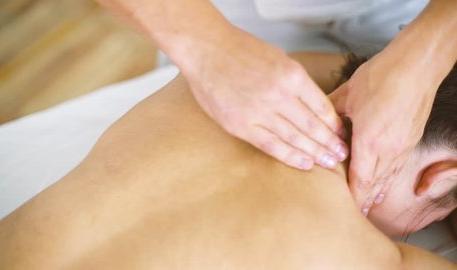
massage is not sold as a cure for mental illness. Instead, boundaries should guide our practice:
• Recognise your role: Massage addresses the body and supports well-being; it does not diagnose or treat mental health conditions.
• Know the red flags: Clients expressing suicidal thoughts, severe withdrawal, or signs of untreated mental illness should be referred to mental health professionals.
• Stay informed: Understanding the basics of mental health helps therapists provide safe, sensitive treatment without stepping outside their scope, and risk triggering clients into a state of distress.

“Massage is not a solution to mental illness but rather a bridge: it can help clients reconnect with their body, find temporary, physical relief, and feel supported as part of a wider care plan.
The evidence is clear; poor mental health is not just something experienced in the mind, but also in the body. Massage therapy, by helping with these physical symptoms, can help support the mental well-being of our clients.”
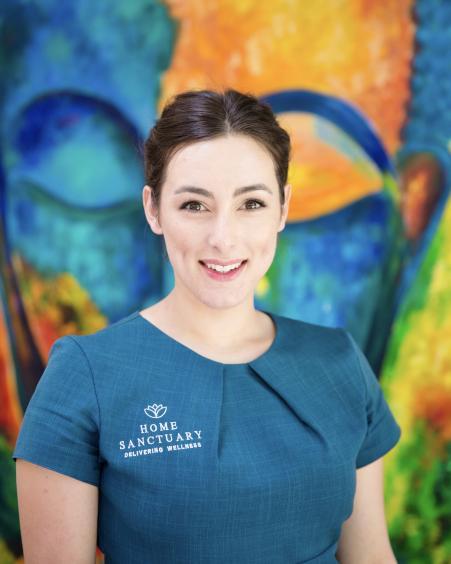
By Hayley Snishko Founder of Massage4MentalHealth and Owner of Home Sanctuary
References:
[1] - Fleetwood KJ, Guthrie B, Jackson CA, Kelly PAT, Mercer SW, Morales DR, Norrie JD, Smith DJ, Sudlow C, Prigge R. Depression and physical multimorbidity: A cohort study of physical health condition accrual in UK Biobank. PLoS Med. 2025 Feb 13;22(2):e1004532. doi: 10.1371/journal.pmed.1004532. PMID: 39946376; PMCID: PMC11825000.
[2] - Hannerz H, Holtermann A, Madsen IEH. Musculoskeletal pain as a predictor for depression in the general working population of Denmark. Scand J Public Health. 2021 Aug;49(6):589-597. doi: 10.1177/1403494819875337. Epub 2020 Jan 23. PMID: 31969068; PMCID: PMC8512271.
[3] – Li Y-h, Wang F-y, Feng C-q, Yang X-f, Sun Y-h (2014) Massage Therapy for Fibromyalgia: A Systematic Review and Meta-Analysis of Randomized Controlled Trials. PLoS ONE 9(2): e89304. https://doi.org/10.1371/journal.pone.0089304
[4] – chompoopan, warangkana. “Effects of Traditional Thai Massage on Heart Rate, Blood Pressure, and Anxiety in Depression Patients: A Pilot Study.” International Journal of Geomate, International Journal of Geomate, 2016.
[5] - https://rdcu.be/eEWek
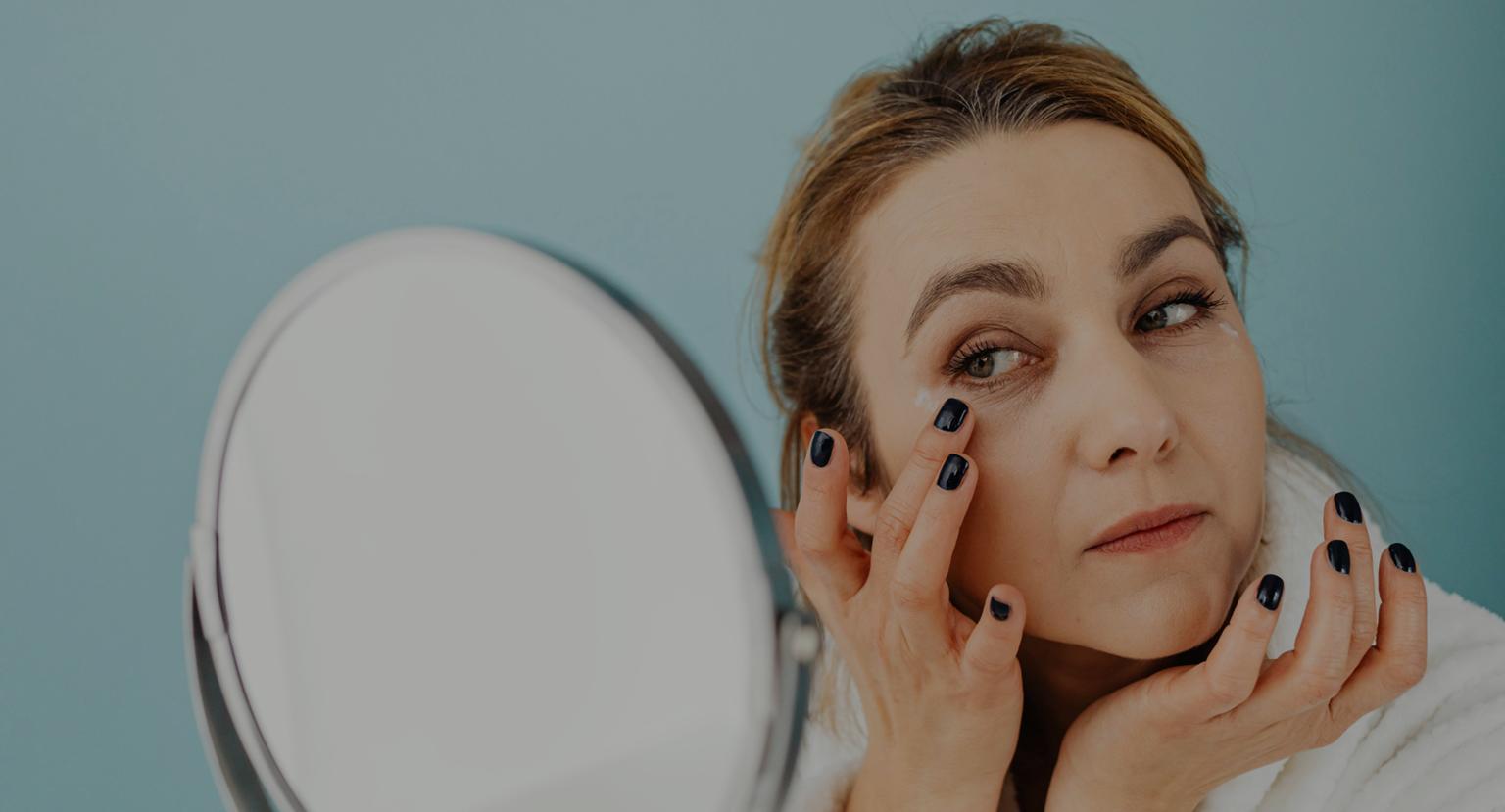
In recent years, our understanding of the incredible relationship between the brain and the skin has gained momentum. The field of psychodermatology, has provided interesting evidence that emotions manifest on the skin.
So, is our skin tied to our emotions? Yes, research shows that both the skin and the brain originate from the same embryonic layer known as the ectoderm. This shared development shows a deeprooted connection; as our brains mature during foetal development, so too does our skin. This ongoing interaction between these two systems is often referred to as the psychosocial dermal axis, a term that shows the relationship between mental states and our skin health.
Statistics show that approximately 25% of people suffering from various debilitative skin conditions also experience psychological issues. Often, they report heightened levels of
anxiety associated with their skin problems. These worries effect not only their appearance but also their self-image which can lead to broader challenges.
A very important note to remember is that 70% of our self-worth is intrinsically linked to how we perceive our appearance. Which proves that there is a strong inter dependent relationship between our mental state and our skin health; understanding this relationship will help improve both mental well-being and skin health in our clients.
In addressing conditions that are both physically debilitating and emotionally driven, it is important for us to have the perfect environment of trust and transparency. Their journey has probably been filled with uncertainty, especially with skin concerns that effects their appearance and selfesteem, possibly with
systemic drugs or long-term product use. This is very true in the realm of treatments like hair restoration and maintenance. In my view, these procedures frequently represent one of the most significant sources of misplaced hope and promise within the industry.
When we are faced with clients like this, we guide them through their treatment options while holding their hands metaphorically every step of the way. This means engaging openly with clients about what they can realistically expect, including potential outcomes and limitations. Honesty is paramount; therefore, practitioners should always communicate their capabilities while remaining firmly within their areas of clinical expertise.
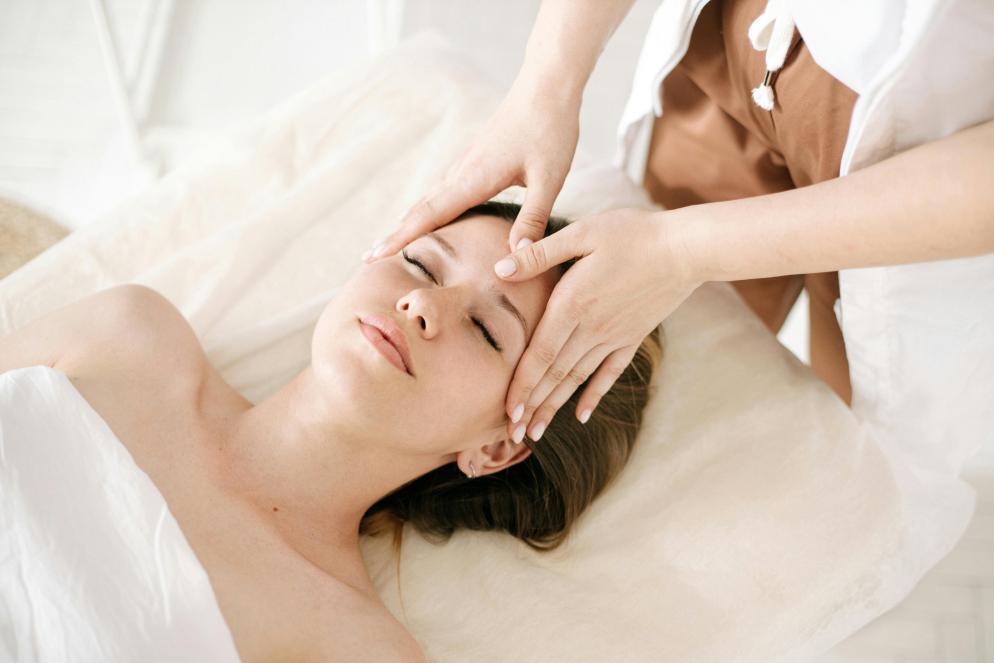
By establishing a relationship built on trust and honesty, we not only empower our clients but also help them make informed decisions. As we work together to support them through their skin journey, it's vital to ensure that clients feel supported rather than misled by false promises associated with many treatments on the market today. Through communication and ethical practice, we can guide them toward realistic goals that contribute positively to their overall mental health and selfimage.
We must not mislead or promote treatments that lack a scientific foundation. I strongly encourage you to conduct thorough research, engage with professionals in the industry, and seek out reputable clinical studies rather than relying on inhouse studies, these are often biased.
The well-being and safety of clients should always take precedence over any potential outcomes or results. By collaborating with top experts in the field, you can ensure that you receive the highest quality of knowledge available. Remember, informed decisions are crucial for achieving optimal treatment outcomes.
So, in conclusion, yes, the skin is an emotional organ, formed in the early embryonic development. Meaning the relationship is ongoing and constant. As we develop through life so does our skin, listen and learn from it.
The skin is a complex mix of science and magic. If I can give one piece of advice, any condition shown on the skin is an external visual with an internal issue, meaning treating these conditions is dependent on many considerations, not just a bottle from a shelf or an individual treatment protocol. Dig deeper, ask questions and gain answers, they are out there if you; look –listen – learn.
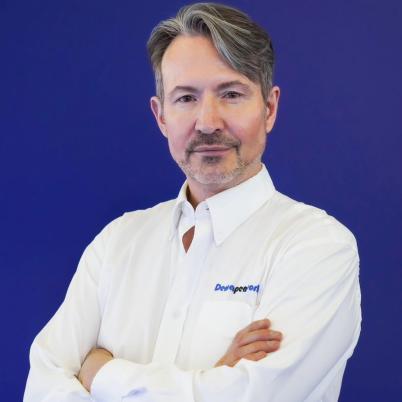
Aesthetic Educator, Author and Ambassador to the medical & beauty industry. Founder of ACH Aesthetics
“We must not mislead or promote treatments that lack a scientific foundation.”
The nail industry has never been more dynamic than it is today, blending artistry, technical skill, and innovation. For aspiring nail professionals, this vibrant sector offers endless opportunities, from mastering the fundamentals of nail care to exploring cutting-edge techniques and technology. In this feature, industry expert Jacqueline O’Sullivan shares her insights on building a strong foundation, the importance of ongoing training, and how technology is shaping the future of nail services.
Embarking on a career in nails today is an exciting step into our vibrant industry. For those just starting out, the most valuable advice is to focus on mastering the fundamentals and developing a strong foundation. A solid understanding of nail anatomy, salon hygiene, and core techniques lays the groundwork for everything that follows.
Technical skill alone isn’t enough, success in this field also depends on creativity, professionalism, and the ability to build strong relationships. Gaining a regulated formal qualification is essential and CIDESCO qualifications are internationally recognised and highly respected by employers across the beauty, spa, and wellness industries. They are designed to ensure graduates possess both advanced practical skills and in-depth theoretical knowledge. The qualifications include Diplomas in Beauty Therapy, Spa Therapy, Media Make-up, nail services and Postgraduate specialisms such as Aromatherapy and Electrical Epilation. Social media has become a powerful platform for showcasing your work and attracting clients, so don’t underestimate the value of a wellcurated portfolio. Most importantly, be patient with yourself. Every appointment is a learning opportunity and with a good foundation, time, consistency and passion, your confidence and reputation will grow.

JACQUELINE O’SULLIVAN
Jacqueline O’Sullivan is a respected educator and industry leader with over 30 years in nail and beauty. As CIDESCO’s Lead Assessor in Nail Services, she upholds international standards and has received the ScratchStars Award for ‘Services to the Nail Industry.’ Jacqueline holds a BA (Hons) in Education, serves as Competition Director for Professional Beauty Magazine, judges major events like Nailympia, and mentors professionals in competitions worldwide. She also sits on the HABIA board, helping shape UK industry standards and qualifications.
The Value of Ongoing Training In a fast-changing world ongoing training isn’t just important, it’s essential. The industry moves quickly, with new trends, techniques and products emerging all the time. To remain competitive and deliver the highest standard of service, nail professionals must commit to continuous learning. Training not only keeps your skills sharp and your services relevant, but it also boosts your confidence and credibility with clients. It can open doors to new career paths, from education to brand representation, and it helps keep your passion for the craft alive. Beyond creativity, ongoing education reinforces best practices in safety, hygiene, and client care, foundations that underpin every successful nail career. In short, the more you invest in your development, the more your career will flourish.
The Future at Your Fingertips, How Technology is Transforming the Nail Industry Technology is rapidly reshaping the future of the nail industry, bringing with it a wave of innovation that is redefining both the client experience and the professional’s role. Tools such as UV and LED curing lamps have already revolutionised the speed and durability of nail services, allowing for faster treatments and longer-lasting results. These devices have become essential in modern salons, enabling professionals to work more efficiently while offering clients the convenience of quick-drying, chipresistant finishes.
The evolution of gel systems has also played a significant role in this transformation. With improved formulations that are more
flexible, durable, and easier to remove, gels have become a staple in both everyday wear and high-end nail artistry. These advancements not only enhance the quality of the service but also reduce the risk of damage to the natural nail, aligning with the growing demand for healthier beauty solutions.
Perhaps one of the most intriguing developments is the emergence of nail printers. These are devices capable of printing intricate designs directly onto the nail surface in a matter of seconds. While still relatively new, this technology holds the potential to change the way we apply nail art, making complex designs more accessible and consistent. For professionals, it opens exciting possibilities for creativity and customisation, while also challenging them to integrate digital tools into their traditional skill set.
As these technologies continue to evolve, it is important to keep in mind that they are not replacing the artistry and expertise of the nail professional, they are enhancing it. The future of nails and our industry lies in the seamless blend of creativity and innovation, where professionals who embrace new tools and techniques will be best positioned to lead the industry forward. I believe in this new era, staying informed and adaptable is not just an advantage, it’s essential.
To find out more about CIDESCO’s qualifications for nail professionals visit www.cidesco.com.
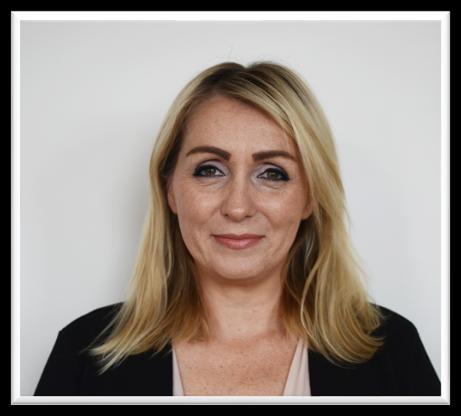
What are the most common nail health issues you see people struggling to identify or treat, and what advice would you give them?
The most common issues are brittle, splitting and peeling nails often caused by dehydration, overexposure to water or chemicals and possibly the overuse of gel or acrylic enhancements.
My advice is to start with nail health first before polish, gel, or colour. Rehydration is key. I recommend clients use a daily nail and cuticle oil alongside a strengthening treatment that hardens without making nails brittle.
What are the key signs of compromised nail health that beauty therapists should look out for?
Therapists should be aware of early indicators such as loss of natural shine, excessive flaking or splitting at the free edge and discolouration. Vertical ridges can
signal dehydration or ageing while horizontal lines or dents may indicate trauma or underlying stress to the nail matrix. Another red flag is persistent lifting of the nail plate or irregular thickening which can suggest infection or over-filing from enhancements. Recognising these early allows therapists to adjust treatments and recommend restorative care before long-term damage sets in.
What damage can repeated gel manicures cause to the natural nail and what rehabilitation treatments or routines would you recommend for clients looking to restore their nail health?
Repeated gel manicures can cause nail plate thinning and surface roughness often worsened by aggressive removal techniques. Over time this leads to nails that are weak, peeling or breaking.
Rehabilitation should focus on hydration, protection and nutrition. I advise a minimum four-week break between gel applications combined with good nail care products.
At Mavala we would use:
• Mavala Nail Shield to protect and reinforce the nail surface
• Mavala Nailactan for nightly nourishment
• Regular use of Mavala Cuticle Oil to support new, healthy growth Encouraging clients to wear a clear nail strengthener during this recovery phase also helps resist further splitting.
What innovations in nail care ingredients or treatments should the next generation of beauty therapists be excited about?
The future of nail care is moving toward science-led, bioactive ingredients that treat the nail as part of the skin system. Advances in biomimetic peptides, plantbased keratin and microencapsulated vitamins are making treatments more effective and less invasive.
Therapists should also be excited about hybrid care-meets-colour formulas – nail polishes and treatments that strengthen and repair while providing professional finish.
Theglobalbeautytechmarketis estimatedatUSD 66.16billion in 2024andis projectedtogrowtoUSD 172.99billion by2030.
Intoday’ssalonandspaenvironment, technologyhasadvancedtobecome anintegralpartoftheclient experience,providingthetherapist with thetoolstomaximiseefficiency, personalisationandinnovation. For theclient,thismeanstreatments tailoredtotheirindividual needs, heighteningsatisfactionand encouragingrepeatvisits.
Astheindustryembracesthisdigital revolution,theroleoftheprofessional is evolving,blendingtraditionalskill with cutting-edgetechnologytocreate experiencesthatarebothluxurious andintelligent.
Earlierin thisissue,awardwinning composerandSoundand Sensory Designer,Tom Middleton,spoke about howgenerativesoundscapes canalsobepairedwithadvanced spatialaudioandvibroacoustic technology,transmittingrestorative frequenciesdirectlythroughthe massagetablefordeeperphysical andemotionalimpact.
LINKmagazine’seditorinterviews threeotherindustrysuppliersabout thefutureoftheirtechnologyfor therapists.
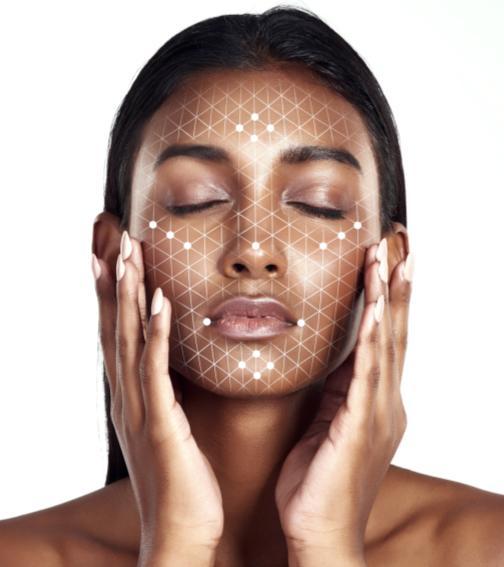
The integration of digital and smart systems has transformed how therapists deliver CACI treatments by enhancing precision, consistency, and client personalization says Dean Nathanson, managing director of CACI International. With the CACI Synergy Flex system, therapists benefit from intelligent interfaces and pre-programmed protocols that adapt to skin type and treatment area, ensuring optimal results every time.
The customisable screen allows therapists to select any frequency, waveform, or power level, and save these settings as custom presets, offering unparalleled flexibility in microcurrent treatments.
Additionally, the new CACI Synergy Flex system includes three independent microcurrent channels, allowing for simultaneous treatments. This means, for example, a client’s face and hands can be treated at once. For spa therapists, this encourages a smoother workflow (boosting business revenue without the need for extended treatment time) and an enhanced client experience.
Our advanced SPED® Microcurrent technology features built-in bio-feedback monitoring,
which measures the skin’s resistance every thousandth of a second. This intelligent system automatically adjusts the microcurrent output in real time to suit each client’s unique skin condition and responsiveness.
Training and education are at the core of everything we do at CACI. Every therapist receives in-depth, theory and hands-on training supported by online videos and resources, ensuring complete understanding of both the technology and application behind each treatment, as well as aftercare knowledge.

DEAN NATHANSON Managing Director
CACI International
Ourphilosophyhasalways beenthat technologyenhances,notreplaces, thehumantouch theskillsand attentionofthetherapistsremainat theheartoftheCACI experience.
Smarttechnologyisredefiningwhat’s possiblewithin thetreatmentroom, andIbelieve we’re onlyatthe beginningofthatjourney.At CACI,we seeafuturewhereintelligent,datadrivensystemsworkseamlessly alongsideskilledtherapiststodeliver treatmentsthatareevenmore personalised,precise,andeffective.
Oneofthemostexciting developmentsthatCACIoffersis the integrationofadaptivetechnologythat cananalyseskinconditionin realtime andadjustenergyoutputor microcurrentlevels accordingly.This kindofresponsivetreatmentnotonly enhancesresultsbutalsoelevates theoverallclientexperience,ensuring consistencyandcomfortwith every session.
We’realsoseeinga growing convergencebetweenaesthetic scienceandwellness,where technologysupportsskinlongevitybothvisible resultsandholistic wellbeing. Futureinnovationswill empowertherapiststocreate treatmentsthatareasrestorativeas theyaretransformative.
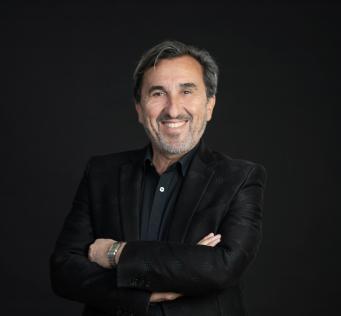
SAMMY GHARIENI CEO & Founder of
the Gharieni Group - a leading international manufacturer of premium Medical, Spa & Wellness equipment!
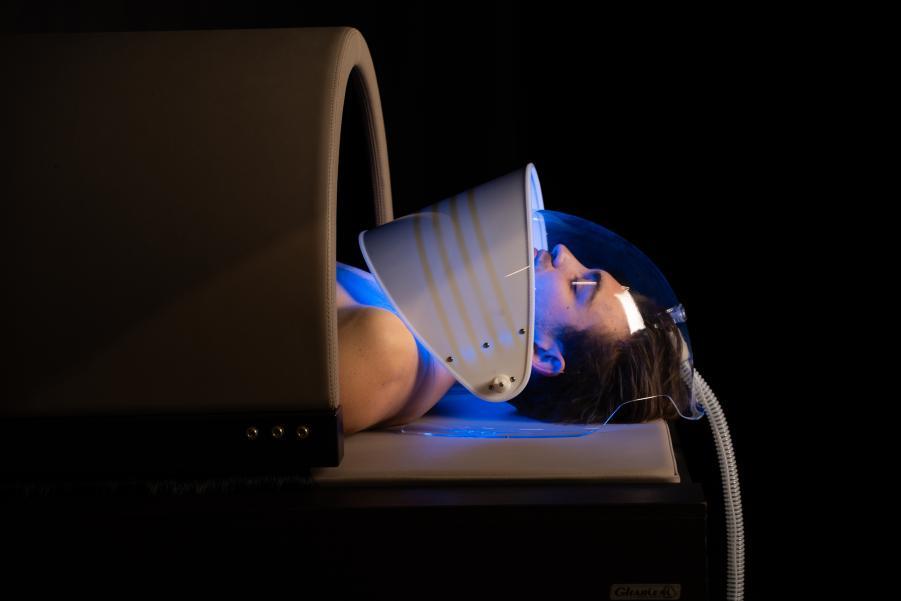
Technology integrated directly into treatment beds and loungers has truly transformed the spa experience comments Sammy Gharieni, CEO & founder of the Gharieni Group. We pioneered this movement nearly 15 years ago with the MLX Quartz sand bed and Welnamis - the industry’s first binaural vibroacoustic spa bed.
These innovations harness timeless healing elements such as sound, light, vibration, massage, and heat, to create immersive, multisensory experiences that deliver not just deep relaxation, but measurable results. Today, spas can offer results-driven, customizable, and accessible wellness experiences that guests can feel from the very first session.
The right technology integrates seamlessly into existing treatments or functions as a touchless treatment, helping businesses maximize underused spaces, offset staff shortages, and generate new revenue streams while delivering truly transformative experiences that impress every client.
The RLX Satori Mental Fitness Lounger is one of our most versatile and in-demand
innovations, spanning multiple wellness segments including longevity, recovery, sleep optimization, and mental wellbeing. It delivers an immediately transformative experience by training the brain to relax - guests are often blown away from their experience after just one session. This lounger is part of Metawell, our curated portfolio of mind-body wellness technologies developed to support a full spectrum of wellbeing outcomes.
All Metawell technologies are science-based, embodying our philosophy of results-driven wellness. Metawell represents over 35 years of research, development, and quiet innovation and as the world embraces touchless, evidencebased wellness, its time has truly come.
Technology that empowers the human touch
Technology wasn’t meant to replace the human touch. From our stand point, it’s designed to enhance and empower it. Our technologies facilitate the design of entirely new treatment experiences that blend human connection with the precision of Wellness tech. .
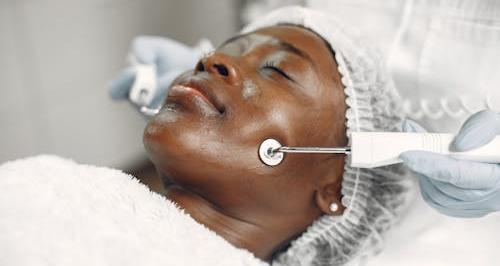
Byautomatingcertainphysical aspectsoftreatment,spascan maintainconsistencyandqualityeven amidstaffshortages,freeing therapiststofocusonpersonalcare andemotionalconnection.This synergybenefitstheclient,the therapist,andthebusiness, amplifyingresultsandcreating momentsoftangibletransformation thatguestscanimmediatelynotice.
The riseofCobotics
Thefuturelies in technologiesthat createawin-win-win fortheclient, thetherapist,andthebusiness.We’re particularlyexcitedaboutrobotics-or “cobotics,”aswe call them-which workalongsidetherapiststodeliver consistentlyhigh-quality, transformativetreatments.
Wealso seeimmensepotentialin adaptivesystemsthatpersonalize treatmentsinrealtime,respondingto live feedback.OurAugmented Massageis alreadyanexampleof this,wherelive soundisgeneratedby themovementofthetherapistduring massage-andthere’snothinggeneric aboutthat!Thisnextgenerationof ‘smart’,connectedwellness techwill keepredefiningthewellness landscape.
Tiziana Allegrini, a Technology and AI expert in the wellness and hospitality industry, explains that the entry of technology into the treatment cabin is growing rapidly, with the global beauty technology market worth billions of dollars. This digital revolution is transforming the role of the professional, merging traditional skills with cutting-edge technologies.
Technologies are entering the cab to maximize efficiency and customization, through three technological solutions:
1. Intelligent and adaptive systems: The integration of digital and smart systems improves the accuracy, consistency and personalization of treatments. Adaptive technology, for example, is able to analyze skin conditions in real time and adjust energy or microcurrent levels accordingly.
2. Multi-sensory and touchless technologies: Innovations built into treatment beds harness sound, light, vibration, massage, and warmth for immersive experiences, providing measurable results and deep relaxation. These can also function as touchless treatments, helping companies to compensate for staff shortages and optimise space.
3. Environmental choreography: Technologies such as circadian lighting affect attention, mood, and the internal body clock, actively helping clients relax and keeping therapists alert.
However, every manager in the industry emphasizes that technology is designed to enhance, not replace, the human touch.
The therapist's "human" qualities remain irreplaceable.
First, there is the essence of the therapist experience, as the therapist's skills and focus remain at the heart of the client experience.
Then there is the issue of trust and ethics; The key to dealing with clients with conditions that are both physically and emotionally demanding is to establish a perfect environment of trust and transparency. The practitioner must guide clients through the options, managing expectations with honesty and remaining firm within their clinical expertise.
Finally, craftsmanship and deep customization must now drive the aesthetic business. For beauty and nail professionals, technology is an element of enhancement of artistry and competence, but the integration of these tools does not replace the professional's skill.

As the director and founder of the Estética Integral program at INTESUD, I can say that Ecuador is undergoing a quiet yet profound transformation: aesthetics and well-being -once considered luxuries for the few - are becoming an essential part of people’s lives and daily routines. In step with a broader trend across South America and the world, the pursuit of holistic wellbeing is shifting from vanity to a core pillar of Ecuadorian culture. Caring for body and mind is no longer a symbol of wealth, but a daily expression of self-care, integral health, and social development.
A sector on a positive trajectory
We have observed that the industry related to aesthetics and wellness in Ecuador has grown notably in recent years: what used to be a privilege for some is now expressed in a wide network of businesses - spas, gyms, and aesthetic centers - throughout the country. Personal care is now present in almost every Ecuadorian household, reflecting that health and image are becoming widespread priorities.
Technology and professionalization drive change
We know that technology and digitalization have brought wellbeing and aesthetics closer to more people: mobile apps, virtual

classes, and smart devices democratize self-care, while social media promotes healthy habits and global trends that connect Ecuador to international currents in holistic well-being and care. At the same time, the surge in professionalization is raising the sector’s quality, with institutes (like ours) and technical centers offering specialized programs in well-being to train professionals and specialists with cutting-edge knowledge and greater credibility.
Entrepreneurial empowerment and a culture of well-being
As educators of professionals at INTESUD in Quito, Ecuador, we see that the boom in the wellbeing business has brought economic empowerment, especially for women and young people: across the country, microentrepreneurs are finding in aesthetics and health a path toward financial independence. Wellness businesses have become a development engine for many families: they create direct jobs in beauty centers and spas and activate a value chain that benefits numerous local actors.
We have also noticed that wellbeing has taken root as part of Ecuadorian identity. New generations value the balance between mind and body and integrate healthy habits into their daily routines. Thus, self-care ceases to be a luxury and is embraced as a collective necessity.
Lic. Ana María Ramírez C. MBA. Edison Fabián Torres P. has over 20 years of experience in Aesthetics. After studying in Ecuador, she founded the Estética Integral program in Quito and later created the tertiary-level program at Instituto Superior Tecnológico Sudamericano Quito, empowering hundreds of women to professionalize their passion for beauty and wellness. With further studies in Colombia, Argentina, and Brazil, and a degree in Nutrition and Dietetics, she promotes a holistic approach to skin and body care. Her vision continues to inspire new generations of entrepreneurs in Ecuador’s aesthetics industry.
Opportunities and an optimistic future
I firmly believe that, with the foundations of a well-being culture already in place, Ecuador is ready to take the next leap: to innovate and expand its reach. Our country has the potential to become a regional benchmark, leveraging its natural wealth to develop sustainable products and position itself as a wellness tourism destination.
With a population increasingly informed and committed to its aesthetic health, the opportunities are enormous: this is no longer just about the growth of a sector, but about society’s holistic well-being. I feel that today, Ecuador and our South American neighbors face the future with the conviction that investing in aesthetics and well-being is investing in quality of life, prosperity, and a lasting legacy; beauty and health go hand in hand, driving a healthy, entrepreneurial, and vibrant future for the region.
Delia Bivona from the FACE & BODY Academy talks to us about the German cosmetic market and her academy’s approach to training students.
The cosmetic market in Germany is not as regulated as in other countries. At the moment, there are no official regulations if you want to open your own salon. That is why it becomes even more important for people entering the beauty industry to hold the right certificates and to be able to demonstrate the quality of their work.
In Germany, there are many studios, but it is not always proven that the cosmetician has a solid and high-quality education. This is exactly why we need strong standards such as CIDESCO, so that clients can easily recognize a high level of professionalism and feel safe in their choice of beauty salon.
There are also different types of schools: some are statecertified, like the FACE & BODY Academy, while others run their courses without any official quality standards.
For us, CIDESCO is therefore an essential addition because it provides another strong proof of our competence as a cosmetic and make-up school.
As a CIDESCO School, we train our students on an international level, preparing them for the globally recognized CIDESCO exam. All CIDESCO schools are examined yearly, and the education must remain at a consistently high standard. At FACE & BODY Academy, we clearly see the benefits of proven certificates like CIDESCO, as they guarantee worldwide recognition and underline the professionalism of our graduates.
The demand for professional beauty services in Germany is steadily increasing. This growth is driven by rising consumer awareness of self-care, wellness, and aesthetics. Clients increasingly value safety, hygiene, and expertise, which makes high-quality training essential for professionals entering the beauty industry.
The German beauty industry is valued at approximately 17 billion euros, with continuous growth. Hundreds of new salons open each year, highlighting the rapid expansion and competitiveness of the market. Professional beauty services are projected to continue growing, emphasizing the increasing need for skilled and certified professionals.
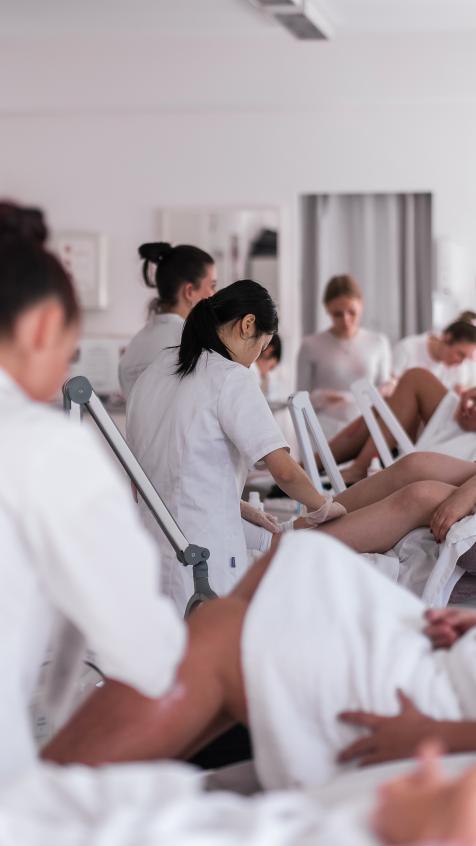
In a market with minimal regulation, risks include skin damage, infections, and other health issues caused by insufficiently trained staff. Cases of poorly executed procedures highlight the importance of professional education for client safety and industry reputation.
The FACE & BODY Academy distinguishes itself with a unique teaching philosophy that combines theoretical knowledge and hands-on practice. Students benefit from modern facilities, specialized training areas, and expert trainers with extensive industry experience. The academy emphasizes creativity, personal development, and professional excellence. Being CIDESCO-certified ensures international recognition and adherence to the highest global standards.
CIDESCO Accreditation and International Standards: CIDESCO Germany is internationally recognized as the highest standard for beauty education and training. Membership in the CIDESCO network provides students with global career opportunities and ensures that the academy’s education meets rigorous professional criteria. This international recognition strengthens the credibility and career prospects of all graduates.
Graduates of the FACE & BODY Academy have pursued diverse career paths. Many have opened their own successful salons, contributing to the professionalization and growth of the beauty industry. Some have specialized in areas such as medical aesthetics or makeup artistry and work in prestigious spas, luxury hotels, or leading beauty clinics, both nationally and internationally.
One example is Daniela, who, after completing her cosmetology training and master certification in 2022, worked on a cruise ship and continues to travel the world while combining work with unique experiences (2025).
The Academy actively supports its graduates in career development through networking events, collaborations with leading cosmetic brands, and the opportunity to obtain the internationally recognized CIDESCO diploma. This diploma opens doors in over 29 countries and is highly valued by employers worldwide.
NOVEMBER
19– International Men's Day
DECEMBER
Stress Awareness Month
3 – International Day of Persons with Disabilities
5 - International Volunteer Day
JANUARY
Mental Wellness Month
Veganuary
Dry January
24 – International Day of Education
19 – International Skin Care Week
FEBRUARY
Heart Health Month
4 – World Cancer Day
14 – Valentine’s Day 17 – Randon Acts of Kindness Day

Contact Erika Ferreira at CIDESCO International
Email: info@cidesco.com
Tel: +41 44 448 22 00
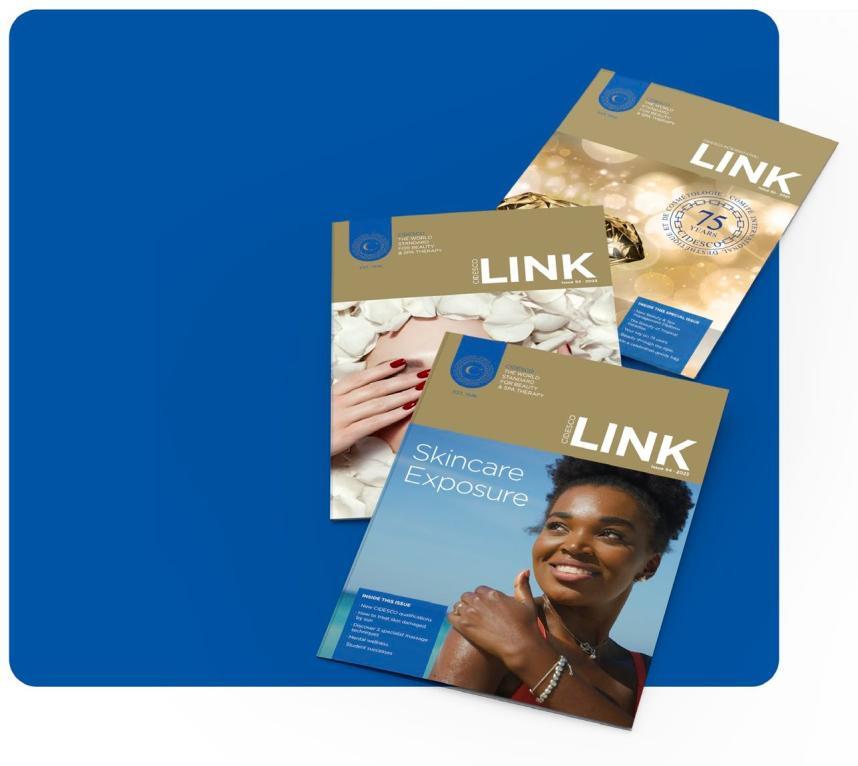






The CIDESCO Associates Membership is open to brands and suppliers to the professional beauty, spa, aesthetics and wellness industries and individual professionals within these sectors.
There are a number of benefits to becoming an Associate member of CIDESCO. This includes use of the CIDESCO Associates logo, a profile on the CIDESCO International website and connection with the CIDESCO global membership which spans worldwide.
To find out more contact info@cidesco.com

Congratulationsto all CIDESCO studentswhoareeitherintrainingor have successfully passed their exams. Here we celebrate a small number of them from around the world.
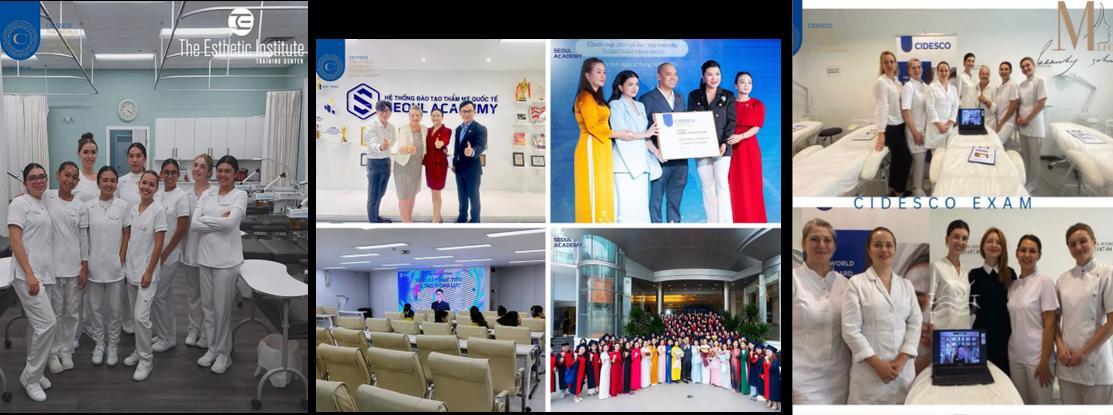
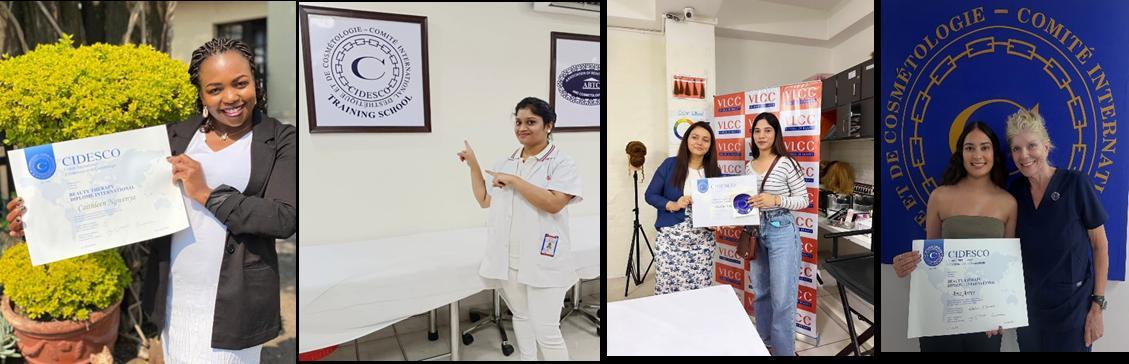
Clockwise from top left: The Esthetic Institute Training Center in Canada, Seoul Academy in Vietnam, CIDESCO Cosmetology School Meleor in Belarus, Bodyframe International College of Aesthetics in Johannesburg, Sahaja Beauty Clinic in India, Makeup by Muskan in Jaipur, and Esthetics & Massage in Houston.