LINK

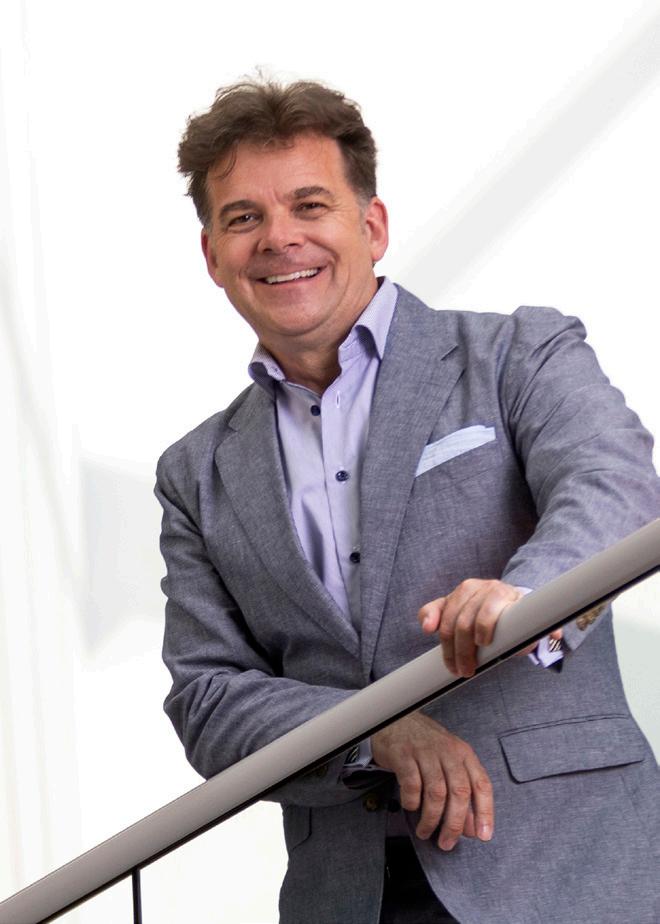
Greg Watts
Vice President, Academic Affairs + Provost
Weighty decisions in uncertain times call for clarity, purpose and a shared commitment to the future. These days, one of the most important things I carry with me on campus along with my ID and a notebook, is a copy of the Board of Directors’ Business Model Transformation (BMT) resolution. It’s become a bit worn over time, but that only reinforces its importance. It serves as a daily reminder of our collective responsibility to make thoughtful, inclusive decisions that reflect what is best for our students—both today and for years to come, and just as CIA has always done.
At its core, the BMT resolution represents a commitment to shared governance. It ensures that faculty and staff voices are part of shaping CIA’s path forward, grounded in the belief that collaboration leads to stronger, more resilient outcomes. This year, that spirit of collaboration has been evident across campus as teams have worked diligently to advance key priorities—from strengthening our marketing approach to expanding Pre-College opportunities.
I’m thrilled to share that their work has already produced meaningful results and a roadmap guiding our Curriculum Committee, which is chaired by Life Sciences Illustration associate professor Beth Halasz ’89. We are refining and reframing our curriculum in ways that align with both industry evolution and student needs.
As a creative community, CIA has always empowered students to shape ideas and bring them to life. Now, we are taking that further. A reimagined first-year experience will better prepare students to take ownership of their educational journey, with increased flexibility to explore program majors, a rapidly growing range of minors and expanded internship opportunities. We are equipping students not just for jobs, but for lasting, meaningful careers.
Cover:
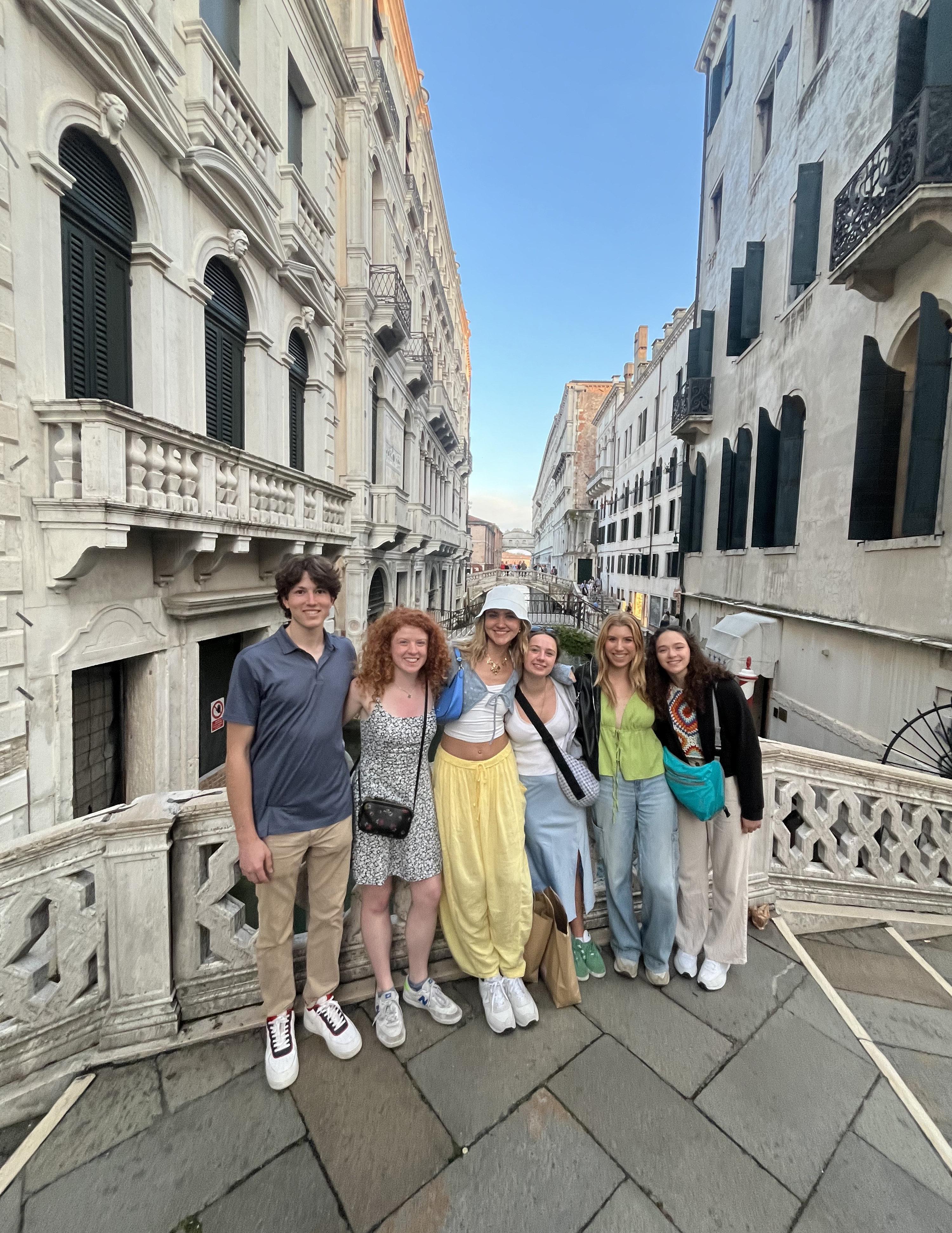
Drawing senior Izzy Thomas ’26, second from left, poses with friends she made during her time abroad in Venice, Italy. Read more about her and other students’ experiences with CIA’s Study Abroad program starting on Page 8. Submitted photo.
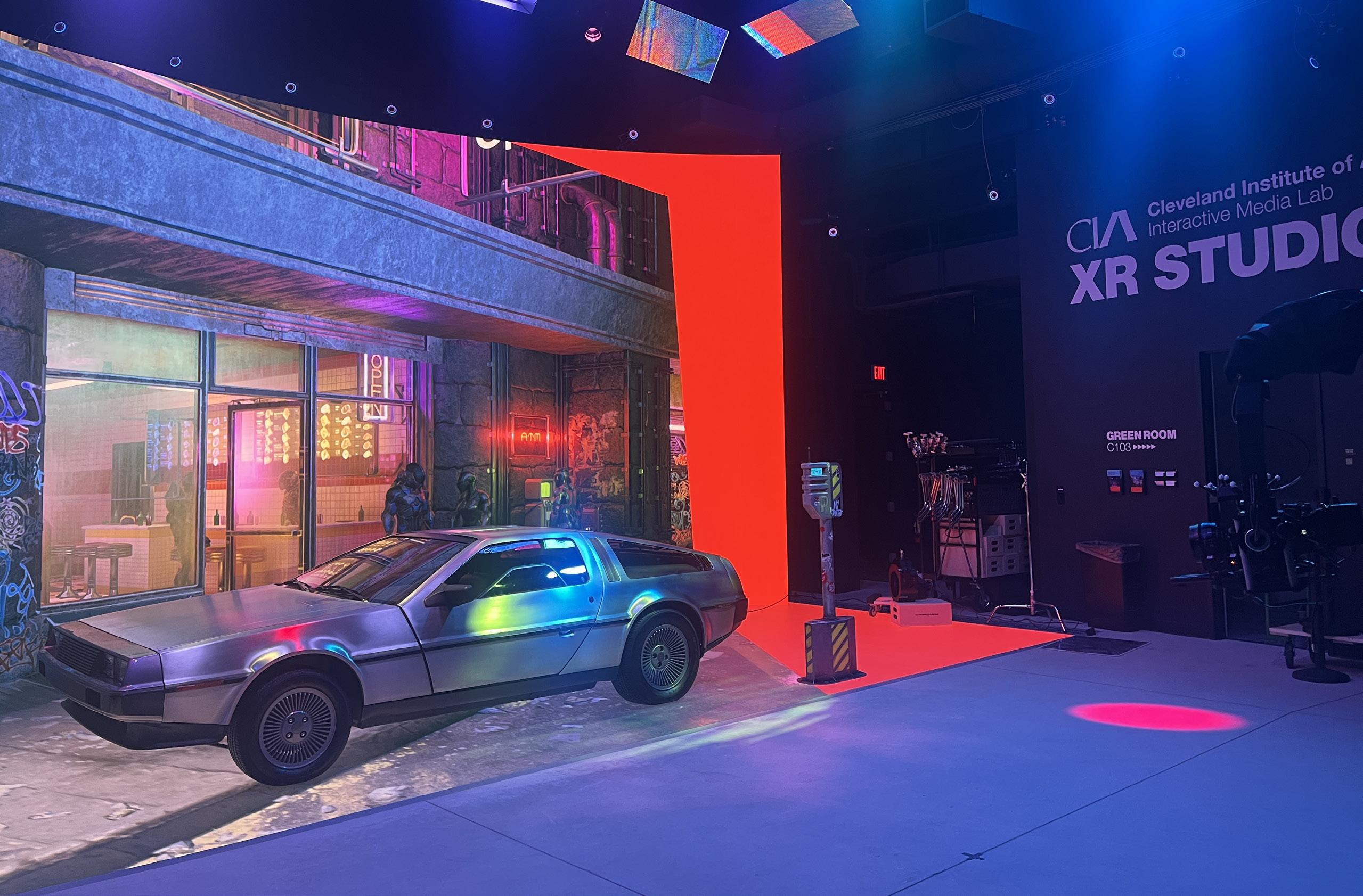
My own focus has centered on diversifying and strengthening our academic model, and I’ve been working in the areas of Flexibility + Transferability and Program Innovation + Development. Last fall, I brought together dedicated groups of faculty and staff to explore how we might reimagine our curriculum and identify new programs aligned with emerging creative fields—all while making the most of our exceptional facilities, including the trailblazing Interactive Media Lab.
In a rapidly changing world, we are also exploring new educational models— professional certificates, accelerated degrees, and new majors—to meet learners where they are. We are embracing challenges, from technological shifts with artificial intelligence to reaffirming the enduring value of a creative education.
The BMT gives us a clear direction, and we are moving forward with purpose. In this work, I remain guided by a simple but powerful idea: never rest on your reputation—build on it.
Kathryn J. Heidemann President + CEO
Malou Monago Vice
President,
Institutional Advancement + External Relations
Michael C. Butz Director, College Communications + External Relations
Submit ideas and updates for Link :
Cleveland Institute of Art 11610 Euclid Avenue Cleveland, OH 44106 link@cia.edu 216.421.7412
LINK Spring–Summer 2026 Vol 29, Issue 2
Bringing together alumni and friends of the Cleveland Institute of Art to keep them informed of campus, student, faculty and alumni news. CIA publishes Link twice a year.
Copyright © 2026 Cleveland Institute of Art
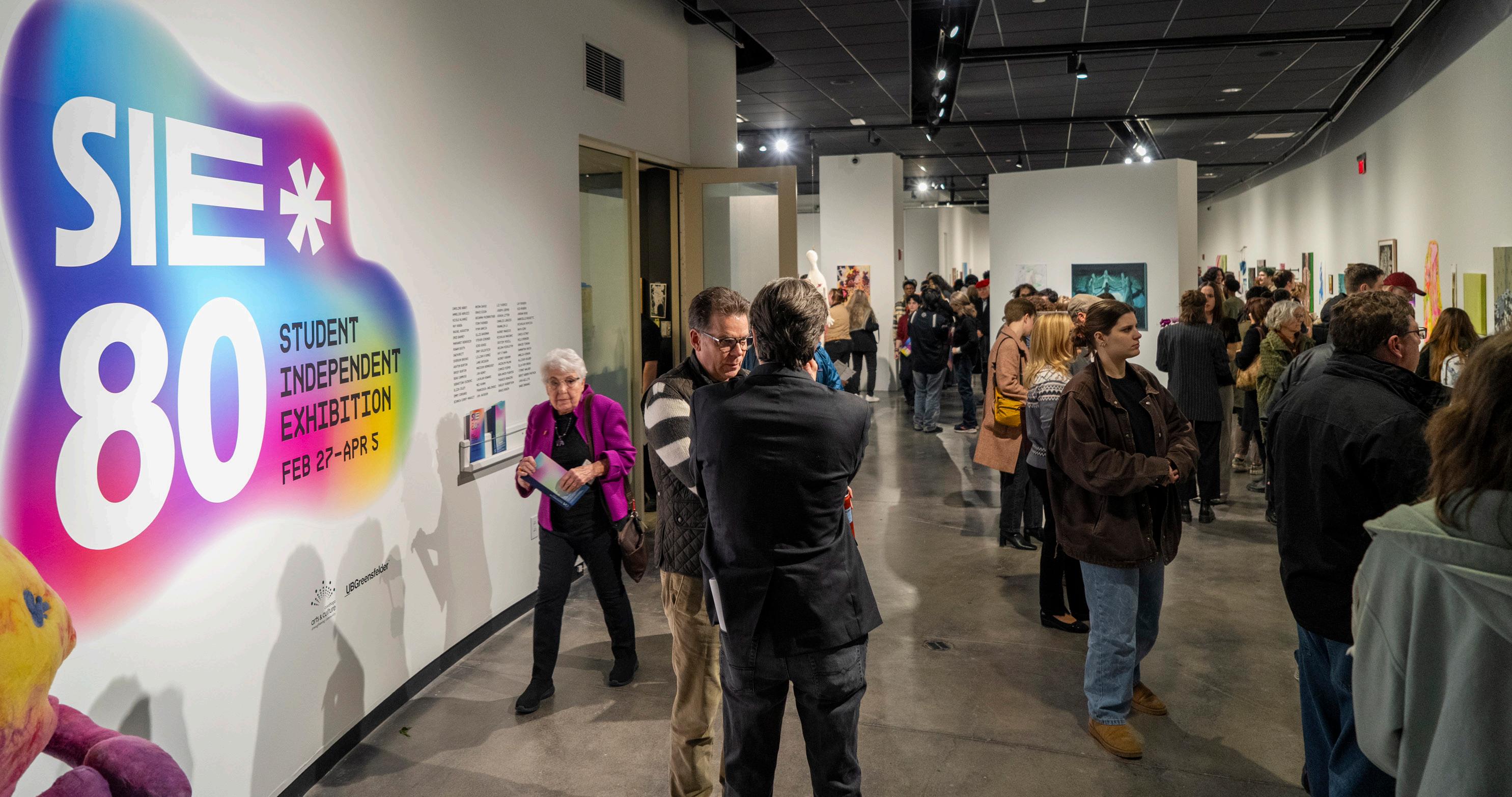
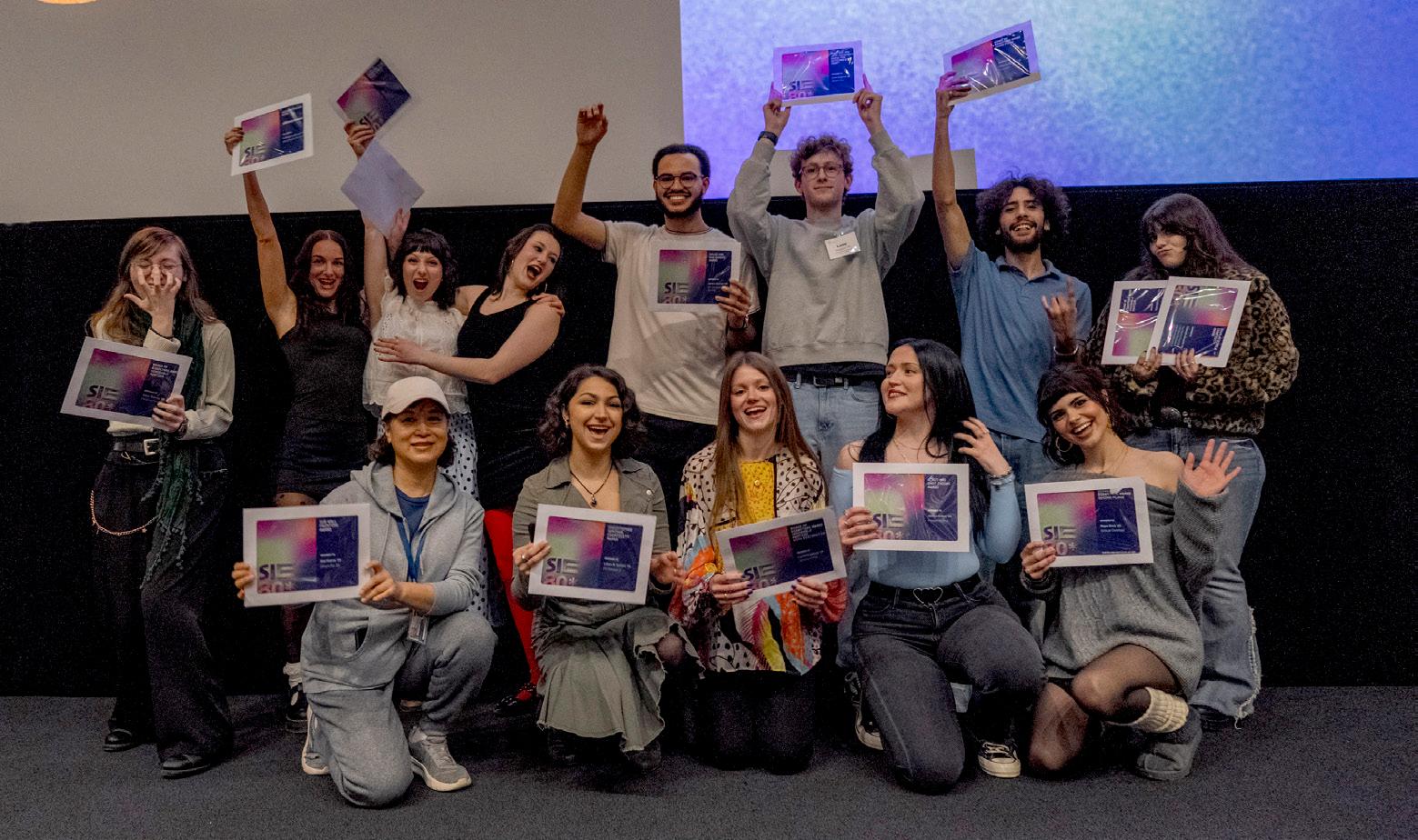
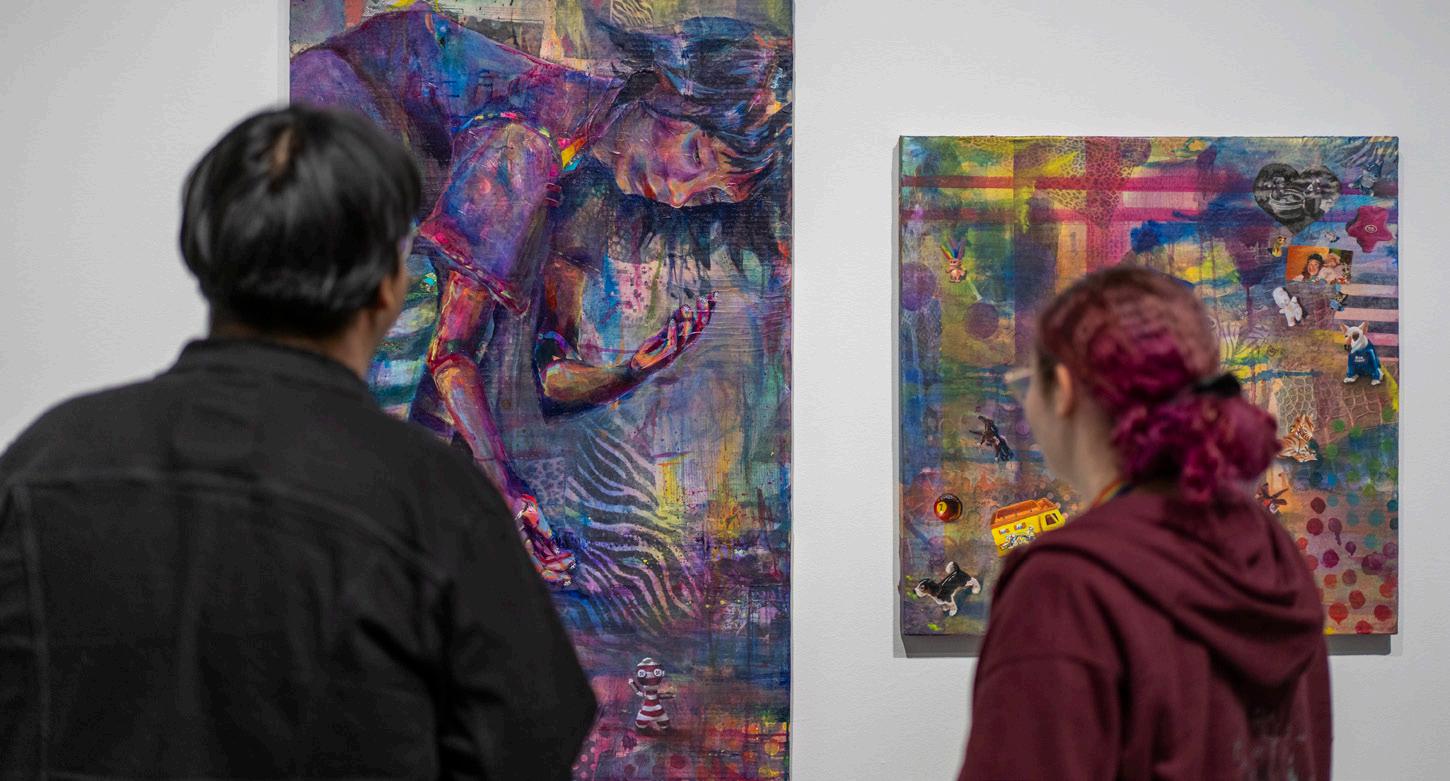
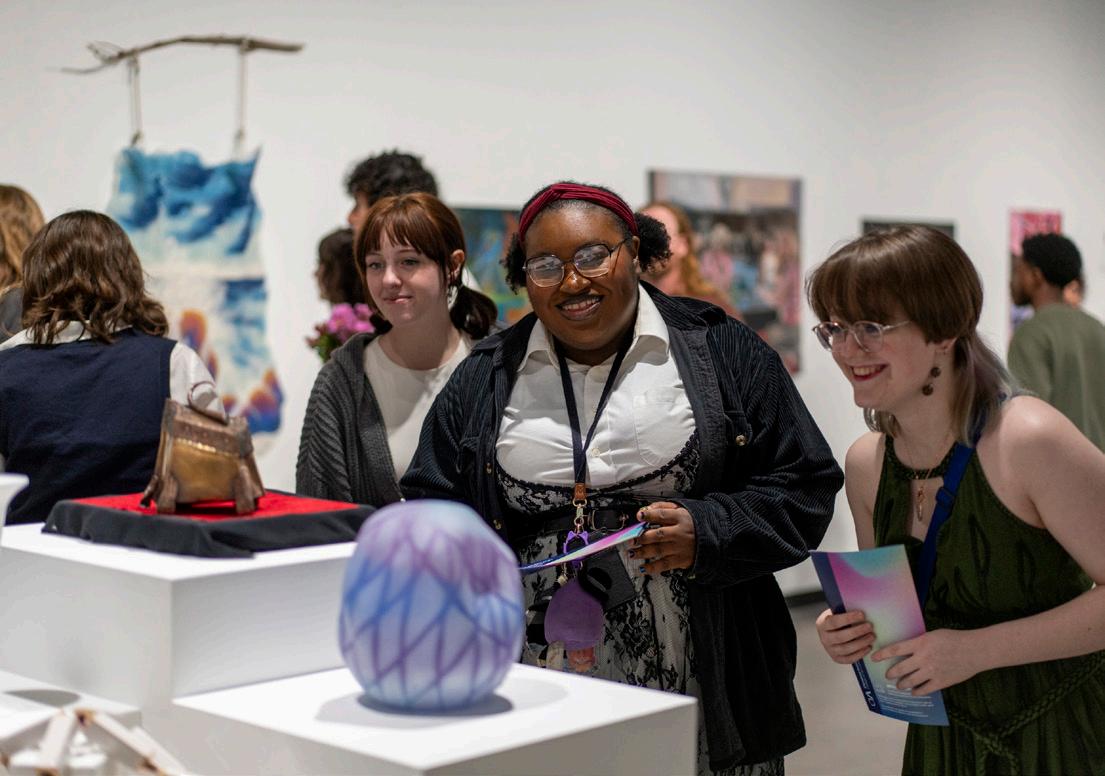
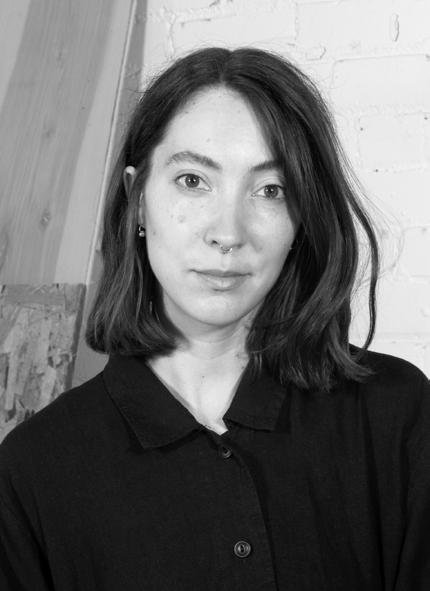
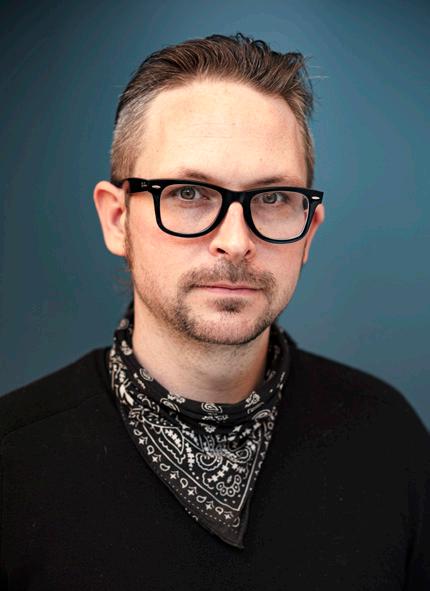
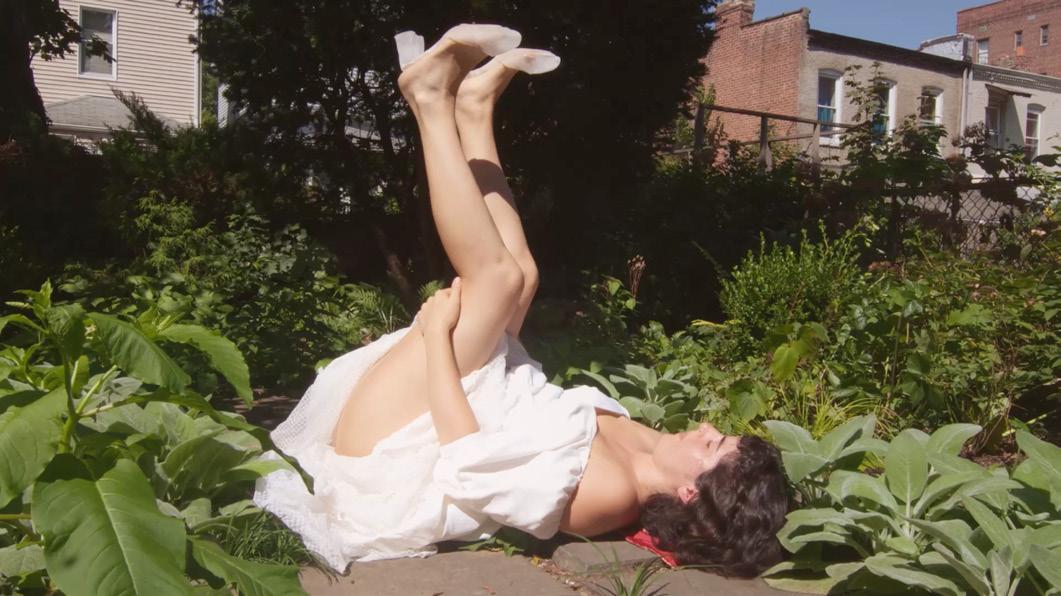
The CIA community came out in full force to celebrate the 2026 Student Independent Exhibition and its landmark 80th year. The energy inside Reinberger Gallery was electric as visitors viewed work from all academic areas of CIA— from visual arts and craft to digital art and design—and excitement filled the air as 15 prizes were awarded during a ceremony in the Peter B. Lewis Theater. Jurors for SIE 80 were Alex Heard ’20, Thao Nguyen ’21 and Shawn Powell.
MAY 10
2026 BFA Exhiibition open to public
MAY 11
Summer Adult
Continuing Education Classes begin
JUNE 5
Cleveland Alumni Chapter Exhibition opening reception
JUNE 11
Summer Children
Continuing Education Classes begin
SEPTEMBER 3
Opening reception for 2026 Faculty
Exhibition and 2026 Studio Operations Exhibition
CIA, Flux Factory launch Regional Artist Mobility Program
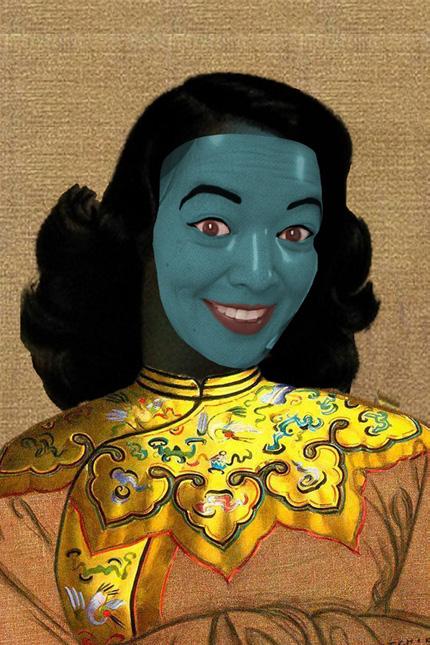
CIA and Flux Factory, a New York City-based arts organization, recently announced the Regional Artist Mobility Program (RAMP), an initiative to strengthen inter-regional exchange between U.S. artists by supporting professional development, facilitating creative dialogue and building cooperation among artists from different regions.
Two CIA faculty artists—interdisciplinary artist and designer Rachel Ferber, an assistant professor in the Foundation program for first-year students, and painter Mike Meier ’10, an assistant professor in the Painting program—will spend six weeks in residence at Flux Factory in May and June 2026. Two Flux Factory community artists—textile artist and designer Itala Aguilera and interdisciplinary artist and former actor Li-Ming Hu—will spend six weeks in residence at CIA in September and October 2026.
Flux Factory and CIA’s Exhibitions + Galleries department will organize public programs, including a group exhibition scheduled to open in November 2026 in CIA’s Reinberger Gallery.
Interior Architecture adjunct Appleton concludes CIA career
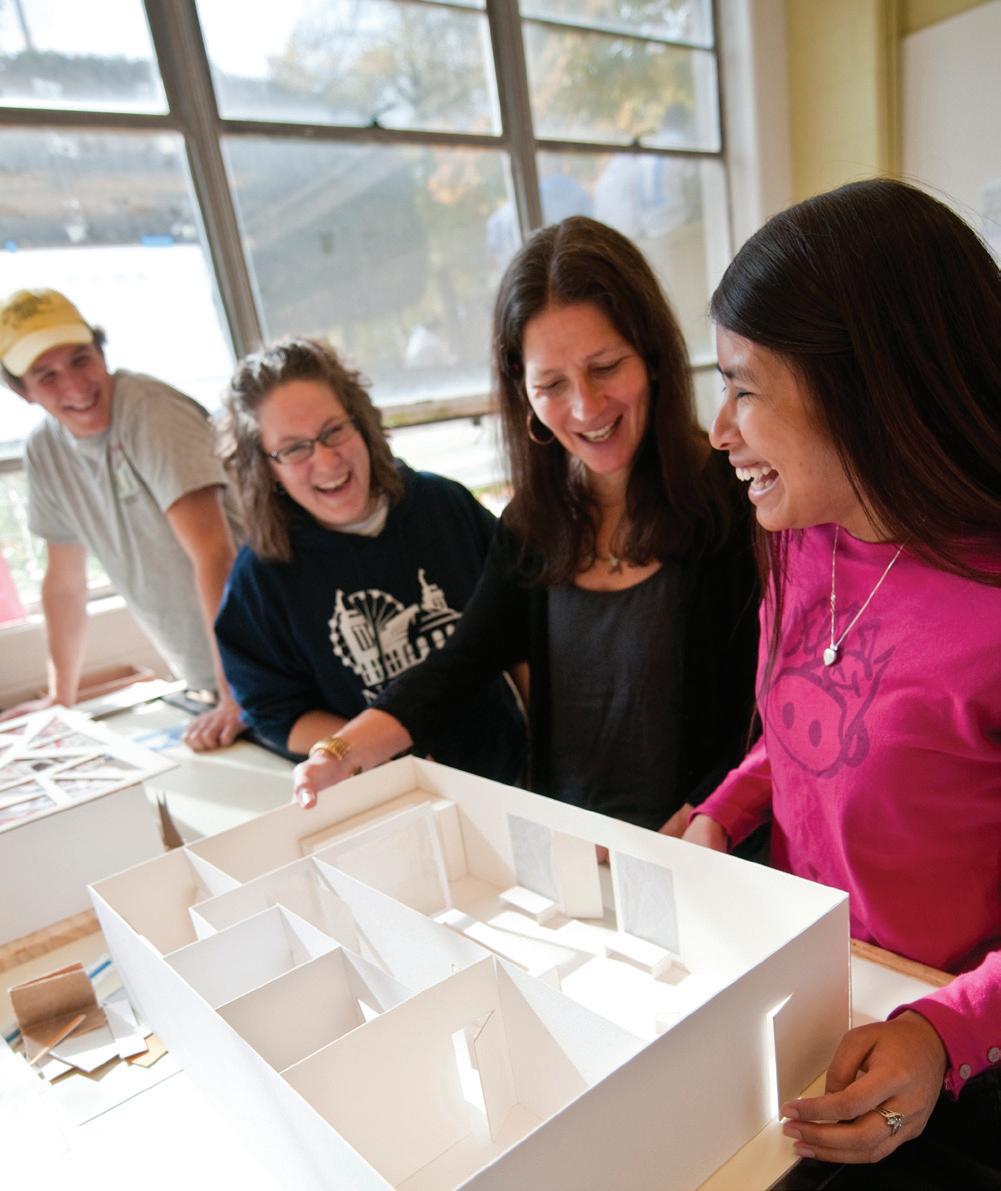
A familiar face in the Interior Architecture program has concluded her career at CIA as an adjunct faculty member. Sherri Appleton spent 37 years in Interior Architecture, to which she brought a wealth of industry experience and a deep network of local connections into her teaching. She took initiative in planning field trips and guest visits by reps and suppliers of architectural products, which provided hands-on, real-world experience to students, while adding realism to their projects. She also assisted in CIA’s campus-unification project, for which she advised the design of public, office and library spaces. In recognition of her commitment, Appleton was the inaugural recipient of the Dan Tranberg Award for Teaching Excellence, which honors distinguished teaching by non-ranked faculty (term lecturers and adjunct instructors).
Fluker named Chair-elect, new directors added to CIA Board
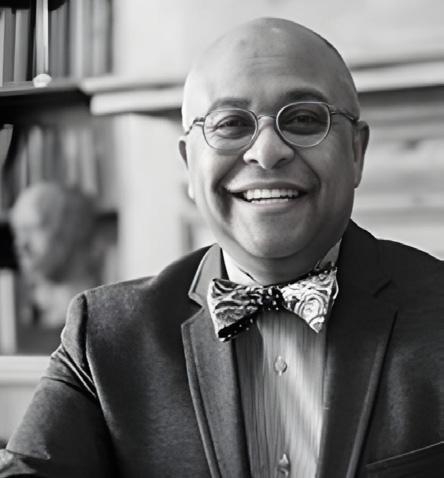
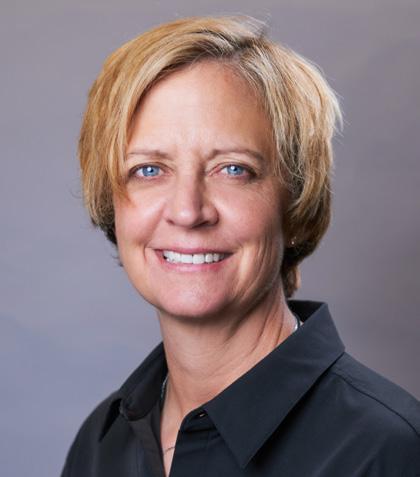
CIA’s Board of Directors recently appointed August L. Fluker as its Chair-elect following a successful succession-planning process. Fluker is an experienced architect and urbanist who currently serves as Principal/Managing Member at Fluker Consulting LLC.
Fluker has served on CIA’s Board since 2021. He’s currently chair of the Board’s Governance Committee and a member of its Executive Committee. The Board will vote to appoint Fluker to a three-year term as Chair in June 2026, when current Board Chair Cynthia Prior Gascoigne’s term as Chair ends. Gascoigne is expected to remain on CIA’s Board as a director.
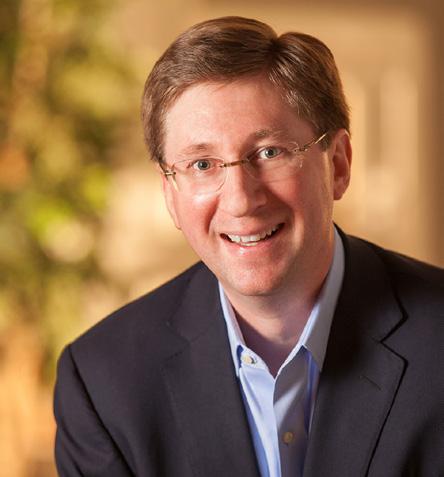
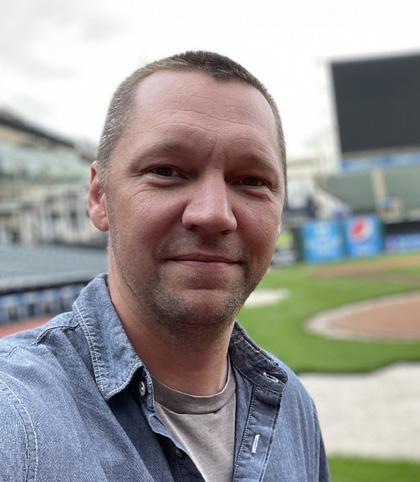
Representing CIA’s 2025 Board cohort are new members Chris Hart, director of digital experience for the Cleveland Guardians; Steve Haynes, president, CEO and co-founder of Glengary Brain Health; and Jennifer van Dijk, president of the Boston Legacy Football Club.
Longtime professor Pawlowski ’65 remembered for lasting impact
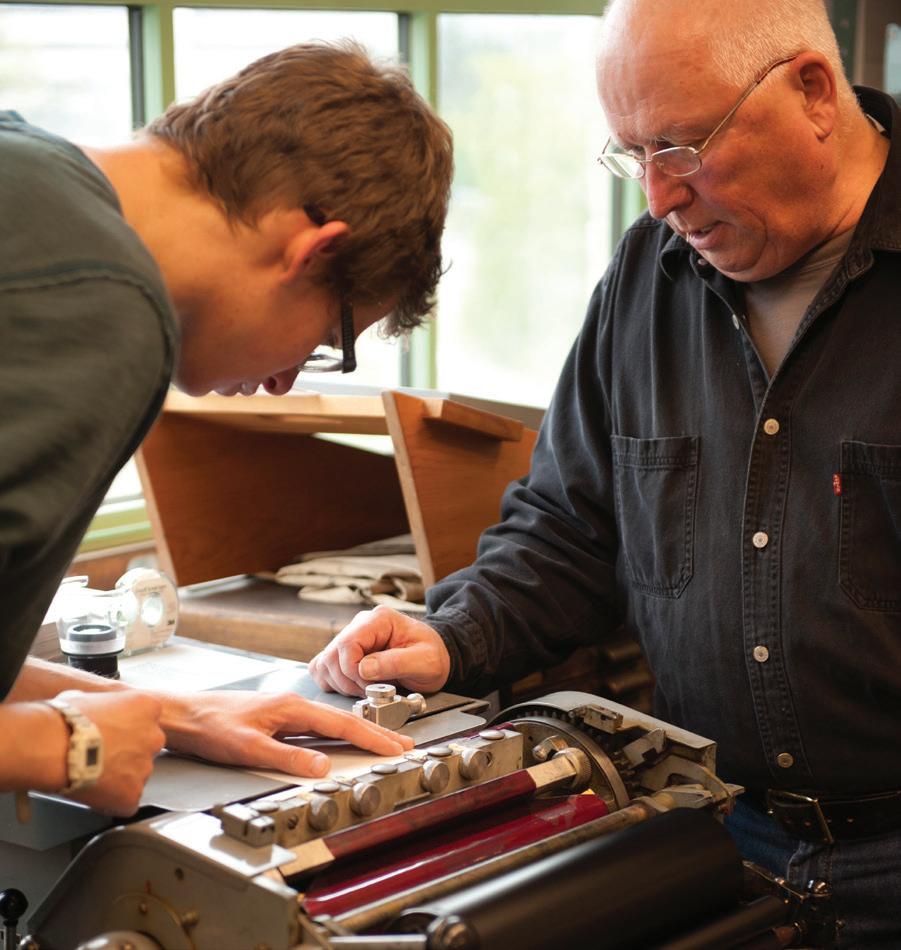
Eugene Pawlowski, a 1965 alum who taught at CIA for 55 years and designed the College’s current logo, passed away in November. His impact on CIA was extensive and remarkable. He earned his BFA in Graphic Design, and not long after, began his distinguished career as a Graphic Design professor at his alma mater. Over the years, he taught and developed coursework in Handmade Book, Typography, Visual Communication, Design and Production, and more.
Greater than his contributions to the program was his tremendous impact on students. Generations studied under—and were inspired by—Pawlowski, whose thoughtful approach and careful mentorship helped them develop into successful designers. He especially enjoyed teaching typography and the history of typesetting. He earned the Schreckengost Award for Teaching Excellence in 2007 and officially retired from CIA in 2021.
Bernie Bluestein ’47 majored in Industrial Design and passed away March 25. George Nick ’53 died September 9, 2025 and studied Graphic Arts. Susan Joanne Bolt ’55, who graduated from the Sculpture program, passed away September 26, 2025. Elinore Korow Bieber ’57 died December 27, 2025 and majored in Painting. Thomas Gentile ’58 earned a BFA in Painting and passed away March 6. Richard Charles Newman ’60 died November 13, 2025 and graduated from the
Opposite, right: Former Interior Architecture adjunct faculty member Sherri Appleton, third from left, works with CIA students.
Far left: Clockwise from top left are Board Chair-elect August L. Fluker and the 2025 Board cohort of Chris Hart, Jennifer van Dijk and Steve Haynes. Submitted photos.
Left and below:
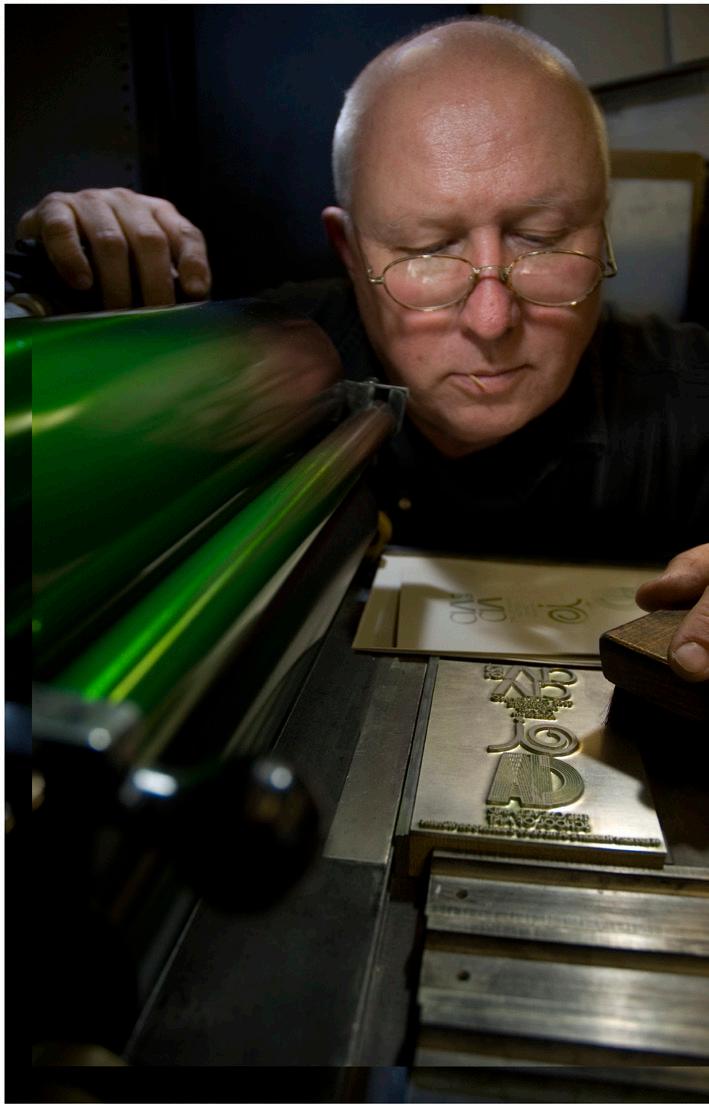
Eugene Pawlowski ’65 works with a CIA student, right, and examines designs for CIA’s logo, which he designed.
Painting program. Paul St. Denis ’60, who taught at CIA for 27 years, passed away November 7, 2025. Ricardo Yuuki Davis ’19, who graduated from the Sculpture + Expanded Media program, died February 24. Former faculty member Larry O’Neal, who taught at CIA for 10 years and chaired the Graphic Design program, passed away November 12, 2025.
By Karen Sandstrom ’12
Taking leaps of faith and broadening one’s horizons are part of what it means to dive into college as an art and design student. At the Cleveland Institute of Art, some students leap farther still by spending time in another country as part of CIA’s Study Abroad program.
Those who go find out what it means meet challenges and reap the rewards.
“I used to be afraid to do things, but saying yes to so much has changed my life,” says Photography major Benjamin Teckmyer ’26, who studied at Santa Reparata International School of Art (SRISA) in Florence, Italy. “When you’re doing something that you’ve never done before and you’re punching outside of your weight class, you feel afraid to do it. And I think that’s a good place to be.”
CIA’s Study Abroad program is part of the conversation almost from the start of a student’s academic career at CIA, says Matthew Smith, Assistant Dean of Student Affairs. As the coordinator of the program, he works with students interested in attending a number of colleges with which CIA has enrollment agreements: Strate College of Design in Paris; Burren College of Art in Ballyvaughan, Ireland; Bezalel Academy of Arts and Design in Tel Aviv, Israel; Pforzheim University in Pforzheim, Germany; and SRISA in Florence.
He also helps those interested in finding opportunities elsewhere, and aids in coordinating academic concerns with staff and faculty at CIA and the destination school. Perhaps most importantly, he guides students in identifying their goals for their travel.
“What do they hope to achieve from going abroad? What are some things that they’re looking forward to? And then, is there a specific place in the world that they want to go?”
Each year, between 10 and 20 students express interest in studying abroad, and maybe half of them follow that dream all the way, Smith says. Teckmyer and a handful of other recent travelers share a bit about their experiences.
The itch to travel as part of the college experience came naturally to Popovitch, who attended Elisava School of Design & Engineering in Barcelona, Spain in 2024. Her parents had studied in Mexico, and she herself had previously visited Barcelona and had studied Spanish.
She knew she wanted a more immersive experience and found it at Elisava’s 15-week program, geared specifically for students wanting to study abroad. There, she took courses in typography, motion graphics, film and videography, architecture, liberal arts, Spanish history and even one on designing food experience.
Separately, she took a Spanish class to hone skills she’d only begun to develop at home. “Even though I’d been learning for so long, going to a Spanish-speaking country you get shocked at just how little you know,” Popovitch says. “But I was able to converse. I was able to make friends. It was a great place for me to practice.”
She also learned she could do difficult things— like watching her international friends go to their homes in neighboring countries on weekends or holidays while she stayed in Barcelona.
“For me, the hardest part was not having the people I’m closest to with me. I was having a really good time and I look back at just how incredible my experience was, and I always wish to go back, but it is definitely hard to be separated from my family.”
But the best part of Popovitch’s time at Elisava, and the traveling she did while she was there, was that it sent her home with more confidence that she can handle big projects and even be a leader because she’d had her skills tested.
“I’m ready for anything,” she says. “I’m prepared for change and opportunities to take.”
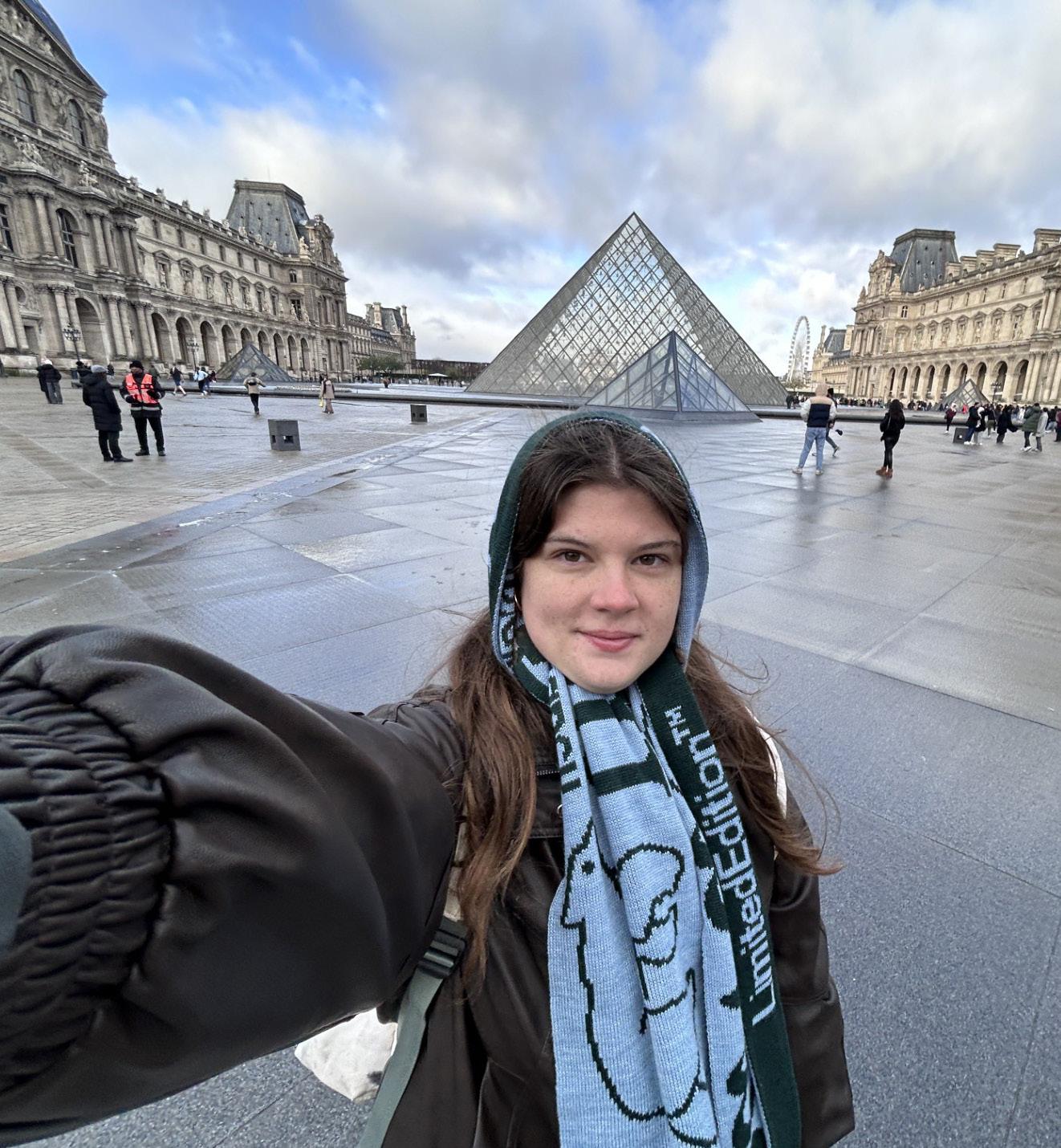
Opposite: Jade Popovitch ’26 captures her visit to the Louvre in Paris, which she visited during her travels while studying at Elisava School of Design and Engineering in Barcelona, Spain.
I’m ready for anything. I’m prepared for change and opportunities to take.”
–Jade Popovitch ’26
Photography
The seed of Teckmyer’s time at SRISA was planted in his sophomore year, when he mentioned his interest in studying abroad to Photography associate professor Linda Post. He initially wasn’t very serious about it, but Post later reminded him of it after hearing about SRISA’s program.
“At that point, I was freshly out of a relationship, and I had nothing really tying me down, so I thought I should probably go and do this,” Teckmeyer says.
At school, Teckmyer indulged his multidisciplinary instincts by taking Painting and Drawing courses—all with the blessing of his faculty.
I used to be afraid to do things, but saying yes to so much has changed my life. When you’re doing something that you’ve never done before and you’re punching outside of your weight class, you feel afraid to do it. And I think that’s a good place to be.”
–Ben Teckmyer
’26
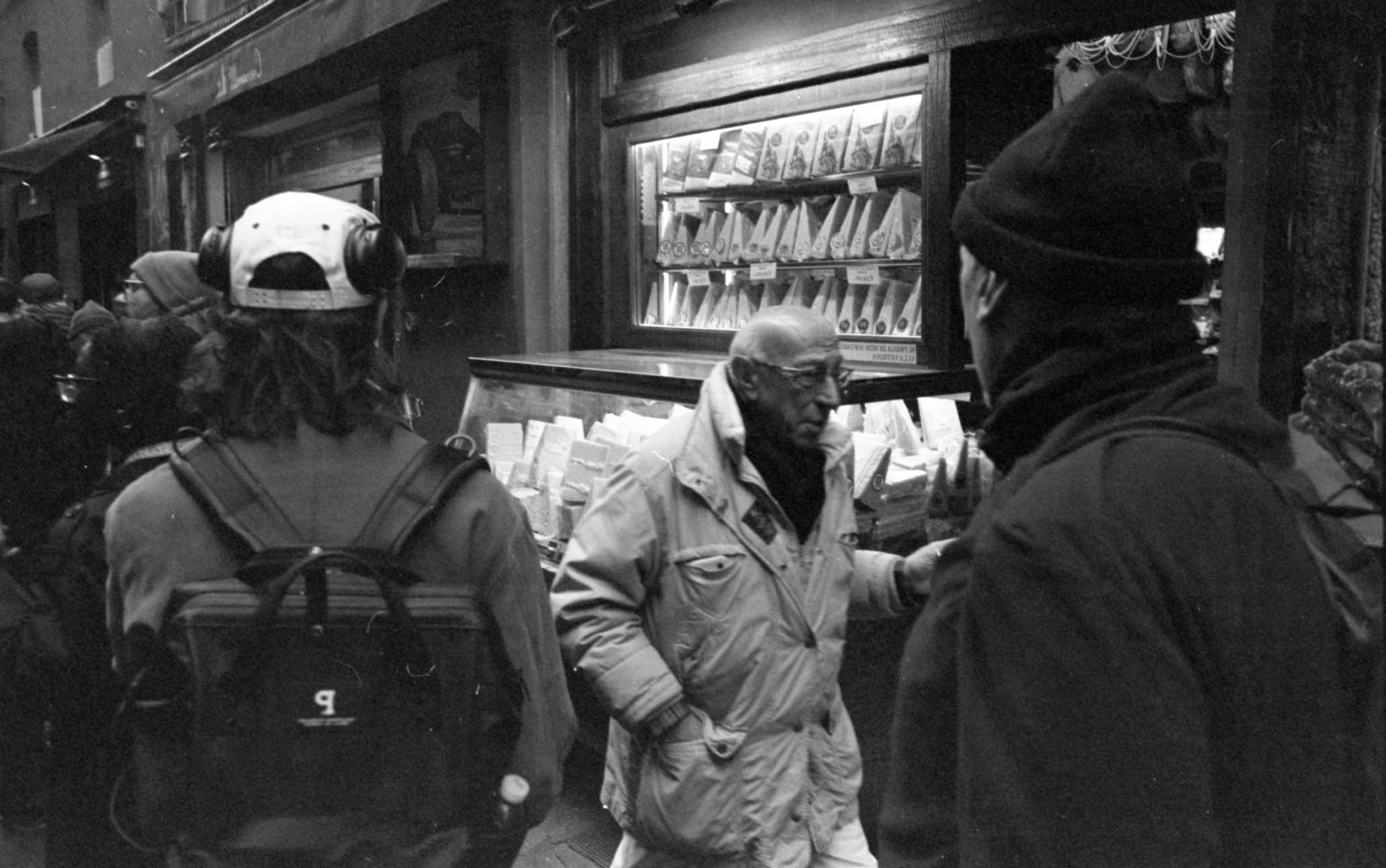
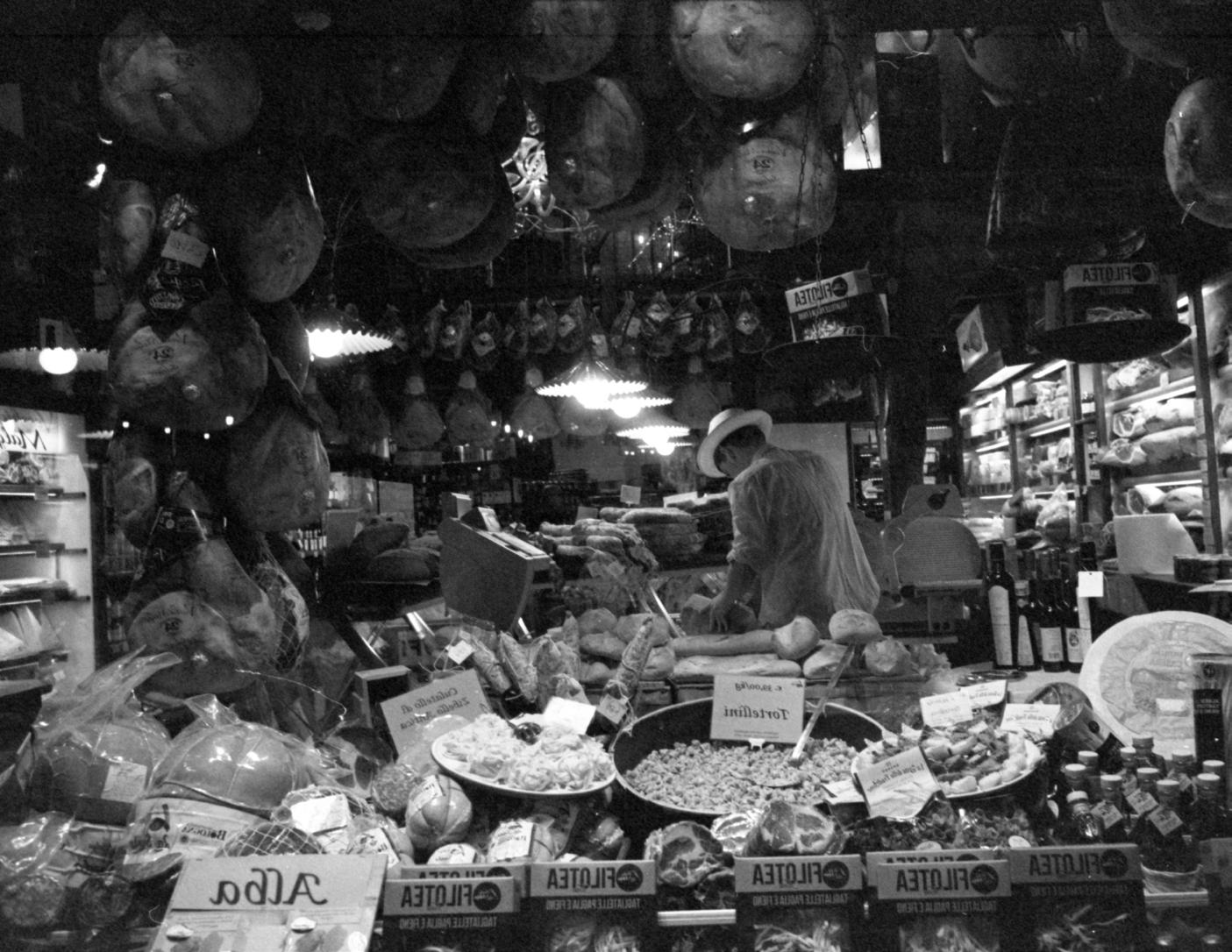
Left and below: Ben Teckmyer ’26 made these 35mm film photographs in the market district known as Quadrilatero in Bologna, Italy. The area is renowned for its food shops, including cheesemongers, bakers and charcuterie shops specializing in mortadella and Parmigiano Reggiano. Submitted photos.
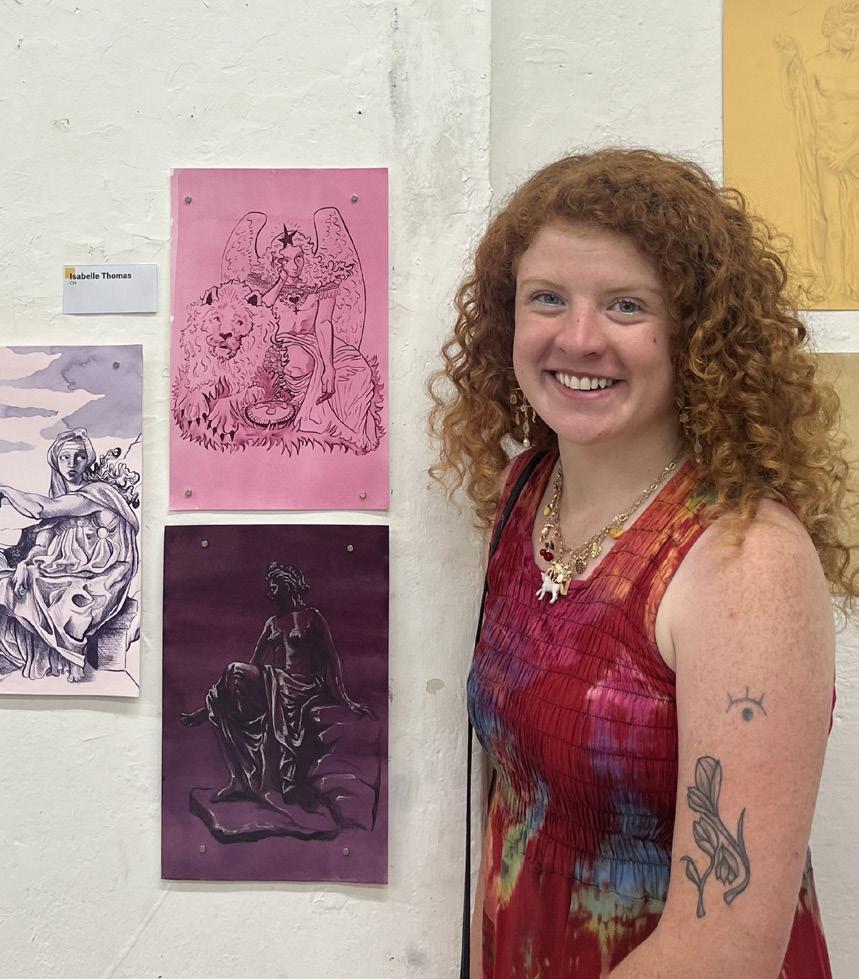
Opposite, left: Izzy Thomas ’26 poses with drawings she made during her student show at Santa Reparata International School of Art in Florence, Italy. Submitted photo.
One of the most profound changes Teckmyer gained was new perspective on the hustle and bustle of life in the United States compared with more deliberate Italian culture.
“You wake up in the United States at 8 in the morning, grab a coffee, drive to work, and go, go, go, go, go,” he says. “In Italy, people wake up in the morning, they go to the cafes, they drink coffee, they smoke cigarettes, they talk. Before they even start their work, they’re just enjoying life.”
Teckmyer loved his time abroad so much that he returned to do an internship at SRISA during the summer after sophomore year. He spent fall of his junior year there as well and hopes to go back at some point after graduation.
His advice to students wondering whether to consider studying abroad? Take the leap because it’s “going to cause you to grow in ways that you might not even know yet.”
IZZY THOMAS ’26
Drawing
Like Teckmyer, Thomas attended SRISA— a place that afforded an opportunity to immerse herself in art history.
“I’m really interested in anything that can bring me closer to a real visual history,” Thomas says. “SRISA had studio classes that were written as art history course, and I felt that the architecture and space I was living in could influence me as well.”
One of the experiences that made a lasting impact on her involved a deep dive into materials.
“In one of my classes, we made our own watercolor, painting ground and even pens out of things like feathers, different tea leaves, shells, and mortar and pestle,” Thomas says. “The effort that took for us, and the traditional techniques we were using, brought me closer to a possible experience of the old masters, and all my classmates felt the same way.”
She also learned more about ancient Roman figures and myths that inform her work and found new perspective on her home country.
“America is very, very new in every facet, from our landmarks and architecture to our artists, city planning and social culture,” Thomas says. “This experience taught me to both appreciate those things and consider a larger history for my art.”
To students considering a study-abroad experience, Thomas says “your advisors, both here and at your potential school, are there to help you and will offer way more help than you expect. This is not a process that people will make you take alone.”
America is very, very new in every facet, from our landmarks and architecture to our artists, city planning and social culture. This experience taught me to both appreciate those things and consider a larger history for my art.”
–Izzy Thomas ’26
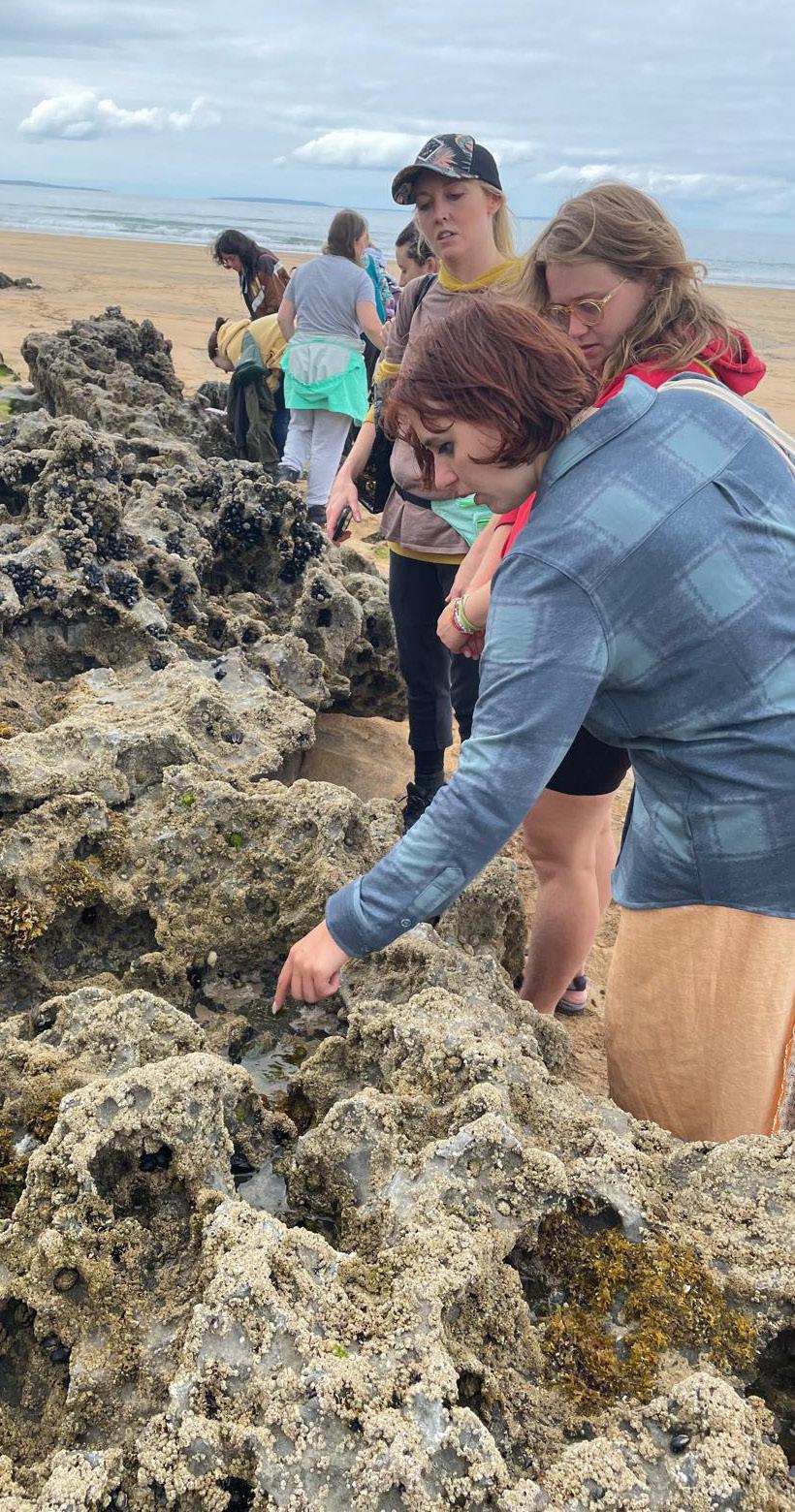
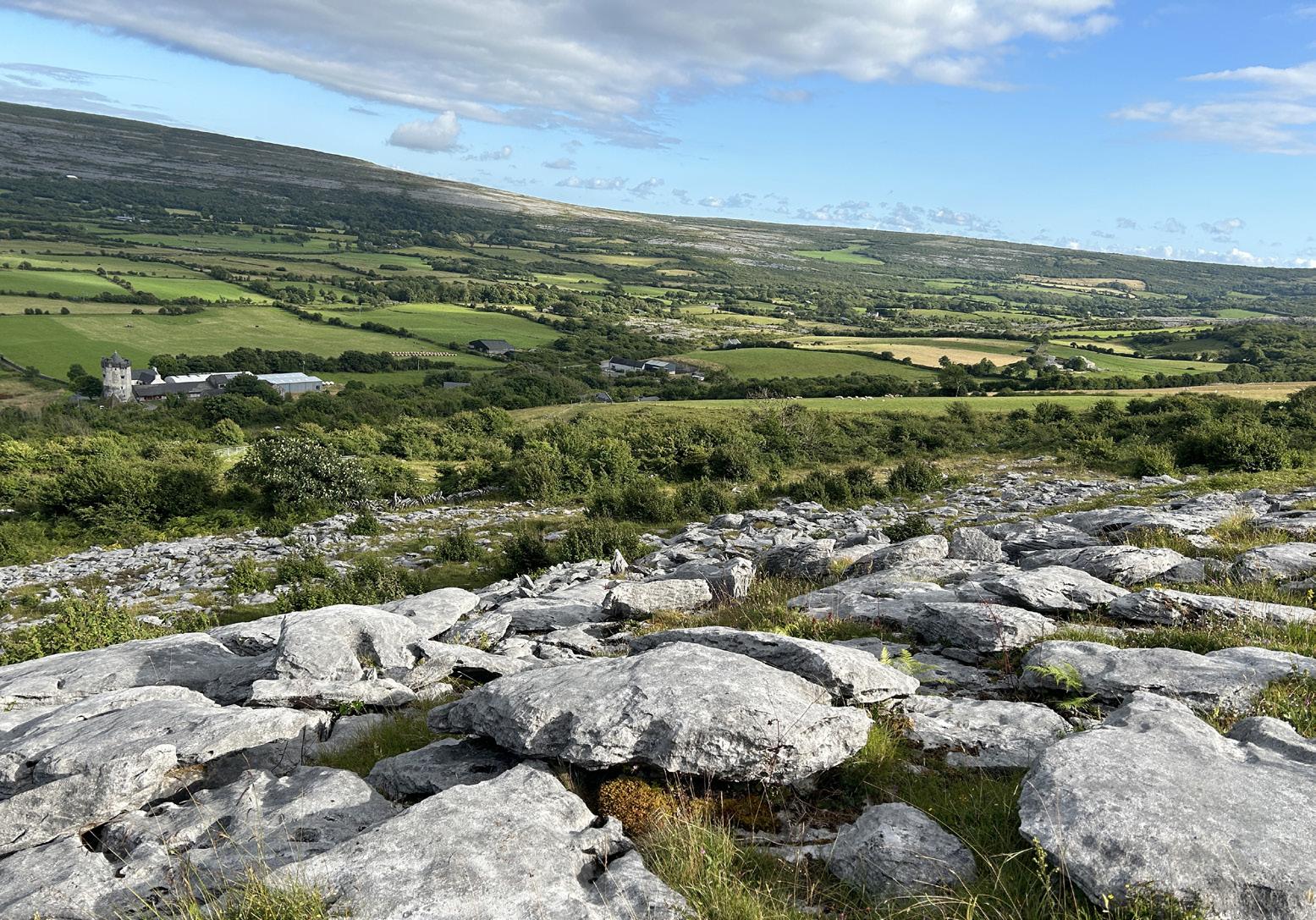
Below: Sydney Stadler ’27 and her class from Burren College of Art in Ireland traveled to Fanore Beach, where they explored the biokarst formations and did beach cleanup. Limestone pavement unique to Burren National Park. Both locations are in County Clare, Ireland. Submitted photos.
SYDNEY STADLER ’27
Stadler was in her first year at CIA when she applied to the Burren College of Art’s summer Global Ecologies Studio. As a student with twin passions in art and science, she found a tailored program in western Ireland.
“What impacted me the most was volunteering at a beach cleanup with a PhD student,” Stadler says. She collected plastic waste from a local beach and learned about intertidal ecology.
“For me, scientific topics often inspire how I create my own body of work, often for the purpose of education and awareness,” she says.
The trip presented an opportunity to consider how her own work might affect the environment.
For most people, [studying abroad] is probably going to be one of the greatest experiences of their lives, but it can be very challenging. It’s a series of situations where you’re kind of on your own and you’re going to have to figure out what to do.”
–Maura Moller ’25
“I am more cognizant of the types of materials I use to create art, what harms they can inflict on the environment and how I, as an individual, can find alternatives to address this issue,” Stadler says.
Like all the students who studied abroad, Stadler says the experience sharpened her sense of self-reliance. To others considering study abroad, she offered practical tips.
“Leave time for yourself to apply for U.S. passports, as they take months to register,” she says. “Then seek out programs that either fit your professional goals, help you attain certain skills, or experience the world outside of CIA in a structured environment. Any combination of these is greatly helped by study abroad programs as they give the rare opportunity to truly be immersed in another culture with the added bonus of learning it as well.”
Before she went to college, when Moller first learned about industrial design as a career, she knew right away that’s what she wanted to do. Similarly, she knew a study abroad opportunity had to be an option at whatever school she chose.
Germany became the destination. In spring of 2023, Moller attended Pforzheim University, which comprises a School of Engineering, School of Business and School of Design.
“I took some industrial design courses, including drawing specifically for industrial design, some digital painting and drawing, and 3D modeling,” she says. “But I also took quite a few elective courses. Oftentimes I could just talk to the professors and I would sit in on classes.”
Language became key to a wonderful experience.
To better prepare for her semester, she arrived in Germany a month before school started to take an intensive German-language course.
“That worked out really great for me because quite a few of the international students chose to do this,” Moller says. “We spent a lot of time together. None of us really spoke German yet, so we could kind of bond over that. I’m still in contact with some of these people today. “

Moller has always liked learning other languages but had never been fluent in anything but English. Immersion in the German culture gave her a chance to dive in.
“You’ve got to be willing to embarrass yourself a little bit and make little baby sentences that kind of don’t make sense,” she says. “I would order from most restaurants in German and communicate with people on the bus. And I got locked out of my apartment once and had to call the locksmith entirely in German because he did not speak English.”
These adventures are challenging—and where the growth happens.
“For most people, [studying abroad] is probably going to be one of the greatest experiences of their lives, but it can be very challenging. It’s a series of situations where you’re kind of on your own and you’re going to have to figure out what to do.”
Being away from family and friends was one of the most difficult parts of the experience, Moller says. Taking side trips around Europe was one of the best.
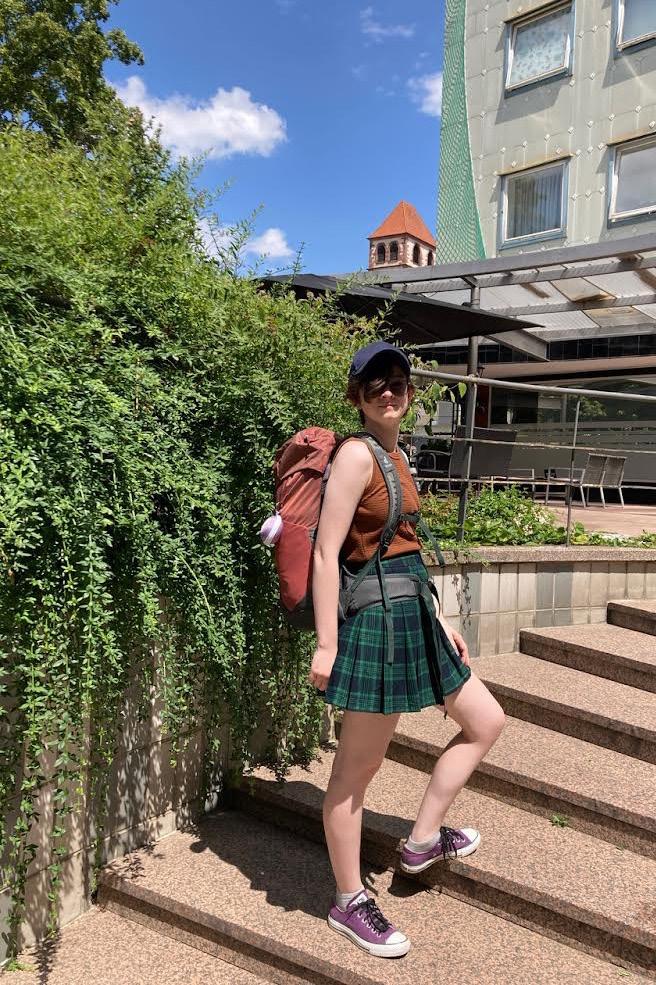
“We had a long break for Easter or something and we decided to spend one or two days in Belgium, Luxembourg and then in the Netherlands. So, we kind of packed everything into a backpack and left at 4 in the morning to get on a train and go and stay in youth hostels.”
The trip also gave her the opportunity to reach a longtime goal: Working for LEGO, which is headquartered in Denmark. With help from her Industrial Design professor, Dan Cuffaro, Moller connected with CIA alum Atticus Tsai-McCarthy ’16, a product designer at LEGO. He invited her to visit and introduced her to his colleagues and friends.
“He told me about what he did to get there, what it was like working there, and then I was sort of keeping an eye out (for opportunities),” she says, and eventually was accepted into an internship program for concept and product design.
“So yeah, I got to work for actual LEGO, building actual LEGO sets,” she says.
Back at home, Moller works as a studio technician at One Acre Ceramics in Milan, Michigan. When asked what she would tell others considering study abroad, she says “seize the chance and make the most of it. You get to learn so much about yourself and your practice. And you’ll be a stronger person and you’ll know yourself more intimately than you did before.” n
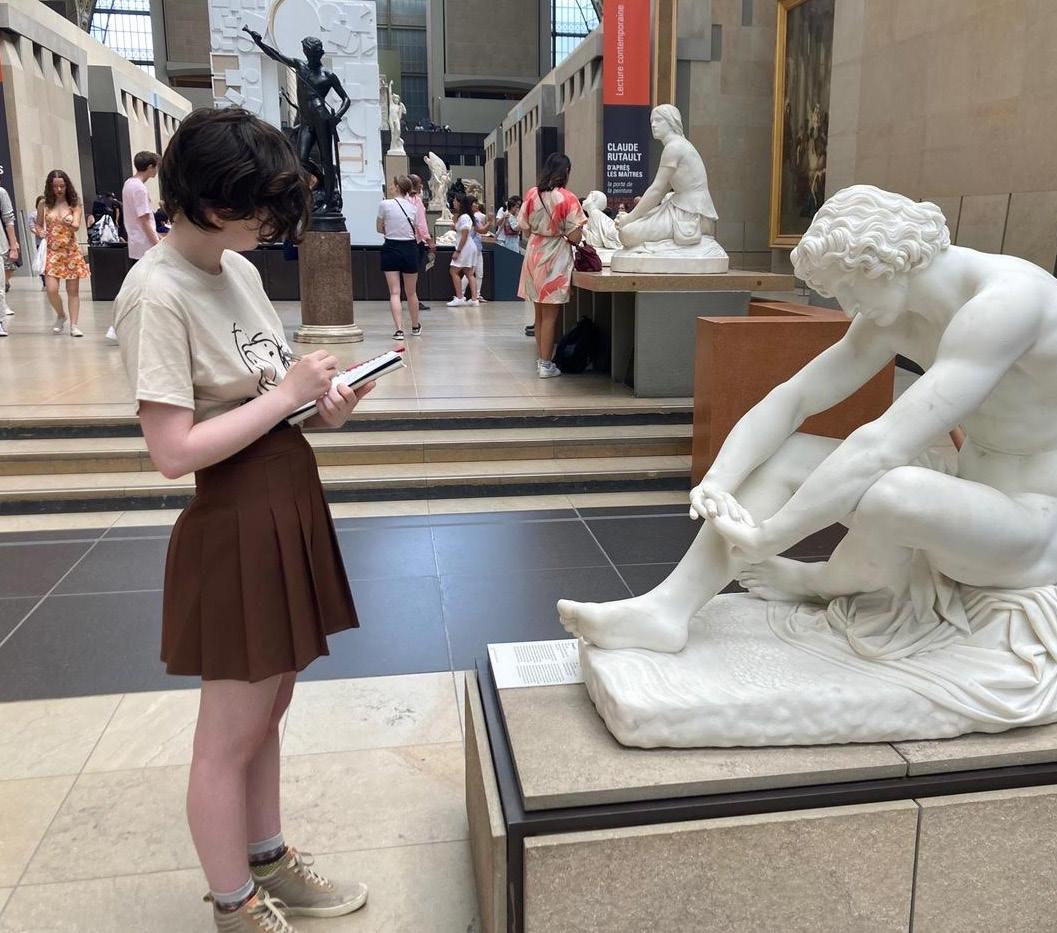
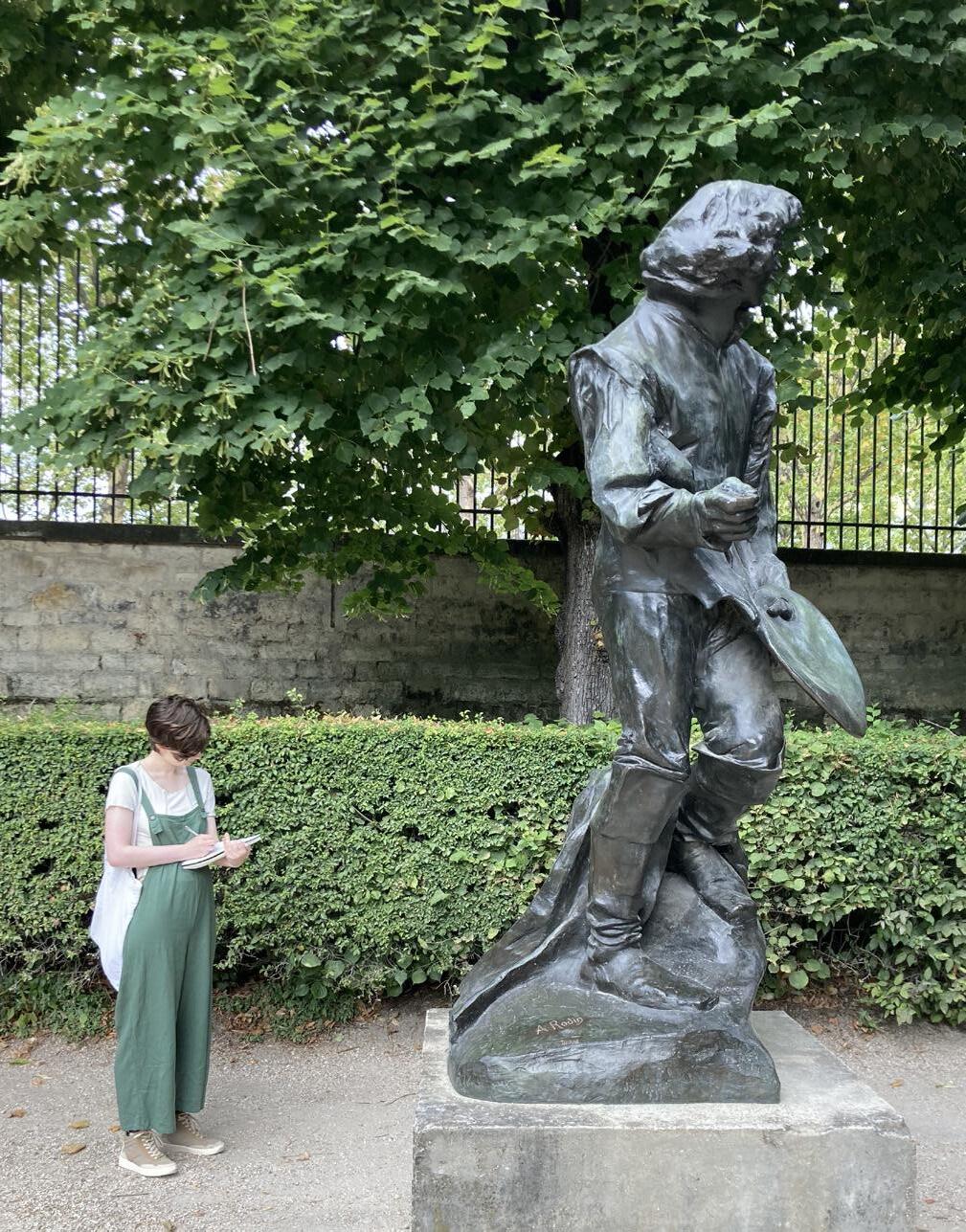
Moller ’25 sketches “Despair” by Jean-Joseph Perraud at the Musée d’Orsay (opposite) and “Claude Lorrain” by Auguste Rodin in the sculpture garden at the Musée Rodin in Paris (top left). “I spent most of my time in and out of museums sketching, so walking anywhere took about double the time it normally would have,” she says. Submitted photos.
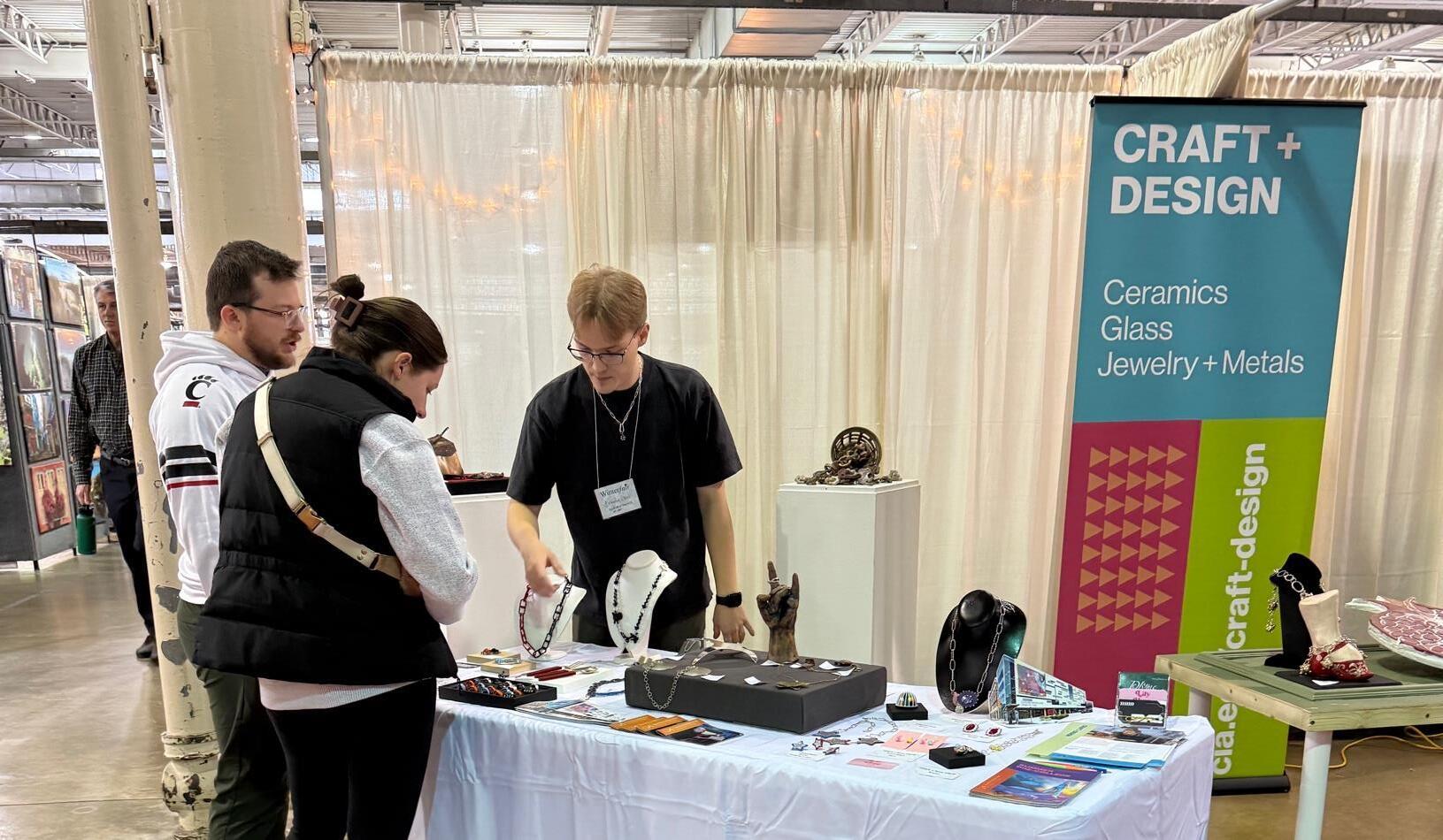
and Right: CIA Alumni Braydon Cheek, BFA 23’ + CE
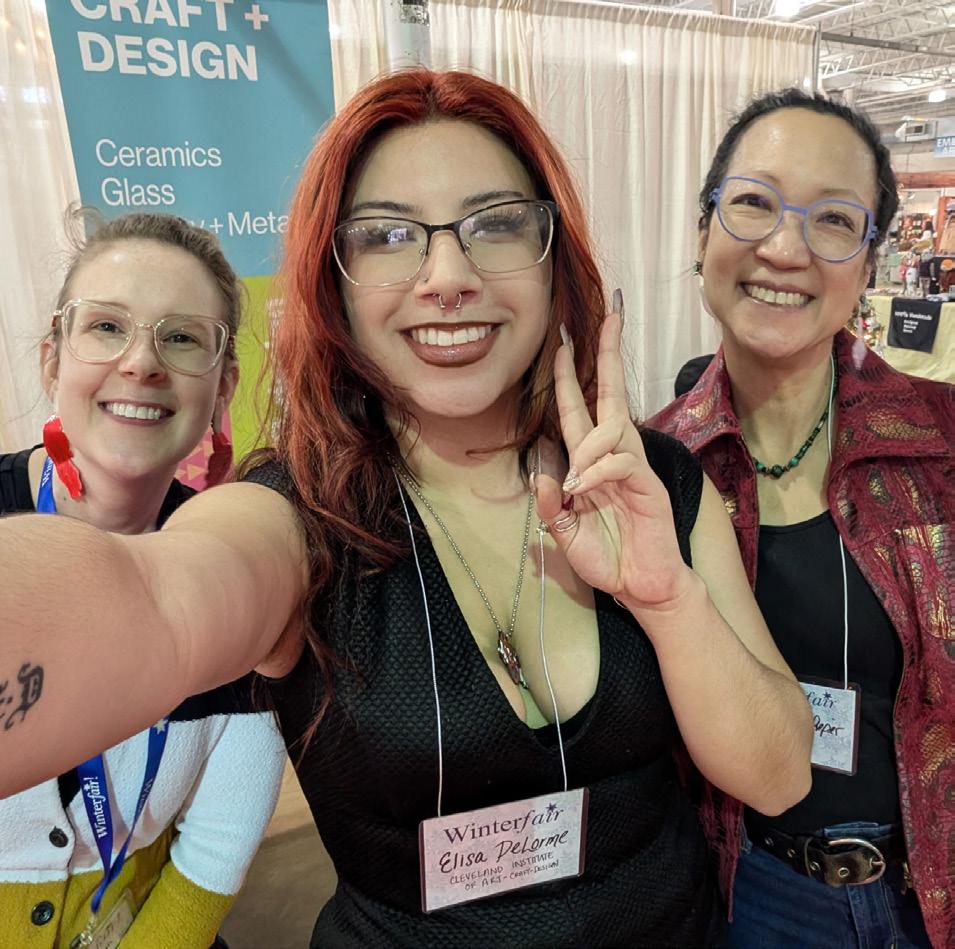
Jewelry+Metals students expand their entrepreneurial reach by participating in Winterfair
Jewelry/Metals Instructor, engages with Winterfair attendees while showcasing his BFA exhibition work.
By Carlo Wolff
Above:
Staffing CIA’s booth at Winterfair were, from left, Braydon Cheek ’23, Craft + Design professor of practice Rachel S. Smith and Craft + Design students Elisa DeLorme ’26 and Connie Pieper ’27. Submitted images.
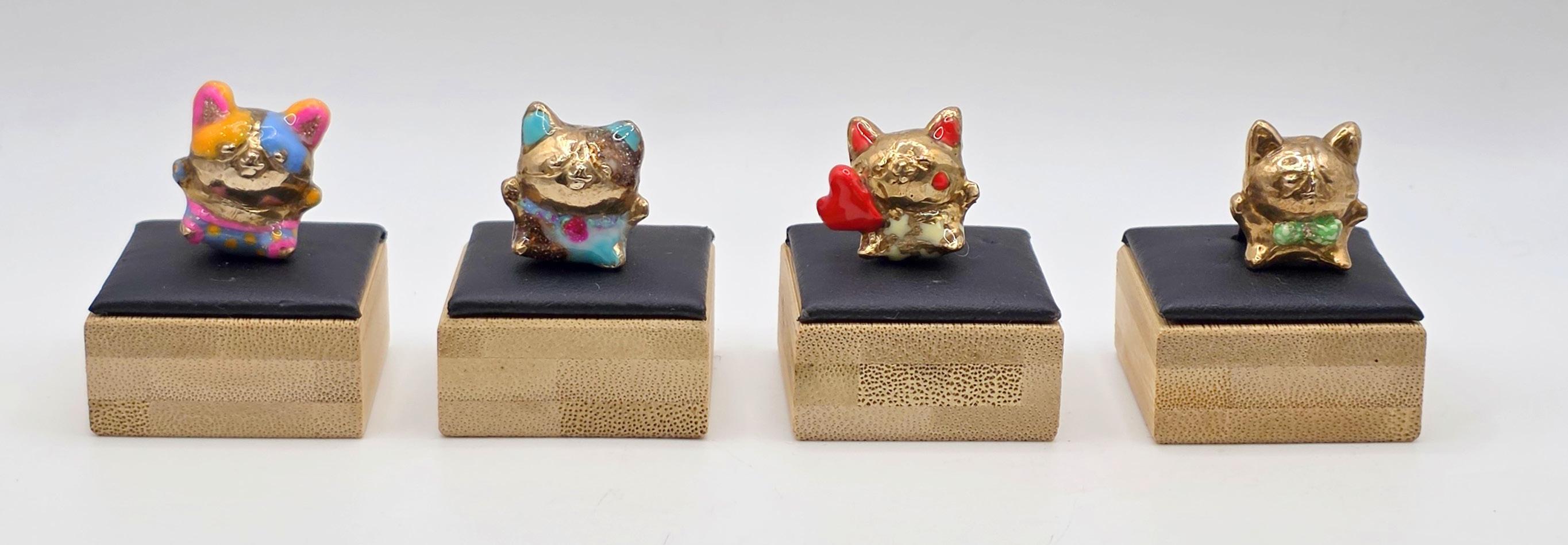
Opposite: “Lucky Cat” collection by Connie Pieper ’27. Submitted image.
A small group from the Cleveland Institute of Art made quite an impression in Columbus late last year when it inaugurated CIA’s participation in Columbus Winterfair, the biggest arts and crafts show the group had ever participated in.
Making the trip to the state capital were Connie Pieper ’27 and Elisa DeLorme ’27, Craft + Design majors focusing on Jewelry + Metals. Along with Jewelry + Metals alum Braydon Cheek ’23, they spent December 5–7 staffing a CIA booth at Winterfair, an Ohio Designer Craftsmen bazaar in the Ohio Expo Center. It hosted more than 350 artists and gourmet marketplace vendors, and it draws 16,000 patrons a year, tapping the Cincinnati, Indianapolis and Cleveland markets—and, of course, the state capital.
Rachel S. Smith, a professor of practice in Craft + Design at CIA, put the College’s group together. A member of Ohio Designer Craftsmen since 2009, she is its current board president.
Pieper and DeLorme are co-founders of Craft Kinship, a new collaborative of CIA students and alumni that stages markets around greater Cleveland. Cheek is an active Craft Kinship member. Both the Clevelandcentric Craft Kinship and the more broadly appealing Winterfair present opportunities for students to learn about the practical aspects of a crafts (or creative) career—and to be bold.
“I sometimes feel like I ’water down’ my style,” Cheek says. “Seeing the breadth and boldness of other artists’ work showed me that I can push my own style further, and there will be at least one person who connects with it.”
Raising the CIA profile
That CIA booth in a major venue in Columbus marked the College’s entry into a broader, more competitive and commercial arena, Smith says.
“I have been speaking to students and listening to their interests and goals, and there is a huge amount of interest surrounding entrepreneurship and questioning the sustainability of having an artistic craft practice outside of school,” she says.
When Smith spoke to the event’s administrators to see whether CIA could secure a place for itself in this new arena, Winterfair was more than receptive, “gifting a kind of double-booth space for us” by forgiving a $1,000 booth fee, Smith says. The school went home with nearly $1,300 in sales.
Making money was not the measure of Winterfair’s value, however, notes Smith, who hopes to return to Winterfair this December. Being there was.
Talking to all kinds of people, some of whom have been working such shows for years, is Winterfair’s true benefit.
“Everyone does it differently and everyone has something that works for them,” Smith says. “It’s helpful to show up with an open mind and learn, reflect on that and hopefully show up again.”
This first time out, CIA used folding tables, pop-up furniture and pedestals, “and we were creative with tablecloths and what we had.”
But, she adds, the lessons of Winterfair might be incorporated “into the curriculum learning objectives and give students an experience even if not everybody goes to Columbus.
“I would love to work on designing the booth as a part of a class project, for example.”
‘A charcuterie board for the eyes’ Its scale struck DeLorme when she first walked the Winterfair exhibition hall. “I was overwhelmed with how many beautiful, individualized spaces there were,” she says. “It was like stepping into many different worlds at once—a charcuterie board for the eyes, even. I felt like a kid in a candy store; I could barely figure out which direction I wanted to focus looking at.”
“What drew me to sell with CIA and Craft Kinship was that Winterfair felt like a more established sale,” says Cheek. “The overall quality of the work was higher, and there was a wide range of artists selling from all over.”
He also noted “strong foot traffic, and with so many vendors, it allowed people to spend several hours moving through the space and taking time at each booth.”
When he was an undergraduate at CIA, his professors told Cheek that above all, artists have to expose their work. Putting it out there—at Winterfair and at Craft Kinship markets closer to home—pays off.
At Winterfair, Cheek says, he met the daughter of one of the vendors and now thinks of her as his first true fan. She bought three of his rings “because she fell in love with my work and style,” he says. “We had a long conversation about art across various mediums, but what meant the most was when she asked about my personal inspirations and the reasoning behind my work. … It’s hard to put your work, and by extension yourself, into the world to be judged, looked at or bought.”
“I really enjoyed the connectivity among the artists,” says Pieper. “There is truly a feeling of community and support. The willingness of artists to help one another stood out to me.”
The CIA presentation at Winterfair was and will be welcome, suggests Roxanne McGovern, fairs coordinator for Ohio Designer Craftsmen.
“Having the CIA students in attendance showed the community that art and craft are learned experiences that can be shared for the benefit of many.” n
It’s hard to put your work, and by extension yourself, into the world to be judged, looked at or bought.”
For more than a decade, CIA Life Sciences
Illustration and Biomedical Art students and graduates have turned internships into full-time jobs at the Cleveland FES Center—along the way producing vital biomedical illustrations to support cutting-edge research
By Carlo Wolff
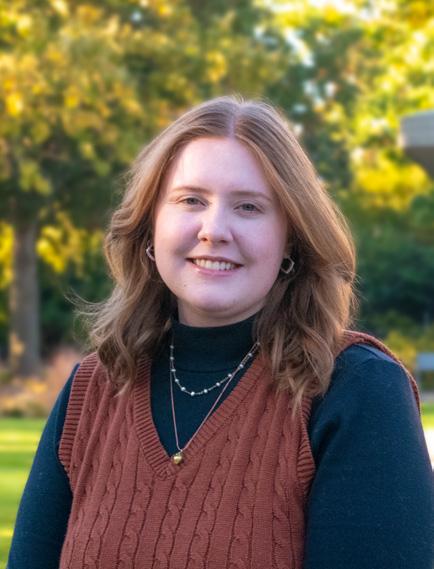
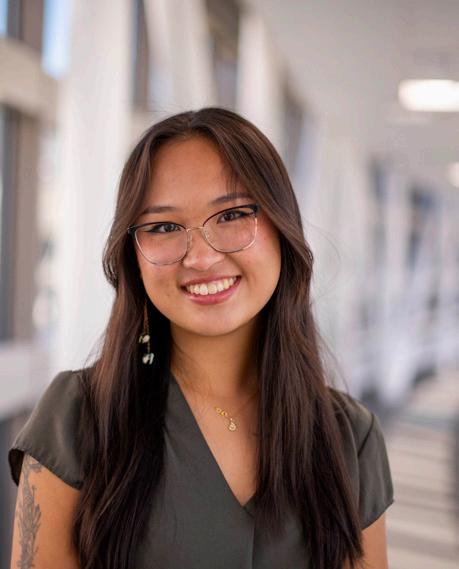
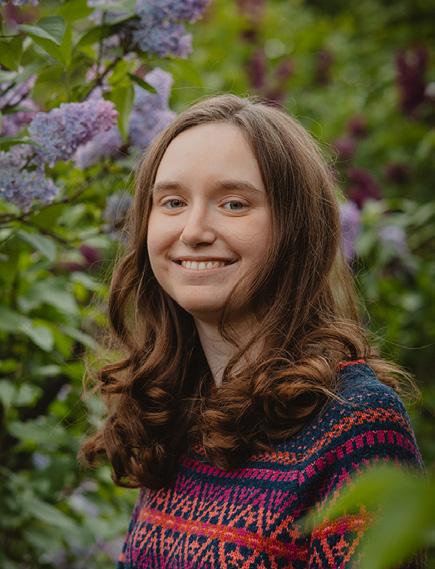
Art and science spark each other at the Cleveland FES Center in University Circle, an organization that brings together medical and research professionals working in functional electrical stimulation (FES), also known as neuromodulation.
At the FES Center, illustrators trained at the Cleveland Institute of Art collaborate on cutting-edge research in neurological disorders. For 14 years or more, CIA students and graduates have created images that enhance the understanding of conditions such as spinal cord disorders and Parkinson’s disease.
The biomedical illustrations that CIA alum Sofia Cina ’24, her classmate Annie Ratliff ’24 and intern Sydney Stadler ’27 create at FES build on a foundation of skills they honed at CIA. The three suggest their work is on a continuum that began when they chose Life Sciences Illustration as their major.
“A lot of the work we do is focused toward research audiences,” Cina says. “This involves people actively involved in research or working in the biomedical engineering space.”
Another overarching continuum is at play, too: an informal pipeline that favors CIA’s graduates for biomedical illustration work at the FES Center.
Cina has worked there for three years, Ratliff for about a year. Cina learned about her job opening from Emily Imka ’21, and in turn tipped off Ratliff and Stadler to opportunities at the center.
Stadler’s internship began in January. She sees it as an “excellent opportunity to apply the skills I am learning and hopefully help document ongoing neuromodulation research.”
Communicating the complex
Located in the Louis Stokes Cleveland Department of Veterans Affairs (VA) Medical Center, the FES Center focuses on the use of “functional electrical stimulation to improve, treat or reverse neurological symptoms,” according to its website. It is a consortium of the VA Medical Center, Case Western Reserve University, University Hospitals, Cleveland Clinic and MetroHealth.
The projects Cina and Ratliff work on require medical illustrations showing specific parts of the researchers’ work, such as how a device gets implanted into the body or how the device interacts with the external world, Cina says.
“A lot of the time we’re working with people on multiple projects over multiple months or even years,” she says, “so we get to see their work as it progresses.”
“Explaining the research using words alone can be difficult,” says Cheryl Dudek, Cleveland FES Center Director of Operations. “These visualizations can make a significant difference, whether it’s accurately conveying the work to others, helping investigators earn grant support or serving as a journal cover and raising interest in the work.”
Cina collaborates with researchers working on prosthetics, neural interfacing, movement disorders and stroke rehabilitation. “We get a little bit of everything as far as the science goes,” she says.
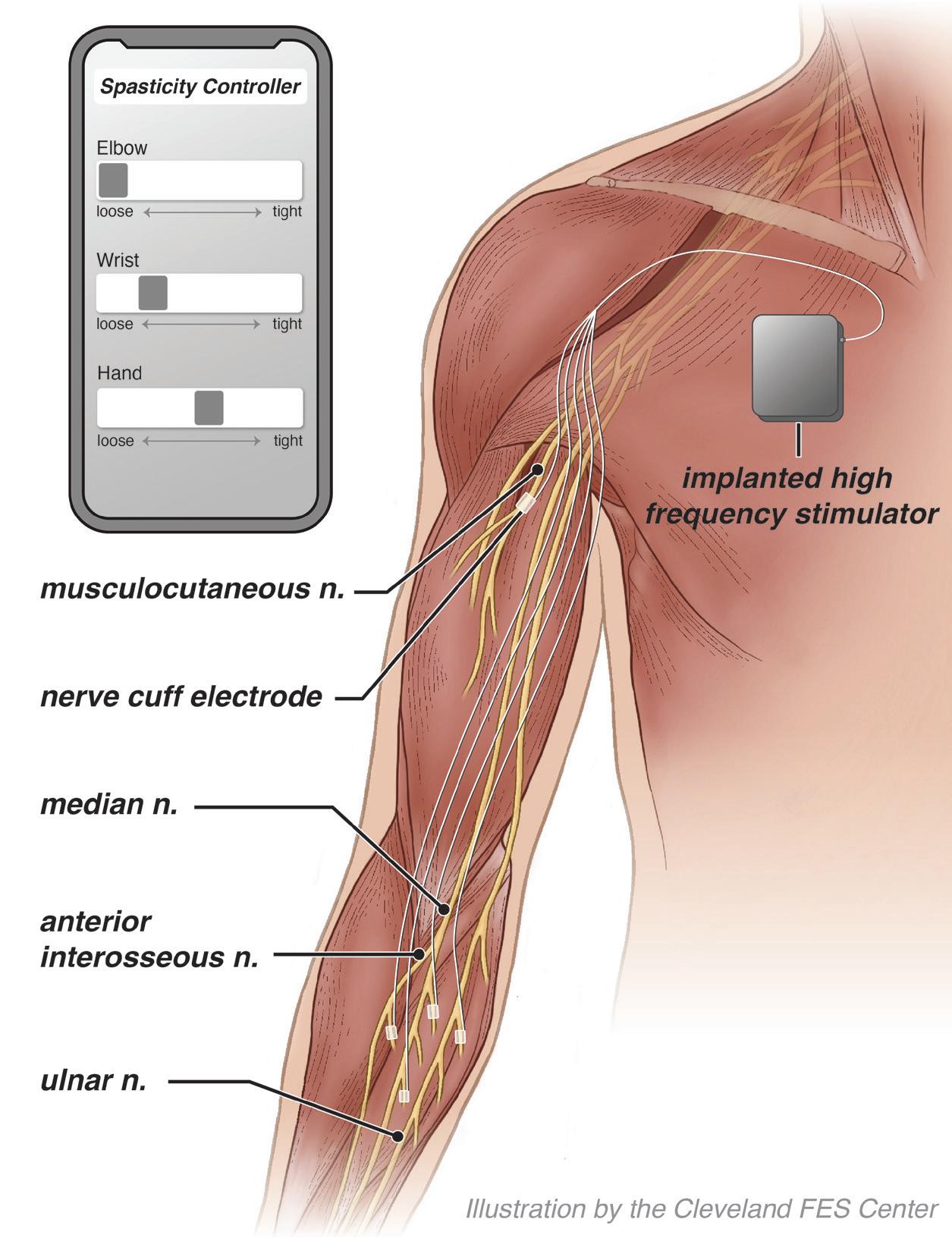
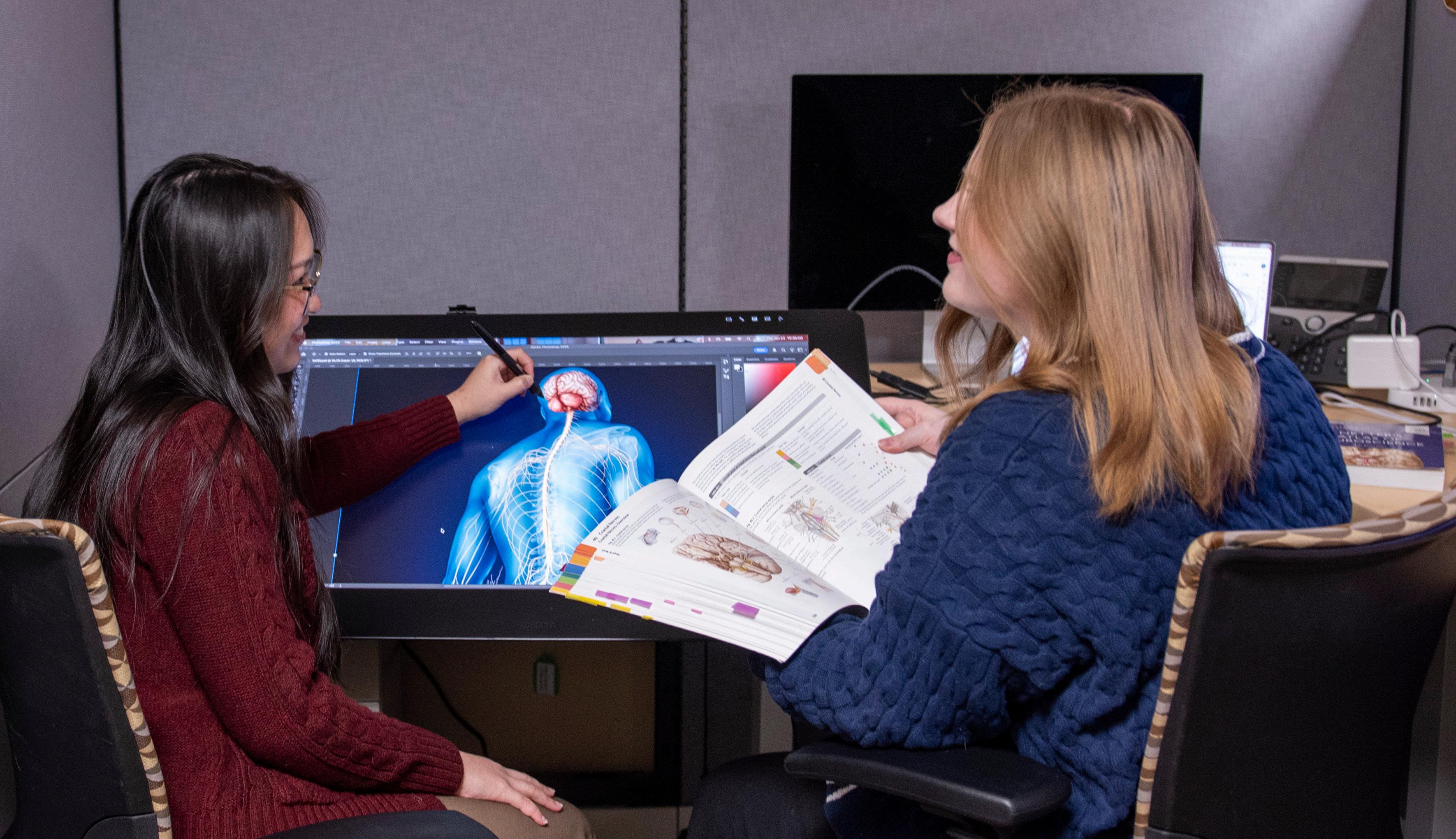
The illustrators talk to researchers, develop sketches based on photos of devices to help articulate how the devices are used, and send them back to the researcher. Once approved, the sketches are converted to digital files using programs like Adobe Photoshop and Illustrator.
In one recent project, Ratliff used artificial intelligence to show how a robot might help someone with quadriplegia eat. “The person can speak to the robot and say, ’Oh, feed me a grape,’ and the robot can pick up the grape and feed them. I’m creating a sequence of how that would all happen,” she says.
“I didn’t know this field of work existed until about halfway through my junior year of high school,” adds Ratliff, “but I had always loved art and science.”
Above: Illustration by Annie Ratliff ’24 depicting an implanted system for peripheral nerve stimulation. This system is designed to help reduce spasticity in the arm. Image courtesy of Cleveland FES Center.
Opposite, top: Sofia Cina ’24, left, and Annie Ratliff ’24, both graduates of CIA’s Life Sciences Illustration program, work in a studio at Cleveland FES Center in Cleveland’s University Circle neighborhood. Photo courtesy of Cleveland FES Center.
Opposite, bottom: From left: Annie Ratliff ’24
Sofia Cina ’24 Sydney Stadler ’27
CIA–FES connection
The LSI degrees they earned in classes taught by division chair Thomas Nowacki and associate professor Elisabeth Halasz ’89 effectively prepared Cina and Ratliff for their jobs. At the same time, their training solidified that bond between the two institutions.
“I think something really special about CIA is the fact that it has the Life Sciences Illustration program,” says Cina, noting fewer than 10 such undergraduate programs exist in this country.
“I think a school offering that kind of education so close to FES makes it really appealing.”
“The relationship has been extremely beneficial for students in the LSI major,” says Nowacki.
“We usually have at least one student who interns there each year, and sometimes multiple, depending on their needs and bandwidth.”
LSI majors learn a key skill: how to communicate complex scientific and medical information to various audiences through the use of visuals, Nowacki says. This means learning the basics of 2D illustration, graphic design, 2D/3D animation, interactive media like virtual and augmented reality (VR/AR), apps, websites, and data visualization.

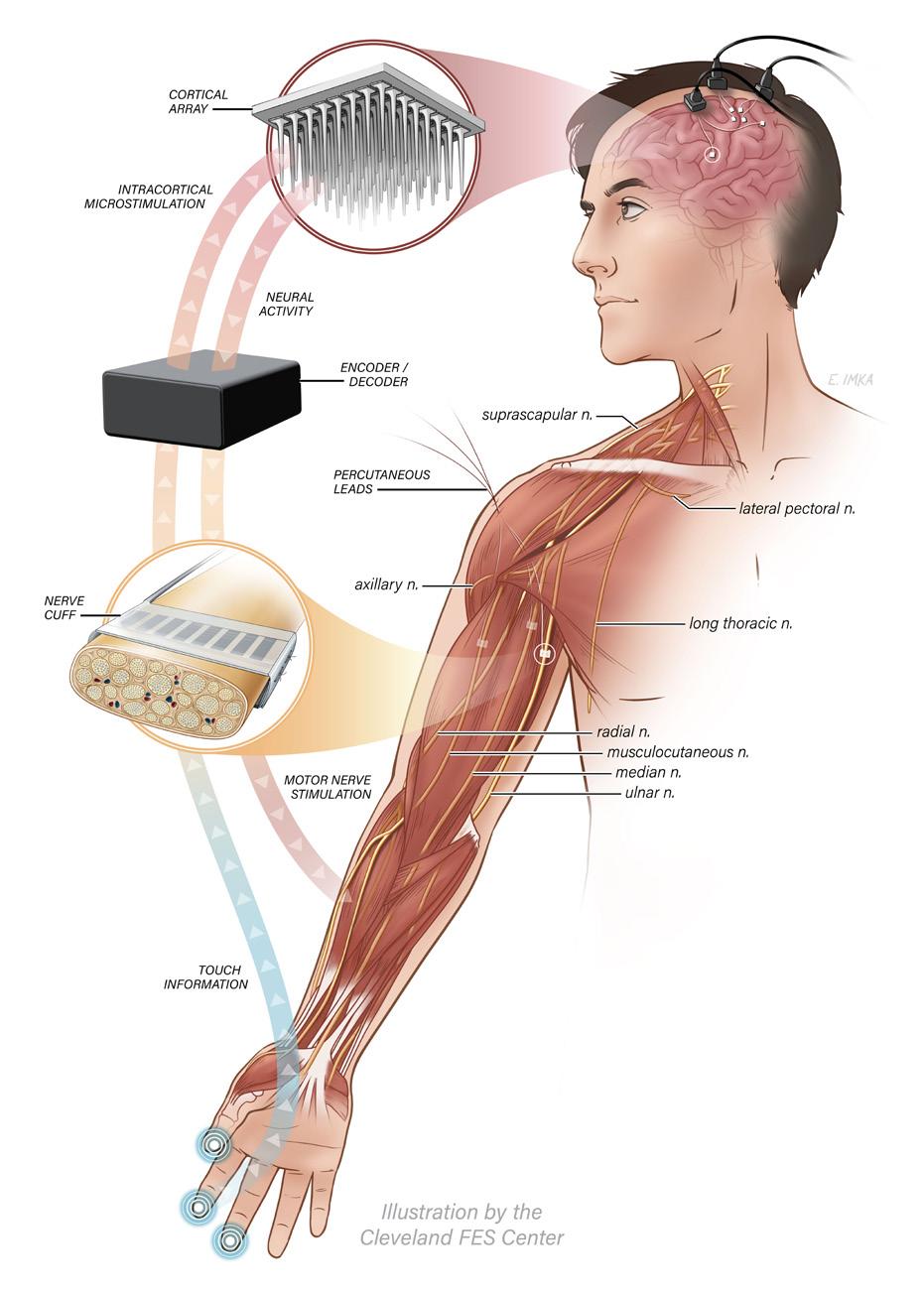
Beyond drawing skills, the illustrators need to have a deep understanding of complex biological systems. In addition to her job at the FES Center, Cina is a full-time student at Case Western Reserve University, where she is working toward a master’s degree in applied anatomy.
While the proximity of CIA to the FES Center strengthens the bond between the organizations, that wouldn’t be enough if the illustrators weren’t highly skilled.
The LSI curriculum ensures that grads know their anatomy and how to communicate with the types of audiences the FES Center serves.
“We’re very specifically trained for exactly this kind of work,” Cina says.
That allows them to elevate their FES Center work with “compelling visual representations of complex scientific concepts, helping our investigators communicate their innovations quickly and with clarity and impact,” Dudek says.
“The caliber of work we’ve seen—and now expect—from CIA graduates is exceptional,” she adds. “Their creativity, dedication, innovation and artistic vision, paired with strong technical skills, continually impress us by providing professional illustrations visually explaining complex research.” n
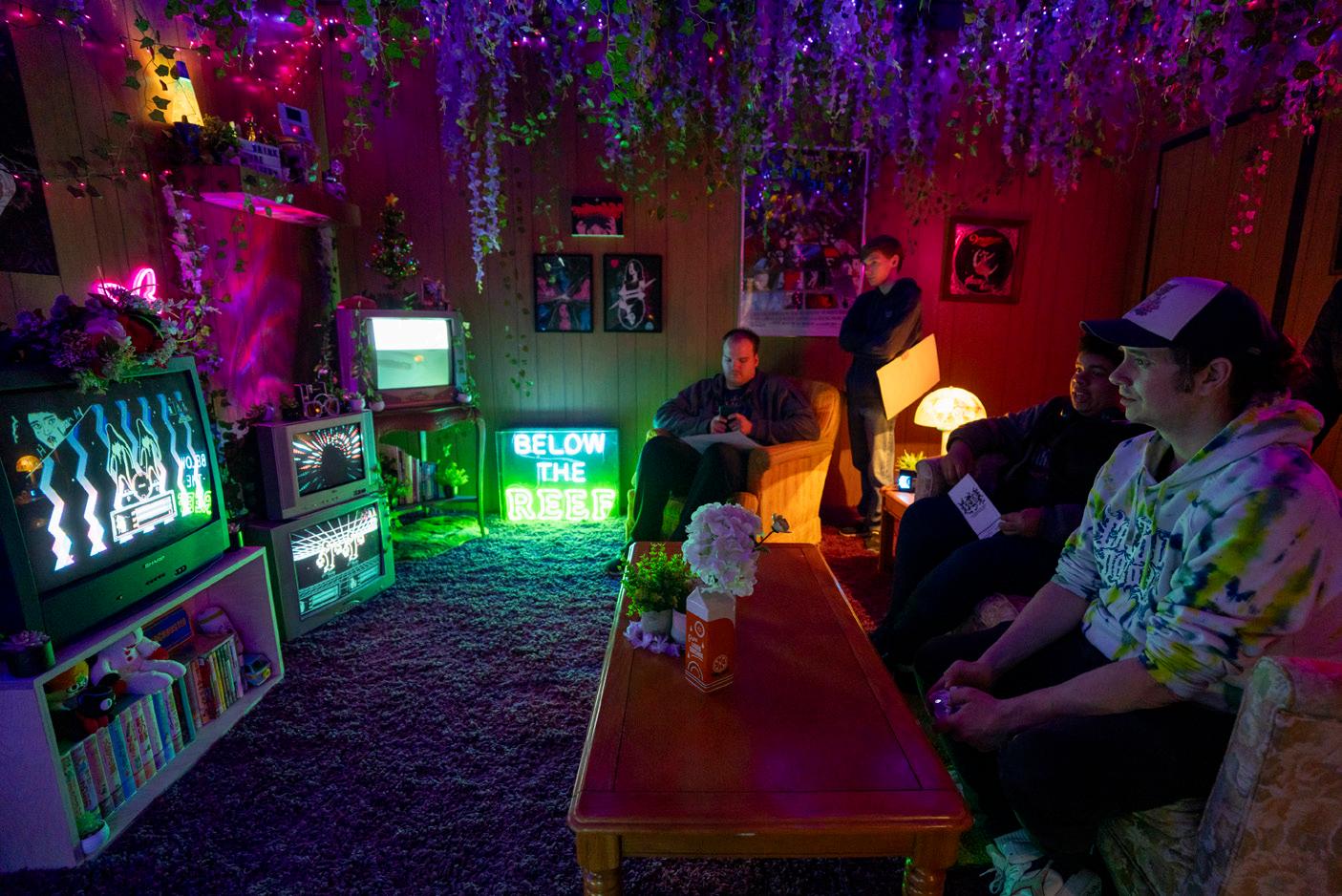
FREE PLAY: Innovative Ohio Game Design an interactive exhibition that explores video games as powerful media for critical inquiry, immersive therapy, experiential learning and creative exploration— opened in November in Reinberger Gallery.
This Ain’t My First Rodeo, the fourth annual Black History Month exhibition organized by the Cleveland Institute of Art’s Black Scholars and Artists students, opened in February in the Ann and Norman Roulet Student + Alumni Gallery.
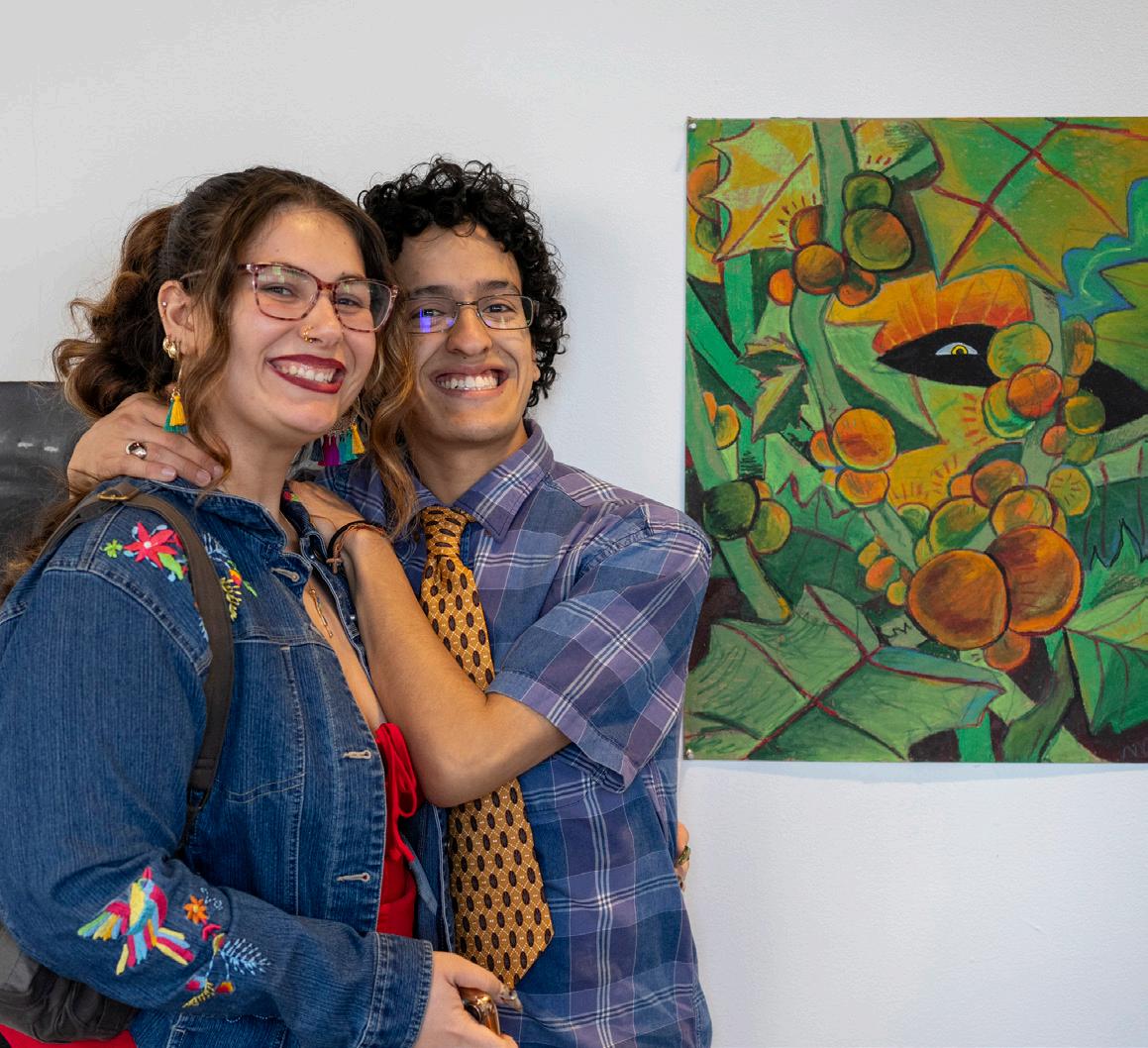
El Otro Mundo Debajo del Cielo (The Other World Below the Sky), the third annual exhibition by CIA’s Latinx Heritage and Appreciation Club, closed in March in the Alan Lipson Gallery.
Photos by Leah Trznadel ’19
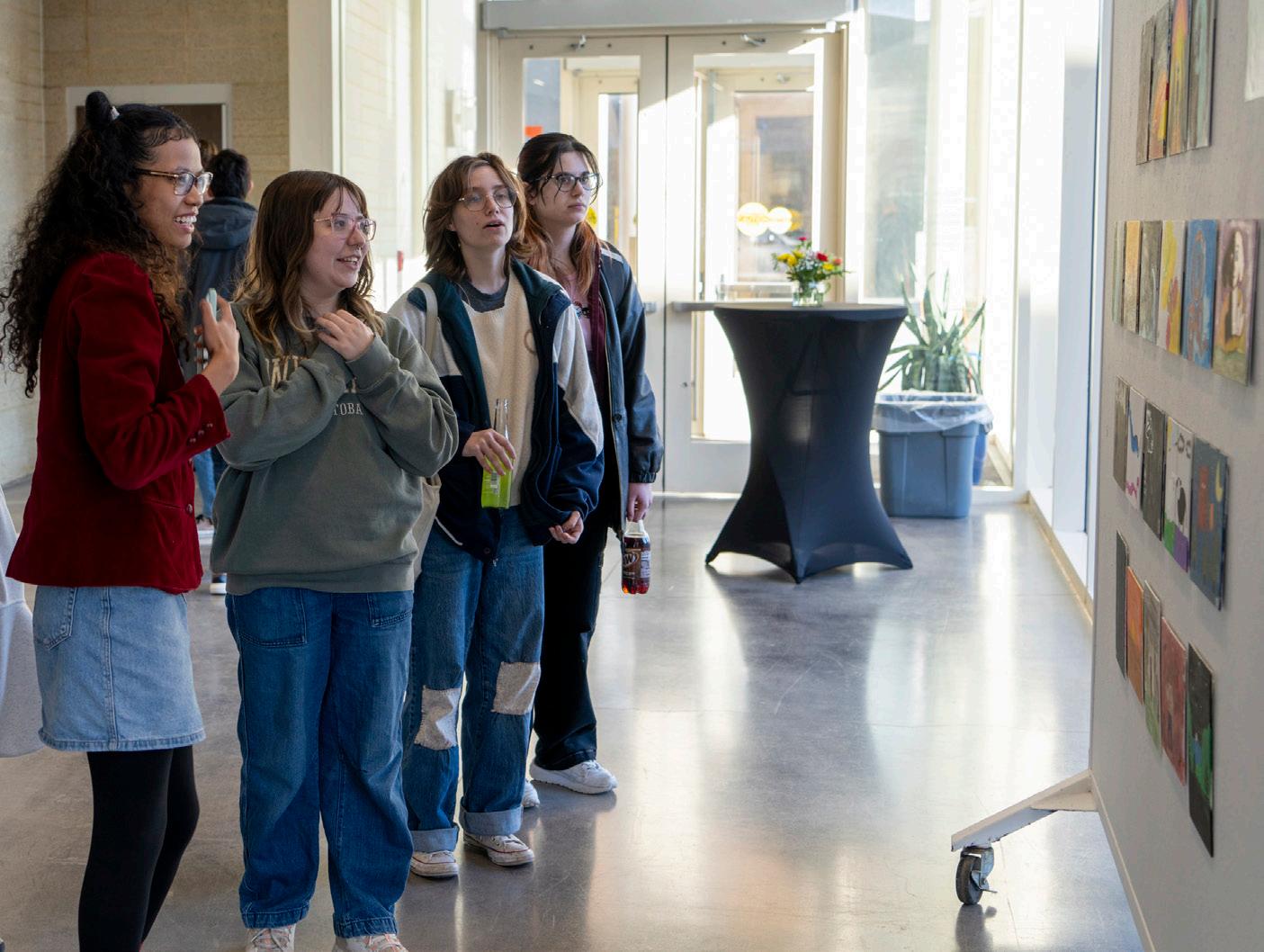
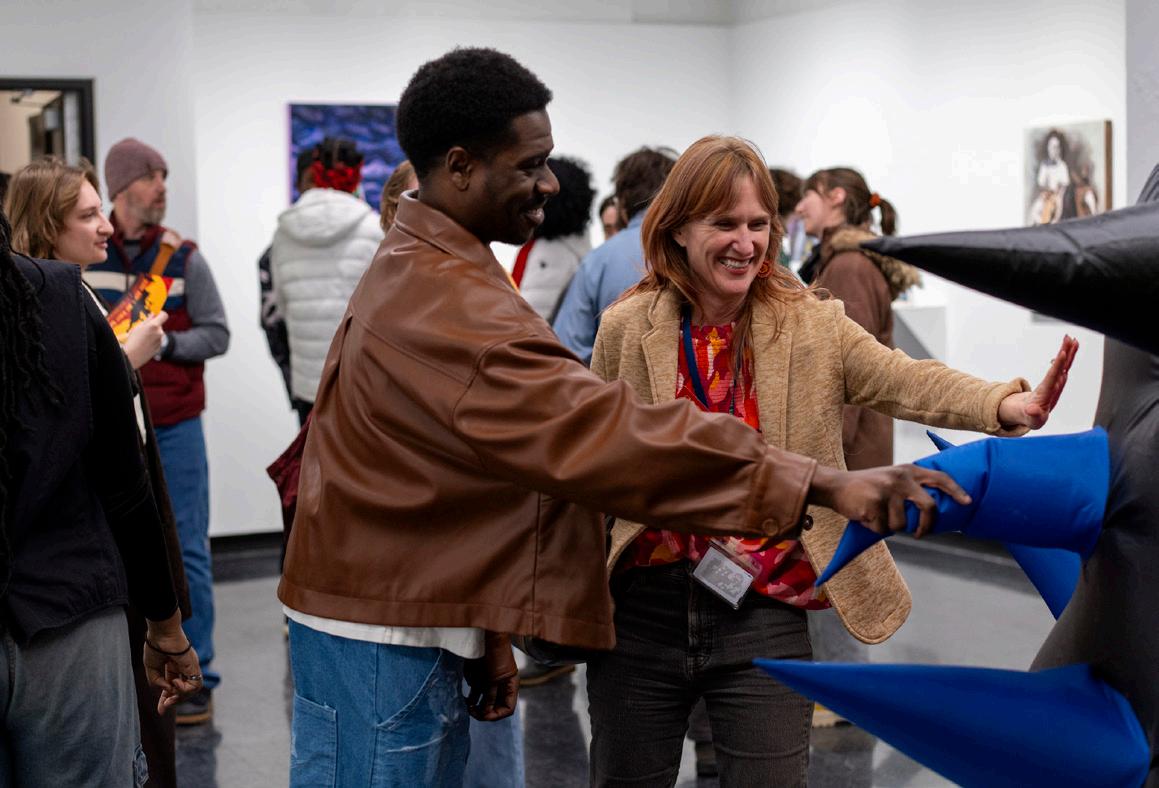
The galleries at CIA have been bursting with creativity in recent months! If you weren’t able to join us for these opening or closing receptions, enjoy some highlights.
Thomas Roese ’71 supports LGBT student leadership at CIA through a scholarship inspired by his personal experiences
By Kennedi Combs
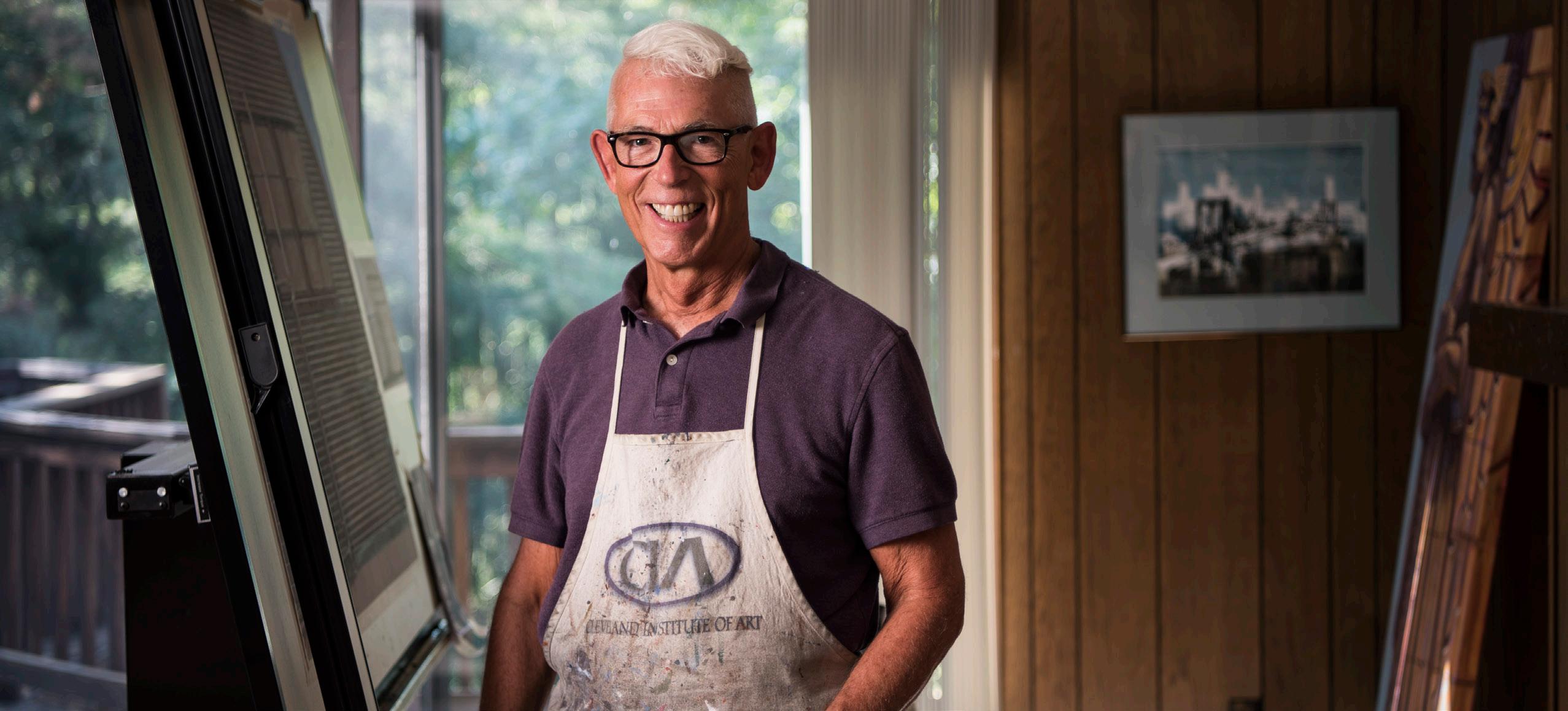
When alumnus, educator and artist Thomas Roese ’71 thinks back on his years at the Cleveland Institute of Art, he remembers the intensity, rigor and sense of possibility he felt as a Graphic Design major. CIA shaped his life as an artist and teacher so much that he has built his own legacy ensuring future students experience that same sense of purpose.
Through a planned gift and the Thomas R. Roese Scholarship in LGBT Leadership, Roese is supporting students whose voices—like his once was—deserve to be heard and uplifted.
Forming a lifelong connection
When Roese first stepped into CIA’s studios, he didn’t yet know how profoundly the school’s rigor would shape him. What he remembers most today isn’t a single class or assignment, but the intensity of the coursework.
“CIA made me confident in my visual skills.”
I learned how to draw, how to think, how to critique, how to honor craftsmanship.”
“The standards were extremely high.”
That training became the backbone of his next chapter. After a short time working in advertising, he realized that profession wasn’t the right fit. Instead, he turned toward teaching; a decision rooted in his own difficult high school experience and his desire to create something better for the next generation.
“I wanted kids to have a better experience than I did,” Roese says. “I wasn’t prepared to deal with them at first, but I was 1,000 percent prepared to teach art.”
For nearly 30 years, Roese taught high school art for Parma City Schools with the same rigor CIA instilled in him. His classroom was known for high standards and a deep focus on critical thinking. Former students who later attended CIA often returned to tell him how prepared they felt—particularly for critiques—compared to their peers.
“Critiques shaped everything,” he says. “You learn to defend your work, accept suggestions and make decisions with conviction. It’s something I carried into my teaching and into my own studio practice.”
In addition to K–12 education, Roese also taught drawing for 32 years through CIA’s Continuing Education program, further strengthening his bond with the College.
Reconnecting and giving back
For a period, Roese drifted away from CIA. But when former President + CEO Grafton Nunes reached out, that connection rekindled.
“Grafton made a big effort to reintroduce CIA to me in such a friendly, intellectual way,” Roese says. “I thought, ’This guy knows what he’s doing.’”
He began supporting the College annually— with modest gifts that matched his means as a high school teacher—while also donating several works of art to CIA’s permanent collection. But Roese still wondered how he might one day help a future student in a more lasting way.
“I’d always wanted to support a scholarship,” he says. “But I didn’t think I had that kind of money.”
After conversations with Nunes and his financial advisor, Roese realized that through an estate gift, he could create an endowed scholarship.
In 2010, he officially joined the Heritage Circle, a group of alumni and friends who include CIA in their estate plans. Today, Roese and his husband, who live in a Life Plan Community in Oberlin, continue to give thoughtfully while prioritizing their current and long-term needs.
“It feels good to be cautious now so that there will be more later,” he says of their estateplanning approach. “They know this is a legacy gift and that means something.”
Creating a meaningful scholarship
Roese’s vision for the future is personal. Growing up, he faced daily hostility from classmates. “Slammed into a locker every day,” he says. “Looked through like I didn’t exist.”
The experience shaped his commitment to ensuring young LGBTQ artists feel seen and supported, which led to The Thomas R. Roese Scholarship in LGBT Leadership.
“There are LGBTQ students at CIA who deserve recognition, not for their suffering, but for their leadership. If this scholarship helps even one of them feel valued, that’s all I hope for.”
Roese is direct about the need for scholarships in art education. Many families still hesitate to support creative careers.
“Parents don’t always want to pay for art school,” he says. “But if a kid has the passion, they deserve the opportunity. Not everyone wants a sports scholarship. Some students have different passions and those should be honored, too.”
Paying it forward for students
Through his artwork, his lifetime of teaching and the scholarship he has created, Roese is building a legacy that will support and inspire CIA students for generations. When asked what he hopes others will take from his story, Roese offers simple advice:
“Give back,” he says. “Someone paved the road for you, so help pave the road for someone else. Lift someone up so they can succeed too. Pass along what was passed to you.” n
Opposite: Thomas Roese ’71 enjoys working in his former studio.
Photo: Jerry Birchfield ’09.
Left:
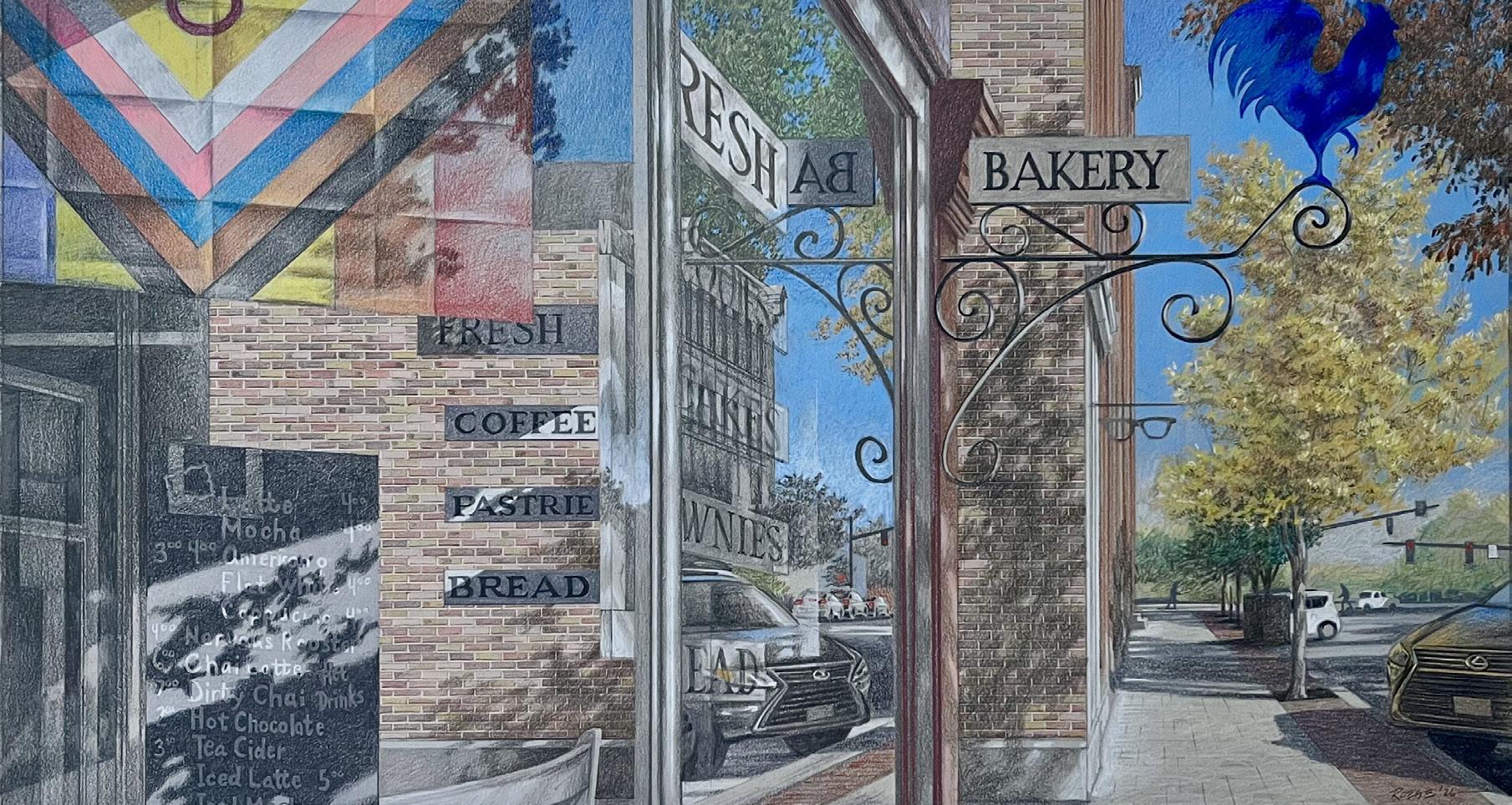
“Oh Series: Sapphire Cockerel…a Call to Action” by Thomas Roese. Graphite, color pencil; support: 18x32 inch archival board (2026).
SUPPORT CIA
To explore how you can support CIA through an endowed scholarship, contact Malou Monago, Vice President of Institutional Advancement + External Relations, at mlmonago@cia.edu or 216.421.8016.
If you’re ready to give, visit cia.edu/ donate or use the enclosed envelope.
*deceased
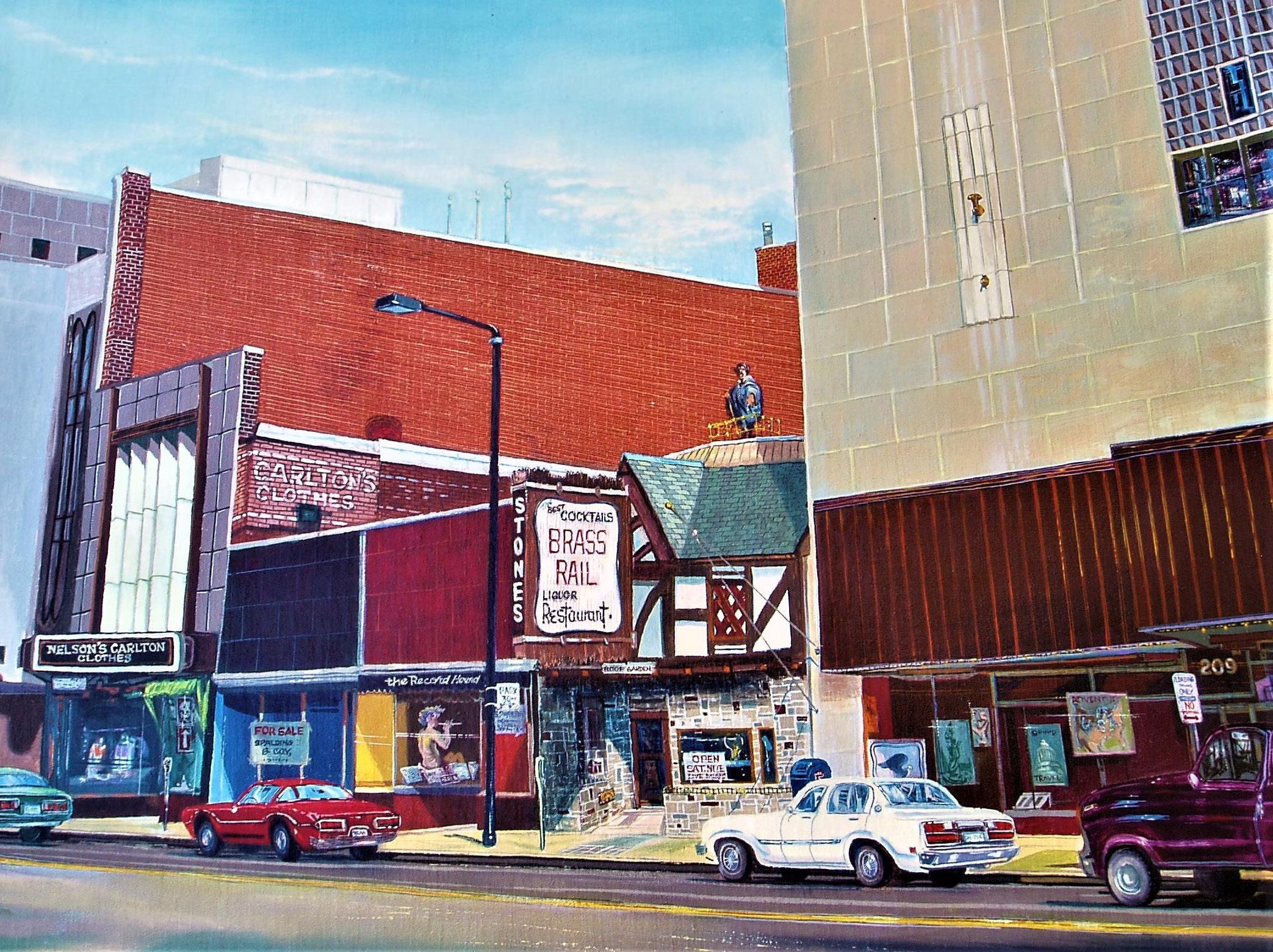
Anthony Eterovich ’38* had his painting, “Brass Rail,” accepted into the permanent collection at the Akron Art Museum in Ohio. He also had a solo exhibition, Visual Poetry: The Art of Anthony Eterovich, at BAYarts in Bay Village, Ohio. A related panel discussion featuring George Kozmon ’82 was held in October.
Julian Stanczak ’54* (see note for Barbara Stanczak ’90)
Charlotte Lees ’65 has a solo show, Altered Images, at the Hudson Library and Historical Society in Ohio and had work in Group Christmas Holiday Exhibit and The Container Series #1 at Gallery 202 in Cleveland.
Ron Testa ’65 has work in the Annual Artist Members Exhibition through March 14 at the Praxis Gallery & Photographic Arts Center in Minneapolis.
Leslye Discont Arian ’76 (see note for Mary Urbas ’80)
Kim Bissett ’76 had a solo exhibition, My Father’s Smile, at SHED Projects in Cleveland.
Beth Nilges-Nehamkin ’76 (see note for Mary Urbas ’80)
Jeff Lennox ’78 had a solo show, Sculptorial Art, at The Buffalo and Erie County Botanical Gardens.
Babs Reingold ’78 will have a solo exhibition, After Venus, on view from May 16 to November 29 at the Museum of Fine Arts, St. Petersburg in Florida. She will also have work in Forest Bathing from June 27 through December 6 at the Leepa Rattner Museum of Fine Art in Tarpon Springs, Florida.
Shawn E. Messenger ’79 will have several glass pieces—some created while a CIA student, others more recent—in Tough Stuff: Women in the American Glass Studio, a survey of work by exceptional women artists working in glass in the United States during the 1960s and ’70s, beginning May 16 at the Corning Museum of Glass’s Heineman Gallery in Corning, New York.
Pat Fallon ’80 was part of a two-person exhibition, Recent Work: Patricia Fallon and Mark Yasenchack, at Article Gallery in Cleveland and had four paintings on view in Chelsea Catalyst, a group show at the Amsterdam Whitney Gallery in New York City.
Mary Urbas ’80 curated From WOMAN 19: Art created by Women, of Women & about Women. The exhibition took place across multiple sites: Youngstown State University’s John J. McDonough Museum of Art in Ohio, including work by Judy Takács ’86, Judith Brandon ’87, Stanka Kordic ’85, Deborah Silver ’21 and Faculty Emeritus Judith Salomon; the B.K. Smith Gallery at Lake Erie College in Painesville, Ohio, including work by
Beth Nilges-Nehamkin ’76, Susan Gallagher ’91 and CIA Academic Advisor Jill Milenski; and the Beth K. Stocker Art Gallery in Lorain County Community College’s Stocker Art Center in Ohio, including work by Leslye Discont Arian ’76
Marsha Sweet ’81 had work in MAKING WAVES: The Boston Printmakers Members’ Exhibition at the Art Complex Museum in Duxbury, Massachusetts and in the Wood Engravers Network Exhibition at the Western New York Book Arts Center in Buffalo.
George Kozmon ’82 (see note for Anthony Eterovich ’38*)
Guy Vincent ’83 received an Ohio Arts Council Individual Excellence Award for outstanding accomplishments in poetry.
William T. Moore ’84 had—or will have— work in the following exhibitions and locations: OH+5 at Dairy Barn Arts Center in Athens, Ohio; Bryn du Mansion Gallery in Granville, Ohio; BAYarts Gallery in Bay Village, Ohio; Carousel du LOUVRE in Paris, France; and Artexpo New York in New York City. He also has work in two books: Masters of Art 21st Century and International Contemporary Masters Volume XVI, both with World Wide Art Publications.
Stanka Kordic ’85 (see note for Mary Urbas ’80)
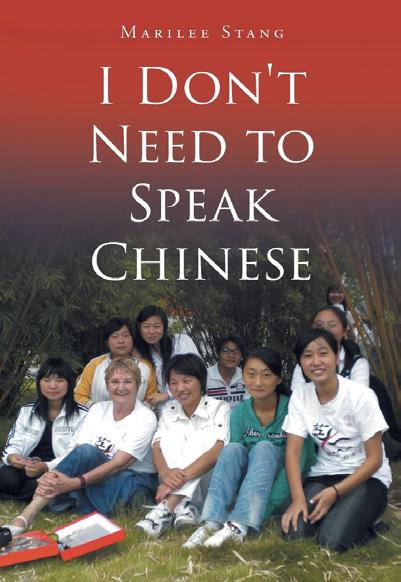
Marilee Stang ’85 published a memoir, I Don’t Need To Speak Chinese, based on a year she spent in Anqing, China, teaching conversational English at a vocational college. Told she wouldn’t need to speak any Chinese because liaisons would be provided, she learned by the end of the stay that speaking Chinese would prove to be necessary.
Paula Blackman ’86 completed a bronze statue of Balto—the legendary Siberian Husky and sled dog that led the Great Serum Run to deliver medicine to Nome, Alaska in 1925.
The bronze Balto was recently installed outside the Cleveland Museum of Natural History.
Judy Takács ’86 (see note for Mary Urbas ’80)
Judith Brandon ’87 (see note for Mary Urbas ’80)
Barbara Stanczak ’90 and Julian Stanczak ’54* have an exhibition, Where Light Lives: Visions in Color and Form by Julian and Barbara Stanczak, on view through May at the Medici Museum of Art in Warren, Ohio.
Susan Gallagher ’91 (see note for Mary Urbas ’80)
Amy Pais-Richer ’91 had her newly published historical fiction novel, Murdering Van Gogh, reach the Top 10 in Historical Biographical Fiction new releases via Amazon.
Opposite: Anthony Eterovich ’38*
Above: Marilee Stang ’85
Left: James Schaffer ’25
Opposite, top: Katy Bergman Cassell ’98
Opposite, bottom: Violet Maimbourg ’21
Jeanetta Ho ’96 was awarded a Cycle 3 Boost Fund grant from Assembly for the Arts. She showed her new pop-up book, Transform, in Consider Fires, a group show at Heights Arts in Cleveland Heights. She also had “Gear Up,” a wearable bicycle gear outfit, featured in the Wearable Art Fashion Show at The Darl Center for the Arts in Cleveland.
Lori Kella ’97 was awarded a 2025 Creative Impact Fund grant from Assembly for the Arts in Cleveland.
Patty Lundeen Hume ’97 completed a weaving residency in TC2 lab at Praxis Fiber Workshop in Cleveland in fall 2025 and spring 2026.
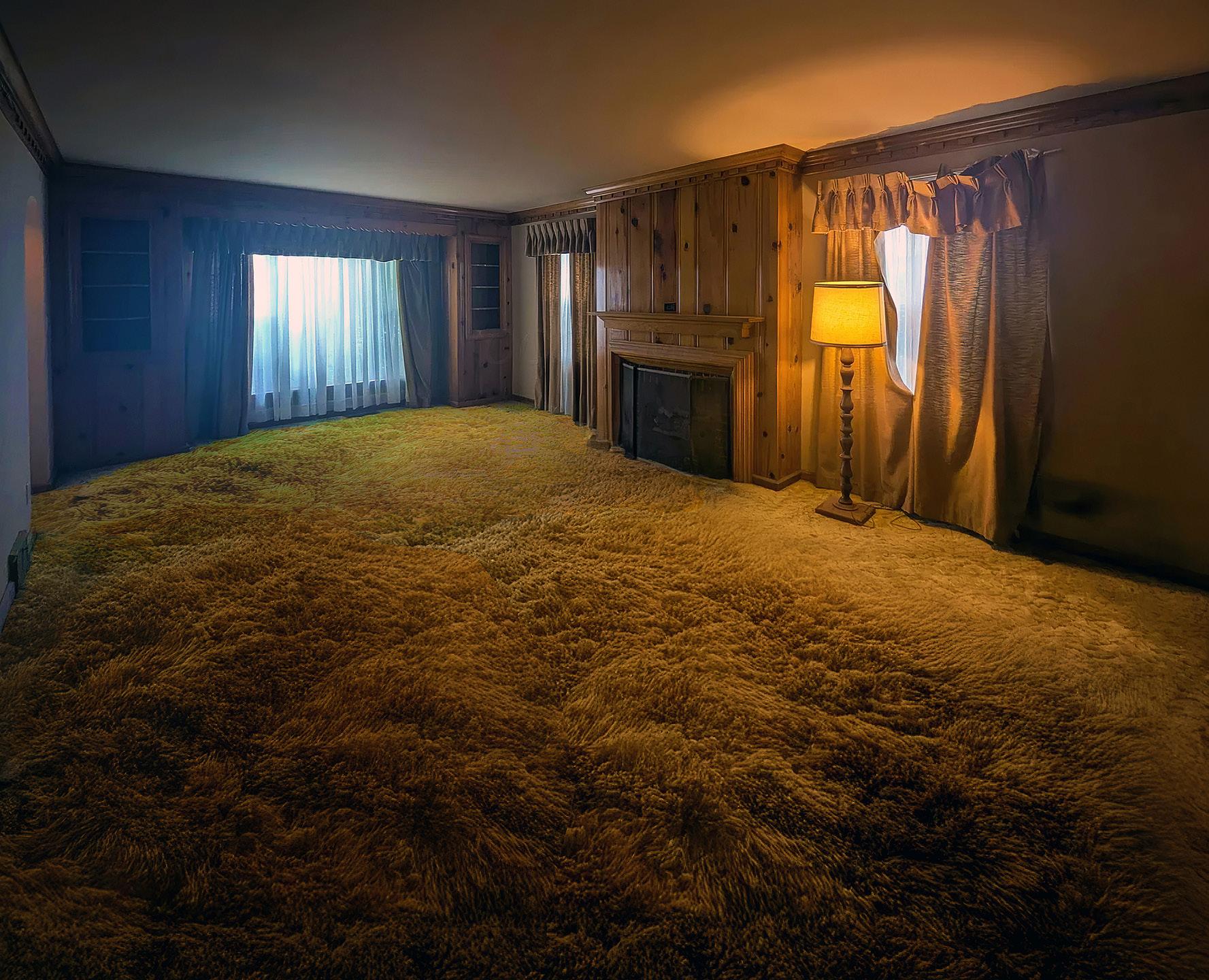
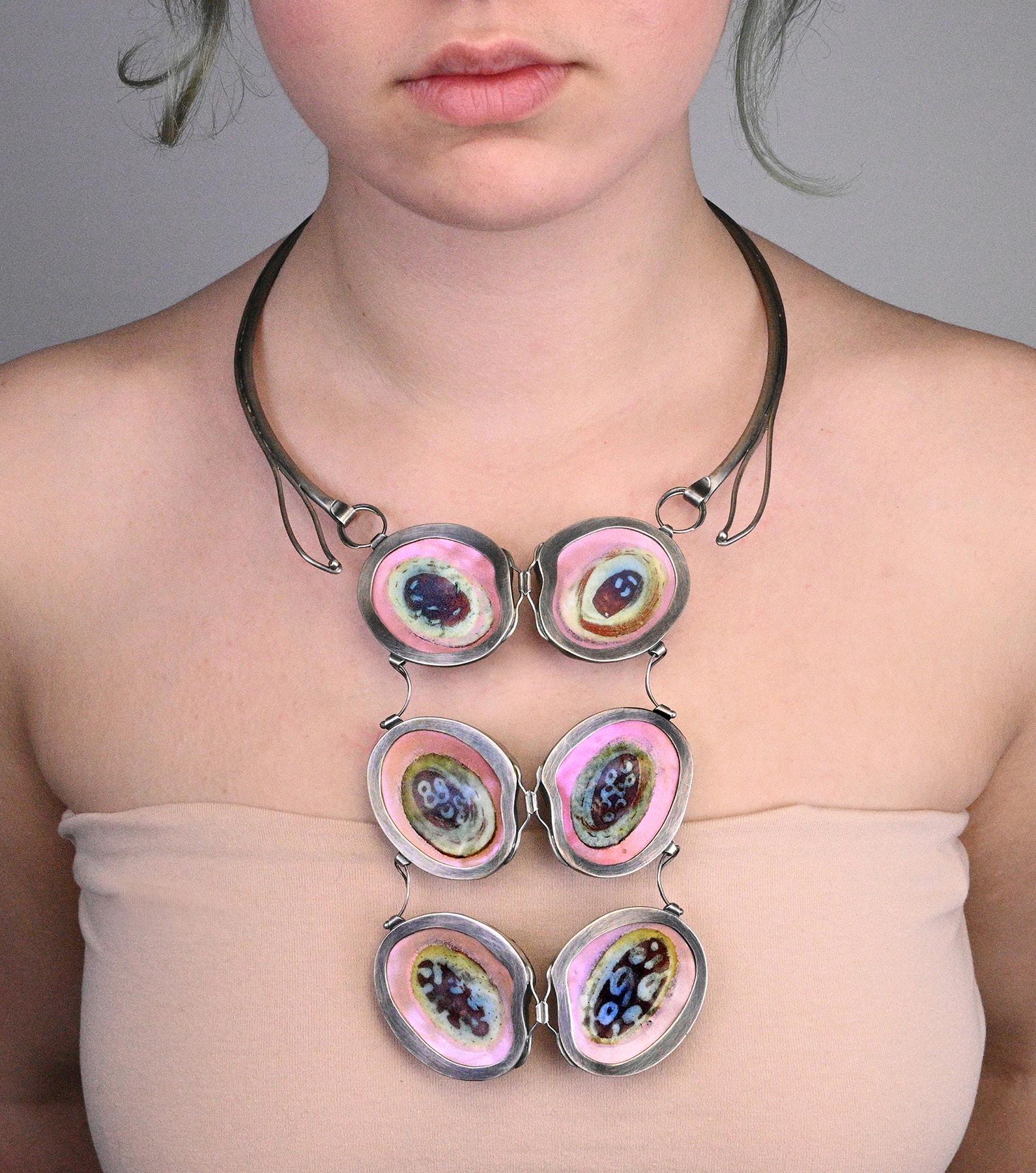
Katy Bergman Cassell ’98 received a South Carolina Artist Fellowship Award for $10,000 from the South Carolina Arts Commission. She has also exhibited—or will exhibit— enamel work in two national juried exhibitions: Interwoven, which was part of the Material Topics Metals Symposium at Jenkins Fine Arts Center at East Carolina University in Greenville, North Carolina and the 47th Juried Contemporary Craft Exhibition at Mesa Contemporary Arts Museum in Mesa, Arizona. She is making a new piece for In the Making: Contemporary Craft from South Carolina, an exhibition opening in October at the South Carolina State Museum in Columbia that is part
of Handwork 2026: Celebrating American Craft, a nationwide initiative led by Craft in America as part of the 250th anniversary celebration of the U.S.
Susan Danko ’98 has work in a two-person show, Ceramic Walls & the Painted Terrain, at River Gallery in Rocky River, Ohio. She’s also part of a group show, Rooted: An Artist’s View of Trees, at The Arts Garage in Port Clinton, Ohio.
Chris Ireland ’03 had—or will have—a solo exhibition of his photography, Dead Letter Office, on view this year at Angelina College Gallery in Lufkin, Texas; Georgetown Art Center in Georgetown, Texas; and Box 13 Art Space in Houston.
Miriam Norris Omura ’03 was awarded a Verdant Fund grant to work on her project, The Missing Catalog, a mobile, analog archive honoring long-term missing persons in Alabama. Using film photography, soft sculpture milk cartons and handwritten stories in a card catalog format, Omura invites the public to engage with fragmented memories by name, date and place.
Ian Coyle ’07 had work published in Ancient Methone 2003–2013 by UCLA’s Cotsen Institute of Archaeology.
Kate Kisicki ’07 had a painting at Article Gallery in Cleveland through December alongside other invited artists.
Autumn Perne Sonnet ’07 was awarded Best in Show in the Artist & Art Teacher Exhibition, held in conjunction with the 2025 Pennsylvania Art Education Association Conference, at Standard Clay in Carnegie, Pennsylvania.
Jess Adanich ’09 will host Sharkapalooza, an art-driven celebration of the oceans that showcases the power of creativity to inspire awareness and conservation, May 16 in Clearwater, Florida.
Niki Smith ’09 had her new graphic novel, Midsummer Sisters, made available for preorder, and has received multiple starred reviews. It’s scheduled to be published June 2.
Omari Souza ’09 discussed his book, Design Against Racism: Creating Work That Transforms Communities, during an author talk at ThirdSpace Action Lab in Cleveland.
Nikki Woods ’12 (see note for Maeve Billings ’21)
Kimberly Chapman ’17 had her solo exhibition, Eighty-Six Reasons for Asylum Admission, and its connection to the Buffalo Remembrance Project, an exhibition that serves to remember women institutionalized at the Buffalo State Asylum between 1880 and 1974, featured in The Buffalo News. Chapman’s exhibition was in the University of Buffalo’s UB Anderson Gallery in New York.
Maeve Billings ’21 had work in Dangerous Beauty, a group show that also included work by Nikki Woods ’12 and Jordi Rowe ’23 at JxM Studio in Beachwood, Ohio.
Violet Maimbourg ’21 was commissioned by Kent State University’s School of Art to create a permanent sculptural installation, “Metamorphosis,” for the Healing Garden at the University Hospitals Portage Medical Center in Ravenna, Ohio.
Deborah Silver ’21 (see note for Mary Urbas ’80)
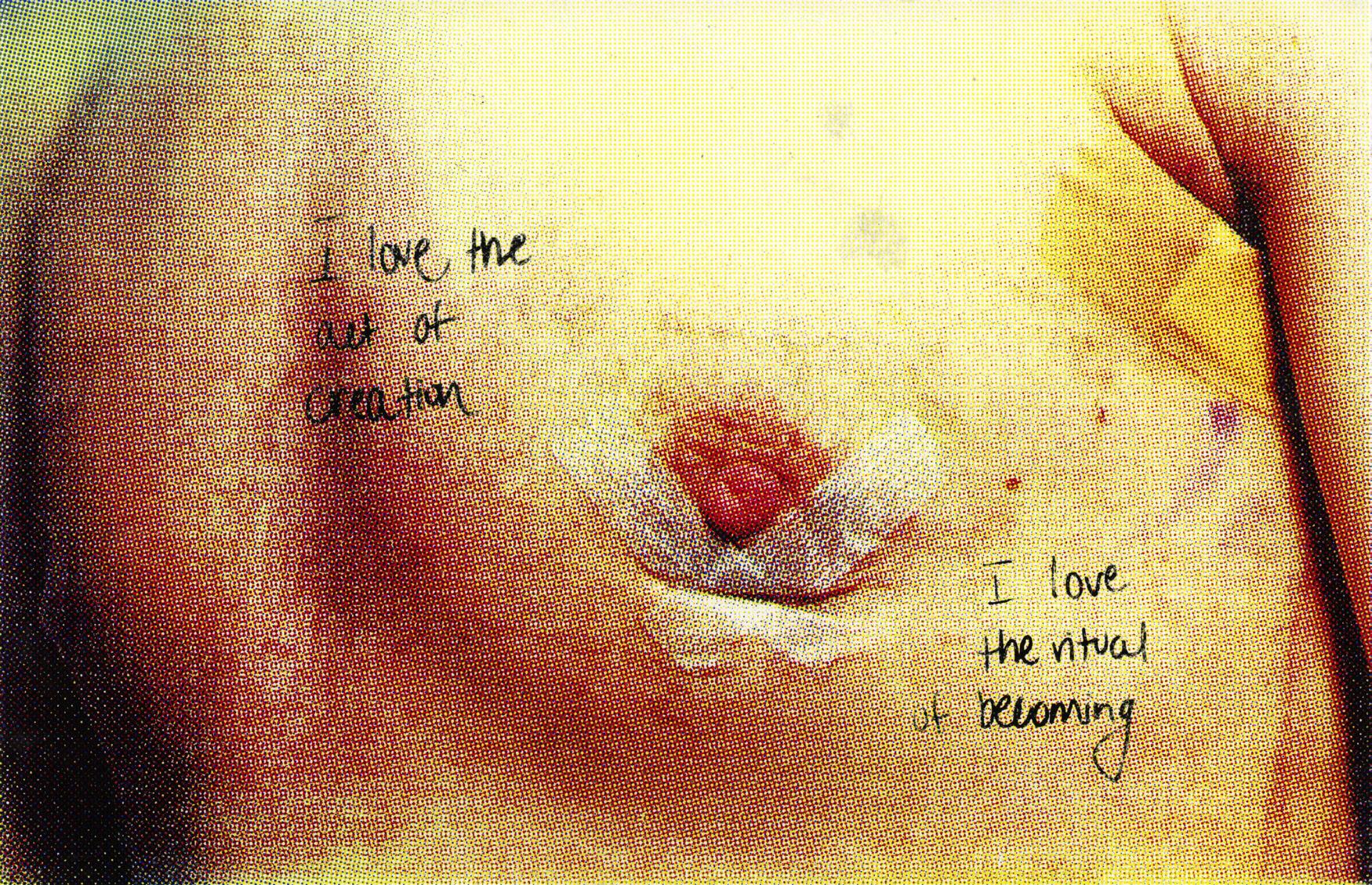
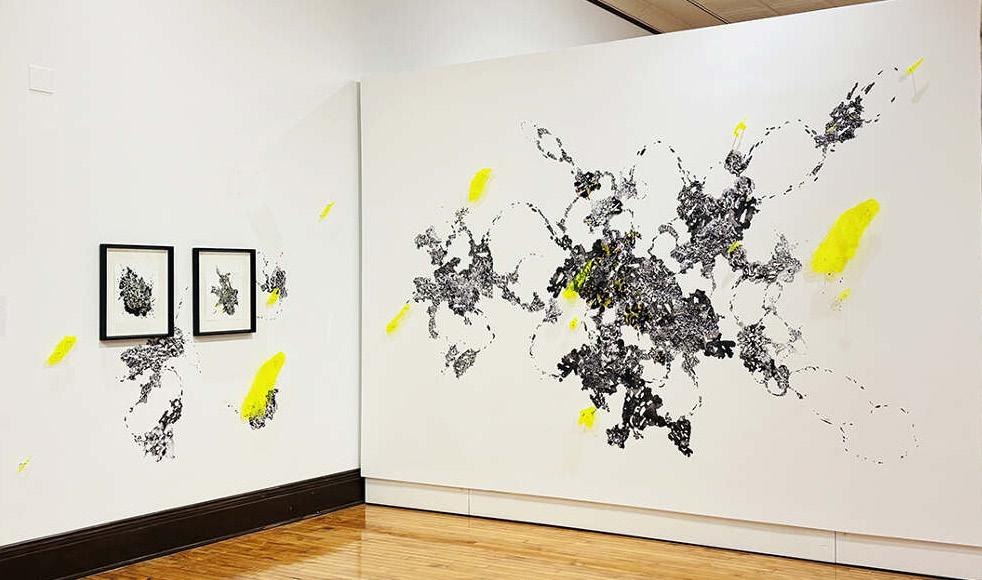
Liana Gonzalez ’22 organized Love, Sex & The Body XXX, a group show at Hildebrandt Studios in Cleveland. CIA students and alums participating included Gonzalez, Sebastian ’mutt’ Schenz ’22, Oliver Chapman ’23, Emmett “M” Dailey ’24, Daly Horton ’24, Nat Lenington ’24, Tumnus Rex Young ’24, Lillian R. Gomez ’26, Madison Hennessey ’26, Ash Bayer ’27 and Murdock Maxwell Ralstin.
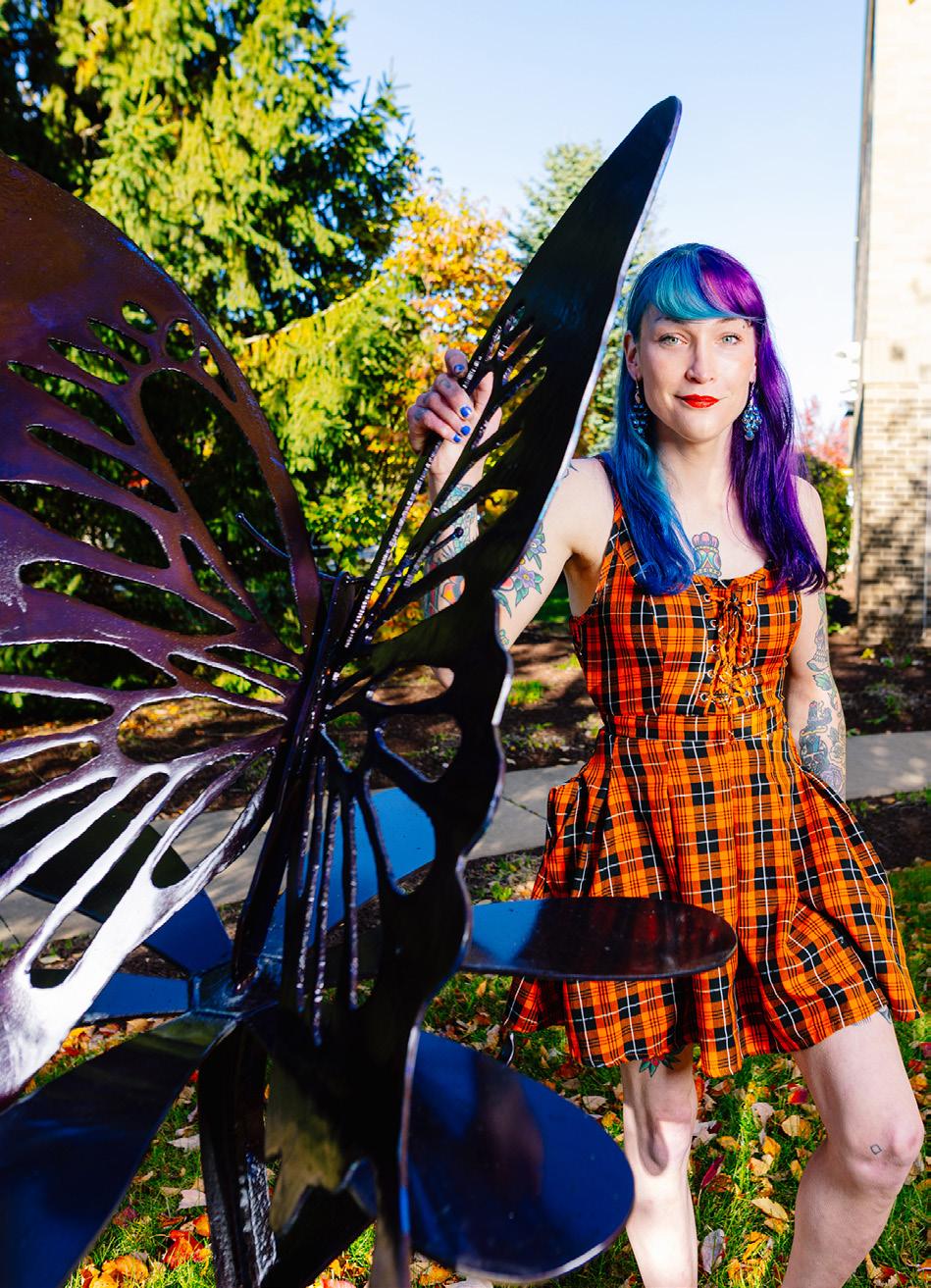
Sebastian “mutt” Schenz ’22 (see note for Liana Gonzalez ’22)
Oliver Chapman ’23 (see note for Liana Gonzalez ’22)
Jordi Rowe ’23 (see note for Maeve Billings ’21)
Emmett “M” Dailey ’24 (see note for Liana Gonzalez ’22)
Daly Horton ’24 (see note for Liana Gonzalez ’22)
Nat Lenington ’24 (see note for Liana Gonzalez ’22)
Tumnus Rex Young ’24 (see note for Liana Gonzalez ’22)
James Schaffer ’25 will have two pieces featured in a pop-up, juried group show, Art to Text: Transdisciplinary Expressions, May 1–3 at Gallery 198 in Brooklyn, New York during Trans Art Fest.
Lincoln Adams ’98 (Animation) had two shows on which he storyboarded nominated for the NAACP Image Award for Outstanding Animated Series, Disney Jr.’s Ariel and the Kevin Hart show Lil Kev for Paramount and BET+. For Lil Kev, Adams worked significantly on four of the season’s 10 episodes.
Davon Brantley ’18 (Admissions) will be honored at the Arts Alive Awards for earning the Outstanding Visual Artist award. He will curate Blooming Tides, set to open in May at Waterloo Arts in Cleveland, and he will have a solo exhibition in June at 934gallery in Columbus, Ohio.
William Brouillard (Ceramics, Emeritus) has a solo exhibition of recent work scheduled to open June 13 at River Gallery in Rocky River, Ohio.
Steven Ciampaglia (Liberal Arts) gave two presentations at the 2026 National Art Education Association Convention in Chicago: “Micro–Video Games-Mobile Video Game Creation for the K–12 Art Classroom” and “Galería de Videojuegos: Creating a Pop-Up Video Game Arcade With Latinx Teens.” Also, Discharged, the video game that he created with Case Western Reserve University lecturer Kerry Richardson and University of New Mexico assistant professor Eric J. Garcia, has been accepted into the A MAZE./Berlin 2026 International Games and Playful Media Festival.
Nicole Condon-Shih (Foundation) exhibited her installation “Symbioverse” in OH+5— Contemporary Art of Our Region at the The Dairy Barn Arts Center in Athens, Ohio and in the exhibition Sympoiesis at the Fort Hayes Shot Tower Gallery in Columbus, Ohio.
Maggie Denk-Leigh (Printmaking) had print work accepted into the BAYarts Annual Juried Exhibition in Bay Village, Ohio.
Starr Dobson and Nat Lenington ’24 (Jessica R. Gund Memorial Library) presented at the American Libraries Association CORE week. Their presentation, “Into the Future: Artists’ Books Accessibility and the Implementation of Alma D,” reflected on their process of migrating the library’s digitized Artists’ Books collection to a new Integrated Library System, Alma Digital. By integrating images of Artists’ Books directly into the catalog, images of the collection are more easily accessible to faculty and students.
Amanda Fronek, PhD (Student Affairs) wrote the entry on For-Profit Higher Education in The Safe Encyclopedia of Education and Gender (October 2025 by editors: E. E. Blair and S. L. Deckman).
Gretchen Goss (Craft + Design) is in a three-person exhibition, Spring Show, at St. Paul Episcopal Church’s Nicholson B. White Gallery in Cleveland Heights, Ohio.
Elizabeth Hoag (Liberal Arts) was a panelist for a screening of the experimental documentary The Dead Will Show You the Way: A Fugue for Moss and Memory by Simone Barros as part of the Jack, Joseph and Morton Mandel Humanities Forum, Movements, Moss and Movies: Connecting Cleveland Through the Underground Railroad, at Tri-C Eastern Campus Auditorium in Highland Hills, Ohio. She also presented a paper, “One Hundred Years of Archaeological Mothers,” in a forum titled Uses of Being a Parent: Connecting Carework and Intellectual Life at the American Anthropological Association annual meeting in New Orleans.
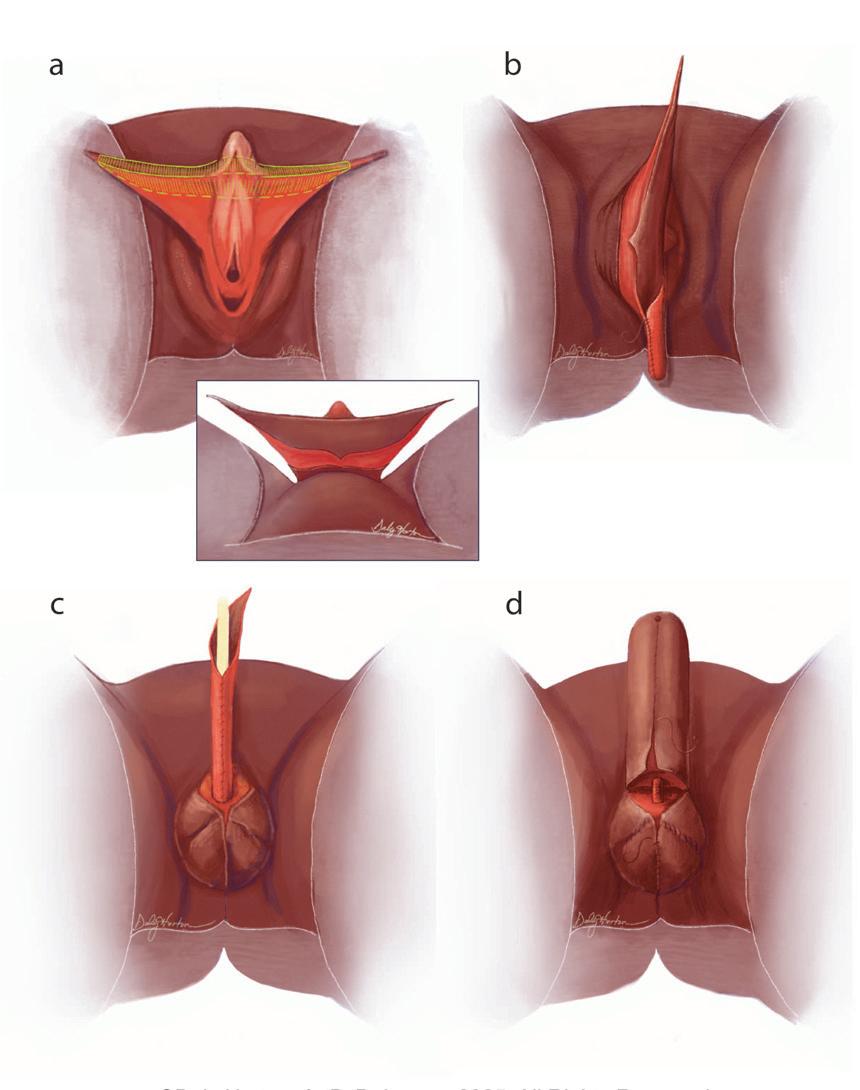
Daly Horton ’24 (Admissions) had medical illustrations published that were created for Dr. Shubham Gupta’s in International Society of Reconstructive Urology’s July–December 2025, Volume 3, Issue 2. Dr. Gupta is the surgeon she worked with on her CIA senior project, Bottom Surgery for Gender Diverse People, which is now being used with every bottom surgery patient at University Hospitals in Cleveland.
Benjamin Johnson (Craft + Design) exhibited in five juried exhibitions and won two awards. He earned the Victoria Welling Award at the 54th Annual Juried Exhibition at Valley Art Center in Chargin Falls, Ohio, and he earned 3rd Place at the Wichita National All Crafts Media Exhibition at Mark Arts in Wichita, Kansas. He exhibited at 11th Annual Workhouse Glass International at Workhouse Arts Center in Lorton, Virginia; the 47th Annual Contemporary Craft Exhibition at Mesa Arts Center in Mesa, Arizona; and the 48th Mid-States Craft Exhibition at Evansville Museum of Arts, History, and Science in Evansville, Indiana.
Nat Lexington ’24 (see Starr Dobson note)
Nancy Lick (Illustration) will be one of the instructors for the Ohio Regional Summit to be held August 8 at CIA. This event features workshops and on-site drawing opportunities for the statewide community of Urban Sketchers.
Laura Medina (Foundation) is curating Render Me Softly, an experimental animation festival that brings together works by Cleveland-based and Latin American artists with themes of tenderness, transformation and becoming. Supported by the SPACES Satellite Fund, programming includes Trátame Suavemente, which is a screening of Latin American experimental animators at the Cinematheque, and a family-centered workshop at Julia de Burgos Cultural Arts Center in Cleveland co-taught with James Negron ’24 Other screenings and talks will happen at various sites throughout Cleveland. She was awarded a mid-career Creative Impact Fund grant from Assembly for the Arts to create a bilingual experimental short film portraying a magically real narrative of memory recollection. She also will travel to Oicatá, Boyaca, Colombia in July for a residency at which she will work on her film. Virreina’s Loma Serena residency program is aimed at artists, writers, curators, cultural managers, filmmakers, architects and designers whose practice is critically engaged with the cultural sector.
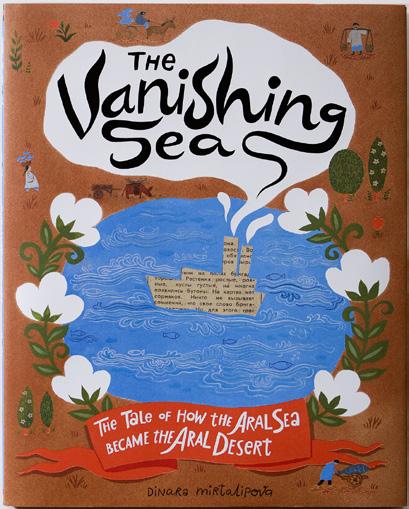
Dinara Mirtalipova (Illustration) was selected as a finalist for the Bologna Children’s Book Fair Illustration Exhibition and had two of her book projects featured in the dPICTUS Unpublished Picturebook Showcase. Her work received two Awards of Excellence from Communication Arts Illustration and was selected for exhibition at the Society of Illustrators in both the Product Design and Published categories. Her nonfiction picture book, The Vanishing Sea (Chronicle Books), received four starred reviews from Kirkus, Publishers Weekly, School Library Journal and Shelf Awareness. Recent exhibitions include Nucleus Portland, and her research was selected for presentation at the IBBY World Congress in Ottawa.
Seth Nagelberg (Craft + Design) was included in Surface & Structure: Contemporary Ceramics on the Edge of Form at The Sculpture Center, Cleveland. This exhibition focused on sculptural approaches to ceramics created by faculty and alumni from regional colleges.
George Ramirez, PhD (Liberal Arts) had two articles accepted for publication that will soon be accessible. The first, “Docking the digital network: Ports as digital media infrastructures,” in Journal of Environmental Media, and the other, “’It all started with that shield’: Chris Sotomayor’s Performative Coloring Aesthetics in Comic Books” in Communication and Race, the newest journal of the National Communication Association.
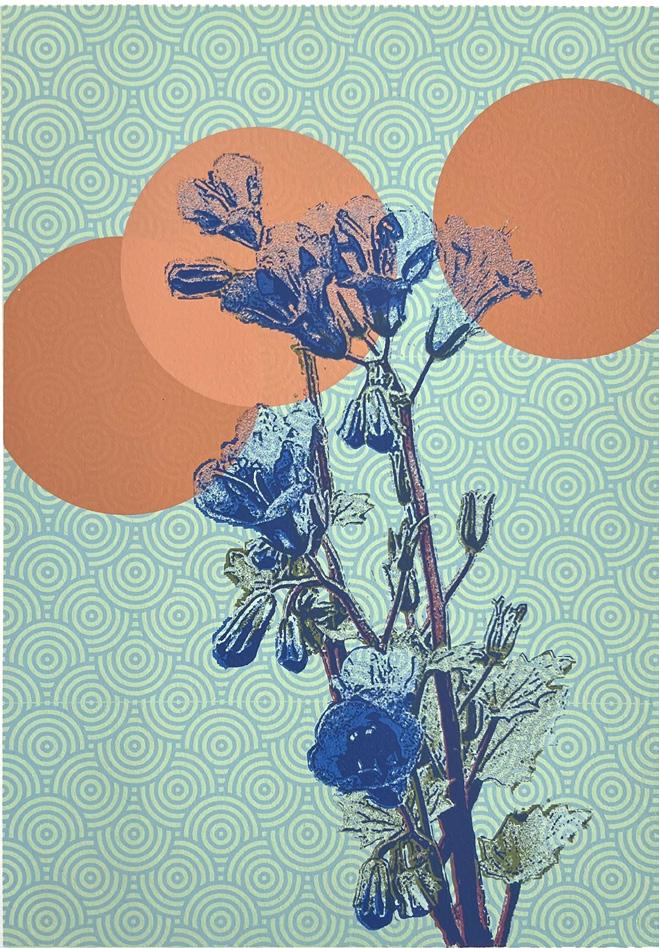
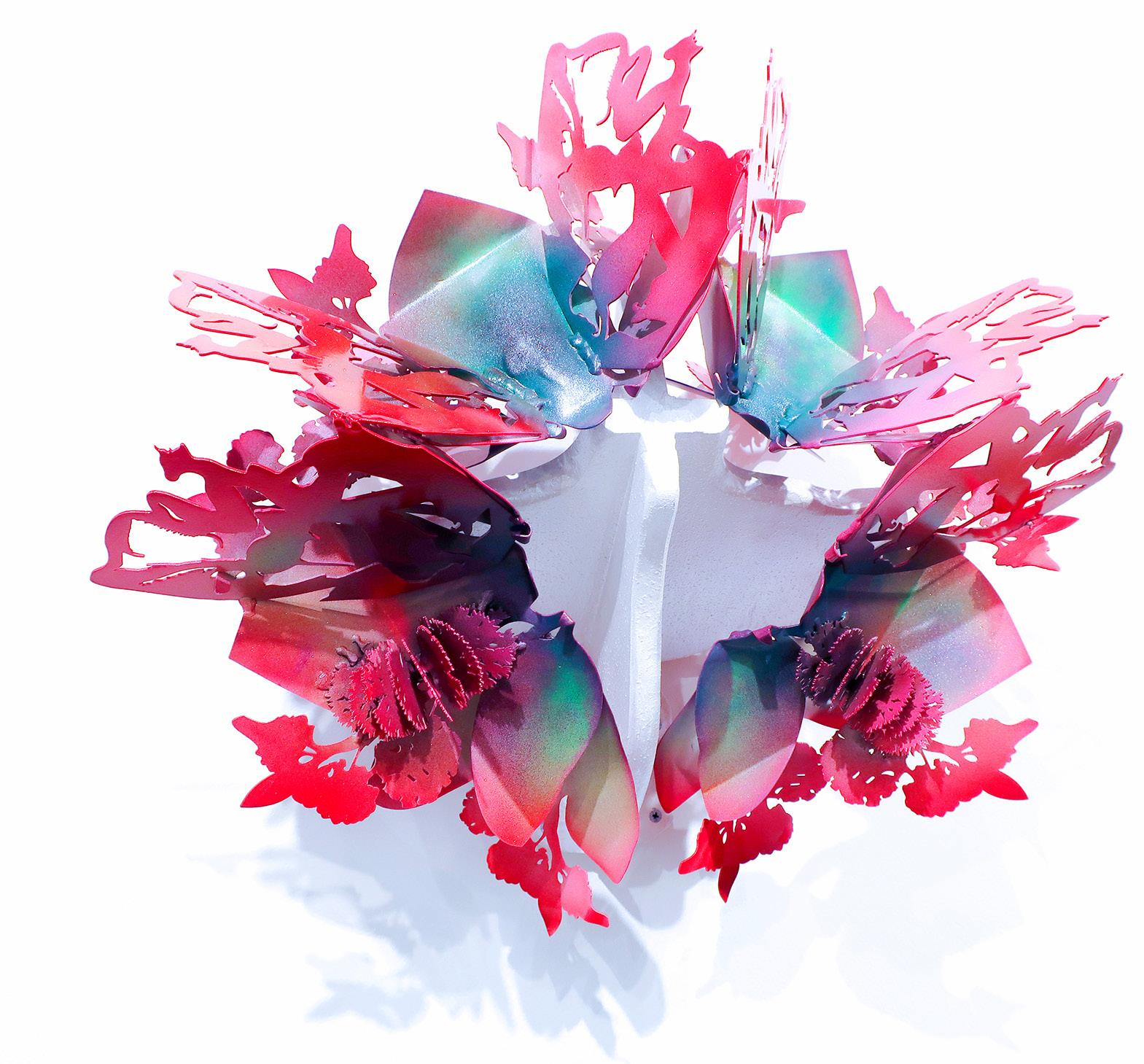
Rachel Smith (Craft + Design) was invited to exhibit three pieces in Enduring Legacy: Celebrating 25 Years of Ohio Decorative Arts, hosted by the Decorative Arts Center of Ohio in Lancaster, Ohio and scheduled to open May 30. She was also contracted by the Cleveland Museum of Art Objects Conservation Team to design, 3D model and cast new antennae to replace a previous repair for the “Covered Tureen on Stand” (Pot-à-oille). This piece is scheduled to be exhibited as the cornerstone to an exhibition that decorative arts curator Ada de Wit is curating at CMA.
Zach Savich (Liberal Arts) presented on “AI and Faculty Disposition” at the Conference on College Composition and Communication in Cleveland. He published new poems and essays in the journals Ocean State Review, Either/Or and Korean Literature Now
Anthony Scalmato ’07 (Animation) contributed to the 2025 Jacquie Lawson Christmas Village Advent Calendar app, a beloved digital holiday tradition. He created animations and illustrations that brought to life the charming village, enhancing the interactive experiences that families enjoy each December.
Ariel Wills (Foundation) co-hosted “Ecology as a Verb” at the AICAD Fellowship Celebration Symposium at Pratt Institute in New York City. Her portrait honoring oral historian Marta Martínez was included in Founders and Inventors Who Shaped Our World at The Alcove in Providence, Rhode Island; showed work in the RISD Illustration Alumni Show at Rhode Island School of Design in Providence; and her illustration appeared in Goya Journal as part of the 1000 Kitchens Project. She also led an embroidery workshop for Cleveland Moishe House and performed with Ketsev, a Cleveland-based Israeli folk dance troupe.
Brent Kee Young (Glass, Emeritus) exhibited alongside numerous other former CIA faculty members and alumni in The CAP Show, an exhibition celebrating Cleveland Arts Prize winners at Bostwick Design Art Initiative Gallery in Cleveland.