




















































Dear Women’s Ministry Leader,
There are so many reasons to love fall: Cooler temperatures, a more predictable schedule, and here in Michigan, apple pie season! But for Bible study leaders, as we kick off the fall ministry term, we’re also keenly aware that it’s already time to start planning our spring Bible studies.
If you’re in the same boat, we created a free planner to help you map out the weeks you need to fill and the Bible studies you’re considering for the next season. You can download it using the QR code or link on the back cover.
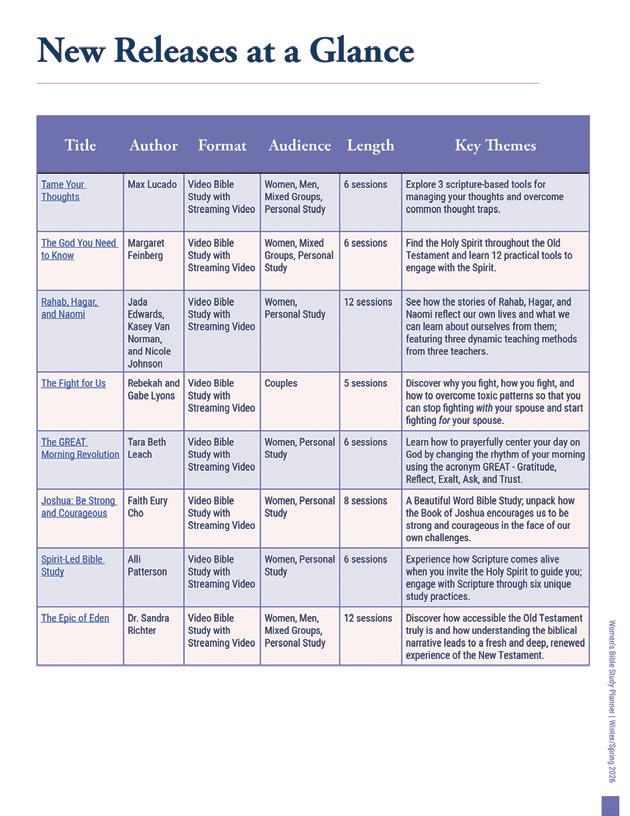
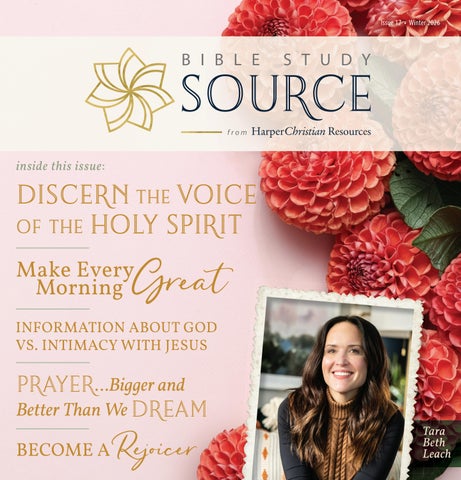
Inside this issue, you’ll find Bible studies on prayer, intimacy with Jesus, the Holy Spirit, thankfulness, marriage—and even Bible studies about how to study the Bible! The Great Morning Revolution by Tara Beth Leach will help you and your group develop a daily habit of prayer and time in the Word (p. 2-4), while Spirit-Led Bible Study by Alli Patterson will teach your group six practices to bring the Bible to life (p. 22-23).
If you’d like to preview any of these studies, we always post the first session of every video study on our YouTube channel. Just search for HarperChristian Resources, and subscribe to our channel to be notified when we post new videos.
We’re honored to be your partners in ministry.
In Him, Beth and Sara


Beth Murphy, Director, HarperChristian Resources
Sara Riemersma, Editor, HarperChristian Resources


BY TARA BETH LEACH


There’s a sacred stillness that descends in the early hours of the morning, a hush that falls over the world before the first light breaks. In those pre-dawn moments, when the darkness still lingers and the day ahead remains unknown, we often find ourselves wrestling with the deepest questions of our hearts. It’s in this space, where the noise of the day has yet to intrude, that we come face to face with our fears, our doubts, and our desperate need for something—or Someone—to anchor our souls.
For some, the darkness brings a sense of peace, a respite from the demands of waking life. But for many



of us, those early hours can feel heavy with the weight of worries we’ve carried through the night. We lie awake, our minds spinning with the uncertainties of the future, the challenges we’re facing, and the burdens we don’t know how to bear.
It’s here, in the darkness before the dawn, that God invites us into a profound and life-altering choice: Will we let fear and anxiety consume us, or will we choose to trust the One who holds our lives in His hands?


Trust, in its purest form, is not a passive resignation to fate. It’s an active, courageous decision to place our hope and our confidence in God, even when—especially when—we can’t see the path ahead. Proverbs 3:5-6 puts it this way: “Trust in the Lord with all your heart and lean not on your own understanding; in all your ways submit to him, and he will make your paths straight.”
Let those words sink in for a moment. We’re being called to trust not with a fraction of our hearts, not with the parts that feel safe or comfortable, but with all that we are. We’re being asked to relinquish our grip on our own limited understanding and to submit our ways— our plans, our dreams, our fears—to the wisdom and goodness of God.
It sounds simple enough in theory, but in practice, trusting God in the midst of uncertainty is one of the greatest challenges of the Christian life. Our human nature craves control, desires clarity, and seeks solutions we can see and touch. Surrendering to a plan we can’t always understand, to a timeline we can’t predict, feels counter-intuitive and sometimes even terrifying.

begin each morning, before the first light dawns, by placing our lives afresh into the hands of God. It’s in the whispered prayer, offered in the stillness of our beds, that says, “Father, I don’t know what today holds, but I know You hold me. I choose to trust You.”
That prayer, as simple as it may seem, has the power to radically reorient our days. When we begin with trust, we invite God’s peace to guard our hearts and minds (Philippians 4:7). We open ourselves to the guidance and strength of the Holy Spirit. We declare that no matter what the day brings— whether it’s joy or sorrow, clarity or confusion, success or struggle—we will choose to lean on the unfailing love and faithfulness of our God.


This kind of trust, nurtured in the quiet of the morning, spills over into every aspect of our lives. It becomes the lens through which we see our circumstances, our relationships, and ourselves. When worries threaten to overwhelm us in the middle of the day, we can pause and remember the choice we made in the pre-dawn hours: “I will trust in You.”
When decisions loom large and the way forward is unclear, we can lean into the promise of Psalm 32:8: “I will instruct you and teach you in the way you should go; I will counsel you with my loving eye on you.” Trust reminds us that we don’t walk this path alone, that every step is guided by a Love that never fails.

But here’s the beautiful truth: It’s in the letting go, in the choosing to trust even when we can’t see the way forward, that we create space for God to move, to lead, and to reveal Himself in ways we never could have imagined.
Trust isn’t built in a single grand gesture, but in a thousand small, daily choices. It’s in the decision to

Of course, learning to live from a place of trust is a lifelong journey. There will be moments when fear and doubt seem to drown out the quiet confidence of faith. There will be seasons where the darkness lingers longer than we think we can bear, where the answers to our deepest prayers seem to tarry.
In those times, we can hold fast to the stories of those who have walked this road before us, who have chosen to trust in the darkness and have seen the faithfulness of God break forth like the dawn.
We remember the Israelites, standing at the edge of


the Red Sea with the armies of Egypt bearing down on them, who chose to trust in the deliverance of God and saw the waters part before them (Exodus 14).
We recall the prophet Jeremiah, who during the desolation of Jerusalem could declare, “Because of the Lord’s great love we are not consumed, for his compassions never fail. They are new every morning; great is your faithfulness” (Lamentations 3:22-23).
Beloved, whatever darkness you find yourself in today, know this: You are not alone. The same God who spoke light into existence, who parted the seas and raised the dead, is with you in this moment. He sees you, He knows you, and He invites you to place your trust—your whole trust—in Him.

So in the morning, when the first stirrings of dawn are still a distant hope, let your heart be quietly drawn to the One who is faithful. In the stillness, breathe out your fears and breathe in His peace. Whisper your trust, even if your voice shakes. And then, step by step, choice by choice, watch as the light of His love breaks through the darkness, guiding you into the new day.



For He is worthy of our trust, in the morning and in every moment. Great is His faithfulness.


Heavenly Father, In the quiet of this morning, I bring my heart to You. The darkness around me and the uncertainties ahead weigh heavy, but I choose to place my trust in You. I believe that You are good, that You are faithful, and that Your love for me never fails. Teach me to trust You more each day. Give me the courage to surrender my own understanding and to lean wholly on You. May my life be a testament to the peace and the power that come from resting in Your unfailing love. I trust You with this day, and with every day to come. In Jesus’ precious name, Amen.


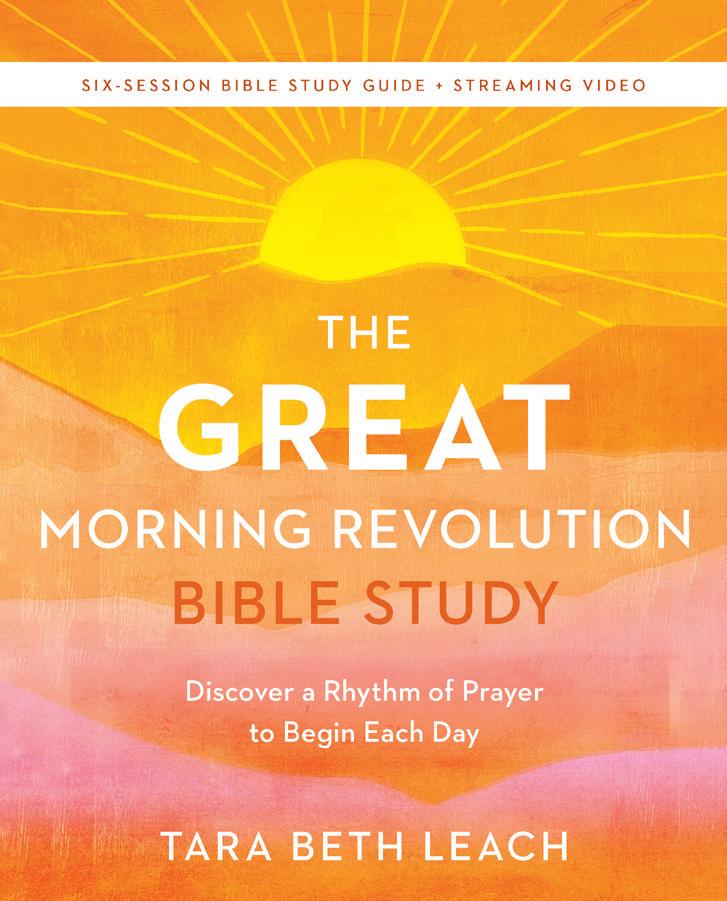
THE GREAT MORNING REVOLUTION
Discover a Rhythm of Prayer to Begin Each Day
AVAILABLE NOW





https://qrco.de/bgG0Fl



TARA BETH LEACH is a pastor, preacher of the Word, and a writer. She is the senior pastor at Good Shepherd Church in Naperville, IL. She previously served as senior pastor of First Church of the Nazarene of Pasadena (“PazNaz”) in Southern California. She is a graduate of Olivet Nazarene University and Northern Theological Seminary. She speaks widely at conferences, retreats, and universities across America on Church Leadership, Women in Ministry, and the call to be a Radiant Witness. Tara Beth has two rambunctious sons and has been married to Jeff since 2006.












by Lisa Harper


John was a torch, blazing and bright, and you were glad enough to dance for an hour or so in his bright light. But the witness that really confirms Me far exceeds John’s witness. It’s the work the Father gave Me to complete. These very tasks, as I go about completing them, confirm that the Father, in fact, sent Me. The Father who sent Me, confirmed Me. And you missed it. You never heard His voice, you never saw His appearance. There is nothing left in your memory of His Message because you do not take His Messenger seriously. You have your heads in your Bibles constantly because you think you’ll find eternal life there. But you miss the forest for the trees. These Scriptures are all about Me! And here I am, standing right before you, and you aren’t willing to receive from Me the life you say you want.
— John 5:35-40 The Message





WhenI brought my daughter Missy home from Haiti, following our two-year adoption journey, my counselor said what Missy needed was safety and security. She explained that the most effective way for me to communicate love to her was through consistency, patience, and gentle physical touch. Then she reasoned that while Missy displayed a healthy level of dependence on me because of my regular visits to spend time with her in Haiti during our adoption process, her overall wariness would likely linger for a while since her first four years of life were riddled with abandonment and abuse. Her little heart needed time to trust that I wouldn’t leave her too.
The first night we got home we were both so exhausted after getting up in the middle of the previous night and trekking from the orphanage to the Port-au-Prince airport, then on to the Miami airport, then through Customs, then through an intense international adoption interrogation mandated by the Department of Homeland Security, then back through security in Miami, and on to the Nashville airport, then walking down the C concourse to a raucous group of one-hundred-plus dear friends who were waiting for us outside of baggage claim, and finally home to our little farmette south of Nashville that I don’t remember much about that first bedtime. However, the second night I was getting Missy settled into her bed, I began rubbing her rough little feet with shea butter (she went barefoot a lot in Haiti, and her precious feet were covered with cracks and callouses) while she watched me solemnly with her big brown eyes.


Then I laid down beside her and said, “Missy, ou tré’ belle. Ou tré’ brāv. Ou tré’ in’teləjənt,” which is Creole—her native language—for Missy, you’re very beautiful. You’re very brave. You’re very intelligent. After which I said softly, “Missy, manmanw renmenw anpil anpil bət Jezi renmen w plis,” which is Creole for Mama loves you very, very much, but Jesus loves you even more.
Night after night I repeated those phrases while rubbing my baby girl’s feet with shea butter. For the first two weeks, Missy couldn’t look at me while I spoke. She’d literally turn
her head in the opposite direction and sometimes almost imperceivably shake her head back and forth, as if respectfully disagreeing with the affirmations I was speaking over her. Which made sense because I’m sure no one at the orphanage told her she was beautiful or brave or intelligent. In fact, one of the nannies there confided in me that Missy would never be able to read or write, and I should just be grateful she had the mental capacity to sing. I was stunned that insensitive woman couldn’t see the miracle right in front of her eyes—how an innocent toddler who’d lost her birth mom and was sick with tuberculosis and barely able to breathe for years, who also suffered from severe malnutrition and had a growling stomach for most of her young life, who was finally sent to a “safe” orphanage where she had to endure regular beatings by cruel “caretakers”, still had enough tenacious hope to sing in such deplorable conditions. My beautiful, brave, intelligent daughter defied odds that many adults would deem insurmountable.
By the third week, Missy began to glance in my direction when I was telling her how beautiful and brave and smart she was but would quickly turn away before I got to the part where I told her how much I loved her and how Jesus loved her even more. After an entire month of the exact same affectionate and affirming bedtime ritual, Missy finally held my gaze throughout the massage and recitation. When I finished with the usual benediction of I love you very, very much, but Jesus loves you even more, she questioned me softly: “Mama love Missy?” My heart leapt over the sweet wonder in her tone, and my eyes filled with tears. Everything in me wanted to scoop her up and hug her fiercely, but something in me knew that she needed a response, so without breaking eye contact, I replied, “Oh, honey, I love you more than I know how to explain. I didn’t even know that I could love someone this much until I became your second mama. In fact, I think I’ve broken a few ribs because my heart is so crammed full of love for you that it had to expand in my chest!”



She giggled shyly over my ardent response and rotated her entire body toward me until we were facing each other


in that tiny twin bed. Then with a twinkle in her eyes, she proclaimed with matching enthusiasm, “Mama love Missy!” Her question became a declaration. A few seconds later, that miracle child of mine inched her perfect brown toes up my belly until she found a crease I’ve christened “the valley of affection.” I grew it out of profound love for this daughter I don’t deserve—and because I assumed the calories in all those Chick-fil-A waffle fries I’d been wolfing down since bringing her home wouldn’t count since it’s a Christian-owned company! She purposely poked all ten toes into my tummy crack and let out a heavy sigh, then her eyelids started to flutter and right before giving way to slumber she murmured contently, “Mama love Missy.”

I spent decades assuming mature Christianity was primarily about ethics, exegesis, and effective apologetics. It took heartbreak, failure, disappointment, and ultimately the miracle of becoming Missy’s mama for me to finally realize that biblically sound theology is much more about intimacy with Jesus than just cognitive information about God and His Word.
I’ve come to wholeheartedly agree with what theologian Francis Schaeffer wisely wrote: “Biblical orthodoxy without compassion is surely the ugliest thing in the world.” Yet I also believe when Christ-followers lean fully enough into the unconditional love of our Creator Redeemer that we’re able to stick our proverbial toes into the crevasse of His kindness, it will enable us to leak transformative grace into this great, big, beautiful ~ albeit broken ~ world that we call home for now.




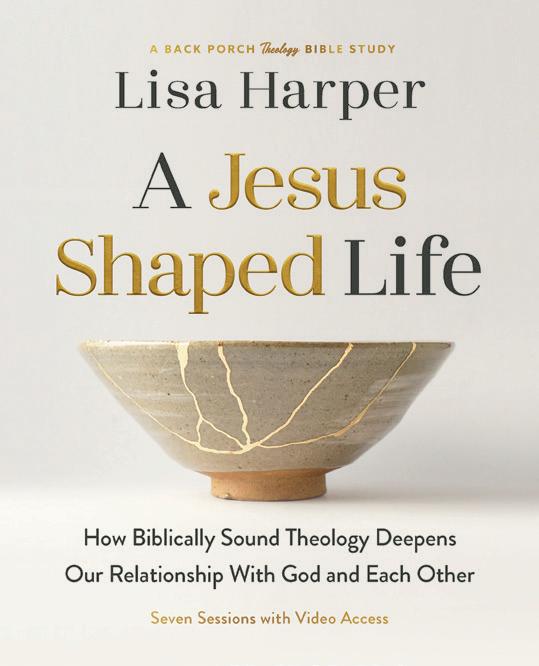


MORE FROM LISA: A Jesus-Shaped Life Luke: Gut-Level Compassion The Marvel and Miracle of Advent


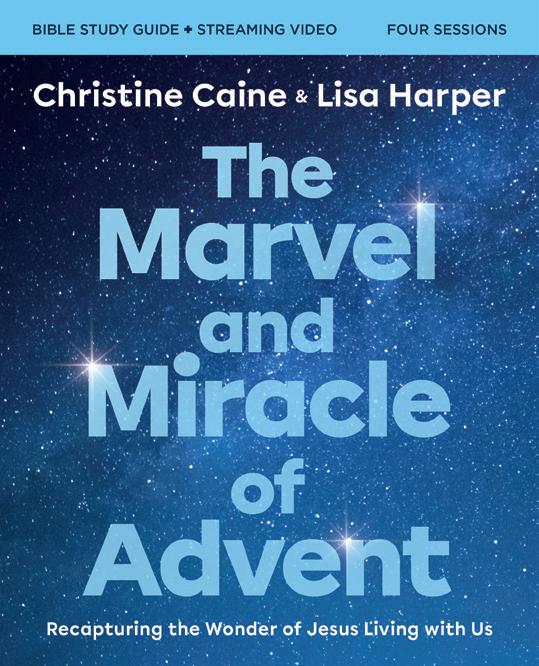
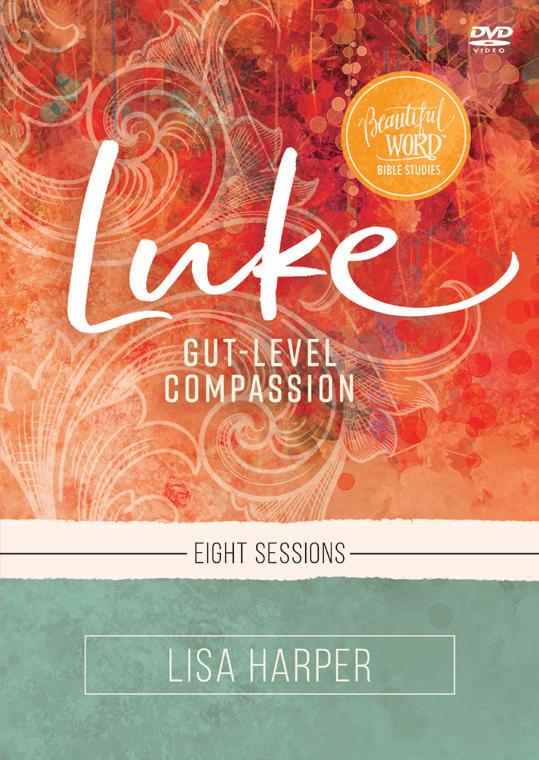









LISA HARPER has been lauded as a compelling communicator, whose writing and speaking emphasize that accruing knowledge about God pales next to a real and intimate relationship with Jesus. Her style combines sound biblical exposition and exegesis with engaging anecdotes and comedic wit. Her vocational resume is comprised of 30+ years of church and para-church ministry leadership.







by Margaret Feinberg
Over the last 20 years, I’ve had a variety of intense health battles. Those of you who’ve had to fight for your health, or the health of someone you love, know the intensity. The fight for quality care. The fight for timely treatment. The fight with billing departments and insurance companies. The fight sometimes just to stay alive.

Following a long, brutal season of sickness, a large conference in Hawaii invited me to speak. I thought, “God, Aloha and Mahalo!” I jumped at the opportunity. During the main sessions of the conference, there was an artist who stood to the left of the stage and painted as we worshipped. Some of the paintings were abstract, while others were more recognizable. In one session, the artist painted a faceless figure with a long, silver sword thrust upward like a warrior. I was captivated by it. Watching the artist, I sensed the Holy Spirit whisper, “That’s you.”

I thought, “That’s ridiculous. That’s not an actual portrait. And there are thousands of others in this room who are all fighting battles too.” As I continued to look at the painting, a Scripture popped into my mind. “For the battle is not yours, but God’s” (2 Chronicles 20:15).
“And I sense there’s a message the Spirit wants to give you.” Then he pressed a note into my hand in such a humble and unassuming way. This is what it said:
I know that there is no one that loves your life, heart, mind, soul more than the One who formed it. You have always been the one I’ve fought for. Let go of the sword you hold, and rest.
I am so proud of you.
At a loss for words, I just started weeping. There’s no way that guy knew the words I most needed to hear. He didn’t know my battle, the level of exhaustion I was experiencing, or how much I needed to be reminded of God’s presence and love. Yet he was courageous enough to follow the Spirit’s promptings to paint that picture and write such a meaningful note.
Again, like a sacred echo, I sensed the Spirit whisper, “The picture is you.”
When the session ended, I walked up to the artist, and said, “I really like your painting.”
He stopped, looked me straight in the eyes, and said, “The picture is you.”
Wha . . . wha . . .what?
Friend, the same Spirit of the Living God that worked through that artist in that moment lives in you. Holy Spirit wants to use you to bring hope and healing to a hurting, broken world. It all starts with a subtle prompt. I think so many of us—myself included—wrestle with questions when we sense a holy nudge: How do I know? How do I discern the promptings of the Spirit? How can I distinguish Holy Spirit’s voice from my own? And how do we, as believers filled with the Spirit, engage others with humility, kindness, and grace?
I want to give you five practical guardrail questions to use whenever you’re trying to discern: “Was that Holy Spirit?”











1. Is the prompting consistent with Scripture and the character of God? The Bible consistently reveals the character of God, so whatever Holy Spirit prompts will be consistent with who God is and who he’s calling us to be as Jesus followers.
2. Does the prompting cause me to love God and love others more? Whatever the Spirit speaks will pull you away from self-centered, self-sabotaging, self-indulgent focus or behavior, and push you toward sacrificial acts of love and kindness centered around loving God and loving others.
3. Will the prompting yield the fruit of the Spirit? If what you’ve heard is from Holy Spirit, then your obedience will produce good fruit in your life. It will help you grow in love, joy, peace, patience, kindness, goodness, faithfulness, gentleness, and self-control. (Galatians 5:22-23)
4. Does the prompt leave me with a sense of deep peace? Peace is a facet of the fruit of the Spirit, and an unexplainable peace is a marker of the Spirit’s presence. (Philippians 4:7)
5. Does wise godly counsel affirm this prompting? Community plays such a crucial role in the discernment process. Take your prompting to a beautiful Christ-centered group of believers who will listen to you, pray with you, and help you discern.
Now, what if you use these five guardrail questions and respond to Holy Spirit’s prompting and nothing happens? Let me assure you. This happens to all of us.
12 Practices to Awaken Your Relationship with the Holy Spirit

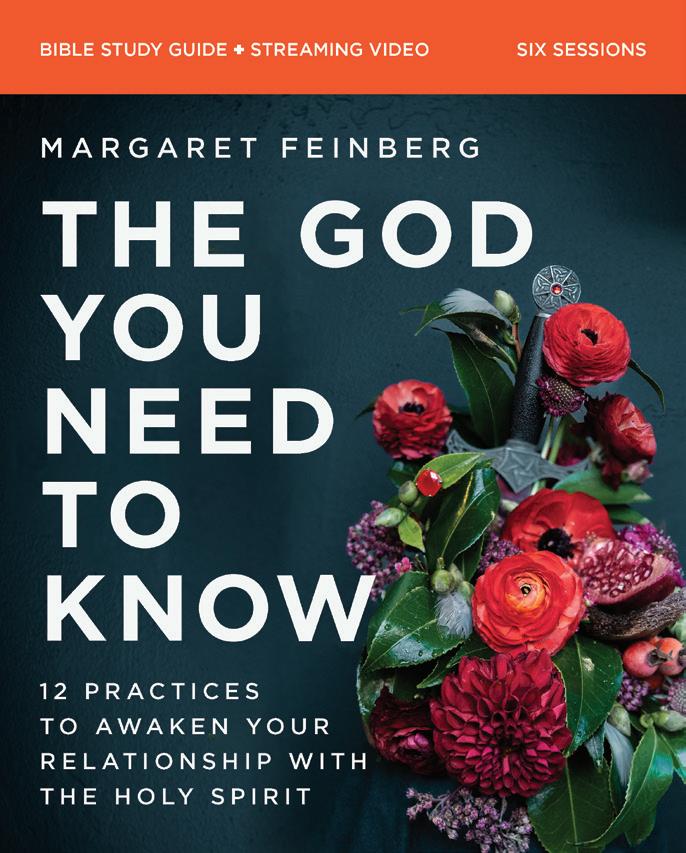
This 6-session video Bible study will change the way you interact with the Holy Spirit. Many of us jump to Acts 2 and Pentecost to understand the Spirit of God. But if you look closely, you'll find hints and delightful surprises throughout the entirety of Scripture as Holy Spirit works powerfully in unexpected places.
AVAILABLE NOW
But even if I totally miss the Spirit, God’s grace is big enough to cover it. Showing kindness to a stranger is still a win in God’s kingdom. There are going to be times you run through these guardrail questions, ask for confirmation, step out in obedience, and you don’t see any results.
That’s okay.
Just because you don’t see results, doesn’t mean the Spirit isn’t working. You have no idea what Holy Spirit can accomplish through your obedience. The bigger risk is being so afraid of making a mistake that you never obey at all.




MARGARET FEINBERG, one of America’s most beloved Bible teachers, speaks at churches and conferences and hosts the popular podcast The Joycast. Her books and Bible studies have sold more than one million copies. Margaret savors life with her husband, Leif, and their superpup, Zoom.



by Sherry Harney
Hi, I’m Sherry, and I have been on a prayer journey for several decades. I prayed to receive Jesus when I was five, and the conversation has continued to this very day. I actually prayed that this short article would open your eyes and heart to the stunning privilege of talking with God and listening for his voice, no matter what we face. I would invite you (and I really mean this) to pause right now and breathe out a simple prayer…“God of the Universe, help me see that prayer is bigger and more beautiful than I dream.”
When I was in college in my senior year, all of my roommates were planning their futures with their boyfriends, and some were even planning weddings. I was praying that I could meet a great man. Sometimes, through tears, I would boldly whisper to my Savior, “Maybe you could speed up the process a bit.” Sometime later, God brought my husband, Kevin, and me together, and my years of prayer set the stage for a clear awareness that God was at work. We both knew we would marry each other before our first date. By God’s grace, we have been serving the Lord together in church ministry, an evangelistic ministry, and our writing ministry for more than four decades, and we still really like each other. I have learned that a life saturated in prayer is the best life possible. God does not always answer as we desire or in our timing, but it is always right to talk with God about everything.
Over the past year, I have immersed myself in studying and writing about women in the Bible and their prayer lives.

I actually read the entire Bible for the explicit purpose of seeing what I could learn from every woman who encountered God. This fruitful learning experience has become a fascinating and impactful study titled Praying with Women of the Bible for 30 Days. It digs deeply into the lives of 29 women (or groups of women). There are 29 women rather than 30 because Hannah’s story (1 Samuel 1-2) has two stunning prayer stories that deserve our attention. It is these two prayers of Hannah’s that I want to ponder together.
Hannah prayed from the deepest valley of despair and also from the highest mountain of praise. The first prayer we hear this dear sister lift came from the pit of sorrow. Emotional pain and crushed dreams, over time, can lead a person to resent and reject God. Hannah endured year after year of indescribable disappointment. She was unable to conceive a child, and her rival, Peninnah, would not give her a moment of peace.
Hannah cried to the Lord tenaciously. She may have been asking God to open her womb and give her a son for a decade or even longer. What a relentless spirit! Hannah’s closed womb did not close her heart. Instead, she kept drawing near to God with prayers, moans, and cries for help. Her pain did not drive her from God but caused her to draw near her Savior. Instead of burying her sorrow, she entrusted her deepest pain to the only one who could help her.
The second prayer we hear our sister Hannah lift comes after Hannah has a baby (Samuel, a future prophet of God) in her arms. She lifts these words to heaven:


“My heart rejoices in the L ORD ; in the L ORD my horn is lifted high. My mouth boasts over my enemies, for I delight in your deliverance.
“There is no one holy like the L ORD ; there is no one besides you; there is no Rock like our God.
1 Samuel 2:1–2



What an example of big prayer! Crying honestly to God is for the highs and the lows of life. Our God is faithful and trustworthy when we get what we ask of him and when he wisely says, “no,” or “wait.” Hannah’s prayer journey through the valleys of sorrow and heights of celebration stands as a beautiful example for all of us who ride the roller coaster of life. Pain, loss, and difficult times of waiting should lead us to prayer. When God answers prayer, when dreams come true, when provision is opulent, when community is sweet—these moments call us to cries of praise.
As your prayer life grows bigger and bigger, recognize that God can handle your honesty. Stop and think about what you are saying when you lock up your frustration and swallow your sorrow. God can handle your honest expressions of pain and anger. God searches your heart and nothing is hidden from his eyes. Since God knows everything, don’t hold back. It is time to start praying with new levels of honesty and vulnerability.
by Sherry Harney
AVAILABLE NOW

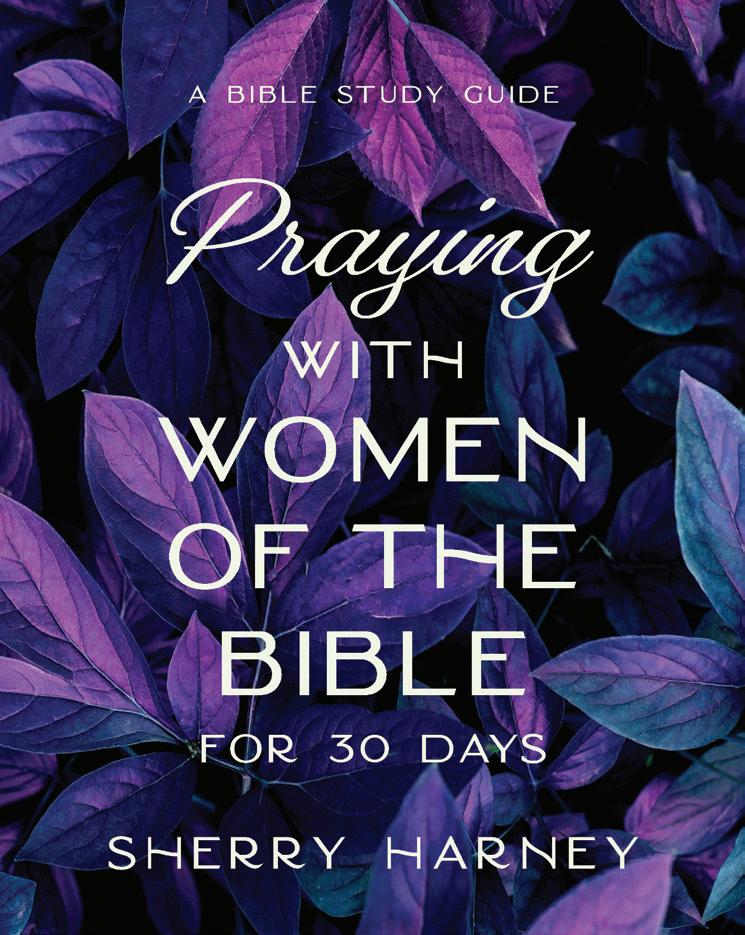


From the depths of lament and honest expression of pain, pray to God. When sailing is smooth and blessings are near and surprising, thank God and celebrate. Prayer is bigger and better than we dream because every moment of life is the perfect time to talk with our Maker. If you want to enter a journey of prayer that will expand your faith, understanding of prayer, and communication with your Savior, I invite you to join me as we learn from women of faith found all over the pages of the Bible.





https://qrco.de/bgG4EK


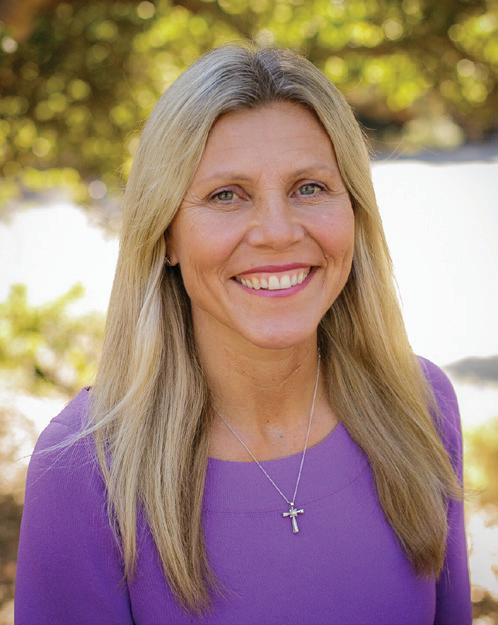
SHERRY HARNEY is an author and a speaker who serves as the Spiritual Formation and Discipleship Director at Shoreline Church in Monterey, California. She is also the cofounder of Organic Outreach International. For over three decades Sherry has spoken for local, national, and international groups and events. She focuses on prayer, spiritual formation, leadership, and organic outreach.






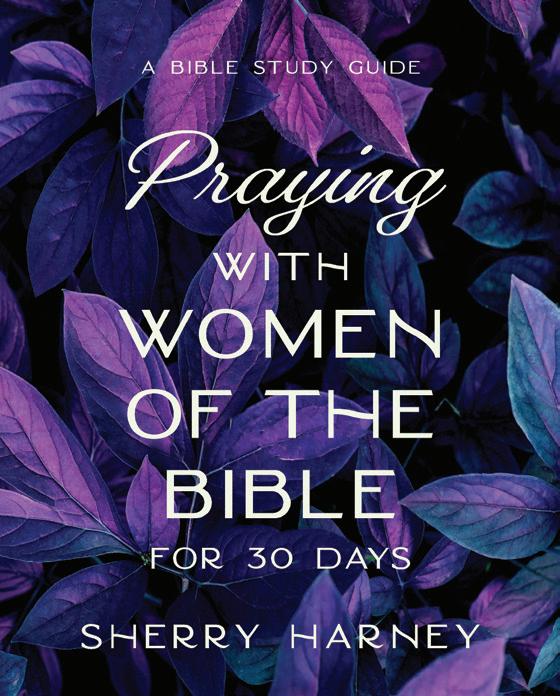


Praying With Women of the Bible for 30 Days
Sherry Harney
Learn how women in the Bible brought their needs to God in prayer.
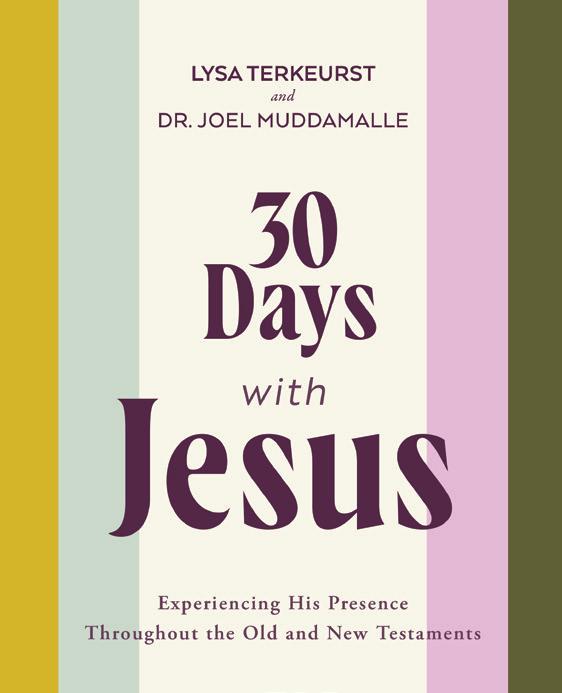

30 Days with Jesus
Lysa TerKeurst & Dr. Joel Muddamalle

Deepen your relationship with the Lord as you learn to find Jesus on every page of the Bible.

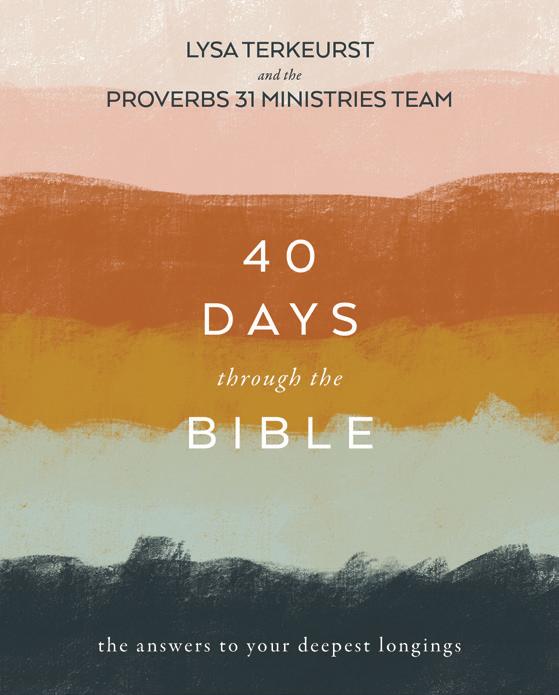


40 Days Through the Bible
Lysa TerKeurst & Proverbs 31 Ministries
Understand the story of the Bible, from start to finish, along with its amazing promises.


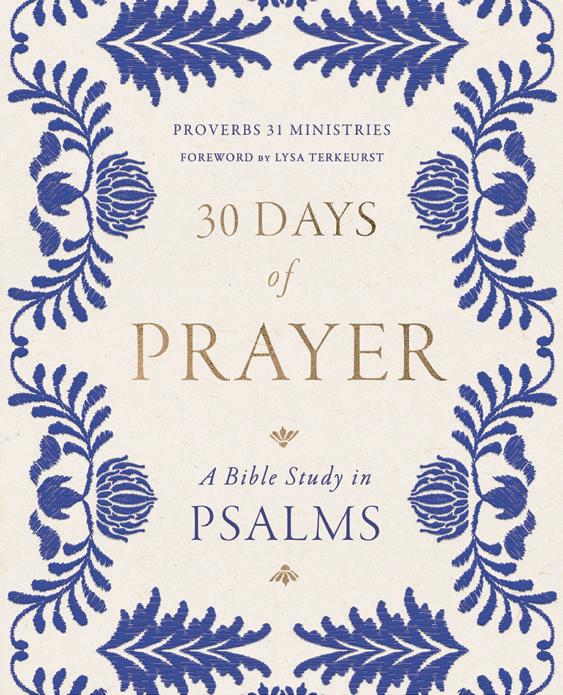
30 Days of Prayer: A Bible Study in Psalms Proverbs 31 Ministries
Uncomplicate your prayer life as you explore thirty psalms in this beautifully designed, full-color Bible study.




or 365 DAYS — with these
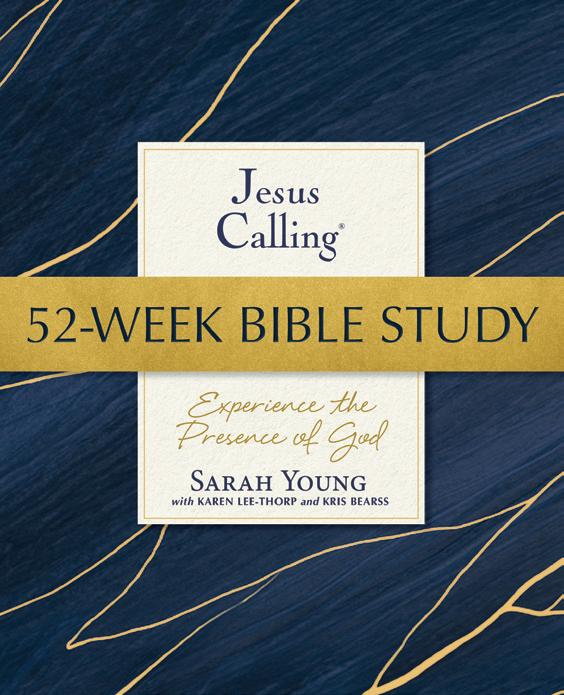

Jesus Calling 52 Week Bible Study
Sarah Young
Meditate on Scripture in a way that makes it come alive.

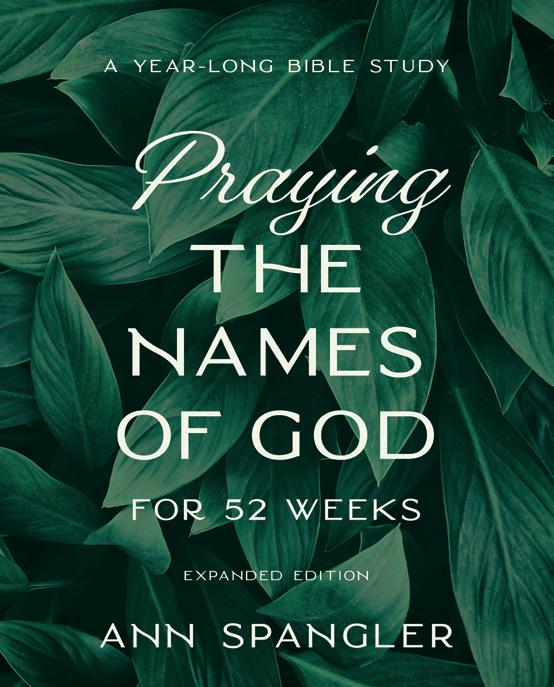






Praying The Names of God for 52 Weeks
Ann Spangler
Explore God’s names and titles as they are revealed in the Bible.


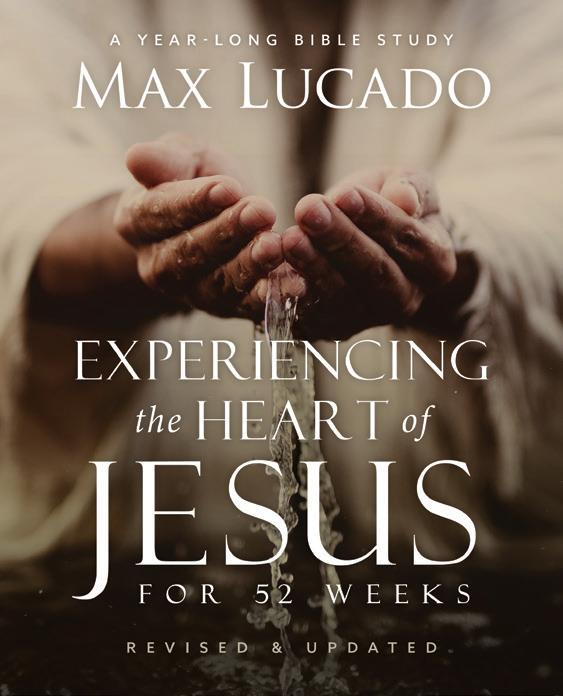
Experiencing the Heart of Jesus for 52 Weeks
Max Lucado
Begin to walk with Jesus so closely that you become more like him.



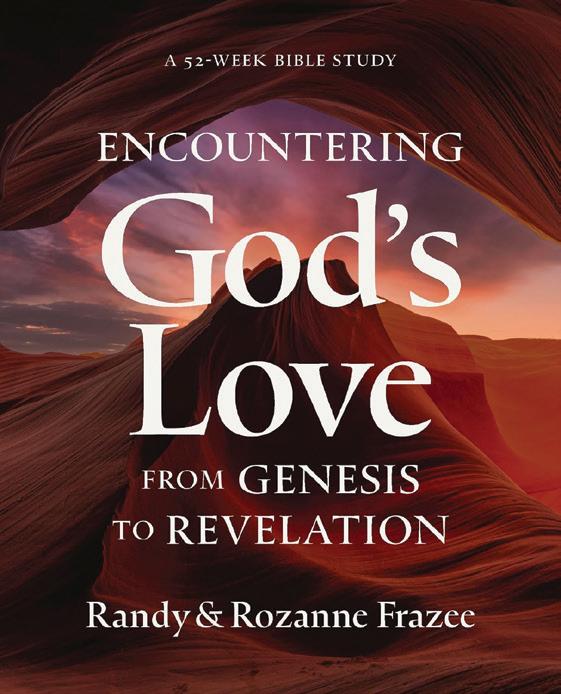
Encountering God’s Love from Genesis to Revelation
Randy & Rozanne Frazee
Explore the greatest story ever told of the most consistent and persistent love known to humankind.





Fby Sarah Young and Jesus Calling




rom Genesis to Revelation, the Bible is rich with expressions of joy and thankfulness. Think of Joseph, giving his two sons names that celebrated the Lord’s redemption (Genesis 41:50–52). Hannah, rejoicing over God’s answer to her years of prayers for a son (1 Samuel 2:1–10). Nehemiah, leading the people of God in a huge dedication service at the rebuilding of the wall of Jerusalem (Nehemiah 12:27–47). The leper who Jesus healed (Luke 17:11–19). Jesus Himself, who publicly gave thanks to His Father in heaven before feeding the five thousand (John 6:11). The 24 elders, worshiping before the throne of God (Revelation 11:16–17). And, of course, the writers of the Psalms, who testified again and again of God’s works and character with moving words such as these:

“I will give thanks to you, Lord, with all my heart; I will tell of all your wonderful deeds” (9:1).
“Praise be to the Lord, to God our Savior, who daily bears our burdens” (68:19).
“Let all those who seek You rejoice and be glad in You; and let those who love Your salvation say continually, ‘Let God be magnified!’ ” (70:4 NKJV).
God’s Word bears witness of expressions and examples of the opposite too—of ungrateful or resentful attitudes surfacing

among His people. And it wasn’t just the Israelites in the wilderness either! A close look at the lives of men and women like Moses, Sarah, Rachel, Naomi, Elijah, and some of Jesus’s disciples indicates that even they struggled to be thankful at times, just as we all do. Yet as their stories (and ours) unfold, we see the truth: practicing thankfulness is a means to the renewed mind and life that God makes possible for everyone who puts their faith in Christ. If we’re willing to give the Word of God precedence in our lives—studying it, trusting it, heeding it—the Holy Spirit will faithfully, persistently change us from being worriers and complainers to being rejoicers. He will change us into people who practice thankfulness each day out of the overflow of the heart, recognizing God’s mercies and kindnesses and living in anticipation of His continuing goodness and care.

With our hearts attuned to thanksgiving, the Holy Spirit moves in us to consider, to respond, and to be changed in powerful ways. It’s a work that only God can do. The great news is, it’s work that He loves to do so that we will draw closer to Him in love and trust, glorifying Him every day of our lives.
There are so many things for which you can be thankful to God beyond His provision for your needs. Among those blessings might be times when God rescued you from a difficult situation and brought you to a place of safety and security. Remembering experiences like these, when the gift


This is the day that I have made! As you rejoice in this day of life, it will yield up to you precious gifts and bene cial training. Walk with Me along the high road of thanksgiving, and you will nd all the delights I have made ready for you.

To protect your thankfulness, you must remember that you reside in a fallen world, where blessings and sorrows intermingle freely. A constant focus on adversity defeats many Christians. They walk through a day that is brimming with beauty and brightness, seeing only the grayness of their thoughts. Neglecting the practice of giving thanks has darkened their minds. How precious are My children who remember to thank Me at all times. They can walk through the darkest days with Joy in their hearts because they know that the Light of My Presence is still shining on them. Rejoice in this day that I have made, for I am your steadfast Companion.


—from Jesus Calling, November 26

of His Presence was especially clear, will build your trust in Him and remind you of His goodness.









SARAH YOUNG, author of the bestselling 365-day devotionals Jesus Calling® and Jesus Listens, was committed to helping people connect with Jesus and the Bible. Her books have sold more than 46 million copies worldwide. Jesus Calling® has appeared on all major bestseller lists. Sarah believed praying for her readers was a privilege and God-given responsibility and did so daily even amidst her own health challenges.

Recalling God’s deliverance in past seasons of hardship can encourage you that He will be faithful in the face of any adversity you face today. This is also a practical way to shift your inclinations away from discouragement or doubt anytime life starts to frustrate you or feel ordinary. The more you practice thankfulness, the more the Holy Spirit will heighten gratitude in your heart, drawing you closer and closer to God.
1. When you consider that today is the day the Lord has made for you, does it move you toward joy and gratitude, toward resentment or disappointment, or toward a combination of these reactions?
2. Does being reminded of God’s Presence with you in this day make it easier for you to be thankful? How does your level of focus on adversity a ect your awareness of His Presence?



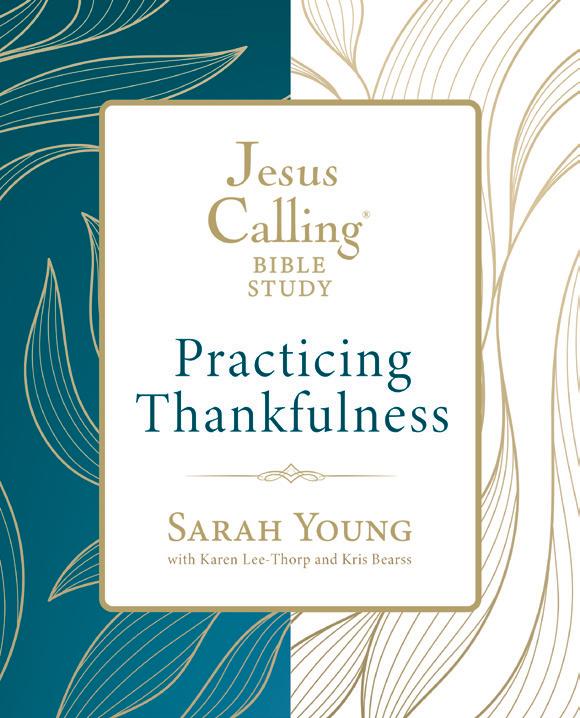


In Practicing Thankfulness, based on the bestselling book Jesus Calling by Sarah Young, you will explore how you can switch your perspective to view your life more through the lens of abundance than of lack. You will explore what the Bible has to say about the many ways that God provides for you, learn why you should give thanks to Him (in every situation) for this abundance, and discover how to truly make thankfulness a part of your daily life. This Bible Study includes six in-depth sessions.
https://qrco.de/bgG4iB thanks











































by Barb Roose

ave words ever flown out of your mouth before you could catch them? It happens. However, if it happens often, you may have an unfortunate case of FIM, also known as Foot-in-mouth Syndrome. It’s characterized by frequent apologies, face palms, and mumbling under your breath, “Why didn’t I keep my mouth shut?” I’ve been there, too.
Our mouths can get us into trouble fast. Perhaps this is why the Bible has over 100 verses with the words, “tongue” or “mouth” in them about how we speak. Looks like God knew we’d need help with our words.

Jesus’s brother, James, wrote one of the standout teachings on how to use our words in a way that brings glory to God, benefi ts others, and blesses us. This ancient writer would have seen how Jesus used his words, and perhaps Jesus’s life inspired James’s instruction:

Understand this, my dear brothers and sisters: You must all be quick to listen, slow to speak, and slow to get angry. —James 1:19

Which one is harder for you? Listening? Thinking before speaking? Reacting in anger too fast?






that what you’ve said hurt them? If you haven’t reviewed your text messages in a while, take a look. Are your words reflective of James 1:19—quick to listen, slow to speak, slow to get angry? If not, I’m glad you’re here!
As a long-time leader, speaker, and author, I’ve had to recognize my quickness with words. If you’re a high-capacity or high energy, you might be quick, too. That’s not always good. We think fast and move even quicker, and our words can run people over before we can hear our minds yell, “Wait. Hear them out. Keep your mouth shut.” Sure, we can walk back regretful or misinformed words with an apology, but we can’t ignore that relational damage has been done. Then, we beat ourselves up, hoping we haven’t compromised our testimony.
AT TIMES.
Perhaps you don’t have Foot-in-mouth Syndrome, but you tend to be overly critical or nagging. Have friends and family told you

Lucky for us, when we willingly give over our mouths and words to the Holy Spirit, we will experience His power transforming our words (Romans 12:2). Prayer is the act of surrendering our mouths and words to God, allowing Him to do what we cannot do for ourselves.

In Luke’s gospel record of Jesus’ Sermon on the Mount, Jesus taught, “What you say flows from what is in your heart” (Luke 6:45). If you need a starting point on your journey, begin with taking a screenshot of these three prayers and offer them to God before making a tense phone call, taking a meeting with a difficult co-worker, or before replying to a text.
May the words of my mouth and the meditation of my heart be pleasing to you, O Lord, my rock and my redeemer. —Psalm 19:14

During my childhood, the pastor led us in this prayer at my little Black Baptist Church at the end of Sunday service:
This is the prayer that gives permission to God’s Spirit to change the heart behind our words.
Kind words are like honey— sweet to the soul and healthy for the body. —Proverbs 16:24






During a family crisis years ago, I wrote this verse down on a notecard and studied it. Kind words don’t always mean sugarcoated, sweet words. As a Fruit of the Spirit, kindness is a pleasant outward disposition toward others. Jesus didn’t avoid hard conversations or truth, but his words passed through the kindness filter before leaving his mouth. Isn’t that what we want? On the back of my notecard, I turned Proverbs 16:24 into a prayer. I challenged myself to pray this each day for a year:
God, give me kind words, a kind heart, and a kind attitude. Amen.
During that year, God’s Spirit slowed me down and dropped that verse as a reminder to filter my words through kindness before they came out of my mouth, even during intense times.

One of the fastest ways to say something you regret is to speak when you’re hurt or angry.




When we’re hurting or angry, our fight-or-flight system is in full gear; thereby, we’re not working with full access to our rational brain. Until we turn down the flames of our pain and anger, we will speak from our hurt and anger. Yes, we should be honest about how we’ve been hurt or wronged, but we’re also warned to not sin in our anger (Ephesians 4:26).







BARB ROOSE is a Bible teacher who loves following God more than anything else in life. Barb makes God's Word come alive through powerful teaching, personal stories, and practical next steps. She's the author of multiple Bible studies and has served on staff at CedarCreek Church in Perrysburg, Ohio, for fourteen years on the executive leadership and teaching teams.

Built into Jesus’s teaching in the Lord’s Prayer is a reminder for us to examine our hearts and release our bitterness and the desire for revenge.
And forgive us our sins, as we have forgiven those who sin against us. —Matthew 6:12 NLT

Unforgiveness stored inside us will come out of us in toxic words and ways. Such a tragedy to add sinning in anger atop our suffering! Therefore, Jesus’s prayer is a proactive way for us to detox from the inside out so our words can’t heap more harm on top of our hurt.
Prayer is powerful! Which prayer resonates most with you? Now, more than ever, we need to speak life-giving words to those around us. When we do, we’ll see God’s glory shine brightly as we speak, and others will be blessed by our presence.
All scripture New Living Translation








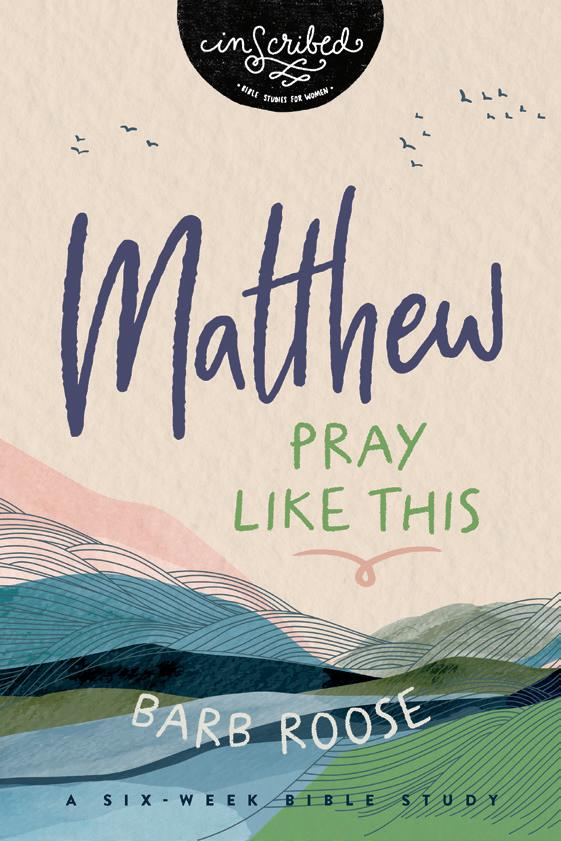

In this six-week Bible study of the Gospel of Matthew, Bible teacher Barb Roose takes a deep dive with you into Jesus’s prayer patterns. When you pray like Jesus, you will learn more about God's character and His eternal plan and purpose for you. Along the way you'll learn that prayer is the place where God meets you with His heart set on conversation and time spent with you.


















is a beautiful covenant between two people, yet our marriages often face challenges as the years pass. Though some struggles are inevitable, many can be traced back to one simple fact: we’ve lost our rhythm. Think about the world God created. Life moves in rhythm—from the tides to our heartbeat, days and nights, and seasons. Marriage is no different. Without healthy rhythms, we risk losing energy, intimacy, and connection in the very relationship meant to reflect God’s love for us.
When life becomes chaotic, marriage can often feel like the first thing to take a backseat. Yet, the rhythm of your relationship plays a significant role in how you and your spouse connect emotionally, spiritually, and even physically. Just as the ocean tides need balance for life to thrive, your relationship also needs structure and predictability to flourish.
When rhythms are lost, it becomes easy to fall into cycles of frustration, disconnection, or even burnout. However, by introducing practical patterns into your marriage, you can create a foundation that strengthens your bond amidst life’s demands.







by Rebekah Lyons
With God’s design as our guide, let’s explore how to restore joy and vitality to your marriage. The good news is that with intentional rhythms, your marriage can not only survive but thrive. There are two input rhythms (rest and restore) and two output rhythms (connect and create). Each plays a vital role in sustaining your marriage.
Rest isn’t just about sleep; it’s about finding relief and rejuvenation for your body, mind, and soul. God modeled rest from the very beginning (Genesis 2) and even included it in the Ten Commandments. Couples who prioritize rest in their schedules often find they are better equipped to handle life’s challenges.


• Practical tip: Set aside one day each week to unplug and rest together. This could mean spending time at home, enjoying nature, or simply relaxing with no agenda.
• Scripture: “Come to me, all you who are weary and burdened, and I will give you rest” (Matthew 11:28).






Our bodies need intentional care to function well. Exercise, nourishing food, and time outdoors are all part of this rhythm. By keeping yourselves physically strong and energized, you lay the groundwork for a healthier, more vibrant marriage.


• Practical tip: Exercise together! Whether it’s joining a dance class, taking a walk, or playing pickleball, moving together can strengthen both your bond and your health.
Relationships thrive on connection. While parenting and work can consume much of your energy, prioritizing time for one-on-one connection with your spouse is essential. True connection allows both partners to feel seen, valued, and loved.
• Practical tip: Commit to a weekly date night, no matter how simple.
• Reminder: Sharing calendars or sending thoughtful texts can also create daily rhythms of connection.
God designed us to create, not just to consume. Whether you’re working on a shared hobby, remodeling your home, or hosting friends together, creating as a team enriches your marriage. When you build something meaningful together, you reaffirm your partnership and deepen your sense of purpose.
• Practical tip: Schedule time for creative projects, big or small. It could be as simple as baking bread together or as elaborate as launching a side business.
To make these rhythms sustainable, intentionality is key. Here are a few types of rhythms you can incorporate into your daily, weekly, and annual routines.
• Daily Rhythms: Share a calendar, text often, and spend 15 minutes in face-to-face conversation each day.






• Weekly Rhythms: Go on a date night, enjoy intimacy with your spouse, and conduct a “home management debrief” to stay aligned on family responsibilities.
• Annual Rhythms: Plan a weekend (make it a getaway if you can) to reconnect and check in on where your relationship is headed.
Healthy rhythms aren’t just about avoiding burnout or going through the motions. They’re about fostering the kind of marriage that reflects the love of God. When life gets overwhelming, remember that your marriage is worth fighting for. The energy, joy, and intimacy you once shared can be reignited if you prioritize these essential rhythms.
As Proverbs 3:17 reminds us, “A joyful heart is good medicine, but a crushed spirit dries up the bones.” Laughter, play, connection, and renewal are God’s gifts to help you strengthen your marriage—even in seasons of trial.

Friends, no matter where your marriage is right now, remember that it is never too late to start fresh. When Gabe and I began adding intentional rhythms to our lives, everything changed. We rediscovered joy, laughter, connection, and purpose together. You can too. Commit to the process, and watch how rhythms of rest, restoration, connection, and creativity renew your relationship. The road may not always be easy, but it will always be worth it.
You’ve got this. Keep going, keep fighting, and keep trusting that your marriage is worth the investment








https://qrco.de/bgG4jQ




REBEKAH LYONS is a national speaker, host of the popular Rhythms for Life podcast, and a bestselling author. An old soul with a contemporary, honest voice, Rebekah reveals her own battles to overcome anxiety and build a healthy, thriving marriage—and invites couples to fight for and boldly pursue the marriage God has called them into. Alongside her husband, Gabe, Rebekah finds joy in raising four children, two of whom have Down syndrome.


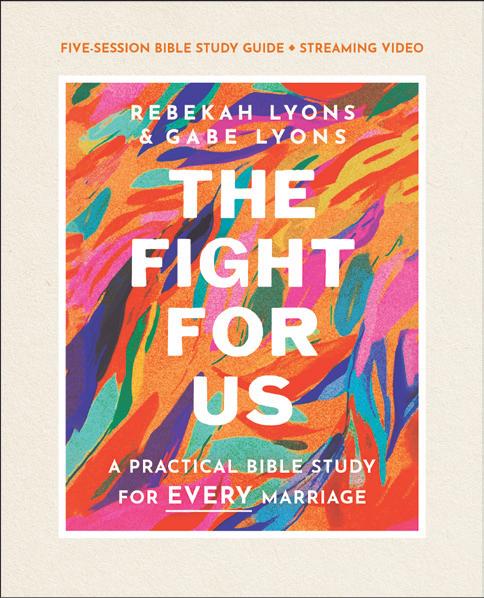
DISCOVER MORE FROM REBEKAH: The Fight for Us You Are Free Building a Resilent Life
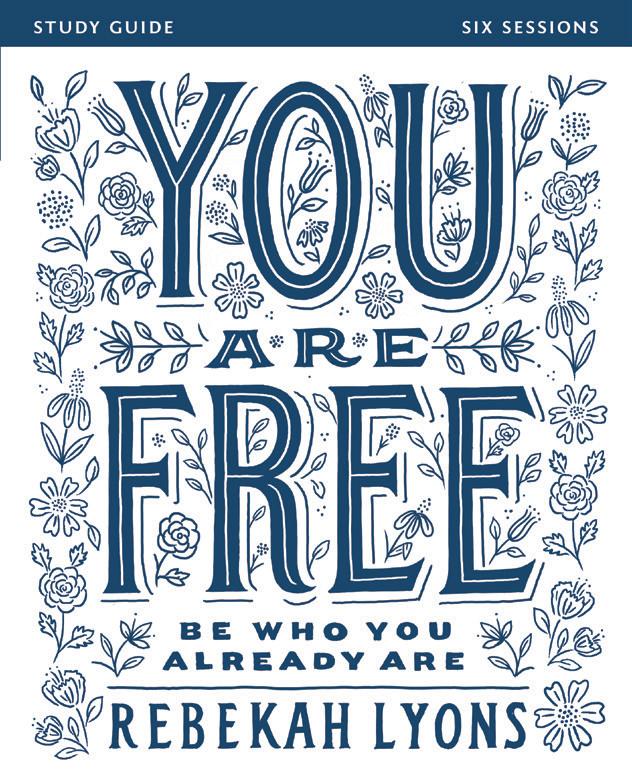




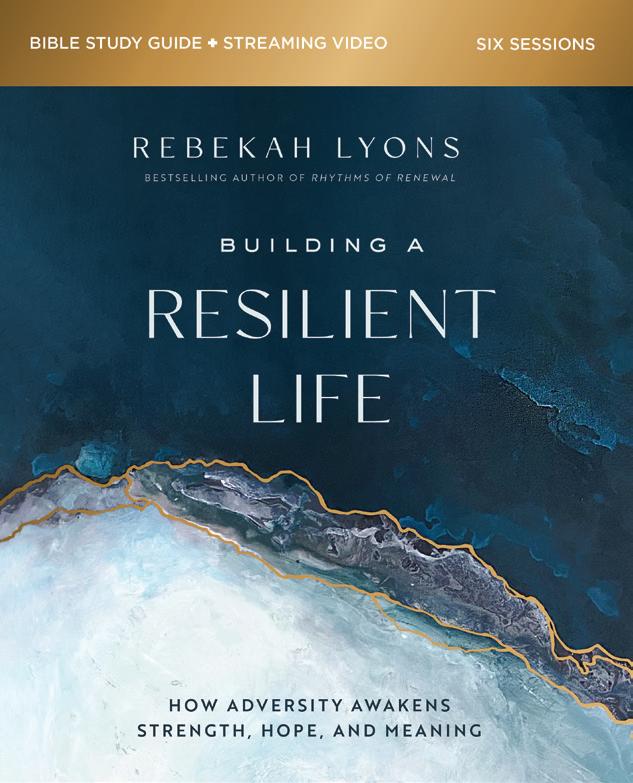

Whether they’re dating, engaged or have been married for decades, find the perfect tools to counsel and strengthen the couples in your community.

Shop these titles and more by scanning the QR code or visiting https://qrco.de/bgG4l2




















by Alli Patterson
he Bible comes alive in a brand-new way when you learn to listen as carefully as you read. A true Spirit-led experience inside the Word of God can be your new normal when you combine both skill and surrender. Most approaches to reading scripture lean too far in some direction. The focus is either academic technique—word studies, commentaries, research—or the refusal of any method, hoping for inspiration to strike. If you aren’t sure of your Bible study approach, it can be easier to just rely on someone else’s insights instead of going in search of your own. But personal encounters with God happen when you open the pages yourself, growing in fundamental skills while trusting the Holy Spirit to meet you uniquely each day.


The first thing you need for a Spirit-led approach to Bible study is humility. Even when you enter the pages of scripture for the 1,000th time, the Lord can meet you there in a fresh way and reveal what your eyes have yet to see. Humility begins a Spirit-led process because you must read slowly and truly wonder what the text says. It lets you see the words as if for the first time—not as you assume they are or what you were told by someone else.
people. For example, in Psalm 23, the verb tense of “leads,” “restores,” and “guides” may open up new awareness of God’s active shepherding in your life. But unless you step back and take note, you could miss encouragement, conviction, or comfort from the Spirit.

The skill of simple observation may seem basic, but it’s the foundation of encountering God in Scripture. This practice answers the most basic question: What did God say? The Spirit can only use what you stop, notice, and digest. He may draw your attention to repeated words, a connection to another passage, the tense of a verb, or the contrast of two
The next conviction necessary for Spirit-led Bible study is that context always matters. You not only want to know what God said, but also what He meant! Any search for meaning demands context, so diligence is required. Extra time to find out is mandatory—Who wrote this? To whom? What challenges did they face? What geography were they living in? Allow the Spirit to prompt you into investigating historical, cultural, and literary context. He is causing you to notice in order to ensure your insights are rooted and accurate. You may not believe that a map or timeline can produce a mindblowing insight—but it can!

How do you know what context to investigate? It might just be a flash of confusion about where something was located or a custom you don’t understand. For instance, in Ruth, Naomi instructs Ruth to go to the threshing floor when Boaz slept and “uncover his feet and lie down.” True understanding demands some context since this act is unfamiliar.


These study basics are just the trellis for the Holy Spirit to climb. He causes growth and direction, so it’s okay to simply follow slowly as He prompts you. No quizzes are coming your way!


The final conviction for Spirit-led Bible study is believing that real faith is only built as you listen and move in obedience to the Word. Many believers read the Bible but never mature because they ignore James 1:22—“Do not merely listen to the word, and so deceive yourselves. Do what it says.” Faith is built when you courageously respond in Spirit-led action. That “action” could be to pray the very words you read or take a step of begrudging obedience. Once, after reading Matthew 5:23-24, I invited someone for coffee I knew didn’t like me. Jesus said, “Therefore, if you are offering your gift at the altar and there remember that your brother or sister has something against you, leave your gift there. …First go and be reconciled.” That awkward coffee date has paid dividends for years—because I did what I read.
Scripture makes it clear that no believer will be formed into the image of Christ without brave, courageous action. This is the adventure Jesus invites you into through His Living Word! Spirit-led Bible study will take you from checking religious boxes into following a living God.
So, bring your highlighters and your humility. Bring your diligence and your openness. Bible study is at its best when skill and surrender go hand in hand. The Spirit will take you deeper into life than either one alone.

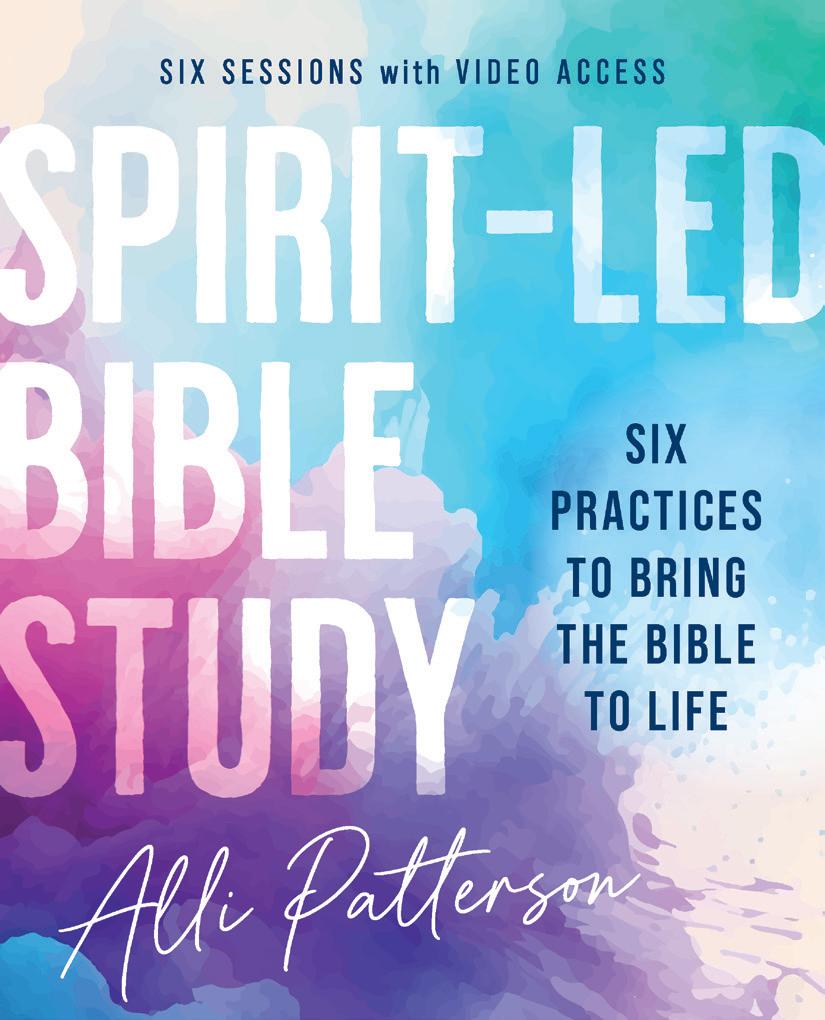

Six Practices to Bring the Bible to Life AVAILABLE EARLY 2026


https://qrco.de/bgG4lJ

ALLI PATTERSON is passionate about helping others build a life on the firm foundation of Jesus, connected to God through his Word. She holds a master’s degree in biblical studies from Dallas Theological Seminary and is a teaching pastor at Crossroads Church. She lives in Cincinnati, Ohio with her husband, Bill, four kids and one very bratty calico cat. Alli is a fan of Mexican food, Ohio State football, geeky Bible maps and timelines, pedicures, long runs, and good books.