How to Create a Minimum Viable Product

Chris Yatooma
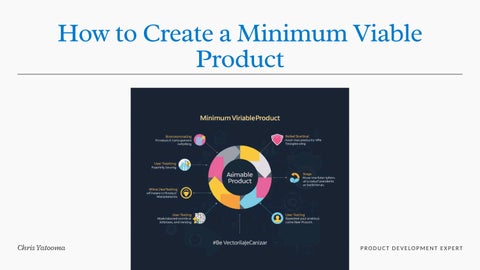
Understanding
Clearly defining the problem you're solving is the first step toward creating a successful MVP. Knowing your target audience and their pain points is crucial. Employ customer interviews, surveys, and market research to gather insights, ensuring your MVP focuses on solving the most critical issues in a straightforward manner.
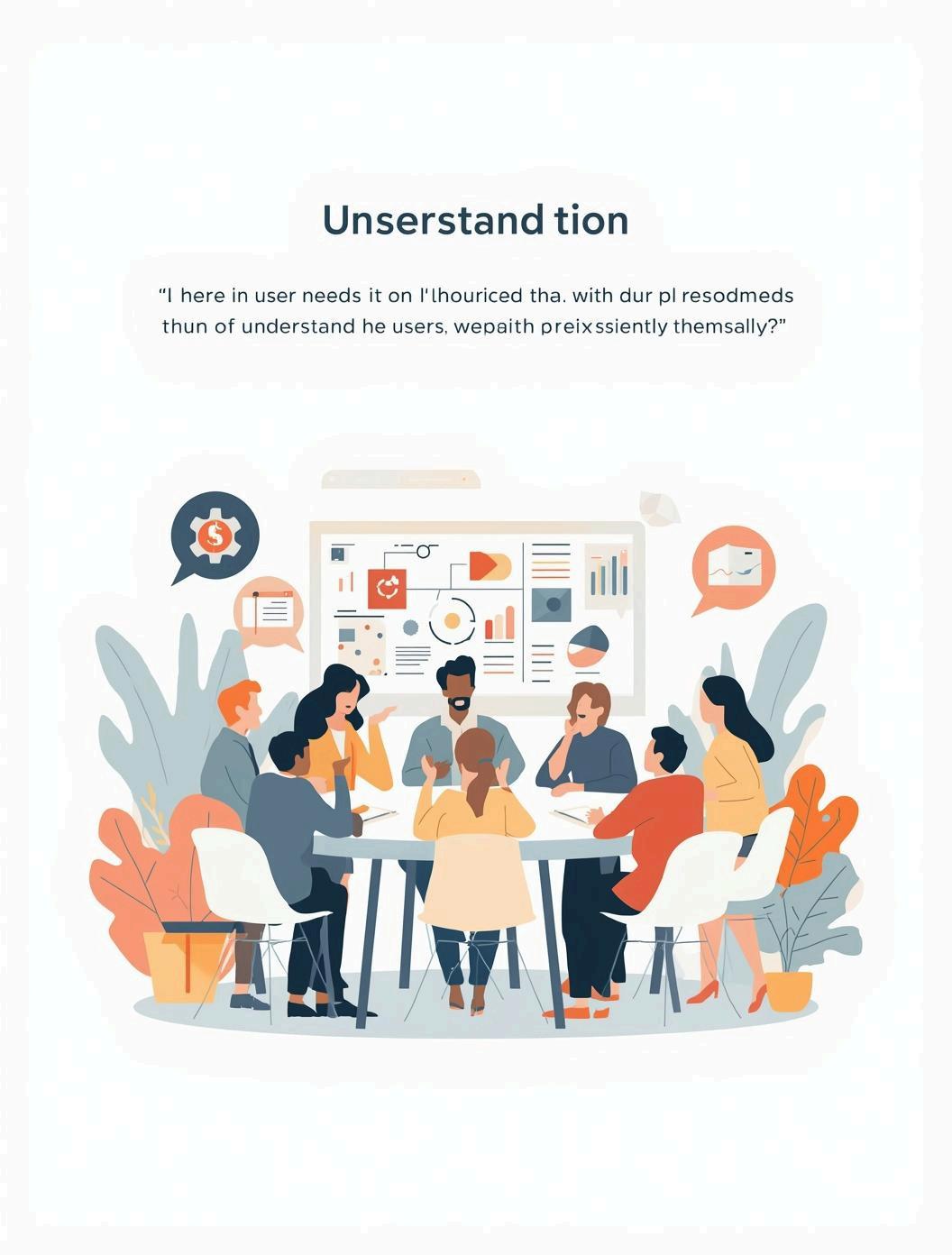
Core Features
Focus on essential user needs only
Simplification
Eliminate unnecessary features for clarity

Prototyping
Create low-fidelity models for feedback
Early Sharing
Gather feedback through initial designs
To create a successful MVP, it’s crucial to engage early adopters for user testing and feedback. Utilizing analytics allows you to track user behavior and product performance, ensuring that updates are prioritized based on real data. Treat the MVP as a learning tool, refining it through continuous iteration.

Essential insights for your MVP journey
Developing a Minimum Viable Product (MVP) significantly reduces costs and financial risks by focusing on essential features. This approach allows teams to allocate resources efficiently, ensuring that only vital components are developed and tested. A streamlined process not only saves money but also helps in identifying the product-market fit sooner.
Building a strong relationship with users starts with clear communication. By involving them in the MVP process, understanding their needs, and actively seeking feedback, you foster trust and engagement. This transparency helps users feel valued, increasing their investment in your product and paving the way for future growth and loyalty.