Christina McWhorter

I believe in the responsibility of caring for places through thoughtful planning, design, and collaboration, approaching designing for a place as an act of stewardship.
Christina McWhorter
christinamcw@gmail.com
+1 808 773 3625
Honolulu, Hawaii
Technical Skills
Adobe (Photoshop, Illustrator, InDesign)
Rhino
ArcGIS
AutoCAD
Sketchup
MS Office (Word, Excel, Powerpoint)
Languages
English
Spanish (Intermediate)
Education
MLA, Graduated May 2024, University of Hawaii at Manoa, Honolulu, HI
MFA, emphasis in Metal Arts, California College of Arts and Crafts, San Francisco, CA
B.A., Social/ Cultural Anthropology, San Francisco State University, San Francisco, CA
Awards
ASLA Student Merit Award for Capstone Project 2024
Work Experience
State of Hawaii
Department of Transportation_ Airports Planner
May 2026- present
City and County of Honolulu
Department of Transportation Services_ Bicycle Program Planner
January 2025- May 2026
Ki Concepts, Landscape Design Internship
January 2024-May 2024
UHM Kamakakuokanlani Center for Hawaiian Studies Graduate Assistant
March 2023 - May 2024
Otis Elevator Company
Sales Representative Modernization
November 2017- November 2021
Membership
American Society of Landscape Architects (ASLA)
Interests
Visual Arts
Graphic Design
Jewelry Design
Gardening
Home Remodeling
Travel Yoga Spin
Hiking
Roller coasters
Stewarding Cultural Landscapes
Kapiʻolani Park, Honolulu, Hawaiʻi
Ecology, Community + Design I Fall 2022
Objective: This project explored how landscape architecture can steward cultural memory and ecological diversity by reintroducing narratives that had been erased from the park’s historic landscape. Through the re-imagining of a new park threshold and gateway, the design examines the relationship between landscape, community needs, and urban ecology. The proposal seeks to foster a more inclusive, resilient, and culturally grounded park by reintroducing native species and stories that were displaced in pursuit of a pastoral picturesque vision.
My Role: Research, Concept, Design
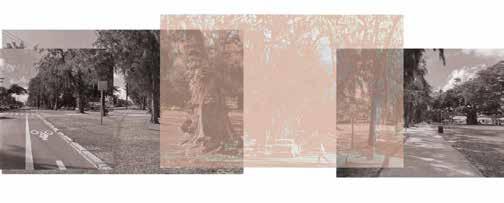
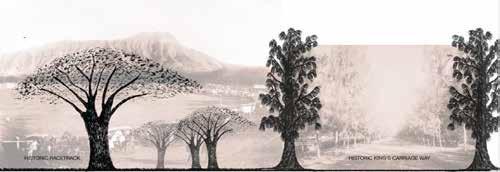
Exploring remnants of the pastHistoric and contemporary photographs are juxtaposed to examine continuity and change over time, highlighting physical and cultural remnants that remain within the landscape.
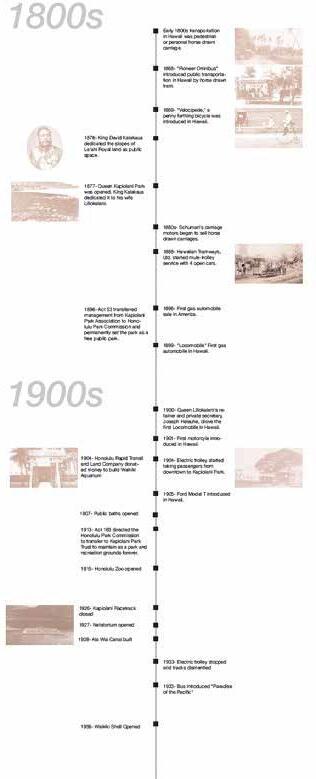
Uncovering Landscape
Histories-
Research into Kapiʻolani Park’s transportation history revealed how expanding public access helped realize King Kalakaua’s vision of a park for the people while advancing a picturesque landscape ideal. This understanding informed my design approach focused on stewardship—restoring ecological and cultural narratives that were erased as the park transformed into pastoral picturesque aesthetic.
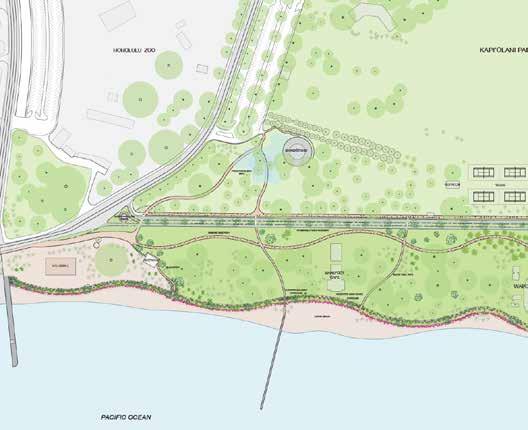
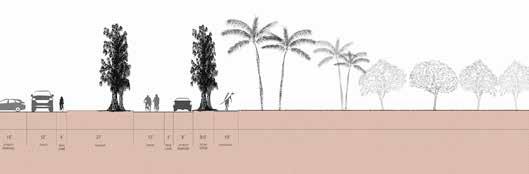
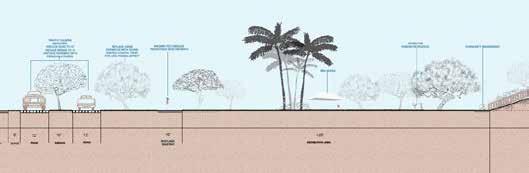
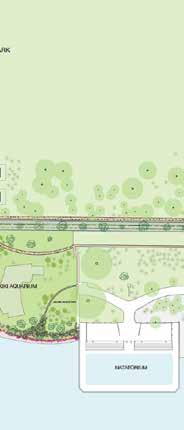
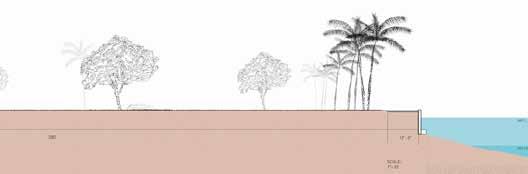
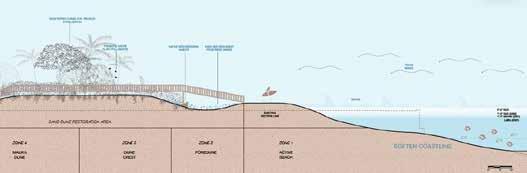
My design intent was to re-imagine the park’s shoreline as a resilient threshold between land and sea. By replacing the hardened shoreline infrastructure and sand nourished beach with a dynamic dune system, to reconnect the park through natural coastal processes while restoring native habitat, cultural narratives, and community access.
Stewarding Urban Systems
Waikiki, Honolulu, Hawaiʻi
Urban Design Studio I Spring 2023
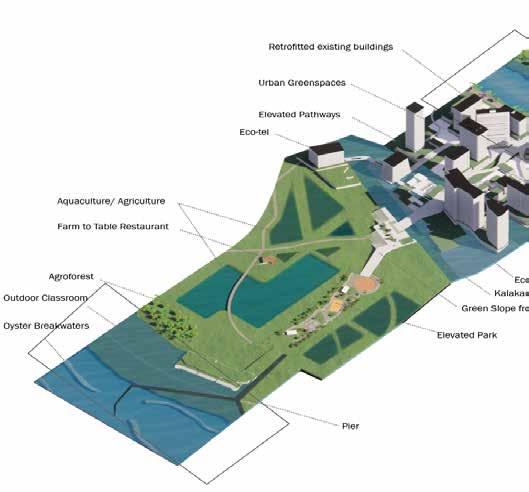
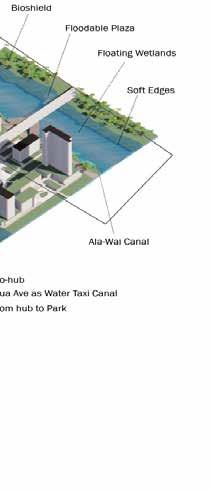
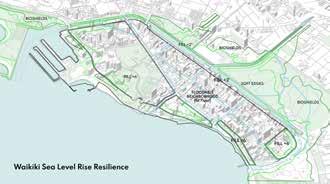
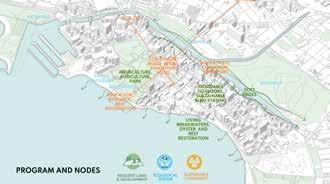
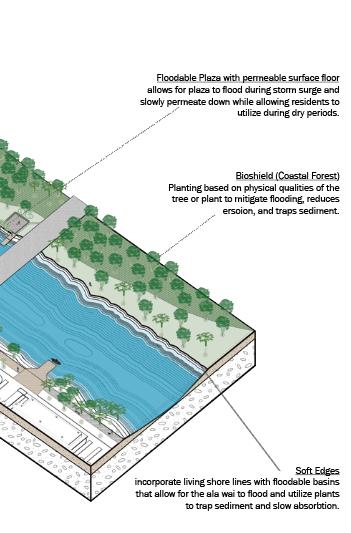
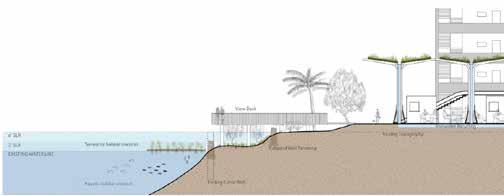
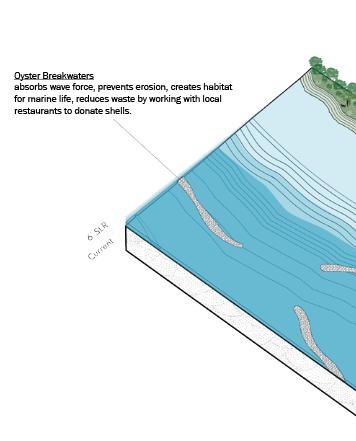
Objective: This project examined stewardship as a framework for urban design, exploring how landscape can guide resilient growth in Waikiki while adapting to future environmental change. Through collaborative team design, we developed mixed-use concepts that integrated ecological infrastructure, flood adaptation strategies, and biocultural diversity to strengthen connections between land, water, and community. The resulting vision positioned landscape as both a catalyst for urban resilience and a steward of cultural and ecological systems.
Project Team: Christina McWhorter (Landscape Architecture), Hana Matsanuga (Architecture), Jannah Dela Cruz (Architecture),
My Role: Research, Concept, Design of Landscape Design elements.
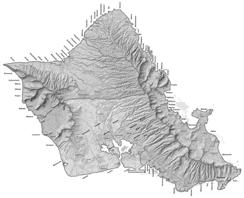
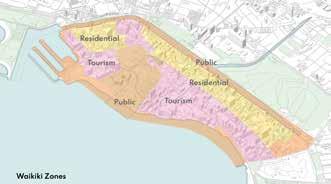
Project Location
Agroforestry:
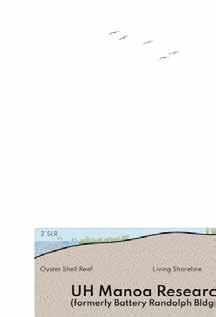
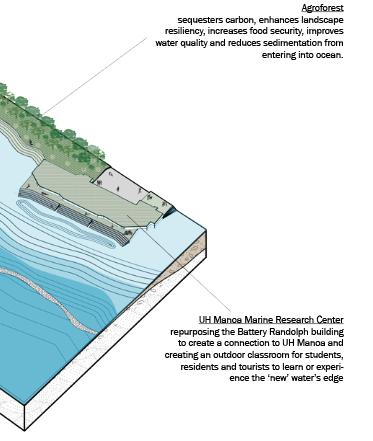
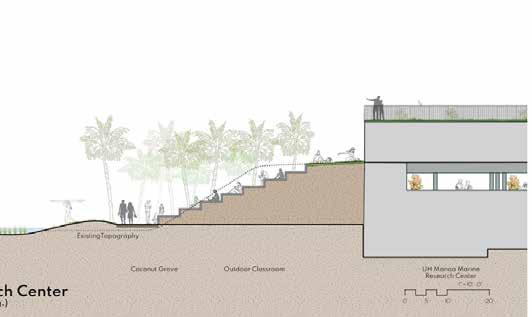
Agroforestry informed the design as a resilient landscape strategy rooted in Native Hawaiian land stewardship practices. Agroforestry is the intentional integration of trees and crops to create productive food systems that mimic natural ecosystems and foster mutually supportive ecological relationships. Beyond that it sequesters carbon, improves water quality, reduces sedimentation entering the ocean, and strengthens landscape resilience. In coastal areas, bio-shields extend these benefits by stabilizing shorelines and strengthening the critical ecosystems bridging land and sea.
Stewarding Land and Water Relationships
Lower Nuʻuanu Stream, Honolulu, Hawaiʻi
Advanced Design Studio I Fall 2023
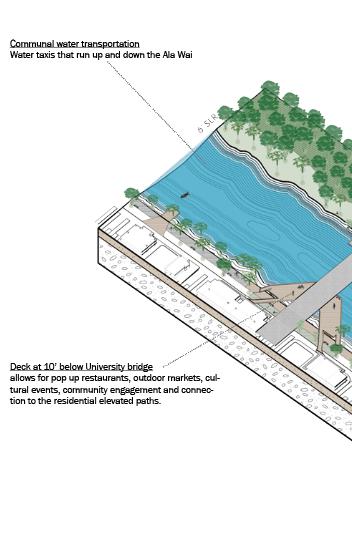
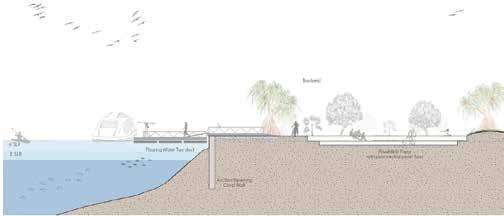
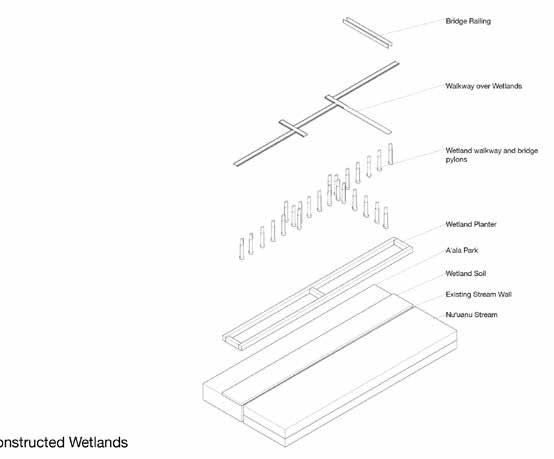
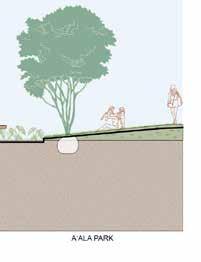
Objective: This project explored stewardship through the design of a modular landscape system that supports ecological restoration and adaptive site design. Working across multiple scales the project examined how thoughtfully integrated interventions can respond to changing environmental conditions, enhance habitat and water processes, and strengthen relationships between people and the landscape.
My Role: Research, Concept, and Design
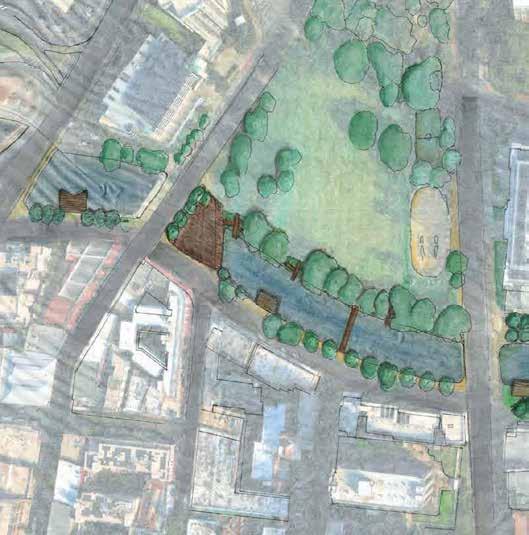
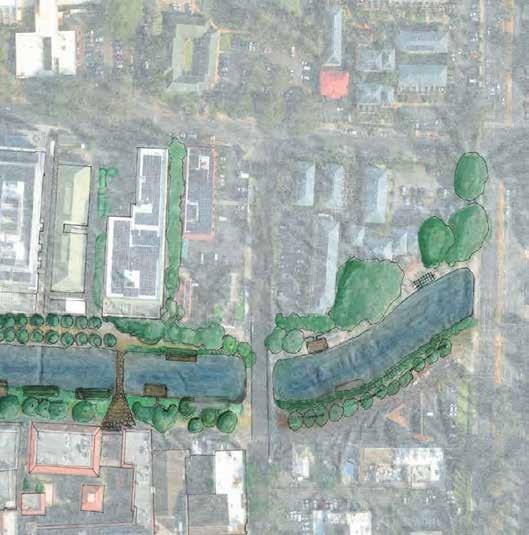
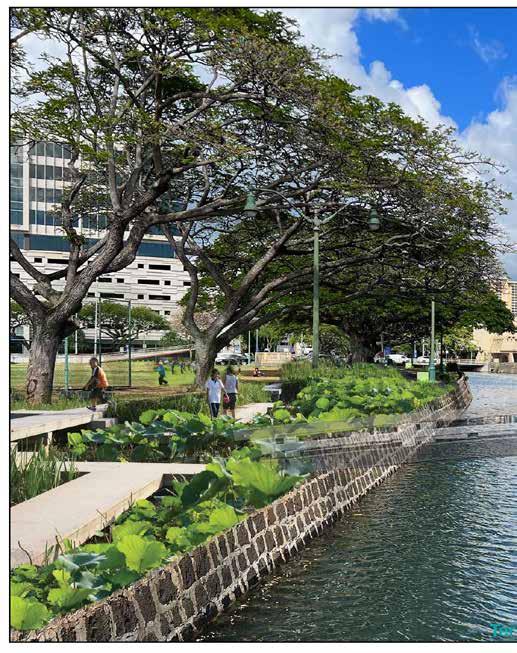
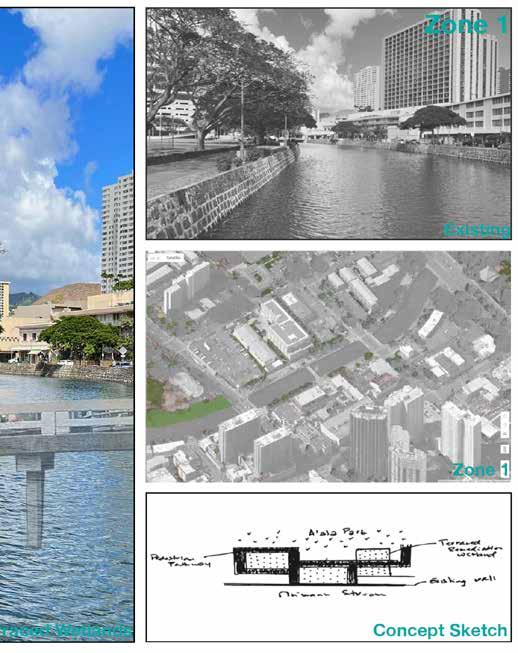
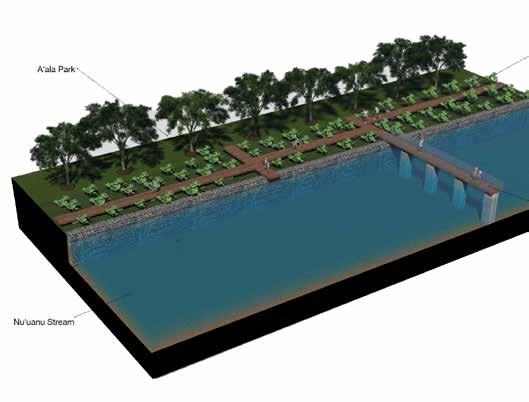
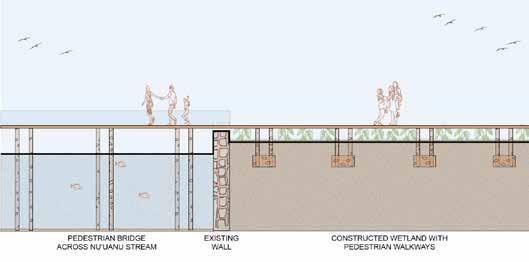
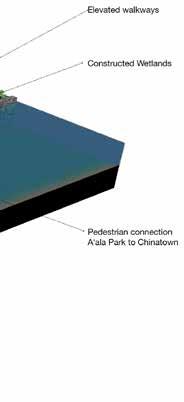
A key aspect of the design process was understanding the system as a kit of parts. By studying how each element was constructed, assembled, and connected, the project moved beyond the design of isolated objects to a deeper understanding of the materials, structures, and processes that make the system function. This exploration informed how individual components could be deployed across the site, resulting in a resilient framework that balances ecological performance, constructability, and meaningful human experience.
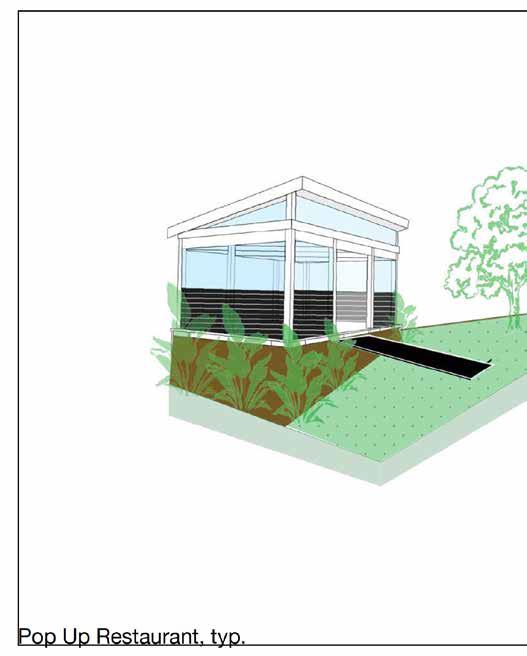
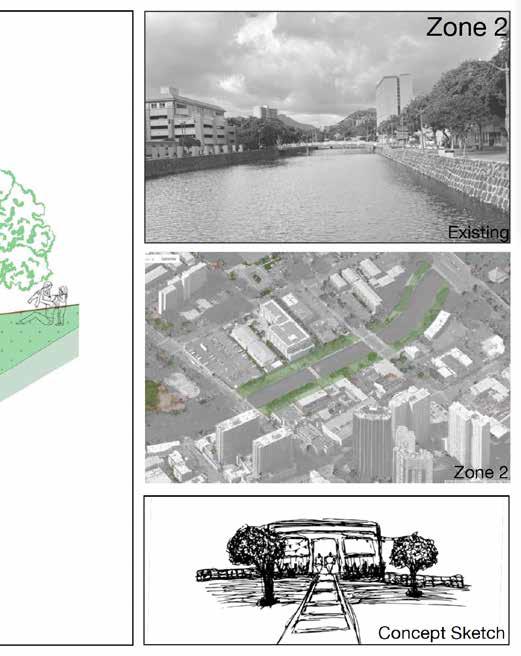
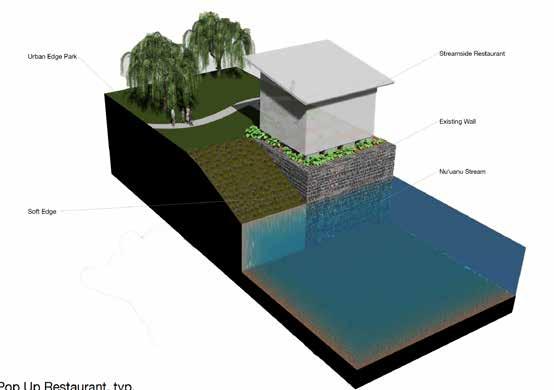
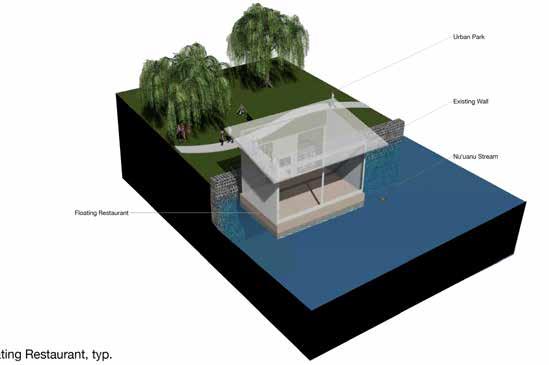
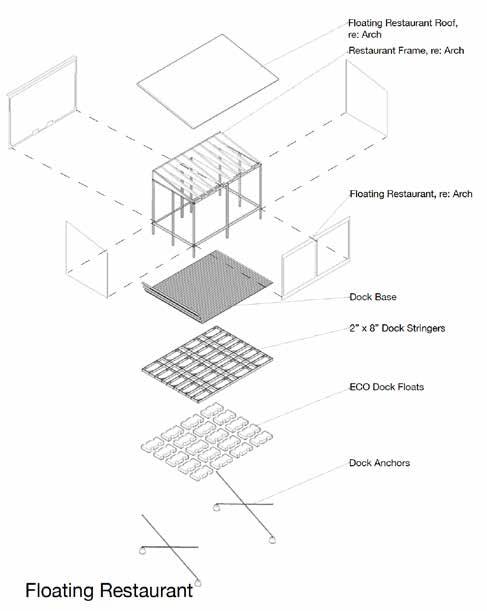
Another aspect of the project was understanding the floating restaurant system as a kit of parts. By exploring how individual components were constructed, assembled, and connected, the design process moved beyond the form of the restaurants to examine how they function within a tidal environment. This investigation provided insight into the construction, function, and circulation required to accommodate changing water levels, informing the design to be both adaptable and buildable.
Stewarding Biodiversity
“Protecting Hawaii’s Native Pollinators: An Exploration of the Mutualistic Relationship between Humans and the Nalo Meli Maoli”
Ka Iwi Coastline, Honolulu, Hawaiʻi
Capstone Studio I Spring 2024
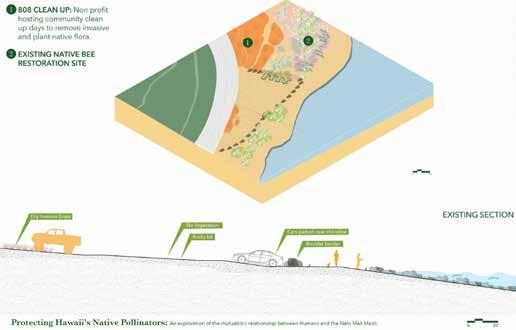
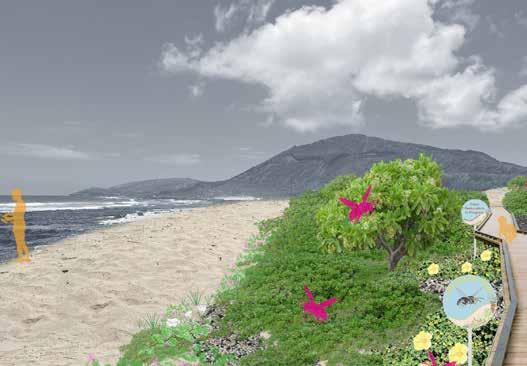
Objective: This capstone explores the mutualistic relationship between humans and pollinators, with a specific focus on the nalo meli maoli (Hawaii’s endemic, yellow-faced bee), who is crucial to Hawaii’s ecosystems. This project aims to design habitats that protect and preserve these pollinators in Hawaiʻi, emphasizing our shared responsibility in their conservation.
My Role: Research, Concept, and Design
Pollinator Typologies:
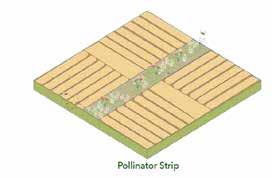
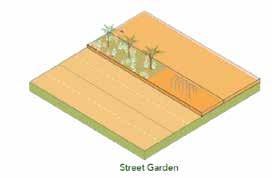
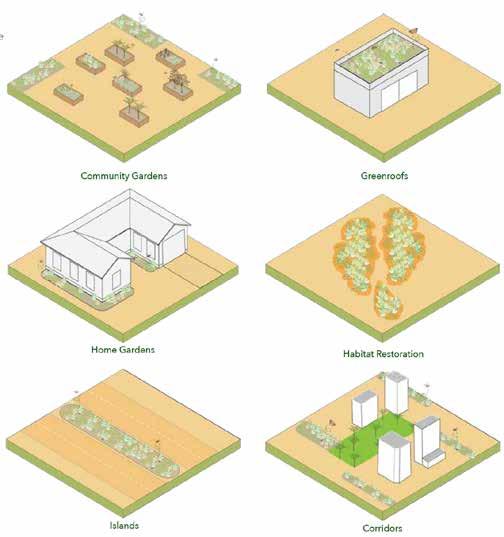
In landscape architecture toolbox, there are several approaches to designing pollinator habitats choosing the appropriate pollinator typology is crucial when designing habitats for the endangered Hawaiian yellow-faced bee.
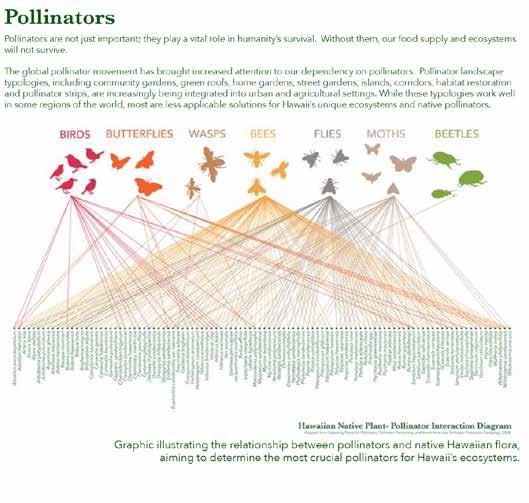
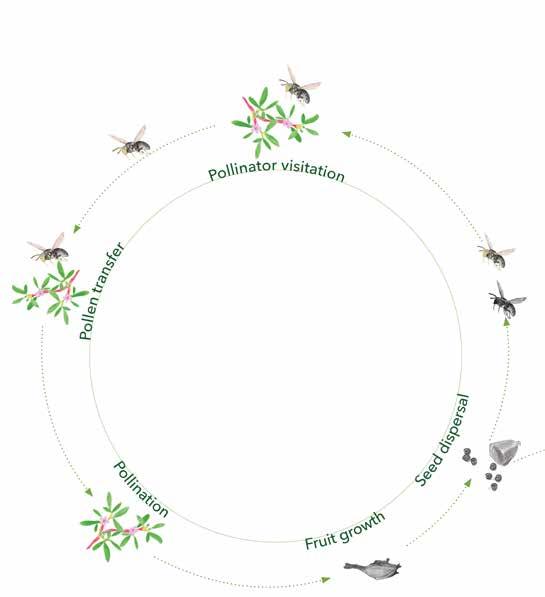
Native Plant- Pollinator Interaction Diagram:
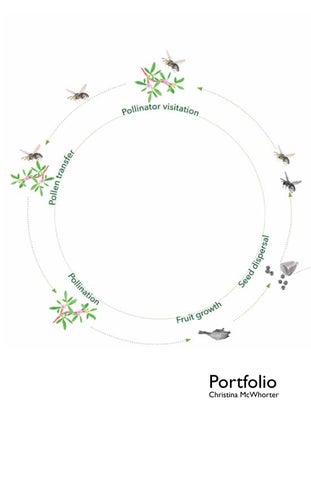
Understanding native plant-pollinator relationships helped identify opportunities for ecological stewardship by understanding the species and habitats that sustain Hawaii’s biodiversity.
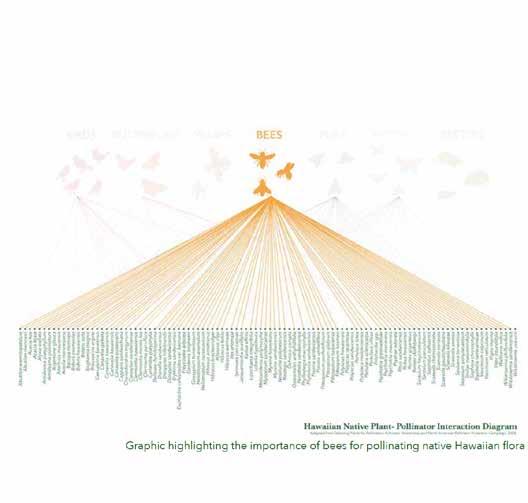
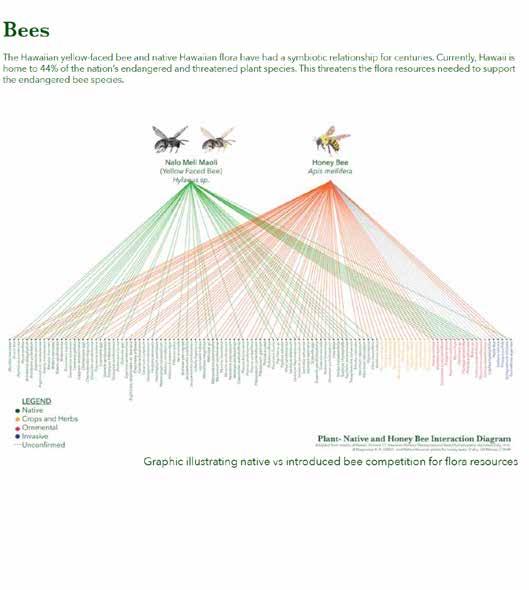
Honey Bee vs Hawaii’s yellow-faced bee: The yellow-faced bee competes with the introduced honeybee for pollen resources of the native flora. This, coupled with threatened habitat loss, endangered floral resources, invasive species, increased development, beach recreation, and increased stochastic events, has led to the disappearance of ecosystems and the habitat loss has resulted in high rates of endangered species across the islands.
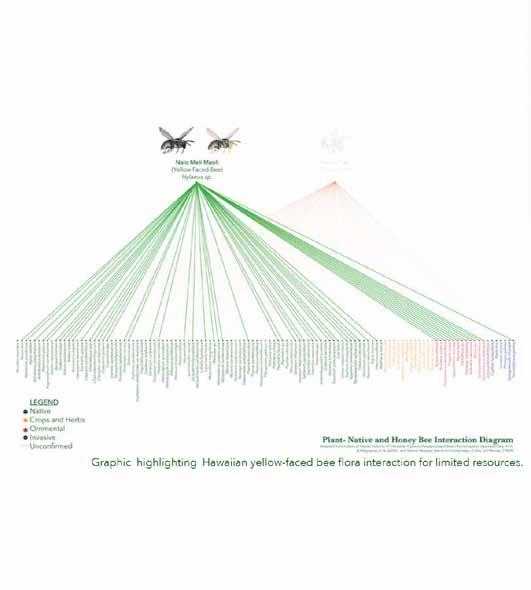
Symbiotic Relationship
In Hawaiʻi, plants and pollinators have formed a special relationship due to the co-evolution over centuries where native ecosystems heavily rely on native pollinators and have a symbiotic relationship.
Design Strategy:
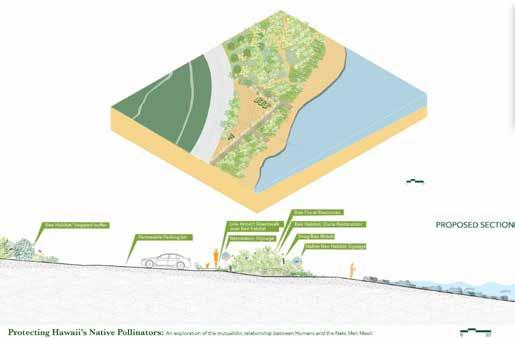
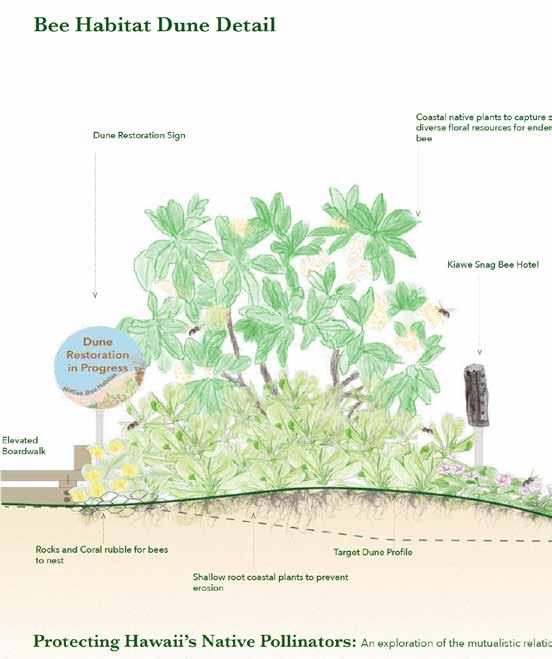
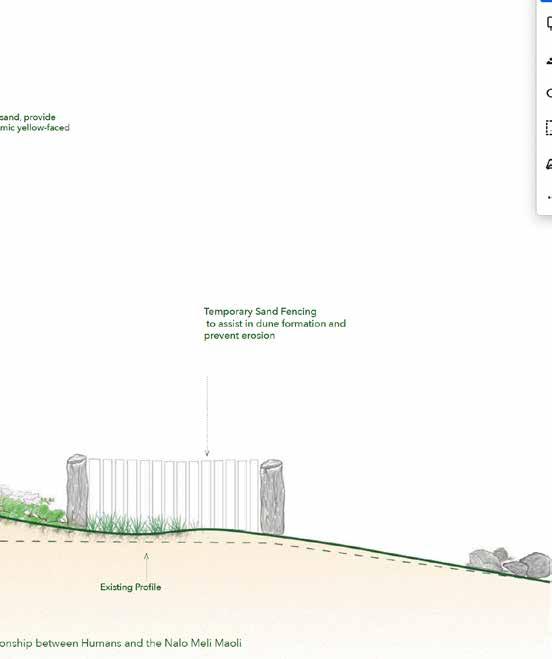
1. Dune restoration/ living shoreline: Resilient shoreline reconnecting fragmented coastal strand dunes.
2. Sand fencing: Temporary sand fencing along the shoreline assists in dune formation and prevents erosion.
3. Elevated boardwalk: Boundary for cars, allows community access to shoreline, keeps visitors on path above ground nesting bees, and reduces trampling of flora.
4. Vegetated parking edge: Buffer between vehicles and bee habitat/ boardwalk.
5. Permeable parking: Low-impact basalt gravel surface solution to reduce ground surface alteration that may attract invasive ants.
6. Vegetated buffer: Provides additional floral resources and habitat for native bees.
Residential Projects
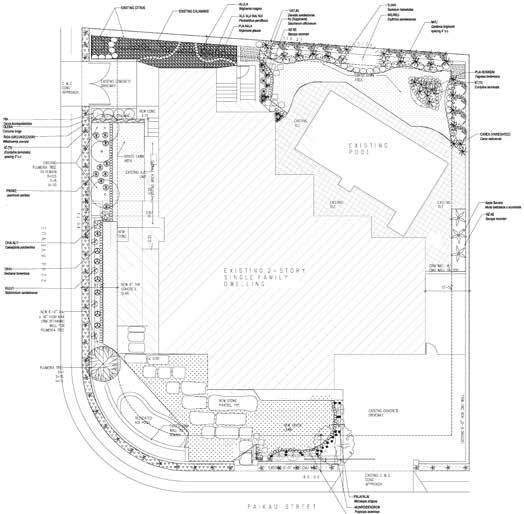
Client: Hui Ku Maoli Ola- Native Plant Nursery
Location: Honolulu, Hawaii
Year: 2024
My Role: Prepared residential planting plan, coordinated with client to accurately communicate the design intent.
Kaimuki Stormwater Pilot
Kaimuki, Honolulu, Hawaiʻi
Engineering and Design 2026, Construction TBD
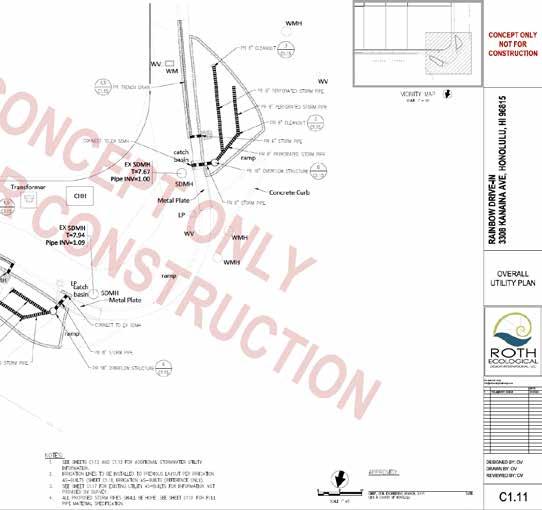
Objective: This project demonstrates stewardship through collaboration, transforming a community concern into an opportunity for green infrastructure. The site was identified as having sight line and maintenance issues, and the initial proposal was to remove the existing vegetation and replace it with concrete. Recognizing the site’s location at the corner of two streets and its proximity to the Ala Wai Canal, I identified an opportunity to re-imagine the curb extensions as green stormwater infrastructure. By bringing together public agencies and nonprofit partners, the project secured grant funding for the engineering and design of a pilot stormwater treatment project.
Partners: City and County of Honolulu, Hawaii Green Growth, Roth Ecological
My Role: Stewardship through project coordination, partnership development, and implementation.
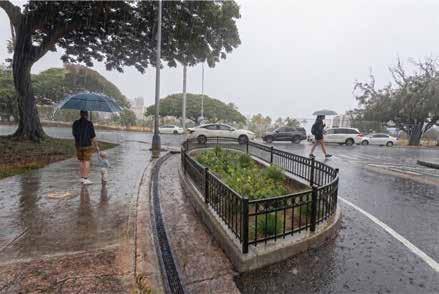


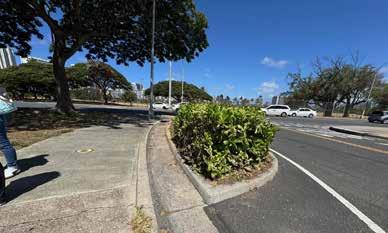
Existing