
Time in Nature
for Family Flourishing
RECEIVE THE GIFTS OF NATURE
Spending time outdoors is one of the most overlooked yet generative ways to support mental health. In an era of heavy screen use and overburdened schedules, it takes great intention to partake of nature. Yet, with the benefits so clear, making a daily habit of being outside offers easy access to profound gains in flourishing.
BENEFITS OF TIME IN NATURE
Boosts Mood
Time outside increases happiness and wellbeing. It’s linked to children experiencing fewer conduct problems and a greater sense of self-worth.
Benefits Relationships
Being outdoors decreases self-focused thoughts and increases feelings of closeness with others and the willingness to be kind, generous and helpful.
Cultivates a Sense of Meaning and Purpose
Time in nature draws us out of ourselves and into a larger story.
Enhances Memory and Attention
Spending time outdoors helps improve attention and can reduce symptoms for children with ADHD.
Sparks Imagination and Creativity
Open-ended outdoor spaces invite curiosity, imagination and problem-solving.
Supports Restful Sleep and Lower Stress
Fresh air and sunlight help regulate circadian rhythms and lowers cortisol levels.
Eases Symptoms of Anxiety and Depression
Nature calms the mind, clarifies thinking and helps reduce repetitive negative and anxious thoughts.
Supports Sensory Processing
Outdoor play offers rich sensory experiences, helping the body to learn to respond well to textures and sounds and strengthening balance, coordination, physical capacity and risk discernment.
“Never be within doors when you can rightly be without.”
CHARLOTTE MASON, 19th-century educational reformer
PRACTICAL IDEAS FOR TIME IN NATURE

Take Inside Activities Out
What everyday activities could you move outdoors?
IDEAS:
• Complete homework outside
• Bring hobbies (reading, drawing, building) outdoors
• Share a meal outside
• Step outdoors at sunrise or sunset
Choose Outdoor Activities Over Indoor Ones
What outdoor options could replace indoor habits?
IDEAS:
• Swap screen time for a game of soccer or catch in the yard
• Use sketchbooks or learn the names of plants and animals
• Visit a local park or go for a hike
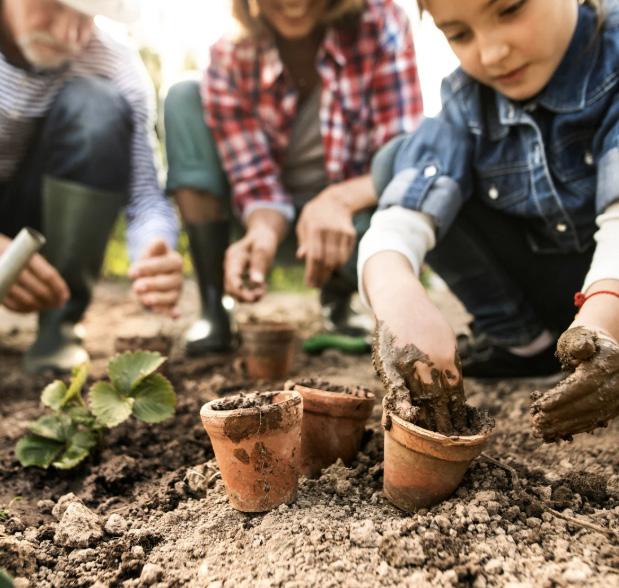
• Plant a garden together—allow children to take ownership
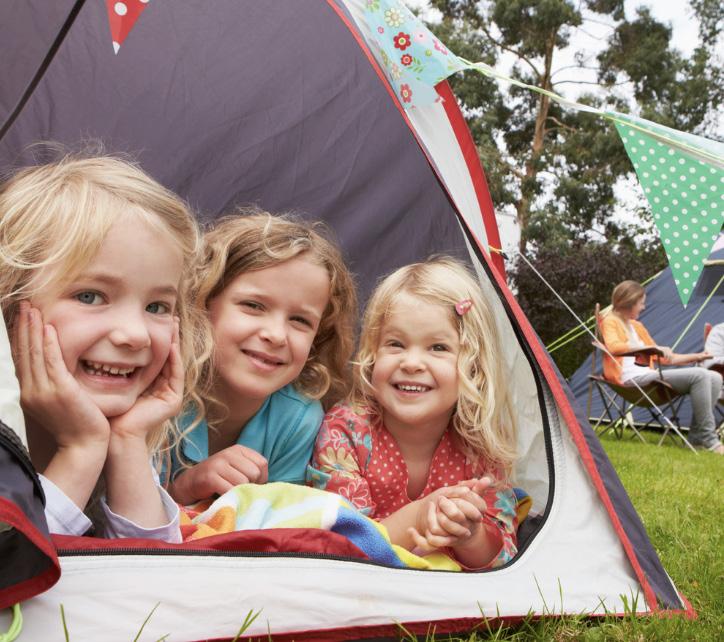
• Go camping, even if it’s in your backyard
Create Time for Unstructured Play Outside
How can you create space for child-led, outdoor play?
IDEAS:
• Allow them to get messy—bare feet, dirt, grass and water
• Encourage exploration and reasonable risk-taking
• Make space for play at dusk or even in the dark
• Climb trees, scramble over rocks and explore natural terrain
• Welcome rough-and-tumble play—wrestling, chasing and high-energy movement
The Institute for Family-Centered Healing & Health equips foster and adoptive parents with family practices grounded in Scripture and science, helping them experience steady growth as healing slowly takes root in their children’s lives.