The Role of Protective Factors & Resilience
Adults who experienced alternative care as children
This is associated with lower life satisfaction in adulthood.
We know from previous research that
with
This can help us promote better outcomes in children who are currently in FOSTER, ADOPTIVE, KINSHIP, and
How do individual impact the relationship between early adversity and life satisfaction? protective factors, relational protective factors, resilience
INDIVIDUAL PROTECTIVE FACTORS are personal traits or skills that help someone cope with adversity
RELATIONAL PROTECTIVE FACTORS are supportive relationships and social connections that provide strength during challenging times
RESILIENCE is the ability to bounce back from difficult experiences and adapt well to adversity
The Role of Protective Factors & Resilience in promoting better outcomes among adults with care experience both help to buffer some of the negative impacts of ACEs on life satisfaction
&Resilience Protective Factors
Your ability to bounce back and your personal and relational protective factors work together in different ways.
Sometimes they work side by side (in parallel), and sometimes one leads to another (sequentially),
all helping to improve life satisfaction despite difficult childhood experiences
Protective Factors are layered & interwoven.
In other words, the factors influence and reinforce each other When multiple factors are present, the combined effect is greater than each factor alone
For example:
QUALITY CAREGIVING (relational factor)
GREATER SENSE OF BELONGING
IMPLICATIONS FOR PRACTICE
Facilitate Protective Factors
Ensure children have access to protective factors such as education, healthy relationships, faith, skillbuilding, and more
Individualized Interventions
Holistic Approach
Consider the interplay of multiple protective factors rather than focusing on isolated interventions
Tailor support to leverage and strengthen an individual's unique combination of protective factors
KEY TAKEAWAYS
IMPROVED CONFIDENCE (individual factor)
Cascading Effects
Recognize that enhancing one protective factor may lead to improvements in others
Understand that building resilience and protective factors is an ongoing process that can have cumulative benefits over time Long-term Perspective
ACEs significantly impact life satisfaction in adults with care experience, but resilience and protective factors can limit these effects
By fostering both individual strengths and supportive relationships, we can help individuals overcome early adversity and improve their overall well-being
Parents and professionals should focus on building protective factors holistically, recognizing their interconnected nature and cumulative impact on resilience and life satisfaction into adulthood
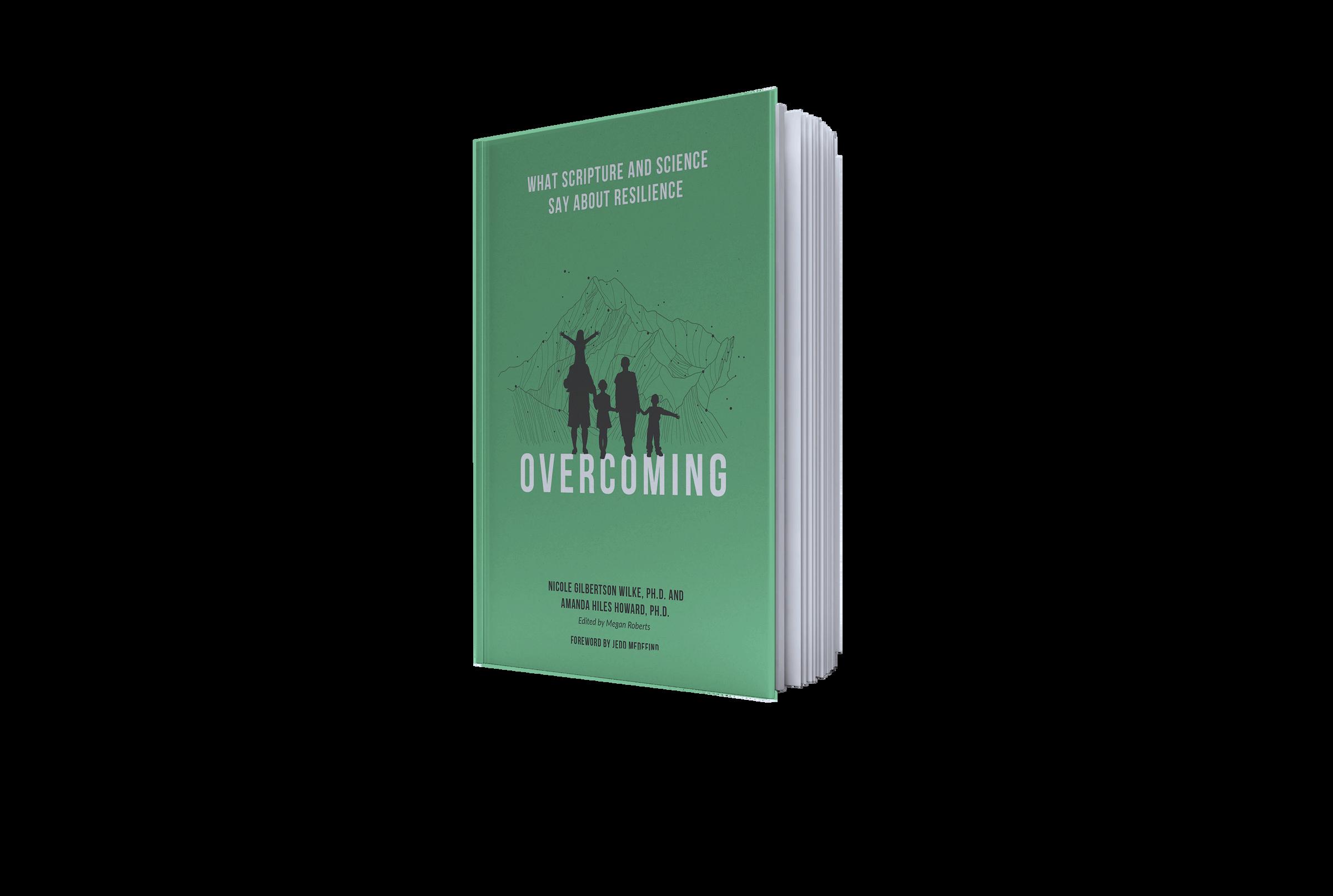
For more practical guidance on building resilience, see
Overcoming: What Scripture and Science Say About Resilience.
Based on
by Nicole Gibertson Wilke, Megan Roberts, Lindsey Newsom, Tony Mitchel and Amanda Hiles Howard