We ServeTogether
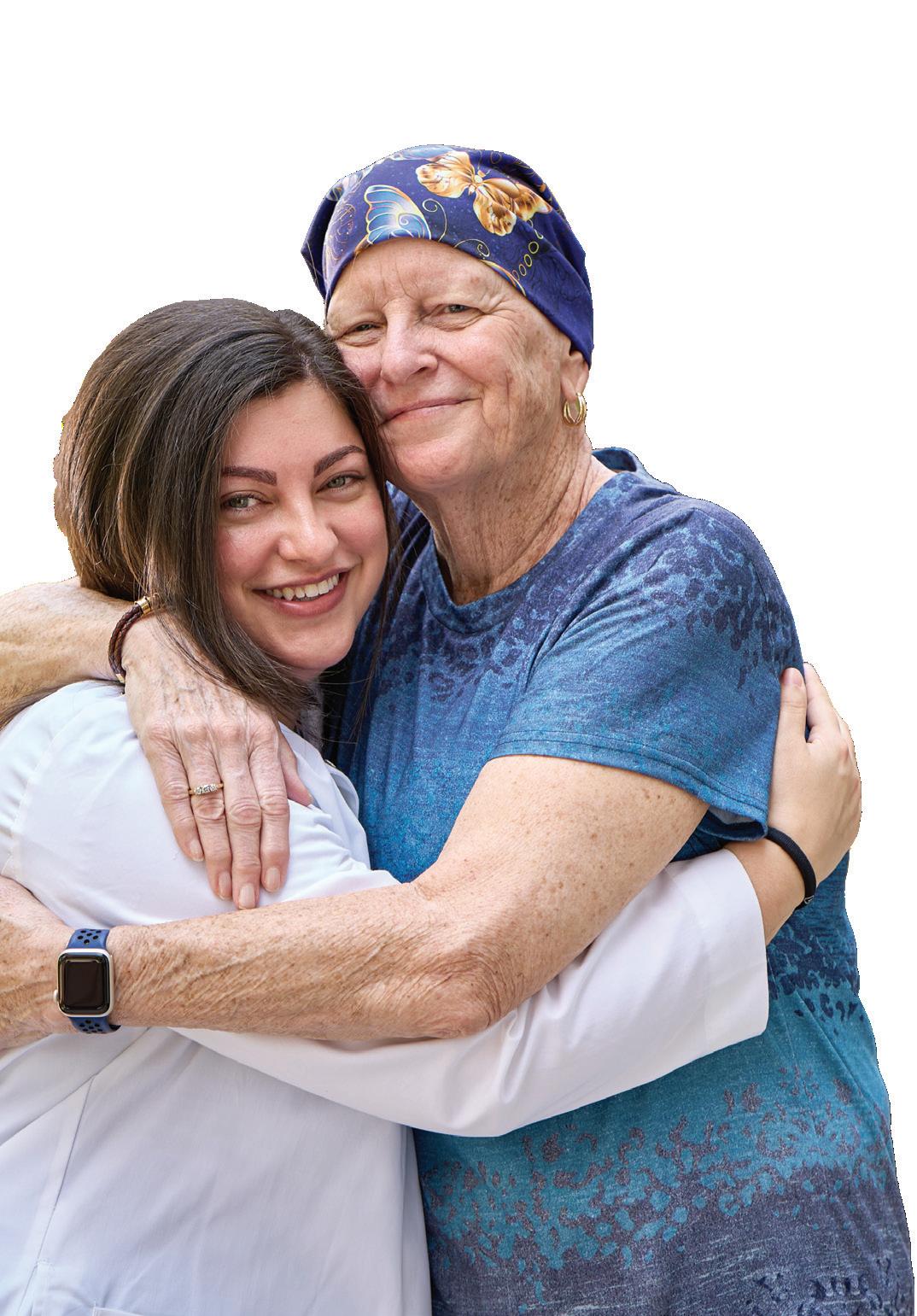
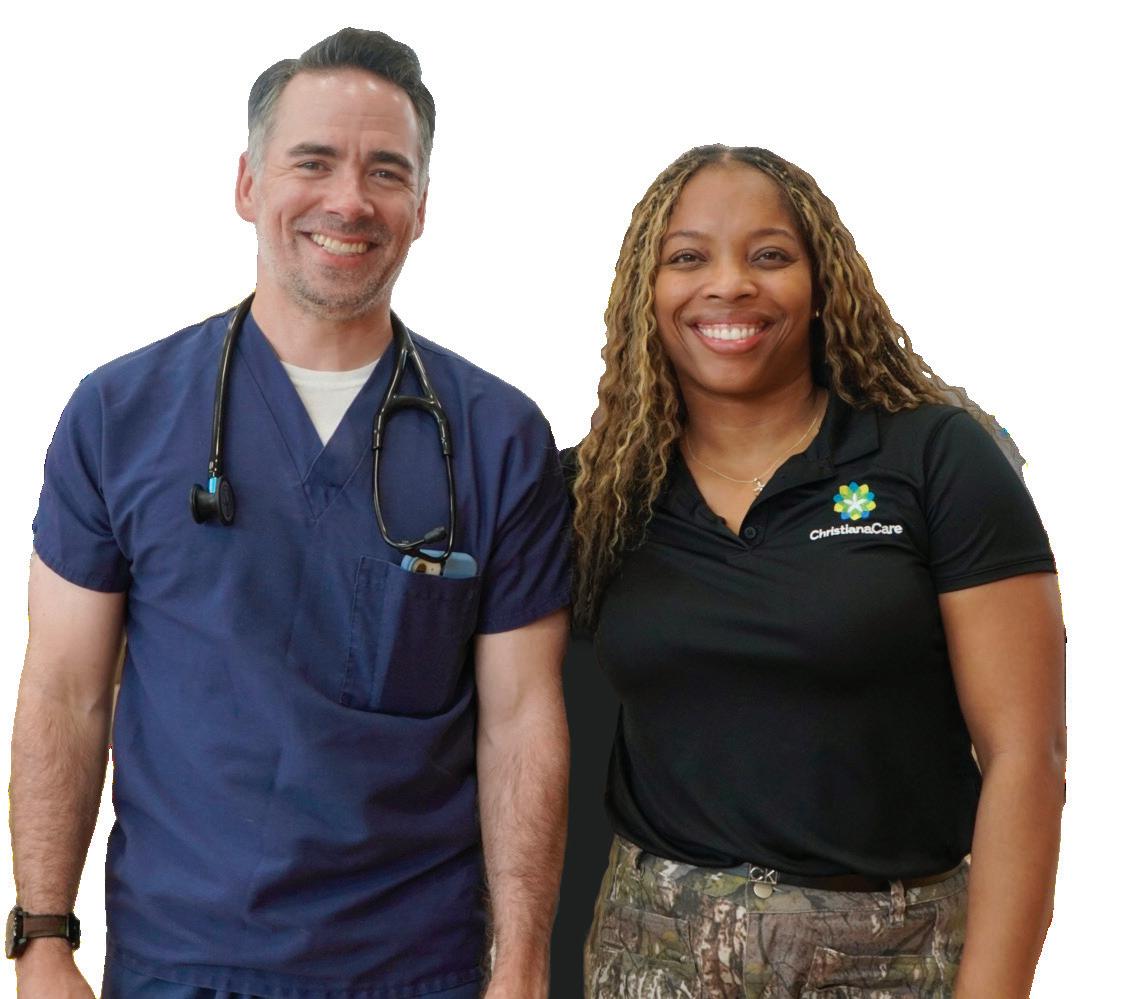
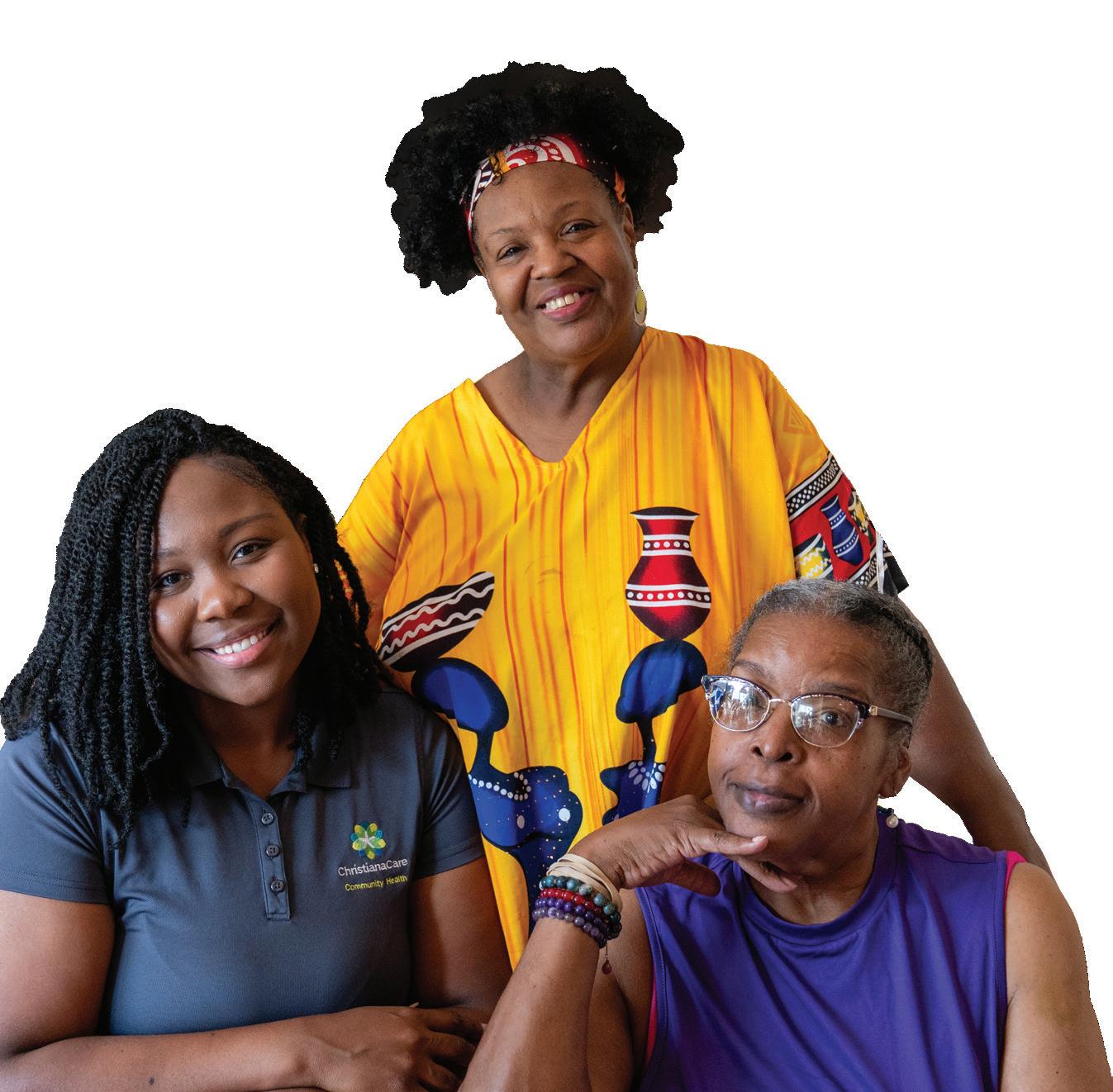

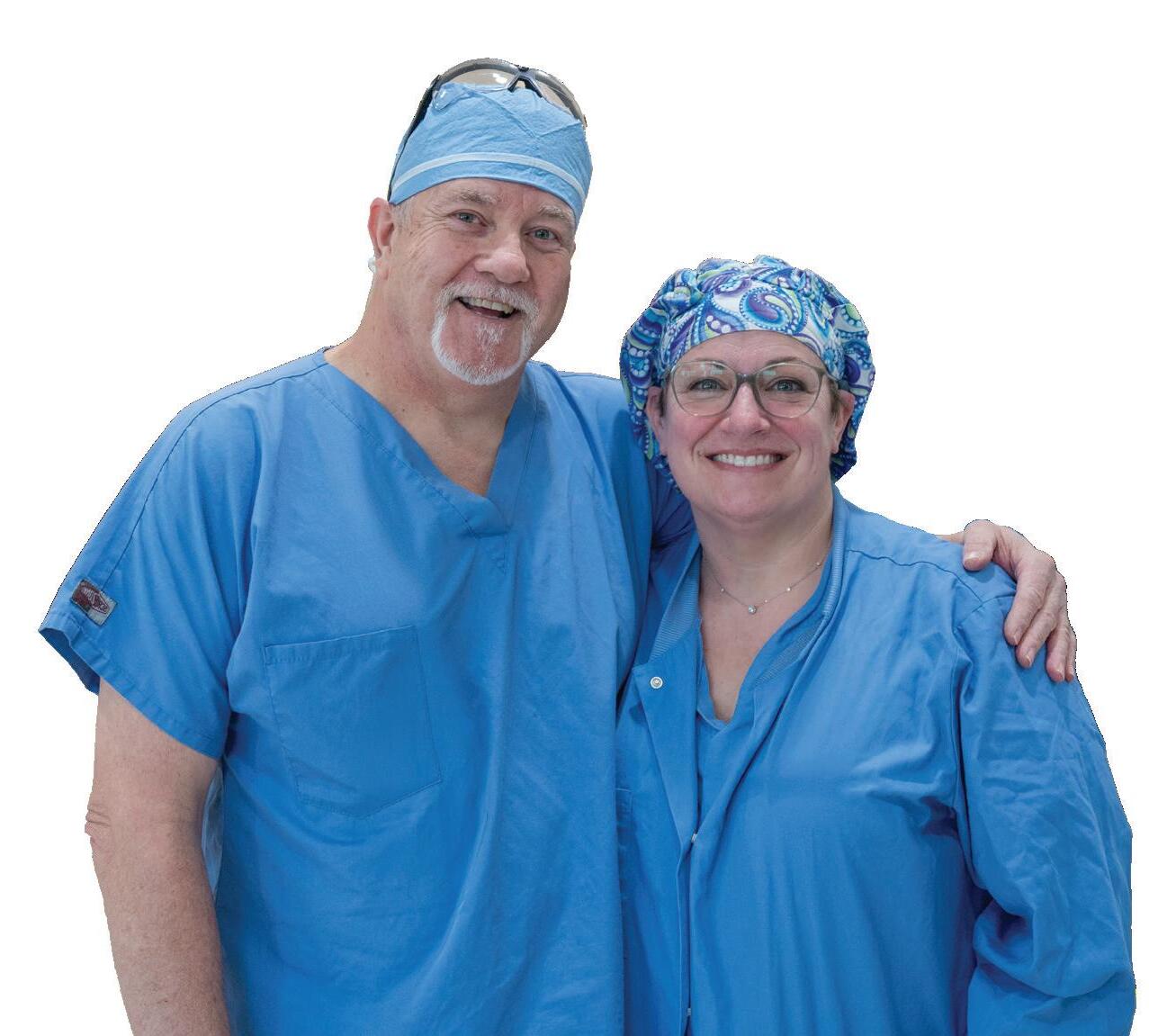
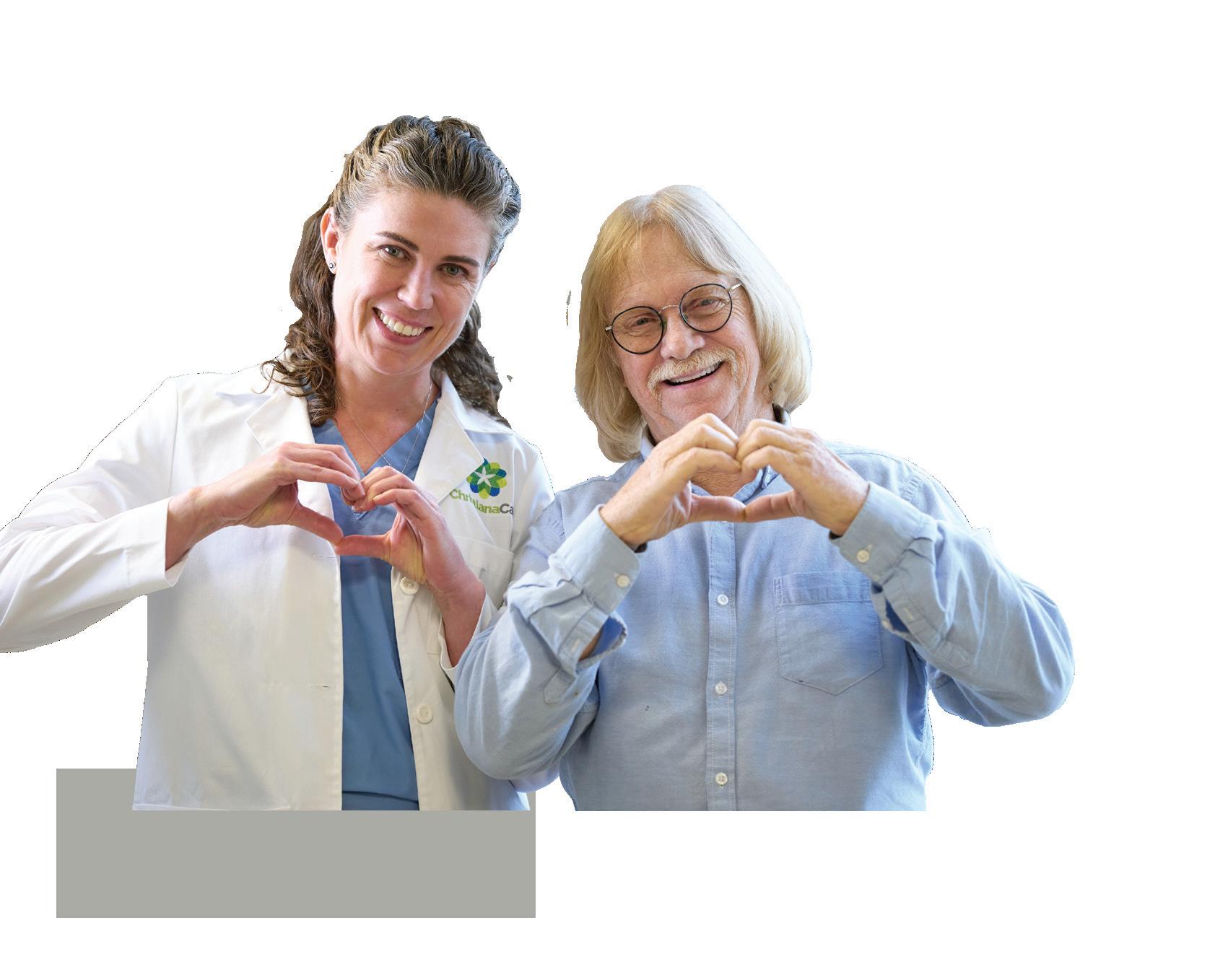
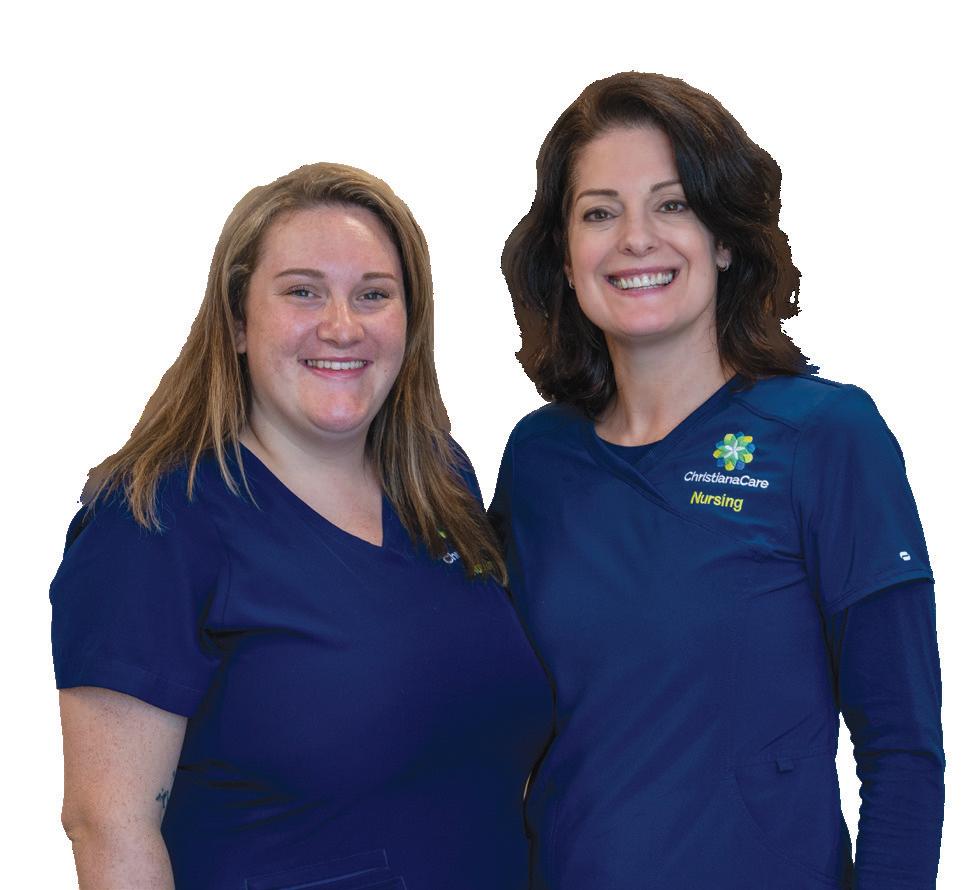
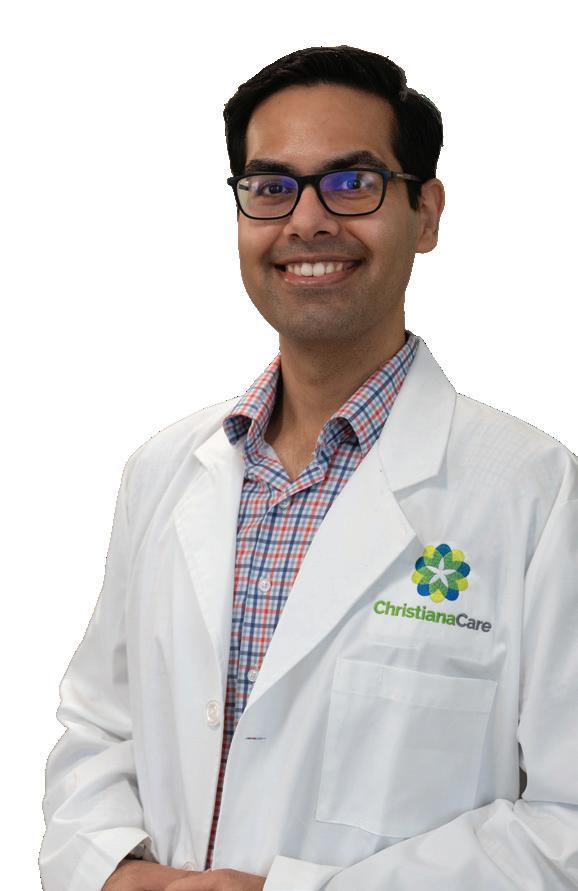
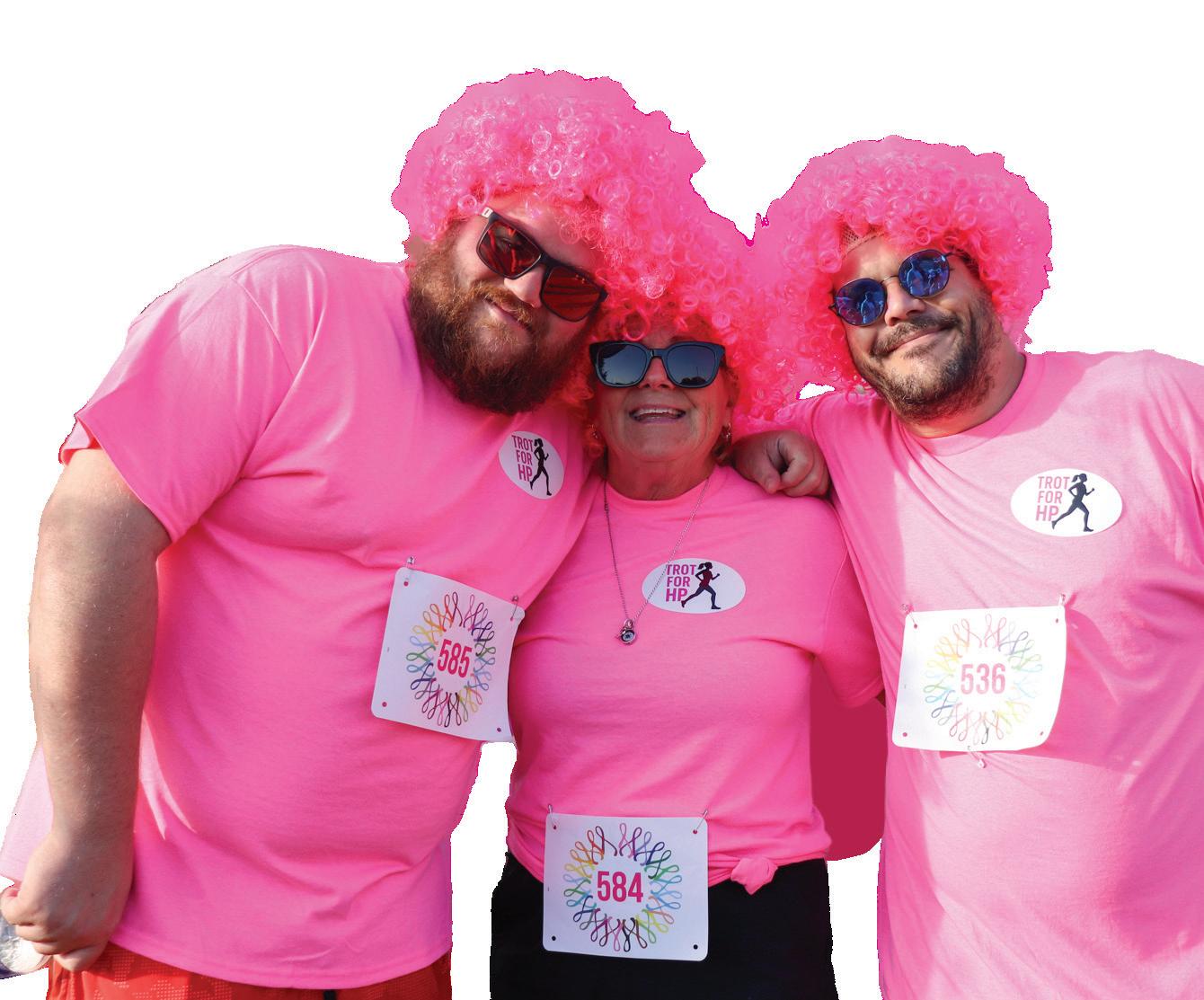
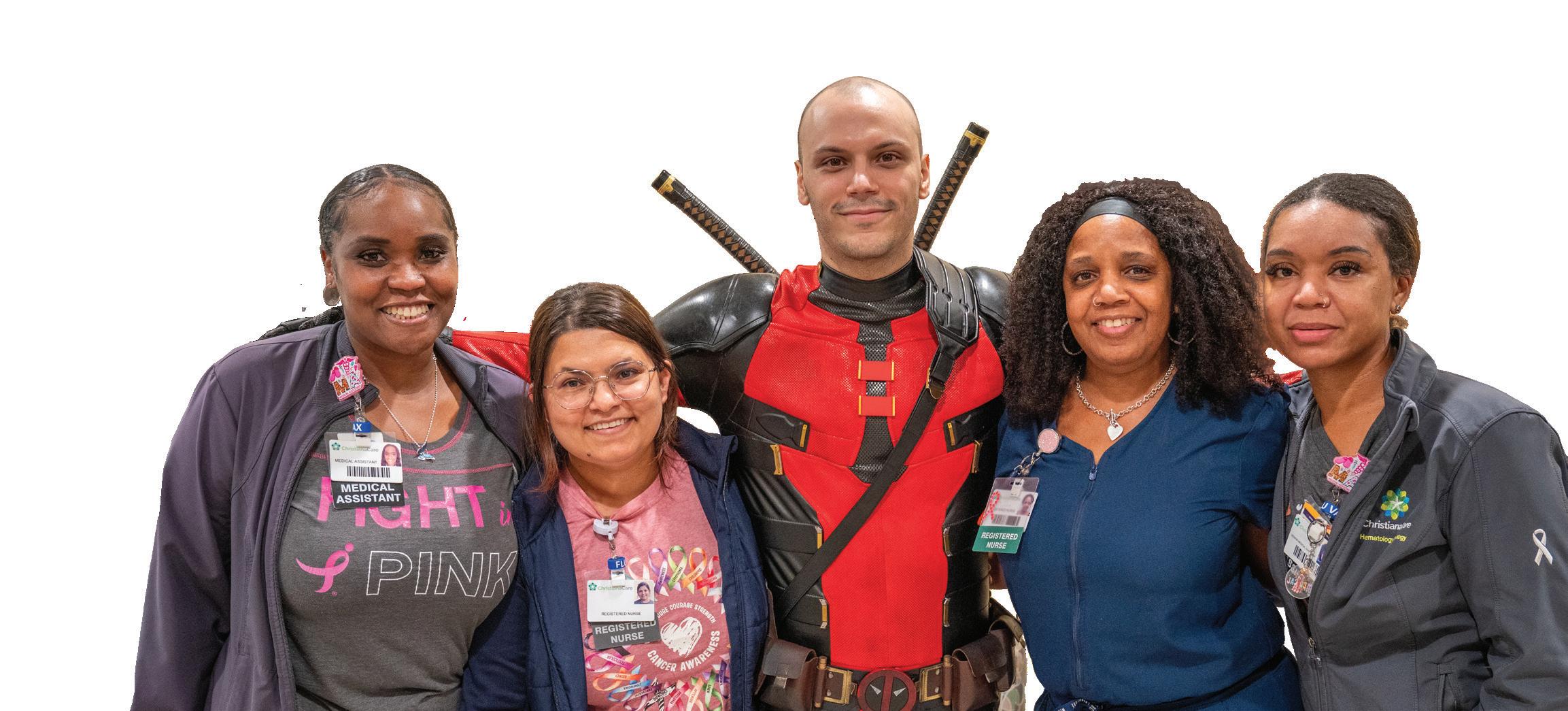
Love and excellence are the lens through which we make every decision and the standard by which we hold ourselves accountable. When you lead with love, excellence is inevitable and equity is achievable. Every day, our nearly 15,000 caregivers bring this belief to life as they drive forward our mission to care for our neighbors.
In 2025, we took bold action when communities needed us most. We stepped up when hospitals closed. We invested heavily to expand access and built strategic partnerships to strengthen health care across our region for the long term. Our team delivered breakthrough treatments, advanced research and provided compassionate, high-quality care closer to home. We also introduced THE WAY, new service standards that guide our caregivers in delivering consistently compassionate, respectful and responsive care at every touchpoint across our organization.
Simply put, we’re meeting patients where they are and removing barriers that get in the way.
Every life we touch, every family we comfort, every patient we heal reminds us what it looks like to keep our promise to the people we are privileged to serve. We are proud of what we've accomplished, but our greatest work still lies ahead.
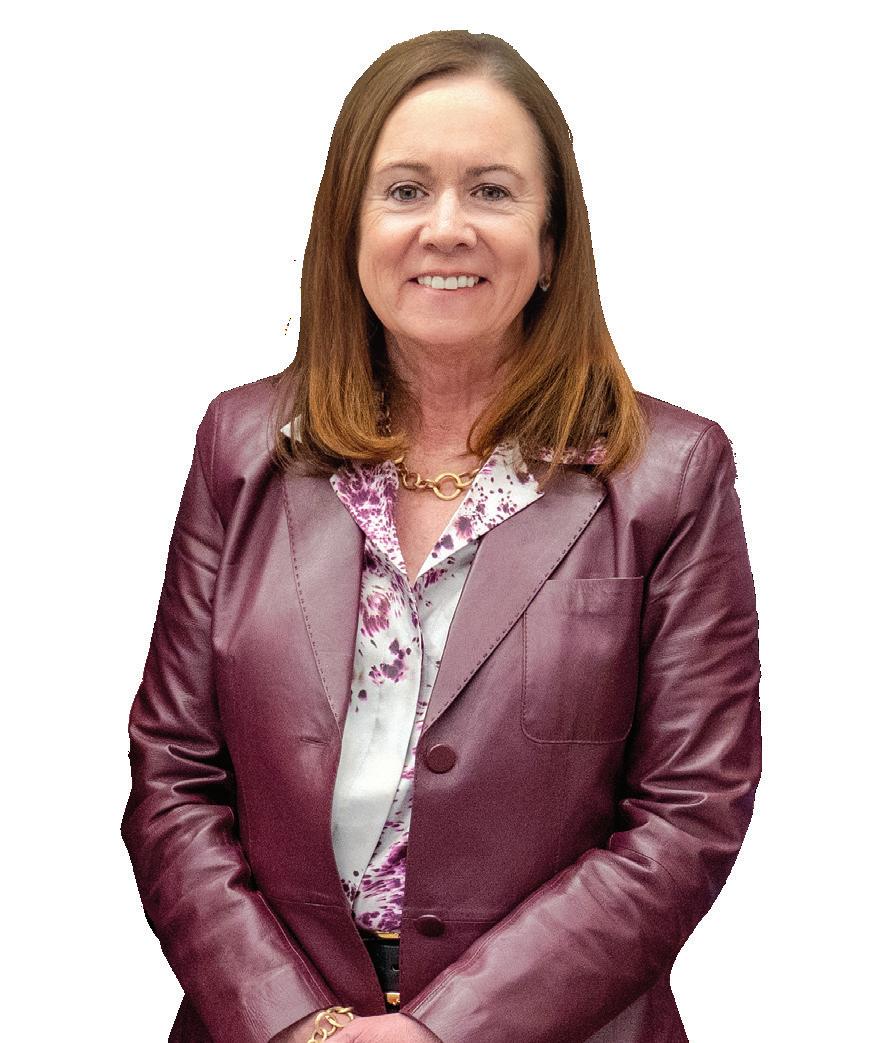
“We keep our promises to the people we are privileged to serve.”

Janice E. Nevin, M.D., MPH President and Chief Executive Officer
C
hristianaCare and the world-class Children's Hospital of Philadelphia (CHOP) formed a pediatric affiliation that will expand access to CHOP's comprehensive expertise for Delaware families. Launching in spring 2026, the collaboration will bring CHOP experts and services directly to ChristianaCare so children can receive the highest level of care close to home, surrounded by their families. CHOP will provide neonatology, pediatric emergency, and pediatric inpatient clinical services, and we will collaborate across a wide range of specialties including pediatric genetics, pediatric ophthalmology, pediatric neurology and pediatric cardiology so our youngest patients have access to the best care, all in-state.

Pat had lived with slow-growing aortic aneurysms for years. When they finally required treatment, her doctor referred her to our Center for Aortic Health — the first in Delaware to offer the thoracoabdominal branch endoprosthesis, or TAMBE, a minimally invasive option for complex aneurysms. Pat learned she was an ideal candidate and became ChristianaCare’s first TAMBE patient in 2025. Her smooth recovery affirmed the decision and enabled her to resume her active lifestyle.
“I had 100% confidence in my care team.”
Pat, of Millsboro, DE, with vascular surgeon Kathryn Bowser, M.D.

ChristianaCare is the first in Delaware to offer adaptive radiotherapy, a revolutionary technique that allows the care team to deliver radiation treatment that changes with the patient. Each session begins with a new CT scan, and the care team modifies the radiation plan immediately in response to changes in the cancer or in nearby normal organs. “Adaptive radiotherapy allows us to adjust your treatment plan daily, in real time, so we can optimally target your tumor and protect healthy organs nearby,” says Dr. Lindsay Romak, director of Adaptive Radiotherapy. The result is more precise, more personalized cancer care.
“Our goal is to deliver the most advanced cancer care with the precision our patients deserve.”
Lindsay Romak, M.D., director, Adaptive Radiotherapy

ChristianaCare is the first in Delaware to offer breakthrough, minimally invasive treatments for tricuspid valve disease, when the valve between the heart’s right chambers becomes too leaky. Two new FDA-approved procedures give patients strong alternatives to open-heart surgery — one clips and repairs the leaky tricuspid valve and the other replaces the damaged tricuspid valve through a catheter — restoring healthy blood flow and easing fatigue, swelling and breathlessness.
“With every approved therapy available, we can tailor treatment to the specific needs of each patient.”
Kirk Garratt, M.D., MSc, medical director of the Center for Heart & Vascular Health and service line physician executive
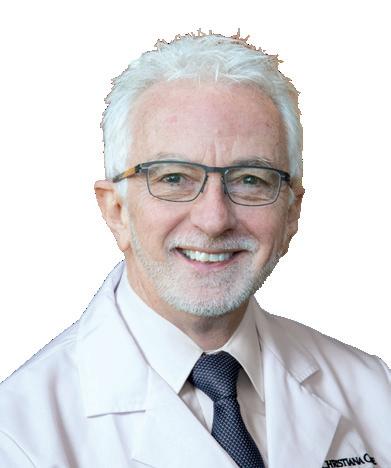
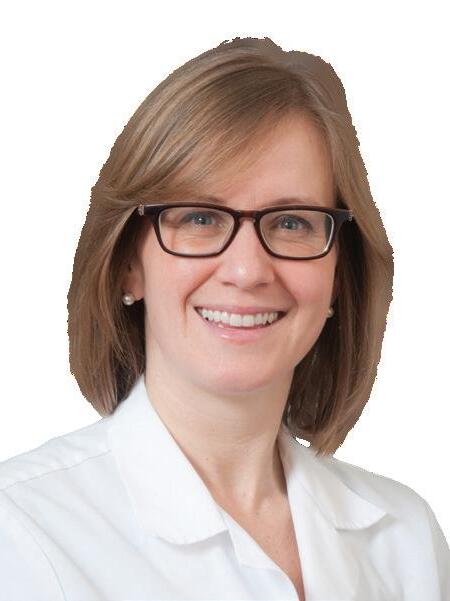
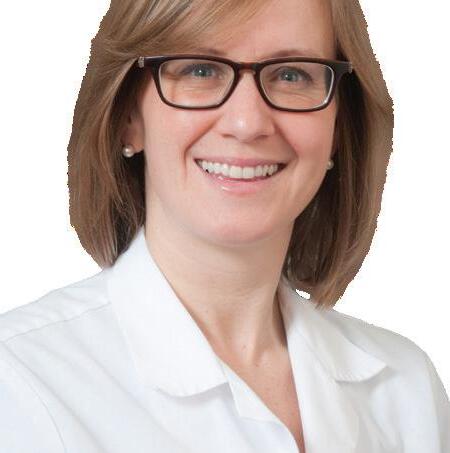
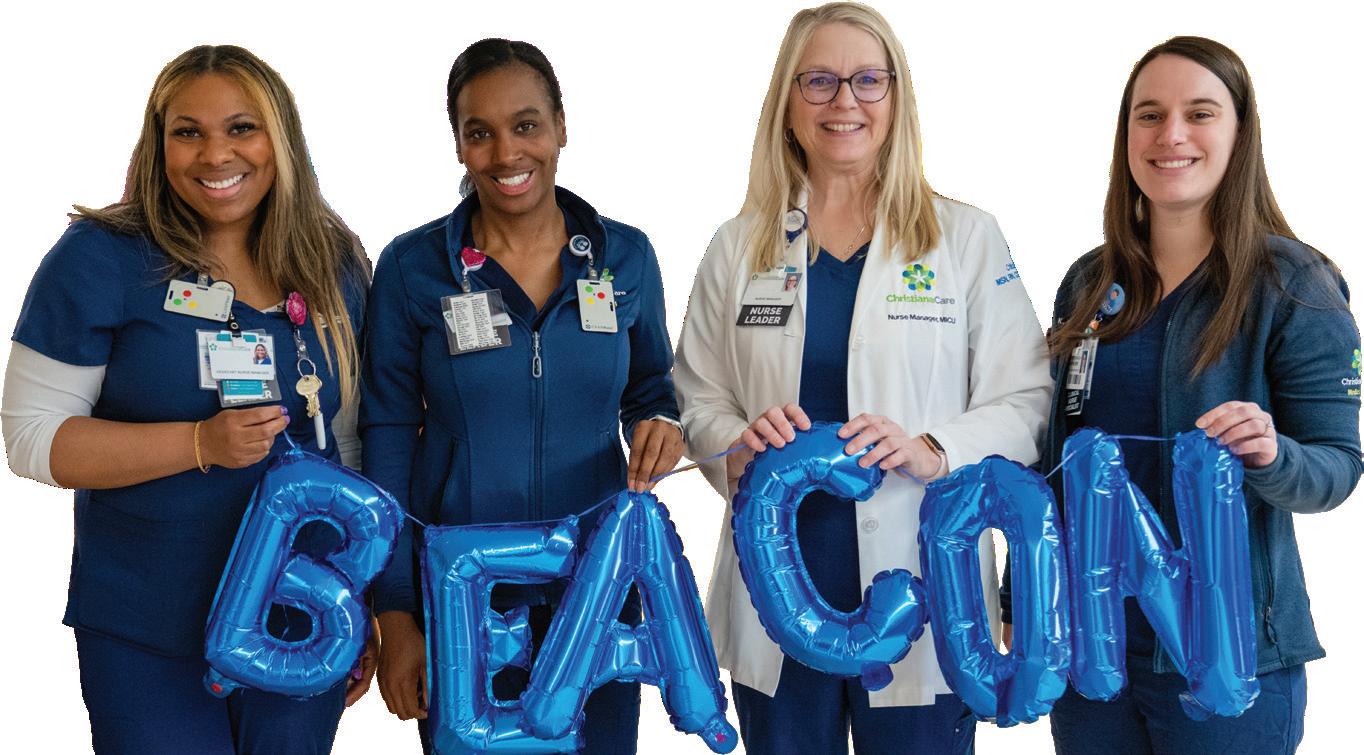
Our nurses hold the highest recognitions for excellence in nursing care, achieving Magnet status for the fourth consecutive time and earning 10 Beacon — the most designations in Delaware — affirming the love and high-quality care our patients and families experience
ChristianaCare became the first in Delaware to offer CAR-T therapy for advanced multiple myeloma, a blood cancer that often stops responding to standard treatments. CAR-T re-engineers a patient’s own immune cells to recognize and attack cancer, targeting malignant cells with a level of precision conventional chemotherapy cannot. For patients who have exhausted other options, the treatment creates a realistic path forward — a chance to slow disease progression and pursue potentially lifeextending care close to home.
ChristianaCare's value-based care model focuses on the long-term health of the community through prevention and coordinated care networks. Our Medicare collective has delivered strong results for nearly a decade, ranking in the top 10% nationally for quality among large systems while lowering care costs for patients and insurers.

“I’ve received the best care — and was close to home.”
Jacki, Newark, DE
BETWEEN 2020 AND 2024, WE ACHIEVED:
46% INCREASE in annual well visits, strengthening prevention and early care
11% REDUCTION in total cost of care, proving better outcomes and lower spending can align
Jacki’s cancer was discovered during a routine health evaluation — an unsettling surprise that left her searching for answers. At our Helen F. Graham Cancer Center & Research Institute, she found a multidisciplinary team that met with her at once and built a unified treatment plan tailored to her. The coordinated expertise convinced her to choose ChristianaCare over another regional option. Surgeons, medical oncologists and key specialists aligned every step, giving her confidence she was receiving advanced, wellorchestrated care.
We protect our caregivers and communities with access to flu vaccinations and by encouraging participation.

TigerConnect, a secure mobile platform, connects paramedics and specialists in real time — giving ChristianaCare's clinical teams critical patient information before the ambulance arrives. The results: heart attack door-to-balloon times have fallen 26%, and stroke door-to-needle times improved by 11%. These rapid, life-saving treatments save heart muscle, preserve brain function and reduce long-term disability.
“We’re information-gathering before the patient even gets to us, giving us a head start when every minute counts.”
w
e're committed to home-based care whenever possible, recognizing patients often heal better in familiar surroundings.
One powerful example is our Hospital Care at Home program, where patients like Colleen receive acute-level care in their own homes with 24/7 physician oversight, mobile imaging, IV therapies and continuous monitoring. The program has served over 2,500 patients, with fewer than 10% readmitted within 30 days.
Much of what shapes health happens beyond our walls. To enhance our neighbors’ well-being, ChristianaCare has given over $6.6 million since 2019 to community organizations addressing social drivers of health. In 2026, we committed nearly $1 million in new funding to 21 local nonprofits in Delaware and Maryland.
$6.6M
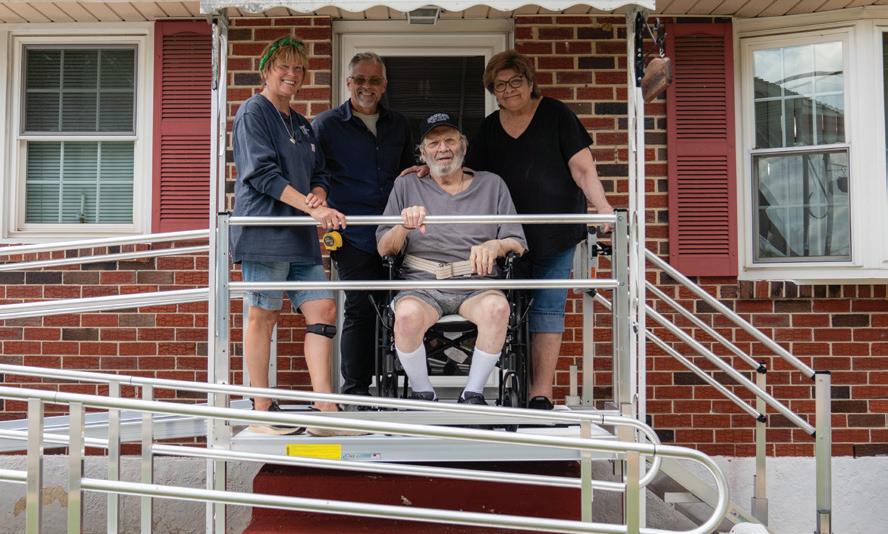
ChristianaCare joined forces Neighbors to provide critical safety for patients returning For Tom, that meant a wheelchair modifications and other accessibility no cost. The improvements own home possible again of injury. Good Neighbors our patients so far, turning term independence for individuals
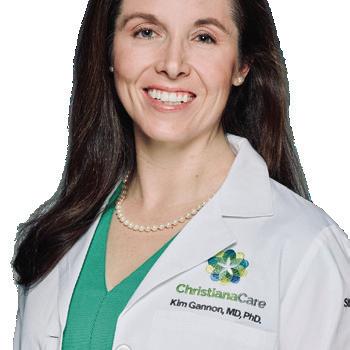
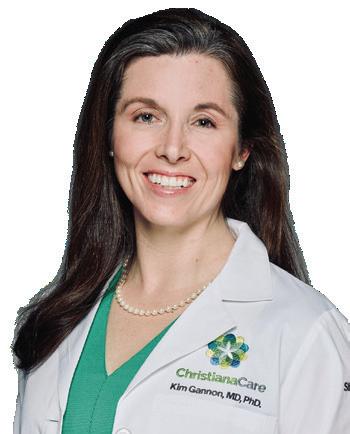
Kimberly Gannon, M.D., Ph.D., medical director of ChristianaCare's Comprehensive Stroke Program and physician executive of Neurosciences
30,089 DIGITAL CARE INTERACTIONS
Since 2022, caregiver-led initiatives have redirected usable supplies to under-resourced settings while reducing our environmental footprint.
86,953 VIRTUAL ENCOUNTERS
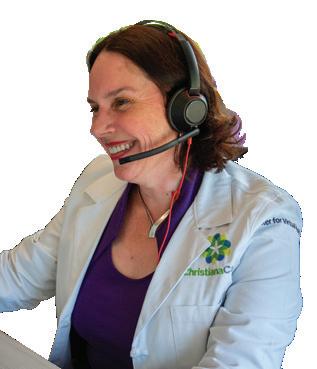
“I was able to enjoy the holiday at home while receiving excellent care.”
Colleen, New Castle County, DE

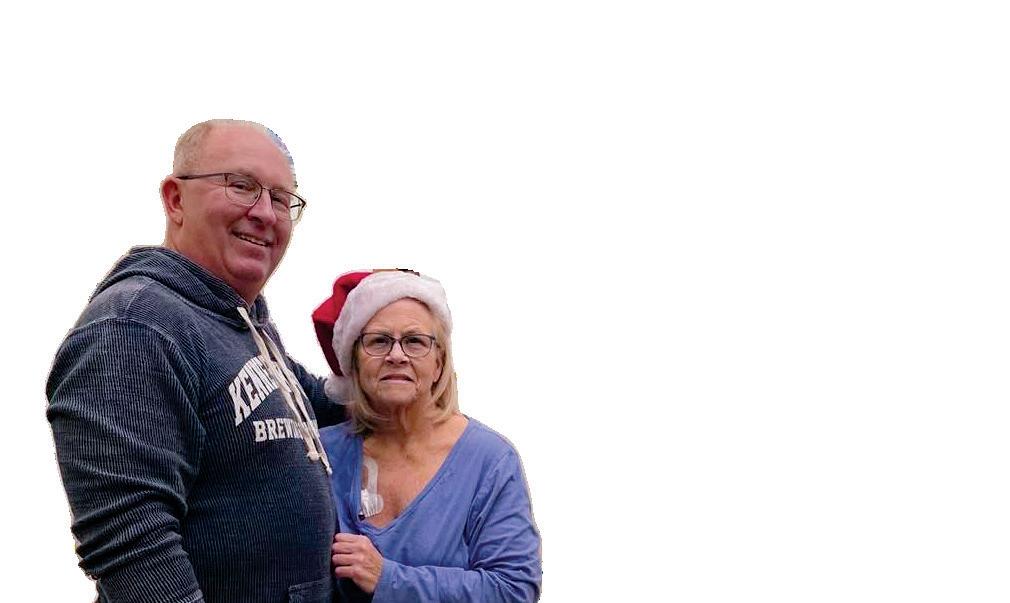
ChristianaCare’s cancer clinical trial participation rate is seven times the national average. A high participation rate helps improve trial results and more quickly deliver new treatments.
35% PARTICIPATION IN CANCER CLINICAL TRIALS
Researchers at ChristianaCare and the University of Delaware identified simple, universal rules that explain how our body preserves precise tissue structure — even as billions of cells die and renew daily. This “tissue code” may apply broadly, from colon lining to skin, liver and brain. The discovery could reshape how scientists understand healing, birth defects and cancer by showing how tissue organization stays intact, and what goes wrong when disease disrupts the pattern.
As the largest academic medical center between Philadelphia and Baltimore, ChristianaCare plays a key role in educating future physicians and health care professionals. ChristianaCare is the Delaware branch campus of Sidney Kimmel Medical College and the Philadelphia College of Osteopathic Medicine.
315+
Residents and fellows
38
Residency and fellowship programs
$1.5M
Value of medical donated to nonprofits global partners

1,100+ Allied health student rotations
When neighbors experience behavioral health crises, ChristianaCare's clinical teams now respond alongside local police. In 2025, these partnerships assisted 2,857 people, and nearly half were redirected from arrest to treatment or services. In Wilmington alone, more than 450 residents received help ranging from psychiatric support to addiction recovery referrals, reducing repeat 911 calls and increasing connections to long-term care.

2,857
850+ Medical student rotations
“You can’t solve homelessness and mental illness and addiction with handcuffs.”
Lt. Harold Bozeman, Partners in Care program leader, Wilmington Police

forces with nonprofit Good critical home repairs and enhance returning home after hospital stays. wheelchair ramp, bathroom accessibility upgrades, all at improvements made daily activities in his again for Tom and reduced the risk has assisted more than 100 of turning medical recovery into longindividuals and families.
35 TONS
medical supplies nonprofits and
Equipment and furniture kept out of landfills

250+
Physician assistants in student rotations
2,100+ Nursing student rotations
71%
Reduction in carbon emissions from anesthetic gases since 2021
We ensure that cost doesn’t stand between people and the care they need. Our charity care policy is among the most generous in the region, providing free medically necessary services to uninsured patients with household incomes up to 400% of the federal poverty level — well above state requirements. Discounts also are available for those with higher incomes, and those with catastrophic medical bills can receive relief.

400% Eligibility level for free care based on federal poverty guidelines — far above state requirements
Increase in care provided to high-need communities through mobile health units and the Hope Center's expanded services for people experiencing homelessness Growth in charity care over two years Financial assistance provided in FY24, with continued investment
2,000+ REGISTERED USERS

During pregnancy and postpartum — two of life's most vulnerable seasons — mothers at 15 ChristianaCare OB-GYN practices and the Center for Women's Emotional Wellness now have access to tech-enabled mental health support at no cost. Through a partnership with Onward by NeuroFlow, mothers receive digital check-ins, tailored resources and self-guided tools delivered through a secure app and text-based messaging. Over 2,000 patients have registered. The approach extends the reach of clinical care beyond appointments, helping women stay connected, supported and emotionally well.
“It lets the human experience shine.”
W e are deploying technology to free up time for what matters most: the human connection at the heart of care. Tools like DAX, our AI-powered ambient clinical documentation solution, reduce the time our clinicians spend on documentation and help mitigate burnout — saving them more than 45 minutes per day. As one caregiver shared, ‟‟“It lets the human experience shine.”
We are enhancing senior-focused services throughout Delaware, including cities like Rehoboth Beach and Milford. Our My65+ primary care program, the Swank Center for Memory Care and ChristianaCare HomeHealth now anchor a coordinated approach that helps seniors manage complex conditions and access care at home.
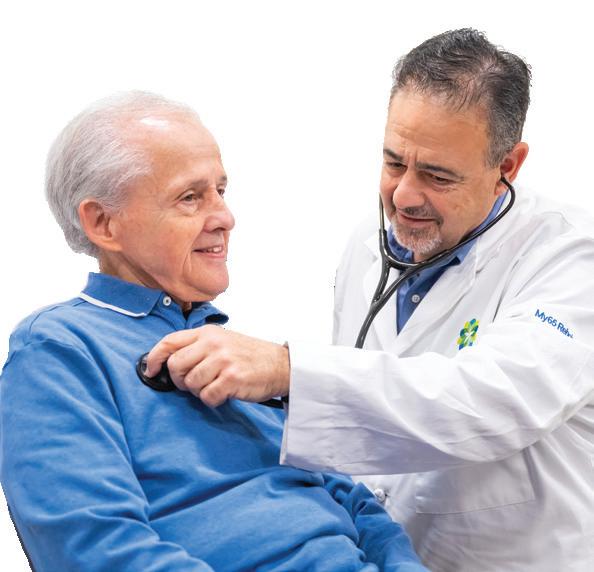
“When ChristianaCare opened the My65+ practice in Rehoboth, it made getting the care I need much more convenient.”
Linda, Sussex County, DE

hristianaCare researchers identified why certain Delaware neighborhoods see higher rates of advanced breast cancer, tying the problem to lower screening rates and more aggressive tumor types. The next step was action: embedding a community health worker in Wilmington to increase screening access and conduct breast cancer risk assessments, connect women to diagnostic services and remove barriers like transportation and scheduling. This work is delivering earlier detection and better outcomes in communities that have long needed more support.
“Wilmington is our first test case, but the long-term goal is to use this approach to turn breast cancer hot spots in Delaware stone cold.”
Scott Siegel, Ph.D., lead author and director of Cancer Control & Population Sciences


Some lung cancers stop responding to treatment because the cancer cells switch on the NRF2 gene, which acts as a strong force field. In our Gene Editing Institute, scientists are using CRISPR to turn off this gene to kill tumor cells and improve the effectiveness of standard care at lower dosages. This work is moving quickly to clinical applications and giving hope for new, targeted options when patients need them most.
P
rimary care is both the foundation and front door to the health system. For us, investing in it is essential. In 2025, new patient volume to our primary care practices increased 30%. We accomplished this by adding nearly 50 providers, introduced “inboxologists” to support physicians with administrative tasks, strengthened our New Patient Intake team to improve patient experience and brought care into the community through telehealth and mobile health services.
30%
Total Caregivers 14,967
Jobs Throughout Our Community 29,886
Average Each Caregiver Returns to the Community* $158,095
Caregivers Collectively Return to the Community* $2,366,000,000
Total Volunteers 724 Hours Served 120,780 Financial Impact $4,201,936
TAXES PAID
Total Taxes Paid
$82,853,000
City of Wilmington $3,353,000
State of Delaware
$69,568,000
State of Maryland
$8,555,000
State of Pennsylvania
$986,000
State of New Jersey
$391,000
COMMUNITY BENEFIT SPENDING
Total Community Benefit Spending $232,268,000 Community-Building Activities $472,000 Community Benefit Contributions $1,954,000 Research $2,238,000 Community Health Improvement Services & Community Benefit Operations $17,130,000
Charity Care at Cost $18,502,000 Medicaid Spending $19,016,000 Subsidized Health Services $89,536,000 Health Professions Education $83,420,000
TOTAL UNCOMPENSATED CARE $68,180,000

BY THE NUMBERS
63,239 Births 6,574 Surgical Procedures 37,866
Procedures 610,011
Lab Tests 5,083,557
Visits 871,156 Home Health Visits 179,589 Urgent Care Center Visits 308,984 Primary Care Office Visits 330,335 Virtual Visits 126,238
Total Emergency Visits
In 2025, we focused on making it easier for people to get the care they need through deliberate, strategic growth across existing communities and in new markets. We made significant capital investments to build a differentiated, ambulatory-focused regional health system that meets people where they are.
Expanding access is just as much about how care is delivered as where we grow. We added more appointment times and created new, more convenient ways for patients to connect with us. At the heart of this strategy is a clear goal: to create a cohesive network of community-based care across Delaware and the broader, multi-state region. This deliberate growth strengthens our ability to deliver timely, high-quality care and deepens our impact for the patients and families we are privileged to serve.
W e also responded decisively to community need in southeastern Pennsylvania. Over the last few years, as Jennersville Hospital in West Grove and Crozer-Chester in Delaware County closed, more patients came to our emergency departments. This stretched resources and created access challenges on both sides of the state line.
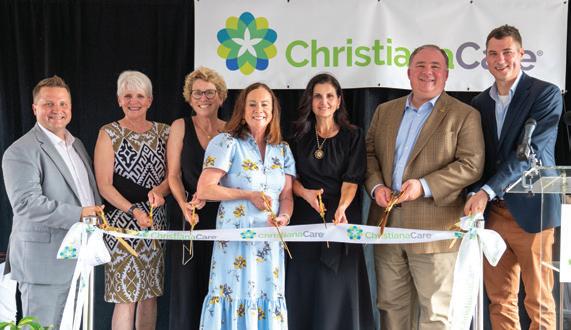

In August 2025, we opened our first neighborhood hospital in West Grove with 24/7 emergency services, imaging and inpatient care. This innovative clinical model offers high-quality, cost-effective care close to home. We also acquired five outpatient locations in Delaware County, preserving care continuity and expanding access to primary care, behavioral health, surgical services and advanced imaging. Two more health care campuses are underway in Delaware County: Aston will open in spring 2026, and Springfield in 2027.
In July 2025, we committed more than $865 million over three years to expand services and facilities across Delaware. This investment will bring more primary care, behavioral health and surgical services to the communities that need them most.
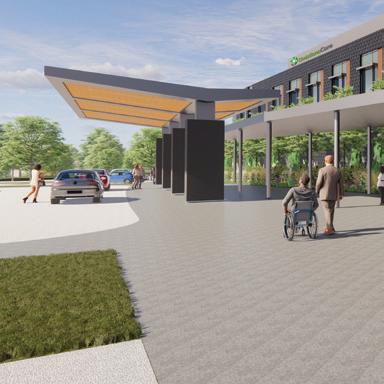
One powerful example is our new $100 million, 87,000-square -foot health center in Middletown. When we engaged residents to understand their health care needs, the message was clear: they love where they live but worry that access to care hasn't kept pace with growth. We listened, and we responded.
3.

In October, we broke ground on this transformative project. Opening in 2027, the center will serve as a comprehensive care hub, including an extension of the Helen F. Graham Cancer Center & Research Institute's renowned oncology care. This multidisciplinary facility will bring high-quality care closer to home for thousands of residents in one of Delaware's fastest-growing communities.
We commit to being exceptional today and even better tomorrow. We seek new knowledge, ask for feedback and are open to change. We use resources wisely and effectively. We are curious and continuously look for ways to innovate. We are true to our word and follow through on our commitments.
We anticipate the needs of others and help with compassion and generosity. We embrace diversity and show respect to everyone. We listen actively, seek to understand and assume good intentions. We tell the truth with courage and empathy. We accept responsibility for our attitudes and actions.
Our service standards are based on our mission. Each letter of “THE WAY” reminds us of our promise to ourselves, our patients and each other.