Delaware Community Health Implementation Plan 2025
Introduction
ChristianaCare is guided by a mission of service: We serve our neighbors as respectful, expert, caring partners in their health. We do this by creating innovative, effective, affordable and equitable systems of care that our neighbors value.
This Community Health Implementation Plan (Implementation Plan) provides ChristianaCare with a strategy and roadmap for addressing the significant community needs in Delaware, as identified in our 2025 Community Health Needs Assessment (CHNA) Implementing this action plan allows us to better serve our neighbors, increase access to care and achieve our mission in Delaware.
The identified community needs have remained largely the same in the last decade, but ChristianaCare’s response to these needs continues to evolve and improve to support positive health outcomes in our community.
We recognize that good health is determined by more than the care that takes place in our hospitals and provider offices. Our community initiatives, priorities and investments reflect the reality that many social aspects that prevent or impede good health – such as housing, education, employment – cannot be resolved with a prescription.
This is why the foundation of our efforts in this Implementation Plan includes a comprehensive approach that considers:
• The health and social needs of our patients
• Community partnerships; and
• Continuous examination of effectiveness to ensure our efforts are promoting better health outcomes
We will continue to make progress – in partnership with our neighbors and in the communities we serve – in addressing these needs to allow good health to flourish. To learn more about our prior efforts to address the significant needs identified in our CHNAs, please visit our community benefit webpage which is updated annually.
Community Health Needs Assessment 2025
ChristianaCare adopted its 2025 Community Health Needs Assessment in May 2025. Significant needs were identified through secondary data as well as community partner meetings, hospital staff meetings, focus groups and key informant interviews. As always, we appreciate the opportunity to learn from our neighbors.
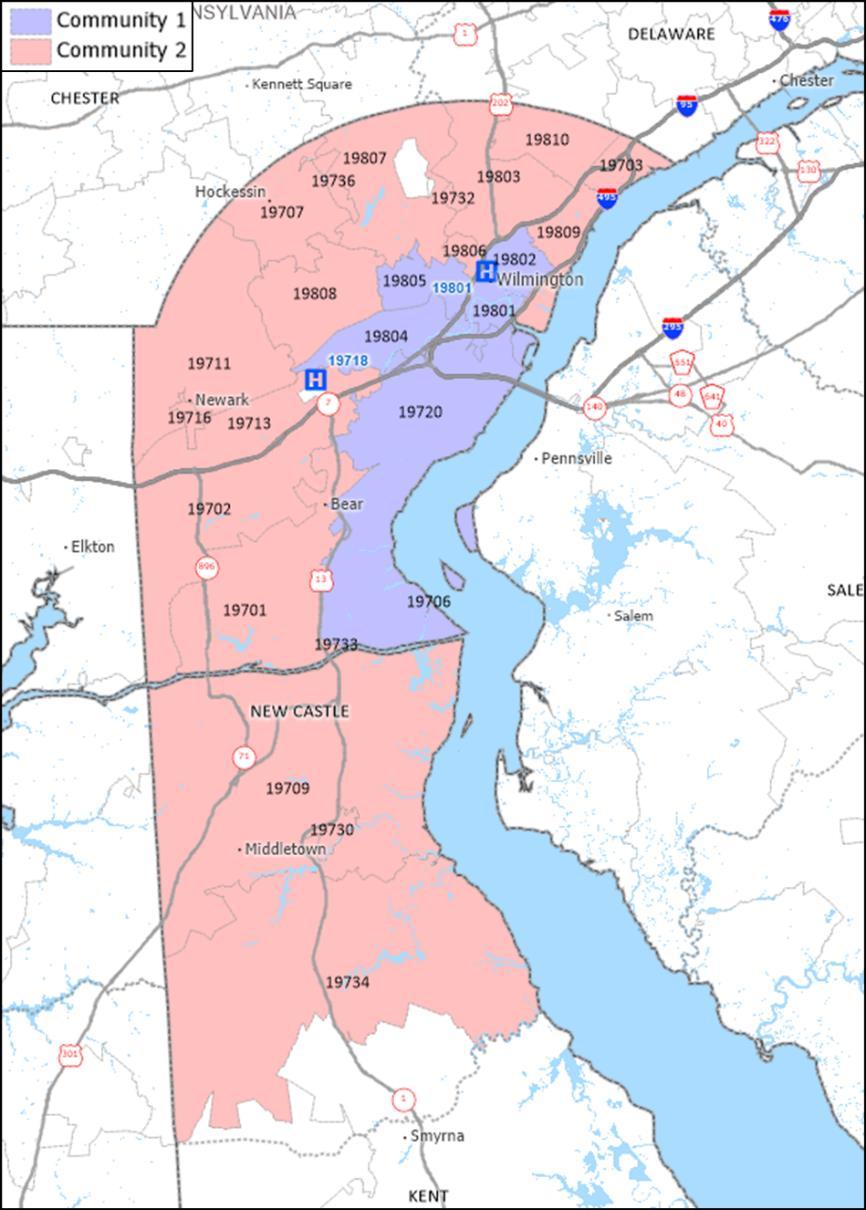
Building on ChristianaCare’s 2019 and 2022 CHNAs, the community health needs for 2025 were assessed in two geographic areas in New Castle County: “Community
1” (zip codes 19801, 19802, 19804, 19805, and 19720) and “Community 2” (all other zip codes). This distinction was made to ensure the significant needs more prevalent in Community 1 were not overshadowed by county level statistics.
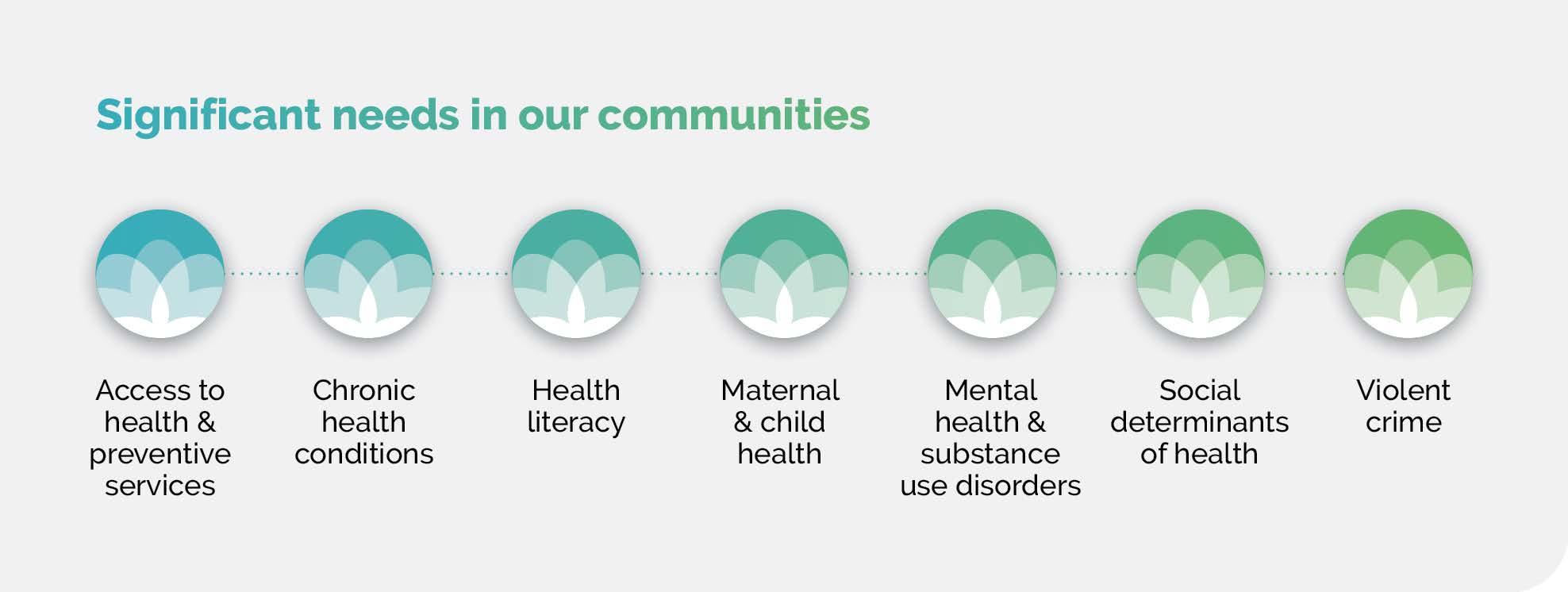
Based on that assessment, the following were identified as significant needs in our communities:
Except for health literacy, which had not previously been identified as a significant need, these needs were also identified as significant and prioritized in the 2022 CHNA. ChristianaCare will continue to prioritize these needs with the addition of health literacy. ChristianaCare caregivers provide significant leadership in addressing health literacy in our state in partnership with government and community agencies. That advocacy and effort, combined with recognition of the importance of health literacy, led to the adoption of this additional significant need to be addressed.
The 2025 and prior CHNAs and Implementation Plans can be found on our website: Needs Assessments & Implementation Plans | ChristianaCare
Community Health Implementation Plan 2026-2028
Our Implementation Plan includes our goals, initiatives, strategic targets and measures for addressing each of these significant community needs.
We also recognize the considerable overlap among the needs identified by our community. Social drivers of health are non-medical factors that contribute to – if not determine – a person’s health and well-being. Health literacy and violent crime are social drivers of health. Access to health and preventive services and health literacy are also overarching needs that drive poor health outcomes related to chronic conditions, mental health and substance use disorder, and maternal and child health.
We cannot take a one-size-fits-all approach. Instead, we must consider unique challenges of individual communities while also working to remove barriers to care and address social needs.
Many of our initiatives address patients' social need through the deployment of community health workers (CHWs). CHWs are members of patient care teams and help patients address their social needs, connect them to care and identify and achieve patient-centered goals.
Community partnerships are also essential to remove barriers to care and address social needs These partnerships have enabled us to launch innovative initiatives –several of which are included in this Implementation Plan – to better serve our community.
We look forward to addressing the significant needs of our community through the 20 initiatives identified below that are grouped by the following priority goals:
• Remove barriers to accessing preventive and health services.
• Remove barriers to accessing preventive and health service to reduce hospital length of stay.
• Reduce disparities in health outcomes among patients with chronic conditions.
• Improve health outcomes of patients who suffered an injury due to violence.
• Improve infant and maternal health outcomes.
• Increase access to mental health and substance use disorder services.
• Address social determinants of health to advance health.
• Enable all Delawareans to access, understand, and act on health information.
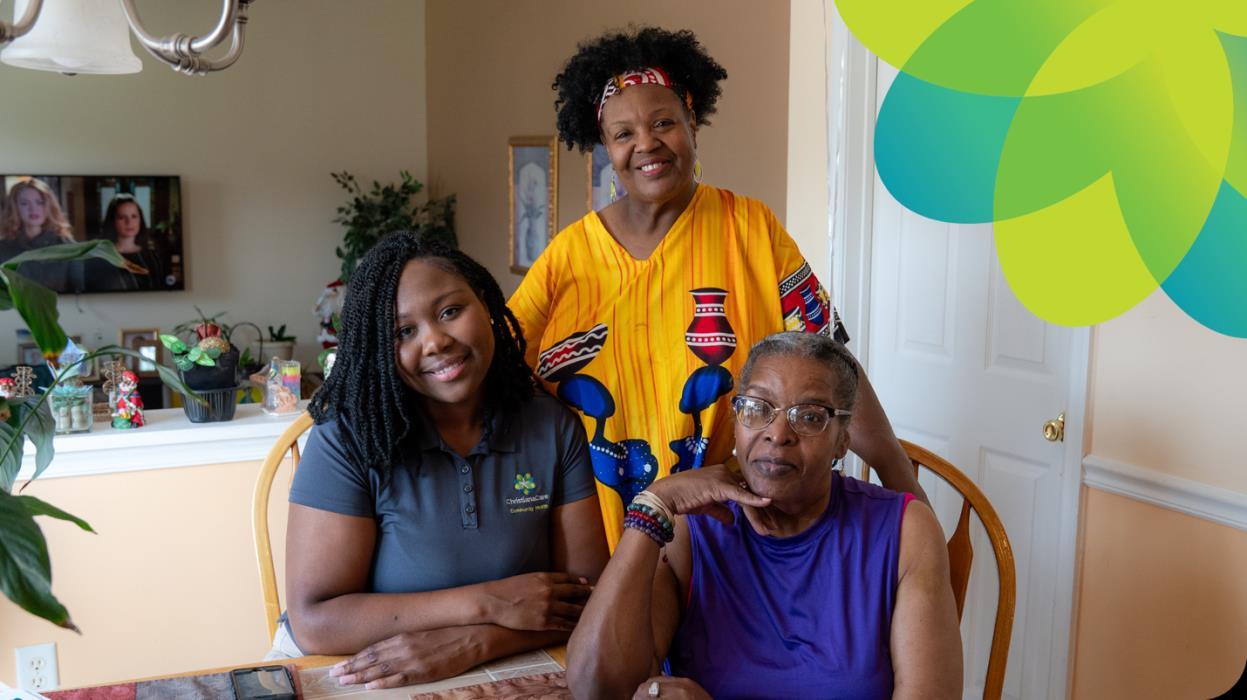
Pictured: Briana Nkwenti, a community health worker with ChristianaCare, meets with Sonja McRant (center) and Robin McRant at their home in Kent County, Delaware.
Goal: Remove barriers to accessing preventive and health services
INITIATIVES OBJECTIVES
Health Guides education and navigation support.
Helen F. Graham Cancer Center
Community Health Education & Outreach (CHOE)
Mobile Health Services
1. Increase access through healthcare navigation, insurance enrollment assistance, financial assistance application support, and addressing social need.
1. Increase breast, colon, lung, cervical, and prostate cancer screenings in Delaware through community education and outreach.
1. Expand services to more ChristianaCare locations.
2. Partner with community organizations to increase provision of services in community.
1. Increase by 10% the number of cancer screenings each year.
2. Evaluate effectiveness of cancer screening navigation pilot.
# of patient interactions, # and type of assistance provided, community partnerships
School-Based Health Centers (SBHCs)
1. Provide mobile health services in high need communities to increase access.
2. Improve health outcomes.
3. Decrease ED utilization.
1. Provide medical services, behavioral health, nutrition, social services and health education in SBHCs.
2. Promote preventive health care and healthy lifestyles.
3. Improve health outcomes.
1. Increase locations and hours of mobile health services.
2. Expand offerings of mobile health services.
3. Increase access and utilization of Mobile Health Services
1. Increase student registrations for SBHCs.
2. Increase access and utilization of SBHCs.
# of community education events, # of patients referred to cancer screening navigation pilot, # of individuals who received navigation services, # of cancer screenings.
Community locations and schedule, # of patient visits, health and preventive services provided.
# of student registrations, # of student visits, # and type of prevention and screening services provided.
Partnerships: The Health Guides also partner with multiple community organizations including the Latin American Community Center and Westside Family Healthcare to provide resources in the community. The Community Health Education and Outreach team partners with a diversity of community partners like employers, churches, and fraternal organizations to provide education. ChristianaCare partners with community organizations to offer Mobile Health Services at their locations. ChristianaCare operates 25 SBHCs in New Castle County in partnership with schools, school districts, and the state.
Goal:
INITIATIVES OBJECTIVES
ChristianaCare Medical Respite at the New Castle County Hope Center
1. Provide health services and shelter at the Hope Center for recuperating inpatients experiencing homelessness.
2. Assist in addressing social needs to remove barriers to accessing health services.
New Castle County Hope Center Health Services
1. Provide primary care, substance use disorder and behavioral health services to Medical Respite patients and Hope Center residents.
2. Assist in addressing the social needs of Hope Center residents.
3. Improve continuity of care for residents.
4. Lower ED utilization and hospital admissions for residents.
TARGETS MEASURES
1. Increase access to primary and specialty care for patients enrolled in Medical Respite Bed Program.
2. Connect 90% of patients to longitudinal community resources and/or ongoing case management.
3. Reduce ED admission rates for high utilizers during their stay with the medical respite bed program.
4. Reduce hospital length of stay by transitioning housing insecure patients to ChristianaCare Medical Respite at the New Castle County Hope Center.
1. Continue to strengthen community partnerships to better address patient need.
2. Expand health services provided at Hope Center.
3. Increase utilization of medical services.
# of patients enrolled, # of patients connected to external case management services or internal primary care practice social work, reduction in ED utilization for high ED utilizer patients while enrolled in the program.
Engagement with outpatient services and resources, decreased hospitalization and readmission, health outcomes, screenings, and preventive care provided.
Partnerships: ChristianaCare partners with the New Castle County Hope Center to provide services at the Hope Center as well as a number of community organizations to address patient social need.
INITIATIVES
Food is Medicine
Interventions:
• Delaware Food Farmacy CHW Program
• Healthy Food Prescription Program
• Farm to Pharmacy
• Culinary Medicine
Goal: Reduce disparities in health outcomes among patients with chronic conditions
1. Alleviate food insecurity and address other social needs.
2. Improve dietary behaviors.
3. Improve chronic disease management
4. Improve health outcomes.
5. Reduce avoidable hospital utilization through nutritionintegrated care.
Primary Care CHW Program
1. Improve chronic disease management and health outcomes.
2. Assist patients in addressing their social need.
1. Evaluate and demonstrate impact of interventions.
2. Expand Food is Medicine portfolio to address highestrisk patient populations
3. Launch Culinary Medicine (group cooking class).
# of food deliveries, food insecurity levels, adherence to dietary plan, knowledge and skill improvement,
Clinical measures - emergency department visits, hospital admissions, and length of stay.
1. Evaluate and demonstrate impact of program.
# of participants enrolled, # of participants graduated, social need activity (addressing/ resolving)
Partnerships: Our Food is Medicine partners are Lutheran Community Services (to offer the Delaware Food Farmacy): Focus Pharmacy and the Delaware Council on Farm & Food Policy (to offer Farm to Pharmacy), and Hungry Harvest (to offer Healthy Food Prescription Program).
Goal: Improve health outcomes of patients who suffered an injury due to violence
INITIATIVES
Hospital-Based Violence Intervention Program (HVIP)
1. Provide support/navigation to patients injured through violence to ensure they remain connected to care during their recovery to reduce short- and long-term health complications.
2. Assist patients in addressing their social need.
1. Develop more community partnerships to better serve patients.
# of patients served, # of patients graduated Patient goals met. Patient engagement and adherence
Partnerships: The HVIP is partially supported with state funding. ChristianaCare is also partnered with Nemours Children’s Health to provide support to their patients who suffered injury due to violence. In addition to a number of community organizations to address the needs of our patients, HVIP also works closely with the Office of Victim Services.
Healthy Beginnings
Goal: Improve infant and maternal health outcomes
1. Conduct program outreach, enrollment, and provide supportive services to improve infant and maternal outcomes in Delaware.
Home Visiting CHW Program
Women’s Health CHW Program
1. Use care coordination, coaching, connection to social care supports, and advocacy, to help expectant and new mothers address social needs.
2. Ensure connection to health care and appropriate services.
1. Identify and address barriers to care and connect patients to care.
2. Work collaboratively with patients to establish and achieve patientcentered goals.
1. Continue to provide support to patients in the 4th trimester (3 months postpartum).
1. Expand community outreach efforts.
2. Identify and engage additional community partners for patient referrals and resource connection.
1. Enhance program evaluation.
2. More closely align program with maternal health goals.
# of patients enrolled, referrals made, improved pregnancy and birth health outcomes.
# of patients served. # of tabling/outreach events, # of resources provided
Women’s Health
Delaware Food Farmacy CHW Program
1. Alleviate food insecurity and social needs that impact health.
2. Improve dietary behaviors.
3. Improve chronic disease management.
4. Improve health outcomes
5. Reduce avoidable hospital utilization through nutrition-integrated care.
1. Evaluate and demonstrate impact of intervention.
2. Launch Women’s Health Culinary Medicine (group cooking class)
# of patients served.
# of program graduates.
# of food deliveries, food insecurity levels, adherence to dietary plan, knowledge and skill improvement.
Clinical measures, emergency department visits/hospital admissions, length of stay, health outcomes and hospital utilization of infant.
Partnerships: ChristianaCare’s Healthy Beginnings and Home Visiting CHW Program are funded through the Delaware Division of Health and Human Services. ChristianaCare partners with Lutheran Community Services to provide the Women’s Health Delaware Food Farmacy CHW Program There are many community organizations and state agencies that these programs routinely partner with to help patients address need.
Goal:
INITIATIVES
Behavioral Health (BH) CHW Program
Police Partnerships
1. Assist patients in addressing their social needs to remove barriers in accessing health services.
2. Assist patients in accessing/ navigating health services to promote healthy outcomes.
1. Assist police departments in addressing behavioral health needs in the community.
2. Assist community members in obtaining behavioral health services.
3. Help community members address their social need to remove barriers to accessing behavioral health services.
1. Increase patients enrolled in BH CHW services
2. Increase BH OP and PCP appointment compliance by reducing barriers to care.
1. Increase community awareness of partnerships.
2. Strengthen evaluation to further demonstrate impact.
# of patients enrolled/screened for SDOH needs and SDOH needs addressed.
Project Engage
1. Engage patients with substance use disorder (SUD) in the hospital to stimulate their motivation and commitment to change.
2. Assist patients in accessing SUD treatment.
1. Increase internal referral rates for patients referred and engaged.
2. Increase referrals to SUD treatment.
3. Determine how impact can be further evaluated through hospital readmission or other measures.
# of individuals served, needs addressed
# of patients referred to Project Engage,
# of patient engagements, # of patients referred to treatment
Partnerships: The police partnerships with Newark, New Castle, and Wilmington Police Departments are funded through state and federal grants. Every initiative works closely with community treatment providers and numerous community organizations to help individuals address their behavioral health and social needs.
INITIATIVES
Community Investment Fund
1. Partner with community organizations to address targeted patient social need to improve health outcomes.
2. Provide funding to community organizations to support their efforts to address significant community health needs.
Social Care Connection Center
Transportation Services
1. Address patient social needs to remove barriers to accessing health services.
2. Provide connection/navigation to health care, especially primary care.
3. Reduce emergency department utilization and hospital readmissions
1. Provide transportation to medical services to patients with transportation barriers to improve health outcomes.
2. Reduce emergency department utilization and hospital readmissions.
1. Evaluate and demonstrate impact of community partnerships on health outcomes.
2. Continue to address identified and developing need in our communities.
1. Consider feasibility of expansion to assist patients in other areas of ChristianaCare.
2. Continue to develop community partnerships to better address patients’ social need.
1. Assist patients in acquiring sustainable transportation options.
2. Determine feasibility of expanding transportation services.
# of patients served, # of community members served, partnerships/organizations supported, services provided
needs identified through social determinants of health screening, # of patients served, completed appointments.
# of rides provided, # of patients served.
Partnerships: ChristianaCare has provided community investment funding to over 70 community organizations and our caregivers collaborate with many community organizations to address patient social need, with a recent focus on food, housing and environmental issues. Highmark Health awarded ChristianaCare a grant which supports some of the Social Care Connection Center’s activity addressing social need.
INITIATIVES
Patient & Family Health Education Community Engagement
1. Support statewide health literacy efforts through Health Literacy Council of Delaware.
2. Collaborate with health systems, the division of public health and with community organizations to deliver health literacy training and education.
3. Advocate for health literacy policies at the organizational and state level.
4. Partner with community facing groups and organizations to design and distribute health literacy tools directly to the community.
1. Increase community partnerships to promote health literacy.
2. Increase health literacy and plain language messaging through educational presentations, media, and events to raise awareness.
3. Drive health literacy best practice adoption through organizational assessments, policy planning, stakeholder training, recognition programs and community engagement.
Collaborations/community partners, education sessions and best-in-class certificate program completion, adoption of heath literacy practices by organizations throughout the state, utilization of community campaign assets and advancement of health literacy policy.
Partnerships: ChristianaCare’s Patient & Family Health Education (PFHE) team are founding and leading members of the Health Literacy Council of Delaware. The PFHE team partners with education institutions and community organizations including University of Delaware, Delaware Division of Public Health, Medical Society of Delaware, Delaware Healthcare Association and federal qualified health centers.
As we launch new initiatives, evaluate impact of new and ongoing initiatives, and help our communities navigate any new or growing community issues that arise, we will learn and adapt to best serve our communities.
CHW Program Spotlight: Food Insecurity and Chronic Conditions
Our CHNAs consistently demonstrate that food insecurity and chronic conditions are significant issues in our community. These issues are intertwined – food insecurity is associated with worsening chronic disease outcomes and difficulty adhering to a healthy diet. Access to nutritious foods is critical for health and well-being.
In recognition of that tenet of good health, ChristianaCare has embraced food is medicine interventions to provide our patients with the tools to prevent, treat, and manage chronic conditions through a healthy diet.
ChristianaCare launched the Delaware Food Farmacy (DFF) CHW Program in 2021. It represents considerable progress from our first food is medicine efforts nearly a decade ago that supported produce prescriptions Our program has grown driven by successfully partnering with our patients to better understand what they need to successfully maintain a healthy diet and keep their focus on improving health outcomes.
DFF is a 6-month program for our primary care patients who screen positive for food insecurity and have diabetes, hypertension, and/or congestive heart failure. Patients receive weekly medically tailored groceries, enough for them and their household. CHWs assist patients with goal setting and improving their dietary knowledge and culinary skills. They also work with patients to address their food insecurity and other social needs. Patients’ goal completion rates and changes in food insecurity and health outcomes are evaluated to determine patient success and program effectiveness.
Critical to the success of the DFF is ChristianaCare’s partnership with Lutheran Community Services, a community organization that has addressed Delawareans’ essential needs for over 60 years.
Patients report improved health after their completion of the DFF program. They experience reductions in food insecurity and BMI as well as decreases in HbA1c among diabetic graduates. Most graduates also achieve their goals.
Given that success, ChristianaCare, in continued partnership with Lutheran Community Services, expanded the DFF into Women’s Health to address maternal and child health. Women's Health DFF serves adult patients between 4 and 14 weeks pregnant at enrollment and a BMI of 30 or higher.
DFF and Women's Health DFF are examples of our comprehensive approach to help patients achieve better health outcomes Education is unlikely to be effective on its own to empower patients to manage and treat their chronic condition through nutrition when the patient is food insecure and does not have experience or comfort with preparing healthy meals. Through the DFF CHW program, patients are given that education and set up for success with the support of a CHW to help them address their food insecurity and develop the culinary skills to maintain a healthy diet.
Community Investment Spotlight: Safe Housing
The fastest growing population in Delaware is among those over the age of 65. This population is expected to need additional healthcare services, and we are working to ensure we can meet those needs. They also have other social challenges that can impede good health.
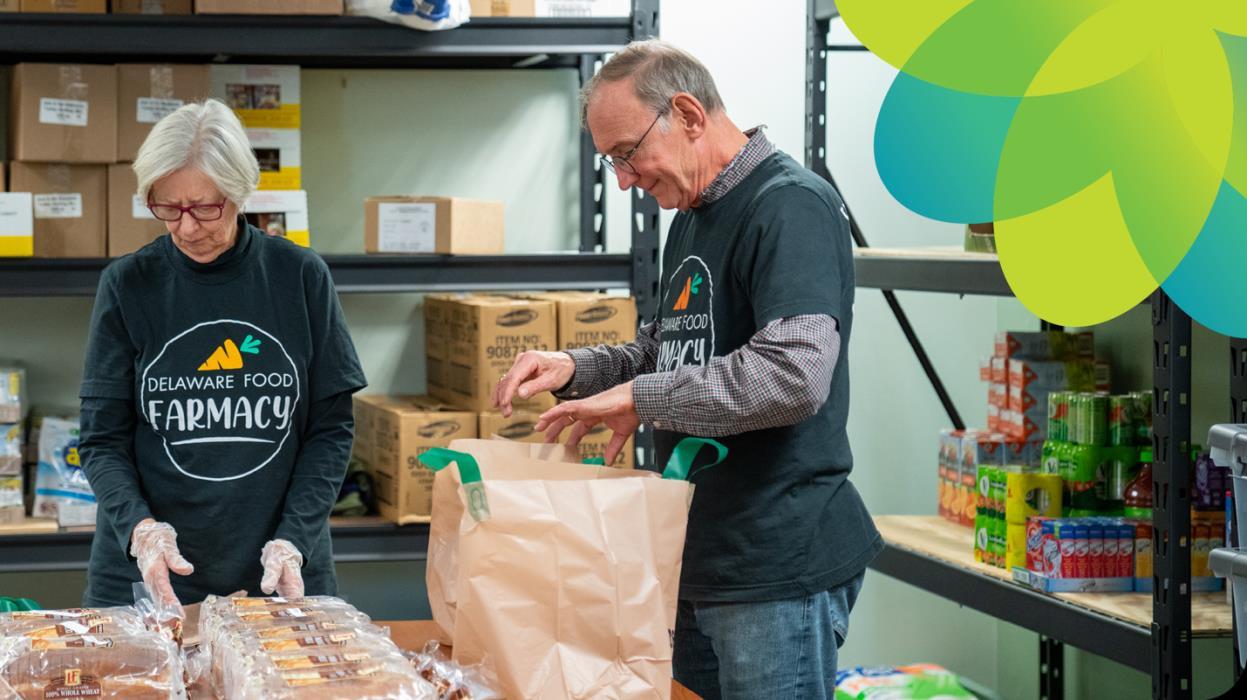
Pictured: Volunteers at Lutheran Community Services bag up fresh foods for local participants in the Delaware Food Farmacy program.
Falls can have devastating health consequences, and increased risk of falling is often created by unsafe home environments Unfortunately, home repair or modification is simply not possible for many of our older community members living on very tight budgets.
To address this need, ChristianaCare partnered with Good Neighbors Home Repair to provide free home repair and/or modification to prevent slips, trips and falls and support aging in place for our eligible senior patients. The most common modifications are the addition of grab bars, wheelchair ramps, and tub cutouts while repairs are often fixing steps or uneven flooring. Although the repair or modification may be minor in terms of effort and expense, the impact on the patient’s life cannot be overstated. Patients can clean themselves again because of bathroom modifications, and fixing steps or adding a wheelchair ramp allows patients to leave their homes. This intervention removes the anxiety and limitations that unsafe home environments created.
This intervention also has direct positive impacts on health. Falls reduce drastically once the patient has the repair/modification. Further, when repairs are made to allow a patient to safely enter and exit their home, they can attend medical appointments that they were previously unable to because they could not leave their homes.
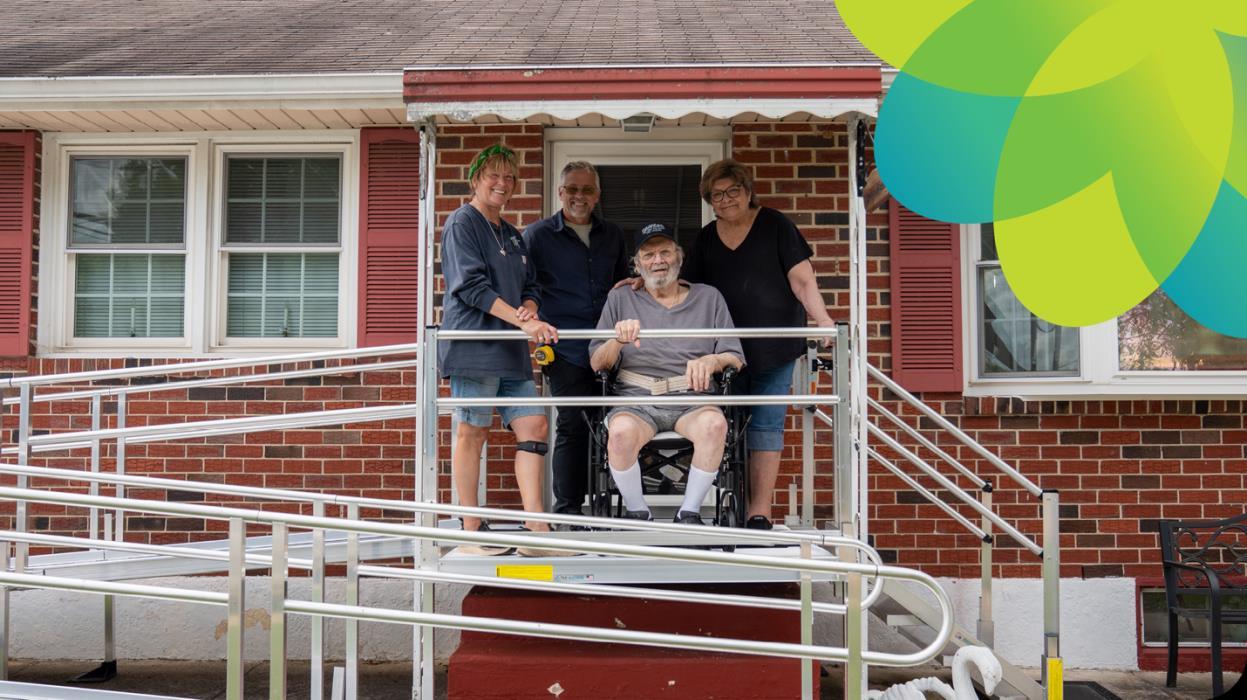
Pictured: ChristianaCare’s partnership with Good Neighbors provided home repairs for the Tartaglia Family which have enabled them to remain safely in their home of 28 years and to safely leave the house to see the cardiologist.
Recently, ChristianaCare celebrated with Good Neighbors Home Repair the completion of 100 patient home repairs and modifications. Allowing patients to continue to live safely in their homes is certainly a cause for celebration. We look forward to more celebration in the coming years through our continued partnership and investment.
Community Partnership Spotlight: Behavioral Health Services
Since 2021, ChristianaCare has partnered with the New Castle County Police Department (NCCPD) to divert individuals from the criminal justice system and emergency departments when appropriate and connect them to care in the community. Serving with the police in a co-responder model, ChristianaCare mental health professionals respond to 911 calls and officer referrals when mental illness is believed to be a primary factor for police involvement. Additional ChristianaCare caregivers support the NCCPD’s Hero Help Program which addresses substance use disorder. These caregivers respond to non-fatal overdoses, provide outreach in the community, work with individuals to devise a treatment plan, obtain treatment, provide ongoing care management, and address needs individuals may have that serve as barriers to treatment.
Pictured: [insert caption here]
In March 2024, ChristianaCare launched a new police partnership with the Wilmington Police Department, the Partners in Care Program. In December 2024, ChristianaCare also began a new partnership, Connect & Protect, with the Newark
Police Department. Like the NCCPD partnership, these partnerships also utilize a coresponder model which pairs trained mental health professionals with police officers who respond as a team to calls for service and conduct proactive outreach.
Mental health and substance use disorder has been identified as a significant community health need in every CHNA ChristianaCare has completed. These partnerships allow us to address that need in our communities by providing interventions and assistance to community members, often in their homes, who need connection to behavioral health services and not involvement with the criminal justice system We are grateful to our police partners for recognizing that these interactions with community members are not just occurrences to be handled and repeated but an opportunity to connect the individual to the care they need
Conclusion
ChristianaCare is one of the country’s most dynamic health care organizations, centered on improving health outcomes, making high-quality care more accessible and lowering health care costs. Partnering with our patients and communities to address our most significant community health needs is crucial if we are to be successful in those efforts. We eagerly continue our focus to advance health for all individuals and communities we have the privilege to serve.