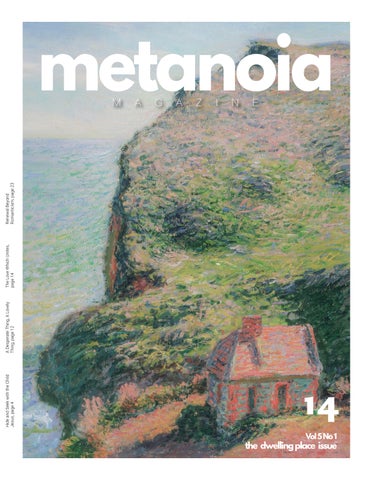

metanoia
CONTRIBUTORS
EDITOR-IN-CHIEF
Teagan Byrne
CREATIVE DIRECTOR
Sophia Zamoyta
PROJECT MANAGER
Lianna Youngman
DESIGNERS
Ruth Gideon
Rae Mah-Chamberlain
Maggie Mora
Rachel Nikirk
Bridget Palm
Tater Piroch
Mary Kathryn Sheba
Julie Wells
Margaret Zuberbueler
EDITORS
Madeleine Clark
Regina Cousino
Rhys Humphreys
Bridget Palm
Mary Cate Percy
Perpetua Phelps
Christopher Walsh
ADVISORY BOARD
Niall O’Donnell
Dr. Eric Jenislawski
Professor Daniel Spiotta

LETTER FROM THE EDITOR
Dear Reader,
The word home brings to mind sometimes delightful and sometimes heavy thoughts or memories. A little picture of eternity, home offers hope and light in the midst of uncertainty and struggle. Still, at times we are brought to remember that this fallen world is not meant to be our home forever. In moments of ache and confusion, the whispers of something more lovely, more wondrous, and more lasting draw us beyond these partial earthly reflections into something eternal. The beauty of the created world calls the soul into a taste of the everlasting, preparing us for the place and the Person that we will truly be able to call Home.
MISSION STATEMENT: 9
Metanoia is a student magazine that showcases the height of Christendom College excellence in the areas of journalism, art, and design. It is meant to inspire thoughtful conversation among the student body and the broader Christendom community. Metanoia articles address issues concerning society, our immediate surroundings, and ourselves. Metanoia allows promising students the opportunity to develop their talents so that they can use contemporary media to “Restore All Things in Christ.”
“How lovely is your dwelling place, O Lord, God of Hosts.” (Ps. 84:1)
As we journey toward our heavenly home, I hope that this issue of Metanoia brings a sense of wonder and delight in the dwelling place we have been offered by God through His creation, and a sense of excitement and hope for the dwelling place he has prepared for us in eternity. May the Lord lighten your path and scatter your darkness as we practice dwelling with one another in Christ, and I hope to see you in eternity!
In Christ, Editor-in-Chief
Teagan Byrne
Sophia Zamoyta, Creative Director and Teagan Byrne, Editor-in-Chief
hide and seek with the Child Jesus you knitted me together in my mother's womb SURROUNDINGS
a desperate thing, a lovely thing the love which unites
Imagine yourself on a pilgrimage up Mount Carmel on a clear, Mediterranean night. The dampness of the sea air reminds you of the heaviness of life. The multitudinous stars above seem a million sidereal eyes, peering in cold expectation. The trees softly rustle in their restlessness and the lone cry of a bird is swiftly swallowed up in the vast infinity of the night.
Spurring your steps is the restlessness of your heart: “O God, how could it be enough? When the heaven of my every delight, left for eternity, becomes a hell? Time, the diabolical catalyst, rends the Tower of Babel. But it seems that all is Babel. All is vanity. What am I to do?”

by MATTHEW GIFTAKIS '27
As you ascend the summit, standing in the footsteps of your father Elijah, you make your prayer, in the words of a Carmelite poet:
This is the edge of time. This cliff encounters the valleys of the measureless unknown and the great surges of those outer seas where swim Orion and the Pleiades.
[I] lean into the night and lift my restless love to pastures where an ancient prophet tethered horses of fire.1
Indeed, our love is restless. That no created thing satisfies is a continually re-discovered
lesson: as much as we give our heart to something, it can never stay there and make its dwelling place.
Aristotle (Ethica I.), in his search for this human resting place, eliminates candidates such as wealth, pleasure, and honors. These are good, but when made an end in themselves are ultimately what Jeremiah calls “broken cisterns” (Jer 2:13), broken vessels for a fleeting fulfillment slipping through our fingers. Though the philosopher settles on a good candidate, virtuous action, his project–using the laboratory of mere nature–seems to be missing something. It ends in what Dante depicts as a sad limbo (Inf. IV. 25-45) ; even Dante himself, standing in the preternatural paradise, gazes readily at the stars (Purg. XXXIII.145).
And so do you. As you stand atop Carmel, the stars of spirits who reached at divinity raining down (Rev 12:4), you continue your prayer: “where, O Lord, is your dwelling place?”
Seeing a shadow in front of you, trembling in the moon’s glow, you look down from the sky and over to its source. Standing next to a tree, his hand resting on a low branch, is a child. As He walks towards you, you note His peculiarity; He moves with the poise of one at home in creation; in the wake of His footsteps the vegetation surges with liveliness; birds and crickets stand in reverent silence before Him, and the moon stretches out a silky carpet for His royal feet. Most striking of all, however, is His face. Despite His small stature, you can scarcely meet His eyes: they burn with a love that pierces your unworthy depths. This child, with no words, calls you beyond yourself to a frightening destiny. You must look away. You must flee.
As your legs carry you down the slope, He pursues you! You reach the shore of the Mediterranean and set out, flying shipbound across the dark waves. As you glance behind, there He is: running across the sea, gleefully wielding for His toys tempests for the prophet who runs from His destiny–and with those eyes!
“Despite his small stature, you can scarcely meet his eyes: they burn with a love that pierces your unworthy depths. This child, with no words, calls you beyond yourself to a frightening destiny."
Your ship is struck and your last pieces of selfsecurity fall apart and sink into the abyss. You have no choice but to reach out desperately to this mysterious youngling. He effortlessly bears you up and speeds you back, dripping and shivering, back towards the unyielding rock of Carmel.
If I take the wings of the morning and dwell in the uttermost parts of the sea, even there thy hand shall lead me, and thy right hand shall hold me.
(Psalm 139:9-10)
This certainly is a strange game.
As He runs off with a laugh, you find Him sitting in a tree that burns with green life, then behind a rock that seems transformed, as if it fell from heaven, then amidst the clothed birds that chant their prayer, one perched on His precious finger. Always with those empyrean eyes! Indeed, as you two slowly ascend the mount in this reciprocal game of seeking and finding, the world seems alien and new. Sometimes He is nowhere to be seen, seemingly lost in the darkness, but even the darkness purifies.
You reach the top of the mountain once more. The stars still fall in their divided hearts, but the Sun Himself has descended to reach you (Rev 1:16). You look back over the vast path

you ascended: the original path, with its stars, its trees, its cries, but transfigured by the mysterious presence of this little one. The forest darkness was a superluminous one, a learning to seek the Child Jesus by faith and love, and not sight. “Faith and Love are like the blind man’s guides. They will lead you along a path unknown to you, to the place where God is hidden.”2
This story may seem cryptic, but my intention is to show some small part of the mystery of God’s indwelling. St. Thomas teaches that the human will is invariably directed to the good, the bonum universale. We only choose under the aspect of good, but it is the human condition to content ourselves with too little3—we rest in lower goods or even apparent goods. In order to establish his dwelling place more and more in us, God must continually unsettle our houses of cards and smash our broken cisterns. Bluntly, this seems a darkness to us. Jessica Powers even calls God a “strange lover”, operating contrary to typical lovers who heap gifts on the beloved: He, rather, strips the soul of worldly attachments and securities until it is left, naked and trembling, in a position to receive the gift of His very Self.4
Indeed, creation is very good (Gen 1:31), and we ought to love things of this world. However, the spiritual masters note a proper hierarchy to our loves, meaning that we ought to love things in their proper place. Detachment looks dangerously alike to its counterfeit, apathy. 5 The true detached man, for St. John of the Cross, is he who loves everything in its place, the lower for the sake of the higher and all as directed to God.6 He loves God above all else, and thus despises the things of this world, seeing them as “loss” (Phil 3:8) only in comparison to his wonderful love for God. In reality he loves
“If Christ is my end, and the world is loved in its proper place, the world surges with new beauty and appetibility, for I see my Beloved dwelling in all things."
the world much more than the slavishly attached man does.7 The apathetic man, on the other hand, simply disregards the world in itself. The former can run, clapping and singing like David (2 Sam 6:14) towards his heavenly homeland, while the latter can only travel sadly, listlessly wandering the world like an aimless, disconnected specter. Aristotle (Ethica I.) teaches that the appetibility of a good comes from the appetibility of the higher goods to which it is subordinate. For instance, if I intend to travel to my friend’s dormitory, all of a sudden the path becomes sweet: this left turn, this traversing of the dip become attractive because they are means to the end of seeing my beloved. I propose that, for the Christian, this principle can be extended by grace: if Christ is my end, and the world is loved in its proper place, the world surges with new beauty and appetibility, for I see my Beloved dwelling in all things. No doubt this was the blissful state of the author of the Song of Songs. We ought to consider this in our college lives: in studying and working we seek after Truth and Order. What are these but the actions of a lover seeking His beloved?

"May the God who is all love be your unchanging dwelling place, your cell, and your cloister in the midst of the world."
ST. ELIZABETH OF THE TRINITY
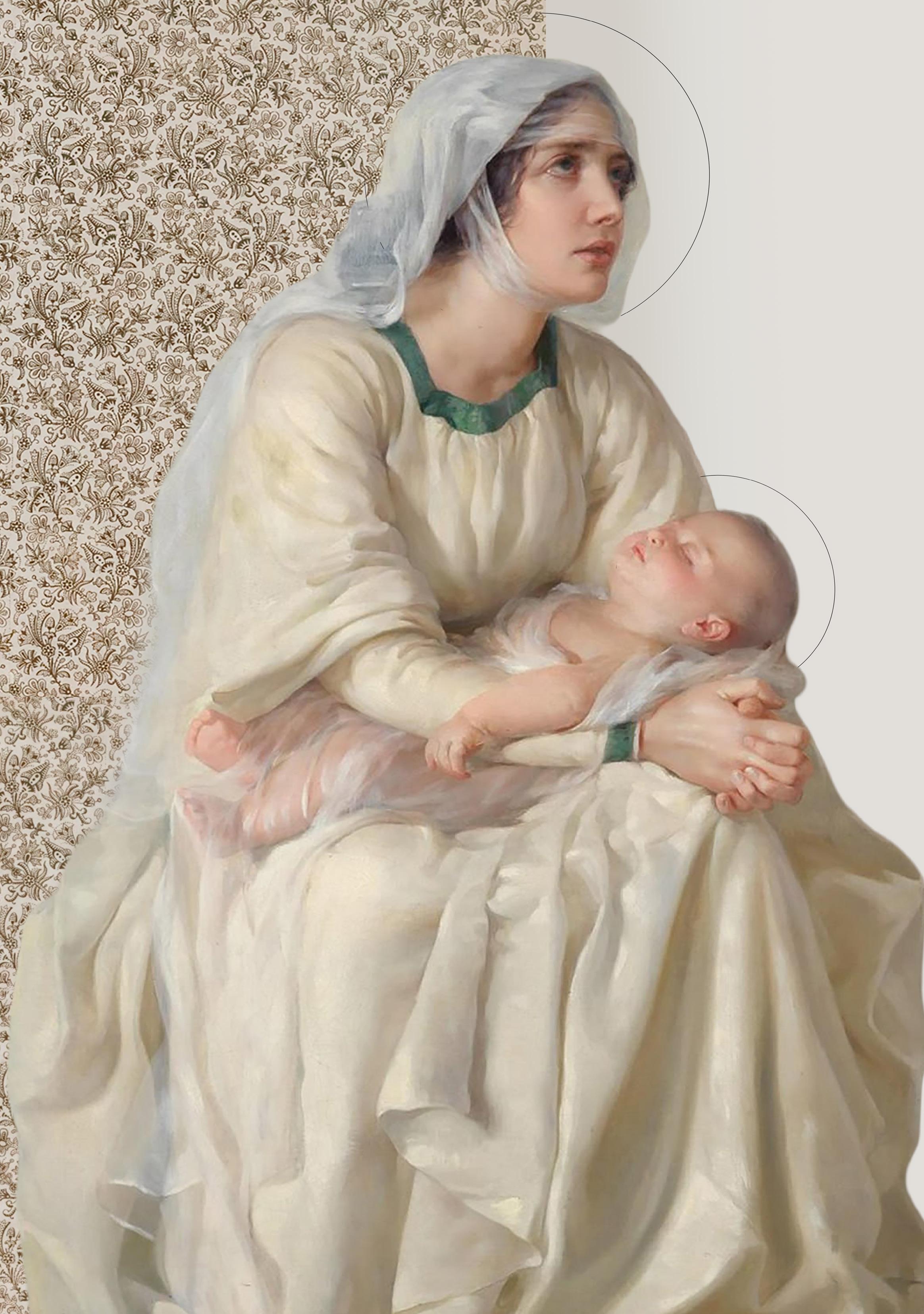
YOU KNITTED ME TOGETHER IN MY MOTHER'S WOMB
THE DIGNITY OF LIFE IN THE WOMB
by CECILIA DUNKLE '27

ometimes God’s work is not obvious, and we are forced to look for it like Elijah: not in the hurricane or the earthquake, but in the subtleness of a gentle wind almost beyond our notice. There is something that attracts us to these hidden things. While it is true that beauty shines forth in abundance throughout all of God’s creation, the most beautiful things are often the ones that are hidden from our knowledge. Crystals grow unnoticed beneath the surface of the earth for millions of years. Caterpillars lie hidden inside of cocoons until they come forth as radiant butterflies. Even a wrapped gift fills us with a sense of excitement as we wonder what treasure could be hidden inside.
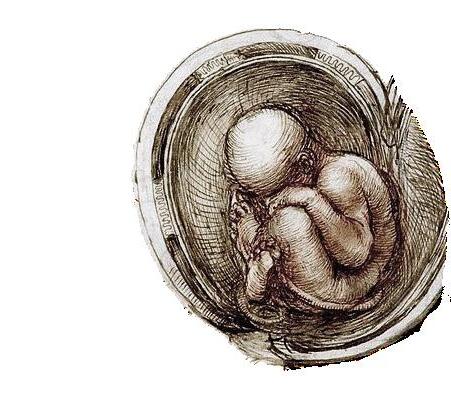
One of the most sacred and beautiful things created by God is the gift of new life. While God alone is the author of life, He allows mothers to play a special role in His animating work. God expressly designed the mother’s womb to be a dwelling place where the hidden child can be nourished, protected, and loved.
The origin of new life is one of many miracles performed by God. God has created the world, parted the Red Sea, and defeated armies. Yet, the same God Who worked these wonders performs some of His greatest miracles when no one is watching. When God reveals Himself to Elijah on the mountain, we expect Him to manifest His glory by means of the mighty wind, earthquake, or fire. But God chooses to reveal Himself in a tiny whisper instead.1
When beautiful things are set apart for God’s service, they become holy. Holiness is signified by a covering or veil that hides the object from view. This veil indicates the presence of something so sacred that we are not worthy of beholding it. This is why the Holy of Holies in the Old Testament was veiled by a thick curtain, for who is worthy to enter the Presence of God?

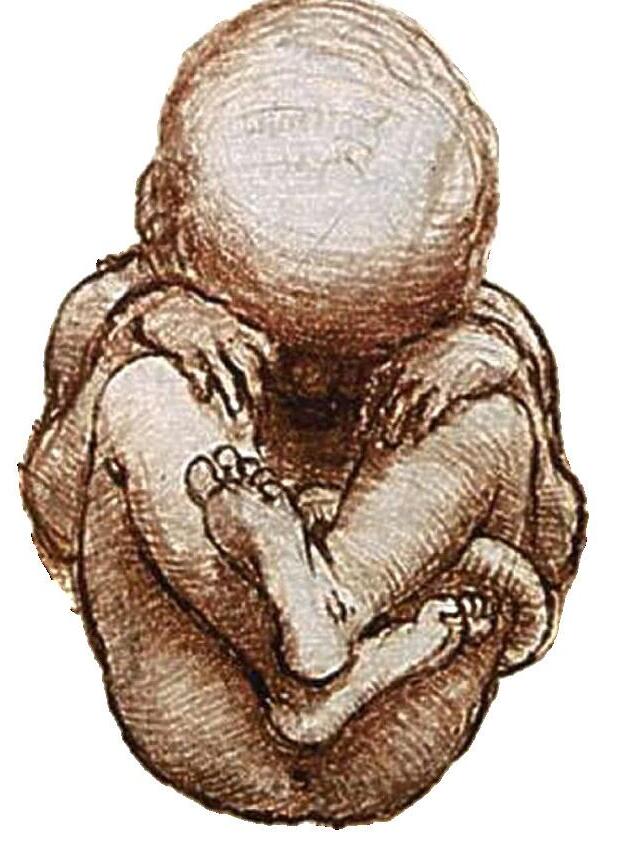
At a microscopic level, a tiny life quietly comes into existence. For the first several weeks of pregnancy, the mother herself is unaware of the miracle taking place inside her body. A little heart begins to beat without her knowing it as God slowly weaves together the body of a new person within her.
New life is another one of God’s hidden works that is both beautiful and sacred. The vocation to motherhood is holy because the mother is entrusted with the sacred mission of bringing forth God’s blessing of new life. While a baby’s life is not holy in the same way as an altar or chalice, the hiddenness of the womb signifies something very precious and dignified.
Despite the many advances of modern science in prenatal medicine, no technology can ever truly replace the mother’s womb. While it may be possible
for a baby to achieve full physical maturation in an artificial womb, the deep relationship with the mother would be lacking.
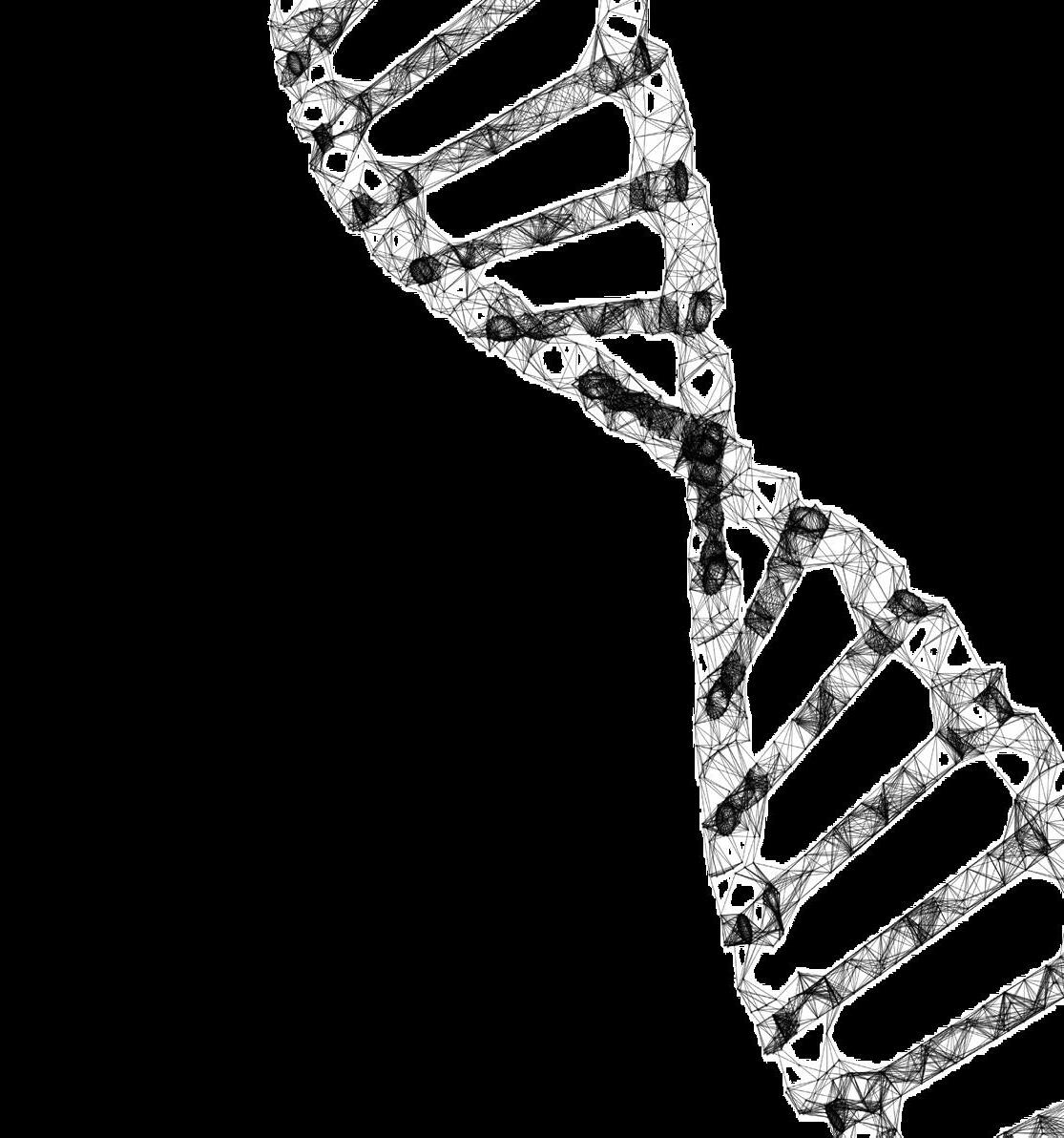
Studies have shown that the newborn can learn to recognize his mother before birth. A mother who sings or talks to her baby before birth can perceive distinct responses from the baby, such as change in position or movement.2 The tender gesture of a mother pressing her newborn close to her heart is not the first meeting of mother and child. Rather, it is first in pregnancy that “the strong and perfect beginning of the bond between mother and child” emerges. a baby shares such intimate bond with his mother during his time in the womb that some of his DNA remains inside her after birth.4 This would not occur if the baby were to develop outside the womb. The mother has an important role as the stewardess of new life with which technology cannot compete. While scientific advances could provide a well-working enclosed space in to mimic the environment of the womb, it could never replace a mother whose relationship to her baby is so necessary for his full development. There is something beautiful about a mother waiting lovingly for her little one to arrive. There is nothing that excites us like the news that a baby is to be born soon. The sight of an expectant mother is a sign that something beautiful is about to enter the world; a miracle is on its way. Although nine months can be a long, difficult time for a mother to wait, it allows her to ponder the mystery within her. The period of waiting for the arrival of a baby mirrors the expectancy of Our Lord’s advent at the end of time. No one but the Father knows the day or hour when Our Lord will come again. In the same way, no one knows the hour when a baby will open his eyes to the light and take his first breath. Though they have met before, she cherishes the moment when she can finally lay her eyes lovingly on the beautiful soul whom she treasured for nine months in the dwelling place of her womb and her heart.




"The woman's soul is fashioned as a shelter in which other souls may unfold."
St. Edith Stein
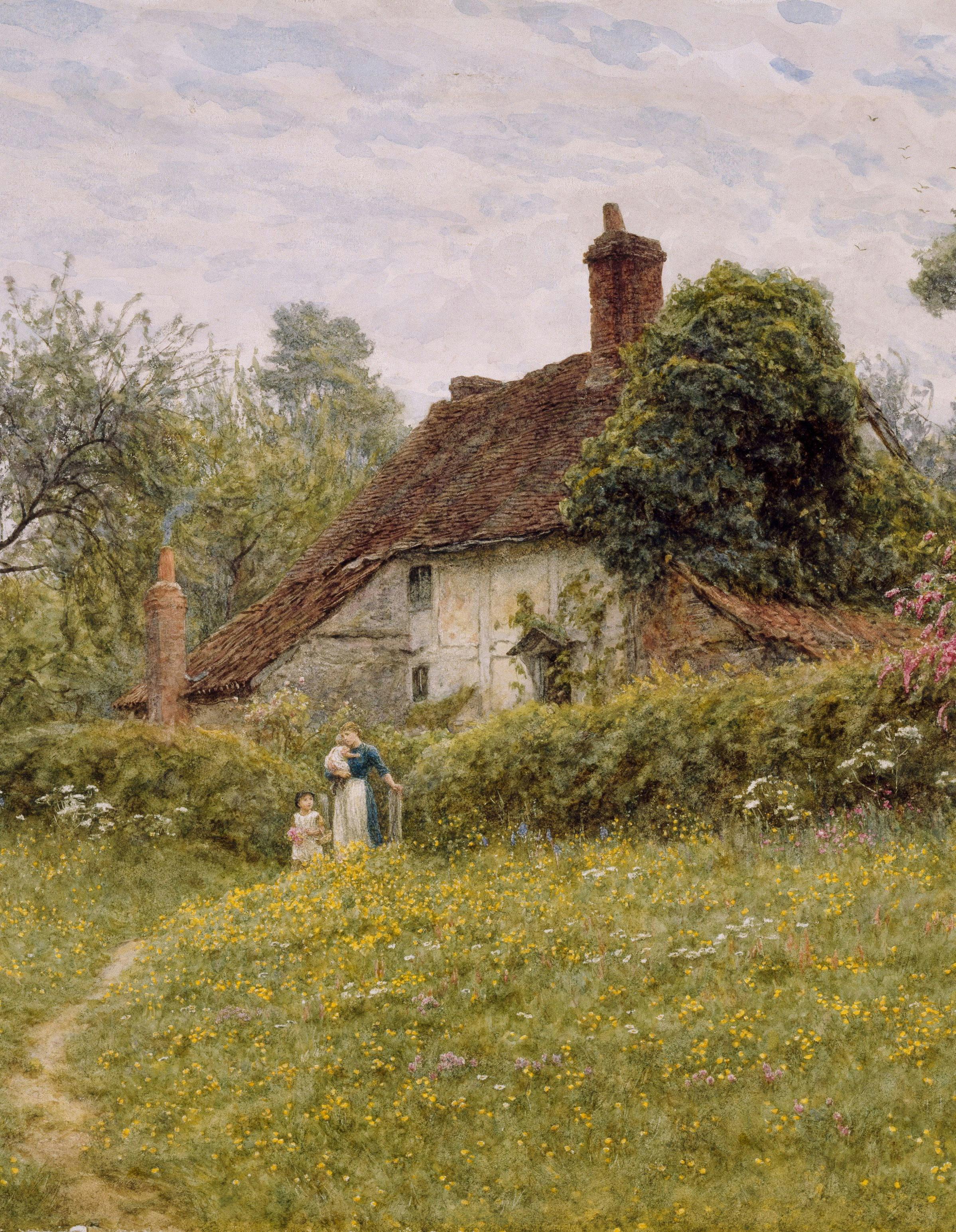
A Desperate Thing, A Lovely Thing
EMBRACING WHERE YOU CAME FROM
by CODY TUCKER '26
Few can say that they altogether love the place they are from, much less that they are in love with it. Yes, we’re proud to be Americans, but that isn’t what I mean. In our thoughts and feelings toward our hometowns, our native places, something is often missing. Our homes seem hardly worth loving. A friend of mine says that his city has a good Catholic community but not much else worth sticking around for. Another friend describes where he’s from as only a place of drug addiction and vice. A third has nothing to say at all about his native place. Some people have a certain pride in their heritage, if they happen to be from a place with a strong personality, but with constant moving resulting in a lack of roots, the average person does not have much care at all for his home.
What causes this attitude and why is it harmful? Some forces and circumstances bear more blame than others. The modern ease of movement has its hand in things. The development of communication has led to greater connection with the world beyond one’s neighborhood and thus has shifted people’s attention past what is right in front of them. Today, many people pursue the bulk of their friendships online, whether
or not they first met their friends there. Following more national and international news has in turn de-emphasized local news, and the cycle of losing focus on one’s native place continues. The harm caused is this: a growing cancer of indifference in the hearts of men. It is not pronounced, it is not loud, and it certainly is not recognized as cancerous. The indifference is only quiet because it is present in so many hearts that we might begin to call it healthy. Dig deep within yourself, and I suspect you will find it too, to a greater or lesser extent. On a careful examination, we will find that we really don’t care for Raleigh, or Great Falls, or Winston-Salem, or Alexandria. As long as we don’t, nothing will get better. That’s the tragedy of Pimlico.
In Chesterton’s Orthodoxy, he portrays to the reader a peculiarly “desperate thing” called Pimlico.1 For the longest time, I didn’t know anything about Pimlico except that it was some place in England and, apparently, an awful one at that. It does not really matter where or what Pimlico is; when we read Chesterton’s words about it, we will see that we know the place all too well.

Chesterton gives three ways that we can approach thinking of a place: we can approve of it, we can disapprove of it, or we can love it. He finds that it is insufficient to approve or disapprove of some place if we actually want to will its good. He uses Pimlico, a then rundown part of London, to illustrate his point. If a man only disapproves of its sordid state, “he will merely cut his throat or
move to Chelsea.” It remains unchanged. His dwelling place stays exactly the same. But it is not enough either to approve of it, “for then it will remain Pimlico, which would be awful.” Both of these responses are properly called indifference, as said above. Everyone has an opinion about their home, good or bad, but many are nevertheless largely indifferent. Approval and disapproval solve nothing and lead only to the exact decay that we see now.
There is a way out, a third option: to love. Chesterton spends plenty of time on this point for good reason. The love he is describing is not related to some earthly cause or reason; in fact, it can’t be. If I “love” Great Falls, Montana for its public parks and they are then rezoned into housing, I lose the so-called “love” that I had before and no longer care for my hometown. Chesterton describes the proper love as “arbitrary,” “with a transcendental tie and without any earthly reason.” Most poignantly, he says that a man should love his home “as mothers love children, arbitrarily, because it is theirs.” This love is the only way that things get better, that places change. Approval and disapproval avail nothing and could never make anywhere great. Chesterton writes that “if there arose a man who loved Pimlico, then rise into ivory towers and . . Pimlico in a year or In your mind, as in many others, there is probably a rising incredulity that this
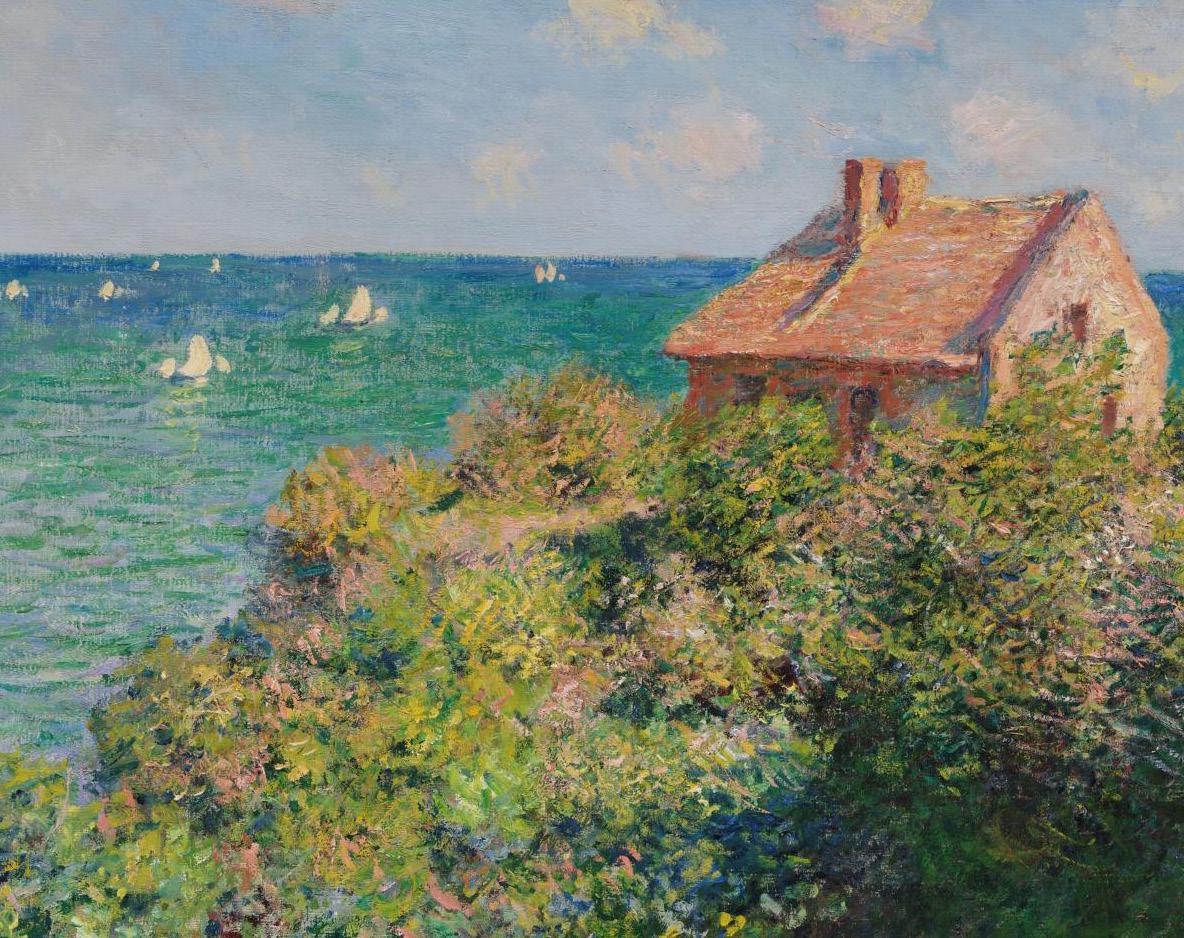
ennobling of Pimlico is far from the truth. Chesterton’s response? He gives his oft-quoted words: “Men did not love Rome because she was great. She was great because they had loved her.” Human history and all of the greatness of cities and nations are founded on the love that a man had for his home.

Pimlico is not a subsection of London; it is your home. That man is not someone else; it is you. Level every objection you wish against it: “God doesn’t call everyone to stay where they are, I can choose where I go, there can’t really be hope for my native place.” And yet… and yet… if there arose a man who loved it, Pimlico could change. Wherever your dwelling place has been or is, it could become good, lovely, and holy. If it has never been much, it could become great. If it has fallen from grace, its embers could be rekindled. This is not just about temporal greatness, but about the soul, spirit, and culture of a place. All things can be restored in Christ, but I wager it is not done by drifting across the country. It is done by taking a stand and saying, “Here is my home. It is not much; it is rough around the edges and to be honest, it stinks. But here, right here, is the place I choose to love because it is mine. If I do not love it, then who will? I will love it, and only then will the change begin.”
The Which Love


by JOE ANDERSON '26

"No longer do I call you servants, for the servant does not know what his master is doing; but I have called you friends, for all that I have heard from my Father I have made known to you." (John 15:15).
“For without friends no one would choose to live, though he had all other goods,” ( Nicomachean Ethics , P. 142 pagination 1155a-6).
“They sat there, feeling happy together.” ( Frog and Toad, Frog and Toad are Friends ).

What is the difference between an acquaintance and a real friend? Why do close friends feel like two halves to a whole? And how are our friends with us even when they are far away? These questions can be answered, in a word, by “indwelling.” There is a key difference between dwelling versus indwelling. According to Merriam-Webster, to dwell is defined as, “to live as a resident,”1 whereas indwell is, “to exist as an inner activating spirit, force, or principle.”2 Indwelling indicates a union, indicating a richer and deeper reality than what is implied by dwelling. God wants more than simply to “chill” with us for eternity. He desires an even deeper union. God longs to live in us. Friends, likewise, want more than simply to hang out with us. God made man for more than dwelling; He made us for indwelling.
“To dwell” is only part of what friends wish to do together. Aristotle writes, in his famous Nicomachean Ethics, that friends have one primary activity: to live together.3 To live together not only entails a shared space the friends have with one another, but a sharing of thoughts, feelings, and experiences. Here, we move from dwelling to indwelling. Anyone who has ever had a deep friendship with someone is familiar with that desire of wanting to do what they do, know what they know, and be where they are. Further, Aquinas declares, “the lover is said to be in the beloved, according to apprehension, inasmuch as the lover is not satisfied with a superficial apprehension of the beloved, but strives to gain an intimate knowledge of everything pertaining to the beloved, so as to penetrate into his very soul.”4 On the other hand, friends know the pains of discord when they are not in communion with one another. Communion necessarily involves a sharing of life. In a sense, this shared life is but one life. This “oneness”, this unity, following Aquinas, is what I posit friends want: friends wish to be mutually united.
Necessarily connected to unity is the concept of love. Love is what binds together; what unites. Saint Paul writes, “Above all, clothe yourselves with love, which binds everything together in perfect harmony. And let the peace of Christ rule in your hearts, to which indeed you were called in the one body,”5 (Col 3:14). Furthermore, Augustine states, “love is a vital principle uniting, or seeking to unite two together, the lover, to wit, and the beloved.”6 Love is central to unity, God is One but God is also Love. As men, we are called in love to return to The One Who Is Love. Not only is God our final end, but He has called us friends.
Saint Paul pronounces, “Do you not know that you are God’s temple and that God’s Spirit dwells in you?... For God’s temple is holy, and that temple you are,” (1 Cor 3:16-17). God promised us His paraclete to be with us, and it is only by the grace of the Holy Spirit that we are capable of being friends with God. This is true regarding God, but it is also true by analogy regarding friends. Since indwelling involves being truly part of someone else, we dwell in one another when we are friends. By sharing our inner thoughts
and emotions, we are sharing ourselves; truly dwelling in one another.
When it comes to Jesus as our friend, it is, in some ways, easier than with our friends because God will never fail or abandon us. However, in human friendships, it is an act of vulnerability to become friends with someone. To become friends means to be united to them and it also means to open yourself up to being hurt. We must show ourselves for who we truly are to our friends in the hope that we might be united to them. Unfortunately, if they do not reciprocate our vulnerability, or much worse, if they abuse the trust we have placed in them, we avail ourselves of great pains. On the other hand, when that vulnerability, trust, and love are reciprocated, the result is something profound.
Innumerable are the beautiful friendships presented in literature, from David and Jonathan, to Frodo Baggins and Samwise Gamgee, to Frog and Toad.

Concerning the friendship of David and Jonathan, the Bible claims, “the soul of Jonathan was knit with the soul of David, and Jonathan loved him as himself.” Here again is an example of the union which friends take on, Jonathan loved David as himself, he saw his own good and David’s good as a part of himself. As friends, the souls of each were united in a love which was bigger than either of them.
A final point on indwelling and love concerns the effect of time in friendship, specifically how a true friendship is timeless. Aristotle claims that the friendship of the good is a friendship which lasts. “Therefore, friendship between such men remains as long as they are virtuous; and virtue is a permanent habit.”7 Aristotle claims that the virtuous friendship, so long as the individuals remain virtuous, is a lasting friendship. Though he also says such a friendship is rare to find, once found, it is there for life. One of my favorite quotes in Brideshead Revisited is from a moment when Charles Ryder and Cordelia Flyte are speaking together. Cordelia begins, “’She never loved him, you know, as we do.’ ‘Do’. The word reproached me; there was no past tense in Cordelia's verb ‘to love.’”8 This is a profound reality; it is also amazingly reassuring, that those who love us, truly love us, will never cease to; as God is eternal, so is love. Saint Paul claims, “Love never ends,” all else will pass away, but love will not.
To indwell is more than to simply be with, but it is to be one with someone. Friends are bound together by love; both brought together by a sharing of soul which is unsatisfied by anything less than intimate knowledge of the other. This involves vulnerability, but as the greatest friendships of history and literature show us, the profound beauty and good which is achieved by a great friendship is astounding. Thus, despite the hardship, it is everworthwhile to discover the intimacy, love, virtue, and everlasting goods found in the indwelling of friends.
To Big Smoot, the King, Mr. Right, The Emperor, and Tubby, who all continually reveal to me what it is to be a good man, a goodChristian,andagoodfriend.
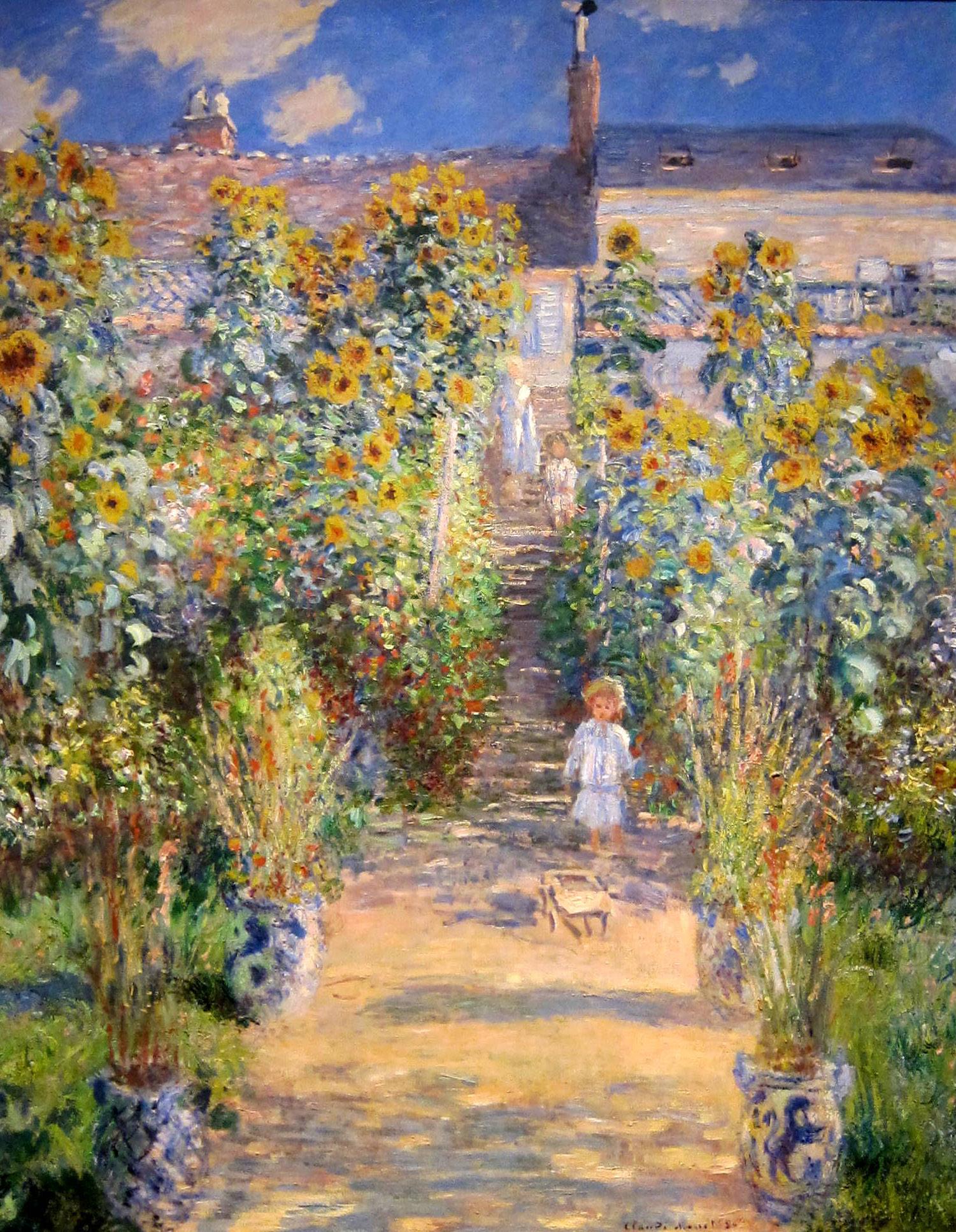
"For indeed, a house is a little church."
St. John Chrysostom

In Defense of the Dinner Plate Hospitality:
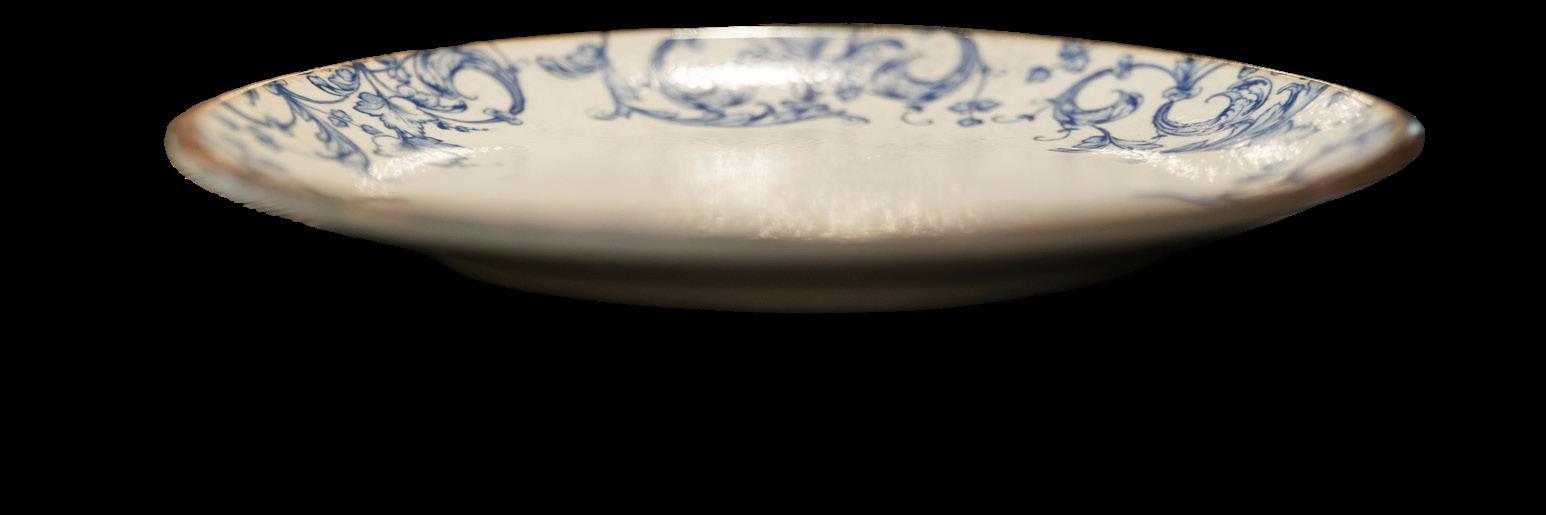
Bustling movements around the house, down the stairs, along the hall, and all over the kitchen tend to characterize preparations being made for a home visit or a house guest. The pillows need fluffing, and the counters need dusting, and the faces of the children must be cleaned of all the mud and spaghetti sauce that constantly cover them! Boundless foresight is required from the courageous host regarding all elements: seating arrangements, conversation starters, timing of events, and most crucially, food. Eventually, in the midst of all of this work and effort, a question rises to the forefront of any host’s thoughts: what is the point? Why put so much effort into these preparations, when more than half of the work will go unnoticed?
Indeed, modern culture frequently suggests that such efforts are needless. Instead of decorated glass plates, we choose paper ones with plastic utensils, saving the time and effort of washing the dishes later. We ask ourselves if it truly matters whether there is a patterned tablecloth on the table, whether we have dusted the shelves, or whether the nicely arranged vegetables on the tray are any different from the ones thrown in a jumble in a bowl.
At the heart of the matter, our culture suggests that most physical arrangements are simply conventions. We use glass plates, but if we can find a more practical way to serve our food, there is no reason not to. The effort of dressing up for events is replaced by the idea that it doesn’t matter what we wear. Convenience guides the culture, and physical arrangements are far less important than the interior disposition of the mind. It is mind over matter, after all. Because of this disposition toward external things, the worth of putting effort into dishes or dress seems incredibly low and practically wasteful; these things are an inconvenience, if they have no bearing on the most important things anyway. It would seem that physical arrangements and concerns are truly inferior or even irrelevant to the mental state of the person. There is a frightening truth to this: the soul, especially the rational part, is in fact the most essential part of who man is. Practically, eating off a beautiful plate or a paper plate is the same thing: it serves the simple function of a surface for food. A person can surely enjoy an event whether or not they have a stylish tie or a fancy dress. The physical arrangements of hospitality are then entirely meaningless: dinner plates and lovely attire are a mere inconvenience that offer nothing to the flourishing of the human person.
The problem with this perspective resides in its premises. The idea that convenience
guides the realm of the physical, and that the mind has nothing to do with the physical, is dualistic in nature. The governance of the material world does not belong to convenience; it belongs to the intellect. The intellect reaches far beyond the convenient and the practical; the rational soul considers beauty, truth, love, and eternity. To the integrated whole of the human person, the beauty of a physical dwelling place matters. The person is not only practical or only mental. The presiding light of the intellect flows from the soul into the material world, where the beauty and truth of immaterial realities can be manifested in a dinner plate.


When the host offers a beautiful arrangement of flowers upon the table, a decorated spread of desserts along the counter, and clean flowery glass plates at each place, they are communicating something to their guest. Beauty delights both the heart and the mind, and so in a unique way, the host is offering something to the whole human person whom they have invited into their home. With one integrated gesture, the host declares: “You are here! You are wanted! You have been waited for, thought of, and delighted in! Come, and rest your heart and soul in my dwelling place.”



The work of cleaning the dishes is suddenly filled with purpose. The physical function of the plate is obviously fulfilled, while at the same time, the intellectual purpose of communicating worthiness to the guest finds special satisfaction. It shows immaterial truths through material means: the immaterial truth of personhood, love, sacrifice, and intentionality is manifested ever so subtly by a decorated plate, which finds its place at the table through the intentionality of the host to delight her guests. The dish is provided by the sacrifices of the host to offer a little loveliness to her immortal guest by the labor of washing it afterwards. This integrated personhood then reveals the purpose of the host’s other tasks: she
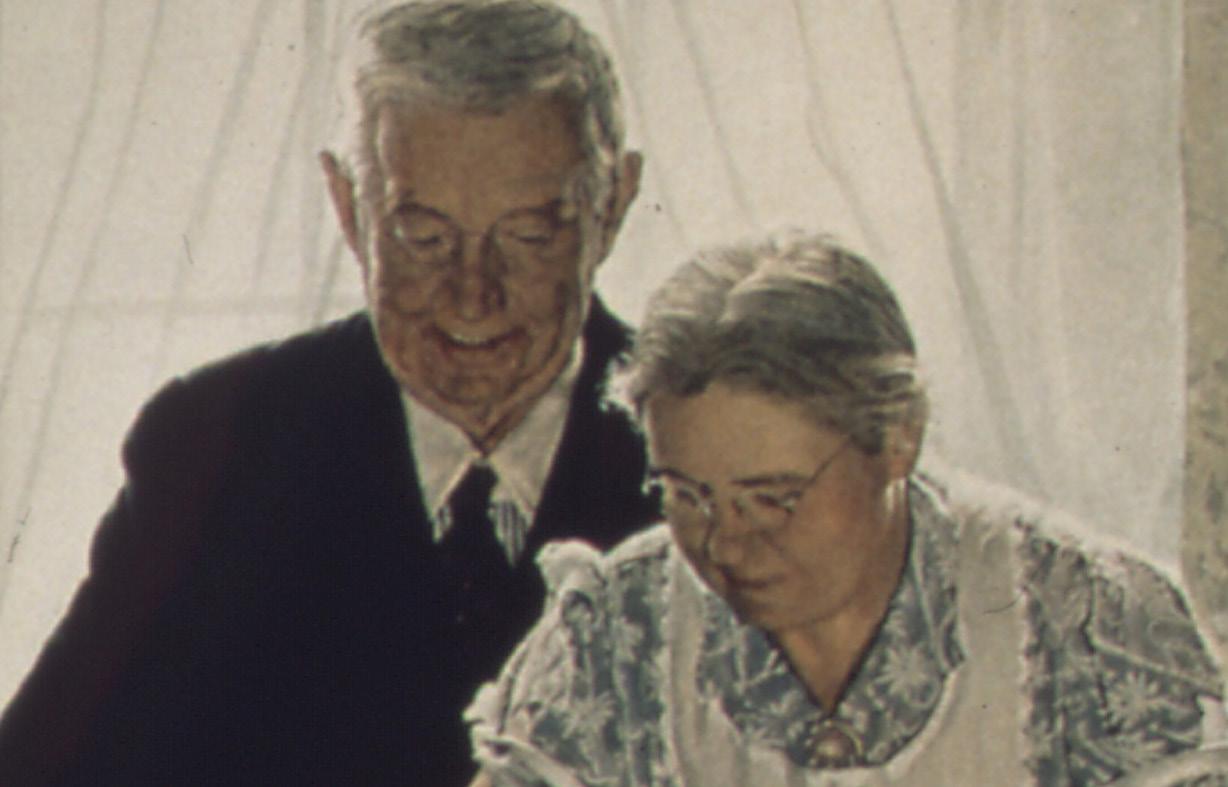
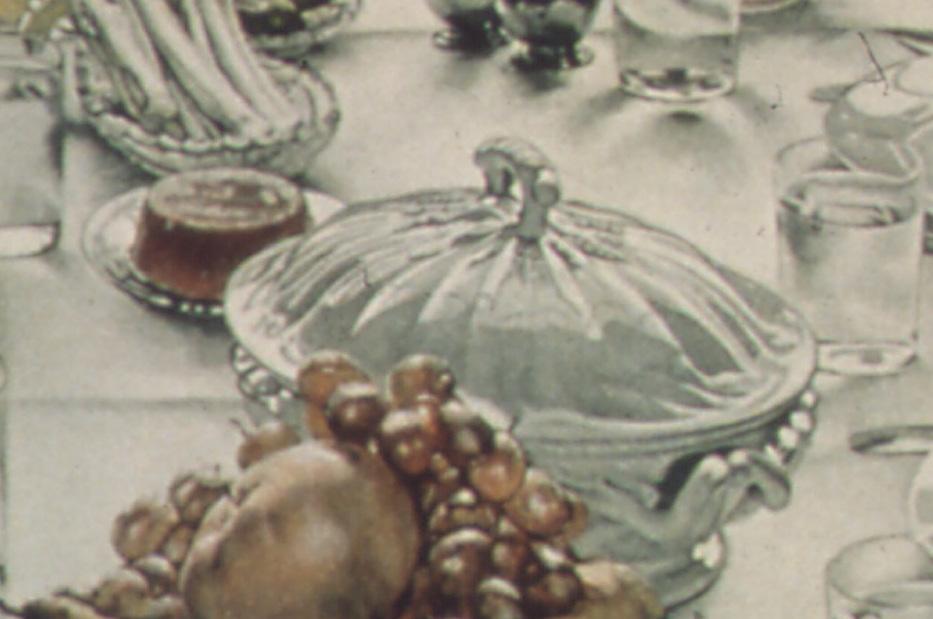
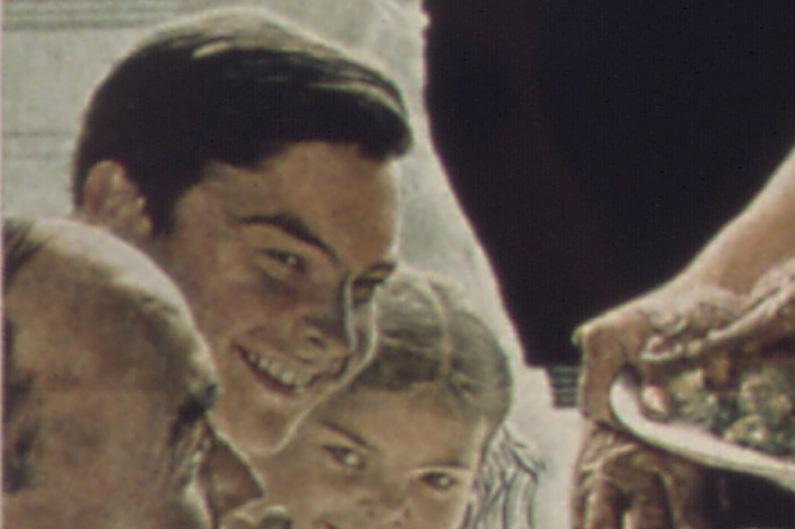
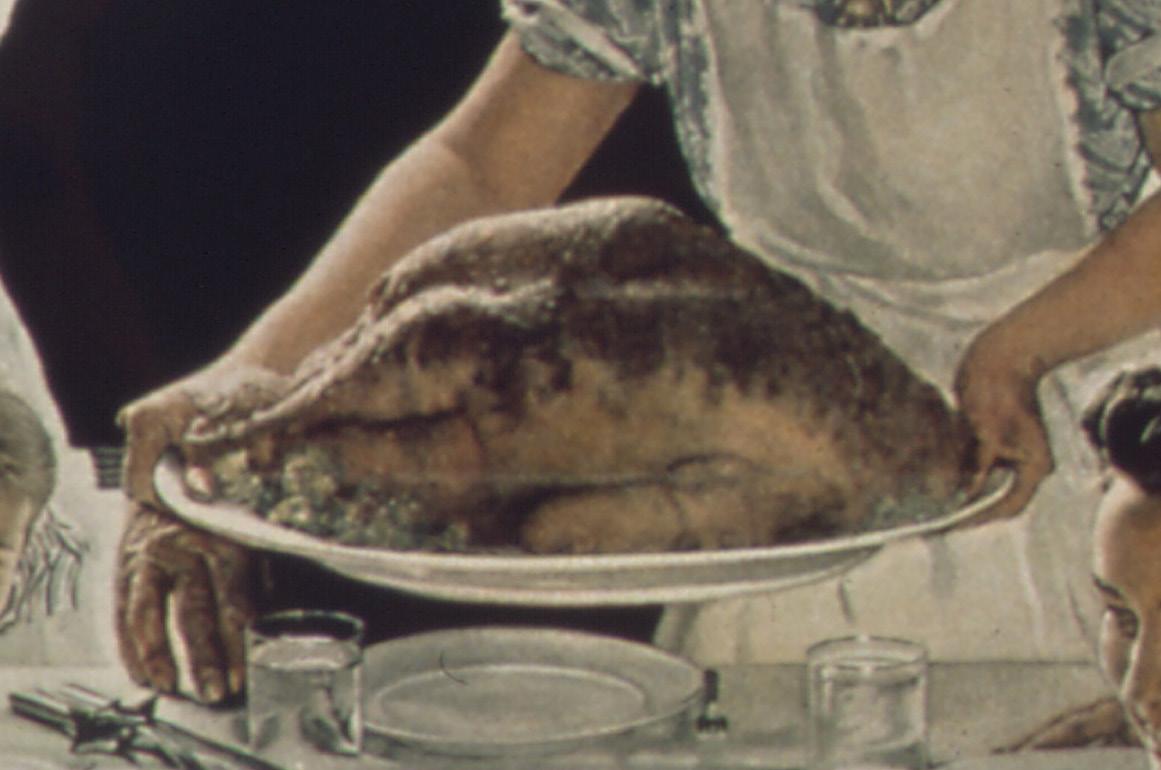
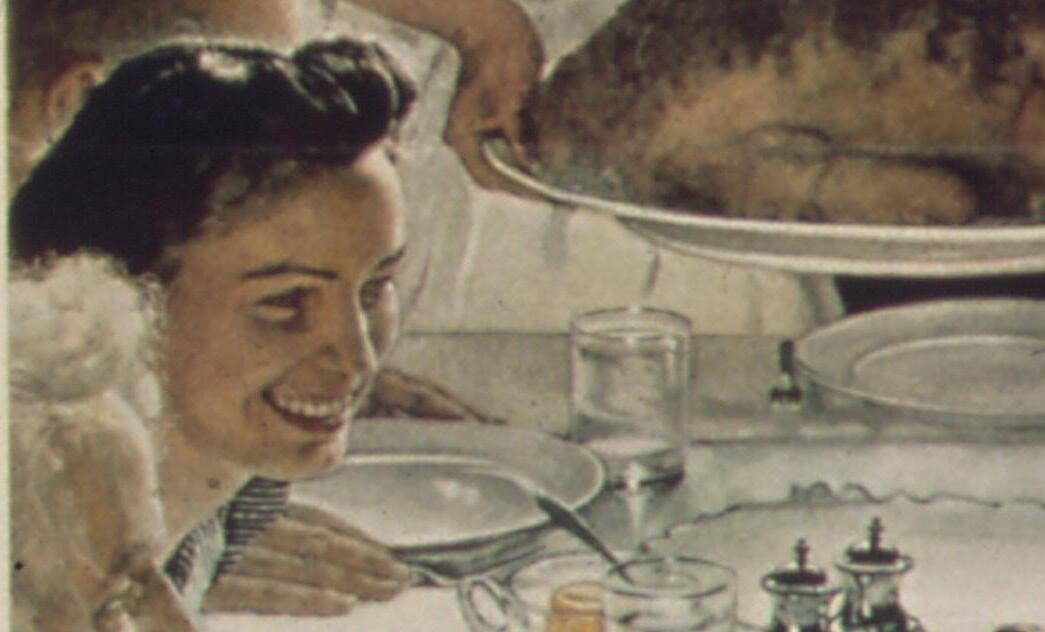
Beauty delights both the heart and the mind, and so in a unique way, the host is offering something to the whole human person whom they have invited into their home.
tidies the house to provide her guests physical comfort and rest of mind, she prepares seating arrangements to offer ease of conversation to these eternal friends, and she dresses nicely to show that she anticipated their coming by creating beauty. The physical work of setting the table and cleaning takes on immaterial and eternal meaning by the wonder that is the integrated human person, an immortal in the flesh, a thinking and wondering being set in the midst of a good and created physical world in order to communicate through it love and beauty.
The truth of the integrated person offers a guiding light when hosting others in our homes. There are indeed times when it is exactly the right decision to use paper plates and to opt for greater ease. It could be quite silly to bring glass on a picnic and make a cumbersome time for all, and there is the reality that sometimes washing the dishes would truly be too much in addition to everything else that goes into hosting. And yet, when the time comes to set the glassware on the tables and prepare our lovely centerpieces, we should have the thoughtful conviction that there is an everlasting purpose to the work. The purpose lies not in the material preparations themselves, but in the integrated persons we serve in body and in spirit. Through little, intentional efforts of communicating care, love, and worth, the host offers her eternal guest a beautiful dwelling place in which to delight, to rejoice, and to rest.
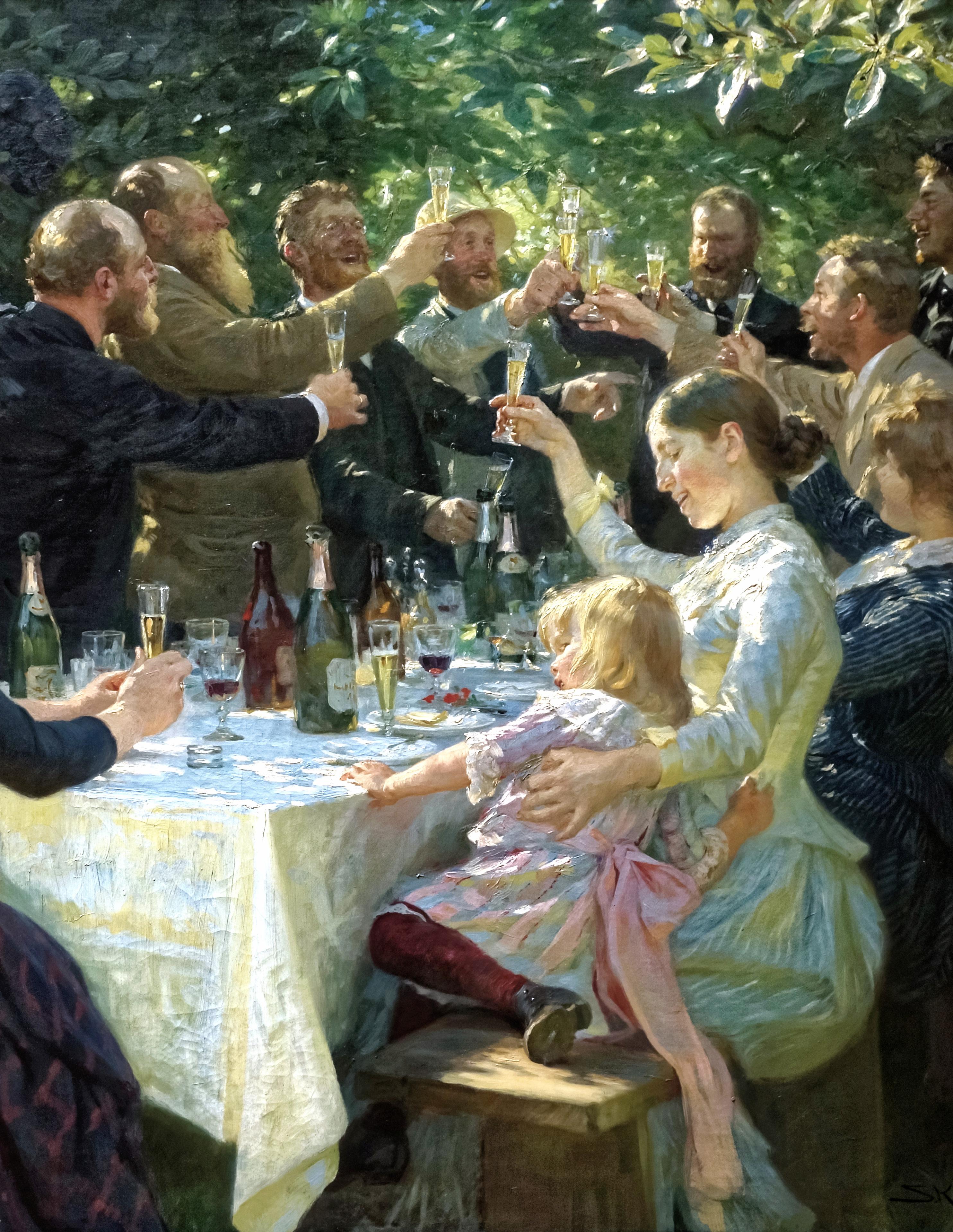
"Lord, you have been our dwelling place in all generations."
Psalm 90:1
rooted in truth, culture upheld beauty, and the family was the foundation and formation of goodness. In confronting the bleak prospects that modern culture seems to offer for the flourishing of the faithful, Catholics are often at a loss for how to remain “in the world but not of it.”1 This despair can lead us to either isolate ourselves from the world, or to embrace purely worldly aims. However, these means of survival both fail to embrace and fight for the good in the present. Adopting a Romantic attitude of mourning for the good fails to acknowledge the fact that truth exists—that the word of God is living and effective in this age as in all ages; that there is beauty that cannot be smothered or extinguished. So we must renounce this Romantic perspective if we are to truly

glance, Romanticism seems like it would be helpful for recovering a lost sense of meaning and identity, because it looks outwards— back, or beyond, instead of just inwards at the self. Rather than being a celebration of life and culture, however, Romanticism is for Scruton a kind of mourning. Beauty and truth encountered in the present serve only to remind us of their fleeting nature. Further, we reflect on them not as beautiful in and of themselves, but as a reminder of something greater that came before, that will never be with us again.2 Because of this, Romanticism is a longing for things past, an ideal never to be retrieved or achieved, soon to fade from memory; it is dried rose petals and the ruins of a stone chapel— never the actual rose or the actual chapel.
Of course, there are many positive things about the movement of Romanticism. According to Scruton it was an attempt to solve or at least cope with some of the problems of the modern conception of the self that were brought about by the Enlightenment, not the least of which was individualism. 3 However, in attempting to ground the individual in some sort of value or culture, Romanticism ultimately failed to achieve its goal. Though it looked beyond the self, or outwards, it never looked upwards; though it looked backwards, it never was focused on the present moment. It is difficult to entertain such a negative conception of Romanticism as a movement because on some level it speaks to the inherent longing in each of our hearts—the longing that makes us forever restless, the yearning for something beautiful that is not of this world. But attempting to preserve things of beauty or culture with the “aesthetic gaze”4 of Romanticism was for Scruton to treat them as something already dead. The longing of Romanticism was ever one that had no hope of being fulfilled with anything of ultimate beauty or goodness and was therefore akin to mourning. This becomes problematic when applied to the faith. Though it is easy to fall into the habit of thinking of the faith with all that it stands for as a remnant of a past and superior era, it is not something that is merely our duty to preserve but to live.
When the good that our souls inherently crave is seen as something that we must mourn as if it were lost beyond recovery, it can impact the way we actually live out our lives as Catholics. There are two principal effects that this romantic attitude can have. The first is for those of us who, calling ourselves realists, give up on pursuing those things that give meaning to our existence altogether. With insufficient love to thrive in the truth of the faith, we focus instead on surviving— forsaking those things that would ultimately satisfy us as incompatible with our current situation and distracting ourselves instead with earthly pursuits and ambitions.
The second is for those who call themselves idealists. Instead of embracing the struggle of the present, they idealize the past—and this idealization of the past is held up as a standard, but one that is impossible to implement, and so becomes an avenue for escape, a world-weary excuse for not loving and fighting to preserve the good in our present circumstances. “In the 1950s—” or “in the Middle Ages—” are continual refrains by which we hearken back to that which is lost beyond recovery. With every devastating news story or woke article, we sink further into despair in realization that the values of these times will never be with us again. This attitude, giving up on finding any goodness, however slight, in our current culture or society, decides instead to attempt to isolate ourselves, to remove ourselves from the world so as to preserve the truth as if it were a relic.

Both are common outlooks, patterns of thought that are easy to fall into with all the current problems in society. But the fact of the matter is, though our prospects of flourishing as Catholics look bleak in our modern culture, this is hardly a unique situation. One has only to examine history to find countless examples of times when the church and the world were overrun with evil—between plagues, wars, and heresies, it would seem that the good that we stand for has always been besieged. While it’s undeniable that we are in a tight place when it comes to the life of the faithful, we need to avoid the trap of thinking of history as a continuous downward spiral. Indeed, we have only to look at the beginning of the faith to see that this is not the case. The blackest time for Christianity on the surface would seem to have been the moment when Christ drew his last breath—when we killed the son of God, the word incarnate. And yet, Christianity is not focused on mourning Christ’s death, but on celebrating his resurrection. It is the resurrection that reveals the true purpose of the Incarnation and the true symbolism of the cross— triumphing over evil, not lamenting it. Traditionally, the mythology of the phoenix was held to symbolize the resurrection and the life of the faithful— to die in ashes before rising in glory. We must look at history in light of the faith the same way; many of the darkest times for the faith paved the way for new life. This is how we can say that “the blood of the martyrs is the seed of the church.”5
This is how we expect to be able to "restore all things in Christ”6—not as a long-lost ideal from a bygone age that we cling to, but as a continual renewal.
In order to bring about this renewal, we must fully embrace the time that we live in and the lives that we lead. “One man can make a difference,”7 but only in the present. We must be willing to drink deeply of life, without seeking an escape in
"We must be willing to drink deeply of life, without seeking an escape in restless distraction or unattainable ideals."
restless distraction or unattainable ideals. Oftentimes, these routes seem more appealing because we are afraid that if we invest too much, pour our souls too much into what we do, that we will taste the bitter dregs at the bottom of the cup so to speak. But the chalice we are given is one of infinite love. The more we drink, the more we find that it is impossible to encounter the dregs at the bottom. Instead, we find ourselves overwhelmed with sweetness—refreshed and invigorated rather than being filled with the bitterness of disillusioned Romanticism. We have to be willing to taste the bitterness first, but if we love enough, rather than shying away in fear or despair, our cup will be filled to overflowing. We will be able to pour ourselves out like libations and never run dry. Ultimately, having a Romantic outlook may teach us to look beyond ourselves; it may even help us to encounter the transcendent— the infinite. But the faith offers us something deeper still; in the faith we learn that the infinite dwells within us, as well as beyond our reach. As long as that is the case we cannot despair, we cannot let ourselves be blinded to good that is present because we are longing for a good that is absent. Instead of focusing on merely surviving, attempting to preserve the memory of the good in a world of evil, we should remember that this present moment is one in which the truth is alive, and will be enshrined alongside all the ages for eternity.8
Endnotes
HIDE AND SEEK WITH THE CHILD JESUS
1. Jessica Powers, “Night Prayer: To the Prophet Elijah” in Selected Poetry of Jessica Powers, ed. Regina Siegfried and Robert Morneau (Kansas City: Sheed & Ward, 1994), 61.
2. St. John of the Cross, quoted in Donald Haggerty, Contemplative Provocations (San Francisco: Ignatius Press, 2013).
3. Cf. C.S. Lewis, The Weight of Glory: “We are halfhearted creatures, fooling about with drink and sex and ambition when infinite joy is offered us, like an ignorant child who wants to go on making mud pies in a slum because he cannot imagine what is meant by the offer of a holiday at the sea. We are far too easily pleased.” (C. S. Lewis, The Weight of Glory and Other Addresses (New York, Collier Books, 1980): 3-4.
4. Powers, 16.
5. For a fascinating discussion of spiritual counterfeit states, cf. Alice von Hildebrand’s introduction to Transformation in Christ by Dietrich von Hildebrand: “I learned how difficult it can be in the spiritual life to discriminate between things which seem similar but which are, in fact, profoundly different. How tempting it is for us to believe, for example, that we possess the readiness to change because, lacking in continuity, we follow every fashionable trend of the time. How often we believe that we are truly forgiving when in fact we are really too thick-skinned to notice offenses or we find it advantageous to make peace. How often we assume that we are spiritually recollected because we can concentrate fully on a task, when, in fact, we are merely capable of efficient mental concentration, which is radically different from recollection.” (Alice von Hildebrand, Introduction to Dietrich von Hildebrand, Transformation in Christ (San Francisco: Ignatius Press, 1990)).
6. Thomas Dubay, S.M., Fire Within: St. Teresa of Avila, St. John of the Cross, and the Gospel–on Prayer (San Francisco: Ignatius Press, 1989), 134.
7. Dubay, 133.
YOU KNITTED ME TOGETHER IN MY MOTHER'S WOMB
1. Kings 19:11-13
2. Raylene Phillips, “Bonding and Attachment with the Baby in the Womb or in the Neonatal Intensive Care Unit: The Critical Role of Early Emotional Connections.” Critical Care Nursing Clinics of North America vol. 36, Issue 2, June 2024 157-165 https://www.sciencedirect.com/ science/article/pii/S0899588523001016
3. Judith A. Lothian. “Maternal-Infant Attachment, Naturally.” National Library of Medicine https://pmc.ncbi.nlm.nih.gov/articles/ PMC3431792/#:~:text=The%20tie%20of%20 mother%20and%20baby%20to%20each%20 other%20is,getting%20to%20know%20each%20 other.
4. “Fetal Microchimerism – Scientists discover that a baby’s DNA remains in the mother’s body long after birth.” Cradlewise https://www.cradlewise. com/blog/microchimerism-how-moms-bodyalways-keeps-baby-cells/
A DESPERATE THING, A LOVELY THING
1. Orthodoxy, in Basic Chesterton (Springfield, IL: Templegate Publishers, 1984), 49. All subsequent citations are from this same place.
THE LOVES WHICH UNITES
1. ”dwell.” Merriam-Webster.com.2025. https://www. merriam-webster.com (17 November 2025).
2. ”indwell.” Merriam-Webster.com.2025. https:// www.merriam-webster.com (17 November 2025).
3. Aristotle, Nicomachean Ethics, (Upper Saddle River, NJ: Pretence Hall, Inc), 1170b–1171a.
4. St. Thomas Aquinas, Summa Theologiae, trans. Fathers of the English Dominican Province, 2nd rev. ed., Prima Secundae, Question 28, article 2, corpus. New Advent (accessed November 17, 2025).
5. Augustine, On the Trinity, viii, 10, quoted in St. Thomas Aquinas’s Summa Theologiae, trans. Fathers of the English Dominican Province, 2nd rev. ed., Prima Secundae, Question 28, article 1, corpus. New Advent (accessed November 17, 2025).
6. St. Thomas Aquinas, Commentary on the Nicomachean Ethics, Aquinas.cc 1577 (accessed November 17, 2025).
7. Evelyn Waugh, Brideshead Revisited (New York, NY: Little, Brown and Company, 2012), Book II, chap. 4.
HOSPITALITY: IN DEFENSE OF THE DINNER PLATE
1. Inspiration drawn from Leon Kass, The Hungry Soul: Eating and the Perfecting of Our Nature (Chicago and London: The University of Chicago Press, 1999).
RENEWAL BEYOND ROMANTICISM
1. Popular paraphrase of john 17:14-16.
2. Roger Scruton, “Romanticism,” An Intelligent Person’s Guide to Modern Culture, chapter 5, pp. 47-54.
3. Roger Scruton, “Romanticism,” An Intelligent Person’s Guide to Modern Culture, chapter 5, pp. 47-54.
4. Roger Scruton, “Romanticism,” An Intelligent Person’s Guide to Modern Culture, chapter 5, pp. 47-54.
5. Tertullian, apologeticus.
6. Warren H. Carroll, motto of Christendom College (instaurare omnia in christo), https:// www.Christendom.Edu/about/a-history-ofchristendom-college/.
7. Favorite saying of Warren H. Carroll, https://www. Christendom.Edu/about/warren-h-carroll/.
8. Inspiration drawn from Dr. Daniel McInerny’s Philosophy of Culture class.