CHRISTENDOM CELEBRATES 47TH COMMENCEMENT
AN ALUMNA'S JOURNEY IN RECLAIMING THE FASHION INDUSTRY
A CATHOLIC APPROACH TO POLITICS
SENIOR LAUNCHES SERVICE INITIATIVE
CHRISTENDOM CELEBRATES 47TH COMMENCEMENT
AN ALUMNA'S JOURNEY IN RECLAIMING THE FASHION INDUSTRY
A CATHOLIC APPROACH TO POLITICS
SENIOR LAUNCHES SERVICE INITIATIVE
Published twice yearly by the Communications and Marketing Office.
Editor & Design Director: Niall O’Donnell
Assistant Editor: Zach Smith
Design Assistant and Illustrator: Julie Funkhouser Publications Coordinator: Lianna Youngman
Photos: Paul Aguilar, Agnes Blum, Thomas Brehany, Kateri Criste, Niall O’Donnell, Rino Picconi, Zach Smith, Julie Funkhouser, Brielle Youngman, Lianna Youngman
Contributors: George Harne, Christopher Lane, Rose Llera, Matthew Post, Zach Smith, Michael Strickland, Julie Funkhouser, Lianna Youngman
Christendom College 134 Christendom Drive, Front Royal, VA 22630 540-636-2900 | www.christendom.edu
Copyright © 2026. Permission to reprint in whole or in part is hereby granted, provided the following credit line is used: “Reprinted by permission from INSTAURARE , the official magazine of Christendom College (christendom.edu).” SUBSCRIPTION FREE UPON REQUEST.
INSTAURARE magazine (pronounced “in-sta-rar-ay”) receives its name from the Latin in the college’s motto “Instaurare Omnia in Christo,” or “To Restore All Things in Christ.”
Christendom College does not discriminate against any applicant or student on the basis of sex, race, color, age, national origin, religion, disability, genetic information, marital status, pregnancy, or veteran status, or any other status protected by applicable law.
BOARD OF DIRECTORS
Mr. Matthew Akers ’03
Mr. Guy Amisano Sr. Mr.
Mr. Gregory Bodoh ’94 Mr. Timothy Halisky ’01
Mr. Julian Heron
Mrs. Karla Hester ’99 (Secretary)
Mr. Richard Hough
Mr. Stephen O’Keefe ’93 (Chairman)
Mr. Mark Swartzberg (Treasurer)
Mrs. Michele Velasco ’90 (Vice Chairman)
Mr. Thomas C. West Jr.
ADVISORS TO
ON THE COVER
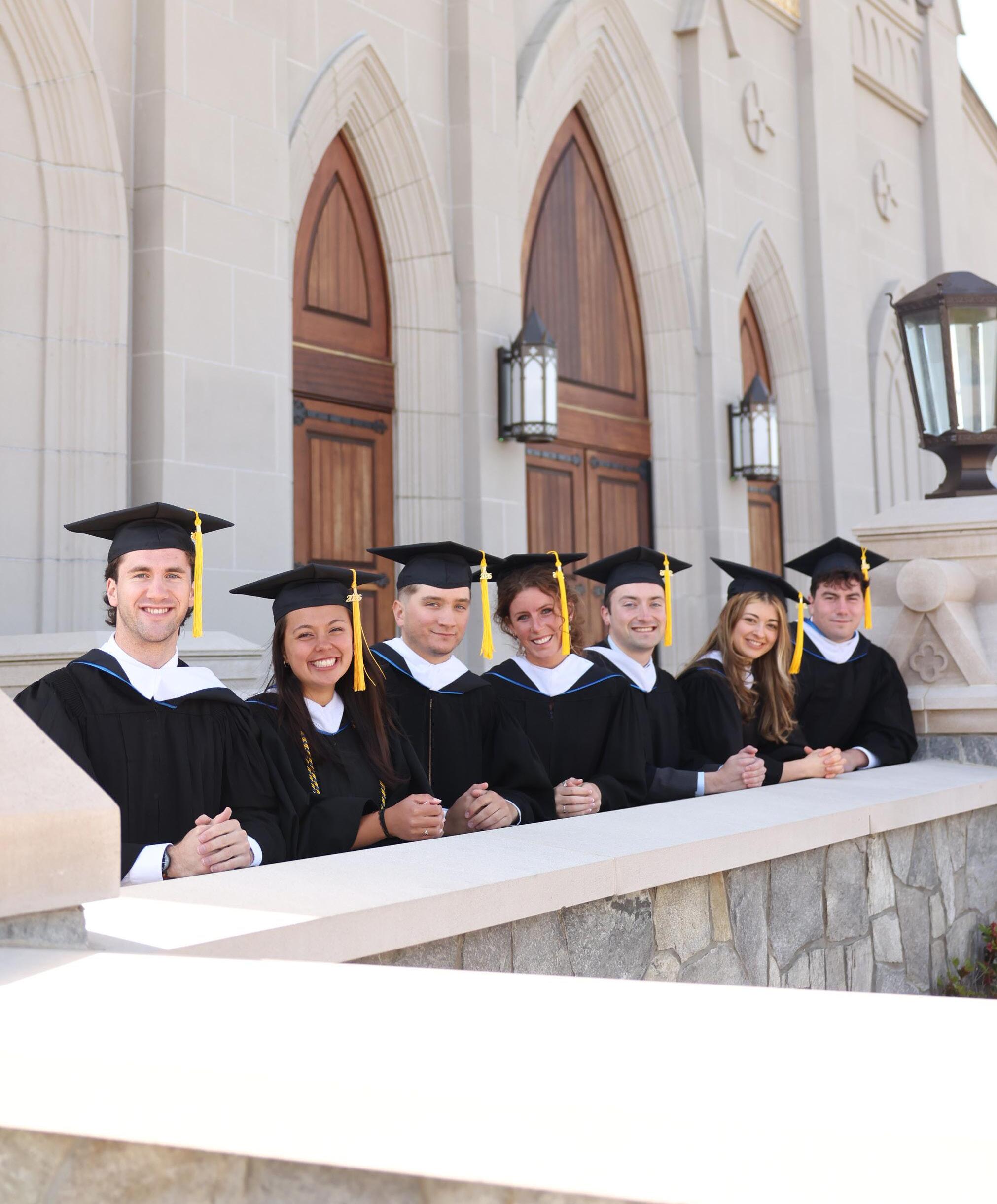
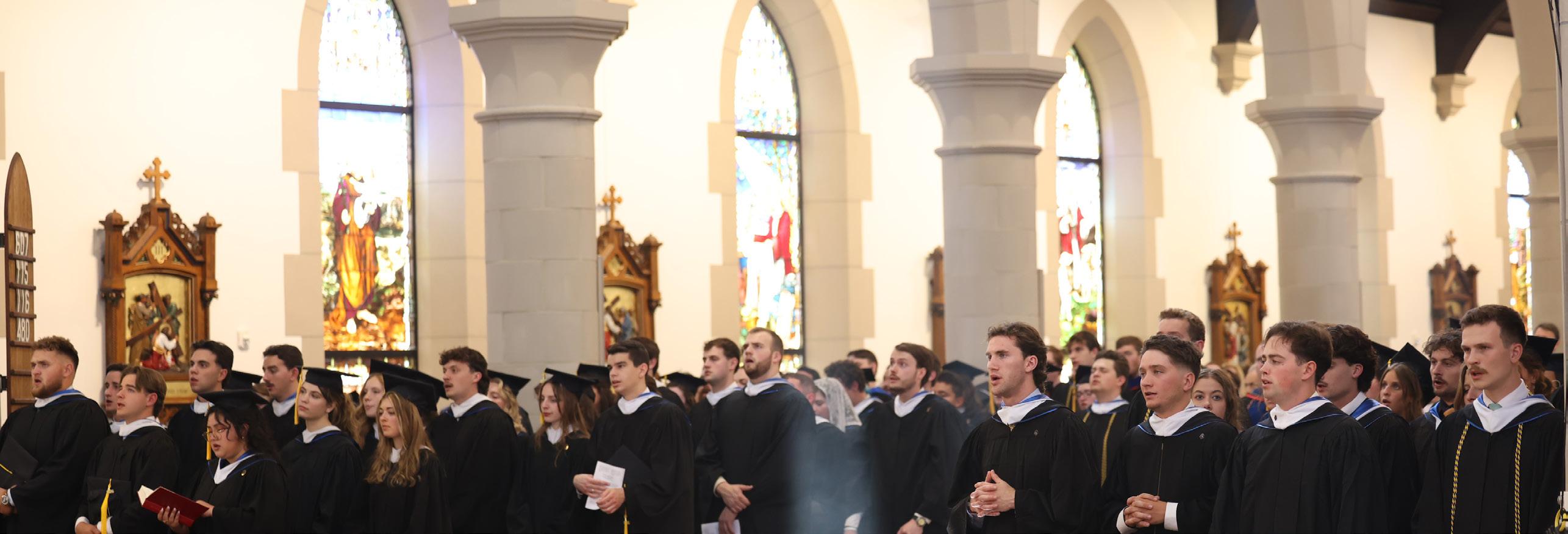
Representatives of each academic major from the Class of 2026 gather before Christ the King Chapel as they prepare to carry Christendom’s mission into the world.
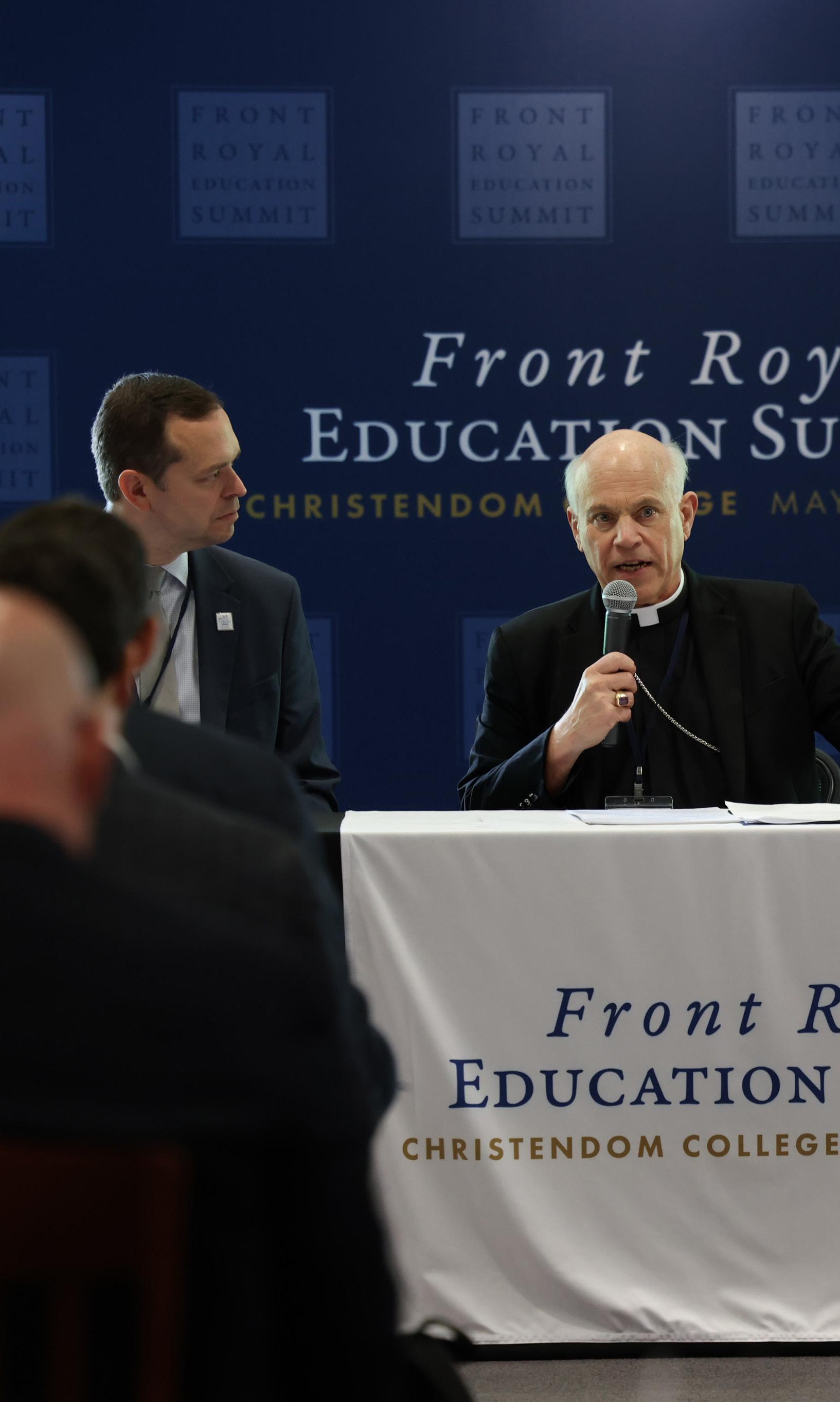
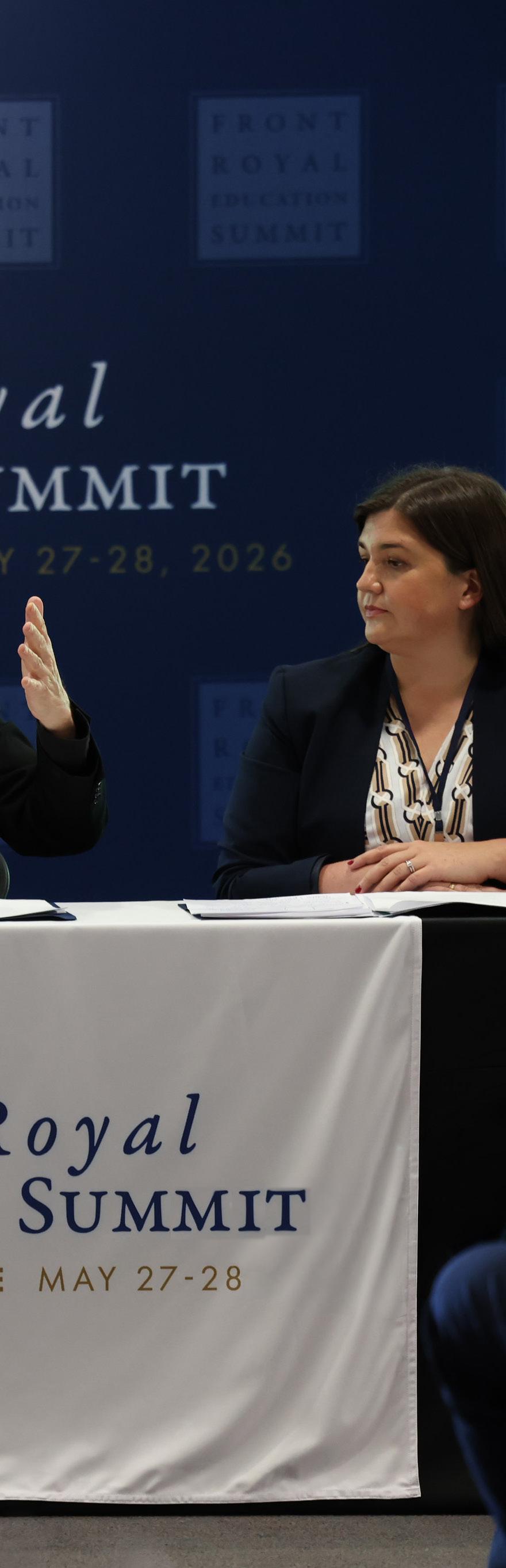
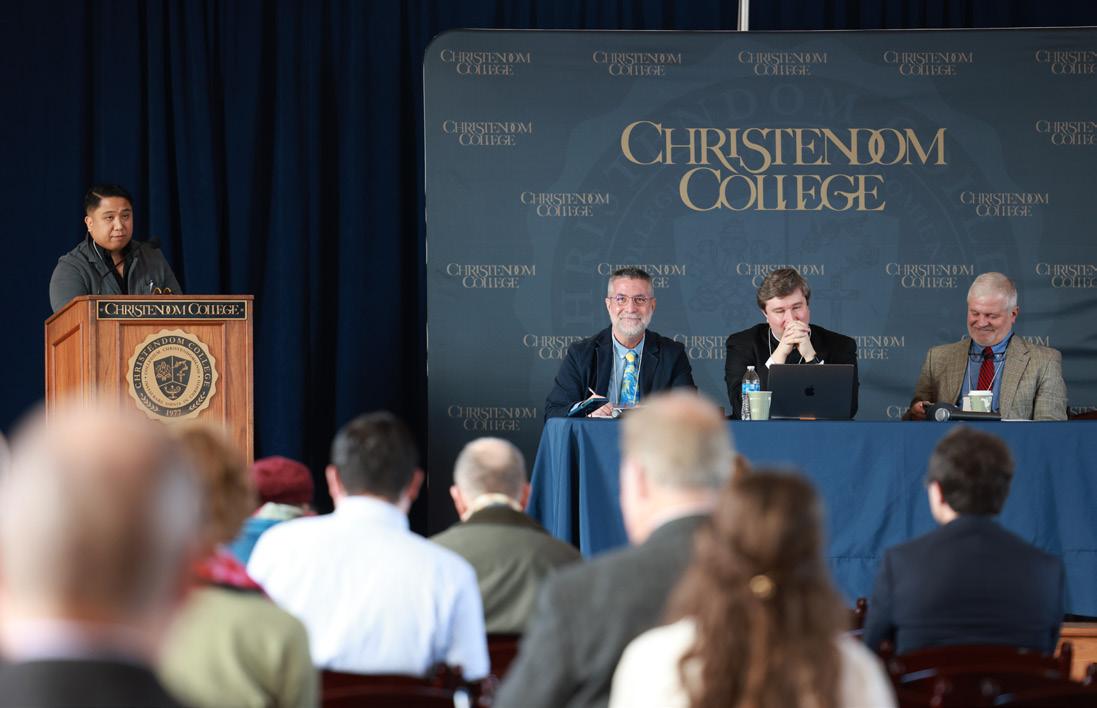
Archbishop Salvatore Cordileone led one of the panel discussions during the Front Royal Education Summit, held on Christendom College’s campus in May 2026. Hosted by the college’s Center for Educational Philosophy and Leadership, the summit brought together leaders from across the K-12 education spectrum to address the education crisis and draft a statement to help guide schools in the renewal of Catholic education. Learn more at tinyurl.com/3kr98kwr.
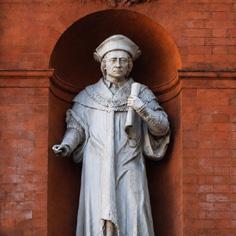


Dr. Matthew Post, director of Christendom's newly-launched Center for Public Policy, reflects on a Catholic approach to politics.
Alumna Isabella Reilly '20 gives her perspective on restoring all things in Christ in the world of fashion.
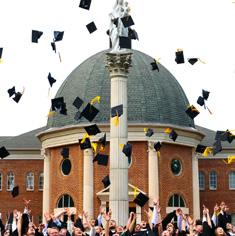
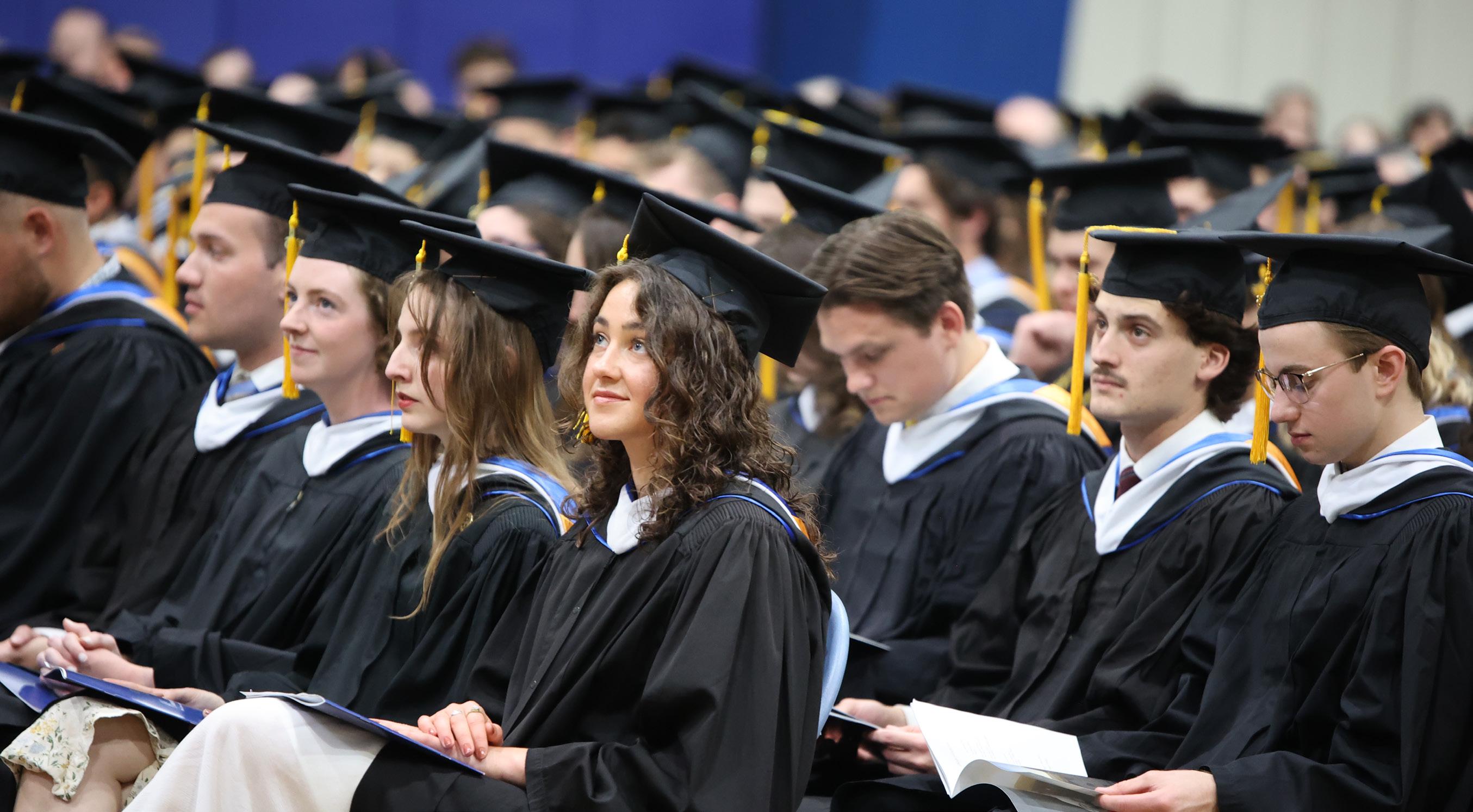
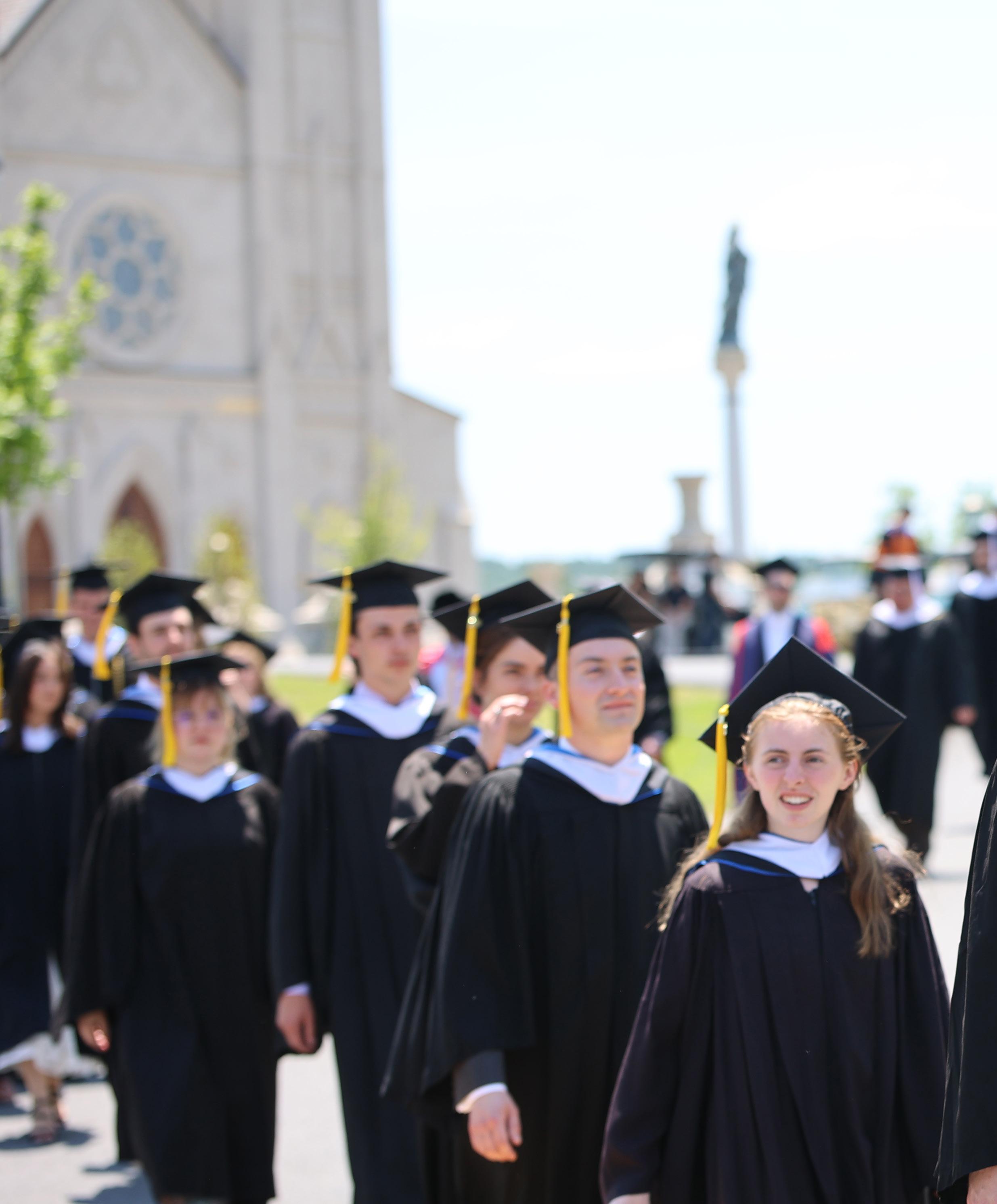
Anne Carroll and Bishop Burbidge joined Christendom's 47th graduating class to celebrate commencement ceremonies.
A look at the new service-based student initiative on campus and the senior who made it happen.
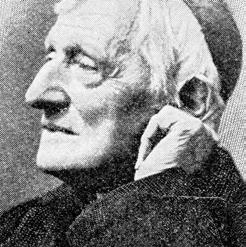
History professor Dr. Christopher Lane describes his experience discovering a letter by St. John Henry Newman while teaching his undergraduate class.
GEORGE A. HARNE, PH.D.
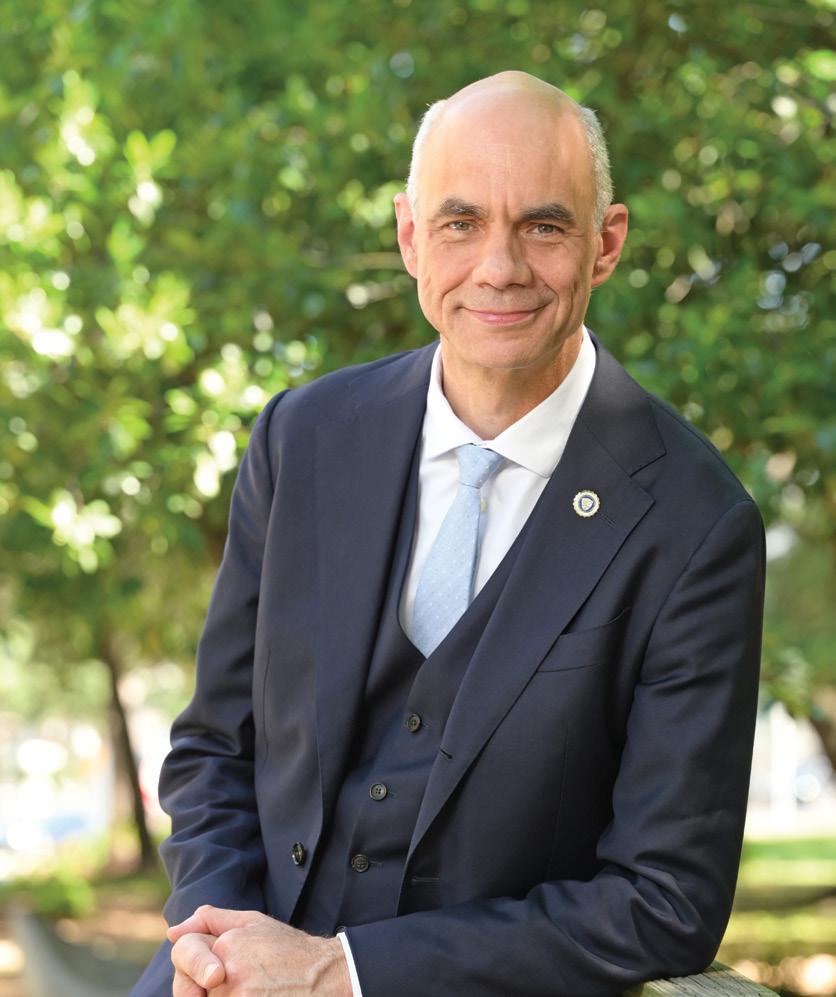
“ For four years, you have been given the great gift of being able to contemplate.”
An Excerpt from the 2026 President's Charge to Graduates
Before giving my final charge, I would like to offer a personal note. This year's senior class was beginning its junior year when I began as president. I’ve learned so much from you about Christendom College during this time, not only through our conversations over lunch, but also indirectly, through our academic events, through your plays and musical performances, by witnessing your determination on the athletic field and acts of service on and beyond campus. Thank you for all that you have given to Christendom.
And allow me also to thank Fr. Pollard. The word "heroic" does not begin to capture the sacrifices he has made for us over these many years and this year in particular. Thank you, Father.
Now for the charge. My charge, graduating class of 2026, is threefold. First, remember what it means to be human. Keep before your mind's eye at all times what it means to be made in the image and likeness of God. If we fail to understand what it means to be human, we will get everything else wrong. Pope Saint John Paul II famously observed that the reason the communist regimes collapsed in 1989 and the years that followed was not primarily because they could not win the nuclear arms race but because their societies were built on a lie, a lie about the human person.
Witness to this anthropological truth fearlessly. And be a witness to this truth while also standing ready to speak to its metaphysical implications. Do this from the rich perspectives you've developed through your studies at Christendom, whether these were gained through a syllogism or through a story. But also bear witness from the treasures of your spiritual and human formation. Propose this redemptive vision, in words and actions, but never seek to impose it. And do this with humility and grace.
Do this in a way that is born from what Pope Benedict XVI called “intellectual charity,” in which you lead others from Plato's cave into the freedom born from being in the presence of what is most Real.
Do this for the sake of those whom you meet every day and those whom you will raise in your families. Bearing witness to this vision of the human person—as it was understood by St. Augustine, St. Thomas Aquinas, and St. John Henry Newman—is one of the most restorative things you can do. It may get you fired or cost you an election. But every act of truth-telling and truth-living is an act of heroism. It begins with first seeing reality clearly and then, as Václav Havel teaches us, “living in the truth” even in the smallest things.
Second, know the gifts that you have received. Many of you have family here today. Never forget what you have received from them. The weight, beauty, and inestimable worth of those gifts will become clearer with each passing year. Say thank you to them while you still can. If there is estrangement, fearlessly set out on the path of reconciliation and forgiveness
even if you think it will never be achieved in this life. Progress on this path may take years or even decades, but God can give the grace to heal old wounds and to begin again. Every family is imperfect. This is one of the things that makes life interesting and is the infinite source of most great literature. Thank goodness that none of us came from boring families.
And never forget what you have received from your teachers, both within and beyond the classroom. I hope you will thank many of them today.
And finally, in addition to remembering what it means to be human, and knowing the gifts that you have received, I remind you that you have a charge that can never be set aside. When you graduate from a college, the motto of which is “to restore all things in Christ,” you have been marked with a call that transcends middle-class mediocrity. You have been called to the heroism of daily sacrifice and fidelity.
The Dominicans have a motto of which I am becoming fonder every day: Contemplata aliis tradere. “To give to others the fruits of one's contemplation.” This should be a motto of each Christendom graduate. For four years, you have been given the great gift of being able to contemplate. With no utilitarian end in mind, you've reflected deeply on the truths of poetry, theology,
science, mathematics, politics, history, the arts of the beautiful, and philosophy. And on the best of days, you've contemplated these realities in an integrated way, achieving what Cardinal Newman called a philosophic habit of mind. And while, as St. Thomas Aquinas makes clear, the contemplative life is superior absolutely in relation to the active life, it is even still greater to contemplate and then to share the fruits of contemplation with others.
It will be through this communication—in word and deed— through this passing on of the vision you have achieved that you can play your part in the drama “to restore all things in Christ.”
This is your threefold charge. Never forget what it means to be human, with all of its metaphysical and eternal implications. Never forget the gifts that you have received from your family and teachers and respond to them with forgiveness and gratitude. And be courageous and heroic in communicating to others the transformative fruits of your contemplation.
Please know that our hearts and our prayers will be with you as you go forth from us today. And may Christ the King bring us all together again, united in the beatific vision, to see “the Love that moves the Sun and the Other Stars.”

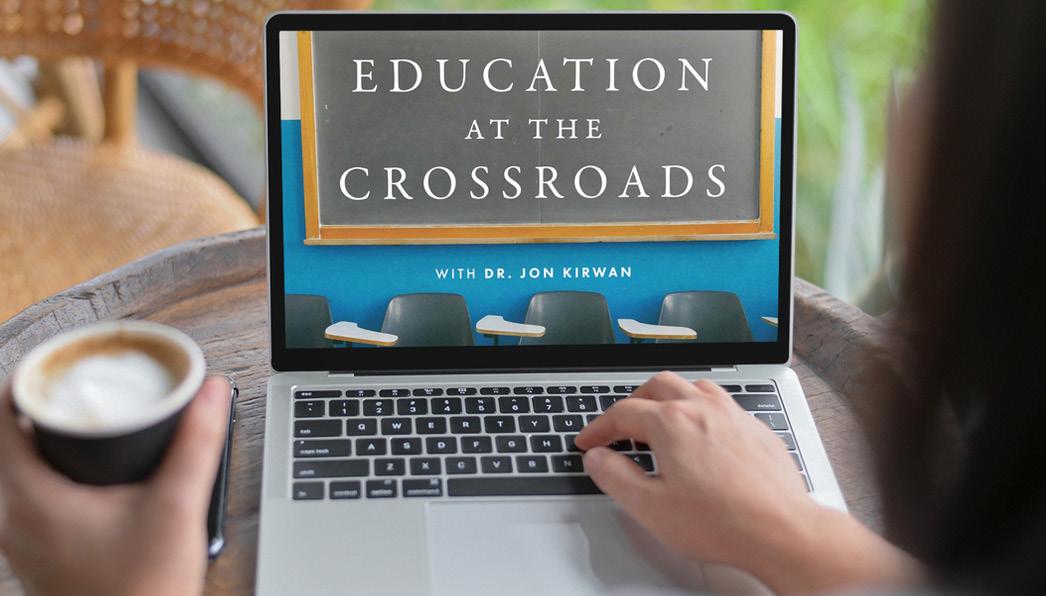
Christendom College’s online classes platform (online.christendom.edu) was named a Gold Winner in the prestigious MarCom Awards, as announced by the organization this spring. Christendom was recognized alongside international creative agencies, Fortune 500 companies, and other institutions of higher education, highlighting the high quality of the platform’s concept, design, and production.
Christendom College expanded its graduate offerings with the launch of a new Center for Public Policy, designed to equip leaders with the philosophical, ethical, and practical tools necessary for service in public life, nonprofit leadership, education, and policy-related professions. The Center’s flagship program will be the Master of Public Policy (M.P.P.) degree, with classes slated to begin in the fall of 2026.
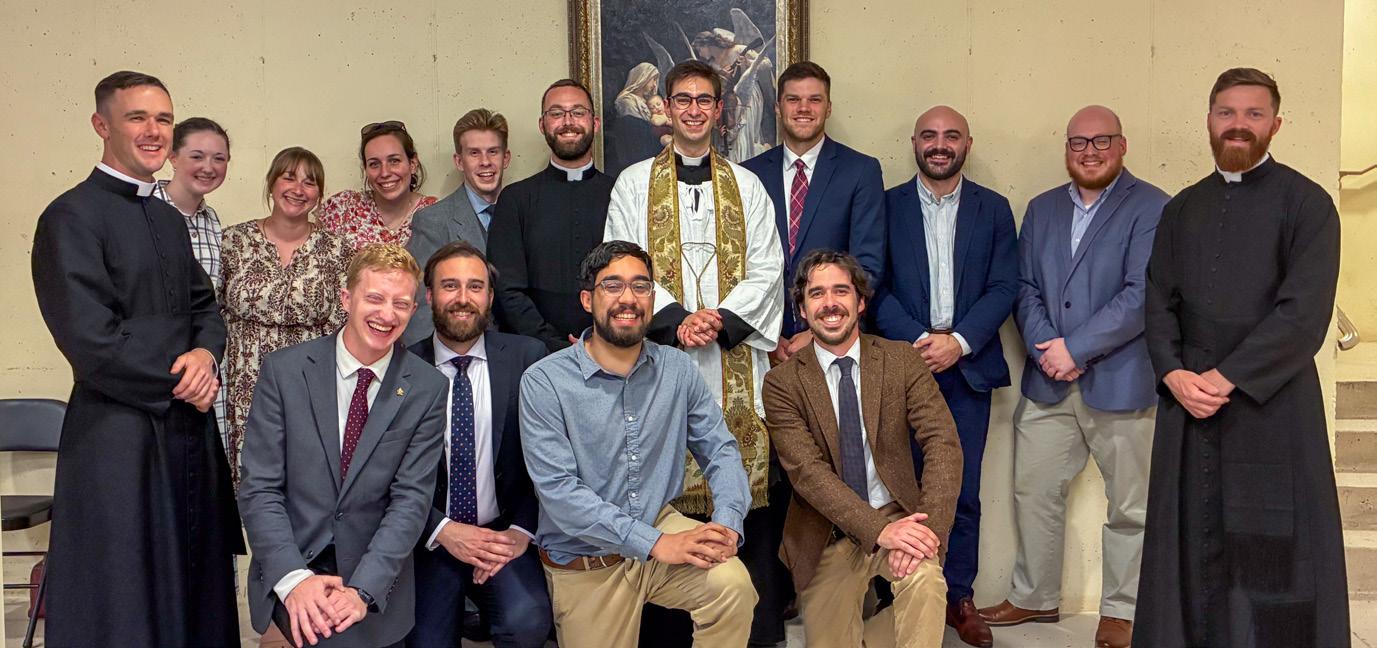

Christendom alumni traveled to Omaha, Nebraska, to celebrate the ordination of Fr. Daniel Mellino ’ 20 on May 28, 2026. With his ordination, Fr. Mellino becomes the 11th Christendom College alumnus to be ordained into the Priestly Fraternity of St. Peter (FSSP) and the 112th alumnus priest overall.
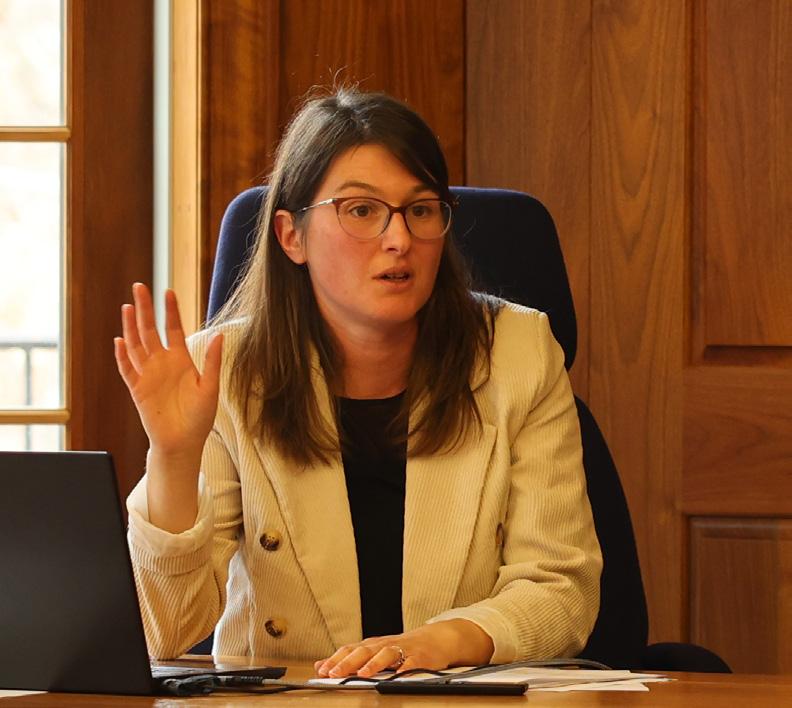
A new seminar series at Christendom College gives students an inside look at current faculty scholarship. The series, titled “Faculty-Student Colloquia,” brings students and professors together for seminar-style discussions in the boardroom of the library. In these colloquia, faculty members share highlights from their ongoing scholarship, followed by an interdepartmental Q & A, and then informal conversations with refreshments. These events give students a deeper appreciation of how faculty members fulfill their own vocations as scholars and teachers. The colloquia also highlight the ways in which Christendom's own faculty constitute an “Oratory of Letters” that itself participates in the cultivation of the Catholic intellectual tradition within the larger, universal Church.
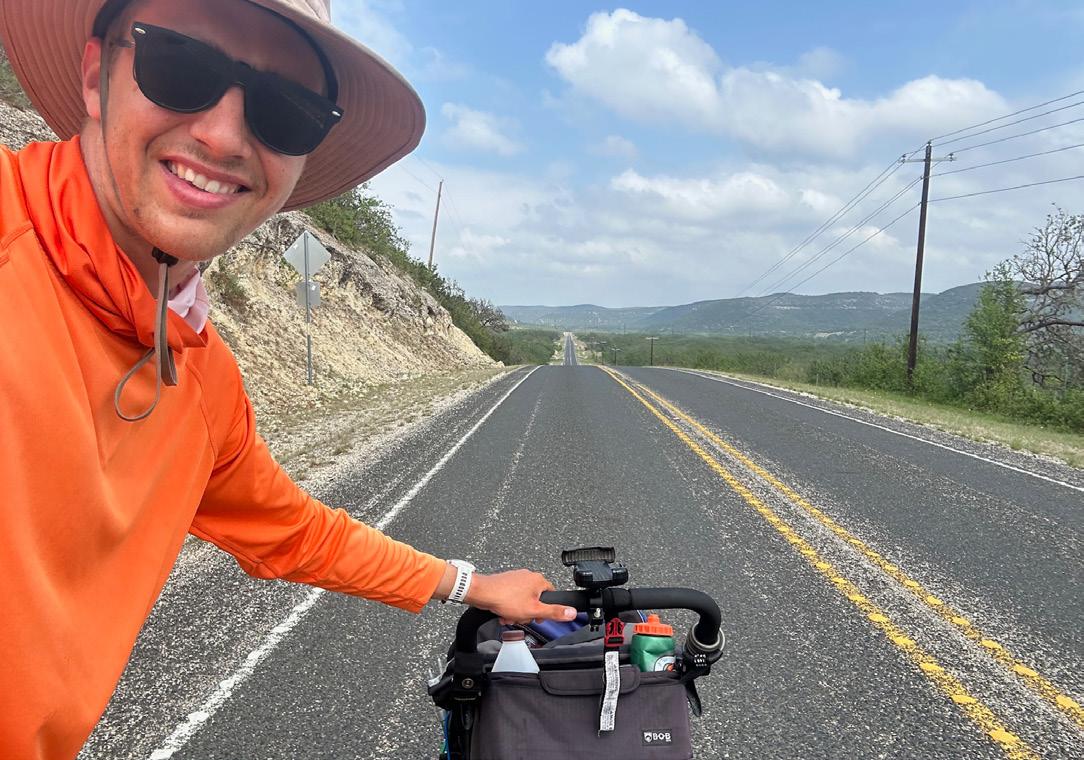
Christendom College alumnus Jared Plasberg ’25 began an extraordinary journey on February 19—running from San Diego, California, to Kill Devil Hills, North Carolina—to raise funds for the Front Royal Pregnancy Center. The run, spanning more than 3,000 miles, took Plasberg across the country over the course of approximately three months as he ran, prayed, and raised awareness for the pro-life cause.
Christendom College welcomed historians from across the United States to campus February 20–21 for its history conference, centered on the theme “Eternity in Time: Thinking with the Church Through History.” The event, organized and led by Dr. Christopher Shannon, invited participants to reflect more deeply on the study of history, better understand the Church’s past, and consider how historical scholarship can strengthen the Church’s public witness in contemporary culture. Learn more and watch the keynote at tinyurl.com/4ze7yu7t.
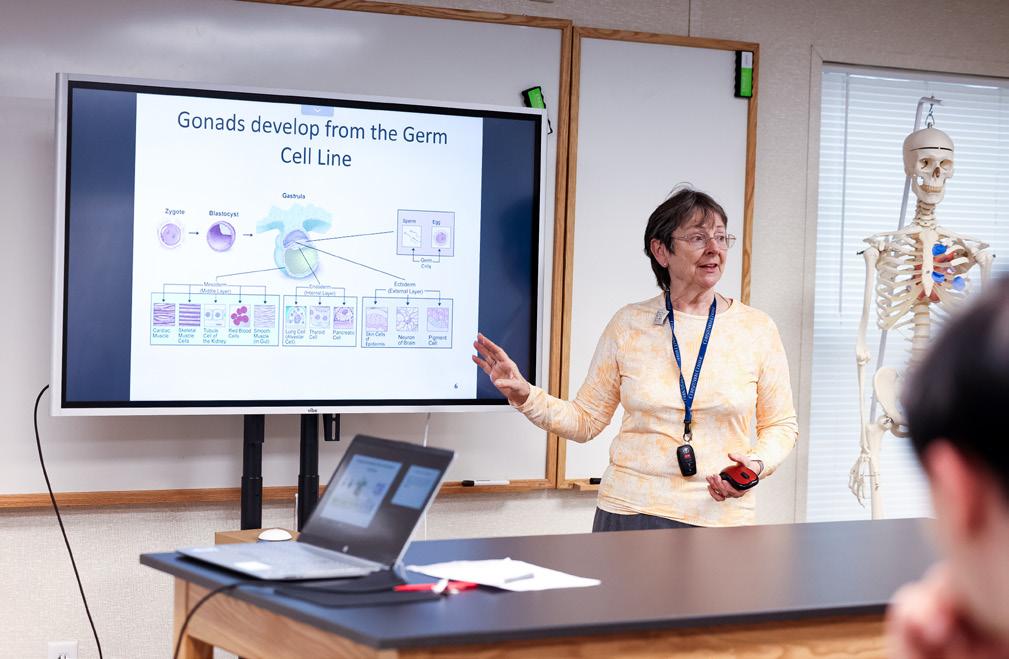
Christendom College recently completed Venerable Jérôme Lejeune Hall, its newest academic building and the new home of the college’s Natural Science major. Featuring dedicated laboratory spaces for both life sciences and chemistry, the new facility will enable students to better pursue vocations in healthcare, scientific research, and related fields following graduation.
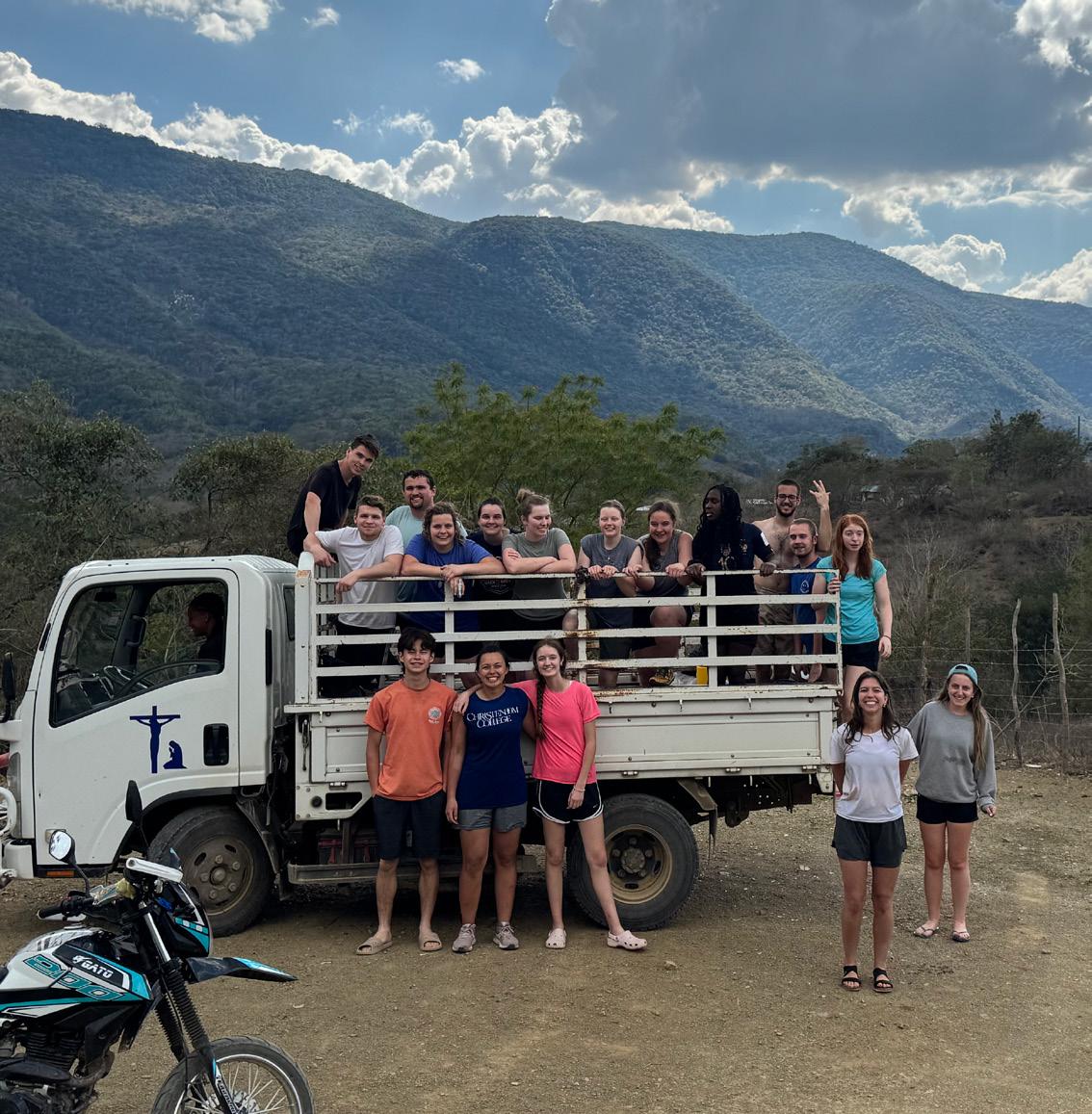
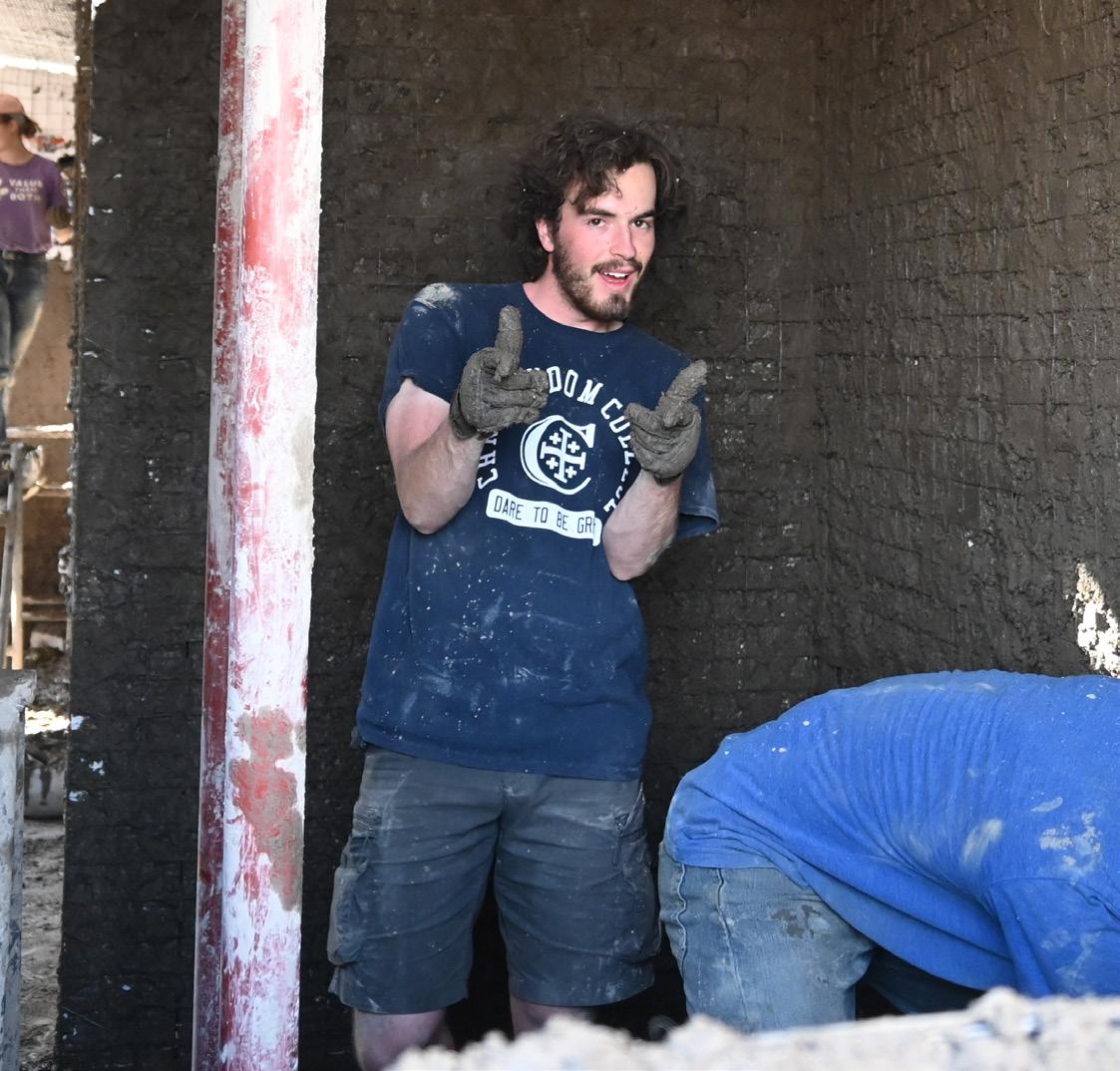
Though many college students spend their spring breaks at home or on vacation, some Christendom College students and staff chose a different path this year—traveling abroad to “restore all things in Christ” by serving the poor and evangelizing in the Dominican Republic and Honduras. 22 Christendom students and three staff members went on mission to the Dominican Republic in partnership with the Diocese of Arlington and served at their mission in Banica, continuing the work of founding faculty member Dr. Raymond O’Herron, who started the annual trip. Students assisted local workers in demolishing a damaged chapel and began construction of a new one, as well as helping clean up roadside garbage. As in previous years, the college also sent a group to serve in Honduras alongside the Missioners of Christ. The group spent the week living with locals, evangelizing through house visits, and organizing programs of prayer and adoration.
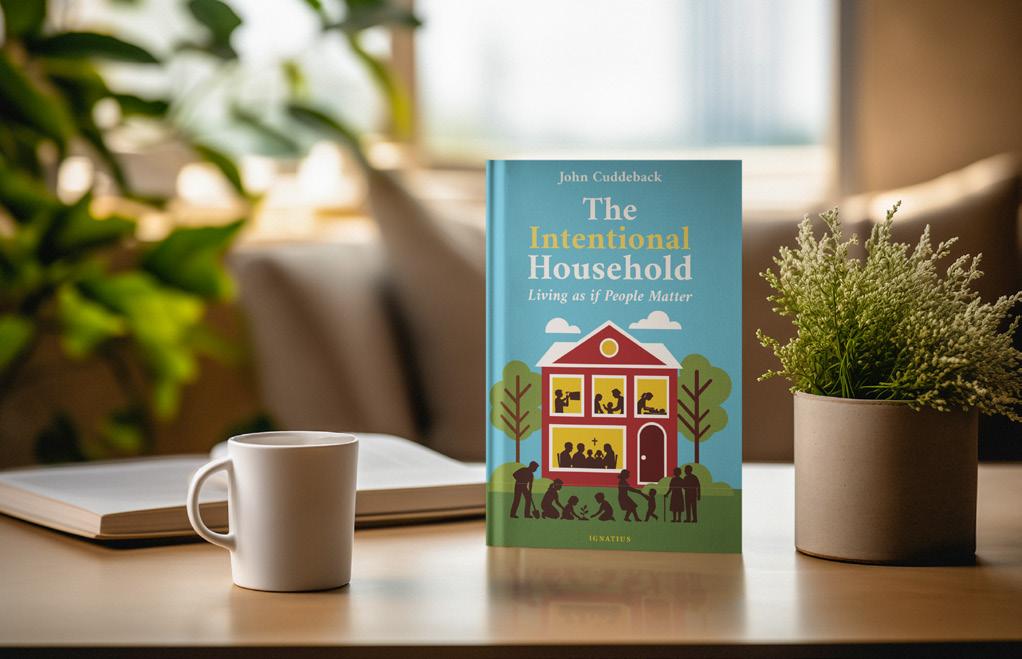
Christendom College philosophy professor Dr. John Cuddeback published a new book this spring with Ignatius Press, The Intentional Household: Living as if People Matter. Now available online and soon in stores, the book invokes timeless wisdom to breathe new life into homes, providing profound directions for crafting the shared life people naturally crave for themselves and their loved ones.
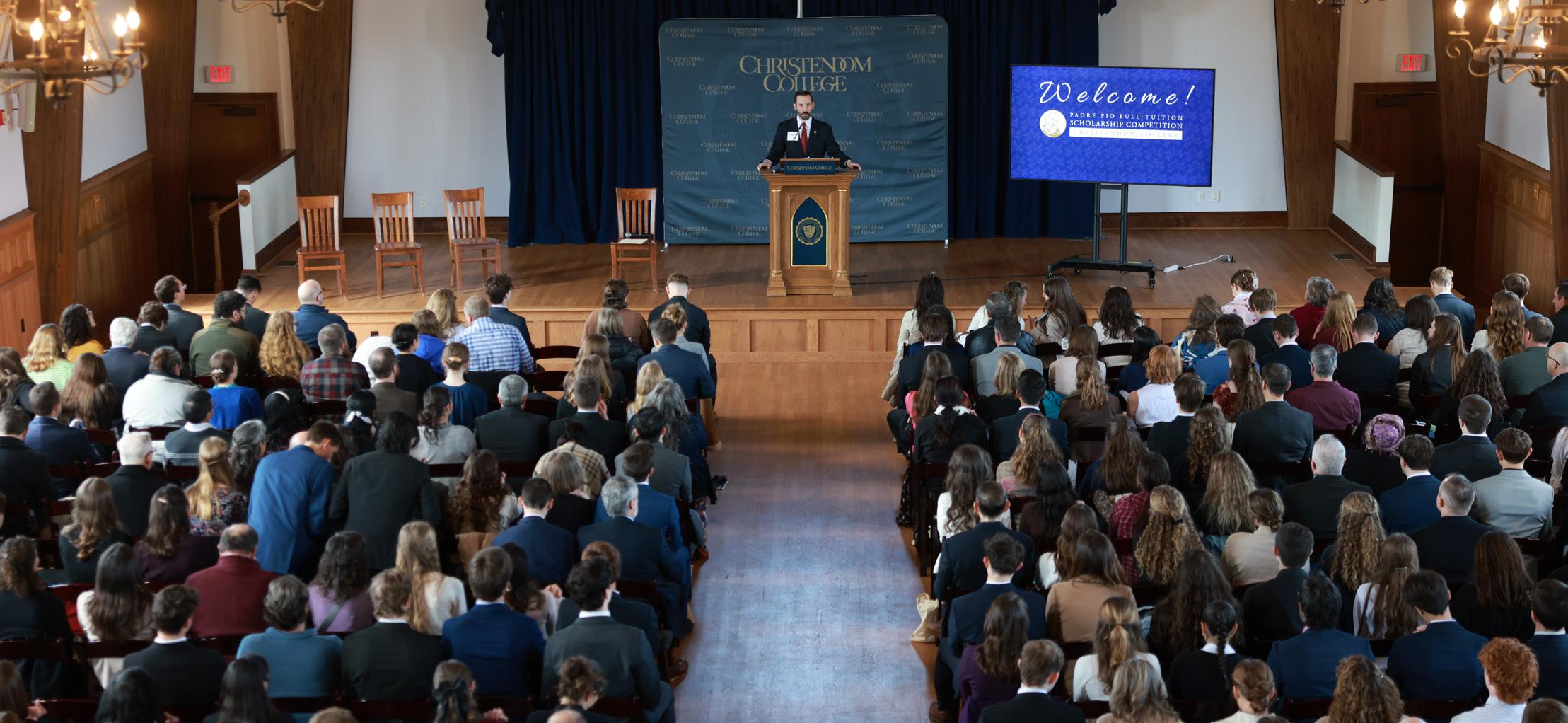
Mimi Lagarde, Daniel Cole, Sienna Lowman, and Jonah Burchill were named the winners of Christendom College’s 2026 Padre Pio Full-Tuition Scholarship Competition. 110 students from 28 U.S. states and Canada participated in this year’s scholarship competition, which was the largest ever for the college.
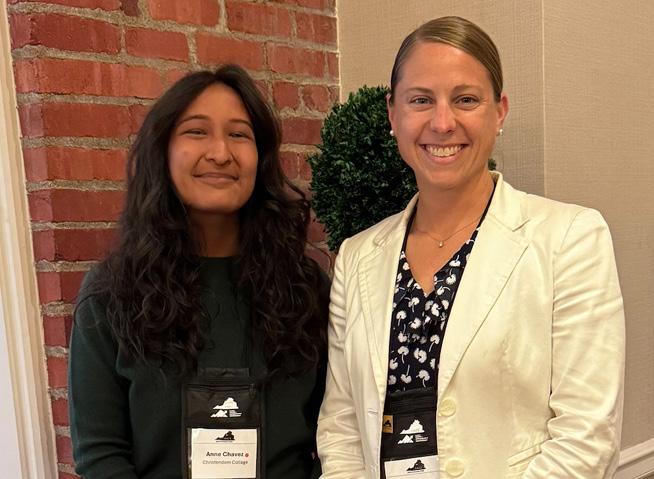
Kristin Stephens and Anne Chavez from Christendom College’s Career and Professional Development Office were formally recognized at the Annual Virginia Association of Colleges and Employers (VACE) Conference this spring. Stephens, Christendom’s Director of Career & Professional Development, was presented with the A. Isabel Gordon Distinguished Service Award, which honors those who have rendered a superior level of service and leadership to the Association. Chavez, Employer Relations Coordinator, was also recognized at the conference, receiving the 2026 VACE Professional Development Scholarship.
To remain up to date on Christendom news, subscribe to our weekly email update CHRISTENDOM NOW at christendom.edu/now or scan the code.
BY DR. MATTHEW POST
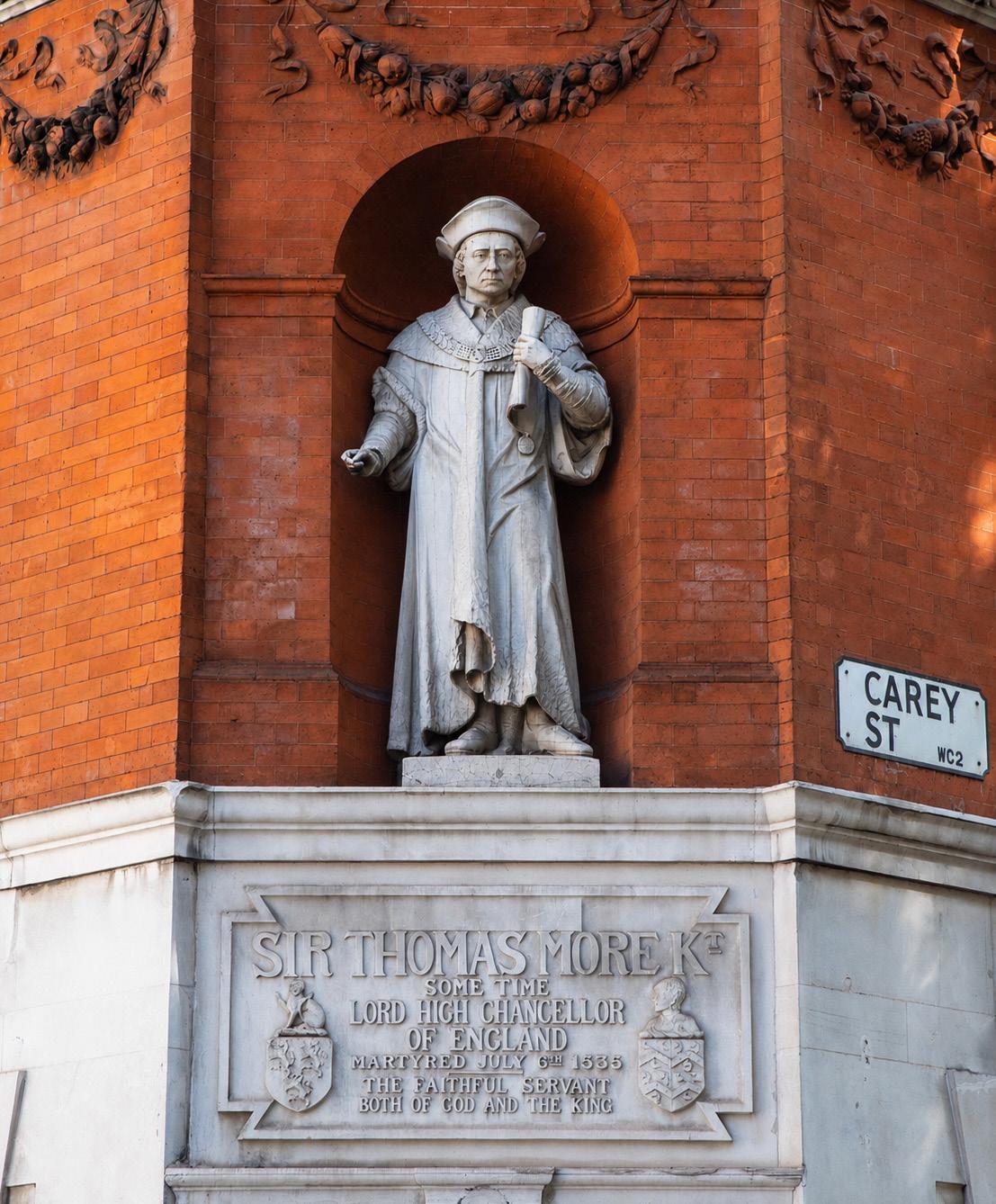
How are Catholics to think about politics today? To answer this question, I will turn to the thought and example of St. Thomas More. But first, it is worth reflecting on why the question itself can seem so difficult, both because of the current political landscape and because of what we find in Scripture.
There is a cynical joke, originally about lawyers but adapted to politicians: “What do you call 1,000 politicians at the bottom of the sea? Draining the swamp.” It may seem that a politician living a life of holiness—never lying, boldly upholding the teachings of the Church, and avoiding corruption—would be unelectable, much less capable of changing a realm marked by bad actors, backroom deals, and empty grandstanding.
Scripture can deepen this uncertainty. For Israel, God alone was meant to be king, and when earthly kings were granted, their rule ultimately failed. Even Jesus Christ, the true Messiah of the
House of David, refuses worldly political power. Rule before the appointed time is presented to him as a temptation from Satan. Christ instead teaches, “Render unto Caesar what is Caesar’s and unto God what is God’s,” “let him who is without sin cast the first stone,” and “turn the other cheek.” Such teachings can appear to distance Christians from becoming involved in punishment and opposing aggression, features central to government.
After Christ’s Ascension, St. Paul instructs Christians to obey temporal authorities, since they are instituted by God and should punish wrongdoing. Yet Paul is realistic about the failures of rulers and repeatedly emphasizes that Christians must endure suffering faithfully and avoid bringing scandal upon the Church.
Given both contemporary politics and the witness of Scripture, some Christians are drawn toward what Rod Dreher calls the “Benedict Option”: preserving Christian culture
through insulated communities removed from political life. Yet historians have noted that the Benedictines themselves were never wholly withdrawn from society. Though focused on prayer and work within their respective communities, many monasteries became centers of evangelization, education, and cultural renewal.
Even so, the tension remains: how can Christians seek the City of God while laboring within the city of man? St. Thomas More wrestled deeply with this question.1 He originally considered becoming a monk and later preferred a scholarly and spiritual life over public office. Yet Providence called him into political service, and he eventually became the patron saint of lawyers and statesmen.
Popular portrayals, especially Robert Bolt’s A Man for All Seasons, often present More as attempting to quietly withdraw after King Henry VIII broke from Rome and declared himself head of the Church in England. There is truth in this picture, but it is incomplete. More did not merely remain silent. Indirectly, in his writings, he challenged Henry’s attempt to establish absolute power. Indeed, it was precisely because More was persuading opinion makers that Henry eventually imprisoned, tried, and executed him.
To understand More’s witness, however, we must first understand the kind of man he became.
The second education concerned conscience well formed by the liberal arts. More believed that God had written the natural law into the human heart, but because human beings are fallen, conscience requires formation. More was a Renaissance humanist who embraced sciences and letters, with philosophy and especially theology as the peak of wisdom. These studies were crucial to shaping right moral judgment. Respect for conscience did not mean affirming every opinion. Rather, it meant joining the love of virtue and the love of truth.
The third education concerned prudence in political life. More believed that serving the common good required understanding human beings as they truly are. The study of poets, orators, and historians was crucial to understanding human motives and actions and thus how to speak wisely and persuasively to others. In this way, More also cultivated a sense of humor that kept him humble and winsome to others, such that he even made a joke and graciously offered forgiveness to his own executioner. More exemplified what he believed lay at the heart of any body politic, loving one’s fellows in civil friendship.
But, for More, one cannot understand human community without seeking to understand God. All human beings are created free and equal before God and His law, which
More cultivated many virtues by means of three forms of education. The first was habituation to virtue within the family, for himself and others. More viewed God as “a very tender, loving Father,” who guides free persons not through despotism but through love and discipline. He sought to imitate this model within his own household.
1. My account is deeply indebted to the outstanding work of Dr. Gerard Wegemer and Dr. Stephen Smith, although any flaws in my account remain my sole responsibility. More did not withdraw from public life, nor did he seek attention for himself. He labored quietly and faithfully, animated by rightly ordered loves: love of family, truth, his fellows, and, above all, God.
is instituted for their good. For More, this implied three principles. First, all human beings should be respected as free and equal before human law. Second, human government derives legitimacy from the consent of the governed. And, third, the purpose of government is the common good, which is real, not reducible to mere opinion or majority preference.
To pursue the common good properly, rulers must be able to hear the truth. More therefore strongly defended free public speech—not because every opinion is equally wise, but because rulers who silence honest counsel inevitably govern foolishly. Advisers fearful of punishment cannot adequately serve either king or country.
At the same time, More believed that the ultimate good is salvation and union with God. Temporal authority cannot force saving faith. Thus, the Church must remain free from domination by the state. More did believe that the “spiritual sword” should guide the “temporal sword,” but not by means of temporal coercion. In fact, he feared the dangerous consequences of mixing spiritual and temporal authority too closely. It was precisely such confusion, after all, that allowed Henry VIII—a temporal ruler—to claim supremacy over the Church in England.
These principles shaped More’s public life. As a judge, More exhibited outstanding integrity, especially at a time when accepting bribes was expected. When Henry VIII insisted that More become Speaker of the House of Commons, More accepted only after requesting freedom of speech within Parliament. Though limited, this petition became an important foundation for later understandings of political liberty.
More’s resistance to Henry’s later religious claims likewise rested upon principle rather than personal defiance. Henry violated consent by coercing citizens into affirming his authority over the Church of England, and he violated divine order by claiming powers he could not legitimately possess.
What is striking, however, is the manner of More’s resistance. When it came to free speech, More understood well that he was in a bargaining position, just as he understood that he was unable to openly oppose Henry’s moves against the Church. A lesser person might then have capitulated or pursued dramatic public confrontation. More did neither. Through years of cultivating virtue, conscience, and far-sighted prudence, he understood that grandstanding often produces fleeting victories while provoking destructive backlash. Instead, he resisted carefully, patiently, and indirectly, seeking not
personal glory but the preservation of truth and the freedom of the Church.
In doing so, More helped lay important groundwork for distinguishing Church and state—not in order to remove Christianity from public life, but to prevent political rulers from controlling the Church itself. More recognized that when a state creates its own national church, the universality and independence of the Catholic Church is attacked. And though More did not seem to carry the day, he advanced principles that allowed the Catholic Church to survive and eventually renew where it was suppressed.
More therefore did not withdraw from public life, nor did he seek attention for himself. He labored quietly and faithfully, animated by rightly ordered loves: love of family, truth, his fellows, and, above all, God. Deeply formed by his education, More’s loves gave him the courage and integrity to navigate political darkness with the hope, equanimity, and good humor required not only to succeed with integrity, but to do so long term, God willing.
In the end, it is More’s principled resistance to tyranny, not Henry VIII’s pretensions to absolute rule, that has shaped the political culture and institutions of the U.S., among others.
For this reason, St. Thomas More remains an enduring model not only for politicians, but for all Christians seeking to live faithfully within public life. He reminds us that holiness and political engagement need not be opposed, provided politics is guided not by ambition or ideology, but by conscience, truth, prudence, and love.
Dr. Matthew Post is a political philosopher and educational leader specializing in classical political thought, Catholic social teaching, and public leadership. An award-winning teacher and widely published scholar, he is the director of Christendom's Center for Public Policy program.
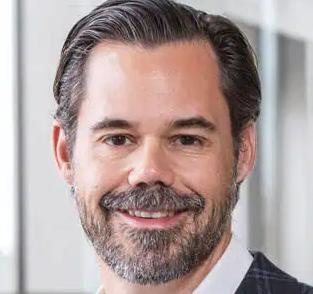
Learn more about the new Center for Public Policy at Christendom College, where the Catholic intellectual tradition meets the practical demands of public leadership. Through its Master of Public Policy program, the Center forms principled leaders equipped to advance the common good through rigorous policy analysis, moral reasoning, and faithful public service.
BY JULIE FUNKHOUSER
In the early 20th century, the fashion industry adhered to a more objective set of guidelines. Garments that were considered high fashion often shared observable similarities: they imitated classical pieces from history; there was order and precision in their structure; they adorned the human body and enhanced its innate beauty. In recent decades, however, fashion has branched out in a variety of directions, becoming highly subjective and even disordered. Can a faithful Christian work in such an industry where objective truth is pushed to the wayside, and the dignity of the human person is grossly undervalued? After graduating from Christendom College as valedictorian of the class of 2020, Isabella Reilly felt the Lord calling her to enter the fashion industry and reclaim it for His Kingdom.

This academic background and exposure to a classical philosophy of human nature, teleology, and aesthetics, as well as classical architecture, shaped my beliefs about the principles of beauty, objectivity of good design, and the central role of teaching the next generation."

Reilly did not always dream of entering the world of fashion.
“I come from a family that is a beautiful mixture of highly creative and highly academic,” she explains. “Each of my family members has a craft, but we have also always pursued a liberal arts education. When I was in high school, a liberal arts college was my only consideration for higher education.”
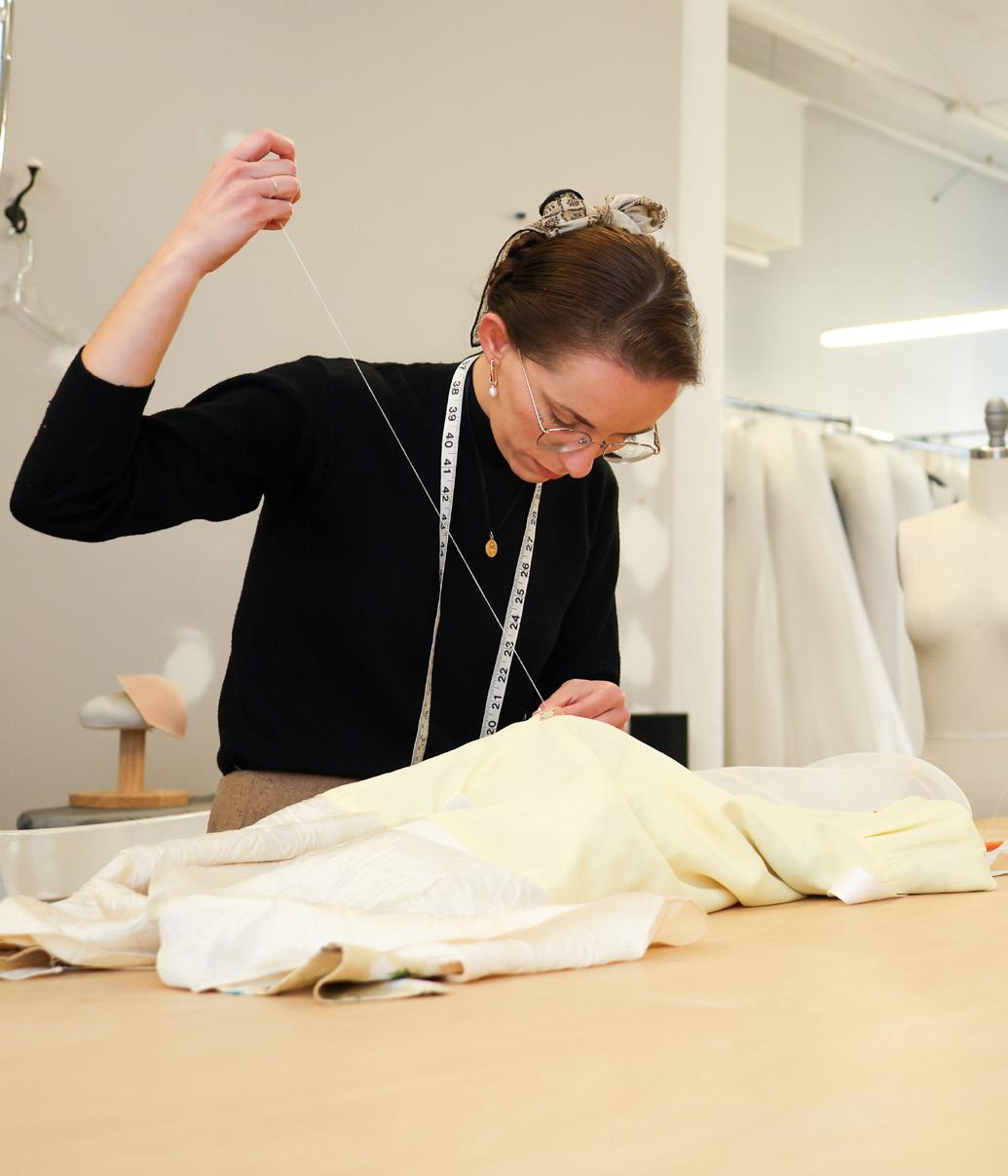
From a young age, Reilly engaged in sewing as a necessity.
“None of my clothing fit me right as a child, so I fearlessly started taking them apart,” she says.
Through this process, she became familiar with the structure of garments and how the pieces work together to form a whole.
In high school, she was inspired by Kenneth Branagh’s Cinderella (2015) and was mesmerized by the gown actress Lily James wore to the grand ball in the film. This gown sparked Reilly’s imagination and gave her a greater appreciation for the tailoring that goes into creating a work of magic for the runway.
After attending Christendom College and earning her B.A. in Philosophy, an M.A. in Theology, and working in the Advancement department post-graduation, Reilly felt the call to pursue her studies in the field of fashion. She believes that her education from Christendom better equipped her for this next step.
“This academic background and exposure to a classical philosophy of human nature, teleology, and aesthetics, as well as classical architecture, shaped my beliefs about the principles of beauty, objectivity of good design, and the central role of teaching the next generation,” she says.
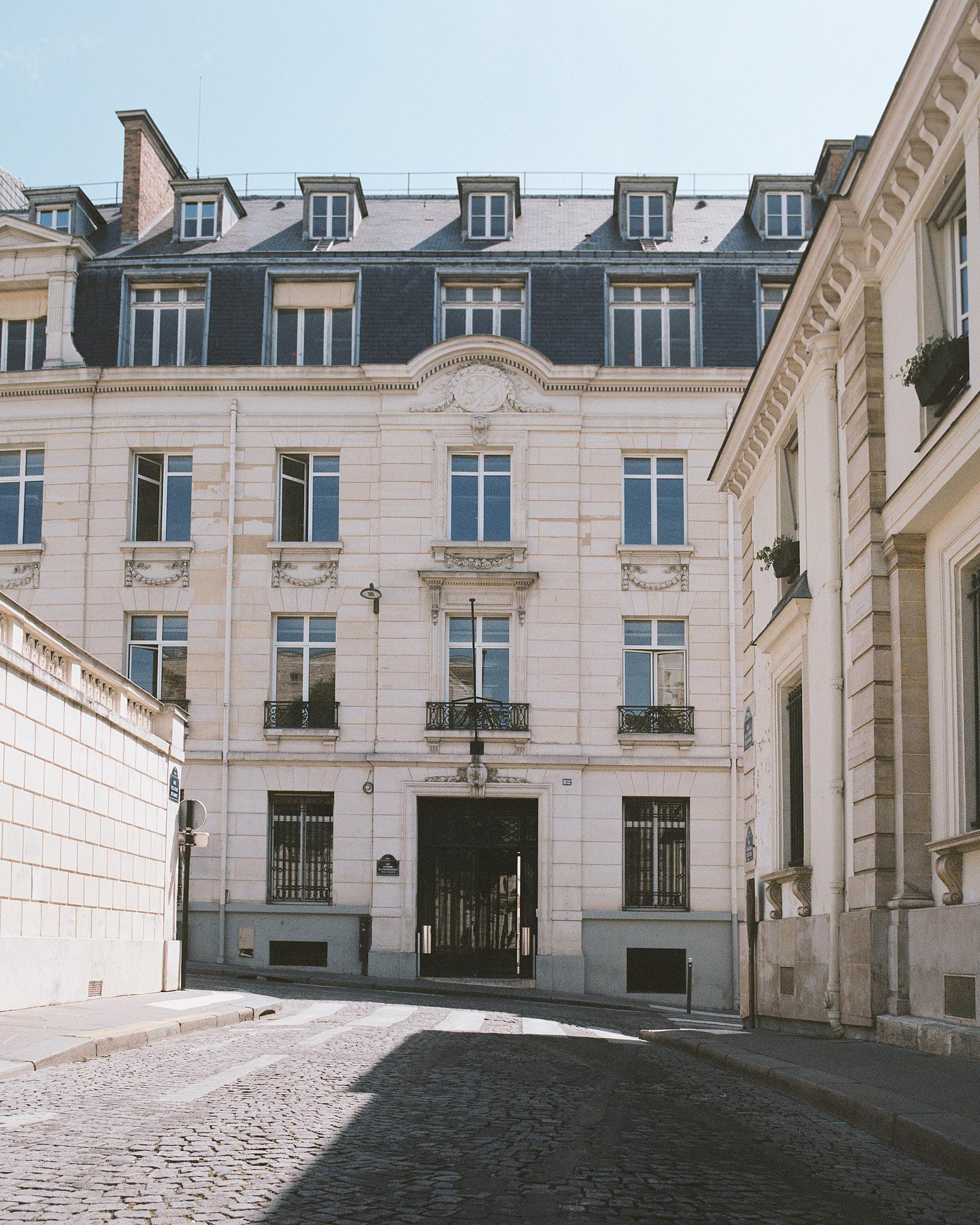
She applied to a couple of different schools, including École Supérieure des Arts et Techniques de la Mode (ESMOD) in Paris, and was accepted to their undergraduate program in the fall of ’23. Reilly acknowledged that her Catholic education and traditional upbringing would set her apart from many of her classmates at ESMOD, but she chose to overcome those fears and view the challenge as an opportunity to share her Faith.
“I was greatly surprised by how accepting all my classmates were,” Reilly shares.
“To be truthful, I had been afraid, prior to starting at ESMOD, that I would be ostracized and discriminated against because I am deeply committed to my faith and Catholic morality. However, that didn’t turn out to be the case. Within a couple of months, my classmates knew I was a very religious person.”
Reilly relates that she had many amazing encounters and moments to evangelize:
“For example, there was a Catholic church a two-minute walk from my school, and on our class breaks, I would sometimes walk down to take a moment with God and would have to explain to my classmates, if they pressed me too hard, where I was going. Or there was a time that I explained and argued against IVF to a couple of homosexual classmates who had been saying that they would probably use IVF in the future. My classmates would ask me questions or seek explanations about aspects of religion or morality. I distinctly remember a time I talked for over an hour with a group of my girlfriends, explaining the coherence of the Church’s sexual morality. My personal conclusion was that everyone is so bizarre in the fashion world that they were okay with me being a different version of weird.”
Even in the belly of the beast, Reilly was able to share the light and truth of Christ to those who do not yet know Him. She owes the ability to express her beliefs to her strong foundation from Christendom College.
“I feel like I was a unique blessing to my classmates,” she says, “because it was statistically improbable that they would encounter someone who was able to articulate clearly their faith in an intellectual manner. Naturally, it was my time at Christendom as an undergraduate and graduate student that made that possible. I am particularly indebted to Dr. Arias and my classes at the graduate school for my ability to articulate moral issues.”
Studying and working at ESMOD, Reilly found that the idea of objective beauty in fashion design was nonexistent, a factor that became a challenge, because how can one determine whether a garment is good design? Back in her college days, Reilly’s passion for the subject had led her to research and write her undergraduate thesis on a philosophical critique and defense of fashion.
“I argued that fashion was actually a unique expression of man’s rational and social nature. It is only as rational beings that we are able to perceive beauty and attempt in an infinite number of ways to try and express it, and it is as social animals that we have a drive for social imitation and a desire to belong to a community while having individual self-expression.”
While Reilly continued her studies and read Pope Saint John Paul II’s Love and Responsibility and Pope Leo XIII’s Rerum Novarum, she further developed her beliefs about fashion. As a result, Reilly believes in objectively good or bad design, a position she realizes is very controversial in the fashion industry.
“Human clothing is intimately connected with the human
My long-term goal is to start a school or educational institute that passes on traditional craftmanship in tailoring and dressmaking while also teaching and exploring the philosophical and moral context.
person,” she explains, “both because it is for the protection and expression of the human individual and because it is created by human persons. Because of clothing’s intimate connection with the human person, I believe that the design, production, and wearing of clothing needs to be in keeping with what Pope Saint John Paul II calls ‘the personalistic norm’ in Love and Responsibility: because of the interiority that distinguishes persons from objects, persons are of such a nature that they cannot be used for the sake of something else.”
Even though Reilly’s beliefs and views about objective beauty greatly set her apart from her classmates in Paris, she maintained her identity while remaining rooted in Christ and the Church’s teachings.
“The desire to fit in, be approved by others, or avoid being the sole person holding a position can be a very strong force to fight,” she admits.
“In fashion, there is a strong desire to be distinctly unique and creative, but there is an equally strong desire to achieve that distinction in just the right way so that you are also accepted and acclaimed,” she says. “These desires, along with a highly competitive industry, can wear you down over time. My faith and spiritual and moral formation allow me to stay grounded and know what the objective guardrails or rules are as I pursue what inspires me.”
Reilly firmly believes that her time at Christendom helped her build the confidence that she needed to forge the path ahead and meet the requirements set before her, while remaining true to herself and her values.
“At one point, several of my ESMOD classmates made comments that I was the most truly confident person in who I was in my class, which allowed me to be unique,” she says.
Reilly remained in Paris, France, long enough to gain the skills she was seeking and make the right connections, claiming,
“I think that the most fundamental thing I gained from ESMOD was introductions to the right groups and cultural spheres. I am hoping this gives me the opportunity to make the long-term culture changes I am seeking.”
Since then, she has returned to the States and currently works as the Production Coordinator for a custom bridal designer in Charleston, South Carolina, while further pursuing her other future goals on the side.
“At the moment, I want to continue gaining experience and mastering my craft,” she says.
“My long-term goal is to start a school or educational institute that passes on traditional craftmanship in tailoring and dressmaking while also teaching and exploring the philosophical and moral context. Ultimately, I don’t necessarily want people to be wearing my designs; I want other designers to be thinking about my ideas.”
“Being creative is truly hard,” she admits, “but it is one of the most divine opportunities God gives us. We have the capacity to bring into being something that would not exist if we do not act. Moreover, pursuing a craft can be particularly challenging in American culture, which values white-collar jobs and cheap production. Nevertheless, craftsmanship and creativity provide an opportunity to testify to the value of human labor because of the value of the human person who produces it.”
When asked to share some parting words of encouragement to other creatives discerning how the Lord might be calling them to pursue their aspirations, Reilly says:
“Stay grounded and keep your inspiration alive. It is easy not to care at all about beauty or existential meaning after a 6o-hour work week. If you are doing something hard and pursuing something that truly inspires you, make sure you survive the process. It doesn’t matter if you master your craft and achieve your goal if you destroy your inspiration and your unique insight into the divine in the process. It’s not always about success so much as staying faithful to your inspiration. We are not called to be successful, but faithful.”


BY ZACH SMITH
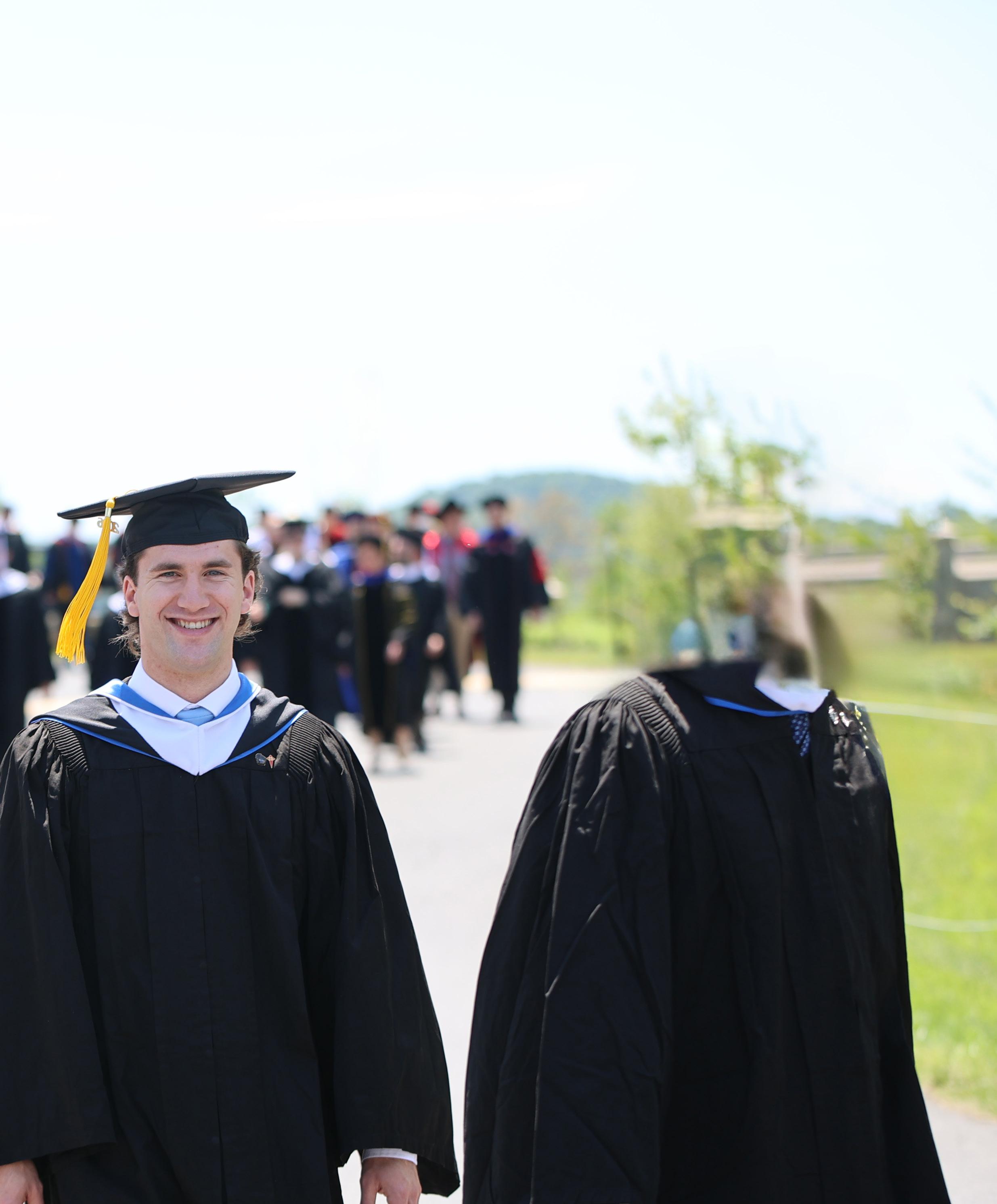
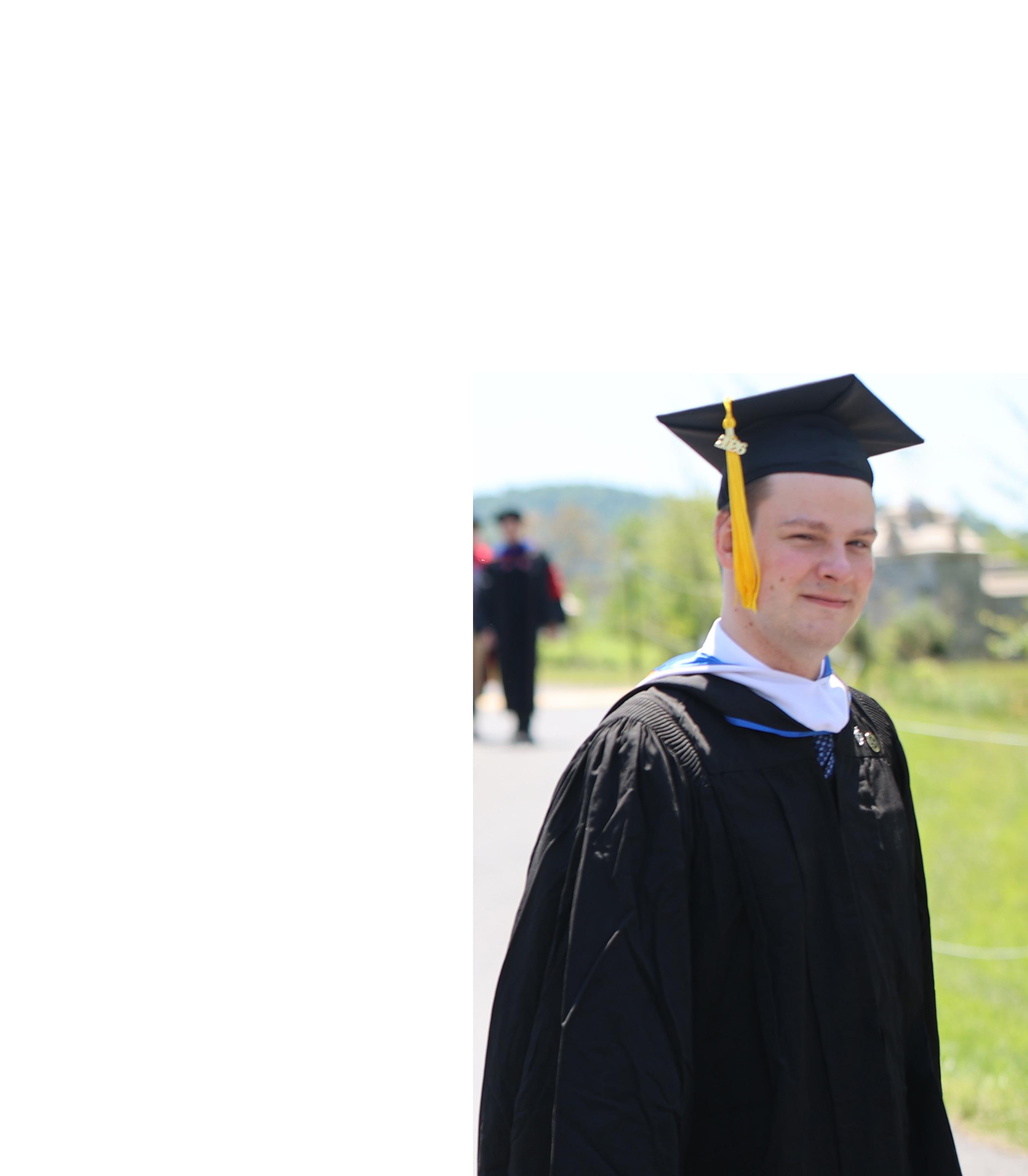
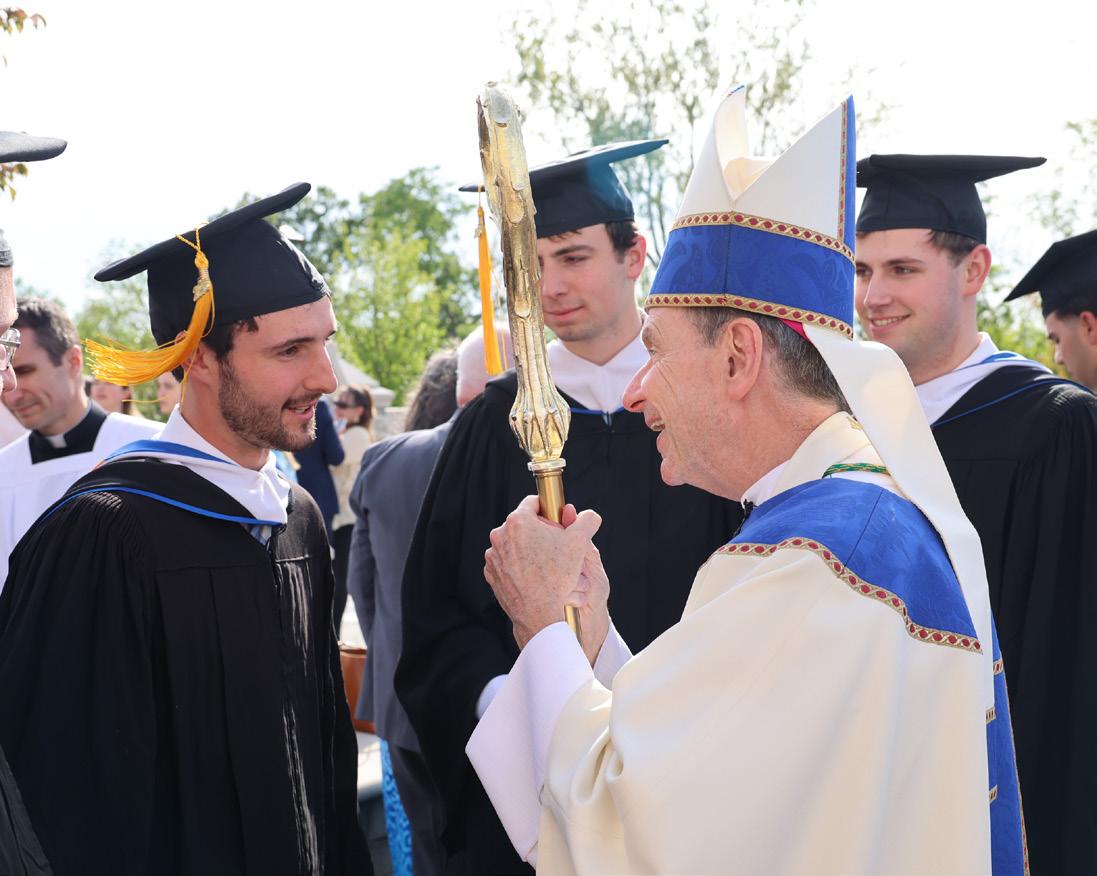
“Please know how proud I am of you. You earned this diploma from a college that excels in rigorous academics, and for you to receive a diploma from this college is a reflection of hard work, perseverance, and sacrifice. Do not take this lightly. Be proud of what you have accomplished,” said Bishop Michael Burbidge during Christendom College’s Baccalaureate Mass for the class of 2026. “My friends, it will take courage. You have the truth. Wherever God sends you, it will take courage. You will meet opposition and rejection, but the Lord says do not be afraid. Go forth and be the courageous witnesses the Lord asks you to be.”
Those words captured the spirit of Commencement Weekend for Christendom’s graduates this May—a celebration marked by gratitude, joy, and the bittersweet reality of saying goodbye. For the class of 2026, four years of study, friendship, and formation on Christendom’s campuses in Front Royal and Rome culminated in a weekend that signified far more than the moving of a tassel from one side to the other. It marked the close of one chapter and the start of a new mission.
The emotions of the weekend began on Friday, May 15, with the Baccalaureate Mass in Christ the King Chapel. Bishop Burbidge, a longtime friend of the college, returned to celebrate the Mass and encourage the graduates to carry what they have learned at Christendom courageously into the world as witnesses to the Faith.
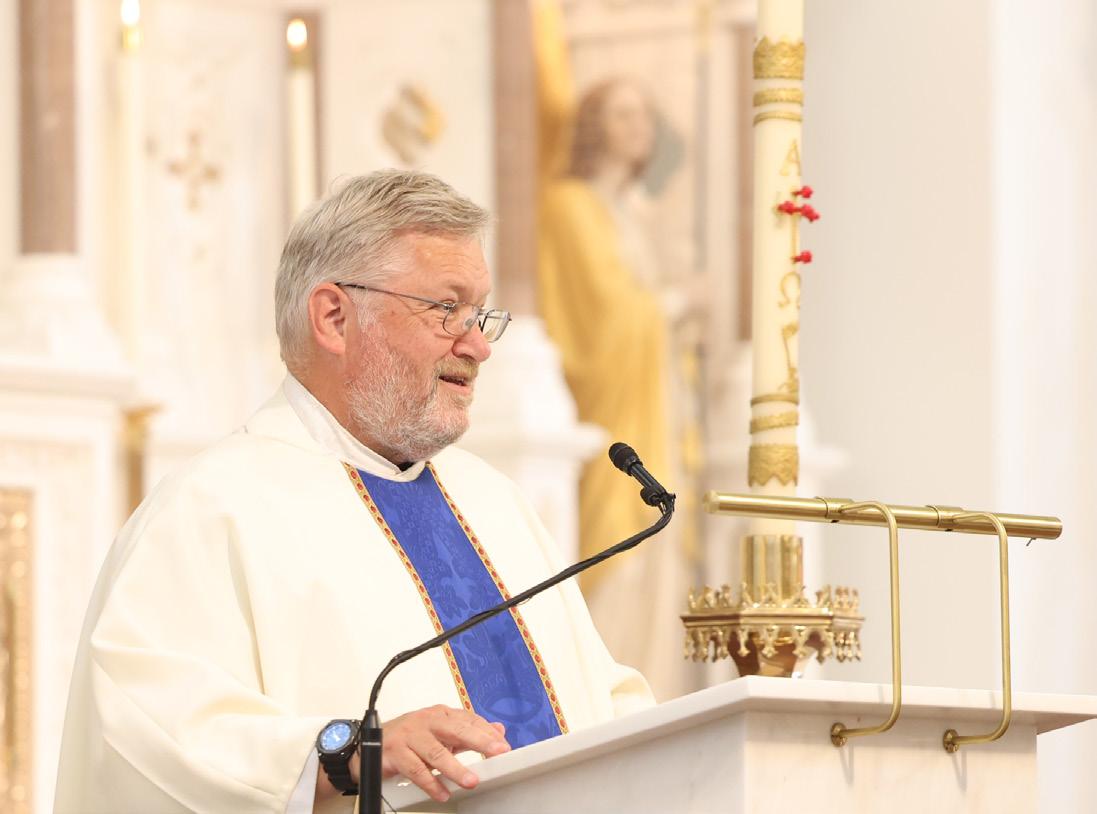
In a weekend full of goodbyes, perhaps the most poignant was first acknowledged during the Mass. The college’s chaplain, Fr.
Marcus Pollard, offered his final Baccalaureate Mass homily for the graduating class and their families, after serving as Christendom’s chaplain for nine years—the longest serving chaplain in the college’s history.
Fr. Pollard took the opportunity to bid farewell to the college and the community, offering thanksgiving—and hope for the future—after his time serving the community.
“After nine years, I have more hope for the Church now than in my entire 36 years as a priest. You have given me hope,” said Fr. Pollard. “Whether you’re making changes as a family, at a church, in a business, I hope that whatever you set your mind to, that you’ll be able to accomplish it. My only piece of advice is to say the rosary daily, to stay close to Our Lady. Stay close to her and it will be amazing what you can accomplish.”
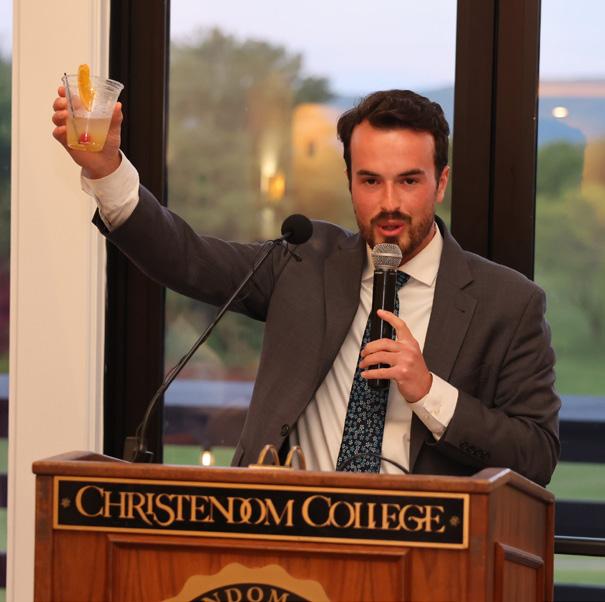
Following the Mass, graduates and their families drove to nearby Shenandoah Valley Golf Club, which overlooks the Blue Ridge Mountains that surround Christendom. There, parents of the class of 2026 shared cocktails and dinner with the college’s faculty and staff, while the soon-to-be graduates celebrated with each other on their final night as Christendom students.
Toasts punctuated the evening, with College President George A. Harne, Ph.D., Vice President for Academic Affairs Dr. Kevin Tracy, Senior Class President Michael Mensch, and Student Body President Joe Anderson all raising their glasses to the parents, the student body, and the college’s staff and faculty.
During the dinner, the college’s academic departments also honored seniors with awards for excellence in their fields of study, 1
giving the class—and the parents—the opportunity to celebrate the incredible intellectual legacy being left by this year’s seniors.
The college’s Student Achievement Award—voted on by members of the graduating class—was awarded during the dinner as well, with Vice President of Student Affairs Tim Cook honoring John Hill for his many outstanding contributions to the college community. Throughout his four years, Hill was an inspiration on campus, serving as a resident assistant, as a member of the college’s soccer and baseball teams, and as head counselor for the college’s Best Week Ever high school summer program. He exhibited unwavering care for the college’s student body, displaying kindness and joy to all and serving as a role model for what it means to be a Christendom College student.
The next morning, the class of 2026 gathered once more—and for the last time, all together—as a class to process to St. Louis the Crusader Gymnasium. Processing from Old Chapel Hall, they
"After nine years at Christendom, I have more hope for the Church now than in my entire 36 years as a priest. You have given me hope."
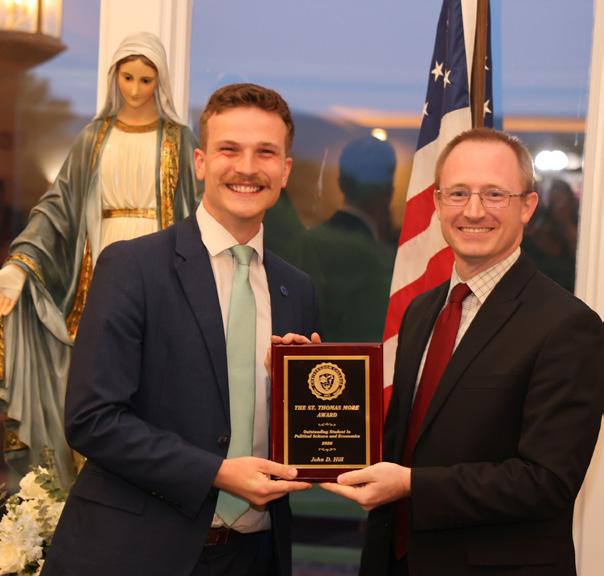
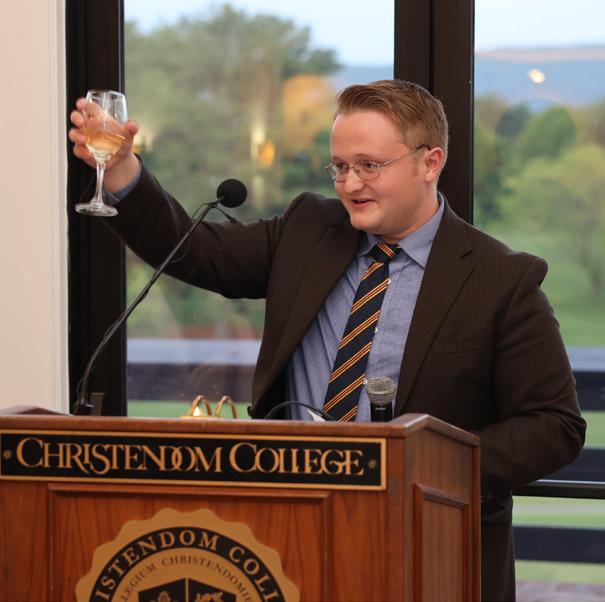
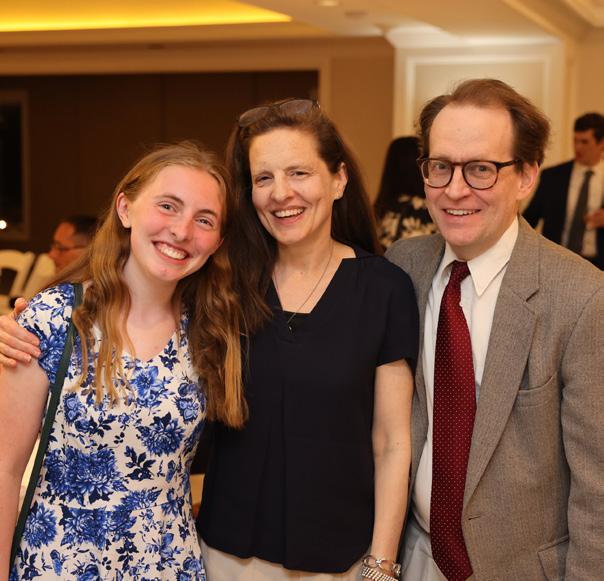
Dean Dr. Andrew Whitmore presents the thesis awards to outstanding seniors in each major. Pictured: John Hill is awarded the St. Thomas More Award on behalf of the Political Science and Economics Department. 7. Lydia Ward and her family members pose for a photo at the Baccalaureate Dinner.
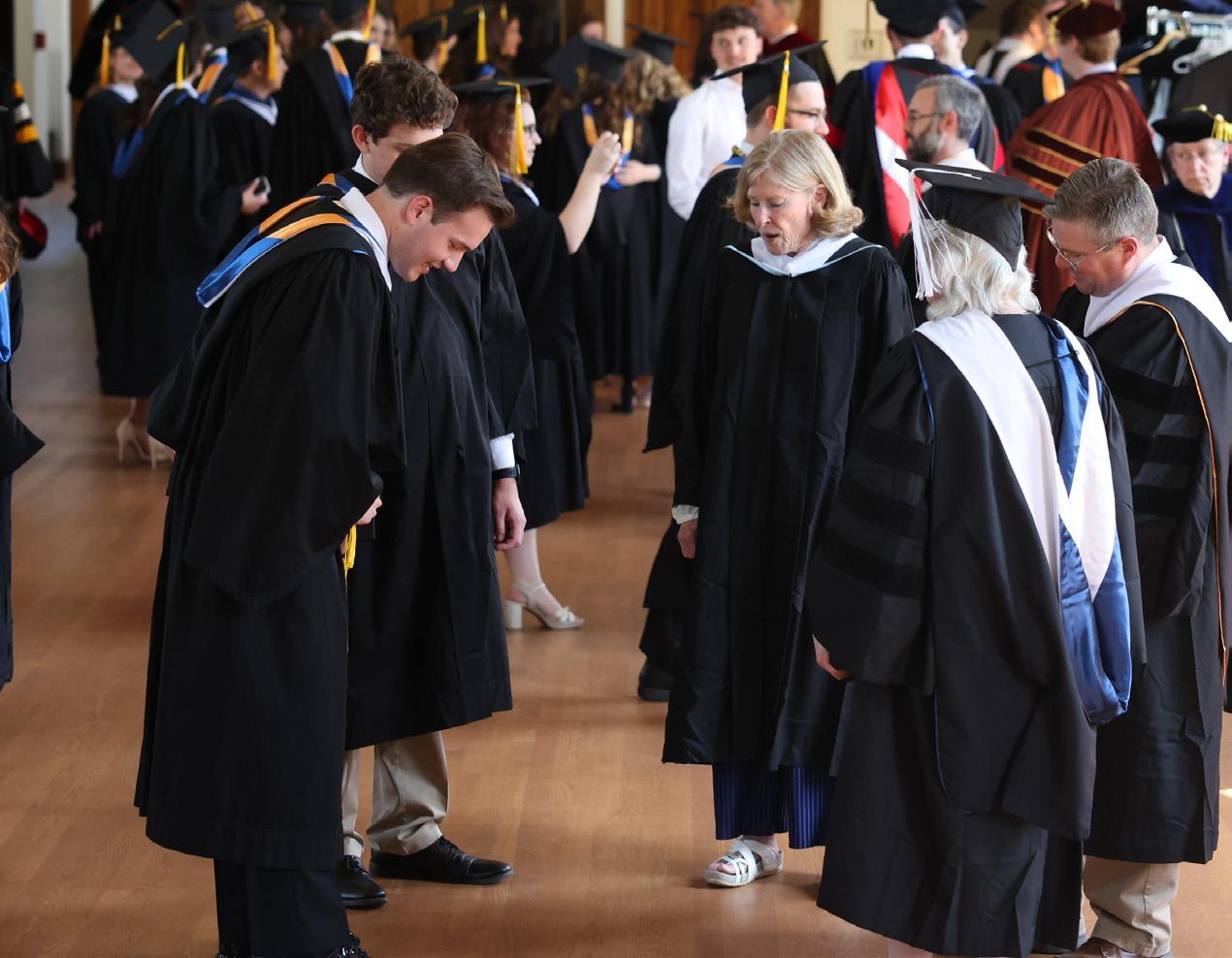
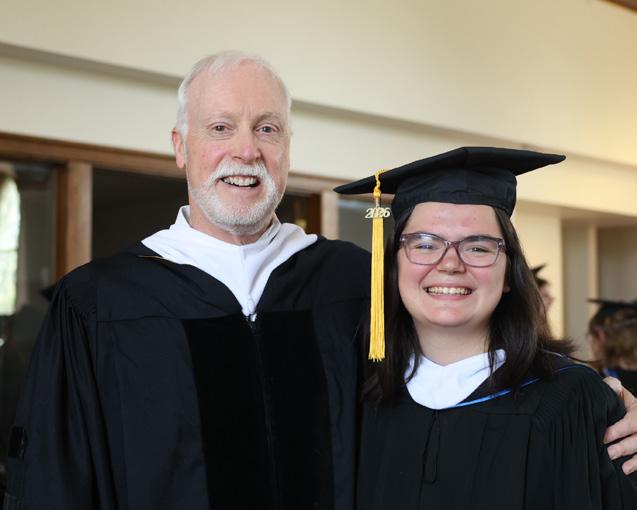
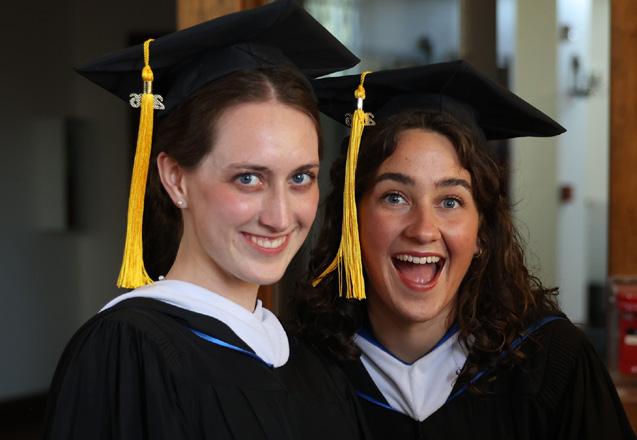
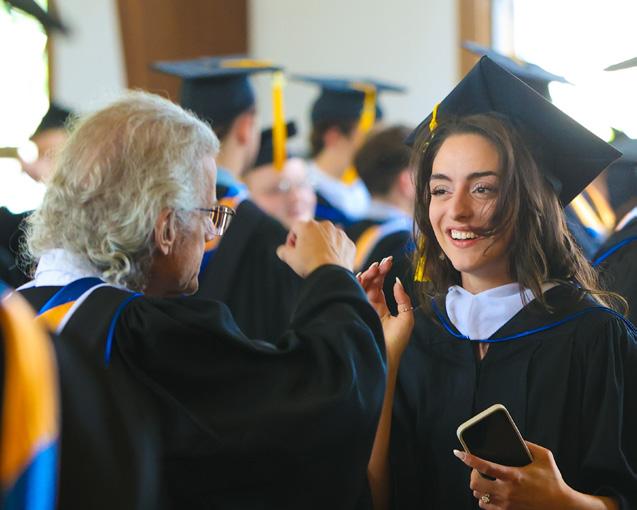
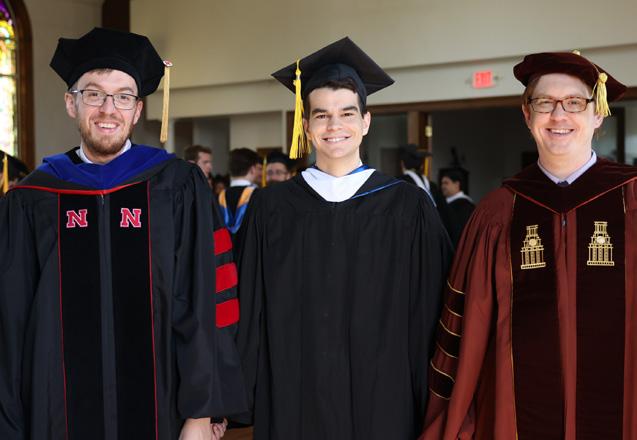
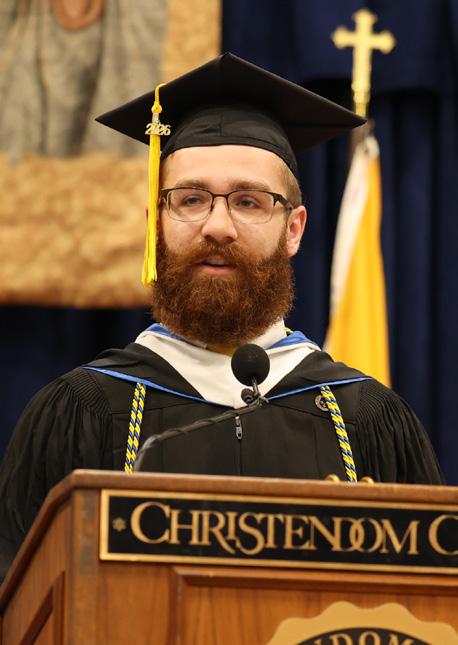
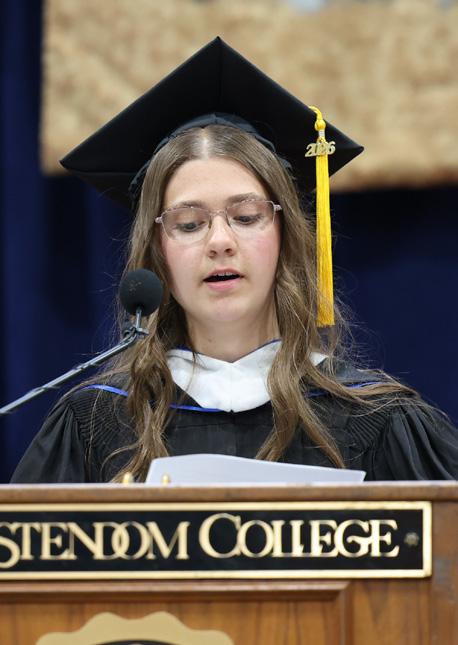
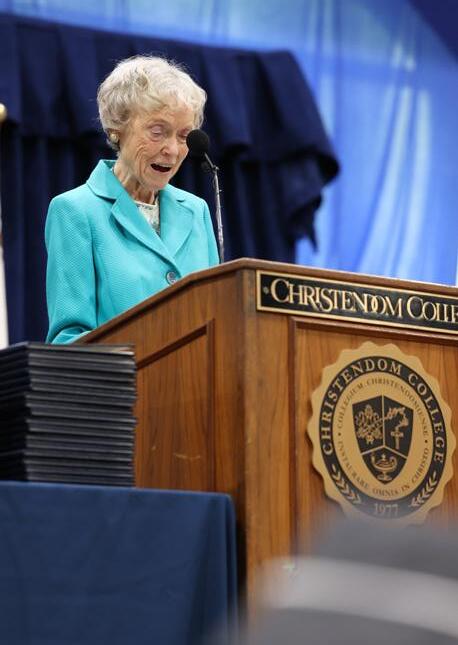
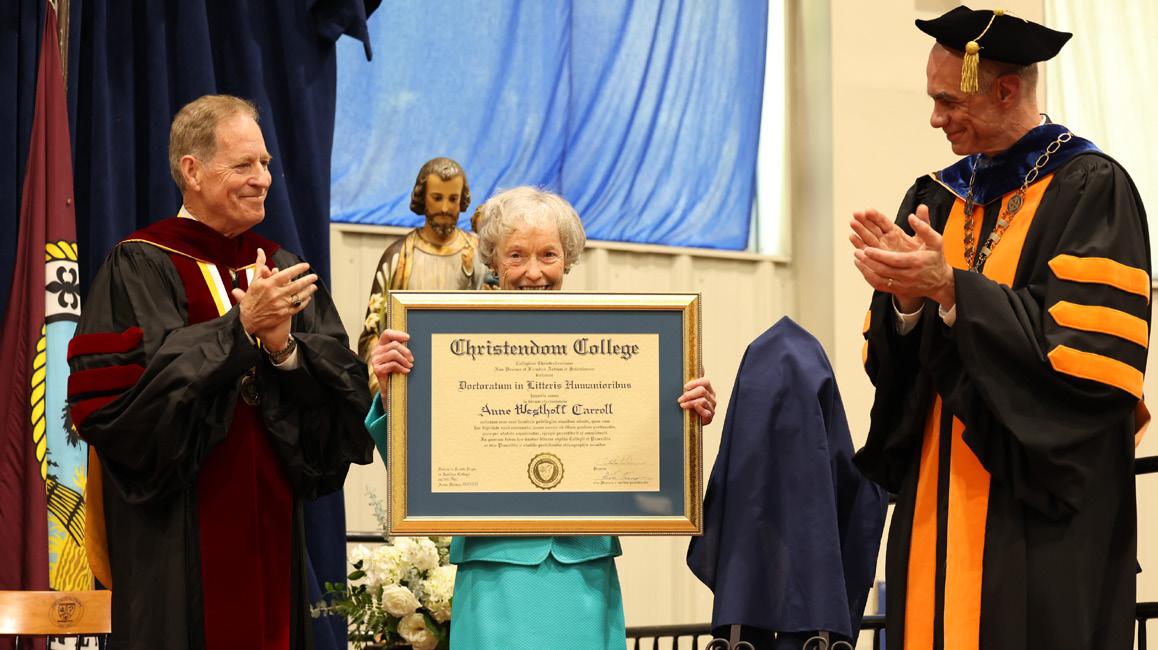
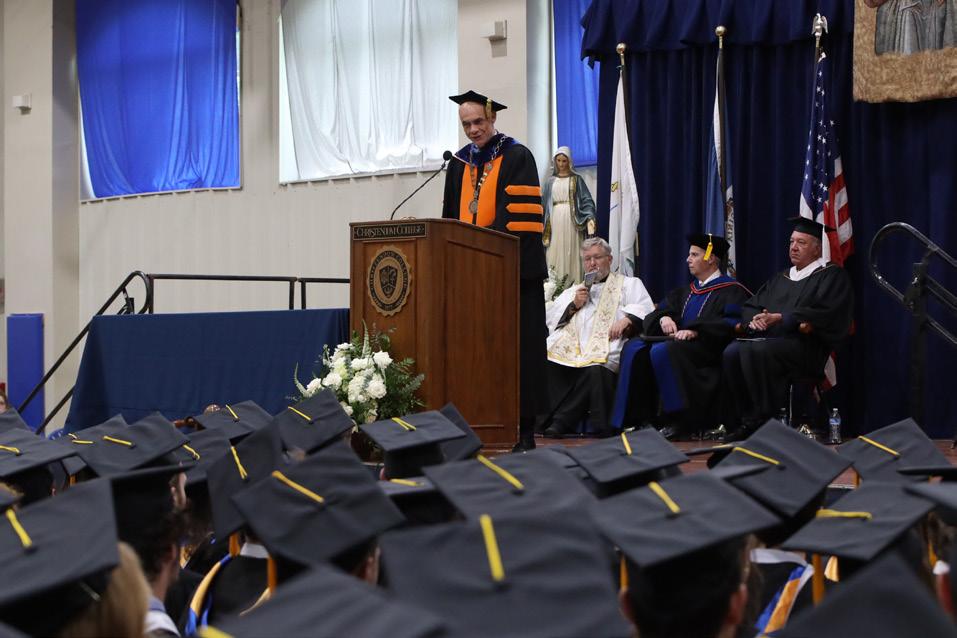
8. Students and faculty vest up for commencement in Old Chapel Hall. 9. Monica Katreeb smiles for a photo with professor Dr. Michael Kelly. 10. Beloved registrar Walter Janaro congratulates Felicity Schmidt on the big day. 11. Madeleine Hain and Regina Cousino smile for a photo. 12. Luke Rozmajzl smiles for a photo with Dr. Douglas Dailey (left) and Dr. William Farris (right). 13. Cody Tucker gives the salutatory address. 14. Sarah Davis gives the valedictory address. 15. Anne Carroll gives the commencement address. 16. President Emeritus Dr. Timothy O'Donnell and President George A. Harne, Ph.D., present an honorary doctorate to Anne Carroll on behalf of the college. 17. Seton students, now happy Christendom graduates, smile for a photo with Anne Carroll, founder of Seton School and wife of the founder of Christendom College. 18. President Harne addresses the graduates. 19. The Hsu Family. 20. Students celebrate after the ceremony. 21. The Noble Family. 22. Students show off their diplomas after the hat toss. 23. The Harne Family.
walked across campus and into their Commencement Ceremonies, ready to begin their next chapter.
Once inside St. Louis the Crusader Gymnasium, salutatorian Cody Tucker welcomed the hundreds of guests present to this year’s commencement exercises, offering thanks for all that the class of 2026 received during their four years at Christendom.
“We came to Christendom College almost four years ago with any number of different intentions for why we chose this place, what we would do with our time here, and what we would do after, and yet the unique commonality we brought in with us was this: to come to a Catholic liberal arts institution unlike any other, to be formed in the one true faith, and to then set out again to restore all things in Christ,” said Tucker. “This day, our graduation day, brings together every weave and thread of our four years to present in a marvelous tapestry of every color—your achievements, your growth, and your character. Today is a day of celebration and thanksgiving for a gift received, a formation of the whole person to the end of restoring all things in Christ.”
Following Tucker’s welcome, Harne awarded an Honorary Doctorate in Humane Letters to this year’s commencement speaker, Anne Carroll, founder of Seton School, Seton Home Study, and wife of late Christendom College founder Dr. Warren Carroll.
Carroll, who has shaped generations of students over her 50year career in education, reflected on pivotal moments of crisis in Church history during her address, including the reign of King Henry VIII and the landmark Land O’ Lakes Statement of 1967 that directly led to Christendom’s founding. Through these stories, Carroll emphasized that while darkness has repeatedly emerged throughout history, hope has risen in response to it time and time again—proof that one man or one woman can make a difference for the better.
“During all the historical times when the Church was beleaguered, ordinary people were keeping the faith, remaining faithful to the Church when the wealthy and the powerful, the influencers, were going in the opposite direction,” said Carroll. “That faithfulness is a different kind of heroism, but in some ways even more important because it is possible for everyone. That is where you come in.”
Carroll, who is the author of the widely read Christ the King, Lord of History, closed her address by turning from the past to the future, offering hope for the future of Christendom and the rest of the Church.
“Though predictions are risky, I will now make one. 110 years after that dark year of 1967, what will we see? Christendom will be preparing to celebrate its 100th anniversary, and God
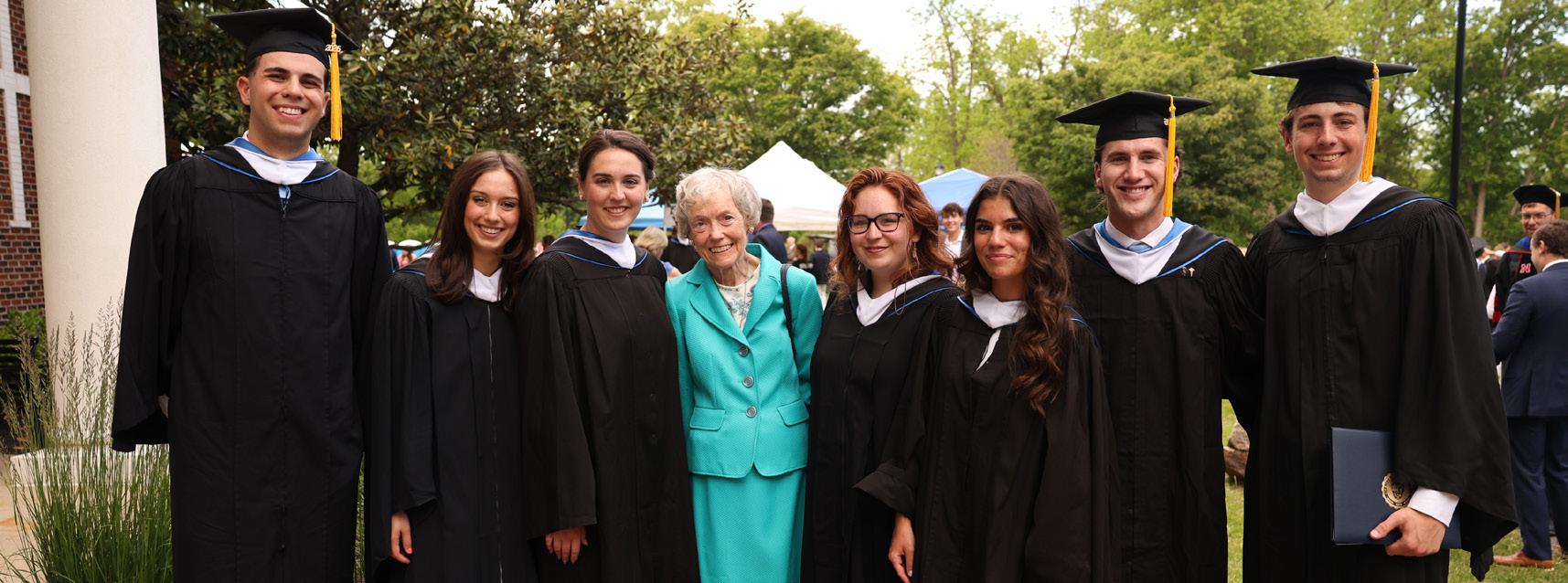
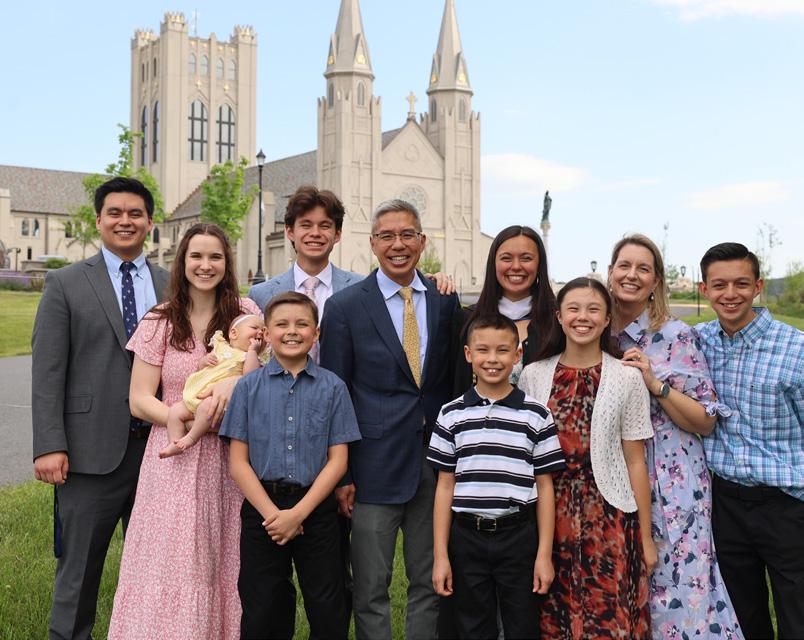
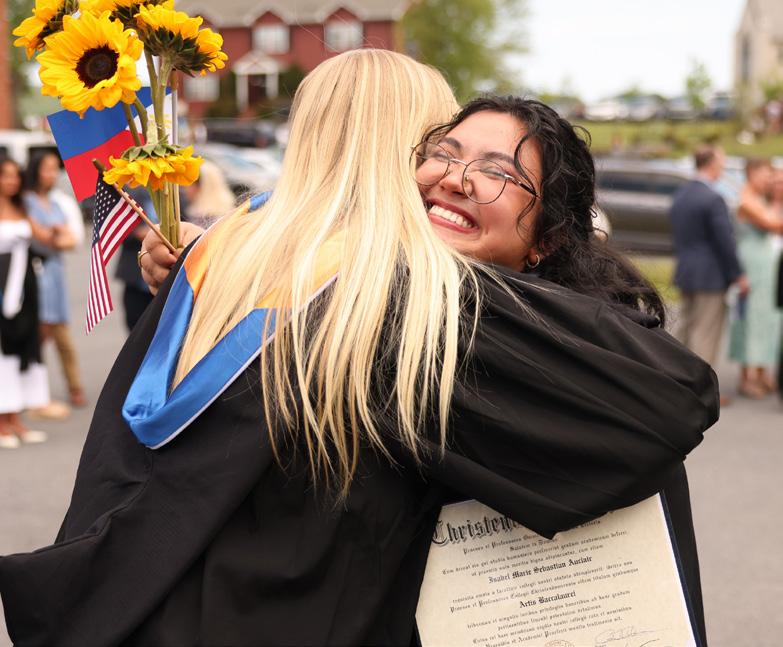
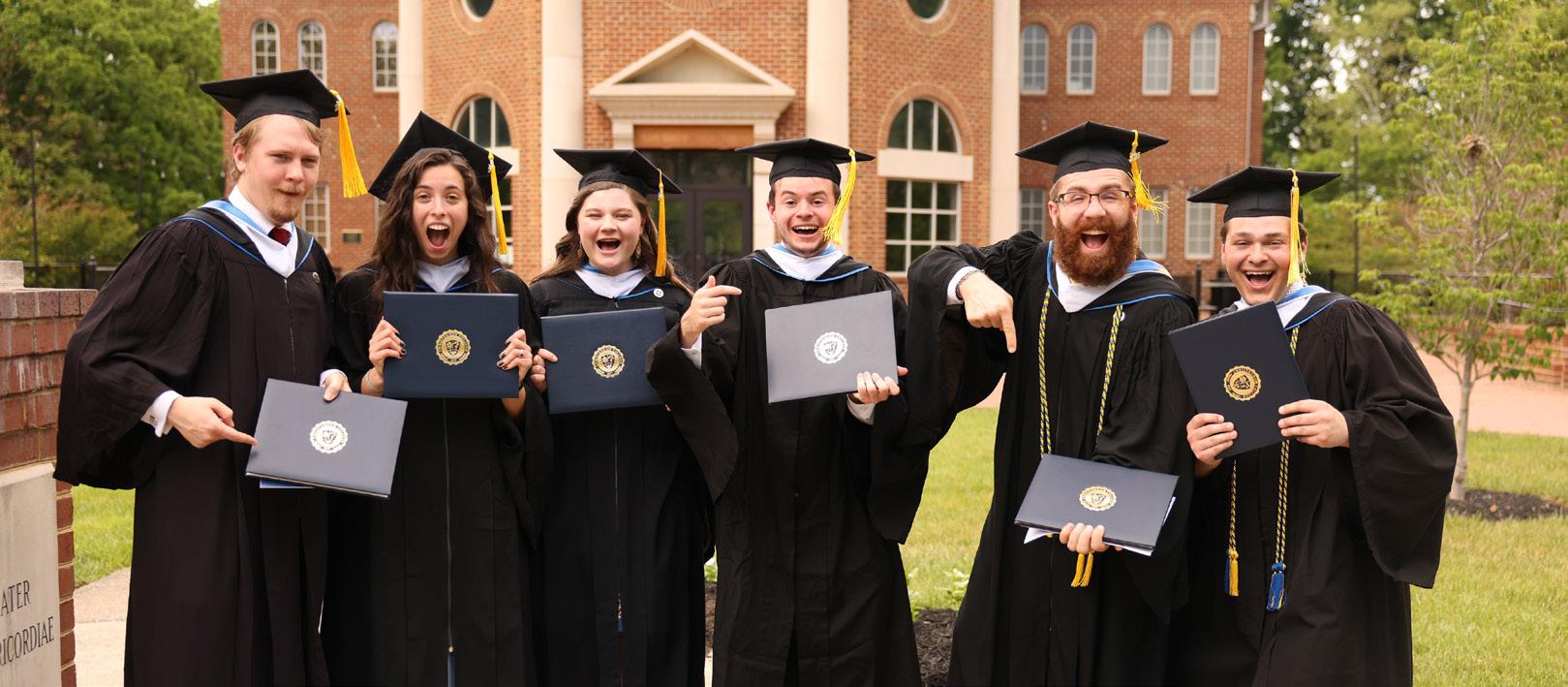
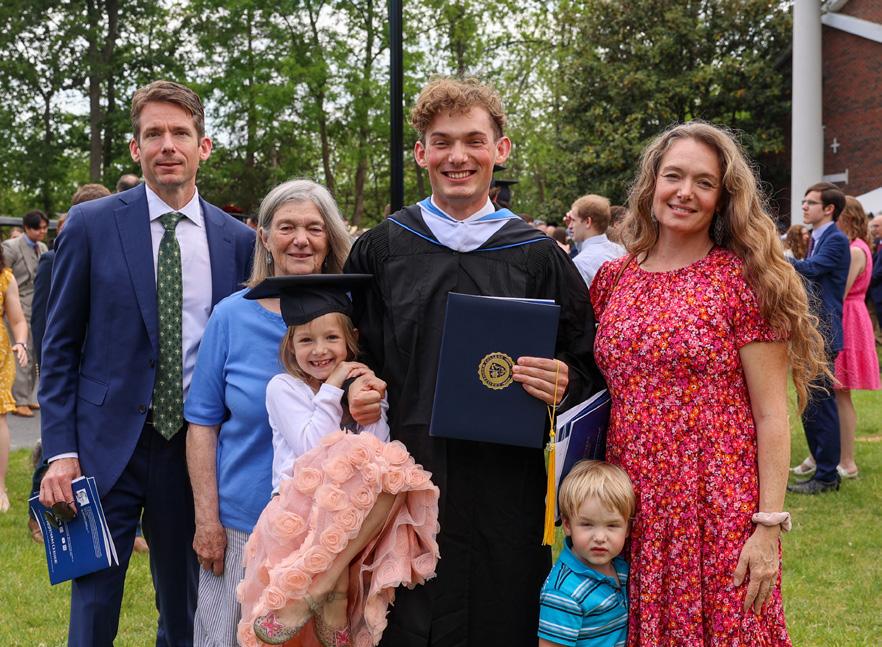
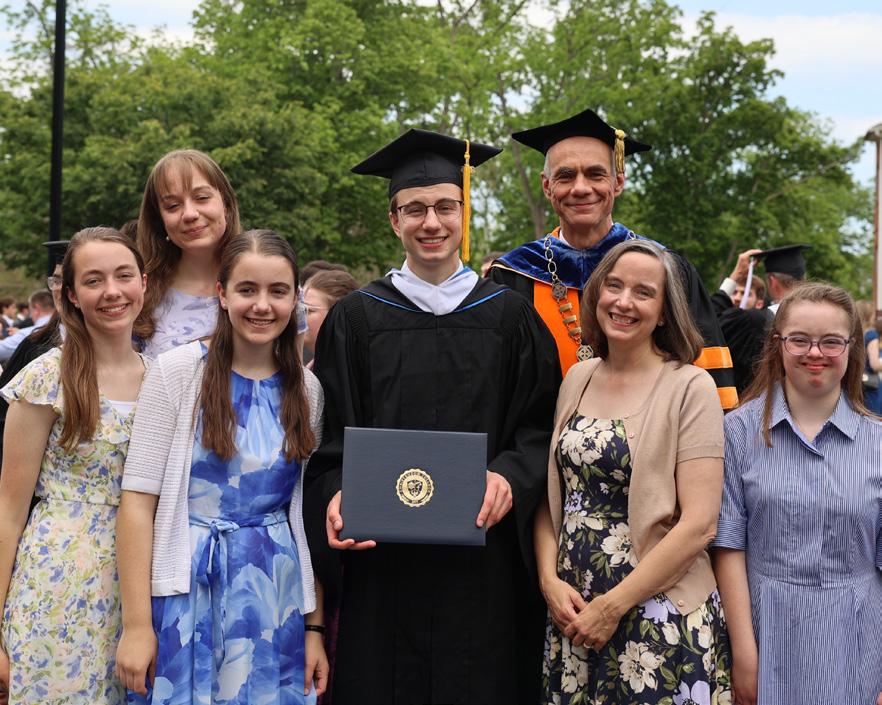
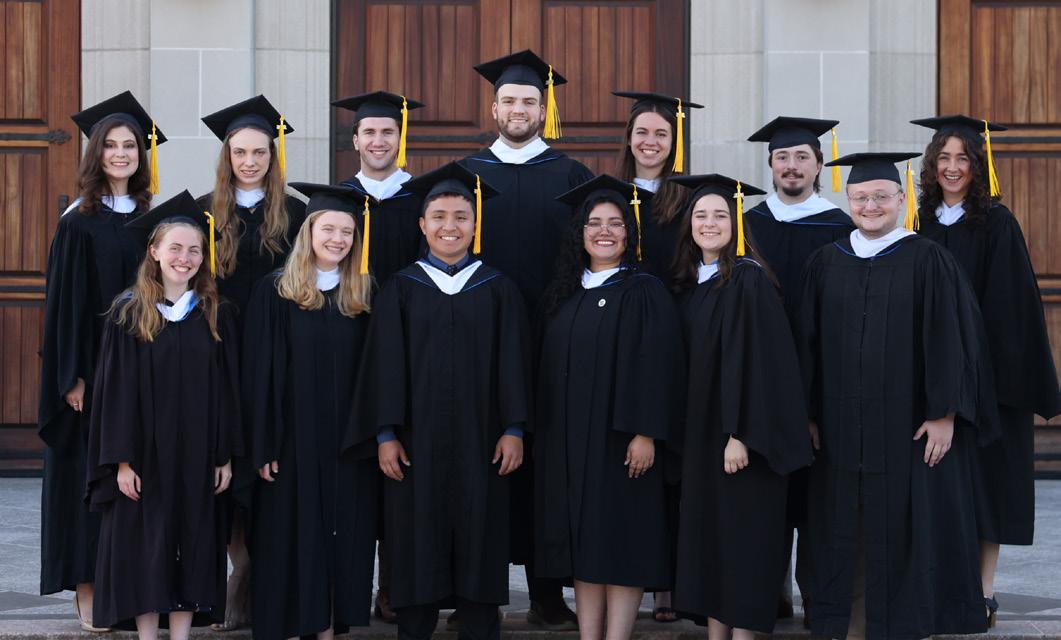
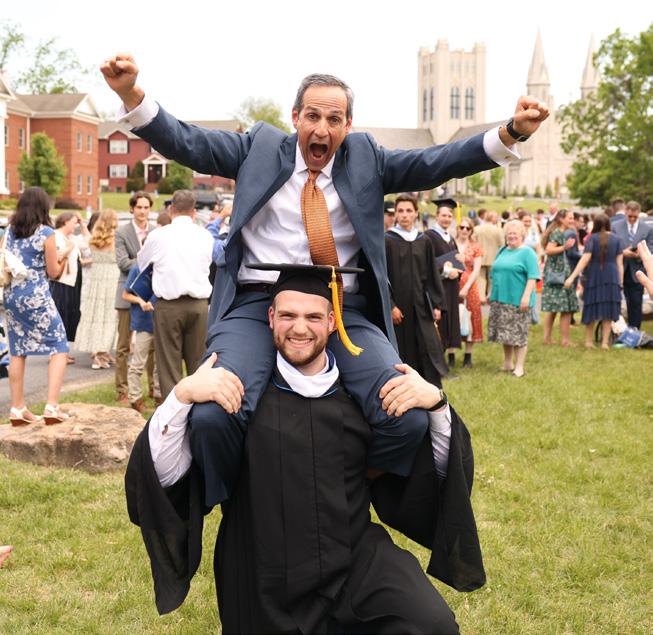
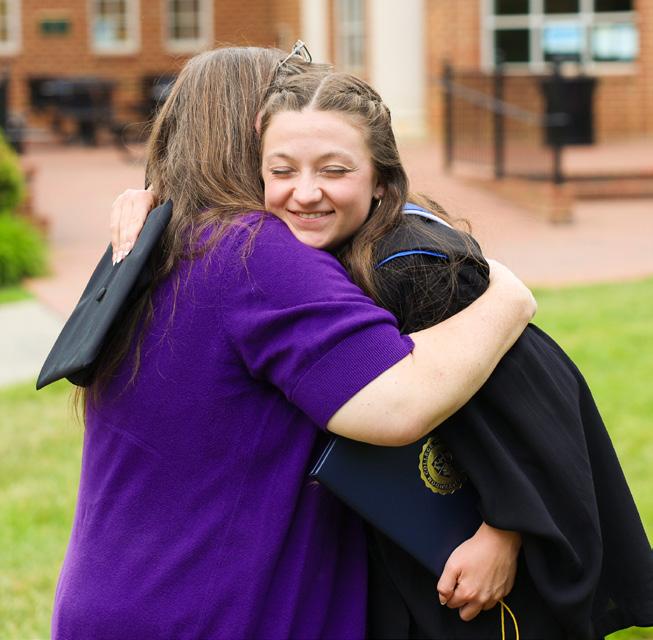
24. Members of the 2026 Senior Philanthropy Board helped foster a culture of gratitude and generosity on campus, inspiring 59% of their class to support Christendom College through recurring monthly gifts. 25. Chuck Koach celebrates with his father. 26. Bernadette Ciresi embraces her mother after the ceremony.
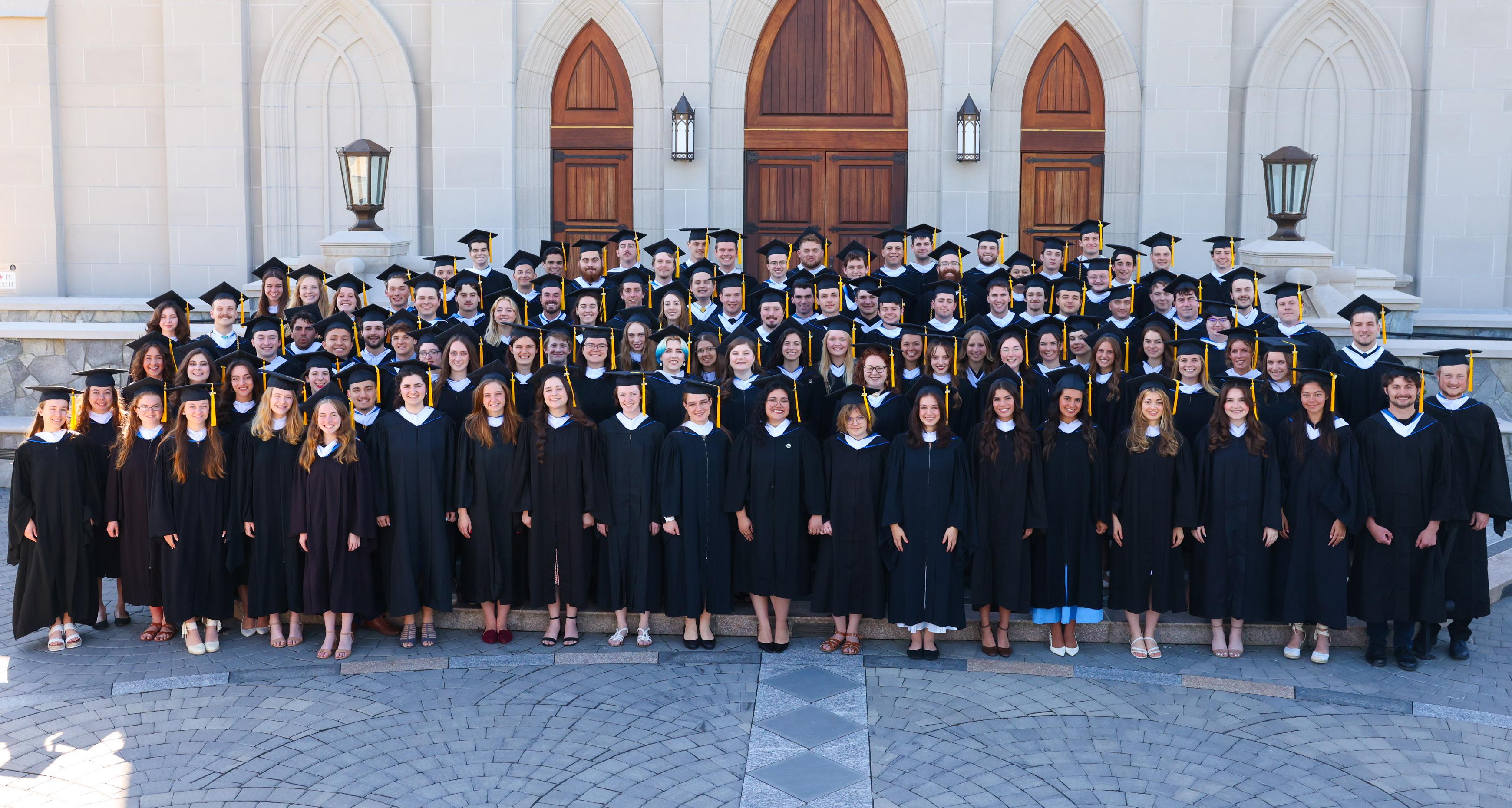
112 Bachelor of Arts degrees were awarded to the following graduates: Vincent Altmanshofer, Joseph Anderson, Isabel Marie Auclair, Juliana Beckman, Thérèse Brons, Emma Brox, Paige Byers, Thomas Cahill, Michaela Catabui, Margaret Catalano, Rachel Cermak, Julia Christie, Bernadette Ciresi, Madeleine Clark, James Coffey, Thomas Cole, Mary Corcoran, Chloe Costello, Regina Cousino, Sofia Cummings, Rita Cunningham, Joseph Curran, Ethan Czerwinski, Chase Daugherty, Sarah Davis, Lia DeFelice, Daniel Di Falco, Liam Formisano, Nicholas Garcia, Tess Ginty, Alexander Girata, Maria Gjolberg, Rebecca Hahn, Madeleine Hain, Clare Haller, Alexander Hamernik, John Hand, George Harne, Ethan Harrison, John Healey, Penelope Hepler, John Hill, Anna Hsu, Thomas Humm, Alanna Hyatt, Jessica Johnston, Michaela Johnston, Patricia Jung, Nathaniel Klucinec, Charles Koach, Martin Kopeck, Leo Kouatly, Magdalain Kranz, Madeleine La Fave, Mary Landry, Thomas Layman, Megan Lovar, Beatriz Madan, Niall Maguire, Michael Mensch, Leah Mergener, Michael Messing, Andre Morales, Luke Noble, Benjamin O’Brien, Michael O’Hara, Julian Olmstead, Ian Pilon, Anastasia Piroch, Anthony Pueyo, William Reese, Isabella Rodriguez, Matthew Rodriguez, Luke Roman, Luke Rozmajzl, Felicity Schmidt, Elizabeth Scott, Evan Seelig, Daniel Shea, Mary Kathryn Sheba, Nathaniel Sheedy, Sophie Simpson, Isabella Siwko, Charles Smith, Andrew Stauffer, Amelia Suer, Peter Sullivan, Therese Sullivan, John Taraba, Lewis Thornberry, John Torkelson, Elizabeth Trause, Cody Tucker, Benjamin Tutwiler, Abram Urbanski, Robert Vander Woude, Lydia Ward, Kenton Wassum, Fiona Weichert, Ryan Welch, Lillian Whitfield, Eamon Wick, Lucy Wingate, Mary Wingate, Clare Witter, Charles Wyckoff, Luther Young, Peter Young, Sophia Zamoyta, and Margaret Zuberbueler. Two Associate of Arts degrees were also awarded to Adrian Farrall and Anna McFadden.
willing, most of you will be here to celebrate it, and some of your descendants will be sitting where you are now,” concluded Carroll. “The college will have faced new and even frightening challenges, but God will certainly provide the graces to surmount them, and those of us who have finished the race will be looking on from Heaven, or maybe Purgatory, and singing with all of you who will be celebrating on Earth.”
Following the delivering of 112 Bachelor of Arts degrees and two Associate of Arts degrees, valedictorian Sarah Davis provided the farewell address for the class of 2026. Davis offered a moving tribute to her class, urging them to continue pursuing wisdom and staying close to Christ in the years to come.
“Having received this amazing education at Christendom, we are now being sent out into the world to bring the light and love of Christ to all those we interact with,” said Davis. “My dear fellow graduates, I urge you to have a holy confidence as you enter into this new season of life. Be confident in your identity as a beloved son or daughter of God. Be confident in the education that you have received here at Christendom and be confident that God will always give you the grace and strength that you need to accomplish His will throughout the rest of your life. As Pope Saint John Paul II would say, ‘Be not afraid.’”
Closing the Commencement Ceremonies on Saturday, President Harne gave his charge to the graduating class. Harne urged the graduates to take all they have learned at the college and share it with others, playing their part in the college’s mission to “restore all things in Christ.” (Editor’s Note: read Harne’s charge on Page 2.)
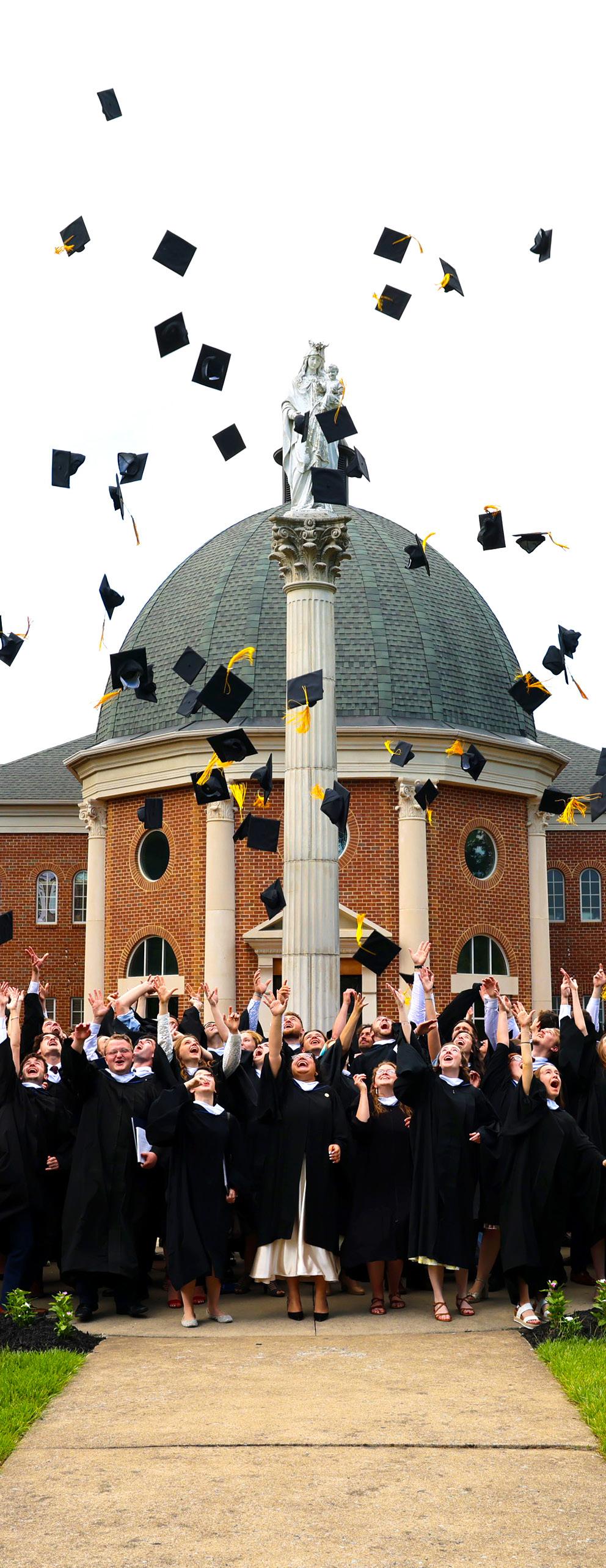
Ready to restore all things, indeed. As their caps and tassels rained down on them just a few minutes later, the full reality of the day finally sunk in for the class of 2026. Their time at Christendom was now, officially, at an end. Emotions filled the air in front of the college’s St. John the Evangelist Library as graduates hugged, laughed, and cried, one last time.
The class of 2026 ventures forth from Christendom equipped with an education that has prepared them for this very moment. Nearly 50 years ago, college founder Dr. Warren Carroll created the college in order to prepare students to go out and “restore all things in Christ.” His wife, Anne, echoed those words at this year’s Commencement. Those words will continue to ring in the ears of graduates in the days to come as they start their next chapter, ready to impact their families, their communities, and this country for the better.
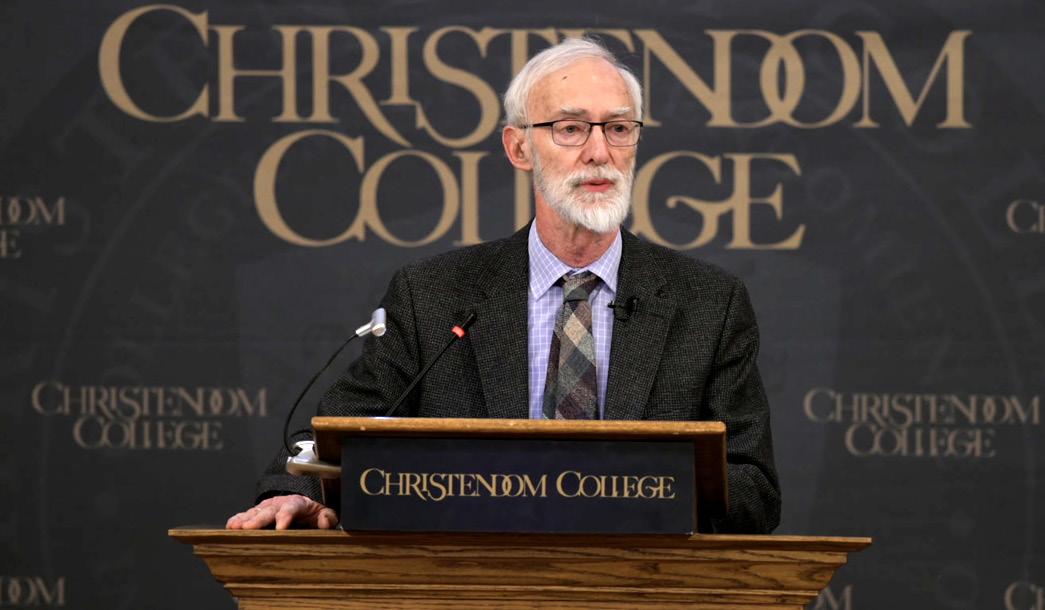


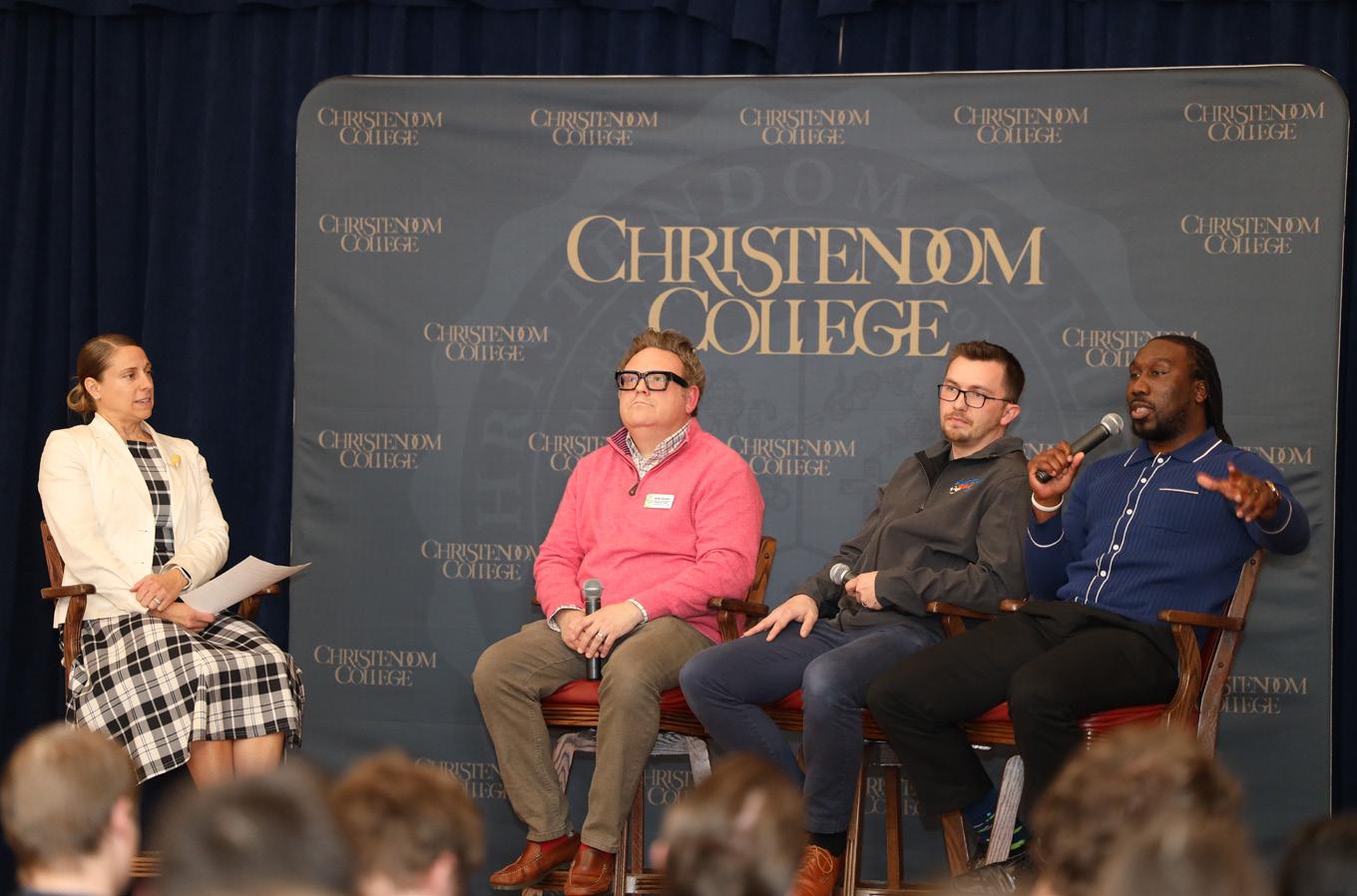
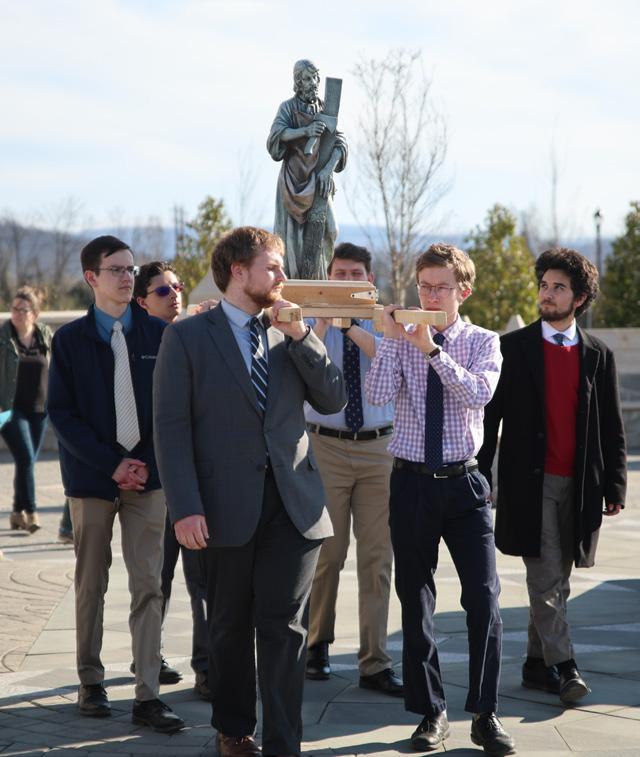
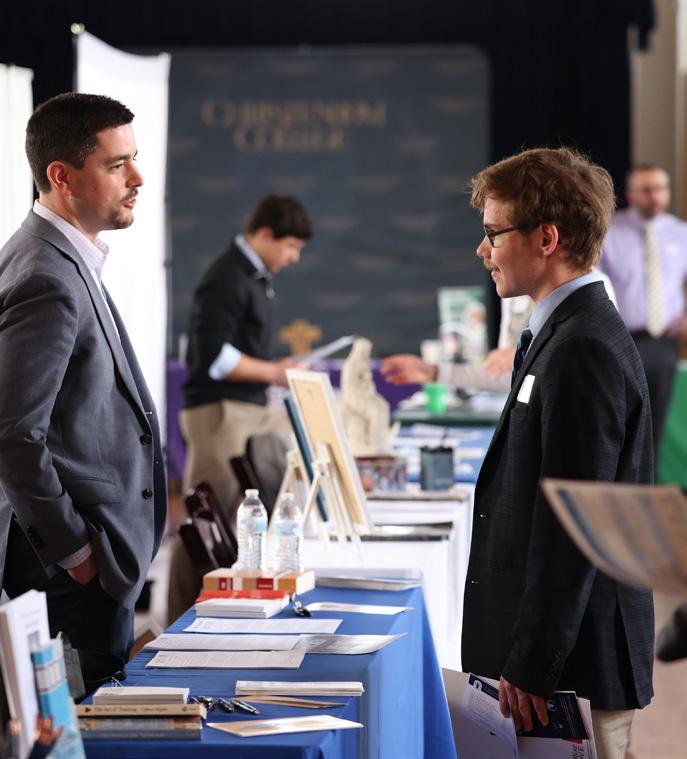
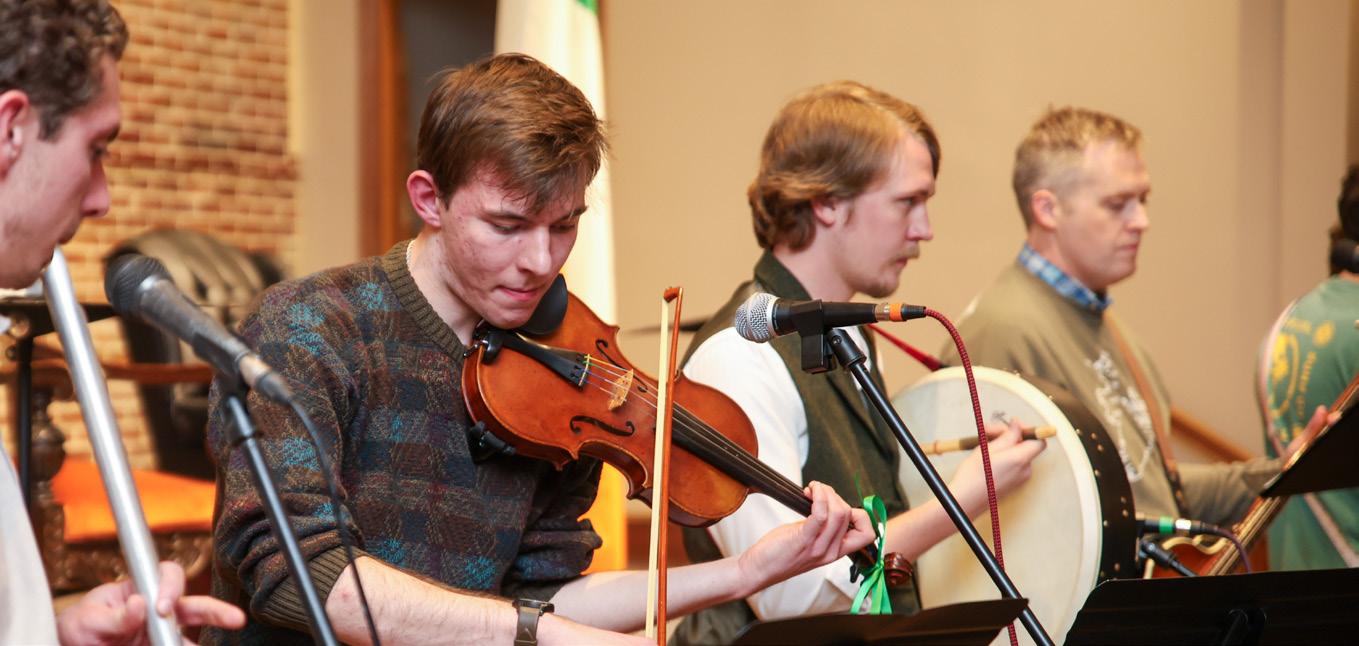
1. Campus welcomed medieval philosophy expert Dr. Steven Baldner to speak at Christendom's Collegiate Lecture Series.
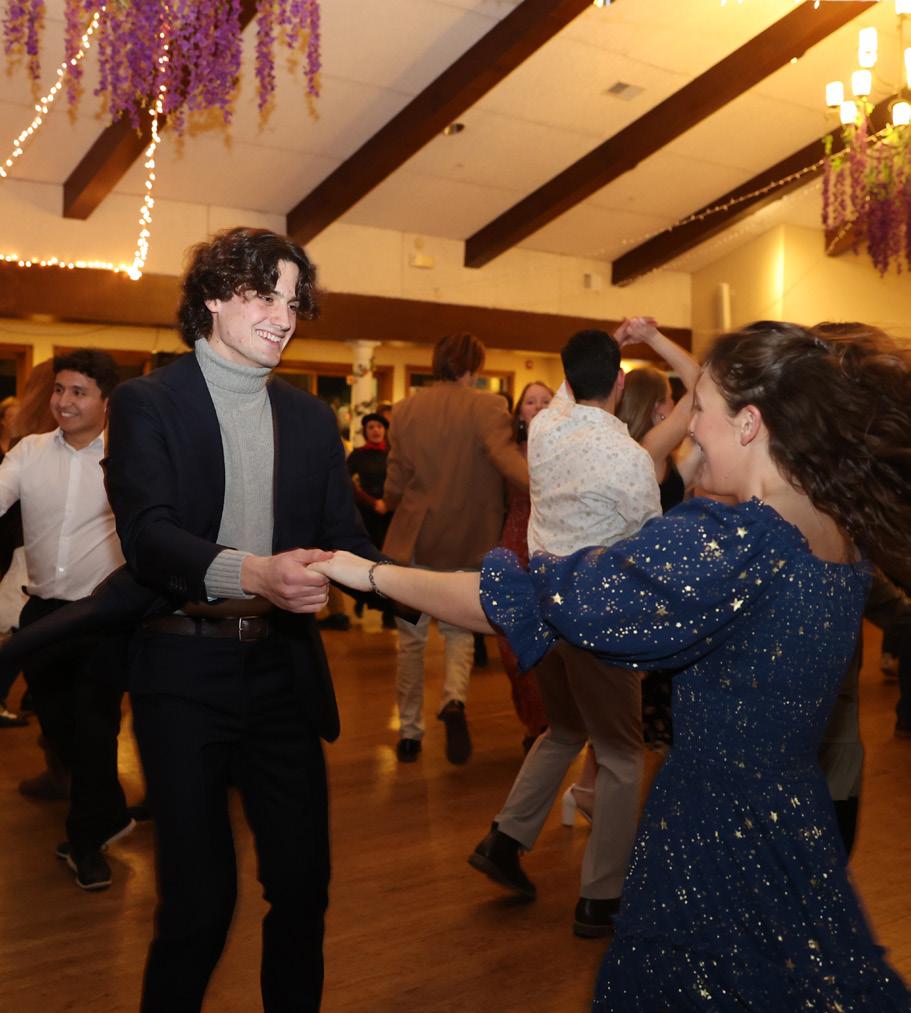
2. Students returned to campus after Christmas break and reconnected with friends at the annual Welcome Back Dance.
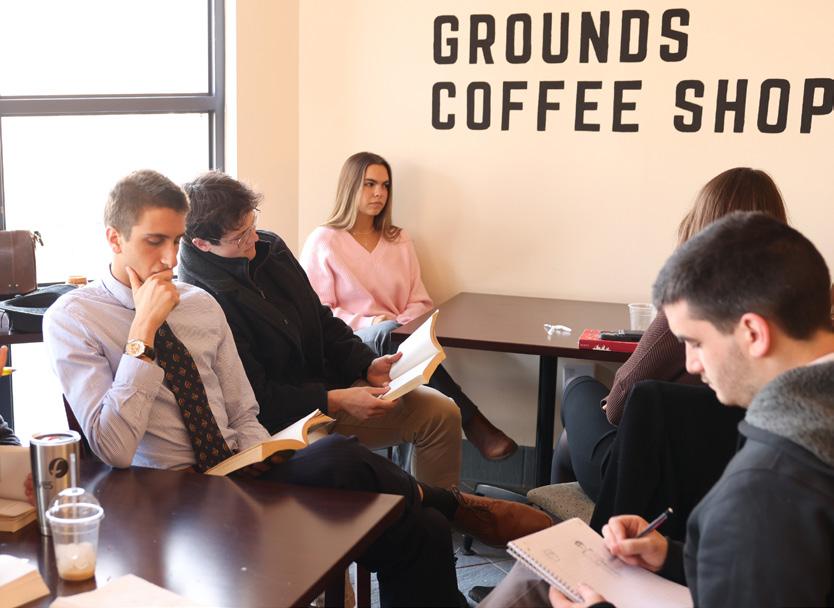
3. Students gathered for a dawn-to-dusk reading of the Divine Comedy, organized by Dr. Alex Taylor.
4. The men's basketball team hosts a home game in St. Louis the Crusader Gymnasium.
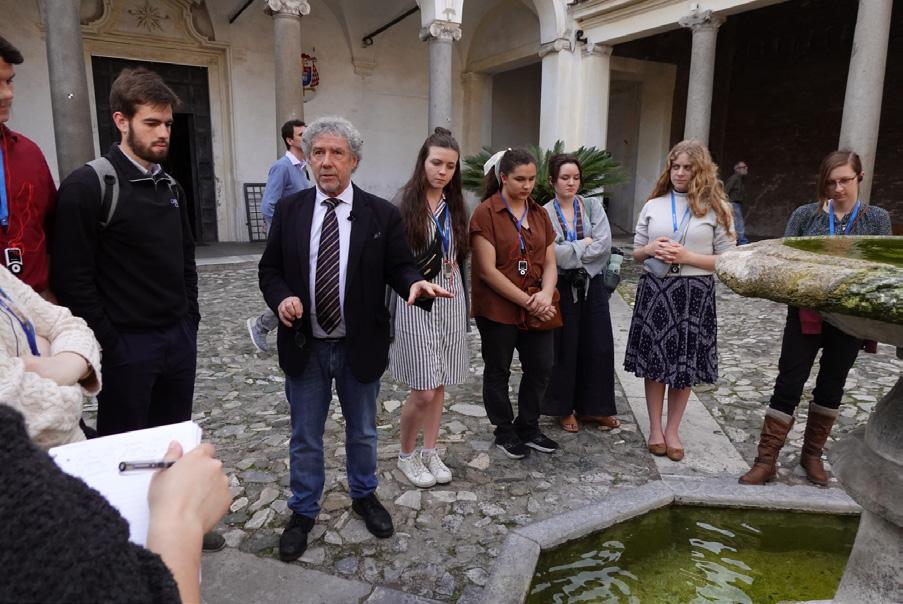
5. Juniors in Rome tour with Christendom professor and Vatican communications expert Seán-Patrick Lovett.
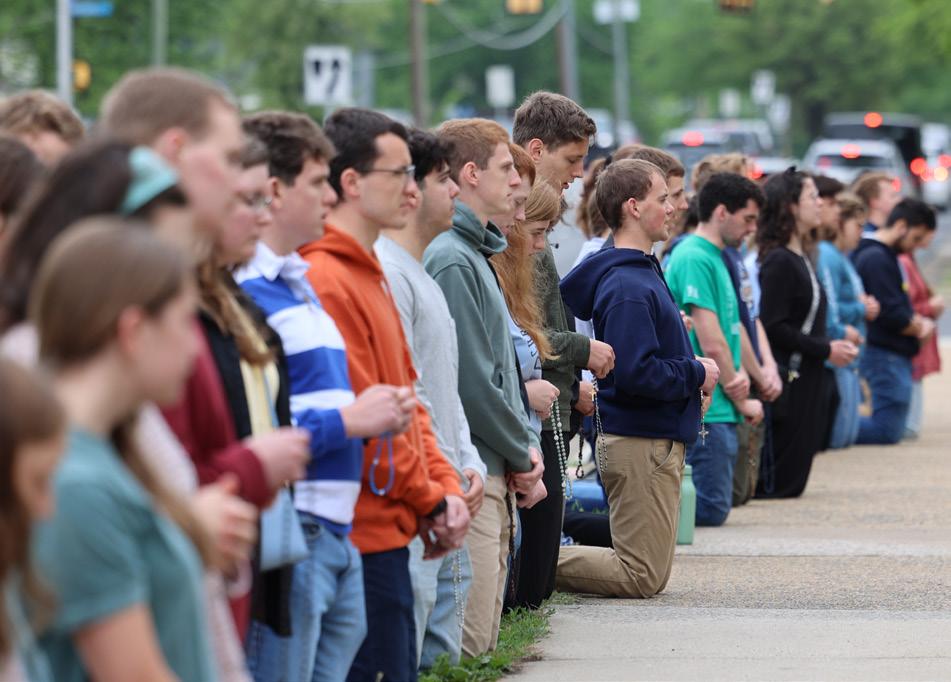
6. Students joined the campus club Shield of Roses for their biannual Mega Shield event, praying outside an abortion clinic for the safety of the unborn babies and their mothers.
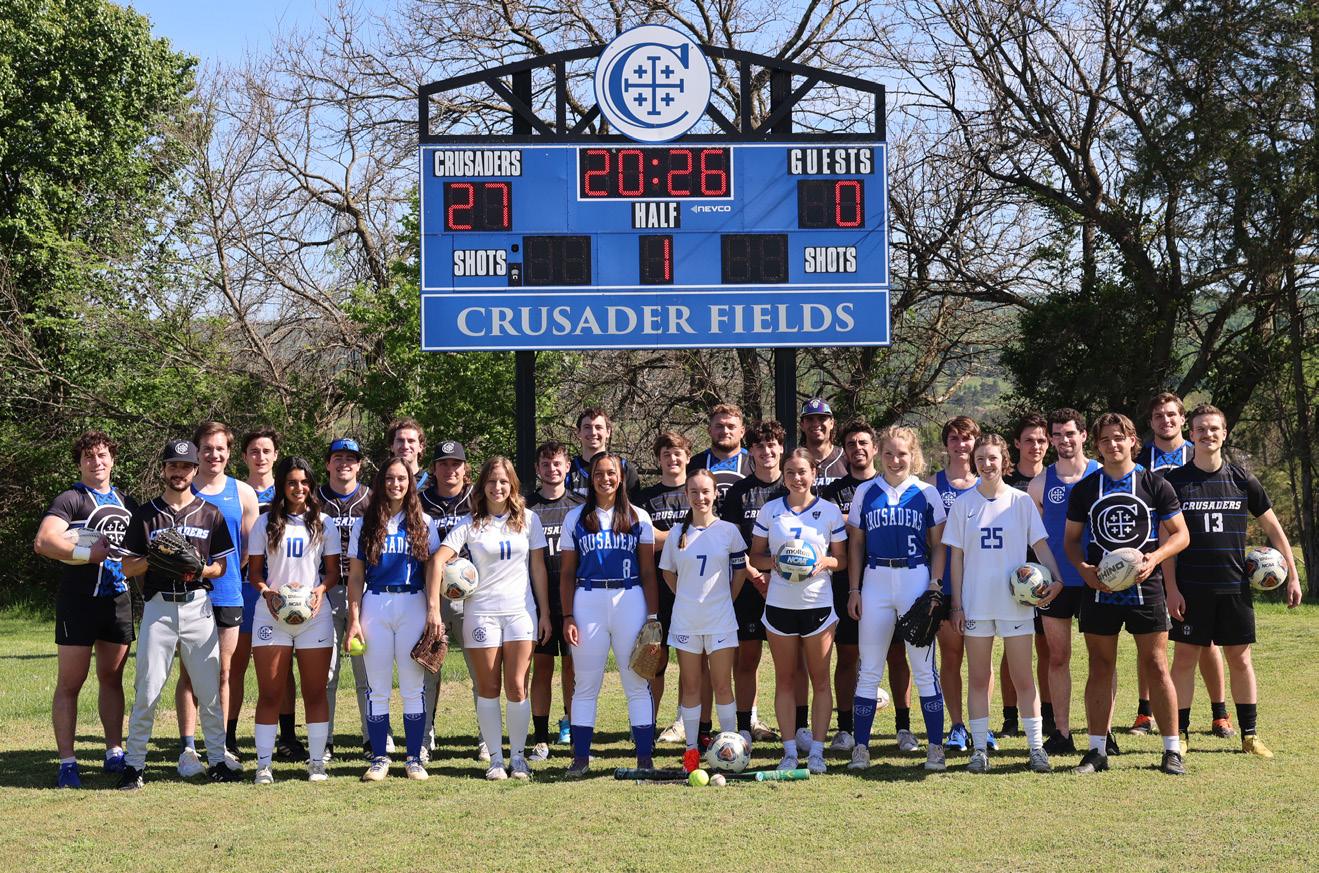
7. The men's baseball team had a very busy season, drawing crowds with each home game.
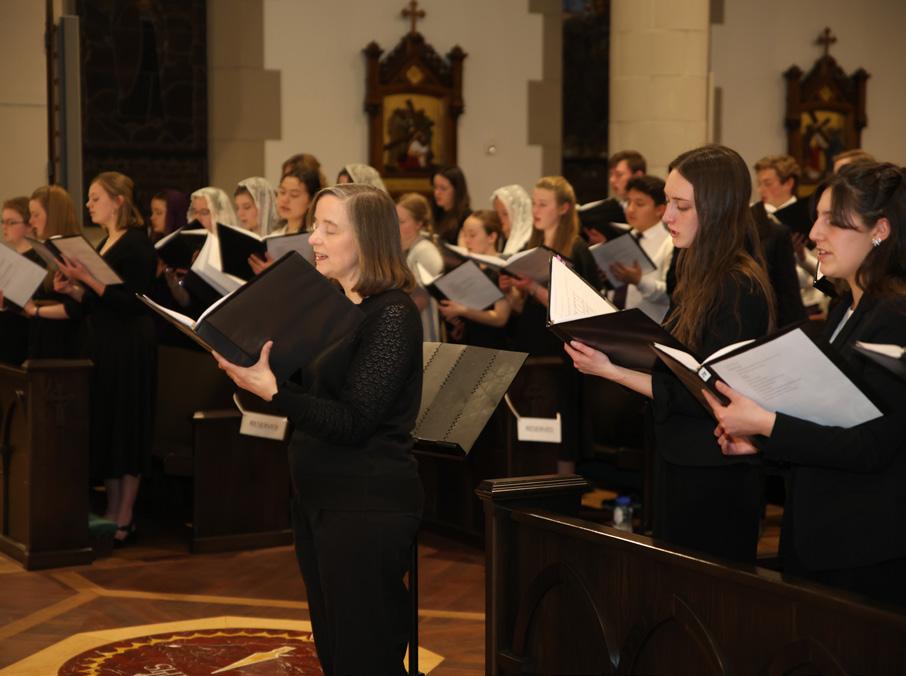
8. Debbie Harne, wife of President Harne, and students performed a Choral Evensong event in the chapel during Lent.
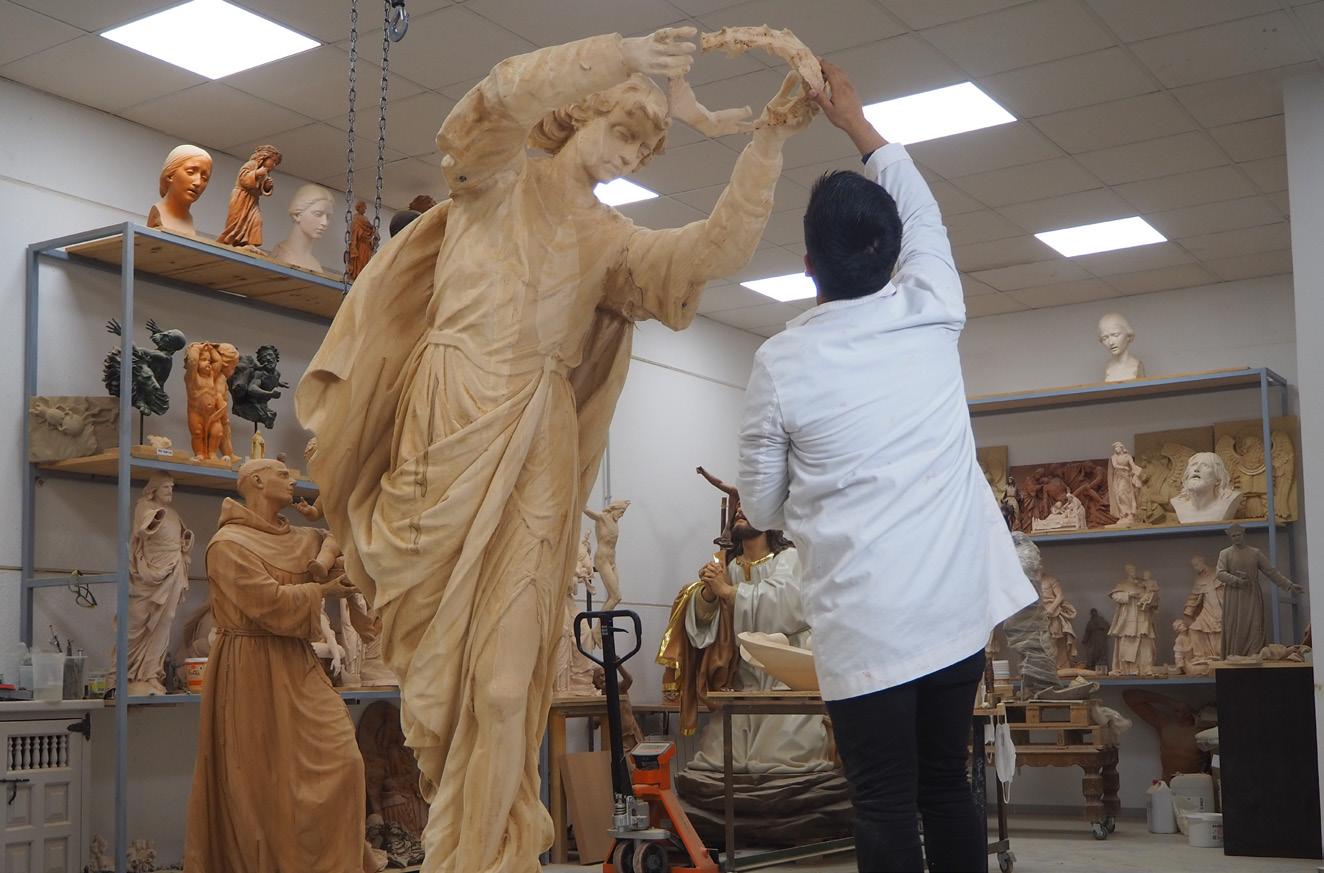
9. Sculptor Edwin Gonzalez is currently hard at work on the angel statues that will surround the chapel piazza.
10. Christendom bids a fond farewell to the senior student athletes.
11. Director of Career & Professional Development Kristin Stephens hosted many career professionals to speak to students.
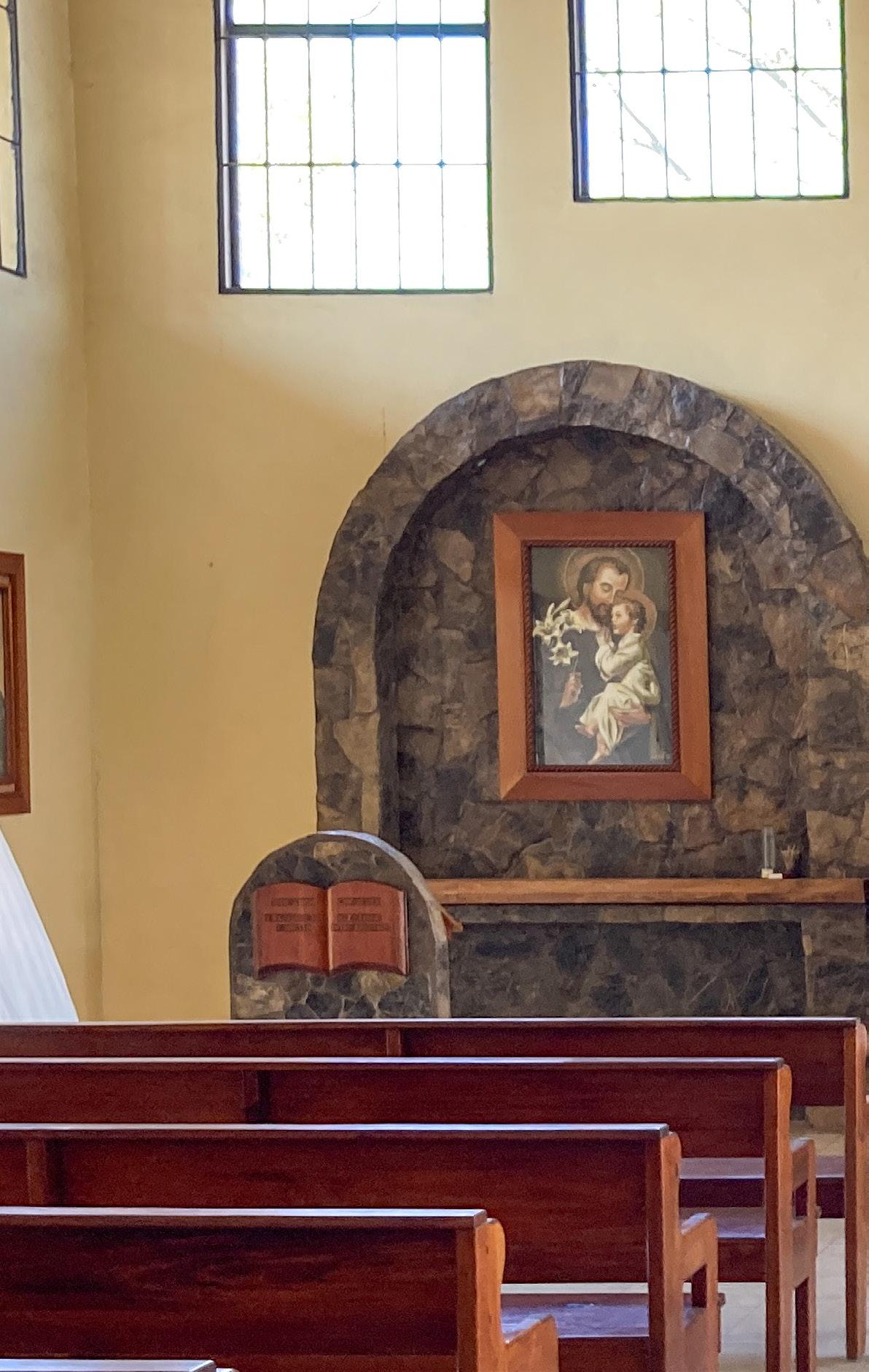
12. The college celebrated the Feast of St. Joseph in March with solemn vespers, a procession, and an Italian feast.
13. Christendom hosted an Education Career Fair in February, welcoming Catholic schools to campus to meet with interested students and provide guidance for future careers.
14. Students participate in the annual St. Patrick's Day festivities.
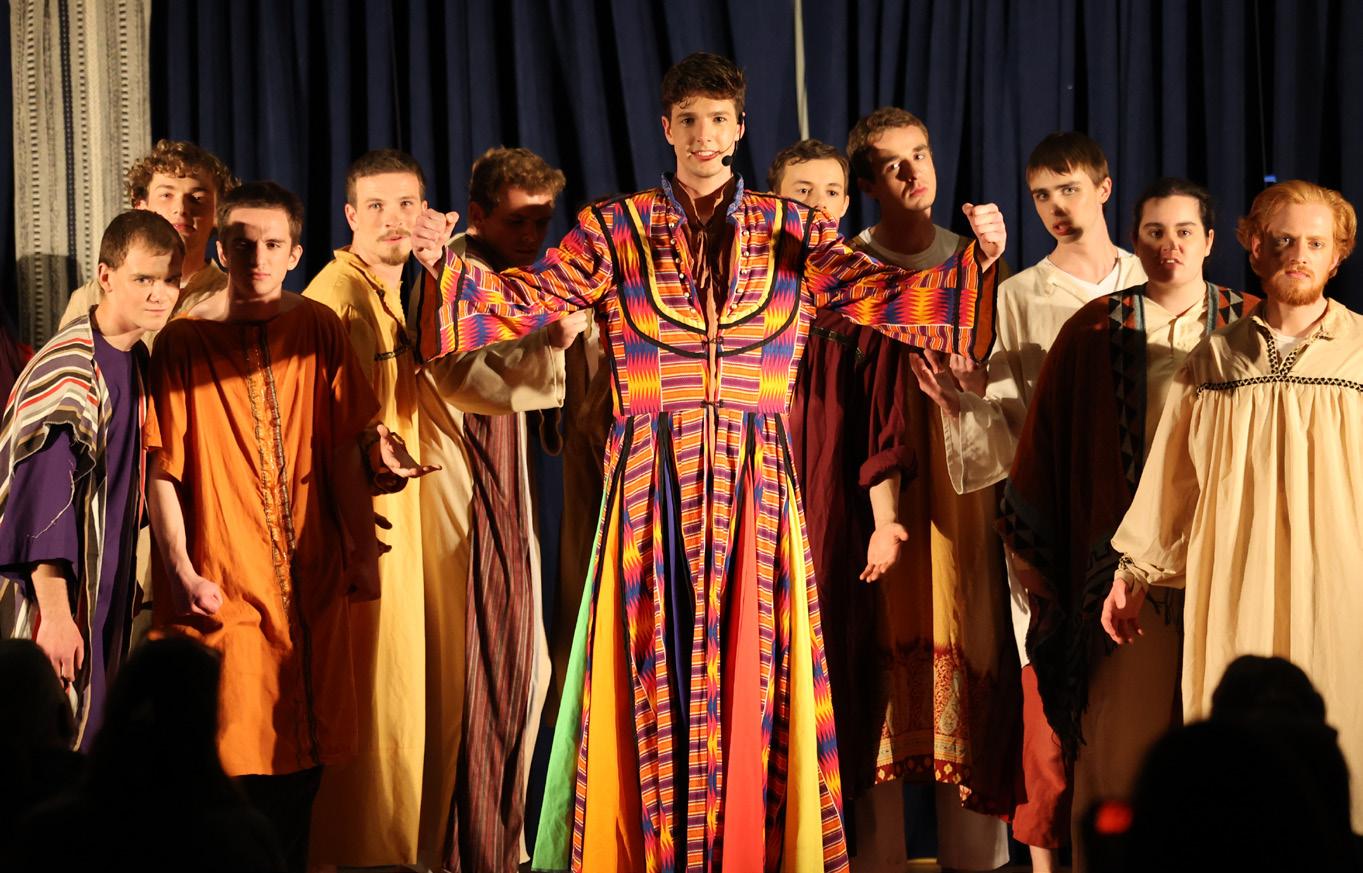
15. The Christendom Players performed "Joseph and the Amazing Technicolor Dream Coat" in April, wowing the audience with their excellent choreography and talent. The show was directed by Liz Foeckler '12.

“
BY LIANNA YOUNGMAN
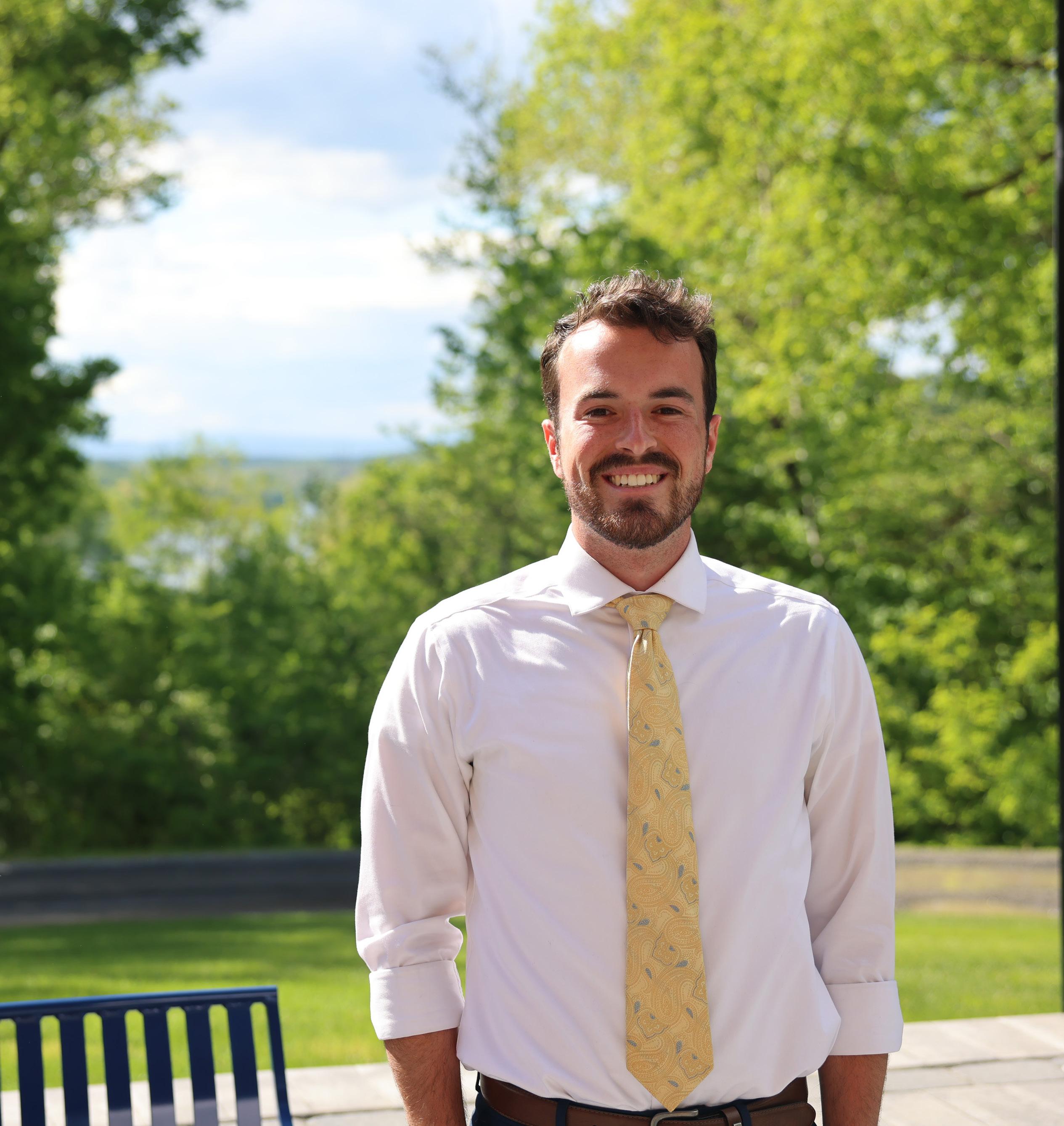
Joseph Anderson is always up to something.
On any given day, he might be leading the Student Activities Council, serving as a resident assistant, organizing a new student initiative, or stopping in the middle of campus for a long conversation with a friend. But amid his many projects and interests, Anderson found time to launch something with an impact far beyond Christendom’s campus. Driven by a desire to serve those in need, he founded Omnia, a student-led works of mercy project dedicated to helping the Front Royal community.
Anderson is the fourth of his family to attend Christendom, having observed the effect the college had on his older siblings, starting with his oldest brother.
“I started to see a change in [my brother] every time he would come home for break—just him becoming more and more the man he is today.” Anderson recalls. “We started having these conversations that I didn’t have the vocabulary for at the time.”
Nonetheless, these conversations about life, morality, and faith planted a seed in Anderson that made him start asking questions.
His brother responded with an (at the time) maddening answer: “That’s a good question. You should ask that.” This sentiment would stick with Anderson as he followed his older siblings to Christendom, asking questions and looking for ways to find answers about faith and philosophy.
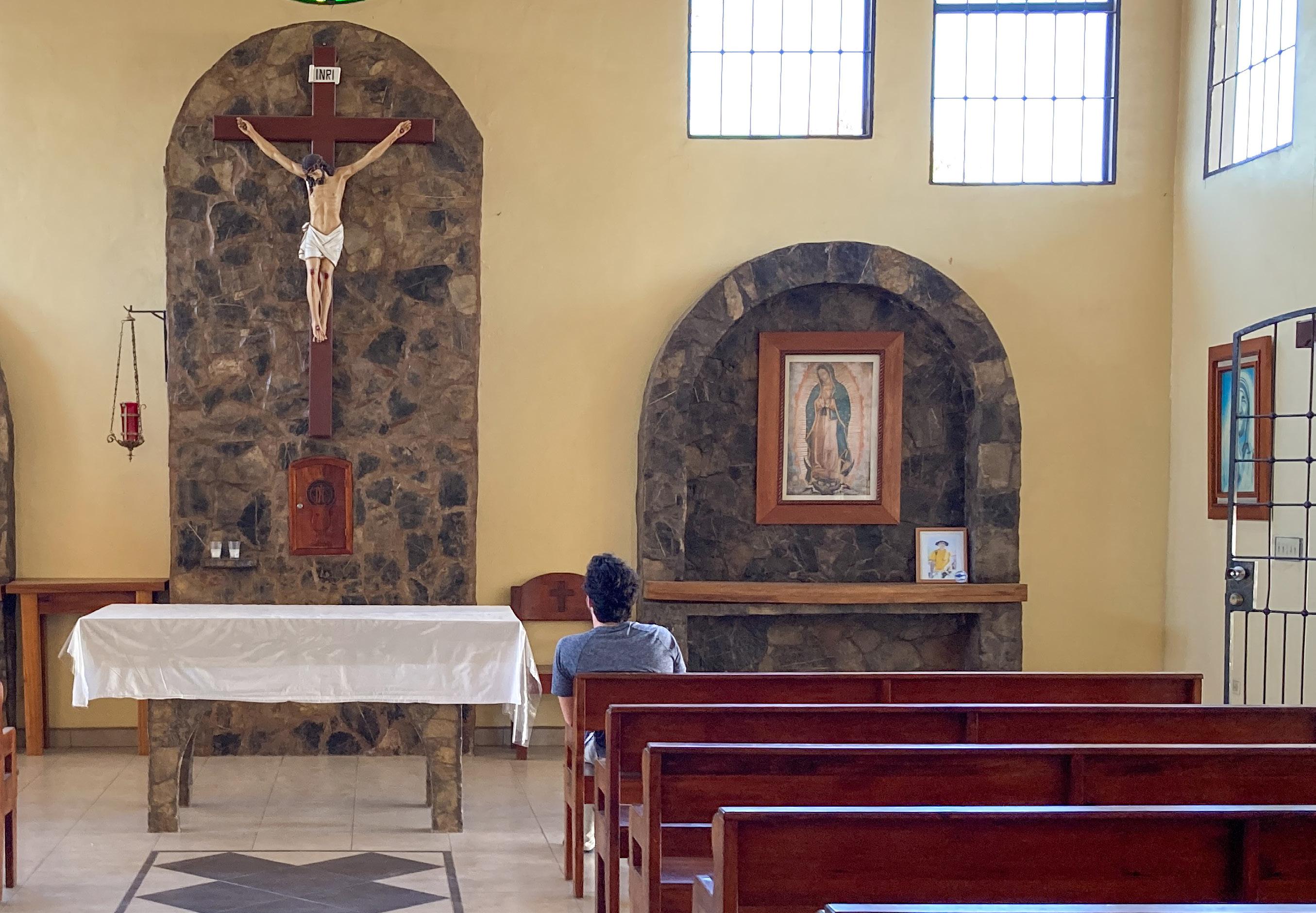
Anderson was met at Christendom with a plethora of formative experiences, including ministry to the homeless and mission trips to Mexico and Honduras. Though all were profoundly impactful to his spiritual growth, he describes Honduras as especially eye-opening:
“It was intense. It was an incredible calling to bring you out of yourself. It doesn’t matter if you’re comfortable, or whether you are commensurate to the problem you’re facing, because you are not.”
In his week serving in a hospital in Comayagua, Honduras, Anderson witnessed poverty, disease, and suffering. He also saw a profound love of God even in the people’s lack of access to the sacraments. He found their joy in Christ to be inspiring, despite their impoverished circumstances.
“It was hugely formative. It sticks with me to this day.”
Though he felt he had little to give, he tried to be as present as possible, and to let God take care of the rest.
After leaving Honduras, Anderson had trouble settling back into his regular school routine, as he kept thinking about the poverty, hardship, and profound love for Christ that he had witnessed. He found himself thinking about Mother Teresa’s call to those who are considering mission life— “If you want to change the world, go home and love your family.”
Anderson reasoned that if he looked for need in his own community, he would find it.
While all these things were brewing in the back of his mind, Anderson received the offer of Student Body President during his semester studying abroad in Rome. Immediately heading to St. Peter’s Basilica, he prayed it over and accepted.
With all the new responsibilities, discussions, and ideas that came with being Student Body President, Anderson kept thinking about mission and service. As had become a habit since that conversation with his brother long ago, he kept asking good questions and looking for answers. He was also encouraged by the example from his father to always leave something better than how he had found it, with a cheerful disposition and strong work ethic.
“My dad taught me the importance of doing something just because it is good to do, and that sticks with me,” he shares.
Ultimately, Anderson concluded that what he wanted to
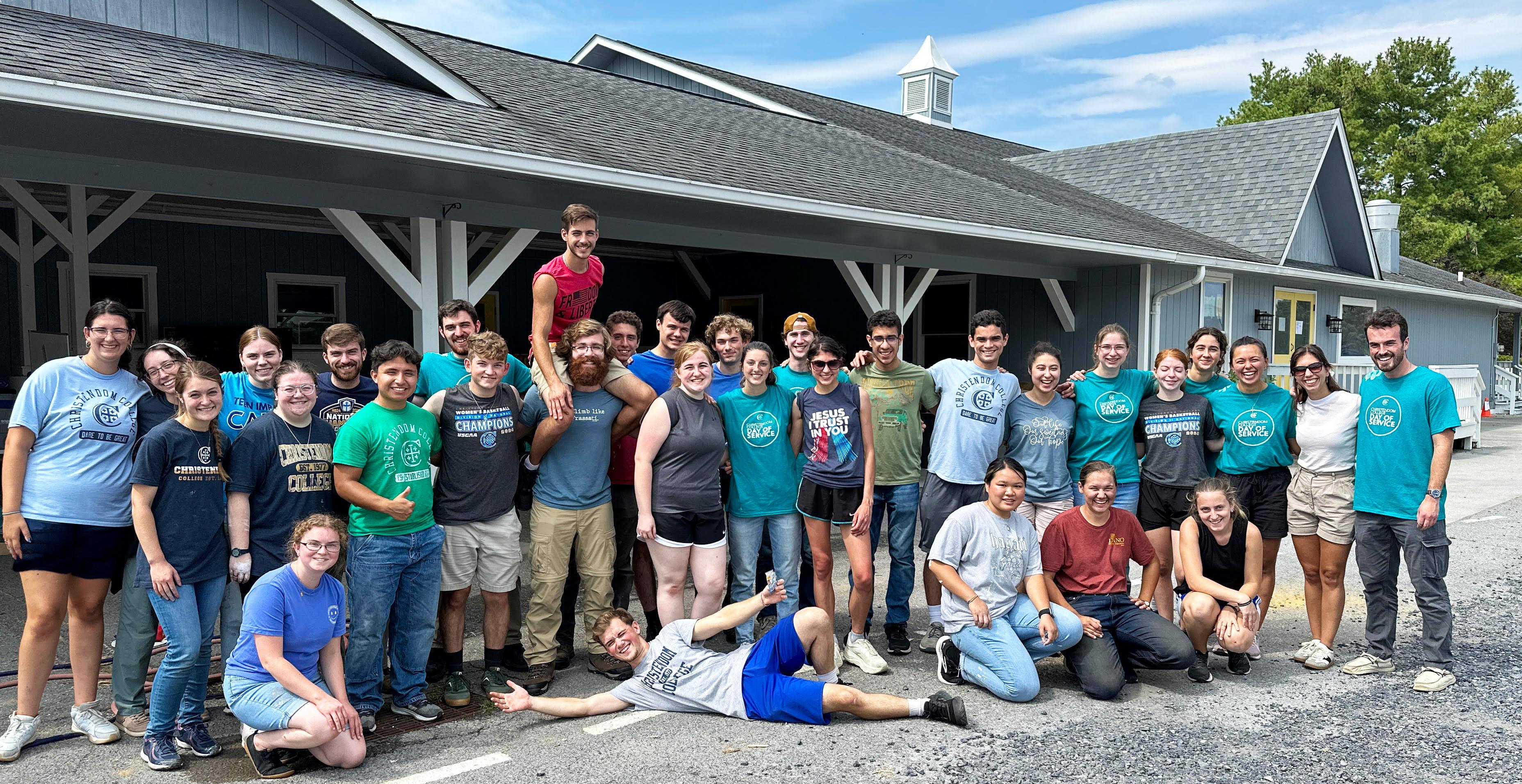
do went beyond the Student Activities Council and would be something new and separate. After countless discussions with Student Life staff, the idea of a service-based student initiative was born. Echoing the sentiment of the college’s motto, Instaurare Omnia in Christo—“Restoring all things in Christ”—they settled on the name Omnia—“All Things”. Anderson recalls speaking about the project with Student Life, as well as College President Dr. Harne, and was met with support and encouragement.
“Suddenly,” Anderson recalls, “doors just kept opening.”
The Christendom website describes Omnia as “a Student Initiative run by a group of students that focuses on creating works of mercy, primarily on the surrounding community as a whole, but also will have a few campus-specific events.” Omnia focuses on serving the community, responding to the needs, no matter how big or small, that come their way. Omnia works to find opportunities, opening them up to the student body, asking any Christendom student to help if they can. And they do,
offering their time and energy to help the larger community. Anderson says, “I did not realize how big this was actually going to be.”
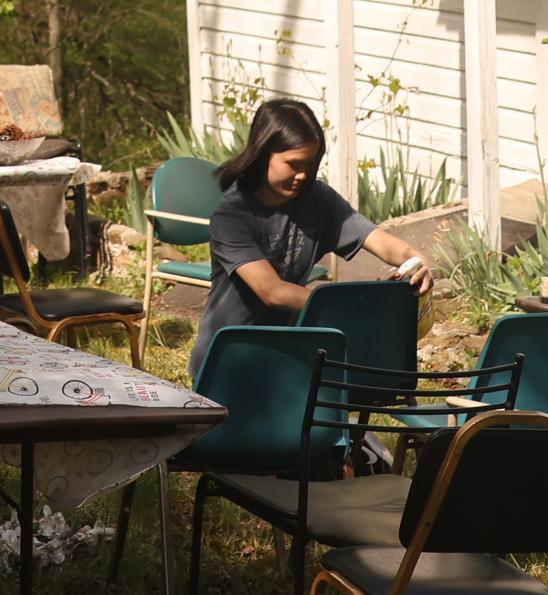
After lots of prayer, planning, and determination, Omnia completed its first service project: painting, cleaning, gardening, and organizing at a local school—finishing in hours what would have taken an already busy staff months.
Once the first service project was underway, momentum quickly built. Anderson describes the process of setting up an email and beginning the process of looking to help: “It started with one email. And suddenly, they started flying in … and we’ve been able to help so many of them.”
He continues, “There have been students who approached me after an event and say, ‘We need to do more of this. This is exactly what I want to do.’”
Seeing the effect of the services has been profound, both for the Omnia members themselves as well as the people they assist.
“There’s not just poverty in Honduras, in Mexico—there is
"The truth is, receiving requests for help, and being let into people's homes to encounter their humanity, and in our own humanity, be able to offer ourselves and our humble help to them, has been an astounding experience, and I am not sure who is receiving more."
need everywhere. That was pretty affirming that other people were seeing the same things we were and saying we need to help.”
Throughout the process, Anderson brought in several fellow seniors who believed in the mission he was forming. In particular, Anderson credits two fellow seniors who would be crucial to getting Omnia off the ground: Anna Hsu and Regina Cousino.
“Omnia is indebted in a very special way to Anna and Regina, who both put serious effort into helping me do this.”
Hsu was instrumental in getting the project going from beginning to end, and Cousino developed a weekly system for visiting local families to help them with whatever they needed. Despite the busy nature of senior year, both Hsu and Cousino saw the value of the project and gave their time, effort, and talent unreservedly.
“The campus community needed a way to reach out to others, and I have been privileged to help provide a way for students to engage in these works of charity,” Hsu says. “The mission of Omnia is to bring Christ to the broader Front Royal community through our actions. This type of silent evangelization will encourage people to learn about Christendom College and wonder why the students are so joyful.”
Cousino agrees, saying:
“The truth is, receiving requests for help, and being let into people's homes to encounter their humanity, and in our own

humanity, be able to offer ourselves and our humble help to them, has been an astounding thing to experience, and I am not sure who is receiving more.”
Looking back on her time at Christendom, Hsu is grateful for the fulfillment she has experienced with Omnia.
“I have met so many people and seen the joy that we can bring them,” Hsu says. “Through these Omnia projects, I have experienced a deeper sense of joy than during my other years at Christendom. As I graduate, I want to apply what I have learned through my experiences on Omnia to form the type of person I will be in the world, and I am excited to see how Omnia grows in the future,”
Since its conception, Omnia has completed dozens of service projects, both large and small scale, involving large numbers of the student body with each project.
“The idea that to whom much has been given, much is asked is something that really sticks with me,” says Anderson. “And the idea of caring is something I always return to.”
Ultimately, for Anderson, Omnia is about caring.
“To truly love and truly give of yourself means you have to put your heart into it, despite however imperfect that heart is,” he says. In addition, Anderson remains inspired by Matthew 25:23:
“Well done, good and faithful servant. You have been faithful in small matters, I will set you over much. Come, share your master's joy.”
Anderson gave his all to Omnia, as well as to serving as student body president. He graduated in May, majoring in philosophy and plans to pursue medicine as a physician’s assistant, determined to do whatever he can to serve, whether in body or in soul. Omnia is only one of the legacies he leaves at Christendom, as he goes on to continue to see to the needs of those around him and to not count the cost.


STUDENTS ASSIST IN EXAMINING PREVIOUSLY UNKNOWN TEXT
BY DR. CHRISTOPHER LANE
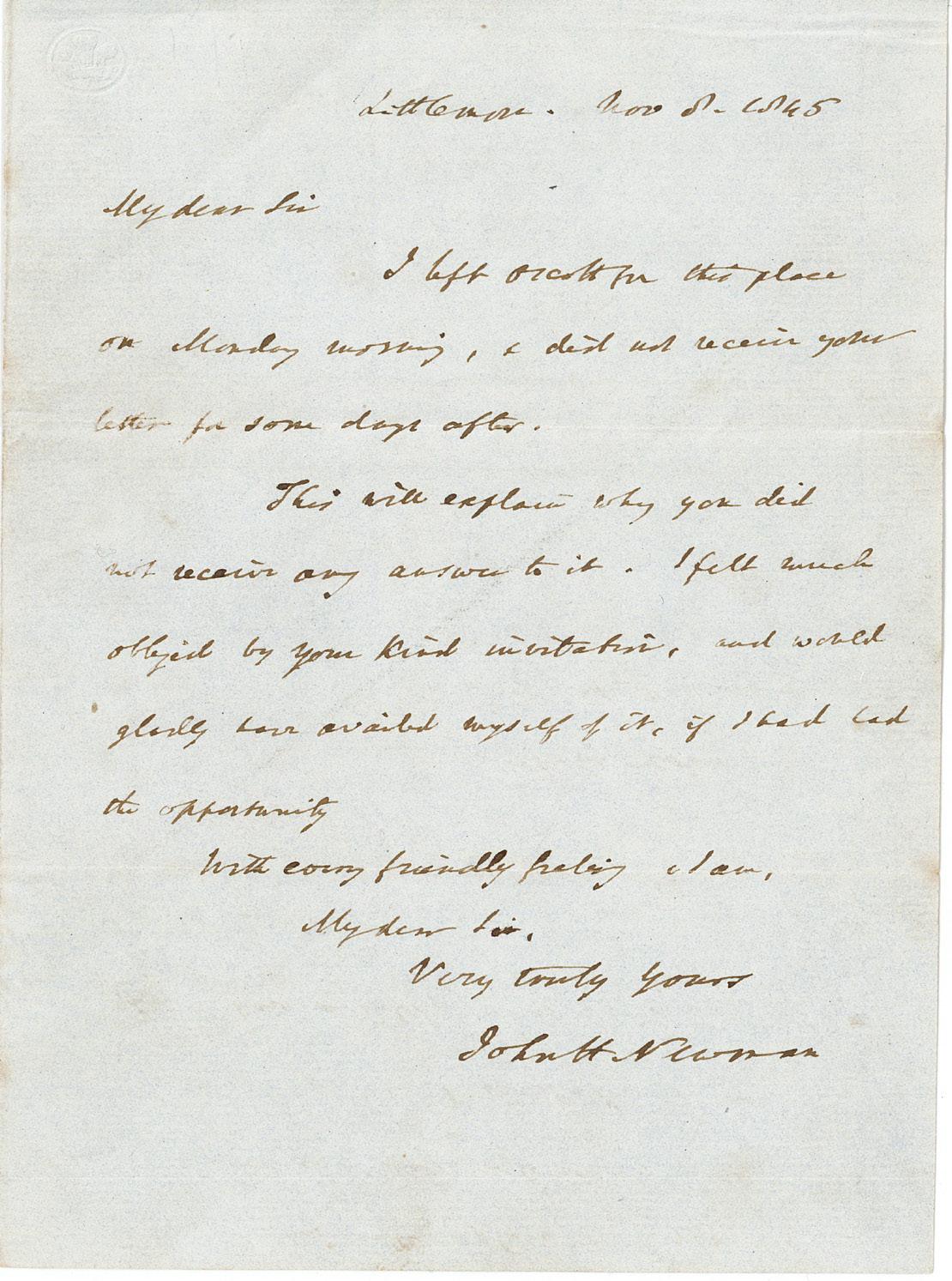
Teaching Newman to undergraduates has yielded unexpected research rewards. Thanks in part to students in my St. John Henry Newman Seminar, the NINS Digital Collections has recently added a previously unknown letter, written November 8, 1845, from Newman to Rev. Joseph Oldknow, Perpetual Curate of Holy Trinity, Bordesley, Birmingham. My students and I may have been the first to examine the letter since its donation several years ago to the St. John the Evangelist Library of Christendom College by William H. Marshner, Professor Emeritus of Theology. When Director of the Library Andrew V. Armstrong learned of the course, he let me know about the manuscript and suggested that I examine it.

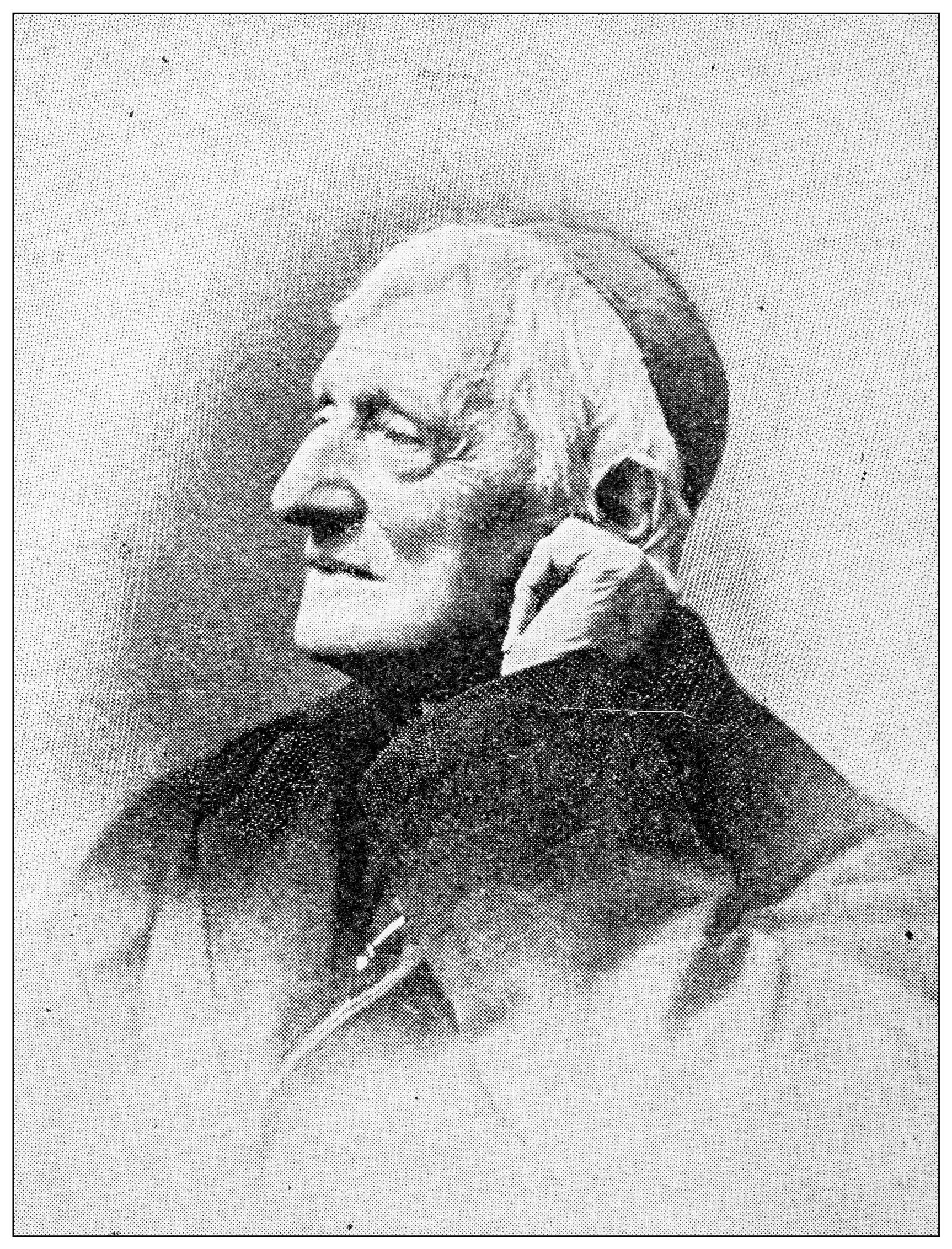
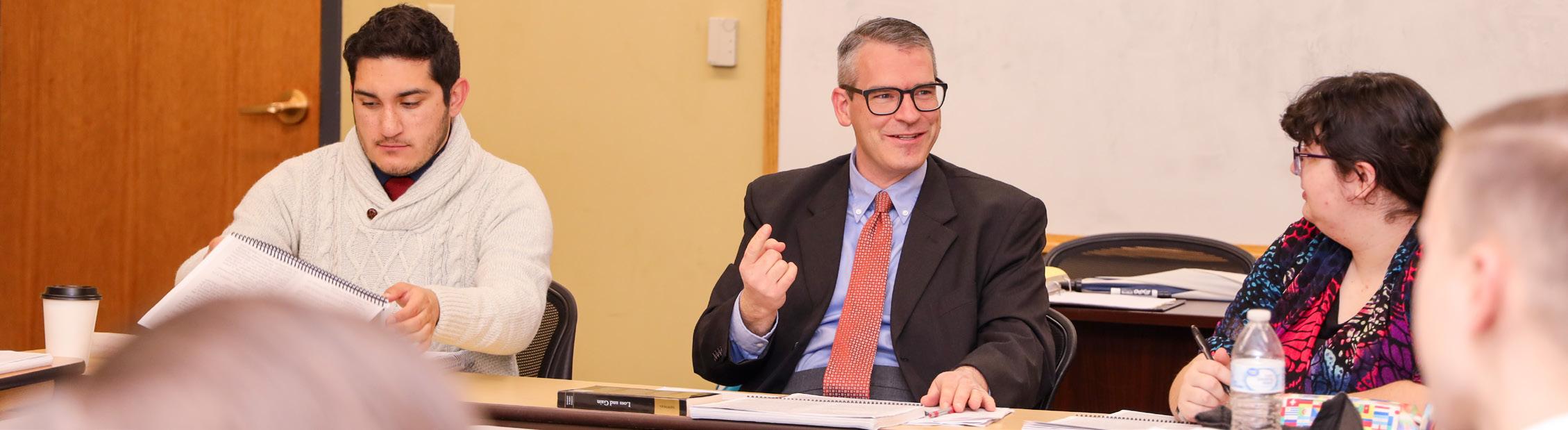
One morning, therefore, we set aside our normal class agenda and asked to see the letter. Noting its date, we realized the potential significance of any letter Newman penned in the weeks after his entry into Roman communion on October 9, 1845. Because we had read much of Msgr. Roderick Strange’s collection John Henry Newman: A Portrait in Letters, the students were already familiar with Newman’s epistolary style.1 Some of them had also recently practiced paleography in a course taught by my colleague Michael B. Kelly, and student Anne Cummings, if I recall, quickly deciphered for us a final pesky word.
The full text of the letter reads as follows:
Littlemore, Nov 8, 1845
My dear Sir
I left Oscott for this place on Monday morning,& did not receive your letter for some days after.
This will explain why you did not receive any answer to it.
I felt much obliged by your kind invitation, and would gladly have availed myself of it, if I had had the opportunity
With every friendly feeling I am,
My dear Sir,
Very truly yours
John H Newman
We know little of the manuscript’s provenance. Dr. Marshner reported having bought it from Mr. Bruce Hacker of Front Royal, Virginia, who formerly owned an antiquities business. Mr. Hacker reported having originally purchased the letter in St. Louis from a rare books dealer who had himself come from England. He did not have the seller’s name or any further record of the manuscript’s history.
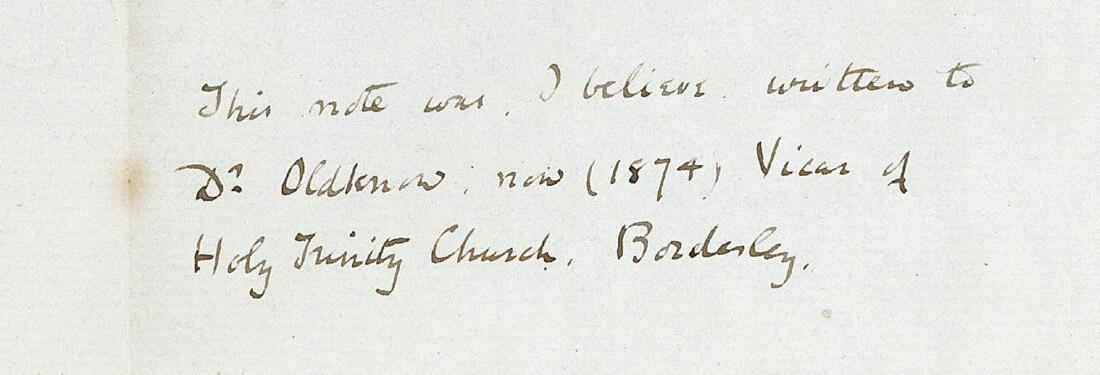
The note that Oldknow was the recipient appears highly reliable. Newman’s manuscript diary for the surrounding days confirms a letter received from Oldknow on Thursday 6 November and a reply to Oldknow on Sunday 9 November. (A one-day
discrepancy is inconsequential, as exampled by a letter to Samuel Wilks similarly dated 8 November and noted under 9 November in the diary.2)
The letter adds insight into Newman’s flurry of activity in the weeks after entering Roman communion. As Lawrence Gregory noted to me, “every letter is a piece of the jigsaw, which we are assembling, particularly something like this dating from one of the most significant weeks in Newman’s religious history.”3 Newman’s visit to Oscott, the Roman Catholic seminary in Birmingham, from 31 October through Monday, 3 November, had been the occasion of his confirmation, as well as further consultation with Nicholas Wiseman (future Cardinal-Archbishop of Westminster and then president of the seminary and Vicar Apostolic of the Midland District) regarding the clerical future of Newman and his newly Catholic companions. Wiseman took him to see the seminary’s old building (Old Oscott), which would become the group’s first home (Maryvale) after they left Littlemore.4 He also then told Newman to publish An Essay on the Development of Christian Doctrine without review by himself or other Catholic authorities.5
Dr. Oldknow, who remained vicar at Holy Trinity in Bordesley, Birmingham, until his death in 1874, had previously met and corresponded with Newman, and his conscience held him fast as an Anglo-Catholic within the Church of England. His original invitation to Newman, clearly to meet while the latter was in the area, is likely lost. Newman’s friendly reply, in any event, is consistent with other correspondence in which he was willing to explain himself to Anglicans saddened by his choice to leave the established church.
The mutual respect and friendliness between Newman and Oldknow are evident from an exchange of letters a few months earlier. Oldknow related the defection to Rome of one of his flock and apologetically asked the truth of a worrying claim. In
a letter dated 23 May 1845, Oldknow wrote that clergy of St. Chad’s Roman Catholic Cathedral in Birmingham, the unnamed man had said, had asserted that Newman had positively expressed his intention to join the Church of Rome. Newman, vexed by a falsehood stated so confidently by men who could not possibly know his mind, was nevertheless willing to be “candid” with Oldknow, telling him “in confidence” of his present doubts: “There seems far more reason to say that the Church of England is in schism than that the peculiar doctrines of the Church of Rome are not developments.” Newman, hating rumor and desiring privacy to work through his struggles, still obliged Oldknow and trusted in the latter’s discretion.
Shortly after the men missed one another in Birmingham, Oldknow expressed his own anxieties and convictions in a sermon delivered on Sunday 9 November, soon published in pamphlet form as Grounds for abiding in the Church of England. He sought not to deny the “imperfection” of the Church of England but “to show that she has with her the Presence of Christ, that she has in her the means of salvation; and if only this can be shown, then must it be the duty of all her members to remain faithful to her, thankful for the blessings which they have received through her, and obedient to the spiritual rulers whom God has set over them within her.”6
It has been exciting to bring this unknown letter to light, with the help of my students, of Dr. Marshner and Mr. Hacker, of the staff of the St. John the Evangelist Library (especially Andrew Armstrong, Roberta Peer, and Stephen Pilon), and of Lawrence Gregory and Elizabeth Huddleston at NINS. The manuscript has prompted me to pursue further research into Oldknow and Newman’s interactions, both before and after 9 October 1845. Oldknow was a pioneer in ritualism and in ecumenism, and this line of inquiry will enhance our local Birmingham perspective on Newman’s relationship with ritualists and other Anglo-Catholics. Newman repeatedly wrote about neighborly charity. It will be illuminating to see how this played out in the relation to a charitable gentleman who was building an Anglo-Catholic enclave in the city wherein Newman was helping build the infrastructure of English Roman Catholicism.
1. John Henry Newman, John Henry Newman : A Portrait in Letters, ed. Roderick Strange (Oxford University Press, 2015).
2. LD, 11:27–28.
3. Private email.
Dr. Christopher Lane is an Associate Professor in the Department of History. Visit christopherjohnlane.com to learn more about his research and writing.
4. LD, 11:24.
5. LD, 11:23.
6. Joseph Oldknow, Grounds for Abiding in the Church of England (Francis and John Rivington, 1845), 4–5.
HIGHLIGHTING A COURSE FROM OUR RICH CURRICULUM
IN THE CLASSROOM: LIT 499: TOLKIEN
BY DR. MICHAEL STRICKLAND
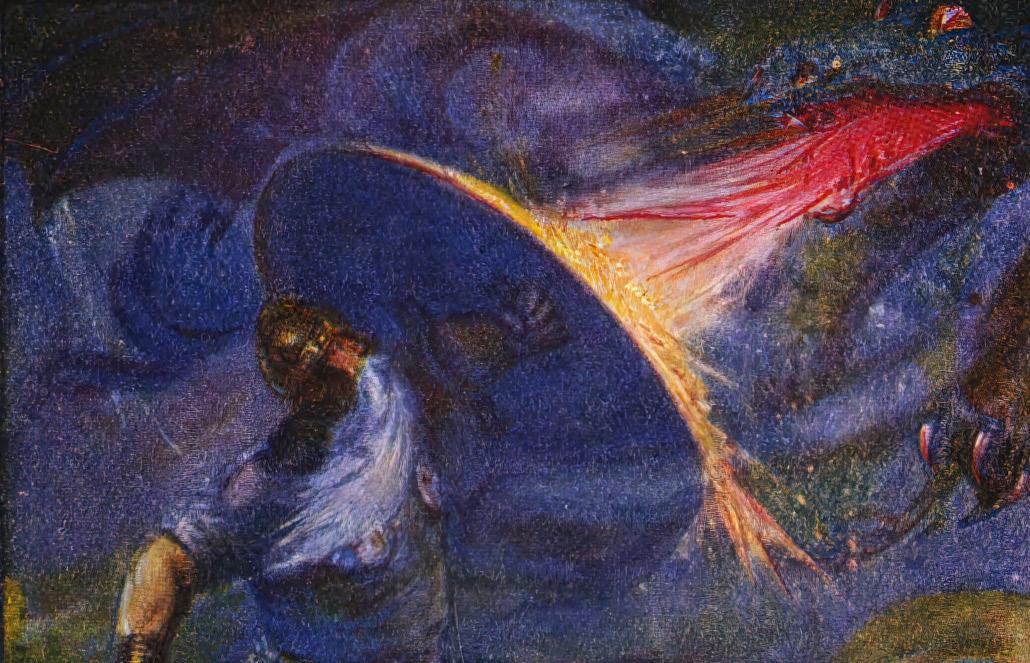
Although J. R. R. Tolkien is best known for The Hobbit and The Lord of the Rings , he devoted most of his life to philology and medieval studies. Many readers who enjoy his fantasies never go on to read the works that inspired them. One goal of this course is to introduce students to both the range of Tolkien’s writing and the traditions that shaped it.
Tolkien’s two most famous essays, “On Fairy Stories” and “Beowulf: The Monsters and the Critics,” provide a framework to understand and evaluate both Tolkien’s own stories as well as his precursors. These essays are also models of scholarship: Tolkien argues cogently for his positions, anticipates and refutes opponents, and writes consistently with clarity and force.
With this foundation, students are better prepared to appreciate Tolkien’s works beyond his own Legendarium, especially those rooted in medieval sources. Some of these
sources are British and therefore more familiar: Tolkien’s “Sellic Spell” retells Beowulf as a fairy tale; his drama “The Homecoming of Beorhtnoth” is a sequel to the Old English “Battle of Maldon”; and his Fall of Arthur adapts the Middle English Alliterative Morte Arthure . Tolkien’s interests extended beyond Britain, however. The Lay of Aotrou and Itroun draws on Breton lais about corrigans—evil fae folk; The Legend of Sigurd and Gudrun is based on the Norse Eddas and the Volsunga Saga; “The Death of St. Brendan” condenses the Navigatio Sancti Brendani Abbatis ; and The Story of Kullervo both reworks portions of the Finnish epic Kalevala and also helped shape the story of Túrin in The Silmarillion .
The course therefore aims not only to deepen students’ appreciation of Tolkien, but also to lead them, through him, to love the literature of medieval Christendom as he did.
2000 s
Ted Eidem ’00 retired from the Louisville Metro Police Dept in 2025 after 24 years of service in law enforcement.
Chris ’12 and Liz (née Sartor) Foeckler ’12 welcomed Athanasius John Thomas Joseph on July 10, 2025. 1
Elise (née Litterio) ’16 and Patrick Freeman ’13 welcomed their fifth child, Francesco Pasquale, to the family on April 11, 2026. 2
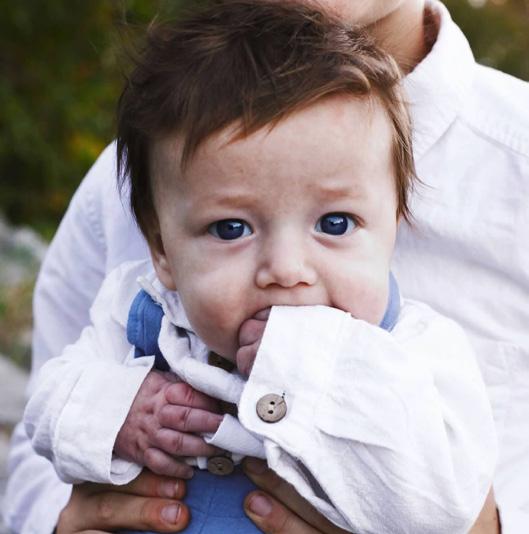
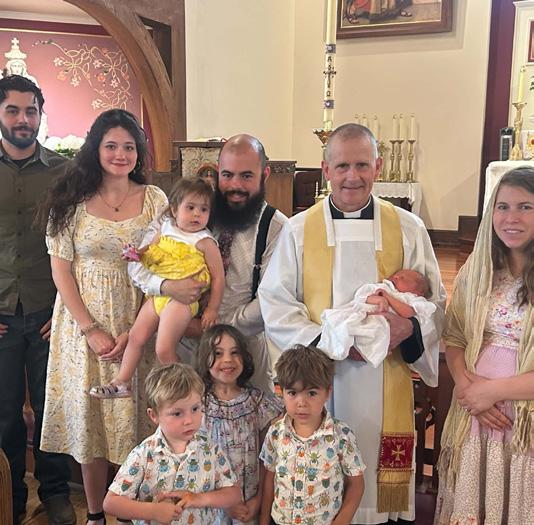
Jen (née Nussio) ’14 and Jared Petersen ’14 welcomed their fifth child, Kilian Leo Petersen, at their home on March 21, 2026. The Army family of seven is relocating to Fort Benning, Georgia, this summer.
Julie Wells ’15 and Joey Funkhouser were married on May 23, 2026, at Christ the King Chapel, Christendom College. 3
Mary (née Schneider) ’18 and Nicholas Dudley welcomed their second child, Lily Josephine "Lily Jo," on June 1, 2025. 4
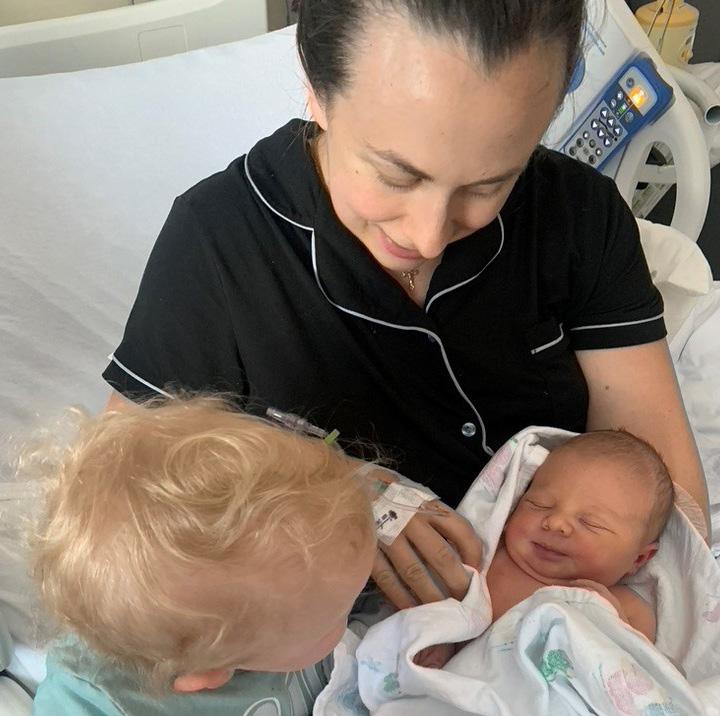
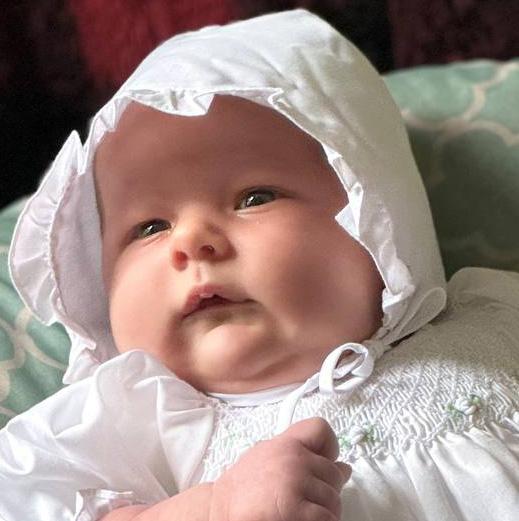
Chloe (née Herrmann) ’18 and Garrett Quigley ’18 welcomed Ciara Anne on April 14, 2026. She was baptized at Holy Family Parish in Little Falls, New York. 5
Sebastian O’Donnell ’19 and Rachel Juve were married on October 25, 2025, at St. Stanislaus Catholic Church in Warsaw, North Dakota.
John Paul ’19 and Emily (née Farabaugh) Janaro ’19 welcomed Catherine “Catie” Elise on September 27, 2025. Big sisters Maria and Anna are so excited! 6
Gemma (née Youngman) ’19 and Ian Sheedy ’20 welcomed their fourth child, Levi James, on March 12, 2026. Levi joins three proud older brothers. 7

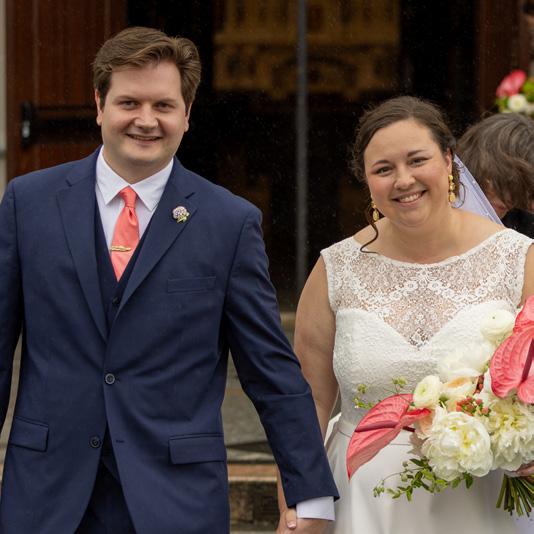
Henry Love ’19 and Molly Fitzgerald were married on May 23, 2026, at St. Elizabeth Ann Seton Parish in Whiting, New Jersey. 8
Mary Grace (née Bright) ’21 and Ambrose Rucker ’21 welcomed their second child, Philomena Rose, on March 9, 2026. 9
Justin Corman ’22 graduated from Ave Maria School of Law and Ave Maria University in May 2025 with a J.D. and an M.A. in Theology. He started working for the Diocese of Springfield in Illinois

after taking the Florida Bar Exam and is now Associate General Counsel for the Diocese.
Matthew and Regina (née Ellis) Erikson ’22 welcomed Fátima Rose on October 23, 2025. 10
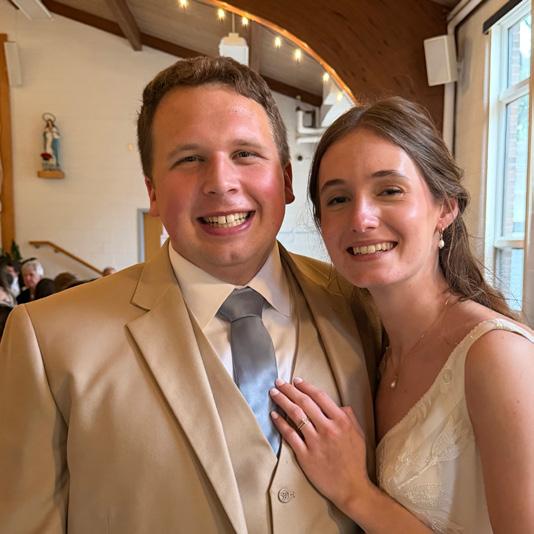
Caleb Crandall ’22 and Alice Seeley ’23 were married on August 30, 2026, at St. Rita Catholic Church in Alexandria, Virginia. 11
Michelle ’23 and Joseph Kelly ’23 were married on October 19, 2025, at Christ the King Chapel, Christendom College. 12
Jonathan and Abigail (née Butek) Lynch ’23 were married July 1, 2023, and their son Michael Wilhelm was born June 8, 2024. They are expecting their second child around Easter 2026. 13


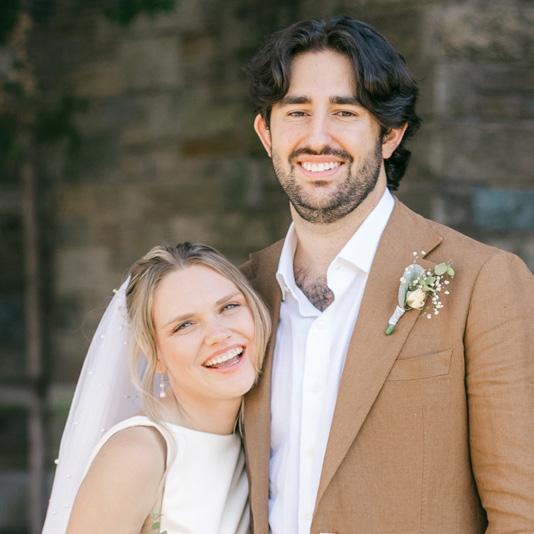
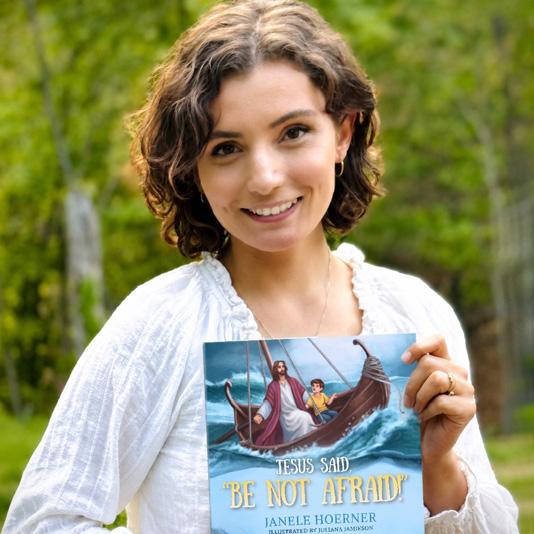
Mrs. Juliana S. (née Heroux) Jamieson ’23 illustrated a book which is coming out called, Jesus Said, ‘Be Not Afraid! ’ This book is available on Amazon for purchase. 14
Mr. Thomas James ’23 is currently teaching at St. John the Beloved Academy in McLean, Virginia, going on four years.
Thomas Sullivan ’24 and Fiona Briggs ’23 were married on May 24, 2025, at Christ the King Chapel, Christendom College. 15
Patrick Ohotnicky ’25 and Kaylee O'Neill ’25 were married on January 3, 2026, in Rossville, Kansas. They are currently expecting their first baby. 16
Laine (née Clark) ’25 and John Dillon ’25 were married on November 29, 2025, and are expecting their first baby. 17
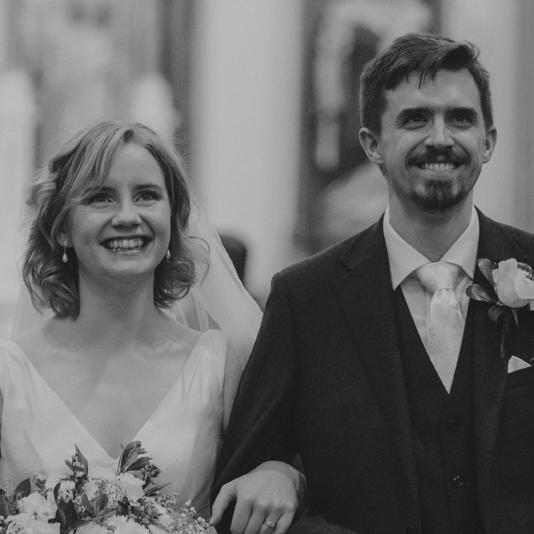
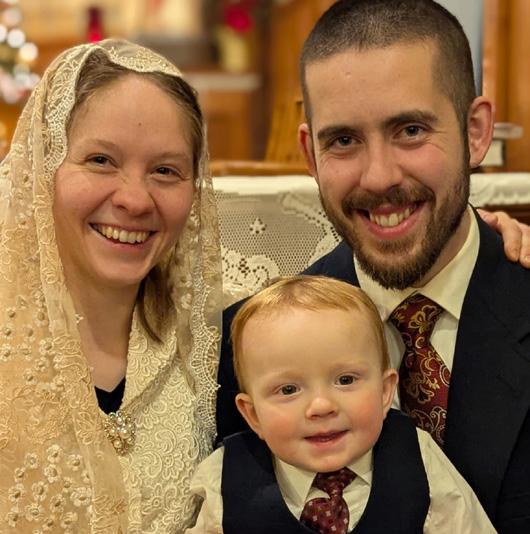
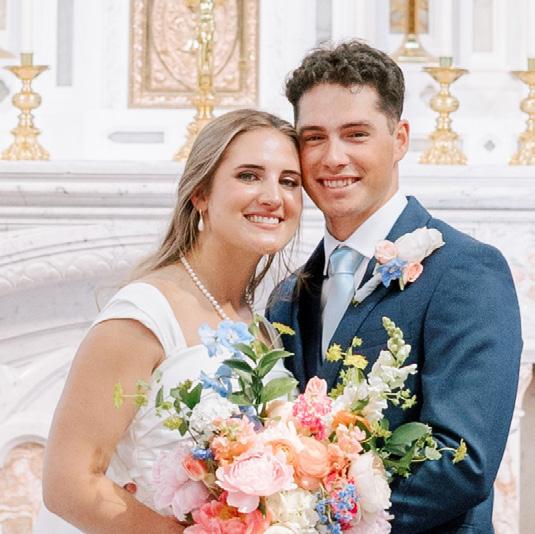
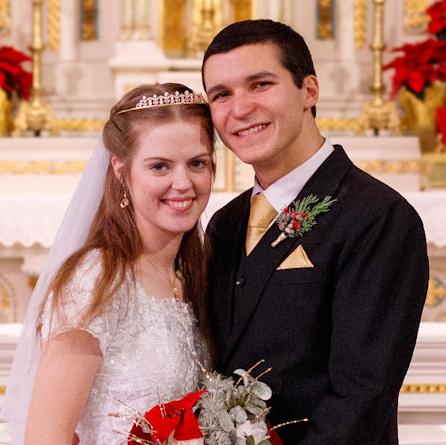
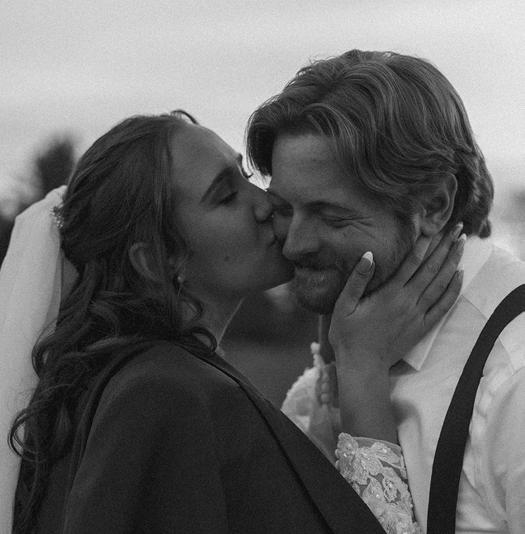
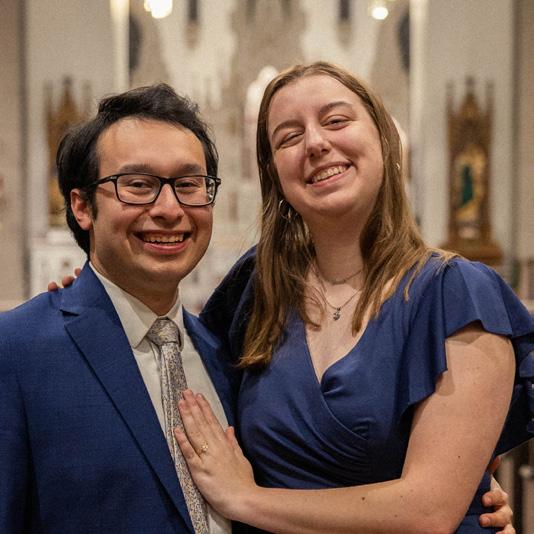
Paul Aguilar ’25 and Hannah Simpson ’25 were engaged on November 23, 2025, and will be married on August 8, 2026. 18
Mr. Blake Pearson ’25 is now studying theology with Sacred Scripture Concentration at Christendom Graduate School of Theology.
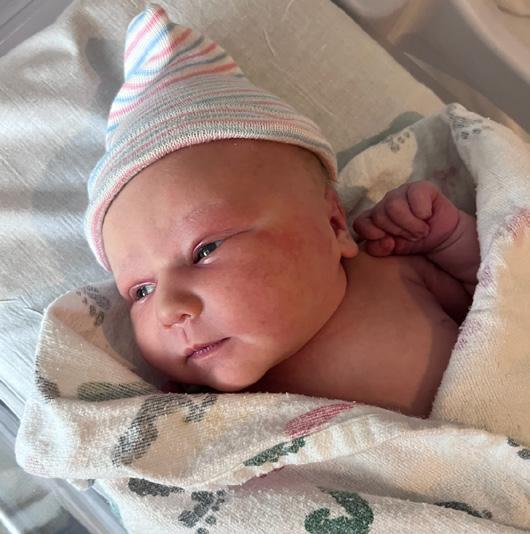
Katelyn (née Stafki) ’26 and Anthony Piazza ’26 welcomed Avery Terese Piazza on October 26, 2025. 19
Felicity Schmidt ’26 and Leo Kouatly ’26 were engaged May 2026.
Compiled by the Alumni Relations Office.
OCTOBER 2–4
Featuring reunions for the Classes of 2025, 2021, 2016, 2006, 1996, and 1986.
NEW THIS YEAR Alumni-hosted class parties Friday night • Alumni Fall Market during Family Fun Day • New 1-year and 5-year reunions
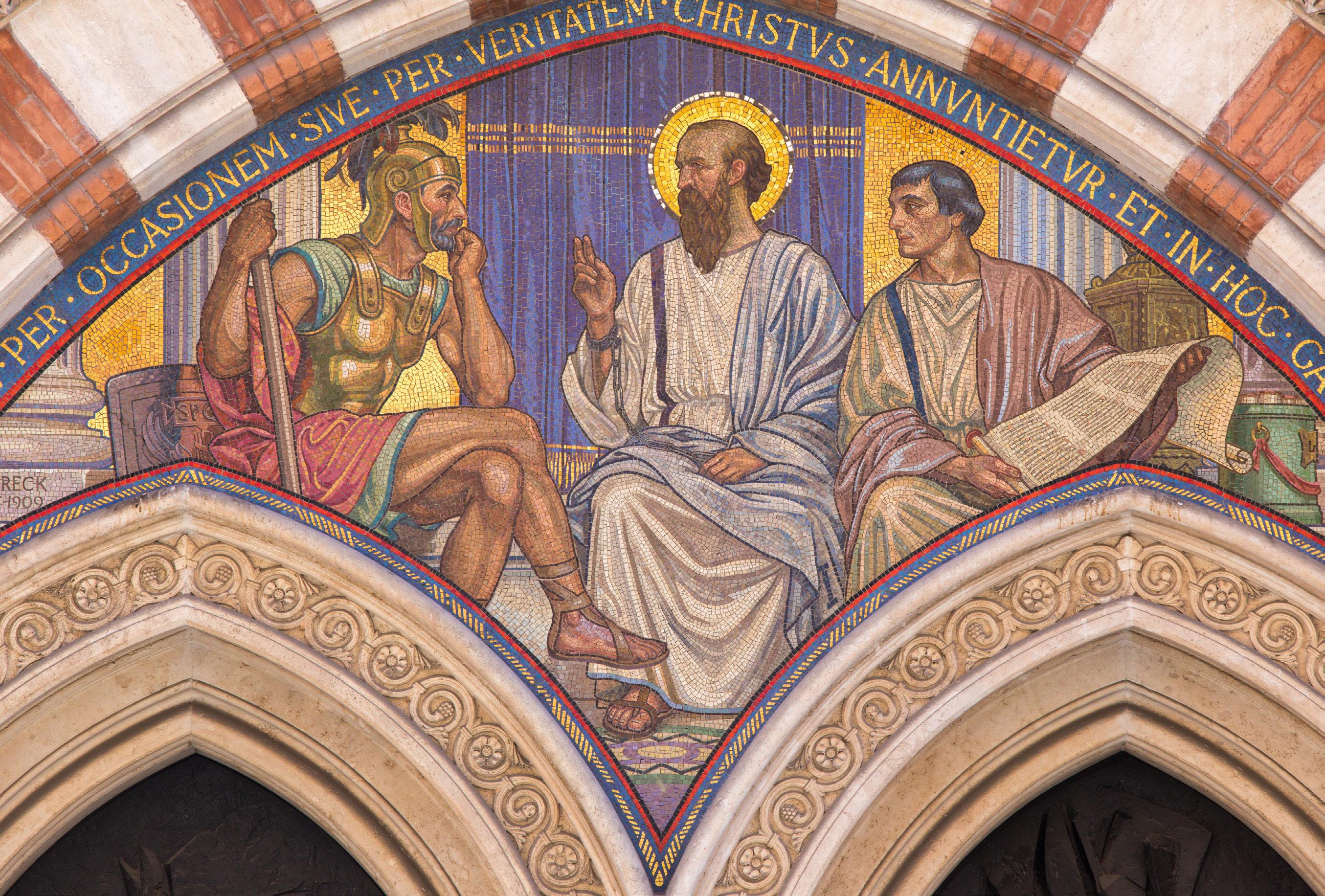
Join over one hundred thousand learners discovering the depth and beauty of the Catholic intellectual tradition—free and at your own pace. Each course combines theological insight, rich culture, and timeless truth, helping you see the world with renewed clarity and hope.
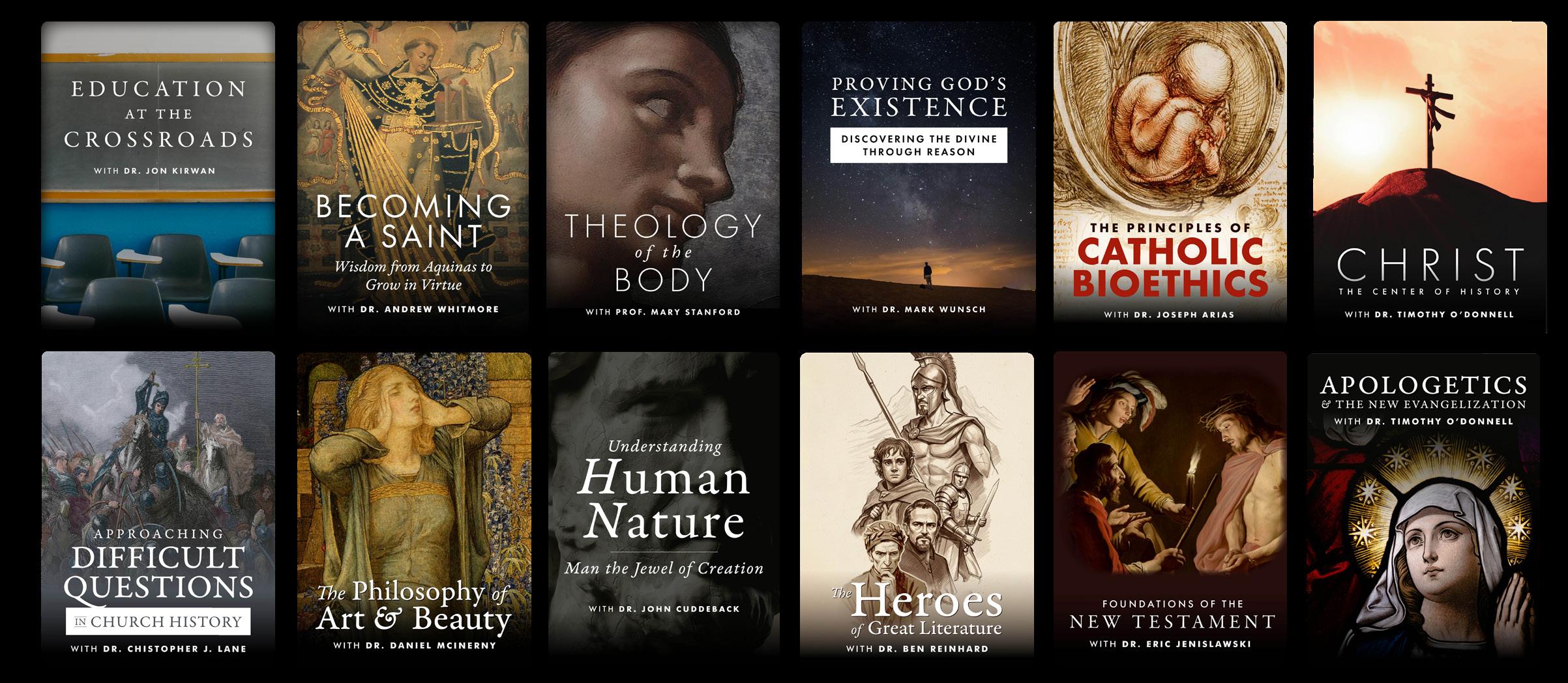
AND MORE...
START YOUR FREE COURSES BY SCANNING THE QR CODE, OR VISITING ONLINE.CHRISTENDOM.EDU .
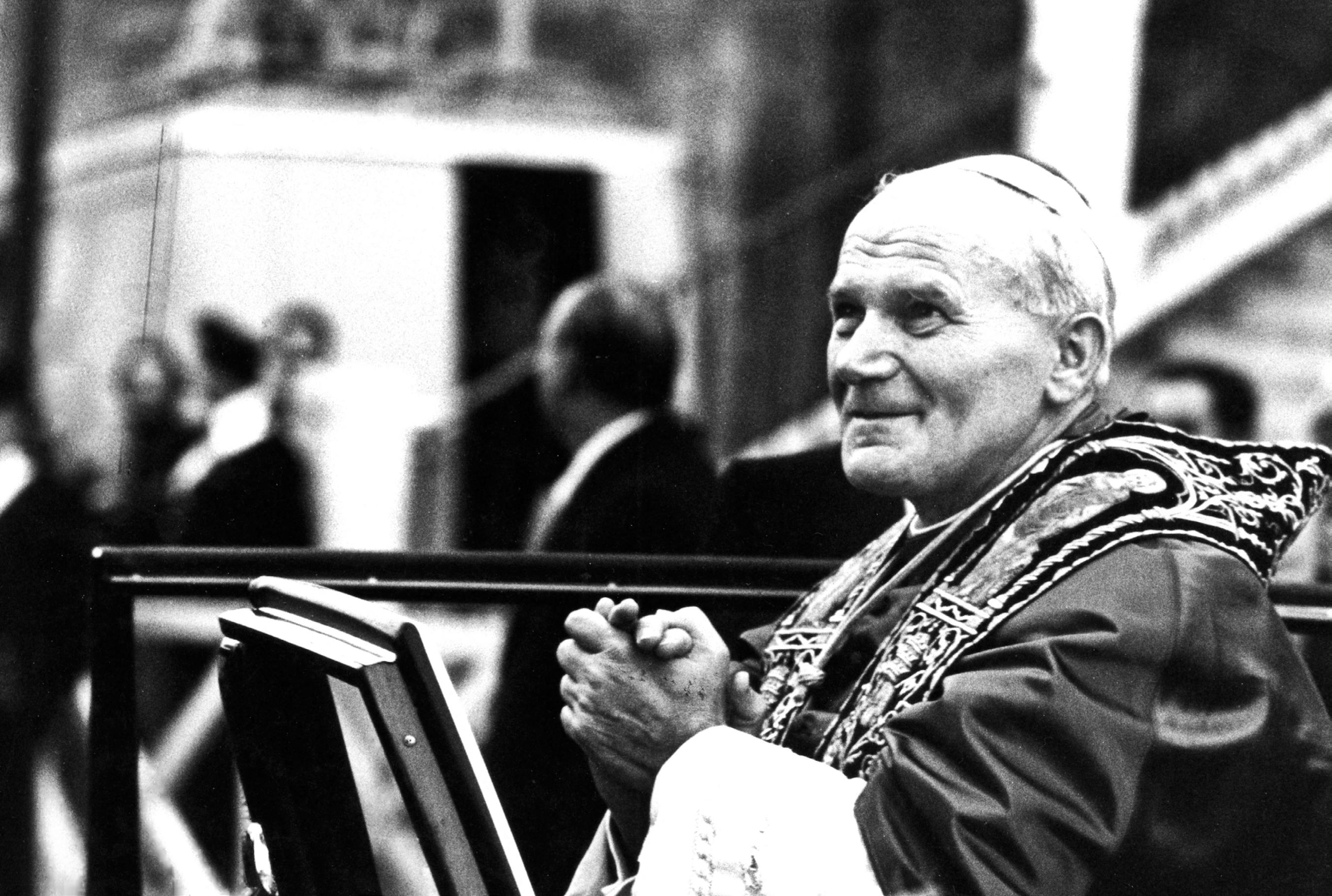
Pope St. John Paul II devoted his pontificate to renewing the Church, placing special emphasis on the vital role of education in forming future generations.
The Pope St. John Paul II Legacy Society honors those who include Christendom College in their estate plans. By following his example, members ensure that faithful Catholic education continues to flourish—forming students who will lead, serve, and strengthen the Church for years to come.