The day-by-day itinerary including details of the performances.
12. DISCOVER THE PLACE
The Rhine Valley: vine-clad hills, castles and beautiful countryside.
14.
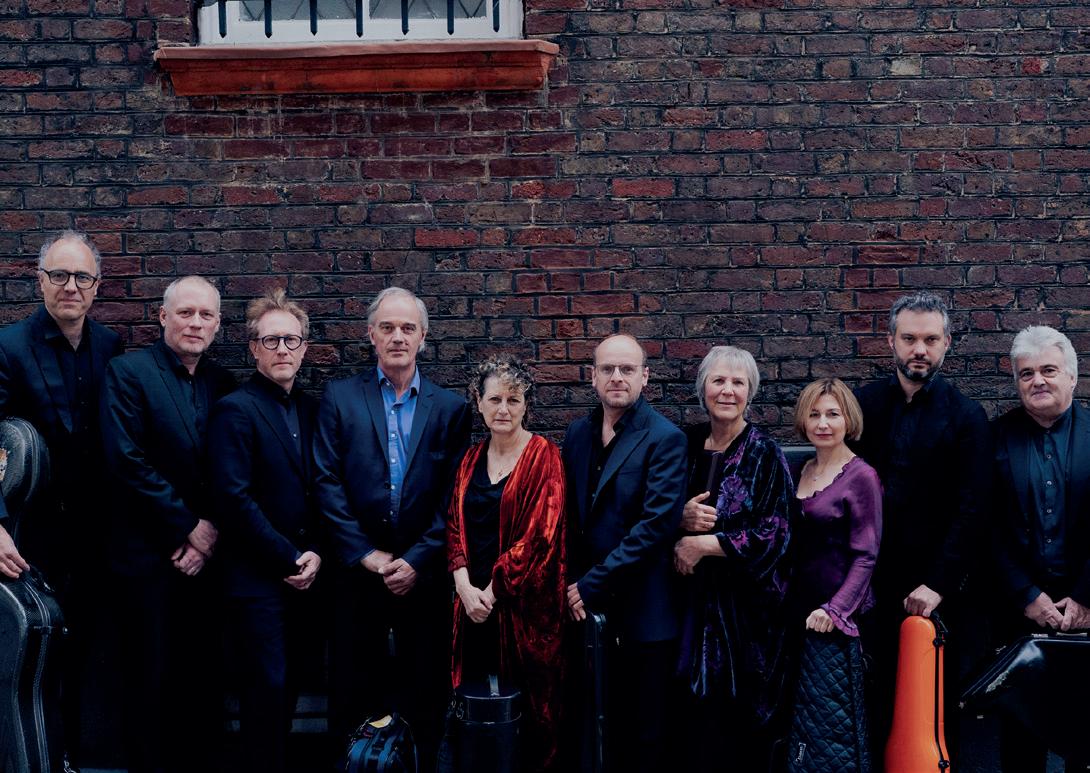
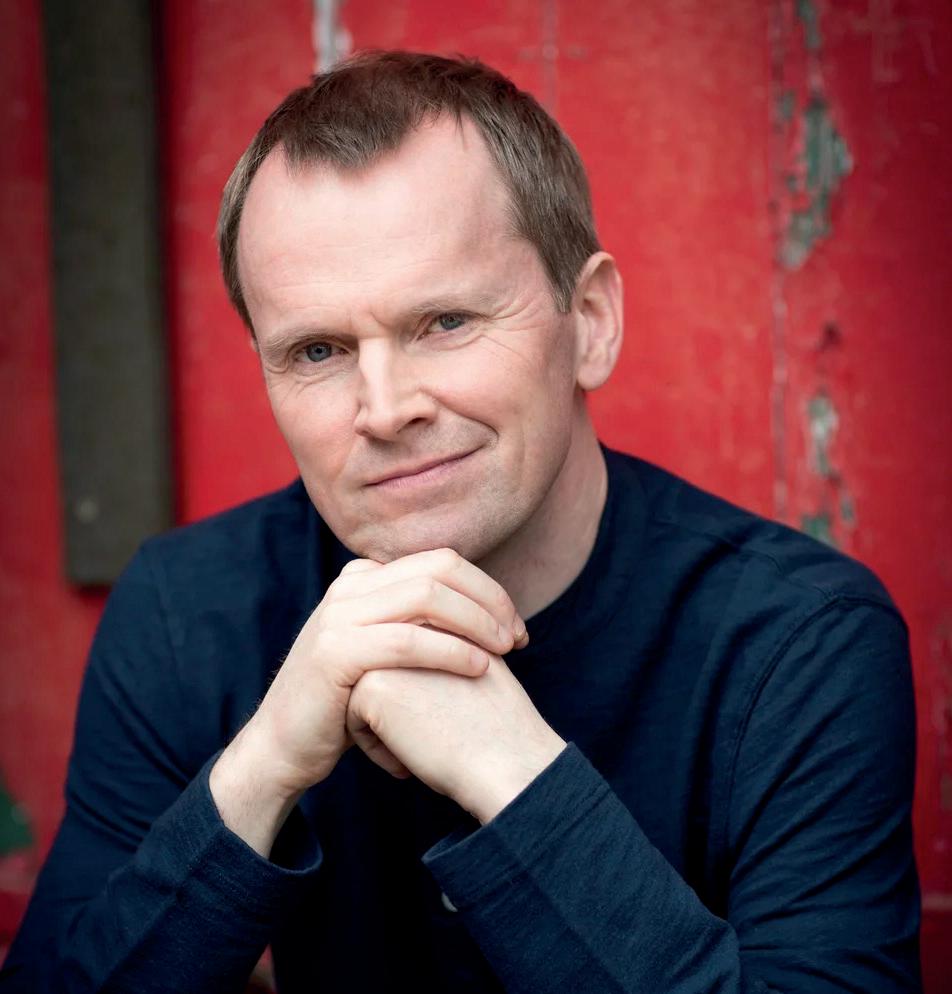
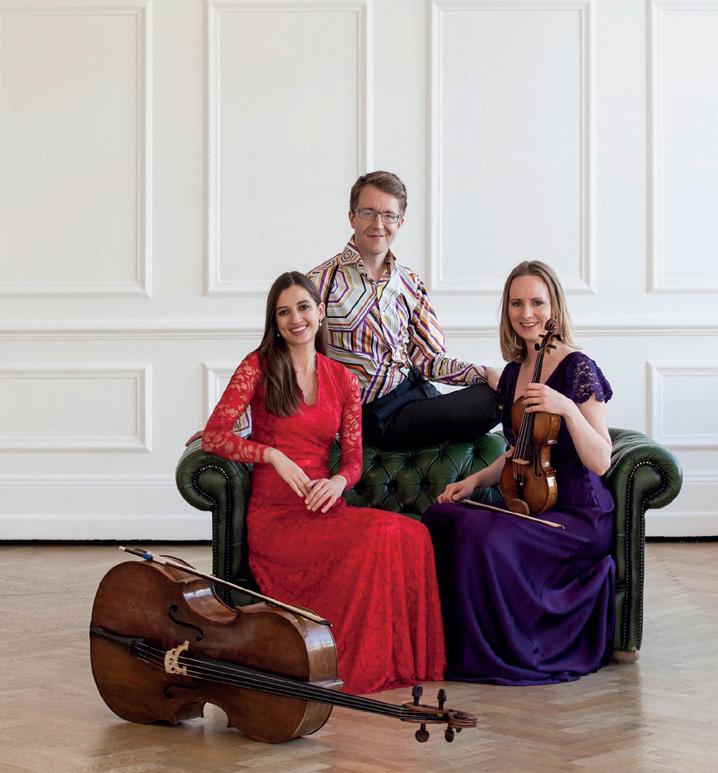
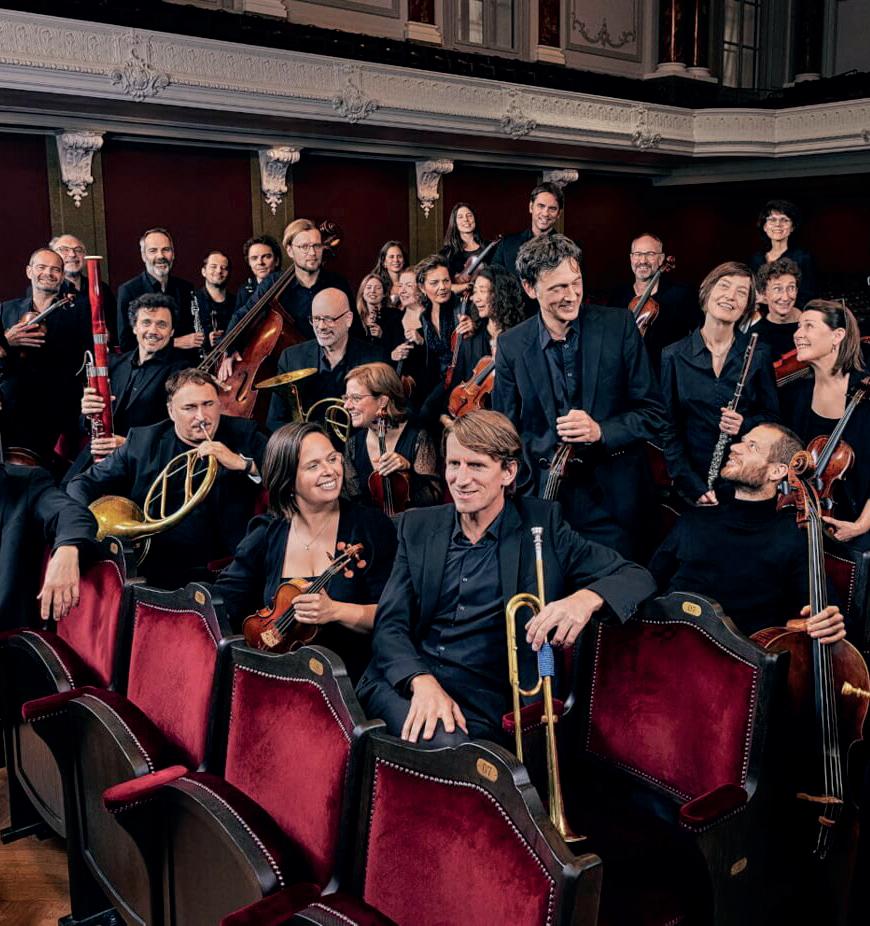
MEET THE MUSICIANS
International musicians of the highest calibre.
18.
ACCOMMODATION
Information about the ship.
20.
TRAVEL OPTIONS
A range of ways to travel to and from the festival.
21.
WALKING THE RHINE
Combine a selection of the festival concerts with attractive walks, travelling parallel to the festival.
22.
PRE- & POSTFESTIVAL TOURS
Extend your stay with a tour that has been designed to link with the festival.
24. MAKING A BOOKING
Details on how to book.
Published: April 2026
BEETHOVEN ALONG THE RHINE: AN INTRODUCTION
‘There are and will be a thousand princes; there is only one Beethoven.’ (Ludwig van Beethoven)
Our 2027 Rhine festival focuses on Beethoven in the 200th anniversary year of his death. An eight-day celebration of the greatest composer of all time, it includes eleven concerts that showcase the full range of his musical genius, from his larger masterpieces to his more intimate chamber works.
At the centre of the festival is a oncein-a-lifetime experience: the chance to hear all of Beethoven’s string quartets over a two-day period, performed in the Beethovenhaus in Bonn, where in 1770 the composer was born. Three of the finest string quartets in the world – the Doric, Modigliani and Leonkoro – interweave in what will be a unique and profound musical event. The combination of world-class artistry, an incomparable connection between music and place, and the sheer majesty of some of the most sublime musical compositions ever written, provides the heart from which this festival takes its life.
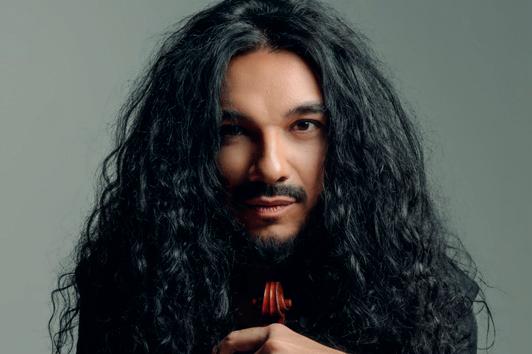
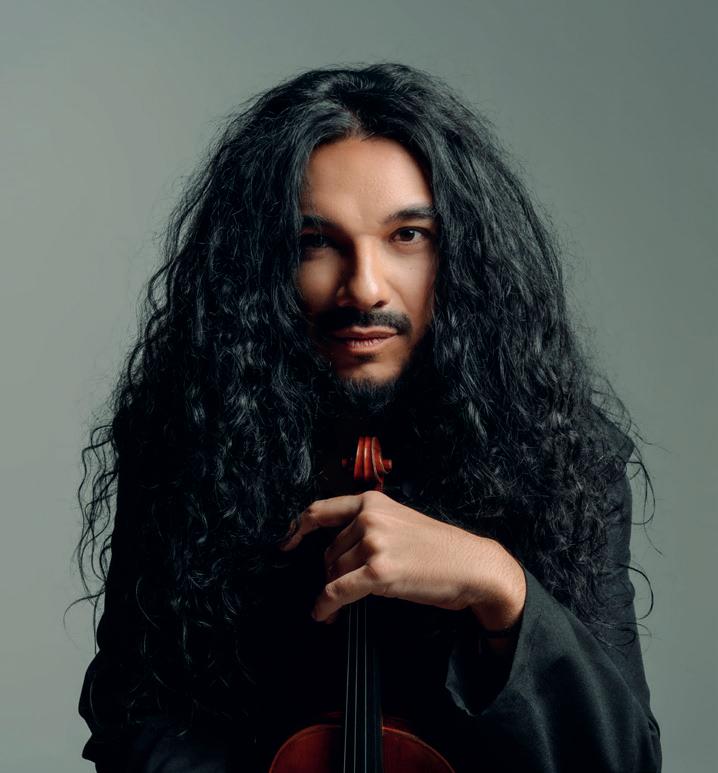
The string quartets are not the only thrilling part of this celebration. We start and finish with some of Beethoven’s most exciting larger works, performed by the superb Concertgebouw Chamber Orchestra and the Basel Chamber Orchestra, joined by star soloists such as Nemanja Radulović (Violin Concerto). More intimate works include the monumental Diabelli Variations by renowned pianist Steven Osborne, and the peerless Archduke Piano Trio, presented on very special period instruments by the
Rautio Trio. The brilliant Nash Ensemble complete the set with Beethoven’s spirited and joyful Septet. Works by a small collection of other composers provide contrast throughout the programme.
To add to the exceptional line-up, we travel seamlessly through four countries by luxury river cruiser, from Amsterdam to Basel, with concerts in magnificent historic venues such as the Concertgebouw and Schloss Mannheim. Daily talks to deepen our understanding of these powerful works are given by acclaimed Beethoven expert Professor Laura Tunbridge. And, as always, the concerts are arranged exclusively for our audience, which leads to an intimacy that engenders a special intensity of musical communication.
Beethoven gave the world music that will never be surpassed. This is a festival to honour it, unlike any other you might find – we hope you will join us.
THE FESTIVAL PACKAGE
The price includes:
— Eleven private concerts in historic and appropriate buildings.
— Talks on the music by Professor Laura Tunbridge.
— Exclusive charter of a first-class river cruiser which sails from Amsterdam to Basel. See page 18.
— All meals, from dinner on the first day to breakfast on the last, with wine, and interval drinks.
— Coach travel between airport and ship, and to concert venues when not reached on foot.
— All tips, taxes and admission charges.
— A detailed programme booklet.
— The assistance of festival staff.
Optional extras:
— Air or rail travel between London and Amsterdam/Basel.
— A choice of pre- or post-festival tours: Art in The Netherlands (29 April–5 May); Art in Switzerland (12–16 May). See pages 22–23.
The Walking Party:
— Combine five of the festival concerts with attractive walks, travelling parallel to the festival. See page 21.
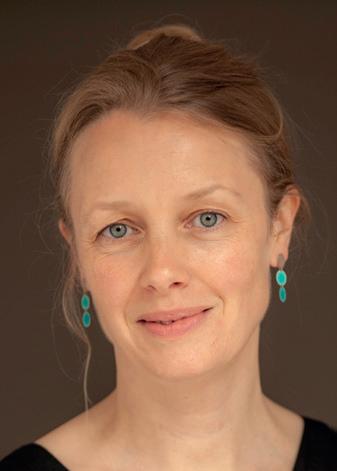
Professor Laura Tunbridge is the Heather Professor of Music at the University of Oxford and a Fellow of Wadham College. Her books include Beethoven: A Life in Nine Pieces (2020), which was named ‘Best Composer Biography’ by PrestoMusic, and Chamber Music: A Very Short Introduction (2026). Laura grew up in Salford and studied music at Oxford, Nottingham and Princeton, before teaching at the Universities of Reading, Manchester and Oxford. She regularly gives preconcert talks (for the Oxford International Song Festival and the Proms), writes programme notes (for Wigmore Hall and the Salzburg Festival) and appears on BBC Radio 3 and 4.
MARTIN RANDALL FESTIVALS
This festival has been devised and planned by Lizzie Watson. It follows the format that Martin Randall established 30 years ago with our first Danube Music Festival, of site-specific concerts for a private audience. Since then we have organised festivals along the Rhine, Franconia, Loire and Seine rivers, in Oxford, Suffolk, York, Lincoln, the Cotswolds and the West Country, to Seville, Toledo, Burgos, Santiago, Venice, Florence, Rome, Bologna, the Veneto, to St Petersburg, Prague, through Thuringia, and the Alentejo.
Meet the musicians. See pages 14–17 for their biographies.
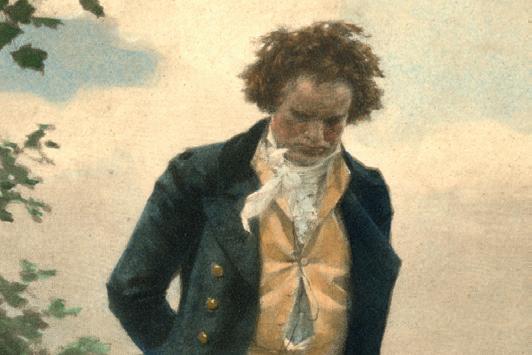
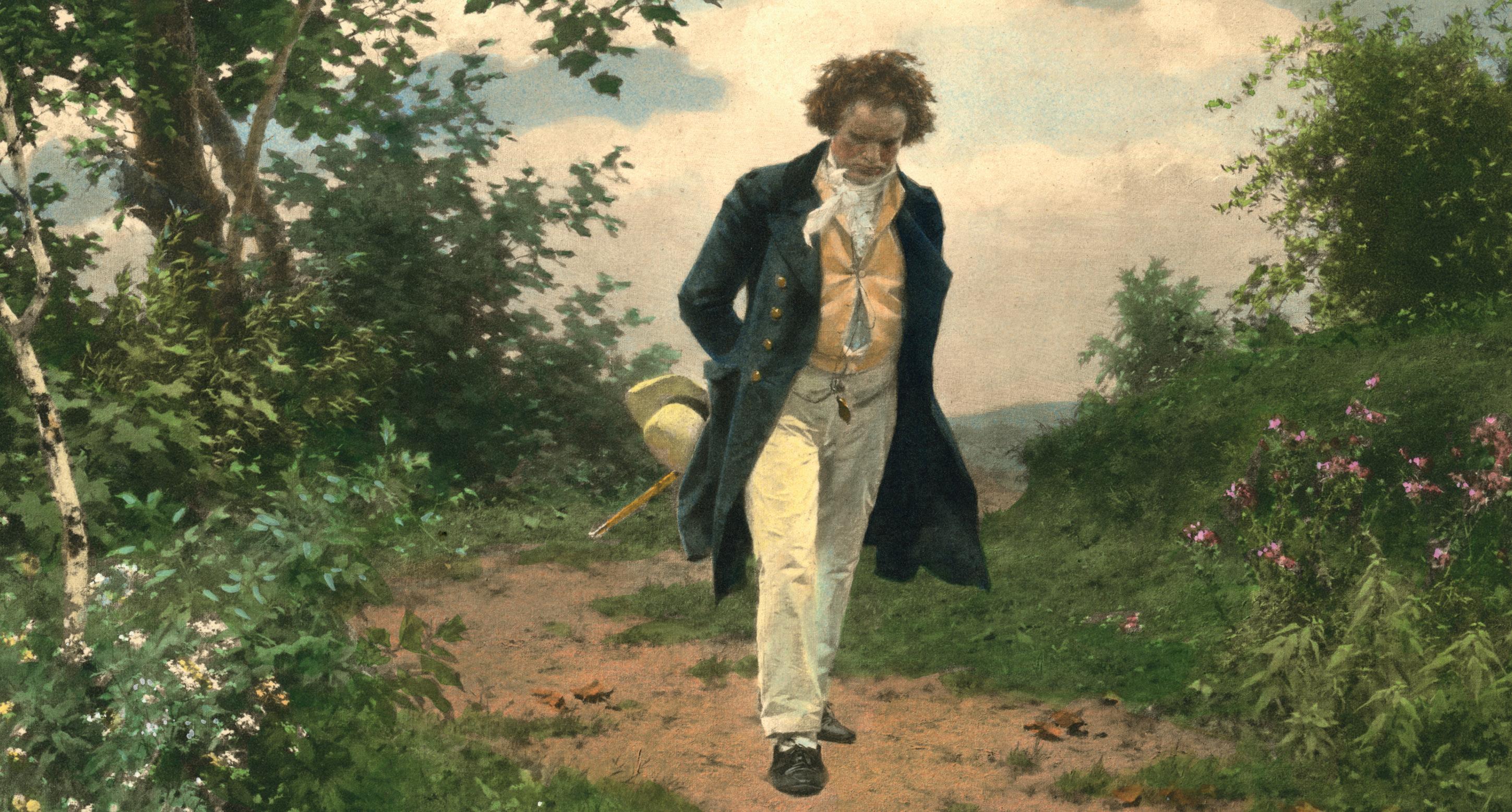
Beethoven, after a painting by Julius Schmid.
THE SPEAKER
Illustration:
THE FESTIVAL PROGRAMME
Day 1
Wednesday 5 May
Amsterdam
Join one of our festival flights or trains (see page 20) or make your own way to the ship.
Amsterdam is as distinctive as it is beautiful. It grew rapidly in the 16th and 17th centuries from a small and precarious sea port to become the greatest trading emporium in Europe. With its concentric canals and close-set brick merchant houses, soaring churches and picturesque alleys, the inner city has hardly changed since its heyday.
Board the ship, MS Amadeus Riva , from 4.00pm. Afternoon tea is available. An early dinner precedes the concert.
The Concertgebouw, built in the 1880s on what was then the edge of the city, is one of the most famous concert halls in the world. Renowned for its luminous acoustics, it became home to one of Europe’s finest orchestras. While the Grand Hall impresses with scale and gilded splendour, the Small Hall, location of our concert, offers intimacy: an elegant rectangular salon with soft light, restrained decoration, and superb clarity of sound.
Concert, 8.30pm:
Amsterdam, Concertgebouw, Kleine Zaal
Concertgebouw Chamber Orchestra
Programme to be confirmed.
Sail from Amsterdam to Wesel, departing in the late evening.
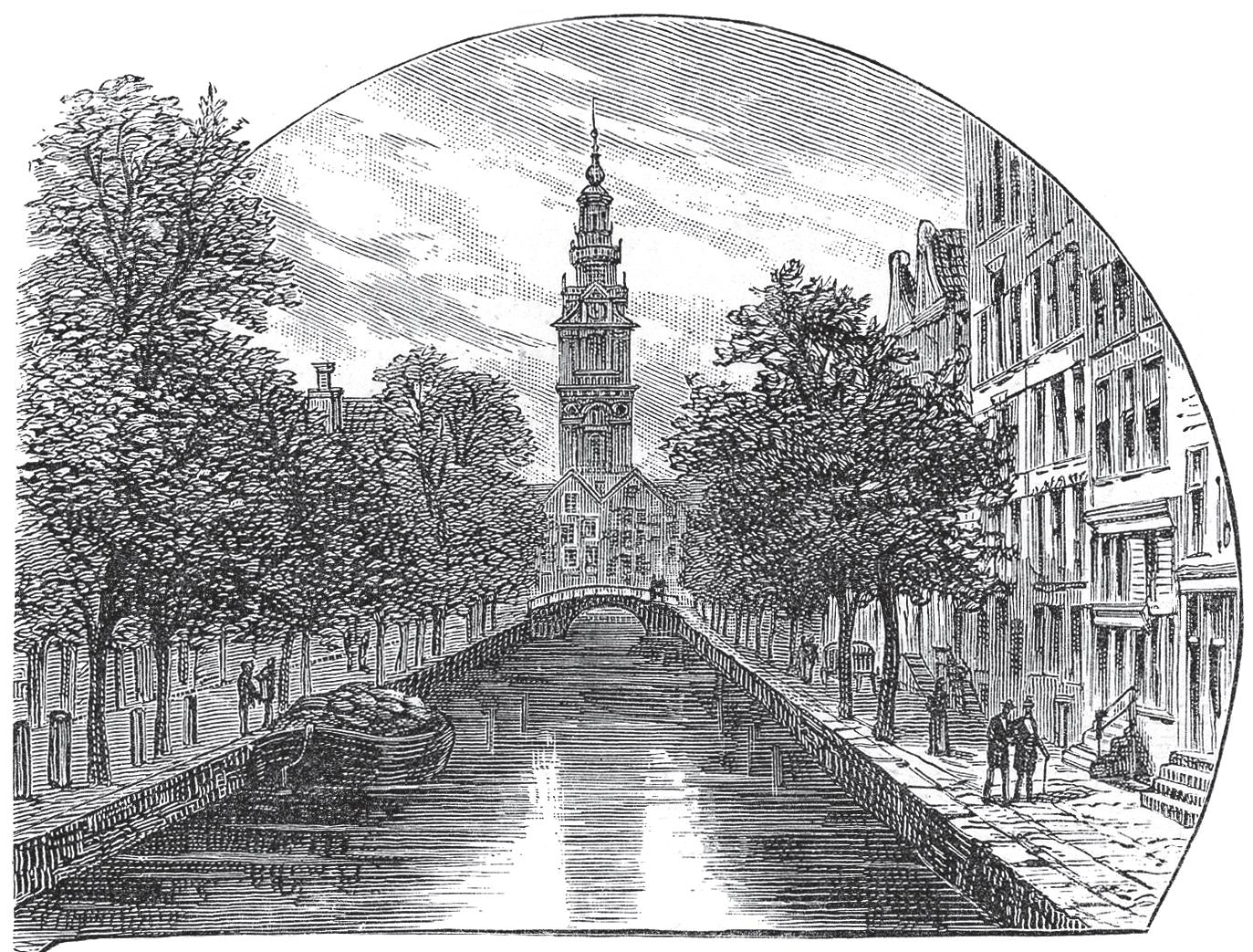
Illustration:
Amsterdam, South Church from The World, Its Cities and Peoples.
Day 2
Thursday 6 May
Schloss Lembeck
‘We were delighted with our rst MRT festival, and the variety and quality of the music was terri c.’
Leave the Netherlands and enter Germany shortly after daybreak, sailing along the Lower Rhine throughout the rest of the morning. There is a talk and lunch, but otherwise free time until early afternoon.
Moor at Wesel and drive to Schloss Lembeck near Dorsten, a delightful moated Wasserschloss (‘water castle’) situated in a park. It dates from the 17th century and retains its historic character. Our recital takes place in a small hall hung with ancestral portraits. Due to the size of the hall, the recital is repeated.
Recital, 2.45pm or 4.45pm:
Schloss Lembeck, Festsaal Diabelli Variations
Steven Osborne piano
From a little waltz, a monument rises. Beethoven’s determination to write as many as thirty-three variations on the melody sent to him by the publisher and composer Anton Diabelli puts it beyond even Bach’s Goldberg Variations. The piece offers a veritable encyclopedia of creative technique and pianistic skill, pushing every tiny aspect of the original melody to extremes. The emotional palette correspondingly ranges from the witty and absurd (suggesting some parody of the original) to the profound and cathartic, making a surprisingly epic experience for the audience.
Return to the ship in the evening and sail overnight from Wesel to Bonn.
Bonn Moor in Bonn from Friday morning to Saturday evening.
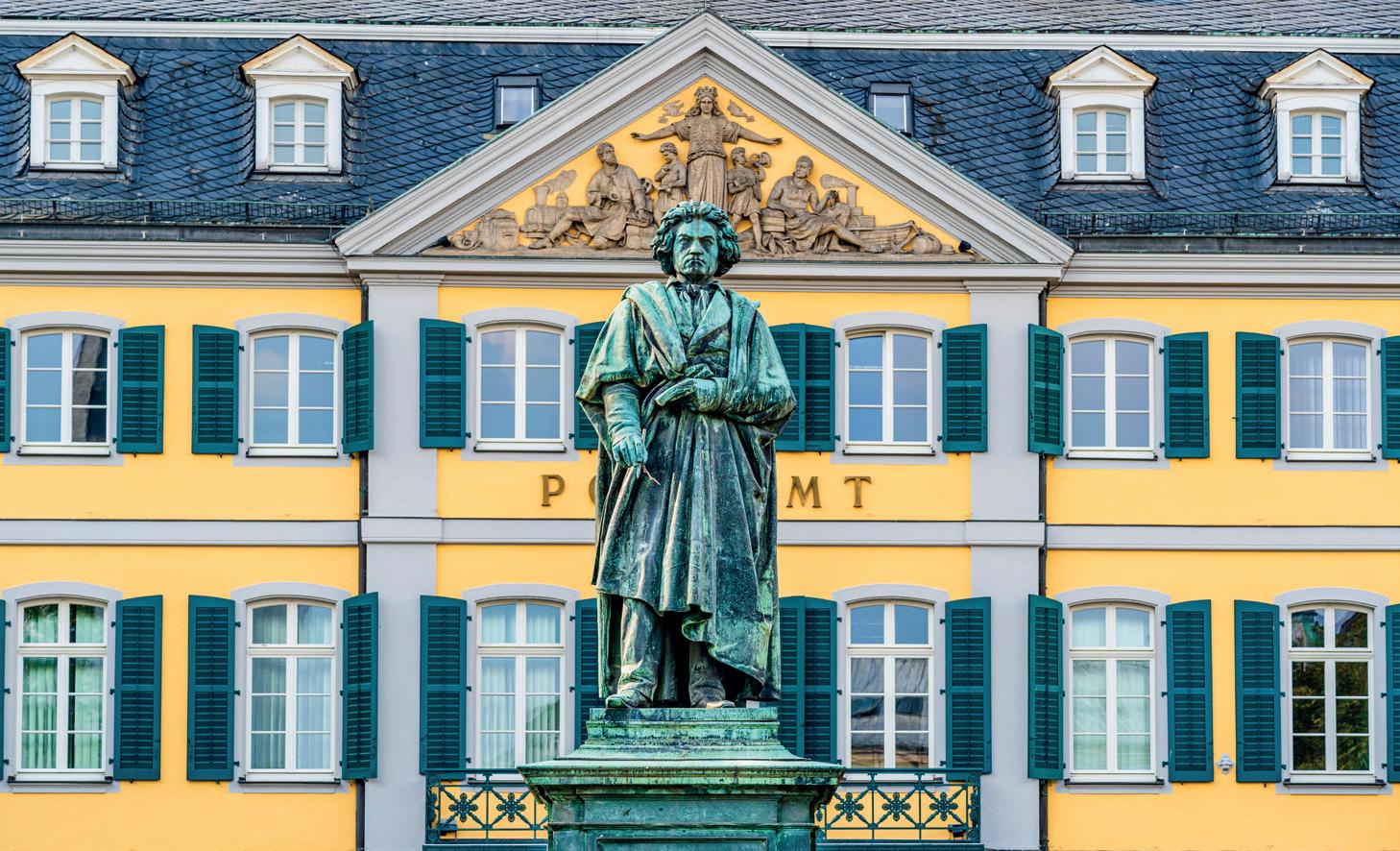
Over the next two days, we step into the heart of our Beethoven celebration, embarking on an extraordinary journey through the complete cycle of his string quartets. All concerts take place in the Kammermusiksaal, a handsome modern chamber music hall attached to the Beethoven family home within easy walking distance of the mooring.
Beethoven’s quartets could be compared to a set of mountain ranges. The early set of six published together as Opus 18 are already impressive feats of musical ingenuity, showing Beethoven’s mastery of the Haydn model, but also his eagerness to shake it up. They make for energetic but still accessible climbs for performers who want to scale their slopes.
The next works are another matter: bigger, wider-ranging, and considerably
more technically challenging, the three Opus 59 quartets (dedicated to Beethoven’s patron Count Razumovsky) left the amateur origins of the form behind and demanded professional interpreters. Similar challenges await in the other middle-period works, Opus 74 (Harp) and Opus 95 (Serioso). Reaching these peaks needs training.
The late quartets, beginning with Opus 127 and finishing with Opus 135, are a set of Everests. Even professionals are pushed to their limits, with dazzling virtuosity and emotional depth required from all four performers. The awesome majesty of the Grosse Fuge makes for particularly intense listening.
It is an extremely rare treat to hear all of these works in the space of just two days, offering a journey that is as much about Beethoven’s creative development as the pieces themselves.
FRIDAY 7 MAY
String Quartets 1: 9.30am
No. 1 in F major (Op. 18, No. 1) No. 2 in G major (Op. 18, No. 2)
Modigliani Quartet
No. 9 in C major (‘Razumovsky III’, Op. 59, No. 3)
Doric Quartet
String Quartets 1I: 2.30pm
No. 4 in C minor (Op. 18, No. 4) No. 7 in F major (‘Razumovsky I’, Op. 59, No. 1)
Leonkoro Quartet No. 15 in A minor (Op. 132)
Modigliani Quartet
String Quartets 1II: 8.15pm
No. 10 in E flat major (‘Harp’, Op. 74) No. 13 in B flat major (Op. 130)
Doric Quartet
SATURDAY 8 MAY
String Quartets 1V: 9.30am
No. 3 in D major (Op. 18, No. 3) No. 8 in E minor (‘Razumovsky II’, Op. 59, No. 2)
Modigliani Quartet No. 12 in E flat major (Op. 127)
Doric Quartet
String Quartets V: 2.15pm
No. 5 in A major (Op. 18, No. 5) No. 11 in F minor (‘Serioso’, Op. 95)
Leonkoro Quartet No. 16 in F major (Op. 135)
Doric Quartet
String Quartets VI: 5.45pm No. 6 in B flat major (Op. 18, No. 6) Grosse Fuge in B flat major (Op. 133)
Modigliani Quartet No. 14 in C sharp minor (Op. 131)
Leonkoro Quartet
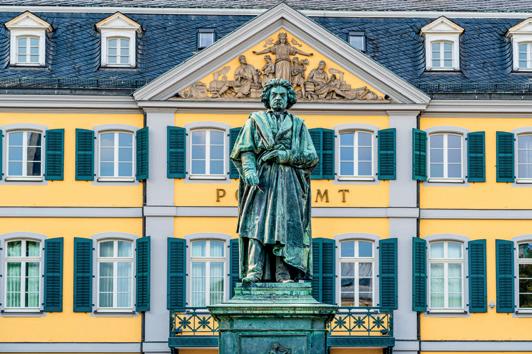
Photograph: A statue of Beethoven in Bonn.
Day 5
Sunday 9 May
Mannheim
The early morning is spent sailing through the Middle Rhine, the most dramatically picturesque stretch of the river. See vine-clad hills with castles on many of the peaks, and charming little towns and villages at the water’s edge. There are talks on the music during sailing, and time to relax after the musical intensity of the previous two days.
Arrive at Mannheim in the late afternoon, where the ship remains until dinner.
Mannheim succeeded Heidelberg as the capital of the Palatinate, one of the richest and most culturally accomplished of the smaller states of Germany. In the mid18th century the court orchestra was famous throughout Europe; Mozart called it an army of generals. The great Baroque Schloss, within walking distance of the ship and venue for our concert, is one of the largest in Europe.
Concert, 5.00pm: Schloss Mannheim, Rittersaal Piano Trios: Archduke, Mozart
In the Archduke Beethoven expands the piano trio into something symphonic in breadth, yet intimate in utterance. Its emotional range moves from serene assurance to inward contemplation, with moments of radiant warmth throughout. The result is a work of noble scale and quiet grandeur. Other piano trios, including at least one by Mozart, make up the first half. All are performed on period instruments, including a very special Graf piano from the same decade as the Archduke was written.
Sail overnight from Mannheim to Strasbourg.
‘Excellent quality of performances and performers in high quality, historic venues.’
Rautio Piano Trio
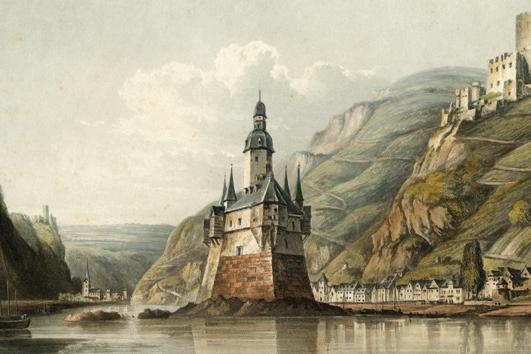
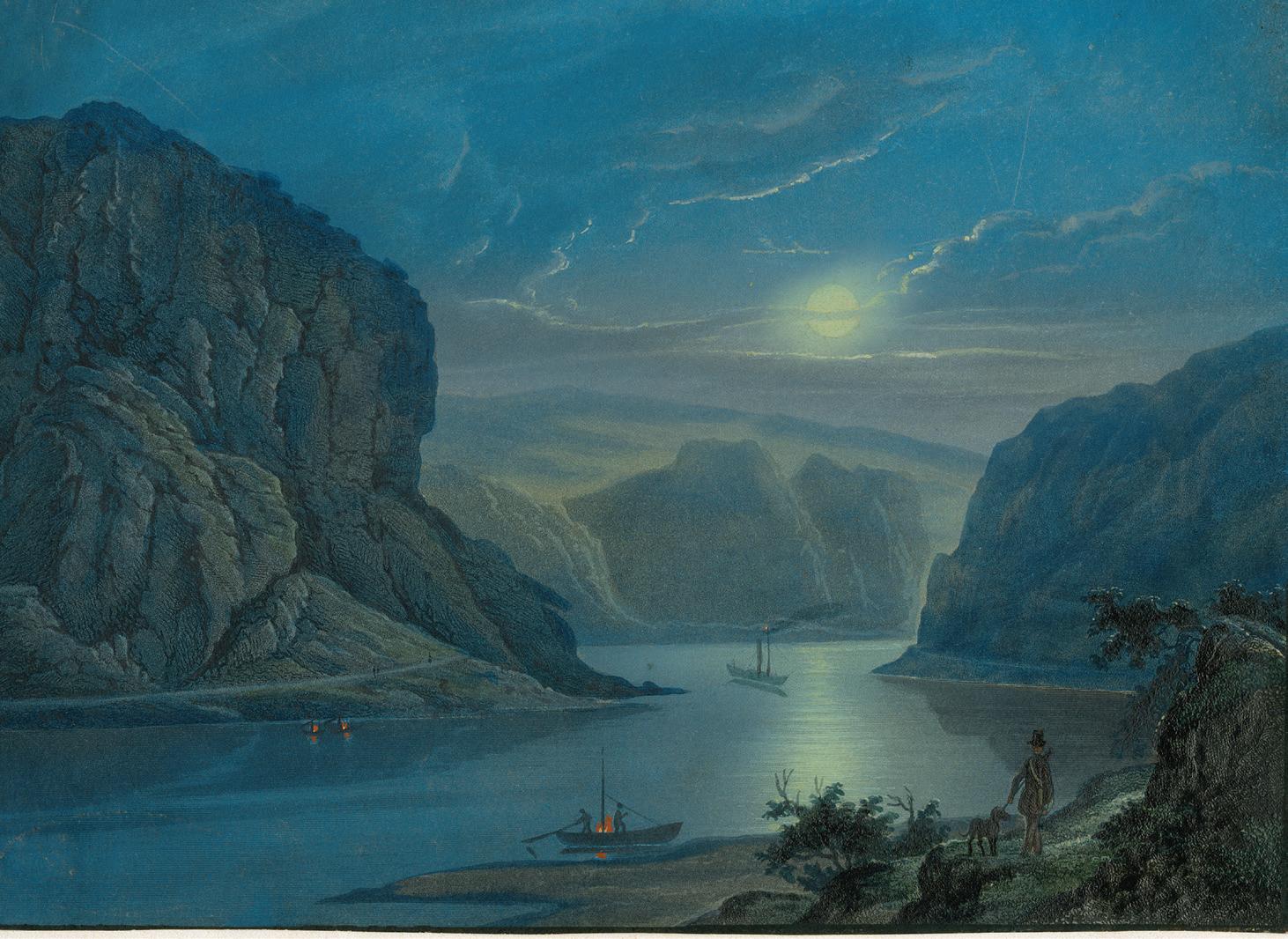
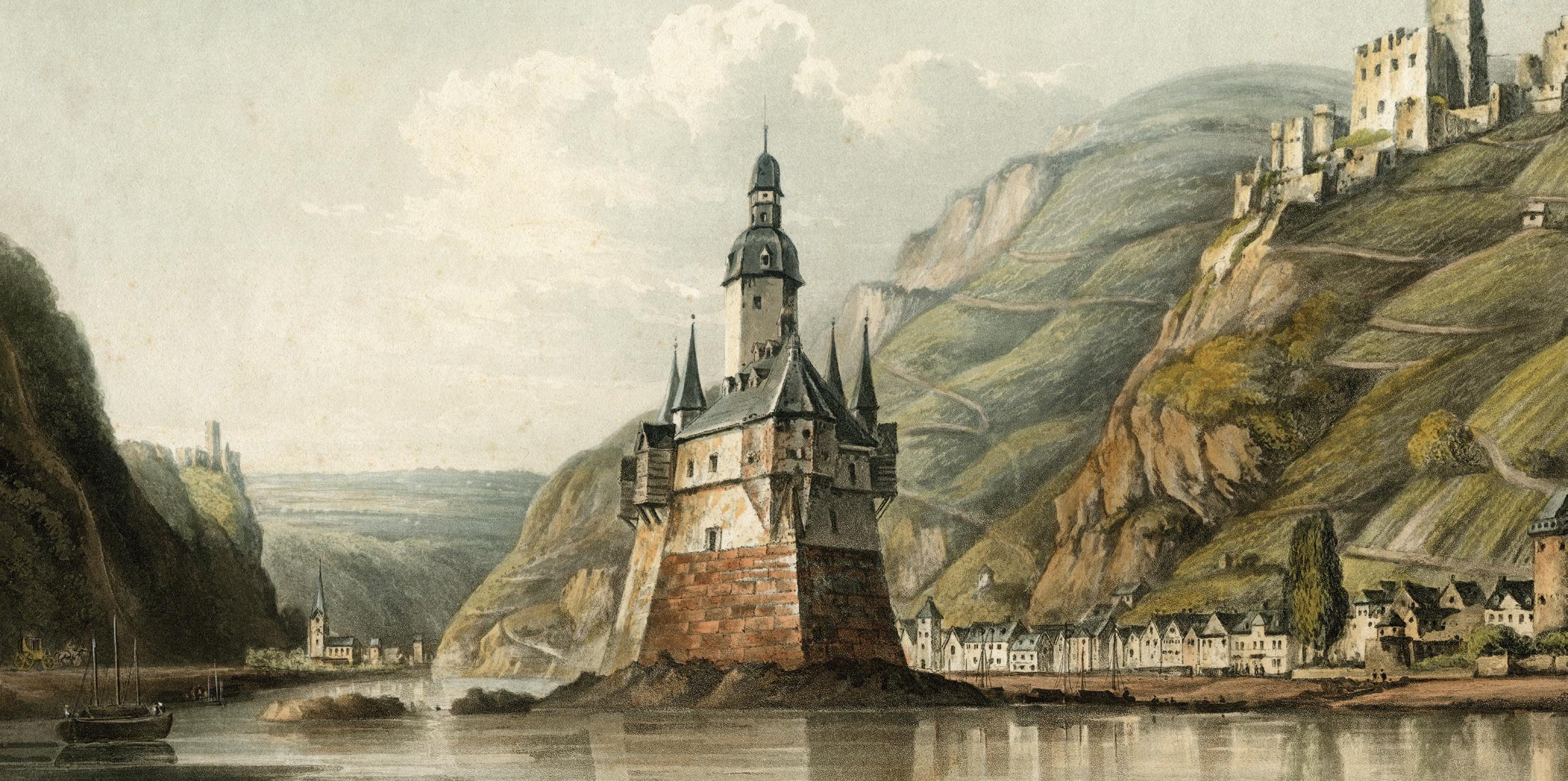
Illustration: The Lorelai on The Rhine, lithograph c. 1840
THE FESTIVAL PROGRAMME
Day 6
Monday 10 May
Strasbourg Moor in Strasbourg mid morning. The ship remains there until the early afternoon.
From the Middle Ages onwards Strasbourg has been one of the most important intellectual and artistic centres in Europe. The city has oscillated politically between Germany and France, while culturally it belonged to both; it is now seat of the European parliament. The streets, canals and architecture of the old centre make it one of the most attractive cities in France, and the cathedral is one of the great Gothic buildings of Europe.
Concert, 11.00am: Villa Quai Sturm
The Septet & Others
Nash Ensemble
The Septet Op.20 shows Beethoven at the peak of his early period. The six movements in a serenade format (usually background music for parties) draw on the structures of his classical predecessors, as do the balanced, charming melodies and the interplay between instruments. However there are also hints of the Beethoven to come, with the emotional
depth, a striving for symphonic grandeur even in small-scale contexts, and more challenging parts for all instruments equally. It’s no surprise that this was his most popular work during his lifetime. Short works by Bach, Crusell and others will also be performed.
Sail during the afternoon and overnight from Strasbourg to Basel.
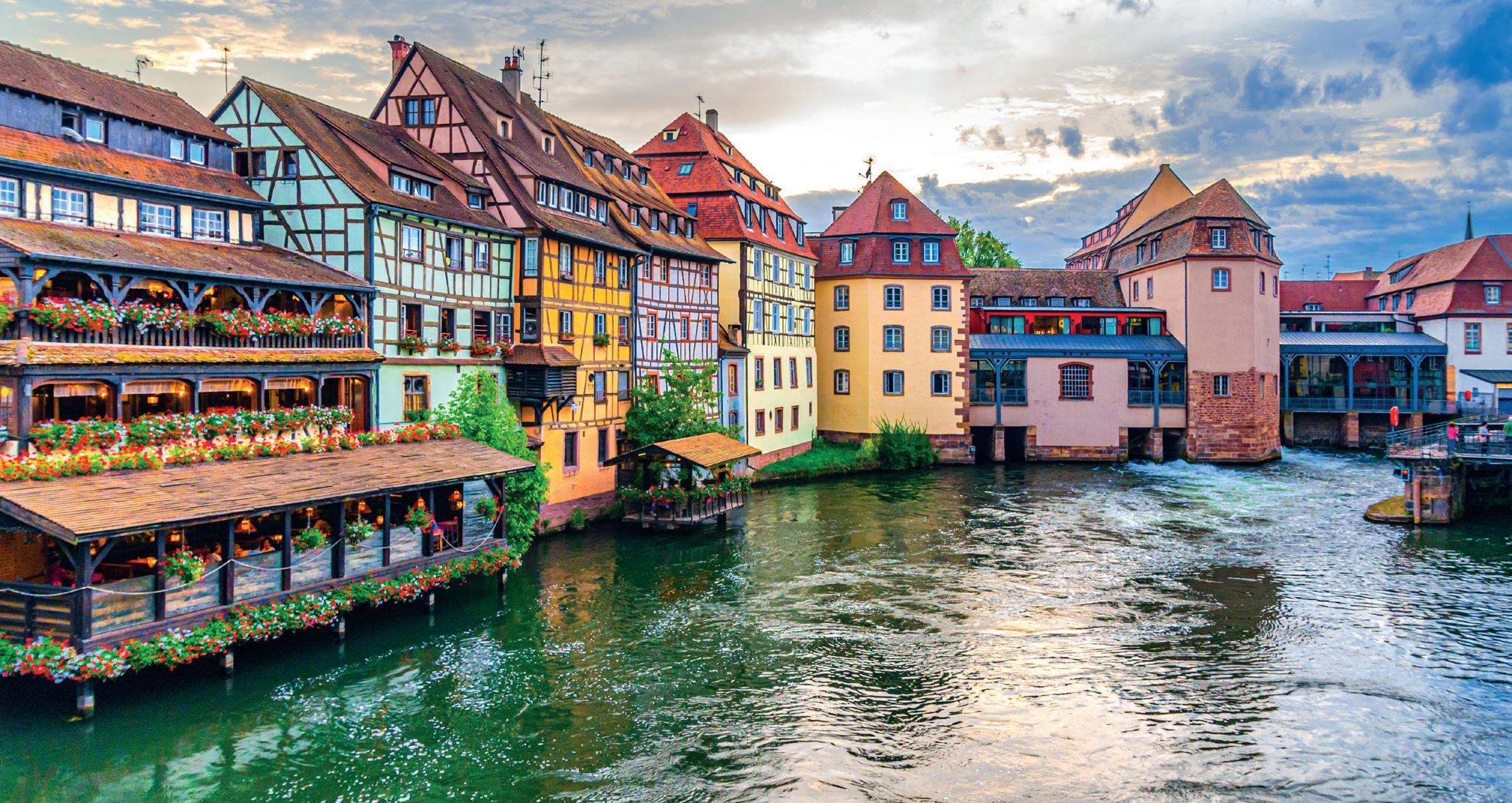
Photograph: Strasbourg.
Day 7
Tuesday
Basel
11 May
Straddling the Rhine at the uppermost point for shipping, the Swiss city of Basel (Bâle) abuts the borders of France and Germany. In part due to its nodal location, Basel has always been an important centre of music, with many of the great performers, teachers and composers passing through. It retains much of its centuries-old streetscape and architecture, including a cathedral and four fine churches dating to the Middle Ages.
The Martinskirche in Basel dates to the 12th century, and in 1529 Basel’s first German-language Reformation sermon was delivered here. By 1798 it fell into disuse, but a thorough restoration in the 1850s introduced a semi-circular stage for choral concerts, marking its transformation into Basel’s oldest concert venue.
Concert, 5.00pm:
Basel, Martinskirche Violin Concerto
Basel Chamber Orchestra
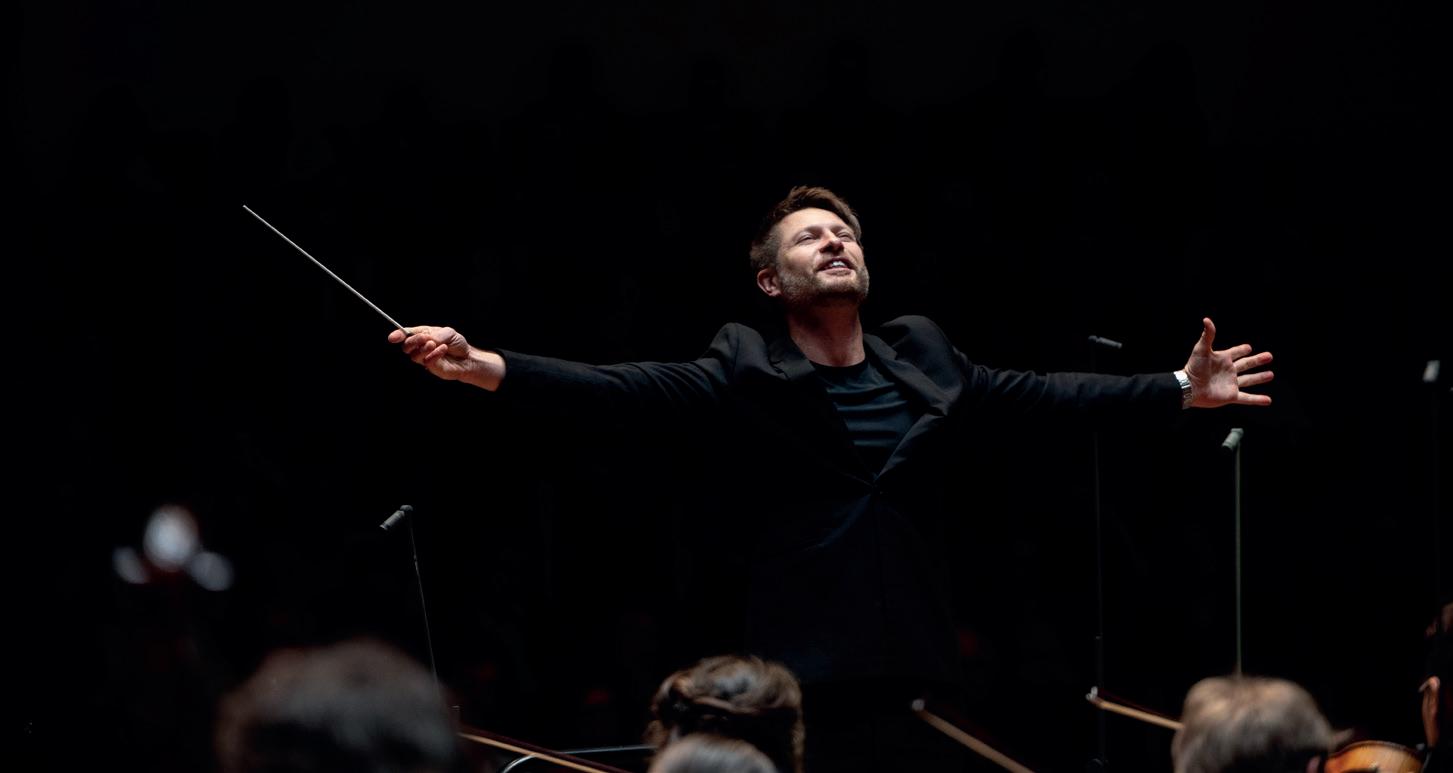
Krzysztof Urbański conductor
Nemanja Radulović violin
This is a programme of night and day. Beethoven’s Violin Concerto may have grandeur and drama in the mix, but the overall feeling is abundant freshness. From the playful dialogues in the first movement, where the whole orchestra responds to the surprise opening timpani solo, to the rollicking finale, the listening experience is one of delight. In contrast, Dvořák’s Seventh Symphony marked a dark departure from his previous cheer. Depicting the political struggles of his homeland, it is a stormy and thrilling journey towards a final moment of triumph.
Day 8
Wednesday 12 May
Basel
Coach transfers depart between 8.00am and 12.00 noon. See page 20 for the flight and train options available for returning to London.
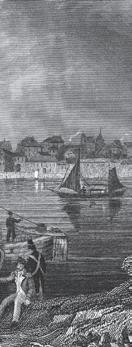
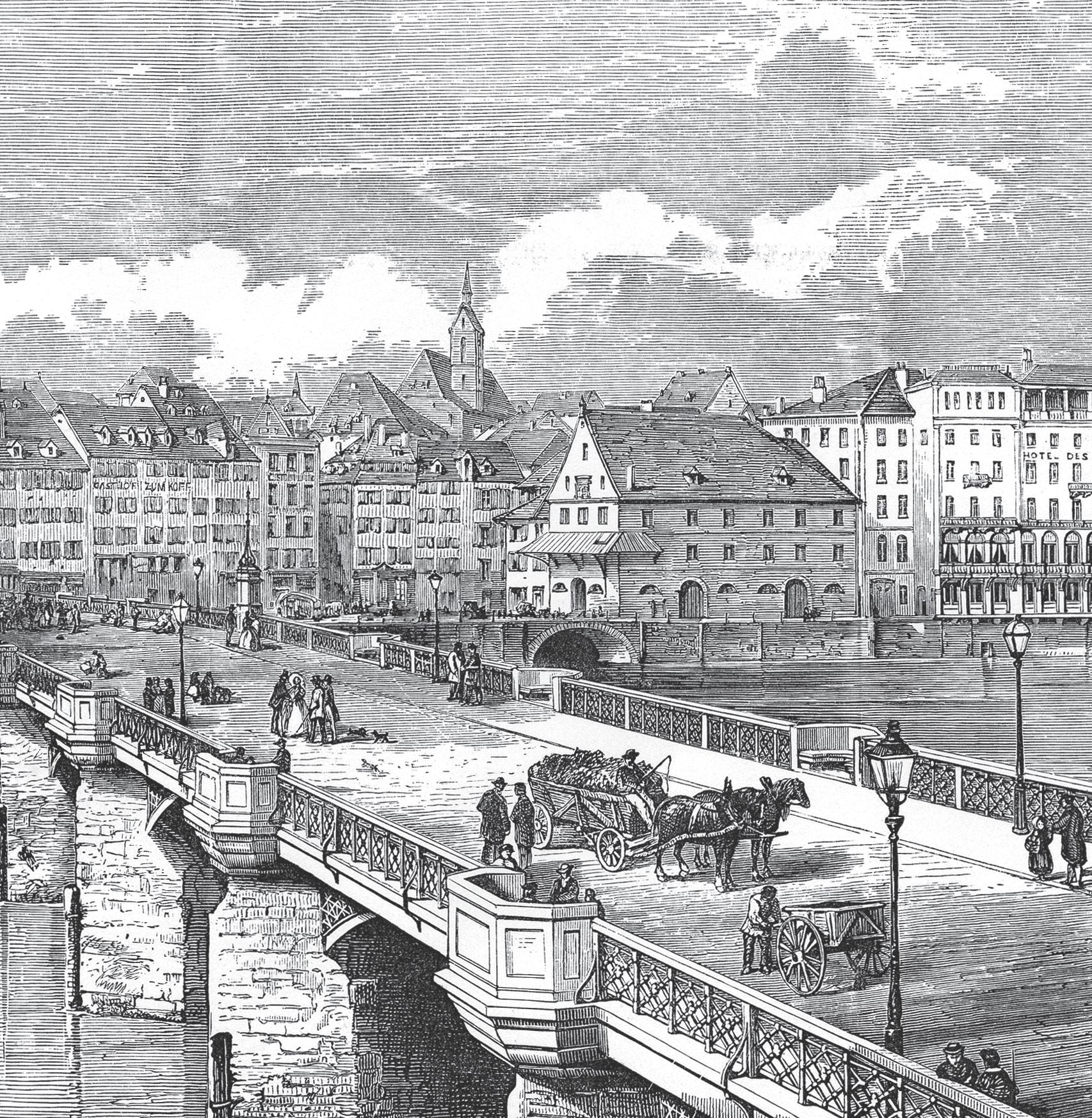
Illustration: Basel, wood engraving c. 1880 from Swiss Pictures
DISCOVER THE PLACE
The Rhine is one of the world’s great rivers; arguably no other has served such a prominent role in shaping the history and culture of a continent.
On the way from its source in the Swiss Alps to its extinction in the North Sea Basin, the Rhine traverses more than a thousand kilometres and passes through four countries.
For millennia the river has been a vital trading route, linking people across a broad stretch of Europe. At the same time it has always been a boundary, a border, demarcating cultures and nations and empires. It once constituted the Roman Empire’s northern frontier, and there is still much significant archaeology to be found along its banks.
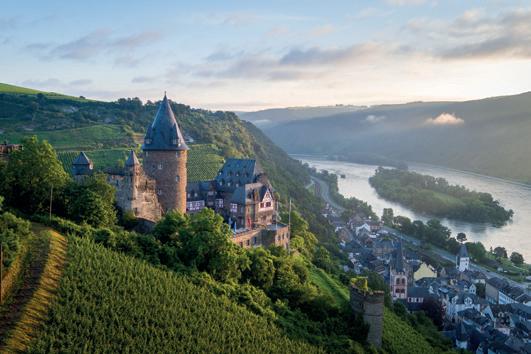
The river’s loveliness reaches a peak in the wine-producing region of the Middle Rhine which starts with a deep gorge, a stretch much evoked in German folklore, poetry and music. On towards the river’s source, we pass through a variety of landscapes and urban scenes. North of Basel, with France on one side, the river is flanked by wooded hills and pasture and is populated by several historic towns.
Ready to book?
See page 24 for details.
We begin in the Rhine delta, and soon move into the charming scenery of the Lower Rhine. With pollarded willows and grazing cattle interspersed with building clusters of the once heavily industrialised Rhine-Ruhr valley, it is still the largest conurbation in Germany today, the river having once been the heart of Germany’s industrial revolution.
There is some time to explore a selection of the towns and palaces along its course, to see some great art and architecture, and to watch the countryside drift by as you travel along Germany’s most important river.
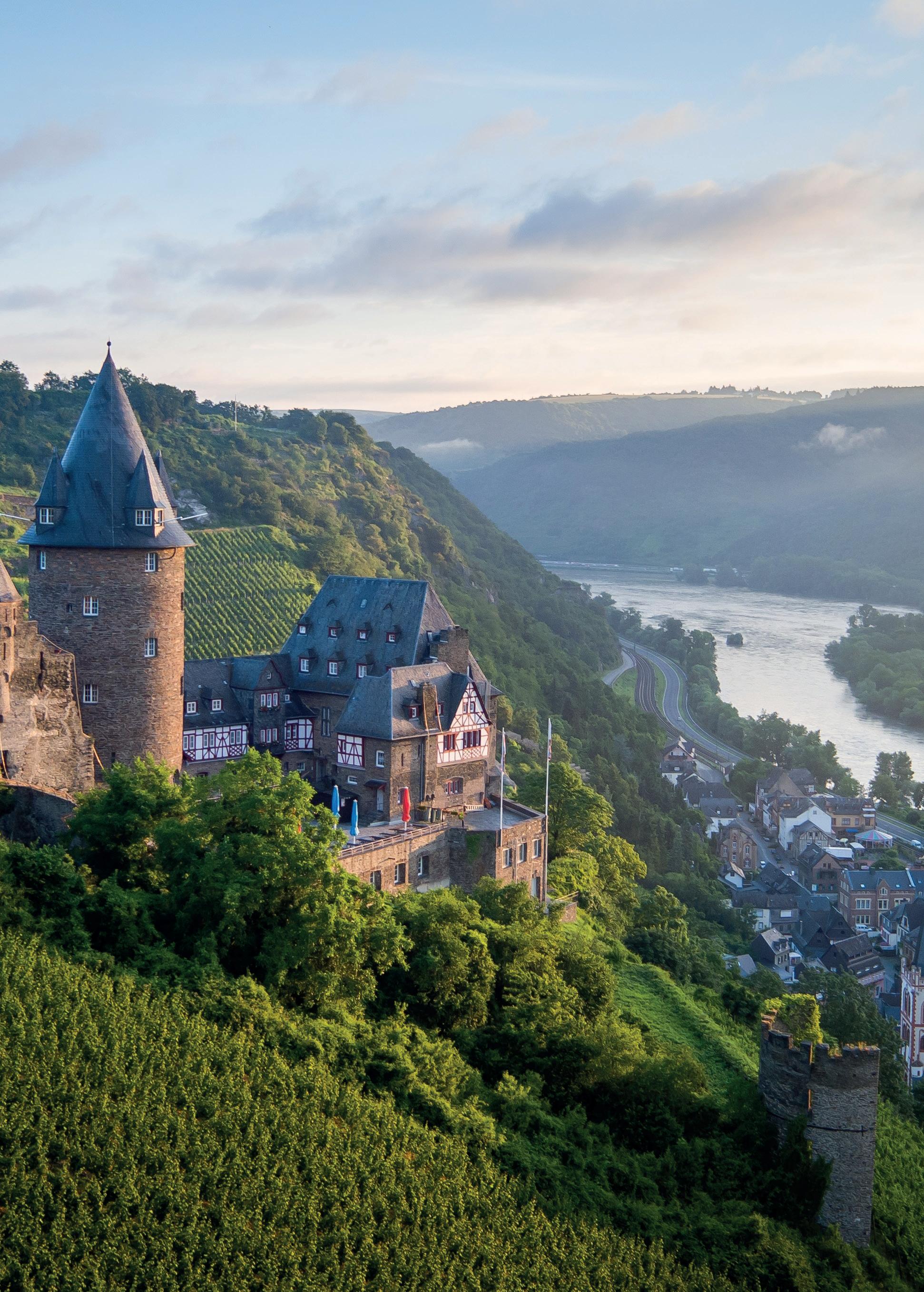
Photograph: Burg Stahleck along the Upper Middle Rhine Valley, Germany.
MEET THE MUSICIANS
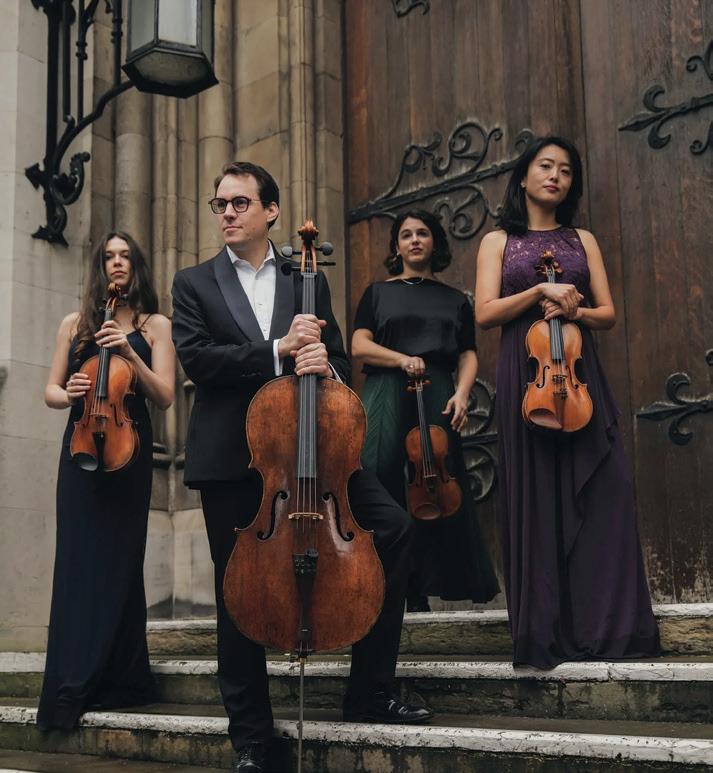
DORIC STRING QUARTET
The Doric String Quartet brings an elegance and intimacy both to the Classical canon and new music, with the depth and integrity of their interpretations winning them fans across the world. Having performed cycles of Haydn, Mendelssohn, Britten and Bartók at famous international venues, they now turn their attention to Beethoven, continuing their recording project for Chandos, with the first instalment released in 2023 and being praised by The Times as ‘a joy’. The series culminates in 2026/27 with the 200th anniversary of the composer’s death.
Their intellectual rigour has led them to use specially made original-style bows for performing Classical repertoire from Haydn to Mendelssohn, and while they are known for their refined performances of this repertoire, they are also committed to new music, performing works by composers.
Having themselves benefitted from coaching by groups such as the Hagen, Alban Berg, Artemis and LaSalle quartets, the group is keen to support young musicians and has been Teaching Quartet in Association at the Royal Academy of Music since 2015 and Artistic Directors of the Mendelssohn on Mull Festival since 2018.
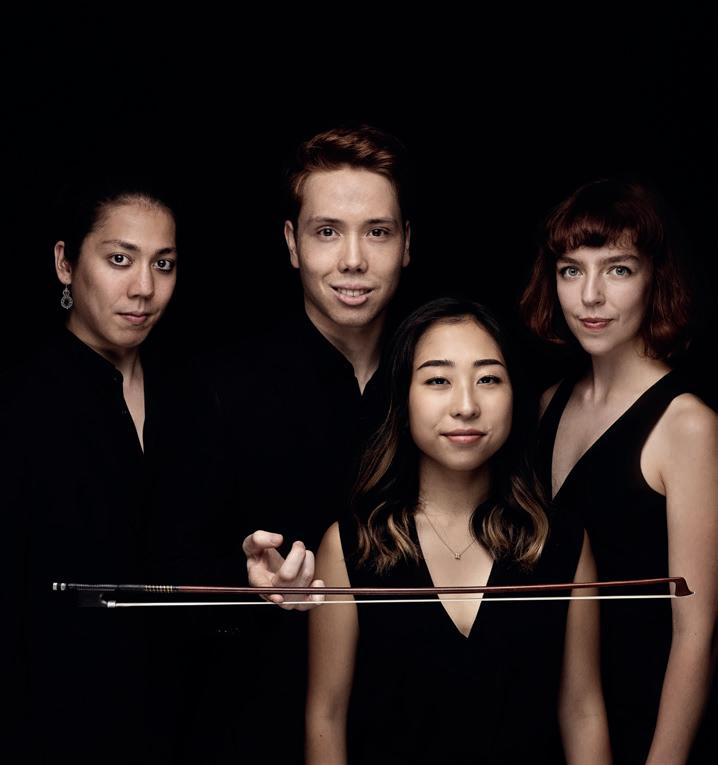
LEONKORO QUARTET
The String Quartet, founded in Berlin in 2019, can hardly be described more aptly than in the review published in the Frankfurter Allgemeine Zeitung: “The Leonkoro Quartet [...] possesses an extraordinary stage presence, glows for the music, embraces full artistic risk, and astounds through their profound sensitivity towards the unique sonority of each piece [...]”
The ensemble is framed by brothers Jonathan and Lukas Schwarz on first violin and cello, while Emiri Kakiuchi on second violin and Mayu Konoe on viola form the inner voices. Leonkoro – from Esperanto: “lionheart” – is no accidental reference to Astrid Lindgren’s children’s book about two brothers, a story that sets a heartfelt sense of comfort against the weighty reality of death – a sentiment that string quartet repertoire addresses in several instances.
After a season of highly successful debuts at major international concert series and festivals, the ensemble continues its global rise, with appearances in the Black Diamond in Copenhagen, the Library of Congress in Washington D.C., and Carnegie Hall in New York City.
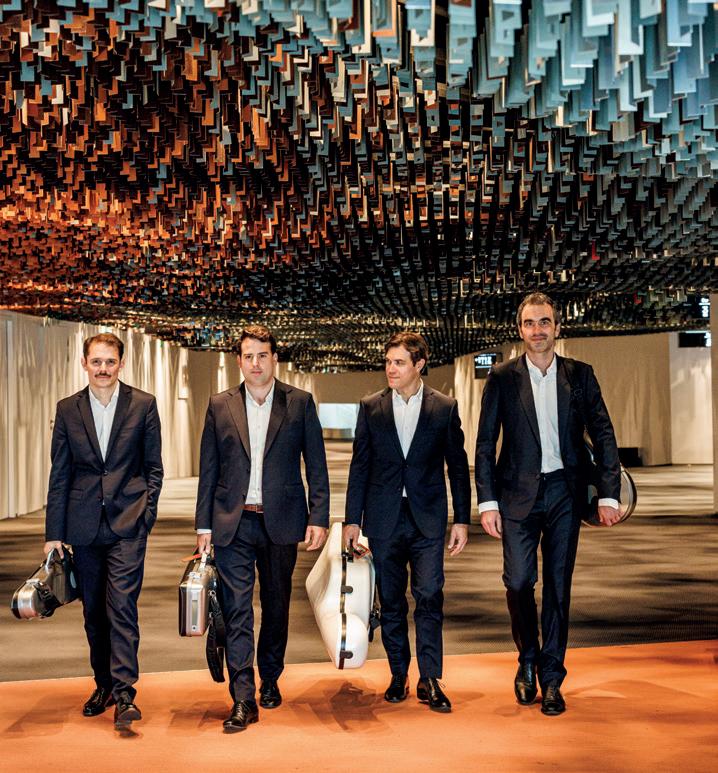
QUATUOR MODIGLIANI
Founded in 2003, the Quatuor Modigliani is recognised as one of today’s most sought-after quartets, regularly performing in leading international concert series and on the world’s most prestigious stages.
In the 2025/26 season, the Quatuor Modigliani is artist-in-resident at Radio France in Paris. As part of this residency, the quartet will give two string quartet concerts annually, as well as a chamber performance with guest musicians. The residency will culminate in the premiere of a commissioned work by composer Philippe Manoury.
Since 2024, the Quatuor Modigliani has been dedicated to the greatest challenge in the life of a string quartet: recording all 16 string quartets by Beethoven.
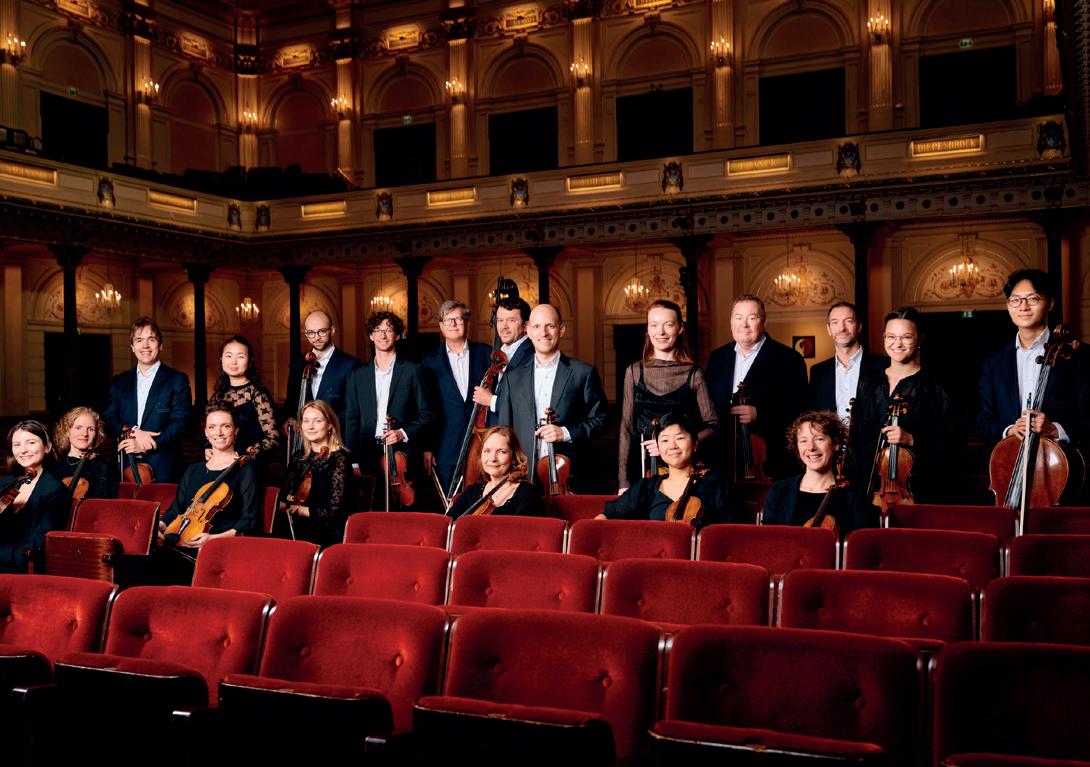
Founded in 1987, the Concertgebouw Chamber Orchestra (CCO) is made up of members from the world famous Royal Concertgebouw Orchestra of Amsterdam. For many decades we have been performing all over the world with prominent soloists and conductors. In recent years, the CCO has collaborated with such national and international soloists as Liza Ferschtman, Nicolas Altstaedt, and Ronald Brautigam.
The Concertgebouw Chamber Orchestra has performed at several important occasions including the 1980 inauguration of Queen Beatrix in 1980 and the State visit of the American President George Bush Sr. to the Netherlands in 1989. The orchestra was also invited to perform during the royal wedding of the Dutch Crown Prince William Alexander and Princess Máxima in 2002.
Each season, the CCO is invited to perform in all the leading concert venues in the Netherlands, such as the Royal Concertgebouw in Amsterdam and TivoliVredenburg in Utrecht. Recent travels included concerts in Belgium, Spain, Germany, Turkey, Argentina and Brazil. Upcoming travels include tours to Germany, Turkey, Spain and the MESAregion.
NASH ENSEMBLE
Chamber Ensemble in Residence at Wigmore Hall, the Nash has been presenting an annual themed series there since 1979.
During the 2024-25 season at Wigmore Hall the Nash marked its 60th anniversary with a range of programmes illustrating the variety of music performed by the Ensemble over the years, from Mozart to the avant garde.
Regarded as a standard-bearer of British music-making around the world, the Ensemble has premièred over 300 new works, of which 215 have been especially commissioned. The group is a regular visitor to many European and British music festivals and can be heard on radio, at the BBC Proms, and at music clubs throughout the country.
The Ensemble has received two Royal Philharmonic awards “for the breadth of its taste and immaculate performance.”
The ensemble was founded and directed by Amelia Freedman until 2025. Her tremendous body of work was recognised with numerous awards including honorary membership of the Royal Philharmonic Society in 2024. The group is now co-directed by two of its performing members, cellist Adrian Brendel and pianist Simon Crawford-Phillips.
THE CONCERTS
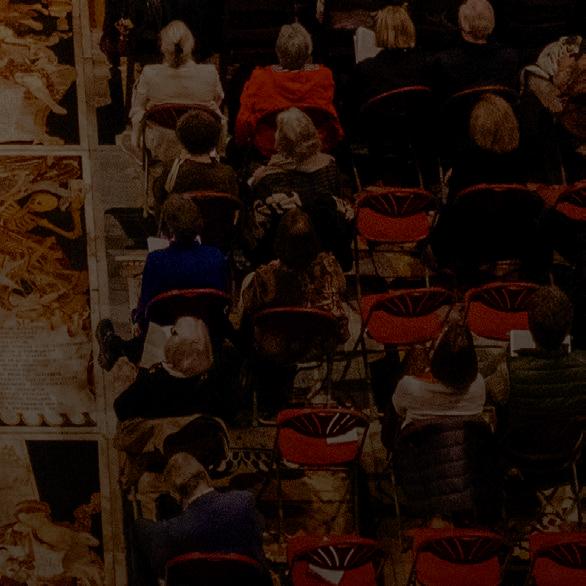
Private. All the performances are planned and administered by Martin Randall Travel, and the audience consists exclusively of those who have taken the festival package.
Seating. Specific seats are not reserved. You sit where you want.
Audience size. There will be up to 125 participants on the festival. One of our venues cannot hold this number, so at these, the performance will be repeated.
Acoustics. This festival is more concerned with locale and authenticity than with acoustic perfection. The venues may have idiosyncrasies or reverberations of the sort not found in modern concert halls.
Changes. Musicians fall ill, venues may close for repairs, airlines alter schedules: there are many circumstances which could necessitate changes to the programme. We ask you to be understanding should they occur.
Floods and droughts. We cannot rule out changes to the programme arising from exceptionally high or low water levels on the Rhine, either of which may bring river traffic to a halt. These might necessitate more travel by coach or the loss of a concert, though we would always try to minimise the impact on the itinerary.
STEVEN OSBORNE
Steven Osborne OBE is one of Britain’s most treasured musicians, with an immense depth of musicality and exceptional refinement of expression across diverse repertoire be it in Beethoven or Messiaen, Schubert or Ravel, Prokofiev or jazz improvisations. His numerous awards include The Royal Philharmonic Society Instrumentalist of the Year, two BBC Music Magazine Awards and two Gramophone Awards.
Described by The Observer as “always a player in absolute service to the composer”, Steven Osborne’s 32 recordings on Hyperion have won multiple awards. His two 2021 releases, Prokofiev’s War Sonatas, and French works for piano duet with Paul Lewis, were both shortlisted for a Gramophone Award.
Born in Scotland, he studied with Richard Beauchamp at St. Mary’s Music School in Edinburgh and Renna Kellaway at the Royal Northern College of Music in Manchester. He was appointed an Officer of the Order of the British Empire (OBE) for services to music in the 2022 Queen’s New Year Honours.
RAUTIO PIANO TRIO
The Rautio Piano Trio is a London-based chamber ensemble widely praised for performances of exceptional clarity, depth and historical insight. With a particular focus currently on 18th and 19th century repertoire, the Trio performs on both modern and period instruments, bringing fresh perspective to core works of the piano trio literature.
The Trio are in the midst of a landmark project recording the complete Beethoven piano trios on fortepiano with Resonus Classics. The first two volumes have been met with outstanding reviews, including five stars in BBC Music Magazine, and have been broadcast widely on BBC Radio 3. The cycle will be completed in 2027, followed by a concert at Wigmore Hall on its Graf-model fortepiano.
Reflecting their interest in historical perspective and creative reinterpretation, the Trio also performs imaginative transcriptions by pianist Jan Rautio, including Beethoven’s Pastoral Symphony and Bach’s Passacaglia and Fugue in C minor, reshaping larger-scale works for the piano trio genre.
Formed at the Royal Academy of Music and IMS Prussia Cove, the Trio’s early career was supported by a series of prestigious UK awards and fellowships.
BASEL CHAMBER ORCHESTRA
The Basel Chamber Orchestra is firmly anchored in Basel, with two subscription series at the Stadtcasino Basel and its own rehearsal and performance venue, the Don Bosco Basel. With more than 60 concerts per season, the Basel Chamber Orchestra tours worldwide and is a welcome guest at international festivals and the most important European concert halls, such as the Elbphilharmonie Hamburg, the Théâtre des Champs-Élysées Paris or the Theater an der Wien.
The Basel Chamber Orchestra enjoys working with selected soloists such as Hélène Grimaud, Regula Mühlemann, Vilde Frang, Bertrand Chamayou and Sebastian Bohren.
The concert programmes are as varied as the 47 musicians, ranging from early music on period instruments to historically informed interpretations and contemporary music.
Another core element of the Orchestra’s work is its forward-looking outreach work in large-scale participatory projects involving creative exchanges with children and young people.
NEMANJA RADULOVIĆ
Serbian-French violinist Nemanja Radulović champions the power of music to bring people together with his unique energy and candour, thrilling virtuosity, depth of expression, and adventurous programming. He started his 2025/26 season with his highly anticipated return to the Enescu Festival in Bucharest, performing Khatchaturian’s violin concerto under the baton of Cristian Măcelaru. Nemanja continues the season with debuts with Baltimore Symphony Orchestra under Marin Alsop, the Royal Scottish National Orchestra under Giedrė Šlekytė and Bamberg Symphony Orchestra under Krzysztof Urbański.
Radulović maintains an equal passion for the intimacy of chamber music and is an increasingly active recitalist on the international circuit. He has performed at such notable venues as New York’s Carnegie Hall, the Amsterdam Concertgebouw, the Teatro Colón in Buenos Aires, and the Melbourne Recital Centre in Australia.
Born in Serbia in 1985, Radulović studied at the Faculty of Arts and Music in Belgrade, the Saarlandes Hochschule für Musik und Theater in Saarbrücken, the Stauffer Academy in Cremona with Salvatore Accardo, and the Conservatoire de Paris with Patrice Fontanarosa.
KRZYSZTOF URBAŃSKI
In September 2025 Krzysztof Urbański entered the second season of his tenures as Music & Artistic Director of the Warsaw Philharmonic and as Chief Conductor of the Berner Symphonieorchester. He is Principal Guest Conductor of the Orchestra della Svizzera italiana (since 2022).
Urbański has appeared as a guest conductor with the Symphonieorchester des Bayerischen Rundfunks, Berliner Philharmoniker, Staatskapelle Dresden, Gewandhausorchester Leipzig, London Symphony Orchestra, Philharmonia Orchestra, Tonhalle-Orchester Zürich, Orchestre de Paris, Chicago Symphony, New York Philharmonic, Los Angeles Philharmonic and the San Francisco Symphony among others.
Krzysztof Urbański served as Music Director of the Indianapolis Symphony Orchestra (2011–2021) and as Chief Conductor and Artistic Leader of the Trondheim Symphony (2010–2017). In 2017 he was appointed Honorary Guest Conductor of the Trondheim Symphony and Opera. He was Principal Guest Conductor of the Tokyo Symphony (2012–2016) and Principal Guest Conductor of the NDR Elbphilharmonie Orchester (2015–2021).
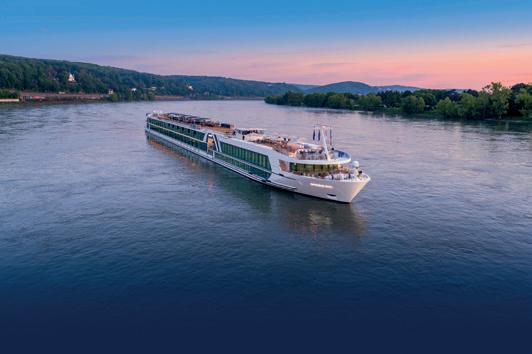
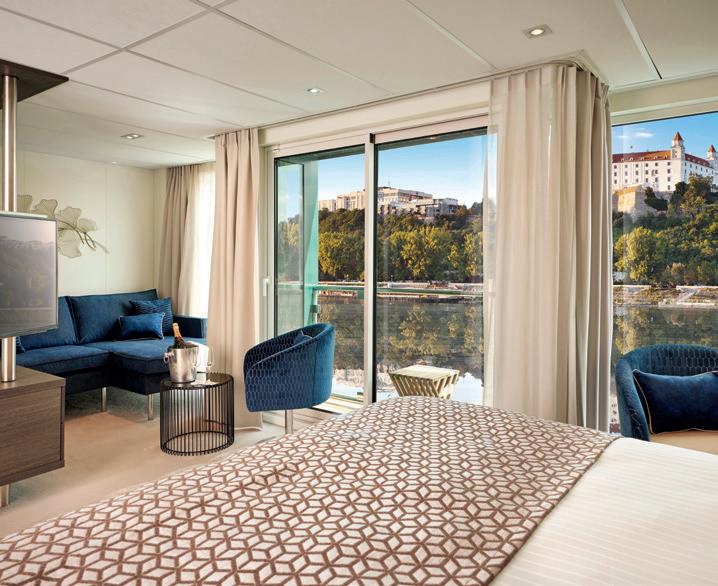
Launched in 2023, the MS Amadeus Riva is one of the newest and most comfortable cruisers on the waterways of Europe. The multinational crew is dedicated to the highest standards of service.
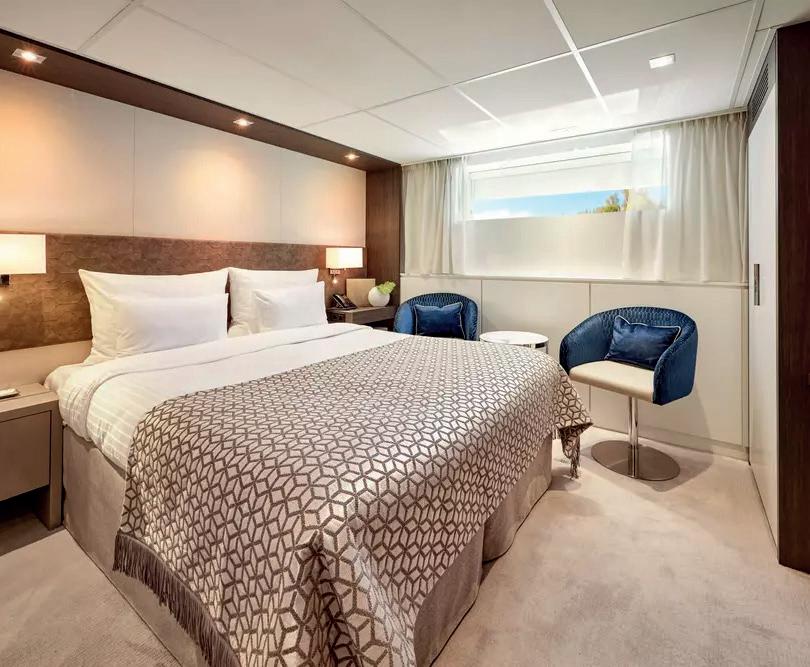
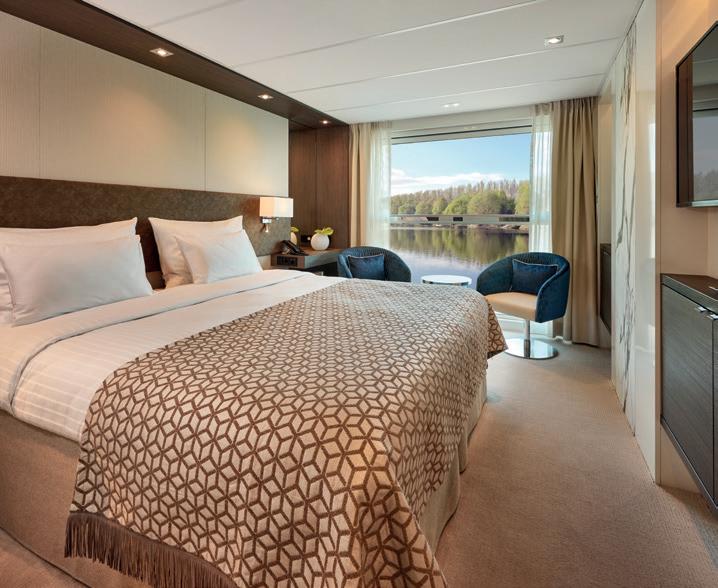
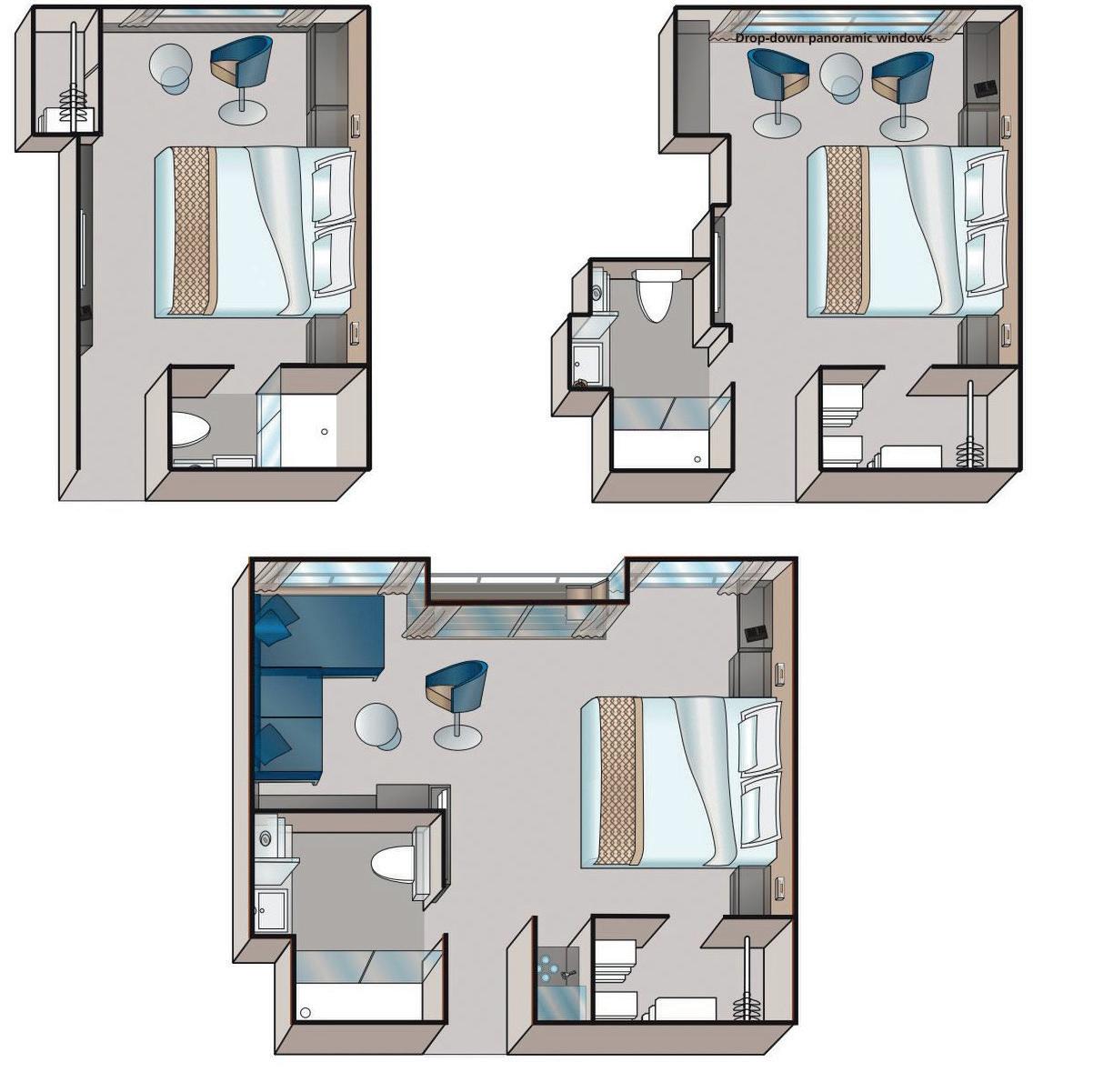
With a floor area of 16m 2 (Haydn deck) or 17.5m 2 (Strauss and Mozart decks) the cabins are reasonably spacious by the standards of river cruisers. All have windows to the outside and are equipped with the facilities one would expect of a first-class hotel such as adjustable airconditioning, telephone, TV and safe.
Bathrooms have showers only. Special attention has been paid to noise insulation.
In layout and furnishings the cabins are identical, the significant differences being the size of windows and height above water level (higher cabins enjoy better views and fewer stairs).
Cabins on the top decks (Mozart and Strauss) are the most desirable, with floorto-ceiling windows which slide open and minibars. There are twelve suites (Mozart) measuring 26.4m 2 with a corner sofa area and small balcony. Cabins on the lowest (Haydn) deck have smaller windows which don’t open. There are no single cabins as such but we are allocating some twin-bed cabins for single occupancy.
The public areas include the lounge and bar, a library area and a restaurant that can seat everyone at a single sitting. The sun deck has a tented area for shade.
www.lueftner-cruises.com
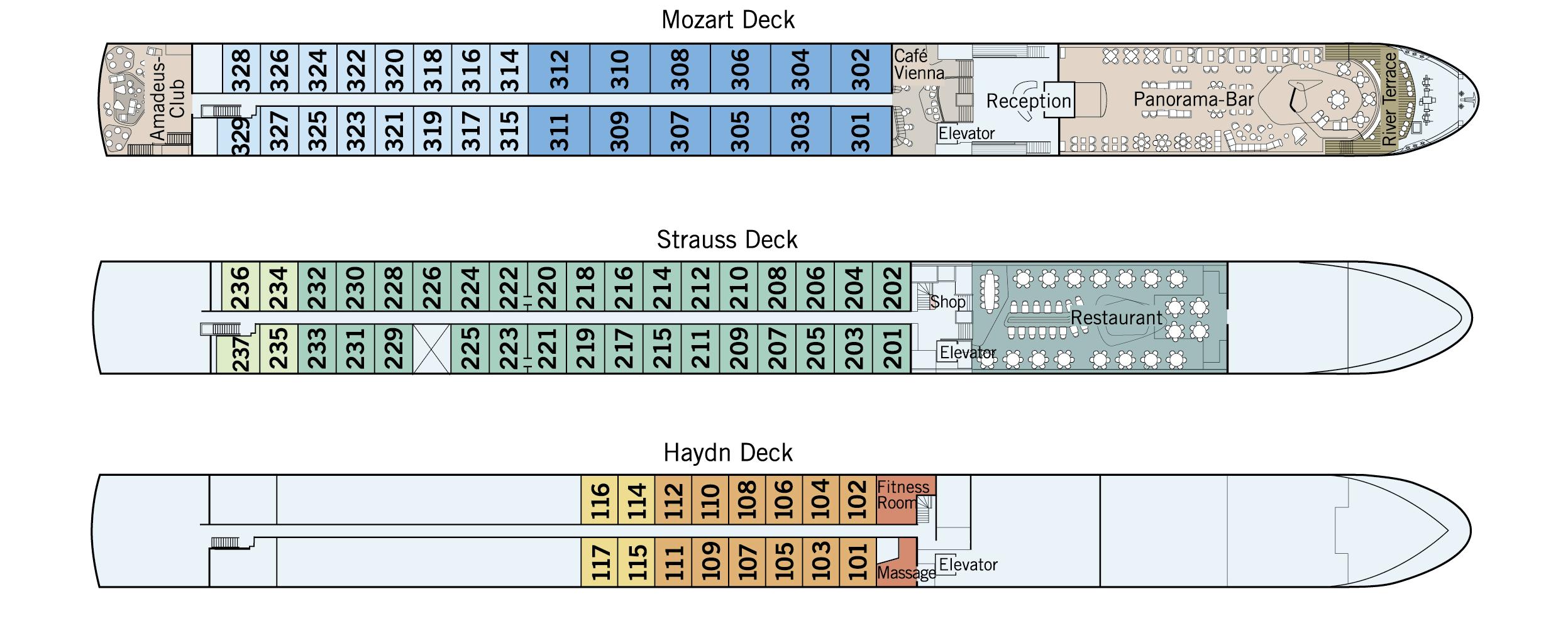
KEY
Haydn Front: Dark orange
Strauss Back: Pale green
Strauss Front: Dark green
Mozart Standard: Pale blue
Mozart Suites: Dark blue
Haydn deck cabin
Strauss/Mozart deck cabin
Mozart deck suite
CABINS
Haydn Front – lowest deck For double or single occupancy
Strauss Back – middle deck For double or single occupancy
Strauss Front – middle deck For double or single occupancy
Mozart Standard – top deck For double or single occupancy
Mozart Suites – top deck Not available for single occupancy
Cabins towards the front of the ship are quieter than those further back.
Please contact us or visit our website www.martinrandall.com for prices.
FITNESS FOR THE FESTIVAL
Quite a lot of walking is necessary to reach some of the concert venues and to get around the towns we visit.
You will sometimes need to walk for up to 20 minutes/1 kilometre each way in order to attend the concerts, with no additional transportation possible. Even in big cities taxis are not readily available or cannot get close enough to the ship or the concert venue to justify their use.
Many of the concert venues do not have a lift. You need to be averagely fit, surefooted and able to manage everyday walking and stairclimbing without difficulty.
We are very happy to talk you through each day’s manoeuvres, as these differ festival to festival, to identify if it may be necessary to opt out at any point.
We ask that you take the simple fitness tests on page 24 before booking.
‘Every aspect was 5 stars – the organisation, the perfectly planned, beautiful concerts, the very comfortable ship and excellent sta .’
If you have a medical condition or a disability which may affect your holiday or necessitate special arrangements being made for you, please discuss these with us before booking – or, if the condition develops or changes subsequently, as soon as possible before departure.
Illustration: Pfalz Castle and the town of Laub on the Rhine, lithograph c. 1820.
TRAVEL OPTIONS
OPTION 1 – flights both ways (LCY)
5 May: London City to Amsterdam (BA 8489) departing at 10.50 and arriving at 12.55. This is followed by free time for independent exploration before dinner and the evening concert.
12 May: Zurich to London City (BA 8766) departing at 14.55 and arriving at 15.30. There is time for some independent exploration of Zurich before departing for London.
OPTION 2 – flights both ways (LHR)
5 May: London Heathrow to Amsterdam (BA 432) departing at 11.50 and arriving at 14.10. This is followed by free time for independent exploration before dinner and the evening concert.
12 May: Basel to London Heathrow (BA 761) departing at 12.10 and arriving at 13.00.
OPTION 3 – train out, flight back (LCY)
5 May: London St Pancras to Amsterdam (Eurostar) departing at 11.04 and arriving at 16.20.
12 May: Zurich to London City (BA 8766) departing at 14.55 and arriving at 15.30. There is time for some independent exploration of Zurich before departing for London.
OPTION 4 – train out, flight back (LHR)
5 May: London St Pancras to Amsterdam (Eurostar) departing at 11.04 and arriving at 16.20.
12 May: Basel to London Heathrow (BA 761) departing at 12.10 and arriving at 13.00.
OPTION 5 – rail only
5 May: London St Pancras to Amsterdam (Eurostar) departing at 11.04 and arriving at 16.15.
12 May: Basel to London St Pancras, via Paris (one change), departing at 8.25 and arriving at 17.30.
Please note that the train from Basel arrives at Paris Gare de Lyon, but the Eurostar leaves from Paris Gare du Nord. A coach will take you to Gare du Nord from Gare de Lyon, though we recommend that you are able to carry luggage from the train platform to the coach independently.
There is a supplement for Option 5 (train both ways).
Each outbound option is tied to a particular inbound option – we are unable to amend your return transport to include the outbound and inbound travel from two different options.
At the time of going to print, flight and train schedules have not yet been published for May 2027 so these times are indicative and subject to change.
CONNECTING FLIGHTS
It may be possible to arrange connecting flights with British Airways from Edinburgh, Manchester, Glasgow, Aberdeen or Belfast.
THE NO FLIGHTS OPTION
If you are not joining our flight/rail options, you are welcome to join our coach transfers if your travel arrangements coincide with any of the options above.
PRE- AND POST-FESTIVAL TOURS
If you are opting to include your travel, pre-festival tour participants return to the UK on travel Option 1 (returning to London Heathrow); post-festival tour participants fly out to Amsterdam on Option 1 (from London Heathrow).
We charge for travel, if you are opting for it, as part of your pre- or postfestival tour booking. You therefore pay the ‘no flights’ price for the festival.
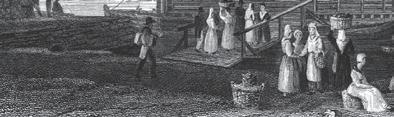
Illustration: Map of the Rhine c. 1850.
WALKING THE RHINE VALLEY CONCERTS AND HIKES THROUGH WOODS, FIELDS AND VINEYARDS
Walking option:
6–12 May 2027 (m n 351)
7 days • Speaker: Richard Wigmore
Five private concerts in beautiful and appropriate historic buildings (part of our Beethoven Along the Rhine festival), interspersed with five charming country walks.
Musicians of the highest calibre: some of the finest chamber ensembles in the world (Doric, Leonkoro, Modigliani Quartets; Nash Ensemble), and a grand finale of Beethoven’s violin concerto with the Basel Chamber Orchestra and star violinist Nemanja Radulović.
ITINERARY
Day 1: Bonn. Fly at c. 11.15am (British Airways) from London Heathrow to Düsseldorf. Drive onwards to Bonn, where the first of two nights are spent.
Day 2: Bonn, Bad Godesberg. Morning walk from Bad Godesburg to Rolandseck (10 km). A moderate walk beginning on a level path alongside the Rhine before ascending up to the hills above. There are some steep sections but always on good paths in woodland or on minor roads and country tracks. Rolandseck is a delightful building housing a contemporary sculpture museum. Optional afternoon concert: String Quartets II (see page 8). An early dinner precedes the evening concert String Quartets III (see page 8). Second and final night in Bonn.
Day 3: Bonn, Petersberg., Mannheim. In the morning attend String Quartets IV (see page 8). An afternoon walk rises steadily passing wood-timbered houses, fields and then through woods before reaching Kloster Heisterbach. Continue on woodland paths, zigzagging up a waymarked route to
Petersberg (c. 5km). Continue on to Mainz, for dinner and one night.
Day 4: Rebhang, Schloss Vollrads, Mannheim. Drive south into the picturesque Rheingau. A moderate morning walk on the so-called ‘Riesling Route’ from Schloss Vollrads to Am Rebhang (10km). This walk traverses vineyards and follows marked woodland paths above the Rhine, where the vines of prestigious wine producers cover broad, south-facing slopes. Stop for lunch before travelling on to Mannheim for a late-afternoon concert by the Rautio Trio in Schloss Mannheim (see page 9). Overnight in Mannheim.
Day 5: Strasbourg, Ribeauvillé. Drive to Strasbourg for a morning concert in Villa Quai Sturm with the Nash Ensemble (see page 10). The afternoon is spent walking along part of the Alsace wine route, beginning in Bergheim and ending in Ribeauvillé. The path here is mostly level (c. 5km). Drive to Colmar (France) for the first of two nights here.
Day 6: Colmar, Basel. The day starts with a challenging walk in the foothills of the Vosges. Beginning with a steep climb from Munster Haut-Rhin, this is a circular route on country lanes, farm tracks and woodland paths, which passes through picturesque villages and farms: (10 km). Drive to Basel for an afternoon concert in the Martinskirche with the Basel Chamber Orchestra & Nemanja Radulović (see page 11). Final night in Colmar.
Day 7. Fly from Basel, arriving at London Heathrow at c. 12.15pm.
PRACTICALITIES
Included: flights (Euro Traveller) with British Airways (aircraft: Airbus A319); hotel accommodation as described below; travel by private coach; breakfasts, 1 lunch and 6 dinners with wine; tips for waiters, drivers and local guides; the services of the lecturer and tour manager.
Accommodation: Königshof, Bonn (ameronhotels.com): 4-star with modern rooms and a restaurant with views of the Rhine. Hyatt Regency, Mainz (hyatt.com) 4-star on the banks of the Rhine. Radisson Blu, Mannheim (radissonhotels.com): a smart 4-star hotel, located within walking distance of the concert venue. Maison des Têtes, Colmar (maisondestetes.com): a charming, independent 5-star hotel located in the historic centre of Colmar with an exceptional restaurant. All single rooms are doubles for single occupancy.
How strenuous? This is a walking tour, graded ‘moderate’. It is essential for participants to have appropriate walking footwear, be in good physical condition and to be used to country walking with uphill and downhill content. There are a few steep climbs, but no walk is more than 6 miles or 3 hours. There is not always the opportunity to return to the hotel to freshen up before every concert or dinner. We have tried to limit driving time, but by necessity there are a few long drives. Average distance by coach per day: 67 miles. (Please see www. martinrandall. com/about-us for our walking tour grading system).
Group size: between 10 and 22 participants.
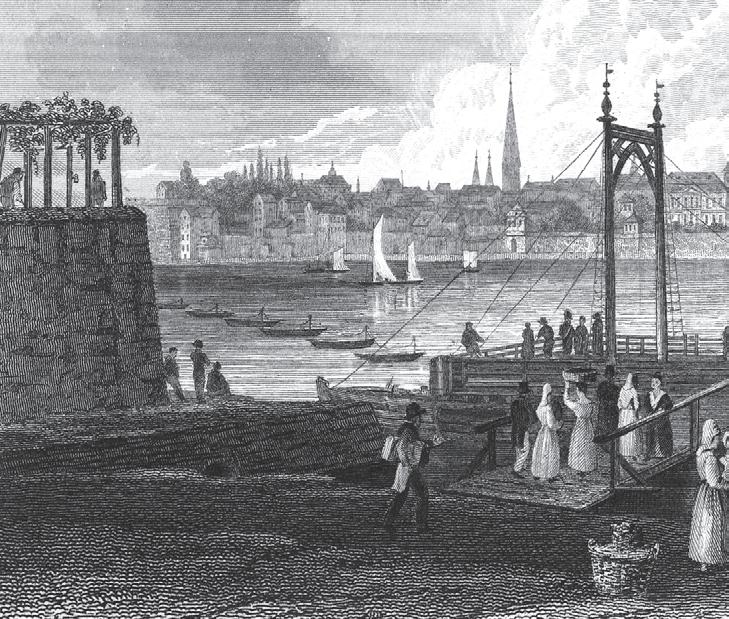
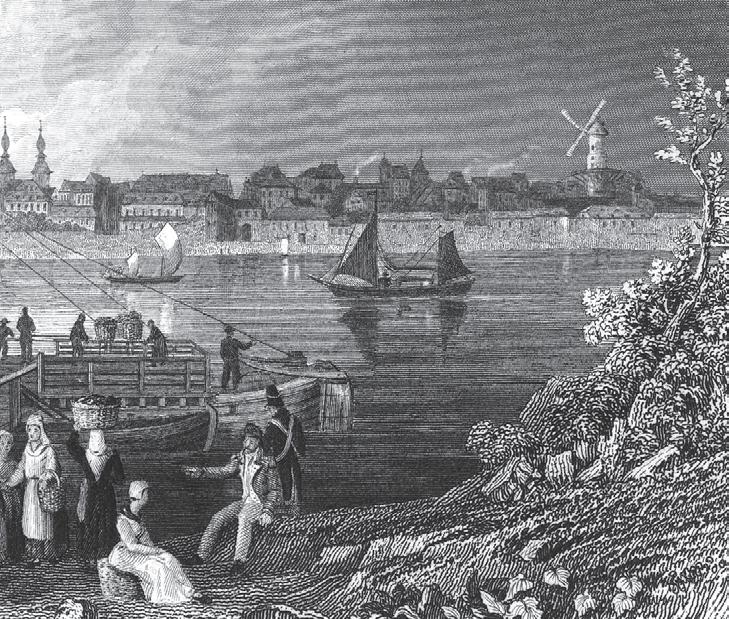
Illustration: Bonn, steel engraving c. 1840.
ART IN THE NETHERLANDS A SPECTRUM OF THE FINEST
Pre-festival tour:
29 April–5 May 2027 (m n 344 )
7 days • Speaker: Desmond Shawe-Taylor
A celebration of Dutch art in some of the finest museums in the Netherlands.
Masterpieces by Rembrandt, Vermeer and Van Gogh alongside other leading figures of the Dutch tradition.
Architecture and design from medieval to modern, all set in highly picturesque historic town centres.
ITINERARY
Day 1: Utrecht. Take the late-morning Eurostar from London St Pancras to Rotterdam, then continue by coach to Utrecht, where all six nights are spent.
Day 2: Amsterdam. With its rings of canals lined with merchants’ mansions, Amsterdam is one of the loveliest capitals in the world. Our visit to the brilliantly refurbished Rijksmuseum concentrates on the major works in its unrivalled collection of 17th-century paintings, Rembrandt’s The Night Watch and four Vermeers among them. The house where Rembrandt lived and worked for nearly 20 years is well restored and has a display of prints.
Day 3: Utrecht. One of the best-preserved historic cities in the Netherlands, Utrecht features canals flanked by unbroken stretches of 17th-century houses. The excellent art museum has a major collection of paintings of the 17th-century Utrecht School. See also the Rietveld House (1924), a landmark of 20th-century architecture.
Day 4: Otterlo. Located in gardens and surrounded by an extensive heath, the beautiful Kröller-Müller Museum has one of the great collections of works by Van Gogh as well as an eclectic holding of paintings, furniture and sculpture. A leisurely visit here allows time to explore the 75-acre park with its outdoor sculptures.
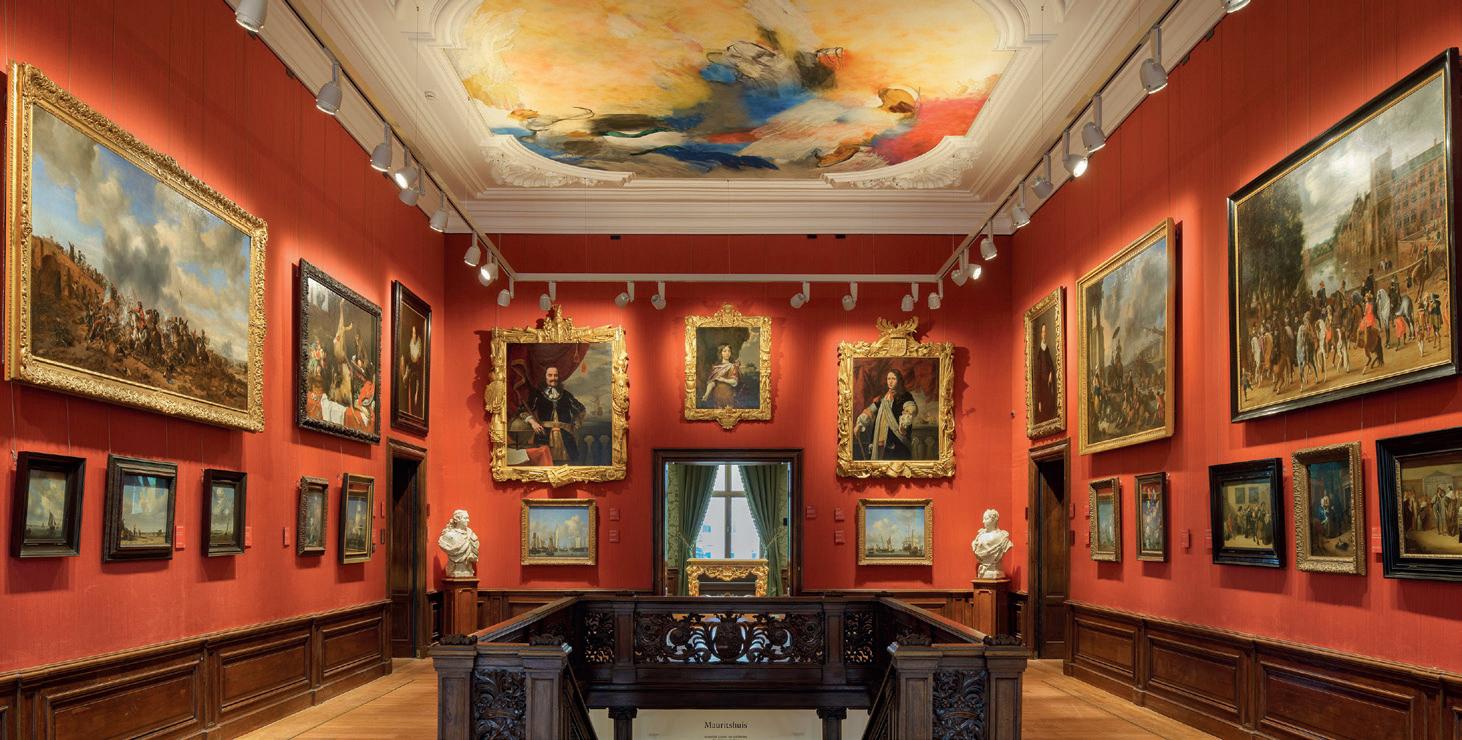
Day 5: The Hague. The Mauritshuis in Den Haag contains a superb collection of paintings including masterpieces by Rembrandt and Vermeer. Exhibited in the Kunstmuseum are 19th-century Hague School paintings, the realist milieu from which Van Gogh emerged, and works by the pioneer abstractionist Mondriaan. Visit also the illusionistic Mesdag panorama and the centre of the city, seat of the court and parliament.
Day 6: Amsterdam. Return to Amsterdam for a second visit to the Rijksmuseum. The Van Gogh Museum houses the biggest holding (over 200) of the artist’s works, largely from his brother Theo’s collection.
Day 7: Leiden. The Museum De Lakenhal in Leiden reopened in 2019 after radical refurbishment. Originally built as the guildhall for cloth merchants, it houses works by Rembrandt. Drive to Rotterdam and take the Eurostar direct to London St Pancras arriving, in the early evening.
Or, if combining this tour with the festival, take a transfer to Amsterdam for some free time before boarding the ship.
We sometimes change the visits on this itinerary to take advantage of temporary exhibitions.
PRACTICALITIES
Included: hotel accommodation; travel by private coach; breakfasts and 4 dinners with wine, water and coffee; admission to museums and galleries; all tips; all taxes; the services of the lecturer and tour manager.
Accommodation: The Grand Hotel Karel V, Utrecht (karelv.nl): 5-star hotel converted from a 19th-century hospital in a quiet location within the city walls. Single rooms are doubles for sole use.
How strenuous? There is quite a lot of walking and standing around, and the tour would not be suitable for anyone with difficulties with everyday walking and stairclimbing. Average distance by coach per day: 70 miles.
Fine and varied art collections, some in the collectors’ homes or in brilliant recent buildings.
Impressionism, Post-Impressionism and classic modernism figure prominently, also European Old Masters, decorative arts and Oriental art.
Excursions to collections outside the city centres pass through picturesque countryside.
ITINERARY
Day 1: Basel. Participants arriving from Beethoven along the Rhine will be transferred to the hotel in Basel for an early check-in. The rest of the day is free before a lecture and dinner in the hotel. Overnight Basel.
Day 2: Berne. All-day excursion: with its promontory setting and arcaded streets, Berne is perhaps the most attractive city in Switzerland. The purpose-built Paul Klee Centre (Renzo Piano) houses a huge collection of the artist’s works, and the Kunstmuseum has a good and varied collection of western art. Overnight Basel.
Day 3: Basel, Lucerne. A morning walk in Basel takes you via the mediaeval minster to the Kunstmuseum, an excellent collection notable for paintings by one-time resident Hans Holbein. After lunch drive to BaselRiehen where the Beyeler Foundation has a top quality collection of classic modern art in a stunning building by Renzo Piano. Continue to Lucerne for the first of two nights.
Day 4: Lucerne, Baden. Lucerne, at the juncture of mountains, rivers and lake, has a most attractive historic centre with mediaeval, Renaissance and Baroque buildings. The Sammlung Rosengart is an excellent collection of 20th-century art, particularly strong on Picasso and Klee. In the afternoon drive to Baden where, in a 1900 villa, the Langmatt Foundation displays a fine collection, especially of Impressionists (including 24 Renoirs). Overnight Lucerne.
Day 5: Lucerne, Zurich. Drive to Winterthur to visit the Oskar Reinhart Collection ‘am Römerholz’ at the collector’s home in tranquil woodland above the city, a marvellous display of Old Masters and Impressionists (reopening after renovation spring 2026). The afternoon is spent in Zurich. Visit two churches that have stained glass by Chagall and Augusto Giacometti. The Kunsthaus Zurich is Switzerland’s largest art gallery, displaying Swiss and international art from the Middle Ages to the present day. Continue to the Airport. Fly from Zurich, arriving Heathrow c. 8.30pm.
PRACTICALITIES
Included: hotel accommodation; travel by private coach; breakfasts, 1 lunch and 3 dinners with wine, water and co ee; admission to museums and galleries; all tips; all taxes; the services of the lecturer and tour manager.
Accommodation. Romantik Hotel Wilden Mann, Lucerne (wilden-mann.ch): 4-star hotel dating back to the 13th century located in the heart of the historic town centre. All double rooms in the hotel have two single mattresses on one bed frame, as is the usual style in Switzerland. Single rooms are doubles for sole use. Hotel Teufelhof, Basel (teufelhof. com): located in Basel’s historic centre, this characterful 3-star hotel is housed in two integrated, historic townhouses from the 18th century. Neither hotel has air-conditioning but fans can be provided in particularly warm weather. Single occupancy rooms are doubles for sole use throughout.
How strenuous? As you would expect this tour involves walking through town centres and standing around in galleries. You can expect to be on your feet for long periods of time. Average distance by coach per day: 70 miles.
Group size: between 10 and 22 participants.
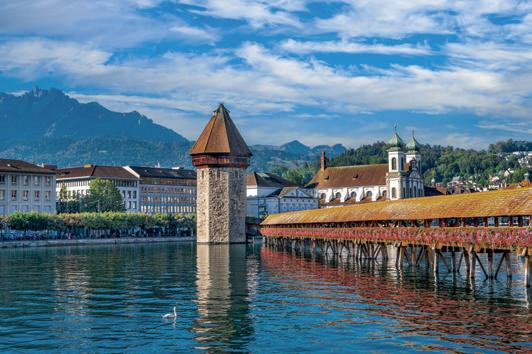
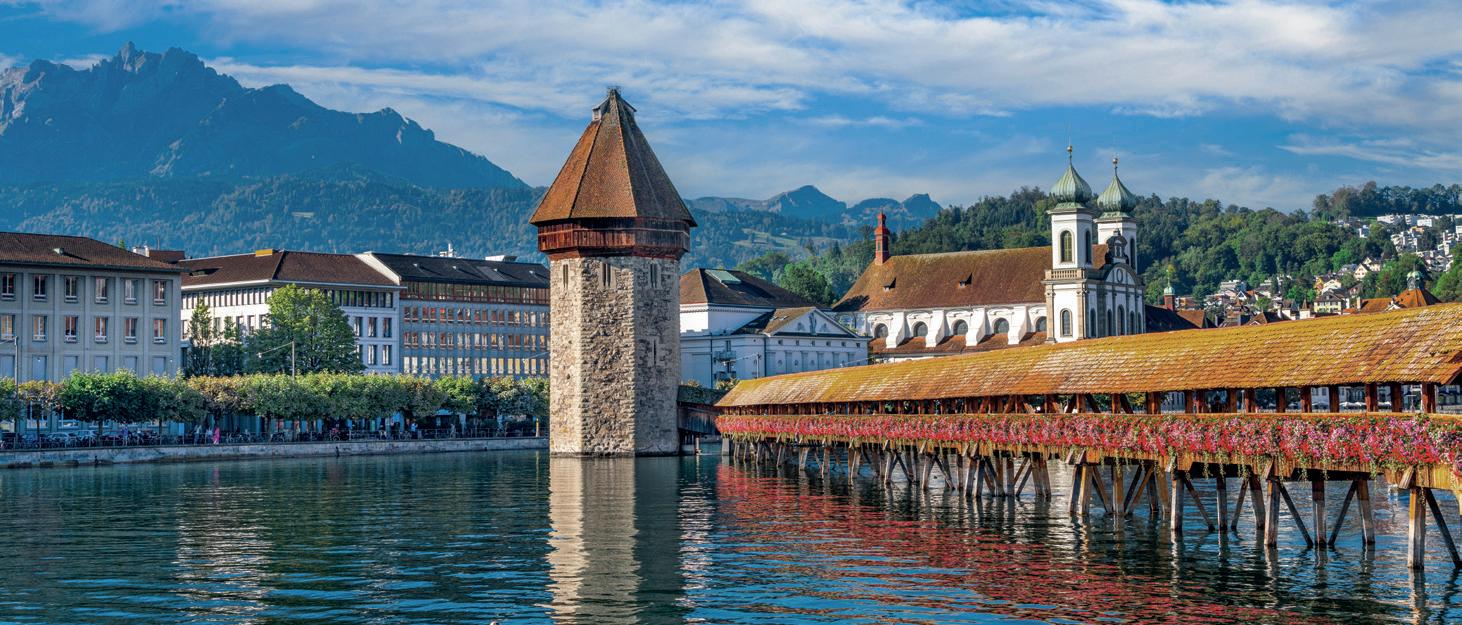
Photograph: Lucerne, Switzerland
MAKING A BOOKING
1. Booking Option. We recommend that you contact us first, or visit our website, to make a booking option which we will hold for 72 hours. To confirm it, please send the deposit within this period – 15% of your total booking price. Alternatively, make a definite booking straight away via our website.
2. Definite booking. Full payment is required if you are booking within 12 weeks of the date the festival begins.
3. Our confirmation. Upon receipt of the deposit we shall send you confirmation of your booking. After this your deposit is non-returnable except in the special circumstances mentioned in our Booking Conditions. Further details about the festival may also be sent at this stage, or will follow shortly afterwards.
FITNESS TESTS
We ask that you take the following fitness tests before booking. Please also read ‘Fitness for the festival’ on page 19.
1. Chair stands. Sit in a dining chair, with arms folded and hands on opposite shoulders. Stand up and sit down at least eight times in 30 seconds.
2. Step test. Mark a wall at a height that is halfway between your knee and your hip bone. Raise each knee in turn to the mark at least 60 times in two minutes.
3. Agility test. Place an object three yards from the edge of a chair, sit, and record the time it takes to stand up, walk to the object and sit back down. You should be able to do this in under seven seconds.
An additional indication of the fitness required is that you should be able to walk unaided at a pace of three miles per hour for at least half an hour at a time, and to stand for at least 15 minutes.
Illustration above:
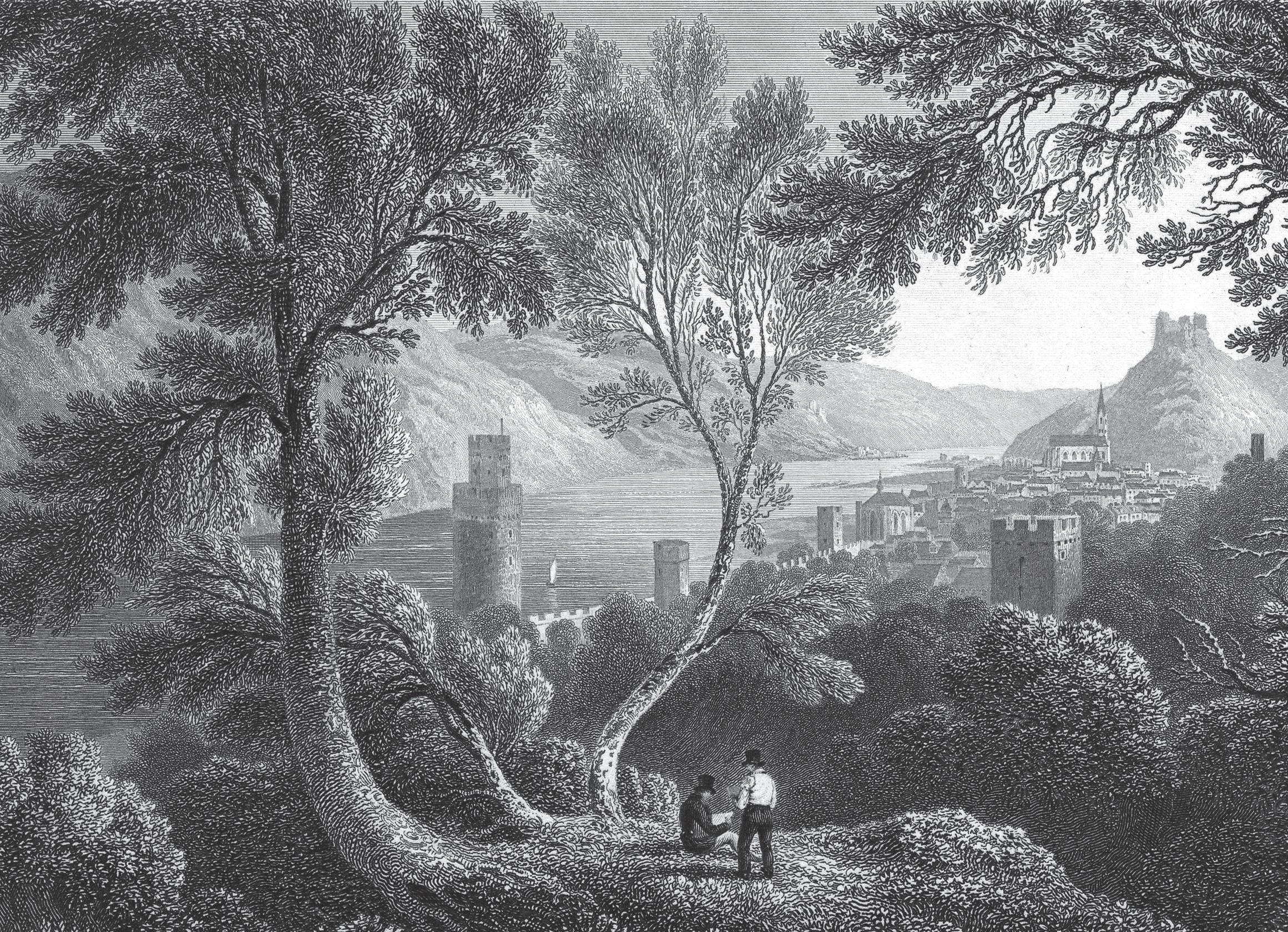
The Rhine at Oberwesel, engraving by Captain Robert Batty 1825.
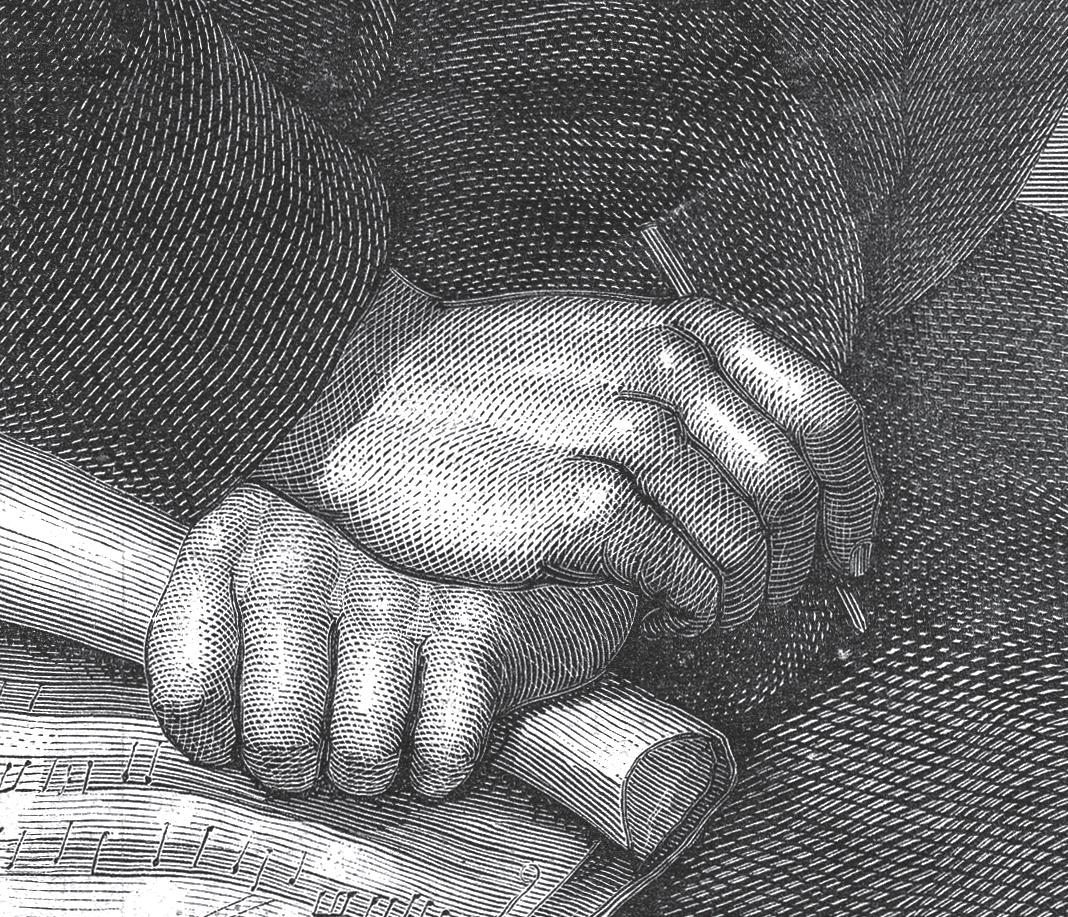
Illustration right: Beethoven, engraving 1870 from ‘Harper’s Weekly’.
MARTIN RANDALL TRAVEL LTD
10 Barley Mow Passage
London W4 4PH
United Kingdom
Tel +44 (0)20 8742 3355 info@martinrandall.co.uk www.martinrandall.com
Contact the London office from the USA and Canada:
Tel 1 800 988 6168 (toll free) usa@martinrandall.com
MARTIN RANDALL AUSTRALASIA
PO Box 1024
Indooroopilly QLD 4068 Australia
Tel 1300 55 95 95 New Zealand 0800 877 622 anz@martinrandall.com.au
MARTIN RANDALL TRAVEL…
is Britain’s leading specialist in cultural travel and one of the most respected tour operators in the world.
MRT aims to produce the best planned, best led and altogether the most fulfilling and enjoyable cultural tours and events available. They focus on art, architecture, archaeology, history, music and gastronomy, and are spread across Britain, continental Europe, the Middle East, North Africa, India, Japan and the Americas.
For 2027 we have planned around 200 expert-led tours for small groups (usually 10–20 participants), six music festivals of our own devising such as Beethoven Along the Rhine , several short history and music breaks, an extensive programme of online talks, and single days in London.
For nearly 40 years the company has led the field through incessant innovation and improvement, setting the benchmarks for itinerary planning, operational systems and service standards.
To see our full range of cultural tours and events, please visit www.martinrandall.com