MY PLAN FOR THE YEAR
2026–27
2026–27
As Children’s Commissioner for England, it is my job to listen to you and take your voices to decision makers.
This will be my sixth and final year as Children’s Commissioner. When I started, the country was just beginning to emerge from the Covid-19 pandemic. In my first week as Children’s Commissioner, many of you were beginning to return to school following a second period of remote learning.
Six years is a significant portion of your life. This final year provides an opportunity to reflect on the knowledge and insights I have gathered, and to drive change to improve the future of childhood in England.
Every child and young person deserves to feel listened to and empowered to have their say. Since 2021, a million children have shared their views with me. This year I want to hear from another million of you and I am launching a final survey, The Big Future, in May to ask your views on the future, your hopes for your local area, and the impact on your lives of technological change.
Your voices are key to improving children’s policy and services, so this year I will be speaking to as many of you as possible through my participation programmes, two Festivals of Childhood, roadshows and visits around the country. I will continue pushing government departments and public bodies to make your voices central to their work.
The theme of this final year is simple: to look back, listen, and plan for the future. Looking back allows us to understand what has changed during this time. Listening puts your experiences firmly at the heart of our priorities.
Planning for the future means pushing decision-makers to use the lessons of the past six years to create lasting improvements for children across England.
My Business Plan sets out the things I will focus on for my remaining time as Commissioner, but my team and I will always stay on top of what matters most to you.

“Make sure kids get what they need. Make people listen to what kids need - not what they think kids need.”
– Boy 7, The Big Conversation
As Children’s Commissioner, one million children and young people have told me about their experiences and aspirations. My work is divided into seven areas that young people have told me are most important:
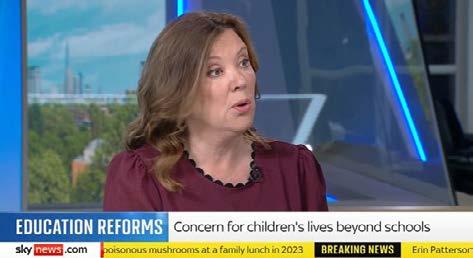
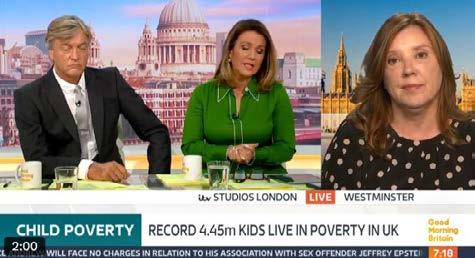
My work had more than 1,300 mentions across print, online and broadcast media last year, which had the opportunity to be seen 1.8 billion times. I also took your voices and views to Parliament, with 335 mentions of my work. These references are important because they bring issues to the attention of the public, and to politicians directly, to influence decisions made that affect your lives.
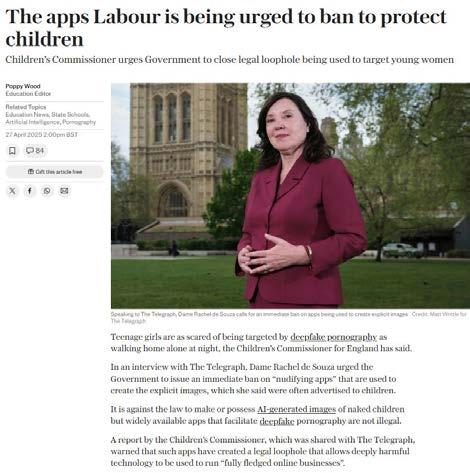
Some of my work that was talked about the most was my research into children’s experiences of poverty, and into online safety including phone use, social media habits and the impact of harmful content like pornography, GenAI apps and appearance-changing products.
My work helped to influence the debate to strengthen laws to protect children on social media and brought children’s voices to the conversation around whether social media should be banned for under-16s.
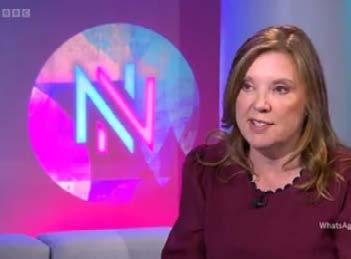
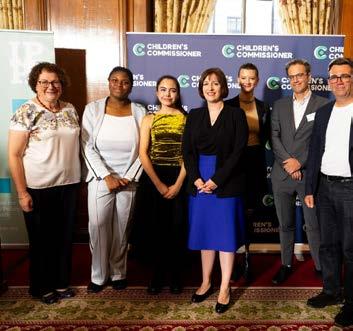



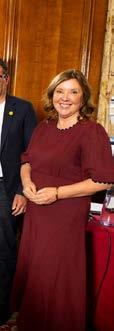
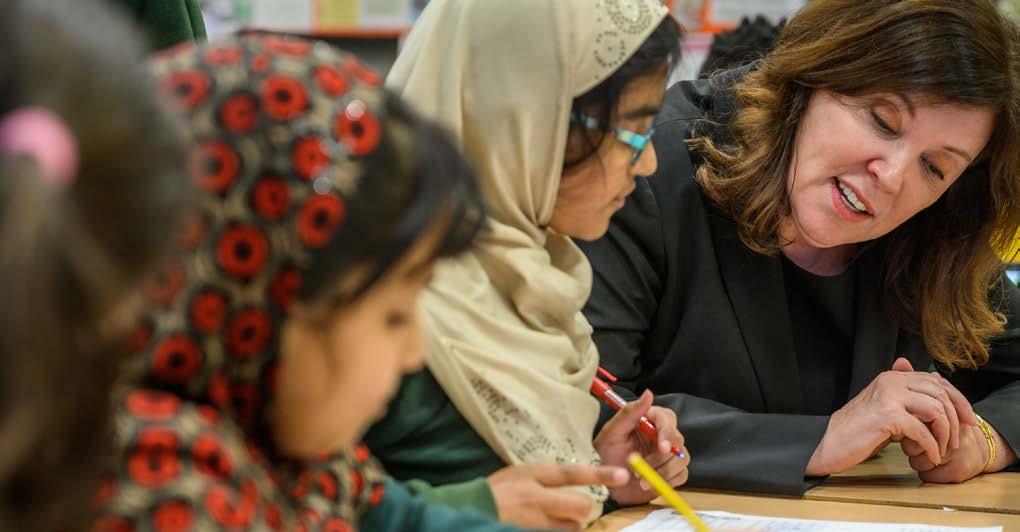
I also went on 104 visits last year to speak to children and young people across every region of England, touching on all key areas of my work. These included visits to young offender institutions, reception centres for unaccompanied asylum-seeking children, schools, children’s homes and hospitals.
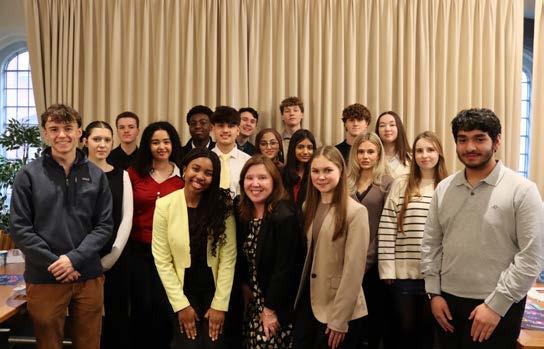
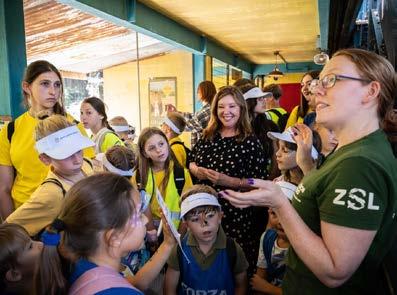
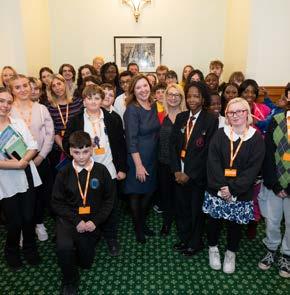
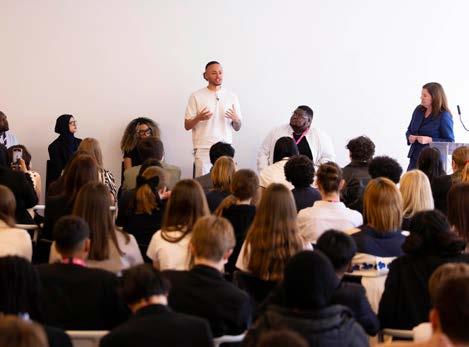
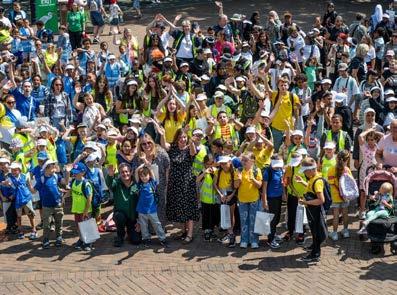
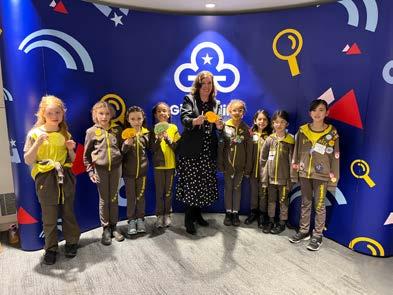
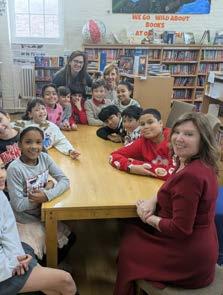
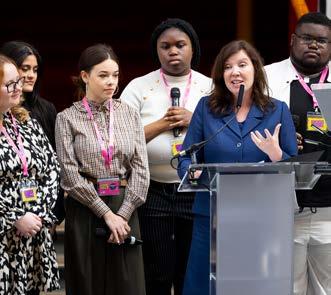
In everything I do, I want every child to feel listened to and empowered to have their say. I want to improve children’s policy and services, and to drive change that keeps children safe. My goal is to make England the best place in the world to grow up.
One of the advantages of my role is that it spans the full range of areas that impact your lives. This year I will pay particular attention to making sure all the public services that children rely on work for them. That will mean looking closely at two cross-cutting areas:
“More public spaces and walkable areas, or free bus pass for young people so that they can see each other.”
– Girl, 16, The Big Conversation
England should be the best place in the world to grow up, but there is too much variation in accessibility and quality of the services that you need.
Your outcomes should never be dependent on where you live.
This year I will highlight the differences and inequalities children are facing based on what’s available in your local area. My team will create interactive maps to tell a compelling story about childhood in England.
This year I am pushing for the most ambitious way of improving how information about children is shared across the key services that you use.
Providing a unique ID (a personal identification number for every child that lets services connect children’s records) will improve communication and joined-up support across services including schools, mental health services, healthcare trusts and local social care.
My goal is that public services not only share data seamlessly, but also act on what that information tells them, improving outcomes for children and families – and protecting those who might be at risk of harm.
Head to my Youth Voices Hub to see what children and young people think about key topics.

Age 13+? Join my Youth Voices Forum for opportunities to have your say on important issues.

Children and young people have told me they want an ambitious and socially conscious world with equal opportunities – a society where every child is heard, everyone can succeed and one with a healthy environment and planet.
Last year I:
› empowered young people to share their voices to influence decision-makers, and shape national policy;
› launched my Youth Voices Forum, sharing opportunities to get involved in my work, take part in youth voice groups and have your say in government projects throughout the year;
› set up a separate space, Youth Voices Hub, for young people on my website, sharing more about my work and what children have to say about topics you care about;
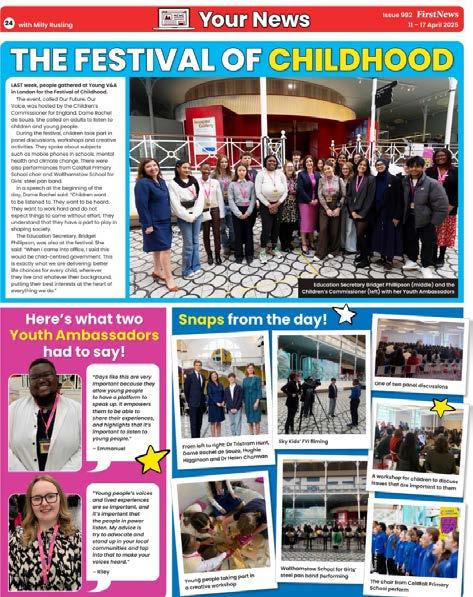
› held my first Our Future Our Voice: Festival of Childhood, where 150 young people took part in workshops, panel discussions and met with adults in positions of power, raising a call to action for decisionmakers to listen to and act on what children say;
› ran the second year of my Youth Ambassadors programme to amplify the voices of underrepresented children, including children with disabilities and additional needs, young carers, careexperienced young people and children from ethnic minority backgrounds;
› ensured special educational needs and disabilities (SEND) reform reflected the experiences of young people, supported by my SEND Panel;
› recruited two further youth voice groups in partnership with Ofcom and the Government Office for Science;
› heard your voices through The Big Conversation survey on my website and through The Big Conversation Podcast, hosted by my Youth Ambassadors who interview policy makers and share views of children and young people; and
› supported young people to become global citizens, looking at international practice and working collaboratively on issues that affect children across the UK and globally.
My plan for this year:
› help every child feel empowered to speak out on issues they care about;
› push decision makers to listen to children’s thoughts, feelings, views and ambitions on matters that affect them;
› explore through The Big Future survey how children’s lives have changed over the past five years, and their hopes and fears for the future—including views on voting and the impact of AI;
› deliver a summer roadshow of regional visits to bring survey themes directly to children and young people, including those least often heard;.
› hold two Our Future Our Voice: Festival of Childhood events celebrating participation and enabling children to share and shape how their lives are understood, beginning at the Science and Industry Museum, Manchester in May;
› continue promoting high-quality participation and deliver youth-led projects across government, as well as publishing a best-practice youth engagement handbook;
› work with my final cohort of Youth Ambassadors to represent children’s voices across England; and
› continue creating opportunities for every child to have their say and feel part of global society.
“I would love to see more awareness in schools for the bigger issues in the news and have more education on politics and the economy especially with the introduction of votes for 16.”
– Girl, 15, The Big Conversation
Children have told me they want access to enriching activities, things to do in their local area and to feel safe in their online and offline communities.
Last year I: My plan for this year:
Offline
› examined the youth justice system, including children’s experiences on custodial remand, leading to government action on a youth sentencing framework and more remand foster carers;
› highlighted the over-policing of children in care, calling for urgent, child-centred reform to address disproportionate criminalisation; and
› identified where crime and policing legislation could be strengthened to better protect children from exploitation and sexual abuse.
Online
› worked to make the online world safer, raising awareness of children’s exposure to pornography and misuse of GenAI apps, leading to government commitments to ban certain apps;
› published a guide for parents and carers on managing children’s digital lives, alongside an activity pack for young people;
› shared insights into what children are seeing online, including exposure to harmful content and its impact;
› contributed to Ofcom’s Children’s Code and added children’s voices to discussions on a social media ban for under-16s; and
› highlighted children’s exposure to appearancealtering products online, including illegal advertising of prescription-only weight loss drugs.
“I think there should be more action and lessons in school about things like making our streets safer and tackling knife crime.”
– Girl, 14, The Big Conversation
Offline
› continue making sure every child can grow up safe and supported, and:
› has access to play, fun activities, and places to spend time with friends,
› has access to high-quality youth provision locally,
› is supported by joined-up services working with youth provision to prevent issues escalating,
› is safe at home, at school, in relationships and in their local area,
› is protected from violence and criminality,
› is safer following interaction with the police or youth justice system, and
› receives specialist care and support if they are a victim of crime.
Online
› I will continue to prioritise children’s safety in the digital world, ensuring every child:
› can play and learn online safely,
› has the knowledge and support to stay safe online,
› is protected from online harms, with services able to safeguard and support them effectively.
“I just think stuff online tends to go wrong late at night. A lot of the time and you know, say your parents are asleep. It’s really easy to just sit up scrolling, watching things.”
– Boy, 17, Children’s Commissioner Youth Ambassador
Children in the social care system have told me they want to receive the support, protection, and opportunities they need. Every child who experiences the social care system should feel supported, listened to and, above all else, safe.
Last year I: My plan for this year:
› advocated for children’s social care reform to improve outcomes for children in care and to ensure their voices are at the heart of reform;
› highlighted the injustices faced by children in care, especially being criminalised instead of supported. I called for the system to be reimagined, putting children first and treating the with fairness;
› shone a light on children living in illegal homes that fail to meet their needs, emphasising the need for every child to grow up in a home-like environment and for no child to grow up in an institution;
› pushed for national consistency in care standards, support and opportunities;
› continued supporting children known to the social care system through my Help at Hand service; and
› investigated how local authorities, schools, police, and health services communicate and work together to share necessary information about children’s needs. A key aspect of this is looking into how a unique ID can be successfully implemented.
“England needs to start giving more support to children in care and foster and residential placements to understand people different SEND or complex trauma needs.”
– Care-experienced boy, 14, The Big Conversation
I will continue making sure:
› every child involved with children’s social care is truly listened to, and their views are heard;
› all families get consistent, effective help to improve children’s welfare, and to stay together wherever it is in a child’s best interests;
› every child in care has a loving stable home;
› every young person with care experience receives care and support for as long as they need it;
› every child who needs secure care receives it in an integrated, homely environment – and all Young Offender Institutions are closed;
› every child seeking asylum has access to a stable and loving home and is supported to thrive in education; and
› Every unaccompanied child in need of care and protection is supported from the day they arrive.
Help at Hand is my advice and assistance service for children in care, living away from home, with a social worker or care leavers under 25 and their advocates on any child rights issue.
Help at Hand can offer support and advice if: You’re not getting the right support / You don’t feel heard / You are being asked to move / You are worried about housing or finances / You feel unsafe childrenscommissioner.gov.uk/help-at-hand
Children have told me they want a good experience of education with great opportunities to support their futures, with the right space and environment for learning and building life skills. Children deserve access to high-quality, personalised education, regardless of their background or needs.
Last year I: My plan for this year:
› conducted a nationwide census of every school and college in England to build a picture of how well they are set up to support their children, particularly those with additional needs. This influenced changes in the government’s proposals to reform how needs are met in school;
› pushed for significant SEND reform, exploring how services work together and communicate;
› investigated the numbers of children in unregistered alternative provision and called for a national register for providers so every child gets a safe, high-quality education;
› continued researching the barriers to school attendance and absenteeism, so children can attend school regularly and get the support they need; and
› focused on the role of schools as a hub for support from multiple services. Schools and colleges are no longer just places of learning - they are lifelines for children’s wider support needs.
I will continue to work towards ensuring that every child:
› has access to a brilliant education,
› attends and is engaged in school every day,
› can access additional support to engage in education easily if needed, and
› with special educational needs or disabilities, and neurodiverse children, receive excellent, joined up healthcare, social care and education.
“One of the biggest issues for young people, especially my age, would be school and exam pressure. I believe there needs to be more regulations on about of homework set a week or pressure of GCSEs […] political education […] as well as needing to be prepared for adult life.”
– Girl, 15, The Big Conversation
Children have told me how important it is to support their families to help them to grow up safe, healthyand with the opportunities needed to thrive.
Last year I: My plan for this year:
› shone a spotlight on the realities of poverty for children growing up in 2025, and the importance of family support;
› embedded children’s voices into the government’s Child Poverty Strategy to shape national policy solutions, ensuring their real-life experiences drive action to reduce deprivation;
› shared children’s views about the Assisted Dying Bill, exploring its profound implications for children, especially those nearing adulthood;
› pushed for policies that support families so every child grows up in a stable, nurturing environment; and
› co-chaired an expert group looking into early years screentime, to advise on guidance for families.
Supporting families remains at the heart of my work this year. I want every child to:
› grow up in a family that has what it needs to support them, and no child grows up in poverty,
› grow up in a loving and supportive family, and
› have access to high quality support in the early years.
“Lower the price, money for food if parents are struggling to get money or feed their child and let people get jobs easier so they can start buying like there daily shopping easier.”
– Boy, 9, The Big Conversation
Children have told me they want to grow up feeling happy, healthy and well, with access to support quickly and locally when they need it.
Last year I: My plan for this year:
› continued pushing for improvements in children’s health services, with particular focus on support for disabled children, children with neurodevelopmental conditions and children with mental health problems;
› highlighted critical gaps in health service provision and embedded children’s health needs in national policy, particularly in bringing their experiences and views to shape the NHS 10-Year Plan;
› investigated the number of children in hospitals, their length of stay, reasons for prolonged stays, and the barriers preventing them from receiving care closer to home. This informed the government’s push for NHS services to shift from ‘hospital to home’ in its 10year health plan;
› tracked how well and how quickly mental health services meet children’s needs;
› looked at care for children with life-threatening and life-limiting conditions, examining how services for these children differ from those in adult services and the consistency across the country;
› explored the impact of online content and advertising harmful cosmetic products on social media on children’s self-esteem – and pushed for stronger protections for children online; and
› continued exploring the impact of children’s housing on health and wellbeing, calling for strengthened housing standards, and successfully pushed government to change guidance to end children’s preventable and tragic falls from windows.
I will continue making sure every child:
› grows up happy and healthy, and where children need additional help, it is provided as early as possible,
› has access to high-quality mental health and wellbeing support in their school and local community,
› with a disability or additional needs receives joined up healthcare, social care and education, and
› with the most acute physical and mental health needs living away from home receives loving, caring support.
“I wish there was way more support for mental health in children, when I was struggling, even with numerous referrals and waiting lists, my family had very little support in my worst times […] This definitely caused significant and lasting harm to me and my family, and delayed recovery.”
– Girl, 15, The Big Conversation
Children have told me they want support into adulthood with access to high-quality careers advice, work experience, and post-16 education opportunities that set them up for success. I want every young person, regardless of background, to have what they need to thrive in adulthood.
Last year I:
› improved support for care leavers and young people in post-16 education, so they have the guidance, opportunities, and stability needed for a successful transition into adulthood;
› examined how further education institutions support young people, including those with additional needs; and
› pushed for better career guidance, employer support, and work experience opportunities for children, in particular those with special educational needs, to support them to successfully move from education into employment.
My plan for this year:
I will continue supporting children to prepare for the future. I want every child:
› to learn the life skills they will need as adults;
› to have high-quality careers advice, information, and guidance which is tailored to their interests, and
› no matter their background, to have the support to secure their dream job, whether through further or higher education or an apprenticeship.
“I hope to get all 9s in my GCSEs and get into a good sixth form school. I also hope to start a business this year or get a parttime job.”
– Boy, 16, The Big Conversation
Visit the Youth Voices Hub to see what children think about key topics.

Join the Youth Voices Forum
Here are some opportinities to have your say on important issues. You can tell me what you think needs to change to make your lives better, find opportunities to get involved in and make a difference on issues that matter to you.

Take part in the Big Conversation Survey
Write to your MP or look into joining your local council’s Youth Council if it has one.

Listen to the Big Conversation Podcast
Get involved with your school council if it has one.
www.childrenscommissioner.gov.uk
@childrenscommissioner
@childrenscomm
to
to see what children and young people think about key topics.
Age 13+? Join my Youth Voices Forum for opportunities to have your say on important issues.

