Summer Magazine 2026 - Championing the Rights of Care Experienced Children
Editor: Louise O’Neill
louise.oneill@childreninwales.org.uk
Cardiff University Social Science Research Park (SPARK), Cardiff, CF24 4HQ
029 2034 2434
info@childreninwales.org.uk
Bluesky: @childreninwales.org.uk
Facebook: @childreninwales
Instagram: @Children_in_wales
LinkedIn: Children in Wales
The views expressed in this publication are not necessarily those of Children in Wales and we reserve the right to edit for publication
Registered Charity No: 1020313 Company Reg No: 2805996
Welcome from Chief Executive, Hugh Russell
Children in Wales Policy team update
Children in Wales Projects team update
Young Wales update
Training team update
Training Calendar
Events
Call for contributions to our Autumn 2026 magazine
My priorities for care experienced children (Delyth Jewell MS, Deputy Minister for Social Care, Mental Health and Women’s Health)
The Getting Ready Project: Supporting care experienced young people as they navigate leaving care (Children in Wales)
More than a label: Who I am becoming (Family Pathway)
Bloom and Supported Lodgings (Barnardo’s Cymru)
Passport to the City: Corporate Parenting in Action through Belonging, Wellbeing and Choice (Cardiff Council)
Creating homes where care experienced young people can thrive (Llamau)
From Wales to Geneva: Care experienced young people’s international travel diaries (NYAS Cymru)
Why evaluating ‘When I Am Ready’ matters (CASCADE, Cardiff University)
Why evaluating ‘When I Am Ready’ matters (CASCADE, Cardiff University)
Rainbows and Rain clouds: An innovative co-produced approach to Social Work learning (Neath Port Talbot Children’s Rights Unit & Neath Port Talbot CBC)
Why include care experienced people, parents and social workers in research into social work? Lessons in centring personal and professional perspectives when evaluating social work practice (CASCADE, Cardiff University)
Supporting care experienced young people’s higher education aspirations (Reaching Wider Southeast Wales Partnership)
Creating spaces where children feel safe, seen and supported (Role Play Lane)
Giving young people a voice in their own care journey (Clearcare Solutions)
Protecting vulnerable people starts with data security (Techsol)
New research led by Cardiff University gives fresh insight into Special Guardianship in Wales (CASCADE, Cardiff University)
Enduring relationships beyond the care system – how community-based relationships can support children in care (CASCADE, Cardiff University)
Wales Care Experience Participation Network: Working together to amplify young people’s voices (The Fostering Network)
Care experienced young people face basic practical barriers to accessing their first job (Action for Children Wales)
Welcome from Chief Executive, Hugh Russell
Croeso cynnes, a warm welcome to the Summer edition of Children in Wales’ magazine. The focus of this quarter’s magazine is on the inspiring work being delivered across Wales to ensure the best possible outcomes for those children in our care.
Article 20 of the UNCRC states that ‘a child temporarily or permanently deprived of his or her family environment, or in whose own best interests cannot be allowed to remain in that environment, shall be entitled to special protection and assistance provided by the State.’ This is a right taken seriously in Wales as attested by the articles set out below, not least that from our newly appointed Deputy Minister for Social Care, Mental Health and Women’s Health, Delyth Jewell MS, who has set out in her article her commitments, on behalf of the new Welsh Government, to children in care. I would like to use this space to welcome the Deputy Minister to her role and congratulate her and her colleagues on forming the government. Myself and the rest of the team at Children in Wales are excited about the proposed direction of this government (incorporation of the UNCRC into Welsh legislation, for instance) and are looking forward to working with the Welsh Government to move children’s rights forward over the next few years,
Children in Wales is committed to supporting the rights of children in care and have worked in various ways over the years to promote them, often in partnership with our members. Our Getting Ready programme, delivered with longstanding champions of care experienced children and young people, Voices from Care Cymru, is an excellent example of this, and you can read more about that in the magazine. I’m pleased that this edition of the magazine will be launched in conjunction with a webinar in which my colleagues will be detailing the progress that this programme of work has made to help young people as they prepare to move on from care.
Elsewhere, this edition lays out some excellent examples of practice from our members in the third sector, such as Llamau’s work to provide highly rated accommodation for care experienced young people, and Action for Children’s campaigning to help care experienced young people to secure work (and I was delighted to read this week the, doubtless related, news that their partner, the John Lewis Partnership, will double its support for care experienced young people in a drive to tackle youth unemployment).
In the world of academia, CASCADE continue to deliver high quality insights which can inform how we can ensure the best outcomes for children and young people – in this edition they have provided a number of articles, on studies into the relationships between young people and their Independent Visitors, the impact of the When I am Ready scheme and on the importance of including the voices of care experienced young people, their families and social workers in research into the care experienced.
Local authorities, as ever, have made valuable contributions to this issue, with highlights including a piece from Cardiff Council on their Passport to the City initiative, and the work of Neath Port Talbot and partners to ensure that the voices of care experienced young people are heard in the training provided to social workers.
Finally, I’d like to draw readers’ attention to the contribution from our supporters in Techsol. Attendees at our conference will have heard about their work at that event (and thank you to those of you who joined us! It was a great success –next one coming early 2027!) and their article gives a great overview of the importance of their services to support the data security of those providing care to children and young people.
My thanks to all of our contributors and to all those who take the time to read about their brilliant work.
Diolch o galon, Hugh
State of Parenting in Wales
Across our policy work, we continue to focus on the issues that matter most to babies, children, young people and families in Wales. Our State of Parenting and Family Support report highlights the increasing pressures facing families and services across Wales. Demand continues to grow, while needs are becoming more complex and interconnected.
Key findings show that families are often navigating overlapping challenges, including:
• Neurodiversity (ND) and Additional Learning Needs (ALN)
• Mental health concerns
• School refusal
• Child-to-parent violence
• Poverty and housing insecurity
• The ongoing impact of the cost-of-living crisis
ND and ALN remain the primary drivers of referrals, with long waiting times and limited access to specialist services placing additional strain on families and frontline support.
Despite these challenges, the sector continues to demonstrate strong, values-led practice which prioritises flexible, family-centred approaches, strengthening partnerships, and offering interim support while families wait for specialist input. The report underscores the urgent need for sustainable funding, investment in the workforce, reduced waiting times and clearer national direction to enable earlier support and better long-term outcomes.
Read the full report on our website.
Signposting
Champions: Building on Community Strengths
The Signposting Champions project is built on a simple idea: parents trust other parents. Developed in collaboration with Carmarthenshire, Pembrokeshire and Ceredigion local authorities and Hywel Dda University Health Board, it supports and strengthens the knowledge and relationships already within communities.
Consultation showed families often seek advice from each other first. The project builds on this by empowering parents to share trusted information, rather than creating new systems.
A key learning is that effective co-production requires clear roles, strong relationships, and mutual respect, recognising the value of lived experience.
Working collaboratively, Children in Wales have created a suite of resources to bring the model to life, ensuring parents’ voices were central at every stage. These include:
• A co-produced identity and distinctive logo, giving a visible presence
• An accessible e-learning module for flexible engagement
• A comprehensive face-to-face training package covering communication, safeguarding, and wellbeing
• A step-by-step guide for local authorities to establish and sustain networks
• A clear recruitment flyer explaining the role and how to get involved
More than volunteering, the initiative fosters a culture where community knowledge is valued. It aligns with Parents Connect Wales, focused on empowering the voices of parents.
We are keen to explore opportunities to expand this approach across Wales. For an informal conversation please contact Anna Westall, Policy Manager – Children’s Rights, Children in Wales on anna.westall@childreninwales.org.uk
Shaping the Big Conversation
Through Parents Connect Wales, we are preparing for a national Big Conversation with parents and carers. This will provide a platform to share views on issues that matter most to families and to inform future policy priorities. Before launching the conversation, we are asking parents to help shape the agenda by completing a short poll to identify key themes.
Have your say here.
A Safer Digital World for Children
The policy team responded to the UK Government’s consultation, Growing up in the online world: a national consultation, with a clear, balanced view of children’s online experiences. While digital spaces can support connection, creativity, learning and access to help, they can also expose children and young people to harmful content, bullying, inappropriate contact, misinformation and unsafe platform design.
Our response observes that policy should go beyond blanket bans or higher age limits and calls for safe-by-design regulation, stronger platform accountability, better digital literacy, and a children’s rights-based approach to the online world. It also supports tighter restrictions on high-risk features such as live streaming, location sharing and contact with strangers.
The submission underlines the importance of equipping children, young people and families with the knowledge and tools to navigate online spaces safely. This includes strengthening media literacy, and clearer support for parents and carers in using parental controls and managing risks. The response reflects our ongoing commitment to promoting a safer, more supportive and rights-respecting digital environment.
For more information please contact Rachel Beddoe, Research and Policy Information Officer, Children in Wales on rachel.beddoe@childreninwales.org.uk
Supporting Care Experienced Young People
In June 2026, the Children’s Research Network meeting focused on care experienced children and young people. Presentations were received on the When I am Ready evaluation, the Basic Income for Care Leavers in Wales pilot, and the Getting Ready Project, all focusing on supporting young people as they transition from care to adulthood.
The meeting emphasised the importance of trusted relationships, practical preparation, financial support and stronger collaboration across services. There was a shared commitment to improving outcomes for care experienced young people in Wales through coordinated and preventative support.
To learn more about the Children’s Research Network please contact Rachel Beddoe on rachel.beddoe@childreninwales.org.uk
Looking Ahead
In the months to come the Children in Wales policy team will continue to strengthen engagement with the new Welsh Government and Senedd, amplify children and families’ voices through the Big Conversation, and support members to influence key policy areas including child poverty, early years, mental health and ALN.
Our work is grounded in partnership - shaped by the knowledge, experience and insight of our members and the communities you support. We encourage you to stay involved through sharing your perspectives, contributing to consultations and working alongside us to drive positive change. By working together, we can help ensure that children’s rights are consistently recognised, respected and embedded across policy and practice in Wales.
Children in Wales Projects team update
Children in Wales Projects update: strengthening young voices in Welsh transport
Children in Wales has begun work on a new partnership with Transport for Wales (TfW), focused on embedding young people’s perspectives in the future of travel across Wales.
At the centre of this collaboration is the development of a Young Persons Advisory Panel, which will create a dedicated space for young people to share their experiences and influence decision-making on transport services and policy. Recruitment is set to bring together a diverse group of around 20 young people aged 16-21, reflecting a broad range of backgrounds and perspectives.
Transport for Wales, a not-for-profit organisation owned by Welsh Government and a named body under the Well-being of Future Generations (Wales) Act 2015, is responsible for rail services across Wales and the borders, alongside a growing role in bus services and active travel. This project forms part of TfW’s wider ambition to deliver a safe, integrated, accessible and sustainable transport network, with stronger user insight shaping its approach.
Children in Wales is leading on the design and delivery of a bespoke youth engagement model, grounded in children’s rights. This includes coproducing the panel structure, ensuring participation
approaches are meaningful and embedded from the outset, and supporting recruitment and onboarding in line with safeguarding requirements. We will also provide tailored training for TfW staff, young people and volunteers to build confidence and capability in youth participation. The panel will give young people the opportunity to explore new service ideas and contribute to the health, equality, cohesion, prosperity, resilience and cultural vibrancy of Welsh society through better transport and travel services. This work represents a significant step towards creating a more consistent and sustainable platform for youth voice within TfW’s broader engagement approach, ensuring that young people’s views are not only heard, but acted upon.
Lois Park, Head of Engagement at Transport for Wales, said the organisation is “pleased to be working with Children in Wales to establish our first Young Persons Advisory Panel, highlighting the value of their expertise in youth engagement and the importance of ensuring young people help shape the future of transport in Wales.”
For more information on our projects, please contact Kate Thomas, Projects and Partnership Manager, Children in Wales on kate.thomas@childreninwales.org.uk
Young Wales Update
What’s new at Young Wales?
Young Wales continues to create opportunities for children and young people across Wales to have their voices heard, influence decision makers and connect with others who are passionate about making a difference. Here’s a look at some of the exciting projects and activities currently underway.
Brain Power: Pŵer yr Ymennydd
Young Wales is faciltiating Brain Power: Pŵer yr Ymennydd, a new Welsh Government-funded project with Children in Wales specifically for neurodivergent young people aged 11–25. The project aims to create a safe, inclusive and empowering space where neurodivergent young people can share their experiences, connect with peers and influence the support and services available to them across Wales. Through creative activities, discussions and participation opportunities, young people will help shape positive change and ensure their voices are heard by decision makers.
Find out more and register your interest here: Brain Power: Pŵer yr Ymennydd – Fill in form
For any questions, please contact claire.hathway@childreninwales.org.uk
The Big Conversation 2026
What matters most to young people in Wales right now? That’s the question at the heart of The Big Conversation. Running throughout the summer and into the autumn, this national engagement project is gathering the views, experiences and priorities of children and young people from across Wales. The findings will contribute to a report for the Welsh Government and will help shape discussions at the Young Wales Summit on 21 November 2026 in Cardiff.
The project provides an important opportunity for young people to share their perspectives on the issues affecting their lives, and to identify the changes they would like to see happen in Wales.
Access the survey here: Tell us YOUR Priorities – Fill in form
To find out more or get involved, email young.wales@childreninwales.org.uk
Young Wales Residentials
The Young Wales’ residential programme continues to provide unforgettable opportunities for young people to connect, collaborate and create change.
• June Residential
Our volunteers, aged between 18 and 25, recently came together for a residential focused on designing and planning this November’s Young Wales Summit. Through workshops, discussions and collaborative planning sessions, young people played a leading role in designing an event that reflects the priorities and experiences of young people across Wales.
• July Residential
This summer, Young Wales volunteers aged 11–17 will head to Glan-llyn, Bala, for an exciting weekend of participation, connection and fun. The residential will bring together young people from across Wales to explore important issues, contribute to consultations, engage directly with Welsh Government representatives and develop their confidence as young advocates. Alongside meaningful participation opportunities, the weekend will include team-building activities, new friendships and plenty of memorable experiences.
Together, these residentials showcase the power of youth voice and provide young people with meaningful opportunities to influence decisions, while building lasting connections with young people from across Wales.
If you would like to get involved, please email young.wales@childreninwales.org.uk
Training team update
Supporting care experienced children - from commitment to action: Creating opportunities that make a real difference
Across Children in Wales and its membership, there is a shared ambition to ensure every child has the opportunity to thrive in Wales. Supporting this vision, a new one-day training course on a rightsbased approach to supporting care experienced children offers organisations a practical, engaging way to turn commitment into meaningful action.
Corporate parenting is a collective responsibility, not just a statutory duty. This course helps organisations understand what it means in practice and how it aligns with the Corporate Parenting Charter for Wales. Whether in the public, private or voluntary sector, every organisation has a role in supporting care experienced children and young people.
The training will also consider the evolving Radical Reform agenda, including current and emerging policy priorities for 2026–27. Participants will gain insight into:
• The responsibilities of corporate parents across sectors
• How policy translates into meaningful action
• Examples of effective practice already underway
This is about turning ambition into action and ensuring organisations are equipped to respond.
The session showcases how organisations are already making a difference, offering practical examples of pledges and initiatives. Participants will be encouraged to reflect on their own contribution and identify new opportunities to strengthen their commitment.
By the end of the course, attendees will have:
• A clear understanding of corporate parenting responsibilities
• Knowledge of the Corporate Parenting Charter’s principles in Wales
• Awareness of the current policy direction and the Radical Reform agenda (2026–27)
• Examples of existing organisational commitments and good practice
• Practical ideas to implement within their organisation
This training is designed for a wide audience, including public sector organisations, businesses, voluntary groups, and community organisations. It is particularly relevant for leaders, HR professionals, practitioners, and anyone involved in corporate parenting commitments.
Funded by the Welsh Government, the course is free to attend, removing the usual £140 fee and making it accessible to smaller organisations. Delivered online, it also ensures participation from across Wales, supporting those with travel or caring commitments while encouraging collaboration between sectors.
This training is more than a learning opportunity - it’s a chance to make a real difference. By taking part, organisations can help create better outcomes and brighter futures for care experienced children across Wales.
For more information about this course on 22 July 2026, please visit this link, or for 27 August 2026, please visit this link. For any information on other training organised by Children in Wales, please email training@childreninwales.org.uk
Training Calendar
JULY
Children’s Rights and Participation for Children Under 11 Years
Thursday, 9 July 2026 from 09:30 – 15:30
Online event Free
An engaging course exploring children’s rights and participation in Wales. Learn key legislation, practical tools, and child-centred approaches to involve children in decisions affecting their lives. Build confidence, tackle participation barriers, and create your own action plan for working effectively with children.
SEPTEMBER
Group B: Safeguarding Children, Young People and Adults at Risk
Thursday, 3 September 2026 from 09:30 – 16:00
Online event Members: £126, Non-members: £140
Build confidence and up-to-date knowledge to safeguard those in your care. Cover key legislation, recognise signs of abuse, understand roles and responsibilities, and respond effectively to concerns while practising safe working and information sharing.
Supporting care experienced children - from commitment to action: Creating opportunities that make a real difference
Wednesday, 22 July 2026 from 09:30 – 15:30
Online event Free
This training session is designed to help organisations gain a clear and practical understanding of what corporate parenting means, particularly in relation to the principles and promises of the Corporate Parenting Charter in Wales.
Group C: Safeguarding for the Designated Person & Senior Practitioners
Tuesday, 8 & Wednesday, 9 September 2026 from 09:30 – 16:00
Online Event Members: £126, Non-members: £140
Designed for Designated Safeguarding Leads and senior practitioners, this course strengthens your expertise in managing safeguarding responsibilities, making informed decisions, and leading effective safeguarding practice.
ADHD: An understanding for Practitioners
Tuesday, 6 October 2026 from 09:30 – 16:00
Online event Members: £126, Non-members: £140
A practical course giving frontline staff a clear grasp of ADHD, its varied presentations, and associated risks - promoting a whole-child approach and stronger multi-agency working.
Neurodiversity Awareness: Supporting Children, Young People and Families
Monday, 19 October 2026 from 09:30 – 16:00
Online Event Members: £126, Non-members: £140
Learn practical strategies to recognise and support neurodivergent children and young people using a holistic, whole-child approach.
Children’s Rights and Participation for Young People Aged 11-25
Thursday, 23 July 2026 from 09:30 – 15:30
Online event Free
An interactive course exploring young people’s rights and participation in Wales. Learn key legislation, practical techniques, and how to involve young people in decision-making, including setting up youth forums. Build skills, address barriers, and create an action plan to embed participation in your work.
AUGUST
Supporting care experienced children - from commitment to action: Creating opportunities that make a real difference
Thursday, 27 August 2026 from 09:30 – 15:30
Online Event Free
This training session is designed to help organisations gain a clear and practical understanding of what corporate parenting means, particularly in relation to the principles and promises of the Corporate Parenting Charter in Wales.
OCTOBER
Motivational Interviewing:
A collaborative approach to change
Thursday, 10 & Friday, 11 September 2026 from 09:30 – 16:00
Cardiff Bay Members: £252, Non-members: £280
An engaging, practical course introducing MI as a powerful, person-centred approach to supporting behaviour change. Build skills in effective communication, managing resistance, and encouraging positive change through real-life scenarios. Ideal for anyone working with children, families or individuals in challenging situations.
NOVEMBER
Child Sexual Abuse & Exploitation: Awareness and Response
Tuesday, 10 November 2026 from 09:30 – 16:00
Online event Members: £126, Non-members: £140
This focused training course strengthens your understanding of Child Sexual Abuse (CSA) and Child Sexual Exploitation (CSE), helping you recognise risks and respond confidently using a rights-based, person-centred approach in a Welsh context.
Building Resilience: Understanding Adverse Childhood Experiences (ACE)
Thursday, 1 October 2026 from 10:00 – 12:30
Online Event Members: £72, Non-members: £80
This informative and practical half-day course is designed to deepen your understanding of ACEs, trauma, and resilience, equipping you with the knowledge to better support individuals affected by early-life adversity.
Anxiety in Young People: Supporting Young People’s Well-being
Thursday, 10 November 2026 from 09:30 – 16:00
Online event Members: £126, Non-members: £140
This one-day course is designed to deepen your understanding of anxiety, its causes, and its impact on mental and physical health. You’ll gain practical tools to support young people more effectively in both personal and professional settings.
Events
Free live webinar
Celebrating Difference –Bridging the Divide
Date September
Time TBC
Online MS Teams
Join us to learn about Celebrating Difference –Bridging the Divide, a parent-led training which will support professionals to better understand children with ALN and ND. Developed by parents from Voices4Bettws in Newport, the training is rooted in real lived experience of raising children with ALN. The training shares practical insights, builds confidence in professional practice, and helps create more inclusive support for children and families.
Children in Wales has supported the expansion of this training across Wales, using a sustainable train-the-trainer model, empowering parents as community lived experience practitioners to share their knowledge and insight to drive change.
This webinar will explore the training, roll out, learning and impact. Highlighting how stronger relationships with parents, and a co-production approach can lead to better outcomes for children and families.
Free live webinar
Celebrating National Parenting Week
Date Wednesday, 21 October
Time 11am - 12pm
Online MS Teams
Parents Connect Wales will launch the findings of the 2026 Big Conversation with Parents in Wales, celebrating National Parenting Week.
For more information on any of the events below, please contact: emma.butler@childreninwales.org.uk
Save the date
Young Wales Summit 2026
Date Saturday, 21 November
Time 10am - 4pm
Location Spark, Maindy Road, Cardiff CF24 4HQ
Our annual celebration of Youth Voice in Wales. Members are encouraged to bring along the young people you work with to this exciting and inspiring event. The Young Wales Summit is free to attend and designed to be inclusive and welcoming to everyone. Spaces are limited and fill up quickly, so please register your interest early.
Free live webinar
Findings from the 2026 Annual Child & Family Poverty Survey
Date March 2027
Time TBC
Online MS Teams
Please join us for this free webinar where you will hear key findings from the Children in Wales Annual Child and Family Poverty Survey Report.
Early Bird Tickets
Children in Wales Annual Conference 2027
Release date December 2026
Keep an eye on your Member News and Children in Wales’ socials to catch the release of early bird tickets to next year’s Annual Conference.
Call for contributions to our Autumn 2026 magazine
THEME
HEALTHY CHILDHOODS
Every child deserves the opportunity to grow up healthy, happy and supported. Reflecting Article 24 of the UN Convention on the Rights of the Child, which recognises every child’s right to the highest attainable standard of health and access to healthcare services, this edition will explore how we can work together to ensure babies, children and young people have the support they need to thrive. The theme also reflects a key ambition from the Children in Wales Champions for Children Manifesto 2025/26: “We want children to be free from poor physical and mental health, and to receive the help and support when need arises.”
We would love to hear from members about the work, projects, research, services and initiatives helping to create healthier childhoods across Wales. Articles might explore topics such as:
• Promoting babies’, children’s and young people’s physical and mental health
• Preventing ill-health and promoting better physical and mental wellbeing
• Promoting healthy lifestyles and helping children and families better manage health conditions
• Improving access to wellbeing support services
• Providing whole-family approaches to improving health and wellbeing
• Giving children the best start in life
• Tackling health inequalities linked to poverty
• Providing wellbeing support for more vulnerable groups of children
Whether you are delivering innovative services, sharing learning from research, highlighting good practice, or amplifying children and families’ voices, we welcome contributions that demonstrate how we can work together to improve health and wellbeing outcomes for all children and young people. We look forward to receiving your articles and showcasing the inspiring work taking place across Wales to support healthy childhoods.
Submission guidelines:
• Articles should be between 500 and 750 words
• Submit your article in both English and Welsh
• Write your article in MS Word and include a title and the author’s name and organisation
• Include high quality JPEG images if you wish, or your organisation’s logo
• Deadline for submissions Thursday, 8 October 2026
Please email a brief summary of your proposed article to membership@childreninwales.org.uk
Once received, your space will be confirmed.
Please note: the magazine is shared publicly on our social media accounts, giving your contribution the opportunity to reach a wider audience beyond our membership.
Delyth Jewell MS, Deputy Minister for Social Care, Mental Health and Women’s Health
My priorities for care experienced children
I am truly honoured to have been appointed Deputy Minister for Social Care, Mental Health and Women’s Health in this new Welsh Government. While my portfolio spans many important areas, I am delighted that this edition of the Children in Wales magazine gives me the opportunity to focus on something I feel very strongly about - supporting the lives and ambitions of care experienced children and young people in Wales. I come to this role with a deepening awareness of the challenges and personal circumstances involved in this work. As a society, we still have some way to go in building the kind of community networks that place young people’s needs at the heart of everything we do - networks that nurture, support and enable them to flourish. In this respect, the mission of this government is a simple one: to ensure that every child in Wales, no matter their circumstances, has the opportunity to lead a happy and fulfilling life. We have the bold plans to match this burning ambition: after all, one of our main priorities for this Senedd term is to implement the most radical programme in the history of devolution to tackle the scourge of child poverty. But we don’t just want security for our younger generations; we want them to thrive in every area. I want every care experienced child in Wales to have access to stable housing, education, healthcare and emotional support, with real opportunities for personal development - everything a parent would want for their child. That commitment extends to care leavers too, supporting them to transition successfully into independent adulthood. These are the principles at the heart of the Corporate Parenting Charter and will guide my thinking as I develop my approach in this area of work.
Wales now has a real opportunity to do things differently. As a small country, we are well placed to bring key organisations together quickly, and at pace, to find Wales-specific solutions. Every child and family should know where to turn at any time - not because they happen to meet a particular eligibility threshold or to live in any one region, but because the support available to them is shaped around them. Families should feel confident that all agencies are working well together and with them.
Early intervention is crucial. By tackling complex situations through multi-agency approaches before things reach crisis point, we can make a real difference. That means improving access to therapeutic accommodation and specialist services, so that our most vulnerable children can stay within their communities. It also means ensuring that children and families feel genuinely involved in the plans made for them - not imposed upon them. Parental Advocacy, for example, can empower parents to have a real voice within the child protection system, so that we can work with them to keep children safe.
I am also keen to explore how we can ensure that children and young people better understand and can fully exercise their rights and entitlements, which is something I will be looking at closely in the months ahead. Underpinning all of this is a commitment to listening. The voices of those young people with lived experience of children’s services must influence and inform everything we do.
I am currently considering the Transformation Programme for Children’s Services Legacy Report, which reviews progress in reforming children’s services across Wales and sets out recommendations for the future. It is already clear that there are strong collaborative efforts across the sector, and I look forward to building on that.
One area of significant reform that the Welsh Government is committed to delivering is the removal of profit from the care of looked after children. Following the passing of the Health and Social Care (Wales) Act 2025, and the introduction of the first restrictions on for-profit provision earlier this year, we are now focused on driving this change forward. This reflects our fundamental belief that care must be driven by responding to needs and improving outcomes - and not by profit.
I am keen to work closely with local authorities and providers to implement this in a way that maintains stability for children, while supporting the development of not-for-profit provision and strengthening regional approaches to sufficiency. The ambition is to create a system rooted in values, where children’s wellbeing, relationships and long-term outcomes always come first.
I am ready to engage with everyone across the sector to further develop and advance these priorities and wish to play a strong part in achieving meaningful, lasting change for care experienced young people throughout this Senedd term.
The Getting Ready Project: Supporting care experienced young people as they navigate leaving care
The transition from care to independent adulthood can be one of the most challenging periods in a young person’s life. For care experienced young people, this journey often involves navigating complex systems, managing new responsibilities, and building confidence in unfamiliar environments. The Getting Ready Project was created to support this transition in a meaningful and empowering way by placing young people at the heart of the solutions designed for them.
What is the Getting Ready Project?
In partnership with Voices from Care Cymru, the Getting Ready Project supports care experienced young people to transition safely and confidently into independent living. Central to its approach is a commitment to empowerment and equipping young people with the knowledge and understanding they need to navigate their rights and entitlements as they prepare to leave care.
This is achieved through the development of accessible, online resources co-produced in partnership with care experienced young people. Each resource is bespoken to its local authority context, reflecting geographical differences and the specific needs of the communities it serves. For local authorities seeking to strengthen support for care leavers, the Getting Ready Project offers a collaborative, adaptable model that can be tailored to meet local needs.
What do young people create?
Through workshops, group discussions and creative sessions, participants collaborate to produce a range of resources. These may include:
• What does leaving care mean?
• Practical guides on topics like housing, budgeting, and employment
• Emotional wellbeing tools and peer advice
• Education and Employment opportunities in the area
Bethan Wilson, Development Officer, Getting Ready Project, Children in Wales
• Breakdown of benefits and entitlements available to care experienced young people
• Opportunities in your area
• Support systems and advocacy
• Each resource reflects authentic perspectives, making them more relatable and impactful for other young people preparing to leave care.
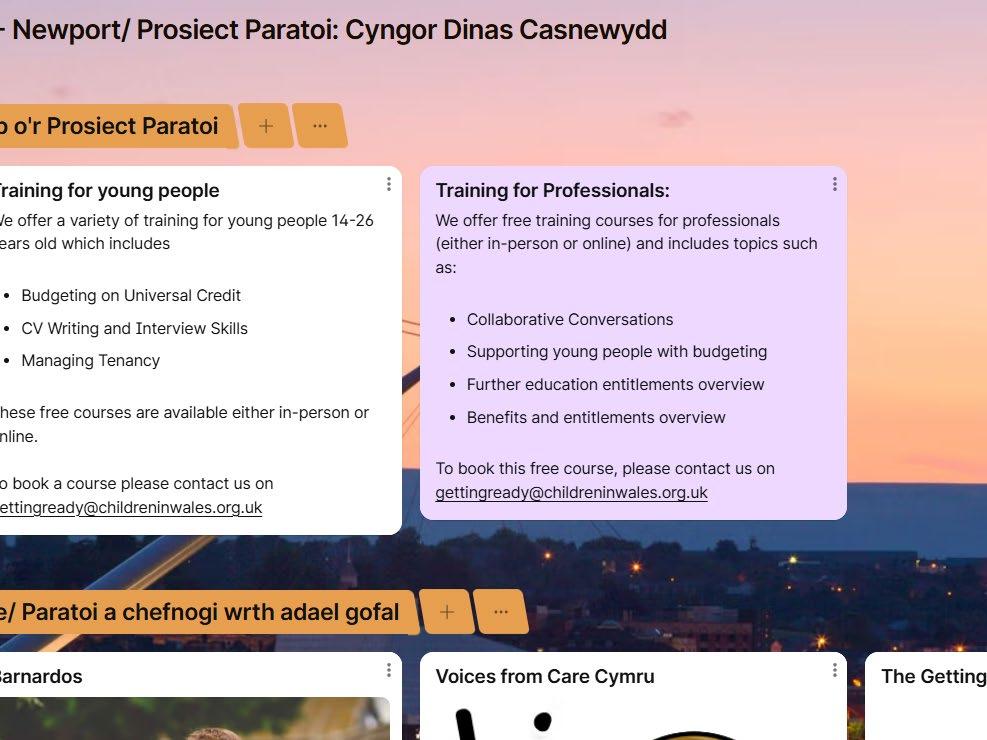
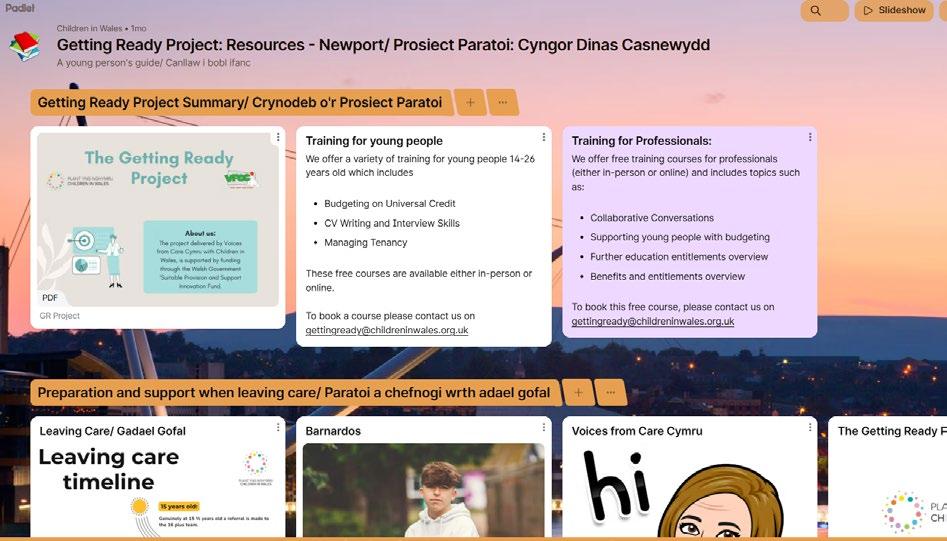
• All our resources are available on the Children in Wales website: Home | Getting Ready Project
• Ongoing support and training
In addition to developing bespoke resources in partnership with local authorities, the Getting Ready Project provides ongoing support through a structured programme of training. This offer is designed to strengthen young people’s understanding of independent living, including their rights, entitlements, and future planning. For young people, training sessions focus on building practical skills and confidence in key areas such as CV writing and interview preparation, budgeting and navigating Universal Credit, preparing for, managing, and sustaining a tenancy. These sessions aim to equip participants with the knowledge and tools needed to make informed decisions and successfully transition into independence.
The project also delivers targeted training for professionals working with care experienced young people. This includes guidance on collaborative conversations, an overview of benefits and entitlements, and effective approaches to supporting young people in managing their finances. Together, this offers ensure a holistic approach, enabling both young people and professionals to feel better prepared and supported throughout the transition process.
Demonstrating impact
The impact of the Getting Ready Project is reflected in the increased confidence, knowledge, and preparedness of the young people it supports. Through co-produced, localised resources, care experienced young people report a stronger
understanding of their rights and entitlements, as well as greater awareness of the practical steps required for independent living. By presenting information in an accessible and relevant way, the project helps to reduce homelessness and empowers young people to make informed decisions about their future.
Feedback from local authorities and partner organisations highlights the value of a collaborative approach, with resources that are not only tailored to local contexts, but also shaped directly by the voices of young people. Professionals who engage with the project’s training report improved confidence in delivering guidance around key topics such as financial management, housing, and benefits, leading to more consistent and effective support.
For any enquiries regarding this work, please contact us at: gettingready@childreninwales.org.uk
Ieuan Jones and Elsa Torres, Family Pathway
More than a label: Who I am becoming
Article 20 of the UNCRC says that children and young people who cannot live with their own family have the right to appropriate care, protection and assistance. That right should mean more than safety alone. It should also mean being understood, supported to grow, and given a real chance to move forward when the time is right.
Ieuan’s voice
I wanted to be part of writing this because I want people to see me as a person, not just as a label.
I have been through difficult things in my life, including bullying, permanent exclusion and placement instability. Those experiences are part of my story, and they have affected me. But they are not the whole story of who I am. I do not want to be seen only through the hardest things that have happened to me. I want people to see who I am becoming.
For a long time, I think other people often saw the struggle before they saw me. When you are care experienced, people can make assumptions about you very quickly. They can look at your past, your records, or the support around you, instead of seeing your character, your strengths and your future. That can leave you feeling othered.
What matters to me now is that I have reached a different point in my life. I want more for myself. I want to keep developing, keep learning and keep moving forward. I will be 25 in July, and I feel desperate to continue this journey of development. I have reached the stage where learning and work are things I genuinely want and feel ready for.
That readiness matters. It has taken time, support and growth for me to get here. I feel more able to be myself now. I have learned that I do not need to apologise all the time. I can see changes in everyday things too - being able to sit still for longer, have conversations, and keep eye contact. These may seem small, but to me they show real progress. They show that I am more confident, more settled and more ready for what comes next.
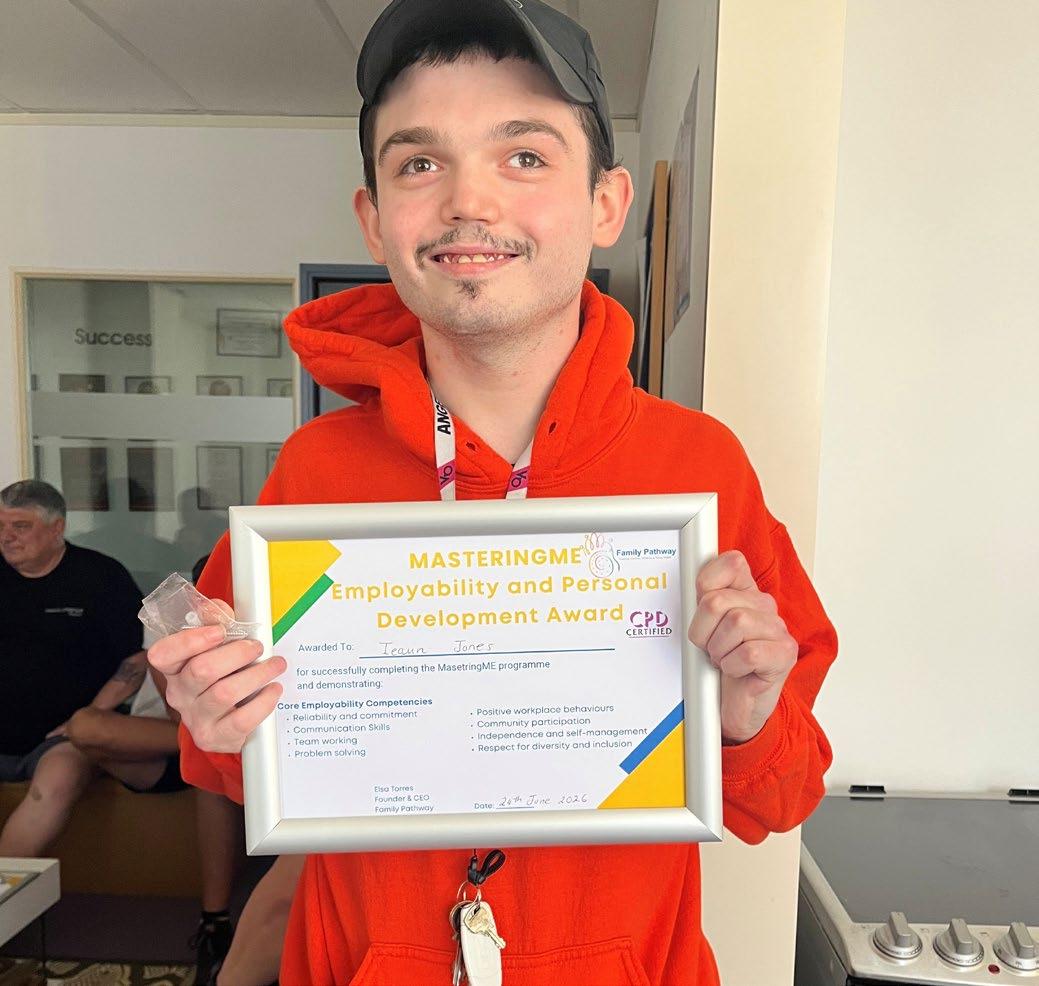
I still remember the day I received my first qualification through MasteringME with Family Pathway. I just wanted to cry, because I had never seen myself as someone who could achieve anything. My dream had always been to get some qualifications and go to college, but for a long time I felt unworthy because I had none. Family Pathway showed me how to start believing that I could do it, and then MAC (Media Academy Cymru) gave me an opportunity to keep building from there.
“Sometimes the moment when you are finally able to access learning and work is exactly the moment when support becomes harder to reach.”
I would love to continue at college, because I feel ready now in a way I was not before. But my age means I cannot continue in the way I need to. That is hard, because when you have experienced trauma, neurodivergence and adverse childhood experiences, development does not always happen in a straight line or according to the timetable that systems expect. Sometimes you become ready later. Sometimes the moment when you are finally able to access learning and work is exactly the moment when support becomes harder to reach.
I also want to say thank you to the people who have helped me get to this point. I am grateful to the wonderful tutors Page and Ayk at MAC (Media Academy Cymru), and to my support workers Linda and Tom at Innovate Trust. Along with the wider team around me, they have been my village. They have given me stability, hope and determination. They have helped me keep going and believe that I can have more in my life.
What I want people to understand is simple: young people like me should not be defined by what has gone wrong. We should be supported for who we are and for who we are becoming.
Elsa’s reflection
What Ieuan describes is a powerful example of why a more flexible and developmentally informed approach is needed for care experienced young people.
Too often, systems are organised around age thresholds, service criteria and fixed expectations about readiness. But trauma, neurodivergence and adverse childhood experiences can all have a significant impact on development, confidence, trust and engagement. For some young people, readiness for learning, employability and independence comes later, after the relational support and stability needed to make that next step possible have finally been established.
This is where systems can fail to understand the young person in front of them. A young adult may only just be reaching the point of feeling able to access education, training or work, yet the structures around them may already have narrowed. Opportunities become more restricted at precisely the point they are finally meaningful. The result is a damaging mismatch between developmental readiness and system readiness.
Ieuan’s story brings this into sharp focus. His journey is not only about adversity; it is about growth, aspiration and motivation. He is now at a stage where he wants learning, wants work, and wants to keep building a future. That should be recognised as a significant achievement and met with flexibility, not closed down by rigid age-related boundaries.
His gratitude to Page and Ayk at MAC (Media Academy Cymru), and to Linda and Tom at Innovate Trust, also reminds us that progress rarely happens in isolation. It happens through relationships, encouragement and a network of people who hold hope alongside the young person. That village matters.
If Article 20 is to mean anything in practice, then our systems must become better at recognising that thriving does not happen to a standard timetable. Care experienced young people need support that is responsive not only to where they are chronologically, but to where they are developmentally. Without that flexibility, we risk othering young people all over again - not through words this time, but through structures that fail to meet them when they are finally ready.
Ieuan’s story asks something important of us in Wales: not only to protect care experienced young people, but to recognise their readiness, respond to their growth, and make room for the future they are working so hard to reach.
If you want to find out more about the work of Family Pathway, please email elsa@familypathway. co.uk or visit www.familypathway.co.uk
Bloom and Supported Lodgings
“The most positive side of supported lodgings for me was feeling safe and supported while learning how to live on my own. It helped me build independence step by step, gave me confidence and made me feel ready for the future.” Young Person
Barnardo’s Cymru is committed to supporting care experienced young people with their transition into independent living. In Swansea, we run various services to do that, including Bloom Wellbeing and Supported Lodgings. The Bloom service, funded by The Moondance Foundation, offers care experienced young people the opportunity to improve their physical and mental wellbeing. We do this by supporting them to access a wide range of exciting activities, discover new interests and hobbies, and engage in positive opportunities within their community. At its core, Bloom is about hope, placing choice, voice and possibility back into the young person’s hands.
The service is built around three key elements: Life Coaching, Engagement and Activities and Young Leaders, alongside the valued contribution of volunteers. Many of the young people involved in Bloom are managing loss, instability, loneliness and financial pressure, so the service works closely with Supported Lodgings to ensure no young person feels they are walking this part of their journey alone.
Supported Lodgings provides safe, supportive, short-term accommodation for vulnerable young people (aged 16 to 21) within family homes in the community. This helps young people develop and maintain the independence and social skills needed to successfully move on to more independent living, whilst supporting them to make positive use of education, training, employment and social or recreational opportunities. Through this support, young people can plan for the next stage of their lives and feel confident in taking those next steps.
Christine Parry, Rachel Tutton and Eliesha Pena, Barnardo’s Cymru
When young people attend one or both services, it helps them to thrive and fulfil their potential.
Safa* has been living in Supported Lodgings for over a year and has been accessing the Bloom service for much of that time. Prior to joining us, Safa’s life experiences were far from easy. They had been living in a restrictive and emotionally harmful environment, facing isolation, neglect and financial exploitation. When Safa joined Supported Lodgings, there was a strong focus on helping them feel safe and supported - ensuring they accessed the care they needed and making sure their mental health was a priority.
The Bloom service quickly became a meaningful part of their journey. They began taking part in wellbeing activities and life coaching, giving Safa the space to rediscover who they are, build confidence, feel part of something, and work towards their goals, whilst setting new ones for their future. Safa completed peer mentoring training, began taking on a more active role in sessions and now regularly supports other young people. Today, Safa engages positively with opportunities, takes part in activities and events and is beginning to talk about their future with more confidence and belief in themselves.
Safa’s story shows how much can change when a young person feels safe, supported and truly seen, and how those foundations can open the door to confidence, independence and a brighter future.
*Safa has been anonymised for this case study.
About Barnardo’s Cymru
At Barnardo’s, our purpose is clear - changing childhoods and changing lives, so that children, young people, and families are safe, happy, healthy, and more hopeful. For over 150 years, we’ve been here for the children and young people who need us most – bringing love, care and hope into their lives and giving them a place where they feel they belong. Last year, Barnardo’s Cymru provided essential support to more than 11,000 children, young people, parents and carers through 35+ services and partnerships in Wales.
If you would like to learn more about this work, please visit www.barnardos.org.uk / Barnardo’s Cymru/Wales | Barnardo’s or email supportedlodgings-swansea@ barnardos.org.uk and/or eliesha.pena@barnardos.org.uk
Passport to the City: Corporate Parenting in Action through Belonging, Wellbeing and Choice
Article 20 of the United Nations Convention on the Rights of the Child (UNCRC) recognises that children who cannot live with their families are entitled to special protection and support to promote their development and wellbeing. For children looked after (CLA), this responsibility lies at the heart of the local authority’s corporate parenting duty. Passport to the City is one way Cardiff Council brings that duty to life - by ensuring care experienced children and young people can access, enjoy and feel a sense of belonging in the city they call home.
Passport to the City works with partners across Cardiff to unlock the city’s cultural, sporting and leisure opportunities. Within one arm of the programme, we design and deliver bespoke experiences specifically for children looked after, shaped directly around their interests, voices and aspirations. The focus is not simply on access to activities, but on building confidence, supporting wellbeing and helping young people experience the city as something they are actively part of, rather than observing from the margins.
Corporate parenting beyond services
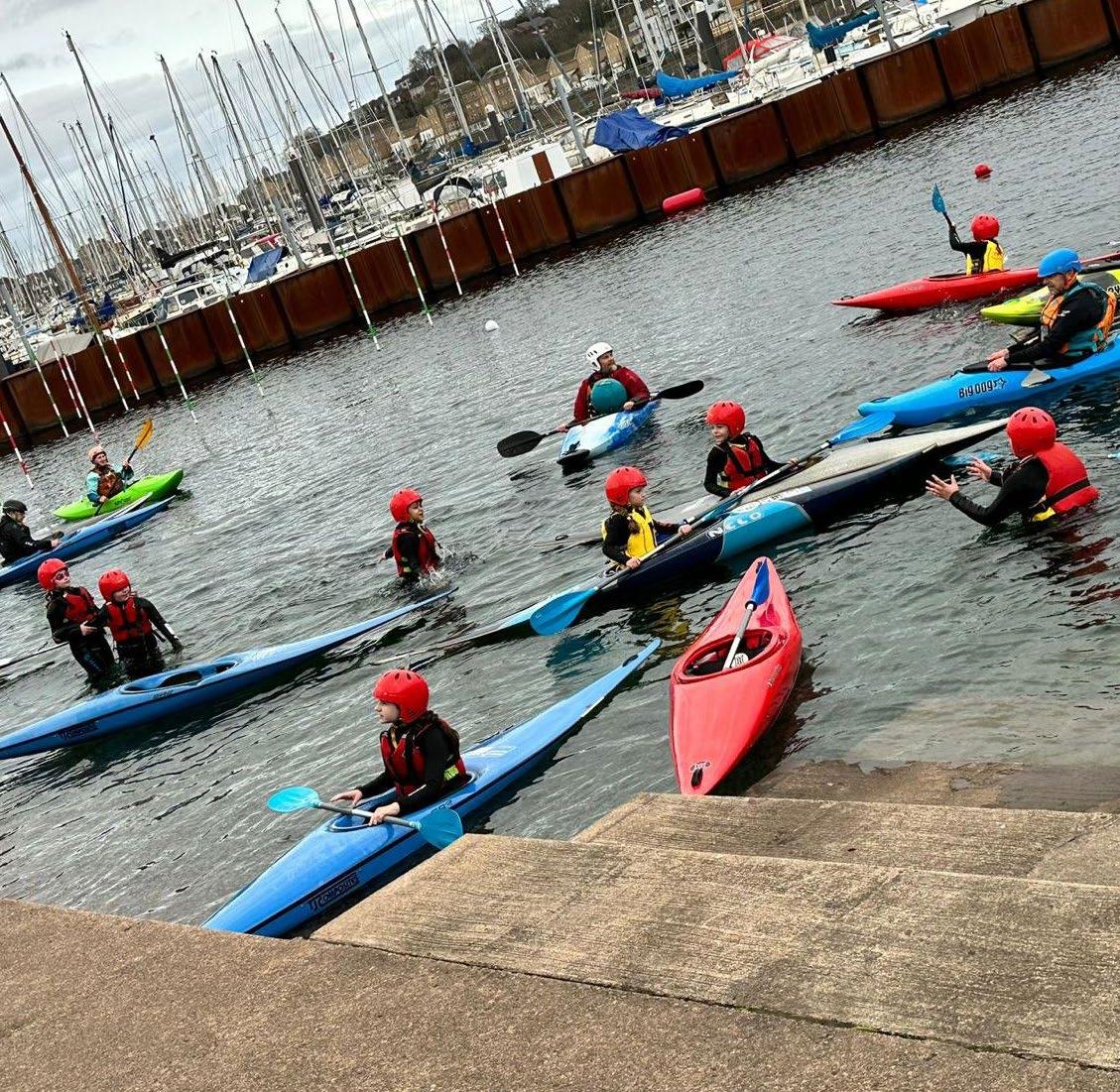
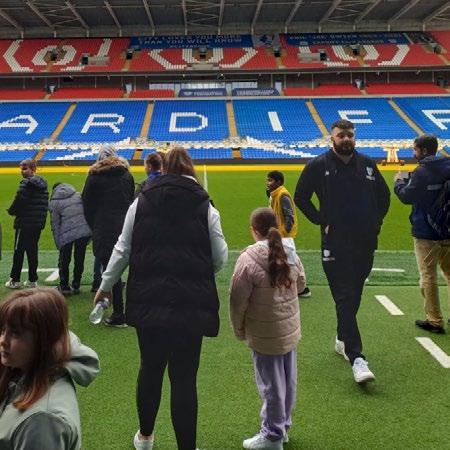
As corporate parents, our role extends far beyond statutory provision. It is about ensuring children experience both ordinary childhood moments and extraordinary opportunities. Through Passport to the City, care experienced young people attend live music events, theatre productions and major sporting fixtures such as the Six Nations. They also
take part in physical and adventurous activities including white water rafting, climbing, skiing and sailing, alongside shared civic moments such as Pride and the Bute Park Christmas Lights.
These experiences are not one-off extras. They are intentionally aligned with Cardiff’s Corporate Parenting Strategy, supporting priorities around emotional wellbeing, positive identity, social inclusion and preparing young people for adulthood. Experiencing major city events together helps young people build lasting memories, develop confidence and feel pride in where they live.
One young person reflected on attending a live music event:
“I felt excited going in. It was so good, such an amazing experience and everything that happened. The music was great, it was surreal - I felt like I was part of it!”
Shaped by young people’s wants, not assumptions
A core principle of Passport to the City is that provision is shaped around what young people want, not what adults assume is good for them. Care experienced children are clear when something feels tokenistic, inaccessible or irrelevant. Listening to and acting on that feedback has been essential to shaping how the programme operates.
Opportunities are co-designed with young people and remain flexible. Some young people are drawn to high-energy physical activities, while others
Luke Mussa, Cardiff Council
prefer creative or cultural experiences. Choice is built into the programme throughout, recognising that confidence grows when young people feel ownership over what they are participating in.
As one young person simply put it:
“So nice to be out and doing something different.”
That sense of difference, of positive disruption to routine, is often where wellbeing and confidence begin to develop.
Cross-council collaboration in practice
Removing barriers, creating belonging
Care experienced young people often face barriers to participation such as cost, transport, confidence, anxiety or fear of exclusion. Working directly with venues, event organisers and activity providers allows these barriers to be addressed proactively. Partners have consistently demonstrated flexibility, understanding and a strong commitment to inclusion.
This work does not sit in isolation. Passport to the City relies on strong partnership working across council services that support CLA young people, including social care teams, education, participation services and youth support. By working collaboratively, we reduce duplication, share insight and ensure opportunities complement wider support rather than competing with it.
Social workers and carers play a key role in preparing young people for activities and reflecting on their experiences afterwards. Education colleagues support alignment with confidence-building and engagement in learning. Participation teams enable feedback loops so young people continue to shape future provision. This joined-up approach reinforces the principle that corporate parenting is a shared responsibility across the local authority.
One of the strongest impacts of Passport to the City is the shift in how young people view both themselves and the city around them. Being able to say “I’ve been there” or “I did that” strengthens identity, aspiration and connection.
Key messages for corporate parents
If care experienced children are to thrive, access to culture, sport and public life must be understood as a core element of corporate parenting—not an optional extra. Passport to the City demonstrates what is possible when strategic intent, crosssector working and young people’s voices align.
By shaping provision around young people’s wants, embedding partnership working across council services and actively removing barriers to participation, we help ensure care experienced young people are not just cared for, but connected, confident and fully included in the life of their city.
If you would like to learn more about this work, please email: MussaL@Hwbcymru.net
Creating homes where care experienced young people can thrive
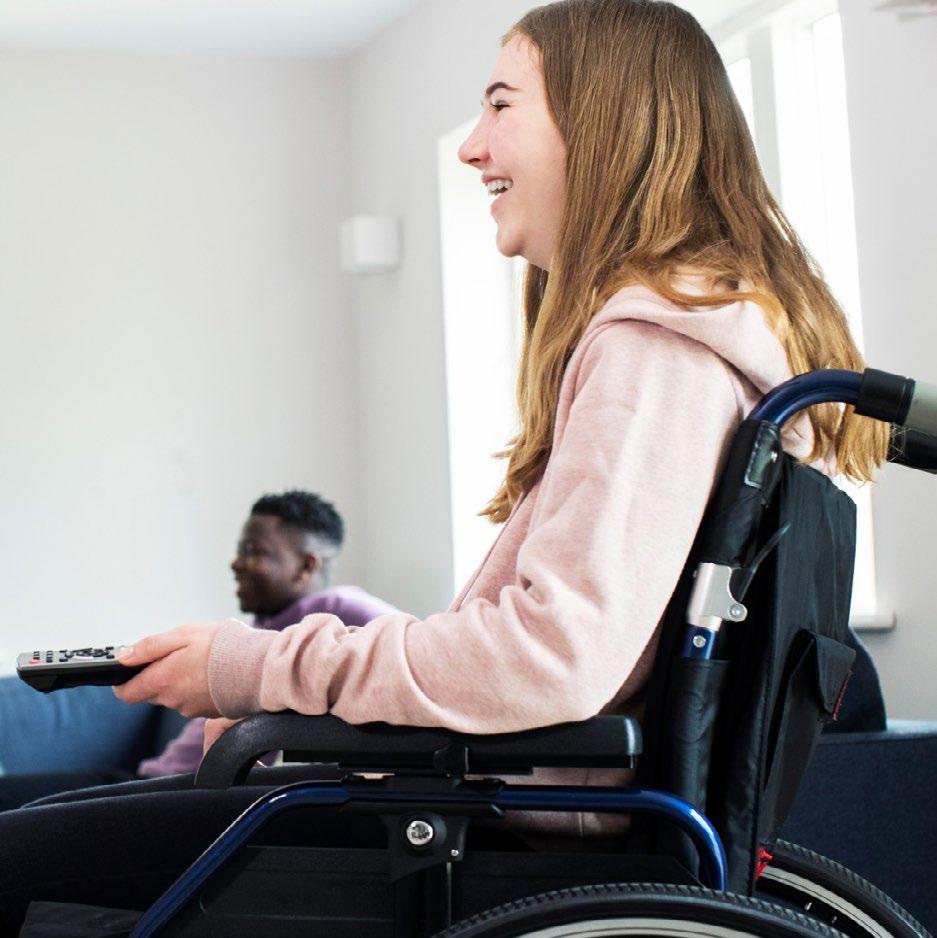
For care experienced children and young people, home needs to be more than a place to stay. It should be somewhere they feel safe, known and cared for; somewhere they can build trusting relationships, make sense of what they have been through and begin to imagine a different future.
At Llamau, that understanding sits at the heart of our registered children’s homes. Our relational care and support model places the child at the centre of everything we do. We know that children who have experienced trauma and instability need more than routine or practical help alone. They need people who will stay alongside them, listen well, respond with care and create the conditions in which trust can grow.
That is why our homes are built around relationships. Daily life matters, but so does the way support is offered: consistently, thoughtfully and in a way that helps each child feel acknowledged, understood and respected. Our approach is childcentred and psychologically informed, shaped by Dyadic Developmental Psychotherapy Framework
and the core belief that children do best when the adults around them are able to provide warmth, stability and care that does not give up on them.
In 2024, in partnership with Vale of Glamorgan Children’s Services, Llamau opened its first registered children’s home for young people aged 14 and over. The development of the home reflected what young people had already been telling us through our wider services: that unsettled placements, repeated disruption and abrupt transitions can have a lasting impact, particularly when support falls away as adulthood approaches.
For Llamau, the vision is not simply to provide a children’s home. It is to walk alongside children from the point they move into one of our homes and to remain a source of support as they grow into adulthood. Around one in five of the young people Llamau supports has experience of care. That has made it even clearer that children and young people need continuity, not a cliff edge.
Yvonne Connolly, Llamau
Our homes are part of a wider Llamau pathway. As young people get older, that support can continue through our transition services, including supported accommodation, so that they still have a familiar model of care and support to turn to when they need it. The intention is to make transitions more gradual, more planned and more human, reducing the sense of stepping into adulthood alone.
This matters because the move out of care is too often treated as a single moment rather than a process. Many young people face an expectation of independence at 18 that would feel daunting for anyone. For those who have already experienced loss, trauma or fractured relationships, that pressure can be overwhelming. A more relational approach recognises that independence is built over time, through connection, encouragement and the confidence that support remains available.
The quality of this work has recently been recognised through Llamau’s first inspection by Care Inspectorate Wales. Our Vale of Glamorgan home received Excellent and Good ratings across all areas, with Excellent in Care and Support, Leadership and Management, and Wellbeing, and Good for Environment. For a first inspection, this is an important endorsement of both the model itself and the practice of the team delivering it. It also reflects the culture that has been created within the home: one where children and young people feel valued, listened to and supported to thrive.
There is also a wider sector message here. If we are serious about improving outcomes for care experienced young people in Wales, then we must think beyond beds and buildings. We need homes that offer belonging as well as safety, relationships as well as routines, and pathways that do not end when a young person reaches a particular birthday. At Llamau, we believe children should be held at the centre of all we do, and that the support around them should be shaped by who they are, what they have experienced and what they want for their future. Registered children’s homes have an important part to play in that picture, but so do the relationships and services that come afterwards.
When children experience care that is relational, consistent and rooted in trust, they are more likely to move forward with confidence. And when that care is connected to a wider pathway into adulthood, they are less likely to face the kind of abrupt endings that so often place them at greater risk.
That is the model we are working to build: homes where children can feel safe and settled now, and a support system they can continue to rely on as they grow.
Please visit our website for more information: www.llamau.org.uk
From Wales to Geneva: Care experienced young people’s international travel diaries
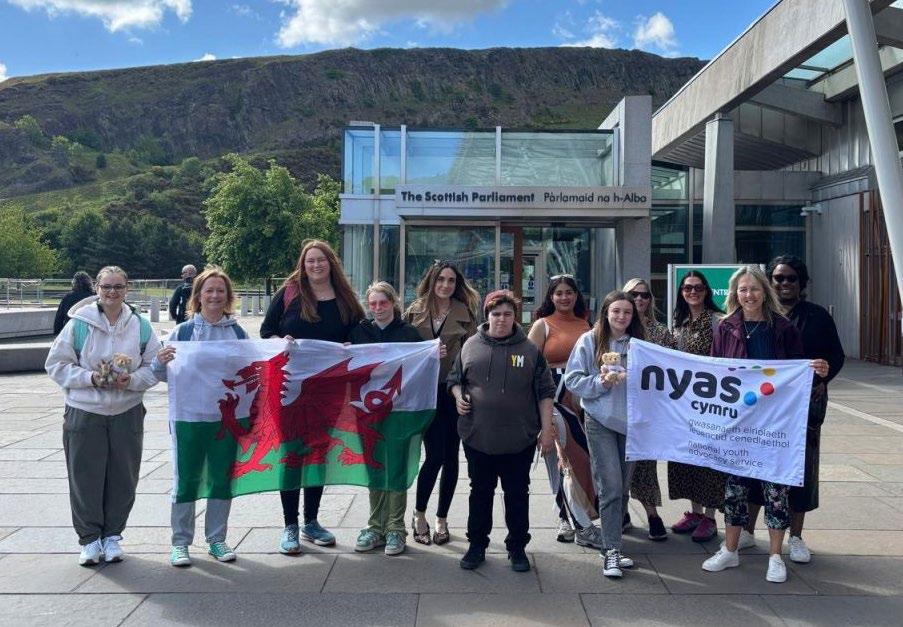
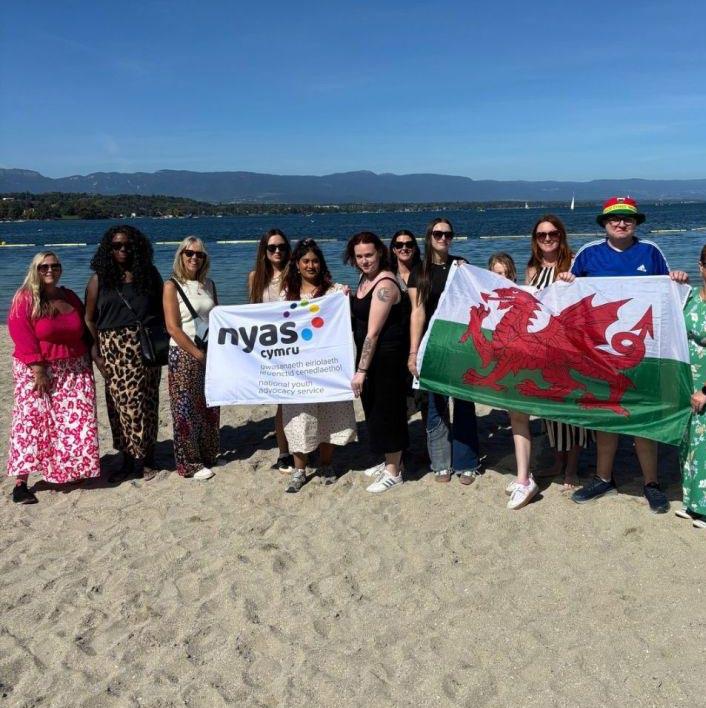
In 2025, NYAS Cymru was awarded funding from Welsh Government, via the Taith Programme, to take a group of care experienced young people on three international trips. Taith is an international learning exchange programme for young people to learn from others around the world and forges life-changing experiences. We spoke to some of the young people who took part to hear their reflections.
As Georgia, Rayya and Skye told us, a trip abroad is not a ‘typical’ experience for children living in care – often because of frequent home moves, lack of passports or funding restrictions. For the young people who took part in our Taith travels, they described it as a ‘once in a lifetime opportunity’.
S: “It was a once in a lifetime opportunity that I didn’t know if I’d ever get again... having the ability to go on a holiday, to go on a plane for the first time, to do it with people I felt safe with and to do something that makes an impact.”
So far, our travels have taken us to Edinburgh to visit the Scottish Parliament, meet MSPs and the Ministerial team behind ‘The Promise’, and watch a very lively First Minister’s Questions when an MSP was removed from the chamber by the speaker! In Geneva, we visited the United Nations to meet with human rights policy officers to learn about international children’s rights, share experiences of the Welsh children’s social care system and advocacy, and even had time for a boat trip along Lake Geneva to the beach.
R: “I was most excited for the United Nations and the experience of going to a new place. I love architecture and touristy things, so it was nice to experience that in a different place…I want to be an international youth worker, so it was a great experience for my career.”
S: “My highlight was learning so much about different subjects in Edinburgh and going to the illusion place. It made me feel so calm and relaxed.”
Phoebe White, NYAS Cymru with support from Georgia, Rayya and Skye – members of NYAS Cymru’s Young Person’s Advisory Group
Many of the young people felt the trips were pushing them to do something out of their comfort zone, whether that was a fear of flying, learning new languages and cultures, or spending time with new people. They agreed that it was worth pushing through the nerves to experience something new and learn about themselves.
G: “As much as I like to give off that I’m very extroverted, I am not as confident an extrovert as I make out to be, so I was nervous about spending lots of time with others. I learnt I can deal with situations out of my comfort zone, and it helped with my confidence a lot”
R: “It built my confidence and improved my public speaking, especially speaking to professionals and politicians. I was really proud. I got to read out a poem to the corporate parenting group. I also learnt to slow down a little bit and that it’s okay to let people help me if I feel overwhelmed.”
S: “I have a tendency to get overwhelmed and overstimulated very easily. I was really scared about how not only I would manage that, but how other people would help me manage that. It was terrifying to be pushing myself so much out of my comfort zone. I’m glad I did and I’m very proud of myself.”
Georgia, Rayya and Skye agreed that Welsh Government should make opportunities like Taith widely available and encourage more care experienced young people because of the impact it can have:
S: “Go for it, just make sure you go for it.”
G: “Do it. You’ve had the opportunity, you’ve gone for it and you’ve put yourself out of your comfort zone. Even if you’re anxious, you’re better off doing it than not doing it because these opportunities may never come around again.”
R: “Care leavers and care experienced children lack opportunities a lot of the time, especially going abroad. Our voices should be heard worldwide. Take the opportunity because if you don’t, you might regret it. Enjoy every minute of it.”
When asked to describe the trips in one word? Everyone agreed: ‘life-changing.’
If you would like to learn more about NYAS Cymru’s work above, please email phoebe.white@nyas.net
Emily Baker, CASCADE, Cardiff University
Why evaluating ‘When I Am Ready’ matters
For most young people, turning 18 does not mean automatically being ready to leave home and begin adult life. Indeed, a constellation of factors, such as soaring rent prices and unstable job markets, mean that young people are living at home for longer. Yet expectations of a quick transition to independence are often placed on care experienced young people. The ‘When I Am Ready’ (WIAR) scheme was introduced to challenge this, allowing young people in foster care in Wales to continue living with their foster carers after their 18th birthday.
The scheme was designed to enable young people to remain in a stable family environment while developing the skills, confidence and support networks needed for adult life. When I Am Ready recognises that care experienced young people should not be expected to make a complete transition to adulthood simply because they have reached a legal age threshold. It offers the possibility of continuity, belonging and practical support at a point when instability can have long-term consequences. Whilst Article 20 of the United Nations Convention on the Rights of the Child (UNCRC) states that children who cannot live with their family are entitled to special protection and assistance from the state, When I Am Ready can be understood as one way this duty is extended into early adulthood, recognising that support should not end abruptly at 18.
However, a decade on, questions remain about how consistently the scheme is working in practice. Young people, foster carers and professionals have raised concerns about uneven awareness and access, differences between local authority areas,
and the financial uncertainty that some carers experience when a foster placement becomes a When I Am Ready arrangement. There are also ongoing questions about how well the scheme is understood and supported by the professionals involved in planning transitions from care.
In response to this, the Welsh Government has commissioned an evaluation of When I Am Ready. This study will examine how it is being implemented, how it is experienced by young people, foster carers and professionals, and where improvements may be needed. This matters because if some young people know about the scheme while others do not, or if carers face financial uncertainty that makes arrangements harder to sustain, then When I Am Ready may not be offering the same level of stability to everyone who could benefit from it.
A clearer evidence base is needed to understand what is working, what barriers remain, and what needs to change. The new evaluation offers an opportunity to strengthen When I Am Ready so that it is fairer, more consistent and more sustainable across Wales. Ultimately, this is about ensuring that care experienced young people are not just offered support in principle, but experience enough stability to have genuine choices about their future and to exercise their rights in practice.
To read more and express your interest in participating in the evaluation, please visit our webpage at: cascadewales.org/research
Rainbows and Rain clouds: An innovative coproduced approach to Social Work learning
Care experienced girls’ rights group ‘Hope’ from Neath Port Talbot were approached by Swansea University to collaborate on a project for Social Work students. This partnership reflects a wider commitment from Social Work programme leaders to place greater emphasis on collaboration and co-production with care experienced children and young people, ensuring their voices meaningfully inform teaching and learning.
While textbooks and classroom learning provide essential theory and professional knowledge, engaging with real stories and perspectives helps students to better understand the emotional, social and practical challenges that care experienced young people may encounter. It also encourages empathy, reflection and a rights approach to practice and can provide future Social Workers with a deeper, more authentic understanding of the realities faced by care experienced children and young people.
“I enjoyed going to the university as it was a new experience and helped me learn how my life could be in the future”
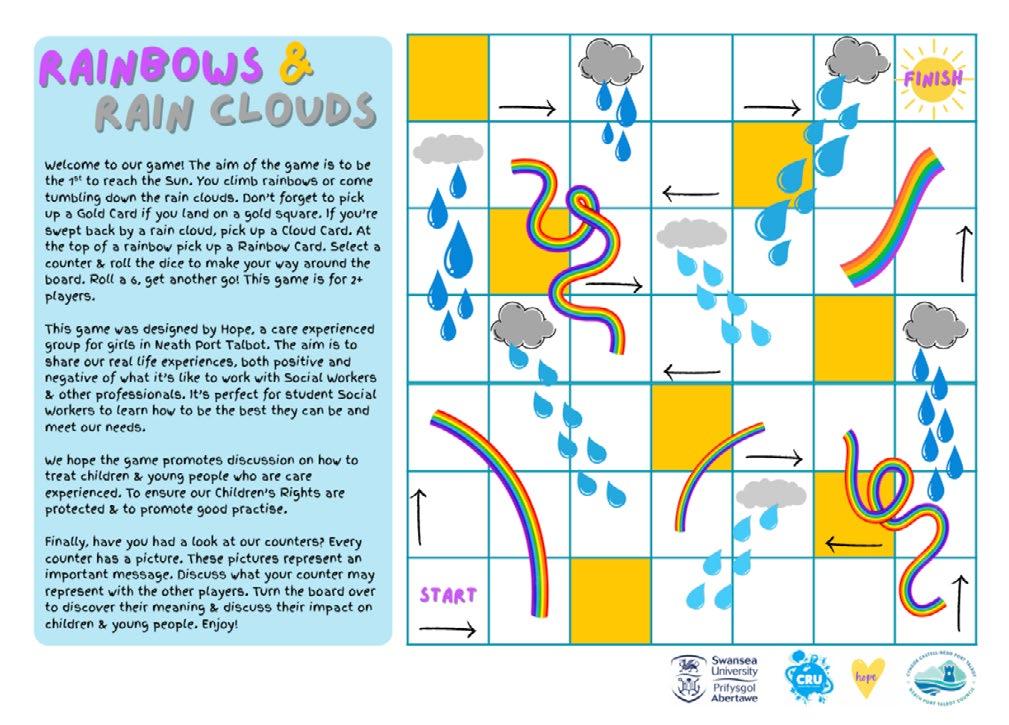
Hope members were invited to Swansea University in the summer of 2025 to meet staff and explore the university. Supported by the Neath Port Talbot Engagement & Participation Officer, Neath Port Talbot Children’s Rights Unit and Reaching Wider staff, members of Hope were encouraged to share thoughts, think creatively and work together to develop innovative ideas for a course resource and guest lecture. After a series of workshop sessions, Hope members shared their lived experiences of being care experienced, which informed and inspired the development of a Snakes & Ladders-style game.
Throughout the autumn the young people continued to develop their ideas and produced a draft Rainbows & Rain clouds game. The game includes:
• Counters featuring symbols that hold meaning for care experienced children and young people
• ‘Cloud’ squares representing challenging or negative experiences
• ‘Rainbow’ squares highlighting positive experiences and support
Jannine Smith, Neath Port Talbot Children’s Rights Unit & Darren Bartley, Neath Port Talbot Council
• ‘Gold’ squares offering examples of positive feedback and best practice
“We got to learn how to create a board game and learned new skills”
The game goes beyond sharing the lived experiences of children and young people, and acts as a creative tool for student Social Workers. The counters also have their own meaning and stories, and after completing the game, players will be encouraged to explore the different counters through discussion and reflection.
“Listening to other young people’s stories was interesting”
Throughout the winter, the game was tested with children, young people and adults, and feedback from each group was very positive. Participants highlighted that the game was engaging, easy to understand and a meaningful way to reflect on different experiences. Many also noted that it helped open up conversations in a safe and accessible way, while encouraging empathy and discussion among players.
The game is under final development and when launched – in September 2026 - it will help create a dynamic and participatory learning environment, moving beyond traditional teaching methods to immerse students in real-life scenarios and shaped directly by young people’s voices. Through gameplay, discussion prompts and reflective exercises, student Social Workers will be encouraged to engage with authentic experiences, consider best practice responses, and critically reflect on their own values and assumptions.
“I think the game will make a difference to new Social Workers”
By working in partnership with care experienced children and young people, Swansea University can help ensure that future Social Workers enter the profession with greater insight, compassion and an understanding of what meaningful support truly looks like in practice. This example of co-produced learning will not only benefit students, but has also empowered the young people involved by
recognising the value of their voices and experiences in shaping the next generation of professionals.
Young people involved in this project were not simply consulted, but actively involved in designing content, shaping messages and influencing professional education. Their experiences were heard, valued and translated into a practical learning resource with lasting impact. The Rainbows & Rain clouds game and extended activity, highlights how a creative approach to Social Work education can support empathy-building, participation and transformative learning, offering student Social Workers the opportunity to ‘walk in the shoes’ of care experienced children and young people, while demonstrating how co-production can influence both education and practice in a powerful and innovative way.
Thank you to all the young people who took part in the project. Your honesty, dedication and willingness to share your lived experiences have been invaluable in shaping this work. Your contributions have not only strengthened the project itself, but have also helped to ensure that it reflects real experiences and perspectives that will support future learning and understanding.
If you would like to learn more about this work, please email: jannines@childrensrightsunit.org.uk
Grace Parry, CASCADE, Cardiff University
Why include care experienced people, parents and social workers in research into social work? Lessons in centring personal and professional perspectives when evaluating social work practice
How do we evaluate subjective content, like dance, art and social work practice? In a recent CASCADE study, we approached this challenge using the Comparative Judgement method. This method, typically used in education (Pollitt, 2012), gets assessors to listen to pairs of something - in this case social work practice captured in audio recordings of social work visits with parents - and make a judgement about which they thought was better. The study directly compared how care experienced people, social workers and parents evaluate differently.
While social workers are often deemed experts, due to their professional experience and training, the expertise of those with lived experience is less explored and taken into account. There has been limited research directly exploring what makes good social work practice from the perspectives of those who experience it most directly.
Social workers use established practice guidelines and goals, yet there has been little consultation or research on whether these capture what is most important to families, and indeed whether what social workers rate as good practice is represented in current frameworks. This was the first study in the world to centre the views of individuals with lived experience in evaluating on social work practice.
We collected and presented ‘assessors’ with 17 audio recordings of social work home visits, two at a time, and asked them to decide which was better and why. 22,000 minutes of audio and 573 comparisons later, we found that there was some overlap across groups and also some important differences. Social workers tended to judge the recordings by skill and technique exhibited.
Supporting care experienced young people’s higher education aspirations
Who we work with
Reaching Wider is a partnership of universities, schools and colleges in Wales working together to improve social mobility by widening access to all forms of higher education. The Southeast Wales partnership is a collaboration between Cardiff University, Cardiff Metropolitan University and the University of South Wales. As well as our work with young people and adults in our regions, we run projects for Care Experienced Young People and Young Carers to raise aspirations, break down barriers and build confidence in the world of higher education. We aim to utilise external and internal partnerships to give young people access to relevant information, and to allow them to experience many different types of intervention.
What barriers we see
When we work with our young people, we recognise the significant barriers they face. But with the right support, we can begin to make a meaningful difference. Initiatives such as the Reaching Wider
project plays a vital role in helping to break down these barriers.
These individuals often encounter a range of challenges when considering and accessing higher education. These can include:
• A lack of confidence and aspiration, with some not seeing university as a place where they belong
• Knowledge gaps and limited support can make it difficult to access clear, reliable information about pathways and opportunities
• Financial concerns are also common, particularly around the cost of study and uncertainty about available support
• In addition, worries about accommodation and the transition from care into university life can create further anxiety, alongside concerns about life after graduation, such as securing stable housing and managing living costs
Sera Richards & Heini Jones, Reaching Wider Southeast Wales Partnership
These factors, combined with increased stress and reduced support networks at home, can create additional barriers to academic success. However, with the right guidance, encouragement and tailored provision, these challenges can be addressed to help young people to realise their potential and thrive. Through our comprehensive work with young carers and care experienced young people (CEYP), year on year we can tailor our approach to meet the needs of each individual learner. We have built meaningful relationships with our young people over several years, meaning we can bring a holistic approach to support learners, which aligns with their individual needs and aspirations for the future.
What do we offer - how we try to overcome the barriers
We support young people through a range of targeted interventions that provide meaningful learning experiences and build their confidence in making informed decisions about their future education. Through this work, we aim to reduce and ultimately break down the barriers often associated with higher education. We do this by:
• Connecting young people with student ambassadors who have lived experience, offering a relatable and supportive space for them to ask questions and gain insight
• Bringing pupils onto university campuses to challenge misconceptions about higher education and help them see university as an inclusive, welcoming and achievable option
• Delivering confidence-building workshops to develop self-belief, resilience, and aspirations
• Introducing young people to academics through engaging subject taster sessions, providing a genuine insight into university level study
• Providing clear, accessible guidance on the university journey and application process through take-home booklets they can refer to independently
• Supporting advisors with tailored guidance to help them better assist CEYP in navigating higher education pathways
• Offering enrichment activities to broaden horizons and raise aspirations, including visits to cultural and educational venues such as the Hay Festival and Museum Wales
Learner voice
Learner voice is crucial in shaping our projects. Some learner feedback we’ve had from our events include:
‘Experience was 12/10. I enjoyed everything. I made new friends!’
‘The most positive aspect of today was learning about how I can handle challenges to applying to uni’
‘An amazing experience led by amazing people’
‘I enjoyed learning about uni life, it makes me want to pursue uni’
We hope to continue to support CEYP on their education journey and look forward to our projects running in the next academic year.
For further information on Reaching Wider, please contact reachingwider@southwales.ac.uk
Joanne Baldock, Heol Chwarae Rol - Role Play Lane
Creating spaces where children feel safe, seen and supported
At Heol Chwarae Rol - Role Play Lane, we are not a care provider, but through our work as a communityled, not-for-profit family hub, we have seen first-hand the difference that safe, welcoming and relationshipbased spaces can make for children and young people who may be experiencing challenges in their lives. Over the last few years, our understanding of how best to support families has evolved significantly. Through organisational development work, including creating a Theory of Change and undertaking family journey mapping activities with staff, we spent time reflecting on the experiences of the families who walk through our doors. Rather than focusing solely on the activities we deliver, we explored what families may be feeling before they arrive, what barriers they may have faced and what they need from us to feel safe, welcomed and supported.
This process strengthened our commitment to trauma-informed practice. It reminded us that we often do not know what experiences a child or family may be carrying with them. A child arriving at a play session may be navigating uncertainty, loss, change or trauma. Understanding this has encouraged us to think carefully about how we create environments where children can participate at their own pace, make choices and build trusting relationships.
One family, in particular, helped reinforce the importance of this approach. We supported a foster family caring for a child with Additional Learning Needs who regularly attended our sessions. Over time, Role Play Lane became a place where the child
felt safe and comfortable. They attended a range of activities including crafts, Music and Movement, cookery sessions and after-school provision. Rather than expecting immediate engagement, we allowed relationships and confidence to develop naturally. Seeing that child grow in confidence, explore new experiences and build connections demonstrated the value of providing consistent, low-pressure opportunities for participation.
Partnership working has also played an important role in shaping our understanding. We have been fortunate to develop a relationship with Foster Wales and recently welcomed foster families to Role Play Lane. Through these experiences we have seen how important accessible community spaces can be for foster families looking for opportunities to spend quality time together, build positive memories and simply enjoy being children.
Looking ahead, our partnership with Foster Wales is developing further through the Meithrin Natur - Nature Nurture Early Years Wellbeing project. Foster Wales and members of the Deaf community are helping to influence and shape the pilot programme, ensuring that the voices of families with lived experience are reflected in its design. This collaborative approach has reinforced our belief that services are strongest when communities are involved not only as participants, but as partners in shaping what comes next.
We have also benefited from collaboration with David Taylor, Children and Young People Co-ordinator with the Regional Adoption Collaborative at Vale of
Glamorgan Council. David has attended sessions at Role Play Lane, helping us better understand some of the experiences and challenges faced by care experienced children and their families. These conversations have reinforced the importance of listening, flexibility and creating environments that place relationships at the centre.
Another important influence on our practice has come from within our own team. One of our volunteers came to us with experience of the care system and has shown incredible determination in building a positive future for themselves. Their perspective has helped us reflect on the importance of belonging, positive relationships and having people who believe in you. As they explained:
“Volunteering is a great opportunity for getting a feel of what it’s like working, it gives you experience of the future. It is also great for building your courage and confidence for your future job.”
It is a reminder that care experience does not define a person’s future and that community spaces can play a small but meaningful role in supporting confidence, skills and aspirations.
Reflecting on our journey, one lesson stands out above all others: children thrive when they feel safe, valued and accepted. While specialist services play a vital role, community organisations can complement this support by providing welcoming spaces where children can build relationships, explore interests and simply enjoy being children.
As Wales continues to strengthen support for care experienced children and young people, we believe there is an important place for community organisations within that wider network. By working together, listening carefully and taking a trauma-informed approach, we can help create environments where children not only feel supported, but where they can truly thrive.
If you would like more information about our work, please email: visitsatroleplaylane@gmail.com
Giving young people a voice in their own care journey
At Clearcare we believe in the power of truly listening; not just to data, reports and compliance measures, but to the lived experiences of the children and young people at the heart of care services.
Every child’s journey is unique. No two stories are the same. That’s why technology used in residential childcare must be flexible, responsive and centred around the individual. Care providers need tools that help them understand, track and respond to what matters most to each child, from emotional wellbeing and physical health to education, relationships, independence and personal development. Children’s outcomes should be more than a line in a report. They should be meaningful, visible, and reflective of a young person’s real experiences and progress. A fundamental part of achieving this is ensuring that children have a genuine voice in shaping their own care journey. This means creating opportunities for young people to share feedback, express their views, ask questions and talk openly about what
is working and what is not. More importantly, it means ensuring those views are heard, valued and acted upon. When children are actively involved in decisions that affect them, care becomes more than a process. It becomes more respectful, more relational and ultimately more human.
This principle is reflected in Article 12 of the United Nations Convention on the Rights of the Child, which states that every child has the right to express their views freely in all matters affecting them, and that those views should be given due weight according to their age and maturity.
For organisations across residential childcare, social care, education and commissioning, this is not simply a best-practice aspiration - it is a legal and ethical responsibility. Yet consistently capturing and evidencing meaningful participation can be challenging in busy care environments. This is where thoughtfully designed technology can make a significant difference.
Samantha Evans, Clearcare Solutions
Clearcare’s Kids App was developed to provide young people with a secure, age-appropriate digital space where they can express themselves, reflect on their experiences and communicate with carers and key workers. Crucially, their contributions are not isolated from the wider care process. Information shared through the app integrates directly into the Clearcare system, becoming part of care records, daily logs and review processes.
This creates a clear and auditable record of participation, helping providers demonstrate that children’s voices are actively informing care planning and decision-making. More importantly, it ensures that those voices are not lost among paperwork and administrative processes. They remain visible, accessible and influential.
Beyond participation, the app also supports something equally important: helping young people build and preserve their own personal story. Through digital journals, life story work, photographs, videos, and personal memories, children can create a record of their experiences from their own perspective. Over time, this develops into a valuable personal archive; not simply documenting what happened to them, but capturing what they felt, experienced, and achieved along the way.
For many children in care, particularly those who have experienced multiple placements or disrupted relationships, maintaining a sense of continuity can be difficult. Having access to a personal record of their journey can help strengthen identity, preserve important memories and provide a tangible reminder of their growth and resilience. Continuity in care is often discussed in terms of placements, services, and support networks. Equally important is continuity of identity. Young people need spaces that belong to them, that help them make sense of their experiences, and that remind them of who they are and how far they have come.
As the residential childcare sector continues to evolve, there is growing recognition that technology should do more than support administration and compliance. It should strengthen relationships, amplify children’s voices, and help create care environments where young people feel heard, respected, and empowered. The children and young people supported by residential childcare services deserve the very best. So do the professionals who dedicate their careers to caring for them. By combining compassionate practice with innovative technology, the sector can continue to build services that place children’s voices where they belong; at the centre of their own story.
If you’re looking to strengthen children’s participation, improve outcomes recording and give young people a meaningful voice in their own care journey, we’d love to show you how Clearcare can help. Book a free demonstration to see how the Clearcare platform and Kids App support residential childcare providers to capture children’s voices, evidence participation and streamline care management.
Visit www.clearcaresolutions.co.uk to book your demo and discover how technology can help place every child’s voice at the heart of care.
Chloe Finlayson, Techsol
Protecting vulnerable people starts with data security
When we talk about protecting vulnerable people, we often think about physical care, safeguarding procedures and frontline support. But an equally important part of that responsibility is ensuring their data is properly protected. Organisations across education, healthcare, social care, housing and community services hold deeply personal data and are trusted to protect it. With that trust comes both a legal and moral responsibility.
When a data breach occurs, the consequences are serious. Personal information such as medical histories, mental health records or safeguarding notes could cause serious harm if it falls into the wrong hands. For individuals, this may mean emotional distress, compromised safety and a loss of trust in services designed to protect them. For organisations, the consequences often include operational disruption, financial fines, reputational damage and loss of confidence from service users, donors and partners.
The reality is that organisations working with vulnerable people are increasingly being targeted. The combination of valuable data and, in many cases, limited internal IT resources makes them attractive to cyber criminals. At the same time, remote and hybrid working has expanded the number of devices and access points that need to be managed. Common threats include phishing emails, ransomware attacks, human error and the loss or theft of unsecured devices. Any one of these can escalate quickly without the right protections in place.
Too often, data protection is treated as a reactive measure, something that is addressed only after an incident has already occurred. By then, the damage is done. A better approach focuses on prevention, continuous monitoring and early threat detection. That means putting the right measures in place early, allowing businesses to respond quickly and effectively if something does go wrong.
Building a robust security strategy doesn’t have to be complex, but it must be comprehensive. This includes protecting devices and networks, securing email systems, monitoring for threats, and ensuring data can be quickly recovered in the event of an incident. Essentially, security should be viewed as an ongoing process, evolving as organisations grow, adopt new technologies and face emerging risks.
For many organisations, the challenge lies in balancing strong security with day-to-day operational demands. Teams need timely access to information to deliver effective support, but that access must be carefully controlled. Striking the right balance between usability and security is essential. When done well, security measures enable staff to work efficiently without creating unnecessary barriers or workarounds that could introduce additional risk.
In addition to protecting individuals, organisations must also meet strict regulatory requirements around data security and privacy. Frameworks such as GDPR set clear expectations for how sensitive information is stored, accessed and shared. For charities, these requirements are often even more demanding, with strict compliance frameworks tied to governance, funding and accountability. Falling short can lead to financial penalties, increased scrutiny and a loss of trust. Accreditations like Cyber Essentials and Cyber Essentials Plus can help demonstrate that the right standards are in place and support organisations in meeting these expectations. Having clear data governance policies, regular reviews and shared accountability across teams helps make sure data protection is treated as an ongoing responsibility rather than a one-off task.
Ultimately, protecting data is about protecting people. By taking a proactive and practical approach to security, organisations can reduce risk, maintain trust, and ensure the continuity of the services people rely on.
Organisations that lack the internal capacity to manage this alone may benefit from working with experienced technology partners. Techsol works with organisations to take the pressure off managing IT and security, providing end-to-end technology solutions, from day-to-day IT support and cyber security through to cloud services and ERP implementation.
With extensive experience supporting charities and organisations that work with vulnerable people, including Children in Wales, Techsol understands the unique challenges this sector faces. This allows teams to focus on what they do best, supporting vulnerable people and delivering essential services, with confidence that sensitive information is being managed responsibly and securely.
If you’d like to strengthen your cyber security and better protect sensitive data within your organisation, get in touch with Techsol on 03300 245447 or email info@techsol.co.uk
Dr Lorna Stabler, CASCADE, Cardiff University
New research led by Cardiff University gives fresh insight into Special Guardianship in Wales
When children cannot live with their birth parents, many are cared for by relatives - grandparents, older siblings or close family friends. This is commonly known as kinship care. Where returning home is not an option, carers may apply for a Special Guardianship Order (SGO), a legal arrangement that gives them long-term parental responsibility. SGOs are now more commonly used than adoption as a route out of care. Once granted a child is no longer classified as ‘looked after.’ While many SGOs are granted to relatives, some foster carers also apply for an SGO to provide long-term stability. In other cases, SGOs are arranged privately for children who have never entered care but are living within their extended family network. New research from Cardiff University shows that, behind this stability, many of these children face significant hidden challenges. The Nuffield Foundation funded study examined which children leave care through SGOs, their family circumstances, and their developmental needs. The research
used anonymised data from over 26,000 children in care between 2005 and 2021, alongside detailed assessments with young children. The findings provide one of the clearest pictures to date of life for children growing up in kinship care or with an SGO in Wales.
High levels of emotional and behavioural need
One of the most striking findings is the scale of mental health difficulties among these children. More than half were rated as having high or very high levels of emotional and behavioural difficulties, compared with around 8% of children in the general population. These challenges are often rooted in early experiences. Many children in kinship care have faced abuse, neglect or instability before entering care. As a result, they may struggle with managing emotions, concentrating in school and building relationships.
The study also found difficulties in key areas of development, including attention, memory, flexible thinking and recognising emotions in others. These skills are essential for learning and social interaction, meaning children’s challenges can affect both home life and the classroom.
The role of kinship carers and special guardians
Despite these difficulties, kinship carers and special guardians play a vital role in providing stability. Many children who receive an SGO were already living with relatives beforehand, suggesting that these orders often formalise existing care arrangements.
Children with SGOs were seen to experience fewer moves and spent less time in care than other children. However, carers often face significant pressures. Many live in areas of higher deprivation, have lower incomes and have larger or more complex households than other parenting households.
A gap in support
A key finding is the lack of ongoing support. Once an SGO is granted, families may lose access to the services available to foster carers and adoptive parents. This can leave carers feeling isolated, even when supporting children with complex needs.
As one carer described: “you are on your own now.”
Awareness of these children’s needs also remains limited. Without understanding the impact of early trauma, children may be labelled as ‘difficult’ or ‘disruptive,’ while quieter children may be overlooked.
What needs to change?
The research highlights the need for better recognition of kinship families and more consistent support after SGOs are granted. Improved access to mental health services and greater awareness among teachers and professionals are key. With the right support, such as structured classroom strategies and help with emotional development, these children can thrive. Without it, their needs risk remaining overlooked.
To find out more, you can read the full reports here: Special guardianship families in Wales: Experiences and support needs (Nuffield Foundation) – CASCADE or email stablerl@cardiff.ac.uk
Enduring relationships beyond the care system - how community-based relationships can support children in care
Most children benefit from a network of supportive adults who stay in their lives long term. But for many in care that network is limited, disrupted or unavailable. The care system has duties to these children: under Article 20, not only to provide safe alternative care, but to give them the support they need to thrive. That includes facilitating relationships that last. And professional support, by nature conditional and temporary, can only go so far. This article argues that community-based relationships have distinctive value for children in care, and that Independent Visitors are designed to provide exactly such an enduring relationship beyond the system. Independent Visitors (IVs) are volunteer befrienders matched with children in care. The role is statutory in England and Wales, and every looked-after child has the right to be considered for one, yet provision remains minimal: around 3% of children in care in England are matched with an IV, and just 1% in Wales. Drawing on a recent study (Jones, 2024) which explored the IV policy, this article reports findings from interviews with 20 children with an IV. IV relationships were highly valued, but what young people considered important about them varied. The IV offered a trusted relationship with an adult outside care, yet three distinct viewpoints emerged on what it was for: a role model who helped them pursue their goals, a friend offering new experiences, or a confidante valued for closeness and dependability. Its significance depended on what other support a young person had. For those with strong networks of family and friends, the IV was valuable but not essential. For those who were isolated, or whose experiences of care had been poor, it often became a core source of support, especially when leaving care.
In short, there was no archetypal IV relationship. The support was flexible and tailored, in a system that, under pressure to be accountable, tends towards the standardised. Children in care often describe being ‘processed’ by professionals. The IV escapes that logic: facilitated by a service, but not one chasing a defined outcome, it offers a potentially lifelong relationship shaped entirely around one young person.
In England, reforms to children’s social care are putting relationships at the centre, recognising that a system that allows children leaving care without a network of loving adults is a failing system. If we, too, are serious about supporting relationships beyond care, expanding IV support so that it reaches more than 1% of those in care in Wales is a good (and inexpensive) place to start.
The Welsh Government is currently consulting on ‘community parenting’, extending responsibility for, and investment in, care experienced people to those with no statutory ‘corporate parenting’ role. If Wales adopts it, we should recognise where that idea is already realised in practice, including in IV services. The policy already exists; what is missing is awareness, investment and recognition that community-based support for children and young people counts.
If you would like to learn more about this study, please email: JonesR187@cardiff.ac.uk
Dr Rebecca Jones, CASCADE, Cardiff University
Wales Care Experience Participation Network: Working together to amplify young people’s voices
Established in November 2024, the Wales Care Experience Participation Network was created to bring together participation practitioners from across Wales. The aim was simple: to create a space where organisations could work together, share learning and strengthen the voices of care experienced children and young people. While local authorities, charities and participation teams across Wales were already delivering valuable work with care experienced children and young people, opportunities for collaboration and shared learning across organisations were limited. The Network was developed to provide a platform for practitioners to connect, exchange ideas and work collectively towards improving participation outcomes for care experienced children and young people. The Network brings together participation workers, engagement officers, service managers and organisations from across Wales to share good practice, discuss challenges, explore opportunities for collaboration and support meaningful
participation. By building stronger relationships between organisations, it helps reduce duplication of effort and encourages a more joined-up approach to participation work throughout Wales.
Since its launch, the Network has grown significantly and now comprises 42 members representing 26 organisations, from both the voluntary and statutory sectors. It meets every other month, alternating between online and in-person meetings. This approach enables members from across Wales to participate, while also providing valuable opportunities to build relationships, share experiences and strengthen partnerships face-to-face.
Each meeting includes opportunities for members to share updates, identify emerging themes and shape future agendas. Discussions to date have covered a wide range of topics, including reimbursement processes for young people’s participation in activities, sharing resources developed through partnership working, such as The Fostering Network’s Fostering Wellbeing animation, created in collaboration with NYAS
Alexandra Atkins, The Fostering Network
Cymru, presentations from Welsh Government on Child Trust Funds and Junior ISAs, and wider conversations around corporate parenting.
The Network has quickly become a valued forum for practitioners working with care experienced children and young people, providing a space to discuss emerging issues, share successes and gain insight into the experiences of children and young people from different parts of the country.
Darren Bartley, Engagement & Participation Officer at Neath Port Talbot Borough Council, said:
“Meeting with other participation workers and organisations from across the country is really beneficial to my role. It gives me the opportunity to discuss barriers to participation, listen to success stories and get a feel for what children and young people in care are saying throughout Wales. The Wales Care Experience Participation Network is great at facilitating this.”
A key strength of the Network is its ability to bring together practitioners with a shared commitment to amplifying the voices of care experienced children and young people. Through regular meetings and ongoing communication, members are able to learn from one another, identify opportunities for partnership working and strengthen participation practice within their own organisations. It has also helped build stronger relationships between organisations, creating opportunities to work together on consultations, projects and initiatives that seek to ensure the views and experiences of care experienced children and young people influence decisions that affect their lives.
Samantha Frith-Jones, Service Manager at AFKA Cymru, said:
“I value this group because it brings together organisations with a shared purpose, creating a space to share ambitions and explore opportunities to work together to amplify the voice of the care experience sector. We’re stronger when we work together.”
The success of the Wales Care Experience Participation Network demonstrates the value of bringing organisations together around a shared purpose. What began as an initiative to strengthen connections across the sector has developed into a growing community of practice that is helping to improve collaboration, strengthen participation and champion the voices of care experienced children and young people throughout Wales.
As the network continues to develop, its focus remains clear: supporting collaboration, sharing learning and ensuring that care experienced children and young people are at the heart of decisionmaking. Through the commitment of its members, the network is helping to build a stronger and more connected participation landscape across Wales, one where organisations work together, learning is shared and the voices of care experienced children and young people are heard, valued and acted upon.
For further information or to explore opportunities to become involved, please contact Wales@fostering.net
Jessica Ford, Action for Children Wales
Care experienced young people face basic practical barriers to accessing their first job
Research by Action for Children, funded by the John Lewis Partnership Foundation through their Building Happier Futures programme, shows care experienced people face practical barriers to finding and beginning their first job. Around one in eight 16–24 year olds are currently not in education, employment or training - with care experienced young people disproportionately disadvantaged.
The new polling compared over 1,400 people with experience of the care system (including care leavers*) and over 400 people without, finding many universal challenges for young people seeking and starting their first jobs, irrespective of background. Lots of young people struggle with activities such as writing their CV, preparing for job interviews and conducting themselves in a work environment. However, care experienced people and, in particular care leavers, are at a significant disadvantage compared to the general population when securing and starting work, on a range of measures. One of these is practical barriers.
In the research, the general population was almost twice as likely to report that they had n ot been affected by any of the practical barriers, compared to those who have experienced care (61% and 31% respectively).
• A quarter (25%) of care experienced respondents said they struggled to access ID documentation, such as a passport or driving licence to prove their right to work in the UK, compared to 11% of those from the general population
• One in four (25%) care experienced respondents reported having no or limited access to work-appropriate clothing, compared with 10% of those without care experience
• Nearly a quarter (24%) of care experienced respondents reported having no or limited access to a device such as a mobile phone or computer, compared with 7% of those without care experience
• Nearly a quarter (24%) of care experienced respondents reported having limited or no access to the internet, compared with just 8% of those without care experience
• Almost one in four (24%) care experienced respondents reported having no or limited access to public transport, compared with 17% of those without care experience
The research found affordability to be the primary reason why care experienced people were unable to secure ID documents and use public transport for work. This suggests that financial difficulties, and in some cases poverty, plus housing instability can play a significant role in holding care experienced young people back from entering employment.
“Young people with care experience do not lack ability or ambition, but they do face barriers to finding and progressing in work,” says Lisa Hibbert, Service Coordinator at Action for Children’s Skills+ Pan Wales service.
“What we see every day is that care experienced young people face a build-up of practical, emotional and systemic obstacles that their peers are far less likely to encounter. Something as basic as access to a passport or driving licence can stop a motivated young person in their tracks.
“Alongside this, many young people are navigating trauma, disrupted sleep, anxiety and low confidence, which can make interviews, routines and rejection especially hard to manage. Too often systems expect independence before young people are ready, and resilience before it has been given time to develop. With flexible, trauma-informed pathways and sustained, hands-on support, care experienced young people can and do succeed. Without it, too many are quietly locked out of opportunity - not through lack of potential, but because the system is not designed around their realities.”
Based on this new research, Action for Children is calling on the UK government to tackle practical barriers faced by care leavers by:
• Paying all care leavers the over-25 rate of Universal Credit
• Ensuring benefit sanctions are only used as a last resort for care leavers
• Local authorities in England must also ensure their Local Offers for Care Leavers help remove practical barriers to employment by, for example, offering free or subsidised transport and help to obtain driving licences, devices and essential work clothing
Laurie Ryall, National Director for Action for Children in Wales, said:
“Our polling shows just how stark the barriers are – from lacking ID to not having access to suitable clothing or transport – putting care experienced young people at a clear disadvantage before they’ve even had a chance to start. The Milburn Review has also shone a light on these issues and we hope to see care experienced young people recognised as a particularly disadvantaged cohort, with specific commitments to tackle the many practical barriers they often experience.”
Helen Webb, John Lewis Partnership Chief People Officer, said:
“Our Building Happier Futures programme is committed to raising awareness, breaking down barriers and inspiring change. As well as working closely with local authorities to help overcome practical challenges like securing mandatory ID, travel to work and appropriate clothing, we have a tailored employability programme designed to lay the foundation for a successful entry into the workplace. But wider change is needed and we urge more employers to act and call on Government to fund short employability programmes for care leavers to drive impact at scale.”
If you would like to learn more about this work, please email: Alastair.Love@actionforchildren.org.uk