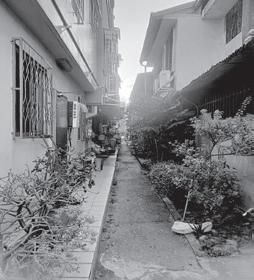
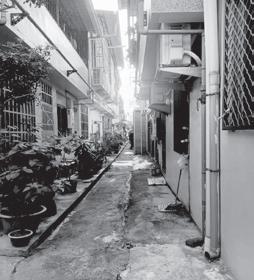
As a graduating senior at Feng Chia University, I am currently dedicated to my thesis on the Huaguang Community, exploring the balance between historical fabric and urban renewal. During my studies, my experience at the ROSO (Robotic Solution Lab) ignited a deep interest in parametric design and digital logic. Combined with the international perspective gained from the Guangzhou South Station workshop, I am committed to exploring advanced methodologies, extending parametric thinking into intelligent urban analysis tools to seek development solutions that bridge humanistic depth with data-driven rationality during my graduate studies in South Korea.
Education
Feng Chia University | Bachelor of Architecture | 2021 – 2026
No. 100, Wenhua Rd., Xitun Dist., Taichung City 407102, Taiwan
Tsai Hsing High Schoo| High School | 2018 – 2021
No. 2, Sec. 4, Xinglong Rd., Wenshan Dist., Taipei City 116016, Taiwan
Experience
The 8th Cross-Strait Architecture School Urban Design Joint Workshop | 2023/11
Can a rigid historical order survive the fluidity of contemporary life?
Market Rebirth:
Stitching Fractured Communities via Everyday Infrastructure
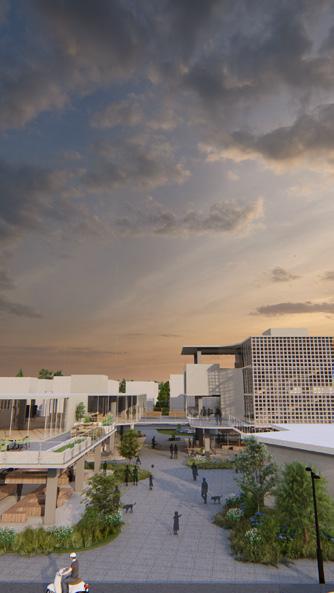
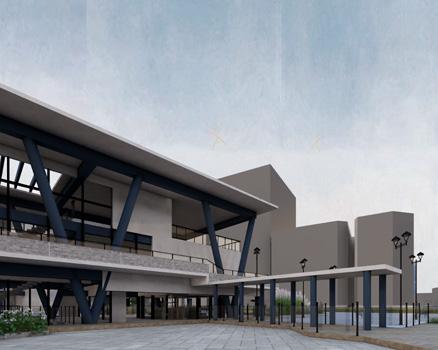
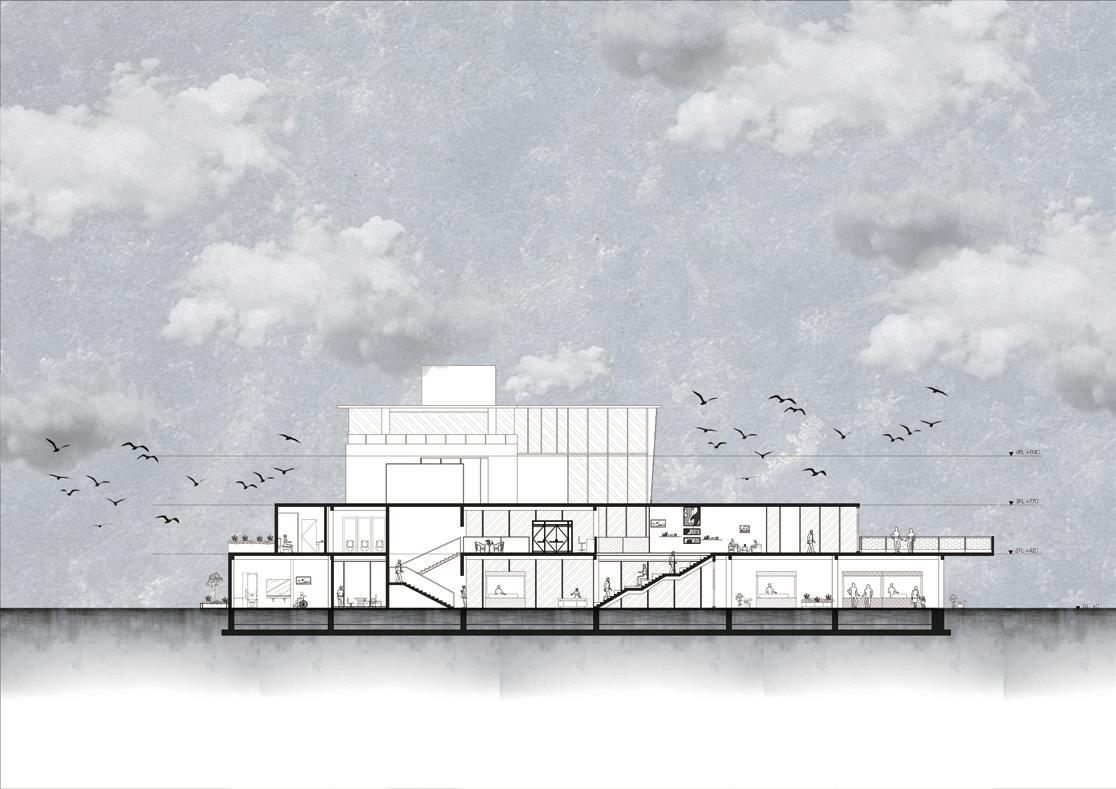
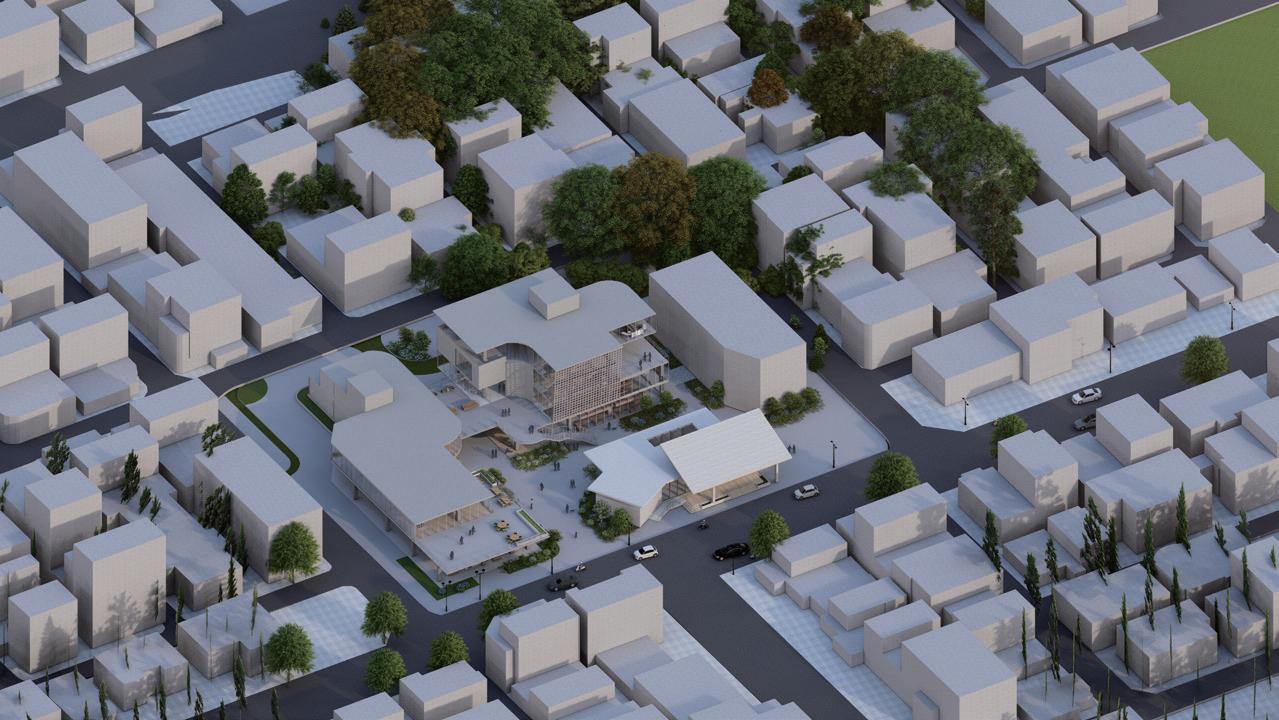
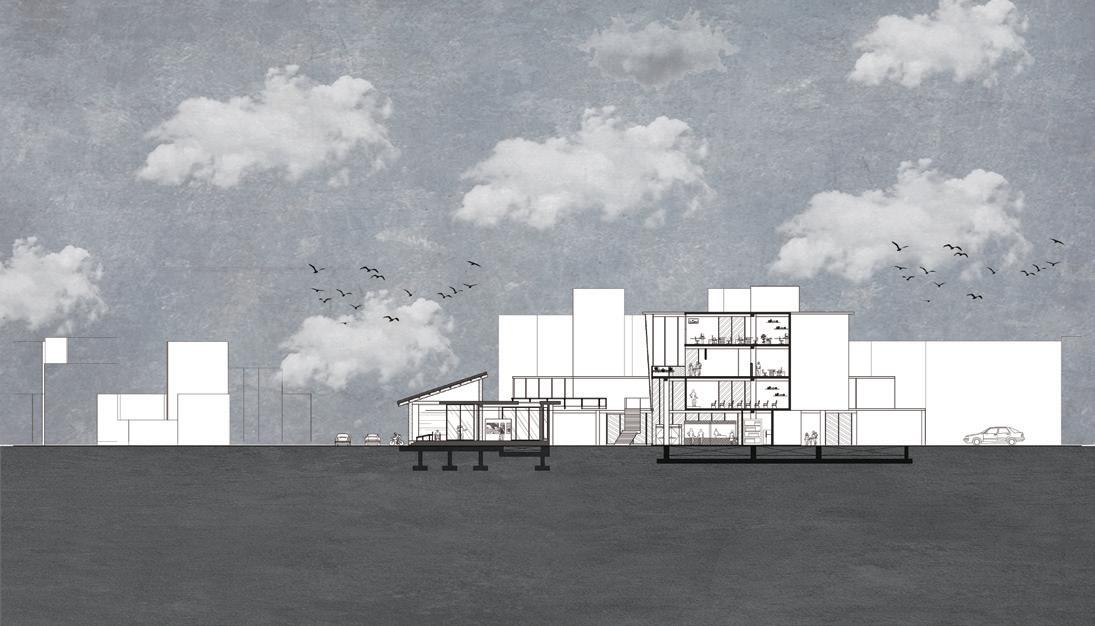
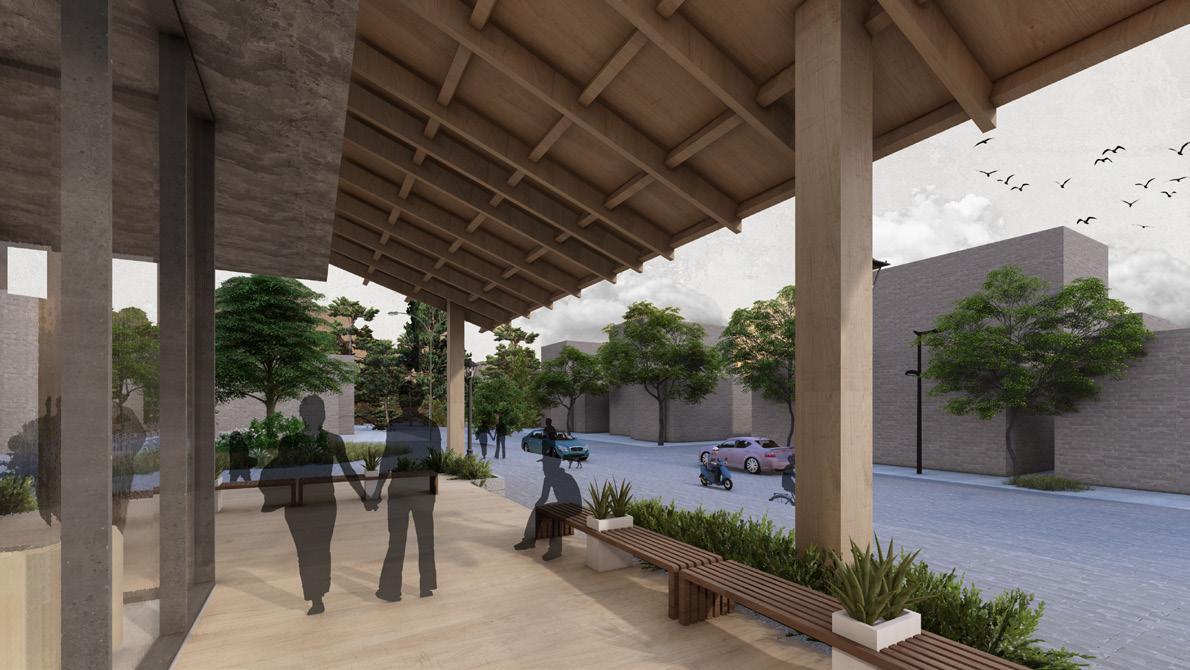
This project re-envisions the traditional market as a vital "Everyday Infrastructure" capable of mending fragmented urban fabrics. Focused on the Dawn Market in Taichung, the design addresses the physical and social fractures between aging residential blocks and chaotic market activities. By introducing a stitching strategy, the intervention integrates community services, public plazas, and flexible stalls into a unified structural grid. The architecture evolves into a Social Catalyst, transforming a marginalized space into a resilient community hub that celebrates the vibrancy of everyday life.
02 | REBRICK-BY-BRICK
Project info
Site : Taichung, Taiwan (ROSO Lab)
Project Type : Robotic Fabrication Research / Material Experiment | Group Work
Redefining the 'brick': When ancient clay meets robotic precision.
Digital Craftsmanship:
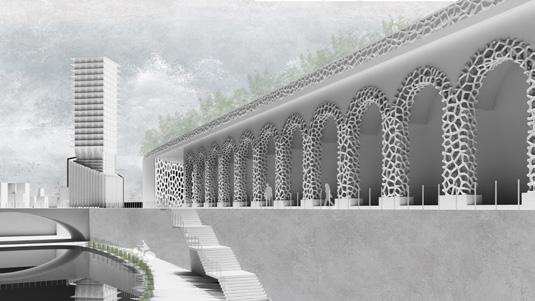
Re-defining Masonry through Experimental Casting and Parametric Optimization
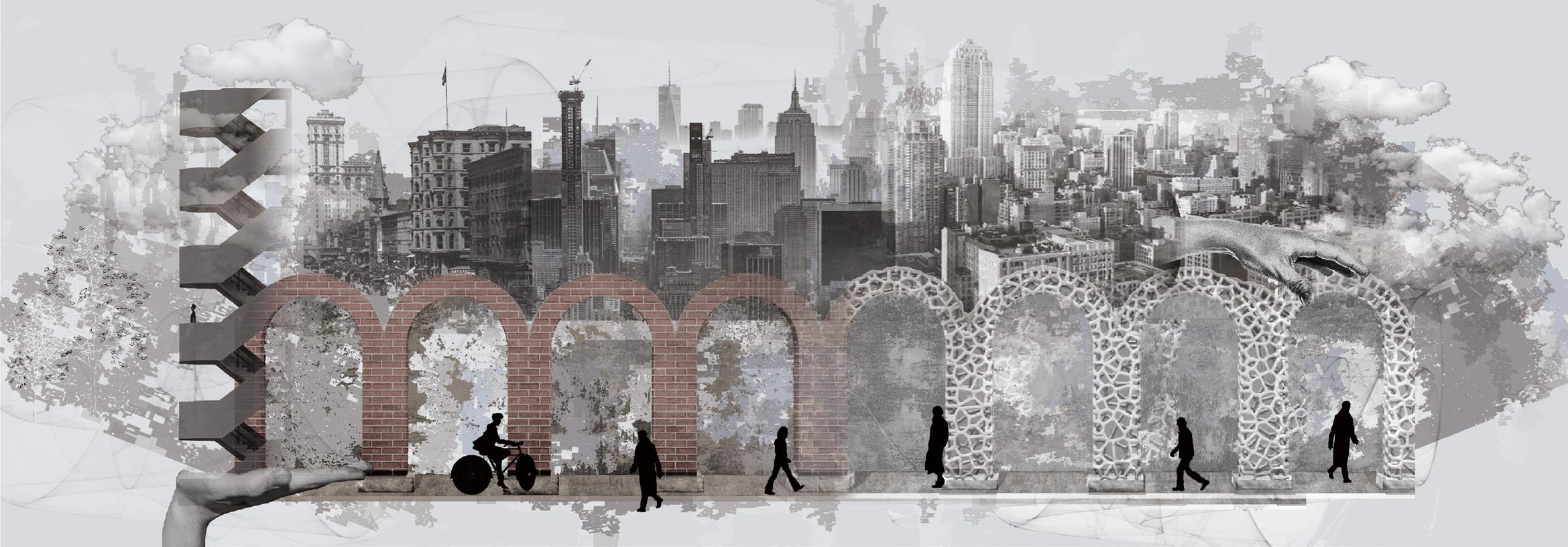
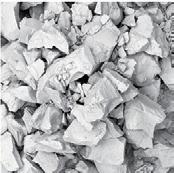
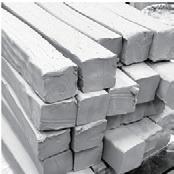
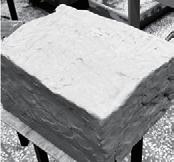
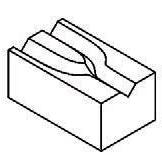
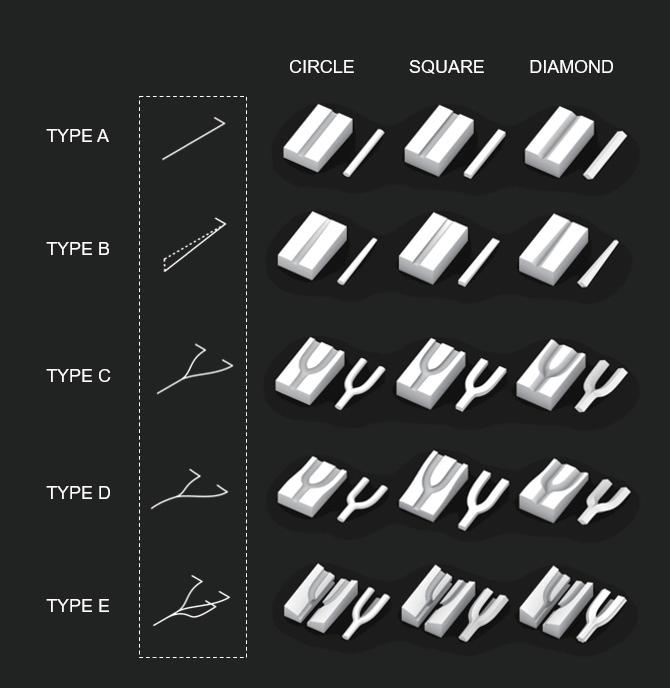
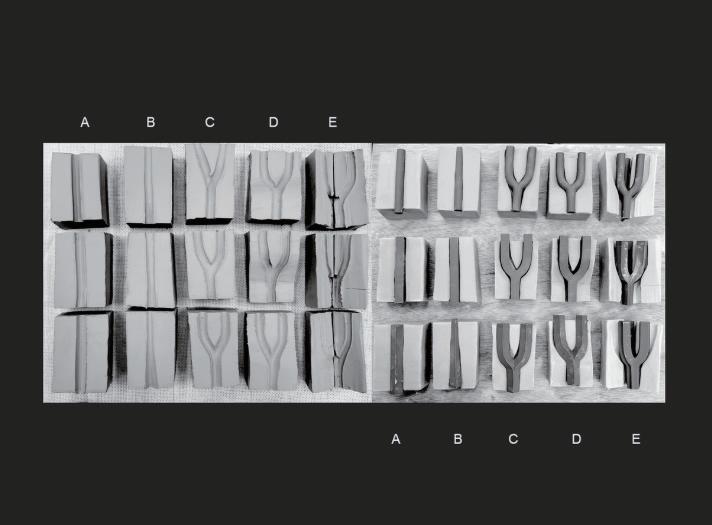
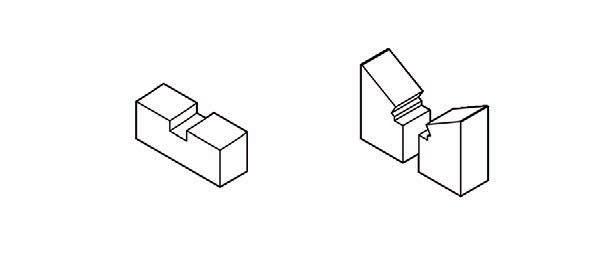
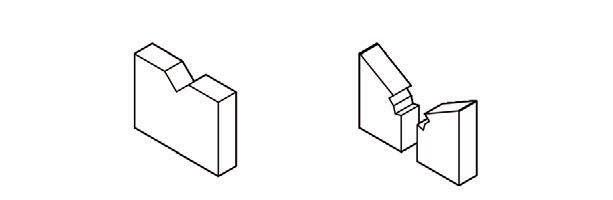
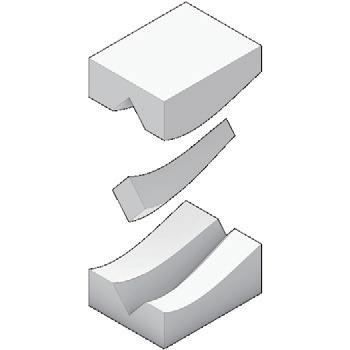
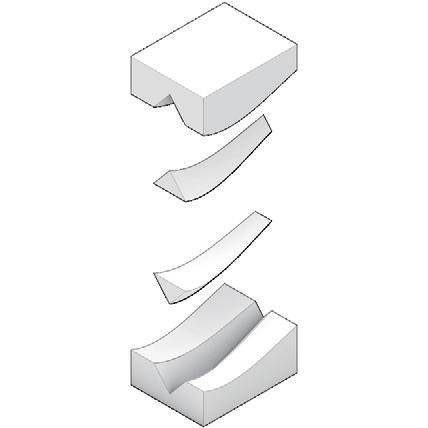
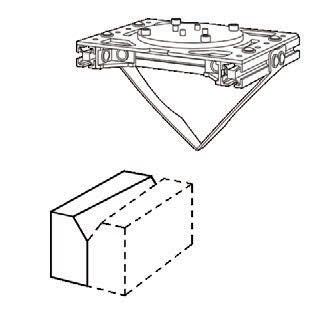
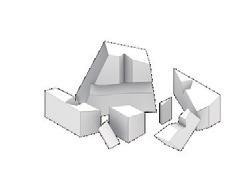
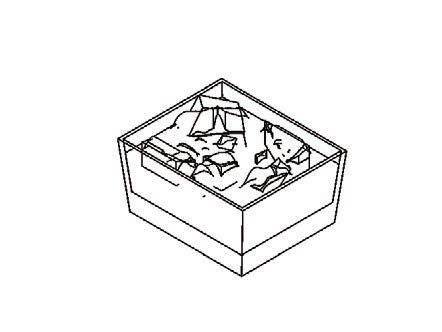
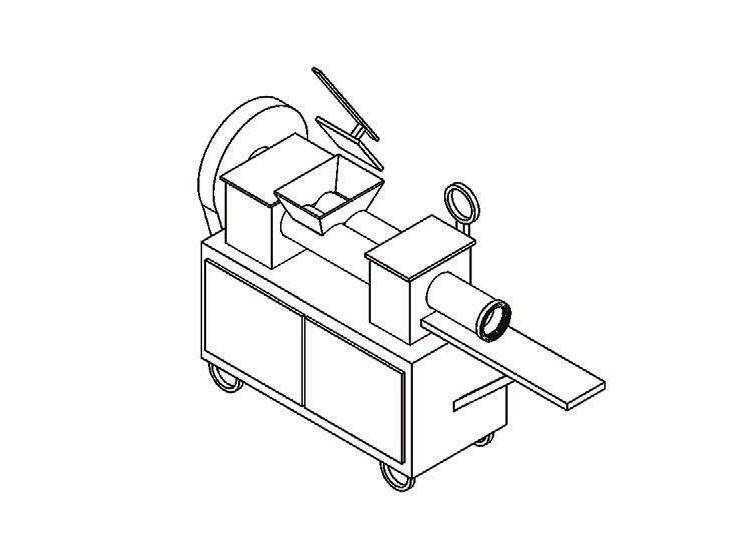
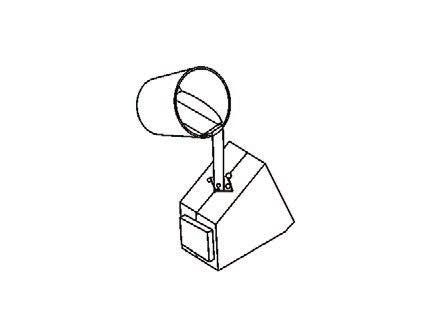
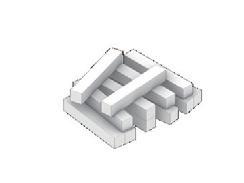
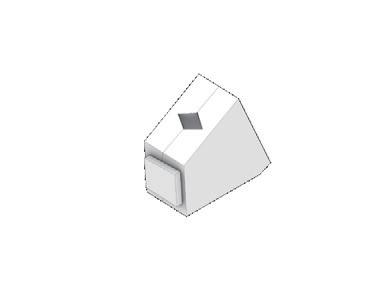
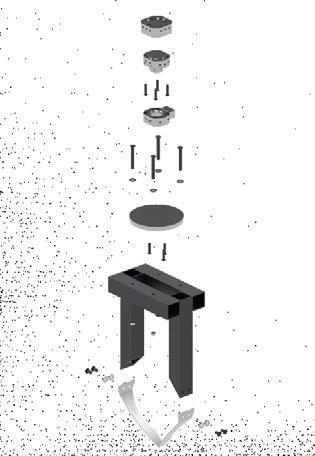
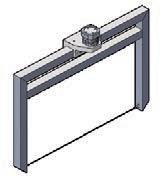
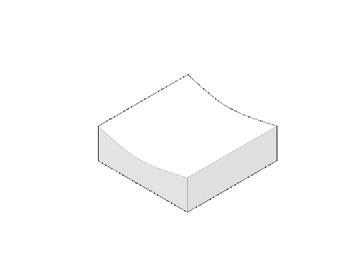
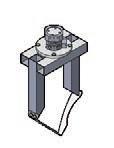
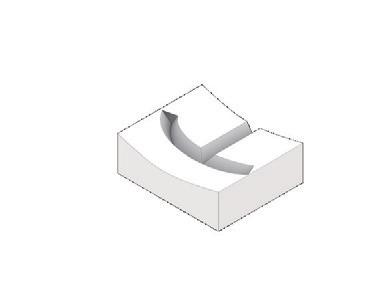
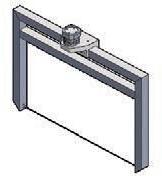
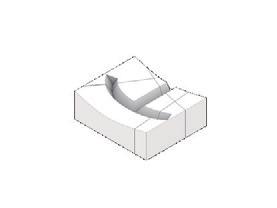
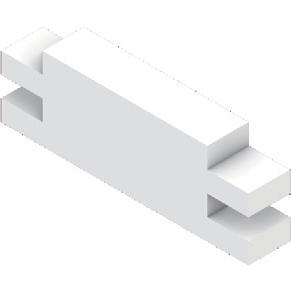
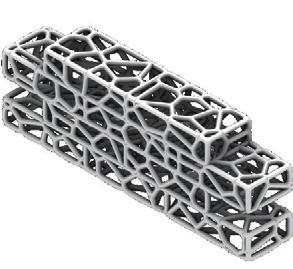
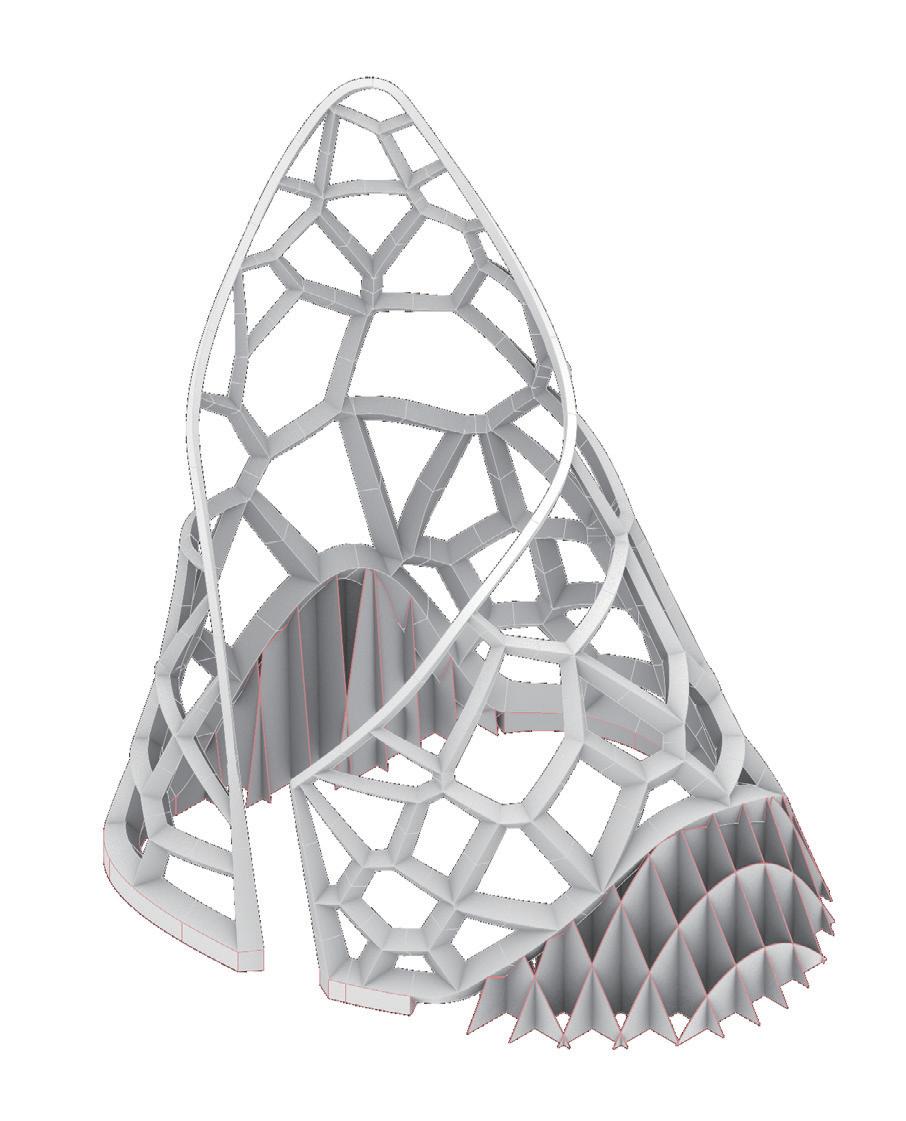
REBRICK investigates the evolution of traditional masonry through the lens of Digital Craftsmanship. By integrating Experimental Casting with Parametric Optimization, the project develops an automated assembly system that redefines the tectonic potential of recycled materials. The research focuses on translating complex Geometric Morphology into a seamless robotic workflow, allowing for the precise execution of non-linear patterns. This experiment challenges the rigid constraints of conventional brickwork, proposing a future where digital precision revitalizes ancient material traditions.
【Advantages】
EXPERIMENT
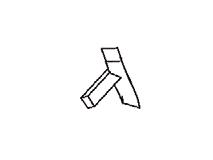
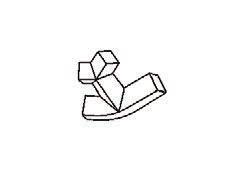
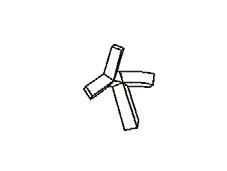
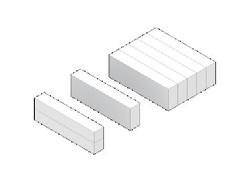
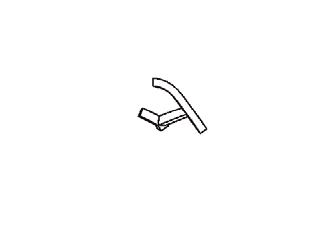
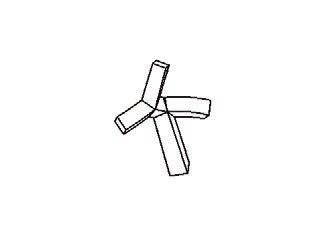
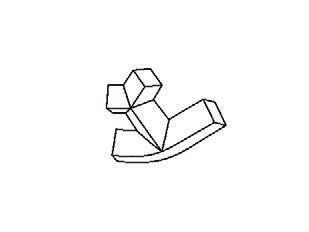
TYPE 1 TYPE 2 TYPE 3
WORKING PROCESS
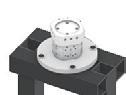
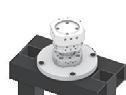
Robotic Arm Fabricating
CONCEPT
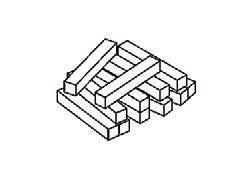
Stacking order
DESIGN ITERATION
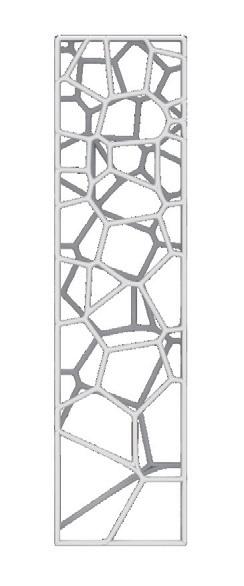
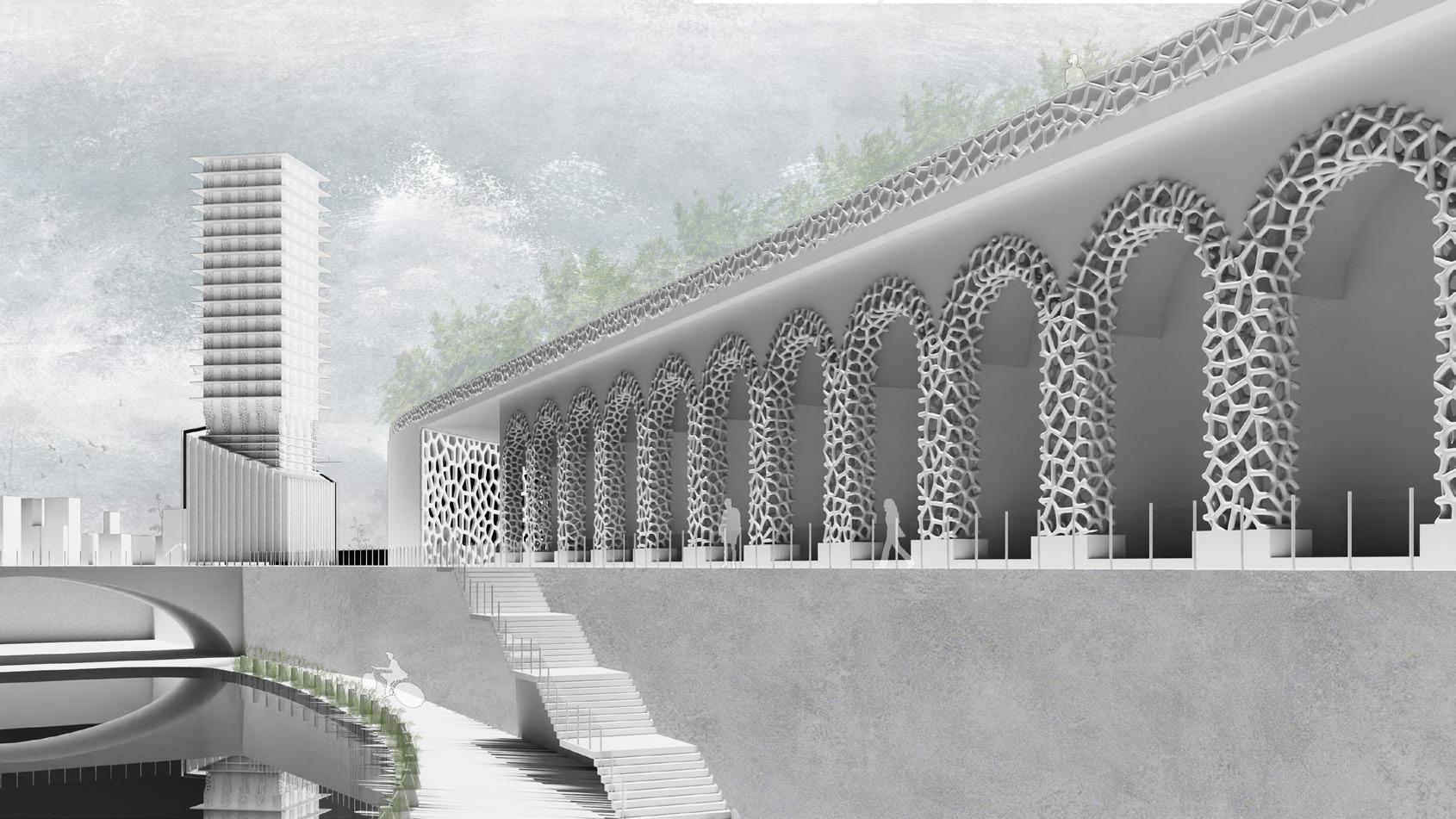
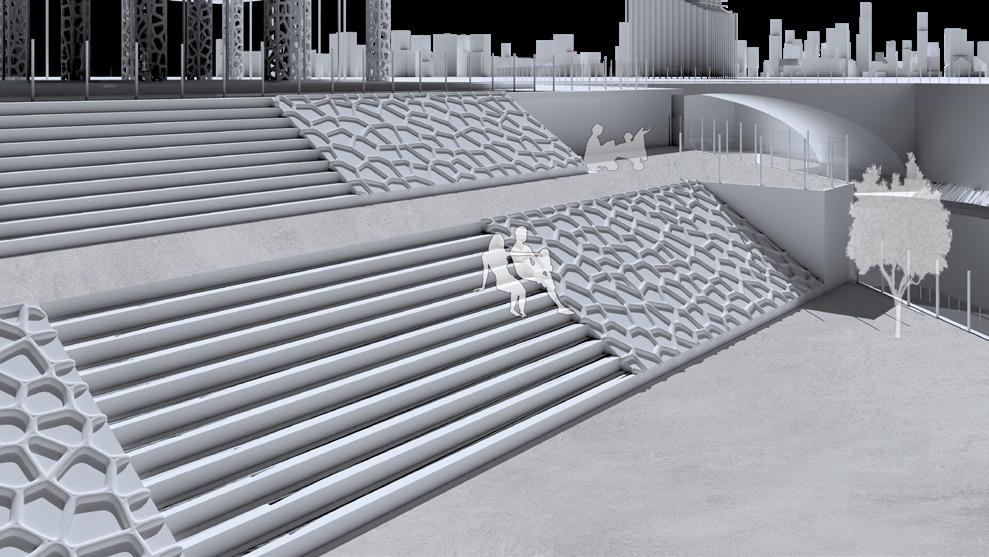
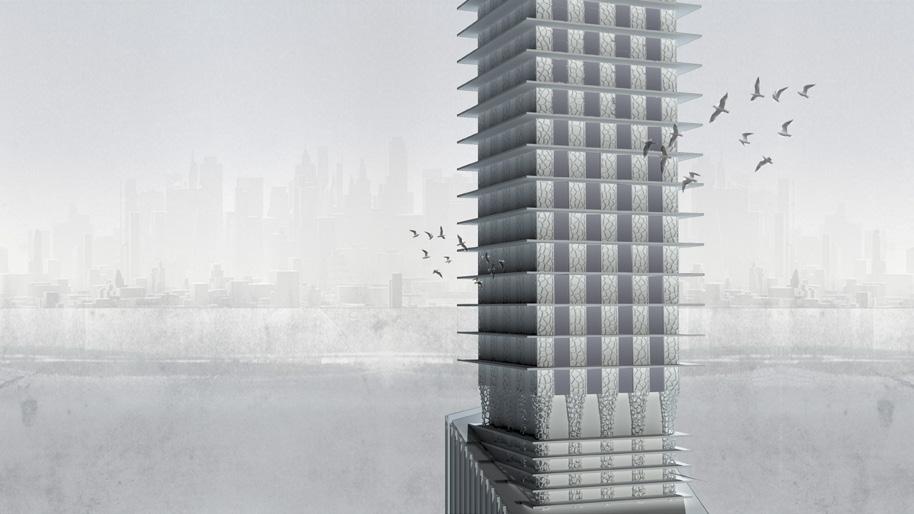
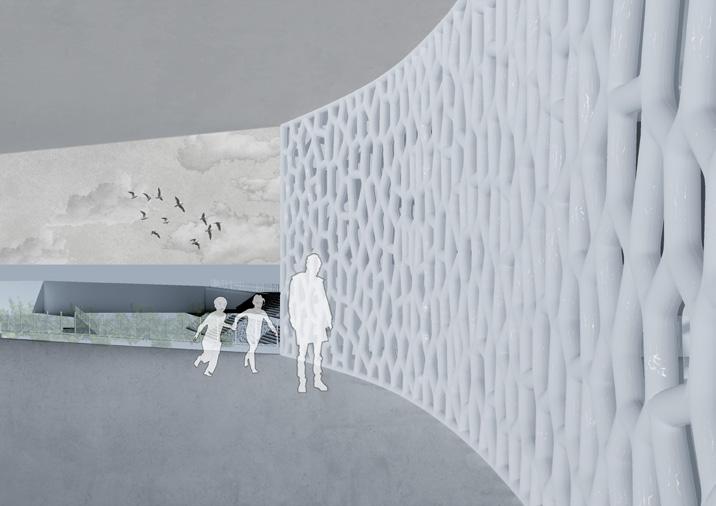
Utilizing parametric logic, the RE-BRICK system evolves into organic forms adapted to urban scales. This represents not just a structural insertion, but a soft intervention and reconfiguration of the existing urban texture.
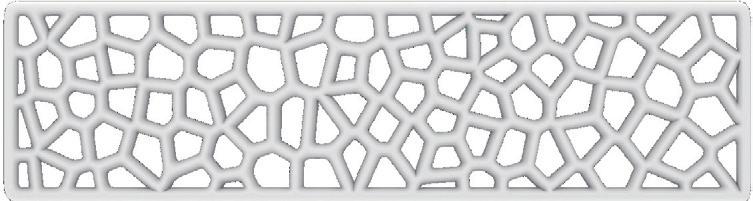
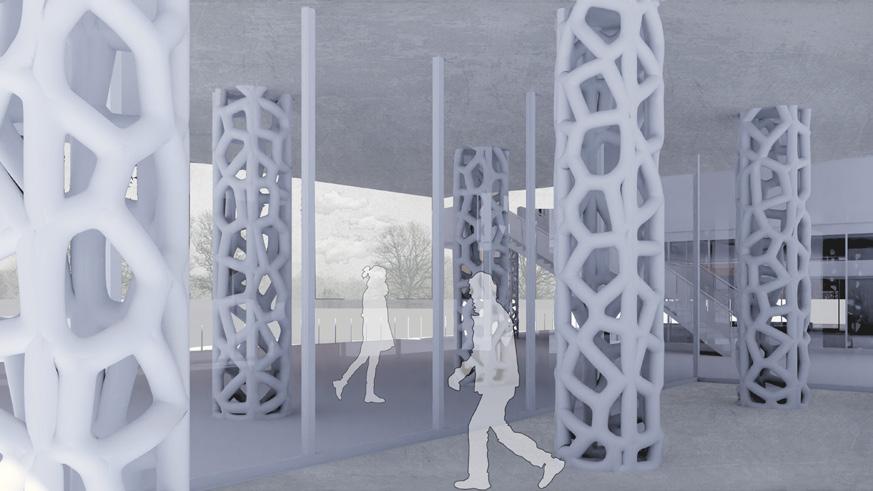
The systematic porous design ensures natural light penetration and airflow. This translucent skin creates layers of visual depth within the city, breaking the sense of enclosure typical of traditional solid walls.
03 | Rooted Mutation
Project info
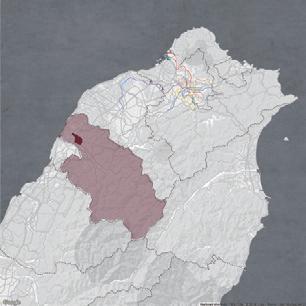
Site : Zhubei City, Hsinchu County, Taiwan
Project Type : Cross-Strait Joint Workshop | Group Work
Lichen Dynamics : A Symbiotic Metamorphosis of Historic Urban Anchors
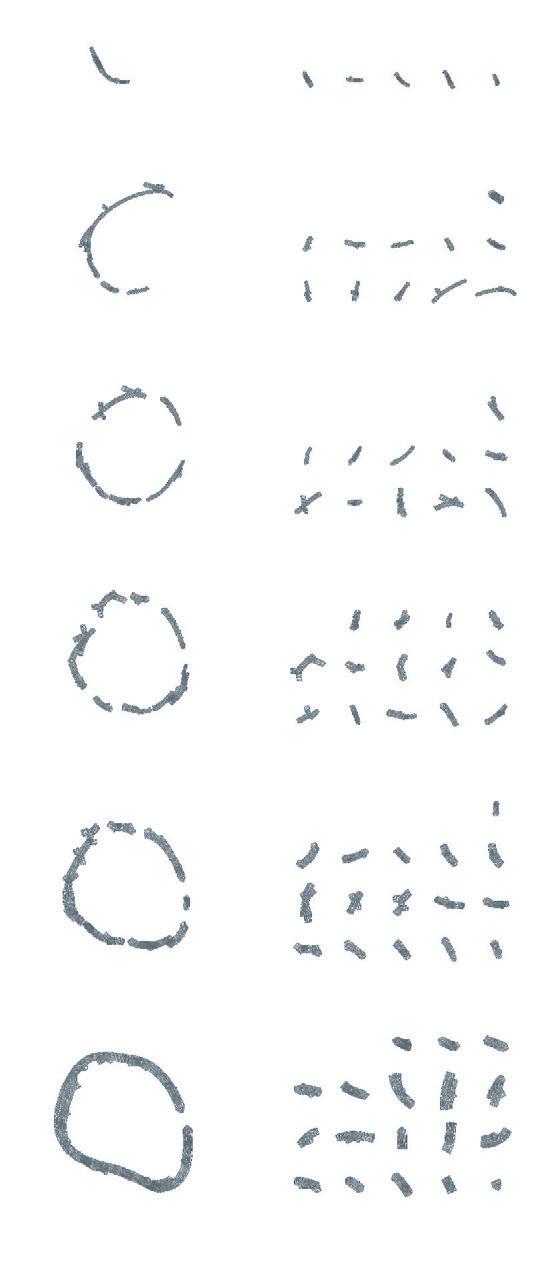
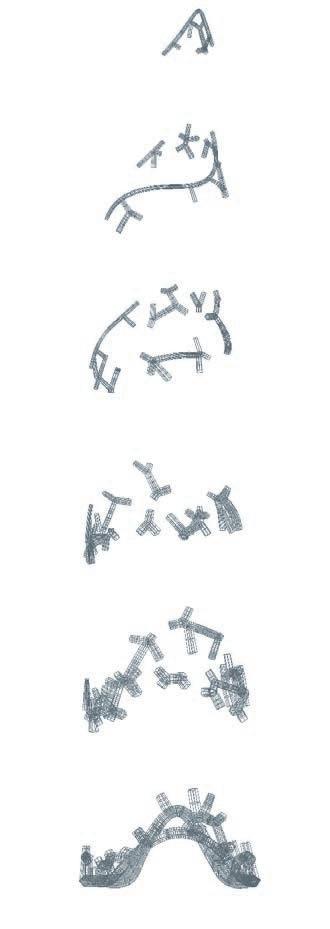
This project explores the enduring presence of Juancun (Military Dependents' Village) culture in Hsinchu, even after its physical spaces have vanished. By adopting "Lichen" as a metaphor, the design utilizes its biological traits : attachment, diffusion, and adaptation to reconstruct the symbiosis between historical heritage and contemporary intervention. The architecture evolves beyond a static monument into an active historical medium, transforming past memory imprints into a porous, symbiotic interface for contemporary culture.
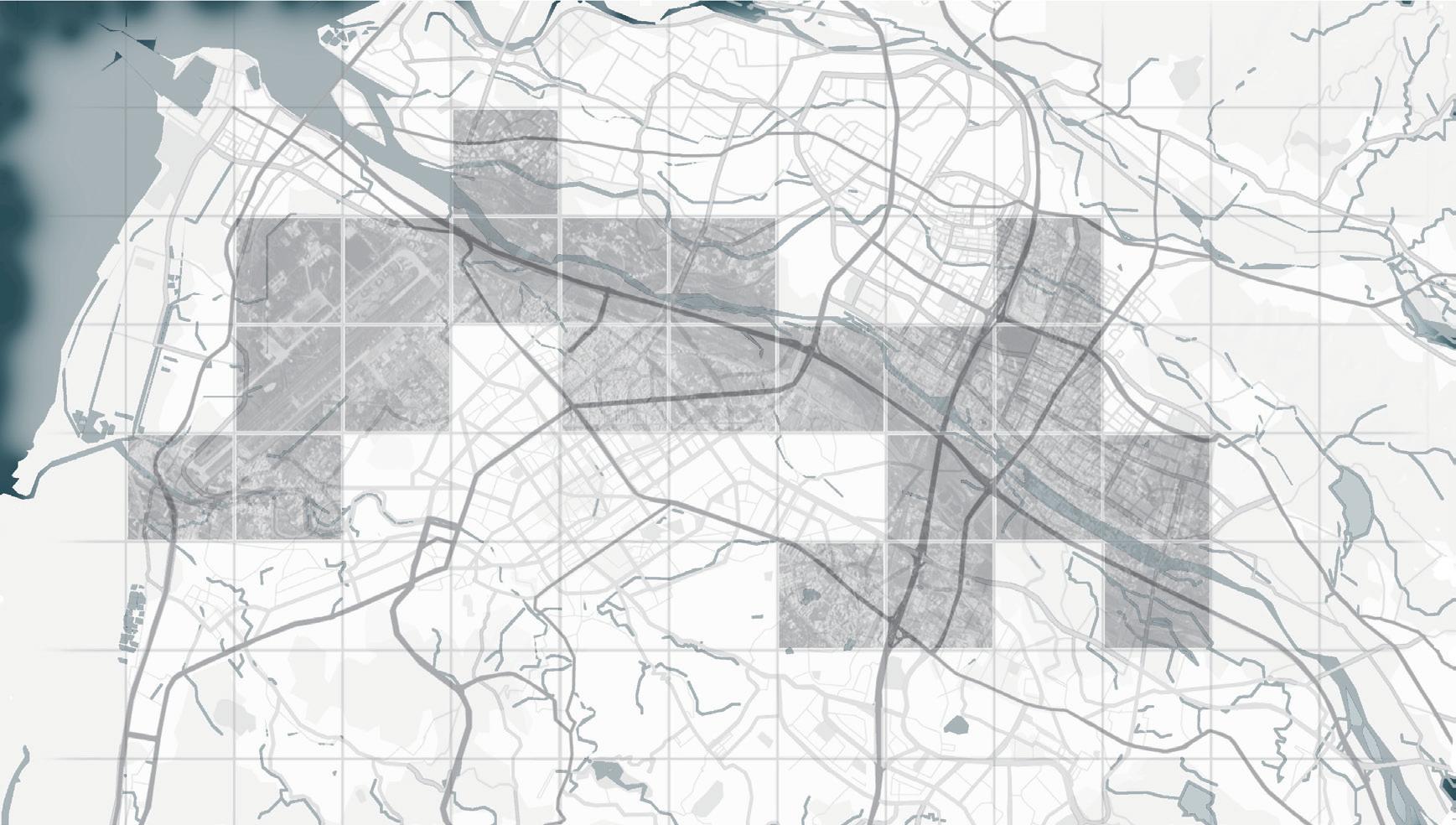
site development
concept development
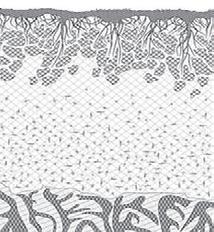
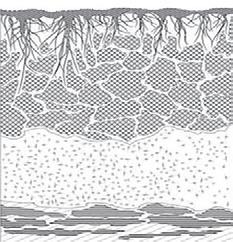
Time-related Processes of Lichens
01 02 04 03
Green belt
04 | POLYPHONY
Project info
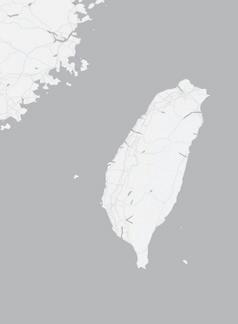
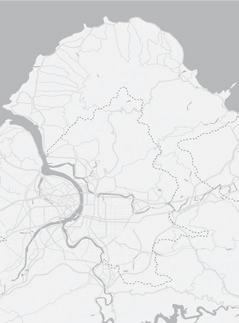
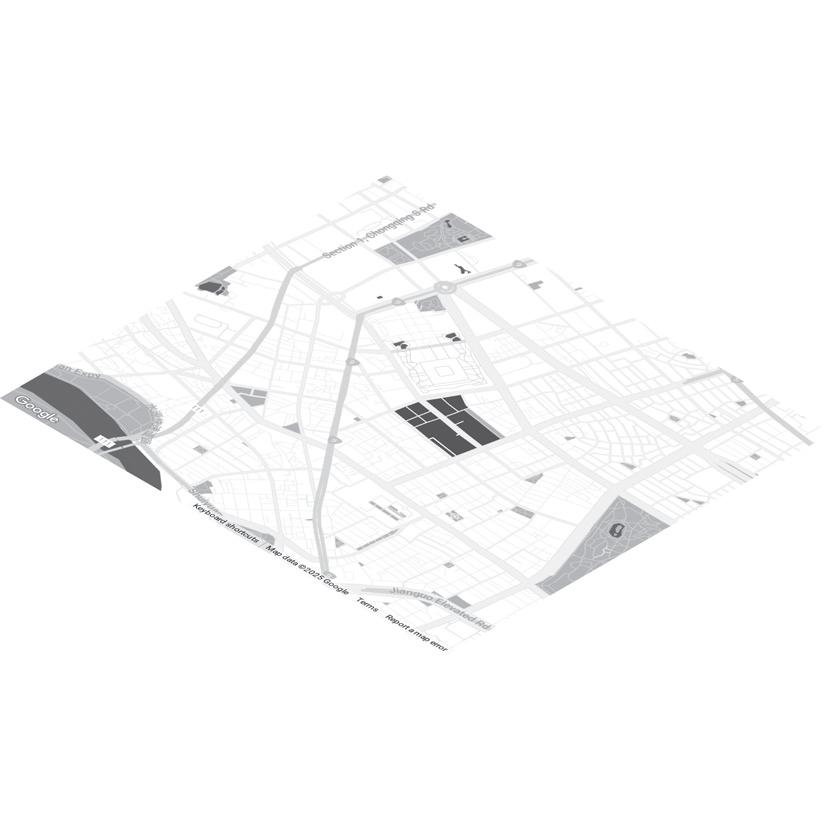
Site : Huaguang Community, Taipei, Taiwan
Project Type : Graduation Thesis | Group Work
Status: In progress (2025/09-2026/06)
Professor: Pao-Kuan Wu
Individual Contribution · Theoretical Framework
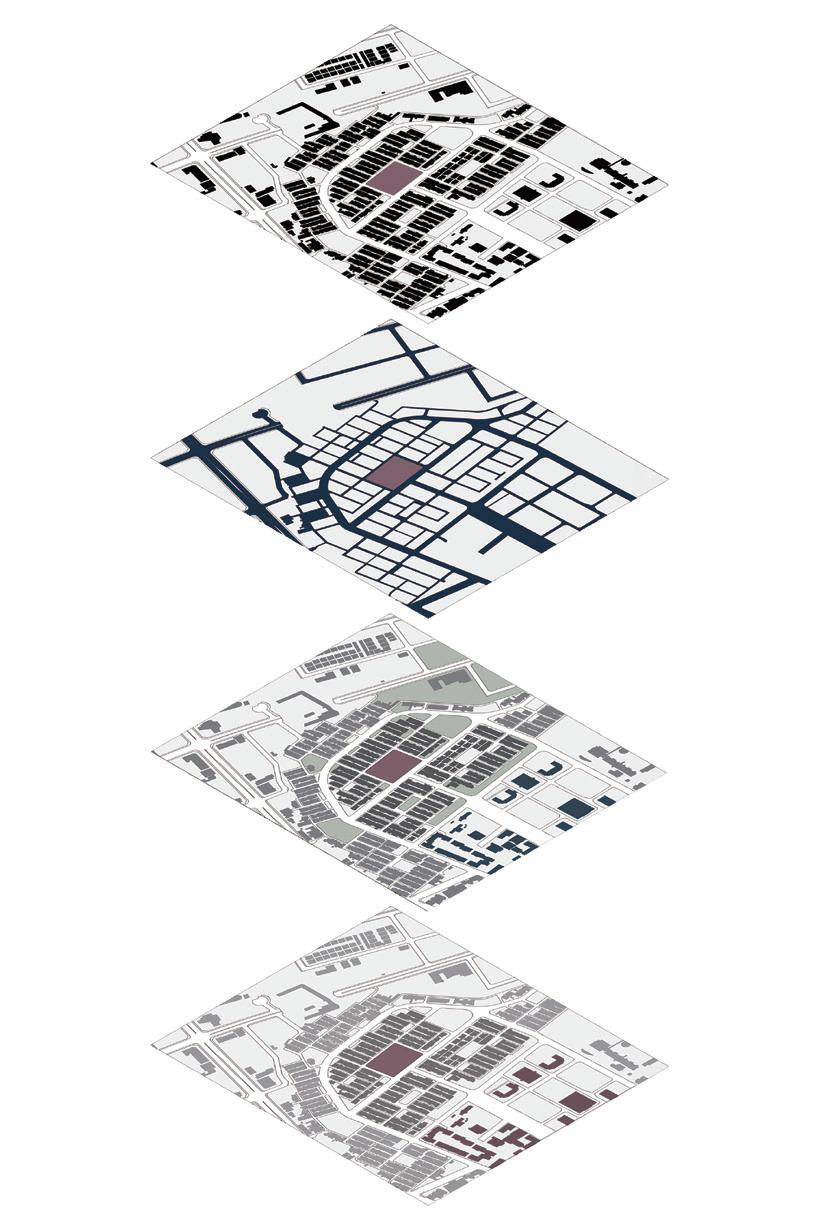
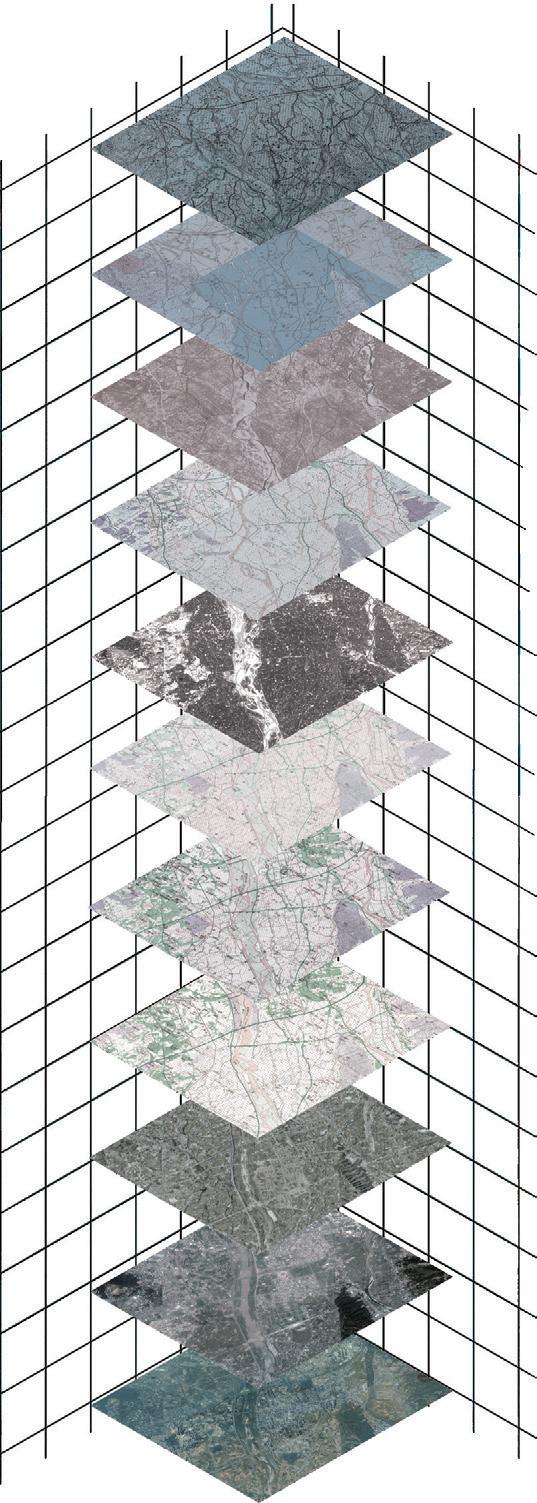
· Urban Morphology Analysis
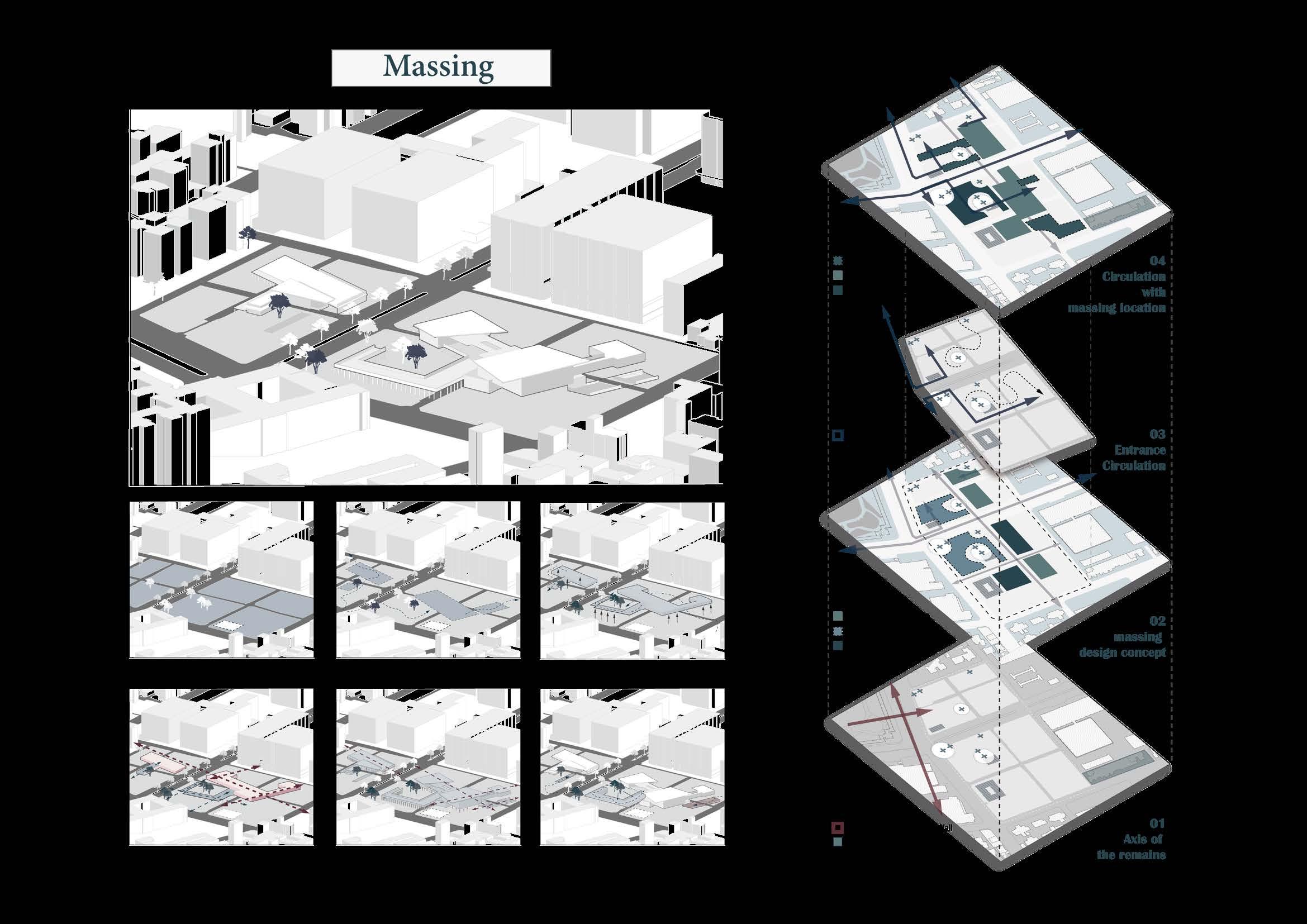
· Computational Massing Strategy
· Digital Visualization
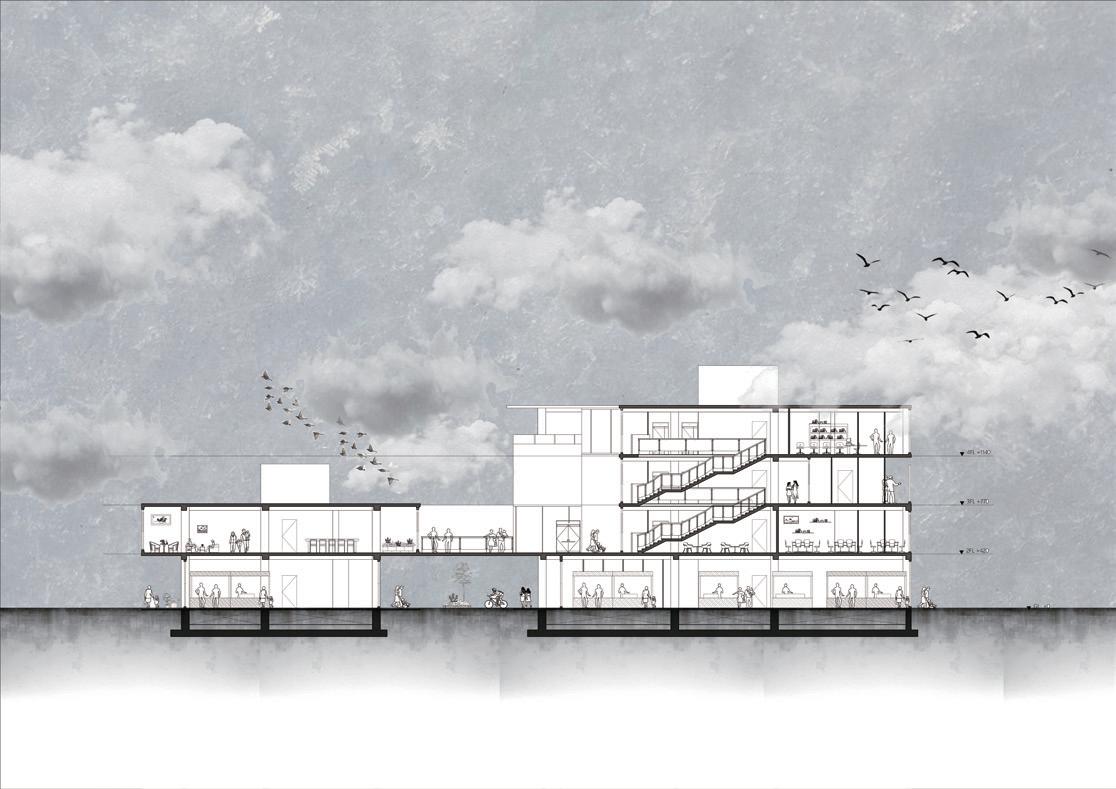
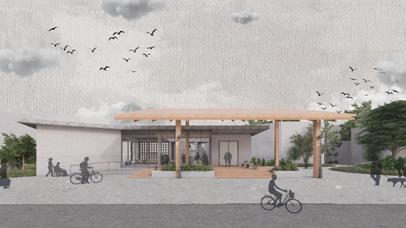
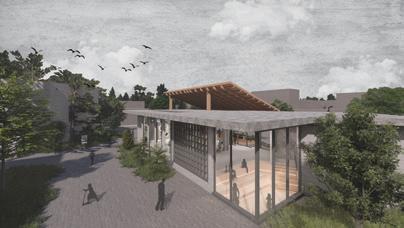
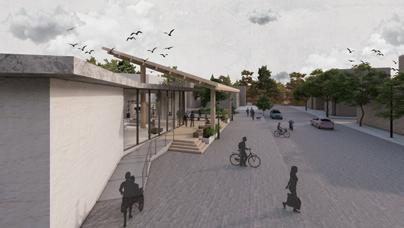
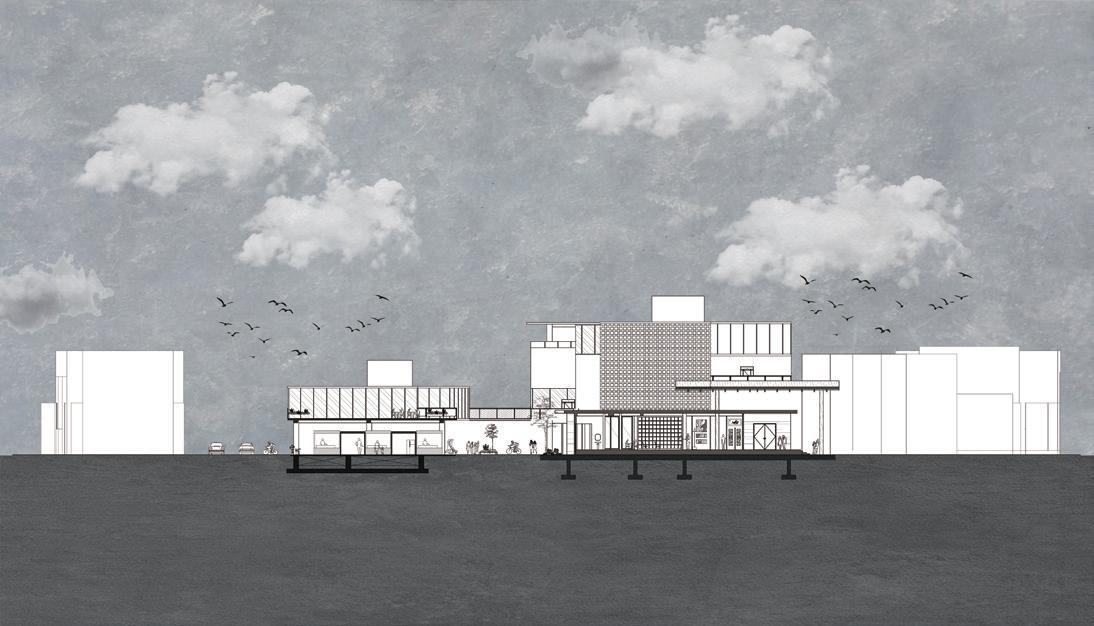
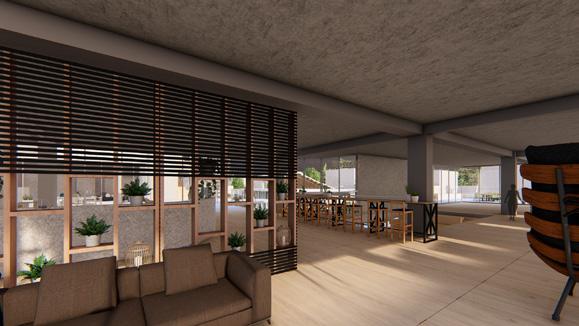
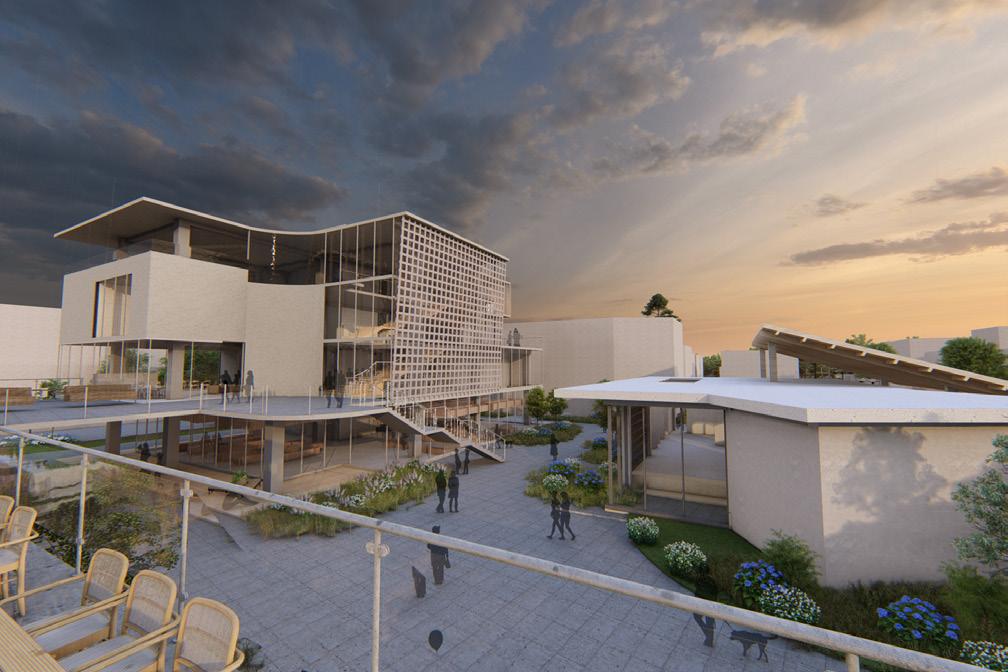
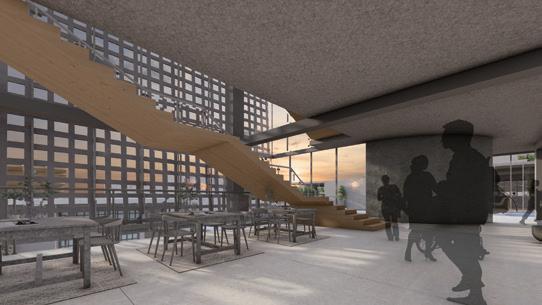
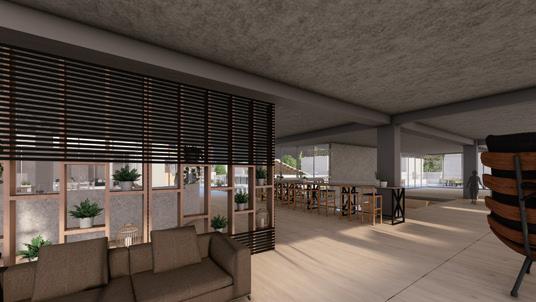
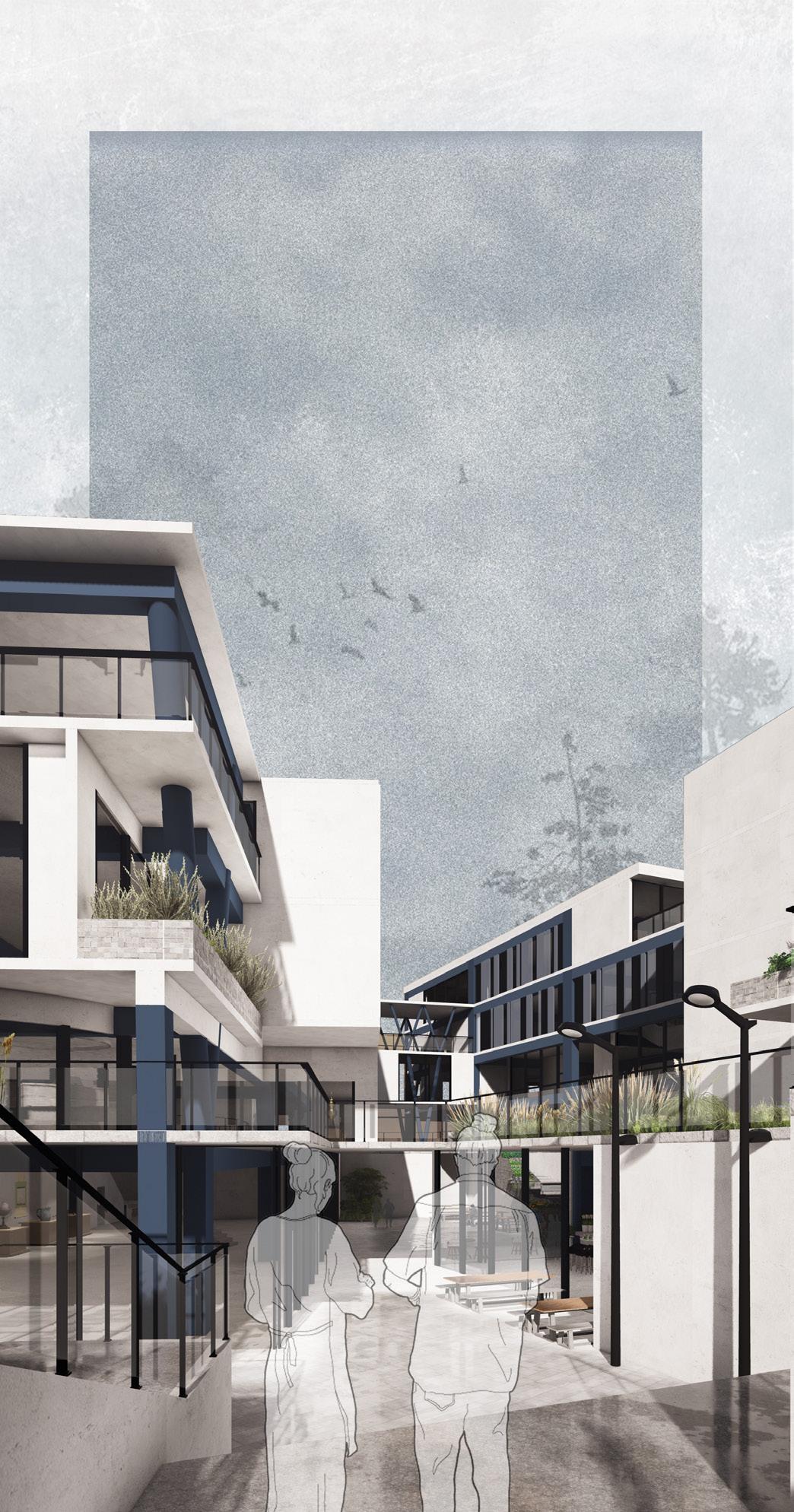
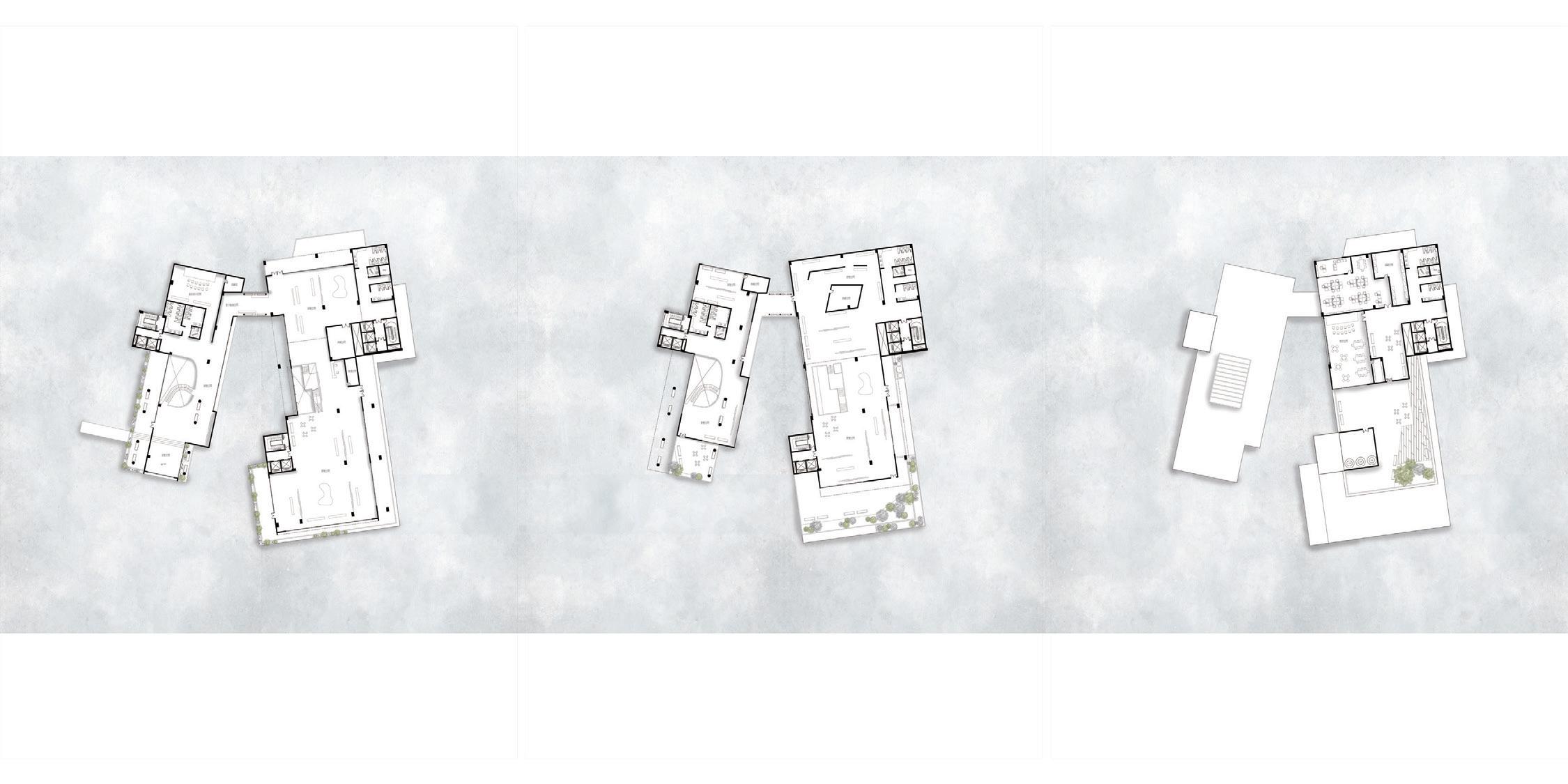
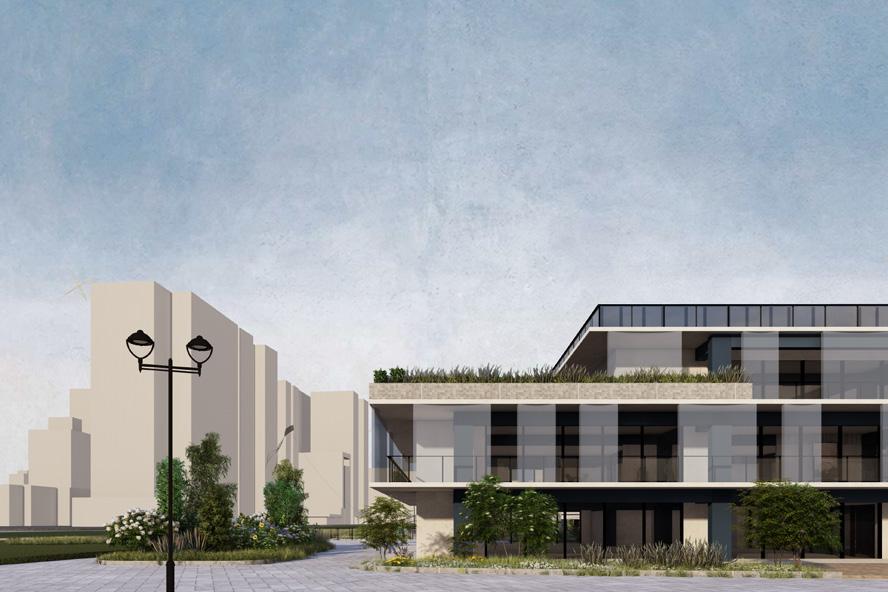
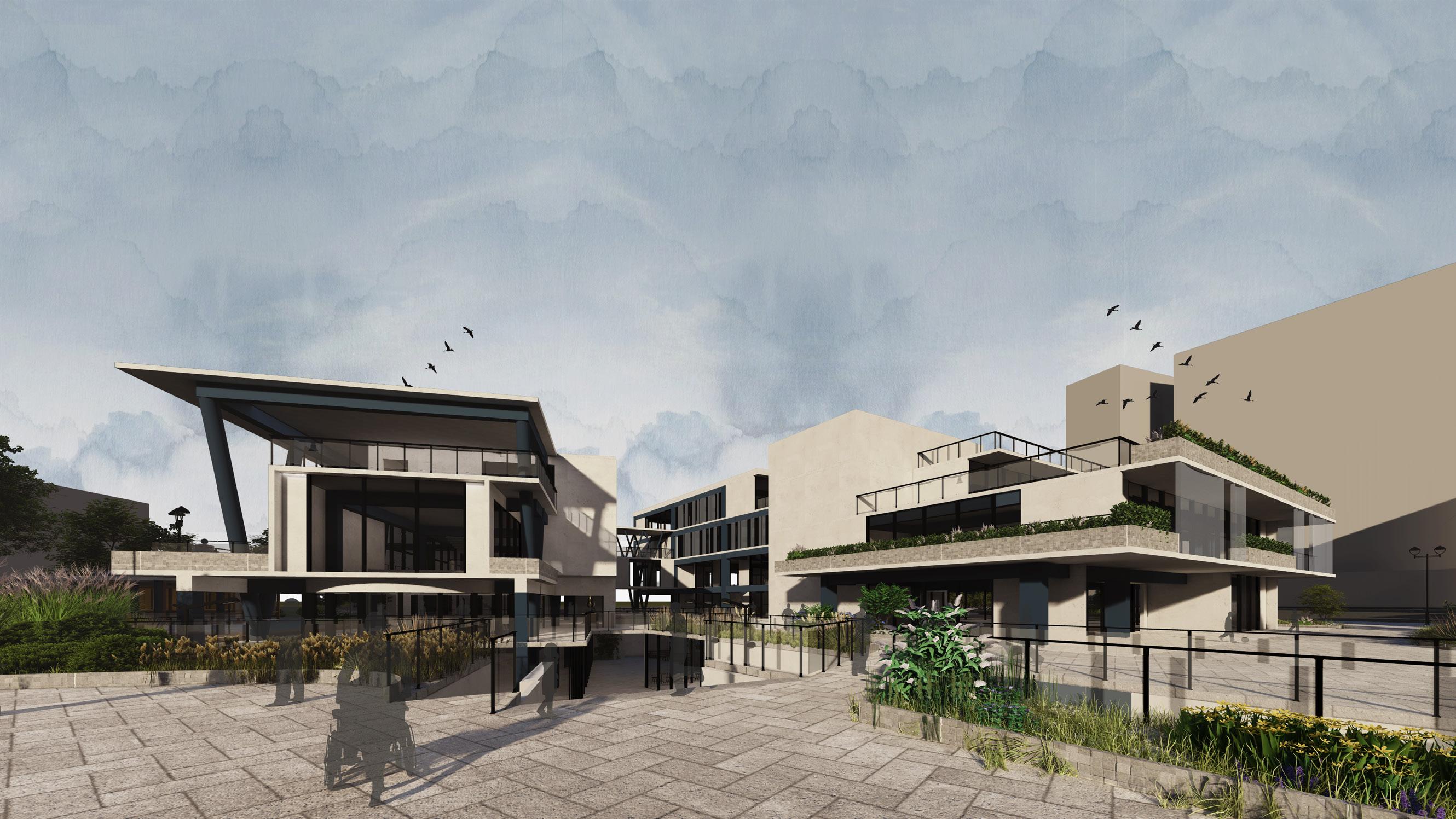
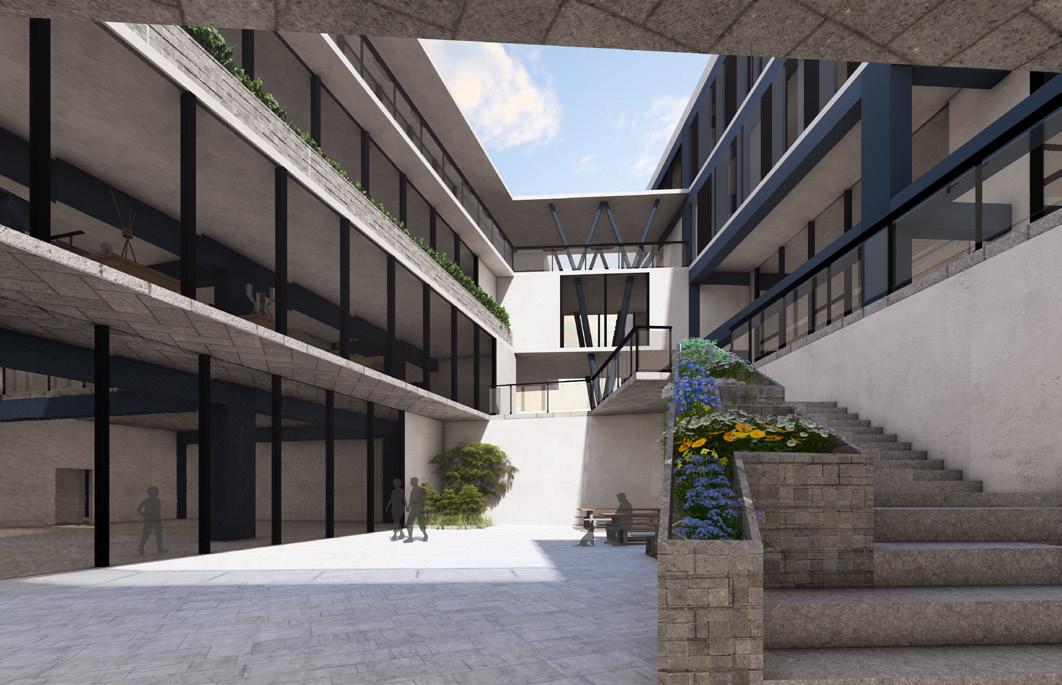
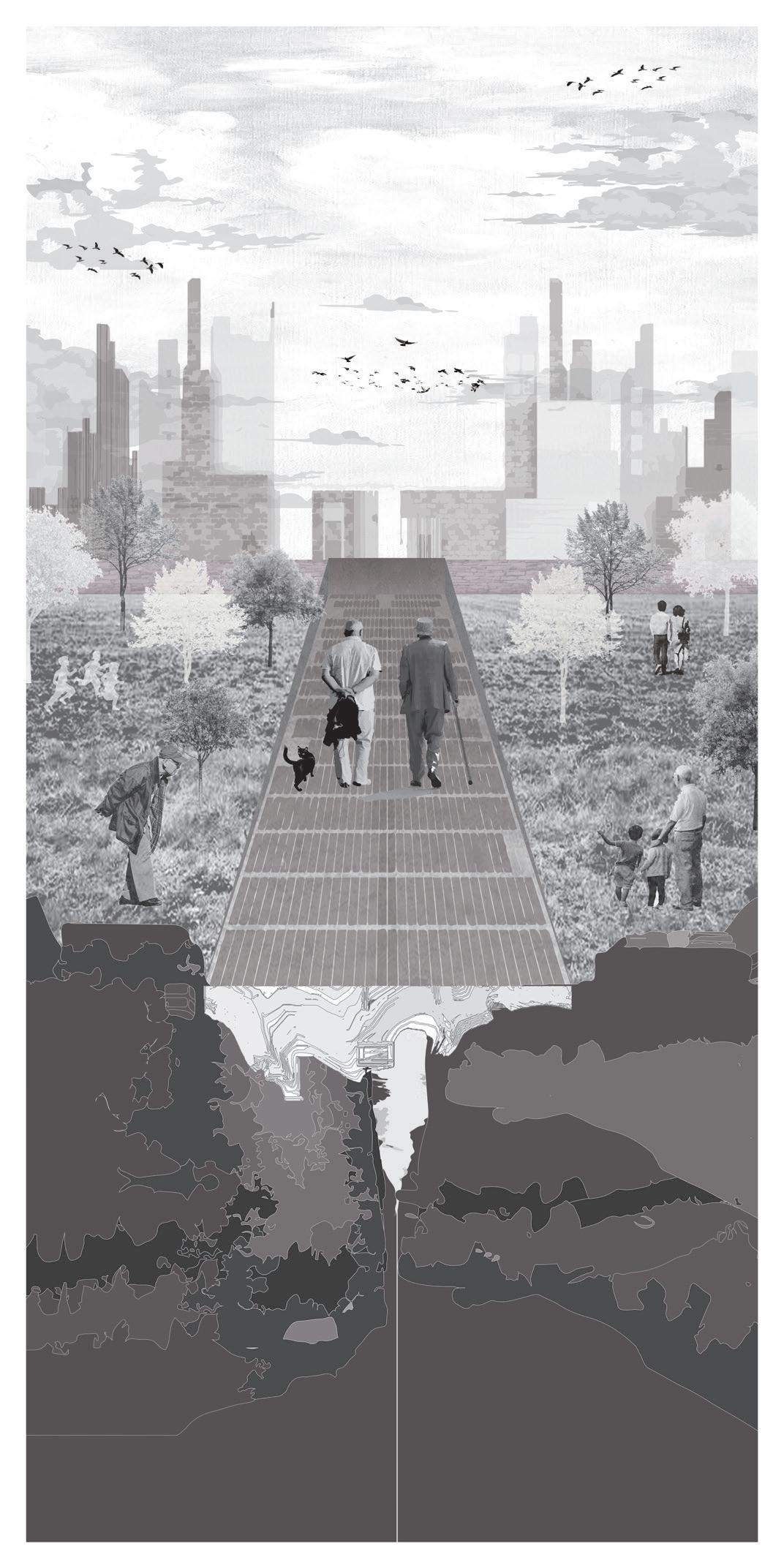
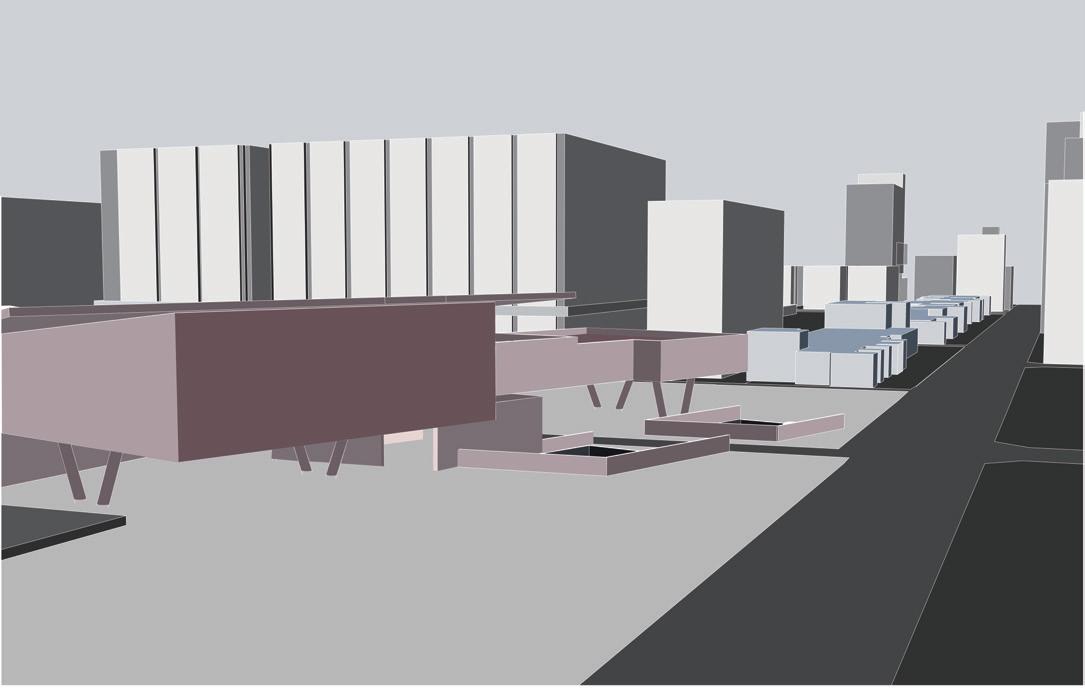
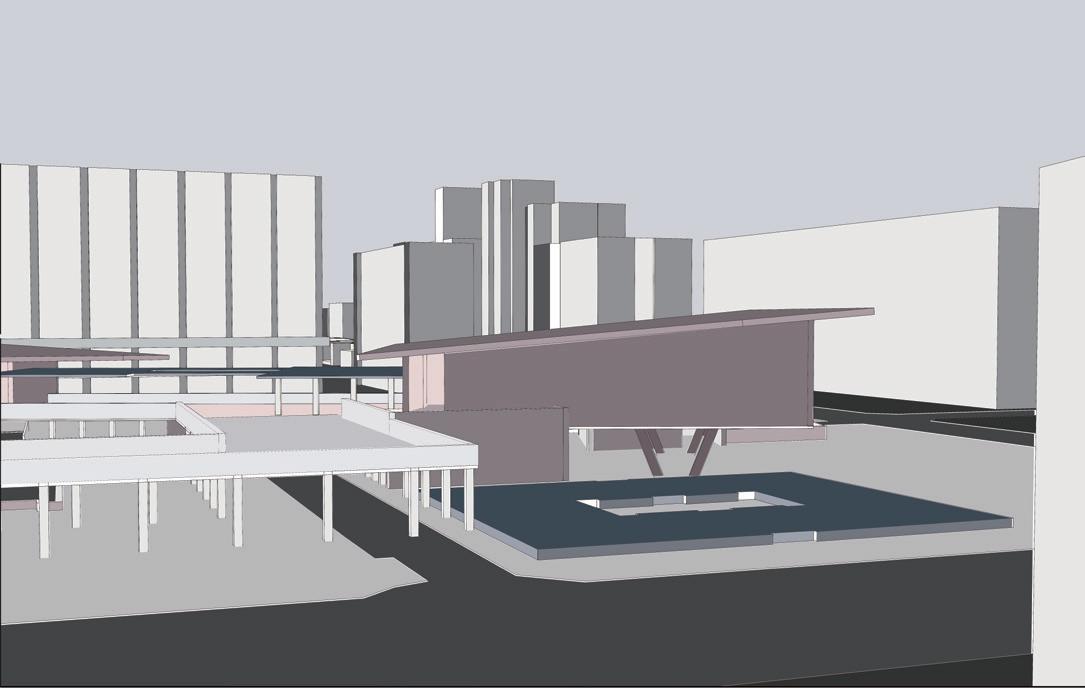
Spatial Polyphony: Translating Urban Fractures into Dialogic Architectures
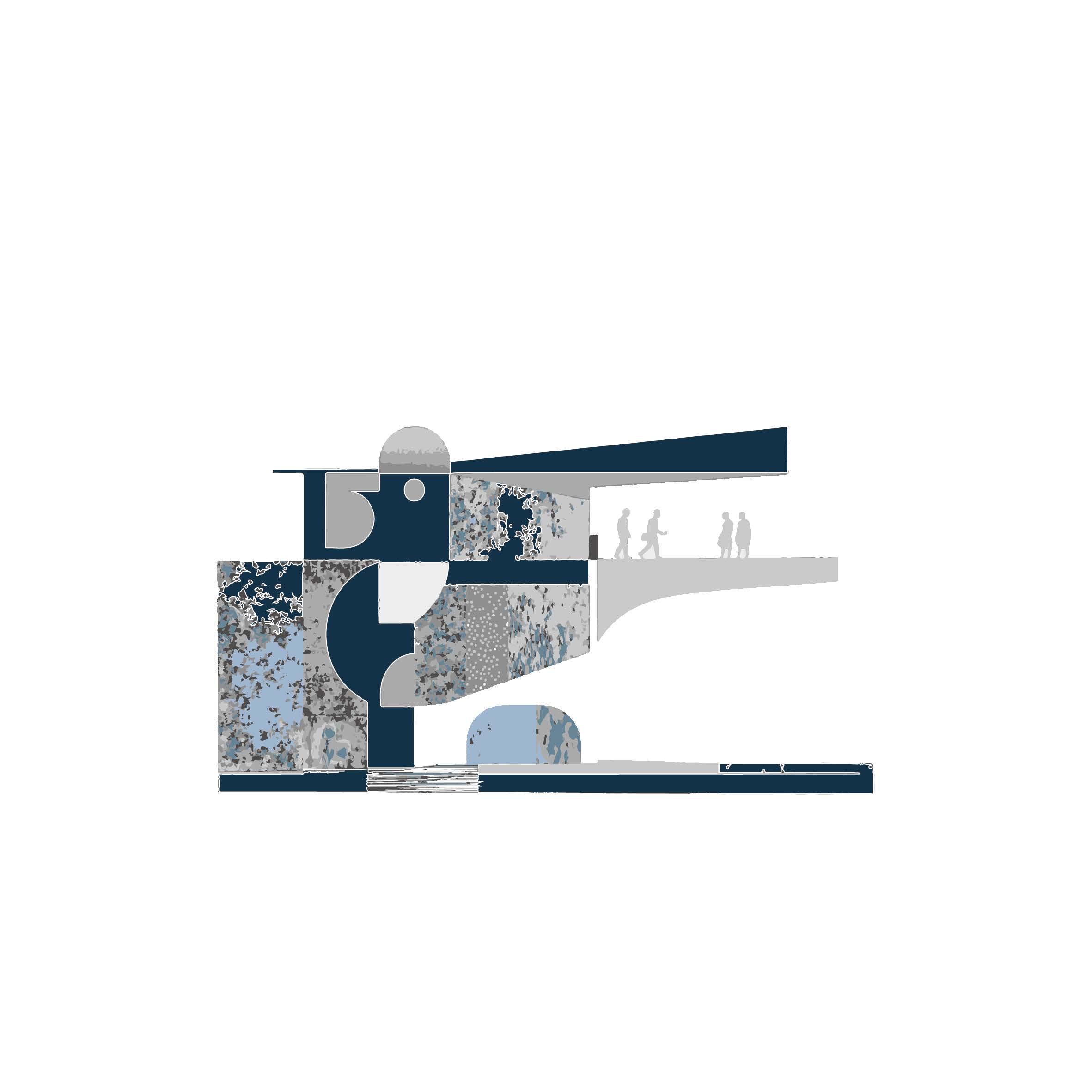
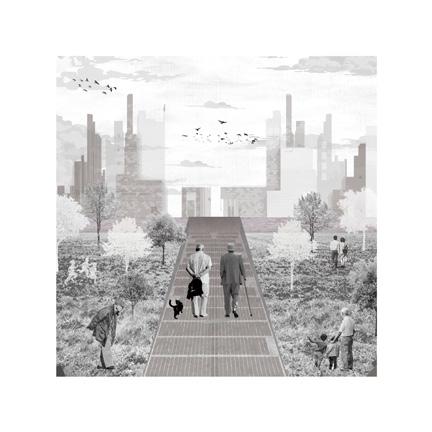
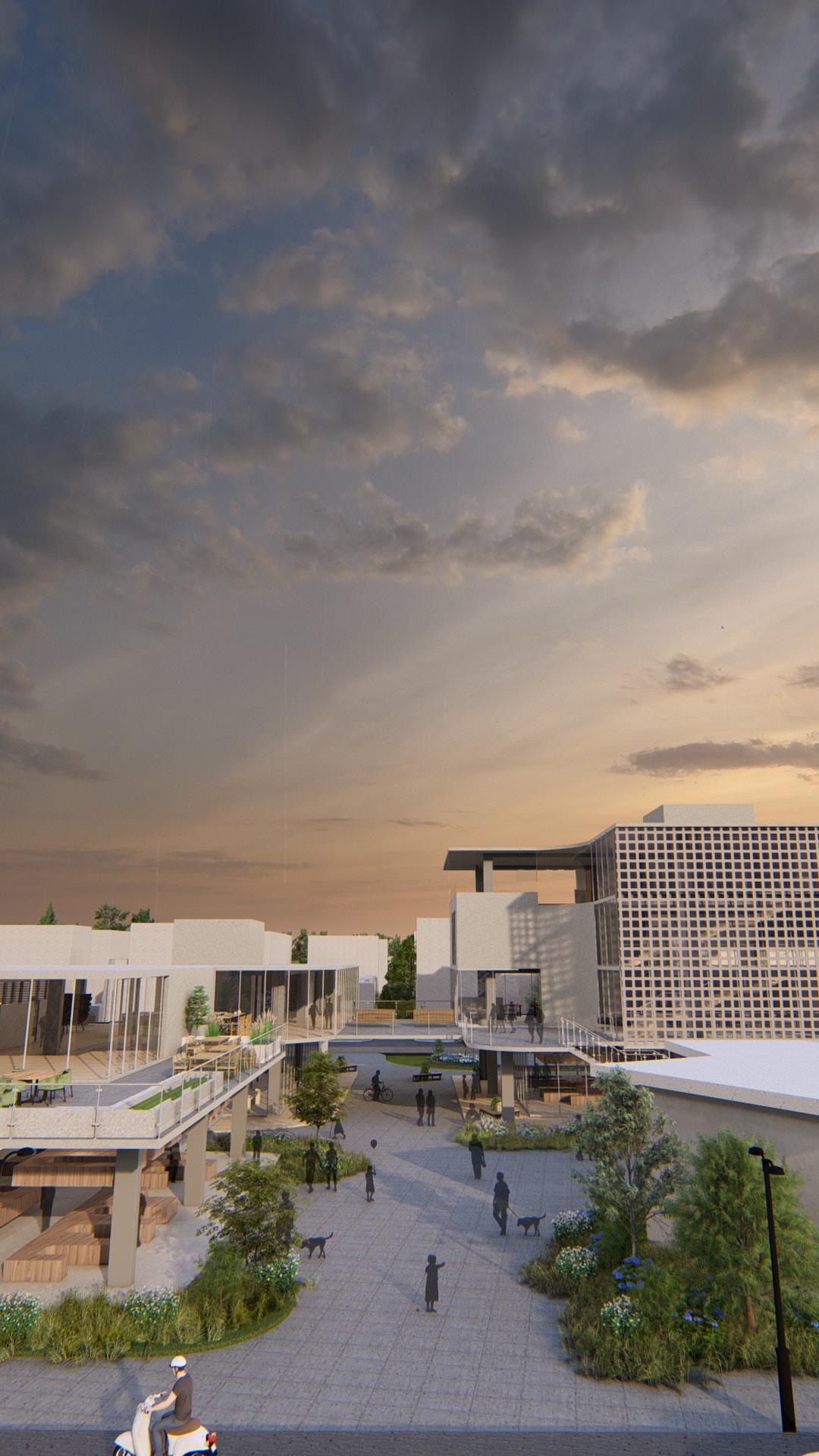
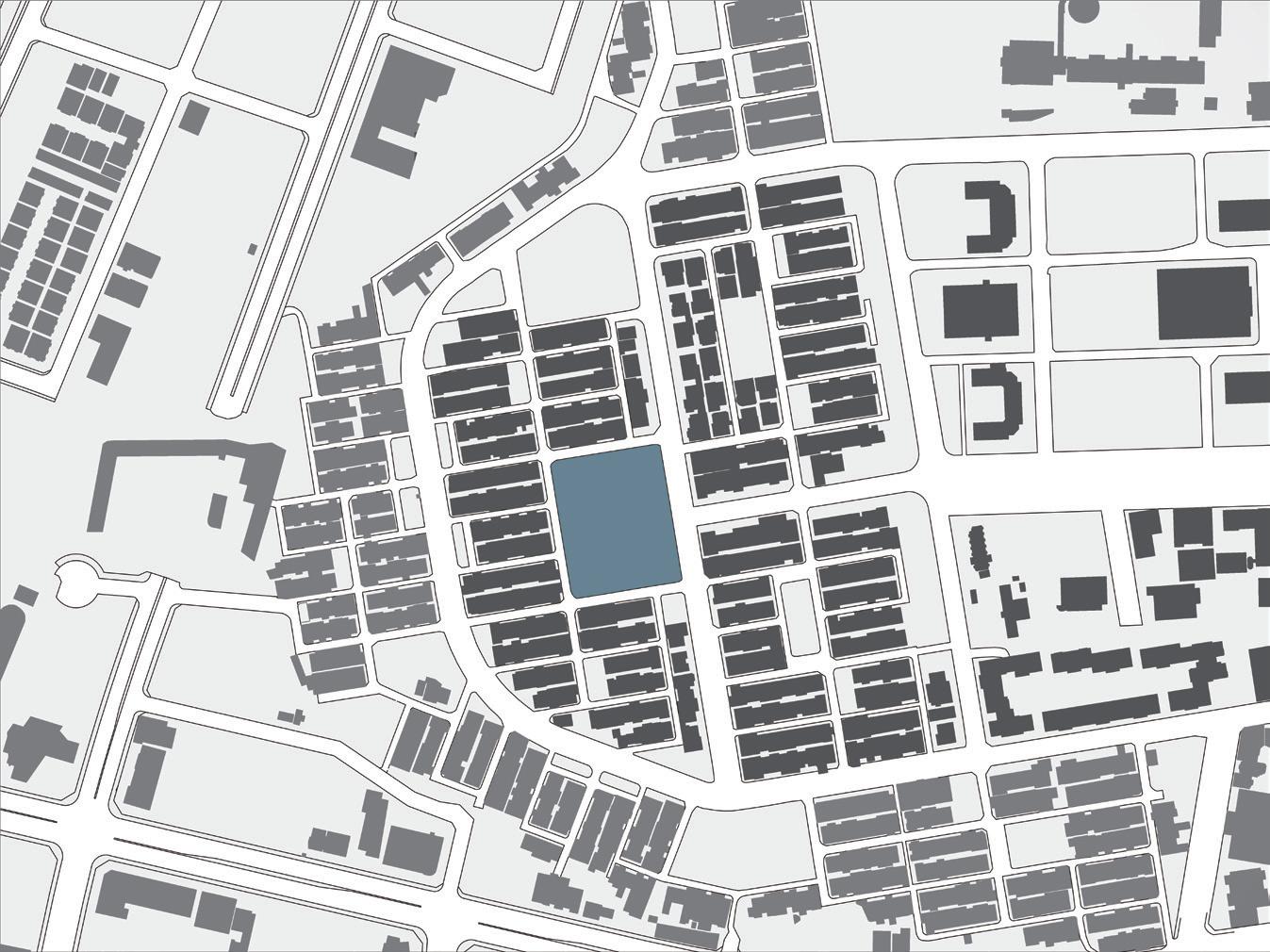
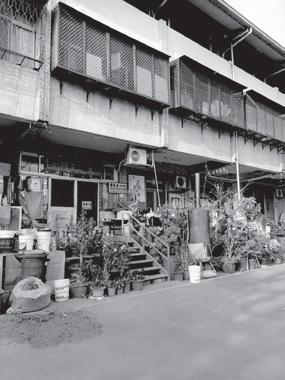
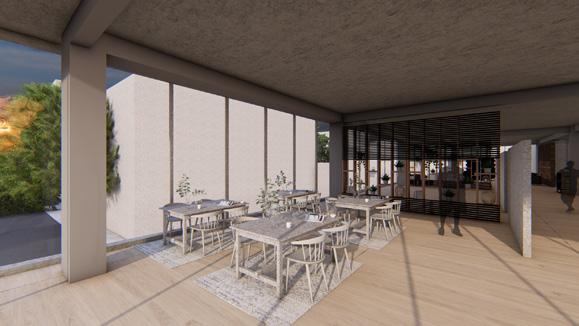
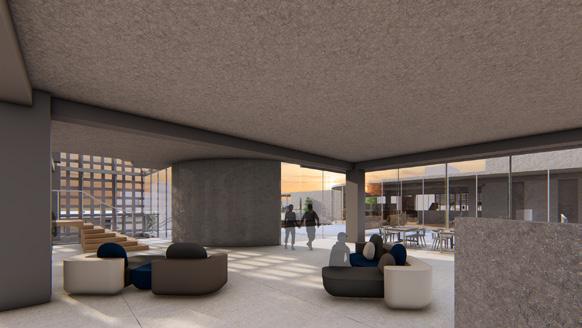
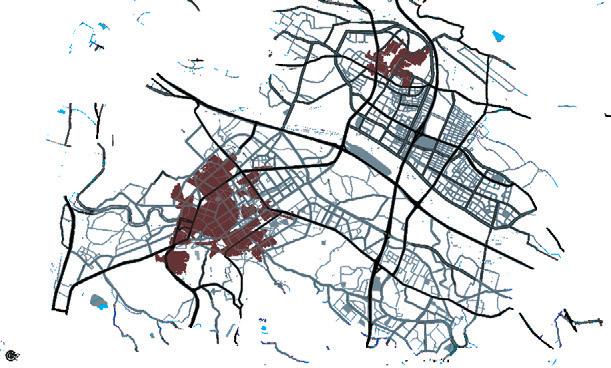
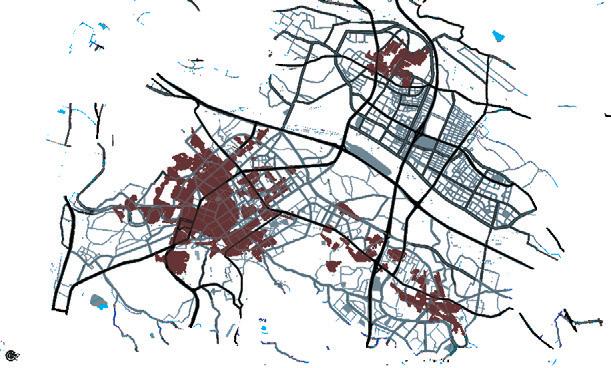
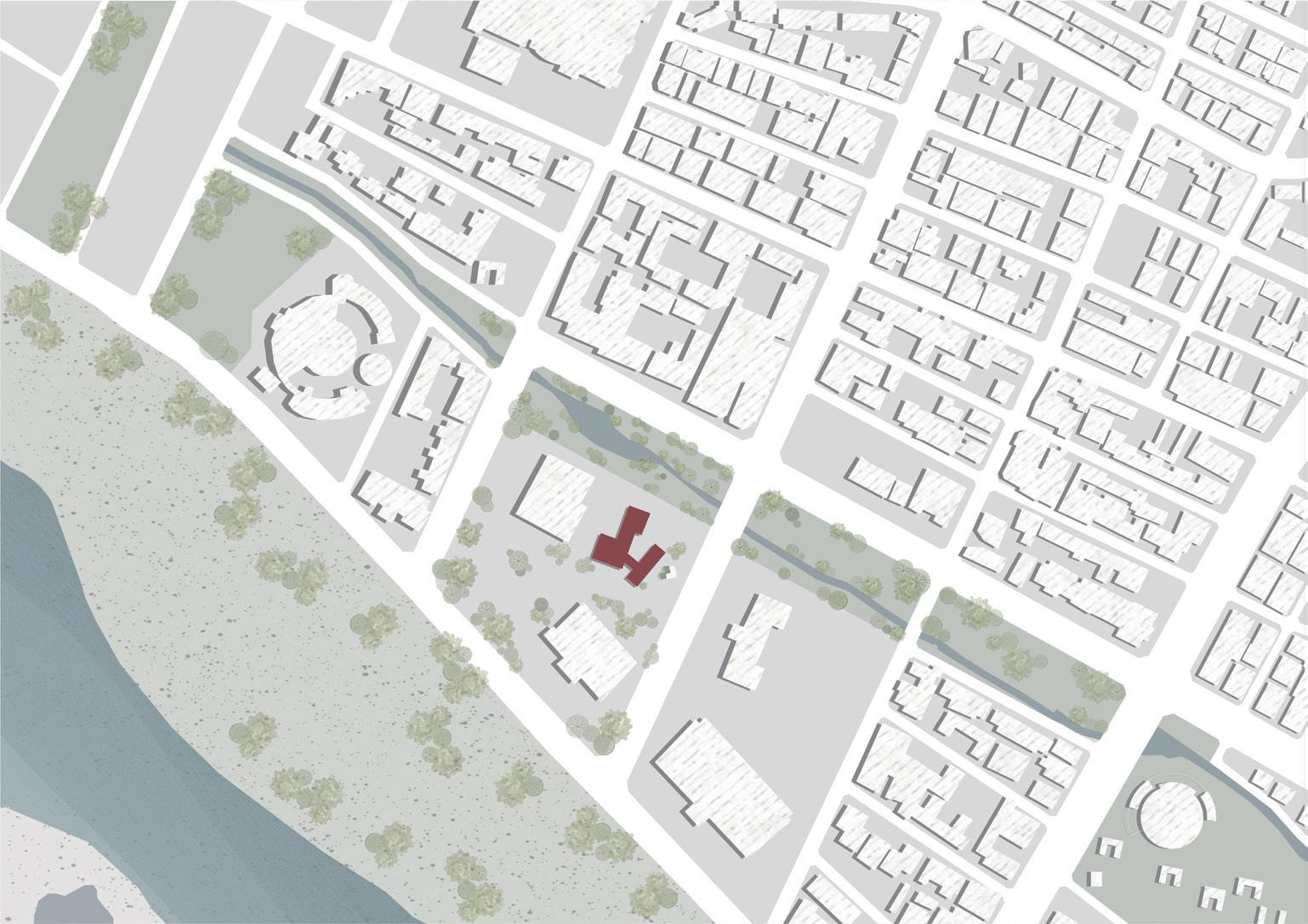
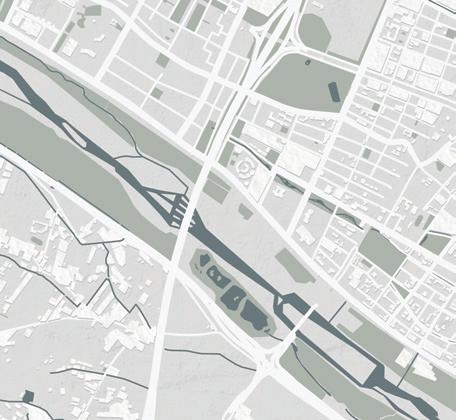
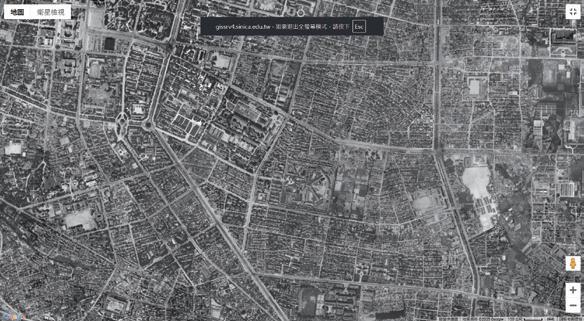
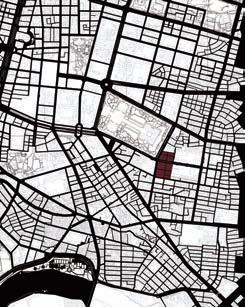
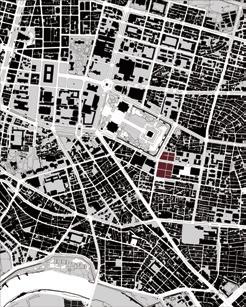
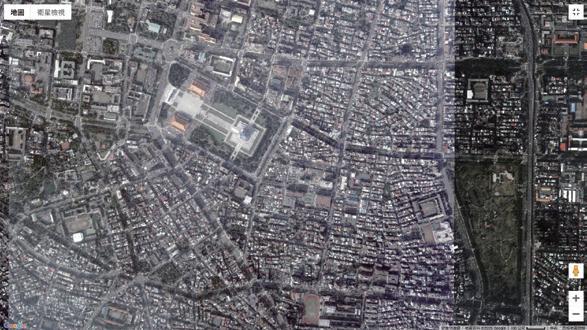
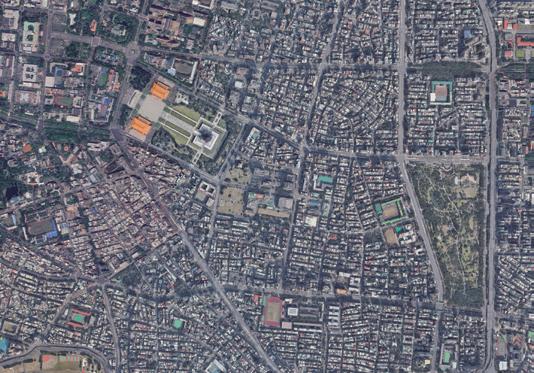
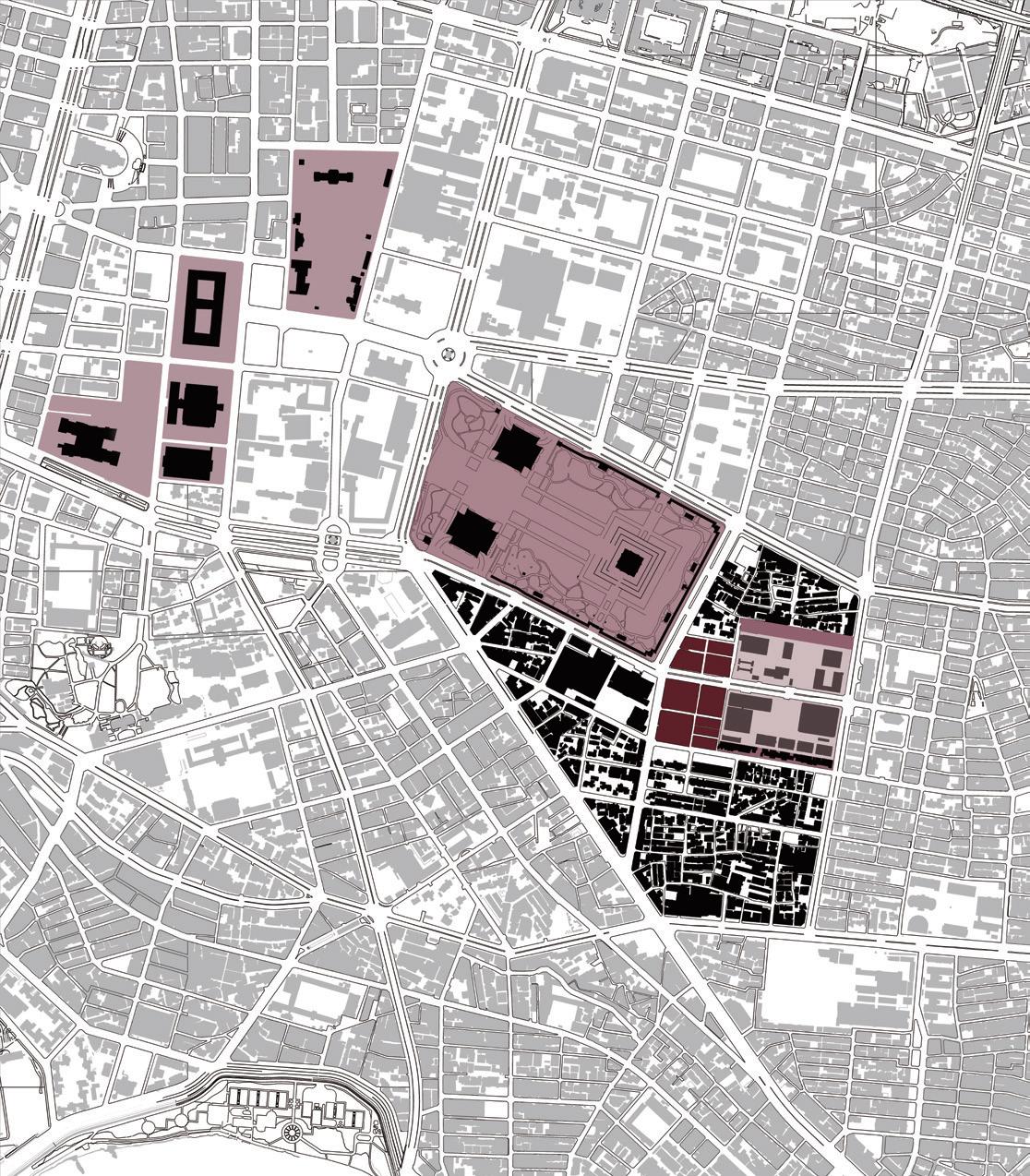
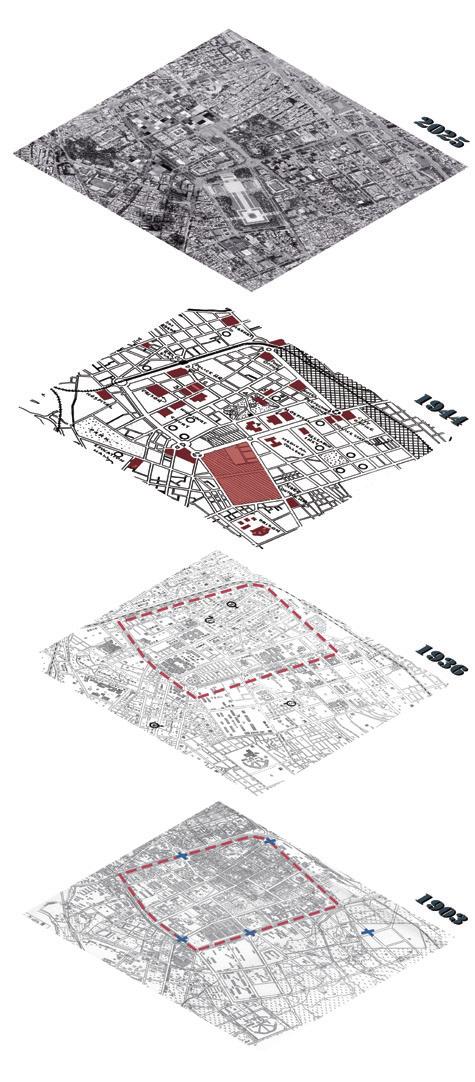
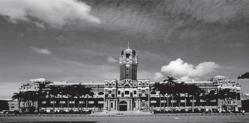
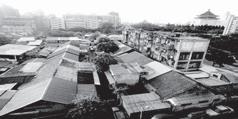
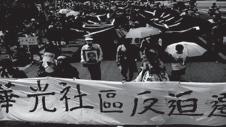
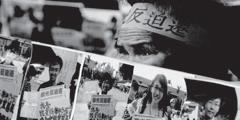
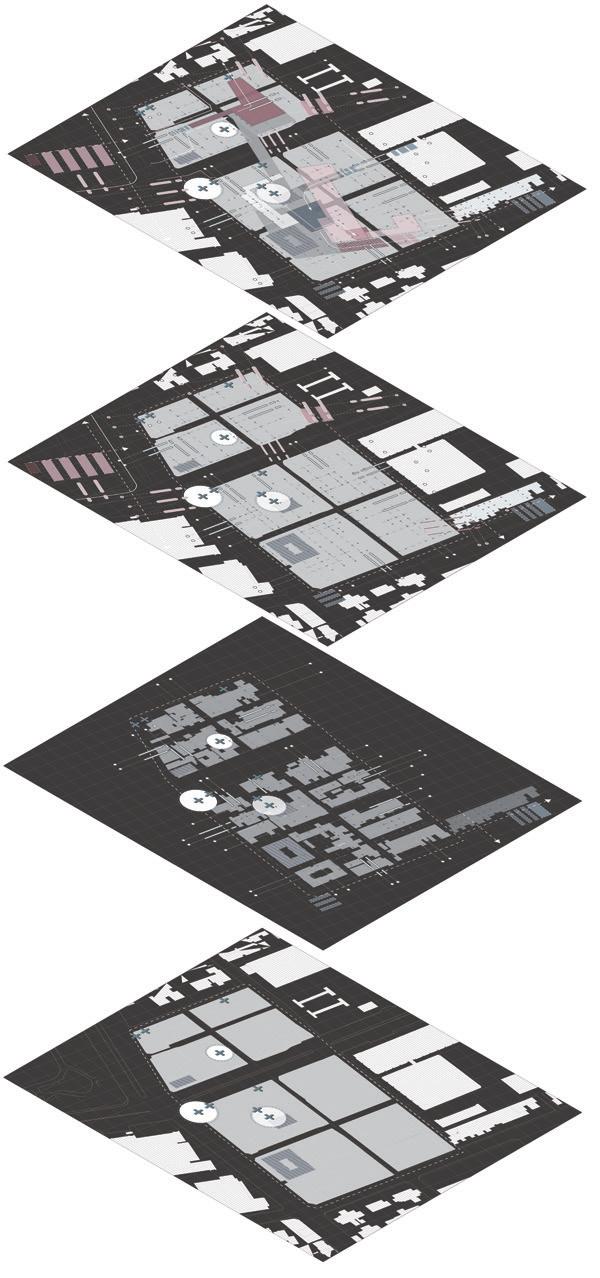
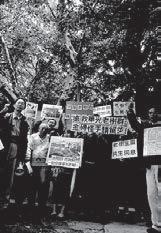
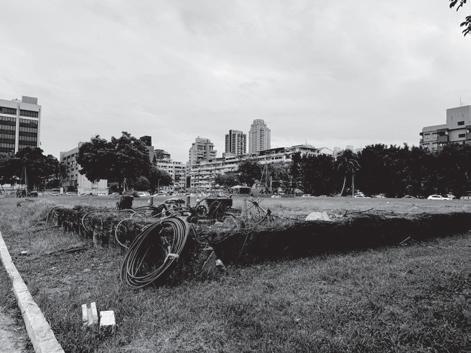
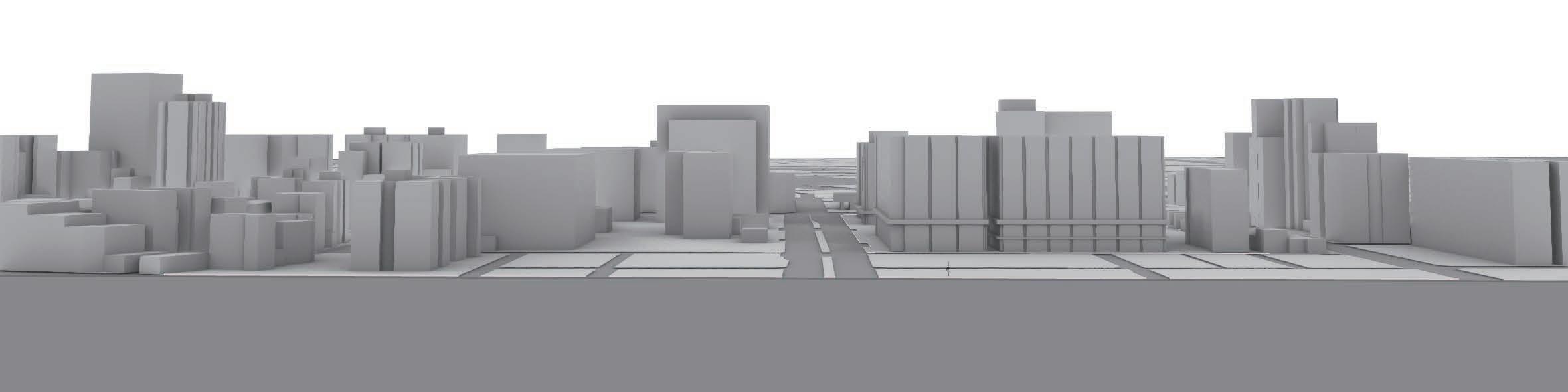
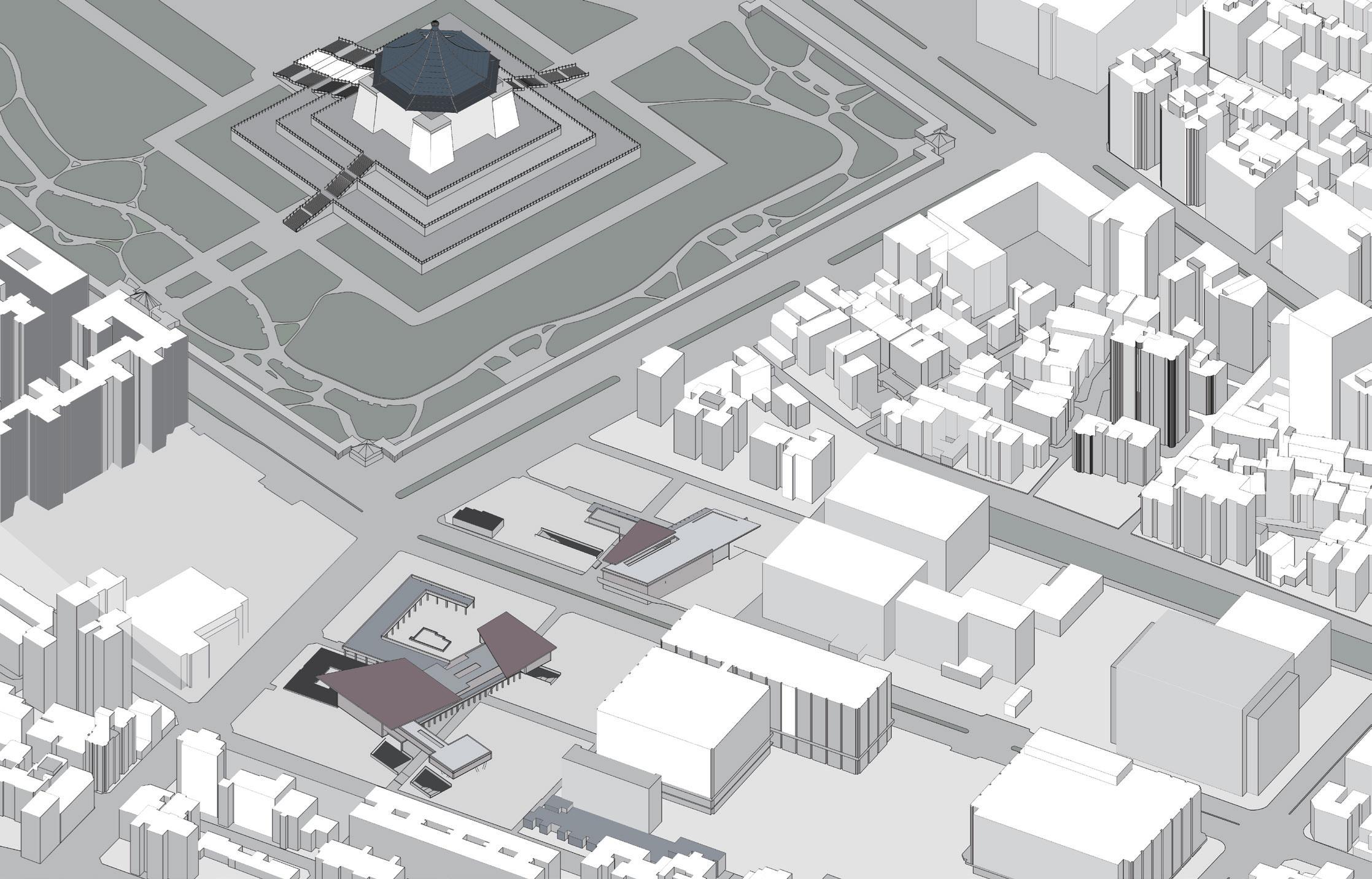
This project focuses on the Huaguang Community in Taipei, Taiwan , an "urban fracture" where state governance intertwines with marginalized everyday life. Drawing upon Henri Lefebvre’s theory of the Production of Space , explore the contradictions between institutional "conceived space" and informal "lived space."
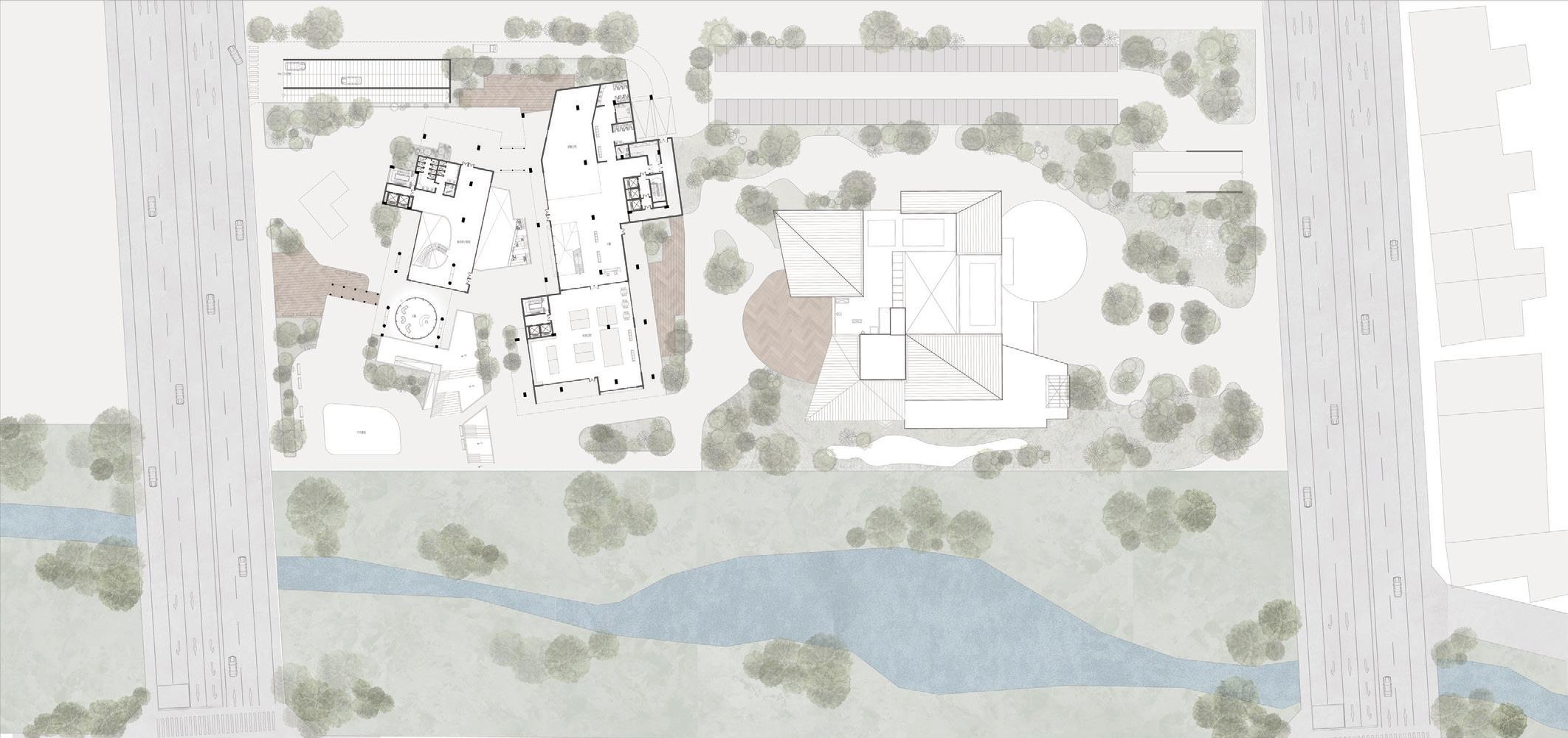
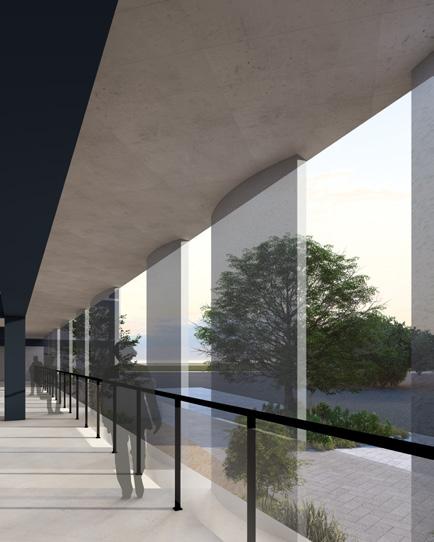
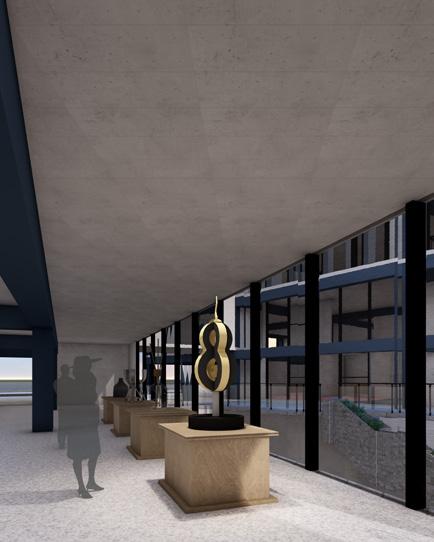
The architectural intervention does not seek to erase these conflicts; instead, it translates these fractures into a "Polyphonic" spatial form. By bracketing , transitioning, and restructuring historical traces, the architecture becomes a theater for continuous social experimentation, allowing marginalized urban voices to regain their resurgent potential within the framework of power.
Keywords
Urban Fractures / Production of Space / Spatial Polyphony/ Bracketing Strategy/ Dialogic Architecture
→ Concrete
Representations of Space
Conceived
Institutionalization, Abstraction, and Control.
Memories Superimposed Memories
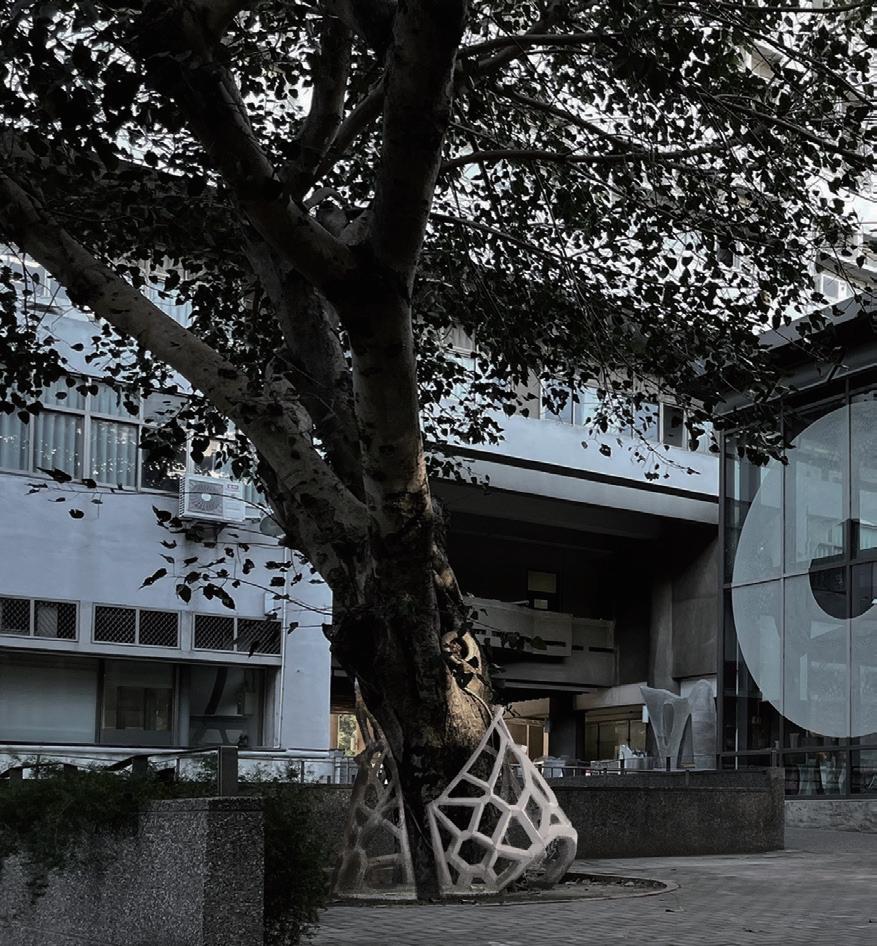
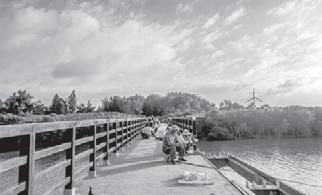
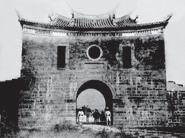
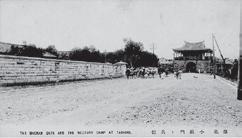
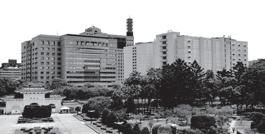
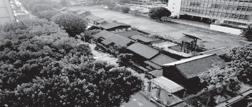
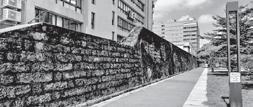
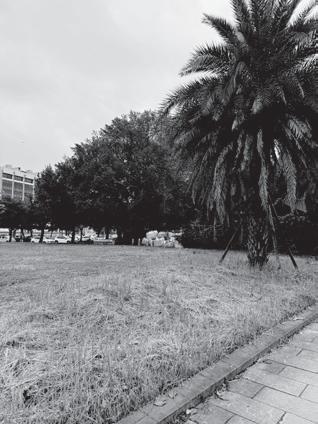
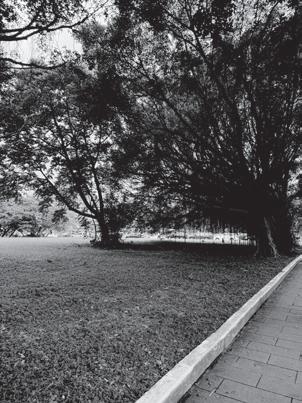
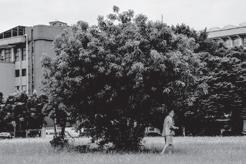
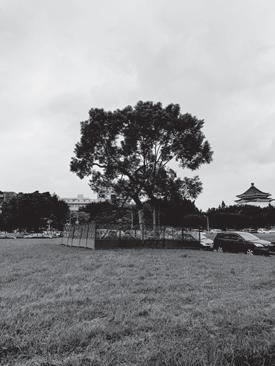
Portion now repurposed as Rongjin Gorgeous Time park. The value of Huaguang Community lies not in the preservation of form, but in revealing how memory survives within the gaps of power. Cities are not built upon a single voice, but upon the polyphony born from their fractures. Superimposed
Huaguang
Huaguang CKS memorial Hall
Tree scale
Aiguo E. Rd.
Hangzhou South Road, Section 2
Old trees Remains
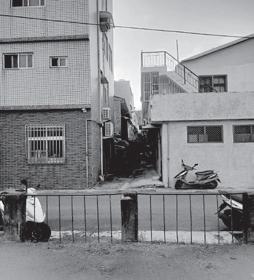
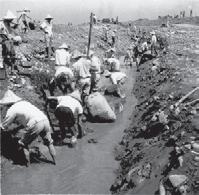
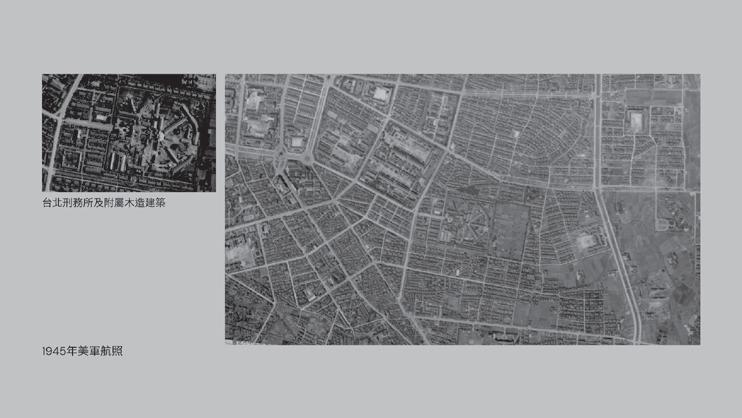
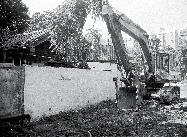
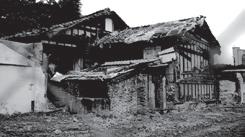
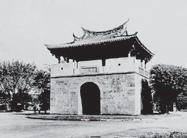
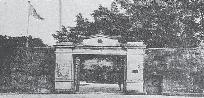
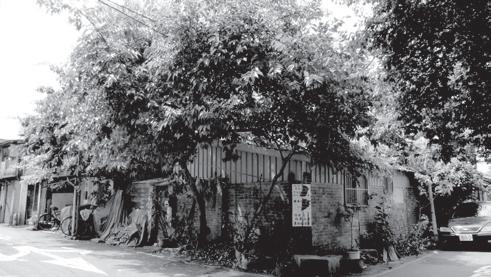
Huaguang Community was originally a residential community formed by the former Taipei Prison officers' quarters and dormitories.