
Issue 1 – June 2026

Issue 1 – June 2026
At Chichester College Group, research is at the heart of our commitment to excellence in teaching and learning. It empowers our staff and students to innovate, challenge ideas, and contribute meaningfully to the wider academic and professional community.
Our research culture reflects CCGs values – collaboration, curiosity, and continuous improvement. By engaging in research, we not only enhance the educational experience but also ensure that our practices remain relevant and responsive to the evolving needs of industry and society.
I am proud of the work showcased in this journal. It represents the dedication and creativity of our colleagues and students, and it demonstrates how research can transform education.
Thank you to everyone who has contributed to this publication. Your efforts strengthen our position as a forward-thinking institution and inspire others to pursue knowledge that makes a difference.
Helena Thomas Principal of HE

Are your students working on exciting research projects?
We’re inviting submissions from HE students across the group to share their work and celebrate the incredible innovation happening in our classrooms.
Whether it’s a dissertation, a group project, or an independent study, we’d love to highlight the amazing
research students are doing in the next edition of this journal. This is a fantastic opportunity for students to gain publishing experience, recognition, and to inspire peers. Let’s celebrate research together!
If your students are interested in publishing their work in CCG’s Research Journal 2027, please contact: Leia.Gifford@chichester.ac.uk
At Chichester College Group, our greatest resource is our staff – highly qualified professionals with exceptional industry experience and academic expertise.
To support continued growth and contribution to our academic community, we have the Research and Scholarly Activity Fund. This fund was designed to empower staff to engage in meaningful research and professional development, enabling them to lead innovative projects that enrich the curriculum, enhance student learning, and foster a culture of excellence across our community.
If you would like to get involved next year, please contact: ProfessionalDevelopment@chigroup.ac.uk


The Professional Standards Framework 2023 (PSF 2023) provides a clear, supportive, and flexible guide for everyone involved in teaching and supporting learning in higher education.
At Chichester College Group (CCG) the PSF is here to help individuals reflect on and develop their practice, evidence their experience for professional recognition within the fellowship program, and support CCG in evidencing the delivery of high-quality Teaching and Learning for the Teaching Excellent Framework (TEF).
PSF 2023 recognises the diverse contexts in which higher education operates and values the wide range of roles, responsibilities, and approaches
that contribute to positive and inclusive learning experiences. The framework is built around two connected elements; Descriptors and Dimensions, which together enable meaningful, inclusive recognition of professional practice across different career stages and institutional contexts.
The Descriptors outline four broad categories of professional practice, each supported by clear criteria that articulate the scope, depth, and impact of activity. These are underpinned by the Dimensions, which comprise of Professional Values, Core Knowledge, and Areas of Activity. Professional Values sit at the heart of the framework, emphasising ethics, inclusion, sustainability, and respect for learners and learning communities.

Core Knowledge reflects the diverse and contextual understanding required for effective teaching, while Areas of Activity describe the essential practices that support high-quality learning experiences.
Here at CCG, the PSF is actively embedded within HE lesson observations, extended schemes of work, and Advance HE Fellowship applications, ensuring a shared and consistent understanding of effective practice. To support colleagues in this approach, the training session “The Professional Standards Framework: Alignment with HE Observation”, accessed via SkillGate, has been developed for Heads of Learning (HoLs), Teaching and Learning Managers (TLMs), and Professional
Learning Coaches (PLCs) involved in HE observations. Both recorded and in-person sessions are available for HE teaching and support teams, with bookings facilitated through Leia Gifford.
This training aims to build confidence, clarity, and consistency in using the PSF as a developmental and supportive framework for enhancing teaching and learning.
If you would like to find out more follow this link:
https://www.advance-he.ac.uk/ teaching-learning/professionalstandards-framework
Here at CCG, we are delighted to share that 15 members of staff are currently participating in our Advance HE (AHE) Fellowship programme. This reflects a strong and growing commitment across the organisation to professional development, reflective practice, and excellence in teaching and learning.
The Advance HE (AHE) Fellowship is a widely recognised professional accreditation that celebrates excellence and sustained commitment to teaching and supporting learning in higher education. Aligned to the Professional Standards Framework (PSF) 2023, the fellowship provides a structured and reflective pathway for educators and learning professionals to gain formal recognition for the impact of their practice.
There are four categories of fellowship: Associate Fellow (AFHEA), Fellow (FHEA), Senior Fellow (SFHEA), and Principal Fellow (PFHEA). Each of these reflecting different levels of experience, responsibility, and leadership. Whether someone is new to teaching or learning support, an experienced practitioner, or a senior leader shaping institutional strategy, the framework offers an inclusive and developmental route to recognition.
Applicants evidence their practice against the PSF’s core dimensions: Areas of Activity, Core Knowledge, and Professional Values. This reflective process not only supports individual professional growth but also strengthens inclusive, student-centred practice across CCG.
AHE Fellowship brings benefits at both an individual and organisational level. For staff, it enhances professional credibility, supports career progression, and provides internationally recognised accreditation. For CCG, it fosters a shared language of teaching quality, strengthens staff development strategies, and demonstrates a clear commitment to excellence in learning and teaching for TEF.
Completing an AHE Fellowship application is no small achievement, and we would like to recognise and celebrate the commitment shown by all colleagues on the 2025-26 programme. Looking ahead to 2026–27, additional supported and funded places will be available for a new cohort of teachers, support staff, and leaders.
If you would like to learn more about AHE Fellowship at CCG, please contact Leia Gifford at: Leia.Gifford@chichester.ac.uk
More information about fellowship can be found here: https://www.advance-he.ac.uk/ fellowship/fellowship

Chichester College Group is proud to be a member of the UK Research Integrity Office (UKRIO), the UK’s national advisory body for research integrity. This membership reflects our ongoing commitment to high ethical standards, openness, and trust across all research and scholarly activity within the organisation.


UKRIO describes research integrity as the principles and practices that support good research throughout its entire lifecycle – from project design and data collection to publication and wider dissemination. Importantly, it also recognises the role of research culture, highlighting the need for systems and environments that actively support ethical, responsible practice rather than creating barriers to it.
For CCG staff, UKRIO membership brings meaningful and practical benefits. Colleagues involved in research, scholarship, or knowledge exchange have access to confidential, independent advice on a wide range of issues. This includes research ethics, authorship, data management, emerging technologies, conflicts of interest, and how to respond to concerns or allegations of misconduct. Knowing that expert support is only a conversation away helps staff navigate complex situations with confidence.
UKRIO also offers a wealth of high-quality resources, publications, and training opportunities, all aligned with the UK Concordat to Support Research Integrity. These materials encourage reflective and accountable research practice, supporting colleagues to make well-informed ethical decisions at every stage of their work.
Alongside this, the Introduction to Research Integrity course available on SkillGate equips staff with the knowledge and practical skills needed to uphold responsible research standards. The course explores UK research integrity frameworks, ethical practice, data management, open research, and managing competing interests, with optional modules on collaboration, authorship, AI, and research security. It also emphasises the importance of fostering a positive research culture; one where shared responsibility, personal reflection, and integrity are valued at every career stage.
By maintaining our UKRIO membership, CCG confirms its commitment not only to meeting required standards, but to nurturing a positive, inclusive, and responsible research culture; one built on honesty, rigour, transparency, care, and accountability.

Brinsbury College at the forefront of agri-tech innovation with 5G research
by Paul Burry (2026) Head of Learning for Land Based at Brinsbury College
Brinsbury College is part of a collaboration that is leading the way in agricultural technology.
Backed by £3.8 million from the UK’s 5G Innovation Regions programme, this pioneering project is set to revolutionise sustainable food and drink production through cuttingedge 5G and AI technologies.
The Growing Sussex project, is testing how 5G connectivity can transform farming practices. The project aims to demonstrate how remote monitoring and smart technologies can improve productivity, sustainability, and education in food production.
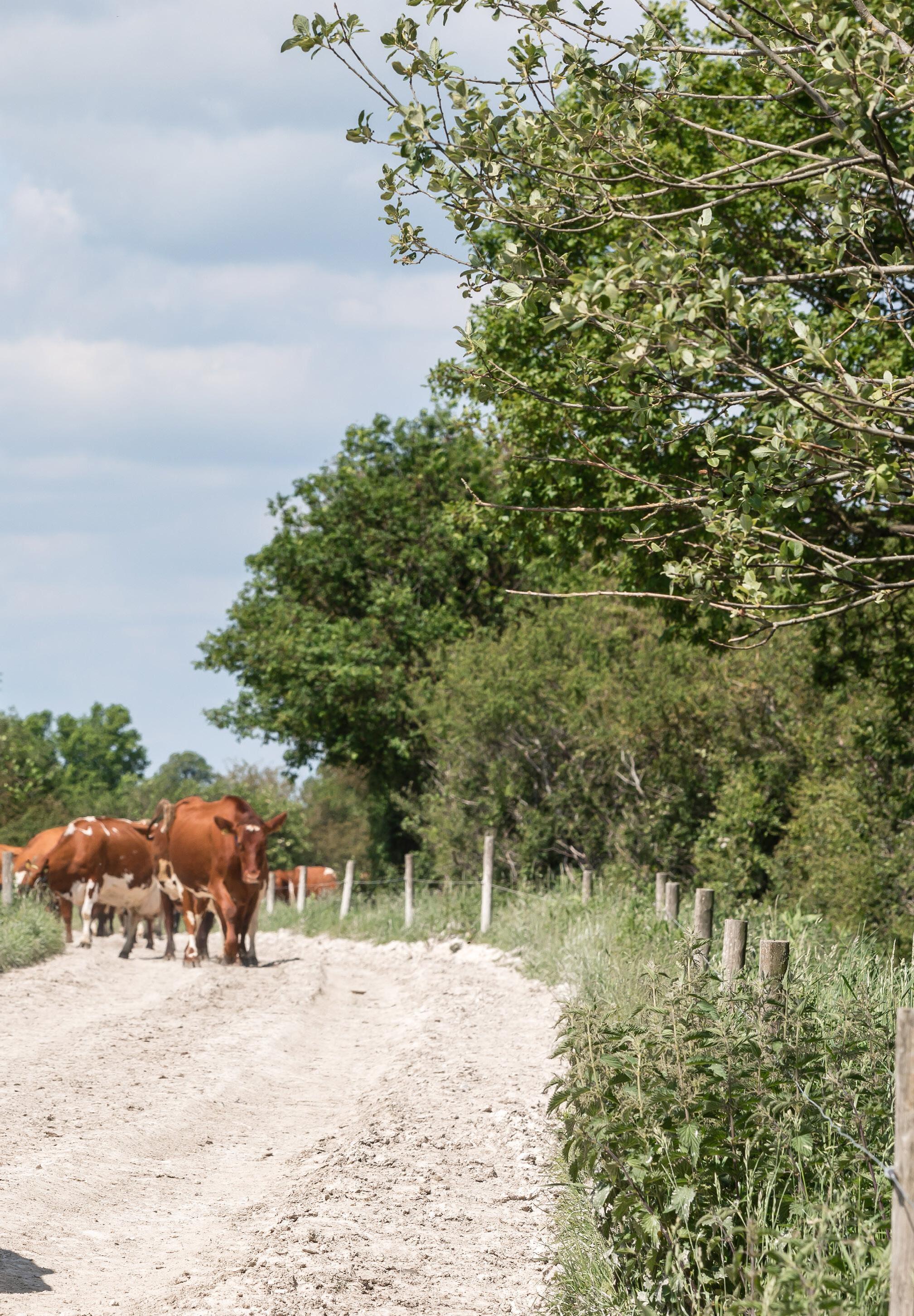
Paul Burry, Head of Learning at Brinsbury, explains: “We use a variety of technology to capture data – from livestock health to soil conditions. This project allows us to expand our systems, improve connectivity, and support rural 5G expansion.”
The educational impact of this project is giving students hands-on experience with smart farming tools and integrating live data into the curriculum. Horticulture case studies include monitoring solar radiation, soil water potential, and microclimates within growing structures. Agriculture case studies involve remote tracking of heifer growth, drone-based weed mapping, and moisture sensing in cattle bedding to reduce disease risk.
These case studies are designed to show how 5G-enabled technologies can enhance learning and industry practice. By embedding 5G into its operations, Brinsbury is shaping the future of digital agriculture and contributing to national policy on rural connectivity. The project positions the college as a leader in innovation, education, and sustainable food production.
Exploring the evolution of teacher assessment practices to identify the most suitable approaches
by Katie Docherty (2025) Hospitality & Tourism Lecturer and PLC at Chichester College
Measuring teacher performance within Further Education (FE) has long been shaped by policy reforms and sector-wide initiatives aimed at improving teaching quality (O’Leary, 2011).
This small-scale research project critically evaluated the effectiveness of lesson observation as a mechanism for nurturing pedagogical improvement. It examined whether current observation practices genuinely support high-quality teaching, uphold practitioner autonomy, promote wellbeing, and encourage professional innovation.
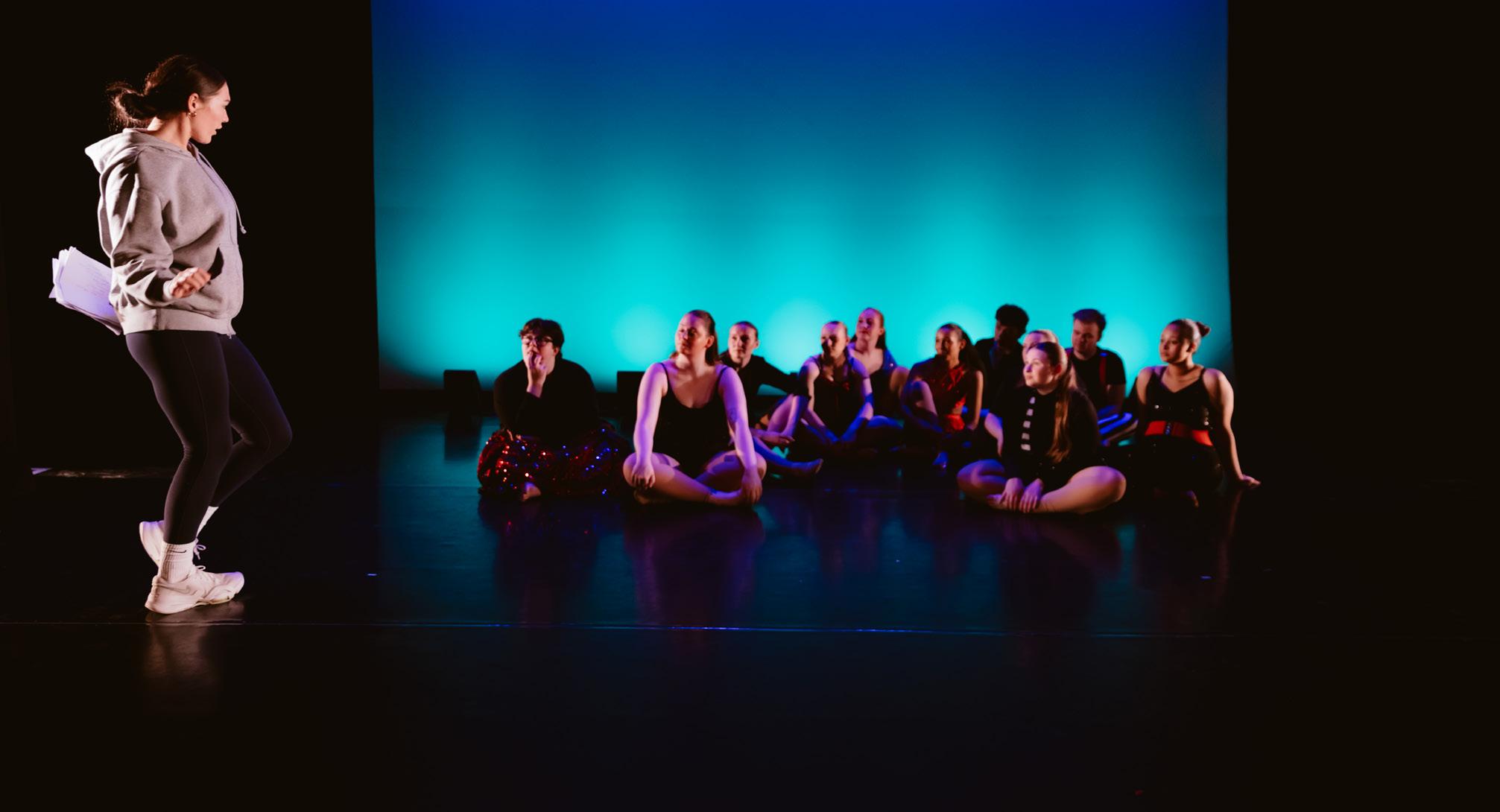
Drawing inspiration from Shakespeare’s As You Like It, the study explored the performative nature of teaching observations, positioning the classroom as a stage on which teachers are required to demonstrate good practice. Through practitioner voices, the research presented an authentic narrative of how teacher performance is experienced and assessed, unpacking lesson observation both as a developmental tool and as a practice shaped by legacy as a mechanism of compliance and accountability.
The findings revealed some difference between observation policy and the realities of FE teaching. Participants consistently emphasised trust, time, and meaningful dialogue as essential elements of effective observation. The study also highlighted that observations are rarely effective in isolation; their impact depends on alignment with institutional culture,
practitioner agency, and their integration within broader professional development frameworks.
Collaborative and flexible observation models – particularly those centred on mentoring, peer dialogue, and situated learning – were identified as promising alternatives. However, participants cautioned that without sustained investment of time, training, and resources for both observers and teachers, such approaches risk appearing tokenistic.
Ultimately, the research argues that lesson observation should remain a dynamic, co-constructed process, responsive to local contexts and professional needs. When approached with integrity and a shared commitment to growth, observation can act not only as a quality assurance tool, but also as a catalyst for deeper pedagogical reflection, confidence, and professional engagement.

Extending the teaching and learning of natural dyeing
by Susan D’Souza (2025) Art & Design Lecturer at Northbrook College
This project explores the integration of natural dyeing practices into higher education textile curricula, with a focus on sustainability, skill-sharing, and community engagement.
Through networking with practitioners such as the ‘Ditchling Museum Dyers’, and attending specialist workshops in eco printing and screen printing, staff have updated their professional practice and enriched student learning. These experiences have informed the delivery of diverse natural dyeing techniques including solar jar dyeing, mordanting, dye vessel creation, eco printing, indigo dyeing, and hand painting with natural pastes.
A key component of the initiative was the establishment of a dye garden, which over three years has become self-sustaining, offering students a hands-on connection between plant cultivation and dye production. The garden has enhanced the campus environment and contributed to student wellbeing, while also supporting the development of informed, environmentally conscious designer-makers.
Findings highlight the value of building networks with textile artists and educators, and the importance of embedding natural dyeing through targeted workshops. Student work has demonstrated a strong engagement with natural dyeing, evidenced through technical samples, sketchbooks,
final collections, and research projects, including collaborations with the Ditchling Museum.
The impact on teaching and learning is significant: students gained a deeper understanding of sustainable practices and experience a sense of achievement in creating colour from raw plant materials. Natural dyeing is now embedded alongside synthetic methods, allowing students to make informed creative choices.
Future directions include expanding the dye garden through collaboration with Brinsbury campus, launching new workshops in natural dye screen printing, and proposing an adult evening class. The initiative culminated in a showcase during ‘Slow Fashion Week’ at Brighton Dome in September 2025, promoting recycled fashion and natural dyeing innovations from Northbrook College’s Fashion & Textile Degree courses.


Upskilling lecturers for student-centred e-learning
by Naeem Zafar (2025) Engineering Lecturer at Crawley College

This study investigates the persistent issue of student non-attendance in timetabled college lessons and explores a technology-based intervention aimed at supporting disengaged learners at risk of non-achievement.
Commissioned through CCG’s Scholarly Research Activity Fund, this project focused on the development of accessible online learning resources. As a means to re-engage students who are frequently absent or excluded due to behavioural concerns. The initiative is rooted in the belief that effective teaching requires full class participation and that alternative learning pathways can help bridge the gap for those unable to consistently attend in person.
The proposed solution involves repurposing existing teaching materials into eLearning content, enabling lecturers to create curriculum-aligned resources using their current technical skills. This approach does not replace classroom instruction but offers a supplementary route for referred students to engage with their studies remotely.
The report outlines practical methods for creating engaging online content, supported by relevant learning theories and instructional design models. Addressing concerns about misuse by students not eligible for the intervention.
Key findings highlight the potential of targeted online provision to improve participation and achievement among disengaged learners. The research also emphasises the importance of empowering educators to integrate digital tools into their practice, moving beyond basic file sharing to create meaningful learning experiences. By offering an alternative to traditional classroom-based education, this initiative aims to reduce the negative impact of poor attendance on student outcomes.
The report concludes with recommendations for implementing this model within existing teaching frameworks and suggests further exploration into the role of educational technology (EdTech) in enhancing learner engagement.
This work contributes to ongoing efforts to improve inclusivity and achievement in vocational education through innovative, learner-centred approaches.
by John Giles (2025) Music Lecturer at Northbrook College


This research explores the development and implementation of a studentfocused music business model, designed to provide real-world industry experience in music for TV, film, and media.
Rooted in an MA research project on music entrepreneurship, the initiative investigates the feasibility, ethics, and educational value of establishing a production/library music company in partnership with CCG. The primary aim is to create accessible, inclusive commercial opportunities for music students, particularly those facing barriers to social mobility, while integrating applied learning into the curriculum.

The methodology involves a blend of desk research, stakeholder consultation, and pilot-based testing. Key sources include industry standards and guidance from PRS for Music, the Musicians’ Union, Youth Music, and applied learning frameworks such as those advocated by Young Enterprise. Staff and student partnerships were a central pillar of the design, supported by existing connections with professionals in music, media, and legal fields. The study draws on collaborative planning with college leadership, educators, and employers to co-create a viable enterprise model.
Key findings indicate strong alignment between applied learning and student engagement. By simulating real industry briefs and licensing workflows, students are able to build professional portfolios, understand commercial music production, and earn income in a structured, ethical environment.
The platform design focused on equality of access, transparent royalty systems, and legal clarity, critical for empowering students who may not have access to industry networks. There is also significant potential to integrate digital innovation, including AI for music tagging, metadata generation, and client matching.
The impact on teaching and learning is substantial. The project reframes music education by embedding realworld briefs into assessment, creating authentic learning experiences that bridge academic and professional life.
Students gain not only technical and creative skills but also insights into copyright, client management, and entrepreneurship. The initiative fosters staff-student co-creation and enhances institutional links with industry.
Enhancing Efficiency and Feedback for HE Staff
by Chris Child (2025) Sports Lecturer at Worthing College
This study investigates the potential of Microsoft Copilot to enhance marking efficiency and feedback quality in Higher Education (HE). The research aimed to evaluate whether Copilot reduces marking time, maintains feedback standards, and how students perceive AIgenerated comments compared to traditional human marking.
An initial exploration assessed Copilot’s compatibility with various file formats, revealing that PowerPoint submissions enabled effective annotation and feedback generation, while Word documents did not. This informed the design of the main study, which focused on a foundation degree assignment in Sports, Exercise and Health Science.
The lecturer marked the same student work manually and using Copilot via PowerPoint. Both feedback sets were shared with students, who completed a Microsoft Forms questionnaire evaluating clarity, usefulness, and preference.
All data was processed through a secure CCG Microsoft 365 account, ensuring compliance with ethical and data protection standards.
Findings indicated that students valued the clarity and structure of Copilot’s feedback but preferred
human comments for their personalised tone and subject-specific relevance. Copilot’s feedback was consistent and concise, though occasionally generic. Students responded positively to a hybrid approach, especially when human oversight was retained.
Lecturers reported a time saving of 25–35%, particularly beneficial for formative assessments and early drafts. The integration of Copilot supported faster feedback turnaround and reduced administrative workload, enabling lecturers to focus more on teaching and student engagement.
Future research will explore Copilot’s application across diverse disciplines and assessment formats. Key areas for further investigation include student trust in AI-generated feedback, the importance of transparency in AI use, and its long-term impact on learning outcomes and academic integrity.


by Alison Patrick (2025) Deputy Head of Learning for English and Maths at Brighton Metropolitan College
The 'Back Yourself' project was developed in response to increasing employer concerns about a soft skills gap among college leavers. Its primary aim was to enhance the employability and workplace readiness of Level 2 and Level 3 students by strengthening confidence, communication, and interpersonal skills, particularly in high-pressure scenarios such as job interviews.
The programme combined interactive workshops with immersive, AI-driven virtual reality (VR) experiences. Students engaged in role-plays, peer feedback sessions, and targeted activities focused on articulation, body language, and active listening. A key component was the integration of Body Swaps AI, a VR platform that simulates interview environments and provides real-time feedback, enabling reflective learning and skill refinement.
Findings demonstrated marked improvements in students’ communication confidence, posture, and clarity of expression. Participants reported feeling better prepared for interviews and workplace interactions. The VR component enhanced engagement and authenticity, while peer collaboration fostered deeper learning.
The project significantly impacted teaching and learning by redefining employability education through experiential and technology-enhanced approaches. Staff observed increased student engagement, more dynamic classroom participation, and stronger links between academic activities and career readiness. The programme’s flexibility also highlighted its potential for cross-departmental implementation.
Future developments include expanding the initiative to additional curriculum areas such as healthcare, IT, and hospitality. A “train-thetrainer” model will support wider staff adoption, and digital modules will be introduced to improve accessibility. Further research will assess long-term outcomes, including employment rates, interview success, and sustained confidence levels.


by Simon Brown (2025) Director SEND and Additional Learning Support
This research explores whether project-based learning (PBL) can offer a more engaging and effective alternative to traditional teaching for students resitting GCSE English and Maths. Many resit learners describe their previous experiences as repetitive and discouraging, which can negatively affect their confidence, motivation, and behaviour.
This study investigates whether embedding English and maths into real-world, collaborative projects can help re-engage these learners. It asks:
+ Does PBL improve engagement and behaviour compared to traditional methods?
+ How do students, lecturers, and observers view the relevance and impact of PBL in the resit context?
+ What evidence supports PBL’s potential to improve outcomes in compulsory resits?
Using a mixed-methods approach, the research involves students aged 16–25, lecturers using PBL, and departmental observers. Data includes early and late-year interviews, anonymised attendance and behaviour records, and classroom observations. Qualitative data will be analysed thematically, while attendance and behaviour trends will be examined quantitatively.
This research addresses a key challenge in education: how to support learners who have struggled with core subjects. By exploring PBL as a delivery method, the study aims to provide practical insights into how applied, project-based approaches might reduce negative attitudes, boost participation, and improve behaviour. The findings will inform teaching practice and policy, offering new strategies for making English and maths resits more meaningful and motivating.


How two contradictory art practices make time visible
by Bryony Shearmur (2025) BA (Hons) Fine Art student at Northbrook College

This research explores how contemporary art can make time visible as both a lived experience and a system of control. It examines how cultural values of productivity, optimisation, and measurement shape our relationship with time, and asks how artistic practice might resist or reframe these structures.
Through the study of two contrasting artists, the research aims to investigate how time can operate as both subject and material within fine art practice.
The study adopts a qualitative, practice-based research methodology grounded in critical visual analysis and reflective inquiry. It focuses on the work of Tehching Hsieh and Roman Opalka, examining key, long durational artworks through close reading, contextual research, and comparative analysis. The research is supported by theoretical reflection on time, labour, discipline, and endurance, alongside personal practice-based experimentation that responds to these ideas through material processes.
The research finds that time can be rendered visible through acts of devotion, repetition, and endurance. Hsieh’s year-long time clock performance exposes time as a disciplinary structure that governs the body, productivity, and presence, while Opalka’s lifelong numerical paintings present time as a quiet, accumulative force moving inevitably toward disappearance. Although their approaches appear contradictory – one rooted in physical constraint, the other in meditative surrender– both reveal how time exerts pressure on identity and freedom. Their practices expose the demand to justify existence through measurable output, reframing time as something lived rather than managed.
This research feeds directly into Bryony’s own practice, where time is explored through small, overlooked gestures that resist optimisation and control. Future research will further investigate alternative temporal models in art practice, focusing on fallibility, slowness, and one's own choice as critical strategies for reclaiming time.
This project leaves Bryony reflecting on the dynamic questions: what if time does not belong to us? And what might it mean to take it back?

An exploration into the human relationship with the home in contemporary art
by Annabel Waters (2026) BA (Hons) Fine Art Student at Northbrook College
This research project explores the complex and evolving relationship between humans and the concept of home, as examined through contemporary art practice.
Focusing on the work of Rachel Whiteread, Tracey Emin, and Do Ho Suh, the study aims to investigate how home operates as both a physical structure and a psychological space shaped by memory, ritual, identity, and movement. It seeks to challenge fixed definitions of home and consider how artists translate personal and collective experiences of dwelling into the gallery context.
The study adopts a qualitative, interpretive methodology grounded in visual and critical analysis. Selected artworks produced over the past forty years were examined alongside artist interviews, scholarly texts, and critical reviews to understand artistic intention and public interpretation.
The research is further contextualised through interdisciplinary theory, drawing on philosophical and anthropological writings on home, space, and material culture, including the work of Emmanuele Coccia and Arjun Appadurai.

The research finds that home is represented within contemporary art as a site of contradiction: simultaneously private and universal, comforting and restrictive, familiar and unsettling. Across the three artists, the home emerges as a record of memory, habit, and emotional imprint rather than a fixed architectural location. Themes of ritual, personification, displacement, and portability recur, suggesting that home is something carried psychologically and culturally rather than rooted solely to a single dwelling. The gallery space itself becomes an extension of the home, allowing private experiences to be collectively encountered.
The research has informed Annabel’s own art practice and will be extended at postgraduate level during an MFA programme commencing in September 2026. Future research will explore more alternative and transnational definitions of home, examining how mobility, migration, and contemporary living conditions continue to reshape artistic representations of domestic space.
by Amy Johnston (2026) HND in Animal Management student at Brinsbury College

College Group Journal
This research project aimed to explore whether regularly rotated and varied feeding enrichment can reduce stereotypical behaviours in captive Black-and-White Colobus Monkeys.
It sought to understand current enrichment practices used by zoo and sanctuary professionals, identify links between enrichment and behavioural outcomes, and generate evidence-informed recommendations to support welfare-focused enrichment planning, with relevance to Drusilla's Park.
A mixed-method, questionnaire-based research design was employed, combining qualitative and quantitative approaches. Semi-structured questionnaires were distributed to primate keepers across UK and European zoological collections.
Qualitative data were analysed thematically to capture keeper perceptions, experiences, and observed behavioural changes, while quantitative data were analysed using descriptive statistics and presented through simple visual charts. Ethical approval was obtained, participation was voluntary and anonymous, and no animals were directly observed or handled.
Findings indicated that feeding enrichment is widely perceived by
keepers as the most effective and engaging form of enrichment for captive primates. Over 80% of respondents reported that primates showed a preference for feeding enrichment over other types, such as visual or auditory enrichment.
Regular rotation of enrichment (daily or weekly) was strongly associated with increased engagement and reduced boredom. Reported stereotypical behaviours were limited but included head-rolling, often linked to anticipation or stress. Keepers consistently highlighted that enrichment must balance accessibility with challenge and be tailored to the diet and behaviour of the monkeys.
The research reinforces feeding enrichment as a key welfare tool, supporting naturalistic behaviours, extended foraging time, and positive engagement. It highlights the importance of enrichment rotation, arboreal placement, and unpredictability in timing to mitigate stress-related behaviours. These findings can inform enrichment planning, staff training, and welfare monitoring in zoological settings.
Recommendations for future research are direct behavioural observation, larger sample sizes, and species-specific studies. Longitudinal research would strengthen understanding of how enrichment frequency and complexity influence stereotypical behaviour over time.
As we bring this edition of the CCG Research Journal to a close, we extend our heartfelt thanks to all contributing researchers for their dedication, insight, and scholarly excellence. Your work not only enriches our academic community but also drives meaningful innovation in teaching, learning, and assessment across the Chichester College Group.
This journal stands as a testament to the power of inquiry, collaboration, and critical reflection. It is through your contributions that we continue to grow a culture of evidence-informed practice and academic curiosity.
We encourage all staff to continue exploring research opportunities and to take advantage of the
Research and Scholarly Activity Fund, Advance HE Fellowships, and other professional development pathways available. These initiatives are here to support your journey as educators, scholars, and innovators.
Thank you once again for your commitment to advancing knowledge and meaningful innovation in teaching, learning, and assessment across the Chichester College Group.

If you would like your research or your students’ research to be showcased in the next CCG Research Journal, please get in touch with Leia Gifford: Leia.Gifford@chichester.ac.uk

Ready to boost your career, change direction, or chase that dream job?
At CCG we’ve got your back with our university-level qualifications.
Study locally at CCG and graduate with a degree or qualification accredited by top universities like:



Our courses:
+ Animal Management
+ Business & Management
+ Computing & Digital Technologies
+ Construction Management
+ Creative Arts & Design
+ Engineering
+ Motorsport
+ Performing Arts & Technical Theatre
+ Sport, Health & Exercise Science

To learn more about our courses scan here or visit: chigroup.ac.uk/university-level