
TABLEOFCONTENTS
Beyond the Boardroom : The beach reads CEO's can't put dow n.
DISCUSSION POINT - Should em ployers m onitor em ployee social m edia activity?

How to deal w ith disppointm ent - by an expert in this m isunderstood em otion.
The sum m er advantage : Why great ideas need sunshine.
welcome
Welcome to Pulse Life Magazine, where business, family and lifestyle intersect to reflect the realities of modern life.
In this summer edition, we explore the spaces where thinking, working and living overlap, and how individuals are adapting to a world that rarely slows down
We begin with perspective and pause in Why Summer Is the Best Time for Strategic Thinking This feature explores how quieter months create rare opportunities for clarity, reflection and long-term decision-making, turning summer into a season for thinking differently about work, leadership and what comes next.

Our Beach Reads Recommended by CEOs and Founders feature highlights the books leaders turn to when stepping away from the demands of the boardroom From biographies to fiction and thought-provoking ideas, these are the stories shaping how today?s decision-makers broaden their thinking beyond business.
But this issue also looks at everyday realities beyond leadership In Why Social Media Bans Won? t Make Parenting Teenagers Easier, we examine the limits of restriction in an always-connected world Alongside this, Children More Likely to Worry About Money at Home Than Parents Realise as Families Face Half-Term Costs highlights growing financial pressures on households and their impact on younger generations.
Across every story, one theme runs through this issue: understanding how we work, live and support those around us Welcome to Pulse Life? where perspective shapes everything




Beyond the Boardroom: The Beach Reads CEOs Can't Put Down
Whether you're poolside, seaside or simply taking a break from the inbox, these founder-approved books offer inspiration, insight and a chance to think differently.
Summer holidays offer something rare for business leaders: uninterrupted hours to think, reflect, and read without the tyranny of the calendar While the rest of us might grab the latest thriller or a light romance, the books that CEOs and founders pack in their carry-ons reveal something about how they recharge - and how they return sharper in September
What's striking about executive reading lists isn't that they're stuffed with business strategy. The best leaders read widely, and their summer picks often veer toward history, biography, science, and even fiction. The through-line is curiosity, not optimisation.
The Classics That Keep Appearing
Certain titles turn up on founder reading lists with almost predictable regularity "Thinking, Fast and Slow" by Daniel Kahneman remains a perennial favourite, blending accessible prose with profound insights into how humans actually make decisions It's the kind of book that rewards a slow read on a sun lounger, where you can pause and notice your own cognitive biases in real time
"The Hard Thing About Hard Things" by Ben Horowitz is another staple. Horowitz's frank account of leading a company through near-death experiences resonates with anyone who has felt the loneliness of difficult decisions. It's surprisingly readable, more war story than textbook, and pairs well with a cold drink and the sound of waves.
For those drawn to narrative history, "Sapiens" by Yuval Noah Harari offers a sweeping view of human civilisation that puts quarterly targets into perspective Several tech founders have credited the book with shifting how they think about long-term impact and the arc of progress
Fiction That Founders Love
Not every recommendation is non-fiction Many executives champion novels for their ability to build empathy, spark creativity, and offer genuine escape
"Project Hail Mary" by Andy Weir has become a recent favourite among science-minded leaders The story of an astronaut solving impossible problems alone in space resonates with founders who know what it feels like to improvise under pressure It's also genuinely fun, an increasingly rare quality in literary fiction
Satya Nadella, CEOof Microsoft, has spoken about his love of poetry and literature, including works by the philosopher Martha Nussbaum. The connection between reading widely and leading with empathy isn't accidental; fiction trains us to imagine lives unlike our own.
History and Biography for Perspective
Summer is when many leaders finally tackle the 600-page biographies they've been meaning to read "Alexander Hamilton" by Ron Chernow - the book that inspired the musical - offers lessons in ambition,
?Not all readers are leaders, but all leaders are readers.?
reputation, and the perils of ego "The Wright Brothers" by David McCullough is a quieter story of persistence and craft that appeals to anyone building something new
Walter Isaacson'sbiographies remain popular choices His studies of Steve Jobs, Benjamin Franklin, and most recently Elon Musk provide intimate portraits of brilliance, obsession, and flawed humanity They're long, but the narrative drive makes them surprisingly easy to consume over a week by the pool
Unexpected Picks and Guilty Pleasures
The most interesting recommendations are often the least predictable Whitney Wolfe Herd, founder of Bumble, has recommended "Big Magic" by Elizabeth Gilbert for its freeing approach to creativity Reid Hoffman of LinkedIn has praised science fiction broadly, arguing that imagining the future is essential practice for building it
Some leaders admit to lighter fare. Awell-thumbed copy of an Agatha Christie mystery or a John Grisham legal thriller isn't a sign of intellectual laziness? it's a recognition that rest requires genuine disconnection.
Harry S. Trum an
The point of a beach read, after all, is that it shouldn't feel like work
Why It Matters
There's a practical argument for reading on holiday: it makes you better at your job. Books build vocabulary, sharpen thinking, and expose you to ideas outside your industry's echo chamber. But the deeper reason may be simpler. Reading, real reading, not skimming Slack threads, demands presence. It slows the mind. For leaders accustomed to fragmented attention, an afternoon lost in a book is a form of restoration.
The best beach reads aren't necessarily the most impressive ones They're the books that hold your attention when nothing is forcing you to pay it They're the stories you think about while walking along the shoreline, the ideas that follow you home
So whether you reach for a business memoir, a historical epic, or a novel that has nothing to do with your work, the act of reading itself is the point. Pack a book. Turn off notifications. Let your mind wander somewhere new.












Discussion Point
Discussion Point is our space for opinion pieces designed to spark discussion and challenge ideas These articles are starting points, not final answers - We want to hear your perspective too. Agree, disagree, or add something we haven? t considered, then continue the conversation with us on our Paramount Media LinkedIn and Facebook channels and let your voice be part of the debate.
Should Employers Monitor Employee Social Media Activity?
In an era where a single social media post can go viral within minutes, employers are increasingly faced with a difficult question: should they monitor what employees say and do online?While businesses have a legitimate interest in protecting their reputation, employee privacy and freedom of expression remain important considerations The debate has become one of the most controversial workplace issues of the digital age
From LinkedIn and Xto Instagram and TikTok, social
media has blurred the boundaries between personal and professional life Employees may post opinions, photos, or comments on personal accounts outside of working hours, yet those posts can still be associated with their employer In some cases, controversial online activity has led to public backlash, damaged brand reputations, and even employee dismissals
Supporters of social media monitoring argue that employers have a responsibility to safeguard their business interests Acompany's reputation is one of
NorthWest
its most valuable assets, and negative publicity can have significant consequences If an employee posts discriminatory comments, shares confidential information, or engages in behaviour that conflicts with company values, the impact can extend far beyond the individual Customers, investors, and business partners increasingly expect organisations to respond when employee conduct reflects poorly on the brand
For industries where trust is critical? such as finance, healthcare, law, and public services? the stakes can be particularly high. Employers may feel justified in monitoring public social media activity to identify potential risks before they escalate into larger problems. In this context, monitoring is viewed not as surveillance but as a form of risk management.
However, critics argue that monitoring employees' social media activity can create a culture of mistrust Many believe that what individuals do on personal accounts, in their own time, should remain their private business unless it directly affects their work Excessive monitoring may leave employees feeling as though they are constantly being watched, even outside the workplace
There is also the challenge of interpretation. Social media posts are often taken out of context, and humour, sarcasm, or personal opinions can easily be misunderstood. Employers who react too quickly may find themselves accused of overreach or infringing upon employees' rights to free expression. The result can be lower morale, reduced engagement, and difficulties attracting talent.
The rise of remote and hybrid working has further complicated the issue When employees are

working from home and maintaining digital-first relationships, the distinction between professional and personal identities becomes increasingly blurred. Many professionals actively build personal brands online, sharing opinions and insights that may not necessarily align with those of their employer Determining where personal expression ends and professional responsibility begins is rarely straightforward.
Rather than implementing extensive monitoring programmes, some experts advocate for a balanced approach. Clear social media policies can help employees understand expectations without creating a sense of surveillance. Training programmes can educate staff about online risks, confidentiality, and reputational impact while still respecting individual privacy.
Transparency is also essential If employers choose to monitor publicly available social media activity, they should be open about what is being monitored, why it is necessary, and how information will be used Secretive or intrusive practices are far more likely to generate resentment and legal challenges
Ultimately, the question is not whether employers can monitor employee social media activity, but whether they should? and to what extent. Businesses have a legitimate interest in protecting their reputation, yet employees also deserve privacy and autonomy outside the workplace.
As social media continues to shape professional and personal identities, organisations will need to strike a careful balance between safeguarding their interests and respecting individual freedoms Those that get the balance right are likely to foster both trust and accountability in an increasingly connected world













What'sonNorthWest
Click images to redirect to booking

Wed 19t h Nov 10:30 - 2pm
Friday 20th March The Village Hotel, Warrington

Click here for tickets
How to deal w ith disappointm ent ? by an expert in this m isunderstood em otion


Annet t e Clancy
Assist
ant Professor of Managem ent , School of Art Hist ory & Cult ural Policy, Universit
y College Dublin
When disappointment strikes, is your instinct to try to shake it off, forget about it and move on?My research and experience of many workplaces suggests this might be exactly the wrong response
My interest in the science of disappointment began more than 15 years ago as a workplace consultant I was struck by how often clients described episodes that left them feeling disappointed as deeply personal and unsettling experiences ? and by how little research there was to help me respond meaningfully That prompted me to do a PhDon the
subject
Disappointment often reflects a gap between expectation and reality It can involve grieving a future we had already begun to live in our minds
My subsequent research with colleagues revealed a telling pattern. In the workplace, disappointment is frequently generated at a systemic level by unrealistic targets ? yet lands on individuals as a sense of personal failure.
In many walks of life, it is commonly dismissed as an
Photo by Marco Bianchetti on Unsplash
unwanted and unhelpful emotion But our research tells a different story Disappointment can be an important fuel for creativity It surfaces what we truly desire, clarifies what matters to us, and points us toward what we are not yet willing to accept
Whether in our professional or personal lives, disappointment is a signal worth learning to read. Here are some ideas for when you next come up against it.
Don? t get ahead of yourself
When we are waiting on a significant decision ? a job offer, test result or relationship turning point ? our emotional response is prepared long before the answer arrives The same outcome can feel entirely different depending on what we anticipated would happen The wider the gap between expectation and reality, the greater the disappointment
In the workplace, severe disappointment in not getting a job or missing out on a promotion can stem from the loss of a working future we had already begun to imagine. If that future does not materialise, we grieve it ? even if it never fully existed.
Beware the success trap
Success can quietly raise the bar for future failure
One of our respondents illustrated this dynamic neatly Exceed your work target by 10% one year, they observed, and your manager is unlikely to reward you with a lighter load the next Rather, the target is raised again, making falling short more likely ? and the disappointment more acute because of your past success
The same pattern can play out in social situations. Think of a friend who often picks up the bill. Over time, a generous gesture becomes expected behaviour. Then, on the one occasion they don? t pay, this becomes a moment of disappointment that people notice and remember. That disappointment is not proportionate to what actually happened, but to
the gap with what was expected
Try not to blame yourself (or anyone else)
People rarely experience disappointment in a neutral way Rather, they tend to interpret it through one of two familiar patterns
The first is internal: ?I am the problem?This assumes they did not try hard enough or were simply not good enough Disappointment is treated as a sign they are a flawed or bad person
The second interpretation is external. The fault is with others who did not recognise the person?s value and did not live up to expectations. The instinct is to blame and get angry with them.
Our research on disappointment in organisations shows both responses miss the point Blaming ourselves or others can be a way of avoiding something harder to confront: that expectations are unrealistic or based on inaccurate assumptions
The Ikea effect
Environments shape expectations. In workplaces, many people are encouraged to aim high and improve continuously. Organisations often promote ideals of progress, achievement and fulfilment.
These ideals can be motivating, but they can also create a perfect scenario that reality struggles to match From this perspective, disappointment can be a structural feature of systems that rely on high expectations and idealised outcomes
But there?s a personal aspect too. Research on what psychologists call ?the Ikea effect?shows the more effort we invest in something, the more we value it ? rather like a flatpack piece of furniture that we have built ourselves. At work, we routinely pour time, energy and identity into projects, roles and relationships. So, when things don? t go as hoped, we are losing something very personal.
NorthWest

And because failure at work is often witnessed by colleagues and managers, the stakes feel higher The loss can become entangled with how others see us, and how we see ourselves
Left unexamined, such feelings can calcify into something more damaging than the original disappointment: a diminished appetite for risk, a reluctance to invest fully in what comes next, and a growing suspicion that doing so is simply not worth it.
Be realistic, not idealistic
Moving from trying to eliminate disappointment to tolerating it can make it less destabilising and more informative As a manager, this might mean developing the habit of noting, at the outset of a project, what a realistic rather than an ideal result would look like.
Similar patterns can appear in relationships too, where expecting things to feel perfect all the time can make an otherwise good relationship seem lacking.

Research consistently shows that naming difficult emotions reduces their intensity, and that workplaces where disappointment can be discussed honestly tend to be psychologically safer, more creative and better at learning from setbacks than those where such feelings are expected to be quietly moved past
Accept disappointment, don? t dismiss it
Disappointment is uncomfortable because it confronts us with limits: to what we can control, to what organisations can deliver, or to what relationships can provide An understandable instinct is to try to move past this quickly
But a more constructive approach is to reflect on where our expectations come from, how they are formed, and whether they can be moderated in ways that benefit us. If disappointment is a signal that our expectations and reality are out of alignment, then understanding this may be one of the most important forms of resilience we can develop
Photo by Vitaly Gariev on Unsplash

MARKDIMECKLIMITED
El ect r ical &Inst r umentat ionQual it yConsultant














Lighting & Controls Solution Provider
Offering a turnkey solutions for a wide scope of sectors, from initial consultancy & design through to specification, supply & project management


The Summer Advantage: Why Great Ideas Need Sunshine
When meetingsslowdown and inboxesquieten, the summer monthsoffer businessleadersa rare opportunityto step back, think strategicallyand plan for the future.
As temperatures rise and inboxes become noticeably quieter, many professionals view summer as a season for switching off. Holidays are booked, out-of-office messages are activated, and business activity often slows as colleagues and clients take well-earned breaks
Yet for some of the world's most successful leaders, summer is more than just a time to relax, it's an opportunity to think.
In fact, the quieter pace of the summer months can create the ideal conditions for strategic thinking Away from the constant demands of meetings, deadlines and day-to-day operations, leaders often find the mental space needed to evaluate the bigger picture, question assumptions and explore new opportunities
Escaping the Tyranny of the Urgent
One of the greatest challenges facing modern professionals is the constant battle between urgent tasks and important ones.
Throughout much of the year, calendars are packed with meetings, emails require immediate responses, and unexpected issues demand attention While these activities are necessary, they can leave little room for reflection Many leaders become trapped in a cycle of execution, focusing on what needs to be done today rather than what should be done next year
Summer offers a natural interruption to this pattern.
With fewer meetings and a slower business rhythm, there is often more time to step back from
operational concerns and focus on long-term goals
Questions that may have been pushed aside during busier periods suddenly become easier to address
Where isthe businessheading?
What trendsare emerging in the industry?
Are current prioritiesstill aligned with long-term objectives?
These are strategic questions that rarely find answers in a crowded calendar.
A Change of Environment Sparks Creativity
There is a reason many people claim to have their best ideas while walking along a beach, sitting in a garden or travelling somewhere new
Research has long suggested that changing environments can stimulate creative thinking. New surroundings expose us to different perspectives and experiences, helping the brain make unexpected connections.
For business leaders, stepping away from familiar routines can be particularly valuable The office environment is designed for productivity and execution, but not always for innovation By contrast, summer holidays and outdoor settings often encourage a more relaxed state of mind where ideas can develop naturally
Some of history's most notable business concepts, inventions and creative breakthroughs have emerged during periods of rest rather than periods of intense activity
The lesson is simple: strategic thinking often requires space, and summer provides it.
The Value of Slowing Down
Modern business culture tends to celebrate
busyness Packed schedules are often worn as badges of honour, and productivity is frequently measured by how much activity takes place in a day
However, activity and effectiveness are not always the same thing
The most successful leaders understand that good decisions require time. Strategic thinking involves analysing information, considering alternatives and evaluating risks. These processes cannot always be rushed.
Summer creates a rare opportunity to slow down without feeling unproductive Instead of moving rapidly from one task to another, leaders can dedicate time to reflection, planning and learning
Ironically, doing less can sometimes lead to better decisions.
Reading, Learning and Reassessing
Many executives use the summer months to catch up on reading Whether it's biographies, industry reports, historical accounts or novels, reading exposes leaders to fresh ideas and alternative viewpoints
The benefits go beyond acquiring knowledge.
Reading encourages deeper thinking and can help challenge existing assumptions Asingle insight from a book may inspire a new business strategy, reveal an emerging market trend or encourage a different approach to leadership
Summer also provides an opportunity to reassess personal and professional goals For entrepreneurs and executives alike, it can serve as a midpoint review of the year
What'sworking?
What'sno longer delivering value?









What needsto change before the next quarter begins?
Thinking Ahead While Everyone Else Slows Down

These moments of reflection can often prove more valuable than another week of routine activity
Strategic Thinking Is a Competitive Advantage
In many industries, competitors have access to similar technologies, data and resources. What often separates successful organisations from the rest is the quality of their decision-making.
Leaders who regularly dedicate time to strategic thinking are better positioned to identify opportunities before others do They are more likely to anticipate change, recognise risks and adapt to evolving market conditions
Summer offers an ideal window for this type of forward-looking work
Rather than viewing quieter months as a period of reduced productivity, businesses can use them as an opportunity to prepare for future growth. Strategic planning sessions, leadership retreats and long-term forecasting exercises often produce greater value when conducted away from the pressures of peak business periods.
There is a common misconception that strategic thinking requires expensive consultants, lengthy reports or complex frameworks
In reality, it often begins with something much simpler: time.
Time to ask questions.
Time to reflect.
Time to think.
The summer months naturally create more of that time than any other season. While the pace of business may temporarily slow, the opportunity to gain clarity increases.
For leaders willing to embrace it, summer can become more than a season of relaxation It can become a season of perspective
Because while most professionals are focused on escaping work, the smartest leaders are often using the quieter months to imagine what comes next. And when autumn arrives and business accelerates once again, they return not only refreshed, but with a clearer vision of where they, and their organisations, are heading.

Why social m edia bans w on? t m ake parenting teenagers easier

Tim Fowler Professor
Associate Professor in Political Theory, University of Bristol
Countries around the world, including France, Spain and Malaysia, are planning to follow Australia in enacting a ban on young people using social media And now the UKis considering moving in the same direction
These bans have emerged out of concerns about the effects of social media on children?s mental health, and increasing attempts to regulate teenage life. The UKrecently brought in a ?lifetime?smoking ban for anyone aged 15 or younger.
The potential ban on social media use is often explicitly justified by the support of parents. When announcing her party?s support for the measure, Conservative leader Kemi Badenoch said she knew ?as a parent?that a ban was needed. It is seen as common sense that parents are leading proponents
Esther Dermott
of Sociology and Social Policy, University of Bristol

of these bans
Bans offer two core promises to parents They offer protection from the perceived harms of social media, and greater simplicity in managing day-to-day life. Rather than parents having to negotiate their child?s social media, parents may believe that once a ban is in place, they can simply say to their children that this behaviour is not allowed.
Official sanction can be used by parents as evidence that society views children?s use of social media as unacceptable. But in order to fulfil these promises, bans would need to be highly effective and socially endorsed There are strong reasons to think this won? t be the case.
NorthEast

Teenage rebellion
Far from being passive, teenagers are technologically literate, socially networked and highly motivated. Recent UKexperience with age verification for certain websites shows how quickly workarounds spread.
Since the passing of the Online Safety Act, the UK has seen a huge surge in downloads of virtual private networks (VPNs) These allow users to register as being from a different country to the one they are physically in Teenagers may be able to use VPNs to bypass the bans
They can also circumvent parental controls in less technologically savvy ways. This might mean buying a burner phone from a friend to access social media outside of their parents?evening restrictions. Anecdotally, there are similar accounts of school children finding workarounds to avoid the
increasingly prevalent ?pouches?that restrict access to smartphones during the school day
The larger lesson here is that by forcing behaviour to become covert, parents can often lose oversight of what their children are doing
These examples are not too different to traditional tricks to get around social bans, like having a fake IDor getting an older friend to purchase cigarettes or alcohol If parents reflect on their own experiences of teenage life, it may be evident why the act of banning does not eliminate this behaviour ? and may even increase its attraction
Even more importantly, as we also know in relation to alcohol or sexual activity, just because it is prohibited doesn? t take away the necessity of parents having conversations with their children about these topics.
Parents know that even if they harshly sanction their children for underage drinking, their child?s peers may have parents who turn a blind eye, condone alcohol, or supply it themselves This means that getting teenagers to think about their use is essential ? and the same holds true for social media
Whether there is a ban or not, prohibited teenage behaviour continues. Navigating these risks is an unavoidable part of parenting adolescents.
As we have argued, parenting should be seen less as about achieving specified outcomes, and more as about valuing the individual relationship
Putting the relationship between parent and child centre-stage means recognising there are different positions on the use and value of social media, and managing those differences successfully.
While digital life is novel and frankly scary to some parents, seeing the issue in a wider context of teenage life ? sometimes risky, contested and hidden ? makes these new issues more explicable to older generations
Just as parenting requires understanding why a young person might choose to drink, have sex or use drugs, the case of social media also depends on understanding teenagers?(online) worlds. This means engaging with the value and benefits of social media, and gaining some understanding of what platforms are being used and their content.
This is not to say that more effective regulation is impossible, just as legal regulation is important for other dangers that children and teenagers face However, such regulation will not ? and cannot ? take away parents?involvement, and its related challenges



Microwave oven
Percy Spencer noticed a candy bar melted in his pocket while working with radar equipment? leading to the discovery of microwave cooking.

Chocolate Chip Cookies
Ruth Wakefield at the Toll House Inn expected chocolate to melt fully into cookie dough Instead, the chunks held their shape? creating the first chocolate chip cookie

SouthWest




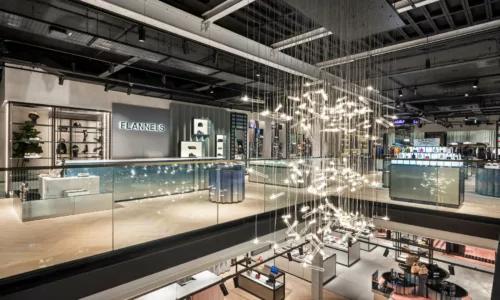
How Hospit alit y Brands Are Cat ering t o
Hybrid Workers
Hotelsareno longer just placesto stay- they arebecomingoffices, networkinghubs, and wellnessdestinationsfor today'shybrid workforce.
The traditional boundaries between business travel, remote work, and leisure have blurred dramatically in recent years As hybrid working becomes a permanent feature of modern employment, hospitality brands are adapting to serve a new type of guest, one who may be attending virtual meetings in the morning, collaborating with colleagues in the afternoon, and enjoying local experiences by evening
For hotels, resorts, and hospitality providers, this shift has created both challenges and opportunities No longer catering solely to tourists or corporate travellers, the industry is increasingly designing products and services for professionals who expect flexibility, connectivity, and comfort wherever they choose to work
The Rise of the "Work from Anywhere" Lifestyle
Hybrid working has transformed how people think about location Employees are no longer tied to a fixed office five days a week, while freelancers, consultants, entrepreneurs, and remote teams enjoy unprecedented freedom to choose where they work
This growing flexibility has fuelled demand for so-called "workcations" - extended stays that combine professional responsibilities with leisure experiences. Rather than taking a traditional holiday, many professionals are choosing destinations where they can maintain productivity while enjoying a
change of scenery
For hospitality brands, this trend has expanded the customer base beyond conventional travellers Guests are staying longer, travelling more frequently throughout the year, and seeking environments that support both work and relaxation
Hotels Are Becoming Workspaces
One of the most significant shifts has been the evolution of hotel spaces themselves Where once the business centre consisted of a few desktop computers and a printer tucked away in a corner, today's hotels are increasingly functioning as sophisticated remote-working hubs
Lobbies have been redesigned to include comfortable seating, power outlets, quiet zones, and collaborative areas. Many properties now feature dedicated coworking spaces that rival traditional offices, complete with meeting rooms, video conferencing facilities, and high-speed connectivity.
Reliable Wi-Fi has become a non-negotiable expectation rather than a premium amenity Business travellers and remote workers now evaluate accommodations based on internet speed, workspace quality, and technological infrastructure as much as location or room size
Some hospitality brands have even introduced
SouthWest
day-use packages, allowing local professionals to access workspaces, meeting facilities, and hospitality services without booking an overnight stay. These offerings create new revenue streams while attracting customers who may later become overnight guests.
Extended-Stay Experiences Gain Popularity
The hybrid work era has also boosted demand for longer stays Rather than spending a single night in a city for a meeting, many professionals are extending trips by several days or even weeks
To meet this demand, hospitality providers are creating accommodations that feel more like temporary homes than traditional hotel rooms. Features such as kitchenettes, laundry facilities, larger workspaces, and flexible room configurations are becoming increasingly common.
Extended-stay packages often include discounted rates, access to coworking facilities, wellness amenities, and local experiences designed to help guests balance productivity with lifestyle benefits
This approach benefits both travellers and hospitality operators. Guests enjoy greater flexibility and comfort, while hotels benefit from longer occupancy periods and stronger customer loyalty
Wellness as a Productivity Tool
Hybrid workers are not simply looking for places to work; they are looking for environments that support overall well-being
As a result, hospitality brands are investing heavily in wellness-focused offerings. Fitness centres, healthy dining options, meditation spaces, outdoor work areas, and sleep-enhancing room features are becoming important differentiators.
Many professionals now recognise the connection between physical well-being and workplace
performance. Hotels that can help guests maintain healthy routines while travelling are gaining a competitive advantage.
Some properties have introduced wellness packages that combine accommodation with fitness classes, nutrition consultations, mindfulness sessions, and access to nature-based activities These experiences appeal to workers seeking a healthier balance between professional obligations and personal well-being
Technology Driving Personalisation
Technology is playing a critical role in helping hospitality brands meet the evolving needs of hybrid workers.
Mobile apps allow guests to check in remotely, access rooms digitally, order services, book meeting spaces, and communicate with staff without visiting reception These conveniences streamline the guest experience while supporting busy schedules
Artificial intelligence is also enabling more personalised service Hospitality providers can increasingly tailor recommendations, workspace preferences, dining options, and local experiences based on guest behaviour and travel patterns
For hybrid workers, convenience and personalisation are valuable assets. The less time spent navigating logistics, the more time available for productive work and meaningful experiences
Building Communities, Not Just Customer Bases
Perhaps one of the most interesting developments is the emergence of community-focused hospitality.
Remote workers often face challenges related to isolation and limited networking opportunities In response, many hospitality brands are organising professional networking events, workshops, social gatherings, and collaborative experiences

By creating opportunities for connection, hotels are evolving from temporary accommodations into social and professional ecosystems.
Guests may arrive as individuals but leave having formed valuable relationships with fellow entrepreneurs, consultants, creatives, and business professionals This sense of community can significantly enhance the appeal of a property and encourage repeat visits
The Future of Hospitality and Hybrid Work
The rise of hybrid working is not a temporary trend? it represents a fundamental shift in how people approach work and travel. As flexibility becomes a defining feature of modern employment, hospitality brands are reimagining their role in supporting a more mobile and dynamic workforce.
The hotels and hospitality providers that thrive in this new landscape will be those that recognise guests are no longer simply seeking a place to sleep. They are looking for environments that enable productivity, foster well-being, support collaboration, and enhance lifestyle experiences.
By combining workplace functionality with the comfort and service traditionally associated with hospitality, the industry is creating a new category of travel experience? one designed for a world where work can happen anywhere
For hospitality brands willing to innovate, hybrid workers represent not only a growing market segment but also a glimpse into the future of travel itself.
Click picture for tickets
What'sOnSouthWest


Passm ore Edw ards Cent re Feb 23 from 10am t o 11:30am
Parc y ScarletsLlanelli, Wales Thursday 9 July - 10 AM - 2 PM




Do Higher Salaries Actually Make Us Happier?
For generations, the answer to career success seemed straightforward: earn more, live better, be happier Salary has long been treated as the clearest measure of professional achievement, and for many, it remains the primary driver behind career decisions But as workplace expectations evolve and conversations around wellbeing become more prominent, a more complicated question is emerging - does earning more money actually make us happier?
At a basic level, higher salaries do improve quality of life Increased income provides access to better housing, healthcare, education, travel and leisure It reduces financial stress, which is one of the most common sources of anxiety in adult life For individuals struggling to meet essential costs, a pay rise can have a significant and immediate impact on wellbeing
However, research and real-world behaviour suggest that the relationship between money and happiness

is not linear Once basic needs are comfortably met, the emotional benefits of additional income begin to level off This phenomenon, often referred to as diminishing returns, helps explain why many high earners report stress, burnout or dissatisfaction despite financial comfort
One reason for this is that higher salaries often come with increased responsibility More pay can mean longer hours, greater pressure, and higher expectations. In some cases, the trade-off is not just more money for the same work, but more money for more intensity The result is that employees may find themselves financially better off but time-poor and mentally drained
There is also the issue of comparison. Human satisfaction is often relative rather than absolute. Earning more may feel rewarding until it is measured against peers, industry benchmarks or rising lifestyle expectations. In high-income environments, what
once felt like success can quickly become the new baseline
Interestingly, studies in behavioural economics suggest that experiences tend to contribute more to long-term happiness than material gains. Time freedom, meaningful work, strong relationships and autonomy consistently rank higher than income alone when people assess their overall life satisfaction
This is where the conversation becomes more nuanced. For many professionals, the question is no longer simply ?How much can I earn??but ?What am I giving up to earn more??Time with family, flexibility, health and personal interests are increasingly being weighed against salary increases.
Employers are beginning to respond to this shift Some organisations are experimenting with flexible working arrangements, additional leave, and wellbeing-focused benefits as alternatives to
traditional pay rises These approaches reflect a growing recognition that compensation is no longer purely financial, it is also experiential
Yet salary remains deeply important Financial security still underpins stability, opportunity and long-term planning For many people, especially those earlier in their careers or facing economic pressure, higher income can absolutely translate into greater happiness
The reality is that money and happiness are not opposites, but variables in a much larger equation. Higher salaries can improve life satisfaction, but only up to a point, and only when balanced against time, health and personal fulfilment.
Ultimately, the question may not be whether higher salaries make us happier, but whether the pursuit of higher salaries always leads us toward the kind of life we actually want
Children m ore likely to w orry about m oney at hom e than parents realise as fam ilies face half-term costs
News provided by Super Chill Foundation
Children as young as six may be picking up on family money worries more than parents realise as households navigate the added cost of half term, according to new research from children?s wellbeing platform Super Chill
ACensuswide poll of UKparents and children aged six to 12 found children are around 60% more likely than parents realise to say family problems or money worries are among their biggest sources of stress.
Around one in eight children cited family problems
or money worries, compared with fewer than one in 12 parents who believed finances or family pressures were a major worry for their child
The findings come as many families face increased spending during half term on childcare, food, activities and days out.
Super Chill said children often absorb household anxiety even when parents try to shield them from money concerns, with worries sometimes appearing through changes in behaviour, withdrawal or reluctance to ask for things
Geert Pelsma, CEOof Super Chill, said: ?Half term can be brilliant for children, but it can also bring changes in routine, busier homes and extra pressure for families.
?Our research suggests children are often aware when something feels stressful at home, even if adults are trying to shield them from it
?At Super Chill, we are focused on helping children manage those everyday feelings before they become overwhelming Simple check-ins, breathing exercises and conversation prompts can give children a way to name what they are feeling and give parents a better sense of what is going on.
?Children do not always need big explanations Often, they need calm reassurance, routine and
small moments where they feel heard.?
The research also found friendships and schoolwork remain among the biggest day-to-day worries for children, with more than one in three children saying friendships worry them most and almost three in ten citing schoolwork
Super Chill is a free, ad-free children?s wellbeing platform helping children better understand and express how they are feeling through emotional check-ins, guided calming exercises and conversation-starting Chat Cards designed to support family communication








Global POP Procurement: A Leading POSM & Shop-Fitting Supplier Delivering Turnkey Solutions
For over two decades, Global POPProcurement has set the benchmark in POSM, display manufacturing, and shop-fitting excellence Trusted by global brands such as Dyson, Duracell, Columbia, Philip Morris, P&G, PepsiCo, and Heinz, we?ve grown from a CPGdisplay manufacturer into a comprehensive retail fit-out partner
With advanced in-house design, sustainable production, and exports to 60+countries, we deliver complete turnkey projects? from design, engineering, manufacturing to logistics and full on-site installation across the EUand MEAregions. As we expand into new
SouthEast


Demolition & Enabling Works Specialists
- Structural Alterations
- Asbestos Surveys & Removal
- In house Design
- Land Remediation
- Recycling & Bulk Exacuation
- Transport and Haulage
- Ground works and RC frames
- Basement Construct & Solutions