
TABLEOFCONTENTS
Kale, Coffee, Chaos - Staying healthy w hen your schedule hates you.
Sunshine and spreadsheets: How to get your team spring ready.
Menopause: Our study trevealed how it affects the brain, cognition and m ental health
When fam ily and business colllideBalancing personal bonds and brand reputation
Cybersecurity in sm all businesssim ple, non-intim idating defense tactics
38 Your genes m atter m ore for lifespan now than they did a century agohere's w hy
How m uch do w e do in business for the sake of it? Lessons from brands that got it right (and w rong)

welcome

Welcome to the March/ April edition of Pulse Life! Spring is here, and with it comes the perfect chance to refresh, recharge, and rethink how we show up at work, at home, and for ourselves This edition is all about finding that balance and getting inspired along the way We kick things off with tips to get your team spring-ready, practical ideas to boost energy, motivation, and collaboration as you head into a new season Then we dive into the tricky, but real, moments when family and business collide, sharing ways to navigate these challenges without losing your sanity or your relationships
Your brand isn? t just what people see, it?s how you show up, day in and day out We explore how your choices at work and at home ripple out to impact your brand, reputation, and influence
And for those experiencing life changes, we shine a spotlight on menopause and its effect on the brain, cognition, and mental health. From memory to mood, understanding this stage can help you stay sharp, resilient, and in tune with yourself
Whether you?re leading a team, juggling family life, or just looking for some inspiration, this edition of Pulse Life is here to help you thrive. Let?s spring forward together!
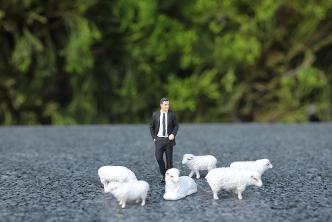



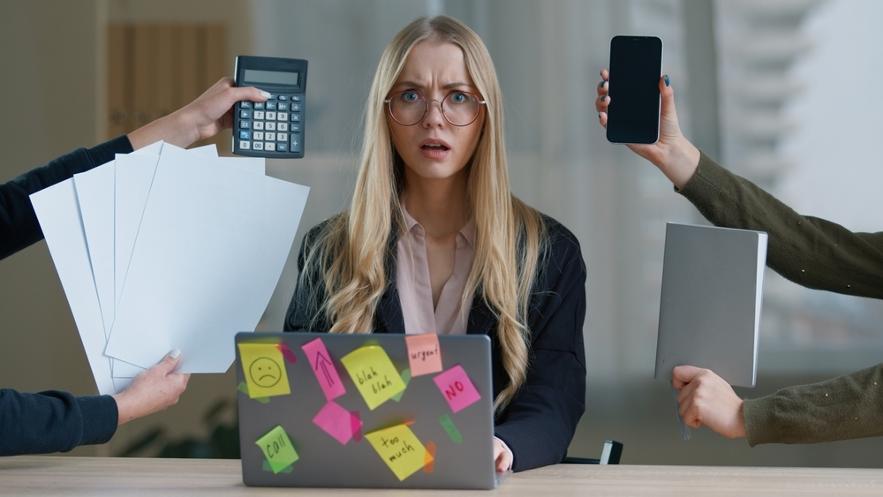
Maintaining a healthy lifestyle while juggling a demanding job, family commitments, and the siren call of the sofa can feel about as realistic as finding a unicorn in a Tesco car park. For busy professionals in the UK, the idea of eating well, exercising, and getting enough sleep often gets shoved to the bottom of the to-do list, right below ?reply to that email from last week.?Yet, contrary to popular belief, healthy living doesn? t have to be a medieval torture ritual of kale smoothies and five-hour gym sessions. The trick is sneaking in small, manageable habits before your life completely spirals into takeaway wrappers and Zoom calls.
Nutrition is the first battleground. Long commutes, endless meetings, and deadlines that appear out of thin air make it tempting to grab the nearest convenience option? which usually means something fried or wrapped in plastic. Meal prepping has become a lifeline for many. Spending a Sunday afternoon chopping veg, roasting chicken, or whipping up a batch of overnight oats might feel like an episode of Bake Off, but it?s worth it. Sainsbury?s and Tesco have made life easier with pre-chopped veggies and ready-to-eat healthy meals, which is perfect for anyone whose idea of cooking is ?put it in a pan and hope for the best.?
NorthWest

Hydration is another silent killer Forgetting to drink water is a national pastime for overworked Brits, and dehydration can make you feel like a grumpy teapot with low battery Carry a water bottle, set a phone reminder, and if you want to make it fancy, add a slice of lemon or cucumber Voilà, instant spa vibes in your cramped office cubicle
Exercise doesn? t need to involve a 5k run while your neighbour?s dog judges you Small changes can make a surprisingly big difference Walk or cycle to work, take the stairs, or do a two-minute stretch while pretending to think deeply about spreadsheets London and Manchester are filled with lunchtime yoga classes, walking groups, and gyms that won? t lecture you about burpees Even a brisk twenty-minute walk during lunch counts Bonus: you can pretend it?s a ?strategic business meeting?if your boss questions it
Sleep is where many professionals fall down. Most UKadults need seven to nine hours, but somehow we?ve collectively decided that surviving on four and a strong cup of coffee is a badge of honour. Lack of sleep makes your brain feel like a Windows 95 computer attempting to load TikTok. Try consistent sleep times, limit screen exposure before bed, and ditch those 11pm ?just one more email?sessions. Even small tweaks, like turning off notifications, can help.
Mental health is equally vital Stress can sneak in like a bad guest at a wedding, turning you into a caffeine-fuelled bundle of nerves Mindfulness, meditation, and breathing exercises are trendy, yes,
but they work Apps like Headspace or Calm can guide you through a two-minute session without making you feel like a monk on a mountain Pair that with hobbies you actually enjoy? reading, music, or pretending to be outdoors while Instagramming your lunch? and you?re winning
Social life, surprisingly, is part of staying healthy Friends, family, and colleagues can provide emotional support, motivation, and an excuse to leave the office Walking meetings, sports clubs, or even socially-distanced tea breaks combine fun and fitness, and you can justify it by saying it?s ?networking?
The secret to staying healthy isn? t perfection? it?s consistency, with a side of humour. Missing a workout or indulging in a pastry doesn? t undo your life; it just makes it more human. Small victories? opting for a salad over a scotch egg, taking the stairs instead of the lift? add up, proving you don? t need to become a full-time fitness influencer to improve your well-being.
For busy UKprofessionals, healthy living is achievable without sacrificing sanity By sneaking in practical habits? prepping meals, staying hydrated, moving more, sleeping enough, managing stress, and nurturing social connections? you can survive the chaos of modern life with energy, sanity, and possibly even a waistline Embrace imperfection, laugh at the occasional fail, and remember: if you can survive the London Tube during rush hour, you can survive a brisk lunchtime walk too





"Success is not the key to happiness. Happiness is the key to success"
Albert Schw eitzer


Sunshine& Spreadsheets: How toGet Your Team Spring-Ready

As the first hints of spring poke through the usual grey British skies, it?s not just daffodils that are sprouting ? your team?s motivation should be too. The shift from winter?s hibernation mode to spring?s ?let?s get things done?mentality offers the perfect opportunity to inject energy, focus, and even a little fun into your workplace.
Winter has a knack for making office life feel like
trudging through a damp Monday morning in January: energy low, enthusiasm lower, and the kettle constantly on. Spring, however, offers fresh air, longer days, and the occasional burst of sunshine that reminds everyone there?s a world beyond the office. As a manager or team leader, harnessing this seasonal shift can dramatically boost productivity ? and morale.
"Springisnature?swayof saying,?Let?sstart fresh.'"
Robin Williams
Let the Sunshine In? Literally
Natural light is a surprisingly effective motivator. Open blinds, encourage outdoor meetings, or even host a quick ?walk and talk?brainstorm in the local park. According to studies, daylight exposure can lift mood, reduce stress, and sharpen focus ? basically, a natural productivity hack. If the sun does make a rare UKappearance, make sure your team is basking in it, not staring gloomily out of a smudged window.
Spring Clean Your Workflow
Just as we spring clean our homes, offices can benefit from a declutter too. Encourage your team to clear out digital and physical clutter, tidy up workstations, and prioritise tasks that have been lingering like last autumn?s leftovers. Afresh, organised workspace has a funny way of making the day feel lighter and your deadlines less daunting. Bonus: nobody minds a bit of Marie Kondo-style ?does this email spark joy?? humour in the process.
Celebrate Small Wins
Spring is about growth, so celebrate it ? even if it?s just a sprouting seedling of success. Recognise achievements, however minor, and watch motivation bloom. Aquick shout-out in a team chat or a funny certificate for ?Most Improved Spreadsheet Skills?
can lift spirits Laughter, after all, is the secret fertilizer for workplace engagement
Inject a Bit of Playfulness
Seasonal energy pairs well with creativity Introduce lighthearted competitions, brainstorm challenges, or a themed team day ? ?Hat Day?or ?Fancy Sock Friday? works surprisingly well in the UKoffice context These playful moments can refresh thinking and break the monotony, reminding everyone that work doesn? t have to be entirely serious
Revisit Goals with a Spring Perspective
Finally, spring is a perfect time to review and recalibrate goals Encourage the team to set short-term, achievable targets that align with the broader company objectives When everyone sees progress, even small steps, motivation tends to snowball (or perhaps blossom, given the season)
In short, spring is more than just a calendar change It?s a chance to revitalise your team, inject energy, and combine focus with a dash of fun With the right mindset and a few simple strategies, your team can go from winter slumber to springtime sprint ? without even needing another cup of tea











What'sonNorthWest
Click images to redirect to booking

Wed 19t h Nov 10:30 - 2pm
Friday 20th March The Village Hotel, Warrington
Net w orking
Tuesday 10t h March, 9:30am - 12:30pm GMT
Rot herham House
Lunt s Heat h Rd Widnes WA8 5BB
free event click t o book

Menopause:our study revealedhow
it affects the
brain,cognitionandmental health

Christelle Langley
Postdoctoral Research Associate, Cognitive Neuroscience, Universityof Cambridge
Menopause is a key period in a woman?s life This transition is often accompanied by wide-ranging physical and psychological symptoms ? some of which can be debilitating and affect daily life Menopause has also been linked to cognitive problems ? such as memory, attention and language deficits
To mitigate the effects of menopause ? including hot flashes, depressive symptoms and sleep problems ? many women turn to hormone replacement therapy (HRT) In England, an estimated 15% of women are prescribed HRTfor menopause symptoms In Europe, this number is even higher ? varying between 18% in Spain to 55% in France
But there?s limited understanding of the effects of menopause and subsequent HRTuse on the brain, cognition and mental health. To address this, we analysed data from nearly 125,000 women from the UKBiobank (a large database containing genetic and health data from about 500,000 people).
We placed participants into three groups: pre-menopausal, post-menopausal and post-menopausal with HRT The average age of menopause was around 49 years old Women who used HRTtypically began treatment around the same age
In short, we found that menopause was associated with poorer sleep, increased mental health problems and even changes within the brain itself
Post-menopausal women were more likely than pre-menopausal women to report symptoms of anxiety and depression They were also more likely to
Barbara Jacquelyn Sahakian Professor of Clinical Neuropsychology, Universityof Cambridge

seek help from a GPor psychiatrist and to be prescribed antidepressants
Sleep disturbances were more common after menopause, as well Post-menopausal women reported higher rates of insomnia, shorter sleep duration and increased fatigue
Brain imaging analyses also revealed significant reductions in grey matter volume following menopause. Grey matter is an important component of the central nervous system which is composed mainly of brain cells. These reductions were most pronounced in regions critical for learning and memory (namely the hippocampus and entorhinal cortex) and areas key in emotional regulation and attention (termed the anterior cingulate cortex).
Notably, the hippocampus and entorhinal cortex are among the earliest affected in Alzheimer?s disease, the most common form of dementia
The changes we observed in our study could suggest that menopause-related brain changes may contribute to increased vulnerability to Alzheimer?s disease later in life. This could help explain why there?s a higher prevalence of dementia observed in women
We also investigated whether taking HRT post-menopause had any effect on health outcomes. Notably, HRTdid not improve the reduction in brain grey matter.
In addition, we found that women using HRTshowed higher levels of anxiety and depression compared to post-menopausal women who had never used HRT
NorthWest
However, further analyses indicated that these differences were already present This suggested that pre-existing mental health problems may have influenced the decision to begin using HRTrather than these symptoms being caused by the medication itself
One potential benefit of HRTuse was noted in cognitive performance ? particularly for psychomotor speed. Psychomotor slowing is a hallmark feature of ageing
Post-menopausal women who had never used HRT showed slower reaction times compared with both pre-menopausal women and post-menopausal women who had used HRT This indicates that HRT helps to slow the menopause-related declines in psychomotor speed.
HRTand menopause
There?s still much we don? t know about HRT? and more evidence on its benefits and risks are still needed.
Some studies report that those taking HRThave an increased dementia risk, while others suggest a decreased risk of dementia
More research is also needed to understand the effects of HRTand how the different routes and dosages affect menopause symptoms But according to one UKBiobank study of 538 women, the effects don? t appear to differ ? regardless of factors such as the formulation, route of administration and duration of use
Importantly, however, it?s difficult to establish whether women are actually receiving an effective dose. One in four women using the highest licensed dose of HRTstill had low levels of estradiol (oestrogen) ? around 200 picomoles per litre. Older women and HRTpatch users were more likely to have lower levels.
Optimal plasma levels to relieve menopause symptoms are between 220-550 picomoles per litre This means that for 25%of the women in the study, HRTwould not have had optimal benefit for menopause symptoms
Considering that most women go through the menopause, it?s important to resolve the question of whether HRTis beneficial ? including preventing brain grey matter volume reductions and reducing the risk of dementia It will also be important to know what the best dose and route of administration are
There is evidence to suggest healthy lifestyle habits may mitigate these menopause-related changes in brain health.
Our work and that of other research groups shows that a number of lifestyle habits can improve brain health, cognition and wellbeing, thereby reducing the risk of cognitive decline associated with ageing and dementia This includes regular exercise, engaging in cognitively challenging activities (such as learning a new language or playing chess), having a nutritious and balanced diet, getting the right amount of good-quality sleep and having strong social connections
Research also shows regular physical activity can increase the size of the hippocampus, which may help mitigate some of the menopause-related reductions observed in this region.

Sleep is also critically important as it supports the consolidation of memories and helps clear toxic waste byproducts from the brain ? processes that are essential for memory, brain health and immune function
Having a healthy lifestyle may offer an accessible and effective strategy to promote brain health, cognitive reserve and resilience to stress during and after the menopause transition

MARKDIMECKLIMITED
El ect r ical &Inst r umentat ionQual it yConsultant














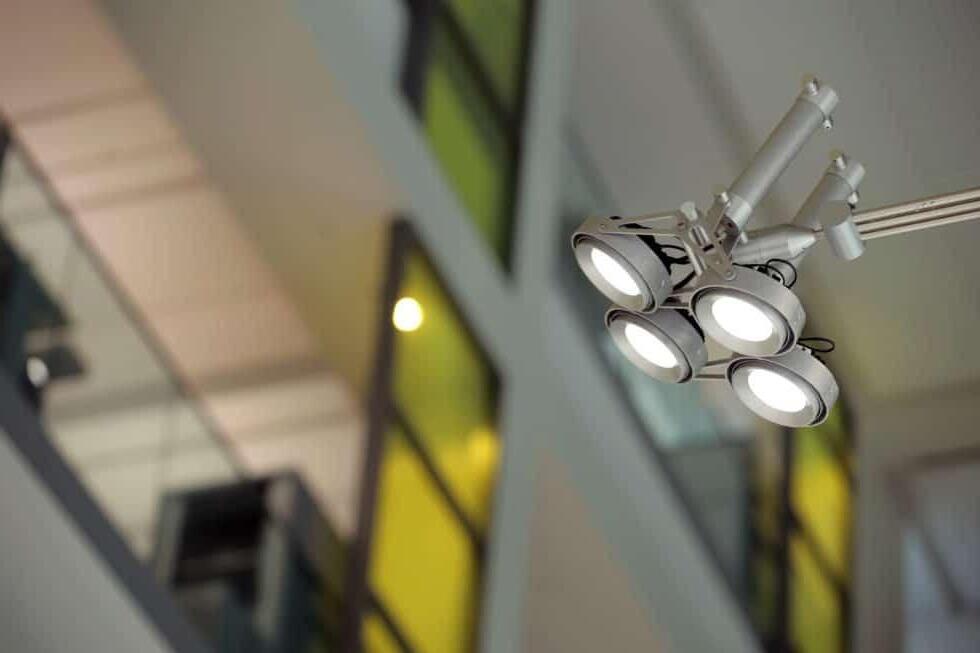
Lighting & Controls Solution Provider
Offering a turnkey solutions for a wide scope of sectors, from initial consultancy & design through to specification, supply & project management


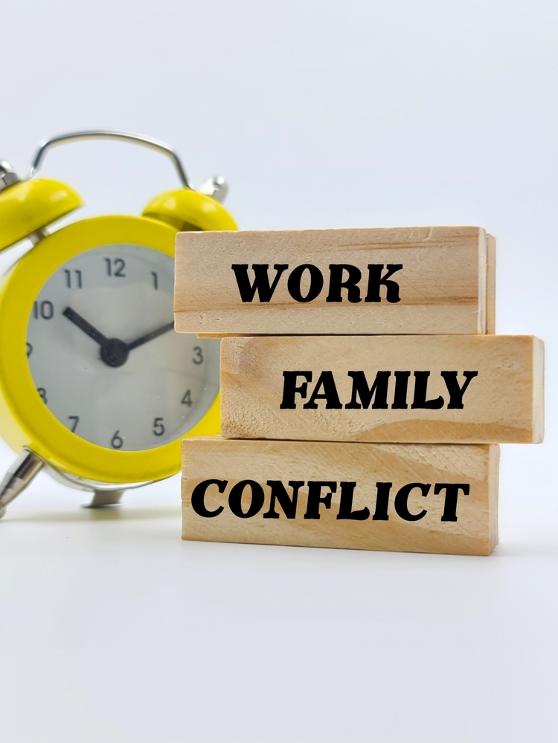
When Family and Business Collide
Balancing Personal Bonds and Brand Reputation
Family businesses have long held a special place in the commercial world: from corner shops passed through generations to global enterprises built on a shared vision. What makes these ventures unique is also what makes them fragile - the intersection of emotional relationships and commercial imperatives, where personal disputes can ripple outward to affect the company?s health, culture and public reputation.
Balancing family and business requires a blend of strong governance, clear communication, shared values, and crucially, an ability to separate personal dynamics from professional strategy When this balance tilts too heavily toward one side, especially the personal, the impact can be felt not just within the family but across stakeholders, employees and customers
The Cost of Internal Conflict
At its heart, constructive conflict can encourage growth But when conflict becomes public, unresolved, and emotionally charged, it risks undermining the credibility of the business itself Family disputes, especially within high-profile
families, don? t stay private for long in the age of social media and 24/ 7news cycles. What begins as a disagreement behind closed doors can quickly become a headline that shifts attention from products and services to personalities and scandals.
The fallout affects three core areas:
Brand Trust
Customers and partners often associate family businesses with values like loyalty, authenticity and heritage When internal relationships splinter into public feuds, those associations can weaken, even if the company?s products remain strong
Employee Morale and Culture
Employees look for stability and clear leadership. A family conflict that bleeds into business decisions can create uncertainty about the company?s direction.
Financial and Strategic Focus
Time and energy that should be spent on innovation or market growth can instead be diverted to damage
?The strength of a family business lies in
its unityand its
vulnerability lies there
too.?
control or internal negotiations
The Beckham Dispute: A Modern Case Study
Few families embody the blend of global celebrity and commercial enterprise as recognisably as the Beckhams Over decades, former England football captain David Beckham and fashion designer Victoria Beckham have cultivated a powerful brand empire spanning fashion, media, fragrance, endorsements and more - often dubbed ?Brand Beckham?
Yet, in early 2026, their eldest son, Brooklyn Beckham, made headlines with a public statement accusing his parents of prioritising Brand Beckham over family wellbeing He claimed that his parents had tried to undermine his marriage, pressured him over intellectual property rights, and put commercial interests ahead of genuine family bonds Brooklyn also stated that he did not want to reconcile with his parents - a stark departure from the traditionally polished image the family has presented
Even beyond statements, actions like Brooklyn covering tattoos dedicated to his parents have
amplified the perception of a fractured family
What This Means for the Beckham Brand
The very public nature of this dispute is a cautionary tale for any family business that ties its identity closely to the family name Analysts note that while large, established brands, including Beckham?s empire, can be surprisingly resilient, the narrative around them inevitably shifts
Some potential impacts include:
Reputational Scrutiny: Media focus has moved beyond Beckham products to personal dynamics, creating associations that the family may not control.
Consumer Perception: While many customers separate a brand from personal lives, others view family authenticity as part of brand appeal Negative stories can erode that appeal
StrategicDistraction:Attention from negative headlines can distract management and brand ambassadors from long-term goals

Yet, interestingly, experts also point out that transparency and vulnerability can sometimes strengthen customer connection - people relate to imperfection
Lessons for Other Family-Led Businesses
Set Clear Governance Structures
Abusiness with formal governance - including independent leadership and clear roles - can better weather personal conflicts
Separate Roles from Relationships
Define who is responsible for what, and ensure that family ties don? t blur professional accountability
Protect Private Matters
Where possible, address disputes privately and professionally. Public airing of grievances rarely serves the business, even when individuals feel justified.
Build Resilient Brand Identity
Astrong brand should be grounded in values, quality
and customer experience, not just celebrity or family narratives
Plan for Legacy and Succession
Strategic planning for future leadership transitions can prevent power struggles or uncertainty when roles evolve
Family business disputes can be some of the most impactful, not only emotionally but commercially In the Beckham case, a feud has brought into sharp focus the challenge of balancing personal bonds with a global brand identity While Brand Beckham hasn? t collapsed and may even be absorbing the attention as a form of engagement, the episode underscores an essential truth: when family and business are deeply intertwined, conflict has consequences that extend far beyond the living room For those in family-led enterprises everywhere, the lesson is clear, maintaining both strong relationships and strong brands requires care, communication and often, separation between the two
Picture:Steve Vas/ Featureflash - Shutterstock









Cybersecurity insmall business: Simple, non-intimidating defensetactics
In today?s digital-first world, cybersecurity isn? t just for multinational corporations. Small businesses across the UKare increasingly targeted by cybercriminals, with data from the National Cyber Security Centre (NCSC) showing that over 40% of cyberattacks in 2025 affected small and medium enterprises (SMEs). Yet many owners feel overwhelmed at the thought of ?defending against hackers.?The good news?Strengthening your digital defences doesn? t need to be complicated? or expensive.
Start With the Basics
should implement strong, unique passwords for every account, ideally using a password manager like 1Password or Bitwarden. Beyond passwords, enabling two-factor authentication (2FA) adds an extra layer of protection, making it much harder for cybercriminals to gain access? even if a password is compromised.
Update and Protect
The first step is often the simplest Many breaches occur because of weak passwords Small businesses
Software updates aren? t just annoying reminders? they fix security vulnerabilities Ensure your operating systems, apps, and antivirus software are always up to date For small UKbusinesses like BrewDog?s local franchisees, regular updates protect both customer data and operational continuity Additionally, firewalls and antivirus programs, though
NorthEast
basic, form a crucial shield against malware
Consider Cyber Insurance
Educate Your Team

People are often the weakest link in cybersecurity Phishing emails, messages designed to trick employees into revealing passwords or financial information, are a common threat Simple training sessions can go a long way Encourage staff to verify suspicious emails before clicking links or downloading attachments Acase in point: a Brighton-based café chain avoided a costly ransomware attack by recognising a fake invoice email, thanks to staff awareness training
Back Up Your Data
Data loss can be devastating. For small businesses, regular cloud backups provide a safety net in case of cyberattacks or hardware failure. UKfirms can leverage solutions like Microsoft 365, Google Workspace, or Dropbox Business, which automate backups and make restoring files straightforward. Even a small business can recover quickly with minimal disruption if the right precautions are in place.
While not a replacement for good practice, cyber insurance can help cover financial losses from data breaches, ransomware attacks, or business interruptions. Providers in the UK, such as AXAor Hiscox, offer policies tailored to SMEs, helping businesses manage both risk and peace of mind.
Keep it Simple and Consistent
Cybersecurity doesn? t have to be daunting Start with strong passwords, regular updates, staff training, data backups, and, if needed, insurance For many UK small business owners, these steps are manageable, affordable, and highly effective
Ultimately, investing a little time in cybersecurity now can prevent significant headaches later. Asmall business doesn? t need a dedicated ITteam to stay safe, just consistent, practical steps and a culture of awareness. In an increasingly digital economy, protecting your business isn? t optional; it?s essential.





SouthWest



Your genesmatter morefor lifespannowthantheydid acenturyago?here?swhy

Karin Modig
Associate Professor, Epidemiology, Karolinska Institutet
How much do your genes determine how long you?ll live?It?s a question that fascinates us, and one that?s been debated for decades For years, the answer seemed settled ? genes account for about 20?25% of the variation in human lifespan, with the rest down to lifestyle and environment
But a new study published in Science has challenged this view, suggesting the genetic contribution might be considerably higher.
The reason, according to the researchers, is that previous estimates failed to account for how the causes of death have changed over time Acentury ago, many people died from what scientists call extrinsic causes ? accidents, infections and other
external threats
Today, in developed countries at least, most deaths result from intrinsic causes: the gradual wearing out of our bodies through ageing and age-related diseases like dementia and heart disease.
To get a clearer picture, the research team analysed large groups of Scandinavian twins, carefully excluding deaths from external causes They also studied twins who were raised apart and siblings of centenarians in the US
When they stripped away deaths from accidents and infections, the estimated genetic contribution jumped dramatically ? from the familiar 20?25% to
around 50?55%
The pattern makes sense when you look at individual diseases. Genetics explain much of the variation in dementia risk, have an intermediate effect on heart disease, and play a relatively modest role in cancer. As environments become more favourable, populations age and diseases caused by the ageing process itself become more common, the genetic component naturally appears larger. Our genes haven? t become more powerful
But here?s where interpretation becomes crucial. A higher estimate doesn? t mean genes have suddenly become more powerful, nor does it mean you can
only influence half your chances of reaching old age What?schanged is the environment, not our DNA.
Consider human height as an example Ahundred years ago, how tall you grew depended heavily on whether you had enough food and whether childhood illnesses stunted your growth
Today, in wealthy nations, nearly everyone gets adequate nutrition Because these environmental differences have narrowed, most of the remaining variation in height is now explained by genetic differences ? not because nutrition has stopped mattering, but because most people now reach their genetic potential However, a malnourished child will still fail to grow tall, regardless of their genes
SouthWest

The same principle applies to lifespan As we?ve improved vaccination, reduced pollution, enhanced diet and adopted healthier lifestyles, we?ve lessened the overall impact of environmental factors
When environmental variation decreases, the proportion of remaining variation attributed to genetics ? what scientists call ?heritability?? increases by mathematical necessity The earlier estimates weren? t wrong; they simply reflected different historical circumstances
This reveals something fundamental: heritability isn? t a fixed biological property but a measure that depends entirely on the population and circumstances you?re looking at. The traditional 20?25% figure described lifespan as it was actually experienced in historical populations, where
external threats loomed large
The new 50?55% estimate describes a different scenario where those threats have been largely removed ? essentially describing a different trait
The headline figure of lifespan being around ?50% heritable?risks being misunderstood as meaning genes determine half of a person?s life chances. In reality, the genetic contribution for any given individual can range from very small to very large depending on their circumstances.
There are countless routes to a long life: some people have robust genetic profiles that protect them even in difficult conditions, while others compensate for less favourable genetics through excellent nutrition, exercise and healthcare Each person represents a unique combination, and many
different combinations can result in exceptional longevity.
Which combinations prove most common depends entirely on the population and the conditions in which people live and age As external causes of death continue to decline in the real world ? though they won? t disappear entirely ? it will be fascinating to see how these patterns evolve
The authors of this latest study admit that about half of lifespan variation still depends on environment, lifestyle, healthcare and random biological processes, such as cells dividing out of control in cancer. Their work, they argue, should renew efforts to identify the genetic mechanisms involved in ageing and longevity. Understanding how different genetic factors interact with different

environments is probably the key to explaining why some people live much longer than others.
The study offers valuable insights into how different types of mortality have shaped our understanding of lifespan But its results are best understood as showing how heritability changes across different contexts, rather than establishing a single, universal genetic contribution to how long we live
In the end, both genes and environment matter. And, perhaps more importantly, they matter together. So whether that feels like good news or bad news, you will probably never get a simple answer to how much of your lifespan is determined by genes alone.

Click picture for tickets

Passm ore Edw ards Cent re Feb 23 from 10am t o 11:30am

Cardiff Cit y St adium Cardiff, Wales
Wednesday, Apr 29, 2026 from 10 am t o 2 pm

?When som ething is im portant enough, you do it even if the odds are not in your favour.?
Elon Musk
How Much Do We Do in Businessfor the Sake of It?
LessonsfromBrandsThat Got It Right (andWrong)
In business, action is often celebrated more than intention Launch the campaign Join the platform Make the statement Adopt the technology Rebrand Expand Speak up
But beneath this constant motion lies a quieter question: How much of what we do in business is done simply for the sake of it?Because we feel we have to?Because everyone else is doing it?Because we believe it will enhance our visibility? even if we internally question it?
Modern corporate history offers no shortage of examples where acting for relevance strengthened a brand - and others where it damaged it
The difference is rarely speed It?s alignment
The Fear of Being Left Behind
Few forces are more powerful in business than the fear of irrelevance
When Facebook, Instagram, and later TikTok rose to dominance, brands rushed to establish presence. Many succeeded. Wendy?s built a distinctive, witty Twitter persona that aligned with its bold brand voice. Duolingo leaned into absurd, self-aware
humor on TikTok and saw explosive engagement In both cases, the companies weren? t merely ?on the platform?They adapted their brand identity authentically to fit the medium
Contrast that with brands that created accounts simply to exist. Dormant feeds. Awkward attempts at trends. Tone-deaf memes. Visibility without clarity often resulted in embarrassment rather than engagement.
The lesson isn? t ?don? t join new platforms?It?s ?don? t join without purpose?
When Visibility Backfires
The assumption that more visibility equals more success has led many companies into costly missteps.
Take Pepsi?s 2017advertisement featuring Kendall Jenner Attempting to tap into social justice imagery, the brand released a glossy commercial that appeared to trivialise real protest movements The backlash was immediate and severe Pepsi had chased cultural relevance? but without authentic alignment The campaign was pulled within 24
hours.
Similarly, during periods of heightened social awareness, numerous brands posted black squares or statements of solidarity Some backed those messages with measurable action Others were later criticised when internal practices or leadership diversity failed to reflect the public stance
On the other hand, Nike?s campaign featuring Colin Kaepernick demonstrates what happens when alignment is real - even if controversial. Nike risked backlash by partnering with a polarising figure. Some consumers burned products. Yet the company understood its core audience and long-term positioning. Sales increased, brand loyalty strengthened, and the campaign became one of the most financially successful in its history.
Both Pepsi and Nike sought visibility One chased sentiment The other embraced its identity
Expansion for the Sake of Growth
The pressure to grow can push companies into markets that don? t fit their core strengths.
WeWork?s rapid expansion is a cautionary tale Fueled by massive investment and a narrative of ?changing the way people work,?the company scaled at extraordinary speed Offices opened worldwide Valuations soared Yet the growth outpaced operational discipline and financial sustainability When scrutiny arrived, the structure could not support the story The fall was swift
Similarly, Quibi launched with billions in funding and major Hollywood backing, aiming to capitalise on short-form mobile video. It was timely, trendy, and well-financed? but it misread consumer behaviour Within months, it shut down The assumption that visibility, star power, and momentum guaranteed success proved false
In contrast, Apple is often cited for disciplined
restraint. The company rarely rushes to be first. It was not the first smartphone maker, not the first tablet maker, not the first smartwatch maker. Instead, Apple enters categories selectively, refining user experience and ecosystem integration before launch. This deliberate approach has allowed it to avoid many trend-driven misfires
Sometimes the competitive advantage is not speed? but patience
Rebranding Without Substance
Reinvention can be powerful It can also be cosmetic
Gap?s 2010 logo redesign lasted just six days The company unveiled a new logo without meaningful narrative or customer engagement The backlash was immediate Consumers rejected the change, and Gap reverted to its original design The attempt to modernise for relevance lacked strategic grounding
On the other hand, when Old Spice rebranded in the early 2010s, it executed a bold but coherent transformation. The humorous ?The Man Your Man Could Smell Like?campaign repositioned the brand for a younger demographic while retaining its heritage. The rebrand wasn? t done for the sake of it; it addressed a real stagnation problem with a clear audience in mind.
Rebranding works when it solves a defined problem It fails when it chases novelty
The Social Signaling Economy
In today?s environment, companies are often expected to hold positions on cultural and political issues. Silence can be interpreted as indifference.
Ben & Jerry?s has long embedded activism into its brand identity Whether addressing climate change, racial justice, or economic policy, the company?s
SouthEast
public stances align with its founding ethos. Customers expect it. Its activism is consistent and sustained.
By contrast, brands that speak only during peak cultural moments? but remain silent or inactive afterward? risk being labeled performative Consumers increasingly investigate whether public statements match internal practices
Even Disney?s public positioning has faced scrutiny when actions appeared inconsistent across markets When companies operate globally, balancing values and commercial interests becomes complex Attempting to satisfy all audiences can result in appearing inauthentic to each
The central question becomes: Are we expressing deeply held values, or are we protecting market share?
Innovation Hype and the Momentum Myth
Technology waves create intense pressure to participate. Blockchain. NFTs. The metaverse. AI.
When Facebook rebranded to Meta in 2021, it made an enormous bet on the metaverse as the next digital frontier Billions were invested The narrative was ambitious Yet adoption has been slower than anticipated, and investor skepticism has followed
The strategy may prove visionary in the long term? but it illustrates the scale of risk when companies pivot heavily toward emerging hype cycles.
Meanwhile, Microsoft?s investment in cloud computing during Satya Nadella?s leadership shows a different form of adaptation The company shifted strategically toward Azure and enterprise cloud services? not because it was trendy, but because it aligned with technological shifts and its enterprise strength The pivot was disciplined, focused, and grounded in core capability
The difference lies in whether innovation is reactive or strategically integrated
The Courage to Opt Out
Not every company needs to comment on every issue, adopt every feature, or chase every demographic
Hermès offers a compelling example of restraint. In a luxury market where expansion could multiply revenue, the brand intentionally limits supply. Scarcity reinforces positioning. Rather than maximising short-term growth, it protects long-term brand equity.
Similarly, Patagonia aligns every major decision
with its environmental mission? even donating the company?s ownership to a trust dedicated to fighting climate change These are not gestures for visibility; they are structural commitments
Opting out requires confidence. It requires accepting that not all growth is good growth. But in many cases, discipline builds durability.
Reclaiming Intentionality
The lesson from these examples is not that action is dangerous It is that action without alignment is
Before launching a campaign, entering a new market, or making a public statement, leaders might ask:
Are we doing this because it strengthens our core strategy? or because we fear being absent?
Does this reflect who we are, or who we think we need to appear to be?
If no one applauded this publicly, would we still believe in it privately?
Pepsi?s misstep, Gap?s failed logo, WeWork?s expansion? these were not failures of effort They were failures of coherence
Nike?s bold campaigns, Apple?s patience, Patagonia?s consistency? these reflect alignment between identity and action
In a world obsessed with visibility, the true differentiator may be conviction.
Because businesses that act from anxiety chase relevance
Businesses that act from alignment define it
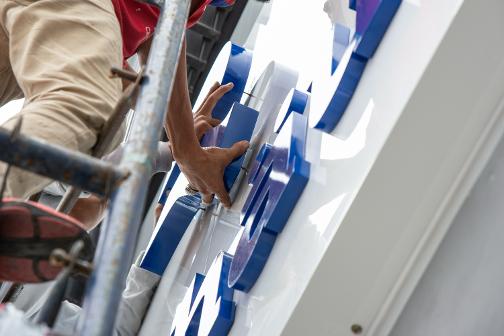





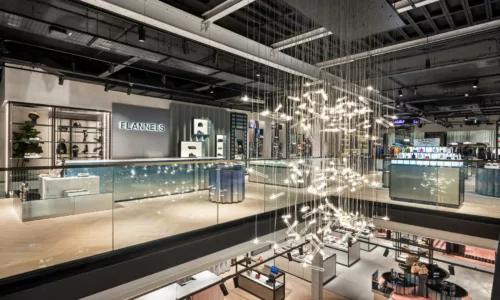
Global POP Procurement: A Leading POSM & Shop-Fitting Supplier Delivering Turnkey Solutions
For over two decades, Global POPProcurement has set the benchmark in POSM, display manufacturing, and shop-fitting excellence Trusted by global brands such as Dyson, Duracell, Columbia, Philip Morris, P&G, PepsiCo, and Heinz, we?ve grown from a CPGdisplay manufacturer into a comprehensive retail fit-out partner
With advanced in-house design, sustainable production, and exports to 60+countries, we deliver complete turnkey projects? from design, engineering, manufacturing to logistics and full on-site installation across the EUand MEAregions. As we expand into new
SouthEast


Demolition & Enabling Works Specialists
- Structural Alterations
- Asbestos Surveys & Removal
- In house Design
- Land Remediation
- Recycling & Bulk Exacuation
- Transport and Haulage
- Ground works and RC frames
- Basement Construct & Solutions