The views and opinions of our writers are not a reflection of CHES Foundation, Inc. or its sponsors.
This newsletter is designed to provide a forum for community members to express their views from an open and honest platform. It is meant to provide a sharing of knowledge and experience to help one another. Nothing in this newsletter is meant to replace the advice of your HTC, medical professional team or insurance provider. You are always urged to seek the opinion of a healthcare professional for treatment and your specific insurance provider for information.
We take your privacy very seriously. We would never disclose your personal health information without your express written consent. We would never sell nor make available our secure database to anyone.
Articles and pictures may not be reproduced, published, and/ or placed on websites without the express written permission of CHES.
In every publication of LifeLines for HealthSM, we will provide links to other websites that are not owned or controlled by CHES or its sponsors. We cannot be responsible for privacy practices of other website owners, nor can we be responsible for the accuracy of the information provided.
Letter From the Editors
Welcome!
Since 2009, CHES Foundation has steadfastly supported three pillars of the bleeding disorder community: hemophilia with inhibitors, ultrarare bleeding disorders, and women with any bleeding disorder. In 2025, we offered five (5) programs to support, educate, and create connection focused entirely on these three (3) pillars. Our programming is consistently a mile deep and an inch wide. Every program opportunity where we are blessed to see you recharges our batteries and renews our commitment to providing support to the underserved segments of this community. Be sure to read our participants stories in Community Chatter and what it means to attend our programs.
In 2013, CHES begun LifeLines for Health as the only newsletter for the inhibitor community. Over the years it has grown to support CHES’ three pillars. As we embrace a digital world, LifeLines for Health will no longer be available as a print publication. We have enjoyed bringing you news and information for the past 12 years. Please look for our bi-weekly Digital Digest now celebrating its two-year anniversary! Director of Advocacy and Outreach, Heather Case has revamped the format to include great stories, and new developments in the rapidly evolving world of bleeding disorders. If you don’t receive it, you can sign up here ches.education/ communications-profile-form. Chapters, feel free to share our articles!
In 2025, and sponsored by Sanofi, we launched our Hermanas de Sangre campaign that supports Latina women with bleeding disorders, focused on women with Hemophilia A & B, as part of our consistent support of women with bleeding disorders since 2016. We are excited to continue to offer webinars and recorded videos in Spanish in 2026 to support the Hispanic community here https://www.youtube.com/@chesfoundation/ videos
Do you know CHES is now CHES Foundation? We could never have done it without you-as a matter of fact-you suggested it! Want to help? Please consider making a tax-deductible contribution at: https://www.paypal.com/us/fundraiser/ charity/3831253.
Keep an eye on our website, www.ches.foundation for resources, videos and links to studies and programs. In the ever-changing and challenging medical and insurance community, it is more important than ever to be a well- educated advocate. Like us on Facebook, follow us on Instagram or LinkedIn to keep up to date and connected to our programs, resources, webinars, and services. Don’t forget to share with friends.
Hoping you use the winter months to rest and rejuvenate. We recognize the holidays are also a time of stress; so, if you are struggling, please reach out. We are here. Be safe, be well and we look forward to seeing you in 2026!
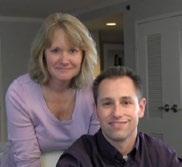
- Janet Brewer & Eric Lowe info@ches.foundation
"Be the change that you wish to see in the world.”
-Mahatma Gandhi
FEATURE
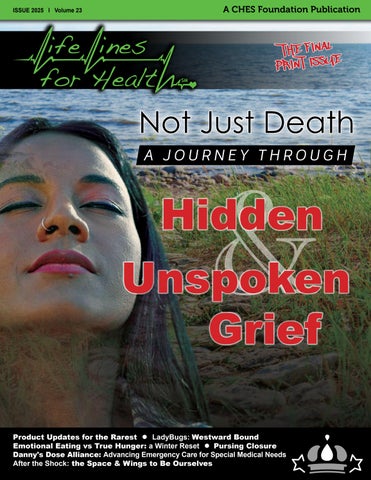
23 I Not Just Death: a Journey Through Hidden & Unspoken Grief
Grief isn’t always tied to death—it can grow from unanswered questions, misdiagnoses, and life forever changed by chronic illness. In this powerful reflection, a mother shares her journey through grief, advocacy, and healing within the bleeding disorder community, offering insight, validation, and hope for anyone learning to give their grief a voice.
BLOODLINES
5 I Product Updates for the Rarest
This year marks a pivotal moment for individuals living with some of the rarest of bleeding disorders. With groundbreaking therapies now available— and anothers advancing through clinical trials—these treatments introduce entirely new mechanisms of action unlike anything previously on the market.
31 I Danny's Dose Alliance: Advancing Emergency Care for Special Medical Needs
Danny’s Dose Alliance is transforming emergency care for individuals with rare and chronic medical conditions. Founded by a family who experienced firsthand the life-threatening gaps in emergency response, the organization works nationwide to ensure EMS professionals can deliver timely, patientspecific treatment when it matters most.
COMMUNITY CHATTER
2025 CHES Programs
17 I LadyBugs: Westward Bound
From meaningful connections to powerful education and unforgettable moments of joy, this mother–daughter duo shares their first-time experience at the CHES LadyBugs Women’s Retreat. Discover how community, advocacy, and a little fun in pajamas made this Salt Lake City weekend truly empowering.
21 I After the Shock: the Space & Wings to Be Ourselves
During one of the hardest seasons their family had faced, the Reitbergers found healing, connection, and renewed strength at After the Shock Inhibitor Family Camp. Through shared understanding, meaningful relationships, and moments that helped each family member feel seen and supported, ATS became a place of hope, confidence, and lasting community.
MIND BODY CONNECTION
33 I Emotional Eating vs True Hunger: a Winter Reset
Winter weight gain is often linked not just to holiday foods, but to emotional eating. Learning to distinguish between physical hunger and emotional hunger can help people respond more intentionally to their needs.
FAMILY MATTERS
10 I Pursing Closure
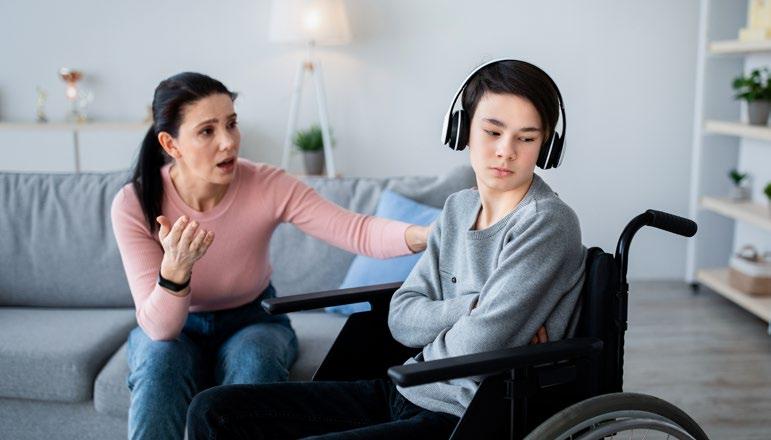
We all long for closure—but it doesn’t always come the way we expect. Whether in moments of profound loss, unexpected change, or everyday interactions that leave emotional loose ends, the need for understanding and resolution can feel overwhelming. Explore what closure really means, and (at times) why it can be so difficult to attain.
2026Education Programs
Virtual Programming
We will host virtual sessions periodically throughout 2026. To receive info on additional upcoming programs and webinars visit: https://ches.education/communications-profile-form
Webinar Recordings
Watch them on YouTube: https://www.youtube.com/@ chesfoundation
Comprehensive Health Education Services has been serving the needs of those with rare bleeding conditions since 2009.
As long time members of the bleeding disorder community, our mission is to inspire awareness and self-reliance for patients with chronic health conditions, their families, and their communities. More details on our programs can be found on our website: www.ches.foundation
February 27 - March 1, 2026 (2025 rescheduling) & November 6-8, 2026
Tampa Marriott Airport - Florida
Inhibitor Camp for children (and their families) with hemophilia and inhibitors June 19-22, 2026
Camp Zeke - Lakewood, PA
Women with Bleeding Disorders Conference for ages 16+ in partnership with Virginia Hemophilia Foundation
August 24-26, 2026
Colonial Wiiliamsburg, VA
Inhibitor Conference for all ages September 10-13, 2026
New Orleans, LA
BE VONVENDI® VIBRANT
PRODUCT PDATES
for the Rares
The three pillars of CHES have been long-standing since its inception and committed to the rarer, underserved subsets of bleeding disorders - Hemophilia A/B with inhibitors, ultra-rare bleeding disorders (such as Glanzmann's thrombasthenia and factor 7 deficiency), and women with bleeding disorders (WwBD). 2025 has brought some exciting treatment options for those living with hemophilia A/B with inhibitors, along with many trial options for ultra-rare and WwBD's.
As always, we encourage you to discuss all options with your healthcare professionals to make the best possible treatment decisions for yourself or your loved ones.
• Familiarize yourself with the vocabulary
• Take advantage of webinars or educational resources as they present themselves
• And ask your healthcare professional (HCP) LOTS of questions
Product choice is ultimately a decision made between you/your child and your HCP. We know well in this community, that not every product works the same for everyone, and if you know one inhibitor patient-you know ONE inhibitor patient.
Treatment for Inhibitors
Two inhibitor products are currently in the marketplace, and one is in Phase 3 clinical trials. The mechanism of action is VERY different than any other products currently on the market. CHES Foundation will continue to support the inhibitor community to offer webinars and live education
Novo Nordisk
DRUG: Alhemo/Concizumab
programs for understanding of these new products to include benefits and risks. Please refer to LifeLines for Health archives 2023 and 2024 for additional information https://ches.education/newsletter
• Treats: Hemophilia A and B with inhibitors ages 12 and up
• Administration: Prefilled pen with once daily sub-Q injections
ClinicalTrials.gov: https://clinicaltrials. gov/search?cond=Hemophilia with inhibitors&term=Concizumab
• New Phase 2 data showed more than a 50% reduction in annualized treated bleeding episodes
CHES Foundation
more information with the community as these products come to market. As always, we never recommend any treatment or products, but are tireless advocates of sharing educational resources to assist you in making choices with your healthcare team.
https://ches.education/contact
Connect With a Community Education Specialist Near You
Takeda is committed to cultivating connections and providing education
Do you have questions about navigating your condition or understanding and accessing Takeda’s therapies? Our local specialists can provide you with tailored disease education to help you along your treatment journey.
Pursuing Closure
Ispend a lot of time talking with clients about closure. Most likely, that word has come up for you, too. Of course, when we think of closure, we talk about life events, such as a parent learning their child has a bleeding disorder and suddenly confused about the future and wanting answers to the “why us” questions, a man living with a bleeding disorder suddenly losing his job and not having answers on what caused his layoff, or parents learning their trusted physician is leaving the practice and not having a chance to say goodbye and ask for her contact information. But I also think about closure in the daily encounters with other people, like forgetting to say thank you when someone has done an act of kindness, or feeling ignored or snapped at and sitting with angry feelings, and feeling guilty or frustrated over that loose end that you want to tie up.
What is closure? I think of closure in this way. As humans, we don’t like these loose ends that are often left dangling in our minds. Like during times of loss and grief, and when we experience other breakdowns in communication. We want to understand, to know why, and to feel understood. We want to get things back to an even playing field (or to get even).
Can’t I Get Some Closure?
As I talk with my clients about their losses and disappointments in life, they often talk with me about wanting some kind of closure. They describe closure in the form of finally saying what they need to say, knowing what they need to know, being fed up enough to walk away, being treated the way they deserve. Finally.
It is really difficult to sit with communication that feels incomplete. Especially when deep emotional pain results. The pain can feel overwhelming, accompanied by feelings like disappointment, anger, fear, shame, resentment, and
other emotions. And so it is only human to ask yourself: Can finding closure make the feelings go away?
The best way to achieve closure can be summarized as process that begins with sitting down with yourself, followed by having a conversation. Here are the steps: Define for yourself what closure means. Closure is a relatively general term. What are you looking for?
An explanation of what
happened?
An answer to why life has suddenly dropped this bomb on you or a loved one? An apology or to apologize?
An answer to why the other person made the decision they made?
Reassurance that life will indeed get better?
Do you just want to hear that you were important to that person and that you will be missed?
Taking the time to sit down with yourself and define exactly what closure means in this situation will help you to come to terms with why you are feeling such difficult emotions.
Consider if closure is realistic the way you have defined it. People can only do what they can do. Everybody has limitations. Life happens around us, and to us, and we may never have answers to the question of why. Sometimes we make decisions that we can’t explain, as do other people. The person we want closure from may be constrained by rules and guidelines, like in the workplace. Or professional boundaries may guide what is appropriate or allowable.
Weigh the risks of further exposure to the situation or the person. Are you sure your closure meeting might make you feel worse instead of better? And lead to more feelings of unfinished business and lack of closure? Don’t let this turn into an endless cycle leading nowhere, risking further unhappiness for yourself. Demanding answers to unanswerable questions leaves you stuck, when you could be putting all that energy into controlling what you can control. Beware of setting yourself up for disempowerment.
When you feel ready, reach out to the person you want to find closure with. Reach out and suggest a neutral place where the two of you can meet. Be clear about what you want to talk about. Be clear about your hope for closure. They may say yes, they may say no.
Be ready to talk.
And to listen. Keep in mind that if you seek closure with another person, this needs to be a two-way conversation. Talk about what happened from your perspective and how you are feeling as a result. And give the other person an opportunity to talk about what they experienced, even if you may not want to hear what they have to say.
The Downside of Closure
The closure we experience in real life may not look at all like the closure we see in the movies. Why? Well, because people are human and they don’t aways think, feel, or behave the way we would like them to.
Closure comes with risks. When you tell another person how you feel about the way they have treated you, they may give you the closure you are hoping for. They may agree with you, ask you how they can rectify things between you. Instant reset! Or they may not agree with you and point out what they see as your failures. Or they may gaslight you, and tell you everything is fine, and aren’t you being a little bit dramatic? They may even tell you it’s time for the two of you to part ways. They may all just refuse to talk.
Let’s face it. People can just be plain old unpredictable and limited. Whether we like it or not. And they may avoid a conversation that may be uncomfortable for them. If you’re expecting something from someone that they can’t or won’t deliver, then you are, like my mom used to say, trying to get blood out of a turnip. It’s a lose-lose, and you’re only hurting yourself.
Move Forward With Power!
You don’t have to stay stuck while you wait to find closure. Here’s how to get moving forward:
Embrace gratitude. Be grateful that you are a multifaceted human being, resilient and resourceful. Remind yourself of this every day, multiple times a day if you need to. Stay grateful for all the good things in your life. Make a list if you need to. Review it often.
Choose to move on. When I have a client stuck in their demands for closure, in a very kind way, I say something to the effect of, “Do you think you might be kind of having a temper tantrum right now?” A question, not a judgment. We can’t change the random and mysterious way that life works, including changes in our health status. Again, we can’t change how another person chooses to think, feel, or behave. Trying to do otherwise only leads to frustration, sadness, anger, and disappointment.
In a perfect world, we would all have the closure we need. Answers to the why question. Understanding. Forgiveness. But the world sure isn’t perfect.
You have a choice. Choose to accept life on life’s terms. Focus on doing the best you can for yourself and the people you love.
Here’s the bottom line on closure. Sometimes
Scan with your smart device to access Dr. McClain's support site.
Just Got Diagnosed
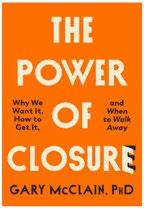
Dr. McClain's book, “The Power of Closure: Why We Need It, How to Get It, and When to Walk Away,” was published by Tarcher Perigee Spring of 2024 and available on Amazon.
Gary McClain, PhD is a therapist, patient advocate, and educator, specializing in helping clients deal with the emotional impact of chronic and life-threatening health conditions, as well as their families and professional caregivers. He works with them to understand and cope with their emotions, to learn about their lifestyle and treatment options, to maintain compliance with medical regimens, to communicate effectively with each other and healthcare professionals, and to listen to their own inner voice as they make decisions about the future. His website is JustGotDiagnosed.com
CHES 2025 Programs in Review
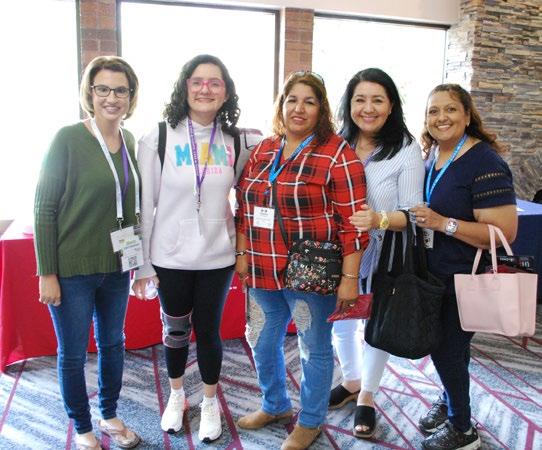
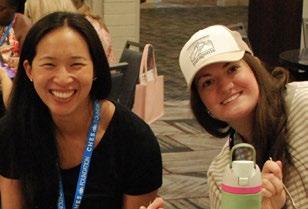
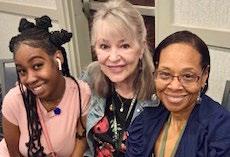
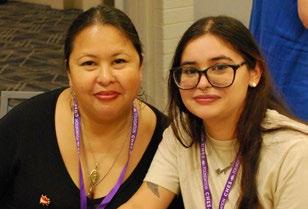
Among the 4 in-person patient community educational events provided by CHES Foundation in 2025, we are honored to share participant testimonials of LadyBugs and After the Shock: Inhibitor Family Camp.
By: Nelly Miranda
August 8-10, 2025
Downtown Sheraton Salt Lake, Utah
LadyBugs Westward Bound
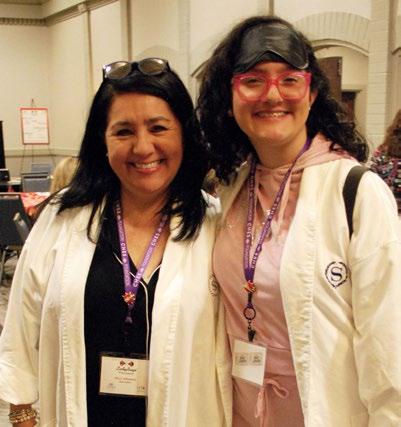
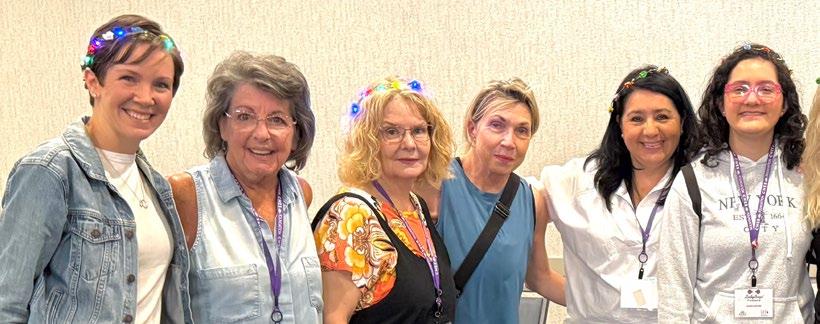
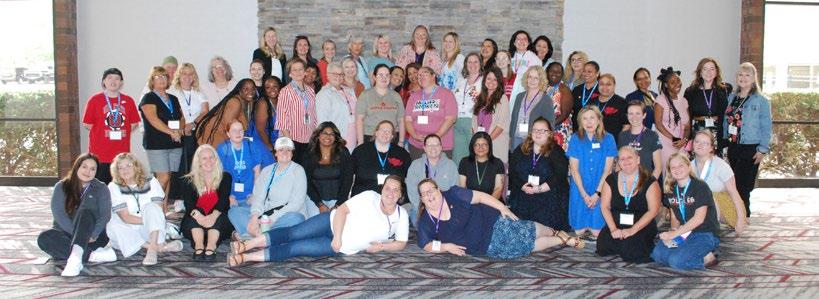
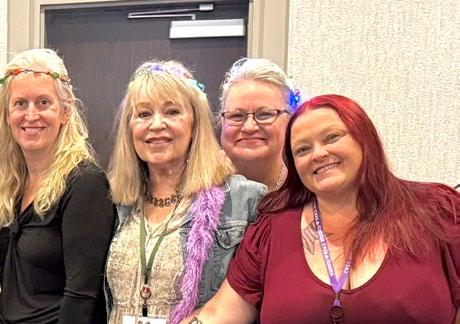
My daughter Alexa and I are so grateful for the opportunity to attend the CHES LadyBugs Women’s Retreat for the first time, which took place in Salt Lake City this past August. We knew there was a lot of interest from women to teens who wanted to go, so we felt incredibly lucky and excited to be part of it.
Alexa was excited to reconnect with moms she met as a Family Pal at the CHES Inhibitor Camp. We were surprised to find that many attendees were also first timers like us.
Spanish translation provided Nelly Miranda.
Traducción al español 1/3
Mi hija Alexa y yo estamos profundamente agradecidas por haber tenido la oportunidad de participar por primera vez en el Retiro de Mujeres de CHES LadyBugs que se llevó a cabo en Salt Lake City este pasado agosto. Sabíamos que muchas mujeres y adolescentes habían mostrado interés de asistir, así que nos sentimos muy emocionadas y afortunadas de haber sido seleccionadas para participar.
Alexa estaba especialmente emocionada por reencontrarse con algunas mamás que conoció cuando fue Family Pal en el campamento de CHES para familias con inhibidores este verano. Nos sorprendió ver que muchas asistentes era la primera vez que participaban, de la misma forma que nosotras.
From the moment we arrived, we met women who had traveled from different parts of the country, including Puerto Rico. Spanish is my first language. It was especially meaningful to find that several of us spoke both English and Spanish.
We had the chance to sit at different tables throughout the retreat, which allowed us to connect with so many incredible women and hear about their journeys, including those still waiting for a diagnosis.
The event was exceptionally well organized, from the travel arrangements to the carefully planned educational sessions, all put together with so much care so we could learn and grow together. We also had the opportunity to hear from fellow participants, whose stories inspired us to return home and continue advocating for better diagnosis of bleeding disorders in girls, teens, and adults.
Alexa especially liked how our lanyard colors corresponded to different bleeding disorders. It was such a creative way to know who shared your bleeding disorder.
Traducción al español 2/3
Desde que llegamos, conocimos a mujeres que habían viajado desde diferentes partes del país y de Puerto Rico. Mi idioma natal es español, y fue una sorpresa encontrarnos con varias participantes que hablamos inglés y español.
Tuvimos la oportunidad de sentarnos en mesas diferentes y así conocer a muchas mujeres con historias increíbles, incluyendo algunas que todavía no han sido diagnosticadas.
La organización del evento fue de lo mejor, desde la compra de los boletos de avión, hasta las sesiones educativas, planeadas con mucho esfuerzo y cariño para que pudiéramos aprender juntas. Escuchamos a participantes que nos compartieron sus experiencias, lo cual nos inspiró más para regresar a casa con más ganas de seguir luchando por un mejor diagnóstico de los desórdenes de coagulación en niñas, adolescentes y mujeres adultas.
A Alexa le encantó que los colores de los gafetes con nuestros nombres estuviera relacionado con el tipo de desorden de coagulación que tenemos. Pensamos que fue una forma súper creativa de saber con quienes compartías tu desorden de coagulación.
There were so many amazing sessions but one that made an impact on both of us was Joint Health with PT Angela Kouri. Alexa was recently diagnosed with Ehlers-Danlos Syndrome and has been struggling with joint pain. Angela’s advice was incredibly helpful, and she even followed up with additional resources afterward.
We can’t forget to mention the food, it was delicious! The Saturday night pajama party was unforgettable. We decorated sandals, got special manicures and body massages, ate ice cream and bonded with everyone in our pjs like one big family.
We are so grateful to CHES, LadyBugs and the Utah Hemophilia Foundation for running such an insightful, fun, and empowering event.
More info on LadayBugs Program: Más información: https://ches.education/ladybugs
al español 3/3
Hubo muchas sesiones educativas increíbles, pero una que nos impactó a las dos fue la de Salud Articular con la fisioterapeuta Angela Kouri. Alexa fue diagnosticada hace poco con el Síndrome de Ehlers-Danlos y le ha costado entender el dolor en las articulaciones. Los consejos de Angela le sirvieron mucho, estuvo en contacto con ella enviándole más información.
Las comidas fueron deliciosas y la fiesta en pijama del sábado por la noche fue inolvidable. Decoramos sandalias, nos consintieron con manicuras especiales, masajes, comimos helados y platicamos de lo más a gusto en nuestra pijama como una gran familia.
Estamos super agradecidas con CHES, LadyBugs y con Utah Hemophilia Foundation por organizar un evento tan inspirador, divertido y que nos ayudó a empoderarnos.
Made possible through the support of:
SILVER
BRONZE HEMA Biologics
Traducción
The CHES 2025 Programs in Review
The Reitberger family has been profoundly transformed by our experience at After the Shock (ATS): Inhibitor Family Camp. The CHES community stepped into our lives during one of the most difficult seasons we have ever faced.
June 20-23, 2025
Camp Zeke - Lakewood, PA
Ellie Stephanie
Rick Space & Wings to Be Ourselves
One of my children was struggling with a returning inhibitor and other medical complications on top of already challenging bleeding issues. My daughter felt increasingly overlooked as so much of our attention was focused on her brother. I was overwhelmed by the demands of caring for him while managing my own bleeding complications. Our family felt fractured by circumstances beyond our control, and we were desperately trying to rebuild.
by Stephanie Reitberger
More info on After the Shock https://ches.education/after-the-shock
Made possible through the support of Novo Nordisk
Camp gave each of us the space—and the wings—to simply be ourselves, surrounded by people who understood without judgment. I found comfort in other parents who knew the deep ache of feeling “different” in ways most people will never fully grasp. My daughter found a true sense of belonging within the bleeding disorders community, not as “the sibling,” but as herself. She gained brothers and sisters she can’t wait to see again and was included in meaningful camp experiences, like infusion training. Older kids and young adults poured into her, making her feel truly seen. My son connected with caring young adults who slowed down, showed up, and helped him feel valued. His confidence soared because of them.
My husband also found his people—other dads who understand this life. Those connections gave him the encouragement he needed to try infusion training, which became a turning point for him. He’s now an incredible support during my infusions and is looking forward to the day our son is ready for him to infuse him as well. He finally feels confident in caring for his family that doesn’t clot.
Our family loves this camp. It has been a place to rest our weary souls and stand alongside other families who truly “get it.” The relationships we’ve formed continue to remind us that we are not alone— and that we can keep going.
A JOURNEY THROUGH
Not Just Death Hidden Unspoken Grief
&
By: Anne Goodman, MPH
Grief—what does that word mean to you?
Afew years ago, I would have avoided the question, looked down at my feet, and waited it out until the person asking received an “appropriate” response. Not anymore. I embrace the word now. In fact, I’m often the one asking the question, waiting—really waiting—for an honest answer.
Grief is the normal and natural response to loss. Grief is also the conflicting feelings brought on by the end or change of a familiar pattern, like moving to a new city, leaving a job, or adjusting to a new normal after a health crisis.*
James, J. W., & Friedman, R. (2017). The grief recovery handbook: The action program for moving beyond death, divorce, and other losses including health, career, and faith (4th ed.). HarperOne.
Which begs the question: why is grief so hard to talk about?
We see it everywhere, yet rarely name it. When was the last time you heard about a friend, co-worker, or family member going through a “hard time”? Did you know what to say? Was it helpful? If we’re honest, the answer probably falls somewhere in the middle. Maybe you echoed something you once heard, “stay strong,” “time heals all wounds,” “at least they’re in a better place", thinking it might help. But for the listener, while intellectually it may be true, emotionally those words may have felt hollow.
Our society has made grief something to be hidden, seen but not heard. It’s uncomfortable. It stirs up feelings we’d rather not revisit—what I call undelivered communication That ache in your heart that surfaces when someone else’s pain touches your own unresolved hurt.
My own journey with grief has been long, messy, and profoundly transformative. It began 14 years ago, when my daughter was just 2 years old. She’d come home from daycare with unexplained bruises, cry in pain when we set her down after carrying her in from the car. “Growing pains,” some said. But I knew better.
She had a speech delay due to a conductive hearing loss, so we relied on pain charts and pointing to communicate. I felt helpless. Alone. Desperate for answers. I asked every specialist who would listen—but each one dismissed my concerns. “She’s fine.” “We can’t find anything wrong.” “Nothing to worry about.” Nine months here, six months there—every waitlist ended in the same frustration: No answers
Ironically, all those blood draws, all those tiny vials—they had the answer. But no one was looking in the right place.
Grief doesn’t always come from a death. It can come from the absence of answers, from watching your child suffer and being told it’s all in your head. It can come from the quiet heartbreak of hearing “no” when you’re begging the world for “yes.”
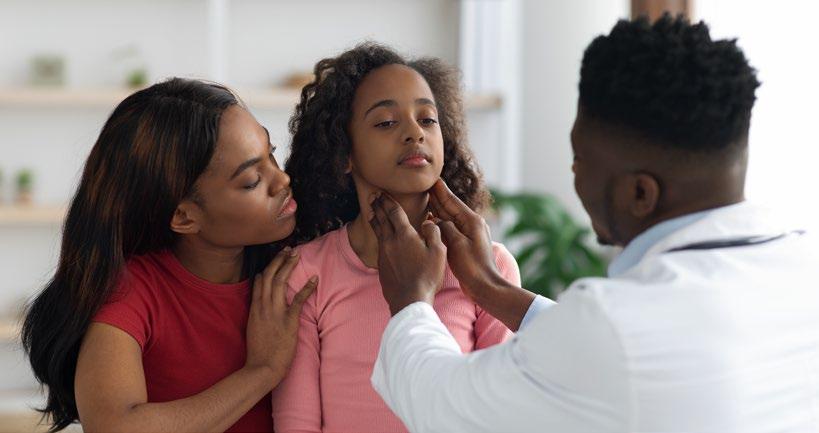
Seven years later, when my daughter was nine, she had a routine tonsillectomy. A week into recovery, I looked into her mouth and saw something no parent wants to see. We rushed to the ER. Within moments, they said she needed emergency surgery. A few hours later, the surgeon said words that changed everything:
“It’s a good thing you got here when you did. I suspect your daughter has a bleeding disorder. You’ll meet with hematology next week.”
“Has your daughter ever complained of joint pain?” Of course she had—for years. But no one connected the dots. Then came the words I’ll never forget:
“Joint pain is the number one symptom of a bleeding disorder.”
And later, when I was diagnosed with the same disorder—the one I unknowingly passed on to her—the grief compounded. I grieved for her childhood, for the years she was dismissed. I grieved for the future I had imagined for her. I grieved as a mother, a patient, and a woman trying to hold everything together.
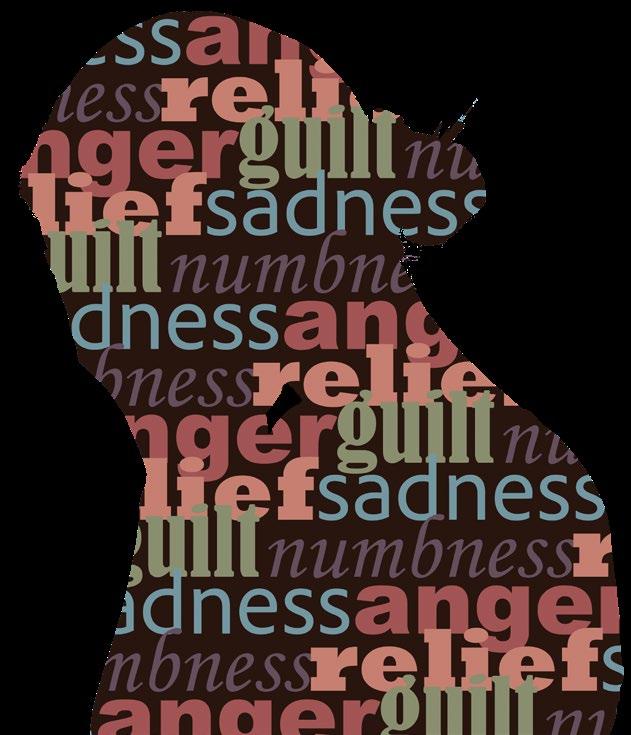
Grief is rarely tidy. It shows up in many forms: sadness, anger, guilt, numbness, even relief. It’s unpredictable and deeply human. And most of us were never taught what to do with it.
Instead, we distract ourselves. In the grief recovery world, we call these STERBs
STERBs: Short-Term Energy Relieving Behaviors
Retail therapy. Endless scrolling. Late nights at work. Anything to keep from feeling what we’re feeling. These distractions may offer momentary relief, but they don't address the pain; they delay it—and in many cases, deepen it.
But unexpressed grief doesn’t go away. It settles into our bodies and minds. It leaks out in unexpected ways—in anxiety, in conflict, in emotional shutdowns. Unexpressed grief—often masked by pretending to be “FINE” (Feelings Inside Not Expressed)—can harm your mental and physical health, your relationships, and your overall well-being. We may tell ourselves and others we’re “fine” but the truth has a way of surfacing.
Grief is not just about what we lost—it’s about the unmet hopes, dreams and expectations that died with it. The normal childhood I envisioned for my daughter. The years I spent second-guessing my intuition. The version of motherhood I imagined but never got to live.
As parents, we often think we have to “be strong” for our kids. But they feel our sadness even when we try to hide it. When we give ourselves permission to cry, to talk, to feel— we teach them how to do the same. Many of us keep our grief private out of fear—we don’t want to upset others, or we’ve been conditioned to hide it. Grief doesn’t need to be hidden. It needs to be witnessed. Grief is not a problem to be fixed. It is a sign of love, of connection, of being deeply human.
So how do we support someone who is grieving? Listen. Really listen. Not to fix or analyze, but to simply hear. Let them share what they wish they had done differently, better, or more. Let them talk about the future they lost. Let them speak the words they’ve been carrying for far too long. And when they are finished, thank them for trusting you to hear their pain.
Grief is a journey, not a problem to be solved. It’s the echo of love and the pain of change. And the first step to healing is giving it a voice.
Lessons from the Bleeding Disorder Community
Living in the bleeding disorder community has taught me that grief is not a one-time event; it is a cycle that reappears during every transition. It can show up when a child misses school because of a bleed, long doctor appointments, when a treatment doesn’t work, when you realize your child can’t play sports like the other kids, or when a well-meaning friend tells you, “She looks fine to me.”
One of the hardest lessons I had to learn was how to advocate while grieving. There were times when I had to wipe away tears, gather medical records, and walk into yet another appointment hoping this provider would finally hear us. Sometimes they did. Often, they didn’t.
But the community held us. Other families shared their stories. I remember one mother who told me, “You’re not crazy. I’ve been there.” In those moments, I felt seen. I learned that grief shared becomes grief divided.
The bleeding disorder community also taught me the power of lived experience. Peer-to-peer connections, patient-led education, and support groups became lifelines. They taught me how to prepare for an ER visit, how to explain a rare condition in plain terms to my daughter’s teachers, how to ask the right questions, and how to trust myself.
I learned to celebrate small victories: a day without joint pain, a day she didn’t bleed through her school uniform, lab results that stayed steady, a provider who listened. These moments became my way of reclaiming joy.
Perhaps the most important lesson was this, just because something is rare doesn’t mean it isn’t real. And just because someone else can’t see your grief doesn’t mean it doesn’t deserve to be acknowledged.
Being a caregiver in the bleeding disorder community is both a gift and a heavy load. We carry the schedules, the medication plans, the emotional labor, the advocacy efforts—and often, our own silent suffering.
Navigating the healthcare system added another layer of complexity. Between insurance denials, misdiagnoses, and inaccessible providers, the emotional toll was relentless. I kept a binder with every lab result, appointment note, and diagnosis letter. I became my daughter’s medical historian—and her fiercest advocate.
But advocacy didn’t mean aggression. It meant clarity. I learned to speak in bullet points, bring supporting documents, and ask direct questions. I stopped apologizing for taking up space. I reminded myself that the system was complex—not broken because of me.
I also learned the power of collaboration. Partnering with social workers, nurse navigators, and patient liaisons made a difference. These allies helped me access resources, appeal decisions, and get the right eyes on our case.
To families navigating life with a bleeding disorder: your grief is valid. Your strength is real. And your voice matters.
Schedules
Medication plans
emotional labor
Supporting Children Through Chronic Illness
Supporting a child through chronic illness requires emotional flexibility, fierce advocacy, and a willingness to sit in uncertainty. It is one of the most intense forms of caregiving. Your child looks to you for safety, and when their body is in crisis, they often don’t have the language to describe what they need. You become their translator—to doctors, teachers, family members, and the world.
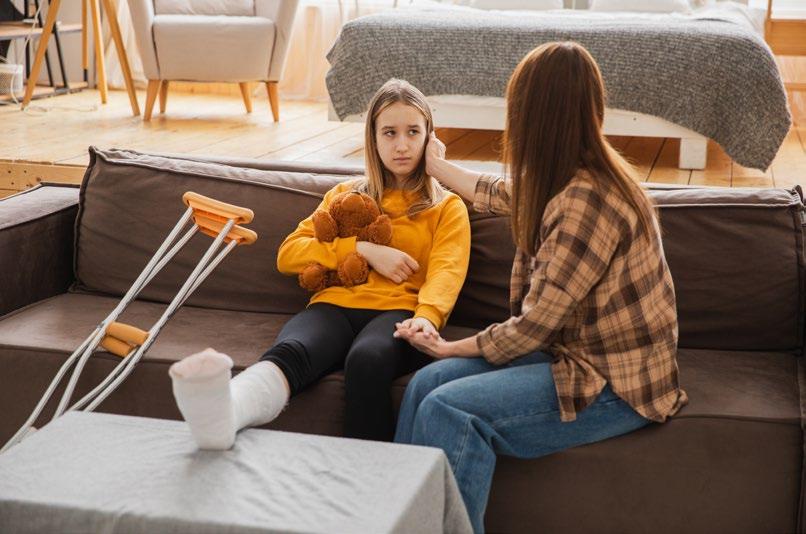
My daughter needed a parent who could both comfort her in pain and challenge medical professionals to dig deeper. It felt like walking a tightrope between nurturing her emotional health and pushing for answers. I learned that one of the most powerful things I could do was validate her experience. I couldn’t take the pain away, but I could make sure she never felt alone in it.
One thing I began practicing early on was helping her name her emotions. When joint pain kept her from dance class, I didn’t minimize it. I said, “It’s okay to be disappointed. You were really looking forward to that.” By giving her the language to express her grief, I helped her carry it.
We also learned to create moments of control in an unpredictable world. She got to choose the bandage color, the snack during treatment, what friend she would bring to sit with her during her infusion, the playlist on the ride home. Small choices that gave her agency in a life that often felt out of her hands.
I was honest with her, too. I let her know when I was scared, when I didn’t have all the answers. Kids know when adults are holding something back. By showing her that even grown-ups have big feelings, I taught her that emotions aren’t something to hide—they’re something to understand.
We talked about her diagnosis openly. We used books, videos, even stuffed animals to explain procedures and conditions. We involved her in appointments and decisions as much as possible. This wasn’t just her illness—it was her life, and she deserved to be an active participant.
Supporting a child with chronic illness means building a home where emotions are not just allowed but encouraged. It means modeling resilience, not perfection. It means reminding them, again and again: You are not broken. You are brave. You are loved.
Grief Recovery Tools and Techniques
Grief recovery begins by acknowledging and understanding the emotions within you. Grief recovery isn’t about forgetting or moving on. It’s about learning to live with loss in a way that honors the pain while reclaiming your life. As part of my journey, I enrolled in an 8-week Grief Recovery Method class.
This evidence-based program changed the way I understand grief. It walks participants through specific actions designed to help them complete the pain of loss. I was able to identify “undelivered communications”- the words I never got to say and the apologies and forgiveness’s I needed to say. After completing the program, I later became a Certified Grief Recovery Specialist® to support others. It taught me that recovery isn’t a destination, it’s a series of steps to move toward healing. In grief, we heal by feeling. And when we feel, we find the courage to move forward.
For me, grief has become a companion, not a shadow. It reminds me of what I’ve loved, who I’ve fought for, and how deeply I’ve felt. Through the pain, I’ve found purpose—in speaking up, in showing up, in holding space for others walking their own path.
If you are in the thick of it—numb, angry, exhausted, or just getting by—know this: we are all grievers and there is a path to healing.
Anne Goodman, MPH is a Certified Grief Recovery Specialist® certified by the Grief Recovery Institute® https://www.griefrecoverymethod.com. She is certified in Helping Children with Loss (Online and In-Person), Grief Support Groups (Online and In-Person), One on One Support (Online and In-Person) and Pet Loss Support Group (Online and In-Person). You can learn more about the Method and the classes Anne offers by visiting https://www. griefrecoverymethod.com/grms/anne-goodman
DDanny’s Dose Alliance: Advancing Emergency Care for Special
Medical Needs
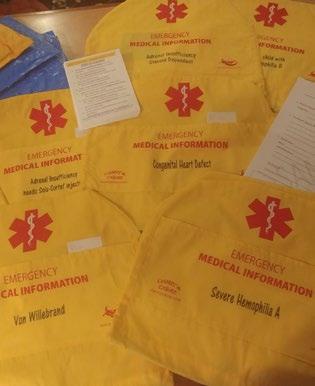
anny’s Dose Alliance is a nonprofit organization dedicated to ensuring timely, safe, and informed emergency care for individuals with rare and chronic medical conditions. Founded in 2015, the organization was born out of a critical need identified by the Shelton family following a hemophilia diagnosis in their own family. This personal experience exposed widespread gaps in emergency treatment protocols for patients with special medical needs; gaps that can result in harmful delays or even loss of life.
Since its inception, Danny’s Dose Alliance has worked to close these gaps by championing systemic change in emergency medical services (EMS) across the country. The organization’s mission is threefold:
1. Advocate for modernized emergency treatment protocols, including regulatory clarity that empowers EMS personnel to treat based on the “Emergency Orders” of the patient’s specialist and ability to administer patient-carried, time-critical medications.
2. Establish nationally recognized Disease-Specific Emergency Guidelines and Education to improve consistency, safety, and outcomes in prehospital care.
3. Equip families with emergency preparedness tools, education, and personalized alert products that promote readiness and collaboration with local EMS personnel.
EMS World, 2022
Project 'Saving Lil Lives' Headrest Covers
Coalition 2023, Ambulance & kids Emergency Preparedness with
About Danny's Dose
Danny’s Dose began its work by exploring the legal, logistical, and operational barriers that prevent emergency responders from delivering patient-specific care. By collaborating with EMS professionals, state and national agencies, and medical experts, the organization quickly expanded its focus beyond hemophilia to include a wide range of rare and chronic conditions affecting over 32 million Americans.
In 2017, Danny’s Dose Alliance led the passage of the first statewide EMS Treatment Bill in Missouri. Since then, the organization has been instrumental in legislative and regulatory advancements in several other states, including Minnesota (2019) and Arkansas (2021) with Scope of Practice updates in 16 additional states — allowing EMS providers to use patient-supplied medications during emergencies.
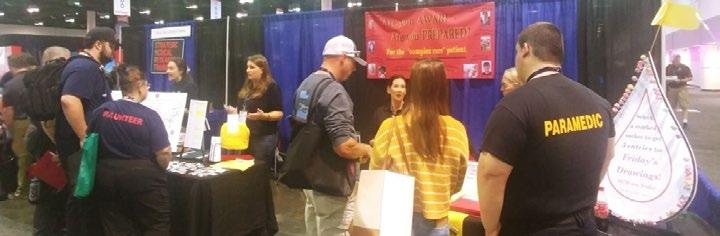
Working in close partnership with national and state EMS organizations, the EMS for Children program, and numerous rare disease coalitions, Danny’s Dose Alliance continues to provide essential education to both families and emergency
responders. The organization is also spearheading the development of Disease-Specific Emergency Treatment Guidelines — a groundbreaking initiative to standardize emergency response protocols for a wide range of medical conditions.
To support families, Danny’s Dose offers tailored Emergency Preparedness Education programs. These resources empower families to understand their role in emergency readiness, advocate effectively for their loved ones, and build trusting relationships with local EMS providers.
Under the leadership of founder and president Darlene Shelton, Danny’s Dose Alliance remains rooted in optimism, resilience, and the belief that systemic change is not only possible — it is essential. With a growing network of supporters, professionals, and families, the organization continues to transform personal experience into public impact, ensuring that individuals with complex medical needs receive the care they deserve — when they need it most.
To learn more about Danny’s Doses, their newly adopted EMS Clinical Guidelines, and other great patient resources visit their website at www.dannysdose.org
Danny's Dose
vs
Emotional Eating TRUE Hunger:
WA
WINTER RESET
by: Megan Allen, RD, LD, CDCES
e often blame holiday parties and rich desserts for winter weight gain, but the real culprit might be more subtle: emotional eating. When the days grow shorter and the cold settles in, it’s easy for our bodies and minds to shift in ways that can make food feel like the fastest route to comfort. However, the slower pace of winter offers a chance to notice these patterns and approach them with curiosity rather than judgment.
One of the biggest challenges for many people is learning to tell the difference between emotional hunger and true hunger. True hunger builds gradually and can usually be satisfied by a range of foods. Emotional hunger often appears suddenly, feels urgent, and is tied to specific cravings. A great way to start learning the skill of eating for true or physical hunger is to pause before eating and ask yourself a couple of questions.
PRESS the PAUSE button
Am I physically hungry?
This is the first simple question you should ask yourself. If you are, go ahead and eat! Honoring your physical hunger is an important step to healing your relationship with food and your body. Choosing snacks or meals that include protein, healthy fats, and high fiber carbohydrates can help maintain a stable mood and good energy. It’s also important not to overlook hydration, since thirst cues
may be diminished when the weather is cold. For those on medications that suppress appetite, such as a GLP-1, these cues may feel different depending on your dose. Working with a knowledgeable Registered Dietitian while on this type of medication can help individuals honor their hunger and fullness cues while still nourishing their body appropriately.
What am I feeling?
This is the second question to ask yourself if you find yourself wanting to eat for emotional reasons. Are you tired, lonely, overwhelmed, or bored? This is an important question because once you can name the feeling, it becomes easier to find an answer to the next question which is: “What do I need?” If you’re feeling tired, maybe you need a nap, an early bedtime, or maybe an extra glass of water and a 10 minute walk outside. If you’re lonely, maybe you need to call or text a friend or family member. You might even try going to a local coffee shop or library for a few hours just to be around other people, even if they’re strangers. If you’re feeling stressed, maybe what you really need is a written plan for tackling a stressful task. If eating still feels appealing after addressing the underlying feeling, it can then be an intentional choice rather than an impulsive one. The goal is to ensure food is not your first and only means for coping with uncomfortable emotions.
Emotional eating isn’t something to erase; it’s a signal worth listening to. This winter, when the impulse to snack strikes, take a moment to ask yourself what you’re truly feeling and what you genuinely need. You might find that the comfort you’re craving isn’t in the kitchen after all.
Megan Allen, RD, LD, CDCES works one-on-one with clients to help them set personalized nutrition goals to improve their health. She became a Dietitian because she believes food is a source of nourishment for disease prevention and treatment, but also enjoyment for your life as well. Food should make you feel happy and energetic, never guilty or stressed. When working with clients one-on-one she helps them set enjoyable, behaviorbased goals to improve their health beyond hitting a certain target on the scale.
MIND BODY CONNECTION
84 Beach Street Middleboro, MA 02346
CHES Mission
To Inspire awareness and selfreliance for patients with chronic health conditions, their families, and their communities.
Editors in Chief
Janet Brewer, M.Ed
Eric Lowe
Editor
Janet Brewer, M.Ed
Publication Designer
Eric Lowe
Contributing Writers
Megan Allen, RD, LD, CDCES
Janet Brewer, M.Ed
Anna Goodman, MPH
Eric Lowe
Gary McClain, PhD
Nelly Miranda
Stephanie Reitberger
Special thanks to Danny's Dose
Giving a contribution to support the newsletter:
Stay Connected
Subscribe for Free
If you have received this newsletter from another individual, and you wish to receive your own personal copy, please contact us via any of the following methods.