FIA reveals theory behind radical load test updates
ARTIFICIAL INTELLIGENCE
How motorsport is embracing the power of cloud processing LE MANS
Toyota secures sixth victory against tough opposition OFF-ROAD MAVERICK
Innovative programme for all-terrain buggy development
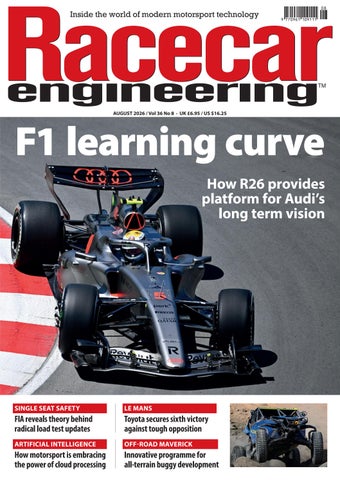
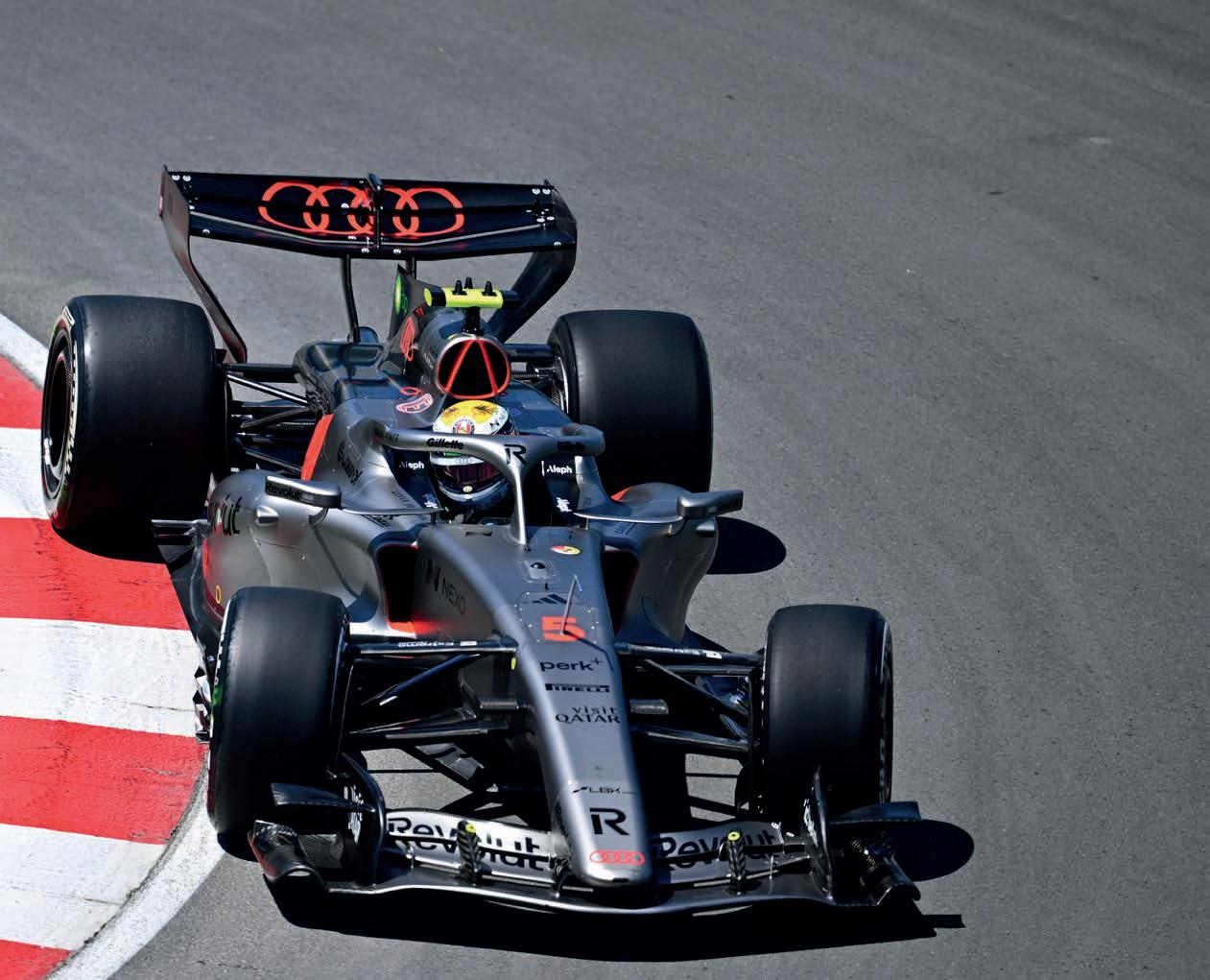
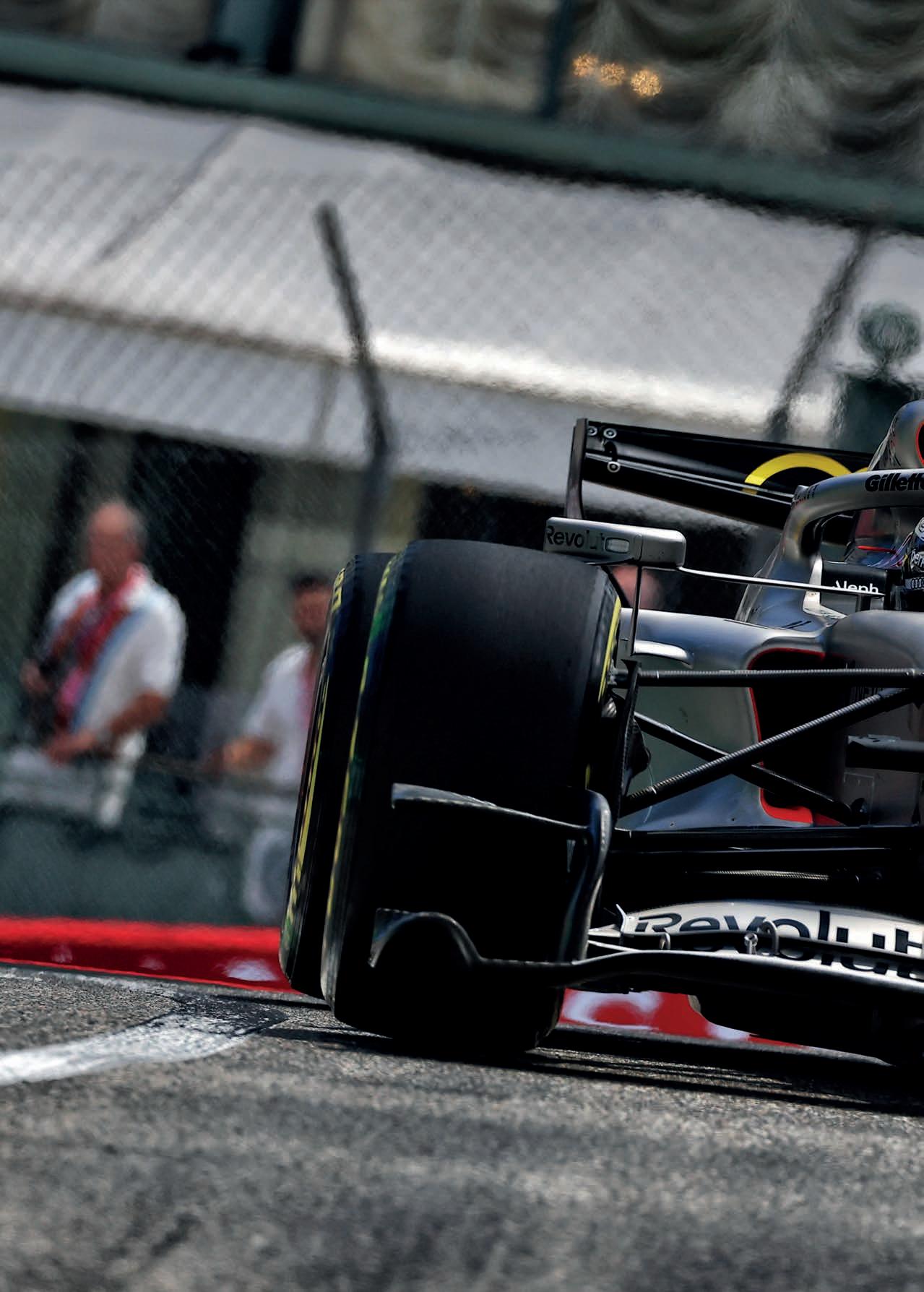
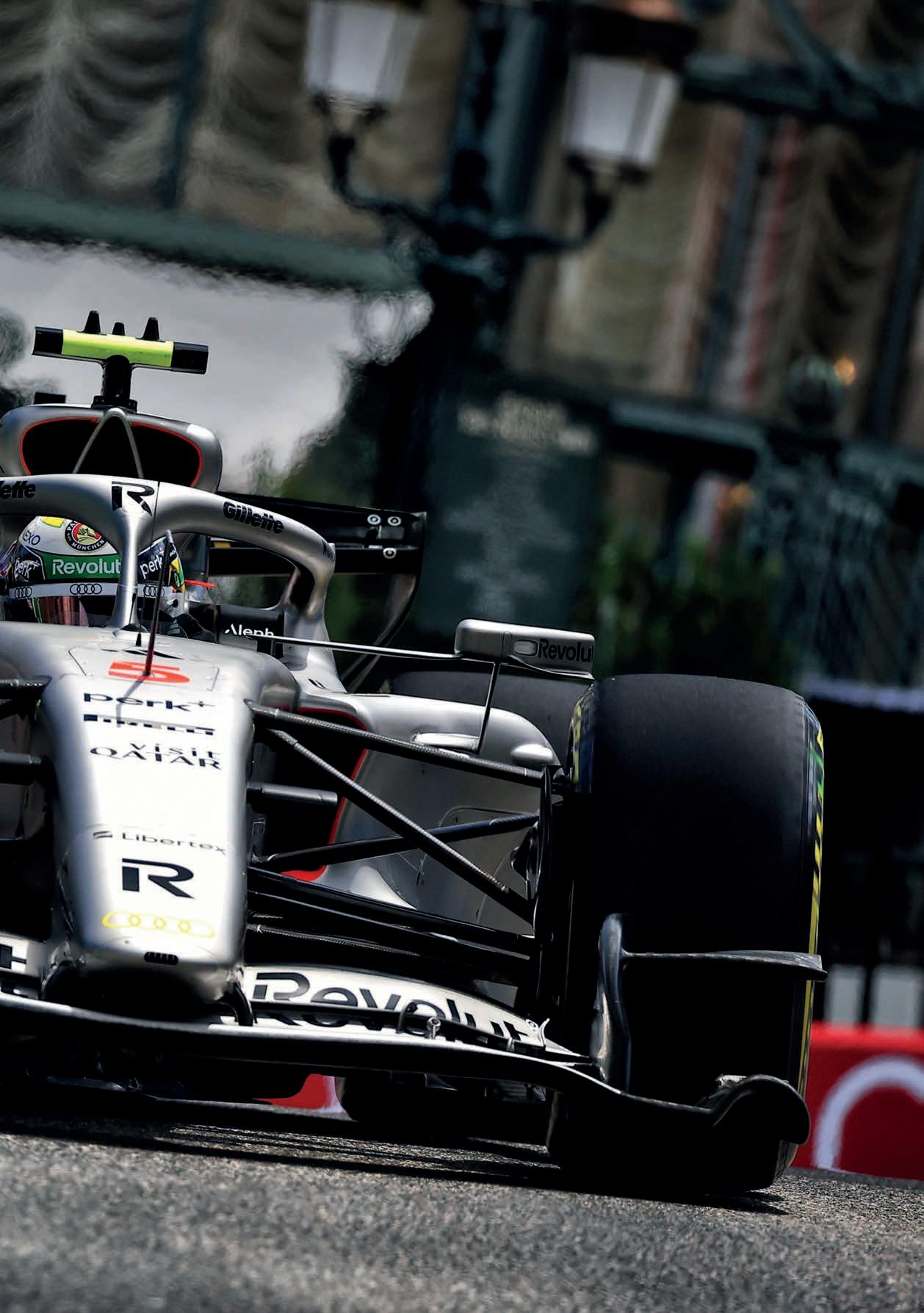
Audi has set a target of becoming a Formula 1 front runner by 2030 and, while early indications suggest some problem areas, the team remains optimistic about its project
Foundation stone
Audi’s ambitious journey to become an F1 title contender is under way. What does the R26 tell us about its chances?
By DANIEL LLOYD
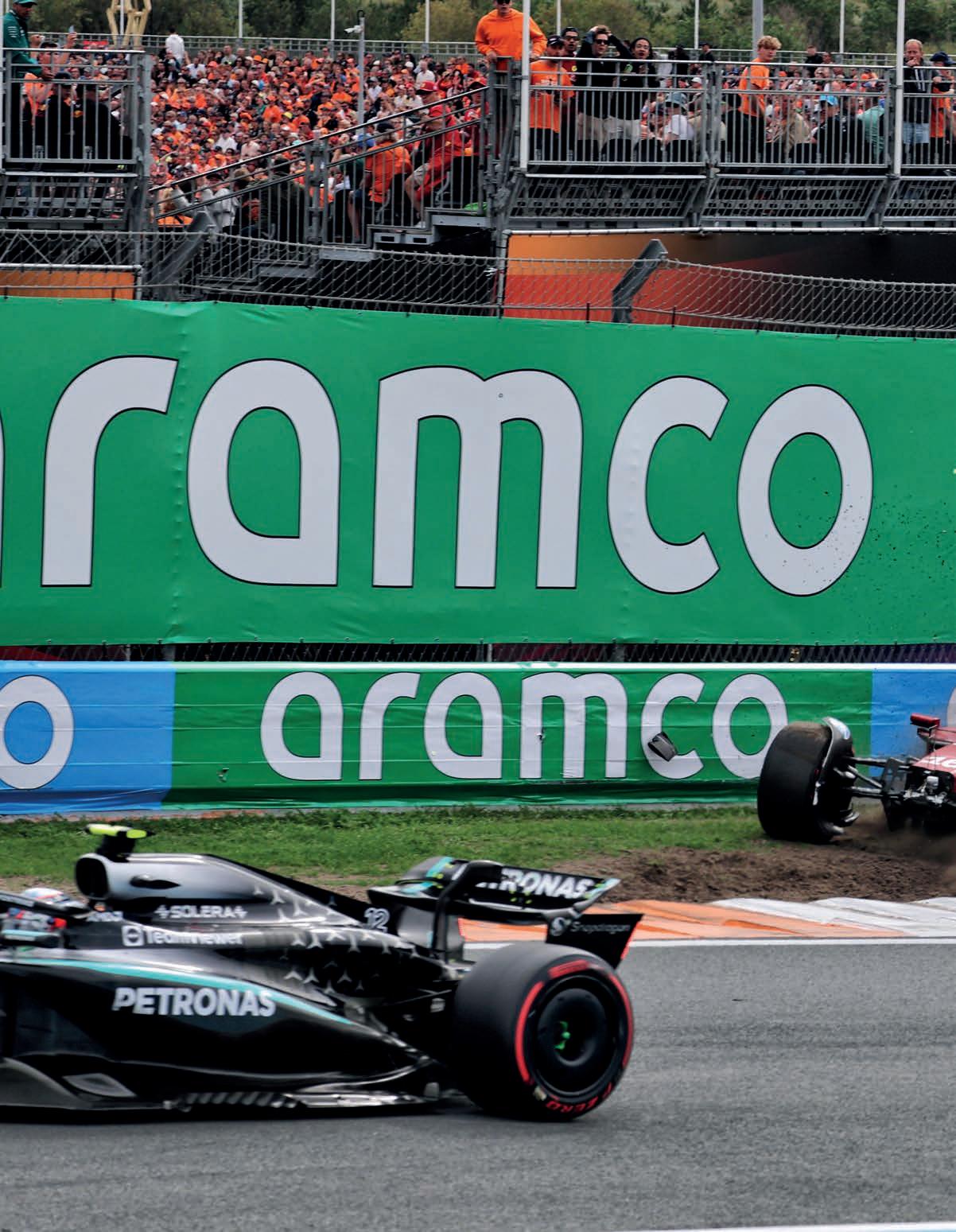
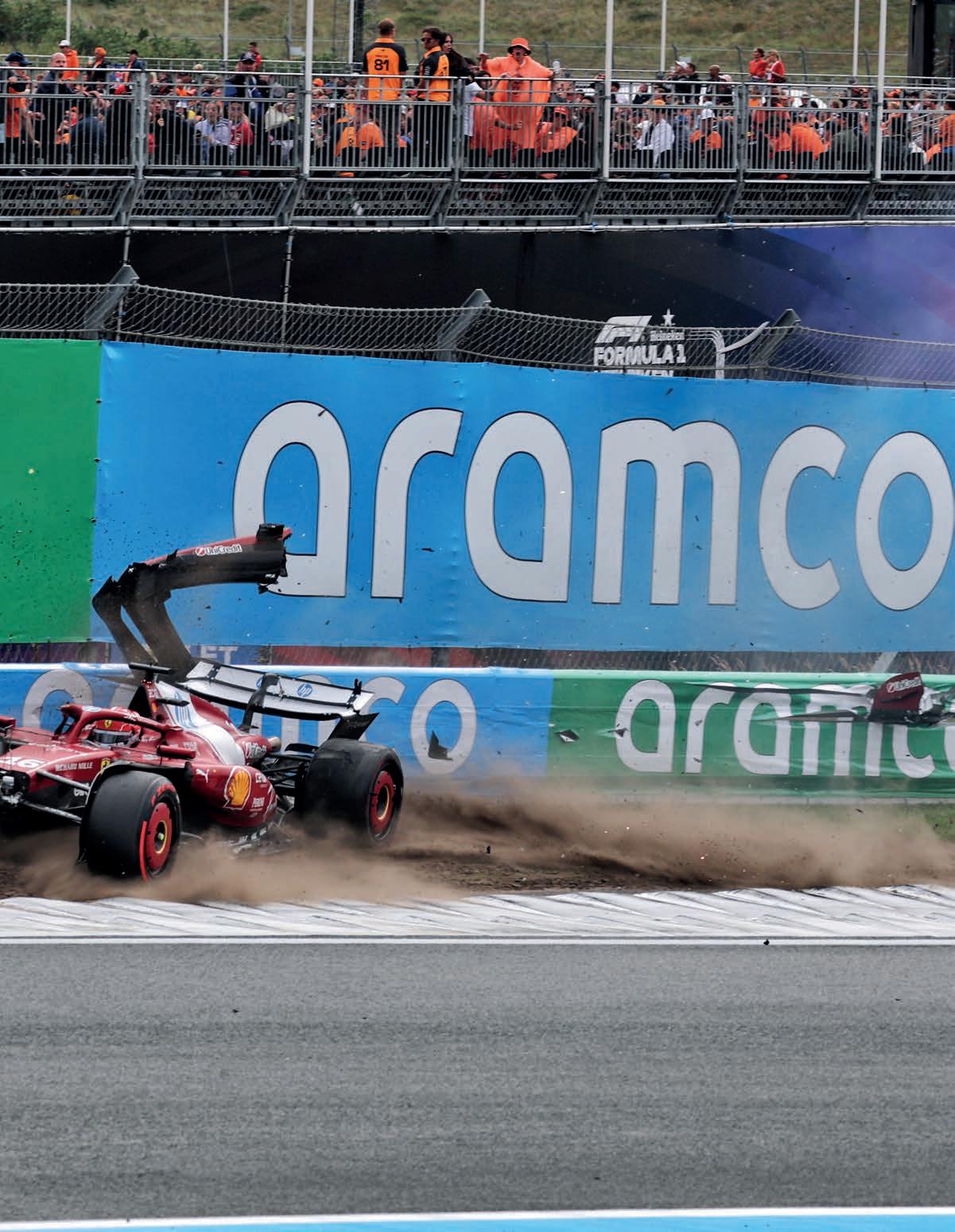
Charles Leclerc crashed at Zandvoort in 2025, hitting the barrier hard and removing the nose of the car, leaving the front of the chassis exposed. This area is now protected under the 2026 regulations
Safety matters
Updates integrated into F1 cars are driven by data analysis from previous crashes. Racecar spoke to the FIA’s Paul Drewery about the latest changes
By ANDREW COTTON
Six of the best
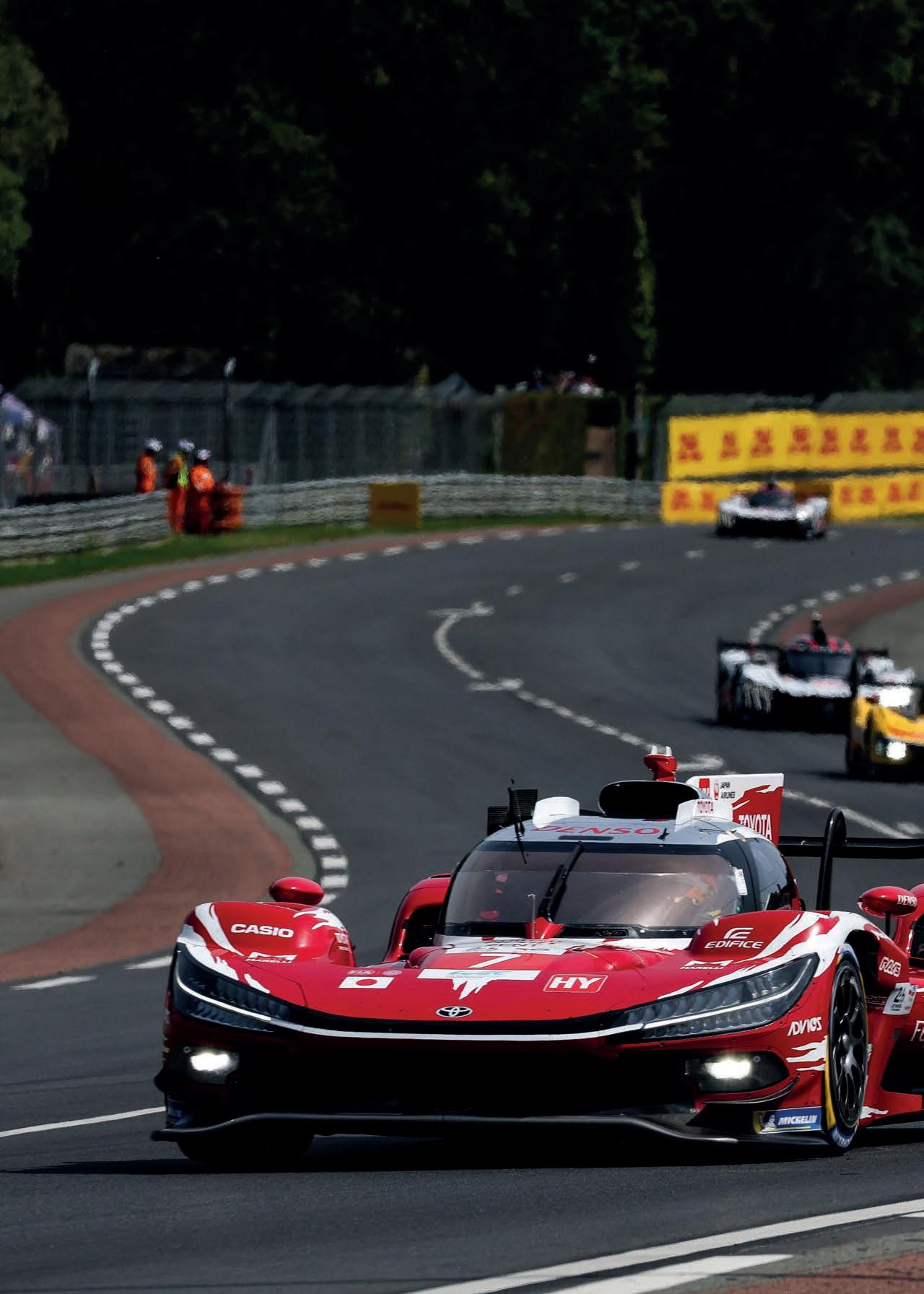
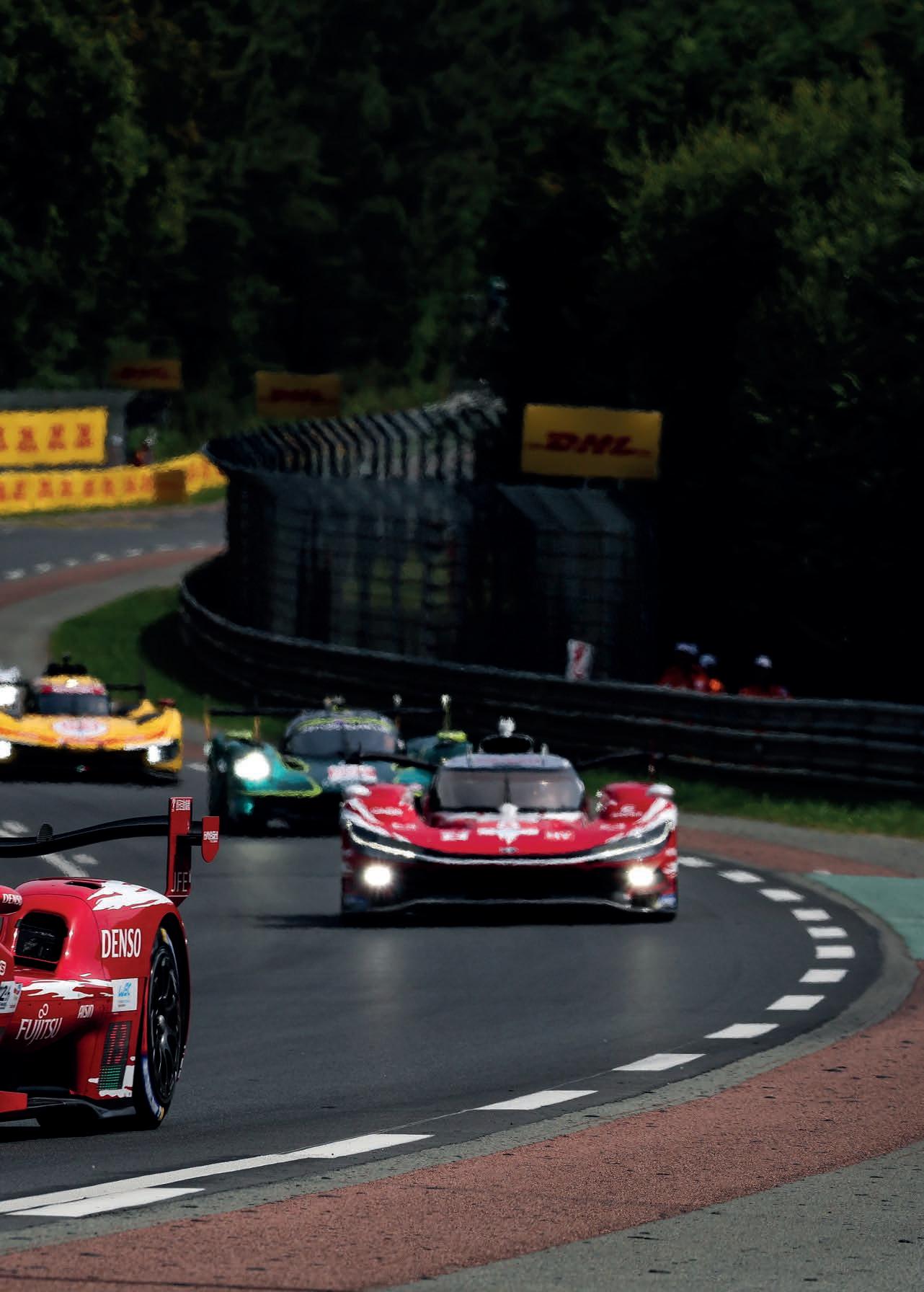
Toyota secured its sixth win at Le Mans, and the 2026 victory was possibly its most important of them all
By ANDREW COTTON
Toyota began to exert its authority through Sunday morning, easing into the lead after the safety car came out for a crashed GT3 car
Toyota’s sixth win at the 24 Hours of Le Mans a triumph of new car design, good strategy and reliability. For the first time, Toyota defeated a large field of strong competition, and it broke Ferrari’s three-year grip on the race.
While Toyota believes its 2021 win takes that accolade, its first within the Hypercar era when the fuel tanks collapsed, causing a fuel blockage, the fact is it was pretty much racing itself in the years between 2018 and 2022.
Not so this year. There was a feeling that the ACO needed an LMDh car to win, or at least be more competitive against the LMHs than in past editions. Cadillac and Porsche had shown well in the past, the former setting pole position in 2025 and the latter finishing second that year, but Ferrari’s streak, following Toyota’s, meant the rule-makers needed something more of the LMDh class.
Porsche dropped the WEC, and with it the chance to race at Le Mans this year, instead electing to continue in IMSA and Formula E. So, the Cadillac folk were in a confident mood in the days leading up to the race, knowing this was their best ever chance for victory. Not that they were guaranteed anything; they also had to face BMW and Alpine, while the new-look Toyota could not ever be ruled out.
Each of them had some extra motivation behind them. BMW had never really shown the expected form in its Hypercar programme, although it did score a victory at the previous round of the WEC at Spa in May, while Alpine, already confirmed to close its doors at the end of the 2026 season, arrived with its updated LMDh car. This was as much of a sales pitch for the manufacturer as a race of pride for the team. Toyota had a ghost to rest, after the heart-break of 2016.
Ferrari, the winner of the past three editions, felt it didn’t have the speed to win again, having lost power and gained weight through the Balance of Performance system. This meant the 499P LMH was never really in the running for outright victory.
Peugeot’s 9X8 LMH was clearly off the pace from the start, and never really recovered as the track rubbered in.
Ambient vibes
Much of the talk in the build up to the race was about the unknown weather. More so than usual at Le Mans. Early reports suggested the ambient temperature would rise to over 30degC, around 7degC higher than during the pre-event test day. Track temperatures towards the end of the race were predicted to rise to over 50degC, from a high of just above 37degC at the test.
There was a feeling that the ACO needed an LMDh car to win, or at least be more competitive against the LMHs than in past editions
Can-do attitude
Bombardier Recreational Products takes a unique approach to its vehicle development process. Racecar investigates
By BOZI TATAREVIC
‘When we start any system design, we’ll go through the worst-case scenario of what this part will see and, most of the time, that worst case is racing. It’s pretty core in our process’
Gabriel Dessureault, project manager of product development for the Can-Am Maverick R
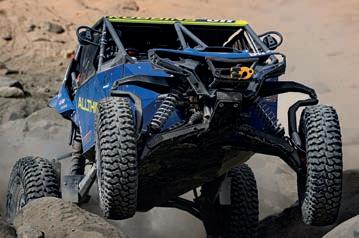
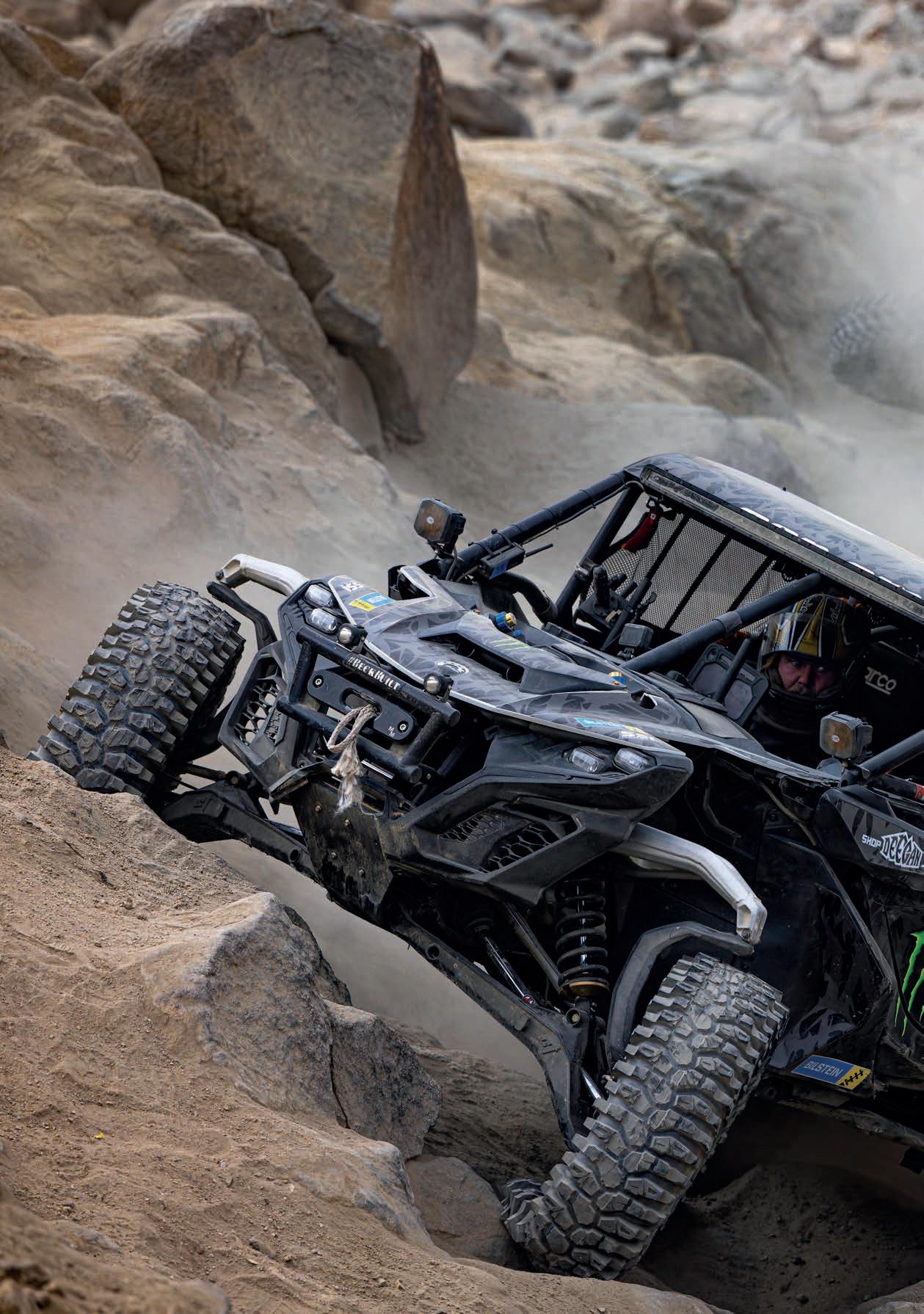
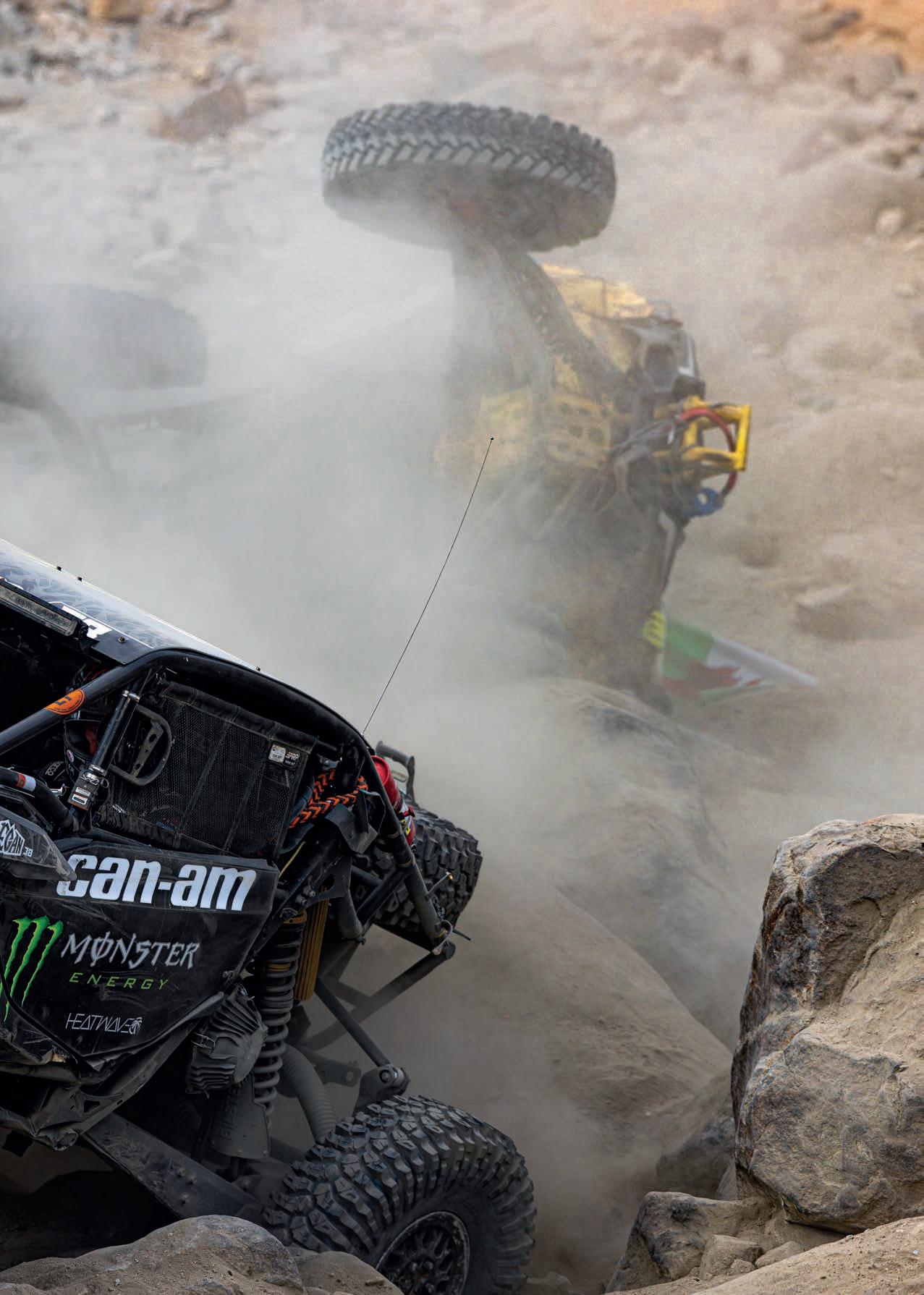
The Bombardier Recreational Products (BRP) Can-Am Maverick R has been revolutionary for the market in side-by-side (SxS, SSV or UTV) racing, an o -road category for compact, rugged, two-seater cars that work over di erent types of terrain.
Much of the innovation that ended up in the Maverick R is the direct result of the work the manufacturer behind it refers to as ‘the race department.’ The goal for this little-known group within BRP, the company that started out building snowmobiles but now o ers a host of extreme terrain vehicles, is to o er support and resources for racers that make use of Can-Ams on some of the harshest terrains around the world. This, in turn, informs the design process for future products.
The power of AI
How the latest big thing in tech is boosting the capabilities of engineers in all areas of motorsport
By LAWRENCE BUTCHER
AI is everywhere. From smart toasters to the deepest workings of state intelligence services, the application of artificial intelligence is rolling like a juggernaut through almost every sector imaginable. Are you even a legitimate company these days if you’re not embracing AI in your digital transformation?
But away from the world of corporate buzzwords and people rushing to adopt tools they are unfamiliar with, AI is genuinely transforming the engineering landscape. Motorsport is at the vanguard of many of those developments.
Before delving into the whys and wherefores, first it is necessary to define what we are talking about. The term AI, artificial intelligence, spans a host of separate technologies; some have been around forever and others are truly groundbreaking. Probably the most significant development in this sphere is the widespread availability of such tools. Where previously they were the domain of research institutions or, in the case
of racing, teams with vast resources and dedicated staffing, they can now be accessed by anyone with an internet connection.
A decade ago, you needed vast in-house computing capabilities, but the recent explosion in growth of data centres, providing remote access to hugely powerful cloud computing, has been driving the expansion of AI and increasing its utility.
Fast learners
As a concept, AI is any technology that can simulate human abilities such as decision making, problem solving, comprehension and, most importantly, learning. AI was first conceived as a concept in the 1950s, when computers in their modern sense were in their infancy. Impressively, the first neural network had already been created by Marvin Minsky and Dean Edmonds, using a system of 3000 vacuum tubes to simulate 40 ‘neurons’.
Interest in AI would wax and wane over the next 30 years until the 1980s, when the concept of machine learning, which was able
to ‘learn’ from historical data, began to reach maturity. From there, the science advanced through so-called deep learning, where machine learning models began to mimic human brain functions, to the current era of generative AI and large language models (LLMs) that can create original content.
Formula 1 teams started utilising machine learning in the 1990s and, since then, have adopted new techniques that now touch on every area of racing, from engineering to operations. Today, however, AI tools are available to the entire motorsport technology tree, from grass roots, clubman level upwards.
AI is genuinely transforming the engineering landscape. Motorsport is at the vanguard of many of those developments
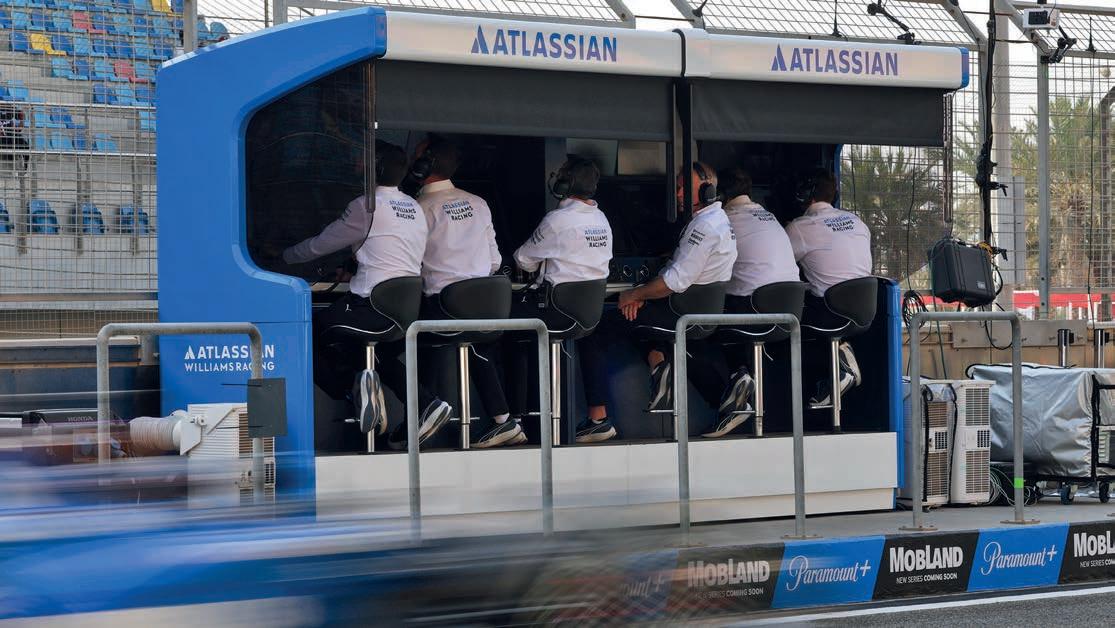
Top-level race teams now use artificial intelligence to assist with a multitude of tasks, including race strategy