


















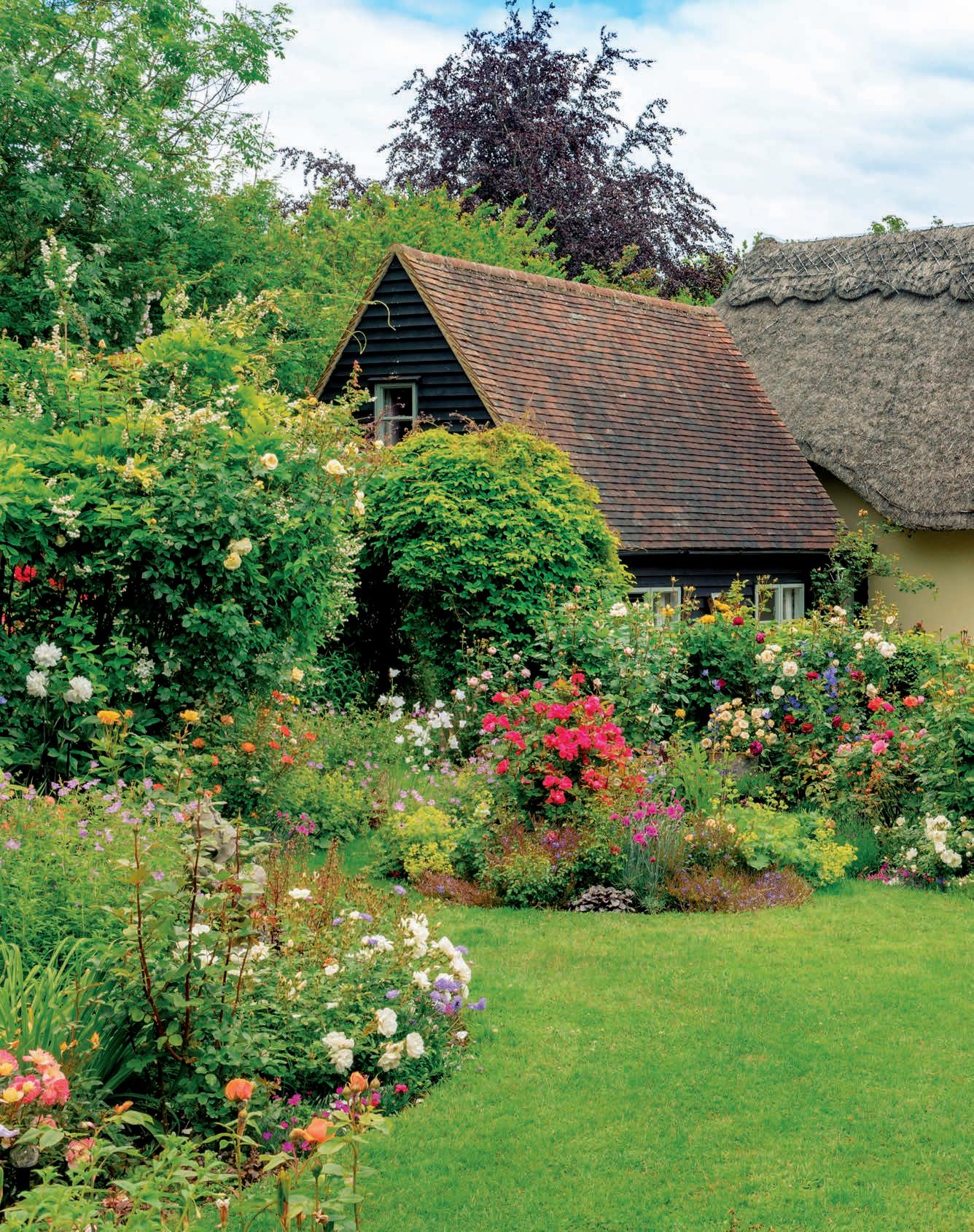
Once completely overgrown, this rose-filled, one-acre plot has been a form of therapy for owner Michelle Thomas, who has poured love and creativity into every corner
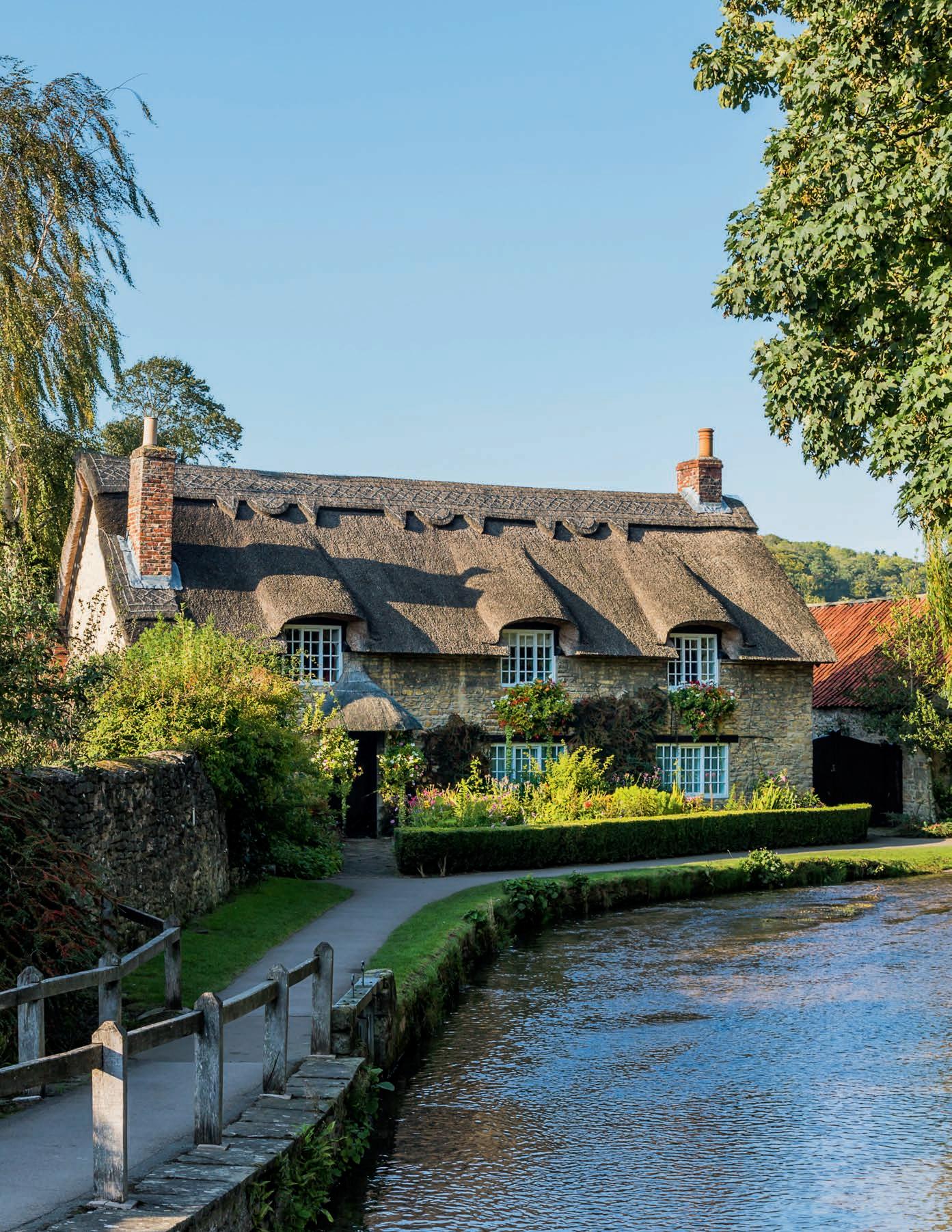
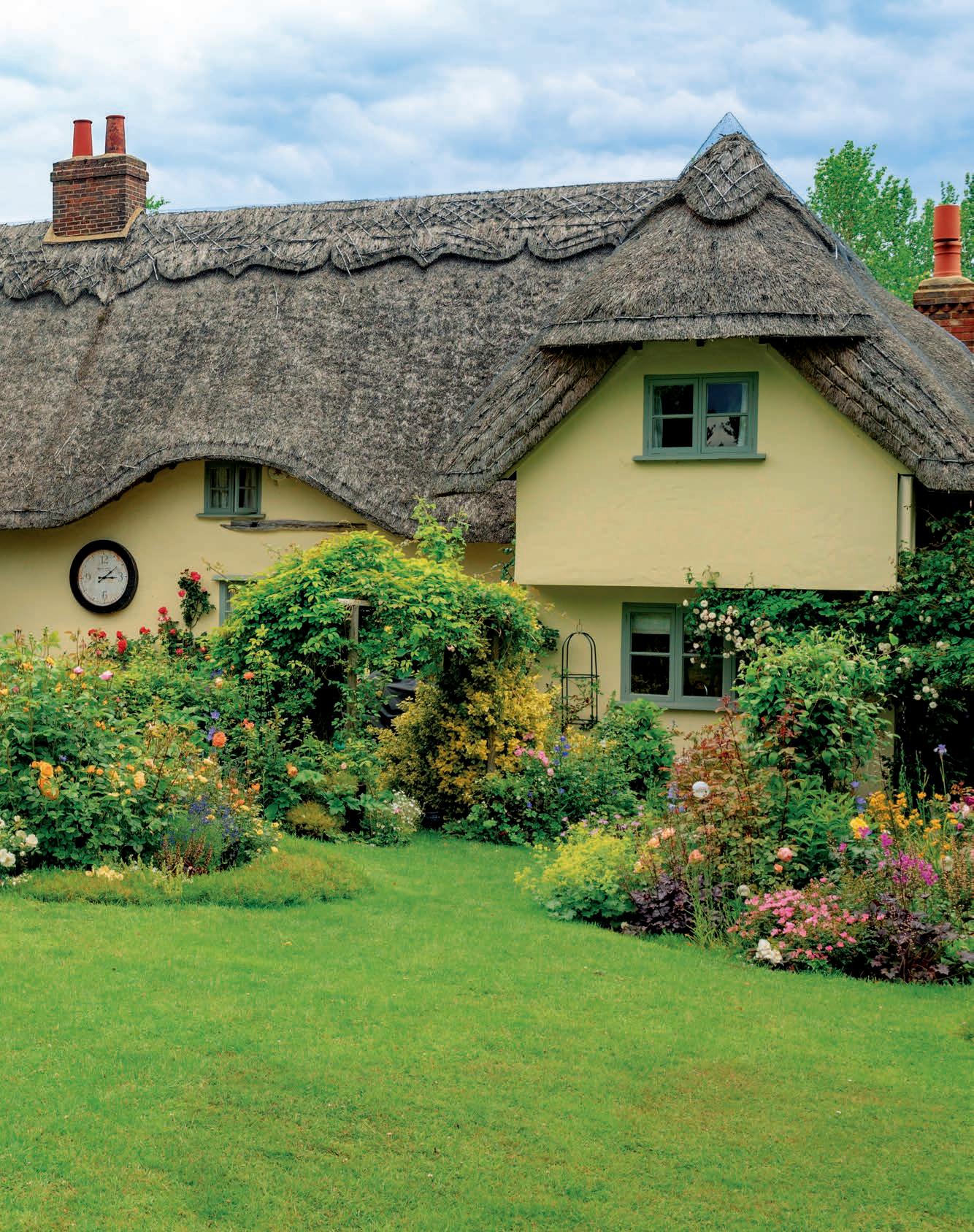
The picture-postcard thatched cottage is surrounded by flowerbeds filled with roses.

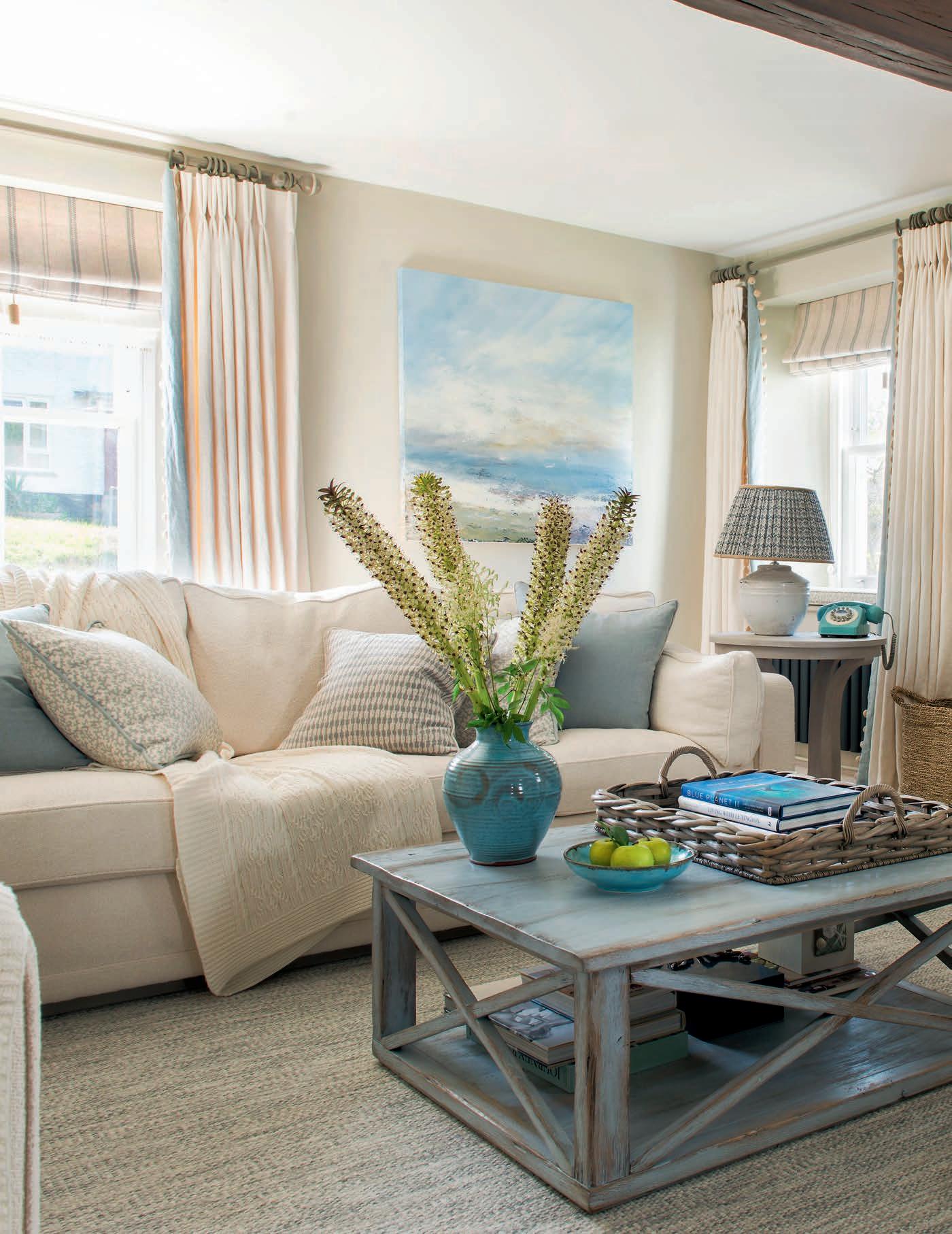
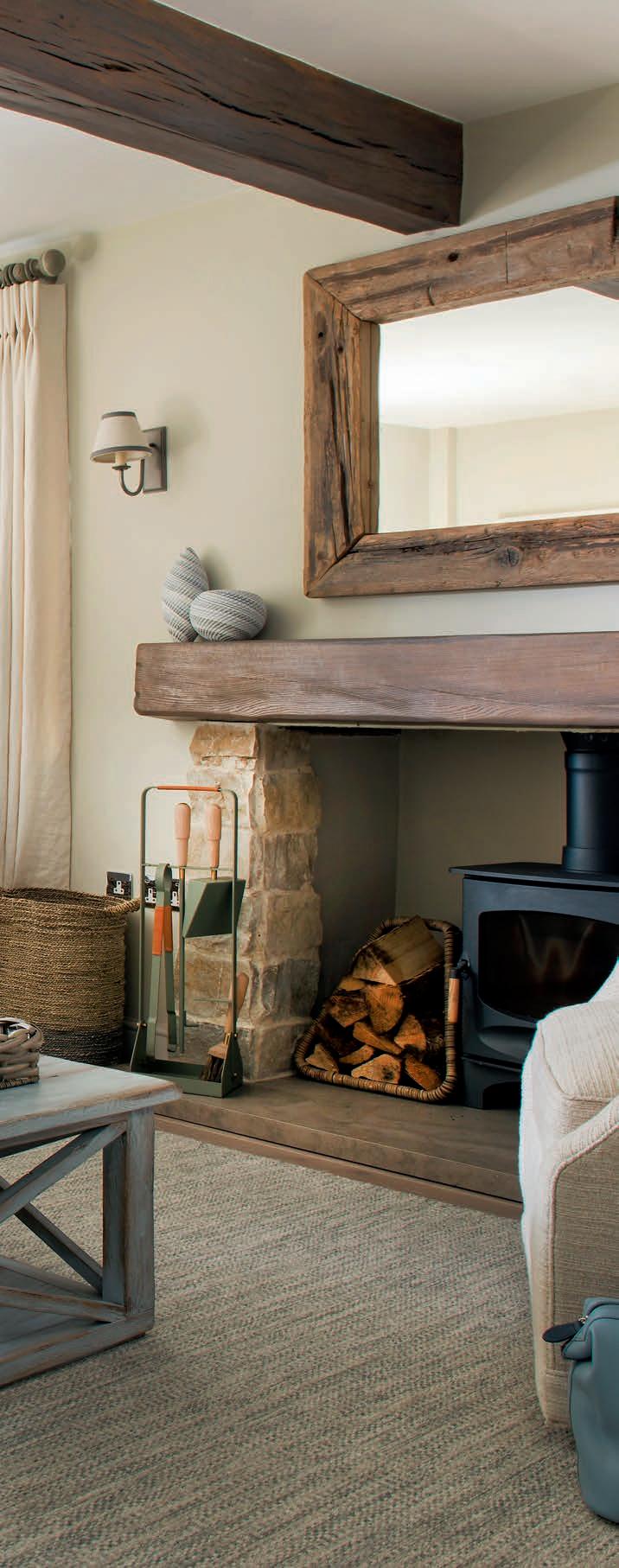
THIS PAGE An extra window was installed to one side of fireplace, bringing more light into the sitting room. The full-length curtains, made from a plain, Alton-Brooke fabric, are finished with contrasting, decorative trims.
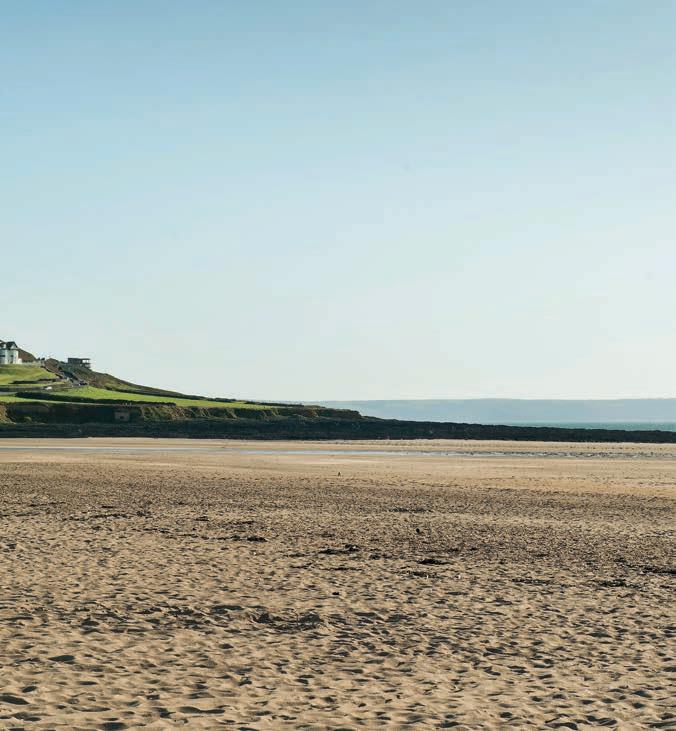
OPPOSITE ABOVE The house is close to one of North Devon’s best-loved beaches.
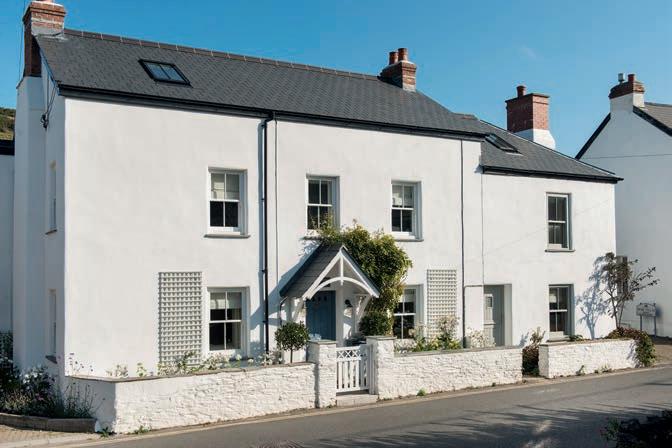
OPPOSITE BELOW Traditional sash windows and a canopy over the front door have restored the property’s period charm.
Influences from home and across the world converge in a noted interior designer’s cosy seaside bolthole in North Devon
FEATURE ANNABELLE GRUNDY
PHOTOGRAPHY & STYLING COLIN POOLE
Now far from its once-neglected state, this Grade II listed cottage with a rich history has been transformed into a characterful coastal retreat
FEATURE CHARLOTTE DUNFORD PHOTOGRAPHY WILL SLATER
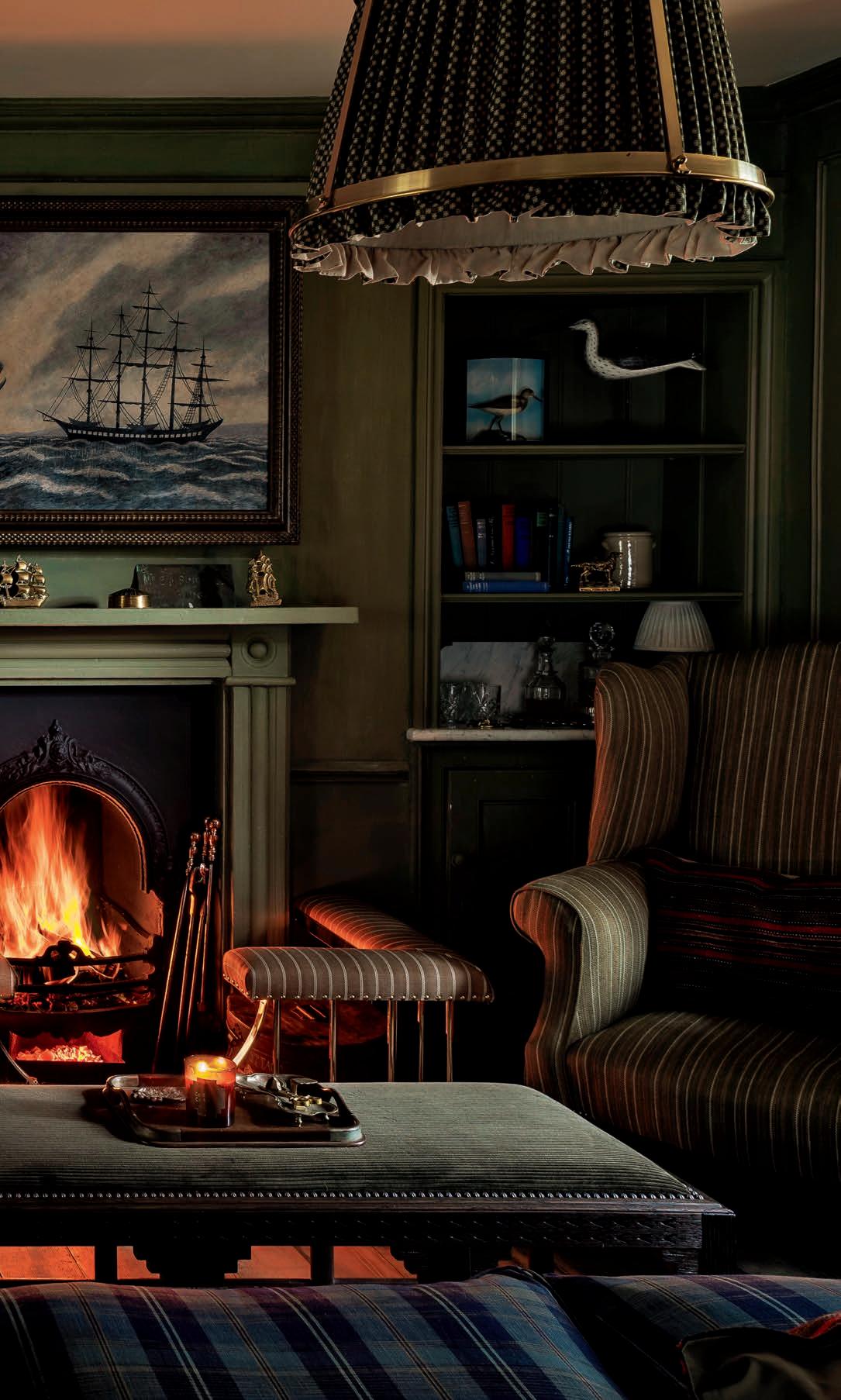

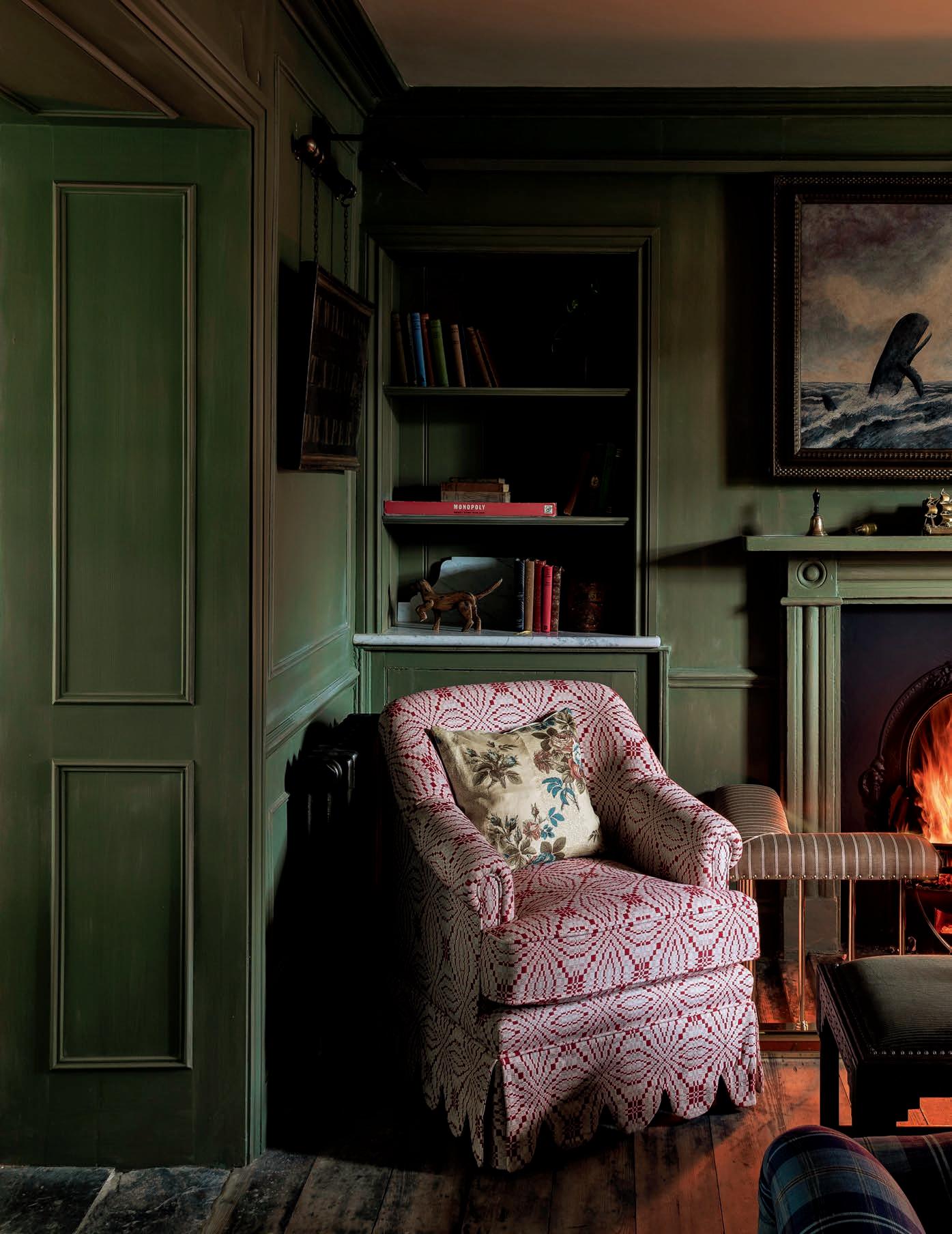
LEFT An armchair covered with Schumacher’s Francestown Coverlet fabric in Crimson provides a cosy seat beside the roaring fire in the sitting room. ‘Tom and I spent hours trying to make a sliding picture rail which hides the TV above the fireplace. There aren’t many you can buy off the shelf, and the ones we did find were incredibly expensive, so we ended up making it ourselves,’ says Ash.

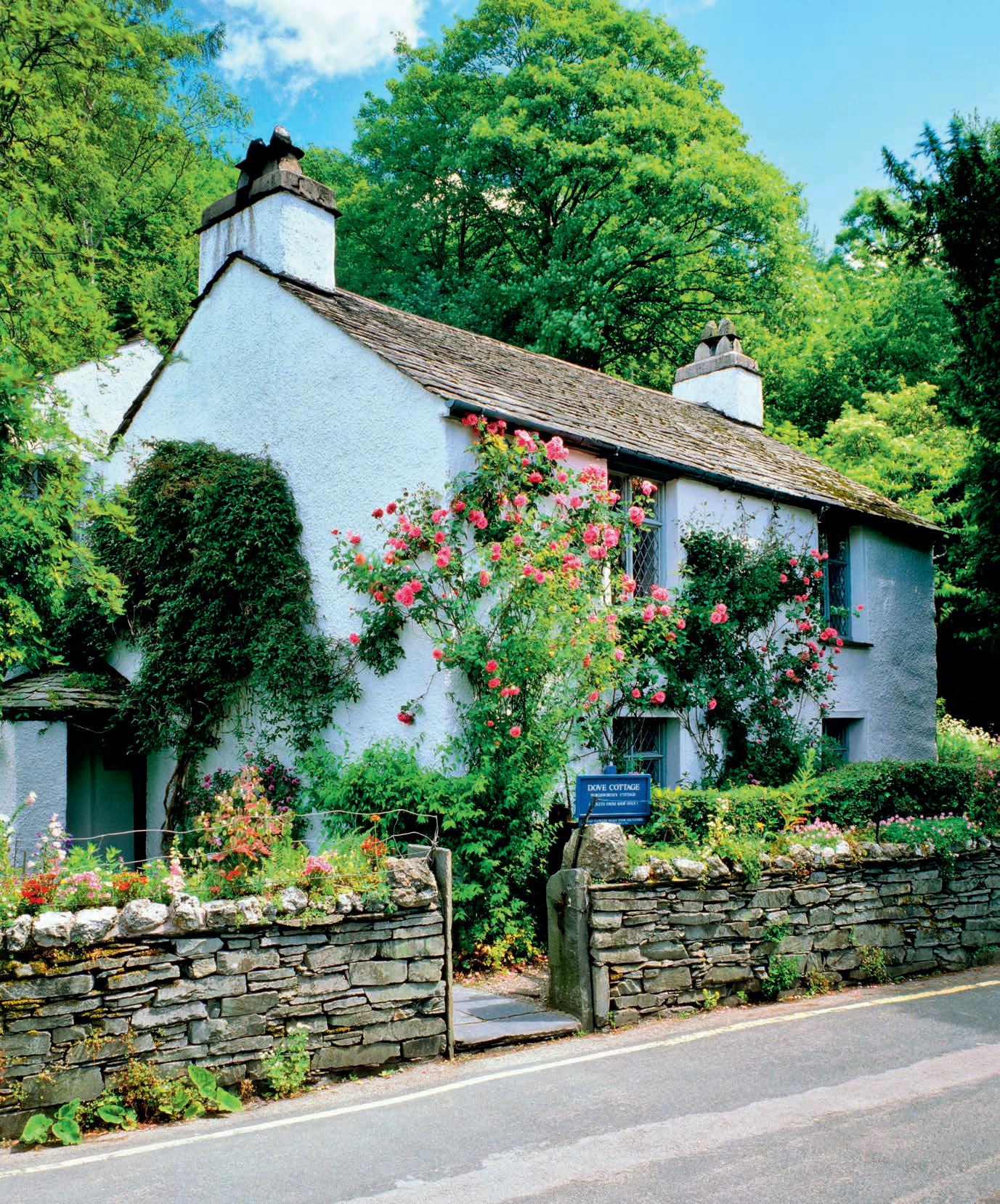
From Thomas Hardy’s Dorset to Wordsworth’s Lake District, the English countryside is inextricably linked to our literary heritage, as are the homes with which each writer had a connection
FEATURE JILL SHEARER


‘That is my home of love: if I have ranged, Like him that travels, I return again’
Sonnet 109, William Shakespeare (1564–1616)
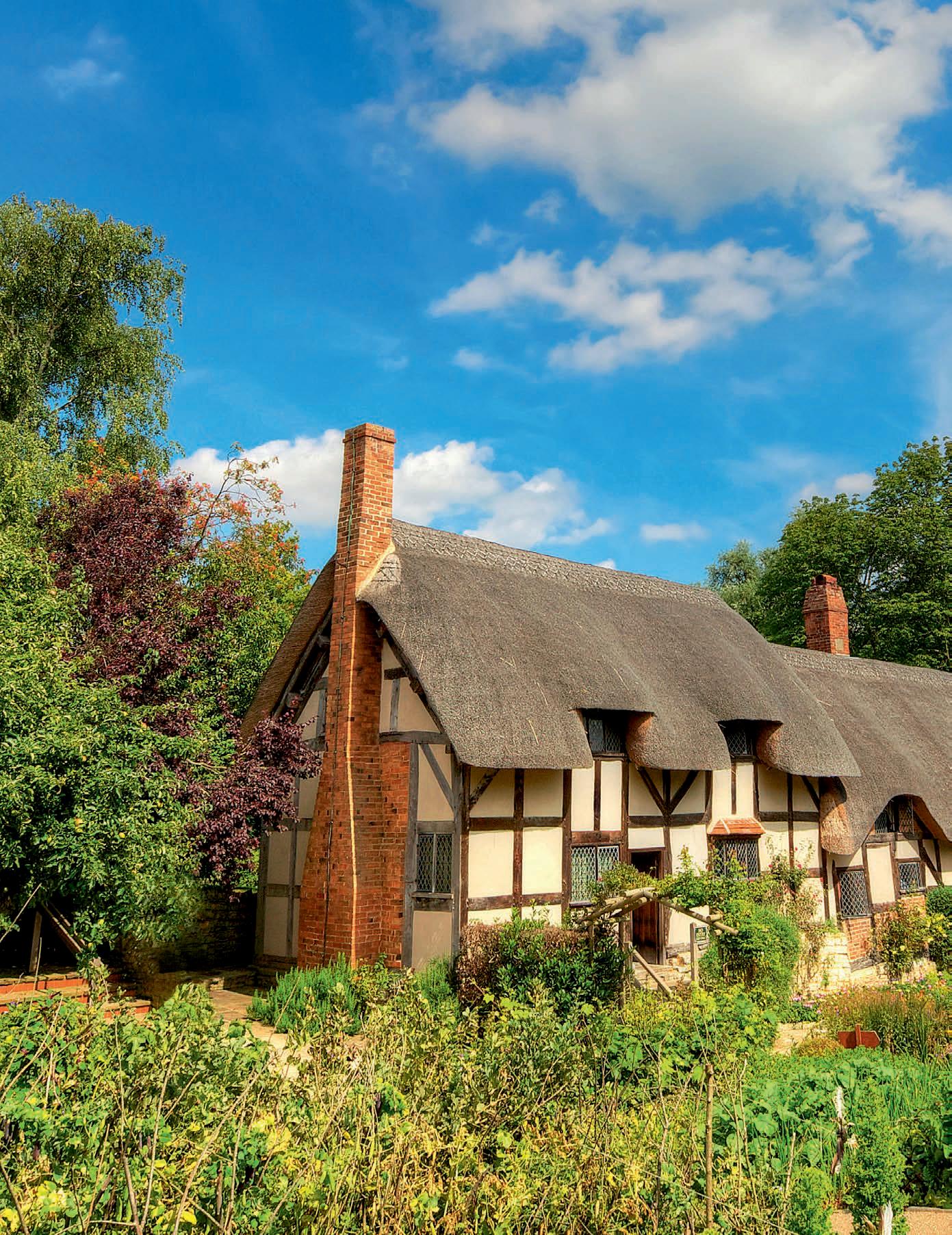
Despite being widely regarded as England’s greatest writer, William Shakespeare’s personal life is shrouded in mystery. However, what is known, is that he married Anne Hathaway, the daughter of a prominent yeoman farmer, on 28 November 1582. It is very likely that the young Shakespeare – just 18 when he married Anne, eight years his senior – would have courted Hathaway in the grounds of the cottage, which included gardens and orchards, as well as the farmland her father worked.
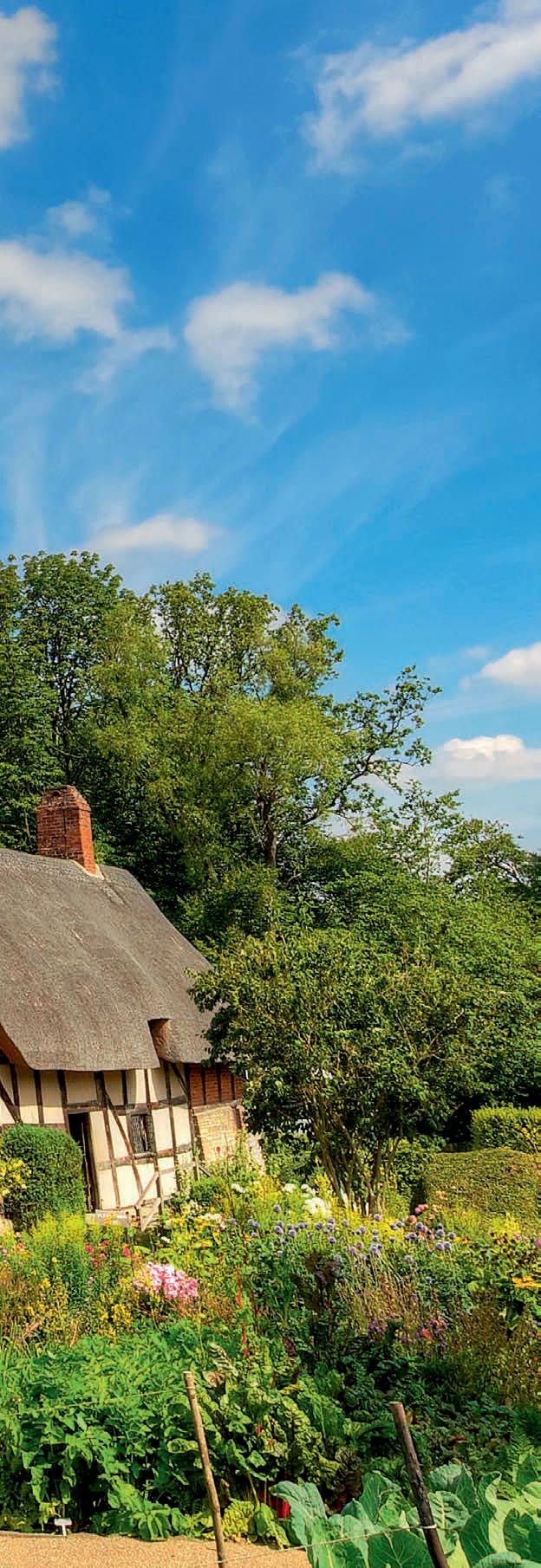
The picturesque timber-framed thatched cottage is in the village of Shottery – a small hamlet in Shakespeare’s time – on the outskirts of Stratford-upon-Avon. Over the years, 13 generations of Hathaways lived in the cottage, farming sheep and growing their own herbs and vegetables. Flanked by a flourishing cottage garden bisected by meandering paths, it is often described as one of the most romantic cottages in England.
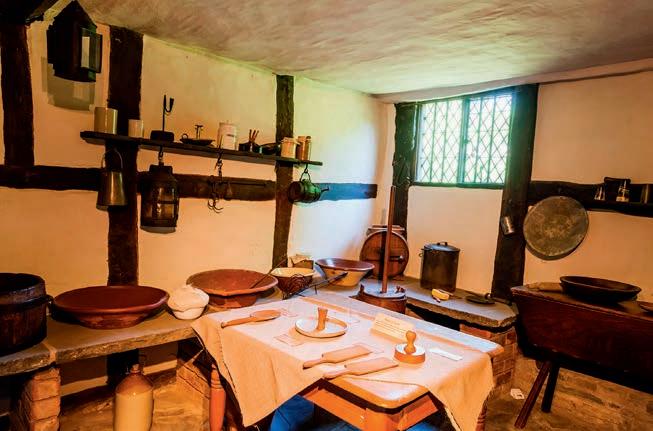
Anne Hathaway’s cottage was built in 1463 of cruck construction and originally only had three rooms. By the time she was born in the cottage in 1556, it would have been added to and extended to a much larger number of rooms. Today, only the kitchen and parlour remain from the original medieval farmhouse.
It is easy to imagine Shakespeare and Hathaway walking on the timeworn flagstone floor of the kitchen, warmed by the capacious bread oven, which was large enough to bake 15 loaves at a time.
Much of the original furniture remains, and includes the ornately carved Hathaway four-poster bed, the ‘courting settle’ – a simple oak seat where the young couple would doubtless have spent many happy hours during their courtship – and, in a further bedchamber above the parlour, a rare example of a bed dating from the 1500s. This latter is perhaps the ‘second best bed’ that Shakespeare bequeathed to Hathaway in his will.
A particular highlight is the glorious 12-acre garden, which is set against the backdrop of the cottage’s rose-clad walls and brims with scent and colour all year round.
Anne Hathaway’s Cottage Cottage Lane, Shottery, Stratford-upon-Avon, CV37 9HH Tel 01789 204016; shakespeare.org.uk