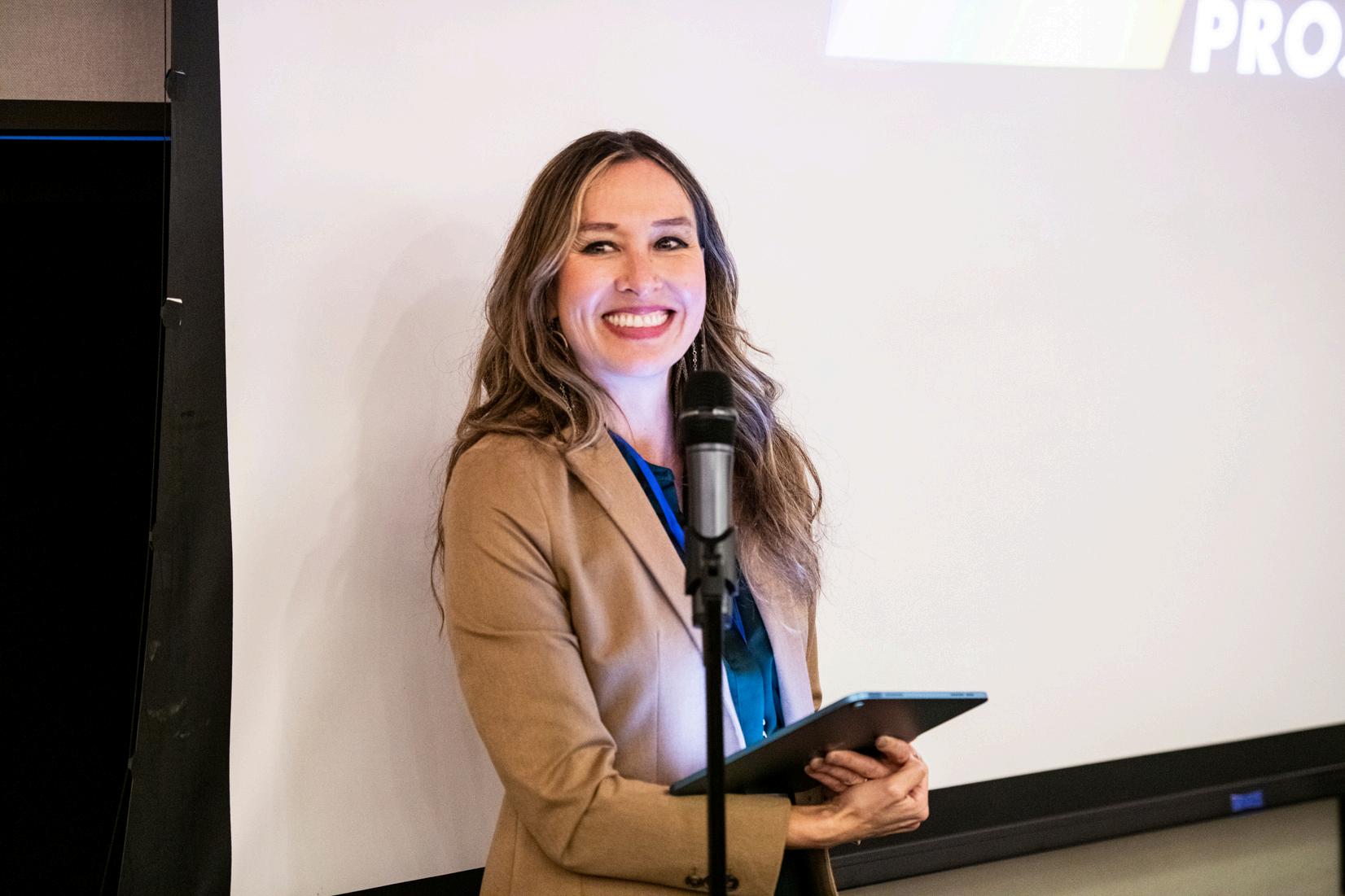
As the fall semester comes to a close, I am reflecting on how Gaines’ Year of Origins has also been a year of stories. Our 2025-2026 theme was inspired by a series of anniversaries: the United States’ and Lexington’s 250th and The Gaines Center’s 40th. Moving between national, city, and institutional frames and timescales has yielded unexpected insights on foundings
As a scholar of early U.S. literature, I have been eager to share with Fellows my field’s deep engagement with the resurgence of 1776 in 2026. By critically examining the nation’s founding and competing versions of its remembrance, we can contemplate the differences between official history and public memory and the sweep of meanings embedded in July 4th, 1776 an occasion marked by celebration for some, mourning for others, and an array of stances in between.
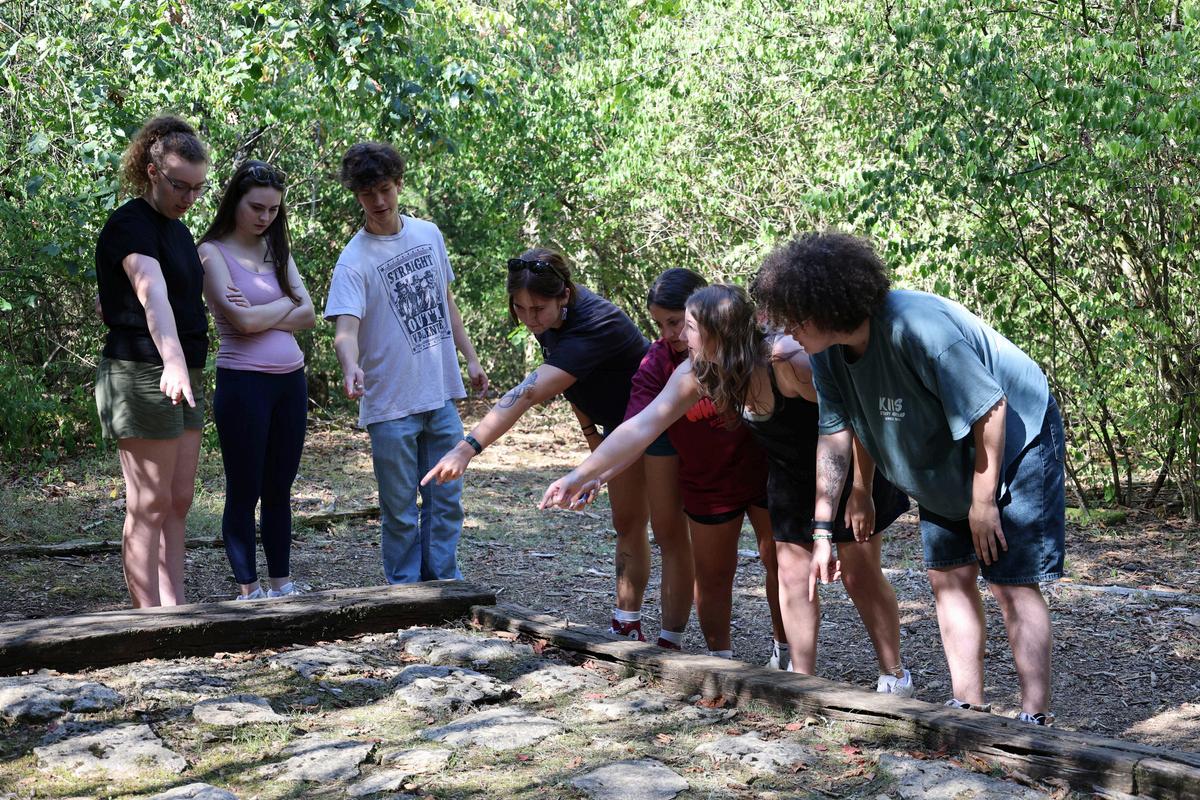
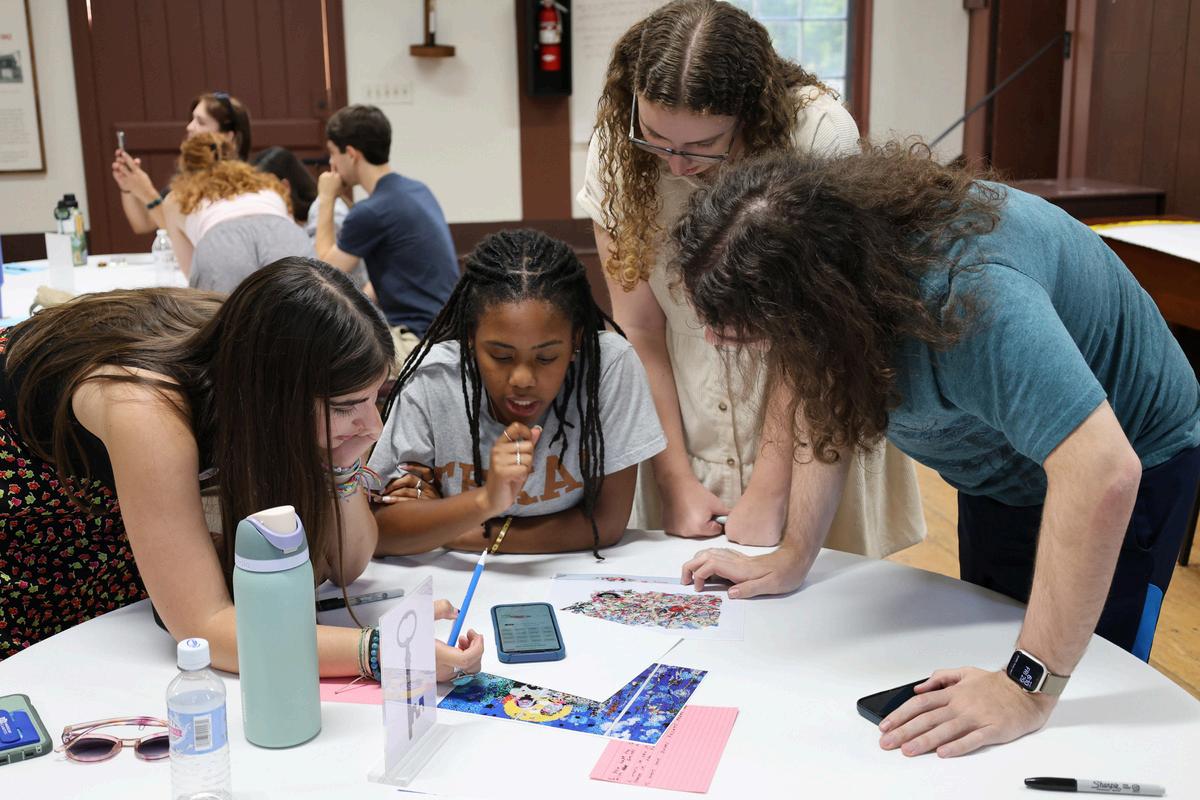
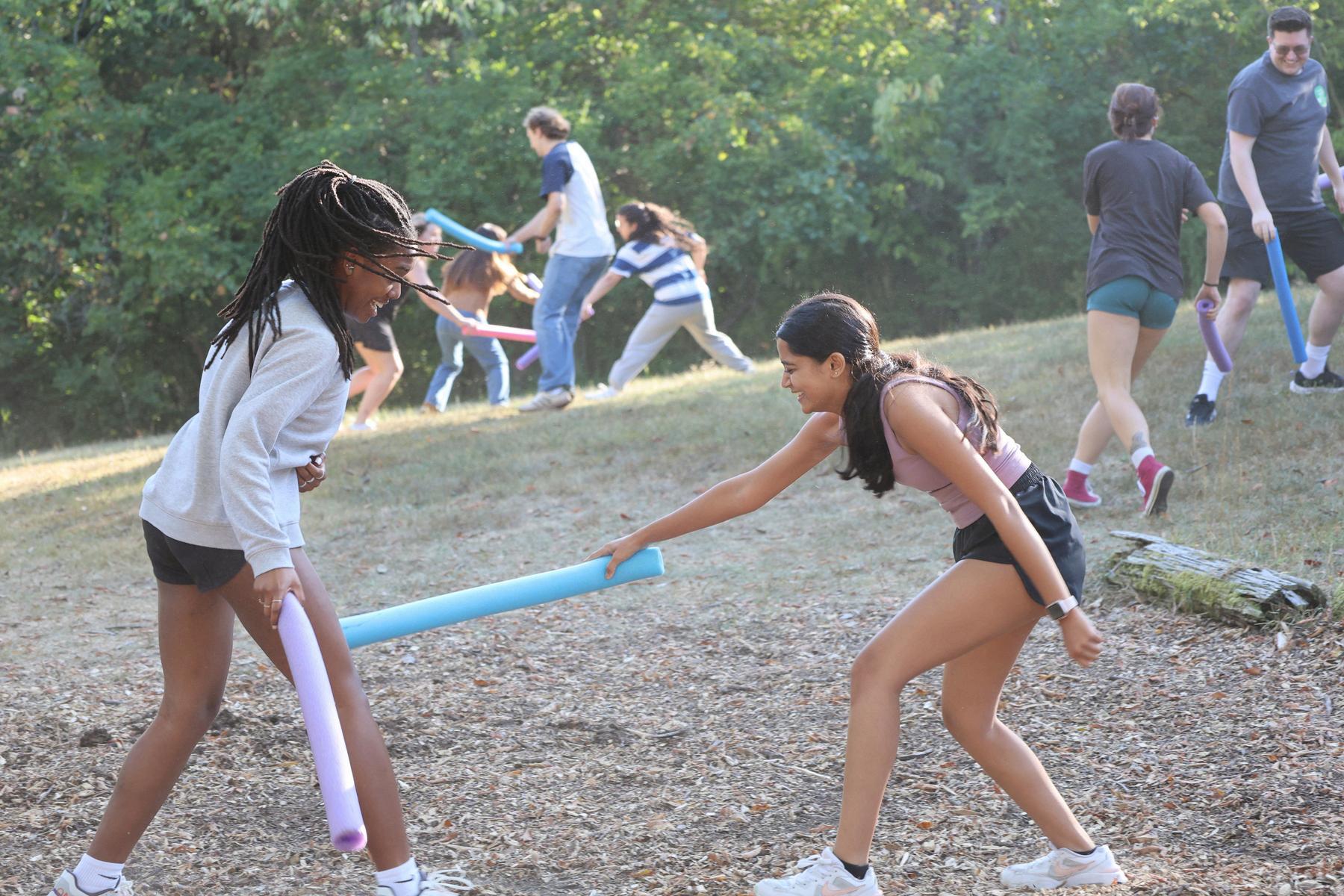
We encouraged seminar faculty to use the current conversations about national and municipal origins as springboards for an interpretation of origins in their own research or wider fields As a result, junior Fellows have learned about origins as they pertain to food, music, and BUGS in the three units this semester In Tanya Whitehouse’s unit (The Food Connection), they explored the culinary roots of food identity; in Brandon Erby’s unit (Writing Rhetoric and Digital Studies), the origins of protest music; and in Julian Dupuis’ unit (Entomology), the origins of biological diversity and human interactions with the biological world. This panoramic approach has kept Fellows continually engaged and encouraged thesis projects tailored to their individual interests
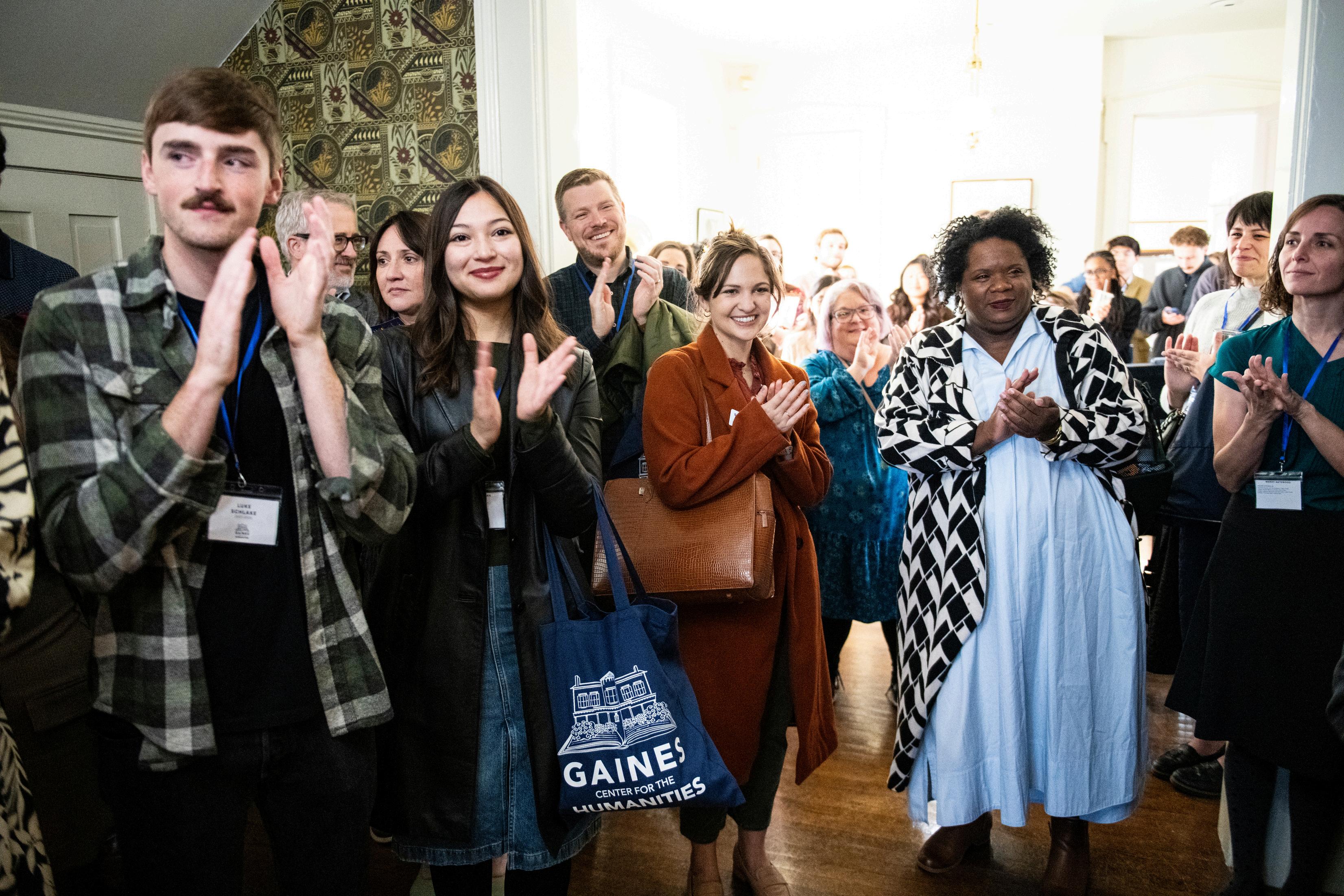
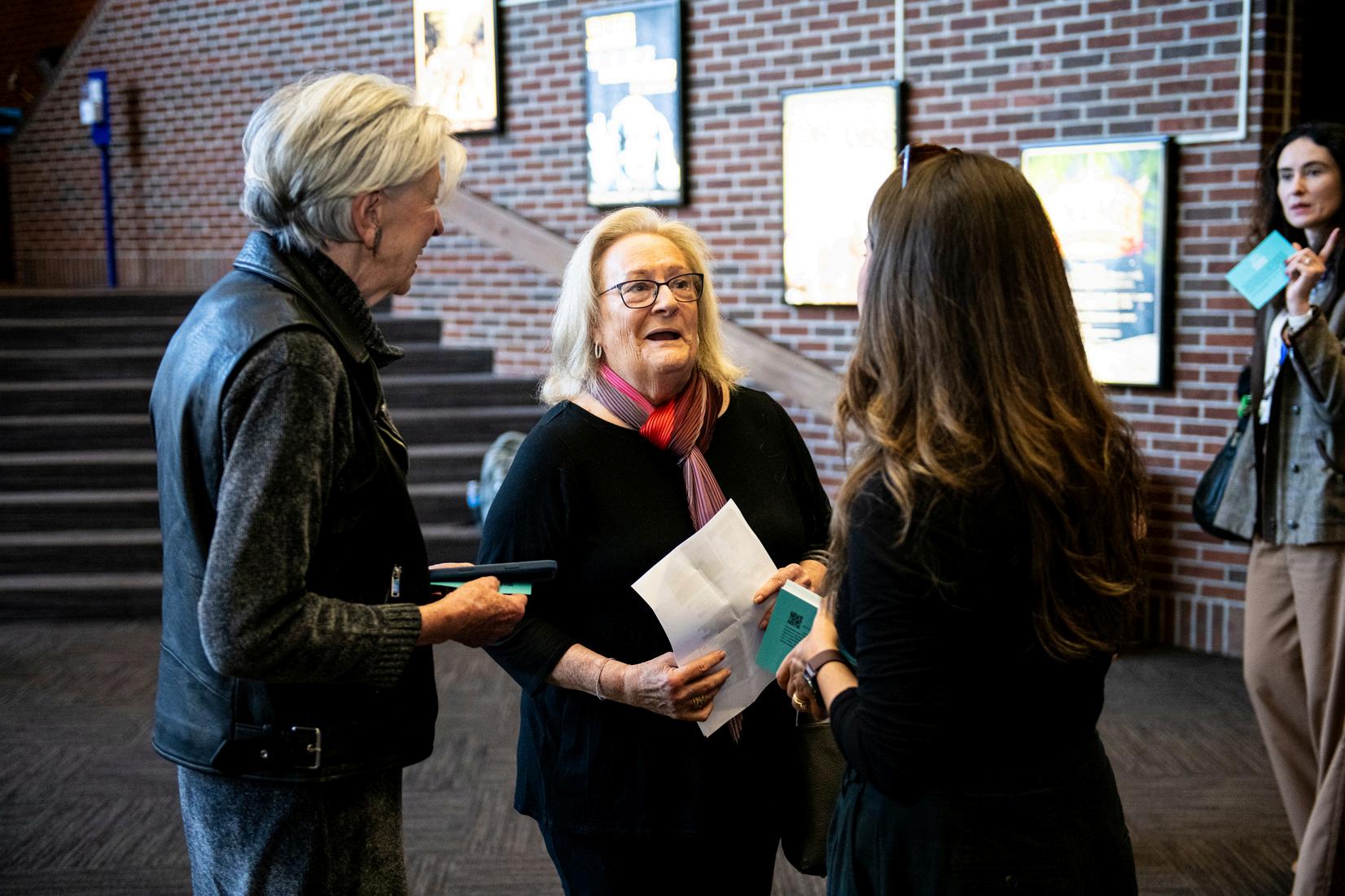
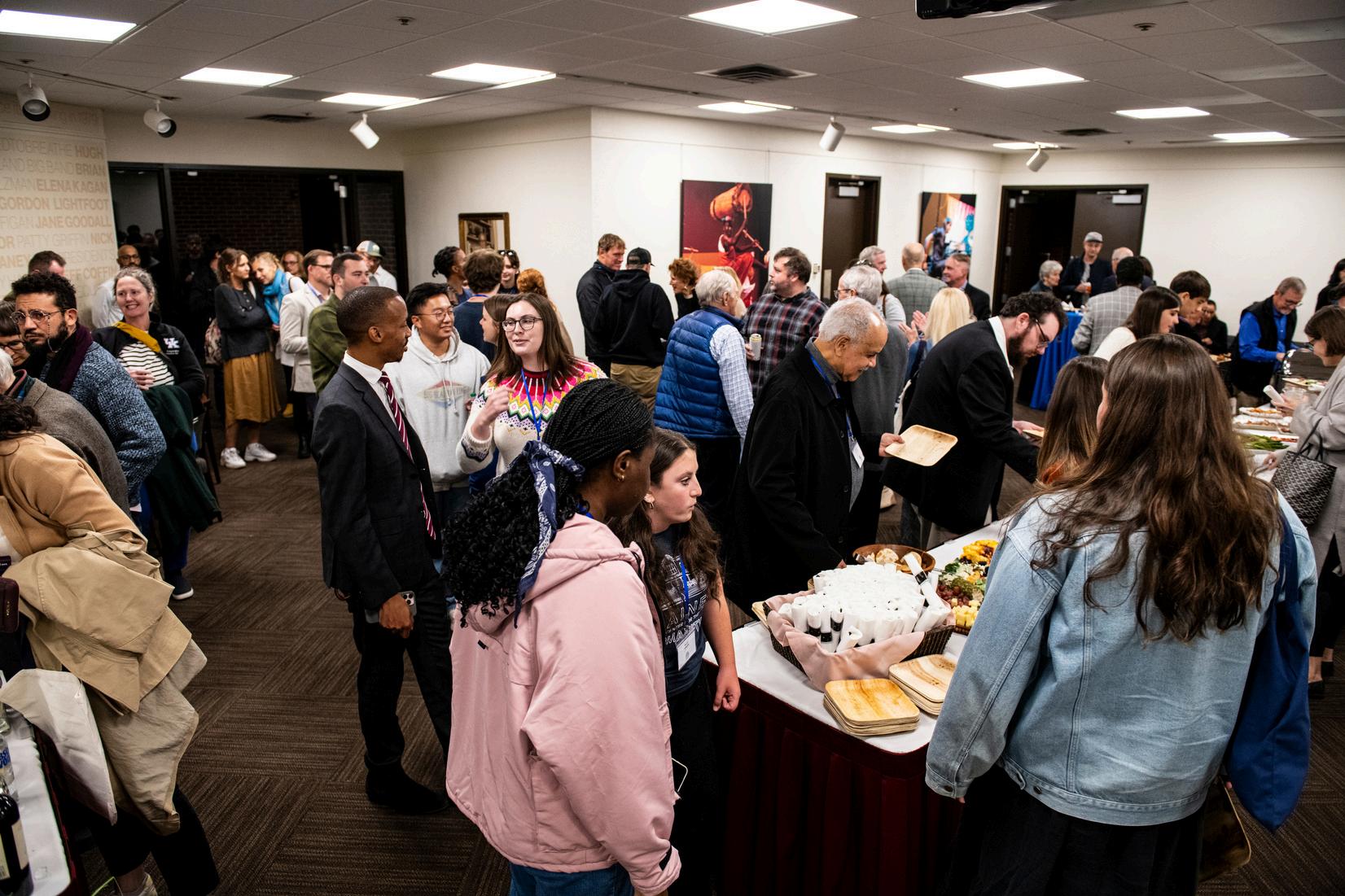
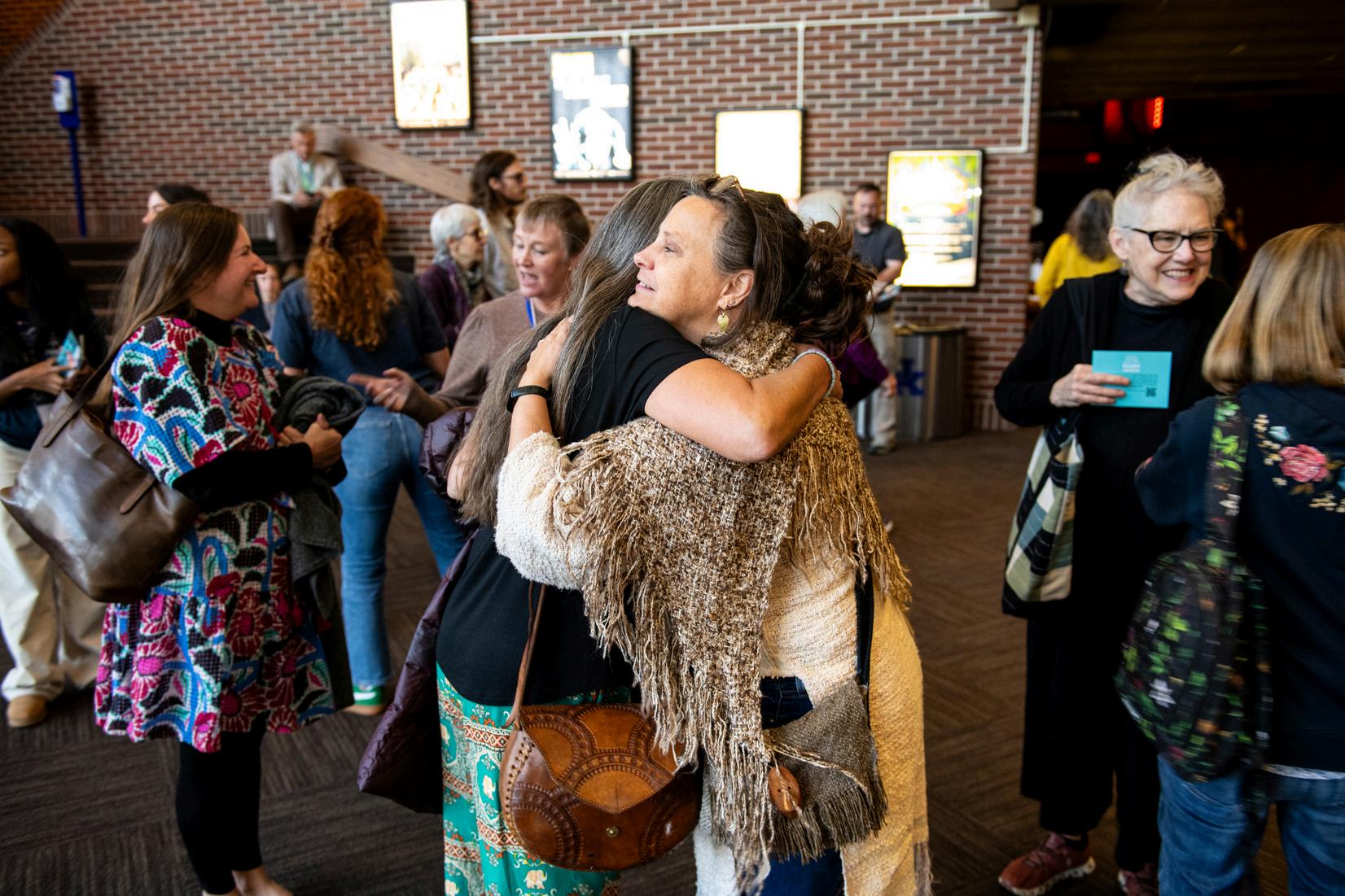
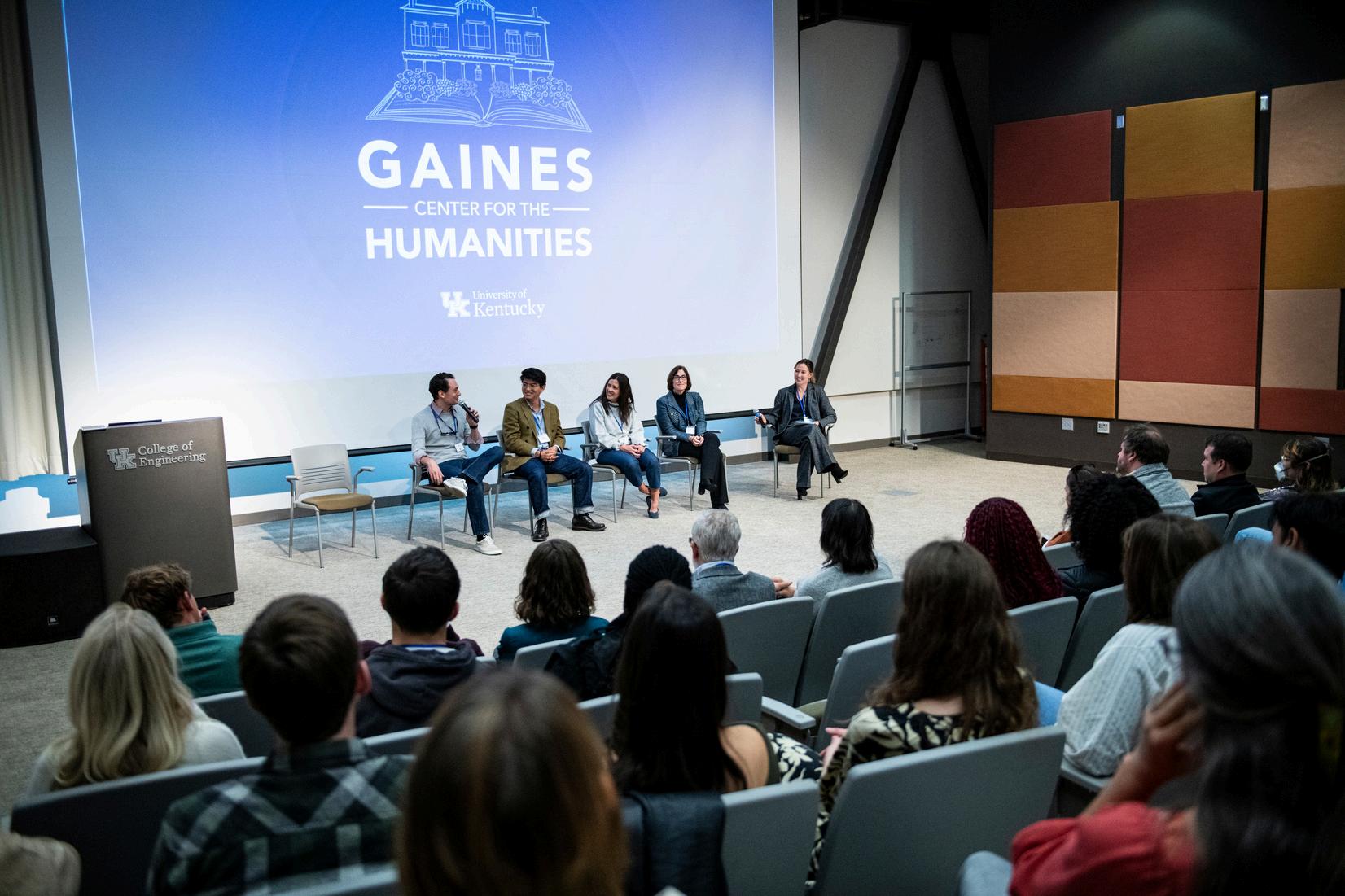
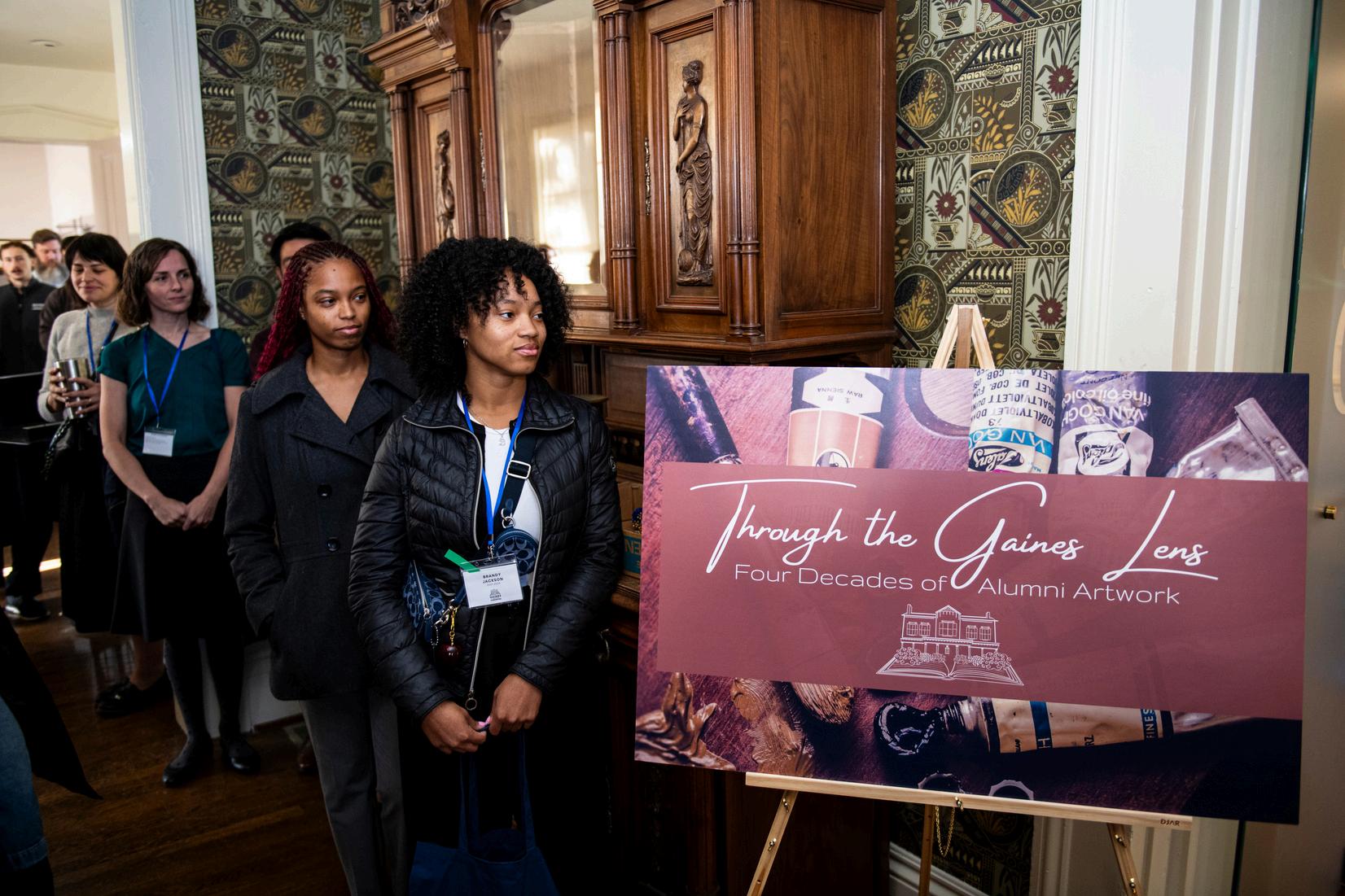
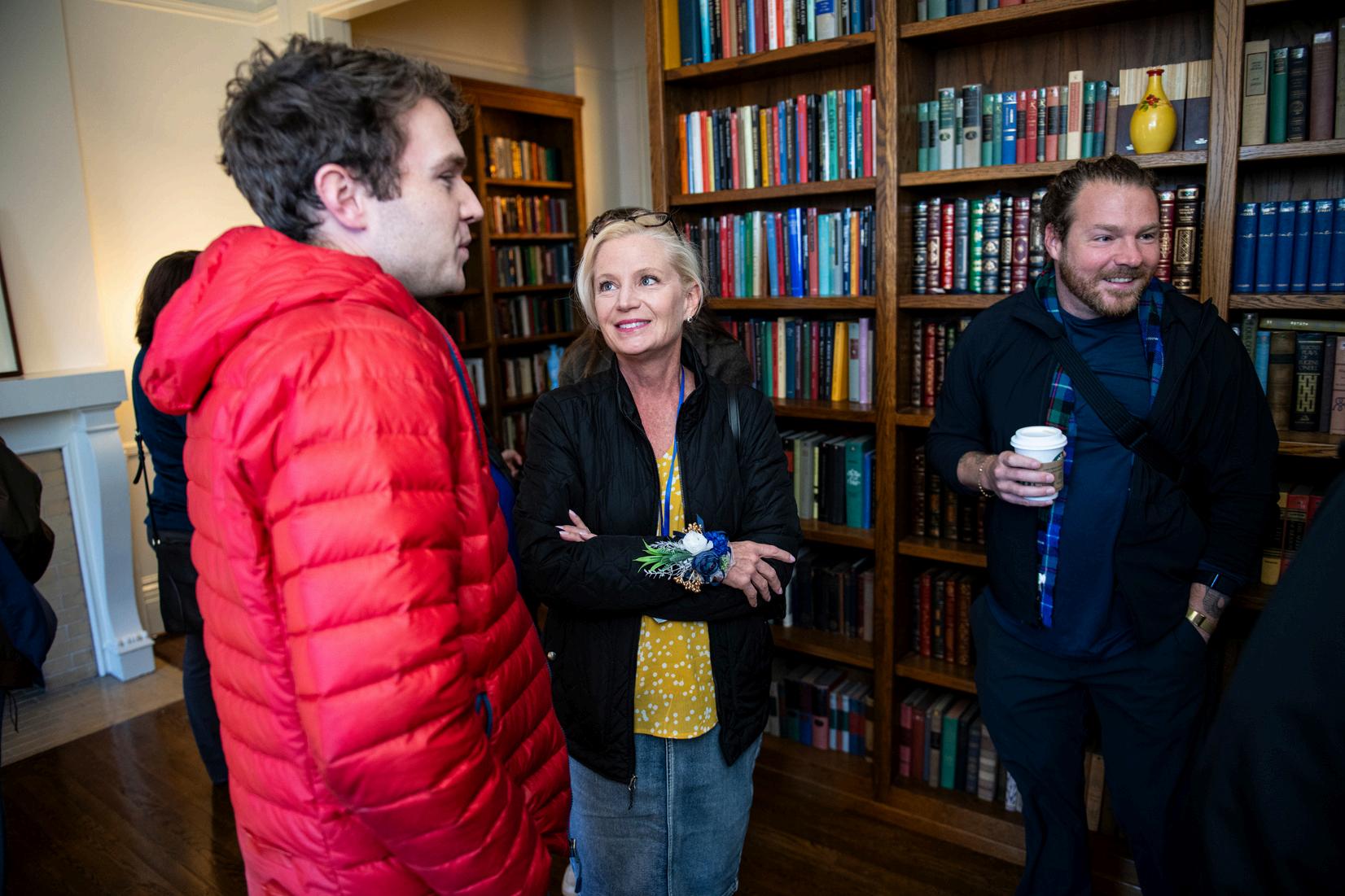
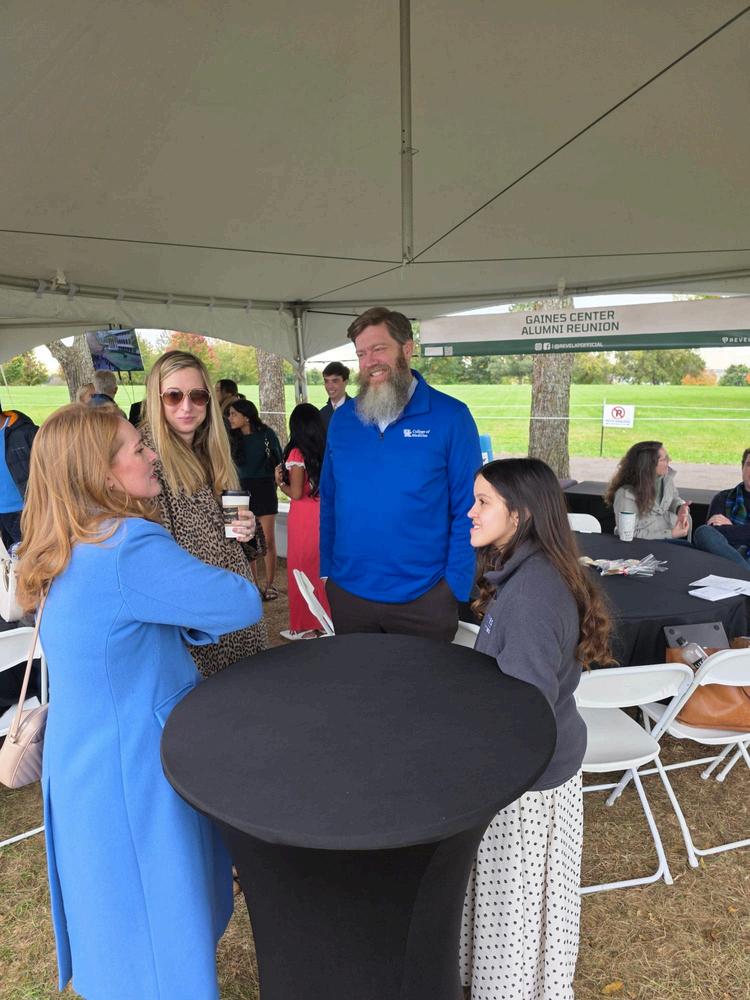
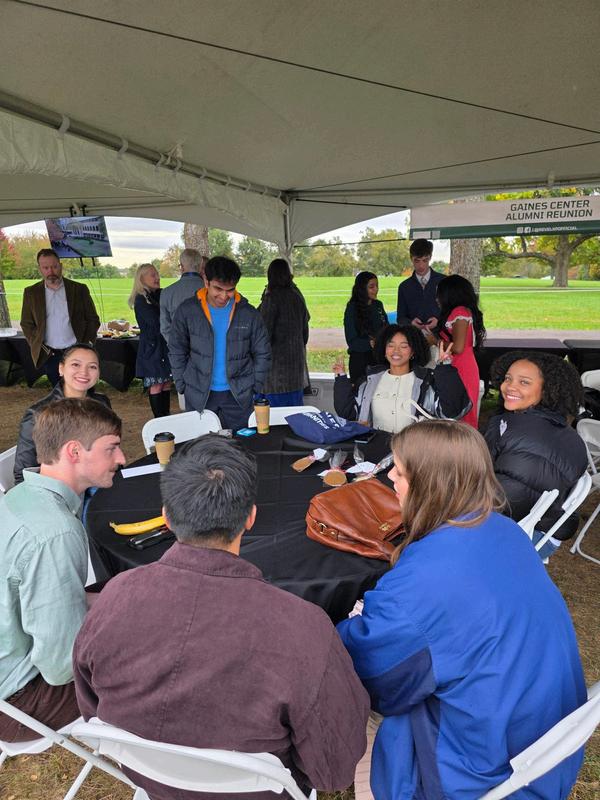
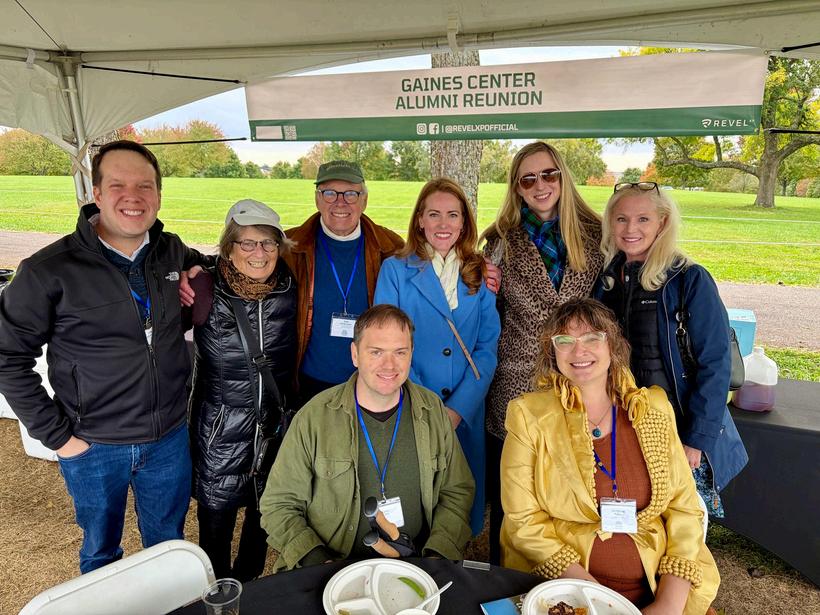
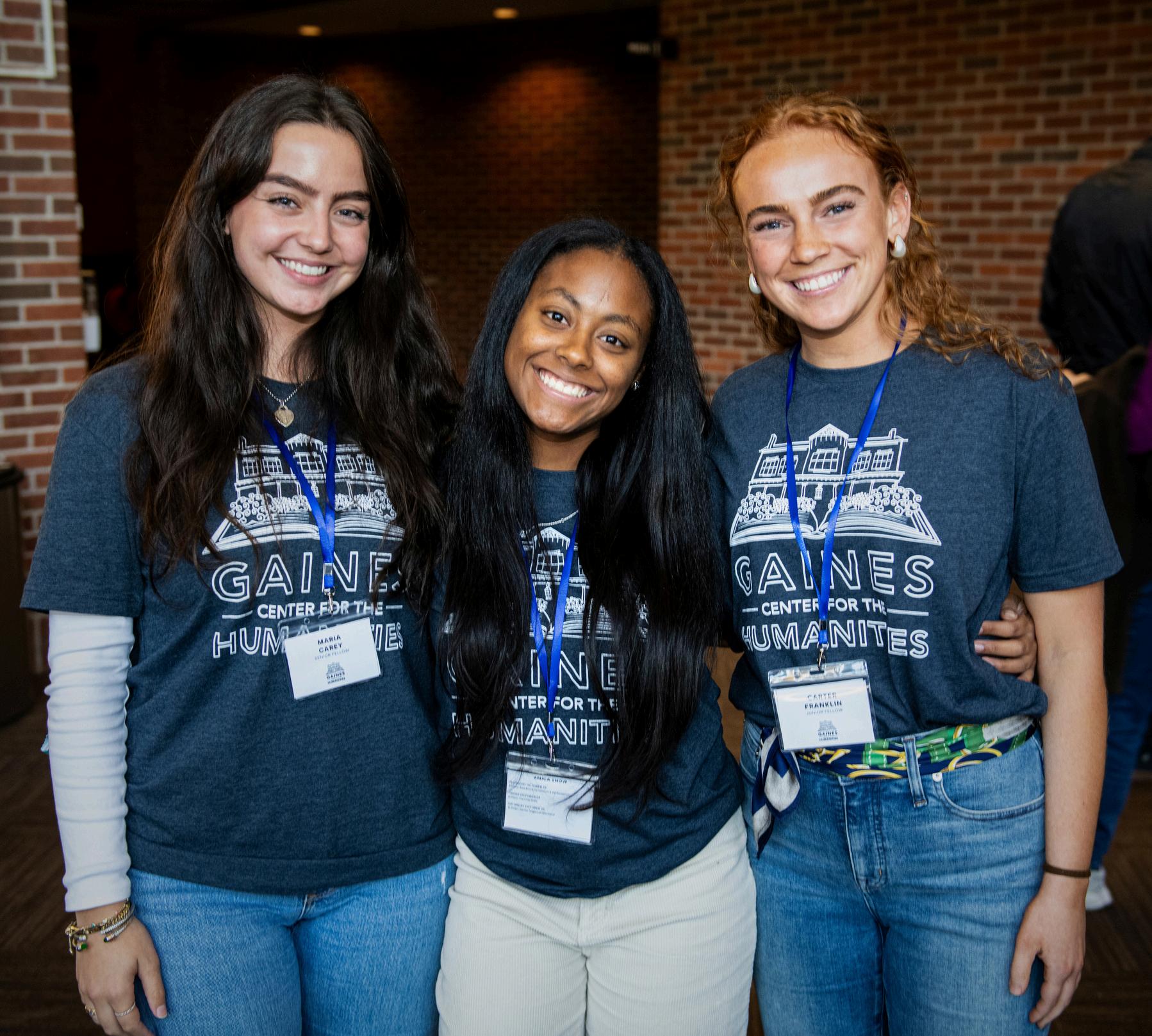
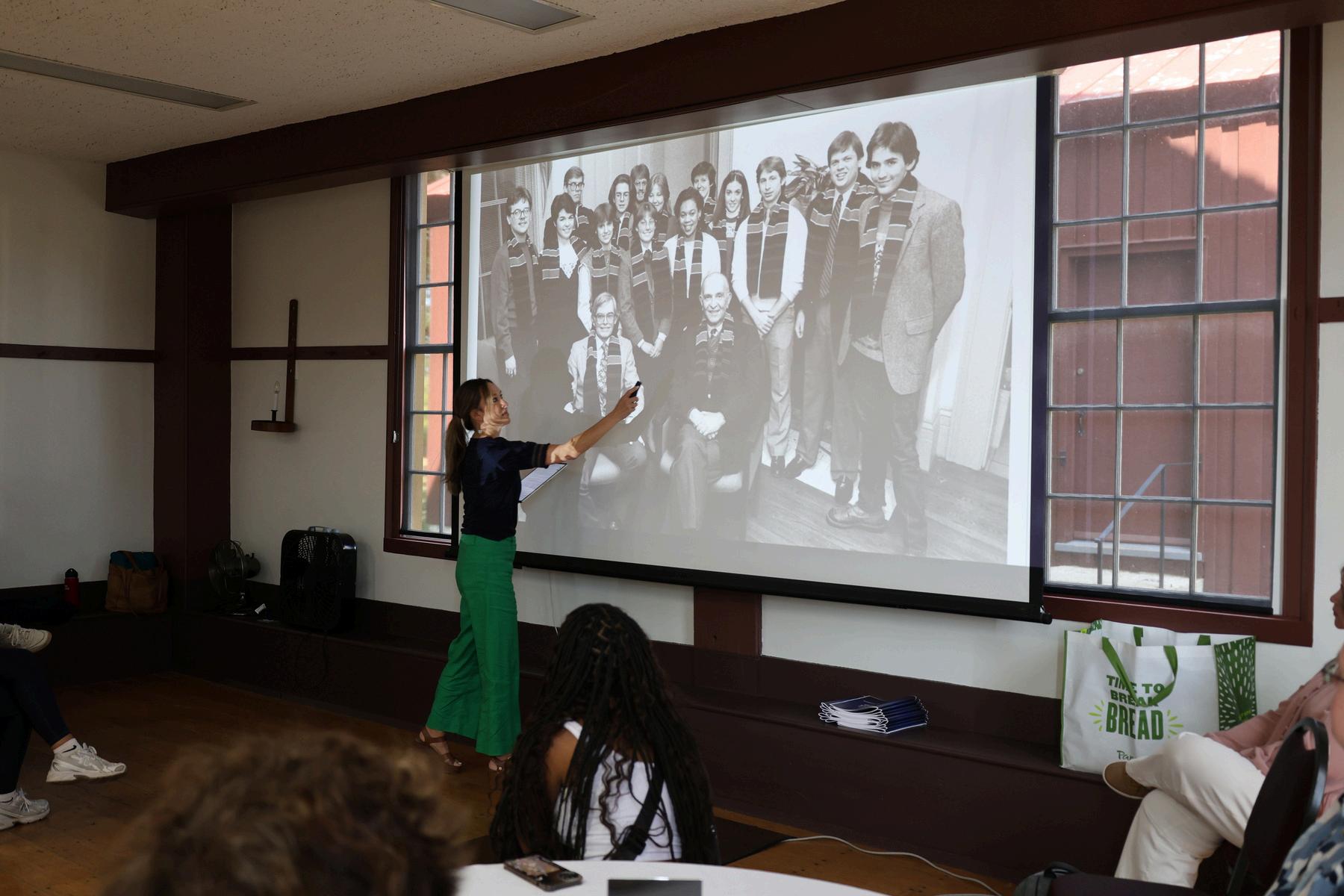
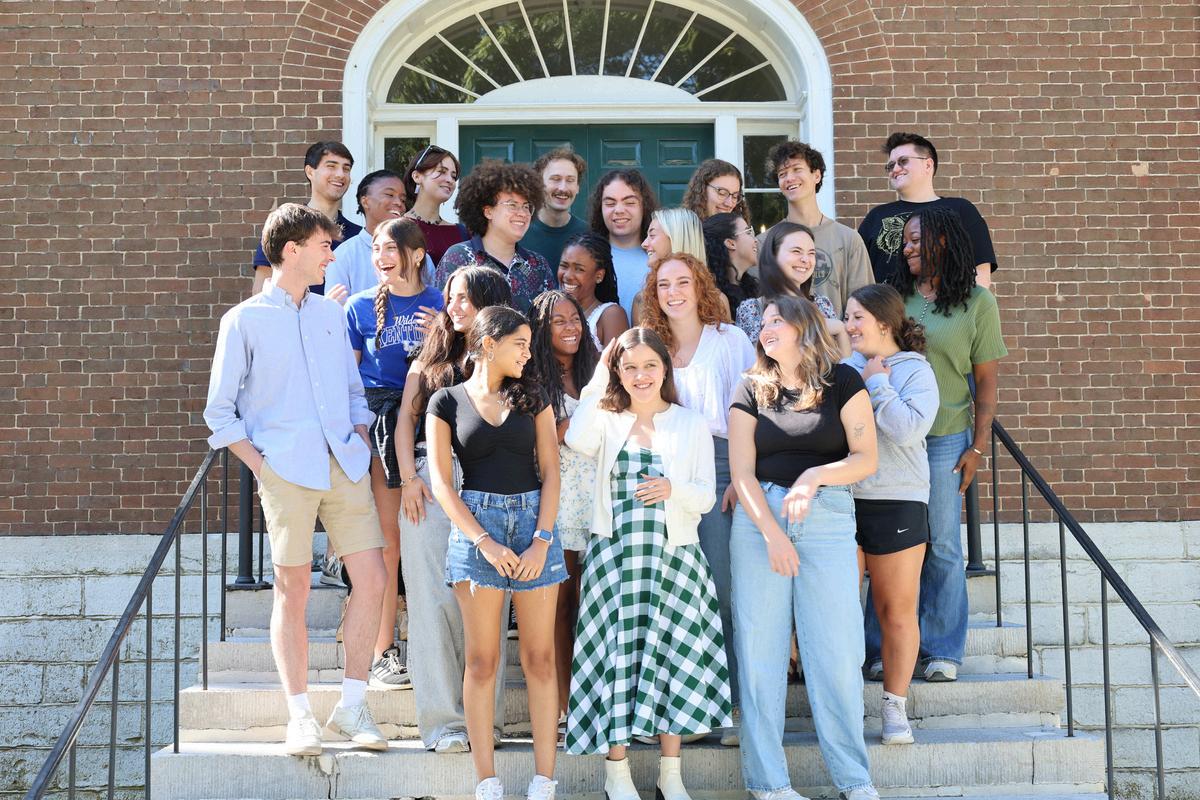
Alongside these discussions in the classroom, the kitchen, and the lab, we hosted the Gaines 40th Anniversary Reunion for over 200 alumni and their guests in October. This celebration was a commemoration of the visionary partnership between Ray Betts and John and Joan Gaines in founding a humanities center at the University of Kentucky four long decades ago; it was also a homecoming for alums to revisit their own origin stories as students at the University of Kentucky and in the Gaines Fellows Program
We heard throughout the weekend that Gaines was formative for the friends, the cohort, the faculty, the interdisciplinary challenge, and the singular experiences offered by the program. Also because it was a beginning a new way of learning, belonging, seeing, apprehending, and being.
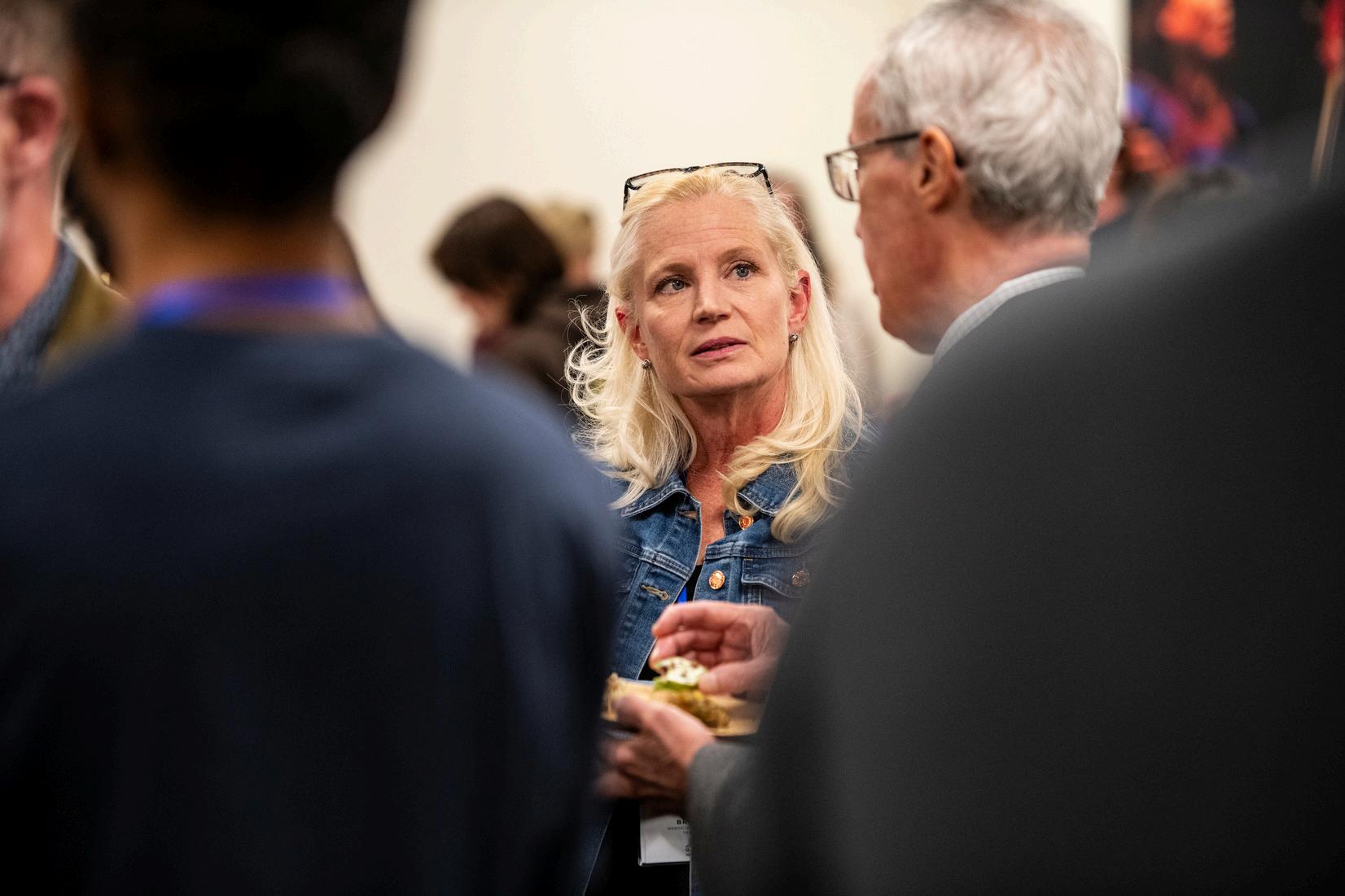
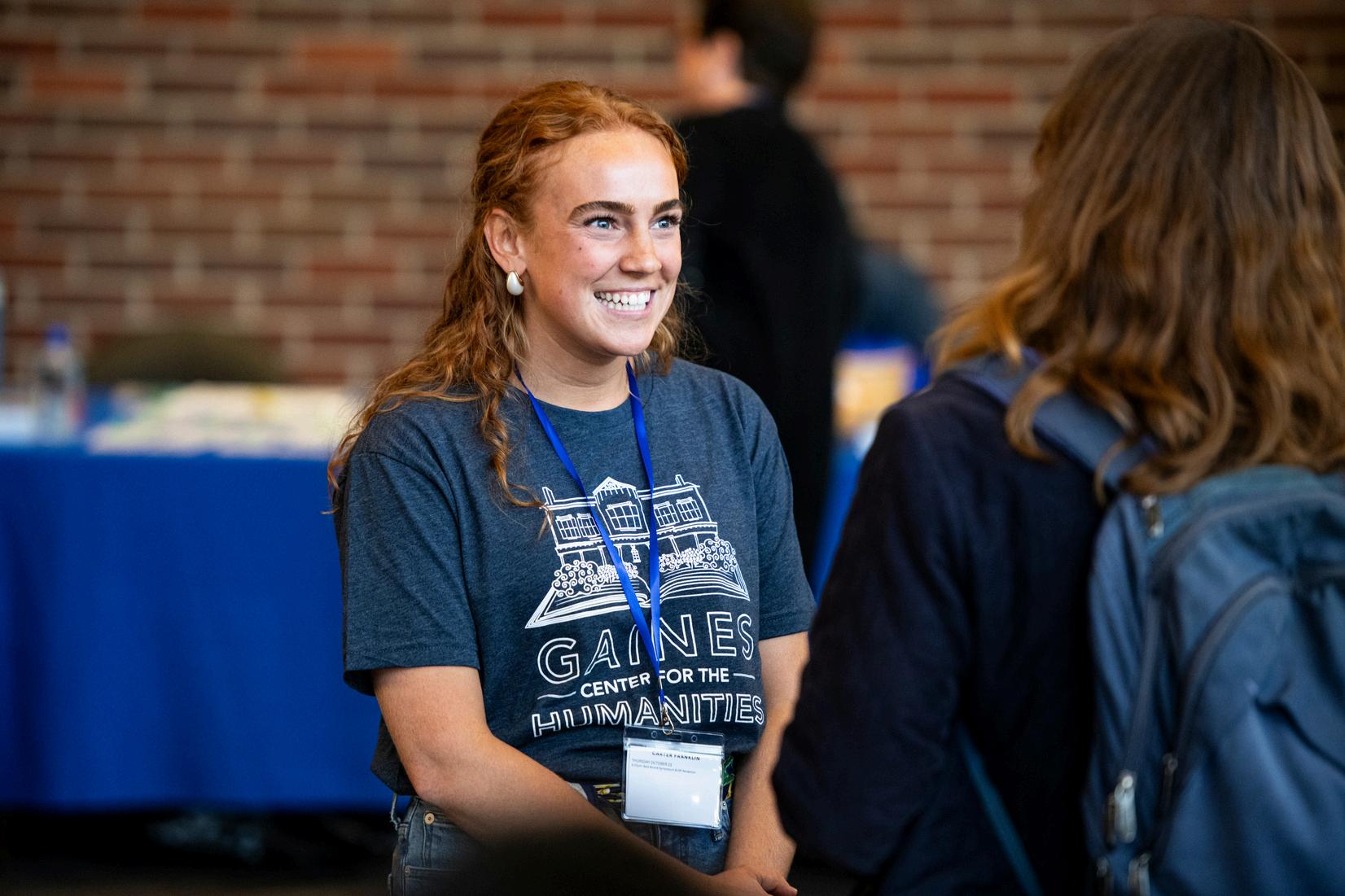
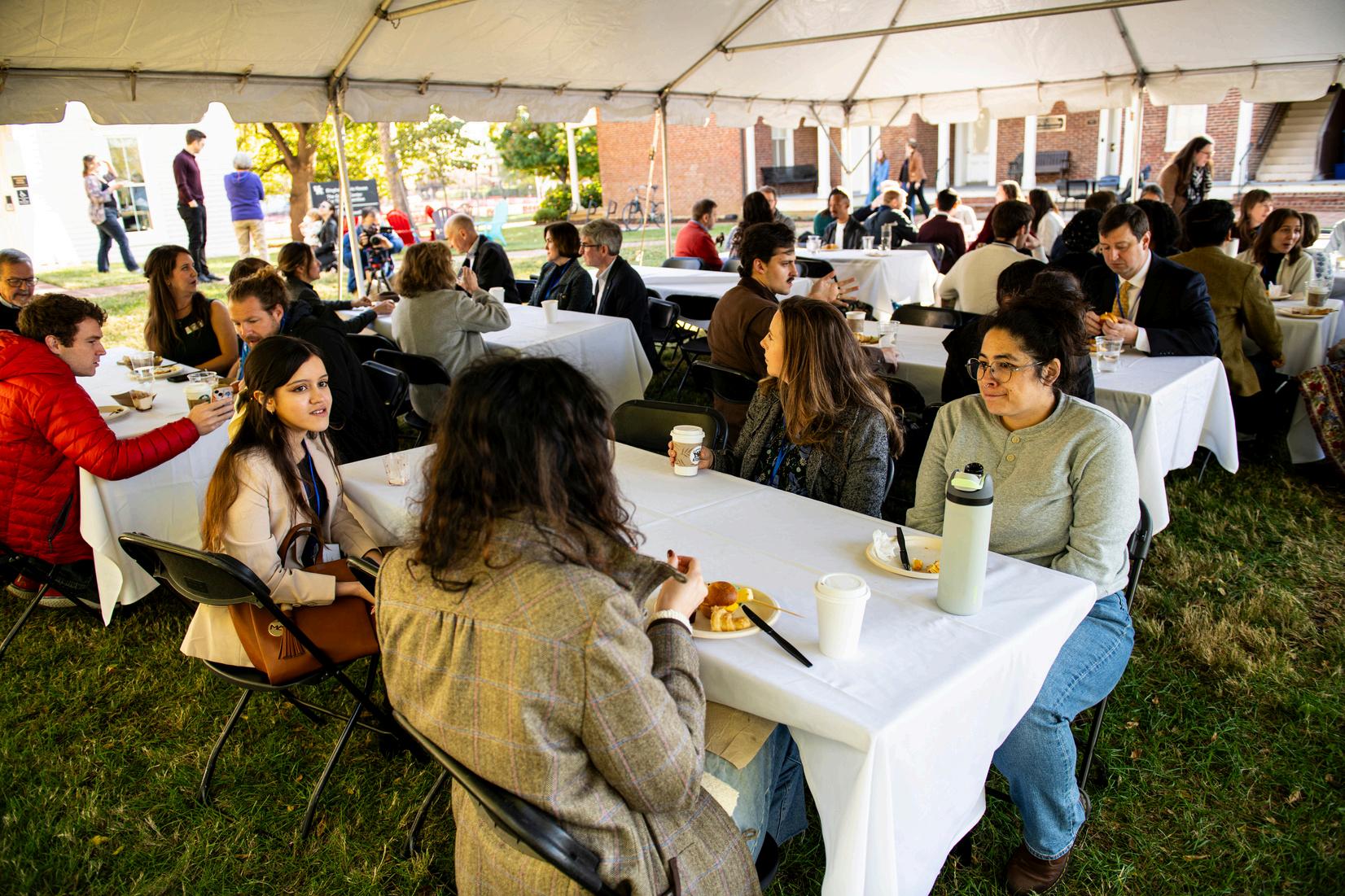
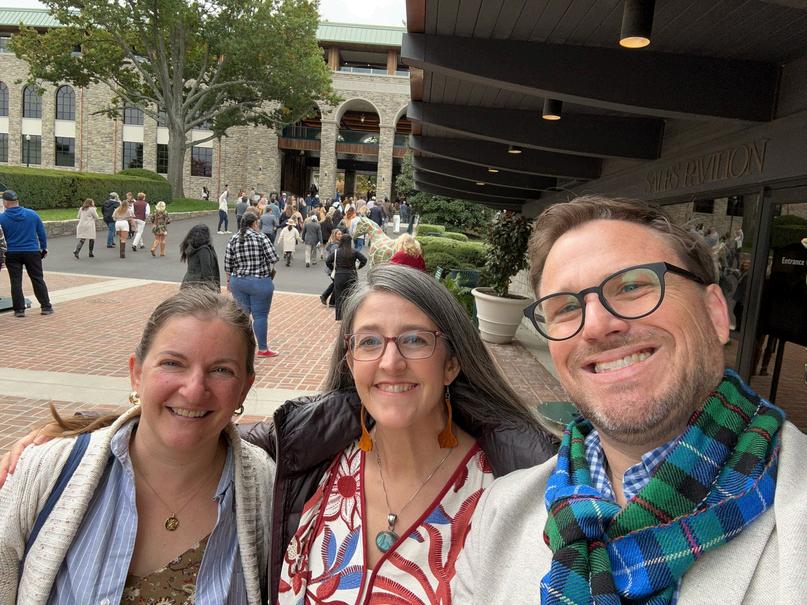
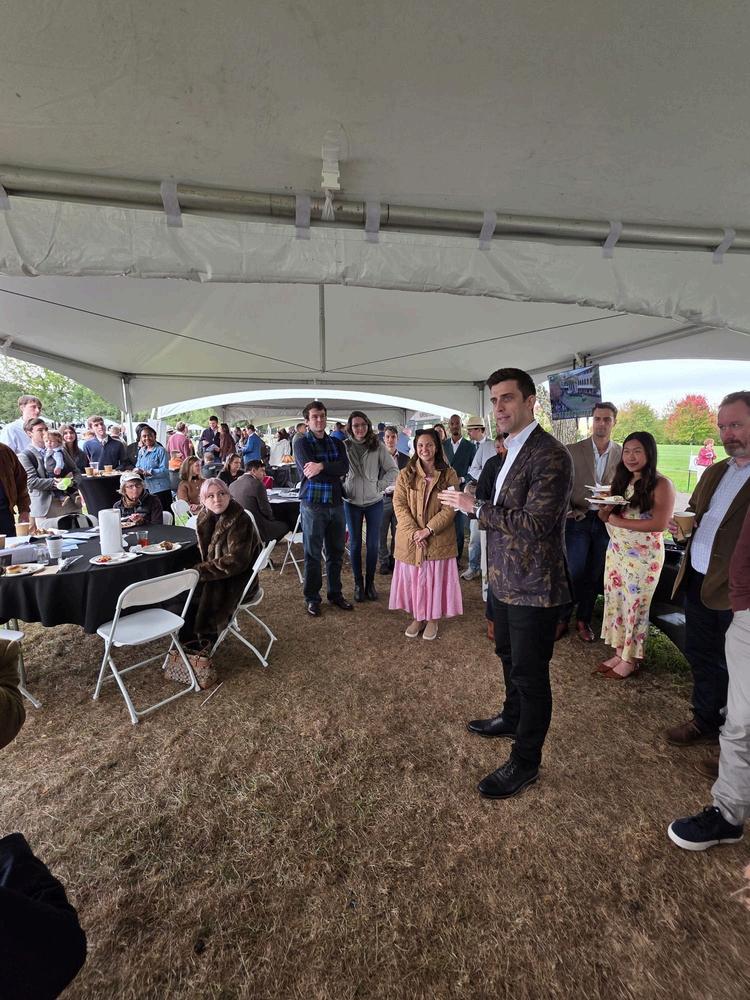
From the Bale Boone Reception on Thursday, to the Feast on Friday, to Keeneland on Saturday, and at all the events in between, stories were flying! It was gratifying both to hear cohort members share memories and lore passed between cohort generations These spirited exchanges were an important reminder that shared stories are a foundation of our community, and our community is the foundation of Gaines. Each cohort of Fellows from the first to the fortieth has been a testament to the brilliance of Dr. Betts’ and the Gaines’ extraordinary idea realized.
The Gaines community has flourished over the past four decades because many dedicated and passionate people have carried the mission forward. We are grateful for alumni, faculty, staff, students, board members, the Provost’s Office, and other supporters and advocates who together empower students to study the humanities at the University of Kentucky. This mission of a one-of-a-kind humanities education remains a worthy one, now more than ever If you have a Gaines story, please consider contributing to our oral history
Warm wishes for the holiday season,
OCTOBER 23-25, 2025
HURSDAY
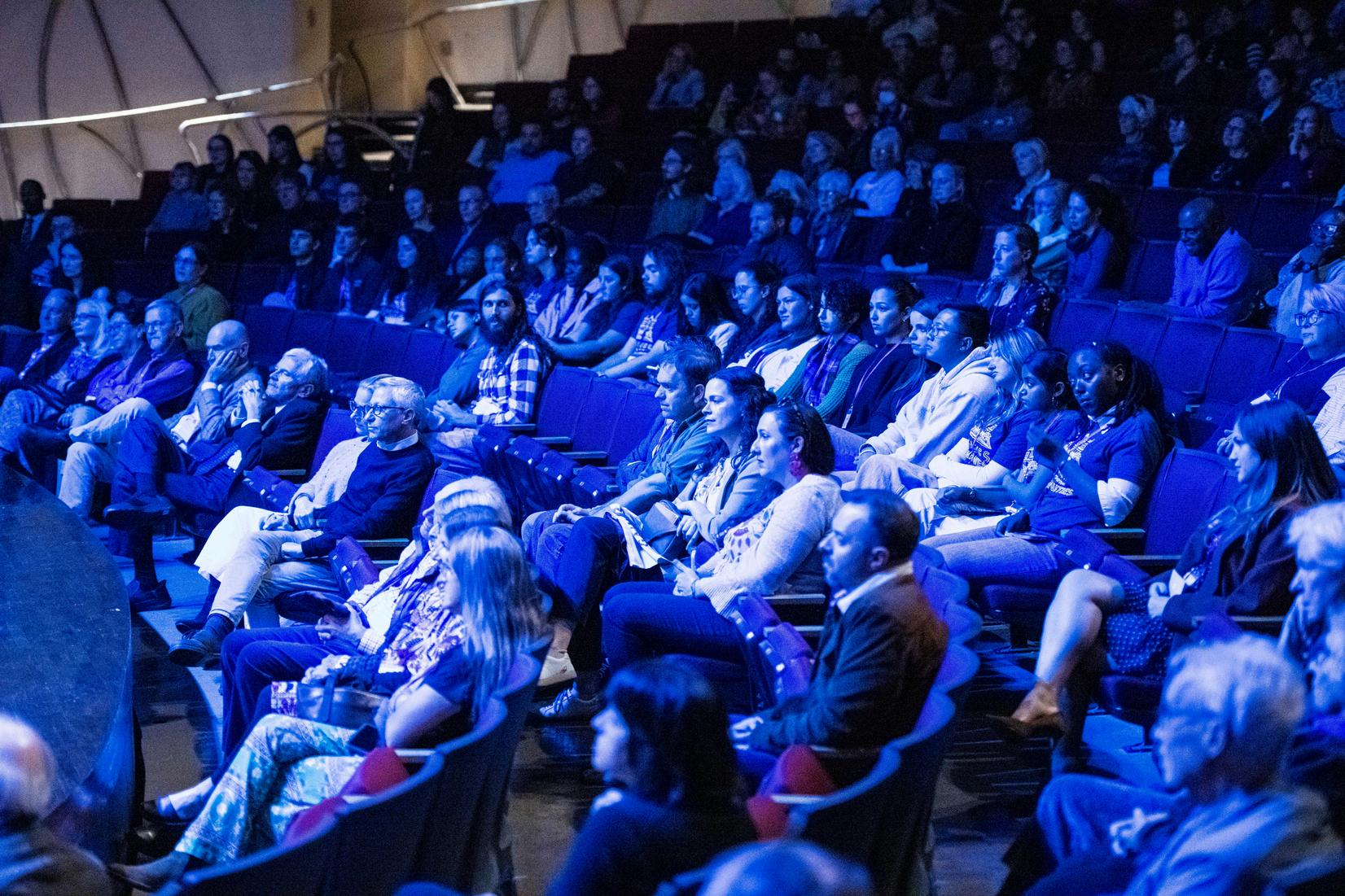
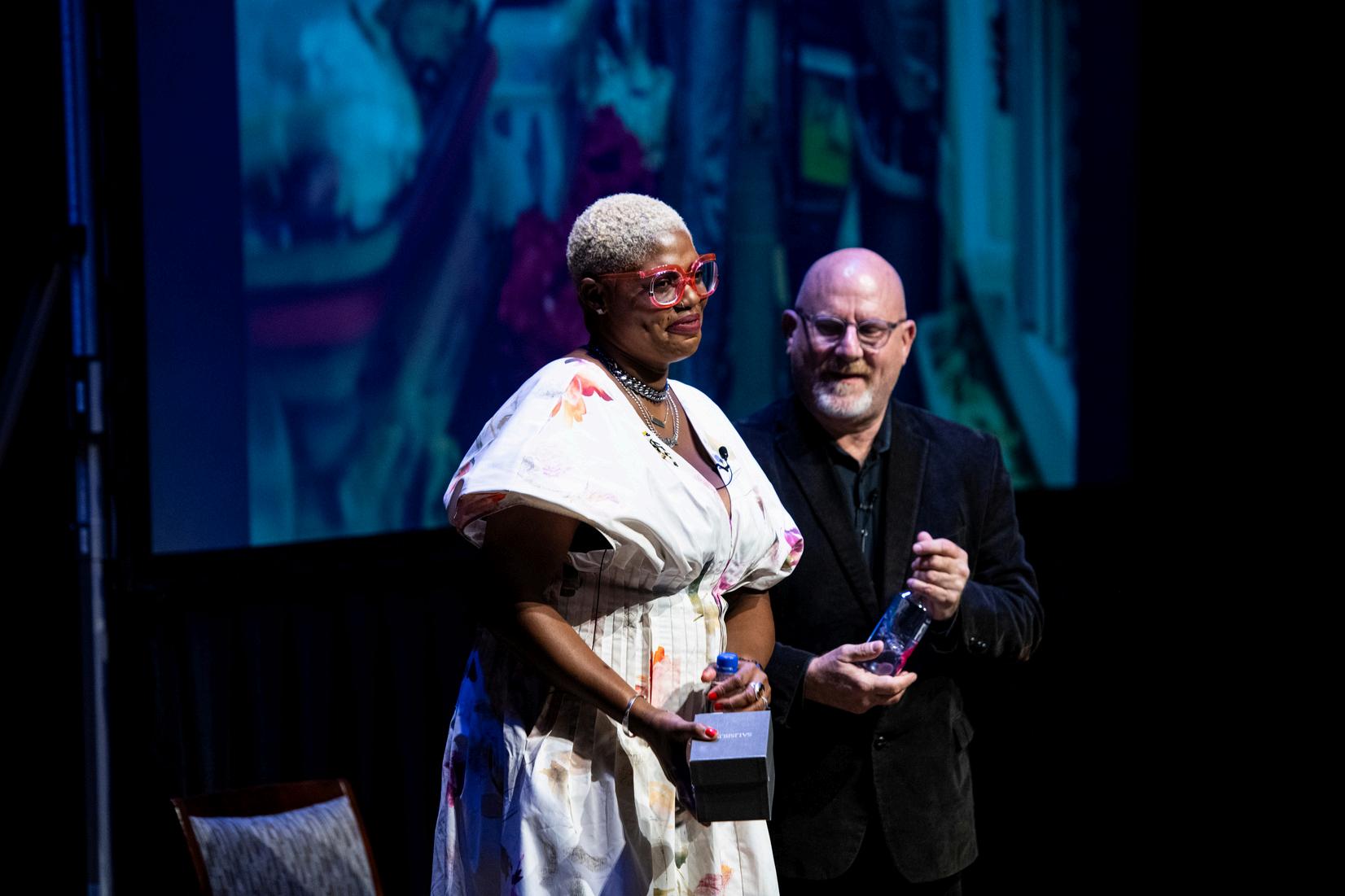
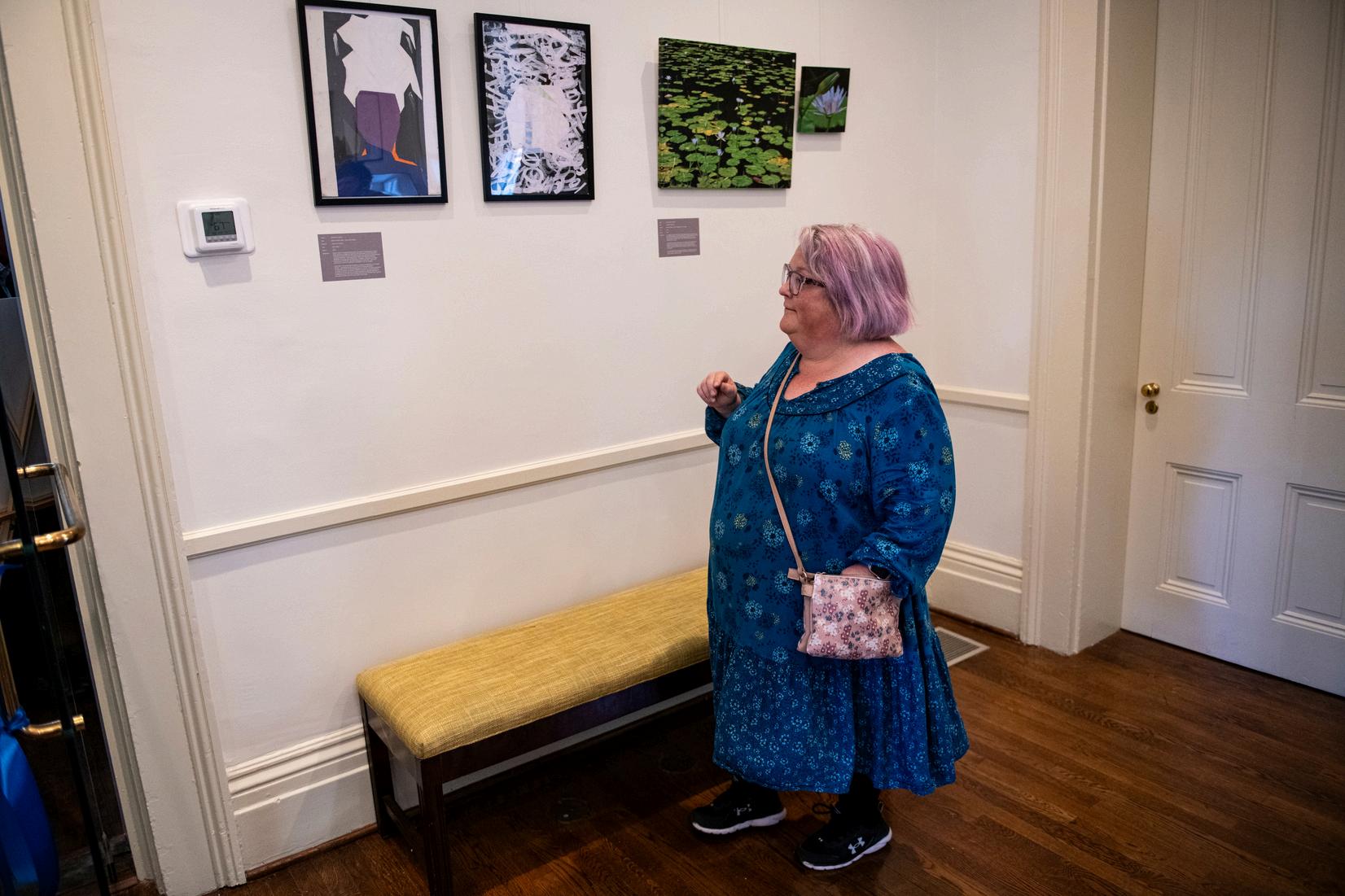
ymposium served as the eunion Celebration ring in this special occasion than Ebony G. Patterson. Patterson is a world-renowned, multimedia artist and 2024 MacArthur “Genius” Grant Awardee. She was in conversation with Art Museum Director Stuart Horodner This talk was followed by a VIP reception welcoming our Gaines family back to campus.
from 40 years of Gaines alums. We then hosted brunch in honor of our former staff and Directors,
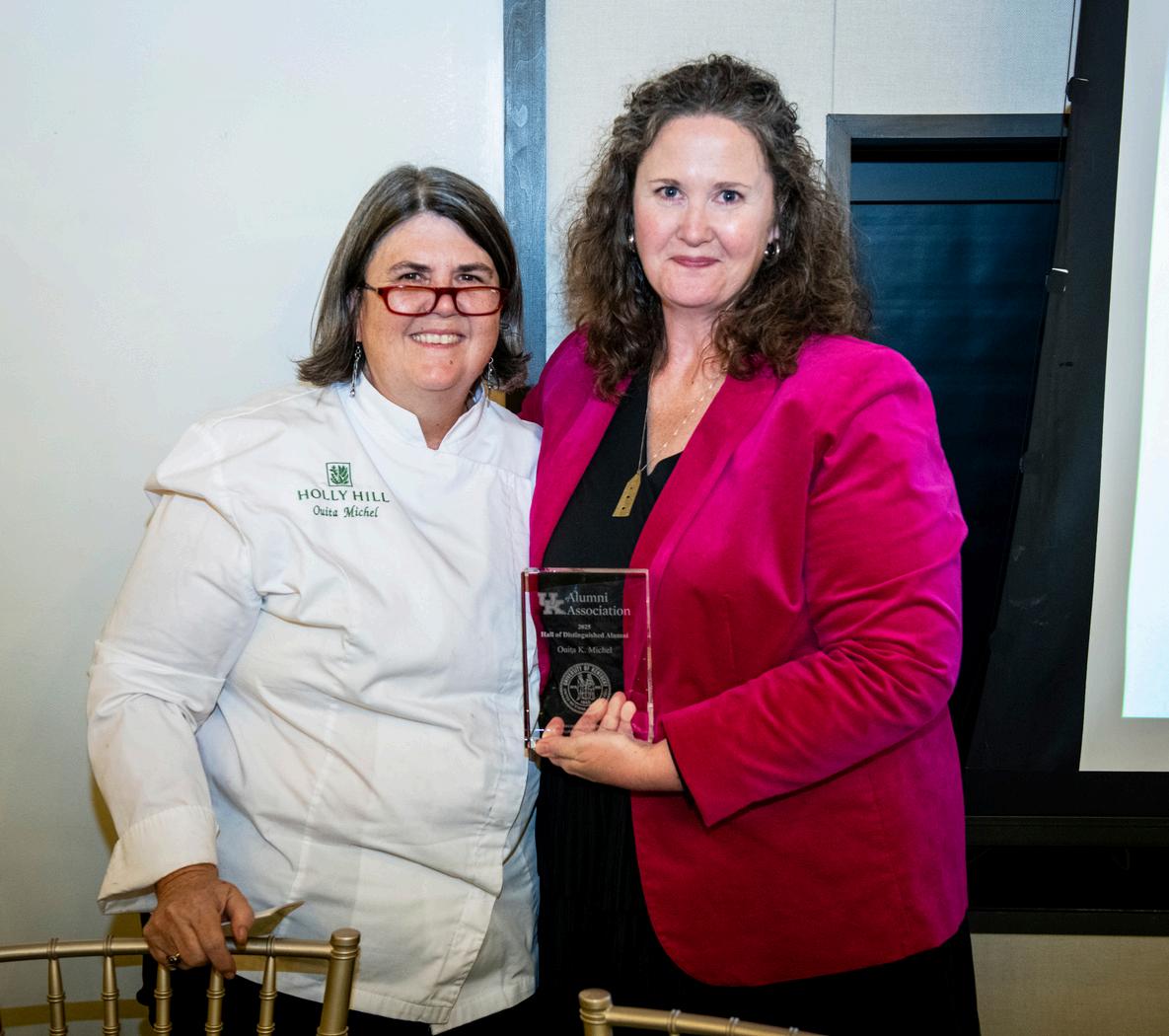
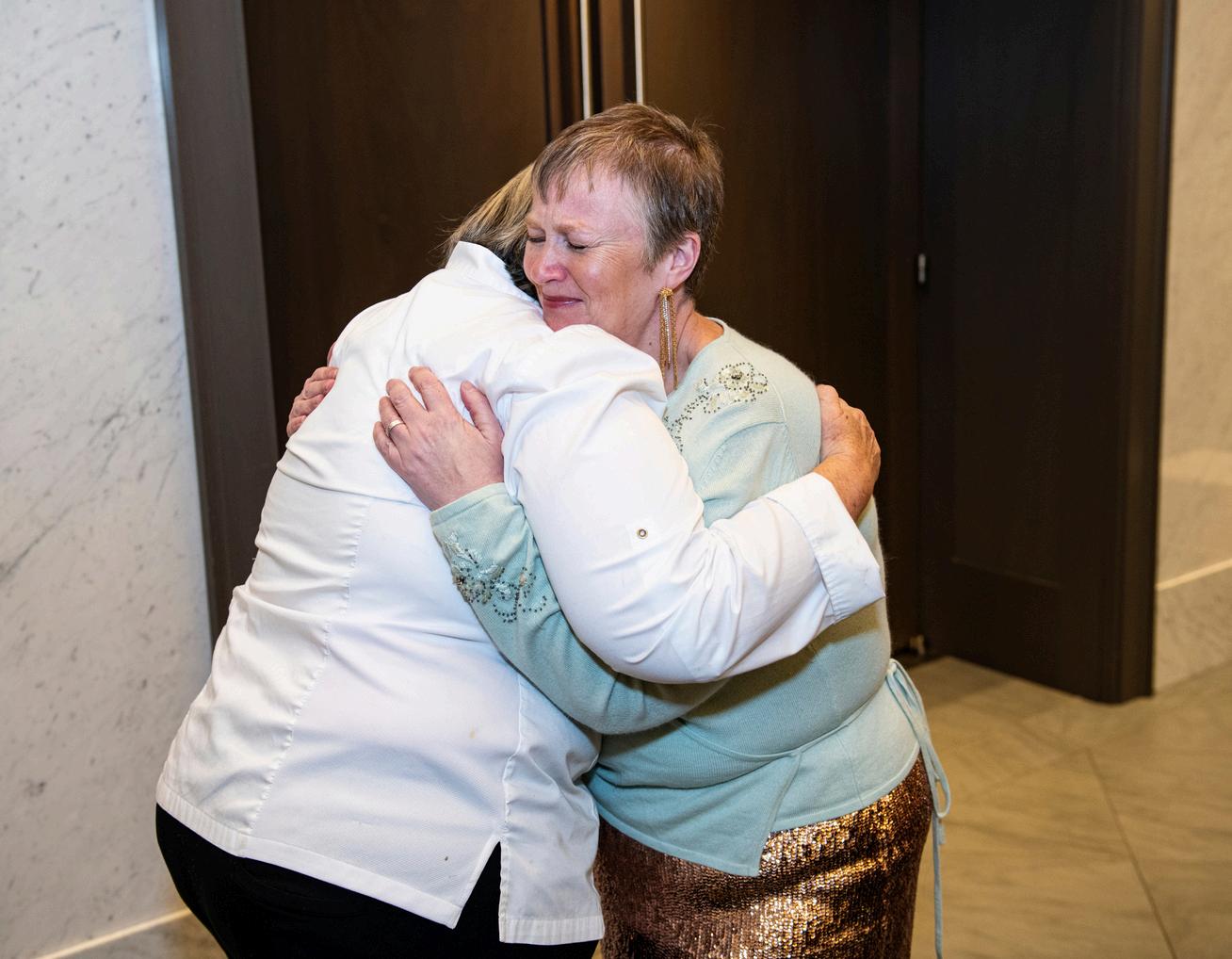
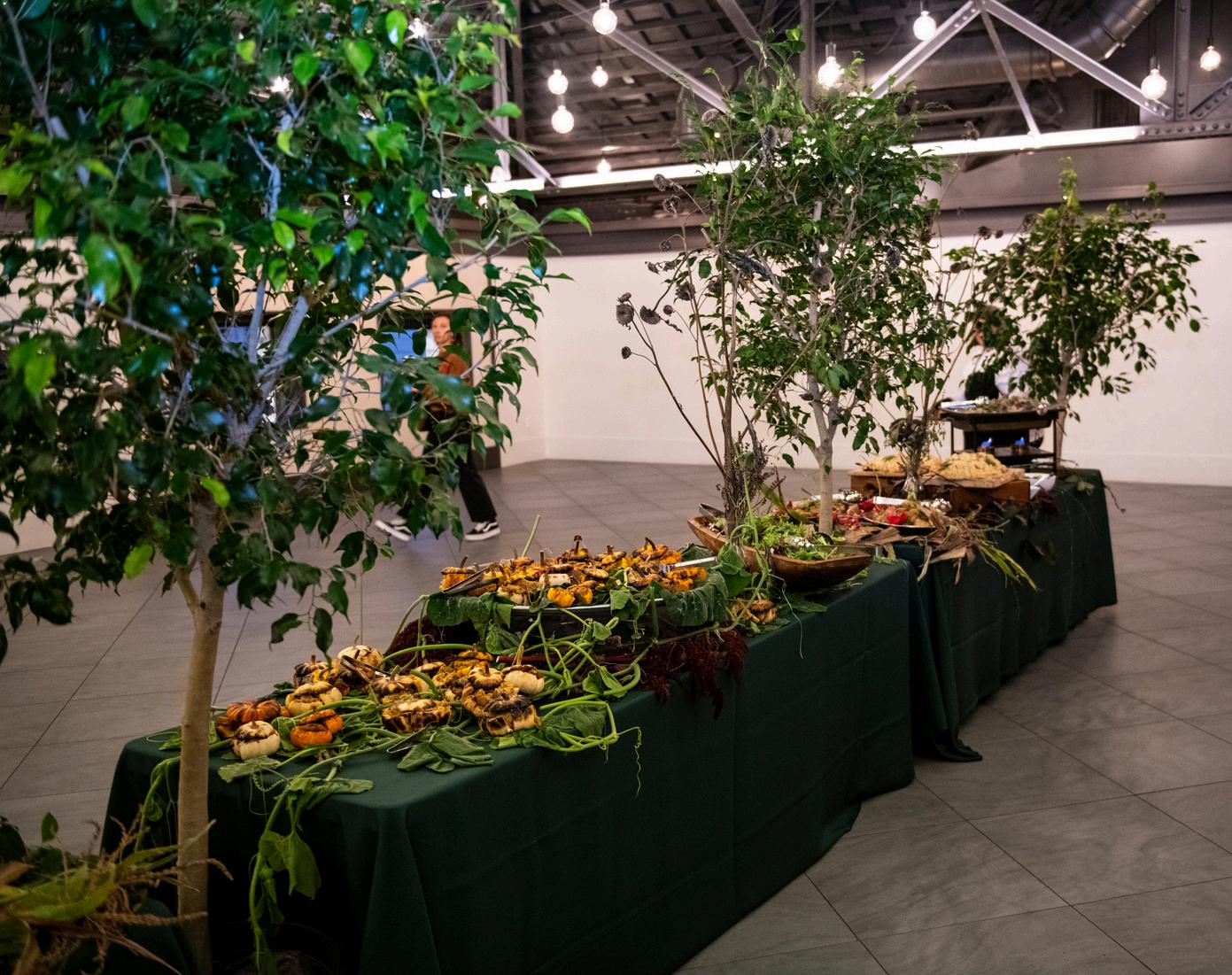
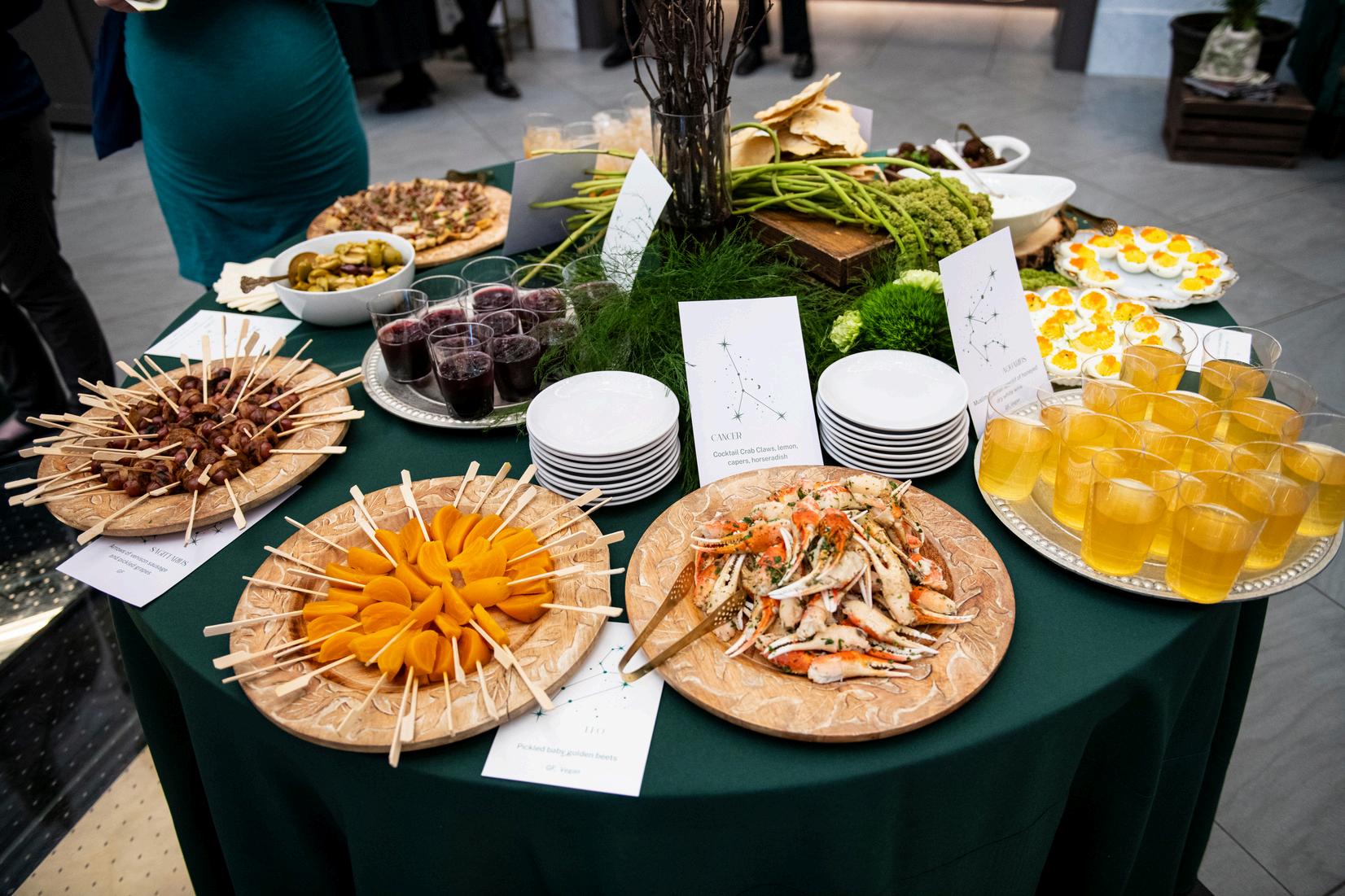
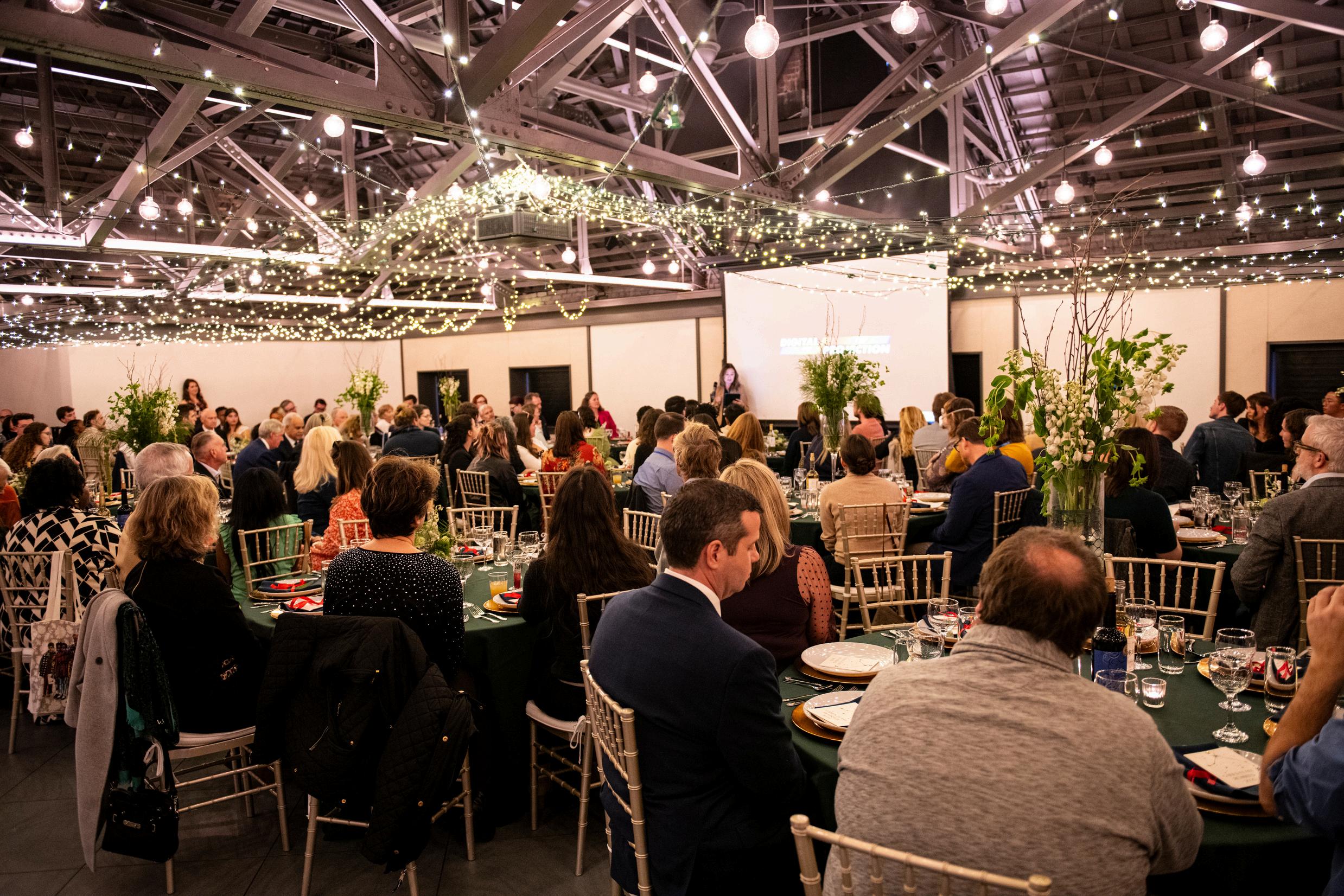
Friday evening the Gaines Center hosted Ouita Michel’s “Final Feast” at Limestone Hall in the downtown historic courthouse. Guests enjoyed several “throwbacks” to previous Gaines Feasts under a ceiling of twinkling lights. During the event Ouita, a Gaines alumna, was
SATURDAY
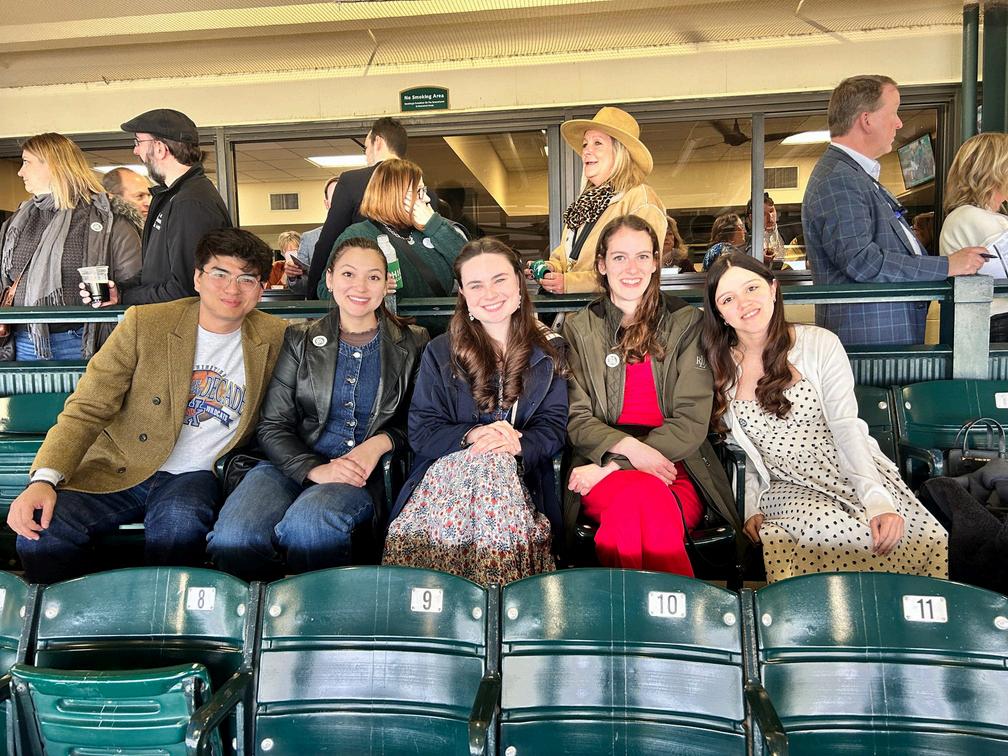
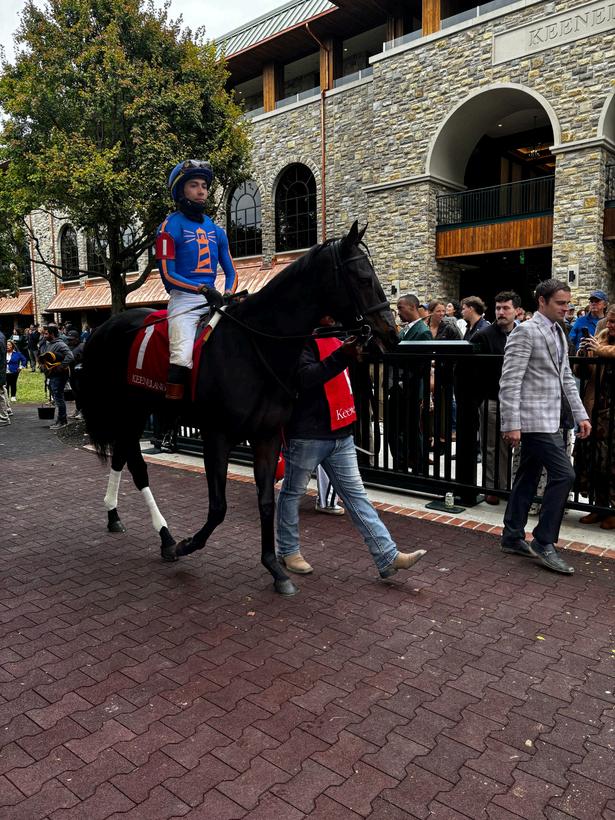
Saturday was a day for the races! Though the morning started out a bit chilly, it warmed up before too long and everyone was able to enjoy some hot food and cold drinks at Keeneland! Many alums elected to head to the Grandstand to be up close and personal. Win or lose—a great time was had by all before we wished everyone farewell and officially wrapped up the weekend.
HANK Y
want to thank everyone photographers to our Board members, course our current Fellows event wouldn’t have been possible without your generous support and efforts.
Gaines Center expands CPETIVES CPETIVES
This year, the University of Kentucky Gaines Center for the Humanities launched an ambitious new initiative designed to foster meaningful interdisciplinary and transdisciplinary collaboration across campus. The “Gaines Humanities Cooperatives” were created to bring together faculty, staff, and graduate students from diverse fields to spark intellectual exchange and lay the foundation for innovative humanities-centered projects that engage both the university and the broader community
Supported by the Gaines Center through funding, meeting space and other relevant resources, the cooperatives are intended to serve as a hub for community.
The pilot cooperative, launched in 2024 under the leadership of Mel Stein, Ph.D., of UK Gender and Women’s Studies, examined intersections of health and the humanities. What began as a small pilot group has grown to include nine participants from the colleges of Arts and Sciences, Nursing, Public Health and Medicine
Building on that success, Gaines Director and Endowed Chair Michelle Sizemore, Ph D , expanded the program
“Last year’s pilot was an important test case for the intellectual community we wish to foster with the co-ops," Sizemore said. "We were responding to what we’d been hearing from all corners of campus about the desire to find more ways to work together across colleges and departments. Our calculation in scaling up was that some funds, some structure and some designated time could incubate incredible projects.”
BEING PART OF THIS COLLECTIVE HAS STRENGTHENED MY MOTIVATION FOR SCHOLARSHIP AND SHOWN ME THAT IT NEED NOT BE A SOLITARY ACTIVITY.
-JAP-NANAK KAUR MAKKAR
Today, six cooperatives spanning topics from digital pedagogies to tree conservation are actively cultivating cross-disciplinary research communities. Members have noted the transformative potential of the experience.
“This cooperative opportunity has brought together interested parties with backgrounds in history, poetry, medicine, environmental science, geology, archives, oral history, community engagement, disaster planning, sociology and many more,” said Matt Strandmark, co-leader of the Appalachian Water Humanities Cooperative “It has not only been a tool to promote conversations and shared work, but also a means to generate and ideate future partnerships, projects and initiatives related to these topics. We believe that this work is vital to the University of Kentucky’s land-grant mission to serve the Commonwealth and its people.”
Nash Meade, Ph.D. student in Educational Policy Studies and Evaluation, said the Gaines Cooperatives “pique interest in fields that often struggle to find an academic home”
“In our case, game studies is a popular space, and UK has quite a few game studies scholars, but they are scattered across a half dozen departments,” Meade said “The cooperatives show that with some funding, scholars from across a university who might otherwise never interact can come together, find community and do some awesome work.” Additional members across the cooperatives echoed these experiences.
“This semester, as a result of my participation in the global crisis cooperative, I’ve affirmed bonds with scholars across the university and collaborated with them to put on research-related events,” said JapNanak, a participant in the global crisis cooperative “We organized a work-in-progress session for one of our members and plan to arrange a visiting speaker in the spring Being part of this collective has strengthened my motivation for scholarship and shown me that it need not be a solitary activity The benefits are immediate as well as latent: we’re experiencing a sense of solidarity in the group, which will ultimately lead to a positive climate in which to do future work.”
WE BELIEVE THAT THIS WORK IS VITAL TO THE UNIVERSITY OF KENTUCKY’S LAND-GRANT MISSION TO SERVE THE COMMONWEALTH AND ITS PEOPLE.
-MATT STRANDMARK
The full list of 2025-26 Gaines Humanities Cooperatives, along with their leaders and co-leaders, includes:
“Mapping the Affective, Rhetorical, Sociocultural and Symbolic Dimensions of Global Cities”
Charlie Zhang (Gender and Women’s Studies)
Michael Samers (Geography)
“Legal Options to Saving Trees: Honors and Conserving Historic Natural Artifacts across Kentucky Communities”
Emily Bergeron (Historic Preservation)
Lynn Roche-Phillips (Geography)
“Global Crisis: A Transdisciplinary Inquiry”
Martin Jensen (English)
Sharom Yam (Writing, Rhetoric and Digital Studies)
“The Appalachian Water Humanities Cooperative”
Matthew Strandmark (UK Libraries)
Kathryn Newfont (History)
“Health and the Humanities”
Mel Stein (Gender and Women’s Studies)
“The Digital Pedagogies Research Cluster Initiative”
Mark Hines (English)
Nash Meade (The Patterson School)
Each cooperative includes at least three members representing two or more departments, units or programs at the university. Co-op groups meet a minimum of two times per semester plus a fall orientation and collaborate throughout the year to develop shared research questions, pedagogical tools, community partnerships and/or advocacy projects
The Gaines Center is excited to announce that all 202526 cooperatives will share their work with the community at the annual Lafayette Symposium April 16, 2026 from 3-5PM, offering the campus an opportunity to learn more about the vibrant interdisciplinary work taking place across the humanities. The call for the second iteration of Gaines Cooperatives will launch in January 2026.
ORIGINS ORIGINS GAINES 2025-26 YEAR ON
Coinciding with the United States’ quarter millennial, the Gaines theme for 2025-2026 explores the meaning of origins through the prism of disciplinary viewpoints offered by the humanities, the arts, and the sciences. The Gaines Fellows seminar highlights the multiplicity of beginnings not only for Lexington and the United States but also for current technologies, social institutions, political movements, the planet, humans, and other species as the city and nation commemorate and reckon with our 250th anniversaries
JuniorJuryProject Junior Jury Project
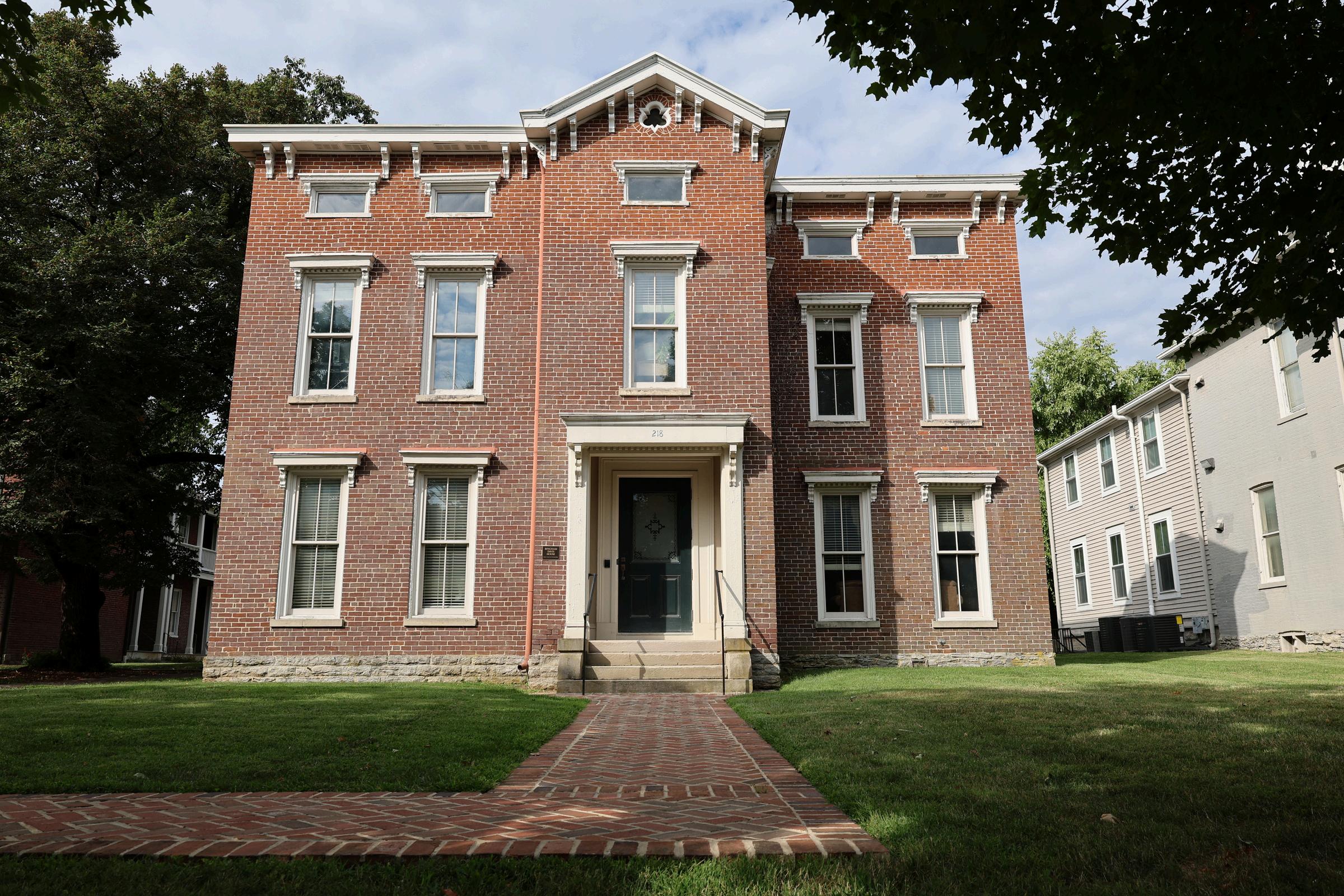
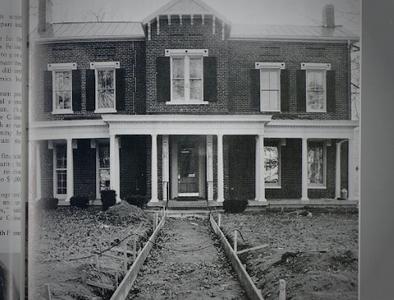
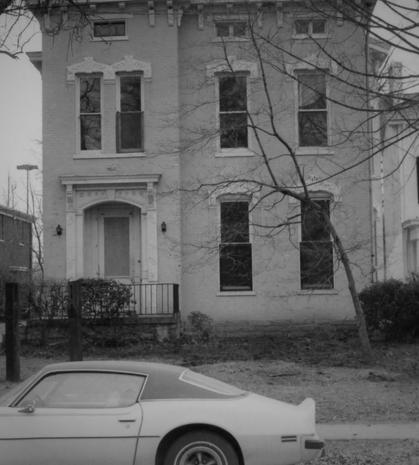
The 2025-26 community engagement project is uncovering and documenting the historical, cultural, and architectural significance of three historic buildings on the University of Kentucky’s campus. Through archival research and community outreach, this student-led project illuminates the significance of these buildings and the roles they played within the larger landscape of Lexington. We believe that greater attention to the history of these landmarks will inform future preservation efforts and promote stewardship of the buildings. The project is providing a hands-on, high-impact research opportunity for students, allowing them to develop skills in primary and secondary research, documentation, and public presentation. Their findings will be accessible to the campus and the community through a digital storytelling compendium. We believe this project will strengthen town-gown relations through collaborations with local historians, alumni, former residents, and more. The research will be archived with the university’s Special Collections and potentially integrated into tours and other educational materials for campus/community use
HUMANITIES INACTION HUMANITIES IN ACTION
HMN 303 (Spring 2026) is a team-taught course in the applied Humanities. This year’s section will be taught by architect Darren Taylor (College of Design) and archivist Ruth Bryan (UK Libraries). These faculty will be using the Raymond Betts House on East Maxwell Street as a case study to explore the methodologies and practical application of historic preservation, archives, design, public history, and more. HMN 303 is open to students from any major and is uniquely hands-on and high impact. Students will spend time visiting related archives, walking the neighborhood, and exploring historic buildings to better understand how humanities can help us navigate and understand our urban landscape here in Lexington.
MINI-GRANTS
DENIM DAY FASHION SHOW
It’s On Us Student Organization
CONTEMPORARY LEGEND RESEARCH CONFERENCE
Modern & Classical Languages, Literature, and Culture
“THE KEEPING SPACE” DOCUMENTARY SCREENING AND PANEL DISCUSSION
PROGRAMMING THE ARTS: CURATORS IN CONVERSATION
Lewis Honors College Arts Administration
15TH ANNUAL RESEARCH
SYMPOSIUM AND ARTS SHOWCASE
Graduate Appalachian Research Community
“TELEPHONE”: CELEBRATING WHITE CANE DAY + FILM SCREENING
“ECSTATIC PERSONAS:” AN ART MUSEUM PANEL DISCUSSION
UK Art Museum
ANNUAL SYMPOSIUM
Committee on Social Theory
“EROS:” A GRADUATE STUDENT CONFERENCE
College of Fine Arts + Lexington Central Library Department of Philsophy
“THE VICEROY:” MEDICAL HUMANITIES JOURNAL
UK College of Medicine
KAUNER: So the first question I have is, could you just tell me a little bit about yourself?
CAT: I graduated from Yale in 2023 and moved to Brooklyn immediately after and have been working full-time for a designer named Neil Donnelly, and running my own freelance practice as well as teaching. I've been teaching typography at the New School. I teach design workshops to architecture students at Syracuse so I’m juggling quite a bit, but it's all it's all been a lot of fun.
Most of my day job is designing books for architects. We do a lot of book design and on rare occasions, type design. We also do websites identities, exhibition graphics... this sort of thing. It's great.
CAT WENTWORTH SPOTLIGHT
KAUNER: Could you tell me about your journey of coming to UK?
CAT: I'm from Kentucky. I was born in Louisville and grew up in Bowling Green for most of my childhood. [In high school] I went to the Governor Scholar Program, but didn’t do the architecture major there. I didn't even know that that was an offering! When you're in high school, there's a kind of limited range of fields that are shown to you. I have an aunt and an uncle who are architects and just based on the way that they talked about it and you know, looking at their all their drawings... I was aware, I think that I was a creative person, but also had a highly analytical side to me and that’s why I wanted to be an architect
KAUNER: What led you to apply to the Gaines fellowship?
CAT: That's a good question. I'm not sure oh, you know what it was? My roommates and I had a house party and an alumni, who shall remain nameless, attended that party. I didn't know them, you know, before that evening, but they talked to me about about Gaines and it sounded really interesting to me. I think architecture can be so insular...it was really interesting to me to broaden my studies a little bit, and the Gaines fellowship sounded like a great, a great way to, you know, commune with people from other majors in an expansive way.
KAUNER: What are your favorite memories from the Gaines program?
CAT: Well, my favorite top favorite memory has to be the trip to Whitesburg. I loved Whitesburg and, I mean, a side perk being a kind of retreat with my classmates. I remember meeting a lot of interesting folks and you know, going to Appalshop and hearing about what they’re doing. That was a lot of fun. I remember we had a lot of field trips during my time.
I know you haven’t had this seminar because I believe Ed McClanahan has passed away, but he used to teach a seminar around biographical fiction and I have some really funny memories of my classmates when we were reading fictional stories about ourselves. That day was a riot!
The trip to New York was fun too do you guys still read Proust?
KAUNER: No, but we had a section on Proust at the Reunion from that faculty member, Leon Sachs
CAT: We read Proust in one of our seminars and there’s a passage about the smell of asparagus and one of my classmates got a tattoo of an asparagus when we went to New York!
I think the Gaines Fellowship just taught me to be a better reader, writer, thinker, citizen, and friend.
KAUNER: Have there been any applicable lessons from the Gaines program that you've used in your career or maybe more broadly in your life?
CAT: I mean, this is somewhat of a broad answer, but I think the Gaines Fellowship just taught me to be a better reader, writer, thinker, citizen, and friend. It just taught me to be a more thoughtful person and I mean, that has permeated so many areas of my life. It taught me the value of always being sure to challenge myself in my own beliefs. To always grow and evolve.
KAUNER: I think one thing I’ve realized is that there’s not always one answer to everything, you know? There’s
CAT: Yeah, and that was really supported in the seminar discussions. In particular, I felt like it was a really safe container to not have answers. In fact, I felt that was encouraged...to ask interesting questions rather than provide the “right” answers. That has been really valuable to me.
KAUNER: Do you have any advice for current fellows in the program?
Make sure to have fun with your classmates. This is as important as your studies--there has to be some lightness and a bit of joy and adventure.
Interview by Kauner Shacklette, Senior Gaines Fellow and Architecture major
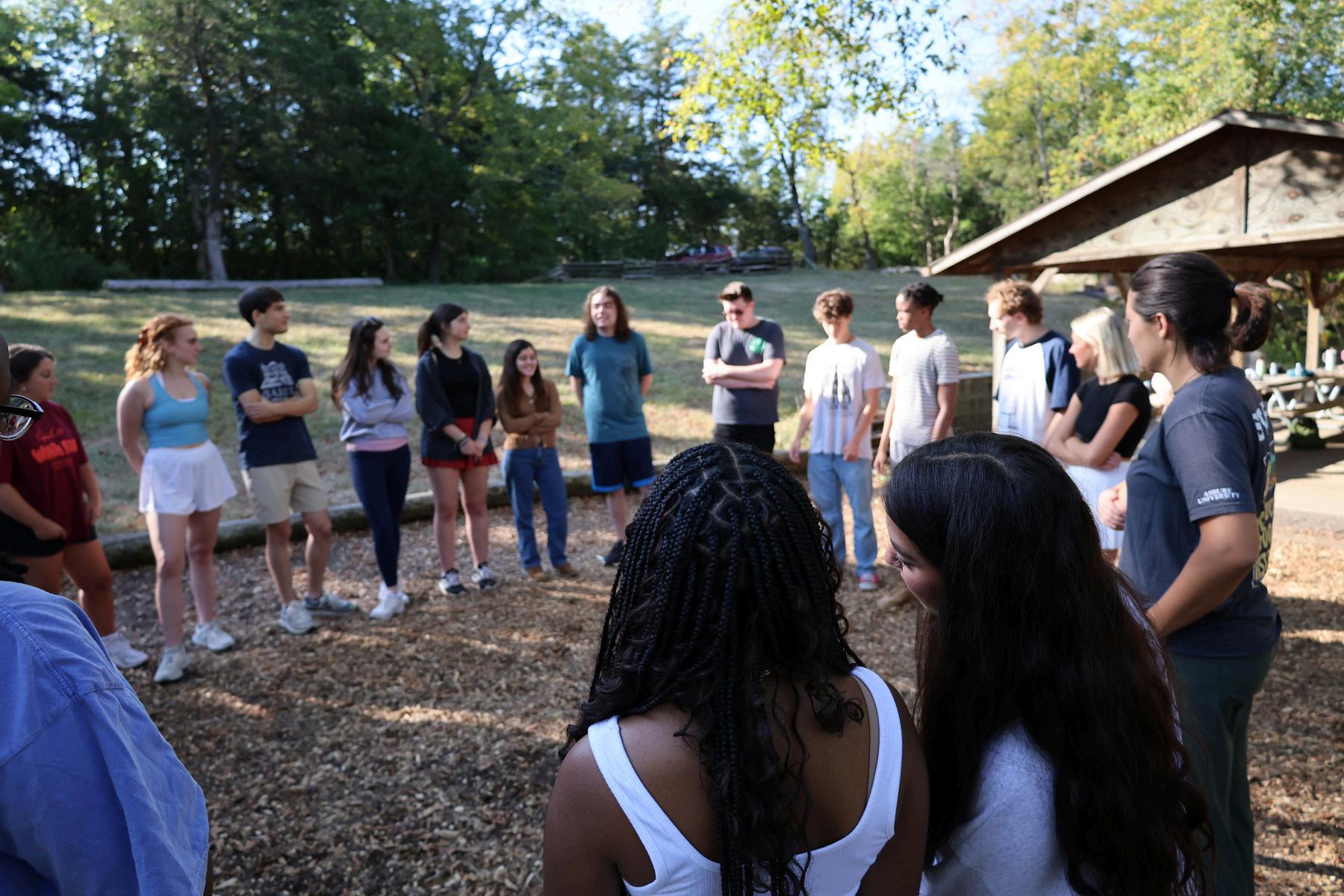
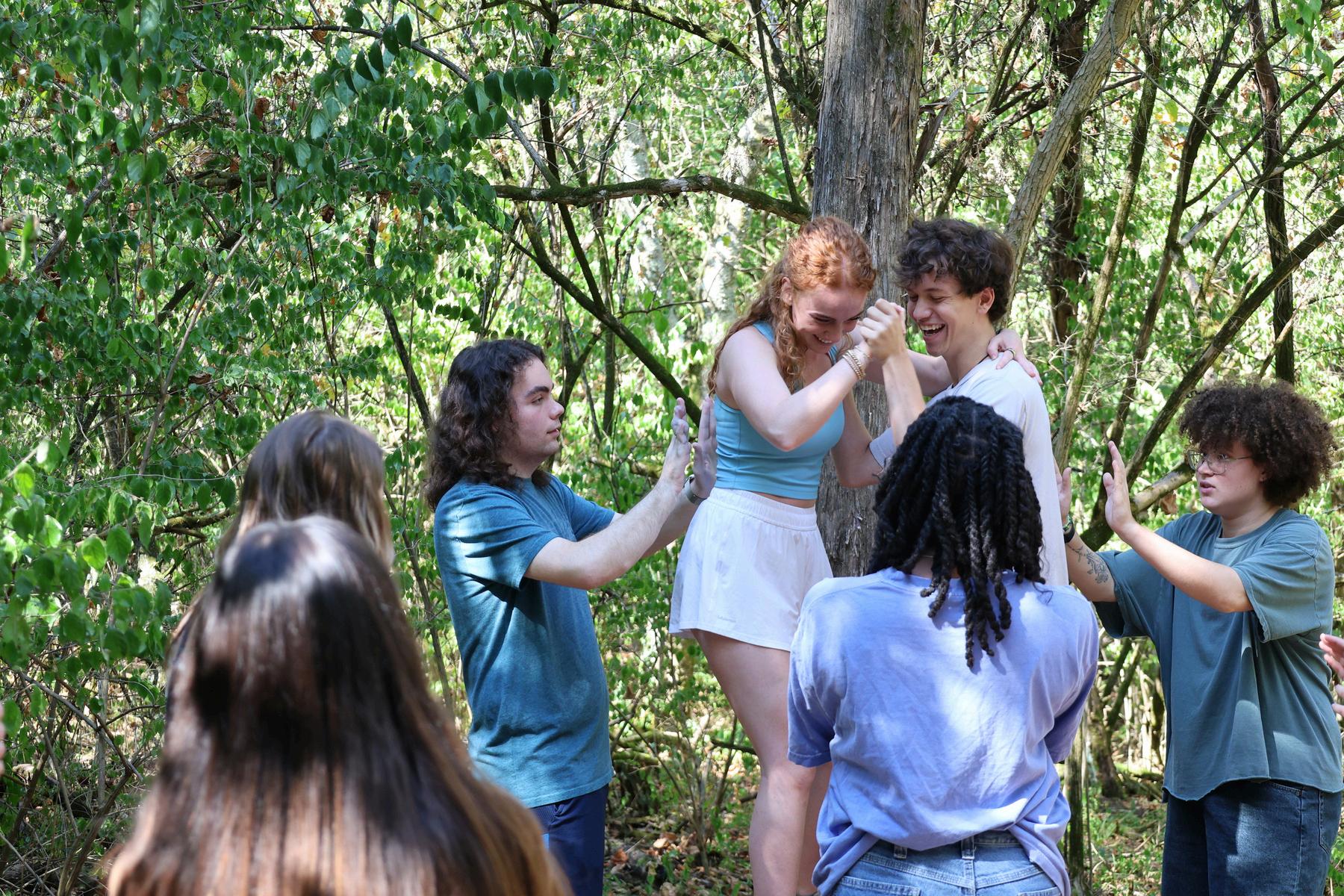
SHAKER VILLAGE FELLOWS WITH THE
MarcVazsonyi
SENIOR FELLOW ON HIS LOVE OF COINS
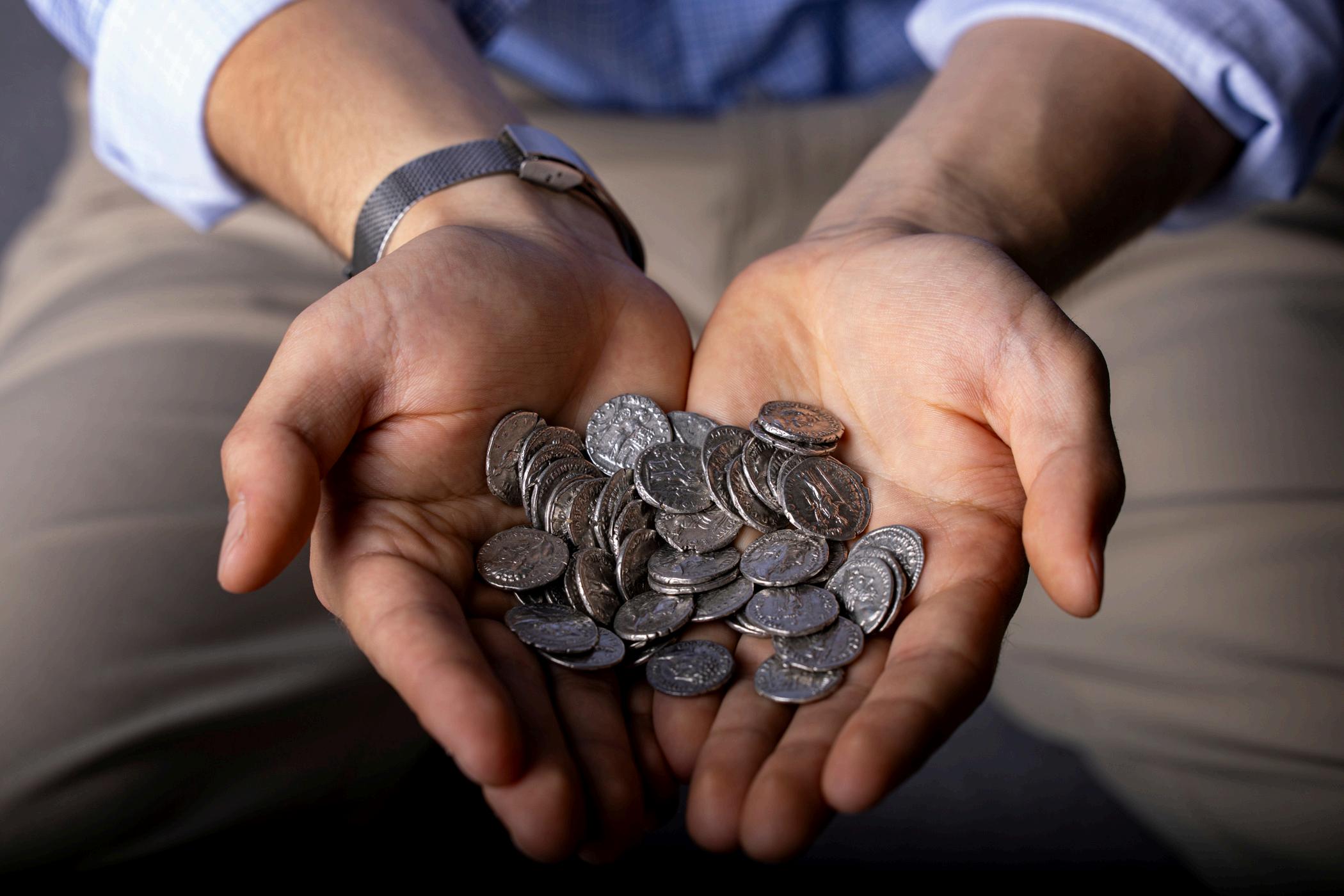
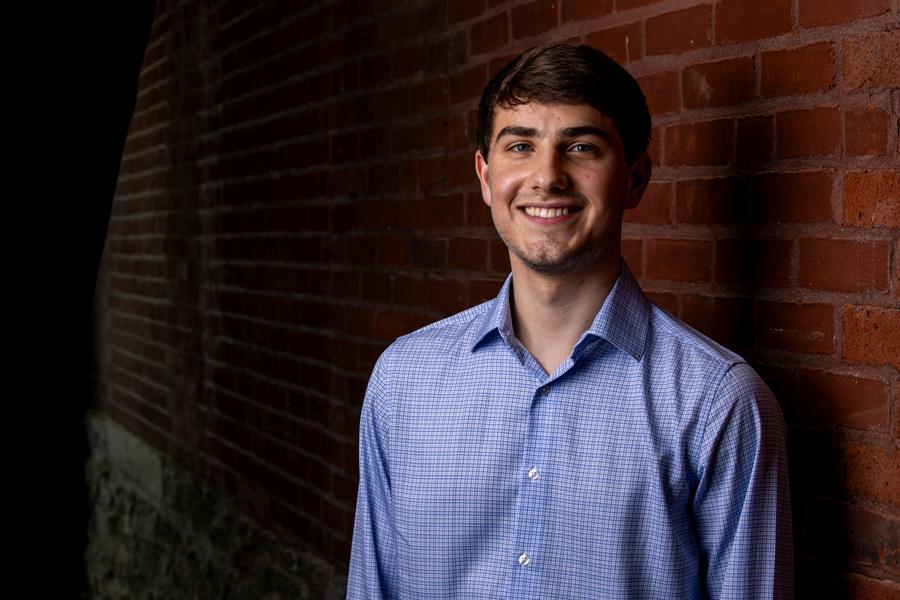
“People don’t realize that societies across the globe have been striking coins for thousands of years,” Marc Vazsonyi said to me, running his finger over a silver didrachm from Neapolis “There’s so much culture and history to learn within it.”
Perhaps that’s not a popular sentiment. For many, coins are nothing more than a nuisance In this economy, you’re better off eating your pennies than saving them. But for KentuckyCoins Marc, they’re miniature masterpieces.
Vazsonyi has been collecting coins since childhood, starting with pennies in between couch cushions and francs from his grandmother in Switzerland.
“It snowballed pretty quickly after that. In eighth grade, I joined some coin circles, and it introduced me to a huge community. I must have gained twenty friendships through it,” Vazsonyi said.
With a huge smile on his face, he spoke of trade shows in Florida, conventions and grading processes. Vazsonyi loved this community
“I want to be as transparent as I can be when trading with people. I want to help them grow their collection.” Vazsonyi said. “I see them as friends, and friends keep things fun.”
Despite literally dealing in cold, hard cash, it was never about the money for him, a question I almost needn’t ask given his enthusiasm was practically blinding me
“I’d barely call this a job,” Vazsonyi said. “I don’t do it for money. The most rewarding part will always be the people.”
He had twisted the “money is the root of all happiness” mantra into something so friendly, like a clown does a balloon animal.
I fished into my pocket, finding a quarter with George Washington side-eyeing me. Could this really be the key to an entire world of friends and happiness? Maybe, but I would need a cooler coin. I sighed, completely overtaken by Vazsonyi’s passion.
“Well,” I said, “could you see yourself doing this as a full-time job?”
“Oh, no,” Vazsonyi said. “I think I want to do something much more impactful in the future.”
Needless to say, I walked out of the interview in desperate need of a character reevaluation, for his kindness was worth more than any coin he could have shown me
2026-27 GAINES
THE HUMAN THE HUMAN ALGORITHM ALGORITHM THEME
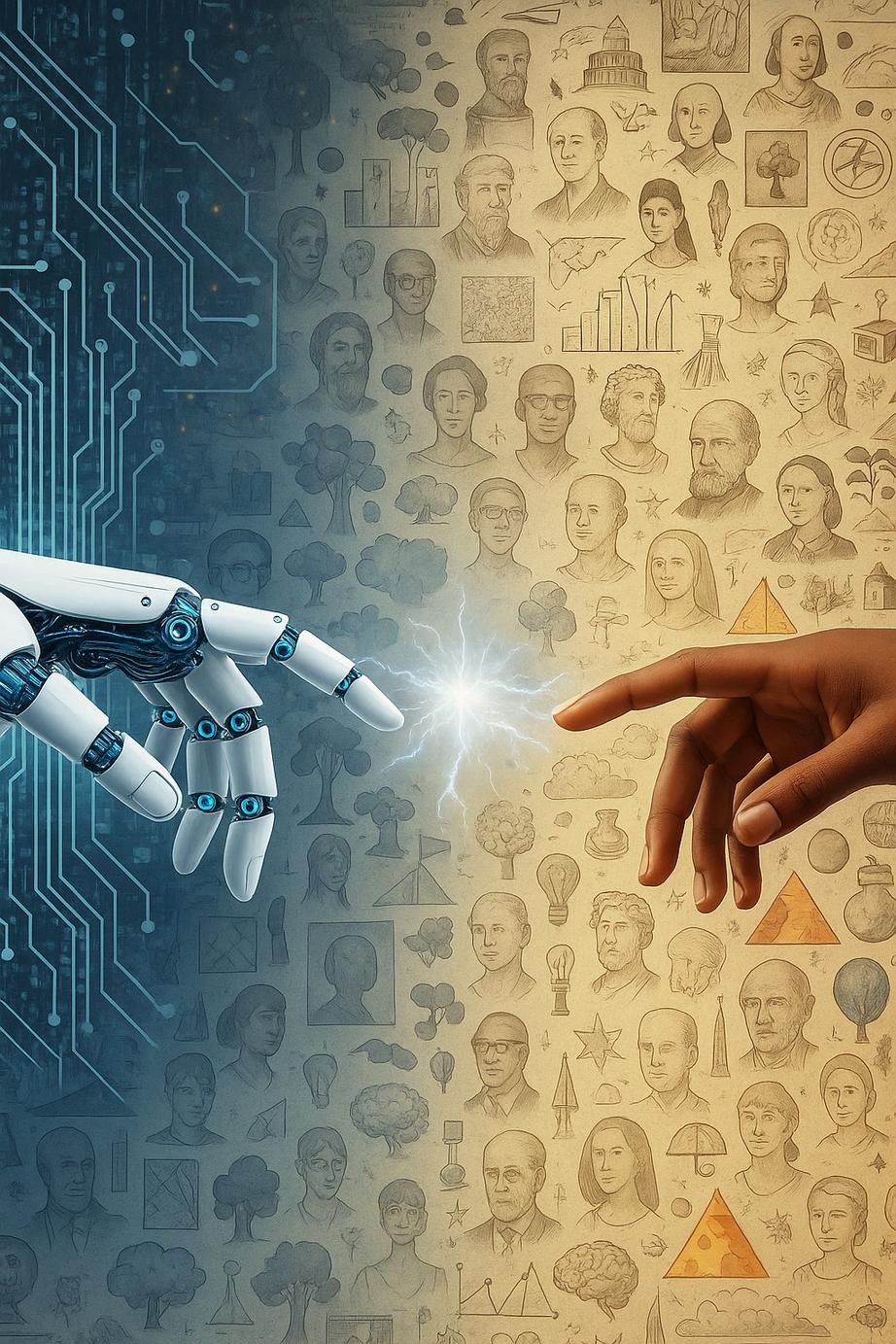
What does it mean to be human in the age of AI? Every technological revolution prompts a rethinking of human qualities and capabilities—now more than ever with the rise of artificial intelligence. Most global technology experts predict how humans live, think, feel, work, learn, create, and connect will be transformed over the next decade. As we grapple with the powers of AI, it is important to examine with equal vigor the traits that make us human. An investigation of being human in the twenty-first century compels us to “reinvest in the vocabulary of human value” as we anticipate the effects (both positive and negative) of humans’ adaptation to the digital future