AT THE TABLE
23 A PLACE TO STAY: LUNA’S PUB AND GRILL OPENS AT NORTHWESTERN 11 LOCAL VOICES AND FOOD SHAPE COMMUNITY AT THE UNIVERSITY OF
19 INSIDE THE 2026 CAMPUS DINING INDEX: WHAT’S TRENDING IN COLLEGE DINING

23 A PLACE TO STAY: LUNA’S PUB AND GRILL OPENS AT NORTHWESTERN 11 LOCAL VOICES AND FOOD SHAPE COMMUNITY AT THE UNIVERSITY OF
19 INSIDE THE 2026 CAMPUS DINING INDEX: WHAT’S TRENDING IN COLLEGE DINING
EVA WOJTALEWSKI
CHIEF EXECUTIVE OFFICER
We spend a lot of time thinking about what’s next for dining in higher education. For us, that means imagining what’s possible, challenging ourselves to think differently, and staying closely connected to the students we serve every day. Their voices shape the spaces we design, the programs we introduce, and the ideas that take root on campus.
When we truly listen and follow through, dining becomes more than a place to eat. It becomes a place to gather, recharge, and feel a sense of belonging. It is where community forms in small, everyday moments that matter more than we sometimes realize.
Our annual Voice to Vision student survey helps us better understand how dining supports connection, well-being, and success. The insights are important, but the real story shows up in other ways. It is in the meals students return for, the tables they pull together, and the traditions that begin in our spaces.
Throughout this issue, you will see how student feedback guides what comes next. From new concepts and partnerships to programs shaped directly by campus input, each story reflects our commitment to listening and responding. Together with our partners, we continue to build dining programs that grow and adapt alongside the students and communities we serve.

First-of-its-kind NIL Campus Dining Collaboration at the University of Pittsburgh
Behind a Champion Ship Run at the University of Miami
Celebrating Culture Through Food: University of Chicago Builds Community with Surrounding Neighborhoods
Turning Quick Stops into Connections at George Mason University
By The Numbers: Inside the 2026 Campus Dining Index. Turning Insight Into Action
2026 Food Trends: What Our Chefs Are Watching Next
A Place to Stay: Luna’s Pub & Grill Opens at Northwestern University
Where Students Ideas Take Shape at Carnegie Mellon University 07 08 11 18 19 21 23 25 27 28 31
Turning Game Day Favorites Into Campus Impact at UW-Whitewater
A Campus Roots Dining Experience at Northeastern University
Moments That Matter: How Everyday Interactions Shape the Campus Experience
Championship seasons are built long before game day, shaped by early lifts, recovery sessions, team meetings, and long hours in practice. More and more, that preparation is showing up across campus dining, where the choices students make each day play a role in how they feel, focus, and perform.
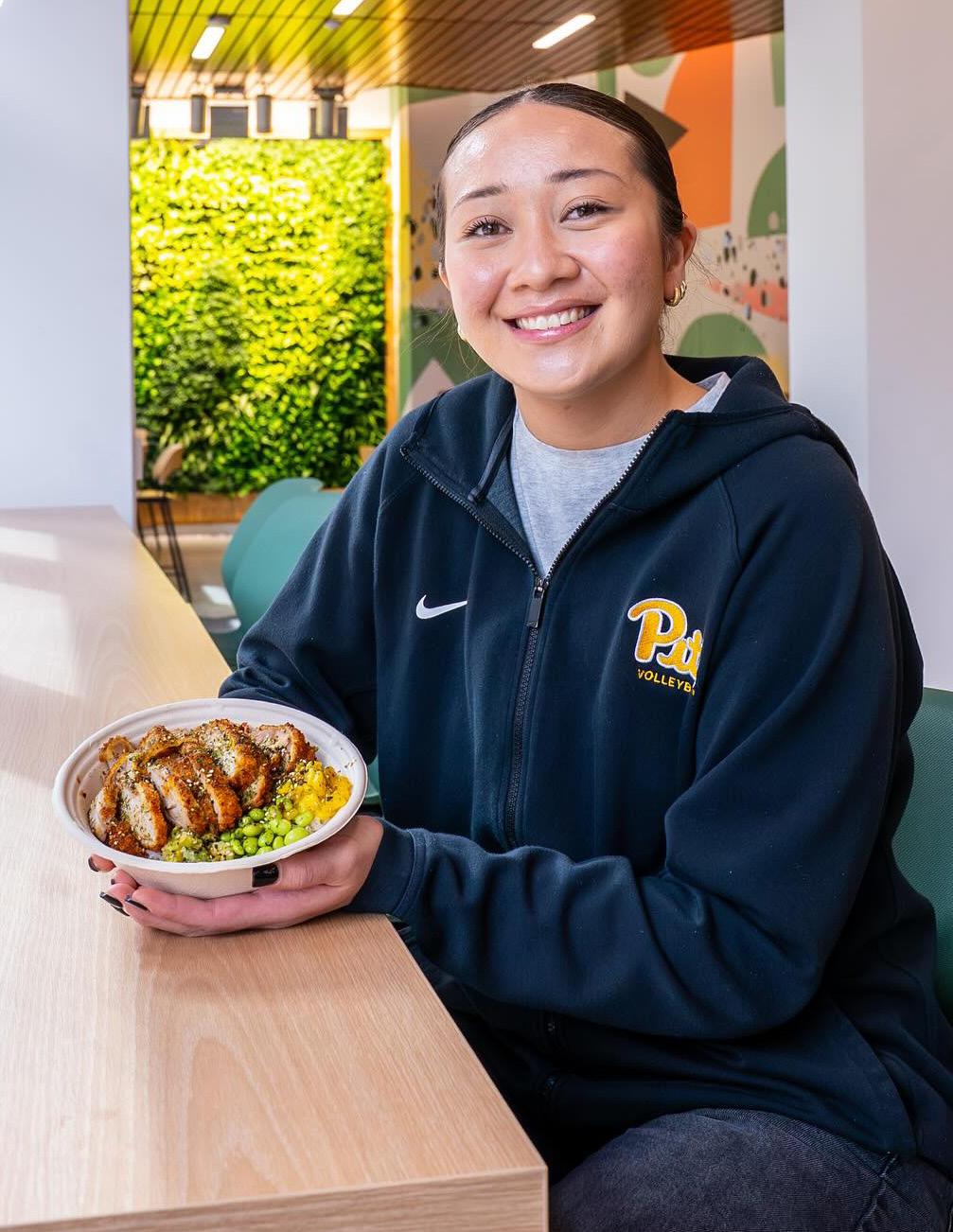
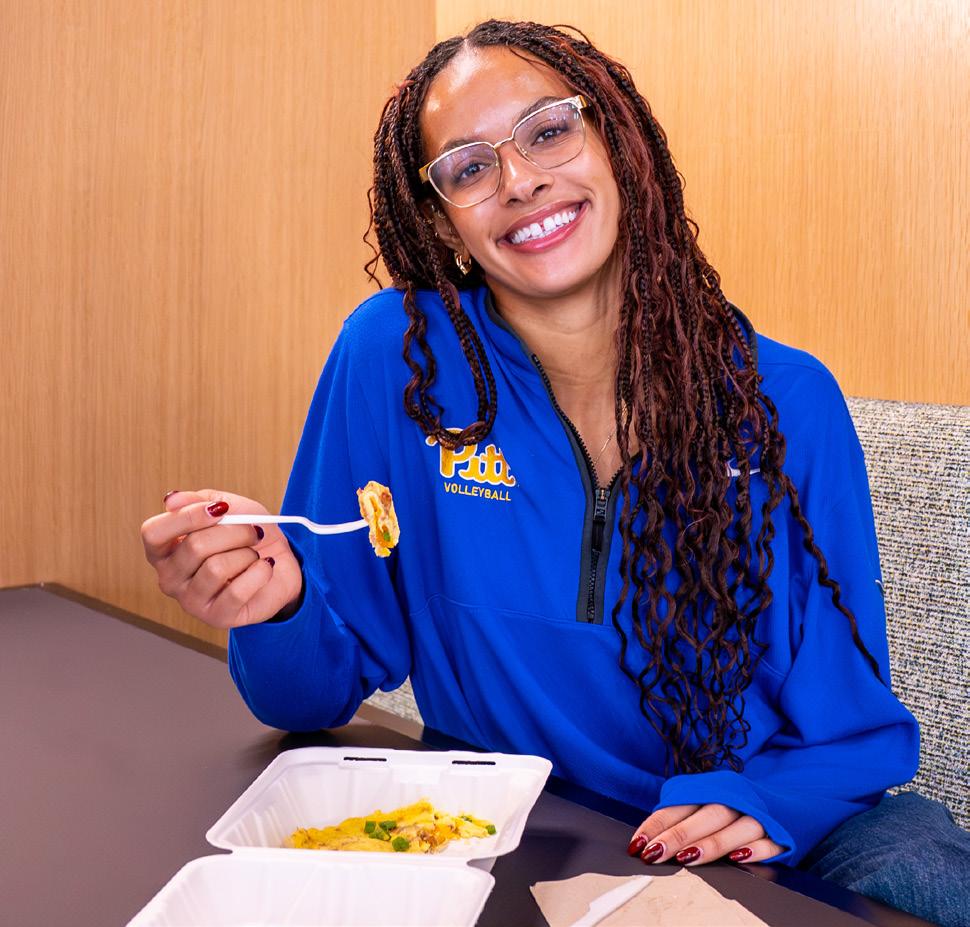
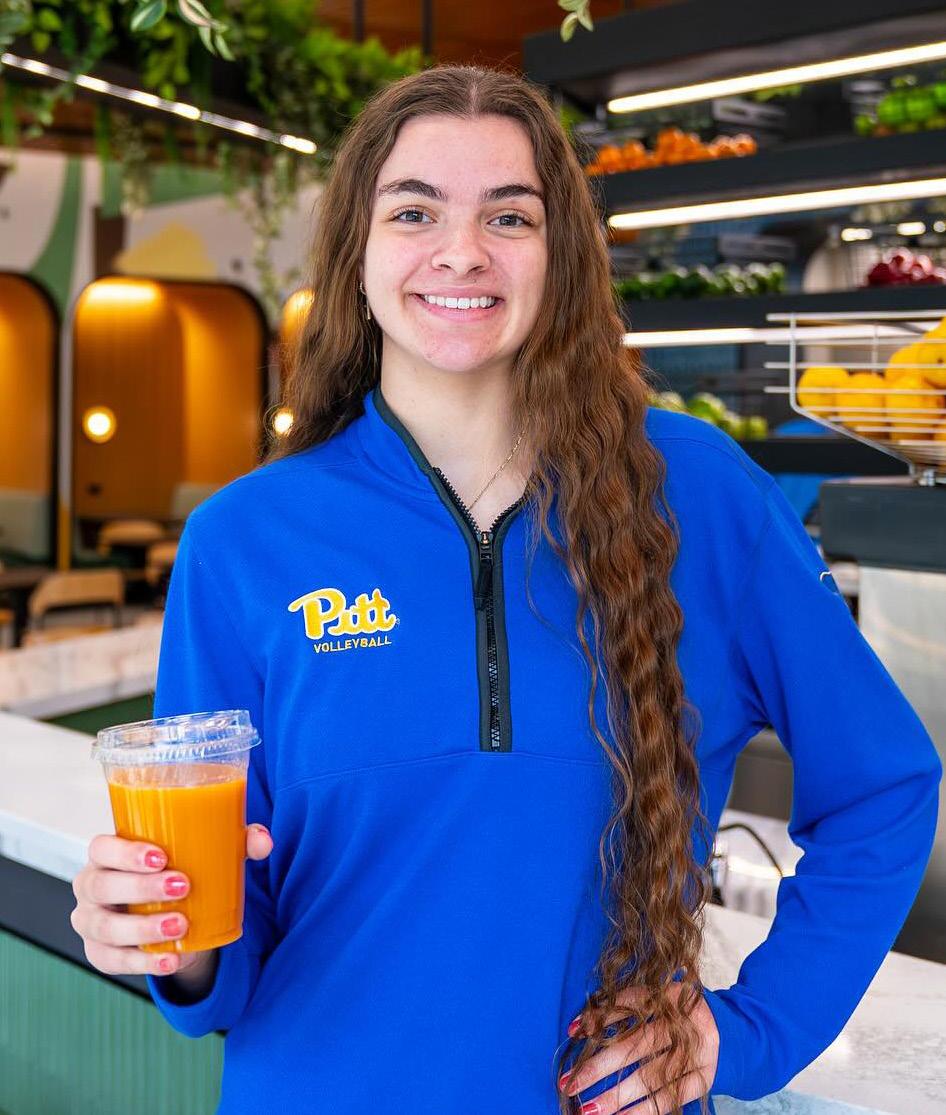
Through a new name, image and likeness (NIL) collaboration at the University of Pittsburgh, studentathletes are sharing how they fuel throughout the week, bringing their everyday meal routines into the spotlight. Favorite meals and go-to dishes now appear in dining locations across campus, offering a simple reminder that what’s on the plate supports steady energy and recovery.
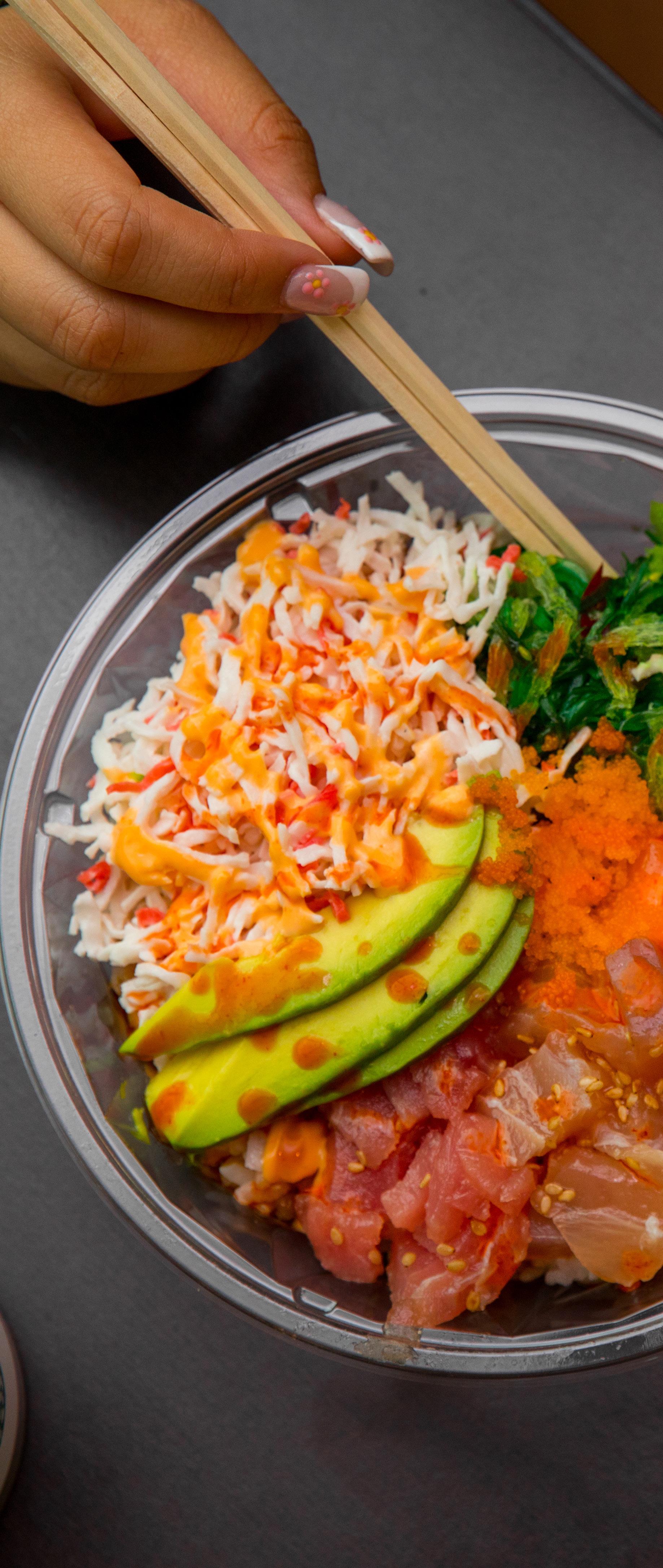
The Women’s Volleyball team is leading the way with one athlete creating her own signature poke bowl, built around the balance she relies on during demanding training weeks. The bowl is now part of the menu, and select items are marked with a “Powered By” icon, making it easy for students to see how food connects to preparation and performance.
What makes the collaboration resonate is its accessibility. The same meals that help athletes prepare for competition are available to anyone navigating early classes, rehearsals, labs, practices, or long nights of studying. The connection between preparation and nourishment becomes something shared across campus rather than limited to the court.
By bringing athletes’ voices into everyday dining, the initiative reinforces the simple idea that performance is built in small, consistent choices, including the ones made around food.
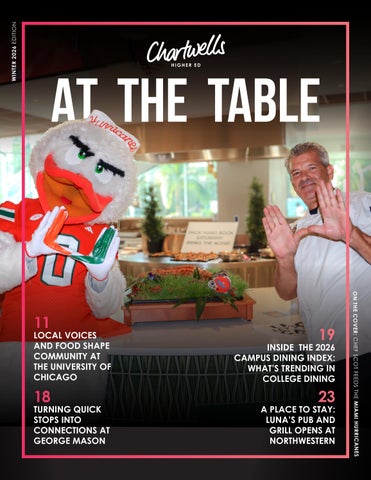
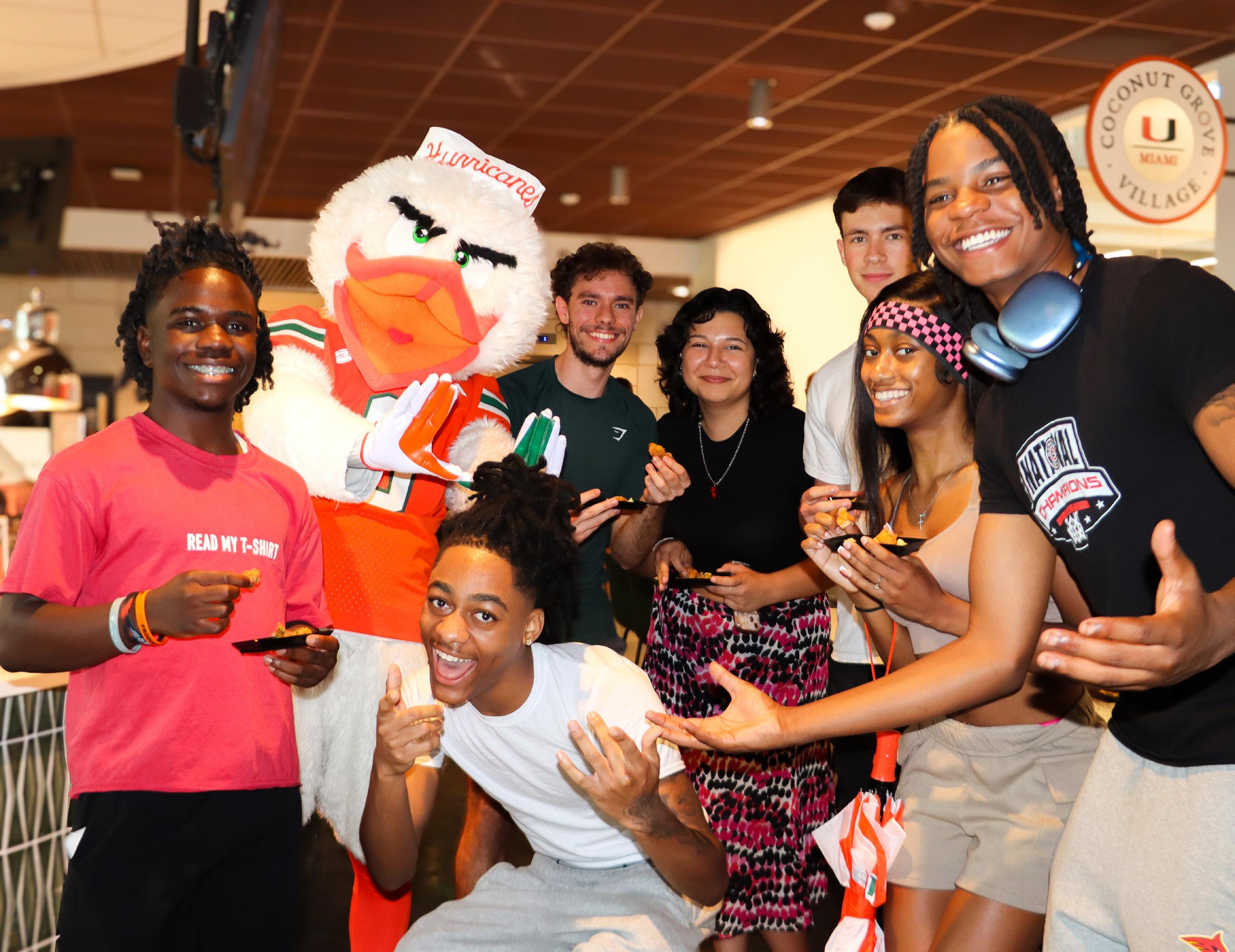
Long before sunrise on the University of Miami campus, the culinary team is already at work. The day begins early, not out of tradition, but necessity. Supporting one of college football’s most demanding programs requires an understanding that performance is shaped long before game time.
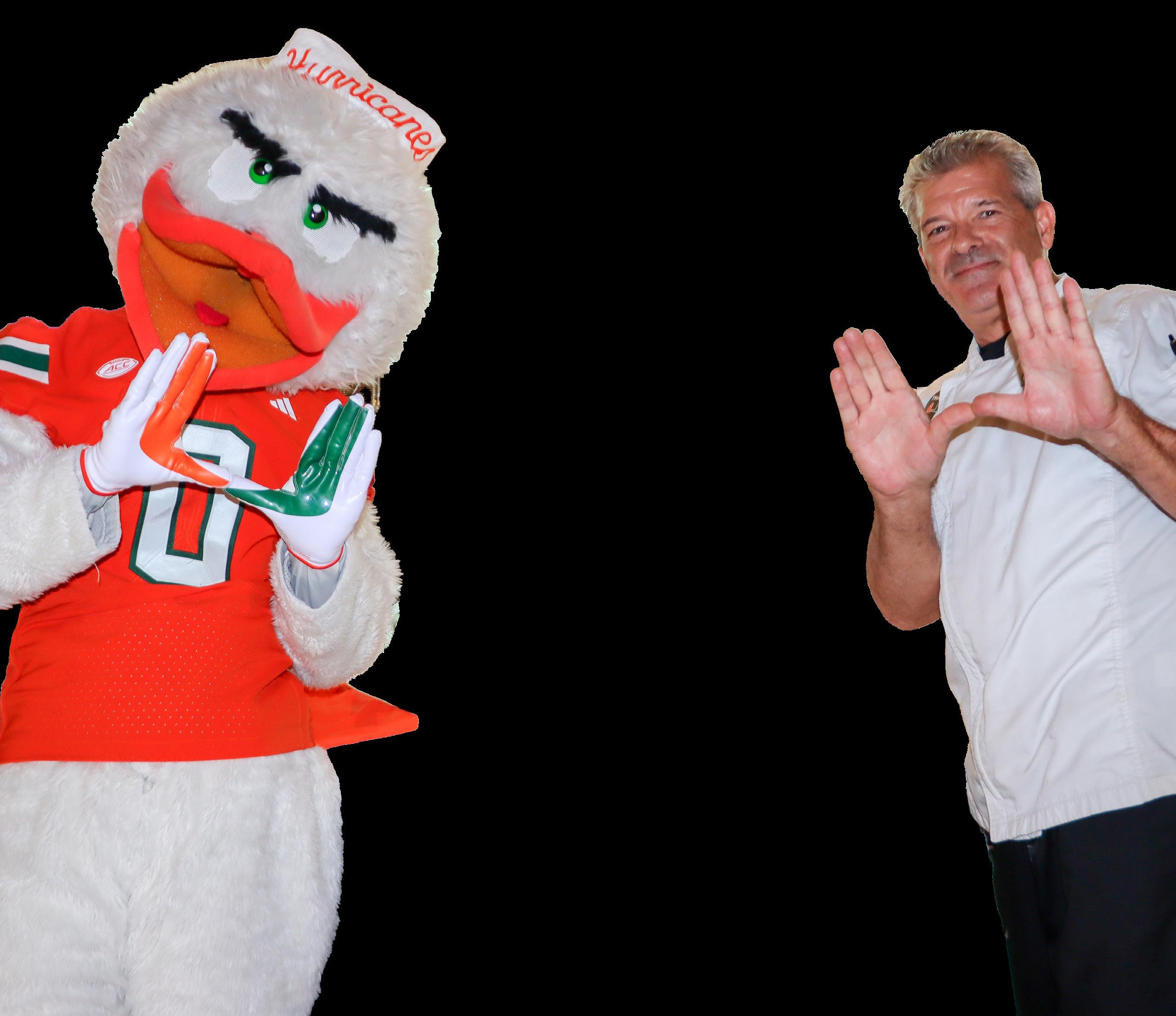
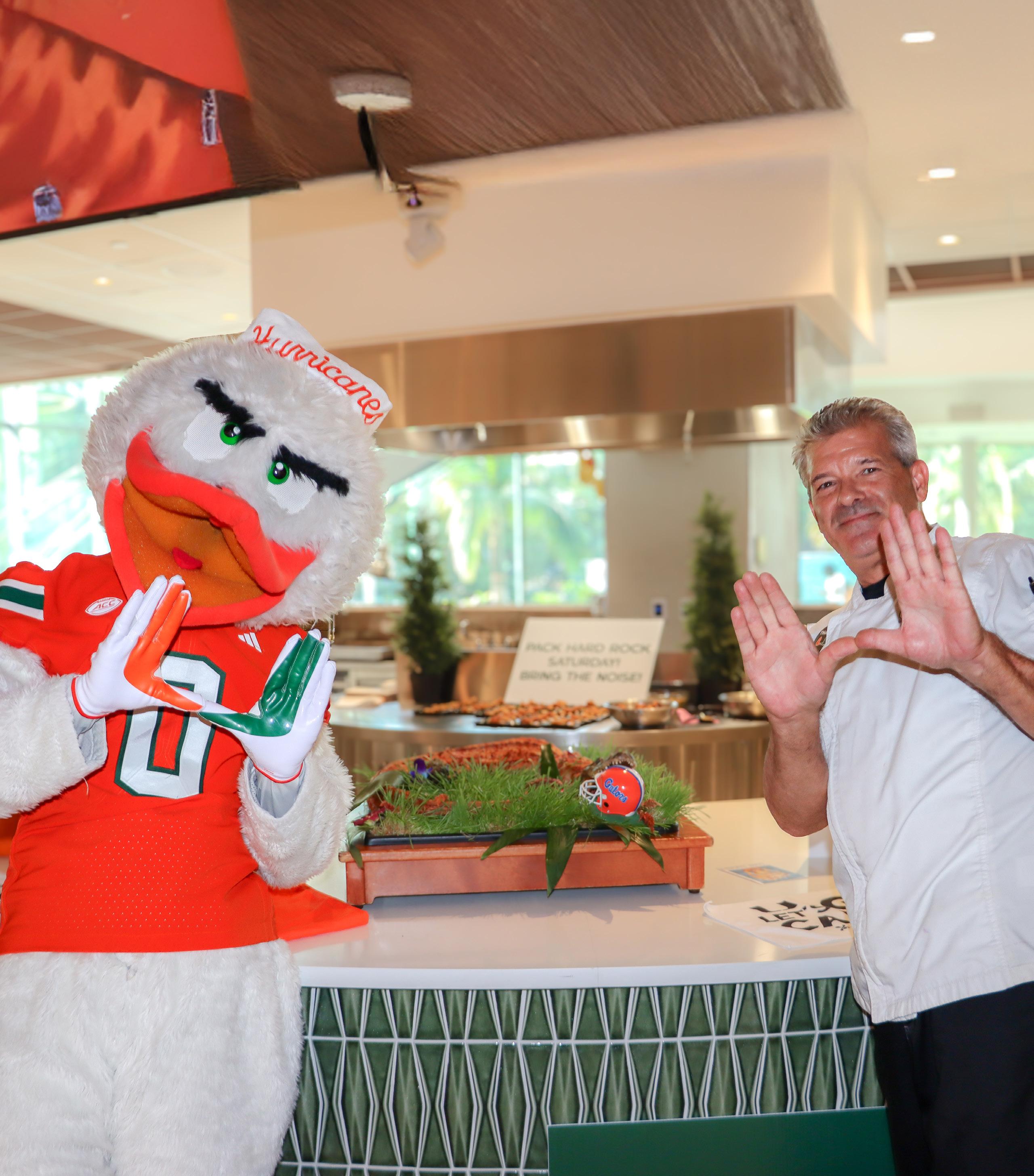
Led by Executive Campus Chef Scot Emerson, whose decades of experience guide a high-performance environment, the team prepares food with the same attention to detail expected on the field. Portions, timing, and menus are carefully coordinated alongside nutrition staff and strength coaches, shifting as schedules, travel, and training demands change.
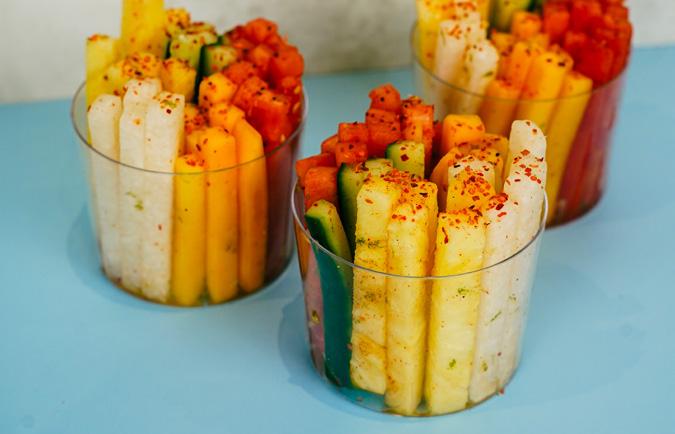
Food here serves a specific purpose, from fresh fruit cut daily to proteins prepared with intention as athletes move through training, recovery, and competition. Each morning begins with a championship-level breakfast, followed by a steady cadence of meals and snacks designed to support energy, focus, and endurance throughout the day.
Away games add another layer of complexity. The team collaborates with culinary partners across the country, often feeding hundreds of athletes, staff, and families in unfamiliar environments. Plans can easily shift, and schedules may tighten, but the work continues, feeding hundreds in kitchens they’ve never used before, guided by preparation and trust.
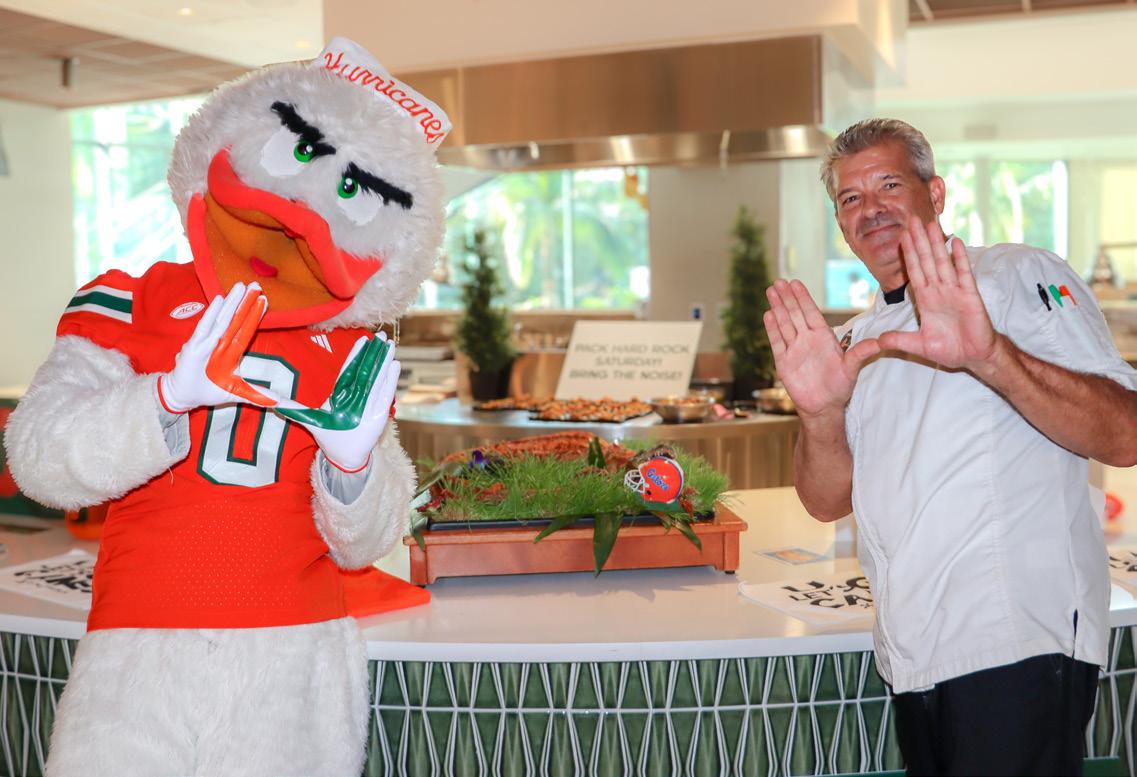
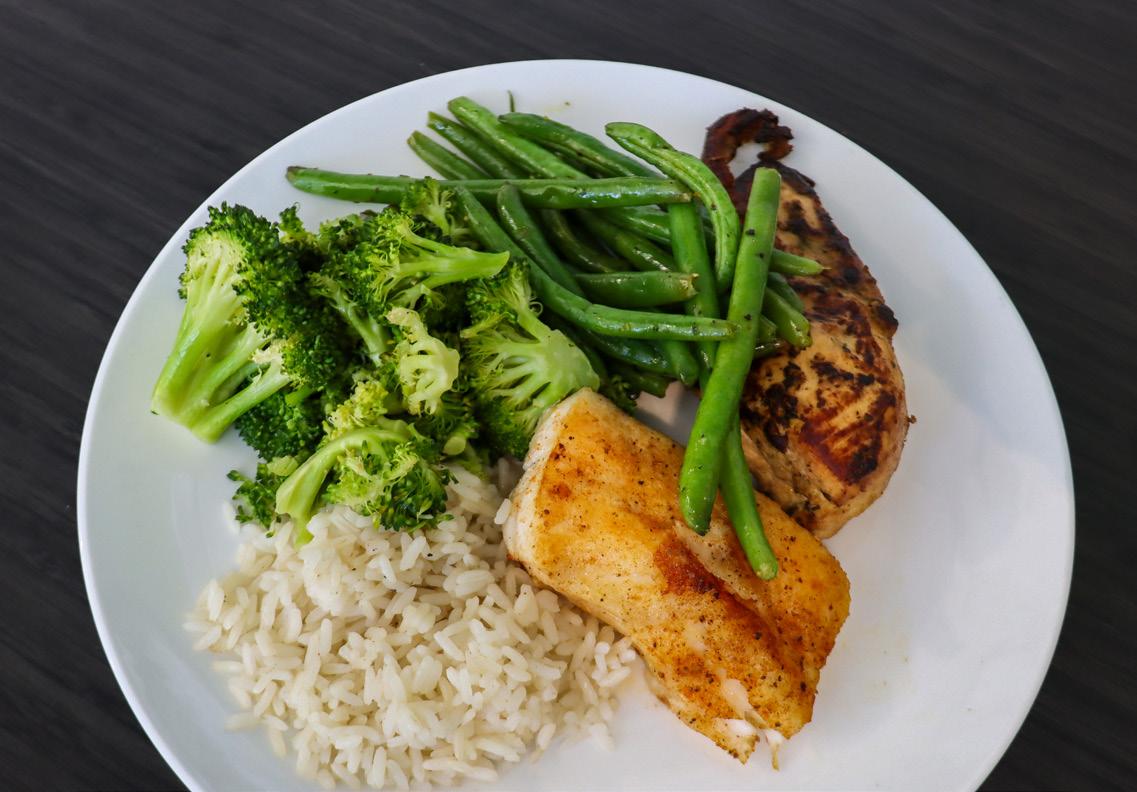
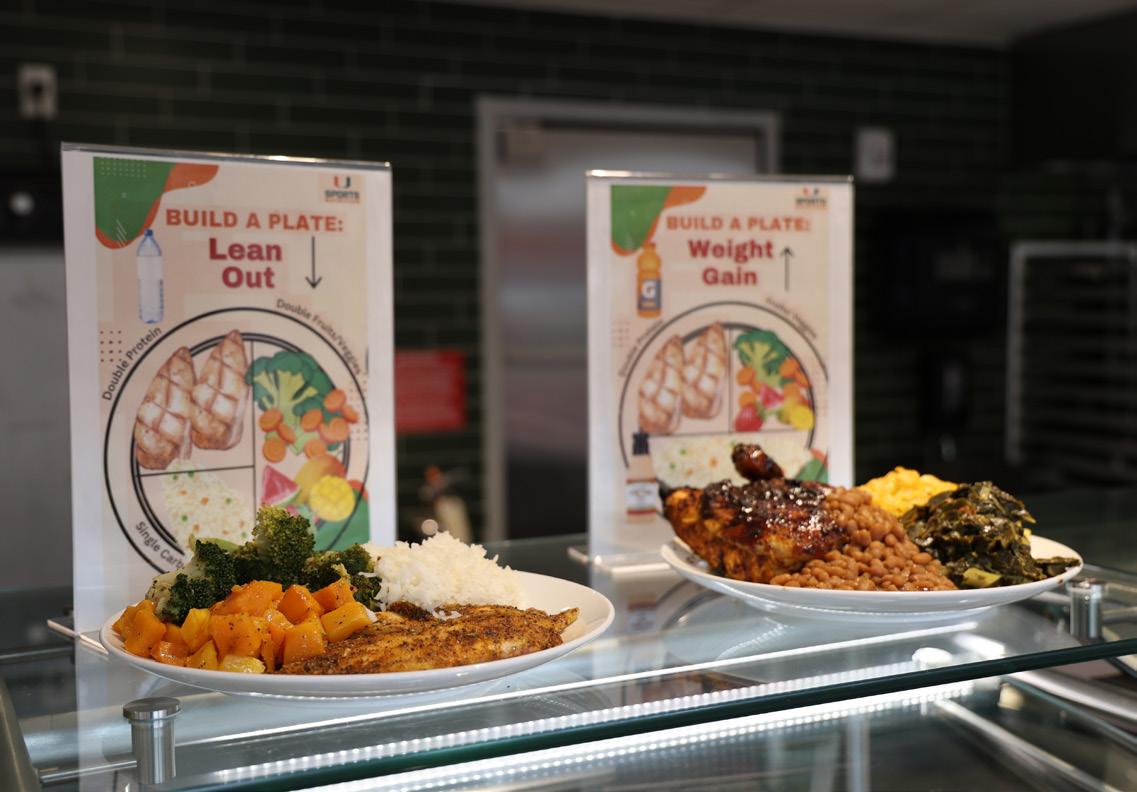
What makes this partnership distinctive is the balance between hospitality and high-performance rigor. The culinary team cuts its own fish, sources fresh produce, and builds menus that reflect both nutrition science and the flavors athletes enjoy. Caribbean, Latin, and Cuban influences show up intentionally, reinforcing a sense of identity alongside performance.
The result goes beyond fuel, building confidence among athletes who know their needs are understood and met. Coaches trust the systems in place, and the culinary team understands their role extends beyond the plate. They help create the conditions that allow excellence to happen.
Even when the season ends one game short, the work remains the same. The commitment to preparation, care, and consistency does not change. That reliability is what defines championship support, long before trophies are awarded.
Food has long served as a bridge between campus and city, connecting academic life with the neighborhoods that surround it. In Chicago, campus dining embraces that relationship through sustained collaboration with South Side restaurateurs, Black-owned beverage brands, and entrepreneurs whose work shapes the local food landscape.
These partnerships extend beyond a single event or season and reflect a long-term commitment to working alongside local businesses, keeping dining rooted in the city it calls home.
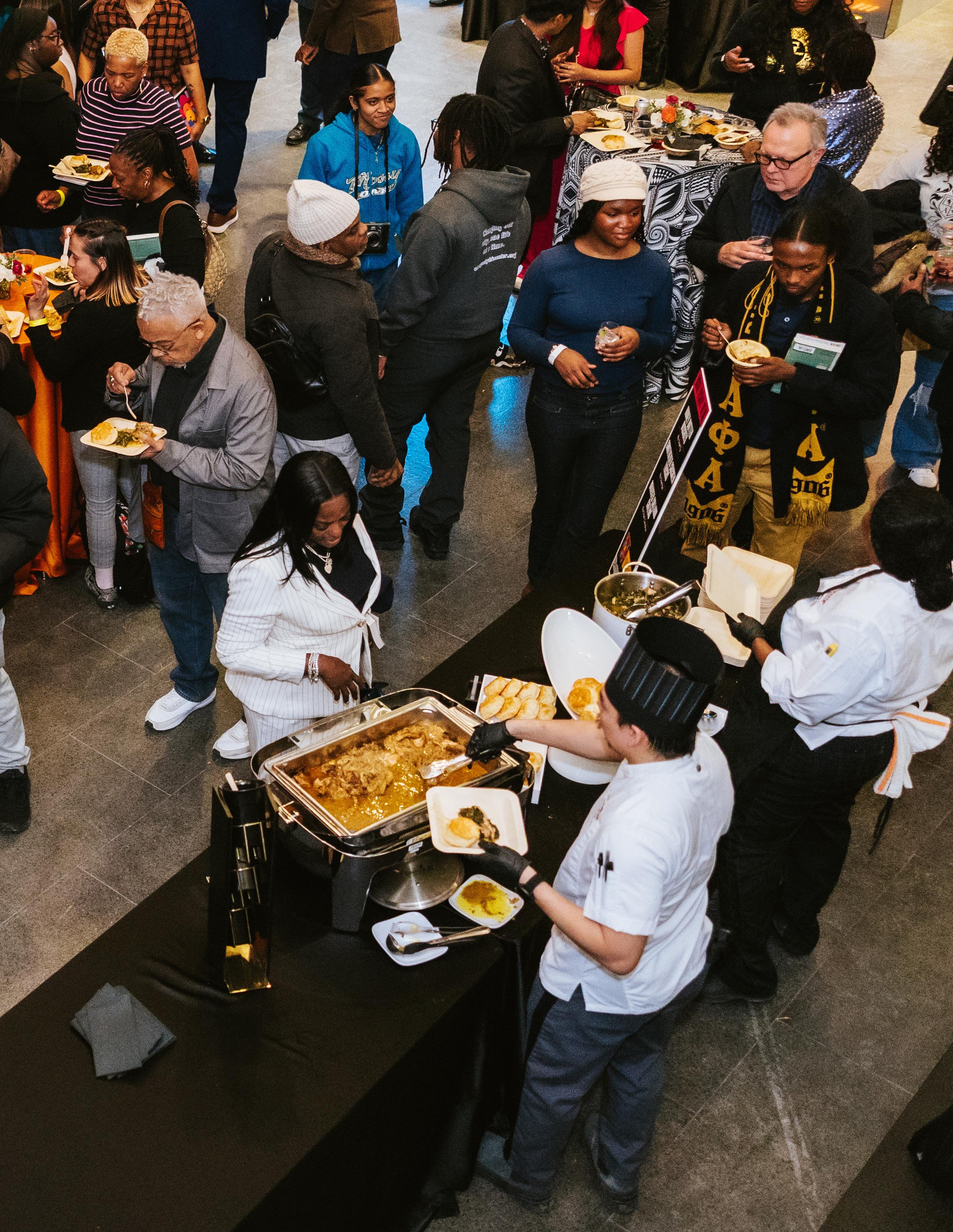
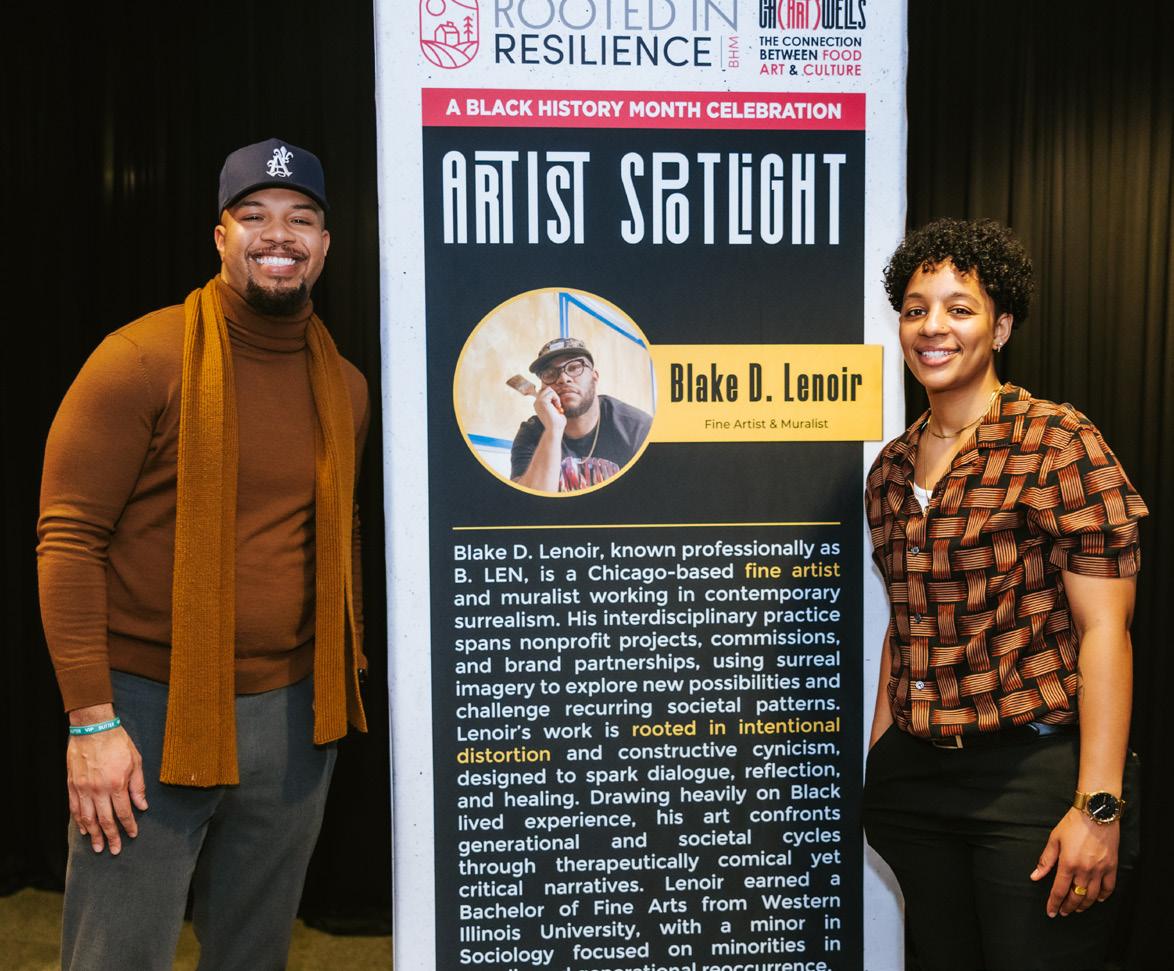
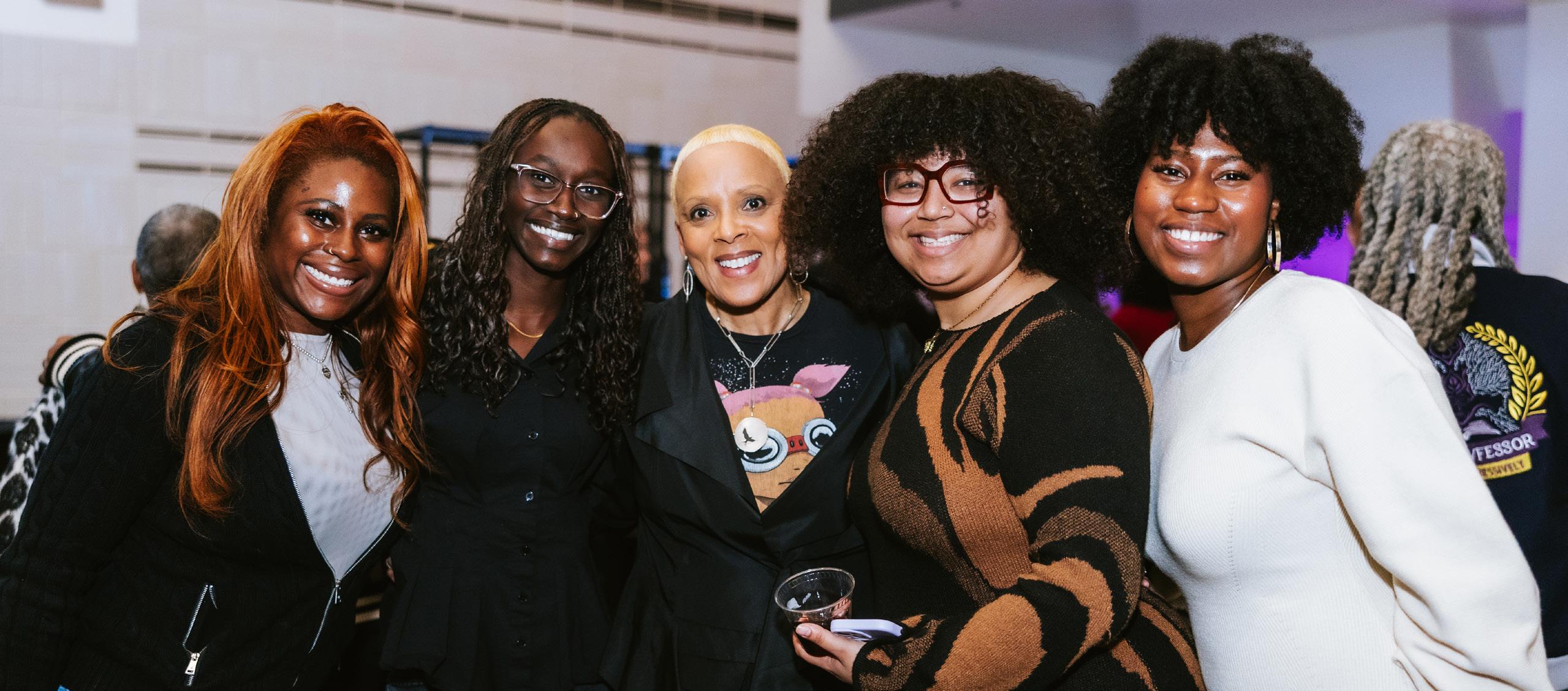
That relationship was recently highlighted during Ch(art)wells, an annual campus gathering that brought student organizations and local entrepreneurs together for an evening of conversation and shared meals. While the event offered a moment of celebration, it also underscored relationships built over time through thoughtful sourcing and shared storytelling.
The program featured a panel of Black entrepreneurs, including South Side restaurant owners whose leadership strengthens the neighborhoods they serve, alongside Chef Bryant Terry, who brought national perspective to the discussion. Through open dialogue, panelists explored how food can create opportunity, preserve heritage, and anchor small businesses within their communities.

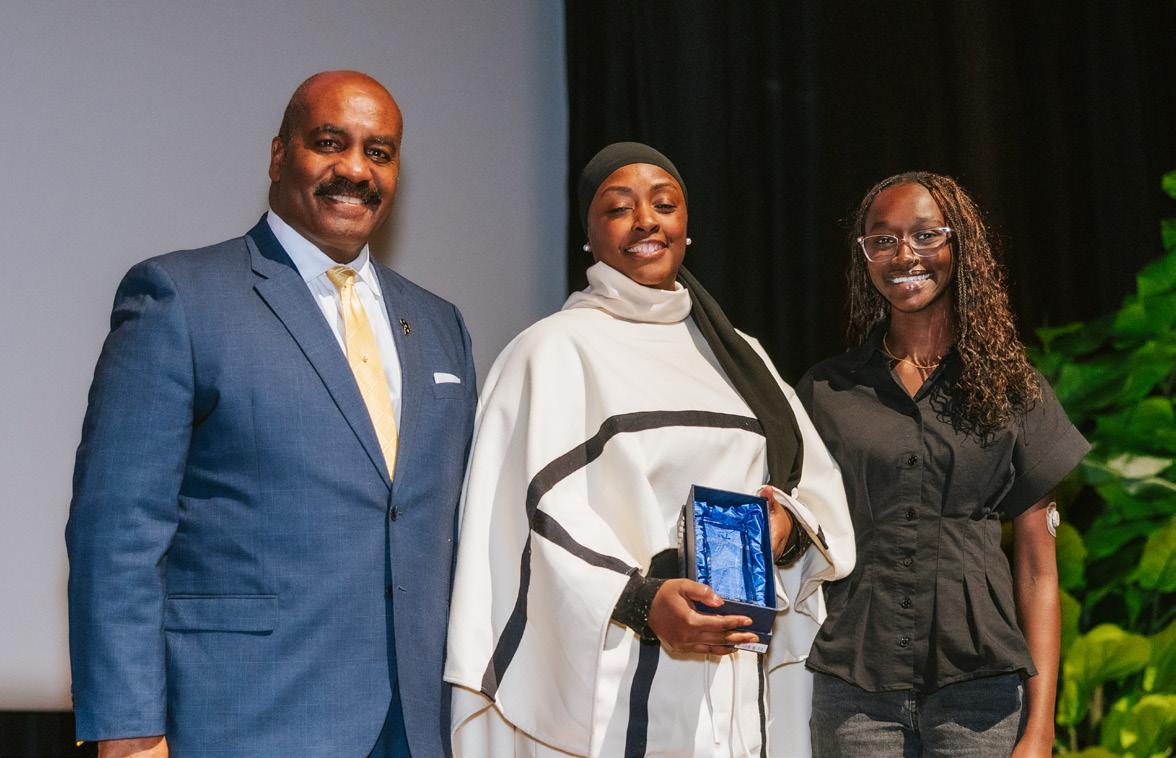
One of the evening’s most meaningful moments recognized Maisha Oliver, owner of KabobIT and a former campus dining team member. Her journey from employee to campus partner reflects how sustained collaboration can create pathways for local entrepreneurs to grow alongside campus life.
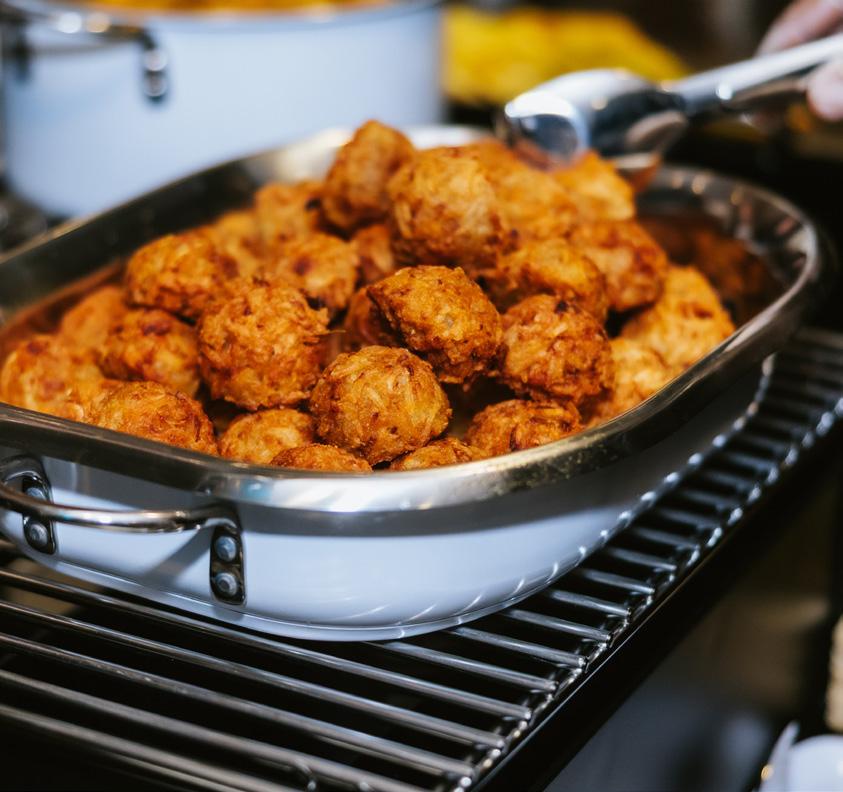
The menu extended that focus by drawing inspiration from Chef Terry’s Black Food: Stories, Art, and Recipes from Across the African Diaspora while incorporating input from student groups and spotlighting Chicago partners. Blackowned beer and wine brands complemented the meal, ensuring that both recognition and economic participation remained rooted in the local economy.
When dining cultivates lasting partnerships beyond campus borders, food becomes more than a shared meal. It becomes part of an ongoing exchange between campus and city.


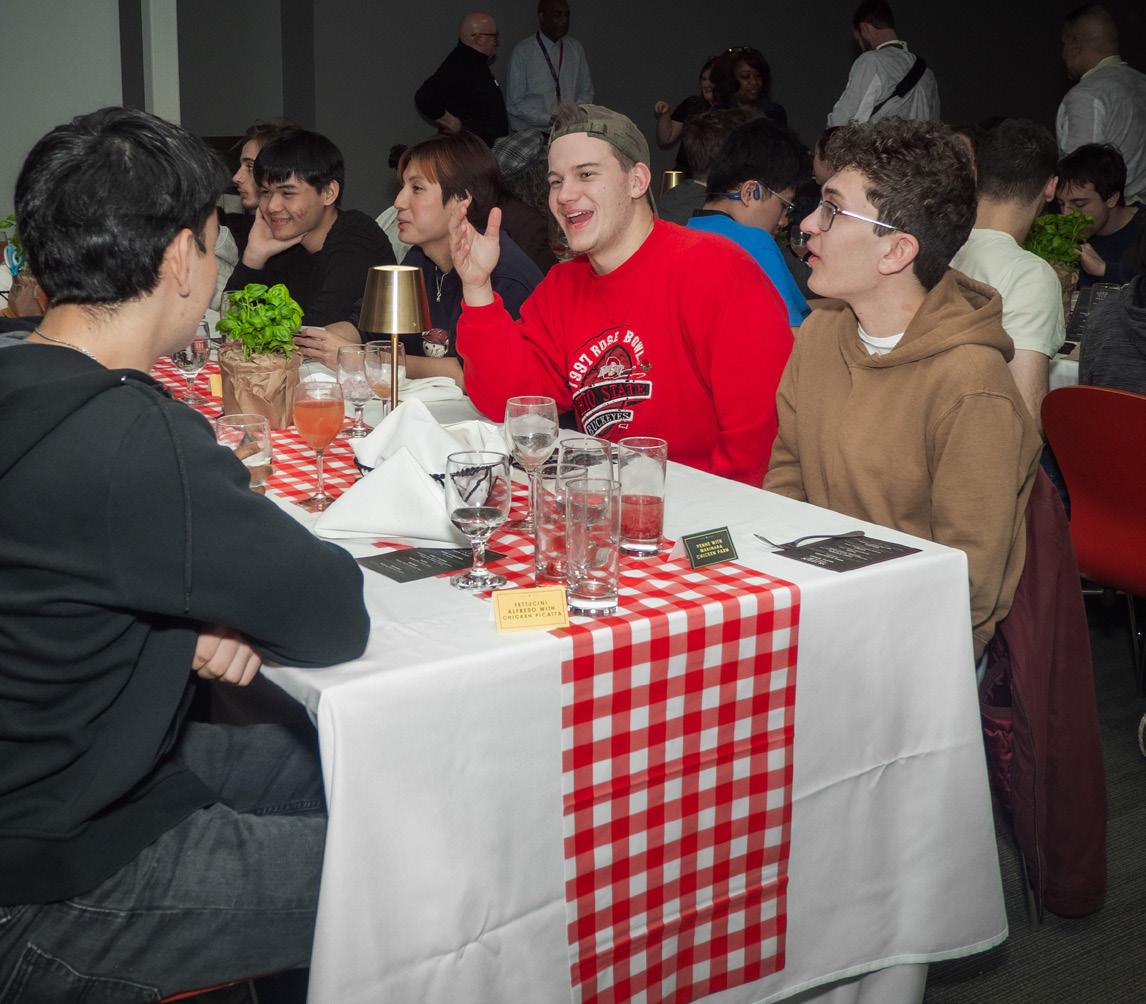

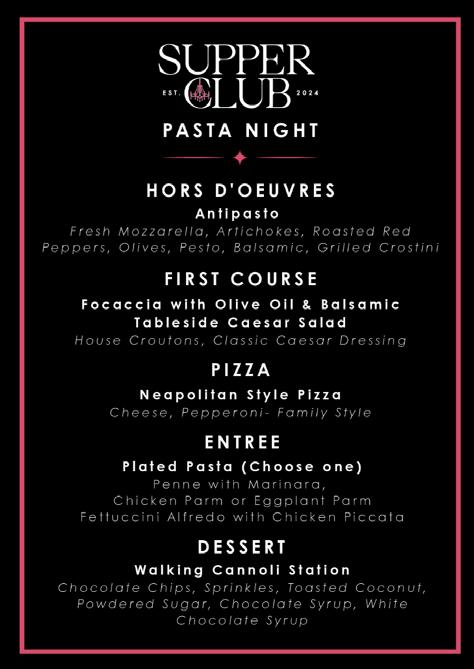
When George Mason University opened reservations for its latest Supper Club, all 50 spots for the Italian Pasta Party were claimed within hours, a notable response on a campus where students often move from class to car without stopping.
For most students, days are shaped by classes, work, and long drives home, leaving little reason to linger, but Supper Club gave them one.
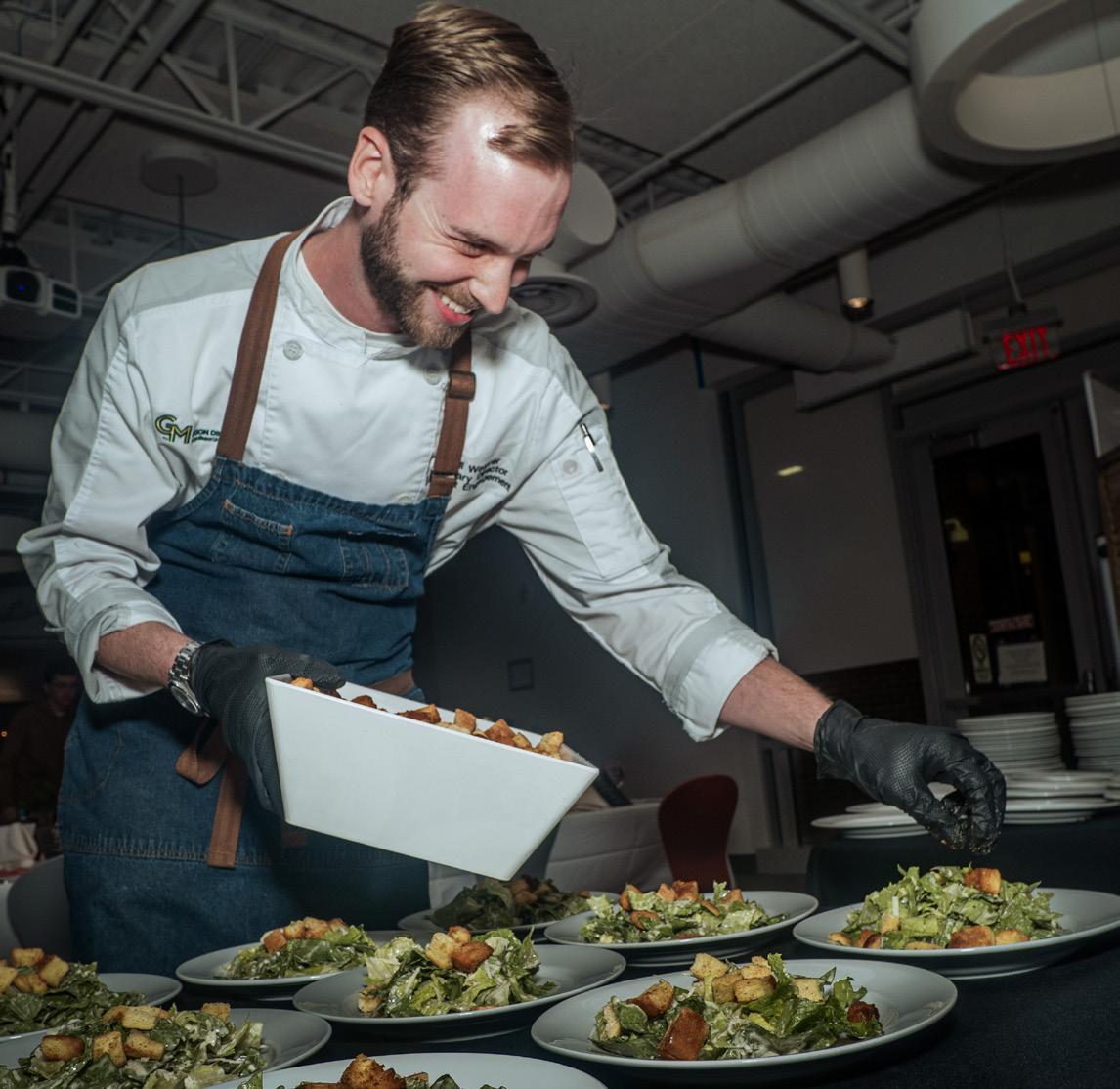
Guests checked in at a hostess stand before stepping into a transformed Ike’s Dining Hall, where long tables replaced standard seating and fresh potted basil sat at each place setting, with scissors nearby for guests to snip their own garnish. Classic Italian music played as antipasto boards circulated and students moved between the mocktail bar and tableside Caesar service.
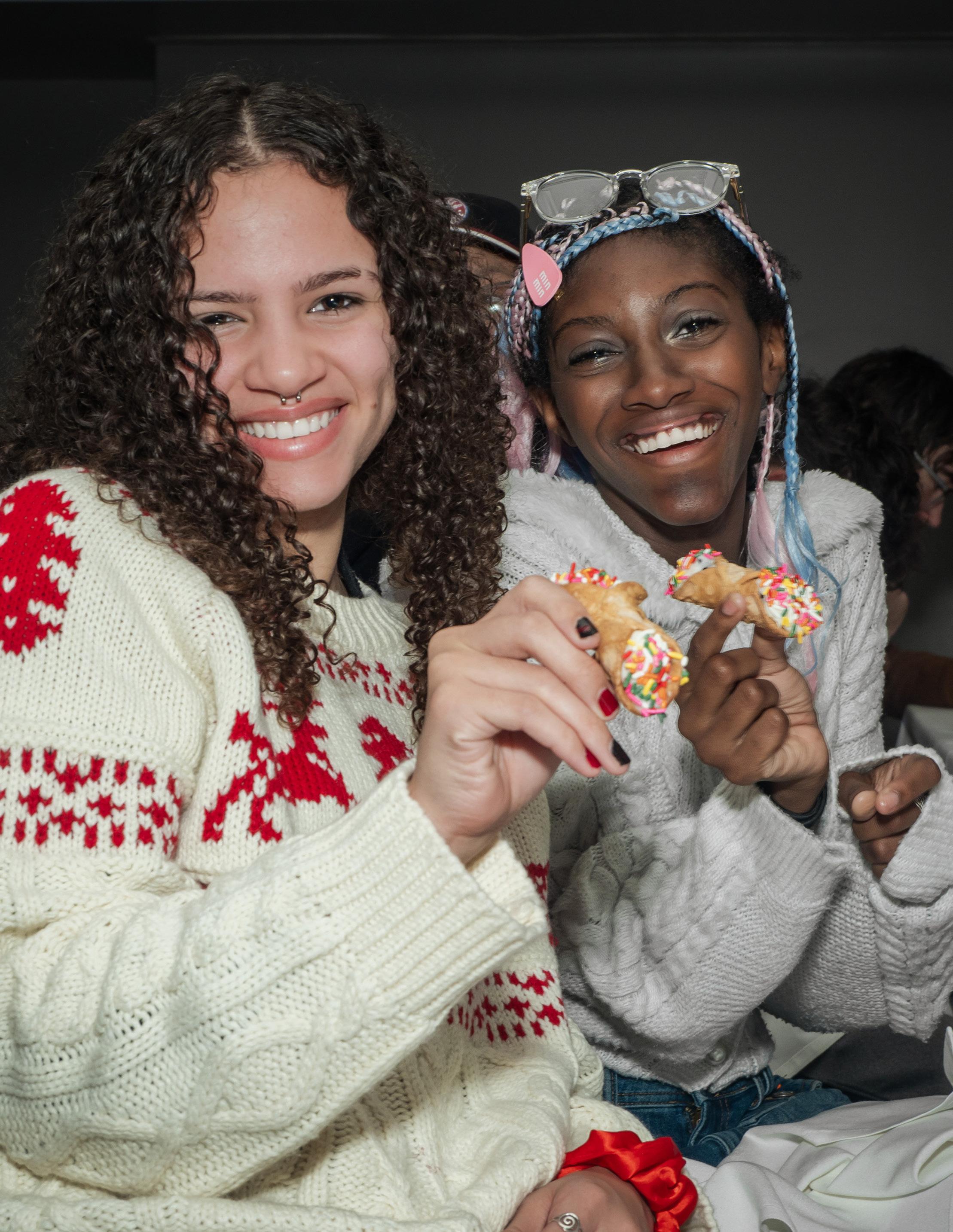
Midway through the evening, Chef Will and Executive Chef George introduced a walking cannoli station, piping fresh filling tableside. What easily could have been a quick dessert turned into a shared moment, and seats stayed full well beyond the last serving.
By the end of the night, it was clear this was more than a themed dinner. In just one semester, Supper Club has become a monthly tradition at George Mason, with demand continuing to grow and students already asking what’s next.
Each year, the Campus Dining Index offers a clearer picture of how students are eating and what they’re asking for on campus. In 2026, students pointed to food that keeps pace with long days, beverages that carry them from class to practice, and dining experiences that feel consistent and personal.
Across campuses, these preferences show up in everyday choices from meals built to last through long class schedules, to training sessions and all the moments in between.
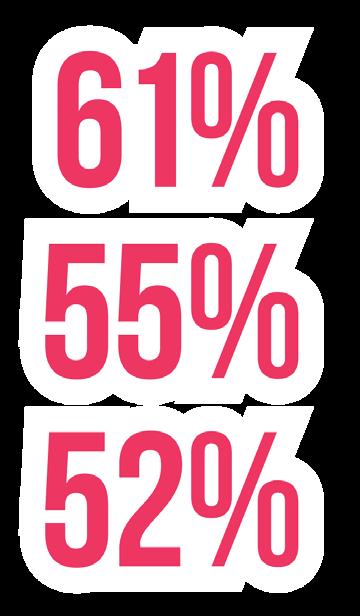
This year’s data shows students prioritizing meals that support long academic days, physical performance, and sustained energy. High-protein meals rose to the top of dining priorities, climbing 36% over last year, as students look for options that offer more than speed or convenience.
At the same time, interest in clean, minimally processed ingredients saw its largest increase of any dietary preference. Transparency matters more than ever, with students gravitating toward food that feels fresh, real, and thoughtfully prepared.

Of students rank high-protein meals as their #1 dining priority 28%
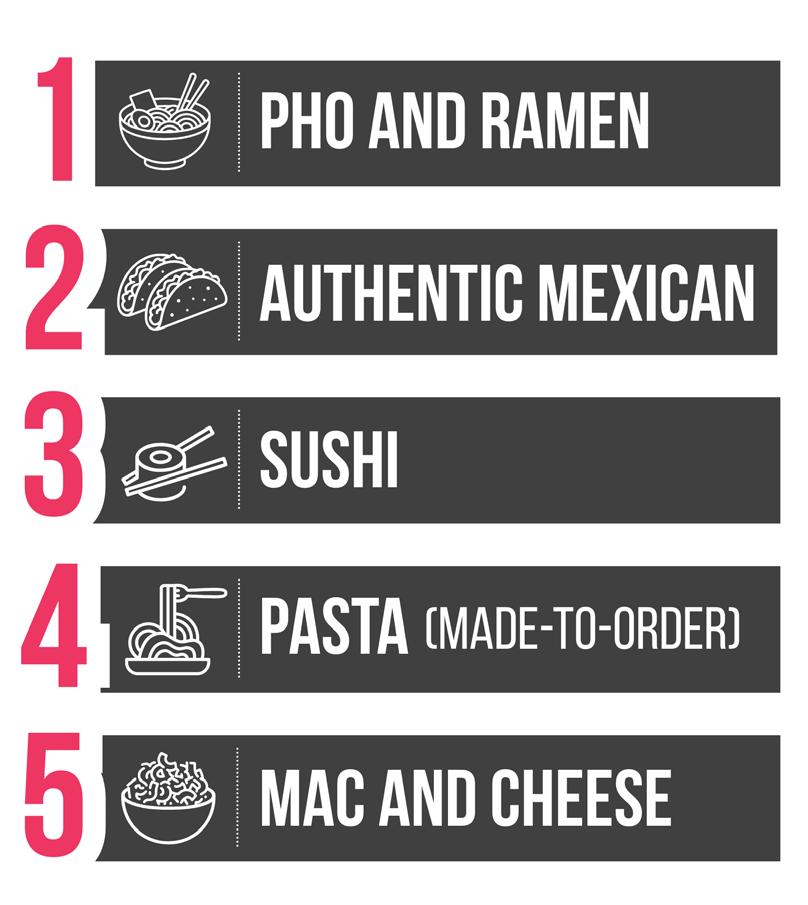
When students talk about comfort, variety matters. Familiar favorites still lead the way, but global flavors are close behind. Pho and ramen topped the list, followed by authentic Mexican cuisine, sushi, and customizable pasta and mac and cheese bars.
These preferences point to a familiar pattern where we’re seeing students returning to foods they know, while making room to explore flavors that feel new.

Of students want more smoothies on campus 45%
For the first time, the Index looked at food and beverages on their own, and beverages stood out. Smoothies were the most requested option on campus, followed by bubble tea, energy drinks, electrolyte beverages, and specialty teas.
Students are increasingly choosing drinks that offer something extra, supporting focus, hydration, and overall wellness throughout the day.
Beyond menus and macros, students pointed to something just as meaningful. Across every measure of belonging, first-year students reported the strongest impact, reinforcing dining’s role in how students adjust, feel welcomed, and build connections.
Across campuses, dining programs are evolving in ways students can see and experience every day. New offerings, expanded formats, and more flexible menus are showing up in dining halls and retail locations, shaped by how students eat, move, and live on campus. The examples below highlight how campuses are putting student priorities into practice, translating insight into meaningful change.
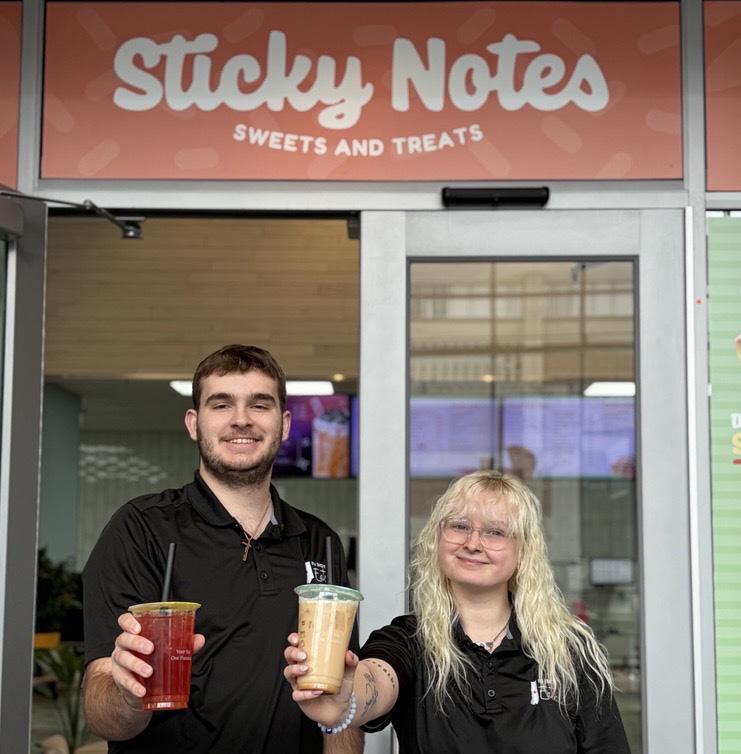
Student feedback made one thing clear: beverages play a larger role in daily wellness than ever before. At IU Indianapolis, that insight translated into an expanded smoothie program designed to support energy, recovery, and convenience throughout the day.
By introducing automated smoothie technology, the dining team increased access to functional beverages while maintaining consistency and speed. The result is a program designed for busy schedules, offering consistent access to functional beverages throughout the day.
UNIVERSITY OF NEW ORLEANS
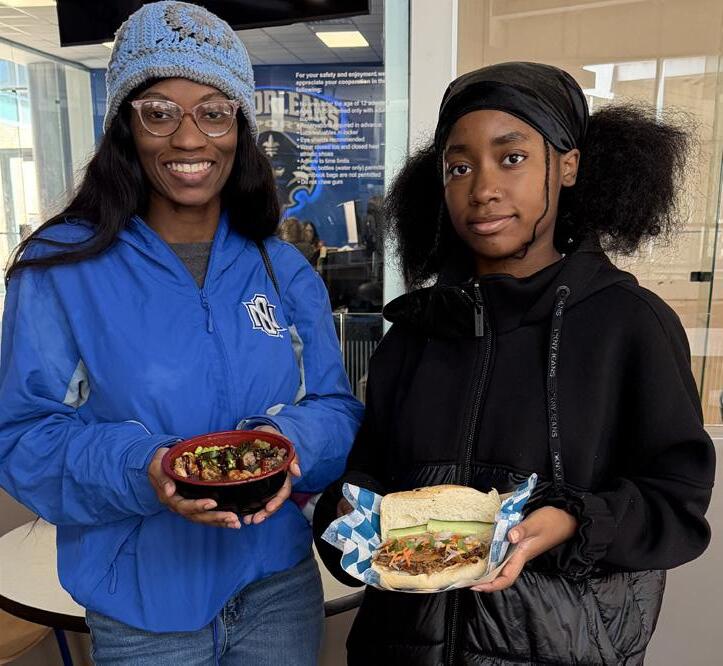
Comfort food looks different on every campus. At the University of New Orleans, students gravitate toward familiar global flavors that feel both satisfying and customizable. In response, the dining team expanded offerings to include globally inspired favorites such as bánh mì, pho, and other buildable dishes.
These menu additions offer the familiarity students want while still encouraging variety and exploration. The result is a lineup of comfort-forward options that reflect the tastes and cultures students connect with most.
TEXAS A&M UNIVERSITY
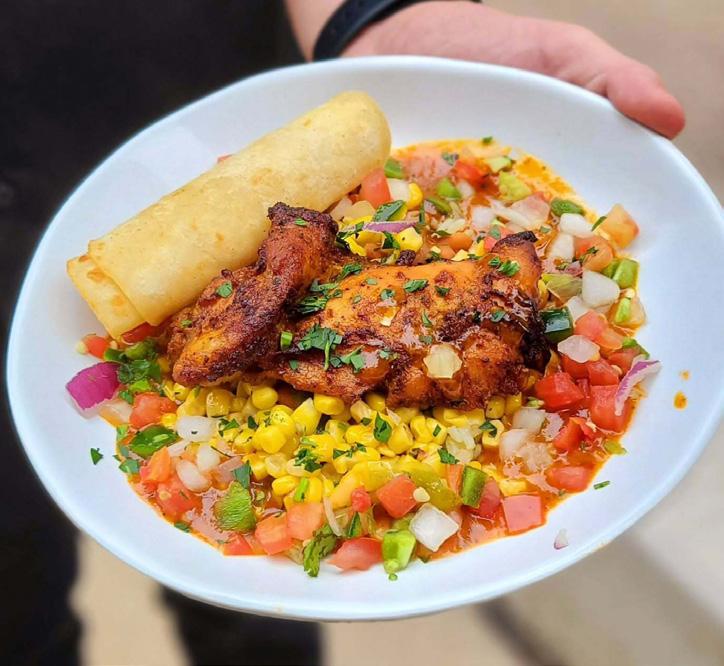
Choice plays a major role in how students approach meals, from portion size to flavor preferences. At Texas A&M University, dining teams leaned into that expectation by expanding build-your-own options across campus. Students can customize Tex-Mex platters, create sweet or savory combinations at a bagel bar, or build their own açaí bowls and yogurt parfaits. These menus allow students to shape meals around their own needs and preferences, making flexibility a defining part of the dining experience.
When menus and programs are shaped by student voices, dining can drive stronger satisfaction and better experiences for all.
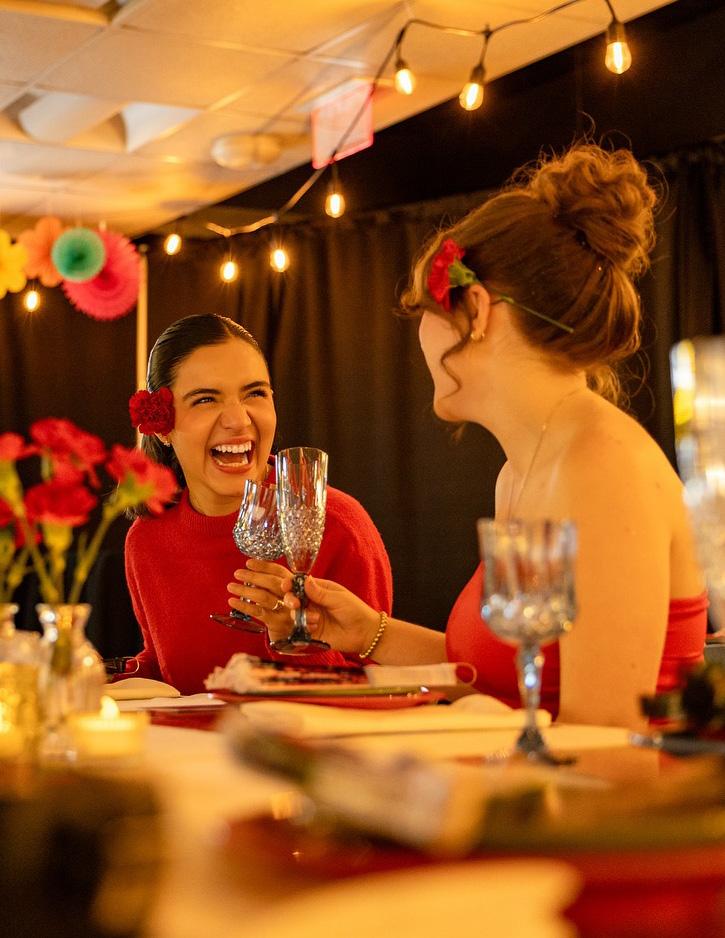
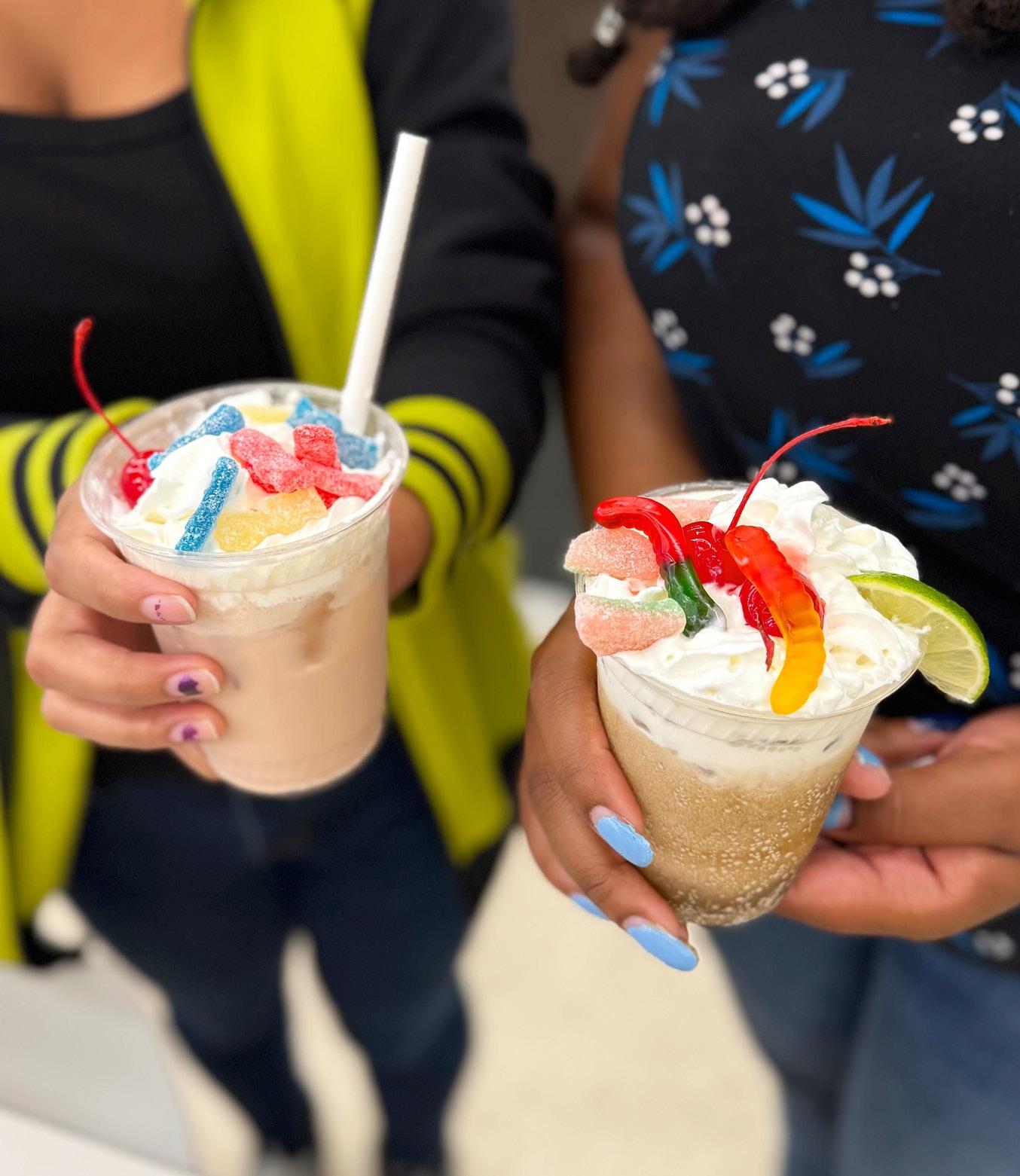
Alongside what students share directly through the Campus Dining Index, our chefs are also paying close attention to what’s emerging across campuses every day. From flavors gaining momentum to new formats shaping how students eat, these early signals offer a look at what’s taking shape in campus dining right now. With a constant eye on culture, these trends reflect how creativity, convenience, and curiosity continue to influence campus menus.
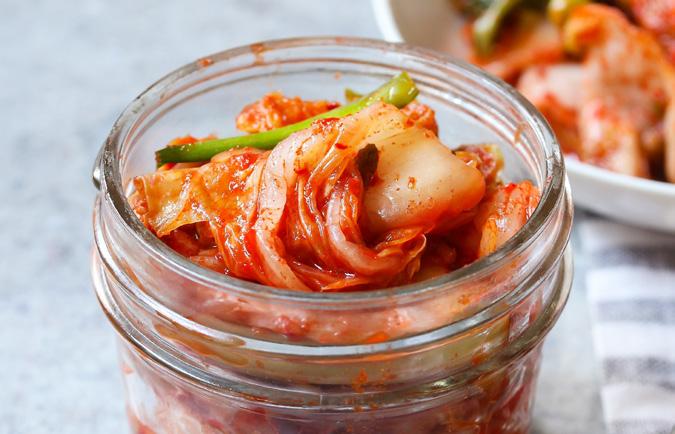
Functional foods are showing up more often on campus menus, with fermented options like kimchi, sourdough, kombucha, and miso gaining visibility. Botanicals such as lavender and turmeric, along with naturally infused probiotic sodas, are also appearing as students look for food that supports both body and mind.
Globally inspired flavors are continuing to find their place on campus, particularly in snacks and small plates. Flavor mashups, bold sauces, and unexpected toppings are showing up in ways that invite exploration without straying far from familiar formats.
Social media continues to shape how students discover and talk about food. From trending flavors to visually driven presentations, these influences are finding their way into campus dining in ways that feel playful, familiar, and easy to engage with.
Beverage trends continue to evolve quickly, with interest growing around drinks that offer more than refreshment alone. From proteinforward options to coffee-inspired creations, students are gravitating toward beverages that fit into busy days and varied routines.

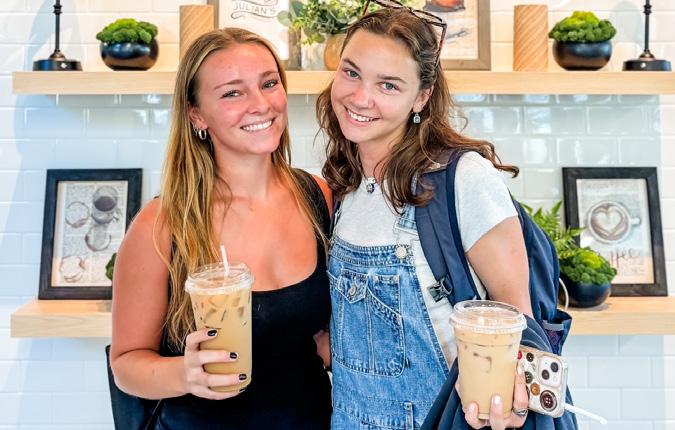
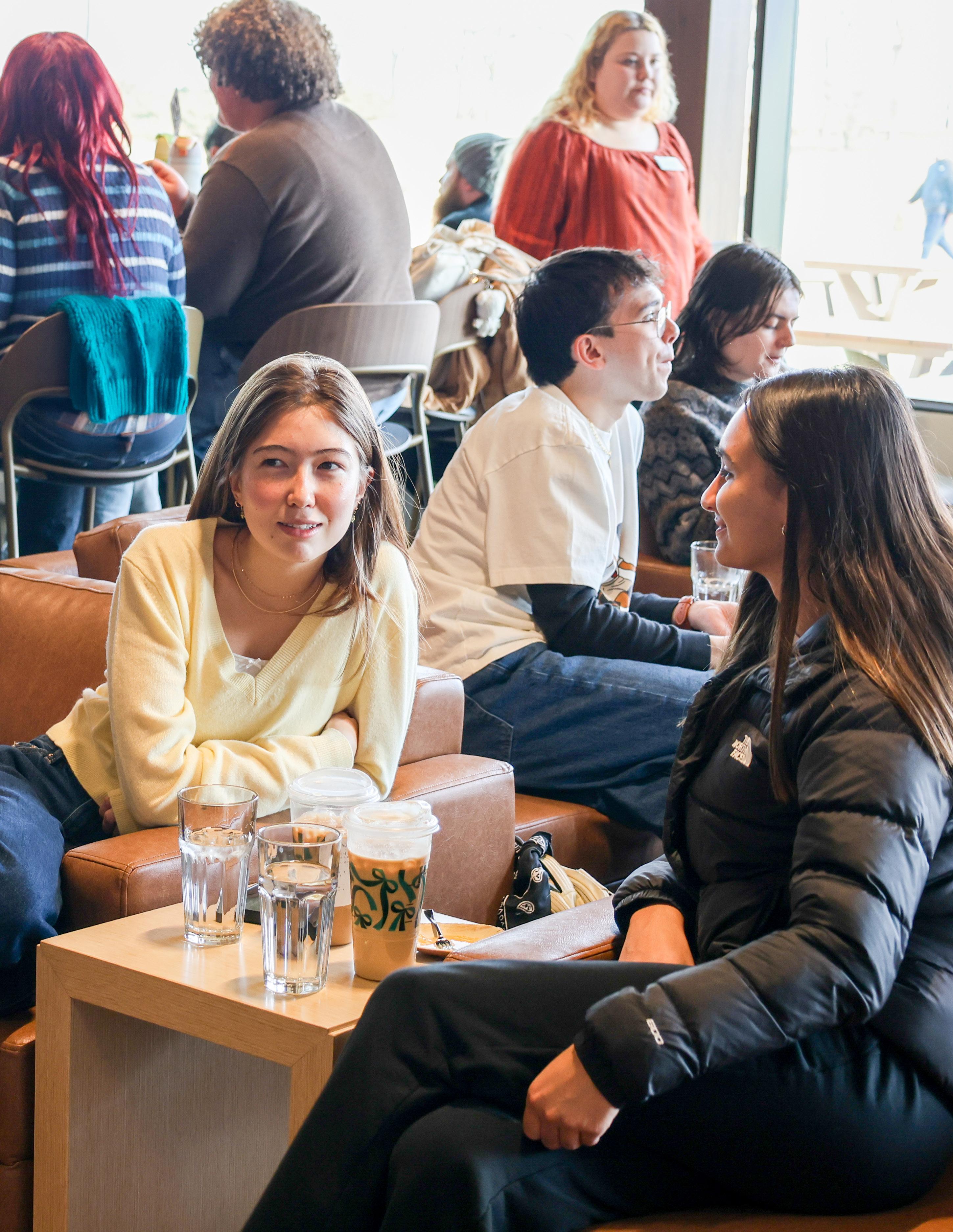
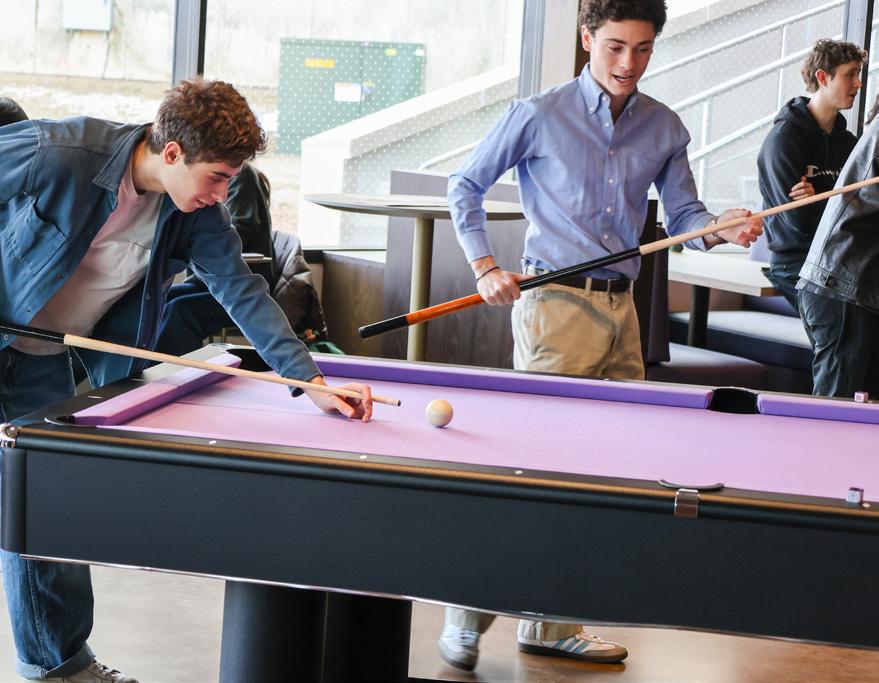
Some spaces on campus are meant for passing through, while others invite people to stay. Luna’s Pub & Grill was created to be the latter.
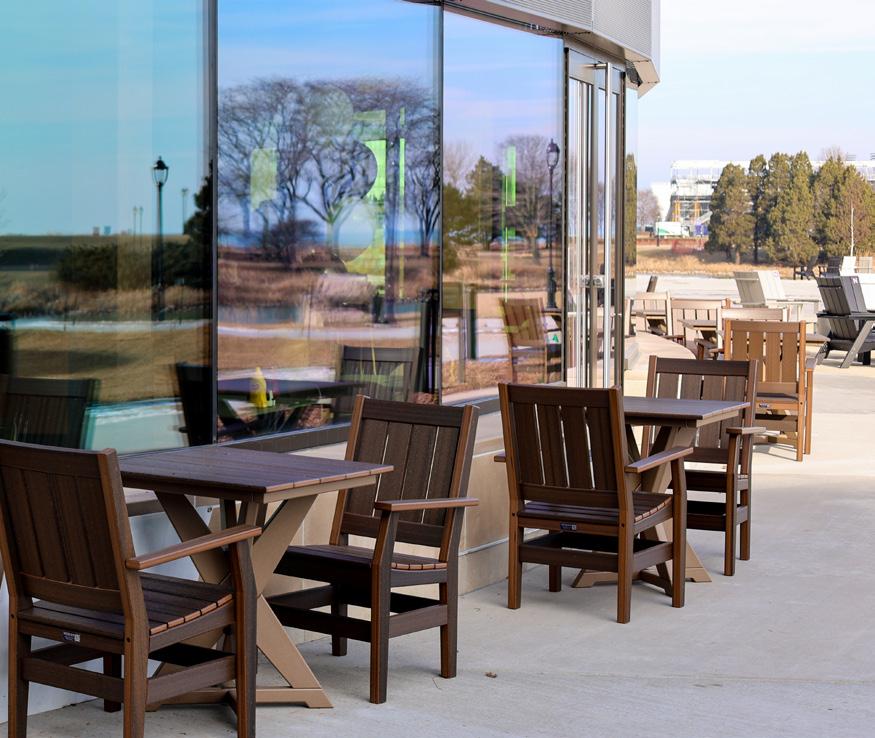
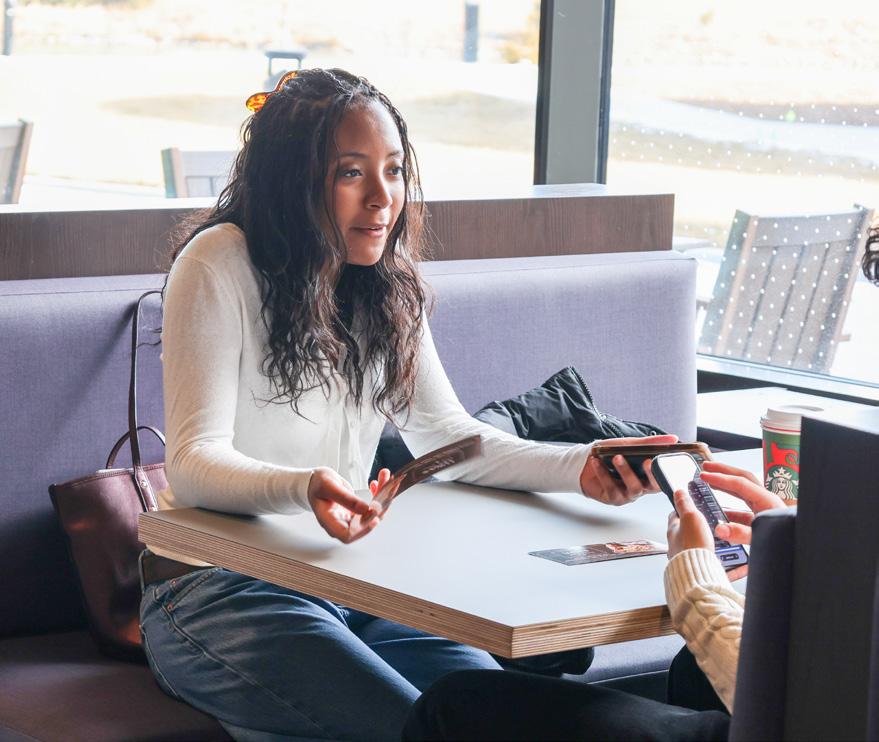
Located within the Norris University Center and overlooking Lake Michigan, Luna’s offers an environment that feels both familiar and intentional. Indoor seating, a lakefront patio, and flexible gathering areas make it a natural extension of campus life, welcoming students, faculty, staff, and the broader Evanston community into a shared setting.
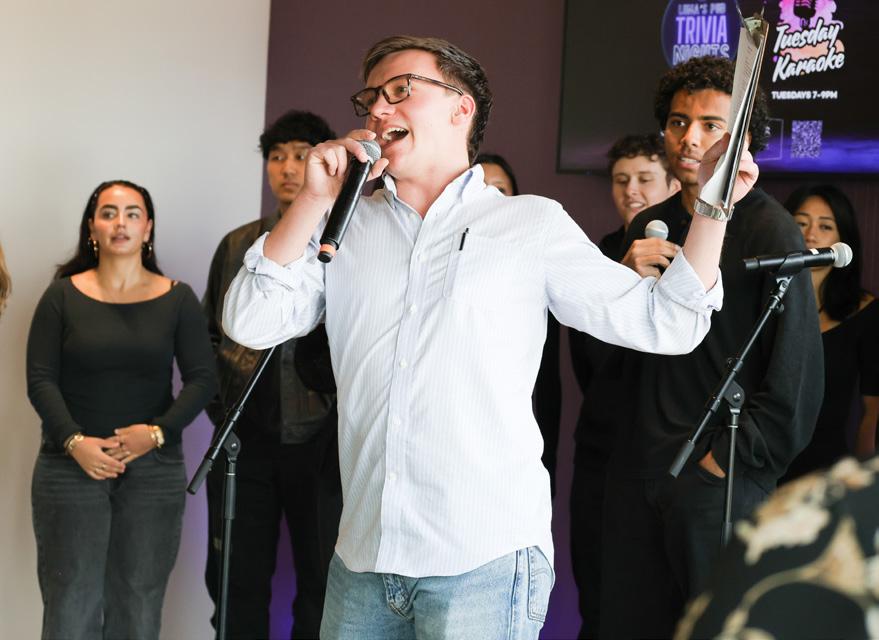
Food anchors the experience without defining it. Globally inspired pub fare is meant to be shared, creating a reason to linger rather than rush. What brings the space to life, though, are the moments that happen around the table. Live music, student performances, trivia nights, and watch parties turn Luna’s into a place where campus culture unfolds in real time.
Over time, these moments have begun to transform the venue into something more than a dining destination. Luna’s was designed to be a familiar meeting place, one that students return to not just for a meal, but for the sense of belonging that comes from spending time together.
Luna’s Pub & Grill reflects the role dining can play in shaping campus environments. By creating a space designed for gathering, conversation, and shared experience, Northwestern adds a true third space to campus life, one that connects people to one another and to the community beyond the university.
When the University of Wisconsin–Whitewater set out to support its most ambitious fundraising campaign to date, dining became part of the strategy. The goal was not only to raise funds but to create a game-day experience that brought alumni, students, and supporters back to campus in a way that felt familiar, celebratory, and deeply connected to school pride.
Rather than treating concessions as a transactional stop, the dining team reimagined them as a gathering point. By leaning into classic ballpark favorites and elevating them through thoughtful presentation and execution, the experience extended beyond the field and into the broader campus atmosphere. Food became a way to invite people to linger, connect, and participate more fully in the day.
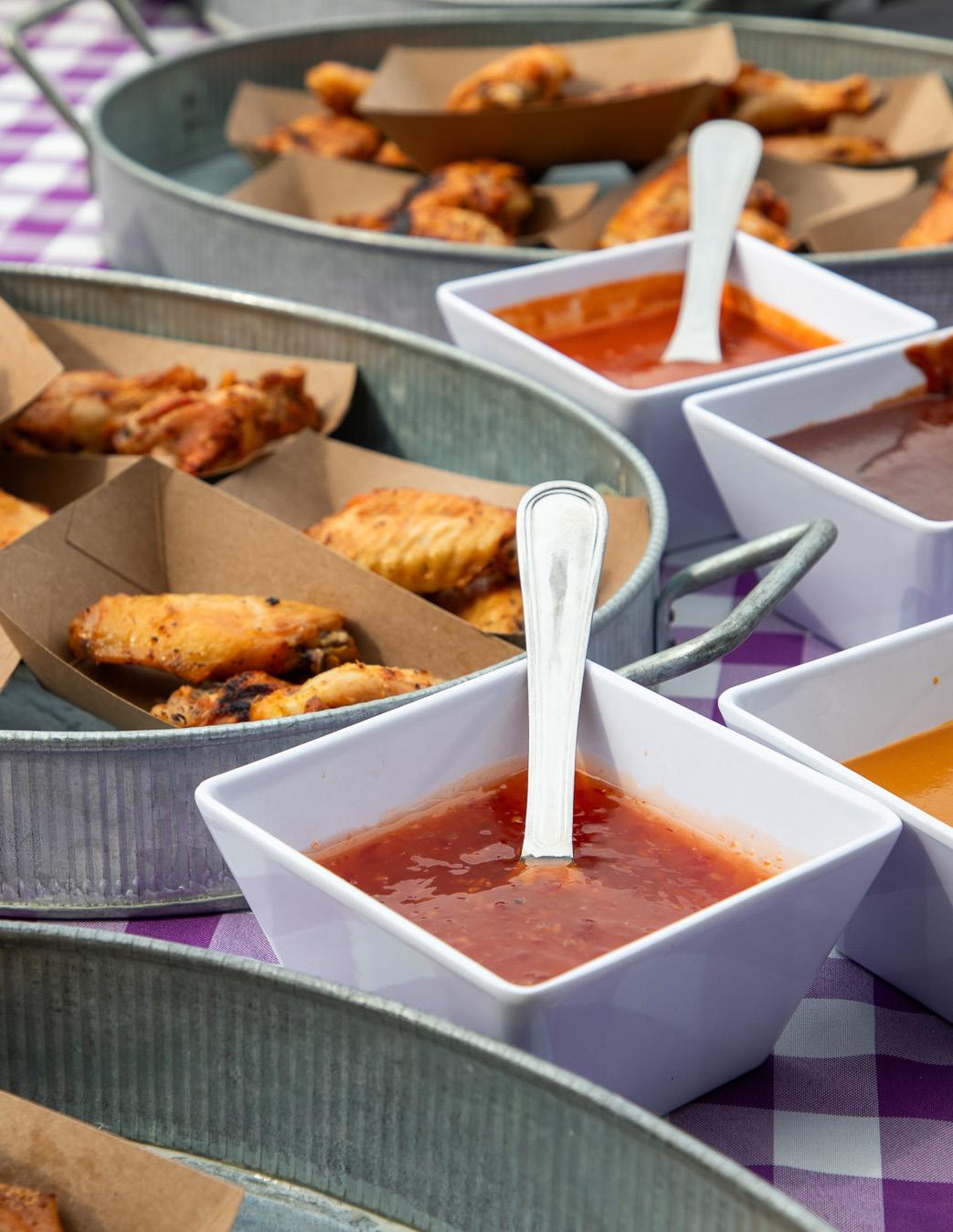
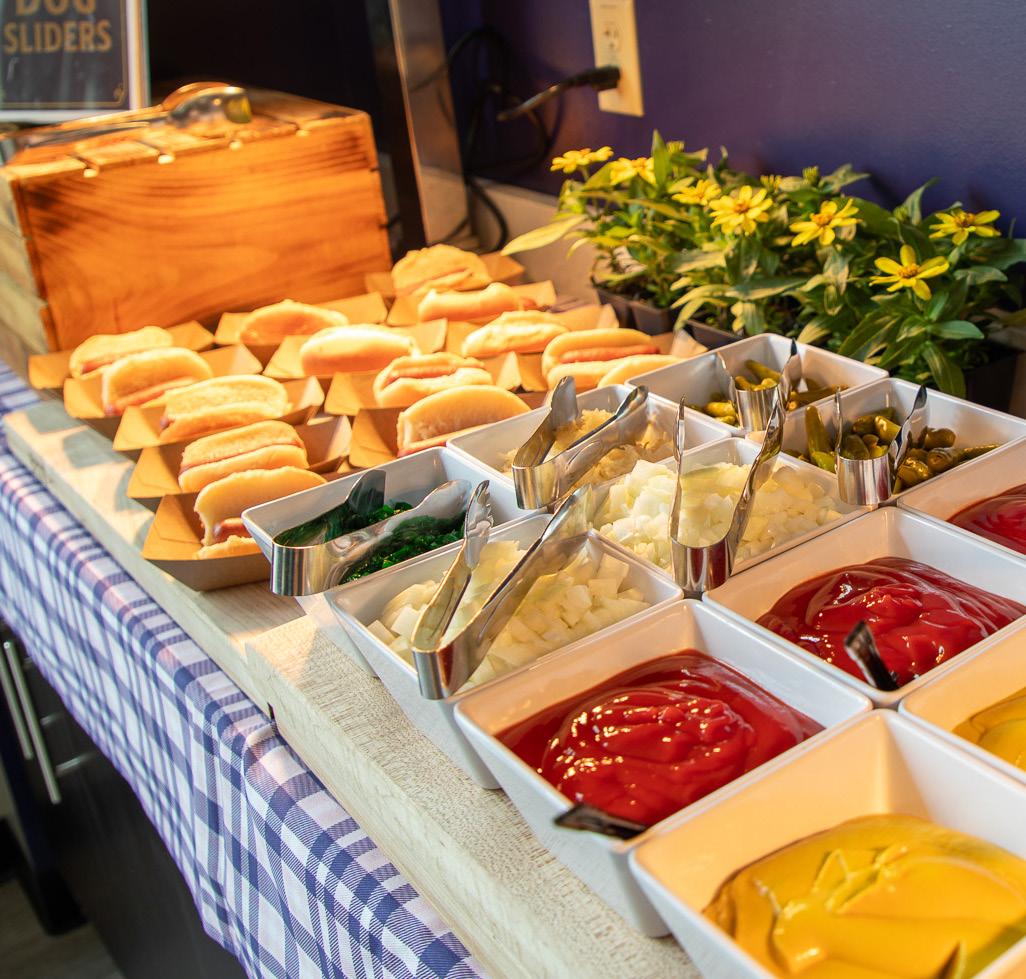
At Prucha Field, the menu reflected the spirit of the moment. Executive Chef Eric Hansen grilled chicken wings steps away from the action, while Catering and Concessions Director John Turner transformed a traditional hot dog and
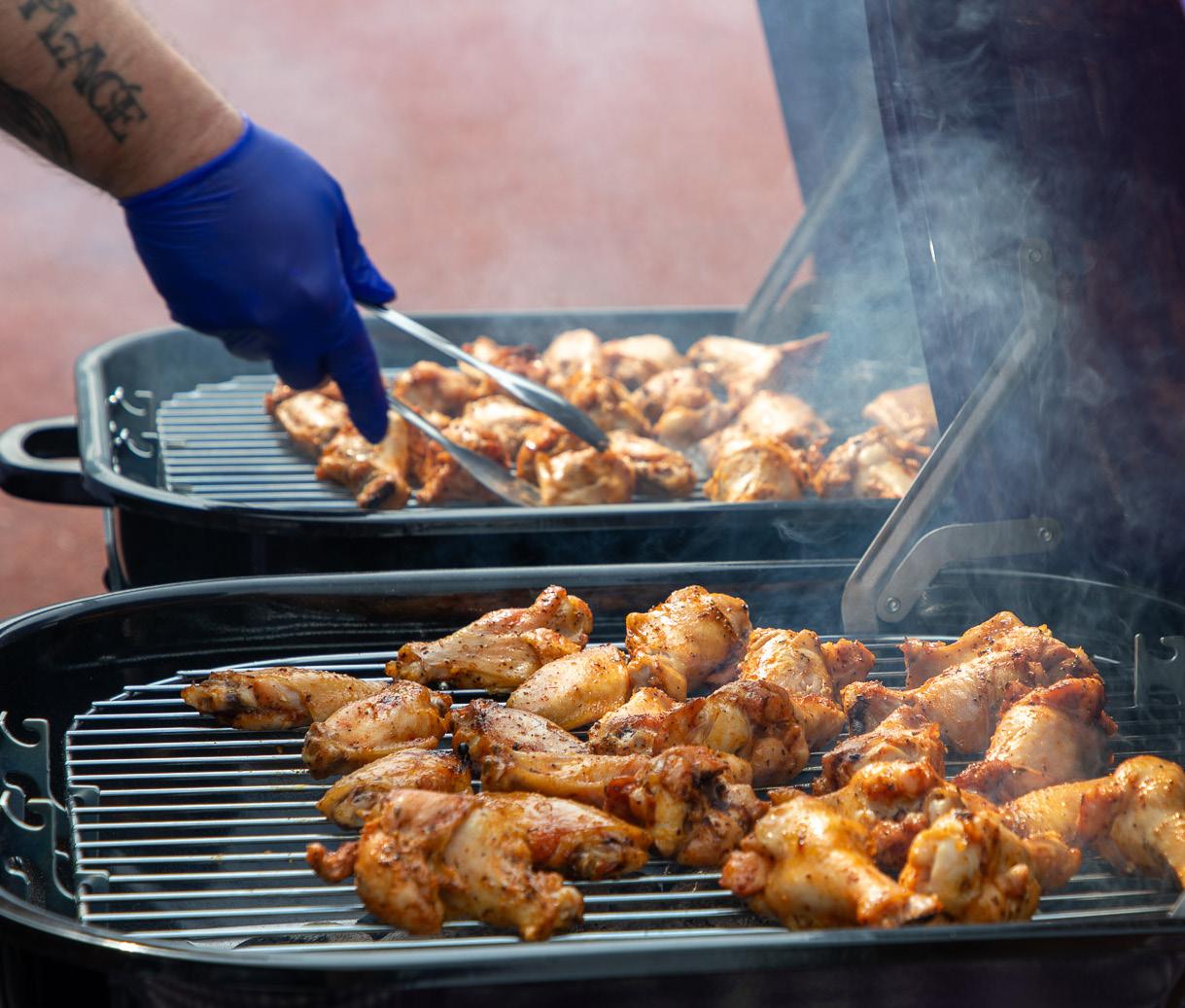
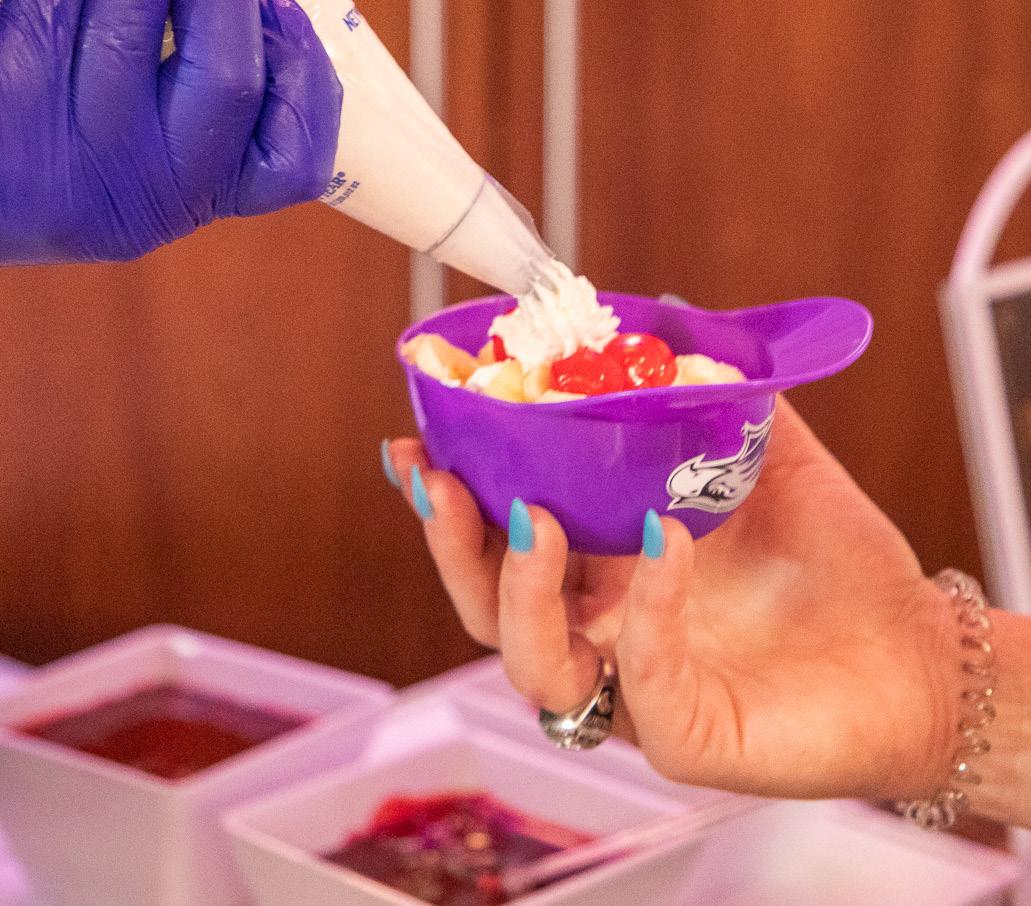
nacho bar into a socially-driven experience. Popcorn was served in the weight room, banana split sundaes were built to order, and familiar favorites were presented with a sense of occasion that matched the championship setting.
The experience energized the fundraising campaign by tying it to the university’s renowned athletic facility and program successes, reinforcing the idea that campus dining can play a meaningful role in supporting institutional goals. By blending nostalgia, creativity, and operational excellence, the concessions team helped turn a celebratory moment into lasting momentum.
This approach demonstrates what is possible when dining is viewed as a partner in campus life rather than a standalone service. When food, setting, and purpose align, everyday favorites can become powerful tools for engagement, connection, and impact. At University of Wisconsin–Whitewater, game-day dining did just that, supporting Athletics while strengthening the sense of community that keeps people coming back to campus.
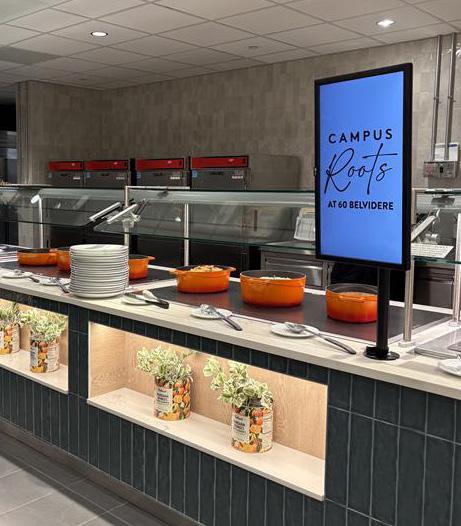
Campus Roots was created to give students a place that feels grounded in who they are and where they belong. More than a dining concept, it is a space designed to reflect campus traditions and the everyday moments that bring students together.
Campus Roots connects dining to place through menus, design details, and storytelling that reflects campus history and identity. Rather than replicating a single look or feel, the concept is grounded locally so students recognize their campus in the space around them.
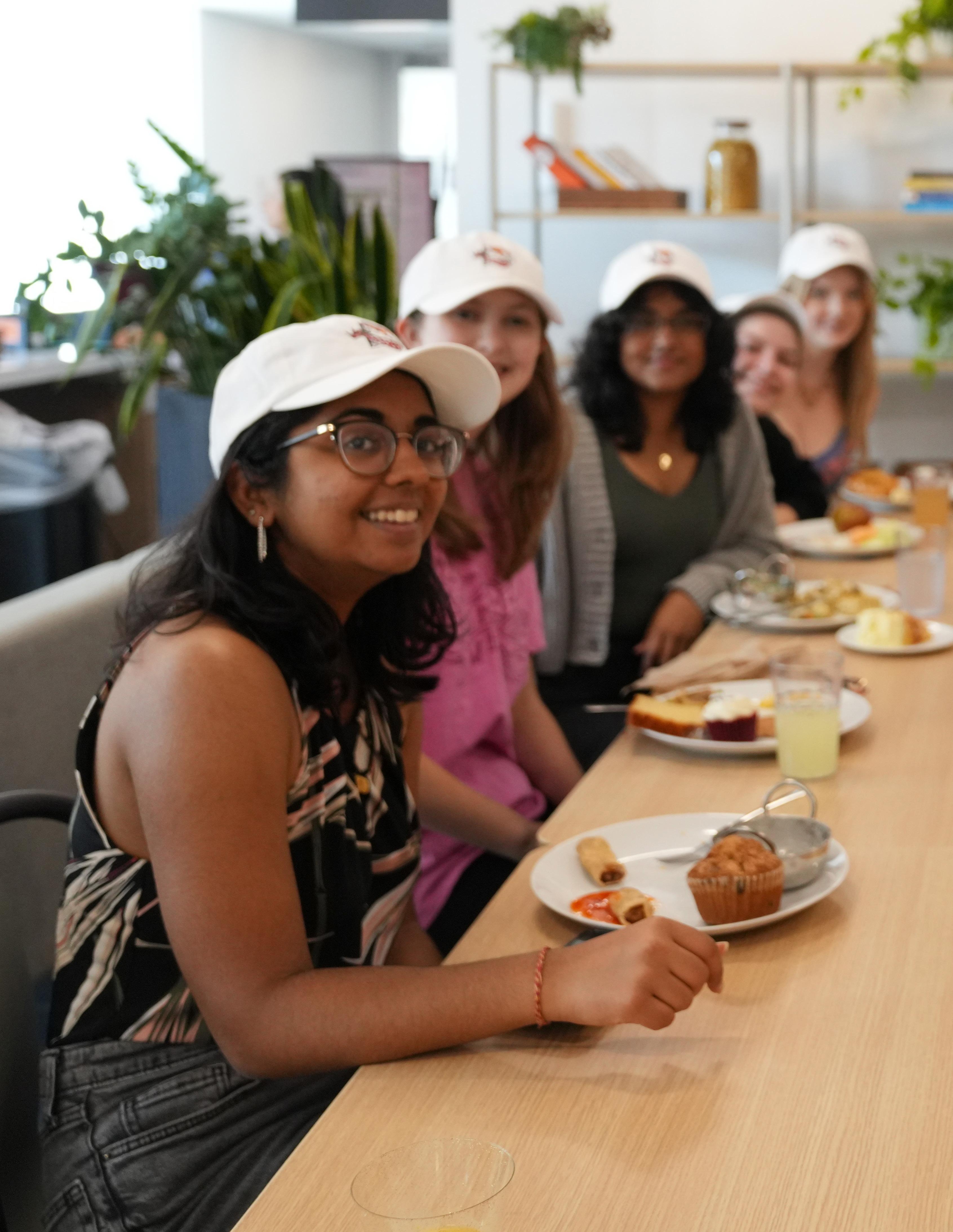
At Northeastern University, Campus Roots lives within the residential community at 60 Belvidere Street. Designed as a flexible gathering place, it brings together dining, studying, and social connection in one setting. Students stop in for meals, meet friends, and gather throughout the day in a space that feels distinctly Northeastern.
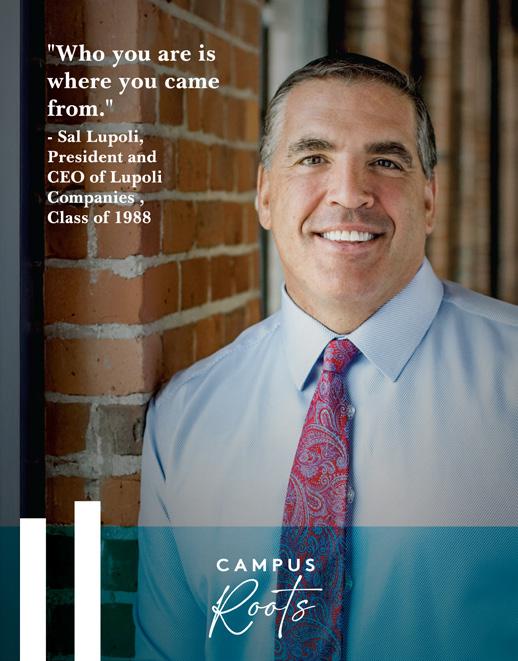
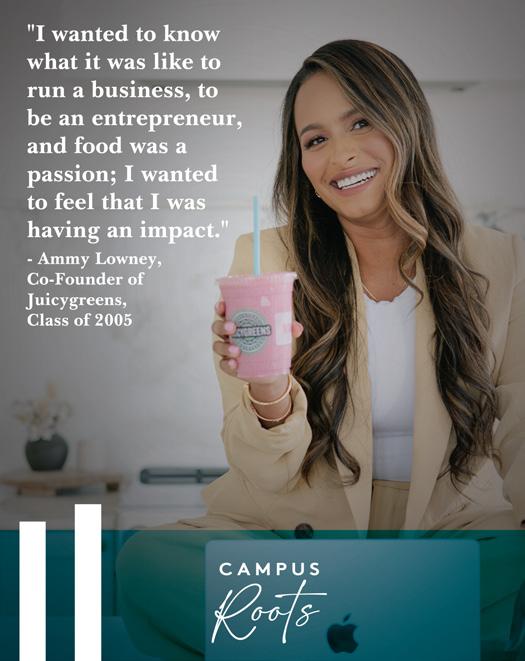
That sense of connection is reinforced through details, like those featuring alumni-owned businesses, that create a tangible link between past and present. Framed photographs and visual storytelling celebrate campus traditions, student organizations, and moments that have shaped the Northeastern community over time. Together, these elements ground the dining experience in a shared history, reminding students that they are part of something larger than their day-to-day routines.
Over time, Campus Roots has become part of daily life on campus. Not because of a single moment or event, but because of how naturally it fits into students’ routines. Signature menus, space for gatherings, and collaborations with local partners reflect campus life, while the space itself invites students to stay, connect, and return.
It creates places where students feel connected to one another and to the institution they call home during their college years.

Every dining experience begins before a plate even reaches the table. It starts with a greeting, a familiar face, or a sense of recognition that helps students feel at ease.
The people students encounter first shape how campus dining feels, creating welcoming spaces through care, attention, and consistency. Hospitality is not found in grand gestures, but in showing up day after day.
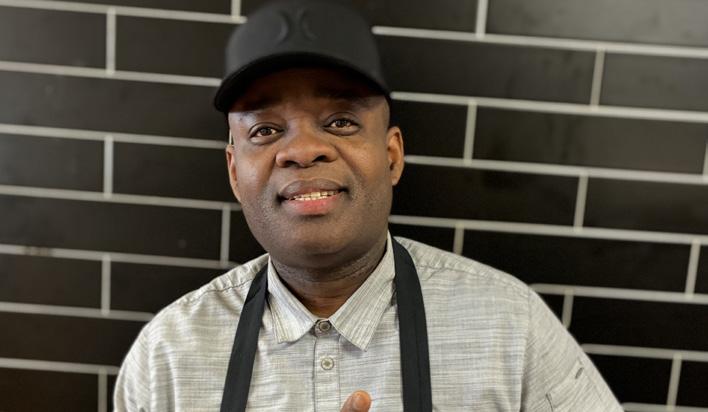
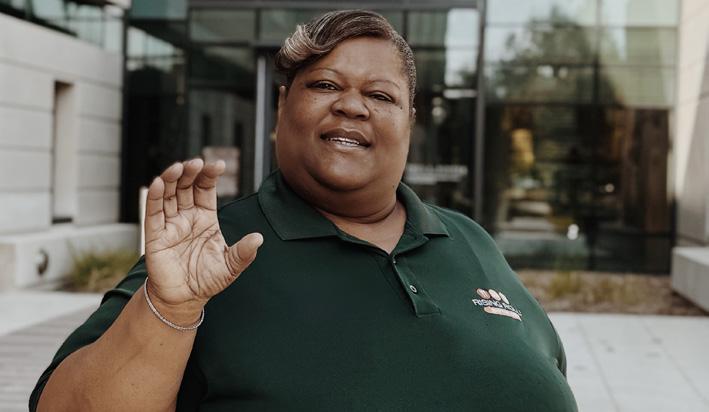

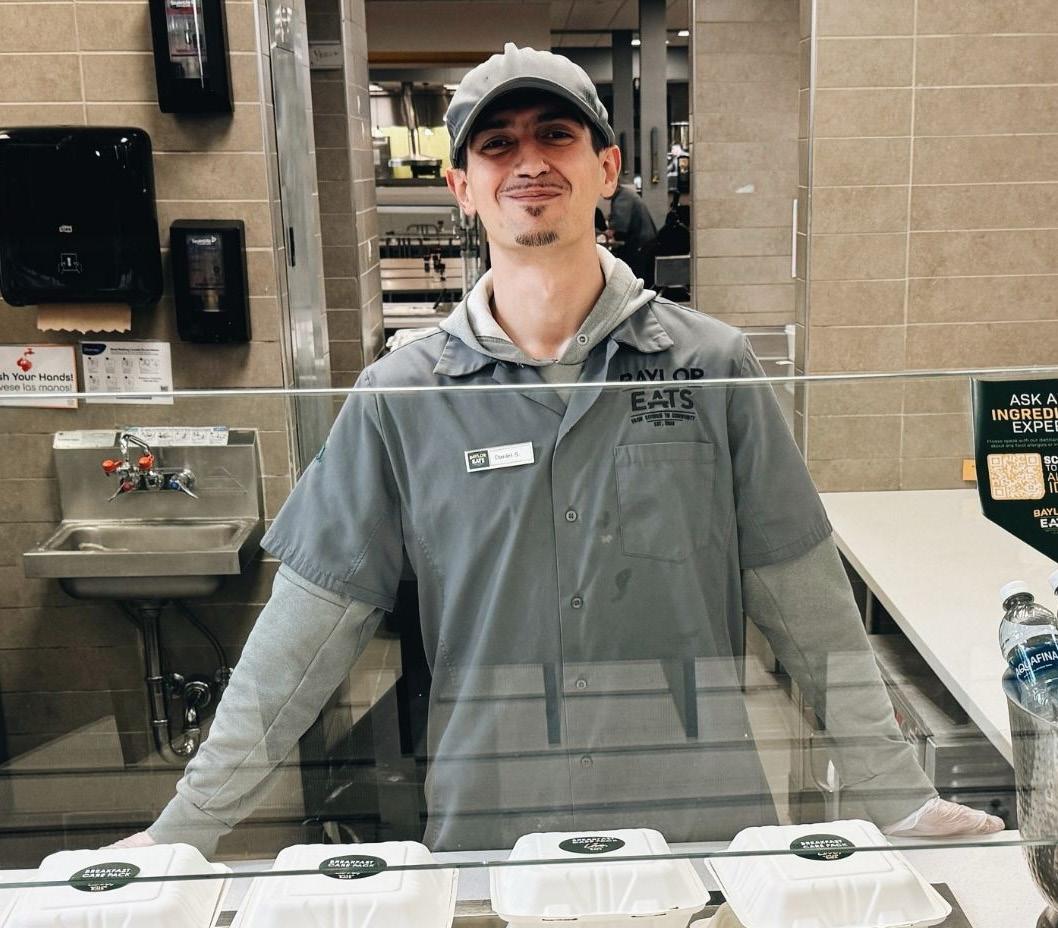
For 25 years, Daniel Yeboah has been part of the daily rhythm at Northwestern University. Students recognize him not just as a familiar face, but as someone who takes time to listen, even on the busiest days. Whether through a quiet conversation or a steady presence, Daniel creates moments of ease that students carry with them long after they leave the dining hall. Over time, that consistency has made him a source of comfort for generations of students who return knowing they will be seen and welcomed.
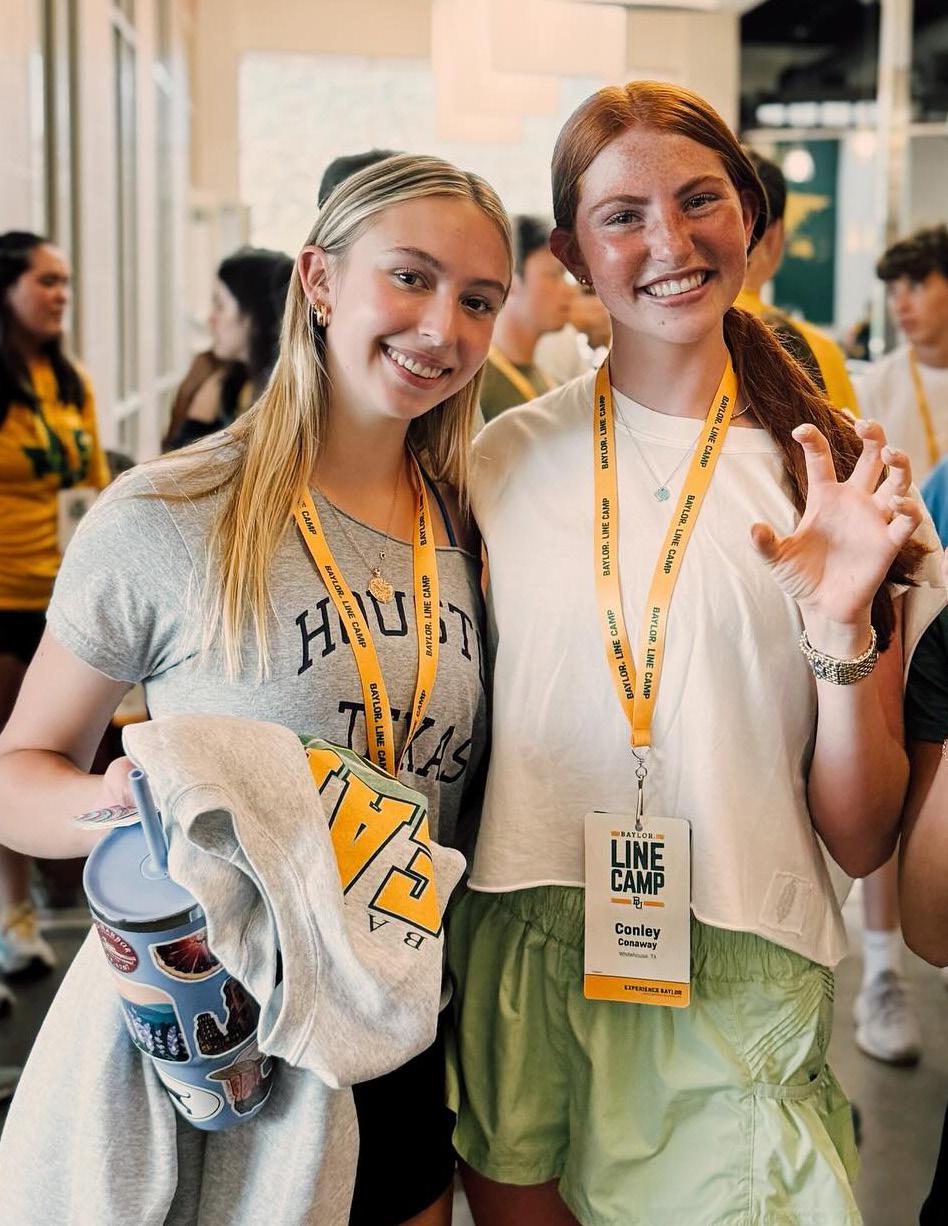
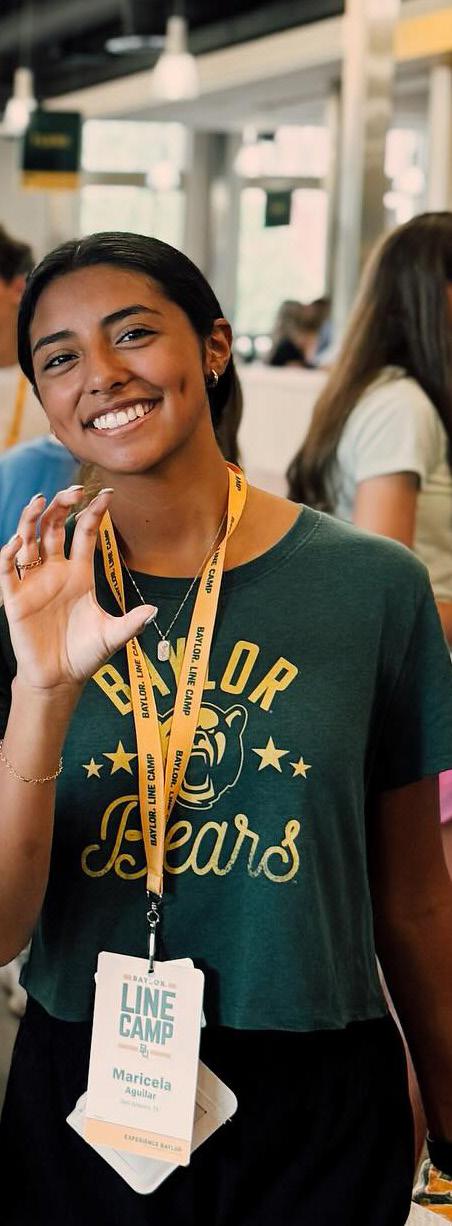
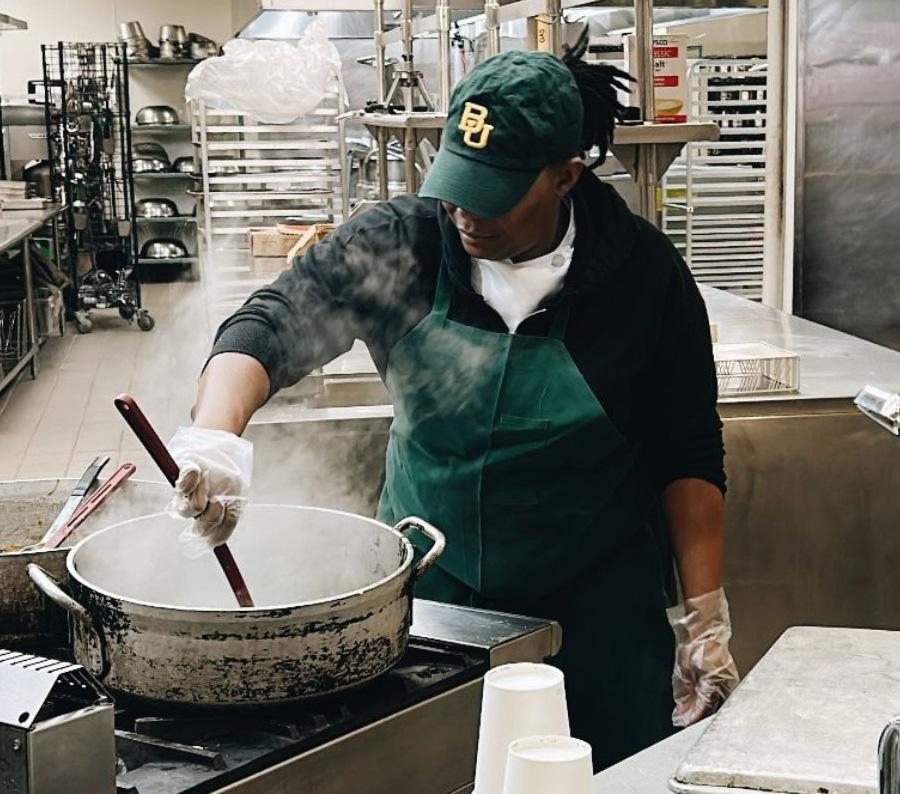
At Baylor University , Miss Red is a familiar presence in students’ everyday routines. They see her often, sometimes without realizing how much her consistency shapes their experience. Through small gestures, a warm smile, a kind word, a steady welcome, she creates an atmosphere that feels easy and genuine. Over time, those moments turn dining into something students rely on, a place that feels comfortable, familiar, and worth coming back to.
Zakeri Walker brings care and craftsmanship to every interaction at George Mason University. Known for his house-made gelato, Zakeri approaches hospitality as a way of caring for others. Whether supporting a fast-paced service or taking a moment to connect oneon-one, Zakeri’s presence builds trust over time. His reliability and respect shape an environment where students feel supported, reminding them that the smallest moments often leave the greatest impression.
Together, these stories reflect the heart of campus dining. Hospitality begins at the frontline with the people who bring care, pride, and purpose to the table every day.

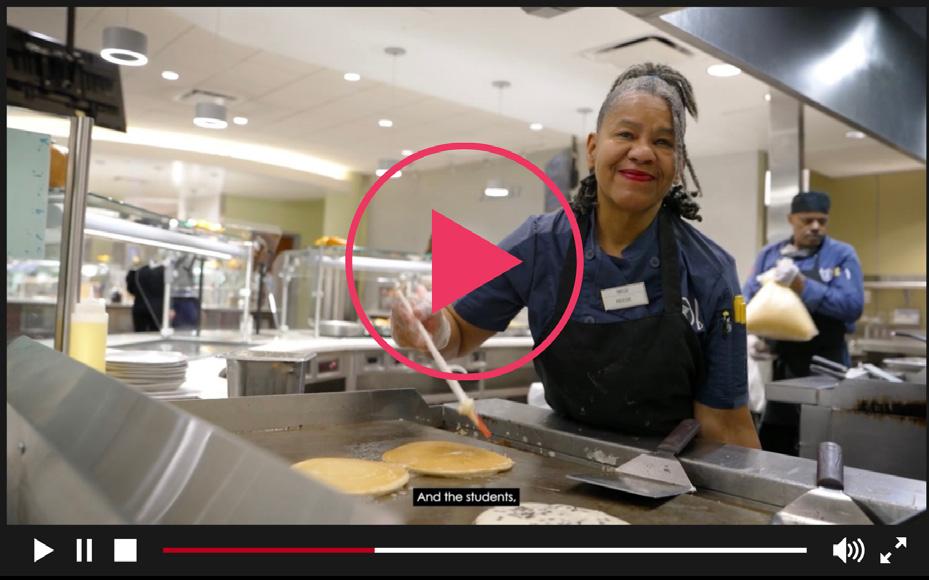
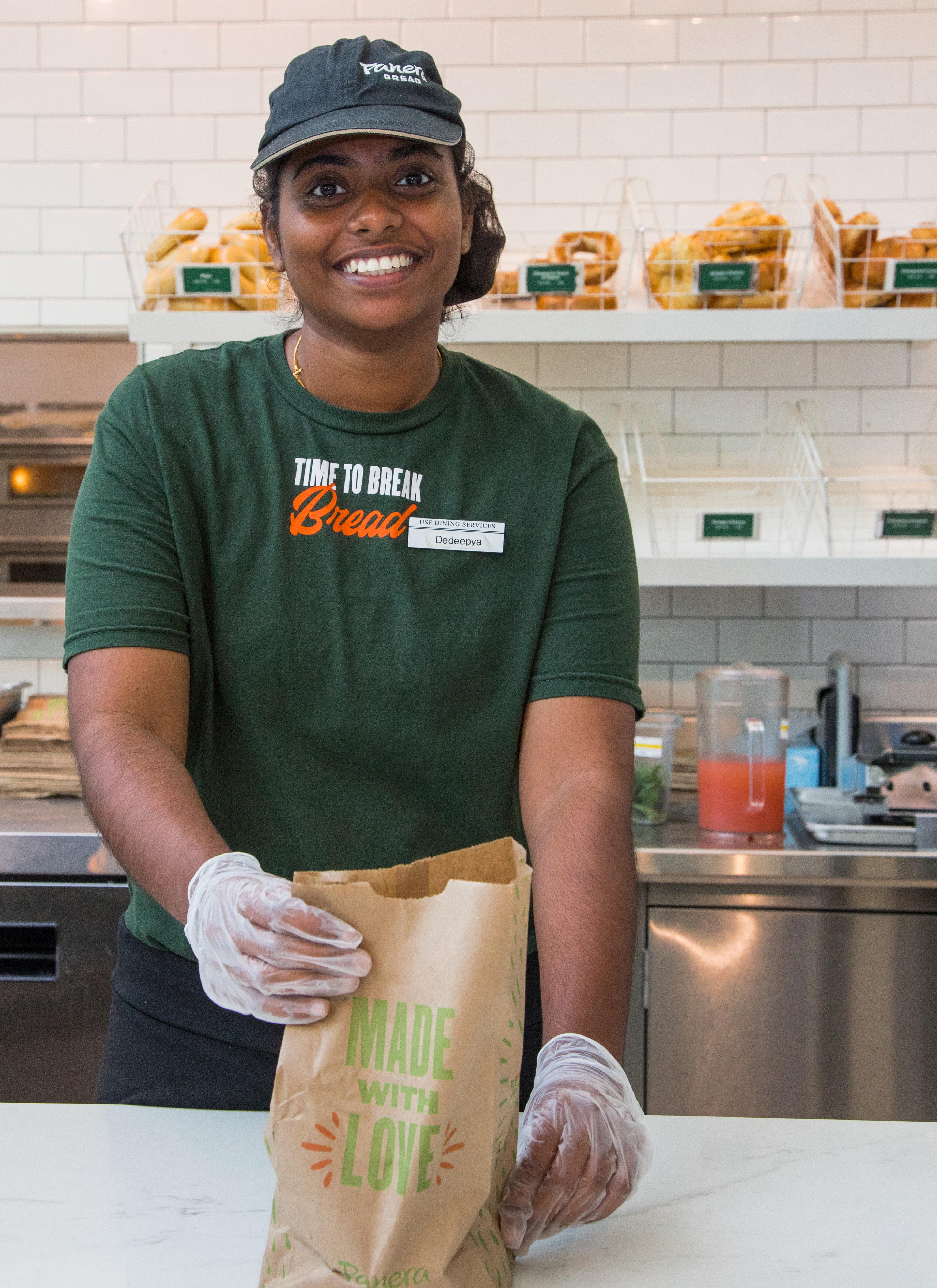

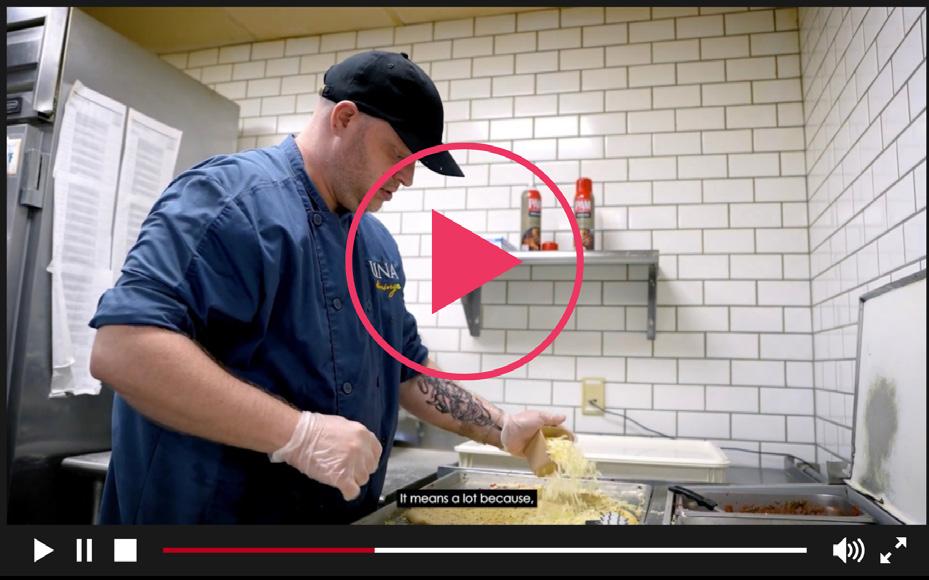

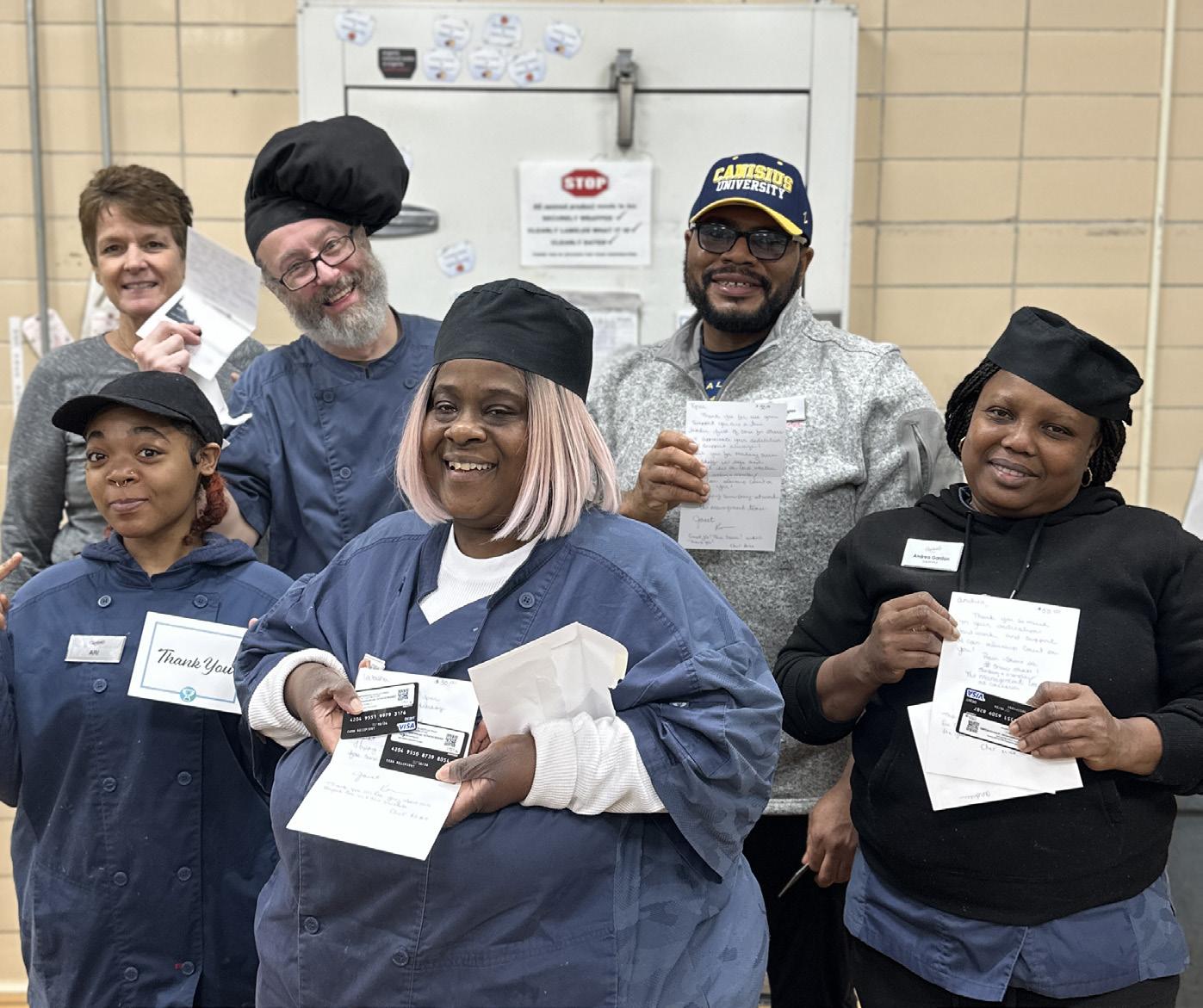
As winter weather swept the country, Chartwells teams were there feeding students, supporting communities, and showing up when it mattered most.
At Canisius University, students still had hot meals and a warm place to recharge even as winter storms closed campus. For two days, the dining team kept service going, making sure students were fed and cared for. They were honored with gift cards and personalized thank you notes from their leadership.
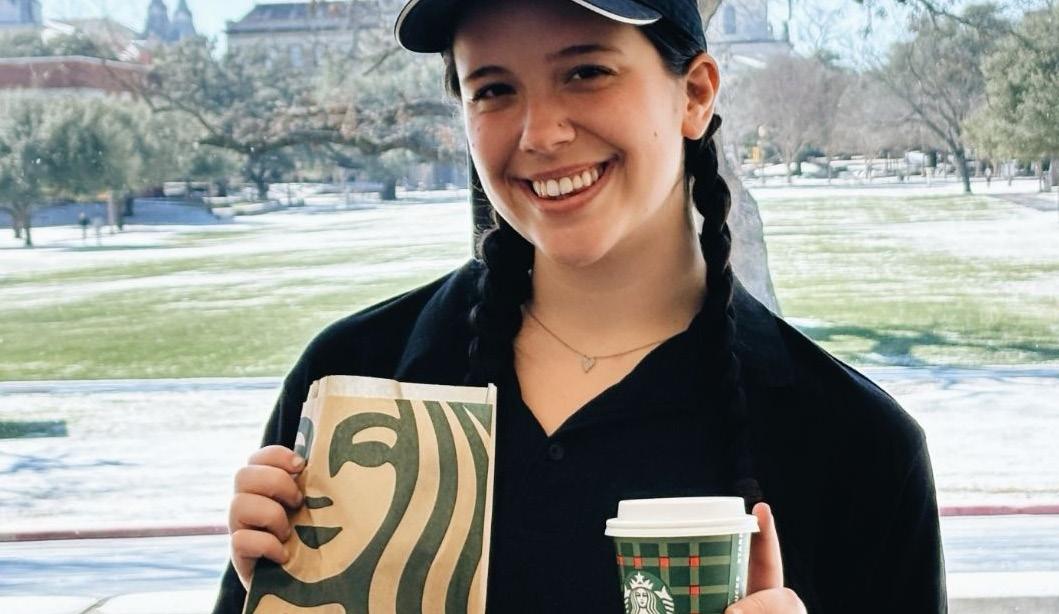
Through the Restaurant Builder course, in collaboration with Carnegie Mellon’s Tepper School of Business, students take on the challenge of creating a restaurant concept from scratch. They work in teams, test assumptions, debate decisions, and learn what happens when creativity meets real constraints. That work then moves beyond the classroom and into campus dining, where ideas begin to take shape.
Students research markets, build financial models, develop menus, and stand in front of industry judges to pitch their concepts. Along the way, they learn how much it takes to move an idea forward, and how many decisions shape what ends up on the plate.
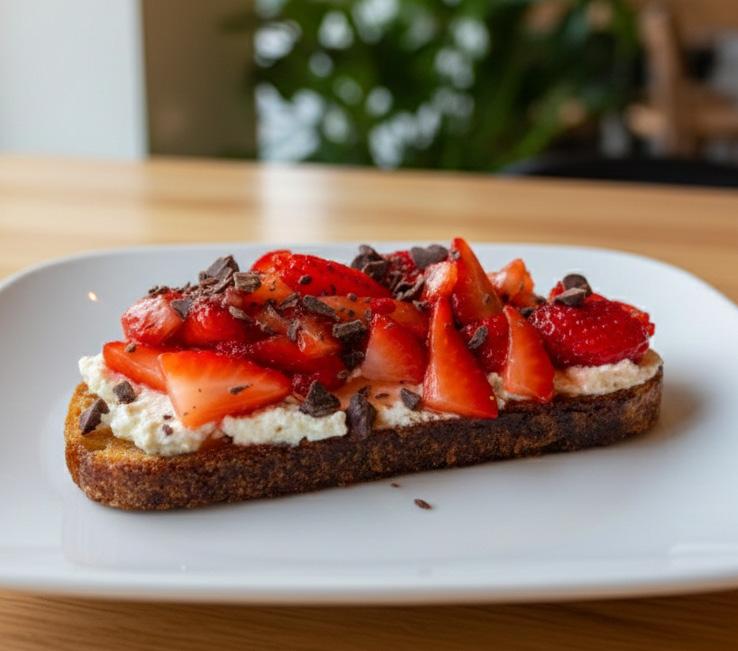
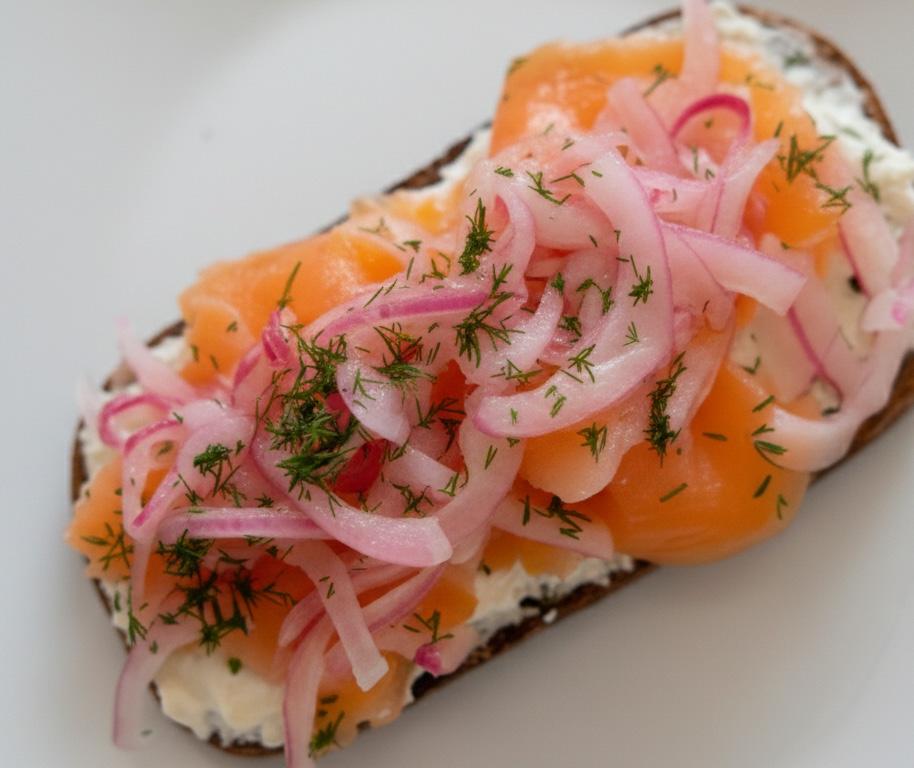
Each year, one concept is selected to graduate from the classroom and onto campus. This year’s winner, Baroque Toast, will debut with elevated offerings like smoked salmon and dill toast and chili lime avocado toast. Thoughtfully developed and entirely student-driven, the concept reflects both creativity and careful execution.
For the students, seeing their work served to their peers changes how learning feels. Ideas stop being theoretical and instead become something people line up for, talk about, and experience together.