EVA WOJTALEWSKI
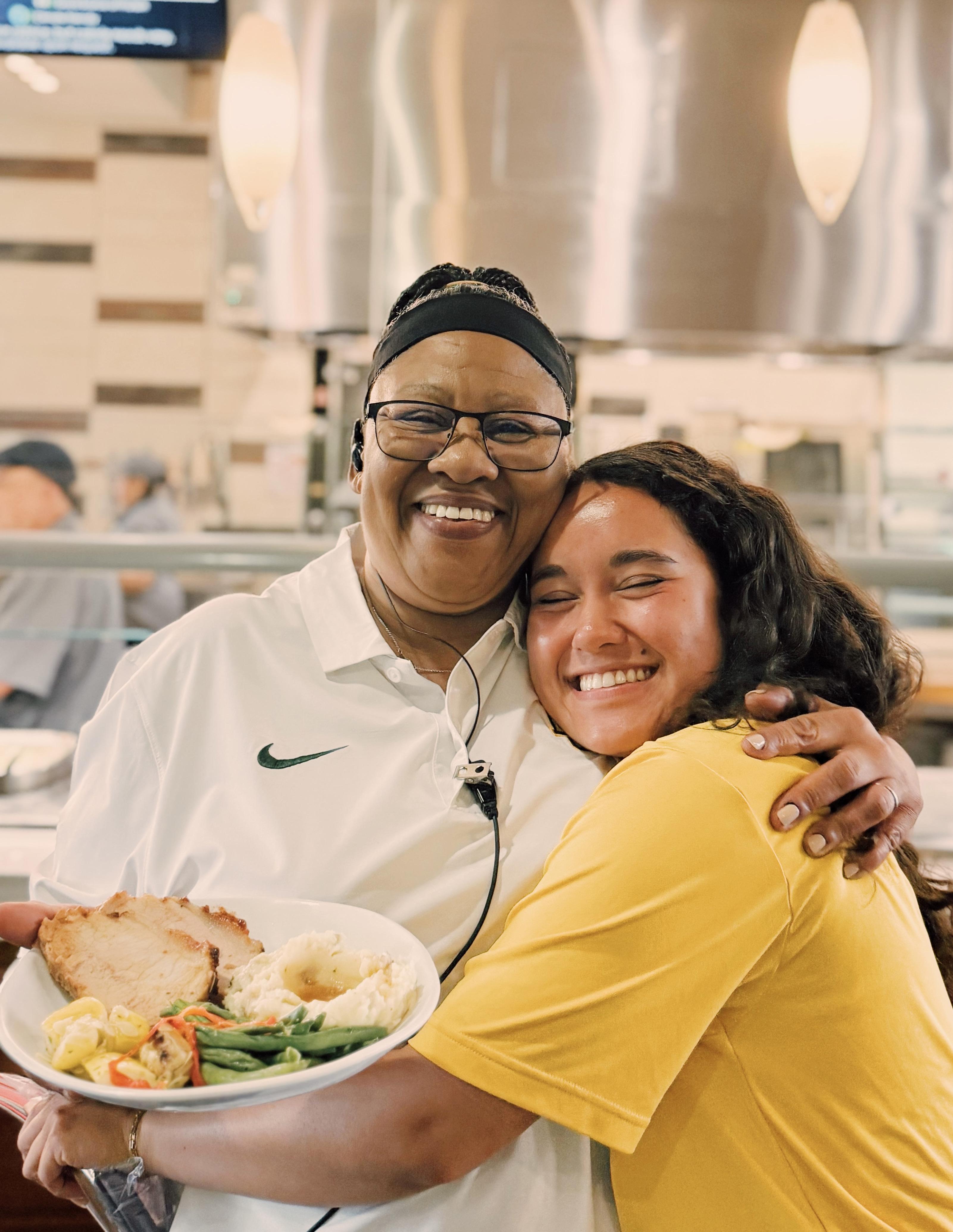
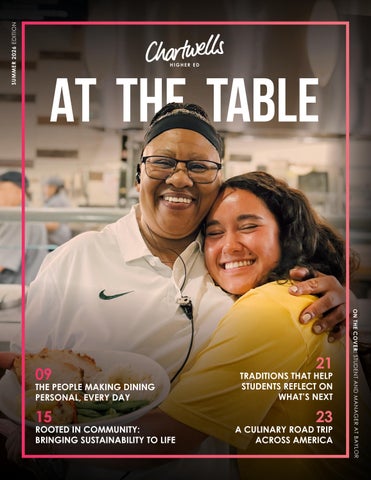
Campus dining has always been about more than what is on the plate. It is often one of the first places students go when they are away from home, looking for a place to land, a friendly face, or a moment to pause in the middle of a busy day. A meal can become the moment someone is welcomed in, noticed, cared for, and reminded they belong.
That is the heart of Dining, Made Personal — a commitment rooted in what has always guided this work and in the future we are building together. It comes to life through our people — the teams who do so much more than prepare and serve meals. They learn names, notice routines, remember preferences, and create warmth in everyday interactions that can change their day.
Our promise is to create dining experiences that help students feel welcome, supported, and at home. It may happen through a menu that honors culture or identity, an event that brings people together, a wellness program that supports student well-being, or a team member offering extra kindness. However it shows up, it starts with listening closely, understanding what matters most, and caring enough to make the experience personal.
Inside this edition of At the Table, you will see that work in action: teams leading with care, creating moments of connection, and making an impact together.
As summer unfolds and campuses welcome students through camps and programs, thank you to our clients for your continued partnership. Together, we help students feel welcome, supported, and at home.

The Trends Shaping Campus Dining This Semester
The People Behind the Plate
Industry Recognition With Real Impact 07 09 13 15 21 23 27
Student Success: Where Ideas Become Impact
Rooted In Community: Bringing Sustainability To Life On Campus
Traditions That Help Students Reflect and Figure Out What’s Next
Summer Road Trip: A Coast-to-coast Menu Tour
Every year, our culinary teams track student preferences, social media trends, and emerging food culture to understand what students are craving next. This fall, three themes are influencing menus across our campuses.
Students continue to gravitate toward familiar comfort foods, but with a modern twist. Hot honey, Tajín, pickle flavors, and nostalgic ingredients are appearing in elevated versions of campus favorites.
Today’s students are increasingly focused on fueling academic performance, wellness, and athletics. Menus continue to emphasize protein-rich options that balance nutrition with craveability.
Gen Z isn’t sticking to traditional mealtimes, they’re grazing throughout the day, grabbing smaller bites, and leaning into drinks that do more as treats and pick-me-ups. Smoothies, coffees, refreshers: sometimes the whole meal is in the cup.

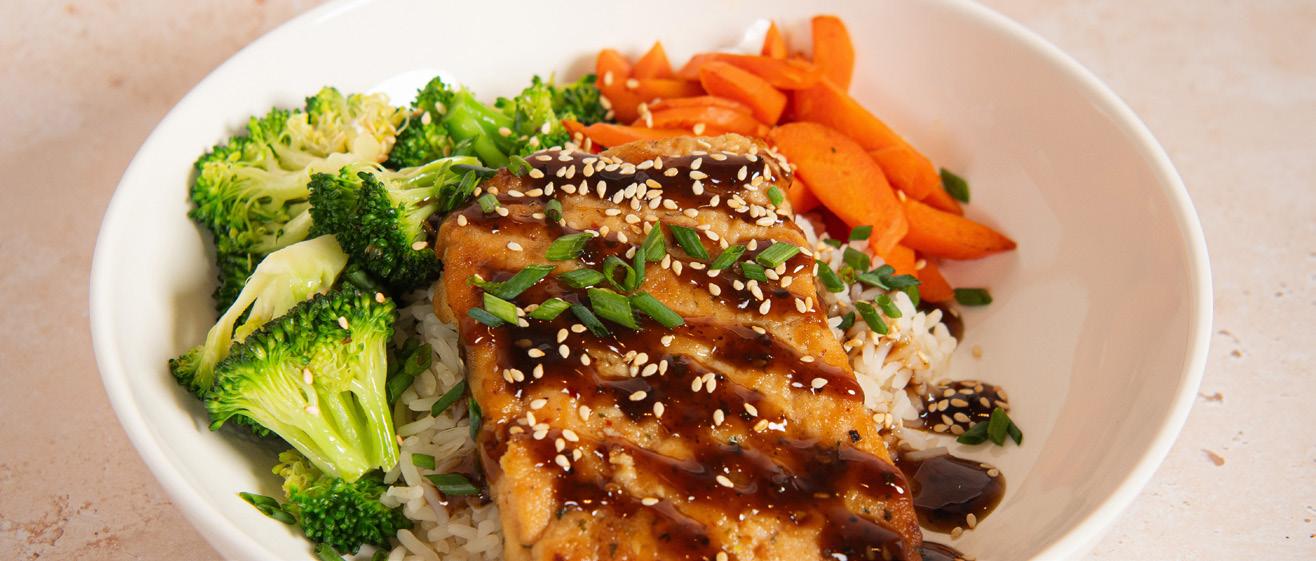

The best menu items do double duty: they satisfy cravings and also fit a student’s busy life.
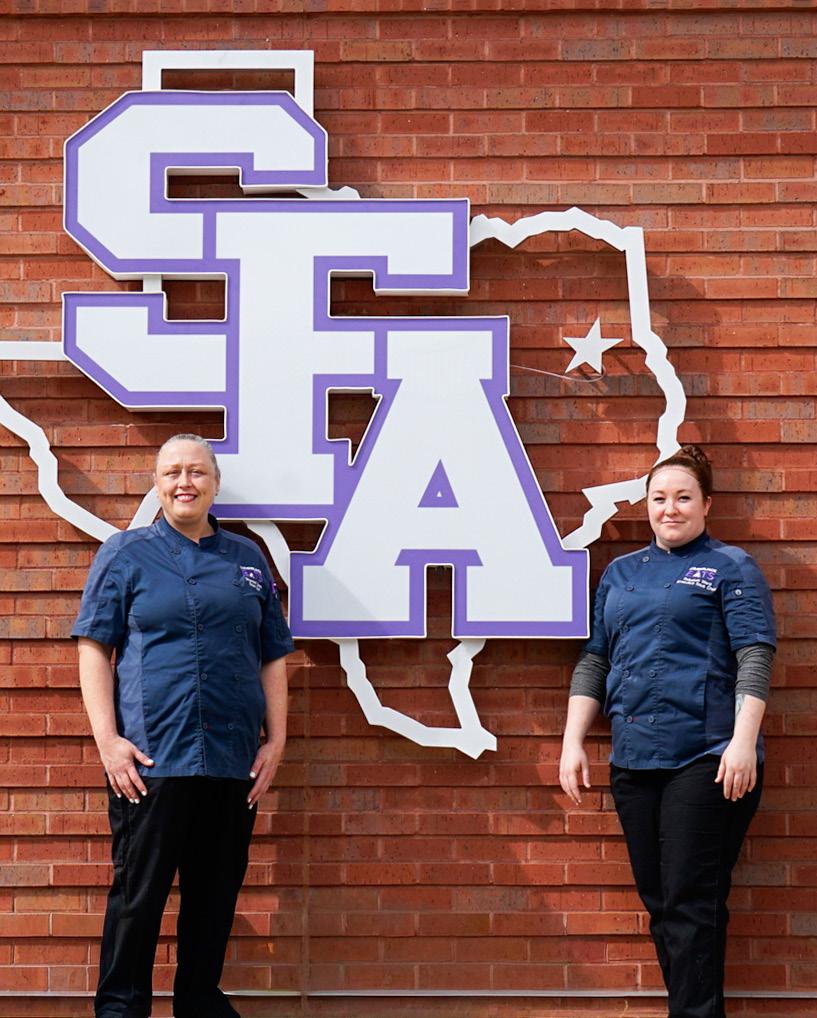
FIVE CHEFS SHARE WHAT MAKES CAMPUS DINING PERSONAL AND WHY CREATING CONNECTIONS MATTERS AS MUCH AS THE FOOD ITSELF.
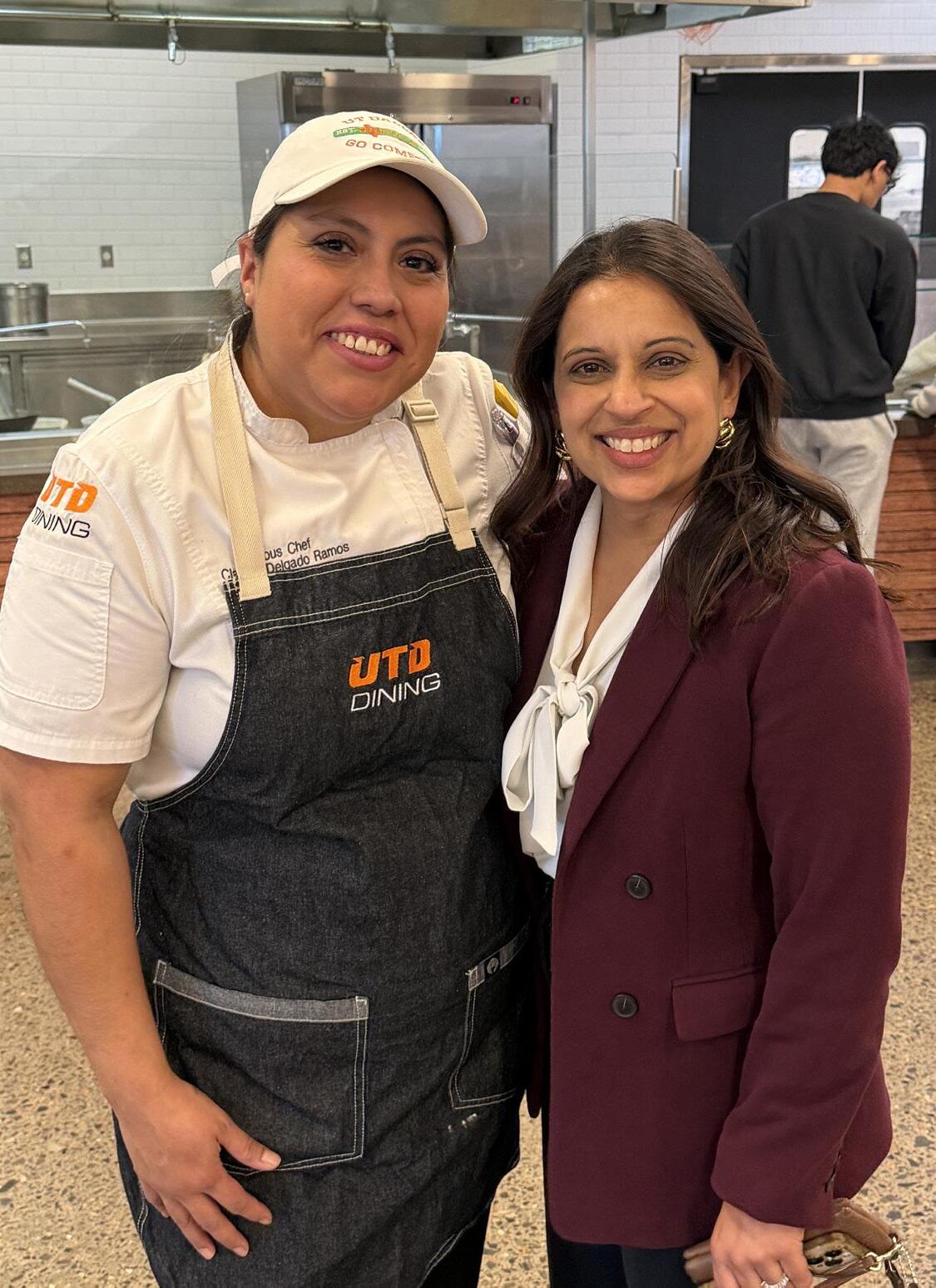
Across our campuses, dining is about more than what is served on the plate. It is about creating a sense of belonging, building relationships, and helping students feel at home. We asked chefs from across the country what “Dining, Made Personal” means to them. Their answers reveal the passion, purpose, and personal connections that shape the student experience every day.
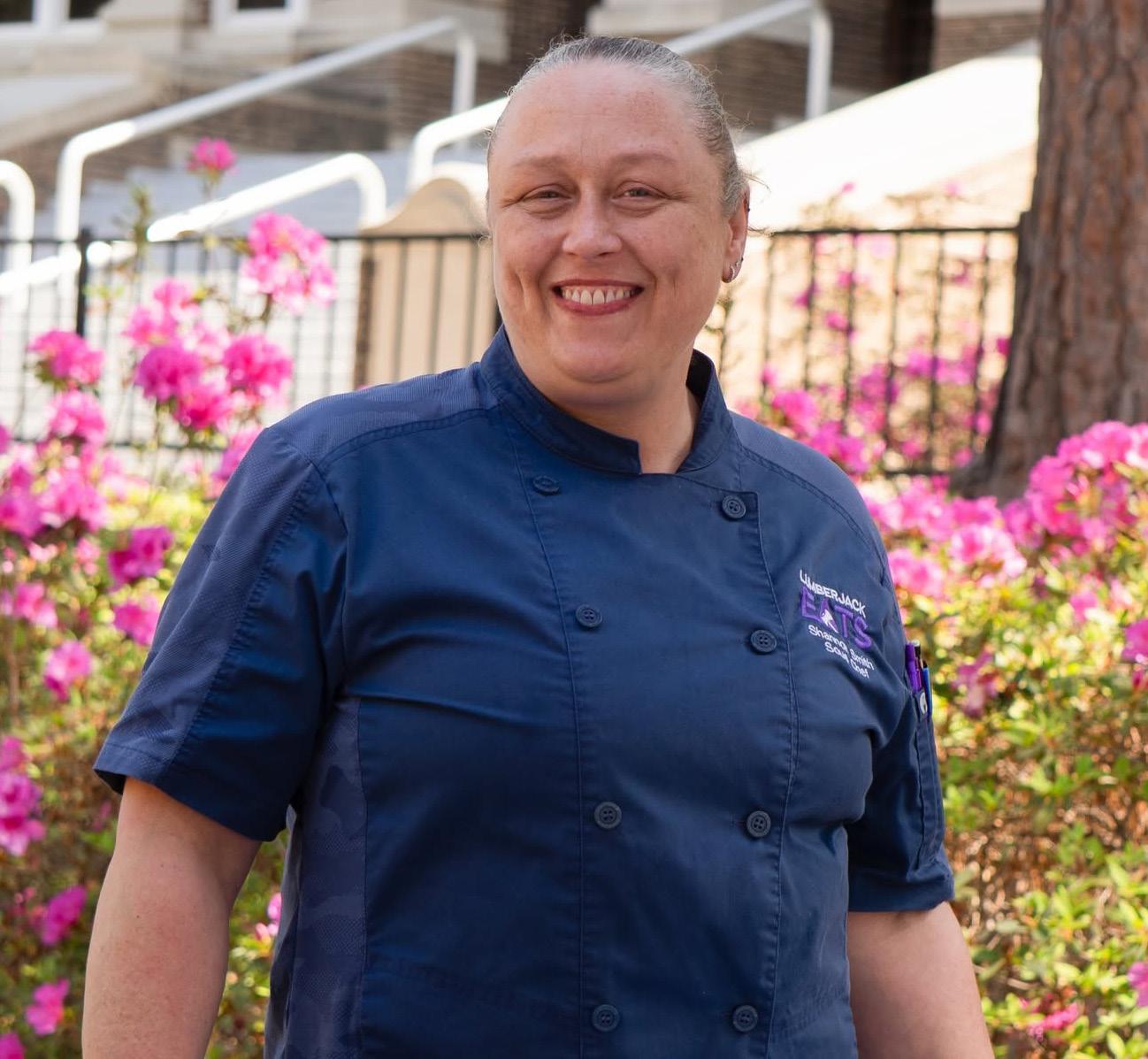
STEPHEN F. AUSTIN UNIVERSITY
“I grew up in Nacogdoches and began my education at SFA, Eventually, I moved back to Nacogdoches from Austin, started here as a cook and, after about a year, was promoted. Nacogdoches is my hometown, and having attended SFA for a while has given me deep loyalty to the school and its students. I love feeding our lumberjacks and bringing a sense of comfort to their college experience away from home.”
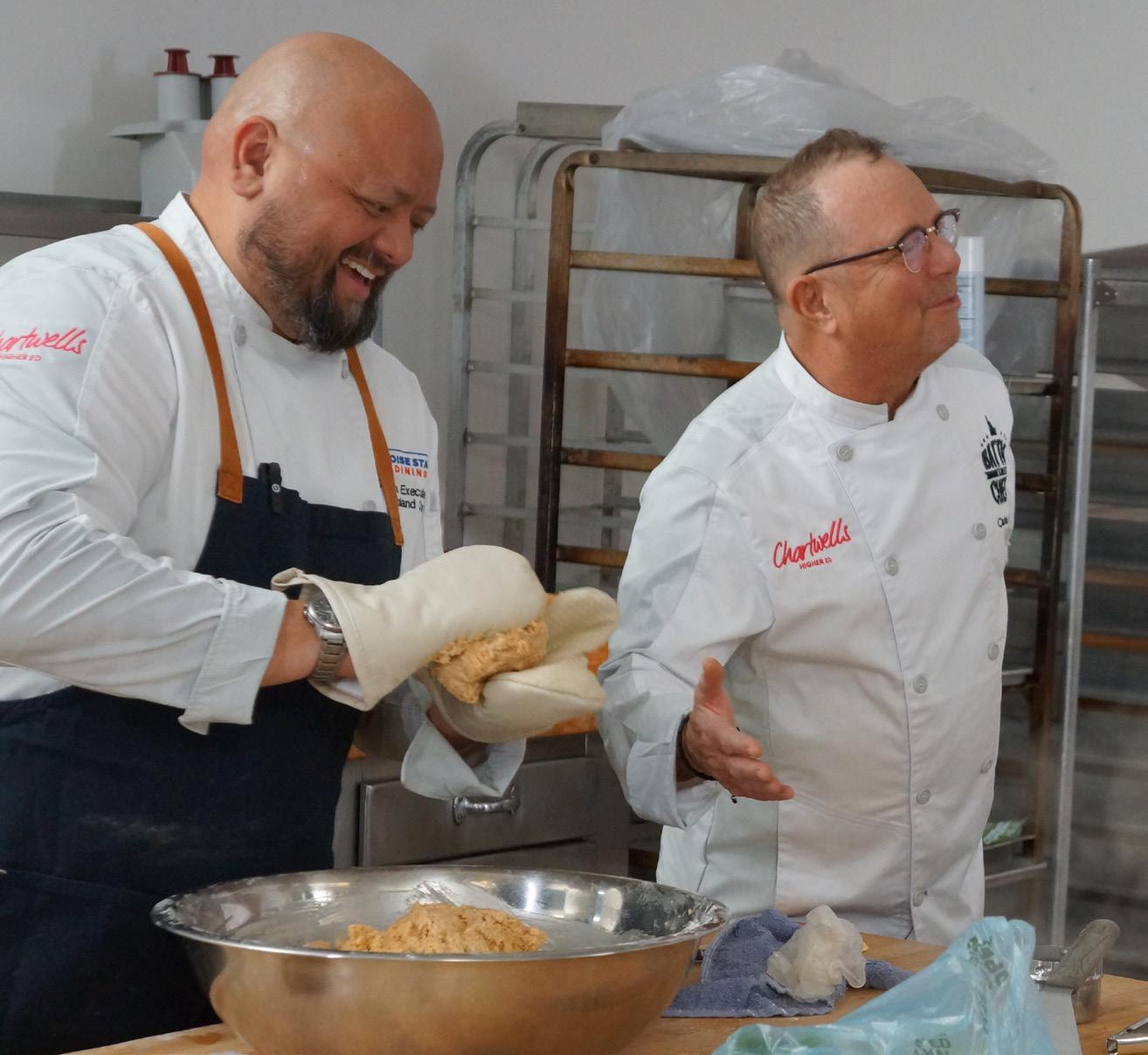
BOISE STATE UNIVERSITY
“I bring 35 years of experience (to my role), but it always comes back to people. I cook to create a connection, the same way you would at home. In my role, that means creating moments where students feel comfortable, cared for, and connected through the food we create. When students come back for seconds or stop me in the hall and share a memory, it tells me we created that feeling of home, which will stay with them long after the meal, and that is why I do what I do and what makes dining personal for me”
STEPHEN F. AUSTIN UNIVERSITY
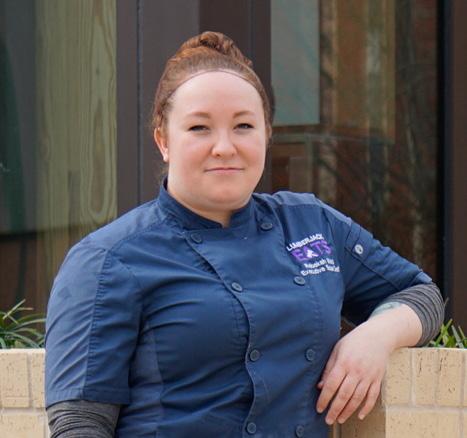
“As a mother of four, I often consider how I want my children to feel during their college experience, which drives my passion for this work. We see these students every day, know them by name, and it brings me immense joy to witness their excitement about food. I am familiar with their favorite dishes and the recipes that remind them of their families. We strive to be their home away from home.”
UNIVERSITY OF UTAH
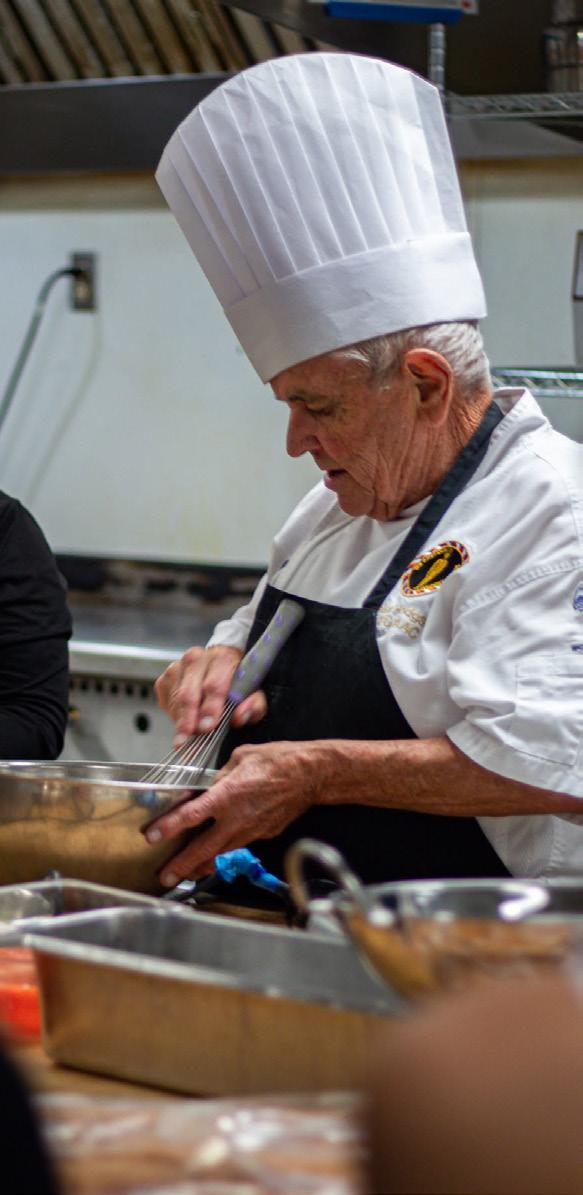
“Coming from another country, and having traveled and worked across many nations, has given me a truly rounded outlook on this chosen craft. Having owned restaurants and worked in fine dining, coming to higher education was a breath of fresh air.
What drives me to work every day is putting on my toque and whites, polishing my shoes, and walking in genuinely excited — excited to create the next event, the next gathering, and especially to meet the parents, the teachers, and the students who are doing their very best to improve each day.
Then something remarkable happens. The connection forms, the communication flows, and it all circles back naturally to the food. Meet, communicate, feed — a full circle. It is truly amazing to witness the sheer appreciation students have for the dining experience. From past adventures I have learned this: listen, observe, help, and follow up. When you do, work becomes a joy.
UNIVERSITY OF CENTRAL OKLAHOMA
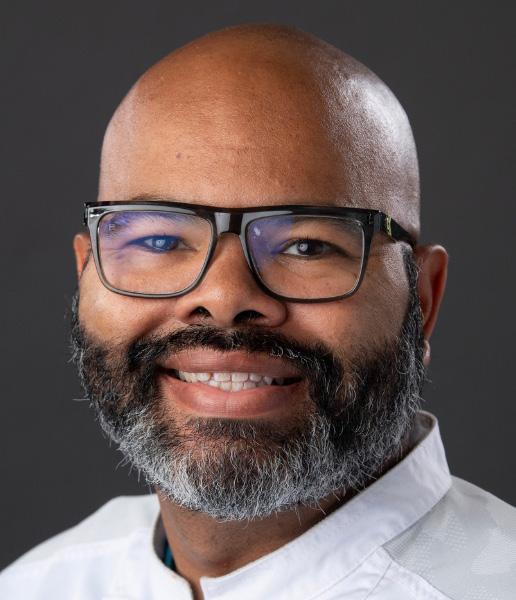
“Dining is personal because food is personal. Every meal is an opportunity to provide comfort, create connection, and ensure every guest experiences dining with dignity. I believe in extreme hospitality and the passion I bring to my role comes from a commitment to service and the belief that hospitality can make someone’s day better. As a father, I understand the importance of creating meaningful experiences and lasting memories. My goal is to lead with care, integrity, and purpose, building something through my work that my children will one day be proud of—not just for what I achieved, but for how I treated people along the way.”
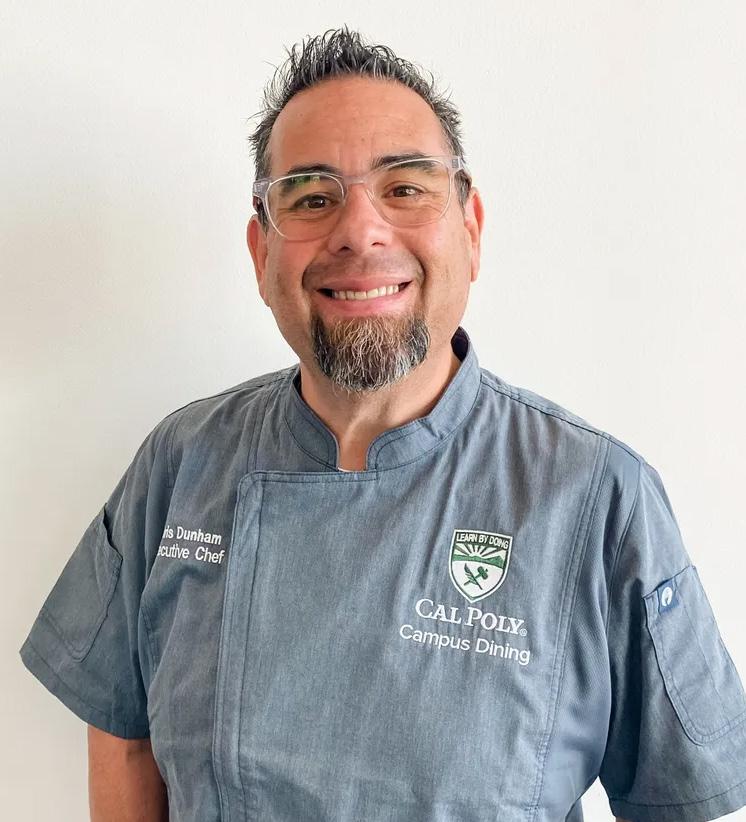
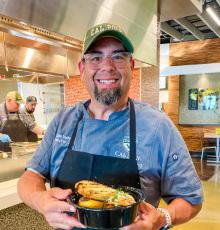
For many chefs, personal connections are often rooted in the recipes and traditions they carry with them. For Chef Chris Dunham at Cal Poly, one dish tells that story best.
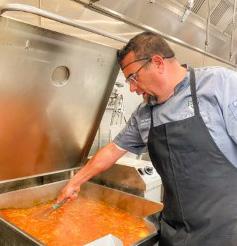
He first learned to make the seafood stew decades ago from his aunt, and it remains the recipe he turns to when someone says, “Make me something good.”
Rooted in San Francisco’s waterfront history, cioppino was originally built on the idea of “chipping in,” with fishermen contributing the day’s catch to a shared pot simmering in a garlicky tomato broth. Today, Chef Dunham carries that same spirit forward at Cal Poly, serving fresh coastal seafood alongside grilled bread for dipping.
The dish is more than a favorite recipe. It is a connection to family, tradition, and the belief that food is at its best when it brings people together. By sharing it with students, faculty, and staff, Chef Dunham turns a personal story into a shared experience—one bowl at a time.
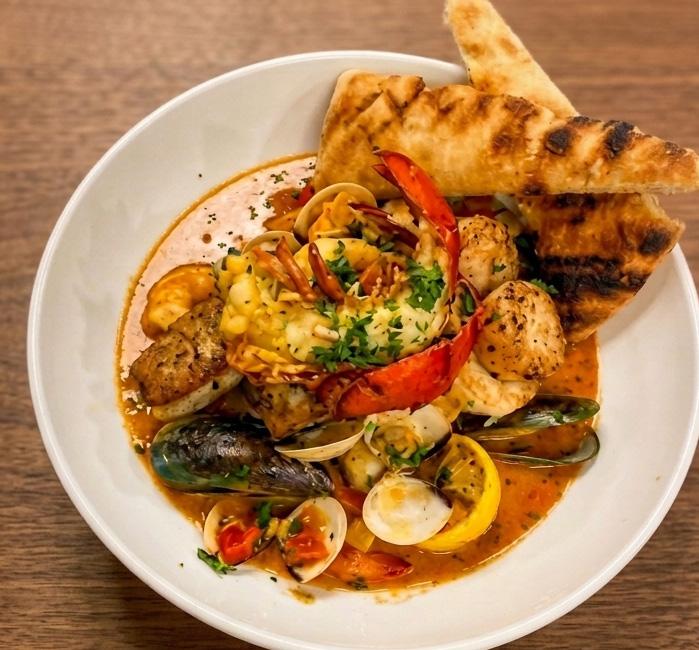
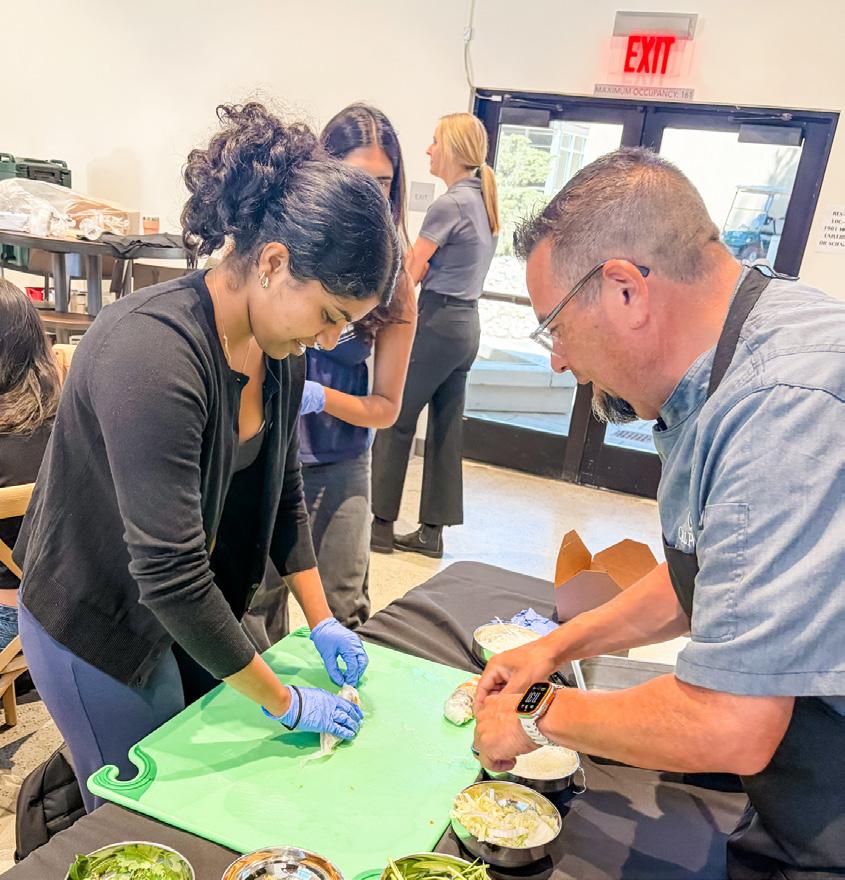
To cap off the end of the semester, Chef Chris hosted a Chef’s table Cioppino event so his signature dish could be tasted by students, faculty, and staff.
Student internships are more than résumé builders; they’re defining experiences that shape confidence, sharpen real world skills, and help students imagine what their future careers can look like. At the University of Florida and Tennessee Tech, two student interns found themselves doing just that: stepping beyond the classroom and into roles where their ideas, perspectives, and initiative made a lasting impact on campus dining.
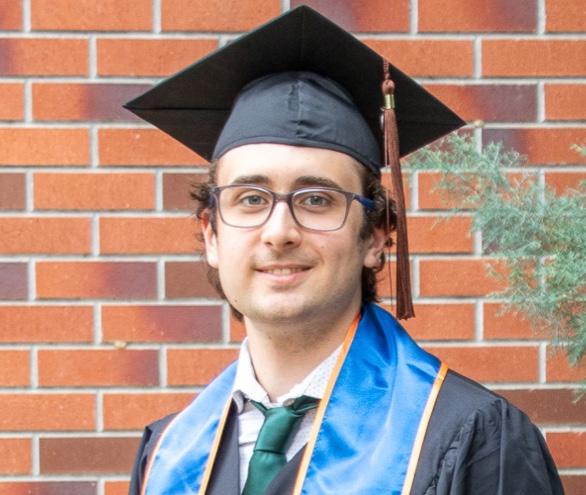
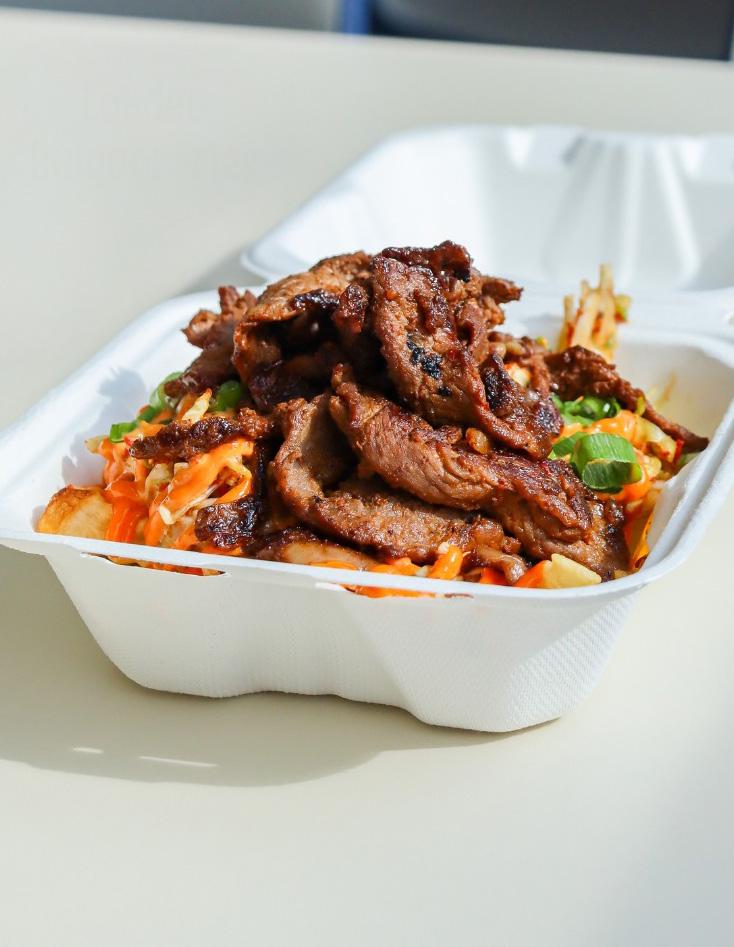
For Trevor Robertson, a student graphic designer at the University of Florida, the internship became an opportunity to take creative ownership in a way few classroom projects allow. As part of the Student Success Internship Program, he was tasked with developing the brand identity for a new campus concept, Kimchi & Chicken. What started as a design assignment quickly evolved into a full-scale creative challenge.
Trevor built the brand from the ground up, designing everything from the logo to the in-unit visuals, while learning how to balance creativity with real-world constraints like timelines, stakeholder feedback, and operational needs. His contributions ultimately paved the way to a full-time graphic design role after graduation, turning an internship into the first step of his career.
At Tennessee Tech, student intern Hardi Parikh’s journey took a different path, but was equally shaped by personal insight and a desire to improve the student experience. As a nutrition major and a member of the residential dining team, she brought a unique dual perspective: she understood both the operational side of dining and the challenges students face navigating dietary restrictions.
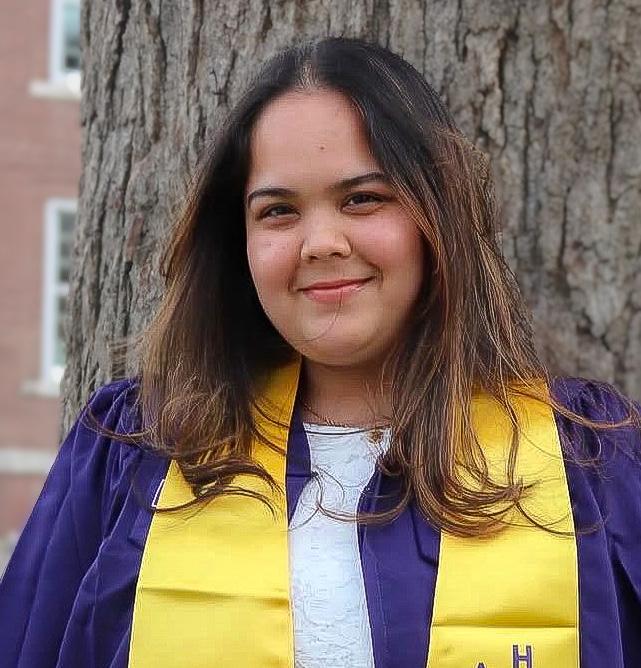
Through her day-to-day experiences, Hardi noticed gaps in how allergen and diet-specific needs were communicated and managed. Rather than accepting those limitations, she saw an opportunity to make dining safer and more inclusive. Partnering with the campus dietitian, she helped develop a system of station-specific cards that allow students to clearly communicate their dietary needs while guiding staff through proper preparation protocols.
Hardi led the charge in advocating for students like herself and ensuring that everyone could feel confident and included when dining on campus. Along the way, Hardi gained hands-on experience in problem-solving, collaboration, and applying her academic knowledge in a meaningful, real-world setting.
Both Trevor and Hardi faced the challenge of stepping into unfamiliar roles, navigating real responsibilities, and learning how to turn ideas into action. In doing so, they developed skills that extend far beyond their specific projects: skills in communication, adaptability, and leadership that will carry into their careers.
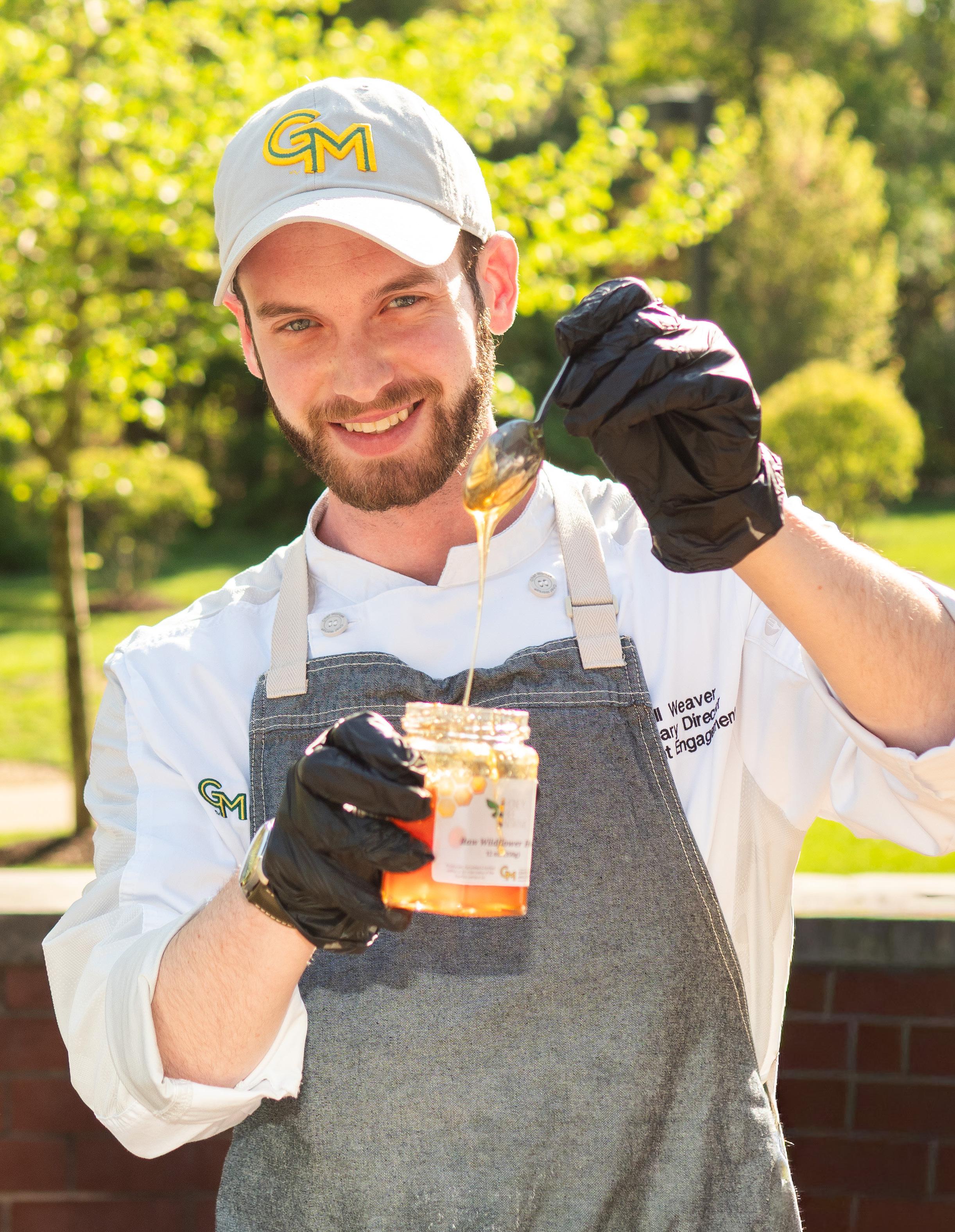
Sustainability is about more than programs and metrics. It’s about people, daily choices, and the communities those choices support. Across the country, campus teams are turning sustainability into something students can see, touch, and help shape, from composting pilots powered by student leaders to creative reuse efforts that spark conversation. Together, these local actions give sustainability a meaningful place at the table year round.
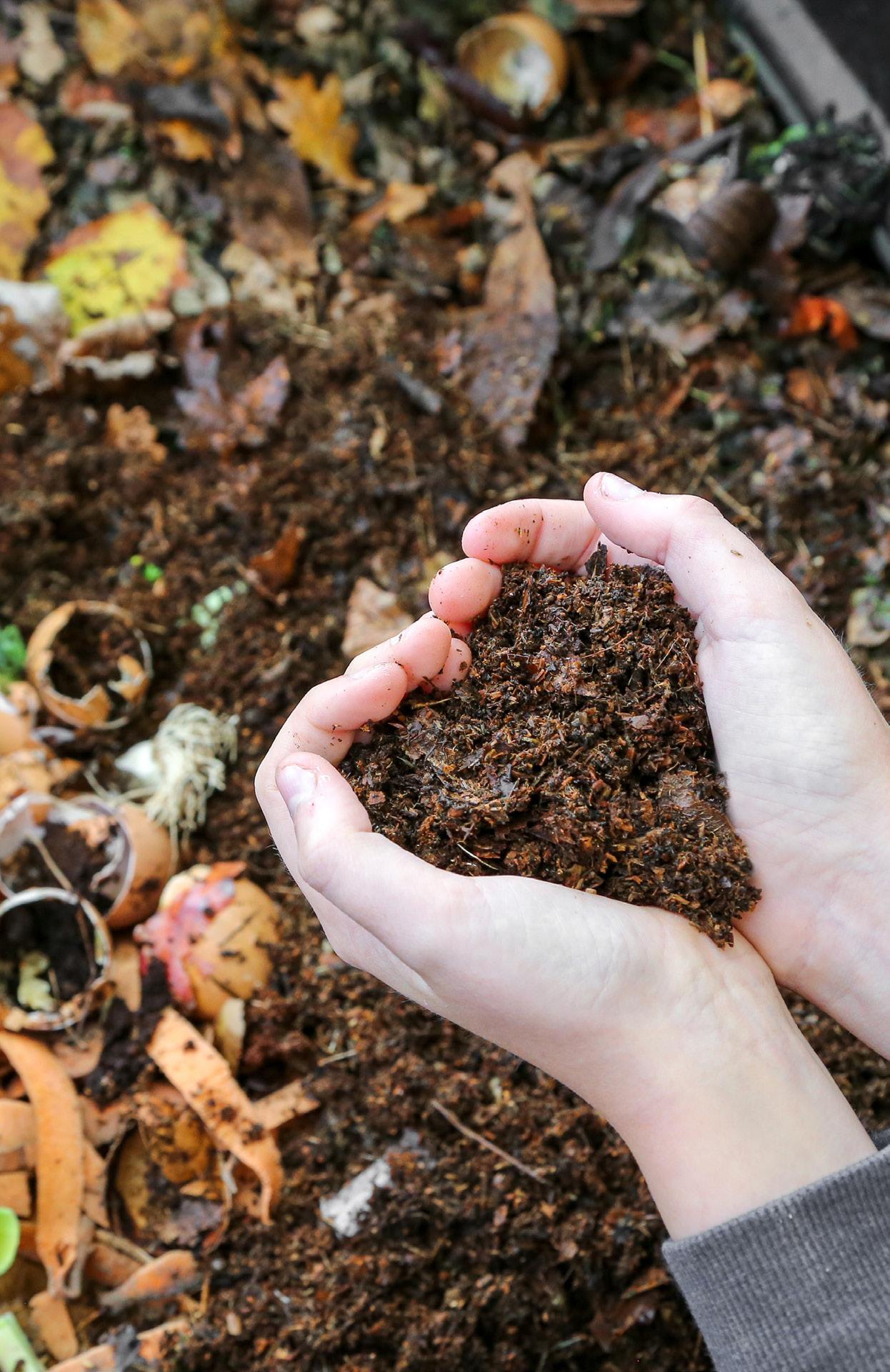
At the University of Minnesota, sustainability is taking shape in a way students can see, touch, and help build. Through a collaborative vermicomposting project, food scraps are given a second life while students gain hands-on experience with circular food systems.
For students, the pilot is more than a sustainability project. It is a chance to connect classroom learning to a real system they can see, measure, and improve, with dining and campus partners working side by side.
The idea is simple, but the lesson is lasting. When scraps become compost, students get a tangible look at how circular food systems work, and how shared, local actions can support healthier soil, a healthier campus, and a healthier planet.

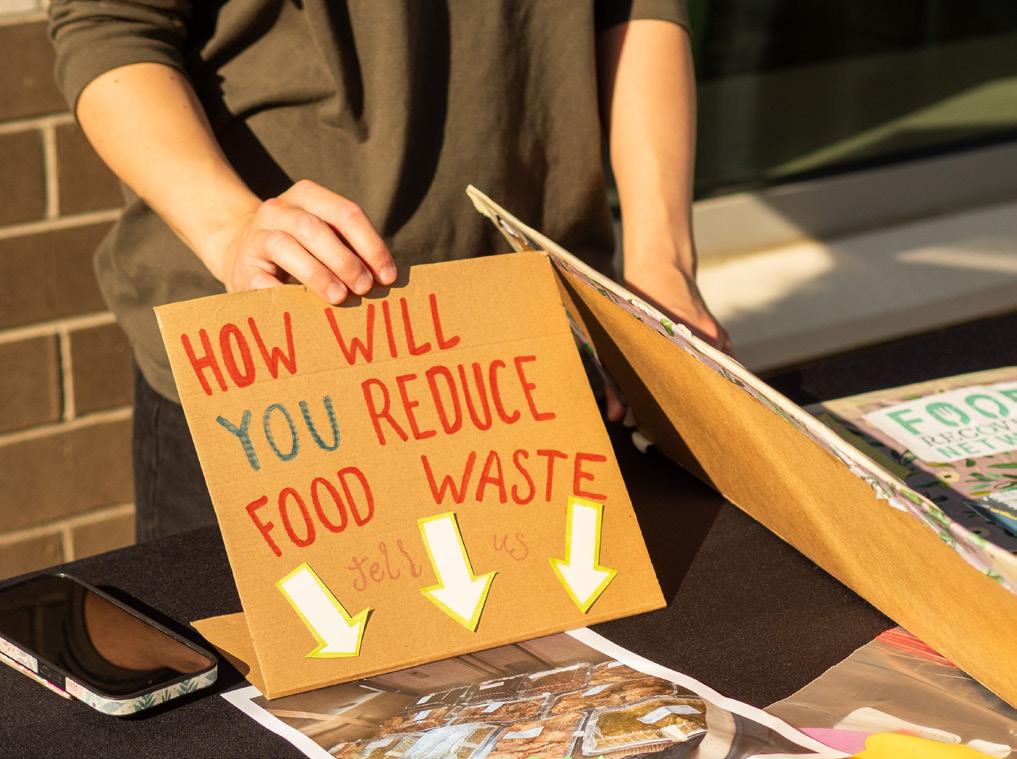
Food waste is something most people never think about after a meal is finished. At George Mason University, WastED challenged students to take a closer look, exploring how everyday food choices connect to larger environmental systems and the role they can play in creating change.
Hosted at The Spot, the university’s plant-based dining hall, the event brought together Chartwells’ Vice President of Sustainability Monalisa Prasad alongside George Mason faculty members Kerri Lacharite, PhD, and Dr. Jennifer Sklarew for an engaging discussion on how food waste connects to larger environmental systems and the everyday choices students can make to create change on campus.
Designed to be both educational and interactive, the event gave students the opportunity to ask questions, connect directly with campus partners, and engage in thoughtful dialogue around sustainability in dining.
WastED brought together real-world dining practices and academic insight to spark a different kind of campus conversation, helping students see how everyday choices can drive meaningful environmental impact.
UNIVERSITY OF NEVADA RENO

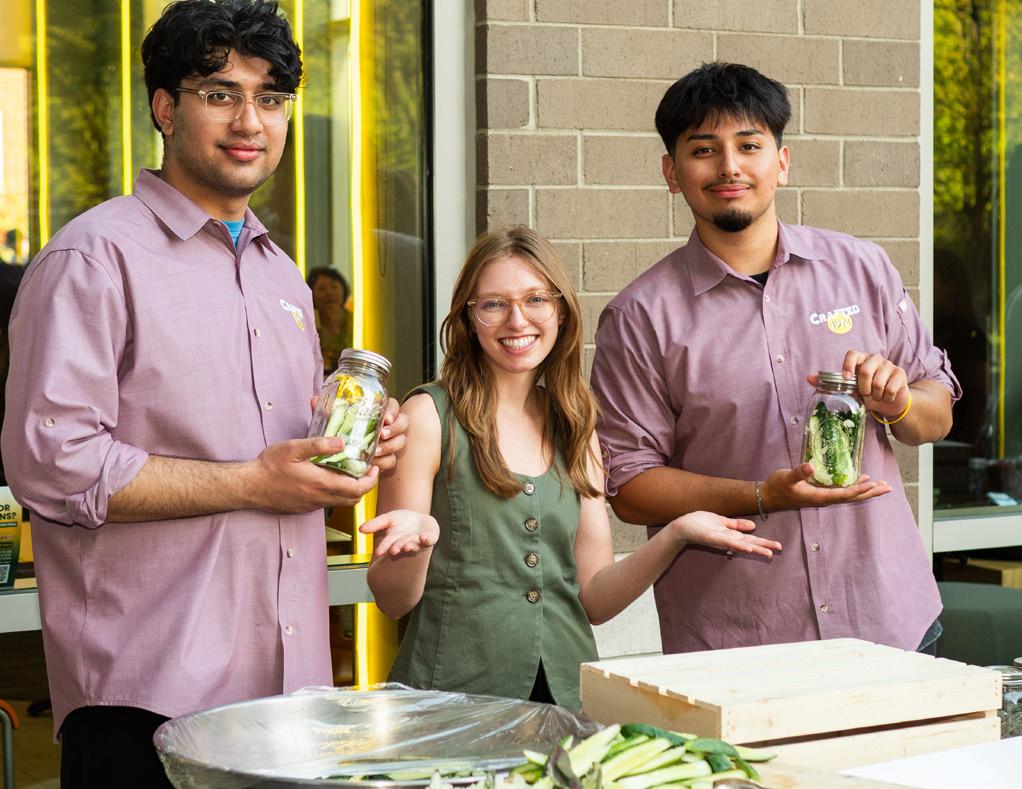
Some of Nevada Dining’s biggest fans have four legs. At the University of Nevada, Reno, surplus ingredients are being transformed into homemade dog treats, creating an unexpected connection between campus dining and local animal shelters. With help from Wolf Pack volunteers, the treats are mixed, portioned, packaged, and delivered to organizations across the Reno community, including the Nevada Humane Society and the SPCA of Northern Nevada.
The program gives extra ingredients a new purpose while providing local shelters with treats for the animals in their care. Along the way, students have the opportunity to get involved in a project that extends beyond campus and into the community.
What makes the initiative especially memorable is its simplicity. A campus kitchen, a group of volunteers, and a few wagging tails are all it takes to turn extra ingredients into something worth sharing.
For the dogs, it’s a treat. For Nevada Dining, it’s one more way a campus kitchen can serve its community.
SEATTLE UNIVERSITY
Most people see an empty plastic bottle and throw it away. Selestino Malagon sees something else entirely. For more than 20 years, the Seattle University associate has been transforming discarded materials into art, turning everyday items like plastic bottles, glass, metal cans, and Styrofoam into pieces that are both creative and functional.
What began as a personal passion has become a unique expression of sustainability on campus. Through his work, materials that might otherwise be overlooked are reimagined as fountains, vases, and other handcrafted creations that spark curiosity and conversation.
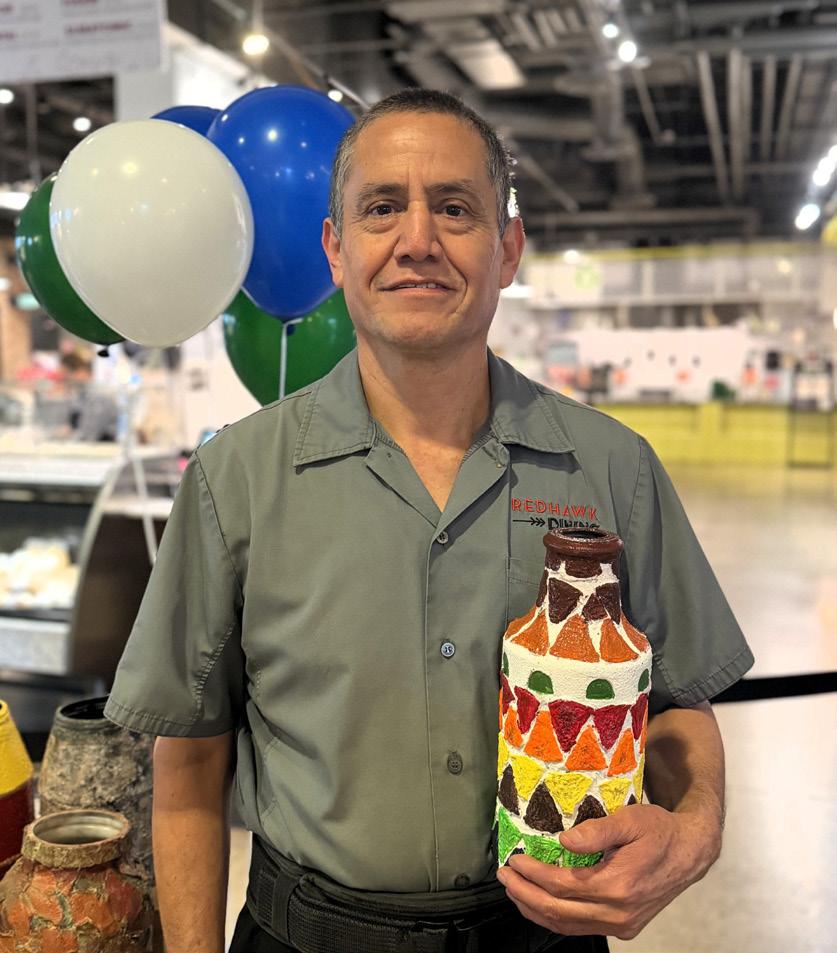
For Selestino, the process is less about the finished piece and more about seeing potential where others might not. Each project starts with a simple question: what could this become? His creations often find homes with friends, family members, and colleagues, extending their story beyond the campus where they were made.
In a world built around disposable things, Selestino’s work offers a different perspective, one that values creativity, resourcefulness, and the possibility hidden inside everyday objects.

What if scraps were treated as ingredients instead of leftovers?
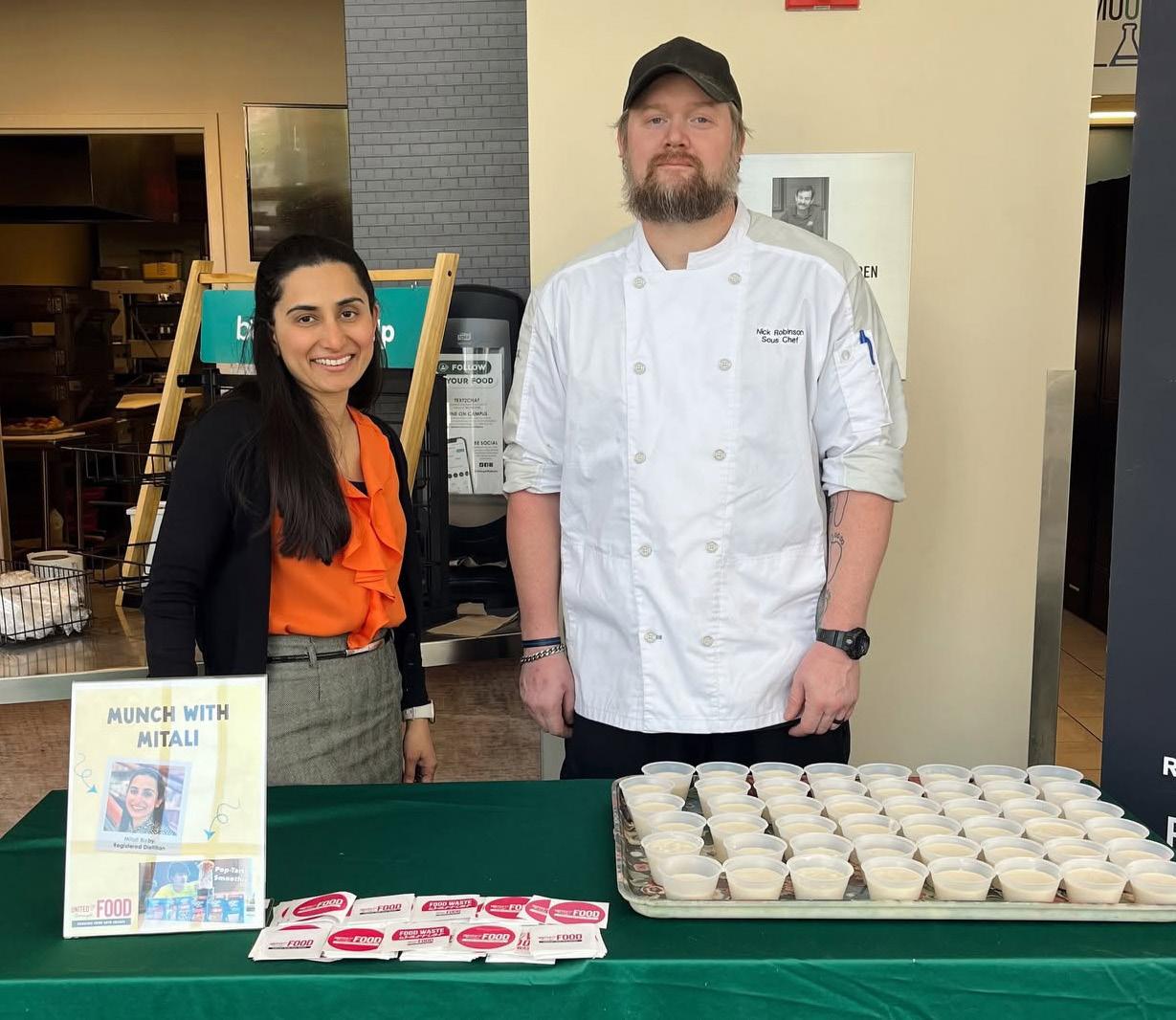
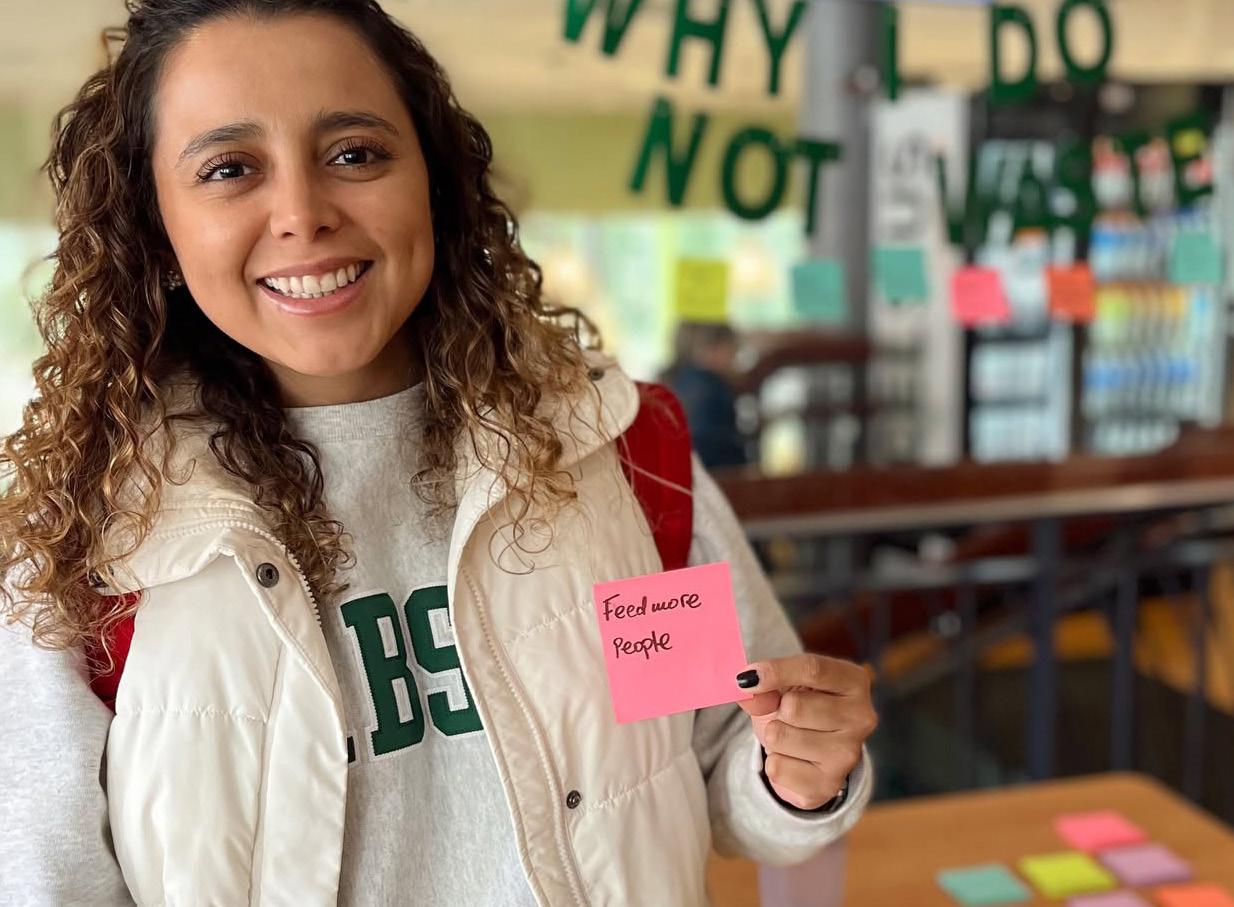
At Babson College, that question inspired a collaboration between the culinary team and campus dietitian to create a menu built around ingredients that often go unused. In the weeks leading up to Stop Food Waste Day, the team reworked prep processes to capture vegetable trims and surplus produce, then transformed them into dishes students were excited to try.
Highlights included Veggie-Loaded Meatballs, Vegetable-Peel Pesto Linguine, and a Burnt Broccoli Caesar that turned a commonly discarded stem into the star of the plate. Banana Loaf Cake rounded out the menu, proving that great flavor and less waste can go hand in hand.
More than a one-day event, the initiative invited students to see food differently and discover the potential hiding in ingredients often overlooked.
CANISIUS UNIVERSITY
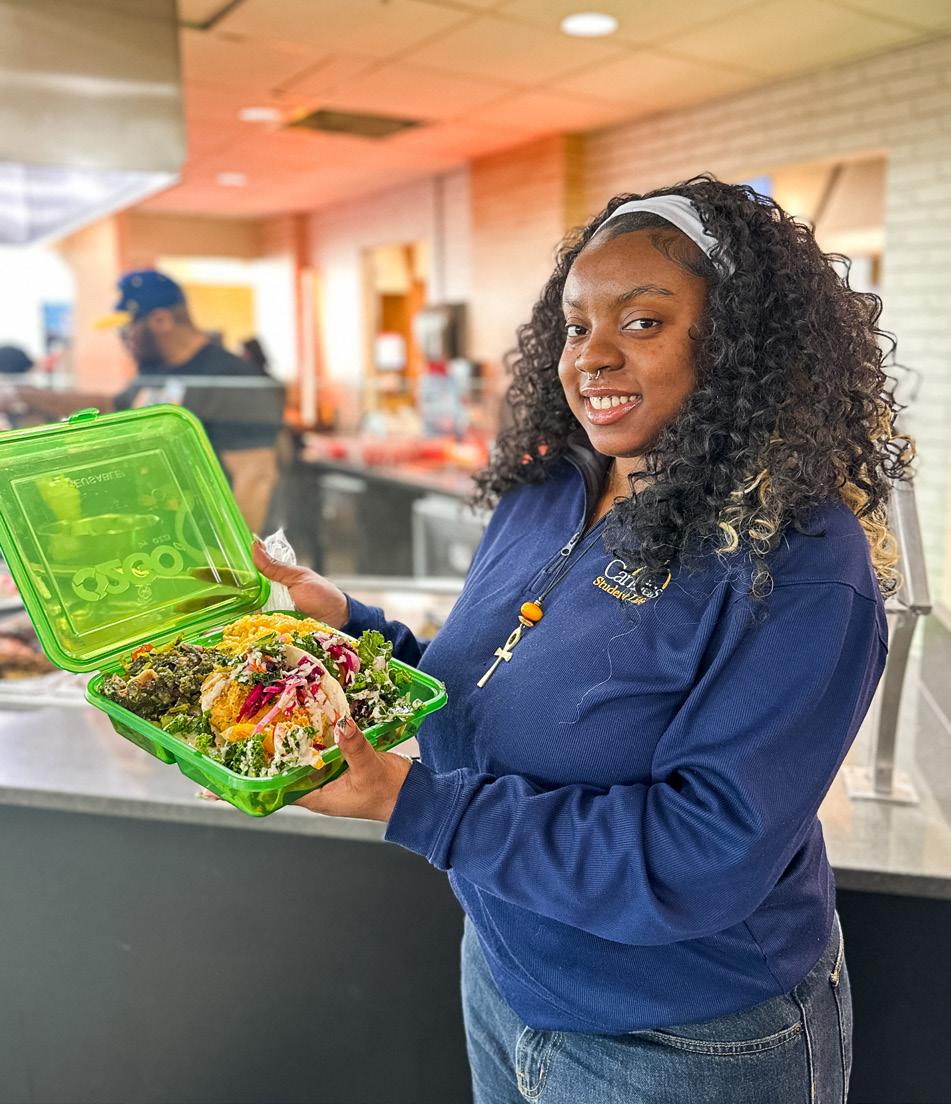
Canisius University turns everyday dining habits into renewable energy and reusable routines. When the last tray is cleared, food scraps from campus dining are collected and sent through Natural Upcycling, where they are converted into renewable electricity and natural gas used to help power a farm in Upstate New York. What could have ended as waste instead becomes part of a larger cycle with purpose beyond campus.
That same thinking shows up when students take meals to go. Through Canisius’ partnership with Ozzi, more than 1,000 reusable containers are currently in rotation, with 37K+ collections since 2023. Each return helps replace single-use packaging and makes sustainability part of a student’s everyday dining experience.
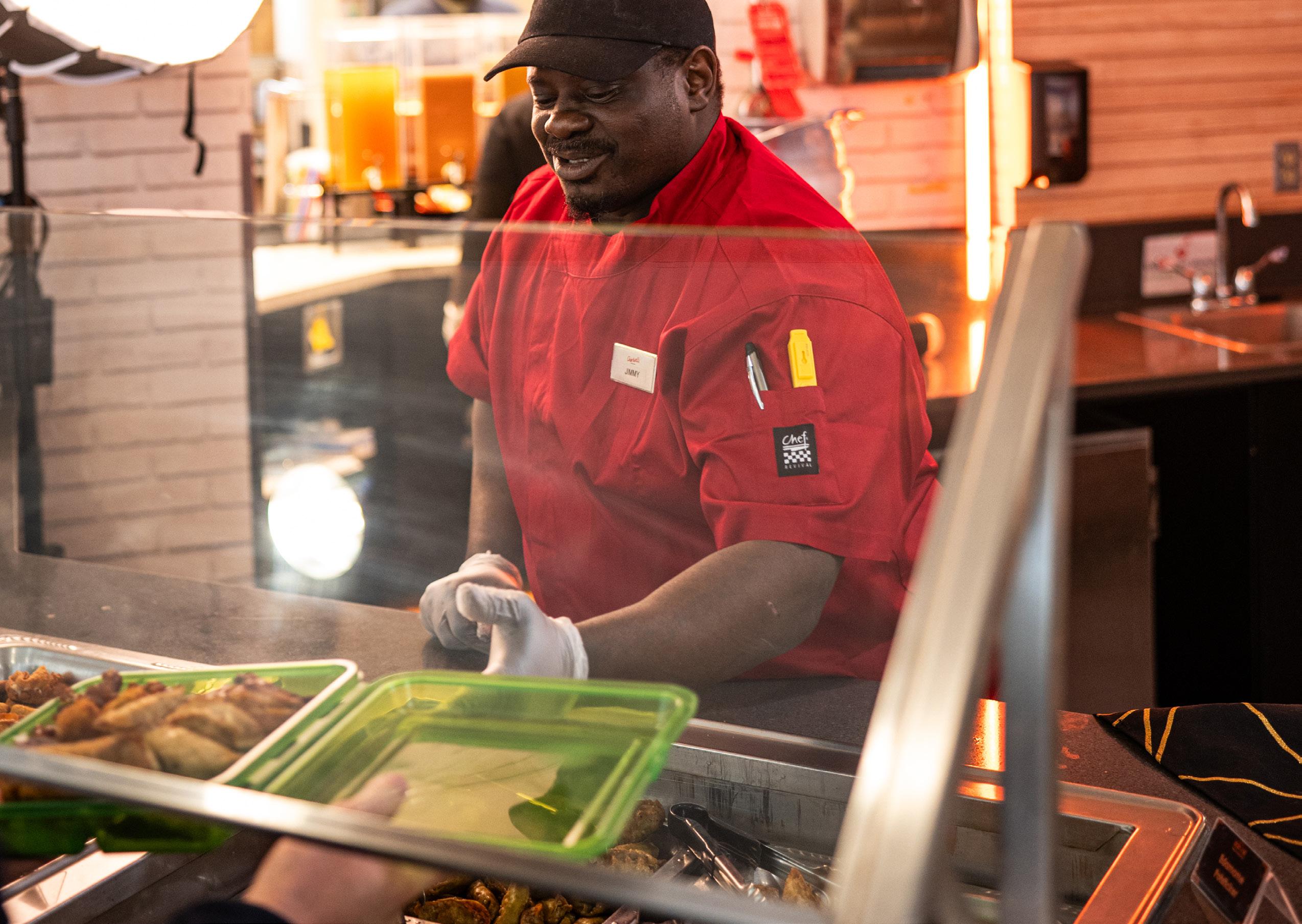
Reusables in Rotation: through a partnership with Ozzi reusable containers, more than 1,000 reusable containers are currently in circulation, with 37K+ total collections since 2023, helping replace traditional single-use takeout packaging.
In the end, the win is twofold: a lighter footprint on campus and a stronger connection to the broader community, where yesterday’s waste can become tomorrow’s energy.
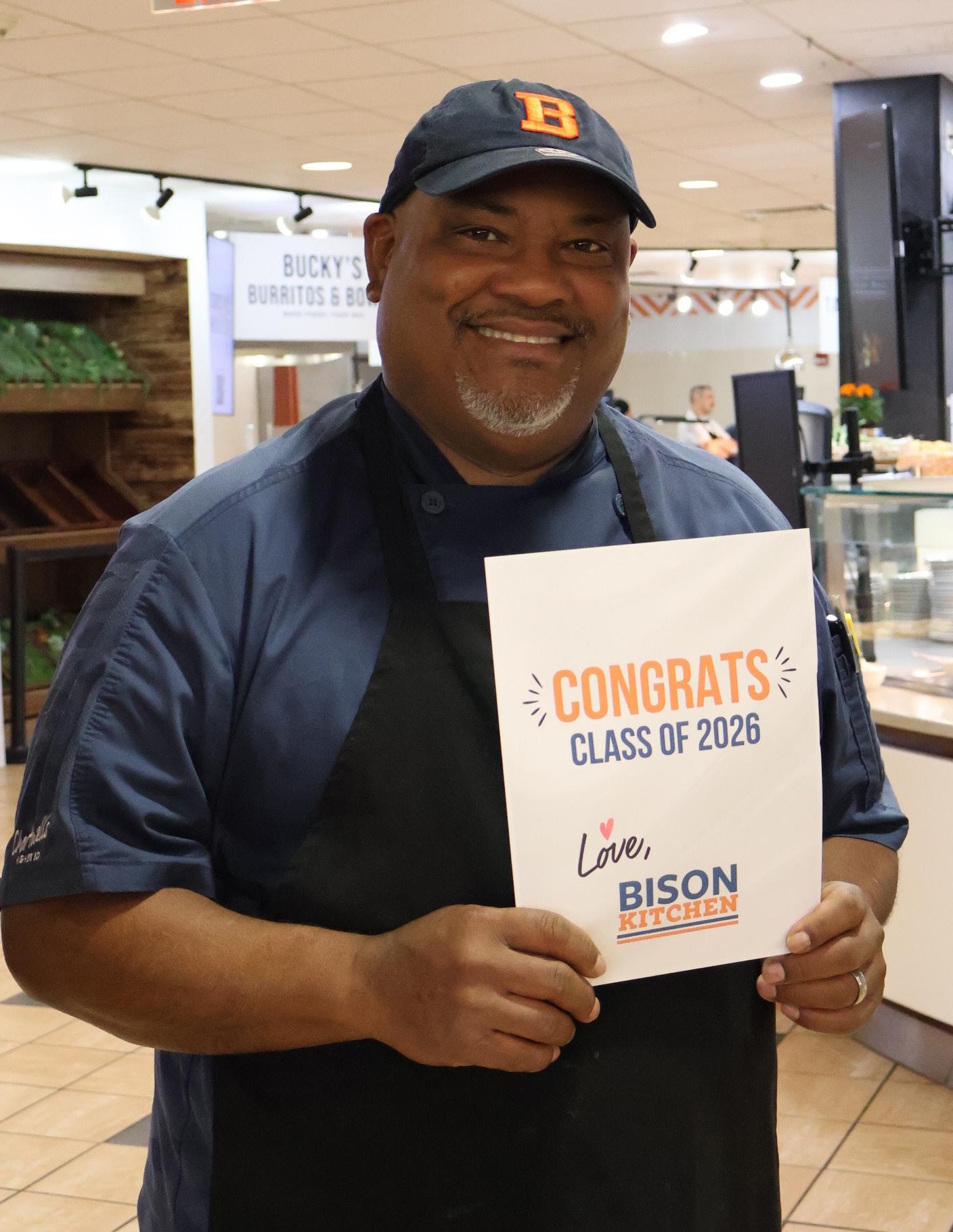
For graduating students, traditions are more than celebratory moments; they’re transitions that help reflect on where they’ve been and where they’re headed next. The most meaningful traditions create space for both, helping students process where they have been while building confidence in where they are going.
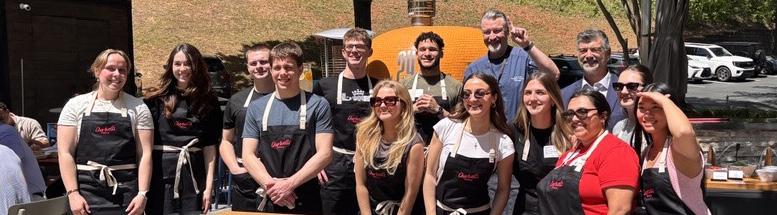
At St. John Fisher University (pictured above), that moment leans toward what comes next.
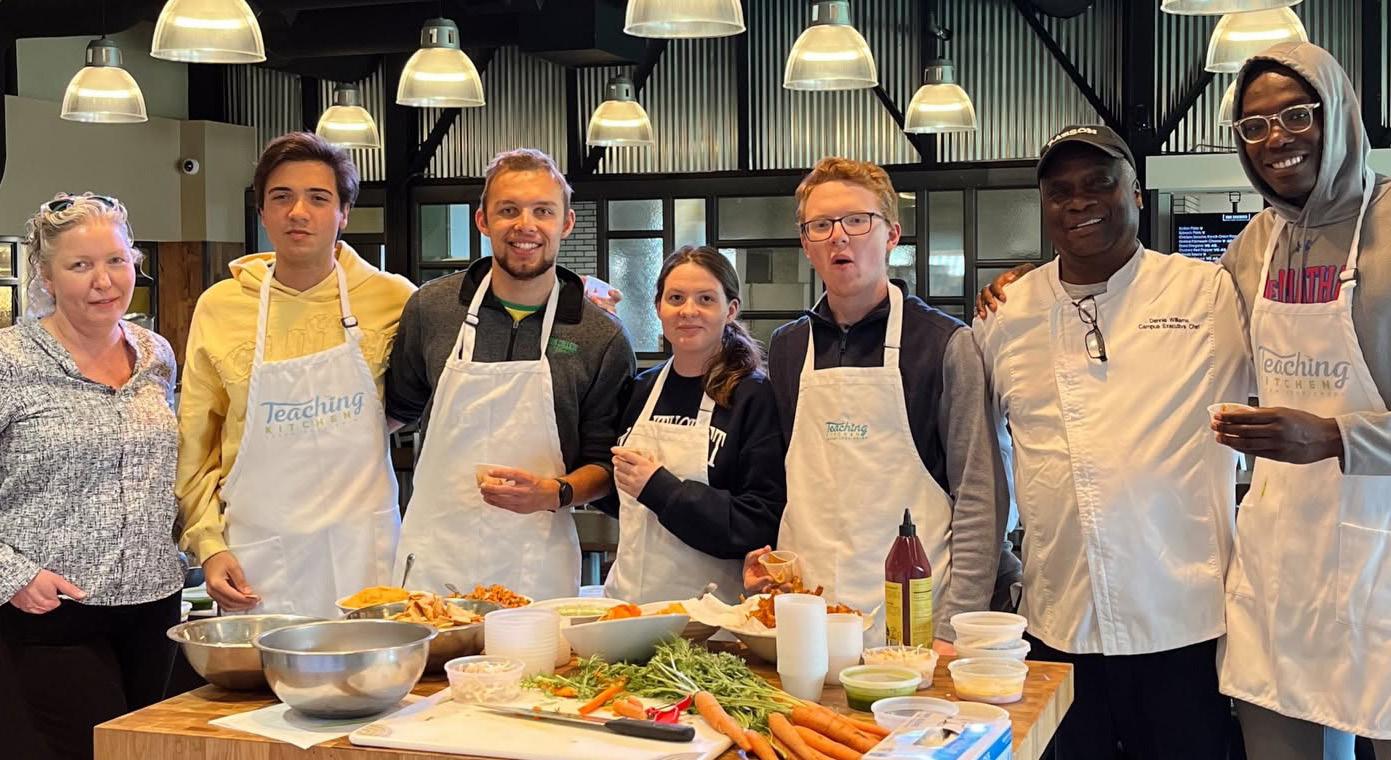
Through the Fisher Flight Program, students step just beyond the familiarity of campus into professional spaces that once felt distant. During a recent visit to Charlotte, they connected with Compass Group leaders and executives across hospitality, operations, AI, marketing, sales, and leadership, while also taking part in a Teaching Kitchen experience that blended mentorship with hands-on learning.
For many, it was the first time the future felt tangible. Classroom lessons translated into real conversations, real environments, and real possibilities. By hearing firsthand stories from executives and senior leaders, students saw that no two career journeys look the same— and that opportunities often appear where they least expect them. In those moments, uncertainty gave way to confidence. Students began to see themselves not just as graduates, but as professionals already in motion.
At Bucknell University, the feeling shifts. Instead of stepping forward, students are invited to pause and reflect. Through Senior Caf Sit, they return to the dining spaces that quietly shaped their earliest days on campus. What once felt routine now carries weight. Familiar tables, shared meals, and late-night conversations resurface as markers of friendships, growth, and time passing more quickly than expected.
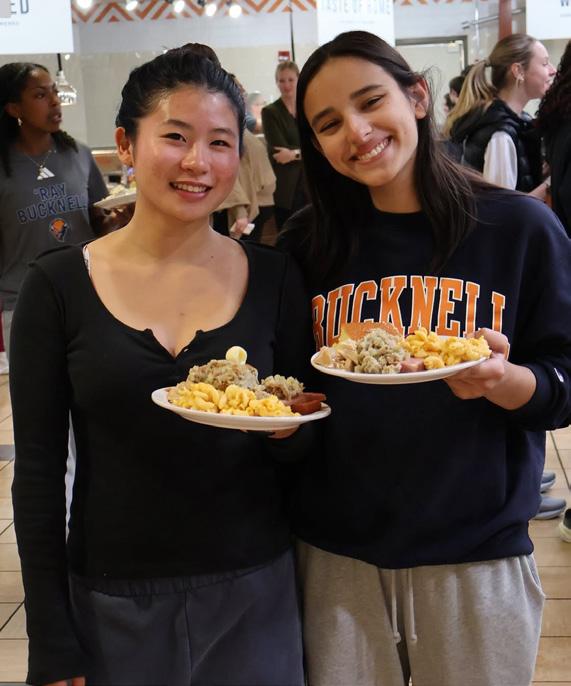
In revisiting these spaces, students reconnect with a beginning they often moved through too quickly to notice. The experience offers something rare at graduation: a chance to slow down, to take it in, and to recognize how much those everyday moments mattered.
Together, these traditions reveal the full shape of transition. One invites students to imagine what is possible; the other reminds them of what they have already lived. In that balance, graduation becomes more than an ending or a beginning. It becomes a meaningful handoff between who students have been and who they are ready to become.
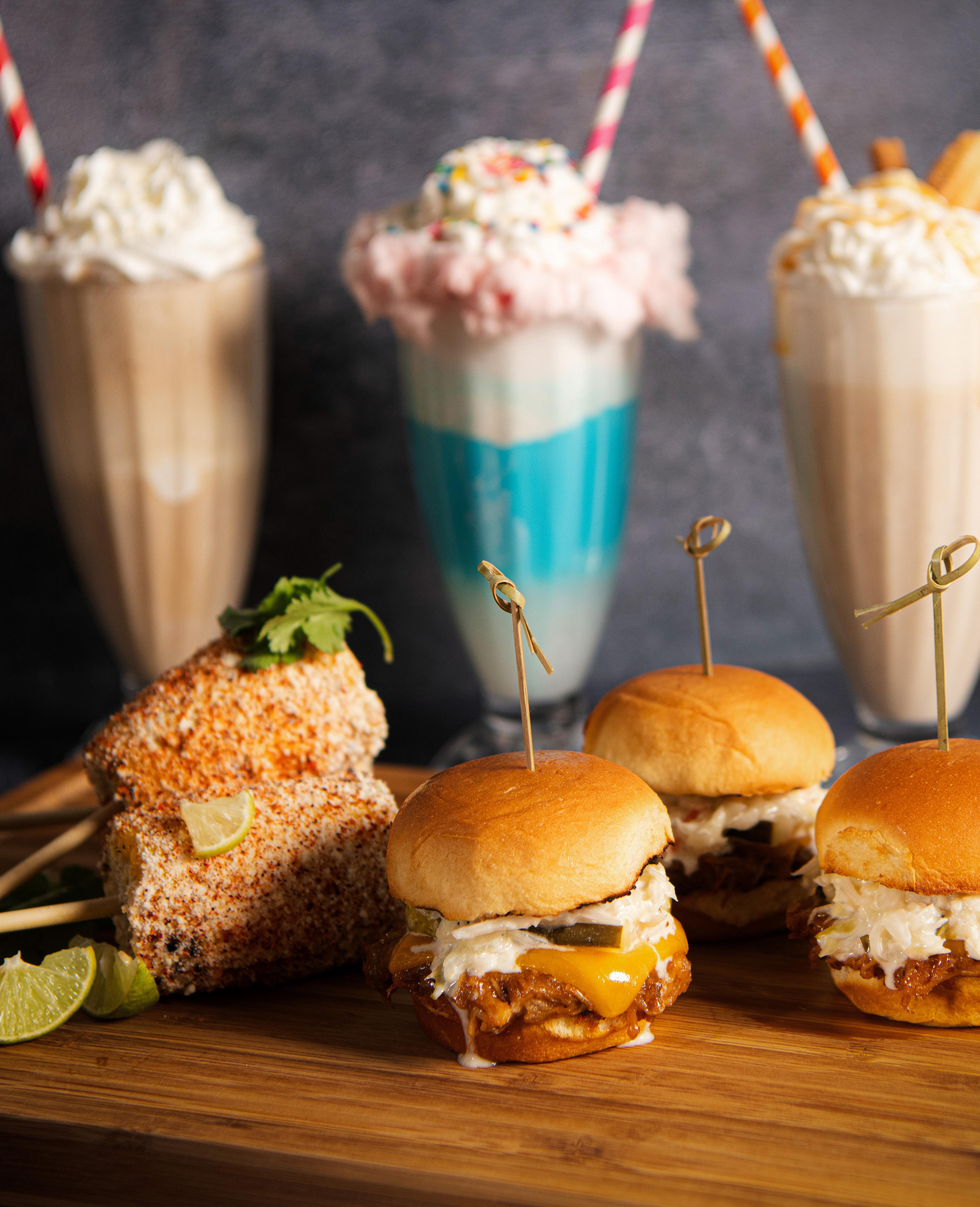
A COAST-TO-COAST MENU TOUR INSPIRED BY THE FLAVORS, TRADITIONS, AND CAMPUS COMMUNITIES WE SERVE.
Every campus has its own flavor story. This summer, we’re taking a road trip across the country to explore the regional dishes, local traditions, and student favorites shaping menus from Texas to California to Miami. Each stop brings a different sense of place to the table, showing how campus dining can turn familiar flavors into moments of connection, comfort, and community.
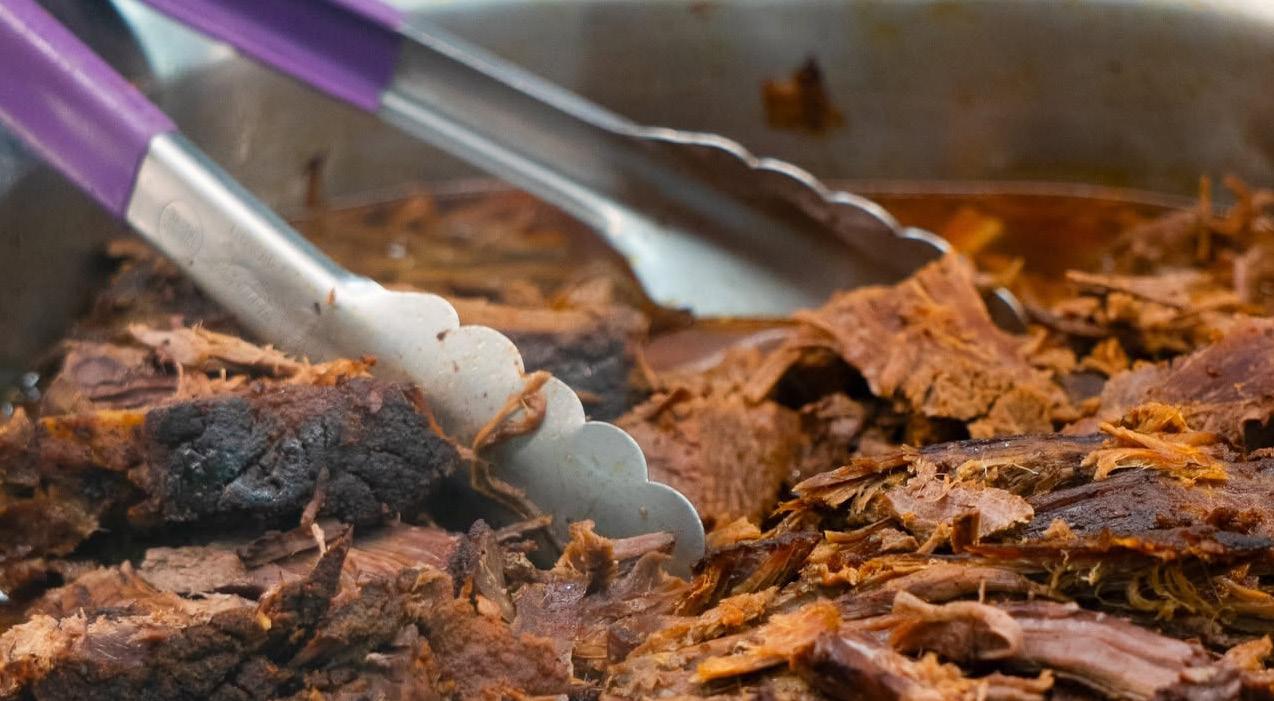
STEPHEN F. AUSTIN UNIVERSITY
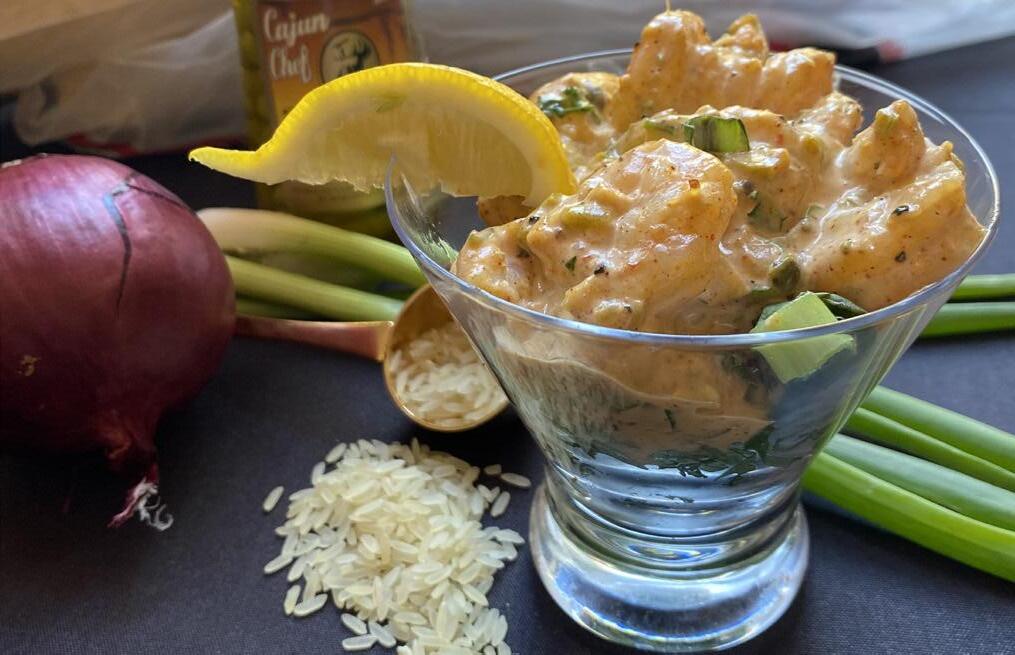
LOUISIANA STATE UNIVERSITY
The flavor: Backyard barbecue with slow-smoked favorites and easygoing comfort sides.
The campus connection: Regional Texas cooking that feels familiar, relaxed, and made for gathering.
Don’t miss: Smoked brisket, coleslaw, potato salad, jalapeño cheddar cornbread, strawberry shortcake cups and other fresh fruit desserts.
The flavor: Cajun and Creole favorites with Southern comfort and plenty of game day spirit.
The campus connection: A taste of Baton Rouge that celebrates local flavor, LSU pride, and food that brings people together.
Don’t miss: Jambalaya, crawfish étouffée, beignets, Louisiana-style comfort classics, and King Cake.
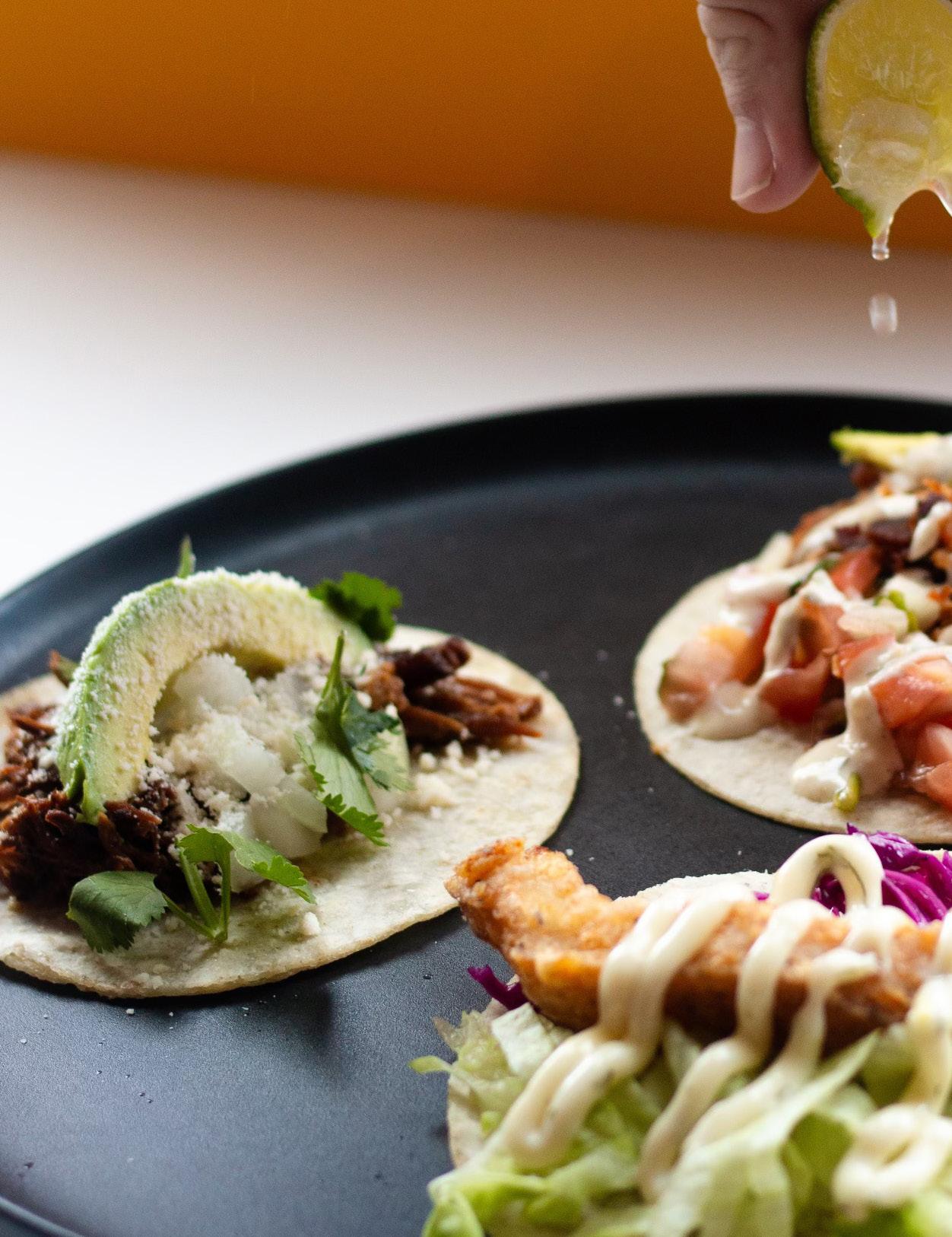
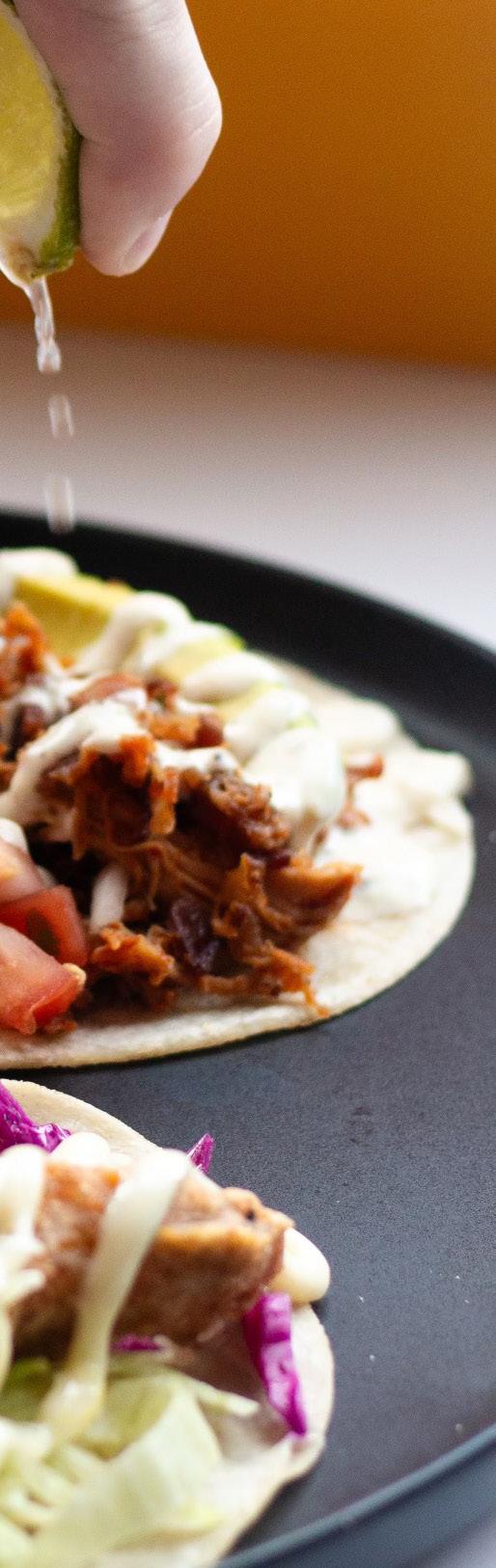
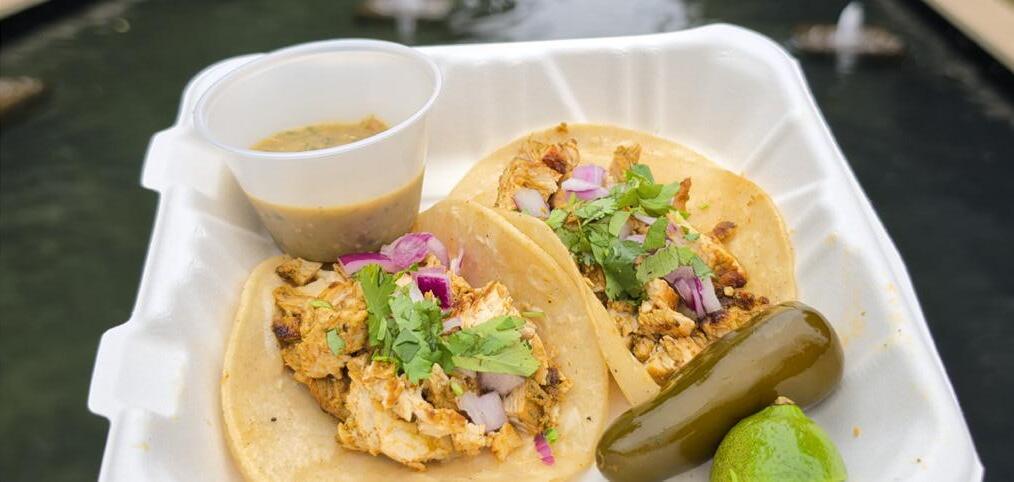
The flavor: Tex-Mex street food with warm tortillas, smoky salsas, bright toppings, and made-to-order favorites.
The campus connection: A quick, flexible stop that fits a modern campus pace while bringing familiar Texas flavor to the table.
Don’t miss: Street tacos, elote, queso, fresh salsa, and churro bites.
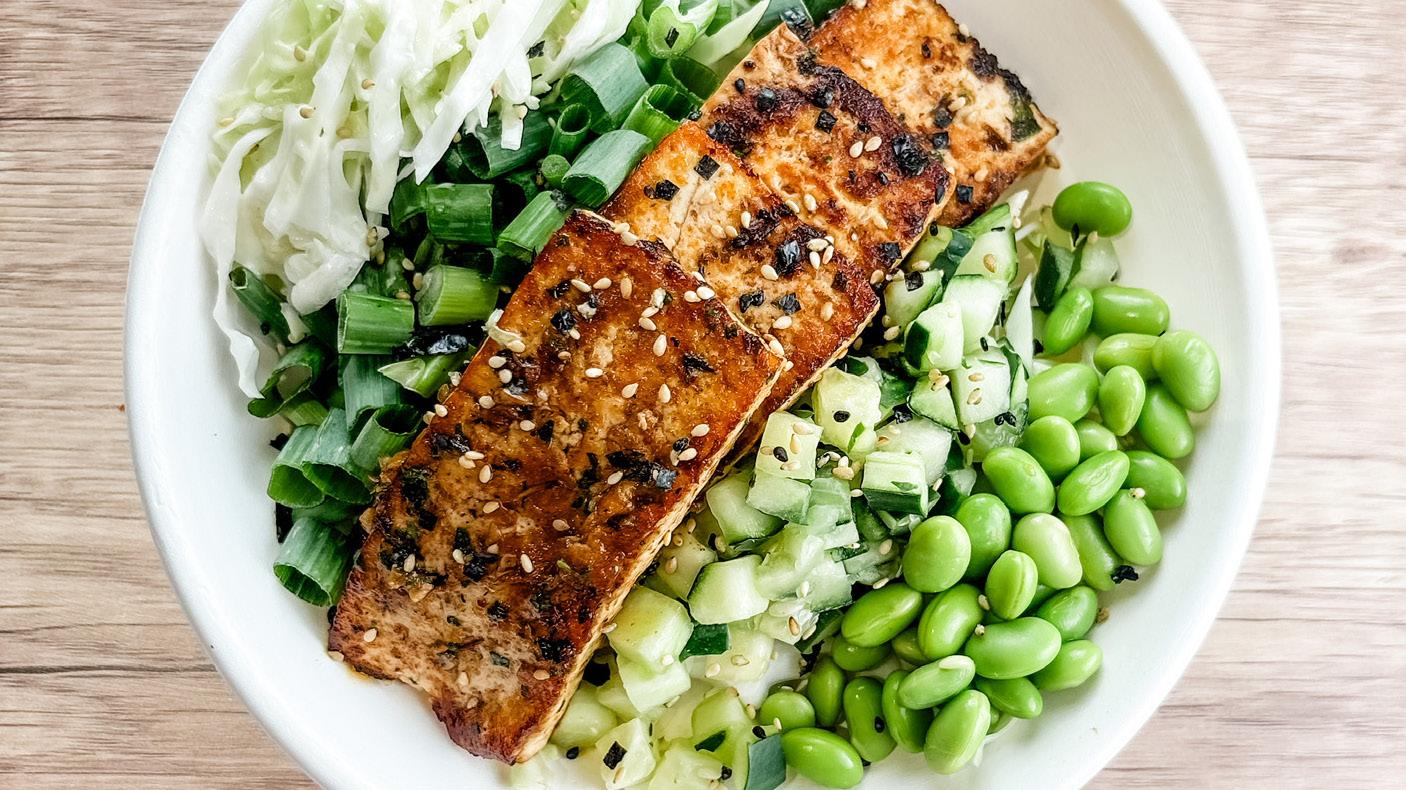
The flavor: Central Coast produce, bright citrus, avocado-rich builds, and fresh combinations made to mix and match.
The campus connection: A California market stop that reflects Cal Poly’s local, hands-on spirit with food that feels fresh, colorful, and easy to love.
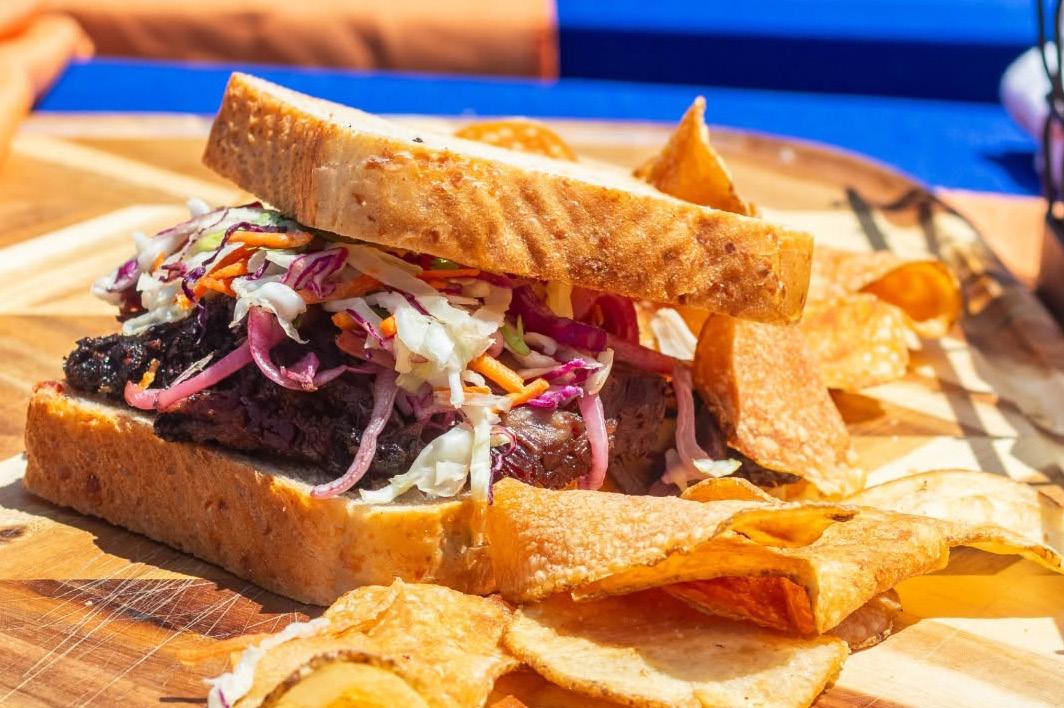
Don’t miss: Farmers-market grain bowls, Santa Maria-style tri-tip sandwiches, crispy cauliflower tacos, poke-style bowls, citrus olive-oil cake, and agua frescas.
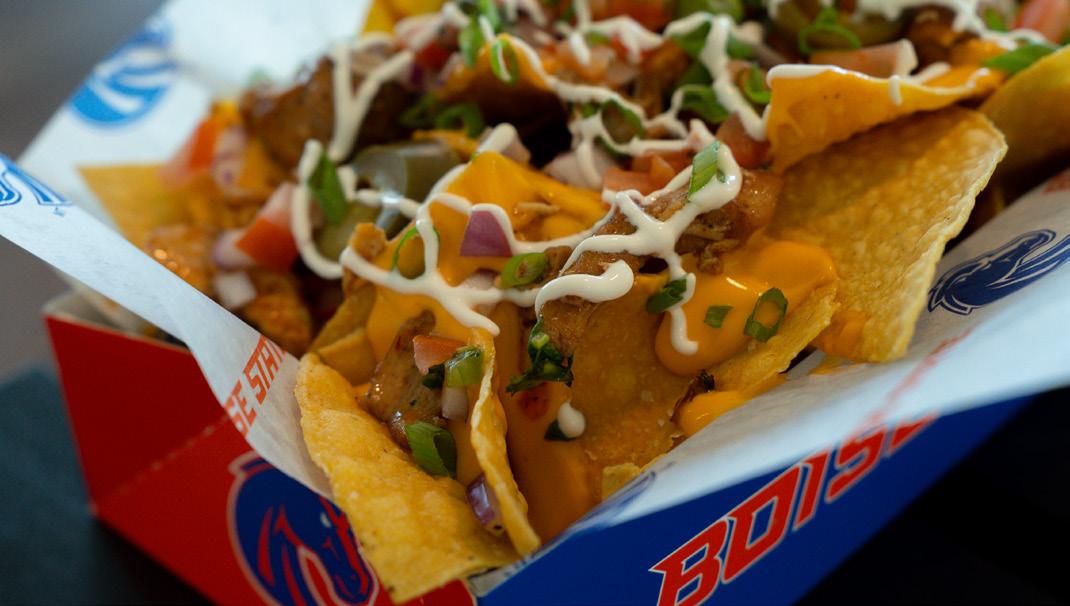
The flavor: Stadium classics with regional touches, hearty handhelds, and shareable bites made for game day.
The campus connection: Local Idaho flavor and Bronco Nation pride come together in a crowdfriendly experience at Albertsons Stadium.
Don’t miss: Burgers, chicken sandwiches, Street-corn corn dogs, Basque chorizo chili dogs, quesabirria tacos, loaded chorizo chili fries, and mini donuts,.
The flavor: Latin and Caribbean favorites with citrus, island spice, fresh herbs, and tropical finishes.
The campus connection: A taste of Coral Gables that reflects Miami’s cultural mix and the bright flavors that define South Florida.
Don’t miss: Mojo roast pork, jerk chicken, Cubanstyle black bean bowls with a coconut or cilantrolime rice base, mahi mahi tacos, sweet plantains, fresh juices and fruit purees, and coconut flan cups.
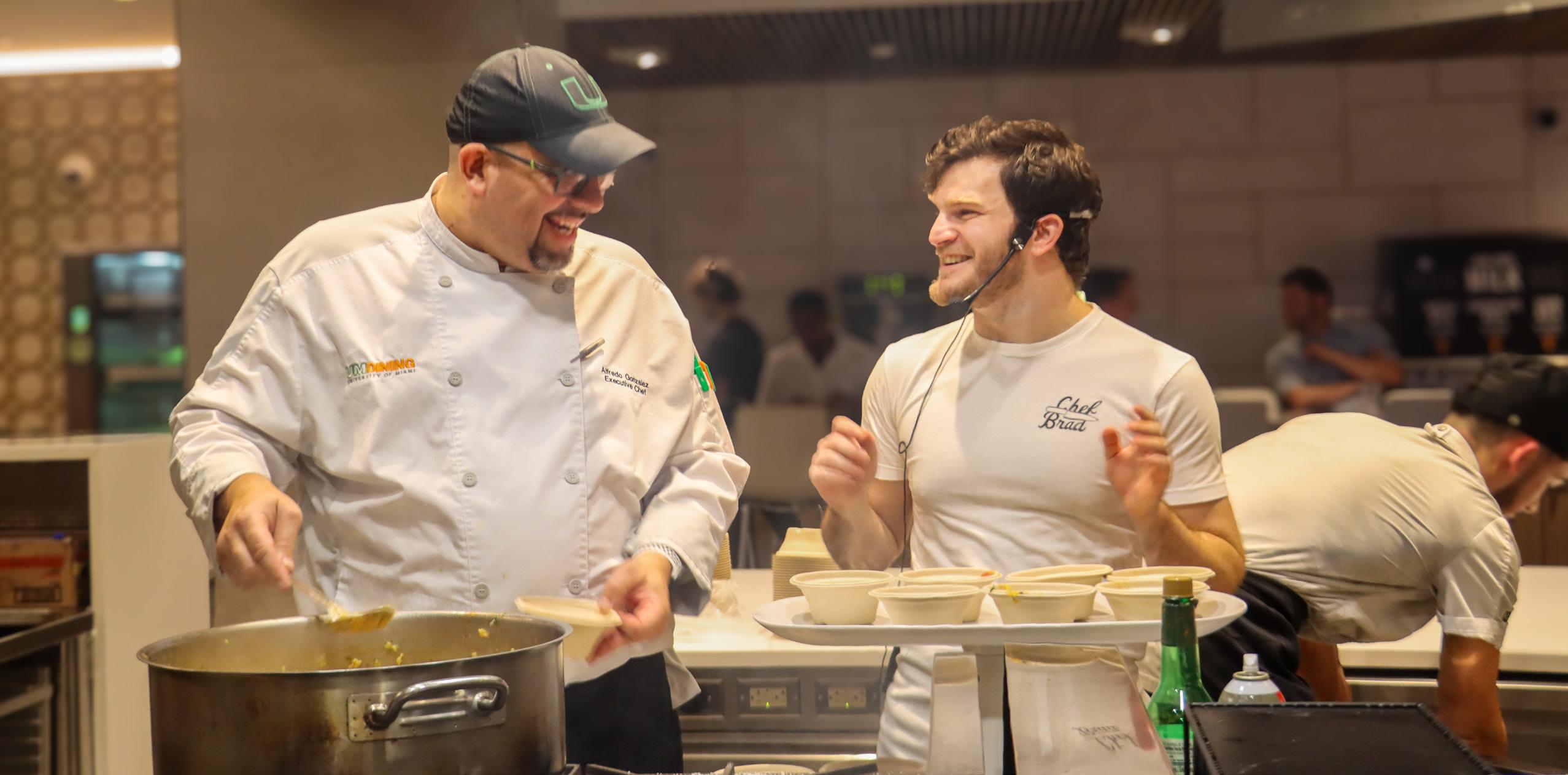
UNIVERSITY OF MIAMI
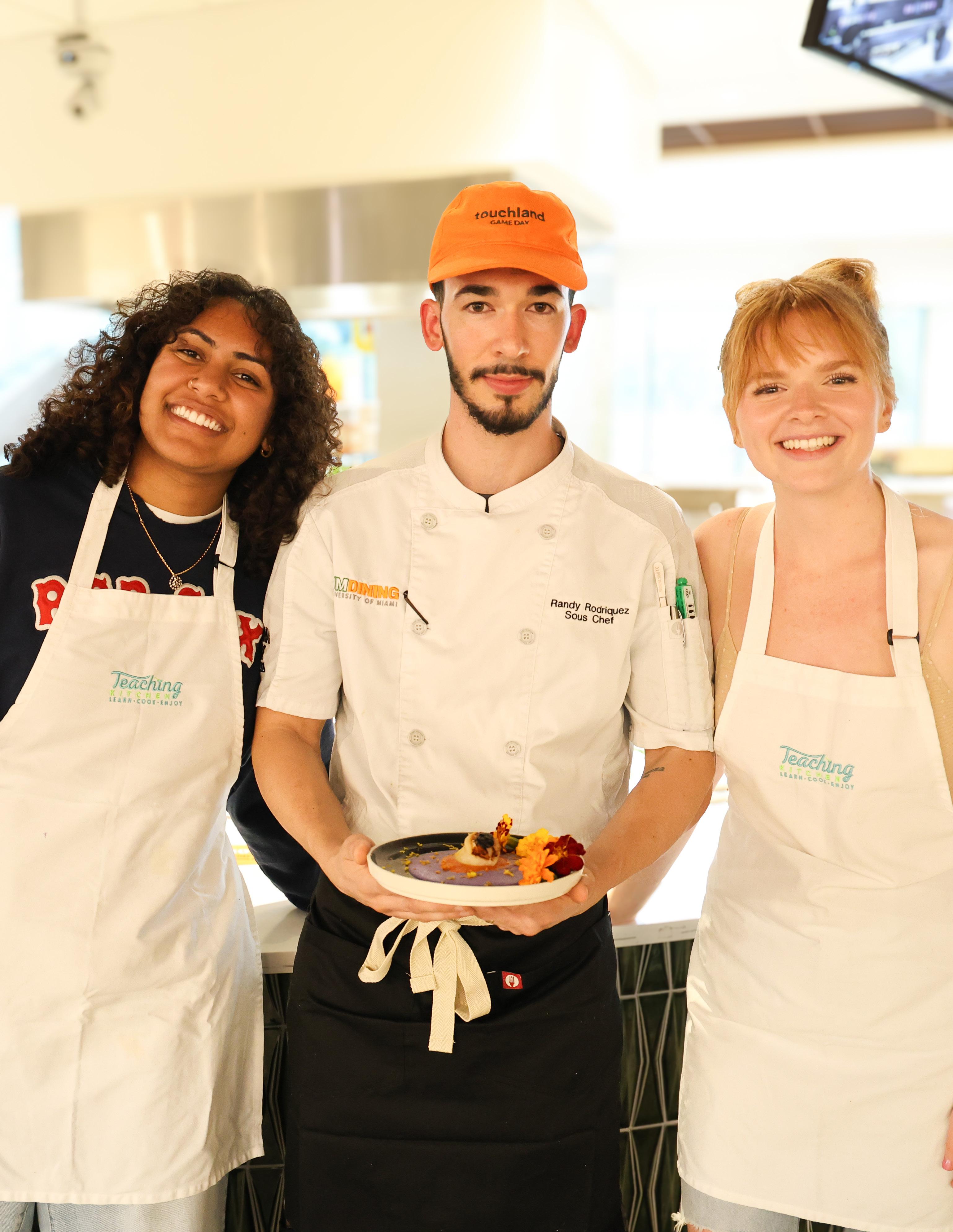
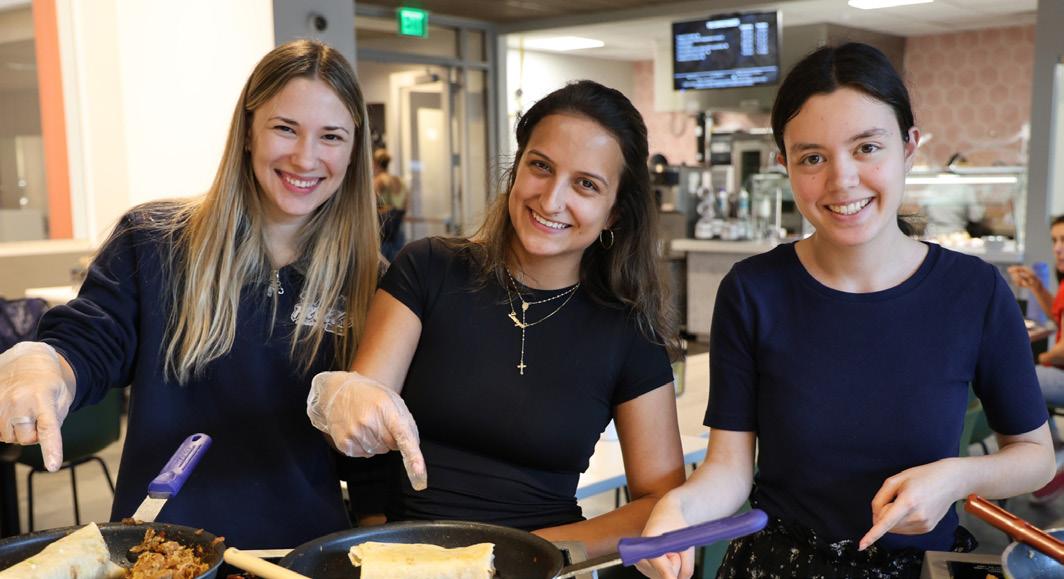
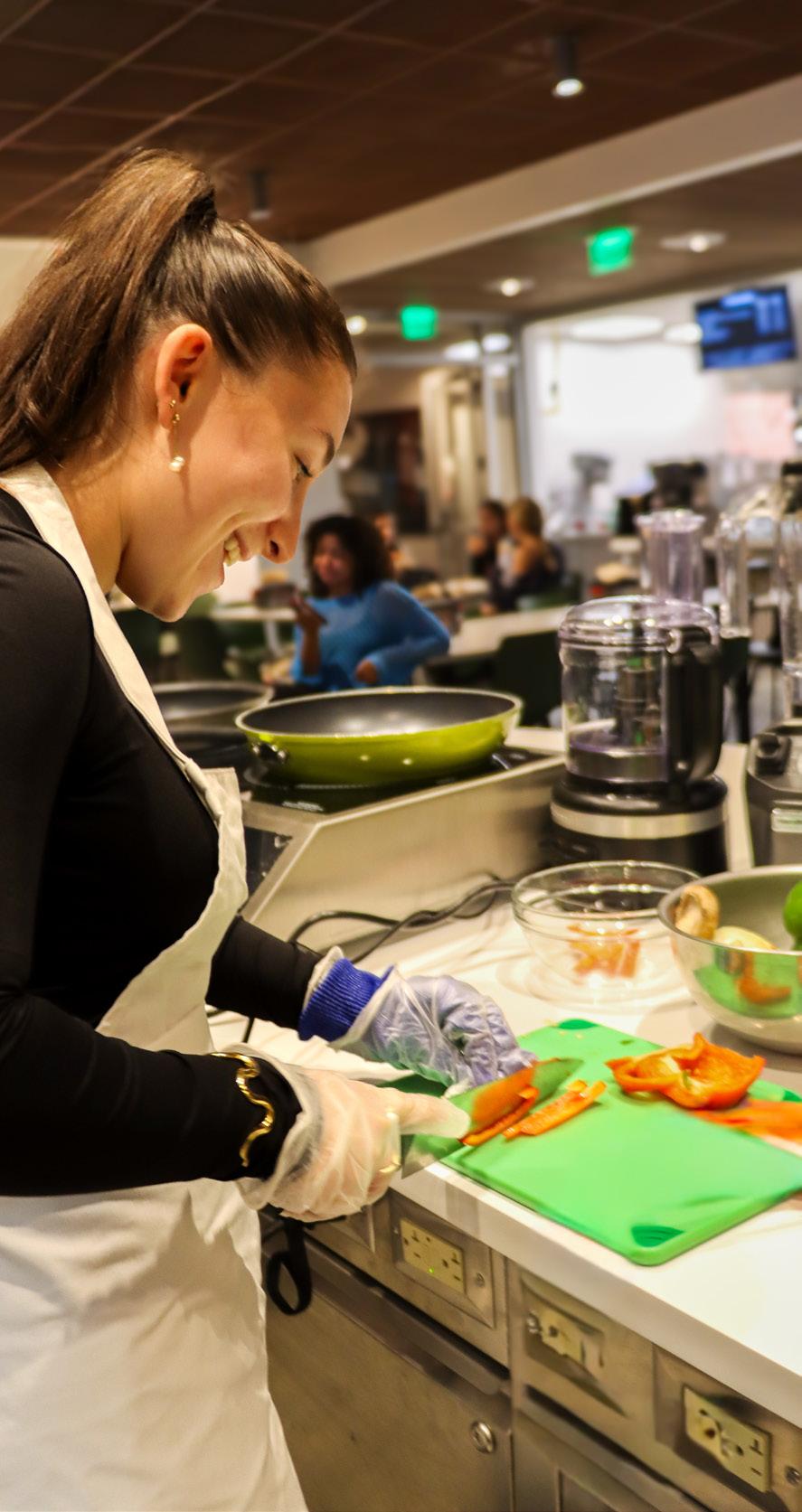
The Teaching Kitchen platform at the University of Miami turns the Tropic Stop concept into an interactive campus experience. Through chef-led activations, students do more than sample Latin and Caribbean flavors—they explore the ingredients, techniques, and cultural influences behind them in a way that feels social, accessible, and distinctly Miami.
A zero-proof margarita bar with fresh citrus, tropical purées, Tajín rims, and herb-forward garnishes.
DIY burrito and taco builds with customizable proteins, fresh salsas, and bright global toppings.
Interactive seasoning and sauce stations spotlighting sofrito, chimichurri, jerk spice, and island-inspired flavor profiles. Programming and flavors are strengthened through collaborations with local restaurant partners and student organizations, including Bored Cuban and Federación de Estudiantes Cubanos, bringing regional perspective, guest talent, and added cultural connection to the experience.
PROGRAMS THAT PUT STUDENTS FIRST
Behind every NACUFS honor is a dining experience that made students feel welcomed, supported, and connected. This year’s recognitions celebrate programs that went beyond serving meals and creating inclusive dining solutions, advancing student well-being, reducing waste, transforming campus spaces, and building moments of community. Together, these awards reflect the creativity, care, and collaboration our teams bring to the student experience every day.

Gold Honors
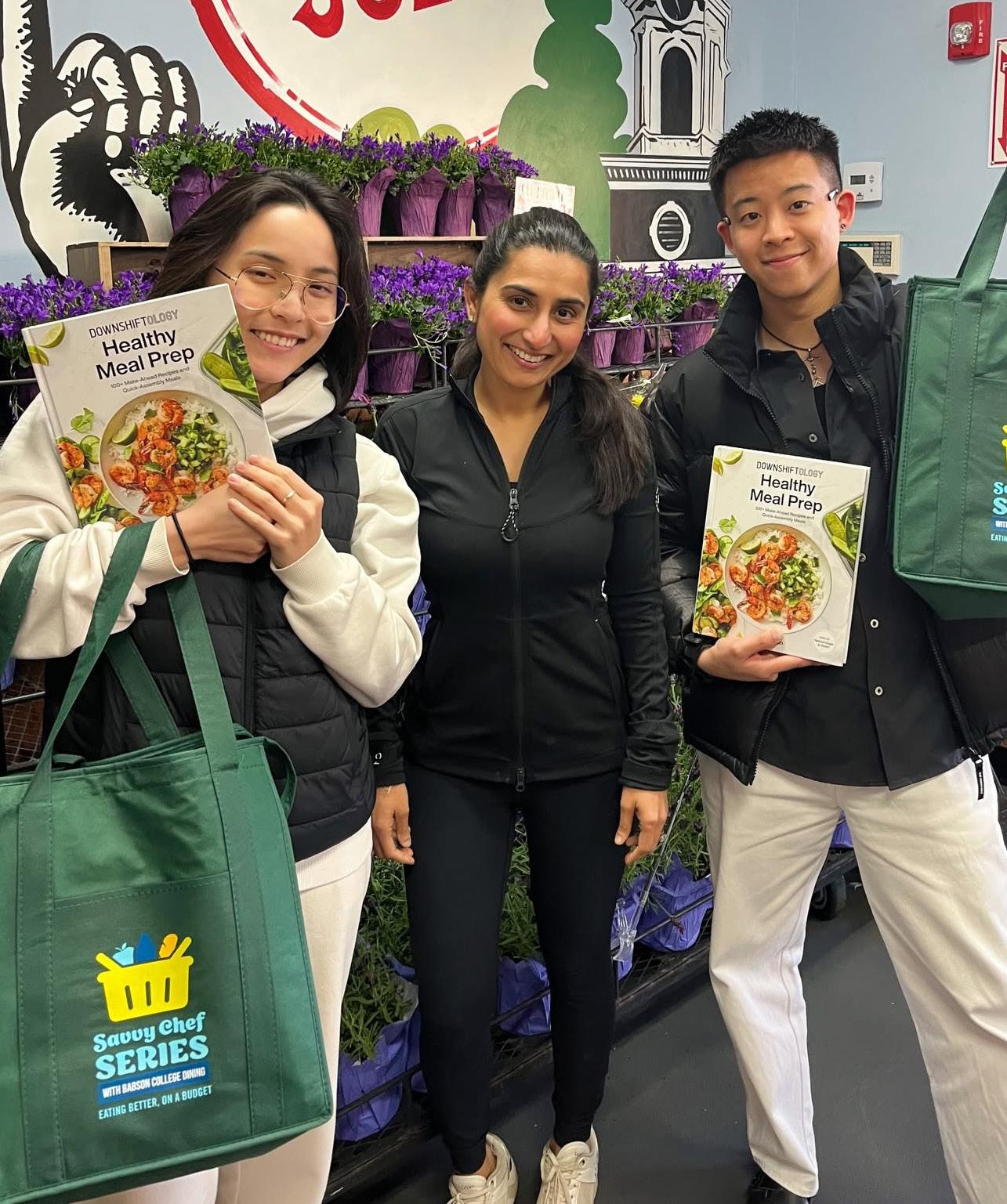
Babson College: Outreach & Education Program of the Year
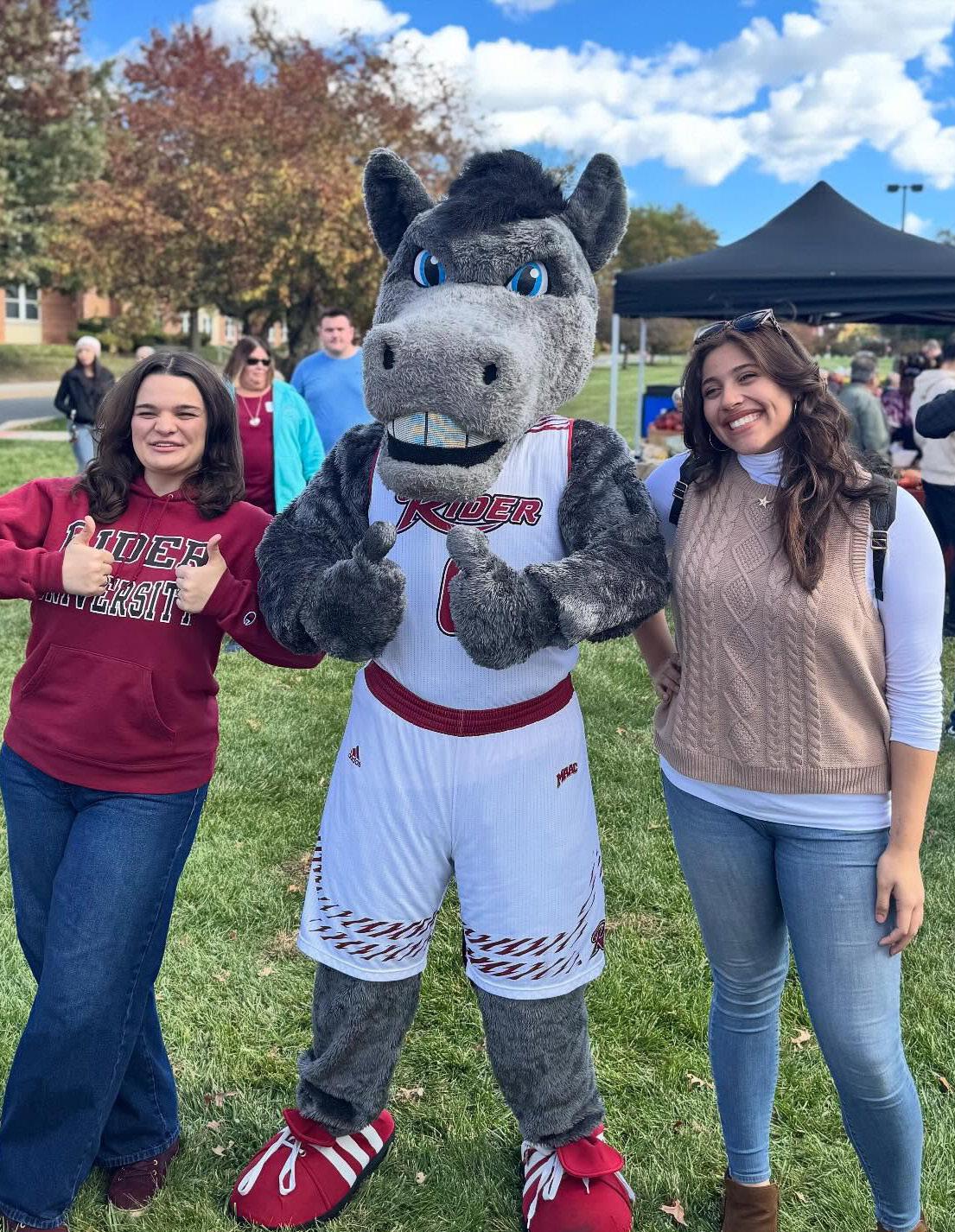
Rider University: Residential Special Event of the Year
Silver Honors
Drew University (powered by Gourmet Dining): Outreach & Education Program of the Year
University of Miami: Catering Special Event of the Year
Montclair State University (powered by Gourmet Dining): Residential Dining Facility of the Year
Bronze Honors
Pace University: Employee Development Program of the Year
Montclair State University (powered by Gourmet Dining): Outreach & Education Program of the Year
Central Michigan University: Residential Special Event of the Year
Drew University (powered by Gourmet Dining): Residential Special Event of the Year
Manhattan University (powered by Gourmet Dining): Residential Special Event of the Year
Seton Hall University: Residential Special Event of the Year
Honorable Mention
Manhattan University (powered by Gourmet Dining): Employee Development Program of the Year
University of Houston: Residential Special Event of the Year
RETAIL DINING
Gold Honors
University of Florida: Innovative Dining Program of the Year
Manhattan University (powered by Gourmet Dining): Retail Sales: Single Concept of the Year
Bronze Honors
University of Pittsburgh: Catering Program of the Year
Manhattan University (powered by Gourmet Dining): Catering Special Event of the Year
Marywood University (powered by Gourmet Dining): Catering Special Event of the Year
Stevens Institute of Technology (powered by Gourmet Dining): Retail Sales: Marketplace of the Year
University of Utah: Retail Sales: Single Concept of the Year
Gold Honors
Stephen F. Austin State University: New Facility of the Year
University of North Carolina at Charlotte: Renovation of the Year
Silver Honors
University of Pittsburgh: New Facility of the Year
Bronze Honors
Cal Poly – San Luis Obispo: Renovation of the Year
NACUFS Nutrition awards recognized Chartwells programs that are advancing student well-being through inclusive dining, special diet support and wellness-forward education.
Gold Honors
Stephen F. Austin State University: Special Diet Program of the Year
Northeastern University: Special Diet Program of the Year
Silver Honors
Northeastern University: Wellness and Nutrition Program of the Year
Cal Poly – San Luis Obispo: Special Diet Program of the Year
Worcester Polytechnic Institute: Special Diet Program of the Year
NACUFS Sustainability awards spotlight programs making measurable progress in waste reduction and climate-conscious dining operations.
Gold Honors
University of Pittsburgh: Waste Reduction
Bronze Honors
New York University: Carbon Neutrality
“Campus dining has become such an important part of how students build community, support their wellbeing and experience campus life,” said Eva Wojtalewski, CEO of Chartwells Higher Education. “These recognitions reflect the passion our teams bring to creating experiences that feel personal, welcoming and meaningful for students every day.”

University of Florida won the Retail Innovative Dining Program of the Year for their unwavering commitment to elevating the student experience. Through their forward-thinking approach, including innovative technology, world-class hospitality, and an expansive dining portfolio, Florida Fresh Dining is creating an immersive culinary experience.
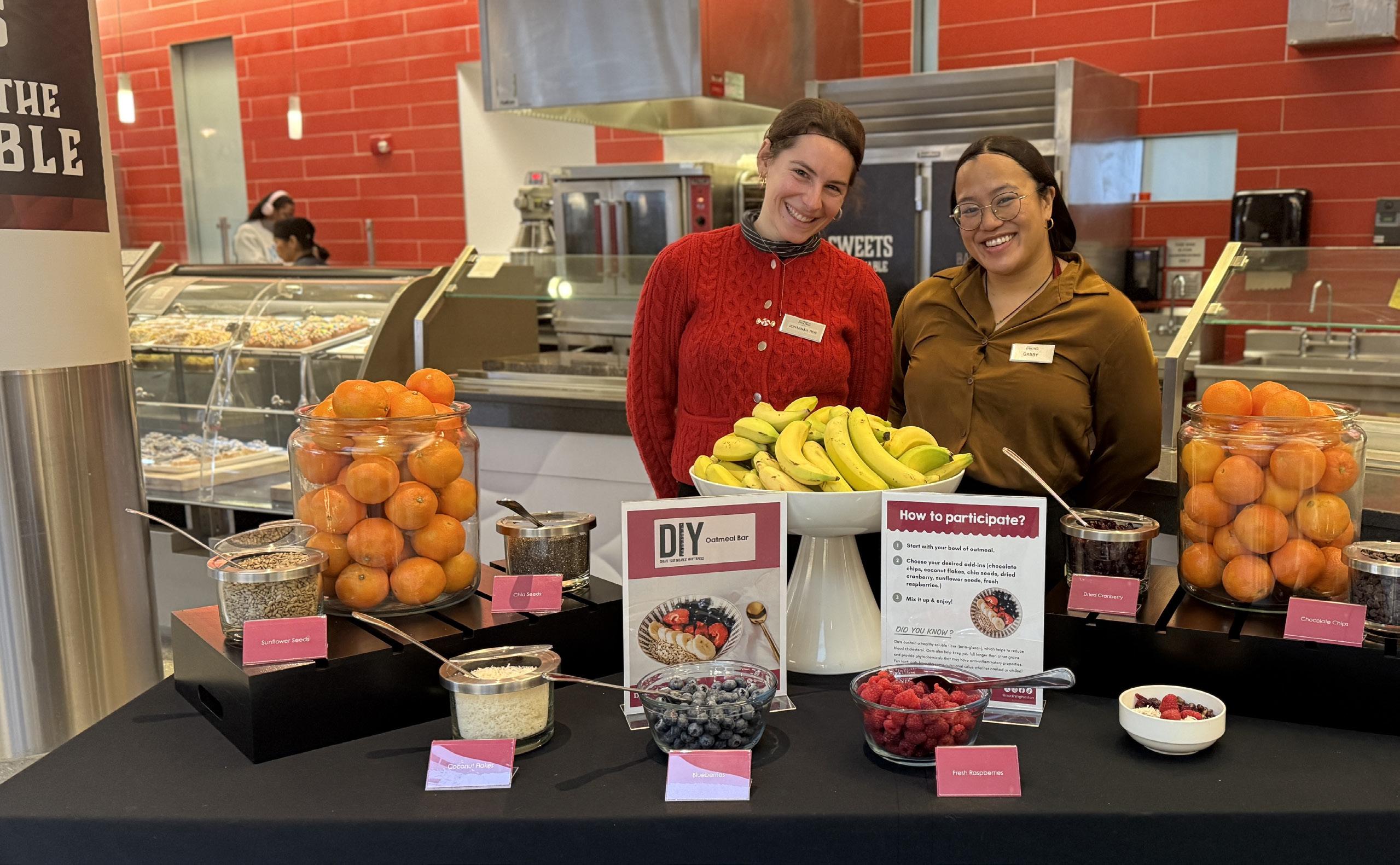
Northeastern University honored for Wellness and Nutrition Program of the Year: The Dietitian’s Pick program brings students faceto-face with dietitians through tastings, trends, and everyday choices that make healthy eating feel simple, social, and within reach.