ONLINE READERSHIP: 410,000 monthly unique clicks through Google Analytics
The SingaporeBusinessReview is the highest circulating and best read business magazine in Singapore. Our online readership has an average of 215,000 unique viewers, according to Google Analytics. We won the Business Trade Media of the Year Award at the 2017 MPAS Awards.
Do reach out to us if you would like us to tell your story to our readers via print and online advertising or events.
PUBLISHER & EDITOR-IN-CHIEF Tim Charlton
EDITORIAL MANAGER Tessa Distor
PRINT PRODUCTION
EDITOR Vienna Verzo
LEAD JOURNALIST Vincent Mariel Galang
JOURNALISTS Gwyneth Marie Bejer Frances Gagua Jaleen Ramos
Sam Bernardo
Miguel Dumlao
EDITORIAL RESEARCHER Shiena Viene Sur
GRAPHIC ARTIST Simon Engracial
EDITORIAL ASSISTANT Dylan Afuang
COMMERCIAL MEDIA TEAM Jenelle Samantila Dana Cruz Danielle Goh
Charlton Media Group 101 Cecil St. #17-09 Tong Eng Building Singapore 069533 +65 3158 1386
HONG KONG Room 1006, 10th Floor 299 QRC, 287-299 Queen's Road Central, Sheung Wan, Hong Kong +852 3972 7166 www.charltonmedia.com
MIDDLE EAST
FDRK4467, Compass Building, Al Shohada Road, AL Hamra Industrial Zone-FZ, Ras Al Khaimah, United Arab Emirates
PRINTED BY Times Printers Private Limited 18 Tuas Avenue 5, Singapore 639342 www.timesprinters.com
A member of Times Publishing Limited +65 6383 5290
Can we help?
Editorial Enquiries: If you have a story idea or press release, please email our news editor at sbr@charltonmediamail.com. To send a personal message to the editor, include the word “Tim” in the subject line.
Media Partnerships: Please email sbr@charltonmediamail.com with “Partnership” in the subject line.
Singapore Business Review is published by Charlton Media Group. All editorial materials are covered by copyright and may not be reproduced without consent. Contributions are invited but copies of all work should be kept as Singapore Business Review can accept no responsibility for loss. We will, however, take the gains.
FROM THE EDITOR
Auction houses are betting on rarer works as collectors in Asia-Pacific take a more careful, researchdriven approach to buying.
At Christie’s, Southeast Asian collector spending rose 20% in March, whilst Phillips’ Hong Kong evening sale beat its high estimate by 30%. Discover the forces behind the region’s stronger auction results on page 26.
That selective thinking extends well beyond the auction room. Singapore's M&A market tells a similar story: deal volumes have fallen, but big-ticket transactions are lifting overall value. Read what that means for dealmakers on pages 14 to 15.
The same cost calculus is reshaping retail. Global brands are absorbing Singapore's high costs as the price of a Southeast Asian foothold — a gateway strategy squeezing local retailers out of the running. We unpack the widening gap on page 6.
Whilst businesses weigh those pressures, a sharper threat has emerged. All four of Singapore's major telcos were hit by a state-sponsored espionage campaign, forcing the industry to rethink its defences. Turn to page 7 for the full breakdown.
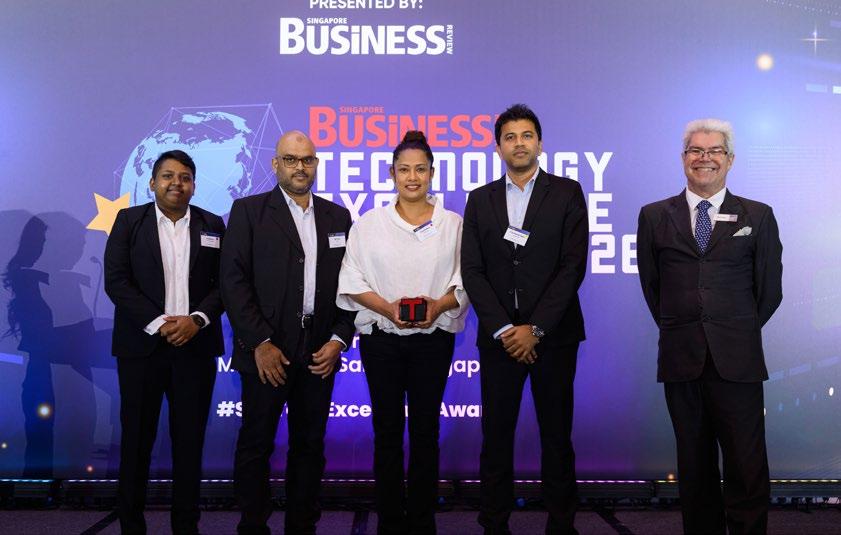
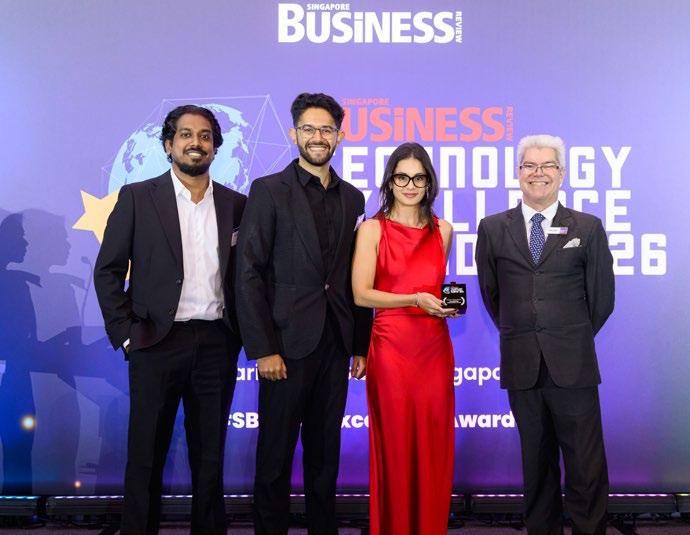
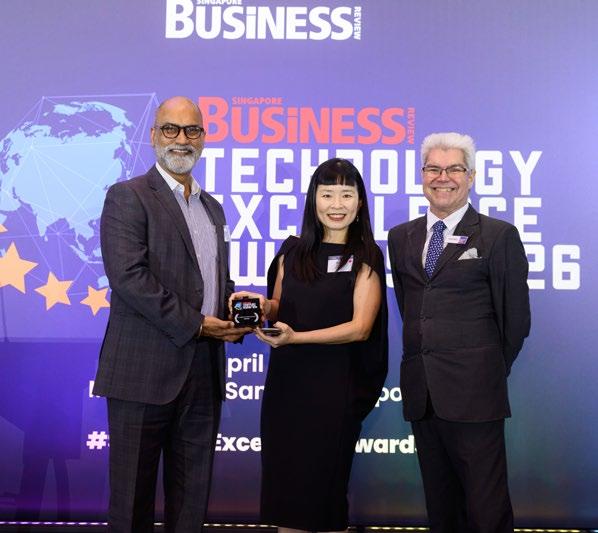
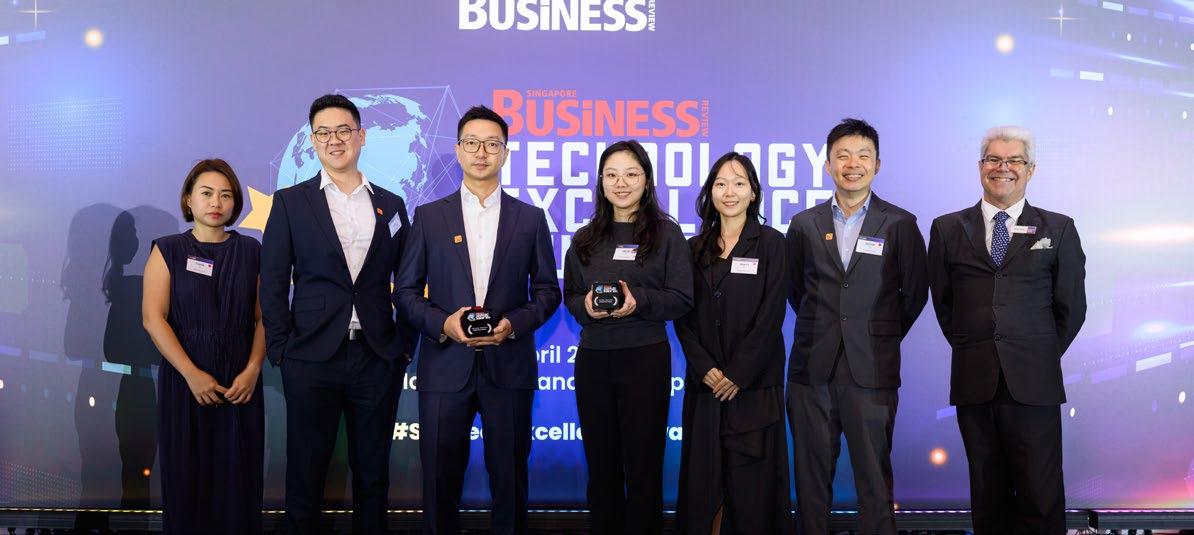
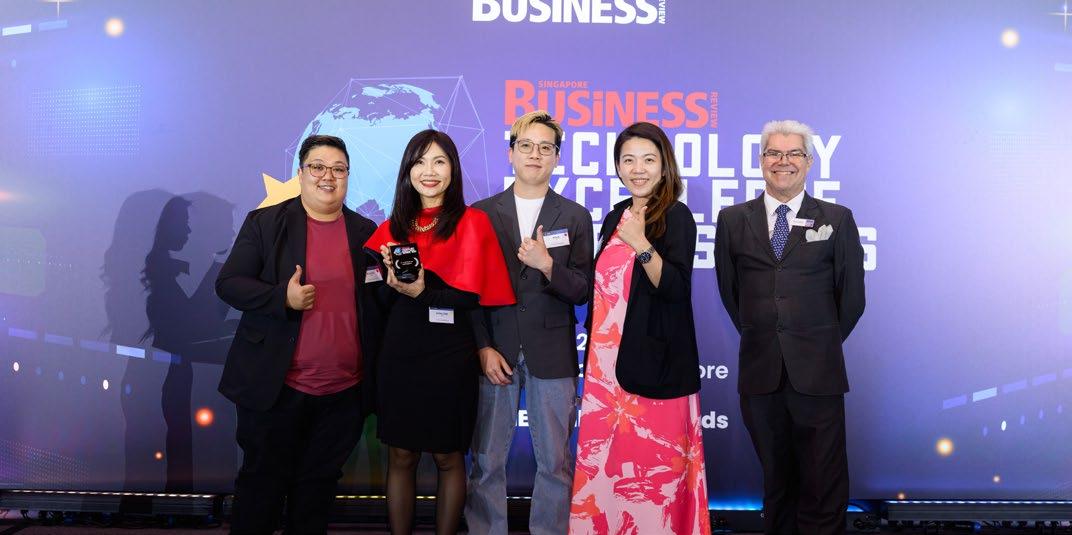
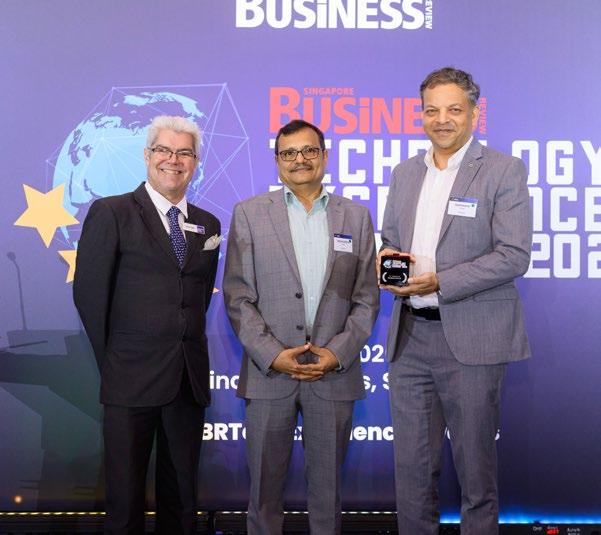
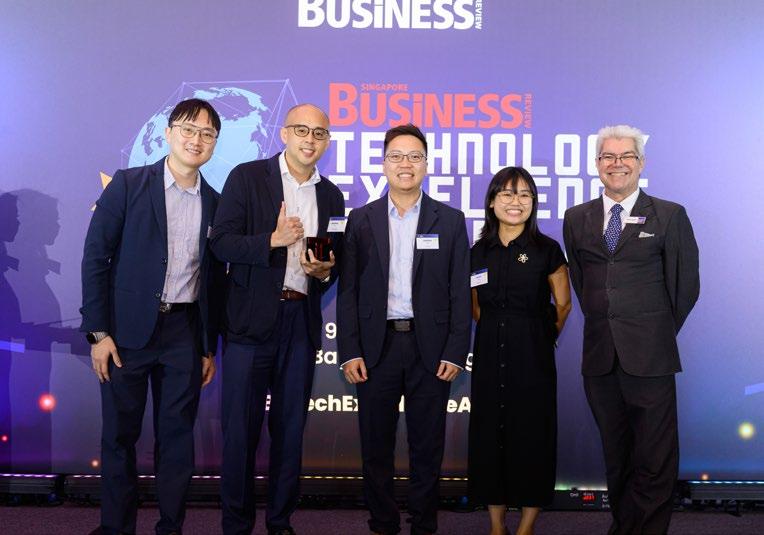
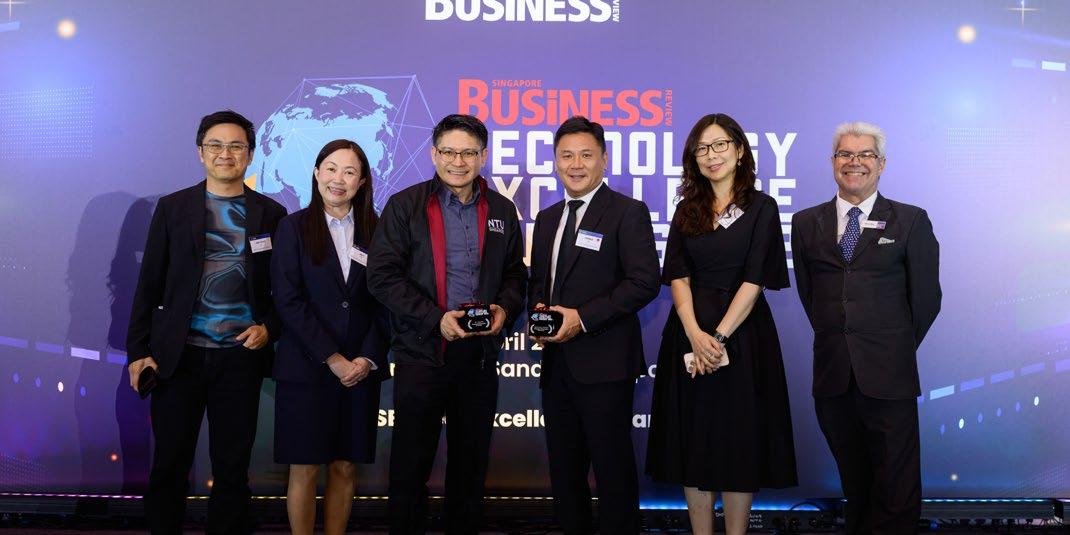
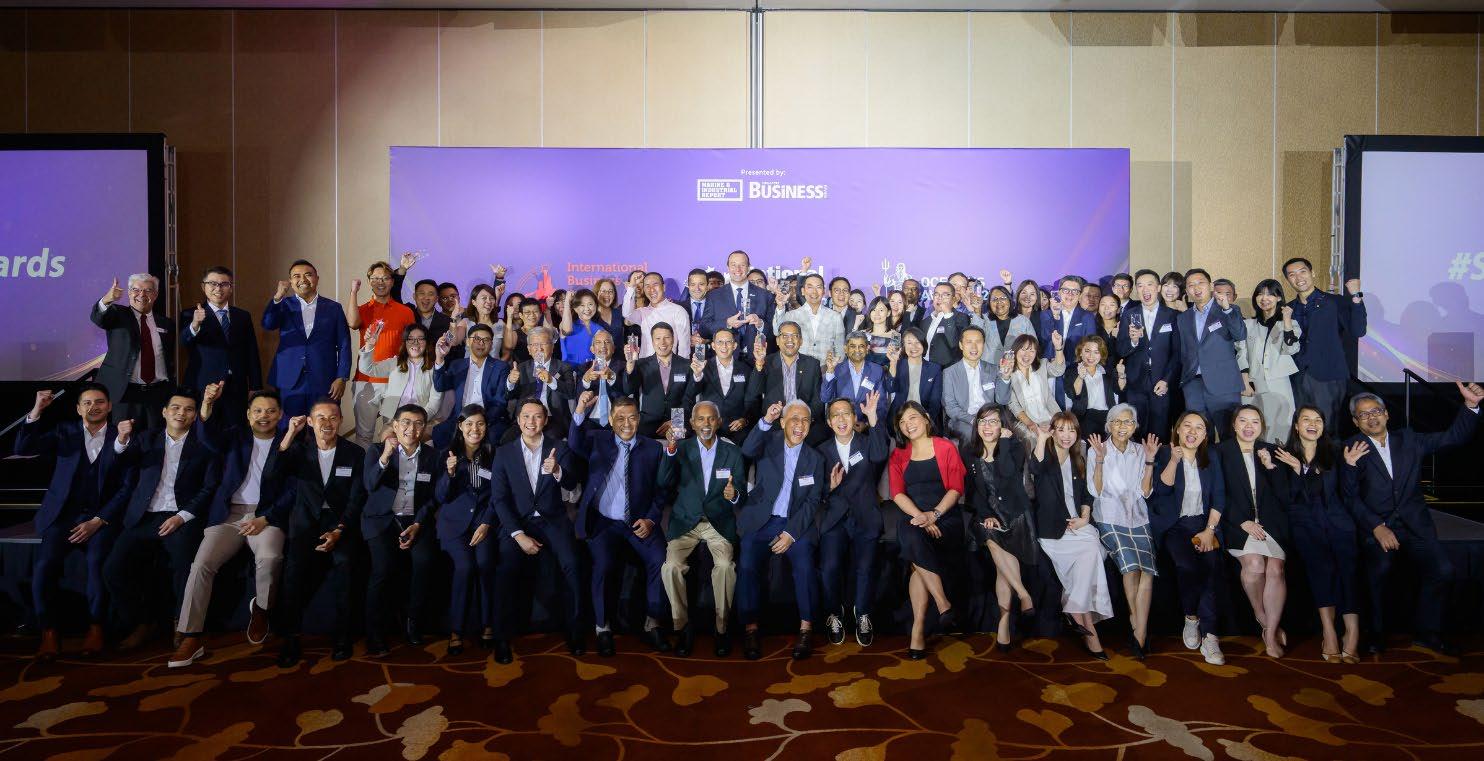
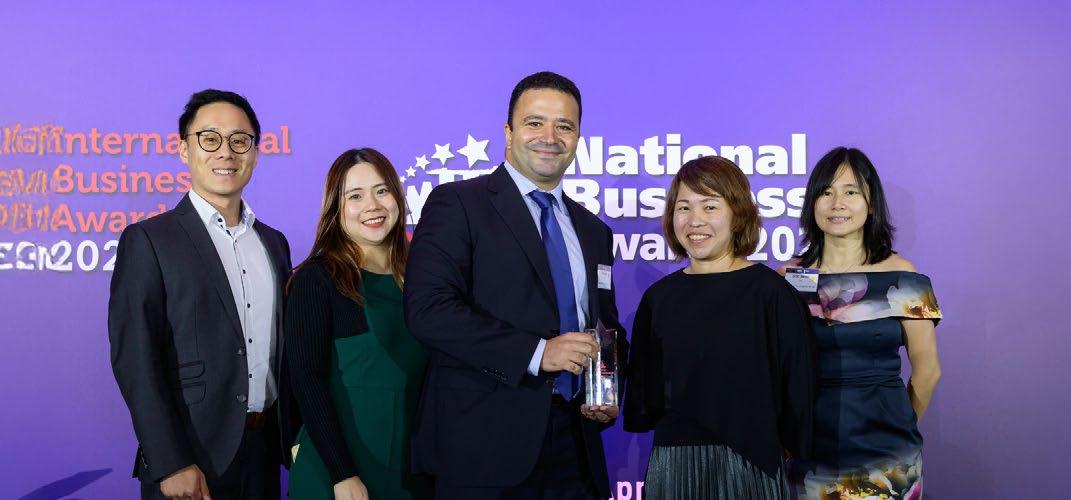
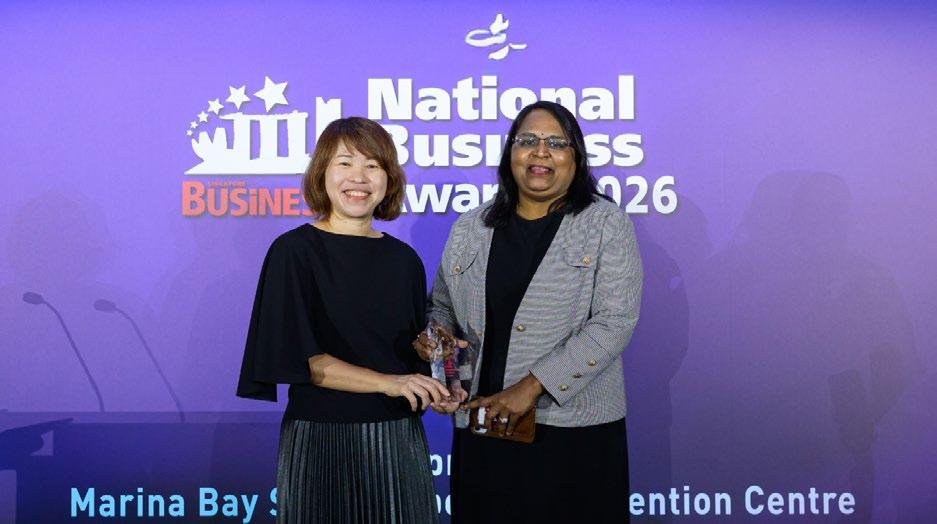
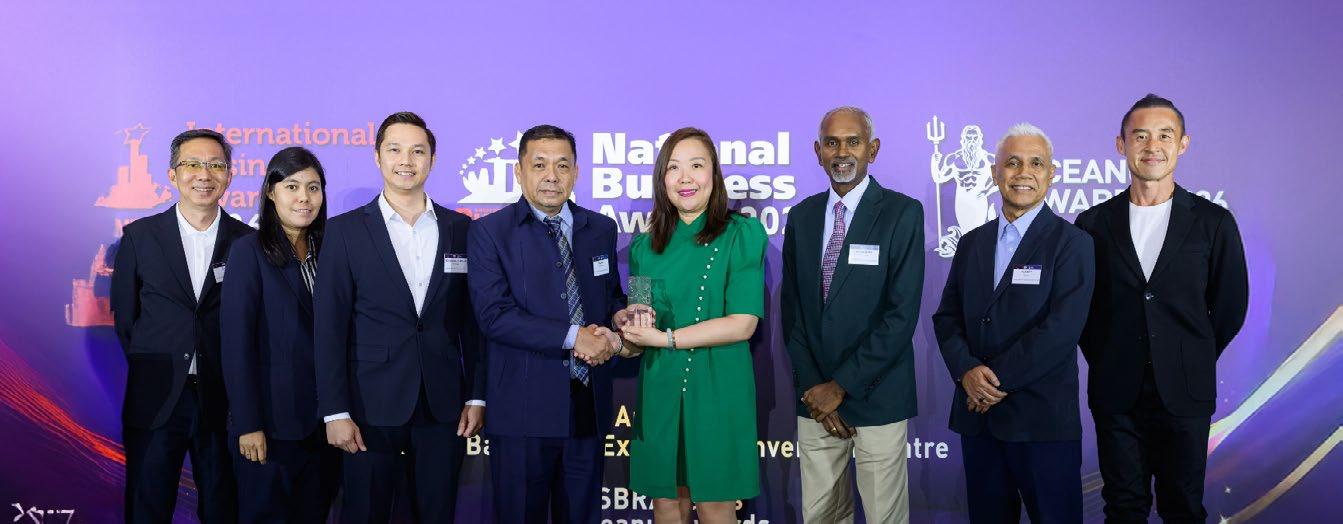
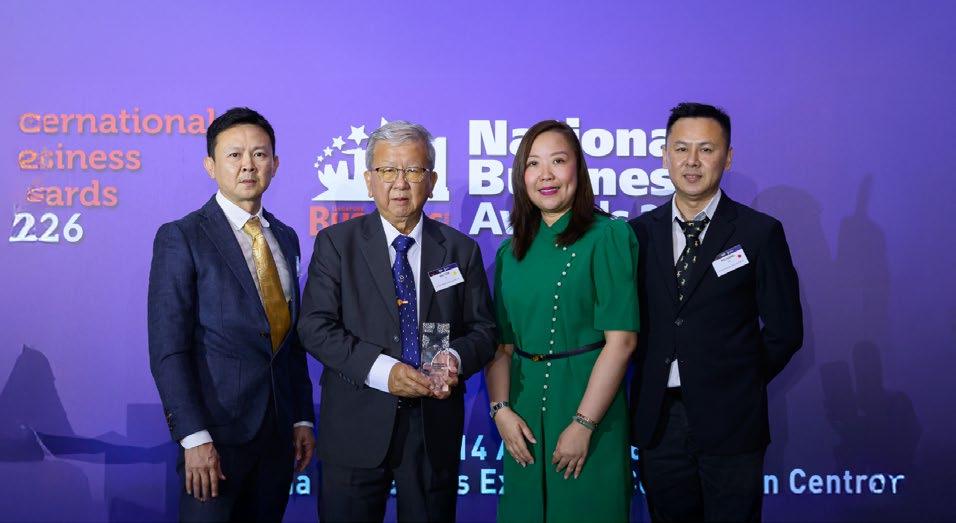
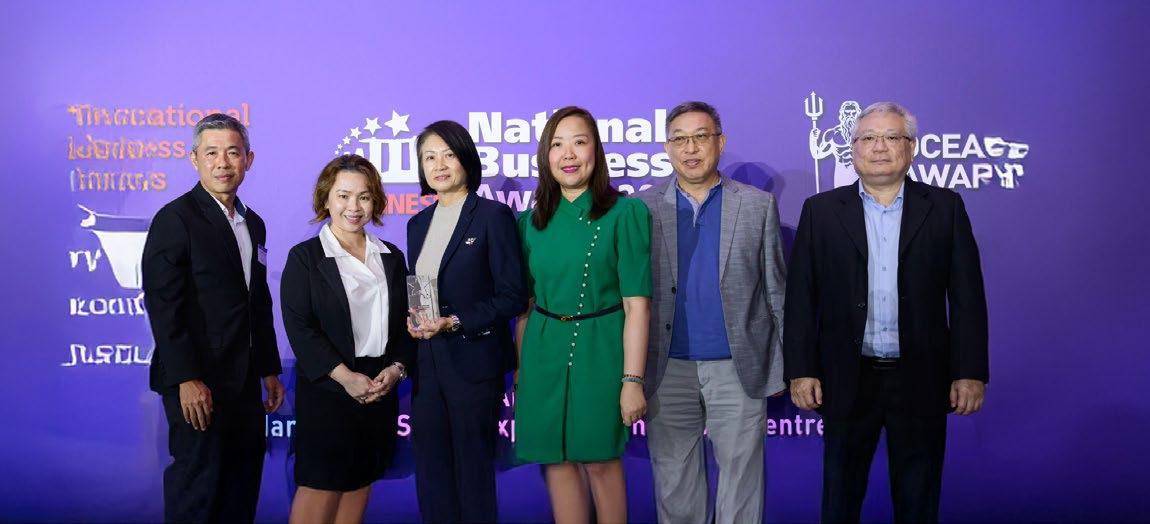
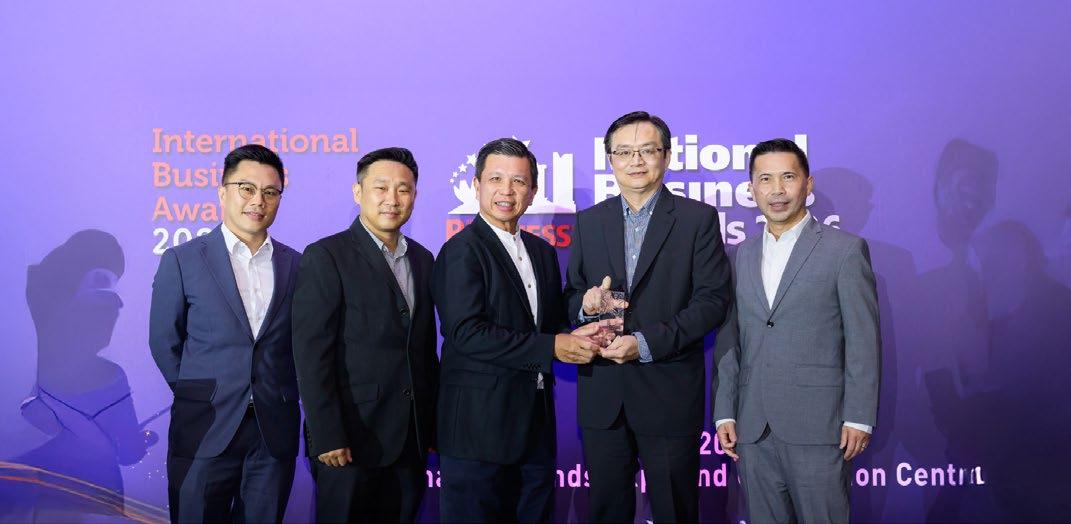
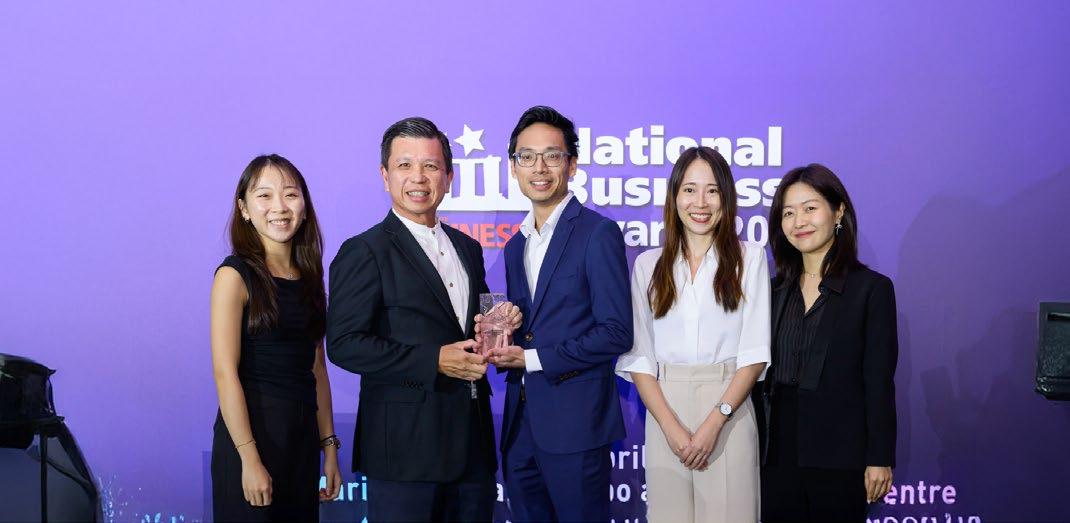
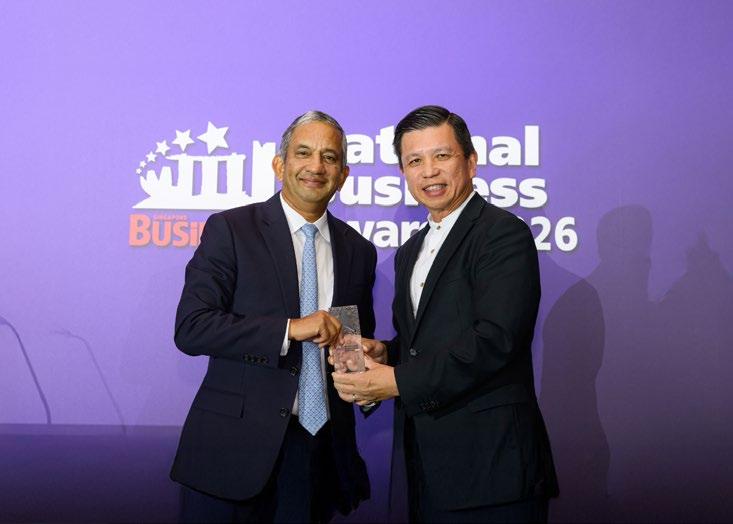
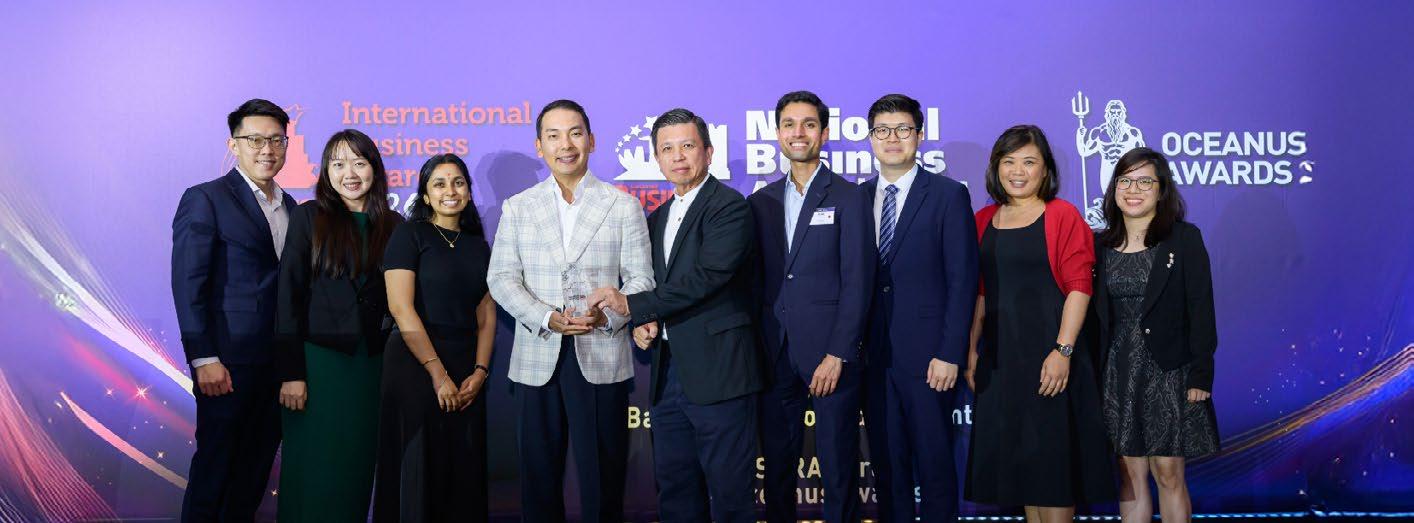
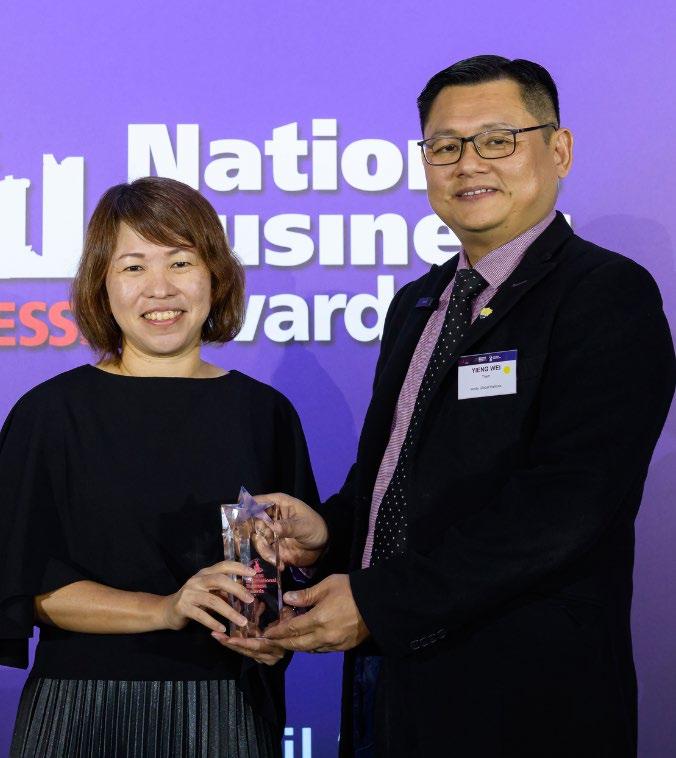
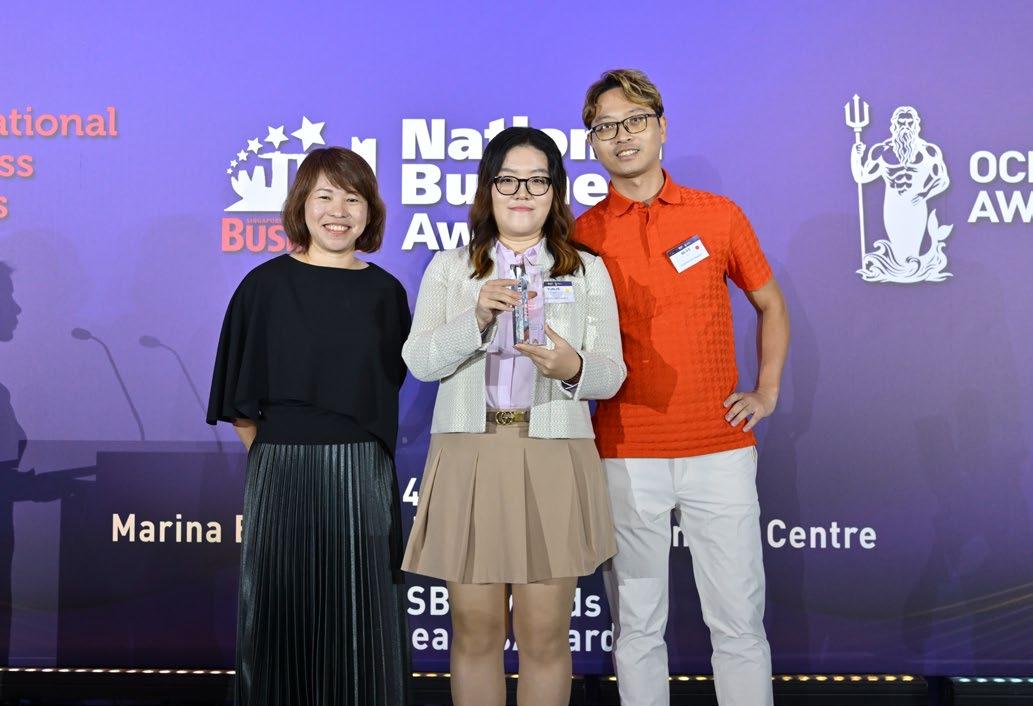
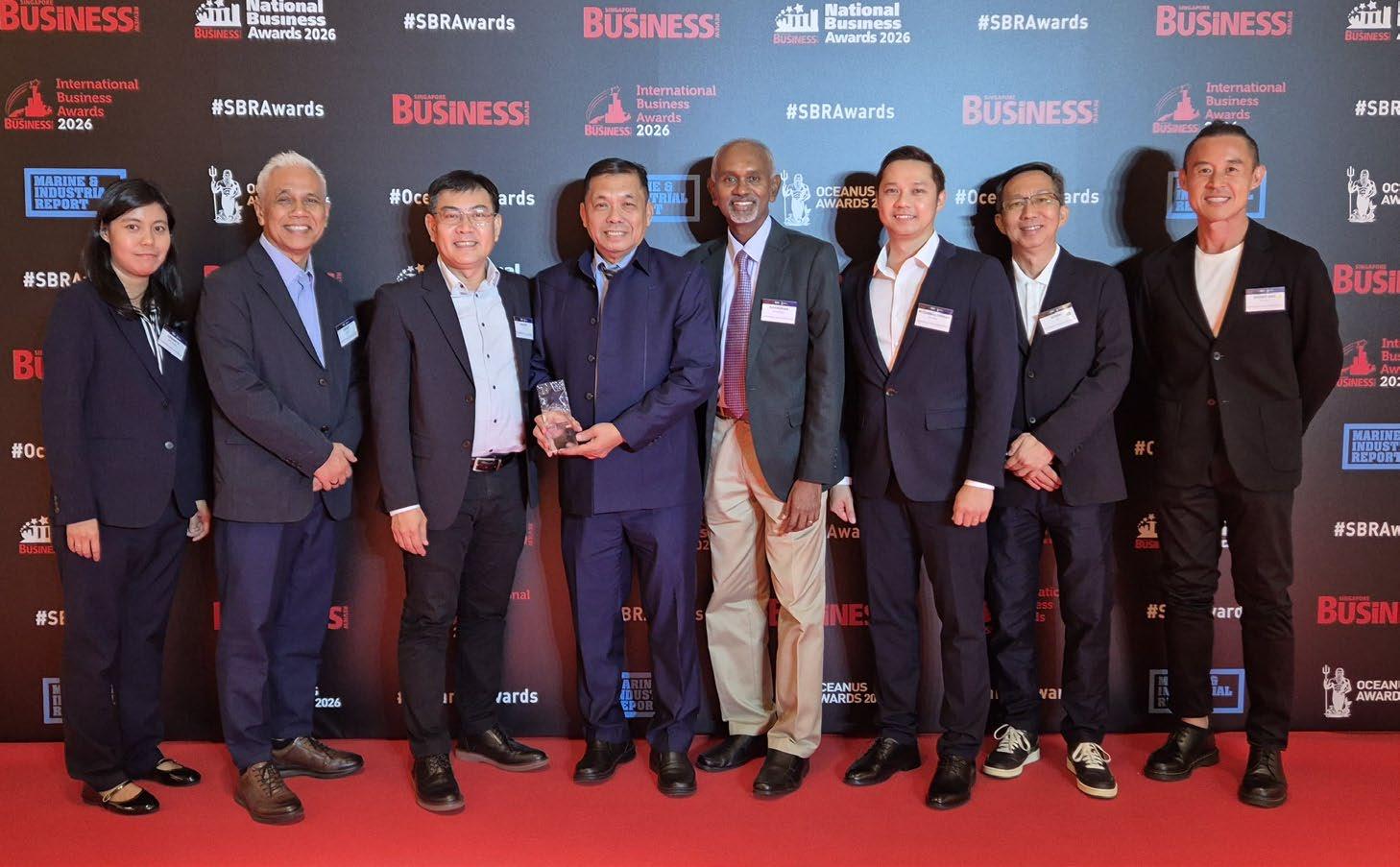
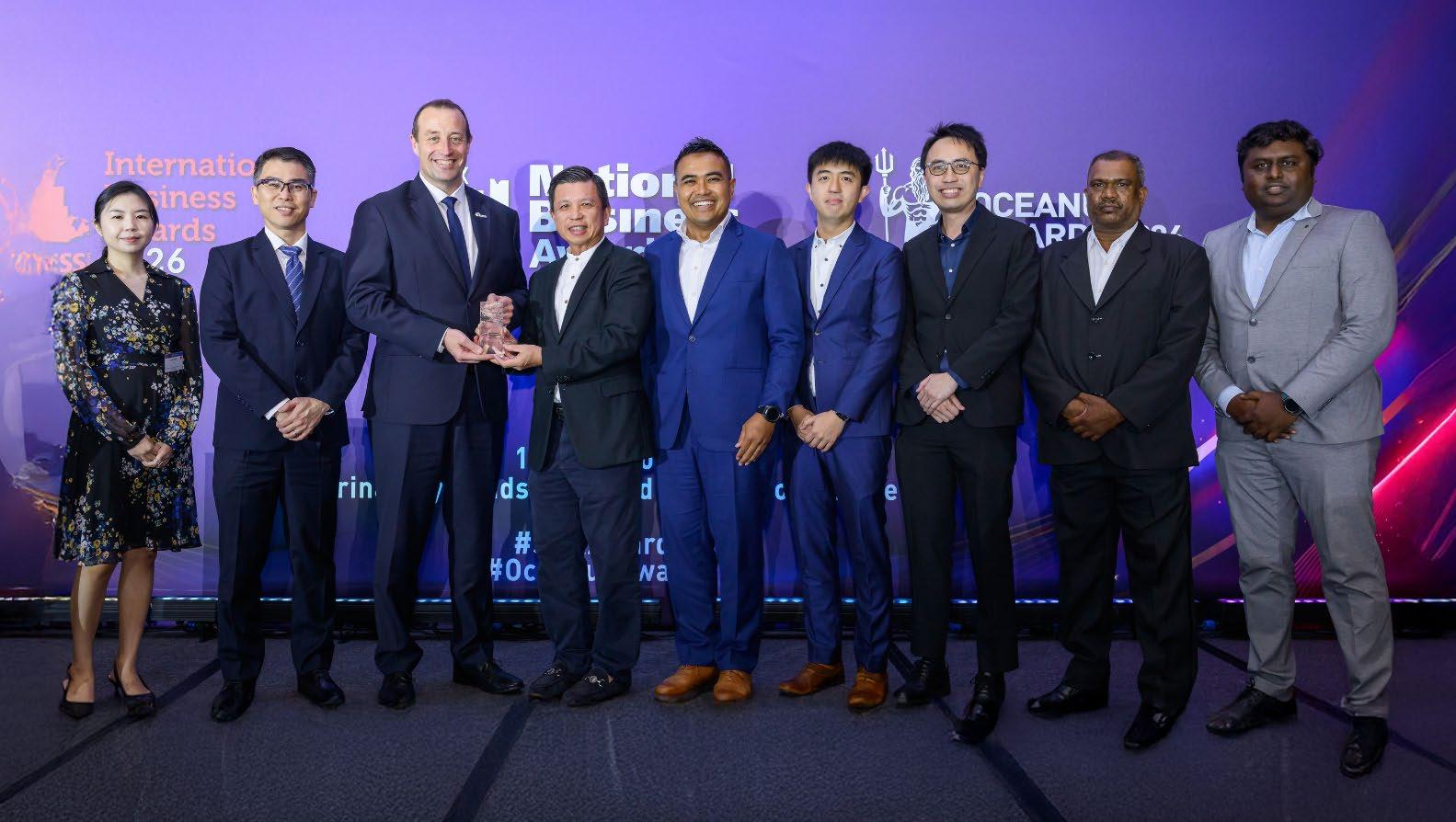
We also celebrate companies recognised at the 2026 SBR International Business Awards and National Business Awards, where innovation across sectors took centre stage. See the winners on page 60.
Sold on newsstands in Singapore, Malaysia, Hong Kong, London, and New York. Also out in sbr.com.sg with an online readership of 215,000 monthly unique visitors*.
*Source: Google Analytics
Tim Charlton
Flight | Baggage | Seat | Fare Families
Atlas (atlaslovestravel.com) is a global travel-tech company offering a complete LCC flight API and data analytics solution, unifying fragmented content from 140+ LCCs and driving growth through analytics from 1B+ daily searches across global LCC data.
Built on a foundation of transparency, Atlas provides Travel Sellers with non-aggregated fares and terms and conditions while giving airlines full visibility into fare distribution.
Payment inefficiencies are impacting merchants’ competitiveness and costing them billions each year, according to Payoneer. An estimated $15.25b in annual value exposure is tied to payment inefficiencies impacting merchants, the report said. This includes payment failures, costs escalating, or funds being delayed.
MOST READ COMMENTARY
Why Budget 2026 marks a turning point for employers
BY Peter Kua
Singapore’s Budget 2026 unveiled a strong focus on artificial intelligence (AI) as a core pillar of the economic strategy. With new tax incentives for AI investments and enhanced support for workers to acquire AI-related skills under SkillsFuture, the government has doubled down on building an AI-ready economy.
Sogni AI builds communitypowered AI network
Startup Sogni AI Pte Ltd. is challenging centralised artificial intelligence systems by building a global, community-powered network for creative AI. The platform, Sogni Supernet, lets users contribute computing power from their own devices to run artificial intelligence models for image and video generation, earning tokens in return.
Singapore’s SMEs are embracing AI, cybersecurity must keep up
BY Sanjay Yadave Singapore’s Budget 2026 announcement made one thing clear: Artificial intelligence (AI) will play an even bigger role in the country’s economic future, and no one should be left behind. The real winners are not the fastest adopters, but the organisations that secure their digital foundations first.
Singapore to give $500 CDC vouchers in June ahead of 2027 timeline
Singapore will give out $500 CDC vouchers in June, earlier than the original January 2027 timeline, as part of support measures linked to the Middle East conflict. In addition, the government will also raise the 2026 Cost-of-Living Special Payment by $200 for all eligible Singaporeans, bringing the total payout to between $400 and $600 per person.
Why phishing and software updates still matter for Singapore organisations BY Jess Ng
In a highly digitalised economy like Singapore, cyberattacks continue to become more sophisticated and automated as threat actors keep finding new ways to catch people off guard. Yet even as cyberattack tools evolve, how the most effective threats are delivered remains familiar.
Global brands squeeze local shops in SG
Local retailers in Singapore face tougher competition from foreign franchises that are rapidly expanding across food and beverage (F&B), lifestyle and beauty, putting pressure on margins and forcing smaller players to sharpen differentiation.
“Singapore’s open and globally connected market makes it an attractive gateway for international brands seeking a regional foothold,” Tricia Tan, executive director at the Franchising and Licensing Association (FLA) Singapore, told Singapore Business Review.
Many see the city-state as a gateway into Southeast Asia rather than a primary profit centre, she said in an interview.
That strategy allows foreign franchises to tolerate higher costs in exchange for visibility and scale. It also gives them an edge over local retailers struggling with labour shortages, rising rents and higher operating expenses.
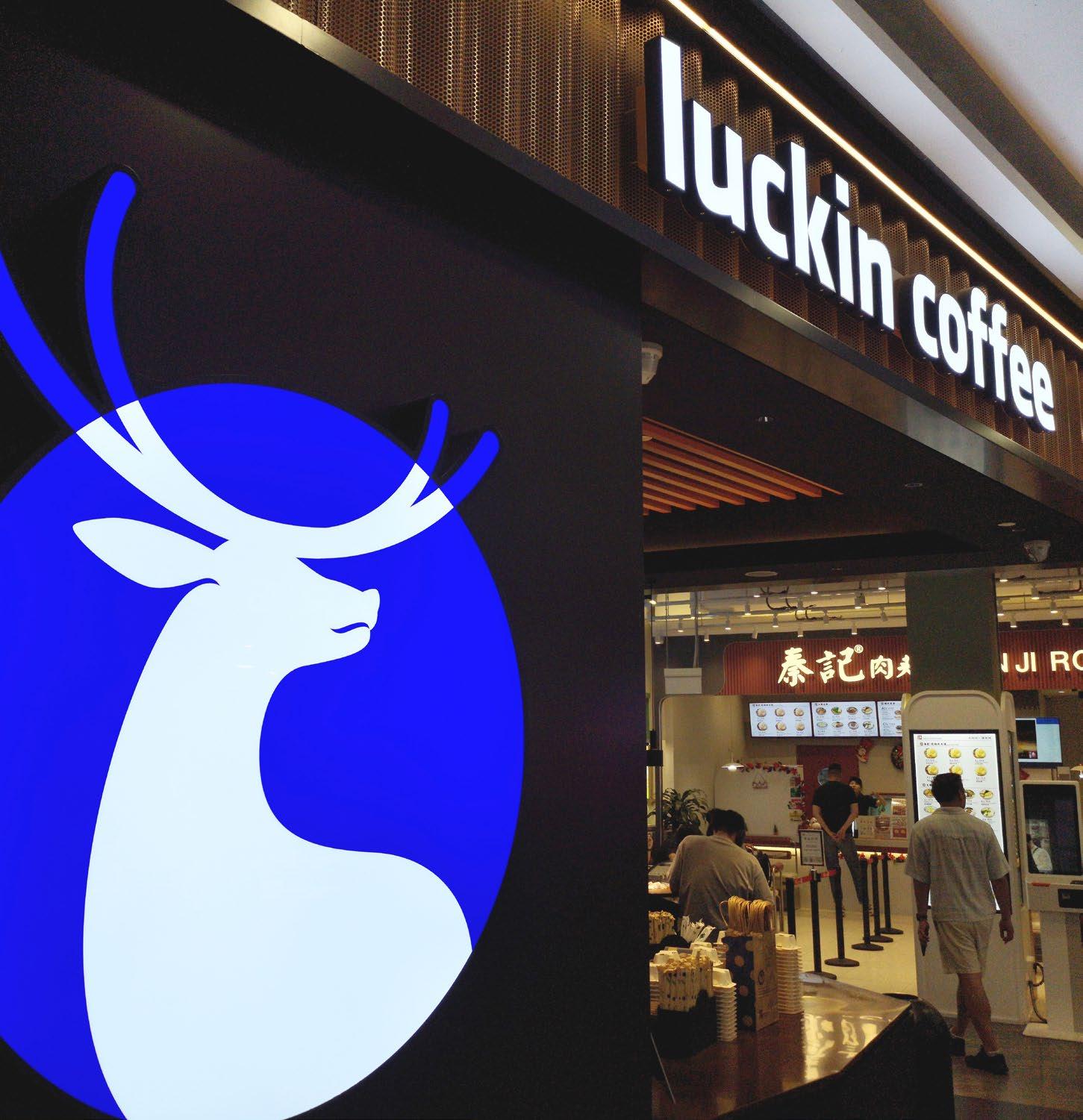
Recent entrants include Chinese beverage chains such as Heytea, Luckin Coffee and Mixue Ice Cream & Tea, as well as Canadian coffee brand Tim Hortons and Chinese
retailer MINISO. Tan said these operators typically arrive with established franchise models, digital marketing capabilities and efficient supply chains.
Local retailers, by contrast, often lack the pricing power and economies of scale needed to match aggressive promotions.
The challenge becomes sharper during periods of economic uncertainty, when consumers turn more price-sensitive and loyalty weakens, Tan said.
James Wilson, a partner and head of consumer and retail at KPMG Services Pte. Ltd., said the influx of foreign franchises “raises the competitive baseline,” particularly in beauty, food and beverage, lifestyle and affordable luxury segments.
Global brands tend to offer polished store formats and integrated online to offline experiences that reset consumer
expectations, he pointed out.
Still, Wilson said local retailers are not without advantages. Brands who “connect with their identity, values, and craftsmanship are positioned to win in the long-term,” he said in a separate interview, citing a KPMG report.
Consumer preferences in Singapore also remain segmented, according to Hugo Texier, a partner at Roland Berger.
“Singaporean consumers typically prefer local brands for groceries, food and nonalcoholic beverages, household goods, health and medical goods, and dining-out outlets,” he told the magazine.
International brands dominate more discretionary categories, including alcoholic beverages, personal care, fashion, leisure, and electronics, he added.
Expansion beyond Singapore
To stay competitive, Tan said local retailers must emphasise trust, authenticity, and expansion beyond Singapore.
The domestic market is small, and relying on local demand alone limits growth. Brands that combine heritage with disciplined execution have shown resilience.
She pointed to Ya Kun Kaya Toast and Pet Lovers Centre as examples of trust built over decades, whilst restaurant groups such as Tung Lok Restaurants (2000) Ltd. and Jumbo Group Ltd. have differentiated themselves through consistency and product innovation.
Wilson said retailers should be “rooted in identity” whilst adopting select practices from global and luxury brands.
Texier added that proximity to local culture remains a key advantage.
Tailored offerings and understanding of local consumption habits can offset the scale of multinational chains.
Technology is becoming a central tool in that effort. Tan cited brands like Benjamin Barker, which uses e-commerce to build lifestyle communities, and Ryan’s Grocery, which has emphasised sustainability and community engagement.
Commune Lifestyle Pte. Ltd has expanded beyond furniture through partnerships with Singapore Airlines Ltd., Pedro Group Pte. Ltd, and other brands.
Wilson said artificial intelligence is increasingly seen as a positive force. Almost three quarters of industry professionals view it as enhancing customer engagement.
Applications include demand forecasting, personalised marketing, customer relationship management, and operational efficiency.
Singapore's open and globally connected market makes it an attractive gateway for international brands seeking a regional foothold
Recent entrants include Chinese beverage chains such as Heytea, Luckin Coffee, and Mixue Ice Cream & Tea
RETAIL
Telco hack exposes weak spots beyond the network
Cyberattacks on Singapore’s four main telecommunication operators in 2025 underscore how digital threats have shifted beyond traditional perimeter defences, forcing critical infrastructure providers to secure systems end to end.
The incident showed how mature operators can be vulnerable once attackers penetrate initial defences.
“As organisations expand into Internet of Things (IoT), 5G, and cloud-enabled services, security has to extend beyond the network perimeter,” Syed Natashrul, Asia-Pacific head at Wireless Logic
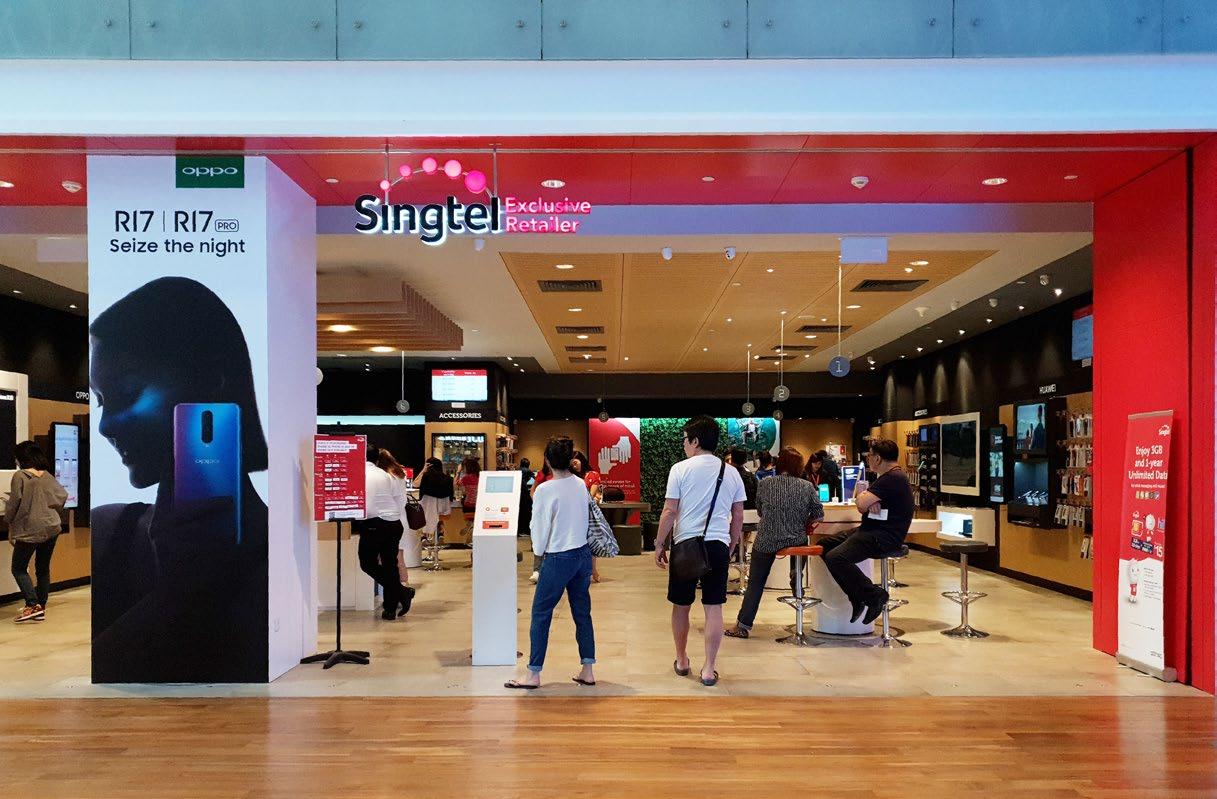
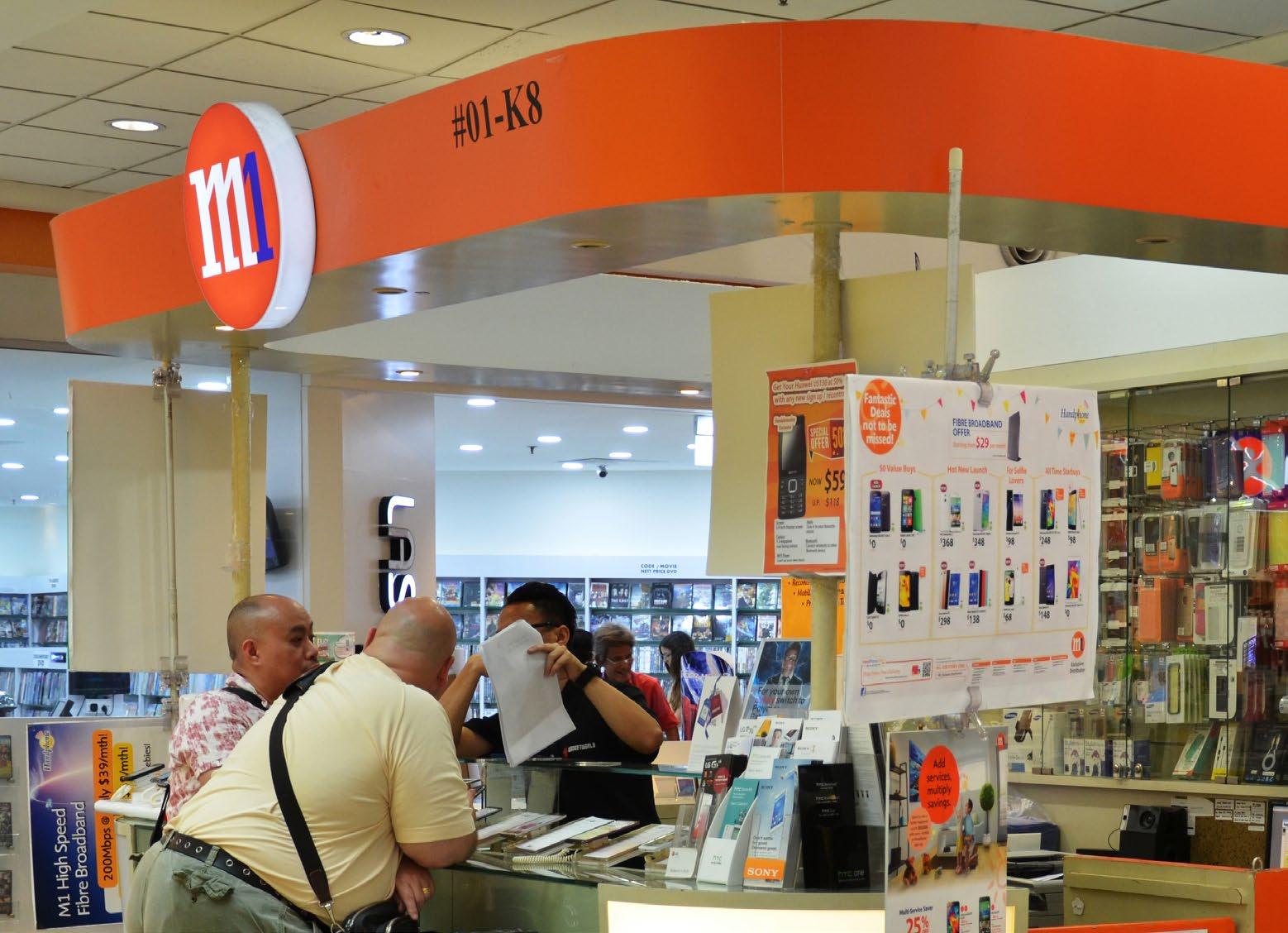
TGroup Ltd., told Singapore Business Review in an exclusive interview. He cited device authentication, certificate-based identity management, and cloud data protection as growing weak points. In February, Minister for Digital Development and Information Josephine Teo said M1 Ltd., Simba Telecom Pte. Ltd., Singapore Telecommunications Ltd., and StarHub Ltd. were compromised in a coordinated campaign linked to advanced persistent threat (APT) group UNC3886.
Authorities said attackers used a zero-day exploit to bypass perimeter
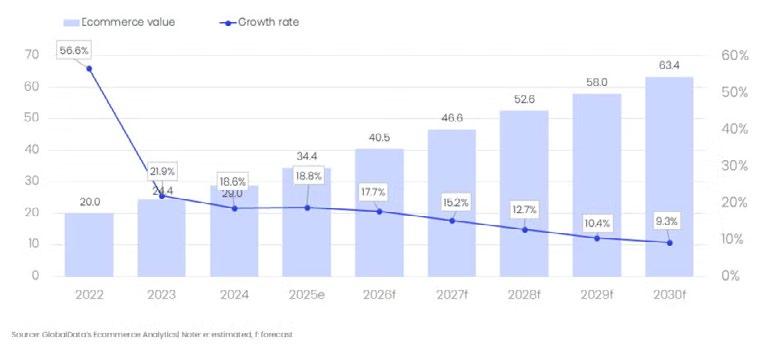
he e-commerce market is projected to grow 17.7% to $40.5b in 2026, driven by strong consumer appetite for online shopping, advanced digital infrastructure, and a large population of digitally proficient consumers, according to a GlobalData report.
The market grew an estimated 18.8% to $34.4b in 2025 and is forecast to reach $63.4b by 2030, supported by shopping festivals—including Black Friday, Cyber Monday, and Singles’ Day—platform sales events, and partner merchant discounts.
Livestream shopping is emerging as a key sales channel through apps like TikTok, Shopee Live, Lazada Live, and Facebook Live.
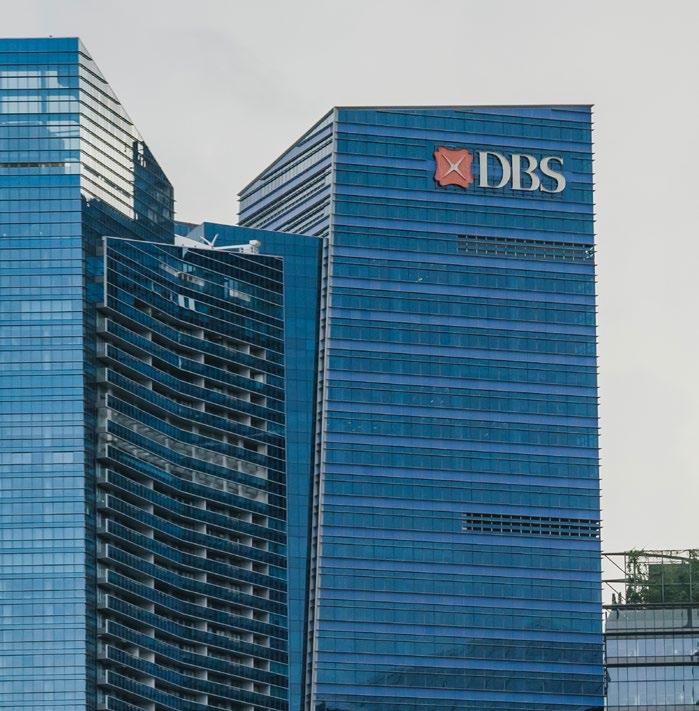
DBS ran live selling workshops for small and medium enterprises clients in April 2025, whilst a partnership with TikTok and Boom
As organisations expand into IoT, 5G, and cloud-enabled services, security has to extend beyond the network perimeter
Media trained over 70 participants in content creation and presentation.
Delivery infrastructure continues to expand, with RedMart Now launching in February 2026 to provide 30-minute delivery in select areas. Grab and foodpanda also serve the market.
International retailers are entering Singapore’s market as Myntra launched its online platform in May 2025, offering 35,000 product styles targeting the city-state's Indian diaspora of 650,000. Amazon Singapore opened its Everyday Essentials store the same month, featuring 100,000 products from local and international brands.
GlobalData analyst Kartik Challa said the market depends on a strong digital ecosystem for transactions and logistics, and noted that changes in consumer behaviour and digital tools continue to drive growth.
firewalls and gain access, exfiltrating a limited amount of network-related technical data. Core systems such as the 5G network were not breached, and no sensitive customer data was accessed.
APT-style intrusions were amongst the most prevalent attack types in the city-state, often supported by phishing or credential theft at the point of entry, according to ThreatBook Pte. Ltd.’s 2025 Singapore Threat Intelligence Report.
UNC3886, first publicly identified in mid-2025, has a history of cyber-espionage targeting telecommunications, defence and critical infrastructure across the United States and Asia.
Robert Pizzari, Asia group vice president at Splunk Services Singapore Pte. Ltd., said the attacks illustrate how threat actors increasingly avoid noisy assaults on external defences.
“Advanced attackers increasingly compromise network components such as routers or authentication systems, where they can quietly observe activity and remain undetected for extended periods,” he said in a separate interview.
As a result, security priorities are shifting towards continuous monitoring and internal visibility rather than one-off perimeter controls.
Natashrul said organisations need layered protections such as behavioural analytics and anomaly detection to identify suspicious activity that traditional tools may miss.
Source: GlobalData Note: e:estimated, f:forecast
Device and cloud security are emerging weak spots
Syed Natashrul
Robert Pizzari
TELECOM & INTERNET
STORAGE GAP PUSHES BUILDERS TO JOHOR
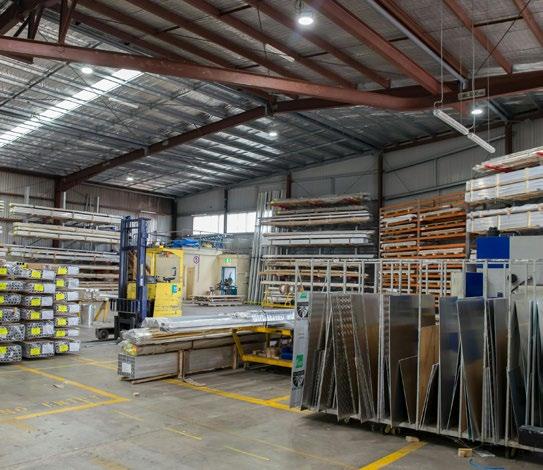
Alack of long-term storage space in Singapore is constraining construction sector growth and pushing builders to move prefabrication storage into Johor, Malaysia, a shift that raises logistics costs and adds execution risk.
“Storage sits in the policy blind spot, so it’s too temporary for long-term planning, too unprofitable for private investments and too logistical for traditional construction frameworks,” Avtandil Mekudishvili, Asia Pacific regional lead at PlanRadar Singapore Pte. Ltd., told Singapore Business Review
Most builders rely on temporary occupation licences that allow shortterm use of vacant state land for storage, often renewed monthly or annually, creating uncertainty that discourages capital investment and long-term planning.
“Because these licences are shortterm, reworkable, and unpredictable, firms cannot justify investing in racking system automation or proper hardstands,” he said.
Effects of storage gaps
That uncertainty has already pushed companies beyond Singapore’s borders. Seah Kiin Peng, president of the Prefabrication Association of Singapore for Precast & Steel Ltd. (PFAPS), said limited local storage has driven members to secure facilities in Johor, increasing transport costs, extending lead times and adding cross-border risk.
Fragmentation across the sector worsens the issue, with each prefabrication firm managing storage on its own whilst public agencies focus on separate mandates, leaving no single owner for prefabrication logistics, Mekudishvili said.
“Until storage is treated as a core urban infrastructure, the industry will continue to hit a soft ceiling,” he told the magazine.
Full-chain rules bind suppliers to higher costs
Singapore’s liquefied natural gas (LNG) bunkering suppliers face higher costs and more complex operations as regulators tighten requirements around vessel ownership and fuel supply chains to safeguard reliability and prepare for cleaner marine fuels.
Under the revised framework, suppliers must own or charter LNG bunkering vessels and secure storage and delivery capacity, effectively committing them to managing the full value chain.
Analysts said the changes could reshape investment decisions and operational planning for years, favouring bigger players with strong balance sheets and logistics.
“Dedicated storage at the Singapore LNG Corp. Pte Ltd. terminal may increase costs through capacity reservation fees and reduce flexibility compared with spot LNG bunker sales,” said Amanda Kang, a natural gas and LNG research analyst at S&P Global Commodity Insights.
She added that suppliers would
need to balance higher fixed costs against the benefit of more predictable access to supply.
The rules also explicitly factor in readiness for future fuels, including bio-LNG and e-LNG, as Singapore positions itself as a hub for lowercarbon marine fuels.
That broadens the scope of compliance from bunkering logistics to fuel sourcing, emission tracking, and certification.
Mahua Chakravarty, an editor at energy pricing firm Argus Media Ltd., told the magazine that suppliers couldn't just focus on the last mile.
“Every step has to be accounted for, from sourcing LNG to delivery and bunkering,” she told Singapore Business Review via Zoom. “The Maritime and Port Authority (MPA) wants to ensure supply continuity and stable delivery at all times.”
Cost pressures
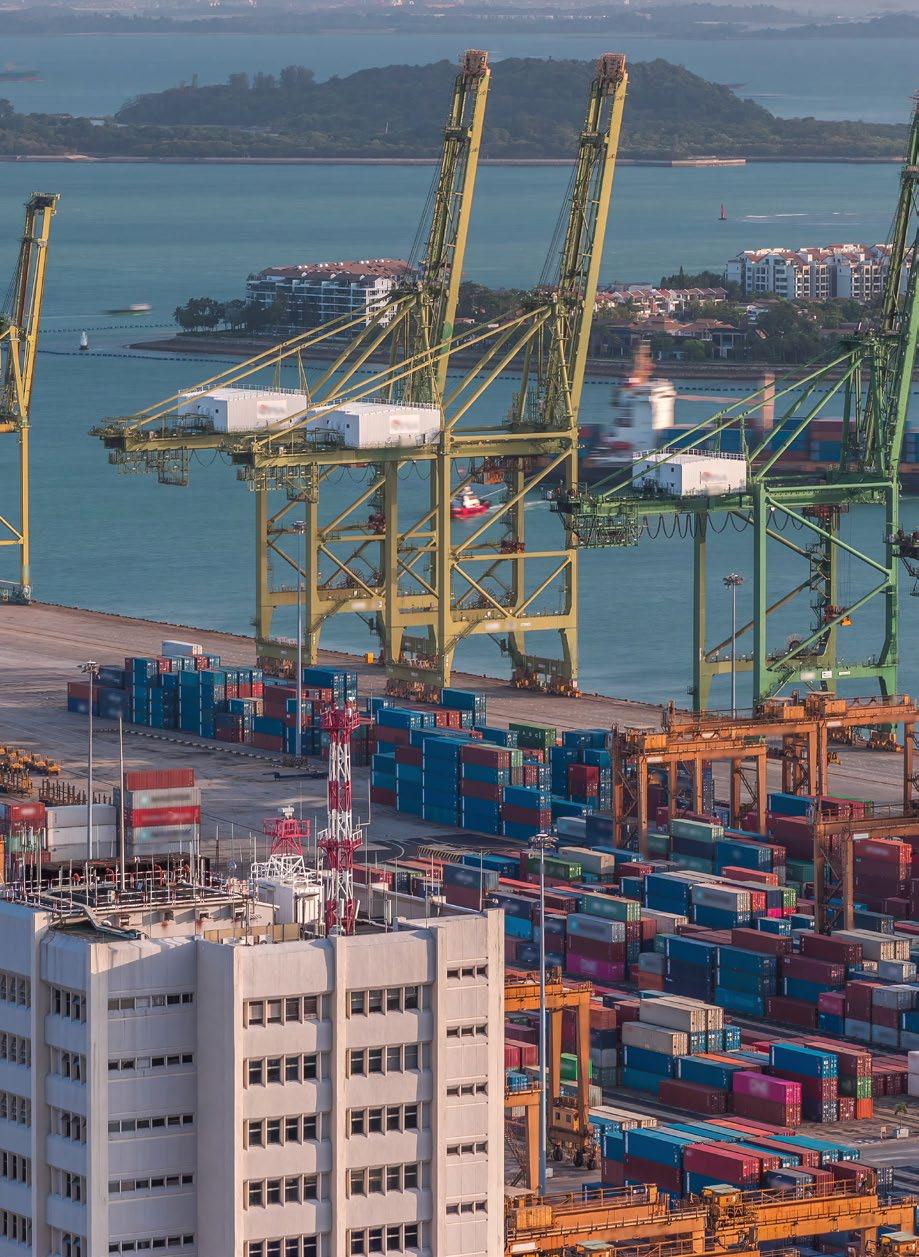
Singapore is the world’s biggest bunkering hub. Bunker fuel sales rose 3.4% to 571,400 tonnes in 2025 from a year earlier, with LNG increasing 23% to 571,400 tonnes, MPA data showed.
Market data underscore the cost pressures facing suppliers. Industry price assessments put Singapore’s LNG bunker price at around $783 (US$606) per metric tonne early this year, down from roughly $842 (US$651) late last year, reflecting delivery premiums and logistical costs in the regional LNG bunkering market.
Three licensed suppliers operate three LNG bunkering vessels: FueLNG Bellina, FueLNG Venosa and Brassavola, with capacities ranging from 7,500 to 18,000 cubic metres.
Some suppliers, including units of global energy companies, operate bunkering vessels under charter arrangements, a structure now formalised under the revised rules.
Although the framework encourages preparedness for bio-LNG and e-LNG, analysts caution that demand remains nascent.
Kang said the requirement is designed to preserve future flexibility rather than reflect present blending demand.
Every step has to be accounted for, from sourcing LNG to delivery and bunkering
Even so, with Singapore considering sea-based reloading and alternative methane sourcing, suppliers may have little choice but to plan ahead as regulation tightens and competition intensifies.
Bunker fuel sales rose 3.4% to 571,400 tonnes in 2025 from a year earlier
SHIPPING & MARINE
BUILDING & ENGINEERING
Amanda Kang
Mahua Chakravarty
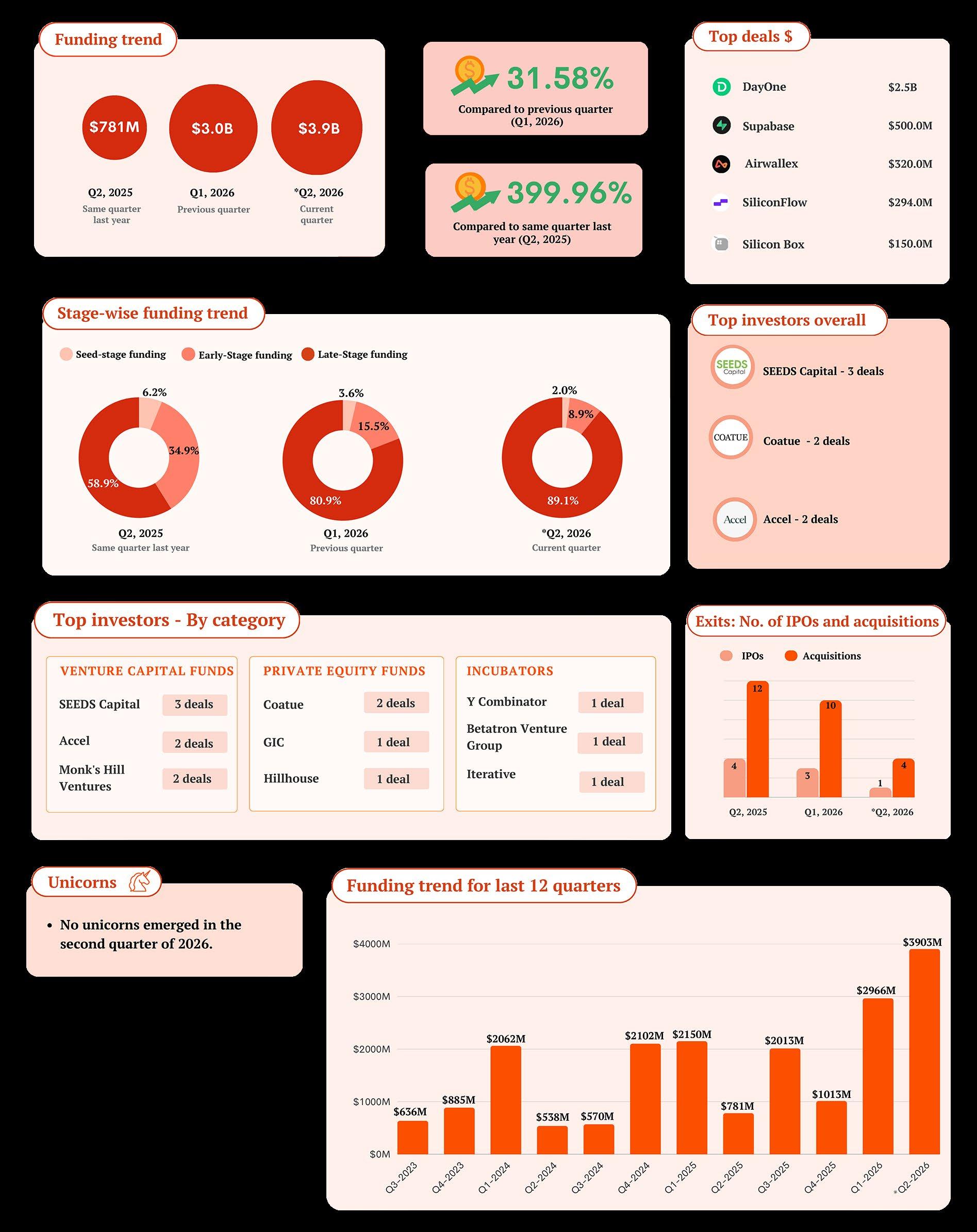
FUNDING HITS $3.9B IN Q2 WITHOUT MINTING A UNICORN
• We have only considered equity rounds and tech companies
• Q2 2026 is considered from 1 April 2026 to 30 June 2026
• All currencies are in USD
Source: Tracxn Technologies
STARTUP
ONSITE TARGETS COMMUNICATION GAPS IN CONSTRUCTION
BUILDING & ENGINEERING
OnSite Pte. Ltd. will launch a web app and a more advanced artificial intelligence (AI) assistant for its construction messaging platform in the coming months after raising $1.7m in seed funding in April 2026, as builders seek to reduce manual reporting and communication delays.
“You can always ask questions and get natural language responses, and create more sophisticated workflows to automate some of your work,” Liam Appelson, co-founder and chief product officer at OnSite, told SingaporeBusiness Review in an exclusive interview.
The web app is designed for workers moving between construction sites and offices, letting them access updates without relying solely on mobile phones.
Founded in December 2024 by Appelson and CEO Poh Yong Han, OnSite is developing a chat-based construction management platform that seeks to cut information loss and simplify project coordination.
The company is testing the platform with design partners in Singapore and Hong Kong ahead of a broader rollout later in 2026. The founders said they chose to focus on construction, given their families' background in the industry, which gave them firsthand insight into the lack of communication tools available to workers in the sector.
About the app
Poh said the founders focused on construction because of their families’ experience in the industry and the lack of communication tools built specifically for frontline workers.
For task management, AI analyses messages to determine whether they should be tracked and suggests creating a task. Users can attach as much or as little information as they want, including photos, attachments, assignees, and due dates. Voice messages can also be translated into eight languages.
“We want to solve the communication layer because we felt like this is overlooked in a lot of existing products in the market,” she said in the same interview.
OnSite includes public and private group messaging functions intended to reduce notification overload whilst ensuring project-wide announcements reach workers.
Its AI system can analyse messages, identify tasks, and suggest follow-up actions automatically. Voice messages can also be translated into eight languages.
Poh said construction companies often spend up to 20 hours a week manually compiling reports from chat discussions. OnSite structures the data automatically, letting users export daily, weekly, or monthly reports.
OnSite shortens this by structuring chat data automatically on the back end, letting users export daily, weekly, or monthly reports at the press of a button.
OrtCloud raises $2.2m for AI cloud
Metroo Pte. Ltd., which operates as OrtCloud, plans to roll out artificial intelligence (AI) infrastructure and cloud computing upgrades over the next three months after closing a $2.2m (US$1.7m) preseed funding round in April.
“These developments are being rolled out progressively over the next three months,” Metroo CEO and cofounder Enyegue Carl Dimick told Singapore Business Review
The rollout includes database infrastructure services, graphics processing unit (GPU)-enabled deployments for AI workloads, and orchestration layer upgrades aimed at improving scalability and performance. Dimick said the database product is targeted for release in 2026.
The funding round was led by Golden Gate Ventures Pte. Ltd. with participation from Antler Innovation Pte. Ltd.
“The funding raised will be used in OrtCloud's product development and infrastructure for scaling usage across the Asia-Pacific and US markets, expanding its go-to-market strategies and hiring key roles in these regions,” Dimick said in an exclusive interview.
Founded in 2024 by Dimick and Pranay Jain, OrtCloud develops
cloud infrastructure designed for AI applications and other computing workloads requiring stable, isolated environments.
The platform aims to address unpredictable infrastructure costs, workload interference in shared systems, and the complexity of managing cloud and on-site computing environments.
Dimick said these issues become more significant with AI apps that run continuously and require long-term computing stability.
To address this, OrtCloud provides isolated virtual machines that operate as separate execution environments, letting workloads run independently.
Over the next five years, the company aims to position itself as an infrastructure layer for persistent workloads across cloud and on-site systems.
“Our goal is to redefine how infrastructure is consumed, moving from shared, usage-based systems to dedicated, predictable environments that scale with modern computing needs,” Dimick told the magazine.
Cata pushes overseas with restaurant AI tools
FOOD & BEVERAGE
Cata is expanding its digital platform for food and beverage (F&B) operators as it develops artificial intelligence (AI) tools and enters overseas markets after a $6.8m (US$5.3m) seed funding round in April.
“We looked for a pretty simple software-as-a-service solution… and the team came back and said we found nothing,” Cata founder and CEO David Brunier told SingaporeBusinessReview
The startup, which launched operations in 2025, provides white-label mobile ordering and customer engagement platforms for restaurant operators.
Its system combines ordering, payments, loyalty programmes, customer relationship management, marketing and business intelligence tools in a single platform.
The platform was initially developed internally for Digital Services SG Four
Pte. Ltd., which operated Flash Coffee, the technology-enabled coffee chain Brunier had co-founded.
The CEO said restaurant operators later approached the company to license the software after seeing improvements in customer retention and repeat spending.
Enygue Carl Dimick, CEO at Metroo Pte. Ltd.
OnSite Pte. Ltd. founders Poh Yong Han and Liam Appelson
INFORMATION TECHNOLOGY
David Brunier, founder and CEO at Cata
The Future Workplace Is Human-Centric. And nally, measurable.
Work today is no longer de ned by desks lled or rooms booked. It is shaped by how people collaborate, how technology supports them, and how outcomes are understood.
Logitech’s AI-driven collaboration solutions help organizations create workplaces that perform better and feel more human.
Enhanced Meeting Experiences
AI removes common meeting frustrations, creating conversations that feel natural and inclusive.
Supercharged Productivity
With fewer distractions, meetings stay focused and decisions happen faster.
Inclusivity at the Core
Intelligent framing and thoughtful design help everyone participate fully.
Optimized IT Resource Allocation
Design your ideal video conferencing room with our Room Con gurator.
www.logitech.com
Centralized management and real-time insights simplify operations, with clear visibility into usage, performance, and e ciency.
Adaptable Anywhere
Collaboration stays consistent across o ces, hybrid spaces, and remote environments.
SPACE WATCH
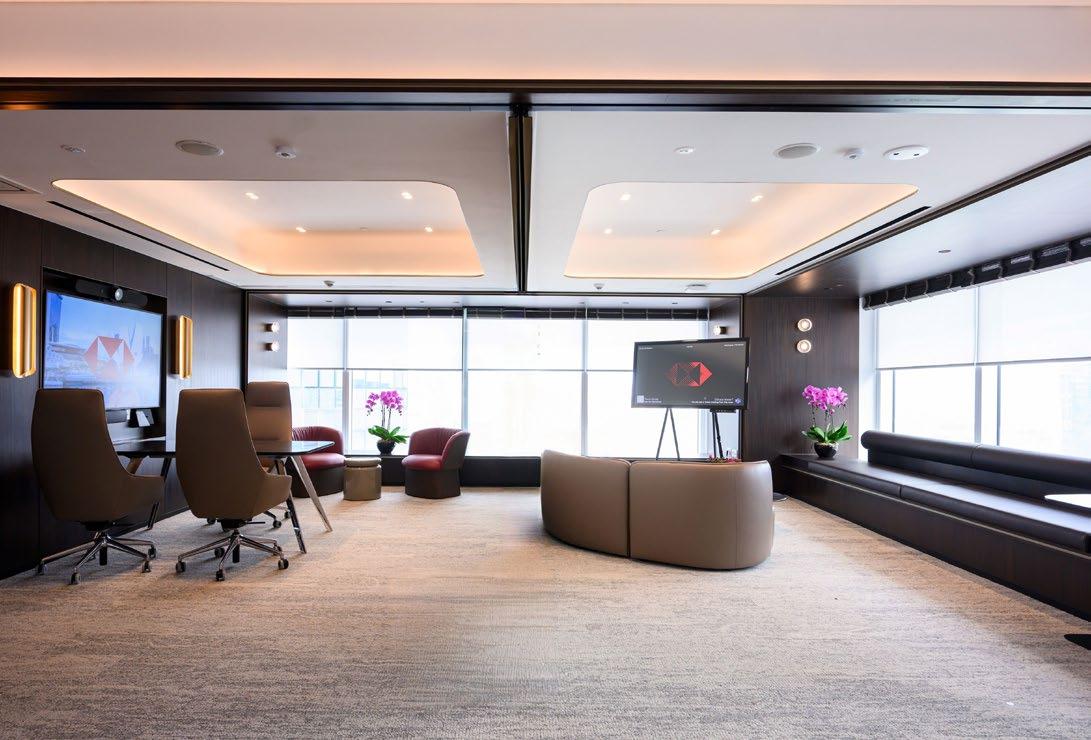
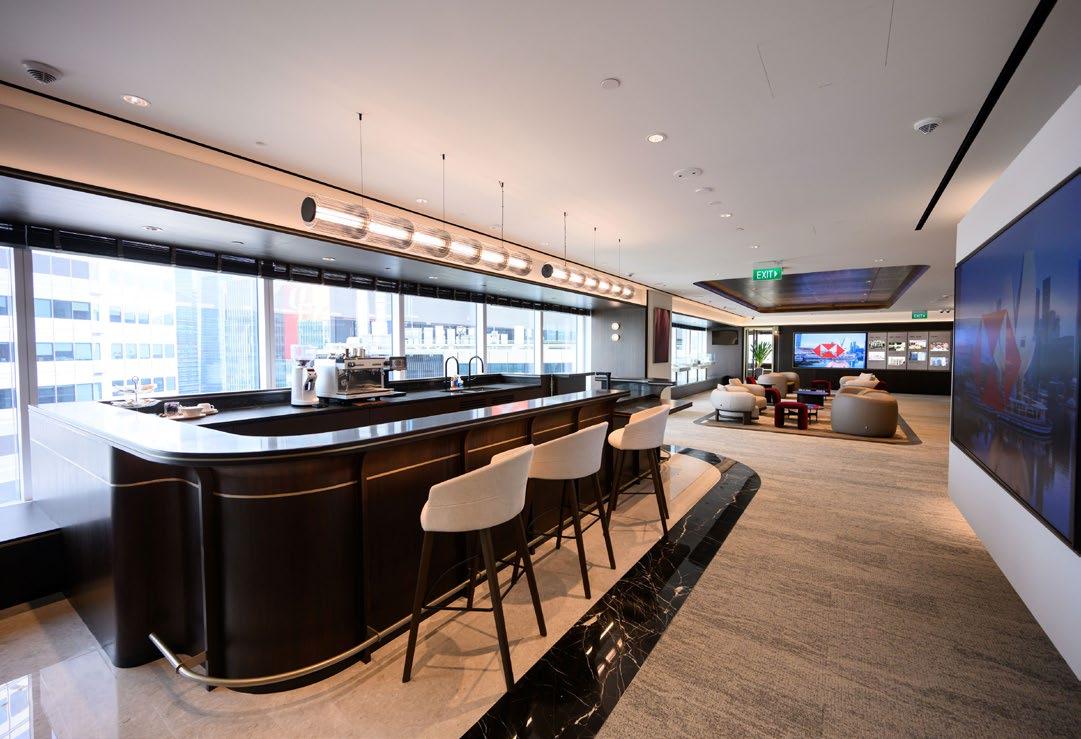
HSBC opens largest wealth centre in SG
The 7,884 square foot space also features its first-ever Premier Elite exclusive space.
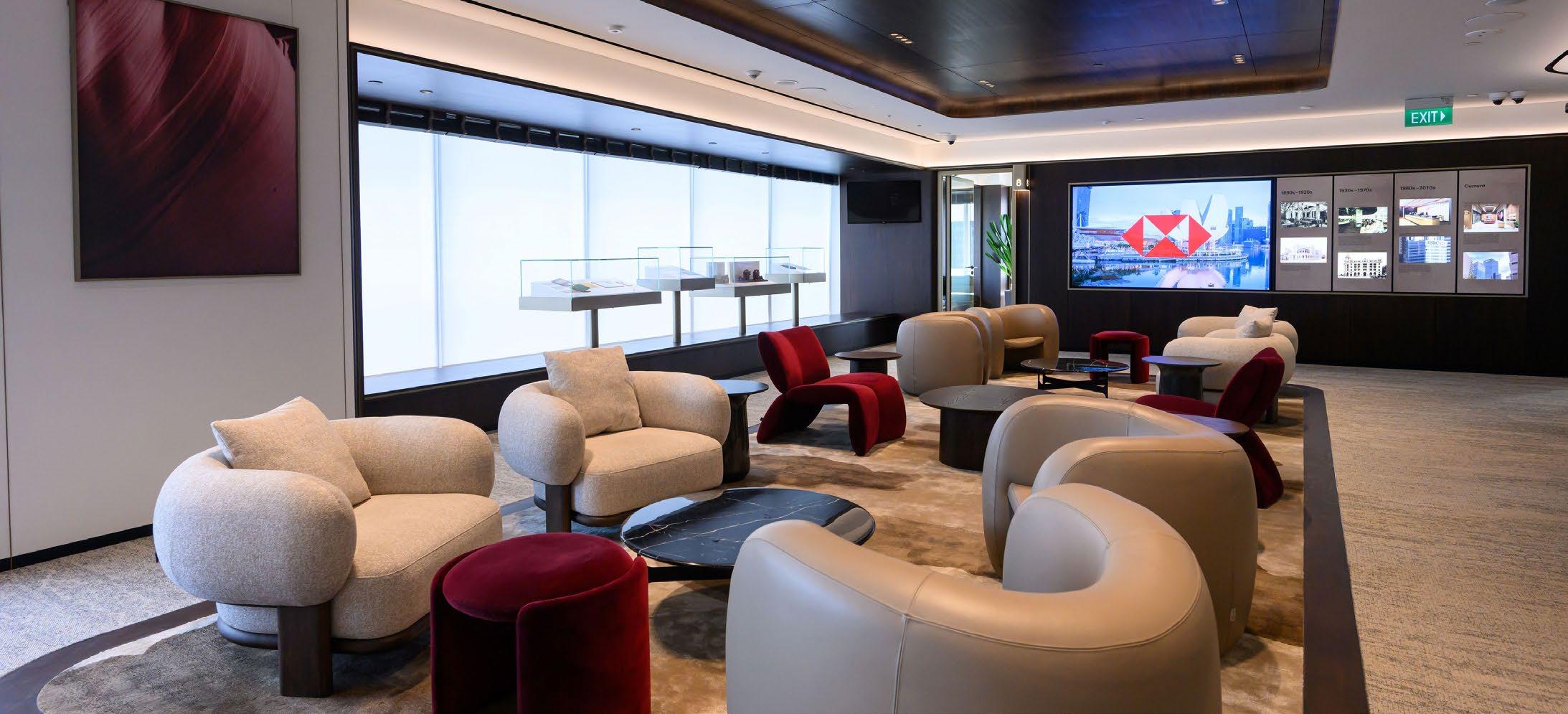
HSBC Singapore’s largest wealth centre in Singapore Land Tower is its first sky lounge and first-ever dedicated Premier Elite Space in the city.
The 7,884 square foot space, occupying the 33rd floor of the tower, features 14 meeting rooms decorated with premium finishings, textured upholstery, custom scents, and panoramic skyline views.
It also has enclosed teller rooms and private client advisory rooms. Premier and Premier Elite customers—clients with a minimum total relationship balance of over $1.2m (US$954,000)— have their own exclusive spaces, bridged by a sky lounge overlooking Singapore’s financial district.
The wealth centre also has a family room that provides privacy for “complex and multi-generational wealth discussions,” according to HSBC Singapore in a press release published on 27 February 2026.
“This wealth centre, with our first dedicated Premier Elite space, has been meticulously designed to integrate the wealth and lifestyle aspirations of our clients, bringing together the best of our advisory, service and hospitality expertise to elevate their wealth journey in meaningful ways,” said Ashmita Acharya, head of international wealth and premier banking (IWB) Singapore at HSBC Singapore.
Hospitality offerings include bespoke creations from celebrity chef Janice Wong, seasonal petit fours flown in from France, and a signature fragrance inspired by the HSBC Papilionanda Orchid.
The Singapore Land Tower wealth centre is the bank's fourth opened since 2004. It is part of the bank’s five-fold investment towards increasing its physical network in Singapore, the bank said.
Ashmita Acharya
The wealth centre is located at Singapore Land Tower's 33rd floor, spanning 7,884 sq ft It is the bank's fourth opened since 2004
Premier and Premier Elite customers have their own exclusive spaces (Photos from HSBC)
Singapore M&A shifts to fewer, bigger deals
Private equity and AI infrastructure drive record deal concentration.
Singapore’s mergers and acquisitions (M&A) are tilting towards bigger transactions as deal values surge even whilst volumes fall, pointing to more selective capital deployment.
M&As in the first five months of 2026 more than doubled to $84.5b (US$65.9b), the second-highest level on record, Vianca Sanchez, a deal intelligence analyst at London Stock Exchange Group Plc, said in an interview.
The number of deals, meanwhile, dropped 29% to its lowest level in more than a decade.
She said eight transactions above $1.3b (US$1b) contributed $61.4b (US$47.9b), accounting for 73% of total deal value, up from 40% a year earlier. Deal count fell 29% to the lowest level in more than a decade.
Stephen Bates, a partner and head of deal advisory at KPMG in Singapore, said quarterly volumes remained broadly stable at 70 to 80 transactions, but total value rose on a higher share of large deals.
“This indicates a shift towards fewer but larger deals, with investors deploying capital more selectively into opportunities where there is strong conviction on growth, resilience and execution,” he said in a separate interview.
“Compared to last year, there is a clearer shift towards investors with the capital flexibility and risk appetite to navigate a more complex environment, reinforcing the growing influence of private capital in driving deal activity,” the expert said.
The head of deal advisory said this reflects more
AI is still in its very early stages, and people are just figuring out how that unfolds
selective capital deployment into assets with stronger growth visibility and execution confidence.
There were 78 deals worth about $23b (US$18b) to $24b (US$19b) in the first quarter of the year, the strongest quarterly value in three years.
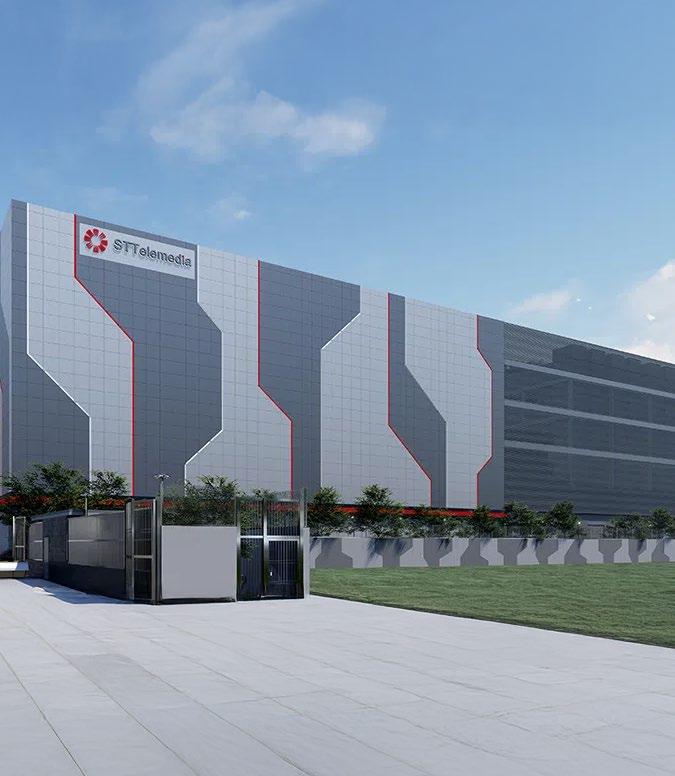
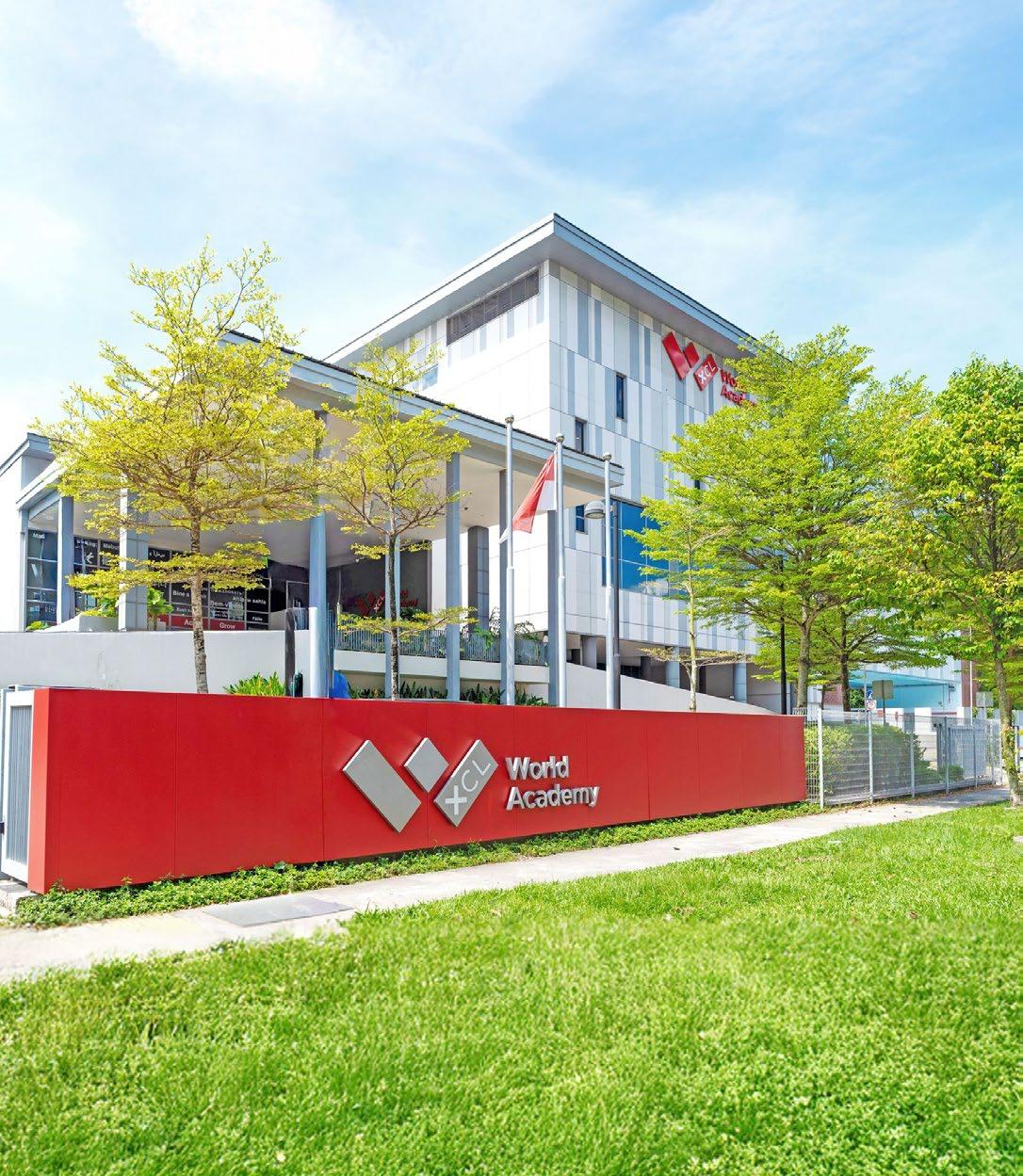
Big transactions included the $6.6b acquisition of an 82% stake in ST Telemedia Global Data Centres Pte. Ltd. by KKR & Co., Inc. and Singapore Telecommunications Ltd. (SingTel). There’s also KKR’s purchase of a majority stake in XCL Education Holdings Pte. Ltd., valuing the company at about $1.7b (US$1.3b).
Bates said that the most active acquirers include private equity funds, infrastructure investors, and regional corporates, alongside Singapore-based platforms looking to expand their footprint.
“Strategically, acquisitions are being driven by a combination of geographic expansion, core business growth and technology capability acquisition. More than half of dealmakers globally continue to identify expansion into new markets and reinforcing core operations as primary drivers of activity,” he added.
Sanchez said activity has become increasingly focused on a small number of industries, with the top three sectors accounting for 81% of total target M&A value, compared to 63% in the same period last year.
High Technology dominated, accounting for 40% of total activity at $10.24b (US$8.0b), driven by continued investment in data centres and digital
infrastructure. Real Estate ranked second, accounting for 29% of the total value, with activity focused on core, income-generating assets.
Completing the top 3 is the Energy & Power sector, which accounted for 12% of activity, thanks to the continued strategic interest in energy and refining assets.
Focal point for capital deployment
Neha Singh, founder of Tracxn Technologies Ltd., said artificial intelligence (AI) infrastructure is a key driver of deals as companies acquire systems needed to build AI capabilities. She said another shift is towards capability-led acquisitions rather than pure market-share deals, citing Western Union Company’s purchase of Singcash Pte. Ltd. from SingTel as an example.
Sanchez said private equity has become a major driver of Singapore-targeted M&A.
Private equity deal value reached $9.4b (US$7.3b), almost four times a year earlier and the highest on record.
It accounted for 37% of Singapore-target M&A value, up from about 17%.
“This increase comes despite a broader slowdown in private equity across the Asia-Pacific region, highlighting Singapore’s role as a focal point for capital deployment within the region,” she noted.
Bates said interest is concentrated in digital infrastructure, data centres, education, and healthcare, where cash flows are more stable and growth is long-term.
“Across these areas, there is a clear preference for businesses with resilient cash flows, strong market positioning and clear pathways to regional expansion,” he said.
Bates said financing conditions are stabilising and carve-out opportunities are increasing, supporting deal flow even as volumes remain subdued.
Singh told the magazine that geopolitical uncertainty is keeping large buyers cautious on cross-border deals, whilst AI remains in early development, adding variability to near-term investment decisions.
“AI is still in its very early stages, and people are just figuring out how that unfolds,” she added.
FINANCIAL INSIGHT: M&A
Source: London Stock Exchange Group
Vianca Sanchez
Neha Singh
Stephen Bates
Alexandra Hospital beds to hit 1,300
Technology could support nonclinical tasks such as logistics and documentation.
Alexandra Hospital plans to use automation to prepare for a fourfold increase in bed capacity by 2028, betting that technology can protect care quality as scale and staffing pressures intensify.
CEO Margaret Lee Kwee Hiang said automation would support the hospital’s care model, which keeps patients in the same bed and under the same team as their needs change.
“We aim to conserve the limited time we have and devote it to meaningful, high-quality human interactions for patient recovery,” she told Singapore Business Review
Unlike conventional hospital systems, the hospital’s beds are designed to support different levels of care under the same team.
This allows care teams to build stronger relationships with patients and caregivers whilst improving coordination across rehabilitation, caregiver support, and recovery planning, she added.
Supporting clinicians
Lee said automation could support nonclinical tasks, such as logistics and documentation, allowing clinicians to focus on patient care rather than routine work.
The new chief executive cited examples such as robots transporting supplies and artificial intelligence (AI)-assisted documentation systems that could help clinicians reduce administrative workloads.
Lee took over as CEO on 1 January 2026 after serving as chief nurse and chief culture officer, succeeding Jason Phua.
During her tenure as chief nurse, she developed the hospital’s “Future of AH Nursing” roadmap, which focused on integrated care, acuity-based staffing, and nurse-led care models.
The plan aligns with Alexandra Hospital’s redevelopment, which began in 2024 and is due for completion by the end of 2028. Bed capacity will rise to about 1,300 from 300, with the expanded campus adding emergency services, operating theatres, and critical care units.
The redevelopment will span approximately 13.3 hectares and comprise two main towers. The new inpatient tower will house a new emergency department (ED), inpatient wards, and diagnostic and treatment facilities.
Meanwhile, the outpatient tower will feature outpatient clinics and services, supported by diagnostic imaging, pharmacy, and other clinical support functions.
As part of the transition, the hospital resumed emergency ambulance services in October 2025 after a 10-year hiatus, initially handling selected non-life-threatening cases through its 24-hour Urgent Care Centre.
The facility will gradually accept more complex cases, including life-threatening emergencies, ahead of the rollout of
full ED services after the redevelopment is completed.
Meanwhile, the project has entered its next phase after the hospital appointed two main contractors last December.
The contractors are a joint venture comprising Shimizu Corporation, Ssangyong Engineering & Construction Co. Ltd, as well as Kimly Construction Pte Ltd, and Rich Construction Company Pte Ltd.
The new campus is expected to be integrated with the wider Queenstown community, and will operate as an integrated general hospital with a full suite of services focused on integrated medicine, rehabilitation, healthy ageing, psychological medicine, and supportive and palliative care.
Workforce strains
Moreover, it will incorporate community spaces and links to the Rail Corridor under the Urban Redevelopment Authority masterplan, including pedestrian walkways, cycling paths, heritage trails, and age-friendly green spaces.
Works will be carried out in phases to allow key services to remain operational during construction.
We aim to conserve the limited time we have and devote it to meaningful, high-quality human interactions for patient recovery
Workforce strain is reinforcing the push towards automation, as healthcare staff manage longer patient life expectancy and a growing chronic disease burden.
Lee told the magazine that clinicians would need to build capabilities in artificial intelligence and digital tools to sustain care delivery at scale.
“Whilst our training—whether in nursing school or allied health—provides the basic foundation for practice, in the workplace, we need to adopt technology to be future-ready,” she added.
Margaret Lee Kwee Hiang, CEO at Alexandra Hospital
We build technology that helps us all connect, create, and achieve great things—together.
That’s the power of Intel Inside. ®
Global leader in water solutions
From hospitals to data centres, office towers and airports, every commercial building has its own special requirements. Grundfos offers a complete range of commercial water pump systems that deliver high performance and energy efficiency, while ensuring optimal comfort and safety across a wide range of applications, including: Air conditioning • Water pressure boosting • Wastewater & more
Failed merger shifts the cost-cutting pressure to network assets.
The telecommunication market remains crowded after the collapse of the proposed $1.4b acquisition of M1 Ltd. by Simba Telecom Pte. Ltd., keeping pressure on operators in the saturated market, analysts said.
“Consolidation should eventually happen in Singapore, if not Simba and M1, maybe it can happen in some other form,” Hussaini Saifee, an equity research analyst at Maybank Securities (Singapore) Pte. Ltd., told Singapore Business Review.
Keppel Ltd. and Australia-listed Tuas Ltd., Simba’s parent company, announced on 22 May that the proposed acquisition had been scrapped after regulatory conditions were not met before the deadline.
Keppel was set to receive approximately $1b for its 83.9% stake in the telco.
The deal collapsed after the Infocomm Media Development Authority suspended its merger review and opened an investigation into Simba over an alleged
Do we need four or more players?
My usual analogy- how many airlines do we need on a short route?
unauthorised use of spectrum.
Such use would constitute unauthorised use of the frequency spectrum and may breach the Telecommunications Act 1999 and the conditions of Simba’s FacilitiesBased Operations Licence.
IMDA said it is investigating the matter and will take enforcement action if the breach is established.
In an analysis published in June, RHB said “the regulatory suspension on the review of the Simba-M1 merger and the lapse of the long-stop date for the agreement essentially banished hopes for an imminent sector consolidation.”
Tan Joo Seng
Saifee said Singapore’s small market size has left both the mobile and fixed broadband sectors heavily saturated.
Market Report Analytics said in a January report that Singapore’s telecommunication market remains dominated by four operators: Singapore Telecommunications Ltd., StarHub Ltd., M1, and Simba.
Tan Joo Seng, an associate professor at Nanyang Technological
University’s Nanyang Business School, said the failed deal has revived broader questions over whether Singapore’s market structure remains economically sustainable.
“Telecom consolidation pressures globally tend to persist because the economics increasingly favours scale,” he said in an exclusive interview.
“One question I see for Singapore, being a mature and small market, do we need four or more players? My usual analogy - how many airlines do we need on a short route?” he said, noting that consolidation may ultimately be more of a timing issue than a permanent change in direction.
RHB said that “whilst this looks to be near-term negative for the sector (as price competition will likely persist), sector consolidation remains a key construct in the longer term.”
Tan said M1 remains strategically valuable because telecommunication infrastructure assets are difficult to replicate, with the operator holding spectrum, network infrastructure, enterprise clients, and an established subscriber base.
Healthy response
Saifee added that consolidation could lower network operating and capital expenditure costs by 20% to 30%.
Saifee and Tan identified StarHub as a possible future buyer, with the latter citing its existing infrastructure collaboration and potential synergies.
Regional telecommunication groups and infrastructure-backed investors could also explore opportunities, although Tan noted that the mature market might limit straightforward growth prospects.
“The challenge is not just identifying who can buy M1, but who can make the economics and regulatory dynamics work simultaneously,” he added.
RHB also said that it does not rule out renewed discussions between Keppel and StarHub.
“Both Keppel and StarHub view consolidation as a healthy market response. StarHub’s management had repeatedly said it is receptive to M&As, supported by its strong coffers,” the report read.
“StarHub and M1’s Antina JV for 5G network-sharing and as critical infrastructure providers are compelling merger propositions, in our view,” it added.
Consolidation could lower network opex and capex by 20% to 30%
INDUSTRY INSIGHT: ELECTRIC VEHICLES
What is slowing Singapore’s EV momentum?
Growth now depends on whether EVs can work beyond early adopters.
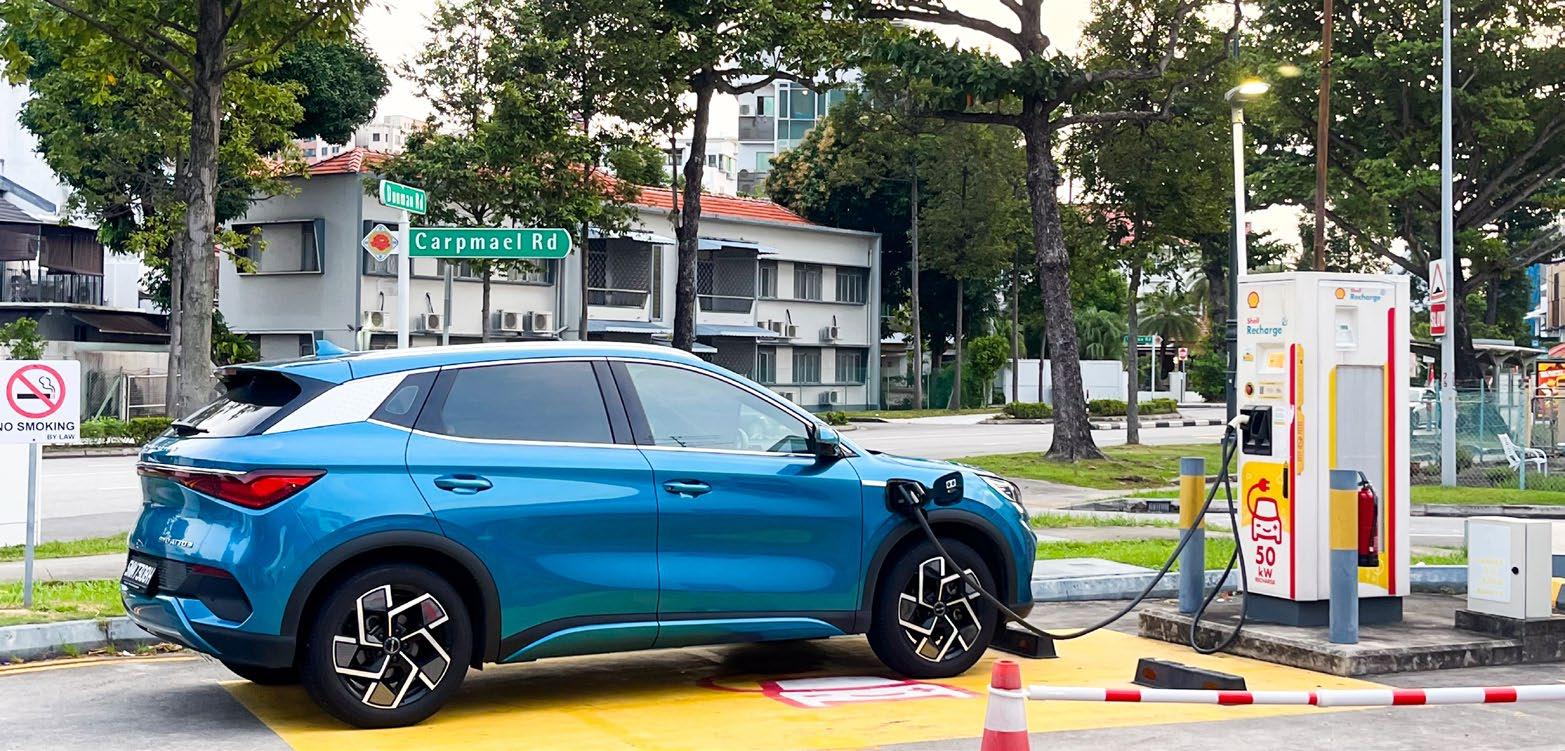
The electric vehicle (EV) market faces growing bottlenecks as uneven charging infrastructure and energy management issues threaten to slow adoption.
Gaps in charger distribution, total cost considerations, and service reliability could affect consumer confidence despite strong government support and rising interest in EVs, according to analysts.
“Infrastructure planning is critical to adoption,” Jeremy Ong, senior manager at LHN Energy Resources Pte. Ltd. and LHN Parking Pte. Ltd., told Singapore Business Review
“Car park operators, including us, are no longer asking whether to deploy charging, but how to deploy it efficiently and future-proof existing sites,” he said.
Singapore’s electric vehicle market is moving into the mainstream, with EVs making up 45% of new car registrations in 2025 and hybrids at 39%, highlighting a shift beyond early adopters to broader buyers.
Soh Ming, founder and managing director at Volt Auto Singapore, said the transition phase is now effectively over, pointing to a shift in how consumers approach the purchase decision.
“The conversation has shifted from ‘should I get an EV?’ to "which EV should I choose?'” he told the
Competition is no longer purely branddriven; it is feature-driven and valuedriven
magazine, signalling entry into a competitive growth phase rather than an exploratory one.
Ong said integrating distributed energy solutions such as solar carports lets operators combine renewable energy with EV charging, optimising long-term operating costs whilst meeting growing demand.
Use patterns also influence deployment, with overnight demand concentrated at residential sites and daytime demand at commercial locations.
Bridging these patterns through thoughtful charger placement and load management matters more than short-term policy shifts, Ong said.
Operators increasingly treat charging infrastructure not as a standalone installation but as part of a broader distributed energy ecosystem, where on-site renewable generation, storage, and smart load management can be layered in progressively over time.
Government policy guides EV adoption, with Singapore’s Green Plan 2030 and changes to its rebate programme encouraging buyers to focus on total ownership costs.
Ong said clear policies support steady adoption as operators and consumers plan around stable incentives and infrastructure.
The PARF rebate cap reduction in Budget 2026 is also accelerating this
shift, making buyers more analytical about long-term value.
Ong noted that when resale structures change, infrastructure quality becomes the key equaliser, as reliable charging that matches consumer expectations sustains demand more effectively than incentive-driven purchases alone.
Chinese EV brands are further reshaping the market by offering high-end vehicles at competitive prices, Soh told the magazine.
“Competition is no longer purely brand-driven; it is feature-driven and value-driven,” he said, noting that consumers compare battery warranties, in-car technology, and charging standards across brands.
Soh estimated Chinese automakers now account for 80% to 90% of purely battery electric vehicle registrations in Singapore, a significant jump from just two years ago.
He said they have redefined what premium truly means, delivering instant torque, cabin quietness, and spacious interiors at previously unavailable price points, forcing established players to repackage their models.
Possible challenges
Still, there are risks that could slow adoption. Uneven charger distribution could reduce consumer confidence, whilst oversaturation of brands without long-term commitments may create uncertainty about resale value and after-sales support.
Certificate of Entitlement volatility is also a growing concern, as a significant price spike would contract overall car demand, EVs included.
Soh added that Singapore's regulatory framework acts as a natural filter, requiring brands to meet rigorous import and certification standards before entering the market, effectively weeding out less committed players over time. Ong said data-driven optimisation of charger placement and energy use could help mitigate these issues. He noted that operators are now better equipped to manage energy loads and plan charging networks.
“Whilst there may be quarter-onquarter fluctuations, the five-year outlook for EV adoption in Singapore remains upward,” Soh said.
Chinese automakers now account for 80% to 90% of purely battery EV registrations in Singapore
TRANSPORT & LOGISTICS
Soh Ming
Jeremy Ong
Probability labels fail to dent blind-box demand
They could reassure rather than deter core buyers.
RETAIL
Mandatory disclosure of probability ranges for blind box and gacha products is unlikely to have a major effect on demand amongst core consumers in Singapore, though it may shape expectations for casual and first-time buyers, analysts said.
“Mandatory probability disclosure will, in fact, reassure rather than deter core buyers,” Loo Wee Teck, global insight manager for toys and games at Euromonitor International Ltd., told Singapore Business Review.
“Most kidults understand blind boxes are probabilistic by design.”
He added that frequent buyers already factor low odds into their buying decisions, particularly young adults who dominate the collectables segment.
Clearer disclosures may guide newcomers but are unlikely to change core buyers’ behaviour.
Gambling-like concerns
Joey Khong, trend manager at Mintel Group Ltd., said demand outcomes would depend on how brands and retailers communicate the information.
“If they can keep the disclosure playful, on-brand, or even reframe it as part of the excitement, most consumers will probably accept it without much disruption,” he said.
Singapore is reviewing blind box and gacha mechanics over transparency and gambling-like concerns, with rules likely to require clearer disclosure of odds.
Khong cautioned that poor execution could weaken the category’s emotional appeal.
“If it feels like a warning label or a mathematical experience that takes away the satisfaction and joy of ‘being lucky,’ it could significantly reduce the impulse to purchase,” he said.
Blind box toys have emerged as a key growth segment in the citystate's toy market, particularly in dolls and accessories.
Pop Mart International Group Ltd. has led that expansion, prompting retailers such as MINISO Group Holding Ltd. to invest more aggressively in proprietary intellectual property and licensed characters, including Sanrio franchises.
The local blind box toy market was valued at about $70m in 2025 and is projected to top $170m by 2034. Khong said similar disclosure frameworks already operate in markets such as China and South Korea, where established retailers have adapted without seeing a sharp decline in demand.
Companies that already comply with those standards, including Pop Mart, may hold an advantage over newer entrants that lack regulatory experience.
He added that tighter oversight could squeeze out low-quality products with unclear supply chains and inconsistent sourcing,
increasing the importance of trust and brand credibility.
“Regulation may end up protecting players who have earned the right to operate in this category,” Khong said.
Low-commitment outlet
Demand drivers extend beyond product mechanics into fandom culture, social media sharing, giftgiving appeal, and self-expression, according to Khong.
The category has also benefited from a climate where younger consumers seek affordable rewards amidst economic uncertainty.
Mintel data showed 59% of Singapore consumers aged 18 to 34 prioritise everyday indulgences, compared with 45% of those aged 45 and above.
Blind boxes offer a low-commitment outlet for that spending mindset.
Despite robust sales, Khong said cultural saturation might be nearing. Early adopters who once lent the category cachet are starting to move on as blind boxes become mainstream, pointing to a potential shift towards premium, guaranteed collectibles with clearer value and longer-term appeal.
The local blind box toy market was valued at about $70m in 2025 and is projected to top $170m by 2034
Joey Khong
Loo Wee Teck
‘In hyperbaric, there are two
worlds: One medical,
one created by the market’ – Alex Harbuzaru of
Harbuzaru weighs in on the regulatory split in hyperbaric medicine and why the wellness wave has been good for it.
Hyperbaric oxygen therapy (HBOT) sits inside one of the fastest-moving health categories of the past five years. Once confined to dive medicine departments and a small list of clinical indications, it now appears across premium wellness operations, longevity-focused clinics, and elite sports recovery programmes.
It is also in HPO.TECH Chief Business Development Officer Alex Harbuzaru’s view, one of the most misunderstood industries in healthcare. HPO.TECH, Istanbul-based manufacturer of hyperbaric, hypobaric, and multibaric pressure systems, carries one of the broader certification stacks in the category, including 93/42/EEC (MDD), EU MDR, UKCA and ASME PVHO.
Harbuzaru spoke about the regulatory split running through the middle of the category, where the industry is in its development cycle, and what the next phase of growth requires of manufacturers and operators alike.
You’ve described the industry as having two worlds. What does that mean in practice?
There are two worlds. One is medical and extremely regulated. The other is a wellness world that emerged from the dynamics of the open market. Hyperbaric, in its essence, is medicine. It is one of the most strictly regulated industries anywhere.
The difference between the two worlds shows up in the standards and in how
Hyperbaric, in its essence, is medicine
the systems actually operate. In medical hyperbaric, oxygen is delivered exclusively through dedicated systems, BIBS or oxygen hoods, the only solutions designed for this environment. Standard nasal cannulas or generic masks do not function under these conditions and cannot deliver high oxygen concentrations, nowhere near 70%, especially in a pressurised environment. There is no relevant clinical study based on those methods.
Dedicated systems allow controlled oxygen delivery, automated air breaks, and a validated, repeatable protocol. Importantly, there is independent third-party testing. The relevant standards include Pressure Equipment Directive and ASME PVHO-1. These are foundational.
Where do you see the biggest problems in the market today?
For the end user, the real differences between technologies are not visible. Different solutions are presented as if they were equivalent, even when they are not. That is where most of the confusion sits. The category is growing fast, but it is not
HPO.TECH
yet uniformly regulated. Standards exist, but they are not applied everywhere in the same way. The difference between what is genuinely safe and what is only marketing is still not clear enough for everyone. Over time, these things will settle.
What does the next phase of HPO.TECH’s growth look like, including across Asia?
We are not satisfied with only the most important certifications, like MDR or FDA. We want every relevant clearance worldwide. Health Canada, TGA, the major Asian markets, and the African markets. It is a complex effort, but a necessary one if you want to build a real global company in this category.
Looking further out, ideally, we should reach a point where the operation of a hyperbaric chamber is standardised at a global level. Just as you need a licence to drive a car, I think there will eventually be a system of education and certification for operating this equipment. Alongside that, we will see an expansion of medical indications. Today, a limited number of conditions are formally accepted, but in practice, the applications are much wider, particularly in chronic and autoimmune diseases. The bottleneck is the lack of research.
How do you intend to address that research bottleneck?
We build infrastructure. The platform we are developing allows real-time data collection, processing and conversion into statistical evidence. The aim is to democratise science. To allow clinics and users to contribute to data production and to open the system to universities and research programmes.
If we manage to grow the volume of research in hyperbaric medicine and expand the number of approved indications, the market will grow. Once the market grows, a chain effect kicks in. As the market expands, we can automate production, reduce costs, and make the technology far more accessible.
How would you describe hyperbaric therapy in essence?
It is one of the most underused advanced therapies in medicine. It acts directly on fundamental biological mechanisms: tissue oxygenation, inflammation, and angiogenesis. It not only treats symptoms. It influences the processes that generate them.
Alex Harbuzaru, Chief Business Development Officer at HPO.TECH
Moments Worth Staying In For.
Comfort comes with a sense of ease, where small moments, and everyday pleasures feel naturally elevated.
Millennium Hotels and Resorts makes staying in feel just as good as going out.
Three rewarding tiers. Endless reasons to enjoy more with
SCAN TO JOIN
Merger rule changes cut review timelines
Shorter Phase 2 reviews may reduce uncertainty in complex transactions.
MARKETS & INVESTING
Singapore’s revised merger review rules are expected to speed up deal approvals and give companies certainty on competition concerns, lawyers said, as regulators shorten review timelines and reduce filing requirements for merger parties.
Chan Jia Hui, a partner for antitrust and competition at WongPartnership LLP, cited the lack of a fast-track route for straightforward deals, limited early guidance on likely outcomes, and the burden of preparing duplicate filing documents.
“Having clarity on the Competition and Consumer Commission’s position and concerns towards the end of the phase 1 process allows parties to decide on whether they wish to proceed to offer commitments,” he told Singapore Business Review in an exclusive interview.
The commission revised its merger procedure guidelines effective 1 May, marking the first update since February 2022.
The revised guidelines reduce the phase 1 review period for mergers unlikely to raise competition concerns to 25 from 30 working days. Phase 2 reviews for more complex transactions were shortened to 100 from 120 working days.
The regulator will also provide earlier indication on whether it is likely to clear a transaction and has reduced information requirements for merger notifications.
Before, the regulator could issue a Phase 1 letter of issues without saying whether a deal was unlikely to be approved, leaving parties unsure how serious the concerns were.
The revised rules now require the regulator to state upfront that it is “unlikely to clear the merger if these concerns remain unresolved” before advancing a transaction into Phase 2 review.
Earlier clarity
Corinne Chew, co-head of competition law and regulatory practice at Drew & Napier LLC, said the revisions should help companies complete transactions faster.
“Earlier clarity on likely outcomes is a significant and welcome change for the merger parties,” she told Singapore Businesss Review in a separate interview.
She added that more transparent exchanges between regulators and applicants could help parties address competition concerns earlier during complex Phase 2 reviews.
Rajah & Tann Singapore LLP said in its analysis that “the revised Merger Procedure Guidelines will make the merger notification and review process in Singapore more efficient and transparent and reduce the burden on applicants”
“The reduction of the Phase 2 Review period from 120 to 100 working days, together with the introduction of the 25-working-day streamlined track for straightforward mergers in the Phase 1 Review, should translate into faster regulatory clearance for many transactions,” the law firm said. The firm also said that the formalisation of the Phase 1 issues letter “gives applicants a more structured and timely opportunity to address concerns or prepare for a Phase 2 Review.”
“Merger parties should be prepared to respond promptly with commitment proposals or additional information
upon receipt of a ‘Phase 1 Issues Letter’,” it said.
Chew noted that there was a concern raised about the sufficiency of guidance on specific competition concerns due to the removal of the Phase 2 Issues Letter, as the Phase 1 Issues Letter may become outdated as additional evidence arises during the Phase 2 review.
She said the Competition and Consumer Commission of Singapore (CCS) “clarified that it will communicate competition concerns at the appropriate junctures, which promotes candid and transparent exchanges.”
The rule changes come as mergers and acquisitions involving Singapore fell 9.1% to $90.1b in 2025 from a year earlier, according to a January report by London Stock Exchange Group Plc.
Chan said the revised guidelines reinforce Singapore’s position as an efficient merger review jurisdiction, although cross-border transactions would still face scrutiny from regulators in multiple markets.
With the amendments in merger procedures, Rajah & Tann said “parties with transactions that are currently under review or being planned should assess the impact of these changes on their deal timelines and engagement strategy with CCS.”
“Businesses are reminded that whilst Singapore’s merger notification is a voluntary regime, CCS actively monitors the market and investigates non-notified mergers that may substantially lessen competition,” Rajah & Tann said.
“Merger parties are strongly recommended to consider merger notification where the merged entity is likely to cross the market share thresholds or where the transaction is likely to have significant vertical or conglomerate effects. This allows merger parties to reduce uncertainty and better plan deal timelines and transaction documents,” it added.
The rule changes come as M&A involving Singapore fell 9.1% to $90.1b in 2025
Chan Jia Hui
Corinne Chew
From
AI - FOOD & BEVERAGE
retail insight to AI‑driven wellness: Aiteaic prepares to scale personalised TCM
The technology behind Luli Singapore’s award‑winning AI mirror is spinning out as a standalone platform for the future of functional beverages.
Personalisation has become the gold standard in wellness — yet most solutions still rely on self-reported data and generic recommendations. Aiteaic, a Singapore-based health-tech startup, is taking a different approach.
Its proprietary AI engine analyses facial and tongue biometrics in under 30 seconds to determine an individual’s Traditional Chinese Medicine (TCM) body constitution — a diagnostic framework refined over millennia.
We built this
because
we saw people feeling off but unable to get clear answers
That insight then drives a high-nutritional-yield brewing system that dispenses a personalised herbal beverage, ready in less than a minute.
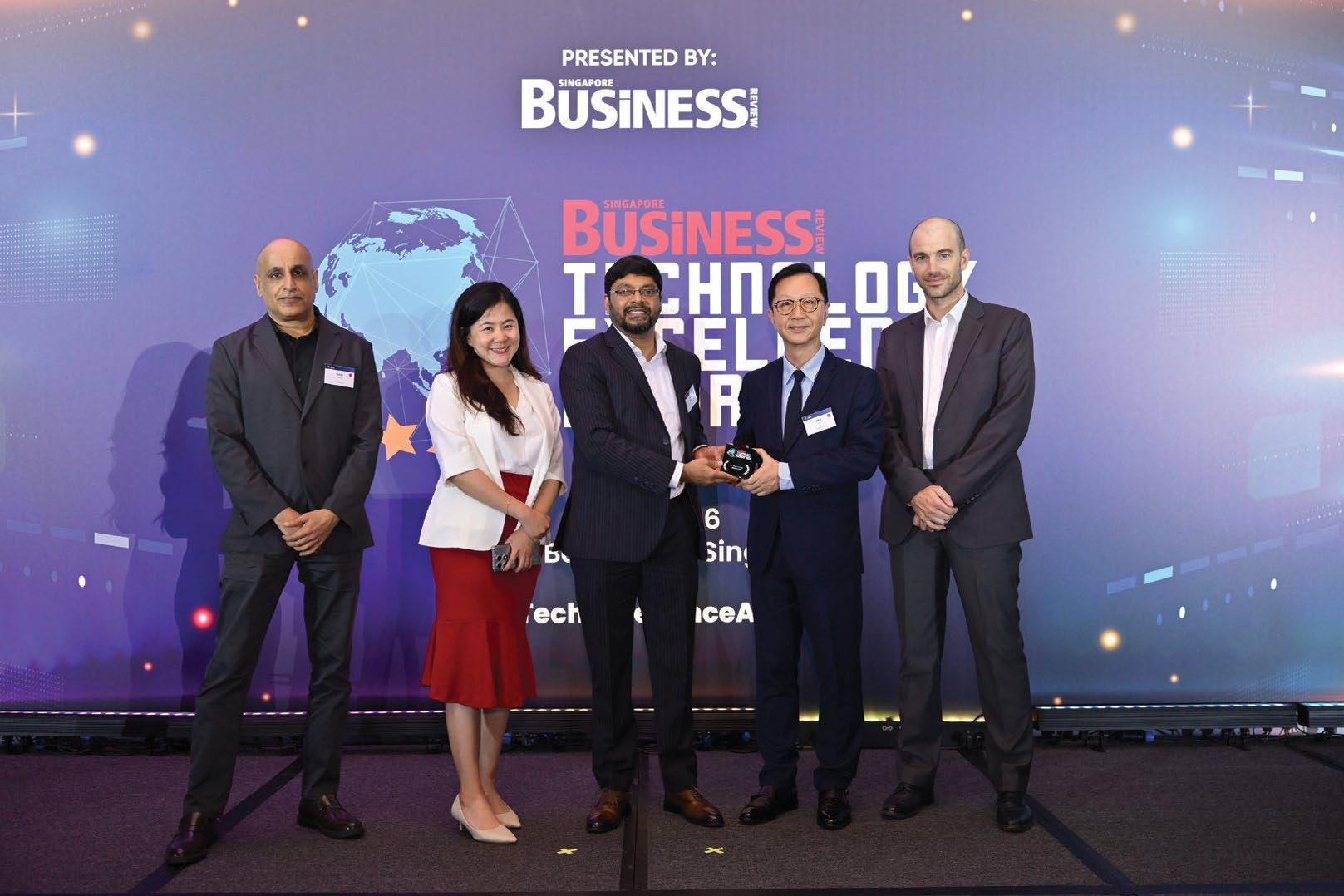
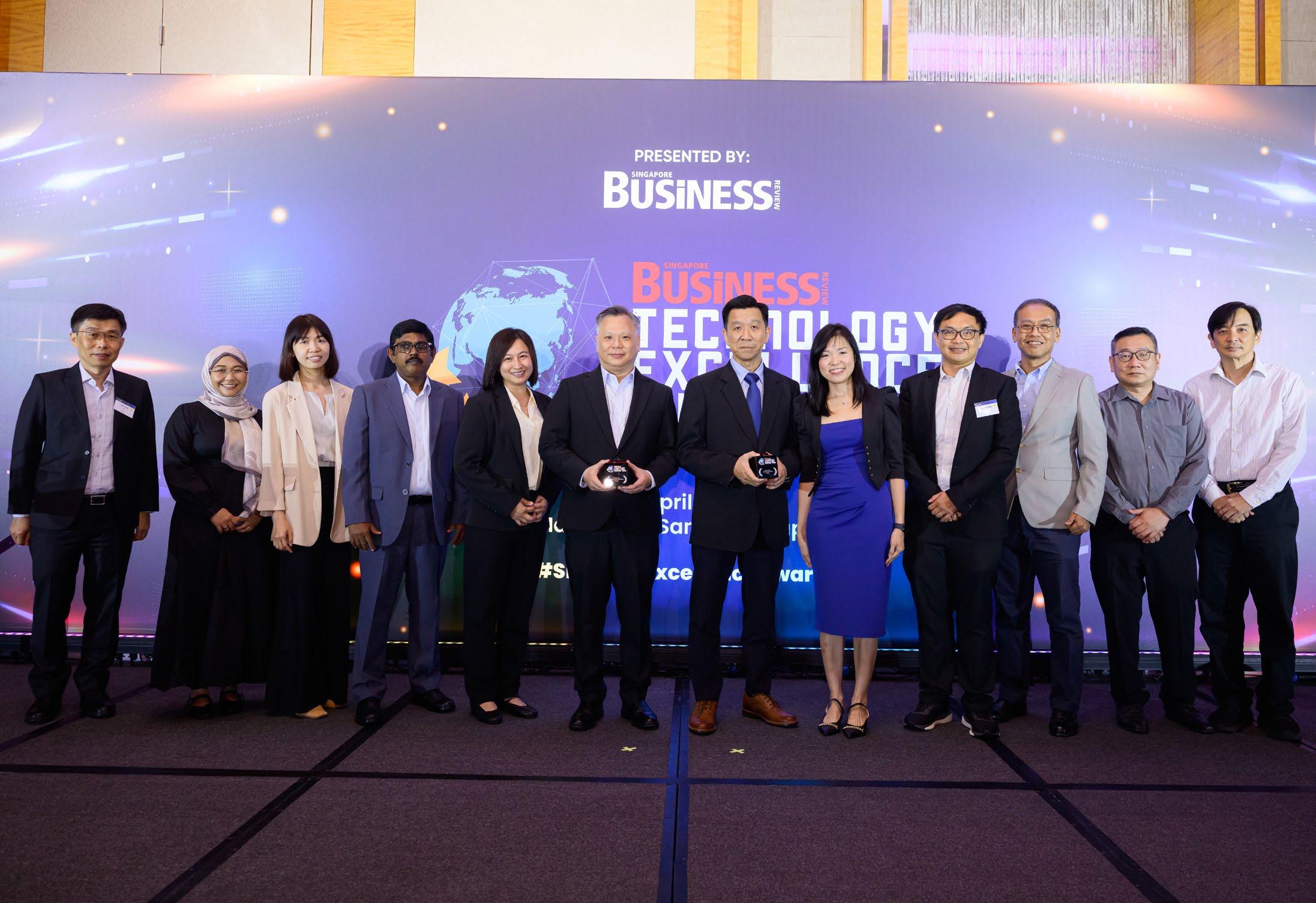
The technology has already been deployed in-market. Under the Luli Singapore brand, the AI mirror has conducted over 3,000 real-world scans, earning the AI - Food & Beverage category win at the Singapore Business Review Technology Excellence Awards 2026. The system was also piloted at Meta Singapore in March 2026, serving 250 employees with a 92% user-reported accuracy rate.
“We built this because we saw people
feeling off — tired, bloated, low energy — but unable to get clear answers,” said Jovalene Teo, founder of Luli and Aiteaic. “TCM has the language to describe those states, but it has never been paired with real-time biometrics and an AI-powered, delicious output.”
Whilst the initial focus is on direct-to-consumer engagement, the underlying platform is architected for B2B deployment — hotels, corporate offices, and wellness centres — where anonymised aggregate insights can help organisations understand workforce health trends.
With the CHI Innovate 2026 event with National Healthcare Group (NHG) and live integrations with Grand Copthorne Waterfront hotel launching Singapore's first AI-powered TCM wellness afternoon tea, the company is building real-world traction, setting the stage for broader commercial rollout.
Asia collectors chase 'safer' art
Provenance and quality drive bidding amidst rising ultra-high-net-worth demand.
Auction houses are focusing on rare, museum-quality artworks with clear ownership histories as ultrahigh-net-worth collectors in the Asia-Pacific region become more selective and research-driven.
Collectors are tracking artists and categories over months before bidding, shifting away from volume-based buying, said Danielle So, Hong Kong head of auctions for modern and contemporary art at Phillips Auctioneers.
“They prioritise quality over volume, with modern and post-war art remaining particularly strong areas of interest,” she said.
Hong Kong remains Phillips’ top Asian market for buying and selling, accounting for more than 30% of regional transaction value in 2025.
Greater China including Hong Kong, Mainland China, and Taiwan remains Phillips’ biggest regional market, representing about 70% of Asia business, So said.
Phillips’ March Hong Kong evening sale closed 30% above its high estimate, with 60% of works exceeding expectations. About 80% of buyers across modern and
contemporary sales were from Asia.
Top lots included Liu Dan's “Dictionary,” which sold for $1.84m (HK$11.5m) and set a record for the Chinese ink artist. Pierre-Auguste Renoir's “Paysage aux oliviers” fetched $780,000 (HK$4.9m), more than double its low estimate, whilst Adam Pendleton's “Untitled (Days)” sold for $860,000 (HK$5.4m).
Collectors are increasingly prioritising provenance, with verified ownership history becoming a key factor in pricing and demand.
Established Impressionist and modern names remain highly sought after because they offer a sense of certainty, said Ada Tsui, senior vice president and head of 20th and 21st century art department at Christie’s Asia Pacific.
Blue-chip and mid-career artists remain core demand drivers, with So citing names such as Yayoi Kusama and Zao Wou-Ki as anchors of the market.
Southeast Asia is emerging as a key growth region. So said participation rose 62% year-on-year across buying, bidding, and selling, whilst first-time Phillips clients in the region more than doubled.
Singapore and Vietnam are leading activity, whilst South Korea and Japan have softened on the buying side but remain important sources of consignments.
At Christie’s, Southeast Asian collectors also increased participation in Hong Kong, with spending rising 20% year-on-year in March sales, driven by Singapore.
“Collectors in other markets such as Southeast Asia — particularly Indonesia, Thailand, and Vietnam — are rising and phenomenally active, including at the very top end of the market,” Tsui said in an interview.
Christie's March Hong Kong 20th and 21st Century Art sales totalled $141.9m (HK$886.9m). The evening sale reached $104.93m (HK$655.8m) and was fully sold.
Top results included Gerhard Richter's abstract work at $14.74m (HK$92.1m), Sanyu's horse painting at $10.22m (HK$63.9m), and Walter Spies' Balinese landscape at $9.46m (HK$59.1m), which set a record for the artist.
Broader collecting strategies
Buyers are also expanding beyond regional artists to include global modern and contemporary names, Tsui said, reflecting broader collecting strategies in the Asia-Pacific region.
“They support works from Greater China, Southeast Asia, Korea, and Japan.”
She noted that the diversity was reflected in the mix of top-performing works in Hong Kong, which spanned Western post-war, Chinese modernist, and Southeast Asian art.
Christie’s also offered its first Old Master painting in a Hong Kong evening sale in March, with the Dutch still life highly competed for and setting an auction record price for the artist of $1.63m (HK$10.2m).
The Art Basel and UBS Art Market Report in March pointed to a broader recovery, with global art market sales rising 4% year-on-year to $76.88b (US$59.6b) in 2025.
The report showed that public auction sales increased 9%, supported by renewed confidence in the second half and stronger activity
Millennials and Gen Z now account for close to 40% of auction participants
Merryn Schriever
Ada Tsui
Danielle So
for works priced above $1.6m (HK$10m). Dealer sales grew 2% to $44.89b (US$34.8b).
Younger collectors are adding momentum. Merryn Schriever, interim managing director for Asia at Bonhams, said Millennials and Gen Z now account for close to 40% of auction participants.
“They are digitally native, guided by aesthetics, artistic, and cultural significance, and compelling narratives,” she said. “For them, collecting is a personal statement and a reflection of values.”
Greater China remains the dominant buying force across the auction house’s categories, as Chinese paintings with strong narratives and cultural resonance drew engagement.
Bonhams said the Chang Chun Collection of Chinese Paintings achieved a 100% sell-through rate across two sales in 2025, exceeding high estimates at both auctions.
Southeast Asia is also seeing steady growth, Schriever said, particularly in luxury. “Singapore
stands as an established regional centre, with notable strength in watches and wines & spirits, whilst Thailand and Malaysia are showing increased momentum.”
Bonhams said demand for rarity and strong provenance is also shaping interest in single-owner collections. Its March Hong Kong sale MORE THAN RED, featuring six Yayoi Kusama works from one collection, was fully sold, led by “Pumpkin” at $3.55m (HK$22.2m).
Provenance shaped results in Indian, Himalayan, and Southeast Asian Art sales, where works from Jules Speelman achieved $10.24m (HK$64m), the auction house added. There was also strong demand for luxury collectables.“The Legendary Cellar of Hostellerie Jérôme” wine collection sold for $4.14m (HK$25.9m), whilst a Cartier Paris “Model A” Mystery Clock, an early 20th-century collectable timepiece with provenance traced to the Delion family, fetched $1.02m (HK$6.35m).
Art buyers seek safer canvases
Singapore’s art collectors are becoming more selective in their purchases as softer spending and global uncertainty push buyers towards established artists and lower-risk works, gallery operators said.
Motti Abramovitz, CEO at Bruno Art Group, said instability has made buyers more deliberate whilst strengthening interest in art as a long-term store of value.
“We've seen clients who may have previously hesitated now actively seeking works by established masters like Salvador Dalí, Marc Chagall, and Yaacov Agam as a way to diversify beyond traditional financial instruments,” he told Singapore Business Review in an interview.
The shift aligns with a broader global recovery in the art market. Total sales rose 4% to $76.6b (US$59.6b) in 2025, driven by stronger demand in the second half and resilience at the top end, according to the Art Basel and UBS Art Market Report 2026. Locally, gallery operators said buyers are also becoming more cautious as art is increasingly treated as a discretionary purchase.
Low Sok Leng, founder of ARTualize, said demand remains strong for pioneer artists even as economic sentiment weakens.
Singapore retail sales rose 5.4% year-on-year in April, but RHB Bank said momentum might slow in 2026 due to higher energy costs and softer labour demand.
Low said leading Singapore artists such as Liu Kang and Cheong Soo Pieng continue to attract strong interest, alongside second-generation artists including Low Hai Hong, Ang Ah Tee, Koeh Sia Yong, and Lim Tze Peng.
“Our second-generation artists continue to be popular, and if [buyers] are collecting works of this type—mainly they are collecting works with the Singapore River or Chinatown, very traditional pieces,” she said.
Younger collectors are also entering the market, particularly buyers in their 20s and 30s who are buying either contemporary works or Nanyang-style art.
The Art Basel and UBS report also found rising participation from younger buyers, with China Guardian Auctions Co. Ltd. reporting that collectors under 40 accounted for 36% of its $755m (US$587m) 2025 sales.
Abramovitz said galleries are seeing “a younger, more design-conscious generation entering the world of art,” with many first-time buyers purchasing works to display in homes rather than purely for investment.
Singapore River by Low Hai Hong
MEDIA & MARKETING
Pierre-Auguste Renoir's “Paysage aux oliviers” fetched $780,000
Yayoi Kusama's MORE THAN RED sale was fully sold, led by
“Pumpkin”at $3.55m
RANKINGS: BANKS
Bank headcount barely moves as lenders turn cautious
Headcount across 15 lenders rose just 0.005% in 2025.
Senior banking roles in Singapore are now going through as many as nine interview rounds as lenders slow hiring decisions, tighten budgets, and extend approval chains amid near-flat workforce growth across the sector.
Banks are becoming more selective in hiring even as demand remains concentrated in artificial intelligence (AI), governance, and hybrid banking roles that combine financial expertise with technology skills, recruiters said.
Fifteen of Singapore’s biggest banks employed a combined 56,378 people in 2025, up just 0.005% from a year earlier, according to data compiled by Singapore Business Review, underscoring a labour market that is effectively frozen in size despite continued recruitment activity.
“The hiring processes are slowing down,” Madiha Ridza, senior consultant for financial services at Robert Walters Singapore Pte. Ltd., said in an interview. “Approvals are taking longer and stakeholders are becoming more measured in their hiring decisions amidst this geopolitical uncertainty.”
Ridza said banks are no longer making hiring decisions within
Stakeholders
isolated business units. Instead, approvals increasingly involve cross-functional reviews across risk, compliance, and finance teams, extending timelines even when headcount budgets exist.
Recruiters said hiring is taking longer rather than stopping, with more interview rounds added at each stage, including technical checks, behavioural tests, and final approvals.
Michael Nette, senior managing director for Singapore and India at Ambition Group Singapore Pte. Ltd., said even contract hiring has become significantly more complex.
Contract positions used to only have one interview at most, but could now take two or three rounds, he said in a separate interview.
“For permanent positions, it used to be one to two rounds, now it could be four, five, six rounds. We have seen some eight, nine rounds for senior positions.”
He said senior hires are now often assessed not only on technical banking expertise but also on their ability to work across regulatory, data, and technology functions, which adds more layers of evaluation.
Tighter hiring processes come
even as overall employment levels remain stable across Singapore’s banking sector.
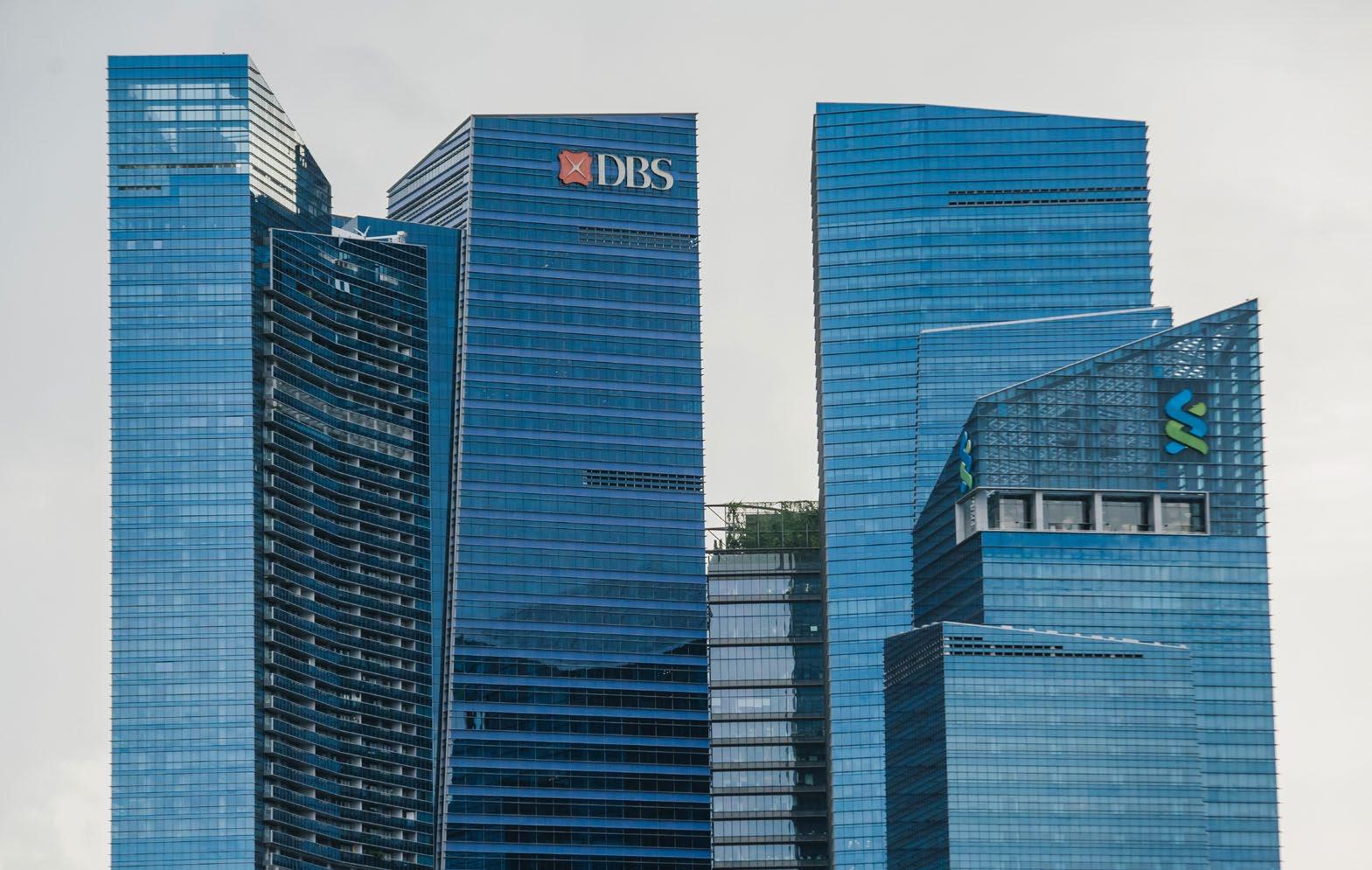
DBS Bank Ltd. remained the biggest employer amongst Singapore banks, increasing its headcount by 0.9% to 14,877 employees at the end of 2025 from a year earlier, according to its sustainability report.
In a 19 May statement, DBS said it plans to hire more than 500 young local talents in 2026 through its management associate, internship, and traineeship programmes.
The bank expects to recruit 112 management associates, double its average annual intake over the previous two years, alongside more than 400 interns.
The hiring push at DBS contrasts with the broader caution in the sector, suggesting selective expansion in early-career pipelines even as senior hiring becomes more restrictive and multi-layered.
Oversea-Chinese Banking Corp. Ltd. (OCBC) remained the secondbiggest lender by workforce size, with 12,338 permanent employees across its banking, insurance, and wealth businesses, including Great Eastern Holdings Ltd. and Bank of Singapore Ltd.
United Overseas Bank Ltd. (UOB) ranked third, with 9,547 permanent employees at end-2025, down 4.48% from a year earlier.
‘Soft skills’
According to recruiters, hiring demand is increasingly concentrated in AI, data analytics, and governance roles, particularly as regulators intensify scrutiny of technology use in financial services.
Ken Ong, managing director at Morgan McKinley, said demand for AI governance professionals is rising as banks expand use of machine learning and generative systems across operations.
The Monetary Authority of Singapore proposed AI risk management guidelines in November 2025 and introduced an AI risk management toolkit in March 2026. The toolkit, developed with 24 banks, insurers, and industry players, sets out frameworks to manage risks from traditional AI, generative AI, and agentic AI systems.
Recruiters said this regulatory push is reshaping hiring priorities,
Fifteen of Singapore's biggest banks employed a combined 56,378 people in 2025
are becoming more measured in their hiring decisions amidst this geopolitical uncertainty
Michael Nette
Madiha Ridza
RANKINGS: BANKS
Most improved net employment outlook across key industry sectors
Source: Manpower Group Employment Outlook Survey 2026
with banks increasingly seeking candidates who can bridge compliance, risk management, and technology deployment.
Lester Qin, managing director at Ambition, said employers are prioritising adaptability and crossfunctional capability alongside technical expertise.
“They hugely emphasise soft skills nowadays, your adaptability, your growth mentality, rather than purely technical experience itself, because positions nowadays are very hybrid and very dynamic,” he told Singapore Business Review.
Ridza said banks want “hybrid banking talent” or professionals who can combine traditional banking knowledge with data, automation, and digital transformation capability.
Competitive hiring
At the same time, entry-level hiring is becoming more competitive. Nette said graduates from local universities once had clearer pathways into major banks such as DBS, OCBC or Standard Chartered Plc, but those routes have narrowed as automation and AI reshape junior roles.
He said some operational and technology support functions previously based in Singapore are now being relocated to lower-cost markets. Many technology operations and lower-level support roles that were previously based in Singapore have shifted to markets such as Malaysia, Nette told the magazine.
Recruiters said this reflects a broader regional restructuring, where Singapore is increasingly positioned as a strategic decisionmaking hub whilst execution-heavy
functions are shifted offshore.
Ong said this model is becoming more common across financial services firms in Asia.
“Being a headquarters in financial services doesn't mean that everything has to be done locally,” he said. “Anything that is more operational—middle to back office function—I believe offshoring will continue to happen in our neighbouring countries.”
Despite cost discipline, recruiters said banks are not retreating from hiring altogether. Instead, they are extending timelines and tightening evaluation standards to ensure alignment across business strategy, compliance expectations, and technology requirements.
Qin said contract hiring has stabilised compared with last year but is increasingly concentrated in replacement roles, sabbatical coverage, and project-based needs
They hugely emphasise soft skills nowadays rather than purely technical experience itself
rather than expansion hiring.
There’s been a decline in projectbased contract roles, Ong said. “A lot of projects finished at the end of last year and at the start of this year.”
He added that some contract positions are being converted into permanent roles during probation periods as banks seek to retain talent after initial hiring.
Data from Singapore’s three biggest banks shows a steady decline in contract staff over the past two years.
DBS reported 42 contract employees in 2025, down from 50 in 2024 and 57 in 2023. OCBC reduced contract staff to 296 from 332 and 437 over the same period, whilst UOB lowered its contract workforce to 437 from 460 and 506.
Recruiters said demand for developers and coders has flattened compared with earlier years as banks focus more on optimisation than expansion. At the same time, compensation remains competitive for critical roles, particularly in AI, cybersecurity, and risk management, with banks still willing to pay above-market rates for high performers.
Flexible work arrangements remain a recruitment tool, particularly amongst digital banks and fintech firms competing for experienced professionals.
Candidates are increasingly weighing stability, career development, and training opportunities alongside salary when evaluating offers, reflecting a more cautious labour market environment, according to Ridza.
Lester Qin
Ken Ong
RANKINGS: BANKS
Why are jobseekers missing better matches?
New hiring filters are changing what counts as the right fit.
Hiring in Singapore is becoming more misaligned as employers redesign roles around skill clusters, tighten screening criteria and rely more on artificial intelligence (AI) tools, whilst job seekers continue to conduct broad searches and struggle to match changing requirements, analysts said.
“This includes redesigning roles around skill clusters rather than rigid job descriptions,” Samantha Tan, human resource business partner at Jobstreet by SEEK Ltd., told Singapore Business Review.
She said information technology job applications have risen by triple digits, whilst science and technology roles have posted a 29% increase.
Tan said employers are moving away from looking for a perfect candidate match and focusing more on transferable experience and adjacent skills.
Amidst emerging roles, she noted that mismatches are growing as job seekers struggle to keep pace with changing skill requirements.
Hiring teams are applying sharper filters to identify suitable applicants even as vacancy levels remain steady.
Sean Tan, career business leader at Mercer (Singapore) Pte. Ltd., a unit of Marsh LLC, said employers are prioritising skills linked to adaptability, collaboration and learning as job scope shifts across industries. He said expectations around role flexibility and growth have become central to hiring decisions.
What deters candidates
Vacancy data suggests the gap is not caused by a lack of roles. Jobstreet data shows employers continued to post openings even as candidates searched without specifying roles or functions.
Vacancies rose to 77,700 in December from 69,600 in September, according to the Ministry of Manpower’s labour market report, yet many searches remained nonspecific.
“The volume of blank searches suggests there isn’t an absence of jobs, but a gap between what job seekers think is available and the skills they have,” Jobstreet’s Tan said.
She recommended that employers improve job clarity through more precise titles and descriptions.
She added that unclear job titles and descriptions often deter candidates from applying, even when roles are open.
Salary continues to matter, but it is no longer the dominant factor shaping career moves, she said. Job seekers are increasingly weighing pay against job security, flexibility, mental health, and progression.
“We found that 32% of employees would accept a higher salary for less job security, but 30% would accept lower pay for better work-life balance,” said Jobstreet’s Tan, adding that this reflected the shifting priorities of job seekers.
Mercer data shows 53% of employees would consider leaving for higher pay, whilst 43% cite reduced flexibility as a reason to leave. About 63% said they would give up a 10% pay increase for opportunities to build digital and AI-related capabilities, Mercer's Tan said.
“About 46% of employees say flexibility is very important to them, whilst only 37% feel that employers are already
providing it. This gap represents a key differentiator for employers,” Jobstreet’s Tan said.
Prestige is carrying less weight. Candidates are prioritising role fit over brand names as they assess long-term work sustainability, according to Yvonne Teo, vice president of human resources for the Asia-Pacific at Automatic Data Processing, Inc. (ADP).
“Candidates are prioritising culture, flexibility, and purpose over company size and prestige,” she said in a separate interview. She added that these expectations are no longer differentiators but baseline requirements.
Widening talent pools
Teo said healthcare benefits are also gaining importance as job seekers take a broader view of employment value. Credibility has become critical, with applicants increasingly testing whether employer promises align with employee experience.
“For employers, this means that the employee value proposition must be both clear and credible. It’s not just about messaging but also about delivery: how managers lead, how flexible policies are implemented, and whether employees see real opportunities for growth,” she added.
Mercer’s Tan said hesitation often reflects uncertainty over role scope, compensation, and flexibility even when vacancies exist. Teo said outcome-focused job descriptions and clearer definitions of essential functions could widen talent pools and reduce mismatches.
Both Jobstreet’s Tan and Teo noted that storytelling is becoming a trend amongst employers, where employee experiences and insights help job seekers evaluate their choices. They also highlighted that employers who better connect with candidates improve understanding of roles being applied for.
“Organisations that can demonstrate consistency between what they promise and what employees experience will be better positioned to attract and retain talent,” Teo added.
Recruitment processes are also becoming more data-led. Employers are using AI to support shortlisting, workforce forecasting, and retention modelling, she added.
Vacancies rose to 77,700 in December from 69,600 in September
Samantha Tan
Sean Tan
Yvonne Teo
HR & EDUCATION
Exceptional companies honoured at Singapore Business Review Technology
Singapore’s tech landscape is undergoing a transformation as organisations accelerate their adoption of digital solutions.
Driving innovation in one of the world’s most advanced digital economies are initiatives in areas such as artificial intelligence, cybersecurity, fintech, and smart city development.
This technological revolution took centre stage at the Singapore Business Review Technology Excellence Awards 2026, which honoured the businesses and organisations leading digital transformation across industries.
The awards programme, which was held on 9 April 2026 at Marina Bay Sands Expo and Convention Centre, gathered industry leaders, innovators, and technology pioneers and showcased how technology continues to redefine the tech landscape in Singapore.
The awards programme honoured companies that demonstrated exceptional creativity, execution, and impact in their technology-driven initiatives. These organisations have set
SBRTECHNOLOGY EXCELLENCEAWARDS 2026WINNERS
AeroHub
• Infrastructure Technology - Travel Services
AIA Singapore
• AI - Life Insurance
• Mobile - Business Insurance
Amplify Health
• AI - Health Insurance
• Enterprise Software - Health Insurance
Aventude Pte. Ltd.
• Information Management - Computer Software
BLU MARITIME CONSULTANCY PTE LTD
• Analytics - Marine Services
bolttech
• AI - Health Products & Services
Bridge Data Centres
• Data Centre - Data Centre
• ESG Tech - Data Centre
Canopy
• Fintech - Financial Technology
CapitaLand Investment
• AI - Retail
Cartrack Singapore
• IoT - IT Services
Changi Airport Group & Certis
• Digital - Aviation
ChemT Biotechnology
• AI - Healthcare Technology
Cynosure Lutronic
• Machine - Healthcare Technology
new benchmarks for innovation, delivering solutions that enhance operational performance, improve customer experiences, and accelerate digital transformation.
The Singapore Business Review Technology Excellence Awards 2026 celebrates remarkable achievements and fosters collaboration amongst Singapore’s most forward-thinking organisations.
The judging process from which the winners emerged was spearheaded by a panel of experts. This included Cheong Chew Wai, Technology & Transformation Partner, Deloitte Southeast Asia; Lee Ser Yen, Partner, Cyber, Advisory, KPMG; Marita Vavoulioti, Partner - Digital, Data, Growth, Bain & Company; and Ram K Narasimhan, Asean Digital and Technology
Transformation Leader, EY, who assessed based on innovation, effectiveness, and measurable impact within the nominees’ respective sectors.
Congratulations to all the winners for their outstanding contributions to advancing technology in Singapore!
DayOne Data Centers
• Emerging Technology - Data Centre
DiMuto Pte Ltd
• Software - Agriculture
Funding Societies Pte. Ltd.
• Fintech - Financial Services
GECO Asia
• AI - IT Services
Globant
• AI - Tourism
Great Eastern
• Digital - Life Insurance
Grundfos (Singapore) Pte Ltd
• Emerging Technology - Manufacturing
GSK
• AI - Pharmaceuticals
Home Team Science And Technology Agency and LPS
• Cloud - Government Organisation
Hong Leong Finance Limited
• API - Financial Services
HP Inc
• Automation - Computer Hardware
• Computing - Electronic Manufacturing
HSBC Life Singapore
• Infrastructure Technology - Life Insurance
Huttons Asia Pte Ltd
• PropTech - Real Estate
IBM Manufacturing Solutions Pte Ltd
• Emerging Technology - Government Organisation
IHH Healthcare Singapore and FPT
• Augmented Reality and Virtual Reality - Healthcare
INSEAD
• Online Services - Education
Intel Technology ASIA Pte Ltd
• Analytics - Semiconductor
Jabil Singapore
• Automation - Manufacturing
K2 Strategic
• Sustainable Tech - Data Centre
Kaplan Higher Education Academy
• AI - Education
Keppel Technology Solutions
• Cloud - Non-Profit Organisation
Klook
• AI - Travel Services
KPay Singapore
• Fintech - Business Services
LexisNexis Southeast Asia
• AI - Legal
Longbridge Securities (Singapore)
• AI - Brokerage
Luli Singapore
• AI - Food & Beverage
Million Advertising & Silk-Screen Pte Ltd
• Enterprise Software - Manufacturing
Mindsprint PTE LTD
• AI - Supply Chain
MoneyOwl
• Online Services - Financial Services
Nanyang Technological University
• IoT - Education
• Web Services - Education
nSearch Technologies
• Enterprise Software - Human Resource Technology
NTUC LearningHub
• Digital - Training & Development
Olam Food Ingredients
• ESG Tech - Food & Beverage
OMNIVISION
• AI - Semiconductor
OOOLAB
• AI - Training & Development
Peak3
• Cloud - Financial Services
Power Technologies
• Analytics - Utilities
• IoT - Energy
PropNex Realty
• Analytics - Real Estate
REALTEK SINGAPORE
• Connectivity - Semiconductor
• IoT - Semiconductor
RegASK
• RegTech - Computer Software
Resulticks
• Big Data - Transportation
• Software - Travel Services
Savant Degrees
• Fintech - Retail
SBS Transit Ltd
• Emerging Technology - Transportation
Sephora Asia Pte Ltd
• Digital - Retail
• E-Commerce - Retail
SIA Engineering Company
• AI - Aviation
Singapore Management University
• Automation - Education
Singtel
• AI - Telecommunications
• Enterprise Software - Telecommunications
SKYLAB HOLDING PTE LTD
• Infrastructure Technology - Computer Software
StarHub Ltd.
• Automation - Hospitality & Leisure
Statrys
• Fintech - Accounting Services
Suntory Business Expert APAC (SBEAP)
• Blockchain - FMCG
• Digital - Luxury Retail
Tetherfi
• AI - Computer Software
Tianjin Pharmaceutical Da Ren Tang
• Information Management - Pharmaceuticals
Tiger Brokers (Singapore)
• Fintech - Brokerage
Trip.Biz
• Online Services - Travel Services
Trust Bank Singapore
• Digital - Banking
Univers
• AI - Renewable Energy
• Smart City - Energy
Wubble.ai
• AudioTech - Music
Zodia Custody
• Blockchain - Financial Technology
EVENT: SBR TECHNOLOGY EXCELLENCE
Award winners
AIA Singapore Amplify Health
Aventude Pte. Ltd.
BLU MARITIME CONSULTANCY PTE LTD bolttech
Bridge Data Centres
CapitaLand Investment
Changi Airport Group & Certis Cynosure Lutronic
DayOne Data Centers
GECO Asia
Globant
Great Eastern
Grundfos (Singapore) Pte Ltd
Home Team Science And Technology Agency and LPS
HP Inc
HSBC Life Singapore
EVENT: SBR TECHNOLOGY EXCELLENCE
Huttons Asia Pte Ltd
IHH Healthcare Singapore and FPT
Intel Technology ASIA Pte Ltd
K2 Strategic Kaplan Higher Education Academy
Keppel Technology Solutions
Klook
LexisNexis Southeast Asia
Longbridge Securities (Singapore)
Luli Singapore
Million Advertising & Silk-Screen Pte Ltd Mindsprint PTE LTD MoneyOwl
Nanyang Technological University
NTUC LearningHub
Olam Food Ingredients
OMNIVISION
PropNex Realty
Power Technologies
REALTEK SINGAPORE
Resulticks
Savant Degrees
SBS Transit Ltd
Sephora Asia Pte Ltd
SIA Engineering Company
Singapore Management University Singtel
SKYLAB HOLDING PTE LTD
StarHub Ltd.
Statrys Tetherfi
Tiger Brokers (Singapore) Trip.Biz
Univers
How Mindsprint is rewiring procurement and commodity trade in a volatile supply chain era
Mindsprint's AI‑native platforms helped a leading Singapore Food & Agri conglomerate manage spending and annual trading value with end‑to‑end visibility from sourcing to settlement.
Global supply chains are facing relentless volatility with commodity prices shifting overnight, freight networks rerouting mid-voyage, and supplier risks surfacing without warning. Yet most enterprises still operate on manual workflows and siloed systems. Leading tech firm Mindsprint is changing that.
Working with one of Singapore’s leading Food & Agri manufacturing conglomerates, Mindsprint rebuilt procurement and
trade operations from the ground up, and deployed two purpose-built, AI-native platforms: Procuresprint®, its Source-toPay platform, and TradeSprint®, its cloudagnostic CTRM platform designed for Agri and manufacturing firms.
Whilst each platform delivers transformative value independently, together they give enterprises end-to-end visibility across procurement, logistics, trade, and finance.
With Procuresprint®, the company managed $200M+ in spend, delivered up to 10% cost savings, ~60% faster sourcing cycles, ~80%supplier consolidation gains, and 100% data-driven bid evaluation.
RFx processes now run 4–6X faster, compressing multi-week cycles into near real-time decisions.
Tradesprint® served as the central system
for global trading operations, delivering end-to-end trade lifecycle management, from deal capture through execution, logistics, and financial settlement. It supported 130,000+ shipments and 240,000+ derivatives contracts, amounting to $20B+ in annual trading value. A unified reporting layer allowed seamless extraction of P&L, risk analytics, and compliance reports, ensuring accuracy and audit readiness.
From spreadsheets to real-time intelligence, Mindsprint is turning supply chain complexity into a scalable, data-driven competitive edge.
Mindsprint built an AInative Deal-to-Delivery backbone for supply chain velocity
Digitalising Financial Workflows Through Automation and Cross-functional Collaboration.
Delivering better client experience with improved billing accuracy and shorter quote-to-cash cycle. TEAM
One Centralised Platform Unifying Capacity, Sales, and Partner Visibility.
Connecting data, processes and teams across a centralised platform, strengthening governance and accelerating response time to customers.
StarHub’s digital solution improves public safety whilst strengthening crowd and traffic management at event venues.
In Singapore, where large-scale events are common, managing the movement of people and vehicles is essential to public safety and operational continuity. From concerts and exhibitions to large-scale MICE events, organisers must ensure seamless experiences while ensuring a safe environment.
At one of Singapore’s largest MICE venues, vehicle access at loading bays was previously managed through manual verification processes. During peak periods, this created operational bottlenecks, resulting in congestion, delays, and limited visibility over vehicle flow and crowd movement. The lack of near real-time insights made it challenging for teams to proactively monitor situations, respond quickly to incidents and maintain smooth operations.
Strengthening Public Safety Through Better Traffic and Crowd Control
To address these operational challenges, StarHub co-created an integrated digital solution that connects multiple devices and systems like cameras, access control systems, and car park gantries. Leveraging multiple analytics solutions, the solution provides teams with better visibility, real-time insights and greater control over event operations.
Vehicle access is now automated using license plate recognition, with vehicle validation, entry, and dwell time monitoring fully digitalised. Combined with real-time crowd monitoring and full traceability, operations teams gain greater visibility and control, enabling faster detection of crowd build-ups or unusual activity and supporting faster incident response through proactive alerts.
www.starhub.com/enterprise
The improvements have delivered significant operational efficiencies.
Vehicle processing time has been reduced from 10 minutes to 10 seconds, while waiting times have dropped from 30 minutes to approximately five minutes—even during peak periods. Traffic flow has improved, congestion at critical access points has eased, and operations teams can manage the movement of people and vehicles more proactively to enhance public safety.
The solution also supports sustainability goals by reducing waiting times and vehicle idling, lowering fuel consumption and carbon emissions without adding operational complexity.
Designed for scalability, the digital solution can be applied across other high-traffic environments,including transport hubs, retail developments, and large integrated facilities. This deployment reflects StarHub’s vision to be a leading smart city service provider, delivering solutions that are smart, safe, and sustainable through close co-creation with clients.
HP Inc wins at Singapore Business Review Technology Excellence Awards 2026
Two projects from the company showcase efficiency and precision in testing and manufacturing operations.
HP Inc won the Automation - Computer Hardware and Computing - Electronic Manufacturing in the Singapore Business Review Technology Excellence Awards 2026 for two initiatives that strengthen their testing and high-volume manufacturing capability.
HP Inc’s Inkjet Supplies Development and Operations (ISDO) in Singapore plays a critical role in the company’s global printing ecosystem, serving as one of HP’s key manufacturing and development hubs for inkjet print supplies. Since 1989, the site has grown into a cornerstone of HP’s global inkjet operations, supporting customers and markets across the globe. As part of ISDO, HP Singapore’s New Product and Development Introduction (NPDI) Lab bring new inkjet innovations from development
through to production with a strong focus on quality and customer experience.
Automation ‑ Computer Hardware
At the NPDI Lab, testing is a critical responsibility alongside Supplies R&D, ensuring product quality, reliability, and superior customer experience. The Automation Project introduced a fully in-house automated solution for crossplatform testing, replacing slow, manual procedures.
The system captures interface messages across printer control panels, mobile applications, and web portals, aggregates troubleshooting logs, and presents results through intuitive dashboards.
This approach reduced engineering effort by more than 50% during the pilot
phase and is expected to unlock significant long-term cost savings whilst improving engineering productivity and speedto-market through accelerating issue detection and resolution of messaging errors, improving testing speed and reliability whilst supporting subscription services and global market needs.
Computing ‑ Electronic Manufacturing
One of the challenges in HP’s previous semi-automated processes was variability and the reliance on manual inspection at the downstream manufacturing stage, which impacted product quality and costs, said Kenneth Lee, Engineering Manager. To address these concerns, NPDI Lab implemented the Inkfill Digitization process improvement, a controlled
HP Inc at the Singapore Business Review Technology Excellence Awards 2026
system for real-time monitoring of ink-fill conditions in inkjet printhead manufacturing. The system captures body vacuum, nose vacuum, and critical vacuum input parameters across various phases of the ink-fill cycle, enabling engineers to detect abnormal behaviour, reduce process variability and ensure quality.
By digitising analog signals and integrating them with servo-driven outputs, the project enables the use of AI -assisted data analytics to be deployed for predictive monitoring, faster issue isolation, and improved manufacturing robustness.
Engineers can better visualise trends, apply statistical process control, and access historical data to support semiautomated production environments.
HP Inc’s ISDO in Singapore plays a critical role in the company’s global printing ecosystem
This shift transforms the process from reactive to proactive problem-solving, improving efficiency and delivering more consistent quality at a lower cost, whilst reducing waste and wasted man-hours of rework, Kenneth Lee, Engineering Manager added.
The future of work
The strong focus on outcome-driven innovation has allowed HP to convert
ideas into practical, scalable solutions that improve work efficiency, product quality, and customer experience, said Tai Hui Tan, Engineering Manager, adding that this culture empowers employees to build skills, actively explore, and experiment with ideas with customers in mind. To support this spirit of innovation, employees can tap into the company’s strong knowledge base and deep technical, business, and operations expertise across HP worldwide operations.
In a speech to accept the organisation’s recognition at the Singapore Business Review Technology Excellence Awards 2026 event on 9 April 2026 at the Marina Bay Sands Expo and Convention Centre, HP Product Development Senior Engineering Manager Zephyr Xie said, “The future of work is not just human versus machines. The future of work is humans with machines, leveraging the power of machines with purpose. In today's fast and evolving market, we need to leverage the power of AI in order to constantly innovate and seek new and advanced ways to do research, development, and testing to deliver better solutions for our customers.”
About the awards programme
The Singapore Business Review Technology Excellence Awards is the most prestigious awards programme for technological innovations, recognising exceptional companies across Singapore that are riding the digital disruption wave and leading the technological revolution and digital journeys of their respective industries.
Changi Airport Group & Certis wins Digital ‑ Aviation category at SBR Technology Excellence Awards 2026
Airport Pass in Changi transforms airport staff access management with a faster and smarter digital automation journey.
At Changi Airport, one of the world’s busiest airports, secure and seamless staff access is fundamental to keeping operations running smoothly.
About 60,000 airport personnel, partners, contractors and business visitors use their airport pass daily to support airside, retail and operational functions. Efficient and secure backend access management is therefore mission-critical.
From manual processing to end‑to‑end digital automation
To meet this need, Changi Airport Group and Certis developed Airport Pass in Changi (APIC), replacing a manual, counter-based process with a secure, end-to-end digital ecosystem.
By integrating Singpass authentication, automated verification workflows, online payment, and biometric facial verification at self-service kiosks, APIC transforms the entire application and issuance lifecycle into a seamless digital journey.
Companies that require airport passes for their employees will initiate the application online, assign access zones and expiry dates, and send a secure link to the applicant. Applicants complete the online form with personal details autopopulated from Singpass MyInfo, upload a
APIC transforms the entire application and issuance lifecycle into a seamless digital journey
photo, complete the required security and safety briefing, make payment online, then schedule biometric enrolment and pass collection. The collection process at the selfservice kiosks then automatically verifies the submitted photo, ID photo and live photo through facial recognition.
85% reduction in collection time, up to 1,500 passes daily
The impact has been significant. The Seasonal Airport Pass Office now operates seven APIC self-service kiosks and processes an average of 250 airport passes daily. Since implementation, the average seasonal pass collection time has been reduced from approximately 90 minutes to just 10 minutes – representing an 85% reduction. Operating around the clock, the Visitor Pass Offices across Terminals 1 to 4 collectively handle an average of 1,300 passes daily. Previously, waiting times during peak periods ranged from 30
to 60 minutes. After the installation of APIC self-service kiosks, waiting times have been reduced to no more than five minutes – an improvement of up to 80%. The introduction of disposable wristbands also eliminates the need for ID exchange and removes the requirement for a return visit. Visitor entry and exit records are digitally tracked through the system, with automated alerts triggered if a visitor remains in restricted areas beyond a preset threshold.
Increased operational efficiency and workforce optimisation
Beyond enhancing applicant experience, APIC has significantly reduced backend processing workload. Automation of document verification, approval routing, data validation and payment handling has optimised manpower utilisation, contributing to a 30% headcount reduction at the Airport Pass Office. Remaining staff have been redeployed to higher-value security and compliance tasks such as exception handling, oversight, and security assurance. The transformation improves productivity, cost efficiency, and service quality simultaneously.
Beyond efficiency gains, APIC enhances security integrity. By leveraging Singpass authentication, MyInfo trusted data, biometric facial verification, and automated audit logs, the system reduces human error and strengthens identity assurance.
The platform was designed with scalability and adaptability at its core. It supports increasing traffic volumes and evolving regulatory requirements. Its modular architecture enables continuous enhancements as digital identity standards and aviation security technologies evolve.
APIC demonstrates how secure automation can modernise critical airport infrastructure without compromising compliance. It positions Changi Airport at the forefront of digital access innovation and establishes a new benchmark for secure, scalable airport pass management.
85% Reduction in Airport Pass Collection Time
Embedded AI for threat detection, trend prediction and assisted decision-making
Democratised configurability and control of workflows and forms for end-users
Self-learning intelligence that detects meaningful anomalies in real time
Natural-language configuration and conversational incident management for intuitive human-AI interaction
Frontier AI-enabled security operations built for scale, complexity and diverse environments
Autonomous Security for Real-World Operations
Multi-form-factor fleet with purpose-built payloads for security and inspection, concierge, housekeeping and beyond certisgroup.com | mozart.sg
Proven across commercial spaces and critical infrastructure in real-world deployments
Huttons Asia Pte Ltd drives rapid PropTech transformation with Whole‑of‑Huttons strategy
The company transforms real estate with AI, data‑driven tools, and PropTech innovation, driving faster execution.
In just one year, Huttons leapfrogged the real estate landscape—powered by a Whole-of-Huttons approach that brought together technology, projects, operations, and leadership with speed and clarity.
At the heart of this transformation is a disciplined approach grounded in firstprinciples thinking. By understanding challenges at their core, each department worked in sync to design meaningful solutions. Led by Linus Low, Director of Transformation at Huttons Asia Pte Ltd, whose expertise spans Cognitive Systems Engineering and over 17 years in PropTech, Huttons redefined how real estate problems are solved, turning complexity into clarity and ideas into execution.
Going beyond traditional roles
This foundation has elevated advisors beyond traditional roles. Equipped with data-driven insights and purpose-built tools, they are able to deliver sharper positioning, stronger recommendations, and greater value, earning deeper trust from clients.
These capabilities come to life through Huttons’ suite of PropTech distinctives. Regular Technology Showcases at Huttons demonstrate how tools such as Investor Map and SuperSuit translate innovation into realworld advantage.
The MasterPlan Matrix, enables advisors to compare the 2014 and 2025 Master Plans side by side, spotting differences
in seconds through its dynamic “blinking” feature. This allows quick identification of transformation intensity across locations, helping advisors assess which projects offer stronger growth potential and deliver greater value to clients.
For those ready to experience these capabilities firsthand, connect with Linus Low, a DSTA scholar and 1st Class Honours graduate from NUS, Dean’s List recipient, with extensive PropTech experience driving innovation in real estate.
Huttons achieved a significant milestone by winning the PropTech - Real Estate award at the Singapore Business Review Technology Excellence Awards 2026. This recognition is not just an accolade, but it is clear proof of the transformation achieved within a year, where vision has been translated into real, measurable impact.
A Whole‑of‑Huttons approach
Looking ahead, the focus remains on scaling PropTech distinctives, deepening AI capabilities, and accelerating agent success across the board. With a Whole-of-Huttons approach led by the Transformation Office, the company is committed to delivering outcomes that are faster, better, and smarter for both agents and clients.
For those ready to embrace technologydriven growth, Huttons welcomes you to experience how innovation is shaping the future of real estate.
From left to right: Rex Tan, Chief Agency Officer; Linus Low, Director of Transformation; Steve Siu, Director of IT; and Jerome Loh, Director of Operations
Linus Low, Director of Transformation at Huttons Asia Pte Ltd
MasterPlan Matrix
Singapore Management University wins at Singapore Business Review Technology Excellence Awards
The SMU Lost and Found App replaces manual paper‑based logging with an automated system.
Singapore Management University won Automation - Education in the Singapore Business Review Technology Excellence Awards 2026. The university developed an inhouse digital platform to transform how lost items are managed across its campus.
Losing personal items often causes significant frustration for students and the public. Before the implementation of this digital solution, the journey of a lost item involved multiple manual steps. Security officers and finders filled out detailed hardcopy forms for every found object. This manual process took up to ten minutes for complex cases like backpacks containing multiple items. Staff then manually entered these paper records into a central spreadsheet for tracking.
The reliance on physical logs created several challenges for the Office of Safety and Security. Vague descriptions or illegible handwriting frequently slowed down the matching process. Staff spent considerable
time flipping through documents to verify ownership, whilst photos of found items could not be attached to the paper records. With up to 300 items logged in a busy month, the administrative burden remained high.
Automated matching
Singapore Management University addressed these inefficiencies through a deep partnership between the Office of Safety and Security and IITS. The resulting SMU Lost and Found App uses computer vision and automated matching to revolutionise the user experience.
Finders could now snap a photo of an item they found, and the system will then automatically tag and cross-reference it against lost reports in milliseconds.
Automated matching
The impact of the new system was immediate. Documentation time dropped significantly, as staff now log items in under 60 seconds. Users lodge lost reports online via a QR code instead of visiting a security counter. Since its implementation in May 2025, the system has recorded 80 claimed items, averaging eight successful returns per month. Staff hours previously dedicated to manual logging and physical searching were reduced by approximately 75%. This allows personnel to focus on higher-value campus security tasks whilst improving data integrity and security protocols. The time-to-return duration also dropped from days to just a few hours in many instances.
The university developed an in-house digital platform to transform how lost items are managed across its campus
Grow your membership. Not your headcount.
Amplify Health breaks the structural link between claims volume and operational cost – without the integration complexity that has held back scalable health insurer modernisation in APAC.
Amplify Health’s platform uses AI to encode health claims data across 50+ clinical schemas at scale –creating a unified semantic layer that enables every component of the claims system to operate in a single shared vocabulary, from intake to adjudication.
Systemic Flexibility – our breakthrough architectural approach – resolves the integration paradox at the heart of health payor modernisation: a fully integrated modern claims system, without the cost, disruption, or risk typically associated with large-scale claims modernisation.
The result: operational capacity that scales with membership growth – not against it.
Transform your health claims system with us.
Business impact by first year of deployment:
~35% improvement in detection of claims leakage ~50%
Amplify Health resolves the Paradox holding back Health Payor Transformation in Asia
By breaking the link between growth and overhead, Systemic Flexibility enables payors to bypass decades of technical debt and scale operations without proportional increases.
Health payors across Asia-Pacific are caught in a deepening operational bind. As claim volumes grow and clinical complexity rises—driven by multi-morbidity management, personalised therapeutics, and expanding provider networks—legacy systems built for simpler fee-for-service care are buckling under the load.
Yet the path to modernisation has proven equally daunting. Middleware solutions promise quick connectivity but leave underlying data fragmentation untouched, accumulating technical debt over time. Modular phased migration approaches address root causes but generate proliferating integration complexity as each rebuilt component must continuously synchronise with remaining legacy systems. Both approaches share a more fundamental failure: they do not resolve the semantic disconnection between system components, where benefits are defined in business language, claims arrive as free text, contracts are drawn up in legal terminology, and clinical guidelines use medical vocabulary.
A unified semantic layer as the foundation Working in close co-innovation with health payors across APAC, Amplify Health has developed an innovative solution to this dilemma: Systemic Flexibility, an architectural approach combining complete system integration with adaptive deployment. At its core is a unified semantic layer grounded in 50+ international and local clinical coding schemas that establishes a single common language across every component of the claims system.
This is complemented by a data-driven deployment methodology that adapts to each payor's operational reality rather than imposing a standardised rollout sequence.
Platform for healthcare's unique demands
Amplify Health’s integrated claims system comprises four AI-driven components. An NLP-enhanced OCR engine extracts and structures claims data from any format, such as paper invoices or PDFs, into FHIRcompliant data. Free-text clinical information is translated into standardised clinical codes through a proprietary multi-stage generative AI clinical encoder with built-in confidence assessment that routes uncertain cases for human review, rather than hallucinating incorrect codes. Encoded claims are then autoassessed by a unified adjudication engine, which integrates member policies (benefits), provider contracts (tariffs), clinical guidelines and claim rules (SOPs) and is configurable directly by business users through governed no-code templates. Granular detection of potential fraud, waste, and abuse (FWA) is then performed by machine learning models that identify overcharging, procedurediagnosis mismatches and suspicious service combinations and provide transparent, clinically-informed explanations for assessors to evaluate specific claim lines rather than re-examining entire claims.
Major health payor's year one results
A leading health payor in the Asia-Pacific deployed Amplify Health's platform to address three compounding operational challenges: high manual processing costs, creating linear headcount dependency, substantial claims leakage from inconsistent adjudication, and slow turnaround times affecting member and
Healthcare transformation is as much a human challenge as a technical one
provider experience.
Critically, the organisation can now scale membership and expand its provider network without proportional increases in administrative staffing, breaking the structural constraint that had held back profitable growth.
AI that augments, not replaces
Amplify Health's approach recognises that healthcare transformation is as much a human challenge as a technical one. Rather than automating assessors away, the platform elevates their role, from navigating fragmented systems to curating progressively sophisticated AI capability.
For health payors across APAC confronting the same operational crisis, a critical consideration in any modernisation path is what happens to control of core adjudication logic. Conventional platforms and the middleware and modular migrations that preceded them embed that logic inside vendor-controlled systems, creating dependencies that are difficult and costly to unwind. Amplify Health's no-code configuration model shifts this dynamic materially: payors author, own, and evolve their benefit rules and tariff logic directly in the clinical coding vocabulary they control. The result is a modernisation path that delivers operational scale without linear cost growth and without surrendering strategic control over the rules that govern every claim the organisation processes for growth.
Amplify Health receiving two accolades at the SBR Technology Excellence Awards
Axel Baur, Chief Executive Officer of Amplify Health
AIA Singapore secures double victory at the SBR Technology Excellence Awards 2026
AIA Singapore sets a new benchmark for how tech can transform insurance, healthcare, wellness, and financial advisory.
AIA Singapore (AIA) has clinched two wins at the Singapore Business Review Technology Excellence Awards 2026, taking home the Mobile - Business Insurance award for AIA+ mobile application which integrates financial services, healthcare and wellness into a single platform for both individual and corporate customers and the AI - Life Insurance award for Project Megatron, a generative AI (GenAI)-powered Product Enquiry Bot that elevates both customer experience and its AIA consultants productivity. Together, these award-winning innovations showcase how AIA is redefining the holistic financial services, healthcare and wellness experience for both customers and AIA consultants.
AIA+: Delivering an unrivalled digital health ecosystem for all customers
AIA+ seamlessly integrates insurance, wellness, and healthcare into a one-stop platform— giving customers direct access to a comprehensive suite of AIA's financial and healthcare services, streamlining everything from their wealth management needs and insurance portfolio to finding a doctor, making appointments, checking insurance coverage, managing payments, and submitting claims. This also includes customers’ access to AIA Vitality, one of the most comprehensive wellness programmes in Singapore that guides, motivates and supports its members to better health.
In 2025, AIA+ expanded its capabilities to serve corporate customers, making AIA the first insurer in Singapore to consolidate both individual and corporate policies into one integrated mobile platform. This market-first
innovation creates a single, powerful ecosystem that enables customers to manage their holistic wellbeing more seamlessly than ever before.
At the core of the experience is a personalised dashboard that adapts to each customer’s profile, surfacing the most relevant information, insurance reminders, and frequently used services across both personal and corporate policies. The result is a smarter, more convenient user journey that makes it easier for customers to take control of their holistic wellbeing.
AIA+ also serves as a gateway to AIA’s comprehensive wellness ecosystem, including Think Well, the region’s first insurer-backed, end-to-end mental health solution, addressing a critical need for workplace resources.
AIA+ seamlessly integrates insurance, wellness, and healthcare into a one-stop platform
Financial wellbeing is a crucial part of overall health, and AIA+ helps customers manage their finances with ease and confidently plan for their future. A market-first function in insurers’ mobile apps in Singapore, customers can directly and securely connect to SGFinDex through AIA+ to gain a consolidated view of their financial information. AIA+’s strong adoption underscores its impact. The platform has grown to over 1.3 million registered users and its app store rating achieved 4.7 in December 2025 — clear evidence of its success in redefining the digital insurance experience.
Project Megatron: AIA Singapore’s first product enquiry bot
Project Megatron represents AIA Singapore’s breakthrough in AI-driven
enquiry bot enablement. In a fast-evolving financial services landscape where products, regulations, and market conditions are constantly changing, AIA consultants need instant access to accurate, up-to-date information in order to help clients navigate this complexity confidently.
Powered by GPT-4o, Project Megatron is AIA’s generative AI-powered Product Enquiry Bot that eliminates operational bottlenecks and supercharges the efficiency, knowledge, and competency of its sales force.
The enquiry bot replaces the slow, manual process of handling product enquiries with a 24/7 intelligent chatbot solution that delivers instant, accurate, comprehensive, and up-to-date product information in seconds. This cutting-edge innovative solution sets a new benchmark for efficiency in the financial services industry and allows AIA consultants to focus on what matters most: delivering value and helping customers to live Healthier, Longer, Better Lives. In the world of financial advisory, accuracy and security of information is paramount. The GenAI Product Enquiry Bot was purpose-built to meet this critical need through five core digital architectural features:
• Strict source grounding from SharePoint document repository (“iKNOW”), which ensures that the Bot’s answers are drawn exclusively from AIA’s official product document repository, mitigating the notorious risk of GenAI hallucinations and information inaccuracy
• Continually updated knowledge with Retrieval Augmented Generation (RAG), keeping all product information up to date.
• Agentic AI to handle multi faceted, complex enquiries, deploying specialised Product Agents that act as domain experts, autonomously combining multiple tools to produce accurate, context-aware responses tailored to each specific query.
• Bespoke product mention feature for targeted searches, which enables real-time filtering, restricting searches to specific plans for faster, more precise results.
• Strict AI guardrails and privacy protocols for secure enterprise-grade use.
Project Megatron has transformed the way AIA consultants search for and leverage product knowledge, delivering tangible benefits as well as addressing operational challenges.
AIA Singapore at the Singapore Business Review Technology Excellence Awards 2026
Singtel honoured at SBR Technology Excellence Awards 2026 for advancing digital innovation
It clinched the AI ‑ Telecommunications Award for its AI Contact Centre, and Enterprise Software ‑ Telecommunications Award for its Empower Platform Digital Ecosystem.
Singtel has once again reinforced its leadership in digital innovation in the telecommunications industry. It was awarded top accolades for its AI-powered virtual assistant that delivers fast, seamless, and tailored customer support, and its Empower Platform Digital Ecosystem that enables a connected and collaborative ecosystem with innovative services and personalised insights.
Building a connected digital enterprise
Singtel’s Empower Platform Digital Ecosystem stands out as a flagship initiative that brings together customers, channel partners, and internal teams into a unified, collaborative digital environment. Designed as a scalable, multi-instance platform, it supports a diverse network — including SMEs, multinational corporations, government agencies, partners, vendors, carriers, and internal users — whilst delivering tailored services for each group.
At its core, the Empower ecosystem is built on four foundational pillars: APIs, Artificial Intelligence, Data Fabric, and Microservices. This architecture enables seamless data exchange, robust security, and an omnichannel experience, empowering stakeholders to co-create and innovate across the value chain. By centralising data and standardising processes, the platform breaks down silos and unlocks actionable insights for more personalised engagement. The platform has already demonstrated significant impact, with more than 100,000 users actively engaging with the ecosystem. Enterprise customers reported high satisfaction levels driven by its intuitive interface and self-service capabilities. AI-powered tools such as EMMA deliver personalised recommendations based
on usage patterns, whilst KAII enables faster, datadriven decision-making internally, reducing analysis time by up to 60%. Empower further strengthens partner collaboration through open API standards, including TM Forum-compliant integrations. Initiatives like SingVerify enable real-time identity verification across regional telco networks, supporting over 160,000 API calls and enhancing digital trust. In parallel, unified systems and reusable components have streamlined operations, reducing effort by approximately 30% and accelerating product development timelines, with major launches completed in under six months.
Looking ahead, Singtel plans to further expand the platform’s capabilities by increasing API-as-a-Service adoption, enhancing AI-driven insights, and scaling the ecosystem globally. By extending its reach across markets, Empower is set to enable deeper collaboration and unlock new growth opportunities for businesses within the ecosystem.
Transforming
customer engagement with generative AI
In parallel with its platform transformation, Singtel’s AI Contact Centre represents a major leap forward in customer engagement. The solution introduces an omnichannel, generative AI-powered virtual assistant capable of supporting both voice and digital interactions across multiple touchpoints.
Unlike traditional automation tools, which were largely limited to text-based queries, the AI Contact Centre integrates advanced speech-to-text and voice synthesis capabilities to handle more complex, multiturn conversations. Customers can now perform end-to-end tasks, such as scheduling appointments or completing transactions, through seamless, intuitive interactions without needing to escalate to a live agent.
The impact has been significant. The volume of cases handled by live agents has decreased by 10%, whilst resolution times for complex interactions have improved by 25%. Call containment rates have increased by 8%, reducing approximately 120,000
Empower brings customers, partners, and internal teams into a unified digital environment, enabling stakeholders to co-create and innovate across the value chain
calls annually. Customer satisfaction scores have also risen to above 80%, reflecting the effectiveness of the enhanced experience. Internally, the system also delivers operational efficiencies. Automated call summaries reduce handling times by an average of one minute per interaction, allowing agents to focus on higher-value, complex cases. This balance between automation and human support ensures that customers receive faster, more consistent service without compromising quality.
By leveraging generative AI, Singtel is redefining how customer service is delivered — moving from reactive support to proactive, intelligent engagement that anticipates customer needs and resolves issues more efficiently.
Driving forward with innovation
Singtel's dual recognition at the SBR Technology Excellence Awards 2026 reflects its vision to lead digital transformation in telecommunications, advancing both customer-facing and enterprise platforms.
The Empower Platform Digital Ecosystem and AI Contact Centre are more than technological innovations - they are strategic enablers of agility, scalability, and customer empowerment. By harnessing AI, data, and modern architectures, Singtel is shaping the future of digital services and driving sustainable growth.
Singtel at Singapore Business Review Technology Excellence Awards 2026
Empower Platform Team Photo
Realtek Singapore positions itself at the heart of automotive connectivity and AIoT
With over 150 million automotive chips shipped in two years and a breakthrough single‑chip AIoT platform, the company is helping define the future of connected mobility and smart devices.
Realtek Singapore has made an impressive debut on the awards stage, clinching two prestigious accolades. Whilst many know Realtek for its sound chips and the familiar crab logo on laptops, the company’s influence extends far beyond consumer electronics, reaching deep into the automotive and AIoT sectors.
Driving automotive innovation
The Realtek Singapore team plays a key role in advancing Realtek’s automotive innovation through the development of advanced automotive chip architectures. At the core of these solutions is Realtek’s highspeed automotive Ethernet backbone, which enables low-latency, real-time connectivity for modern vehicles. By replacing traditional wiring systems with a single twisted-pair architecture, Realtek improves vehicle efficiency through reduced weight, lower costs, and optimised energy consumption — helping to extend EV driving range and support the transition toward electric mobility.
Reflecting on Realtek’s technology leadership, Senior Director Angela Yeh shared with Singapore Business Review, “Realtek’s continued success in the global automotive
market is driven by our commitment to technology excellence and innovation. The Singapore R&D team plays a pivotal role in developing high‑performance automotive solutions that enable safer, smarter, and more connected mobility worldwide.”
Realtek’s automotive solutions continue to demonstrate strong global relevance. With more than 150 million chips shipped within just two years, Realtek is actively shaping the future standards of connected, autonomous, shared, and electric mobility.
Breakthrough in AIoT
Realtek’s second award recognised its Ameba Pro3 series, a breakthrough in AIoT. This single-chip integration consolidates essential features into one System-on-Chip, reducing system complexity and cost by up to 80%. With an AI-ready design that supports Wi-Fi 6, the Matter protocol, and Edge AI, it accelerates development whilst setting new benchmarks for the industry.
It also highlights the company’s leadership and reinforces its position at the forefront of cutting-edge R&D and innovation.
Complementing this, the RTL8735C combines powerful performance with exceptional energy efficiency, delivering vivid, full-colour imaging even in low light whilst keeping energy use minimal. Its smart design makes it ideal for wearable, mobile, and battery-powered devices, extending battery life and ensuring reliable performance across diverse applications, from smart homes with full-colour night vision security cameras, to AI wearables like smart glasses, to smart care solutions such as AI baby monitors, and even
'Realtek’s continued success in the global automotive market is driven by our commitment to technology excellence and innovation'
industrial and retail systems where high integration reduces deployment costs and AI scene recognition enhances efficiency.
Local hub with global reach
Realtek Singapore’s R&D team in Singapore drives advancements that resonate worldwide. Their chips are embedded in vehicles produced by leading manufacturers across the US, Europe, China, Japan, and Korea. The company emphasises that the true measure of success lies in cultivating a sustainable ecosystem of semiconductor talent in Singapore.
Building a sustainable talent pipeline
Beyond technology, Realtek continues to expand its talent cultivation initiatives, including internships, mentorship programmes and the recent Realtek IC Design Immersion Programme.
Through the IC Design Immersion Programme, ten Singaporean students will spend eight weeks at its global headquarters at Taiwan’s Hsinchu Science Park, receiving intensive training under the mentorship of Realtek’s top engineers. Fully funded by Realtek, the programme is designed to provide hands-on experience in advanced semiconductor design whilst offering valuable exposure to the broader semiconductor industry.
Strategic outlook
Realtek Singapore’s trajectory reflects a broader strategy: combining technical innovation with talent development to ensure long-term competitiveness. As the automotive and AIoT sectors evolve, the company’s focus on connectivity, efficiency, and sustainability positions it well to contribute to Singapore’s ambition of being a leader in next-generation semiconductor technologies.
REALTEK SINGAPORE at the Singapore Business Review Technology Excellence Awards 2026
Realtek Singapore turns journeys into experiences
Realtek microchip mounted on a circuit board
Beyond Clouds Beyond Complexity
Orchestrating multi-cloud, data, and AI infrastructure into operational clarity at scale
Explore the future of AI and multi-cloud orchestration Book a free demo
Innovative companies lauded at SBR International and National Business Awards
Singapore’s pro-business environment and position as a global hub continue to attract both high-performing local enterprises and international organisations seeking to expand their footprint in the region.
To recognise the companies driving this momentum, Singapore Business Review’s prestigious awards programmes, SBR International Business Awards 2026 and SBR National Business Awards 2026, returned and shone the spotlight on organisations that have been shaping the country’s business landscape.
Singapore Business Review International Business Awards, on the other hand, celebrates international companies that have emerged successful in establishing their presence in Singapore. It honours those who have delivered impactful contributions across industries.
Singapore Business Review National Business Awards recognises the achievements of homegrown Singaporean companies that are contributing to the nation’s economic growth and strengthening its business ecosystem.
Outstanding businesses from across sectors gathered at the awards ceremony held on 14 April 2026 at Marina Bay Sands Expo
SINGAPORE BUSINESS REVIEW INTERNATIONAL BUSINESSAWARDS 2026
Allianz Insurance Singapore Pte. Ltd.
• General Insurance
Amity Global Institute
• Higher Education
ATPI Singapore
• Travel Services
China Mobile International (Singapore) Pte Ltd
• Telecommunications
Cushman & Wakefield | C&W Services
• Consulting
• Property Services
Everise
• Business Services
FRONTIER ESG Singapore
• Consumer Products - Durables
Fujitsu Asia Pte Ltd
• Technology
Kaplan Higher Education Academy
• Educational Management
London School of Business and Finance Singapore Campus
• Education
Pine Labs
• Financial Technology
Robust Care International Pte Ltd
• Health Products & Services
The Adecco Group
• Human Resources Consulting
and Convention Centre in Singapore. The event was dedicated to applauding the excellence of companies that introduced transformative strategies and implemented innovative business models, which demonstrated the strength and diversity of Singapore’s corporate landscape.
The event further highlighted how both local and international organisations continue to play a crucial role in advancing Singapore’s position as a leading international business hub.
All nominations underwent a transparent evaluation process conducted by an independent panel of respected industry experts.
The judging panel consisted of Veron Wong, Asean and Singapore Risk Consulting Leader, EY Singapore; Tea Wei Li, Partner, Risk, Advisory, KPMG in Singapore; Dr Roger Loo, Head of Management Consulting Service, BDO Consultants Singapore; and Henry Tan, Group CEO & Chief Innovation Officer, CLA Global TS Holdings Pte. Ltd.
Congratulations to the 2026 winners who continue to set new benchmarks for excellence and innovation!
SINGAPORE BUSINESS REVIEW NATIONAL BUSINESSAWARDS 2026
Adventus Singapore Pte. Ltd.
• IT Services
ComfortDelGro Driving Centre Pte Ltd
• Training & Development
E-TECH BUILDING SERVICES PTE LTD
• Industrial Services
Golden Agri-Resources
• Agriculture
Kosmode Health Singapore Pte Ltd
• Food & Beverage
Mentor Media Ltd
• Supply Chain Technology
MP Singapore Pte Ltd
• Business Services
MTM SHIPMANAGEMENT PTE LTD
• Marine Services
Nxera
• Data Center
OCBC (Group Operational Excellence)
• Banking
Ohmyhome
• Real Estate
Payment Options Holdings Pte Ltd
• Financial Technology
PSB Academy
• Education
Award winners
Allianz Insurance Singapore
Amity Global Institute
ATPI Singapore Cushman & Wakefield
FRONTIER ESG Singapore
Fujitsu Asia Pte Ltd
Kaplan Higher Education Academy
London School of Business and Finance Singapore Campus
Adventus Singapore Pte. Ltd
E-TECH BUILDING SERVICES PTE LTD
ComfortDelGro Driving Centre Pte Ltd
Mentor Media Ltd
Golden Agri-Resources
MP Singapore Pte Ltd
Ohmyhome Royal Plaza on Scotts
Singapore Aero Engine Services Pte Ltd
YCH Group
PSB Academy
Vena Group
ShopeePay
SBS Transit
Driving the future of education: How Amity Global Institute is redefining growth in Singapore
With Project Elevate, Amity Global Institute sets a new benchmark in sustainable education growth, technology‑driven learning, and global academic excellence.
Amity Global Institute (AGI) is redefining private education in Singapore through a strategic investment of approximately $6m in its new Orchard Road campus — delivering scalable growth, enhanced student experience, and a futureready academic ecosystem. Recognised with the Singapore Business Review International Business Awards 2026 (Higher Education category), AGI’s flagship initiative, Project Elevate, reflects a powerful combination of infrastructure innovation, strong enrolment performance, and global academic positioning.
“Project Elevate is not simply a campus expansion. It is a strategic commitment to delivering future-ready education at scale, whilst preserving the quality, accessibility, and global relevance that define Amity Global Institute,” said Professor Leon Choong, Regional CEO, Amity Global Institute.
At its core, Project Elevate addresses a critical industry challenge: how to scale student enrolments without compromising academic quality, teaching effectiveness, or the overall learning experience. AGI’s approach moves beyond traditional expansion by introducing a city-campus model — integrating premium infrastructure, central accessibility, as well as global partnerships to create a differentiated education experience in Singapore.
Through Project Elevate, Amity Global
Institute is making a strategic investment of approximately $6m in a new three-floor campus located within Orchard Gateway along Orchard Road.
Upon completion, the campus is expected to expand capacity by 2,000 students (subject to regulatory approval), increase the number of classrooms from 22 to 30, and introduce a 200-seat auditorium. This ensures that growth is supported by strong infrastructure and operational efficiency.
Beyond the campus itself, AGI will benefit from its vibrant surrounding ecosystem, including the nearby 37 Emerald Hill precinct, known for its charming courtyards, lush greenery, rich cultural heritage, outdoor spaces, and standout dining experiences. This unique combination of academic infrastructure and lifestyle environment is expected to enhance student engagement, wellbeing, and global exposure — key differentiators in today’s competitive education landscape.
“A 130% enrolment growth in just two years reflects the strength of AGI’s scalable and future-focused education model.”
Technology will be central to the AGI experience. Classrooms will be equipped with LED screens and 100”–110” Smart TVs, enabling highly interactive and visually engaging teaching. The integration of Panopto supports hybrid learning and lecture capture, whilst biometric attendance linked to the Student Management System (SMS) will enhance operational efficiency and compliance. Supported by upgraded network infrastructure capable of supporting up to 2,500 devices and cybersecurity systems, the campus will deliver a seamless, secure, and digitally advanced learning environment.
Strategically located on Orchard Road, the campus will offer exceptional accessibility and brand visibility. Positioned directly opposite 313 Somerset MRT, with a bus stop just steps away, the campus will be accessible within 1 to 2 minutes, making it convenient for working professionals and international students.
“Located on Orchard Road, the campus combines global visibility with unmatched accessibility — just minutes from 313
Somerset MRT.”
Project Elevate marks a significant investment in AGI’s campus development, enhancing facilities and learning spaces for students. Today, AGI serves more than 4,600 students, up from over 2,000 in 2023. More importantly, this growth has been achieved whilst maintaining strong academic standards, improved student experience, and enhancing operational efficiency—demonstrating AGI’s ability to scale sustainably.
The campus also unlocks significant future opportunities. AGI is expanding its programme portfolio in business, education, finance, technology, and emerging fields. Supported by global university partnerships, AGI is positioned as a gateway between international education and Singapore’s dynamic economy, further strengthening its competitive advantage.
Why choose Amity Global Institute for your MBA in Singapore?
Choosing the right institution is critical for academic success and career advancement— and AGI stands out as a preferred destination for MBA aspirants.
Global Education Network
Part of the Amity Education Group, AGI connects over 250,000 students across more than 45 countries, offering a truly international learning ecosystem.
Prime Orchard Road Campus
Located opposite 313 Somerset MRT, offering unmatched accessibility in Singapore’s central business and lifestyle hub.
Global Exchange Opportunities
Students benefit from international exposure through exchange programmes across Amity campuses in Dubai and New York.
With Project Elevate, Amity Global Institute demonstrates how strategic investment, strong execution, and a clear long-term vision can deliver measurable business growth, enhanced student outcomes, and sustained market leadership. As Singapore continues to strengthen its position as a global education hub, AGI aims to lead the way by setting new standards for innovation, accessibility, and global relevance in private education.
Amity Global Institute at SBR International Business Awards 2026
Mentor Media’s Supply Chain Management: Where every second counts
MToday, supply chain innovation is no longer defined solely by just cost savings –it is about enabling safer, faster, and more reliable solutions – delivered precisely where they are needed, exactly when they matter most. An award‑winning RFID Chamber Solution that improves efficiency, accuracy and cuts cost.
entor Media1 is not only a trusted end-to-end supply chain partner, but also a creator of breakthrough solutions that redefine what is possible in healthcare logistics. In operating theatres (OTs), accuracy is critical and time is of the essence. Mentor Media’s award-winning RFID Chamber Solution (RCS) supports OTs’ operational readiness with the swift dispatch of OT bags to hospitals island-wide within a critical 2-hour window. Each OT bag is packed with more than 200 medical devices for vital surgical procedures.
The RCS is an innovative inventory management solution that provides full and real-time visibility of surgical devices and their locations island-wide. With a single live view of inventory across the network, RCS enables faster response time and reliable service delivery. Visibility of each medical device’s Unique Device Identification is critical as it enables precise batch tracking and sharply reduces the risk of patients being exposed to outdated or expired medical supplies, directly safeguarding their safety and wellbeing. By making it easier to identify and isolate compromised devices, this helps healthcare providers uphold the most stringent quality and safety standards with consistency and confidence.
Saving time, saving lives
With patients’ lives on the line, every second counts. OT bags containing surgical devices must be fully equipped and complete. With every OT bag, inventory reconciliation is a time-consuming and labour-intensive process
with no margin for error.
The RCS replaces tedious manual counting and identification with its clever automated system that reduces a manual 2-hour task to mere seconds. Each 5-second scan identifies over 200 medical devices accurately, identifying any missing, incorrect or expired surgical devices before the dispatch of any OT bag to the hospitals.
No room for error
“Where patients’ lives are at stake, accuracy and speed are non-negotiable. Having the right medical devices ready for time-sensitive surgeries means healthcare workers can stay fully focused on what matters most – Saving Lives,” said Dr Simon Sim, CEO and President of Mentor Media.
Agility through visibility
With improved inventory visibility through RCS, medtech companies are now able to sharpen their forecasting accuracy, allowing them to streamline their inventory to reduce wasteful overstock and yet still be able to safeguard the availability of critical medical supplies when they are needed most.
The RCS boosts OT bag replenishment speeds by 27.7%, slashing labour and operating costs. All these, whilst enabling the consistent and fast dispatch of important medical devices to Singapore’s major hospitals within the critical fulfilment window.
Ultimately, the result is a leaner and dynamic inventory that is optimised to keep storage and labour costs low. The more responsive inventory strengthens the company’s bottom line and frees up valuable resources in supporting better patient care.
Safer, faster and more reliable
The RCS was recently recognised as an innovative and important solution in supporting healthcare at the Singapore Business Review National Business Awards 2026, winning in the Supply Chain Technology Category. This accolade affirms Mentor Media’s innovation as an important catalyst in advancing medical support in the healthcare ecosystem and healthcare logistics, signalling a decisive and broader shift towards smarter, data-driven operations.
'Where patients’ lives are at stake, accuracy and speed are non-negotiable'
Dr Simon Sim, CEO and President of Mentor Media
Redefining sustainable innovation through human‑centred design
Wearable concept Flourish reflects a broader push to merge technology, sustainability, and human‑centred design.
As global consumers increasingly seek products that combine functionality, aesthetics, and purpose, a new generation of companies is emerging at the intersection of sustainability and humancentred innovation.
Amongst them is Singapore-based Frontier ESG, a company focused on building solutions that integrate technology, environmental responsibility, and user experience into scalable commercial products.
Redefining assistive technology
One of the company’s most recognised projects to date is Flourish, a wearable hearing assistance concept designed with dignity, comfort, and elegance in mind.
Unlike conventional assistive devices that often prioritise utility over emotional experience, Flourish was developed to challenge the perception of what wearable healthcare products can look and feel like.
The concept combines discreet hearing technology with jewelleryinspired aesthetics, creating a product that feels more like a premium accessory than a medical device.
According to Frontier ESG founder and CEO Yunjie Li, the project was inspired by a simple but often overlooked question: why should assistive products feel clinical when they can also feel empowering?
“Today’s consumers increasingly seek products that support both functionality and emotional wellbeing,” Li explained. “We wanted to create something that could
reduce stigma whilst restoring confidence and self-expression for the user.”
Inspired by the Botanic Gardens
The inspiration behind Flourish was drawn in part from Singapore’s Botanic Gardens, particularly the themes of resilience, renewal, and natural balance. These ideas influenced both the visual language of the product and the company’s broader design philosophy.
“At Frontier ESG, we believe sustainability should feel natural rather than imposed,” said Li. “Good design creates emotional connection. When people genuinely enjoy using a product, long-term adoption becomes more meaningful and sustainable.”
'At Frontier ESG, we believe sustainability should feel natural rather than imposed'
Whilst Flourish represents one aspect of the company’s work, Frontier ESG’s broader vision extends into AI-driven sustainability systems, circular economy technologies, and consumer-focused environmental solutions. The company has been exploring ways to integrate intelligent technologies with practical sustainability infrastructure, aiming to create scalable systems that encourage wider public participation in environmental initiatives.
Rather than viewing sustainability solely through a regulatory or operational lens, Frontier ESG approaches sustainability as both
a design and behavioural challenge. The company believes the next generation of sustainable products must be commercially viable, emotionally resonant, and accessible to mainstream consumers in order to achieve meaningful long-term impact.
A growing market for purposeful innovation
Frontier ESG’s work has already received international recognition. The company was honoured at the Singapore Business Review International Business Awards 2026 in the Consumer Products - Durables category.
As international markets increasingly prioritise longevity and environmental stewardship, the company believes future solutions must balance technical functionality with meaningful emotional experiences and scalable impact.
Leveraging Singapore as a strategic innovation hub, Frontier ESG is expanding its global footprint through a sophisticated ecosystem of AI-powered sustainability systems, intelligent recycling technologies, and design-led consumer products. This integrated approach allows it to address complex environmental challenges whilst meeting the evolving needs of the modern consumer. By bridging the gap between advanced technology and daily life, Frontier ESG drives long-term commercial potential and contributes to a more sustainable, inclusive, and wellness-oriented future for communities worldwide.
Looking ahead, Frontier ESG plans to continue expanding its innovation ecosystem through future-focused consumer technologies and sustainabilitydriven product development. As industries continue to rethink the relationship between technology, sustainability, and human experience, the company represents a new generation of businesses seeking to bridge all three — not as separate disciplines, but as part of a unified approach to innovation.
Frontier ESG at the Singapore Business Review International Business Awards 2026
Flourish Hearing Aids
2026
Innovation with Purpose Impact without Borders
Vena Group redefines energy and digital infrastructure in APAC
SBR National Business Awards 2026 winner Vena Group is accelerating a connected, low‑carbon future across the region.
Acompany’s true impact is measured not just by the projects it delivers, but by the systems it reshapes. For Vena Group — winner in the Energy category at the Singapore Business Review National Business Awards 2026 — that recognition reflects a decade of building infrastructure that connects clean power, digital growth, and the communities they serve.
Across Asia Pacific, economies must keep growing even as decarbonisation intensifies and digital demand accelerates.
These forces are increasingly interconnected, and they require solutions that move beyond traditional boundaries. Vena Group has responded by positioning itself as a builder of integrated systems that link power, technology, and people.
Rethinking the energy equation
The conventional model of generation, transmission, and consumption is no longer sufficient for a world undergoing rapid digital transformation. Anticipating this shift, Vena Group built a platform that spans 11 markets across the region, combining renewable generation with digital infrastructure. Through Vena Energy, it continues to scale large-scale renewable assets. Through Vena Nexus, launched in 2025, it has expanded into sustainable digital infrastructure.
The logic behind both platforms is the same: clean energy alone doesn’t meet the demand. It must be delivered in ways that align with how that demand is evolving, particularly as data centres, AI, as well as cloud computing become the fastest-growing drivers of electricity consumption.
Vena Group’s approach is anchored in delivering meaningful impact at the community level
Scaling with purpose
Since 2018, Vena Energy has grown its portfolio to over 10 gigawatts across operating, construction, and contracted projects, which is enough clean power to support the equivalent of approximately 8.7 million homes annually and avoid an estimated 10.7 million tonnes of carbon emissions each year. That growth has been shaped by disciplined investment, strong partnerships, and a consistent focus on solutions that are not only commercially viable but also environmentally responsible.
Communities at the heart
For all the focus on infrastructure and scale, Vena Group’s approach is anchored in delivering meaningful impact at the community level. The company works closely with local partners to translate needs into tangible outcomes.
In Indonesia, Jeger Buana Lombok, a women-led livelihoods programme, has helped local women build sustainable income streams.
In the Philippines, WASH programmes have improved access to clean water and
basic hygiene, supporting healthier and more resilient communities.
Over the past year, more than 300 programmes have reached approximately 200,000 beneficiaries. Long-term success in energy development is measured in megawatts, but also in the opportunities and resilience it creates on the ground.
Building across borders
Energy transition in Asia Pacific does not happen in isolation. Amongst Vena Group’s flagship initiatives is a cross-border project to export up to 300 megawatts of solar power from Indonesia’s Riau Islands to Singapore, demonstrating how regional collaboration can unlock new pathways for clean energy.
Alongside this, hybrid renewable developments supported by battery storage, capable of generating over 2.0 terawatthours annually, are improving reliability and consistency for grids under growing pressure. These are practical responses to a region that needs energy systems that are more connected, flexible, and resilient.
Advancing the digital economy sustainably
The rapid growth of artificial intelligence, cloud computing, and data centres is reshaping electricity demand across the region. The challenge is clear: how to support digital expansion without compounding environmental impact.
Through Vena Nexus, Vena Group integrates green energy solutions into digital infrastructure planning, aligning two of the most powerful trends shaping Asia Pacific. As economies become more connected, their energy systems evolve in step.
A
world with no compromise
For Nitin Apte, CEO of Vena Group, the company’s strategy comes down to a single conviction.
“Growth and sustainability are too often framed as competing priorities,” he says. “In practice, they are deeply connected. Our job is to build systems where both advance together — across energy, digital infrastructure, and the communities we serve.”
Nitin Apte, CEO of Vena Group, receiving the SBR National Business Awards 2026
Beyond megawatts, real impact in Lombok’s communities
Vena Nexus delivers hyperscale and edge data centre facilities integrated with large-scale green energy projects
Navigating global volatility: How Vietnam SuperPort® is re‑anchoring Asian supply chains
In today’s increasingly fragmented global landscape, supply chains are under unprecedented strain. Heightened geopolitical tensions, including ongoing conflicts in the Middle East and rising concerns around the Strait of Hormuz, have introduced a new level of uncertainty into global trade flows. As one of the world’s most critical oil transit chokepoints, any disruption in the Strait has far-reaching consequences, driving up costs, delaying shipments, and exposing the vulnerabilities of traditional supply chain models.
Amidst this volatility, businesses are re-evaluating how and where they anchor their supply chains. The emphasis is shifting towards resilience, diversification, and stronger regional integration. Southeast Asia is emerging as a strategic alternative, offering both geographic advantage and growing economic significance. At the centre of this shift is Vietnam SuperPort®, a logistics development designed to meet the demands of a rapidly evolving trade environment.
Boosting global trade, reducing costs
Vietnam SuperPort® is a joint venture between YCH Group, Singapore’s largest homegrown logistics and supply chain solutions provider, and T&T Group, one of Vietnam’s leading private multi-sectoral economic groups. With a committed investment of US$300m, it represents the largest logistics infrastructure project led by a Singaporean company in Vietnam. Spanning 83 hectares, the development establishes a next-generation supply chain ecosystem that strengthens Vietnam’s integration into global trade networks whilst reducing logistics costs and streamlining the flow of trade.
Strategically located along the Kunming–Hanoi economic corridor, the multimodal Vietnam SuperPort® sits at a vital intersection connecting China and Southeast Asia. The upcoming phase of development focuses on enhancing railway connectivity along the Lao Cai – Hanoi – Hai Phong corridor. This linkage will further strengthen Vietnam SuperPort®’s role as a key node in regional supply chains. This extensive connectivity supports efficient and reliable international trade flows at a time when agility has become critical.
Beyond its physical infrastructure, Vietnam SuperPort® is designed with
technology at its core with advanced digital capabilities embedded across its operations. In collaboration with Google and Kyndryl, the hub utilises AI-driven tools to enhance air cargo security and compliance within its off-airport cargo terminal.
Together with broader innovations that streamlined warehouse and cargo operations, Vietnam SuperPort® builds supply chains that are not only faster but also more intelligent and adaptable in the face of disruption.
Vietnam SuperPort® is a key project within SGConnect™, an ASEAN-Business
Through Vietnam SuperPort®, we are building robust supply chain platforms to drive sustained growth across Asia
Advisory Council initiative led by YCH Group to advance smart and sustainable logistics infrastructure across the region. Aligned with the ASEAN Connectivity Master Plan 2025, the hub not only strengthens regional linkages and extends global connectivity but also integrates eco-conscious practices across its operations. As part of its commitment to sustainability, Vietnam SuperPort® aims to achieve net-zero emissions by 2040, leveraging energy-efficient infrastructure, renewable energy solutions, and digital
tools to optimise operational efficiency and minimise its environmental footprint.
“Vietnam SuperPort® sets a new benchmark for integrating world-class infrastructure, advanced technology, and sustainable design into a future-ready logistics ecosystem. As geopolitical and economic uncertainties intensify, resilience is no longer optional—it is critical. Through Vietnam SuperPort®, we are building robust supply chain platforms to drive sustained growth across Asia,” said Dr Yap Kwong Weng, CEO of Vietnam SuperPort®.
Solution to trade volatility
Vietnam SuperPort® offers a compelling solution to the challenges of global volatility. Enabling the diversification of trade pathways, it reduces overdependence on single routes or markets. Through seamless connectivity, it fosters closer economic cooperation within global trade markets, strengthening supply chain resilience, and enabling businesses to respond effectively to shifting market conditions.
As uncertainty continues to shape global trade, the need for stable, strategically positioned, and future-ready logistics solutions has never been greater.
Vietnam SuperPort® stands as a new anchor for Asian supply chains, helping businesses navigate complexity with greater confidence and control.
YCH Group drives resilient supply chains with AI‑powered, sustainable logistics hubs.
Vietnam SuperPort®
Driving the future of workforce training through technology
CDC's Driver Development Tool uses in‑vehicle sensors and analytics to transform how drivers are trained in Singapore.
As safety, productivity, and sustainability become increasingly intertwined, organisations are rethinking how workforce capabilities are developed — particularly for roles operating in complex, high-risk environments. ComfortDelGro Driving Centre (CDC), a subsidiary of ComfortDelGro Corporation, is leading this shift by reshaping professional driver training through technology and datadriven learning.
For three decades, CDC has played a central role in Singapore's land transport training ecosystem, delivering structured, outcomes-focused programmes for both individuals and organisations. Beyond licensing and conventional driver education, the Centre has evolved into a strategic partner for businesses that rely on skilled, safety-conscious drivers to maintain operational reliability and service standards.
Technology as a training enabler
At the heart of CDC's innovation is the Driver Development Tool (DDT), a proprietary technology-enabled system designed to enhance how driving competencies are developed, assessed, and maintained. Built to address the growing complexity of modern driving environments, the DDT combines in-vehicle cameras, inertial sensors, and GPS tracking to capture objective performance data during real-world driving sessions.
By moving beyond subjective observation, the system provides trainers and learners with clear, visual insights into driving behaviour — from vehicle control to situational awareness — allowing for targeted coaching and structured feedback. This supports both new driver training and the upskilling or retraining of experienced professionals, particularly in corporate and fleet environments.
Its portability and analytics capabilities also enable training to be integrated directly into daily operations, helping organisations manage risk, reduce incidents, and reinforce consistent driving standards across their workforce.
Industry recognition for innovation excellence
In 2024, CDC's Driver Development Tool received the ITS Singapore Research and Development Award at the Intelligent Transport Society Singapore (ITSS) Awards. The accolade recognises the innovative application of intelligent transport technologies in driver training and behavioural development.
Conferred by a professional body comprising public agencies, industry leaders,
and transport technology specialists, the award underscores CDC's ability to translate advanced mobility technologies into practical, scalable solutions that improve both road safety and workforce performance.
Recognition for training excellence
CDC's technology-led approach has also been recognised with the Singapore Business Review National Business Award 2026 for Training and Development. The award affirms not only the technical sophistication of the Driver Development Tool, but CDC's effectiveness in translating technology into measurable learning outcomes and safer on-road behaviour.
The recognition reflects a broader shift in professional training — from a compliance requirement to a strategic investment in people, safety, as well as long-term organisational resilience.
Supporting businesses and a safer mobility ecosystem
Today, CDC supports a diverse range of organisations, including logistics, delivery, and mobility service providers. Its corporate programmes are tailored to business needs, combining classroom learning, practical driving sessions, and technology-enabled assessment to ensure relevance and impact.
Looking ahead, CDC continues to invest in next-generation training infrastructure and intelligent driving technologies, aligned with ComfortDelGro's wider commitment to advancing driving education and road safety in Singapore and the region.
As safe mobility remains central to economic activity and public trust, ComfortDelGro Driving Centre demonstrates how the purposeful integration of technology, pedagogy, and industry expertise can build a more capable, responsible, and future-ready driving workforce.
The Centre has evolved into a strategic partner for businesses that rely on skilled, safety-conscious drivers
CDC at the SBR National Business Awards 2026
www.mpinetwork.com
Beyond 35 years of excellence in E‑TECH Building Services' corporate history
The company is betting on smart tech and global partnerships to future‑proof its operations.
Morphing from a mere five-man operation in 1990 into an industryrecognised player, local integrated facilities maintenance company E-TECH Building Services Pte Ltd has come a long way since its inception.
Today, the company is powered by a 200-strong workforce, capable of taking on multidisciplinary infrastructure projects from an array of international brand-name clientele. The company is now helmed by a team of second-generation leadership with a strong focus on positioning E-TECH as a “future-ready” organisation.
Going beyond traditional M&E E-TECH has actively transformed
its operations and strategy toward digitalisation and SMART technologies, moving beyond traditional mechanical & electrical (M&E) services into techdriven solutions. It has formed strategic alliances with partners such as Panasonic and Grundfos to co-develop innovative building maintenance systems whilst expanding its capabilities to form consortia with technology and hardware manufacturers to bid for more complex and high-yield contracts.
In alignment with Singapore’s national digitalisation agenda and a scalable, ecosystem-driven approach, E-TECH is poised to set new benchmarks for dynamism, innovation and market leadership
in a resilient multi-billion-dollar industry with evolving urban demands.
At the same time, E-TECH has invested in upgrading its workforce and management through continuous training and development programmes, ensuring that they remain competitive, future-ready, and responsive to client needs.
In the third quarter of 2019, E-TECH inked an agreement with global technology & hardware/software giant PANASONIC to be their dealer for their special LED Ceiling lighting system. The company was highly honoured to be handpicked again by the world-renowned global pump technology giant Grundfos to be their Authorized Service Partner (ASP) in Singapore in March 2024.
This prestigious recognition at the SBR National Business Awards together with many others achieved over the years, validates E-TECH’s digitalisation, innovation and service quality efforts, which strengthen its brand, and motivates it to grow further locally and internationally.
About the awards programme
The Singapore Business Review National Business Awards is a prestigious programme that celebrates the remarkable achievements of homegrown companies in Singapore. The awards recognise transformative business initiatives, innovative strategies, and impactful projects that have enabled these companies to build a strong reputation in the competitive landscape of the Lion City.
E-TECH Building Services Pte Ltd
E-TECH Building Services Pte Ltd
GLOBAL SCALE
LOCAL PRECISION
Scalable Travel Management That Adapts to Your Business at Every Stage
We believe global business travel should be effortless. Experience the certainty of a unified network designed for the modern landscape.
WHY ATPI SINGAPORE
Global Infrastructure, Local Execution
Operate seamlessly across markets with consistent standards and local expertise in Singapore
Sector-Specific Expertise
Deep experience supporting industries with complex travel needs, including energy, marine, and professional services
Technology + Human Integration
Advanced travel technology and data insights from our travel experts that put you in control
Programme-Led Approach
Curated airlines, hotel and car options for your travellers, bookers and policy.
Reinvent your travel programme. Speak to our sales team today.
Singapore Aero Engine Services secures win at SBR National Business Awards 2026
It has achieved 65% reduction in cycle time, directly boosting throughput capacity whilst overcoming manpower and capacity limitations.
Maintenance, repair, and overhaul (MRO) facility Singapore Aero Engine Services Private Limited (SAESL) emerged victorious in the Aerospace category at the Singapore Business Review National Business Awards 2026 for its success in developing an automated inspection solution that has improved efficiency, consistency, and scalability.
Automating
manual processes
The system standardises inspection processes and improves measurement consistency by embedding inspection logic into the system.
This comes as the inspection and repair of its Nozzle Guide Vanes and Stator Vanes have traditionally relied on multiple manual processes, including visual checks and dimensional measurements. These methods have been time-consuming and prone to inconsistencies due to operator variability. Developed between 2022 and 2025, it was implemented in two phases: first focusing on visual inspection and external measurements,
and later advancing to automated dimensional inspection using robotics and smart technologies. Additional features such as OCR-enabled cameras and code readers ensure full traceability of components.
Reducing
cycle times, boosting throughput
The first industrialised machine supporting a single foil stator vane was successfully delivered and commissioned by the end of 2025, marking a significant milestone in transitioning the solution from development and validation to operational readiness. SAESL’s automated inspection system has achieved a 65% reduction in cycle time, significantly increasing throughput whilst addressing manpower and capacity constraints. By integrating an automated measurement methodology, it has also eliminated human variability and ensured consistent, traceable, and repeatable results,
greatly reducing the risk of rework. Moving from prototype to full deployment, two more machines are on order, establishing a scalable and standardised inspection cell that future-proofs dimensional inspection capabilities. It has also enabled SAESL to scale operations to meet a two to three-fold increase in forecasted operation volume without requiring significant investments in facility expansion or additional manpower.
“By embracing a human-centric automation approach, SAESL has not only addressed the increase in load demand, but also continues our journey to upskill the workforce, allowing employees to transition to higher-value roles. This balanced approach ensures sustainable growth whilst reinforcing SAESL’s longterm competitiveness and positions SAESL strongly within an increasingly demanding global MRO landscape,” the company said.
Golden Agri-Resources grows with purpose, cultivating long-term value for our business, our partners, and communities. A global agribusiness, we deliver sustainable, end-to-end solutions for our customers: from food and feed to industry and energy.
Proud to be selected as the
Singapore Business Review
National Business Awards Winner: Agriculture
Section 13O, MAS, and the digital footprint of Singapore family offices
TONY MCCHRYSTAL Founder, Managing Director, Pavesen
It tends to surface mid-conversation. A private banker, in the middle of a routine discussion, brings up a regulatory reference that the principal does not immediately recognise.
The detail is specific enough to require a response, but so remote that it takes a while to recall. It traces back to a Singapore structure, administrative in nature, long settled, and never regarded as being public in any meaningful way.
However, it turns up, unprompted, in an artificial intelligence (AI)generated summary.
That is the change. The problem is not legal disclosure. Rather, it is the way ordinary, verifiable information is now combined and presented as a story. For family offices operating under Sections 13O and 13U, the gap between assumed privacy and actual visibility has narrowed significantly.
The substance trail
Section 13O and 13U frameworks are built on substance. Local staffing, operational presence, and engagement with regulated counterparties are requirements for access to the tax incentive. Each of these requirements leaves a record. Directors and key personnel are disclosed in corporate filings. Office arrangements establish a physical address. Investment professionals appear across licensing, employment, and advisory contexts. Service providers are referenced across multiple entities.
The contrast with offshore holding structures is structural. A vehicle in the British Virgin Islands or Cayman Islands can hold assets without requiring locally resident directors, local investment professionals, or operational presence in the jurisdiction. As a result, fewer individuals are named, and fewer relationships are recorded.
Structures in Singapore operate differently. Substance produces identifiable activity locally, and that activity slowly accumulates a network of references. A director appears across filings. A service provider connects multiple entities. An office address anchors the structure to a physical location.
A principal establishing a single-family office with locally based investment staff will see those individuals appear across corporate filings, professional directories, and regulatory records. Searches begin to reveal overlapping associations. The structure becomes legible through pattern rather than any single disclosure.
AI systems are effective at recognising that pattern. Only repetition and proximity are necessary to put together a story about the people involved.
MAS, enforcement, and AI aggregation
The Monetary Authority of Singapore (MAS) publishes enforcement outcomes in a structured format. They reveal the specific regulatory actions on their Enforcement Actions page, sometimes naming entities and individuals, even in cases of procedural breaches. Separate registers, such as prohibition orders and the Investor Alert List, also identify individuals and entities in certain contexts.
These publications create a durable public record.
References to MAS notices are not only indexed but also searchable. Gradually, they are integrated into the datasets used by search engines and AI systems. The main challenge is how these references are interpreted when taken out of their original context.
For example, a person who is a non-executive director of a fund management company that receives a reprimand for a breach may not be the responsible party at all. This will be reflected in the MAS notice. However, when such information is combined, the distinction is usually lost. An AI-generated report may just mention that the person was linked to a regulatory action involving the company.
This often surfaces during routine diligence. A counterparty runs a background check and receives a summary that includes the association. However, the full context of the original reference is not shown. Yet, the mention remains in the report.
PDPA limitations and cross-border exposure
Singapore’s Personal Data Protection Act (PDPA) provides individuals with defined rights, including the ability to correct inaccurate personal data or withdraw consent for the use of their data in certain situations.
These mechanisms have limits. Correction obligations apply to organisations that hold the data, not to every instance in which it has been reproduced or summarised. Withdrawal of consent does not remove information already in the public domain.
This limitation is even more significant for AI systems. Once data is embedded in the system's training, it is not possible in practice to isolate or remove it at the level of individual outputs.
For principals based outside Singapore, the exposure is compounded. A structure can be subject to Singapore’s data protection laws. Meanwhile, the individual is evaluated by tools trained on general, English-language materials. A banker in London or an adviser in Geneva is not operating within Singapore’s legal framework when querying that information.
Substance and visibility
Singapore’s family office regime combines credibility with regulatory oversight. The emphasis on substance supports that objective. It also produces a record.
That record now operates in a different environment. Fragmented information is increasingly aggregated and presented as a continuous profile. Legal privacy frameworks remain in place, but they do not fully address how data is indexed, interpreted, and reused.
The distinction between disclosure and visibility has therefore weakened. Information does not need to be prominent to be discoverable, nor material to be repeated. Once indexed, it can be surfaced, summarised, and recontextualised across multiple settings. Substance establishes legitimacy, but it also creates traceability. The gap between formal disclosure and practical visibility has narrowed.
Trusted for 90 years.
Empowering businesses for what’s next.
For 90 years, Fujitsu has been driven by innovation and solving real-world problems. We empower businesses with comprehensive technology solutions, spanning consulting, cyber security, data, AI, cloud, modern workplace, SAP, ServiceNow, and managed services. We help organisations by understanding their challenges and delivering innovative technology solutions, supported by the world’s leading technology partners.