Retail Asia is the industry magazine serving Asia’s dynamic retail landscape. Each issue carries a balanced mix of articles that appeal to the C-level executives of large retail companies in Asia. Now a part of the award-winning Charlton Media Group, the brand attracts a combined print and online audience of more than 199,000.
Do reach out to us if you would like us to tell your story to our readers via print and online advertising or events.
PUBLISHER & EDITOR-IN-CHIEF Tim Charlton
EDITORIAL MANAGER Tessa Distor
PRINT PRODUCTION EDITOR Vienna Verzo
LEAD JOURNALIST Jaleen Ramos
PRODUCTION TEAM Vincent Mariel Galang Djan Magbanua Alec Maquiling-Cruz Ibnu Prabowo Miguel Dumlao
EDITORIAL RESEARCHER Shiena Viene Sur
GRAPHIC ARTIST Simon Engracial
EDITORIAL ASSISTANT Dylan Afuang
COMMERCIAL MEDIA TEAM Jenelle Samantila Dana Cruz Danielle Goh
HONG KONG Room 1006, 10th Floor, 299 QRC, 287-299 Queen’s Road Central, Sheung Wan, Hong Kong +852 3972 7166
MIDDLE EAST
FDRK4467, Compass Building, Al Shohada Road, AL Hamra Industrial Zone-FZ, Ras Al Khaimah, United Arab Emirates www.charltonmedia.com
PRINTED BY Midas Asiapac Pte Ltd 10 Admiralty Street, #06-22 North Link Building, Singapore 757695 +65 6383 5290
Can we help?
Editorial Enquiries: If you have a story idea or press release, please email our news editor at ra@charltonmedia.com. To send a personal message to the editor, include the word “Tim” in the subject line.
Media Partnerships: Please email ra@charltonmedia.com with “Partnership” in the subject line.
For subscriptions, please email: subscriptions@charltonmedia.com
Retail Asia is published by Charlton Media Group. All editorial is copyright and may not be reproduced without consent. Contributions are invited but copies of all work should be kept as Retail Asia can accept no responsibility for loss. We will however take the gains.
Sold on newstands in Singapore, Malaysia, Hong Kong, London, and New York. Also out on https://retailasia.com
**If you’re reading the small print you, may be missing the big picture caveat emptor
FROM THE EDITOR
Shoppers across Asia are starting to bypass the search bar. ChatGPT queries in the region jumped nearly 70% in six months, and some retailers report that as much as a quarter of inbound traffic now comes from AI assistants. Product discovery is shifting from keywords to conversations, forcing retailers to rethink data, content, and visibility. Read the full story on page 8.
That same demand for speed and convenience is reshaping healthcare retail. Watsons Singapore has launched pharmacist-led eConsultation, extending its role beyond the counter and into digital care. The move targets customers who want privacy and immediacy, signalling how retailers are widening their service scope without changing their footprint. Read more on page 14.
The shift is also reaching the smallest formats. In the Philippines, AI is entering neighbourhood stores. Adoption remains early, but small retailers are beginning to use tools for inventory, pricing, and decisionmaking. In thin-margin environments, even modest efficiency gains matter. Read the full report on page 24.
As digital tools spread, physical retail is adjusting. Department stores are cutting retail space and adding dining, wellness, and experiential zones. The focus has moved from expansion to relevance, reallocating space from racks to reasons to stay. Turn to page 22 for the sector report.
Yet technology alone does not decide outcomes. Distribution still wins. On page 18, we examine how Mega Prime is targeting 1.6 million sarisari stores whilst scaling digital channels and analytics.
Read on and enjoy.
Tim Charlton
Retail Asia is a proud media partner and host of the following events and expos:
News from retailasia.com
Daily news from Asia
MOST READ
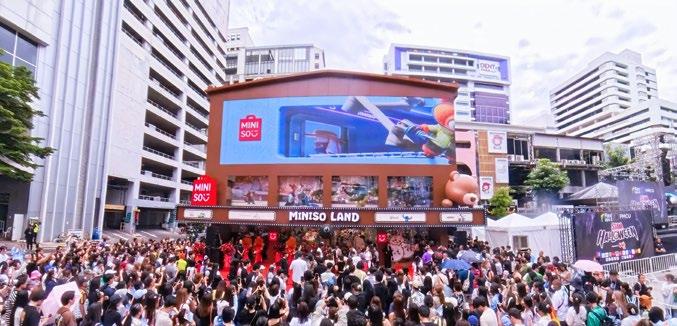
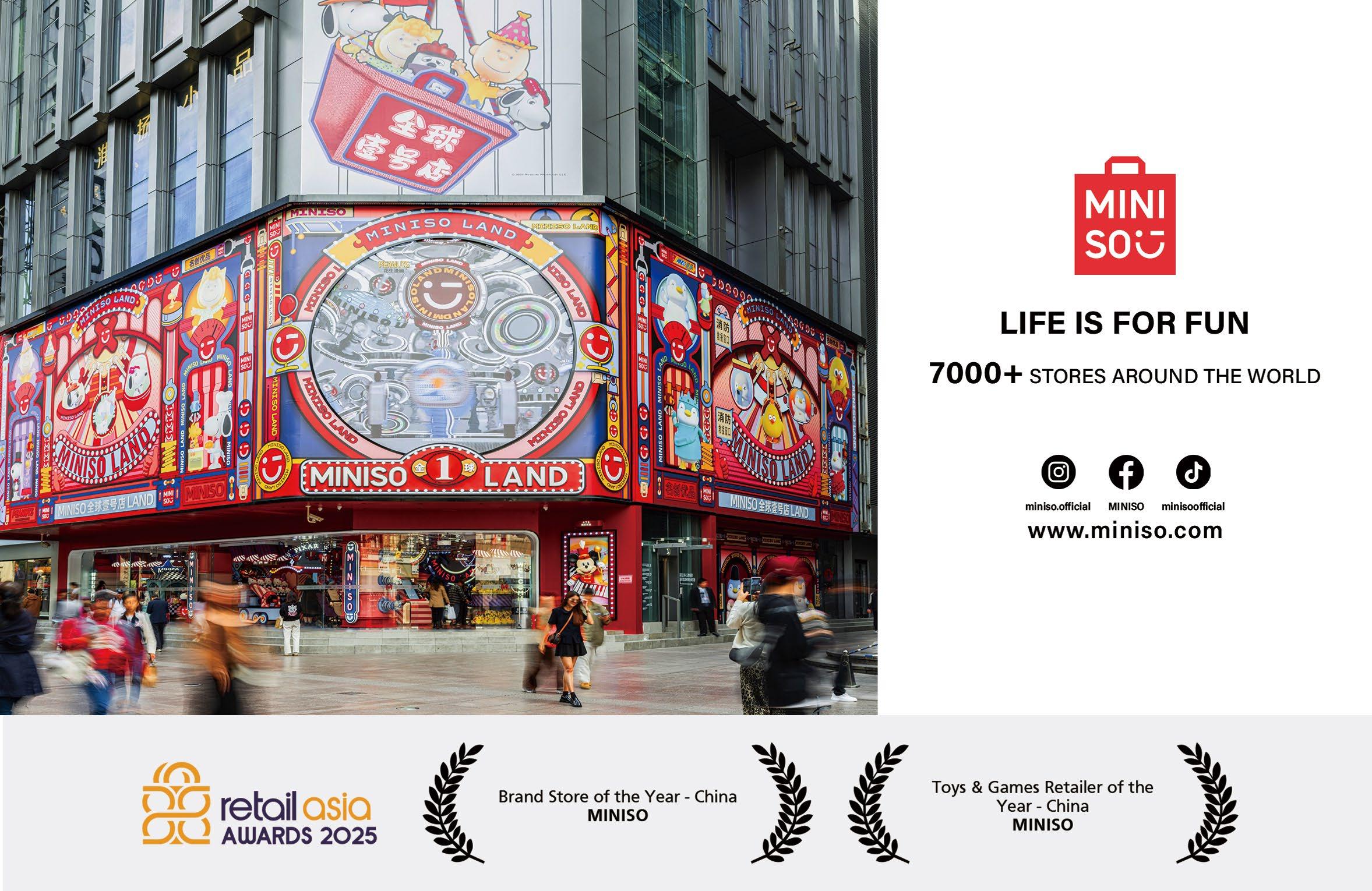
First Miniso Land in Thailand offers 80 IP-specialty products
Lazada has invested over $25m to bolster this year’s 11 November sale, with higher discounts, richer engagement opportunities, and enhanced creator collaboration. The company is rolling out enhanced artificial intelligence capabilities and affiliate solutions to help brands scale during this year’s sales season.
L’Oreal has acquired a minority stake in mass-market Chinese skincare brand Lan in November 2025, marking its second investment in China in recent months. The company did not disclose the size or cost of the stake, according to a Reuters report. The investment follows the group’s purchase of a 6.67% stake in Chando for $62m.
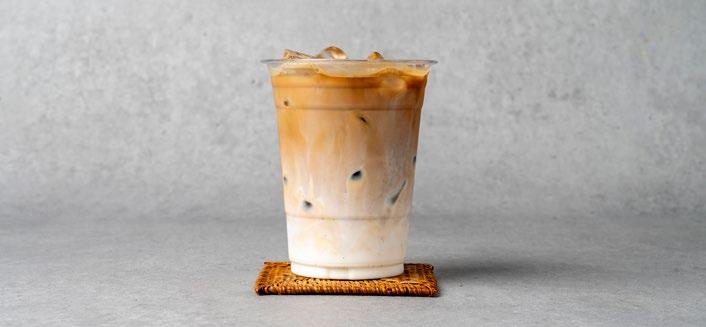
The demand for iced and specialty coffee beverages is experiencing a significant uptick, largely driven by Millennials and Generation Zs, according to GlobalData. According to the British Coffee Association, approximately two billion cups of coffee are consumed globally each day.
Singaporeans
People who treat pets with a higher level of care, attention, and luxury are driving the demand for premium pet products and services in Singapore, as more owners see their pets as family members. Singapore’s pet care market is projected to grow 22% to $111.9m in 2025 from 2020, according to Pet Fair Southeast Asia.
Miniso opened its first Miniso Land store in Thailand in October 2025, offering over 80 IP characters from Harry Potter, Stitch, Sanrio, and Disney’s Zootopia. Now the brand's flagship store in the city, Miniso Land is located at Siam Square in Bangkok, spanning 1,000 square metres of floor space and 8,300 stock-keeping units.
Over 70% of consumers are willing to pay more for sustainable products
More than 70% of consumers said they are willing to pay higher for products that have a positive impact on the environment or health, Bain & Company reported. Shoppers in AsiaPacific led with 90% of consumers who are willing to pay more, followed by European consumers (74%), and American consumers (71%).
Lazada invests over $25m for bigger 11.11 sale
L’Oreal takes minority stake in Chinese skincare brand Lan
Millennials and Gen Zs drive surge in demand for RTD iced coffee
pampering ‘fur kids’ spur pet care market boom
BEAUTY
MARKETS & INVESTING
CONSUMER BEHAVIOUR
WHY LUXURY’S MIDDLE TIER IS SHRINKING
STORES
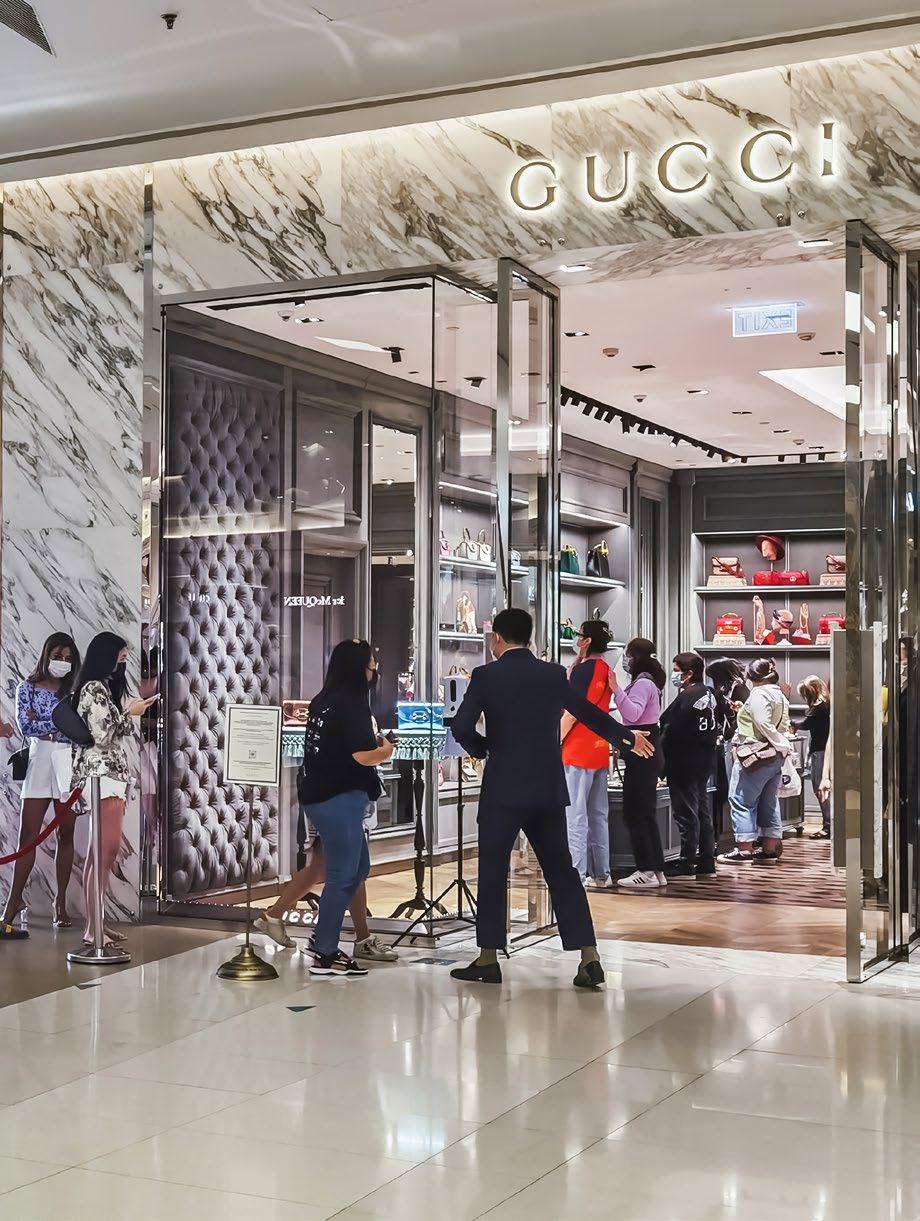
The global luxury market has seen a continued decline in its customer base, with 2025 marking the second consecutive year of losses, according to Bain-Altagamma Luxury Goods Worldwide Market Study.
About 20 million consumers exited the personal luxury goods market last year, reducing the global active client base to about 330 million.
That figure is down sharply from a peak of roughly 400 million in 2022 and effectively returns the market to its estimated 2013 size, despite a steadily expanding pool of addressable luxury consumers over the same period.
The report said that only 40% to 45% of addressable consumers made a personal luxury purchase in 2025, compared with around 60% in 2022. Brand-level data also shows the same trend, with new client acquisition declining by about 5% compared with 2024.
Still, high-net-worth customers— those spending more than $23,374 (€20,000) annually on luxury goods— maintained their overall spending levels. Their relative importance increased as total sales declined, with this group now accounting for just over 46% of global luxury spending, up from 30% in 2019.
Contributing factors
The contraction has been driven primarily by aspirational consumers, who have been squeezed by sharp price increases since 2019.
Customer sentiment has weakened significantly, pointing to challenges in brand differentiation.
Around 70% of consumers report dissatisfaction with the instore experience, whilst 90% say customer experiences feel largely the same across luxury brands.
Still, brands that introduced new creative leadership in 2025 recorded stronger consumer engagement.
Brands ditch 20m buyers for ‘Crazy Rich Asians’
Luxury brands are leaning harder on Asia’s wealthiest shoppers as the global customer base shrank for a second straight year in 2025, forcing the industry to defend margins with fewer buyers.
About 20 million consumers exited the personal luxury goods market last year, reducing the global active client base to about 330 million, according to a Bain & Co. and Fondazione Altagamma report released in December.
Even so, high-end clients account for as much as 40% of global luxury spending, KPMG said in its Luxury in the Midst of Change report in October.
That concentration of spending is reshaping strategy. Brands are channeling resources toward invitation-only capsules, private salons, bespoke services and curated cultural events aimed at their most valuable customers, particularly in Asia.
“Top-tier Asian clients expect highly personalised clienteling, private and discreet engagement, and cultural or artistic immersion rather than transactional retail,” James Wilson,
a partner and head of consumer and retail at KPMG in Singapore, told in an exclusive interview.
“Increasingly, exclusivity must extend beyond products into experiential, emotional, and heritage-based dimensions,” he said.
Price increases have underpinned growth. Luxury brands have lifted prices by 54% since 2019, according to KPMG. From 2019 to 2023, about 80% of market expansion came from higher prices, with only 20% driven by volume growth.
As demand softens, 42% of surveyed companies have kept prices unchanged, whilst 39% raised them further to reinforce premium positioning. The emphasis remains on protecting margins rather than rebuilding scale.
The shift comes with trade-offs. “One of the biggest challenges is balancing democratisation with desirability,” Wilson told the magazine.
Access and community
Gen Z is redefining exclusivity. Younger consumers place more weight on access and community than on scarcity alone. About 63% of Gen Z consumers in Asia say social commerce shapes their buying decisions, according to KPMG.
“Gen Z tends to favour limited drops, phygital experiences and culturally resonant collaborations that are socially shareable whilst still preserving clear signals of scarcity,” Sharon Iles, senior apparel analyst at GlobalData Plc, said in a separate interview.
Brands are testing tiered models that preserve private, high-touch experiences for elite clients whilst offering curated entry points for younger buyers. LVMH’s Xiamen Beach Boutique, Hermès’ Shanghai pop-up and Chanel’s digital collections blend limited access with social engagement.
Asia remains critical. GlobalData projects the region’s luxury apparel market will grow about 4% annually through 2029, outpacing the 2.8% global rate. With fewer buyers worldwide, brands are betting Asia’s affluent and aspirational consumers can sustain growth.
“The winners will be those that practise balanced exclusivity— protecting highly intimate, high-touch experiences for top-tier clients whilst creating curated, culturally relevant access points for aspirational and nextgeneration consumers,” Wilson said.
About 63% of Gen Zers say social commerce matters
James Wilson
Sharon Iles
LUXURY
Asia’s shoppers swap search bars for ChatGPT conversations
Shoppers across Asia are increasingly turning to artificial intelligence (AI) to discover, compare, and evaluate products, as tools such as ChatGPT begin to rival traditional search engines and online marketplaces in shaping purchase decisions.
The change is already happening, though adoption remains at an early stage, David Yang, a partner at Bain & Company, Inc., told Retail Asia.
“Many shoppers are already experimenting with AI for shopping research,” he said. “It’s still early days, but the shift is under way.”
Data from Sensor Tower cited in a Bain report published in August 2025 showed that prompts to ChatGPT
in Asia jumped almost 70% in the first half of 2025 to about 29 million from end-2024. Shopping-related queries played an outsized role, increasing from 7.8% to 9.8% of all searches—a 25% rise on top of overall growth—effectively doubling in volume within six months.
For retailers, the rise of AI-driven discovery means adapting how products are presented online.
Optimising content for AI tools, often referred to as generative engine optimisation, is becoming essential as shoppers rely on conversational platforms such as ChatGPT and Perplexity for shopping advice.
AI-assisted shopping is also reshaping traffic patterns.
Chat-based checkout will allow customers to discover, decide, and pay without switching channels
Yang said referral traffic from ChatGPT grew sevenfold over the past year, albeit from a small base, with some retailers reporting that as much as a quarter of inbound traffic now comes from AI assistants.
To remain visible, retailers should ensure product information is accurate, detailed, and structured so artificial intelligence systems can interpret and surface it correctly.
“Structure and enrich your product data for AI consumption,” Yang told the magazine, adding that incomplete or poorly organised information risks being overlooked or misrepresented by AI tools.
Customer reviews and ratings are also gaining importance. Yang said AI shopping agents tend to favour products with strong feedback, making authentic reviews a key driver of recommendations.
Retailers are also being encouraged to provide live data on pricing, inventory, and promotions to cut the risk of inaccuracies.
Some merchants are exploring in-house AI assistants to offer personalised guidance, whilst chatbased checkout tools are beginning to change how consumers complete purchases online.
Theo Spyrides, head of product at Primer API Ltd., said chat-based shopping builds on behaviour seen on social platforms. “Chat-based checkout will allow merchants or customers to discover, decide, and pay without switching channels,” he said in a separate interview.
THE CHARTIST: INDIAN CONSUMERS LEAD APAC IN DISCRETIONARY SPENDING
Consumer spending in the Asia-Pacific region is being led by India, according to a report by McKinsey & Co.
“Intent to spend remains strong and intent to splurge remains at the highest level relative to other countries in the region,” the report said. “India continues to stand out as a leader in consumer spending across APAC.”
This robust spending trend spans a wide range of discretionary categories, including dining out, jewelry, electronics, and travel, reflecting the confidence and optimism of Indian consumers.
Despite rising concerns around tariffs, Indian consumers remain
deeply engaged in the topic.
A significant 43% actively seek information on tariffs, a level of awareness comparable to that seen in South Korea.
Additionally, 72% of Indian respondents said they have either already adjusted their spending behavior or expect to do so in response to tariffs.
Still, the appetite for travel is growing, signalling a broader surge in lifestyle-related expenditures.
“Despite these concerns, intent to spend on travel is on the rise, aligning with the broader trend of increased discretionary spending, particularly in categories associated with leisure and lifestyle,” the report said. Categories where consumers intend to splurge
Source: McKinsey & Co
Prompts to ChatGPT in Asia jumped almost 70% in the first half
David Yang
Theo Spyrides
TECHNOLOGY
Hongkongers flock to Shenzhen for household essentials
More Hong Kong residents are heading to Shenzhen to buy household care products, reshaping how brands plan distribution and product design.
Nielsen Consumer LLC’s (NielsenIQ) Retail Pulse 2025 found that three of four Hong Kongers visited the Chinese province in April 2025, with nine of 10 shopping in supermarkets. Laundry products were the top purchase, whilst household cleaners ranked fourth. Over the past year, 35% of Hong Kong consumers also bought private-label cleaners.
“Household care remains a vital category in Hong Kong, with consumer demand holding strong,” Mandy Tam, managing director at NielsenIQ in Hong Kong, told Retail Asia
She noted that domestic retail sales fell 5.6% year on year, but cross-border and online spending are expanding the category. Household care has become the city’s biggest online fast-moving consumer goods category by total spending, number of buyers, and shopping trips, NielsenIQ said.
Consumers across Asia-Pacific remain careful with their spending even as overall confidence improves, NielsenIQ said in a separate report published in January 2026.
Households continue to prioritise essentials such as food, health, education and home care, whilst delaying discretionary purchases.
The report noted that even financially secure consumers are planning their purchases more strategically and taking steps to control spending. Shoppers are also seeking clearer product information and dependable quality to help them make confident choices in a changing marketplace.
Trust has also emerged as the most important factor shaping brand selection across the region. Consumers are closely examining product ingredients, functional benefits and the accuracy of marketing claims, while reliability and consistency have become critical expectations.
Technology is also playing a growing role in how shoppers discover and evaluate products. Many consumers in the region are already using, or beginning to adopt artificial intelligence tools to search for products, compare options and learn about brands,
NielsenIQ said.
Although adoption rates differ across markets, the trend is increasingly influencing how consumers gather information and make purchasing decisions.
Urban lifestyles are influencing demand for compact and multi-functional formats. Ahmad Khan, senior consumer analyst at GlobalData Plc, said 78% of consumers globally see time-saving features in cleaners as either essential or desirable, whilst 47% also weigh sustainability.
“Companies must innovate continuously to stay relevant whilst ensuring that their products remain convenient and perform well,” he said in an exclusive interview.
Kao Attack Hong Kong, a detergent brand, is amongst the companies experimenting with fresh designs. It introduced laundry sticks aimed at simplifying washing routines whilst maintaining cleaning power.
“It’s about solving real pain points: saving time, boosting hygiene, and fitting seamlessly into modern life,” company President Miyashita Kazuya told Retail Asia. Kao Attack, which has sold detergents locally for 35 years, said its strategy is driven by time pressure, heightened hygiene expectations after the COVID pandemic, and the needs of small households.
Product development is guided by consumer surveys, sales data, and social media monitoring. Kao Attack has rolled out anti-odour and anti-mite detergents and uses tutorial videos and feedback loops to adapt quickly.
Triggering doubts
Challenges remain. Simplified products can trigger doubts about effectiveness, whilst formulating environmentally friendly cleaners without losing performance adds complexity.
Khan expects demand to grow for biodegradable and plant-based detergents, artificial intelligence (AI)-powered personalised recommendations, and multifunctional products that combine stain removal, odor control, and fabric softening.
Smart appliances and automated dispensers that adjust wash cycles could further change consumer habits, he said.
“As consumer expectations evolve, success in the next two to three years will depend on how well brands ensure their products are accessible, affordable, and trusted—wherever shoppers choose to buy,” Tam said.
Success in the next two or three years will depend on how well brands ensure their products are accessible, affordable, and trusted
Three of four Hong Kongers visited Shenzhen in 2025, with nine of 10 shopping in supermarkets
STORES
STORE WATCH: THE GUNDAM BASE
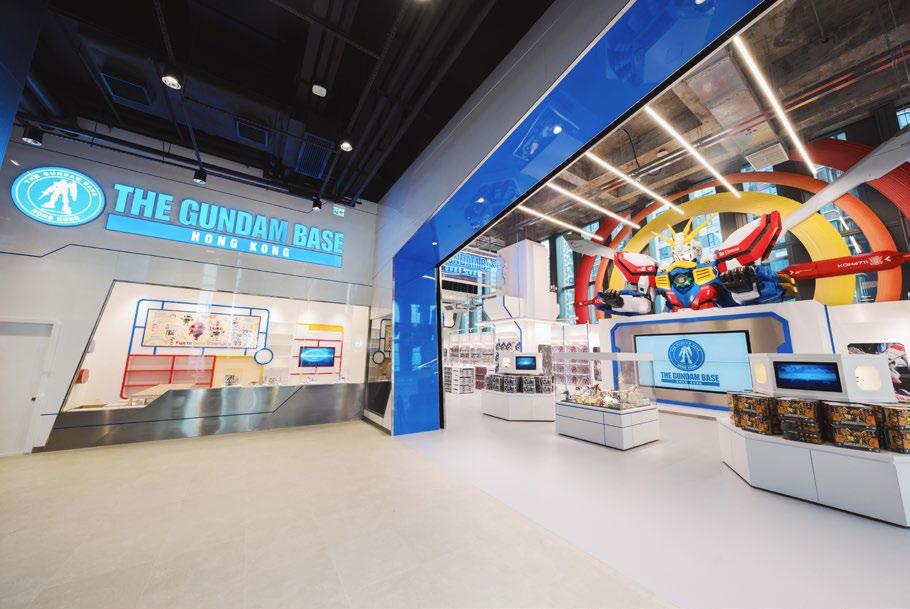
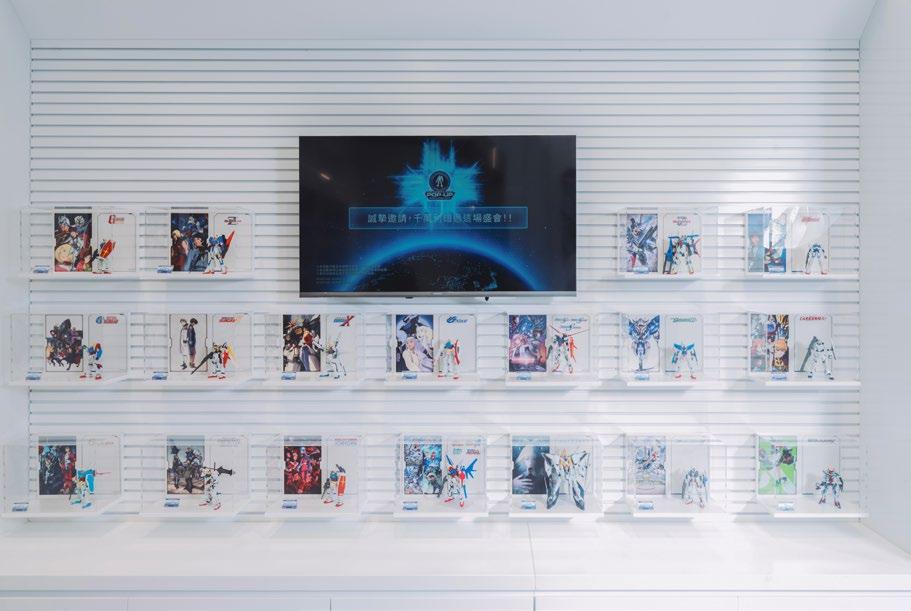
1 Located at The Twins Tower II SNDO area, the store spans nearly 4,500 square feet.
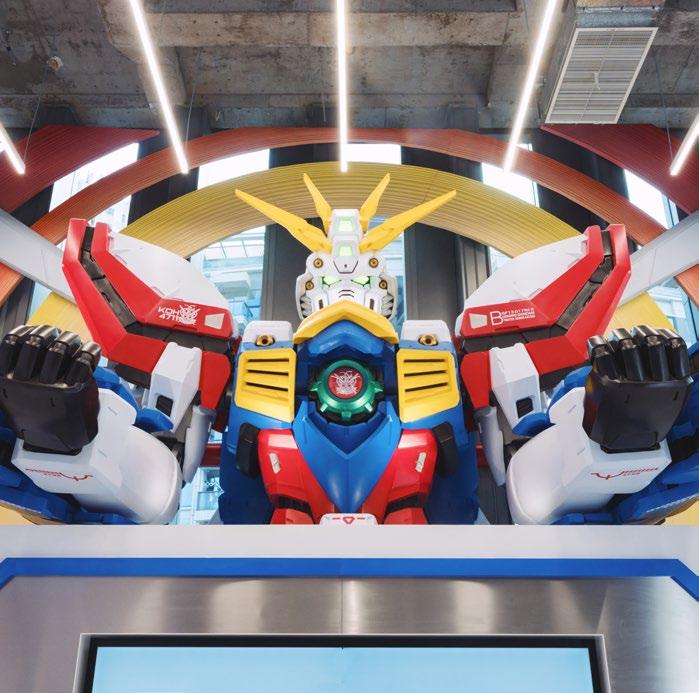
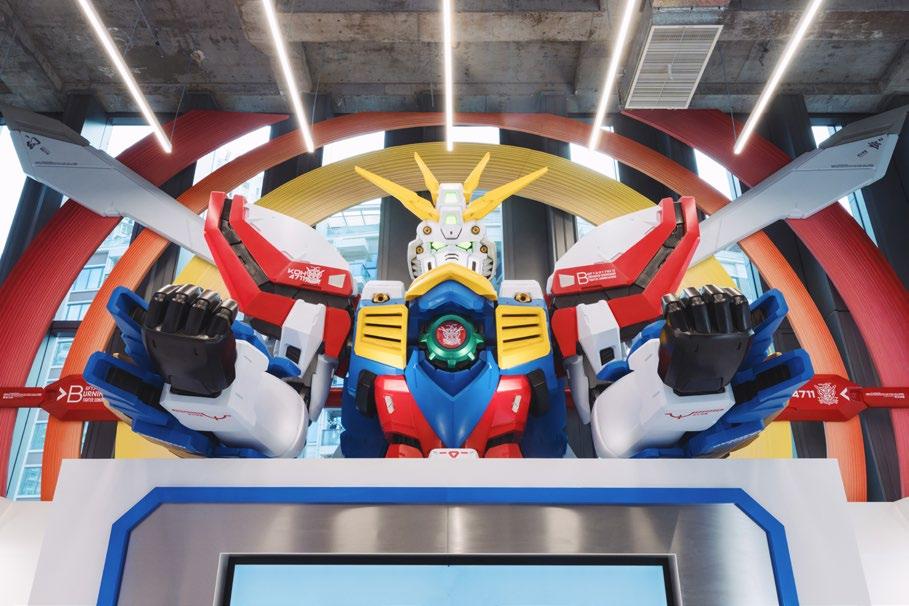
2 It features a 1:2 scale bust statue of the main protagonist’s mobile suit from Mobile Fighter G Gundam.
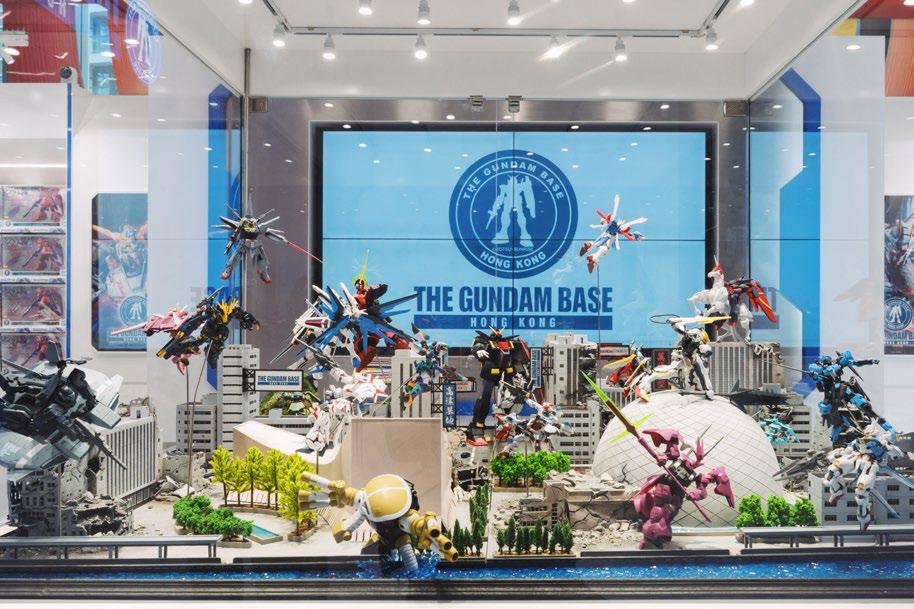
3 The store presents dioramas blending Hong Kong’s iconic landmarks with Gundam action, delivering a unique crossdimensional experience.
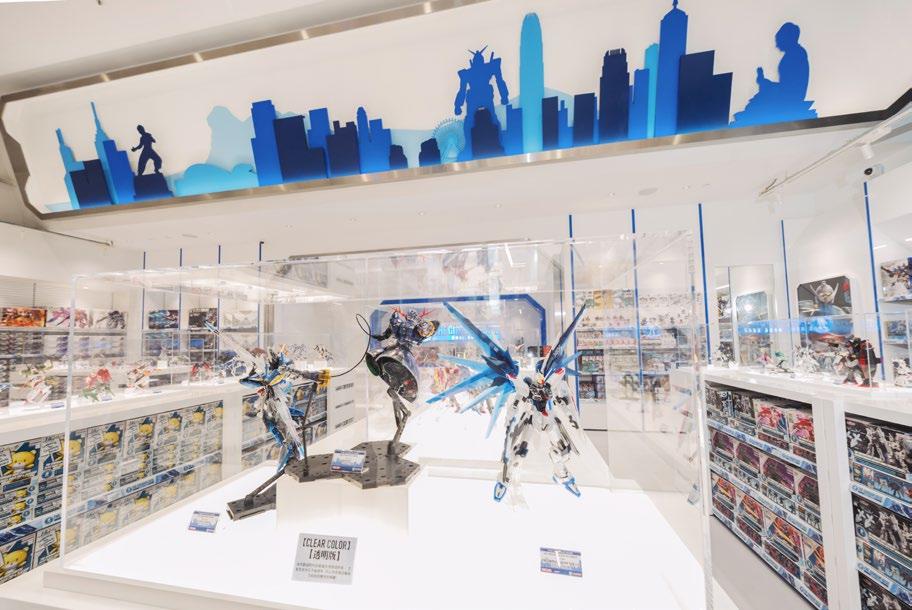
4 It displays over 100 Gundam models and themed collectibles, with a strong spotlight on The Gundam Base exclusives.
5 Beyond these exclusives, the store also offers Gundam card games, premium figures, collectables, apparel, and plushies.
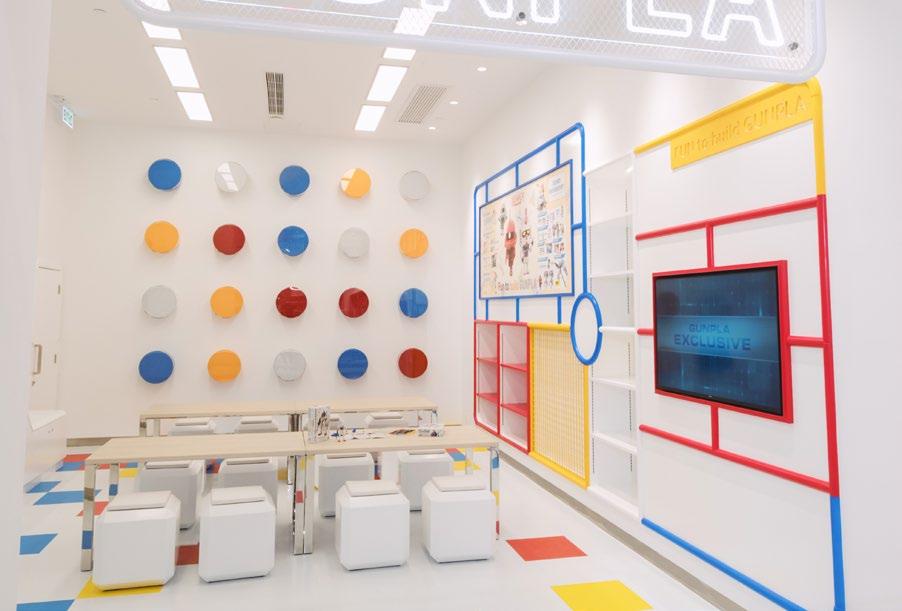
6 A dedicated factory-themed interactive zone recreates Bandai’s production atmosphere, complete with raw plastic pellets that simulate real assembly lines.
Bandai Namco brings immersive retail to HK
The store offers over 100 Gundam models and exclusive content.
HONG KONG
Bandai Namco Asia has opened its first The Gundam Base Flagship Store at The Twins Tower II in Kai Tak, Kowloon, Hong Kong.
The approximately 4,500-square-foot store offers a full experience for Gundam enthusiasts, allowing them to view model kits, explore themed exhibitions, engage in interactive build zones, and access exclusive merchandise. Entry during the opening phase is through a pre-registration ballot system.
Storegoers will first see a 1:2 scale giant bust statue of 'God Gundam' in the storefront before even entering the store. Inside, customers can see the evolution of the franchise’s design and engineering, showcased through various protagonist suits from across the 'Mobile Suit
Customers can see the evolution of the franchise's design and engineering, showcased through various protagonist suits
Gundam' series. To connect with the city's culture, the store also presents dioramas blending Hong Kong's iconic landmarks with Gundam action.
The flagship store carries more than 100 Gundam models and collectibles, with a focus on The Gundam Base exclusives. Amongst these are three limited-edition models including the RG 1/144 RX-78-2 Gundam Ver. 2.0, the MG 1/100 Wing Gundam Zer EW Ver.Ka, and the MG 1/100 Gundan Astray Red Frame.
The store also features a factory-themed interactive zone, complete with raw plastic pellets that simulate real assembly lines. The event space hosts regular model-building workshops led by instructors, where both beginners and experienced builders can participate.
CONCEPT WATCH: WATSONS
Watsons claims first pharma eConsultation
It targets busy professionals and people who want privacy.
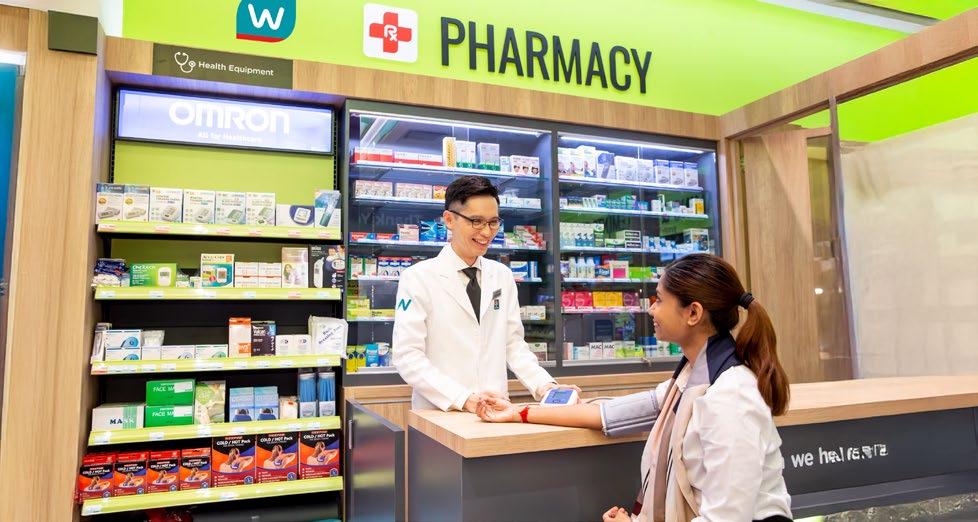
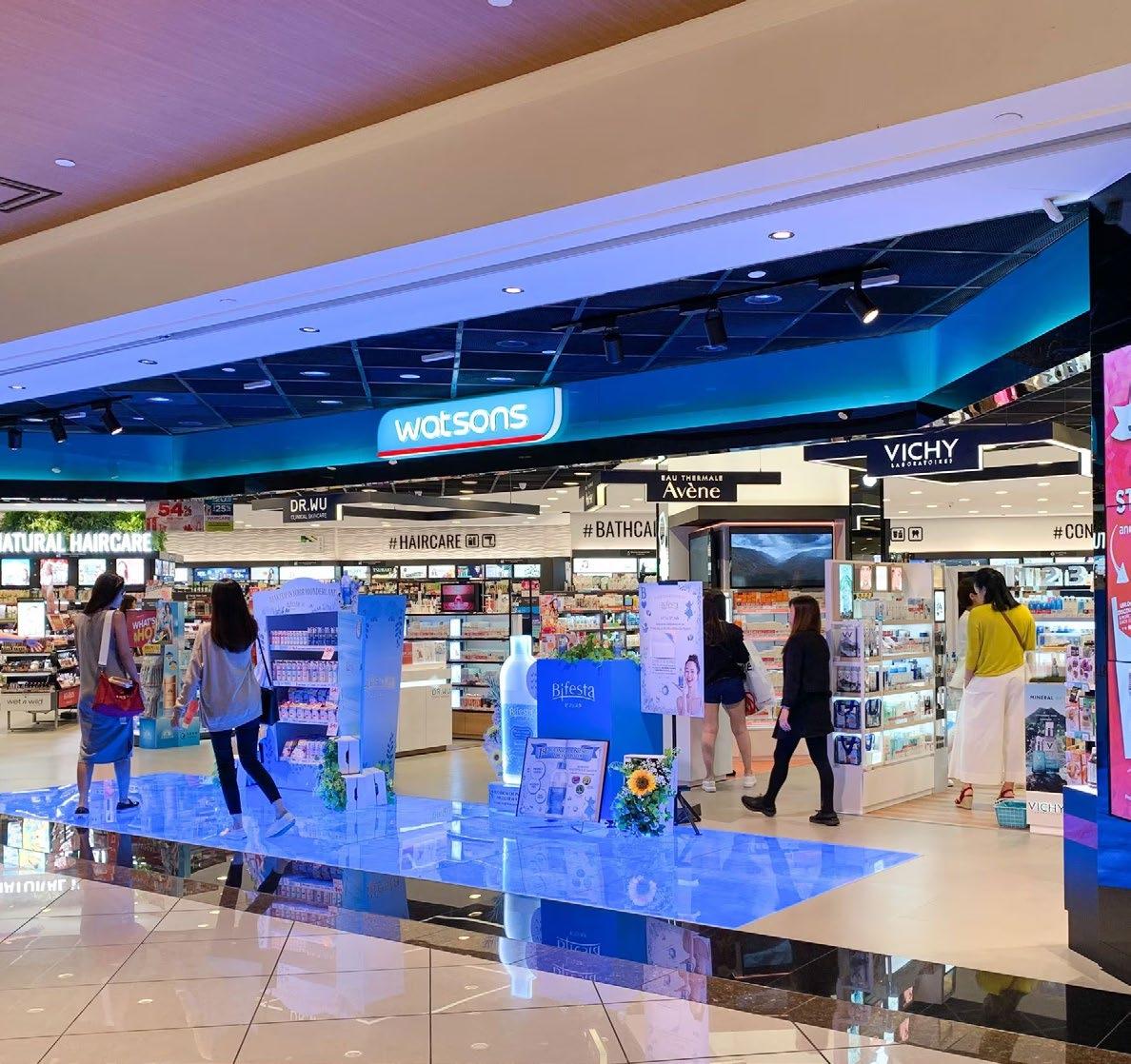
Watsons has launched Singapore’s first eConsultation service run by retail pharmacists, marking a shift by the health and beauty chain towards digital healthcare and signalling broader ambitions beyond its brick-and-mortar footprint. The service allows customers to speak directly with pharmacists at Watsons, which is operated by the AS Watson Group, through virtual consultations for minor ailments and product guidance.
The initiative reflects changing consumer preferences for faster, more convenient healthcare access, Mariam Alkhatib, operations and pharmacy practice controller at Watsons, told Retail Asia
“Customers today want immediacy, clarity, and trusted guidance,” she said in an exclusive interview. “Many deal with minor ailments that can be managed with overthe-counter solutions but still require reassurance from a qualified professional,” she continued.
Growing pharmaceutical market
The feature targets a wide range of users such as busy professionals who struggle to visit clinics, caregivers seeking urgent advice for children or elderly family members, and people who prefer private discussions about symptoms they find uncomfortable to raise in person.
Alkhatib said rising acceptance of remote services in daily life shows consumers are ready for digital formats that reduce travel time and simplify decisions.
The launch comes as Singapore’s pharmaceutical market expands. The sector was valued at $7.4b in 2025 and is projected to reach $12.19b by 2033, according to IMARC Group. The research firm attributes the growth to a skilled
workforce, rising healthcare demand, technology adoption, and deeper industry partnerships.
Through Watsons’ platform, customers can seek advice on cold symptoms, skin reactions, supplements, and minor digestive issues. After the consultation, users may buy recommended products online for home delivery or pick them up at stores. The system also directs customers to instore services such as flu vaccinations when needed.
The eConsultation platform is fully integrated with Watsons’ retail and logistics network. Alkhatib said the digital service is intended to complement, not replace, in-store pharmacists, who remain available for face-to-face guidance.
Early use shows strong engagement, particularly on medication-related queries, she said, though it is too soon to provide projections. To prepare for launch, Watsons conducted iterative testing and customer trials to address privacy, compliance, and workflow concerns for pharmacists.
The initiative forms part of a broader multi-year plan to build a connected health and wellness ecosystem combining professional advice, curated products, and personalised support across online and offline channels. Watsons aims to expand the service to cover chronic condition management, smoking cessation programmes, and prescription-related support. The eConsultation model is already used in Malaysia, Indonesia, and the Philippines.
“As with any health service, further expansion will always be guided by the regulatory landscape, customer needs and expectations around pharmacists’ roles in each market,” Alkhatib told the magazine.
Mariam Alkhatib SINGAPORE
Singapore's pharmaceutical market is projected to hit $12.19b by 2033
Watsons' in-store pharmacists will be complemented, not replaced The platform is fully integrated with Watsons' retail and logistics network (Photos from Watsons)
CONCEPT WATCH: STARBUCKS
Can 'visual drinks' survive Starbucks' testing?
Only one of five beverage concepts survive the company’s testing process.
Starbucks is ramping up efforts to win over Gen Z in the AsiaPacific region, but most of its drink ideas never reach stores.
Out of about 80 beverage concepts developed annually by Starbucks Asia Pacific, only one of five survives the company’s internal testing process. The rest are dropped after rounds of prototyping, sensory evaluation, and customer feedback, according to Gladys Chan, director of product and marketing for the region.
“This generation gravitates towards cold, customisable drinks with strong visual appeal, especially those that feel premium or playful,” Chan told Retail Asia. “So, we’ve continued to innovate in platforms such as our Iced Shaken Espresso and Refreshers, whilst also evolving our plant-based menu, including customisation options such as plant-based milk.”
Starbucks’ signature Frappuccino, a favourite amongst younger consumers, now makes up almost
30% of the brand’s regional sales.
To maintain that appeal, Starbucks tests every new drink idea for more than just taste. Each concept must meet strict criteria around scalability, clarity of marketing, operational feasibility, and supply chain constraints.
Chan said about half of the drinks are cut early—sometimes even if they taste great. “Some ideas look great on paper, but can’t scale across markets due to regional preferences, sourcing or operational constraints.”
Striking the right balance
The beverage pipeline is shaped by customer data, market trends, and barista insights from across the company’s 15 markets in the AsiaPacific region. This regional diversity makes it difficult to create a single product that resonates widely.
Still, Chan said drinks that strike the right balance between “creativity, customer connection,
This generation gravitates towards cold, customisable drinks with strong appeal, especially those that feel premium or playful
and commercial confidence” make it through.
Visual impact also plays a critical role, since most customers encounter new drinks through digital channels.
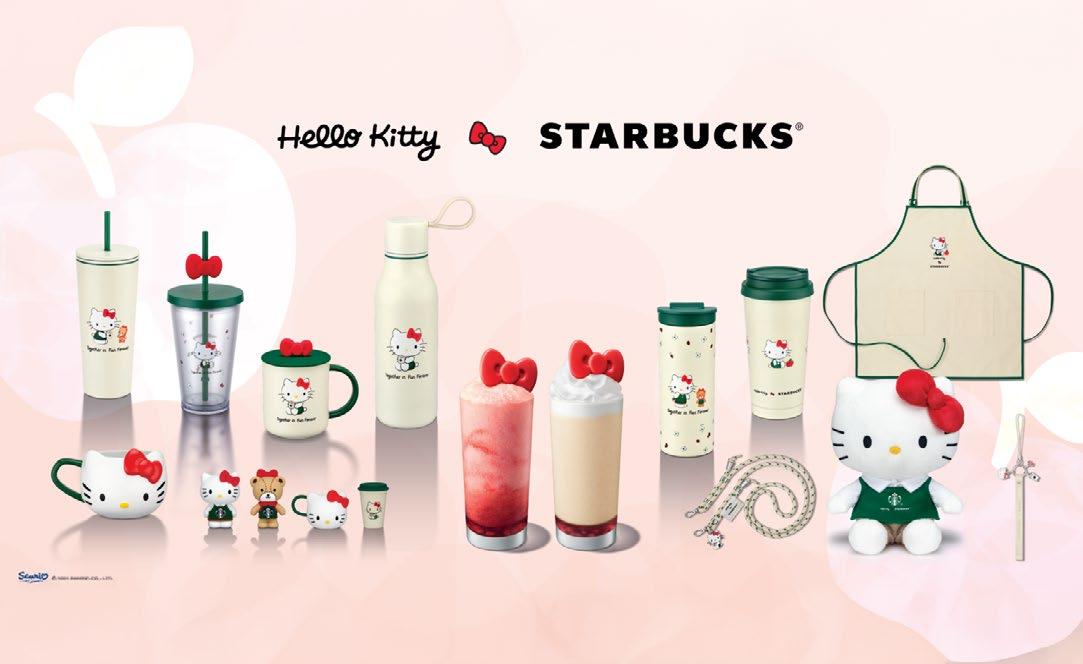
“We also tap into cultural moments to spark joy like our Hello Kitty 50th anniversary collaboration,” Chan told the magazine, referring to the limited-time Apple Pie Cream Frappuccino, inspired by the character’s favourite dessert.
Starbucks recently launched the Birthday Confetti Ube Cream Frappuccino to mark 30 years of its iconic Frappuccino.
Younger consumers are also outspending older ones.
GlobalData’s first-quarter 2024 Consumer Hot Topics Survey found that 31% of Gen Z and 39% of Millennials described their coffee spending as “very high” or “quite high,” compared with 25% of Boomers and 18% of the Silent Generation.
Starbucks collaborated with Hello Kitty for its 50th anniversary
Starbucks also launched the Birthday Confetti Ube Cream Frappuccino
Apple Pie Cream Frappuccino, inspired by Hello Kitty's favourite dessert
Only one of five beverage concepts survive Starbucks' internal testing process (Photos from Starbucks)
APAC
Gladys Chan
Garnier leans on esports to expand men’s skincare
Gen Zers and Millennials are embracing selfcare routines once seen as feminine.
Garnier, L’Oréal’s mass-market cosmetics and personal care brand, is turning to the fast-growing esports industry to accelerate its expansion in the men’s skincare market across Asia, aiming to connect with a digitally native, male-dominated audience.
Adrien Koskas, general manager of the consumer products division for South Asia Pacific, Middle East, and North Africa at L’Oréal, said they seek to engage men where they already are—online and immersed in gaming culture.
“Gaming is huge in Asia—there are 1.5 billion mobile gamers, and 60% of them are men, so we're talking about 1 billion male gamers,” he told Retail Asia.
The men’s skincare category in Asia is evolving quickly, driven by various factors such as Gen Z and Millennial consumers who are spending more and adopting self-care routines once seen as feminine.
Nearly 30% of Gen Z and millennial men in Asia now report high or very high spending on skincare, said Ahmad Khan, senior analyst at GlobalData.
He added that concerns around ageing and appearance are motivating this shift, with 13% of men reporting they are “extremely concerned” about looking and feeling old—both in 2023 and in projections for 2025.
“There is a notable concern regarding ingredient transparency, with many young men expressing a desire for products that are free from harmful chemicals and aligned with ethical standards,” he said.
Game
face
Koskas noted that today’s male consumers, especially gamers, are image-conscious and digitally fluent.
“They want to look their best, although sometimes they're hidden in a room, but when they show up after, they want to have their perfect skin,” he said.
The global men’s skincare market is projected to grow from $17.36b in 2024 to $27.99b by 2031, according to data from ResearchAndMarkets.com.
Khan said the impact of gaming on grooming product awareness is nuanced. Whilst concrete links between gaming and direct sales are limited, he said gamers' focus on identity and lifestyle makes grooming a natural fit.
Koskas said moisturisers and sunscreens are the fastestgrowing segments in men’s skincare, as urban consumers deal with UV exposure, heat, and pollution. Garnier has responded by expanding its product line with offerings like Garnier Bright Complete Serum Cleanser and Super UV Cooling Watergel Vitamin C Sunscreen SPF 50+ PA++++ .
The brand also launched its Garnier Game Face campaign to draw connections between peak gaming performance and skincare routines.
“The gaming festival is huge in terms of audience,” said
Crafting beauty for men and reshaping the category for men is something that is super strategic for us
Koskas. “It’s a sport that is bringing you into the digital world, it brings you a new level of technology, modernity, and virtuality that is very interesting in terms of branding.”
Khan said the esports sector is still evolving and faces issues such as audience diversification and the need to demonstrate return on investment.
Koskas, who oversees a region spanning Australia to North Africa—including India and Southeast Asia—said more men are becoming proactive about skincare. “The main beauty ideal is evolving—especially in this region, where it was once more binary—and we’re now seeing diverse archetypes of masculinity and male beauty emerge.”
Social commerce and e-commerce are the biggest drivers of growth in the region, according to Khan.
“The proliferation of self-care content on platforms like Instagram and TikTok has made grooming routines more visible and accessible,” he told the magazine.
According to the senior analyst, TikTok Shop alone posted $16.3b in sales in 2023. Mobile shopping is also rising fast, whilst livestream and video-based shopping are growing, though still smaller in volume.
Both Garnier and L’Oréal are working with influencers who have a genuine connection to the brand.
Koskas said L’Oréal’s internal priorities reflect its broader commitment to male beauty. “The last theme of our Brandstorm Competition was about male grooming. It really shows that crafting beauty for men and reshaping the category for men is something that is super strategic for us.”
Adrien Koskas, general manager of the consumer products division for South Asia Pacific, Middle East, and North Africa at L'Oréal
Mega Prime targets 1.6 million corner stores
It is also boosting online sales via Lazada, Shopee, and TikTok Shop.
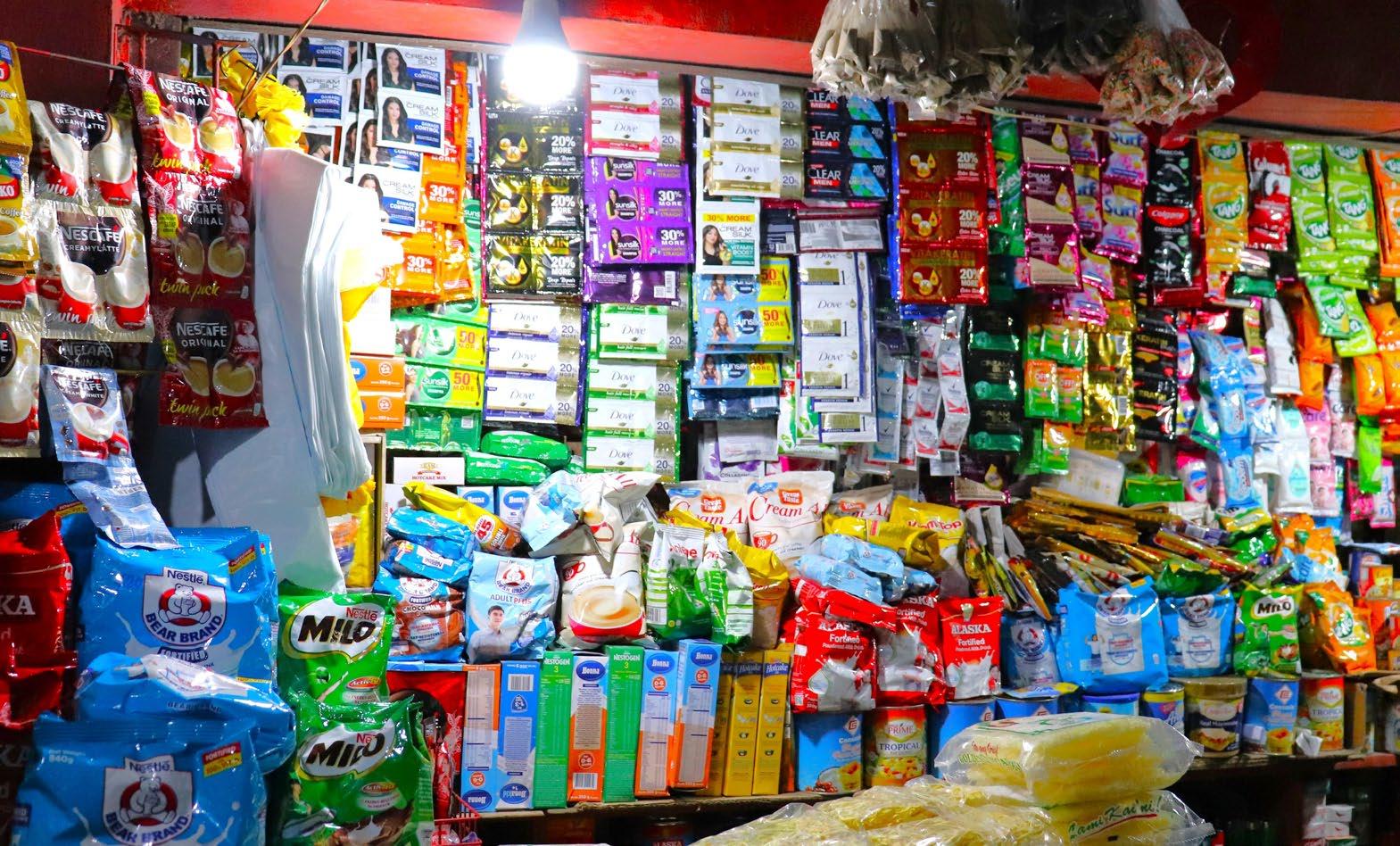
Mega Prime Foods Inc., maker of the Mega Sardines brand, is expanding its distribution network with the goal of reaching all 1.6 million mom-and-pop stores in the Philippines, whilst ramping up growth through e-commerce and exports.
The company serves about 235,000 of these stores directly every two weeks through regional distributors. “That’s still a far cry from 1.6 million,” Marvin Tiu Lim, chief growth and development officer, told Retail Asia
To close the gap, Mega Prime is strengthening ties with wholesalers and retailers to ensure products remain available even in remote communities.
“We partner with local retailers and wholesalers and make sure that we are present there, and we make sure that our products are in the shelves of Filipinos, also in the sarisari (mom-and-pop) stores,” he said.
The company has more than 135,000 touchpoints nationwide, including markets, groceries, and corner stores. Its wider distribution network covers almost 720,000 outlets, giving it access to a large share of the country’s mom-and-pop store base.
These small stores remain a critical sales channel, accounting for roughly 70% of sardine sales nationwide. Since most consumers buy a single can at a time, frequent restocking is required. Mega Prime sees this pattern as both a logistical challenge and an opportunity to build consumer loyalty by treating mom-and-pop stores as “extensions of the household pantry.”
Sustaining growth
The company is also boosting online channels through Lazada, Shopee, and TikTok Shop.
Since joining TikTok Shop in 2023, Mega Prime has logged a 150% increase in product views and a 95% rise in engagement. The platform has enabled a 20% expansion in its product line, limited-edition bundles, and exclusive promotions that lifted sales by 30% during special campaigns.
“We are heavily invested in online channels,” Tiu Lim told the magazine in an exclusive interview. “For example, we are the No. 1 seafood brand on TikTok, and we have a significant presence on Lazada and Shopee.”
Mega Prime products are also available in major retailers and supermarkets, which account for about half of its annual sales.
To sustain growth, the company is expanding fishing capacity by building vessels in Zamboanga, adding production lines across its three plants, and investing in automation and artificial intelligence (AI). It is also implementing real-time data systems to improve decisionmaking across sales, marketing, and logistics.
“We want to make sure that everything is driven by
real-time data, integrating the use of AI — not only in marketing, not only in sales, but all the analytics,” he said.
Exports make up about 5% of sales. Mega Prime aims to lift this to 10% to 20% in three to five years, targeting both diaspora and mainstream consumers in the Middle East, North America, and Southeast Asia.
Partnerships with distributors such as Baqer Mohebi in the United Arab Emirates have expanded reach beyond Filipino communities, whilst in Canada, its products are sold in Costco.
We want to make sure that everything is driven by real-time data, integrating the use of AI — not only in marketing, not only in sales, but all the analytics
Philippine sardines are priced at about half the level of comparable products from Thailand and Indonesia, giving the brand an advantage as demand for canned goods picks up with rising fresh fish and meat prices.
The Philippines remains amongst Southeast Asia’s top sardine producers, with output and exports expected to hit about 600,000 tonnes this year, according to market research and consulting firm 6WResearch.
“We are steadily expanding our distribution network and implementing system upgrades to reach more sarisari stores across the Philippines,” Tiu Lim said. “Whilst we don’t have a specific timeline, these efforts are focused on improving accessibility and ensuring our products are available to more Filipino communities nationwide.”
Mark Tiu Lim, chief growth and development officer at Mega Prime Foods Inc.
PHILIPPINES
RETAIL INSIGHTS: FOOD & BEVERAGE
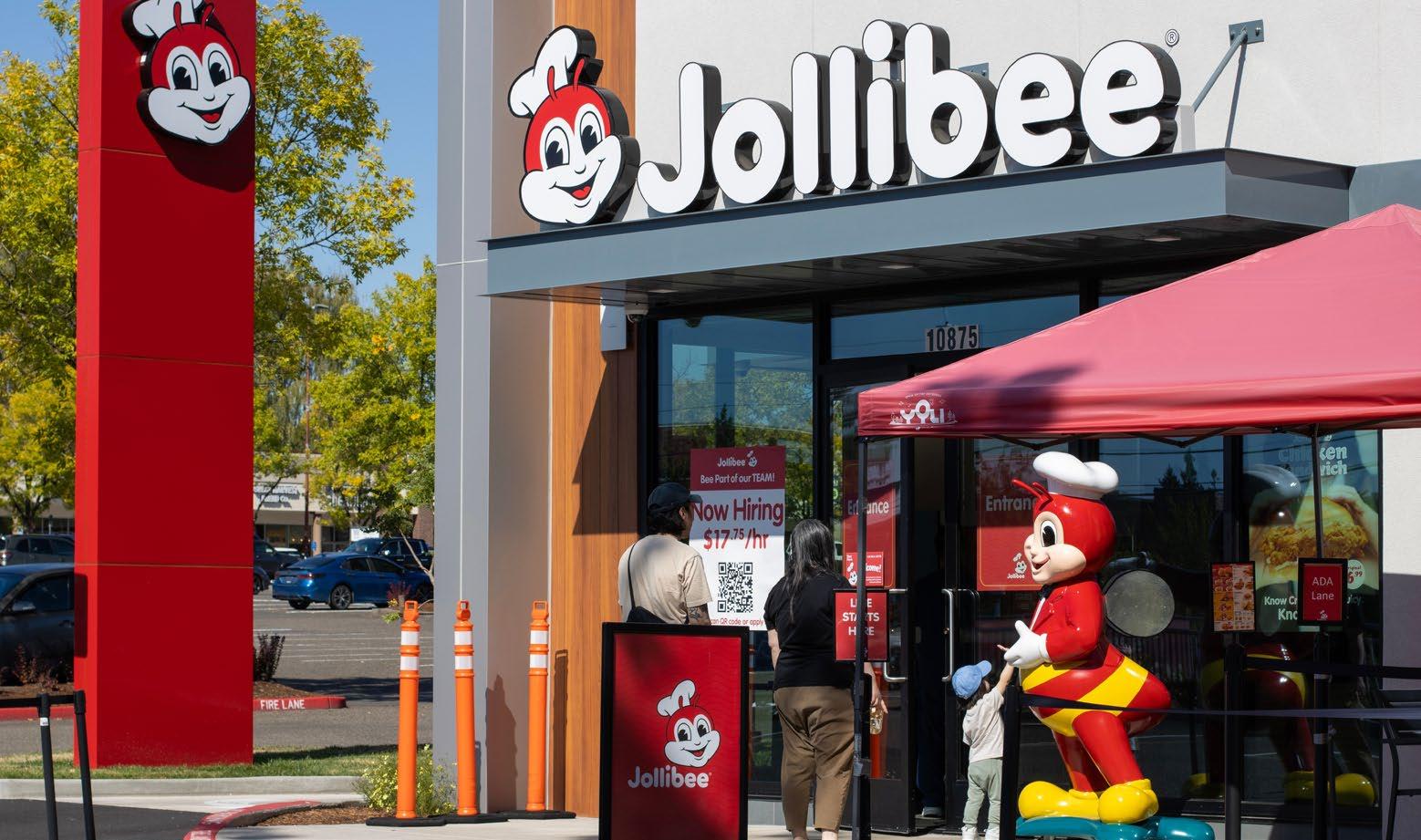
High rents, labour costs loom over Jollibee’s Australia plans
A crowded chicken segment could also weigh on initial growth.
Jollibee Foods Corp.’s longrumoured move into Australia is edging closer, but analysts said the Filipino fast-food group faces a difficult early phase in one of the world’s most competitive quick-service markets.
Jollibee, which has relied on the Filipino diaspora as part of its global expansion strategy, will be tested in Australia where the market is mature, labour is expensive, and competition for prime sites— especially drive-thrus—is intense.
There is a real opportunity, but it’s not going to be easy, Anuran Dhar, practice head for foodservice at GlobalData Plc, told Retail Asia.
“Our own analysis points to increasing interest in Filipino and Southeast Asian fare amongst diverse communities,” he said.
“At the same time, value-focused eating is clearly on the rise.”
About 35% of Australians are quick to try flavours when they enter the market, whilst 28% visit quickservice restaurants (QSR) at least once a week, reflecting growing price sensitivity, according to GlobalData. That supports Jollibee’s value-led positioning, Dhar said, but cost pressures could complicate execution.
Australia already has a number of other QSR's operating in the chicken space
Speculation around Jollibee’s arrival intensified after realcommecial.com. au reported that the company is working with developer PMG Group to secure a former Sizzler site in Campbelltown, in Sydney’s southwest. Neither party has confirmed the deal, and a Jollibee representative has declined to comment on the report.
The report has sharpened focus on how the chain might fare in Australia, where high costs, tight real estate, and a crowded chicken segment could weigh on its initial growth.
Jollibee, the Philippines’ biggest fast-food chain, operates more than 10,000 restaurants across 19 brands in 33 countries.
Australia’s average base pay rose 3.4% in the year to September, according to official data, with accommodation and food services recording the biggest quarterly increase.
Import prices climbed 2.3% over the same period. Dhar said rent, labour, and supply chain costs would be key risks, especially if specialty ingredients need to be imported.
He told the magazine that securing ingredients locally might be costly or logistically complex, and staff shortages could affect consistency
during peak periods.
“To succeed, Jollibee will need an entry strategy that blends innovation and heritage with disciplined cost control, partners for local sourcing, menu pricing that meets what value‐minded Australians expect, and a firm commitment to preserving what makes the brand unique,” Dhar said.
Crowded chicken space
Competition adds another layer of pressure. Australia’s chicken category is crowded, spanning global chains, national players and smaller independent operators.
Jeff Vassel, global business development manager at Geotech Information Services Pty Ltd., said prime sites are becoming harder to secure, particularly for drive-thrus, which many brands see as essential for volume and margins.
“In addition, Jollibee’s menu offering skews heavily towards chicken, and Australia already has a number of other QSR’s operating in the chicken space, in addition to many smaller and emerging familyrun businesses,” he said.
Recently, local chains have increasingly turned to drive-thru formats as a growth lever.
Soul Origin (Australia) Pty. Ltd. has opened its first drivethru, aiming for a step change in turnover, whilst El Jannah is pursuing aggressive expansion towards 100 outlets following its private equity-backed investment.
Still, analysts said Jollibee has one clear advantage: flexibility. The group operates across drive-thru, high-street and food-court formats, giving it more options when negotiating leases.
That adaptability could help it secure sites others might overlook, especially in suburban locations.
Vassel said Sydney and Melbourne are likely starting points, given their large Filipino populations and broad acceptance of Asian cuisine.
Those cities offer a ready base of brand-aware customers, but reliance on diaspora demand could also limit expansion if the concept fails to connect with a wider audience.
Dhar said Australian consumers expect more than flavour. Convenience, sourcing practices and sustainability influence purchasing decisions, whilst premium pricing needs a clear justification.
About 35% of Australians are quick to try flavours when they enter the market
Jeff Vassel
Anuran Dhar
SECTOR REPORT: DEPARTMENT STORES
Department stores trade retail space for lifestyle services
Social media and e-commerce are raising shopper expectations.
Department stores in Singapore are shrinking in size but widening their mix to include dining, wellness, and experiential retail as online shopping accelerates and foot traffic falls.
“Department stores like Robinsons, BHG, Isetan and Metro have downsized,” Sulian TanWijaya, executive director of retail and lifestyle at Savills Singapore Pte Ltd., told Retail Asia. “There is a gradual shift from the traditional multibrand department store format to more curated lifestyle concepts to keep up with changes in customer preferences,” she added.
At Tang Plaza, the basement of TANGS has been converted into a Hawkers’ Street featuring heritage food, including Michelinrecognised stalls.
Specialty anchors such as Don Quijote Co. Ltd. now blend shopping with dining, whilst NTUC’s FairPrice
Ashutosh Awasthi, director of Kadence International, said the sector’s real challenge is innovation. “The real challenge is not about increasing cost. These are implications or outputs of the pace of innovation,” he said.
Interactive, immersive services
Online platforms, he said, are deploying artificial intelligence (AI) driven recommendations, virtual tryons, and personalised experiences, whilst physical stores lag behind. Consumers now expect interactive, immersive services.
“Shoppers now expect personalised services, whether it’s a style consultation or a live demonstration, but the experience must be more interactive, immersive and convenient,” Awasthi said in a separate interview.
He added that social media and the ease of e-commerce are raising shopper expectations.
In response to the evolving consumer trend, department stores are now experimenting with other concepts such as popups, workshops, artisanal brands, interactive displays, and smart fitting rooms.
Finest at Clarke Quay has reimagined its supermarket into a Grocer Food Hall, where shoppers can choose fresh meat or seafood and have it cooked on-site for dining.
Fashion is also leaning into lifestyle. The Editor’s Market at Takashimaya incorporates café concepts inspired by Korean coffee culture, drawing in younger shoppers and customers.
Persistent pressure
Tan-Wijaya told the magazine that the changes reflect persistent pressures on the sector. High operating costs, rising rents, and competition from e-commerce are pushing traditional players to adapt.
“Inventory-heavy models are far less agile compared with fast fashion or D2C (direct-to-consumer) brands, and intense competition from e-commerce, social commerce, and specialty retailers is eroding their role as one-stopdestinations,” she said.
“I’ve come across a few stores in Singapore where they offer interactive displays throughout the store—you could just scan the product and it’ll give you further information through your smartphones,” Awasthi said.
Regional peers provide inspiration. Japan’s Isetan Mitsukoshi Holdings Ltd. have integrated luxury food halls and cultural events, whilst Korea’s Hyundai Department Store Co. Ltd. and Lotte Corp. feature art galleries and rooftop gardens.
“Both markets are also proactive with exclusive brand collaborations and creating experiential zones,” according to Tan-Wijaya.
She said Singapore retailers should follow suit with rotating brand showcases, exhibitions, celebrity appearances, and sustainability-focused sections that feature preloved designer apparel.
Retailers could also explore innovations such as shop-in-shop formats, communal shopping spaces, and sections dedicated to pre-loved designer apparel and accessories, Tan-Wijaya concluded.
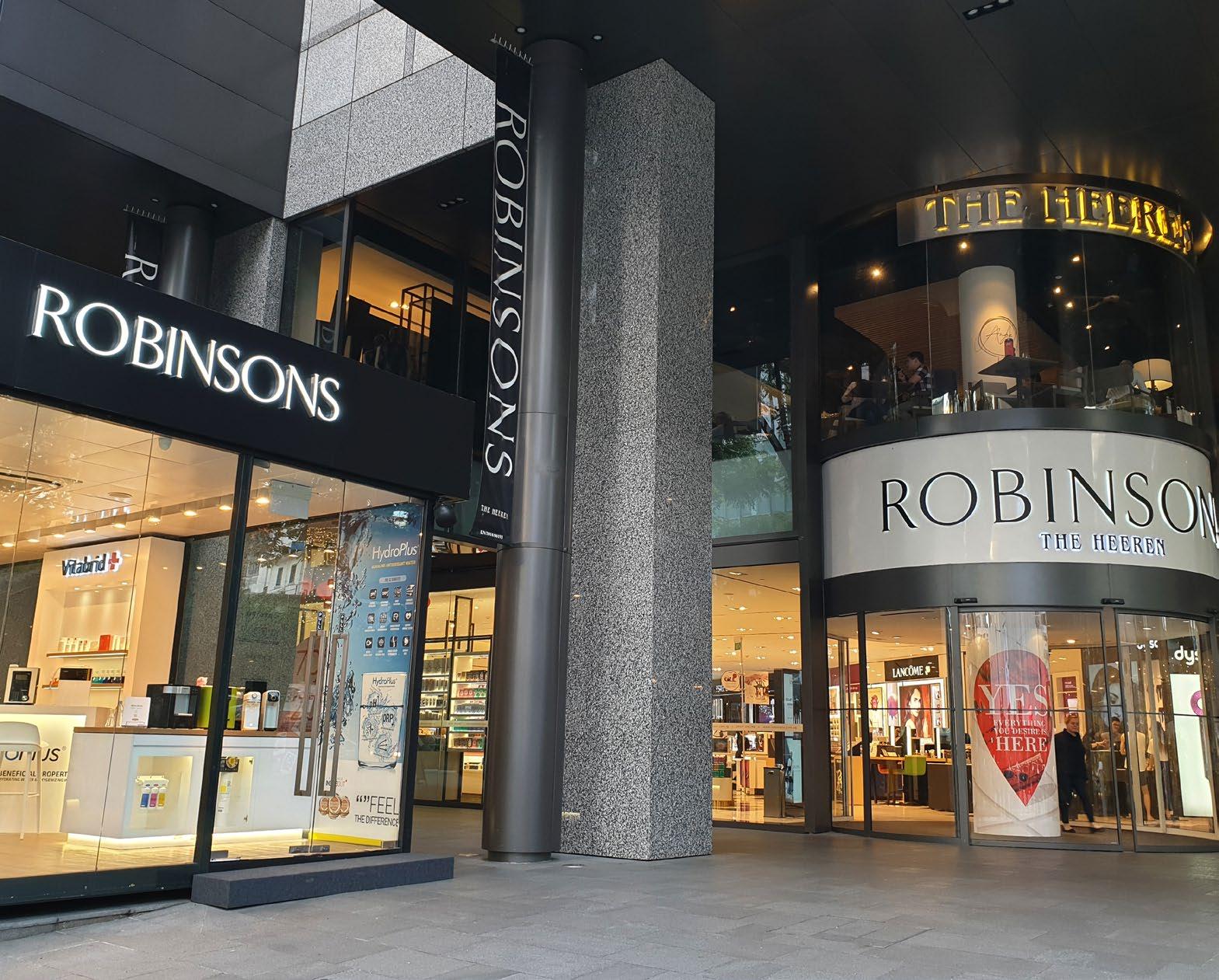
Entrance view of Robinsons shopping mall in Orchard road
SINGAPORE
Sulian Tan-Wijaya
Ashutosh Awasthi
MARKET REPORT: PHILIPPINES
AI enters the Philippine neighbourhood store
Widespread use could generate up to $48b in economic value by 2030.
Artificial intelligence (AI) is beginning to reshape how the Philippines’ mom-andpop retailers manage inventory, but adoption is colliding with the realities of thin margins, analogue habits, and uneven infrastructure that still define the sector.
By moving from handwritten notebooks to AI-enabled tools, micro-retailers can turn idle stock into faster sales, improving cash flow and reducing waste.
Widespread adoption could unlock as much as $48b (PHP 2.8t) in economic value by 2030, according to estimates by Filipino tech firm The Pack Solutions, Inc. (Packworks) and Kadence International Business Research, Inc., drawing on data from the Philippine Institute for Development Studies.
Yet uptake remains limited.
Only about 15% of local businesses use AI tools, leaving most small retailers to rely on intuition when deciding which products earn scarce shelf space. For stores that operate out of homes or narrow storefronts, those decisions can determine whether capital works or sits unsold.
“When sari-sari (mom-and-pop)
[Sari-sari
stores, mini-groceries, and other small retail outlets use AI tools, owners can more easily identify underperforming products and make better decisions about what to keep, promote or replace,” Iris Lorenzo, managing director at Kadence International Business Research, Inc. told Retail Asia. That matters because space is limited and cash flow is tight, she pointed out.
AI tools can expose patterns that are hard to spot manually, such as slow-moving items that quietly tie up capital or products that sell best at specific times.
In theory, this lets vendors focus on fast-selling goods and adjust pricing or promotions with more confidence.
In practice, barriers remain high. Lorenzo cited the “analogue gap,” where daily operations still revolve around handwritten records of sales and credit rather than digital data that algorithms require.
Smartphones that can run AIenabled apps remain expensive for many vendors, whilst patchy internet access in some provinces limits use.
There are also cultural frictions. Informal credit is common in mom-and-pop stores and rooted in personal relationships. Algorithms
may flag these transactions as financial risk, creating mistrust when machine recommendations clash with social realities.
At the same time, many AI tools present dense dashboards instead of simple instructions, which can overwhelm owners who are used to running shops by feel.
Over-reliance on AI carries risks as well. “AI outputs are only as good as the data and signals behind them,” Lorenzo told the magazine.
If recommendations rely on suppliers or urban supermarket data, they may favour big brands and overlook local buying habits, limiting product choice and weakening a store’s community role.
Still, early results suggest gains are possible when tools are adapted to small retailers’ needs.
According to Packworks, about 300 mom-and-pop stores that used its AI-powered Store Insighting Project posted a 17% increase in sales over two weeks.
“They used this information to either run promos or curate their goods,” Andoy Montiel, Packworks chief data officer, said in a separate interview. “Capital sleeps if goods aren’t sold,” he continued.
Reshaping distribution
Beyond stores, AI may also reshape distribution. Over the next 12 to 24 months, Lorenzo expects distributors to rely more on store-level sales data, shifting from fixed delivery routes to demand-driven schedules.
That could mean more targeted deliveries and assortments tailored to neighbourhood demand.
Mass adoption amongst mom-andpop stores will take time. Progress depends on adding AI to tools vendors already use, like point-of-sale and ordering apps, and improving coordination among government, tech providers, and the private sector.
Local platforms such as Packworks, Peddlr, and Growsari are trying to bridge the gap by replacing notebooks with apps that can function with limited connectivity.
“The sari-sari store owner of 2030 won’t think of themselves as a tech user,” Lorenzo said. “They’ll still be a store owner—the phone will quietly handle restocking and lending decisions in the background.”
Only about 15% of local businesses AI tools, leaving most small retailers to rely on intuition
store owner of 2030 will have their phones] handle lending decisions
Andoy Montiel
Iris Lorenzo
MARKET REPORT: INDONESIA
Indonesian malls prioritise upgrades over expansion
The shift mirrors Thailand’s focus on leisure and Japan’s emphasis on efficiency.
Indonesia’s vast consumer base and limited modern retail space are driving a rethink of the country’s mall development model, as operators shift focus from expansion to modernisation.
The country, home to more than 278 million people, has just 0.06 square metre of modern retail space per capita — well below Singapore and Thailand — prompting developers to strive for efficiency, sustainability, and digital integration over new construction.
“The transformation of shopping centres in Indonesia is no longer about increasing numbers, but about making them more relevant — more efficient, greener, and more human,” Alphonzus Widjaja, chairman at the Indonesian Shopping Center Management Association, told Retail Asia in an exclusive interview.
Developers are investing in artificial intelligence (AI) to monitor energy use, analyse visitor traffic, and improve comfort. Many malls are being redesigned with green architecture features such as natural
lighting, open-air ventilation, and solar panels to lower operating costs and reduce carbon emissions.
The shift addresses both the limited supply of modern retail space and the rising demand for energyefficient urban infrastructure.
“Technology and sustainability are important,” Widjaja said. “But what truly defines Indonesia’s retail evolution is its ability to maintain human connection.”
According to the Colliers Quarterly Property Market Report Q1 2025, rising interest in minimal and distinctive retail spaces presents developers with opportunities to innovate through leisure-focused concepts. These experiential offerings can transform shopping areas into destinations that provide memorable experiences, not just transactions.
As demand for leisure-oriented retail grows, malls, particularly in high-traffic areas like South Jakarta, are refreshing their concepts to stay competitive. Creative and experience-driven spaces are projected to be a key factor in
attracting and retaining visitors in the coming years.
Regional moves
Similar changes are unfolding across Asia. Japan prioritises space efficiency, Thailand emphasises leisure-oriented mall design, and Singapore leads in carbon-neutral facilities powered by renewables.
China, according to the Mall China Development Association, has entered a phase of “stock value regeneration,” where developers revitalise existing properties instead of building new ones.
The future of physical retail is not about adding more space but optimising it, association Chairman Wang Jing told the recent Council of Asian Shopping Centers Conference 2025 in Jakarta.
“No longer followers or imitators—the physical retail sector has entered a creator era,” he said. “Only professionalism can bring sustainable innovation.”
He added that modern malls are evolving into mixed-use venues that combine commercial and social functions, serving as urban community spaces as much as shopping destinations.
Indonesia is moving in the same direction. Malls are becoming social and cultural hubs, integrating sustainability and smart technology whilst reflecting local lifestyles.
“The issue isn’t how many malls are built,” Widjaja said. “It’s how to build malls that matter — those that combine sustainability, technology, and Indonesia’s social identity.”
The Indonesian retail market is valued at $60.09b in 2026 and is expected to reach $79.11b by 2031, according to market intelligence and advisory firm Mordor Intelligence. The growth is driven by a large consumer base, rapid digital payment adoption, and the expansion of minimarkets.
The report also noted that logistics challenges, regulatory complexity, and the resilience of traditional warungs continue to influence channel dynamics.
Food and beverages dominate daily spending, but health, beauty, and personal care are set to grow fastest as middle-income consumers in tier-2 cities shift to higher-value brands.
The country has just 0.06 square metre of modern retail space per capita
The issue isn't how many malls are built. It's how to build malls that matter
Alphonzus Widjaja
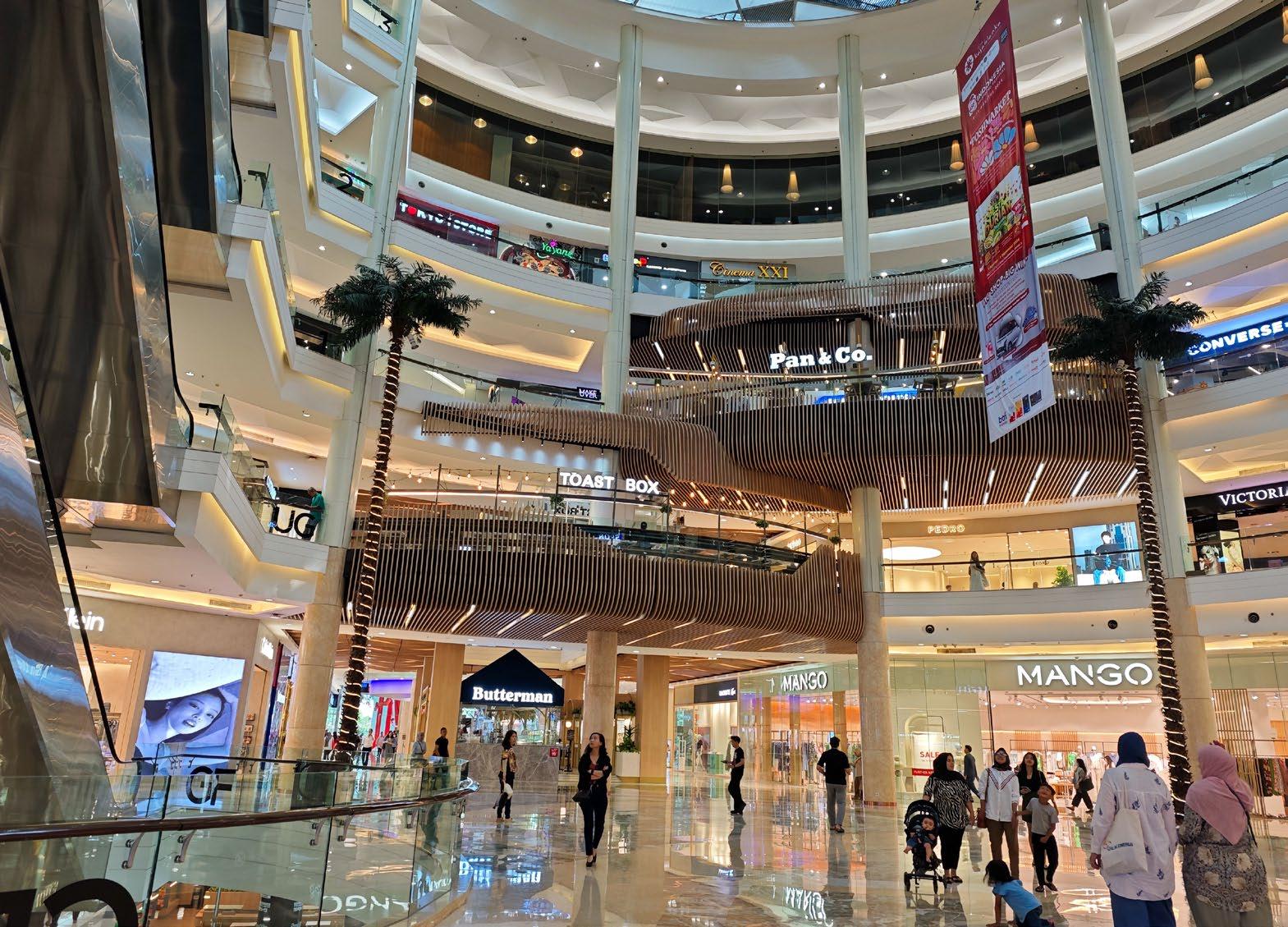
MOSTown: MOST Experiential Mall
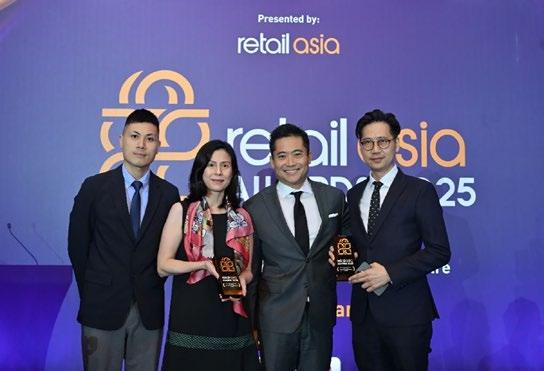
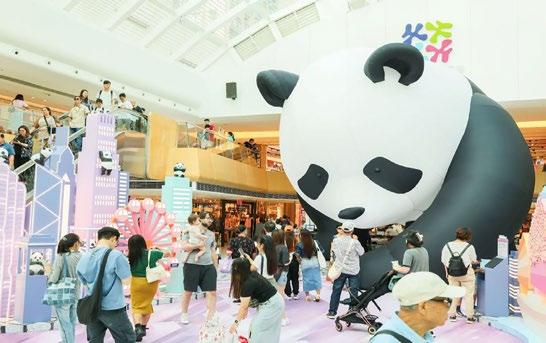
MOSTown clinched Regional Mall of the Year - Hong Kong by creating the district’s ultimate experiential destination. The 735,000-sq-ft mall launched Hong Kong’s first eatery concepts, esteemed global brands, and flagship entertainment facilities. Fueled by star-studded events, smart tech, and strong ESG initiatives, it achieves full occupancy, exceeded pre-pandemic traffic, and consistently outperformed Hong Kong’s retail sales growth.
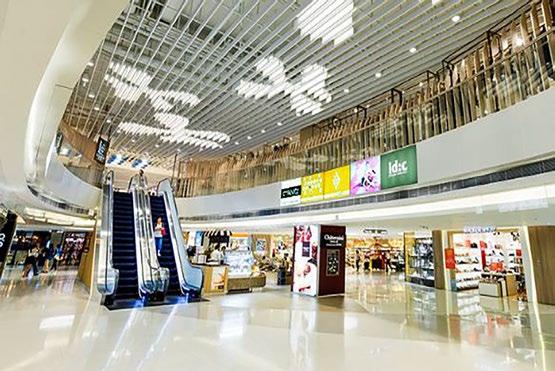
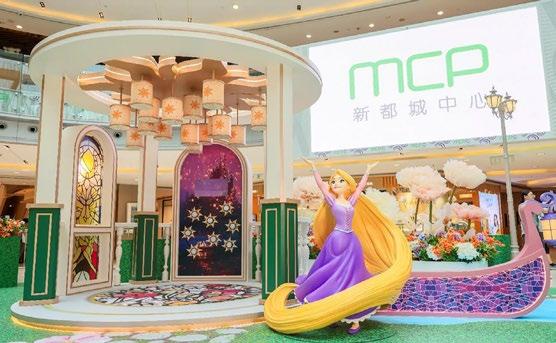
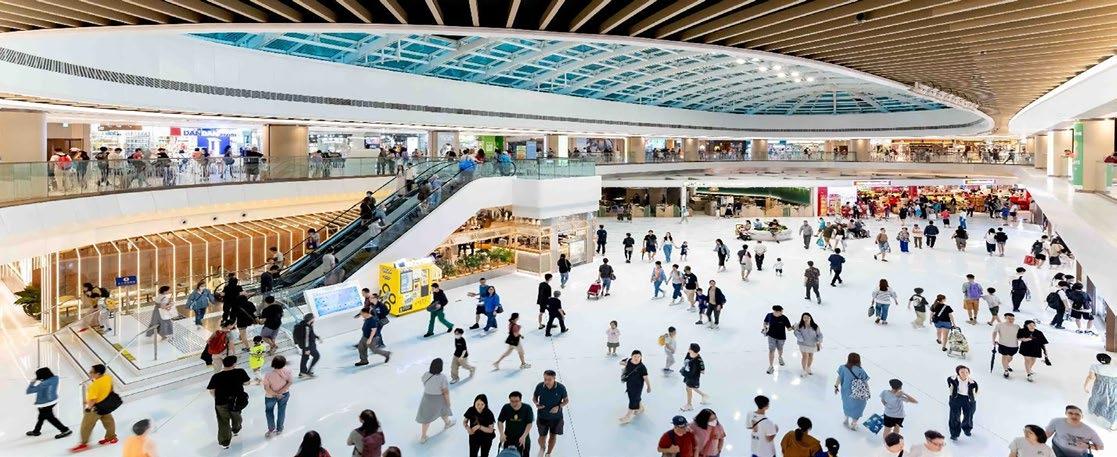
MCP: A Mall for Community Playground
The 1-million-sq-ft hub, subway-connected, unites international retailers with vibrant dining and celebrity-packed, immersive-themed celebrations that drew millions citywide By overhauling nine core service areas and championing sustainability, MCP achieved record-high ROI, surging footfall and a true embodiment of its “community playground” vision – securing Mall Initiative of the Year – Hong Kong www.mostown.com.hk www.metrocityplaza.com
Portfolio.Leasing@hld.com +852 2908-8338
EVENT NEWS: RETAIL ASIA SUMMIT 2025
Here’s why Mars Wrigley is cutting SKUs
The company eyes cutting its Asia SKUs to below 1,000 in 2026.
Mars Wrigley is betting big on simplification across its Asia portfolio — a move that reflects both consumer realities and retail pressures in the region.
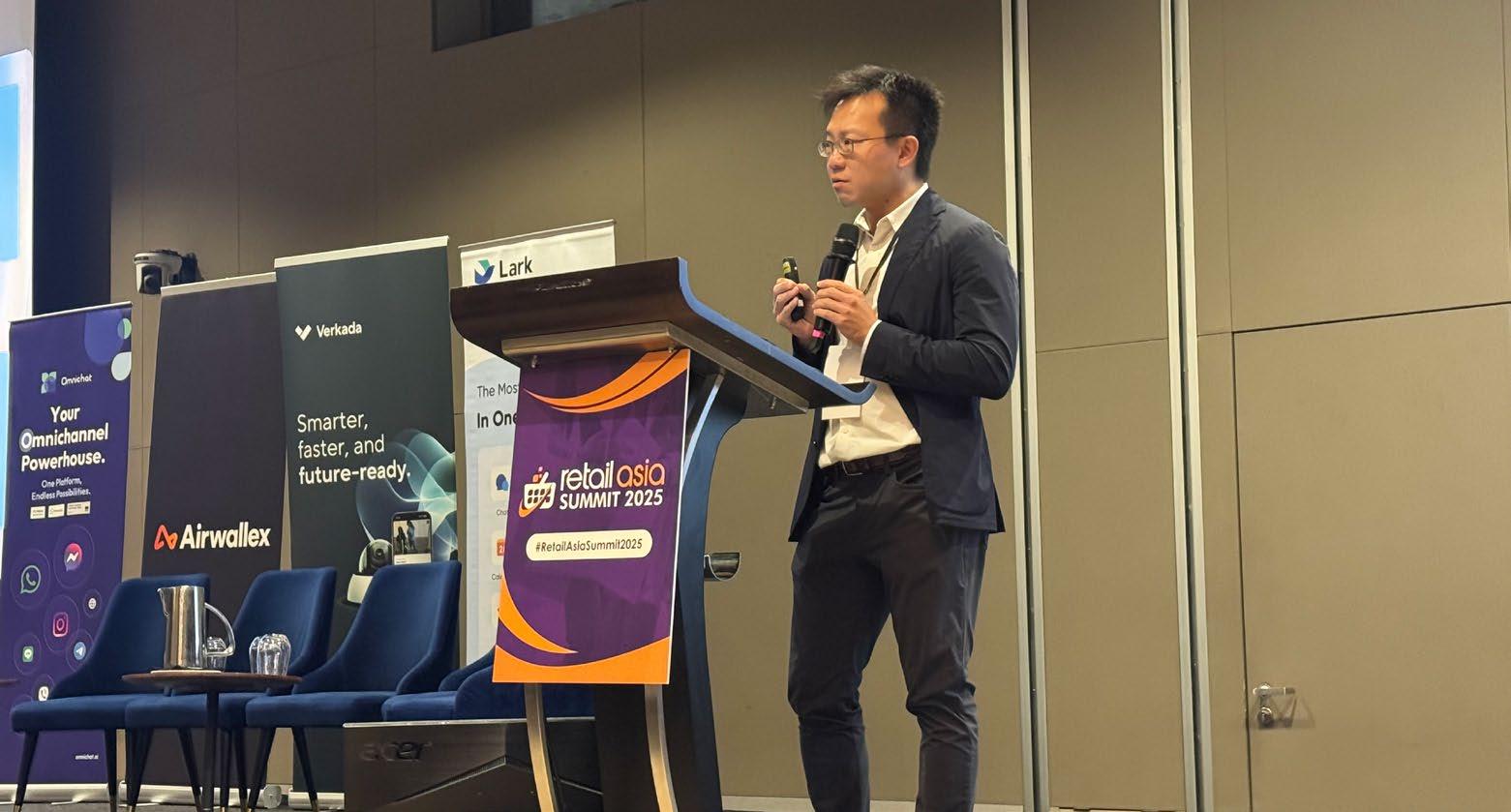
Speaking at the Retail Asia Summit 2025 in Singapore, Kalpesh Parmar, regional general manager at Mars Wrigley Asia, said SKU rationalisation is now a core key performance indicator (KPI) tied directly to the company’s global leadership.
The push towards fewer SKUs didn’t emerge in a vacuum. Parmar pointed to Singapore’s FairPrice supermarket chain as a trigger.
The retailer recently recalibrated its product mix, telling suppliers which SKUs would stay — and which would disappear.
“FairPrice did its own homework based on rate of sale. Out of our 95 SKUs listed, many were delisted overnight. It was not about us doing category management anymore. The retailer leapfrogged,” Parmar said.
The lesson: suppliers can no longer expect retailers to passively carry extended assortments.
Brands must sharpen their portfolios and align more tightly with data-driven retail strategies.
SKU reset
Mars Wrigley’s own data backs up the case for simplification. Parmar revealed that the company’s classic Snickers bar alone accounts for roughly 90% of sales in its category. Whilst limited editions and seasonal variants bring excitement, the commercial core remains narrow.
“Why do we need so many variants of Snickers or M&Ms?” Parmar asked. “Apple has shown us the power of simplicity. Our global KPI is clear: reduce SKUs every year.”
Three years ago, Mars Wrigley had 1,800 SKUs across Asia. By 2025, that number was targeted at 1,250, and the company aims to go below 1,000 in 2026, Parmar said.
Parmar acknowledged that whilst the company holds vast amounts of outlet-level data, it hasn’t been using it effectively. “The fact is, we all have the
data, but we don’t use it so much,” he told the summit attendees.
To change that, Mars Wrigley is investing in data analysts over senior managerial hires — betting that real insight comes from mining numbers, not just strategy decks.
At the same time, simplification does not mean homogeneity. Parmar stressed the importance of keeping things local and purposeful.
In South Korea, Mars Wrigley partnered with K-pop star and SEVENTEEN member Mingyu to lift Snickers sales. In Indonesia, the company relied on local content creators instead of global agencies to launch a new brand — with strong results at lower cost.
The world we want tomorrow starts with how we do business in Asia today
Asia’s fast-moving consumer goods (FMCG) market grew 2.8% year-on-year in the first quarter of 2025, despite ongoing global economic uncertainties, as per data from Kantar Group Ltd. The growth was led by robust
performance in food, beverages, and home care, whilst personal care posted moderate gains and the dairy segment experienced a decline in value.
The region’s confectionery market is also projected to grow 5.6% annually to $213b by 2029, according to German online data platform Statista. Most of the region’s $201.8b revenue in 2024 is generated in China at $84b.
For Parmar, the SKU reset is part of a bigger play: positioning Mars Wrigley to win in the investorready regions of India, Southeast Asia, and Latin America.
With population growth concentrated in these markets, Asia will remain the company’s biggest growth driver for decades to come.
“The world we want tomorrow starts with how we do business in Asia today,” Parmar said. “Simplification is not about cutting back — it’s about focusing on what matters,” he continued.
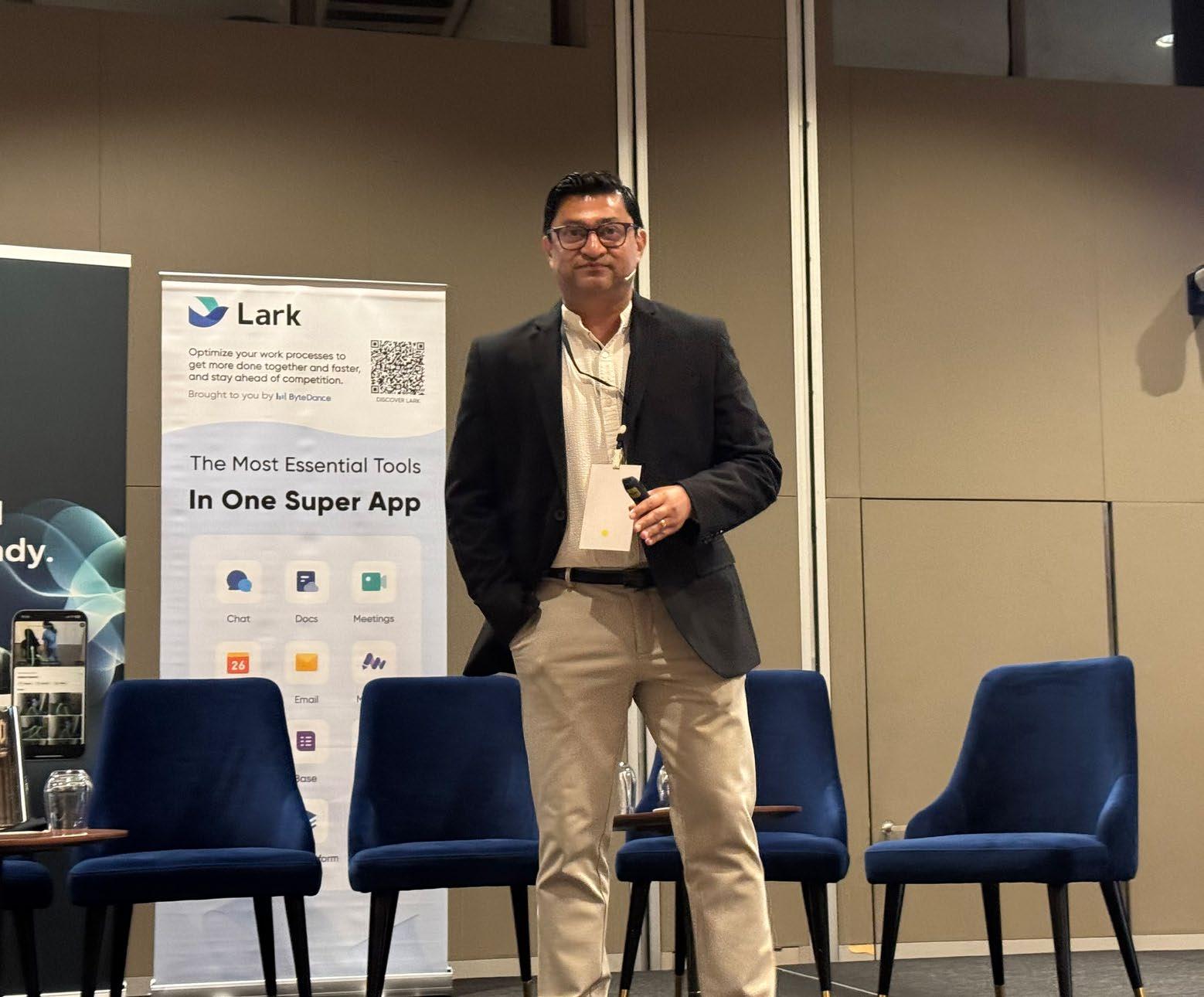
Kalpesh Parmar, regional general manager at Mars Wrigley Asia
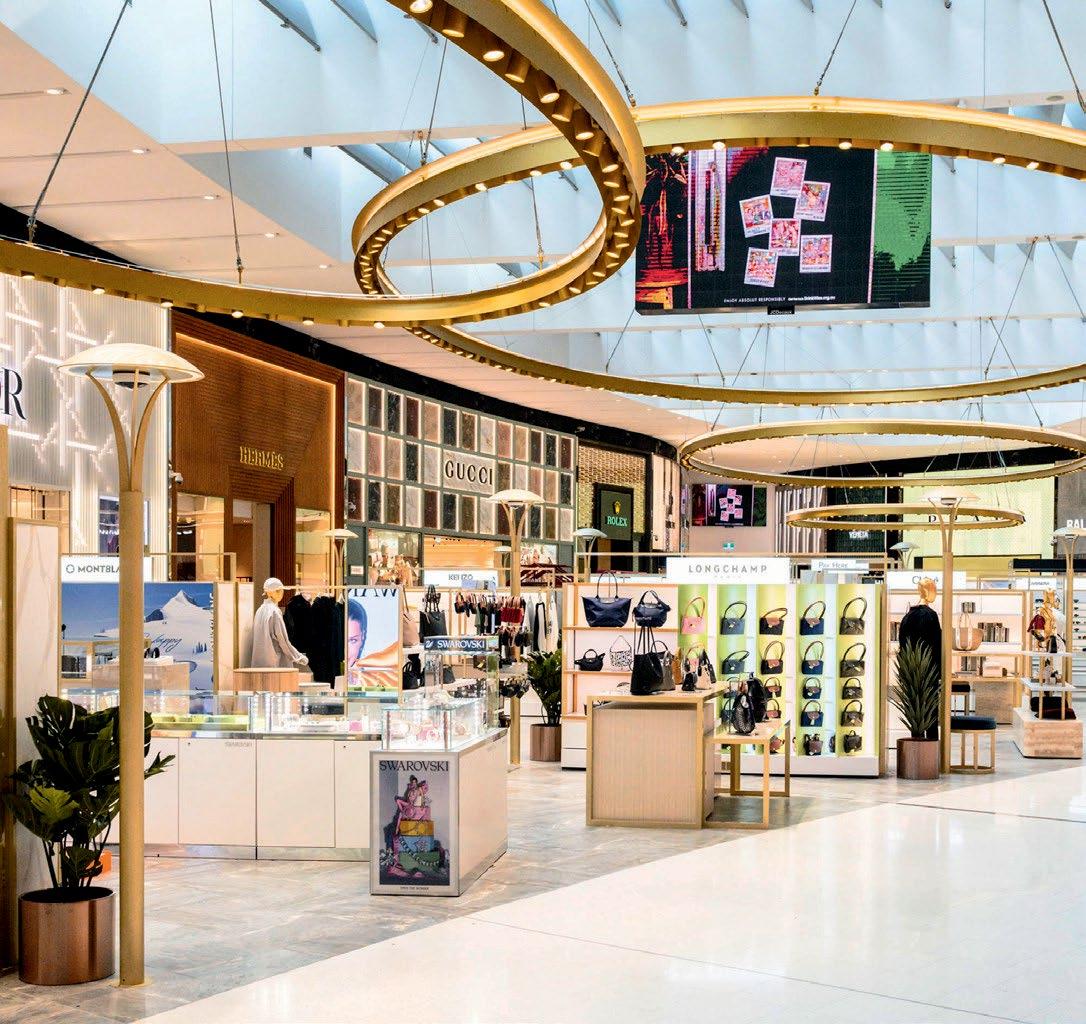
At Heinemann, we strive to create a dynamic marketplace for the world´s most desired brands.
We have been turning travel time into valuable time across the Asia Pacific for over a decade while building a track record of operational excellence and strong partnerships.
We are constantly expanding our horizons, from international duty-free to downtown to domestic airport retail to online.
We look forward to welcoming you to Sydney Airport soon.
Regional Pang Dong Lai rivals global giants
Its service-led culture outpaces Sam’s Club on sales efficiency.
PwC Strategy& Partner Chik
Aun Foo contrasted Walmartowned Sam’s Club with Pang Dong Lai, a regional Chinese supermarket chain. The two retailers, though vastly different in scale, illustrate how brand-led strategies can succeed in today’s competitive market.
Sam’s Club is the heavyweight. In China, it is a $5b business that grew 17% in 2024. Nearly half of its sales (47%) are online, and those digital channels contribute 60% of its profits.
Its formula is to excite middle-class shoppers with exclusives, private labels, and imported goods that competitors cannot match.
Pang Dong Lai, by contrast, runs only 13 stores in Henan province. Its chief executive insists that “the consumer group will determine what type of product I sell” and that “good category management will define the value of an enterprise.”
The chain curates products strictly to match consumer needs, builds private labels, and offers distinctive services such as customised shopping carts and transparent margin disclosures.
Foo described Pang Dong Lai as operating more like a fast-moving consumer goods brand than a grocer, creating loyalty disproportionate to its size. He added that in China’s crowded retail sector, chasing “more, faster, better, and cheaper” leads to “a very tough, bloody fight.”
If you look at their business model, they want to excite the middle class and differentiate from the store next door
Retailers that thrive, he said, will be those that, like Pang Dong Lai, turn consumer trust and brand identity into growth.
More insights from Chik Aun Foo’s session at the Retail Asia Summit:
In China, Sam’s Club is doing really well. Walmart’s business in China is a $5b business. It grew about 17% last year, I need to recheck the numbers. The global average is 5%, and they’re growing at 17%. Who grows at 17% in this kind of economy in China? How does it work?
A couple of facts: 47% of the business is online, and 60% of profits come from online. Why are they so successful? Because we know these people well. They decided to be very brand-led. They know their consumers. They extract everything about their consumer groups, they know exactly which segments — middle class, value-seeking bulk buyers, and those wanting exclusives. They tailor everything. You can see the products: exclusive, newly launched, private labels. They’re operating like an FMCG company with different divisions going after it.
If you look at their business model, they want to excite the middle class and differentiate from the store next door. Exclusive products are very important. They partner with brands and say: if you want to come to Sam’s, you need something the competitor doesn’t have. Sometimes it’s local,
sometimes imported. They know what people want and they create these products. This has been a very successful strategy.
In the end, if you want to be a CPG brand and you want to win, you need to work with brandled retailers and customise your products to their consumers.
Not many people know this company. How many people know Pang Dong Lai, this retailer in China? There’s one. Pang Dong Lai is very famous. They had 13 stores, maybe one or two more now.
They chose to operate only in a second-tier city in Henan province. They didn’t want to operate in the capital. They are fixated on their brand, their quality, and their consumers.
Super service
The CEO is fixated: “The consumer group will determine what type of product I sell. Good category management will define the value of an enterprise.” These retailers talk like FMCG brands. They say: I need to know my consumer. I will give them the right products. If a product is not relevant, I won’t put it on the shelf. I focus on growing the category. If I want to sell coffee, I think about how to generate demand. I’m not just trying to sell one brand or another, I’m thinking of how to grow the category. They have been extremely successful. They even do a bit of the Haidilao style — super service. People say: take my money. They have seven types of shopping carts: for families, for two kids, one kid, fast shopping. You thought IKEA was good? This is better. They have their own private label. They tell you their margins. They are upfront with consumers. They have a brand standard and a whole experience. Snacks are very important in China. People like snacks. In the past, we ate murukku (deep-fried rice and urad dal flour) or kachang (shaved ice dessert), but in China it has evolved into something massive. Small snack shops, Ling Shou Xiaodian, have a million types of snacks. They are organised by taste — sweet, salty, spicy.
Chik Aun Foo, partner at PwC Strategy&
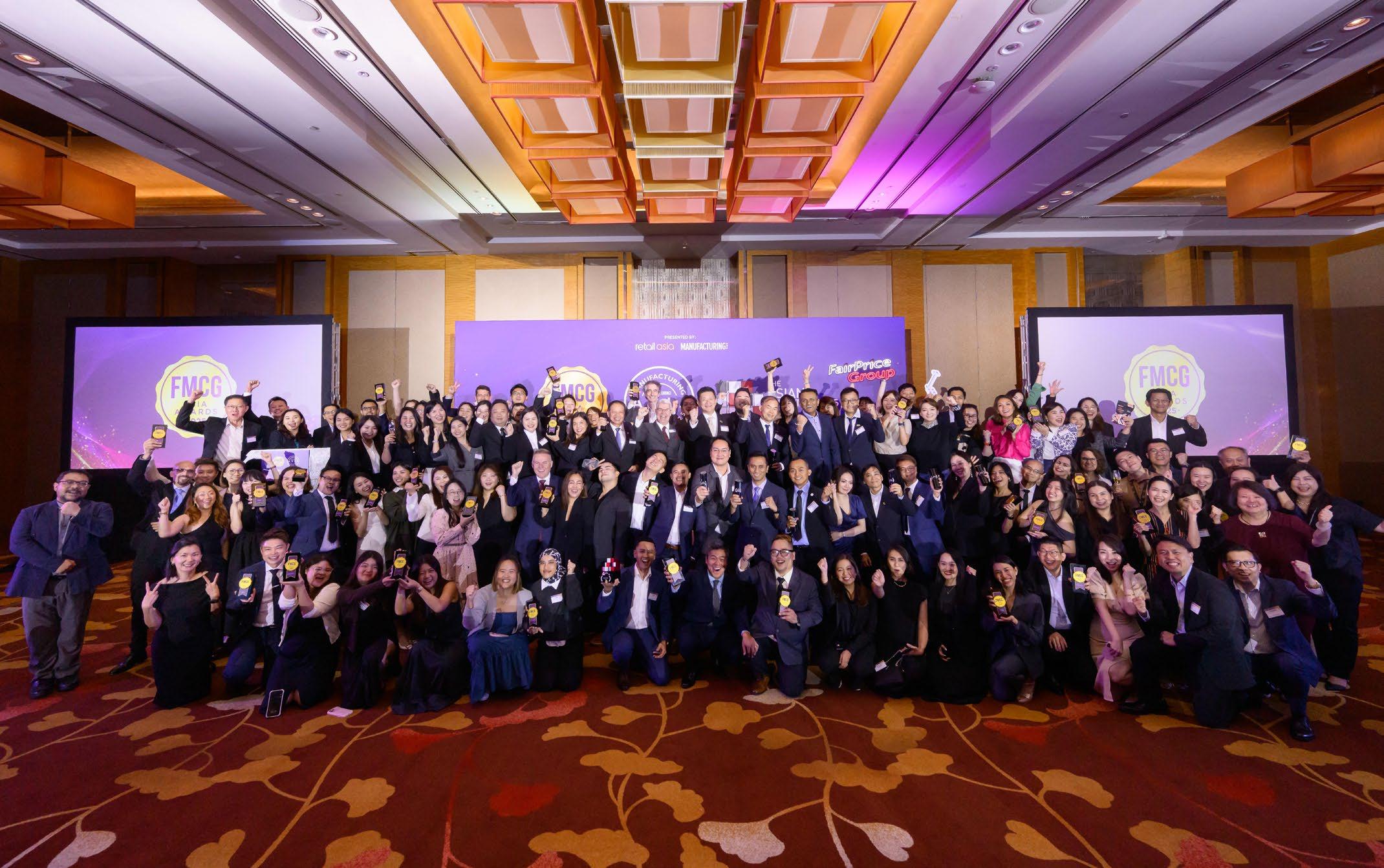
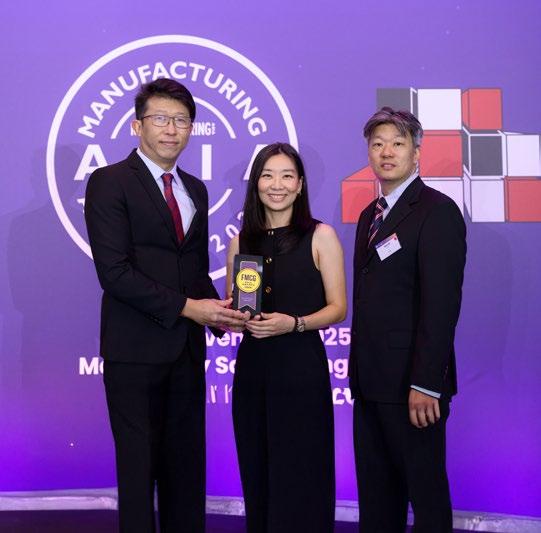
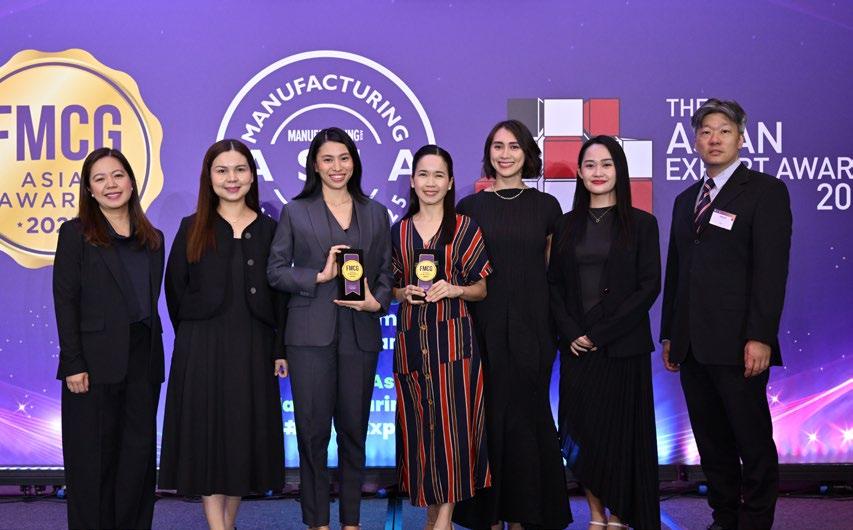
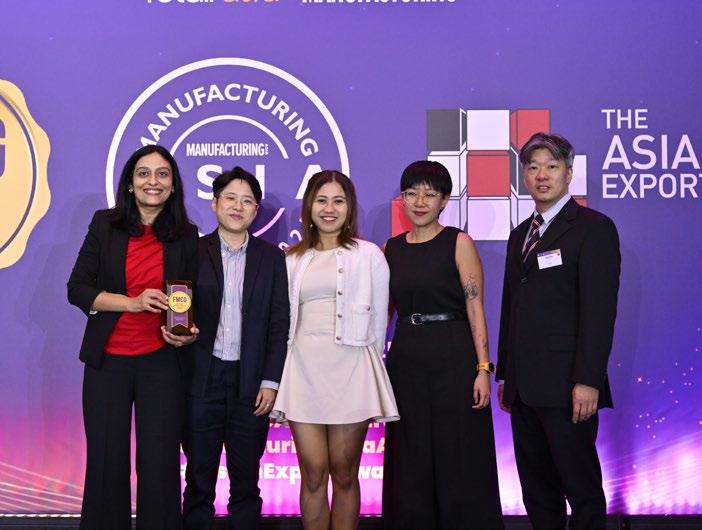
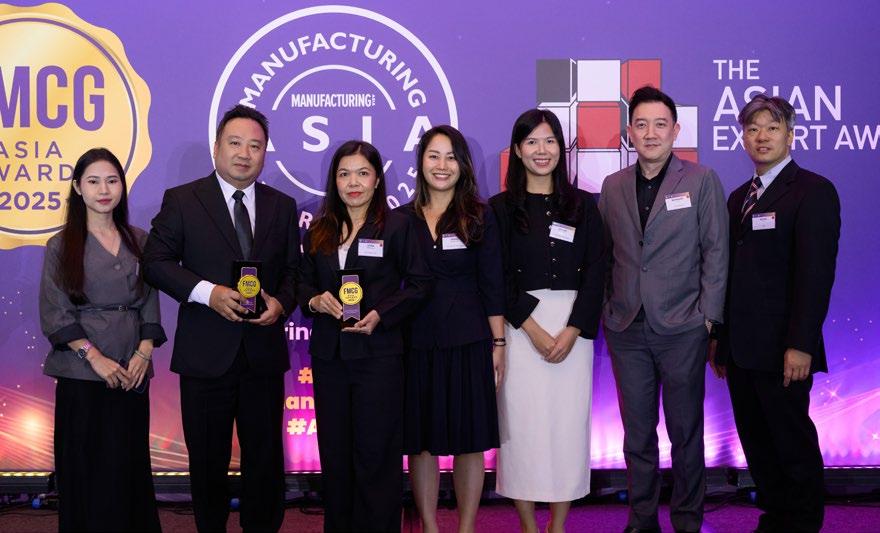
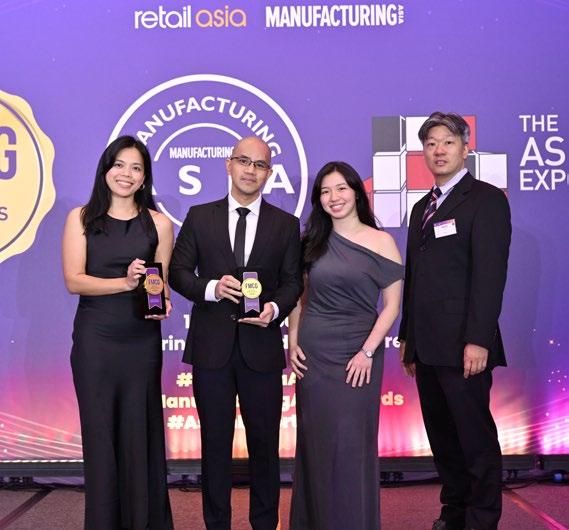
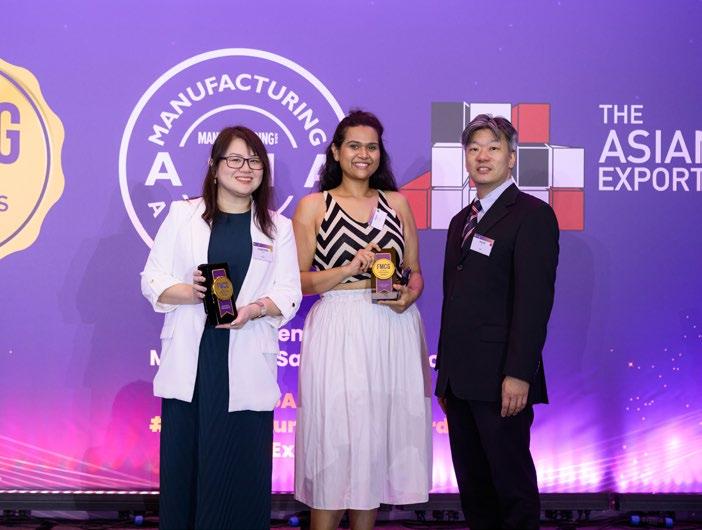
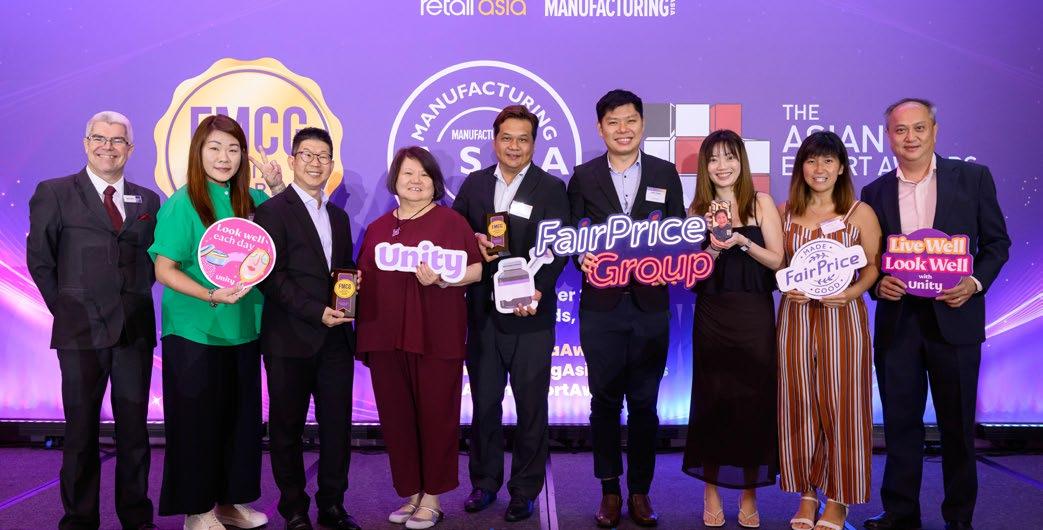
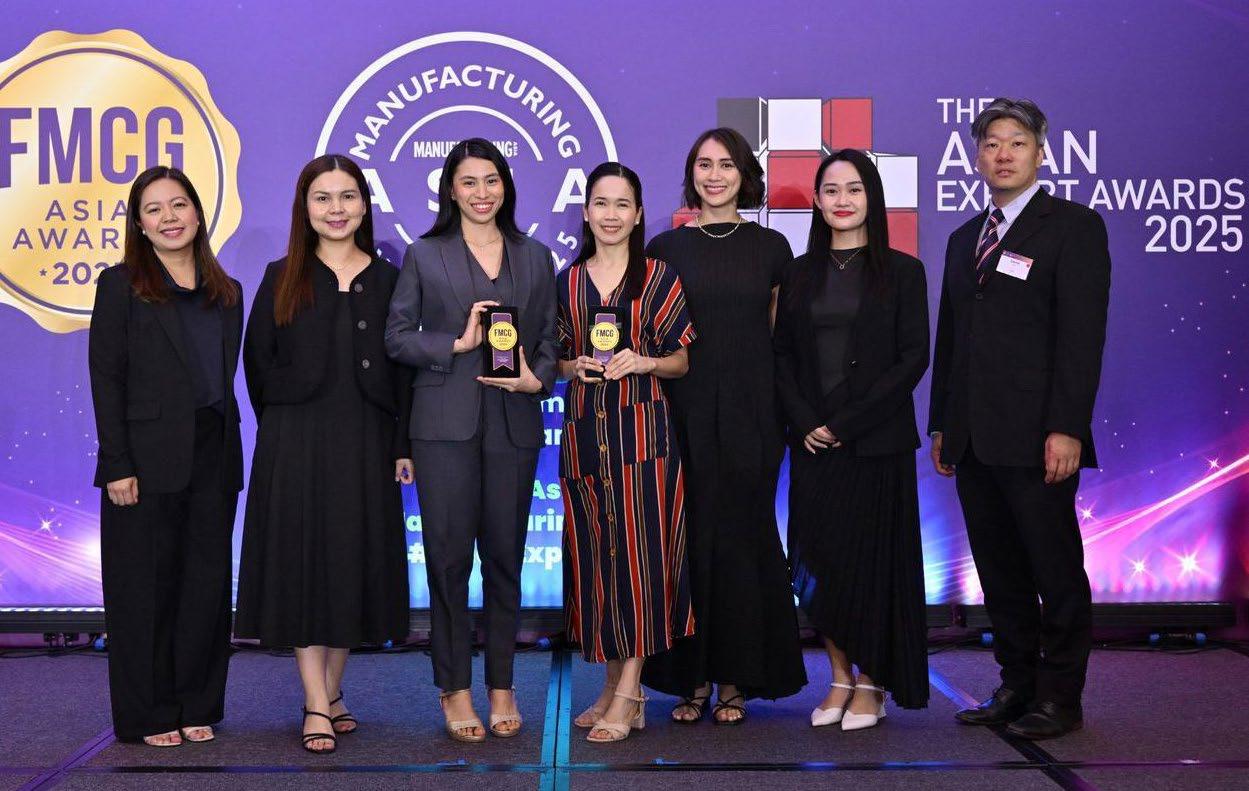
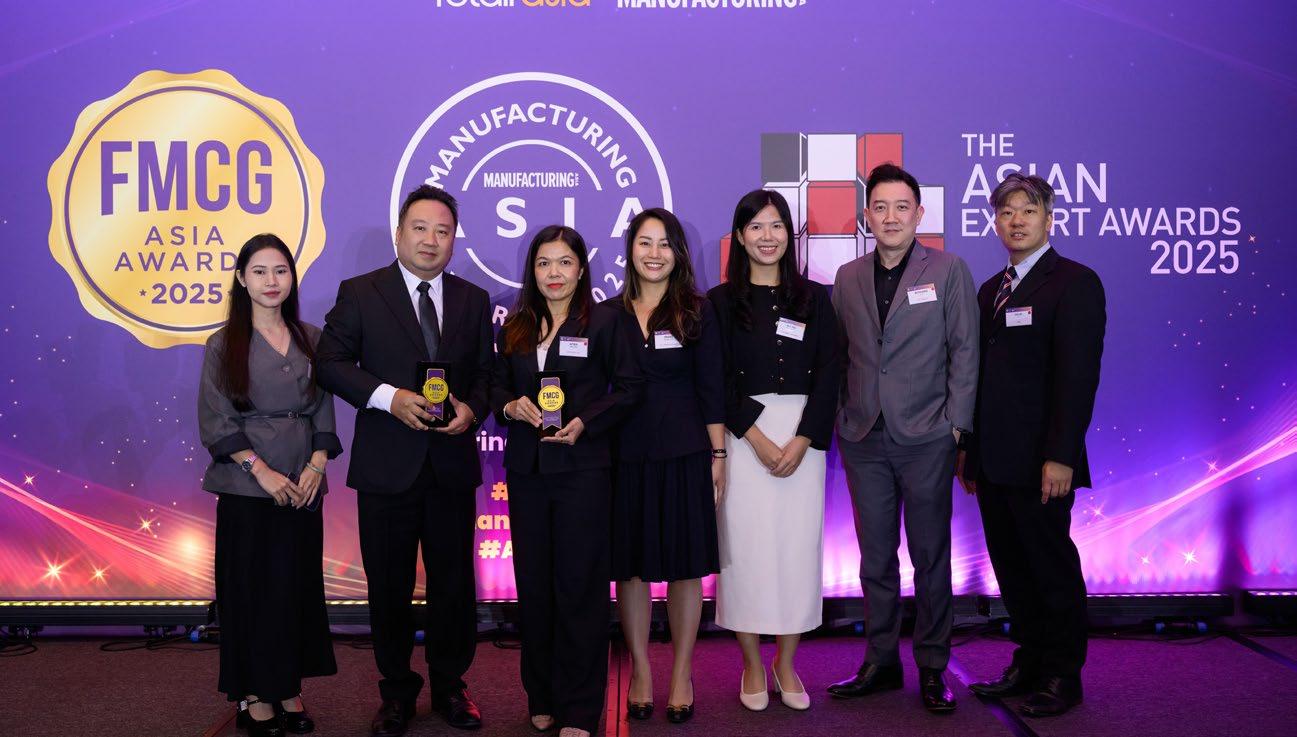
Outstanding consumer brands honoured at FMCG Asia Awards 2025
As Asia’s FMCG sector evolves, leading brands are setting the pace with innovative products, impactful campaigns, trendsetting strategies, and consumer-focused solutions that elevate industry standards.
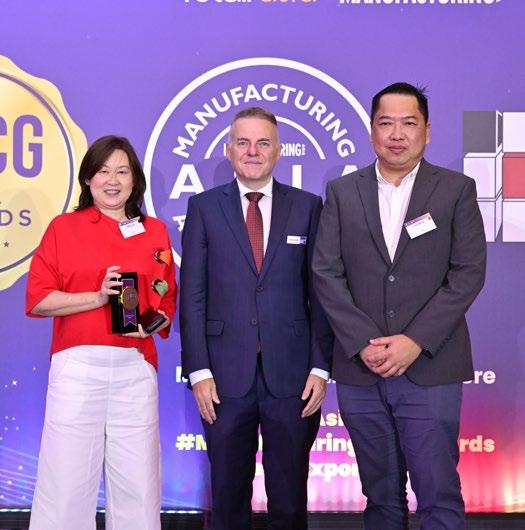
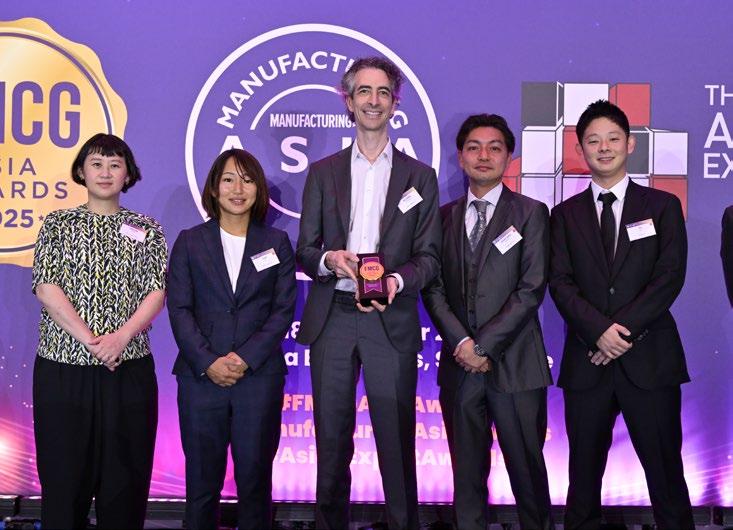
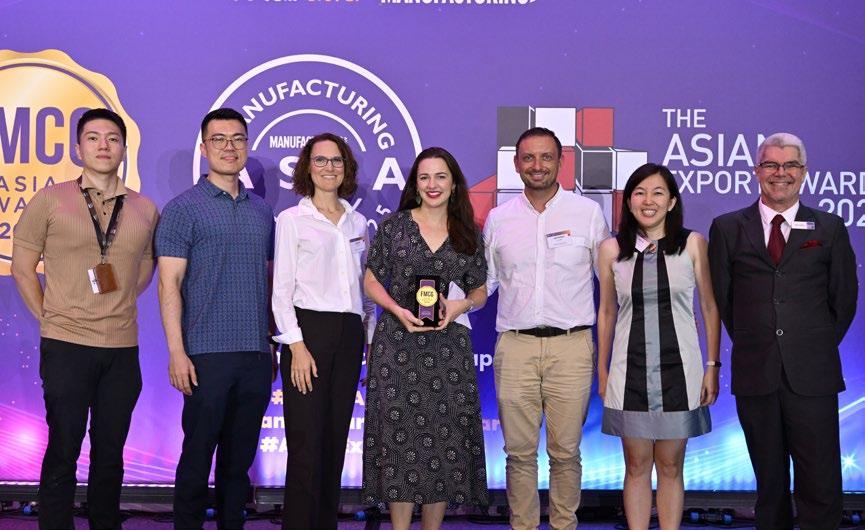
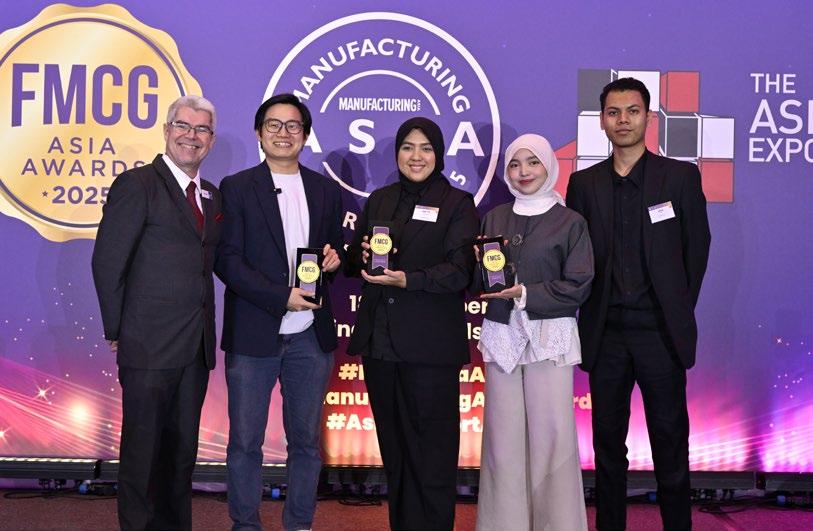
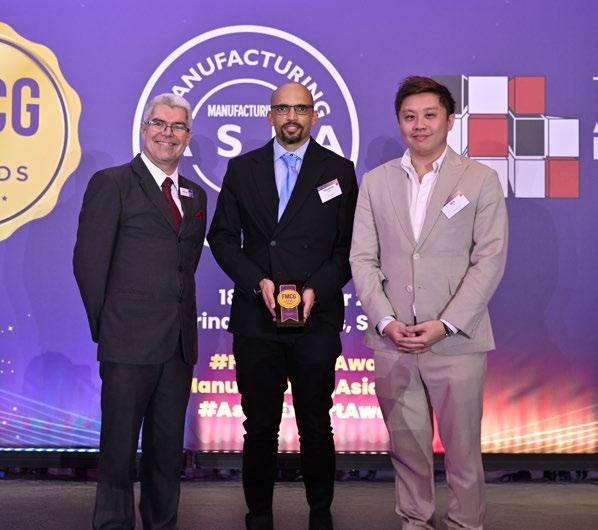
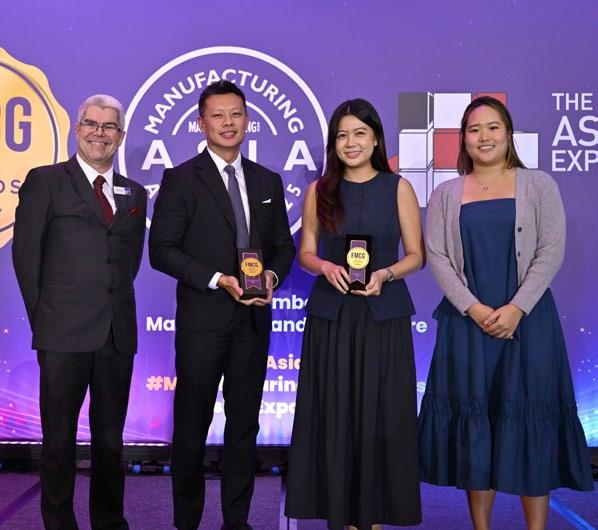
The FMCG Asia Awards 2025, presented by Retail Asia, celebrated these trailblazing brands, recognising their excellence, responsible practices, and transformative initiatives that are shaping the future of fast-moving consumer goods in the region.
Held on 18 November 2025 at the Marina Bay Sands Expo and Convention Centre in Singapore, the ceremony highlighted companies and visionaries who continue to set the benchmark in one
FMCGASIAAWARDS 2025WINNERS
Aficionado
• Omni-Channel Experience of the Year - Philippines
Amaterasun
• Product Campaign of the Year - Indonesia
SOMETHINC
• Product Packaging of the Year - Indonesia
Anhaar Foods
• Consumer Good of the Year (Dairy) - Pakistan
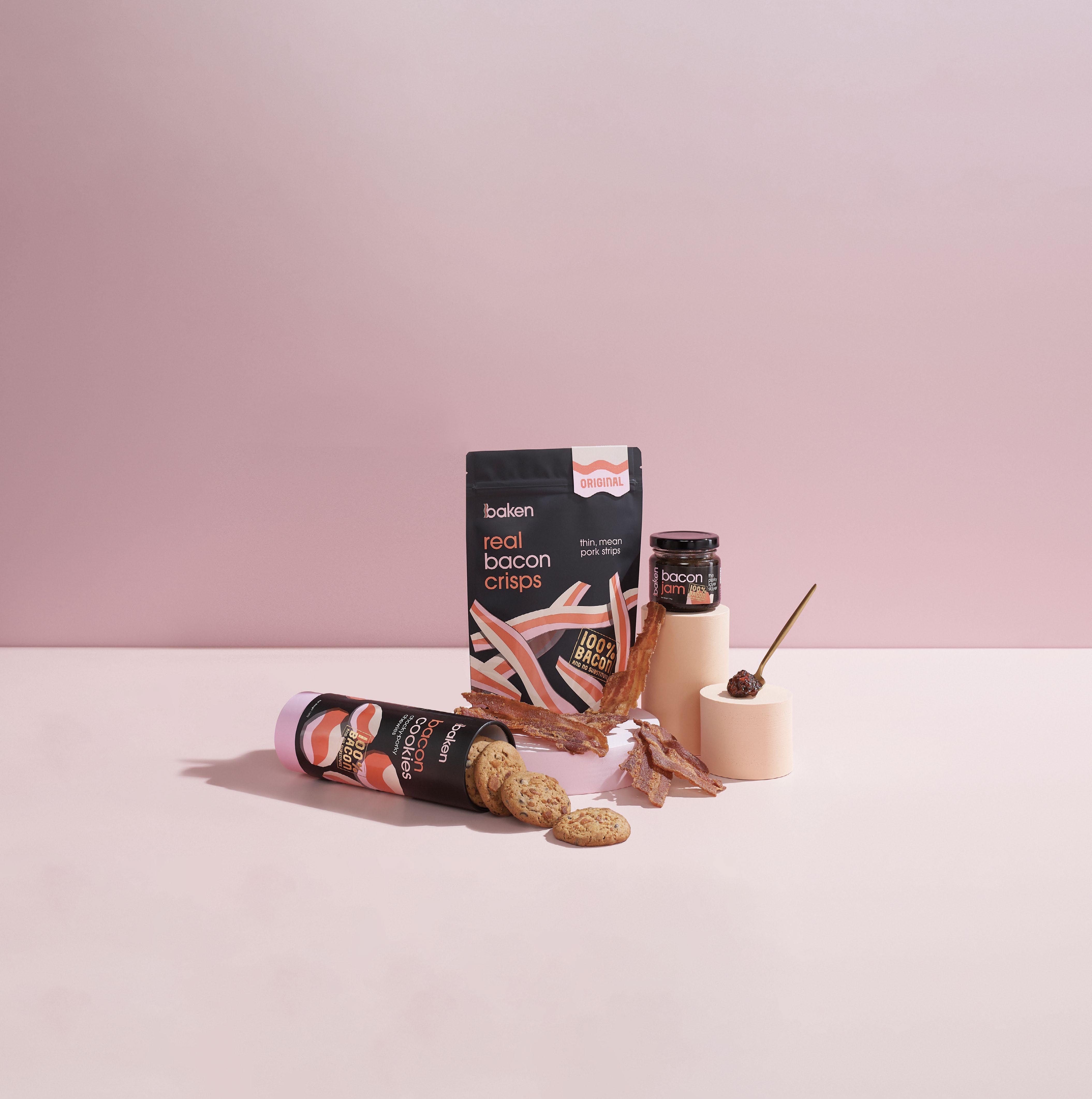
BAKEN
• Consumer Good of the Year (Snack) - Philippines
• Customer Experience Initiative of the Year - Philippines
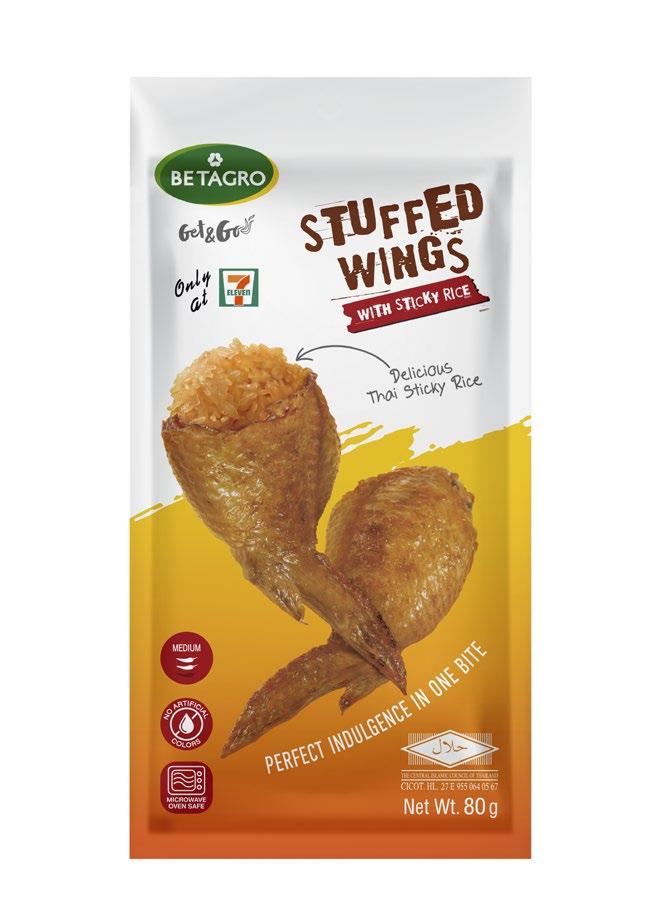
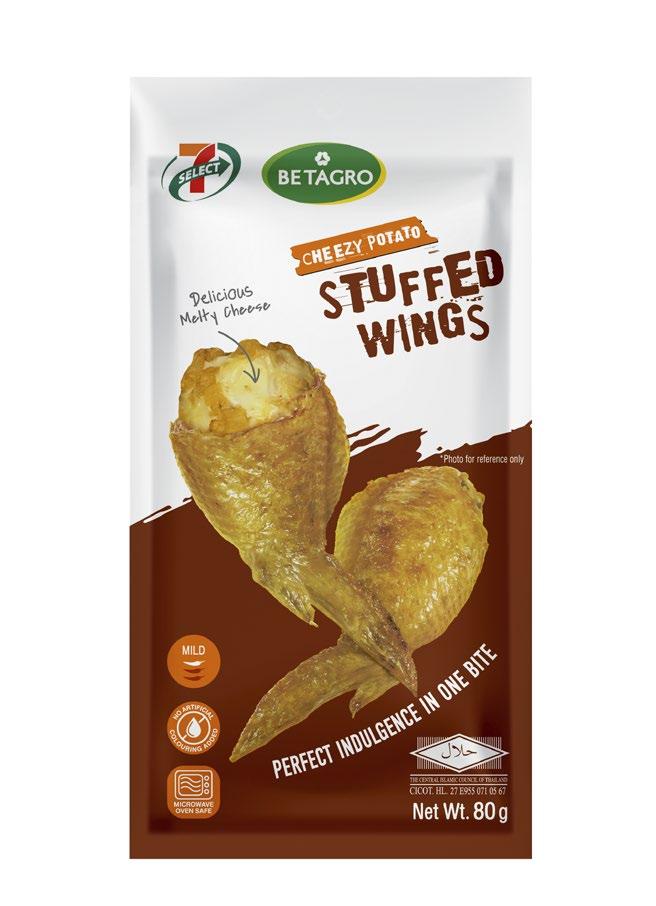
Betagro Group
• Product Extension Initiative of the Year - Singapore
C.P. Vietnam Corporation
• Consumer Good of the Year (Ready-to-eat Meals) - Vietnam
• Sustainability Initiative of the Year - Vietnam
Cambodia Beverage Company (Coca-Cola)
• Cause-Driven Campaign of the Year - Cambodia
CDO FOODSPHERE
• Campaign of the Year - Philippines
• Product Campaign of the Year - Philippines
Century Pacific Food Inc.
• Consumer Good of the Year (Plant-based Milk) - Philippines
• Sustainability Initiative of the Year - Philippines
Dabur International
• Digital Marketing Strategy of the Year - United Arab Emirates
DFI Retail Group
• Digital Marketing Strategy of the Year - Hong Kong
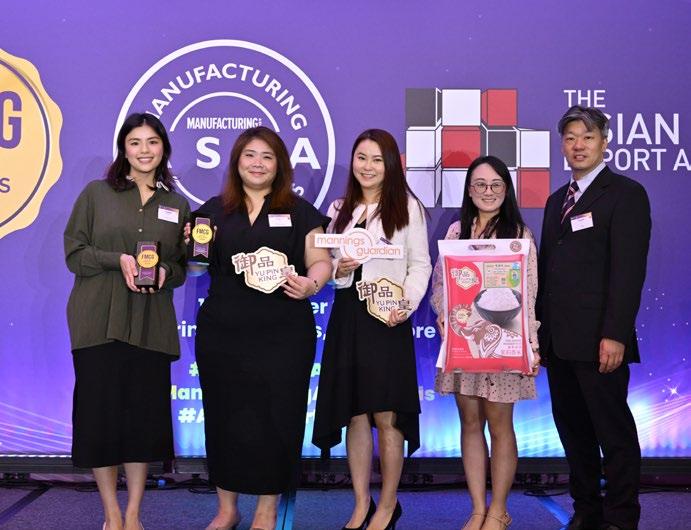
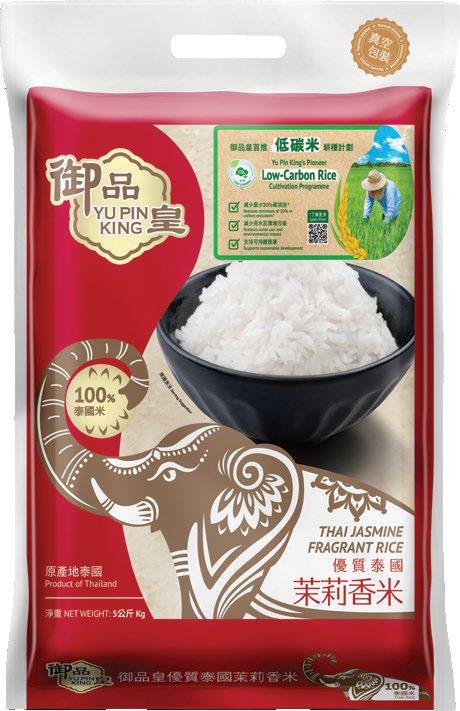
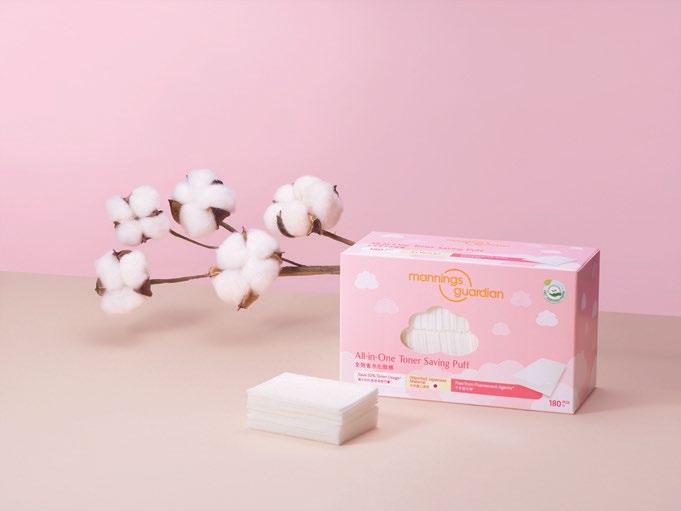
DFI Retail Group, Group Own Brand - Mannings Guardian and Yu Ping King
• Brand Transformation of the Year - Hong Kong
• Sustainability Initiative of the Year - Hong Kong
of Asia’s most competitive sectors.
An esteemed panel of industry experts served as this year's judges, consisting of Olivier Gergele, Asean Consumer Products & Retail Leader, EY; Anson Bailey, Head of Consumer & Retail, Asia Pacific, KPMG; Rakesh Mani, Partner, Asia Pacific Consumer Markets Leader, PwC; David Eu, Partner & Deputy Industry Lead - F&B, Retail and Consumer Products Practice, RSM; and Siddharth Pathak, Senior Partner & APAC Leader for Consumer and Retail Practice, Kearney.
Congratulations to all the winners!
Diageo Korea
• Lifestyle Campaign of the Year - South Korea
• Pop-Up Experience of the Year - South Korea
DIAGEO Taiwan
• Product Launch of the Year - Taiwan
FairPrice Group
• Home Brand of the Year - Singapore
• Product Launch of the Year - Singapore
FairPrice Group (LOTTE Mart Express Project)
• Retail Partnership of the Year - Singapore
FERRERO ASIA PACIFIC
• Campaign of the Year - Thailand
Ferrero Asia Pacific Pte Ltd
• Omni-Channel Experience of the Year - Indonesia
Ferrero Japan Ltd.
• Seasonal Campaign of the Year - Japan
FrieslandCampina Thailand
• Product Campaign of the Year - Thailand
Guardian Health & Beauty Sdn Bhd
• Retail Partnership of the Year - Malaysia
H&H Group
• Product Launch of the Year - Thailand
Jim Beam
• Pop-Up Experience of the Year - Malaysia
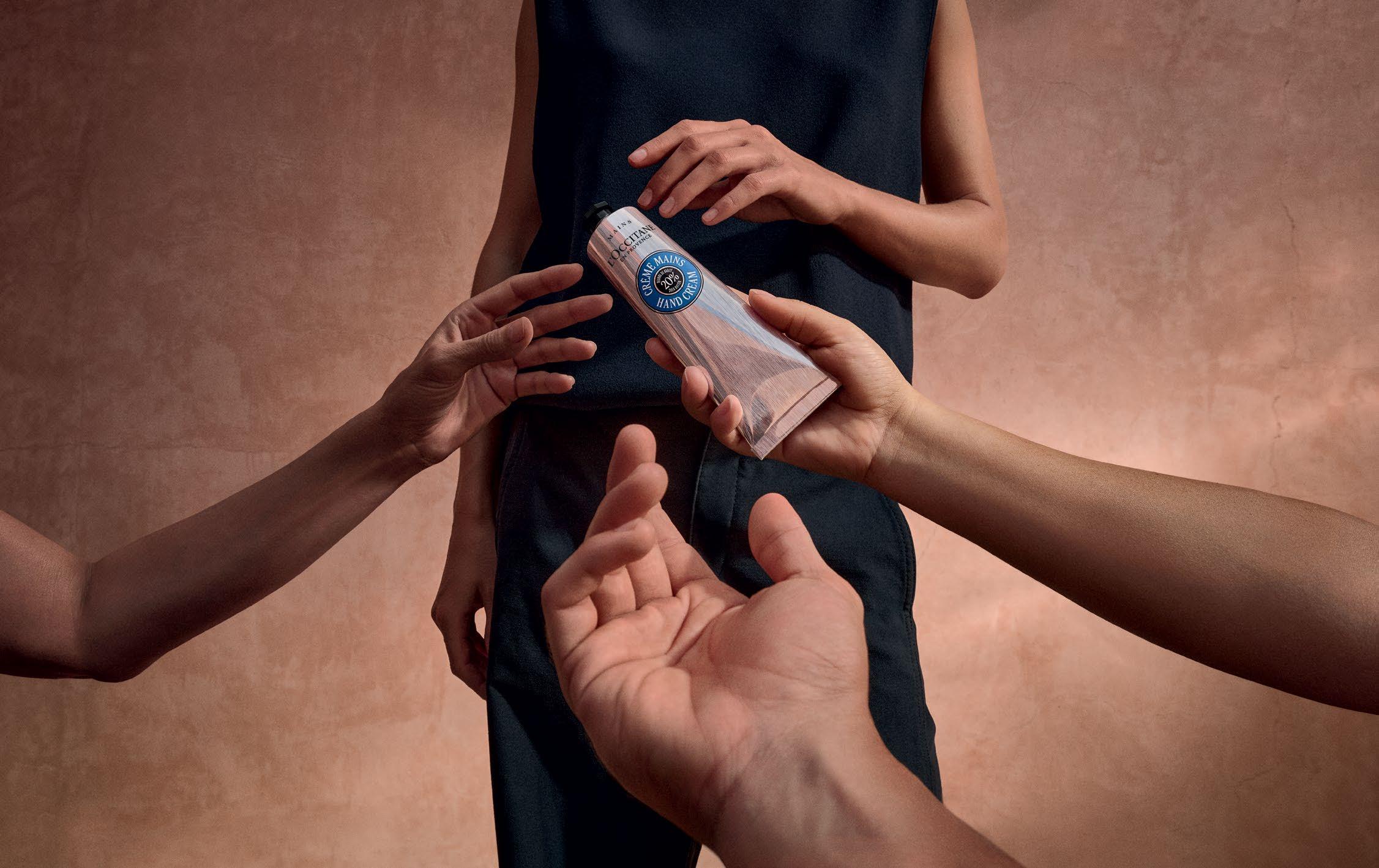
L'Occitane en Provence
• Cause-Driven Campaign of the Year - Hong Kong
L’Oréal Travel Retail Asia Pacific
• Consumer Engagement Initiative of the Year - Singapore
La Vie
• Campaign of the Year - Vietnam
• Digital Marketing Strategy of the Year - Vietnam
Lion Brewery (Ceylon) PLC
• New Brand Launch of the Year - Sri Lanka
• Seasonal Campaign of the Year - Sri Lanka
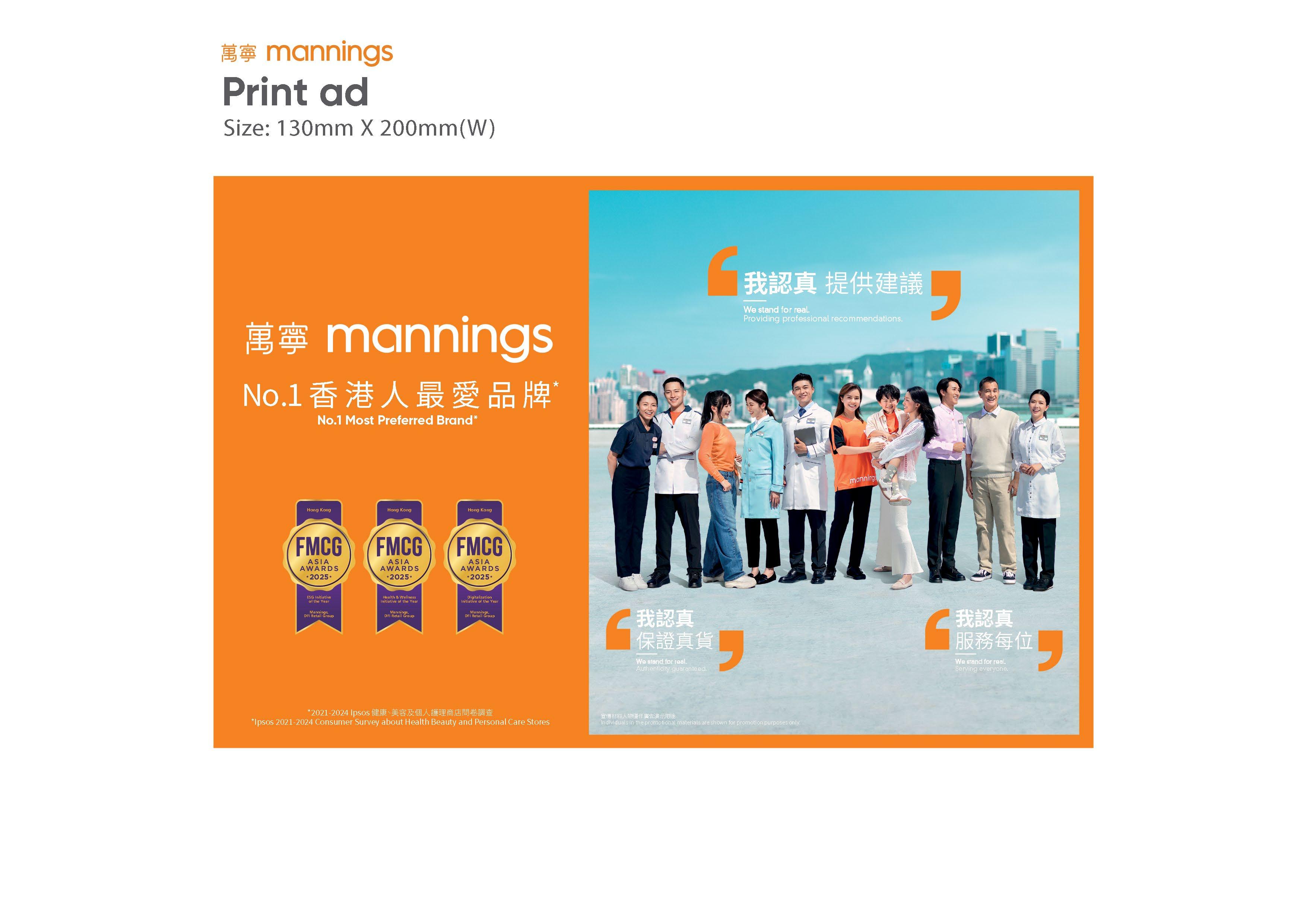
Mannings, DFI Retail Group
• Digitalization Initiative of the Year - Hong Kong
• ESG Initiative of the Year - Hong Kong
• Health & Wellness Initiative of the Year - Hong Kong
Mars Wrigley
• Consumer Engagement Initiative of the Year - Malaysia
Mega Prime Foods Inc.
• Brand Campaign of the Year - Philippines
• Consumer Good of the Year (Canned Goods) - Philippines
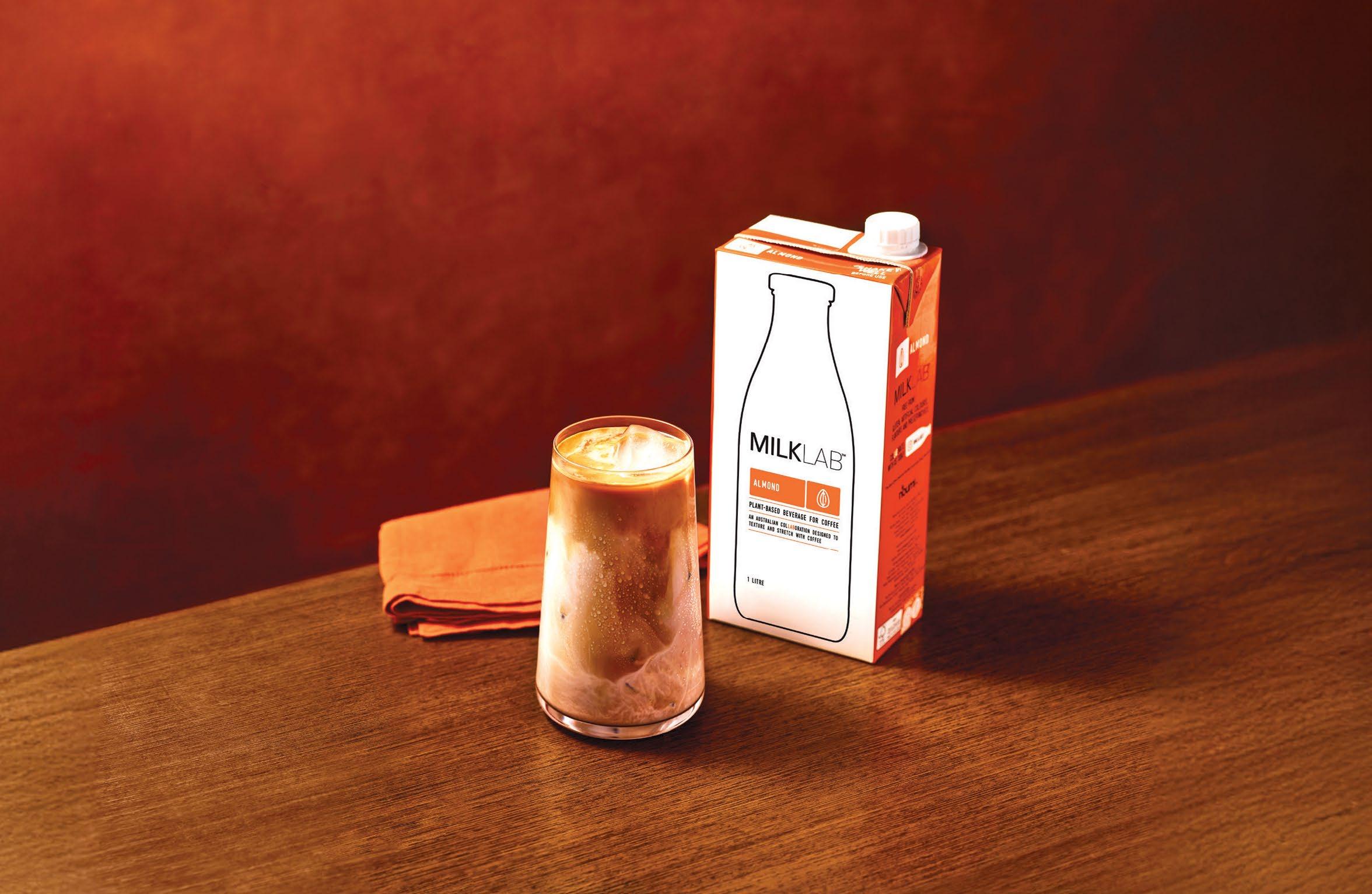
Milklab
• Consumer Engagement Initiative of the Year - Indonesia
Nestlé Japan Ltd.
• Omni-Channel Experience of the Year - Japan
Nestlé Purina PetCare Asia, Oceania, Africa
• Product Launch of the Year - Australia
PACIFIC SYNERGY FOOD AND BEVERAGE CORP.
• Eco-Friendly Initiative of the Year - Philippines
• Home Brand of the Year - Philippines
ParagonCorp
• Customer Experience Initiative of the Year - Indonesia
• Diversity & Inclusion Initiative of the Year - Indonesia
• Pop-Up Experience of the Year - Indonesia
PEPSICO Philippines
• Digital Marketing Strategy of the Year - Philippines
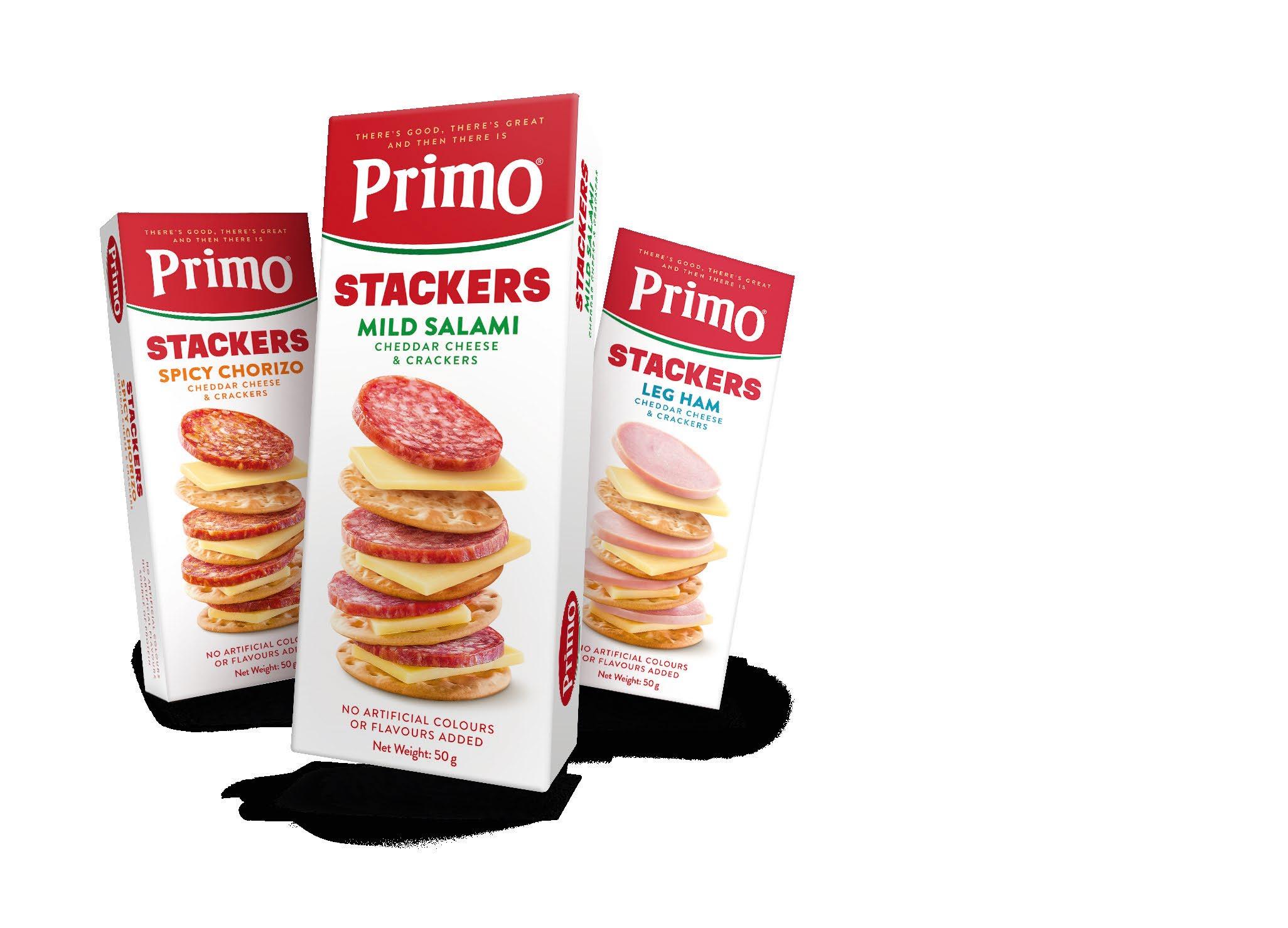
Primo Foods
• Consumer Good of the Year (Snack) - Australia
SIMEXCO DAKLAK LTD.
• ESG Initiative of the Year - Vietnam
Suntory Beverage & Food Hong Kong Limited
• Consumer Good of the Year (Tea) - Hong Kong
Suntory Global Spirits - Roku Gin
• Lifestyle Campaign of the Year - Singapore
TIC TAC
• Consumer Engagement Initiative of the Year - Philippines
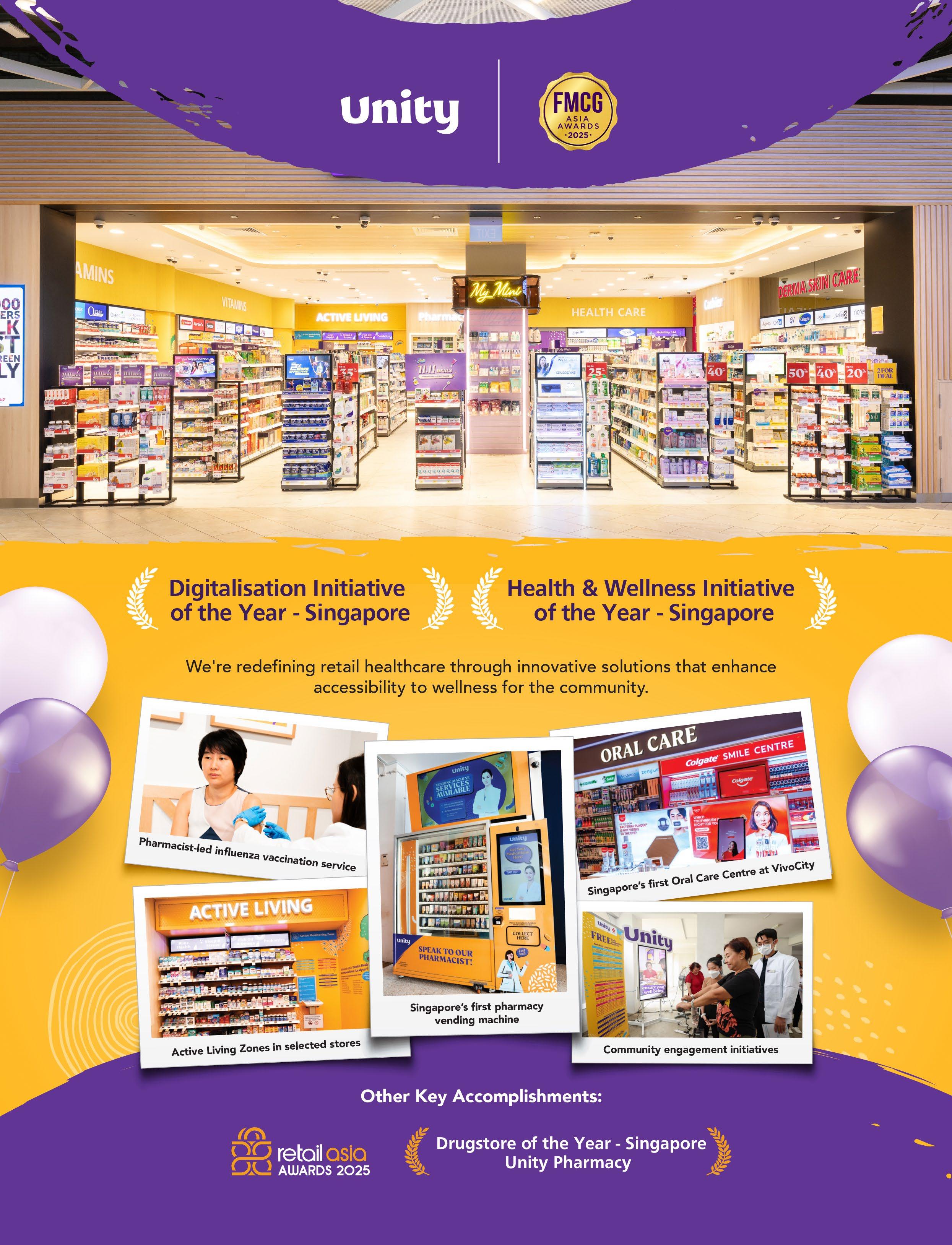
Unity Pharmacy
• Digitalization Initiative of the Year - Singapore
• Health & Wellness Initiative of the Year - Singapore
URC INDONESIA
• Brand Campaign of the Year - Indonesia
Vitasoy International Holdings Limited
• Consumer Good of the Year (Plant-based Milk) - Hong Kong
• Product Launch of the Year - Hong Kong
Yeo's
• Campaign of the Year - Singapore
• Consumer Good of the Year (Non-Carbonated Beverage) - Singapore
EVENT: FMCG ASIA AWARDS
BAKEN
Betagro Group
CPV Food Binh Phuoc and C.P. Vietnam Corporation
CDO FOODSPHERE
Century Pacific Food Inc.
DFI Retail Group, Group Own BrandMannings Guardian and Yu Ping King
DFI Retail Group
Diageo Korea
FairPrice Group (LOTTE Mart Express Project)
DIAGEO Taiwan
FairPrice Group
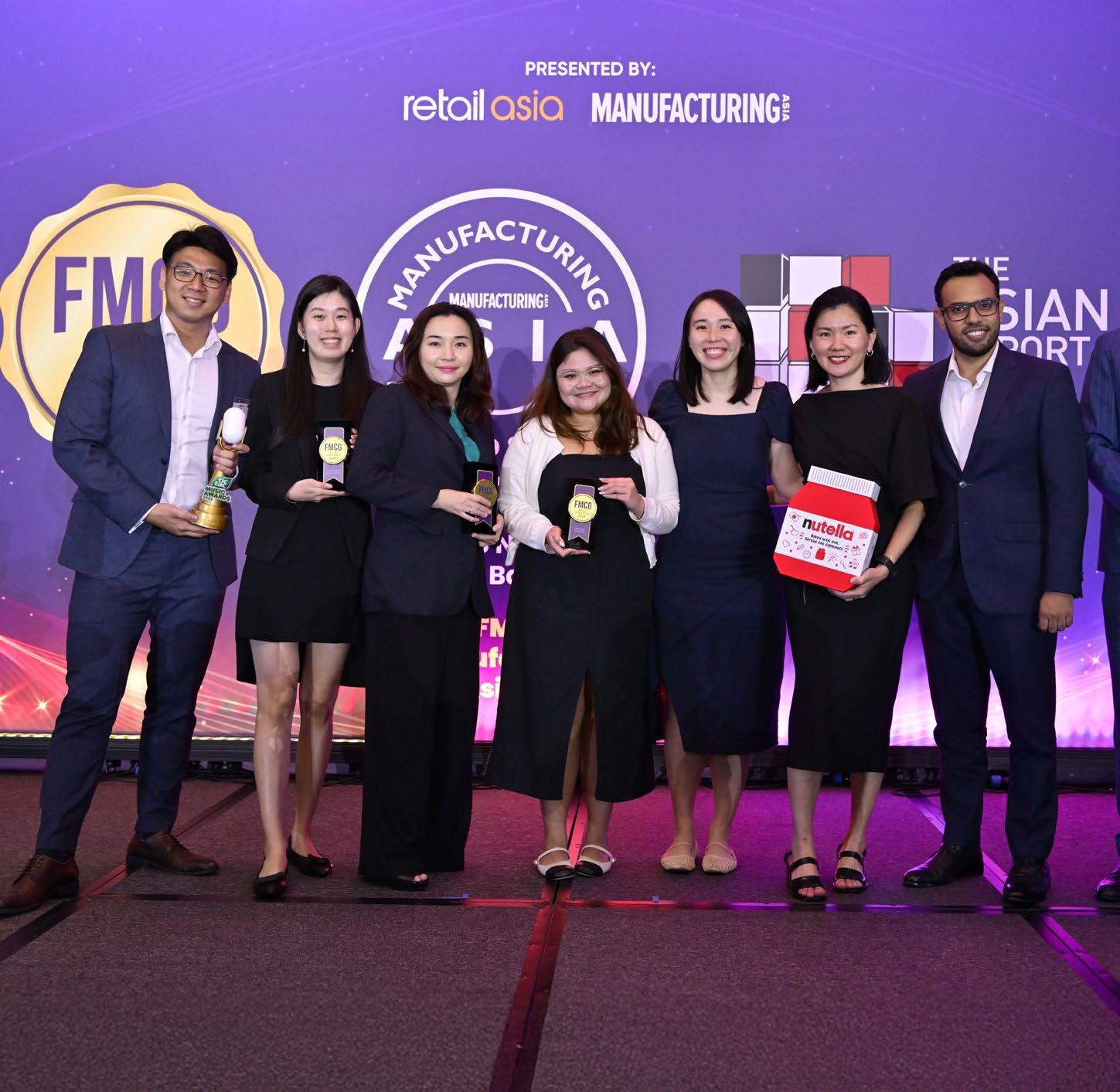
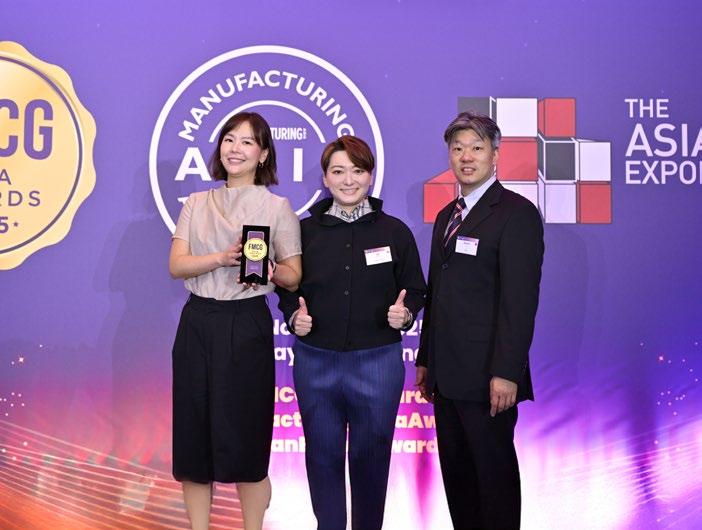
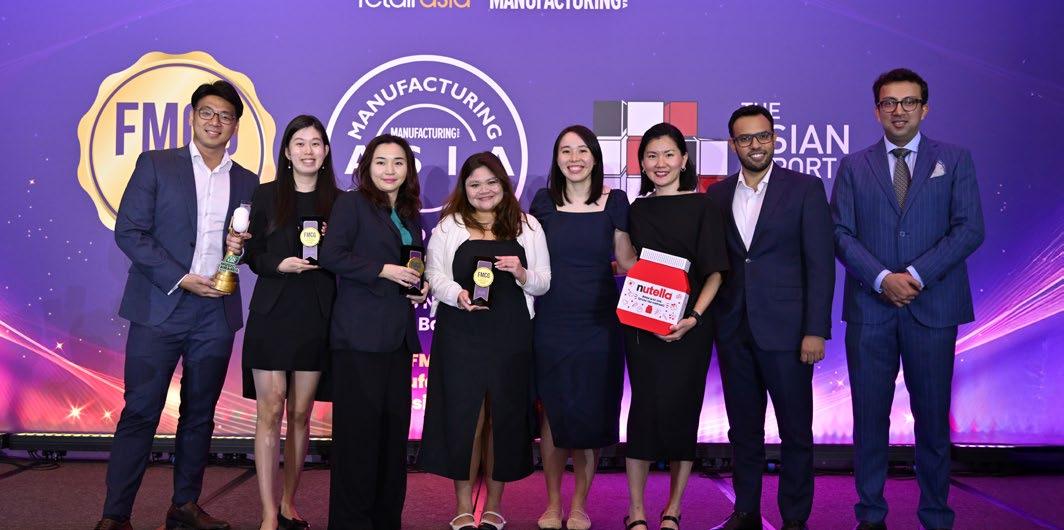
Ferrero Asia Pacific Pte Ltd - Nutella & TICTAC Ferrero Japan Ltd. - Nutella
FERRERO ASIA PACIFIC
FrieslandCampina Thailand
H&H Group
Mannings, DFI Retail Group
Mars Wrigley
Mega Prime Foods Inc.
L'Occitane en Provence
Milklab
PACIFIC SYNERGY FOOD AND BEVERAGE CORP.
Suntory Global SpiritsJim Beam & Roku Gin Unity Pharmacy Yeo's
Nestlé Japan Ltd.
ParagonCorp
Nestlé Purina PetCare Asia, Oceania, Africa
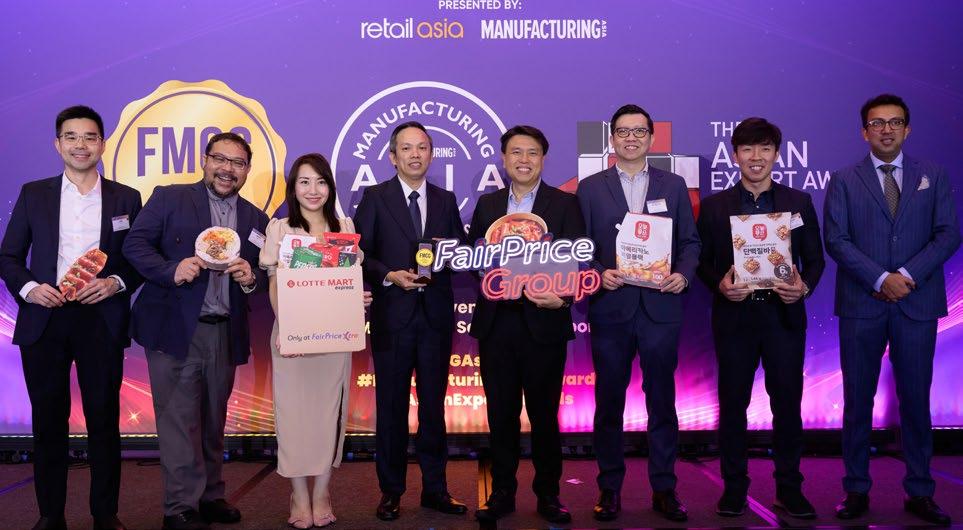
Primo Foods
FairPrice Group honoured at FMCG Asia Awards 2025 for homegrown excellence
The retailer strengthened consumer trust through value-led campaigns and innovative launches.
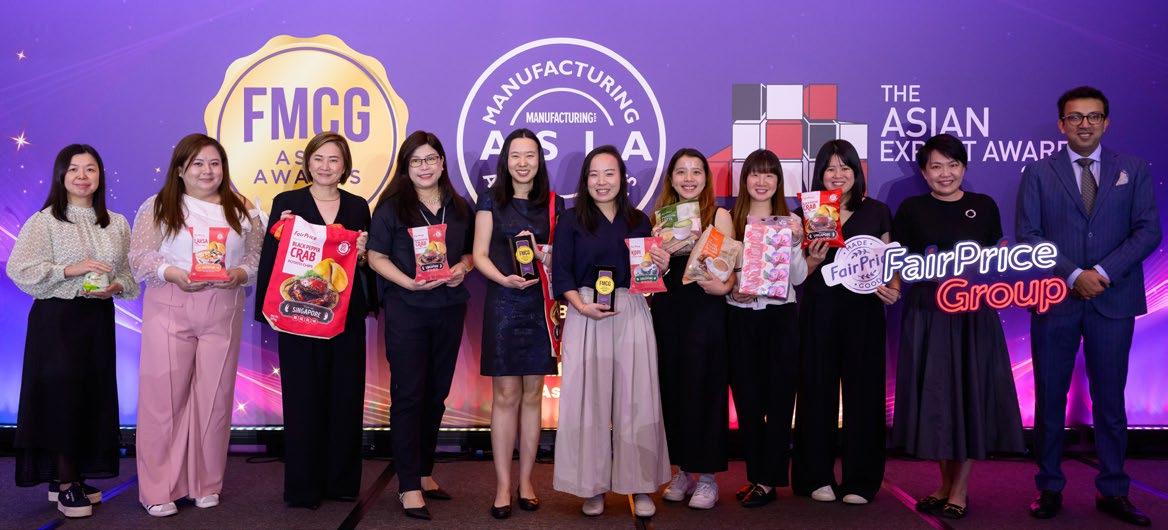
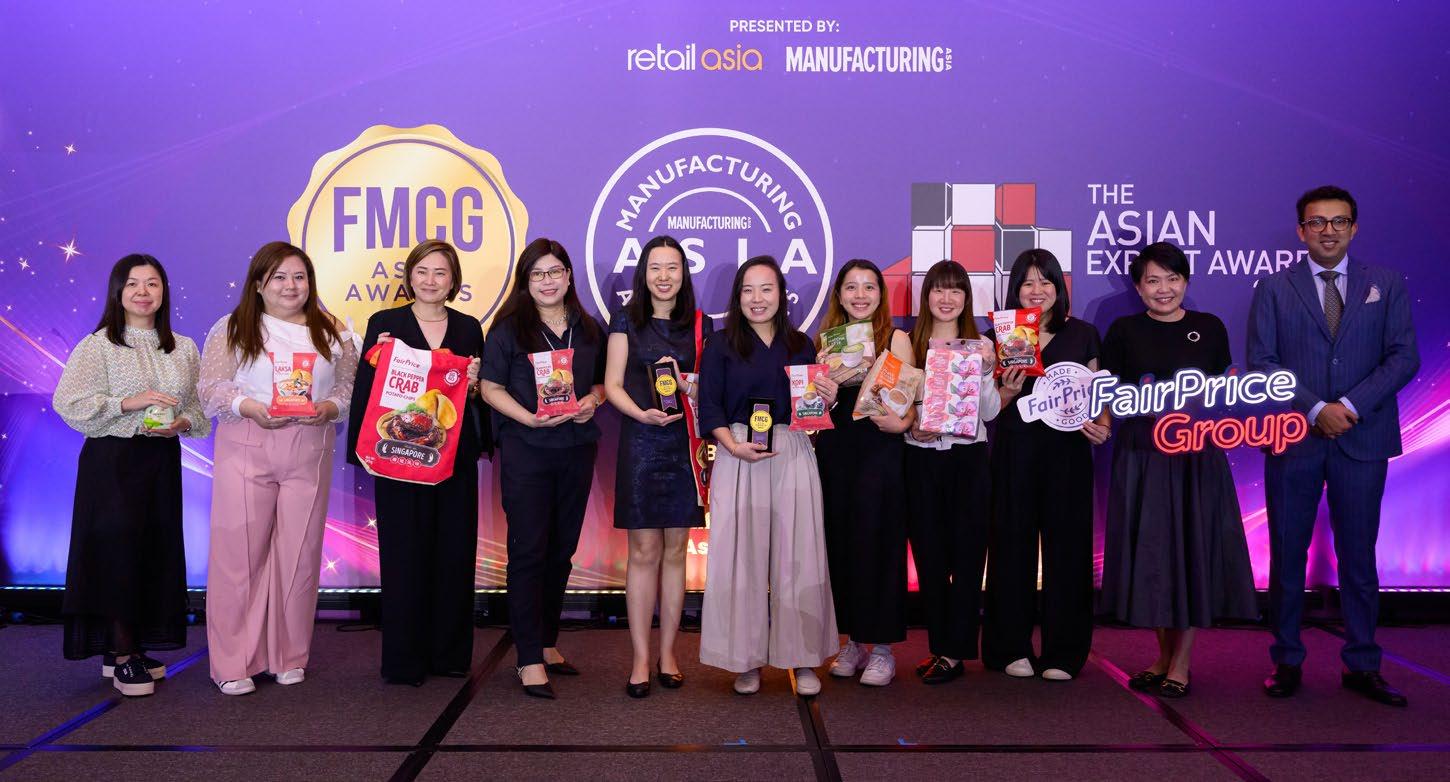
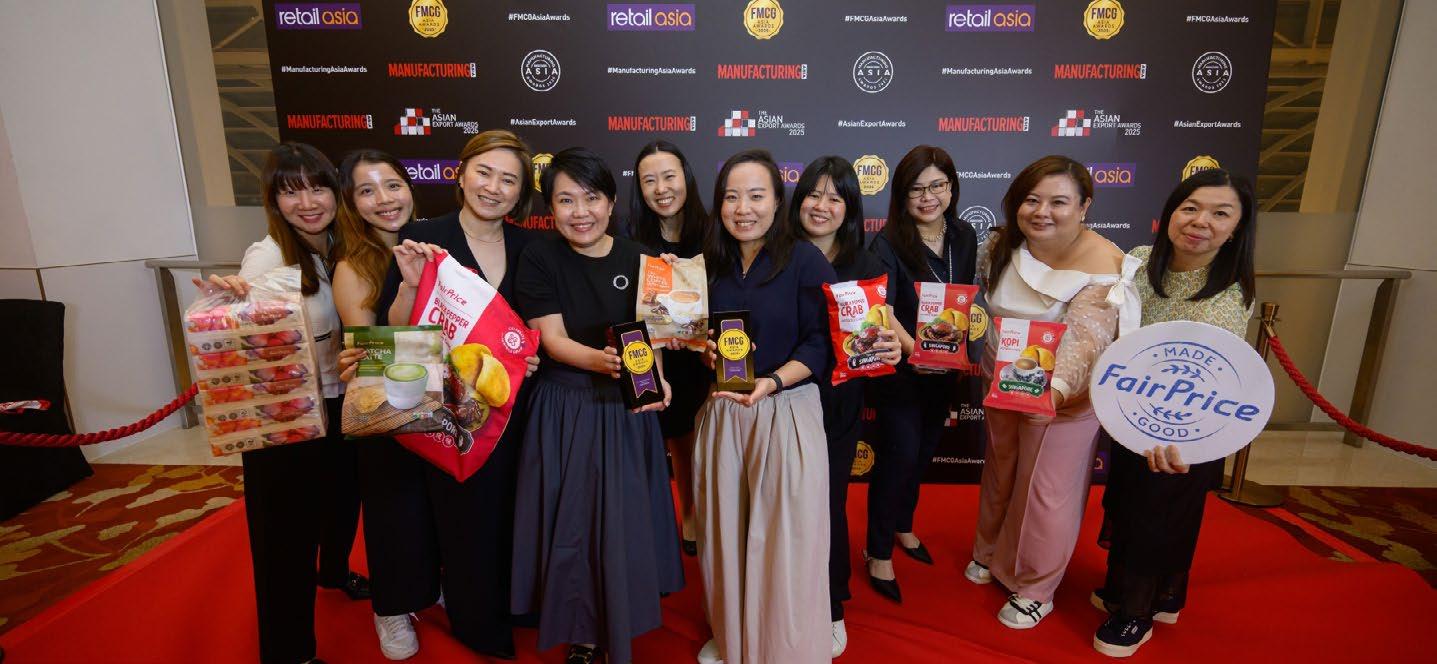
FairPrice Group received recognition at the FMCG Asia Awards 2025 after winning in the Home Brand of the Year - Singapore and Product Launch of the Year - Singapore categories. Together, these results point to steady gains in its HouseBrand portfolio and product relevance for Singaporean shoppers.
This achievement reaffirms FairPrice Group’s commitment to delivering affordable products that make every day a little better for Singaporean shoppers.
Building brand equity through value and quality
For Home Brand of the Year - Singapore, FairPrice Group detailed the progress of its FairPrice HouseBrand, a name that has evolved since its 2019 relaunch through four defined areas: brand equity, value leadership, portfolio, and product. In 2025, these pillars were reinforced through two national campaigns, ‘Bestsellers for Less’ and ‘Celebrate with FairPrice’. Each campaign centred on the company’s core offering, comprising daily essentials and affordable indulgence products positioned for broad consumer reach.
The initiatives recorded outstanding sales uplift and the highest Brand Equity Index amongst Singapore’s key retailers. The brand’s expansion strategy introduced new variants catering to health-conscious consumers and those seeking variety.
Low-sodium salt, no-sugar kaya, and extended breakfast assortments were added to the lineup.
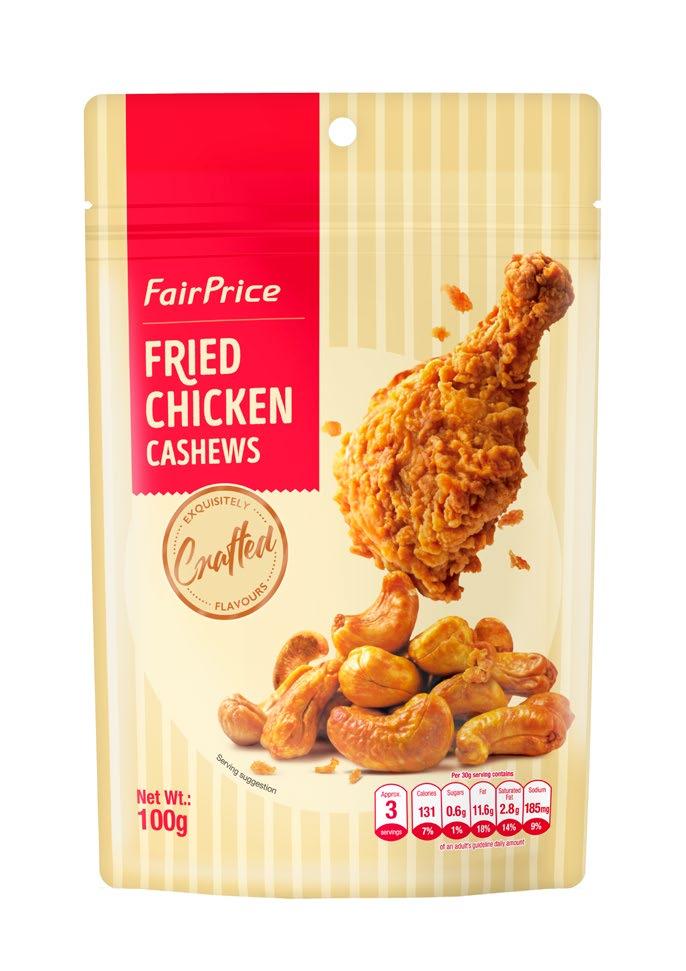
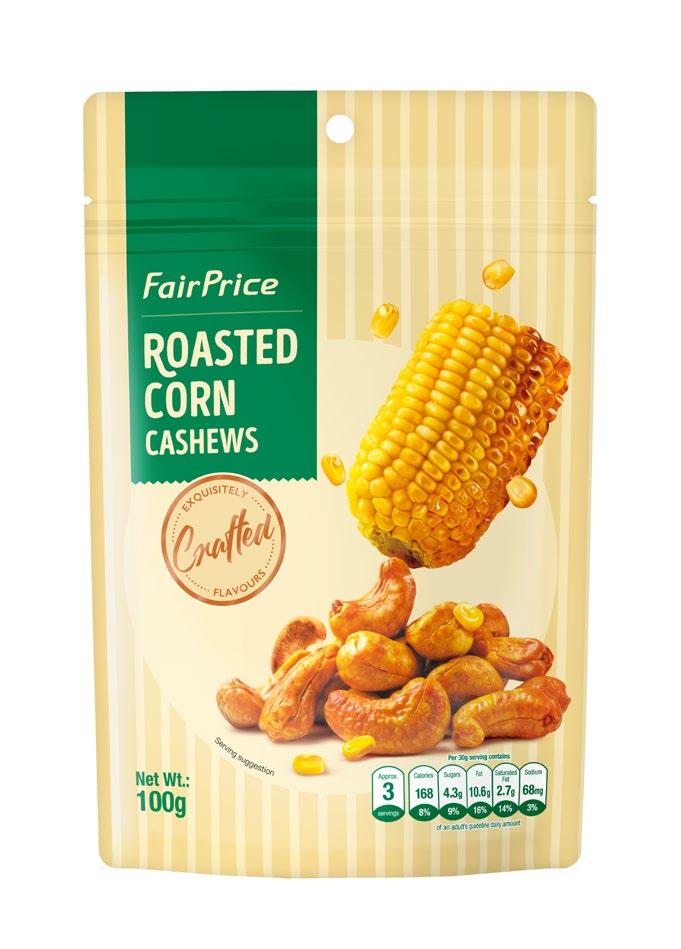
Products such as Matcha Latte, Hazelnut White Coffee, and Scented Gel attained leading positions in their respective segments. Sales across the FairPrice Supermarket, Hypermarket, Finest, and online formats demonstrated consistent consumer acceptance, supported by category strength and regular demand.
Celebrating national pride through product innovation
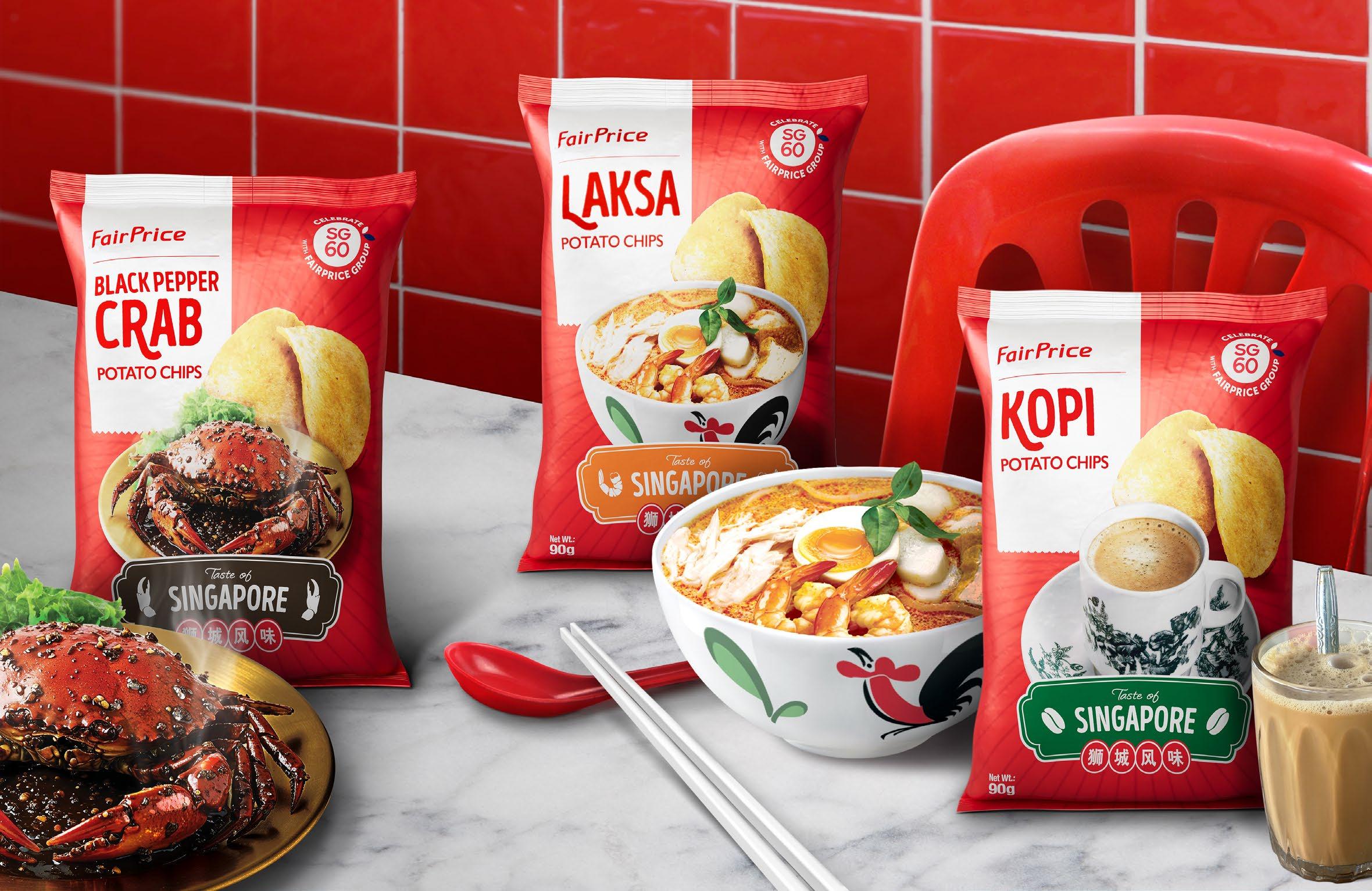
FairPrice Group also received Product Launch of the Year - Singapore for SG60 Potato Chips, a commemorative range developed to mark Singapore’s 60th year of independence. The collection featured three local flavours: Black Pepper Crab, Laksa, and Kopi, drawn
from iconic hawker dishes recognised across generations. Within three months, the SG60 launch achieved outstanding sales results and drove retail growth and excitement in the potato chips category.
The accompanying campaign was comprehensive in scope, spanning digital video releases, in-store activation, and direct sampling. Media partnerships exceeded 100 collaborations, which reported on product performance and flavour authenticity.
Making every day a little better
Through its Own Brands business, FairPrice Group focuses on delivering quality, affordability, and accessibility to consumers. Through the FairPrice HouseBrand, the Group does not just offer customers a wide range of products, including daily essentials and affordable indulgence snacks, but it also strives to be at the forefront of product innovation, growth, and making retail more exciting for consumers.
FairPrice HouseBrand will continue to help consumers enjoy more quality for less, ensuring that every day is made a little better for all.
Scan now to purchase FairPrice Snacks
FairPrice Group focuses on delivering quality, affordability, and accessibility to consumers
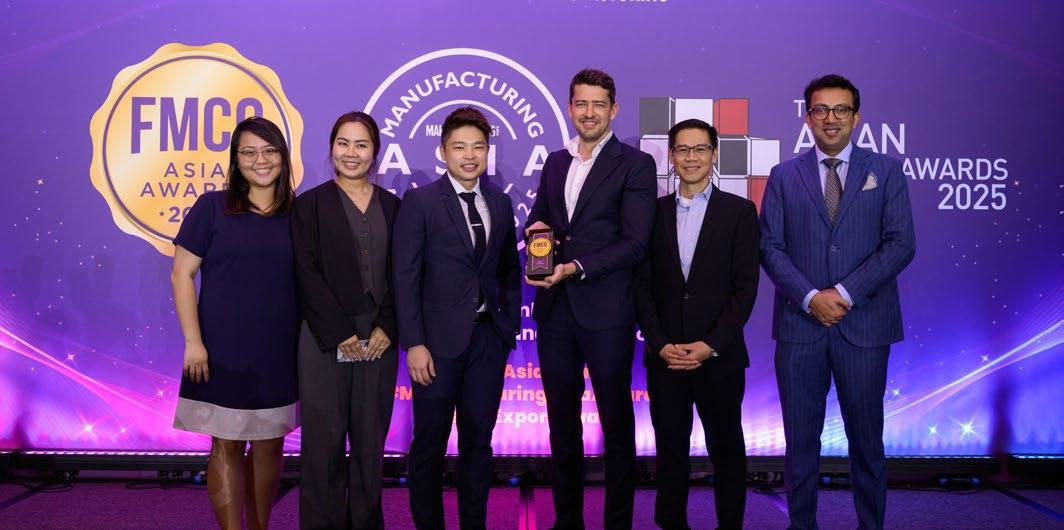
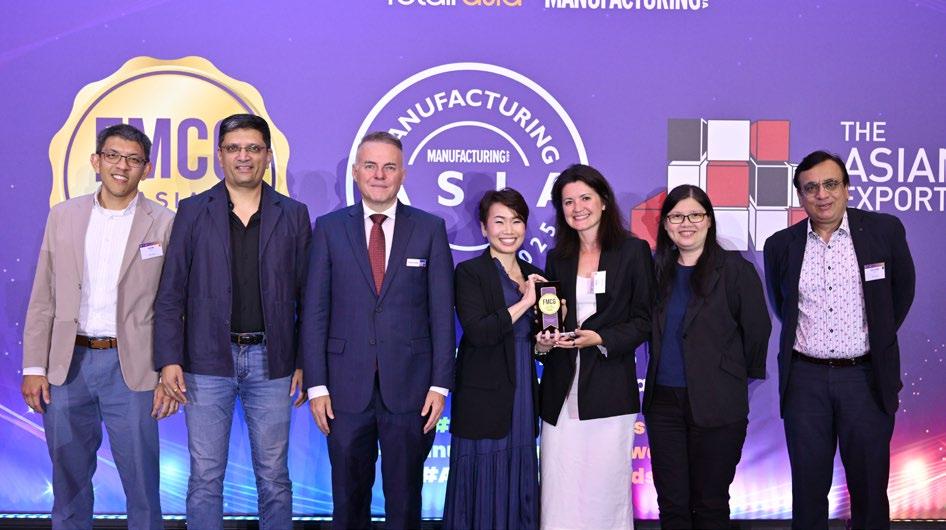
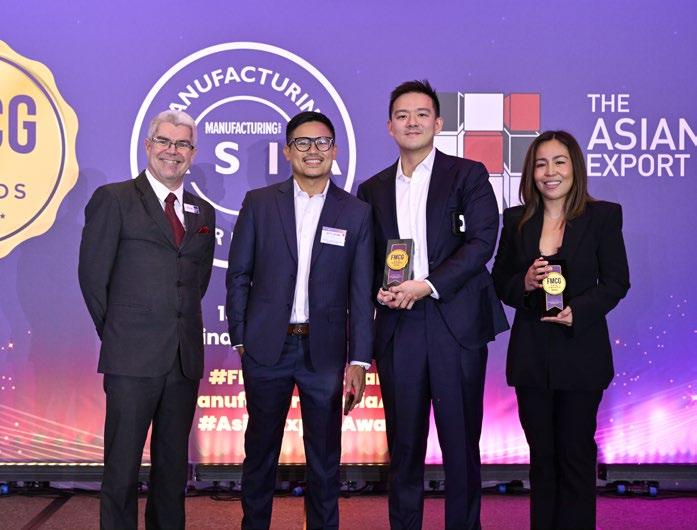
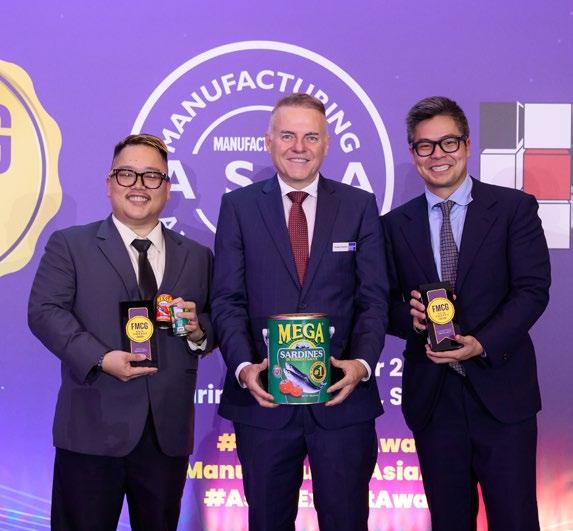
FairPrice Group at the FMCG Asia Awards 2025
FairPrice Group at the FMCG Asia Awards 2025
A thousand cranes, a thousand hopes: KitKat’s omnichannel journey to inspire Japan’s students
KitKat transformed Japan’s exam season into a nationwide celebration of hope, tradition.
In Japan, entrance exams—known as Juken—are more than academic tests. They are emotional milestones that shape futures, stir family bonds, and ignite hopes. For students, the pressure is immense; for parents, the anticipation is profound. In this high-stakes season, KitKat has long been more than a chocolate bar—it’s a cultural icon of encouragement. Its phonetic link to Kitto Katsu (“Sure Win”) has made it a cherished good luck charm since the 1990s.
But in 2024–25, KitKat reimagined this tradition for a digital-first world. The mission? To transform a simple gesture of support into a nationwide movement powered by omnichannel engagement, cutting-edge technology, and an audience-first mindset.
From tradition to transformation
KitKat’s strength lies in its emotional connection. For decades, students have received KitKats as a silent promise of success. This year, the brand amplified that promise through a campaign that blended heritage with innovation.
The message was clear: “You are not alone—we are cheering for you.”
To deliver this, KitKat built an omnichannel ecosystem that met audiences where they were—online, offline, and everywhere in between. From TikTok to TV, from social feeds to sacred shrines, KitKat became a beacon of hope across Japan.
Audience-first digital activation
Understanding that Gen Z lives in a mobilefirst world, KitKat partnered with top TikTok creators to craft short, inspiring videos that resonated with exam takers and their families. These weren’t ads—they were authentic stories of encouragement, designed to spark empathy and shareability. The campaign
extended to Instagram and Twitter, inviting people nationwide to post messages of support. Each message carried real emotion—and the brand printed them on KitKat wrappers, turning every bar into a personalised token of hope.
This wasn’t just digital—it was participatory. By empowering audiences to create and share, KitKat transformed passive viewers into active contributors. The result? Over 25 million organic views across social platforms and a TikTok livestream that drew 42,000 viewers in real time.
Tech meets culture
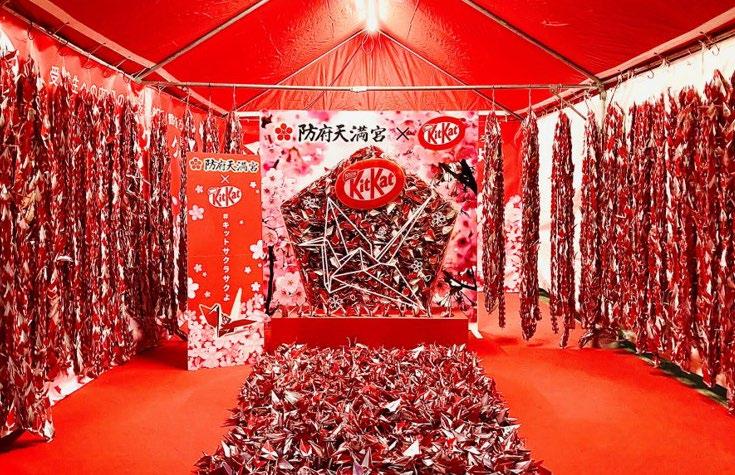
KitKat’s paper packaging became a canvas for creativity. It encouraged consumers to fold origami cranes—a timeless Japanese symbol of perseverance—and inscribe personal messages on them. The response was overwhelming: 10,000 cranes collected, each a tangible expression of belief and goodwill.
KitKat’s strength lies in its emotional connection
These cranes inspired the campaign’s most breathtaking moment: a drone show at Hofu Tenmangu Shrine, Japan’s oldest shrine dedicated to academic success. On New Year’s Day, 1,000 drones lit up the night sky, forming origami cranes and cherry blossoms—symbols of hope and new beginnings. Streamed live on TikTok, this spectacle united tens of thousands in a shared emotional experience, transcending physical boundaries through technology.
Omnichannel impact
This campaign wasn’t confined to screens. Through sampling activities, KitKat reached exam venues and family homes, ensuring that the message of encouragement was felt offline
as strongly as online. By integrating social media, influencer content, live streaming, retail touchpoints, and experiential events, KitKat created a seamless journey that kept the audience at the centre.
The results spoke volumes: market share went up by 140 basis points, sales of examthemed KitKat surged, and the campaign garnered 42,000 livestream views and 25 million organic impressions.
But beyond metrics, the true success was emotional. KitKat became more than a snack—it became a symbol of solidarity, bridging generations and communities in a moment of national significance.
Why it worked
Central to the success of KitKat’s omnichannel approach was an audience-first approach, omni-channel integration, and tech-driven creativity.
Every element—from TikTok videos to personalised wrappers—was designed around real human stories. KitKat connected physical and digital worlds, ensuring consistent messaging across platforms. Meanwhile, drones, live streaming, and social engagement turned tradition into a modern spectacle.
A future of connected encouragement
This campaign proves that when brands listen, innovate, and embrace omnichannel strategies, they can create movements—not just marketing. KitKat honoured a cultural tradition whilst leveraging technology to amplify its meaning. It reminded Japan that behind every exam is a story of courage— and KitKat will always be there to celebrate it, one message, one crane, and one light in the sky at a time.
Drone show at Hofu Tenmangu Shrine
10,000 origami cranes made of KitKat’s paper packaging
CDO Foodsphere scores back-to-back victories as Highlands and San Marino shine on the regional stage
The company took home wins for Highlands Gold Corned Beef and San Marino Corned Tuna.
Highlands and San Marino are more than flagship brands; they embody CDO Foodsphere, Inc.’s commitment to innovation and quality, reflecting the company’s vision of bringing food that feels like home to Filipino families.
This commitment has been recognised on the regional stage, with CDO Foodsphere honoured at the FMCG Asia Awards 2025 for the success of two major brand initiatives. The company received the Campaign of the Year - Philippines for Highlands Gold Corned Beef and the Product Campaign of the YearPhilippines for San Marino Corned Tuna. Both campaigns reinforced the brands’ strength in their respective markets.
Highlands Gold transformed a simple truth into a campaign people connected with The Highlands Gold campaign centred on a singular, authentic message, made-withAngus-beef, and transformed it into a story of discovery and modern mealtime experiences.
The rollout featured two key phases: A chef-hosted food tasting event where food and lifestyle creators documented their firsttime reactions to Highlands Gold across a variety of dishes, generating organic curiosity and conversation. A second wave expanded the narrative through a stylised brunch gathering, where returning and new creators showcased how Highlands Gold fits naturally into modern meals and shared moments, shifting perception from a premium treat to an everyday staple.
The Highlands Gold campaign delivered
not only creative recognition but also measurable business results. According to Nielsen, the brand recorded significant sales growth, increased segment share in premium corned beef, and strong year-todate value performance, clear indicators that the refreshed positioning translated into commercial impact.
This momentum reflects the campaign’s ability to drive both business and brand outcomes by strengthening consumer trust, improving preference, and reinforcing Highlands Gold’s presence in its category.
This is the kind of love Filipino families deserve without stretching their budgets
San Marino inspires consumers to choose ‘The Love You Deserve’ San Marino Corned Tuna stood out for its remarkable brand turnaround, successfully turning consumer hesitation into actual purchases by leveraging its core promise of “siksik, sarap, sulit” (generously packed tuna meat in every can, flavours that satisfy, and true value-for-money). Featuring celebrity couple Sarah Geronimo and Matteo Guidicelli, it paired emotional storytelling with clear product benefits: full-packed tuna, rich flavour, and less oil. By positioning San Marino as a rewarding choice that families truly “deserve,” the campaign sparked a major resurgence in
both brand image and market traction.
The campaign delivered both strong creative recognition and tangible business results. According to Kantar Homepanel, it drove double-digit growth, outperforming the canned tuna category, expanded market share, and reinforced the brand’s leadership in corned tuna. This performance demonstrates how the campaign impacted the business whilst strengthening consumer trust and deepening brand preference across its target market.
“We are incredibly grateful to receive multiple recognitions this year,” said Bernice Ilacad-Jalgalado, VP for Marketing.
“These awards are more than milestones. They remind us why we do what we do. We’re proud of the recognition, but even prouder of the trust our consumers give us. This is for them too, they inspire us to create campaigns like ‘It’s High Time’ and ‘The Love You Deserve,’ because this is the kind of love Filipino families deserve without stretching their budgets.”
With these accolades, CDO Foodsphere strengthens its position as a Filipino company, raising the bar for product marketing across the region.
It proves that purpose-driven campaigns that are grounded in product functionality, compelling storytelling, and brand authenticity can deliver both commercial success and deeper consumer loyalty.
To stay updated on more milestones, follow Highlands Gold Corned Beef and San Marino Corned Tuna on Facebook.
CDO Foodsphere takes home 2 trophies at the FMCG Asia Awards 2025
C.P. Vietnam Corporation and CPV Food Binh Phuoc win at FMCG Asia Awards 2025
The brands leveraged technology and environmental stewardship to deliver sustainable food solutions.
C.P. Vietnam Corporation and its subsidiary CPV Food Binh Phuoc received distinctions at the FMCG Asia Awards 2025 in the Consumer Good of the Year (Ready-to-eat Meals)Vietnam and Sustainability Initiative of the Year - Vietnam categories.
The awards recognise the brands’ methodical work in improving food quality and embedding sustainability across every stage of their Feed-Farm-Food model. Each distinction points to disciplined execution rather than scale alone, highlighting a structured approach to production and environmental management.
foods closed production and business model
Transforming ready-to-eat dining with global standards and local taste
In Binh Phuoc Province, CPV Food Binh Phuoc operates one of Southeast Asia’s most advanced poultry processing complexes. The facility, developed through an investment of US$230m, integrates feed production, breeding, farming, slaughtering, and processing into a single closed system.
It uses automation, artificial intelligence, and Big Data for production management and quality verification. Every stage is traceable, from hatchery to finished product.
Operations began in 2020. Since then,
CPV Food Binh Phuoc and C.P. Vietnam Corporation provide an example of how industrial food production can advance within a framework of accountability and long-term sustainability
CPV Food Binh Phuoc has built a strong position in Vietnam’s ready-to-eat segment and developed export lines that comply with the standards of Japan and Europe. The company applies technology alongside culinary expertise to produce meals suited to different markets. The award underscores its contribution to Vietnam’s processed food capability and its alignment with global supply chain expectations.
Driving Vietnam’s green transition from farm to family
C.P. Vietnam Corporation was also recognised for its structured sustainability agenda.
Guided by its “From Farm to Family” philosophy and Seven Sustainability Focuses, the company acted on key environmental priorities, including climate adaptation, renewable energy, and biodiversity protection. Its “Journey for a Green Vietnam” reached a verified milestone of 1.2 million trees planted by the end of 2024, part of its wider goal of 1.5 million trees nationwide.
Coal use ended in 2021. Since then, solar and biogas have replaced conventional energy sources, supported by water and waste management systems aligned with a circular economy. These measures form part of the company’s pathway to Net-zero emissions by 2050 and contribute measurable results at both operational and community levels.
Together, CPV Food Binh Phuoc and C.P. Vietnam Corporation provide an example of how industrial food production can advance within a framework of accountability and longterm sustainability.
CPV Food Binh Phuoc and C.P. Vietnam Corporation at the FMCG Asia Awards 2025
Vietnam proudly reached the milestone of planting 1 million trees for the community
On 11.11, the real battle lies in shopper confidence – not the biggest discount
As November rolls around, digital platforms and physical stores around Asia-Pacific (APAC) gear up for the annual rush of Singles’ Day, also known as 11.11. It has become one of the region's biggest retail moments in the calendar year.
What started as a Chinese phenomenon has now grown into a pan-Asian celebration, as millions of shoppers hunt for lightning deals, exclusive launches, and once-a-year bargains.
However, as competition intensifies and the market matures, it’s high time for brands and merchants alike to tackle one of the biggest challenges: cart abandonment. Even during peak shopping festivals, when excitement and discounts run high, brands and retailers struggle with shoppers dropping off at checkout.
In APAC, cart abandonment stands at an overwhelming 80.3%, notably higher than EMEA (78.38%) and the Americas (72.5%). For marketers in digital-first markets such as Singapore, this remains one of e-commerce’s thorniest problems.
Why do shoppers bail? At its core, cart abandonment points to a deeper challenge: a lack of shopper confidence. Faced with overwhelming options in a marketplace saturated with choices, consumers hesitate– second-guessing the price, the product, and ultimately, the purchase itself.
Nowhere is this behaviour more visible than amongst Gen Z shoppers, a digitally native cohort shaped by constant stimulation and easy access to options. As they grow to represent a quarter of the region’s population by 2025, their rising purchasing power and expectations are redefining how brands must address cart abandonment.
For brands and marketers, this generation is the new battleground for earning checkout confidence.
The real culprit: Decision overload and consumer confidence
The issue of cart abandonment amongst the Gen Z shopper goes beyond technical glitches at checkout, it’s a symptom of decision overload. Having grown up in a digital-first environment, constant connectivity, and limitless choice have made this generation more informed than ever, yet also more indecisive due to a constant barrage of options.
Nearly half of Gen Z shoppers say it has become harder to make decisions compared to a year ago. This surge in options leads to decision paralysis, where shoppers hesitate because they are unsure if they have found the best fit.
For many, the problem starts well before checkout; it begins at product discovery and evaluation, where too many options and too little guidance can erode confidence. Building that confidence early, through clear, relevant curation, has become essential.
A study by The Decision Lab and Morning Consult found that more than seven in 10 Gen Z shoppers struggle to strike the right balance between having enough options and feeling overwhelmed.
This is where curation steps in. More than just a buzzword, curation is the art and science of organising options to ease decision overload and build shopper confidence.
MARTIN
MACHINANDIARENA
Managing Director of Global Sales
Pinterest
When faced with hundreds of similar options, consumers value guidance in narrowing down their decisions, clearing pathways to help them feel secure in their decisions.
In APAC, this need for relevance is even more pronounced due to the significant influence of Gen Z consumers. This digitally native generation’s shopping behaviours are reshaping the markets, with them expecting brands to not only simplify search but also reflect their individuality and values.
Recent studies show that nearly two-thirds of shoppers prefer personalised shopping recommendations, with 75% of shoppers saying the ability to refine options leads to more confident purchases. In fact, 60% of shoppers believe that curation helps ease FOBO (fear of better options), a figure that climbs higher amongst Gen Z at 68%.
For brands, this means that curation must go beyond generic recommendations to deliver personalised and intuitive experiences tailored to this demographic.
When done well, curation goes beyond reducing friction, it builds consumer trust and drives deeper engagement. According to a recent Decisions report, 90% of users surveyed have found that curation enables them to find products relevant to them, building consumer confidence and inspiration to purchase.
Yet, despite the importance of personal relevance in today’s shopping experience, many businesses across APAC have yet to fully operationalise strategies for confident curation.
This gap between consumer expectations and brand execution is precisely where the next opportunity lies.
From curation to confidence
Fixing cart abandonment is not only a technology problem; it is a trust problem. Shoppers abandon carts when they are unsure about fit, value, or fulfilment, so the simplest wins are the ones that reduce doubt early. Brands can translate this into simple, measurable actions by focusing on five key strategies to engage shoppers at multiple stages of their buying journey.
First, begin by uploading and optimising your product catalogue to ensure your items are easily discoverable across search and browsing experiences. Second, create curated, image-first creative content that highlights complete looks rather than single items, helping shoppers visualise your brand’s offerings in lifestyle contexts. Third, leverage advanced ad tools designed to optimise performance and drive results, enabling campaigns to reach the right customers at the right time. Fourth, adopt a full-funnel media strategy to help shape shopper decisions continuously, amplifying impact beyond single touchpoints. For example, brands can remove last-mile doubt by making delivery windows, costs and payment options explicit on each product listing.
Finally, establish reliable measurement systems that track both short-and-long-term outcomes to understand a campaign’s effect and help guide ongoing optimisation. When discovery is visual and curation is deliberate, shoppers gain clarity earlier and are far more likely to complete a purchase.
Winning at the shelf: Innovative packaging strategies
ALBERT DEL FONSO Packaging Portfolio Director
Packaging isn’t a flat image on a screen. It’s something we interact with. Walk into any supermarket in Southeast Asia, and the story plays out the same way: hundreds of products fighting for just a few seconds of consumer attention.
As the convenience food market rapidly expands across the Asia-Pacific (APAC) region, projected to hit $38.3b by 2033, those few seconds have never mattered more.
At the same time, the role of food packaging is shifting. It’s no longer just about food storage protection or portability.
Today’s consumers expect more convenient, shelf-stable options across categories like soups, sauces, and ready meals, driven by busier urban lifestyles, smaller households, and growing demand for time-saving packaging formats.
That’s opening the door for new and sustainable packaging formats, like retortable cartons, that are helping brands break away from traditional jars and cans, which combine function, storytelling, and shelf presence without compromising on quality.
Retortable cartons aren’t just changing how food looks on the shelf—they’re reshaping entire categories.
Here are four strategies I’ve seen consistently deliver results at the shelf, and increasingly, at the checkout.
Keep it simple, make it clear
When shoppers are browsing the aisles, your food package design needs to get straight to the point and help your product stand out on the shelf. Every detail counts, from the packaging form factor to the font choice on the label.
But standing out isn’t just about looking flashy. What really drives a purchase runs deeper: clarity, relevance, and how quickly a package communicates trust and value.
A common mistake we see is trying to say too much, too fast. When the front of a package is overloaded with claims, logos and other visual elements, it quickly turns into clutter. Instead of grabbing attention, it confuses or overwhelms—leading shoppers to move on.
In a crowded aisle, less really is more.
When consumers describe packaging that feels “premium” to them, they tend to value clarity over excess. They are drawn to packaging design that is consistent, familiar and effectively conveys a brand’s quality throughout the entire consumer journey.
Simplicity here is fundamental – the package and branding don’t just have to sell the product but also create recognition and a connection with the product. Consumers want to immediately understand what they’re buying at a glance, and to feel confident in that choice.
Balance the familiar with the fresh
That doesn’t mean innovation is off the table. In fact, consumers appreciate packaging that feels distinctive and modern—but not so new or different that they don’t recognise it.
I’ve found the most successful brands walk a fine line: they respect the visual codes of their category whilst finding subtle ways to
modernise or elevate them.
You need to look like you belong on that shelf—but not like everyone else. We’re seeing several dynamic brands reimagining legacy categories, like canned soups or pet food, by shifting to formats such as lightweight cartons. These changes update both look and perception, helping brands stand out and often appeal to new consumer segments.
Use structure as a storytelling tool
Packaging isn’t a flat image on a screen. It’s something we interact with. It’s held, opened, poured, stored, and sometimes reused. That makes every panel—front, back, top, and side—a valuable touchpoint to tell your story.
Packaging formats like six-sided cartons offer a unique advantage: multiple flat surfaces that allow for bold graphics, clear information, and deeper brand storytelling. From usage tips to sustainability messages to origin stories, these additional faces become a medium for consumer engagement.
Effective package design considers the full experience. The front of the pack plays a critical role, it should clearly convey what the product is and why it matters within seconds, without adding clutter.
But the story doesn’t have to end there. Other panels offer room to inform, reassure, or delight. We often remind teams: start with clarity, then build with intention. Think about how the pack stacks on a shelf, fits in a fridge, slides into a pantry, or feels when opened at the table.
Create the billboard effect
When multiple packages stack together side by side, they become more than individual units—they become a brand block. This is where cartons shine.
With flat, forward-facing panels and consistent sizing, cartons create a strong shelf presence that instantly catches the consumer’s eye. They align neatly to form a clean, continuous display that’s easy to spot and hard to ignore. Their rectangular design maximises your brand’s visibility whilst taking up to 40% less shelf space than conventional packaging.
Ultimately, this is what product differentiation comes down to: connecting the dots between grabbing your attention, recognising the brand or products. It’s a tremendous opportunity that can deliver big results: better visibility, stronger brand recognition, and faster shopper decisions.
Packaging decisions used to live in marketing or design teams. Today, they’re increasingly discussed at boardroom tables. And rightly so. Because the right packaging doesn’t just look good—it performs. It shapes perception, triggers impulse, encourages repeat purchases, and in some cases, revitalises an entire brand, or potentially unlocking a brand-new revenue stream.
Rosella’s relaunch is a great example. When the iconic Australian soup brand moved from cans to cartons, it did more than refresh its look. It reconnected with consumers—and quickly became the topselling tomato soup in major retailers.